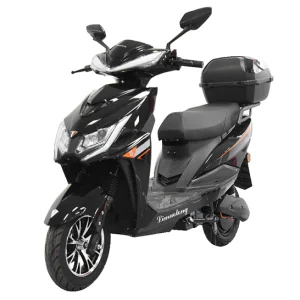
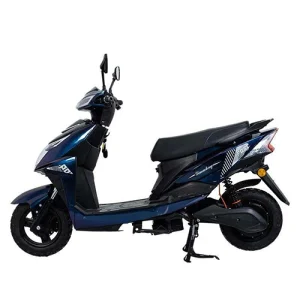
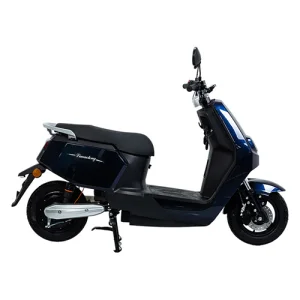
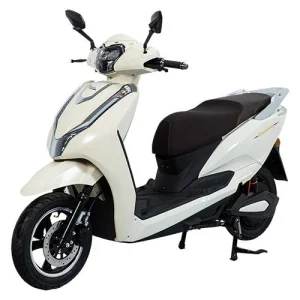
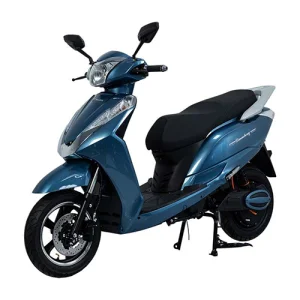
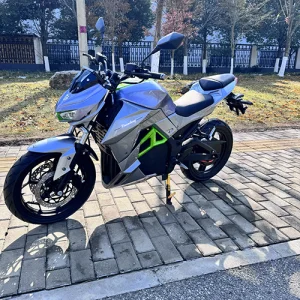
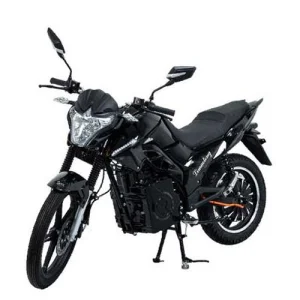
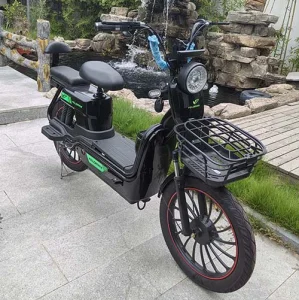
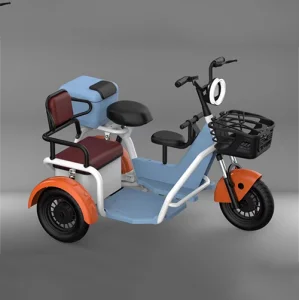
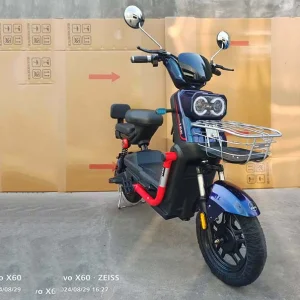
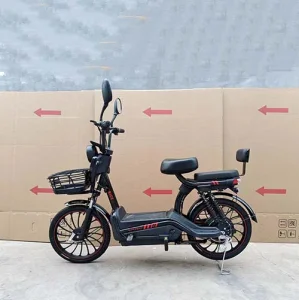
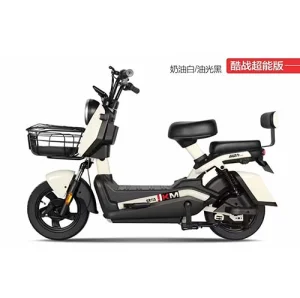
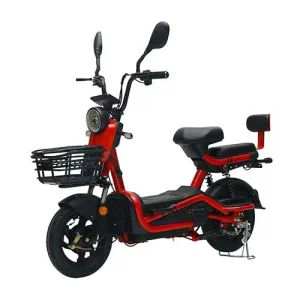
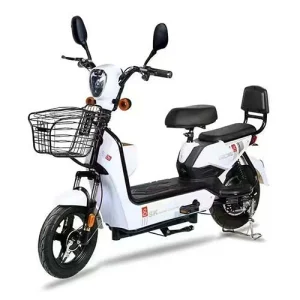
Engineered for endurance, speed, and city riding conditions. Direct from factory sourcing.
A deep industry analysis covering LTO regulations, infrastructure challenges, battery technology, and custom logistics for Philippine fleet managers and importers.
The Philippines is experiencing a fast transitions in urban transportation. Faced with historic traffic bottlenecks in Metro Manila, Metro Cebu, and Davao, combined with skyrocketing prices of petroleum, the demand for green, economic, and nimble mobility options has surged. Two-wheeled electric bikes have progressed from novel consumer goods into essential commercial assets.
A key structural driver is the Electric Vehicle Industry Development Act (EVIDA), which mandates EV quotas for corporate fleets and offers tax incentives to expedite the transition away from internal combustion engines. This legal framework has lowered entry barriers for logistics agencies, on-demand courier networks, and local governments establishing public transit alternatives. However, deploying e-bikes in the Philippines requires an understanding of localized road systems and tropical conditions.
Sourcing off-the-shelf electric vehicles often leads to premature component failure when introduced to the Philippine microclimate. Suppliers must adapt their engineering specifications to counter three primary physical threats:
Partnering with a mature Chinese manufacturer like Shandong Li Mao Tong Group bridges the gap between cost efficiency and technical quality. China's new-energy vehicle ecosystem delivers scale advantages that lower cost-per-unit metrics, enabling Philippine distributors to secure competitive margins.
Beyond cost, the biggest advantage lies in customization (ODM). Distributors can request thicker steel chassis, upgraded rear cargo racks for courier logistics, and dual-battery configurations designed to handle long-distance regional deliveries.
| Performance Spec | Standard Import Specs | Logistics & Fleet Standard | Mountain / Rural Setup |
|---|---|---|---|
| Motor Output | 350W - 500W brushless hub | 1000W - 2000W brushless rear-hub | 2000W+ Mid-drive motor |
| Battery Composition | 48V 12Ah Lead-Acid / Li-ion | 60V - 72V 20Ah / 30Ah LFP (LiFePO4) | 72V 40Ah Dual battery pack (NMC) |
| LTO License Required | No (Maximum speed < 25km/h) | Yes (Category L2a/L2b) | Yes (Category L3) |
| Target Application | Subdivision transit / Last-mile | Logistics / Food delivery riders | Hilly terrains (Baguio, Tagaytay) |
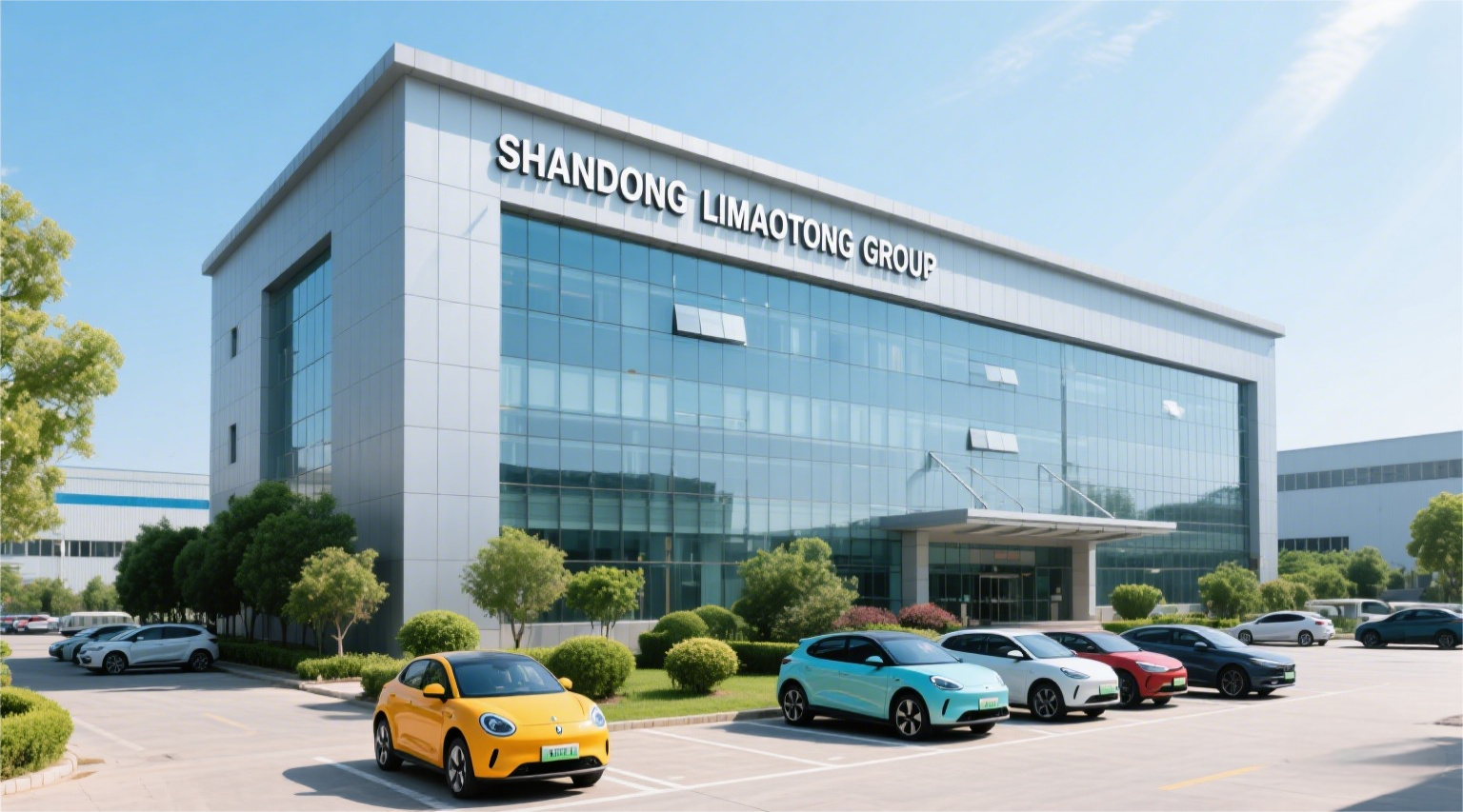
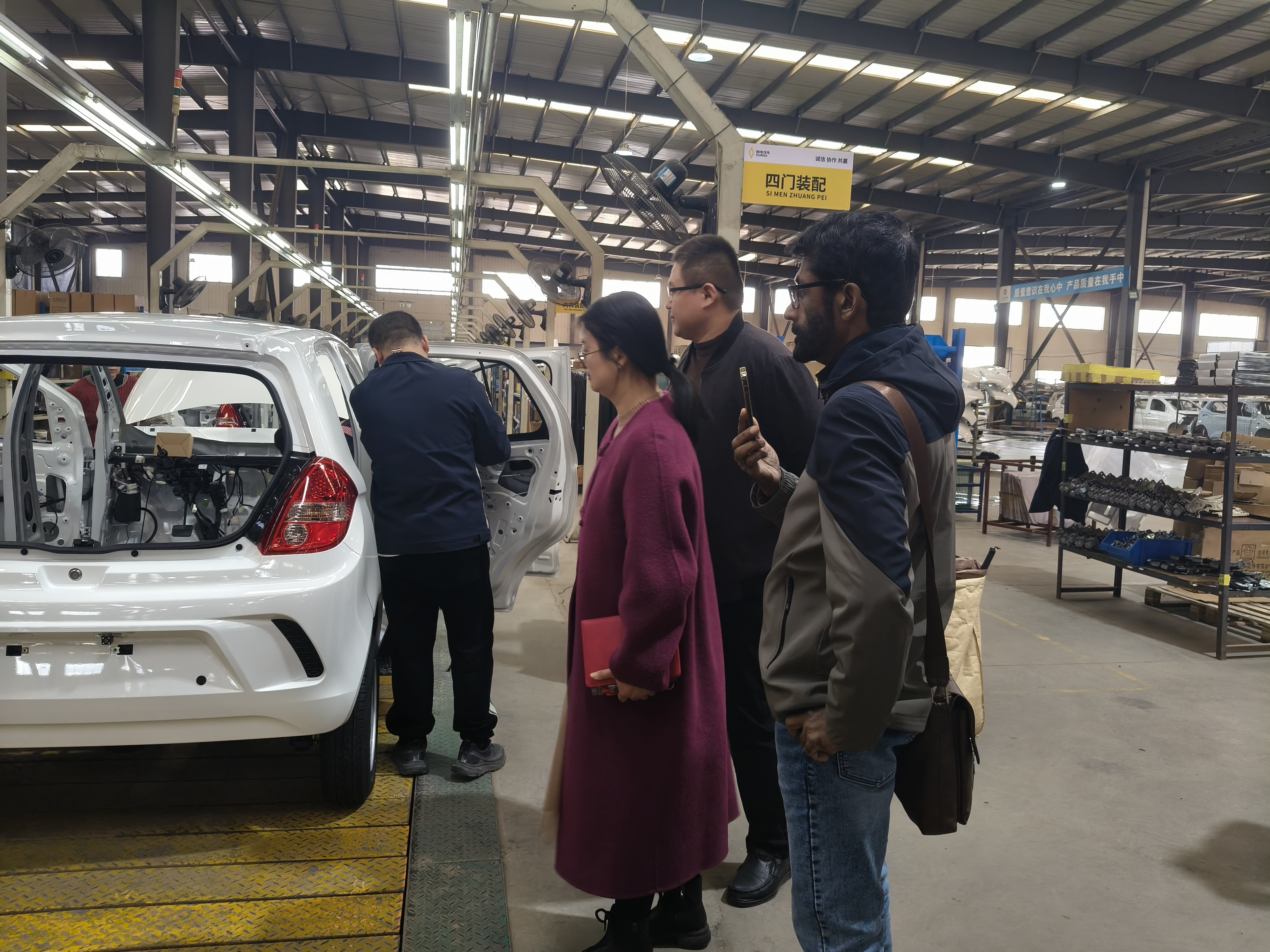
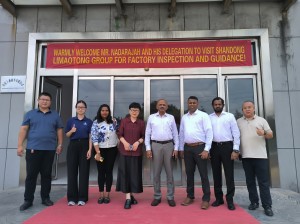
SHANDONG LI MAO TONG GROUP is a global supplier of high-quality vehicles, with a complete industrial chain, specialized in research, manufacture, and international sales of motor tricycles, cargo tricycles, electric mini cars, and high-performance two-wheeled electric bikes. Since our establishment, our vehicles have served over 120 countries and regions worldwide, with our brand reaching more than 20 million households globally.
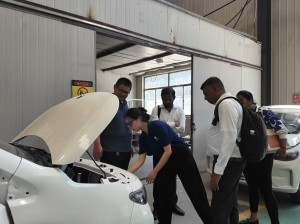
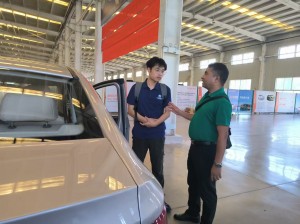
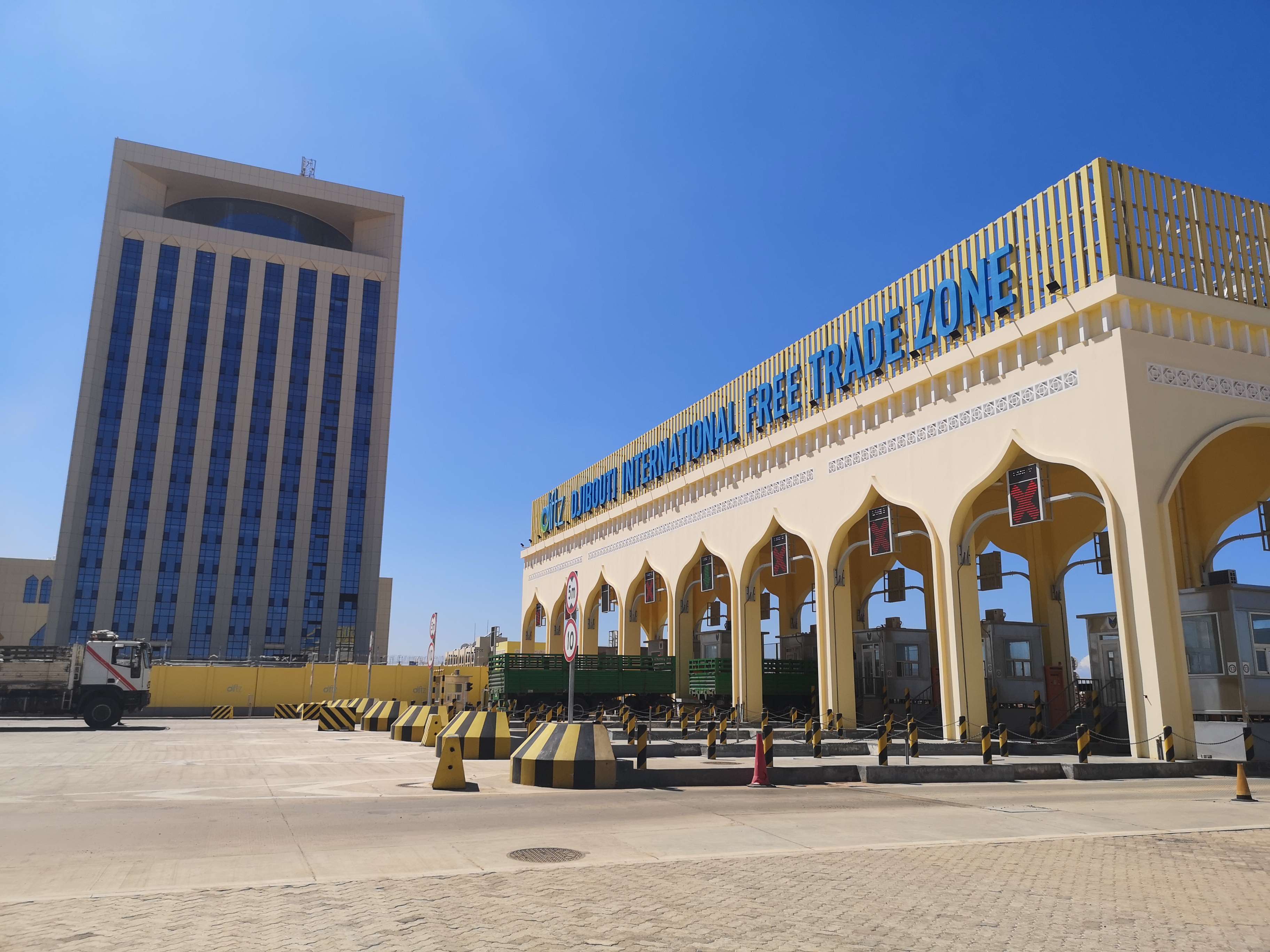
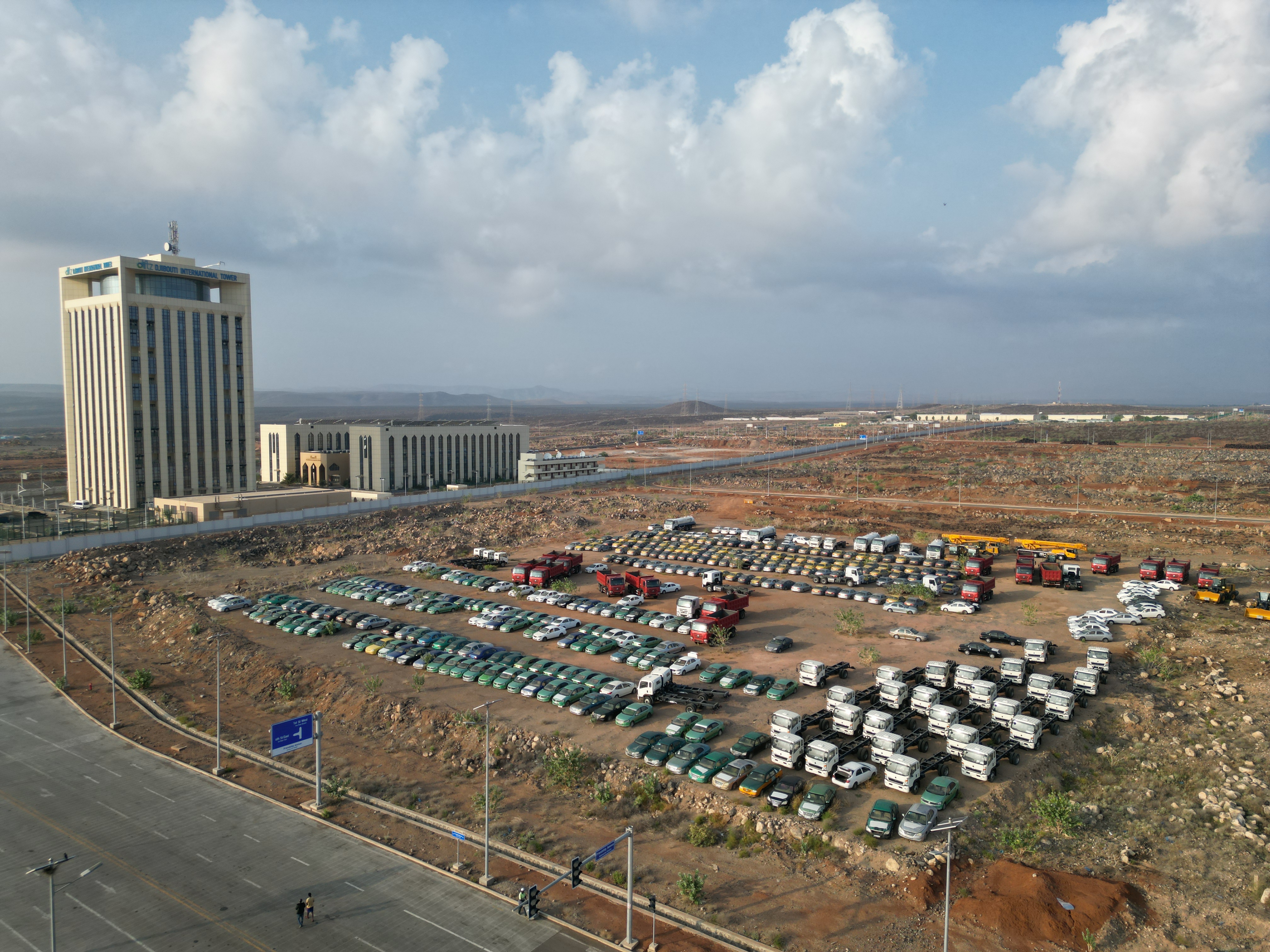
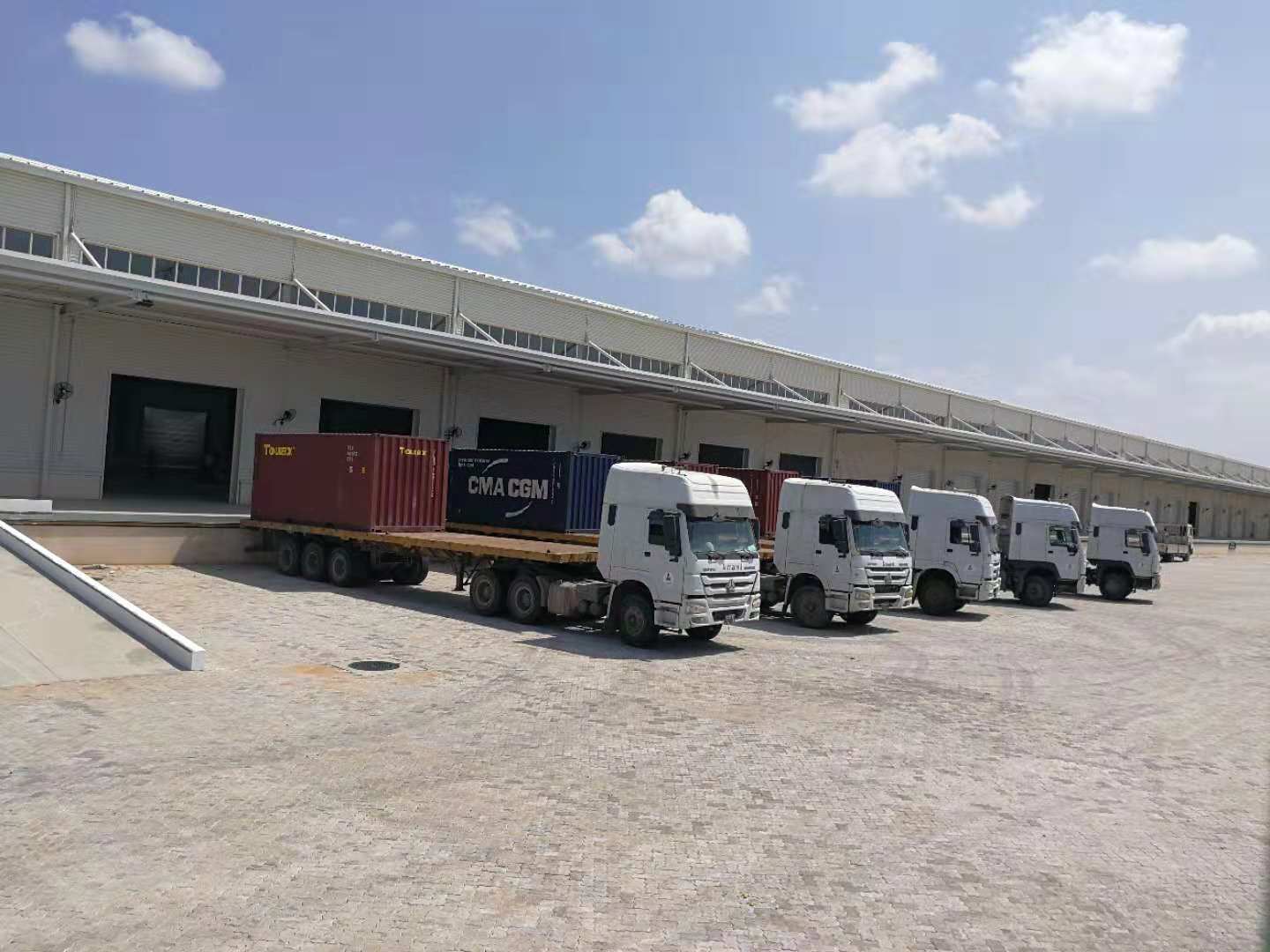
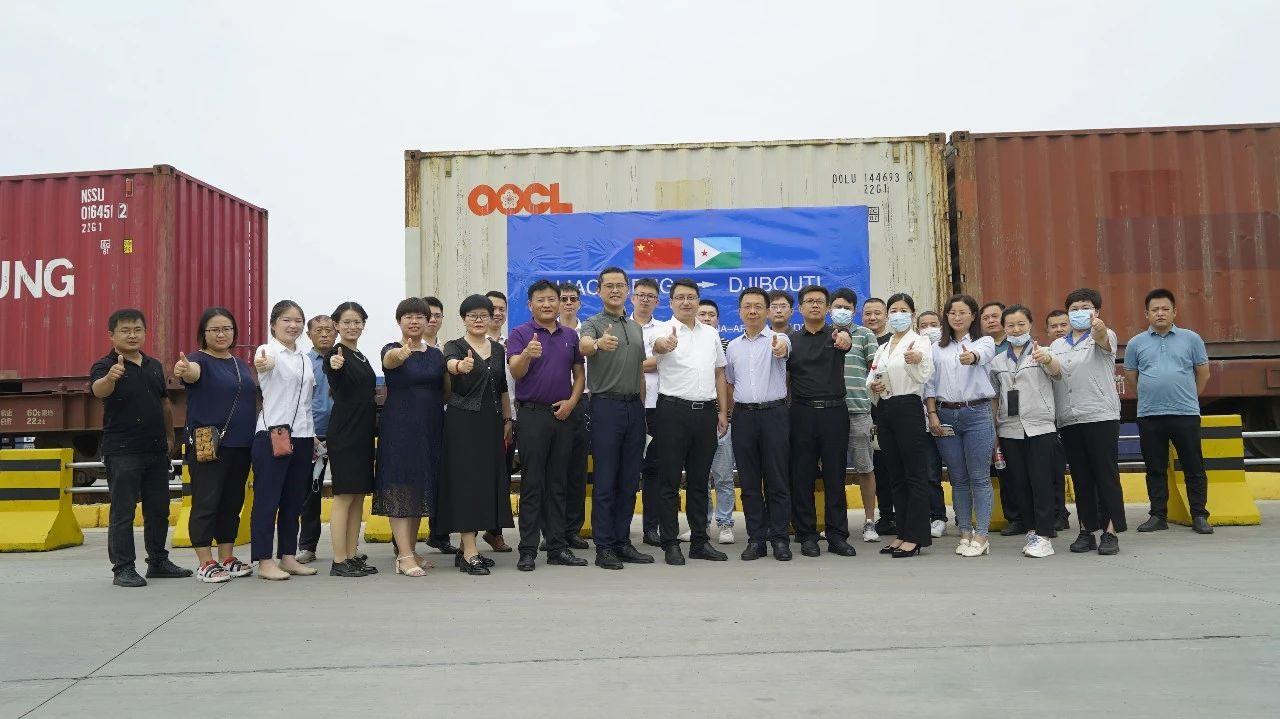
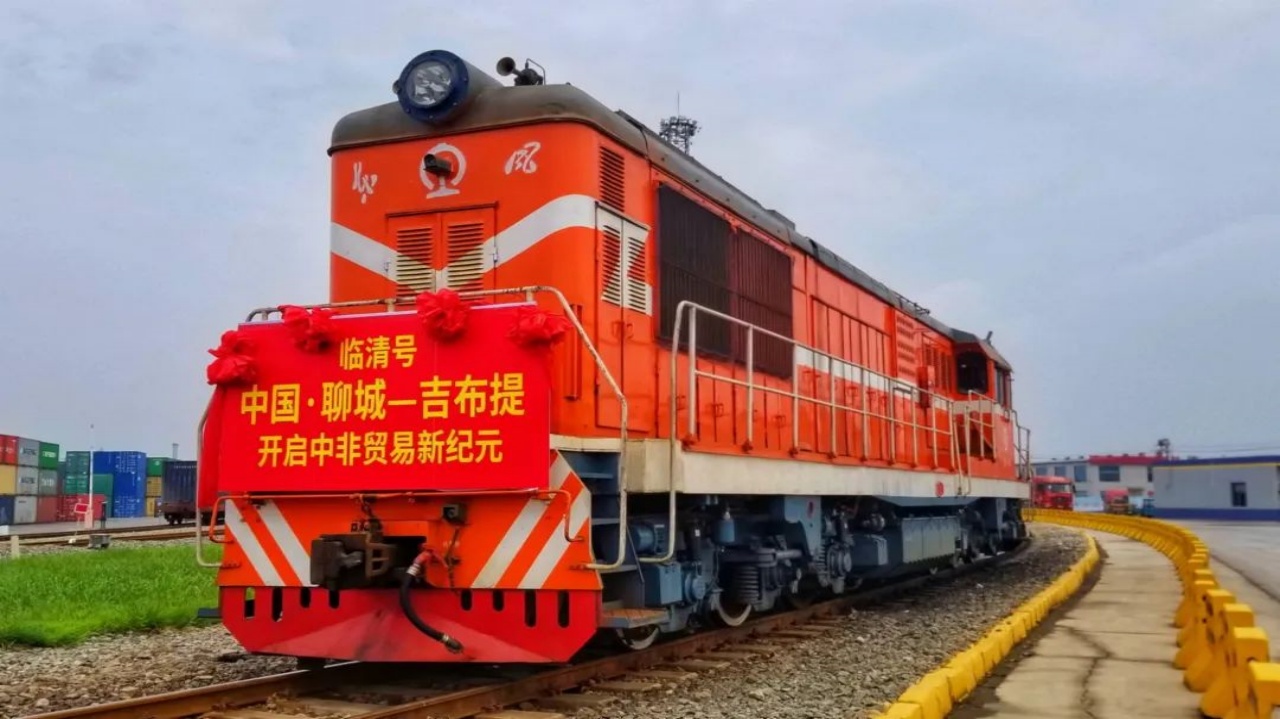
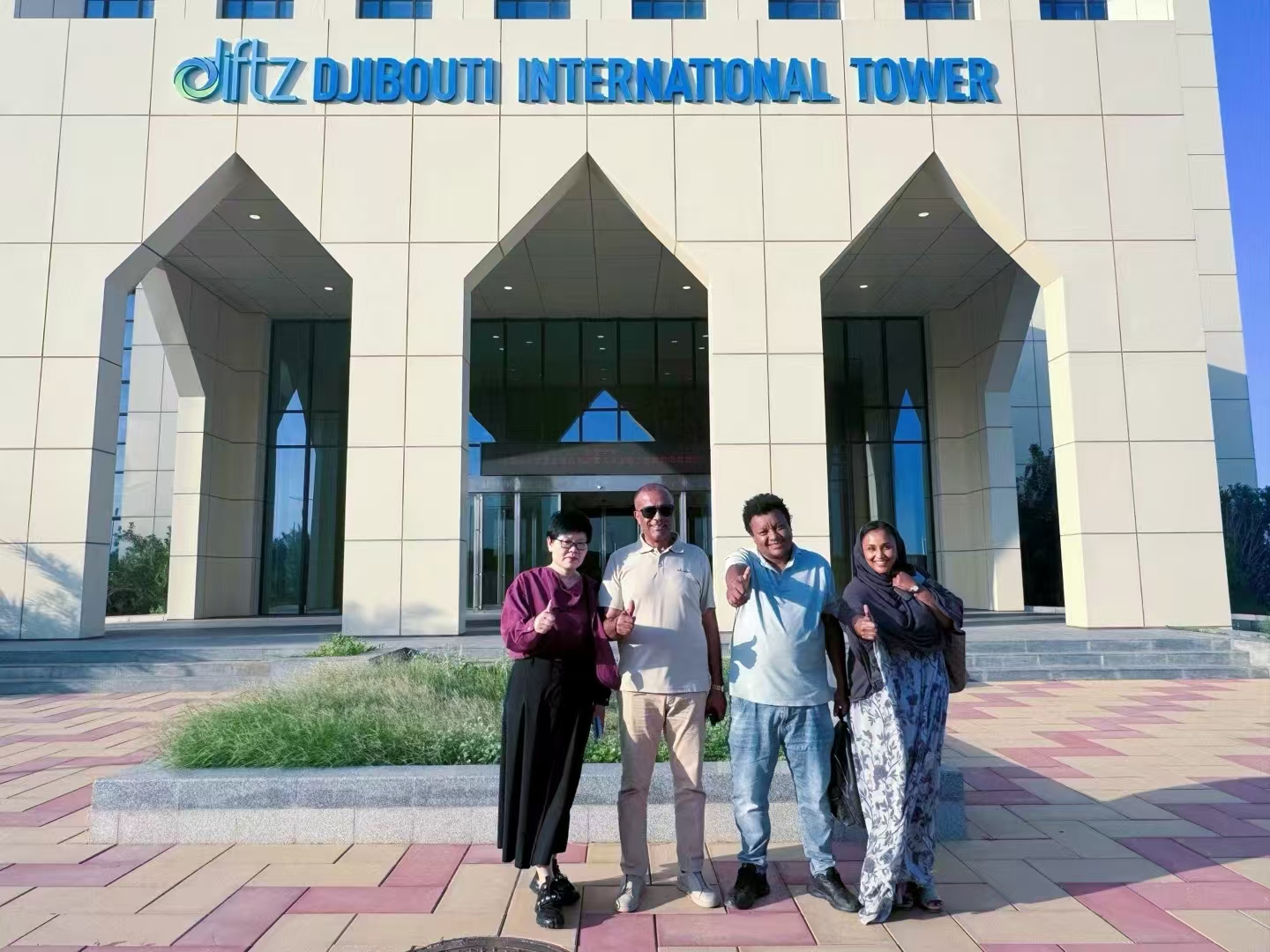
Supported by 8 overseas production bases, we provide comprehensive vehicle solutions to markets around the world. We attach great importance to after-sales service, and have set up overseas warehouses in East Africa (Djibouti) and are equipped with a professional after-sales team and complete after-sales facilities to resolve consumer queries and technical issues instantly.
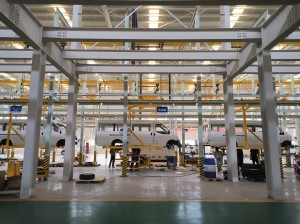
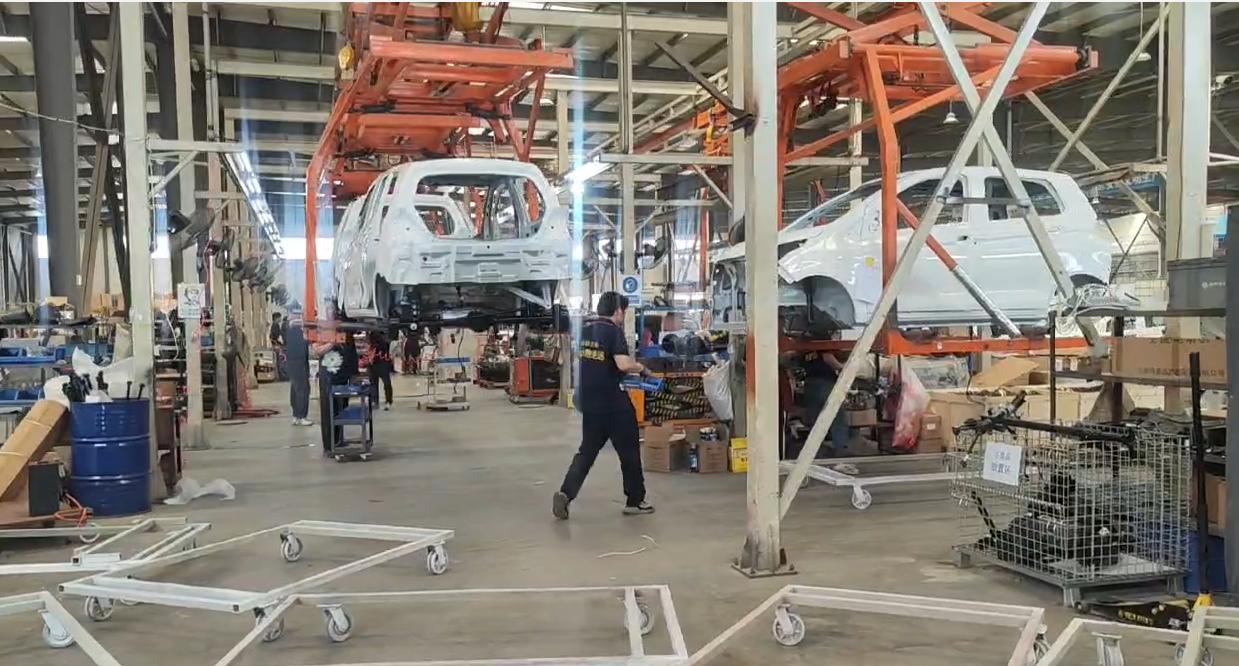
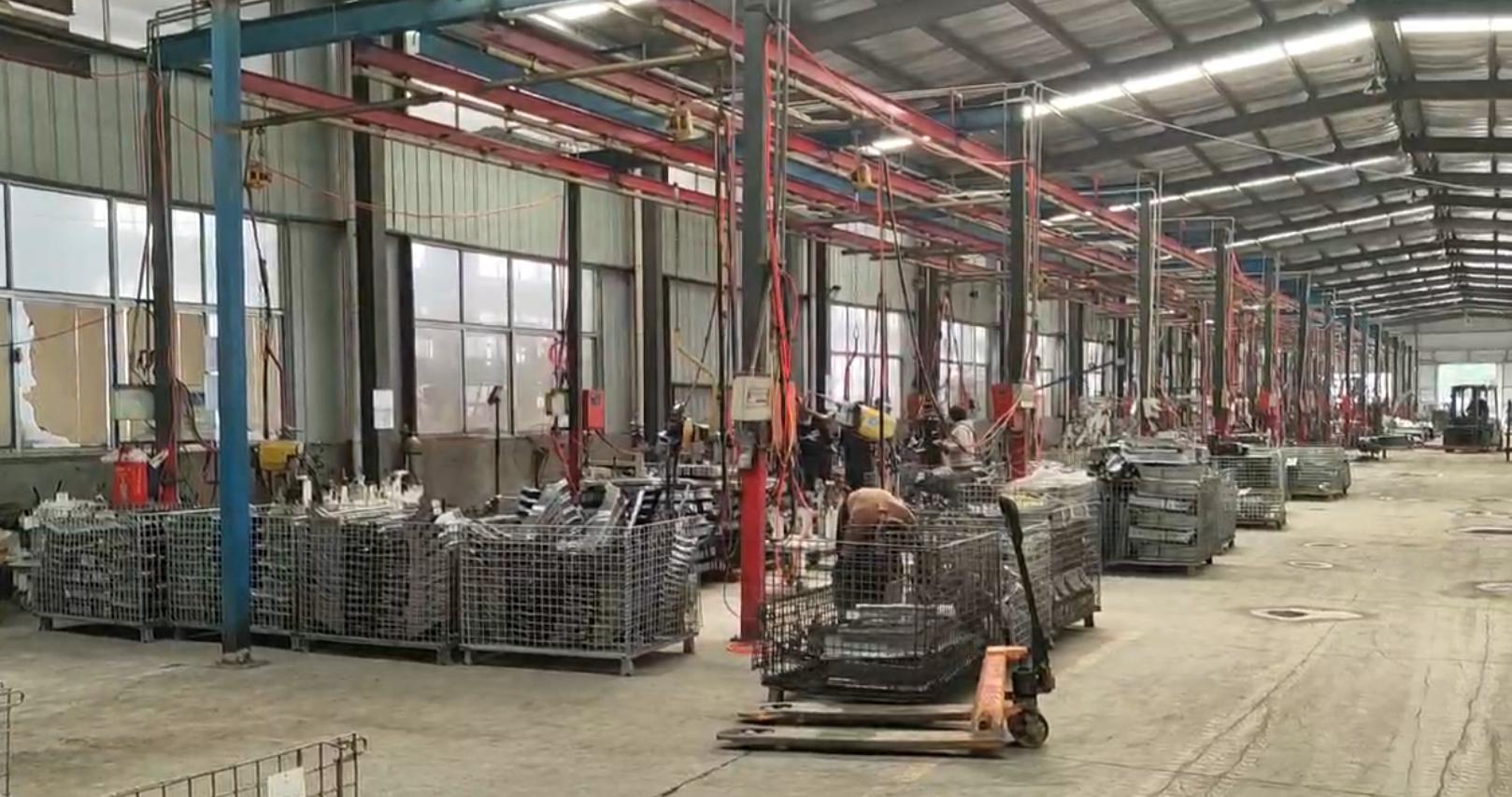
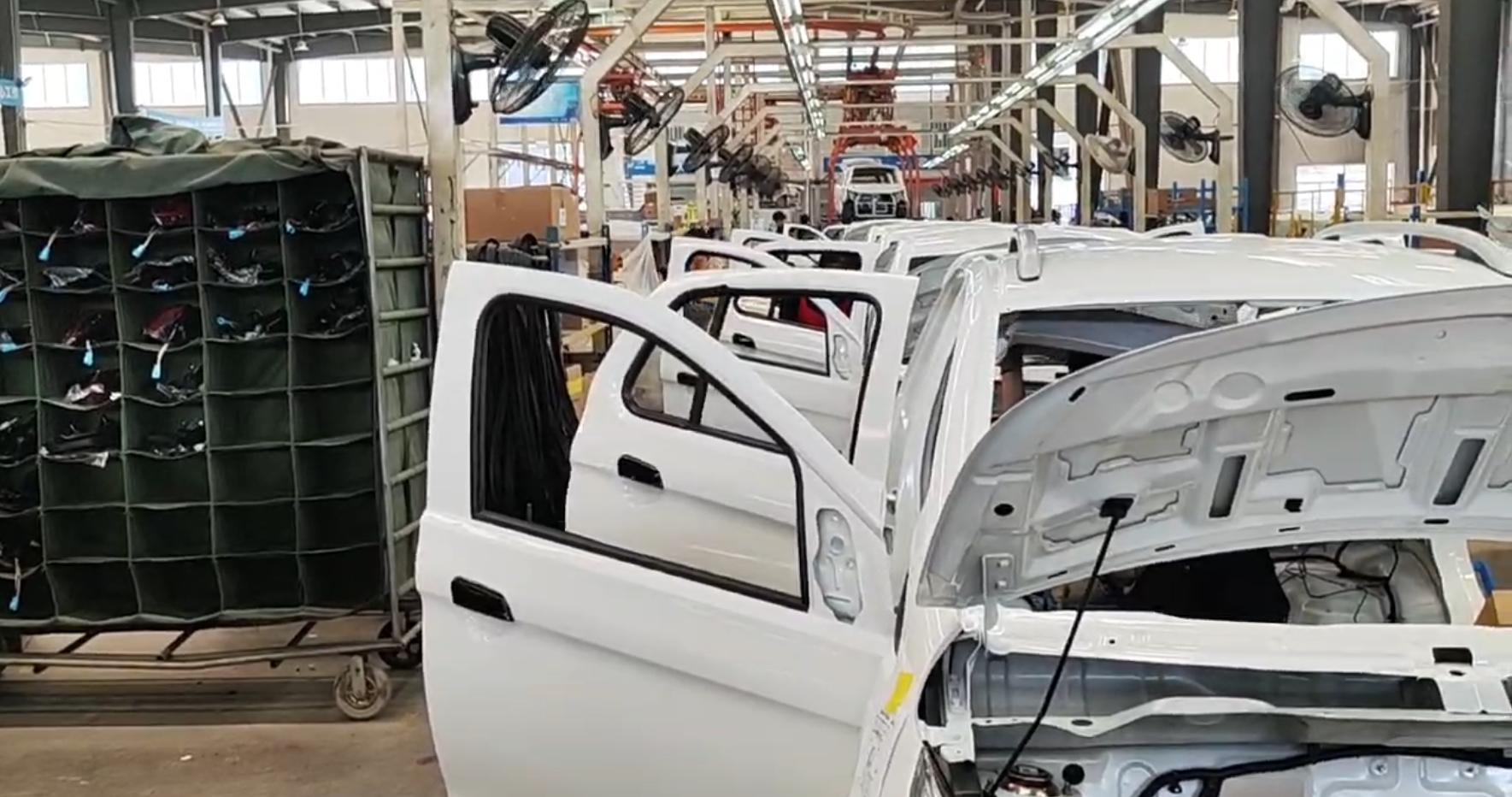
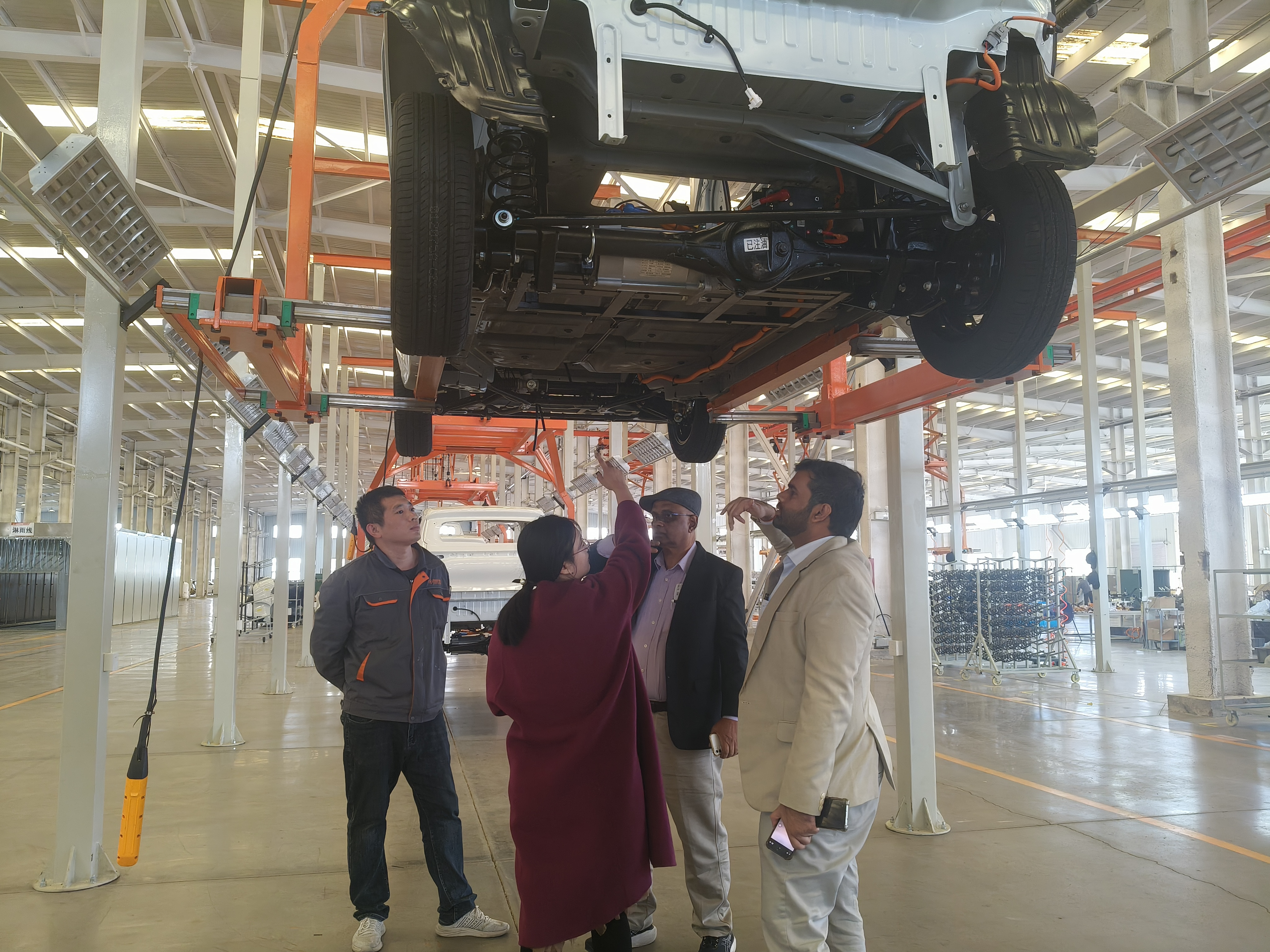
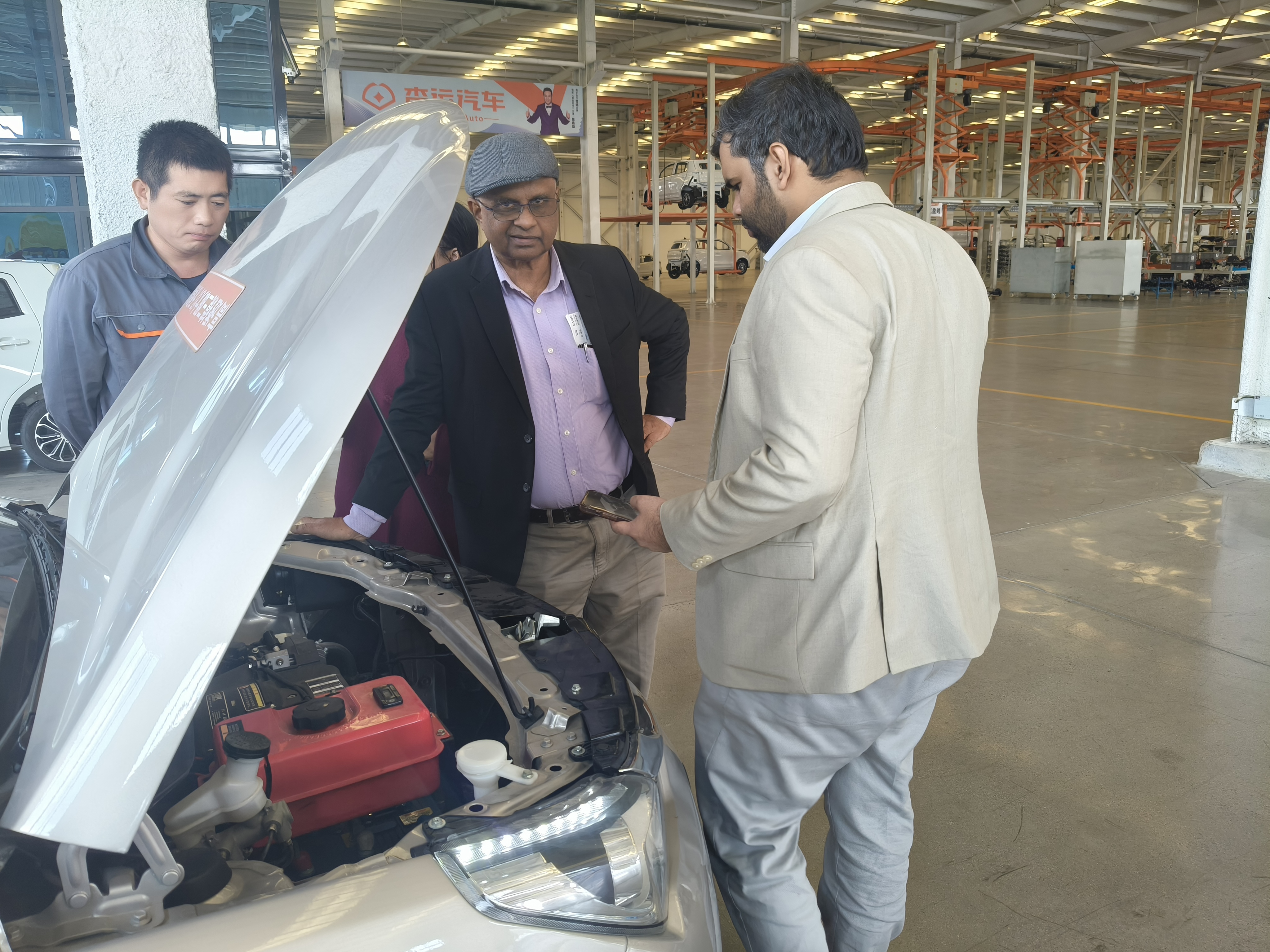
A combination of automated precision engineering, stress testing, and localization logistics.
Our fleet solutions empower urban commuters and business logistics globally across Southeast Asia, Africa, South America, and Europe.
Localized assembly, warehousing, and custom logistics management ensure fast shipping times and lower transport costs.
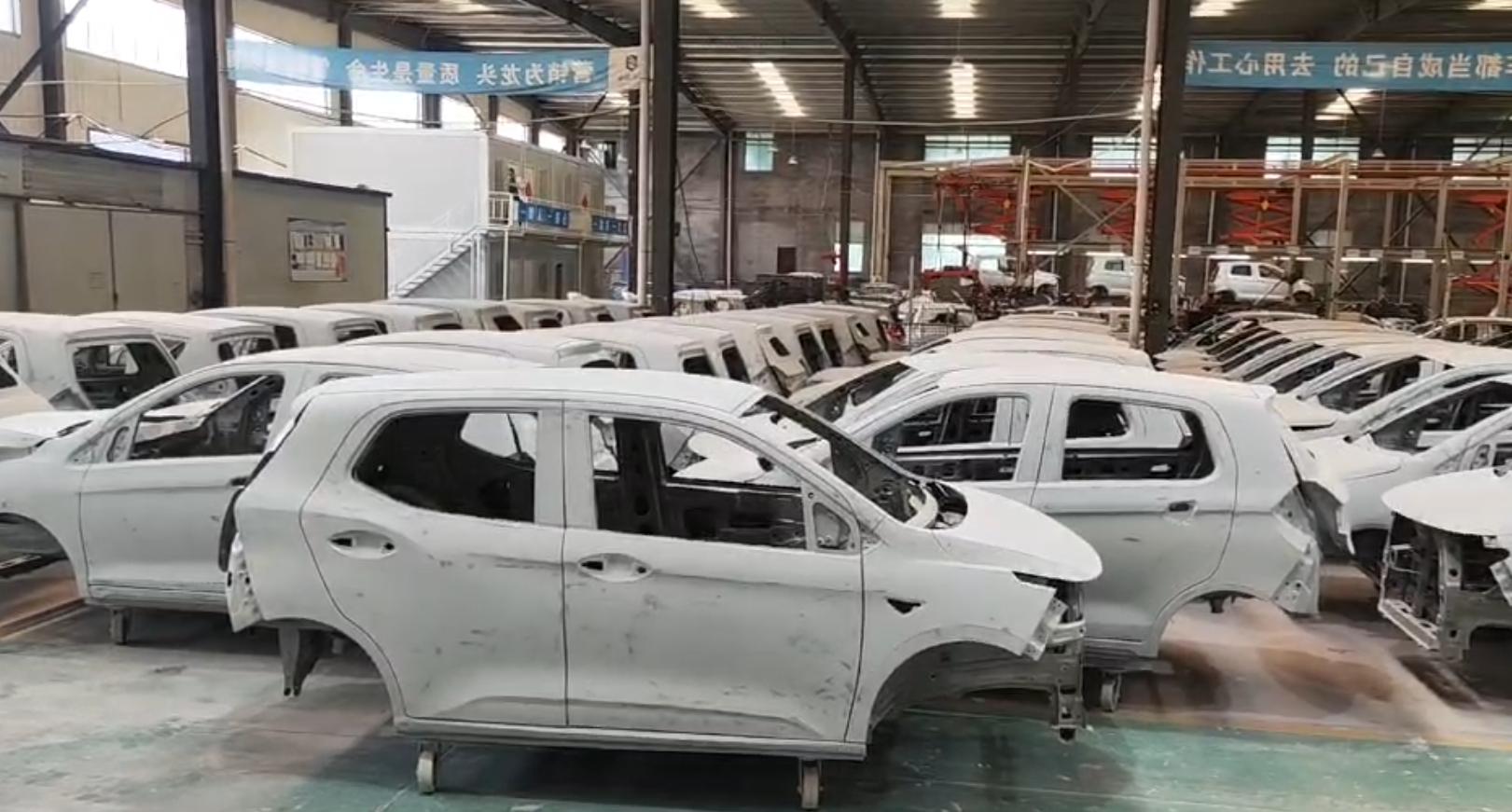
Highly trusted vehicles built on stamped steel frames, protective automated coatings, and strict digital quality controls.
Engineered to support heavy commercial loads, daily deliveries, and long-range utility operations.
In Metro Manila, delivery motorcyclists log between 100 to 180 kilometers per day. Transitioning from gasoline vehicles to custom-built fleet e-bikes yields up to a 65% reduction in operating costs per kilometer. However, selecting a delivery fleet model requires examining the physical frame construction, structural carrying limits, and quick-swap battery mechanisms.
Our fleet-specific electric bikes offer integrated heavy-duty steel rear racks bolted directly to the primary chassis, minimizing rear stress points. Additionally, we integrate quick-release dual battery systems, allowing logistics operators to execute instant battery swaps at depot hubs, eliminating vehicle downtime.
Sourcing from China to the Philippines requires careful navigation of international trade channels. Under the ASEAN-China Free Trade Area (ACFTA), importers can request a Certificate of Origin (Form E) from us. This document reduces or eliminates standard import tariffs on electric vehicle categories at the Bureau of Customs (BOC).
Typical ocean freight routes leave from Qingdao Port or Shenzhen Port, arriving directly at Manila South Harbor, Manila North Harbor, or Cebu Port. Normal transit times range from 9 to 14 days, allowing distributors to maintain streamlined inventory control.
Average reduction in operating costs compared to gas underbone bikes.
Supports clean energy mandates set by the EVIDA framework.
Chassis, motor power, cargo boxes, and branding tailored to your fleet.
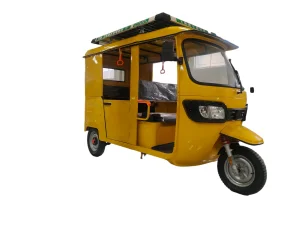
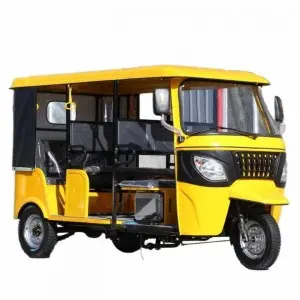
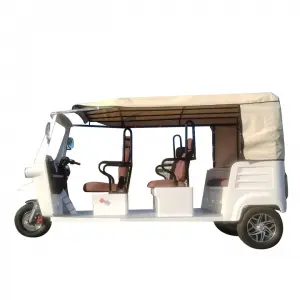
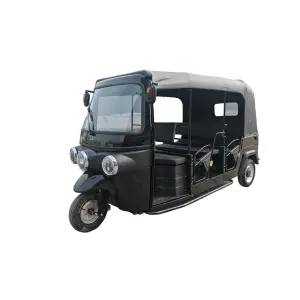
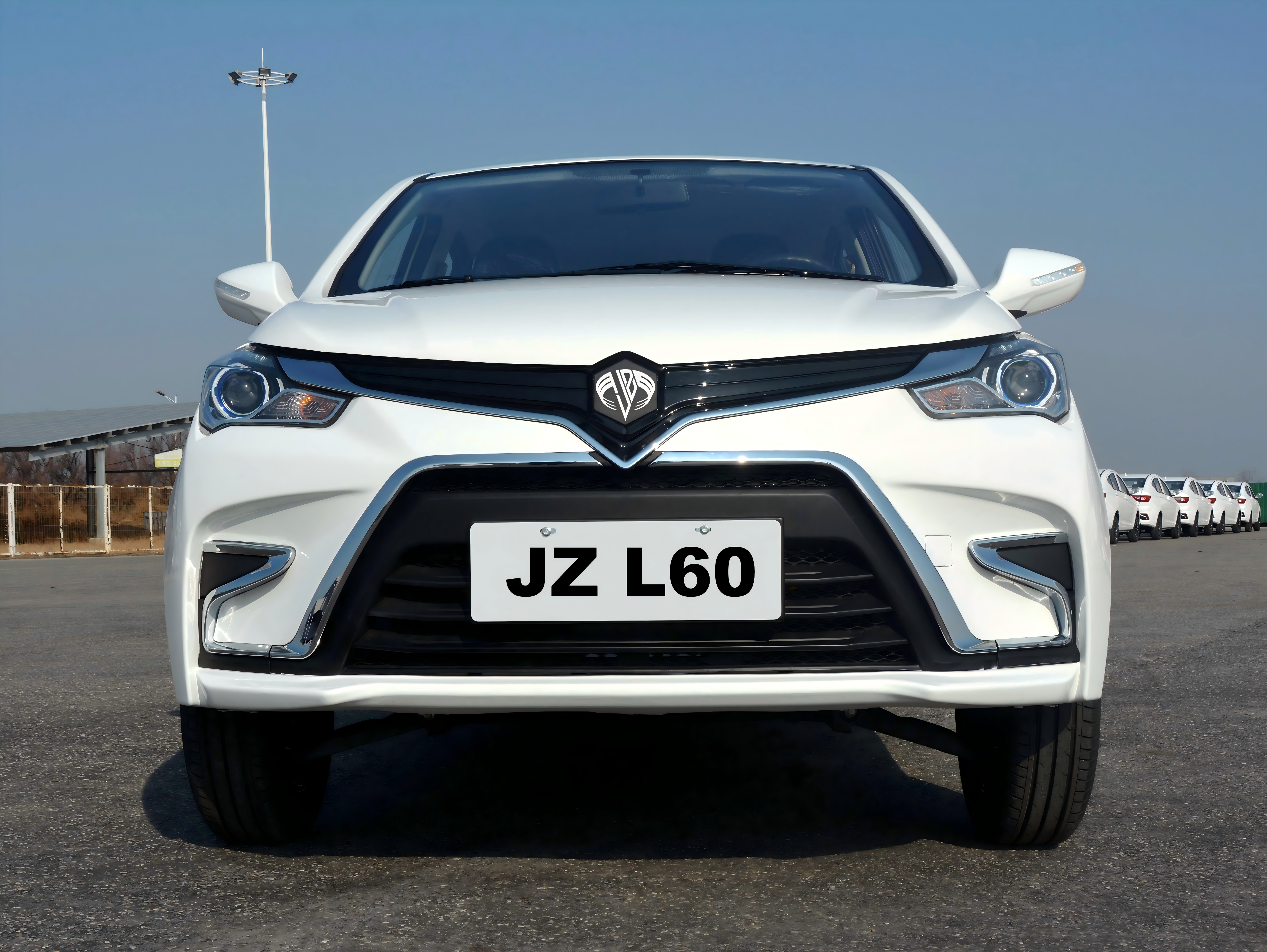
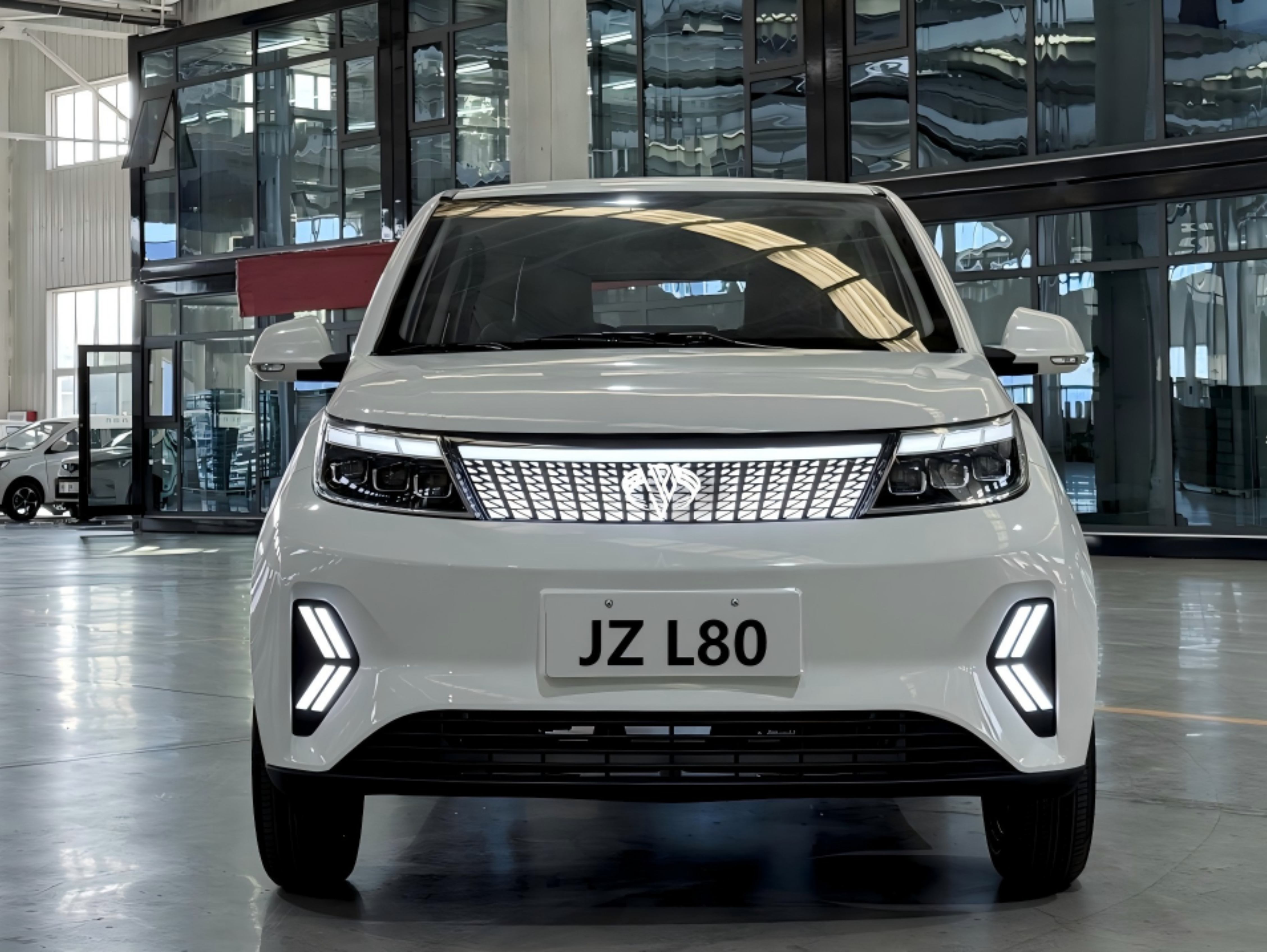
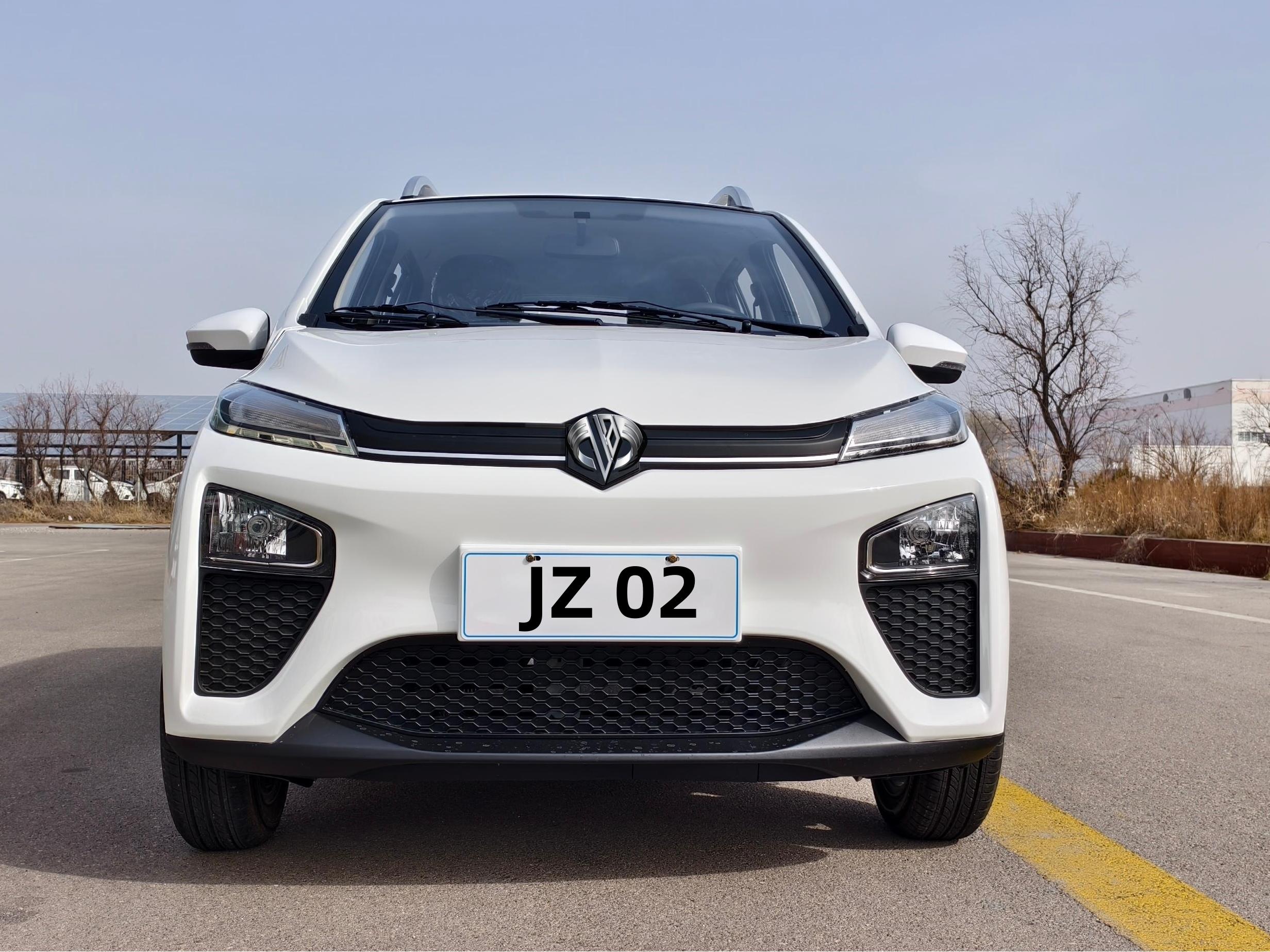
Specialized vehicles constructed for utility, passenger transport, and commercial route operation.
Advanced production lines, digital safety inspections, and global export operations.
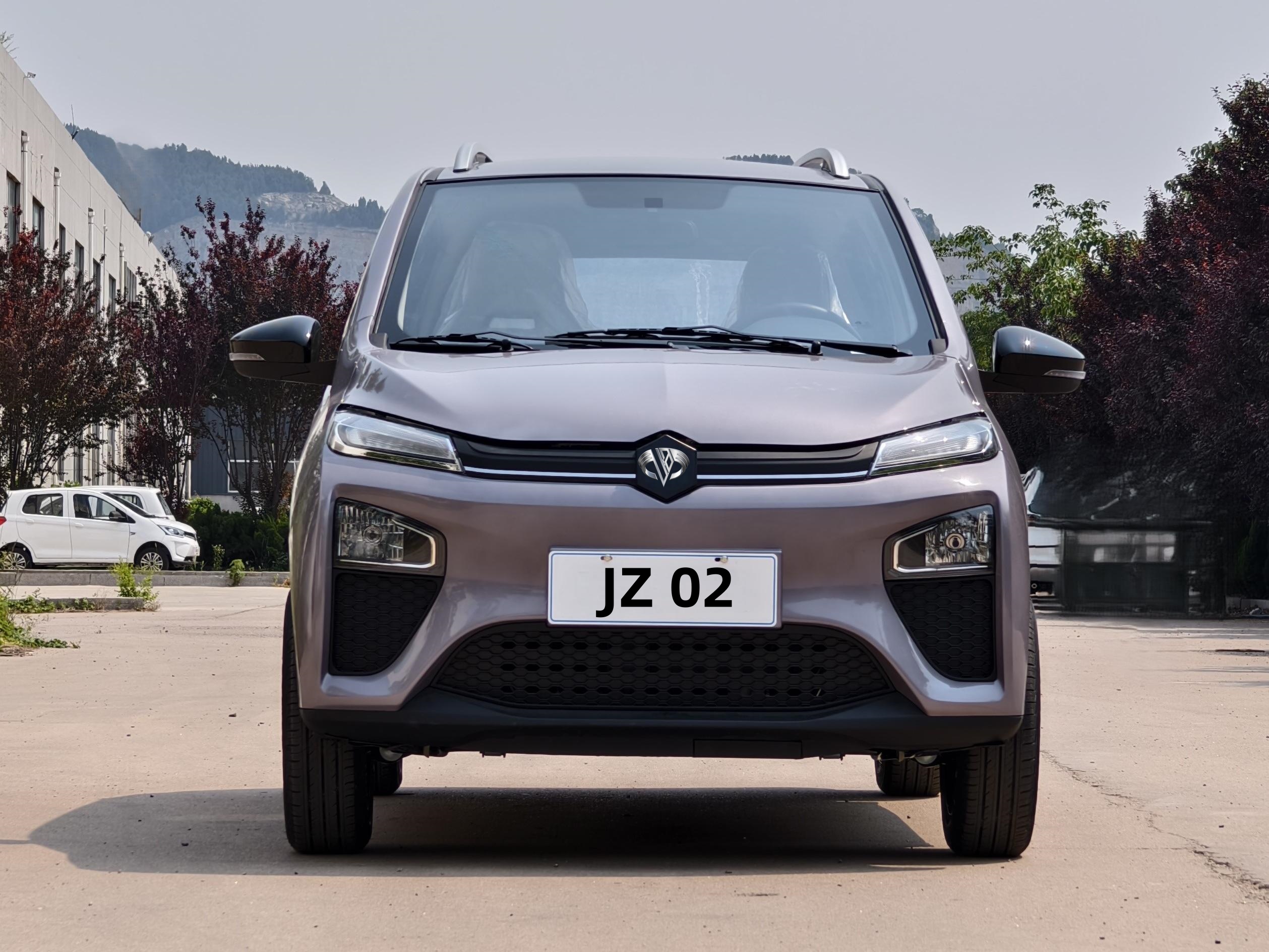
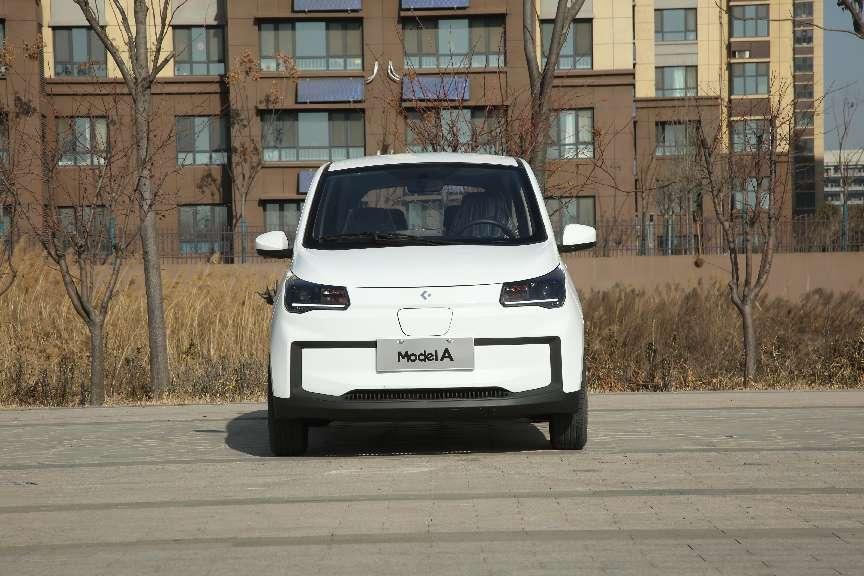
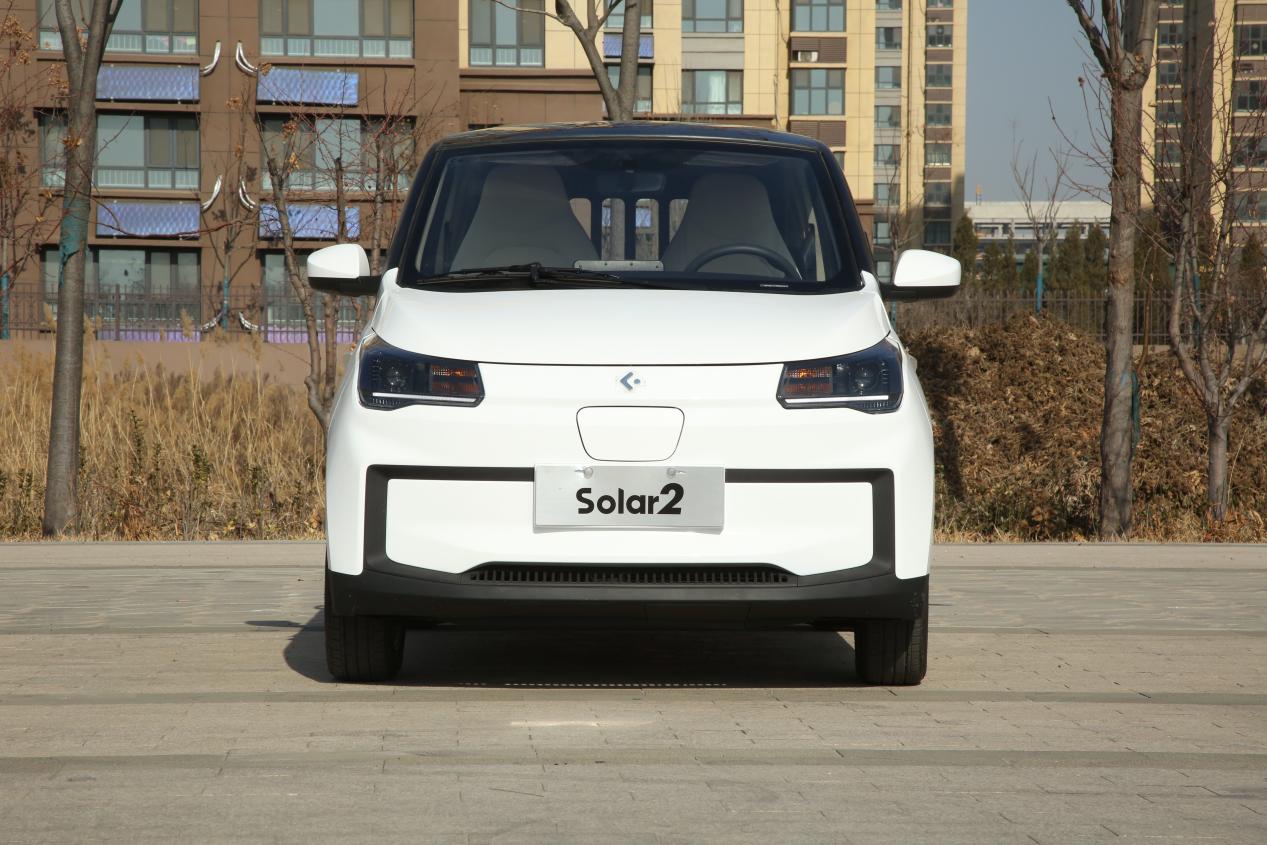
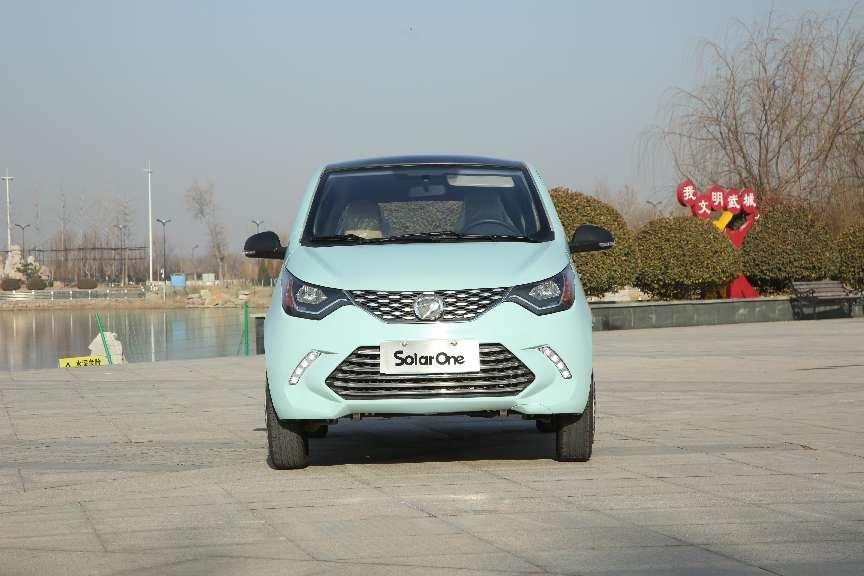
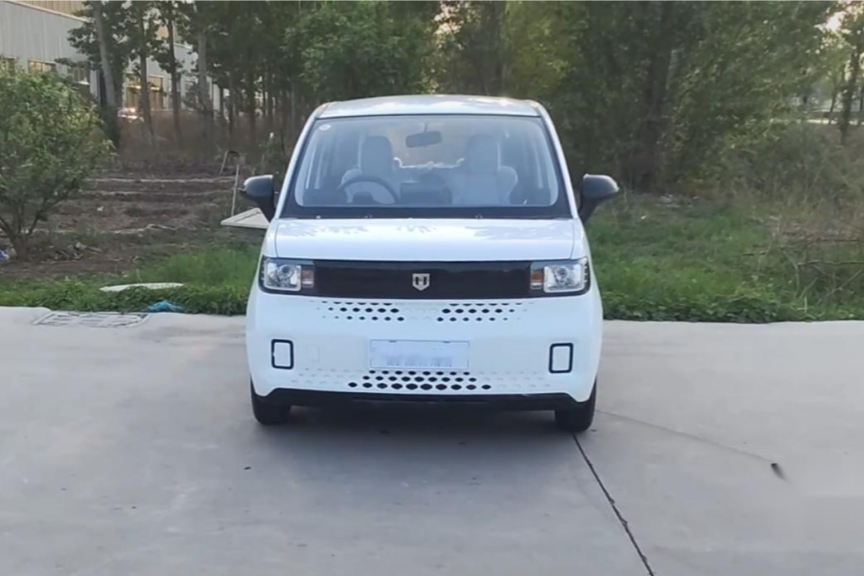
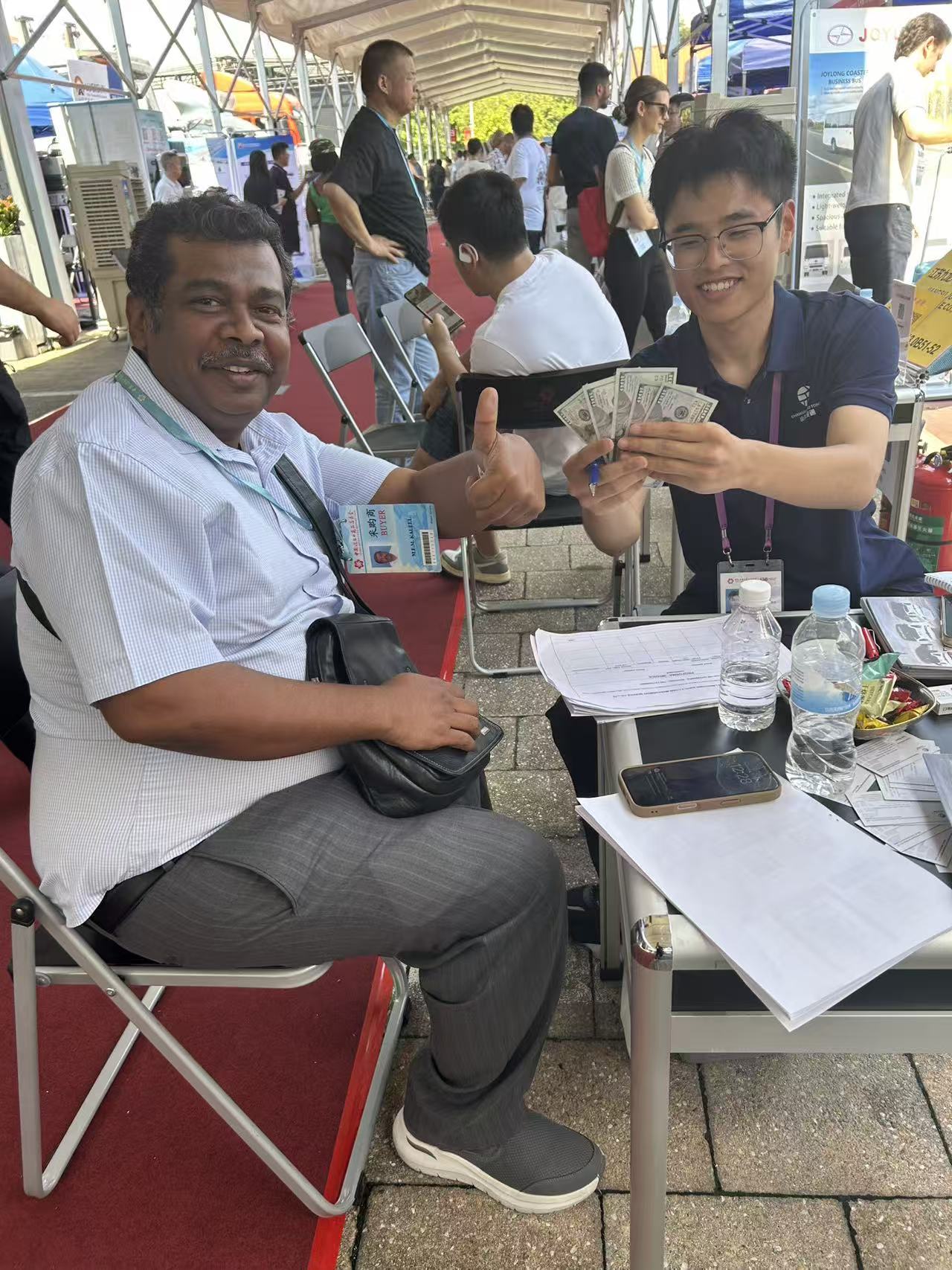
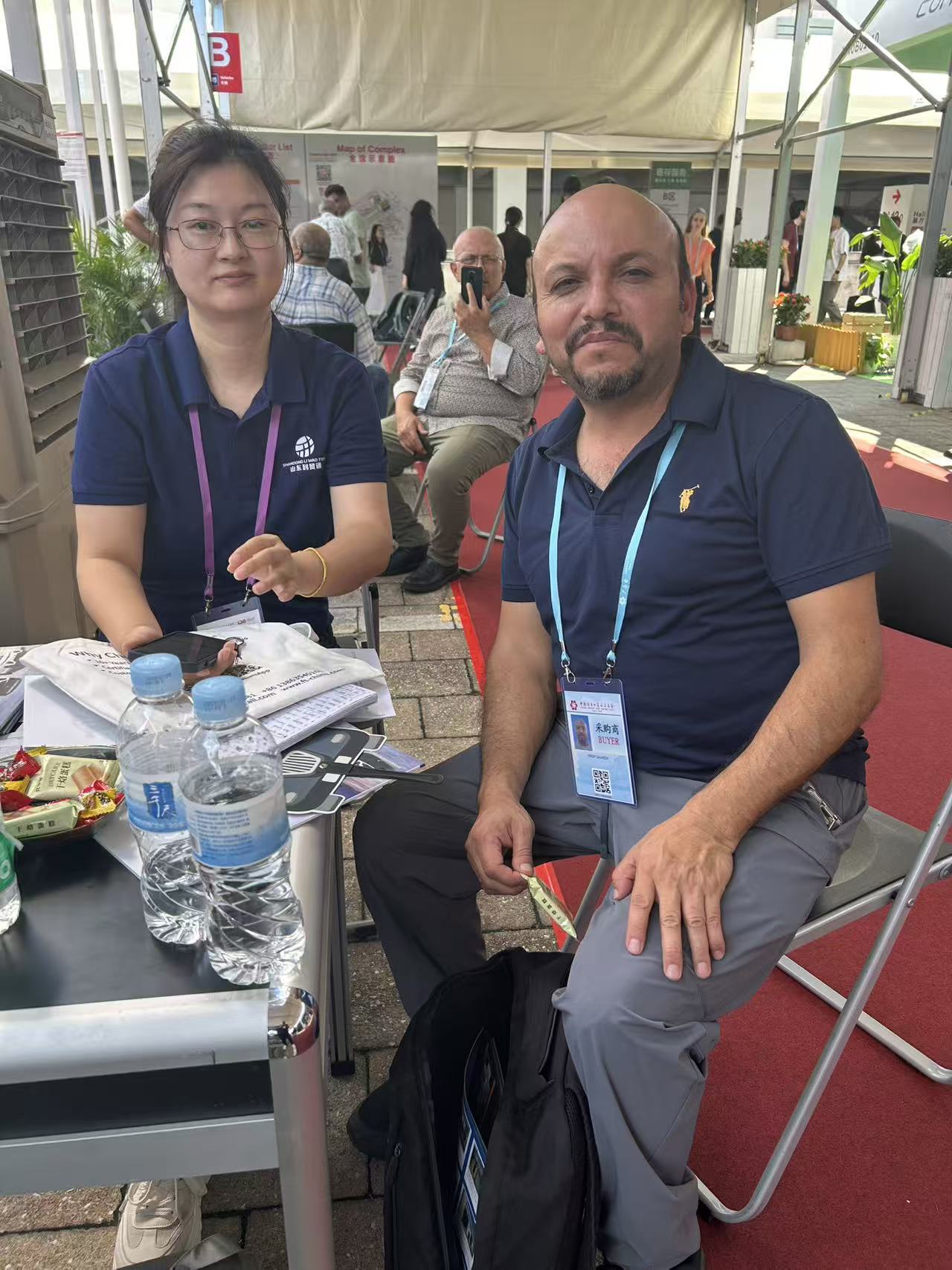
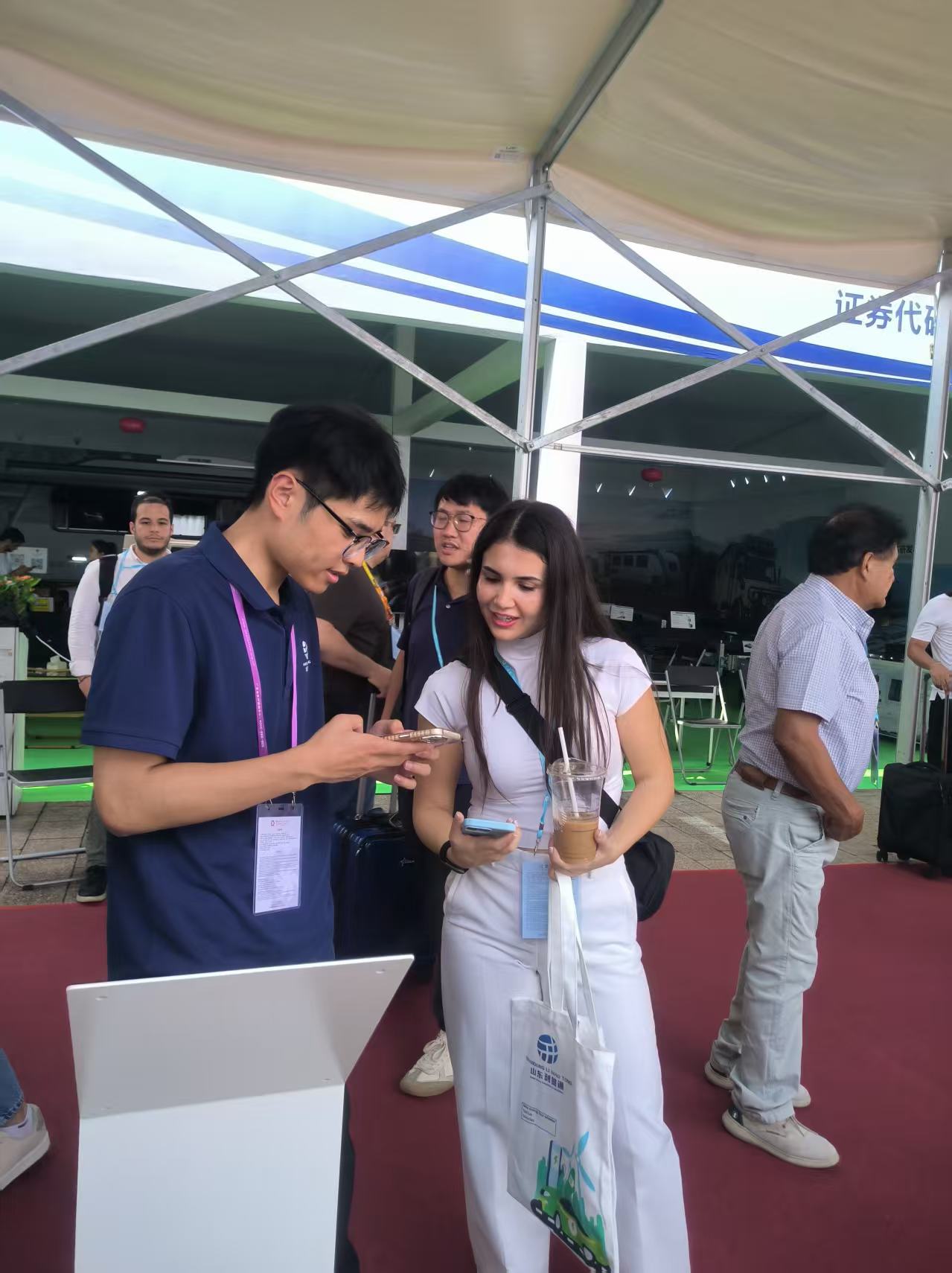
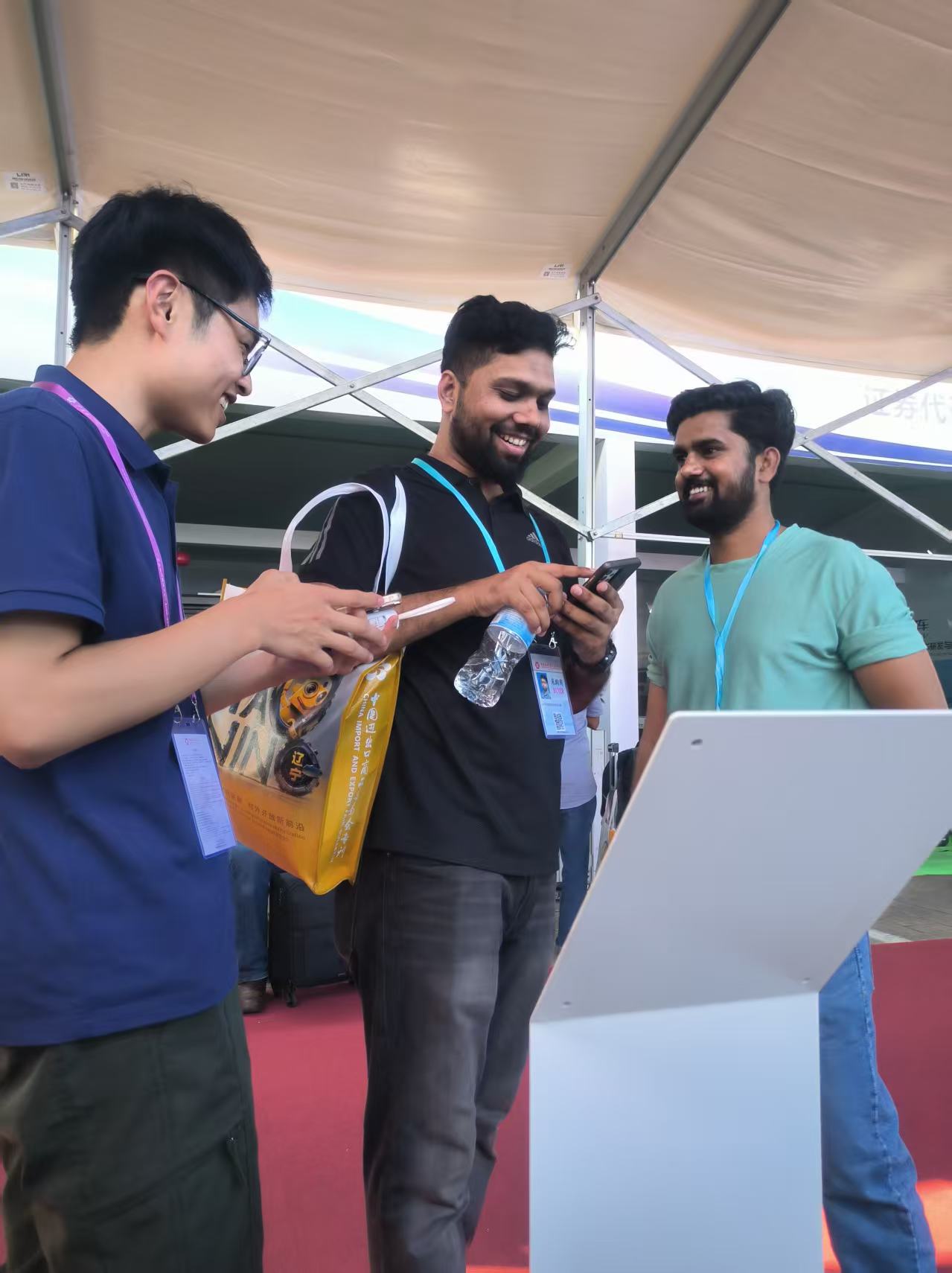
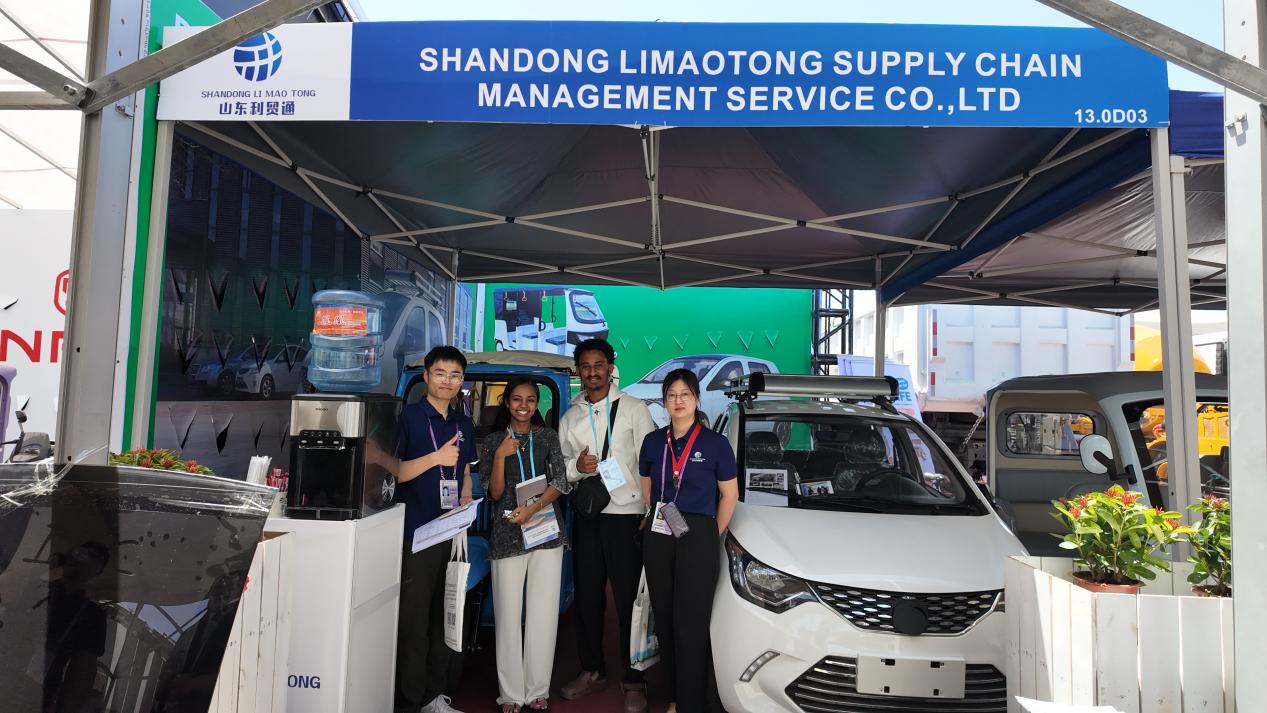
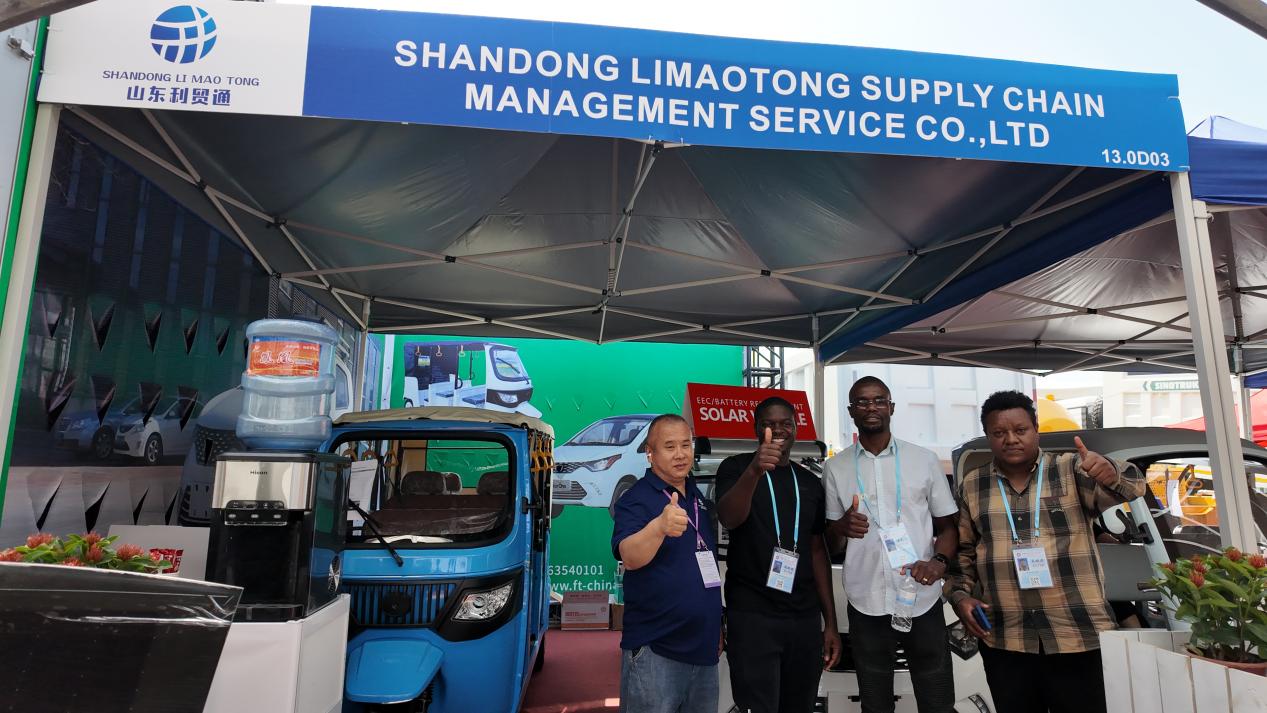
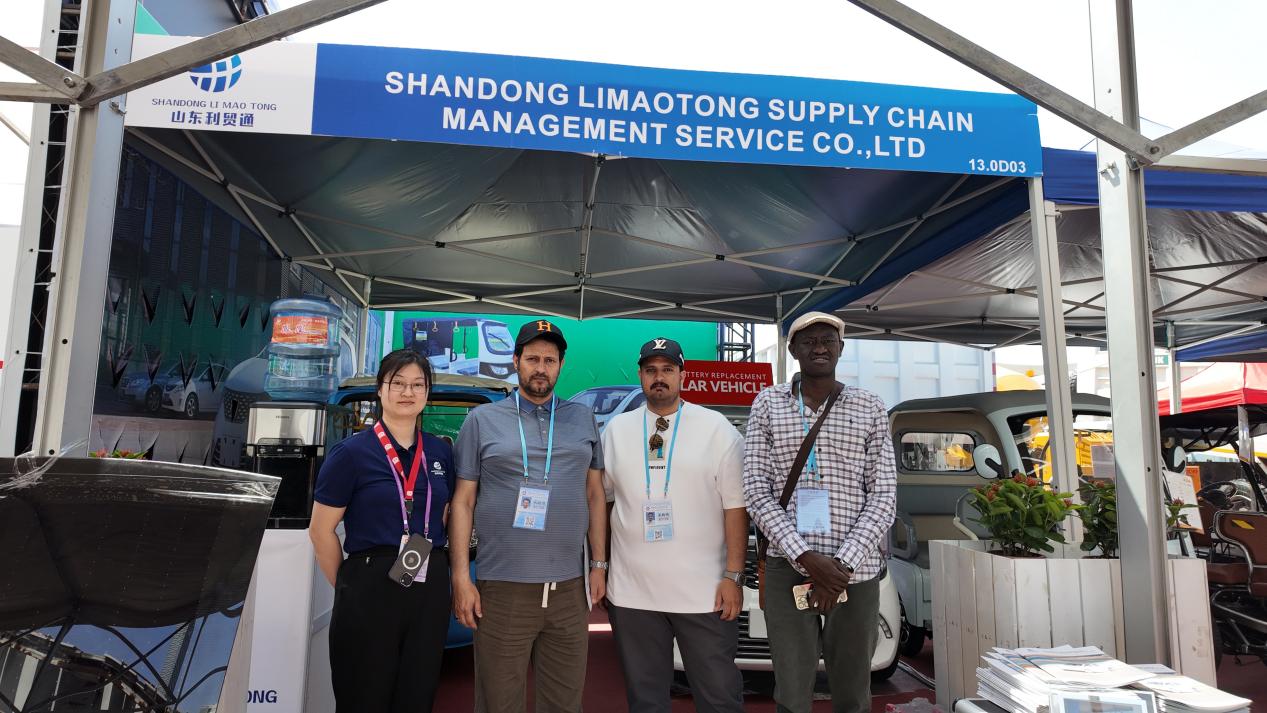
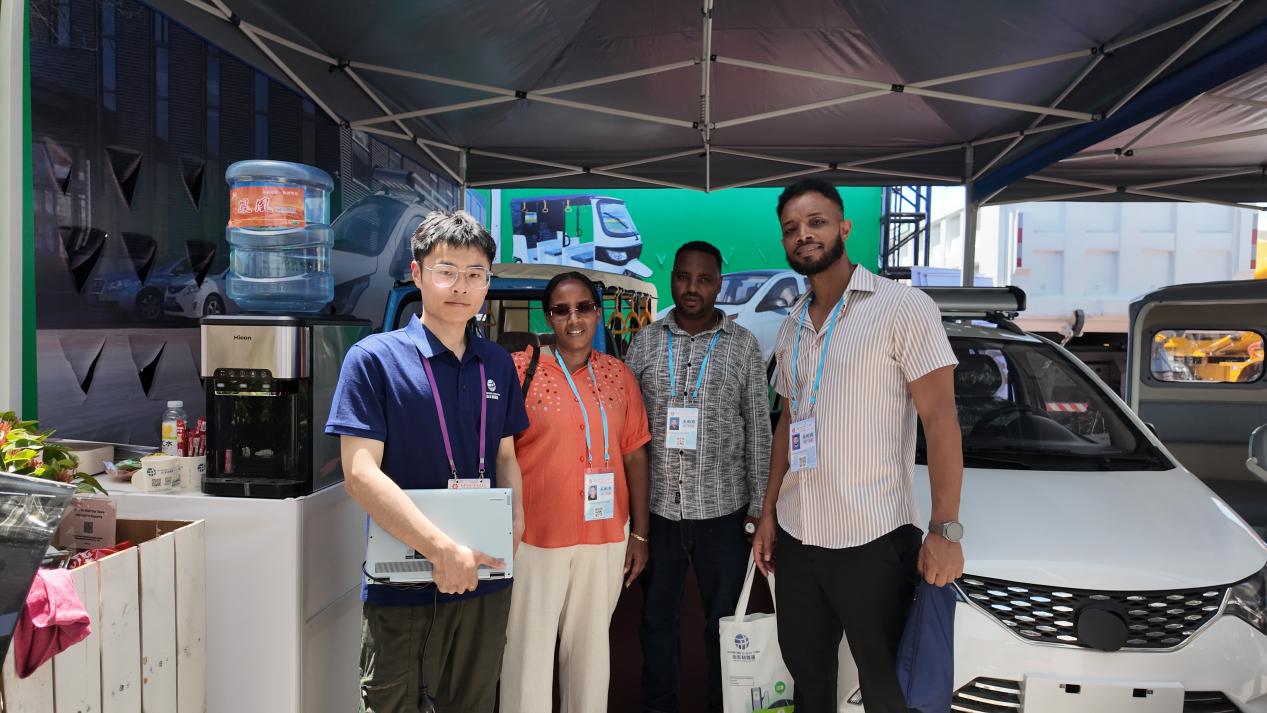
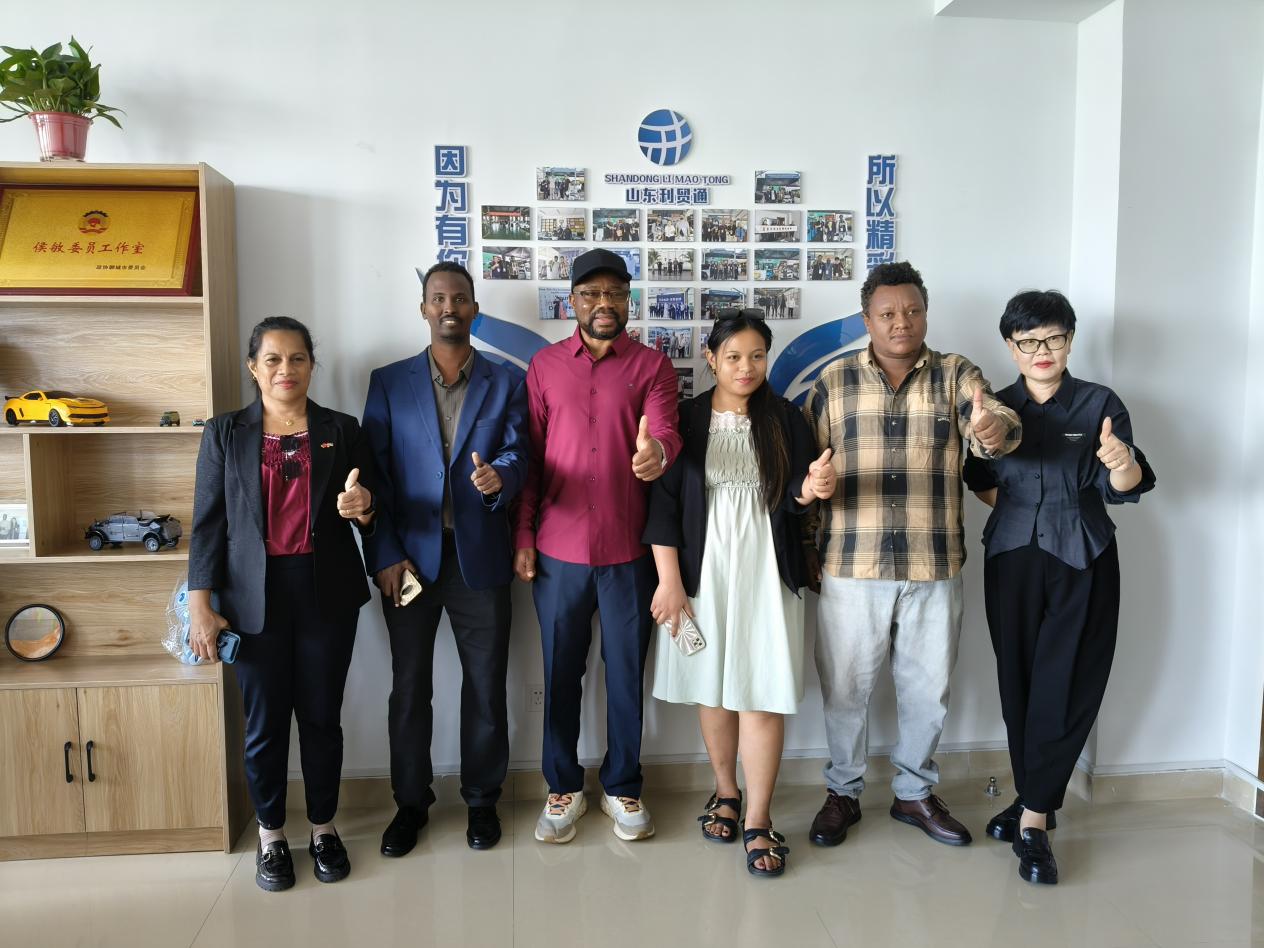

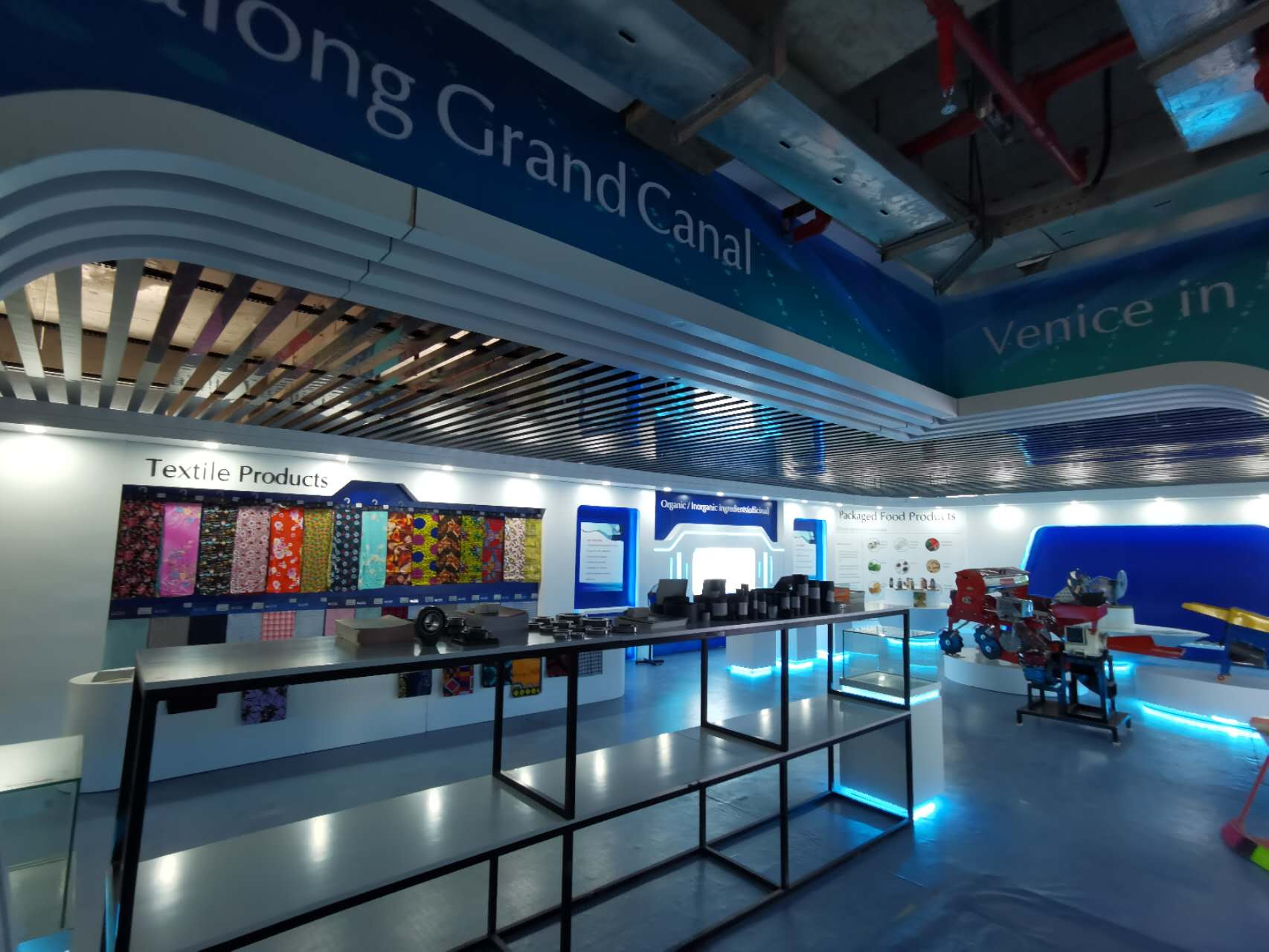
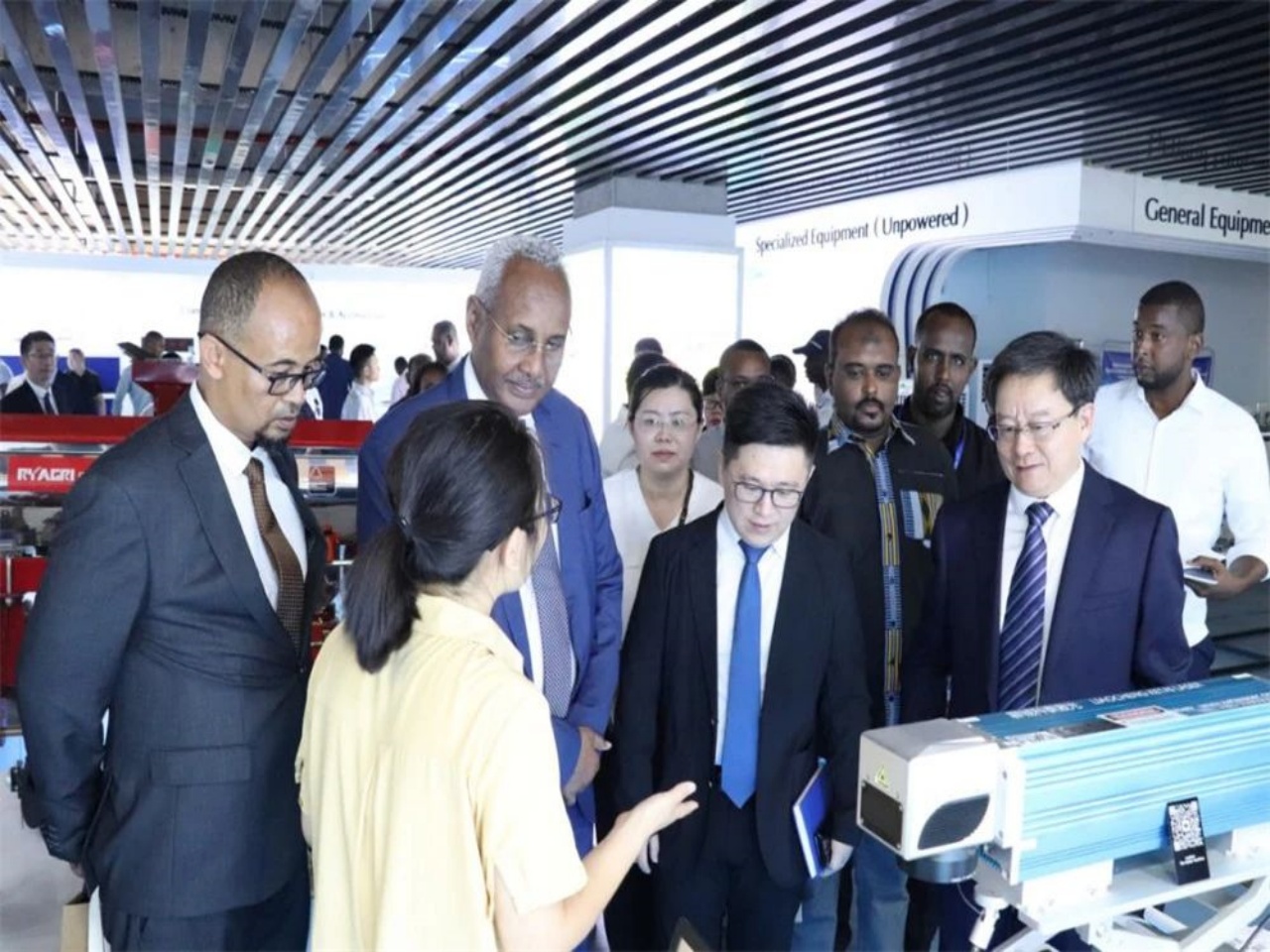
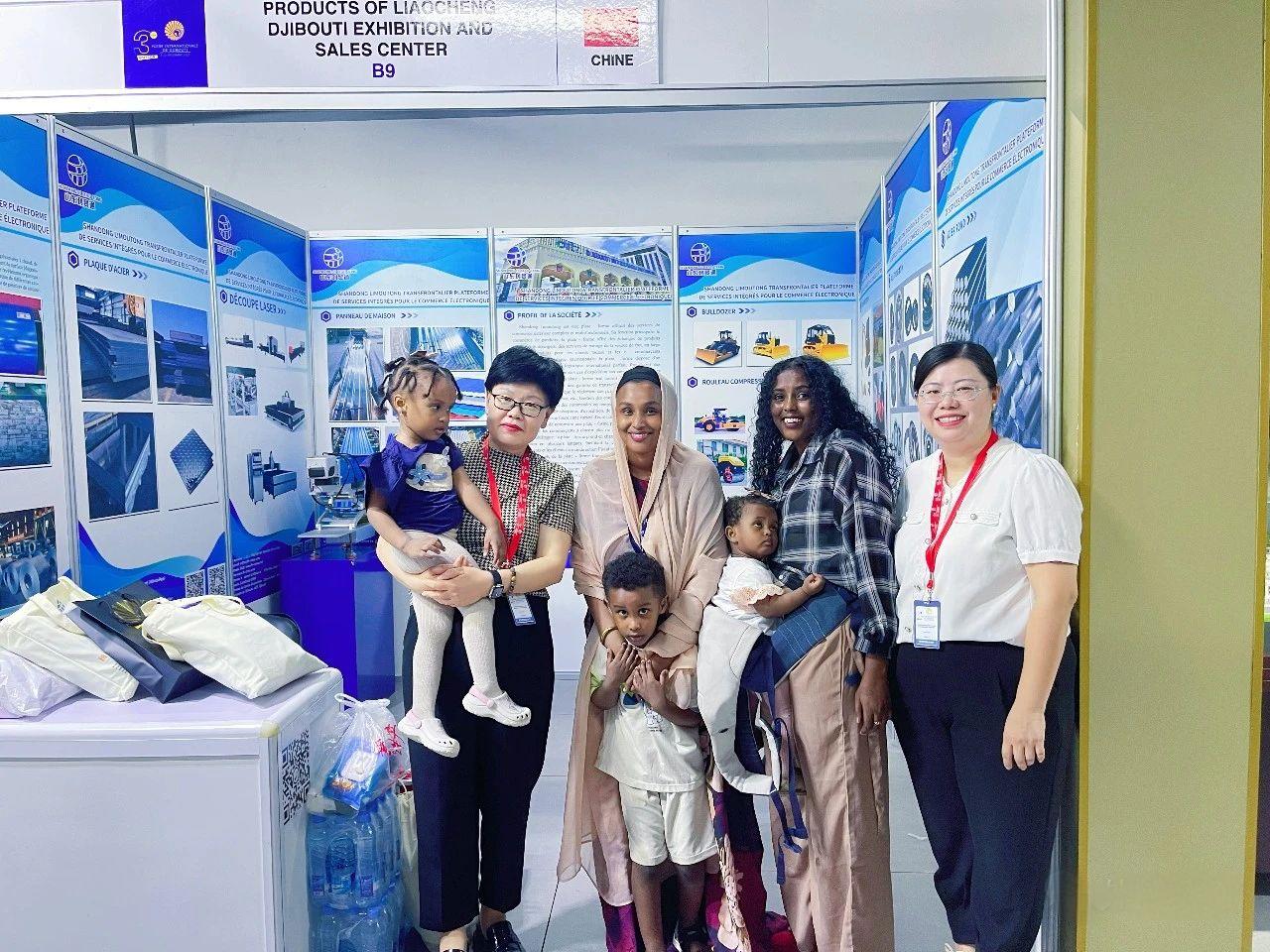
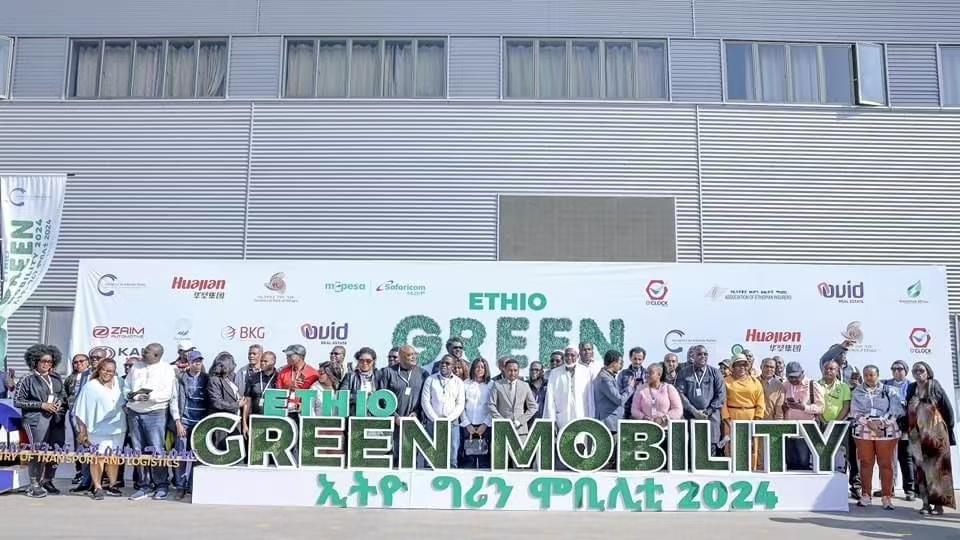
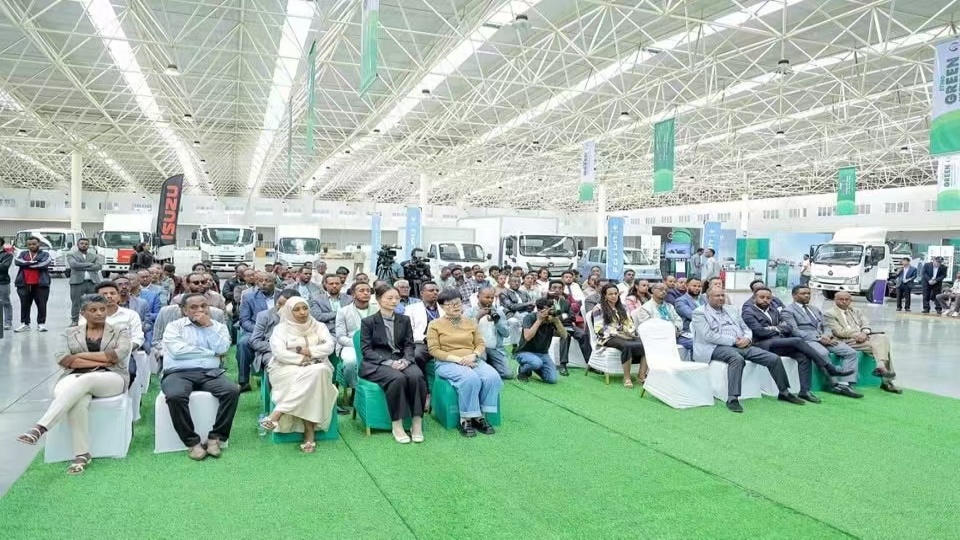
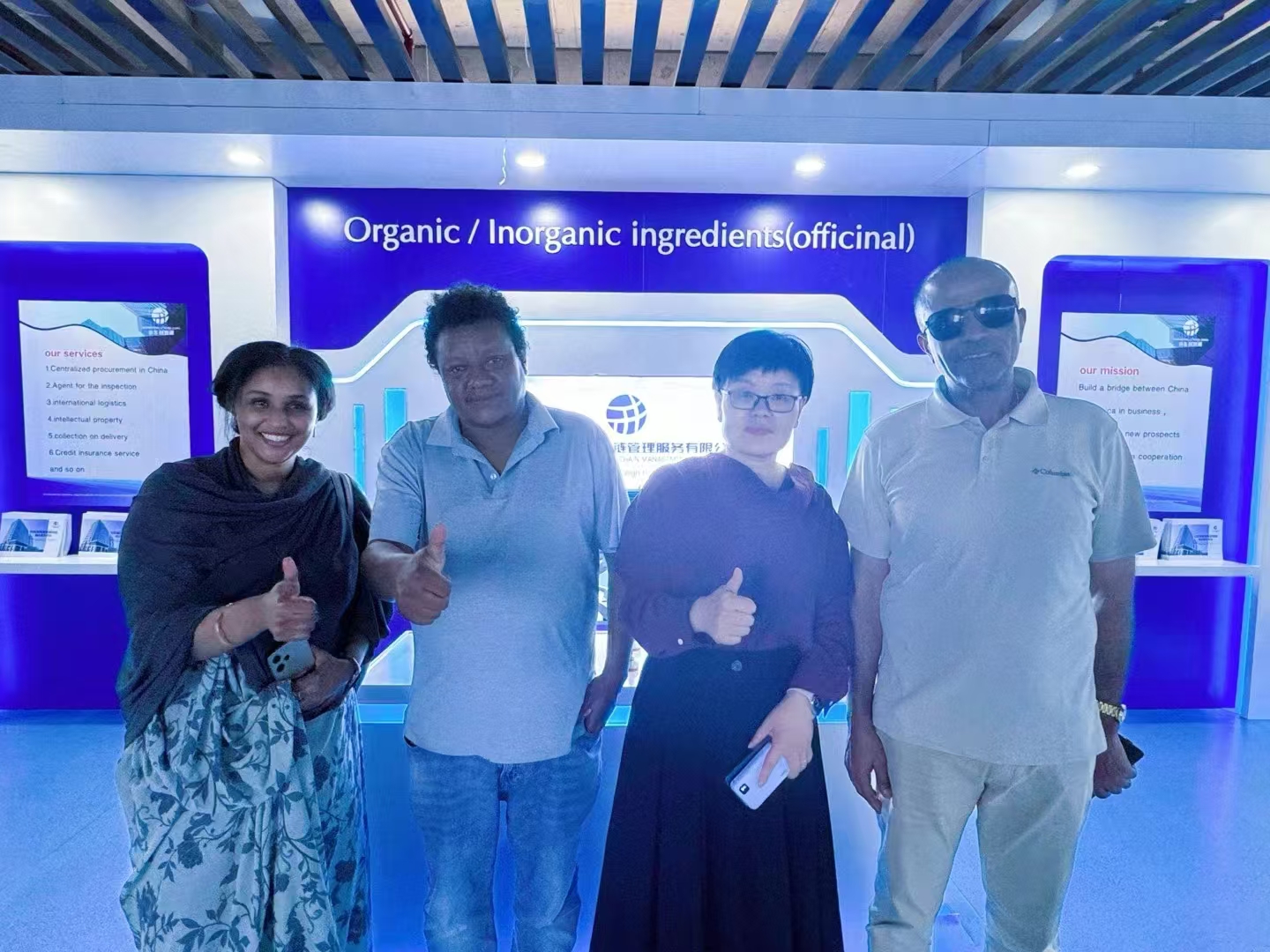
Established in 2023, the Djibouti (Overseas Warehouse) Cross-border E-commerce Exhibition and Sales Center is situated in the Djibouti International Free Trade Zone in East Africa. Backed by our dedicated Africa economic development company, it serves as a localized supply chain hub.
Combining online digital channels with offline storefront exhibition centers, we run a "cross-border trade + front-end warehouse" framework. Backed by local service networks, repair crews, and logistics components, we ensure fast local deliveries and responsive maintenance support to help high-performance Chinese vehicles serve global markets.
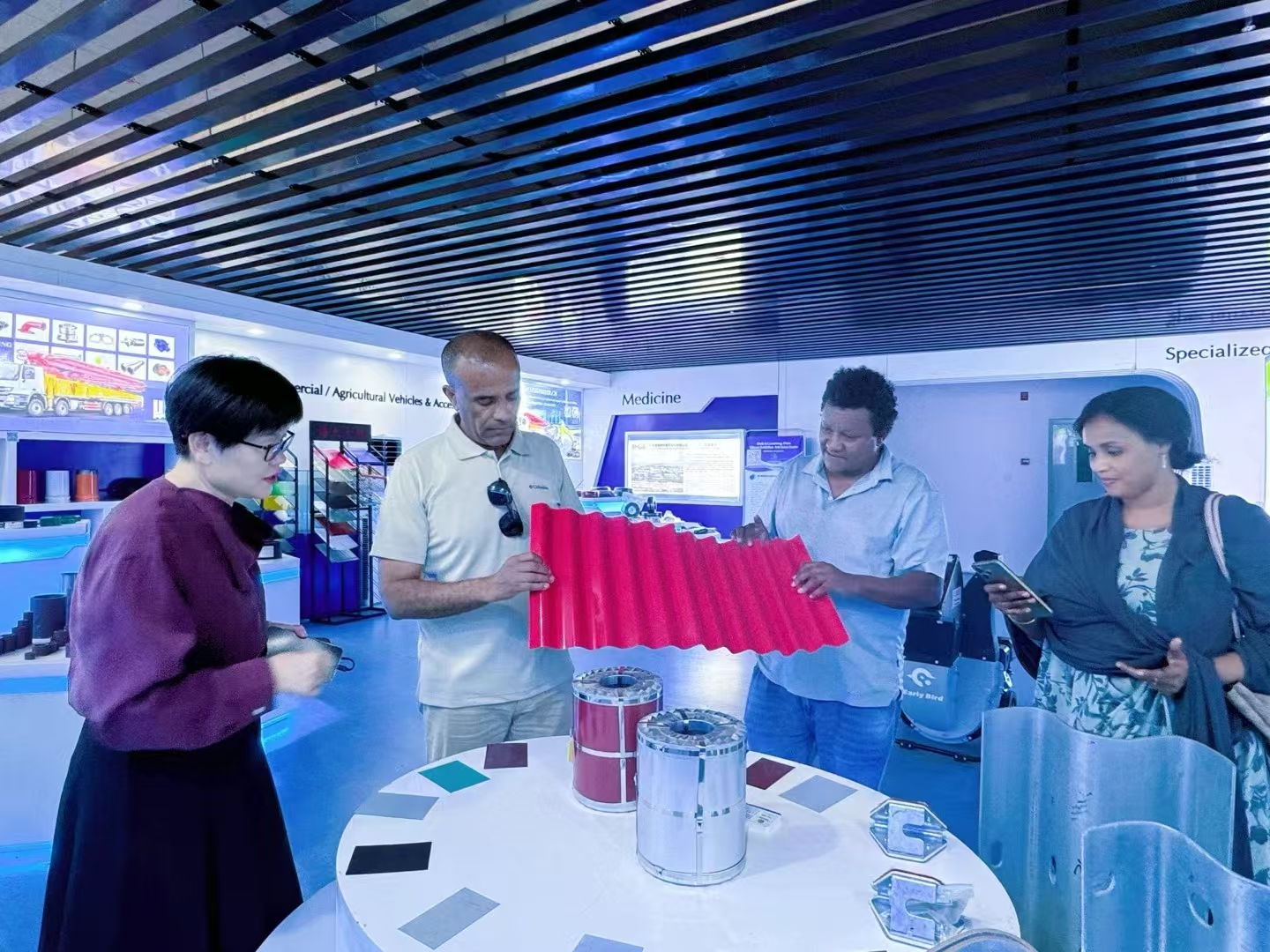
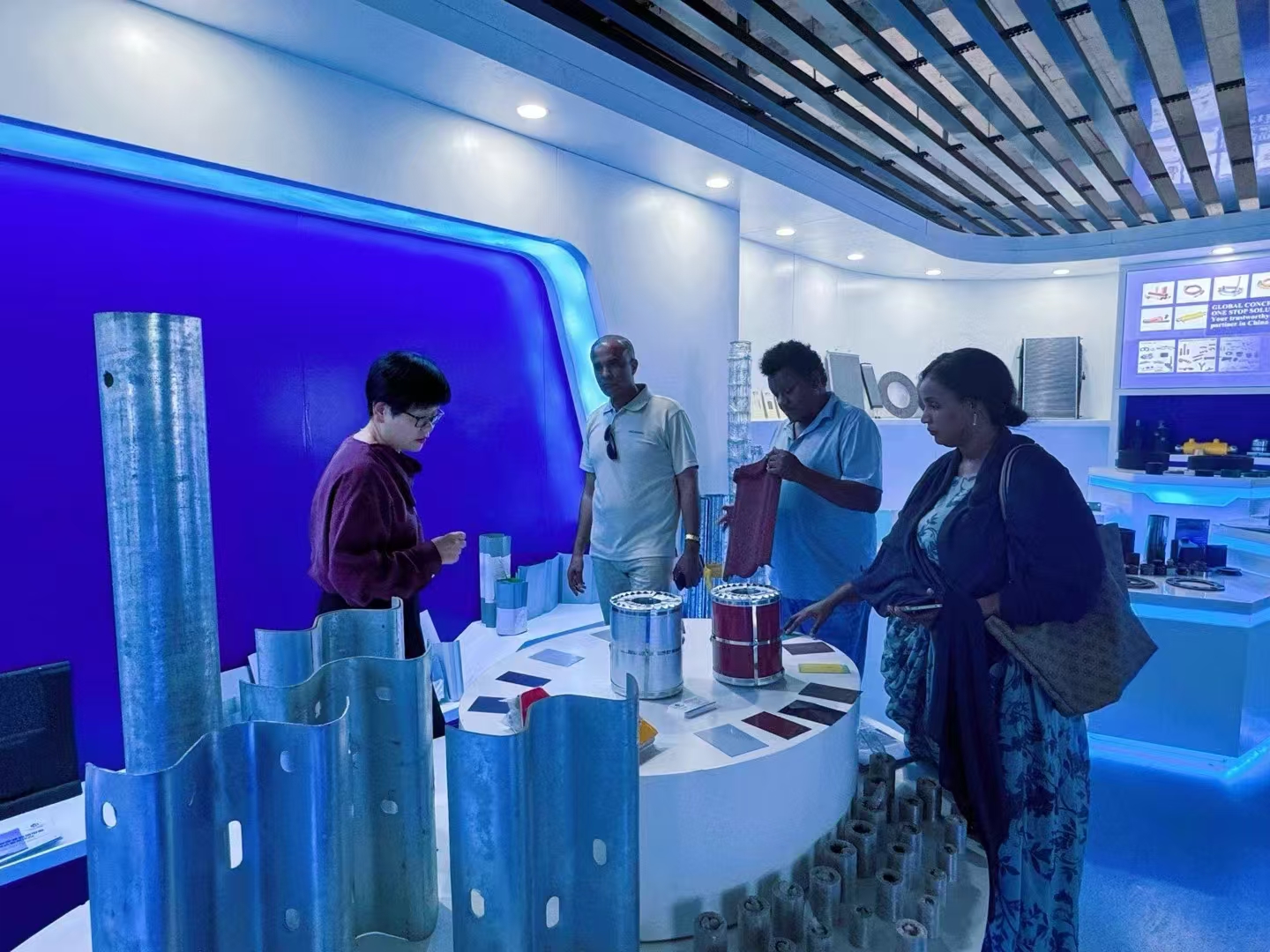
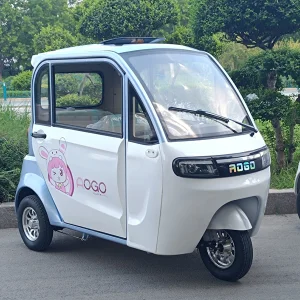
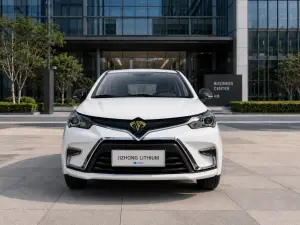
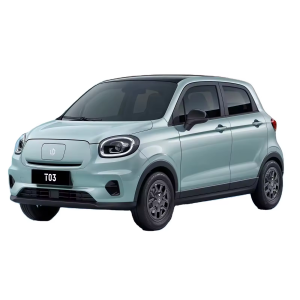
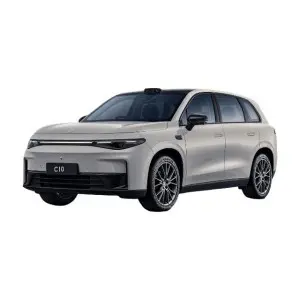
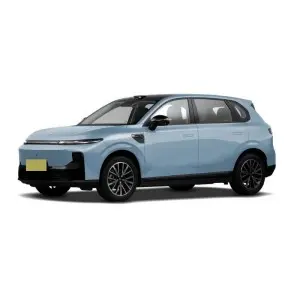
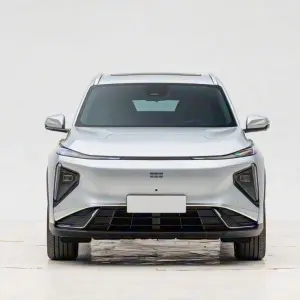
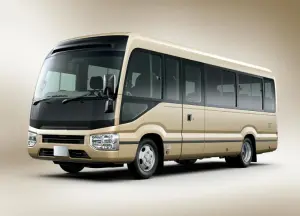
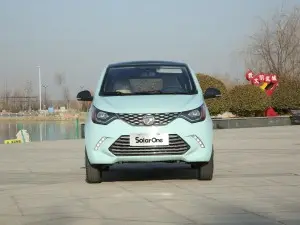
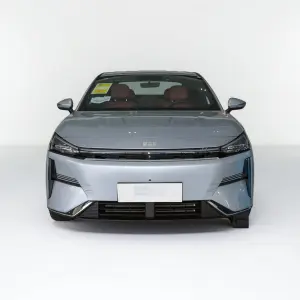
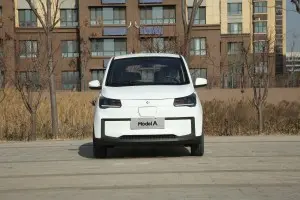
Expanded mobility options including electric cars, passenger tuk-tuks, sightseeing buses, and solar-assisted vehicles.
Critical import details regarding certifications, custom shipping, warranties, and technical setup.
Get in touch with our product engineers and logistics experts to secure competitive prices, premium component customizations, and import customs support.
 Limaotong