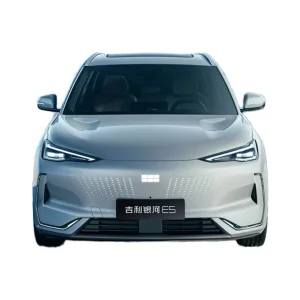
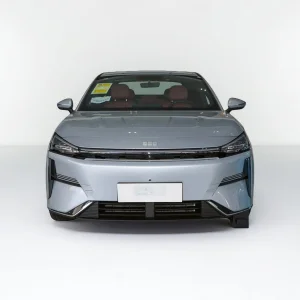
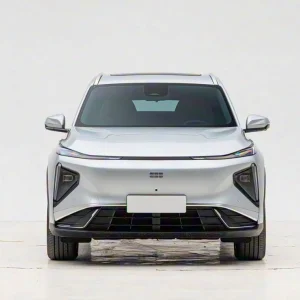
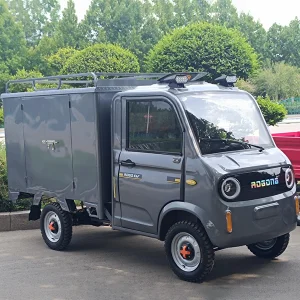
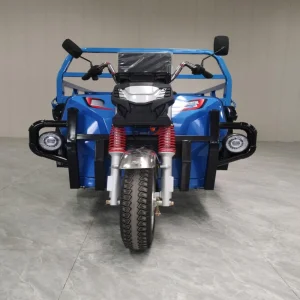
In the context of the contemporary transition to clean energy, the global automotive supply chain is undergoing a structural paradigm shift. The integration of Geely automotive technologies alongside the production capabilities of Shandong Li Mao Tong Group represents a significant resource for corporate buyers, fleet operators, and industrial distributors. By linking advanced automotive engineering with responsive manufacturing bases, this alliance meets the demands of emerging mobility channels.
Information Gain: The modern automotive supply chain is shifting from basic vehicle exports to localized, system-level integrations that include localized parts assembly (KD kits), cloud-connected smart fleet management systems, and direct port-to-warehouse logistics pathways.
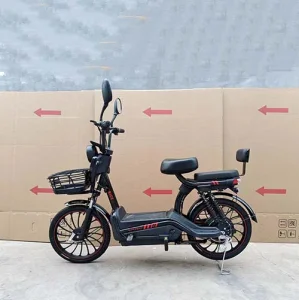
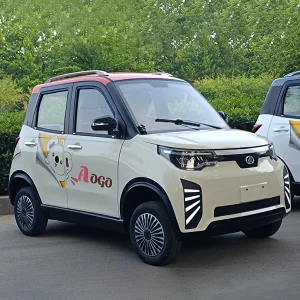
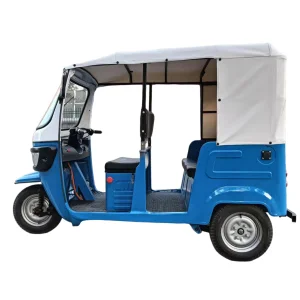
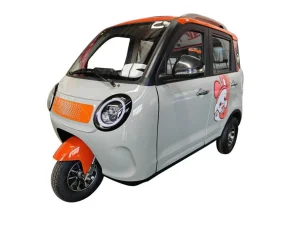
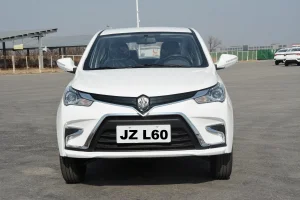
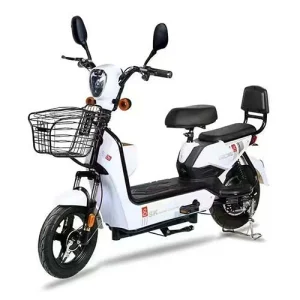
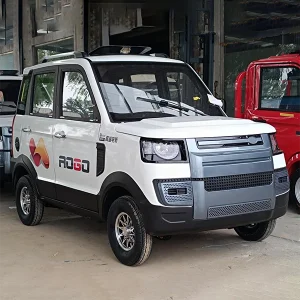
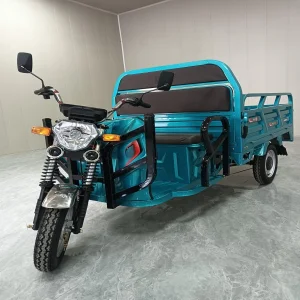
As a primary coordinator in global distribution networks, Shandong Li Mao Tong Group operates a specialized division focused on exporting passenger electric cars, new energy utility models, cargo tricycles, and micro-mobility products. Through localized assembly networks and a robust cross-border framework, the group connects consumer demand with industrial capacity, ensuring compliance with diverse international regulatory standards.
Delivering advanced automotive solutions and logistics networks to global markets.
Localized manufacturing setups for accelerated supply chain deployment.
Connecting clean energy transit solutions with millions of active end users.
In 2023, the establishment of the Djibouti (Overseas Warehouse) Cross-border E-commerce Exhibition and Sales Center in the Djibouti International Free Trade Zone marked a key milestone in our localized distribution strategy. This East African hub serves as a comprehensive platform offering sales, customs clearance support, warehousing, and maintenance logistics. By utilizing a "cross-border trade + front-end warehouse" model, we maintain parts availability and technical support directly across target regions, addressing the operational concerns of international fleet operators.
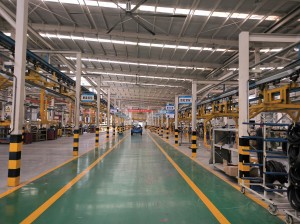
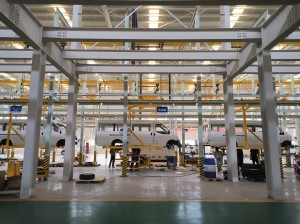
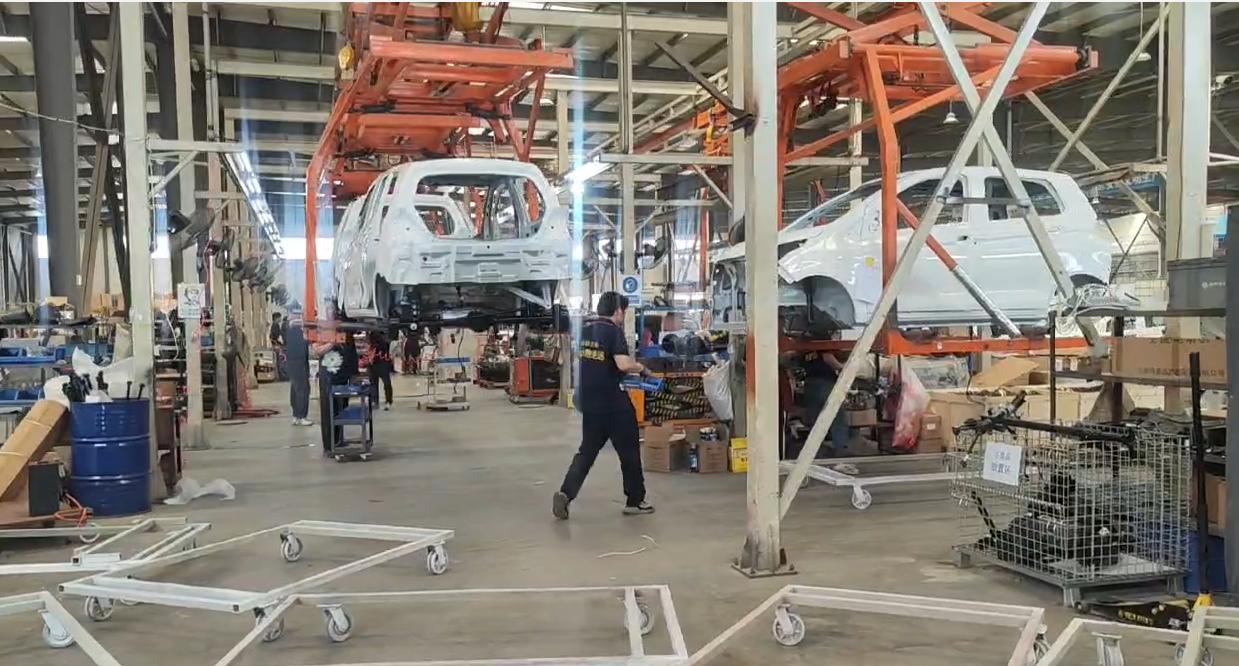
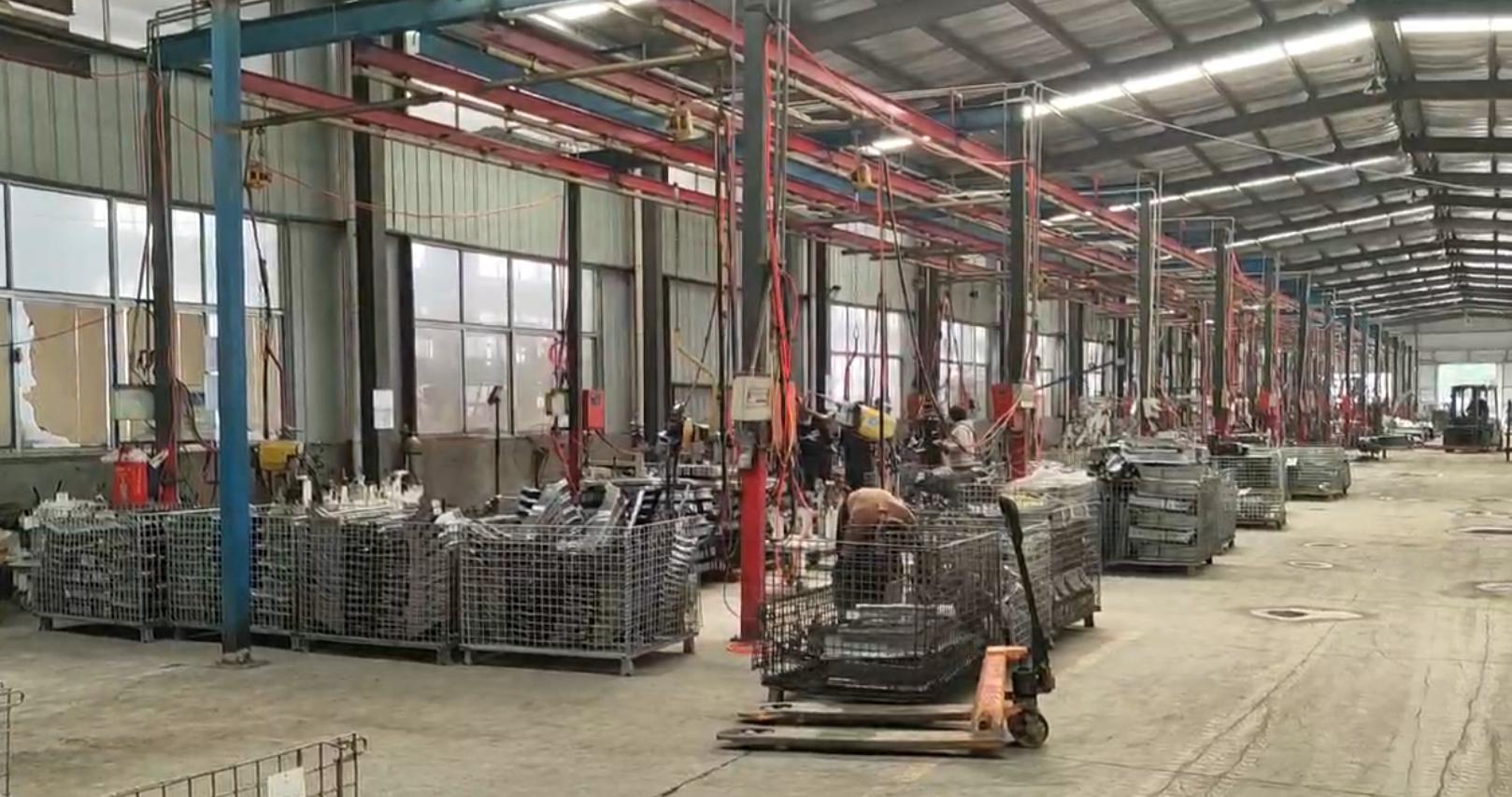
High-quality manufacturing requires structural integrity and rigorous testing frameworks. Our production lines feature automated systems, including precision robotic paint systems and hydroformed chassis tooling. These manufacturing controls ensure that every vehicle conforms to strict safety standards before entering distribution channels.
Vehicle designs are verified through simulation trials and environmental testing chambers. These include water-ingress simulation cycles (equivalent to Level 7 storm conditions) and extreme temperature tests from -30°C to +60°C. These procedures evaluate battery thermal management systems, rust prevention coatings, and high-voltage circuit insulation, ensuring long-term reliability in varying climates.
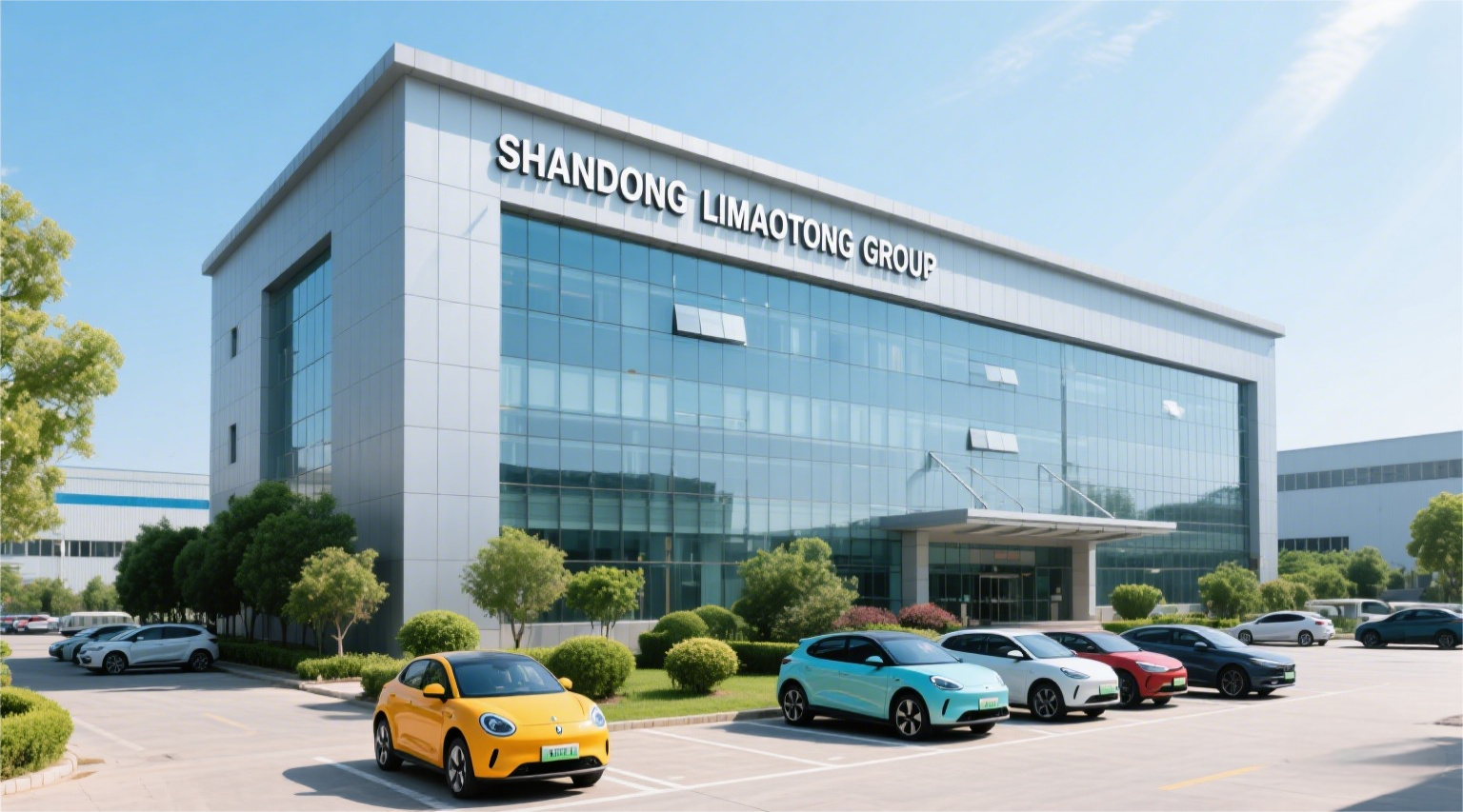
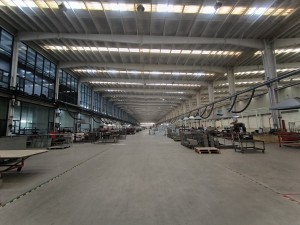
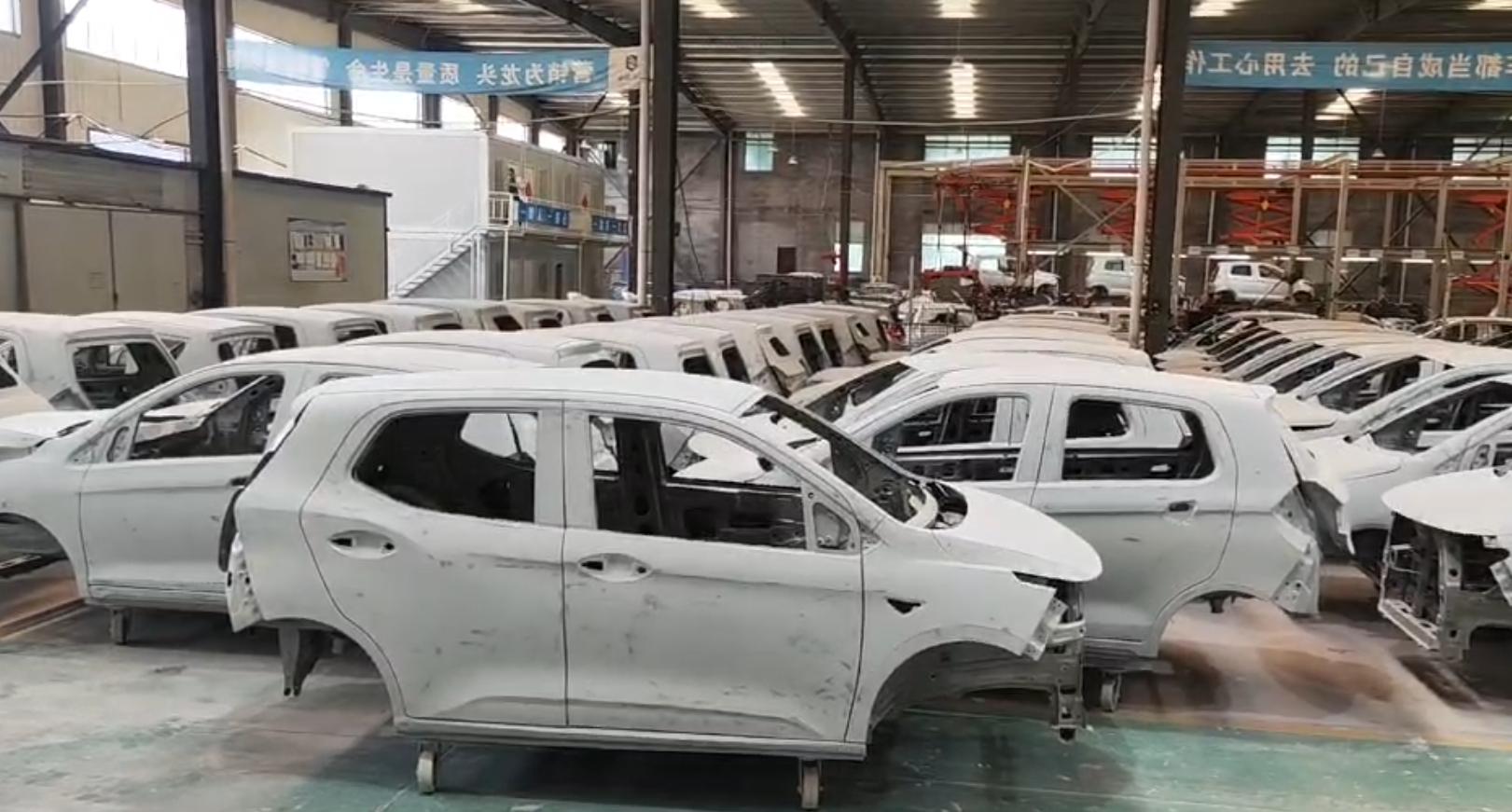
Urban logistical systems and passenger networks are increasingly adopting localized EV ecosystems to lower lifetime operational costs. Geely's development of flexible chassis systems (such as the Sustainable Experience Architecture - SEA) provides a base layout that can be configured for distinct B2B needs, including delivery vans, urban hatchbacks, and premium passenger vehicles. This platform uniformity simplifies maintenance routines, reduces parts inventory requirements, and supports fleet-wide telemetry tools.
International automotive sourcing requires managing complex regulatory barriers, customs compliance, and supply chain friction. Shandong Li Mao Tong Group manages these processes by establishing regional assembly networks (KD assembly facilities) and regional supply points. This decentralized approach mitigates import tariff exposures, helps meet domestic sourcing requirements, and shortens transportation lead times to main shipping channels.
Developing regional economies face specific operational challenges, including grid instability and rough terrain. To meet these conditions, we supply adaptable transport configurations, such as hybrid drive units, integrated solar range extenders, and reinforced suspension layouts. These design adaptations ensure vehicles perform reliably under varied and challenging infrastructural conditions.
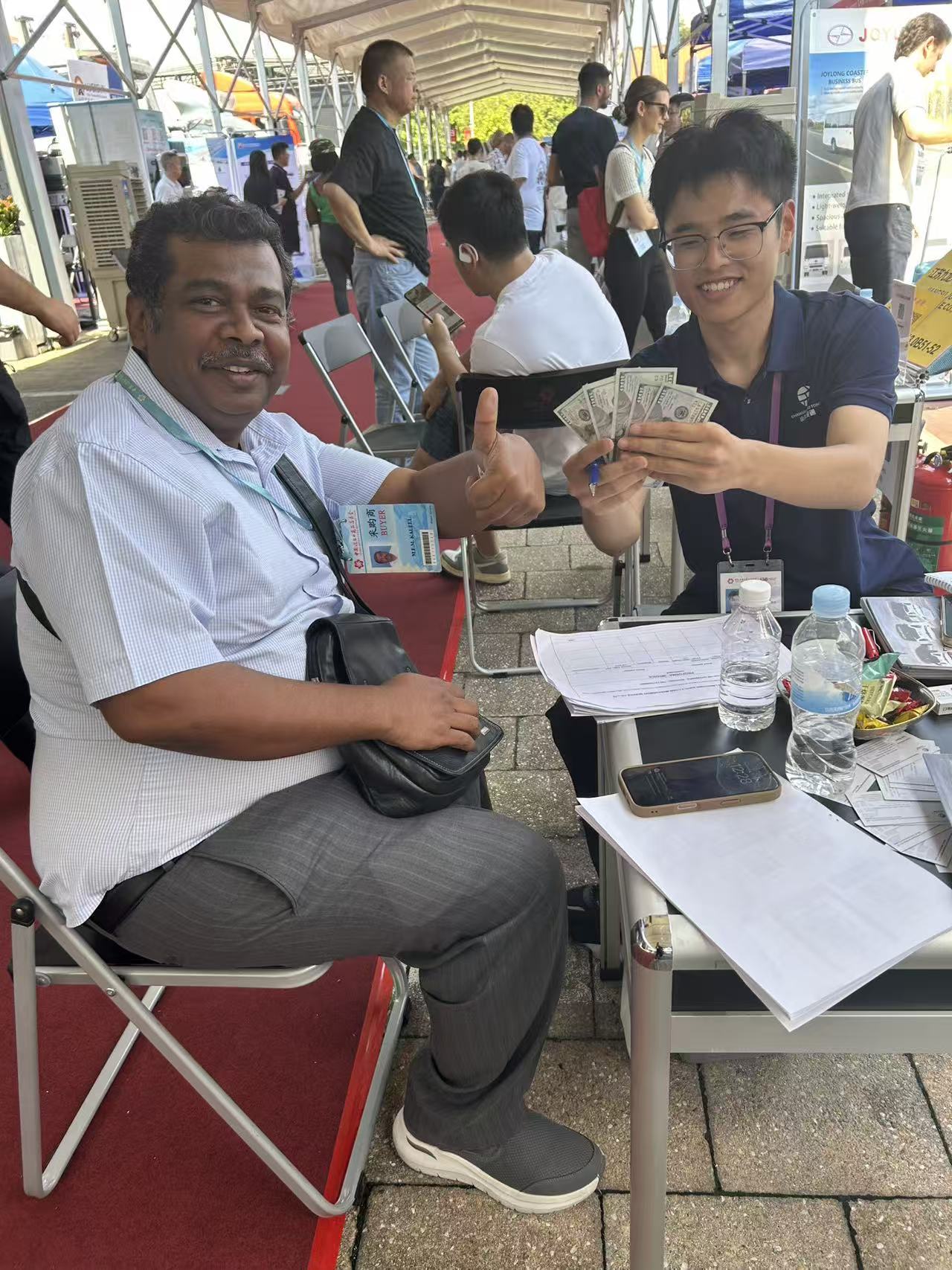
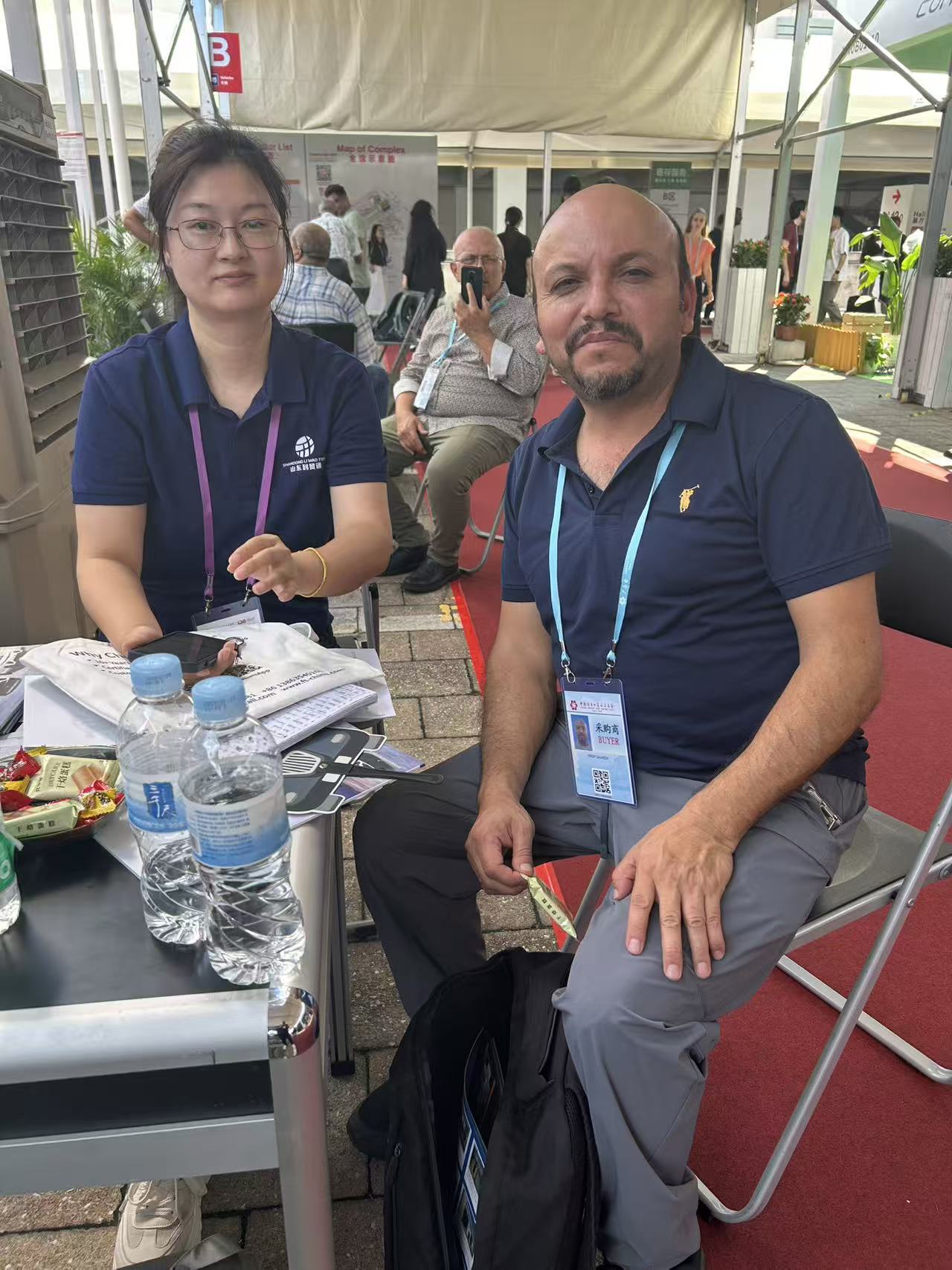
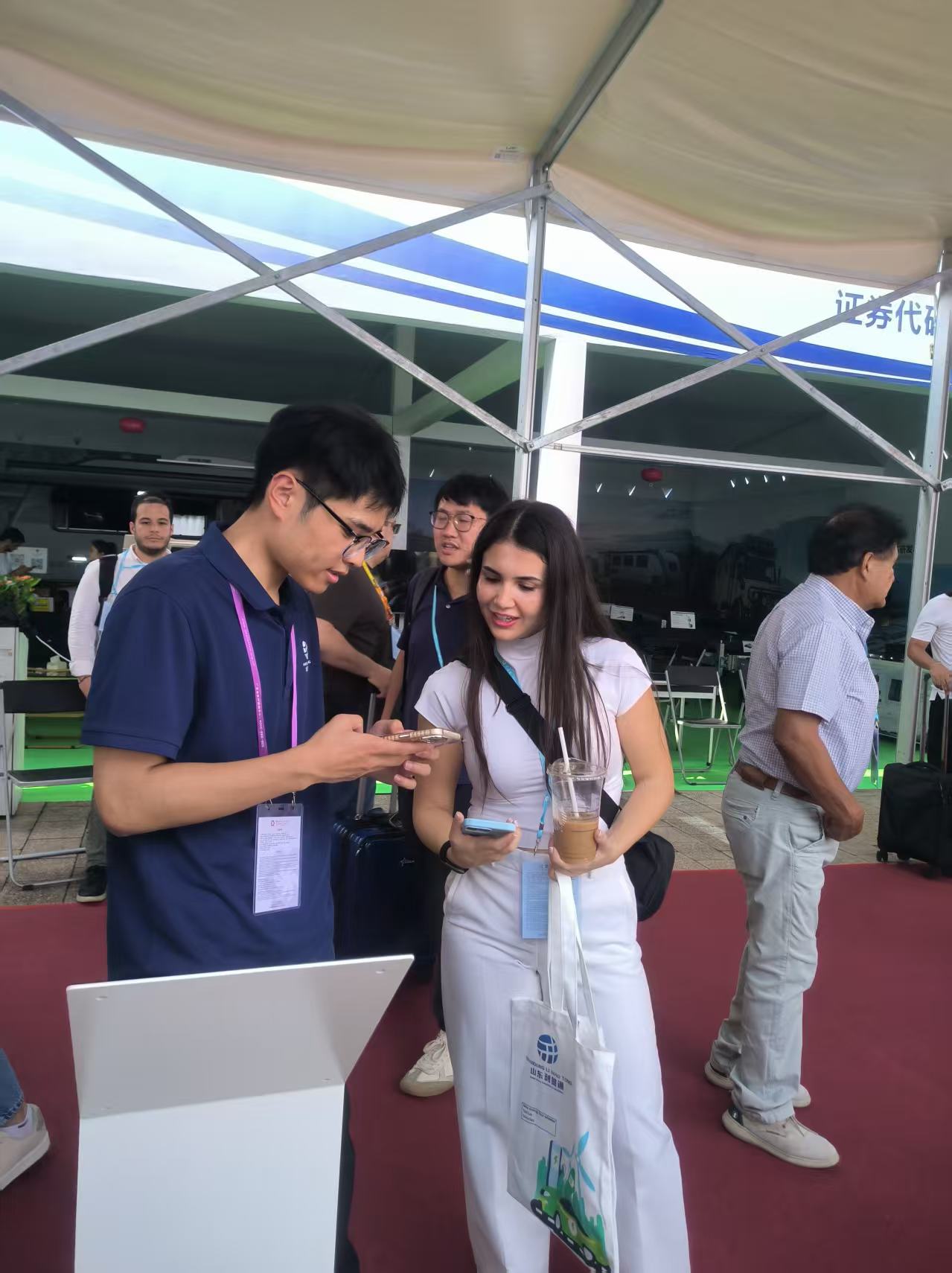
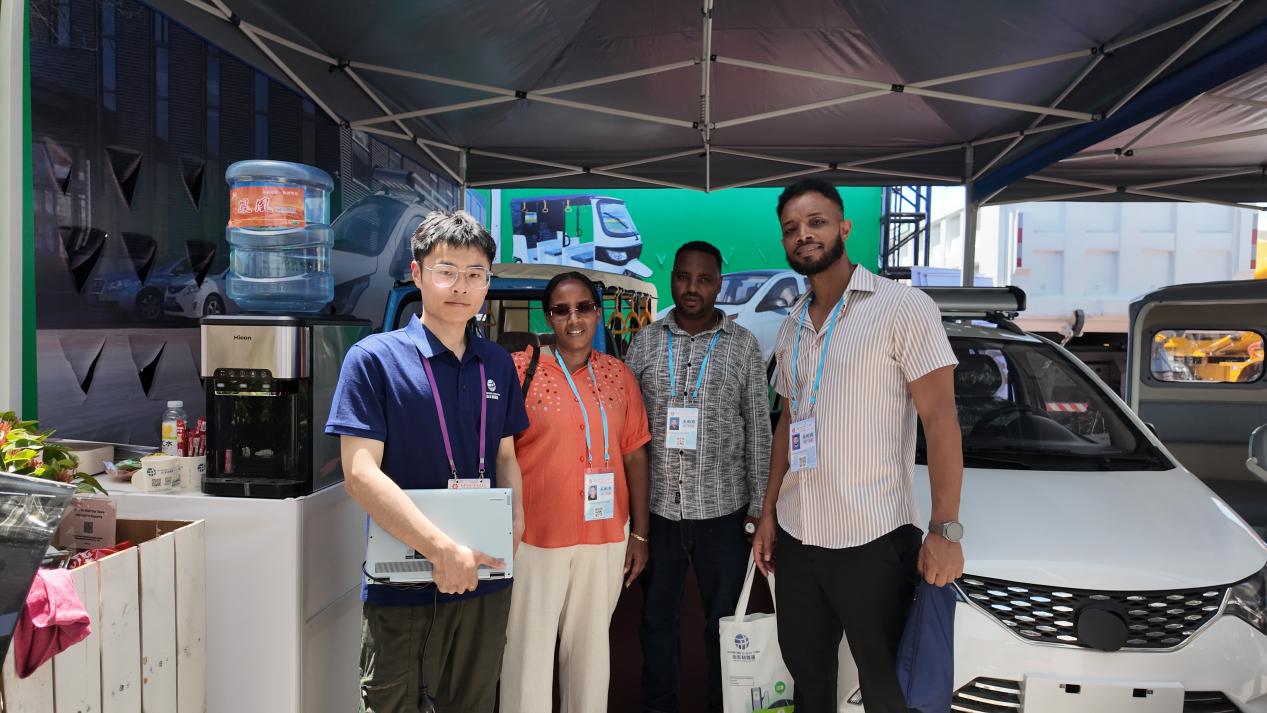
Our structural roadmap centers on shifting fleet systems to low-emission platforms. In collaboration with component and system suppliers, current engineering work focuses on several primary developments:
Integrating high-voltage architectures (800V layouts) to enable faster charging times and improve power conversion efficiency.
Installing cloud-based vehicle diagnostics interfaces that provide operators with real-time status updates on fleet batteries.
Increasing the use of recycled alloys and polymer components in chassis structures to support production sustainability targets.
Additionally, localized parts integration remains key to managing global operations. By refining standardized assembly kits (CKD setups), Shandong Li Mao Tong Group supports domestic manufacturing partners, helping them meet local import rules and reduce structural costs.
 Limaotong