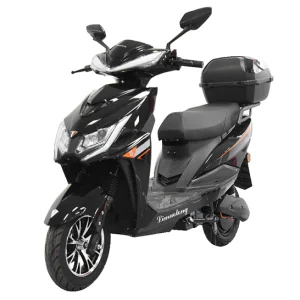
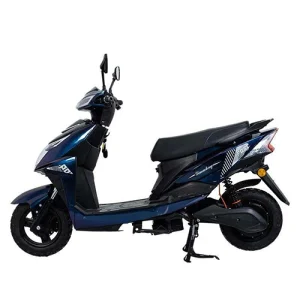
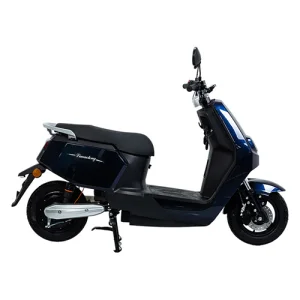
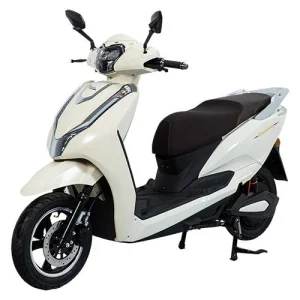
The United Arab Emirates is executing one of the world's most aggressive energy transition strategies, spearheaded by the UAE Net Zero by 2050 Strategic Initiative and the Dubai Clean Energy Strategy. Historically characterized by high-volume fossil fuel transit, the industrial zones of Dubai (Al Quoz, Jebel Ali Free Zone - JAFZ) and Abu Dhabi (Mussafah, KIZAD) are undergoing structural shifts to accommodate electric micromobility frameworks.
The exponential growth of the last-mile delivery sector, fueled by major hyper-local logistics giants including Talabat, Careem, and Noon, has catalyzed a critical demand for heavy-duty, thermal-resilient two-wheeled electric bikes. Conventional Internal Combustion Engine (ICE) fleet vehicles face impending regulatory phases, prompting logistics operators to seek robust, reliable, and standardized electric two-wheelers.
Furthermore, municipal plans to optimize city routing through the Dubai Road and Transport Authority (RTA) have mandated strict safety regulations for commercial two-wheelers. These rules include speed limiting, localized geofencing capabilities, and robust frame structural testing. Suppliers targeting this region must possess an advanced understanding of the regulatory landscape and provide customizable hardware profiles that comply with ESMA (Emirates Authority for Standardization and Metrology) guidelines.
Our technical engineering pipeline for the UAE and broader GCC market is built upon three pillars of innovation: Thermal Stabilization, Intelligent IoT Telematics, and Modular High-Density Energy Storage.
Integrating phase-change materials (PCM) and conductive heatsinks that prevent thermal runaway even when ambient temperatures reach 50°C and vehicle operation is continuous.
Dual-lip hermetic sealing around all electric drive components, control modules, and wiring harnesses to mitigate penetration by ultra-fine desert sand and saline coastal moisture.
Native integration with GPS, GLONASS, and Galileo tracking, coupled with OTA (Over-The-Air) firmware diagnostics and RTA compliance interfaces for geofencing.
We provide integrated solutions tailored to the needs of urban operators:
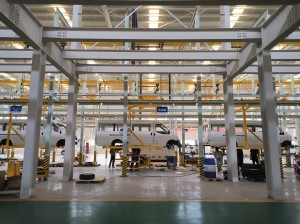
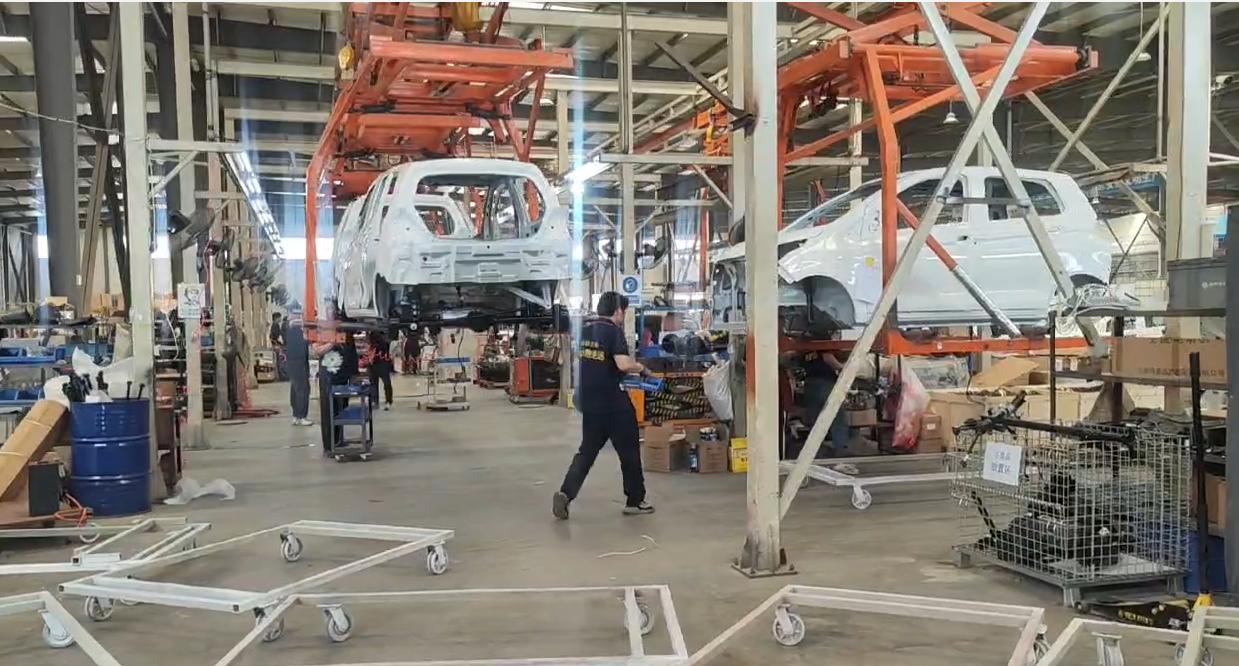
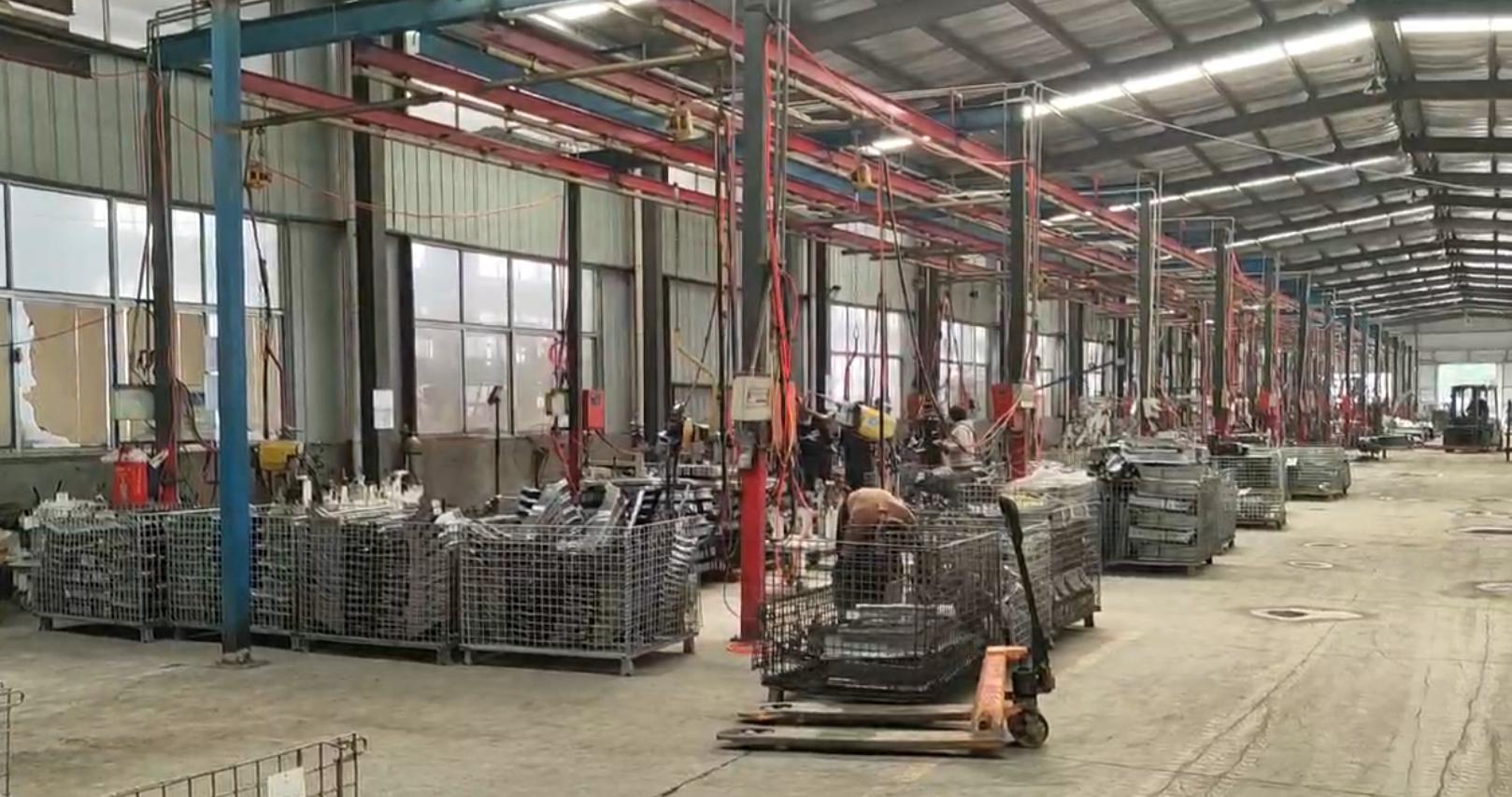
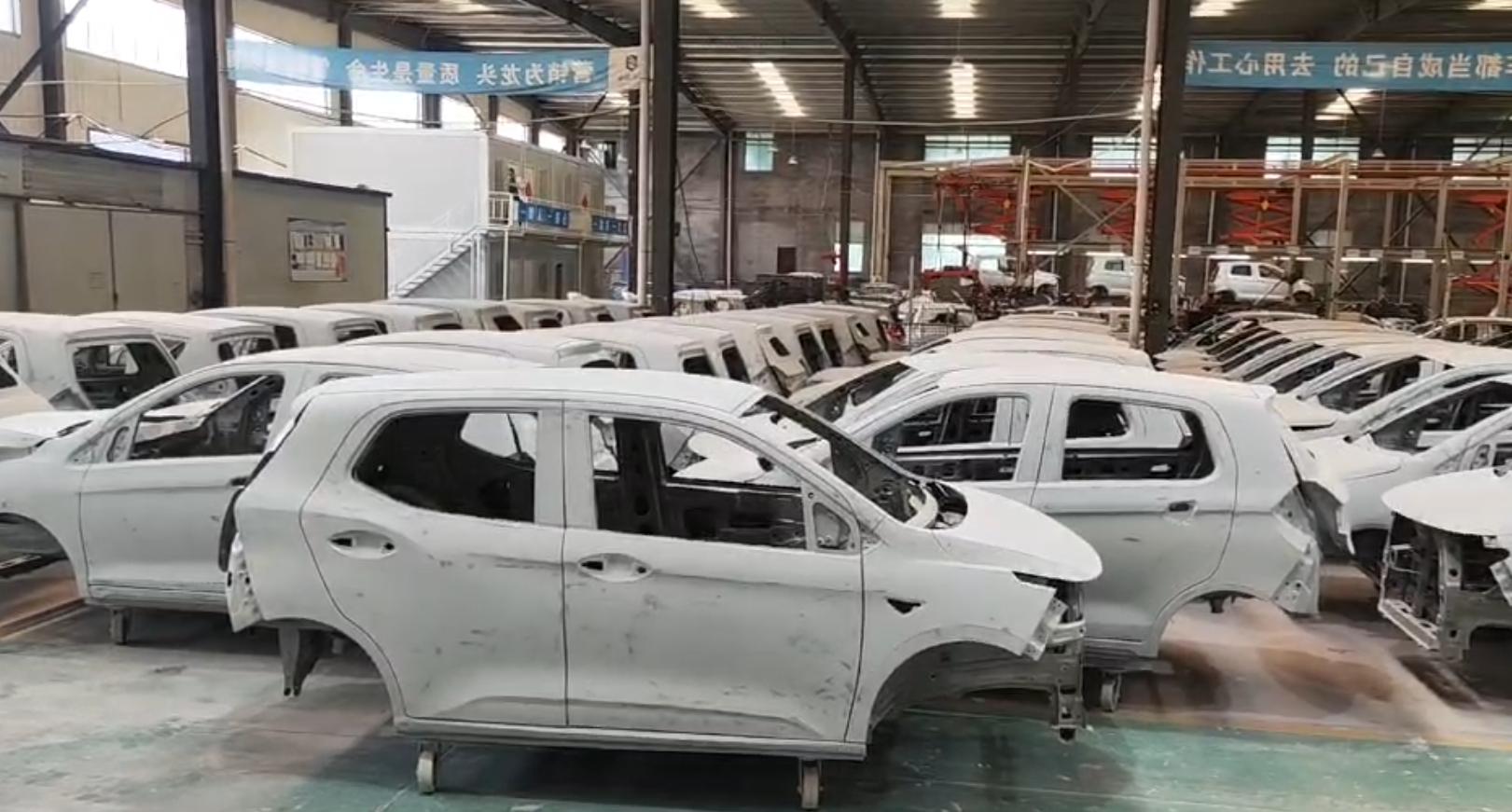
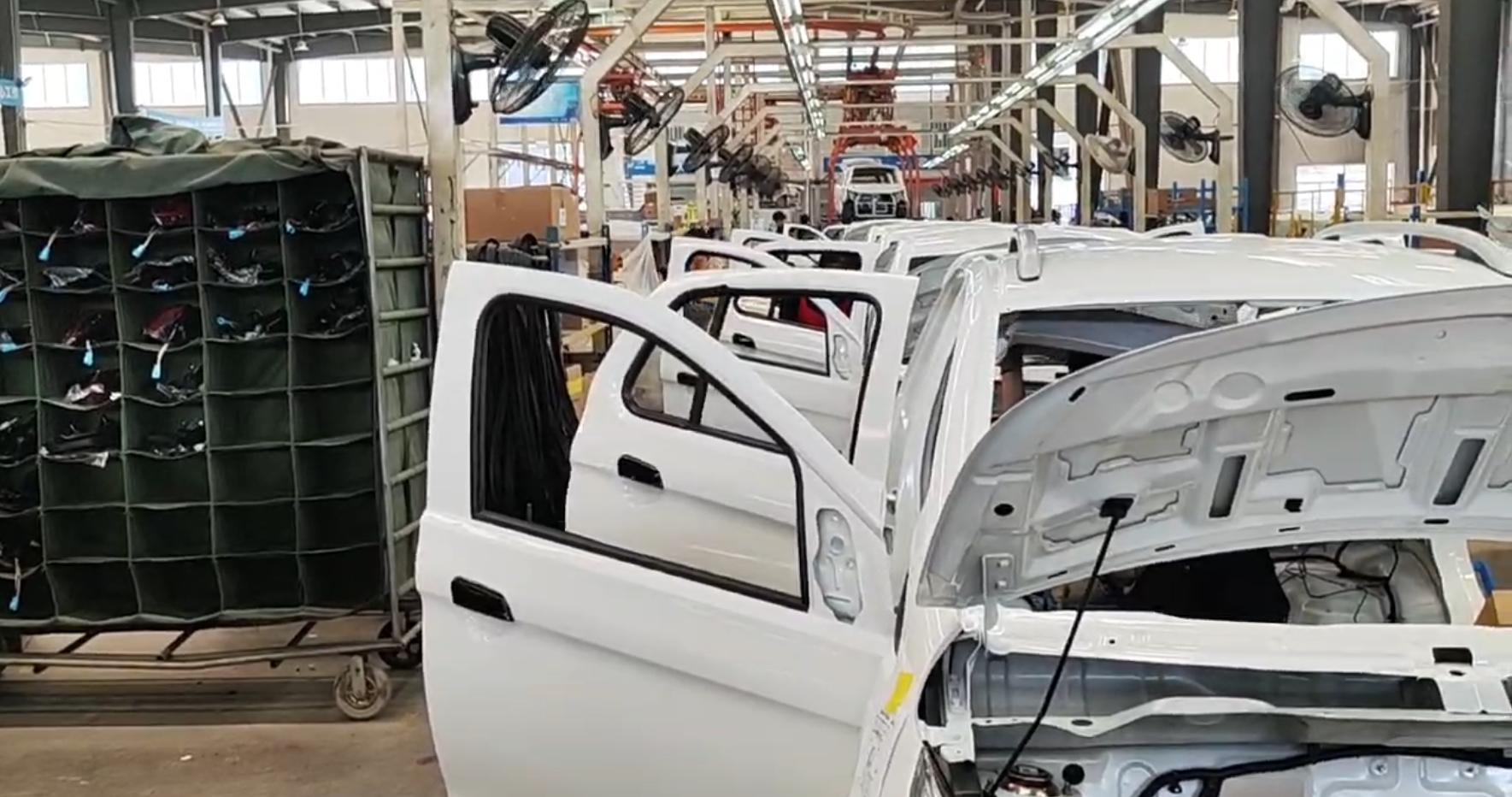
An inside look at our advanced manufacturing lines. We operate a modern intelligent manufacturing base equipped with highly automated production lines and a stringent digital quality control system, ensuring every vehicle rolling off the line meets international standards of craftsmanship. Our structural design targets high-level safety ratings to protect fleet operators, and we conduct extreme testing under seven levels of simulated heavy rain and desert atmospheric conditions.
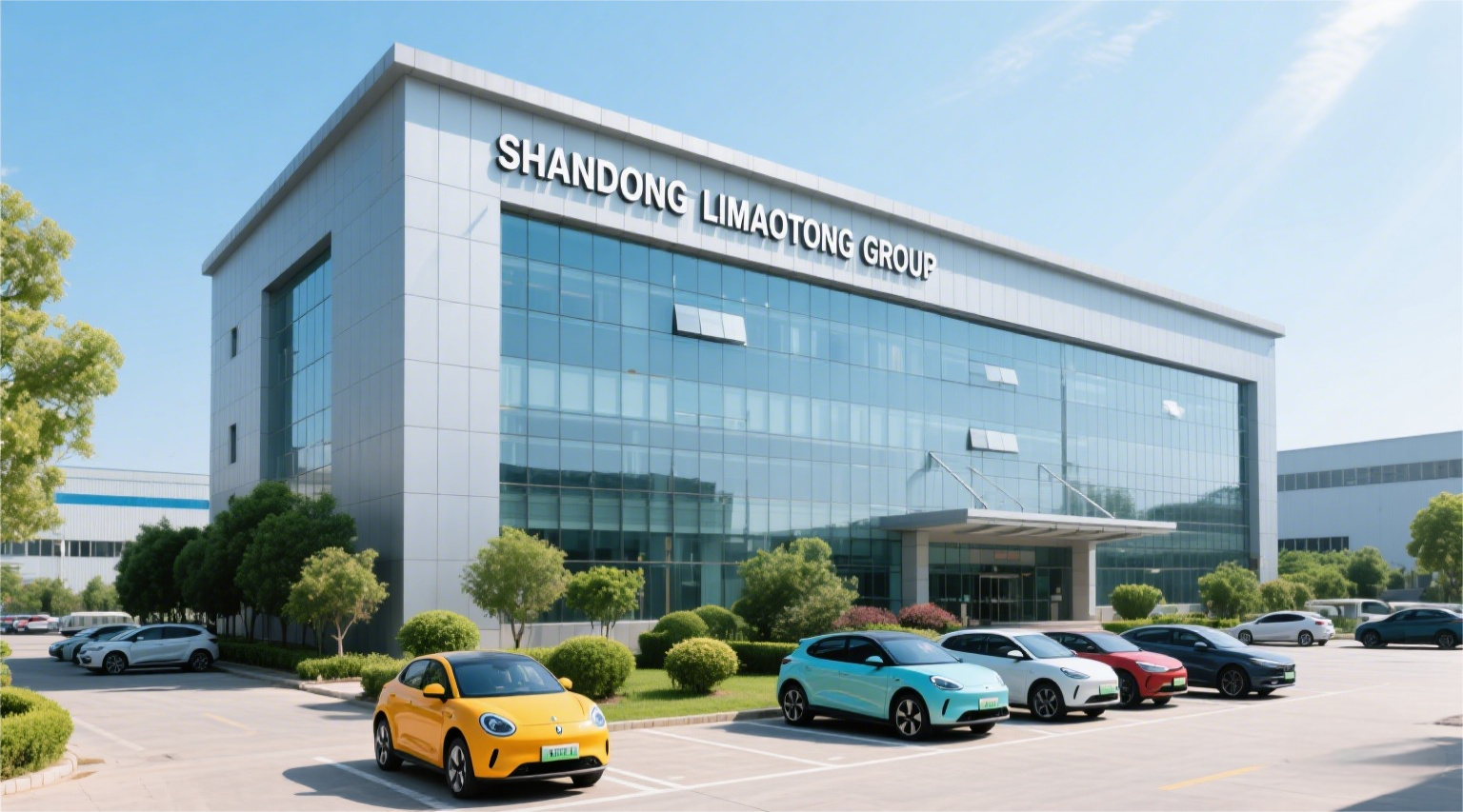
SHANDONG LI MAO TONG GROUP is a global supplier of high-quality products, with a complete industrial chain, specialized in research, manufacture, and international sales of motor tricycles, cargo tricycles, electric mini cars, and high-performance two-wheeled electric bikes. Since our establishment, our vehicles have served over 120 countries and regions worldwide, with our brand reaching more than 20 million households globally.
Supported by 8 overseas production bases, we provide comprehensive vehicle solutions to markets around the world. We attach great importance to after-sales service and have established strategic overseas hubs—including a cross-border e-commerce exhibition and sales center in the Djibouti International Free Trade Zone in East Africa. Our facilities are equipped with professional after-sales teams to ensure parts availability, diagnostic support, and maintenance.
B2B buyers, municipal procurers, and fleet aggregators choose Shandong Li Mao Tong Group due to our strict adherence to quality and supply-chain transparency. Our production pipeline employs:
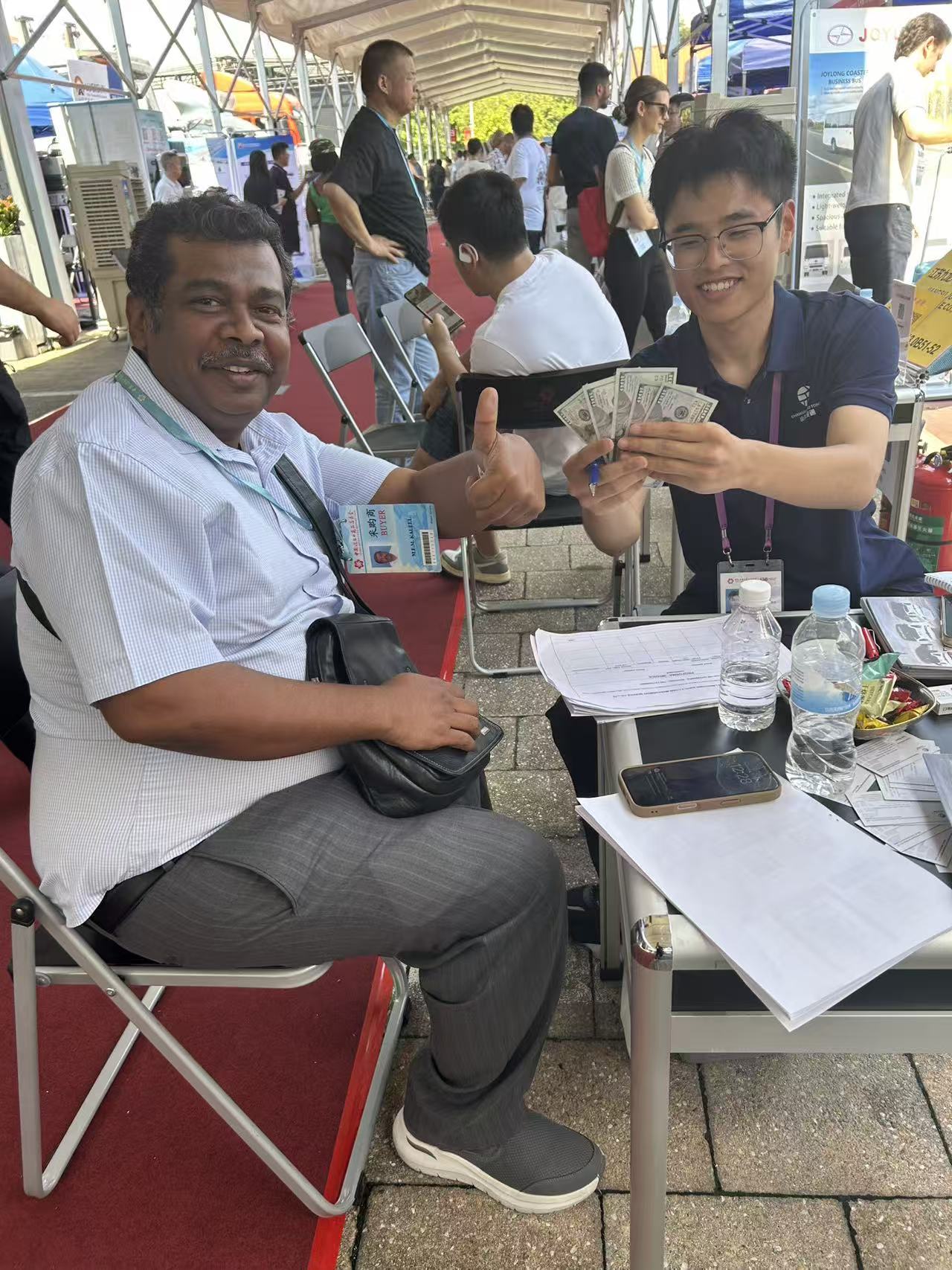
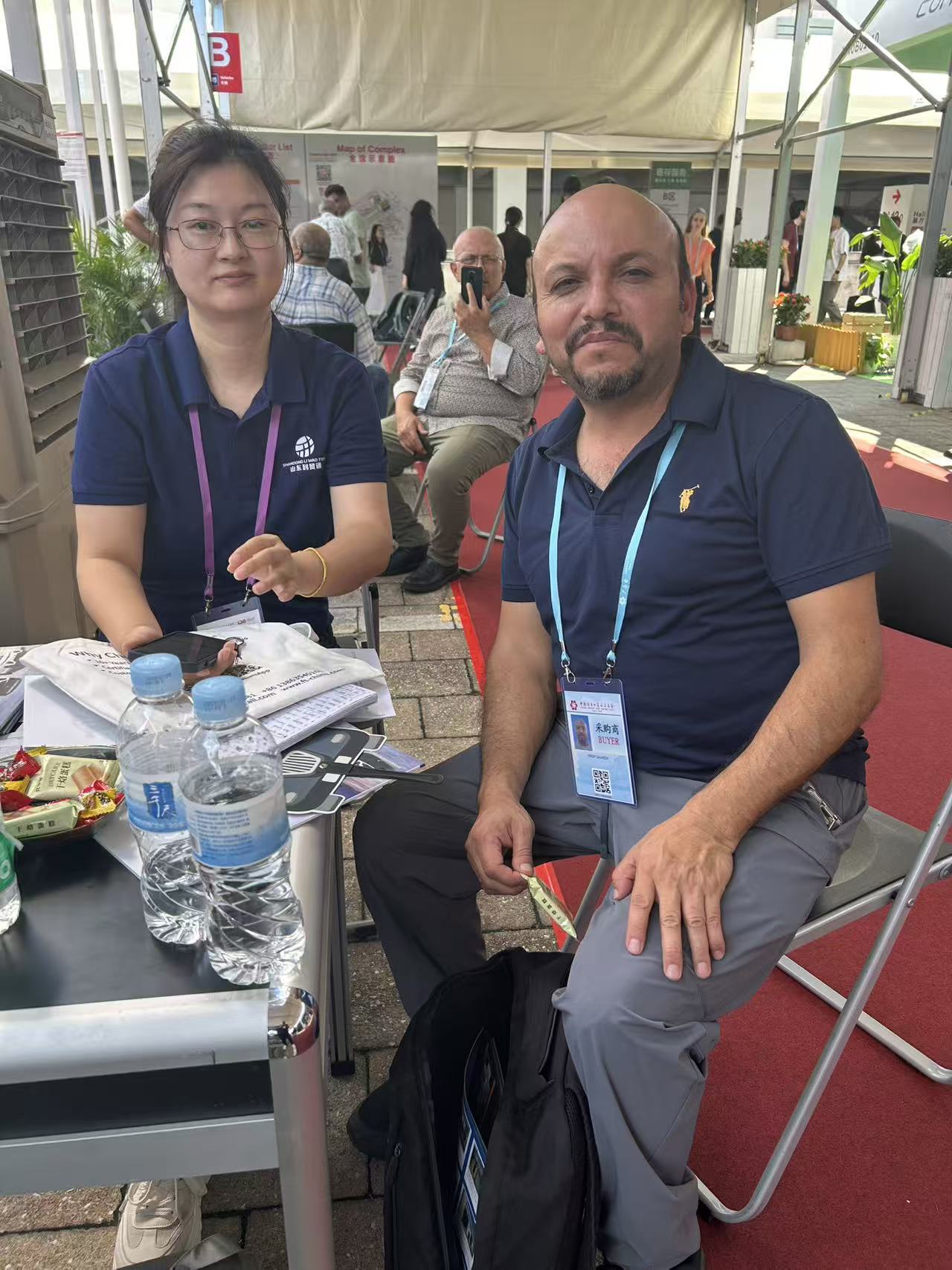
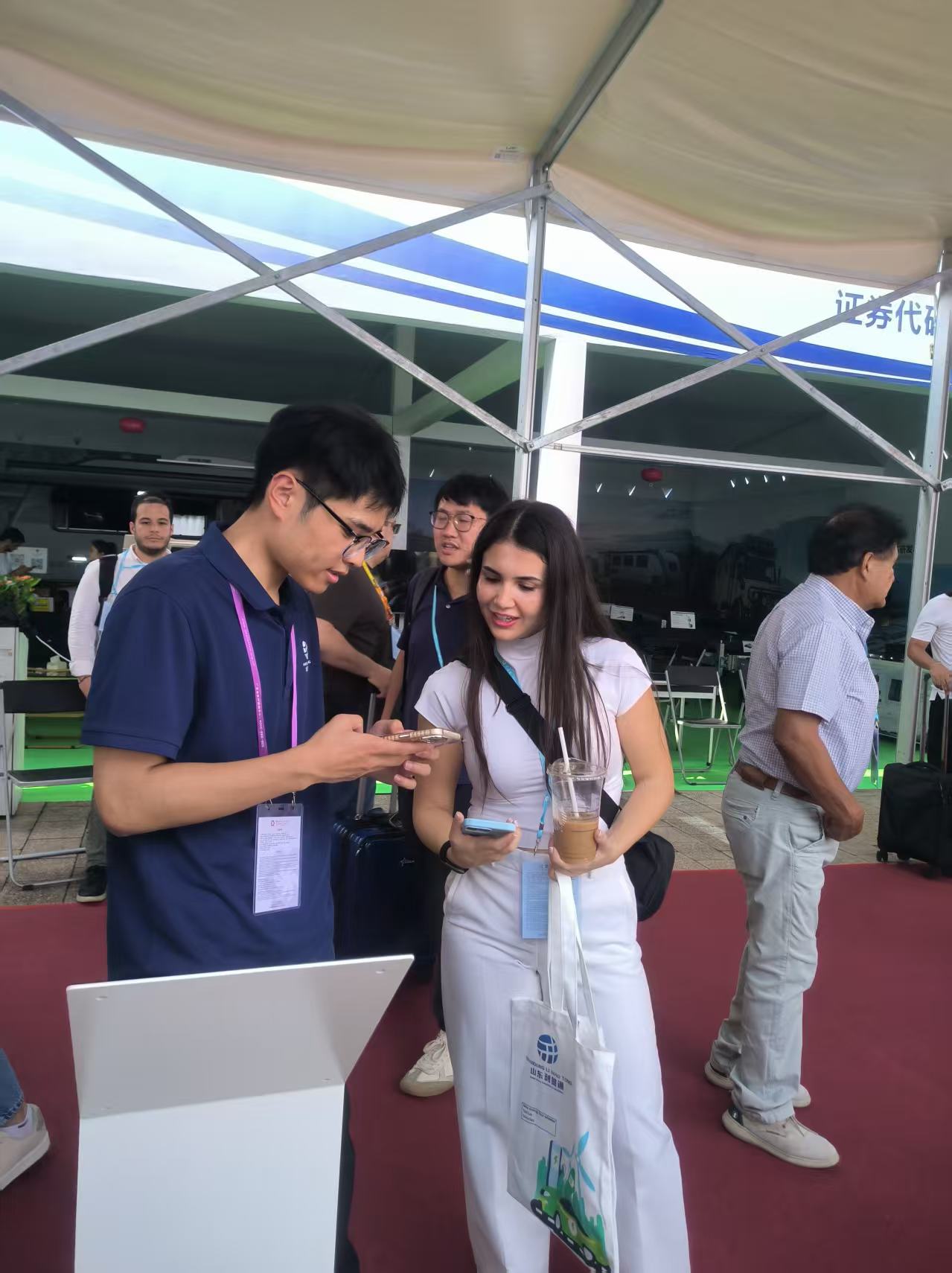
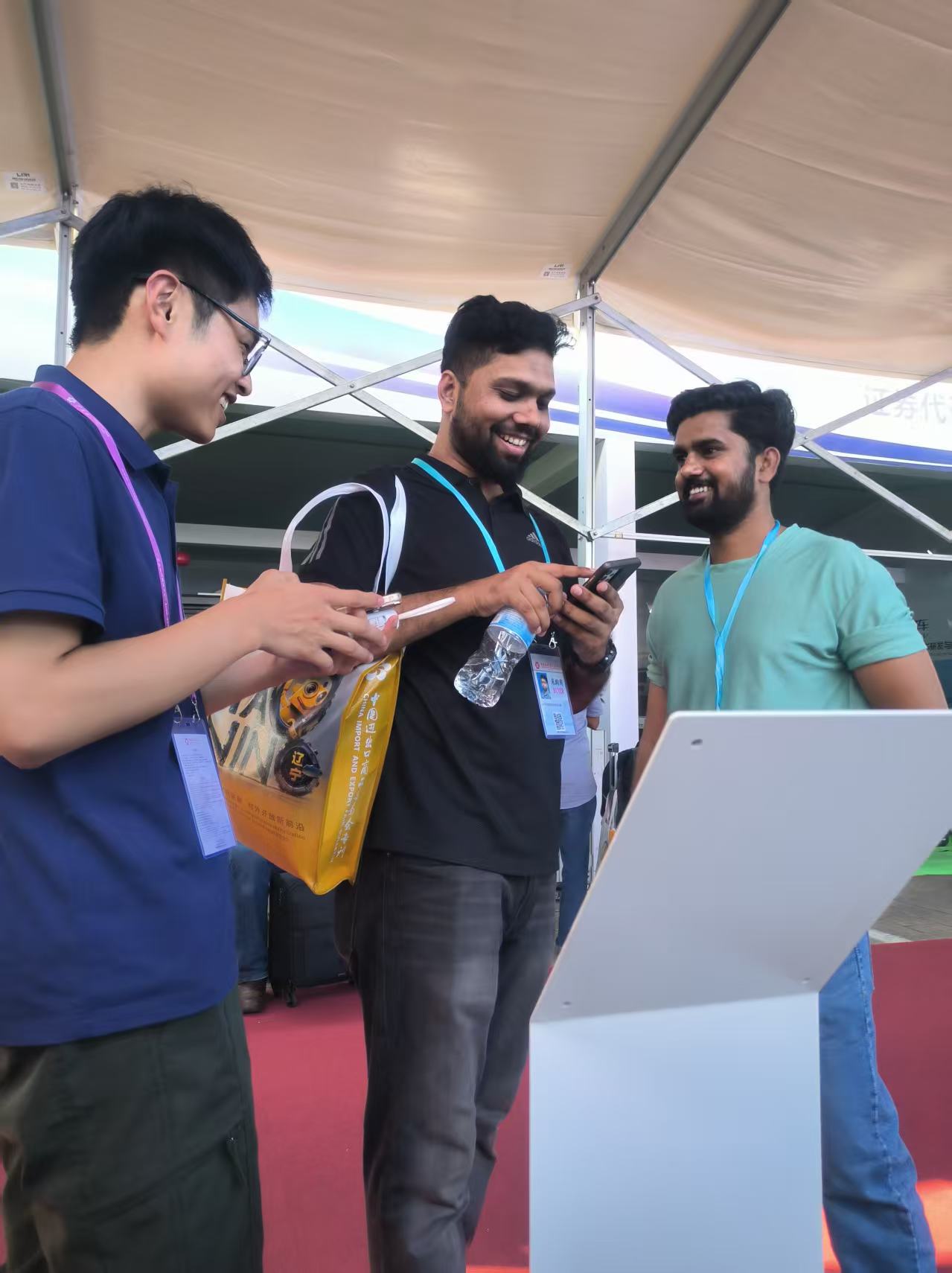
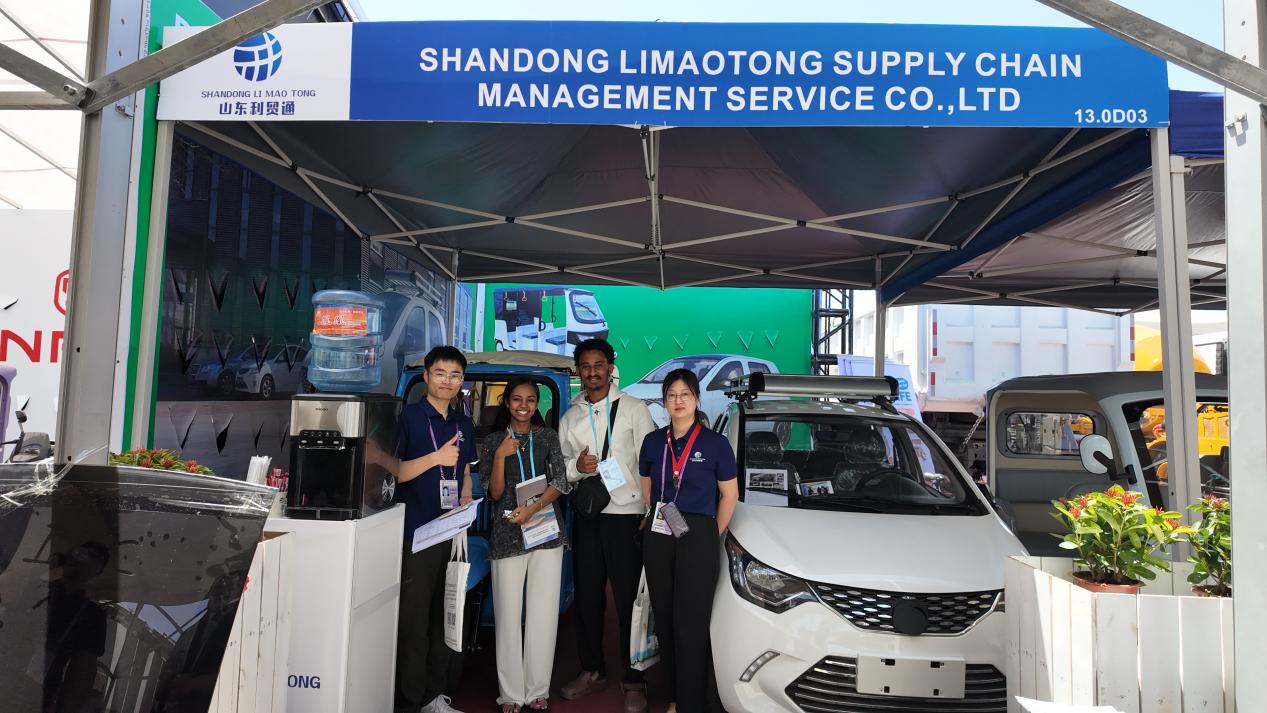
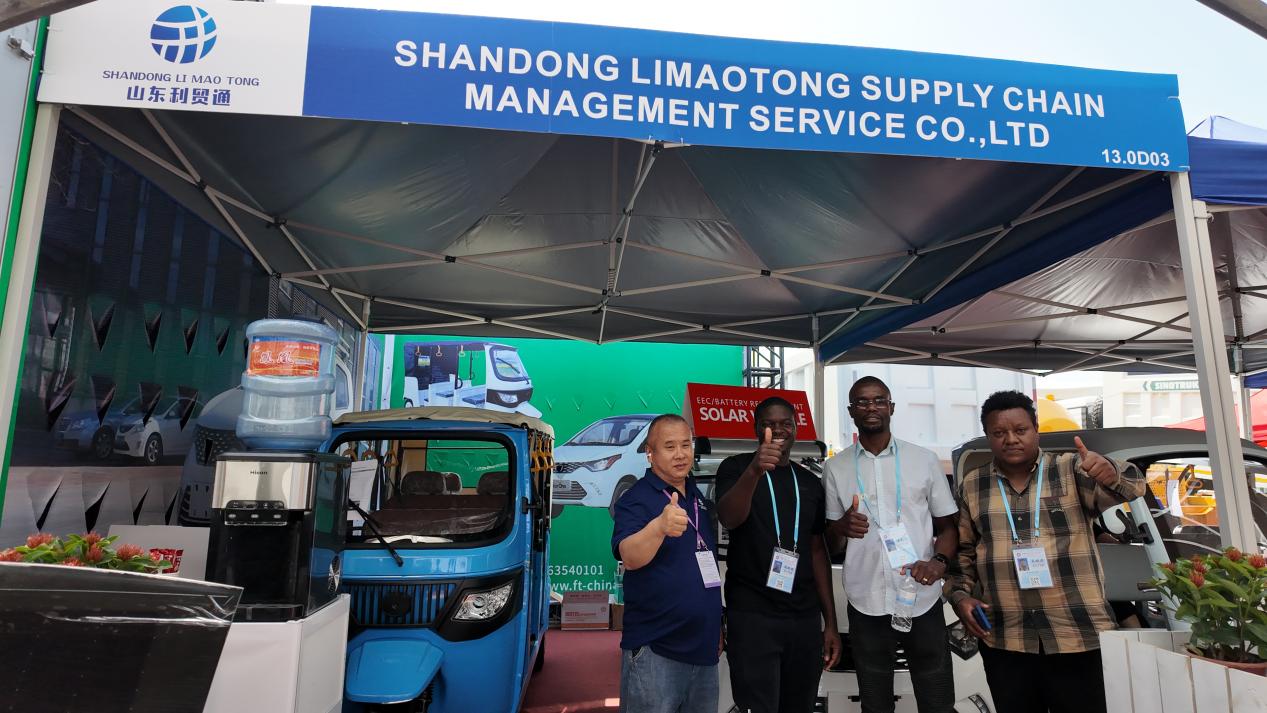
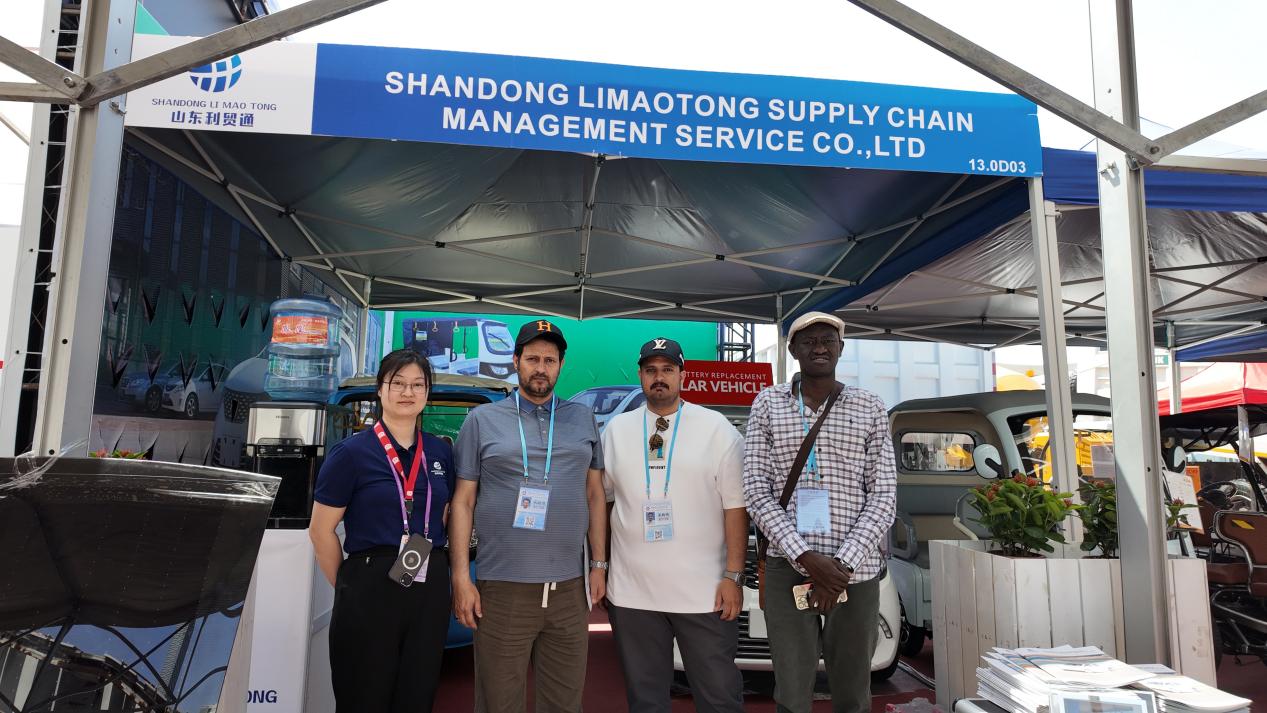
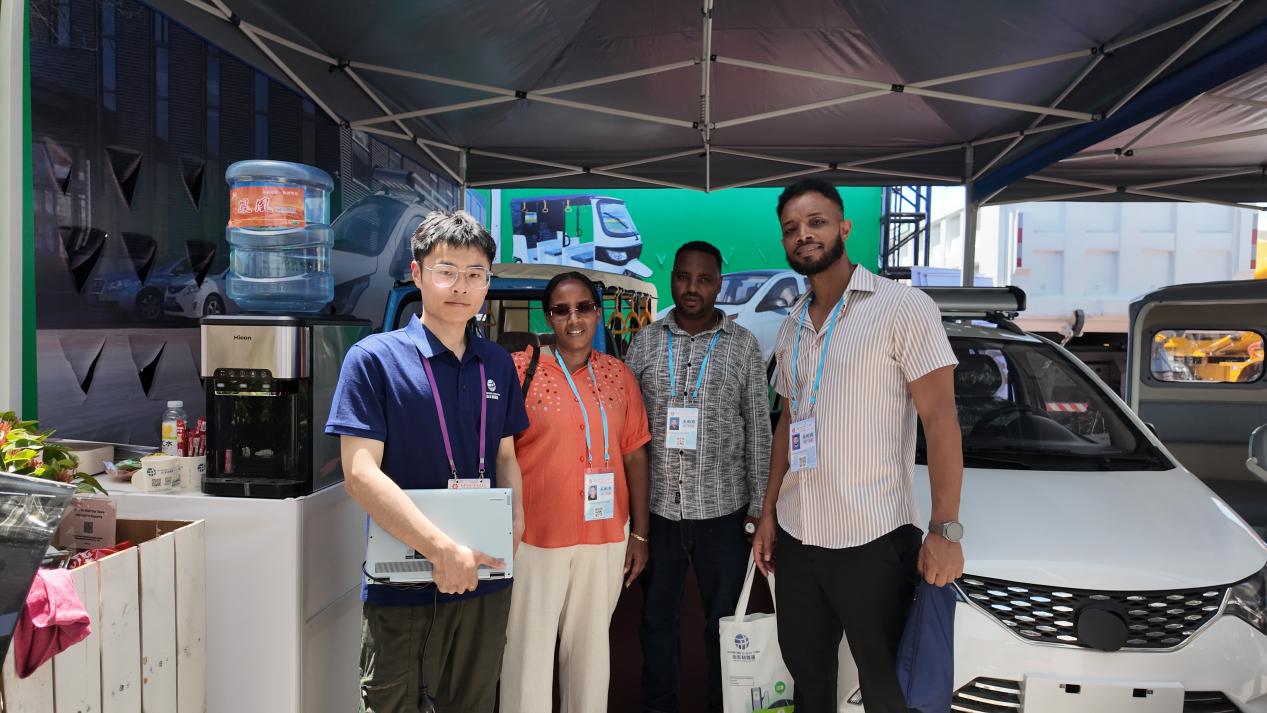
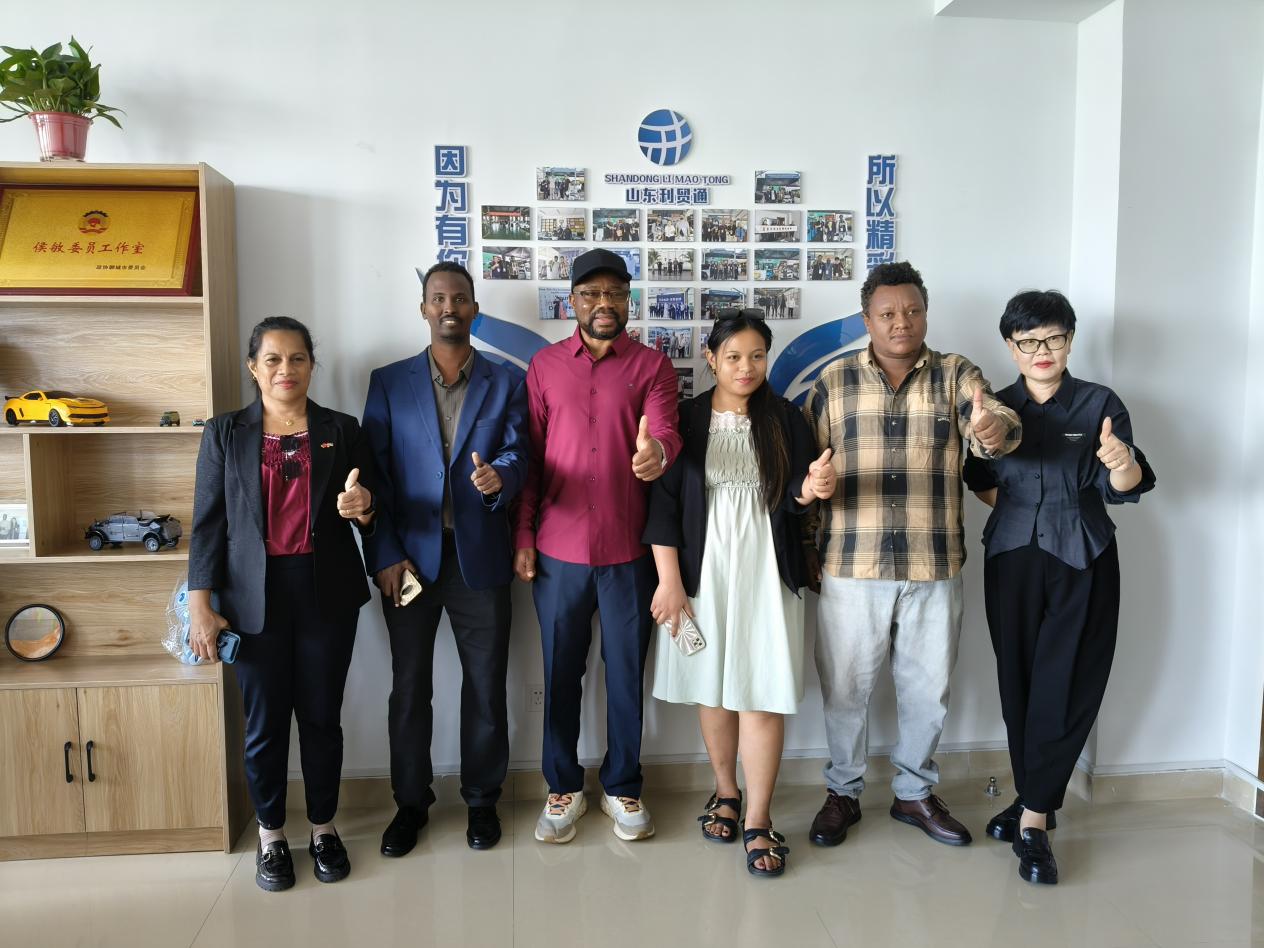
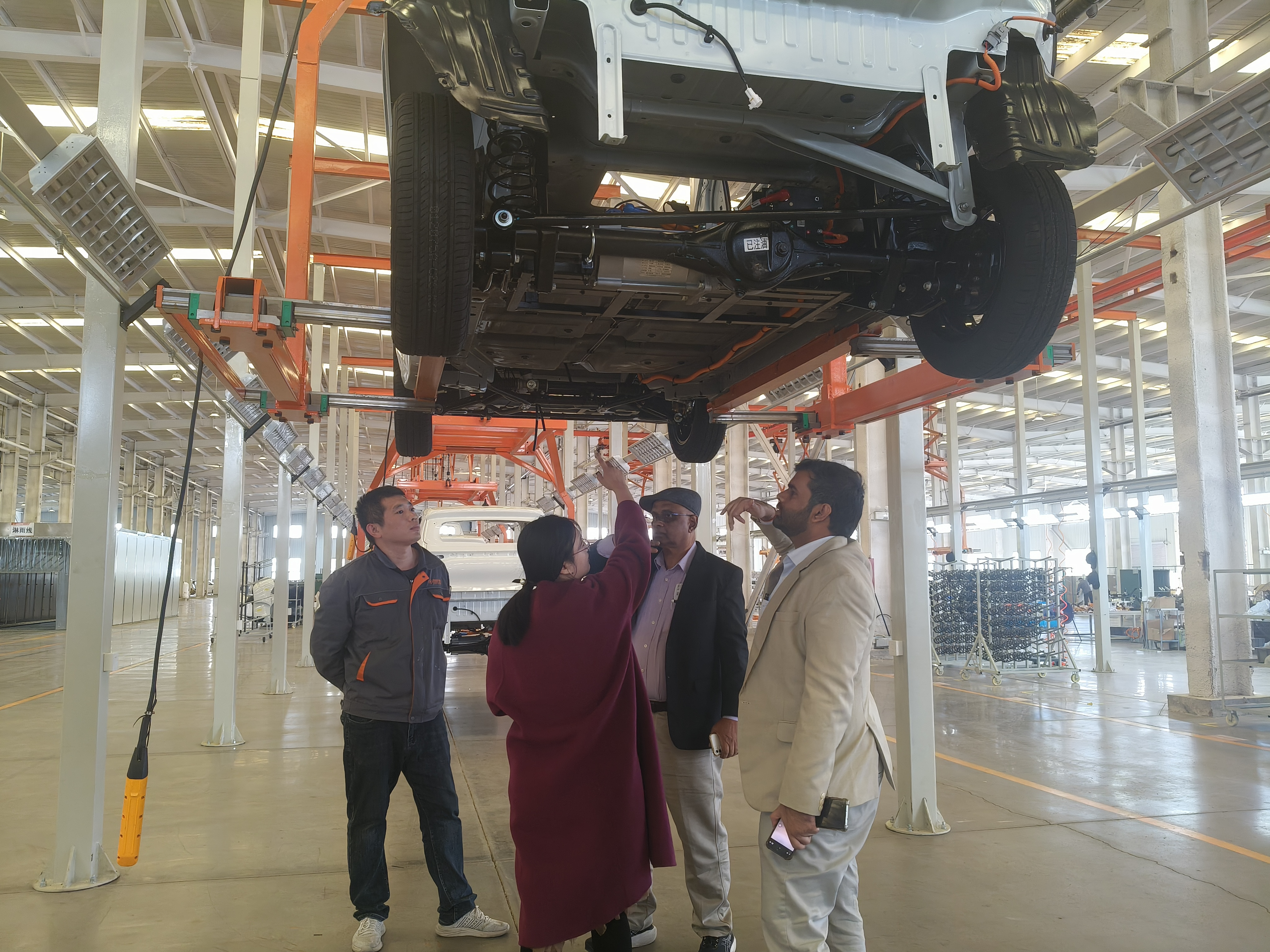
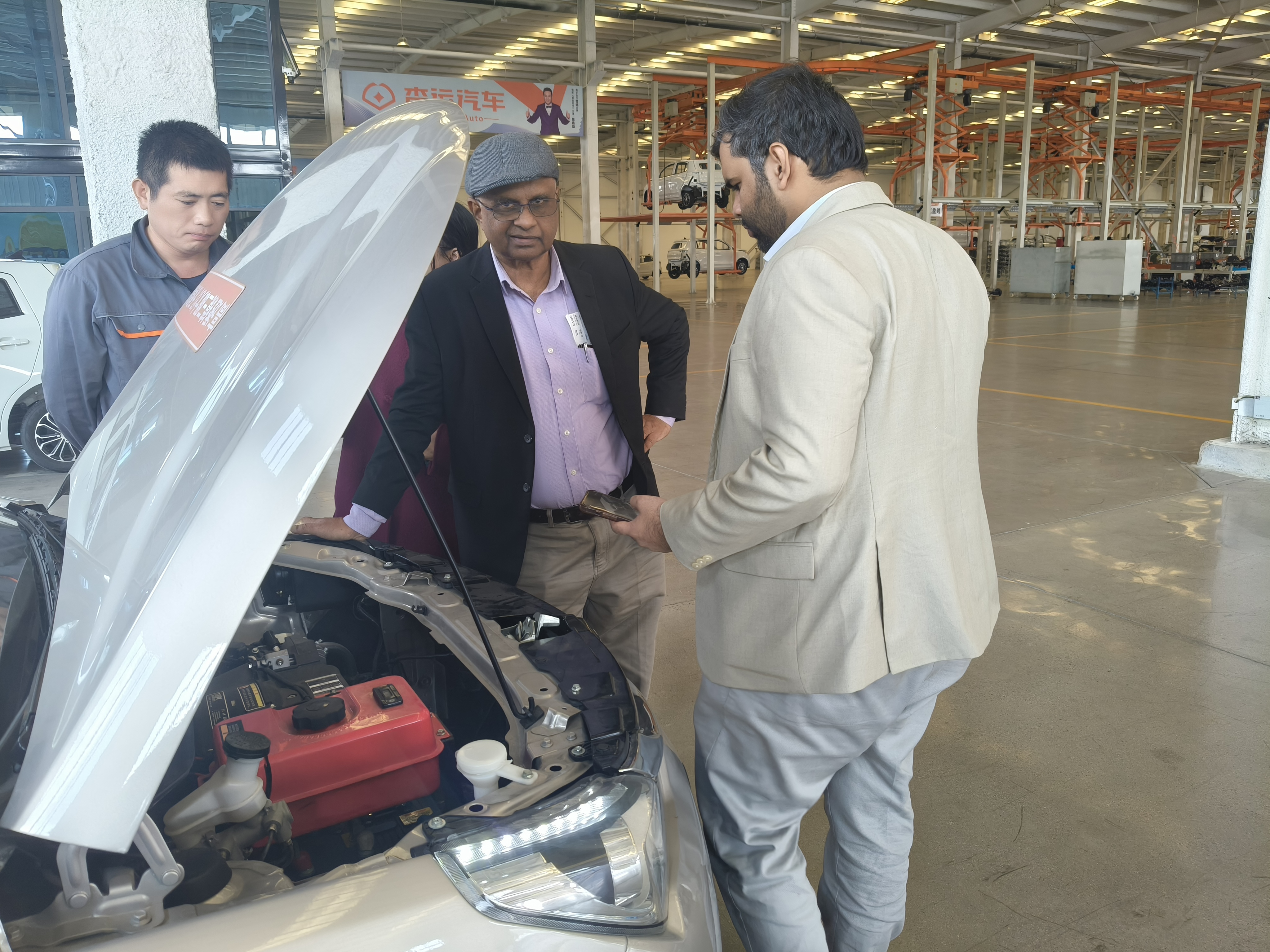
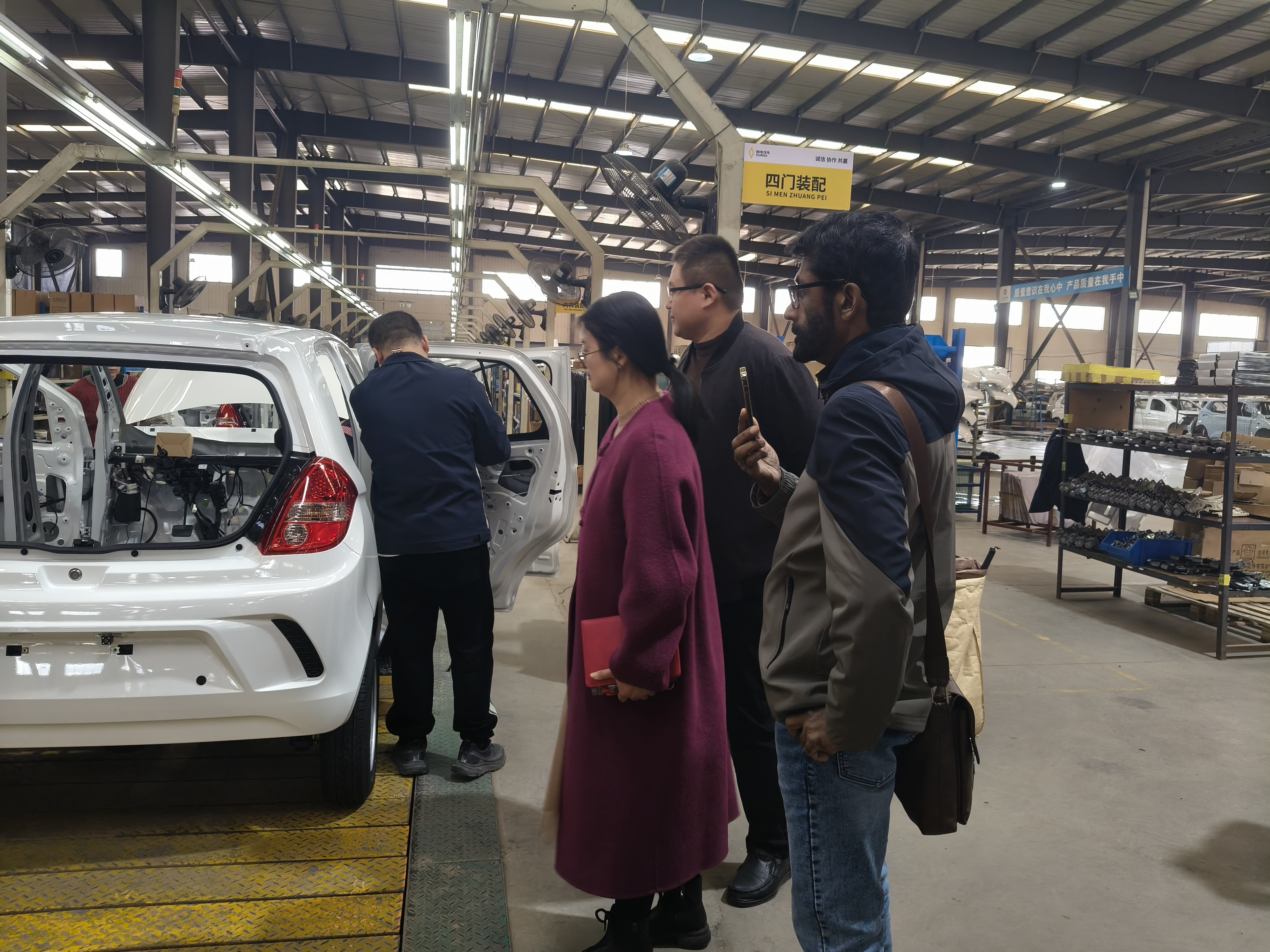
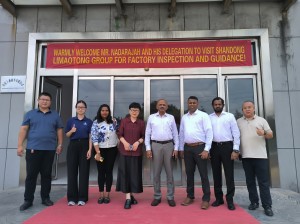
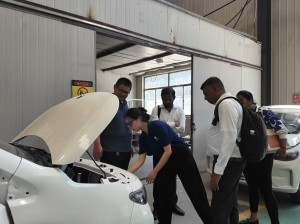

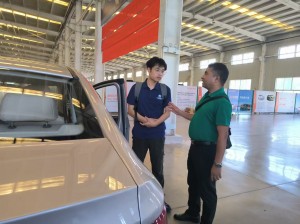
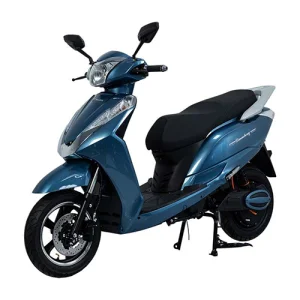
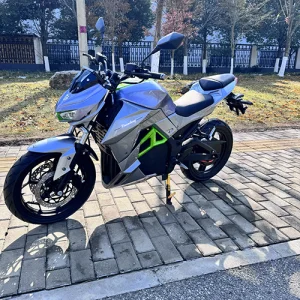
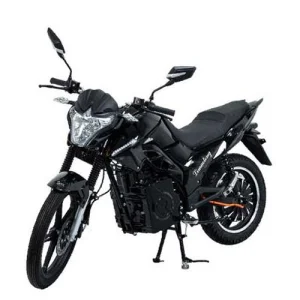
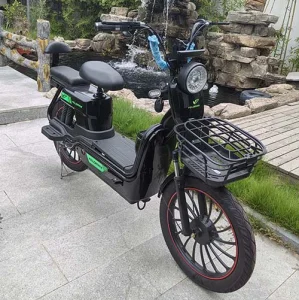
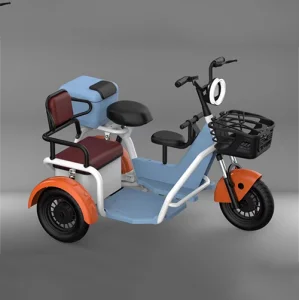
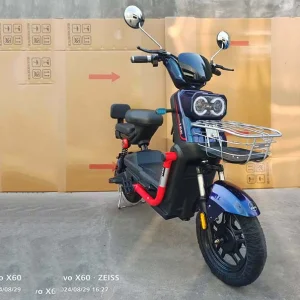
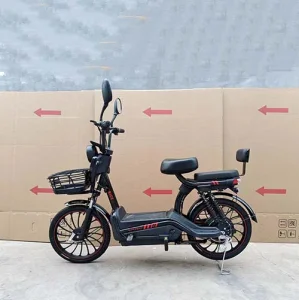
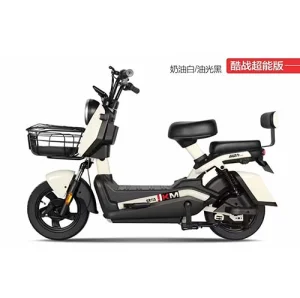
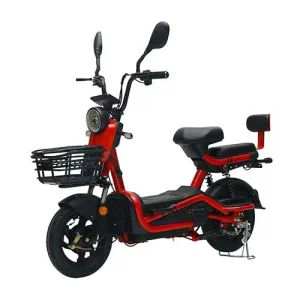
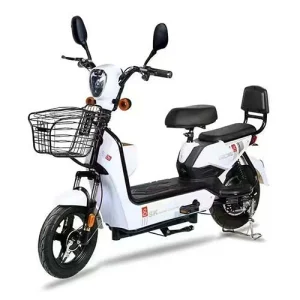
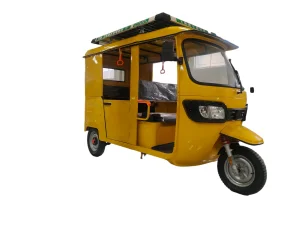
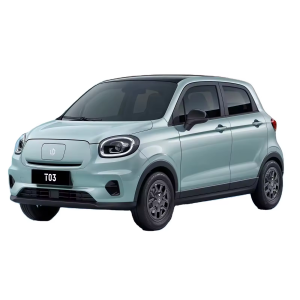
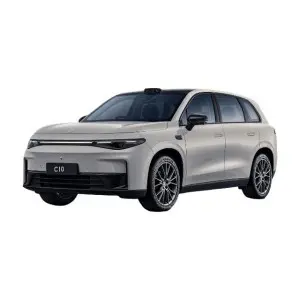
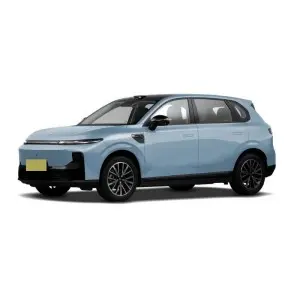
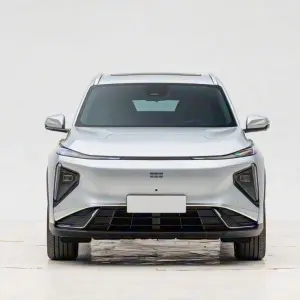
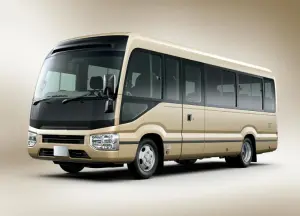
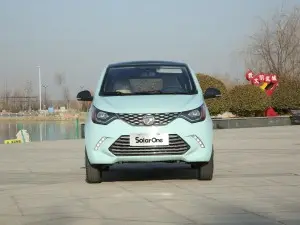
Beyond two-wheeled delivery solutions, we support micro-transit and executive logistics needs in the UAE through our vehicle partnerships and diversified factory pipelines.
Procuring industrial two-wheeled electric bikes in the Middle East demands strict alignment with a multi-layered regulatory architecture. The Gulf Cooperation Council Standardization Organization (GSO) has established safety guidelines governing EV battery packs, drive systems, and structural rigidity. Our manufacturing lines run validation protocols aligned with these requirements, focusing on:
We offer customization options for corporate buyers, enabling precise control over hardware configurations:
Our electric bikes utilize advanced thermal protection systems, combining phase-change materials (PCM) with heat-dissipating aluminum casings. The built-in Battery Management System (BMS) monitors cells in real-time, preventing charging if temperatures exceed safe thresholds. We primarily use Grade-A LFP (Lithium Iron Phosphate) and customized ternary lithium cells that operate safely at ambient temperatures of up to 55°C.
Yes, our export models are designed to meet ESMA (Emirates Authority for Standardization and Metrology) guidelines and GCC Standardization Organization (GSO) requirements. Features such as speed limiters (capped at 25km/h or custom settings based on local rules) and safety lights are fully integrated to meet RTA standards for cargo and courier usage.
Typically, production ranges from 20 to 30 days depending on OEM customization requirements. Ocean transit from our primary shipping hubs in China to Jebel Ali Port, Dubai, takes approximately 15 to 22 days. Through our strategic cross-border e-commerce exhibition and sales center in the East Africa Djibouti Free Zone, we can expedite parts and regional shipments to reduce wait times.
Absolutely. Our technical roadmap supports integration with custom telematics hardware. Our GPS/GPRS tracking modules communicate using standard protocols (such as JT808 or custom API formats), allowing you to monitor real-time battery status, vehicle location, geofencing parameters, and component diagnostics.
We provide localized support via overseas warehousing networks. We stock critical spare parts—including controllers, motors, batteries, chargers, and braking components—allowing us to fulfill requests quickly. We also offer training materials and remote technical diagnostics to support your in-house fleet maintenance teams.
For basic configurations, our MOQ starts at one 20GP container. For custom branding, custom battery sizes, or specialized heavy-duty racks, the MOQ is typically one 40HQ container. Please contact our team to discuss customized options that match your project requirements.
 Limaotong