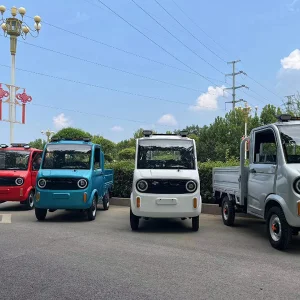
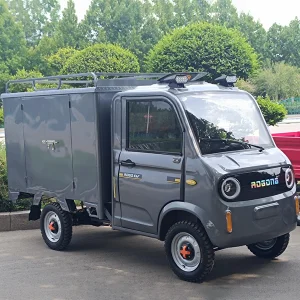
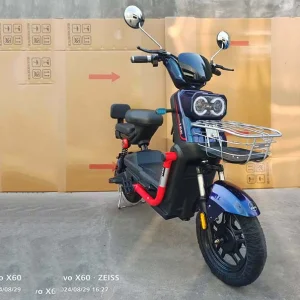
Explore our industrial-grade electric passenger tricycles, heavy-duty cargo vehicles, EEC certified mini EVs, and high-efficiency solar-assisted transport platforms built for global compliance and demanding micro-logistics.

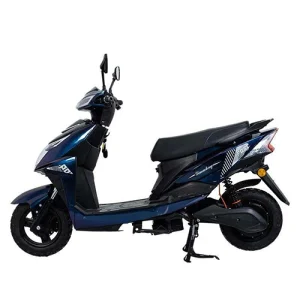
Empowering Global Green Mobility Through Vertical Manufacturing and Integrated Industrial Value Chains
Shandong Li Mao Tong Group stands as a preeminent global supplier and innovative pioneer in the green energy transport sector. Operating with a comprehensively integrated industrial chain, our group specializes in the advanced research, precision manufacturing, and international distribution of specialized commercial motor tricycles, heavy-capacity cargo tricycles, and high-efficiency micro-electric vehicles (EVs). Driven by technological disruption and a commitment to zero-carbon logistics, we have integrated thin-film and monocrystalline solar collection arrays onto micro-vehicles, generating range extension solutions for regions with limited grid access.
Since inception, our mission has been to provide robust, localized, and cost-effective transportation. Our fleet currently supports commercial, municipal, and private users in over 120 countries and regions. By pairing advanced Chinese new energy manufacturing efficiencies with customized local engineering adaptations, Shandong Li Mao Tong Group has established itself as the operational backbone for over 20 million households worldwide, proving that utility and sustainability can scale concurrently.
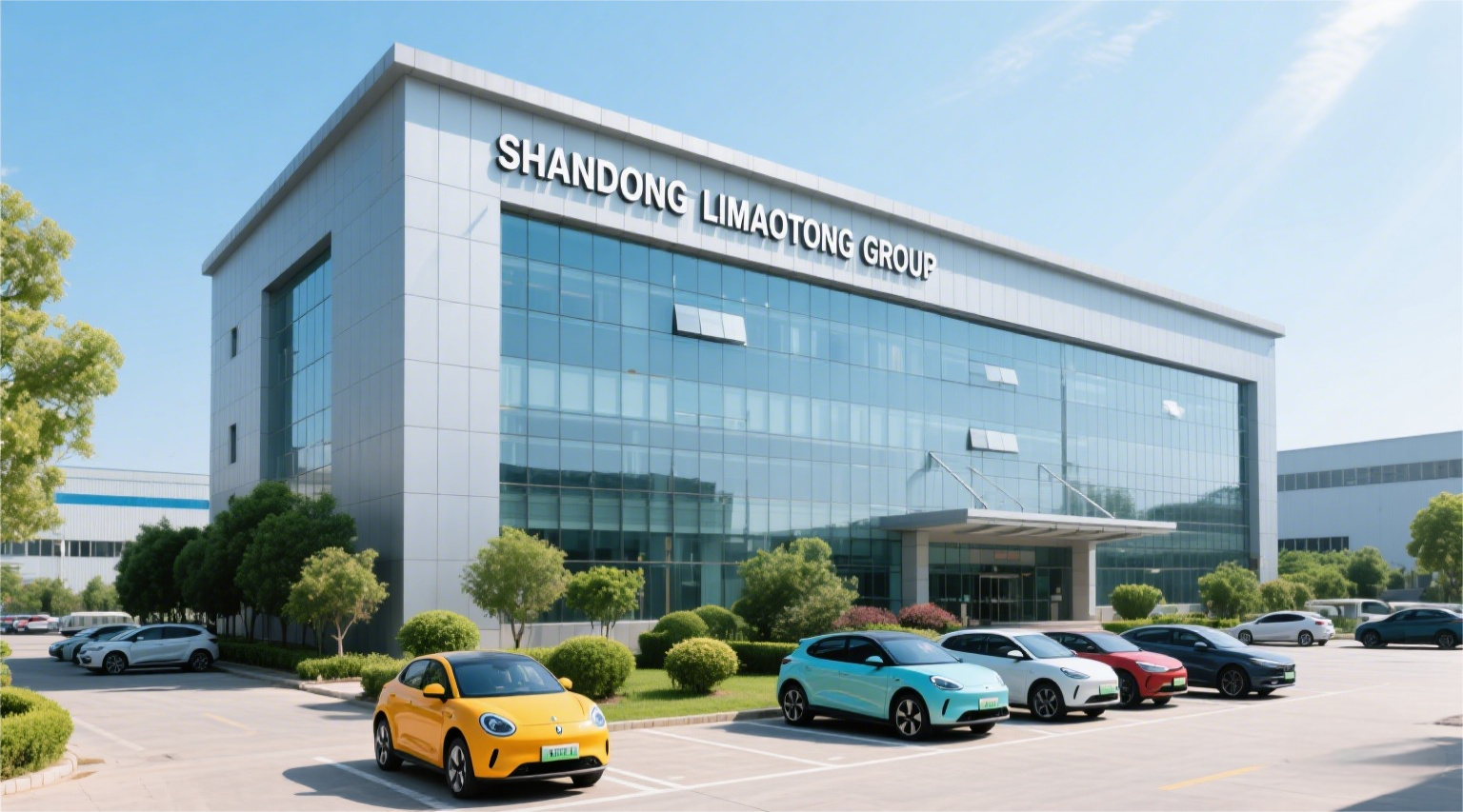
Shandong Li Mao Tong Group's comprehensive global supply and support network ensures direct-to-consumer and business-to-business logistical supremacy across multiple continents.
A comprehensive analysis of the shift towards off-grid commercial transport, regulatory compliance, and total cost of ownership (TCO) optimization.
The global market for light electric vehicles (LEVs) and commercial solar electric vehicles (SEVs) is experiencing a historic surge. B2B buyers—ranging from last-mile logistics providers and postal agencies to agricultural cooperatives and municipal transport boards—are actively optimizing their procurement parameters. This shift is driven by three macro-economic catalysts: rising fuel prices, aggressive municipal emission penalties, and the critical need for infrastructure-independent vehicles in regions with unstable or expensive electricity grids.
For decades, traditional EV scaling was hindered by grid capacity constraints. In rural developing markets, as well as suburban distribution zones in Europe and Latin America, building high-voltage DC fast-charging networks is either financially unviable or delayed by bureaucratic red tape. Here, Solar Electric Vehicles (SEVs) equipped with integrated photovoltaic roof panels act as self-charging power hubs. Utilizing solar-assisted range extension (generating 30-50 km of additional charge per day under standard irradiance conditions), fleet operators significantly reduce utility grid dependence, flatten peak demand curves, and extend individual vehicle lifespans.
| Vehicle Classification | Primary Power Source | Range Performance | Regulatory Alignment | Ideal B2B Application |
|---|---|---|---|---|
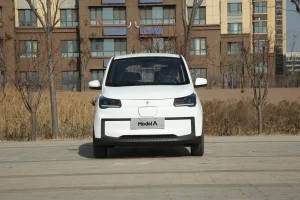
| Solar Assisted EV (MODEL A) | Dual-Source (LFP Battery + Solar PV Panel) | 220 km to 240 km per charge cycle | EEC Certified, ISO 9001 Compliant | Urban municipal transit, off-grid commuter runs |
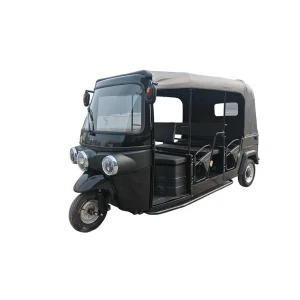
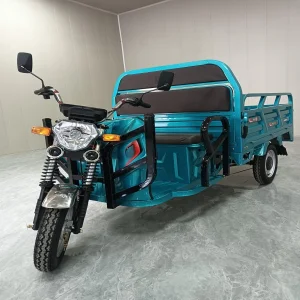
| Cargo Tricycle (1.6m - 2.0m) | Heavy-Duty Electric (Brushless DC Motor) | 80 km to 120 km (load dependent) | Regional Cargo homologation parameters | Last-mile retail cargo delivery, agricultural hauling |
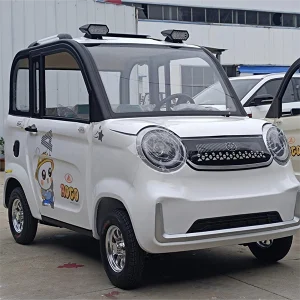
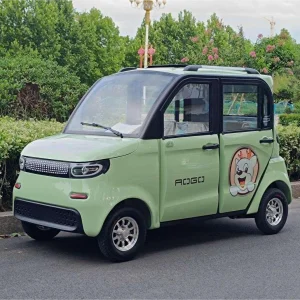
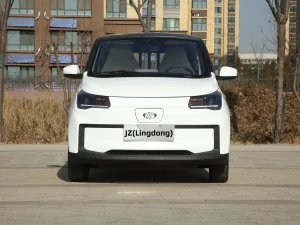
| EEC Mini Passenger Vehicle | High-Density Lithium / LFP Cell Array | 100 km to 150 km per charge | Full EEC L6e / L7e Classification | Corporate campuses, rental fleets, inner-city taxiing |
| Two-Wheeled Delivery Fleet | Modular Swap-Capable Li-ion Battery | 70 km to 90 km per battery module | CE & EN Compliance standards | High-density gig economy food & parcel delivery |
How we combine advanced Chinese manufacturing efficiencies with robust international support infrastructures.
Backed by 8 strategically positioned overseas production bases. We offer CKD (Completely Knocked Down) and SKD (Semi-Knocked Down) assembly kits to lower local customs tariffs and optimize shipping costs.
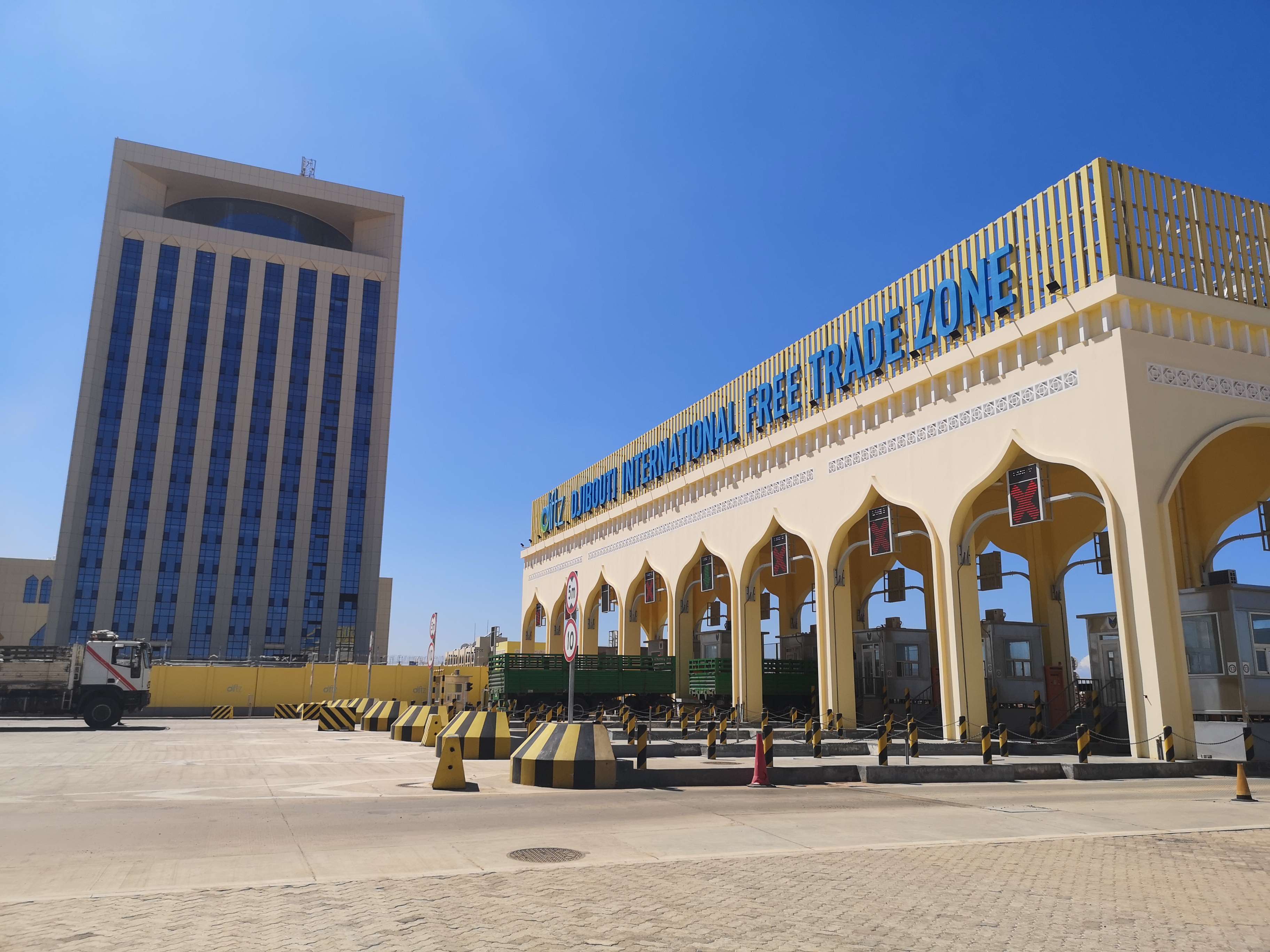
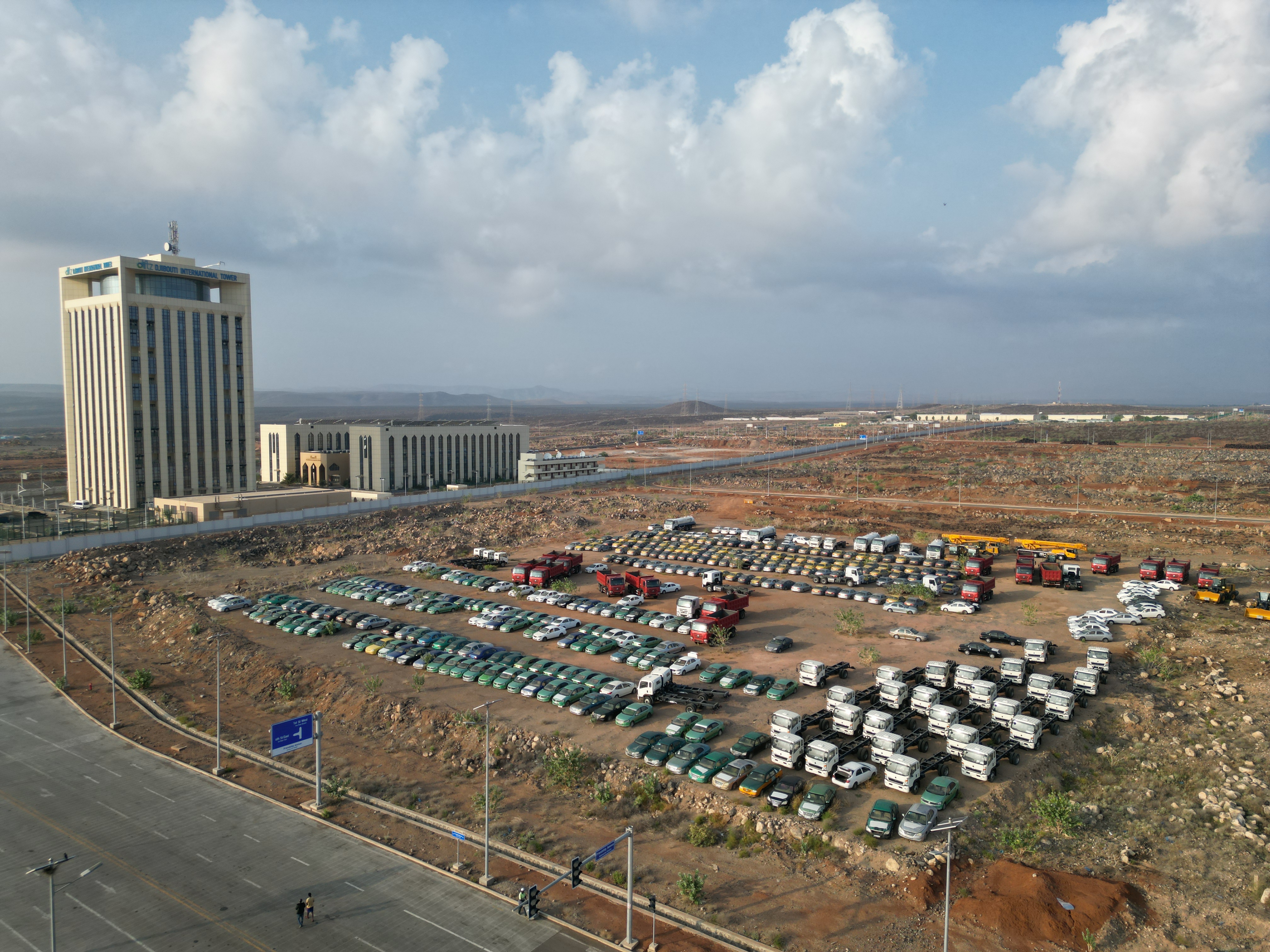
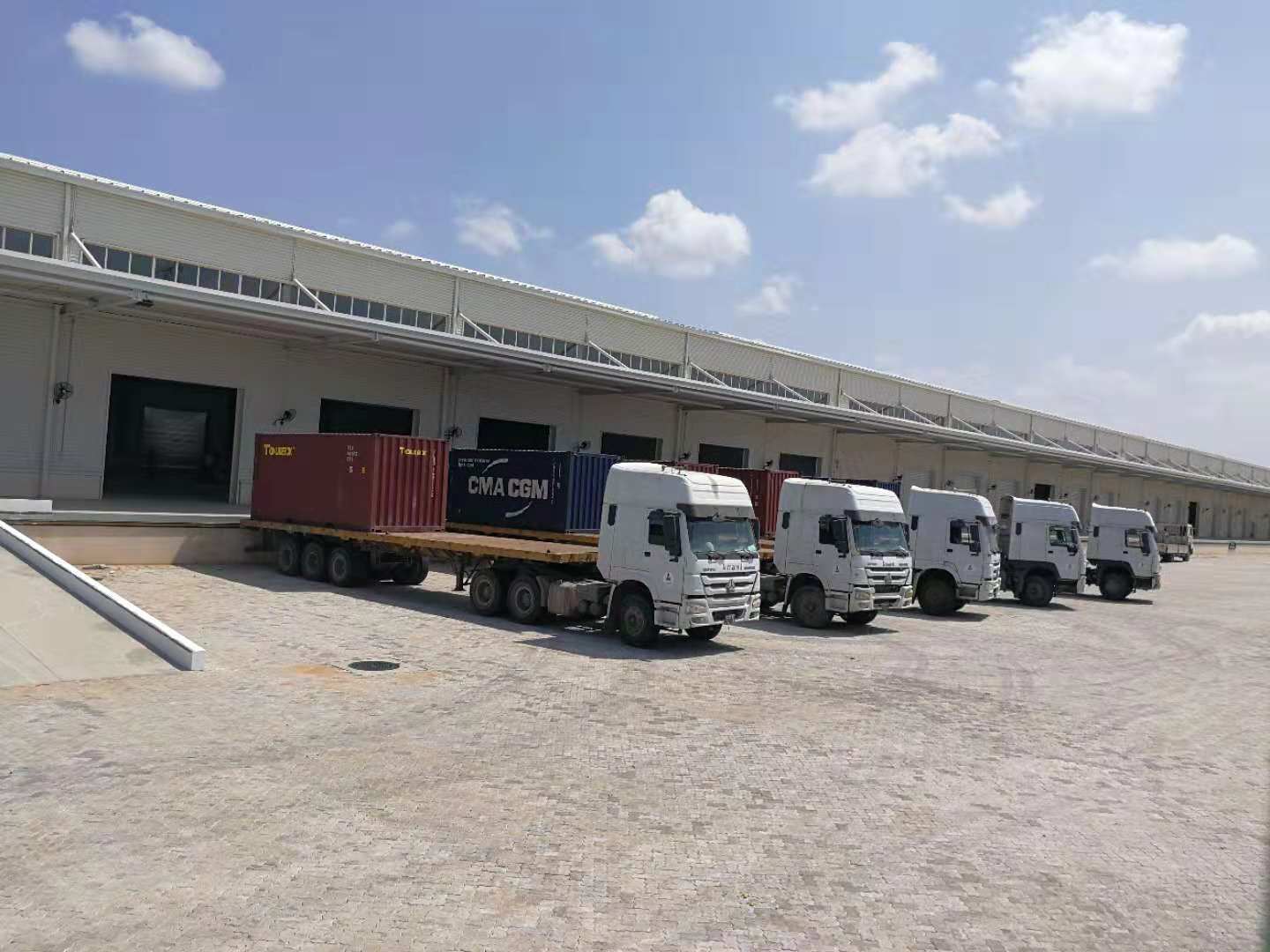
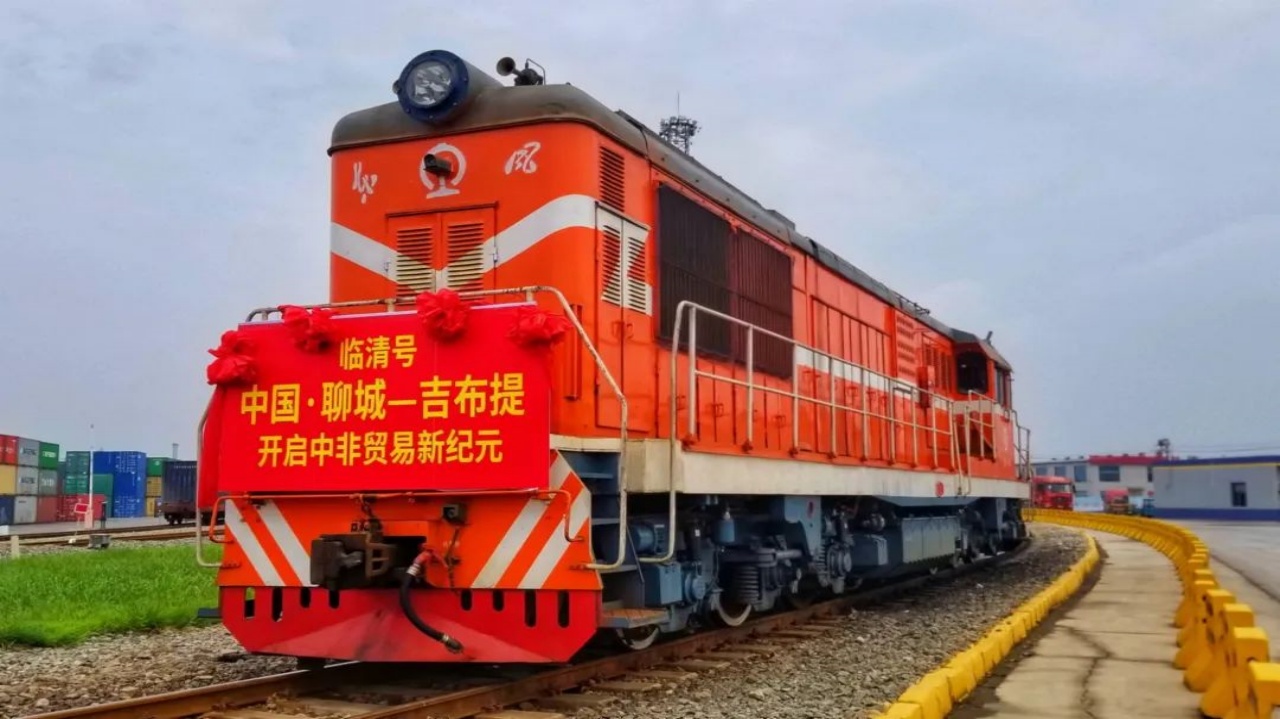
Our dedicated Djibouti Free Trade Zone warehouse (established 2023) serves as a front-end cross-border hub. Offering immediate stock access, customs clearance assistance, and localized technical training.
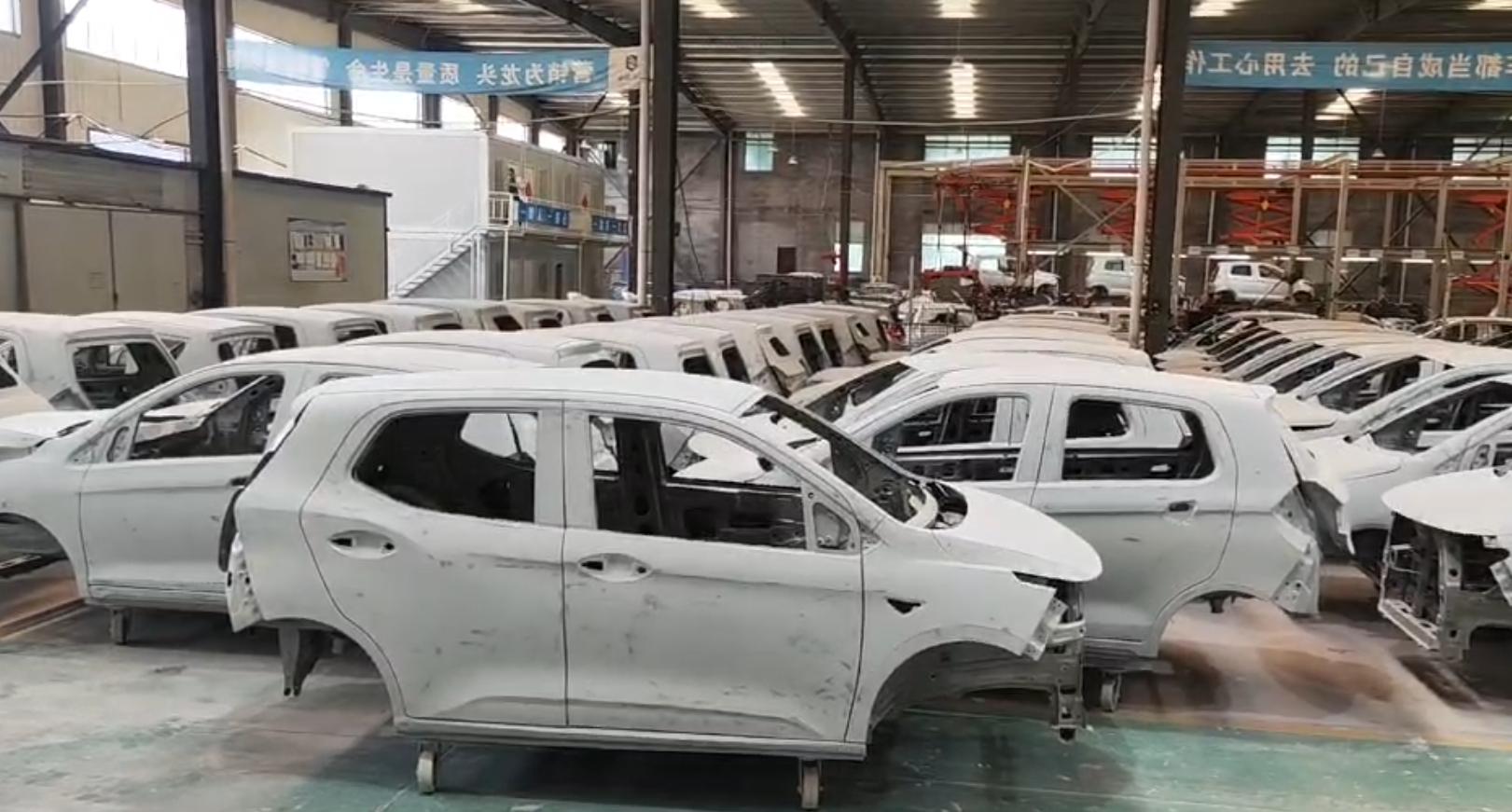
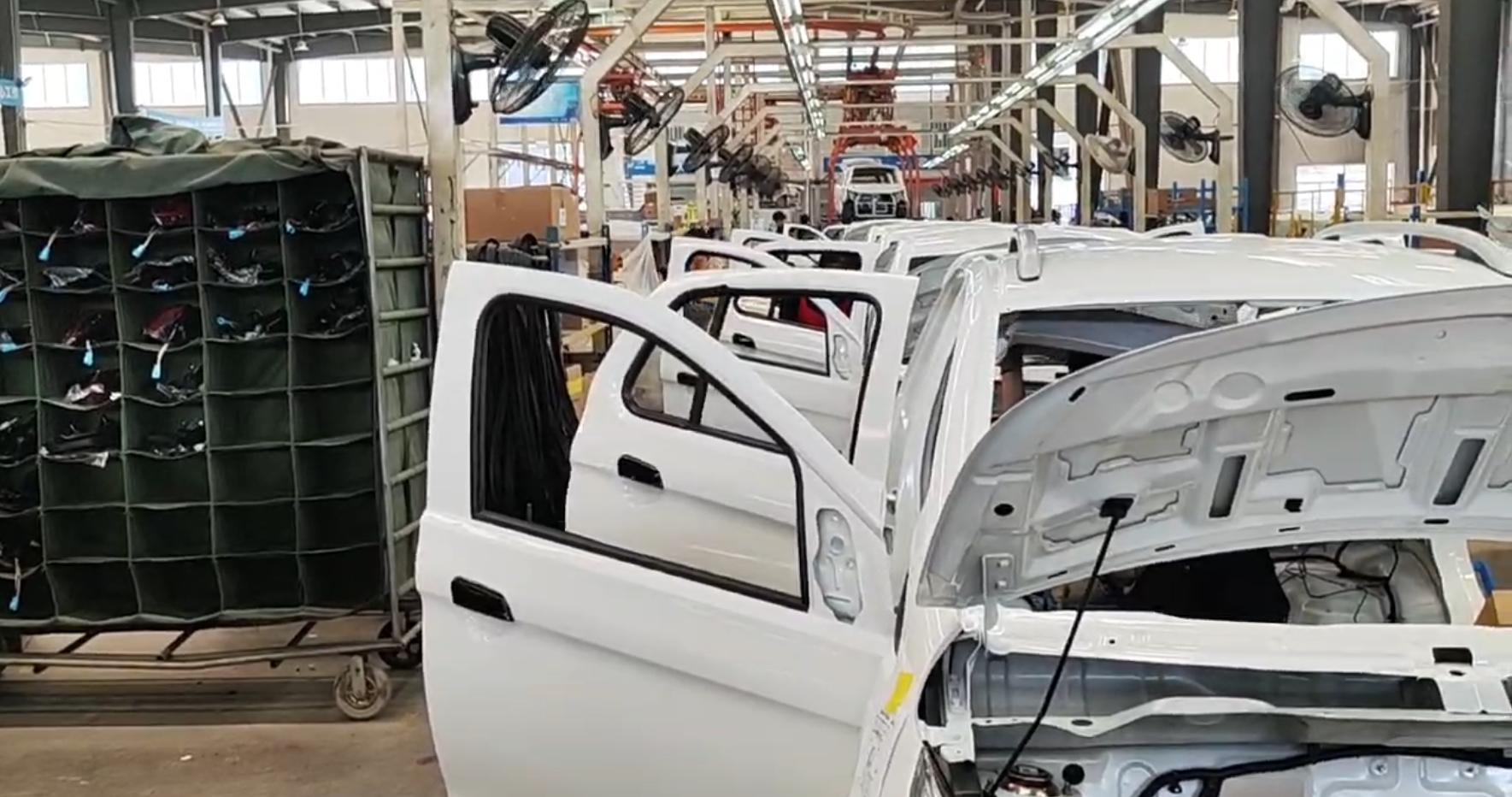
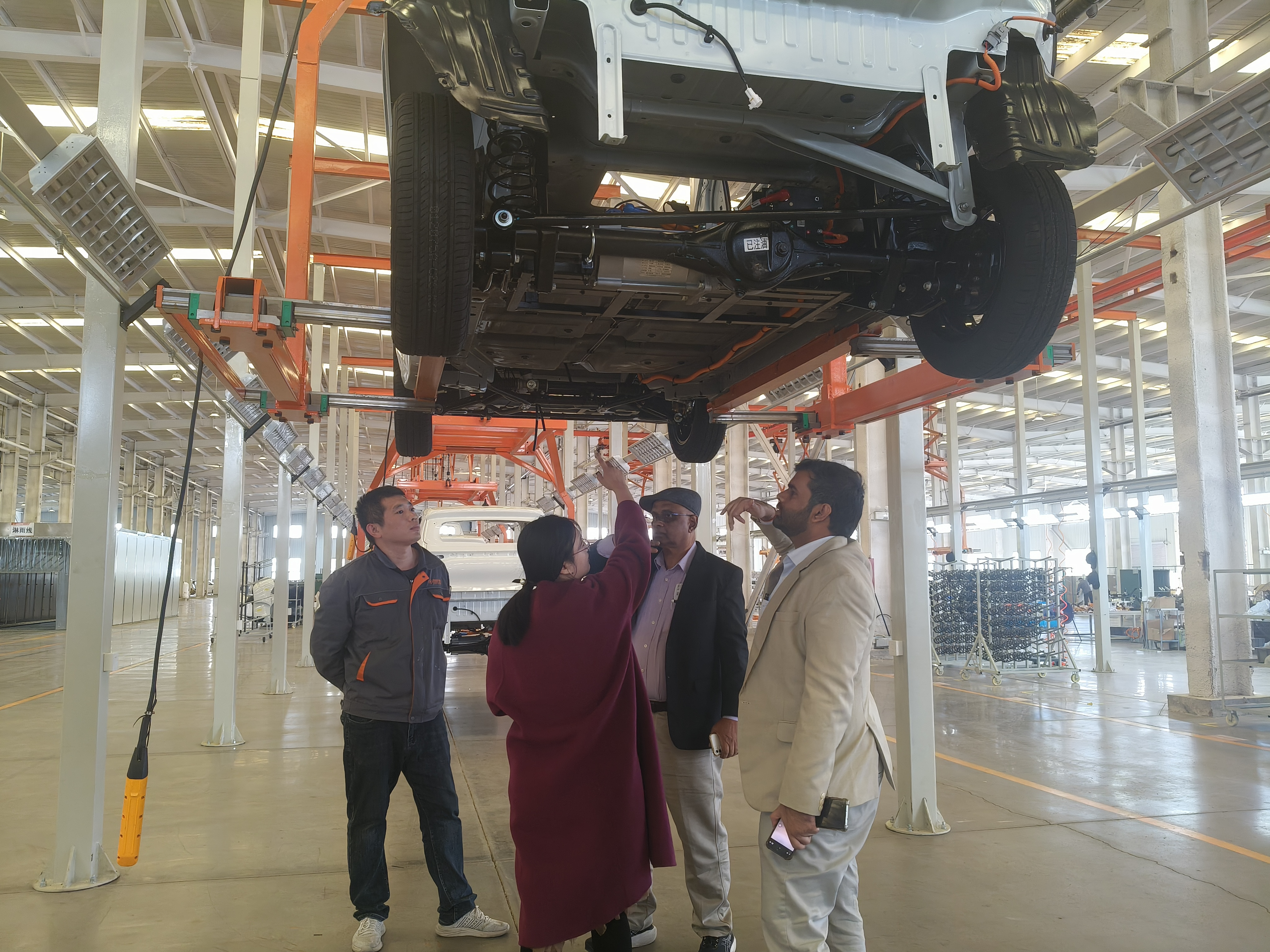
Our steel frames undergo precision robot-welding, automated anti-corrosion electrophoresis, and extreme-weather testing—including a level 7 laboratory rainstorm simulation and structural load testing.
Advanced Robotics, Structural Engineering, and Stringent Quality Standards.
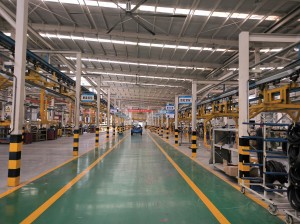
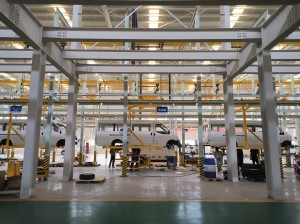
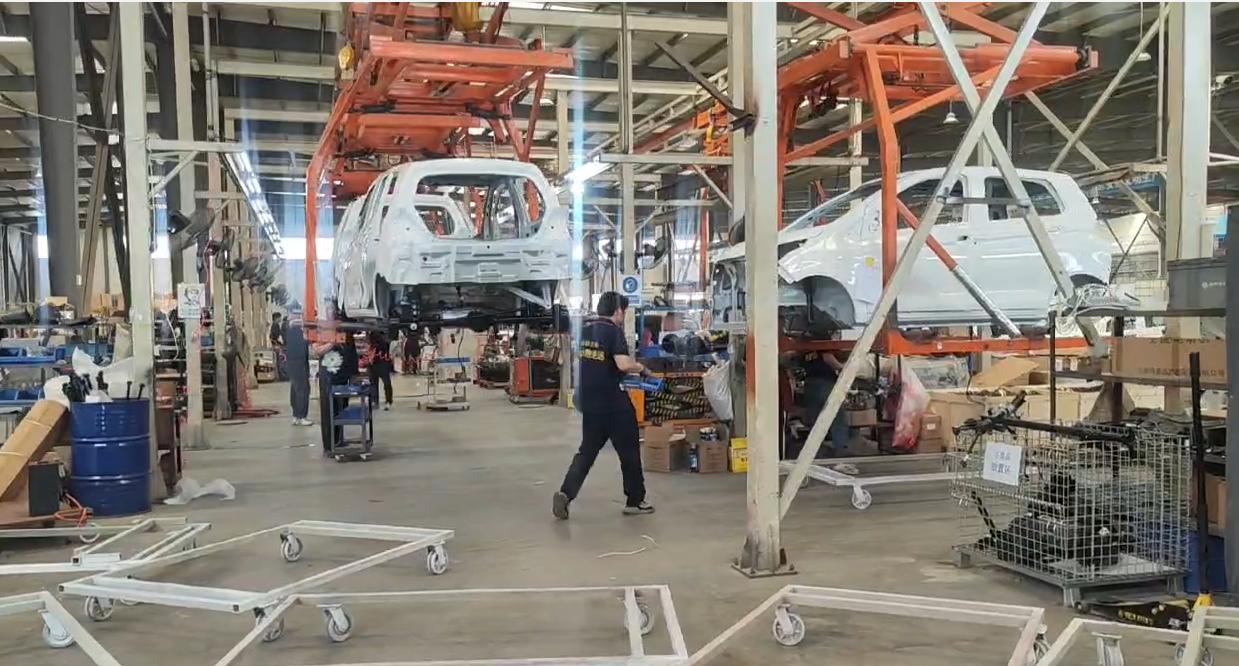
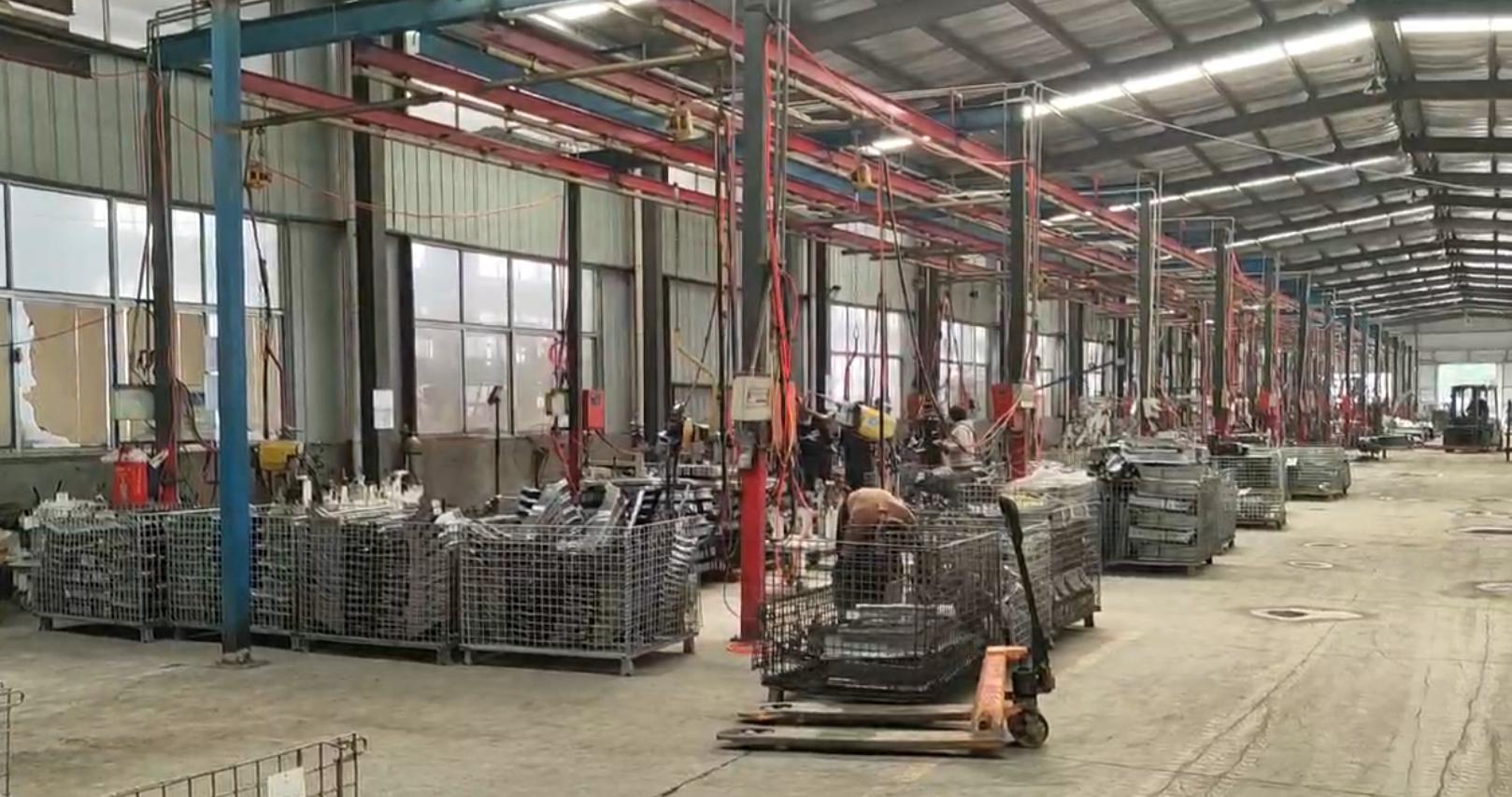
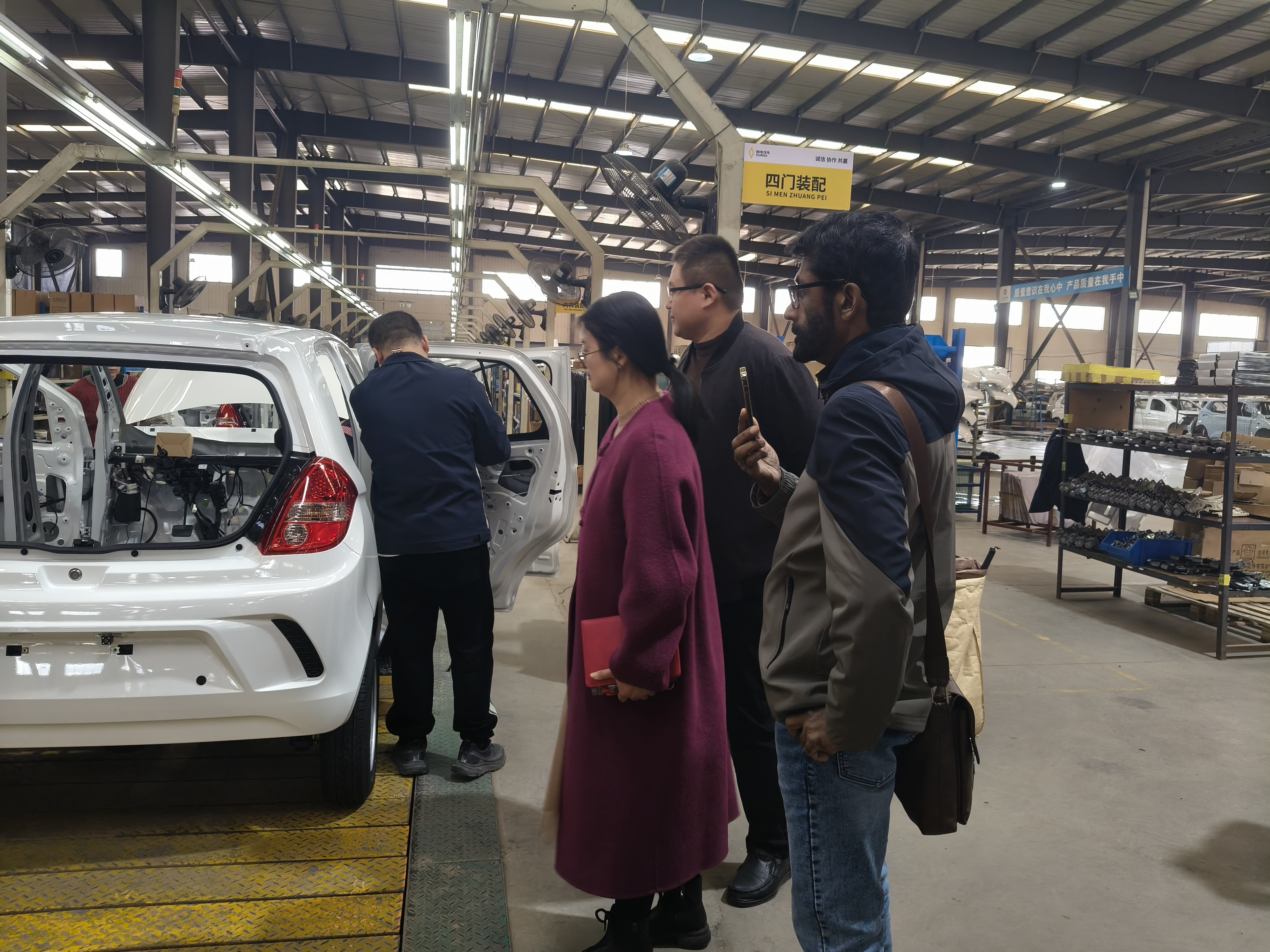
In the booming wave of China's new energy vehicle industry, Shandong Li Mao Tong Group emerged at the historic moment. Rooted in China and embracing the world, we strive to deliver an electric mobility experience that exceeds expectations for every user. Quality is our lifeline. We operate a modern intelligent manufacturing base, equipped with highly automated production lines and a stringent digital quality control system, ensuring every vehicle rolling off the line meets international standards of exquisite craftsmanship.
Our relentless pursuit of safety permeates every aspect, with battery systems passing safety tests far exceeding national standards, and vehicle structural designs targeting the highest safety ratings to comprehensively protect user security. Our core competitiveness stems from cutting-edge technology R&D and unremitting innovation. From one-piece stamped steel frames to millimeter-precision cutting; from fully automated robotic painting creating flawless finishes to precision-engineered assembly processes; every stage is safeguarded by dedicated technical teams. We dare to accept the laboratory level seven rainstorm test and face all kinds of extreme environmental challenges in the world.
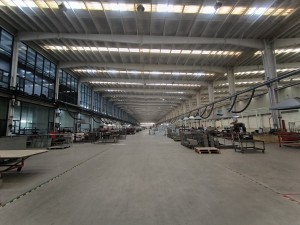
Visualizing our industrial production scale, automated painting booths, rigorous quality verification processes, and international client factory acceptance tests.
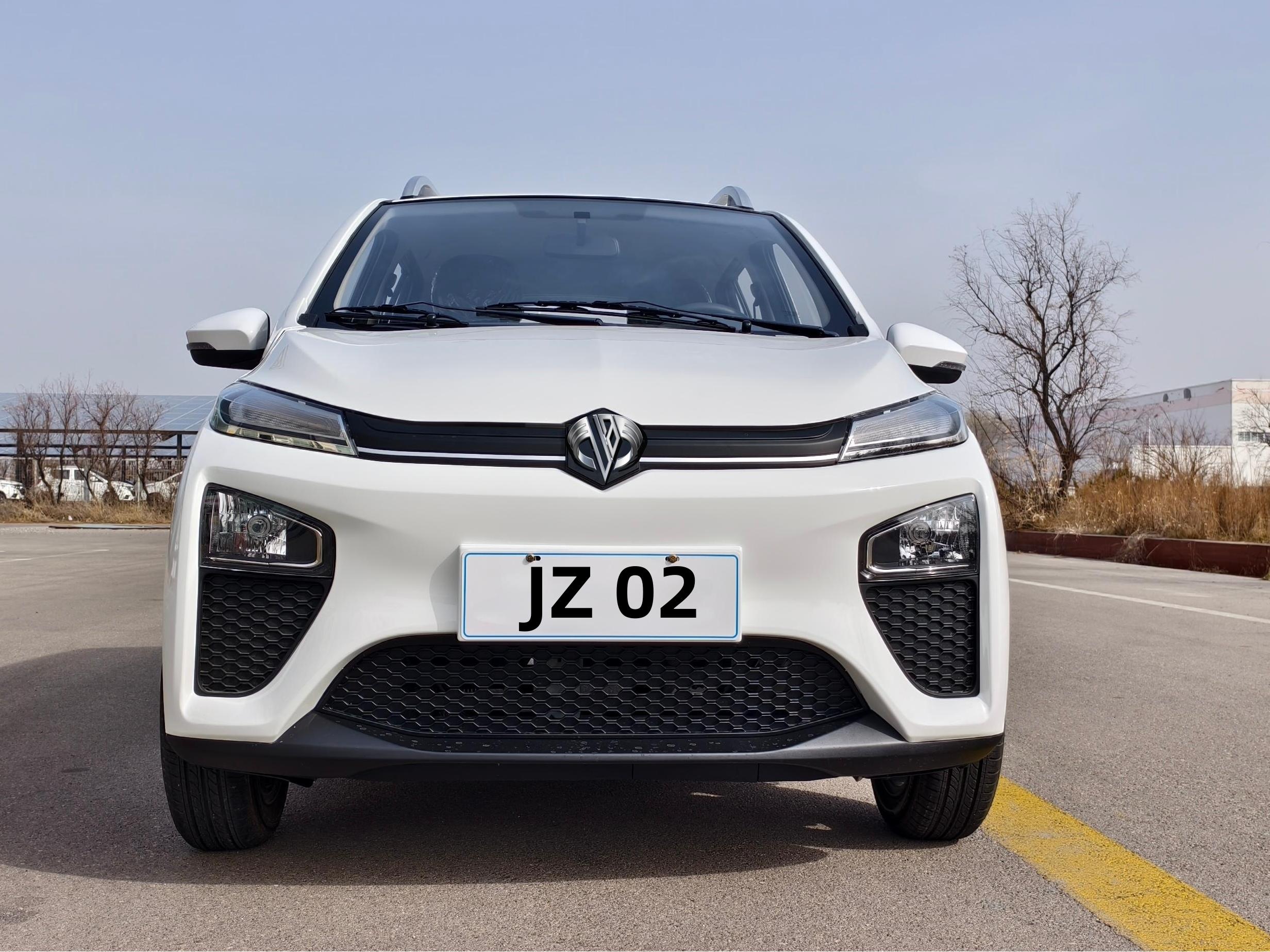
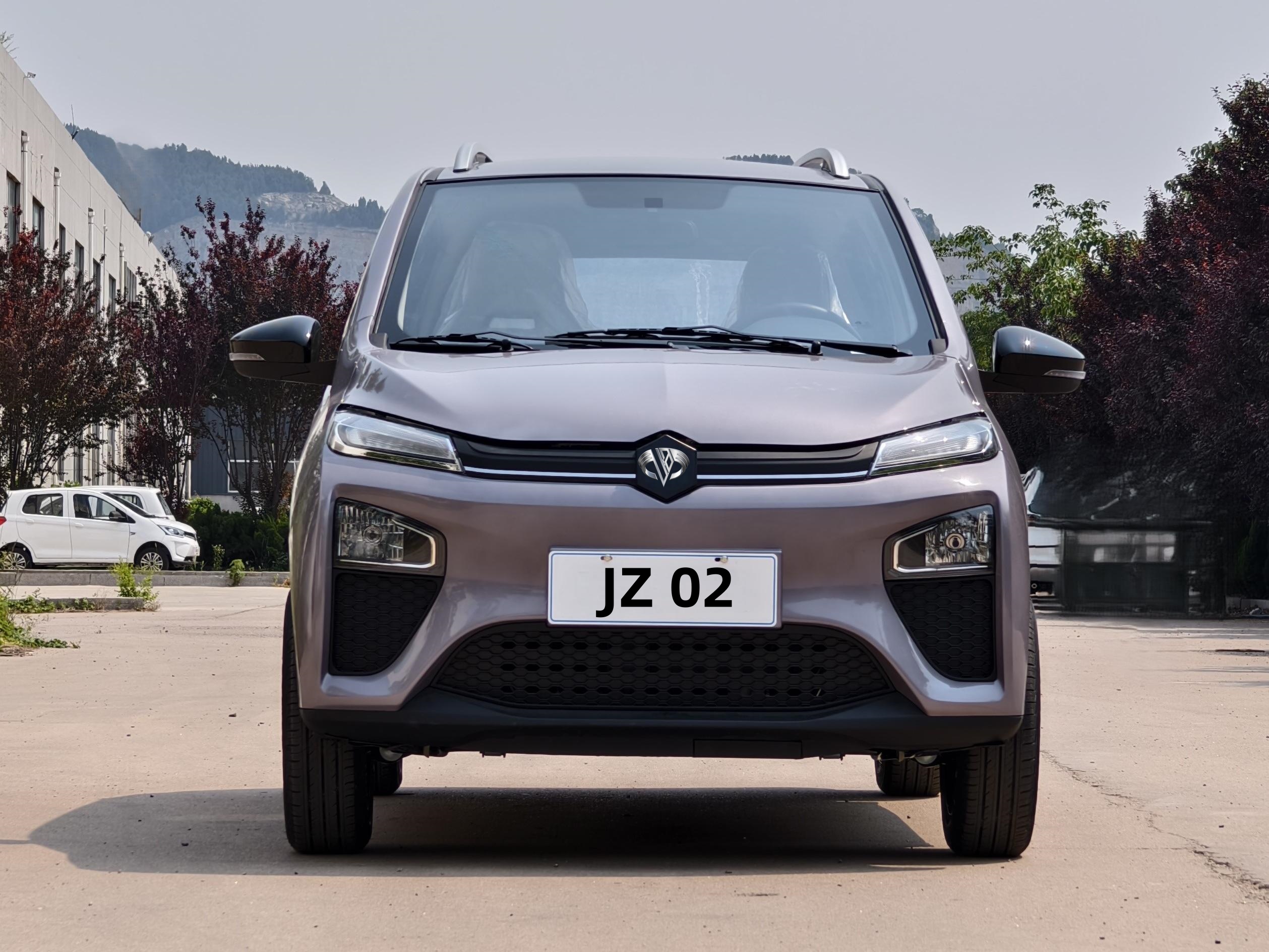
A deep dive into thin-film integration, intelligent MPPT controller algorithms, and chassis weight-reduction techniques.
Integrating photovoltaic panels onto light electric vehicles (LEVs) presents unique aerodynamic, weight distribution, and electrical engineering challenges. Traditional residential solar cells are rigid, thick, and highly susceptible to micro-cracking when subjected to constant road vibration. Shandong Li Mao Tong Group addresses these limitations through three core technology upgrades:
Rather than using heavy glass-encapsulated panels, our vehicles utilize lightweight, highly flexible monocrystalline silicon cells embedded directly into the roof canopy structure using advanced composite resin laminates. This structure reduces component weight by up to 65% compared to standard panels and resists impacts from low-hanging branches or road debris. The solar conversion efficiency of these cells averages 22.5% to 23.8%, maintaining performance even in partial shading or high heat environments.
In a moving vehicle, the angle of solar incidence changes constantly, and shadows from trees and buildings create partial occlusion. Typical solar charge controllers drop in efficiency under these conditions. Our proprietary solar-assisted vehicles are integrated with high-frequency, dynamic MPPT charge controllers. These controllers scan the cell array voltage output at millisecond intervals, shifting the electrical operating point to maximize current generation, yielding up to 15% more usable energy per day than static solar charging systems.
Solar panels supply variable, low-current DC electricity, while grid charging supplies high-voltage AC or DC power. Managing these two inputs concurrently requires a highly sophisticated BMS. Our Dual-Source BMS prioritizes solar energy input when the vehicle is stationary or in motion. It acts as a continuous trickle charger, maintaining the LFP (Lithium Iron Phosphate) battery chemistry at its optimal state of charge, reducing dendrite formation, and extending the overall cycle life of the cells by up to 25%.
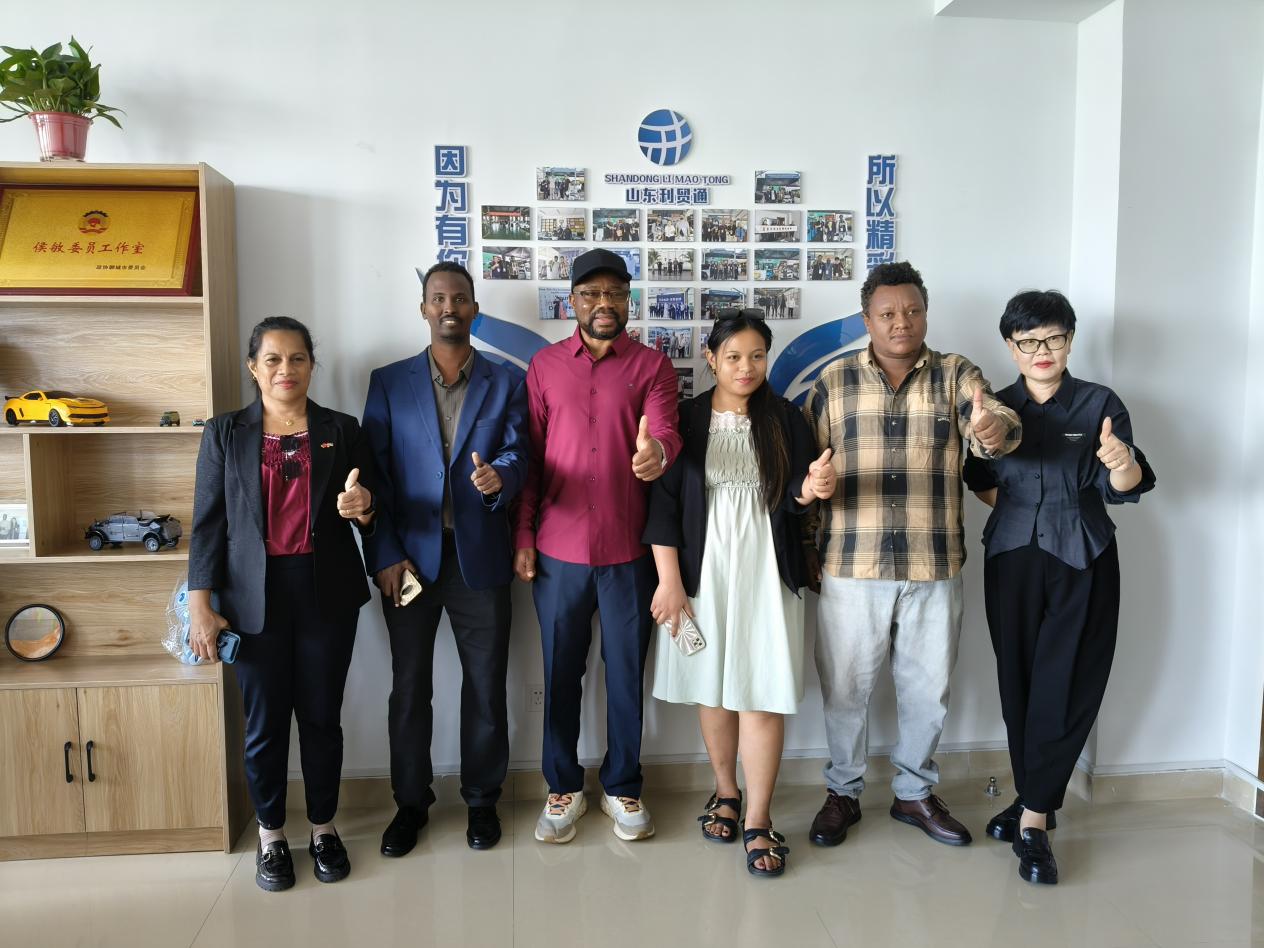
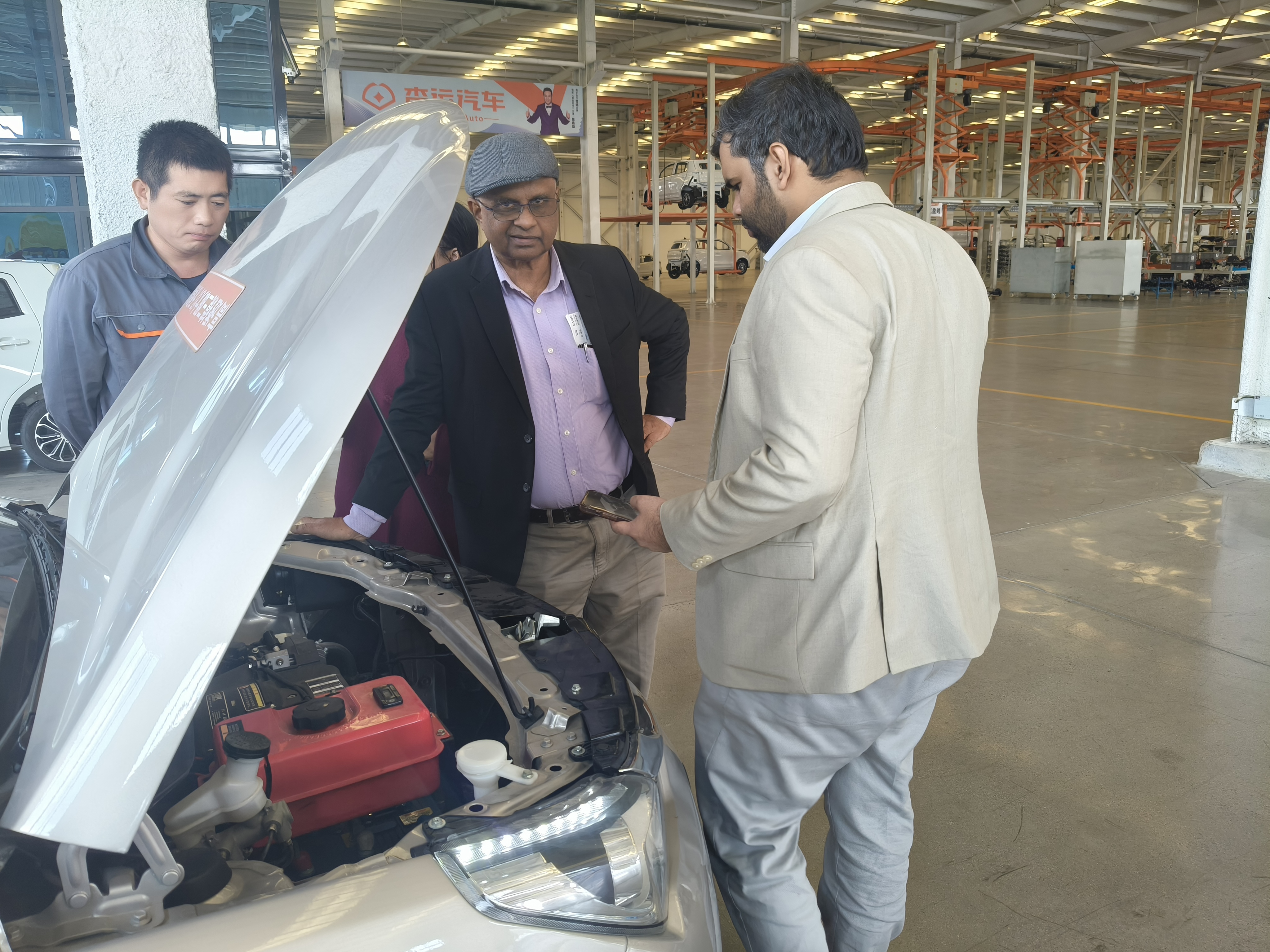
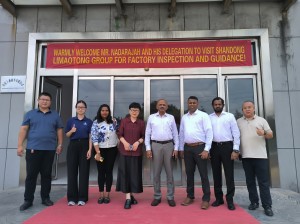
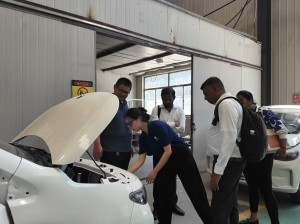
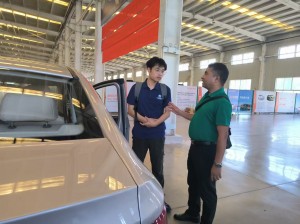
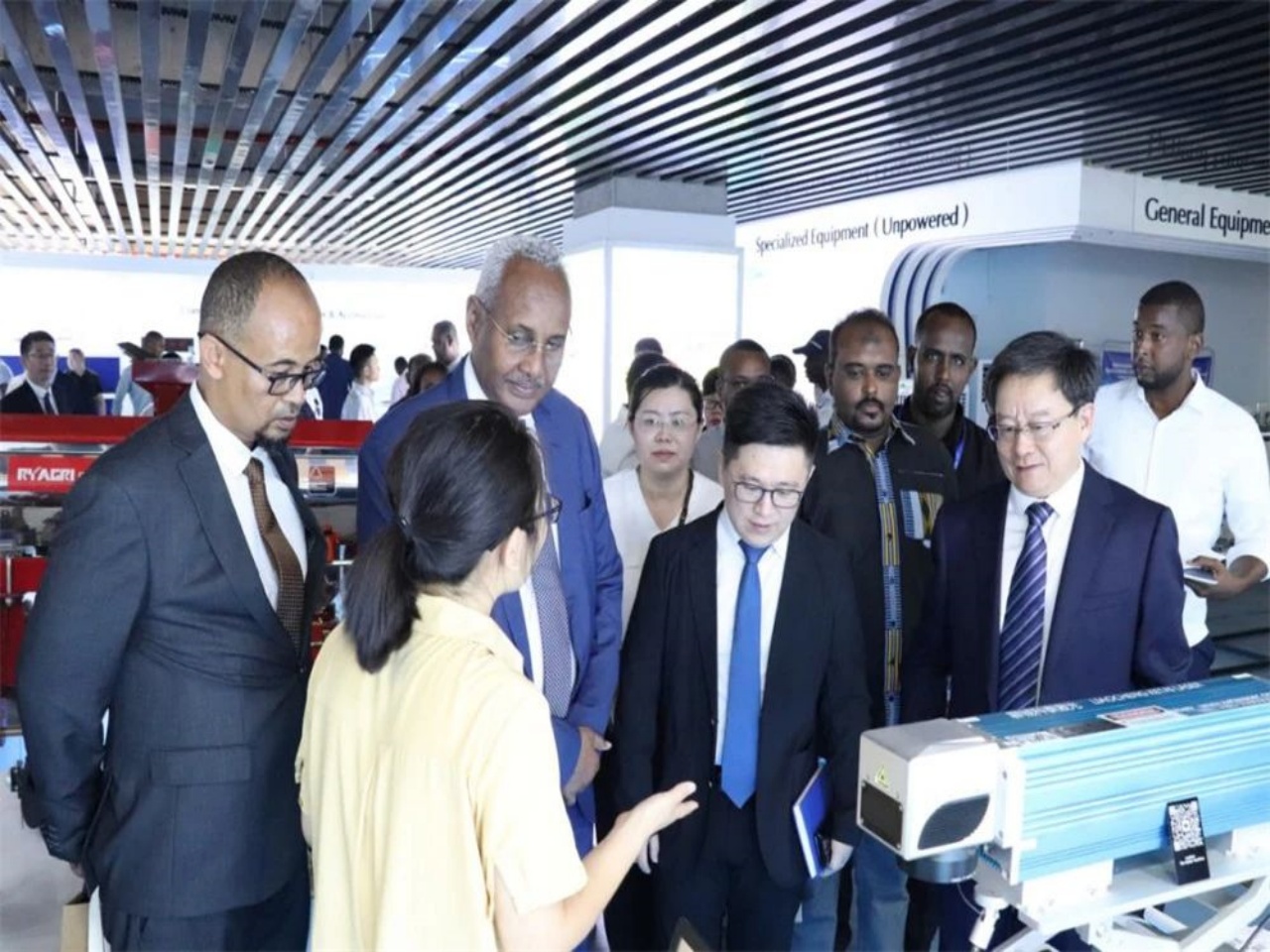
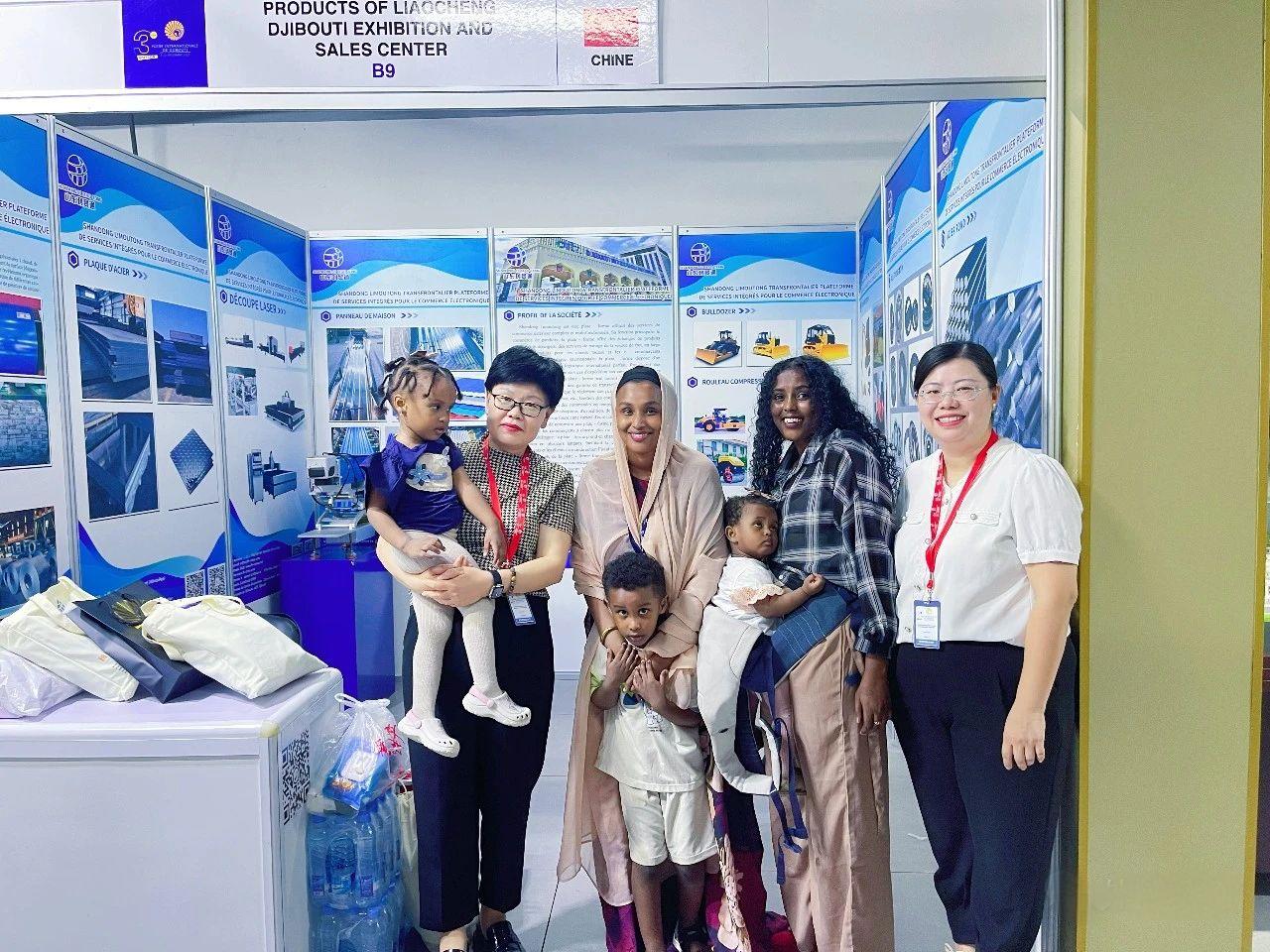
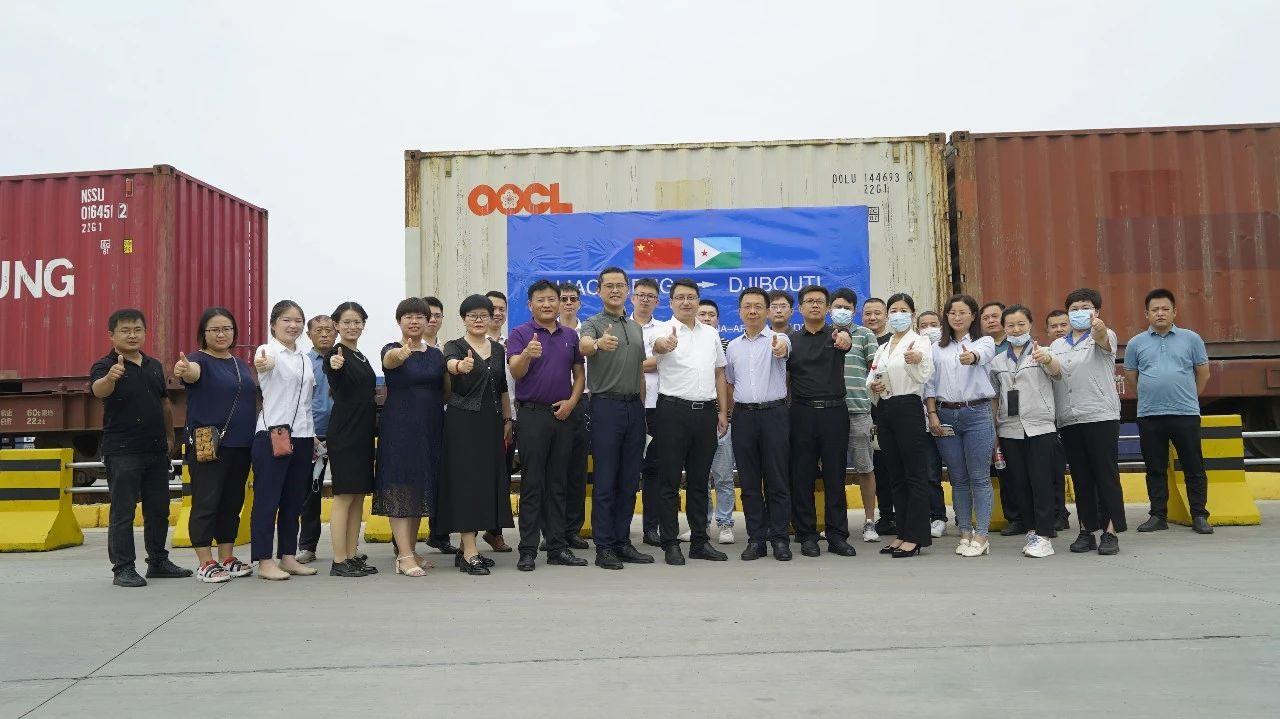
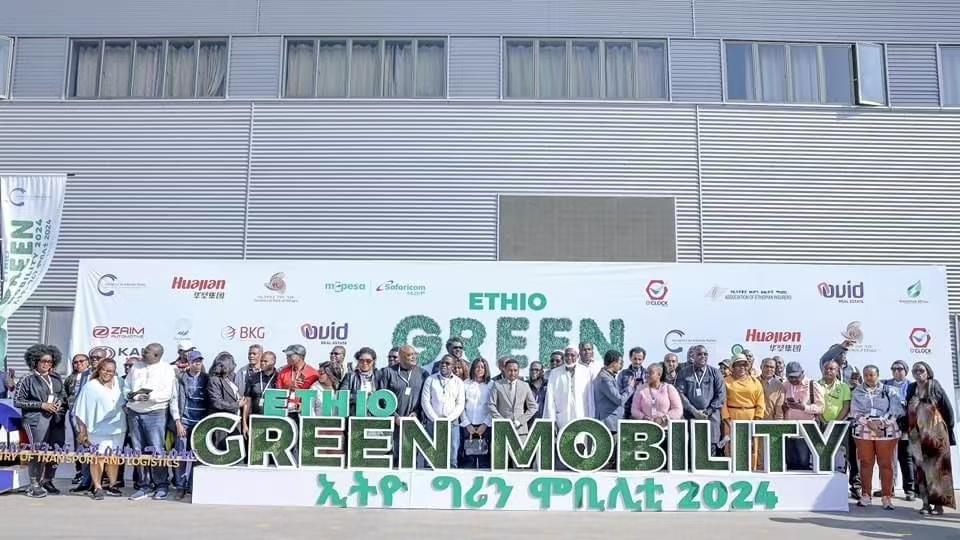
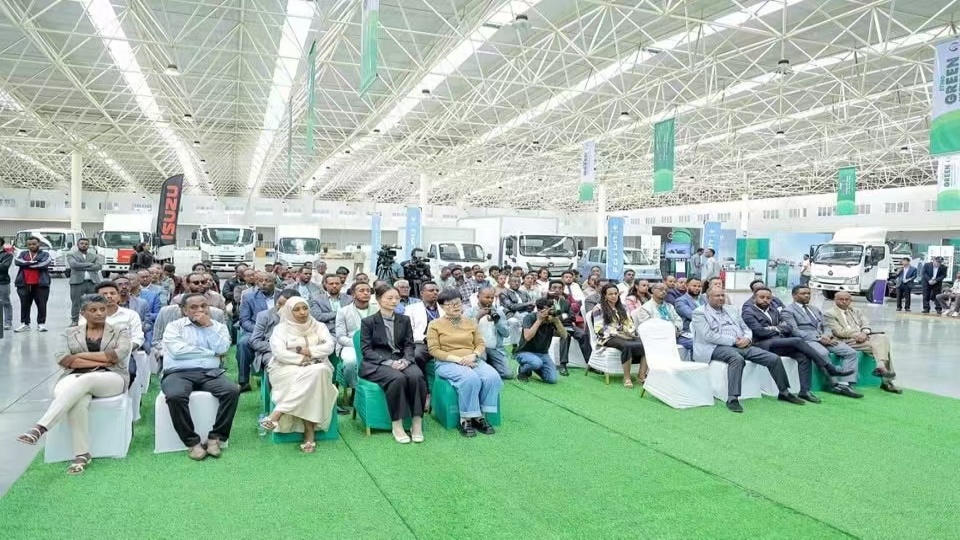
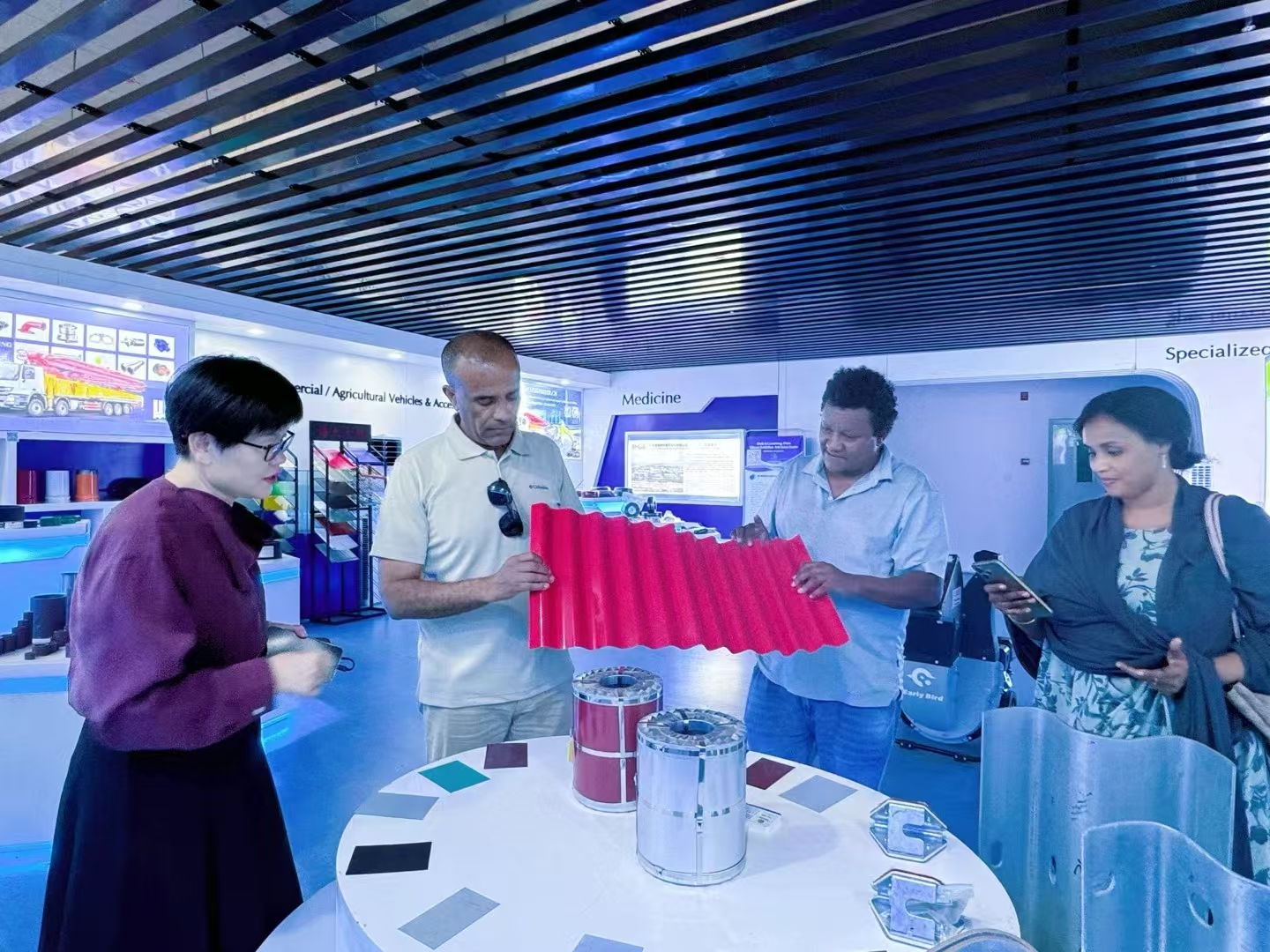
Highlights from global trade shows, official delegation factory inspections, and localized service operations.
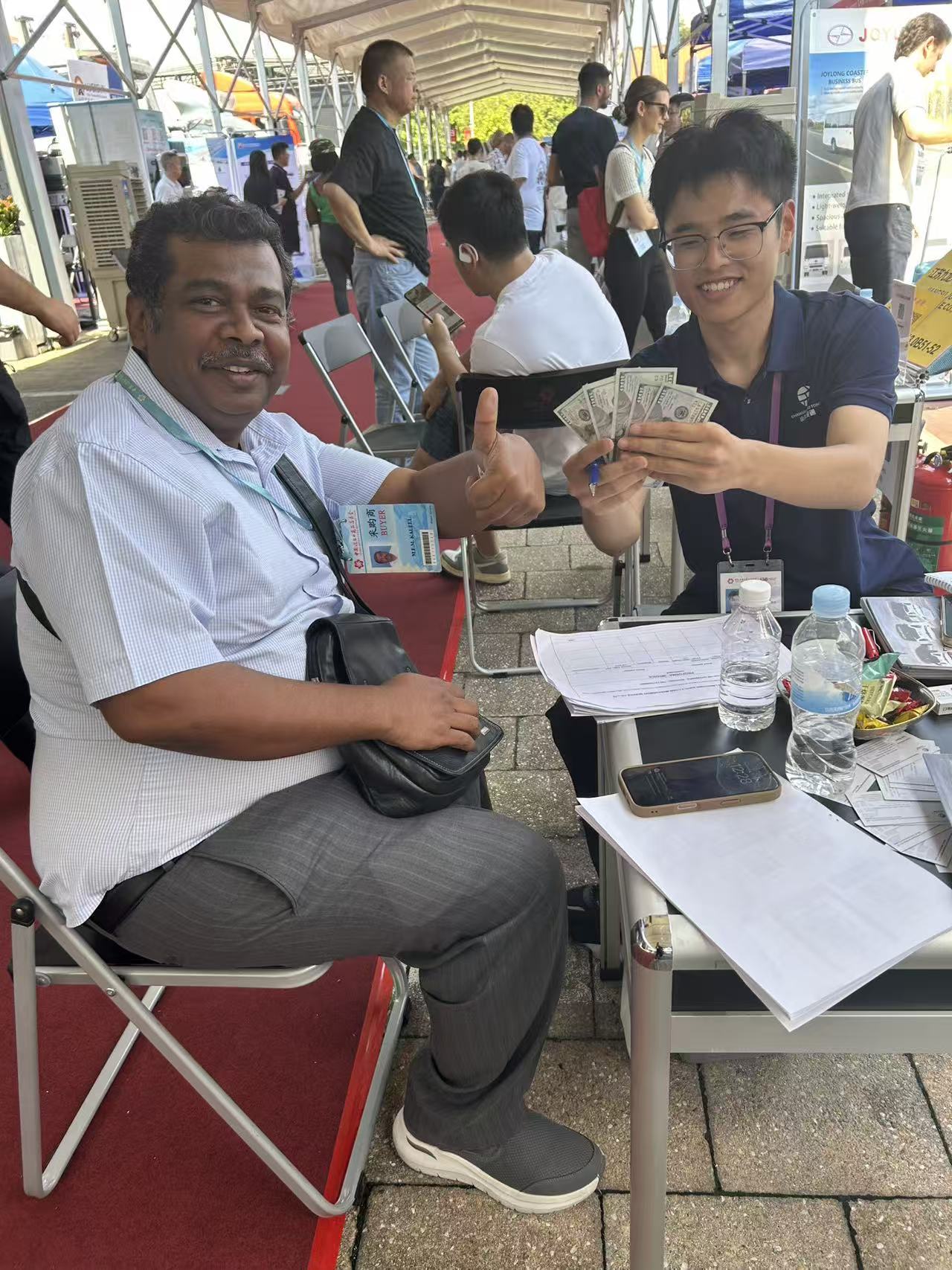
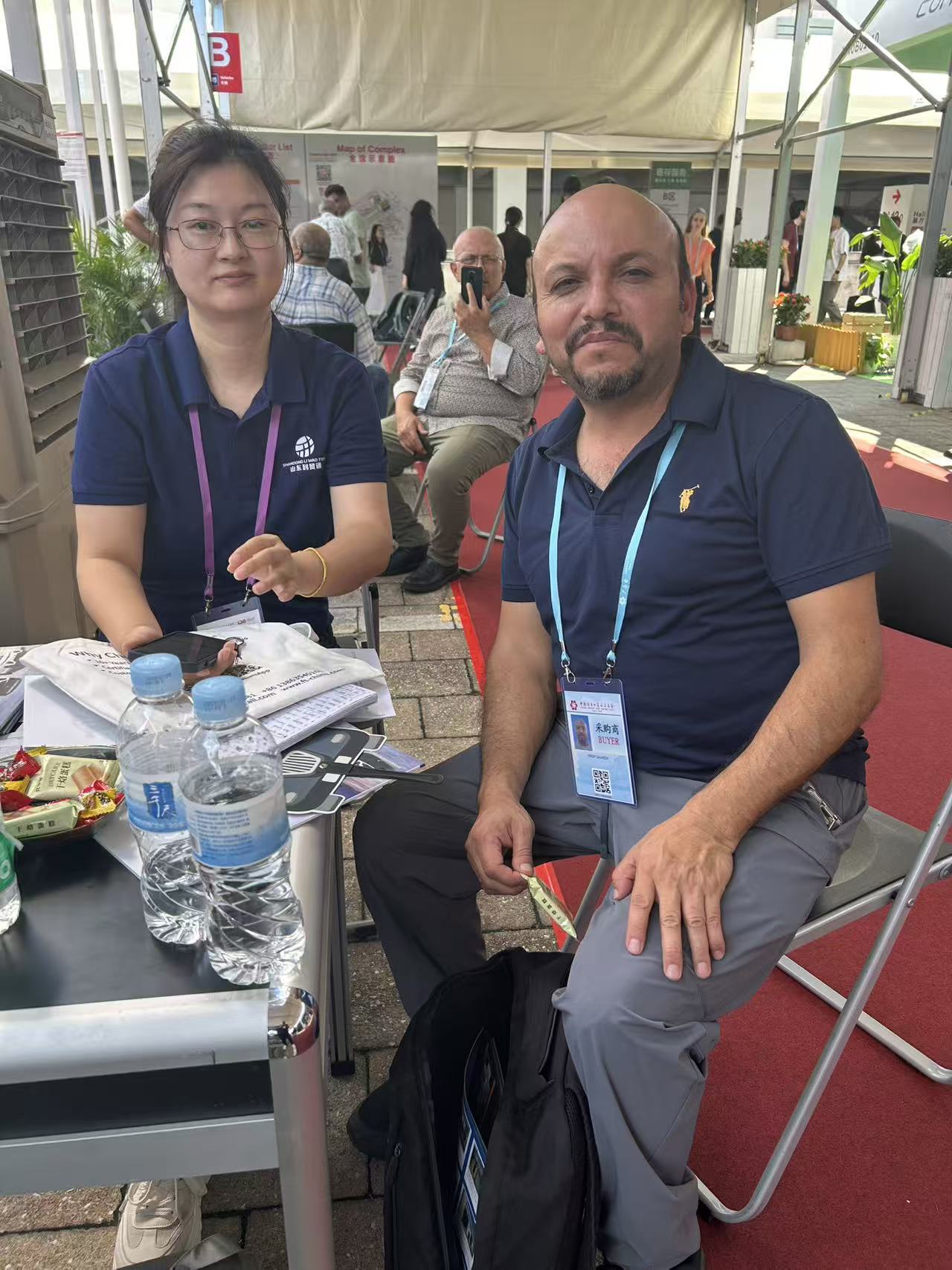
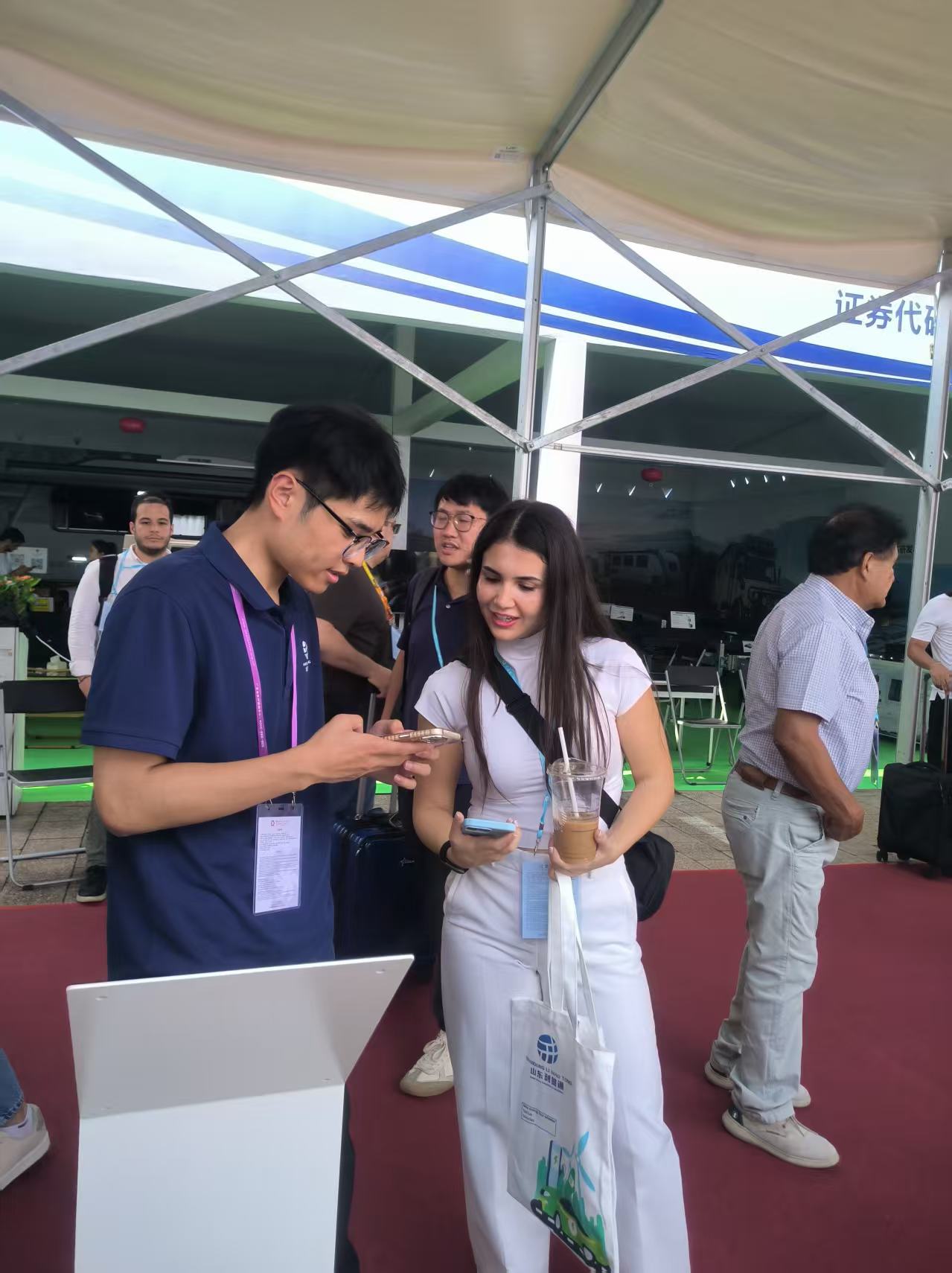
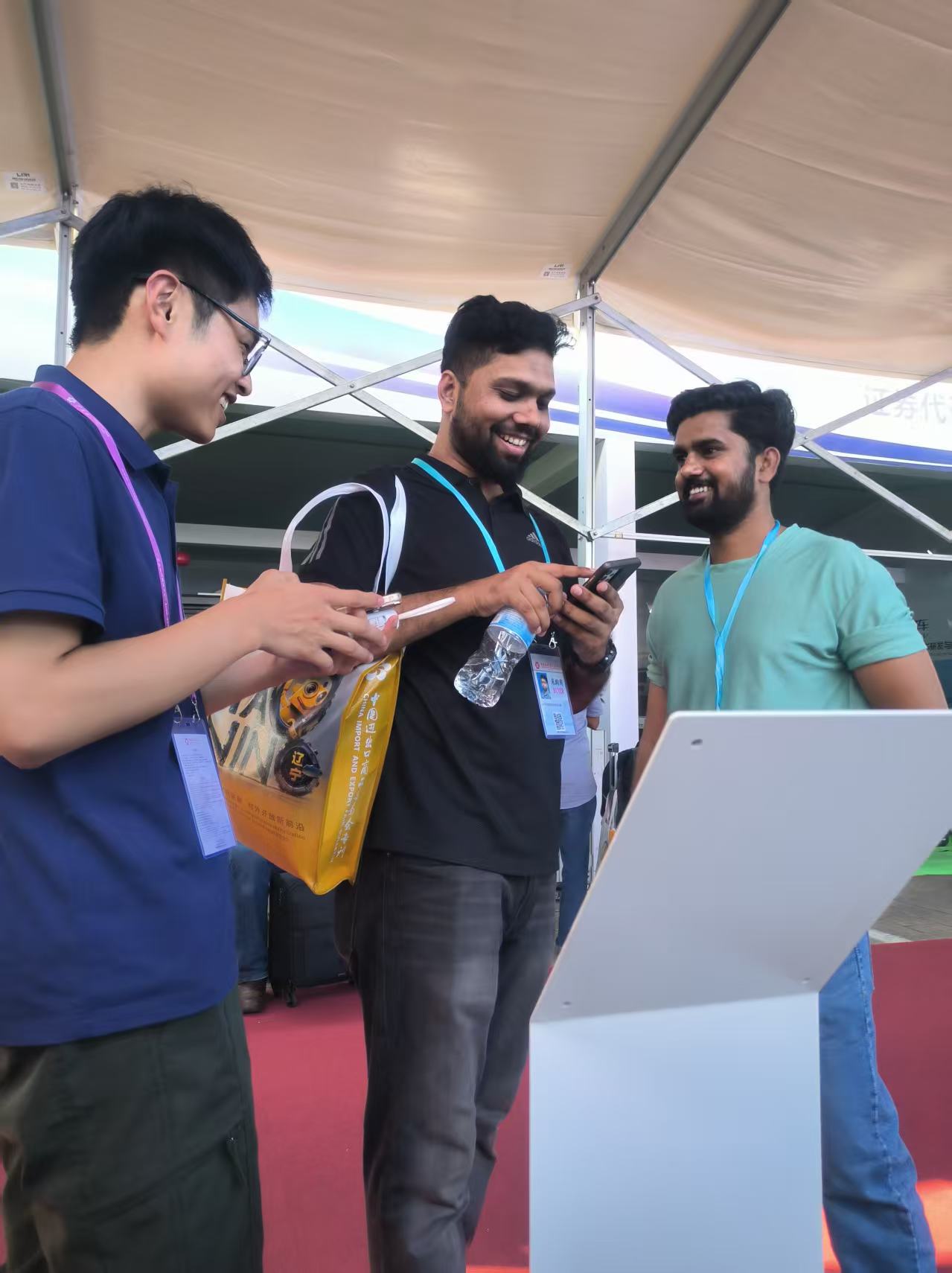
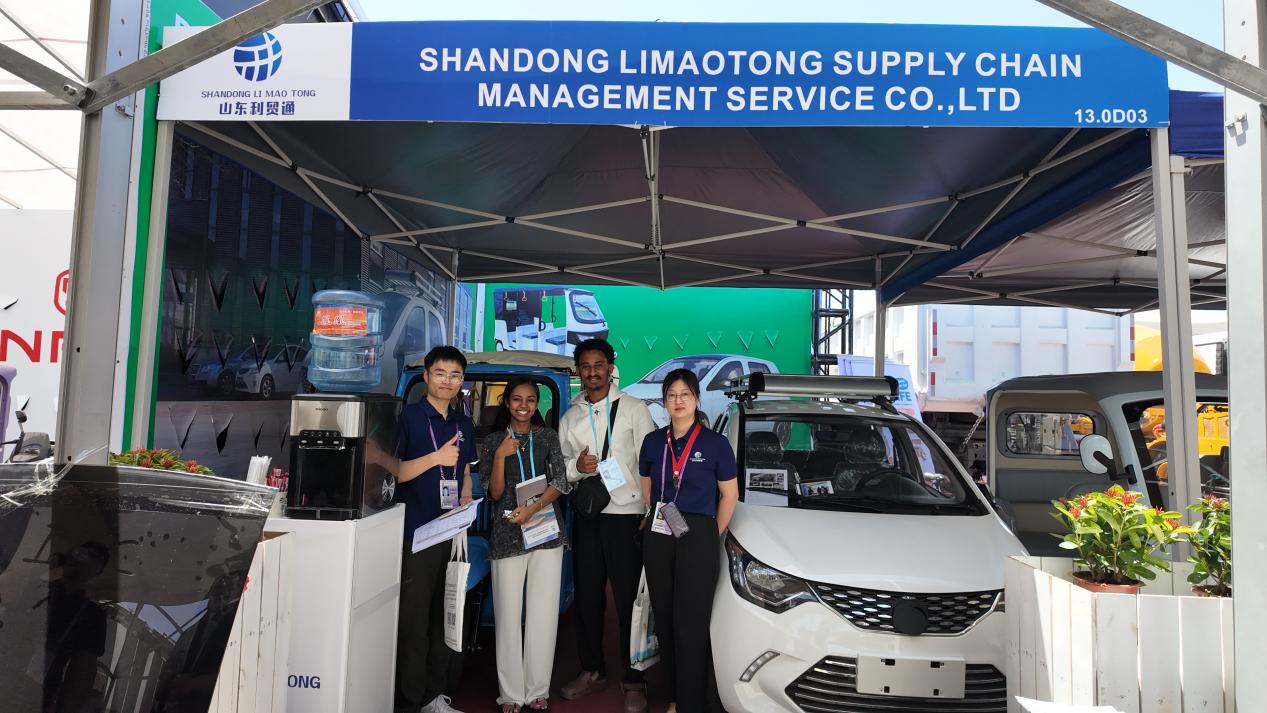
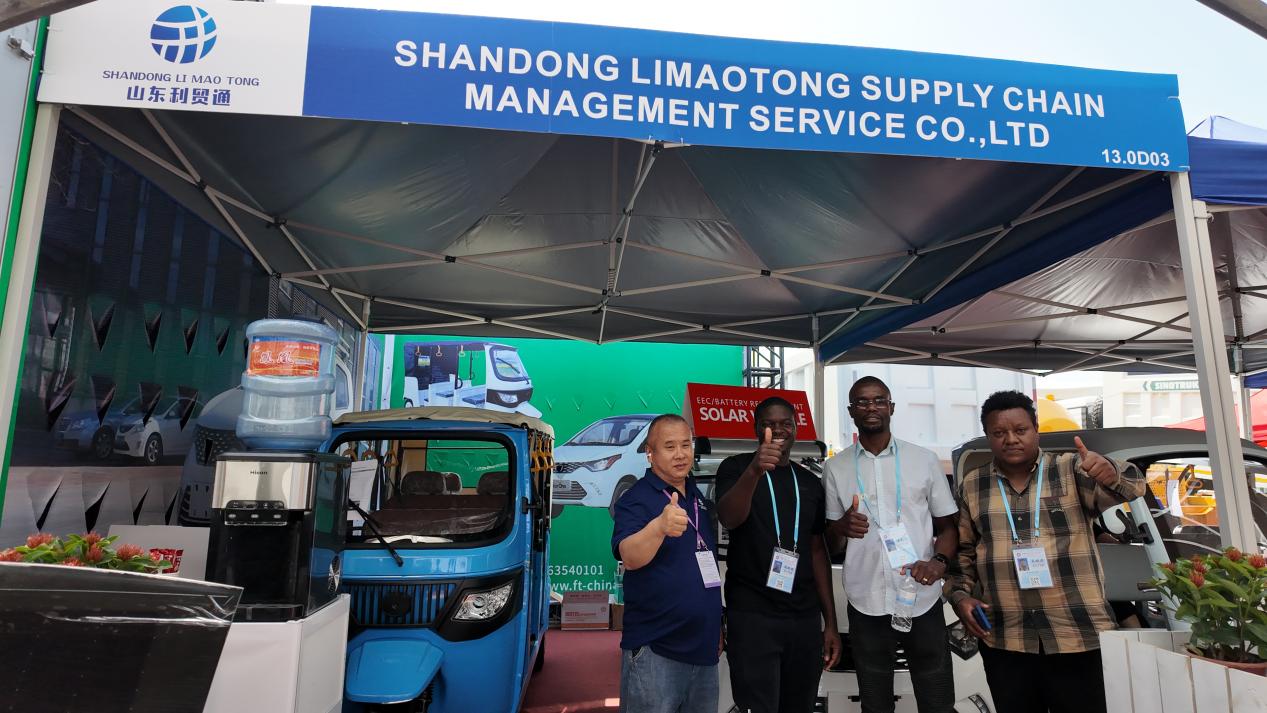
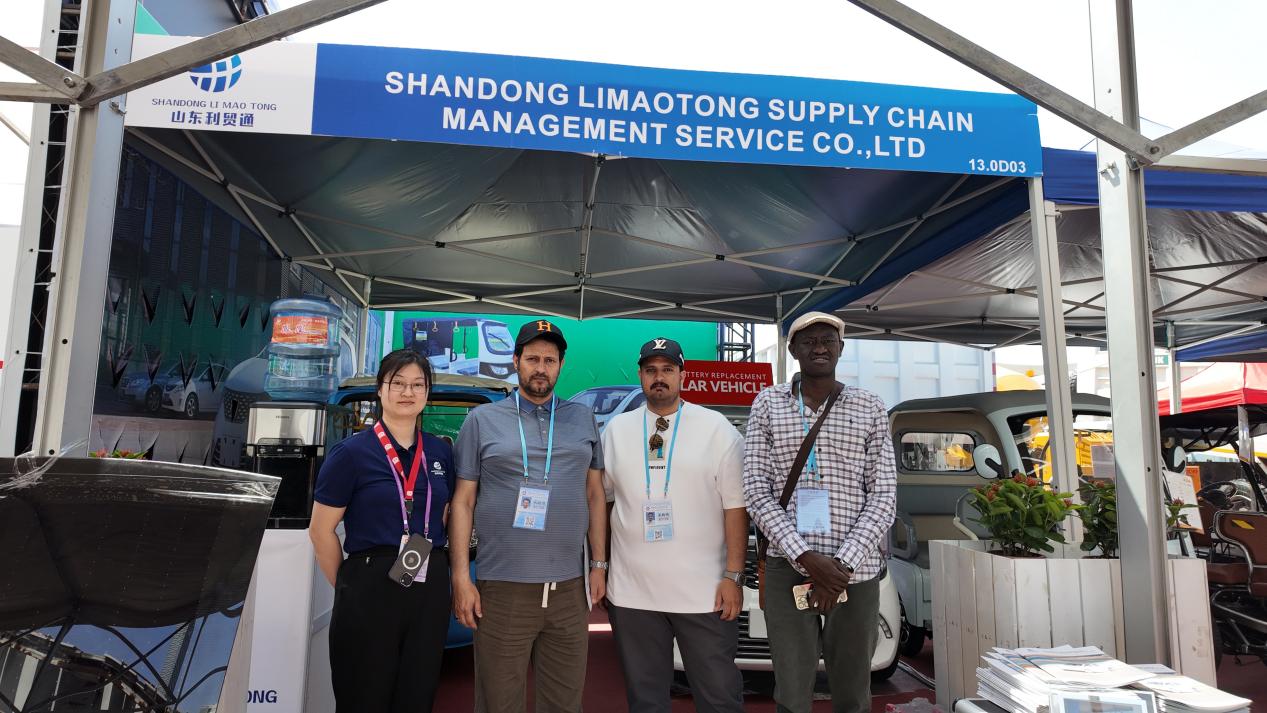
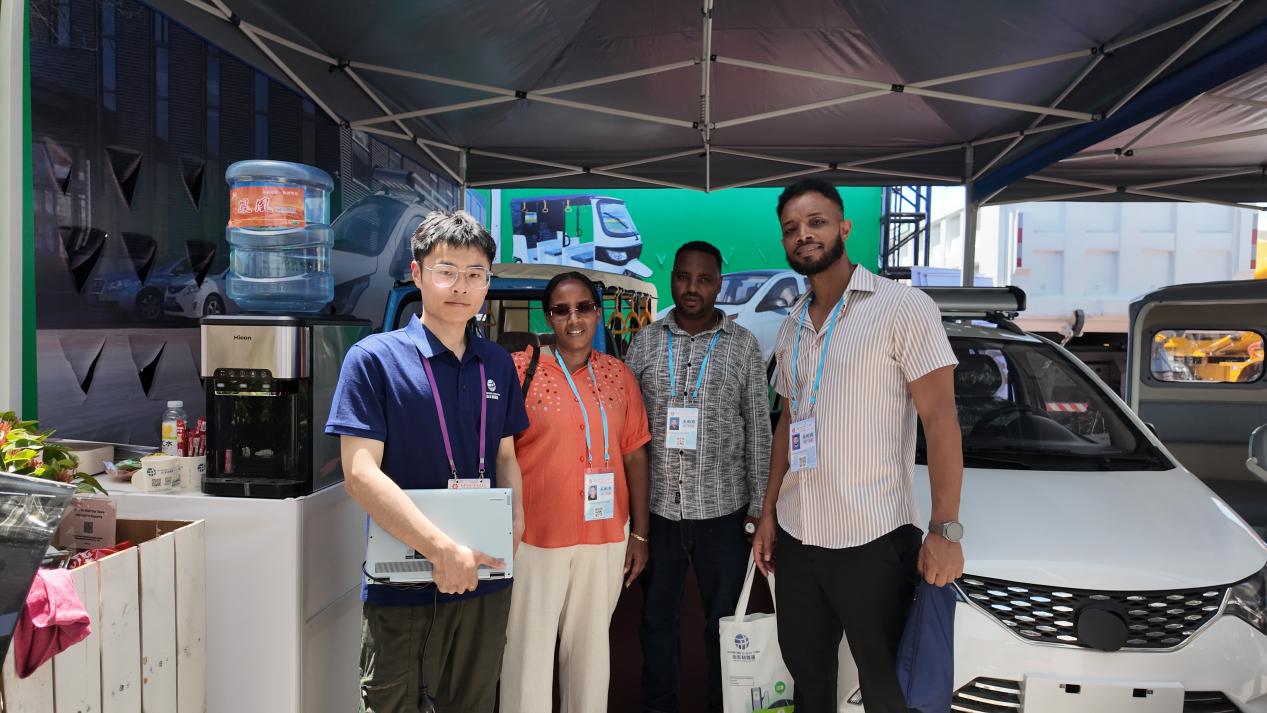
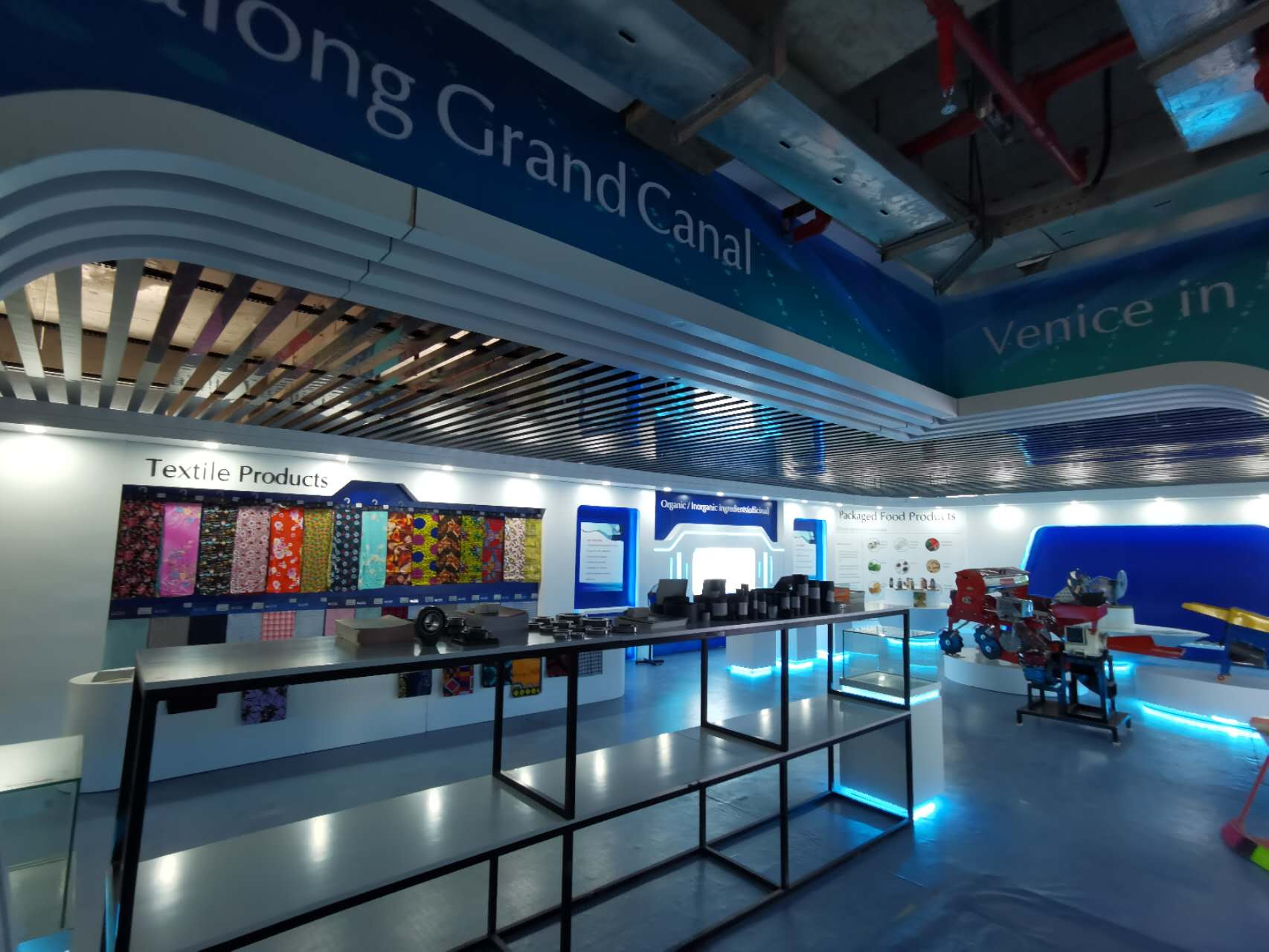
The Djibouti (Overseas Warehouse) Cross-border E-commerce Exhibition and Sales Center was established in 2023. It is located in the Djibouti International Free Trade Zone in East Africa. With the help of the Djibouti Economic and Trade Co., Ltd. established in Africa, it has established a one-stop comprehensive service platform to provide enterprises with all-round housekeeper-style professional services such as sales, government affairs, customs affairs, and public services.
Combining the online and offline linkage of cross-border trade business and independent station malls, we will build a "strong artery" of China-Africa economic and trade exchanges with the "cross-border trade + front-end warehouse" model and the African localized sales, customer service and logistics team, and help "China's intelligent manufacturing" go to the world and into Africa.

In-depth responses resolving key operational, technical, and regulatory questions raised by corporate procurement departments.
The actual range extension depends on solar irradiance levels (measured in kWh/m²/day) and panel efficiency. On average, our Solar Electric Vehicle (such as MODEL A) generates between 1.2 to 2.0 kWh of energy per day from its flexible roof-mounted monocrystalline array. Under standard clear skies, this translates to 30 to 50 km of additional charge, effectively eliminating grid charging requirements for low-mileage daily commuter or urban last-mile route patterns.
We primarily utilize LFP (Lithium Iron Phosphate) battery chemistry across our heavy-duty tricycle and passenger car product lines, though we can supply high-density NMC batteries for specific lightweight high-speed applications. Our LFP cells are rated for up to 3,000 charge/discharge cycles before reaching 80% of original capacity, representing approximately 8 to 10 years of typical daily operational use.
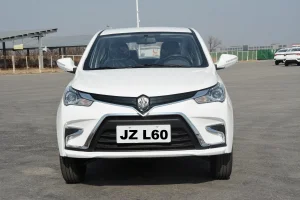
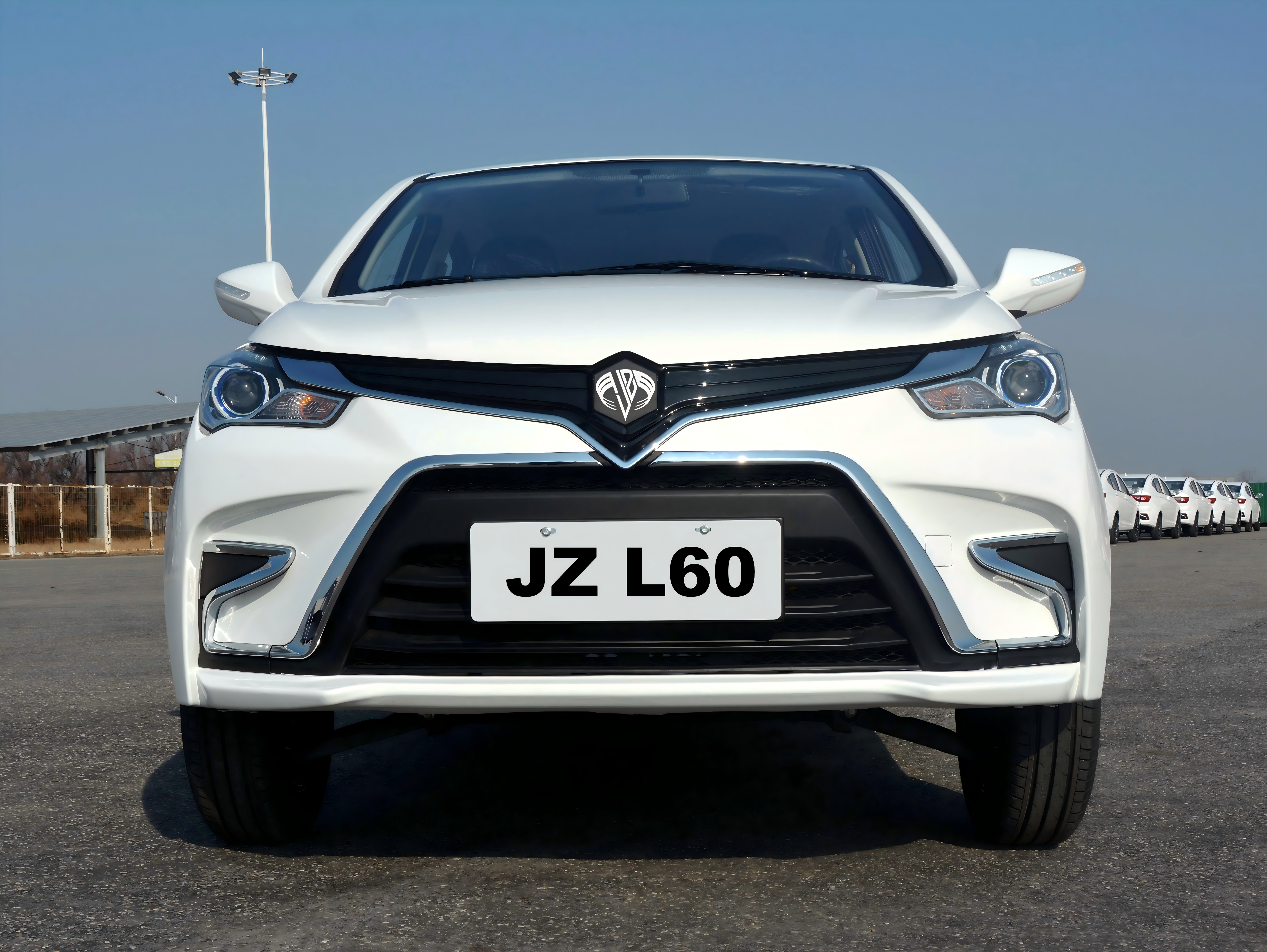
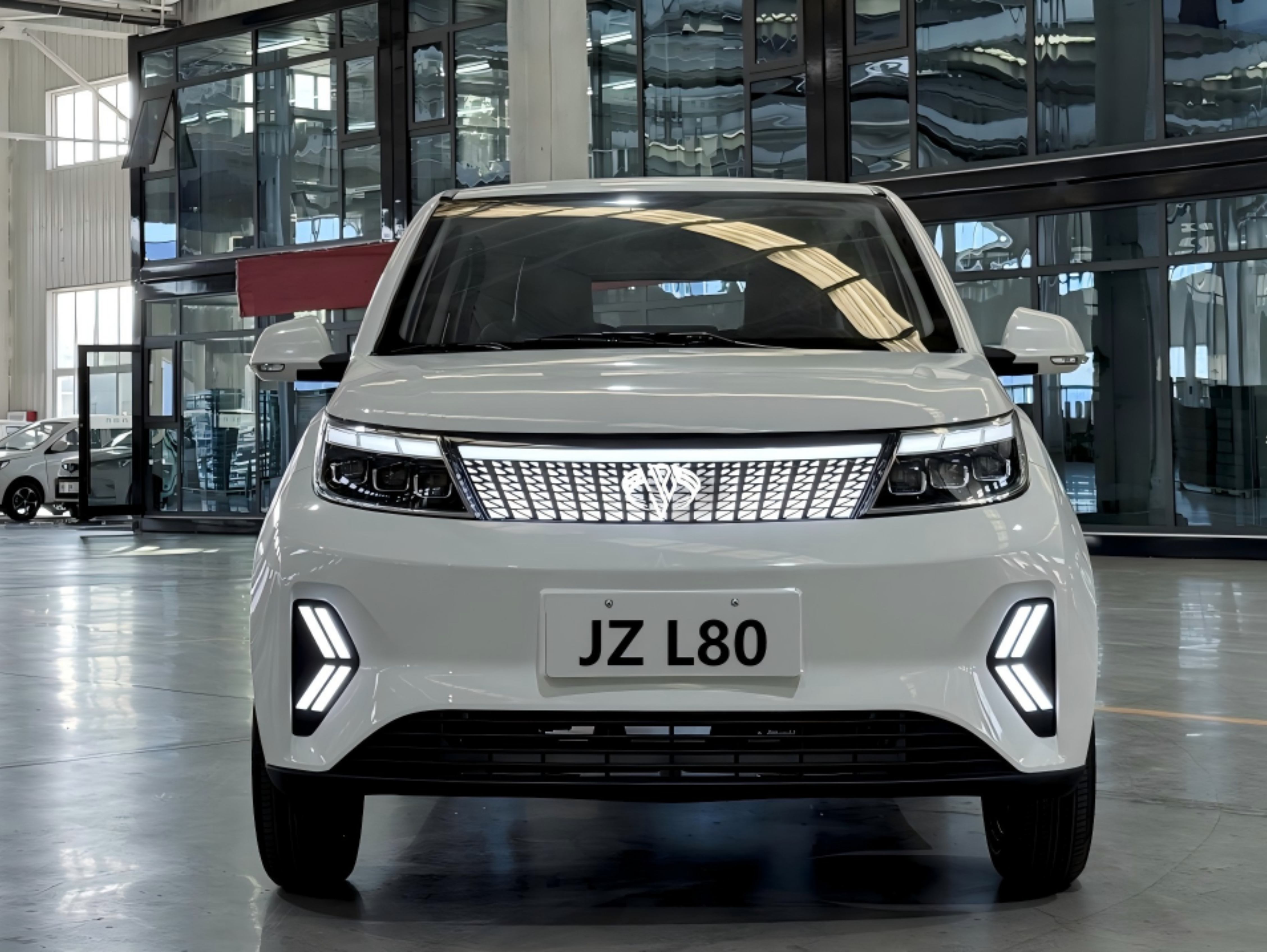
Yes. Many of our flagship micro-EV models, such as the JZ Lingdong and JZ L60, are designed to meet EEC (European Economic Community) standards, carrying EEC/COC (Certificate of Conformity) documentation under categories L6e or L7e. This allows for direct registration and road legality in EU countries. For US applications, they can be registered as Low-Speed Vehicles (LSVs) or Neighborhood Electric Vehicles (NEVs) subject to local DOT regulations.
Shandong Li Mao Tong Group maintains permanent warehouses in key hubs like Djibouti, enabling rapid spare parts delivery within 48 to 72 hours across East Africa. For larger B2B fleet orders, we supply a pre-packaged spare parts kit containing high-wear components (tires, brake pads, relays, controllers) alongside the initial vehicle delivery. We also provide online technical training videos and direct access to our factory engineering team.
To optimize shipping space and reduce import tariffs for our buyers, we support three primary shipment configurations: CBU (Completely Built Up) for immediate deployability; SKD (Semi-Knocked Down) where major mechanical assemblies are pre-finished and only basic final assembly is needed; and CKD (Completely Knocked Down) which maximizes container volume capacity, allowing up to 45 three-wheel cargo chassis in a single 40ft HQ container.
Inside our advanced cross-border warehouses, showing our commitment to reliable supply chain delivery and product availability.


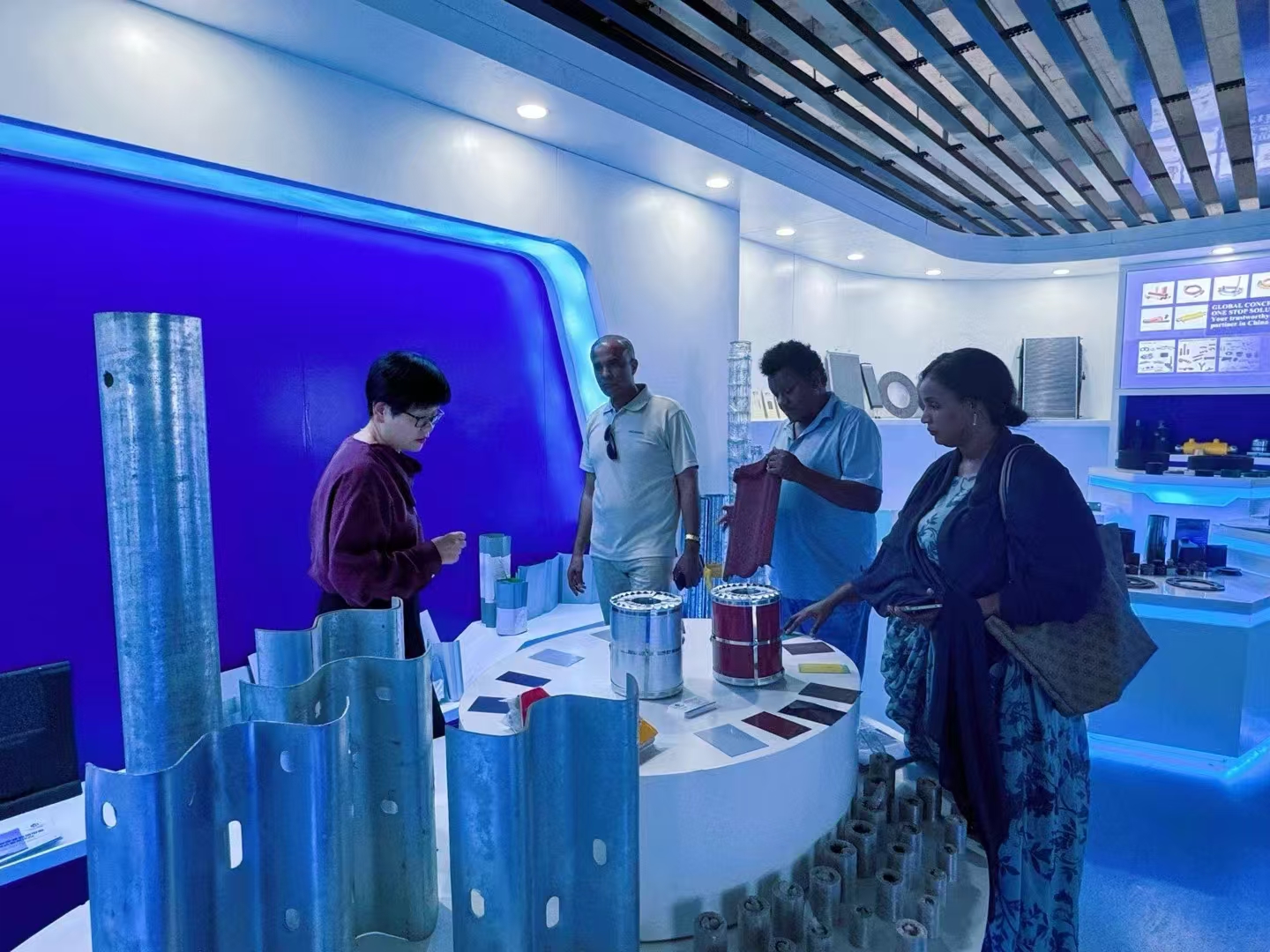
Explore our collaborative vehicle lines, high-speed passenger models, and customized cargo variants engineered for global B2B procurement markets.
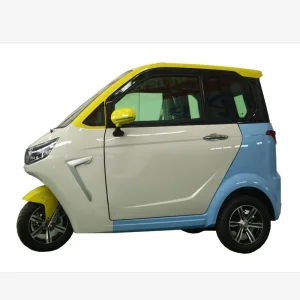
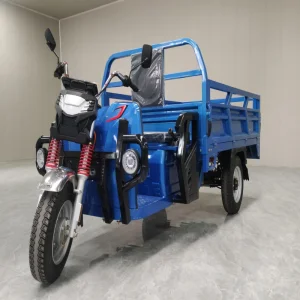
We work with tier-one suppliers to ensure access to top-tier drive components, battery materials, and luxury commuter features.
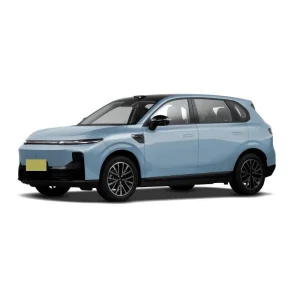
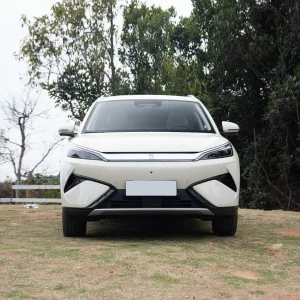
In addition to our proprietary clean energy designs, we support international markets with a variety of passenger cars and specialized electric vehicles, ensuring a single procurement point for global B2B fleets. Discover these cross-references below:
Every vehicle in our catalog undergoes rigorous pre-delivery inspection (PDI) at our global manufacturing centers, guaranteeing that safety, reliability, and engineering quality standards remain consistent across all brands under the Shandong Li Mao Tong Group network.
 Limaotong