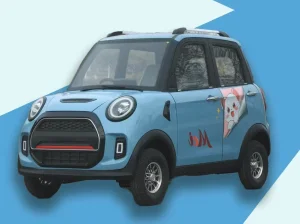
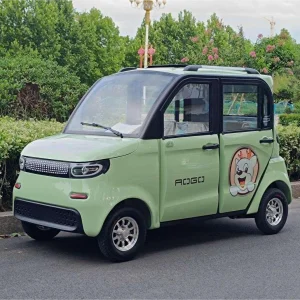
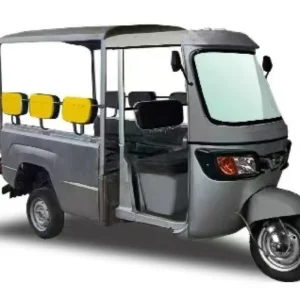
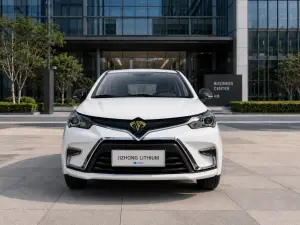
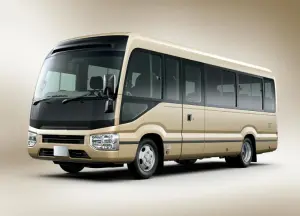
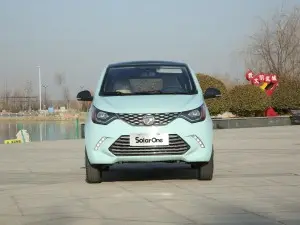
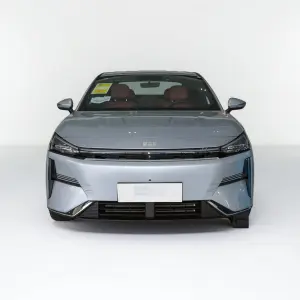
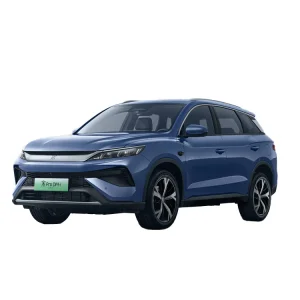
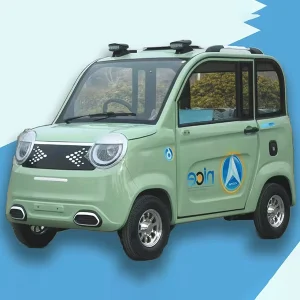
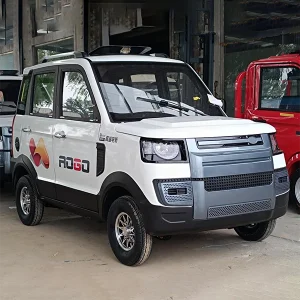
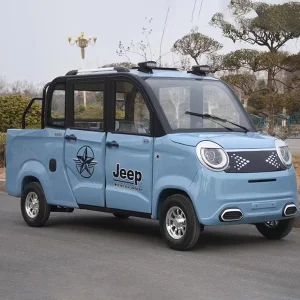
Explore our foundational range of heavy-duty, passenger, and commercial micro-mobility solutions customized for international markets.
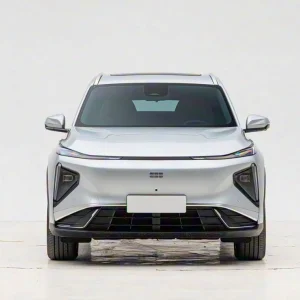
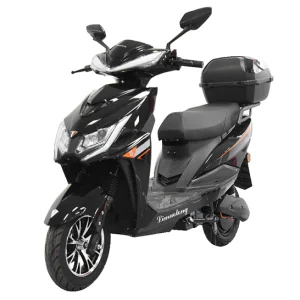
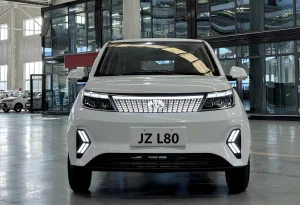
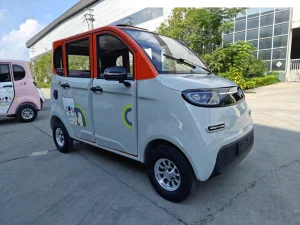
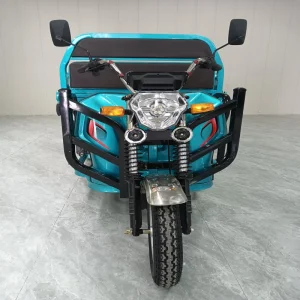
A comprehensive analysis of market drivers, environmental targets, and technological shifts reshaping modern transportation networks.
The global transition to full electric vehicles (FEVs) extends far beyond standard highway passenger cars. Under international urban decarbonization pathways, light electric vehicles (LEVs)—such as high-torque electric cargo tricycles, micro four-wheelers, and electric two-wheelers—are witnessing unprecedented deployment. These vehicles resolve the critical efficiency imbalances inherent in deploying multi-ton passenger vehicles for last-mile logistical distribution and basic inner-city passenger transits.
By shifting to specialized chassis architectures, fleet operator companies achieve major operational expenditure reductions. Energy consumption scales down from ~15-20 kWh per 100 km in standard EVs to less than 5-8 kWh per 100 km in localized three- and four-wheeled utility platforms. This shift is highly accelerated by municipal regulatory measures, including low-emission zones (LEZs) and congested urban delivery regulations across Europe, Asia, and Latin America.
Crucial to the sustained growth of the electric transportation segment is the stabilization of battery chemistries, primarily Lithium Iron Phosphate (LFP) and Sodium-ion alternatives. LFP batteries offer superior thermal runaway profiles, high cycle life capabilities (typically exceeding 3,000 charge-discharge cycles at 80% Depth of Discharge), and an absence of cobalt and nickel, mitigating regulatory risks associated with procurement supply chains.
Additionally, advanced engineering frameworks—such as integrated monocoque stamped frames and multi-in-one electric drive units—allow suppliers to achieve price parity with traditional internal combustion engines. This financial alignment accelerates B2B capital asset transitions to zero-emission fleets without relying on ongoing state subsidies.
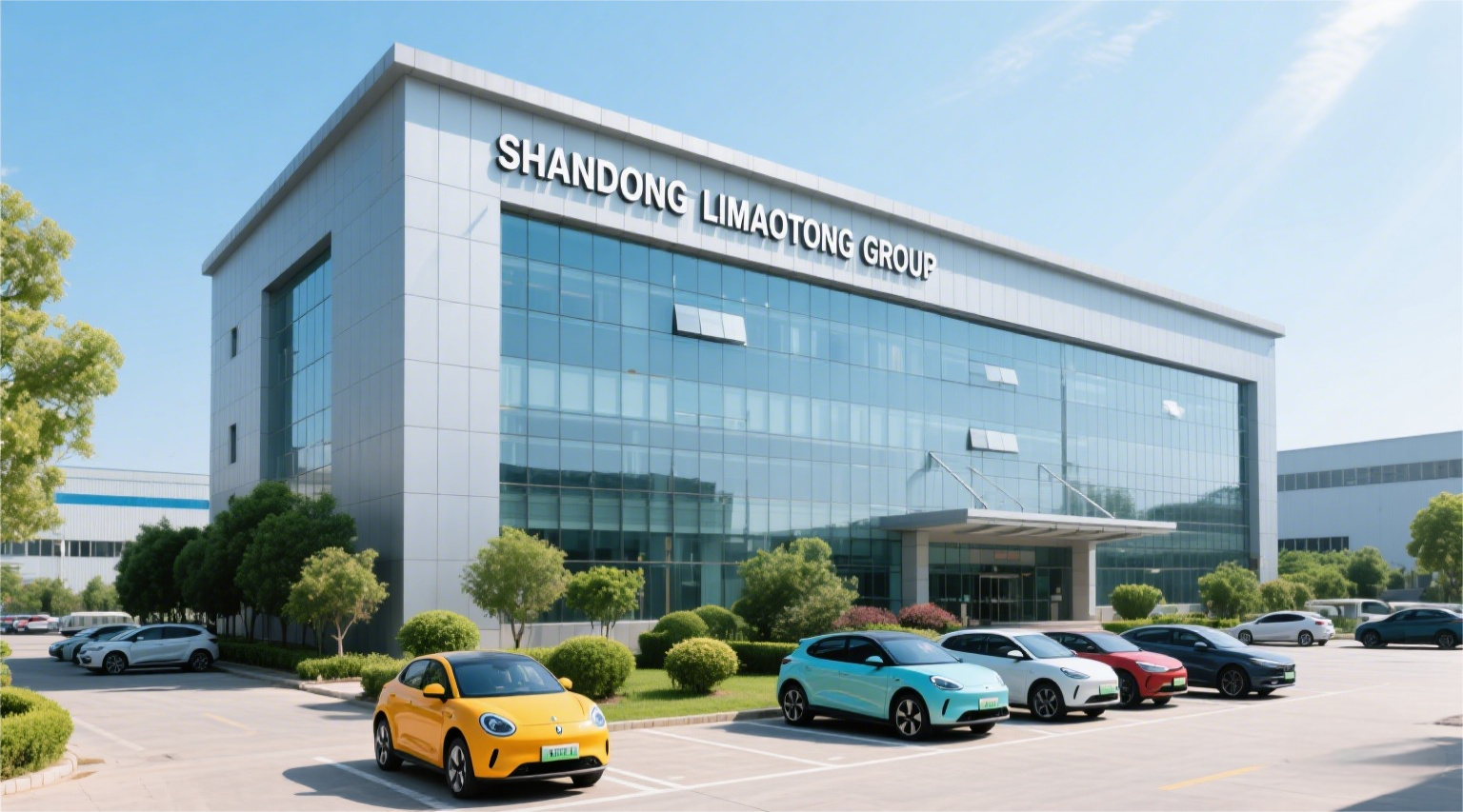
SHANDONG LI MAO TONG GROUP is a global supplier of high-quality products, with a complete industrial chain, specialized in research, manufacture and international sales of motor tricycles, cargo tricycle, and electric mini cars.
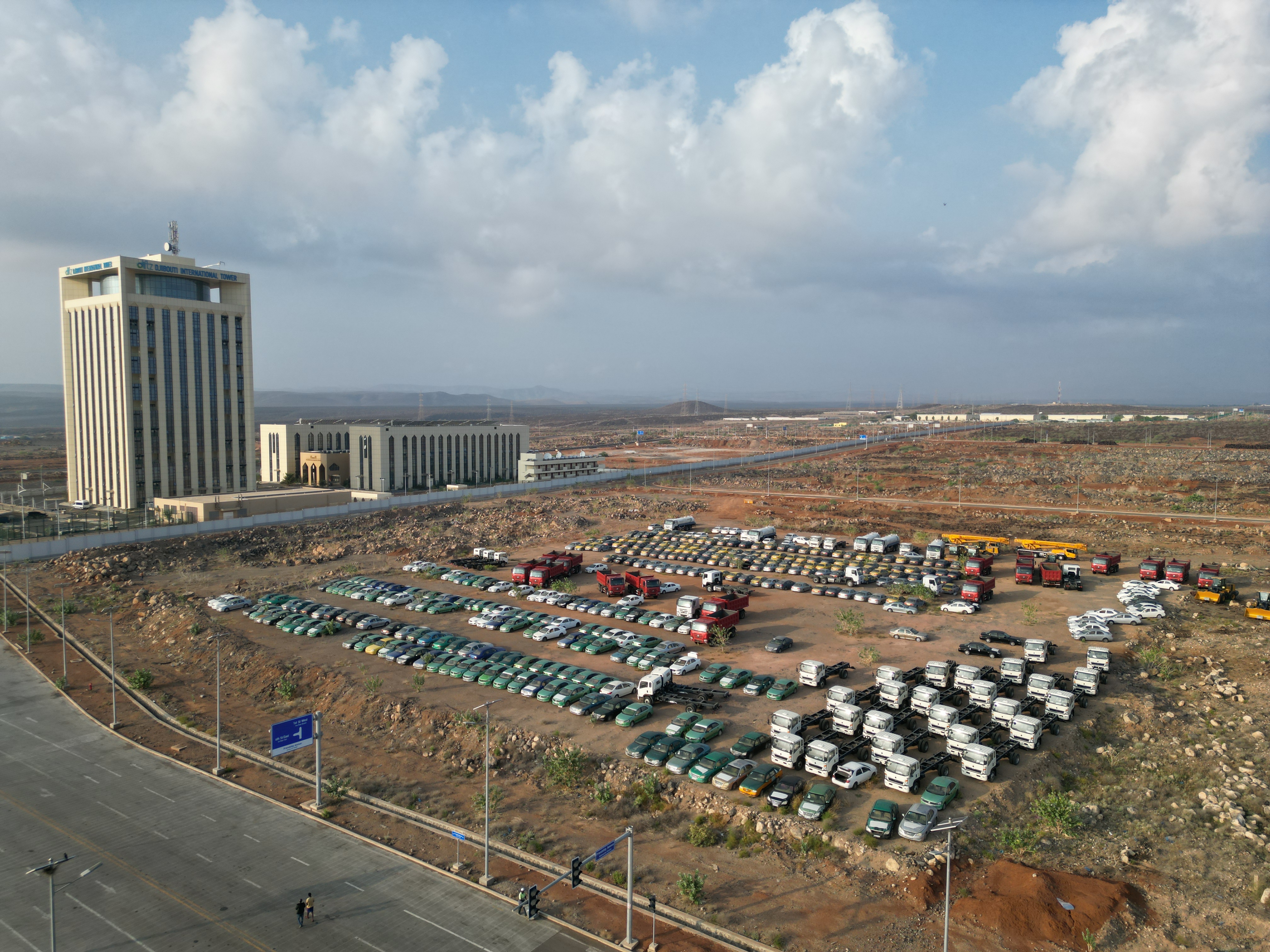
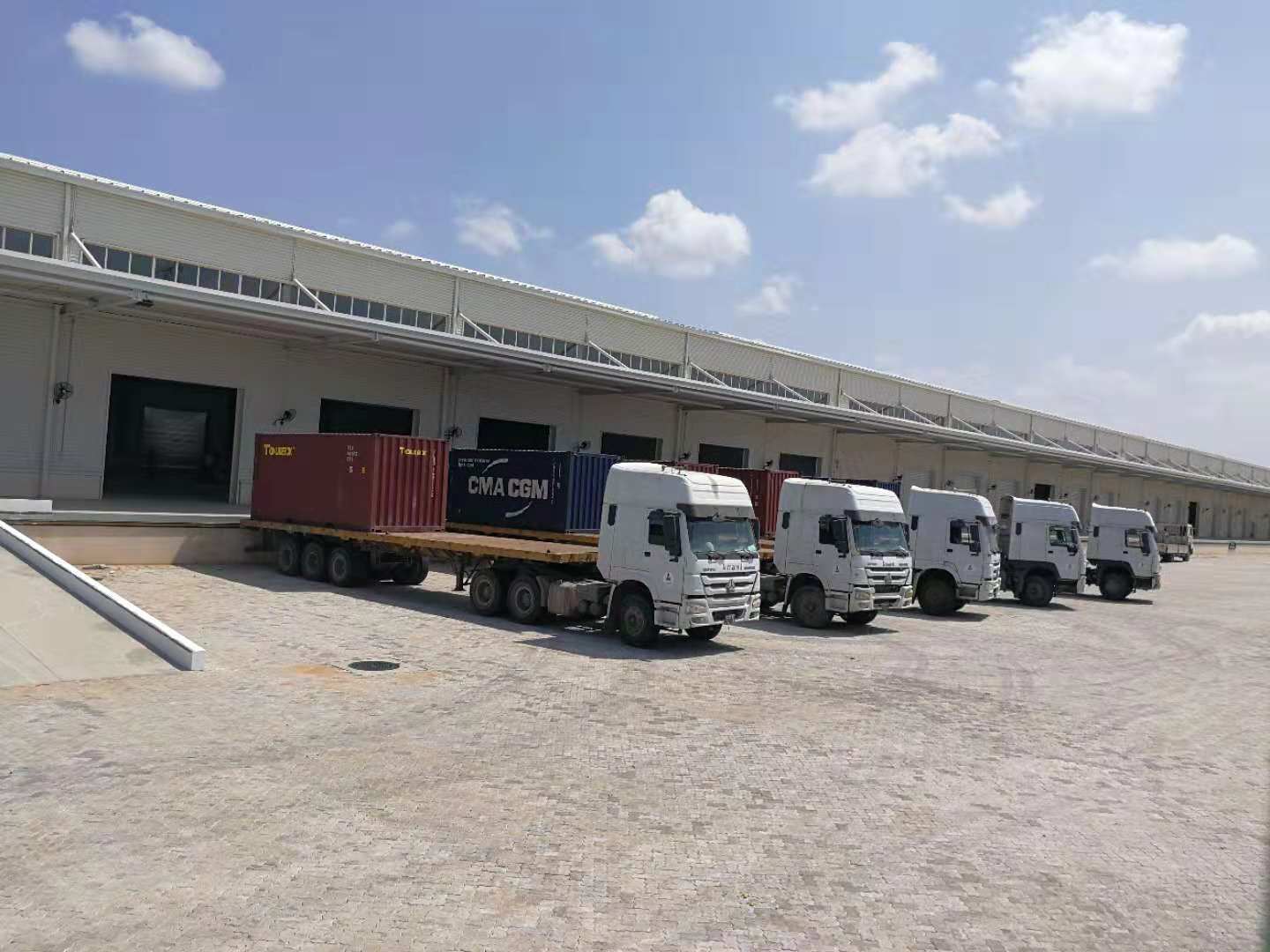
Since its establishment, our vehicles have served over 120 countries and regions worldwide, with our brand reaching more than 20 million households globally. Supported by 8 overseas production bases, we provide comprehensive vehicle solutions to markets around the world. We attach great importance to after-sales service, and set up overseas warehouses in Djibouti, equipped with a professional after-sales team and complete after-sales facilities. If you encounter any problems during use of the product, our after-sales team will respond immediately and provide you with timely and effective solutions.
In the booming wave of China's new energy vehicle industry, Limaotong emerged at the historic moment. Rooted in China and embracing the world, we strive to deliver an electric mobility experience that exceeds expectations for every user.
Our vehicles empower green transportation infrastructure on a global scale.
Localized manufacturing units to optimize logistics and speed-to-market.
Sustainable and reliable transport solutions chosen globally.
Addressing the complex engineering and regulatory requirements of international commercial fleet operators.
International corporate procurement requires strict compliance with localized vehicle type-approvals, including EEC (European Economic Area), DOT (United States Department of Transportation), and various regional CCC and ISO standards. Leading suppliers must manage structural compliance along with battery pack certifications (UN38.3, MSDS) to ensure uninterrupted global customs clearances and local registration rights.
Commercial operators prioritize the Total Cost of Ownership (TCO). Procurement managers look for vehicles with standardized modular parts, simplifying maintenance. Our electric drivetrains maximize uptime by using high-efficiency brushless DC (BLDC) motors or AC induction motors, which eliminate brush wear and minimize motor service requirements over long lifecycles.
Global operations require reliable local technical support. B2B buyers look for manufacturing partners with regional parts depots and comprehensive technical training programs. By maintaining strategic global distribution hubs—such as our East African operations center in Djibouti—we minimize lead times for critical replacement parts and protect operational schedules.
Bridging the gap between raw hardware manufacturing and systemic operational execution across sectors.
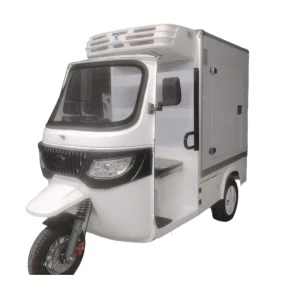
Modern urban logistics networks face strict temperature control and zero-emission requirements. Our specialized fleet solutions, including the Electric Tricycle Freezer Box for Cold Chain Delivery, provide an integrated answer. Powered by high-capacity auxiliary LFP systems, these micro-freighters run high-efficiency refrigeration units independent of the primary drive motor, ensuring constant temperature maintenance while protecting vehicle range.
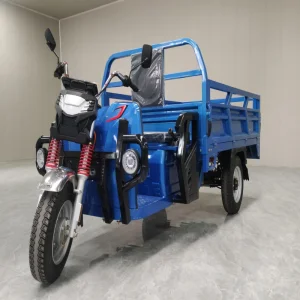
Modern agricultural operations require durable cargo options with low operating costs. Traditional diesel-powered vehicles are being replaced by high-payload electric cargo haulers, such as our standard 2.0-meter open-carriage three-wheel agricultural units. These configurations use heavy-duty low-range gearboxes and high-output electric powertrains, delivering the torque needed for rough terrain without direct emissions.
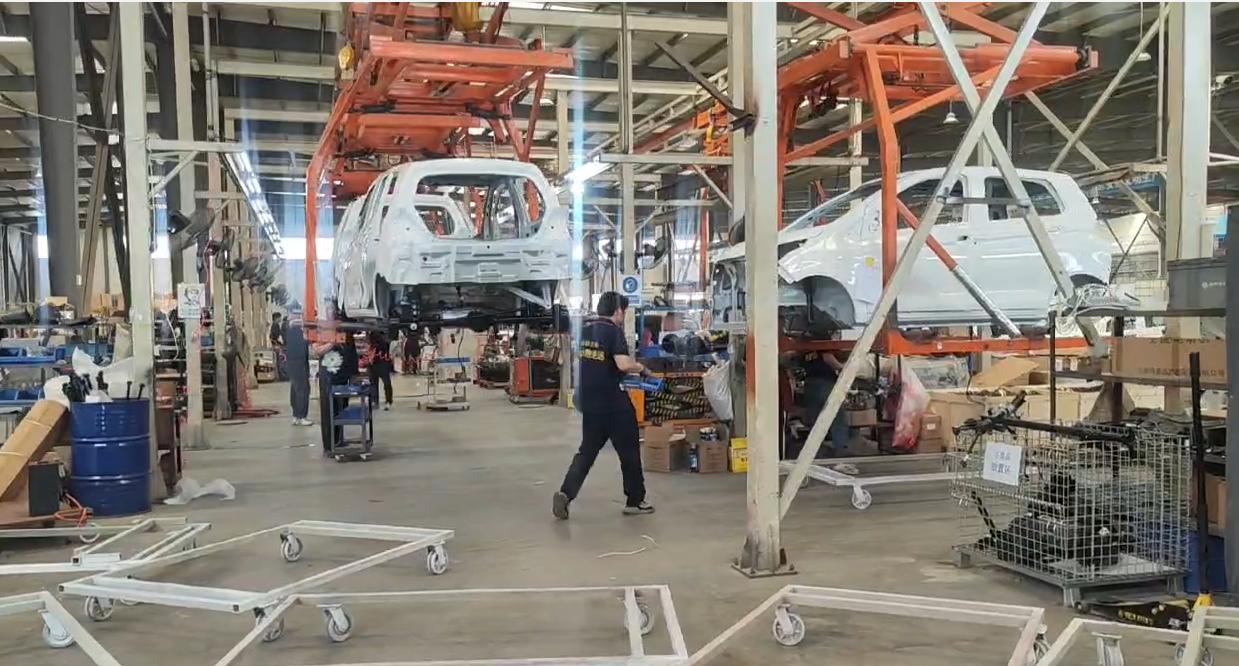
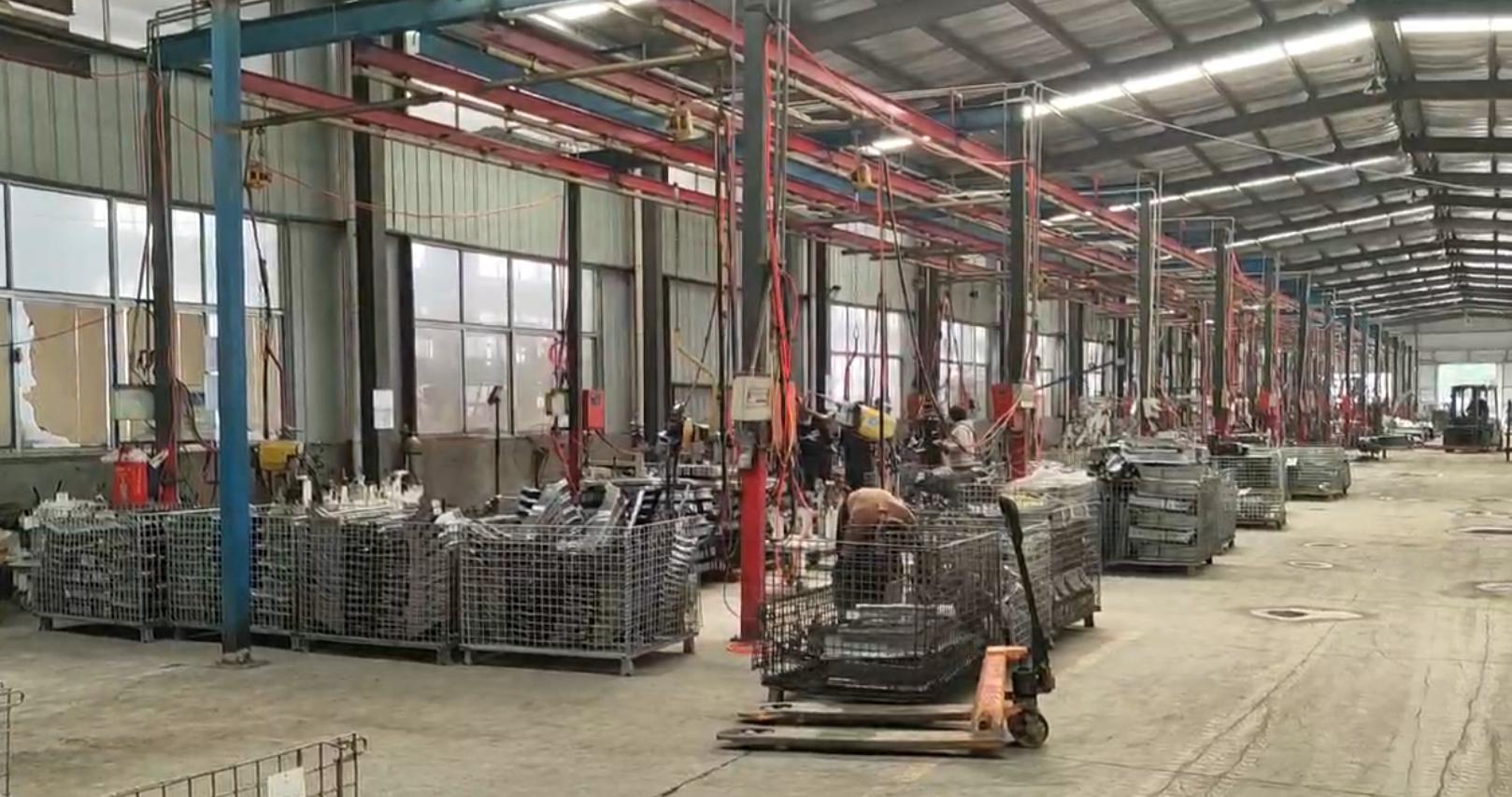
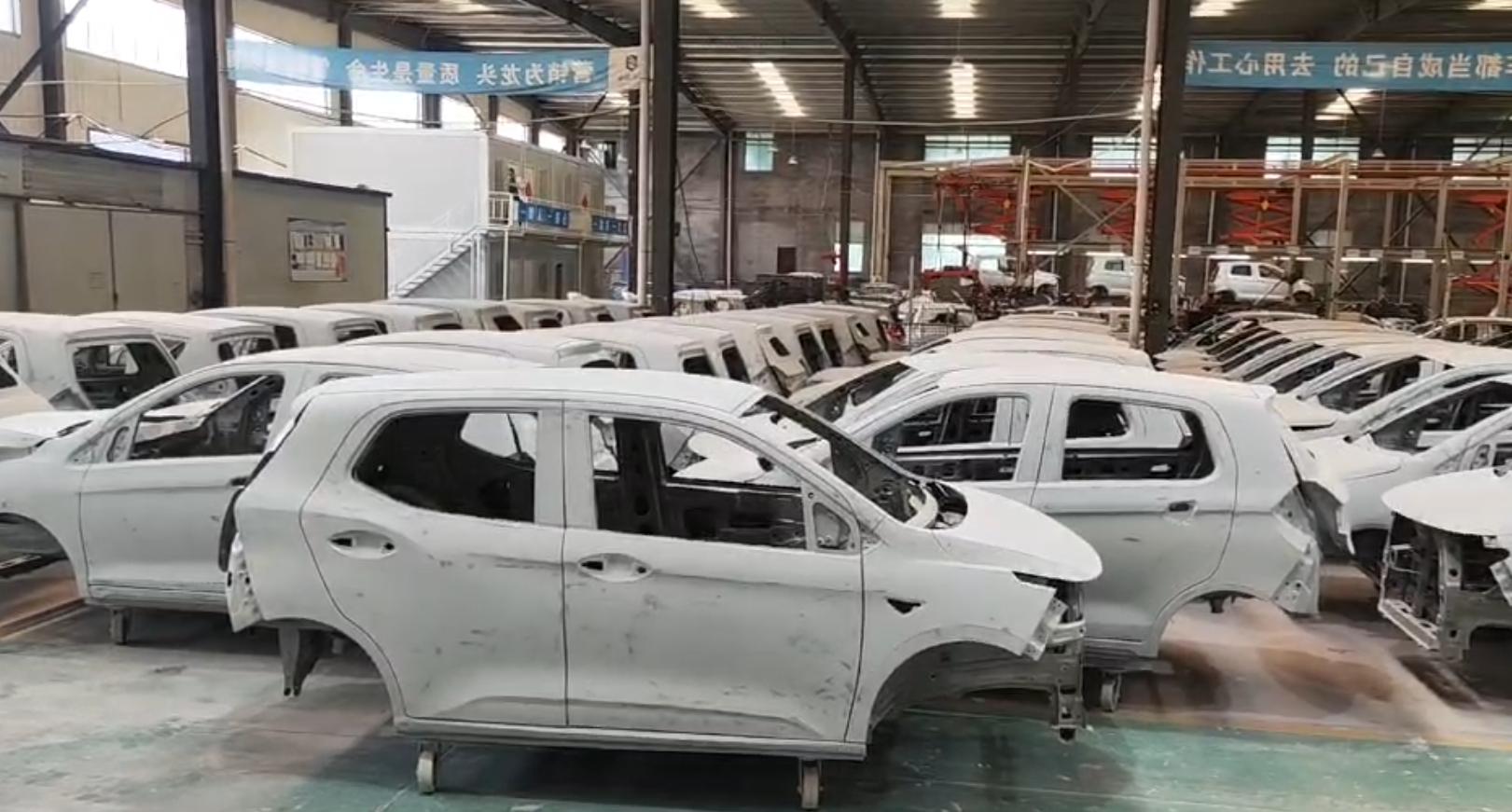
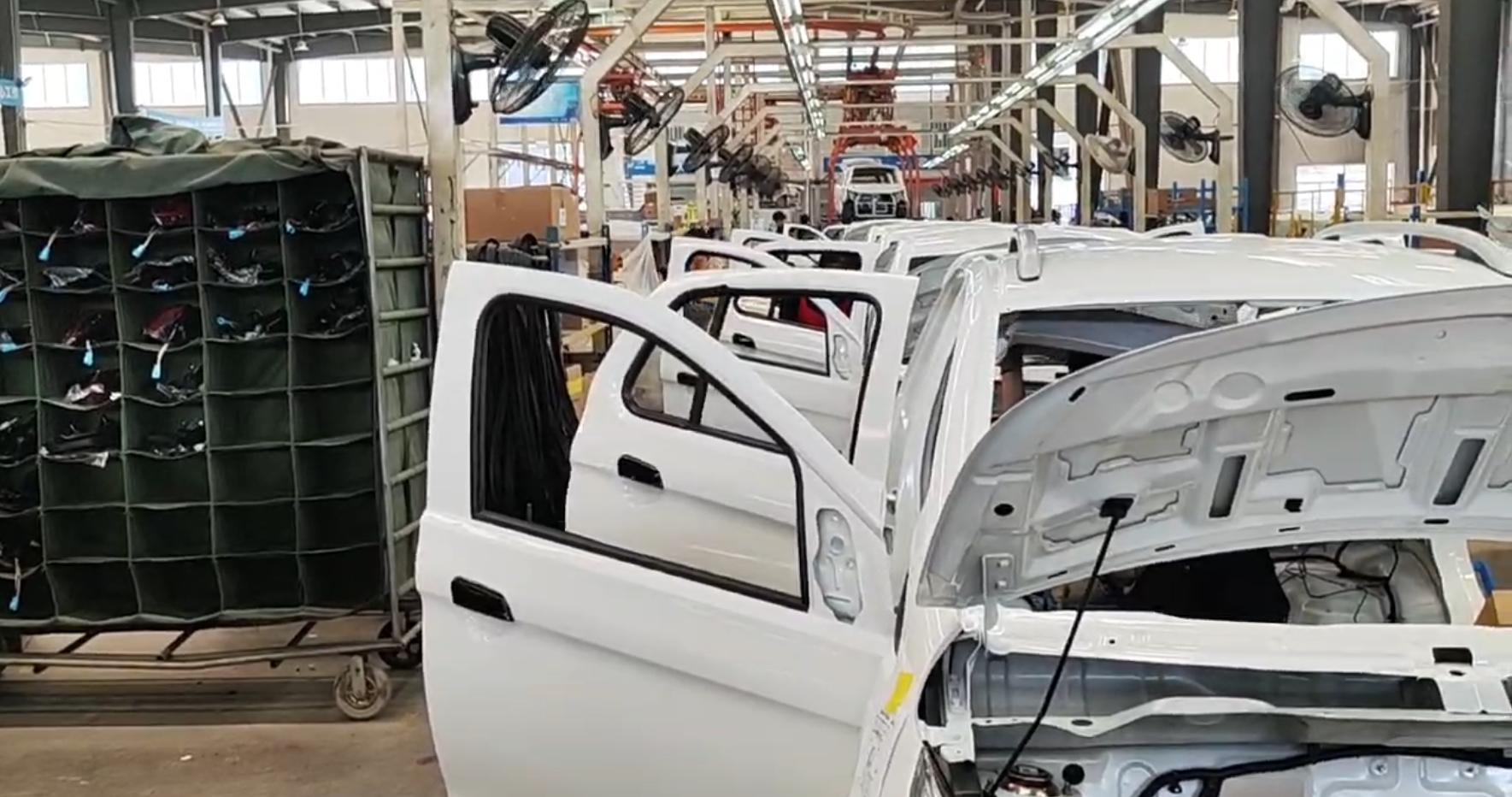
Inside our modern automated production lines, testing centers, and worldwide supply infrastructure.

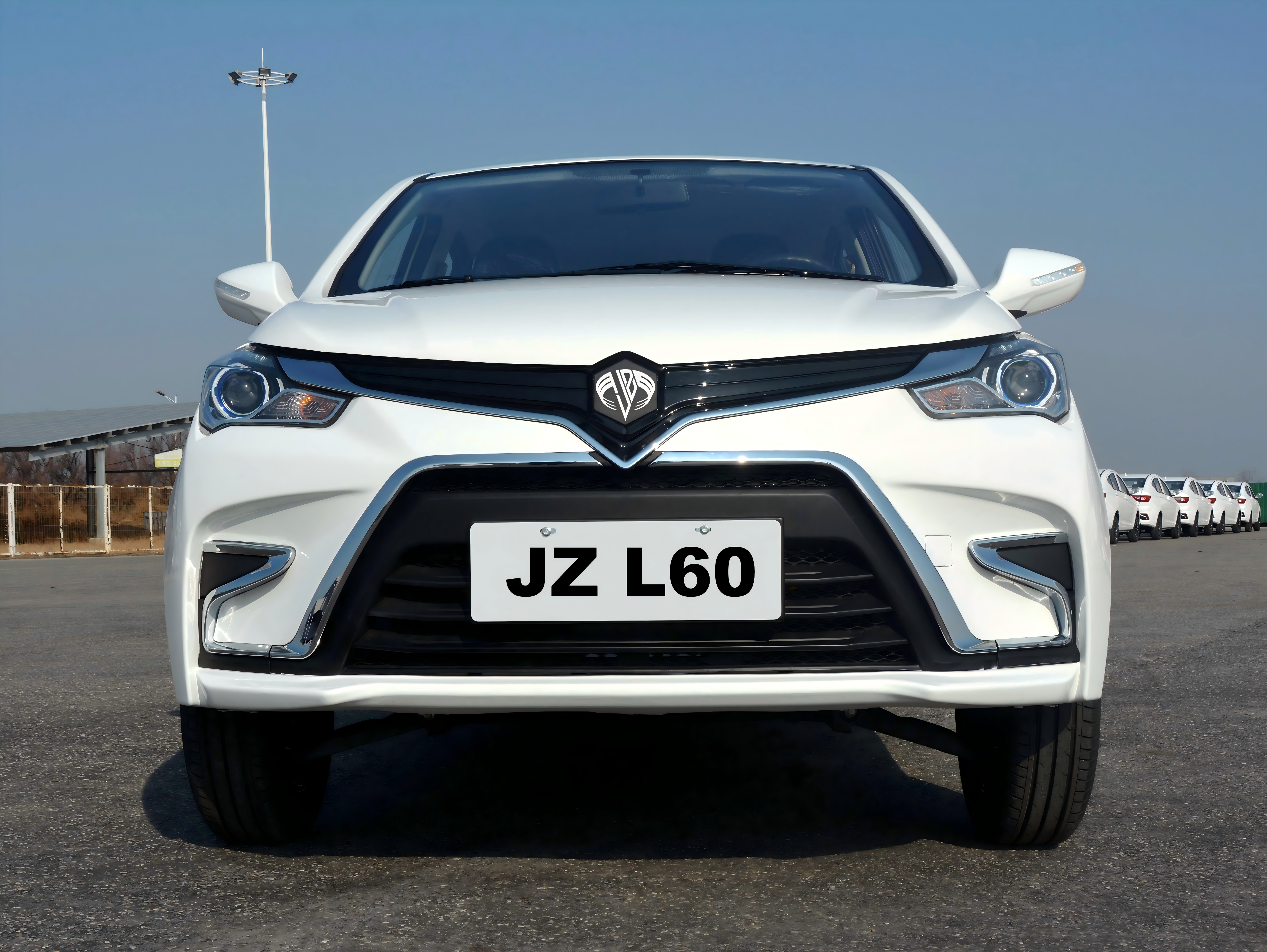
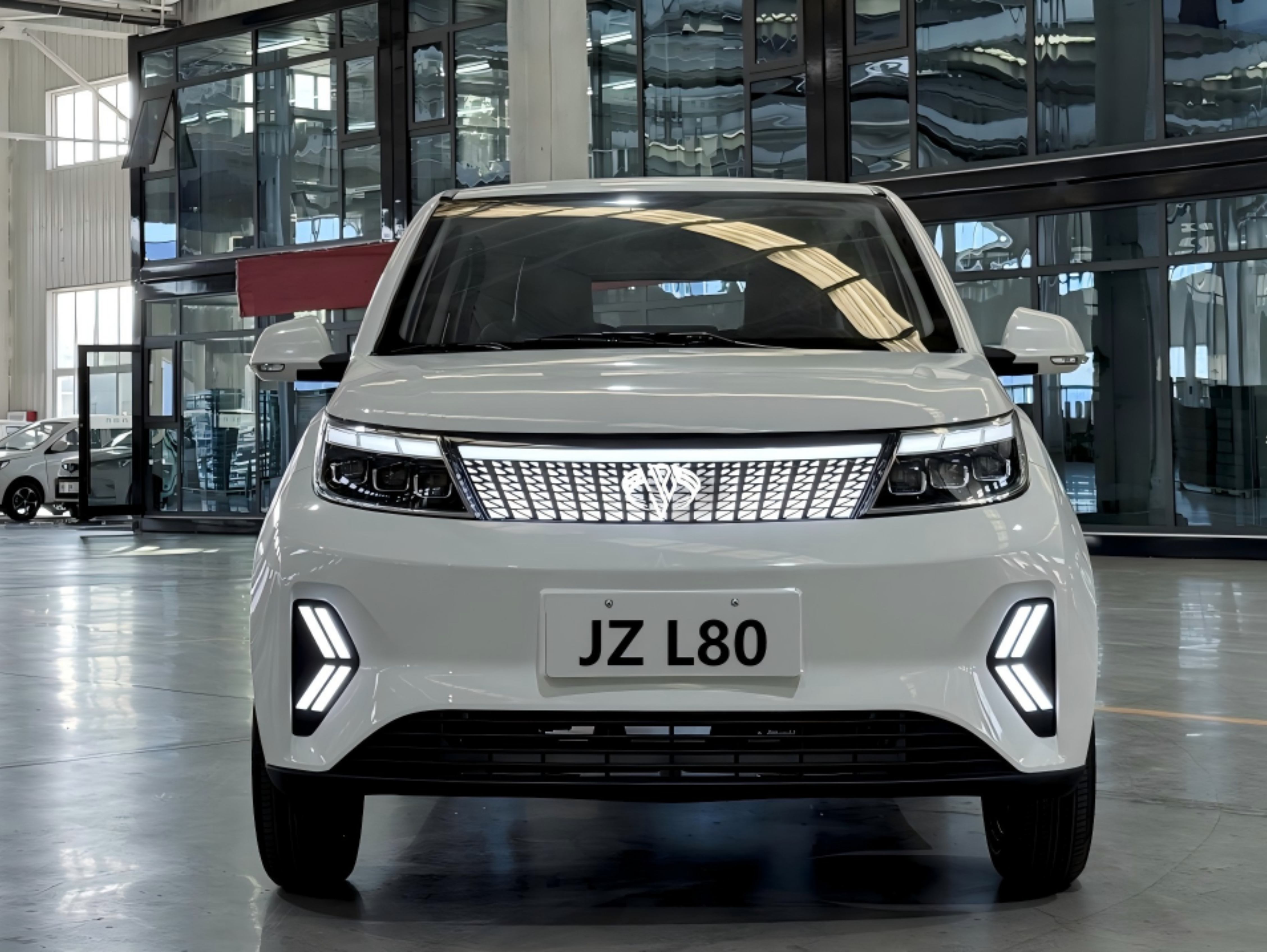
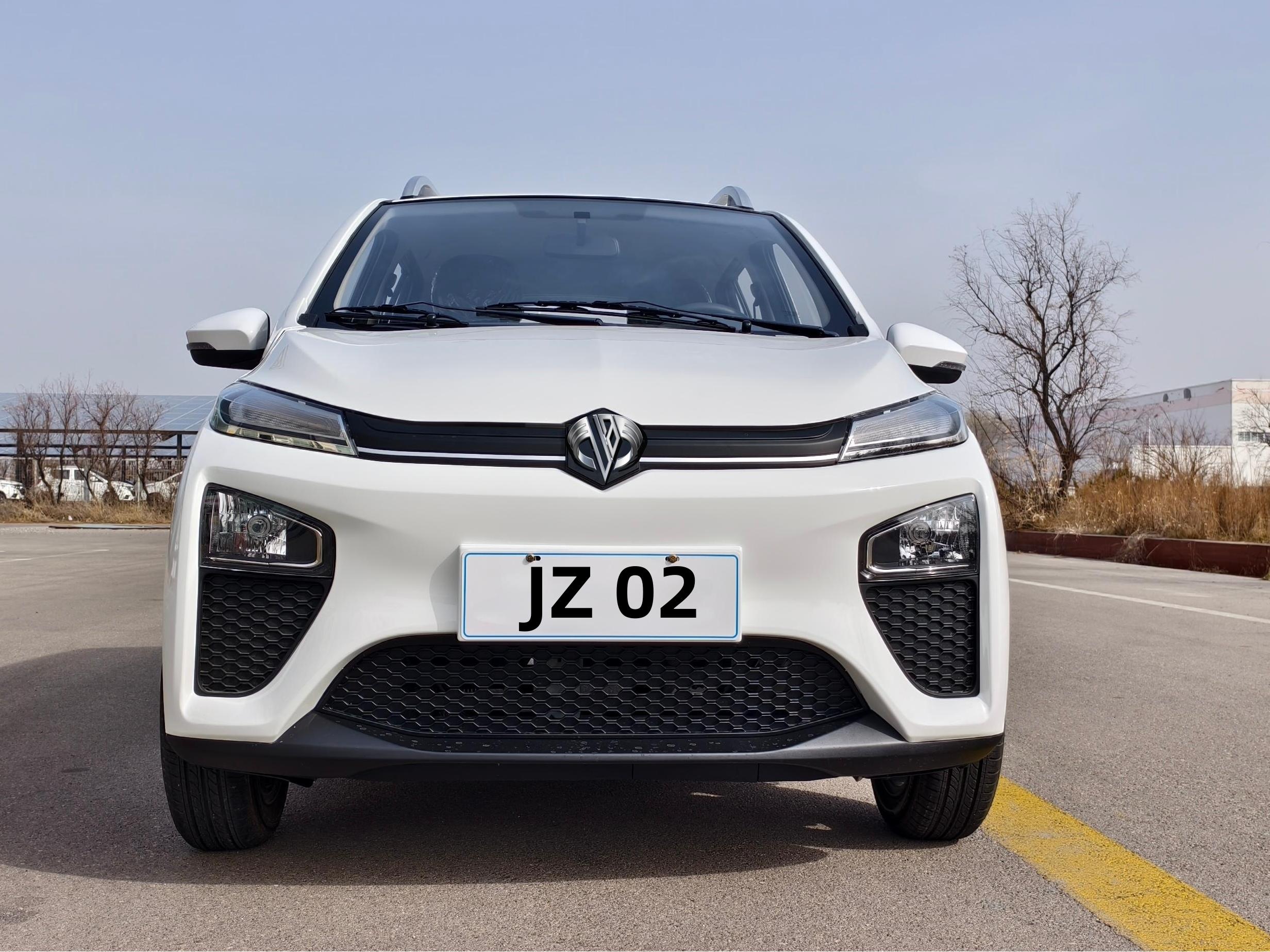
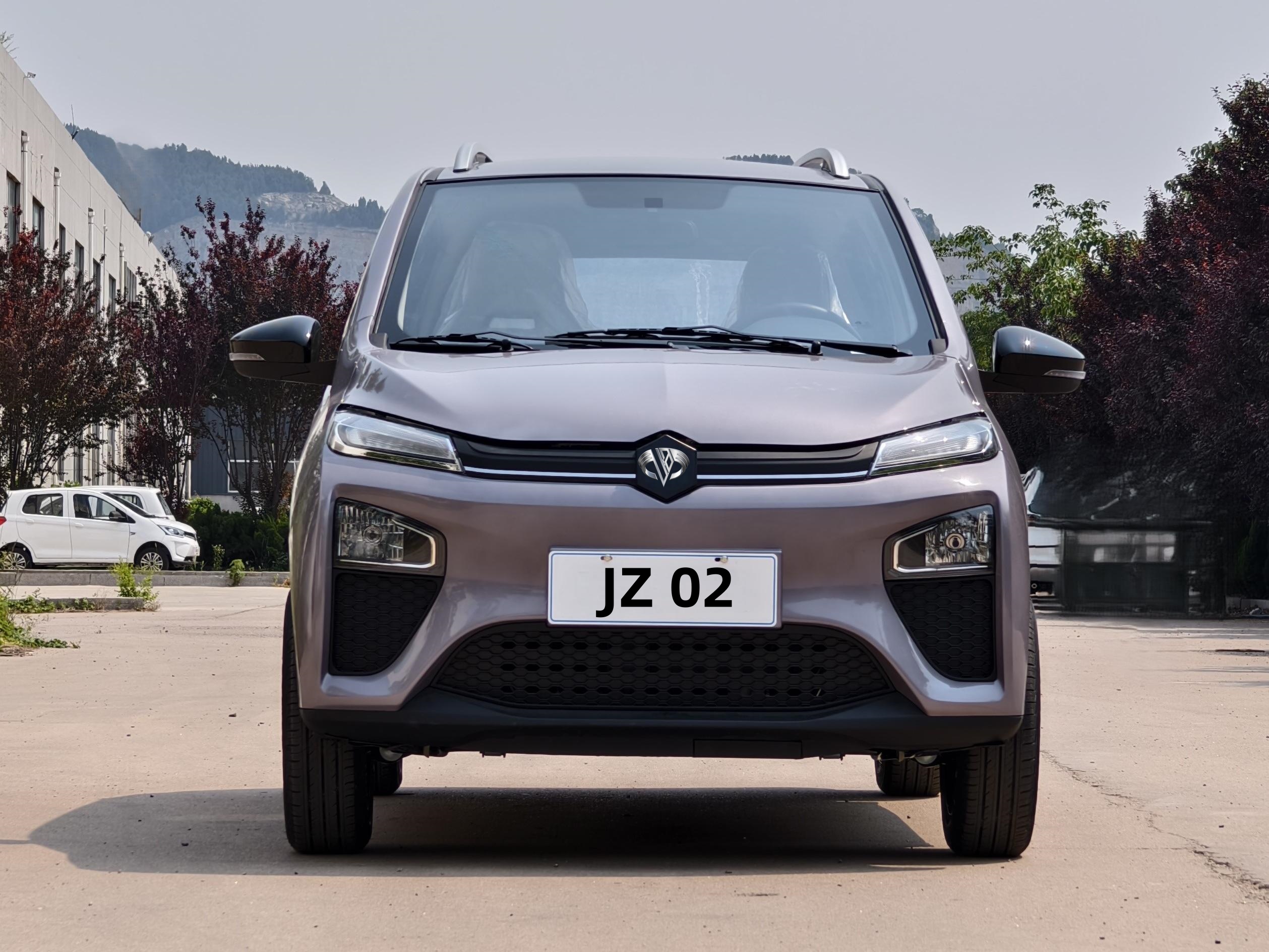
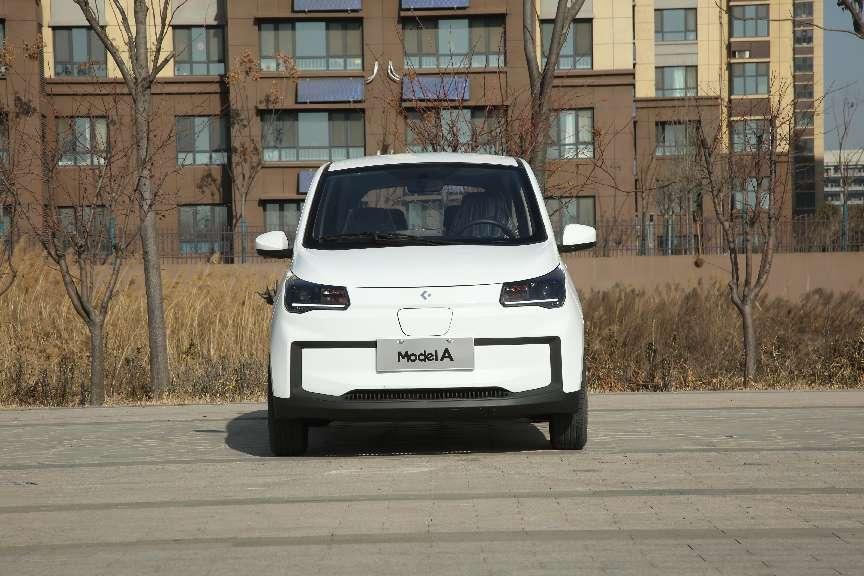
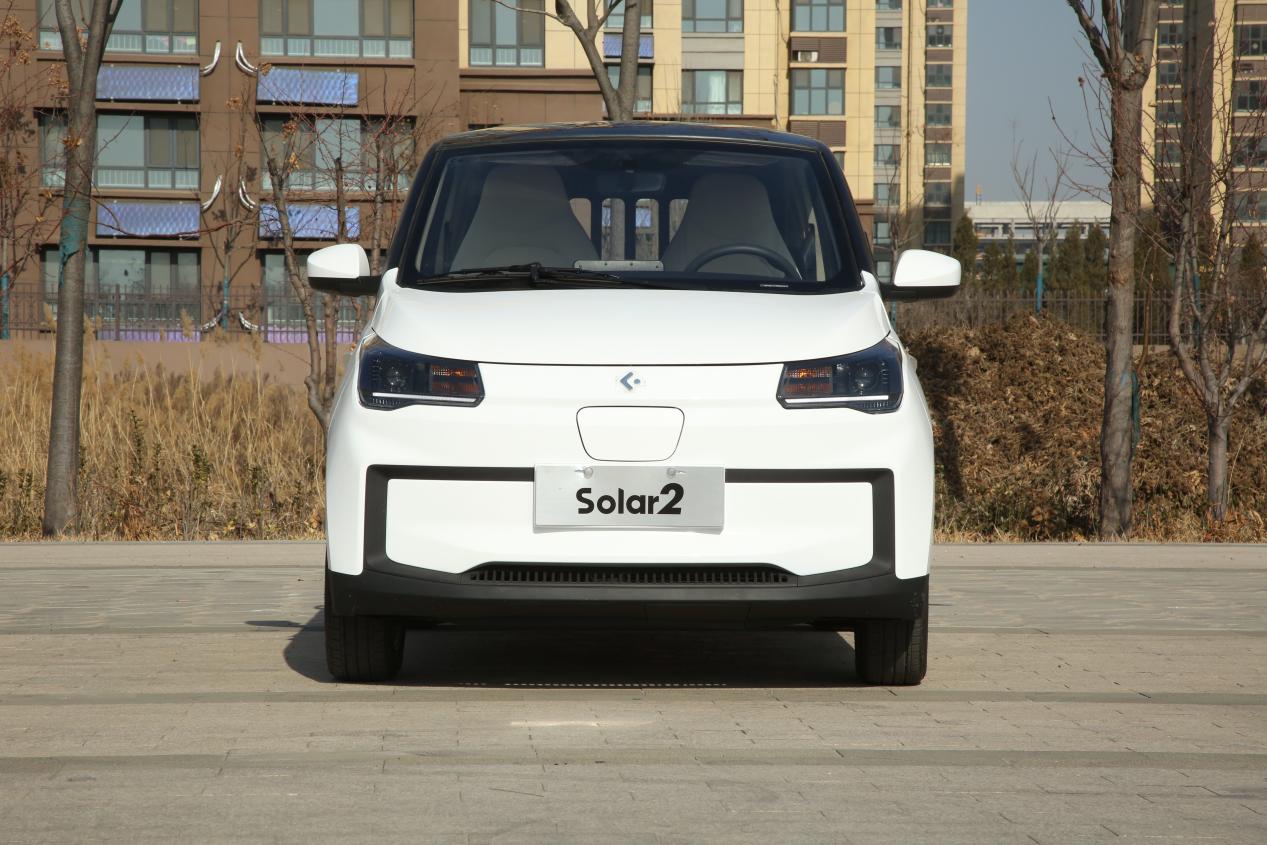
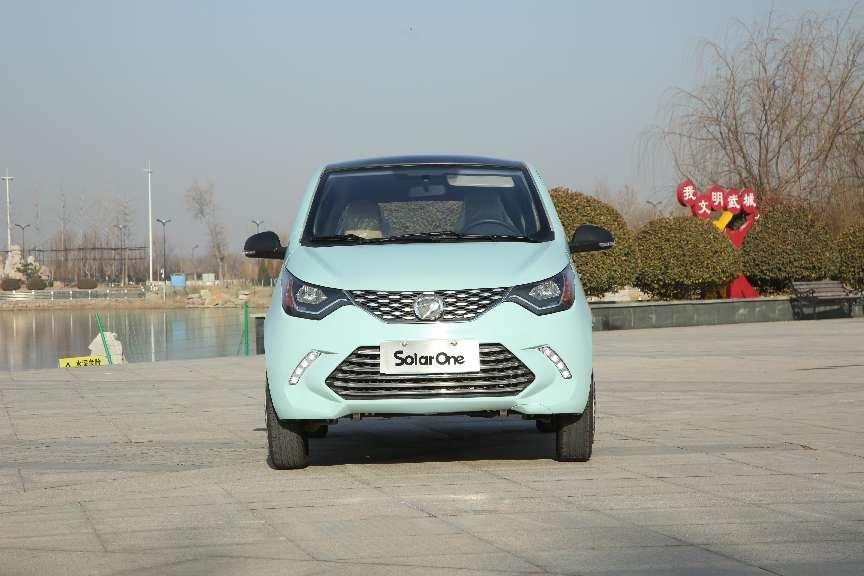
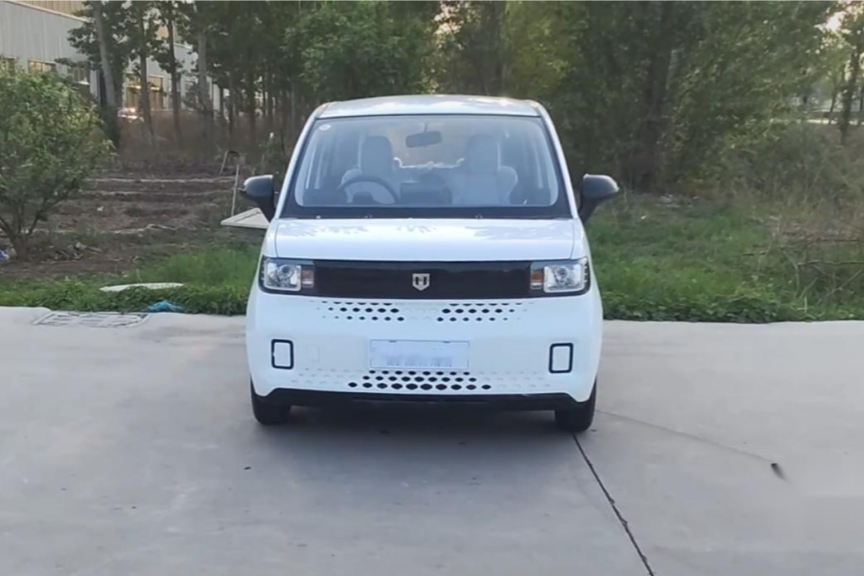
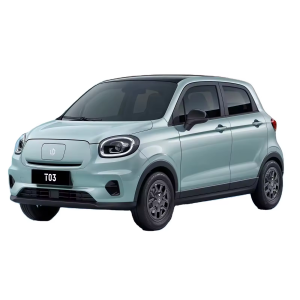
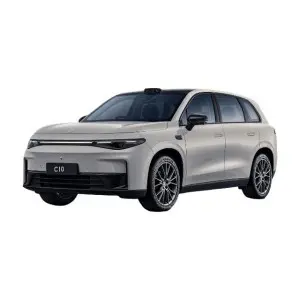
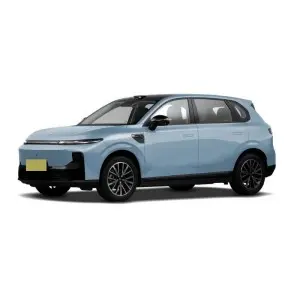
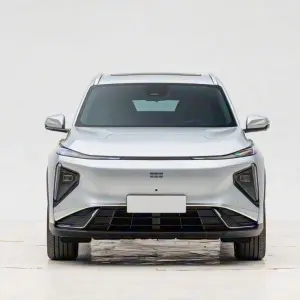
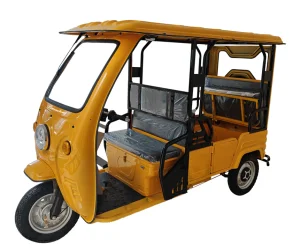
Premium options for standard consumer use, corporate fleets, and green urban taxi operations.
Integrating advanced technology to drive the next generation of electric mobility platforms.
Our long-term technical roadmap focuses on improving powertrain efficiency. By integrating Silicon Carbide (SiC) power electronics into our inverter architectures, we reduce switching losses and increase vehicle efficiency by 4% to 6%. This shift lowers thermal demands, allowing for lighter heat-management systems and extending vehicle range across all classes.
We are also integrating photogalvanic (solar) technology directly into our vehicle bodies. Our solar hybrid utility platforms use thin-film solar arrays integrated into the vehicle roof. These systems provide a continuous trickle-charge to the main battery, extending daily operating ranges in sunny regions without extra grid power.
Future commercial vehicle fleets will rely heavily on cloud-connected telemetry. We are developing standard on-board diagnostics units (OBD-III) with 5G connectivity. These systems monitor battery state-of-charge, cell balance, drive motor temperatures, and vehicle location in real time.
By using cloud-based predictive analytics, fleet managers can anticipate maintenance needs before components fail. This proactive approach helps reduce unscheduled downtime, prolong overall fleet lifecycles, and optimize energy usage based on real-world route data.
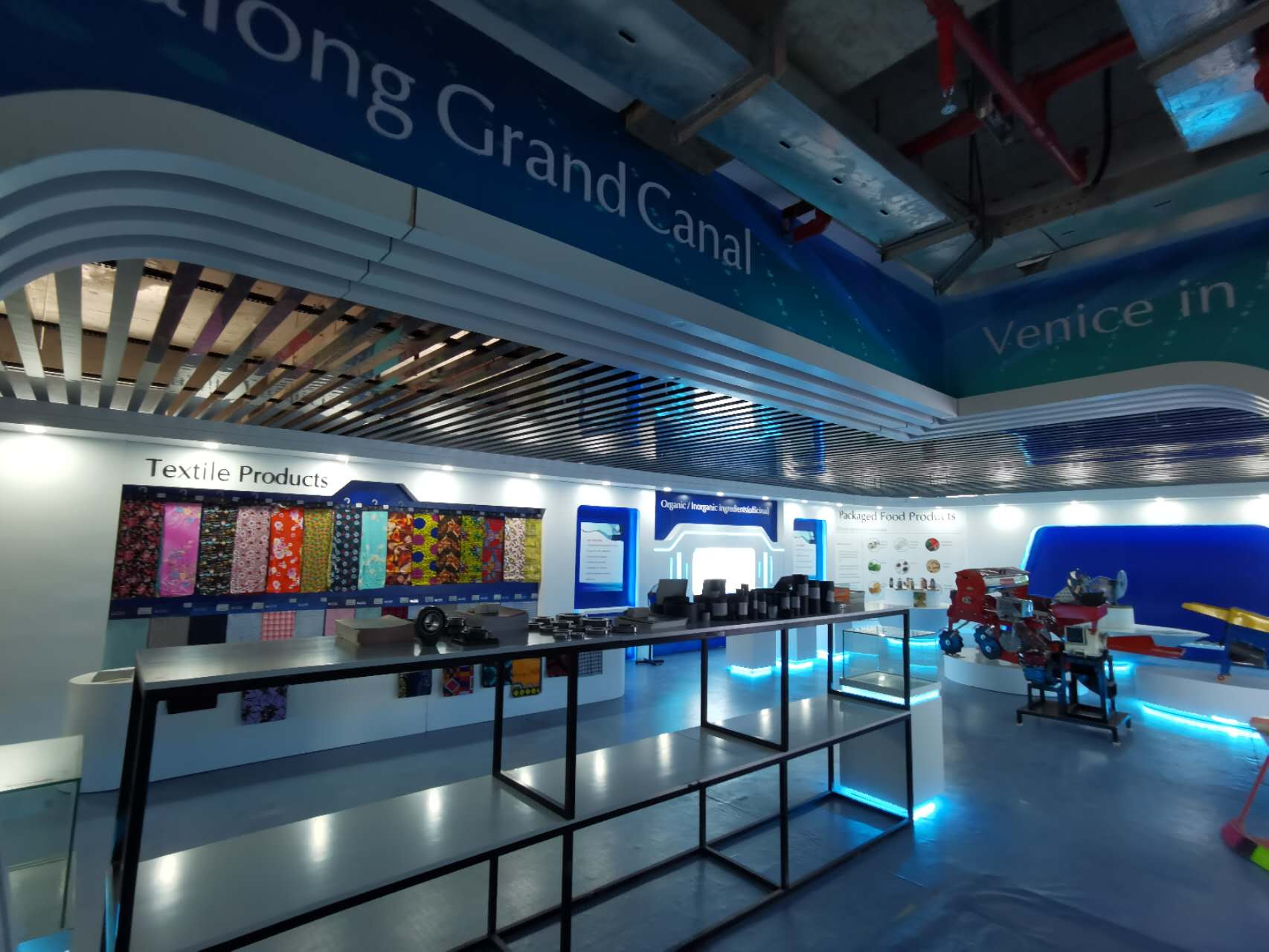
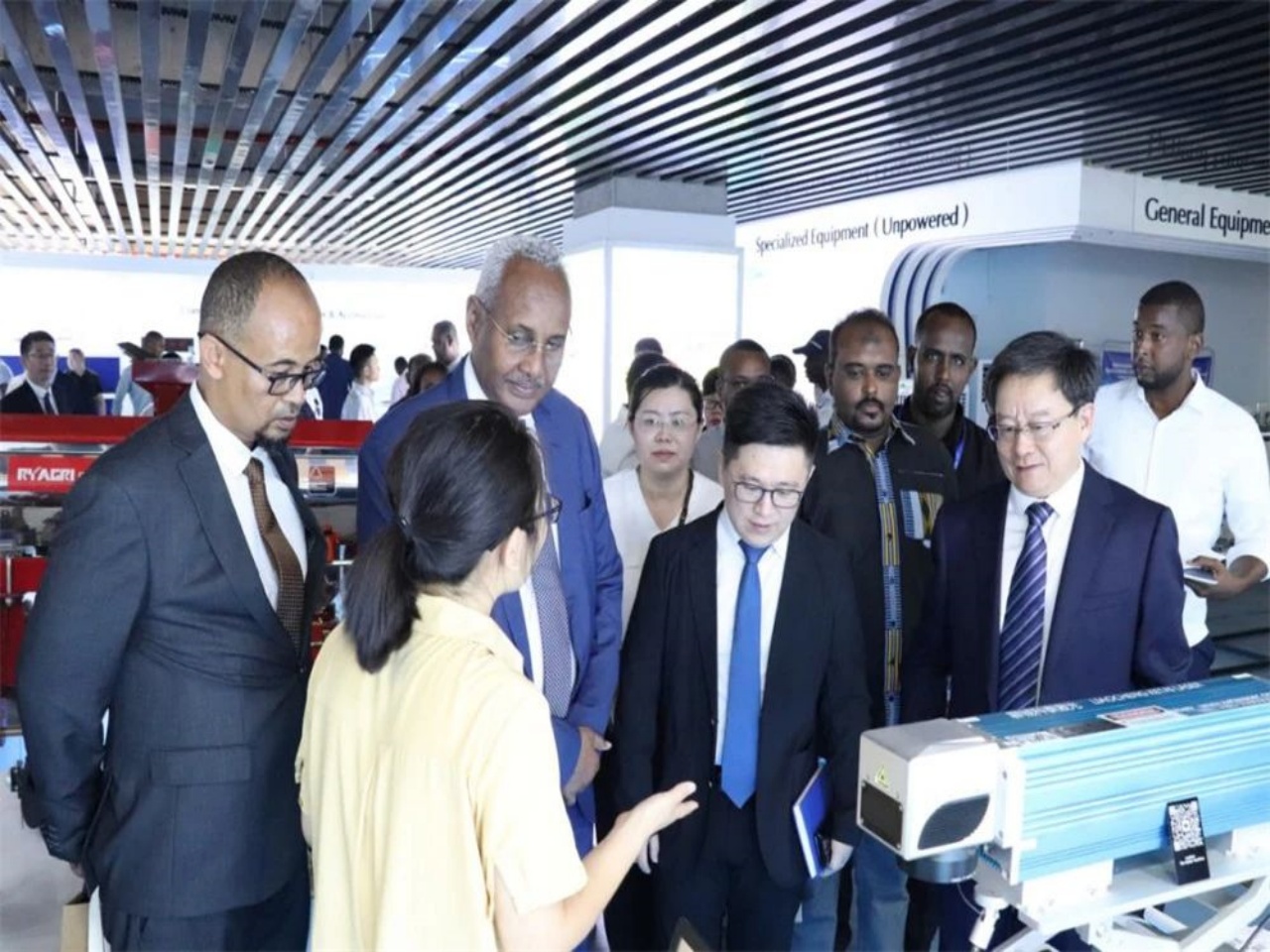
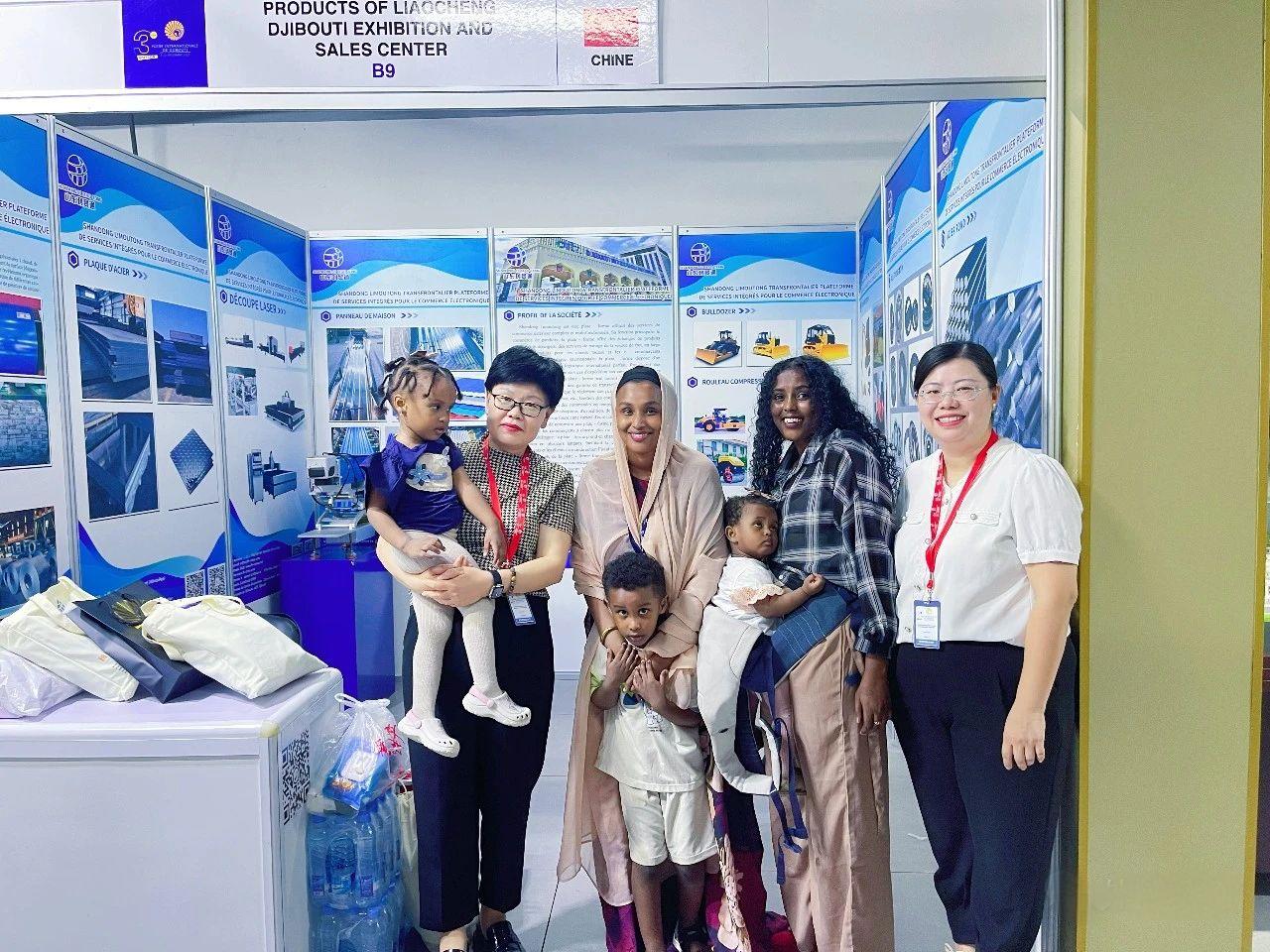
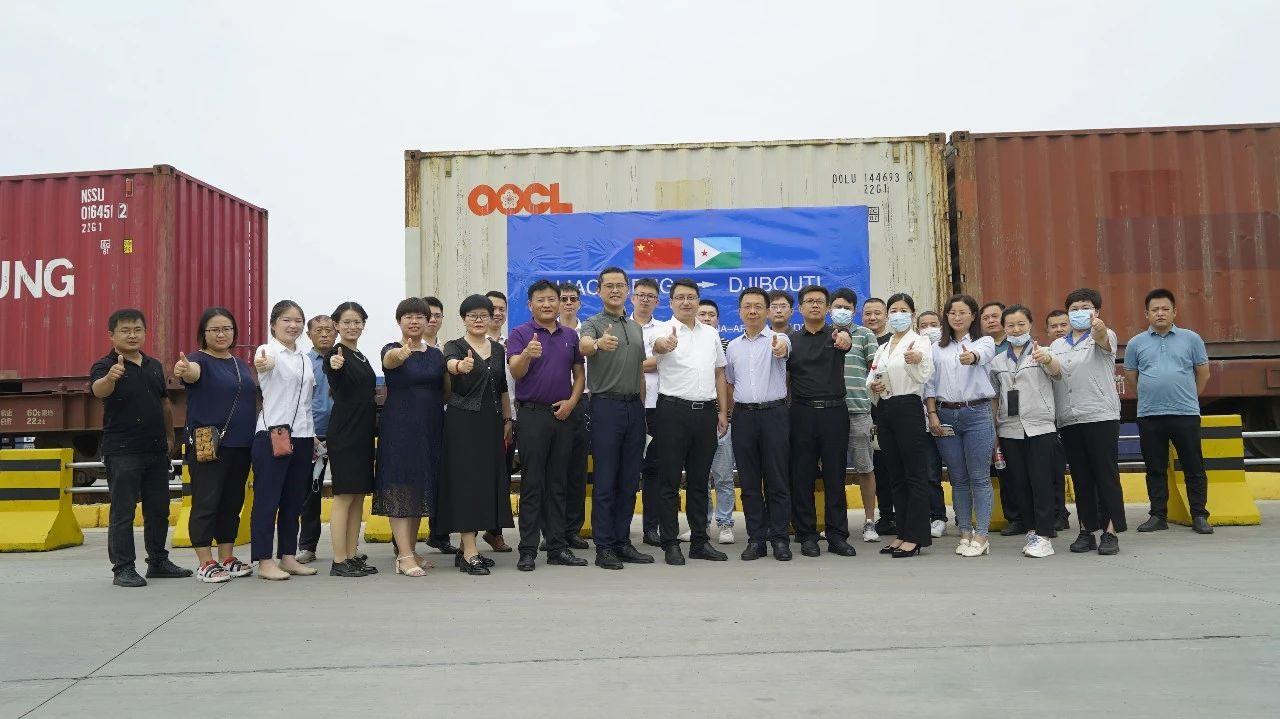
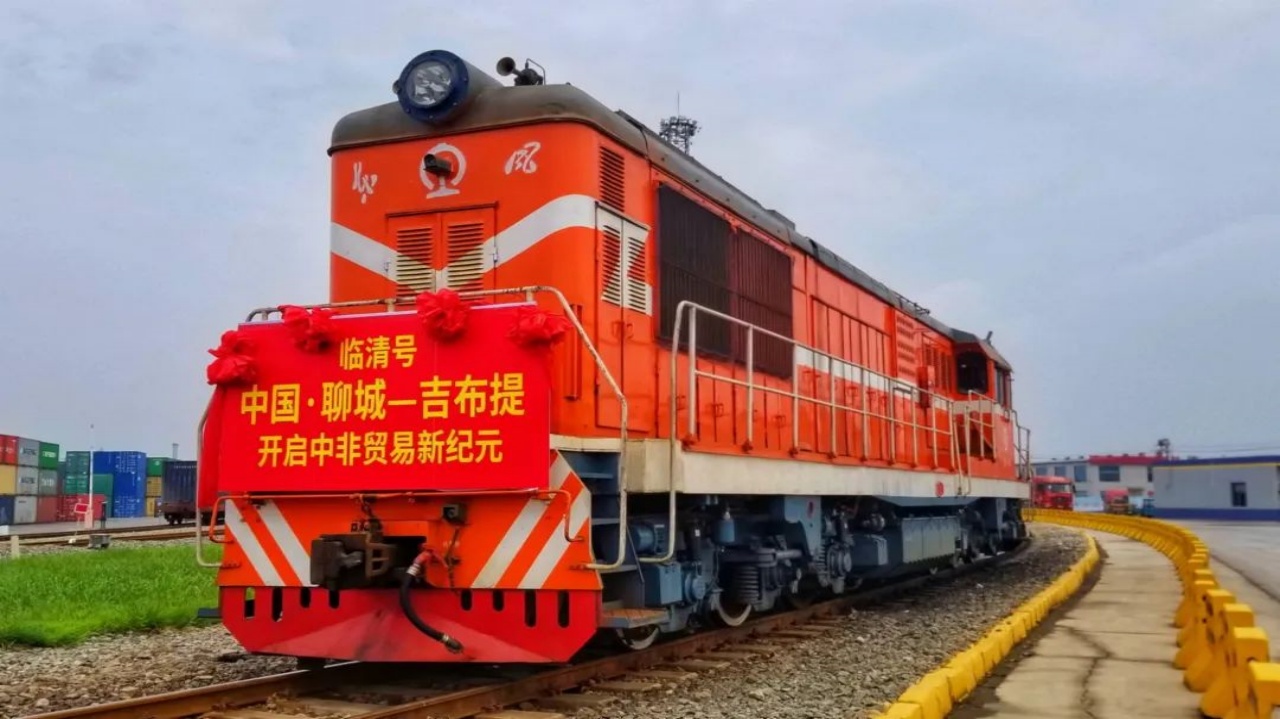
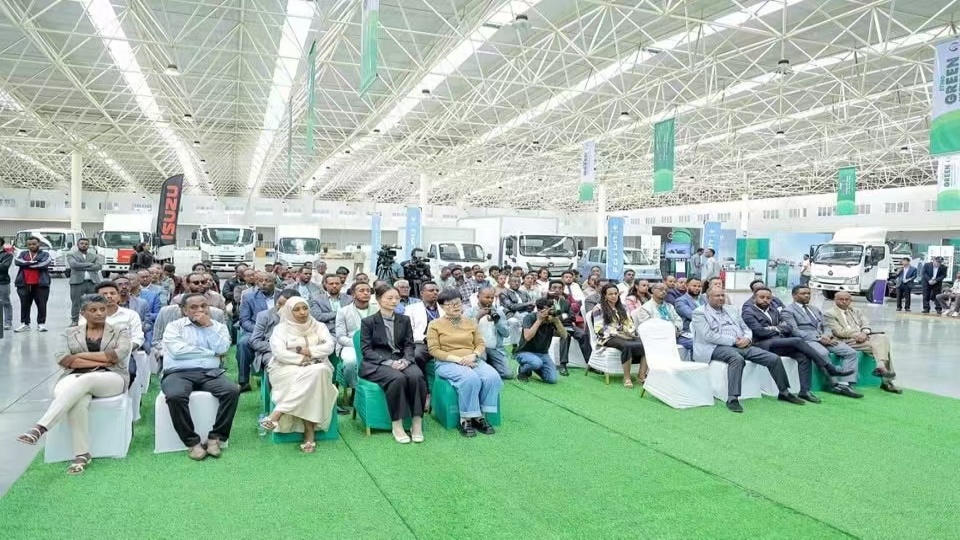
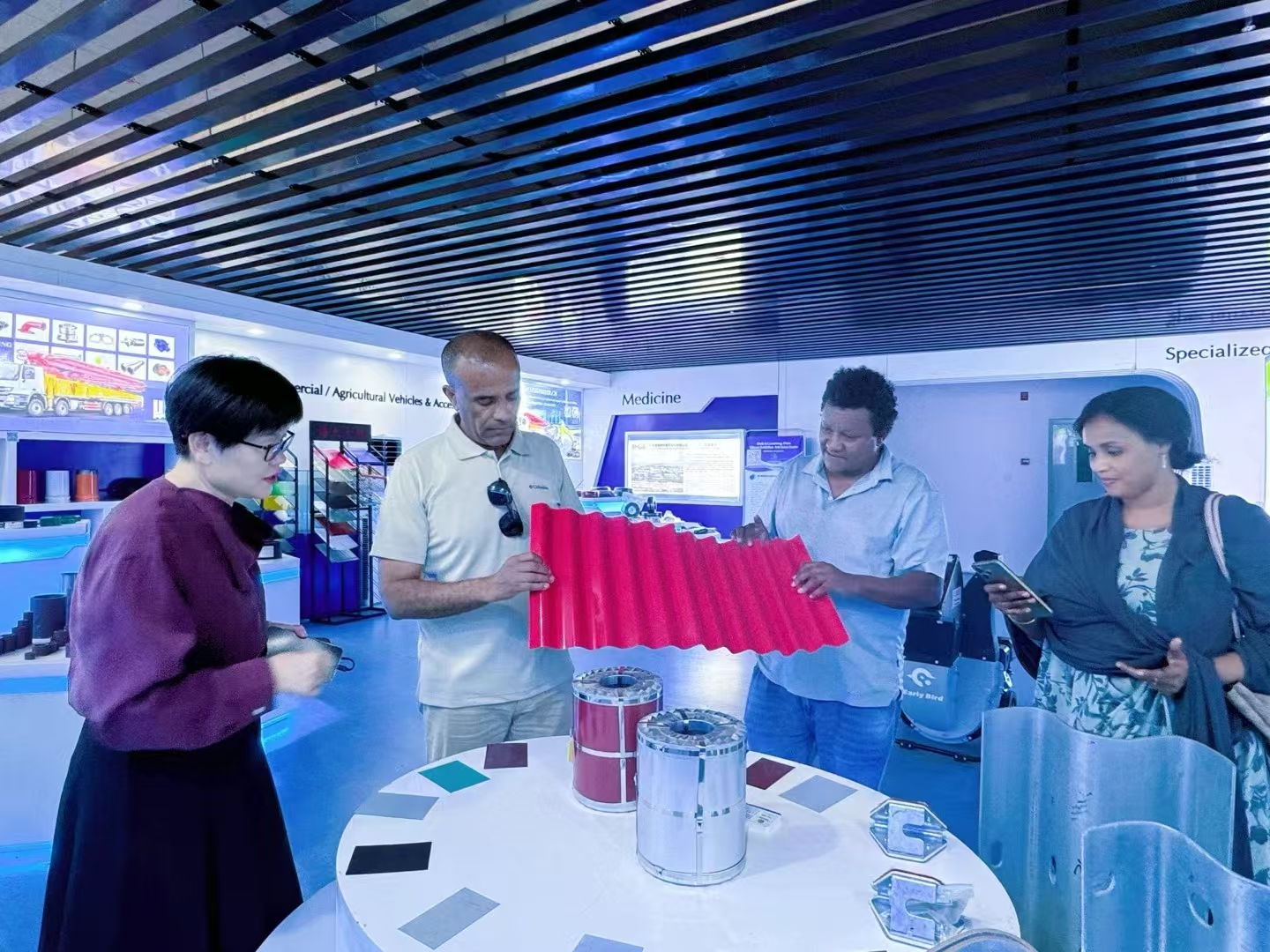
Showcasing our international operations, trade exhibitions, and visits from global clients.
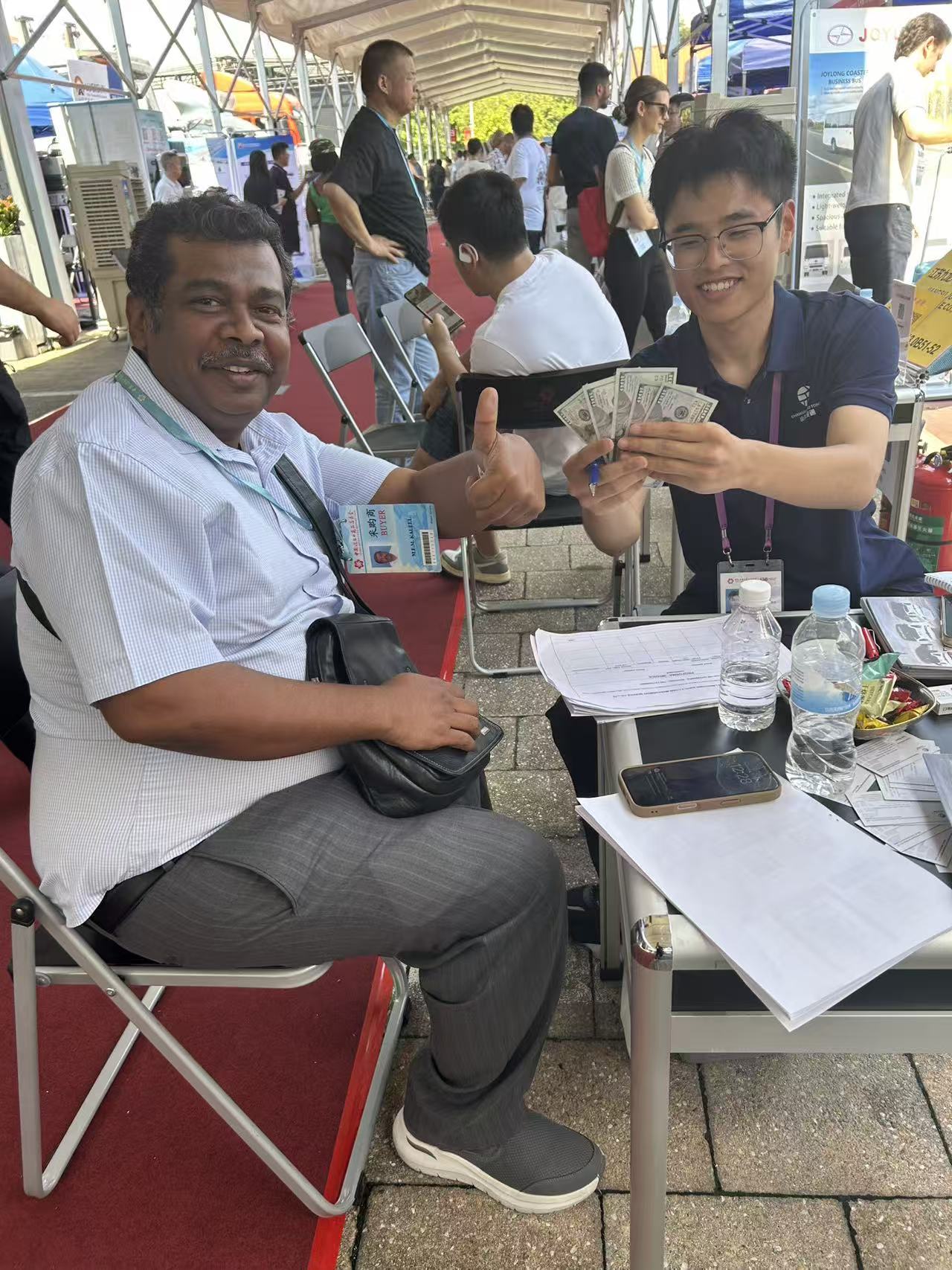
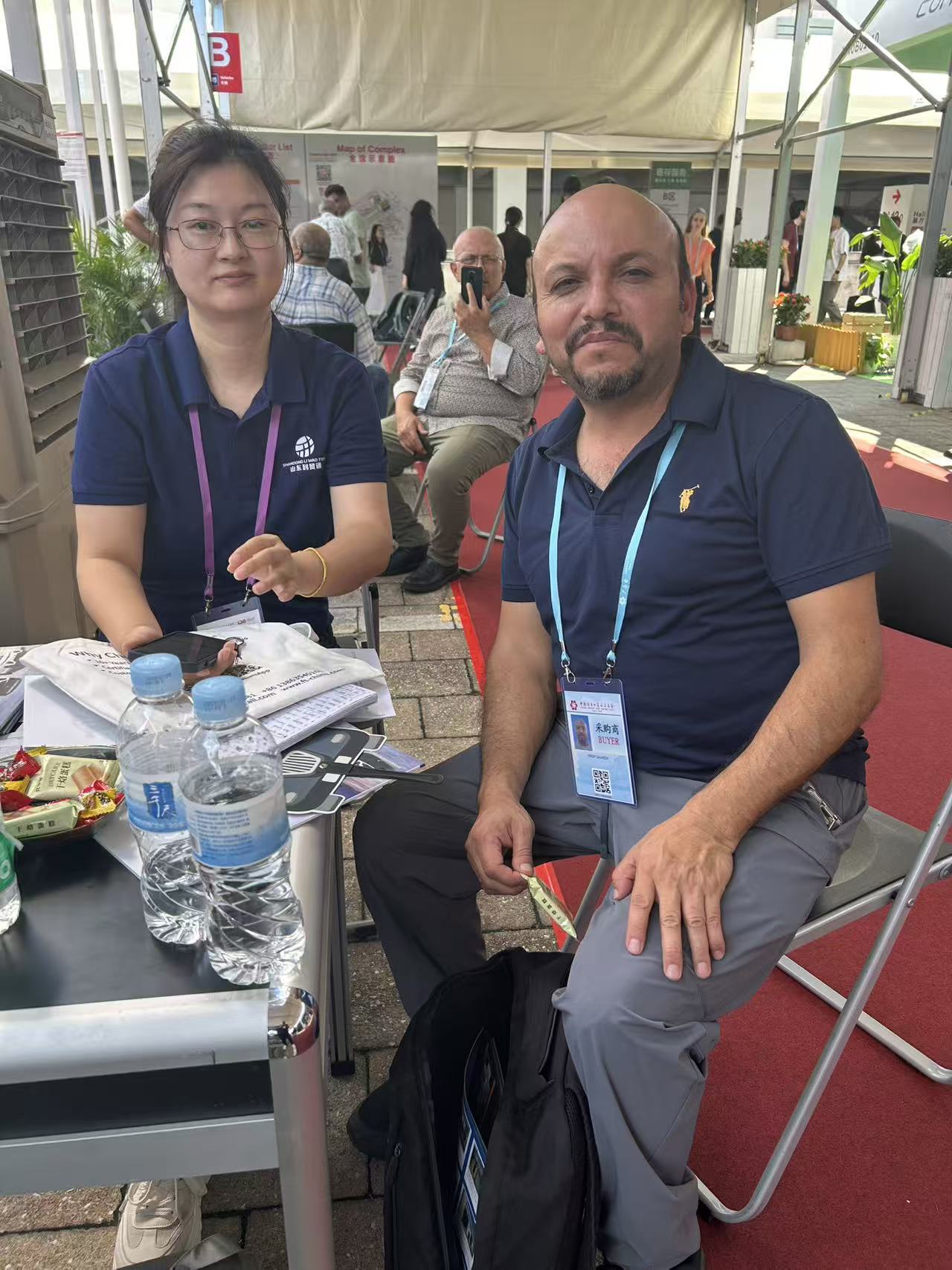
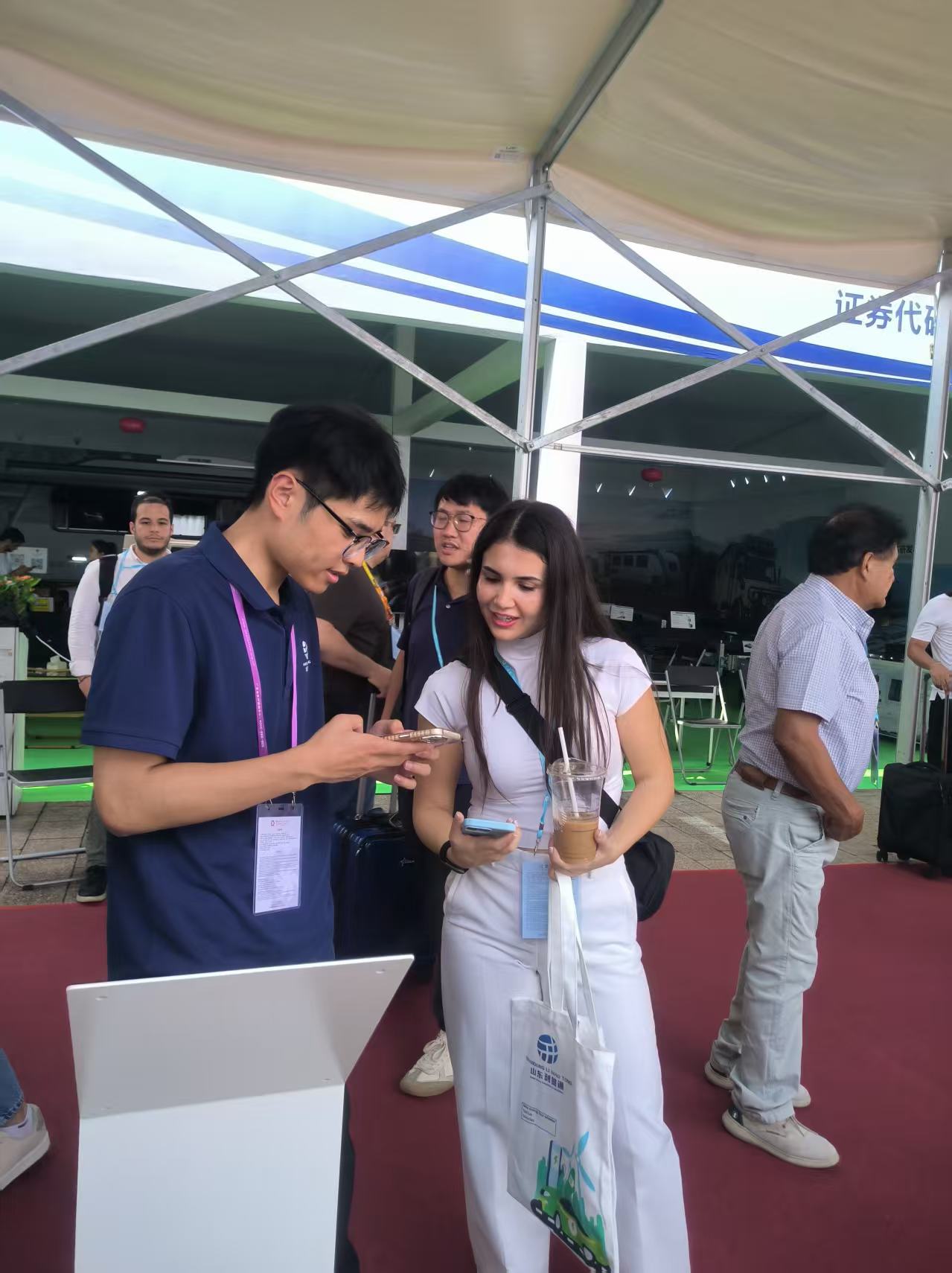
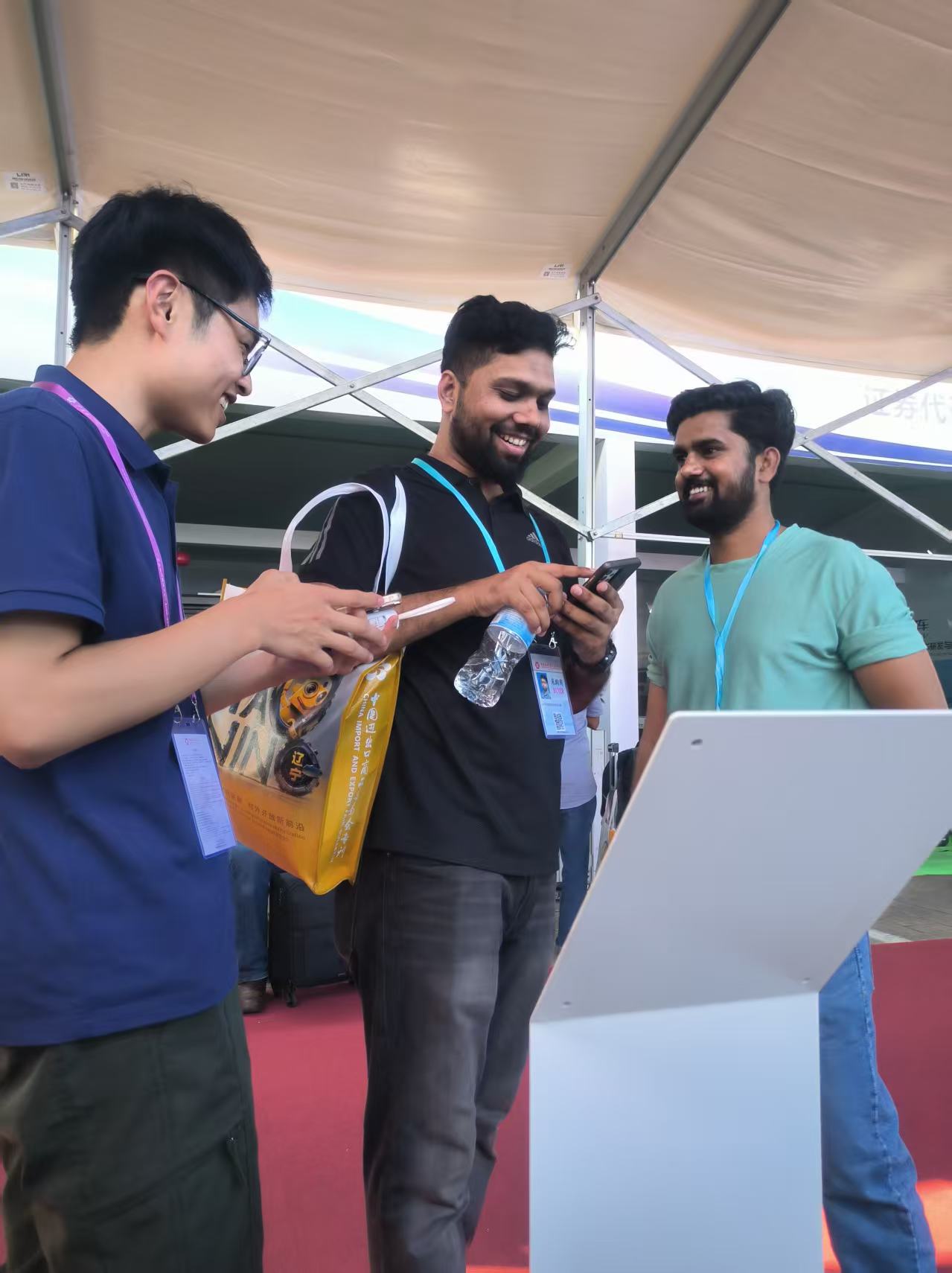
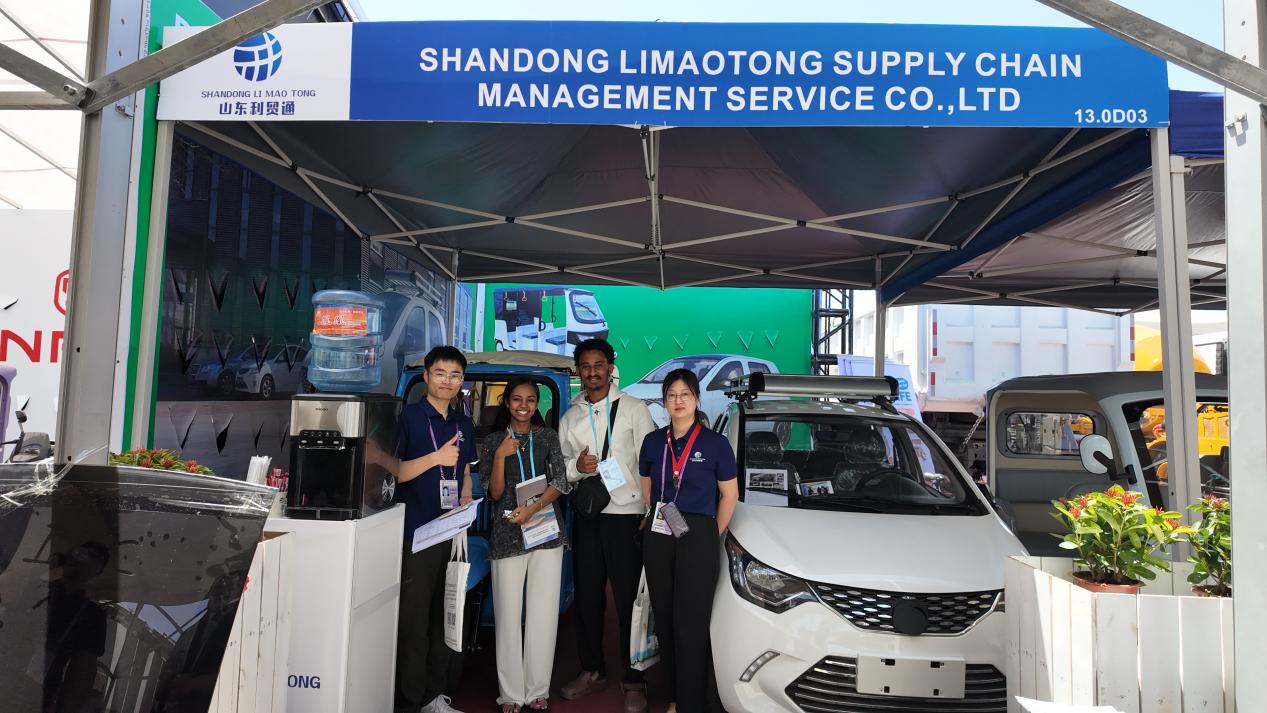
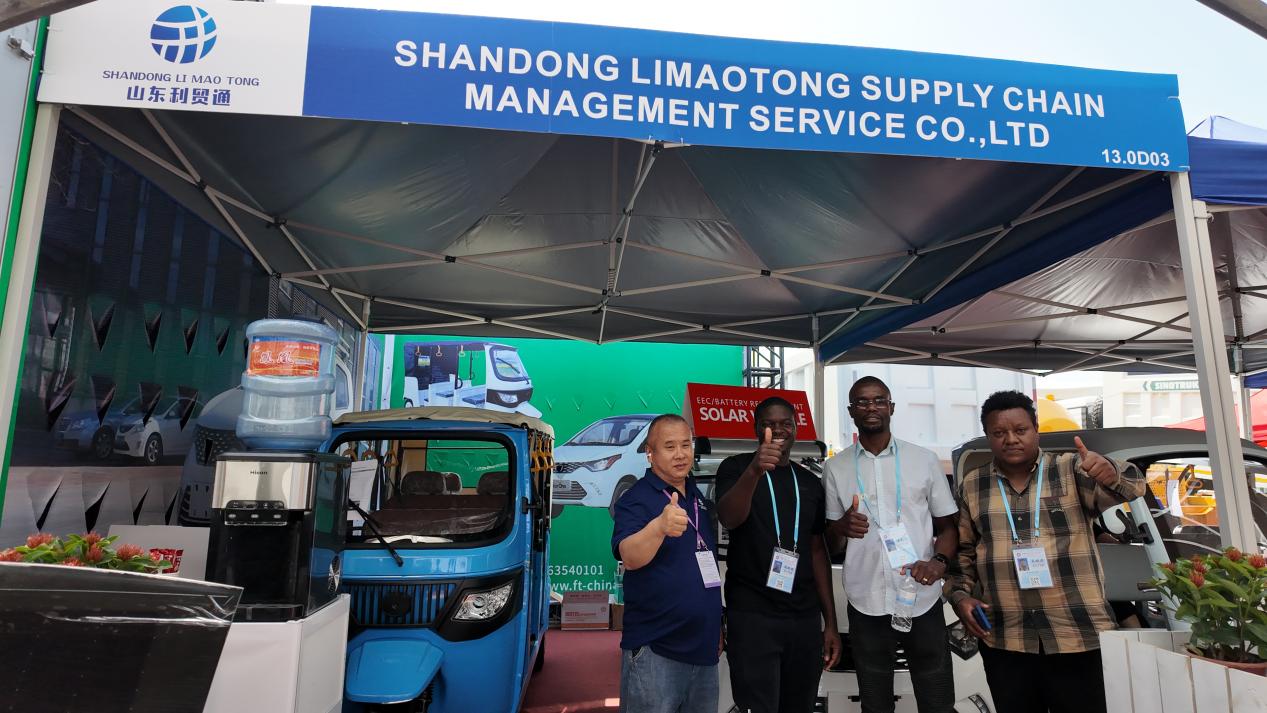
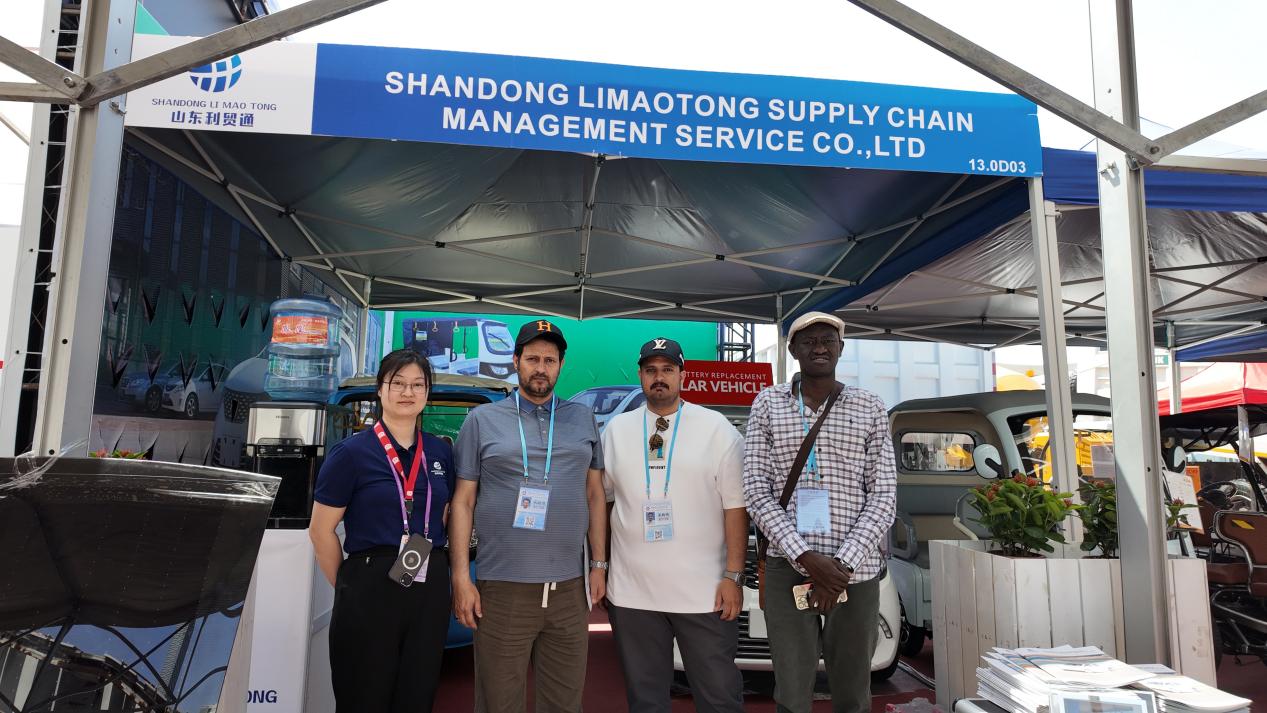
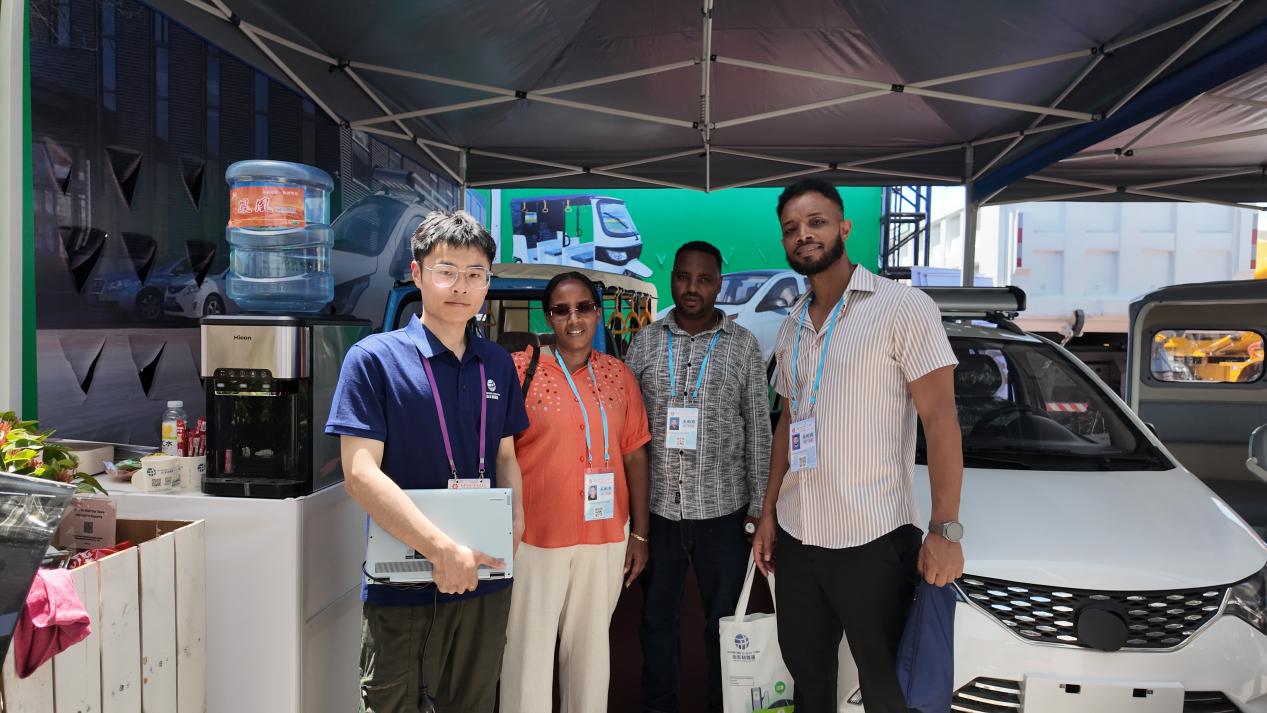
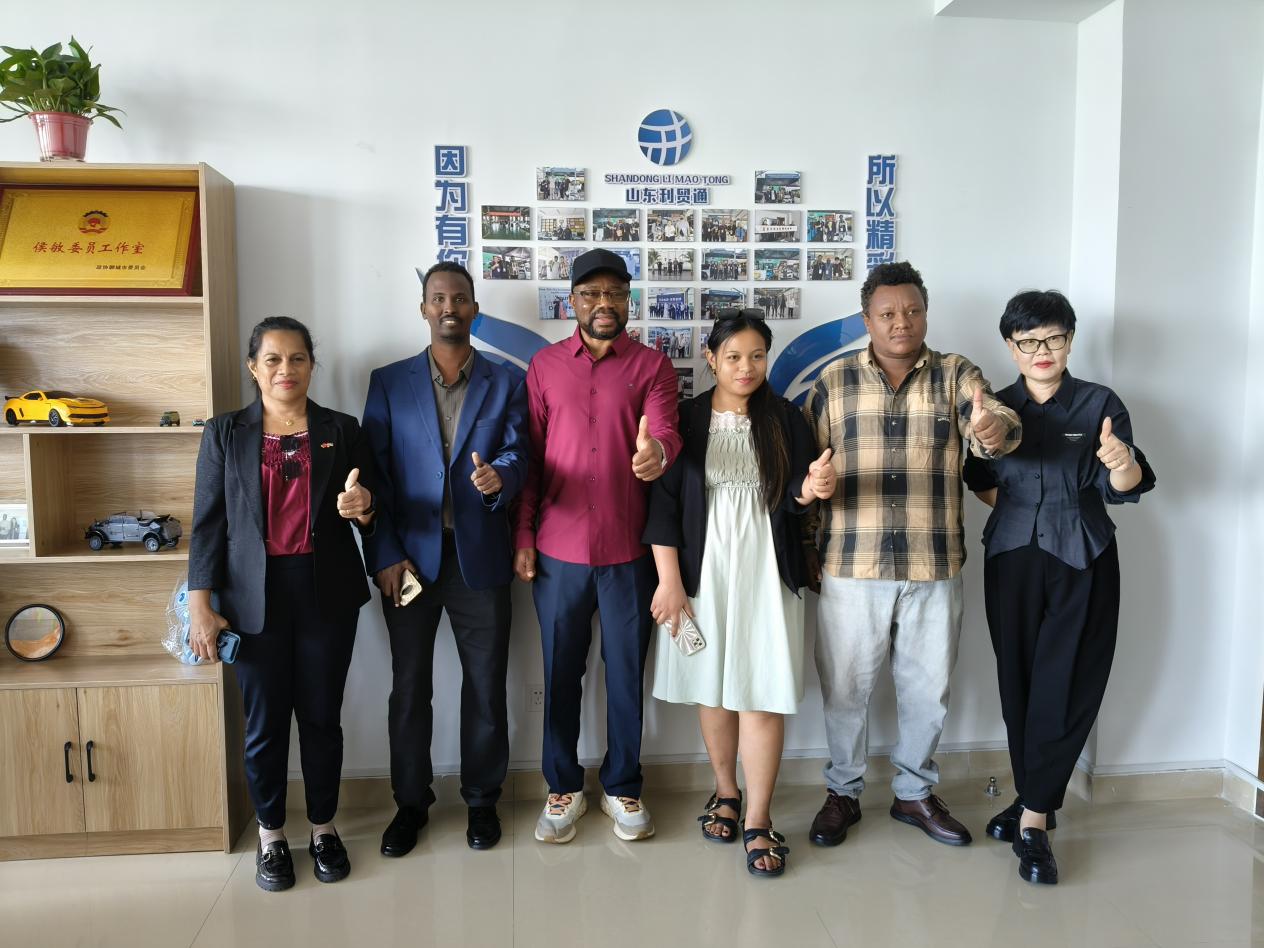
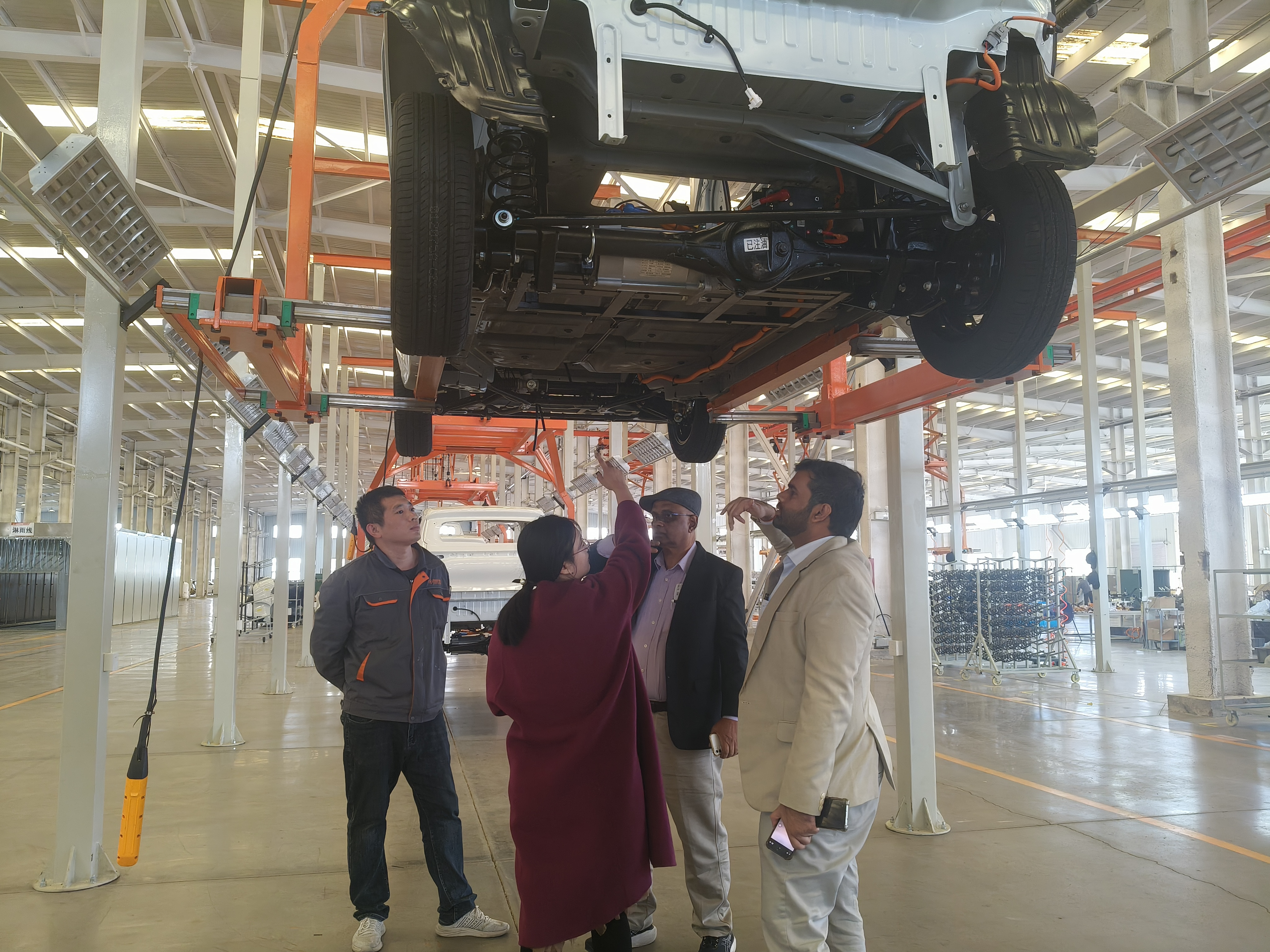
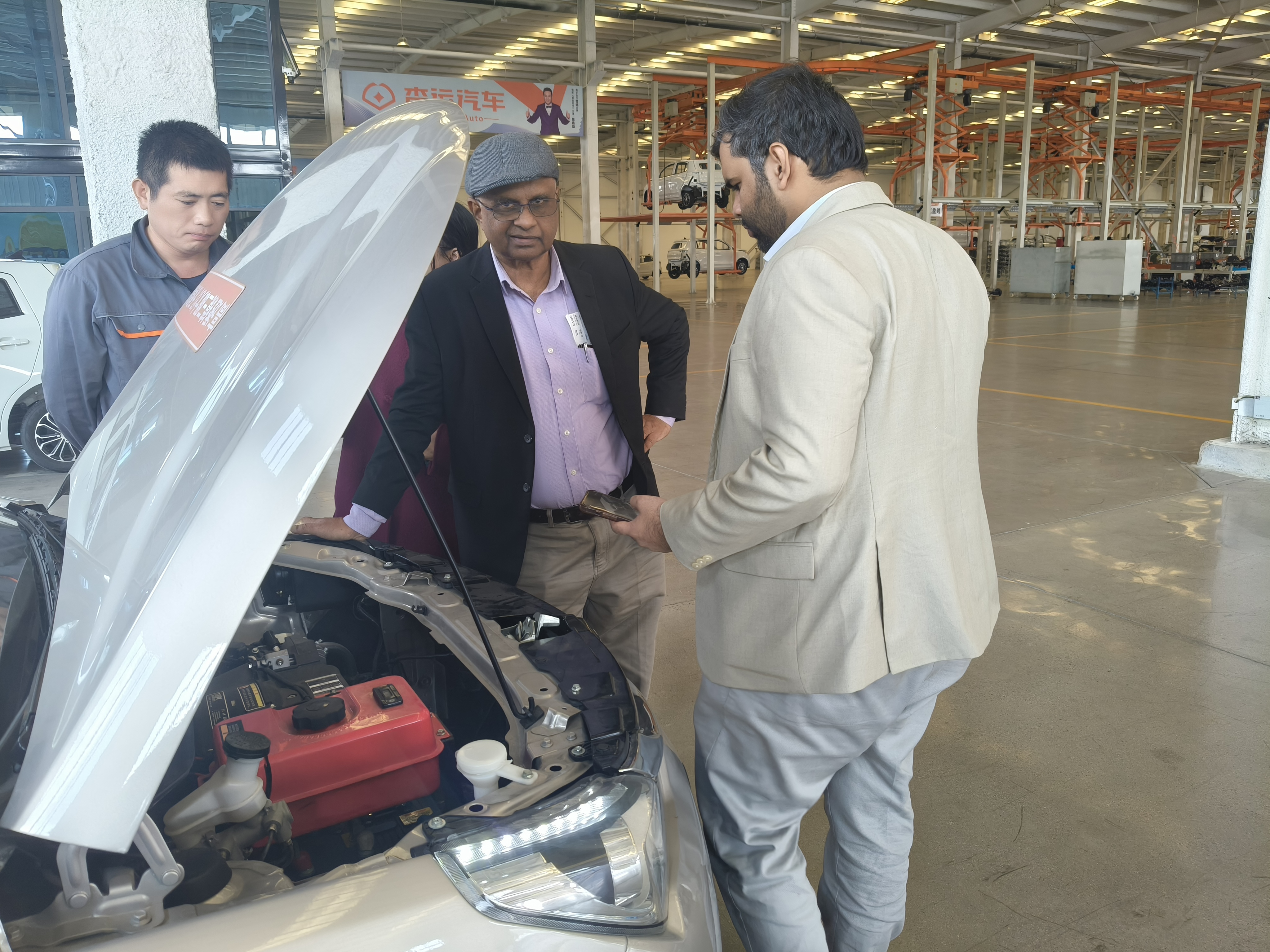
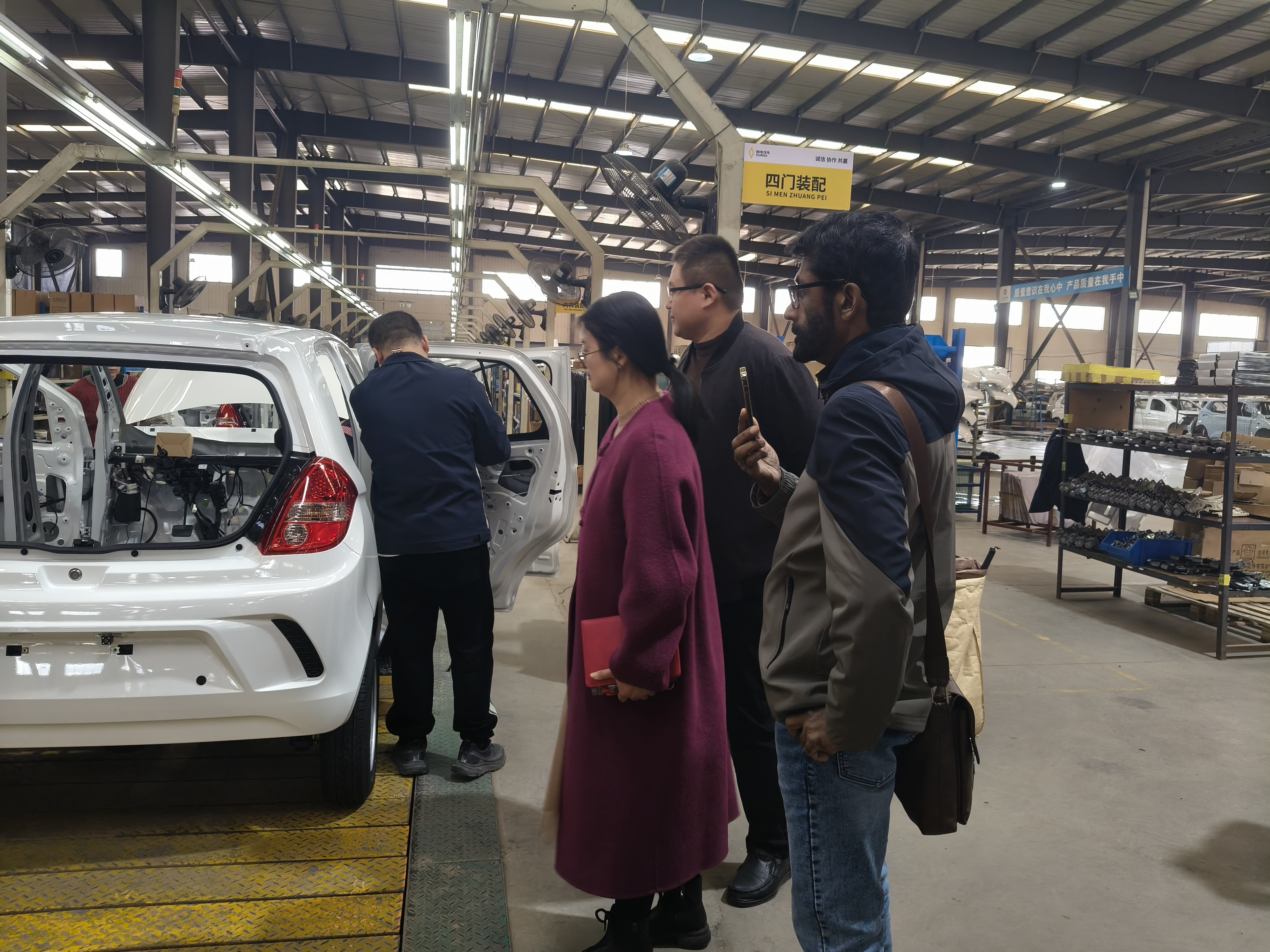
Established in 2023 within the Djibouti International Free Trade Zone, this cross-border e-commerce center serves as our primary logistics hub for East Africa. Managed in partnership with local operations teams, the facility provides regional clients with sales support, customs clearance, and parts distribution.
"By linking online platforms with local warehousing and service teams, we support the expansion of intelligent manufacturing across African markets."
This localized model reduces delivery timelines from several weeks to a few days for high-demand replacement parts. Local technician teams are available on-site to handle system upgrades, maintenance training, and support queries.
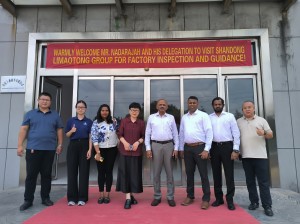
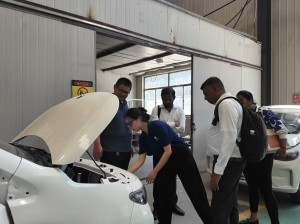

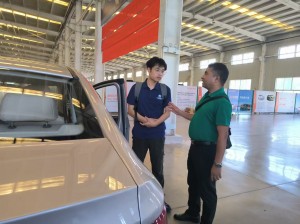
A closer look at our manufacturing process, vehicle assembly lines, and distribution network.
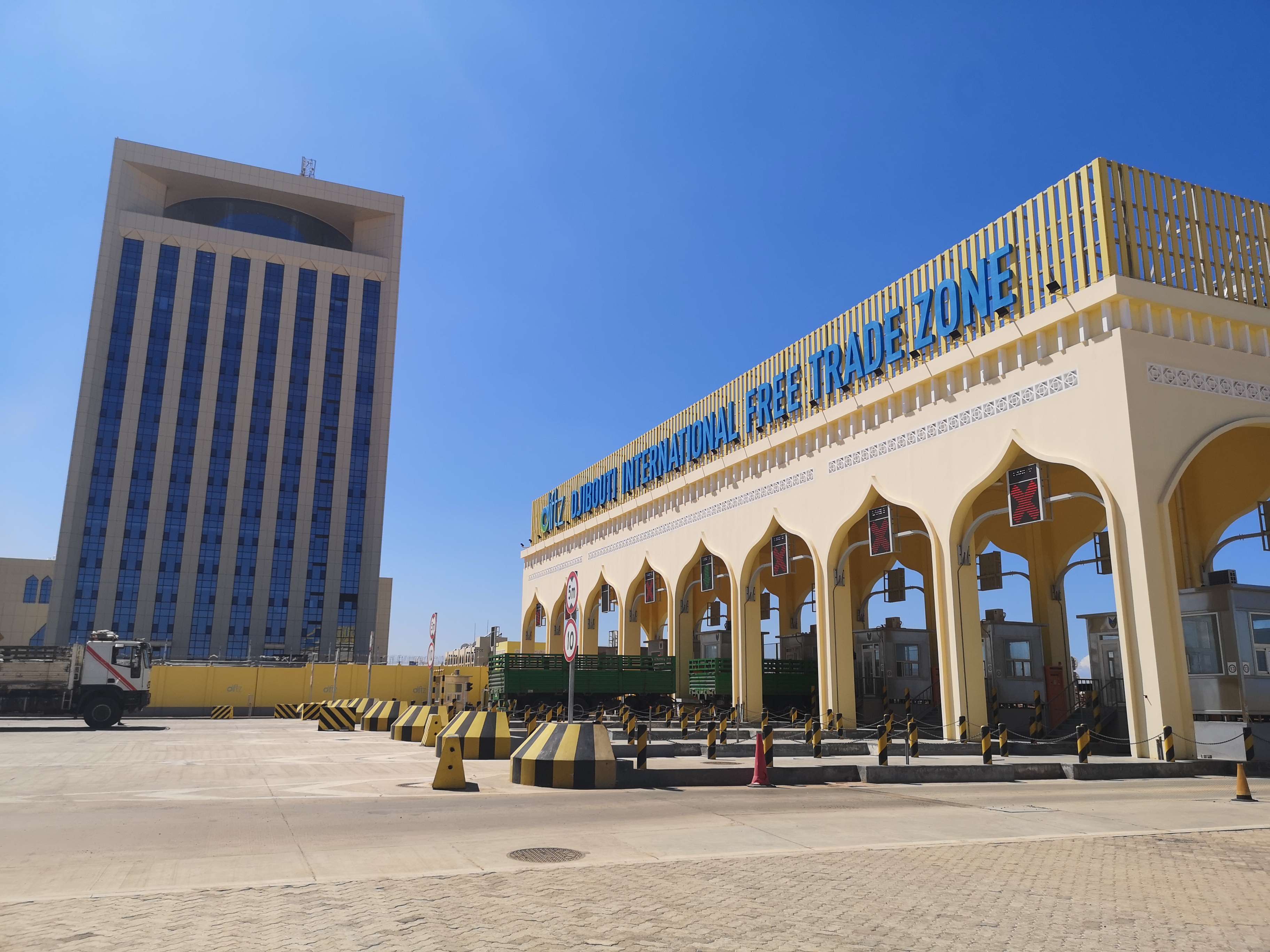
Testing and refining vehicles to ensure performance and reliability in diverse global environments.
Verifying metal strength and structural integrity under stress.
Automated welding lines ensure consistent frame quality.

Comprehensive quality checks before leaving the factory.

Key information regarding vehicle battery systems, compliance standards, and customization capabilities.
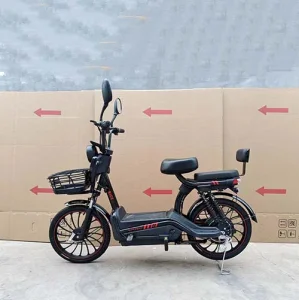
Browse our extended portfolio of electric bikes, multi-passenger micro-cars, and hybrid solar utility platforms.
 Limaotong