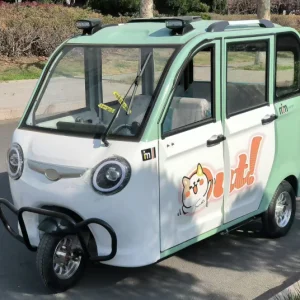
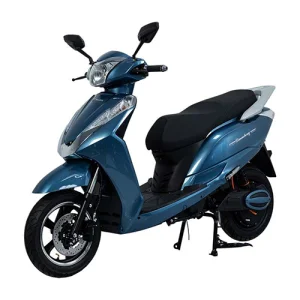
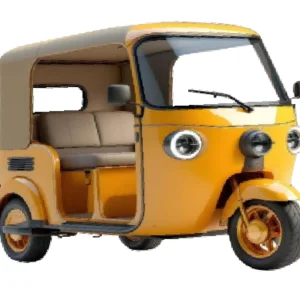
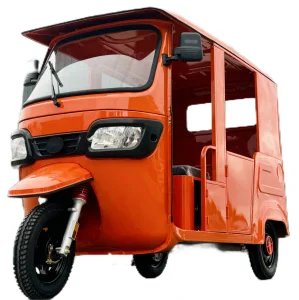
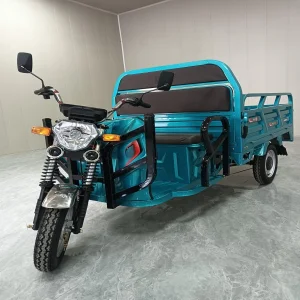
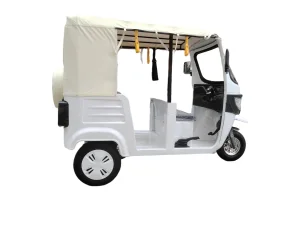
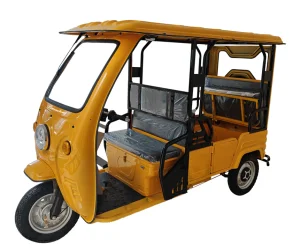
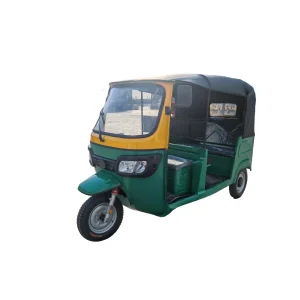
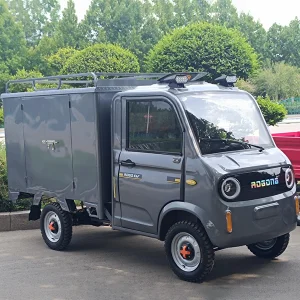
Explore our highly-acclaimed electric vehicles, ranging from three-wheeled passenger tuk-tuks to specialized delivery cargo tricycles, designed to meet rigorous international standards.
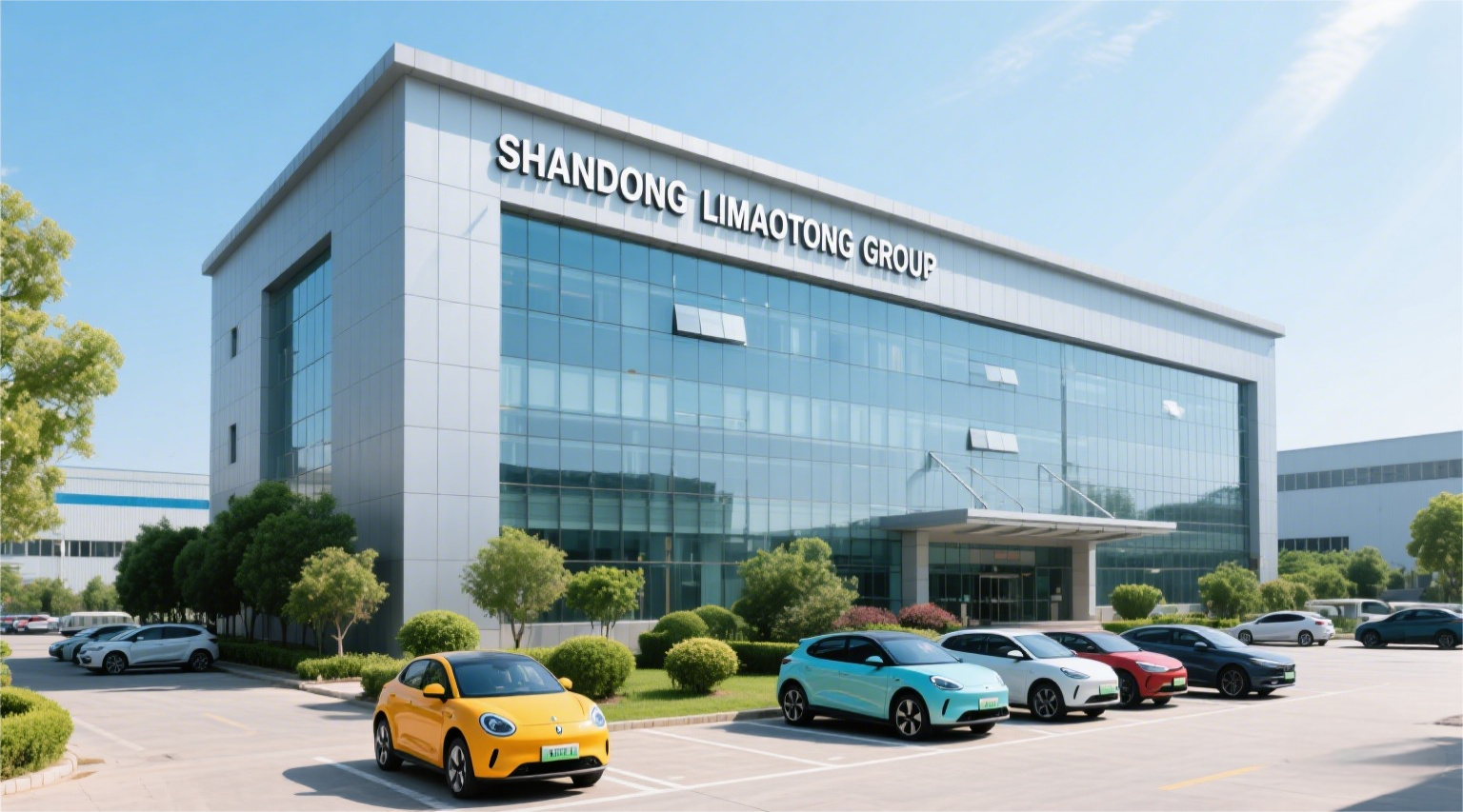
Empowering eco-friendly transport chains worldwide.
SHANDONG LI MAO TONG GROUP is a global powerhouse specializing in the engineering, localized manufacture, and international distribution of high-efficiency motor tricycles, heavy-duty cargo tricycles, and advanced electric passenger vehicles. With an integrated vertical supply chain, our operation bridges the gap between state-of-the-art Chinese R&D and custom regional logistics requirements.
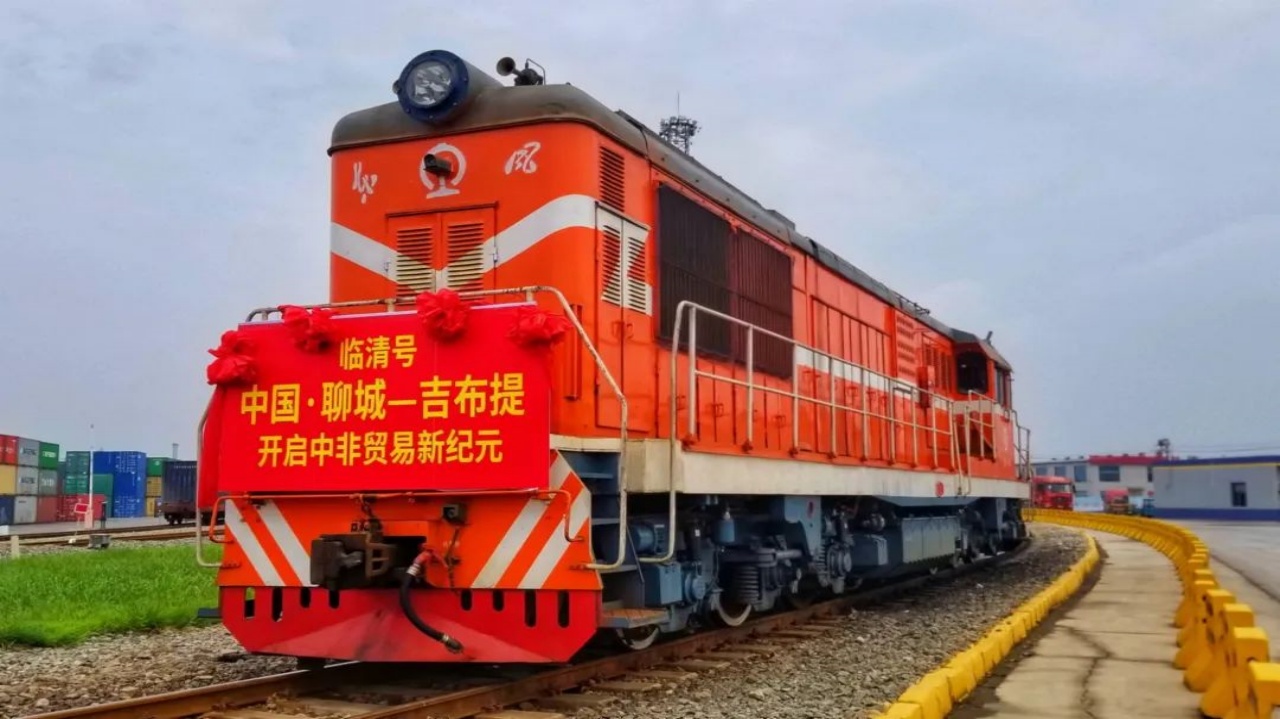
Since our inception, our robust fleet has served over 120 countries and regions, establishing our brand presence in more than 20 million households globally. Backed by 8 overseas production hubs and strategically located cross-border warehouses, such as our East African logistical core in Djibouti, we provide end-to-end support, seamless parts supply, and responsive technical engineering services.
To ensure high operational uptime for commercial fleets, our Djibouti Overseas Warehouse and cross-border distribution hub in the East Africa International Free Trade Zone provides structured spare parts inventory and rapid-response technician teams. This local ecosystem is designed to solve real-world uptime challenges for our global partners.
Uncovering the supply chain efficiencies, technological innovations, and precision engineering that place Shandong Li Mao Tong Group at the forefront of the global EV transition.
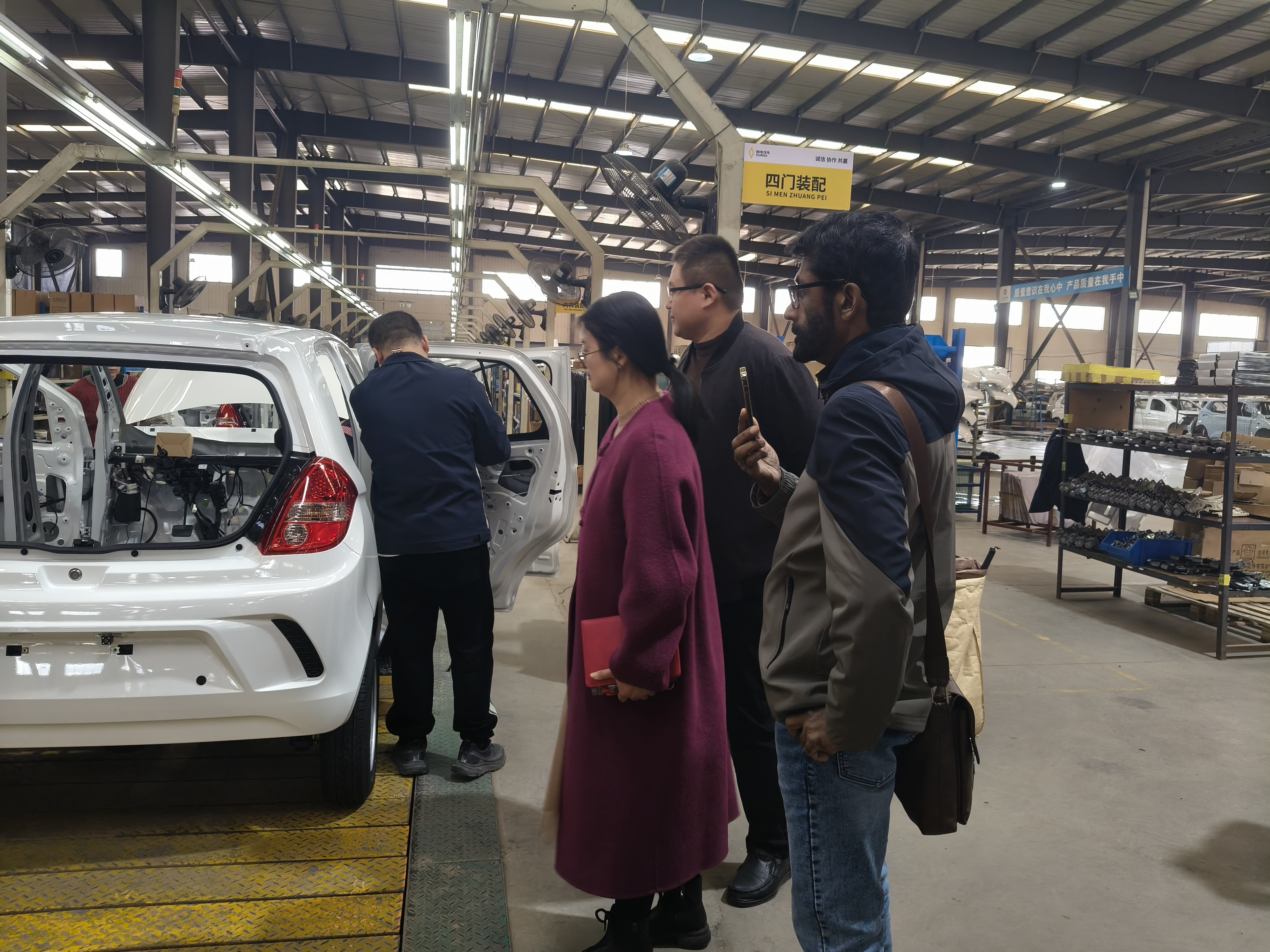
At the center of Shandong Li Mao Tong's manufacturing philosophy is vehicle structural integrity. Unlike regional workshops using manual tube bending and localized welding, our production utilizes massive automated tooling and heavy hydraulic press machines to press integrated stamped steel plates. This ensures millimeter-level accuracy and uniform stress distribution across the chassis of our electric passenger and cargo tricycles. High-density robotic arm welding ensures clean, deep penetration joints that avoid weld fatigue under dynamic road vibrations. This advanced frame fabrication method forms the robust safety capsule for both taxi passengers and heavy cargo transport.
Electric tuk-tuks operate under challenging environmental conditions—ranging from high salinity coastal zones in Southeast Asia to dusty, high-temperature regions in Sub-Saharan Africa. To prevent chassis rust, which destroys vehicle life, our factories employ multi-stage chemical pretreatment followed by Cathodic Electrophoretic Deposition (EPD). During EPD, the entire steel frame is fully submerged in an electro-deposition tank, applying a uniform rust-resistant primer layer to the inner and outer surfaces of the frame. This industrial coating is then oven-cured at precise temperatures to form a durable protective shield that increases the vehicle's lifespan up to three times compared to traditional spray painting.
Our passenger and cargo electric tuk-tuks undergo dynamic environmental stress tests, including a level-7 simulated rainstorm enclosure and structural vibration bed testing. We ensure electrical insulation and drive systems are certified with high waterproof standards (IP67 for motors and battery packs) before global shipment.
The performance of an electric auto-rickshaw depends heavily on its electric motor and battery chemistry. Our vehicles are equipped with high-efficiency Brushless DC (BLDC) and Permanent Magnet Synchronous Motors (PMSM), matched with integrated rear-axle differential gearboxes. This combination maximizes power conversion efficiency, allowing our electric passenger tricycles to conquer steep inclines (up to 25% gradeability) without overheating. We offer both stable Lead-Acid and long-lasting Lithium Iron Phosphate (LFP) battery systems, managed by our proprietary Smart Battery Management System (BMS). The BMS closely monitors thermal thresholds, cell balancing, and overcharge protection, ensuring safe operation in high-temperature environments.
Witness the intelligent factory operations of Li Mao Tong Group. Our digital quality-control framework monitors every production phase, from incoming raw material inspection to final dyno-testing. This video offers an exclusive look into our automation processes, vehicle stress testing, and the global delivery setup that enables our vehicles to succeed in the most challenging terrains globally.
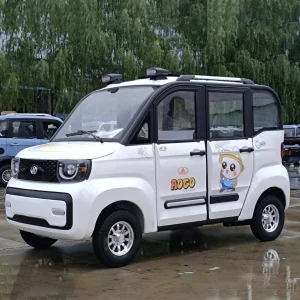
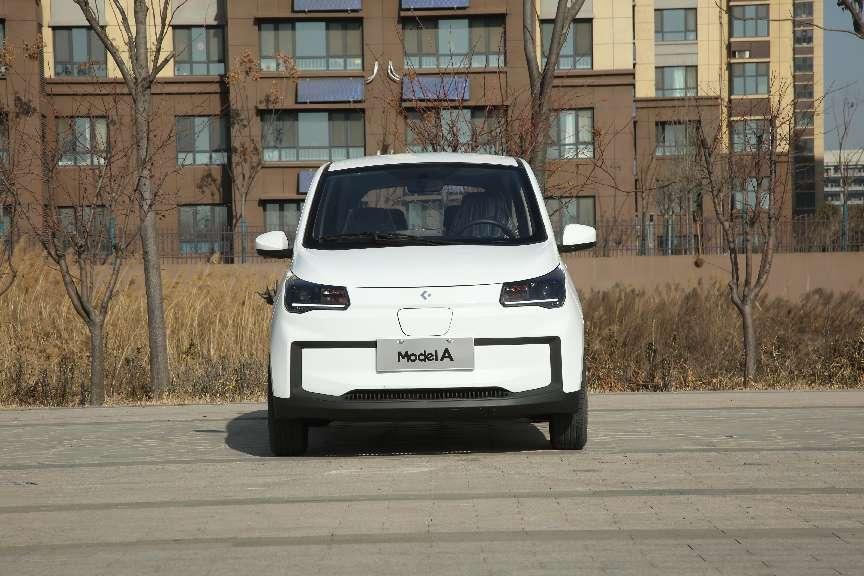
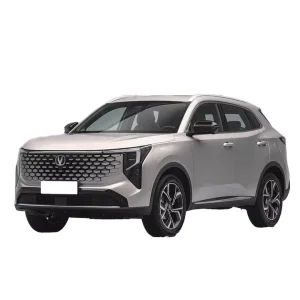
Learn More About Our Factory Process →In addition to our proprietary electric passenger three-wheelers, Shandong Li Mao Tong Group collaborates with major Chinese automotive brands to offer diverse new energy solutions globally.
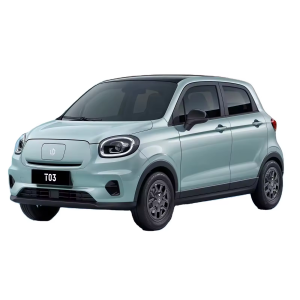
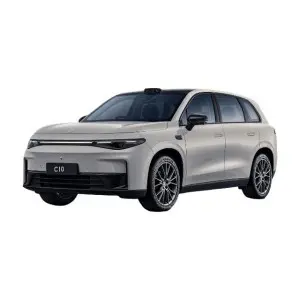
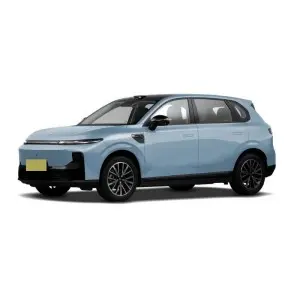
Unlocking tariff advantages, optimized shipping configurations, and cross-border logistical integration for international distributors and governmental fleet buyers.
For high-volume fleet purchasing, shipping fully assembled vehicles (CBU) often incurs high ocean freight rates and high import duties. Shandong Li Mao Tong Group offers customizable CKD (Completely Knocked Down) and SKD (Semi-Knocked Down) shipping solutions.
By shipping vehicles in modular component packs—where structural chassis, electric drivetrains, and body panels are packed in space-saving steel crates—clients can maximize shipping container space, reducing per-unit ocean transport costs by up to 50%. Additionally, importing CKD kits allows local assemblers to qualify for lower tariff categories, supporting local employment and industrialization.
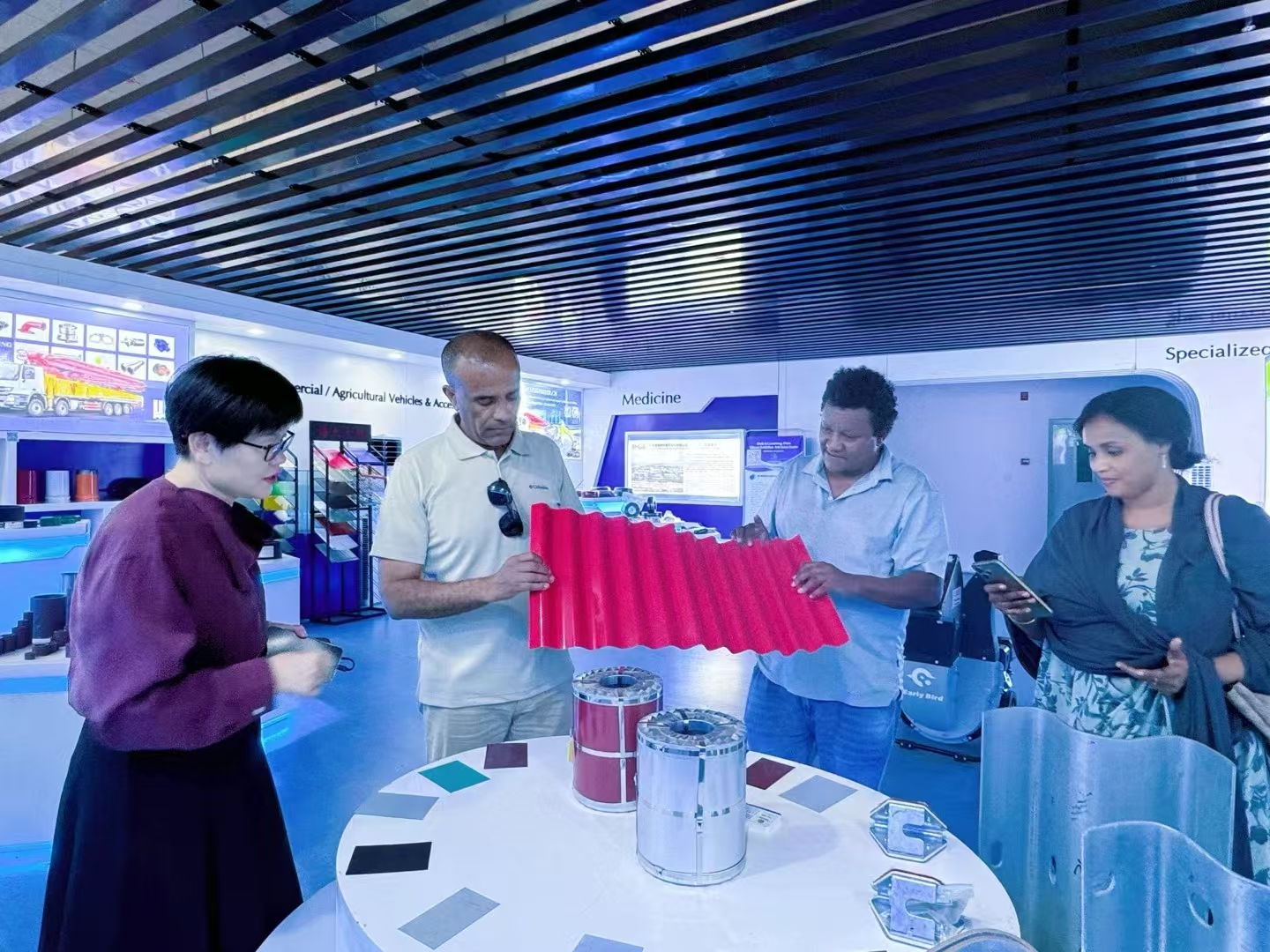
Established in 2023, the Djibouti Cross-border E-commerce Exhibition and Sales Center, located within the East Africa International Free Trade Zone, serves as our primary hub for regional distribution. This platform integrates online transactions with local physical warehouse inventory.
Through this facility, our B2B customers access a comprehensive, one-stop service platform covering custom clearances, import documentation, and localized final-mile logistics. By keeping structural components and wear-and-tear parts locally stored, we reduce delivery times to regional markets from 45 days down to less than 7 days.
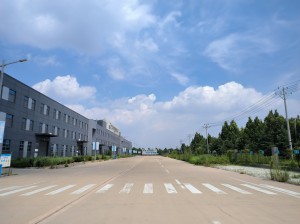
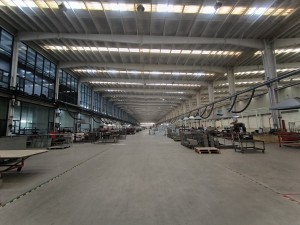
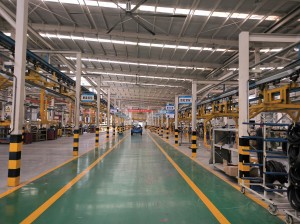
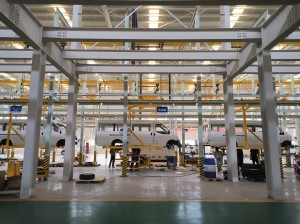
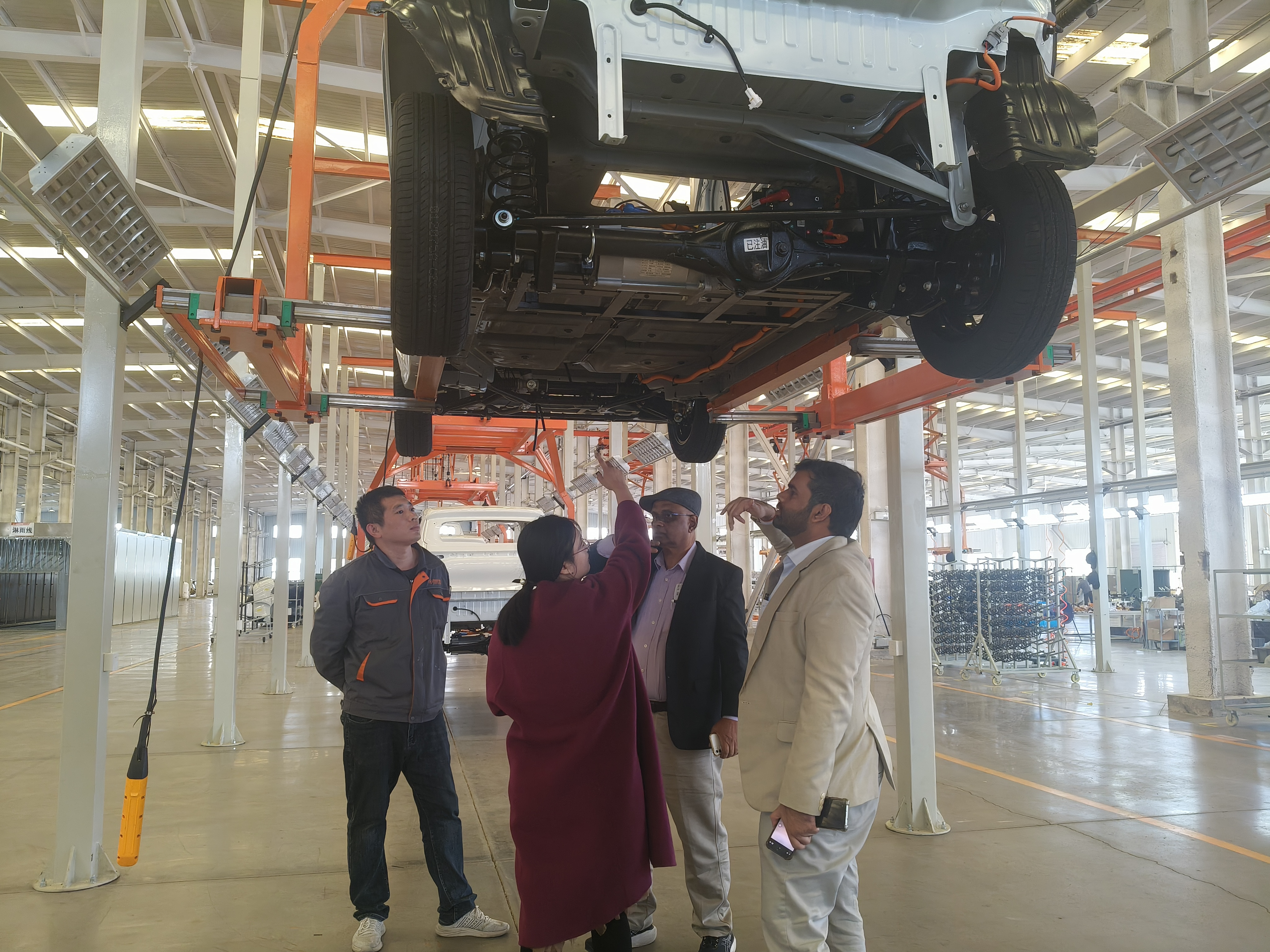
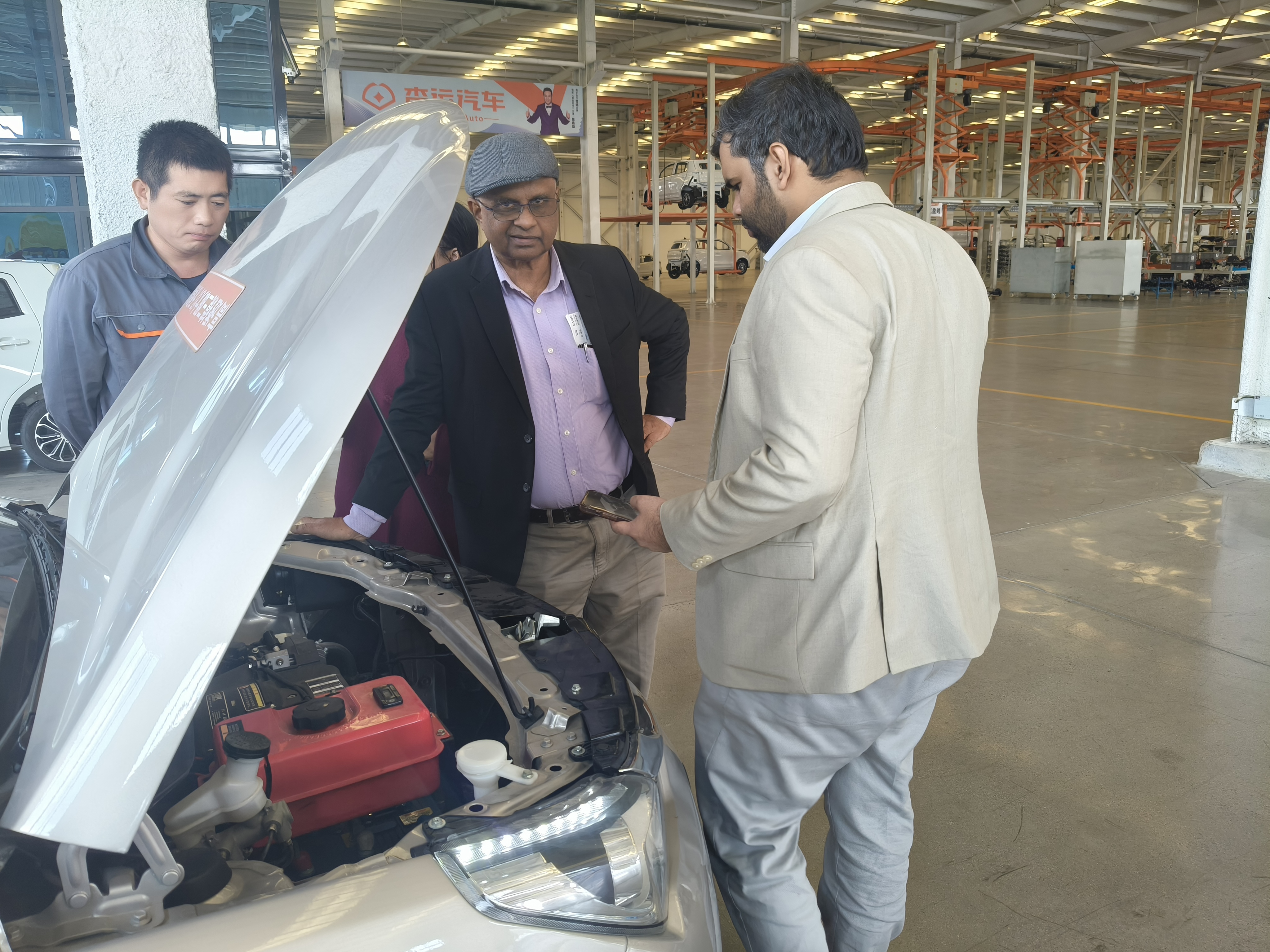
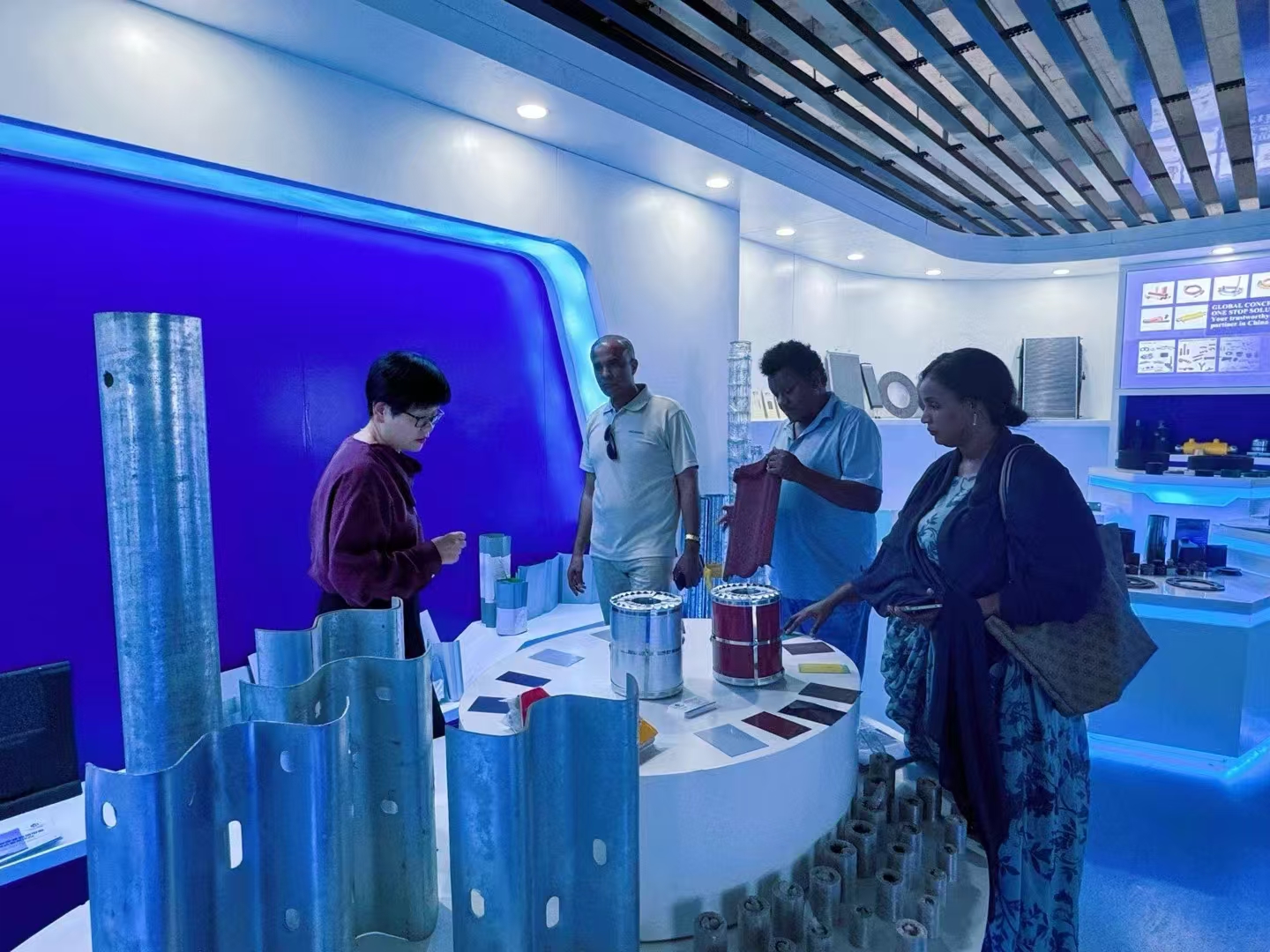
A look inside our modern manufacturing facility, showing automated stamping sections, assembly bays, and international product displays.
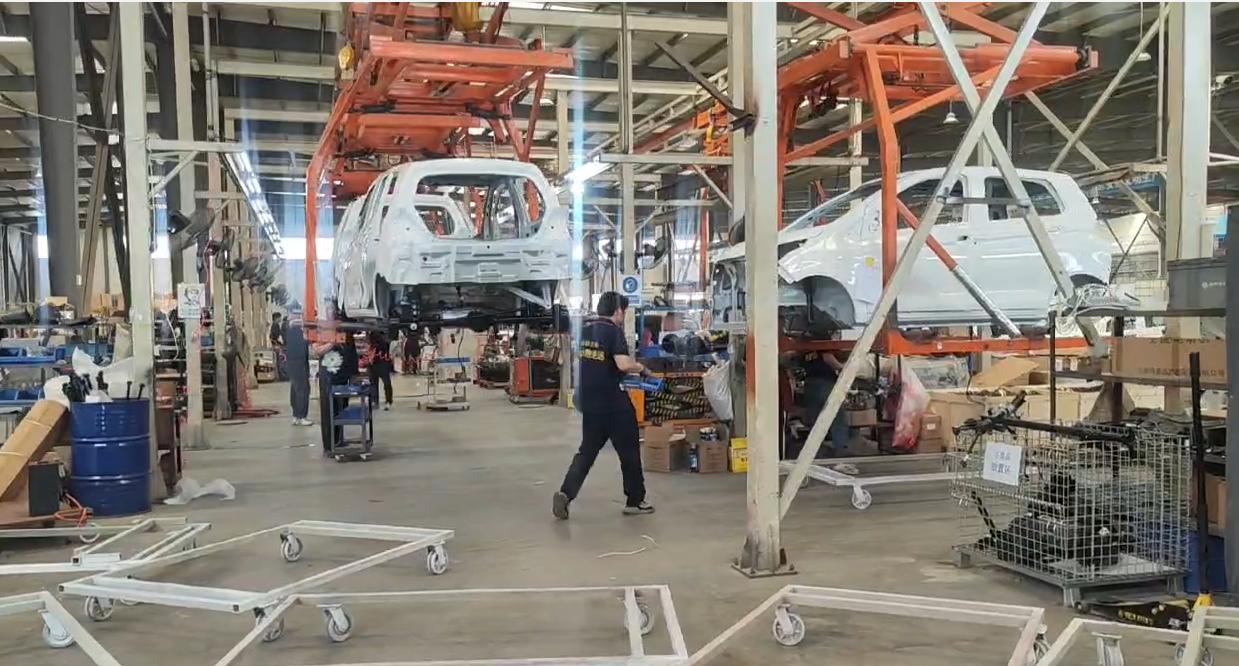
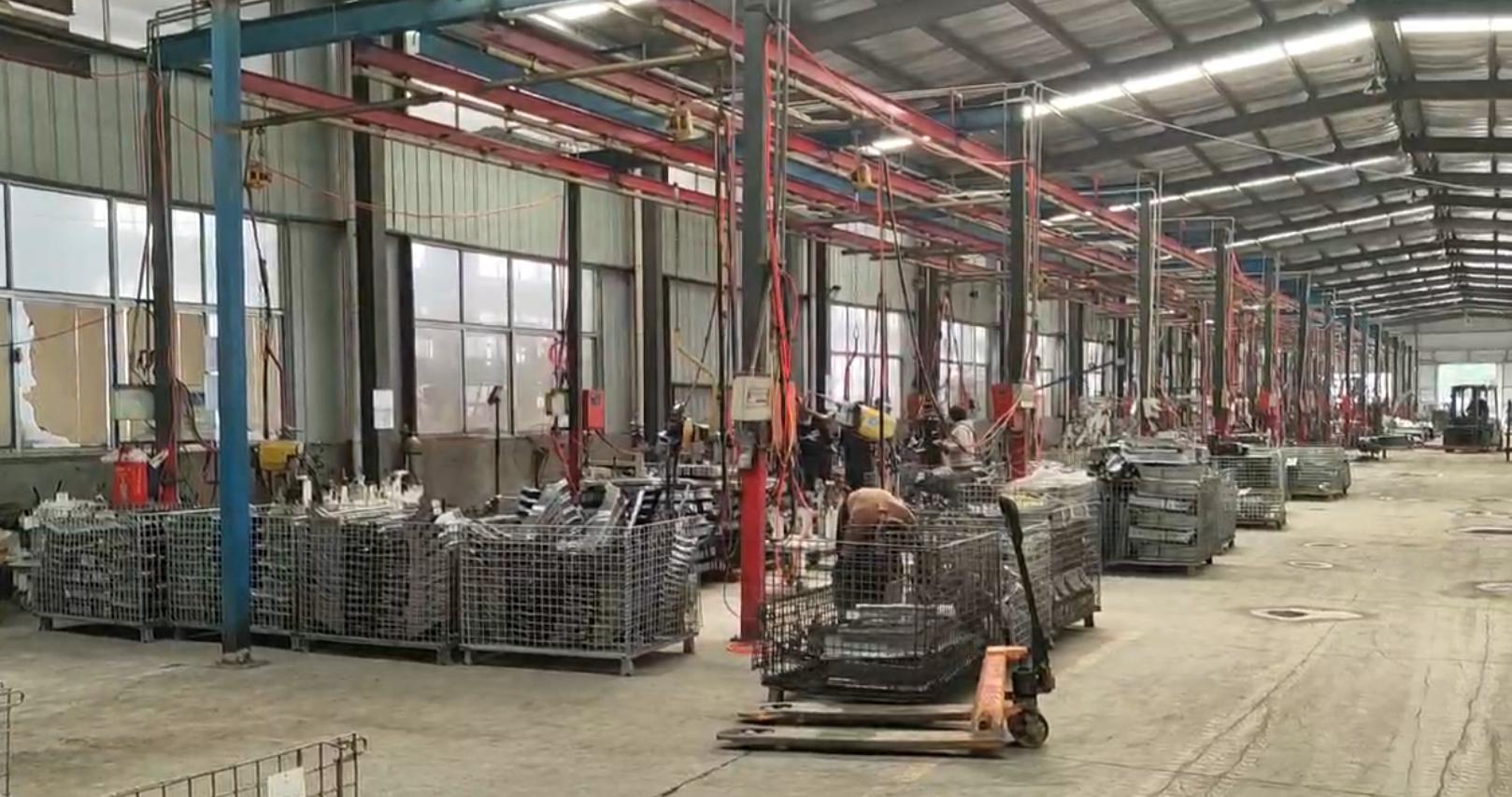
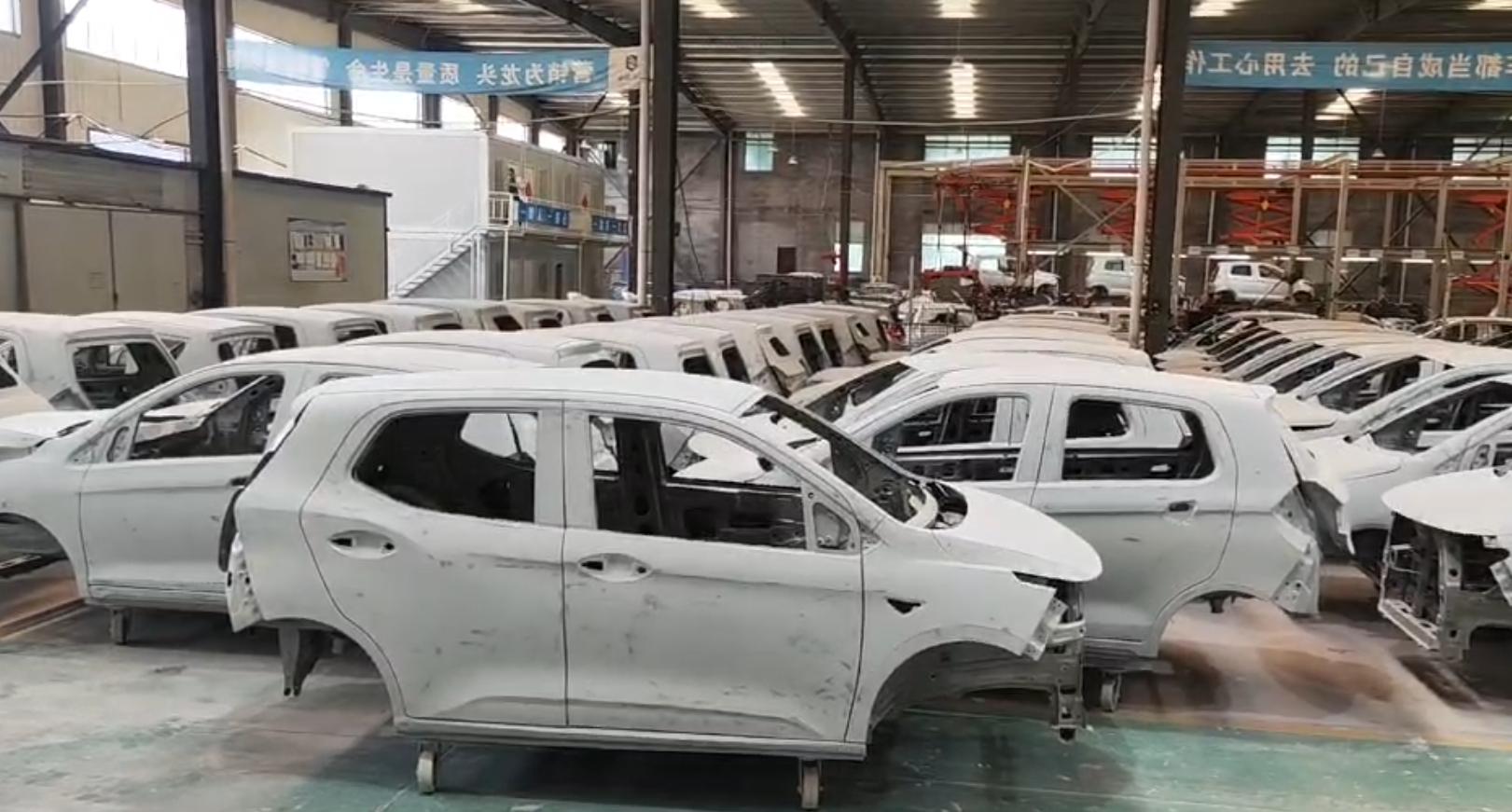
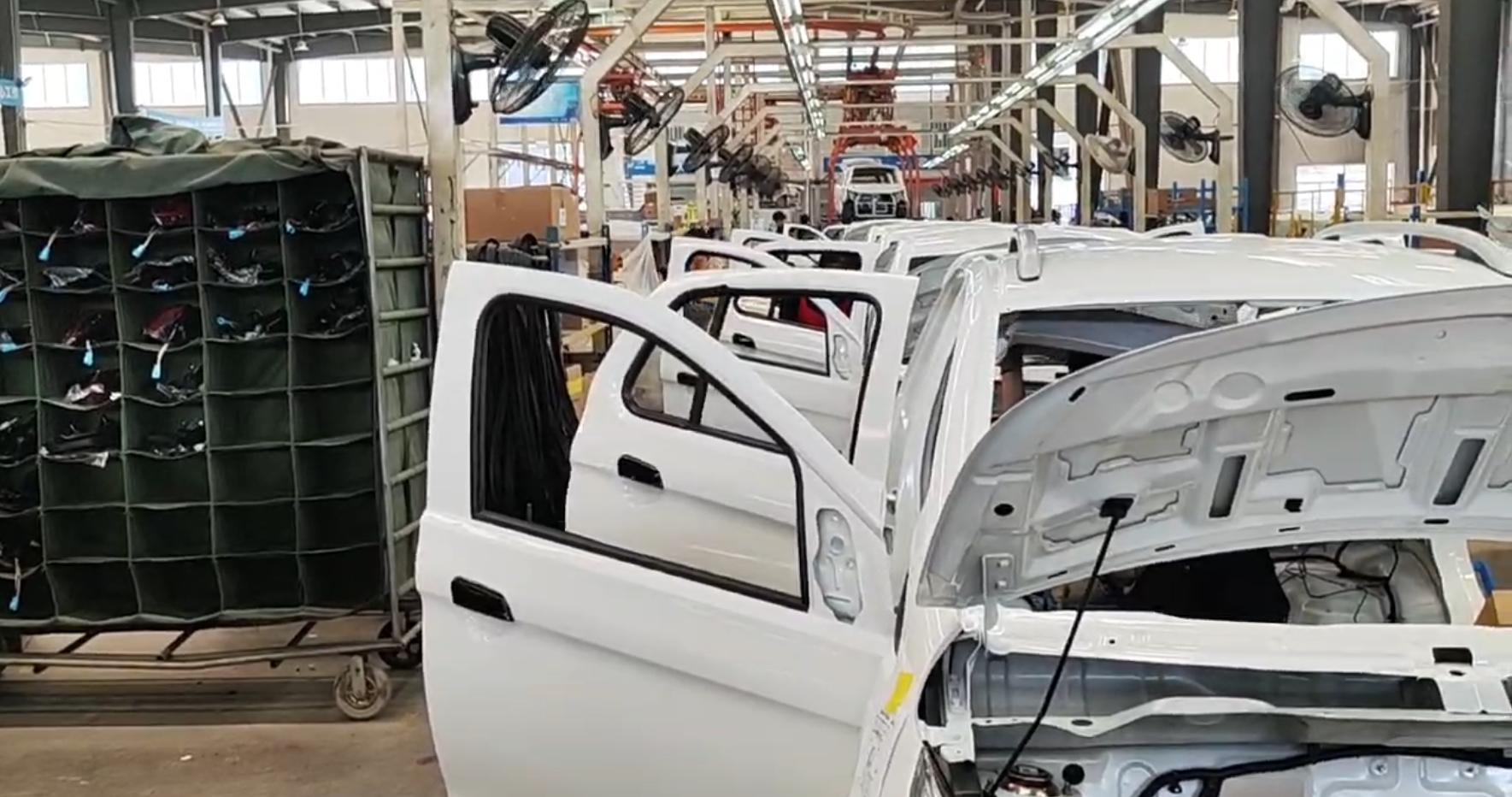
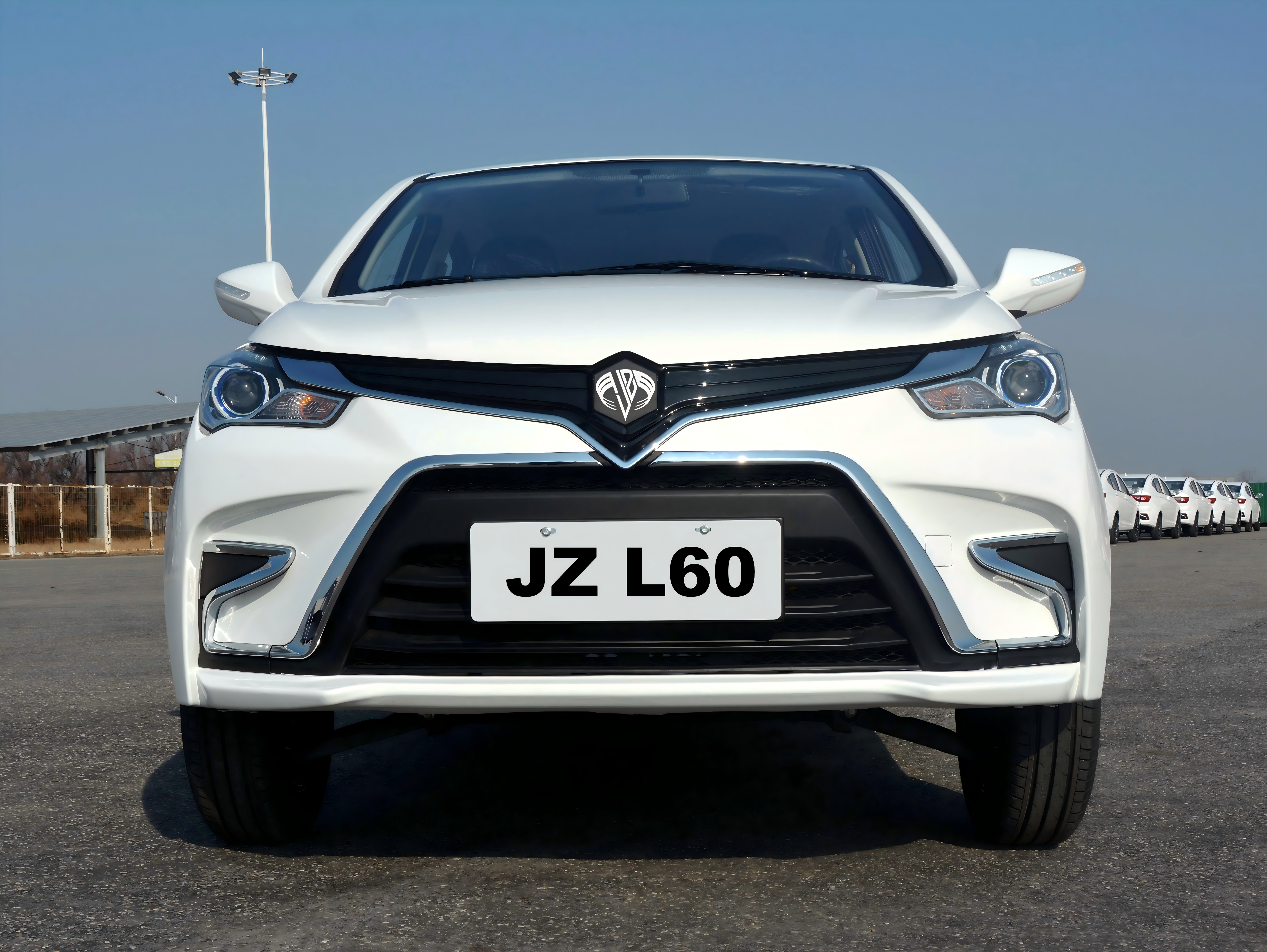
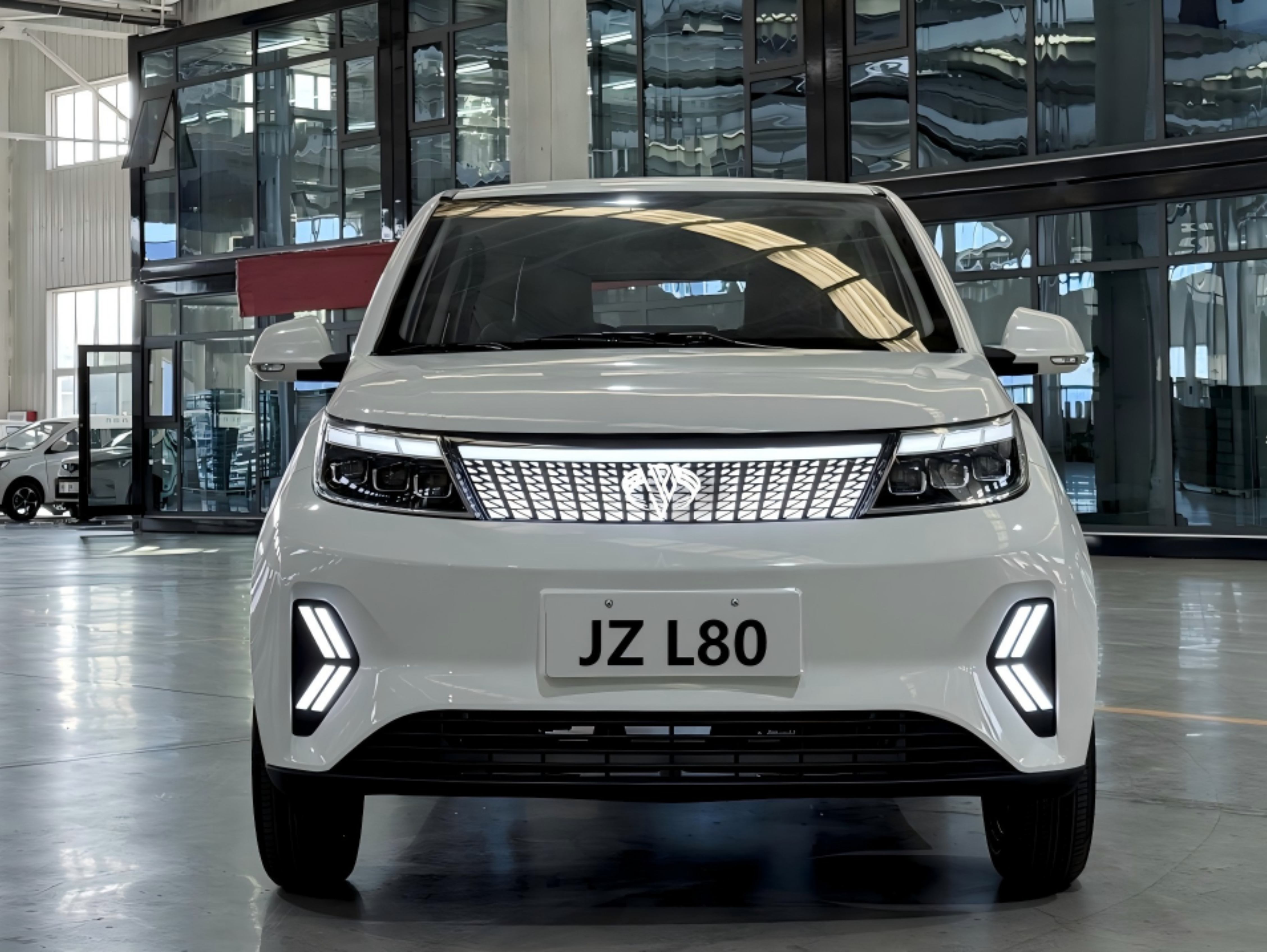
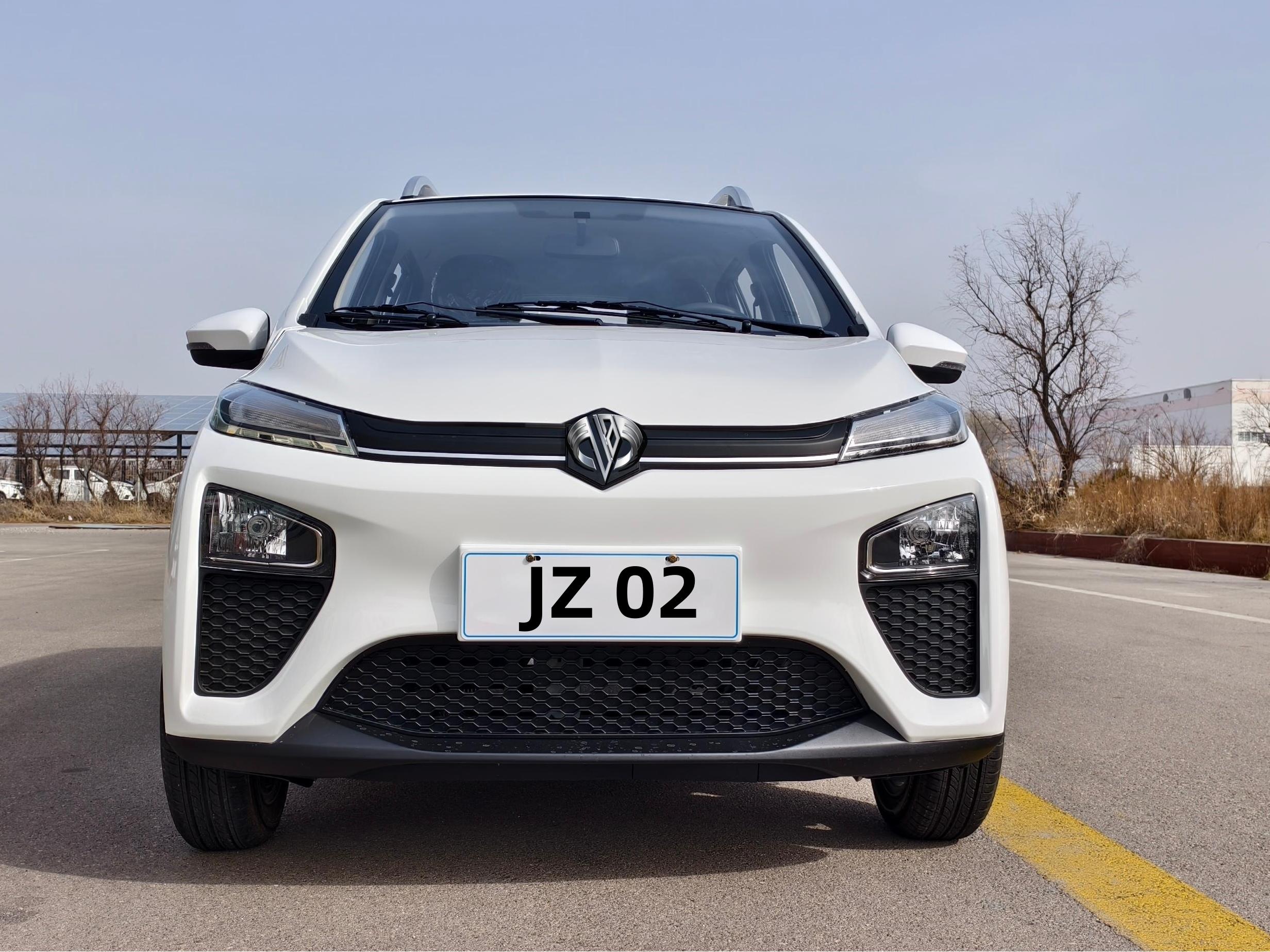
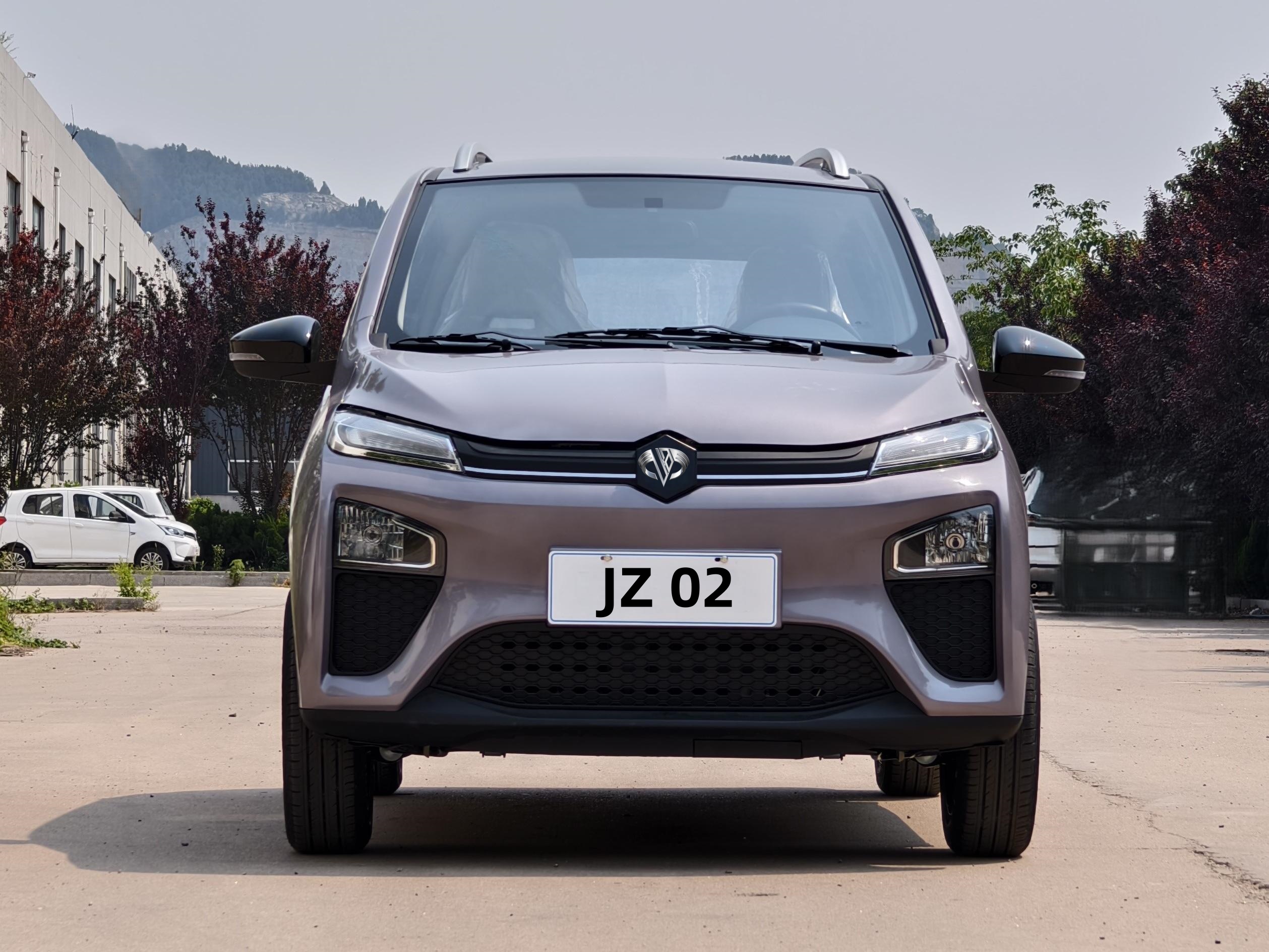
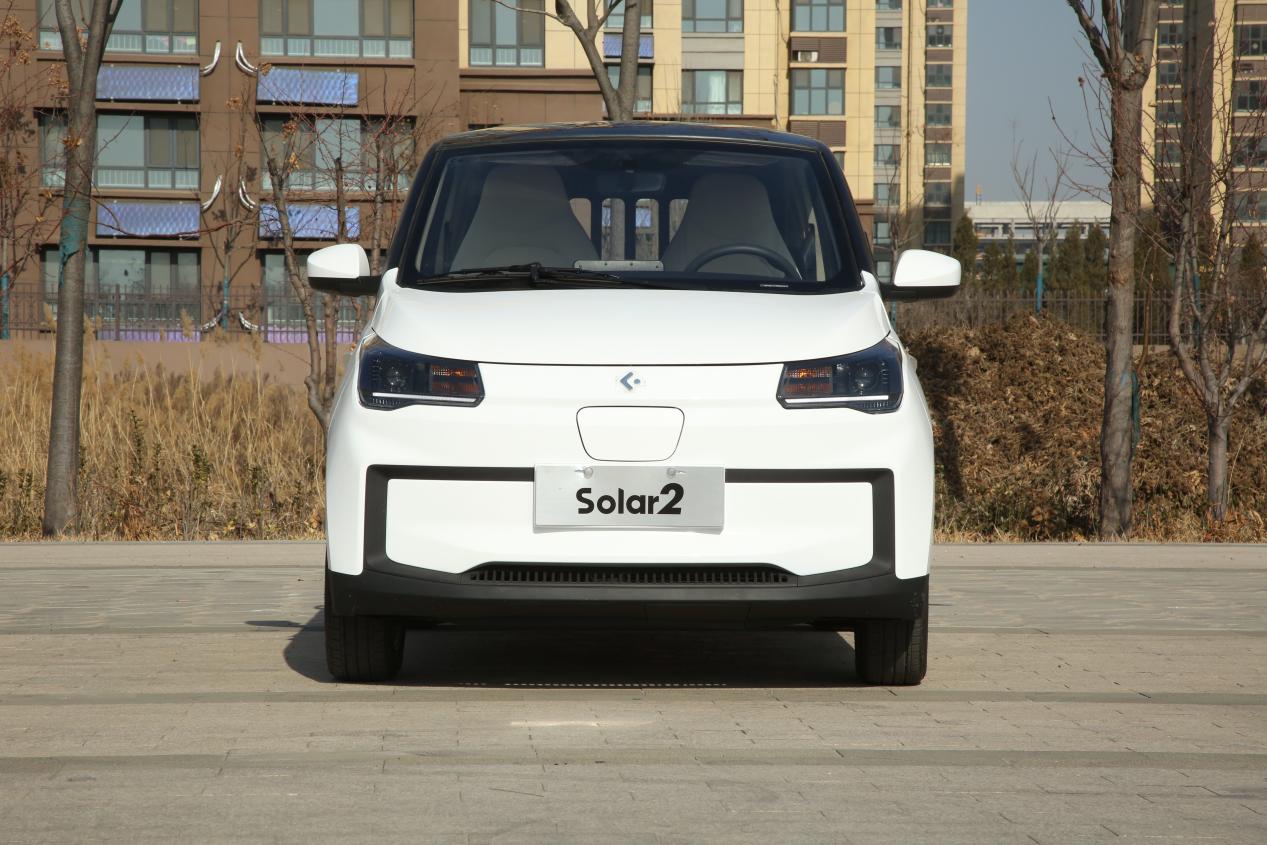
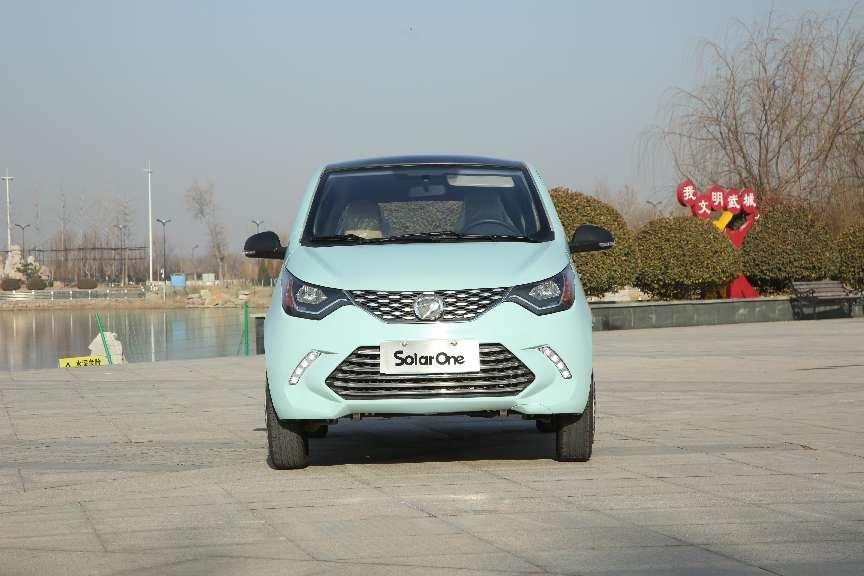
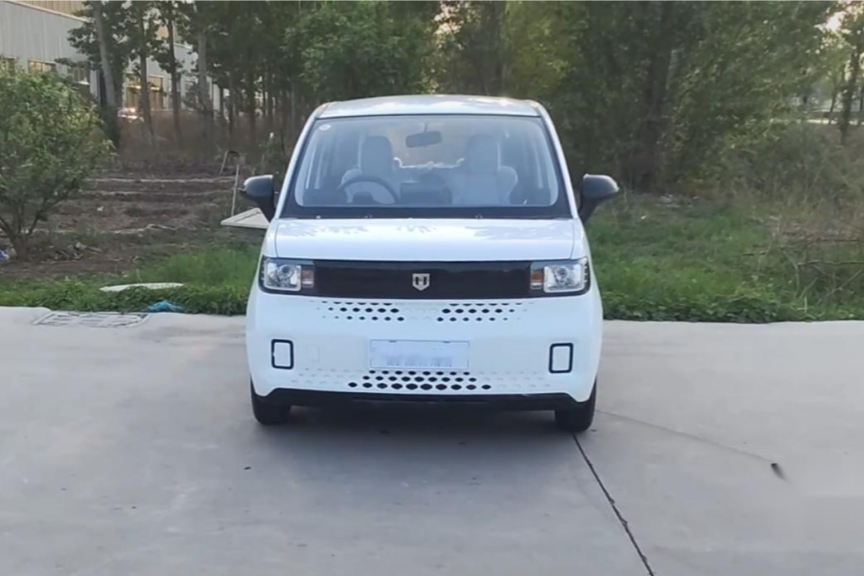
A closer look at our micro-mobility fleet, passenger tuk-tuks, and specialized solar-assisted variants.
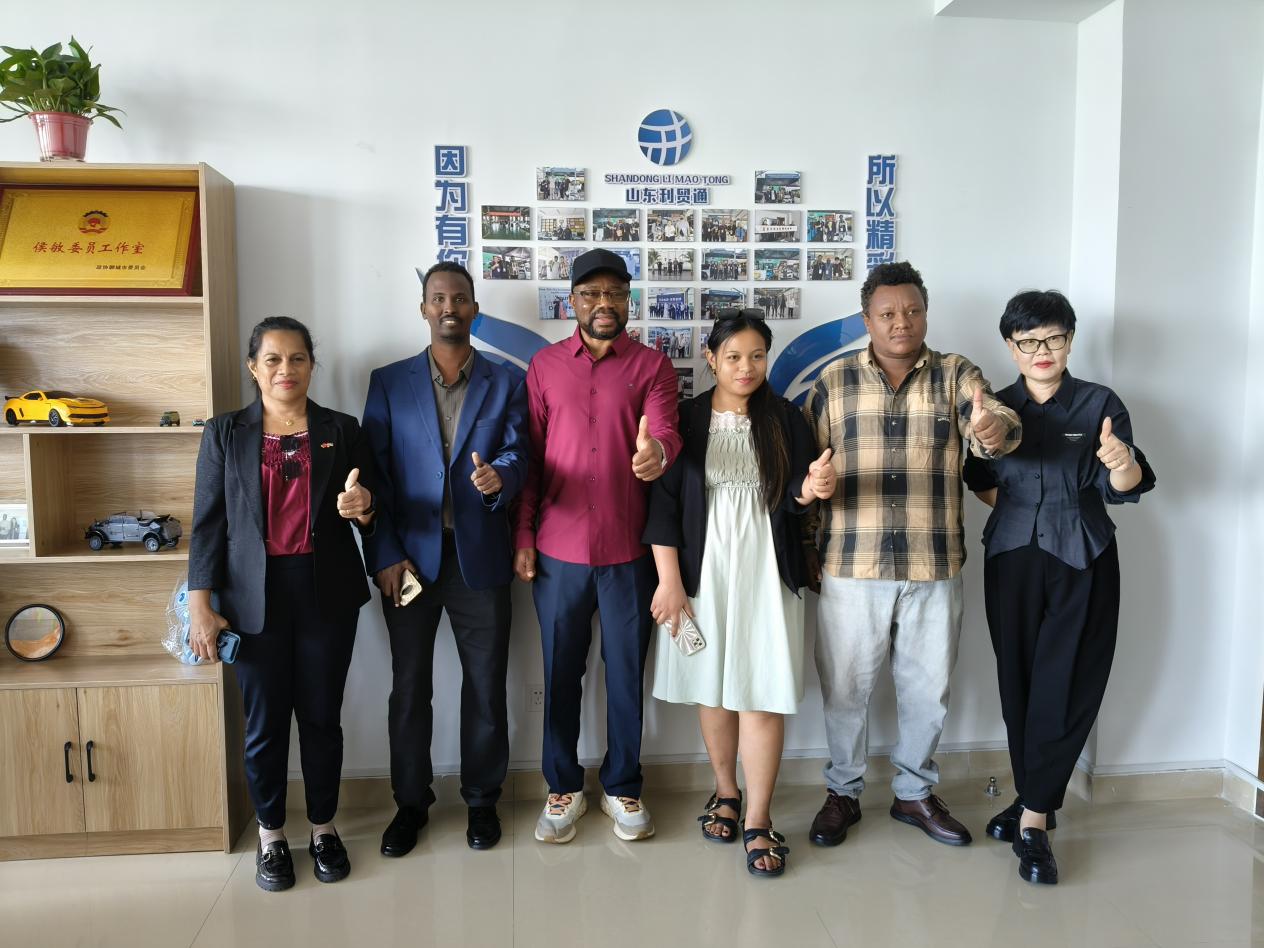
Connecting with industrial distributors and automotive trade partners worldwide.

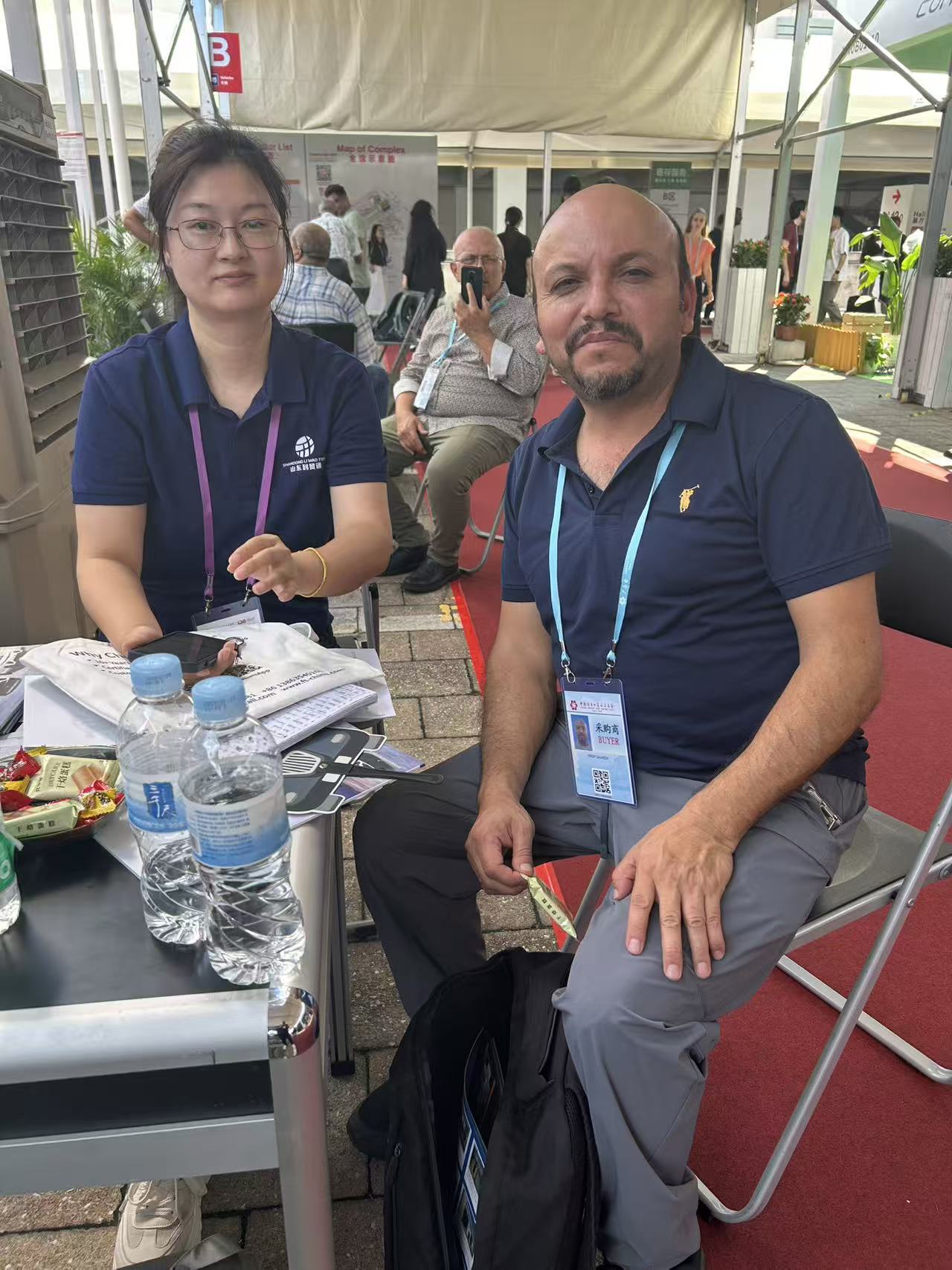
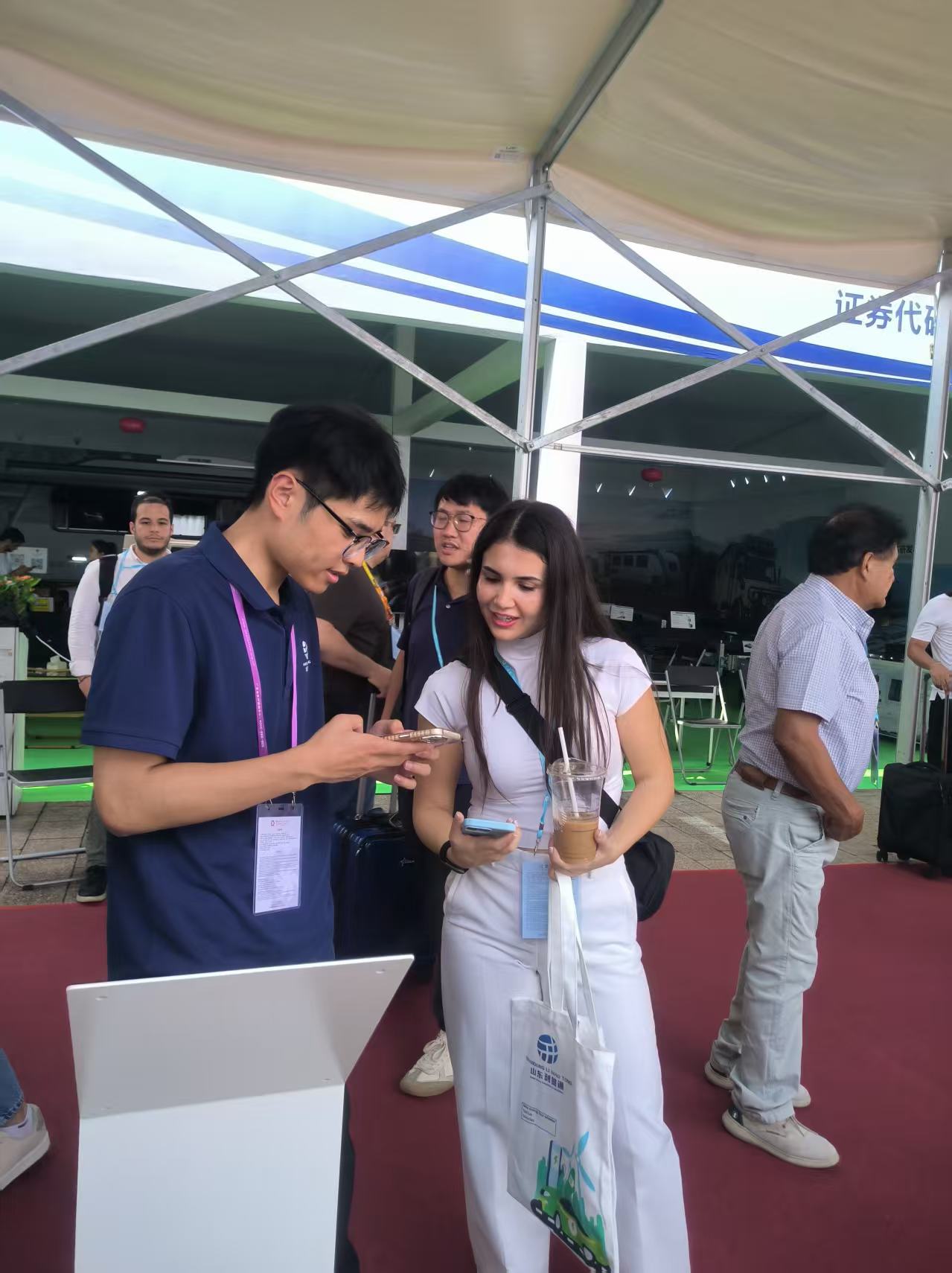

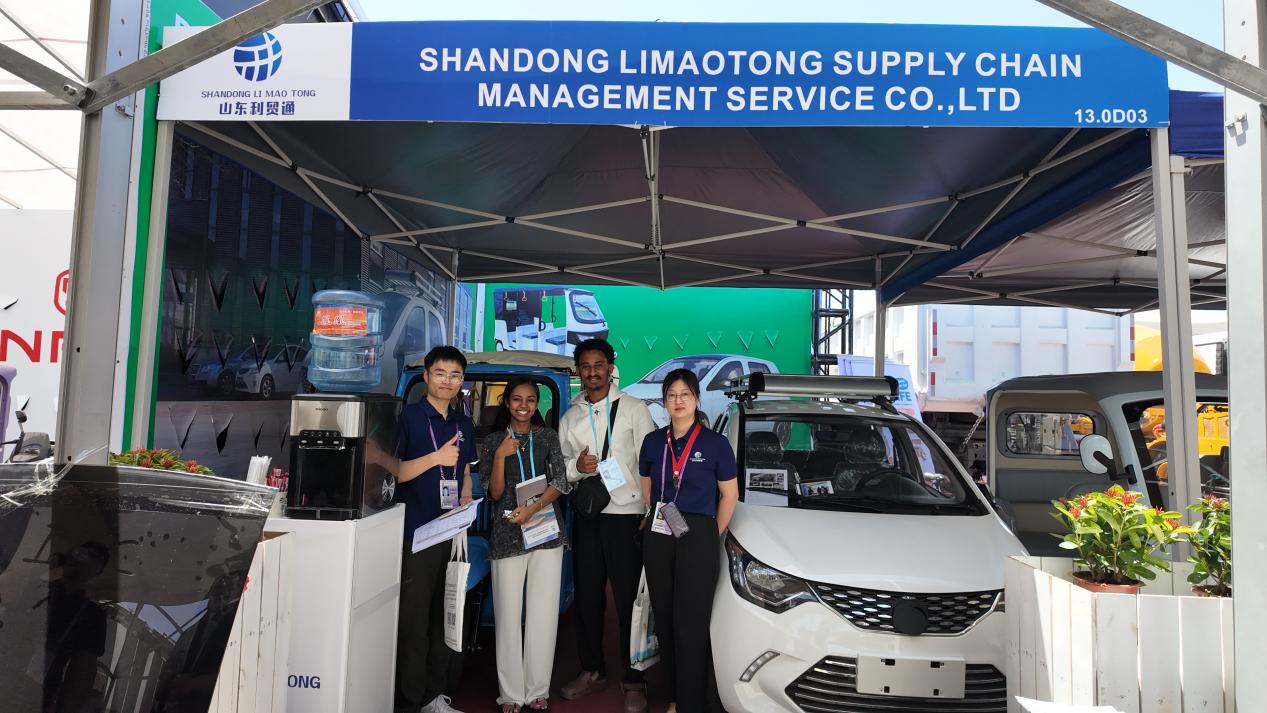
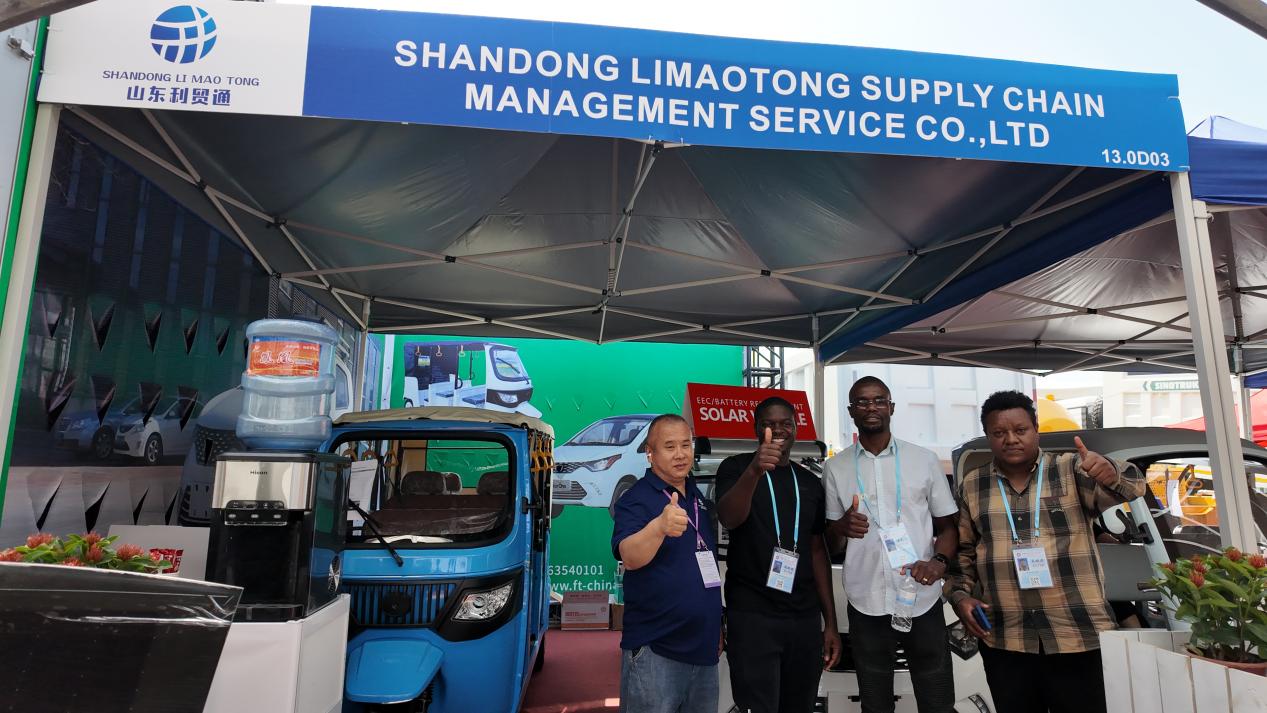
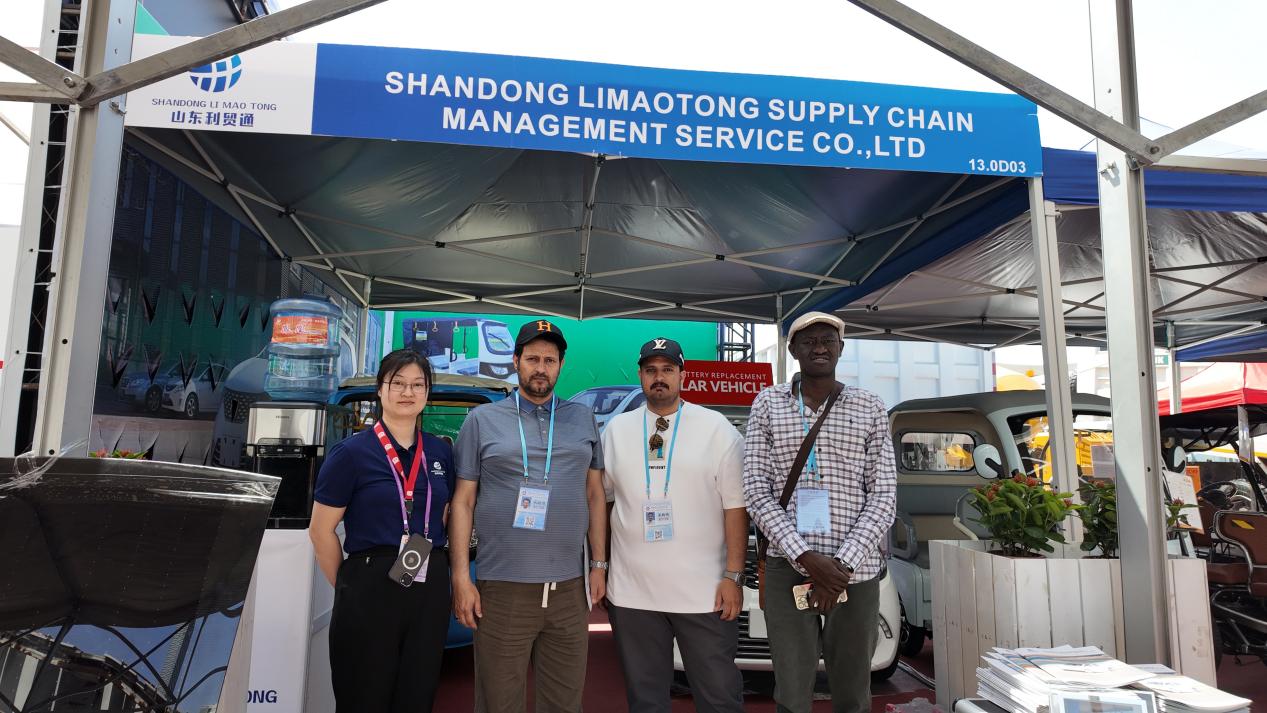
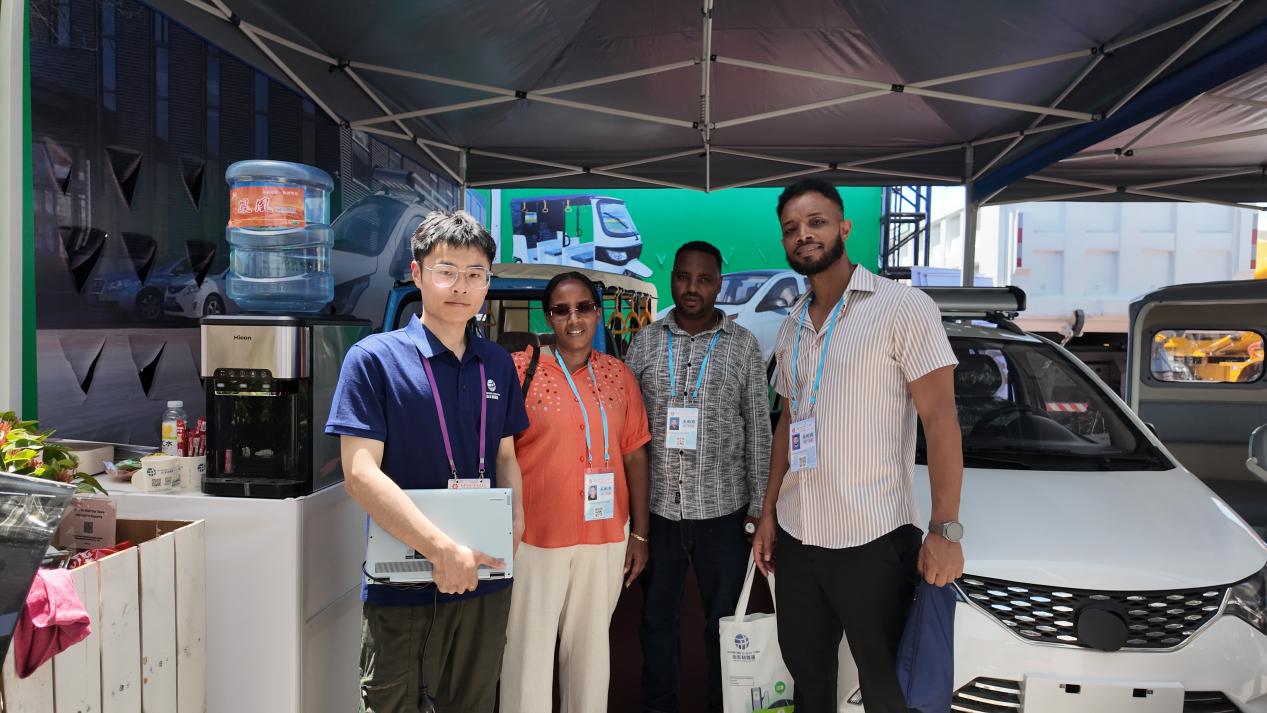
Providing full transparency for global procurement teams during on-site inspections.

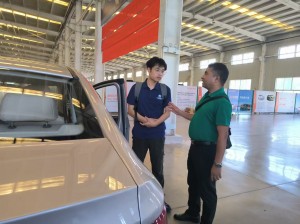
How our electric auto rickshaws are adapted to diverse global geographic terrains, weather patterns, and specific urban transport regulations.
Designed for tropical regions prone to heavy monsoons, such as Southeast Asia and parts of Central America. Key electrical systems, including controllers, motors, and wiring harnesses, feature IP67 water and dust resistance to protect the drivetrain from flooding and water ingress.
For hot, dusty environments in East and West Africa, our vehicles feature active cooling fans on controllers and specialized double-seal bearings. These features help prevent sand and dust ingress while maintaining high heat dissipation for the electric motor.
Ideal for historic European cities and resort zones with strict zero-emission mandates. Our electric tuk-tuks operate quietly and produce no tailpipe emissions. They offer a compact footprint that easily navigates narrow urban streets, making them excellent choices for passenger shuttles and express courier services.
Key technological shifts defining the future of light urban passenger transportation and commercial cargo delivery.
In regions with abundant sunlight but limited grid charging infrastructure, the integration of solar auxiliary power has become a major trend.山东山东 Shandong Li Mao Tong Group leads in this space with our Solar (Dual Purpose) Three-wheeled Tricycles. By mounting high-efficiency monocrystalline solar panels on the roof of our passenger tuk-tuks, the vehicles can continuously trickle-charge the battery pack during daytime operations. Under normal sunny conditions, this system can add 15 to 25 km of range daily, helping to extend battery life and reduce grid dependency.
The global micro-mobility industry is shifting from traditional lead-acid batteries to Lithium Iron Phosphate (LFP) chemistry. While lead-acid batteries have lower initial costs, LFP cells offer a longer cycle life (up to 2,500 charging cycles at 80% Depth of Discharge), higher energy density, and lighter weight. LFP's chemical stability also makes it highly resistant to thermal runaway, providing reliable safety for commercial fleet operators who run multiple shifts daily.
Modern B2B fleet managers require real-time visibility into their vehicles' operations. Our latest electric tuk-tuks can be configured with integrated GPS tracking modules, remote speed limiting, and cellular telematics. This allows delivery networks and taxi companies to remotely monitor battery state-of-charge (SoC), track location coordinates, diagnose electrical faults, and optimize route planning through an integrated web interface.
Established in 2023, the Djibouti (Overseas Warehouse) Cross-border E-commerce Exhibition and Sales Center is situated in the Djibouti International Free Trade Zone in East Africa. Backed by the Djibouti Economic and Trade Co., Ltd., this center provides a comprehensive service platform for local enterprises. It integrates sales, customs assistance, and public logistics services under one roof.
By linking online e-commerce portals with physical warehouse stock in Africa, the center creates a robust logistics channel. This "cross-border trade + front-end warehouse" model allows us to offer localized customer support, quick parts delivery, and technical services, helping high-quality Chinese new energy products reach African and global markets efficiently.
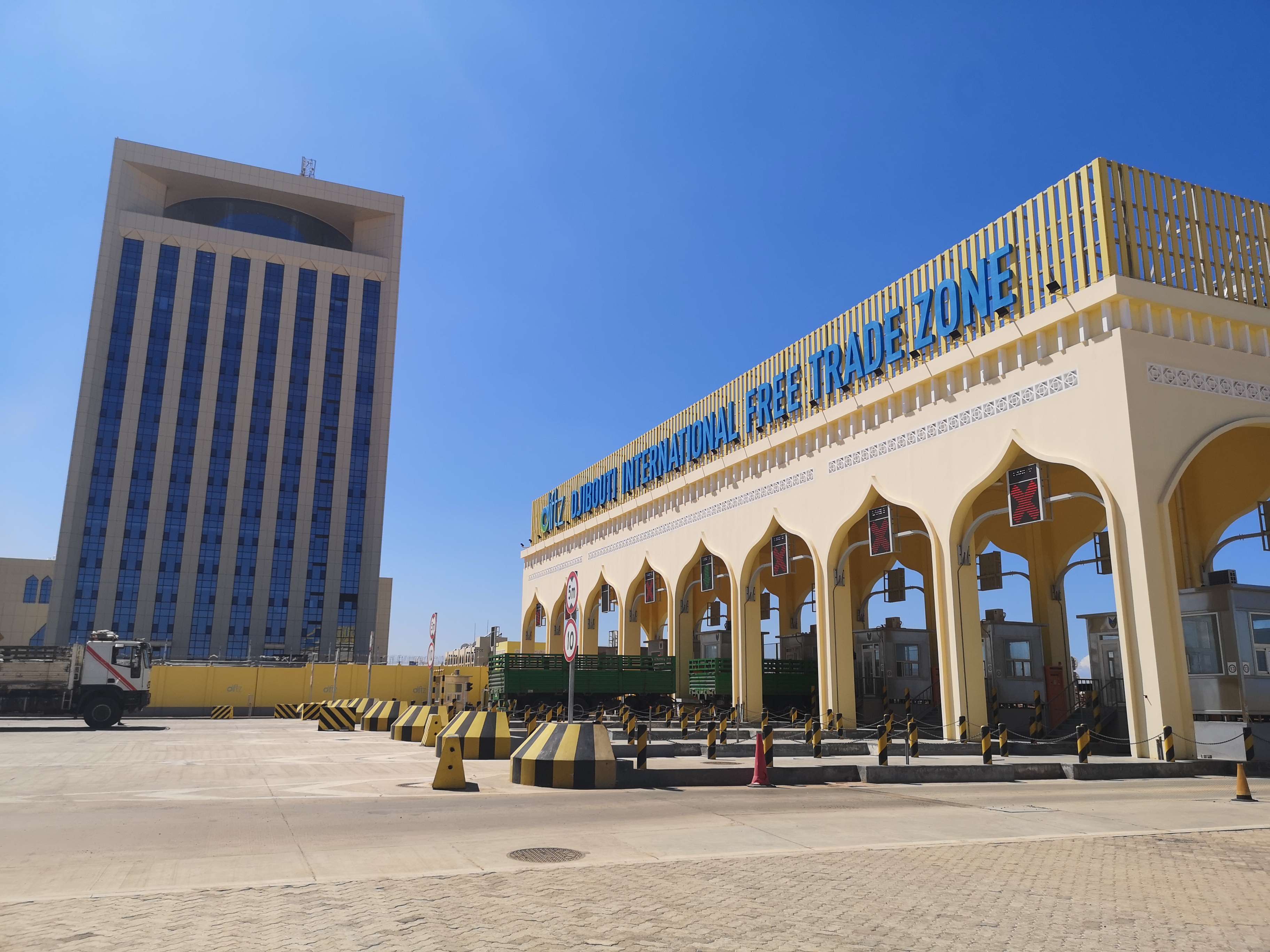
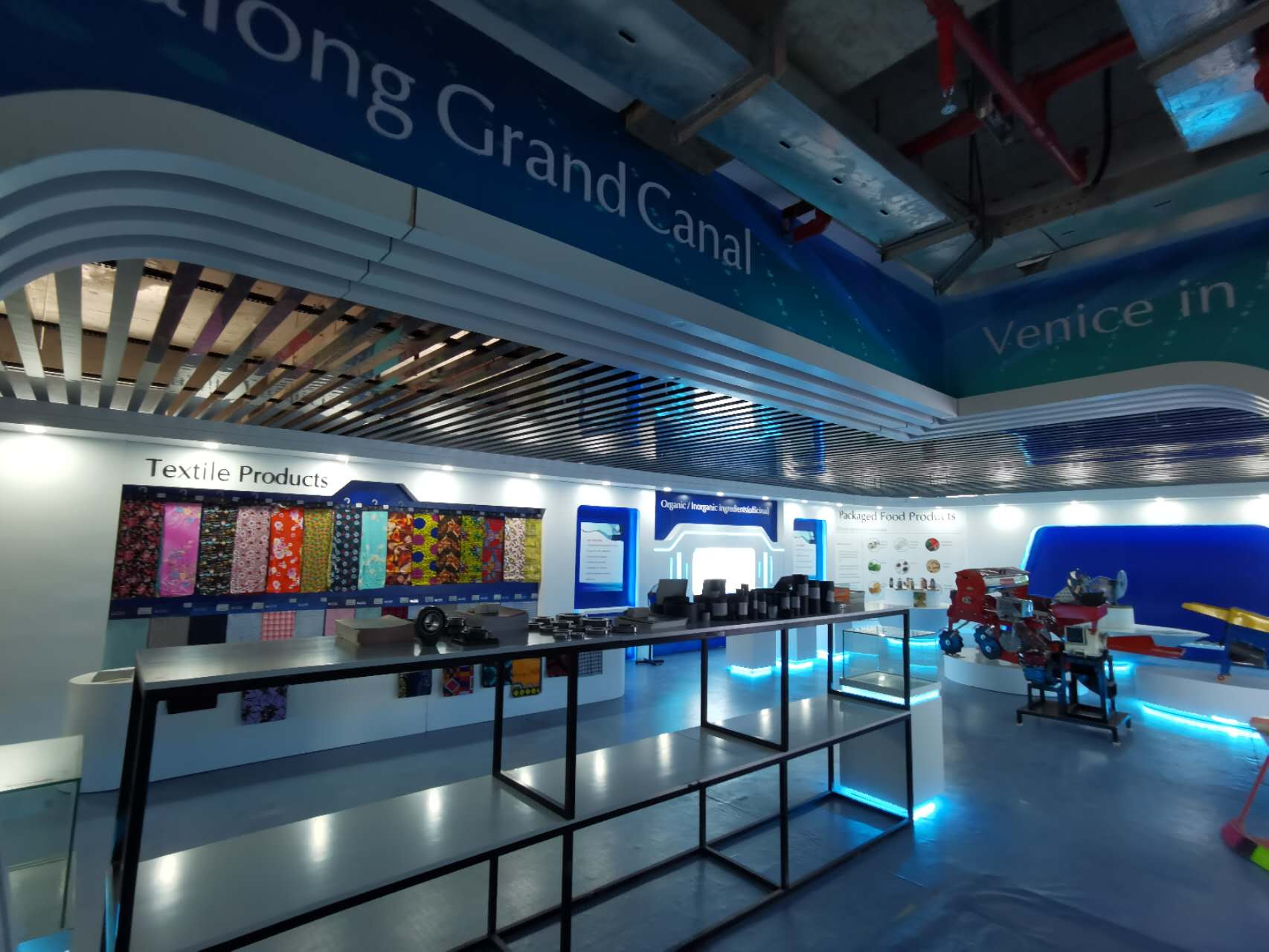
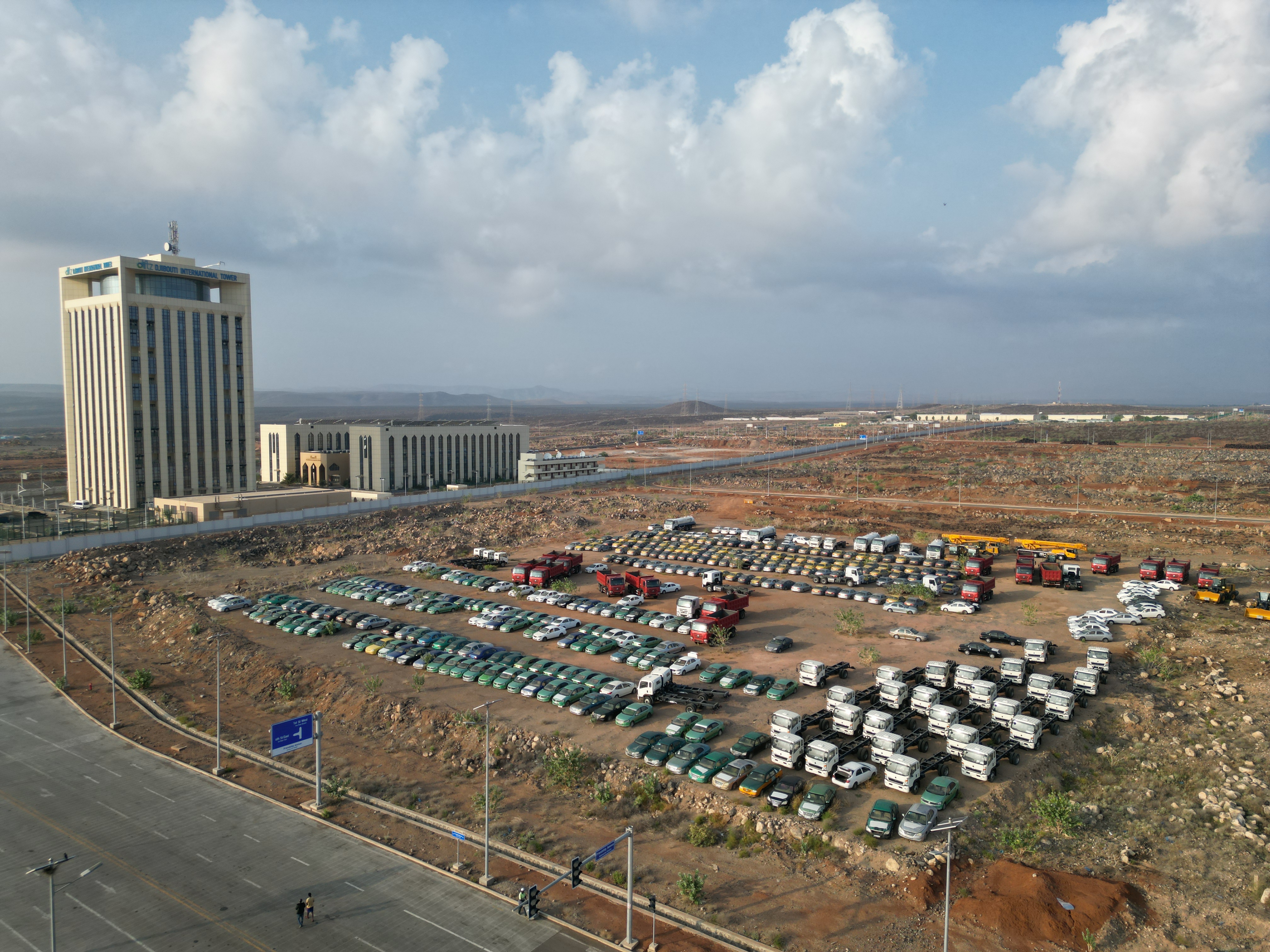
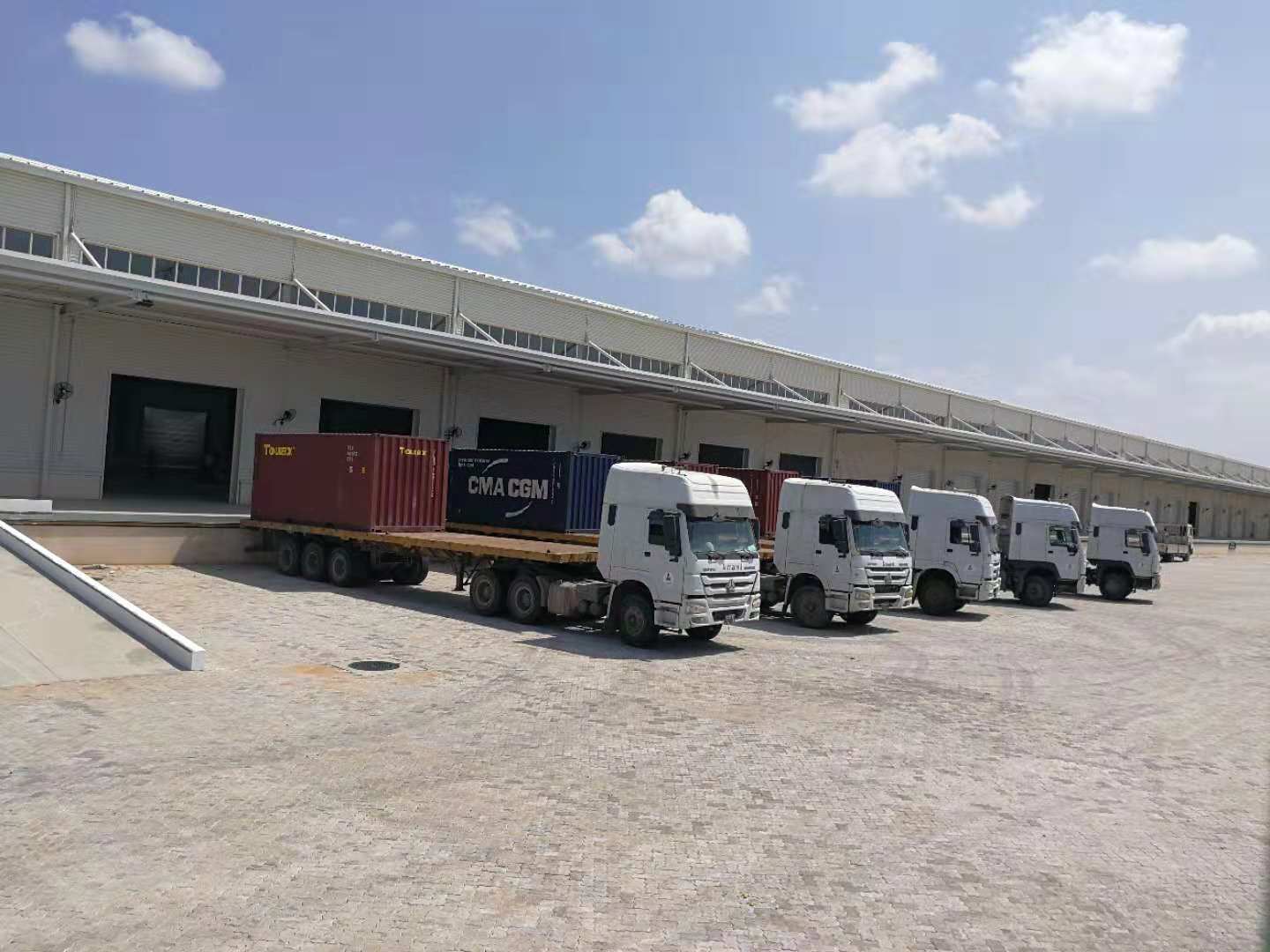
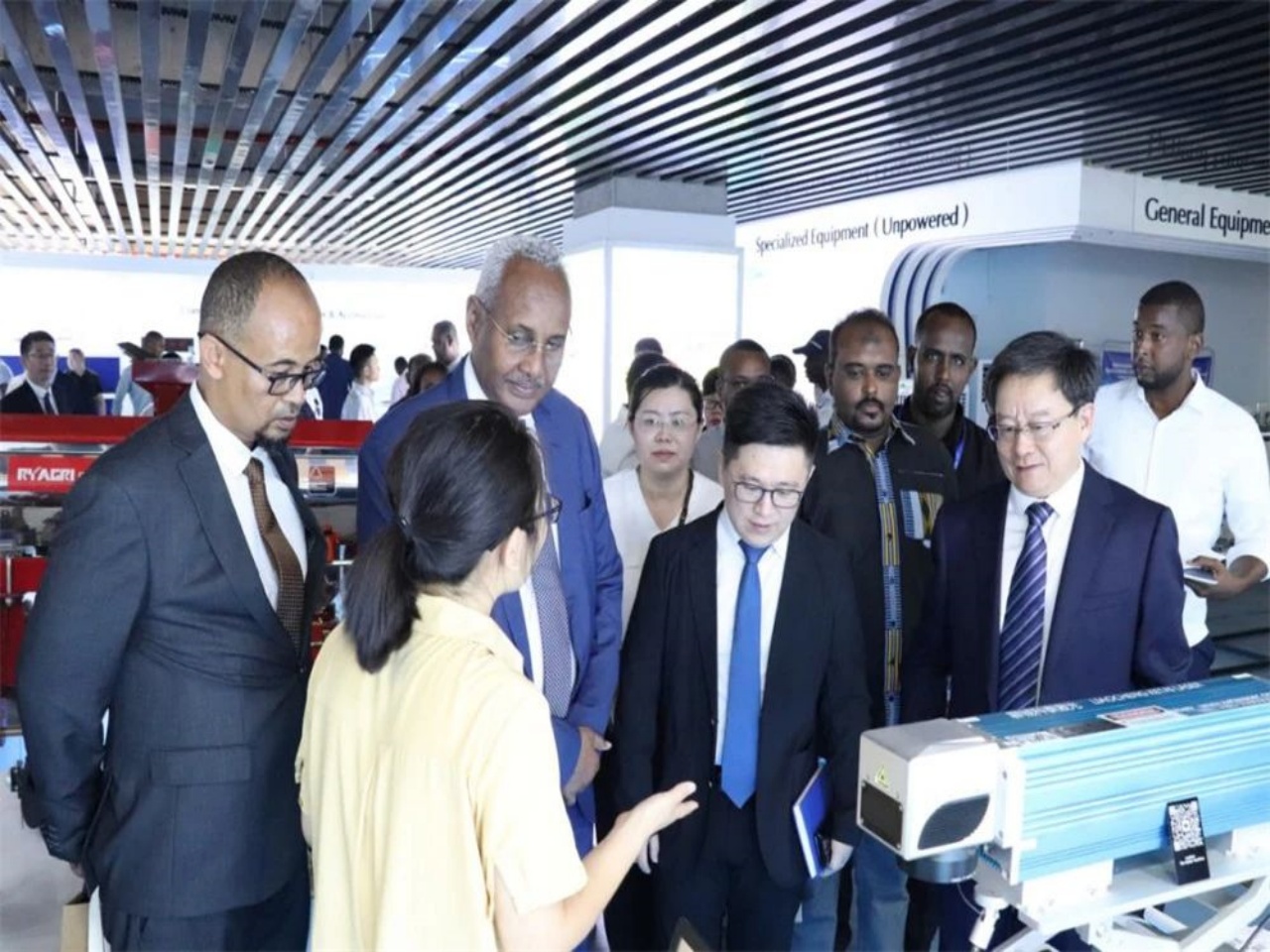
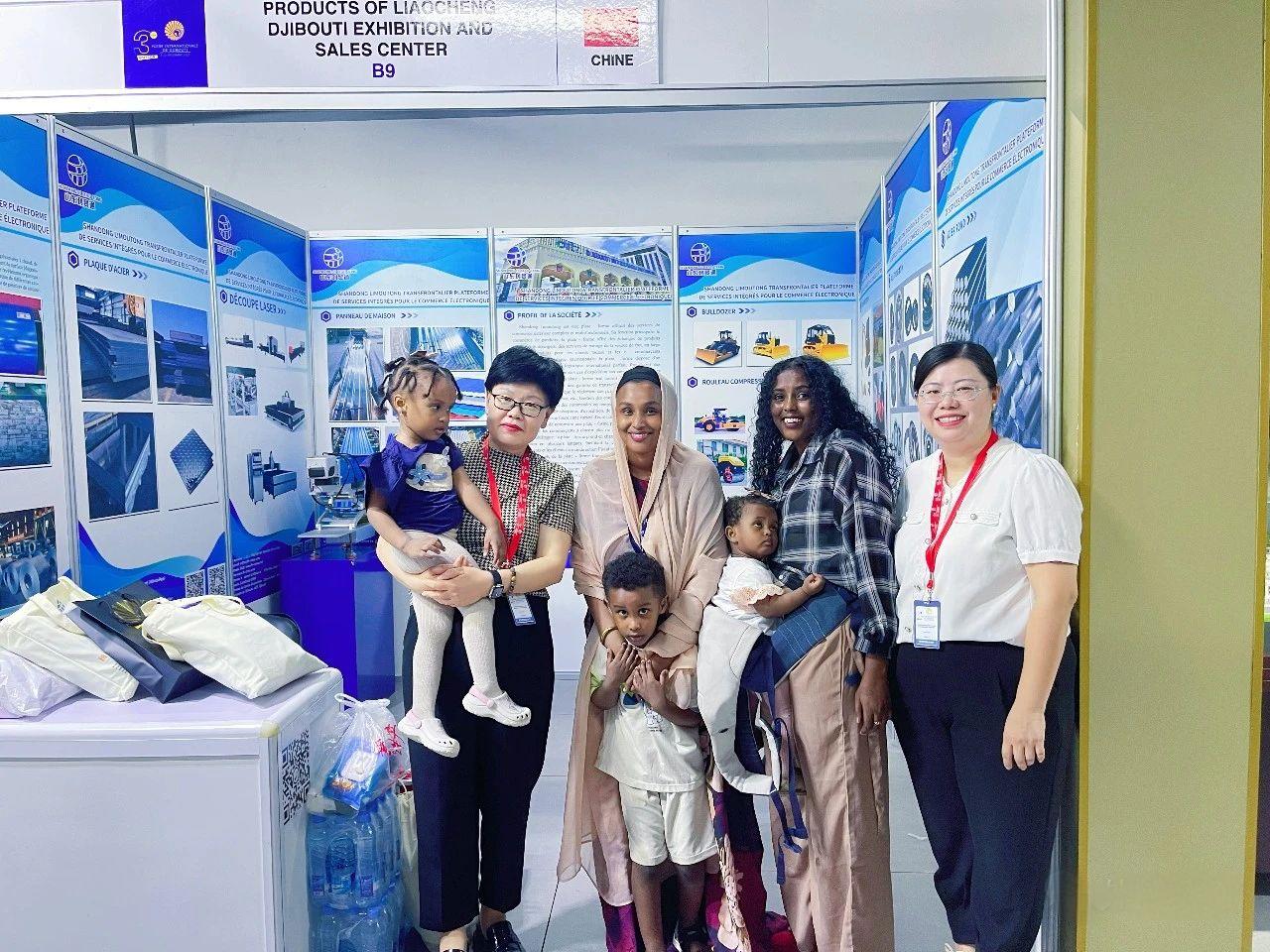
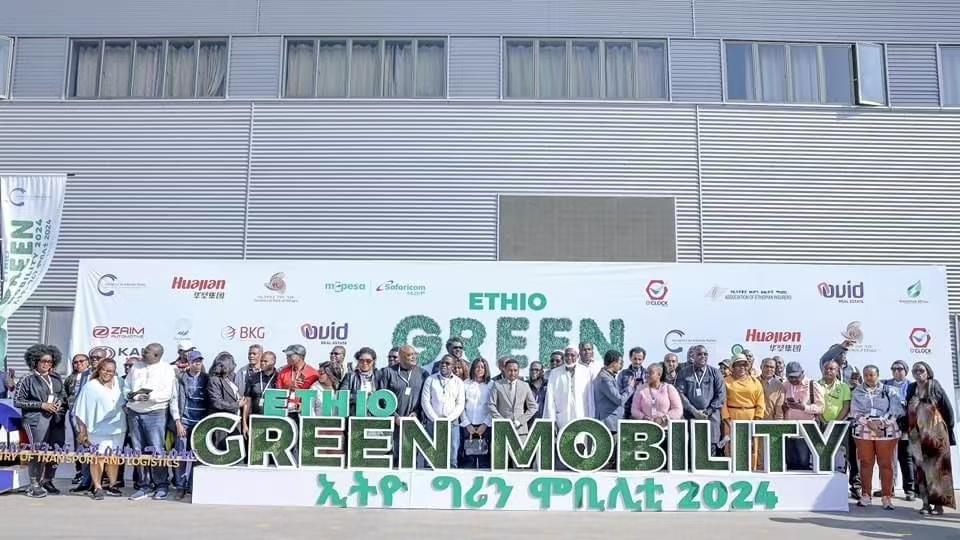
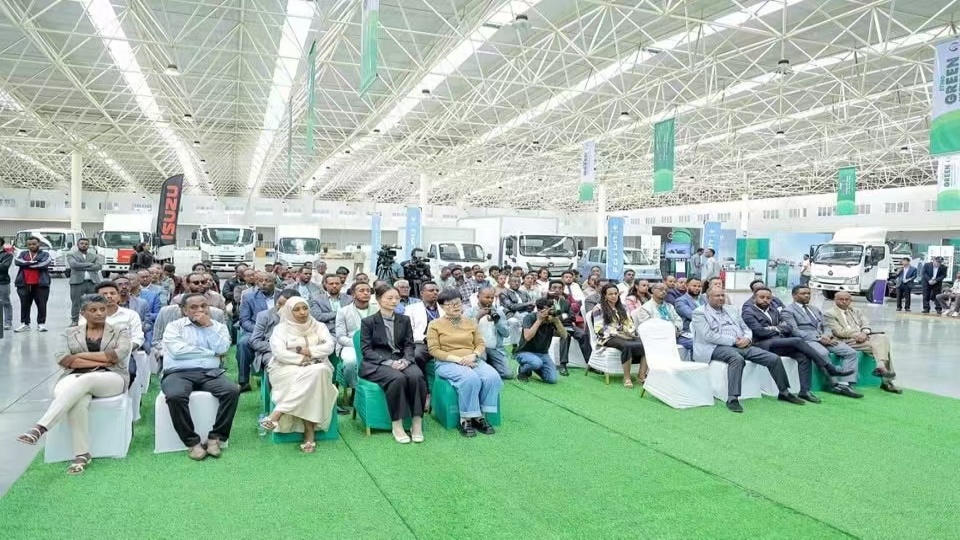
Operational photos showing inbound shipping, customs processes, and inventory storage at our African distribution points.
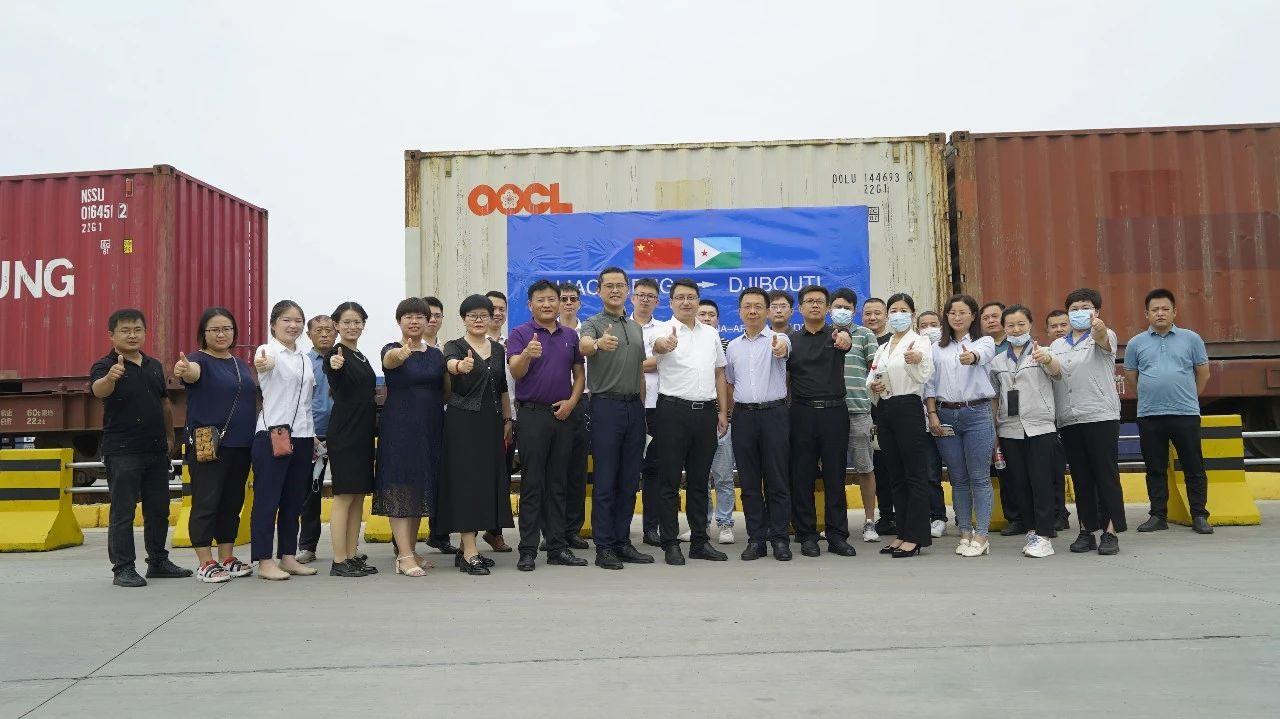


Detailed, technical answers to common questions about buying, operating, and customizing our electric three-wheeler fleets.
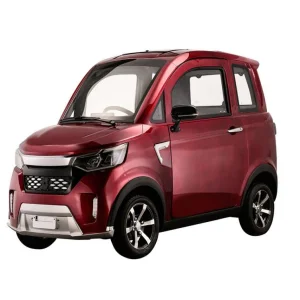
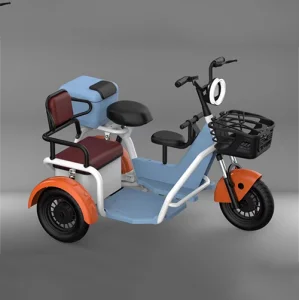
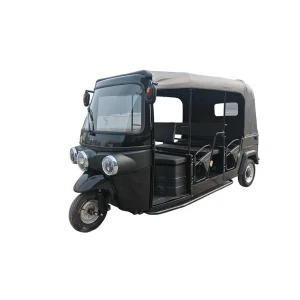
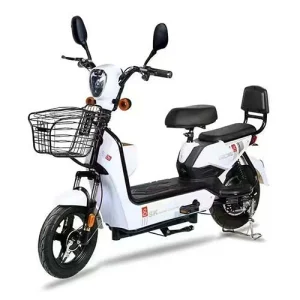
Explore our additional electric vehicles, including four-wheel passenger microcars, classic electric tricycles, and specialty transit models.
 Limaotong