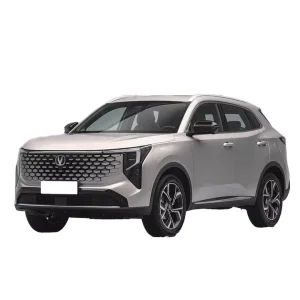
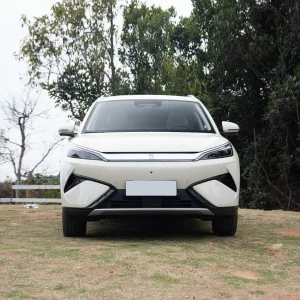
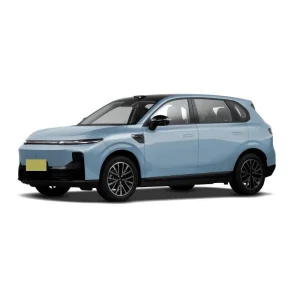
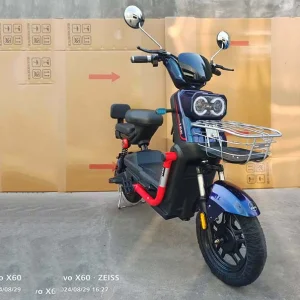
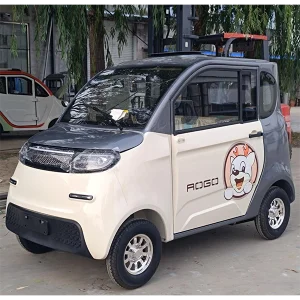
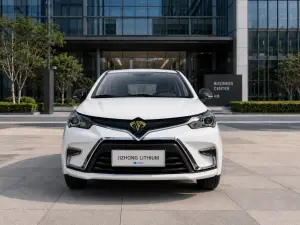
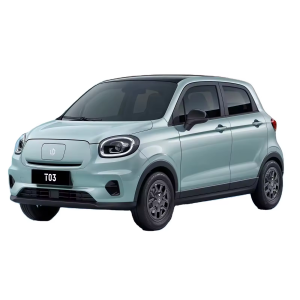
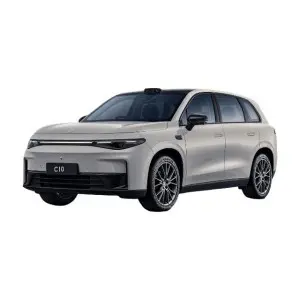
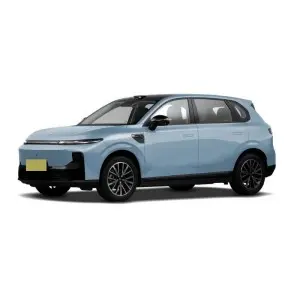
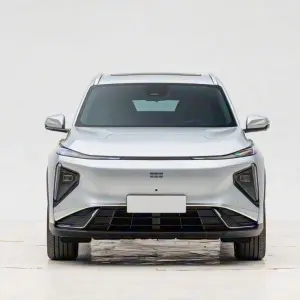
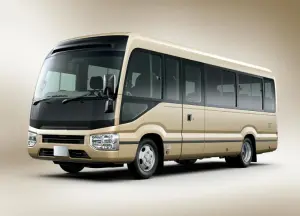
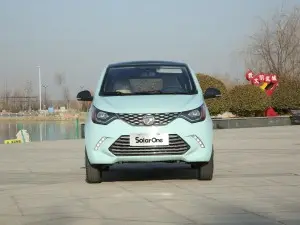
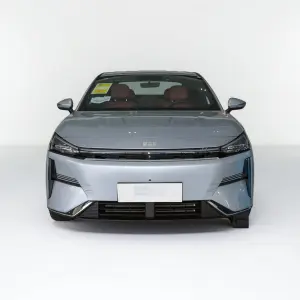
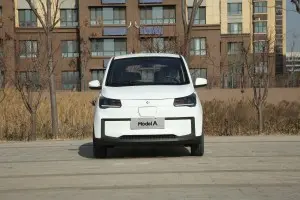
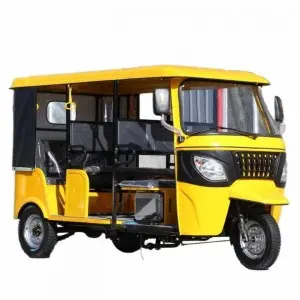
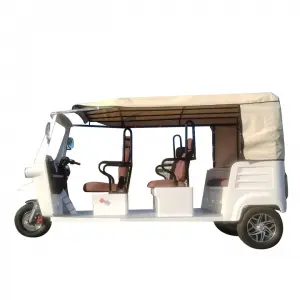
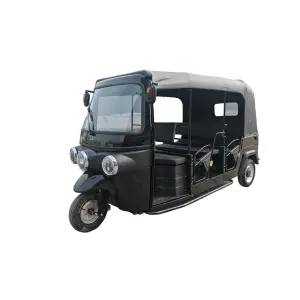
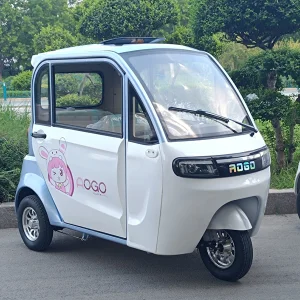
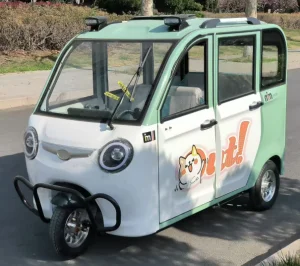
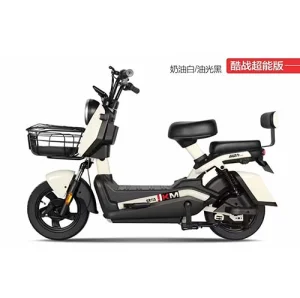
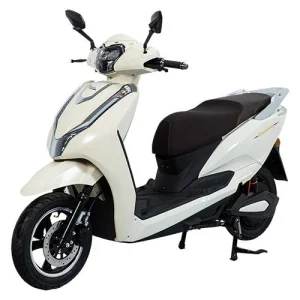
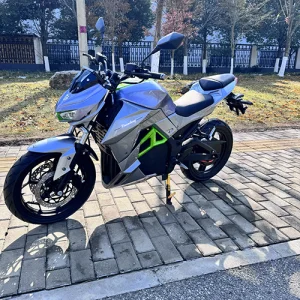
Discover our top-tier selection of electric vehicles and multi-purpose micro-mobility solutions engineered for international markets.
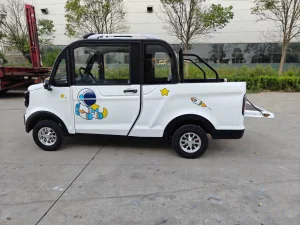
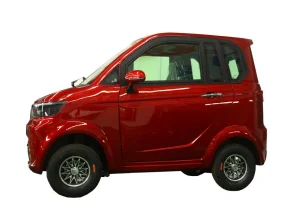
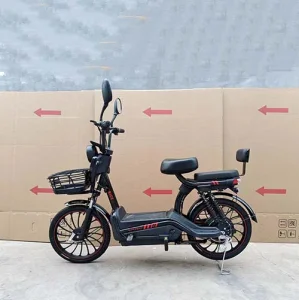
Shandong Li Mao Tong Group stands as a premier global manufacturer and direct supplier of advanced micro-transport solutions, passenger micro-EVs, and cargo motor tricycles. Operating on a robust, fully integrated industrial supply chain, we unify state-of-the-art research and development, automated high-precision manufacturing, and large-scale cross-border logistics. Since inception, our products have successfully reached consumers across 120 countries and regions, securing the trust of over 20 million households worldwide.
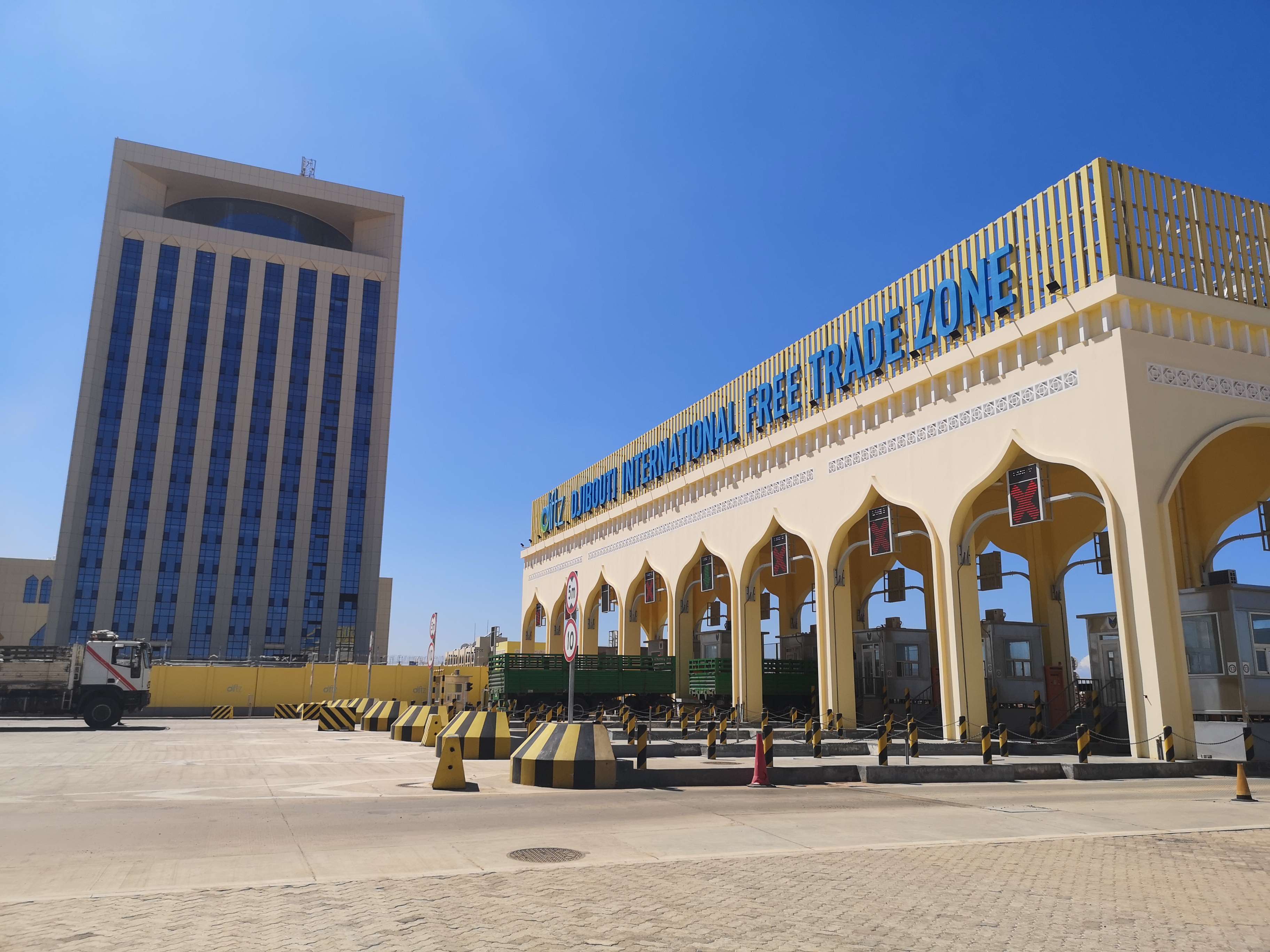
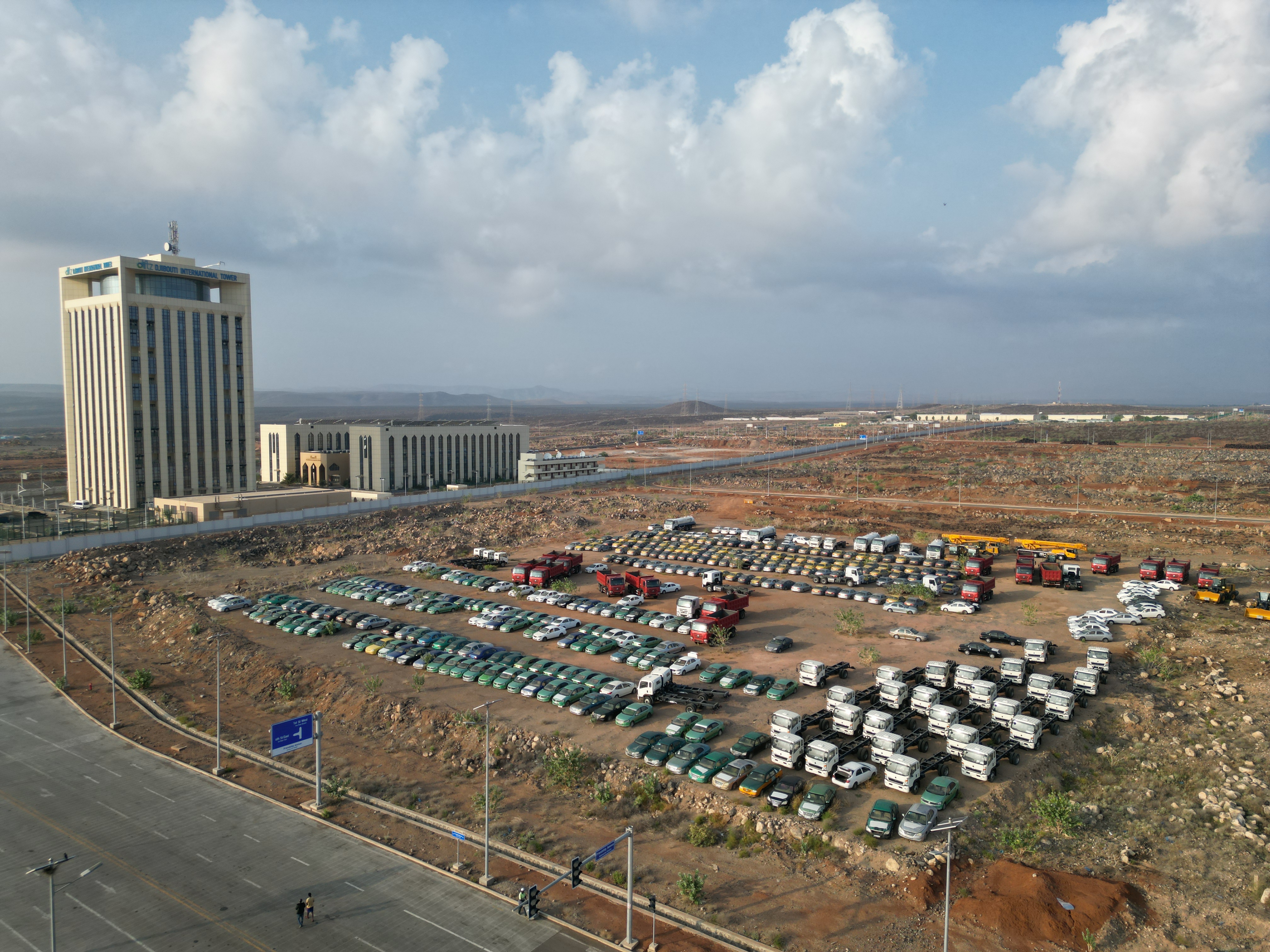
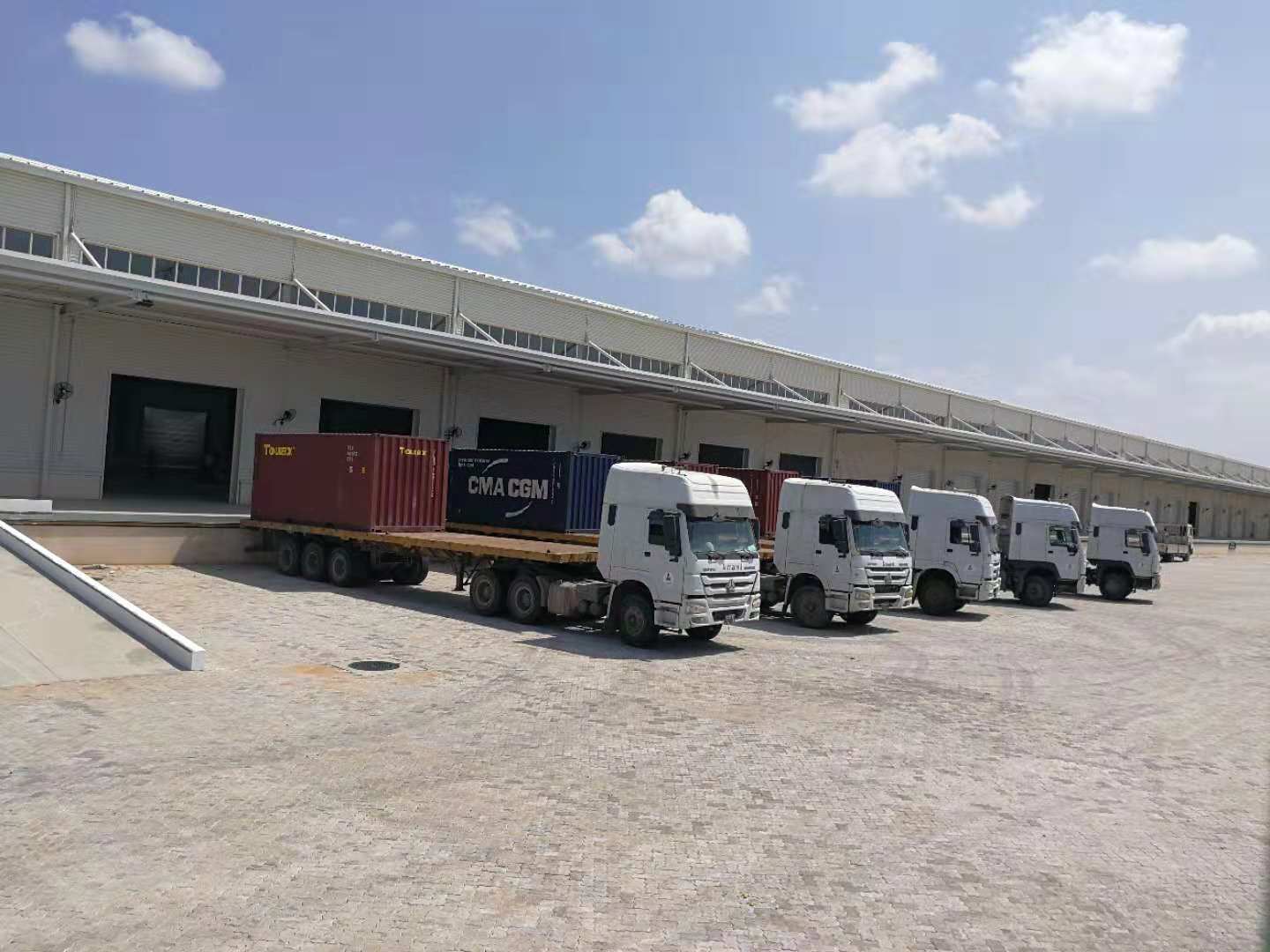
To guarantee uninterrupted service delivery and rapid localized customer support, we run 8 overseas manufacturing bases and strategic transit centers, including our major logistics depot in East Africa's Djibouti International Free Trade Zone. Backed by dedicated support teams and real-time inventory management, we ensure prompt technical support, replacement parts availability, and personalized local consultation.
An authoritative breakdown of Vehicle-Integrated Photovoltaics (VIPV) engineering standards, global market adoption paths, and structural integration architectures.
Vehicle-Integrated Photovoltaics (VIPV) represents a major shift from passive power consumption to active energy generation. Unlike static solar systems, mobile vehicle arrays must manage dynamic shading, rapidly shifting solar angles, and mechanical stresses. Solar panels built for automobiles require high-efficiency monocrystalline silicon or thin-film Gallium Arsenide (GaAs) cells, combined with custom Maximum Power Point Tracking (MPPT) micro-controllers, to maximize solar collection across variable terrain.
Integrating photovoltaic cells directly into standard EV battery systems requires sophisticated battery management controllers (BMS). Using low-voltage solar panels to charge high-voltage lithium battery systems requires efficient step-up DC-DC converters. By smoothing out charging current spikes, advanced BMS architectures prevent cell deterioration, control thermal runaway risks, and extend the cycle life of LFP and NCM battery packs.
Automotive solar panels must double as structural body parts, requiring extreme durability. The cells are encapsulated in multi-layered, lightweight polymers (such as ETFE) that resist UV degradation, stone impacts, and temperature fluctuations. Integrating these solar modules directly into the vehicle's hood, roof, and side panels reduces drag and maintains original crash-safety profiles.
| VIPV Engineering Parameter | Monocrystalline Silicon Arrays (Standard) | Thin-Film GaAs Arrays (High-End) | Design Considerations & Impacts |
|---|---|---|---|
| Nominal Conversion Efficiency | 21.5% - 24.0% | 28.5% - 32.0% | Determines the power output per square meter under standard test conditions (STC). |
| Bending & Curvature Radius | Down to 150mm (flexible designs) | Down to 50mm (conformal setups) | Crucial for integrating panels into aerodynamic, double-curved car bodies. |
| Weight Penalty (per m²) | 2.8 kg - 3.5 kg | 1.2 kg - 1.8 kg | Directly impacts vehicle energy efficiency and overall center of gravity. |
| Thermal Output Coefficient | -0.38% / °C | -0.12% / °C | Shows how much power is lost when panel temperatures rise under direct midday sun. |
| Estimated Range Boost | 15 - 30 km / day (under typical sunlight) | 35 - 55 km / day (under typical sunlight) | Reduces grid charging dependency, especially in sunny equatorial locations. |
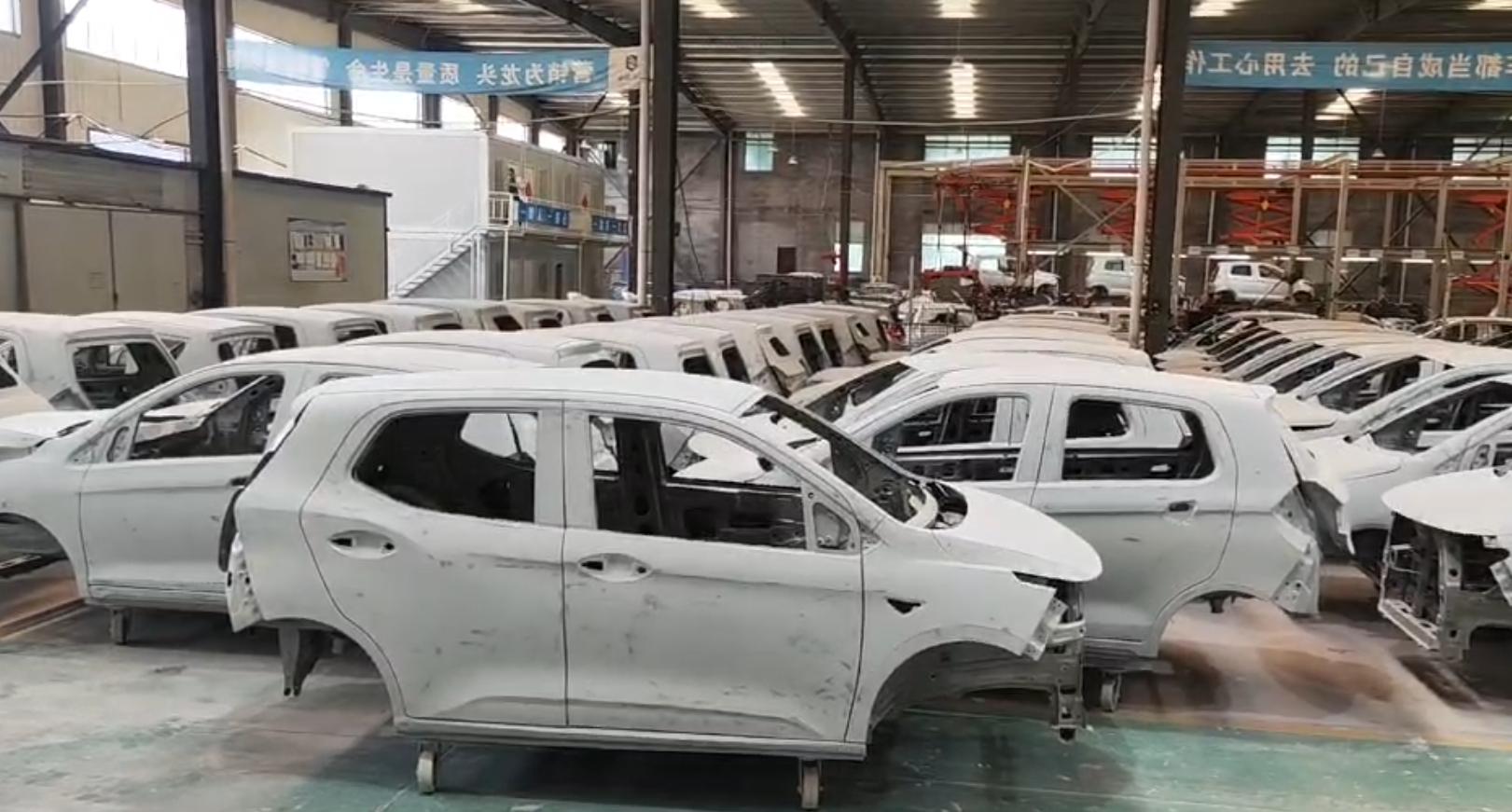
In today's global market, product success depends on rapid, flexible supply chain execution. Shandong Li Mao Tong Group offers complete, macro-level industrial solutions designed to meet the strict regulatory frameworks and operational realities of diverse international markets.
Whether supplying fleet operators in Europe, municipal utility providers in South America, or small businesses in Africa, we adapt our logistics models to reduce transit times and lower import tariffs.
Exploring localized applications of solar-electric transportation, from commercial city fleets to rural agricultural logistics.
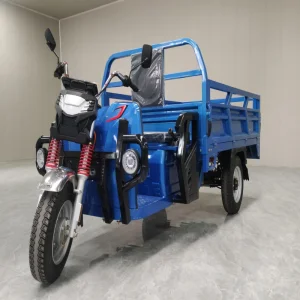
In many developing agricultural regions, electricity grids are unreliable or completely absent. Solar-powered utility vehicles and three-wheel cargo tricycles provide essential, off-grid transport. These vehicles charge under the sun while parked in fields, giving farmers a reliable way to move goods to local markets without high fuel costs.
Urban delivery vans face stop-and-go traffic that drains traditional batteries. Rooftop solar arrays provide a continuous trickle charge to power auxiliary systems (cabin air conditioning, cooling systems, and onboard electronics). This helps delivery vehicles maintain consistent routes, lowering operational costs and increasing fleet efficiency.
The next phase of solar mobility centers on perovskite-silicon tandem cells, which are projected to exceed 35% conversion efficiency. Combined with smart, solid-state batteries and predictive AI algorithms that route vehicles toward optimal sunlight paths, the industry is moving closer to completely self-powered, grid-independent transport.
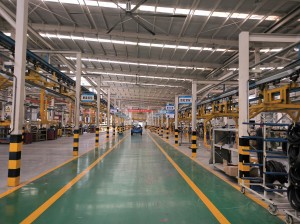
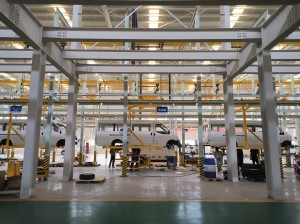
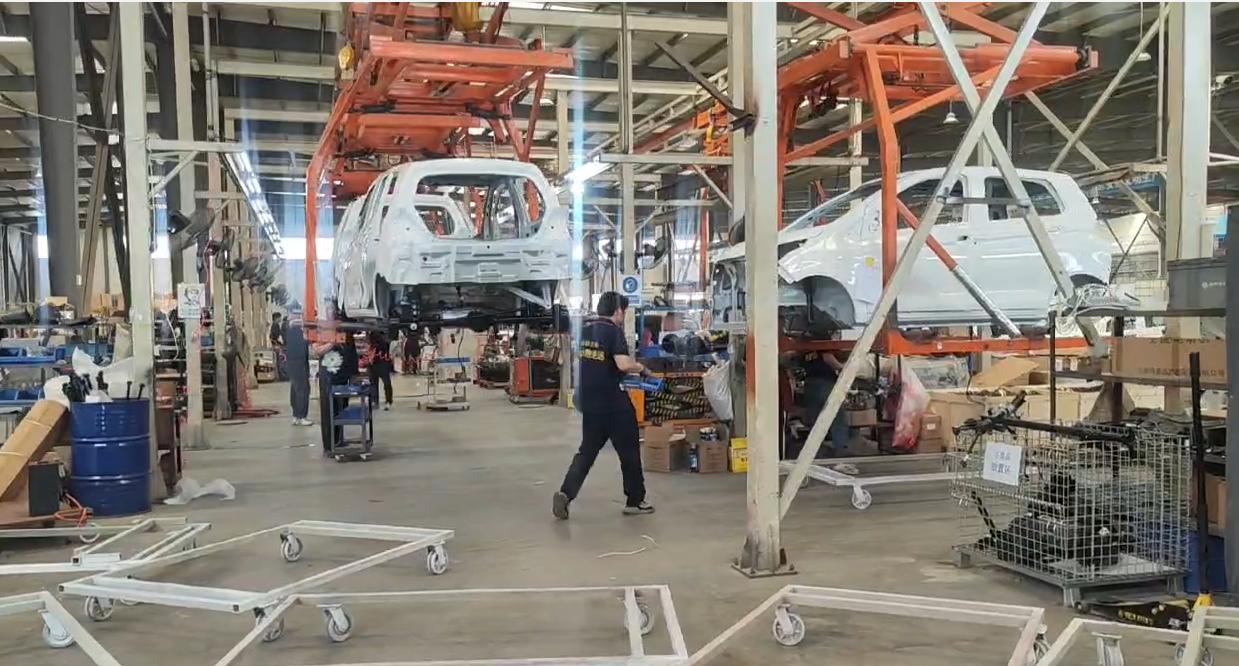
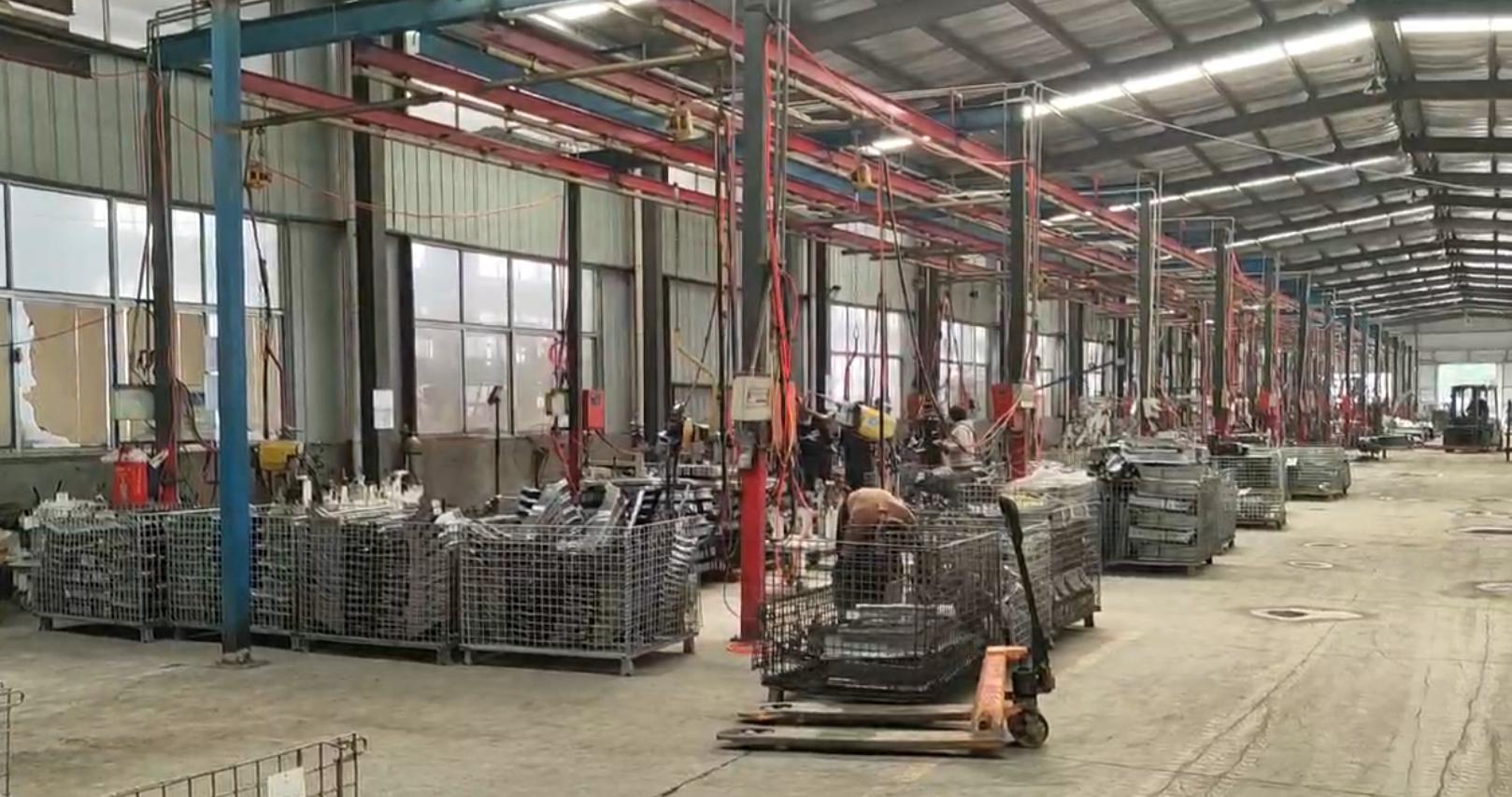
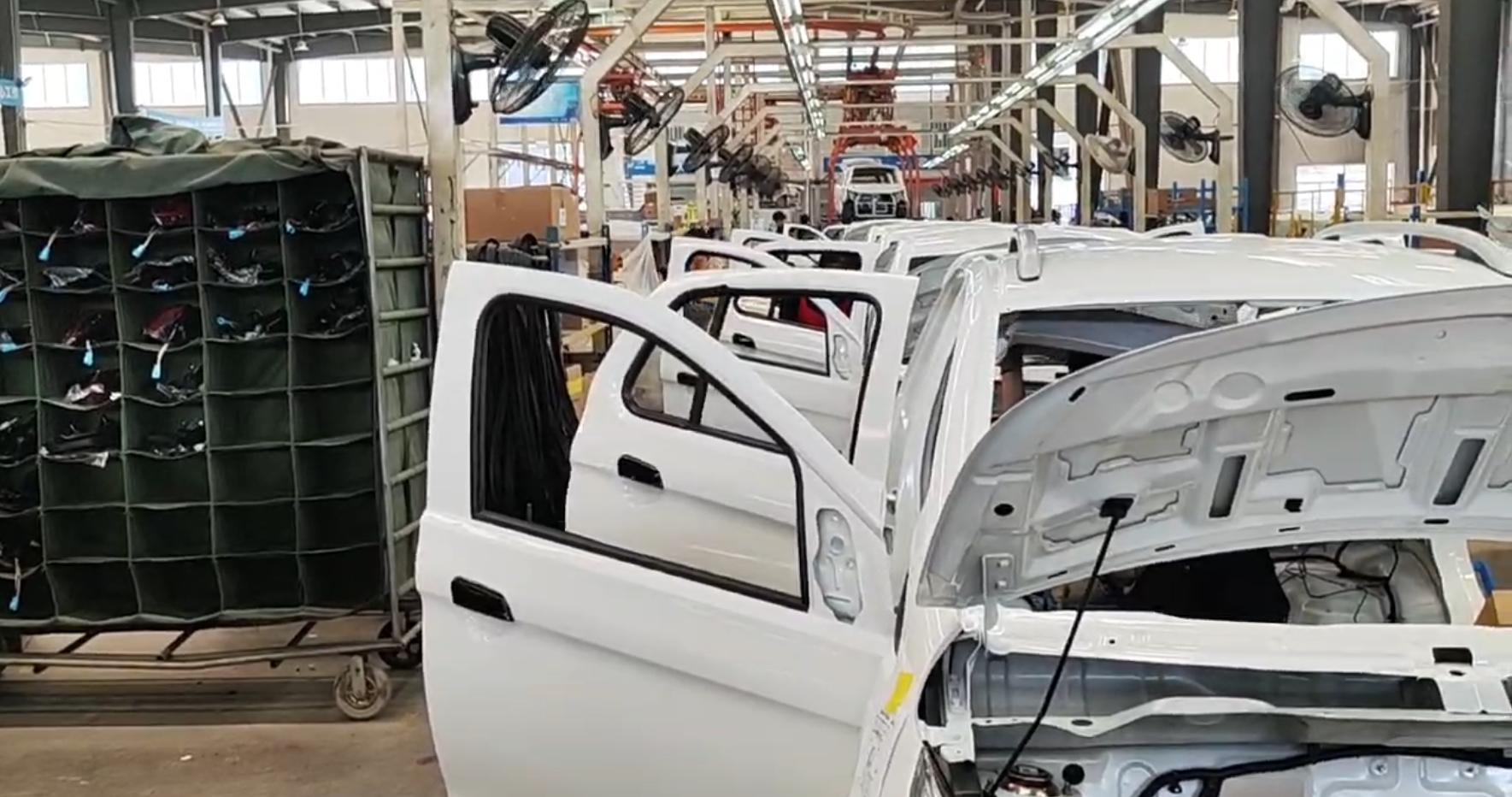
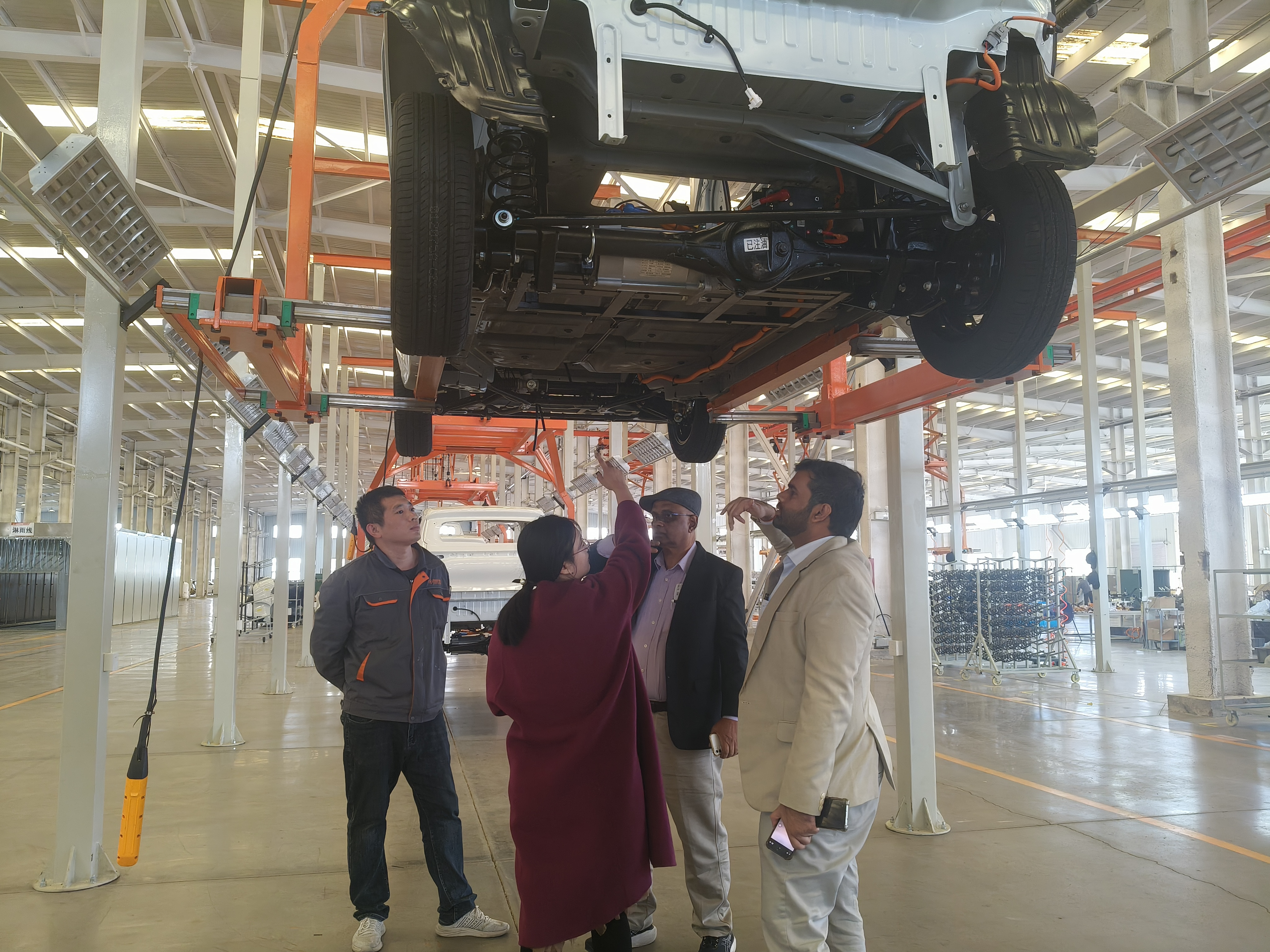
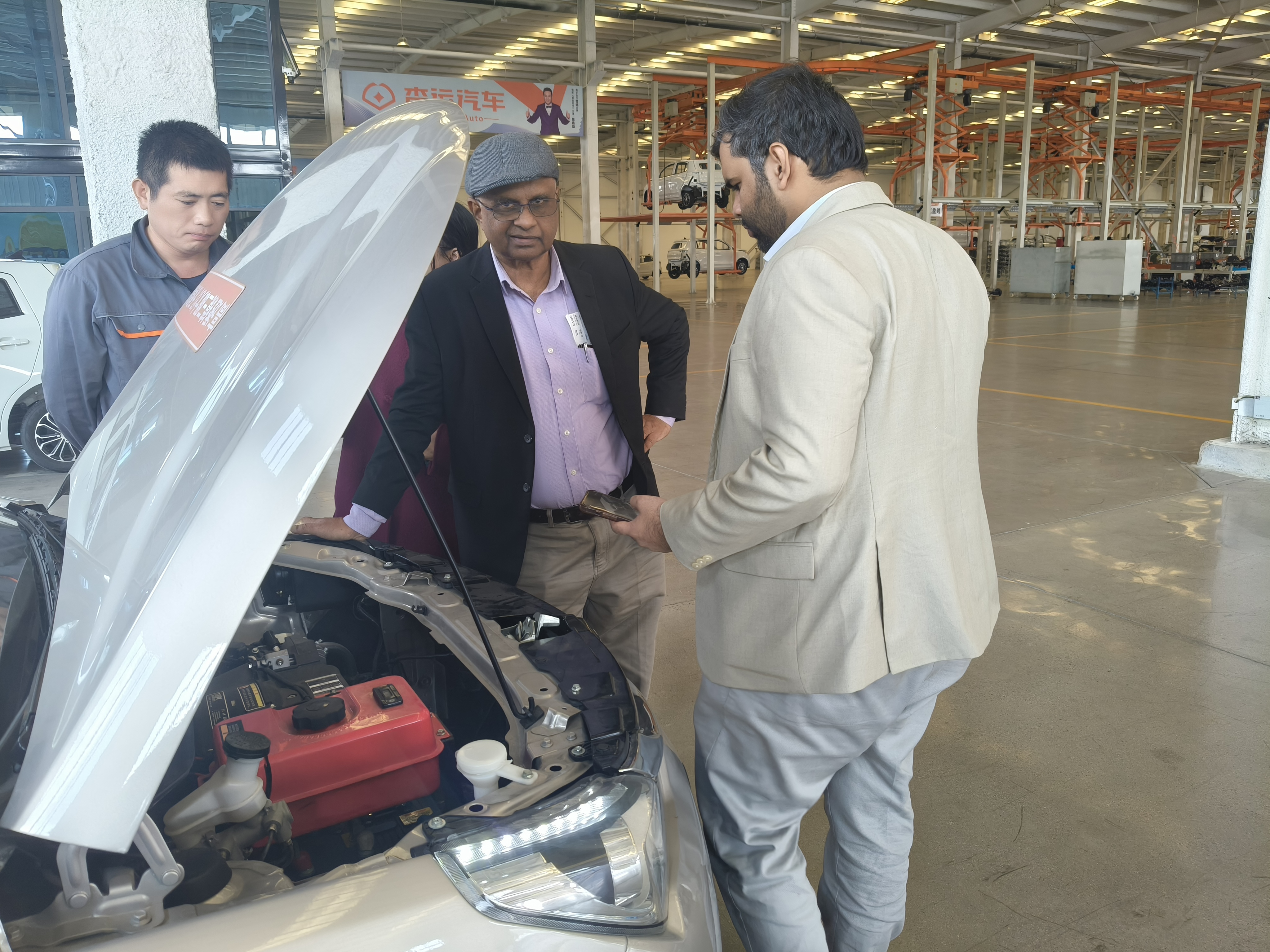
An inside look at our modern production facilities, showcasing automated welding lines, advanced paint systems, and precise assembly workshops.
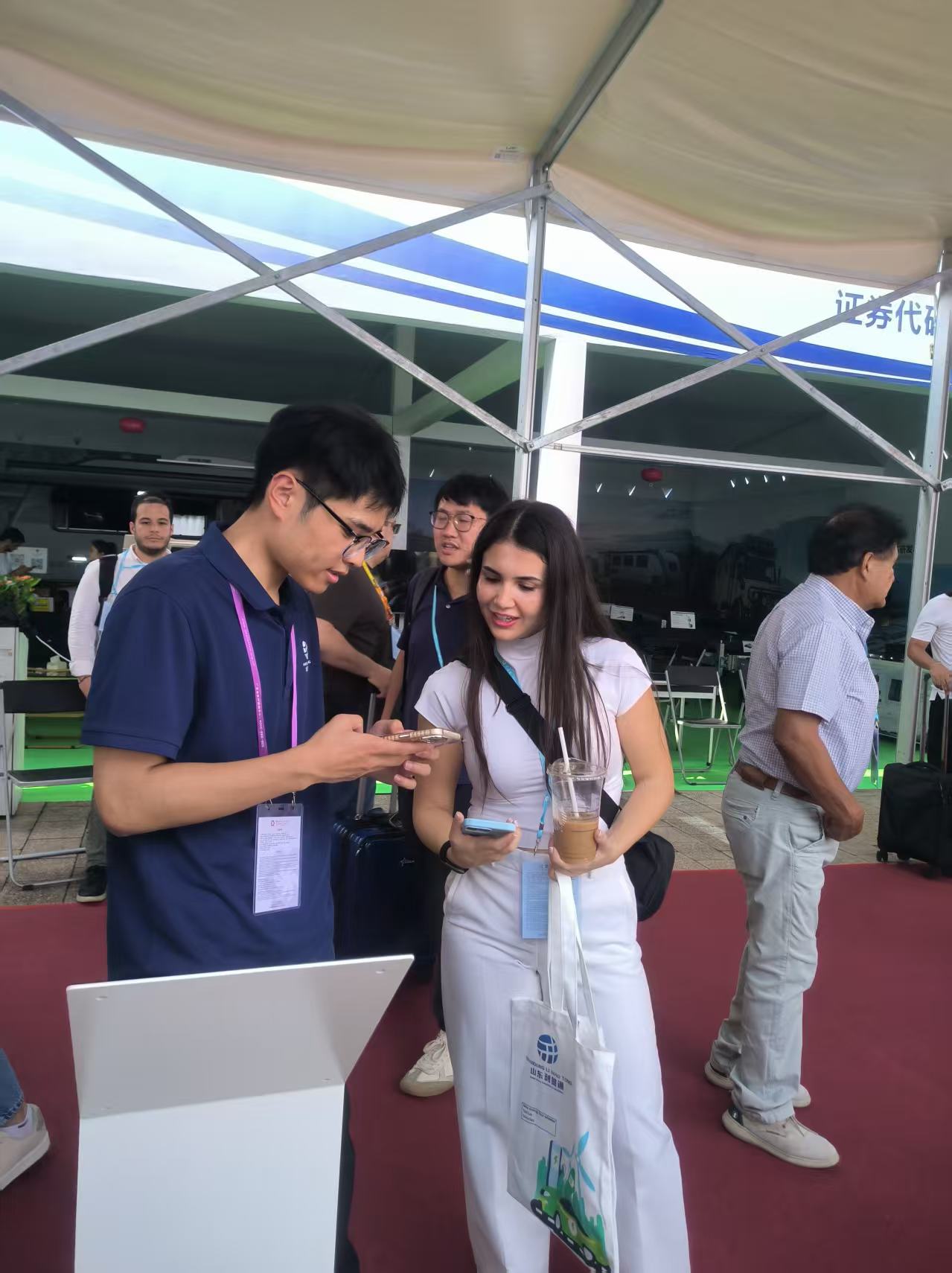
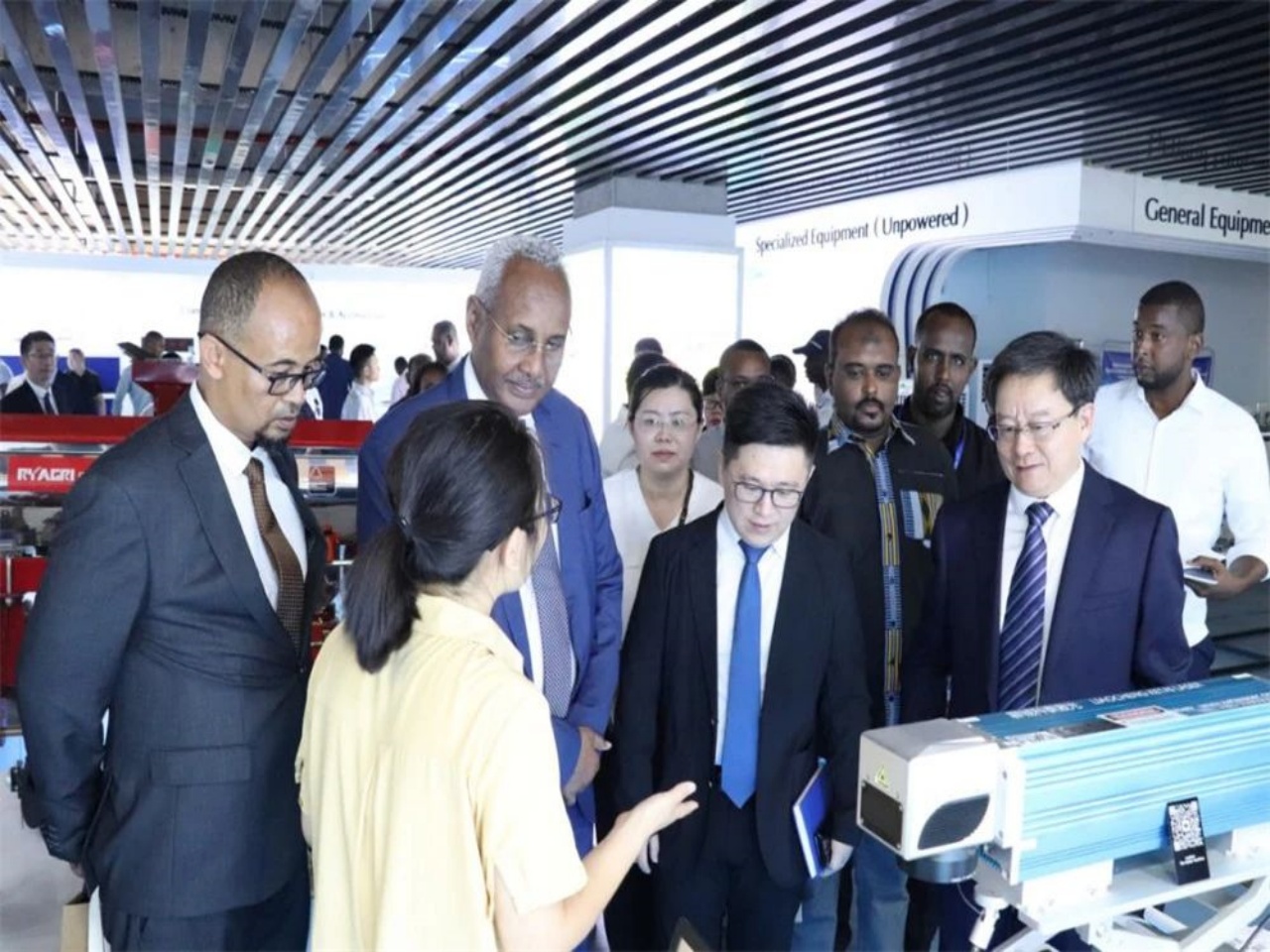
Connecting with partners at global industry events and automotive expos to showcase clean energy solutions.



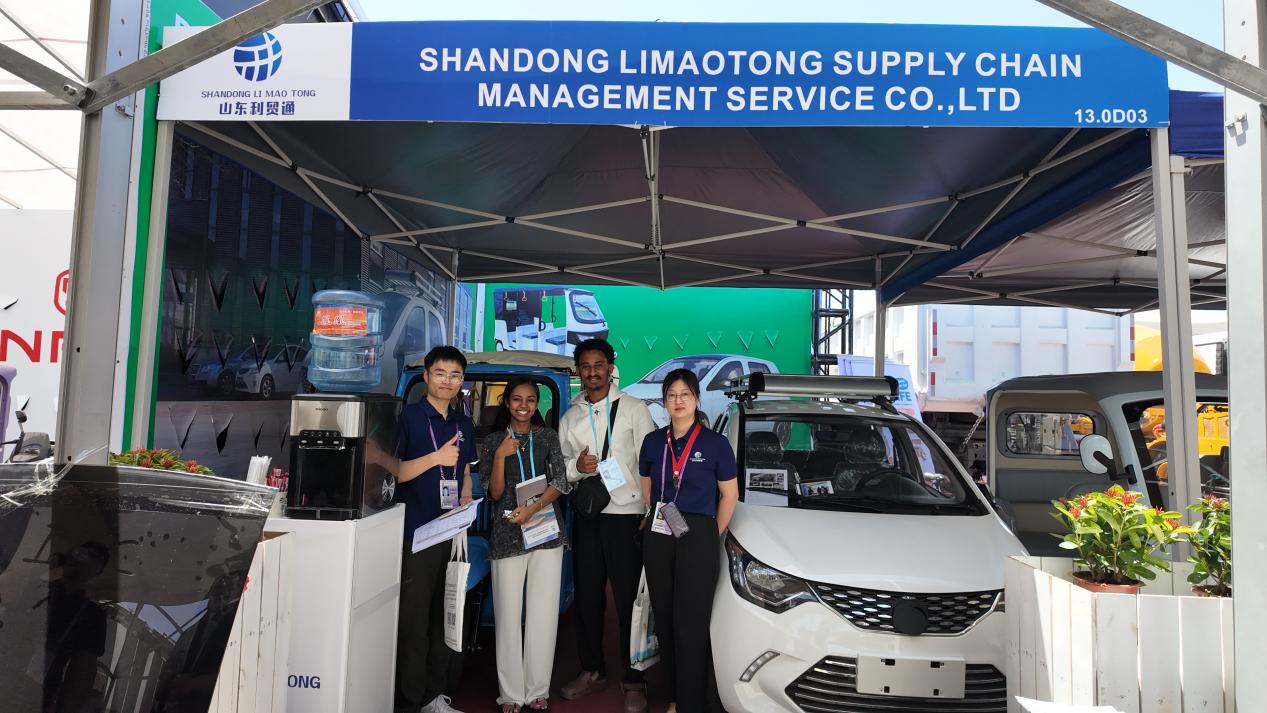
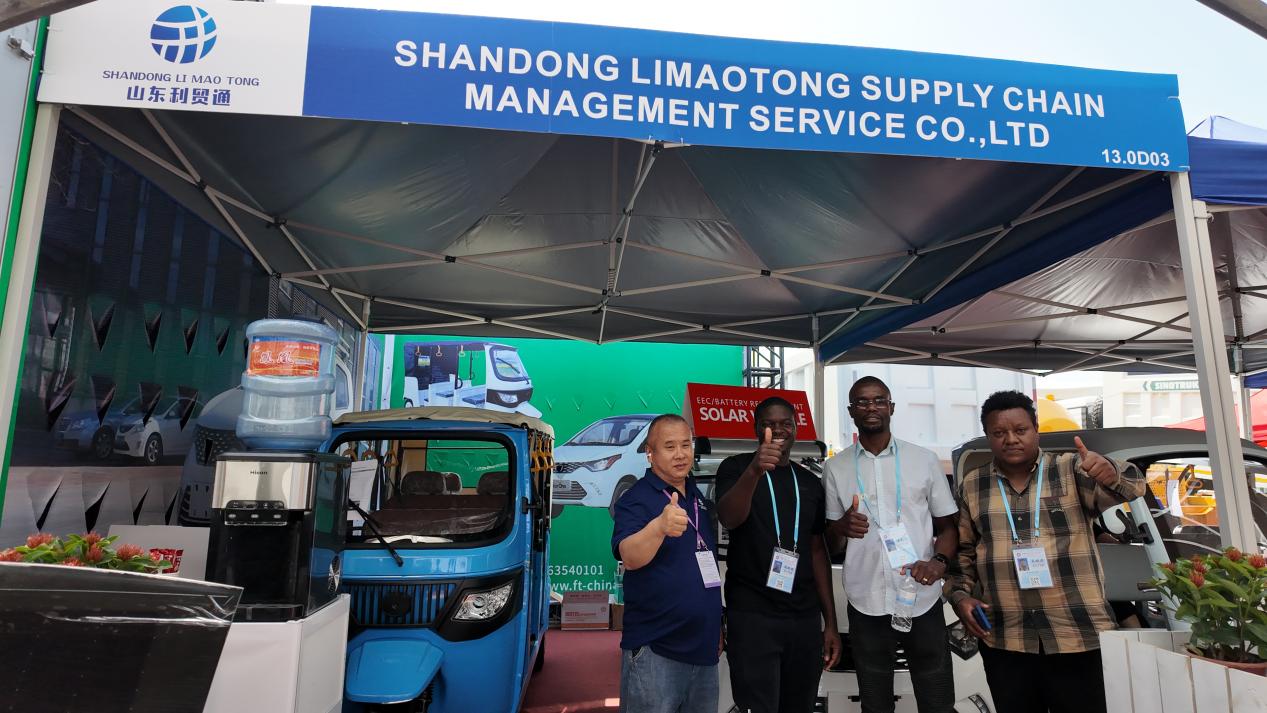
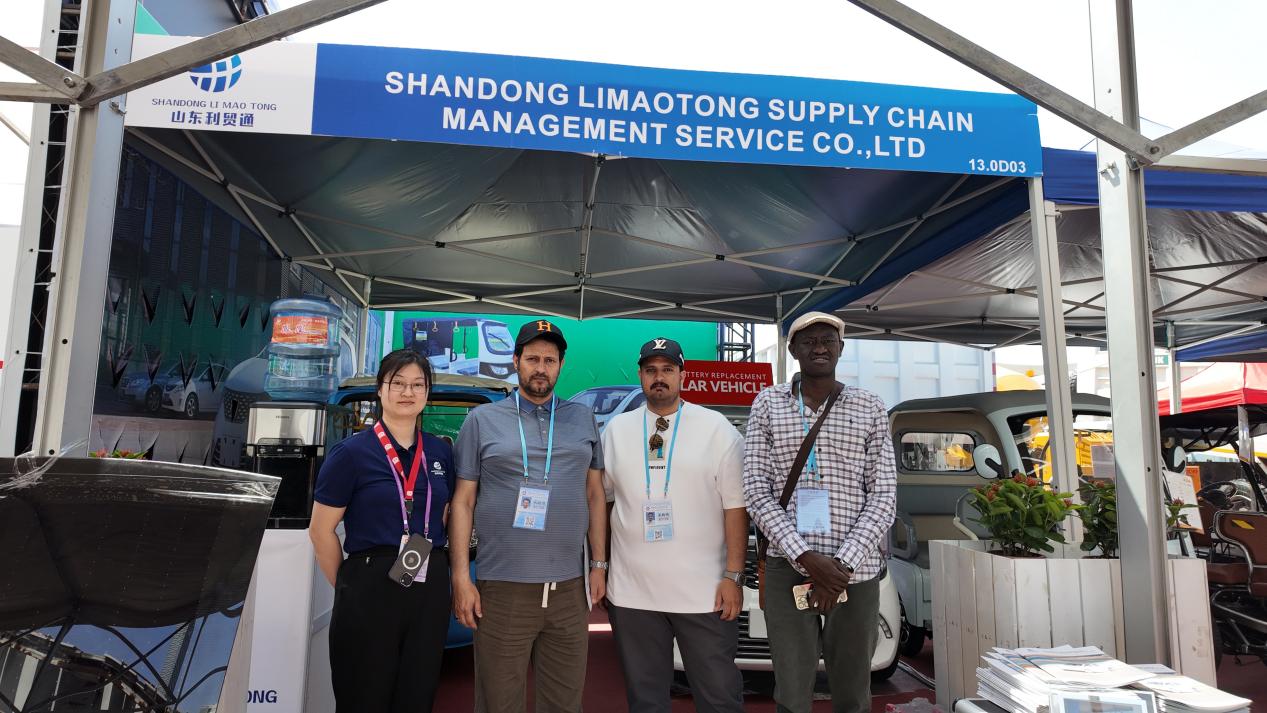
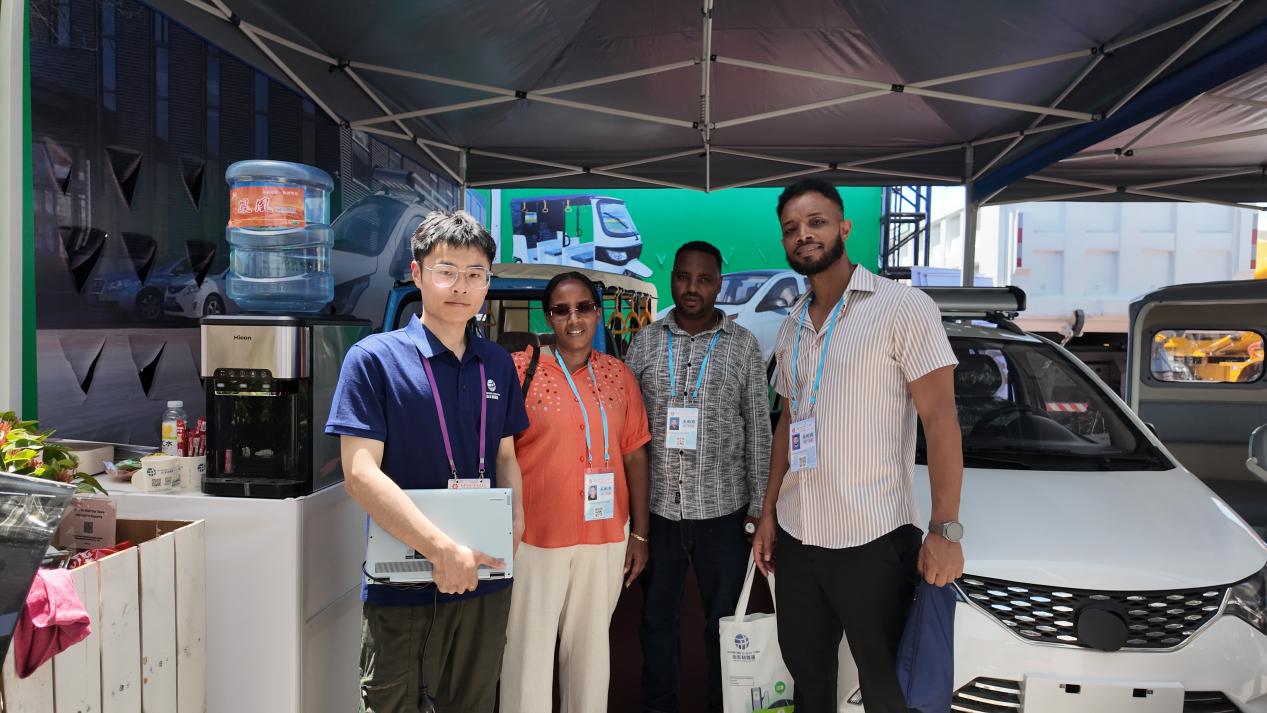
Demonstrating our production standards to international buyers and certification teams through transparent quality audits.

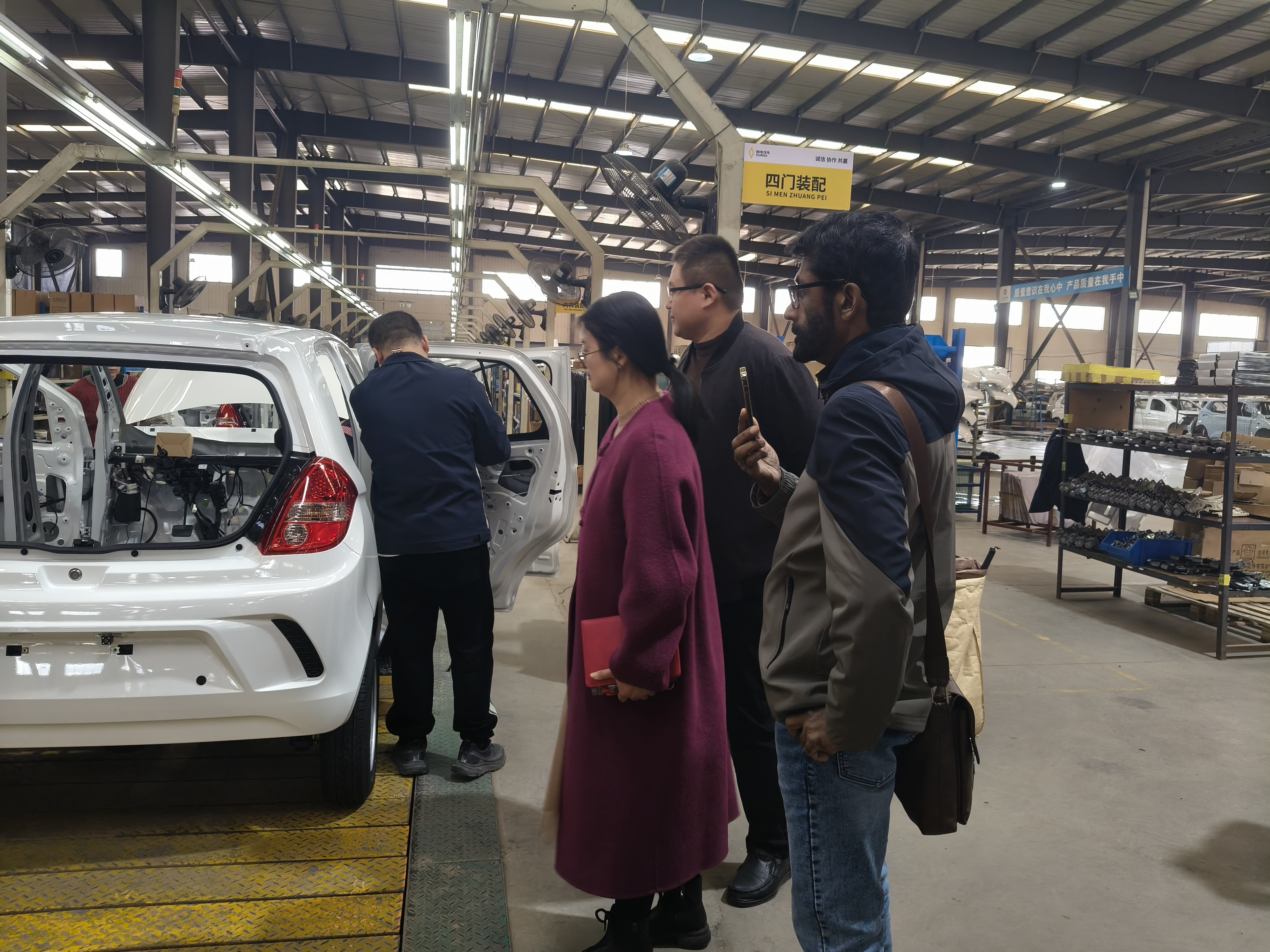
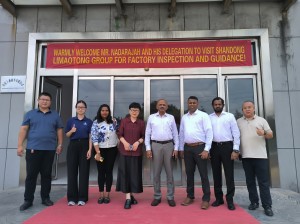

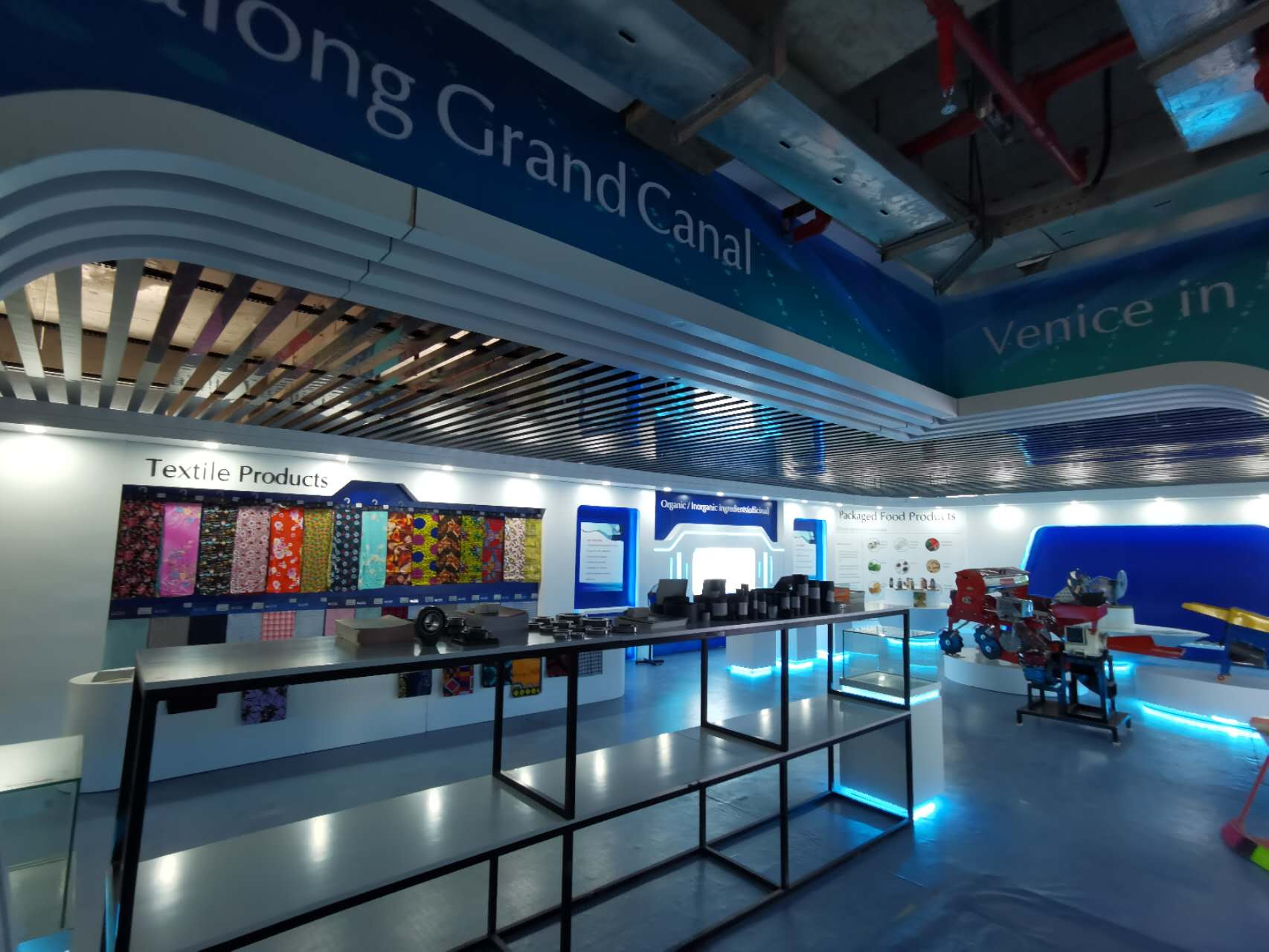
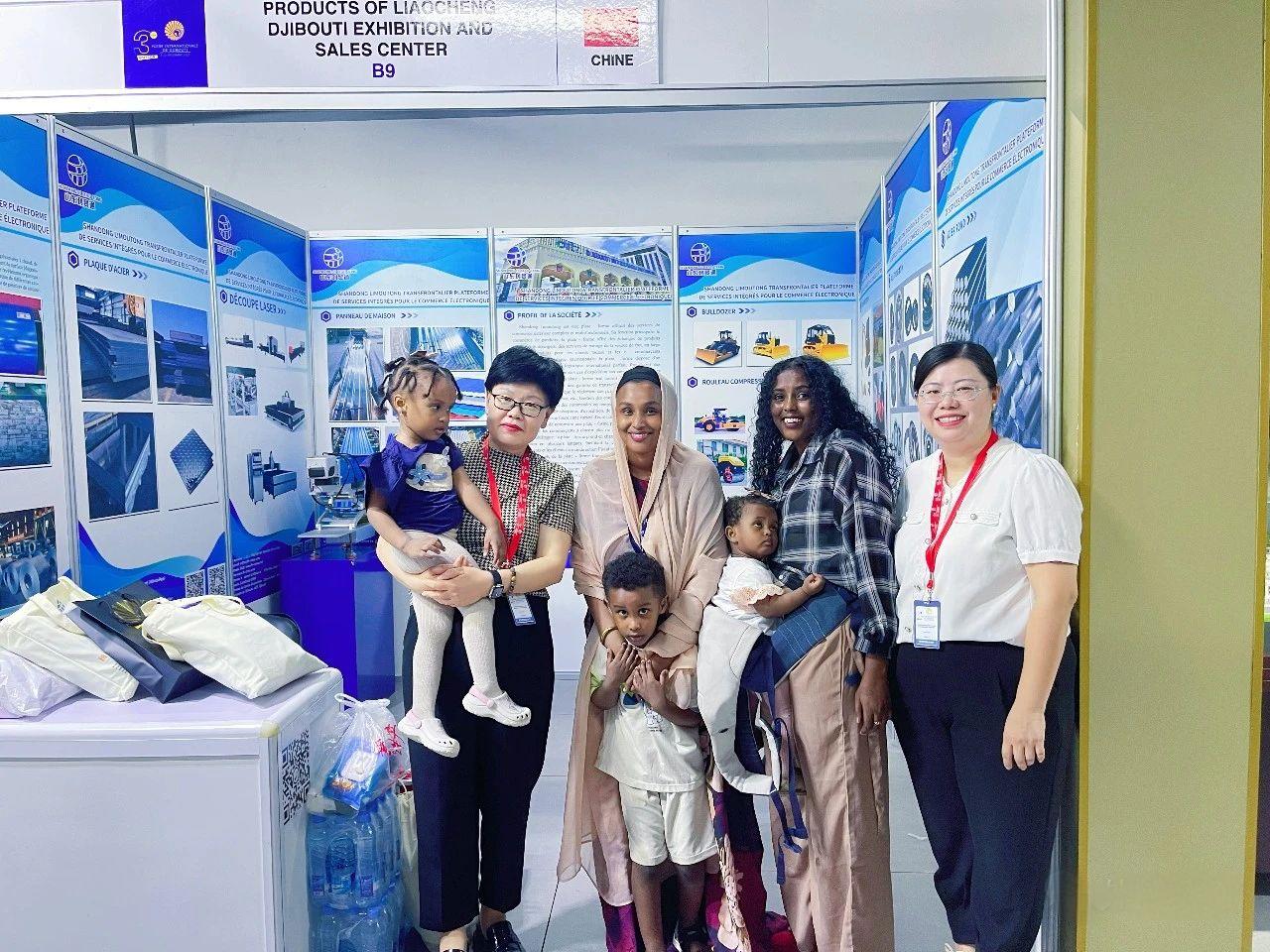
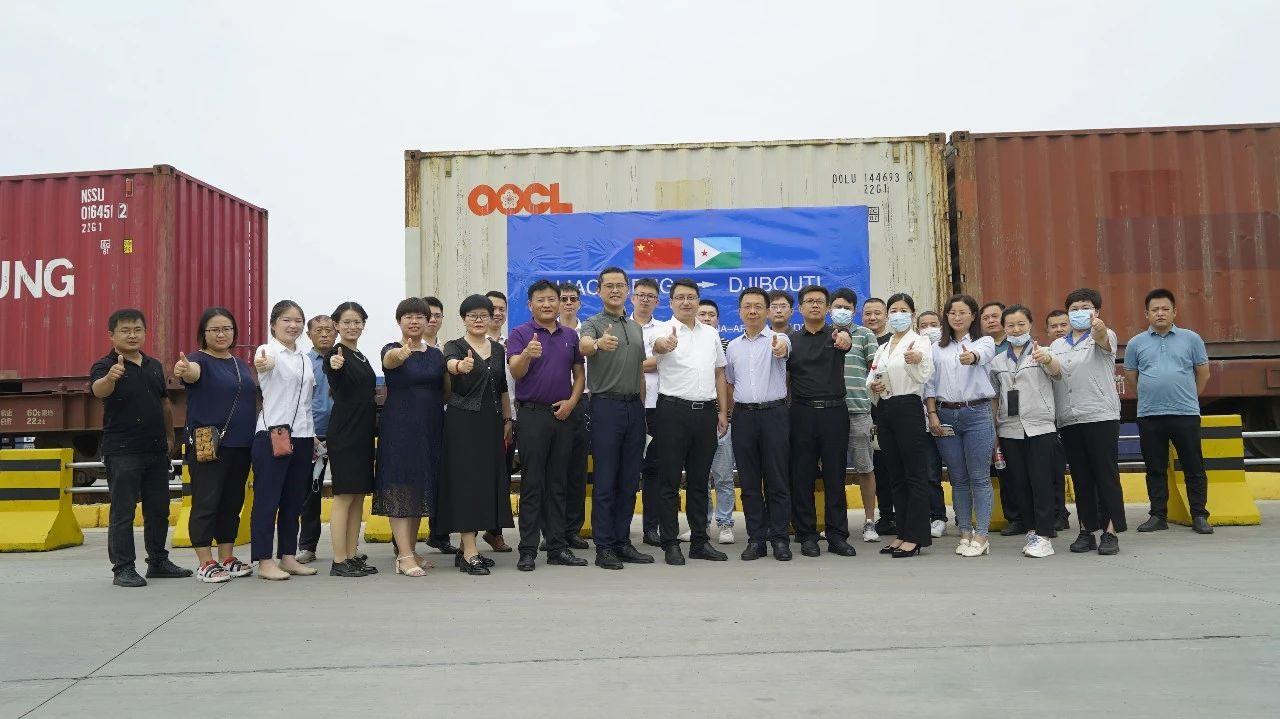
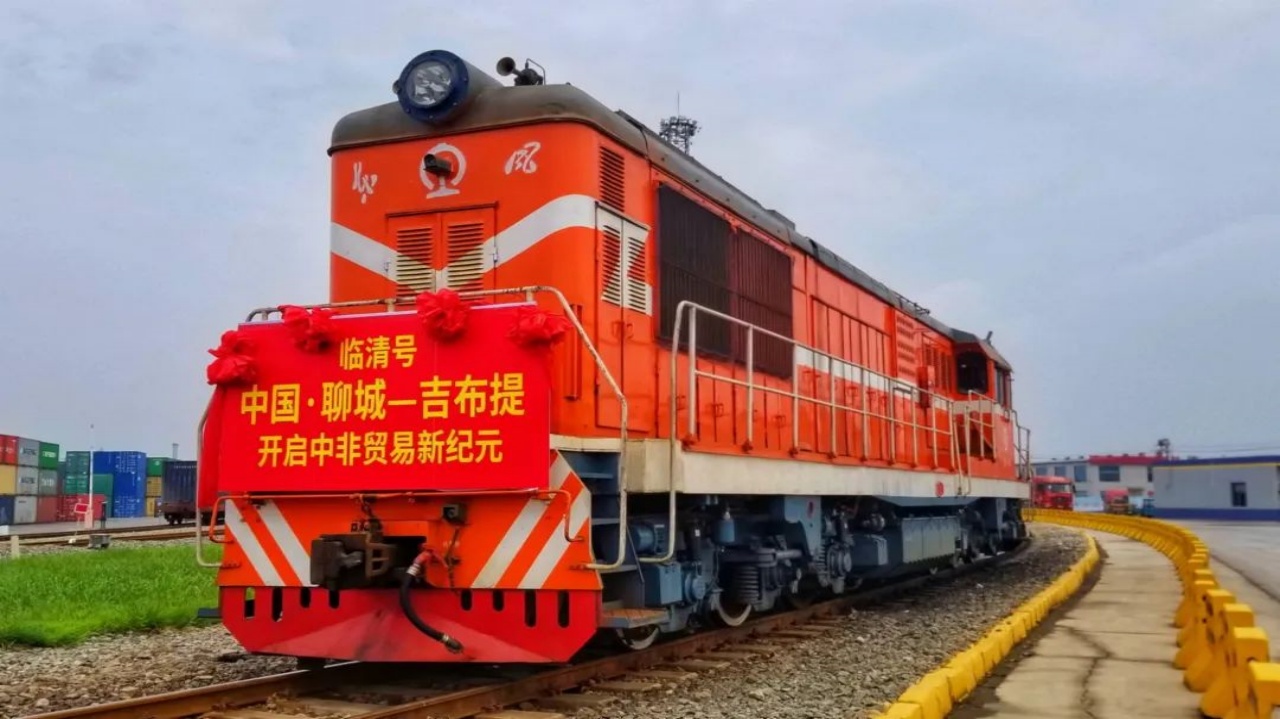
Established in 2023 inside the Djibouti International Free Trade Zone, this strategic cross-border sales and logistics hub plays a key role in our East African distribution network. Acting as a centralized gateway, the hub supports regional commerce by combining online transaction platforms with physical, front-end warehousing.
Supported by a dedicated local logistics and support team, the center manages fast customs clearing, handles localized vehicle modification requests, and coordinates door-to-door distribution. This integration helps reduce regional shipping costs and shipping times, ensuring a highly responsive supply chain for our global partners.
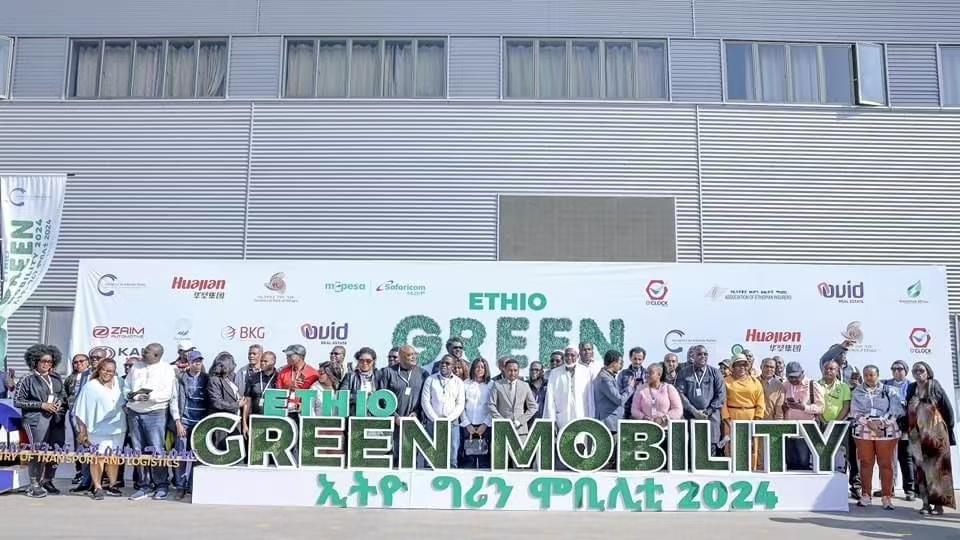
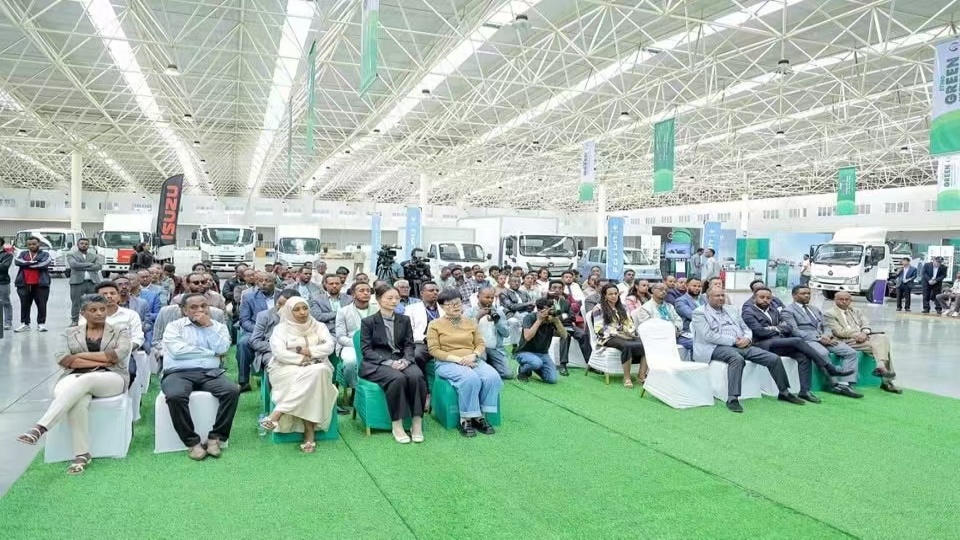


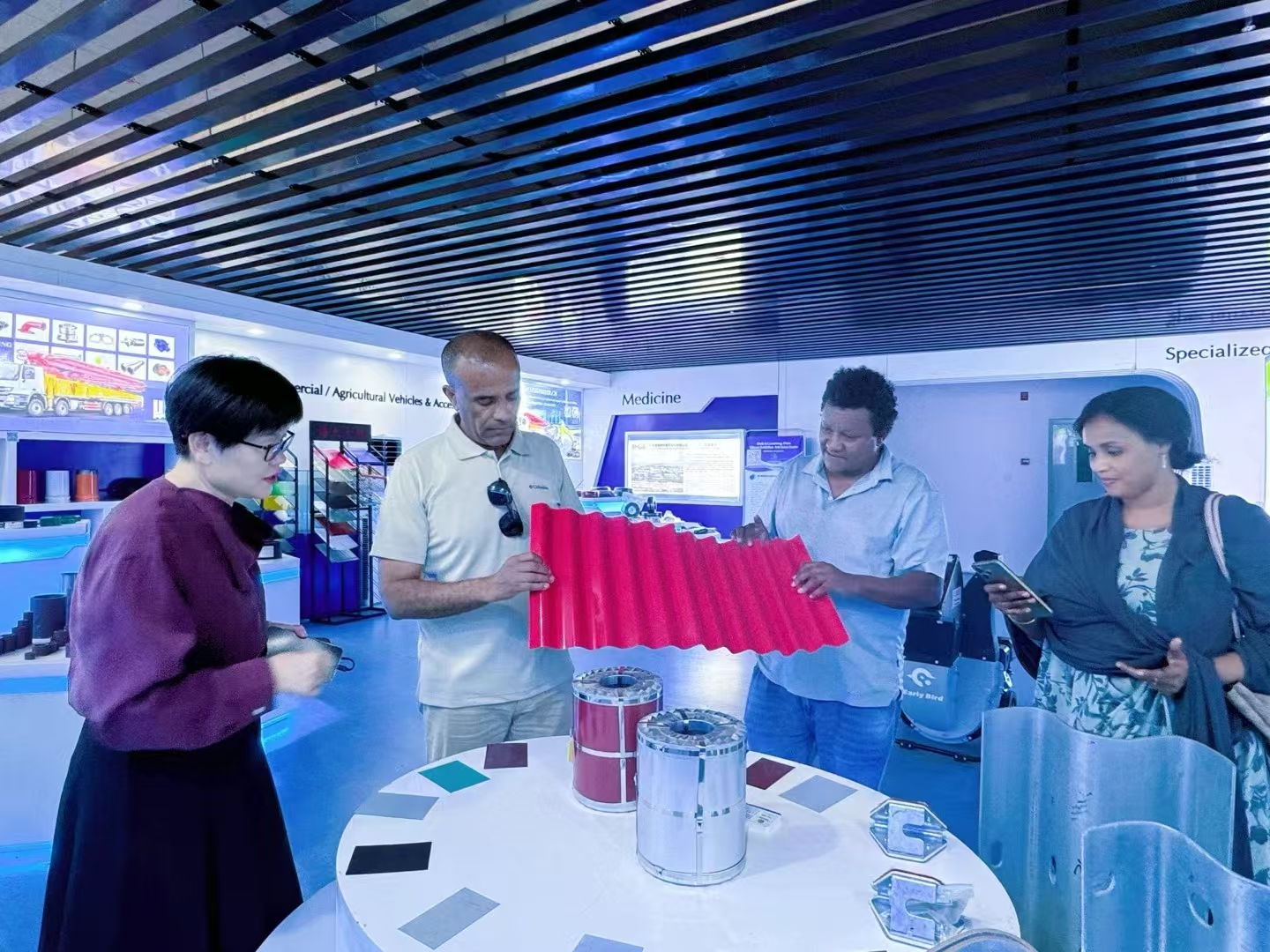

Explore our selection of energy-efficient passenger cars, commercial utility vehicles, and solar-hybrid micro-EVs built for global markets.
Answers to common questions from distributors, commercial buyers, and fleet managers regarding manufacturing standards, solar-hybrid logistics, and global delivery pipelines.
From micro two-door passenger commuters to multi-ton agricultural haulers, explore our diverse electric mobility options.
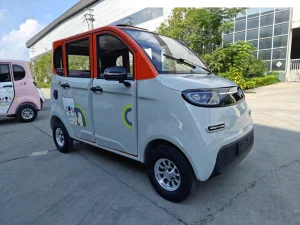
 Limaotong