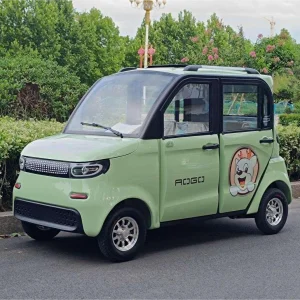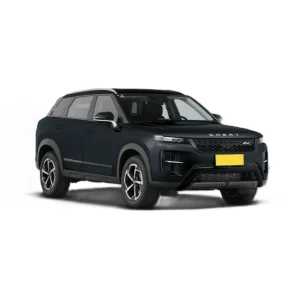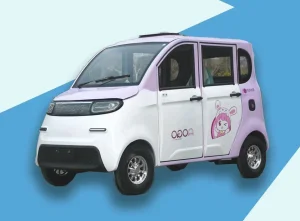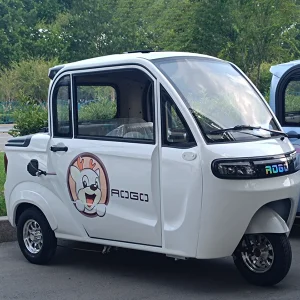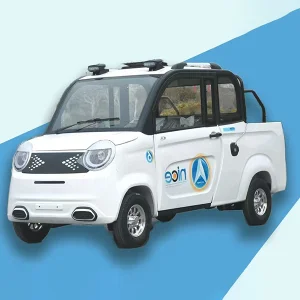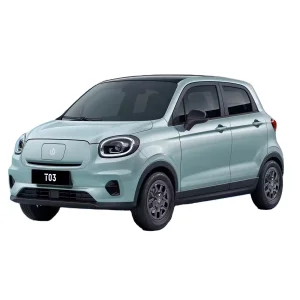
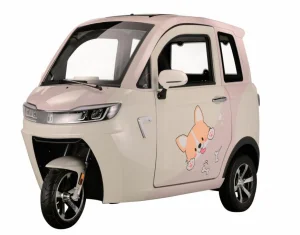
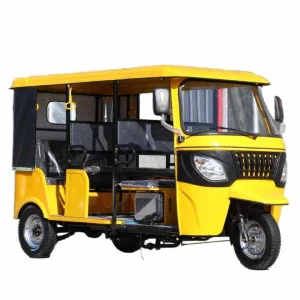
As the global energy structure transitions rapidly toward zero-emission solutions, the demand for modular, robust, and cost-effective transportation has escalated. SHANDONG LI MAO TONG GROUP sits at the absolute forefront of this industrial revolution. Specialized in the research, dynamic manufacture, and international logistics of passenger & cargo motor tricycles, solar-hybrid trikes, and electric mini vehicles, we represent the peak of modern Chinese high-efficiency smart manufacturing.
In contemporary micro-mobility scenarios, three-wheeled vehicles (often structurally categorized under L-class regulations globally) bridge the critical gap between heavy four-wheeled commercial trucks and agile but capacity-constrained two-wheeled bikes. According to international transportation logistics data, last-mile delivery operations account for up to 53% of overall shipping costs. Three-wheeled vehicles optimize this cost sector by supplying high payload capacities, lower operational energy expenditures, and easier navigation through dense urban configurations or challenging off-road topographies.
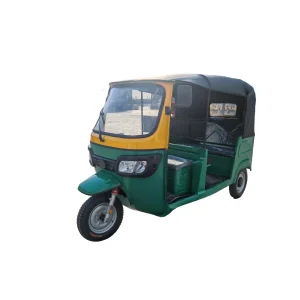
In developing regions across Africa, Asia, and Latin America, electric passenger tricycles serve as structural cornerstones for public passenger transport (such as high-density Tuk Tuk taxi grids). Conversely, in European and North American metropolitan areas, enclosed electric delivery trikes have become highly favored solutions for logistics giants looking to meet stringent municipal carbon-neutral targets.
The technical transition of the three-wheeled industry has moved from noisy, high-emission internal combustion engines directly to zero-emission battery electric vehicles (BEVs) and innovative solar hybrid drivetrains. Below are the key technological highlights defining the future roadmap:
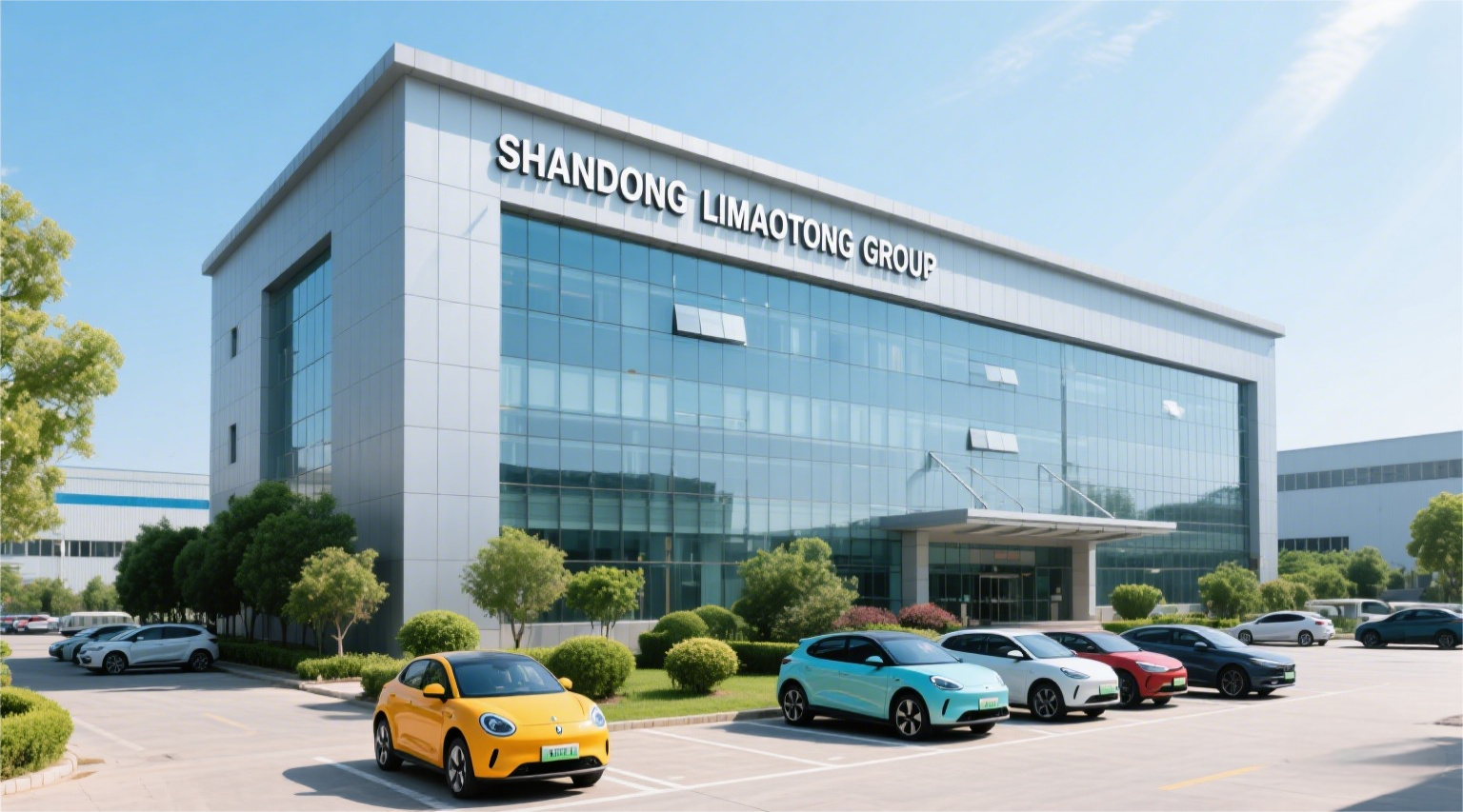
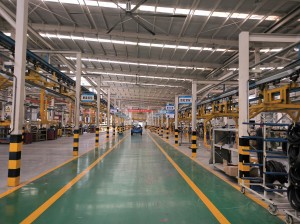
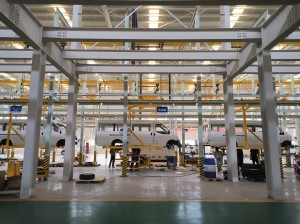
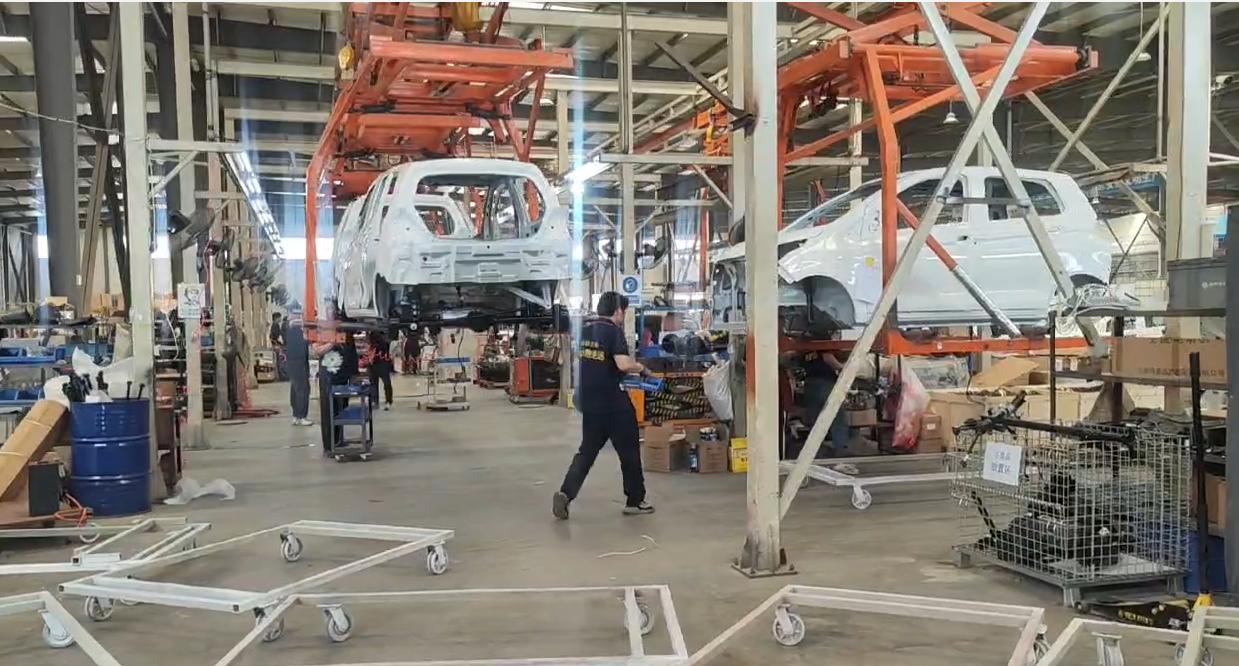
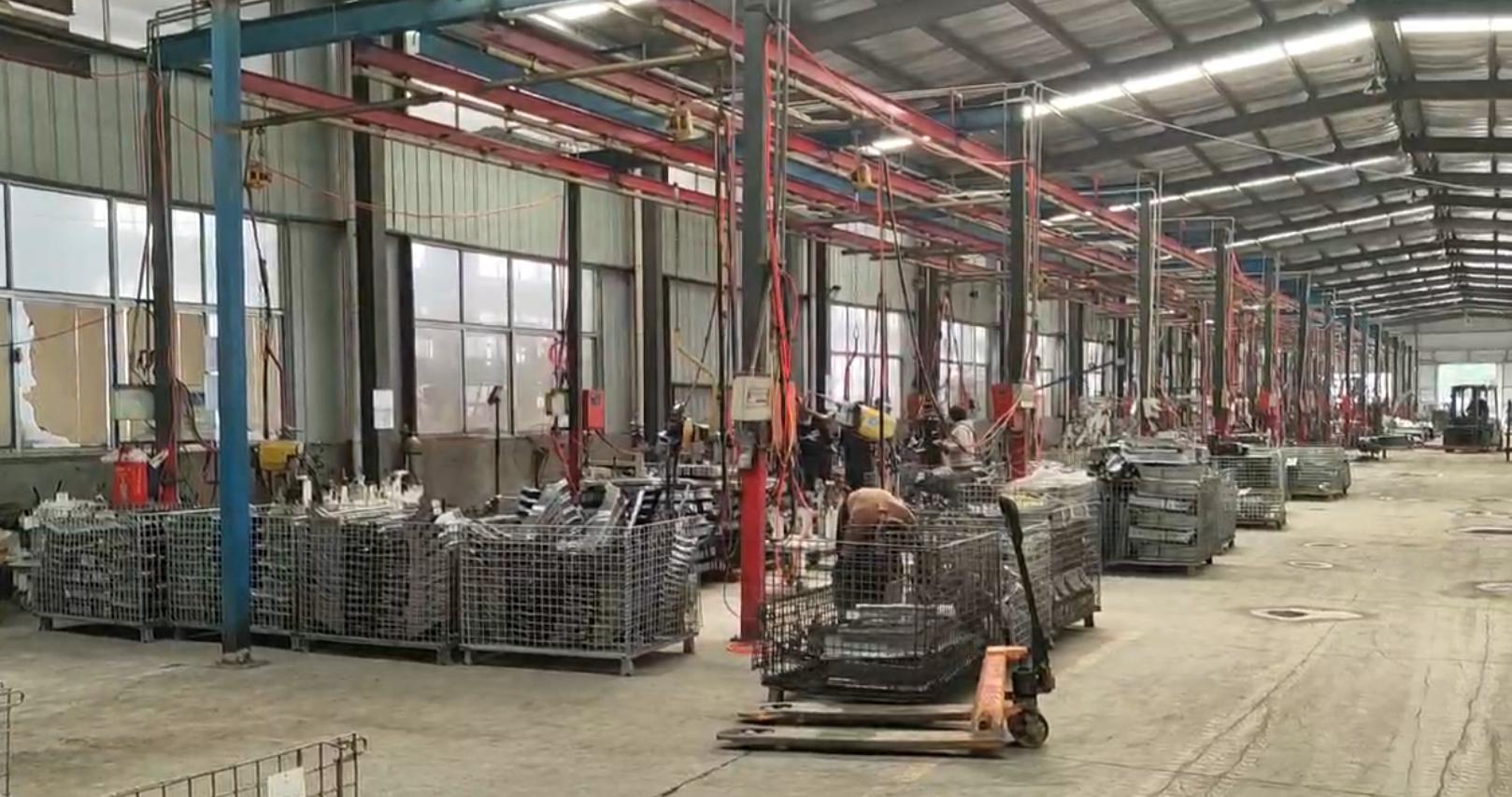
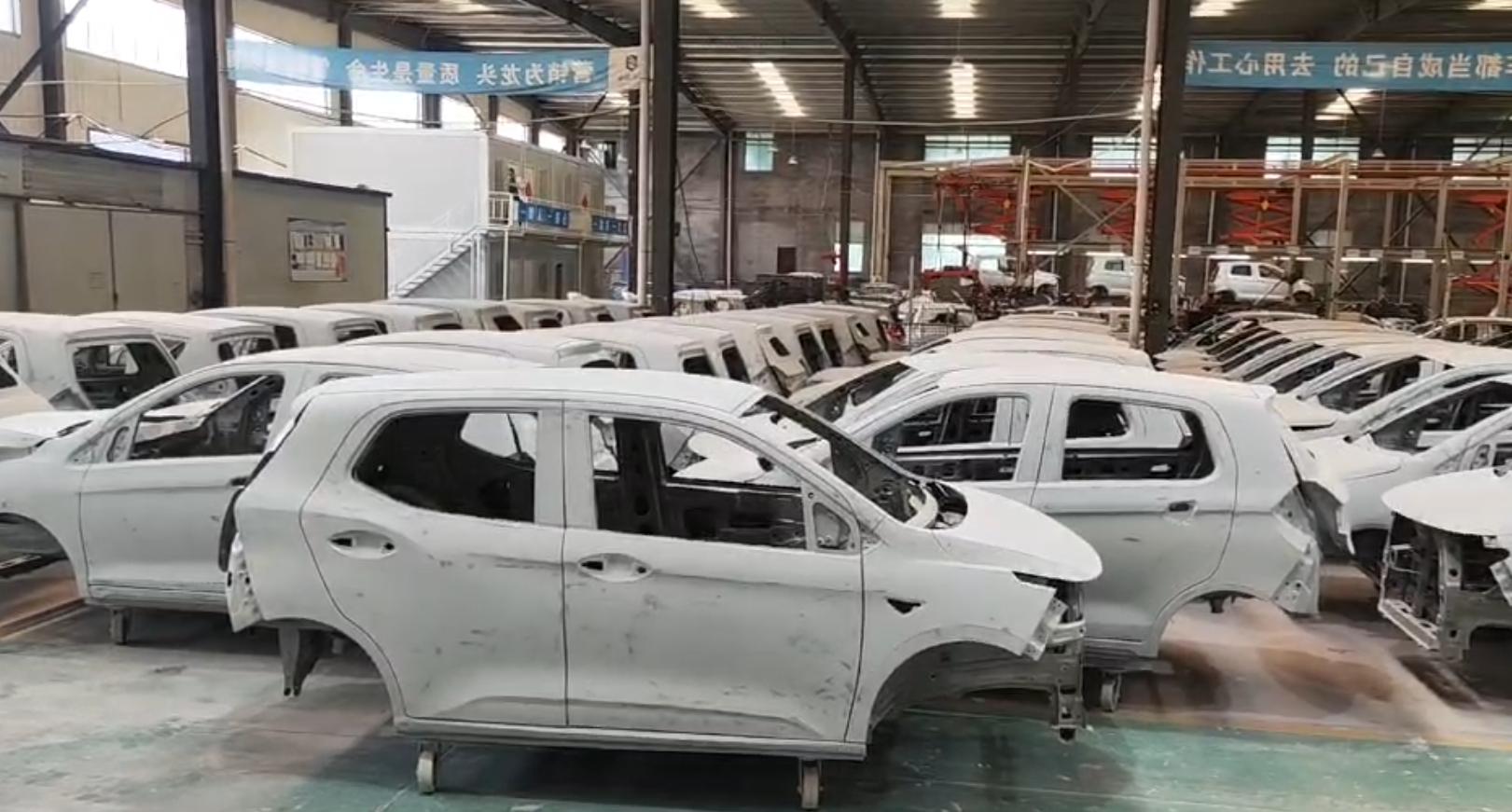
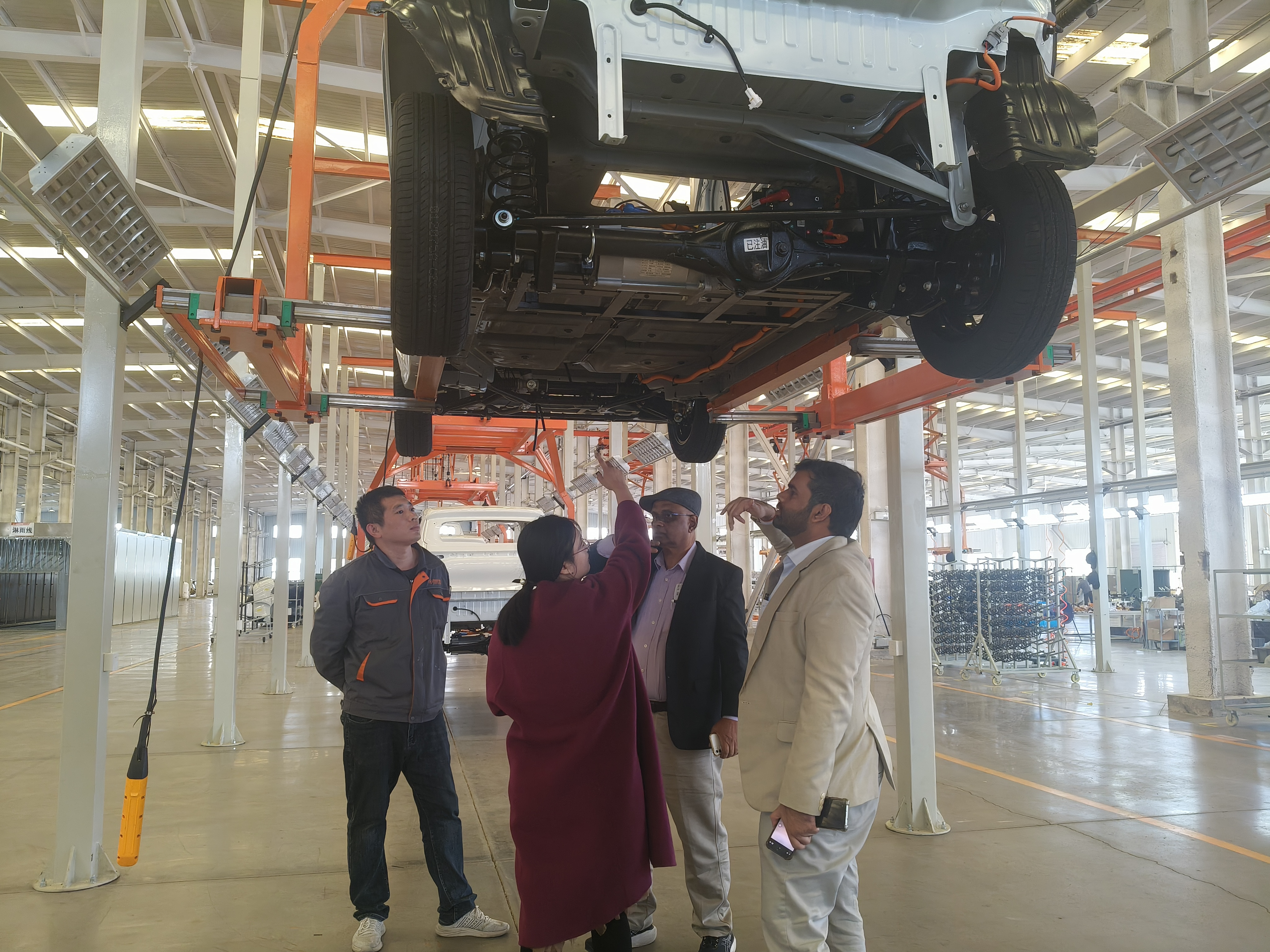
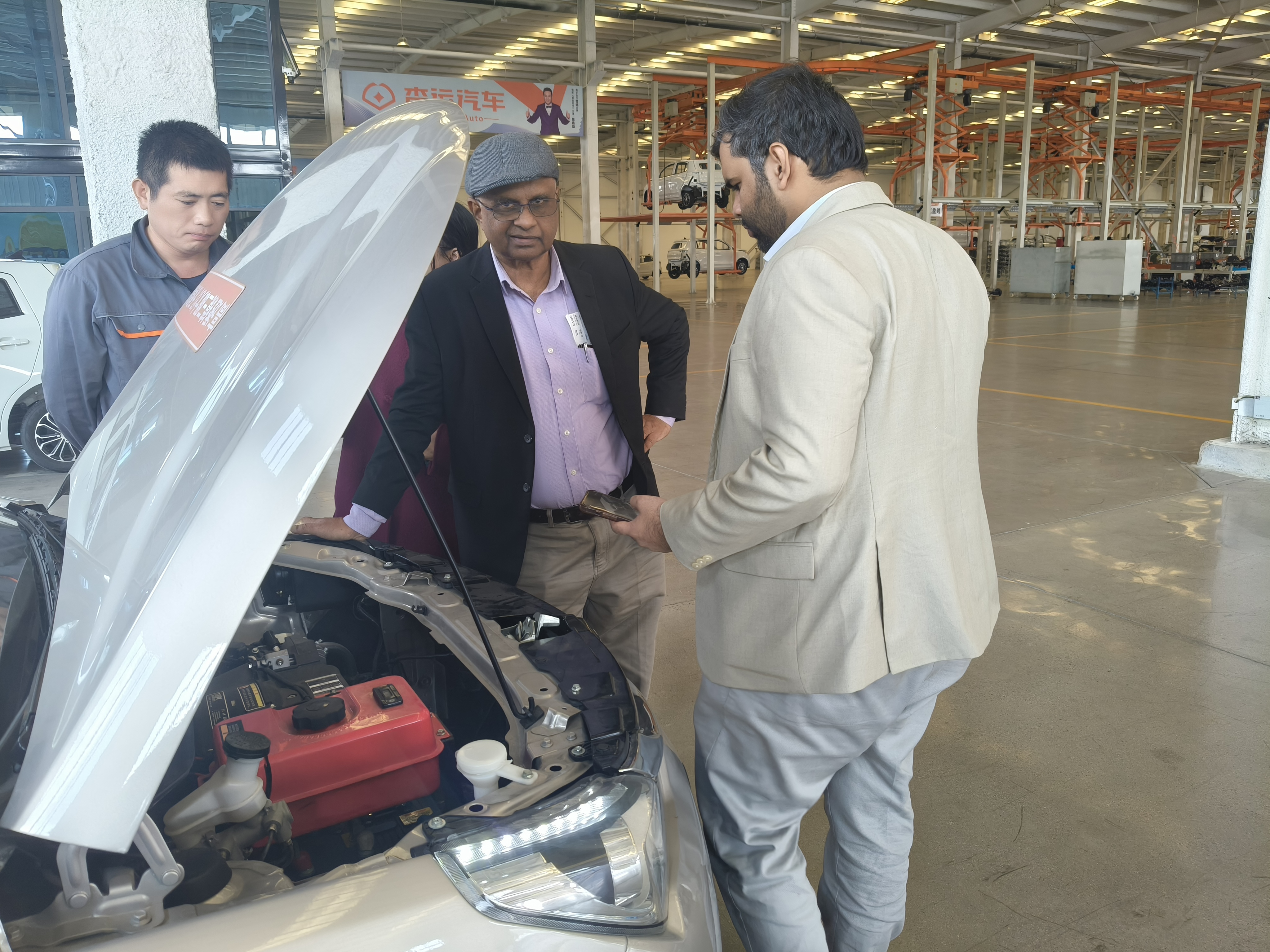
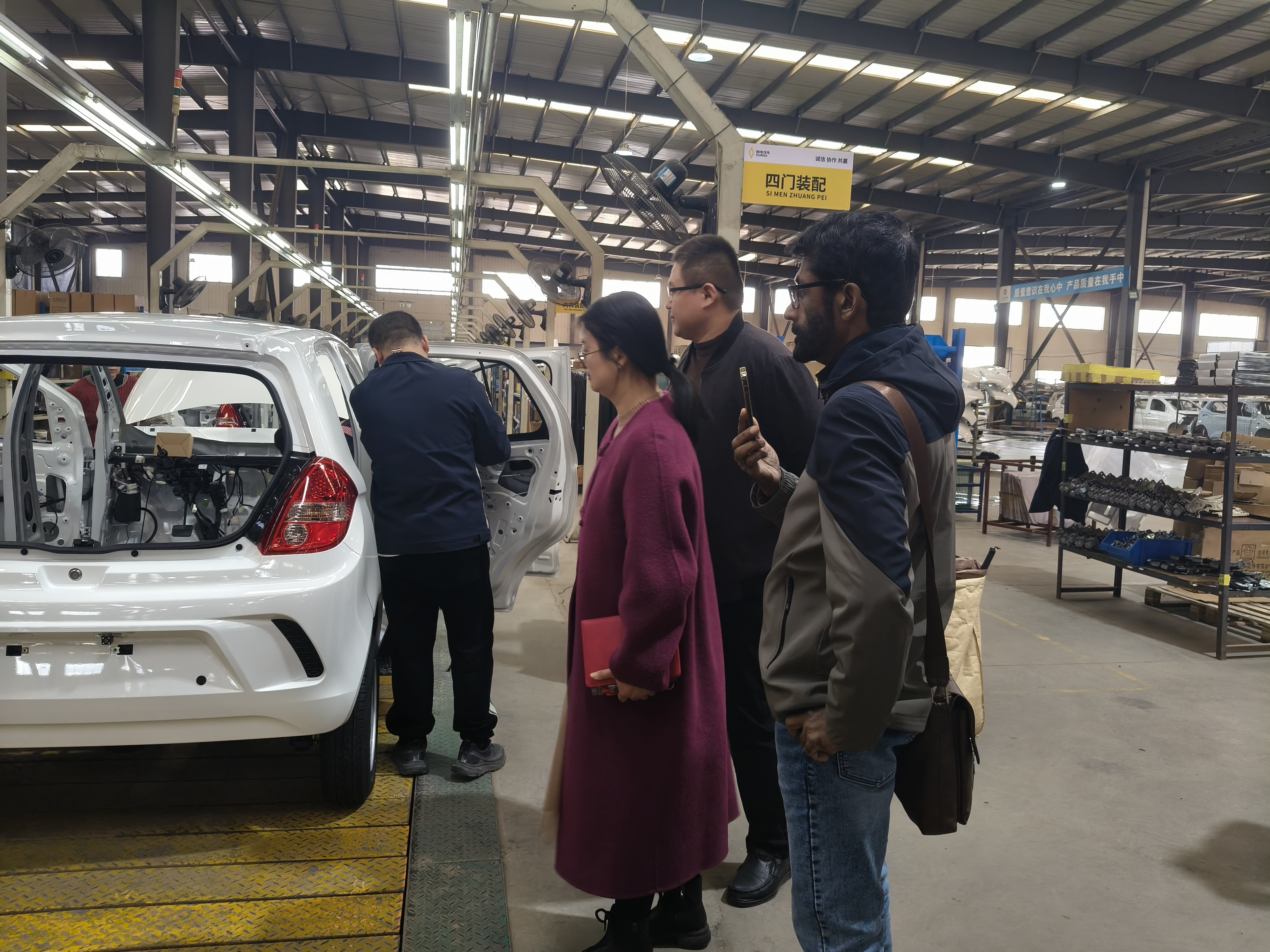
Shandong Li Mao Tong Group runs a state-of-the-art intelligent manufacturing facility equipped with fully automated robotic painting, high-precision laser cutting machines, and a rigorous quality control mechanism. Every vehicle is subjected to a comprehensive lab-grade rainstorm test simulation to ensure structural seals are 100% waterproof under harsh environments, ensuring robust operations from tropical zones to heavy monsoon environments.
To illustrate the versatile utility of China-made three-wheeled fleets, we analyze four major global use cases:
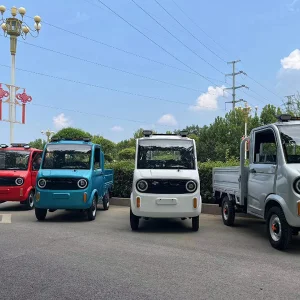
Enclosed cargo tricycles and mini dump trucks are replacing vans in urban centers. Featuring custom rear cargo compartments, they carry payloads of up to 1000kg, accessing tight alleys and zero-emission delivery zones with zero transit friction.
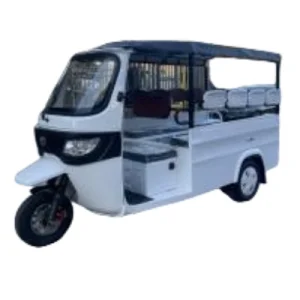
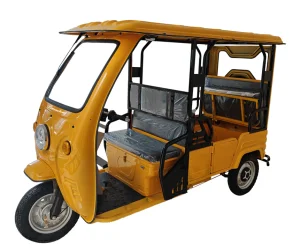
In resort sectors and historical cities, high-quality 6-seater and 7-seater electric passenger Tuk Tuks offer silent, emissions-free travel. These units combine robust steel chassis engineering with open-air passenger configurations.
Farmers use solar-assisted and heavy-duty cargo tricycles for local agricultural hauling. By integrating dual-charging capabilities (solar + grid power), these trikes can operate autonomously in remote areas without relying on gasoline grids.
The primary reason global importers choose Chinese manufacturers lies in the unmatched supply chain integration. The city zones of Shandong and neighboring provinces host the world’s most dense cluster of mechanical, battery, and automotive parts suppliers.
This concentration allows Shandong Li Mao Tong Group to access structural steel, motors, electric controllers, and paint materials within a small geographic radius, dramatically lowering logistics overheads and lead times. Furthermore, our flexible production lines allow custom modifications (such as custom rear chassis extensions, solar integration, and specific axle ratios) to be developed, tested, and scaled at speeds unmatched by Western or local manufacturers.
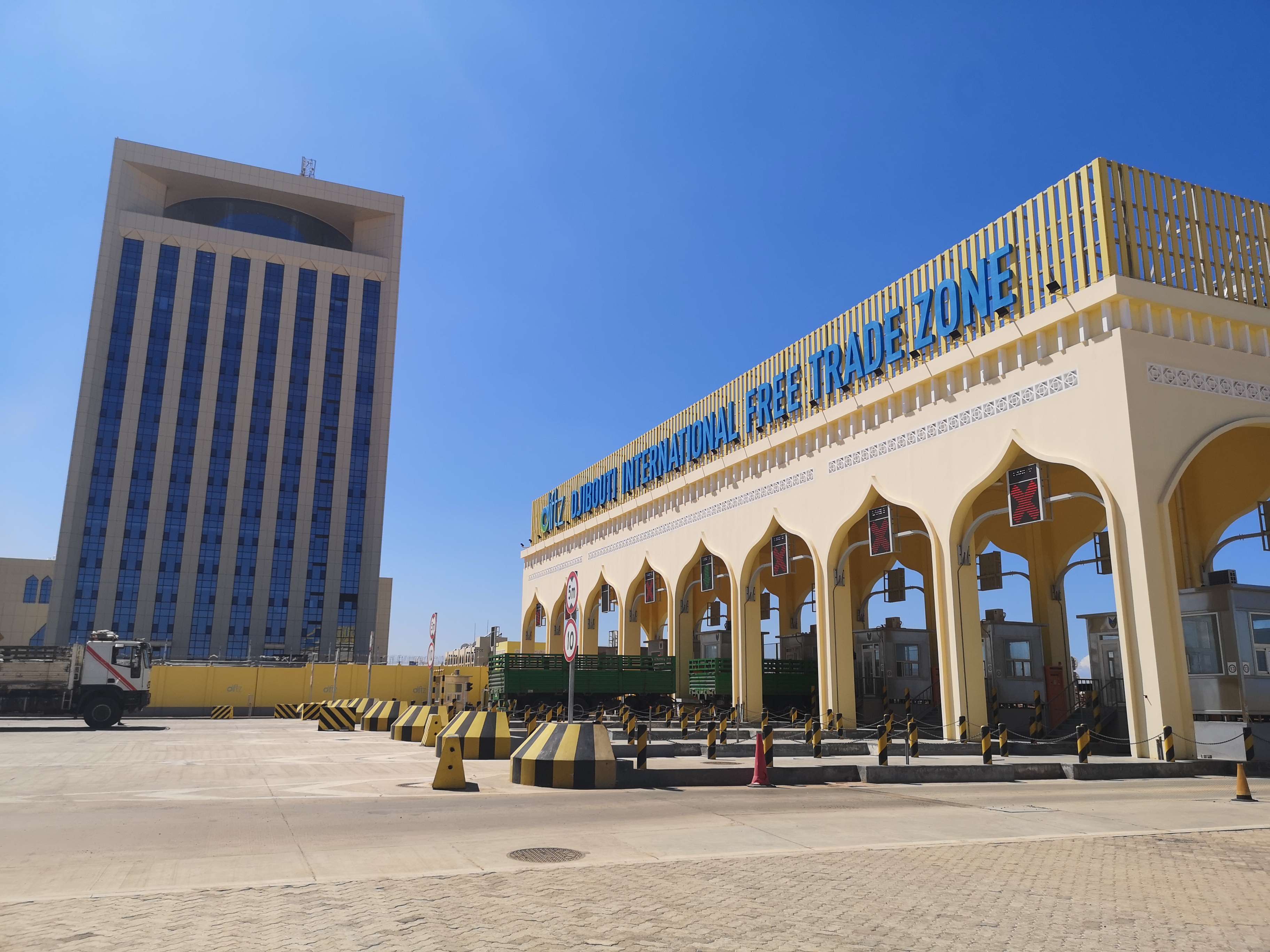
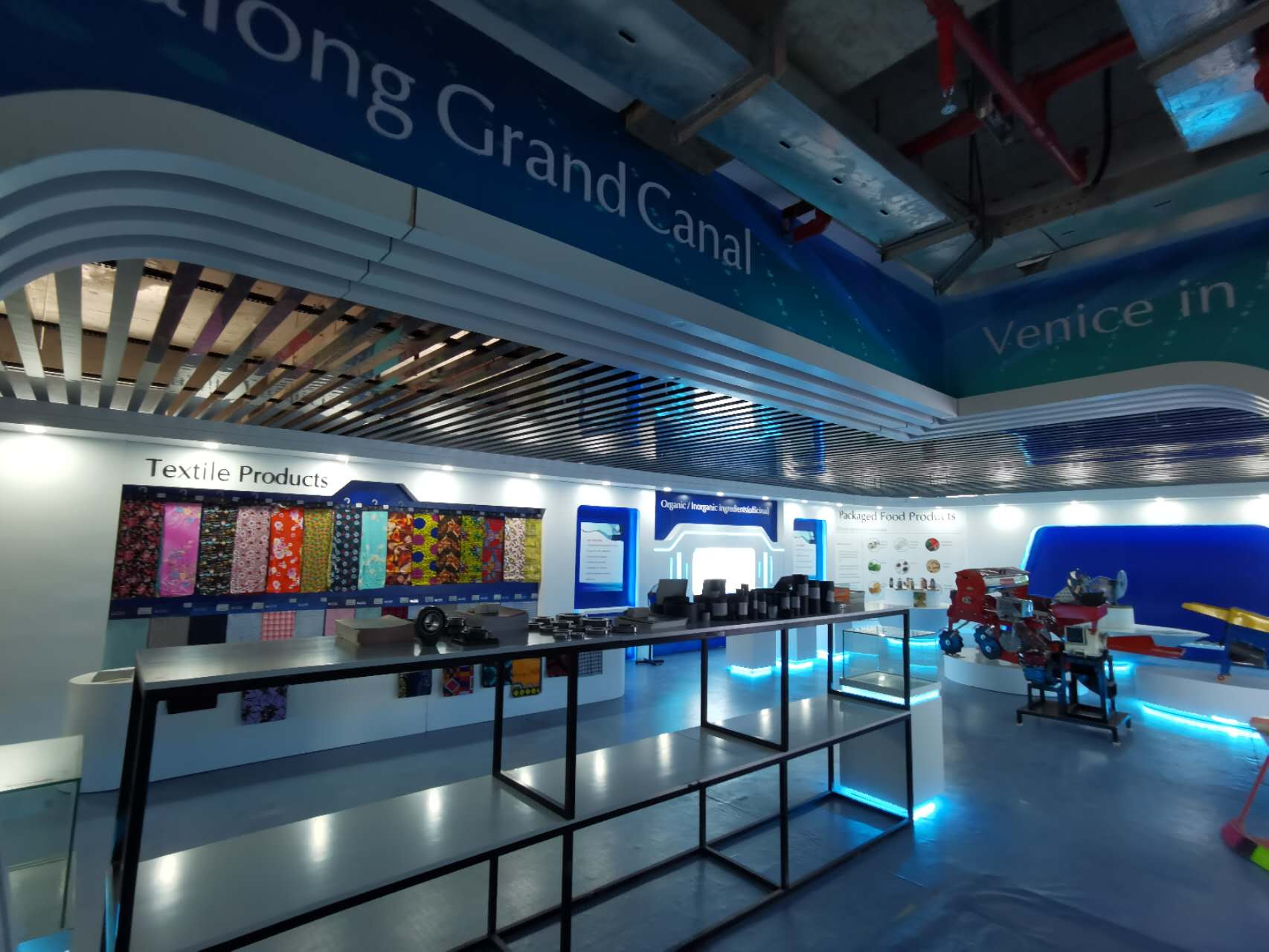
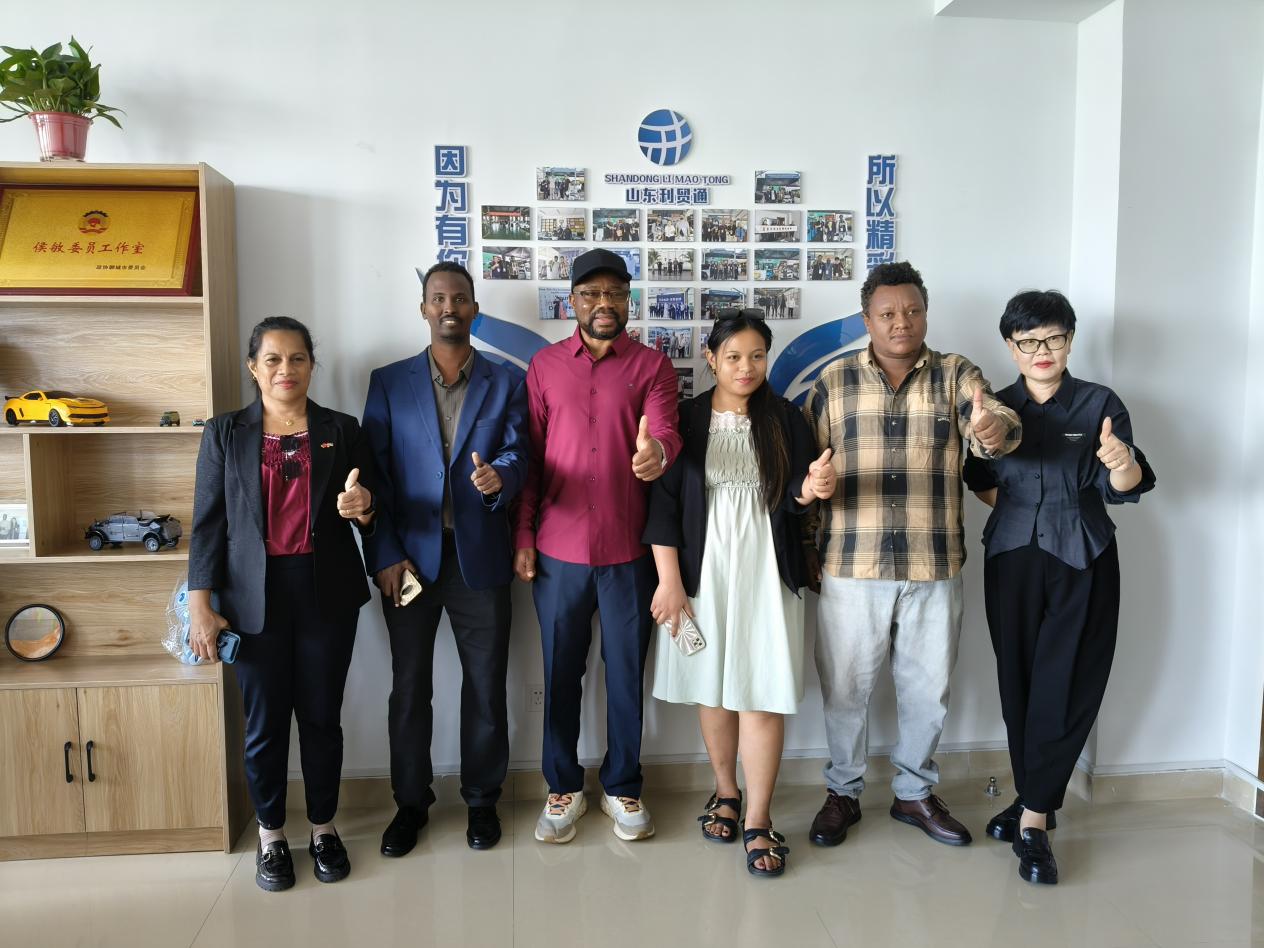
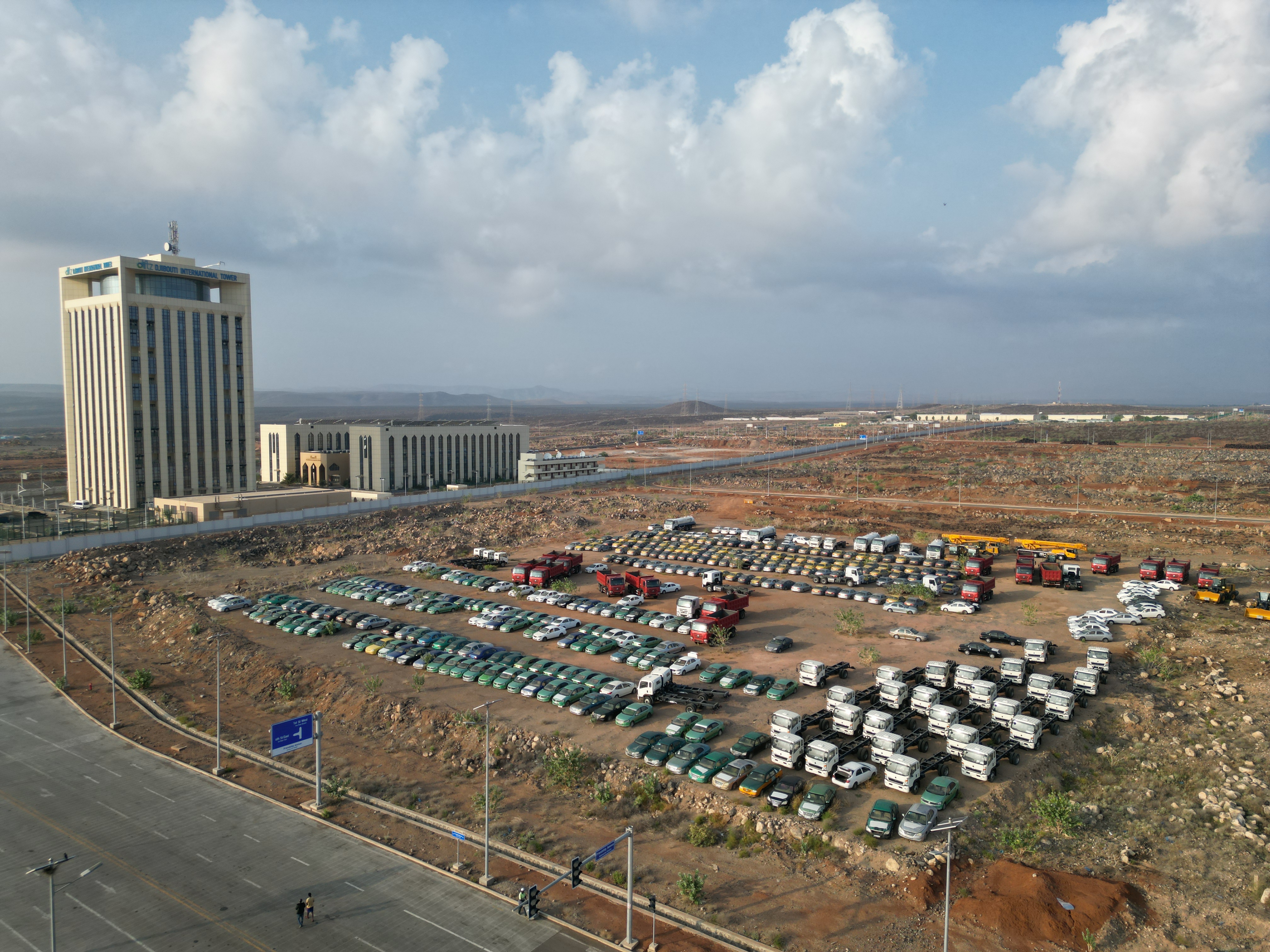
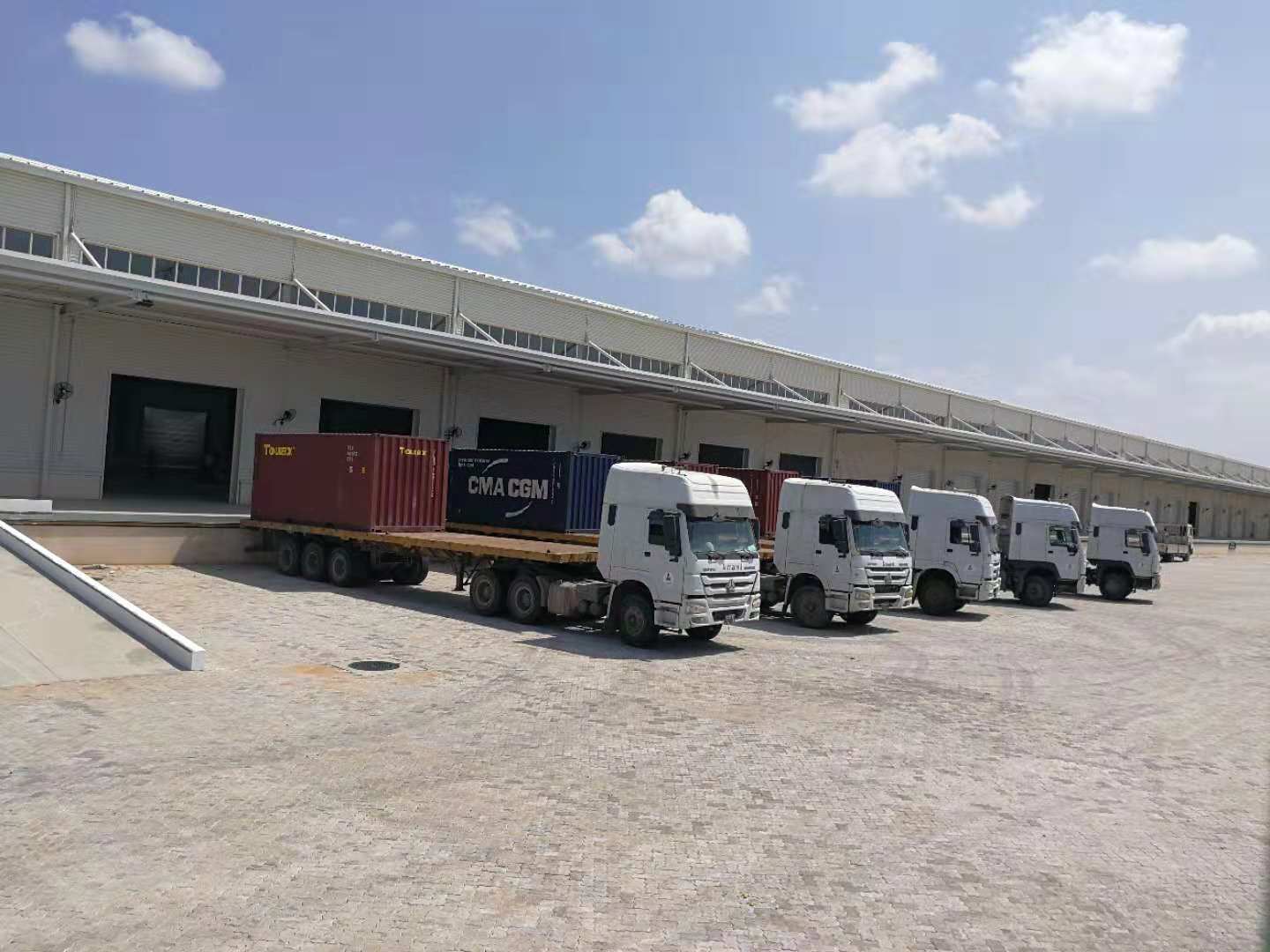
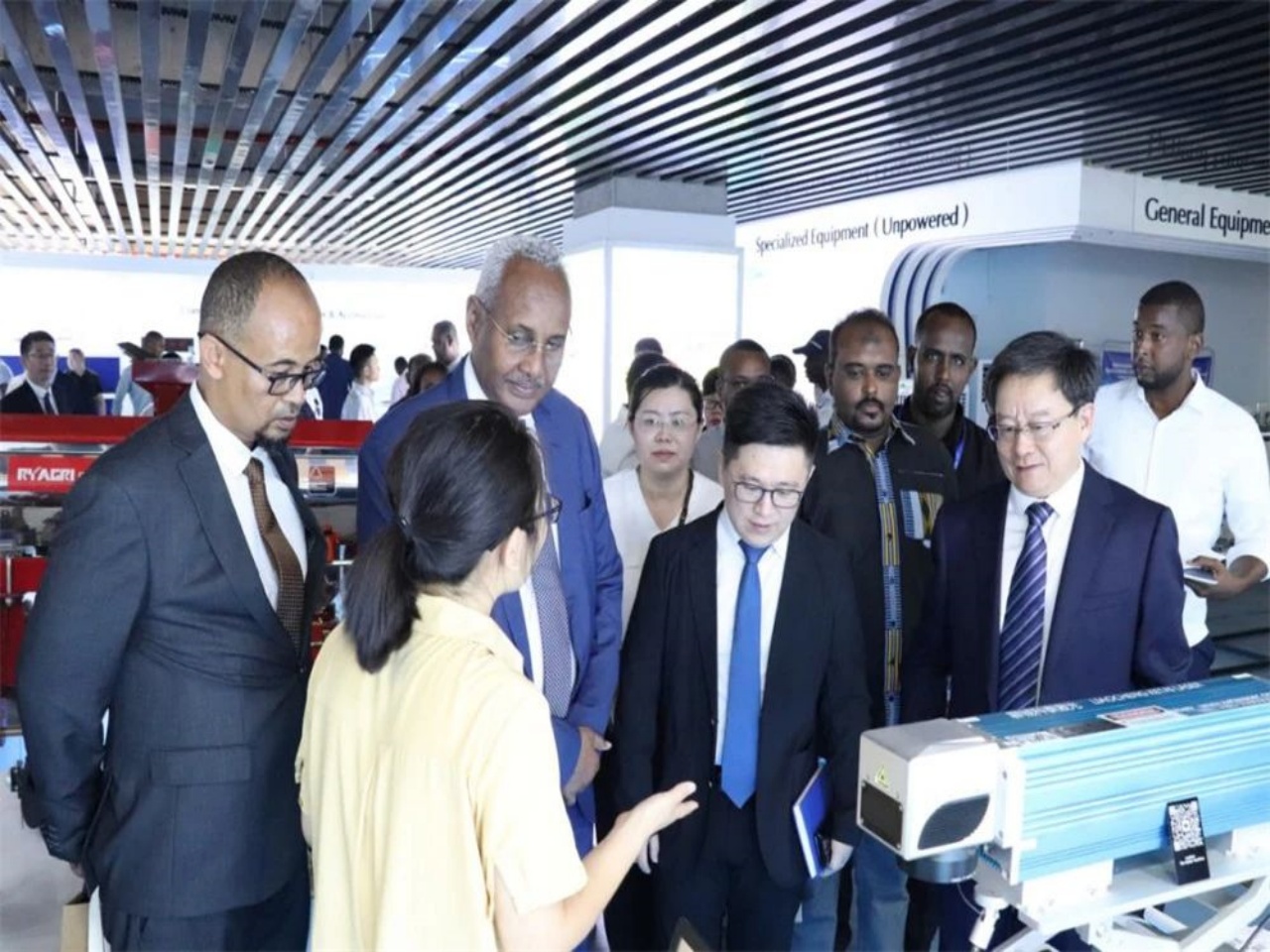
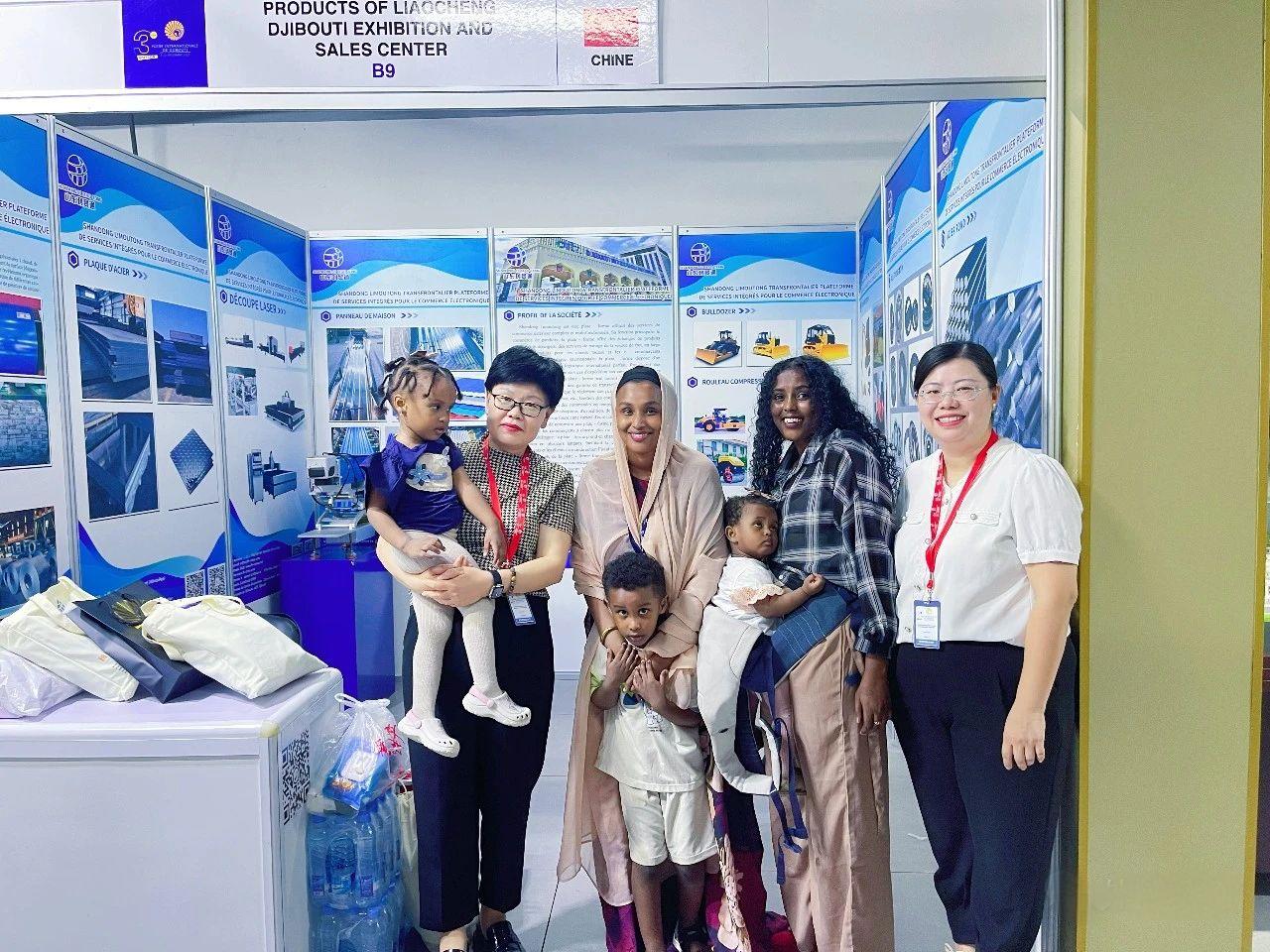
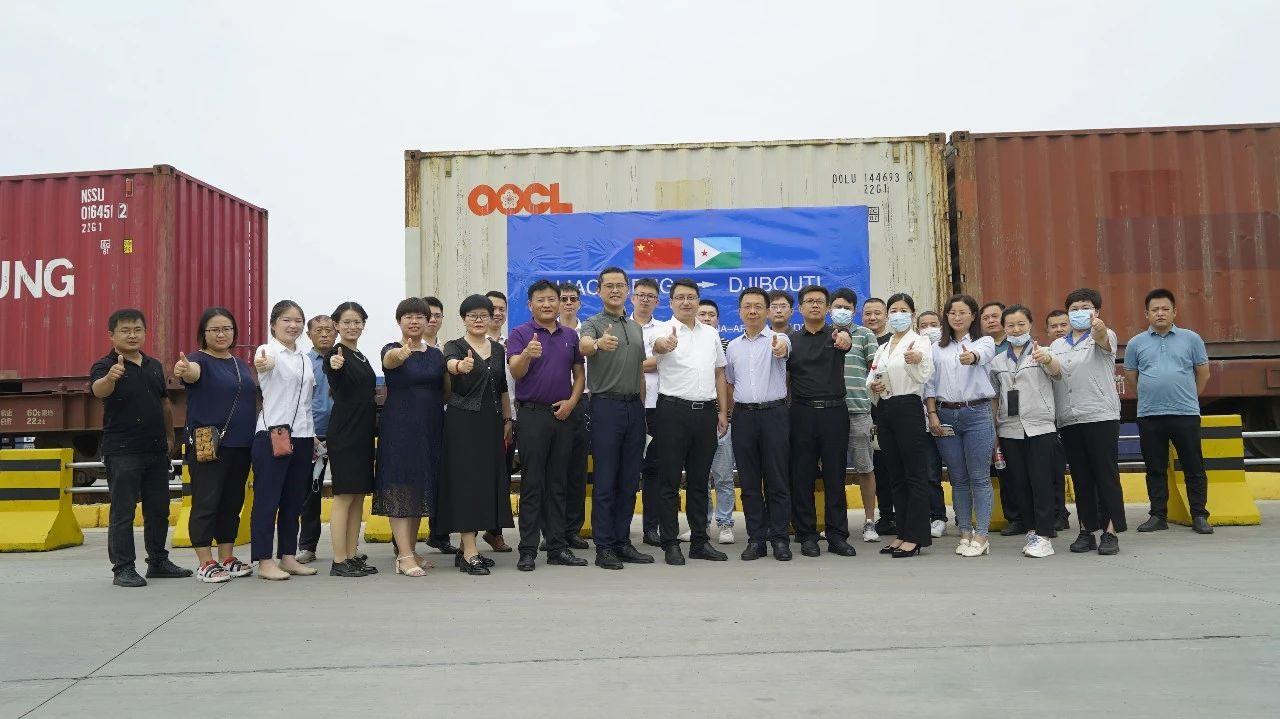
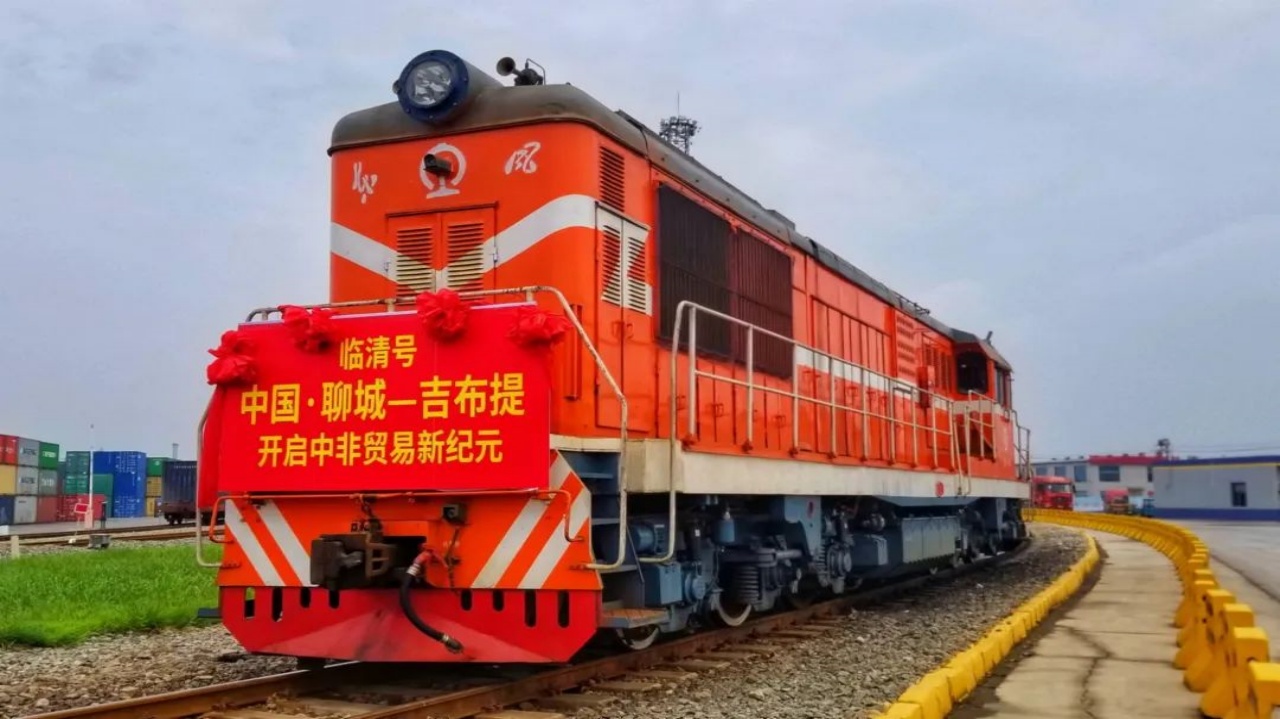
Established in 2023, our East Africa E-Commerce Exhibition and Sales Center is located in the Djibouti International Free Trade Zone. Utilizing this localized trade hub, we offer a comprehensive one-stop platform including sales, localized customs clearance, warehousing, and after-sales maintenance. The "cross-border trade + front-end warehouse" framework lets African buyers access components, test-drive vehicles, and coordinate bulk deliveries with localized logistics support, streamlining import workflows.
 Limaotong