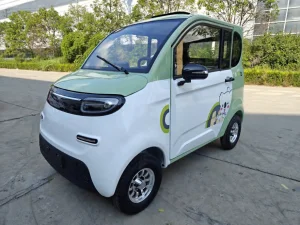
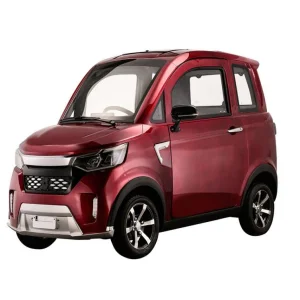
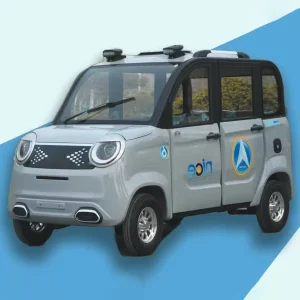
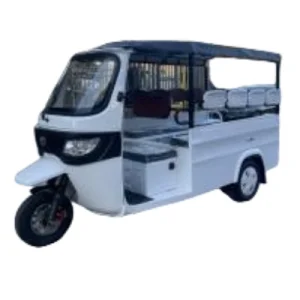
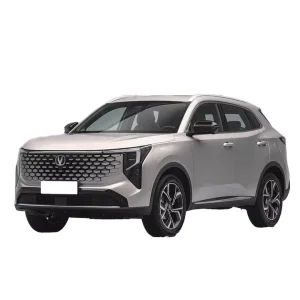
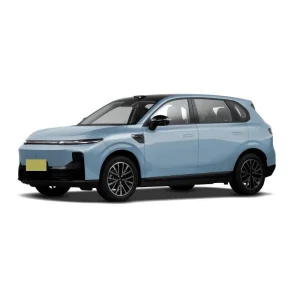
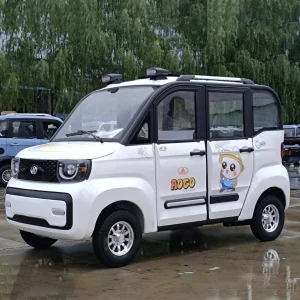
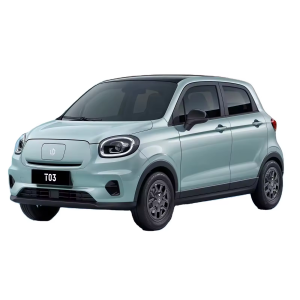
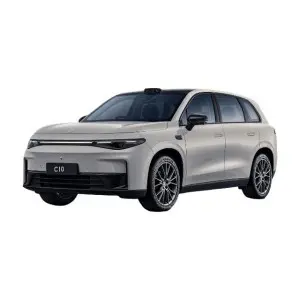
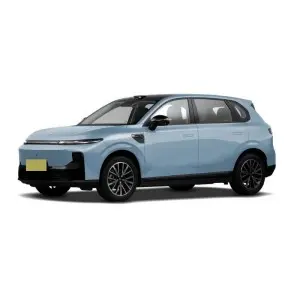
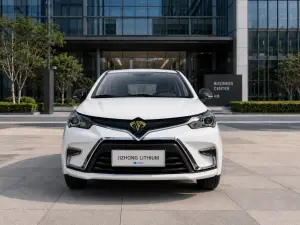
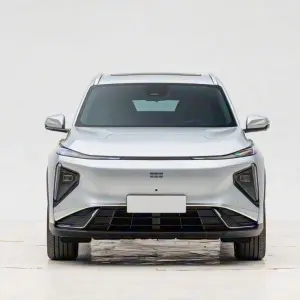
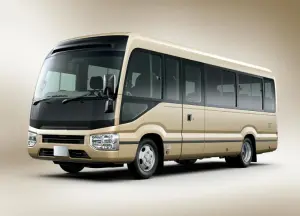
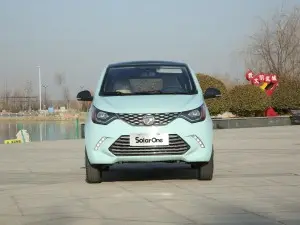
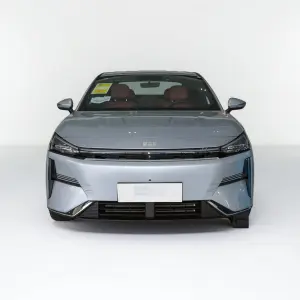
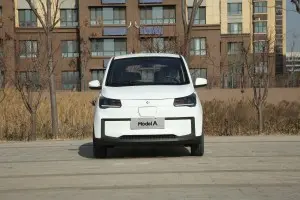
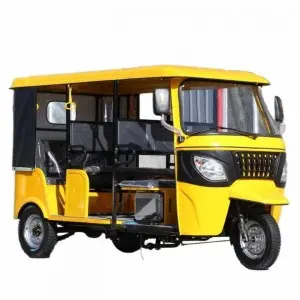
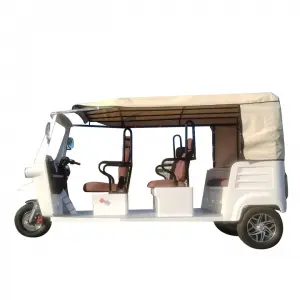
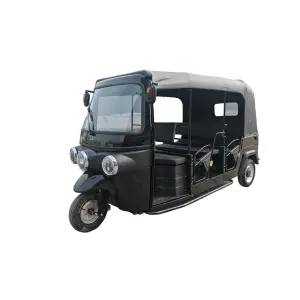
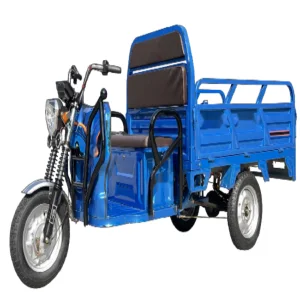
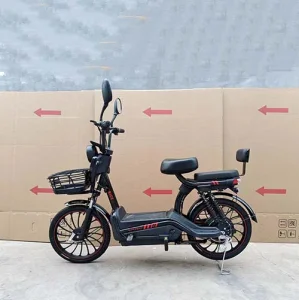
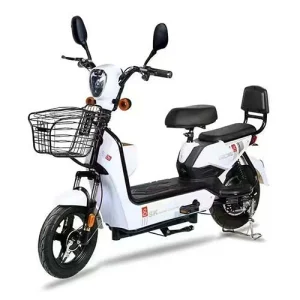
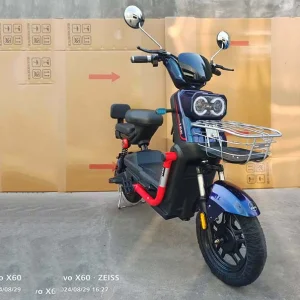
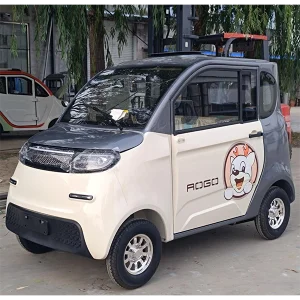
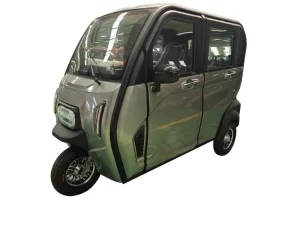
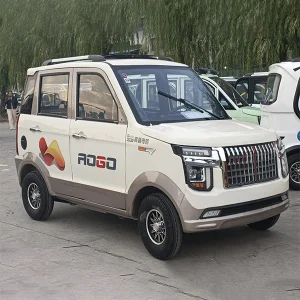
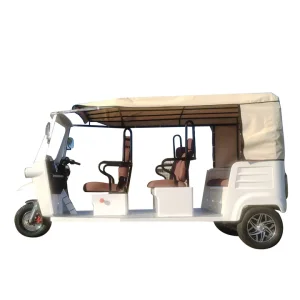
Explore our high-performance line-up of fully-enclosed passenger cars, commercial electric trikes, and specialized urban runabouts.
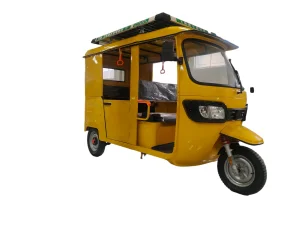
As micro-mobility solutions and zero-emission delivery platforms reshape municipal transportation worldwide, SHANDONG LI MAO TONG GROUP stands at the forefront of engineering excellence. By combining advanced industrial robotics with robust vehicle architectures, we deliver light electric vehicles (LEVs) that balance structural longevity with economic performance. We operate as a comprehensive international manufacturer specializing in motor tricycles, heavy-duty cargo tricycles, electric mini cars, and high-efficiency hybrid solutions designed for diverse topographies and business frameworks.
Our global footprint encompasses vehicle sales and localized service structures in over 120 countries and regions. By deploying an integrated network of localized assembly operations and strategically situated hub warehouses, we actively support over 20 million households with reliable, clean transport alternatives.
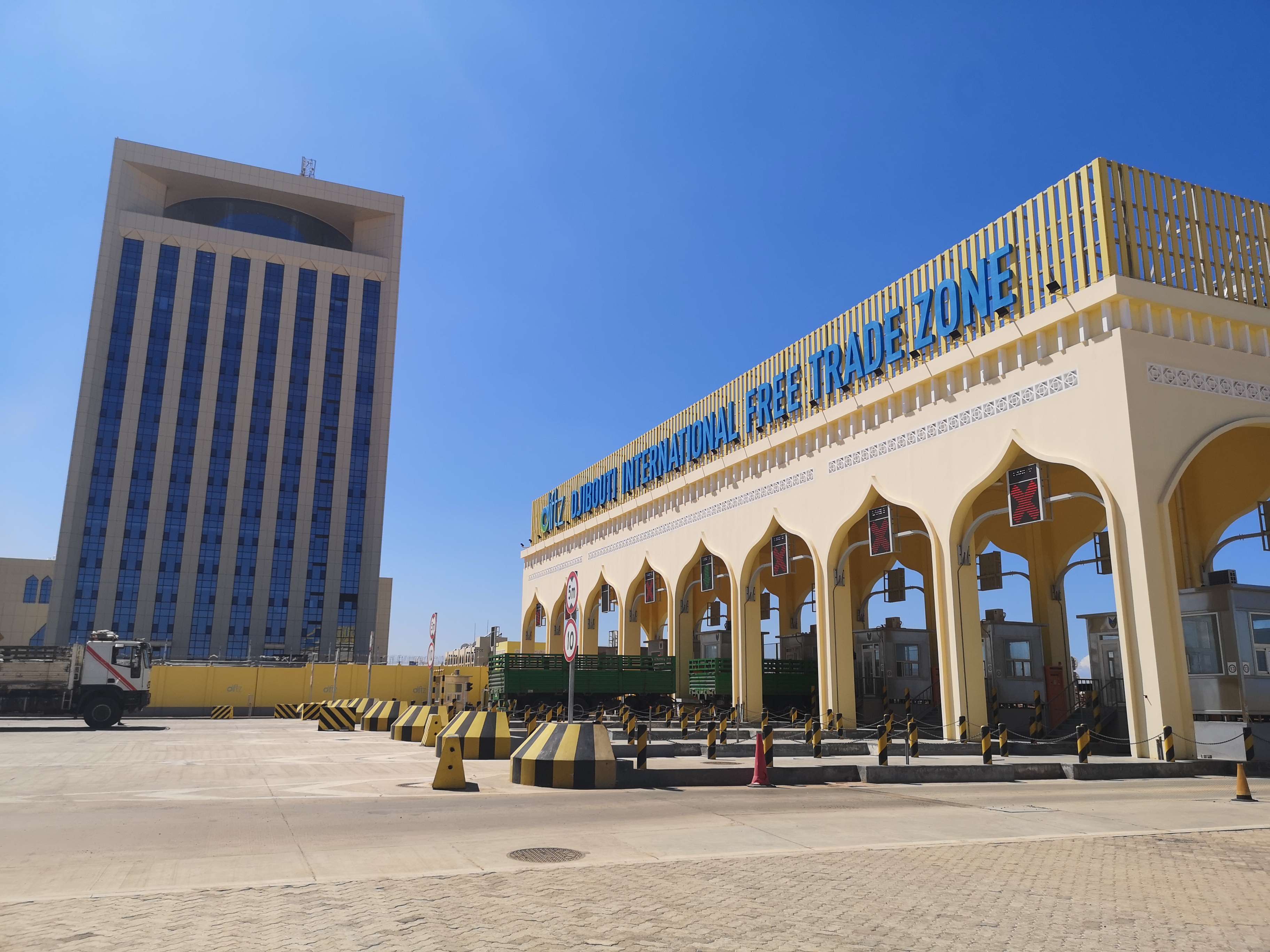
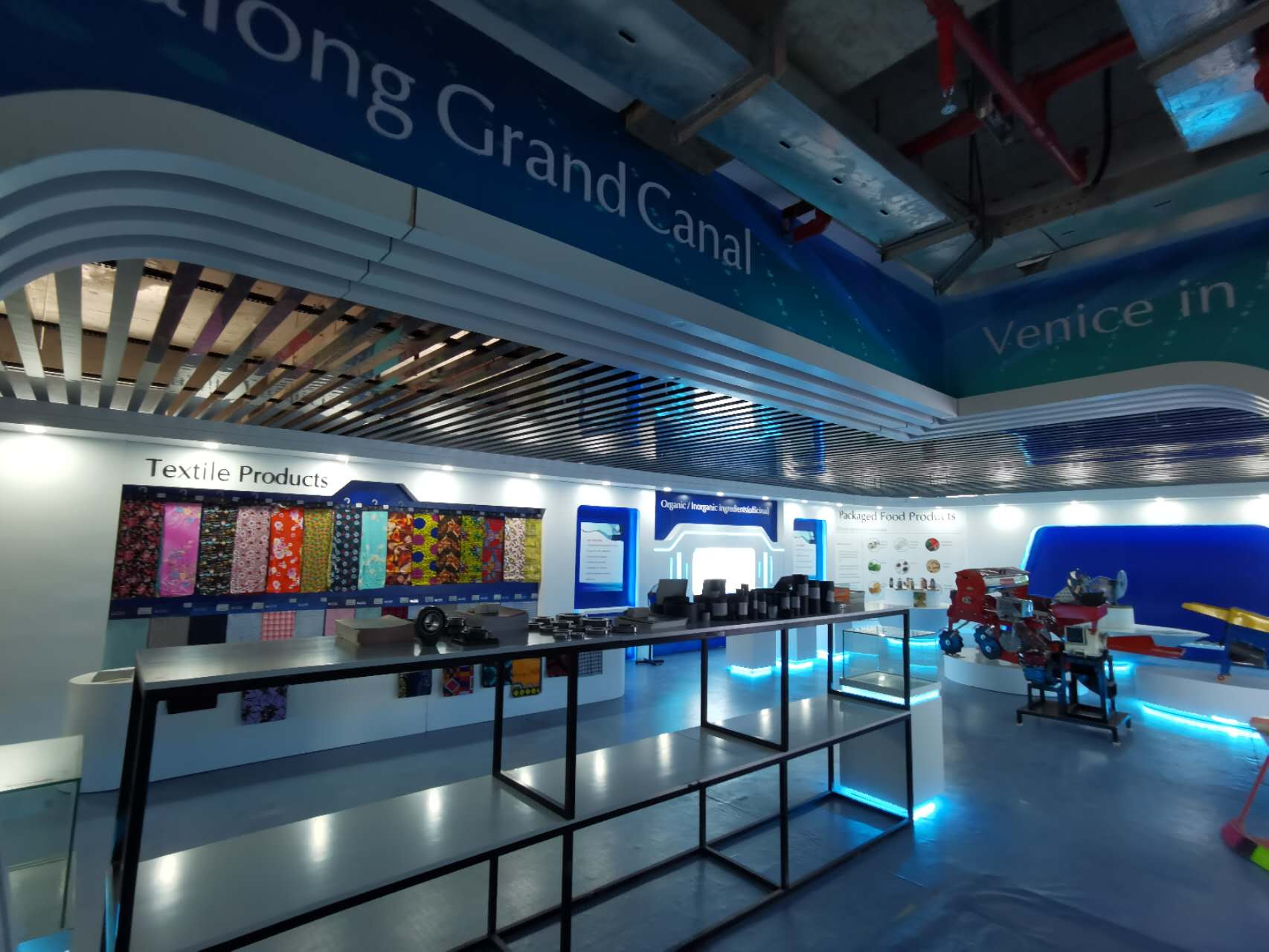
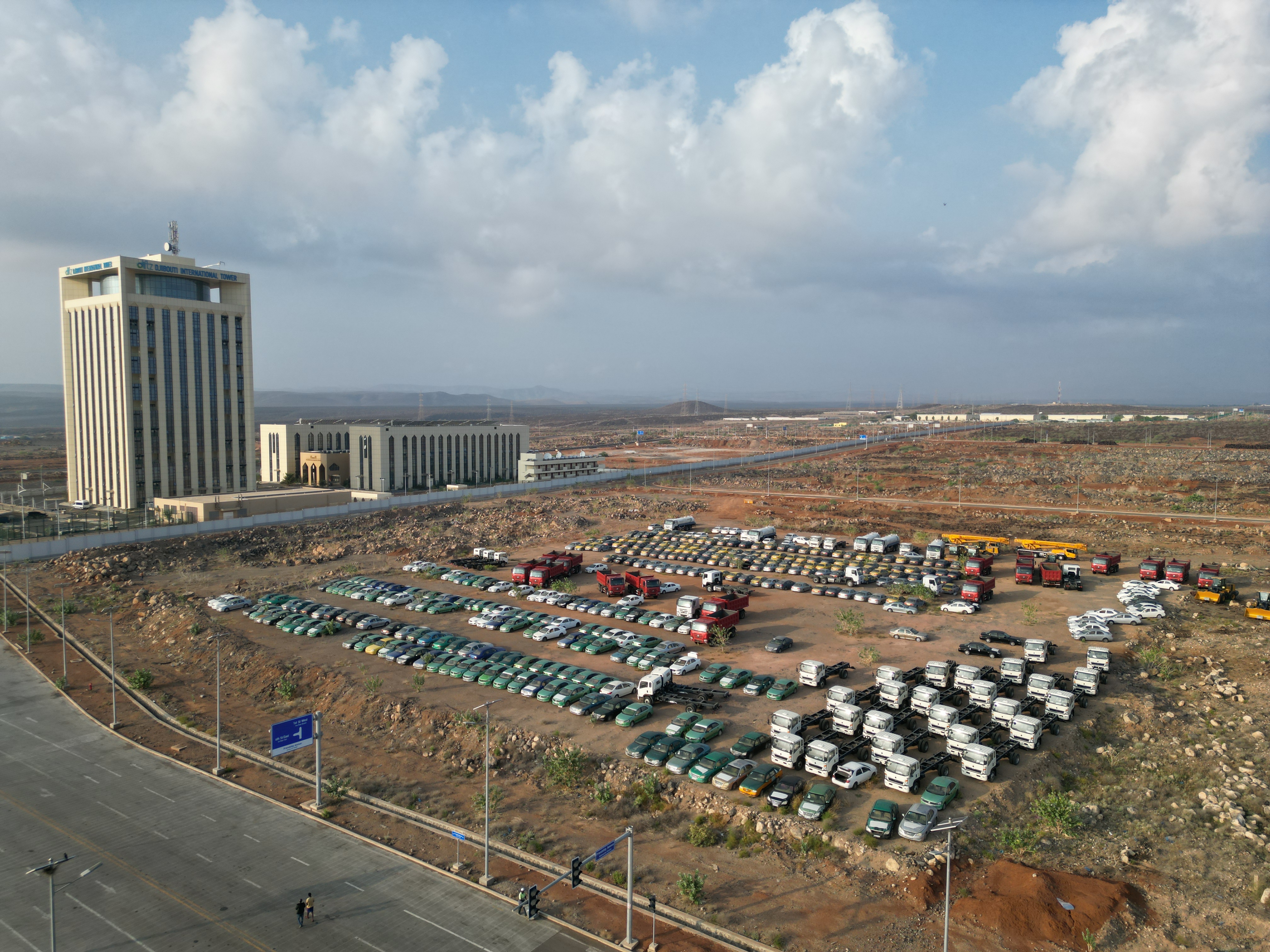
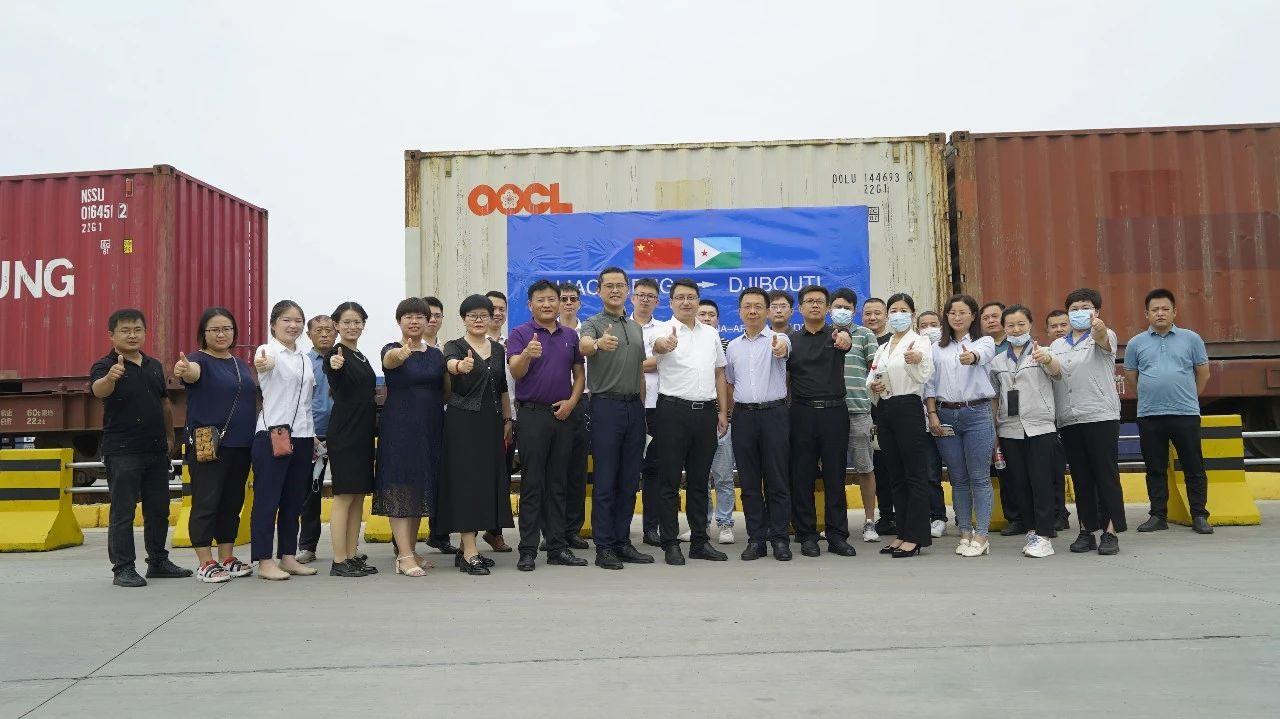
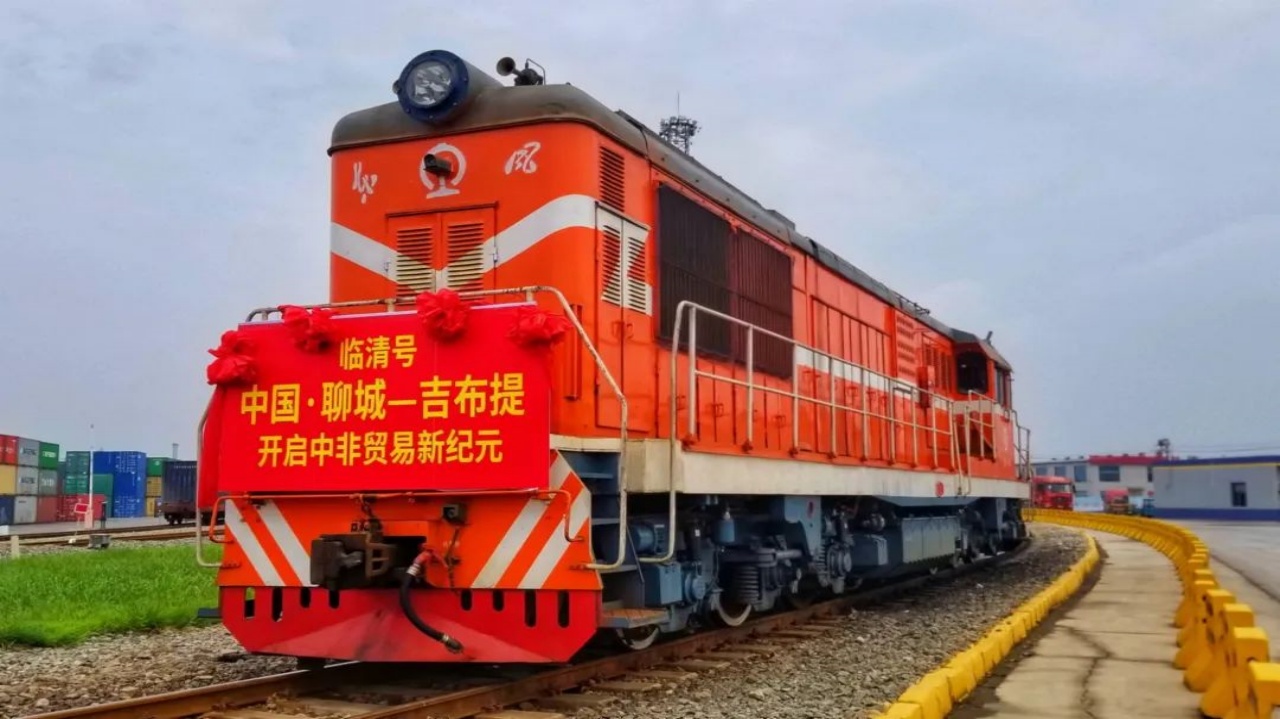
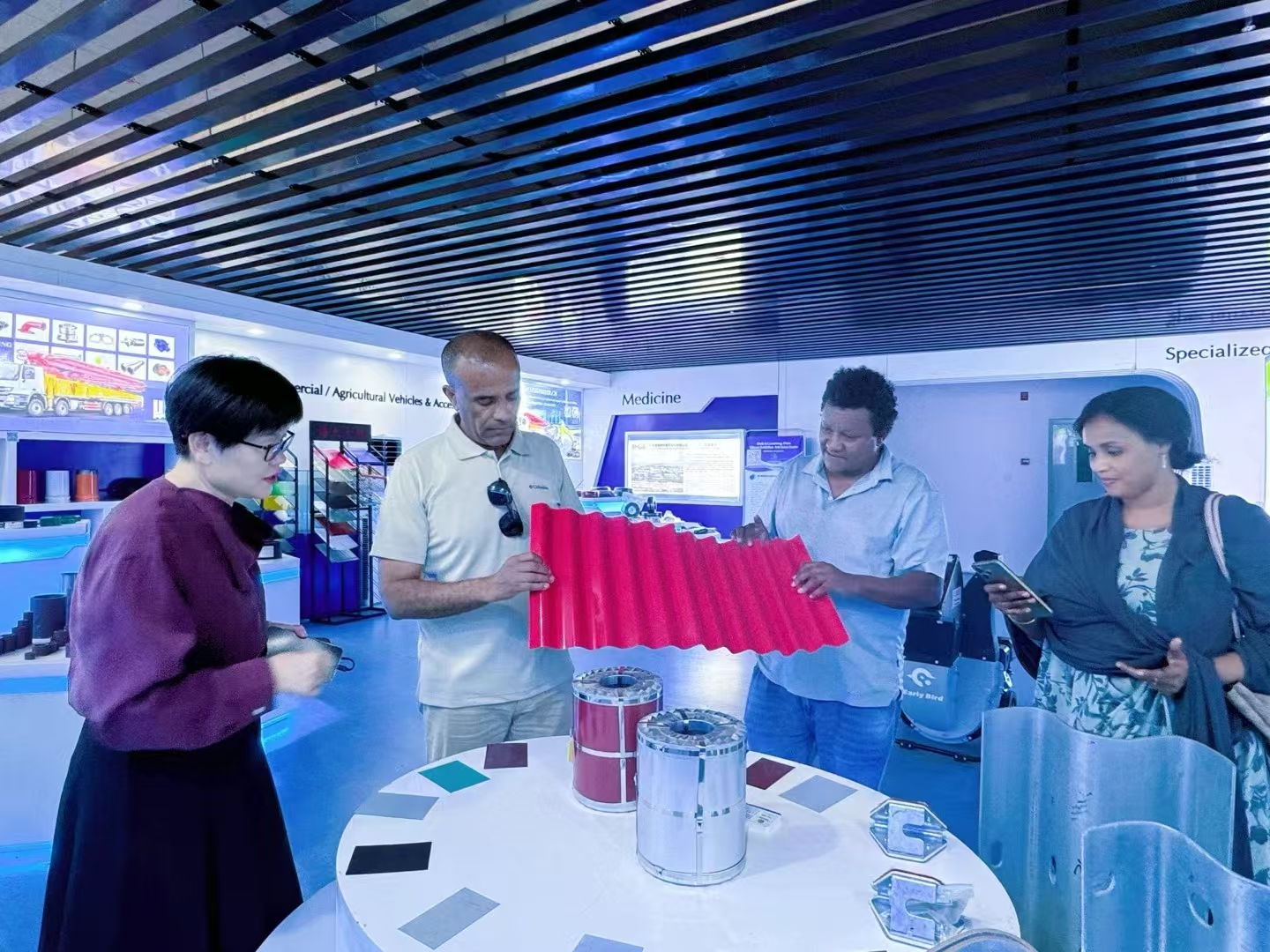
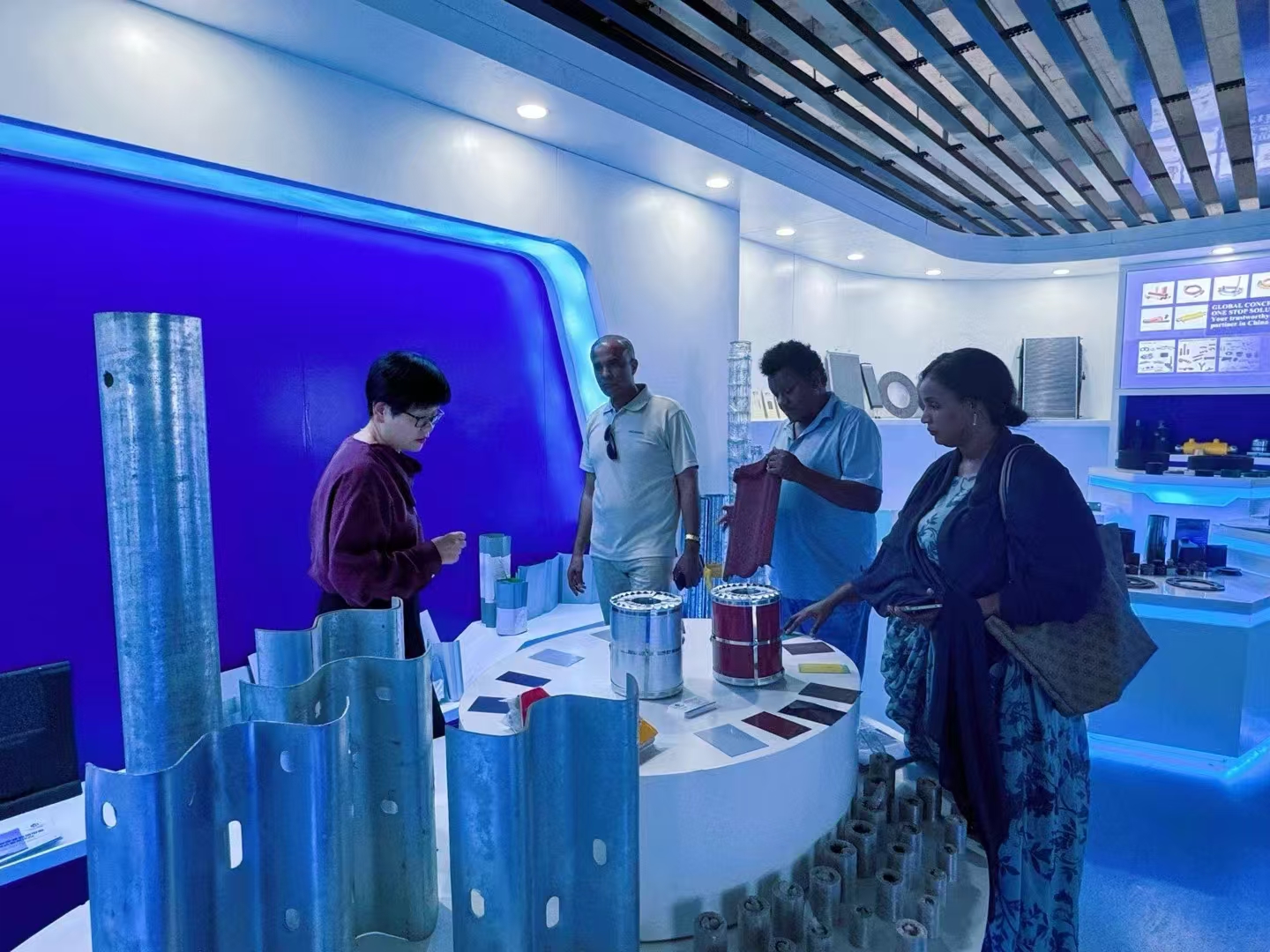
To eliminate procurement friction and optimize import logistics for international buyers, the Group established the Djibouti (Overseas Warehouse) Cross-border E-commerce Exhibition and Sales Center in 2023. Operating within the Djibouti International Free Trade Zone in East Africa, this facility integrates localized customs clearance, long-term parts reserves, vehicle homologation support, and direct B2B distribution. This strategic node serves as a streamlined gateway to the broader African continent, ensuring rapid delivery, localized setup, and immediate technical support.
Deploying specialized transportation solutions that conform directly to localized regulatory certifications and unique structural requirements across five continents.
Executing localized manufacturing pipelines (SKD/CKD configurations) to reduce import tariffs, expedite custom clearances, and cater to regional market preferences.
Supplying robust daily-commute platforms, zero-maintenance family vehicles, and light industrial cargo fleets trusted globally for safety and efficiency.
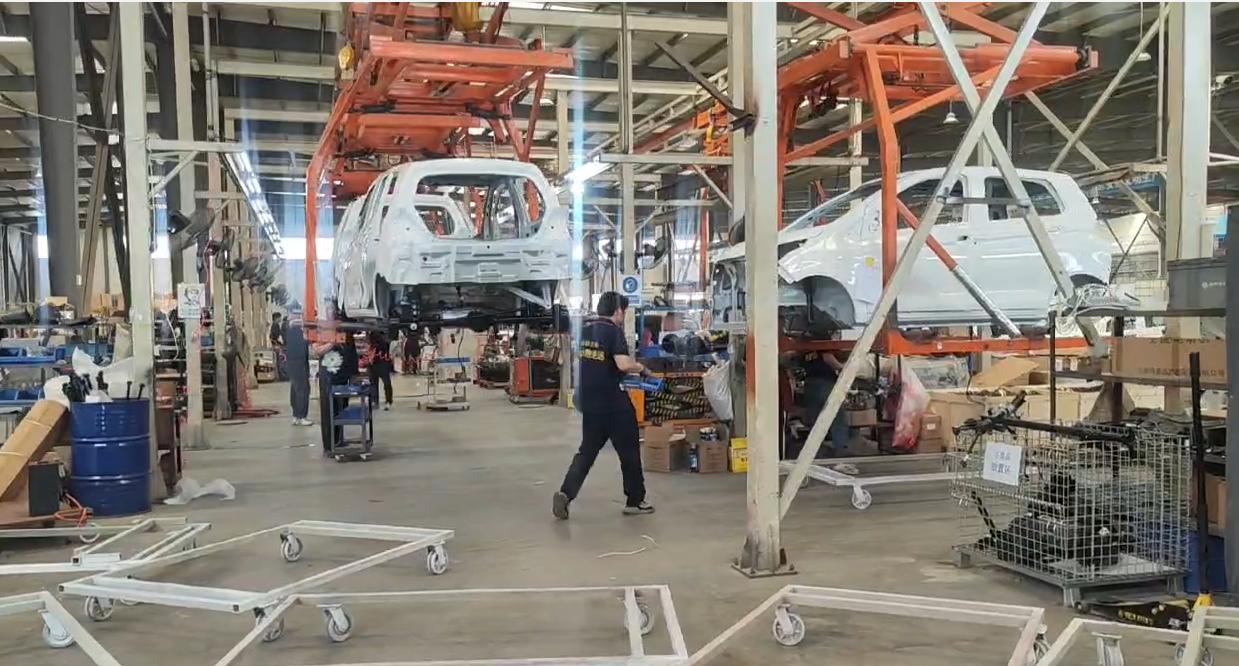
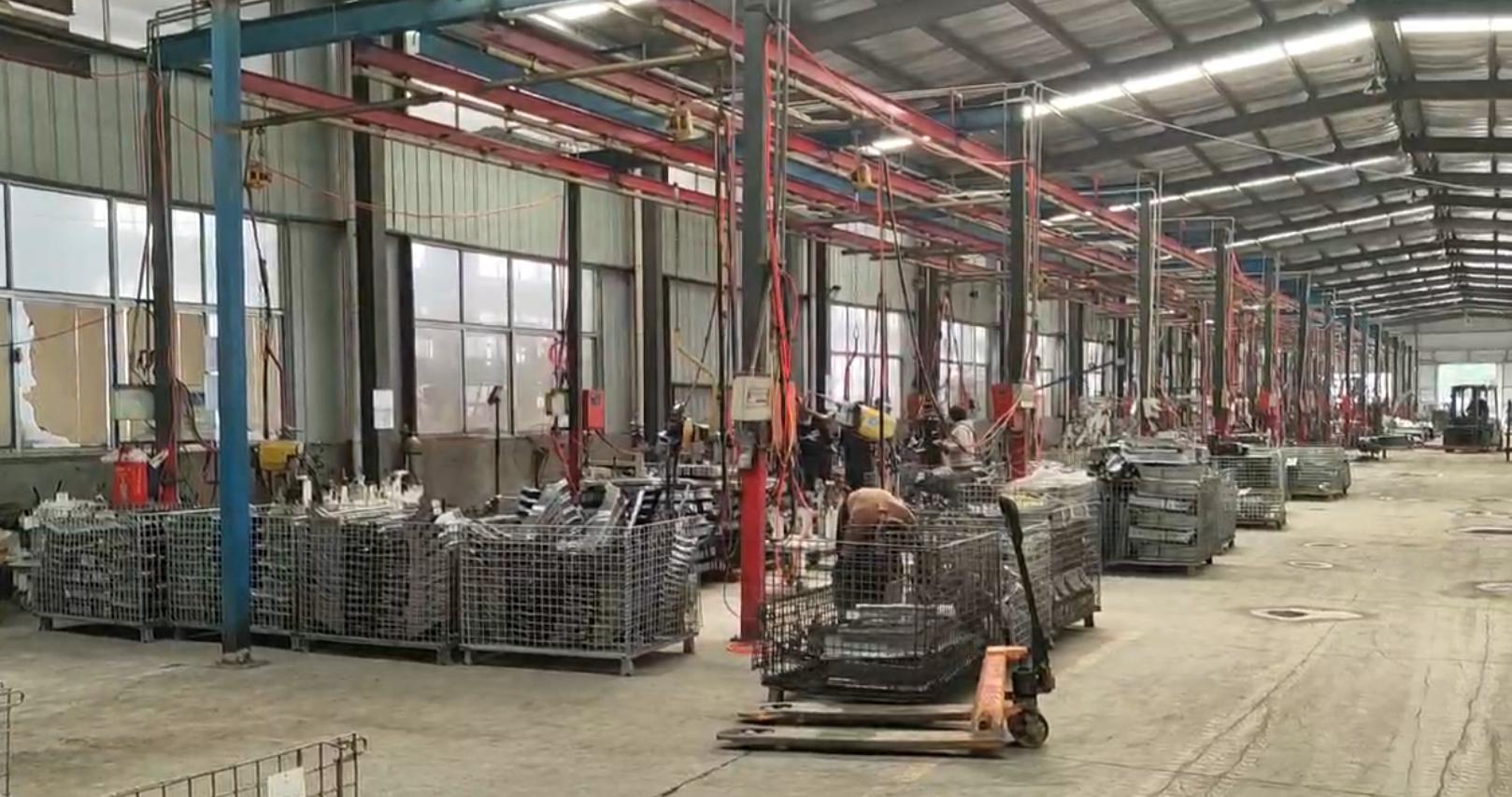
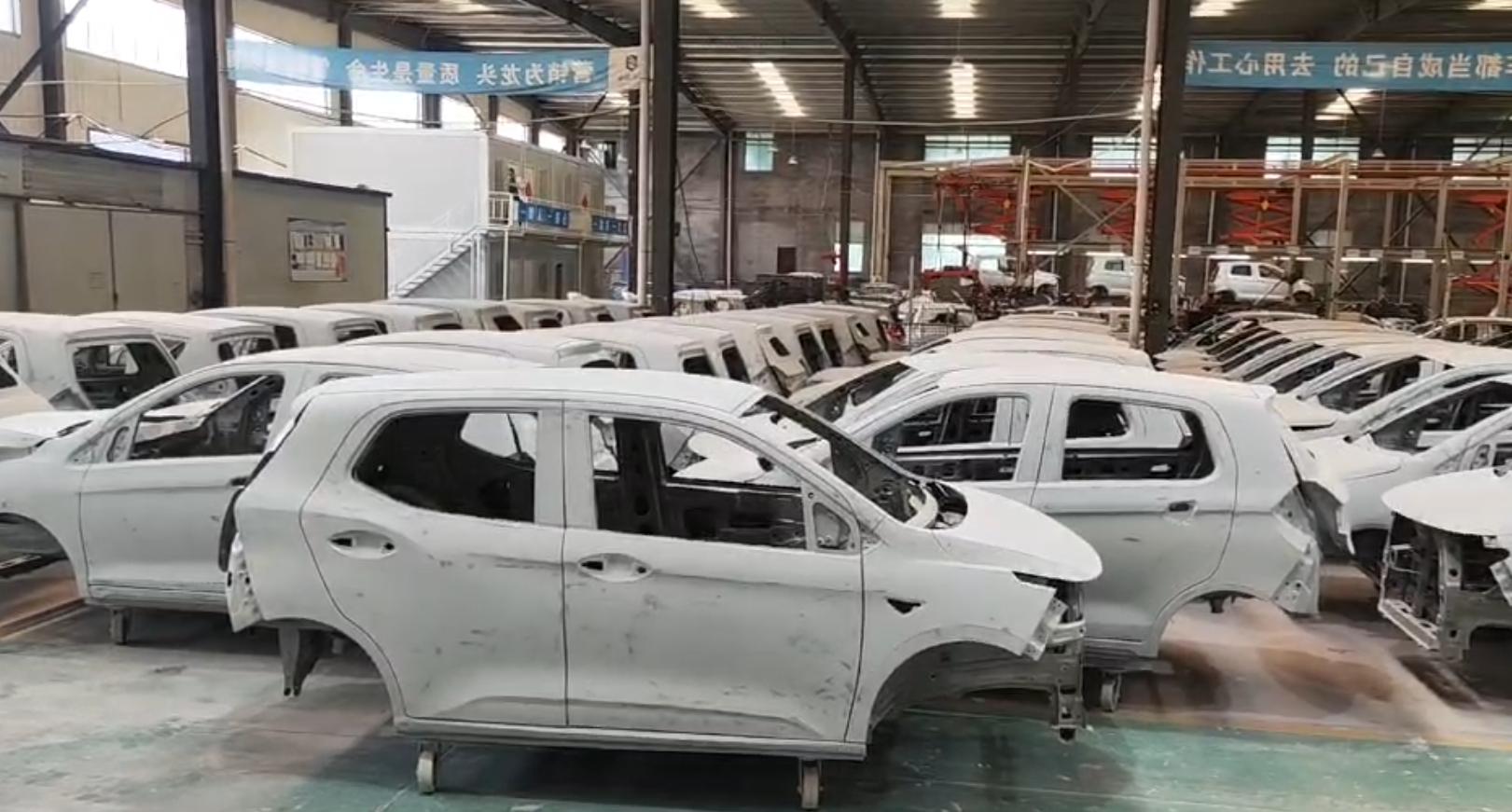
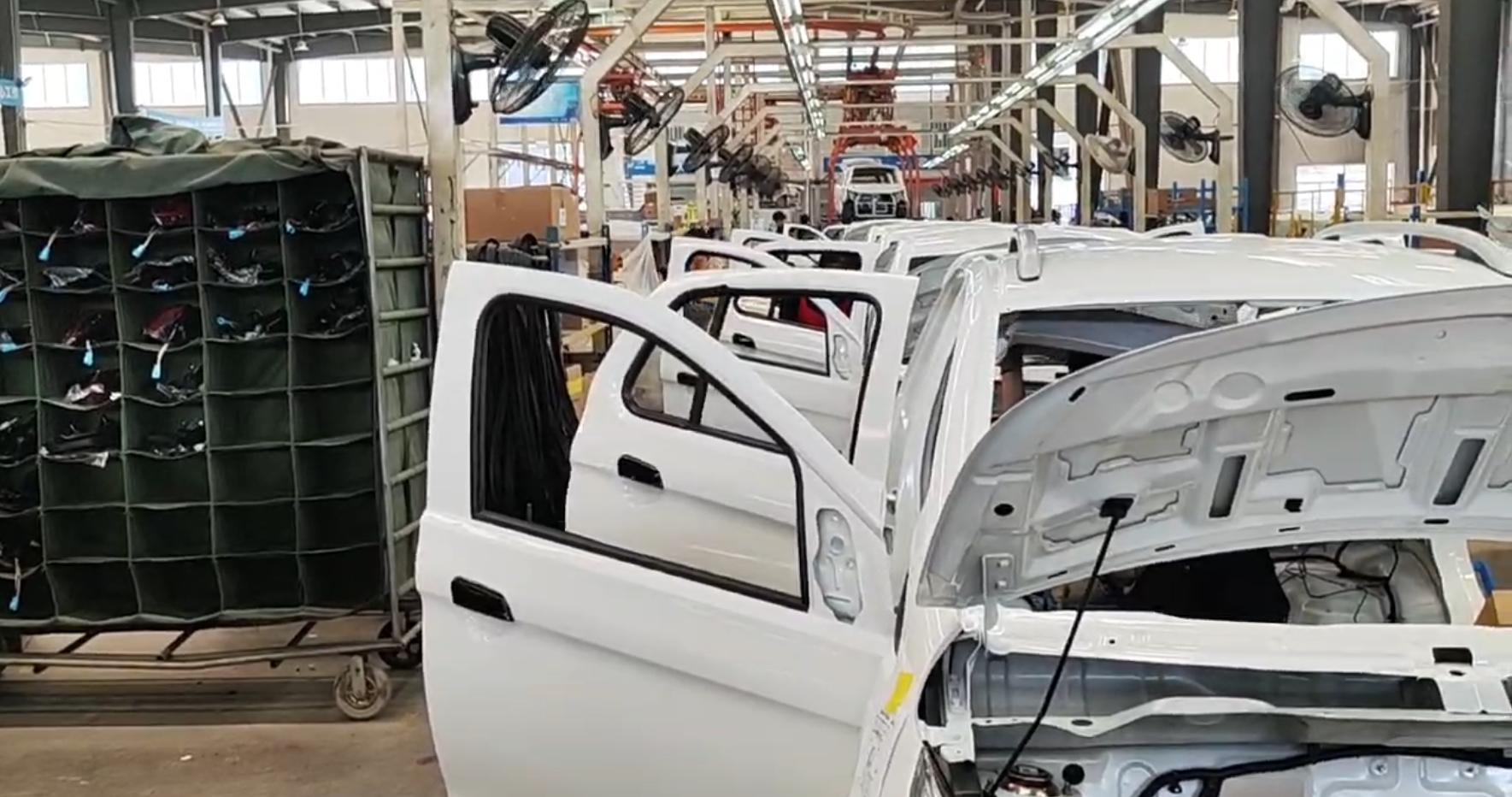
In our smart manufacturing plants, quality assurance transitions from a human inspection model to an automated, data-driven methodology. Our production framework utilizes advanced manufacturing techniques to produce long-lasting utility chassis. Our facilities feature fully automated structural laser cutters, robotic precision welding nodes, and multi-stage paint lines.
Our heavy-duty chassis are manufactured from high-tensile stamped steel, providing structural resistance to deformation under load. Welding is performed by high-precision multi-axis robotic arms that yield consistent weld penetration and minimize stress concentrations. Each structural component undergoes automated optical testing to ensure alignment within margins of less than one millimeter.
To guarantee operational capability in diverse environments, each batch of 3-wheeler motorbikes and electric passenger cars undergoes validation testing. Our testing sequence includes:
| Evaluation Class | Testing Protocol Details | Design Compliance Target |
|---|---|---|
| Hydraulic Dyno Load Testing | Chassis are subjected to dynamic cycles at 150% rated load capacity over simulated rough terrains. | Zero deformation across frame gussets and suspension points. |
| Laboratory Rainfall Simulation | The vehicle is subjected to high-pressure rain tests exceeding standard tropical storm intensities. | Zero ingress in electrical enclosures, IP67 rating maintenance on powertrain connectors. |
| BMS Thermal Cycling | Batteries and control circuits are cycled from -20°C to 60°C under load. | Maintains cell equalization and prevents current drops in cold climates. |
| Electrophoretic Coating Test | Chassis frames undergo multi-layer cathodic dip coating and hot-curing cycles. | Resistance to salt spray testing for up to 1000 hours, preventing corrosion in coastal areas. |
The 3-wheeler and micro-mobility industry is shifting from traditional configurations to advanced electric powertrains and smart digital architectures. As a developer in this segment, Shandong Li Mao Tong Group focuses on integrating four core technical developments:
While standard Lithium Iron Phosphate (LiFePO4) chemistries remain our main offering for urban fleets due to thermal stability and long life cycles (exceeding 3,000 charge cycles), we are testing next-generation solid-electrolyte batteries. This technology aims to double energy densities, enabling passenger tuk-tuks and utility cargo models to cover over 350 kilometers on a single charge.
Future fleets will require continuous digital integration. Our upcoming vehicles will feature CAN-bus electrical architectures connected to an IoT hub. This system allows operators to monitor battery health, track vehicle location, and receive preventative maintenance warnings via a unified cloud management platform.
By replacing traditional mechanical differentials with electronic differential systems that power rear wheel hub motors directly, we reduce mechanical losses by up to 12%. This shift minimizes moving parts, reduces maintenance needs, and optimizes energy recovery through regenerative braking.
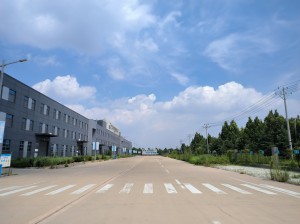
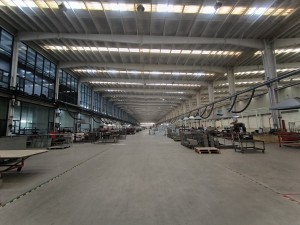
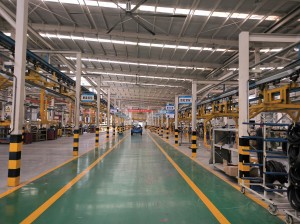
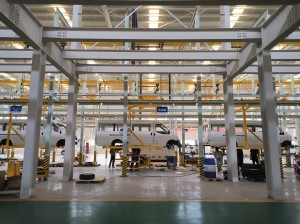
Economic growth in developing regions depends on efficient micro-transport networks. The lack of standard road infrastructure and the high cost of full-size delivery trucks often limit logistics options. Our 3-wheel electric and gasoline-powered utility vehicles are designed to address these challenges directly.
Last-Mile Freight Distribution: High-capacity cargo tricycles equipped with insulated storage compartments or standard hydraulic flatbeds replace costly diesel vans. These vehicles can navigate narrow roads, access traffic-restricted city centers, and reduce delivery costs per package by up to 40%.
Rural Passenger Transit: Our multi-passenger vehicles, including enclosed passenger models and open-sided configurations, provide reliable public transport for rural communities. Designed with reinforced steel suspensions and high-torque drivetrains, these models handle uneven, unpaved roads and steep gradients, ensuring passenger safety in challenging terrains.
Helping international distributors, fleet operators, and logistics agencies configure vehicles to meet local market standards and operational demands.
We work with regional distributors to configure vehicles for specific local conditions, including modifying suspension springs for agricultural loads, adjusting gear ratios for hilly regions, and integrating roof-mounted solar arrays to extend range in high-insolation environments. Our engineering team assists buyers with regulatory documentation, dynamic performance verification, and CKD (Completely Knocked Down) assembly line setup to support local manufacturing initiatives.
Importing light utility vehicles requires navigating complex certification and safety standards. Shandong Li Mao Tong Group ensures that our manufacturing processes match international requirements. We design and test vehicles to comply with standards such as the European Union’s WVTA (Whole Vehicle Type Approval), and regional certifications across Africa and Latin America.
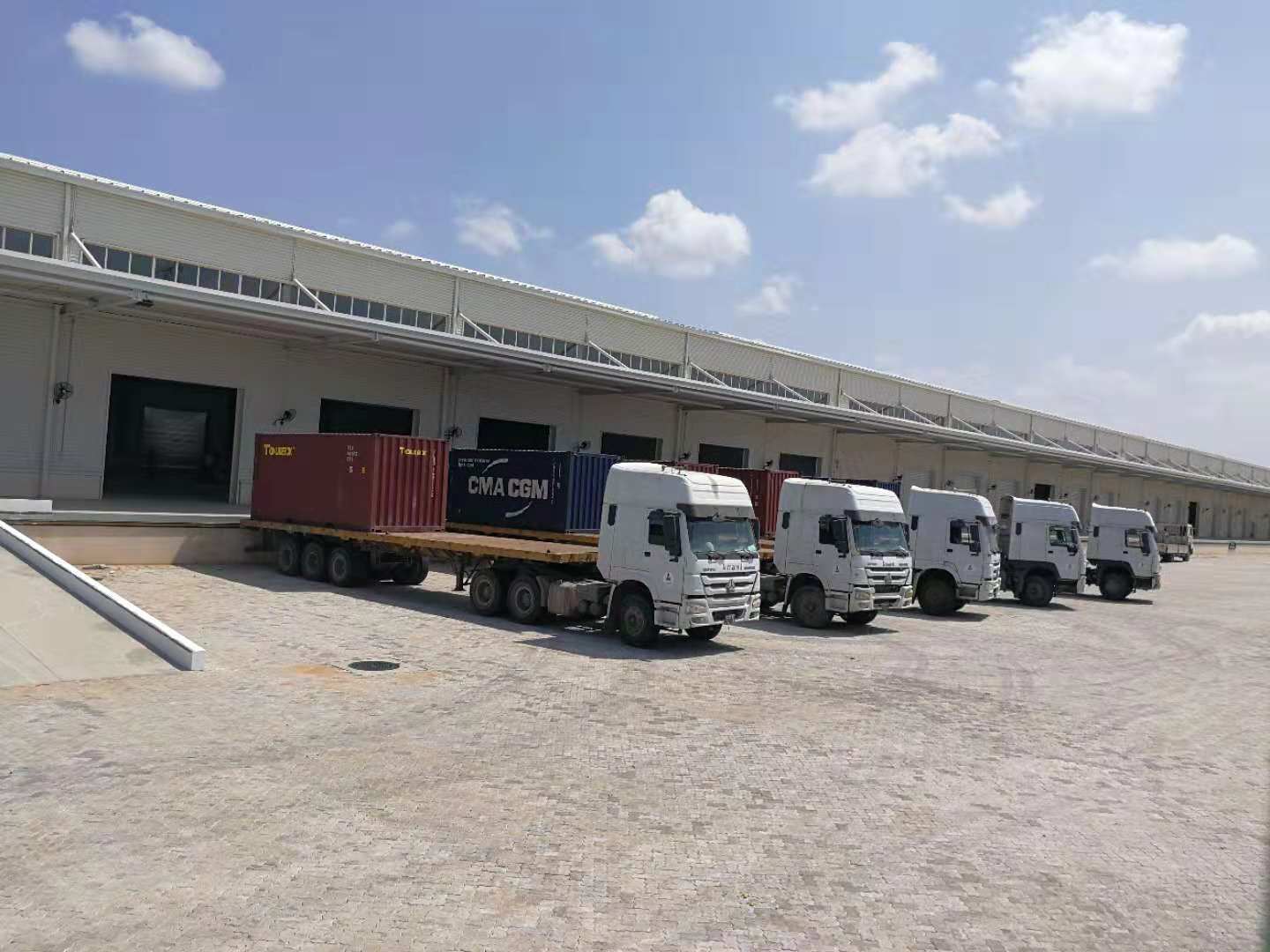
Our localized distribution center in Djibouti serves as a hands-on resource for regional buyers. We maintain a constant inventory of structural parts, electronic controllers, and tire assemblies, reducing delivery times from months to days. This hub also offers technical training for local technicians, ensuring fleets remain operational and maintenance-related downtime is minimized.
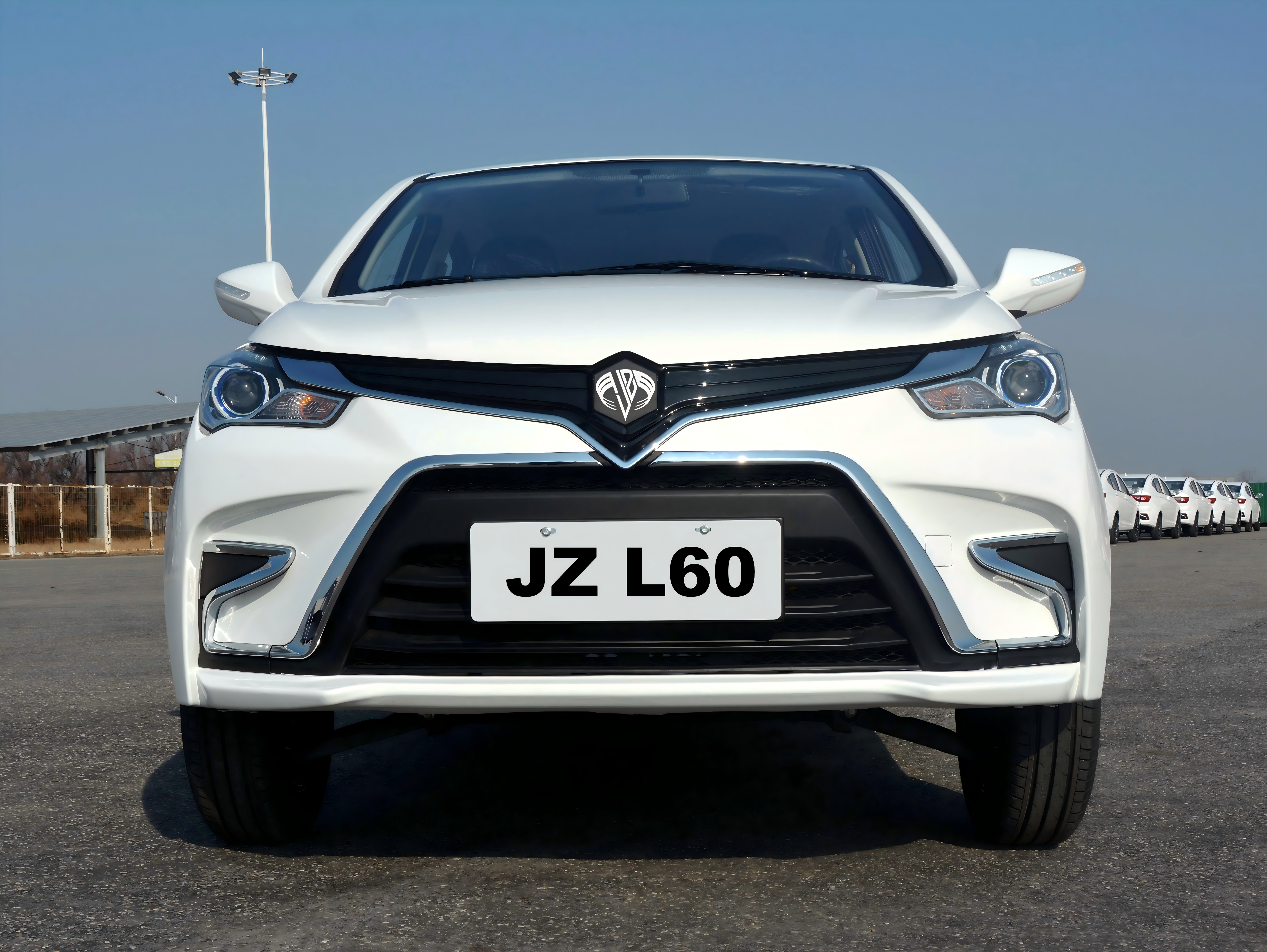
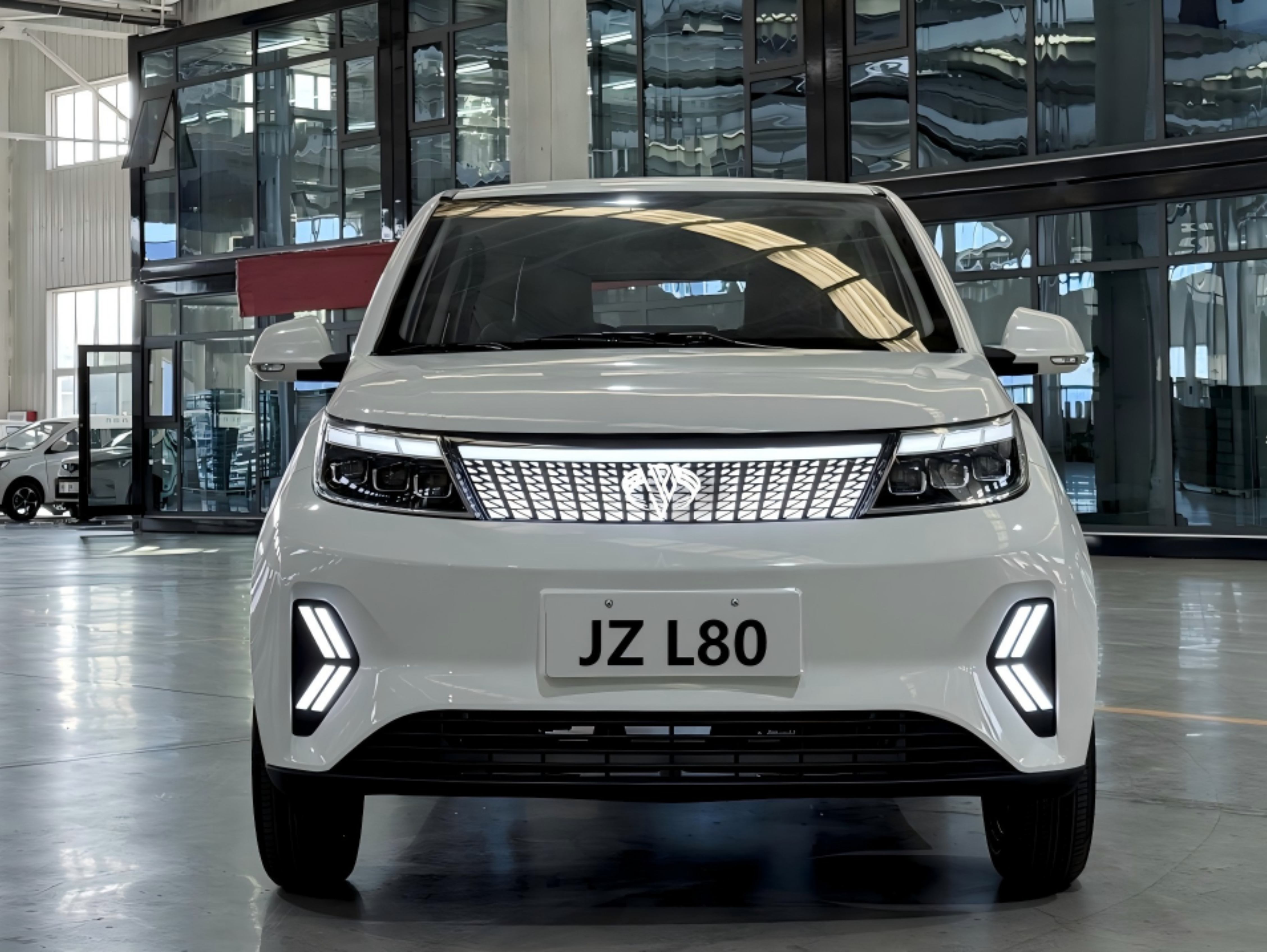
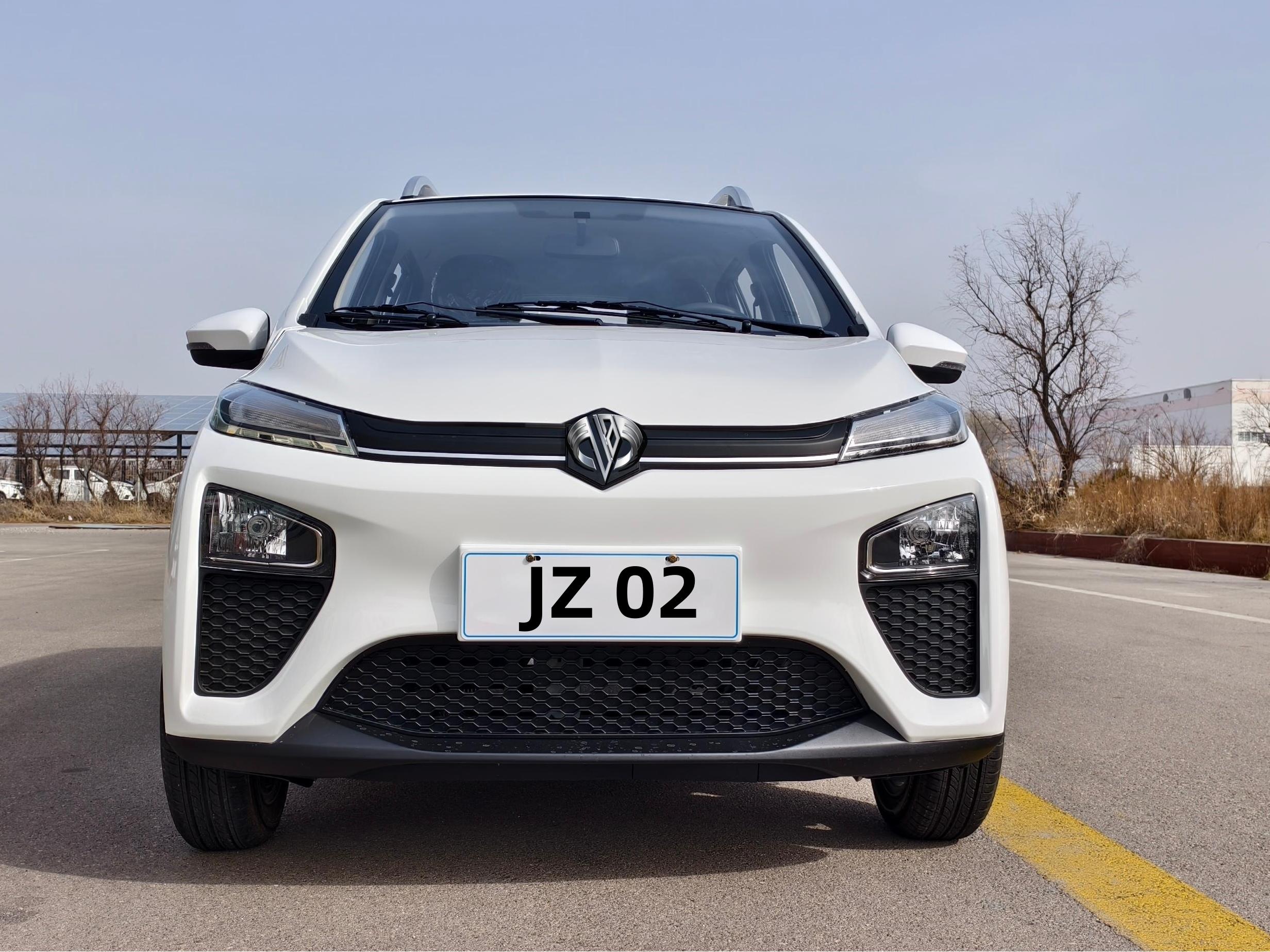
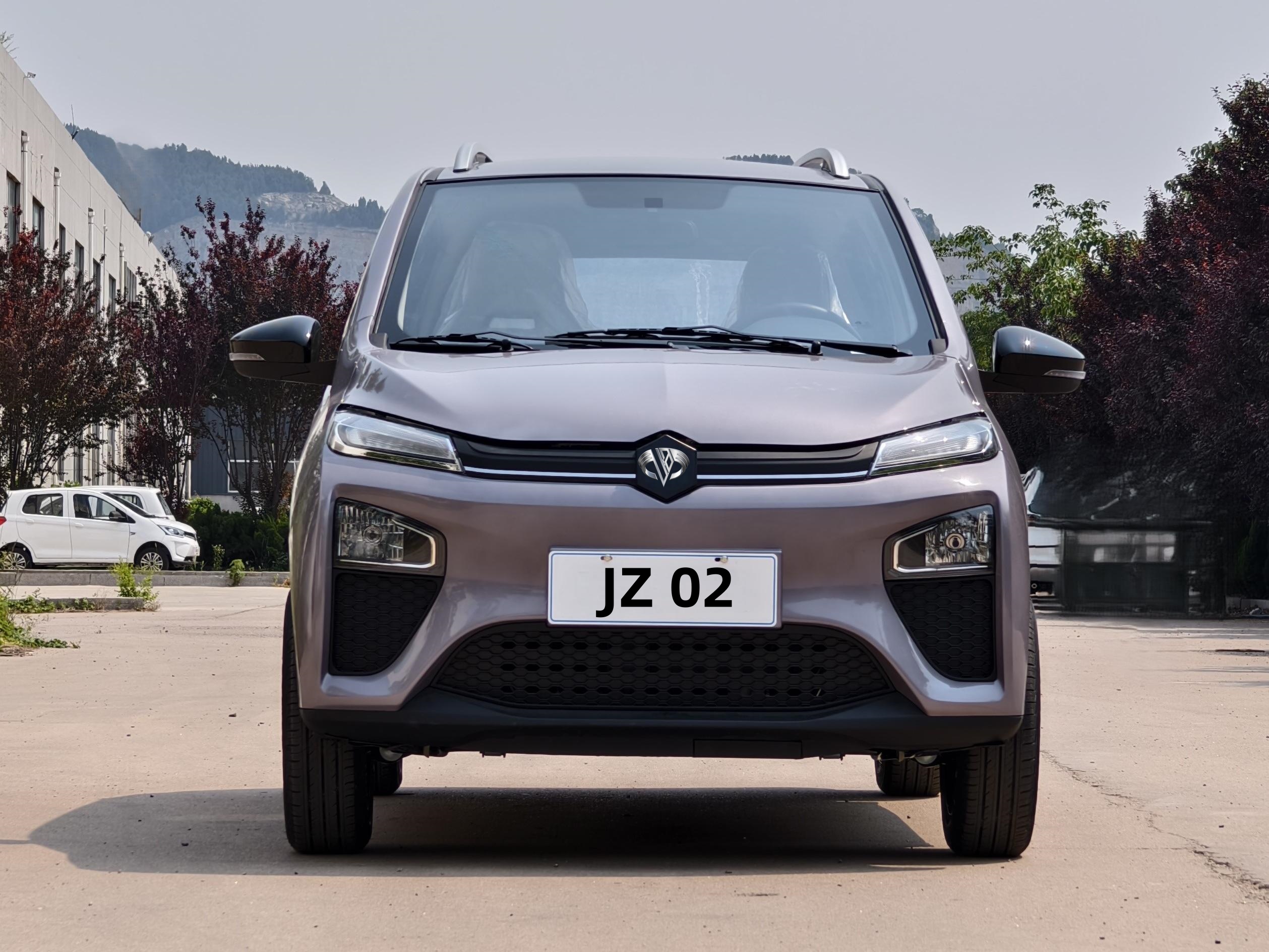
Our commitment to quality extends to material sourcing. We partner with established suppliers for steel and electronic components. By implementing rigorous quality checks at every production stage, we ensure each vehicle that leaves our factory is built for durable service, helping global logistics networks and local operators grow sustainably.
Addressing the core technical, logistical, and design questions raised by fleet operators and procurement managers.
We supply both heavy-duty lead-acid batteries and advanced Lithium Iron Phosphate (LiFePO4) systems. Our LiFePO4 packs deliver over 3,000 charge cycles at 80% Depth of Discharge (DoD), which translates to approximately 8 to 10 years of reliable service under normal operational conditions.
Located in the Djibouti International Free Trade Zone, the warehouse stores spare parts, battery management systems (BMS), structural frames, and complete vehicle kits. This facility enables rapid shipping to East Africa, the Middle East, and adjacent markets, reducing delivery times and simplifying customs clearance.
Yes. We configure our utility cargo and passenger trikes with multi-speed transmissions and high-torque motors (ranging from 1,000W to over 4,000W). This setup allows the vehicles to negotiate steep gradients, even under full load conditions.
We offer comprehensive OEM options, including custom cargo box sizes, insulated or refrigerated cargo compartments, passenger seating layouts, reinforced rear suspensions, and roof-mounted solar panels to extend battery range.
Yes. Our models are built to meet the safety and environmental criteria required by international markets, including EEC/CoC compliance for the European Union. We provide necessary documentation to assist with local registration and road safety compliance.
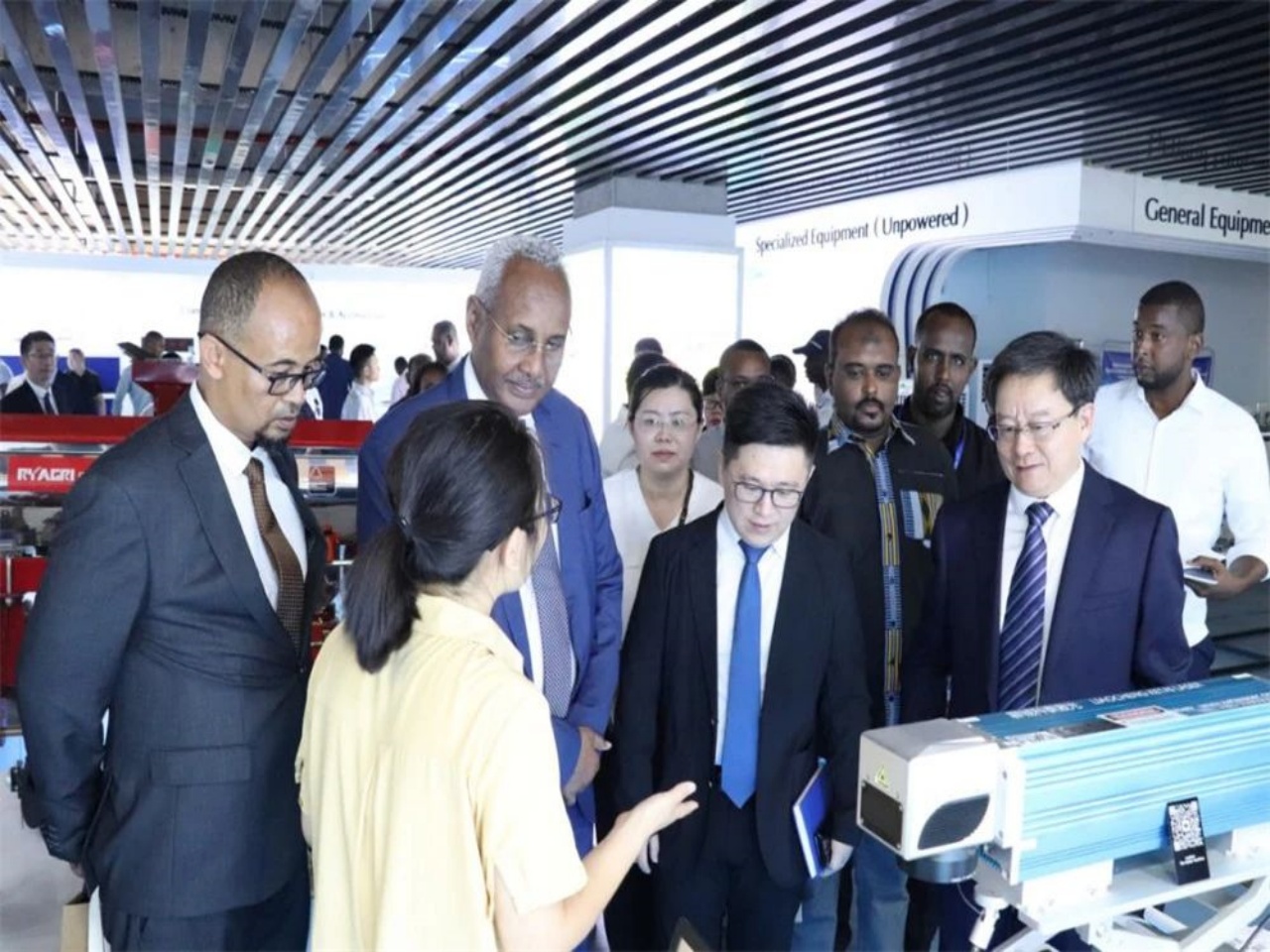
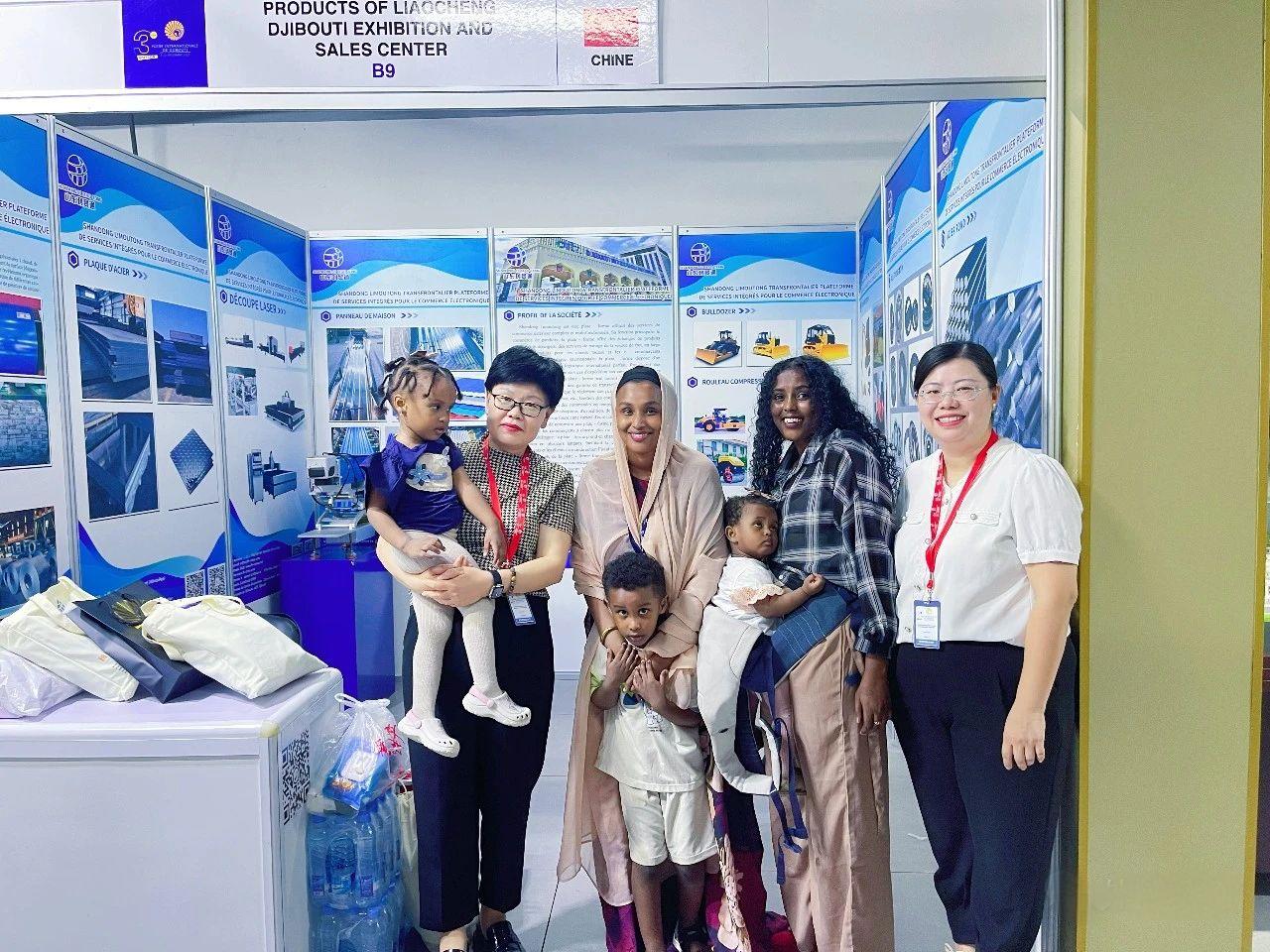
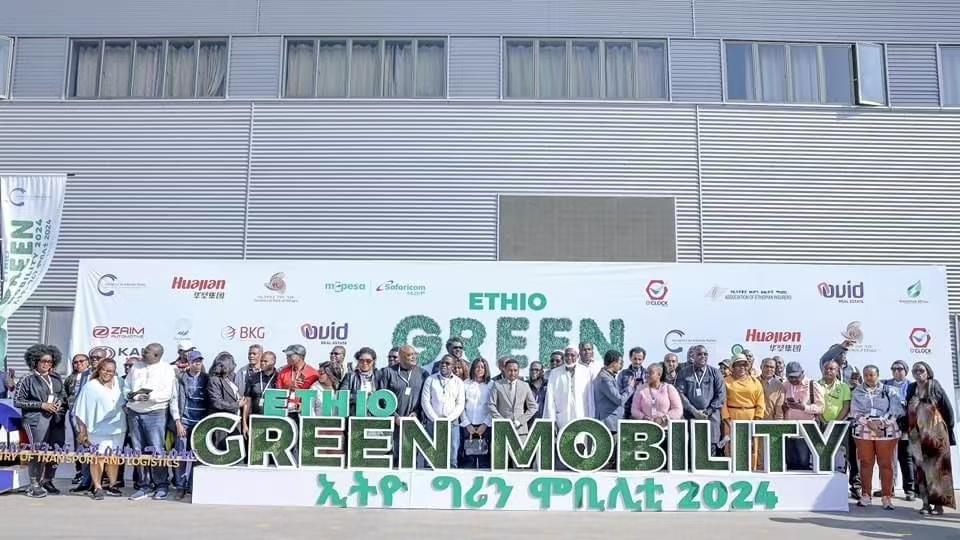
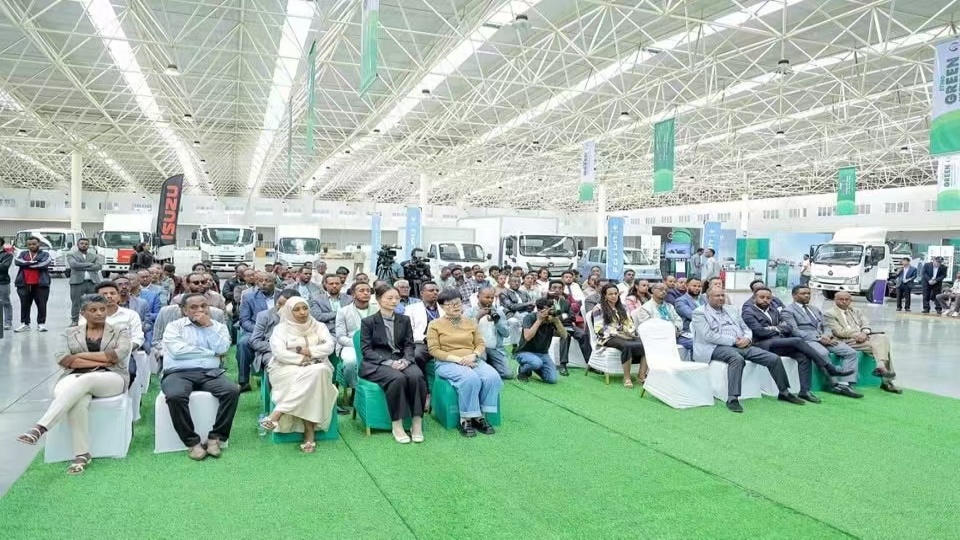
Our commitment to transparency and manufacturing excellence is demonstrated through our active participation in global trade fairs and regular factory audits by international clients.

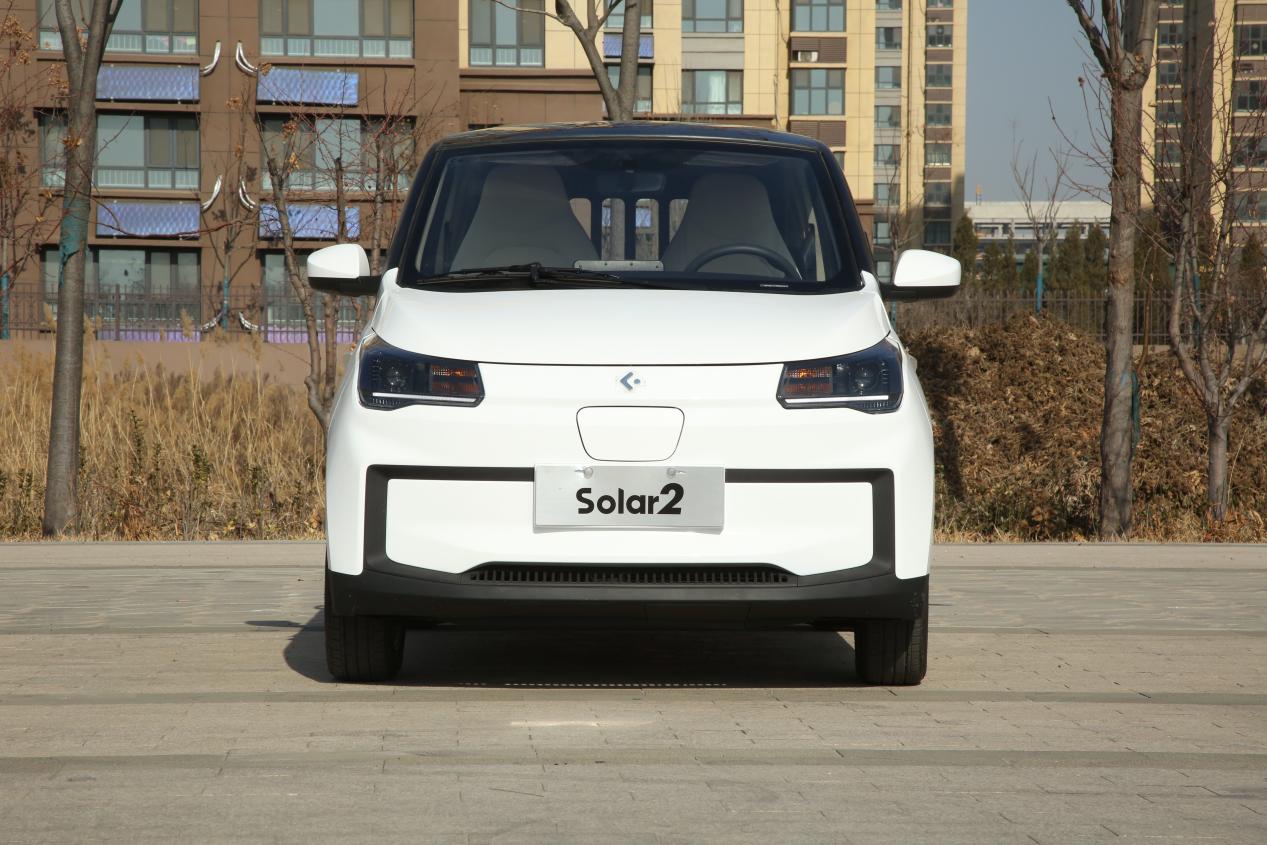
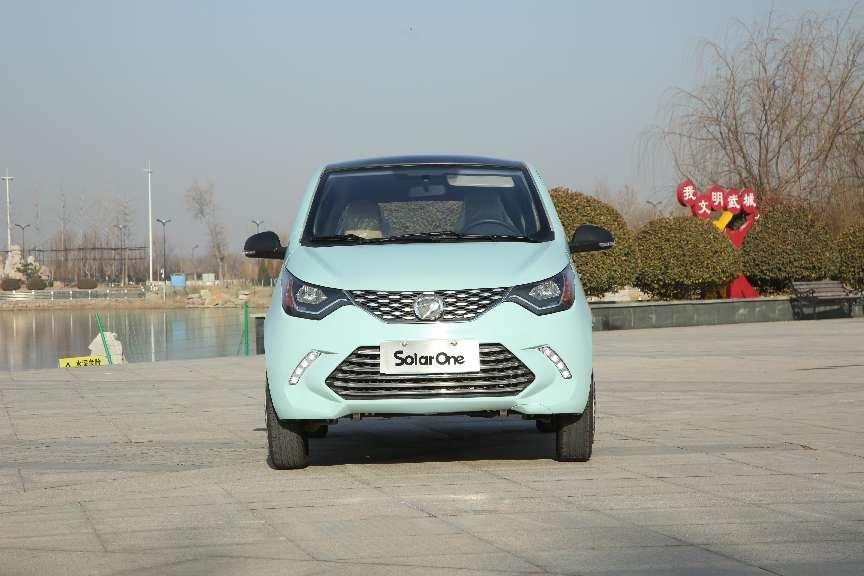
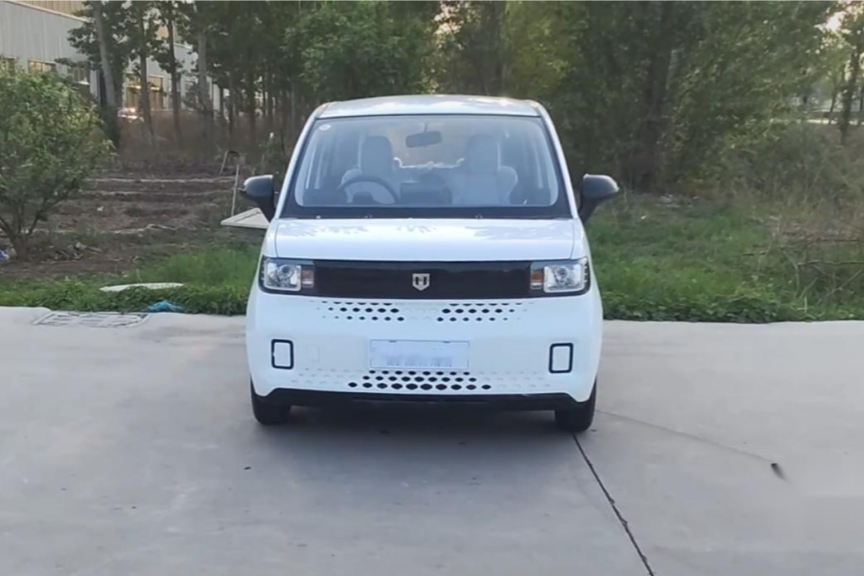
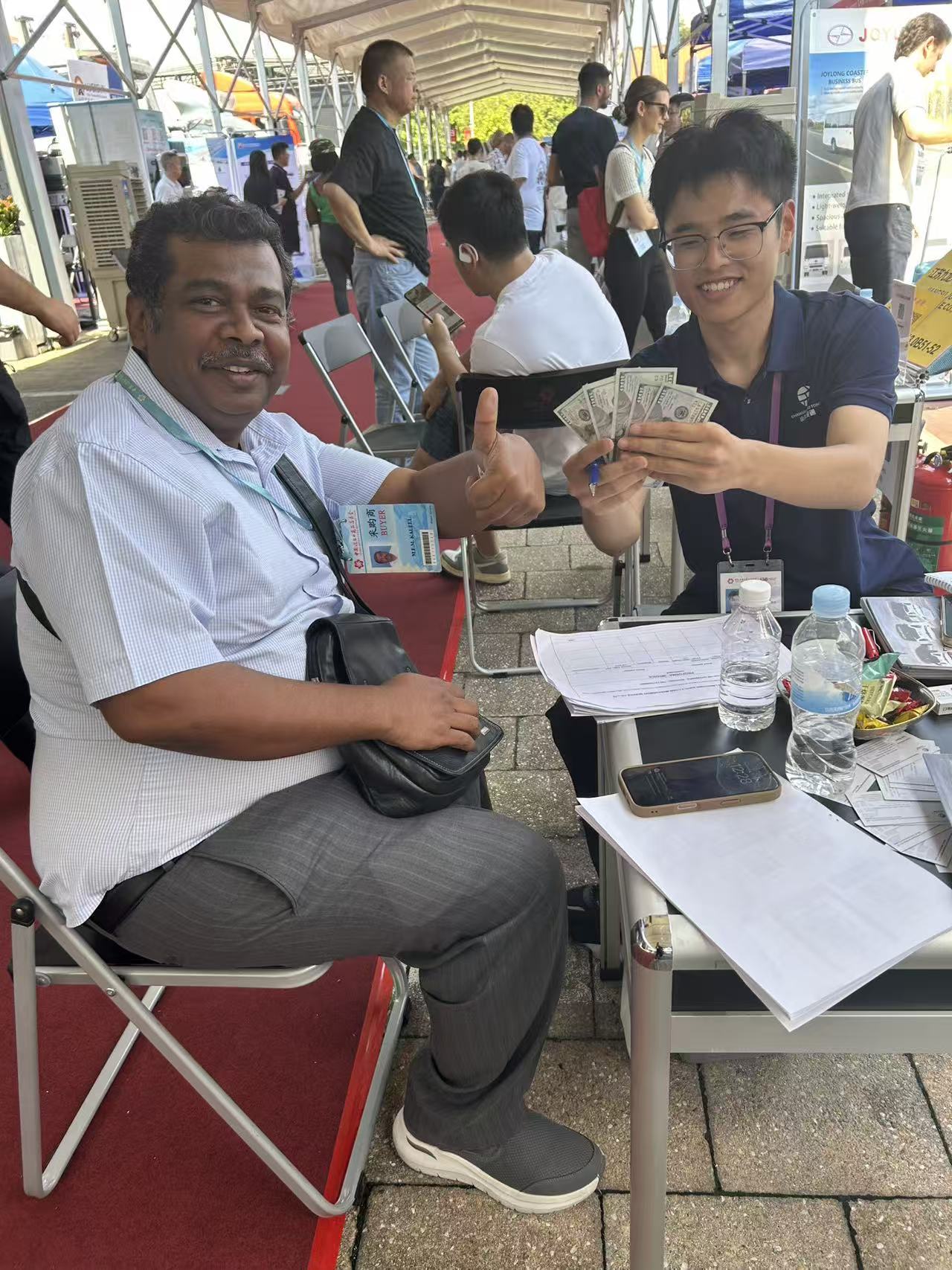
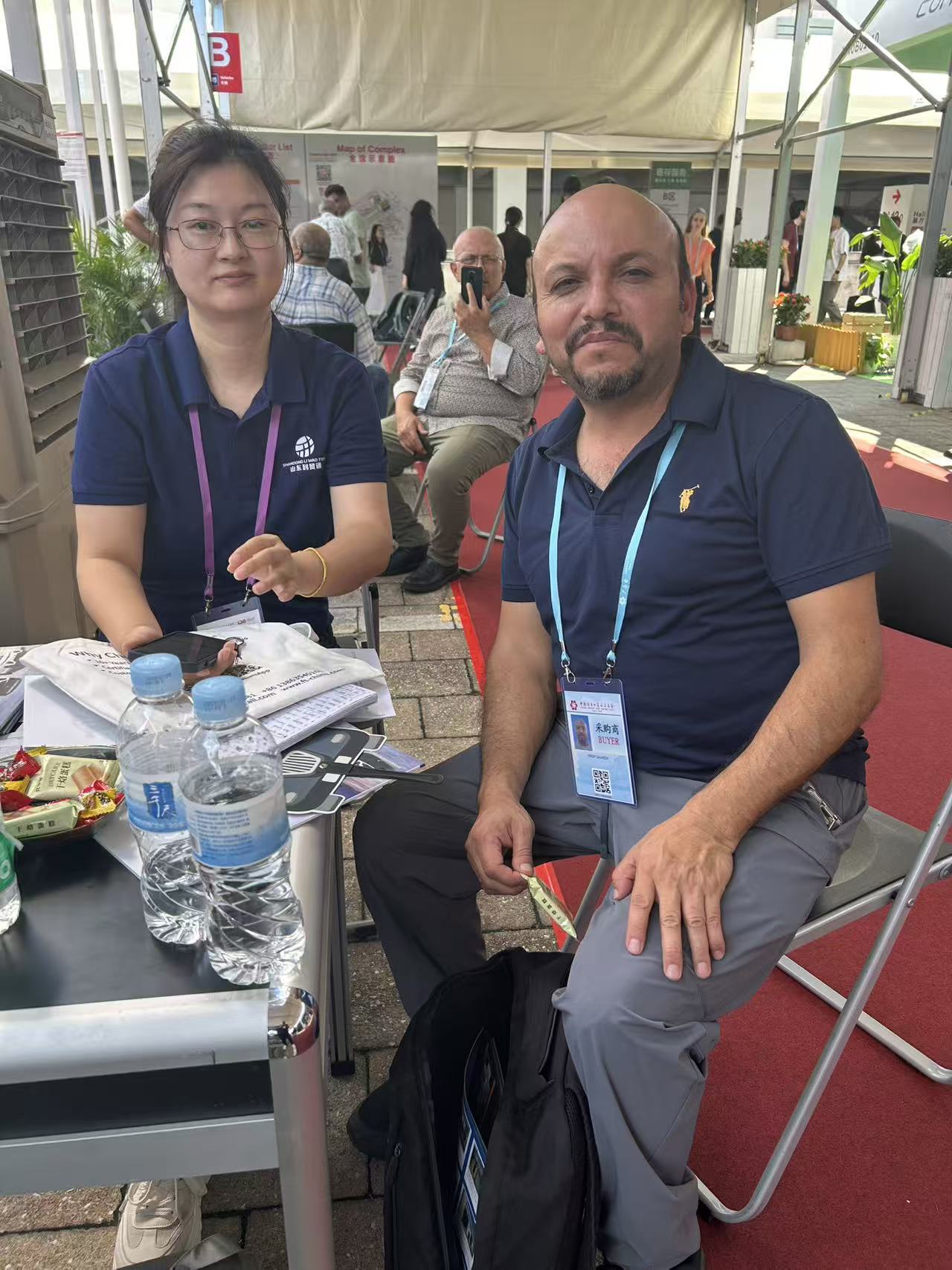
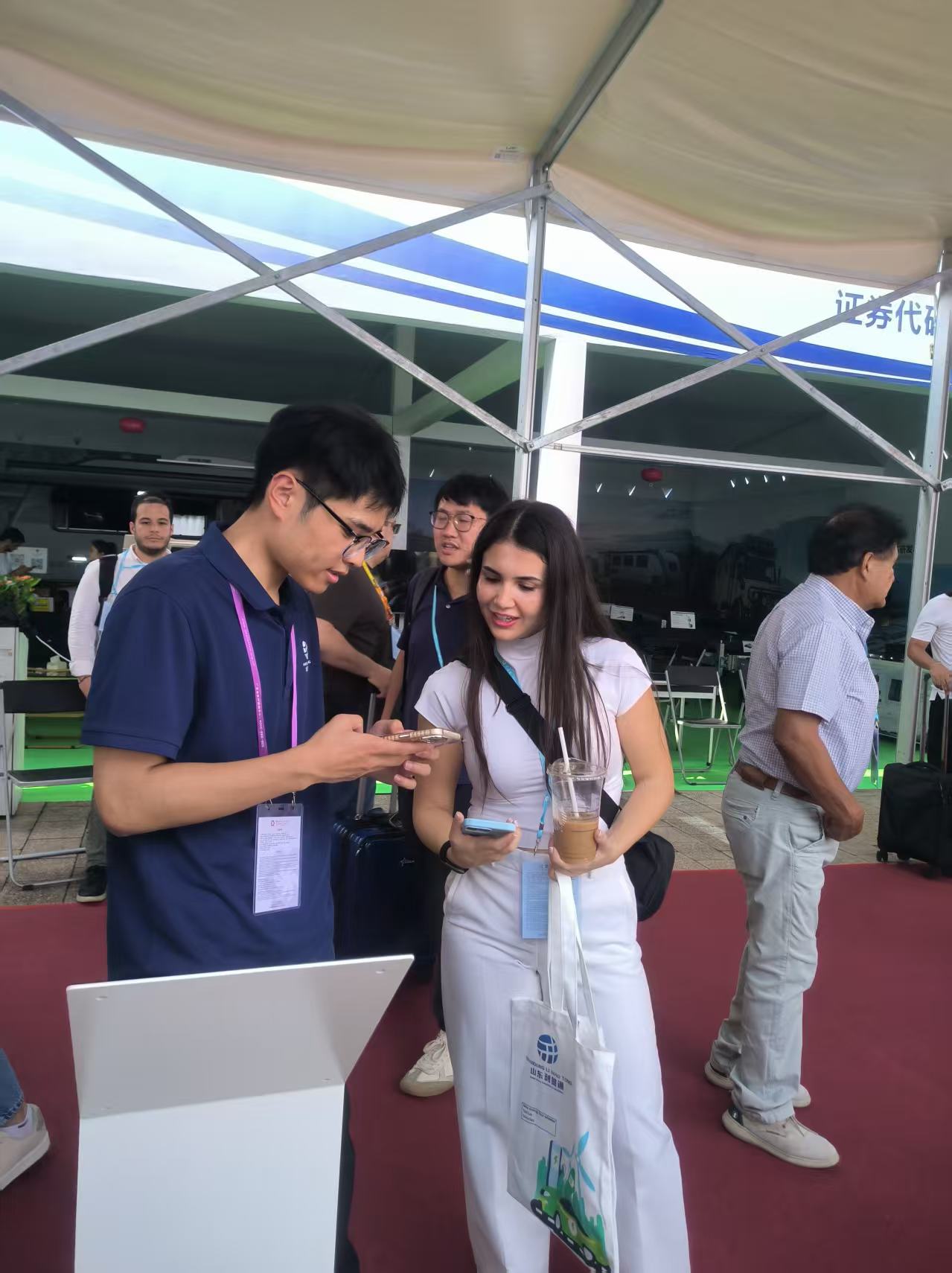
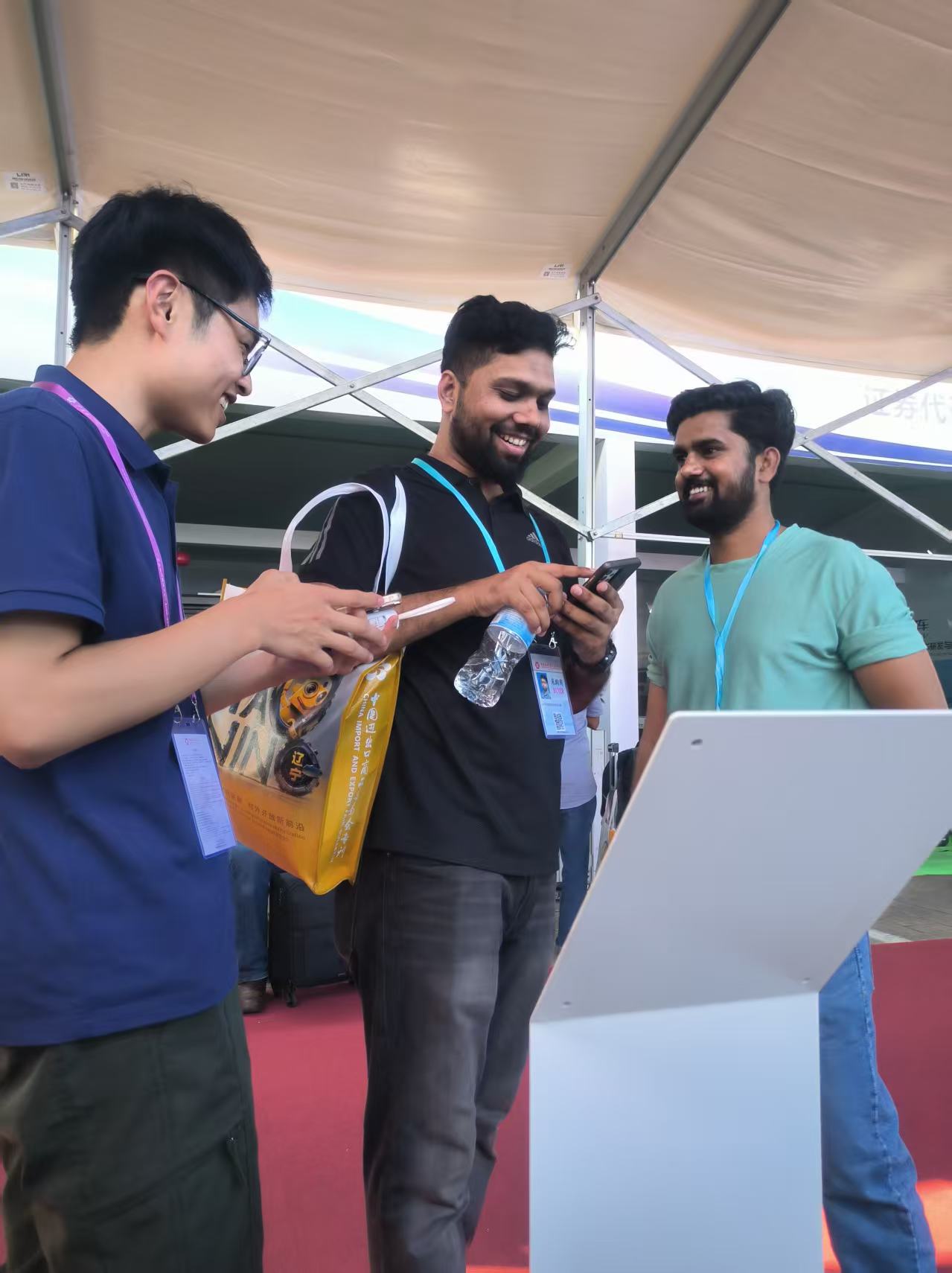
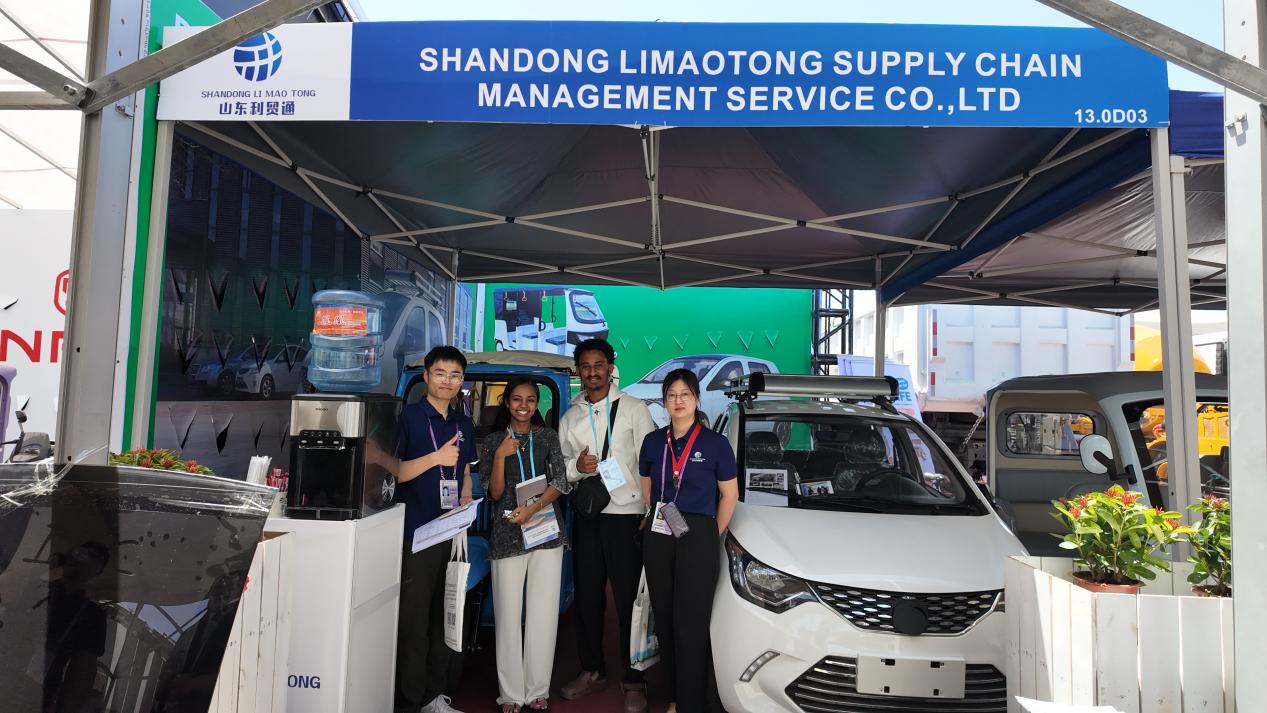
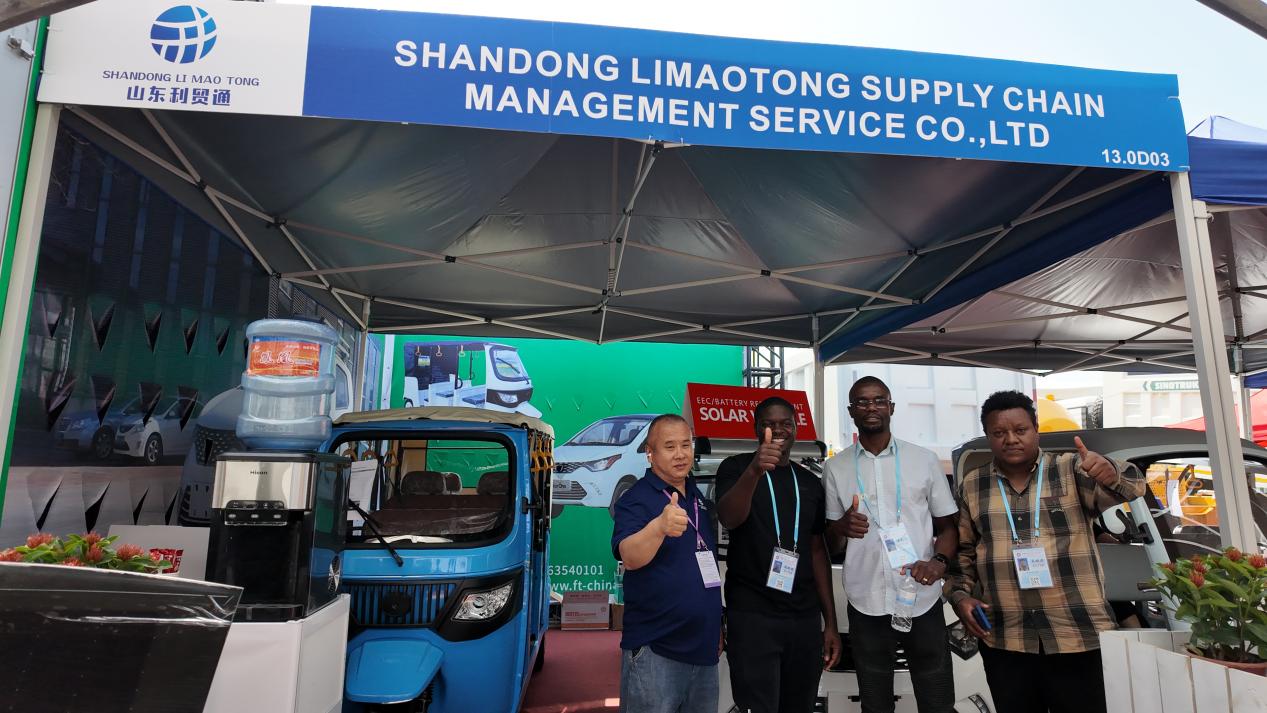
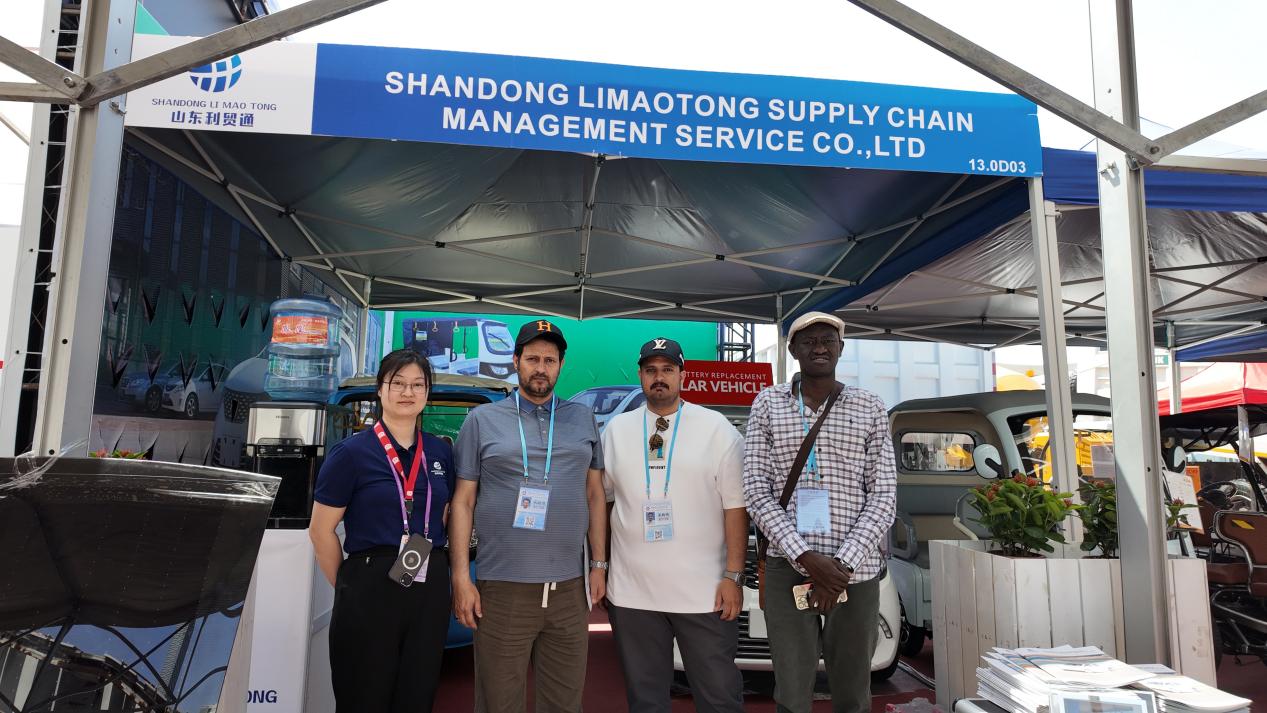
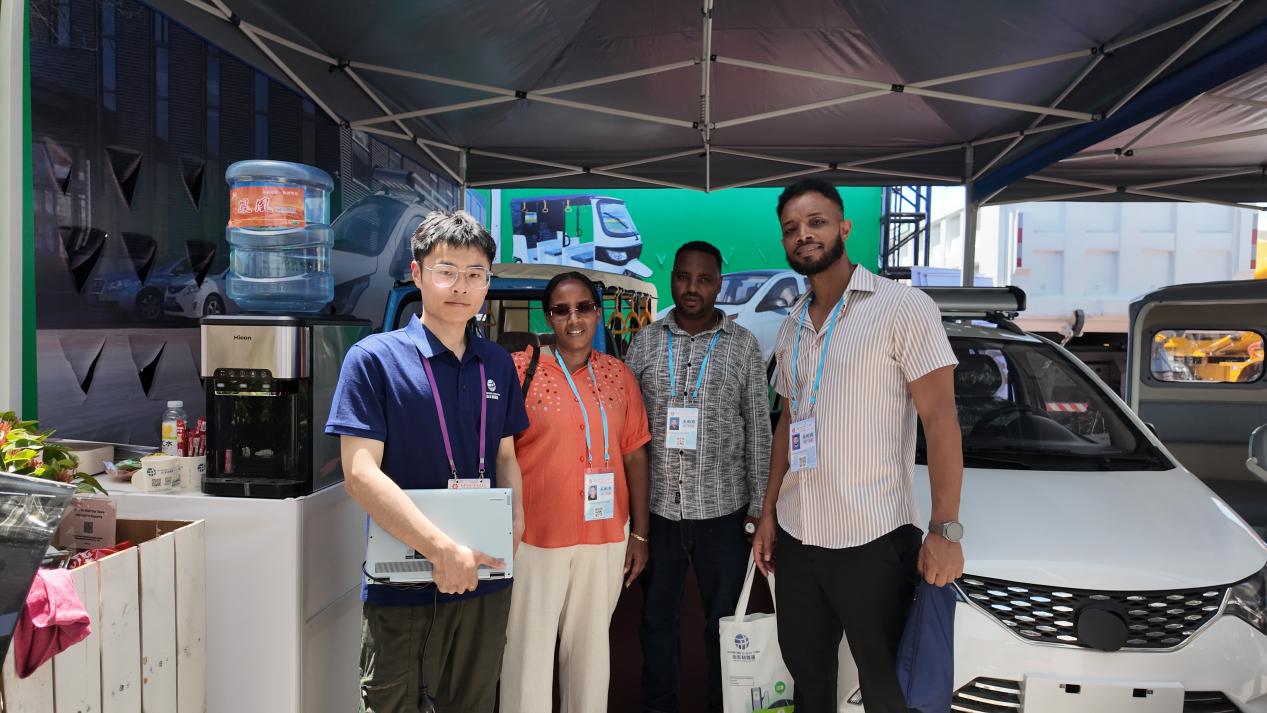
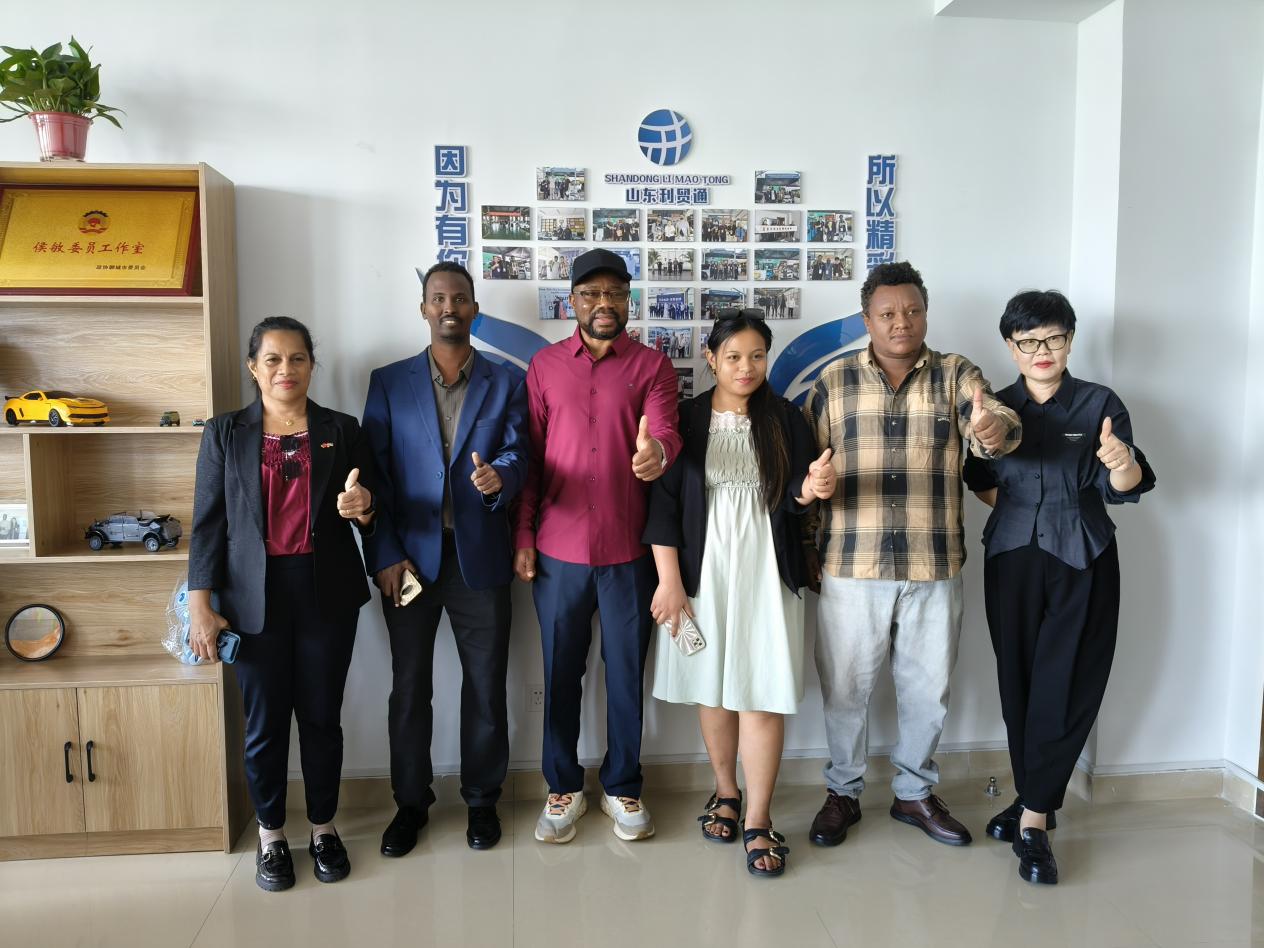
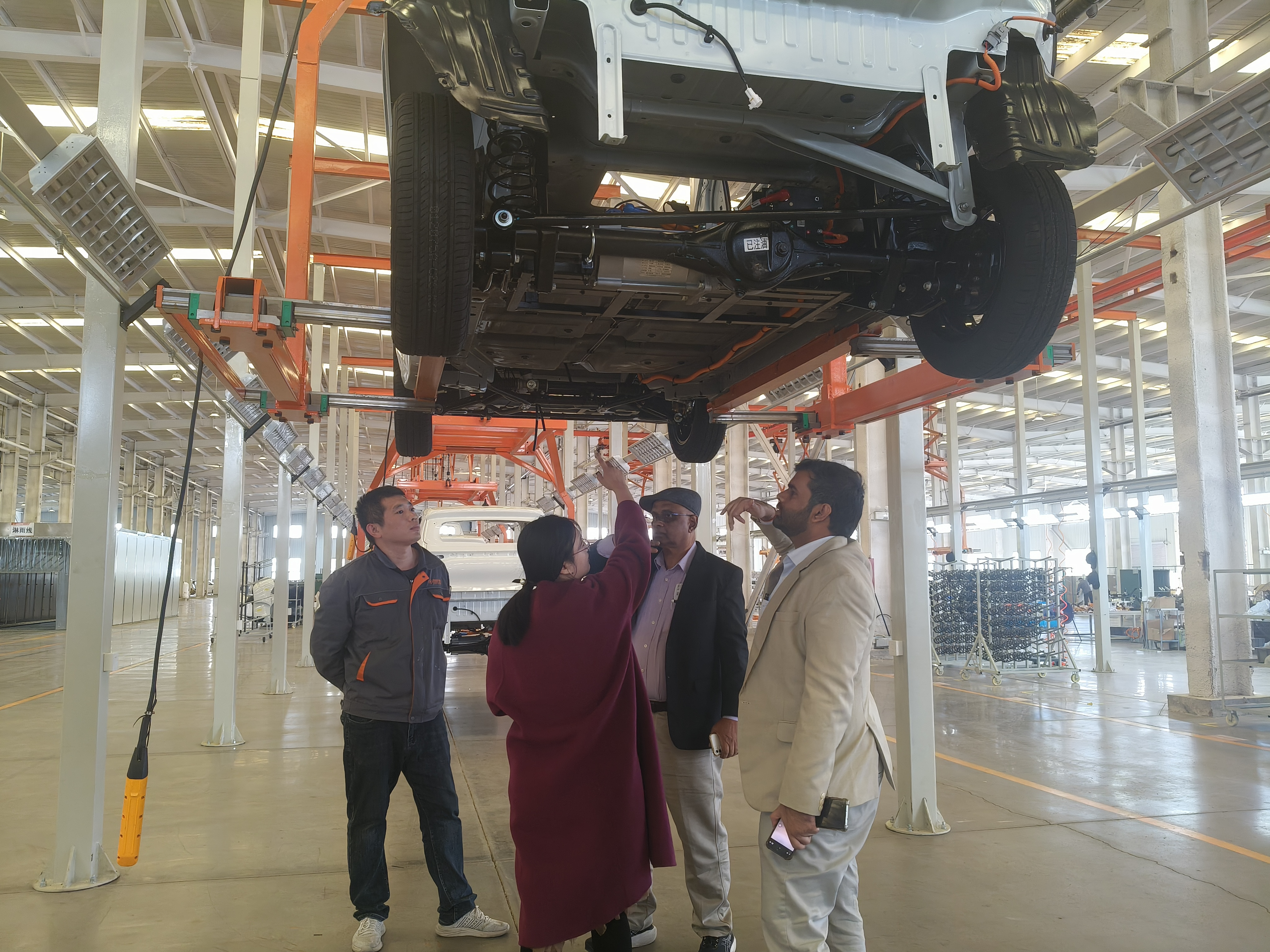
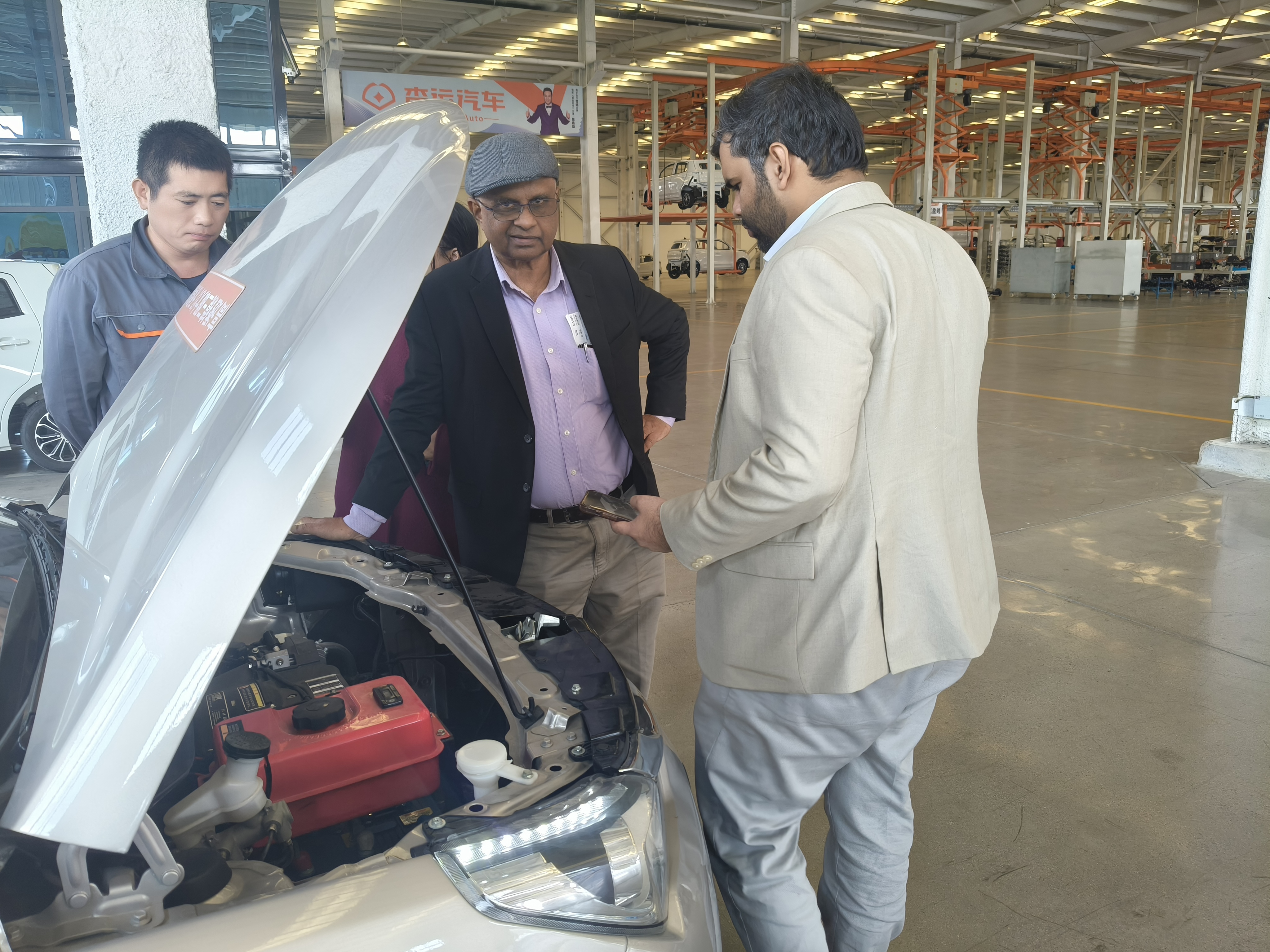
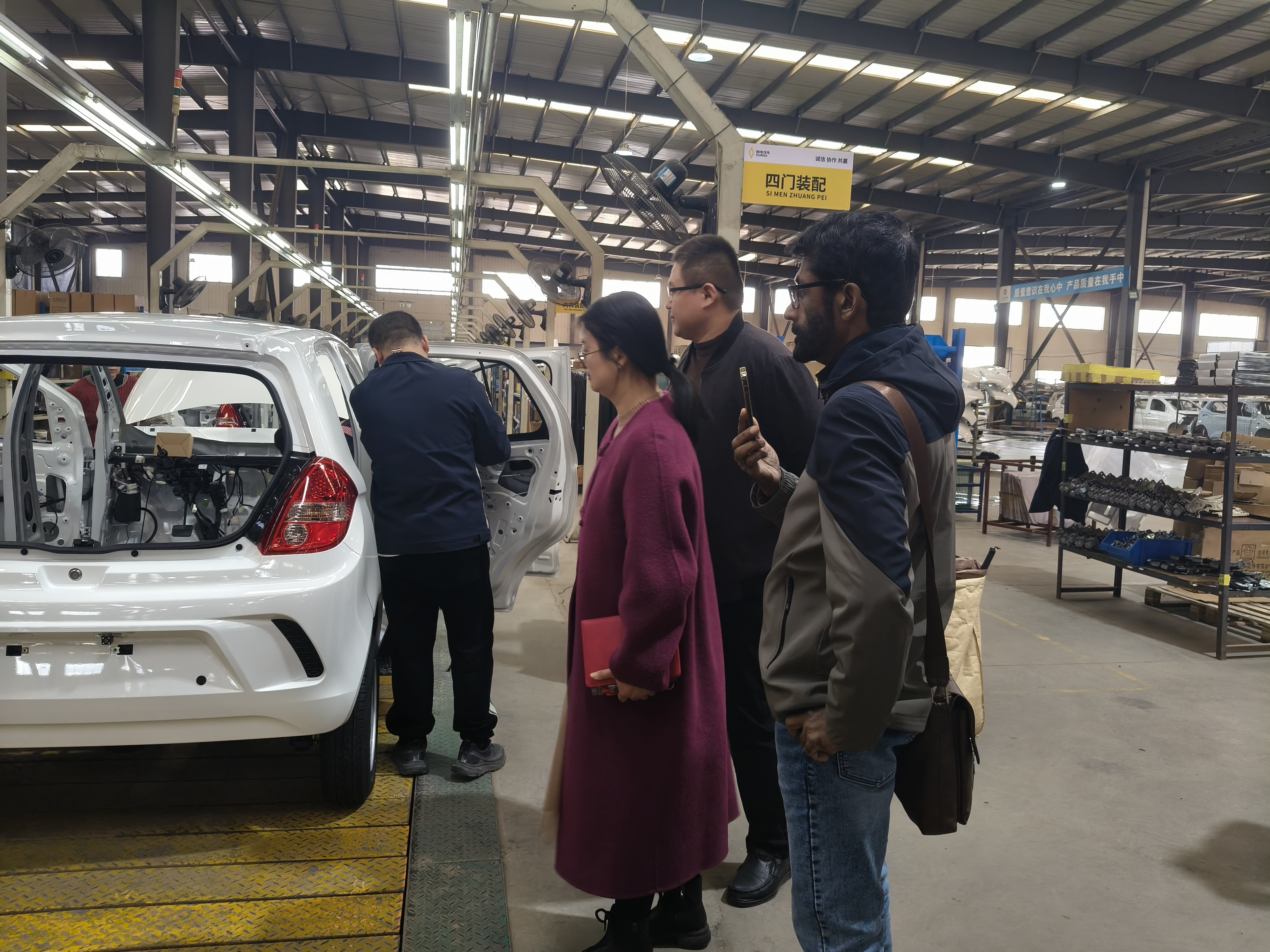
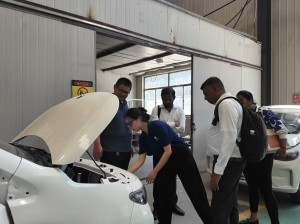

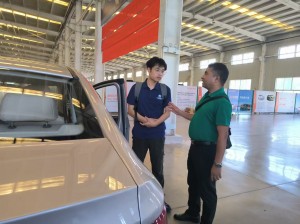
Djibouti Free Trade Zone Operations: The establishment of our cross-border logistics hub in 2023 provides a direct import routing for clients throughout East Africa. This center maintains a constant inventory of ready-to-run microcars and cargo motor tricycles, enabling quick order processing and simplified customs management.


Access direct technical specs for our primary product lines, ranging from urban commuter microcars to heavy-duty logistics options.
Advanced engineering and rugged chassis options designed for diverse terrain transport and urban distribution networks.
 Limaotong