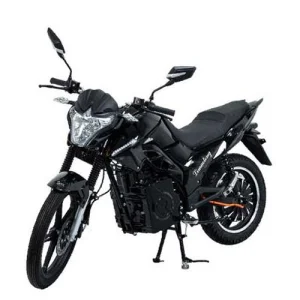
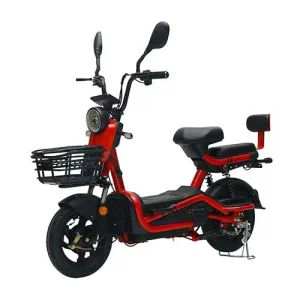
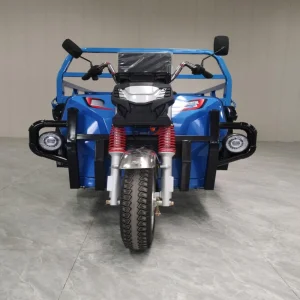
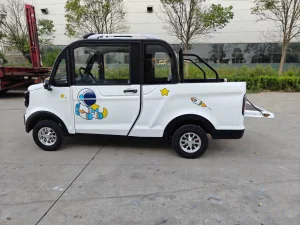
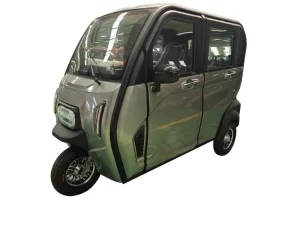
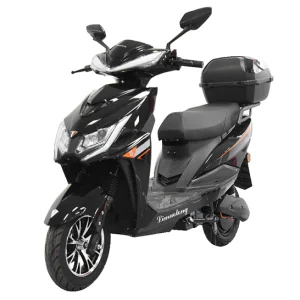
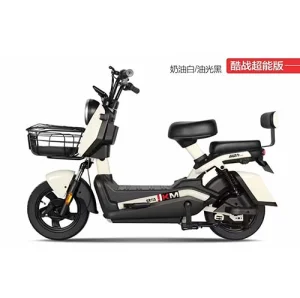
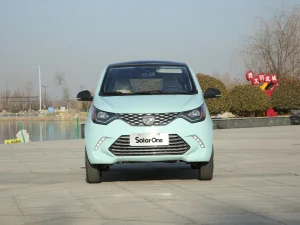
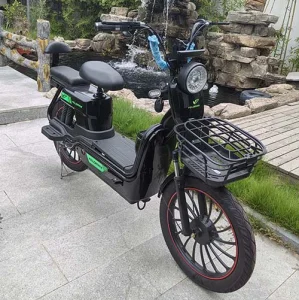
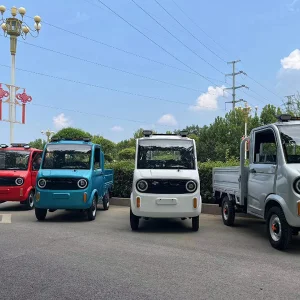
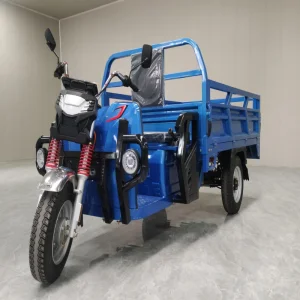
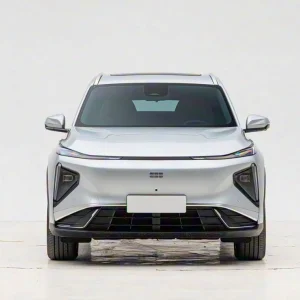
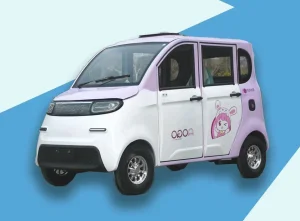
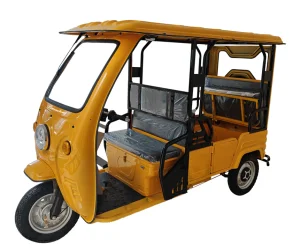
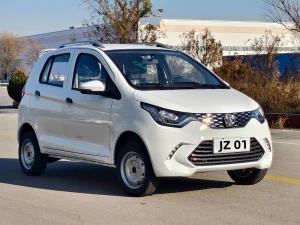
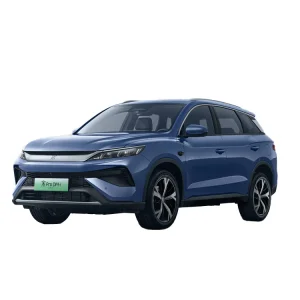
Explore our core collection of two-wheeled electric bikes, heavy-duty cargo tricycles, and fully enclosed passenger vehicles engineered for commercial viability.
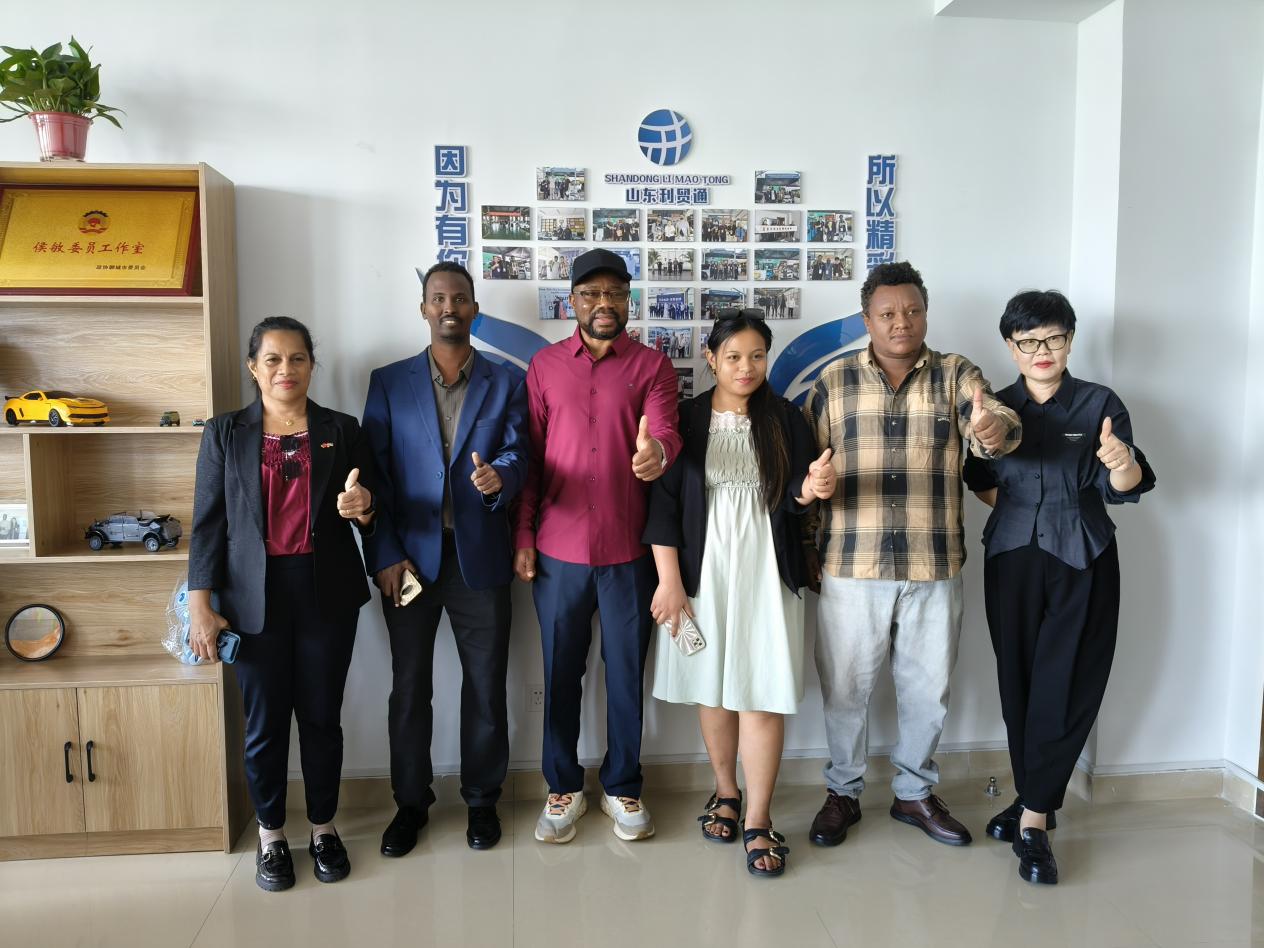
SHANDONG LI MAO TONG GROUP is a leading global supplier of high-quality vehicles, with a complete industrial chain, specialized in research, manufacture, and international sales of motor tricycles, cargo tricycles, and electric mini cars. Since our establishment, our vehicles have served over 120 countries and regions worldwide, with our brand reaching more than 20 million households globally.
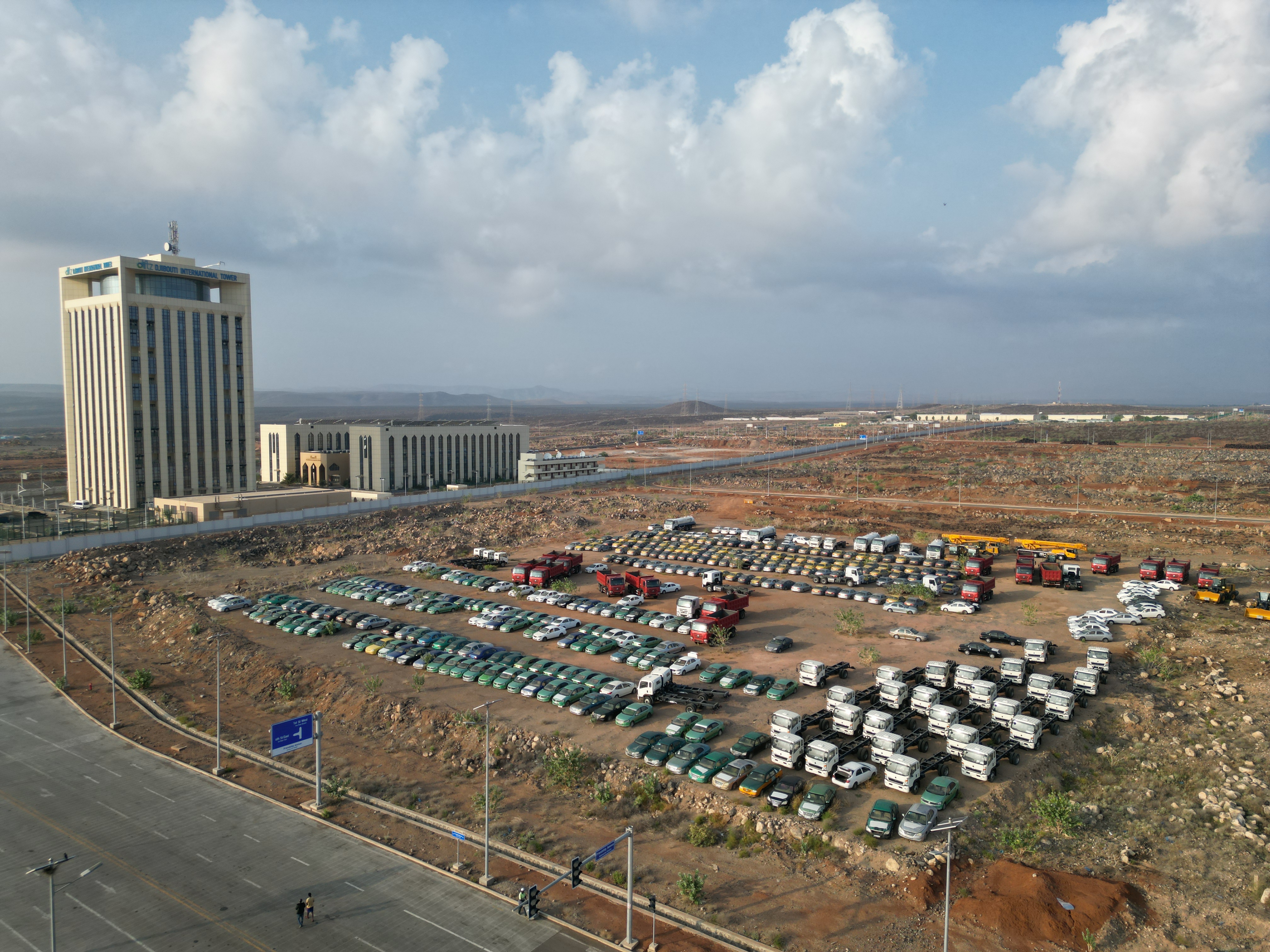
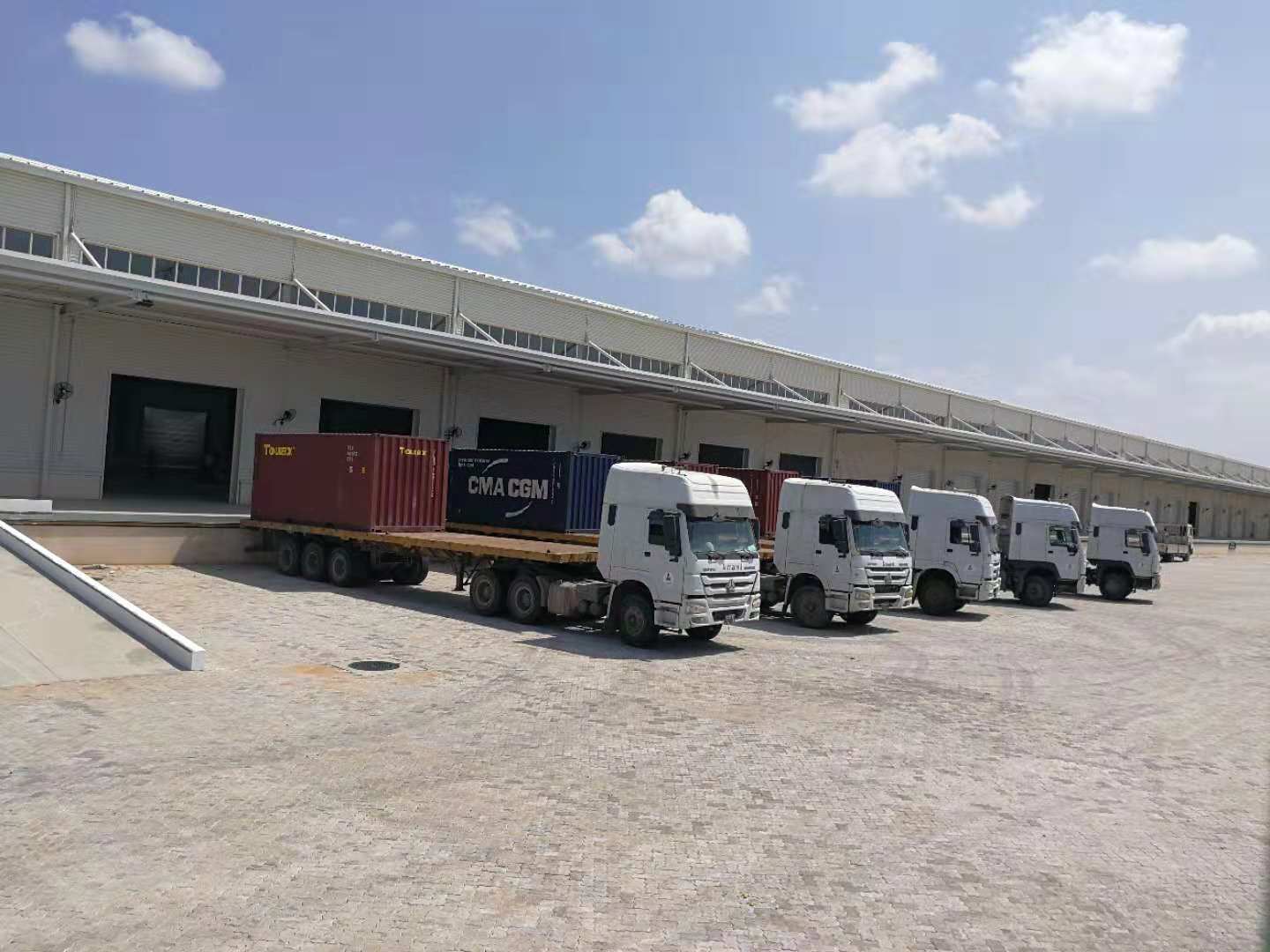
Supported by 8 overseas production bases, we provide comprehensive vehicle solutions to markets around the world. We attach great importance to after-sales service, having set up overseas warehouses in Djibouti equipped with a professional after-sales team and complete after-sales facilities. If you encounter any problems during the use of our products, our after-sales team will respond immediately and provide you with timely and effective solutions.
The transition of the global transportation sector towards low-carbon, highly efficient mobility solutions has propelled the battery powered tricycle (often referred to as the E-trike) from a niche product into a critical pillar of urban last-mile logistics, agricultural transport, and municipal passenger mobility. According to global industrial research, the market demand for light electric utility vehicles (LEUVs) is growing exponentially, driven by regulatory restrictions on carbon emissions in urban zones, high diesel/gasoline volatility, and the massive acceleration of e-commerce delivery requirements.
In highly congested cities across Asia, Latin America, and Africa, E-trikes serve as the optimal vehicle category. They bridge the gap between heavy, high-emission delivery vans and low-capacity two-wheeled vehicles. Meanwhile, in advanced European and North American markets, urban logistics operators are utilizing specialized heavy-load E-trikes to navigate restricted access inner-city zones, dramatically lowering delivery times and reducing operational logistics expenses. As a pioneer in clean transport, Shandong Li Mao Tong Group leads the development of robust three-wheeled electric vehicle configurations customized to survive under distinct regional regulatory and environmental frameworks.
Industrial Consensus: Market intelligence indicates that integrating battery-powered tricycles into postal, courier, and local agricultural chains can lower vehicle operating expenditure (OPEX) by up to 68% compared to internal combustion equivalents, making it a critical choice for corporate fleet upgrades.
The production of battery-powered vehicles relies heavily on complex component integration: battery chemistry, advanced Battery Management Systems (BMS), high-efficiency electric motors, and high-strength structural engineering. China has established an absolute competitive advantage in this sector due to the concentration of the entire electric vehicle supply chain within focused industrial zones, notably Shandong, Jiangsu, and Zhejiang provinces.
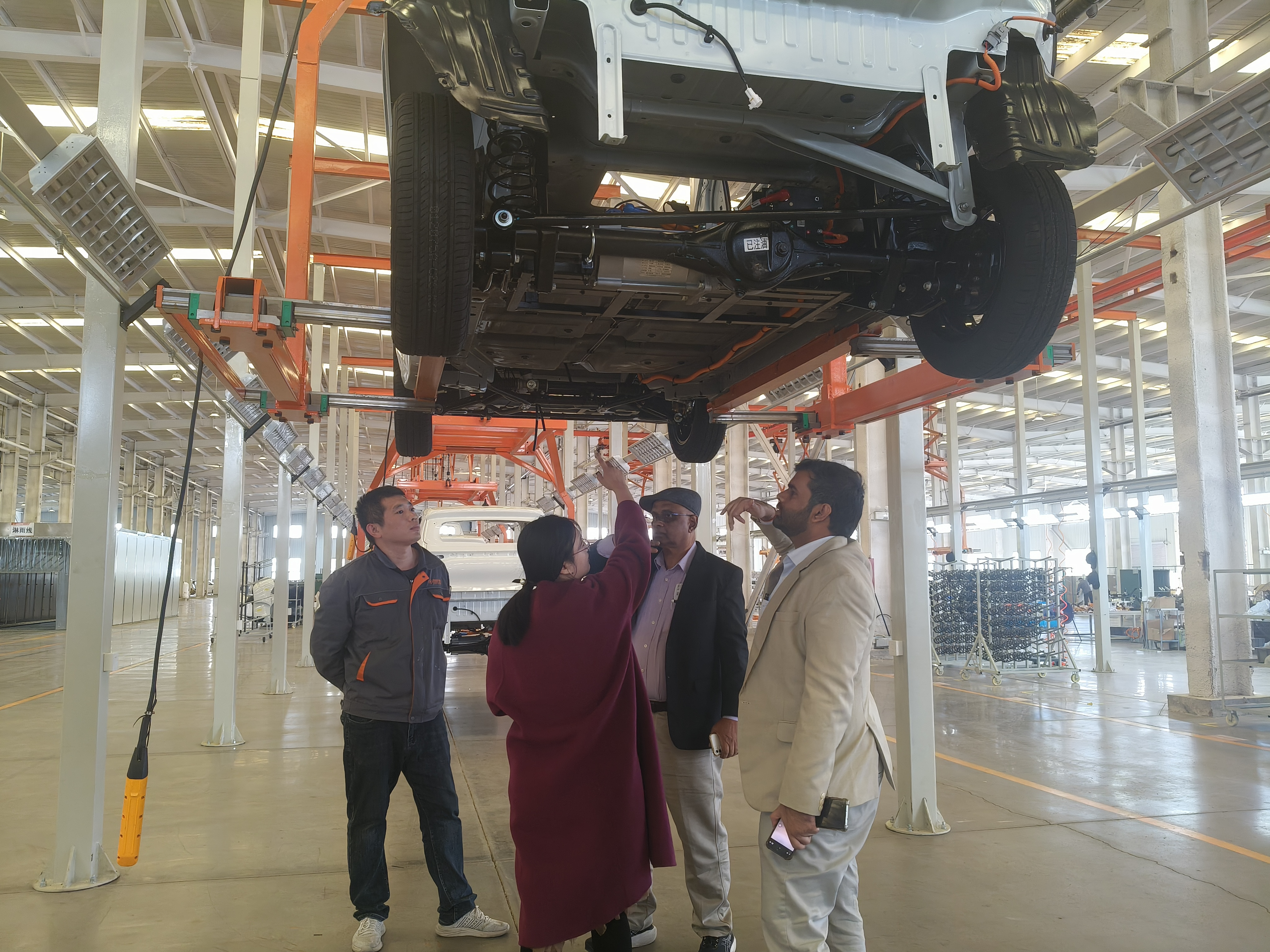
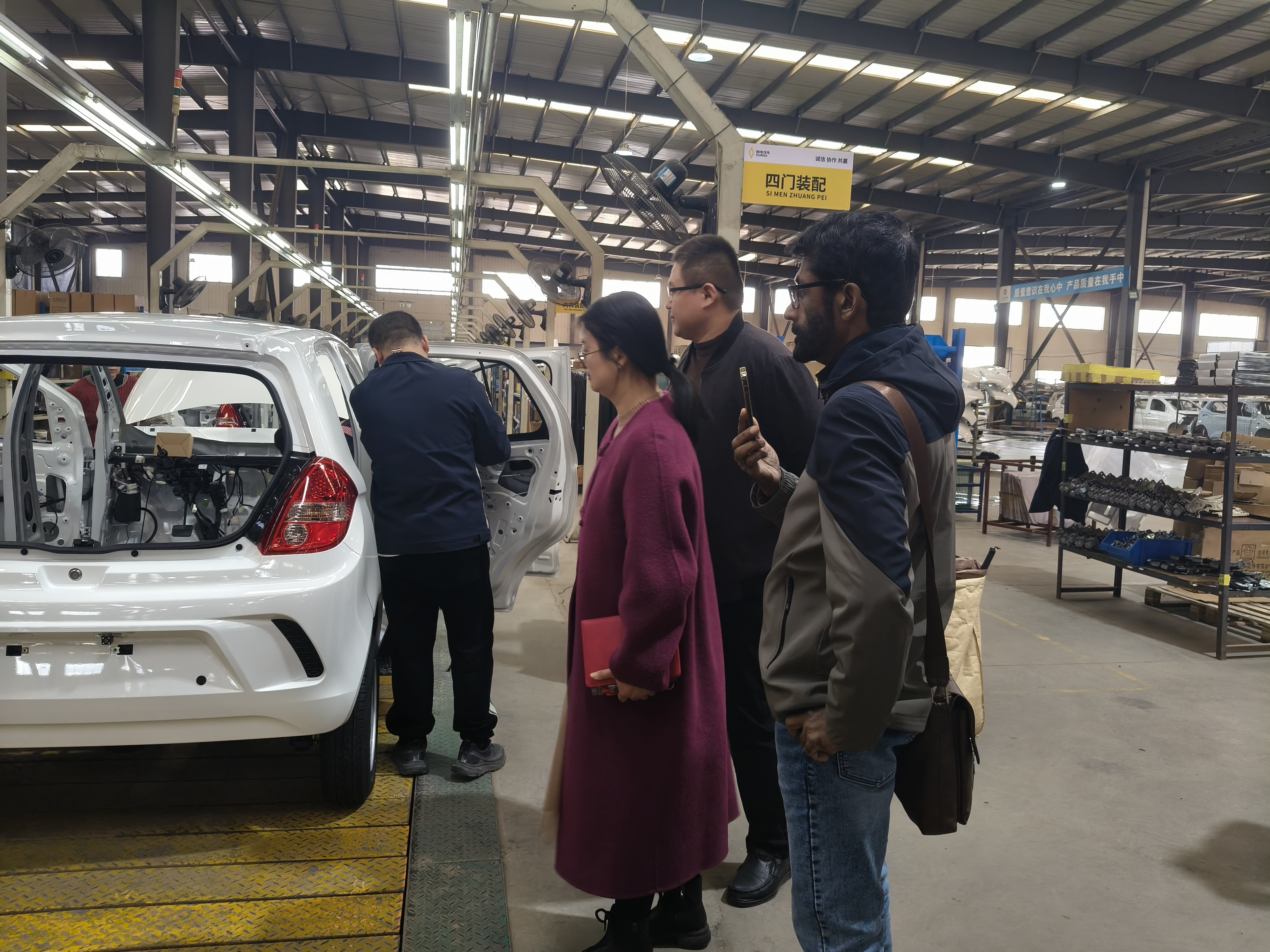
Shandong Li Mao Tong Group leverages this optimized ecosystem to implement cutting-edge production methodologies. By integrating intelligent robotic assembly systems, state-of-the-art stamping machines, and automated cathodic electrophoresis coating processes, our factories produce commercial-grade E-trikes with unparalleled consistency. The concentration of direct raw material sourcing, automated precision tube-bending machinery, and rapid prototyping capabilities enables Chinese manufacturers to compress production cycles while offering high customization options (ODM/OEM) that Western counterparts cannot match within similar pricing models. Furthermore, our integrated testing procedures—which subject vehicles to extreme vibration, chassis loading stress, and laboratory-level 7 rainstorm water intrusion testing—ensure that every tricycle leaving the factory lines exceeds global roadworthiness and durability requirements.
The modular architecture of battery-powered tricycles enables them to be customized for highly specialized regional and commercial applications:
The next phase of evolution in the battery-powered tricycle industry is focused on battery technology upgrades, smart IoT telemetry, and modular design. The industry is rapidly moving away from traditional lead-acid battery packs towards Lithium Iron Phosphate (LiFePO4) and advanced Lithium-Ion systems. LiFePO4 cells offer three times the charge-discharge cycles of lead-acid options, lighter weight for greater vehicle payload, and a wider range of operating temperatures, which is critical for cold northern climates and hot tropical regions.
In addition, modern fleet managers demand smart capabilities. Electric tricycles are increasingly equipped with GPS tracking systems, remote battery monitoring modules, and integrated diagnostics tools. These telemetry components allow logistics operators to track vehicles in real-time, optimize delivery routes, and manage preventive fleet maintenance. The trend toward modularity also means that a single tricycle chassis can be converted from an agricultural cargo platform into a passenger taxi or a refrigerated food-delivery vehicle with minimal changes to the frame structure.
Procuring commercial-grade electric tricycle fleets from overseas manufacturers requires careful consideration of key technical, compliance, and logistical parameters:
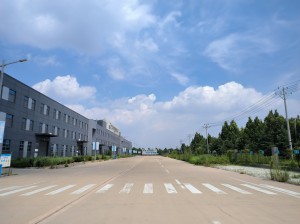
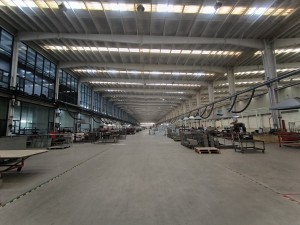
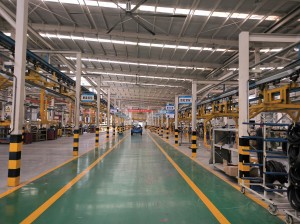
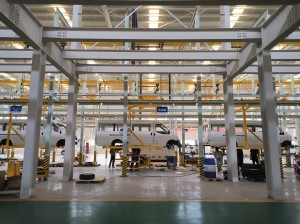
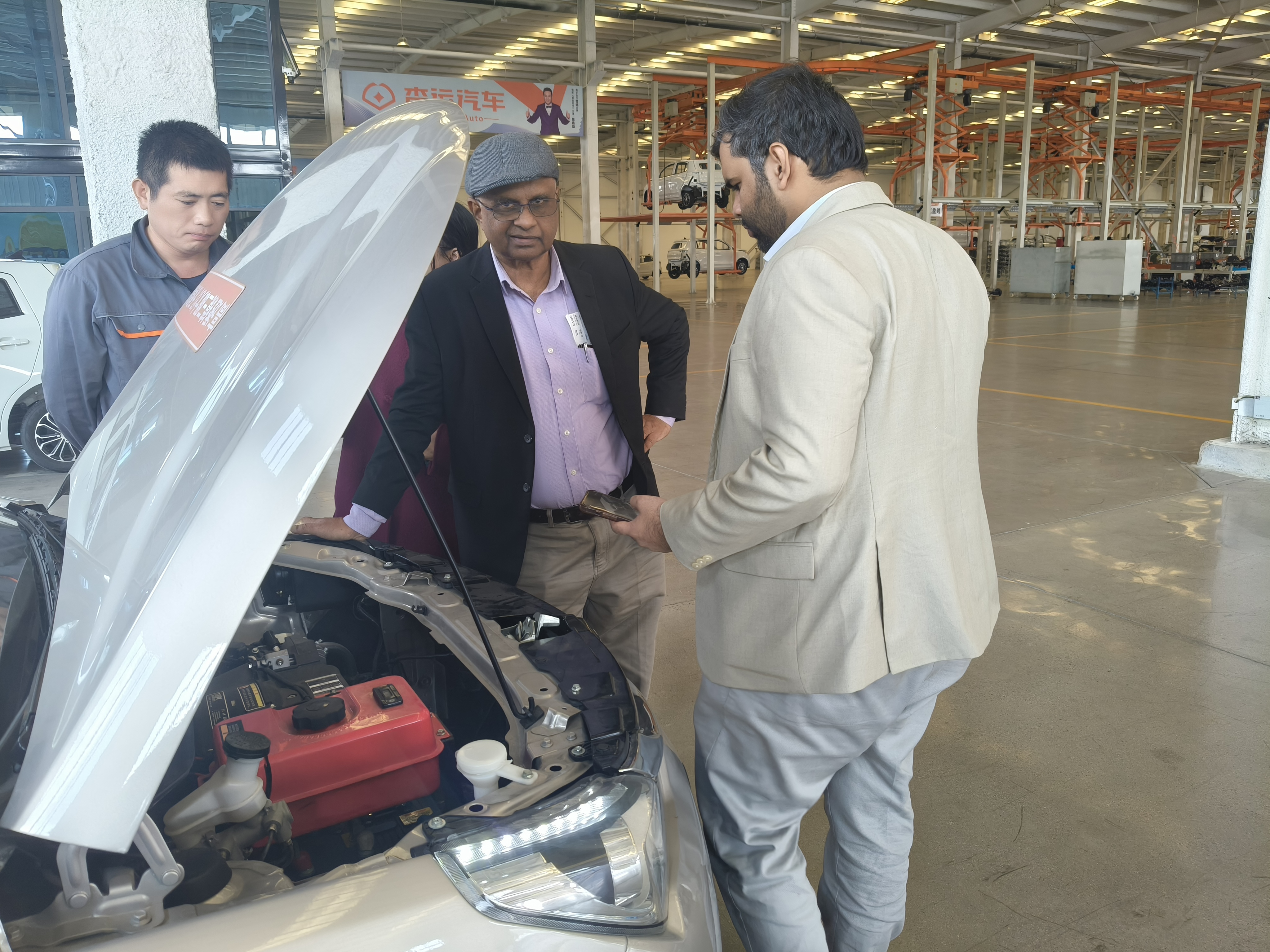
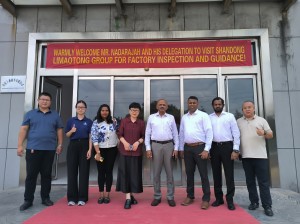
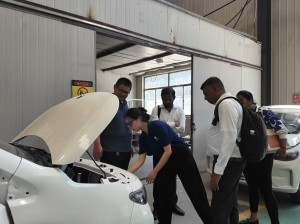
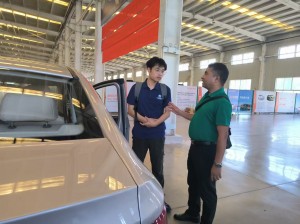
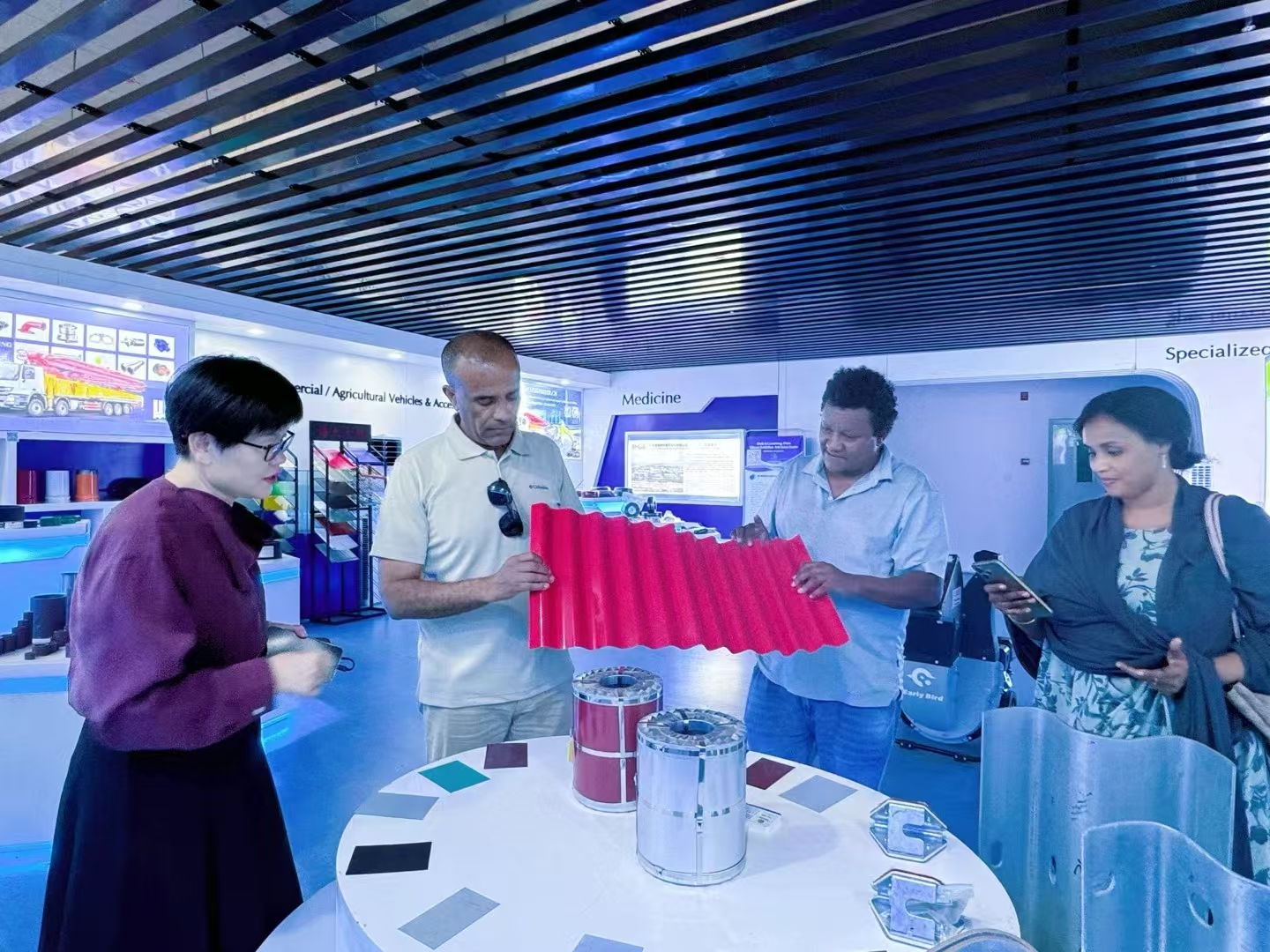
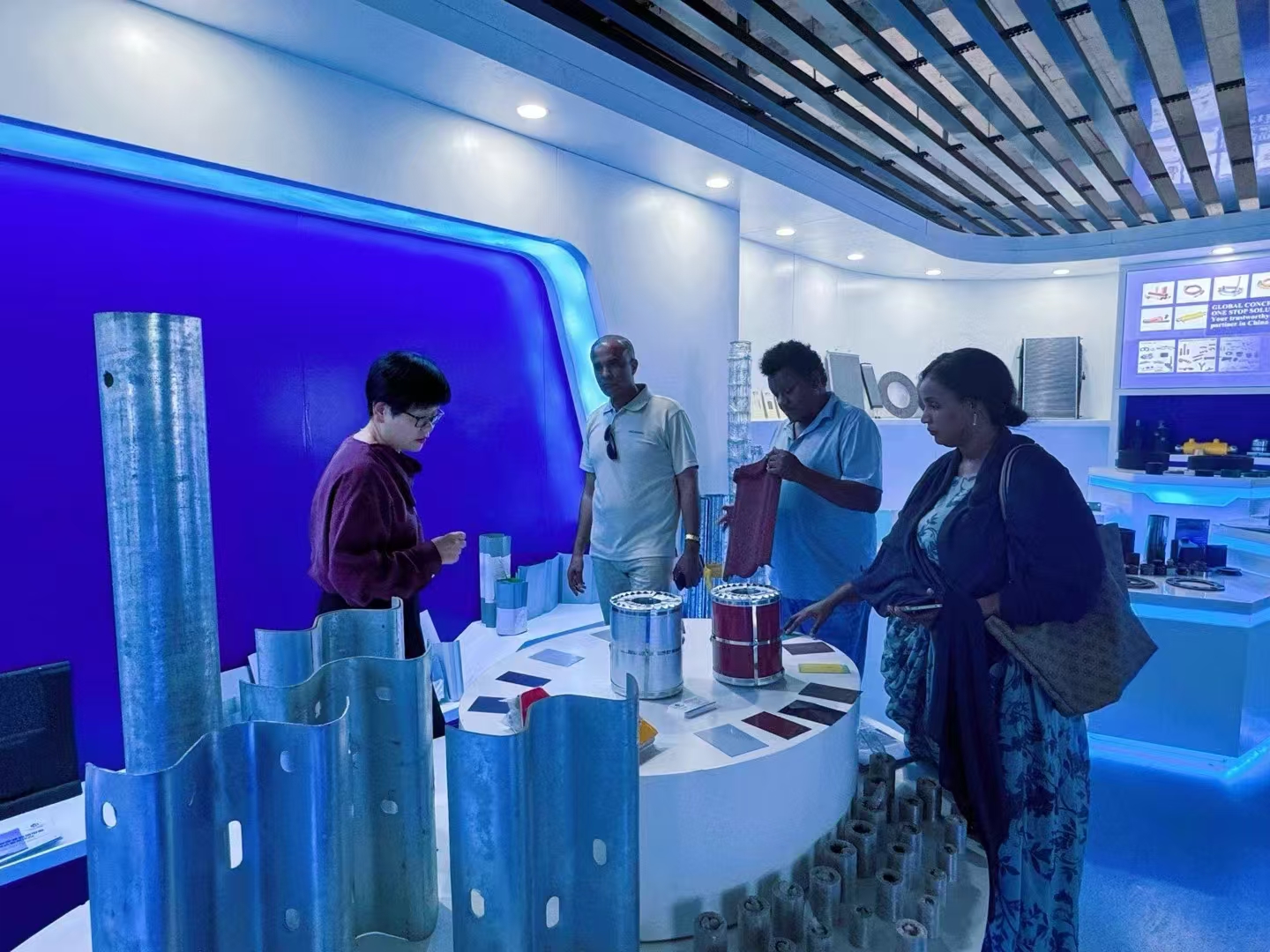
Step inside our production lines, quality inspection departments, and overseas warehouses to see how our vehicles are built to international standards.
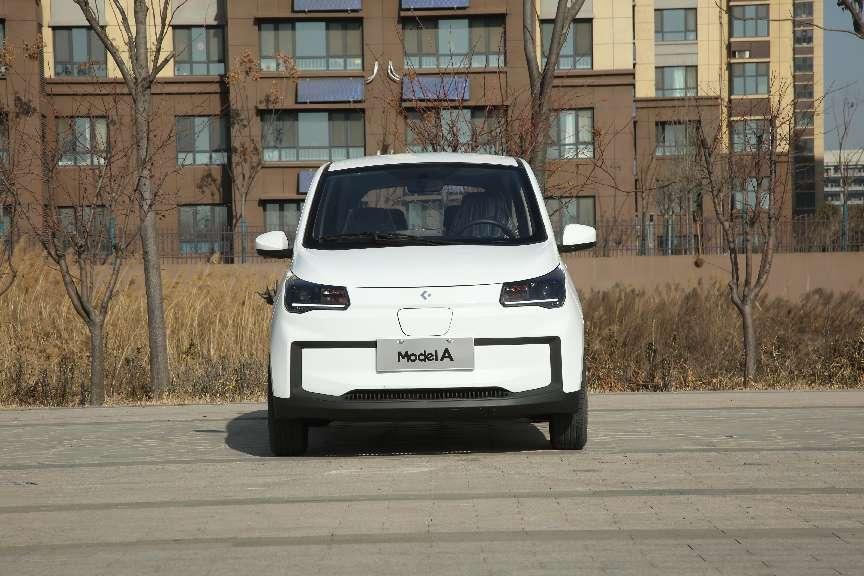
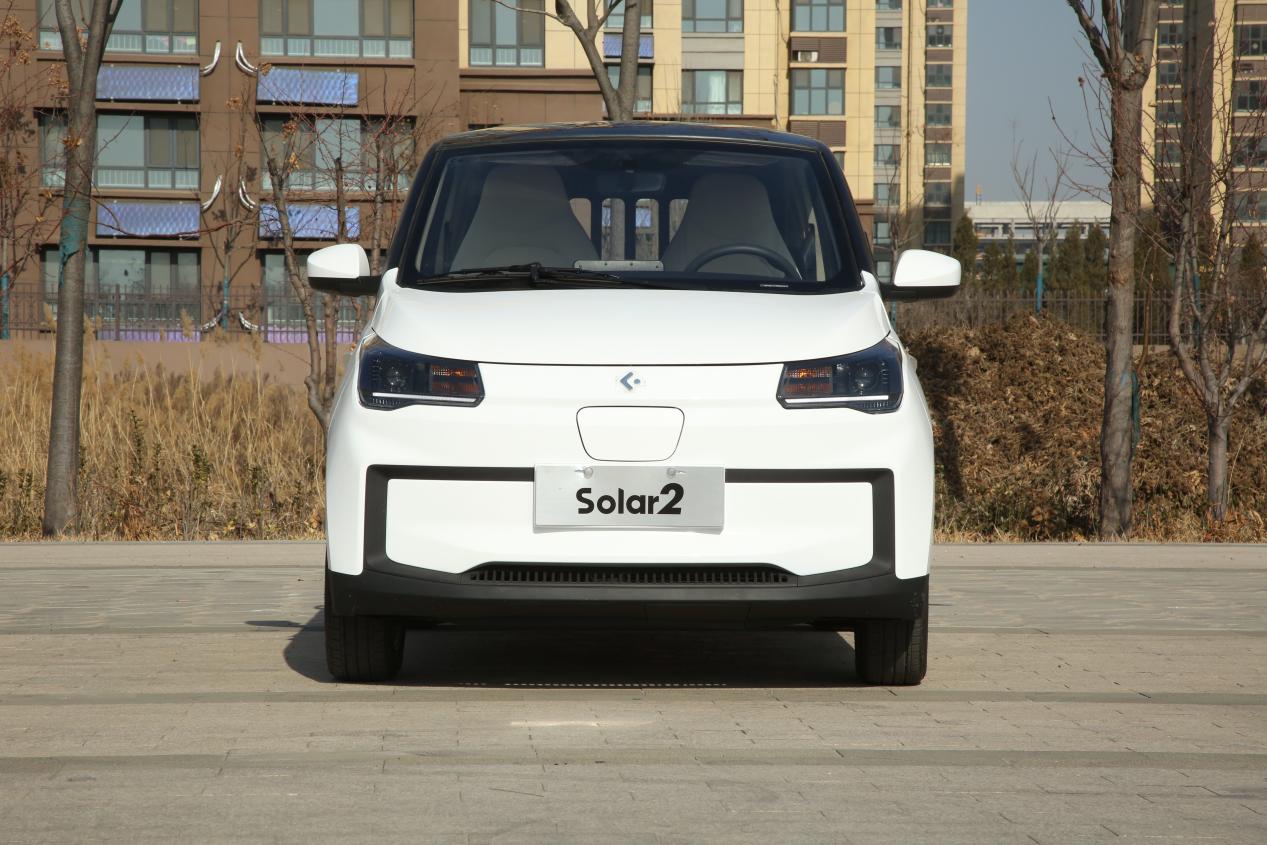
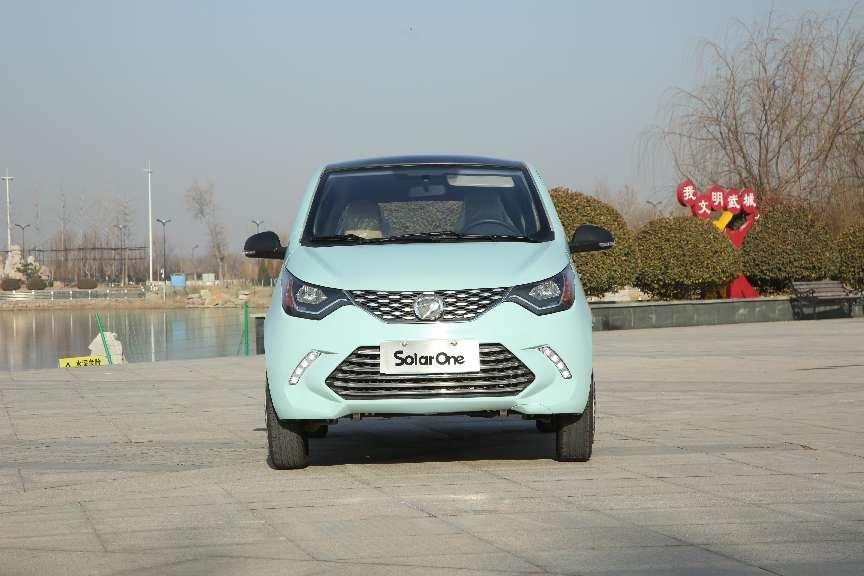
Take a closer look at our flagship electric and solar-powered commercial tricycles built for demanding applications.
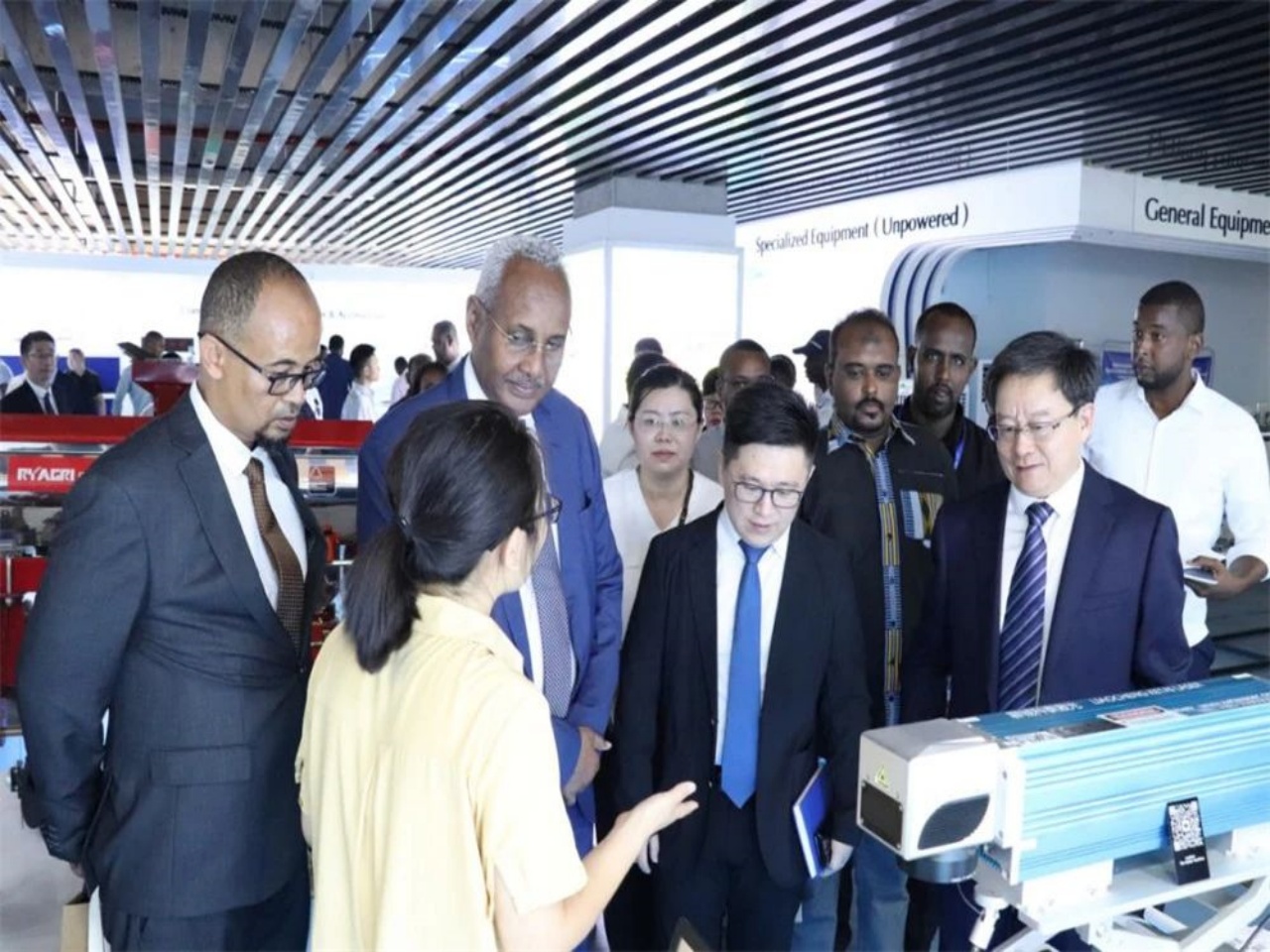
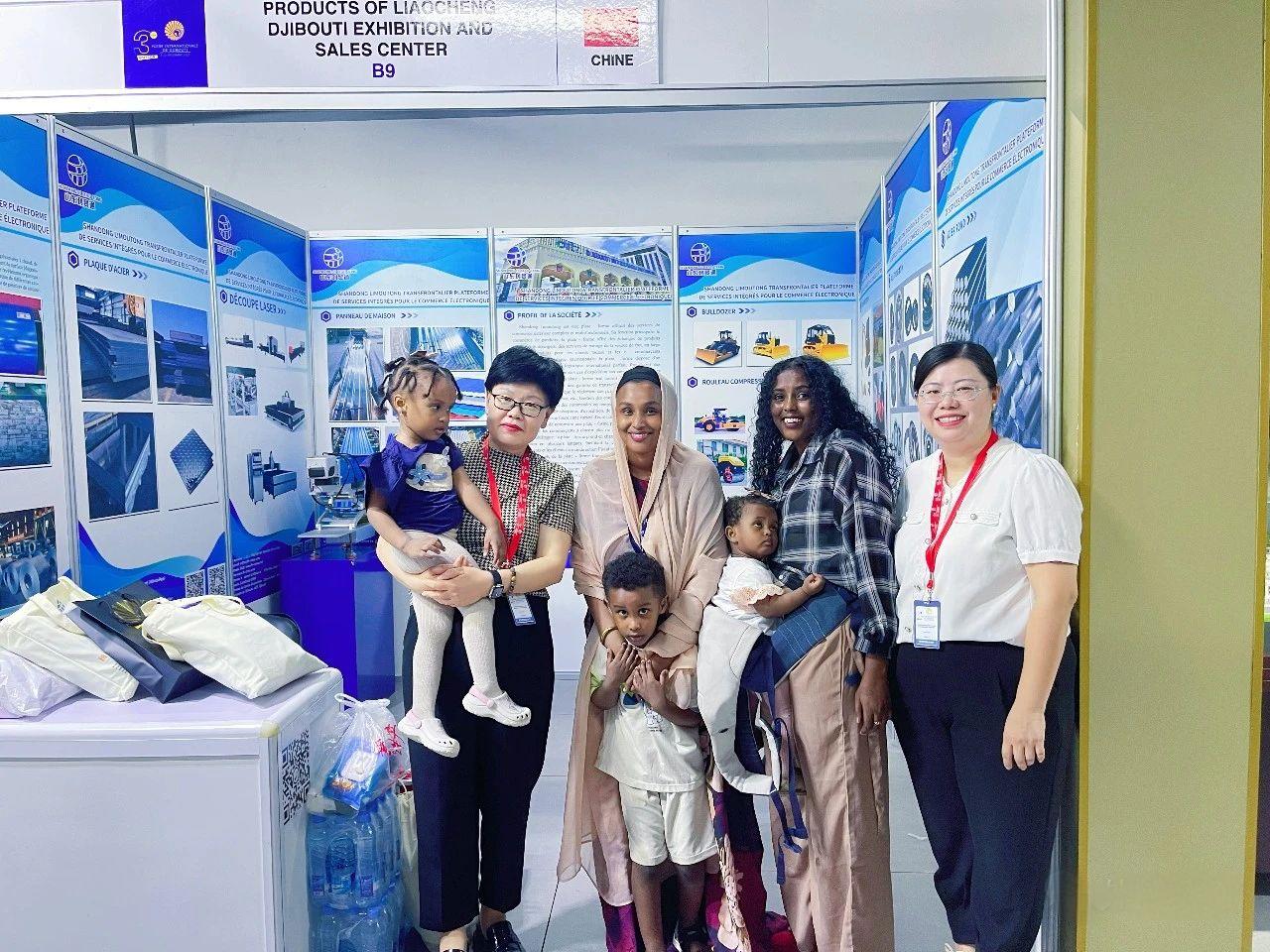
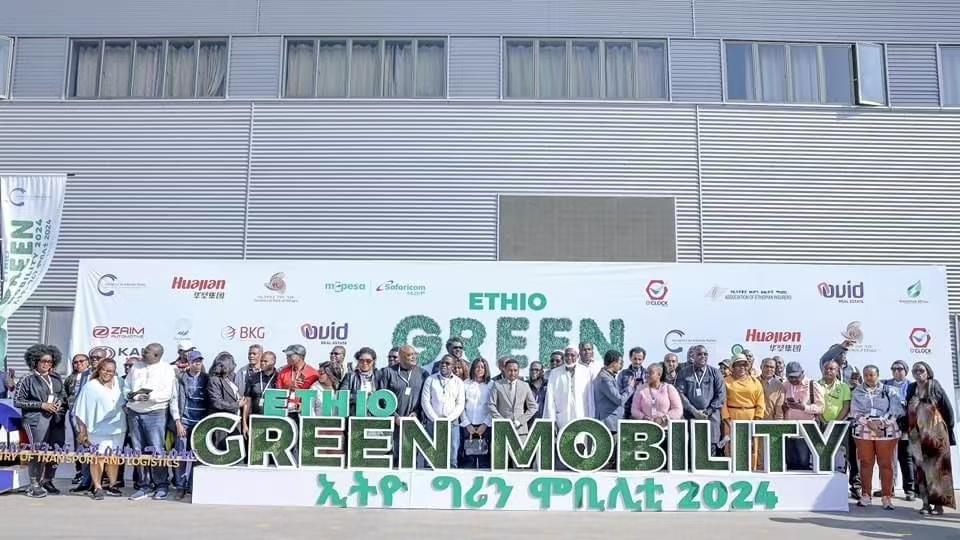
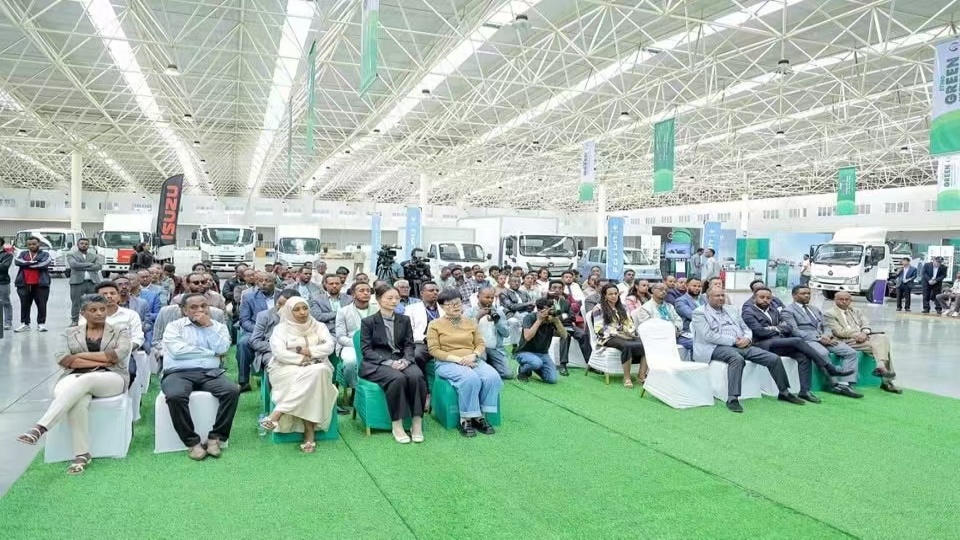
Connecting with global logistics managers, agricultural distributors, and green mobility advocates at major trade shows.
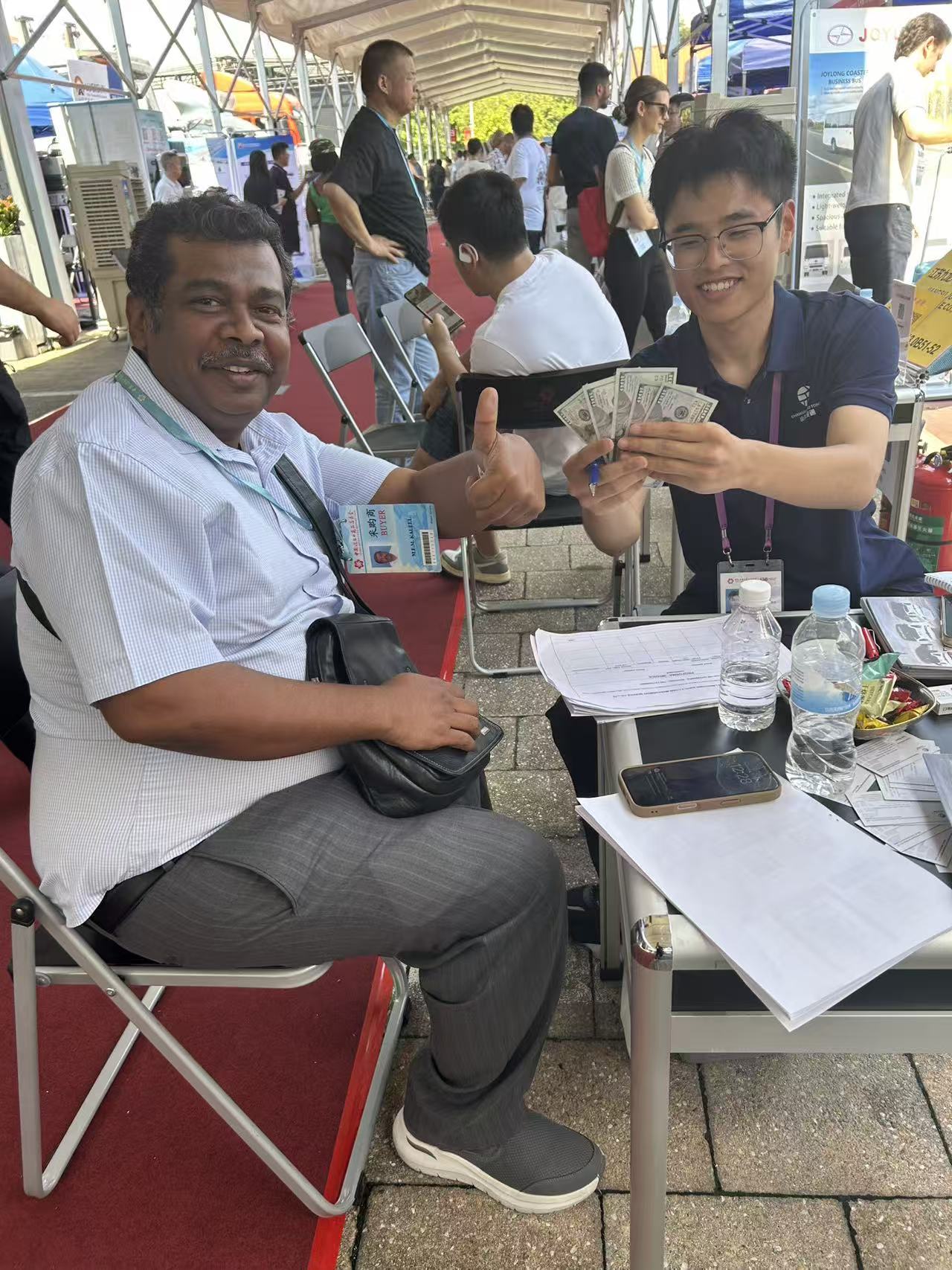
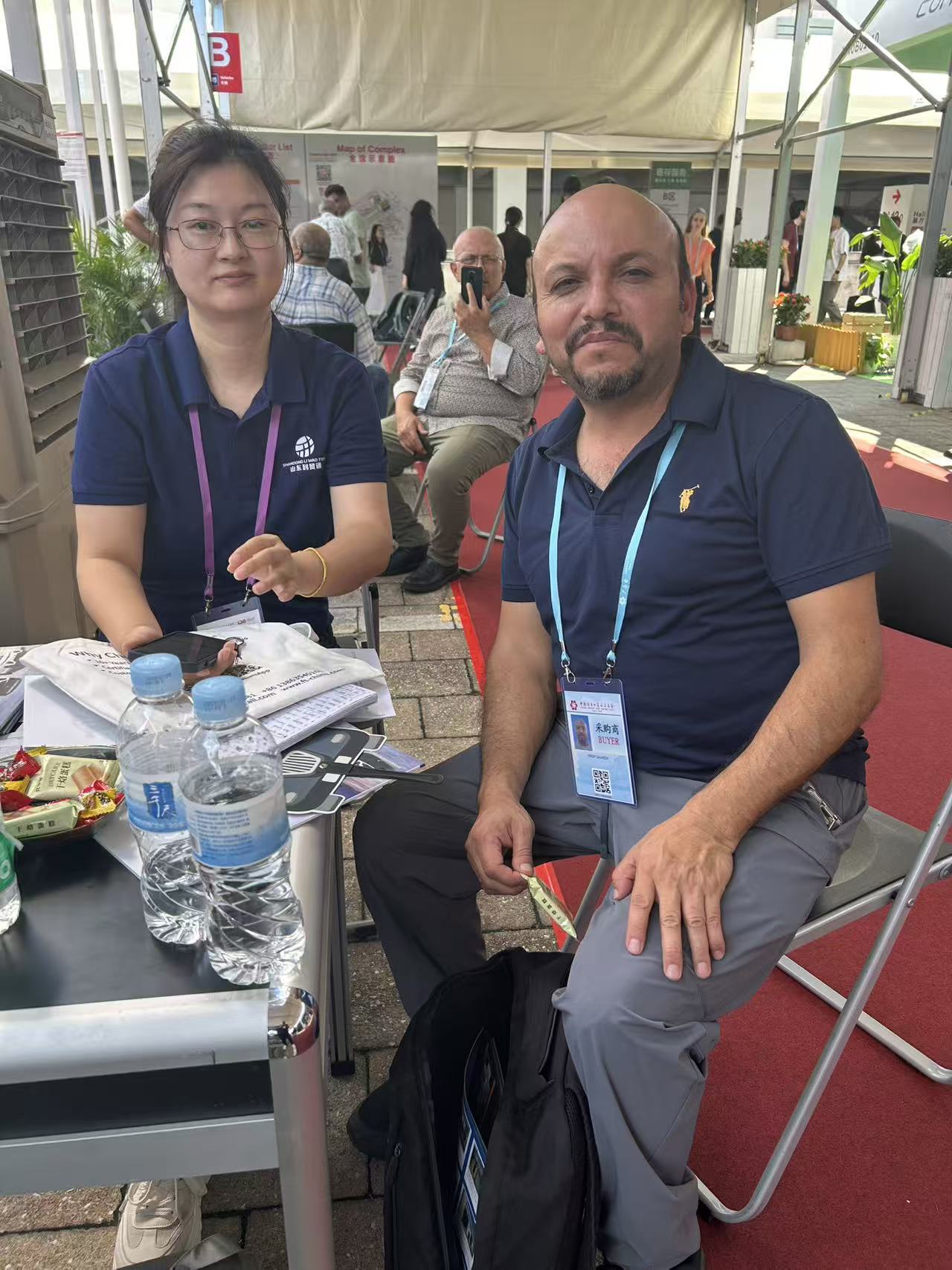
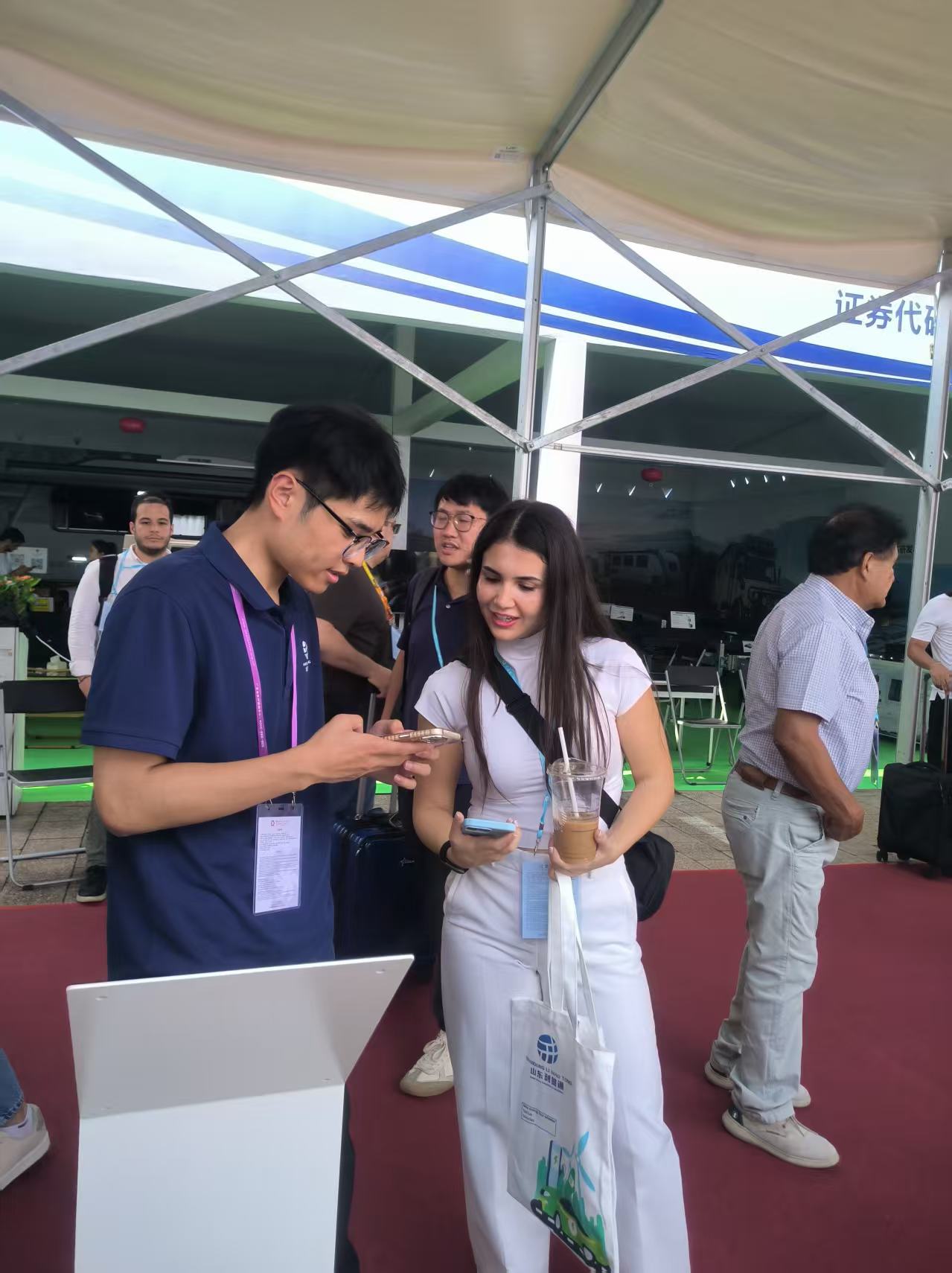
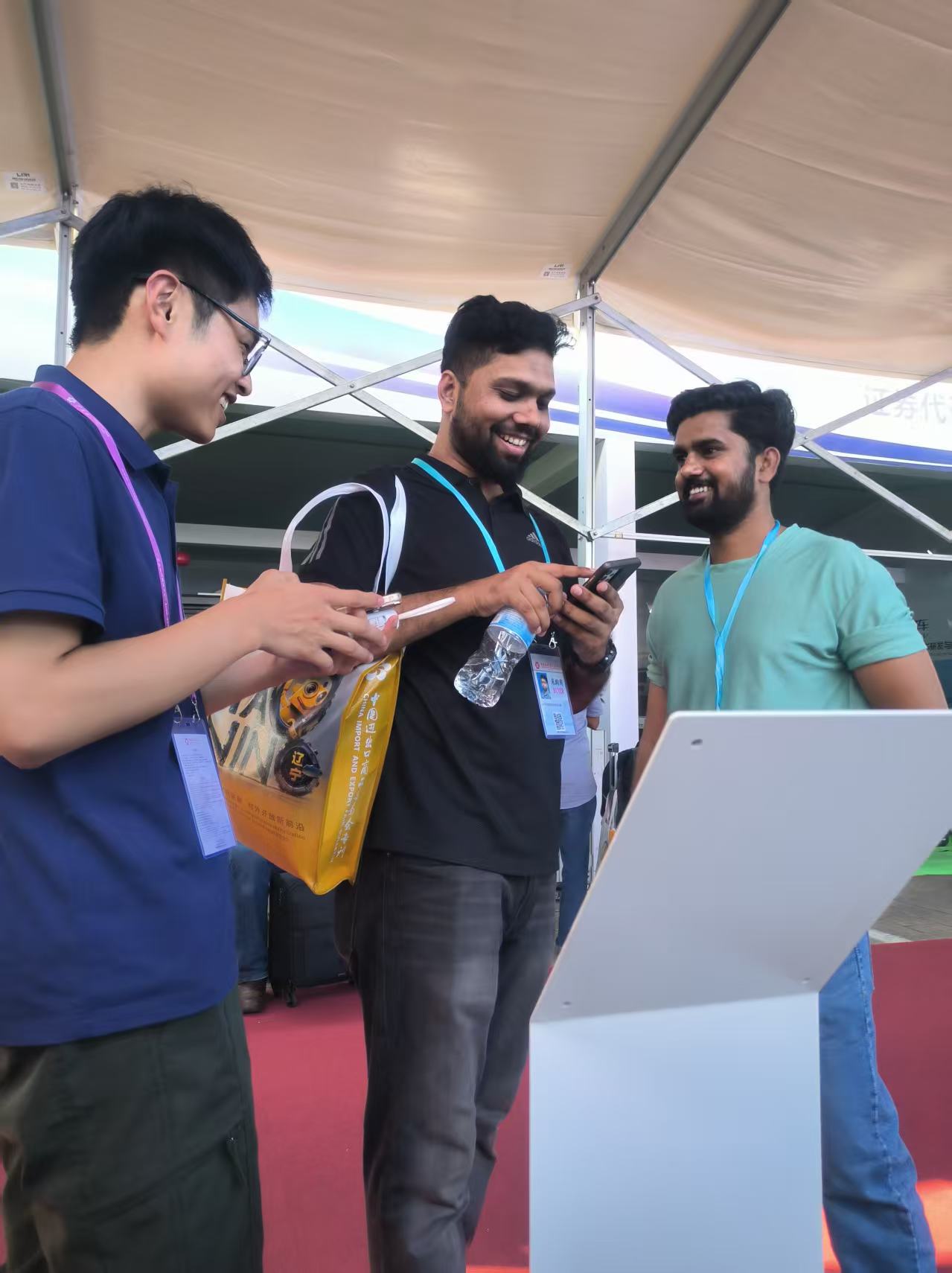
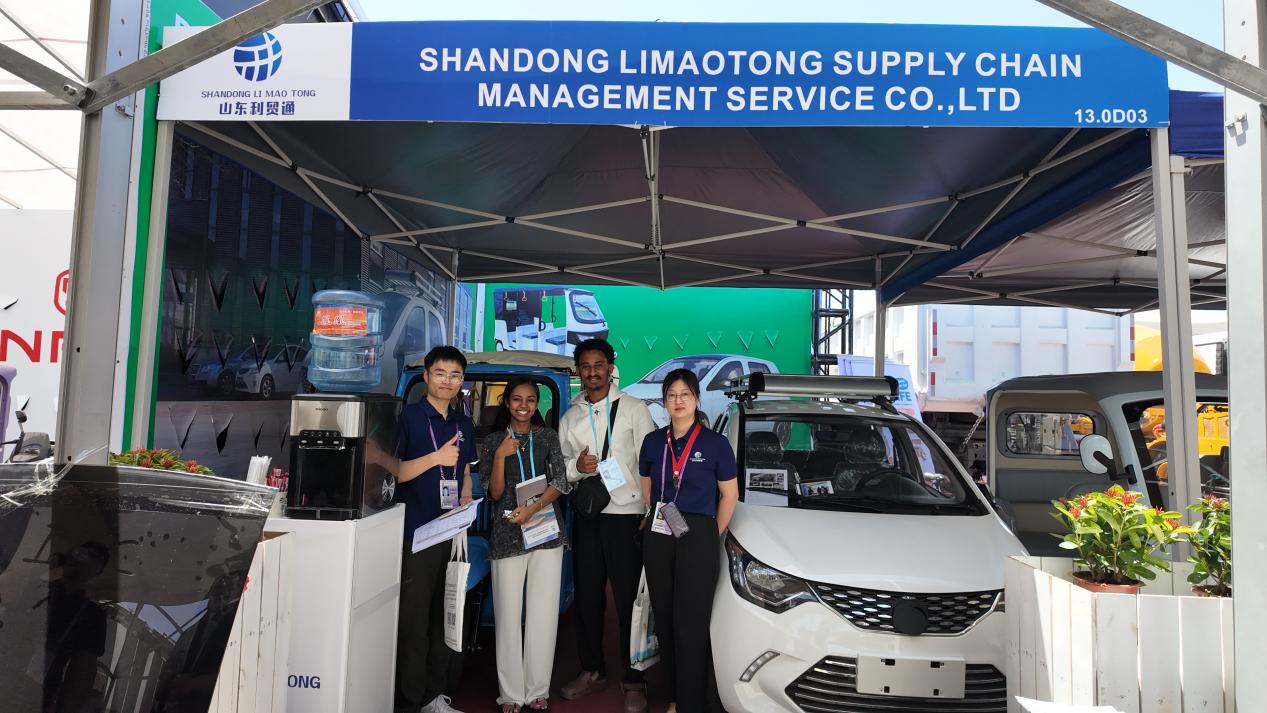
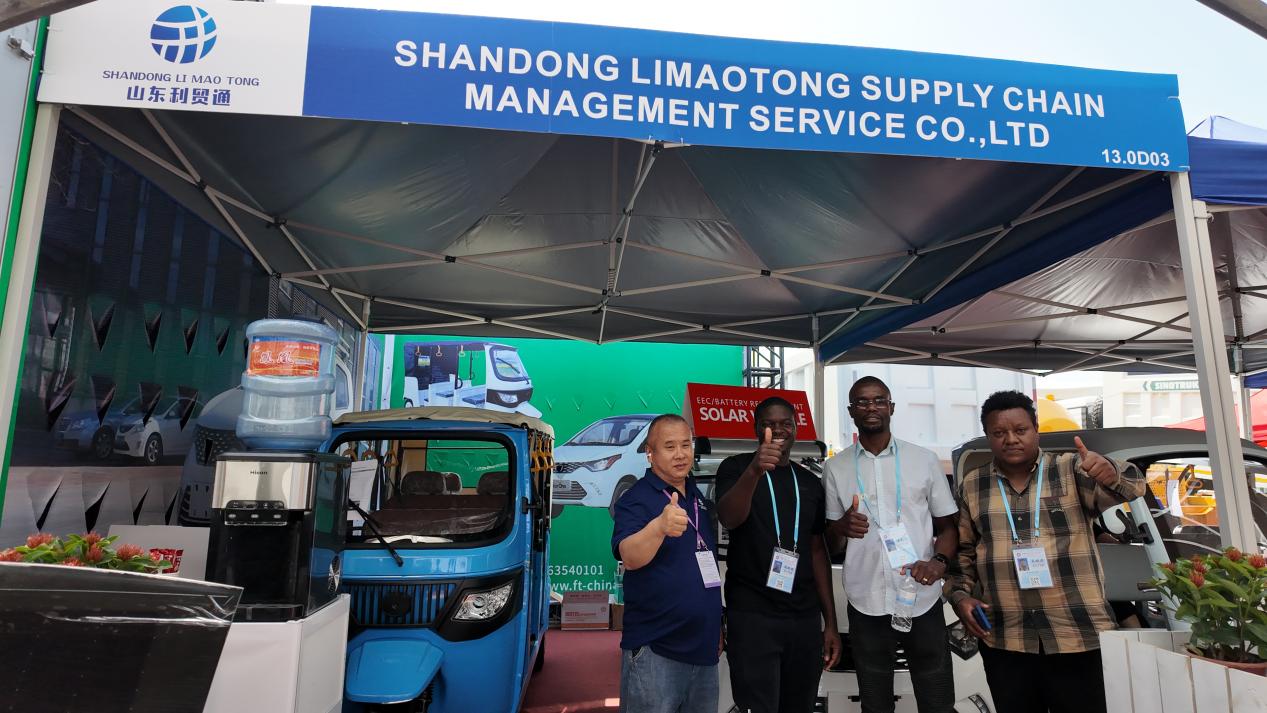
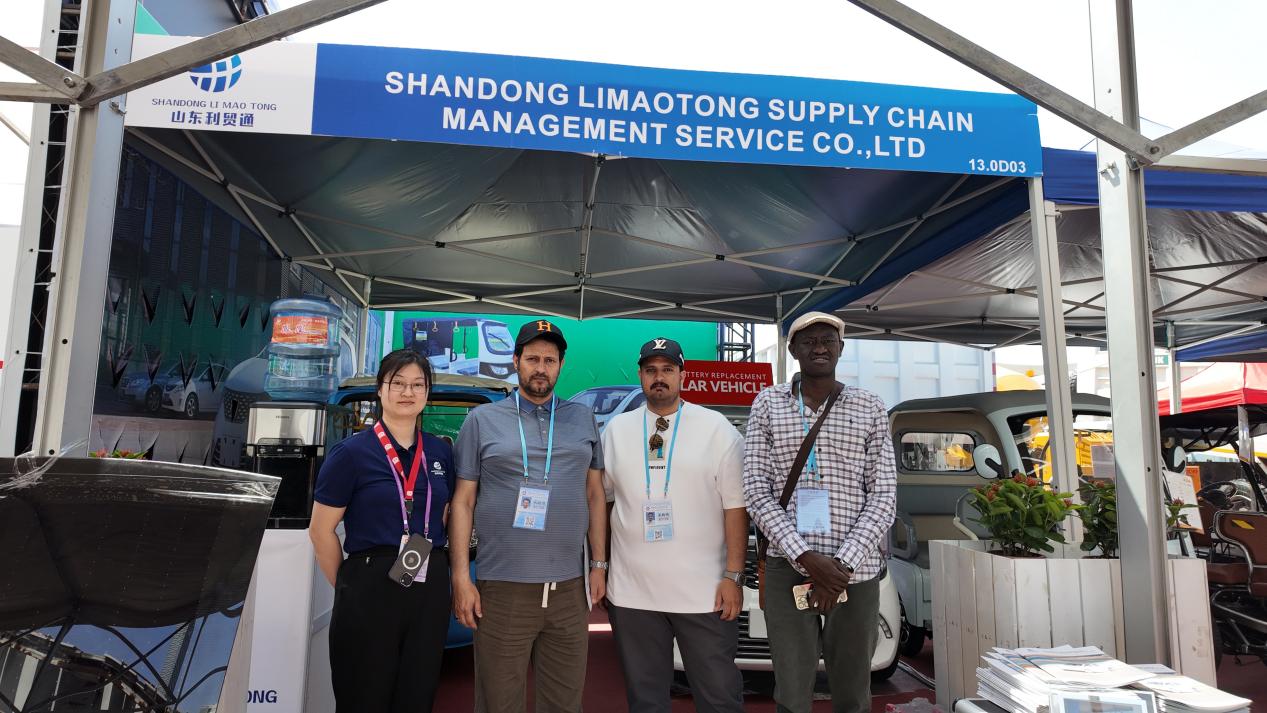
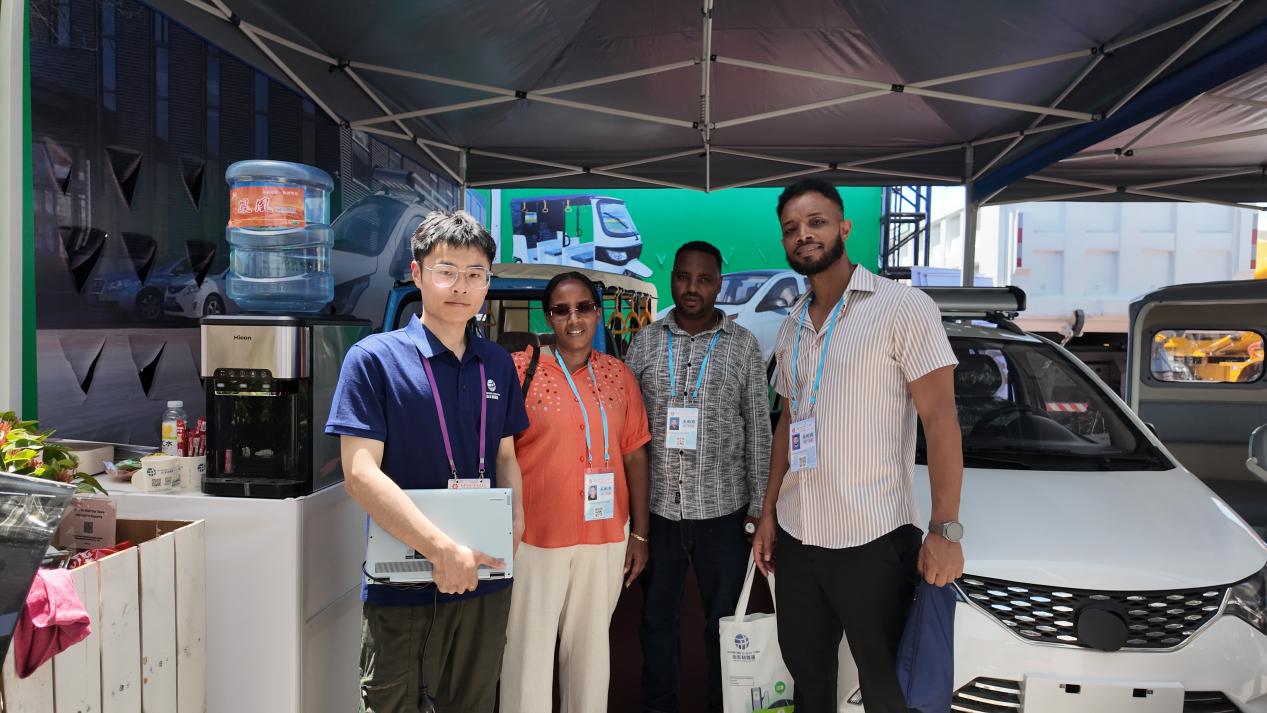
Transparency builds lasting B2B partnerships. We invite customers to inspect our raw material sourcing and assembly protocols.

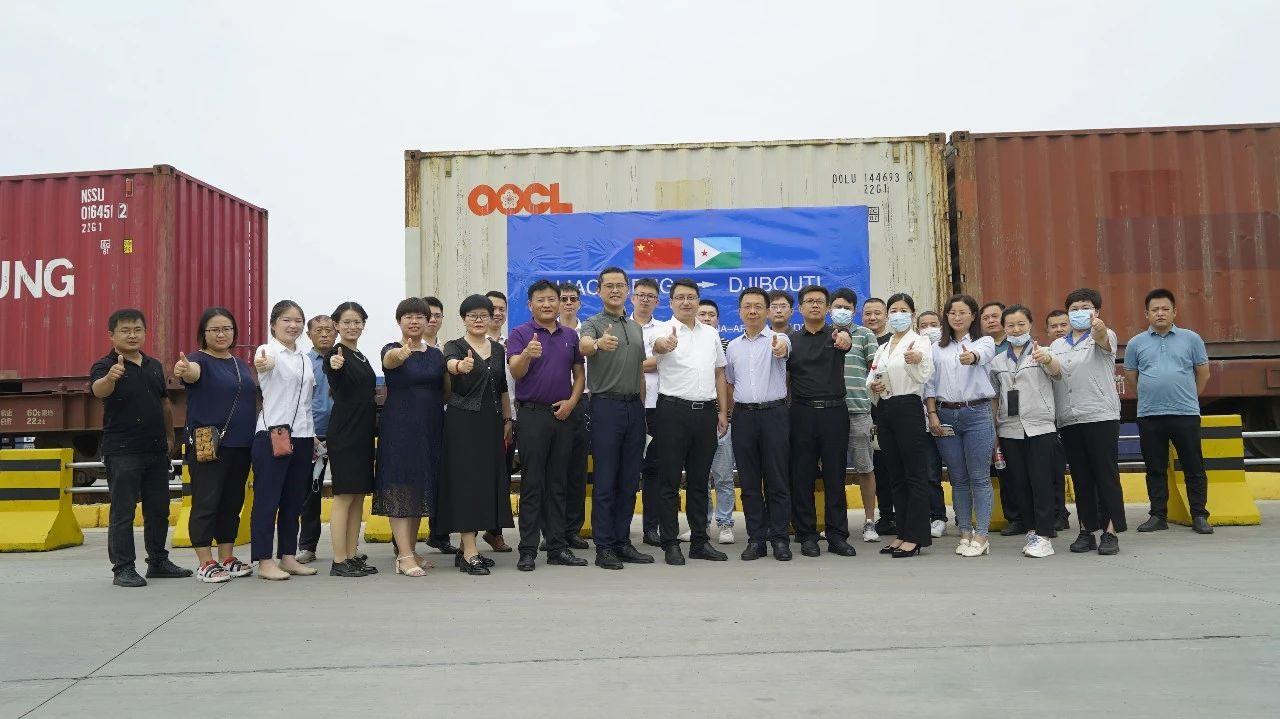
Empowering East African trade through local inventory, direct supply, and rapid customer service support.
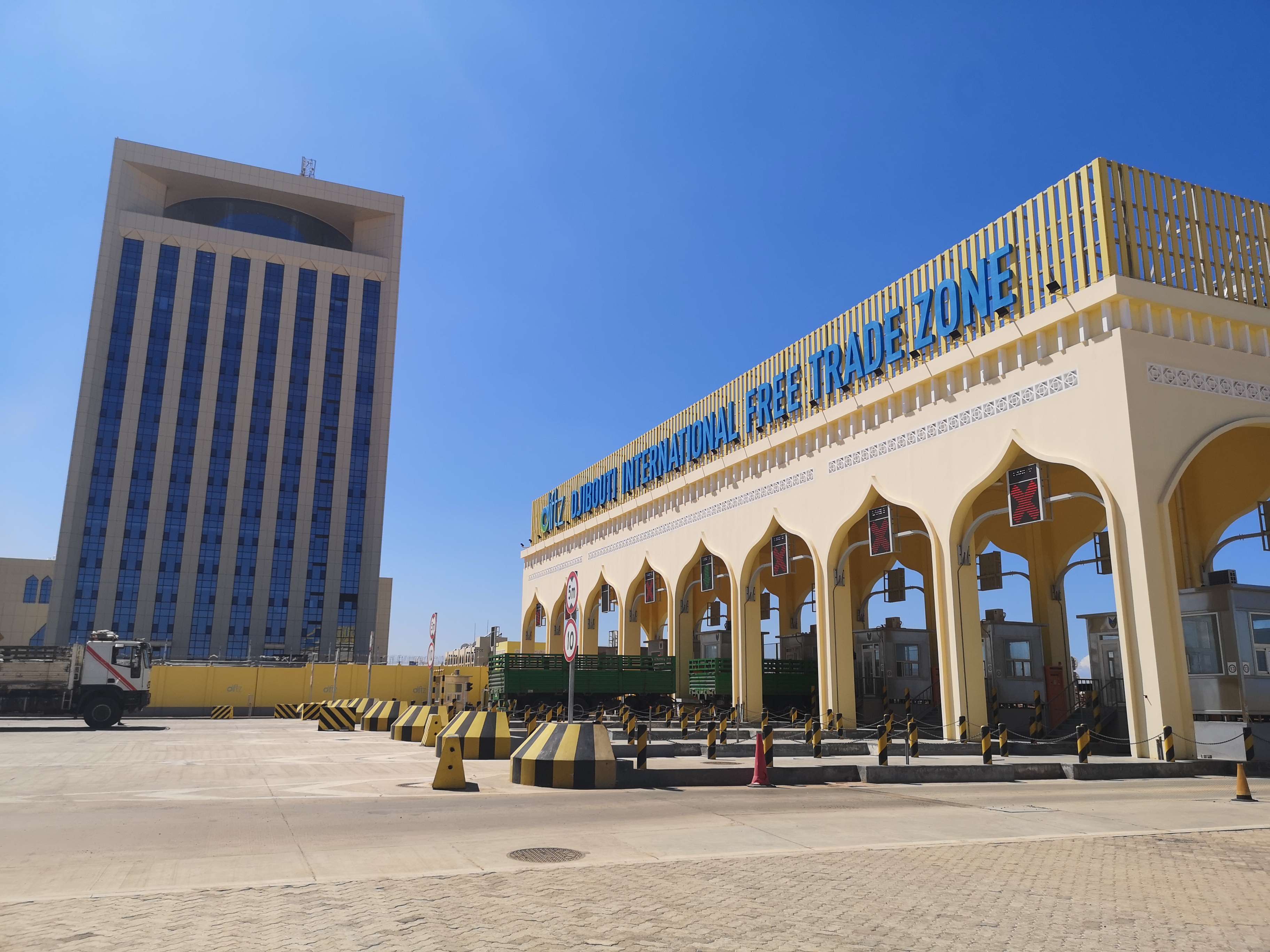
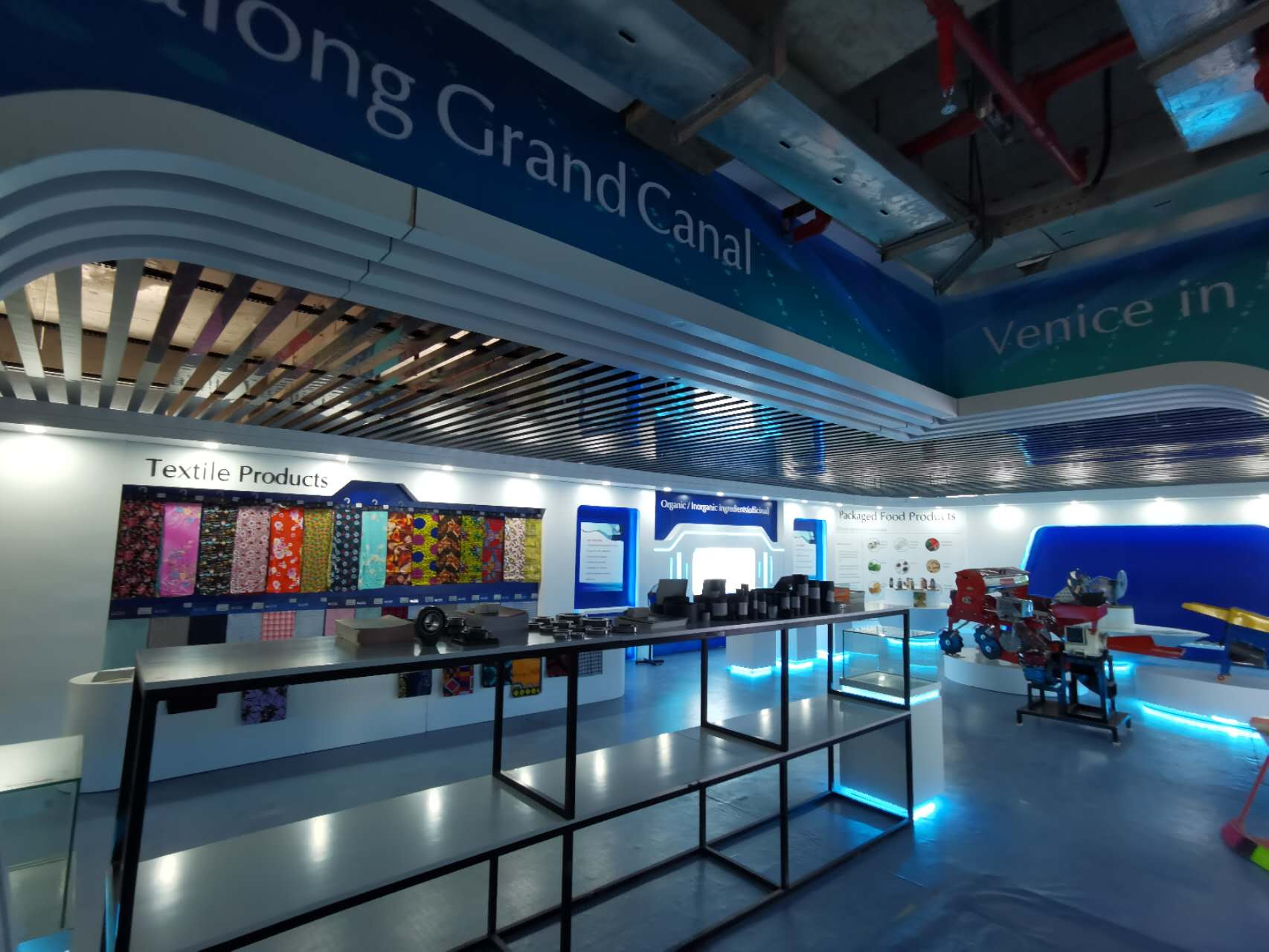
Djibouti (Overseas Warehouse) Cross-border E-commerce Exhibition and Sales Center was established in 2023. It is located in the Djibouti International Free Trade Zone in East Africa. With the help of the Djibouti Economic and Trade Co., Ltd. established in Africa, it has established a one-stop comprehensive service platform to provide enterprises with all-round housekeeper-style professional services such as sales, government affairs, customs affairs, and public services.
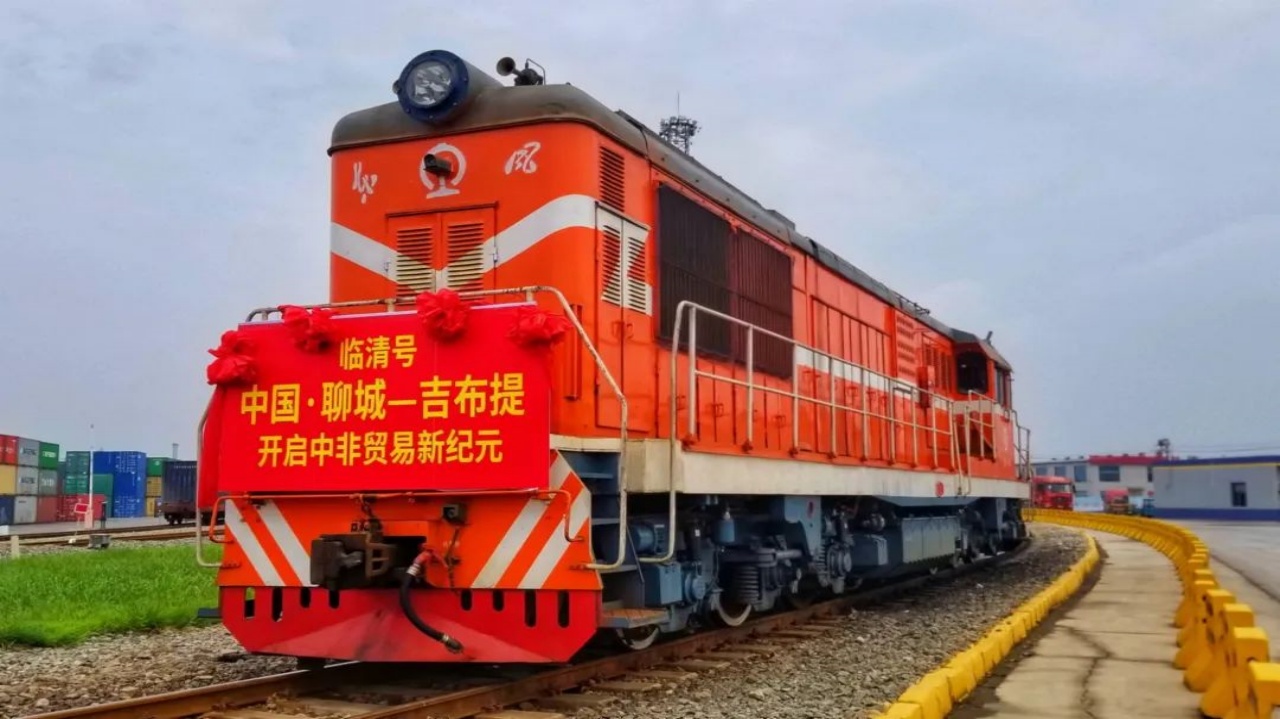
Combining the online and offline linkage of cross-border trade business and independent station malls, we will build a "strong artery" of China-Africa economic and trade exchanges with the "cross-border trade + front-end warehouse" model and the African localized sales, customer service, and logistics team, helping "China's intelligent manufacturing" reach Africa and the rest of the world.


Technical, operational, and procurement queries answered directly by our engineering and logistics specialists.
LFP batteries provide up to 2,000–3,000 charge cycles, representing a lifespan 3-4 times longer than lead-acid alternatives. They feature high thermal stability, reduced weight, and faster charging capabilities. While lead-acid options offer lower initial purchasing costs, LFP configurations represent a far lower Total Cost of Ownership (TCO) for commercial operators over the life of the vehicle.
Yes. Our vehicles are designed with reinforced, high-tensile stamped steel frames and advanced suspension structures. The electric driveline, battery packs, and wiring systems are sealed against dust and water intrusion, successfully passing rigorous laboratory-level 7 rainstorm tests. The dual-speed climbing differential gearbox ensures high-torque performance on steep inclinations and unpaved, muddy roads.
We provide full customization, including carriage dimensions (such as our 1.8m and 2.0m cargo standards), hydraulic tipper integrations, closed courier boxes with secure security locks, passenger capacities (from 3-seaters up to 7-seater configurations), motor configurations (from 800W up to heavy-duty 3000W), integrated solar backup charging panels, and custom branding.
Our Djibouti facility functions as a strategic regional logistics center and spare parts hub. It allows local buyers to purchase vehicles directly from stock, saving on international shipping times and customs clearance processes. Additionally, our on-site African technical staff provides rapid technical support, hands-on assembly assistance, and fast after-sales warranty services.
Depending on customization requirements and manufacturing schedules, standard production times run between 20 to 30 days. Shipping times depend on the destination port, with direct routes to major regional distribution ports arranged through our logistics network to minimize transit times.
Yes. Shandong Li Mao Tong Group manufactures specific vehicle configurations that comply with EU and US import guidelines. We supply certificates of conformity, full vehicle chassis numbering, CE markings, and detailed battery MSDS safety documents to ensure seamless customs processing and road registration.
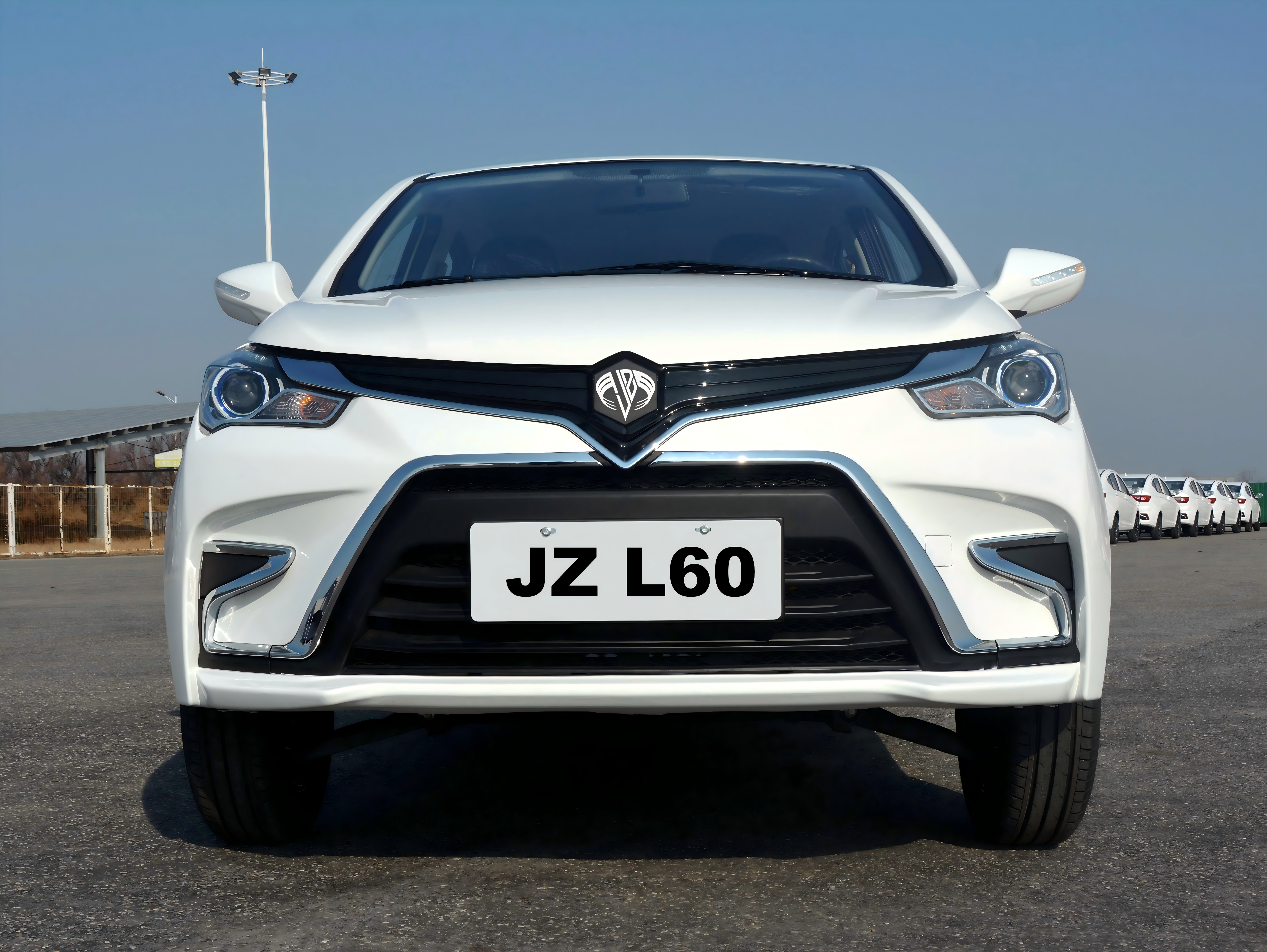
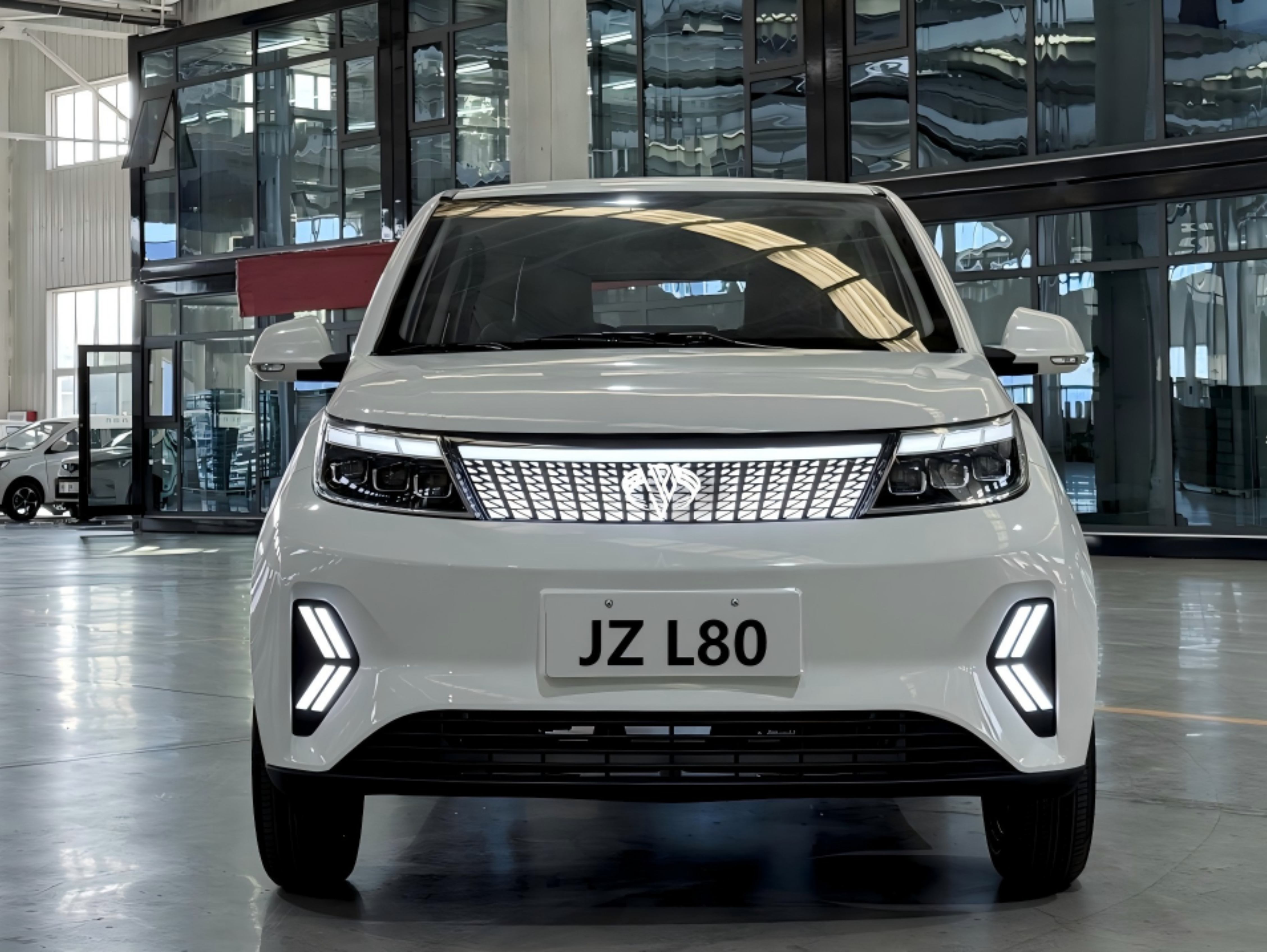
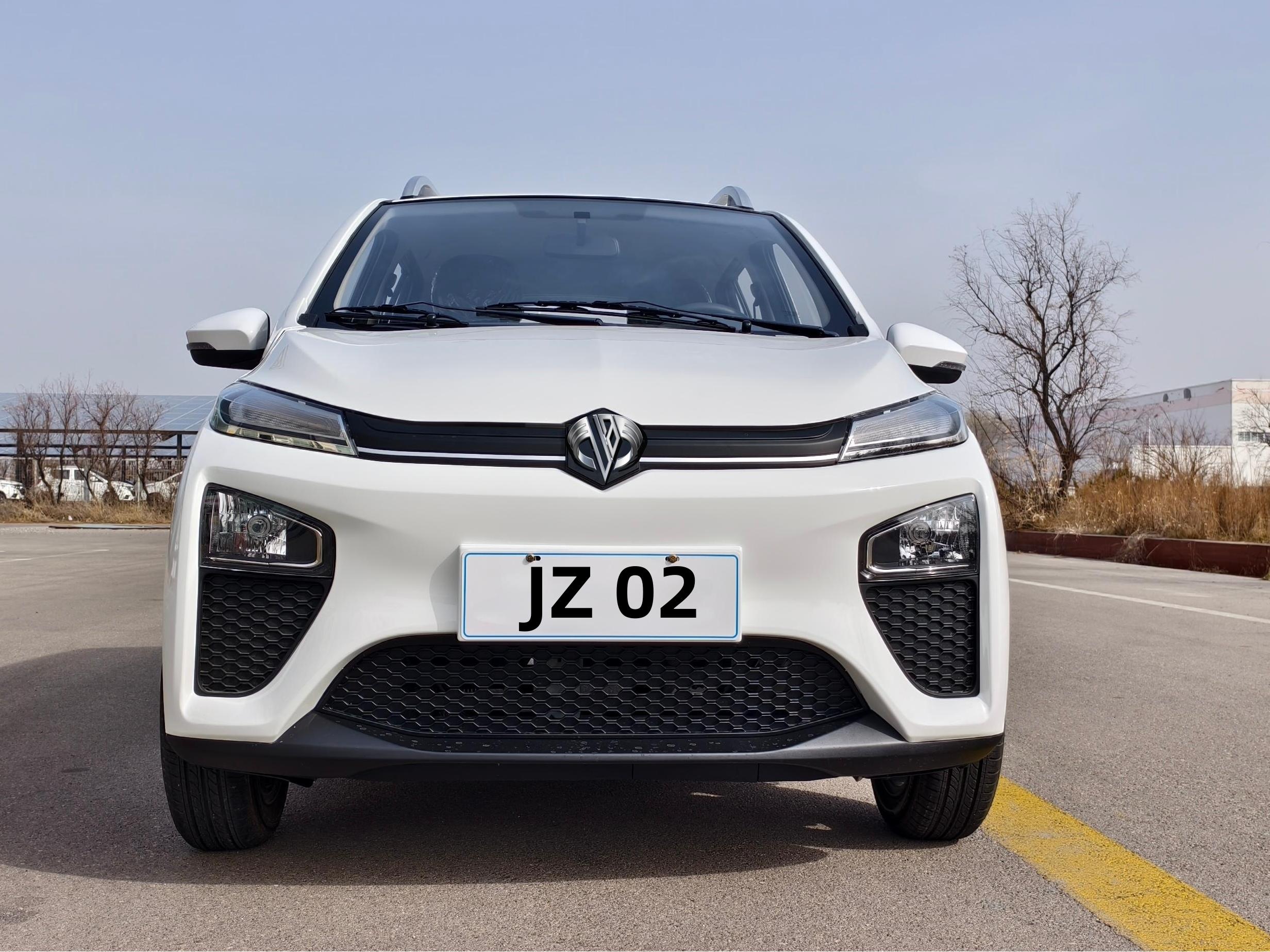
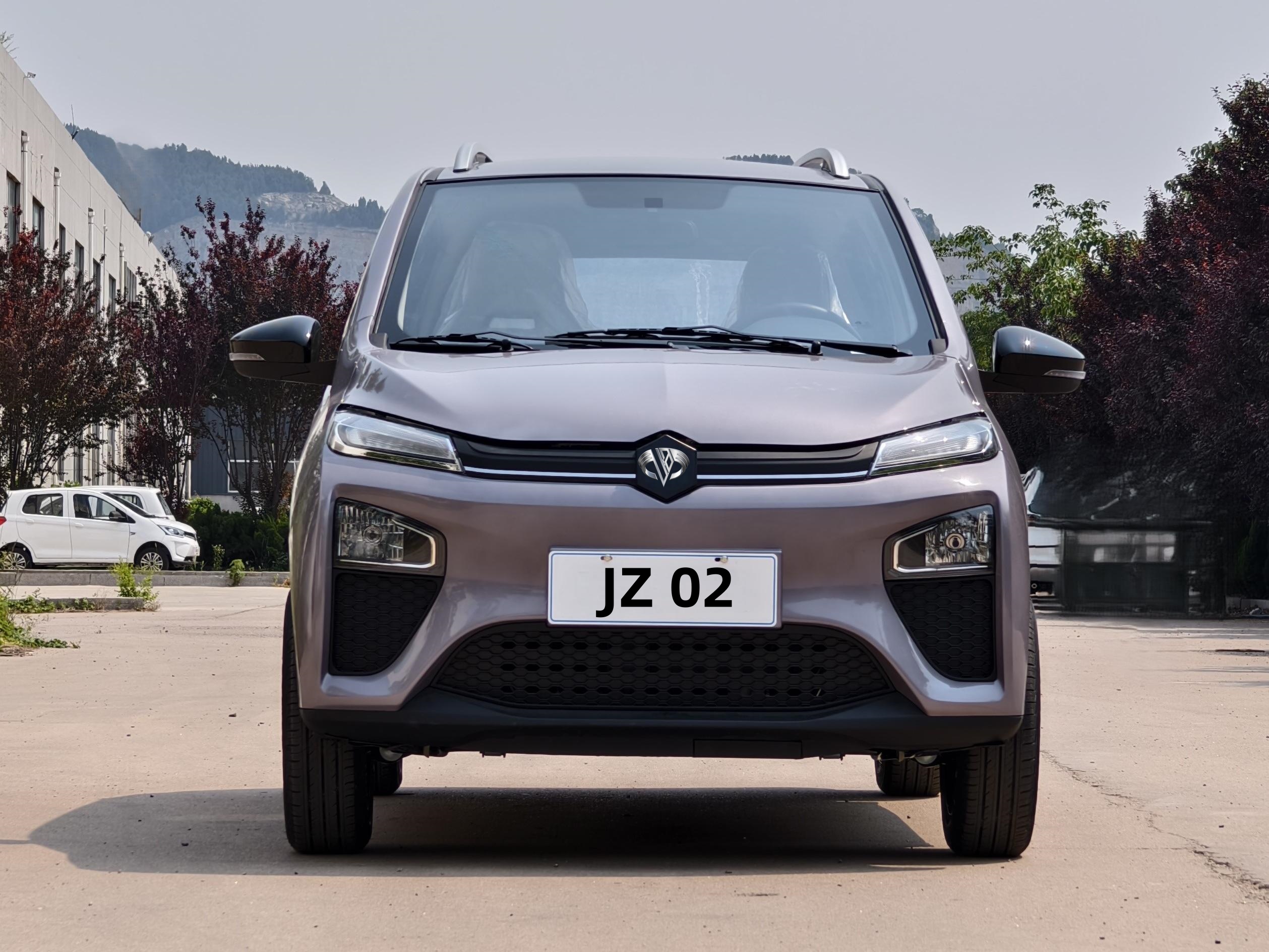
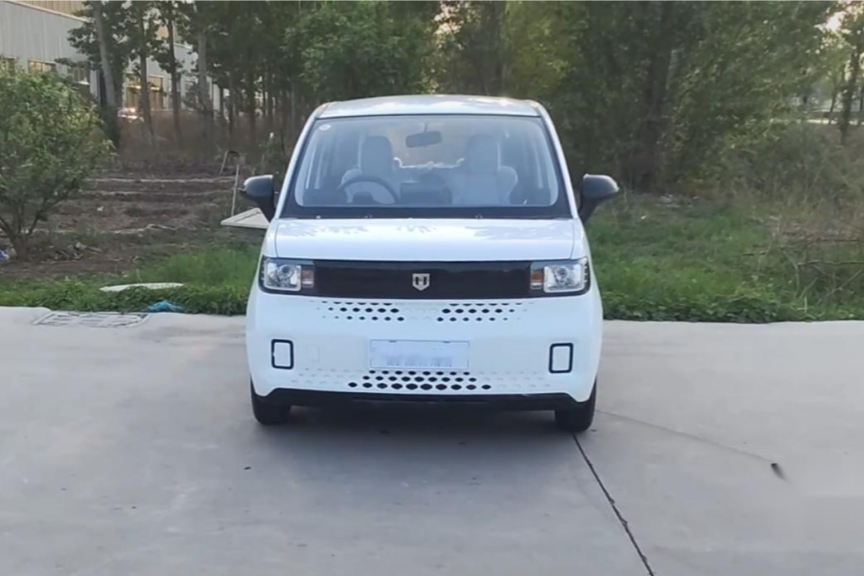
From city-smart electric mini vehicles to high-range passenger cars, discover our advanced mobility solutions.
 Limaotong