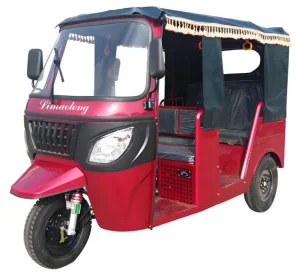
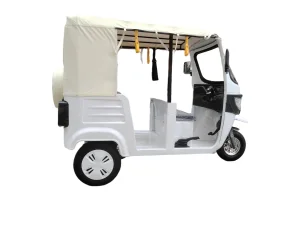
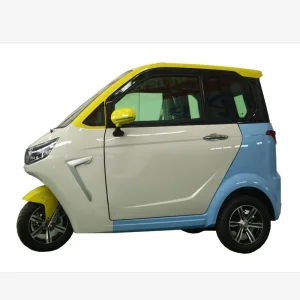
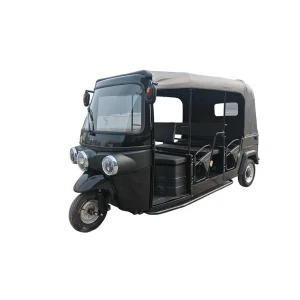
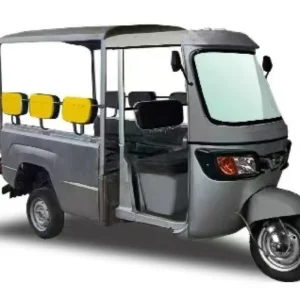
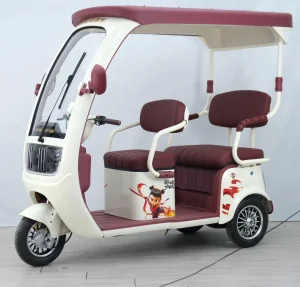
Specifically matched configurations designed for the operating conditions of East Africa, offering unmatched TCO and operational uptime.
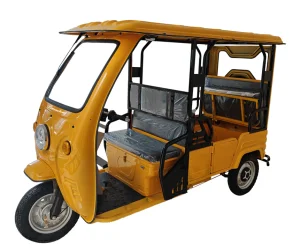
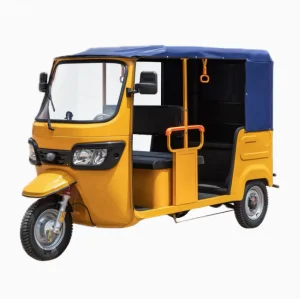
An in-depth whitepaper analysis of the rapid shift towards electric and solar-powered three-wheelers in East Africa.
Kenya's transport sector, particularly in fast-growing metropolitan areas like Nairobi, Mombasa, Kisumu, and Nakuru, is undergoing a profound paradigm shift. For decades, the local commute relied heavily on conventional internal combustion engine (ICE) boda-bodas and gasoline-powered 3-wheeled Tuk-Tuks. However, rising fuel costs driven by global oil volatility and domestic tax structures have compressed operator margins, pushing transport cooperatives (SACCOs) to actively look for energy-efficient alternatives.
According to the Energy and Petroleum Regulatory Authority (EPRA) of Kenya, transport accounts for a significant portion of urban air pollution. To mitigate this, the Kenyan government implemented the National E-Mobility Policy, offering reduced electricity tariffs for charging electric vehicles (EVs) and lowering excise duty for clean energy passenger vehicles. This makes passenger tricycles prime targets for fleet electrification.
Note for Procurement Officers: Many manufacturers export standard domestic products that fail within three months under Kenya's severe operating conditions (rough dirt tracks, frequent monsoon flooding, and high ambient salinity in coastal Mombasa). Real "Kenya-proven" manufacturing requires heavy-duty steel chassis, double-fortified suspension systems (front telescopic shocks with coil springs), and high-capacity lithium iron phosphate (LiFePO4) battery packs with advanced thermal management.
A rigorous checklist for institutional buyers, fleet operators, and distributors sourcing passenger tricycles.
Ensure all models conform to Kenya Bureau of Standards (KEBS) guidelines, including brake efficiency, load distribution, speed limiters, and safety glass windshields. Standard certification path includes KS ISO 3833 classifications.
For EV models, lead-acid batteries degrade rapidly under high ambient temperatures. Sourcing LiFePO4 cells with a minimum of 2,000 charge cycles ensures a longer vehicle service life and lowers the overall total cost of ownership.
Sourcing CKD (Completely Knocked Down) kits allows local assembly, lowering import duties from 25% down to 10% or 15% in East Africa. The supplier must guarantee access to electrical control systems, motors, and shock absorbers.
| Parameter | ICE Gasoline Tuk-Tuk (150cc) | Pure Electric Tuk-Tuk (S2-2600) | Solar-Electric Hybrid (S1 Dual Purpose) |
|---|---|---|---|
| Daily Energy Cost (100km commute) | KES 1,200 - 1,500 (Petrol) | KES 350 - 450 (Grid Charging) | KES 150 - 250 (Solar Assisted + Grid) |
| Maintenance Cost (Per 5,000 km) | KES 15,000 (Oil, filters, engine wear) | KES 3,000 (Brakes, tires, gear oil) | KES 3,500 (Solar panel cleaning, basic checks) |
| Chassis & Frame Lifespan | 3 - 5 Years (Vibration wear) | 5 - 8 Years (Lower vibration) | 5 - 8 Years (Lower vibration) |
| EAC Import Duty Tariff | 25% (CBU Importation) | 10% - 15% (E-Mobility Incentives) | 10% (Solar/EV Green Category) |
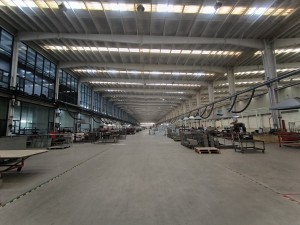
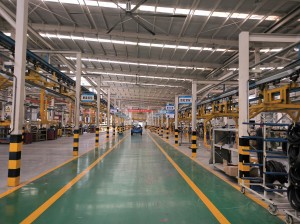
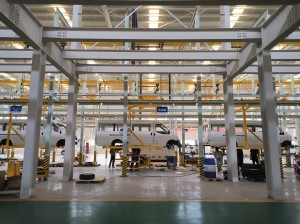
Rooted in China's industrial heartland and serving markets globally, Shandong Li Mao Tong Group operates a highly automated, modern intelligent manufacturing base. We specialize in the R&D, manufacturing, and global sales of passenger motor tricycles, cargo tricycles, and electric mini cars, delivering a premium electric mobility experience to users worldwide.
Quality is our lifeline. Every vehicle that rolls off our production line undergoes rigorous quality control using digital tracking systems. Our structures are constructed with one-piece stamped steel frames and millimeter-precision laser cutting. Furthermore, our anti-corrosion protection features advanced automated cathodic electrophoresis coating, protecting the chassis from rusting in humid coastal areas like Mombasa.
We test our designs against the harshest elements, submitting vehicles to laboratory-level seven rainstorm simulations and extreme gradient road trials to ensure they handle the rough conditions of East African routes.
Explore our high-performance configurations built to handle heavy passenger loads and varying weather conditions.
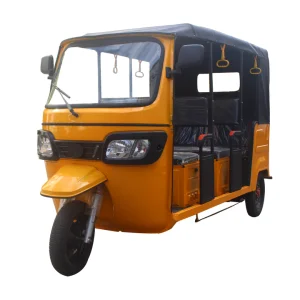
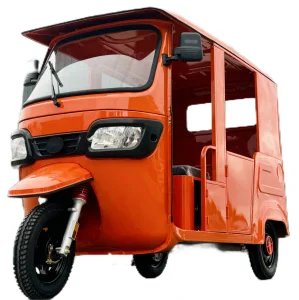
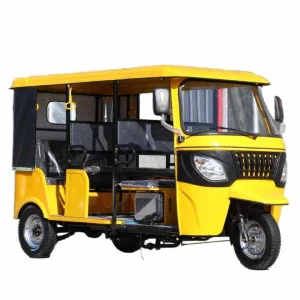
How our strategically located Djibouti cross-border hub reduces transit times and helps scale operations in Kenya.

Established in 2023 within the Djibouti International Free Trade Zone in East Africa, our localized center supports operations across the Horn of Africa and East African markets, including direct transit routes into Kenya. This hub runs on a modern "cross-border trade + front-end warehouse" model, housing complete vehicles, replacement parts, and accessories.
By keeping stock closer to our regional customers, we avoid long transit times from China. This hub provides local distributors, transport cooperatives, and government fleets with access to custom configurations, customs clearance support, local maintenance training, and rapid spare parts replenishment.
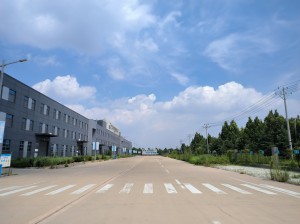
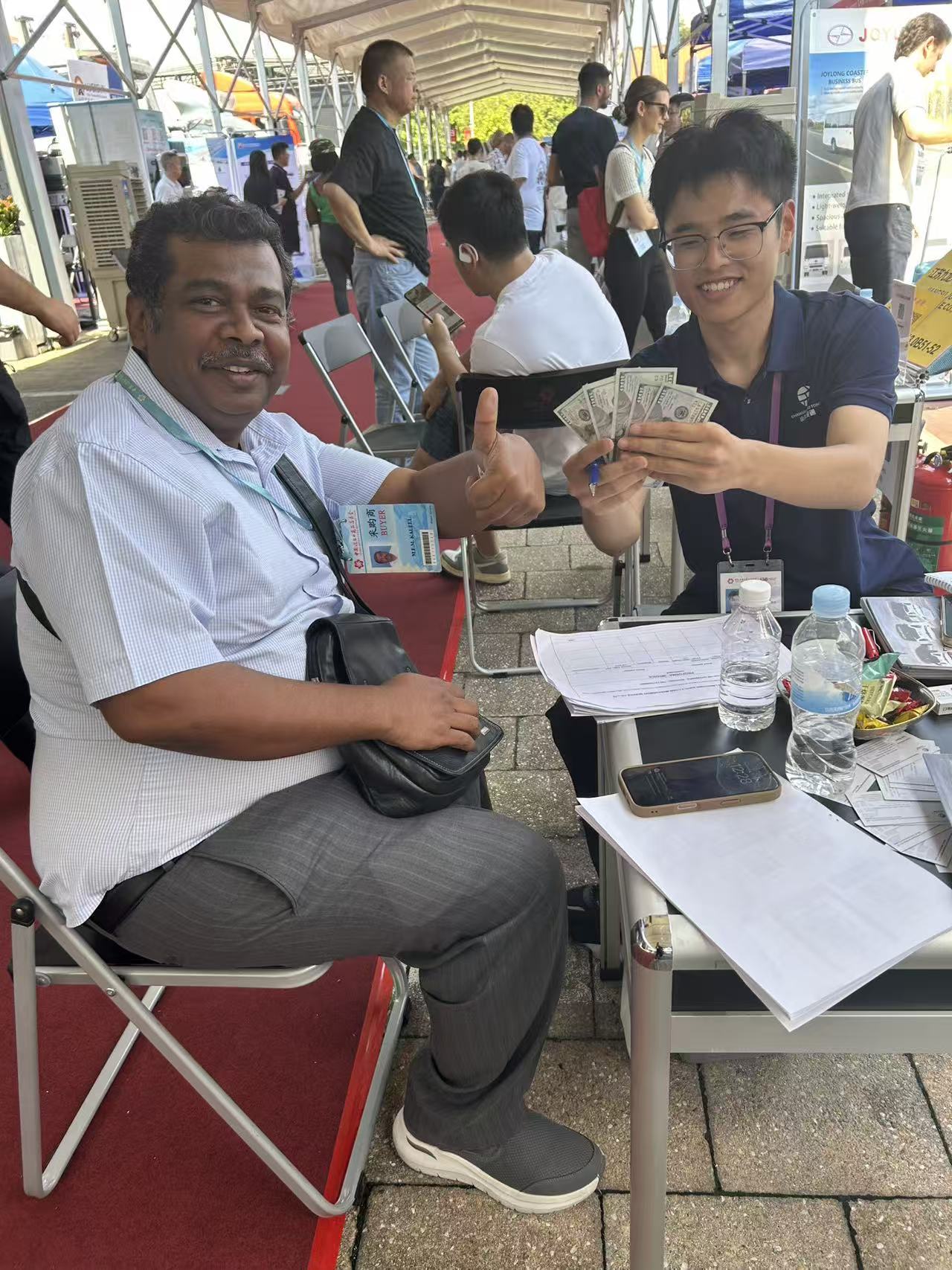
An look inside our state-of-the-art facilities, international exhibitions, and customer inspections.
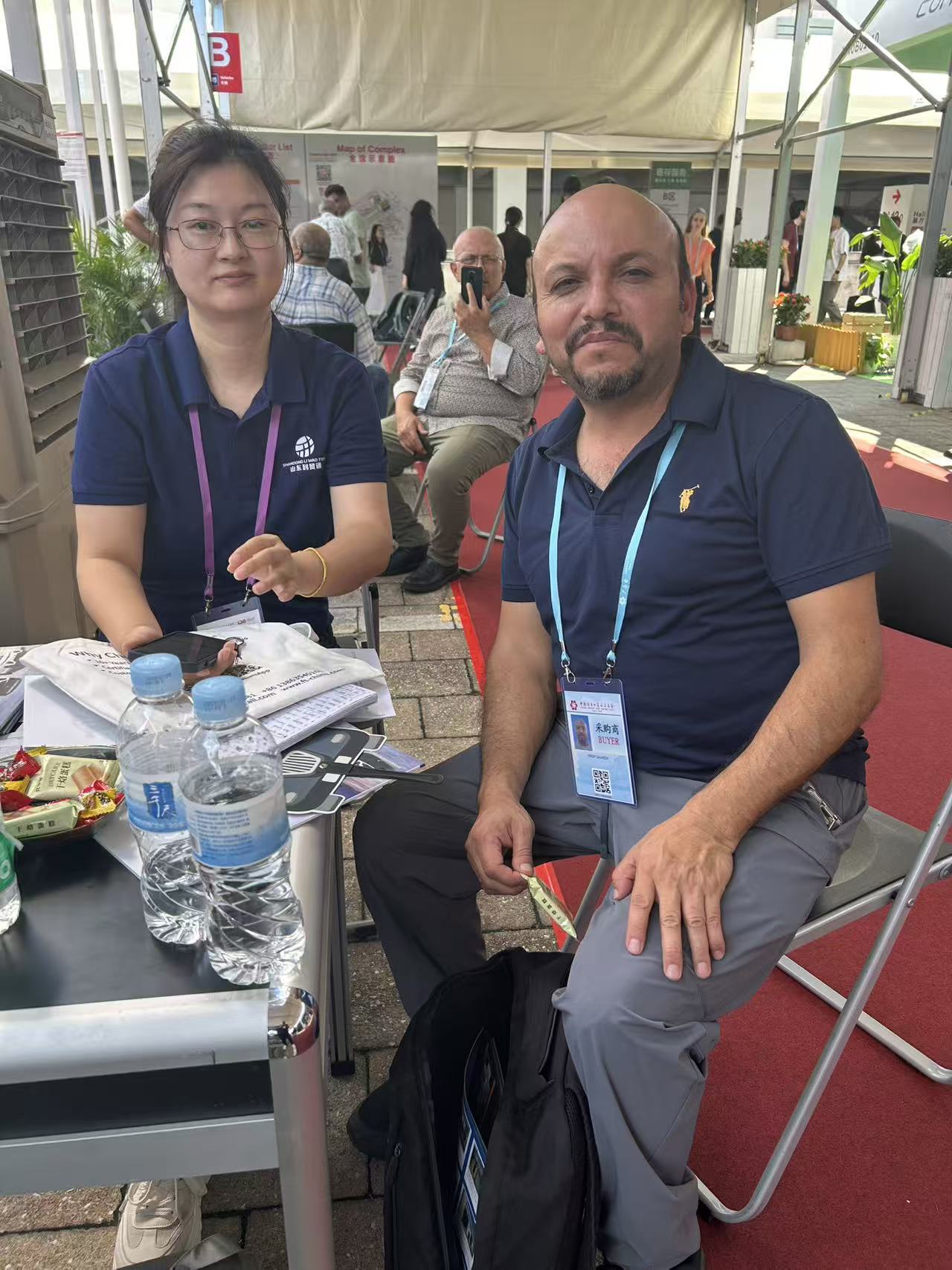
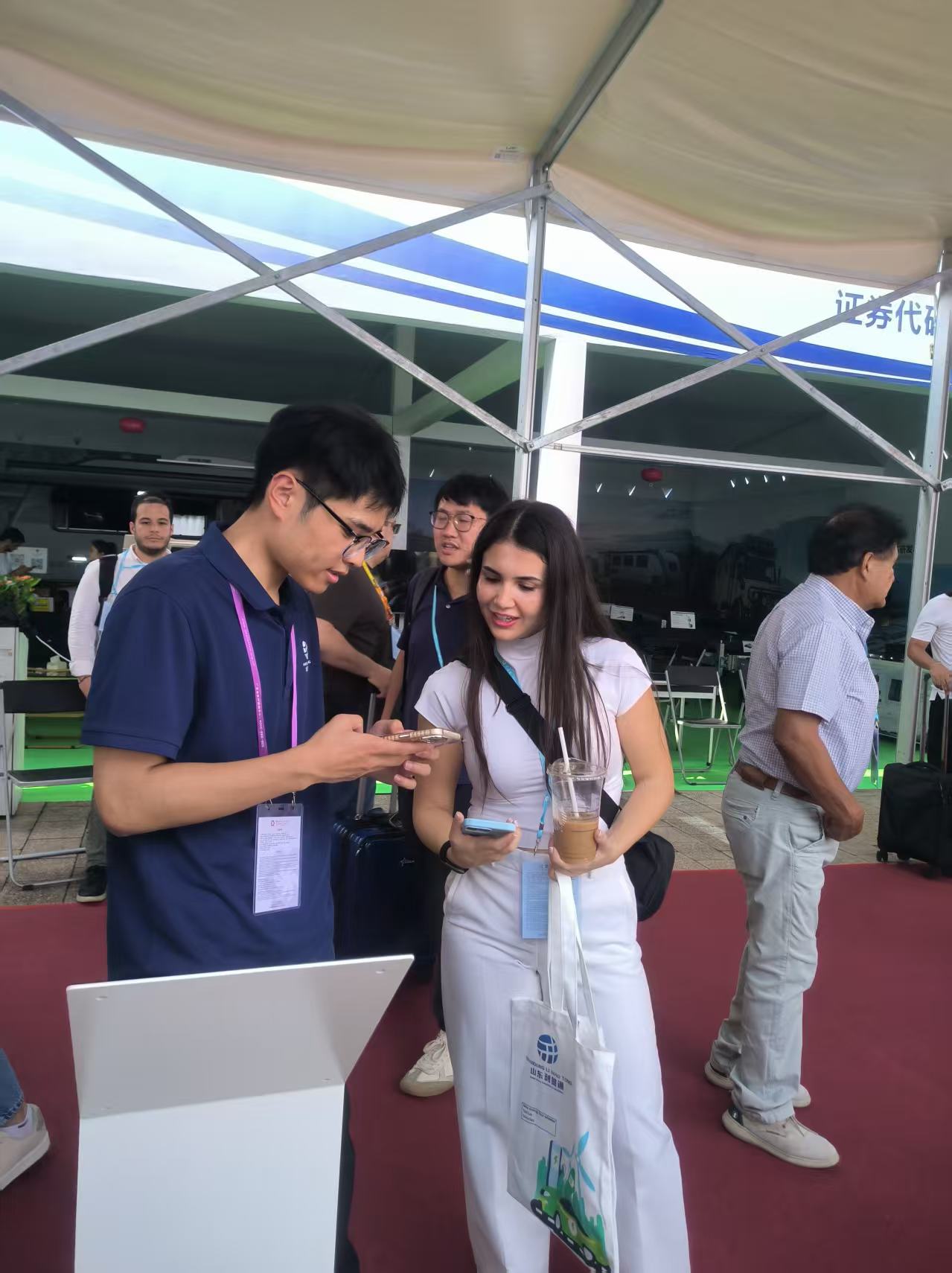

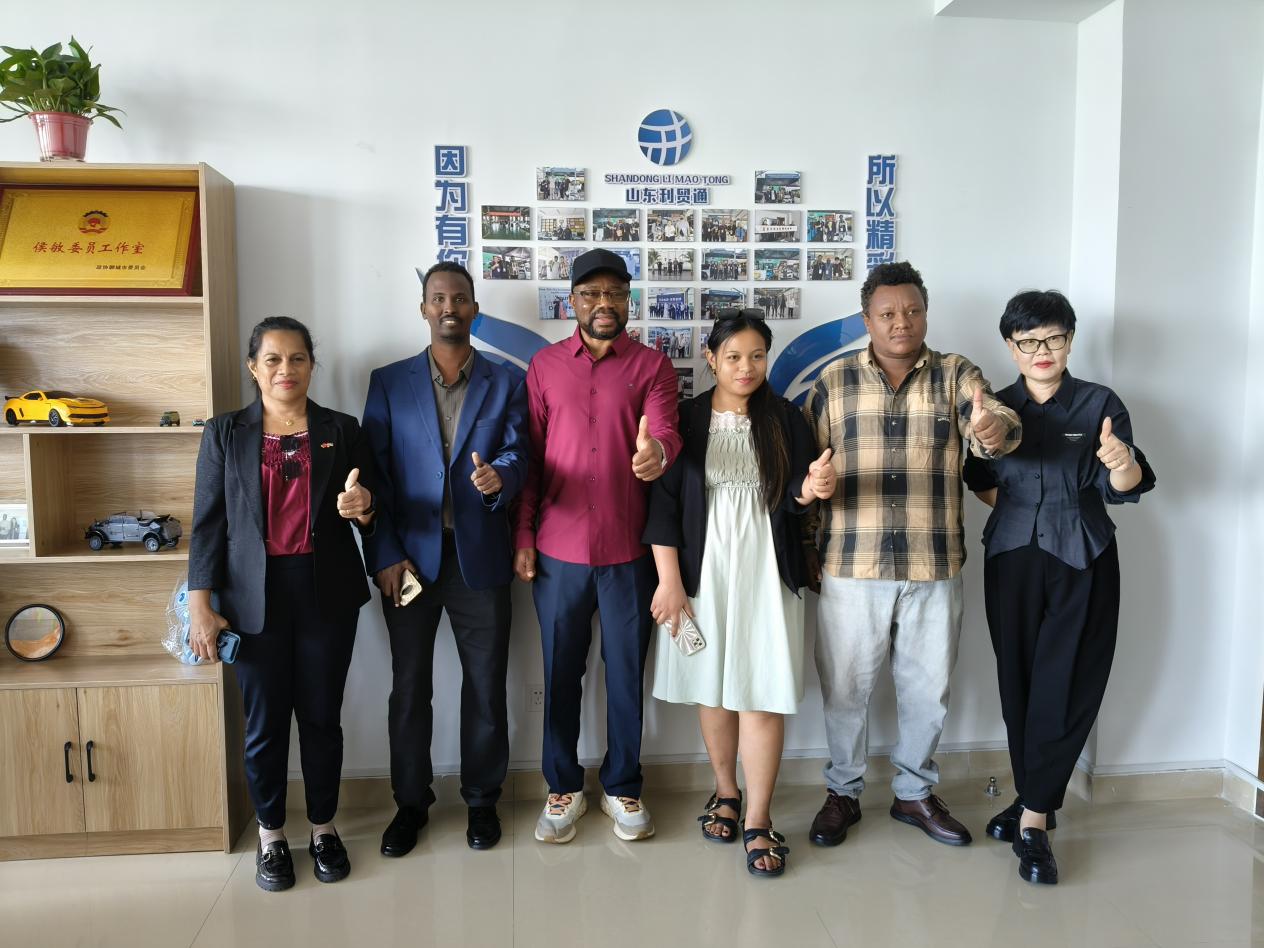
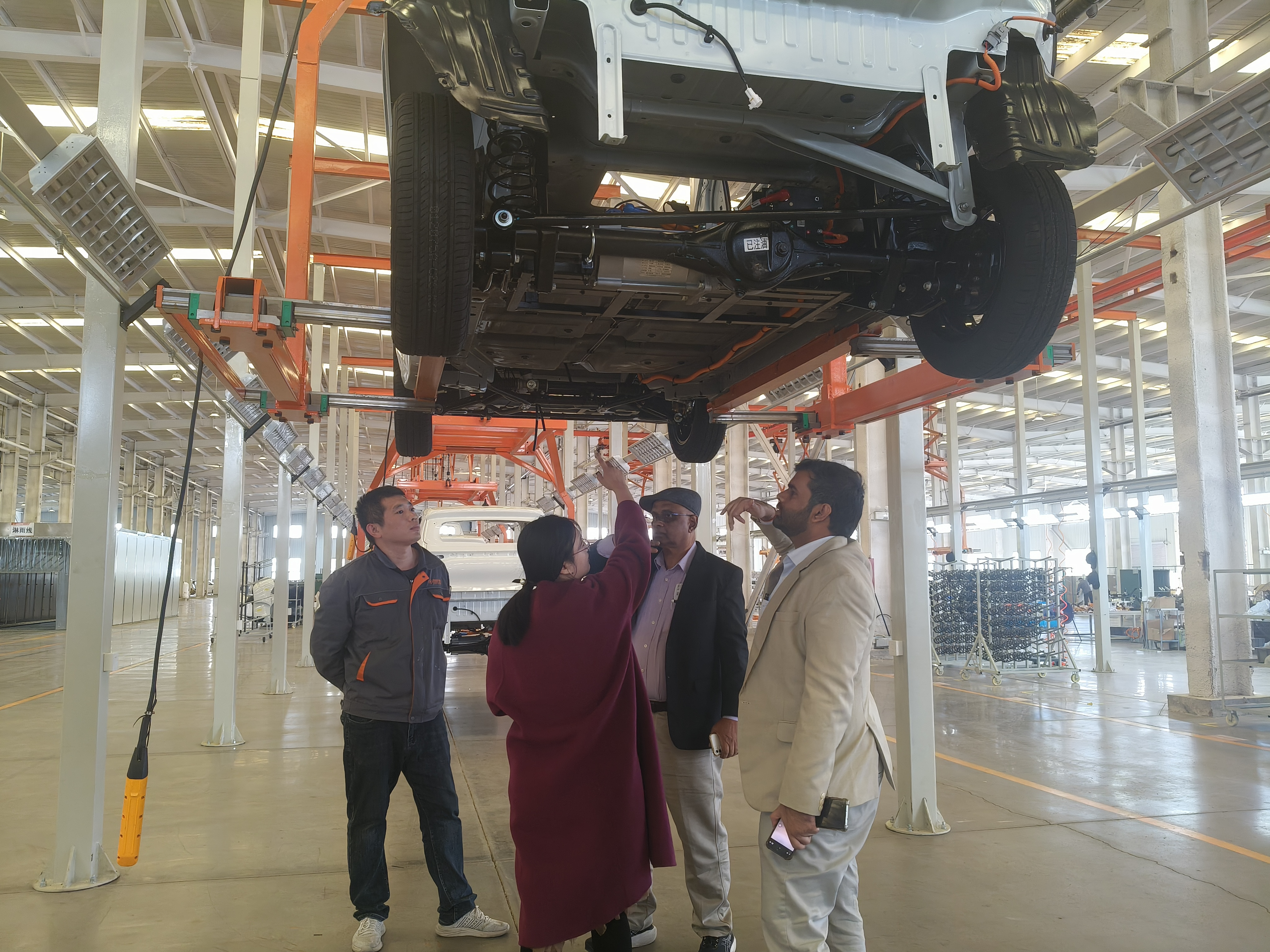
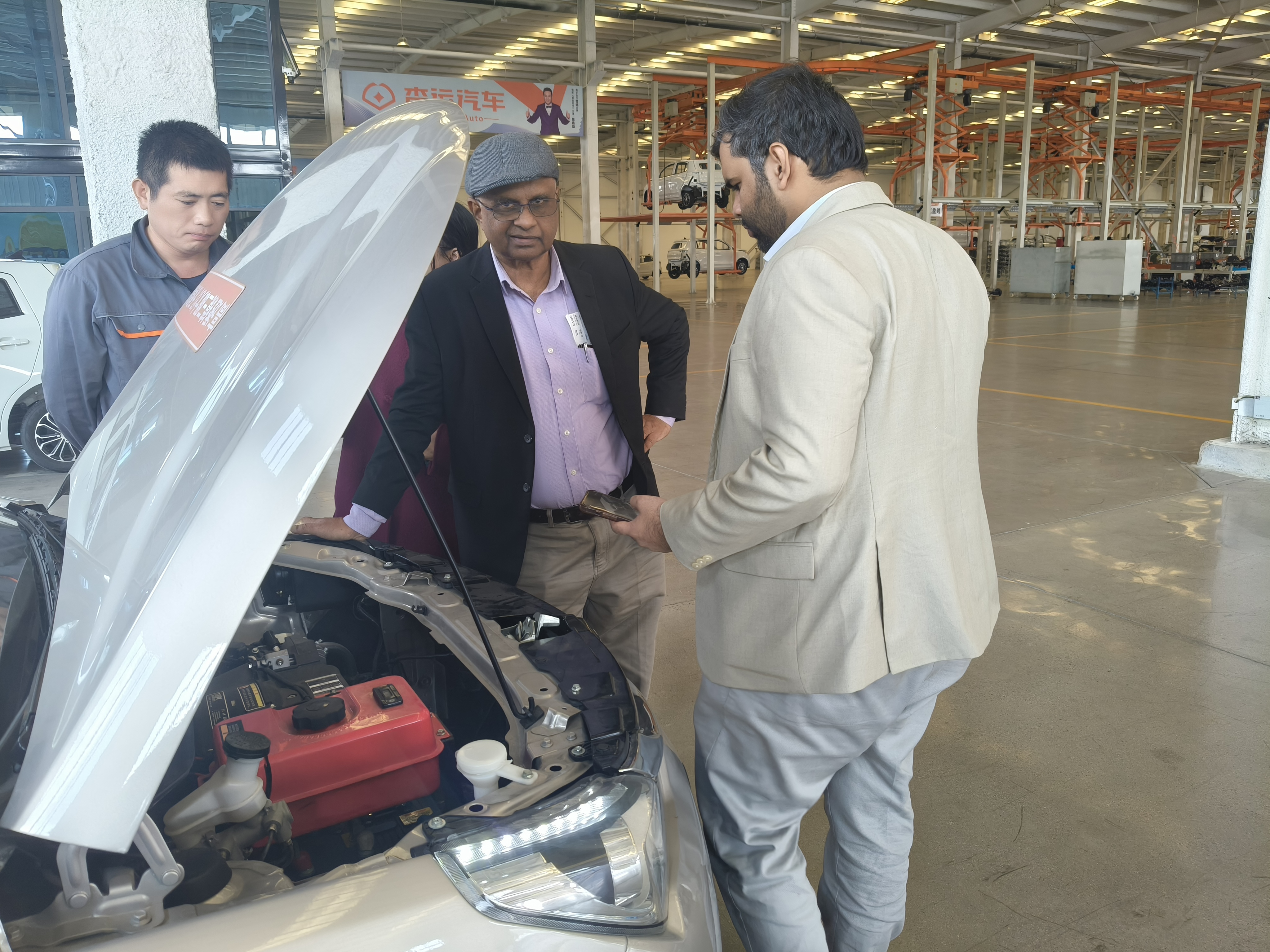
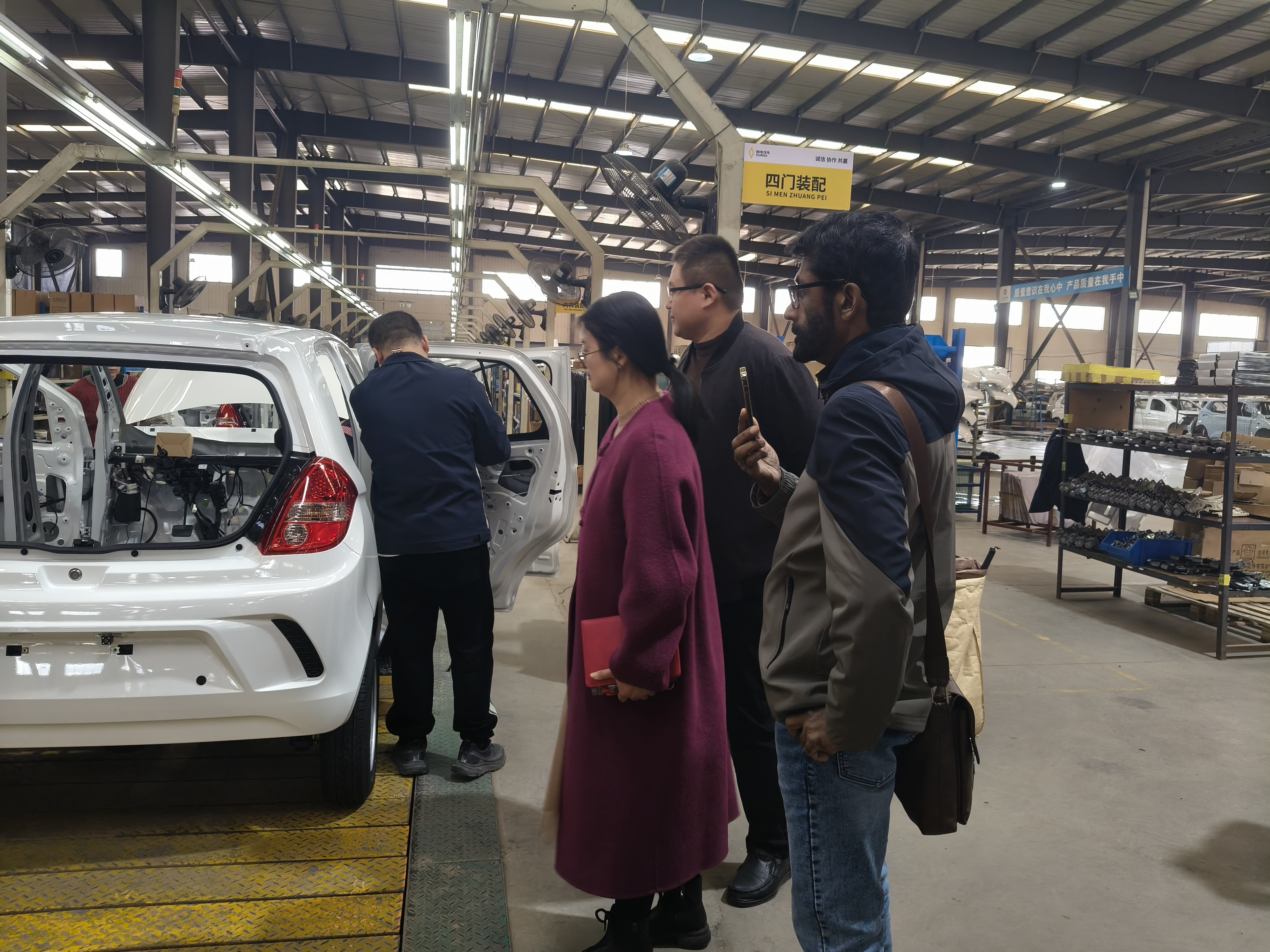
How our vehicles are deployed across urban, coastal, and agricultural settings in Kenya.
In high-density suburbs and estates like Eastlands, Ruiru, and Githurai, electric passenger tricycles work as neighborhood feeders. They bridge the gap between main Matatu bus stops and residential gates, saving commuters from walking long distances along secondary roads.
Mombasa, Diani, and Malindi resorts prioritize quiet, zero-emission transportation for local tours. Our electric and solar tuk-tuks operate quietly, preserving the local environment and saving on fuel costs for tourist transport.
In farming regions like Meru and Eldoret, operators require versatile passenger tricycles that can carry both passengers and agricultural goods to market. Models like the S3 feature reinforced iron frames and high-torque motors to handle steep terrain and heavy agricultural loads.
Logistics startups and ride-hailing services in Nairobi are adding electric tuk-tuks to their fleets. These vehicles integrate with local charging networks and mobile payment systems (M-Pesa) for efficient dispatch and tracking.
Essential technical, commercial, and logistical answers for Kenyan importers and fleet operators.
Select from our comprehensive list of configurations, all backed by factory warranty and localized technical support.
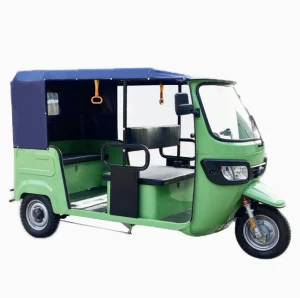
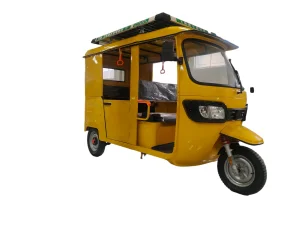
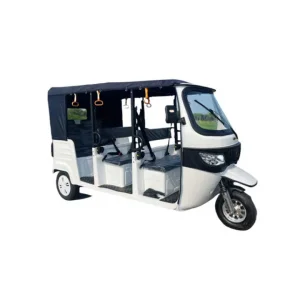
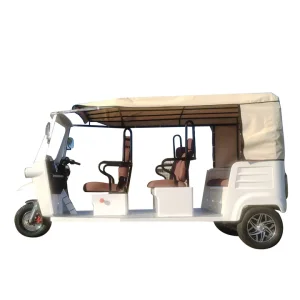
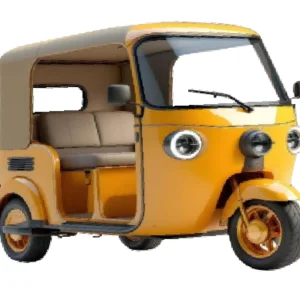
Get in touch with our engineering team for custom configurations, battery specifications, CKD logistics planning, and direct factory pricing for the Kenyan market.
 Limaotong