 Limaotong
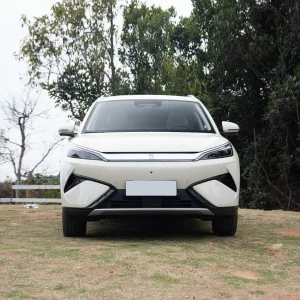
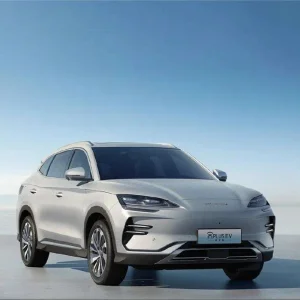
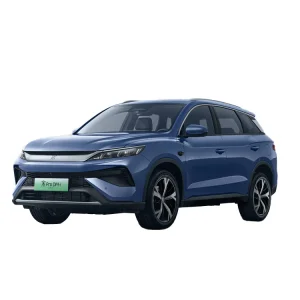
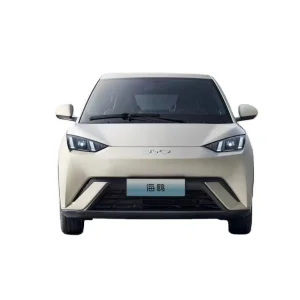
White Paper: Electrifying Sydney’s Commercial Fleet & Supply Chain
The Sydney metropolitan area is experiencing a rapid energy transition. Backed by the New South Wales (NSW) Electric Vehicle Strategy and ambitious net-zero targets by 2050, commercial operators, logistics networks, and governmental organizations are under immense pressure to decarbonize. Transport represents one of the largest sources of emissions in the region, making electric commercial vehicle (ECV) integration a critical priority for local companies operating in sectors such as courier services, freight logistics, commuter transport, and construction support.
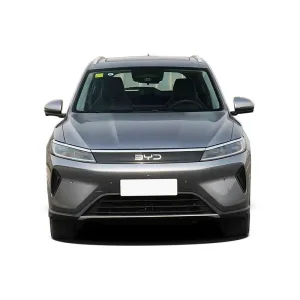
As a global pioneer in battery-electric propulsion, BYD (Build Your Dreams) has established itself as the leading provider of heavy and light transport solutions. For the Sydney market, procuring directly from world-class manufacturing bases that operate on Industry 4.0 standards represents the most secure path to achieving cost reduction, fleet reliability, and supply chain resilience.
Sydney’s Local Commercial and Industrial Realities
Sydney's distinct geography—characterized by sprawling Western Sydney industrial zones, dense inner-city commercial hubs like Pyrmont and Surry Hills, and critical gateways such as Port Botany and Sydney Airport—requires highly specialized EV fleets. Heavy-duty traffic, stop-and-go urban loops, and variations in charging infrastructure mean that local operators cannot rely on one-size-fits-all platforms.
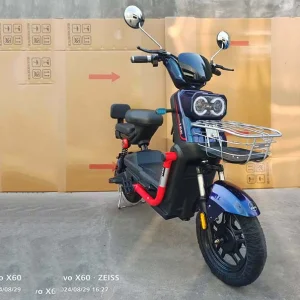
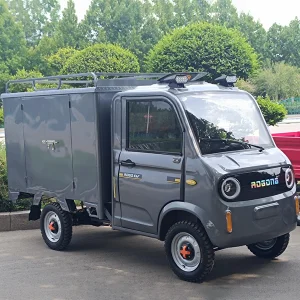
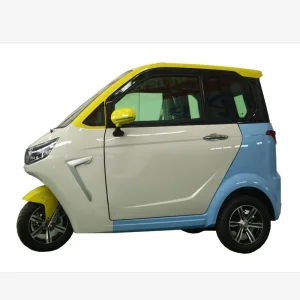
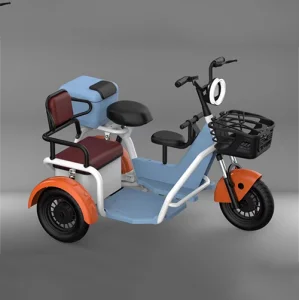
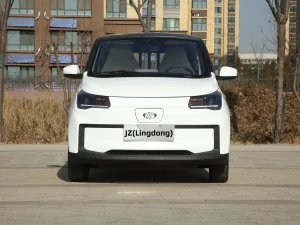
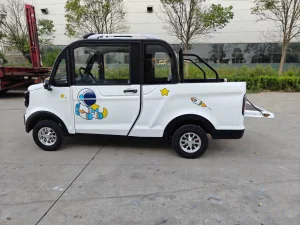
- Last-Mile Efficiencies: High-density corridors in Sydney CBD demand compact electric vans and micro-mobility options that bypass payload restrictions and navigate tight parking limits.
- Charging Infrastructure Integration: Direct alignment with Australia’s CCS2 charging standard is vital. BYD commercial models offer native CCS2 integration, allowing fast DC charging at depots and public networks (such as Evie and Chargefox networks).
- Regulatory Alignment: Australian Design Rules (ADR) impose strict safety and dimension parameters. Procurement through established, accredited manufacturing routes guarantees seamless vehicle registration and compliance.
Sydney Market Growth Insight: With NSW investing heavily in electric bus transition and regional charging networks, fleet operators utilizing BYD technology benefit from a proven, scalable battery thermal management system designed to withstand extreme Australian summer temperatures.
Global Fleet Trends & B2B Procurement Optimization
On a global scale, multinational enterprises are mandating strict environmental, social, and governance (ESG) metrics from their suppliers. B2B procurement is no longer driven purely by the initial purchase cost; it is guided by the **Total Cost of Ownership (TCO)**, which includes maintenance cycles, energy consumption per kilometer, and battery recyclability. BYD's integration of the LFP (Lithium Iron Phosphate) Blade Battery technology addresses these requirements, offering a chemical structure free from cobalt and nickel while maximizing thermal runaway threshold parameters.
China Industry 4.0: Supply Chain Resilience & Smart Production
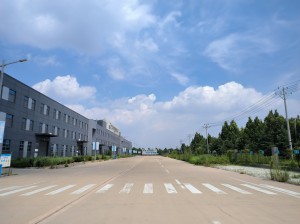
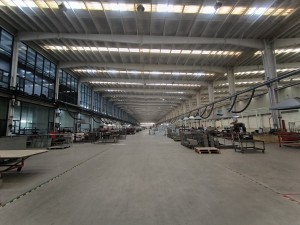
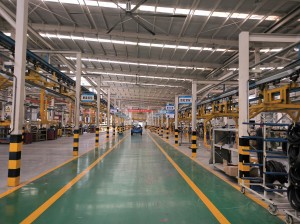
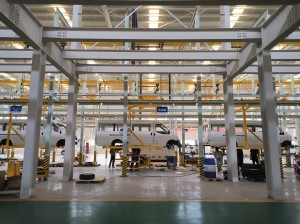
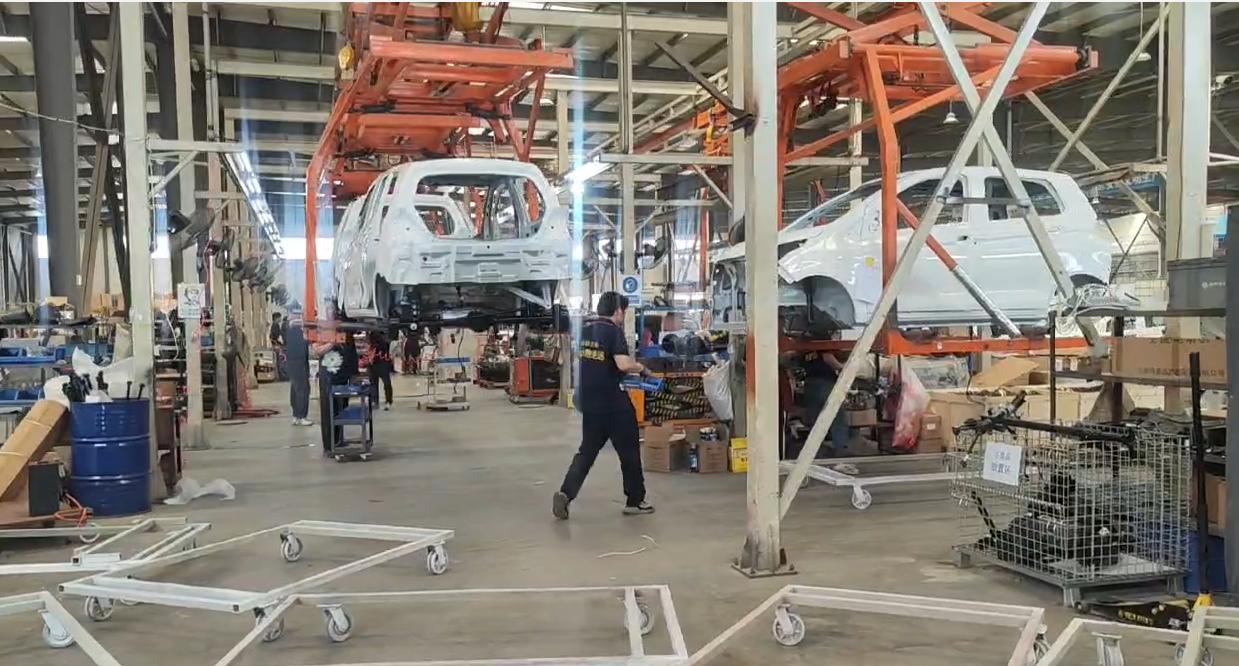
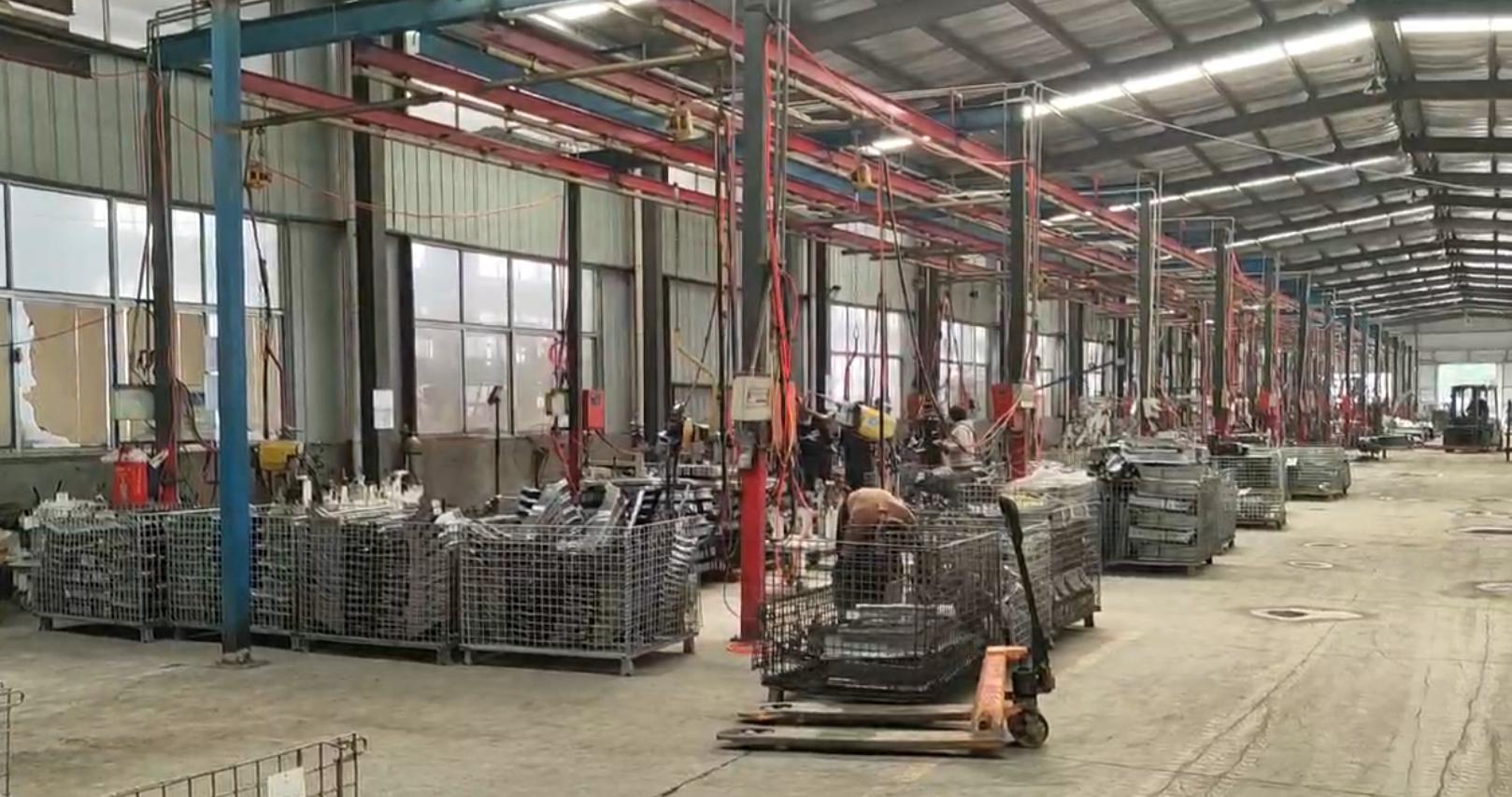
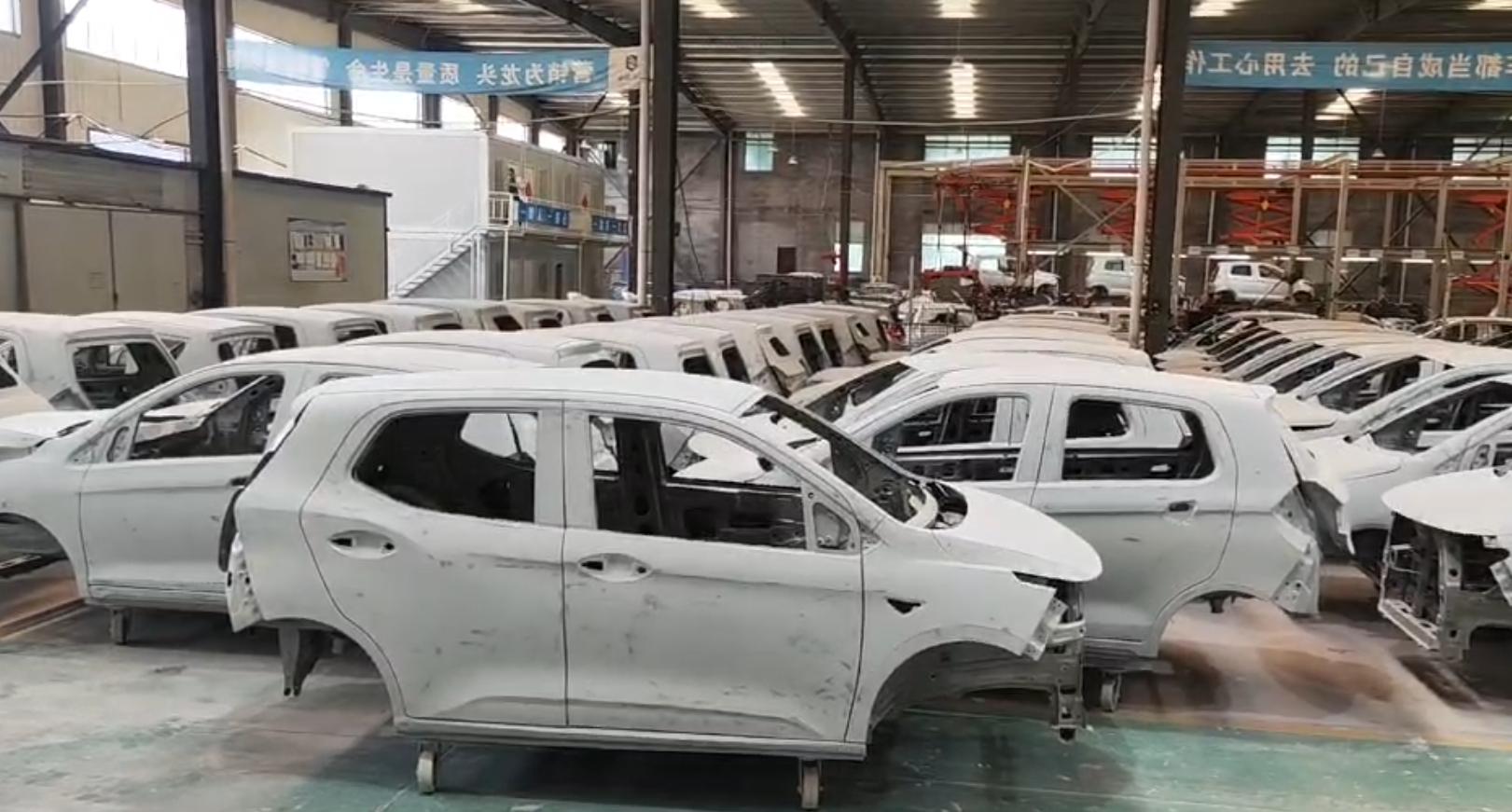
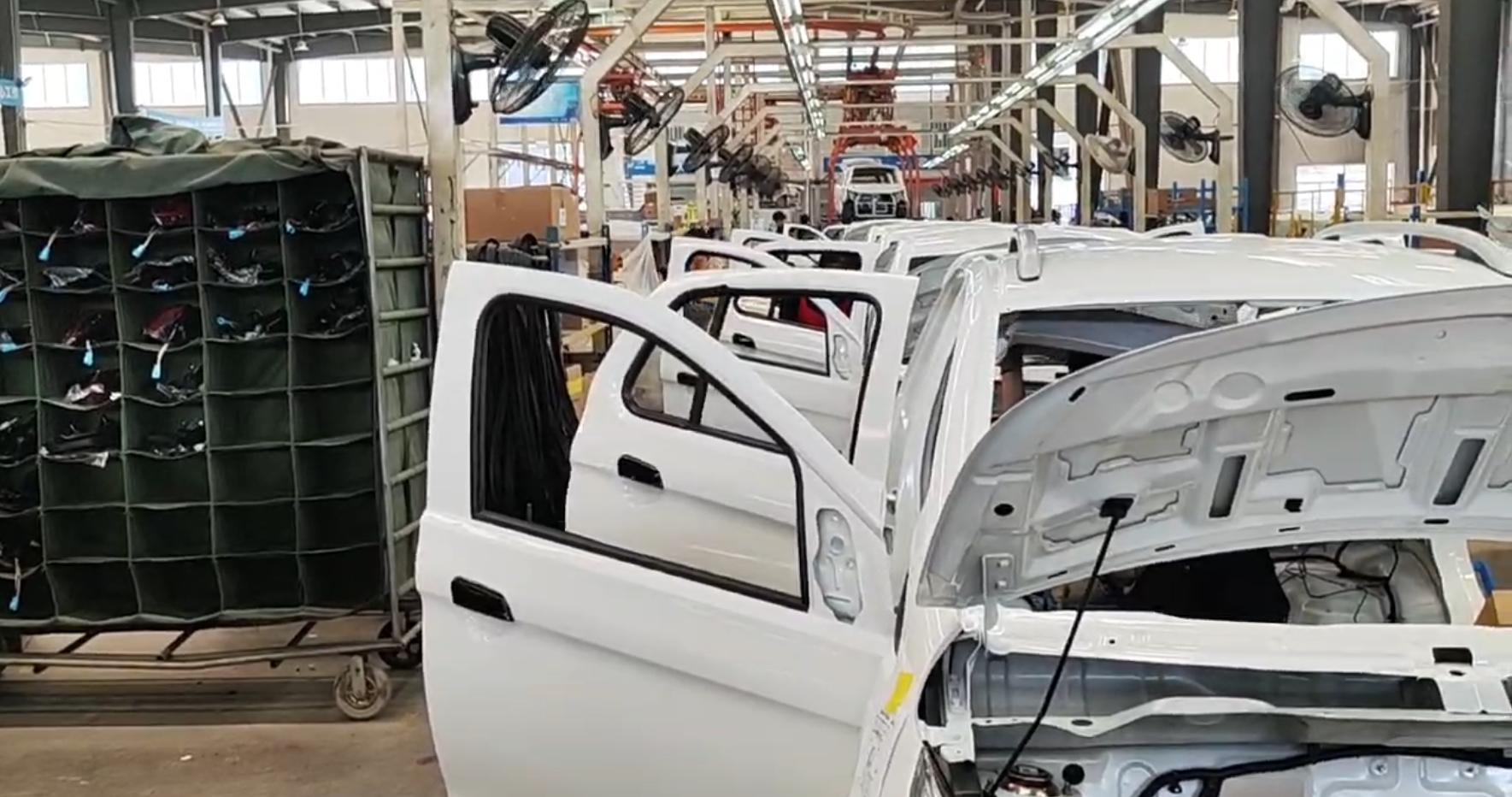
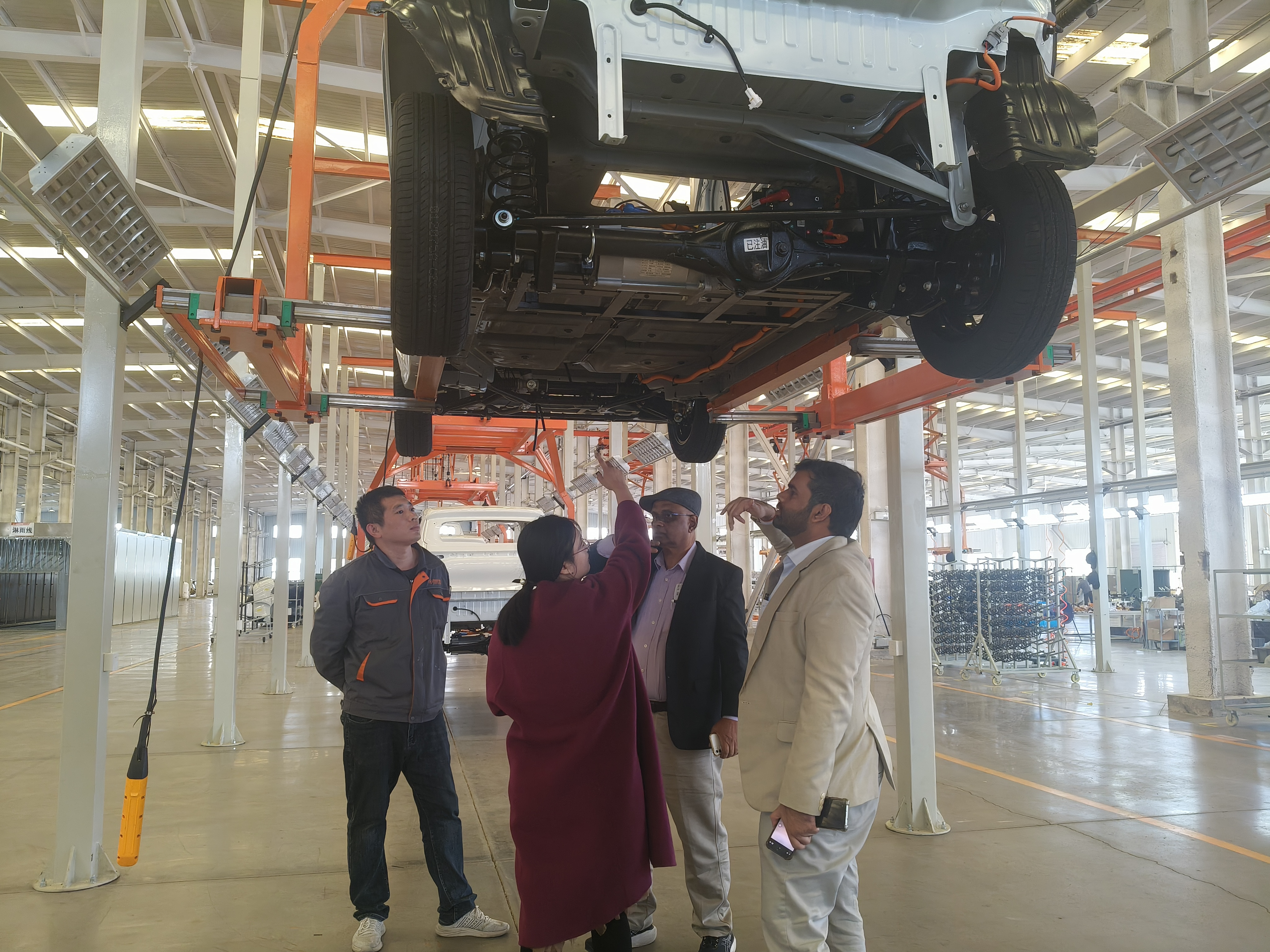
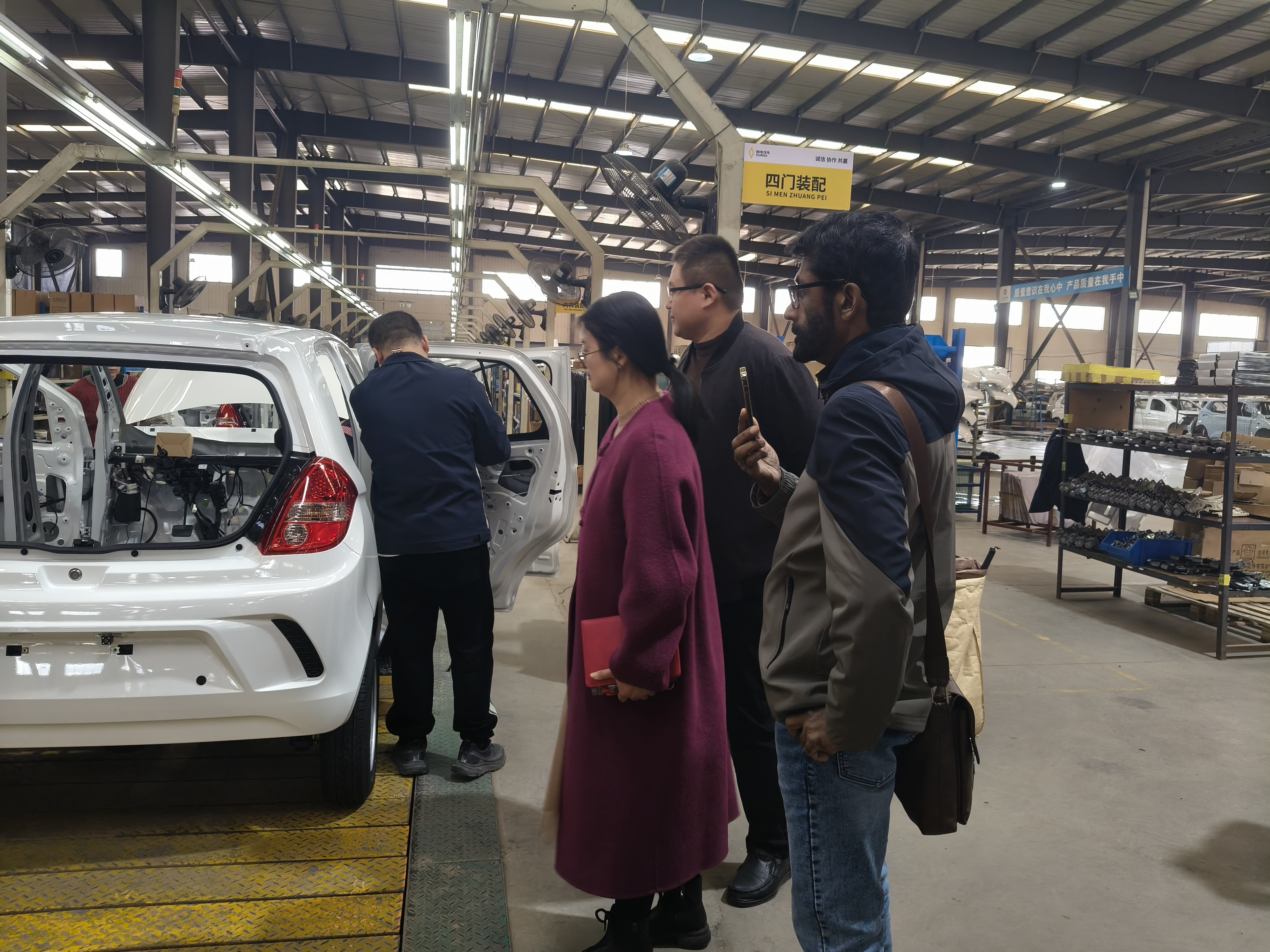
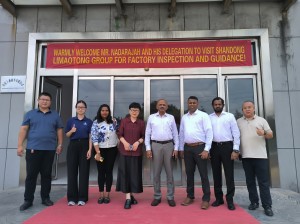
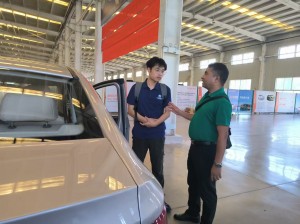
The backbone of our capability lies in China’s high-tech manufacturing corridors. **Shandong Li Mao Tong Group** operates at the leading edge of Industry 4.0 manufacturing. By deploying automated production, robotic precision welding, and comprehensive digital quality management systems, our facilities ensure that every electric vehicle delivered to global markets maintains identical quality standards.
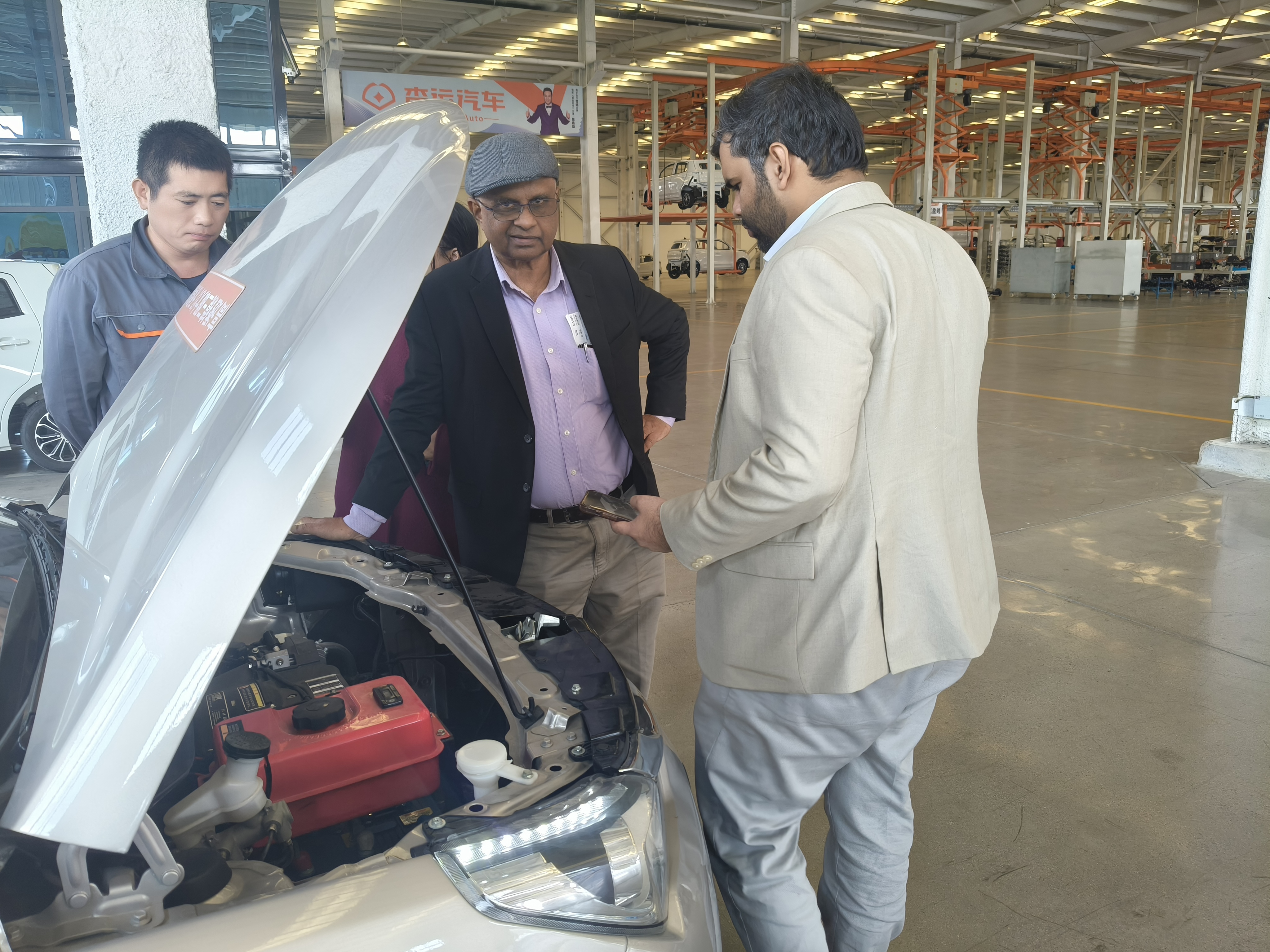
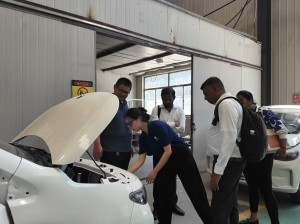
Every commercial vehicle undergoes extreme testing protocols—including simulate seven-rainstorm testing, thermal cycle chambers, and structural stress analysis. This ensures that the vehicles delivered to Sydney’s demanding transport environments are built with structural integrity that prevents downtime and reduces operational risks.