Deploying zero-emission shuttle and sightseeing configurations designed to navigate the strict environmental zones of Hamburg's Altona, Mitte, and historical Speicherstadt districts.
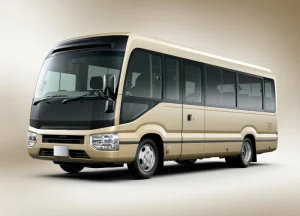
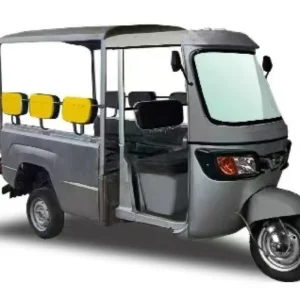
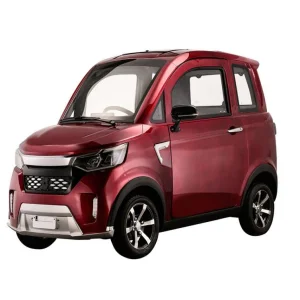
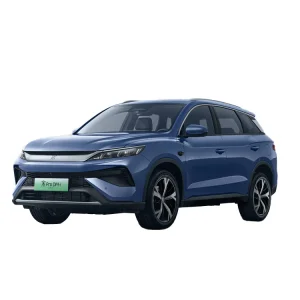
The city of Hamburg is undergoing one of the most comprehensive public transport transformations in Northern Europe. Driven by the climate protection act (Hamburgisches Klimaschutzgesetz), the city aims for a carbon-neutral footprint across its municipal fleet operations. The Hamburger Verkehrsverbund (HVV), alongside key operators like Hamburger Hochbahn AG and Verkehrsbetriebe Hamburg-Holstein GmbH (VHH), has mandated that all new procurements for urban commuter, shuttle, and sightseeing fleets must feature zero-emission propulsion systems. This transition is not merely a policy directive but a radical reorganization of city logistics, passenger transport operations, and regional commuter infrastructure.
In addition to heavy-duty urban transit buses, Hamburg's unique metropolitan layout requires a hybrid fleet ecosystem. The narrow streets of the historic Speicherstadt, the dense urban lanes of Altona, and the extensive freight zones of the Port of Hamburg demand customized mobility form factors. This is where specialized micro-transit and multi-passenger utility vehicles play a pivotal role. The deployment of small electric passenger vehicles, closed shuttles, and light utility electric trikes acts as the connective tissue for last-mile transit networks. By integrating high-capacity standard buses with agile, zero-emission micro-transit, Hamburg is pioneering an interconnected and highly responsive metropolitan transit grid.
On a global scale, the manufacturing landscape for new energy buses and utility transit platforms is shifting toward integrated technological hubs. While European homologation rules (including ECWVTA - European Community Whole Vehicle Type Approval) set high standards for vehicle build quality, safety, and functional parameters, manufacturers must maintain highly optimized production systems to keep total cost of ownership (TCO) competitive. Rising raw material prices and battery cell logistics require manufacturing models that combine heavy automation with advanced vertical integration. This ensures that safety mechanisms, chassis design, and drivetrain configurations comply with European standards while remaining economically feasible for regional operators.
SHANDONG LI MAO TONG GROUP is a leading global supplier of high-quality electric transit and utility vehicle platforms, offering an end-to-end industrial chain that covers research, precision design, manufacturing, and global logistical sales. Since its inception, our vehicles have served over 120 countries and regions worldwide, optimizing public transit, local distribution, and tourist transit operations.
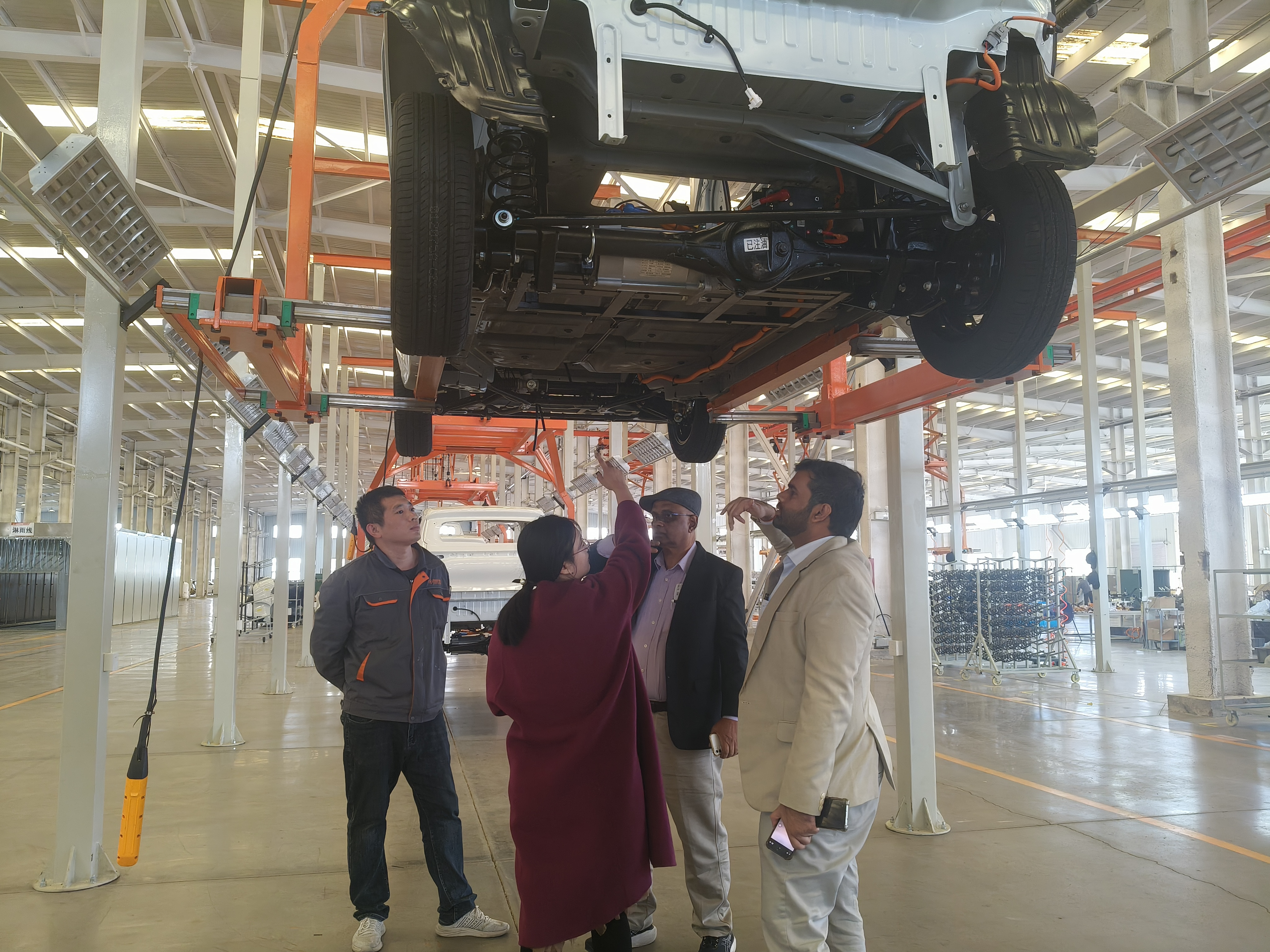
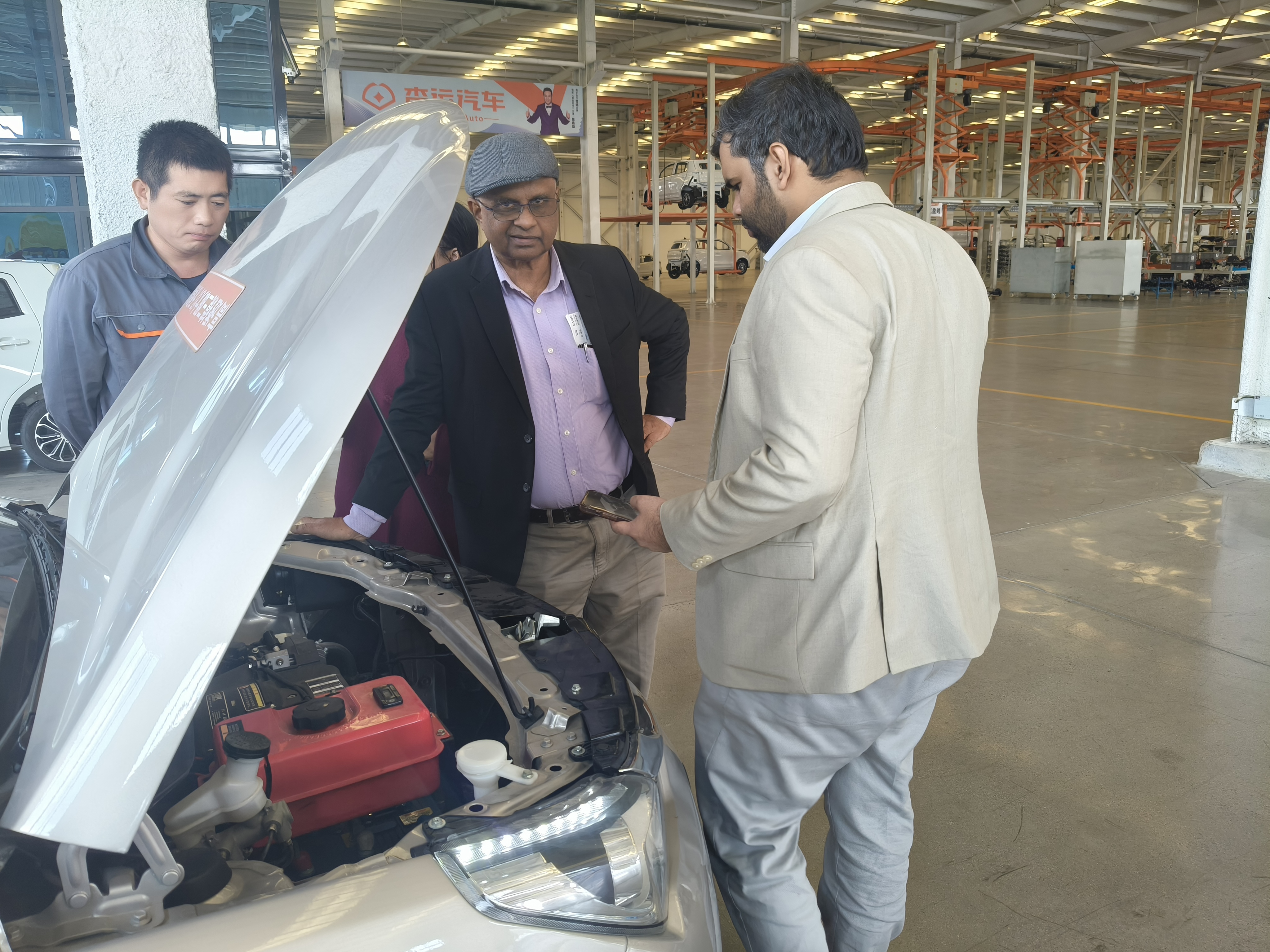
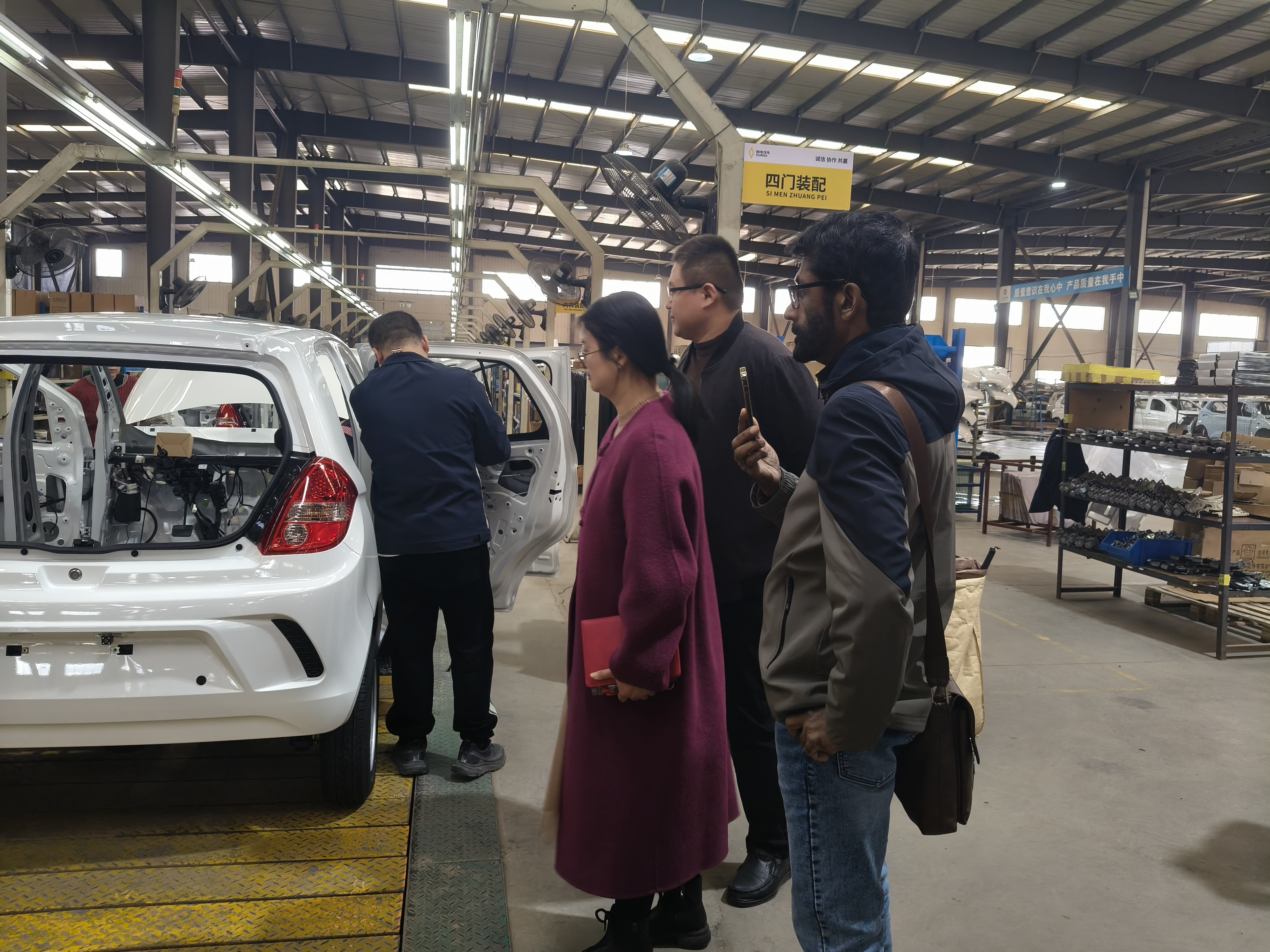
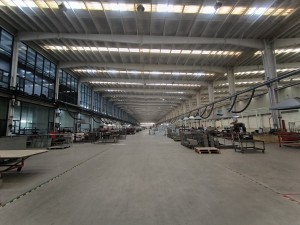
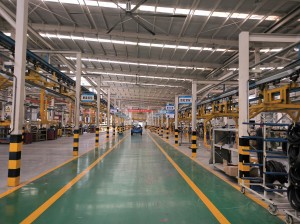
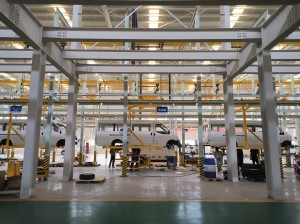
Supported by 8 overseas production bases, we provide rapid customization and supply chain resilience to operators globally. Quality serves as our operational baseline. We manage highly automated, intelligent manufacturing facilities utilizing robotic welding, precise stamping, and advanced paint coating lines that provide corrosion protection in demanding maritime environments like Hamburg.
Recognizing the critical importance of post-delivery maintenance, the group established the Djibouti (Overseas Warehouse) Cross-border E-commerce Exhibition and Sales Center within the Djibouti International Free Trade Zone in East Africa. Built to deliver quick-turnaround support, this model combines on-site inventory, dedicated technical personnel, and comprehensive local operations. This strategy informs our European distribution hubs, ensuring that key parts, battery replacements, and engineering support are readily accessible to fleet managers across European ports like Hamburg, minimizing vehicle downtime and ensuring maximum fleet duty cycles.
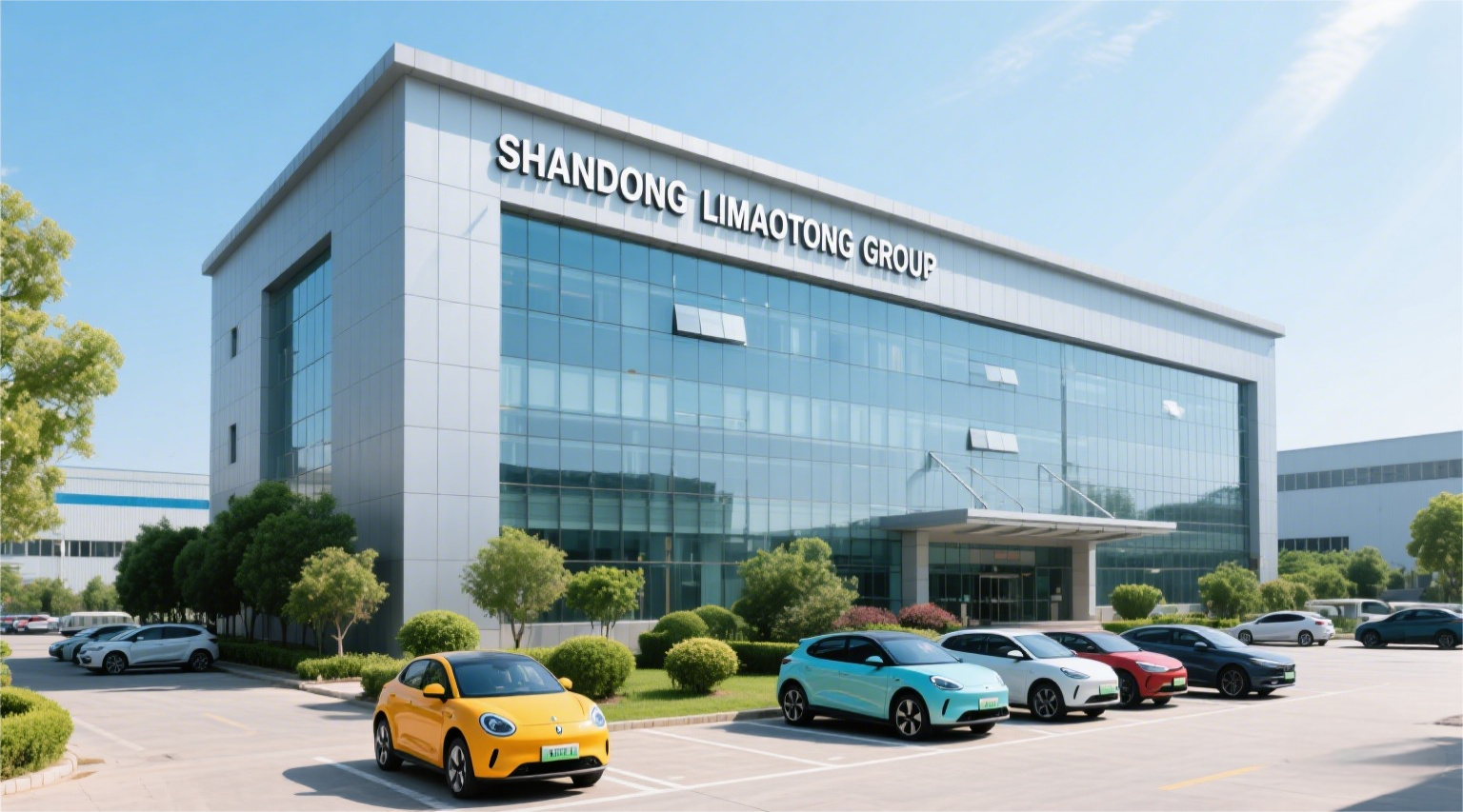
The manufacturing complexity of zero-emission utility and transit vehicles is defined by efficiency, battery management system (BMS) stability, and structural engineering. The Shandong new energy industrial cluster offers distinct efficiency and sourcing advantages, allowing manufacturers to integrate state-of-the-art battery chemistries (LFP - Lithium Iron Phosphate) with highly optimized drivetrains at a highly competitive TCO. This operational density allows us to deploy safety systems that exceed standard industrial configurations.
All battery housings are structurally reinforced to protect against physical deformation and impact. The battery management systems continuously monitor cell temperature, voltage balance, and internal resistance, communicating with the vehicle's central ECU via CAN-bus to isolate cells during off-nominal operating conditions. This digital control is critical for operations in Northern European winters, where temperature drop can affect energy output. Additionally, our automated robotic paint lines create flawless, marine-grade protective finishes, guarding the vehicle structure against coastal salt spray, moisture, and variable weather patterns.
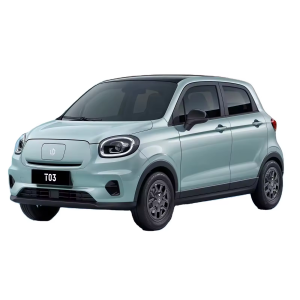
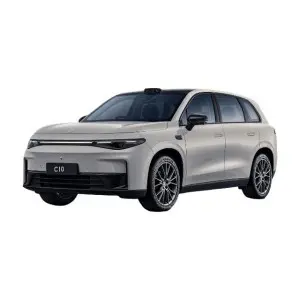
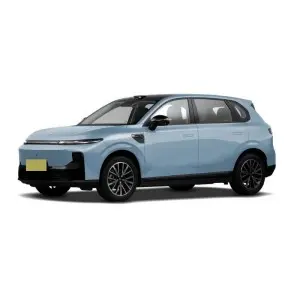
To support Hamburg's goal of achieving a smart, integrated mobility ecosystem, fleet managers must look beyond standard transit layouts and optimize across four key application scenarios:
The UNESCO World Heritage site Speicherstadt and the modern HafenCity waterfront represent Hamburg's tourism core. These locations are characterized by historical brick buildings, cobblestone streets, and narrow canal passages. Using heavy diesel-powered sightseeing buses in these zones compromises environmental preservation efforts and air quality. Lightweight, open or semi-enclosed electric sightseeing buses (like the V11E) provide a low-noise, zero-emission solution that navigates these corridors with ease, maintaining high visitor throughput without compromising historical infrastructure.
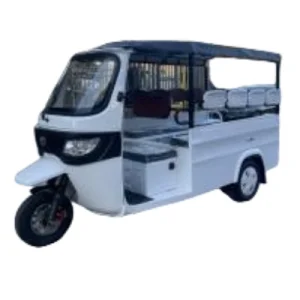
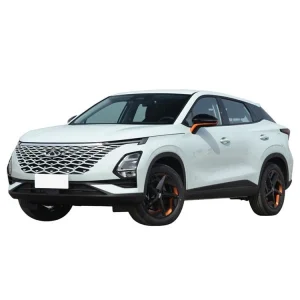
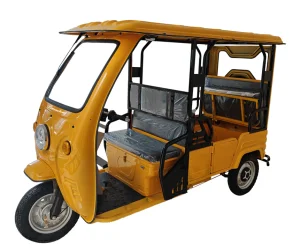
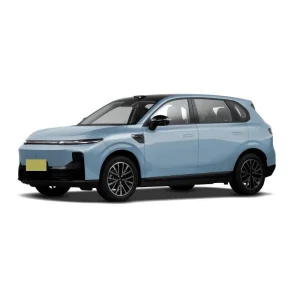
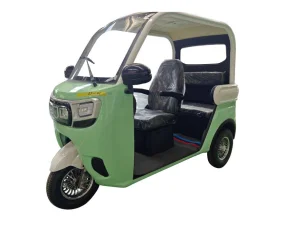
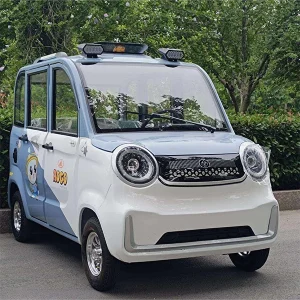
Connecting outer residential zones to Hamburg's U-Bahn and S-Bahn rail networks requires agile feeding systems. Fully enclosed multi-passenger electric vehicles and light passenger trikes offer localized shuttle capabilities. These platforms serve as micro-transit feeders, providing high frequency routes in low-density neighborhoods, minimizing the dependency on private personal cars and maximizing mass transit utilization.
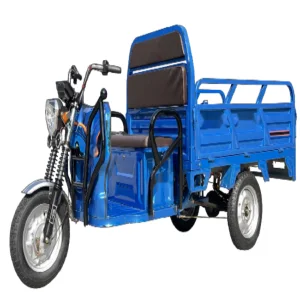
The Port of Hamburg (Hamburger Hafen) is a sprawling industrial landscape. Moving personnel and light tools between terminal gates, maintenance docks, and cargo staging areas requires continuous transportation. Deploying heavy vehicles for these tasks is inefficient. Fully enclosed electric utility vehicles and cargo tricycles provide rapid, highly maneuverable transit within port boundaries, reducing operation costs and emissions.
Large corporate campuses near Finkenwerder, university complexes, and local park facilities require zero-emission transportation for maintenance, internal logistics, and guest transit. Specialized light electric vehicles and custom utility tricycles deliver the required payload capacity and passenger comfort without the high operating costs of conventional vans.
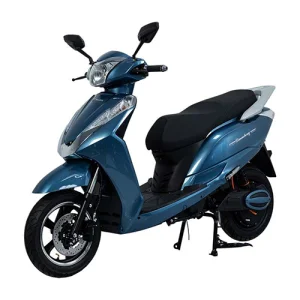
A comprehensive catalog of zero-emission utility, commuter, and micro-transit vehicles engineered to support urban fleet transition and municipal service operations.

Direct answers to regulatory, engineering, and logistical integration questions for importing and deploying utility electric platforms in the Hamburg region.
 Limaotong