Discover our leading localized solutions designed to meet the strict emission-free and reliability requirements of German municipal transit networks and tourist destinations.
Germany is at the vanguard of the European green transition, heavily guided by the German Climate Action Act (Klimaschutzgesetz) and the European Union's Clean Vehicles Directive. These policies mandate municipal authorities and transit operators (ÖPNV) to transition public transport fleets away from internal combustion engines. By 2030, a substantial portion of all newly procured transit buses, sightseeing fleets, and local micro-mobility vehicles must operate on zero-emission powertrains.
German municipalities require comprehensive lifecycle analysis, strict noise pollution limits, and high safety certifications (ECE approvals).
From heritage sightseeing areas in Bavaria to the bustling urban corridors of Berlin, the pressure to adopt zero-emission sightseeing shuttles and micro-logistics is absolute.
How our electric buses and micro-utility fleets solve actual operational challenges on the ground in Germany.
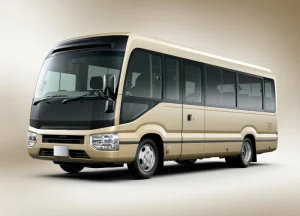
Many historic German old towns (Altstädte) and natural reserves (like the Black Forest and Bavarian lakes) restrict combustion engines. The Electric Sightseeing Bus (V11E) offers a premium, quiet, and eco-friendly sightseeing option that complies perfectly with municipal noise ordinances and emission limits.
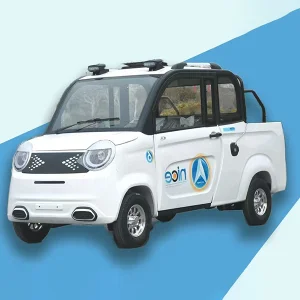
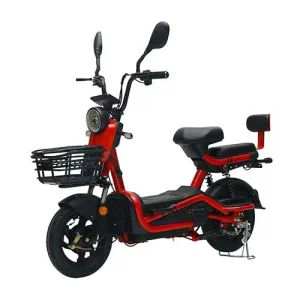
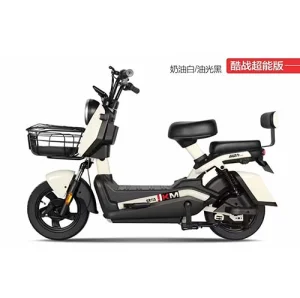
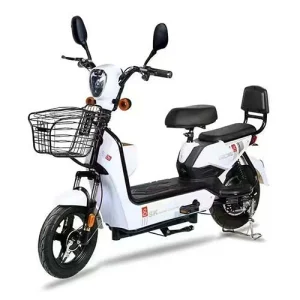
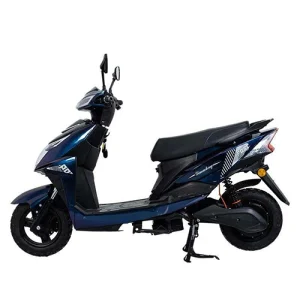
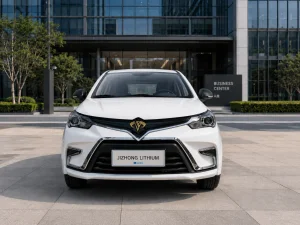
Urban centers in Frankfurt, Munich, and Hamburg face chronic congestion. Our range of specialized two-wheeled electric bikes (Elegance, Cool Battle) and two-seat pickups serves as an ideal solution for post-courier companies and industrial staff commuting over localized operations.
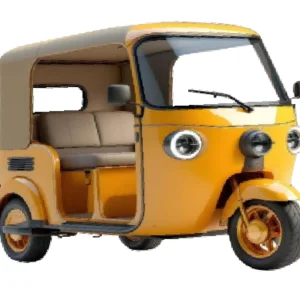
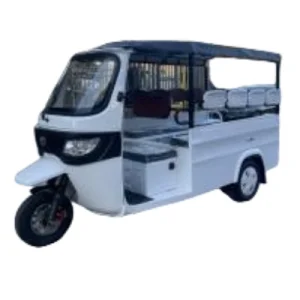
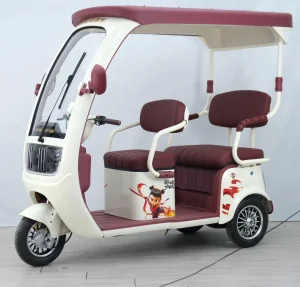
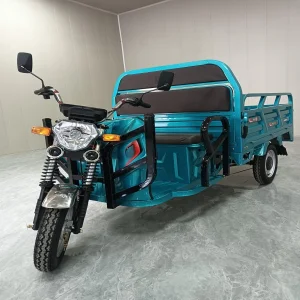
For large-scale exhibitions (Messe Hannover, Messe Frankfurt) and localized resort transit, our electric three-wheeled passenger tuk-tuks represent a highly efficient, space-saving, and customizable platform for visitor transport.
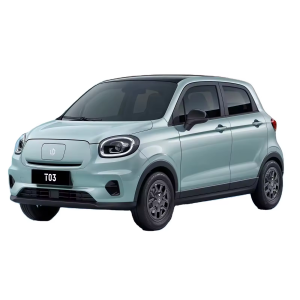
The transition to electric fleets in Germany requires cutting-edge battery management and rugged vehicle architectures. Our technology roadmap focuses heavily on:
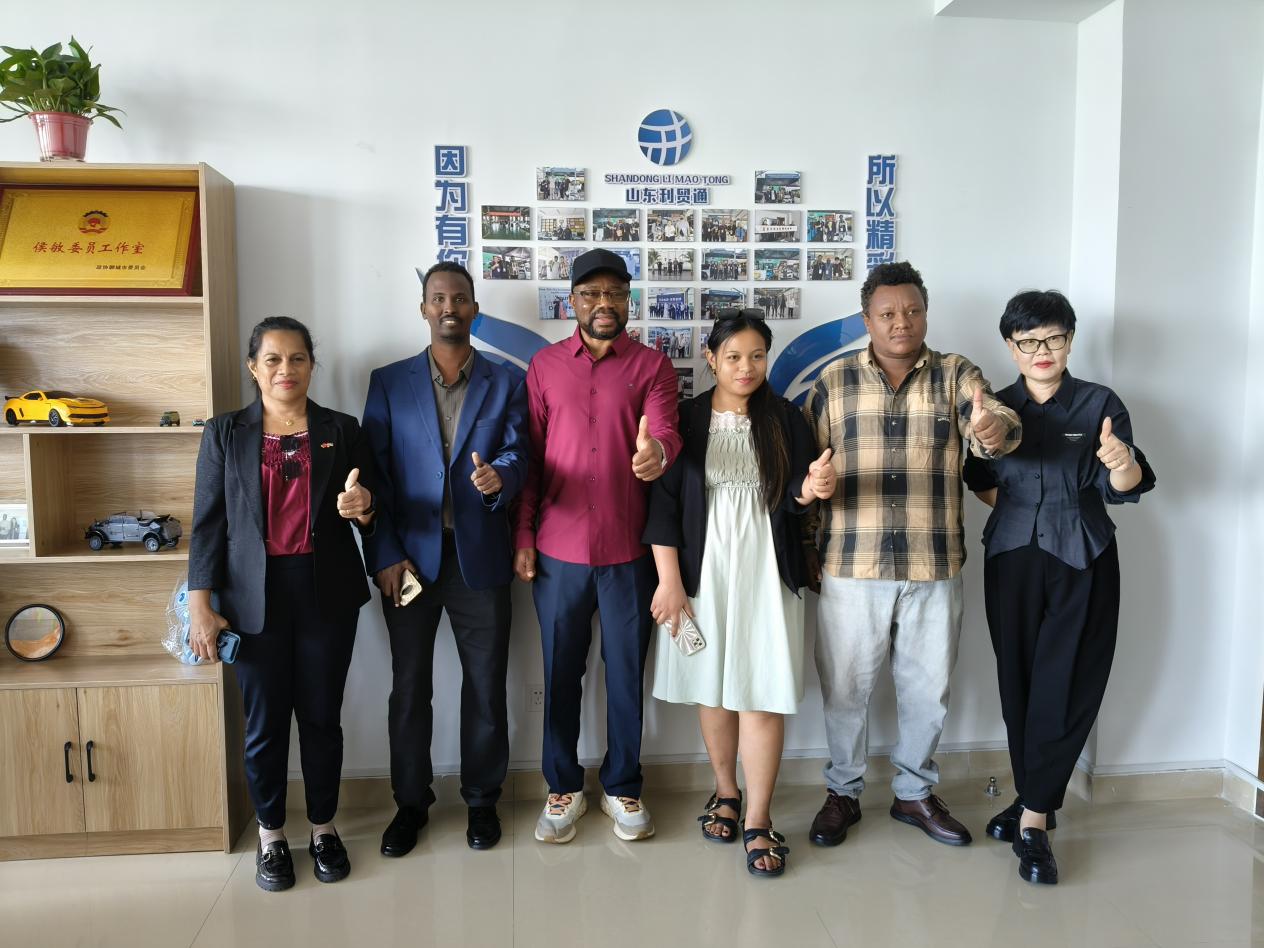
SHANDONG LI MAO TONG GROUP is a global powerhouse specializing in the research, design, and international sales of electric sightseeing vehicles, cargo tricycles, micro-cars, and multi-passenger transit solutions. With an end-to-end industrial chain, our operations guarantee unmatched production speeds, strict cost efficiencies, and top-tier quality assurance.
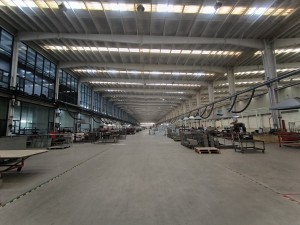
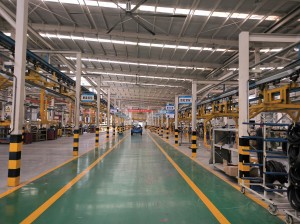
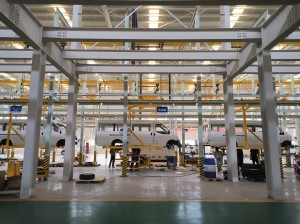
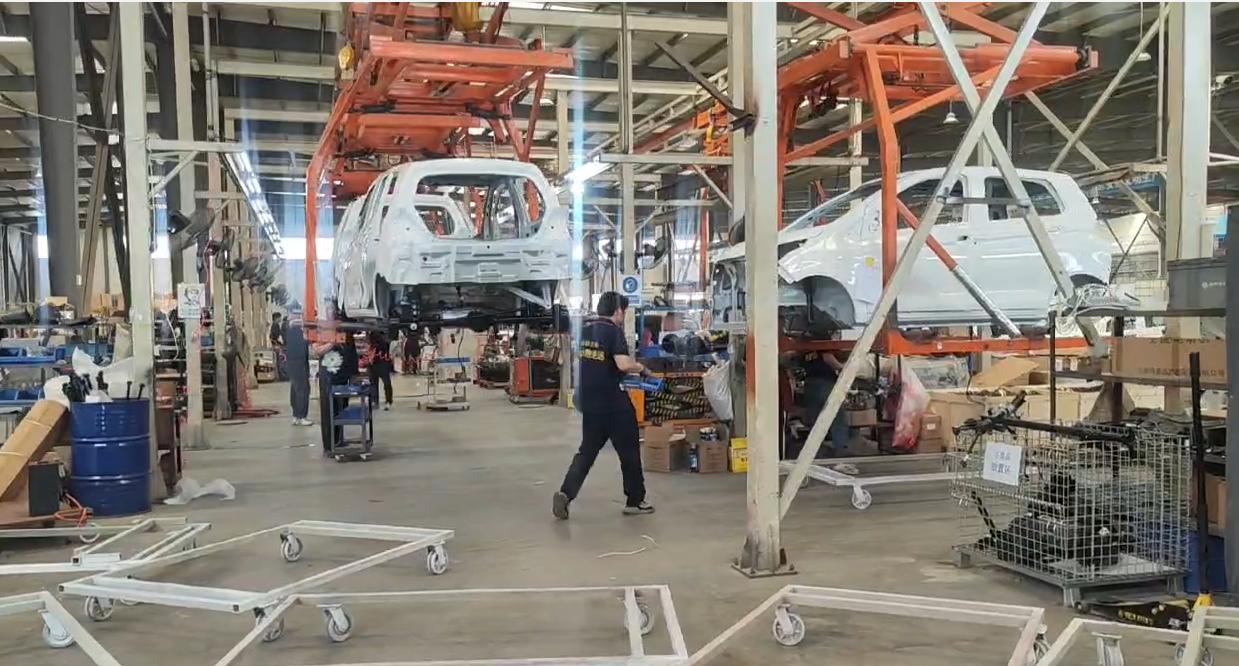
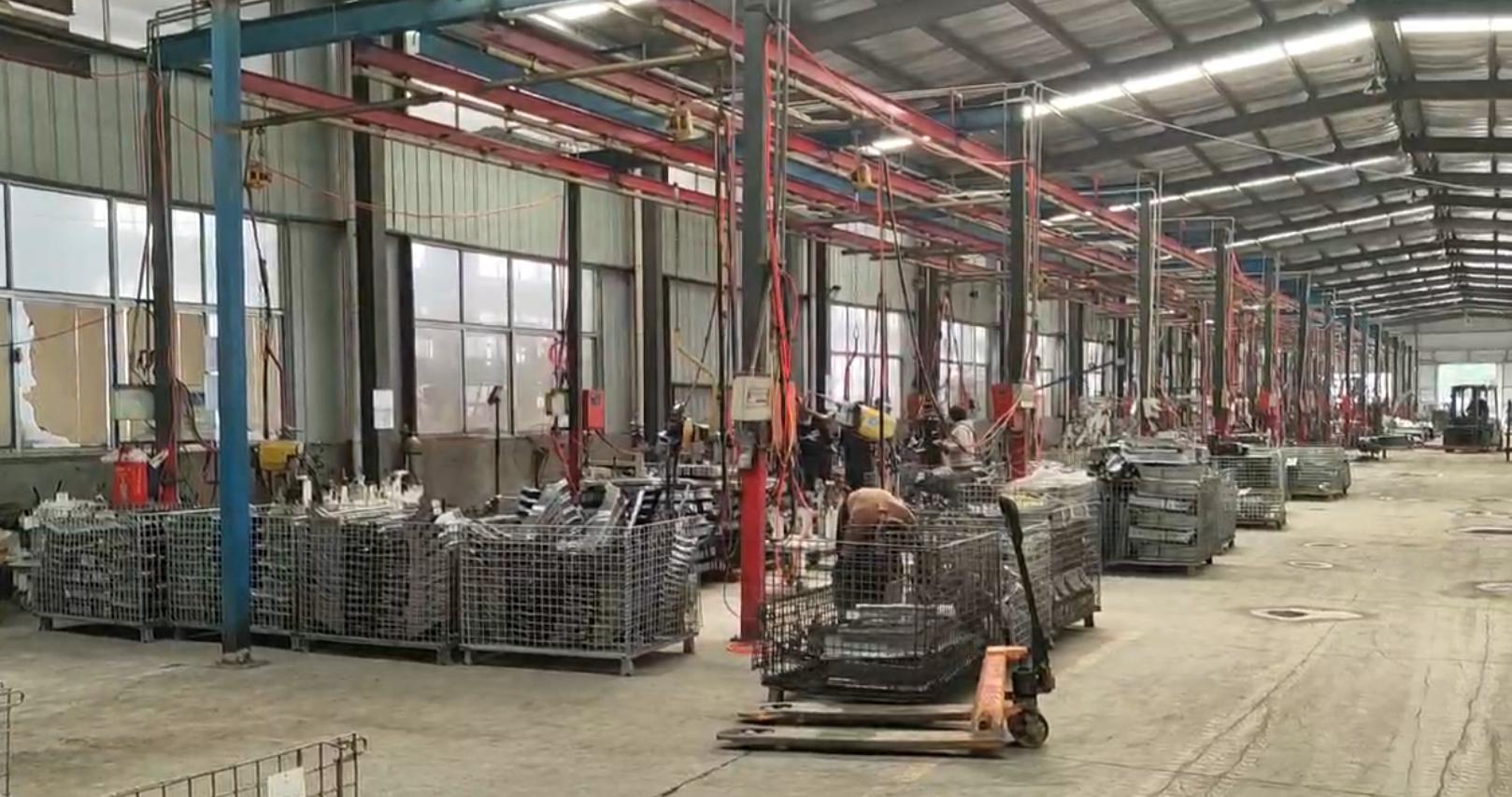
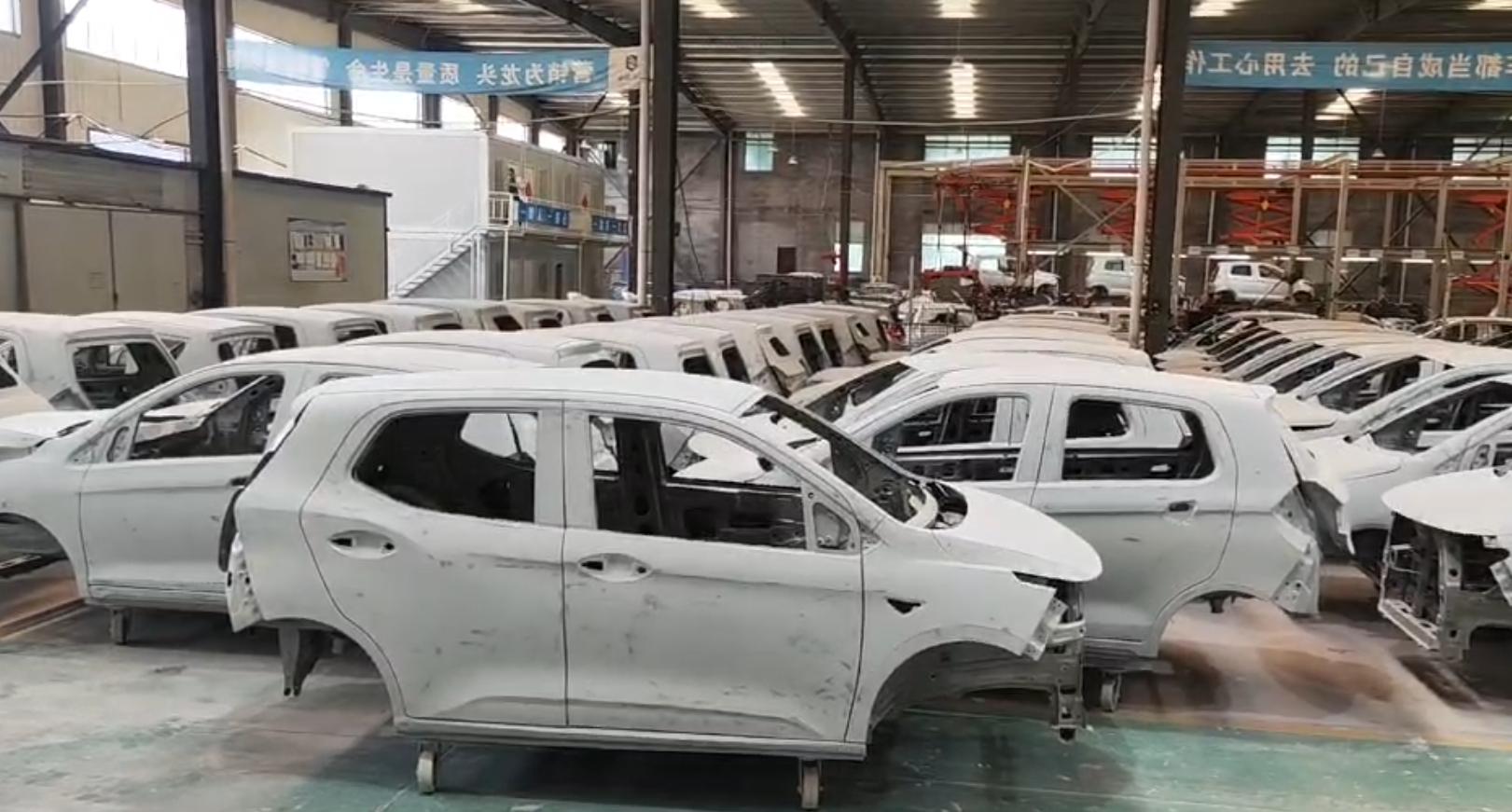
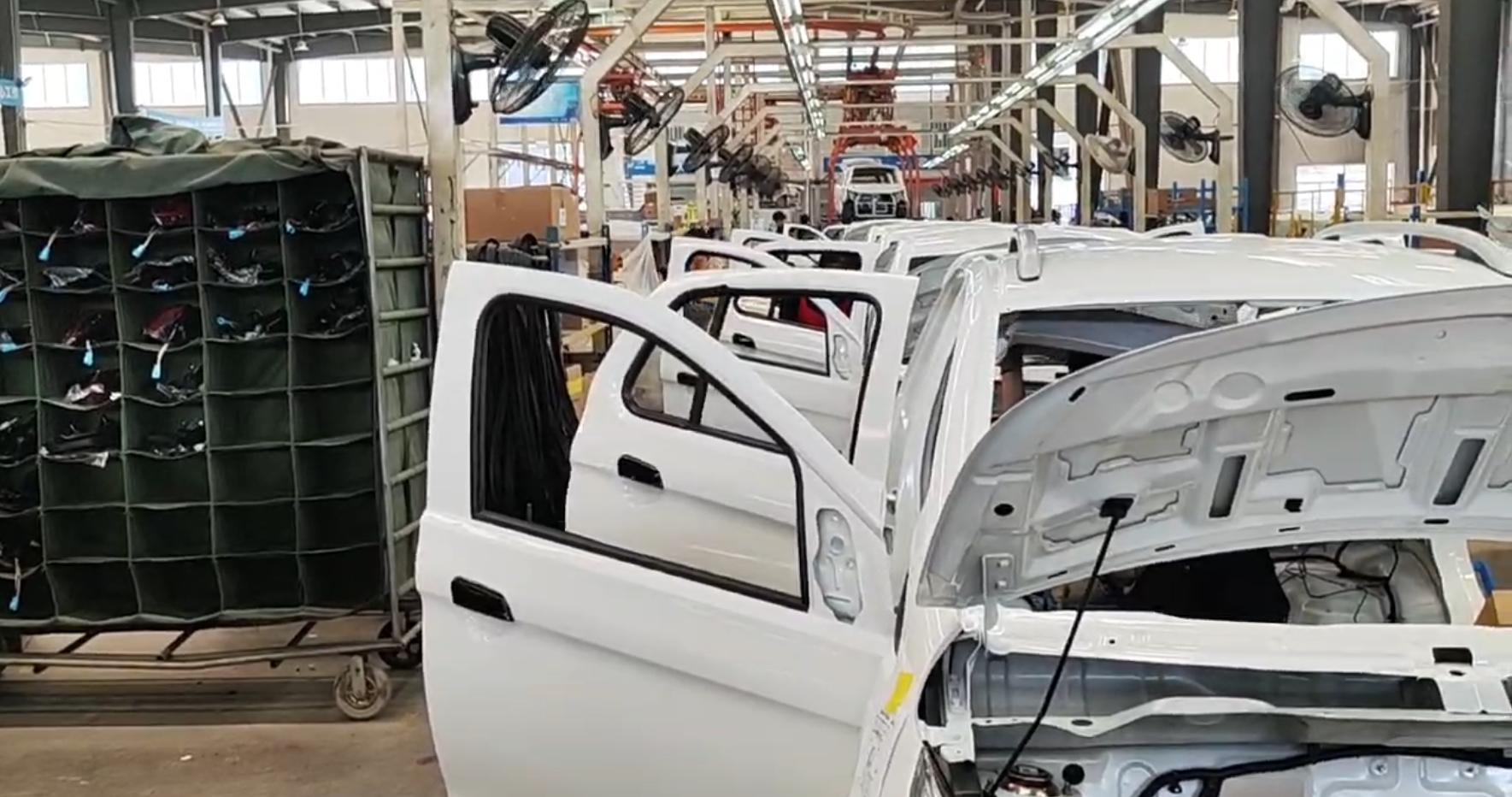
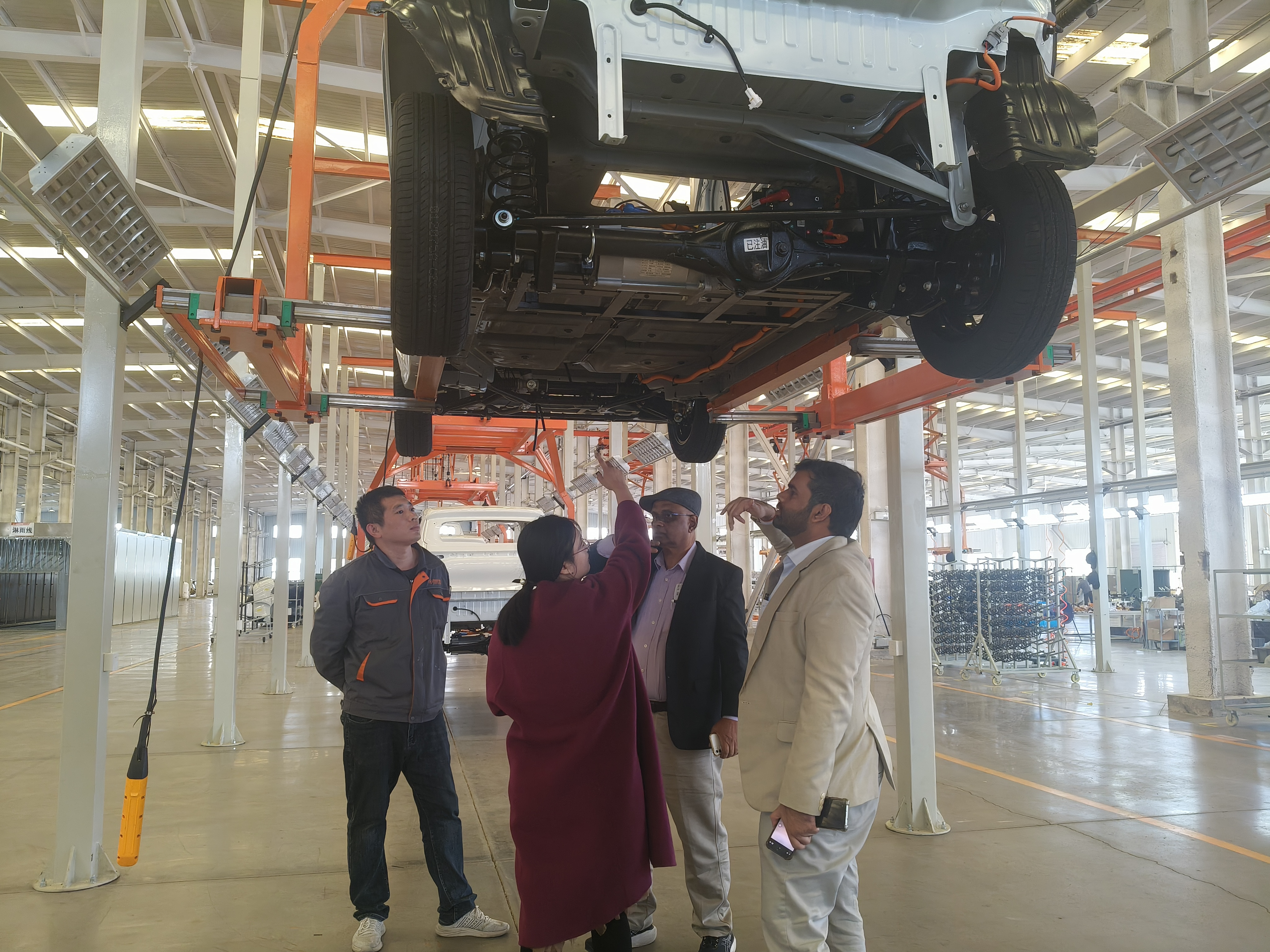
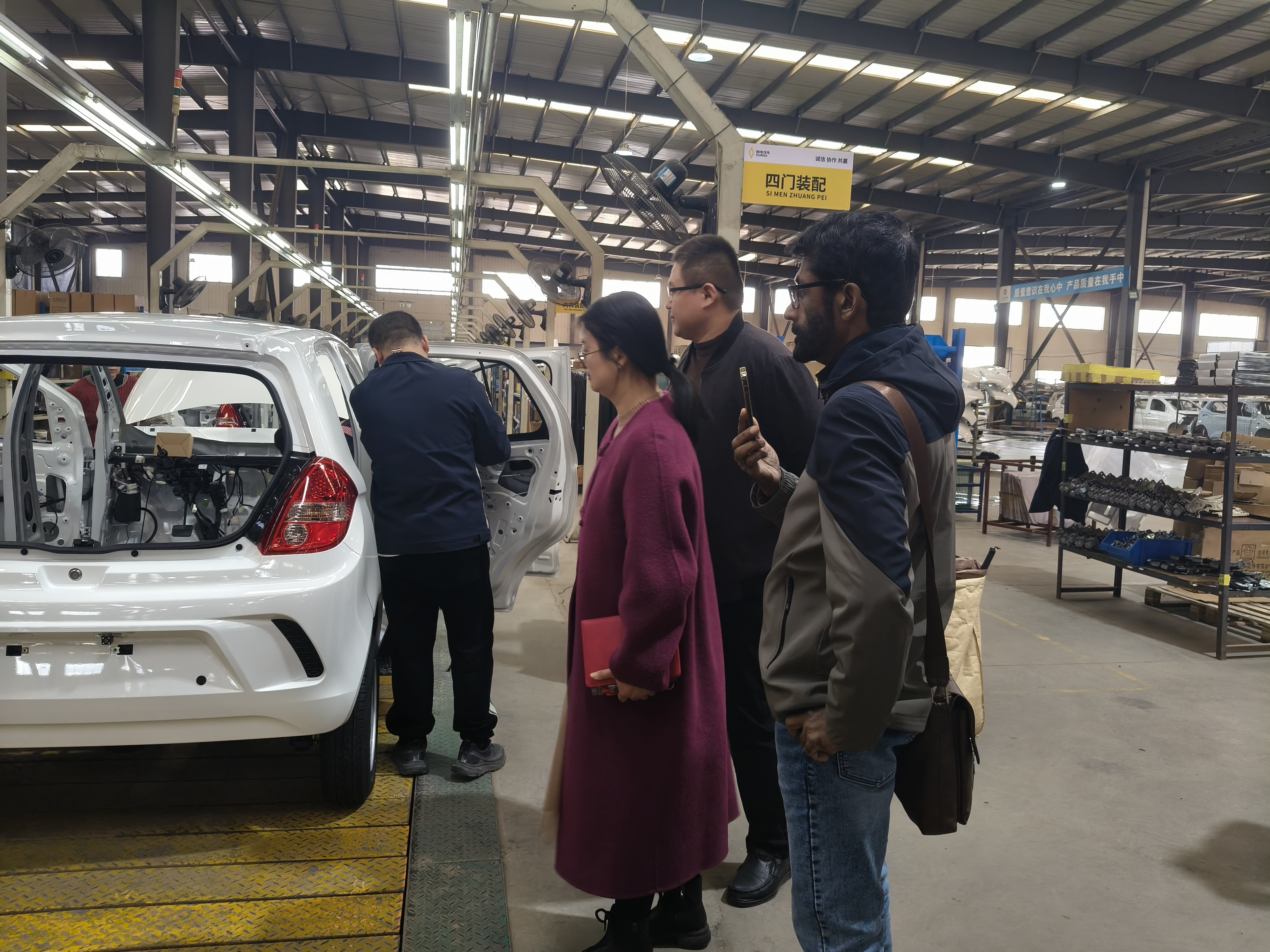
Rooted in China's advanced new energy vehicle industrial cluster, we harness the strength of automated production lines, precision stamping, robotic welding, and state-of-the-art painting systems. Our engineering team conducts rigorous laboratory-level simulation testing—including seven-level rainstorm tests—to verify that all vehicles dispatched to European destinations withstand harsh winter conditions and high-humidity climates.
Ensuring frictionless import, type approvals, and post-sale logistics for Germany B2B fleet buyers.
Importing commercial passenger transport into Germany demands rigorous certification. We work closely with leading inspection houses (such as TÜV SÜD and SGS) to guarantee that our commercial vehicles obtain the necessary CE certificates, e-Mark / ECE certifications, and Certificate of Conformity (CoC) documents required by the Kraftfahrt-Bundesamt (KBA) for road registration.
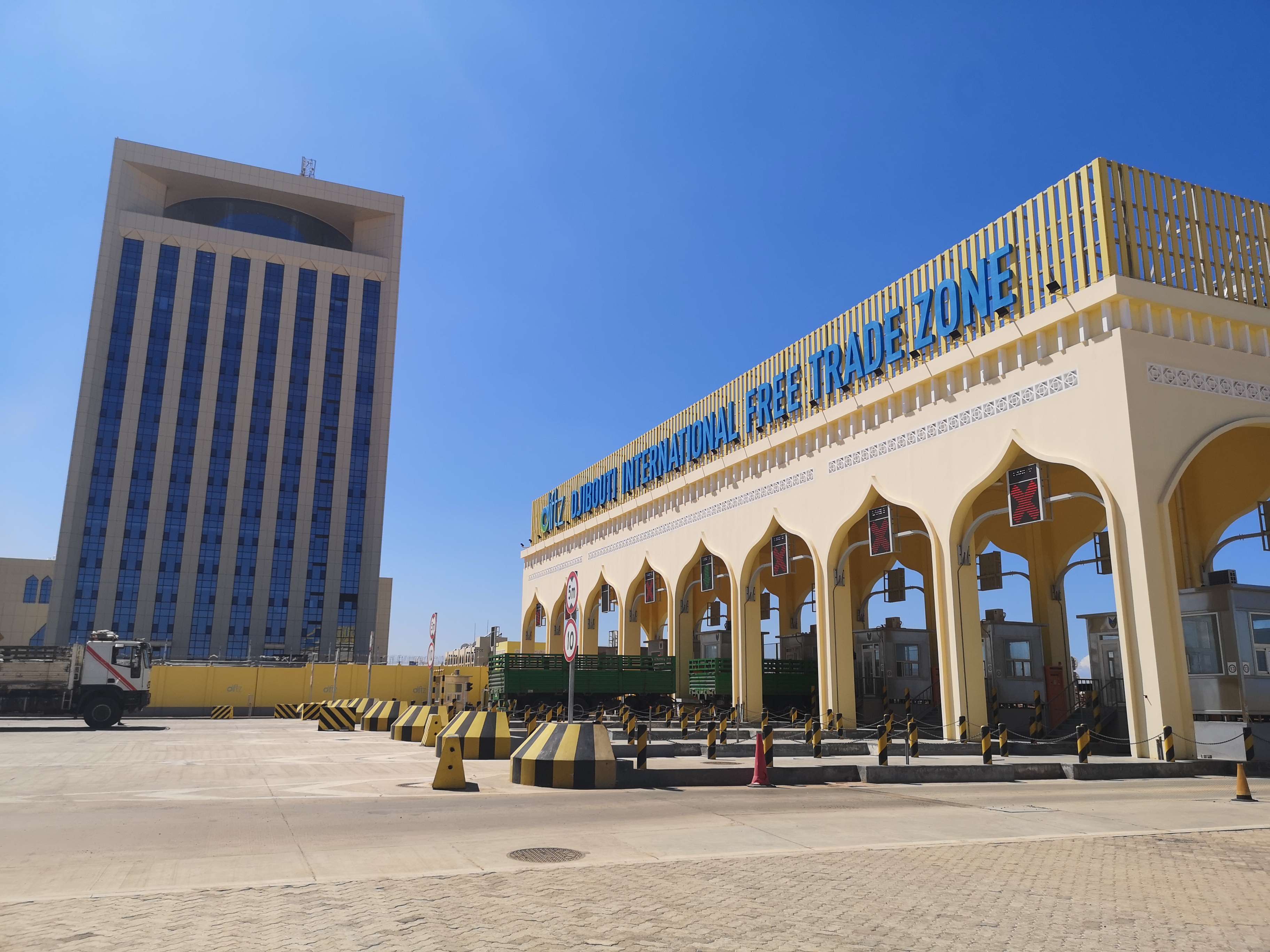
Understanding the critical nature of spares and maintenance, we utilize our robust cross-border infrastructure, including our landmark Djibouti Overseas Warehouse & Cross-border E-commerce Exhibition and Sales Center (established in 2023 in the East Africa International Free Trade Zone). This network forms a blueprint for our global logistical support system, ensuring rapid, one-stop delivery of key mechanical, electrical, and structural components across international ports directly into Central Europe.
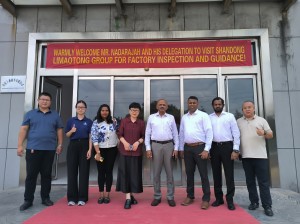
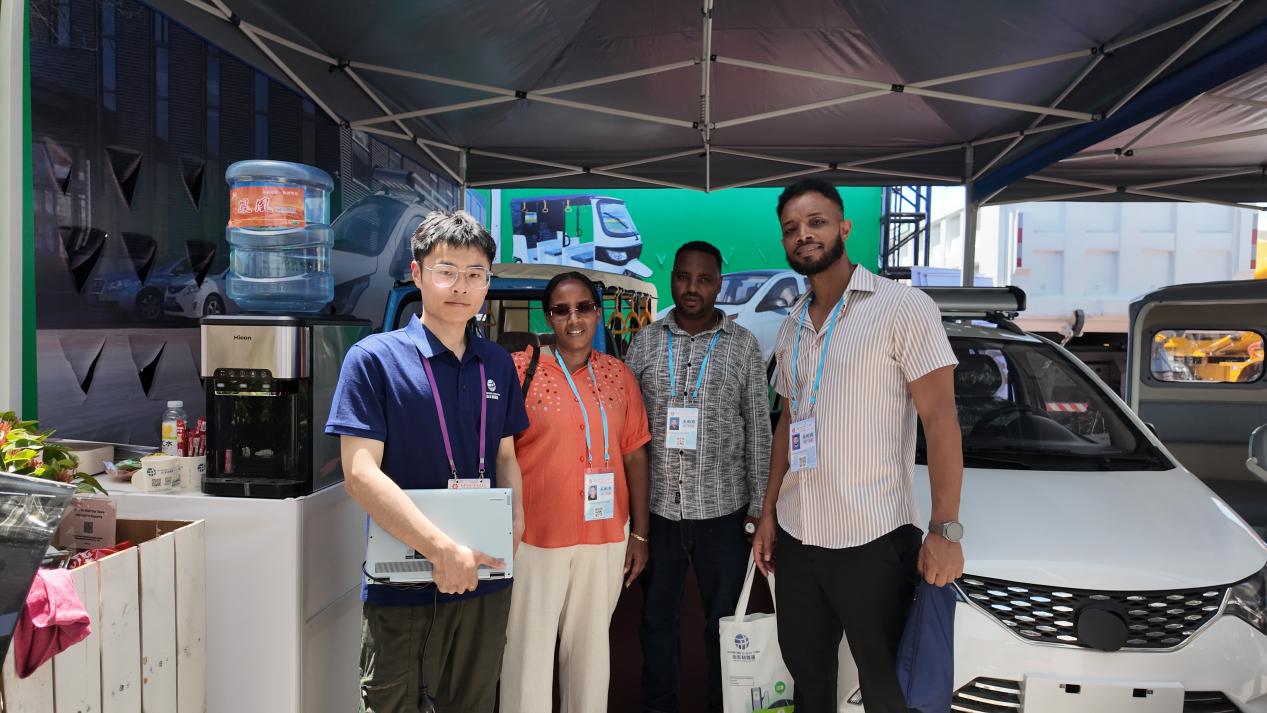
Our global blueprint: Djibouti Cross-border E-commerce Exhibition and Sales Center (Est. 2023)
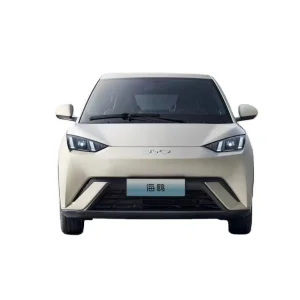
Explore the full scope of our customizable zero-emission catalog including urban cars, electric cargo bikes, transit trikes, and support vehicles.
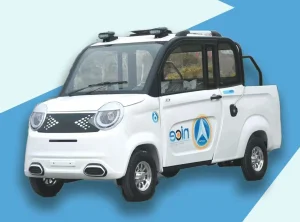
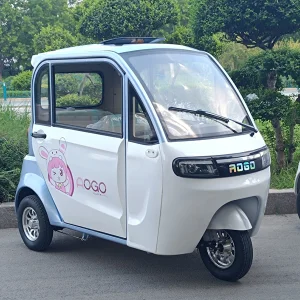
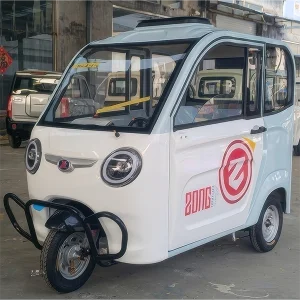
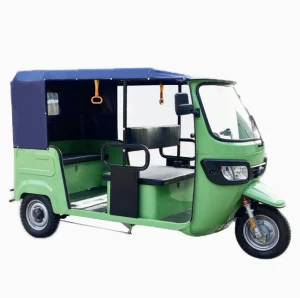
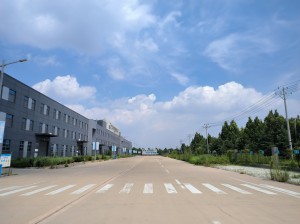
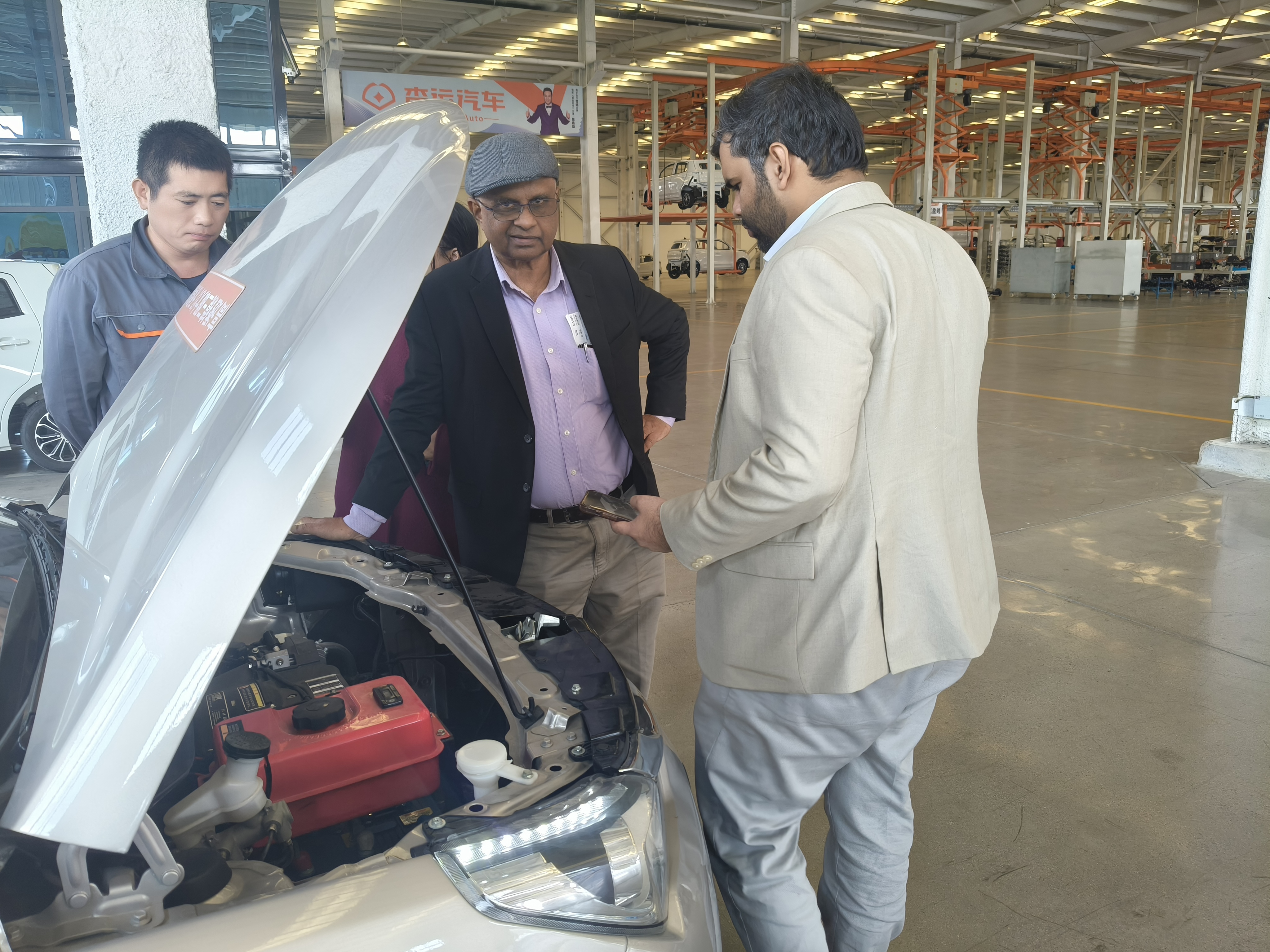
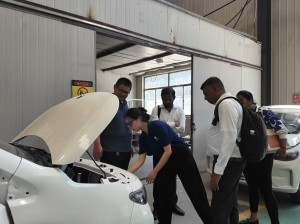
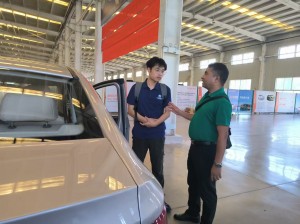
Deep verification of our design centers, fully robotic paint shops, production lines, and physical factory testing audits.


Critical engineering and logistics questions answered for fleet directors, procurement officers, and resort operations managers.
Our technical engineering department provides all necessary paperwork, including CE certifications, safety data sheets, and Certificate of Conformity (CoC) files. For public road registration in Germany, we assist you in preparing the vehicle dossier to secure local Kraftfahrt-Bundesamt (KBA) approvals and TÜV technical inspections.
Our electric vehicles feature advanced Battery Management Systems (BMS) with built-in thermal insulation and integrated liquid pre-heating circuits. This preserves up to 85% of battery operating efficiency and range even when temperatures fall below freezing in regions like the Alps or the Baltic coast.
For standard configuration sightseeing buses and passenger tricycles, production takes approximately 30 to 45 days. Customized fleet solutions (incorporating local branding, custom seating, special passenger steps, or local charger integrations) require 45 to 60 days. Shipping from our primary smart manufacturing facility in China to Hamburg, Rotterdam, or Bremen ports typically takes 30 to 35 days.
We offer a 1-year to 3-year comprehensive warranty on critical system components, including the electric traction motor, battery pack, and control unit. Spare parts are dispatched from our key international hubs (including our specialized overseas hubs modeled after the Djibouti Free Trade Zone logistics system) to ensure minimal fleet downtime.
Yes. All export models destined for the German and EU markets can be built with standard Type 2 or CCS Combo 2 charging receptacles, matching standard public and commercial AC/DC charging stations across Central Europe.
 Limaotong