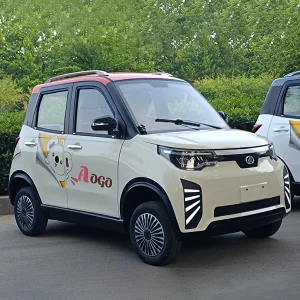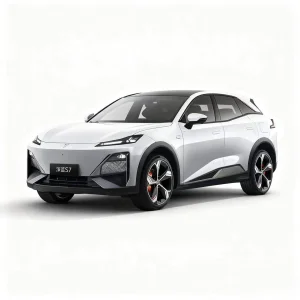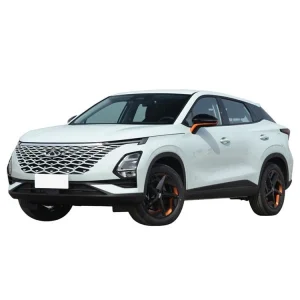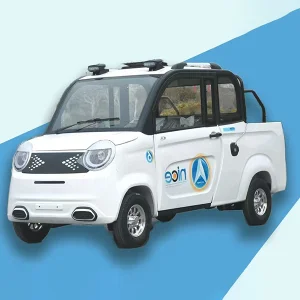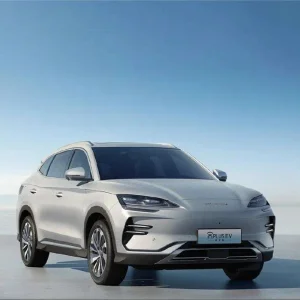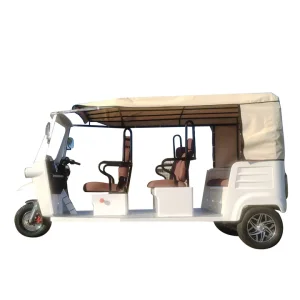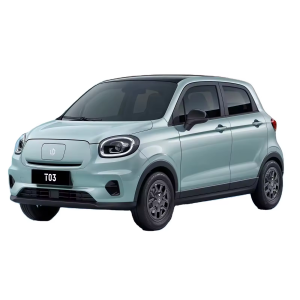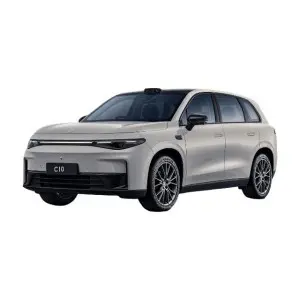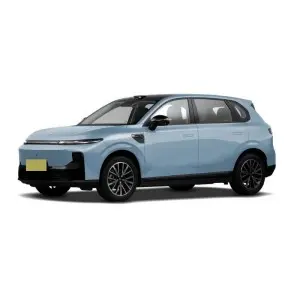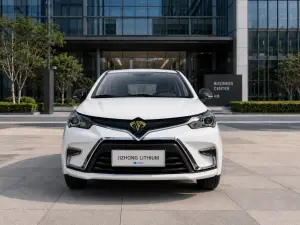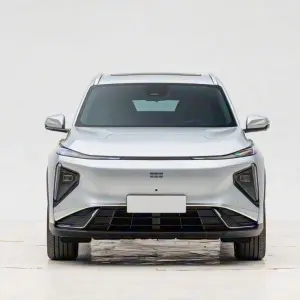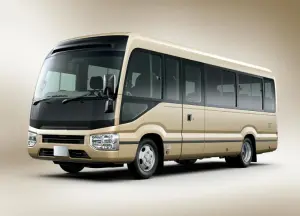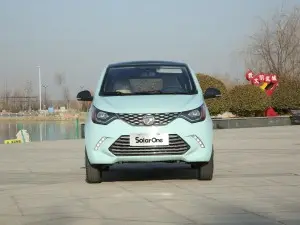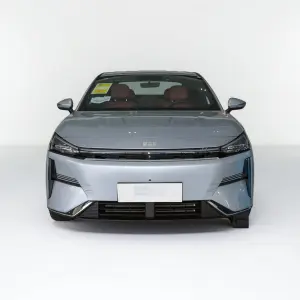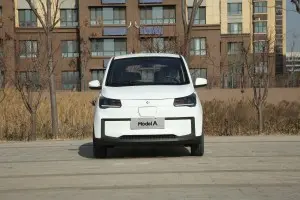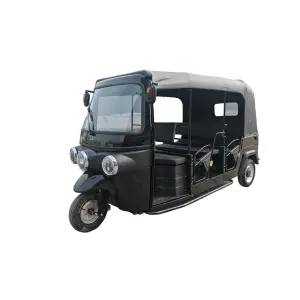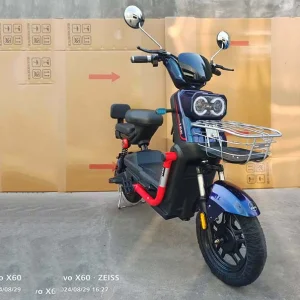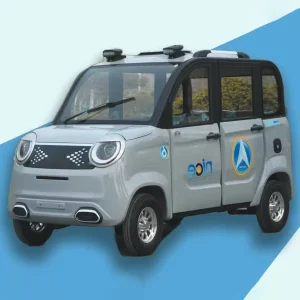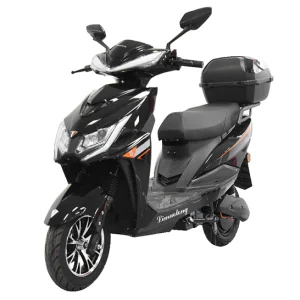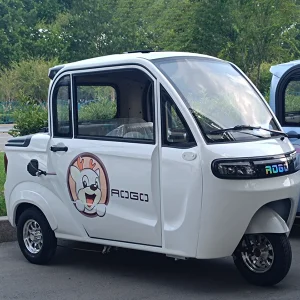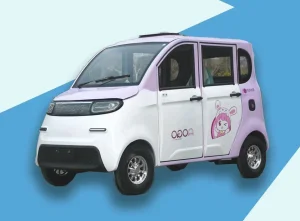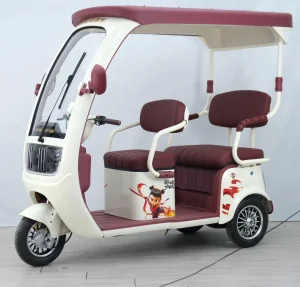
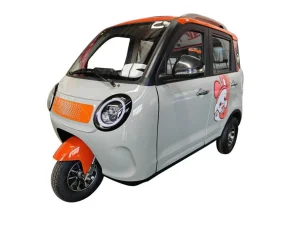
In the wake of strict global carbon regulations and localized energy crises, the integration of on-board solar harvesting arrays into electric micro-mobility models marks a key transition in zero-emission transport. Standard Electric Vehicles (EVs) rely entirely on grid charging systems, but Solar-Powered Electric Vehicles (S-EVs) capture ambient solar radiation, converting photons into direct-current (DC) power to recharge the traction battery system during transit and static storage. This offsets grid power demands and extends operational range.
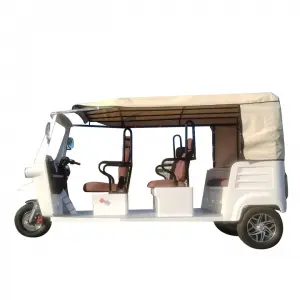
Advanced commercial and passenger S-EV models integrate high-efficiency monocrystalline PV panels directly into vehicle body panels, including hoods, roofs, and side panels. By utilizing high-efficiency Maximum Power Point Tracking (MPPT) charge controllers, these configurations balance power output even in partial shade. Solar micro-mobility vehicles, like passenger electric tricycles, light utility trucks, and mini-cars, offer a scalable solution to the challenges of last-mile logistics, urban transit, and off-grid mobility.
Our high-quality vehicles support urban transit and logistics networks worldwide.
MORE DETAILSLocalized assembly ensures steady distribution, custom configurations, and quick deliveries.
MORE DETAILSProviding reliable, clean mobility solutions for both domestic and commercial fleets.
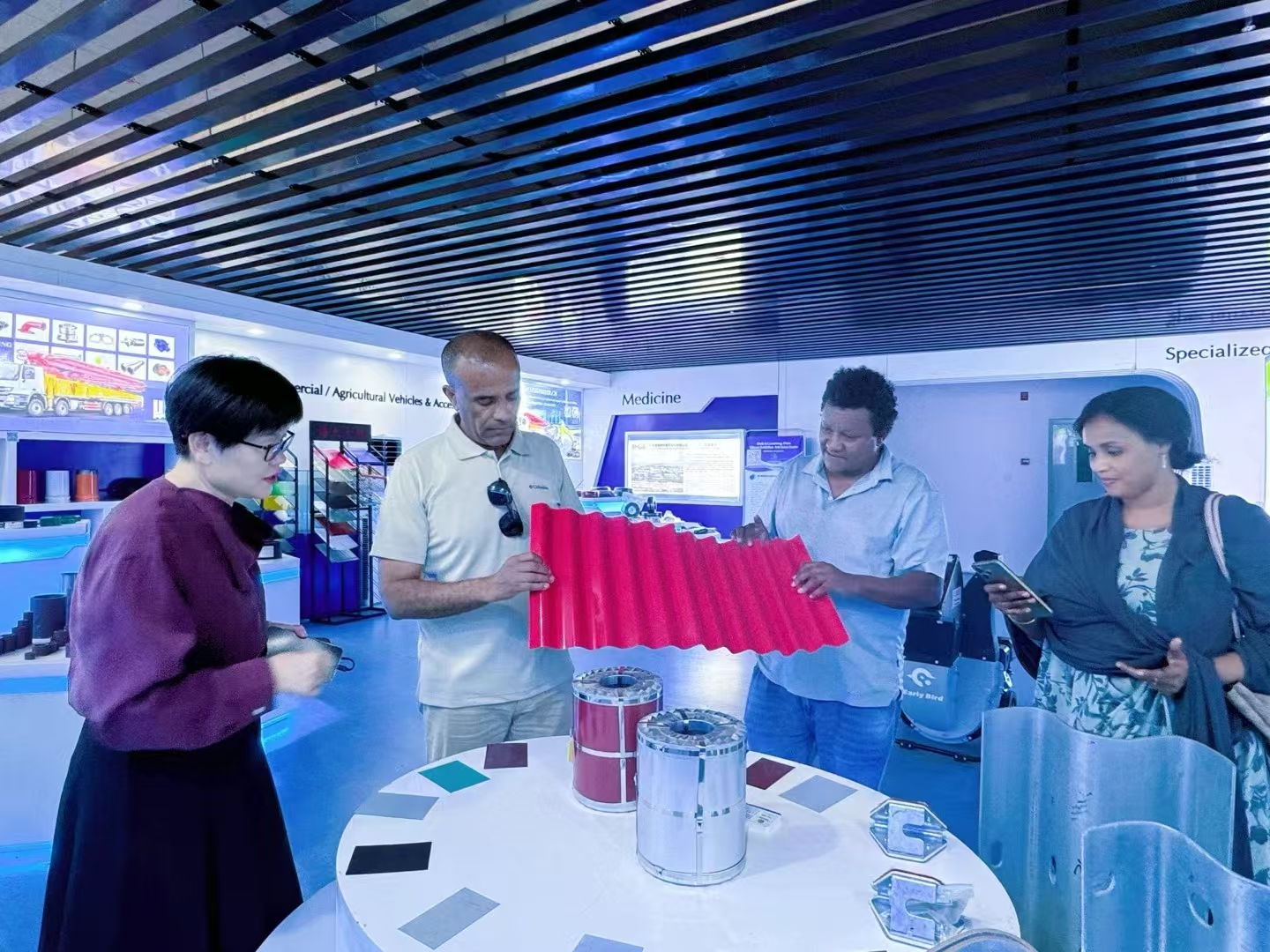
MORE DETAILSSHANDONG LI MAO TONG GROUP is a global supplier of high-quality products, with a complete industrial chain, specialized in research, manufacture, and international sales of motor tricycles, cargo tricycles, and electric mini cars. Since our founding, our vehicles have served over 120 countries and regions worldwide, with our brand reaching more than 20 million households globally. Supported by 8 overseas production bases, we provide comprehensive vehicle solutions to markets around the world.
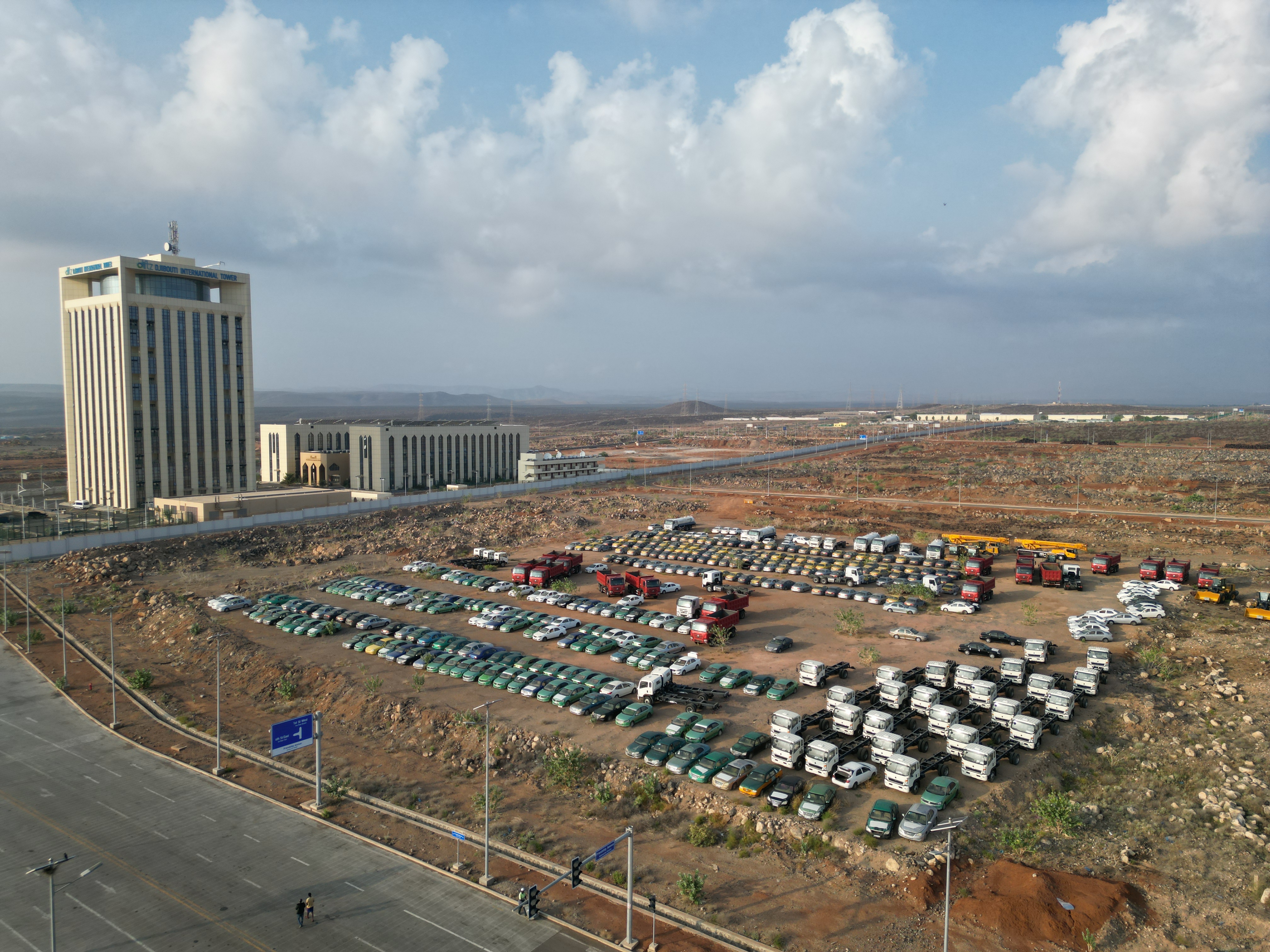
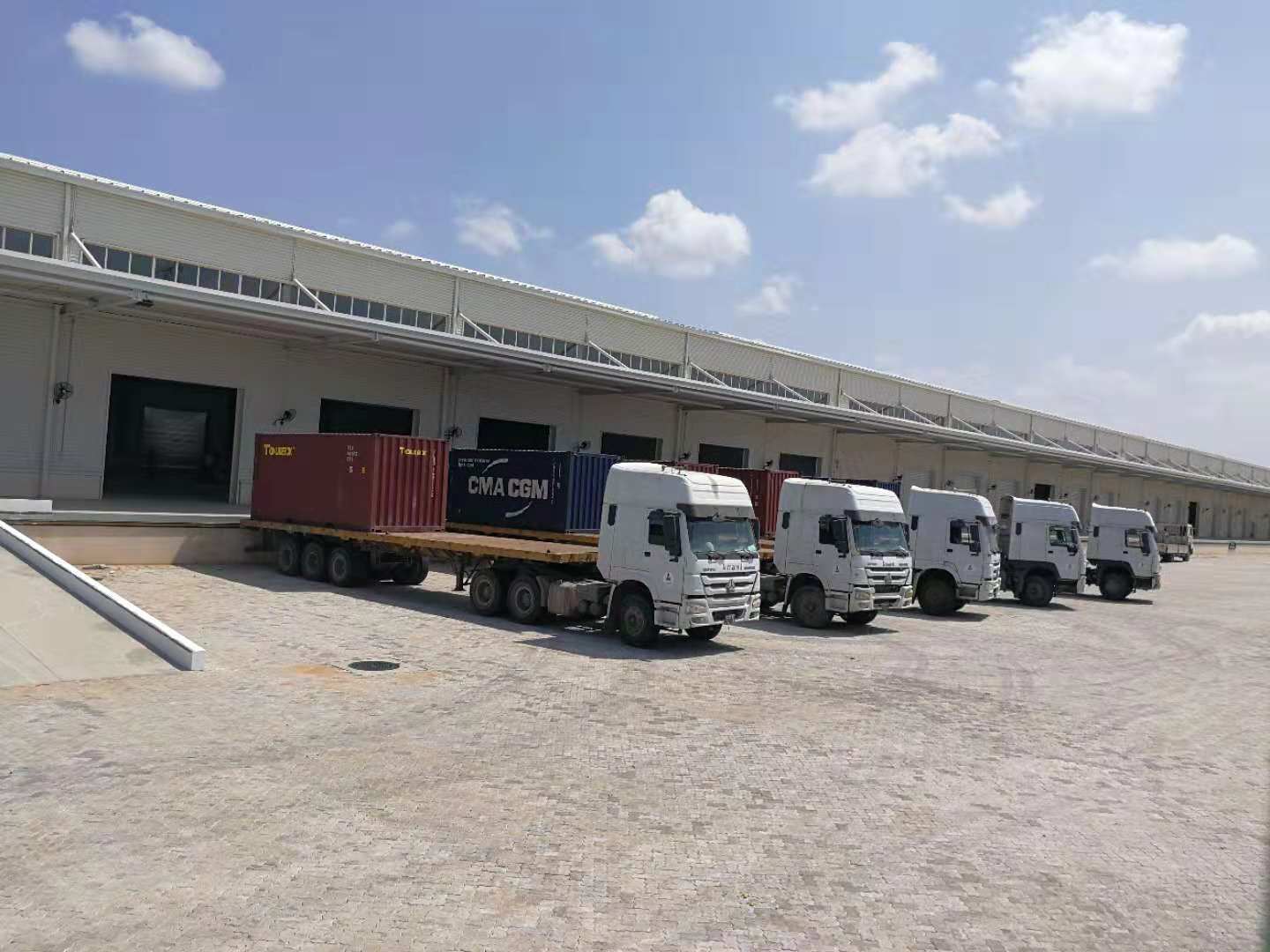
We prioritize after-sales support and have established overseas warehouses in Djibouti, staffed by a professional service team and fully equipped maintenance facilities. If you encounter any challenges while operating our products, our support team will respond quickly to provide timely and effective solutions.
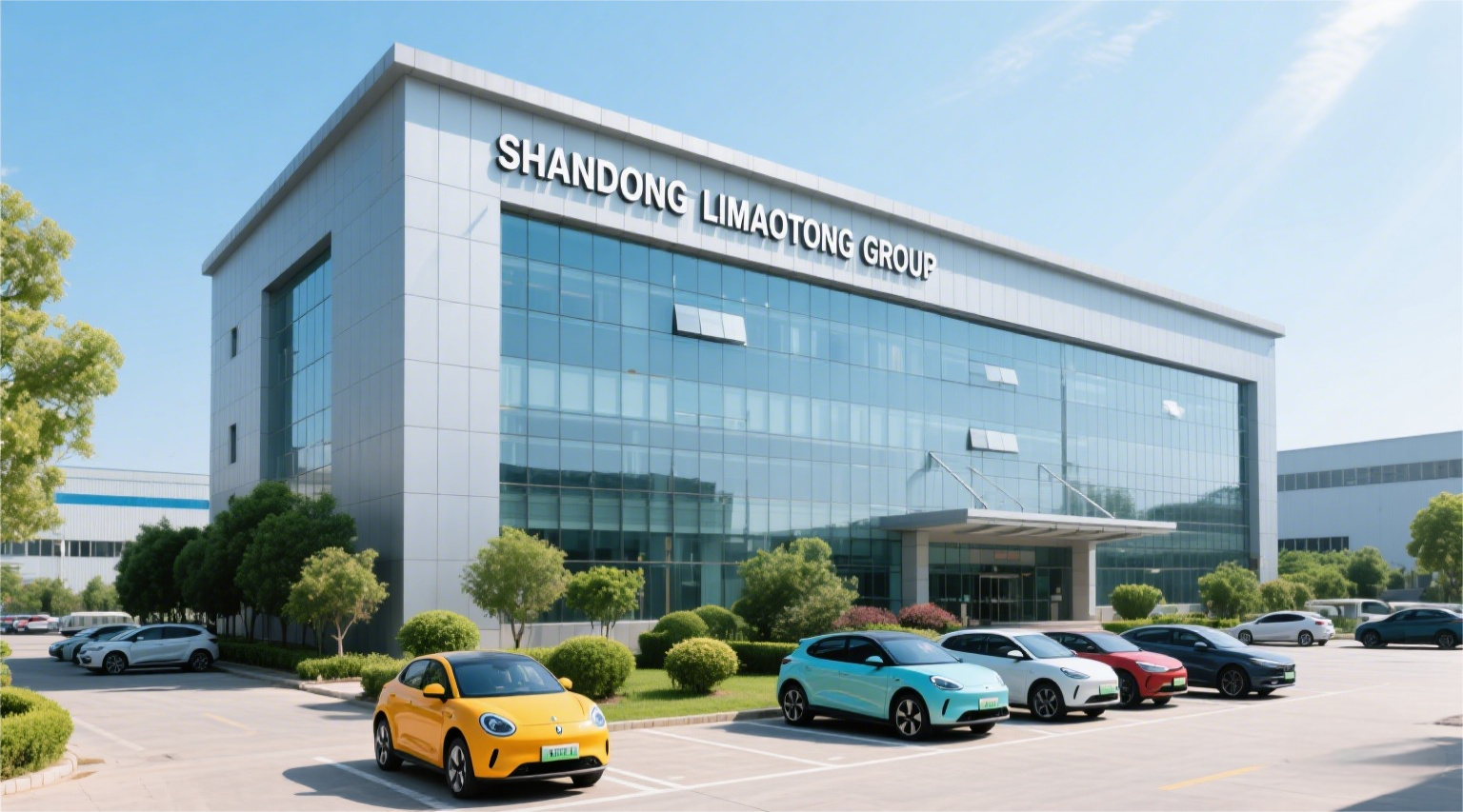
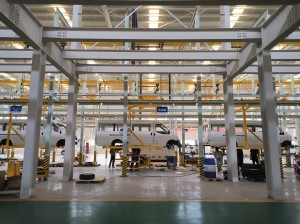
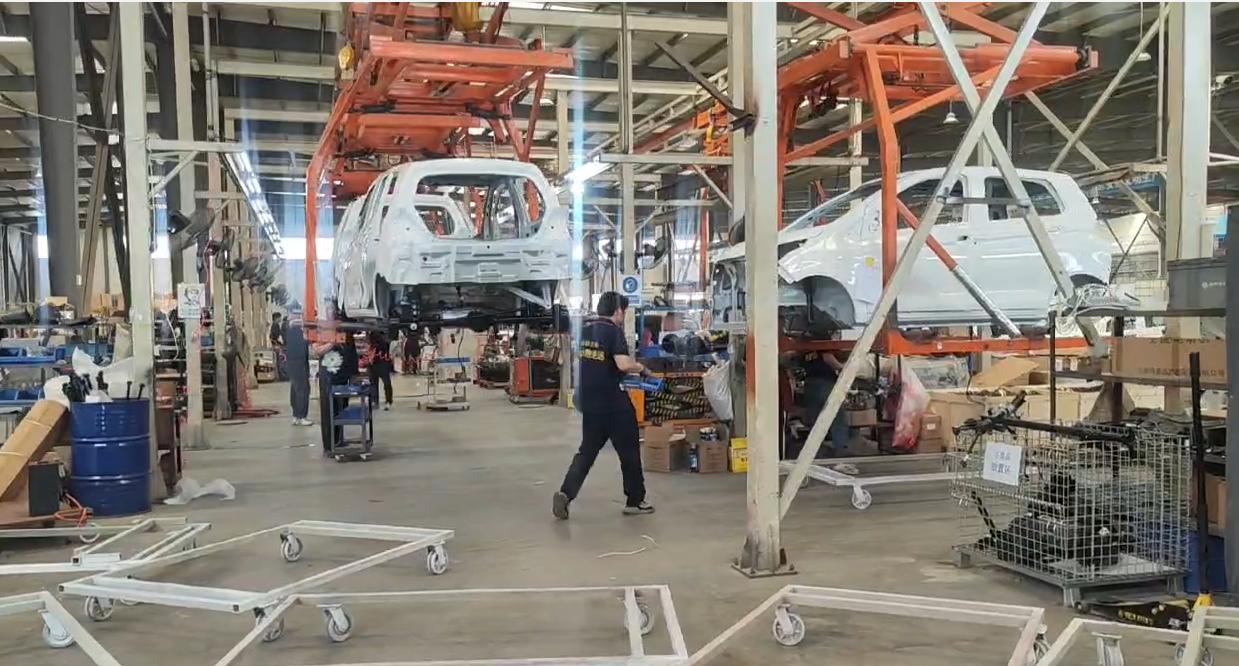
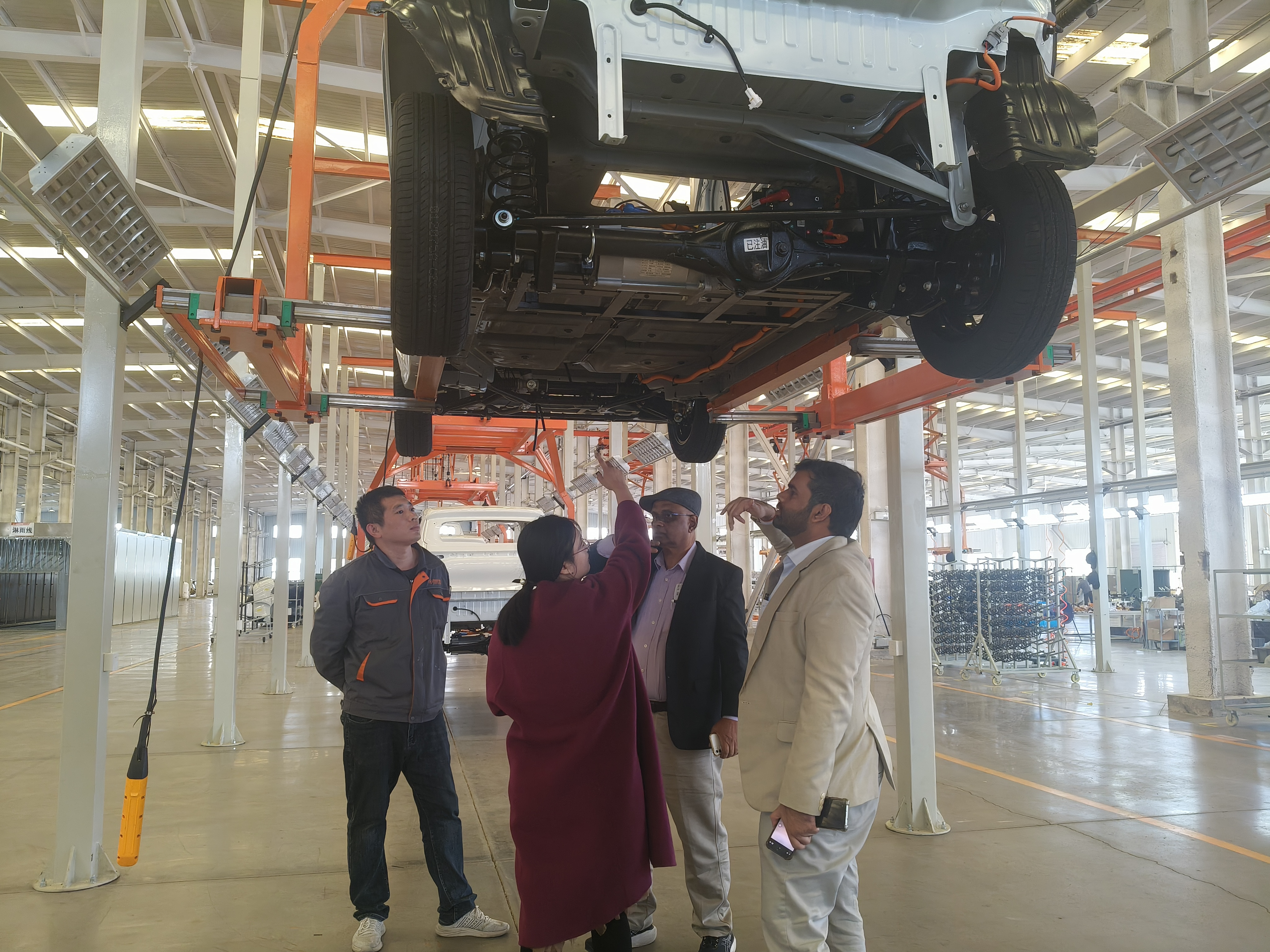
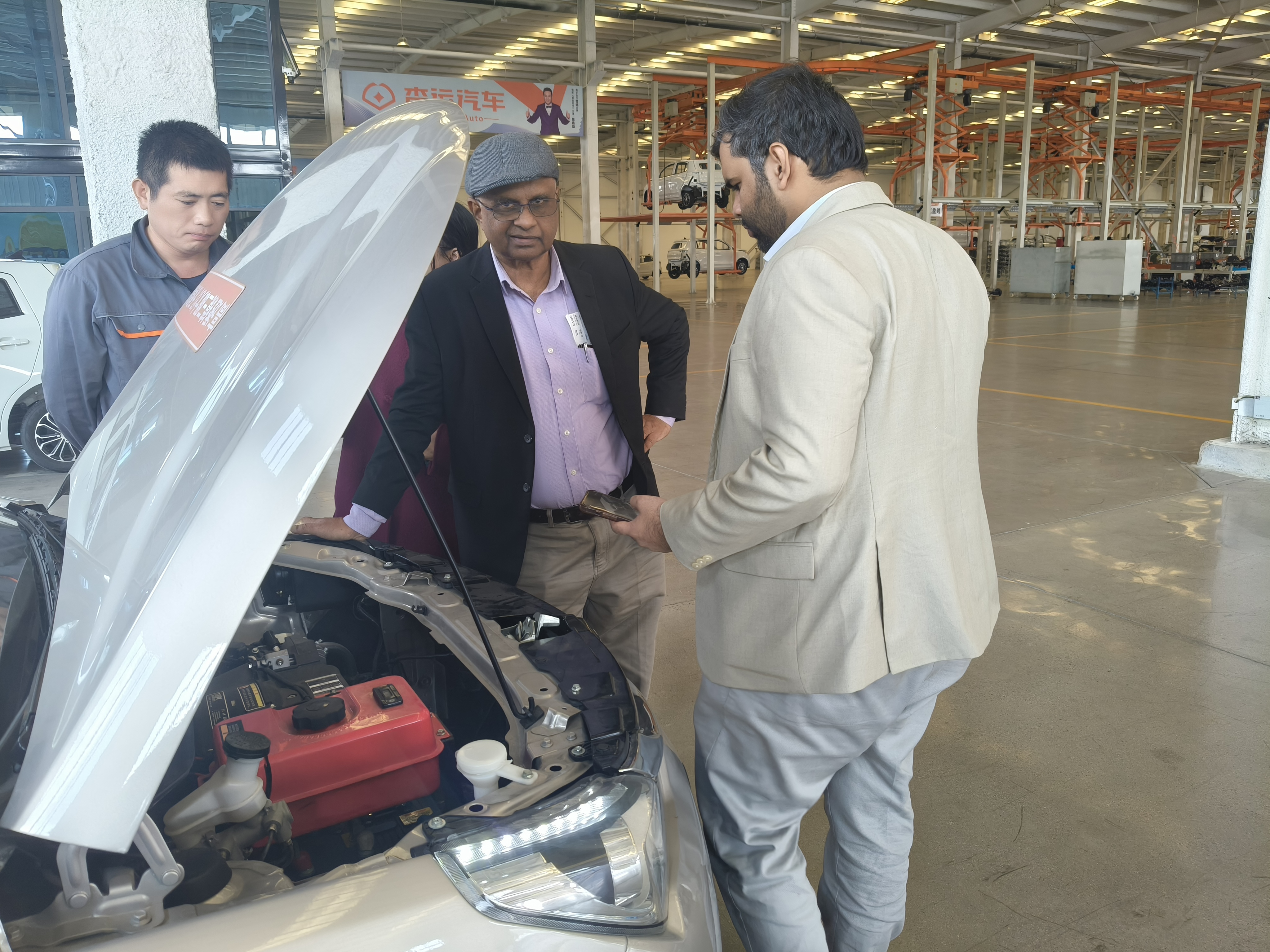
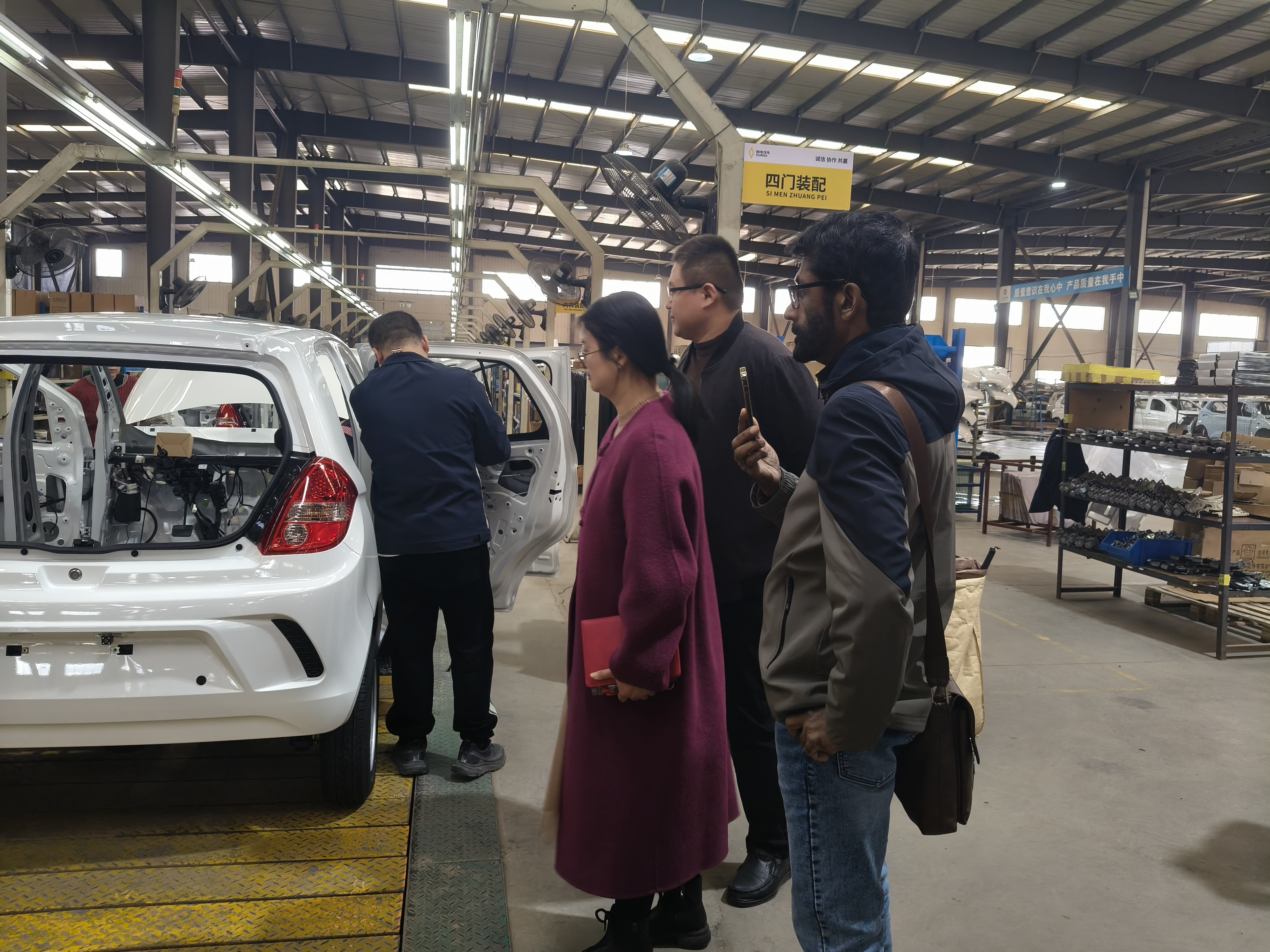
Rooted in China's new energy vehicle industry, Limaotong delivers reliable electric mobility solutions to users globally. We operate a modern, intelligent manufacturing base equipped with automated production lines and digital quality control systems, ensuring each vehicle meets international craftsmanship standards. Our focus on safety runs through every phase of development: battery systems are subjected to safety testing that exceeds standard requirements, and our structural designs aim for top safety ratings to protect users under all conditions.
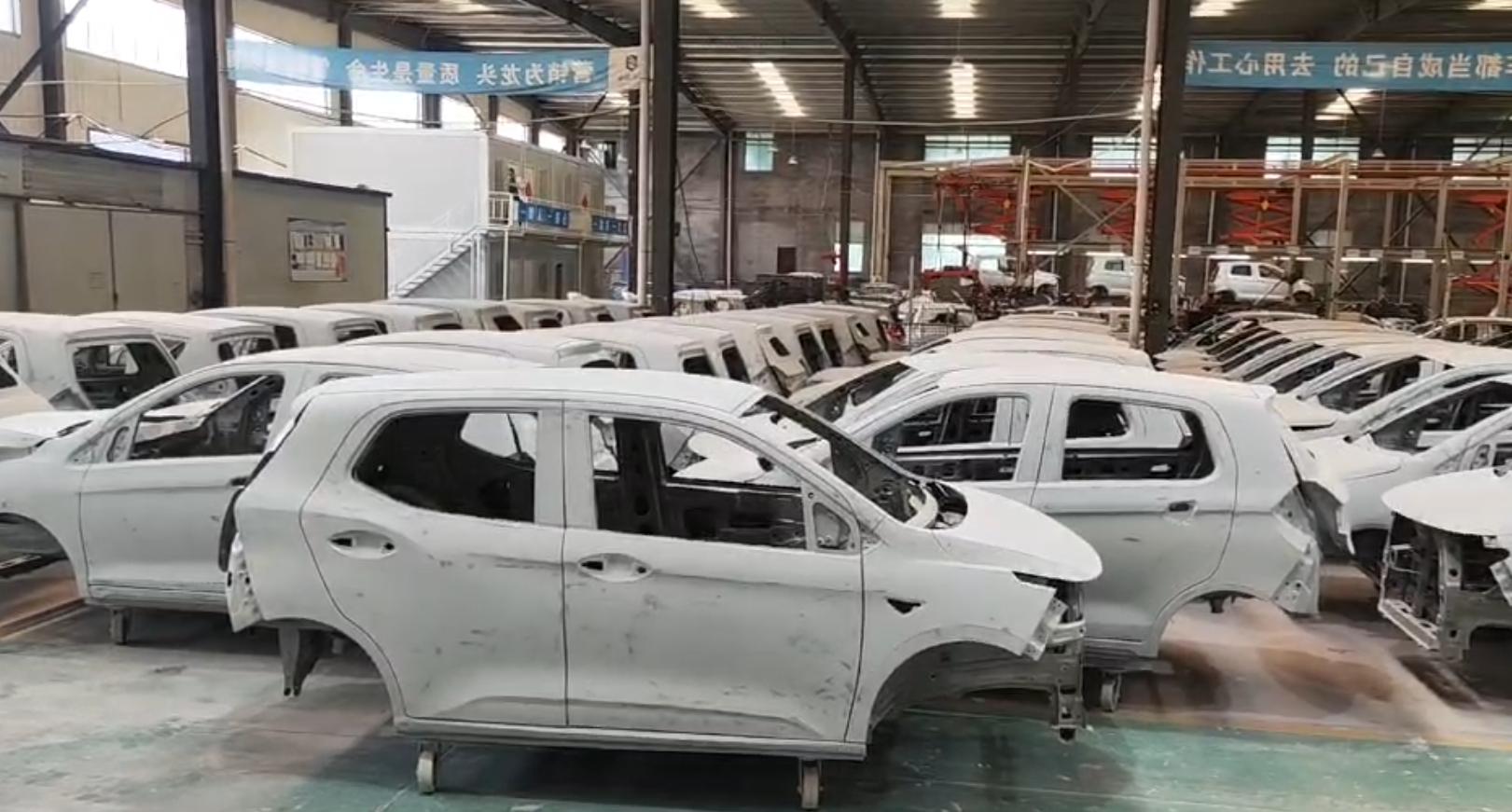
Our core competitiveness is driven by continuous R&D and technology updates. From one-piece stamped steel frames and millimeter-precision cutting to automated robotic painting systems, every stage is managed by specialized technical teams. Our vehicles are built to pass challenging laboratory testing, including level 7 rainstorm simulations, to handle demanding operational environments around the world.
Integrating photovoltaic systems into light electric vehicles involves resolving key engineering trade-offs between solar panel weight, mechanical vibration resistance, and power conversion efficiency. In commercial applications, using thin-film or monocrystalline solar arrays yields distinct benefits:
China's leadership in the electric and solar-assisted vehicle industries is supported by an integrated industrial ecosystem. Key elements of this manufacturing efficiency include:
1. Vertically Integrated Components Cluster: China produces a large share of the world's solar cells, electric motors, traction controllers, and battery management systems. This proximity of component manufacturers minimizes transit times, lowers assembly costs, and supports ongoing design refinements.
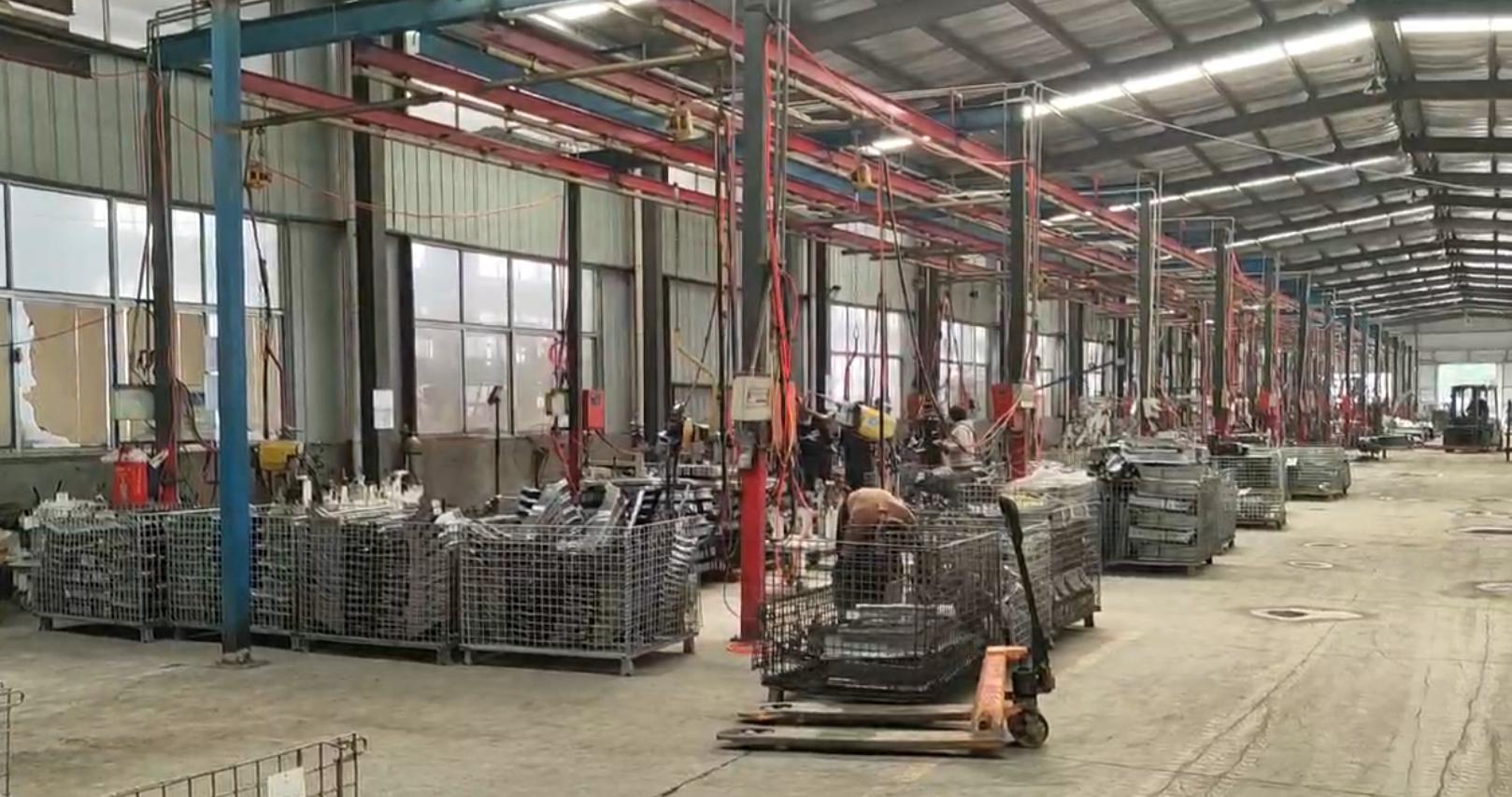
2. Advanced Assembly Robotics: Automated frame welding, robotic body painting, and precise CNC cutting ensure consistent vehicle quality. Using specialized manufacturing lines reduces human error, ensuring structural consistency across large production volumes.
3. Comprehensive Testing Protocols: Our manufacturing processes include testing and validation steps, such as high-pressure water ingress tests, simulated load run times, battery cycle stress tests, and automated calibration. This focus on validation ensures every unit meets the safety and durability standards expected by global commercial importers.
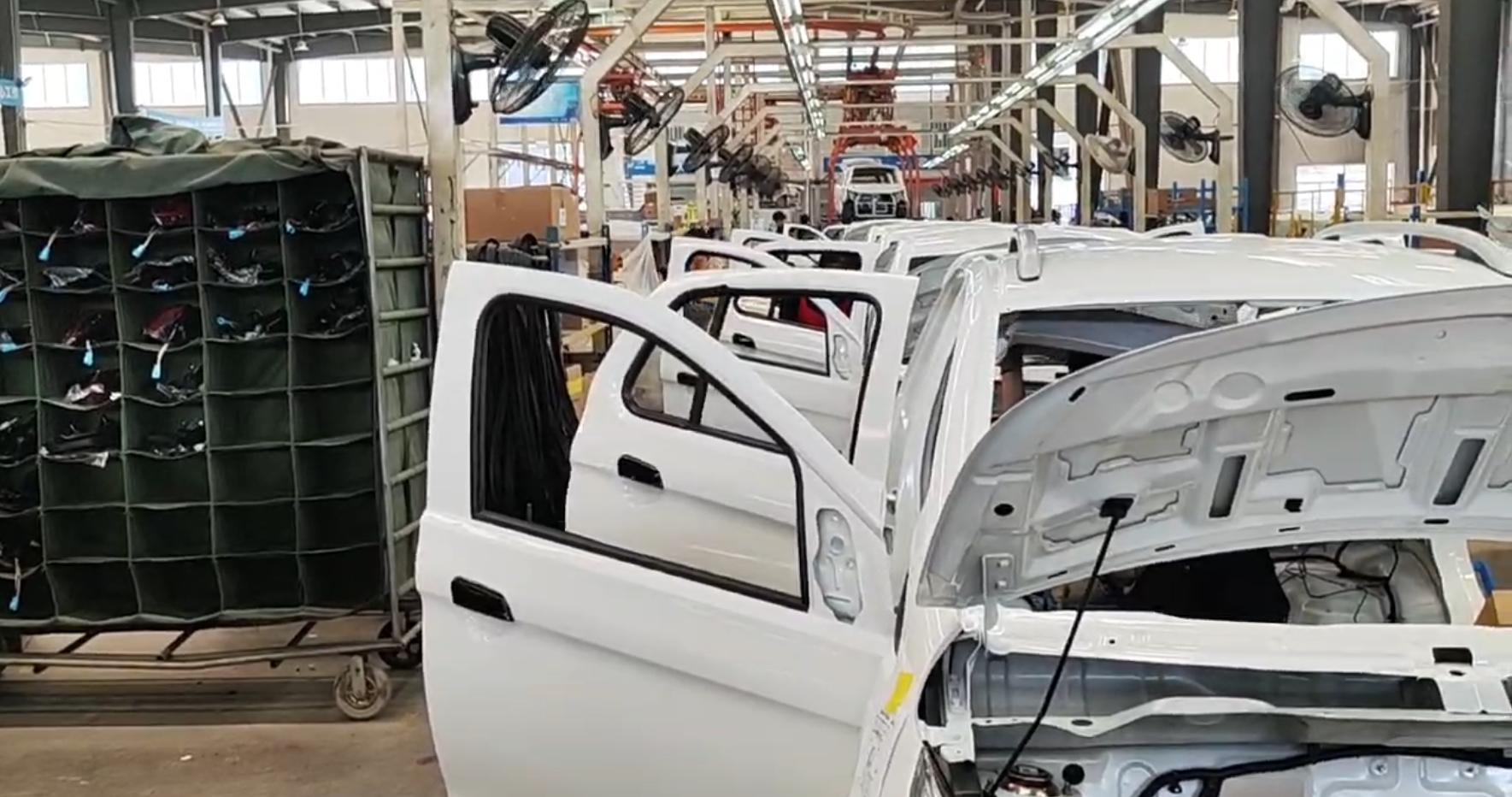
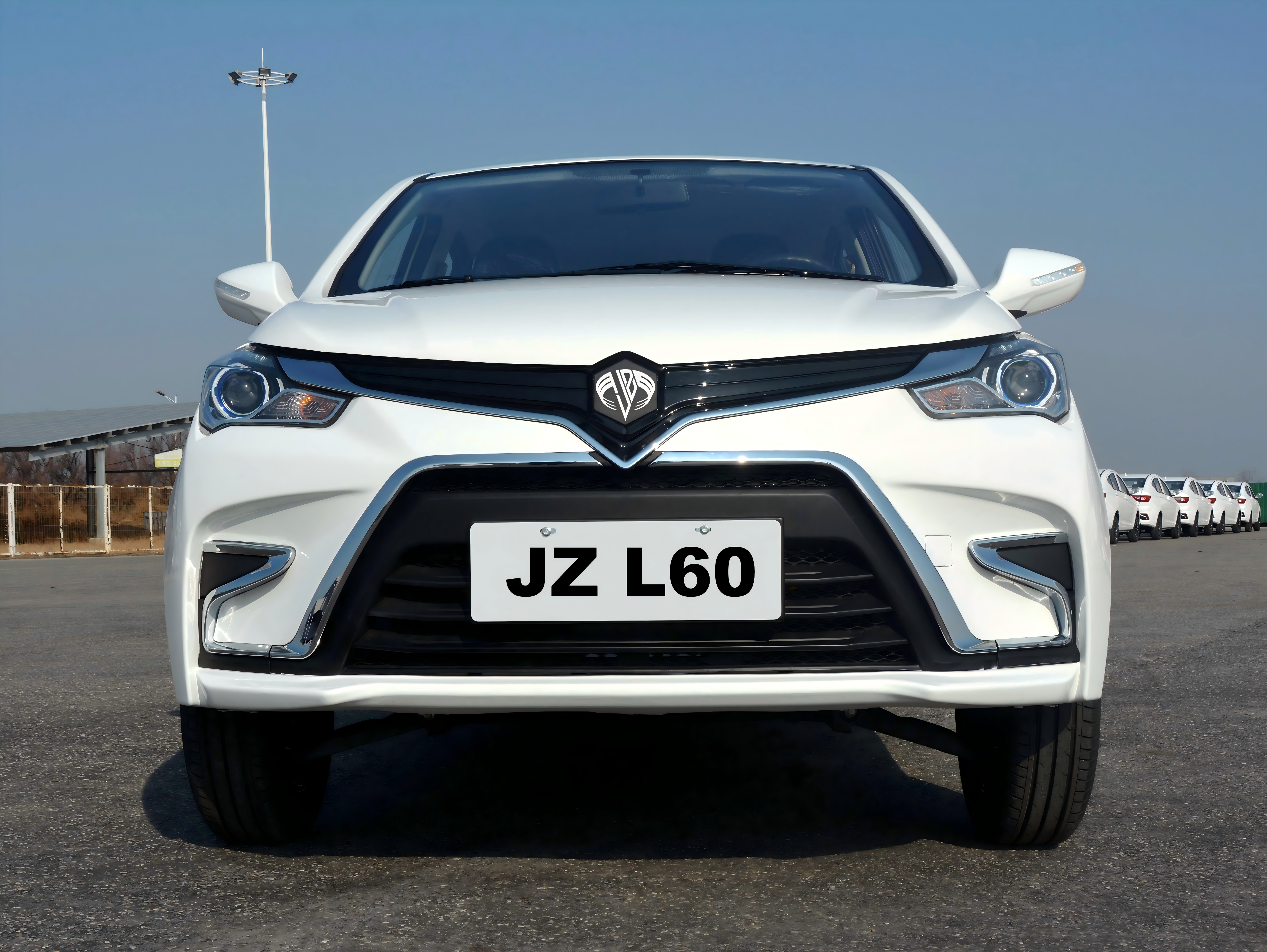
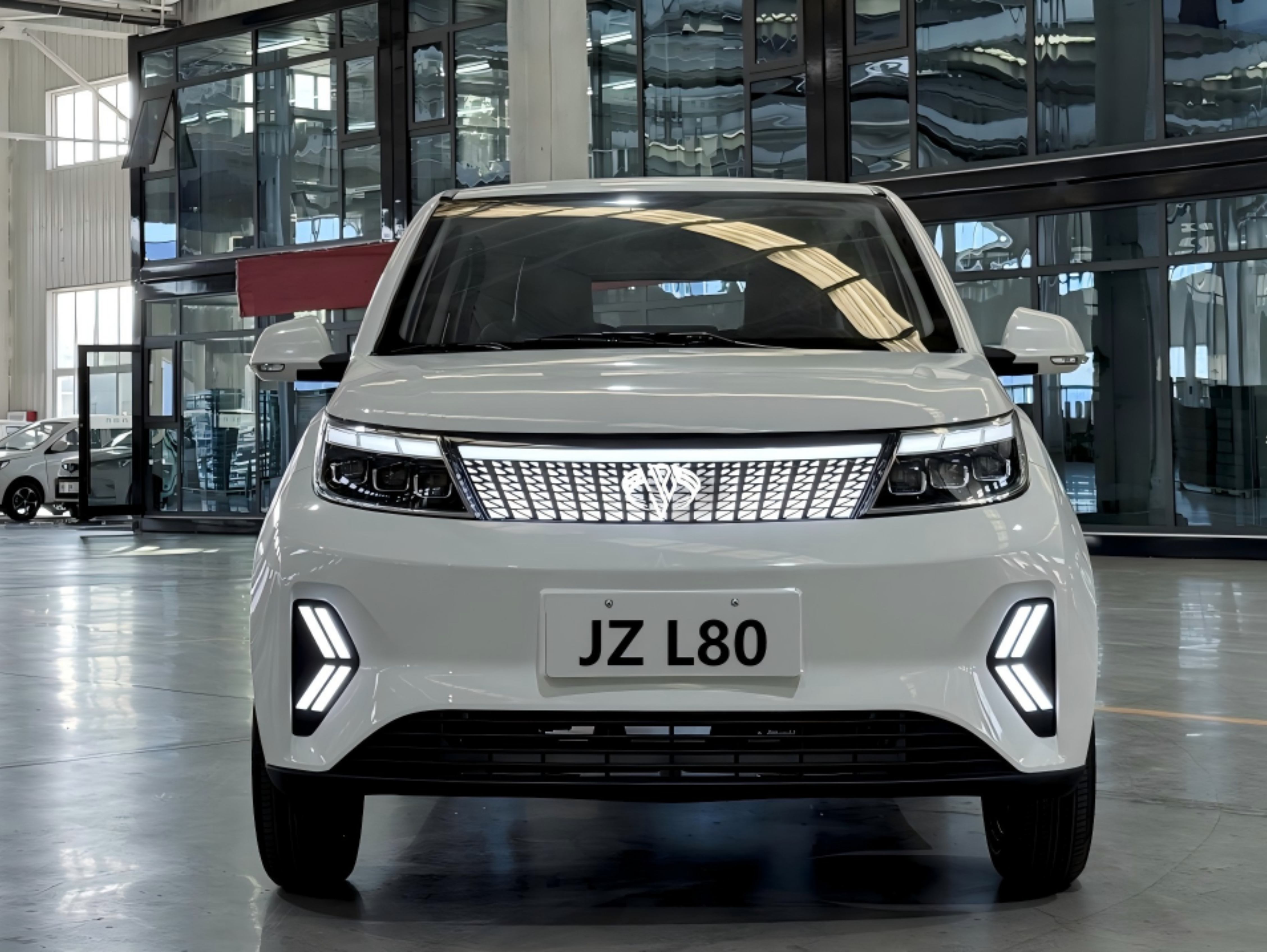
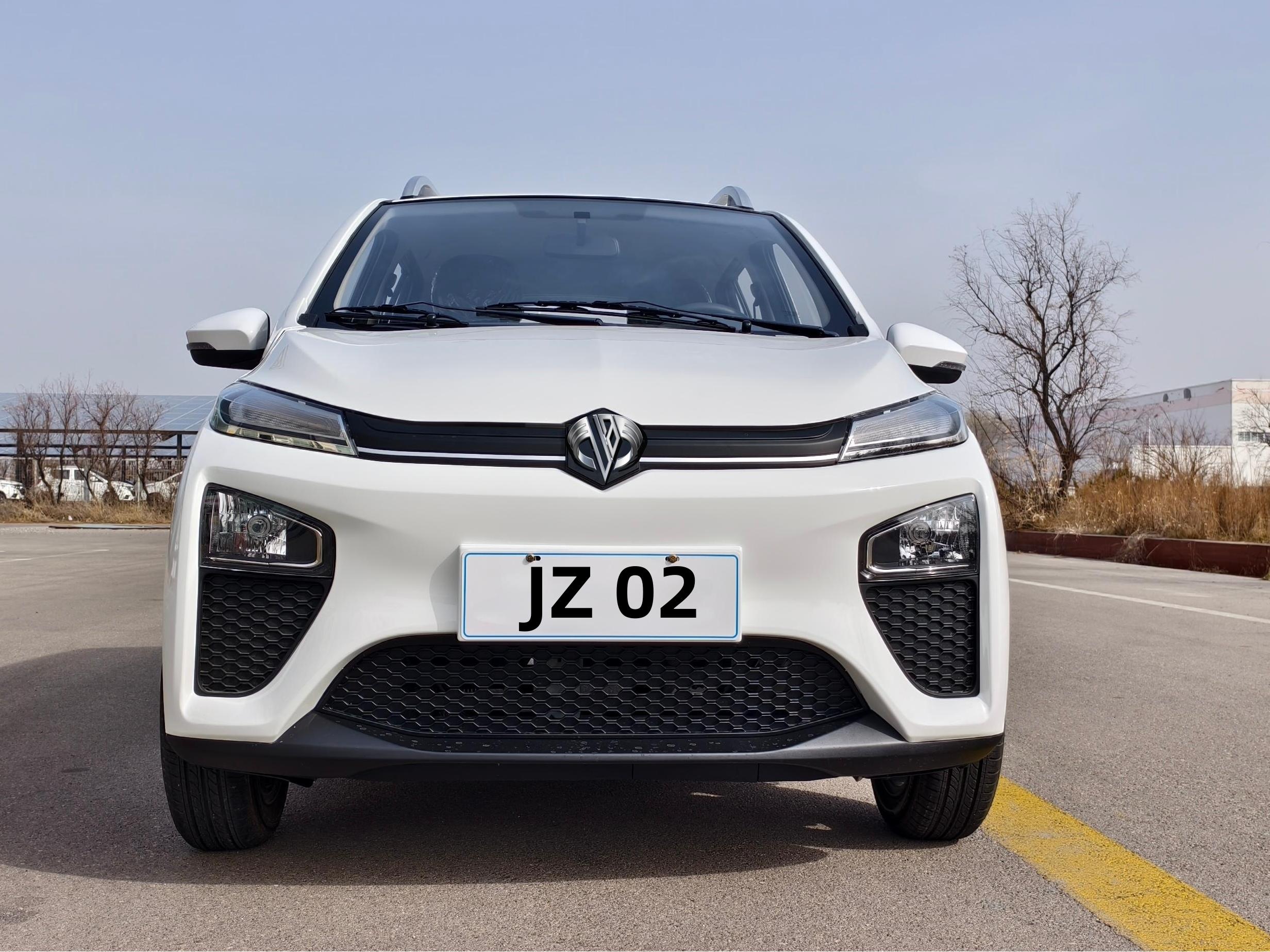
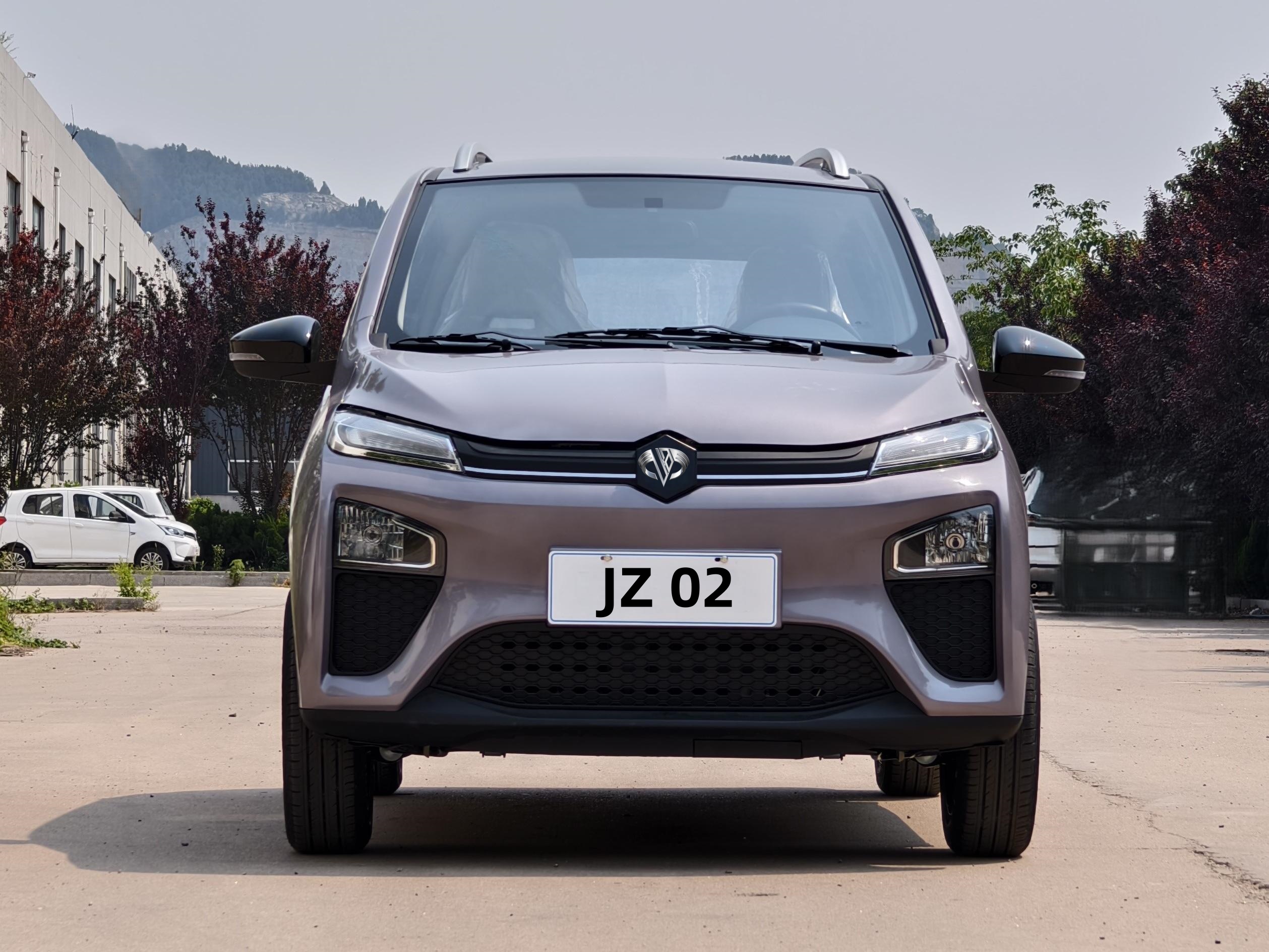
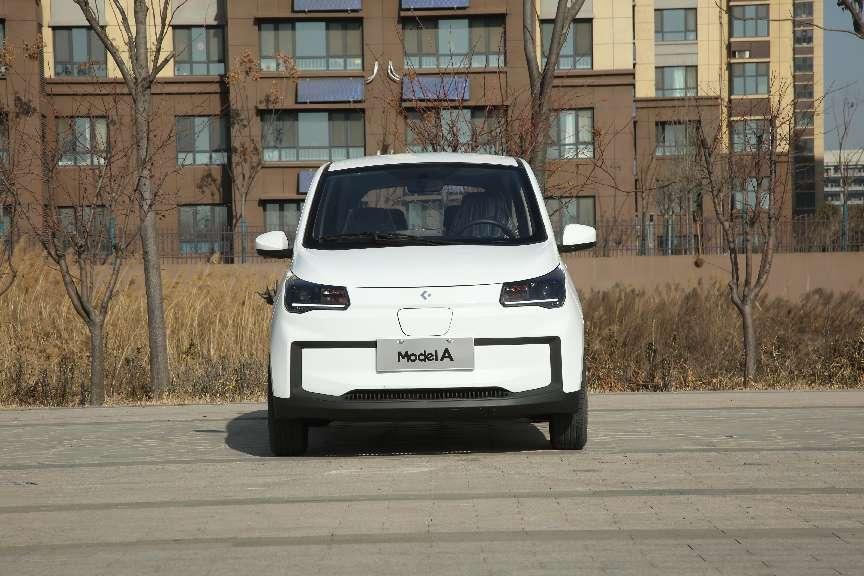
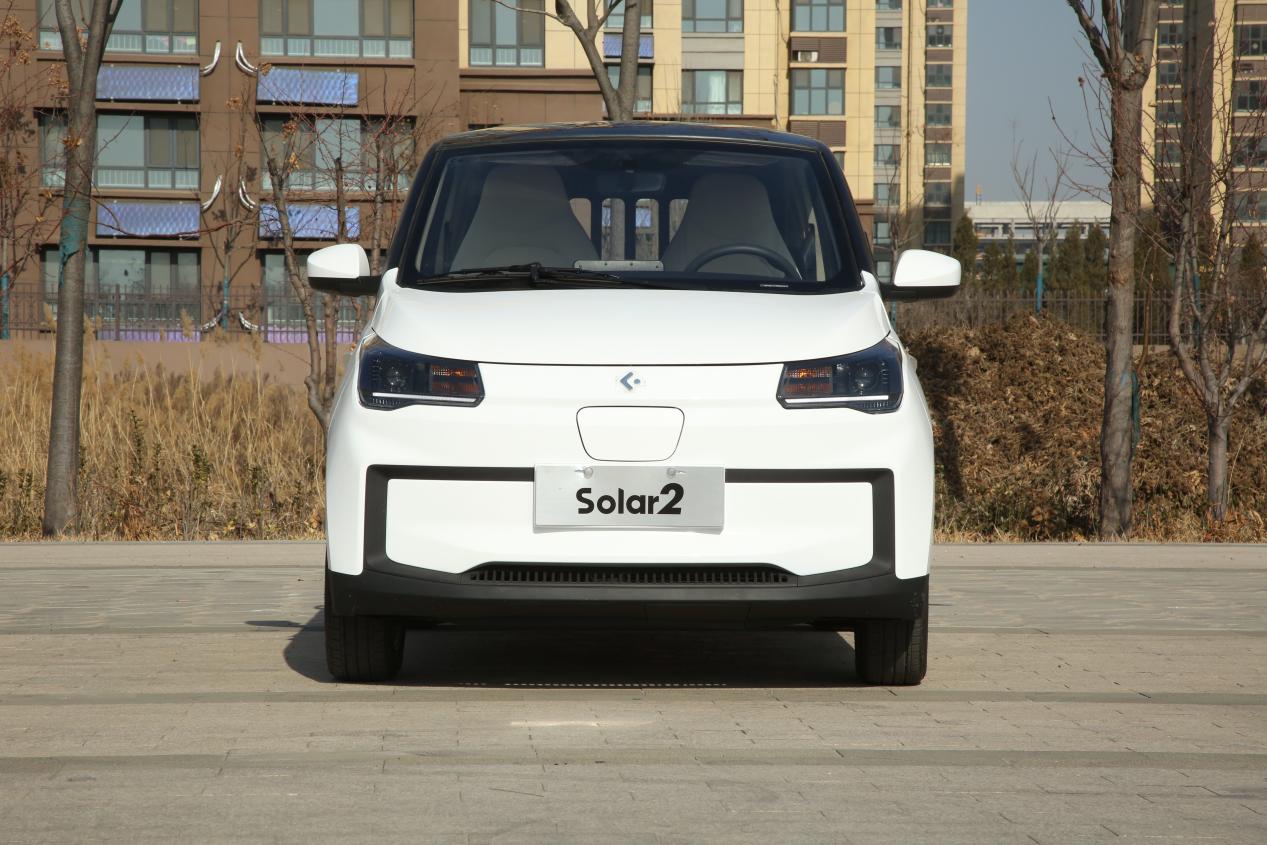
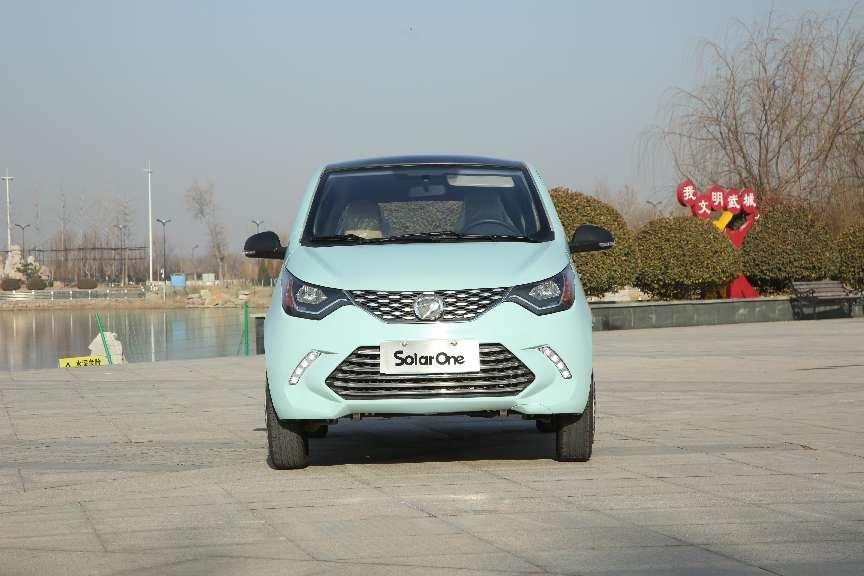
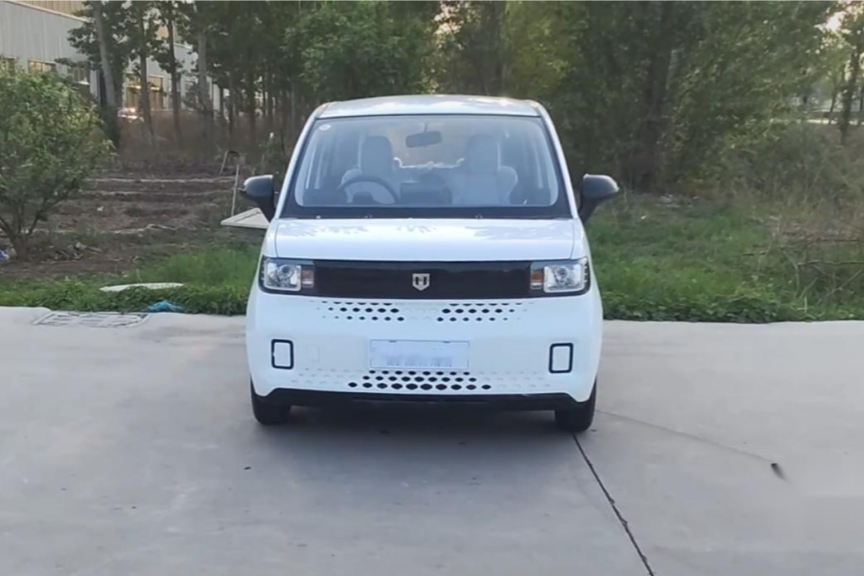
Solar-powered micro-mobility cars and passenger tricycles provide clear benefits in regions characterized by high solar insolation and varying levels of power grid development:
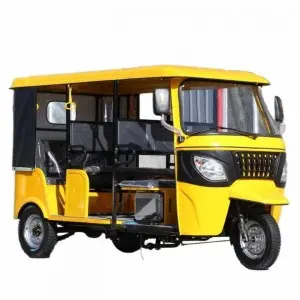
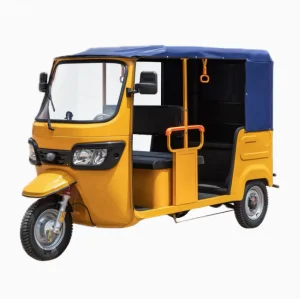
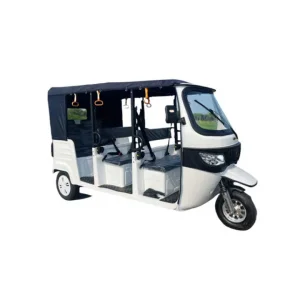
1. Sub-Saharan Africa (Rural & Semi-Urban Micro-Transit): Reliable grid charging infrastructure is often limited in rural and peri-urban Africa. S-EVs capture ample local sunlight, allowing commercial passenger tricycles (tuk-tuks) and light cargo units to operate independently of grid power. This lowers operating costs for local transit networks.
2. Southeast Asia (Eco-Tourism and Urban Commuting): High population density and air quality concerns make electric three-wheel passenger options highly viable. Solar arrays mounted on passenger vehicles continuously recharge the battery during daytime operations, helping fleet operators maintain route availability and reduce charging downtime.
3. European & North American Markets (Last-Mile Logistics): Fleet operators face strict inner-city low-emission mandates. Lightweight solar delivery vans and cargo tricycles offer a quiet, zero-emission option that is well-suited for urban cargo distribution.
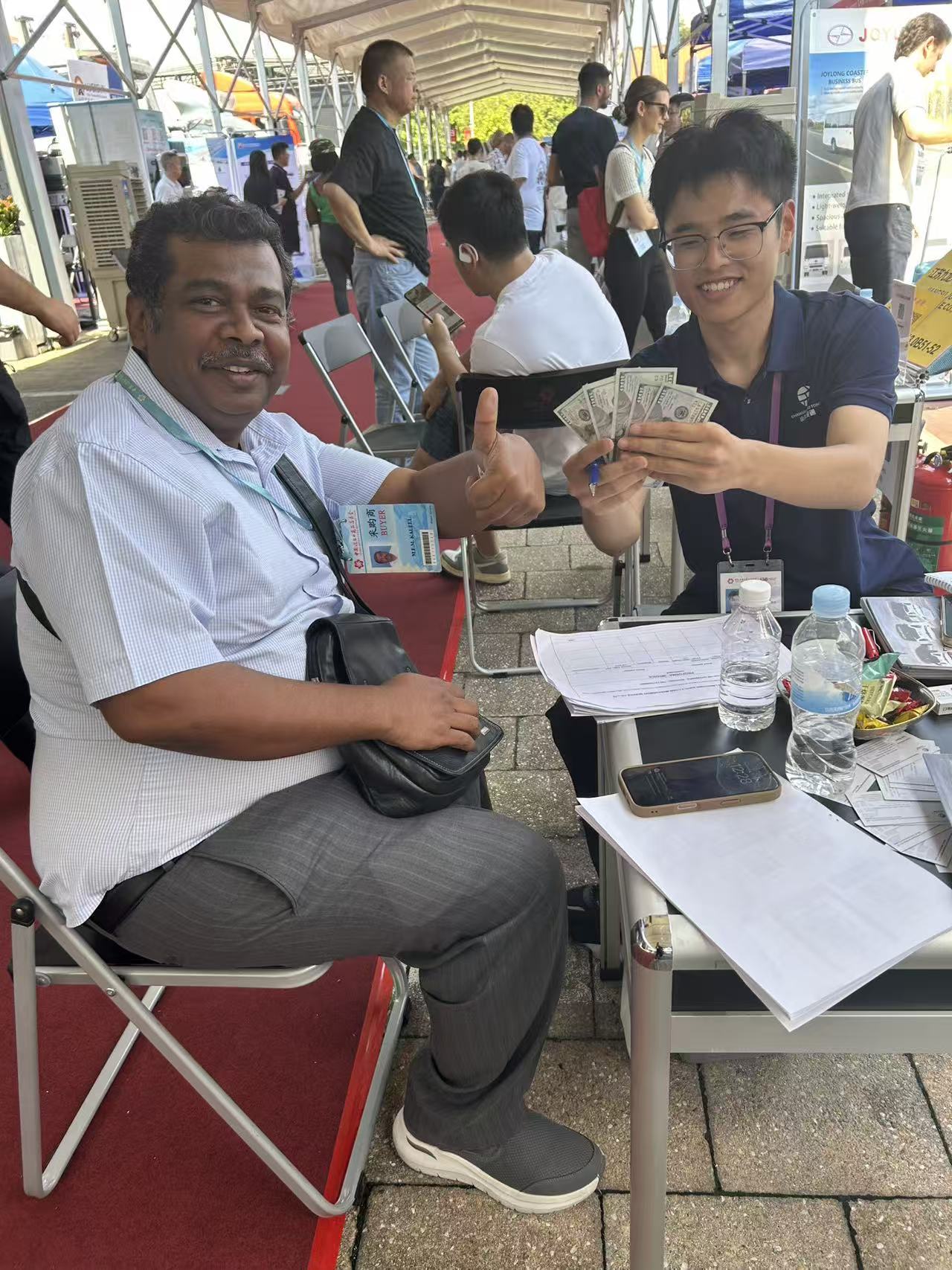
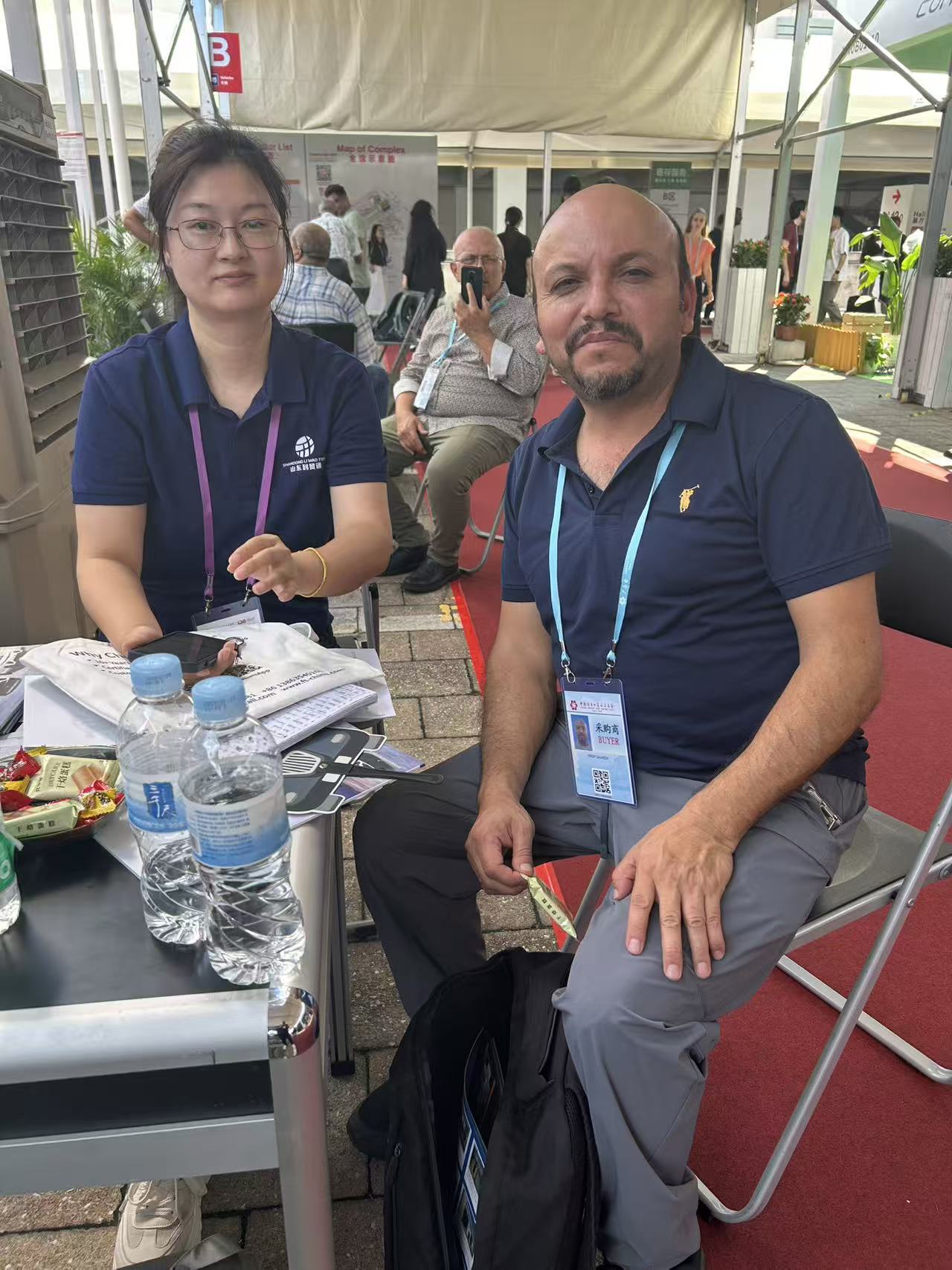
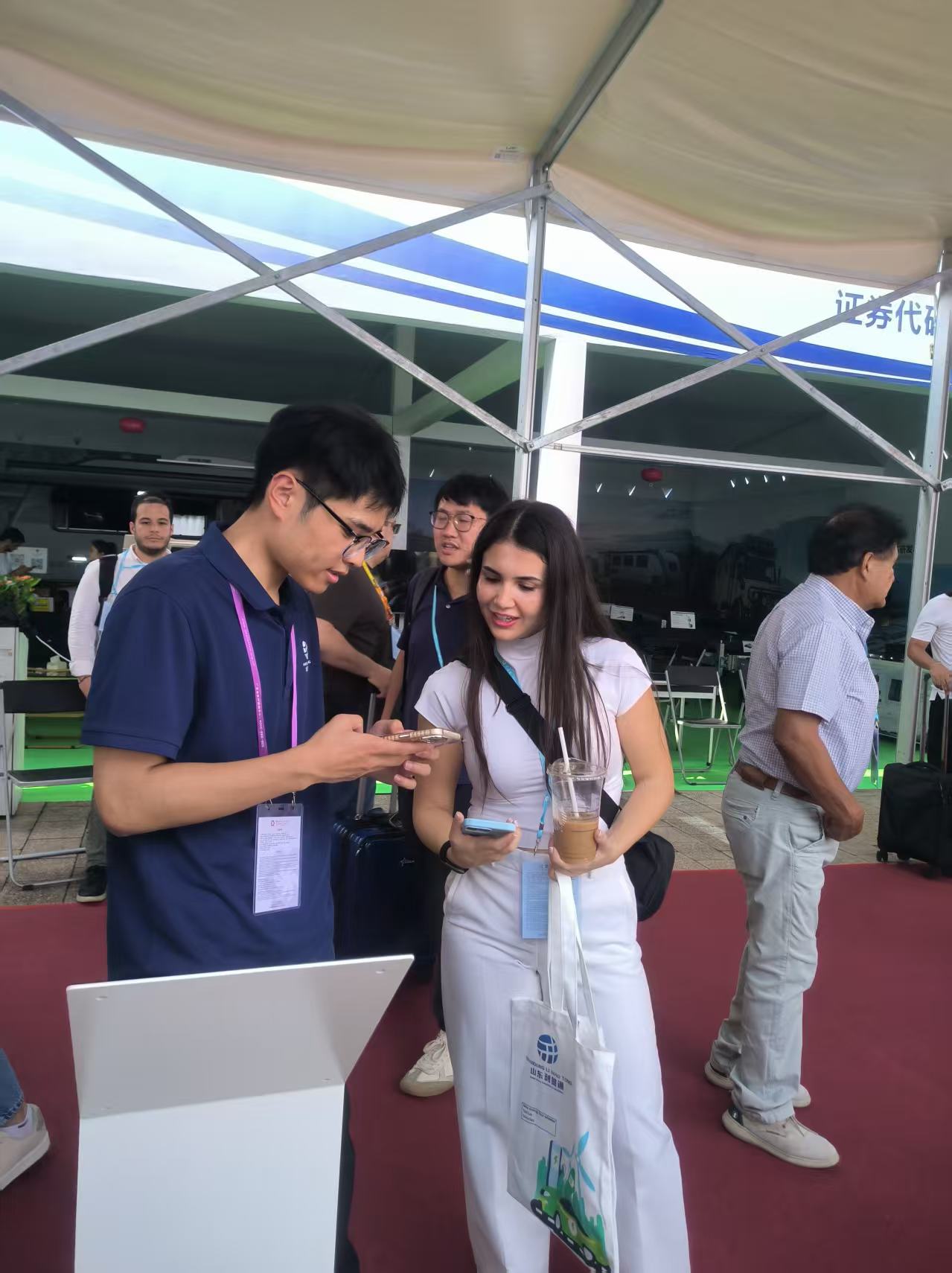
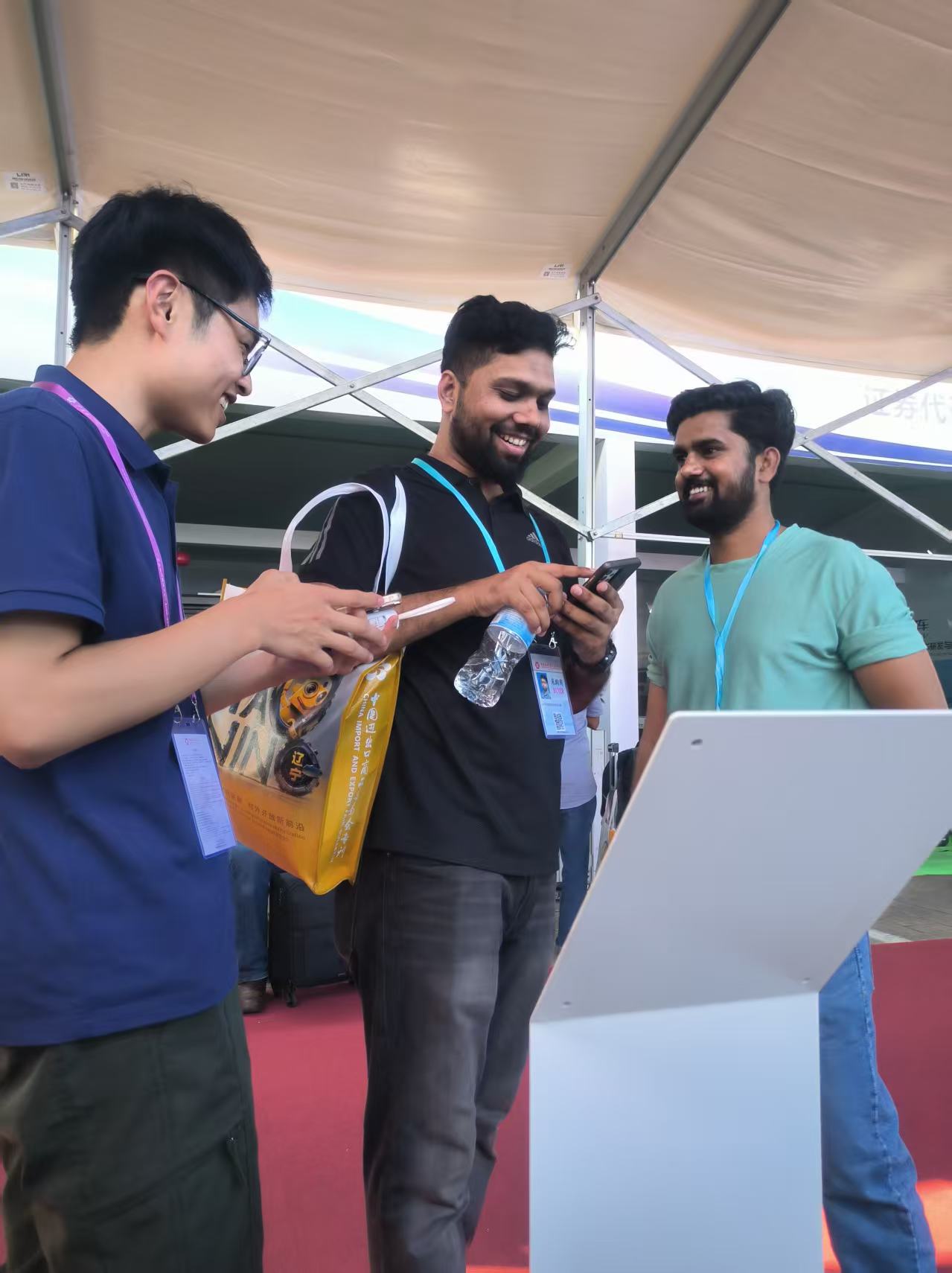
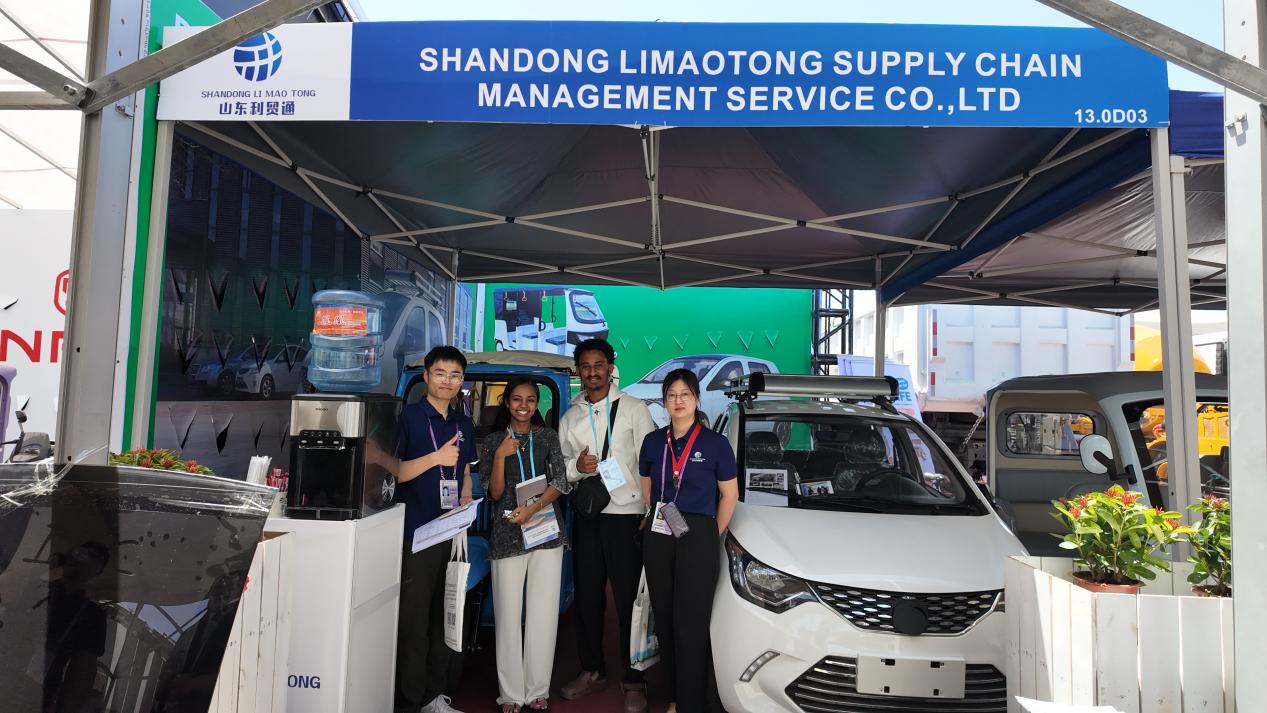
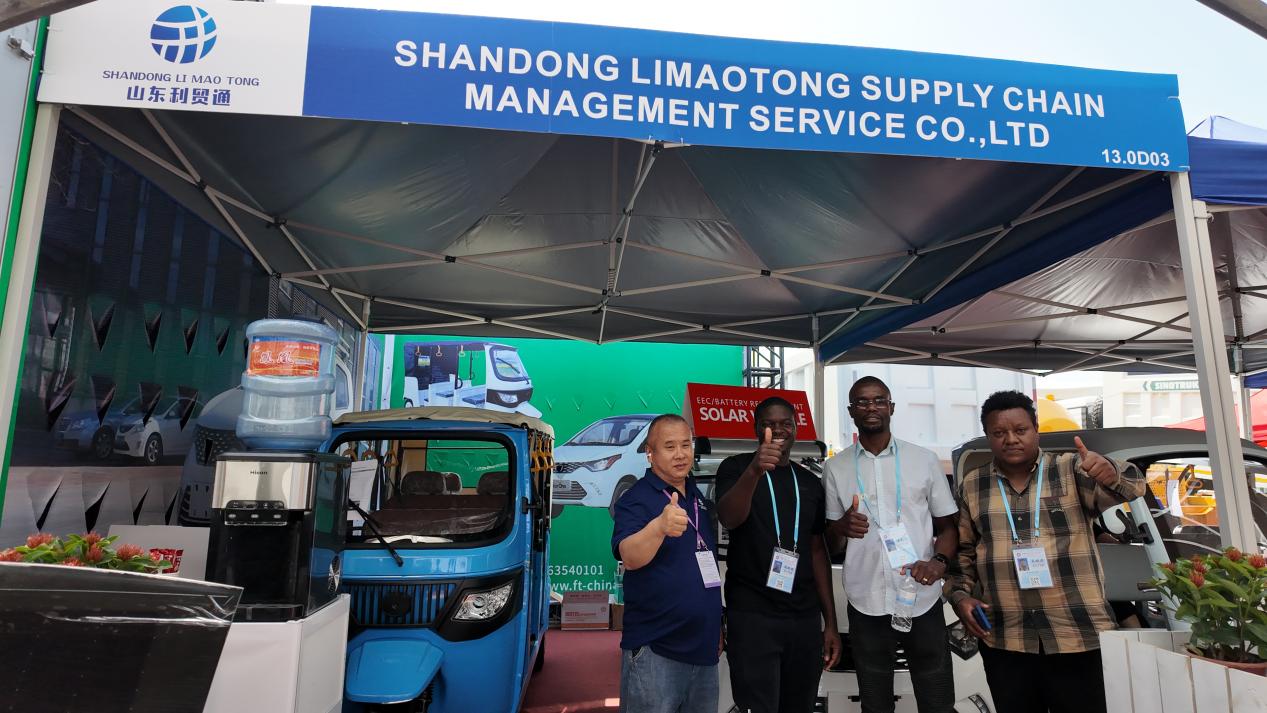
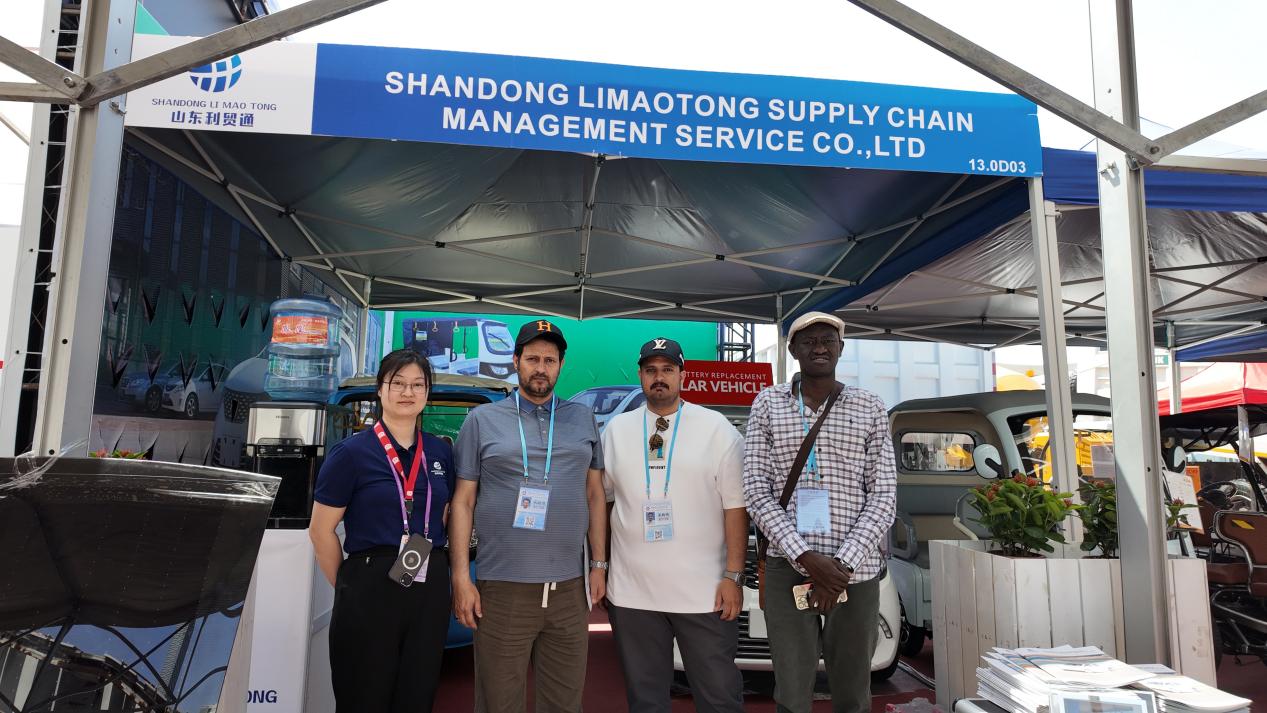
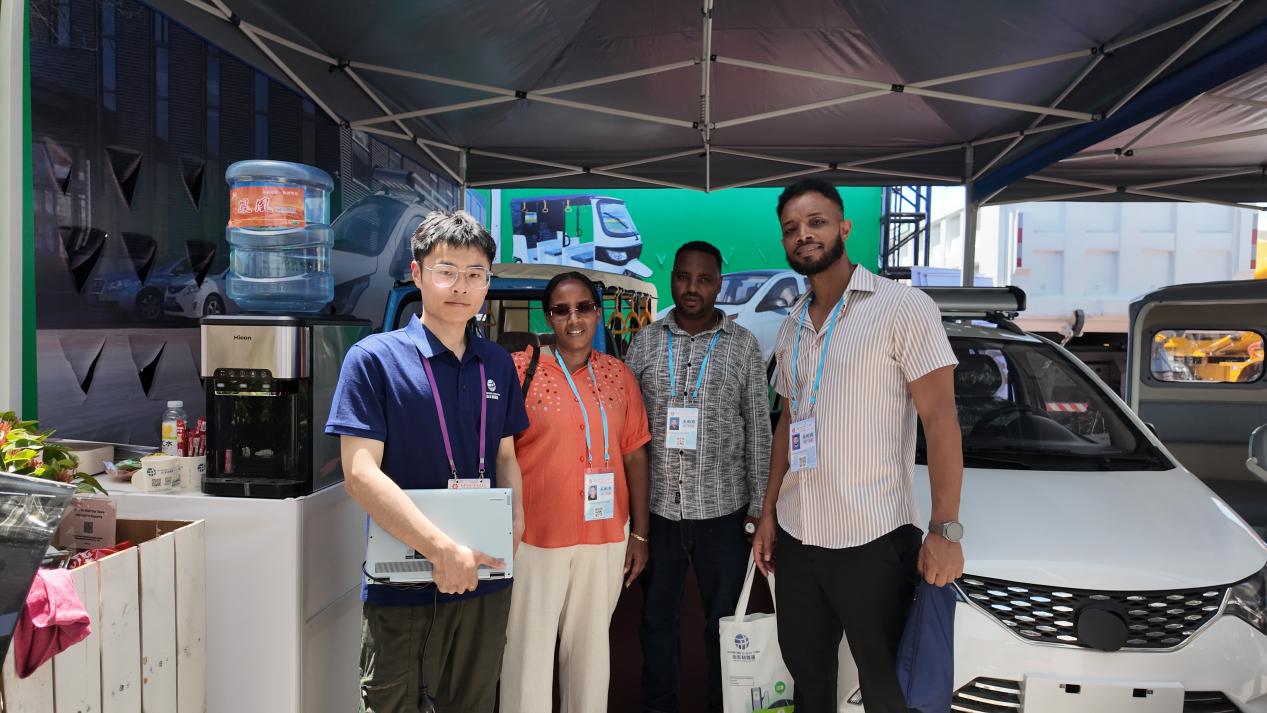
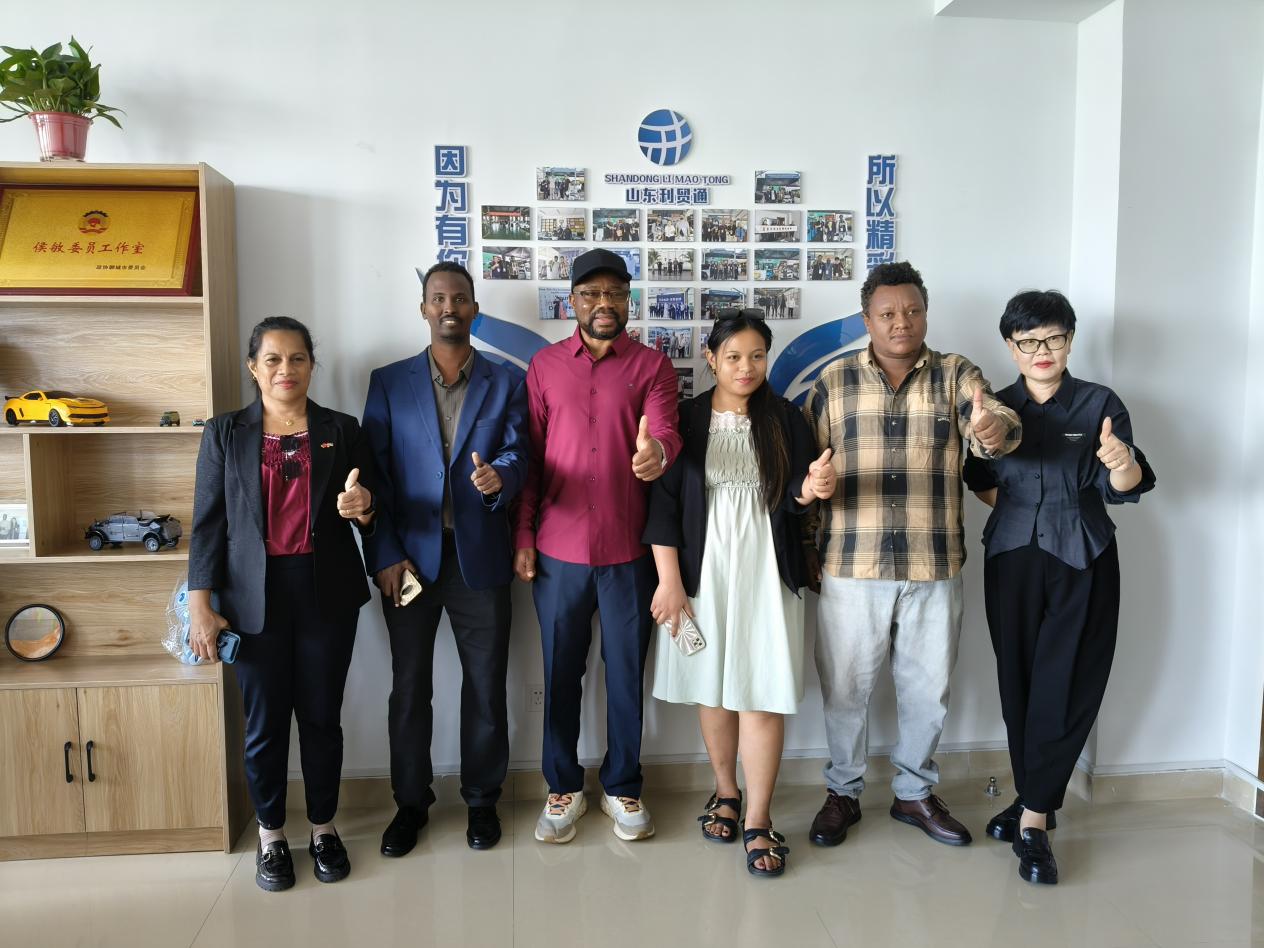
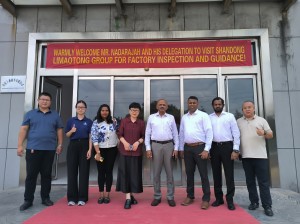

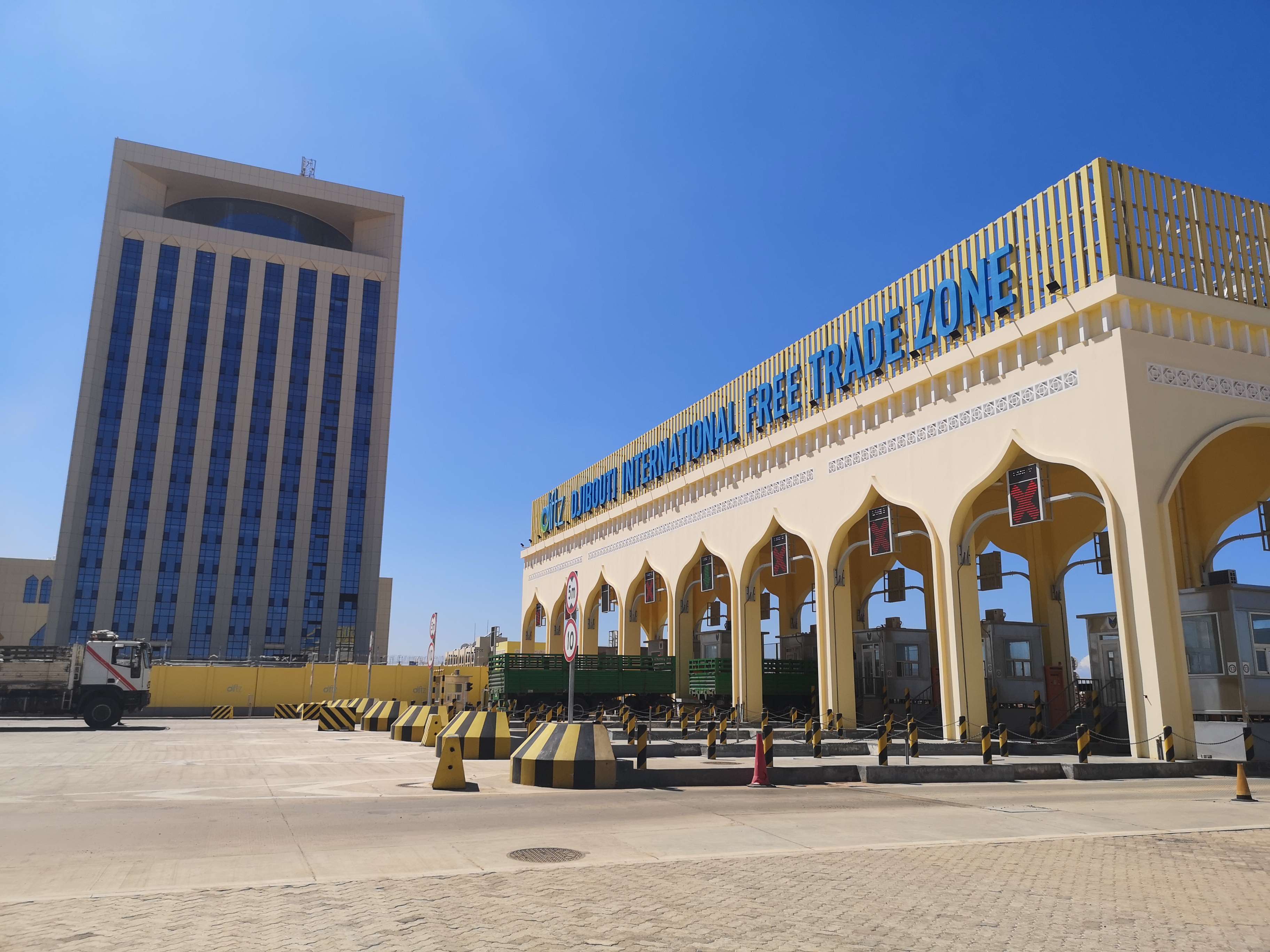
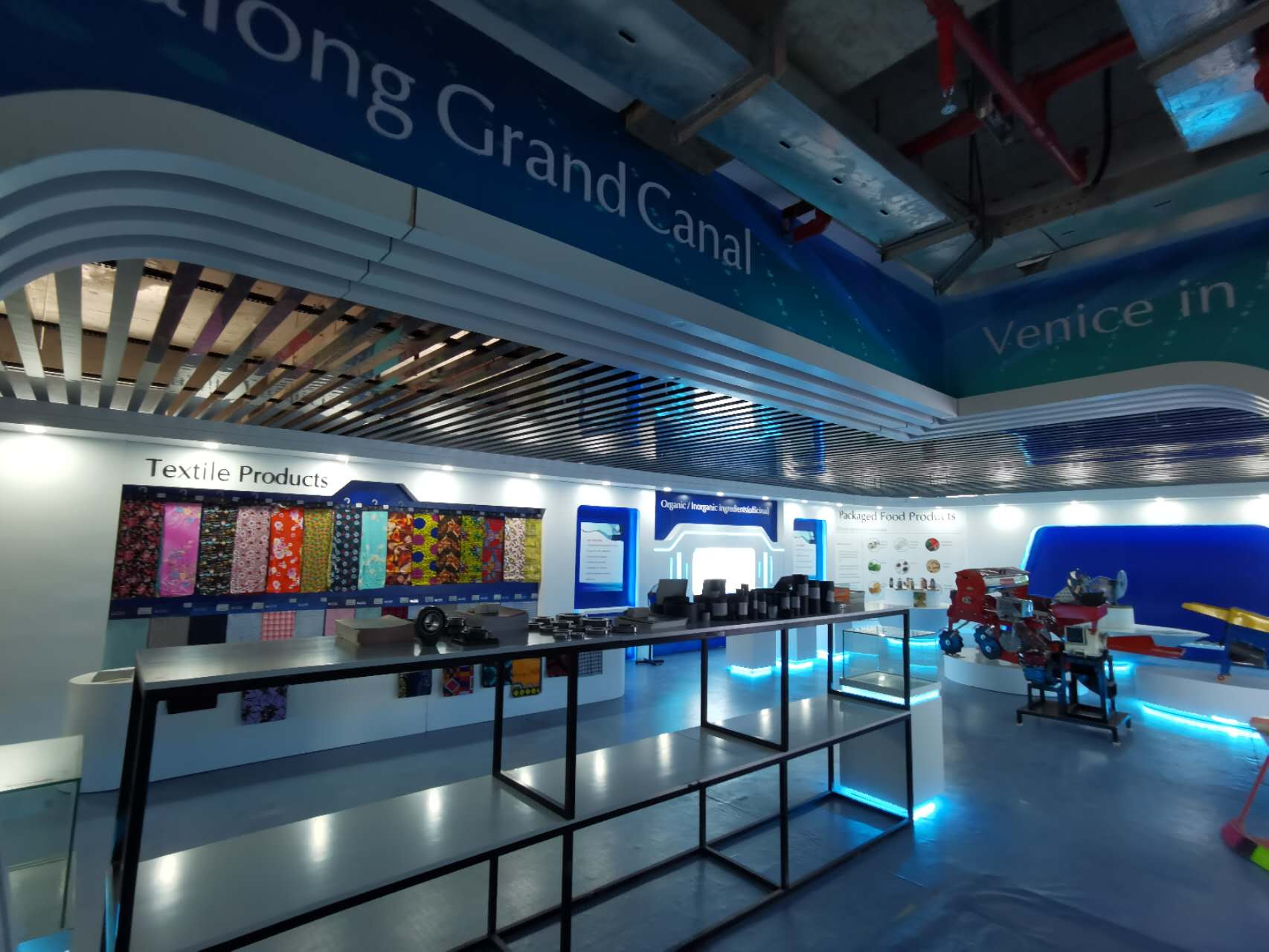
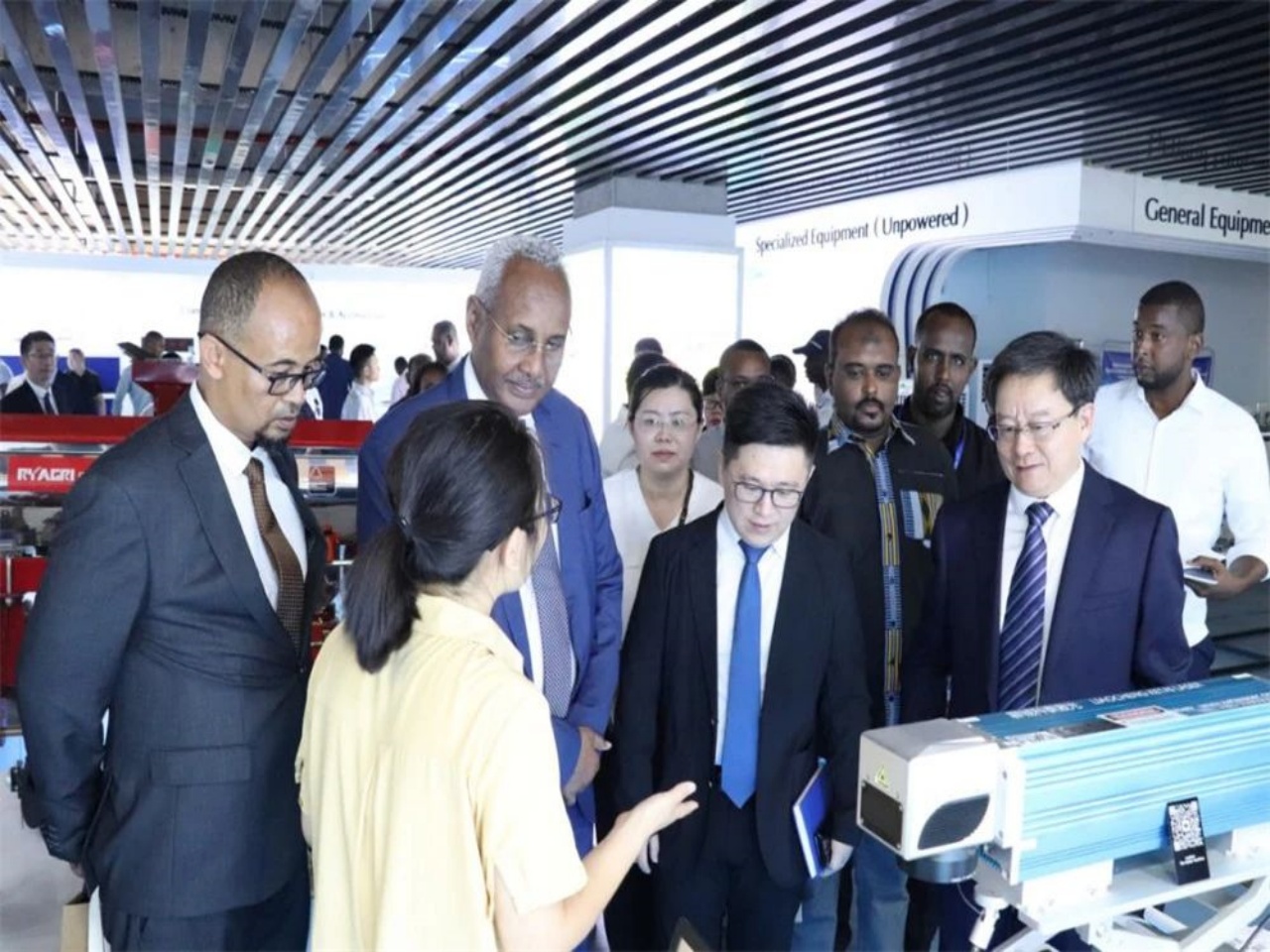
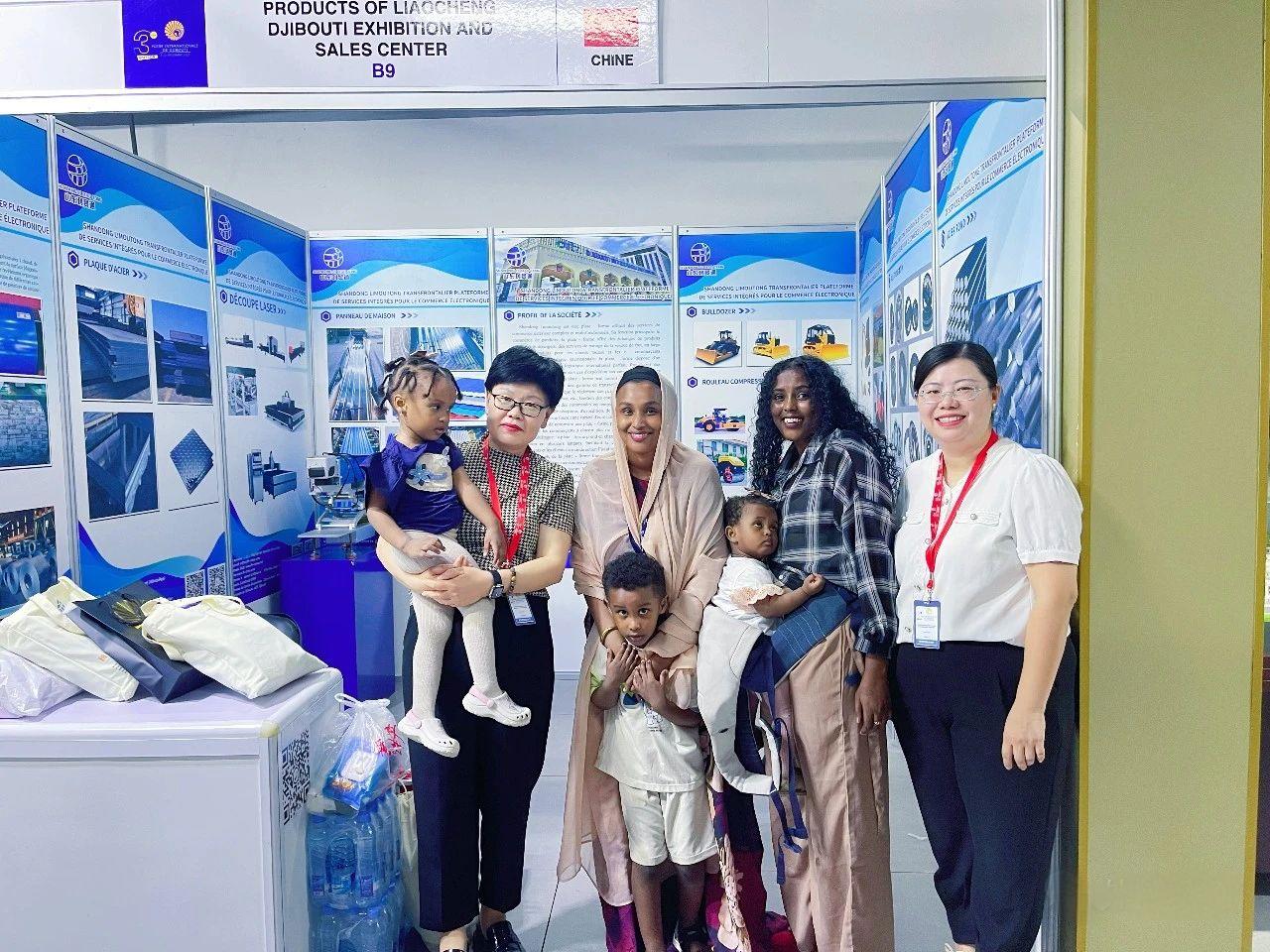
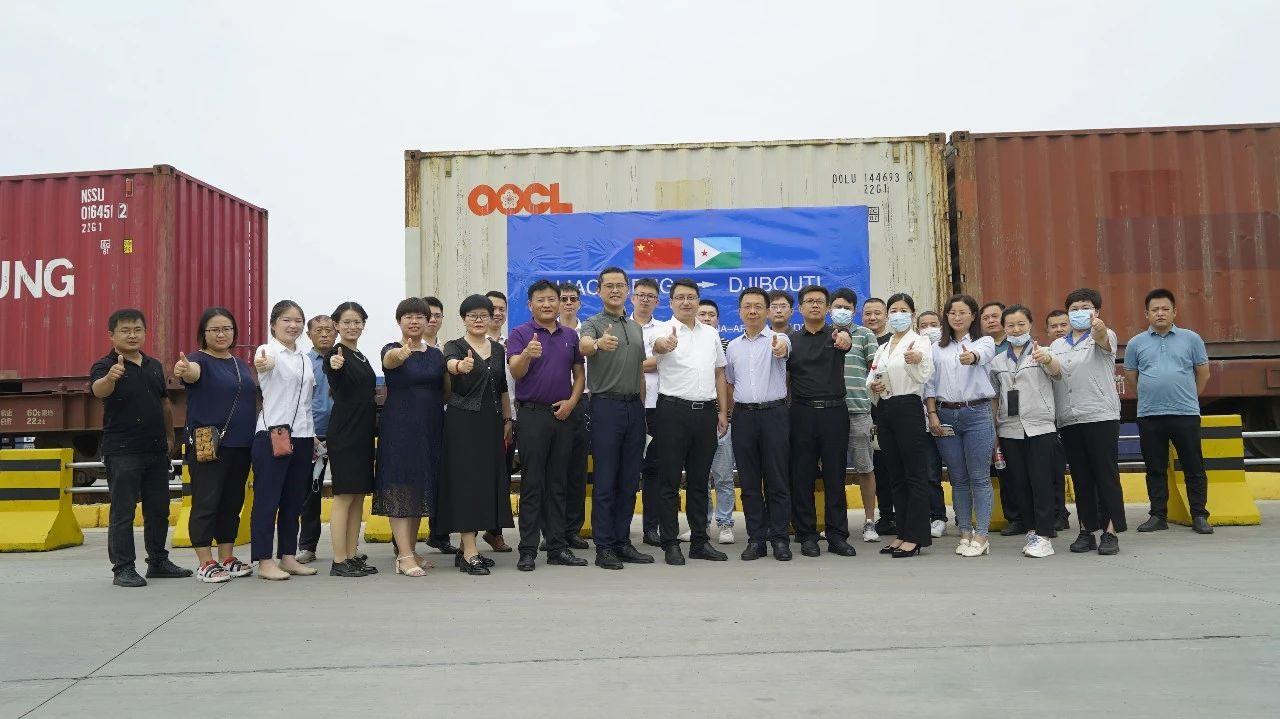
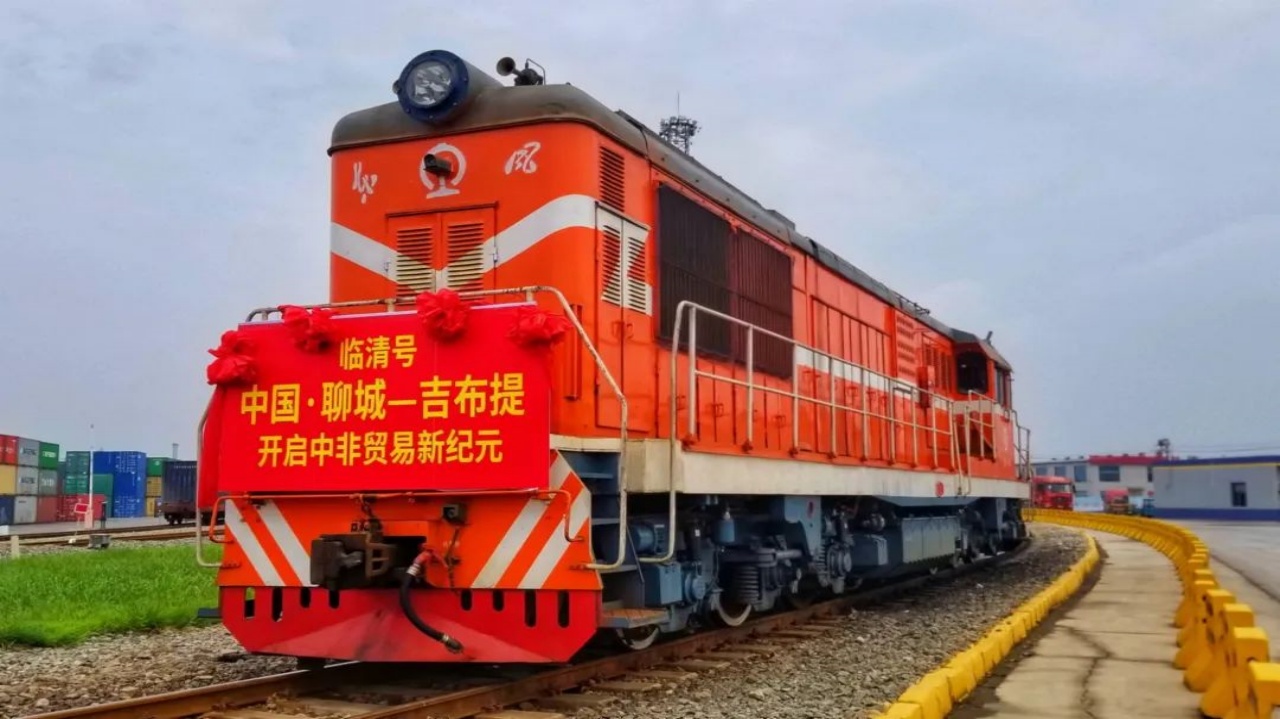
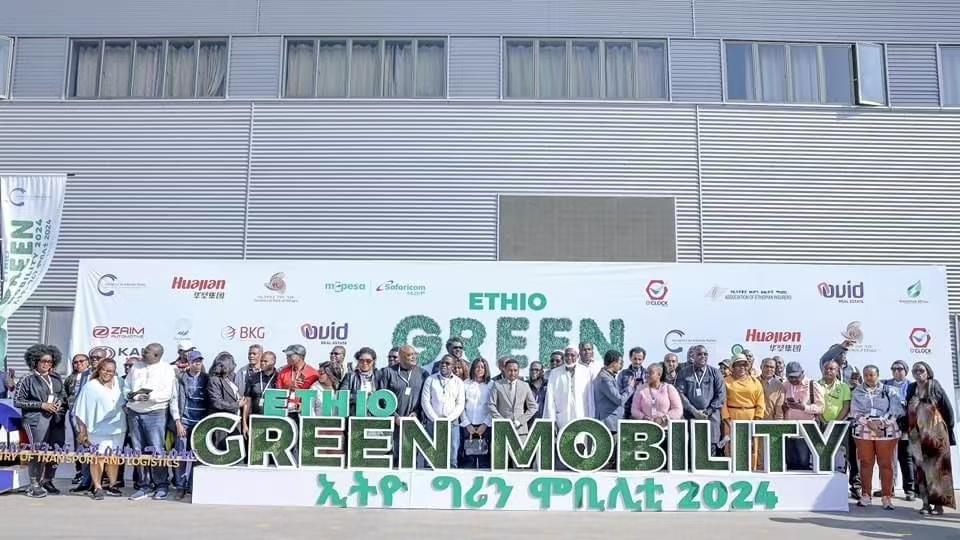
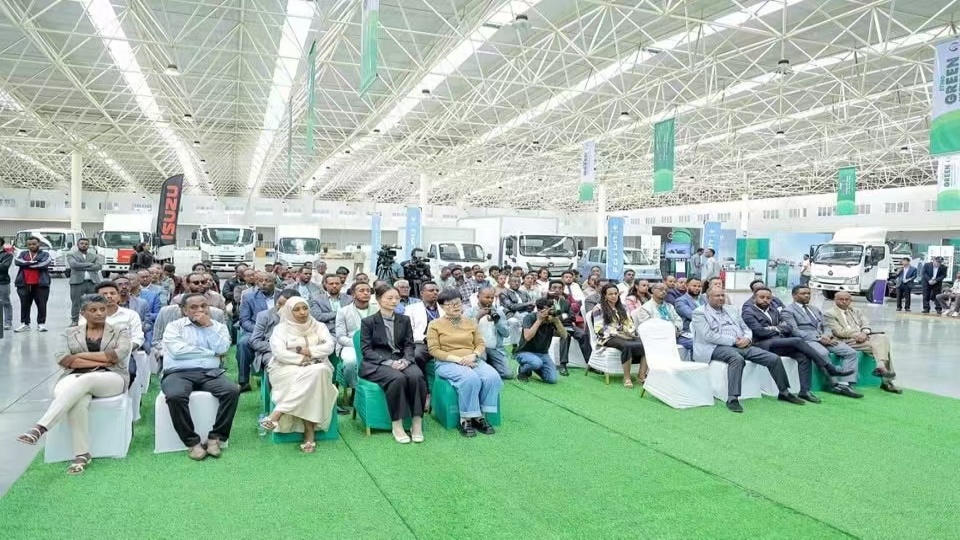
Our Djibouti (Overseas Warehouse) Cross-border E-commerce Exhibition and Sales Center was established in 2023. Located in the Djibouti International Free Trade Zone in East Africa, it serves as a central hub for our distribution throughout the region.
Working alongside local trading entities, this center provides a service platform that supports regional sales, customs clearance, and local logistics. Combining online and offline trade channels, this cross-border warehouse model supports efficient supply chain management and provides local customer support across regional African markets.


B2B importers require comprehensive verification of quality standards before distributing vehicles. Our factory processes follow strict global automotive standards to ensure performance and reliability:
Welding & Frame Integrity Audits: Frames are constructed using high-strength structural carbon steel. Automated welding lines create consistent joints, ensuring structural stability under high load conditions.
Advanced Battery Pack Stress Testing: Battery units undergo lifecycle testing, including over-charge, extreme temperature, short-circuit, and physical impact trials, ensuring compliance with international transport standards.
Vibration & Load Evaluations: Assembled chassis are run on multi-axis vibration tables to simulate rough road conditions. This helps verify that electrical connections and PV panel mounts remain secure under heavy use.
 Limaotong