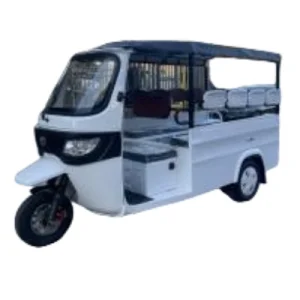
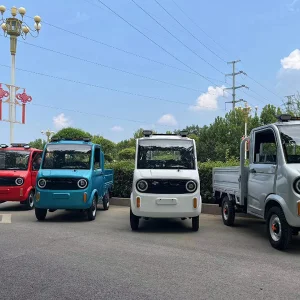
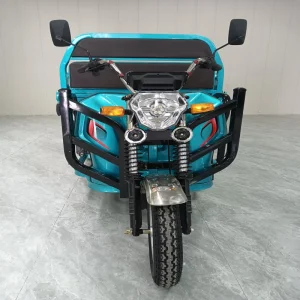
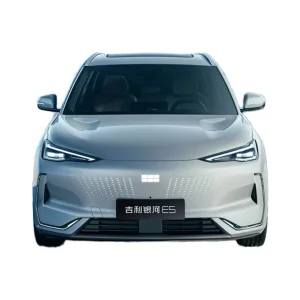
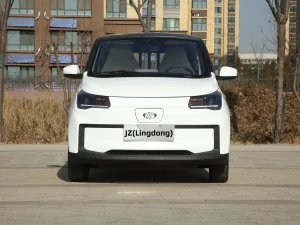
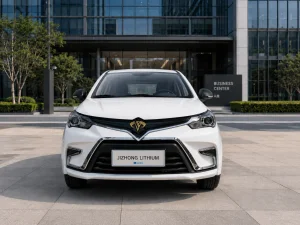
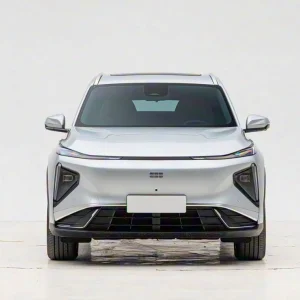
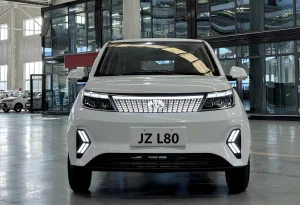
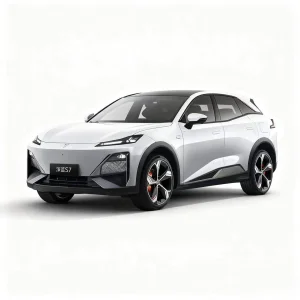
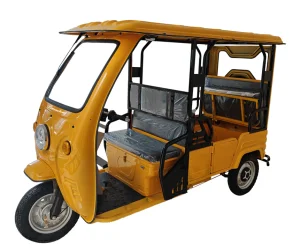
Explore our core fleet of electric three-wheelers, mini trucks, and advanced new energy vehicles engineered for municipal, commercial, and last-mile applications.
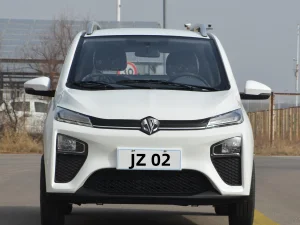
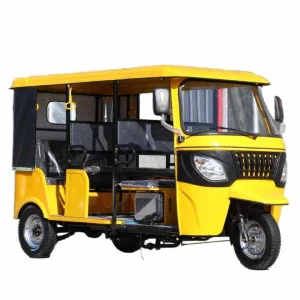
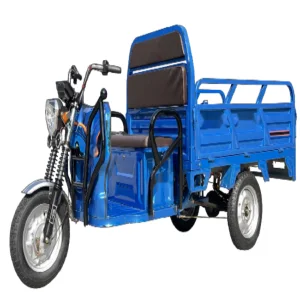
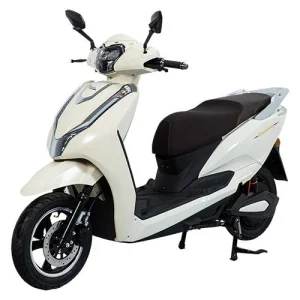
Decentralized logistics pipelines, integrated assembly plants, and regional warehouses optimized for B2B procurement operations.
Providing custom EV homologation solutions across EU, Africa, Middle East, and APAC.
Decentralized manufacturing networks for localized final assembly and tariff mitigation.
Proven fleet utility, passenger transport safety, and last-mile cargo reliability.
Robotic precision welding and stamped-steel construction guarantee physical durability in high-vibration rural and urban duty cycles.
Flexible power options integrating LiFePO4 chemistry, advanced BMS telemetry, or heavy-duty lead-acid systems for specific target budgets.
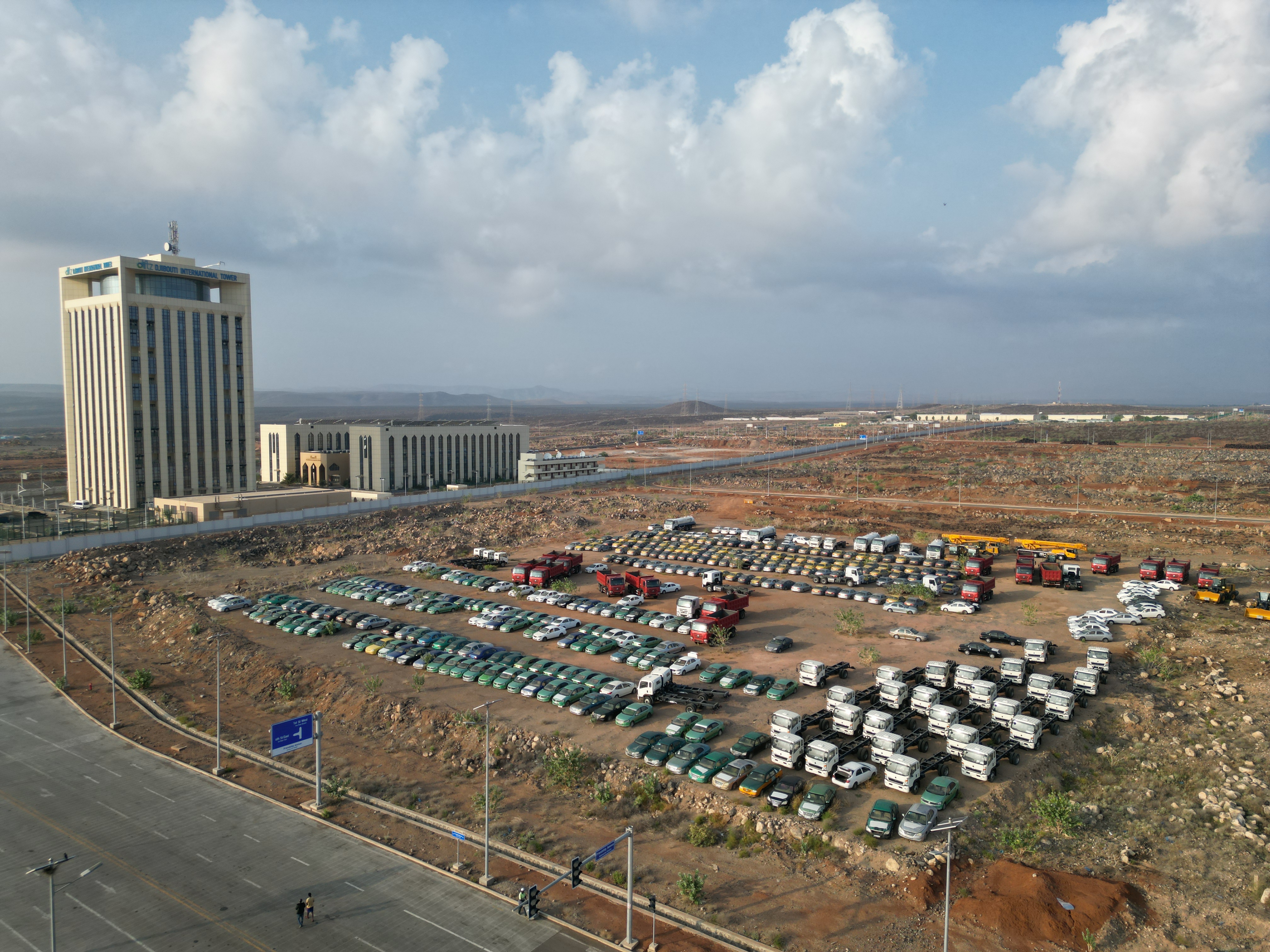
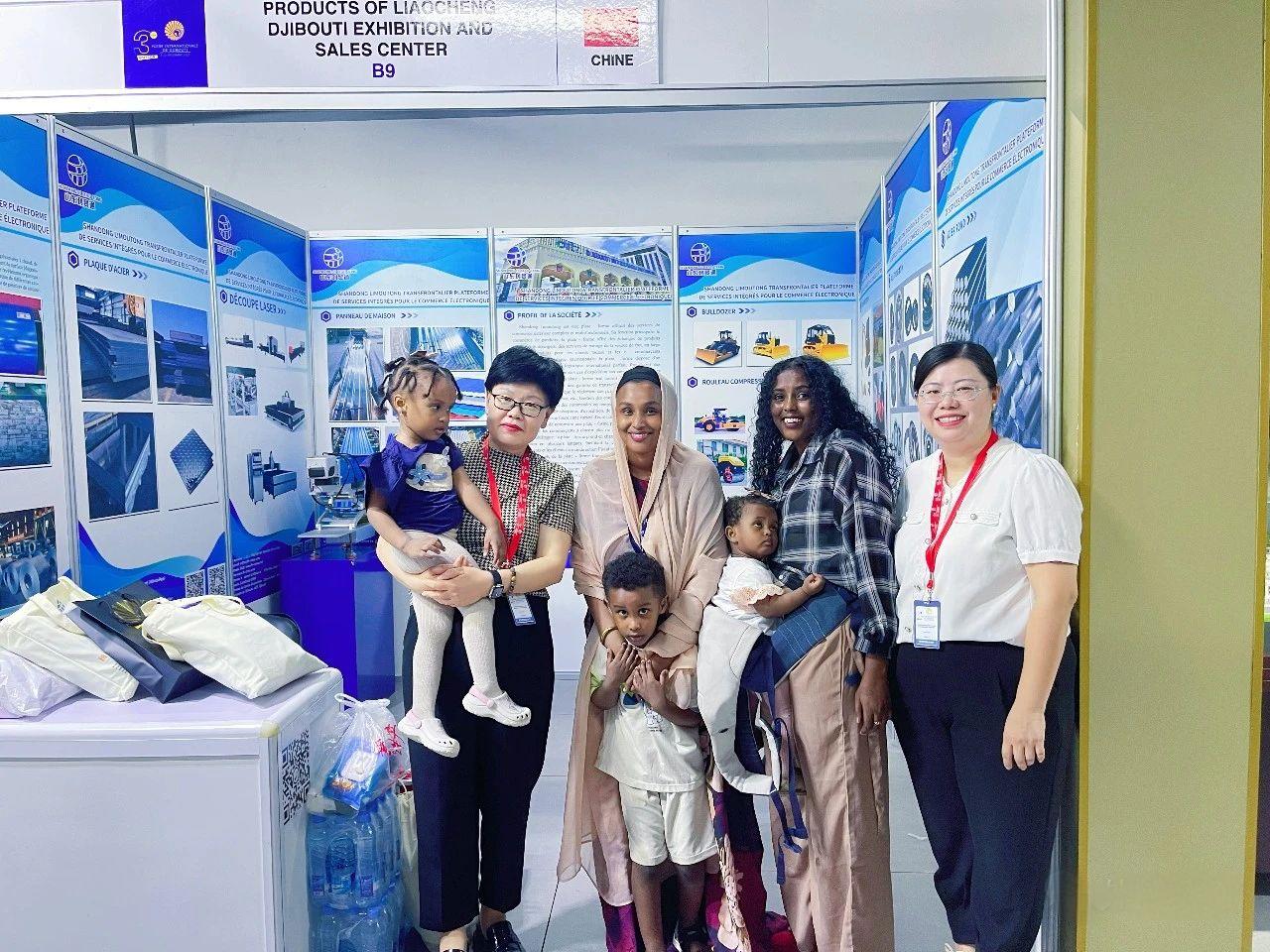
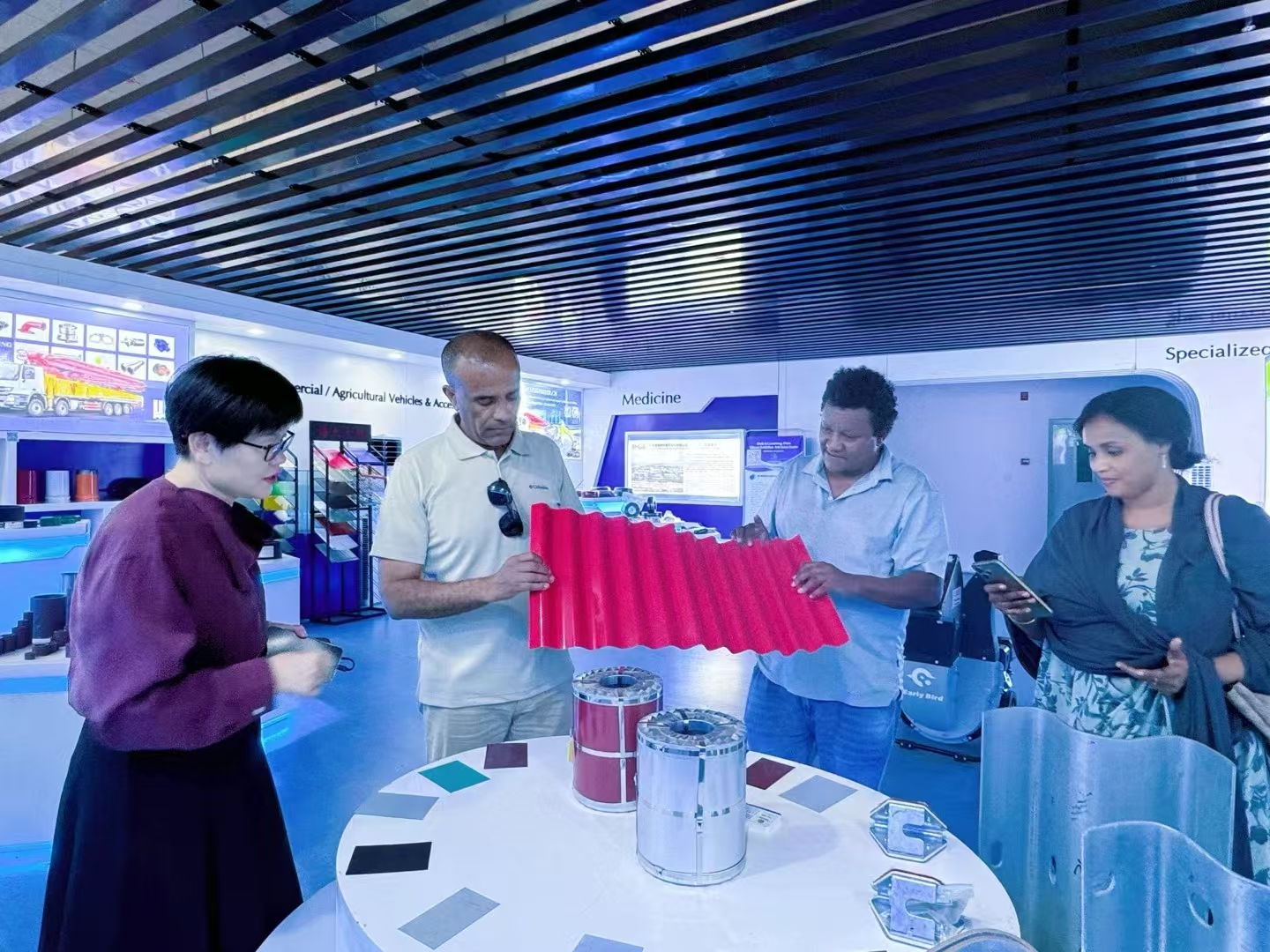
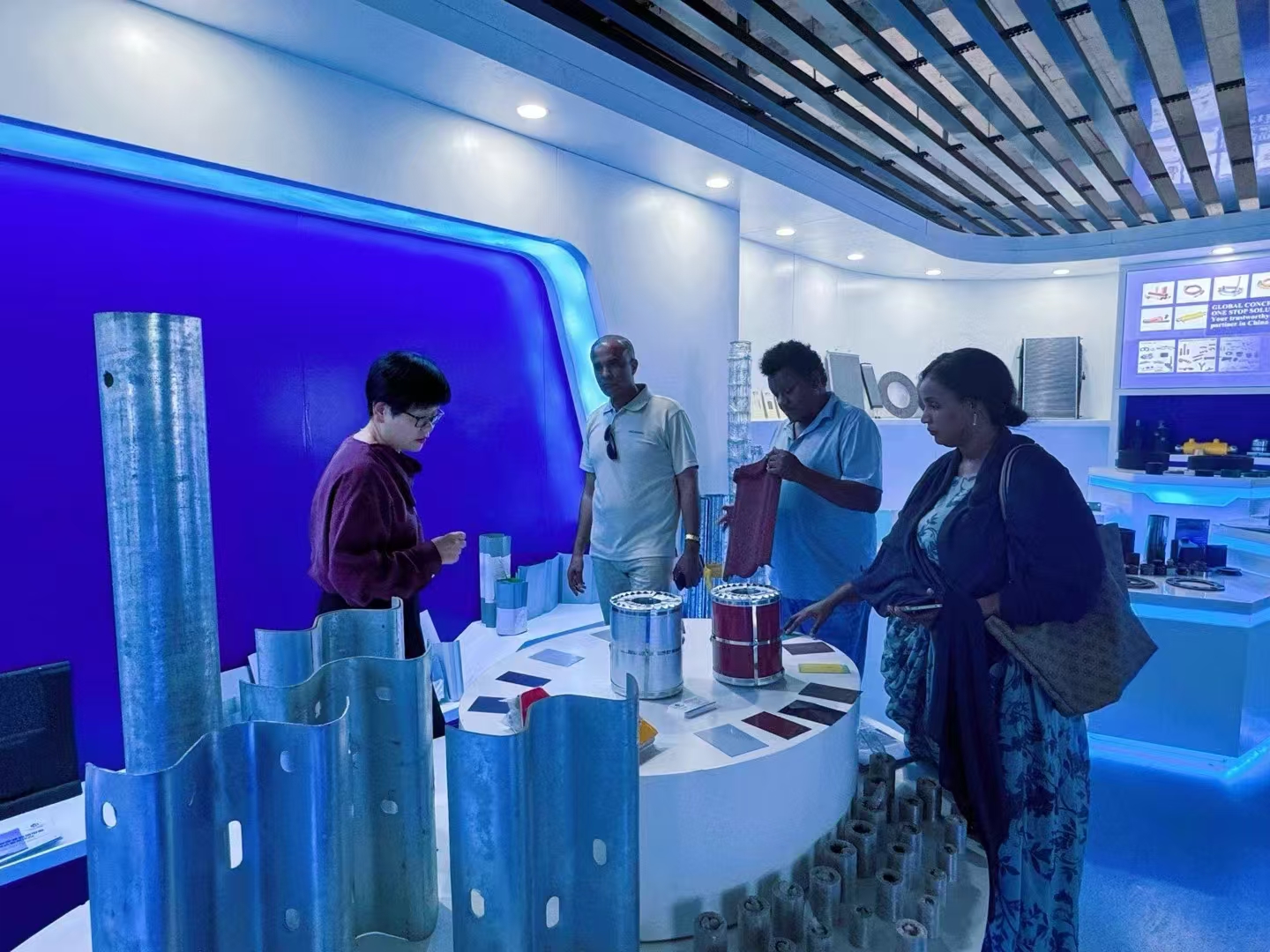
Cross-border E-commerce Exhibition and Sales Center offering optimized regional logistics, customs clearance, and spare-parts pipelines.
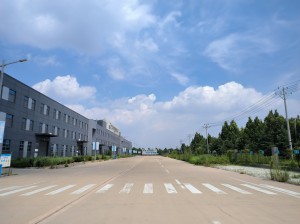
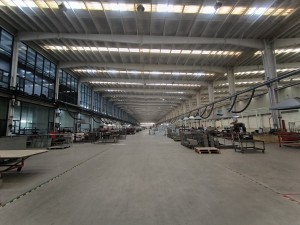
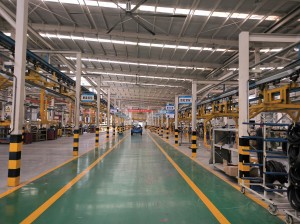
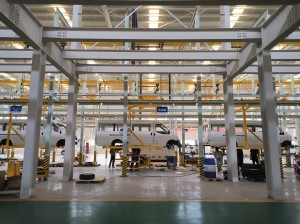
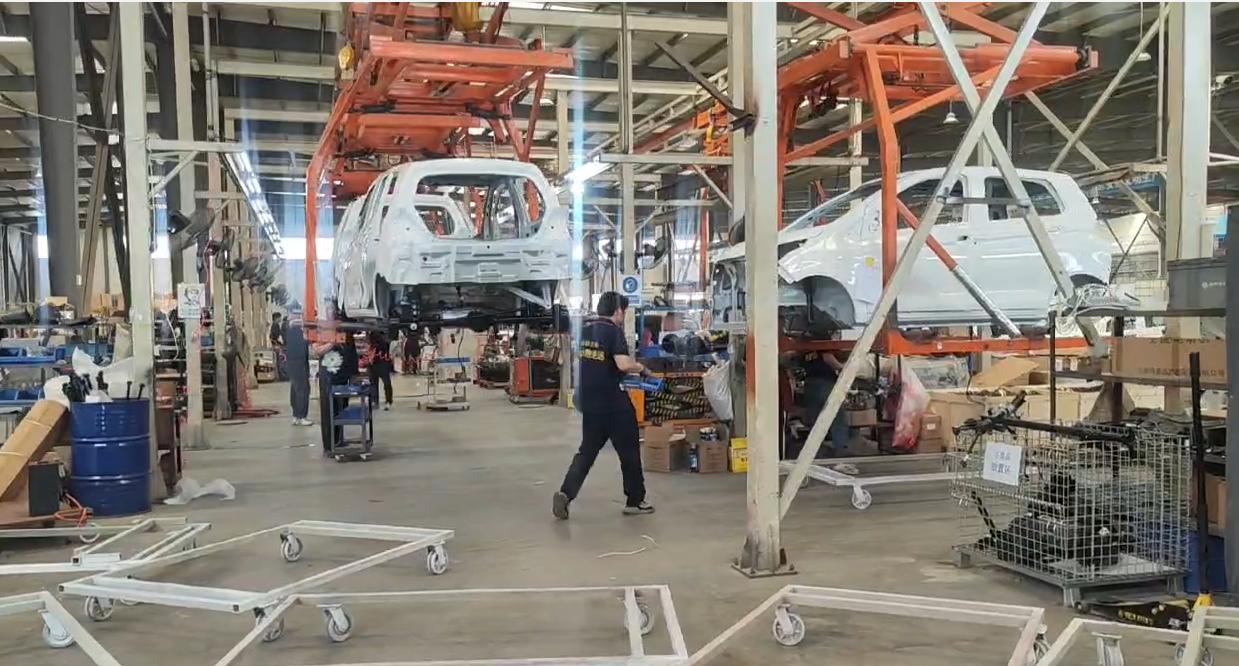
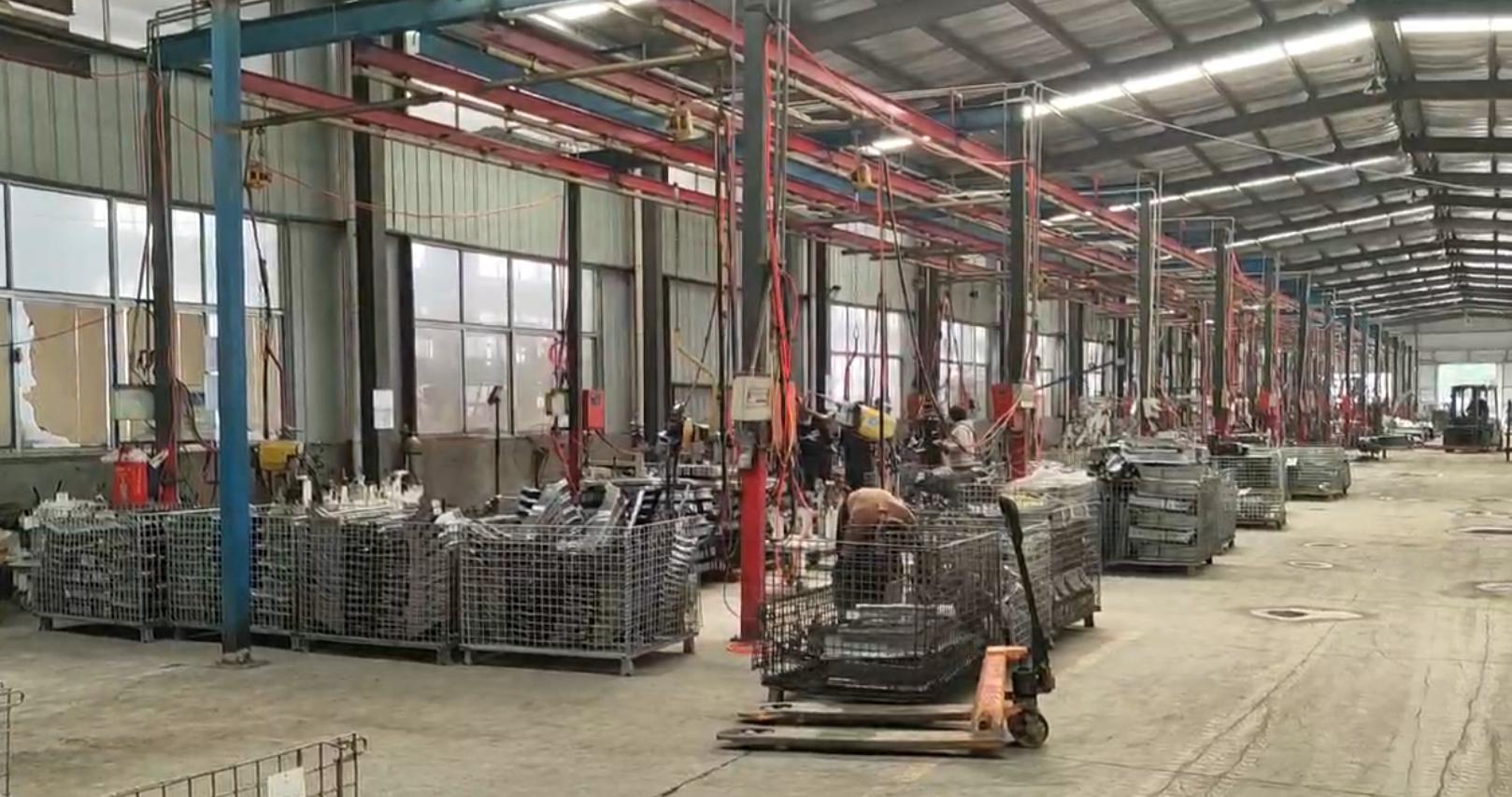
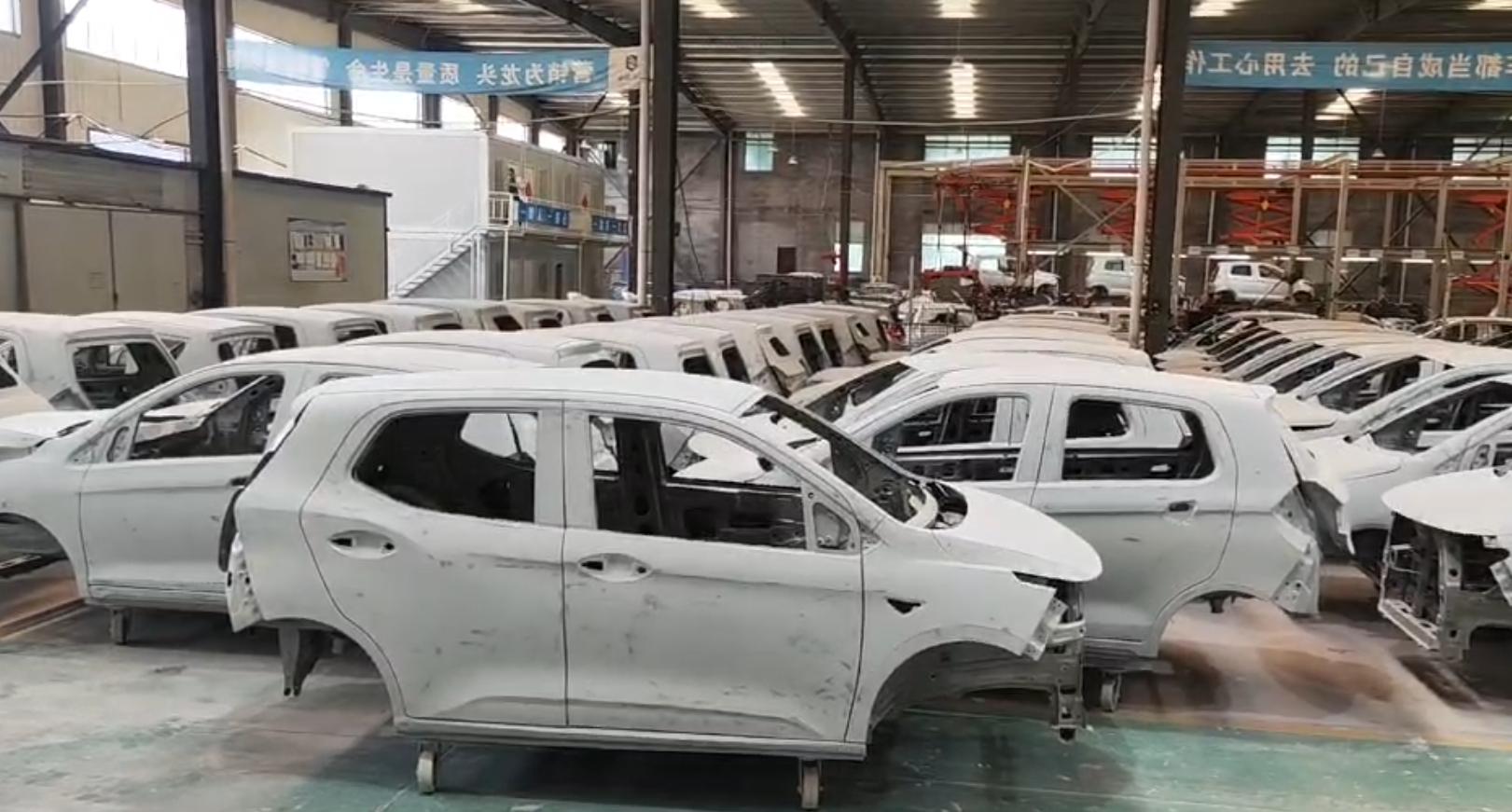
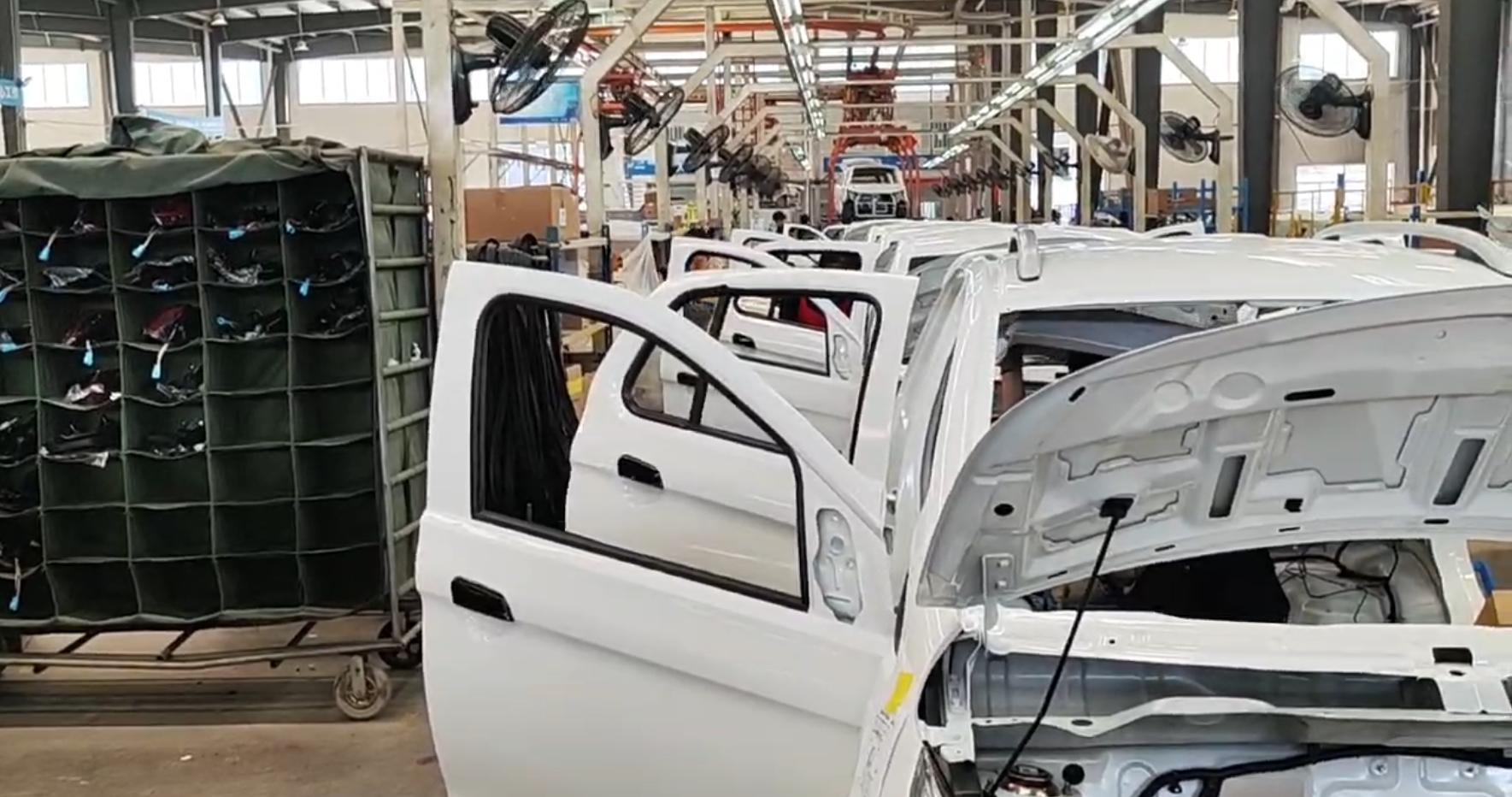
Shandong Li Mao Tong Group operates at the epicenter of China's advanced new energy vehicle industrial cluster. Our facility utilizes automated robotic tooling, cathodic electrophoretic coating lines for corrosion mitigation, and precision chassis alignment jigs.
We submit our vehicle platforms to extreme lab-grade physical stressors, including the Level 7 rainstorm test and high-load incline duty assessments. This ensures long-term operational integrity in diverse global terrains, from East African trade corridors to Latin American mountain roads.
Examine Our FacilitiesA technical and macroeconomic analysis of light electric vehicle architectures in global logistics, transit networks, and resource extraction ecosystems.
The global transition to light-duty electric platforms is highly dependent on structural supply chain integration. The primary cluster for electric three-wheeler manufacturing in China represents a highly optimized ecosystem. From raw material input (such as localized hot-rolled structural steel) to complex downstream electronics (including custom programmable controllers and high-density permanent magnet synchronous motors), every stage of production benefits from vertical integration.
As a leading exporter, Shandong Li Mao Tong Group integrates high-strength stamped-steel unibody design. By using high-capacity automated stamp presses, we achieve lower weight without sacrificing chassis stiffness. This structural geometry prevents fatigue cracking in heavy-duty commercial operations. Advanced cathodic painting lines ensure that every chassis receives a multi-layer rust preventive treatment, which is essential for operation in tropical regions with high salinity and humidity.
"The core competitive advantage of our manufacturing facility lies in the total integration of design-to-prototype validation. Every component—from the differential gear assembly to the BMS sensor array—is verified under continuous stress conditions."
Logistics operators face increasing cost pressures due to fuel prices and emissions regulations in urban environments. The implementation of electric three-wheelers (also classified under L-category vehicles in the EU) provides a balance between payload capacity, urban maneuverability, and operating costs. The key technological trends shaping this industry include:
The operational profile of electric three-wheelers differs significantly by geographic region. A successful deployment requires custom local engineering solutions:
Sub-Saharan Africa & Middle East (Trade Corridor Logistics): The focus here is on high torque, dust-sealed powertrains, and multi-leaf spring suspensions. Platforms like our Djibouti cross-border hub supply regional markets with robust work vehicles that can handle unpaved infrastructure while carrying high payloads.
EU and North American Urban Centers (Zero-Emission Last-Mile Delivery): Narrow streets and strict environmental zones require highly maneuverable, zero-emission vehicles. Narrow-track electric three-wheelers can access restricted pedestrian zones and navigate traffic more efficiently than traditional combustion delivery vans.
South Asia & Southeast Asia (Transit and E-Ride Sharing): High-capacity passenger configurations, such as the 7-seater Tuk Tuk (S3 Advanced Iron Frame), provide public transit solutions that help reduce urban air pollution.
For B2B buyers, fleet operators, and government procurement offices, sourcing EV three-wheelers requires strict validation protocols. Our processes are designed to meet these requirements through:
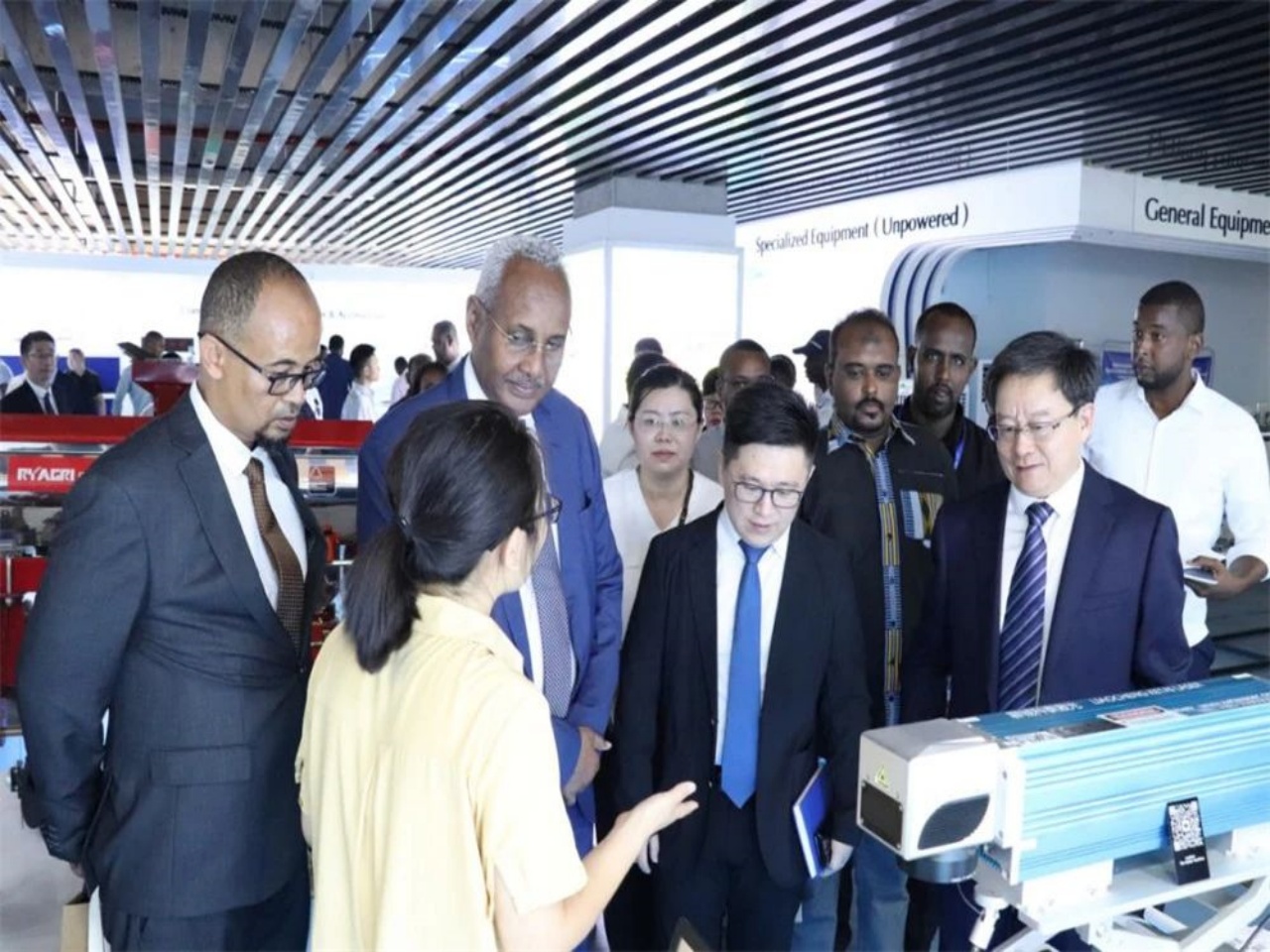
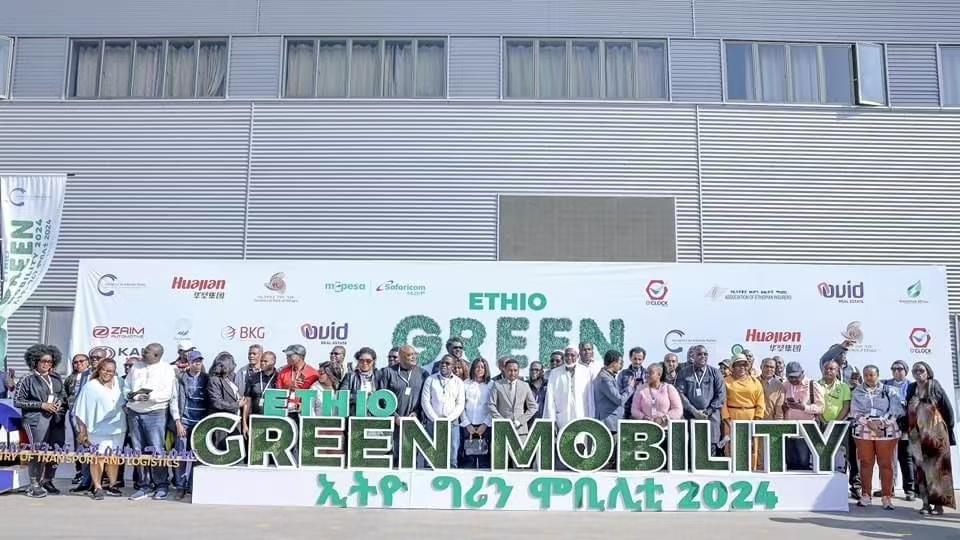
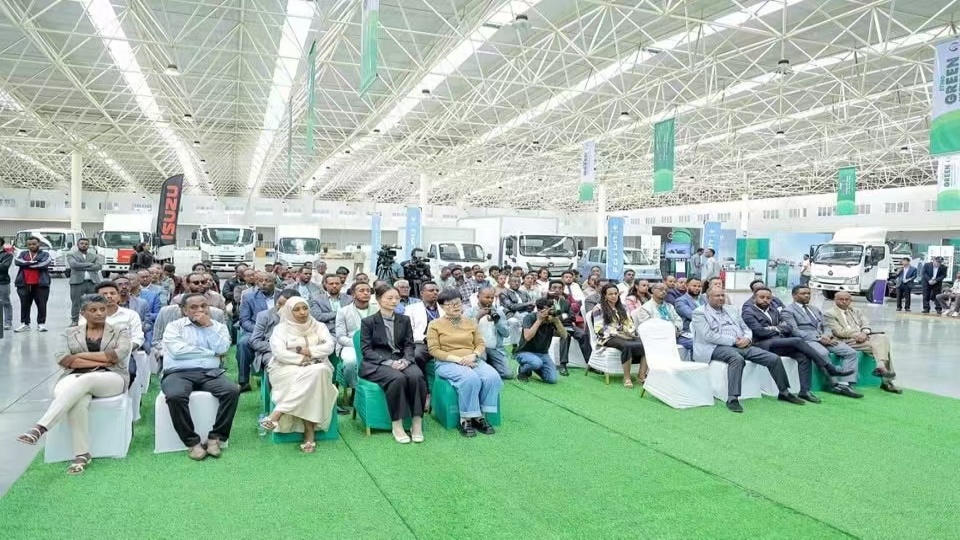
Visual documentation of our manufacturing facilities, international exhibitions, and customer inspections.

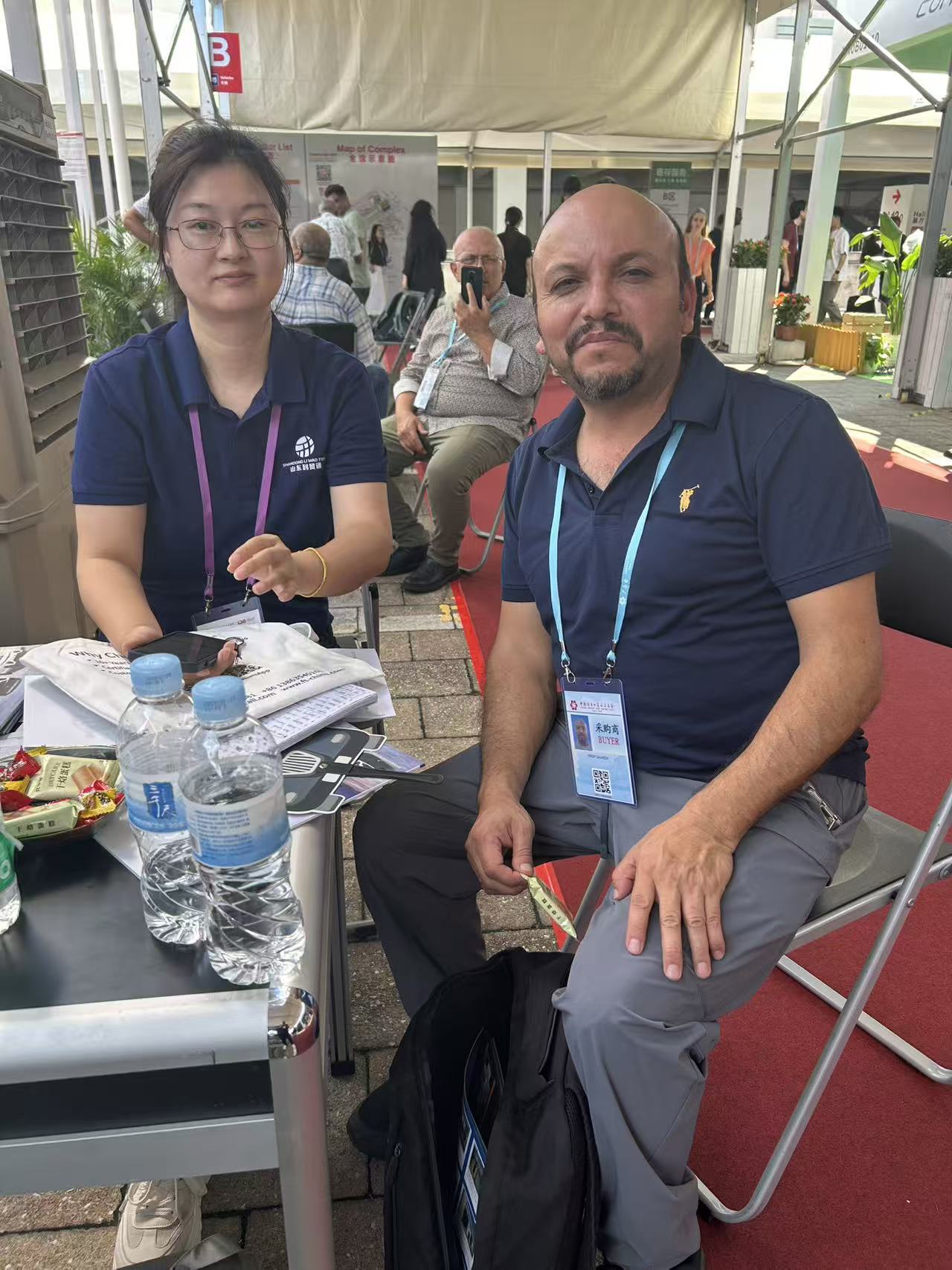
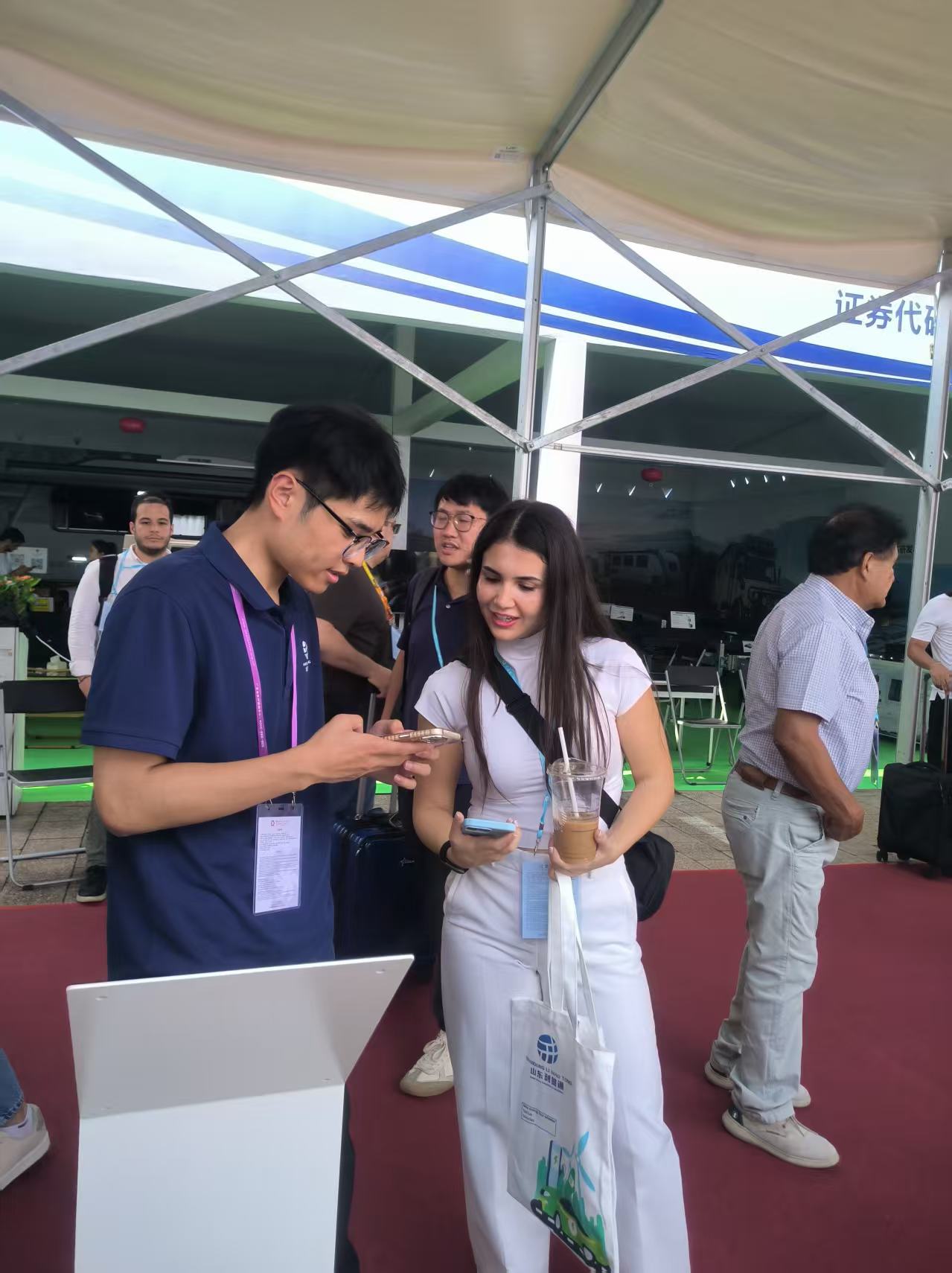

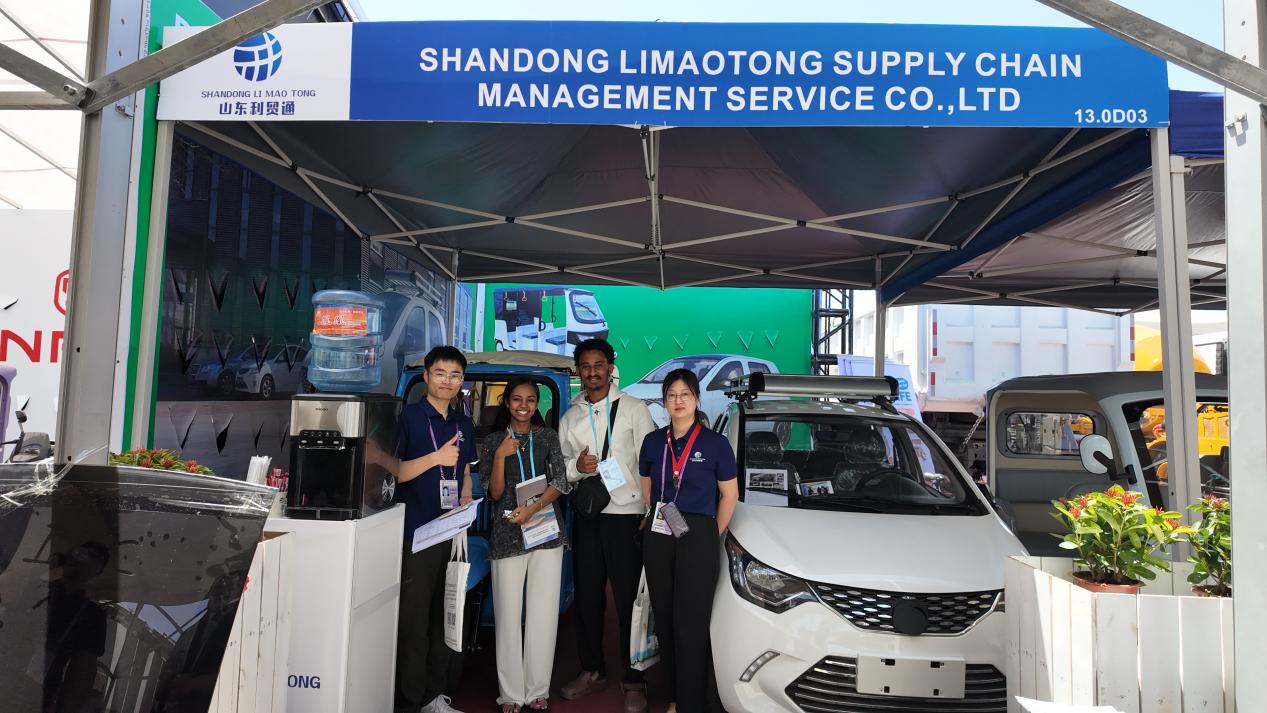
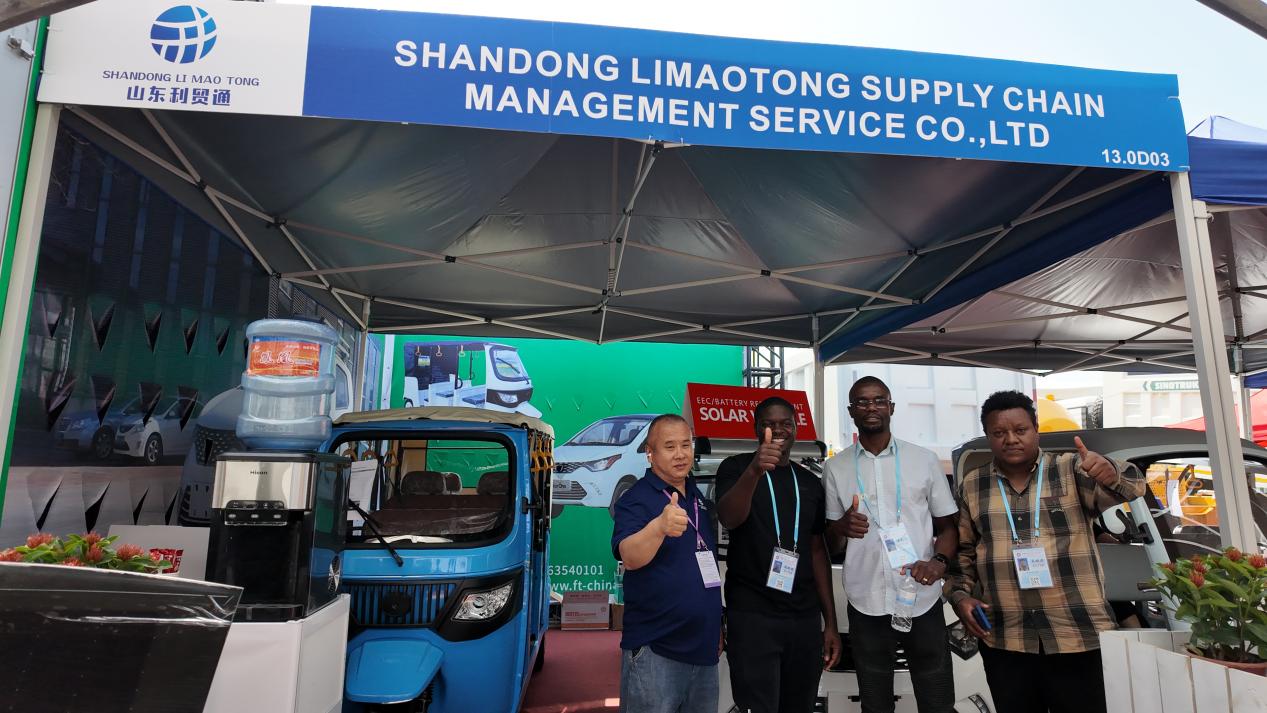
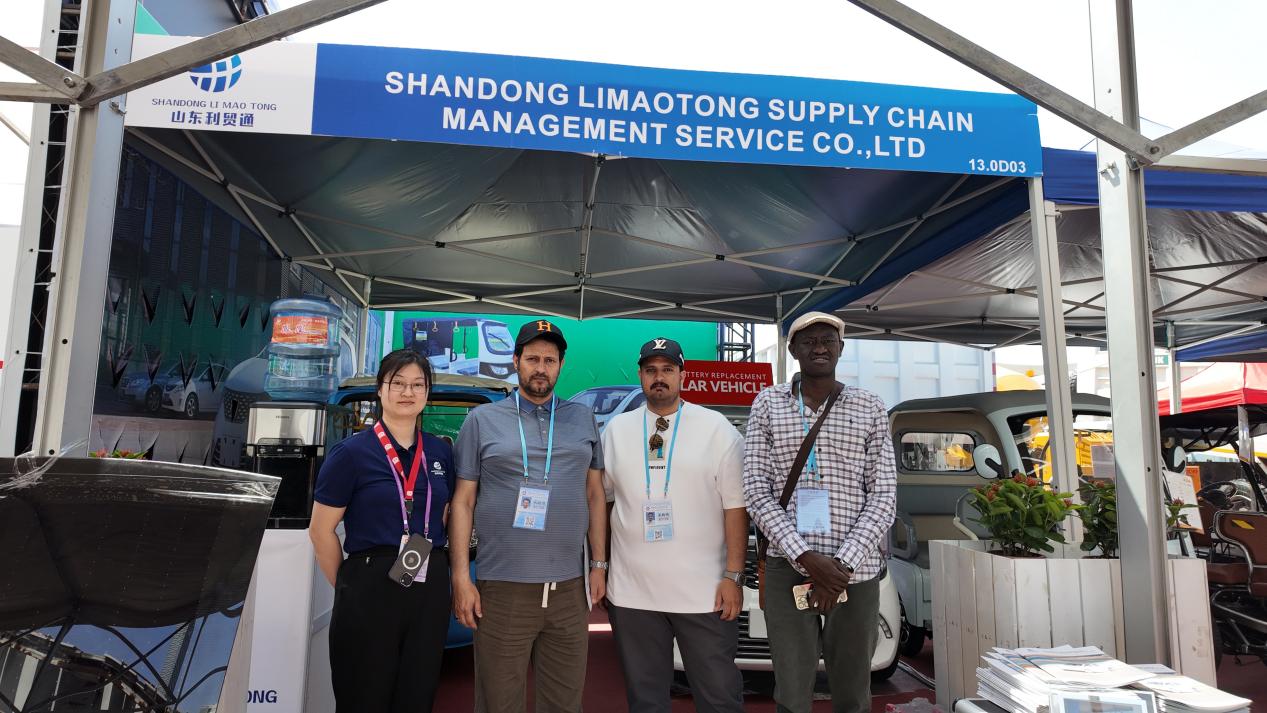
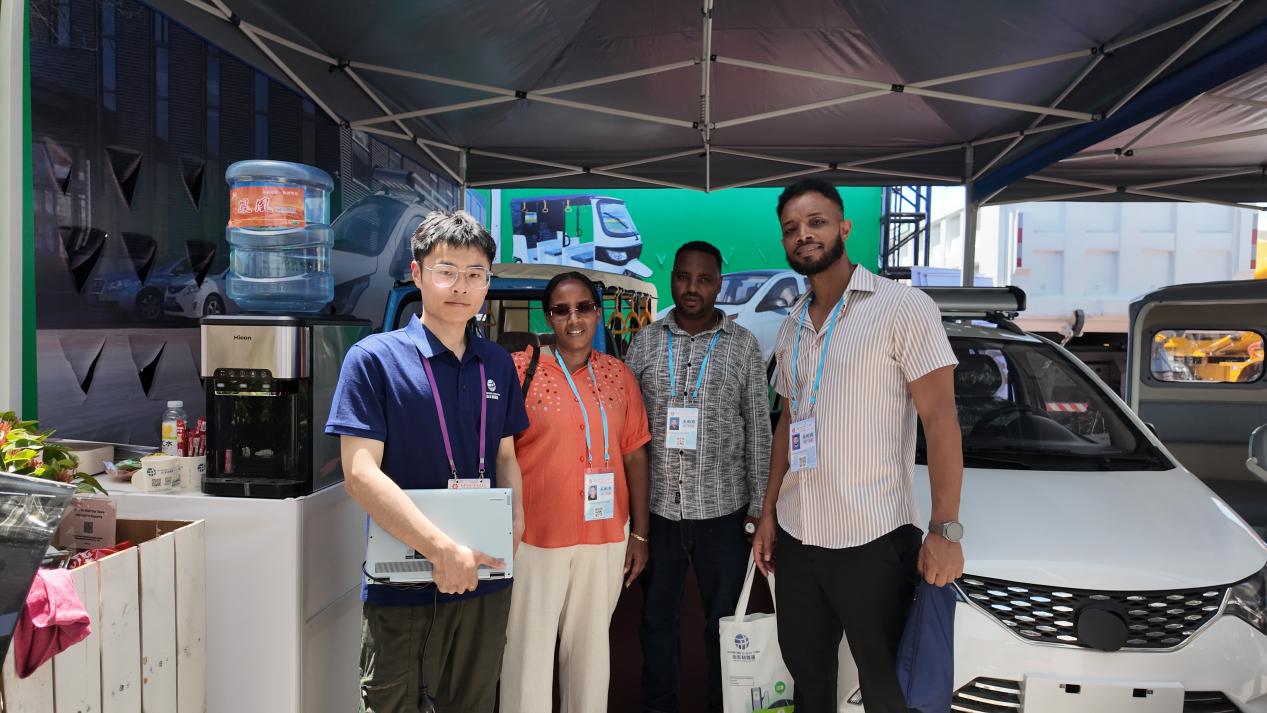
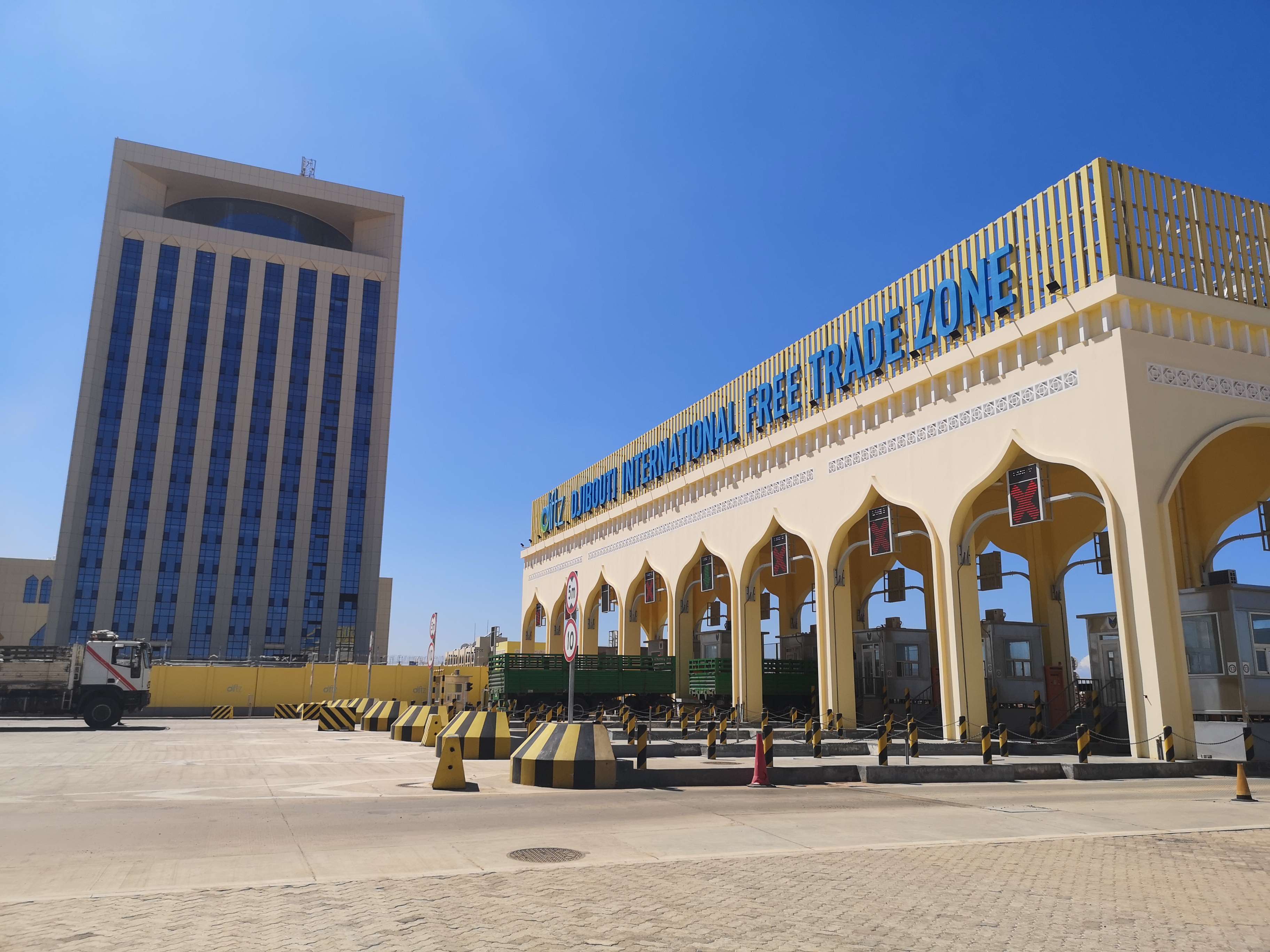
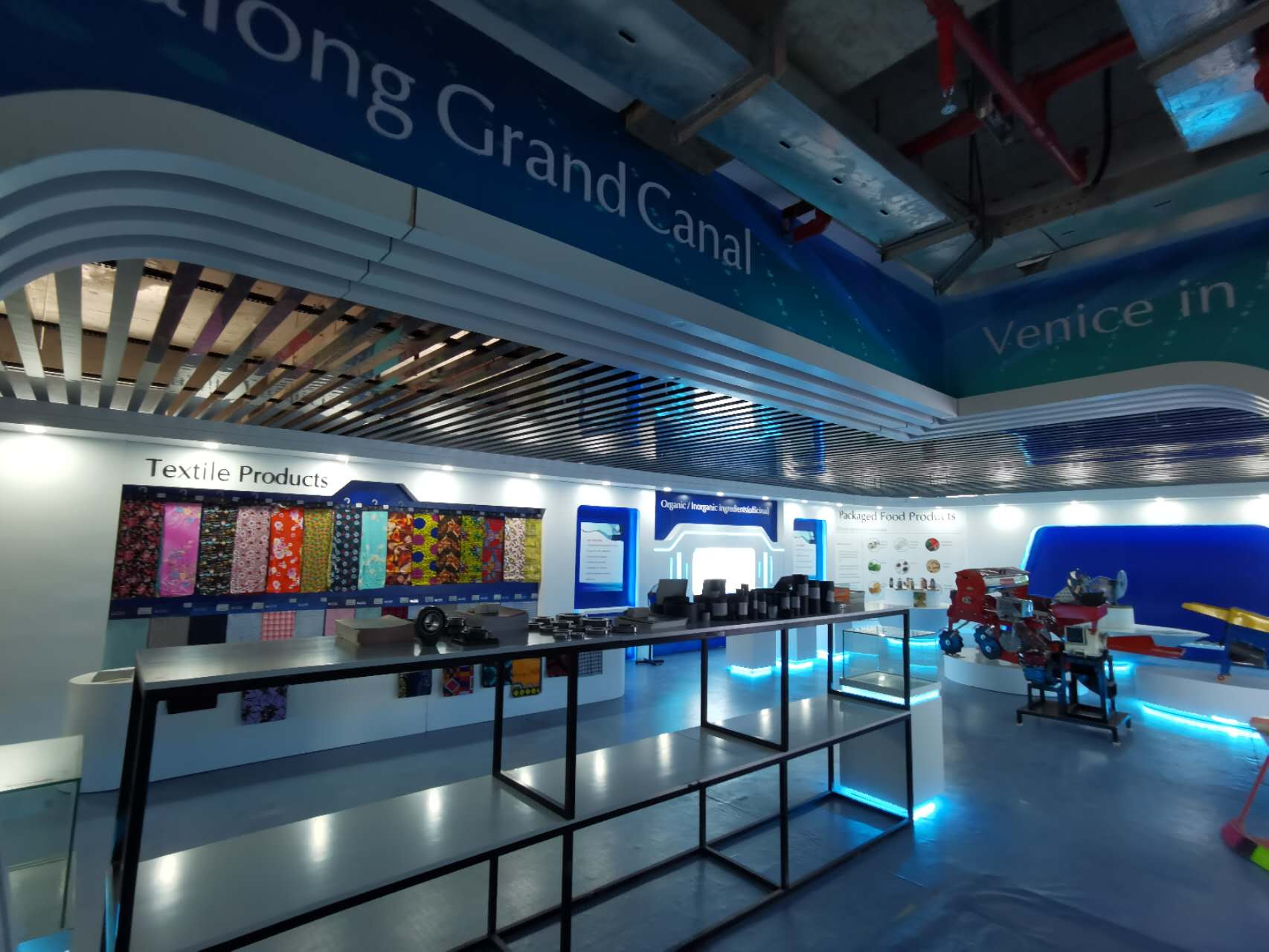
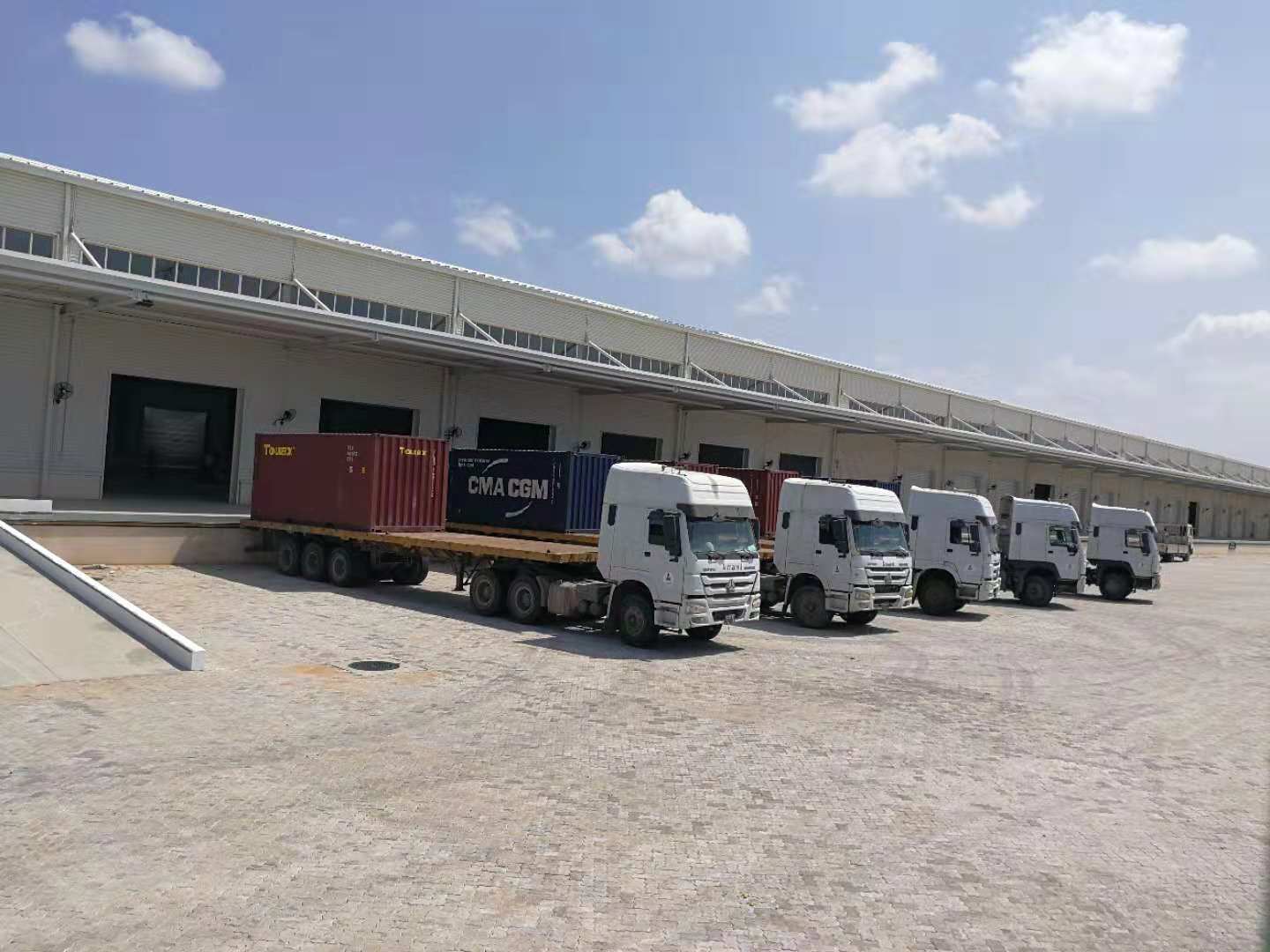
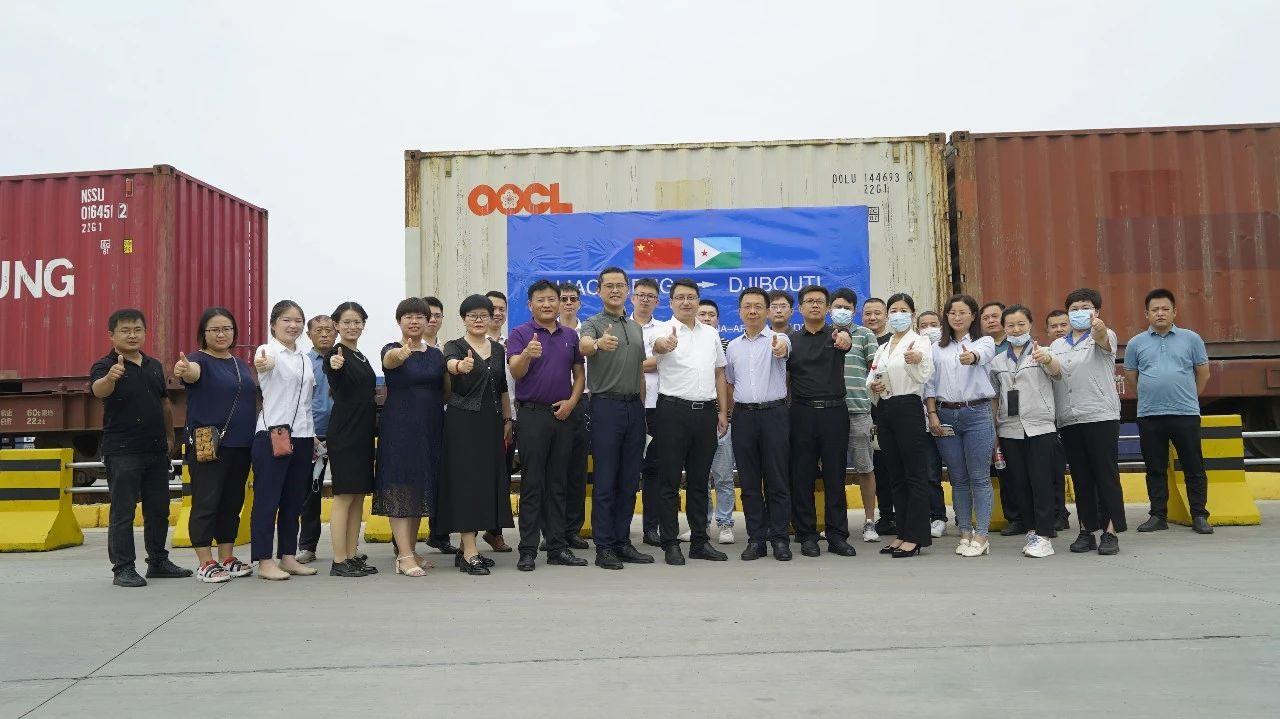
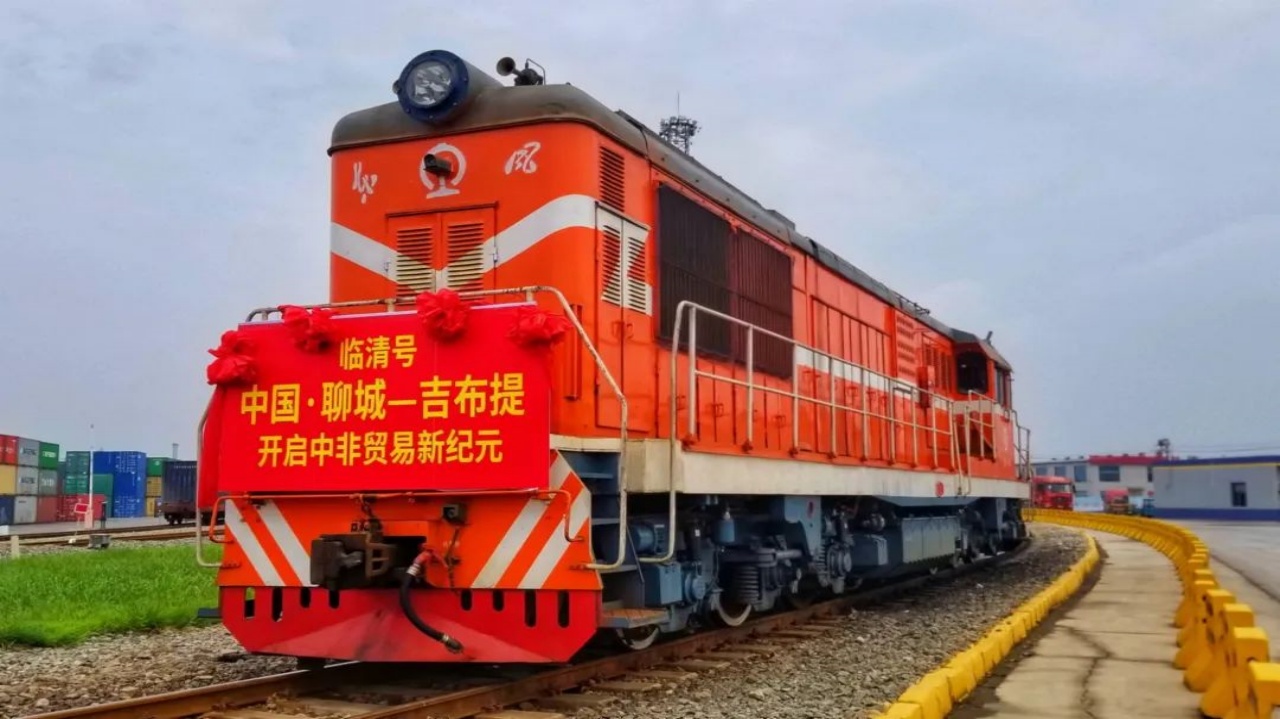
Established in 2023 inside the Djibouti International Free Trade Zone in East Africa, our localized warehouse serves as a primary distribution hub for the continent. With our local sales and technical service teams, we operate a cross-border trade model that integrates regional inventory with fast-turnaround aftersales support.
This localized facility helps reduce lead times for spare parts and simplified customs clearance processes for East African buyers, providing a reliable regional support network for fleet operators.
Detailed view of assembly stages, material verification, and end-of-line quality inspections.


Technical details addressing cargo safety, battery cycle limits, and global logistics options.
Select from our specialized passenger carriers, commercial utility vehicles, and highway-capable electric platforms.
 Limaotong