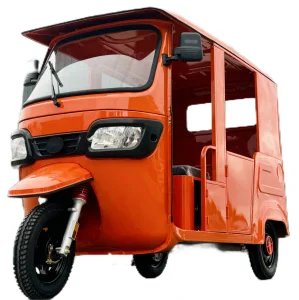
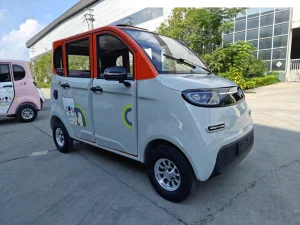
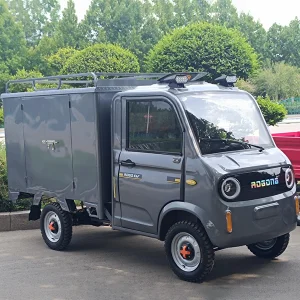
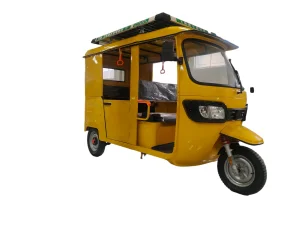
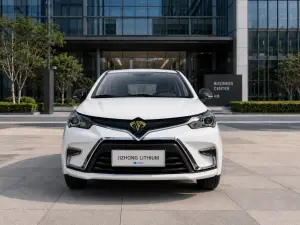
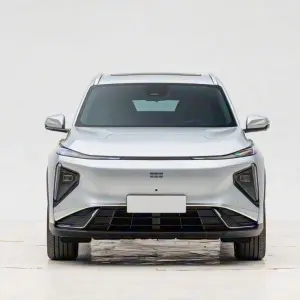
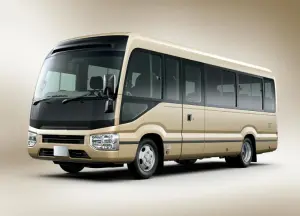
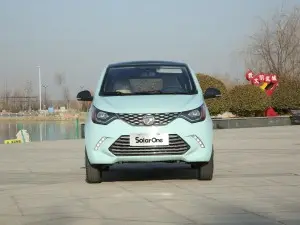
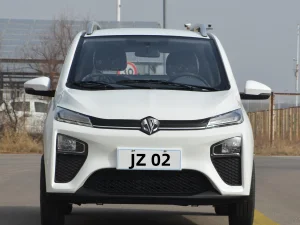
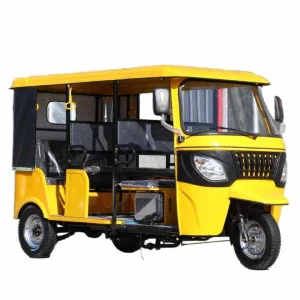
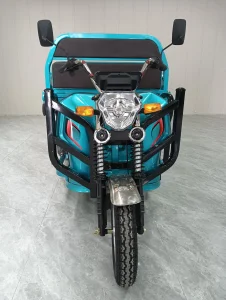
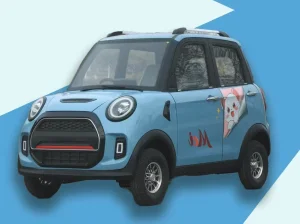
Explore our high-performance models engineered for reliability, safety, and operational efficiency across global markets.
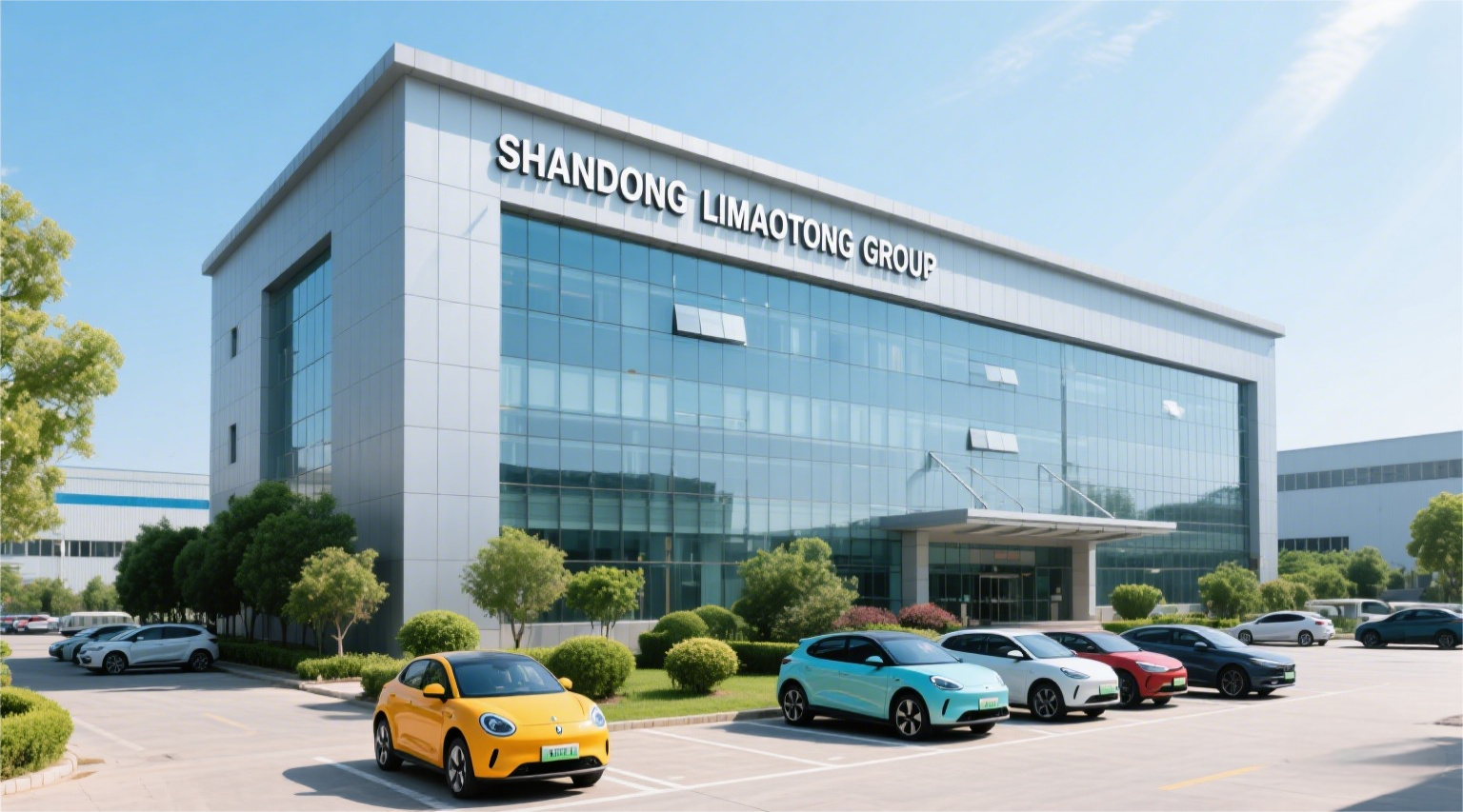
SHANDONG LI MAO TONG GROUP is a premier global manufacturer and key supplier of high-quality logistics solutions, maintaining a completely integrated industrial chain. We specialize in the research, dynamic design, precision manufacture, and international sales of motorized tricycles, cargo tricycles, and electric passenger vehicles. Since our inception, our vehicles have served operations in over 120 countries and regions worldwide, bringing localized mobility solutions to more than 20 million households globally.
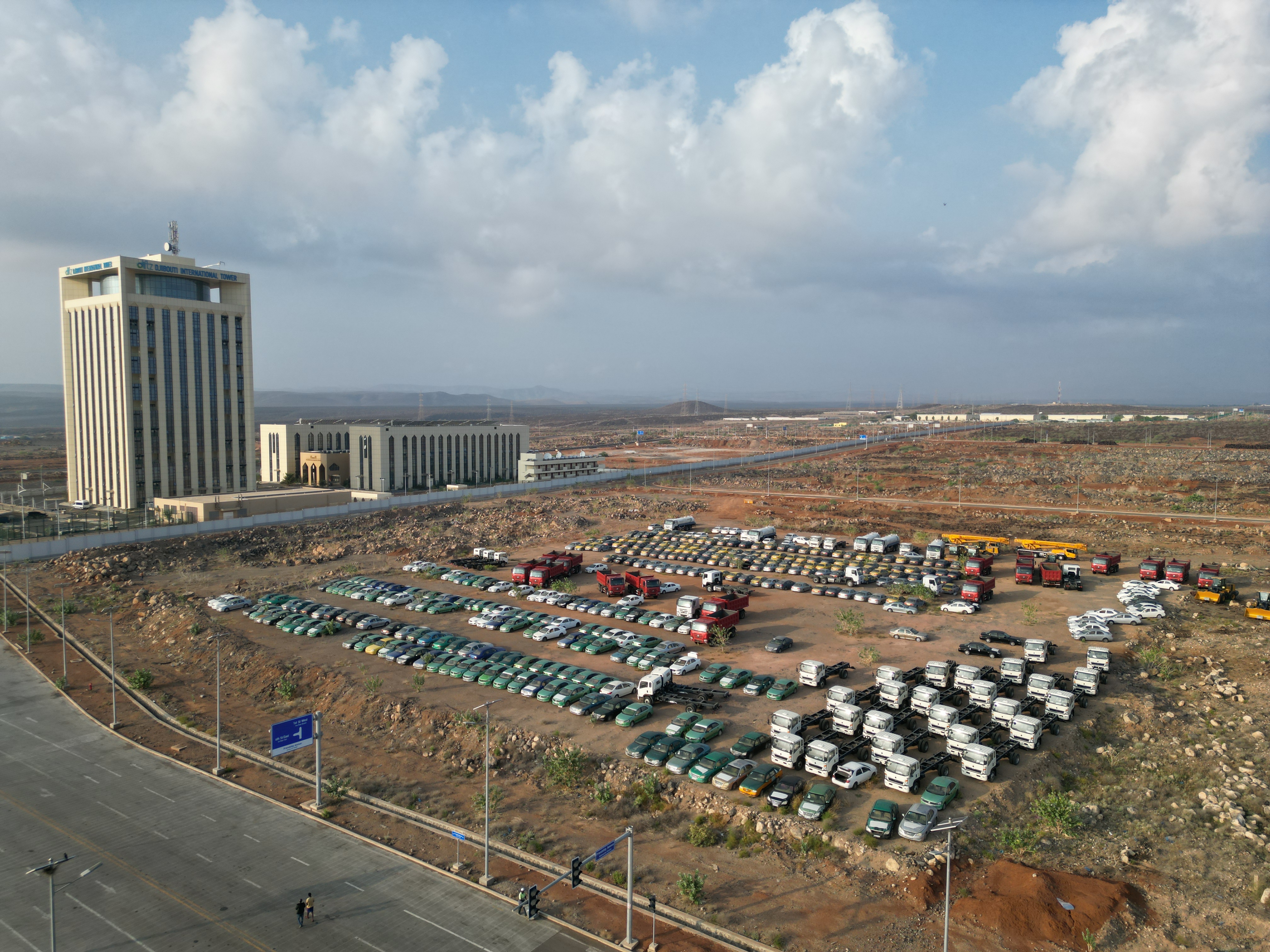
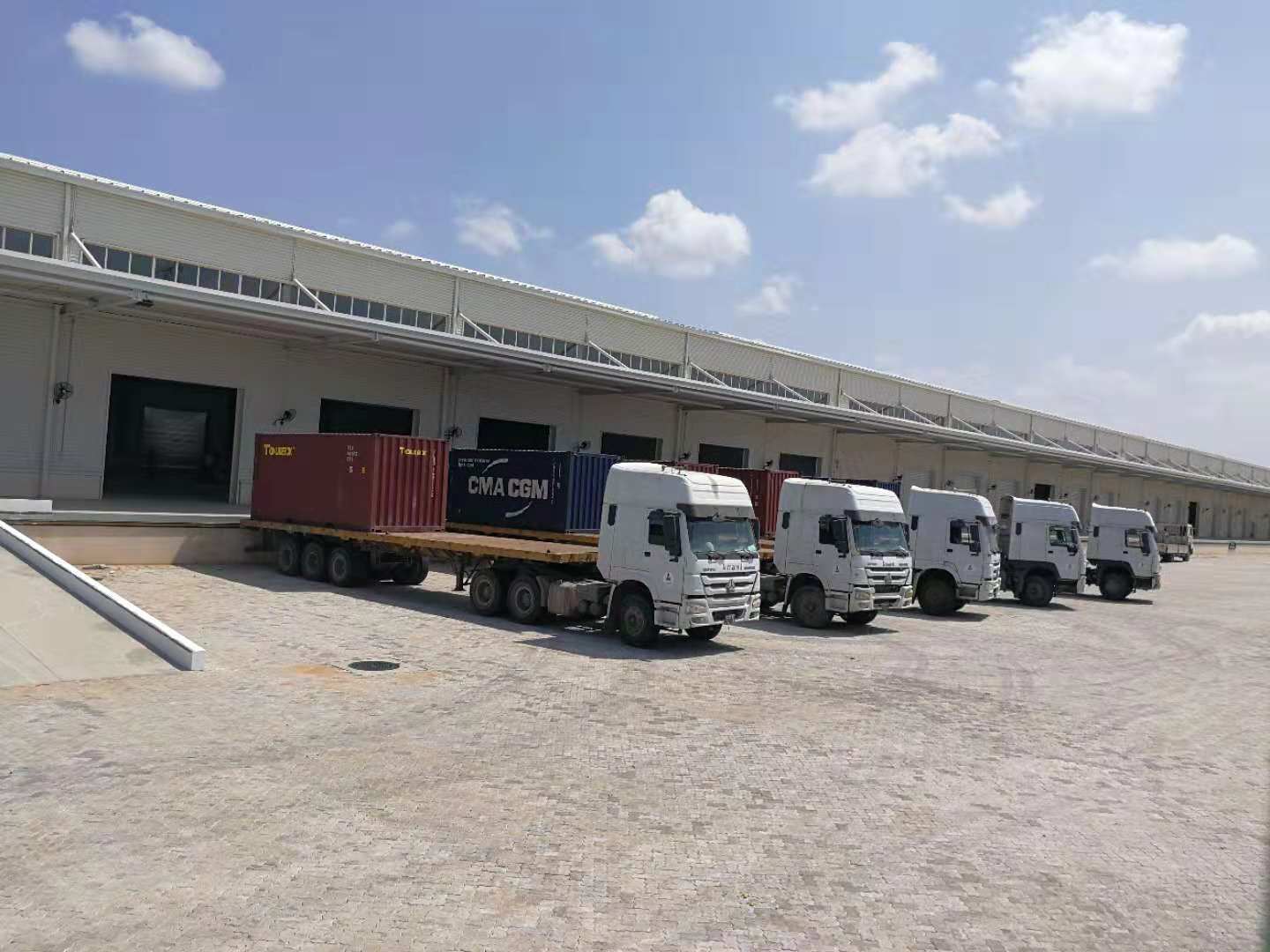
With the support of 8 overseas production bases, we are uniquely structured to provide comprehensive cargo vehicle solutions to complex international markets. Our commitment to sustainable local distribution led us to set up strategic overseas warehouses in Djibouti, backed by dedicated technical support and fully equipped repair facilities to guarantee absolute reliability.
Unmatched manufacturing scale, global network capabilities, and absolute compliance infrastructure.
The global logistics sector is undergoing an unprecedented restructuring. As cities implement stringent emission zones and carbon tax frameworks, traditional diesel and gasoline light commercial vehicles (LCVs) face mounting regulatory barriers. This has fueled the rapid rise of three-wheeled cargo electric vehicles as a major component of urban last-mile shipping ecosystems.
For procurement managers, multi-national distribution hubs, and agricultural enterprises, cargo tricycles bridge the crucial gap between human-scale bicycle logistics and oversized urban delivery vans. They provide an optimal payload capacity (ranging from 300kg to over 1,500kg) while maintaining a minimal physical and environmental footprint. This spatial efficiency allows operators to easily navigate narrow streets in European city centers, rural roads in emerging Latin American agricultural corridors, and high-density industrial parks in Asia.
"By integrating electric cargo three-wheelers into local hub networks, fleet operations report up to a 40% reduction in total operating costs (TCO) compared to standard commercial vans, primarily driven by minimized energy consumption, low maintenance costs, and optimized routing times."
How Li Mao Tong integrates advanced robotics, digital quality control, and testing protocols to construct standard-setting cargo vehicles.
We use heavy-duty hydraulic presses to form steel frames, combined with automated robotic welding lines. This ensures precision welds, stable chassis geometry, and resistance to fatigue stress under high-load cycles.
All structural metal parts undergo a multi-stage cathodic electrophoretic deposition process. This coats both internal cavities and outer surfaces with an anti-corrosion barrier, preventing rust even in humid, tropical coastal regions.
Every batch of vehicles undergoes rigorous quality testing, including laboratory-simulated Level 7 rainstorm tests, high-incline grade tests, and dynamic braking tests to ensure performance under extreme weather conditions.
The manufacturing capabilities of Shandong Li Mao Tong Group are rooted in our vertically integrated supply chain. Unlike assemblers who source variable third-party parts, we process raw steel into specialized vehicle frames and match them with custom-engineered transaxles, heavy-duty suspension units, and dedicated motor controllers. This end-to-end quality control ensures that each cargo tricycle delivered has high structural integrity, optimized power consumption, and long-term chassis durability.
Discover our top-selling alternative fuel vehicles and specialty cargo transports favored by global procurement networks.
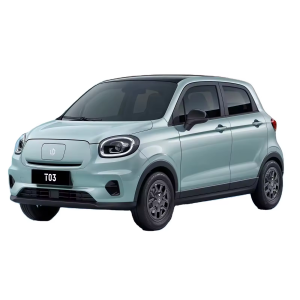
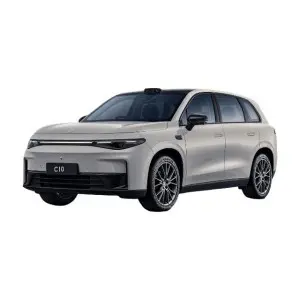
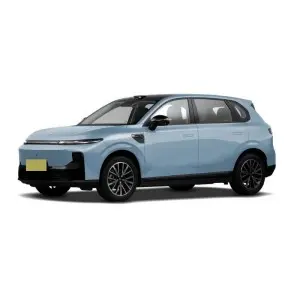
A glimpse into our manufacturing floor, testing yards, and advanced product assembly lines.
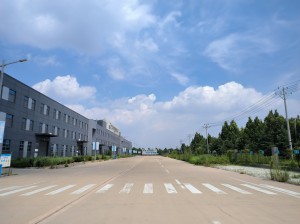
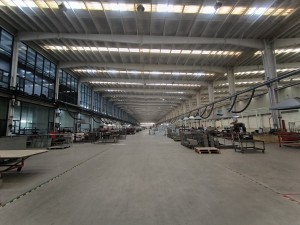
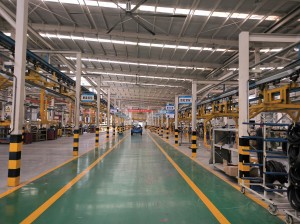
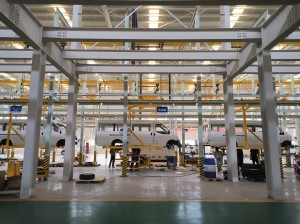
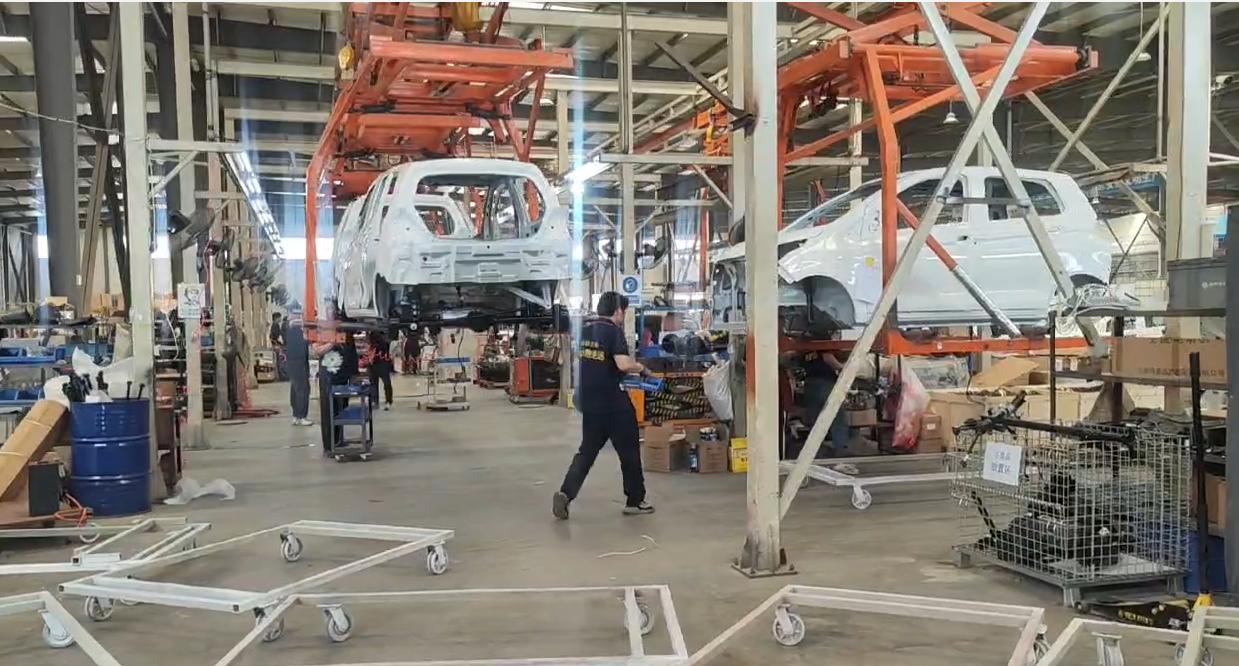
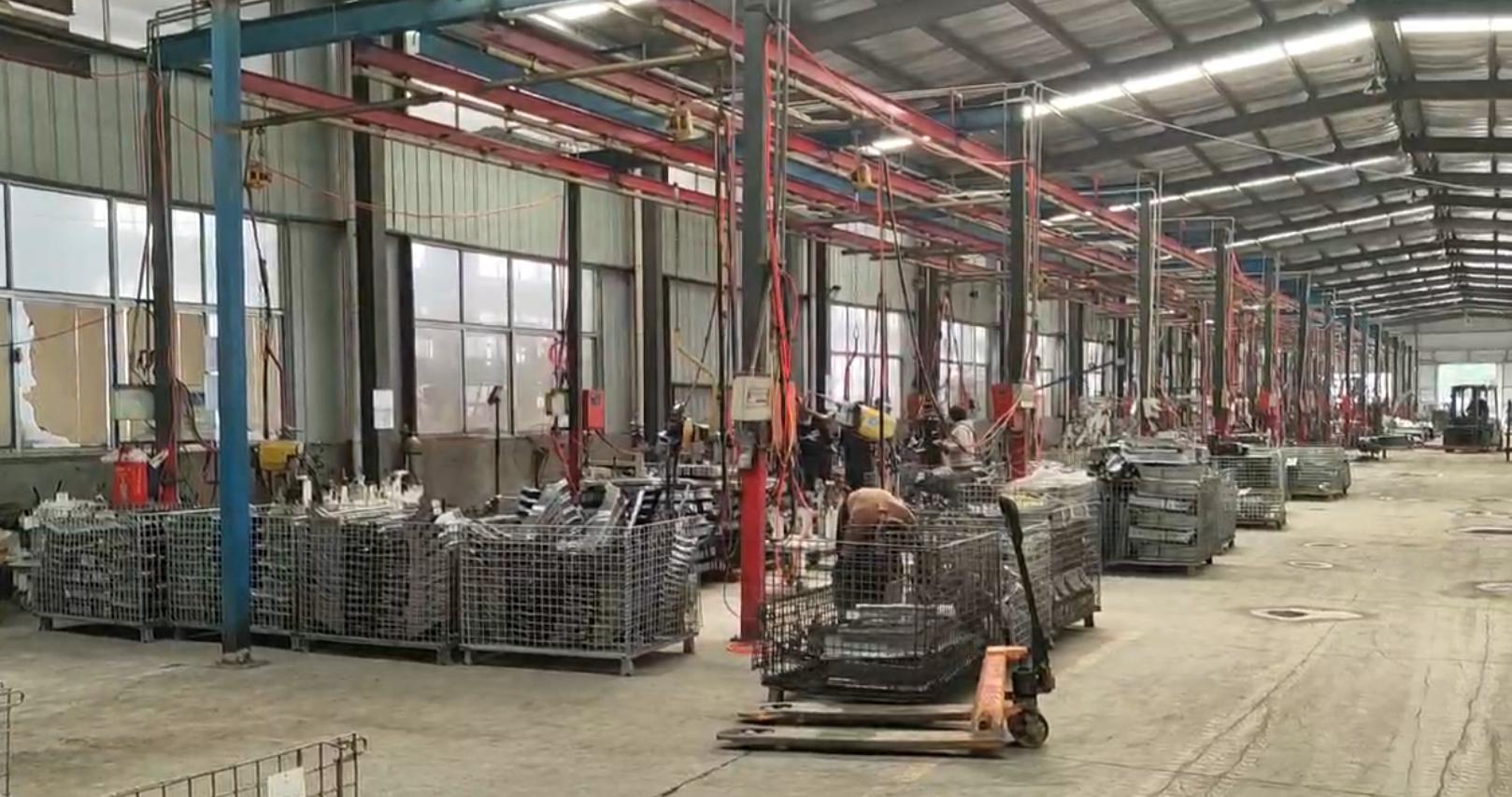
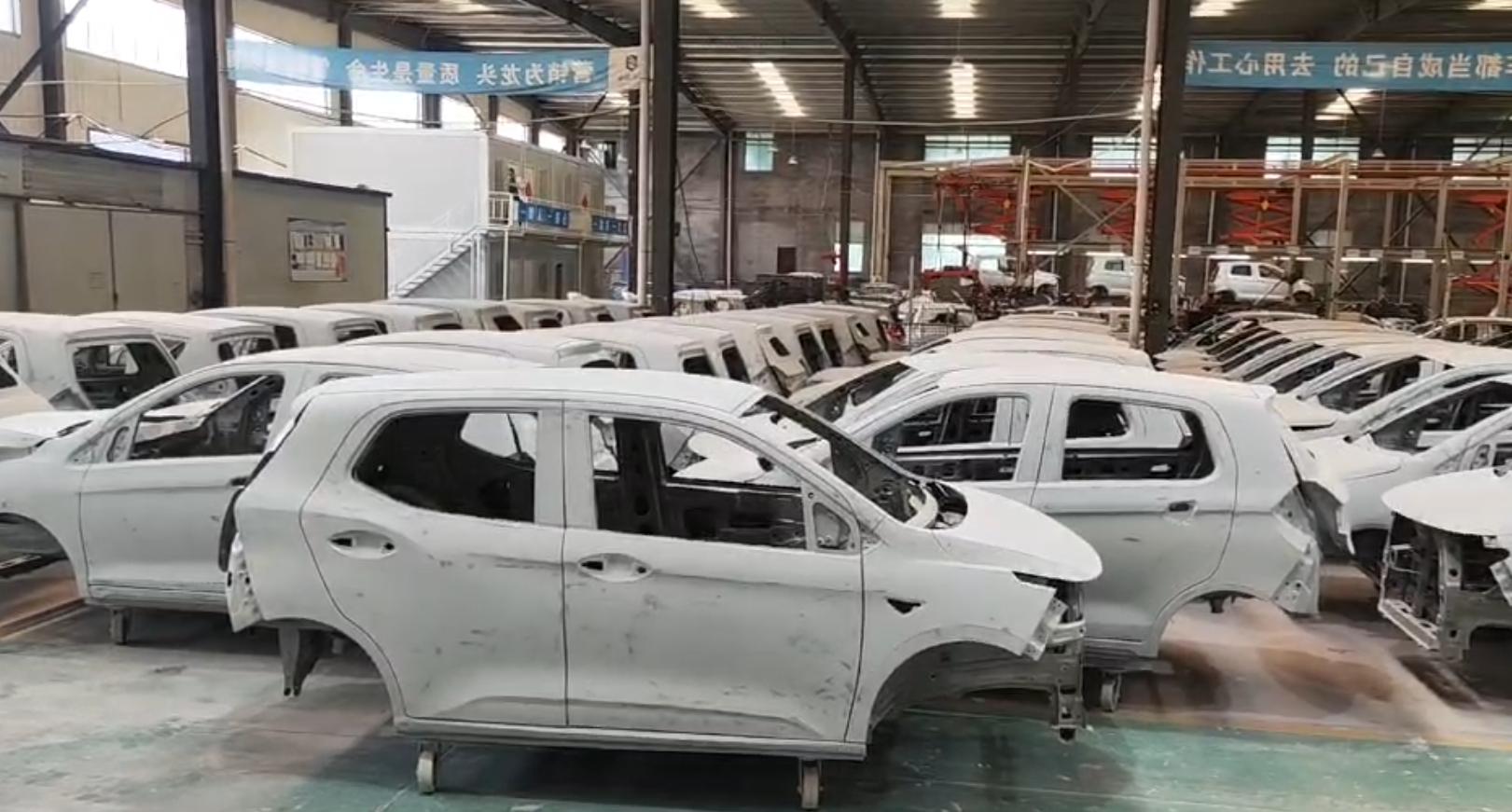
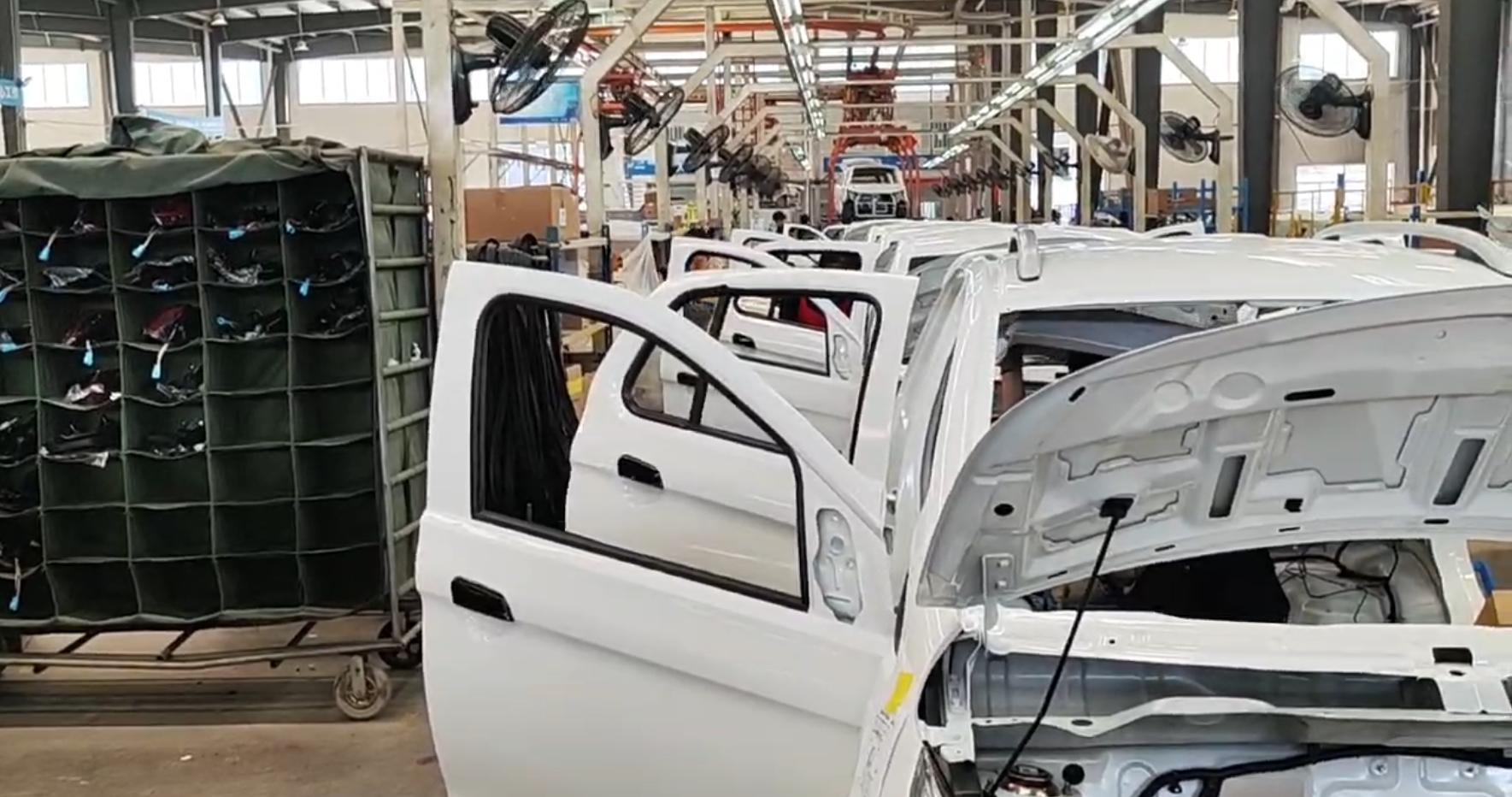
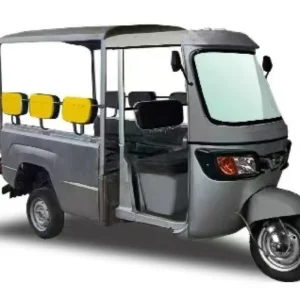
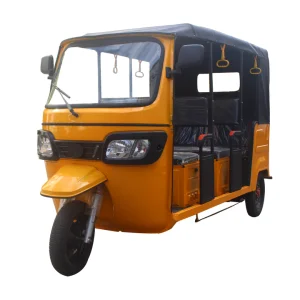
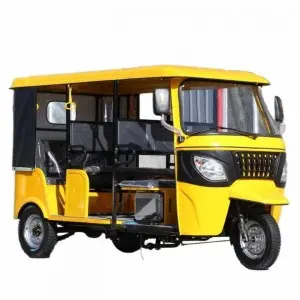
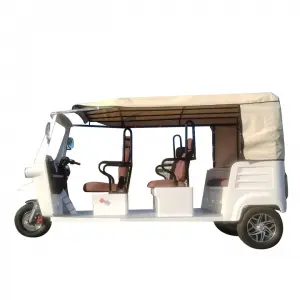
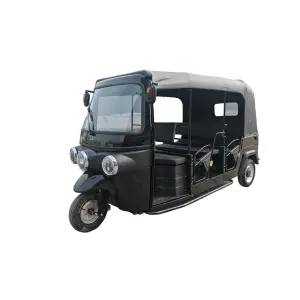
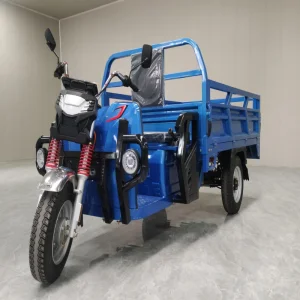
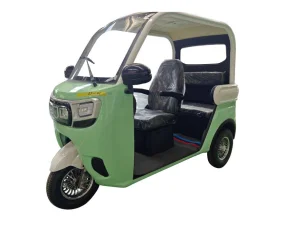
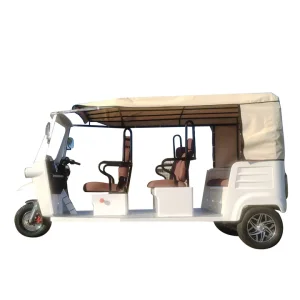
Highlighting our heavy-duty platforms, custom configurations, and passenger Tuk-Tuks built for global market integration.
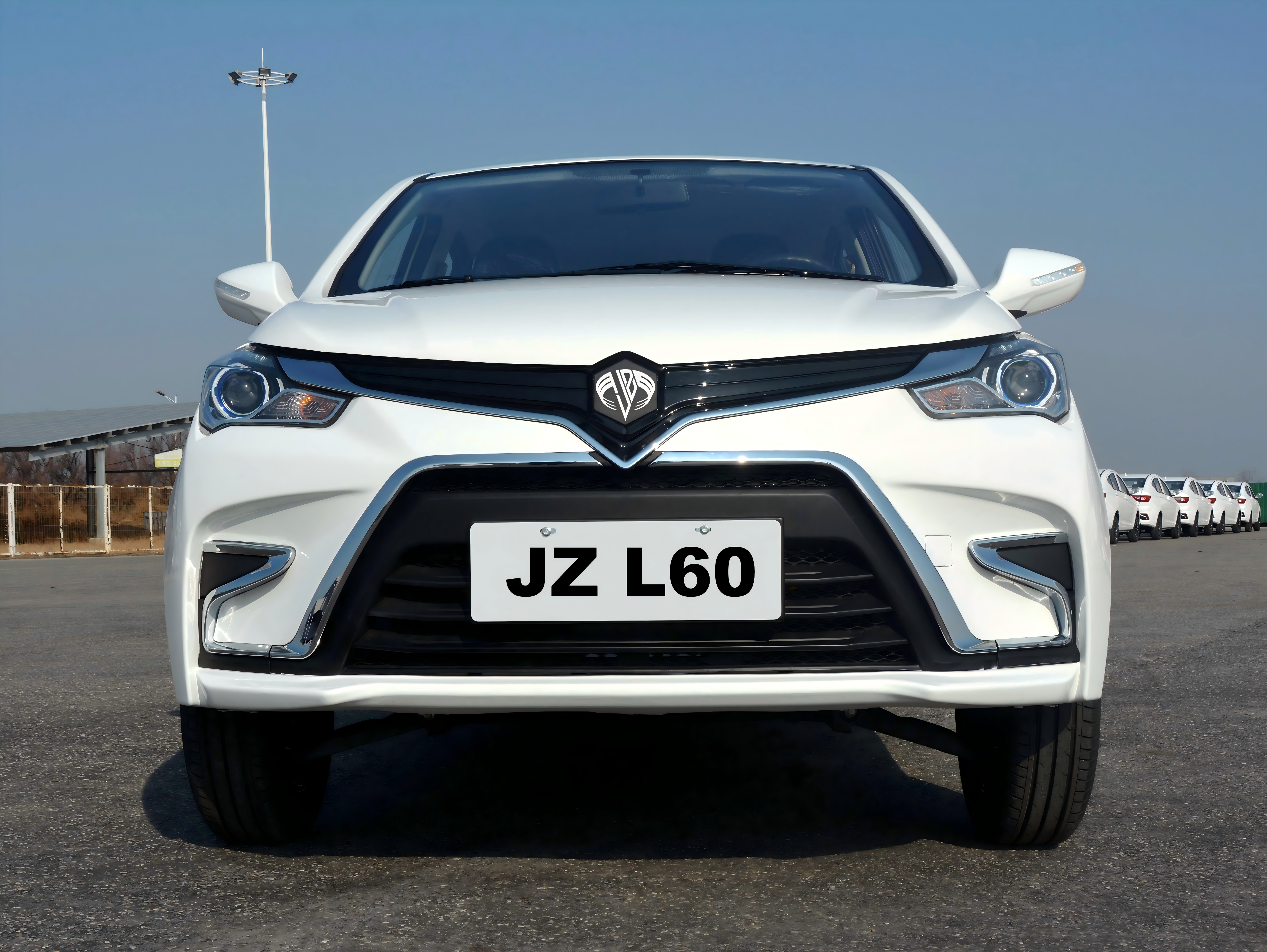
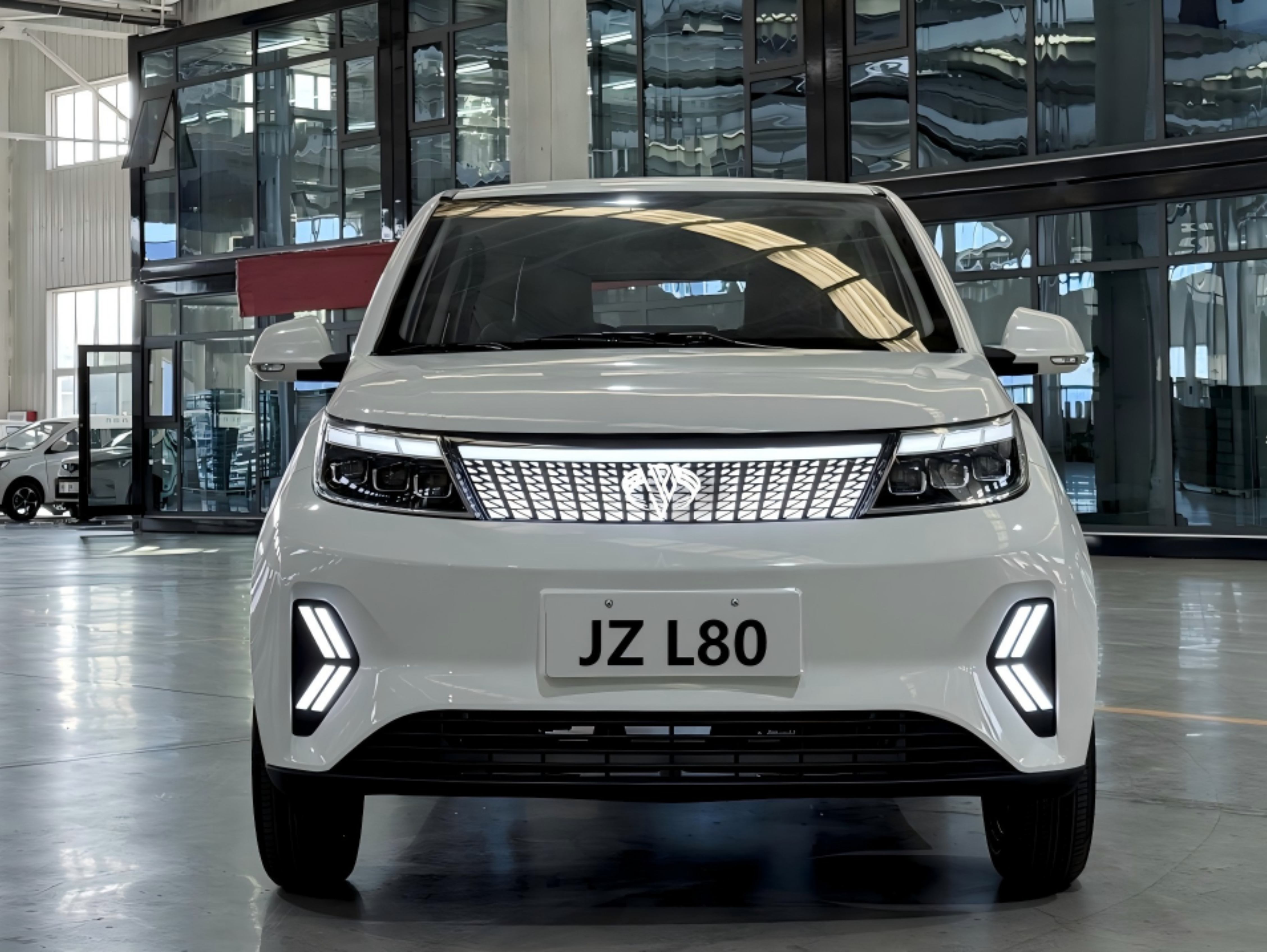
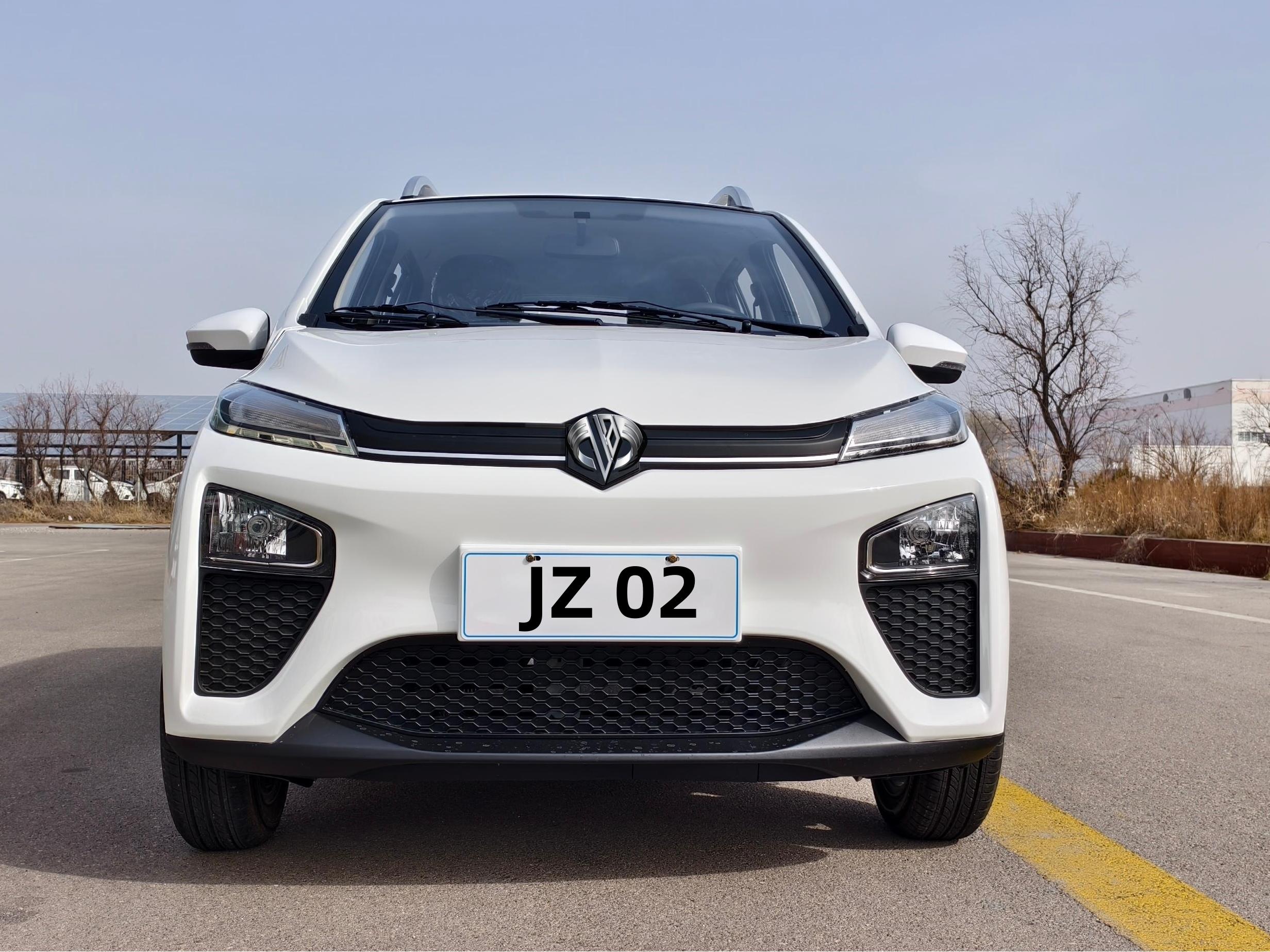
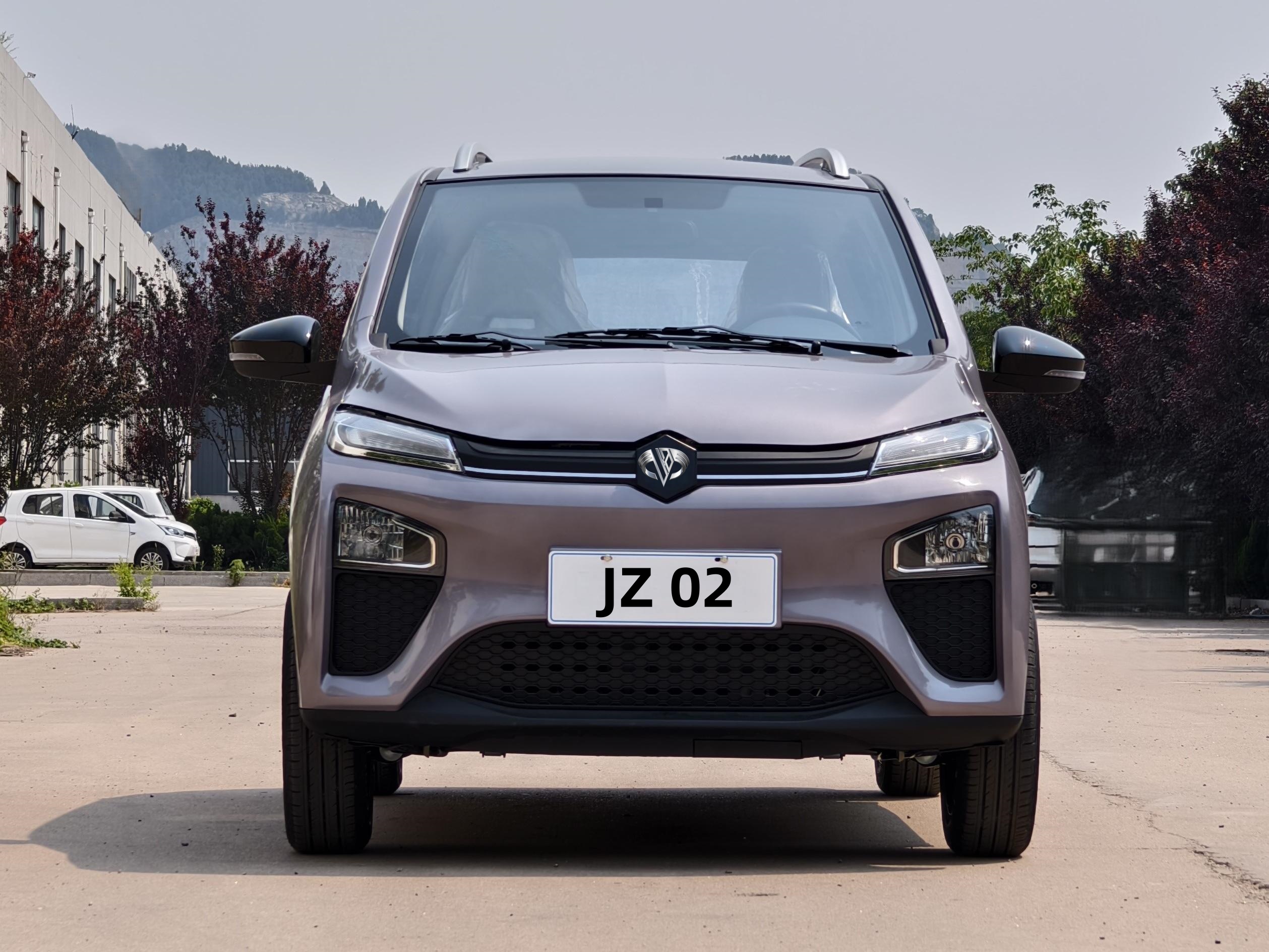

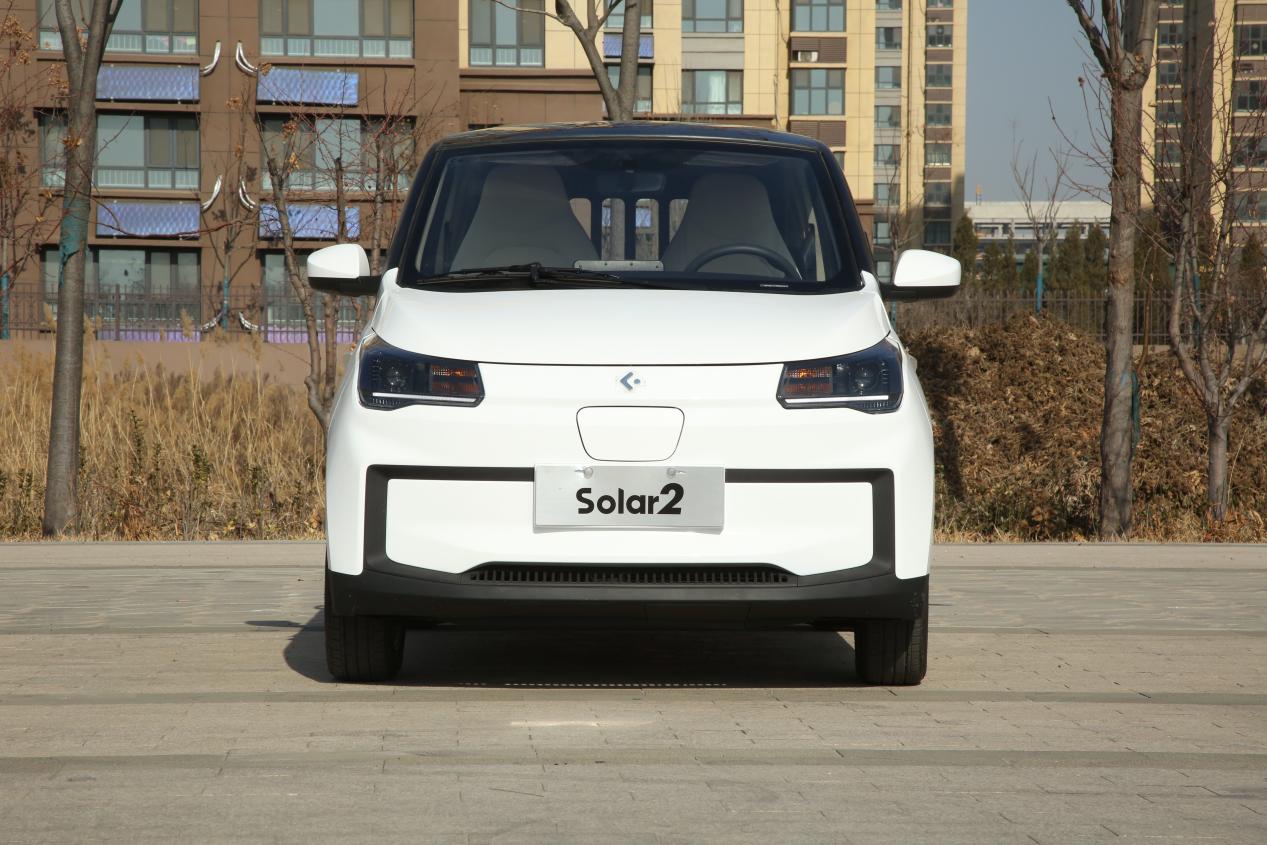
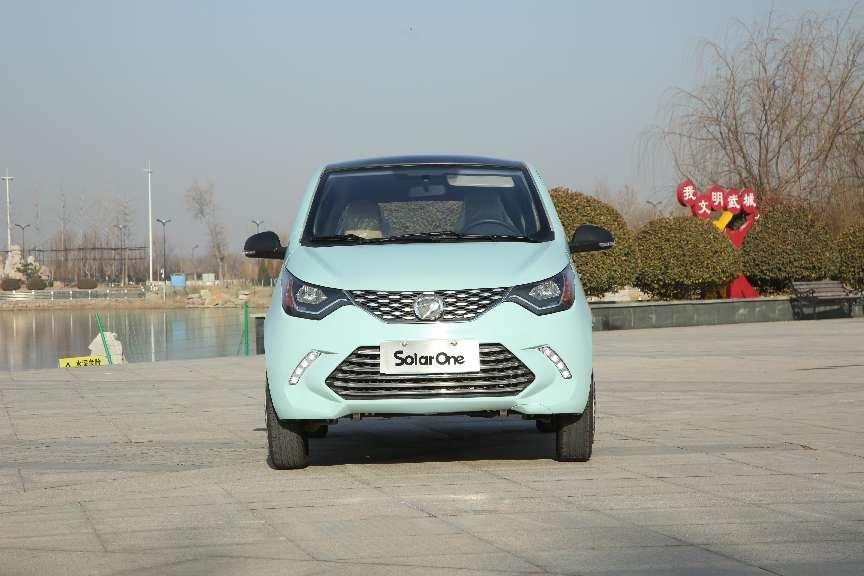

Navigating global regulatory landscapes is one of the most critical hurdles for fleet buyers. Import restrictions, safety standard certifications, and local road-permit rules require clear expertise. Shandong Li Mao Tong Group ensures that our entire range of cargo and passenger vehicles meets regional import criteria, including European Economic Area (EEC/CoC) requirements, US DOT specifications, and standard CE certifications for industrial handling equipment.
Importantly, our localization strategy goes beyond meeting certification parameters. By utilizing 8 localized production hubs, we optimize assembly costs and support high regional sourcing content requirements. This structure enables us to provide custom, semi-knocked-down (SKD) or completely knocked-down (CKD) configurations. This allows corporate partners to avoid high import tariffs while supporting local jobs in emerging markets.
Case Study: East African Cross-Border Expansion
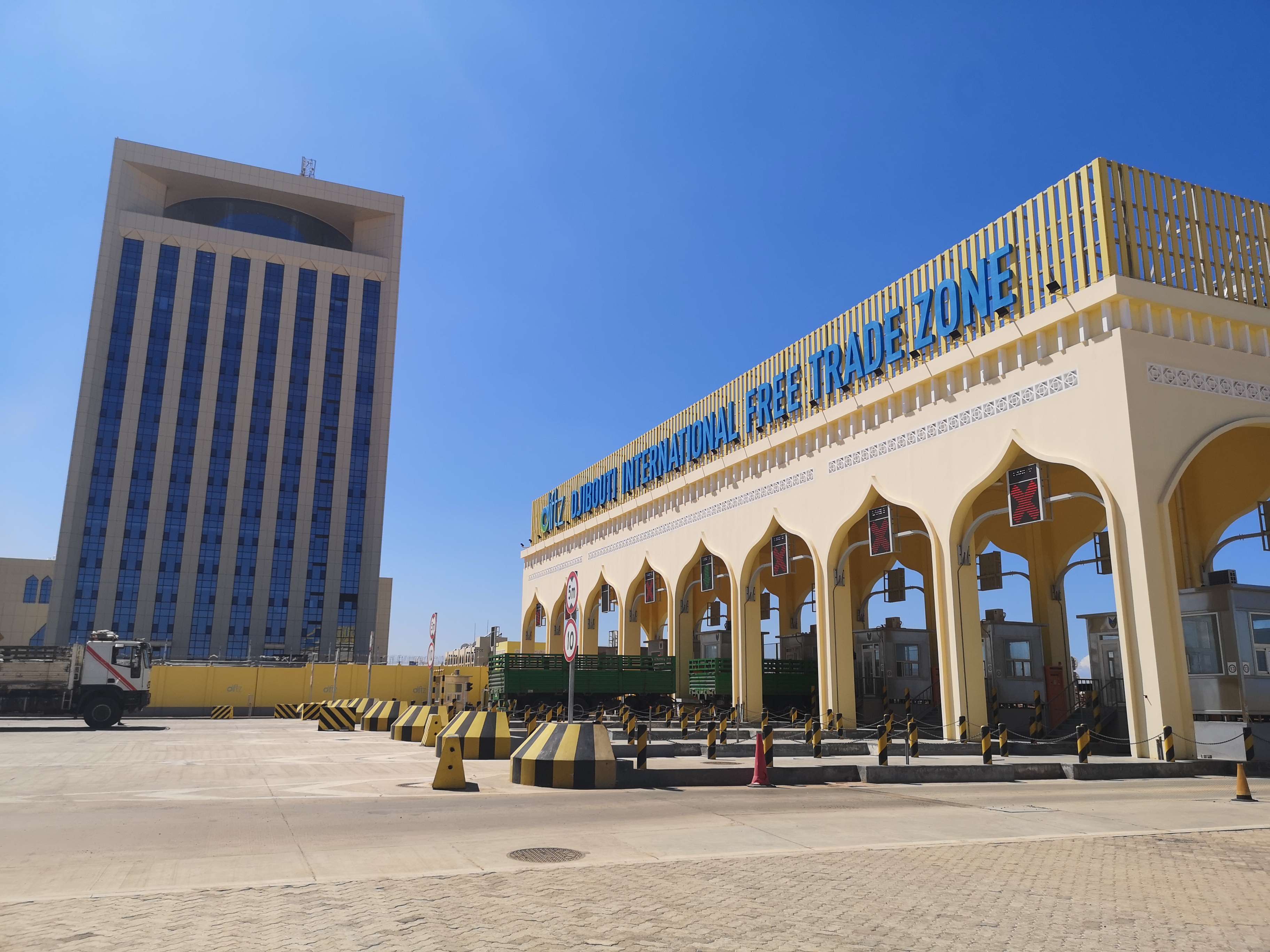
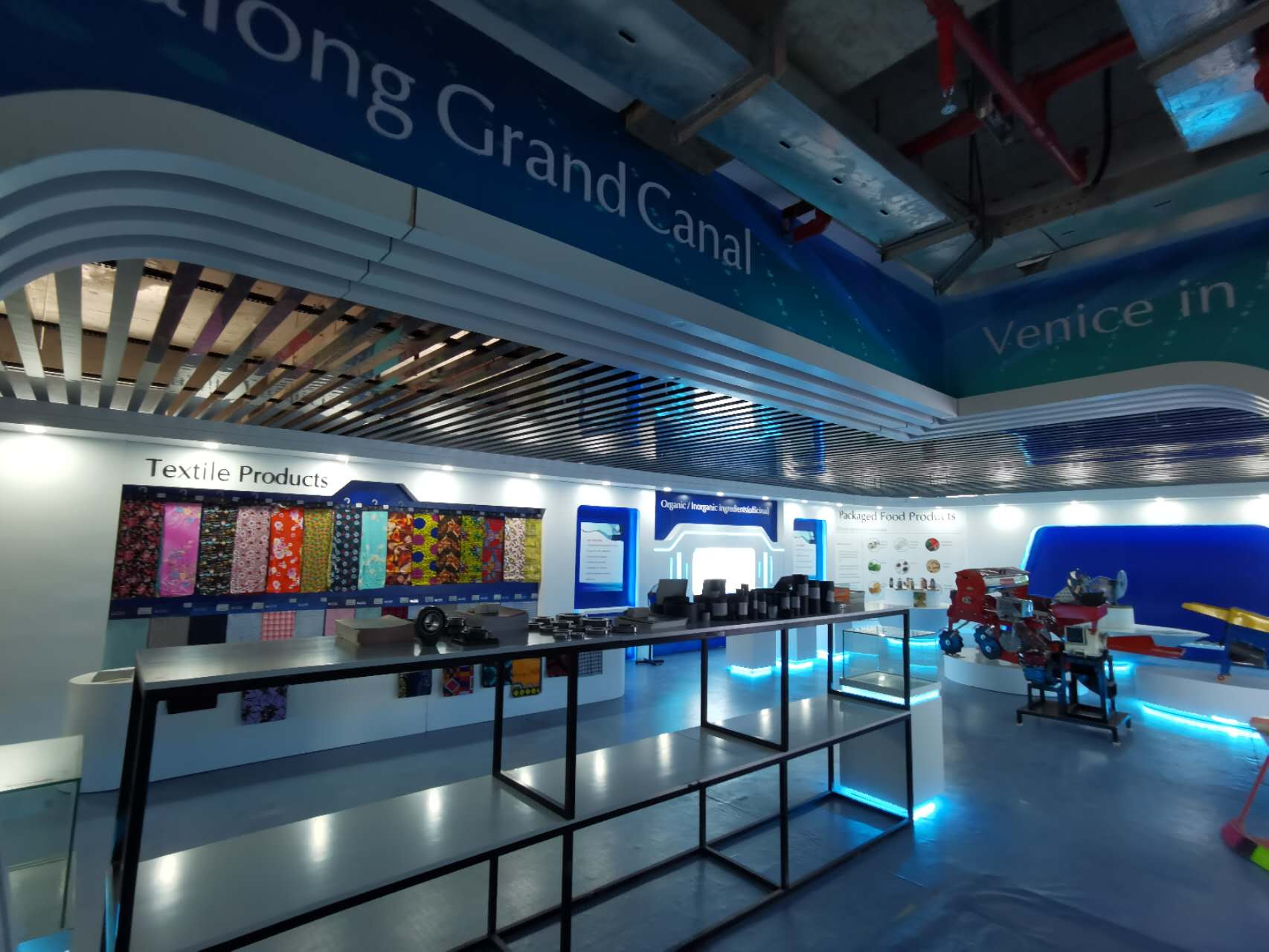
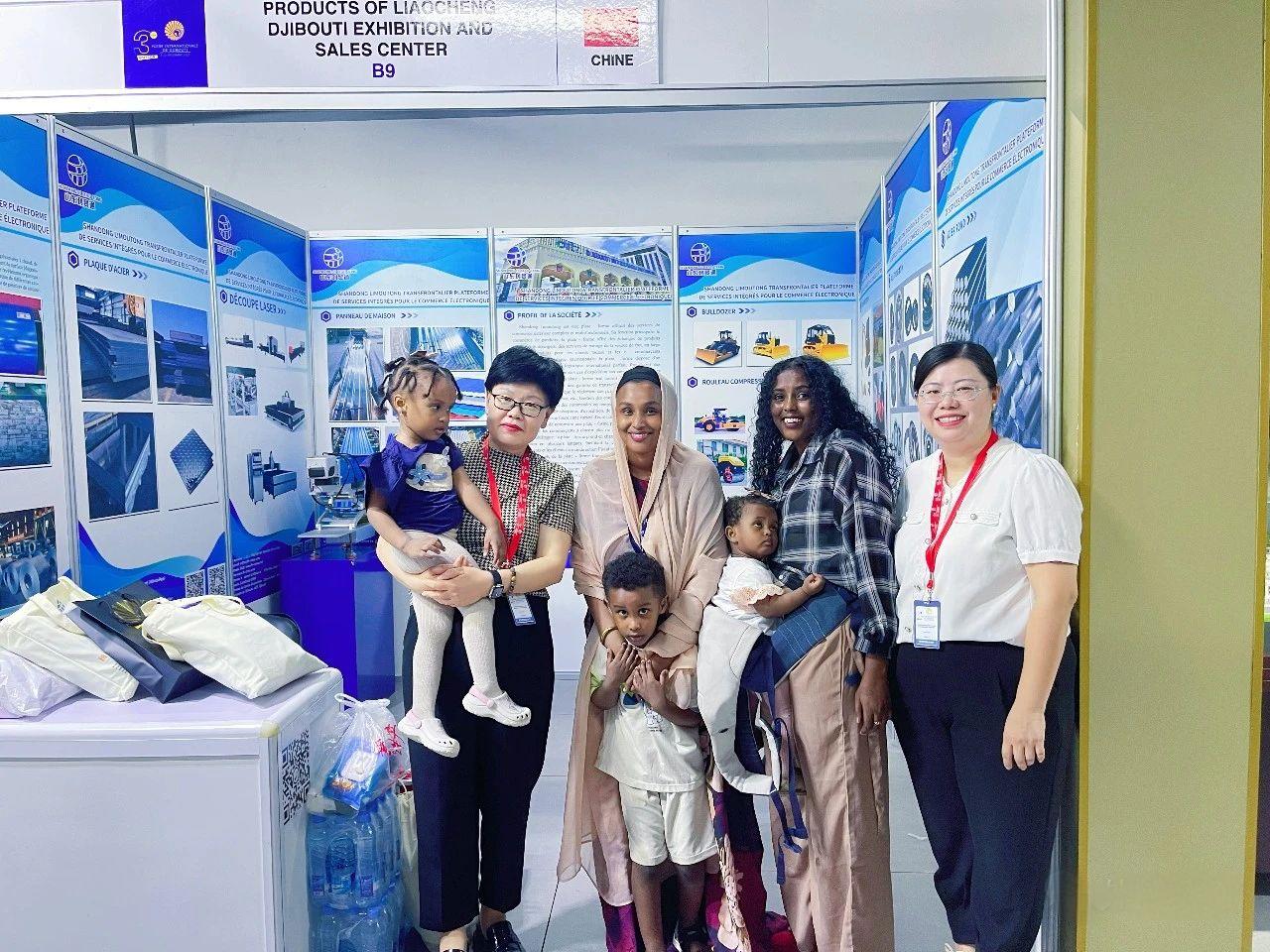
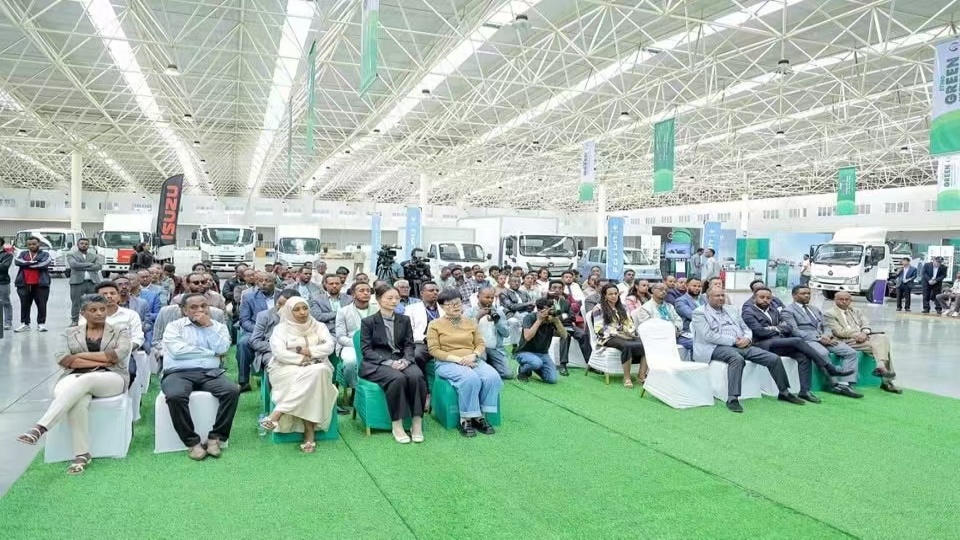
Established in 2023, the Djibouti (Overseas Warehouse) Cross-border E-commerce Exhibition and Sales Center serves as a major trade gateway for East Africa. Located in the Djibouti International Free Trade Zone, this center leverages localized distribution models, combining digital platforms with localized warehousing, sales networks, and technical service support.
Having parts and service support nearby is a key requirement for commercial operations. A vehicle waiting for parts represents lost operational revenue. Our warehouse in the Djibouti Free Trade Zone keeps a comprehensive inventory of essential components, including battery modules, electric drive systems, high-torque differentials, and heavy suspension parts. This structure allows us to offer swift regional parts delivery, reducing downtime from weeks to hours.
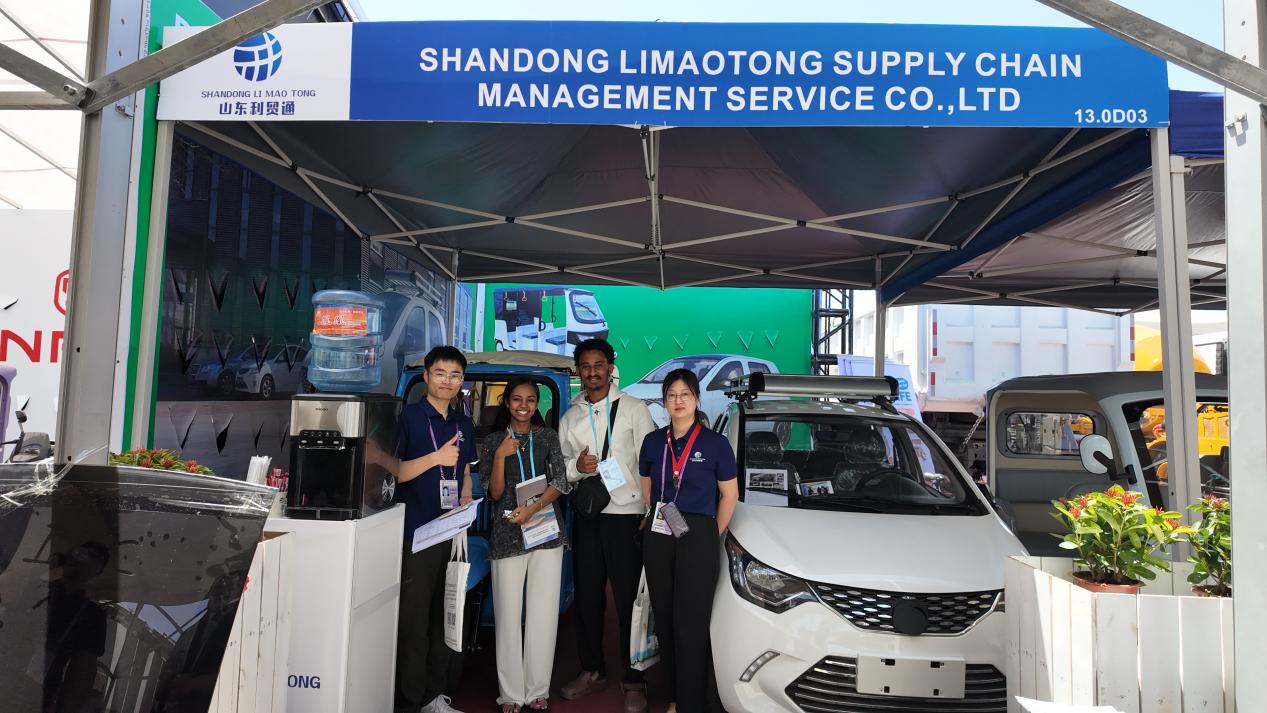
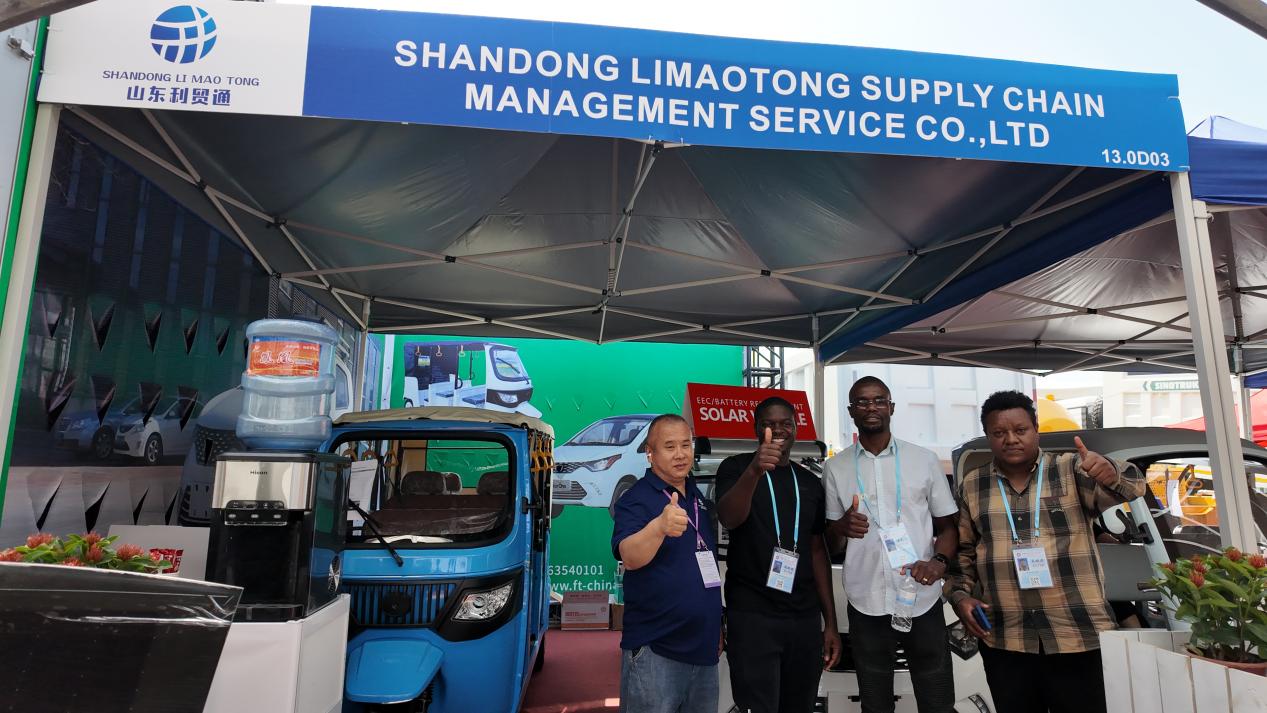
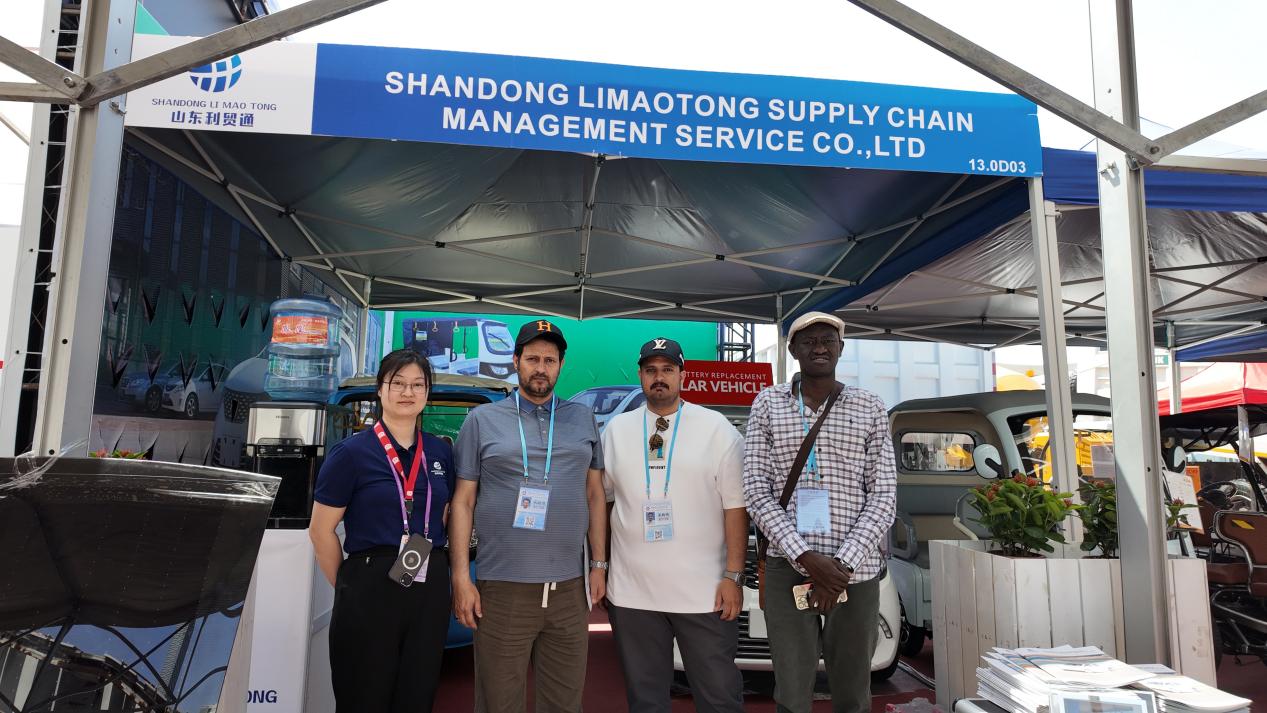
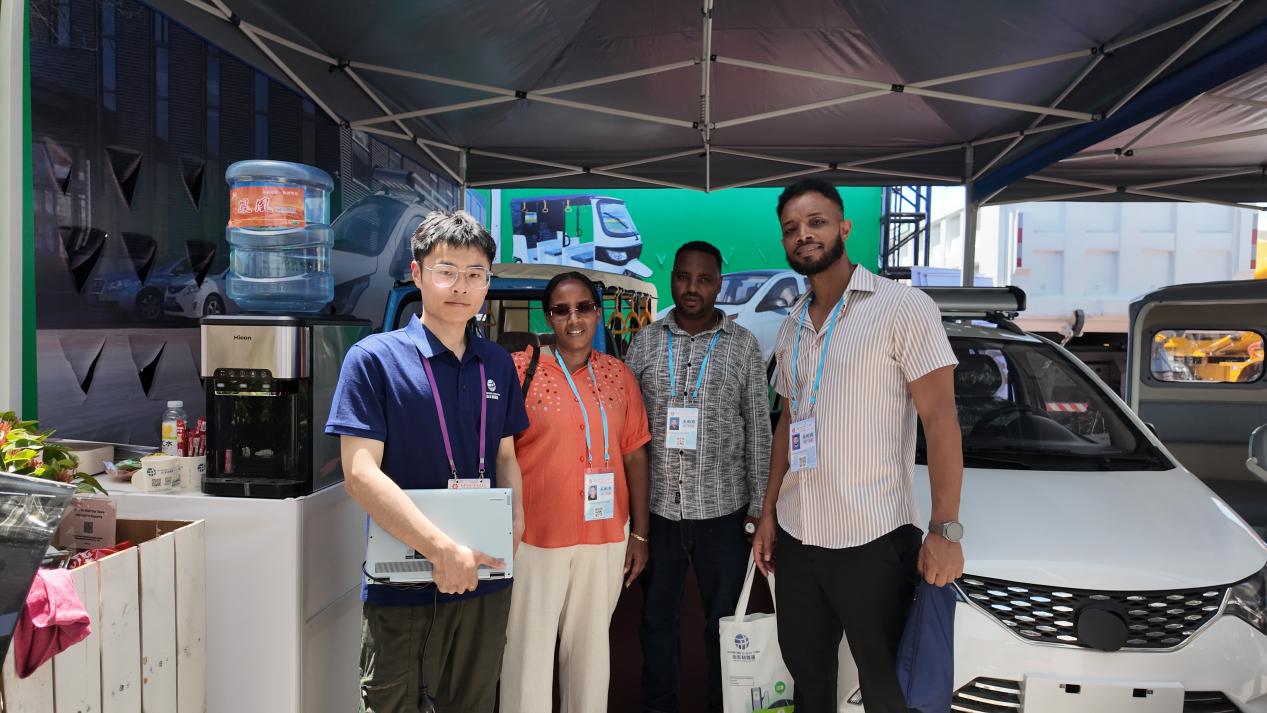
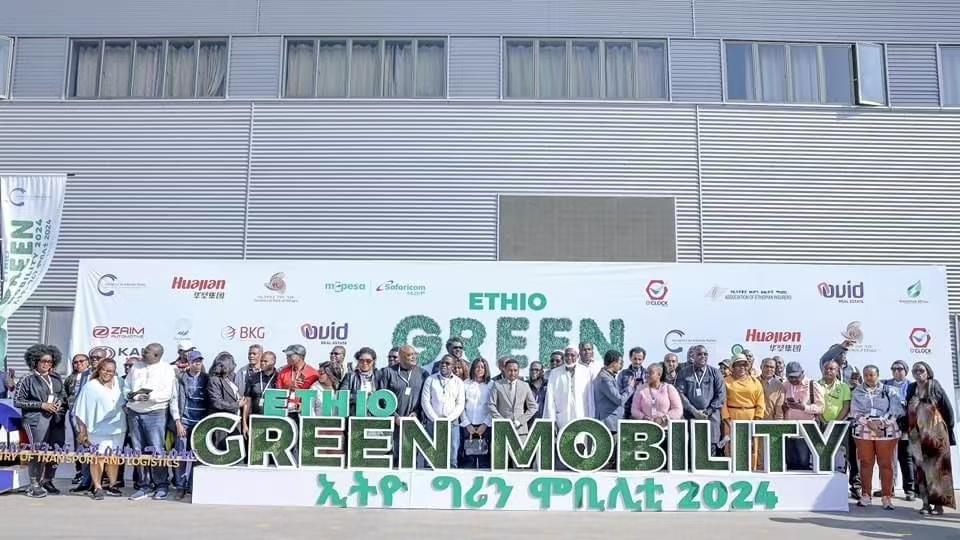
We present our engineering and green mobility technologies at leading international trade events and automotive expos.

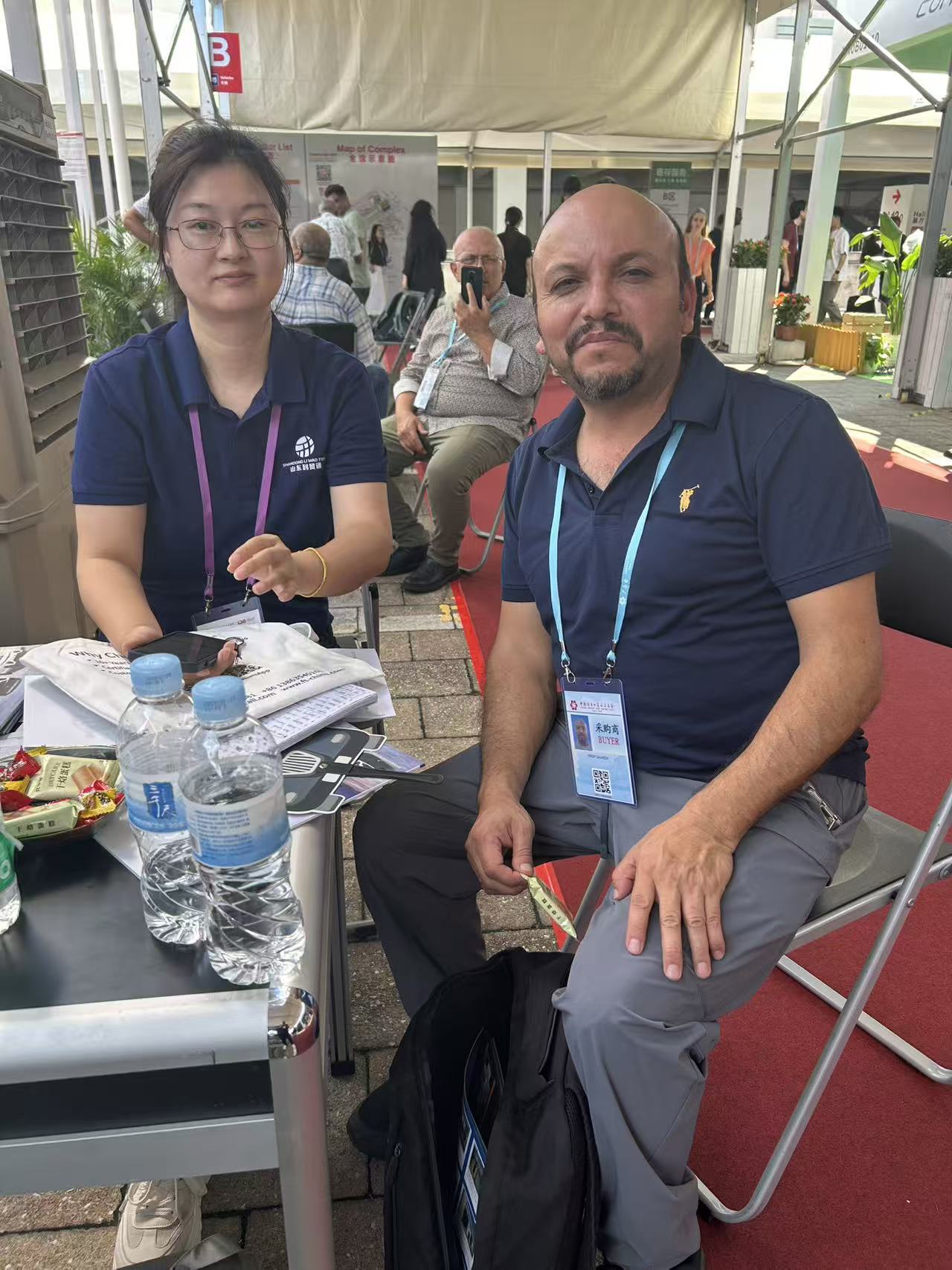
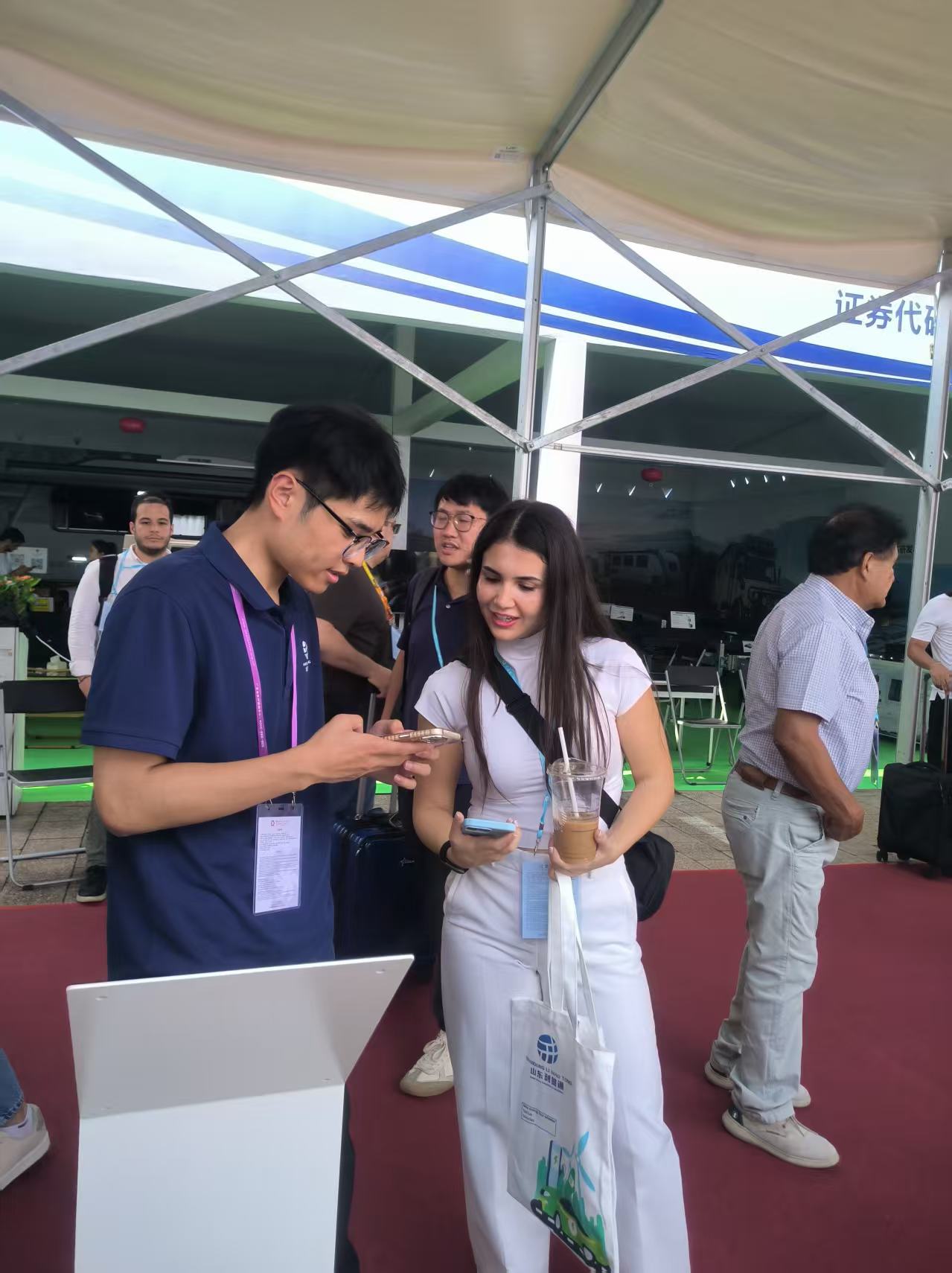

A primary rule of utility vehicle design is that standard, one-size-fits-all designs often fail to meet specific field requirements. Different operational terrains demand customized mechanical setups. For example, a vehicle built for high-density inner-city distribution requires a different chassis tuning than one designed for steep agricultural farms.
We work closely with fleet buyers to optimize systems for distinct target scenarios:
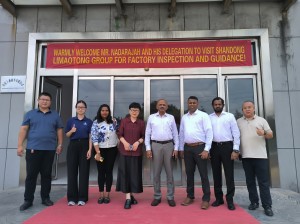
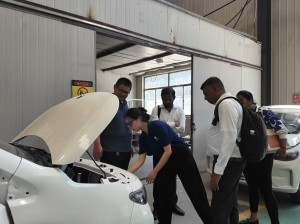
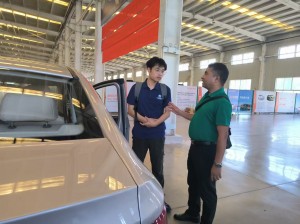
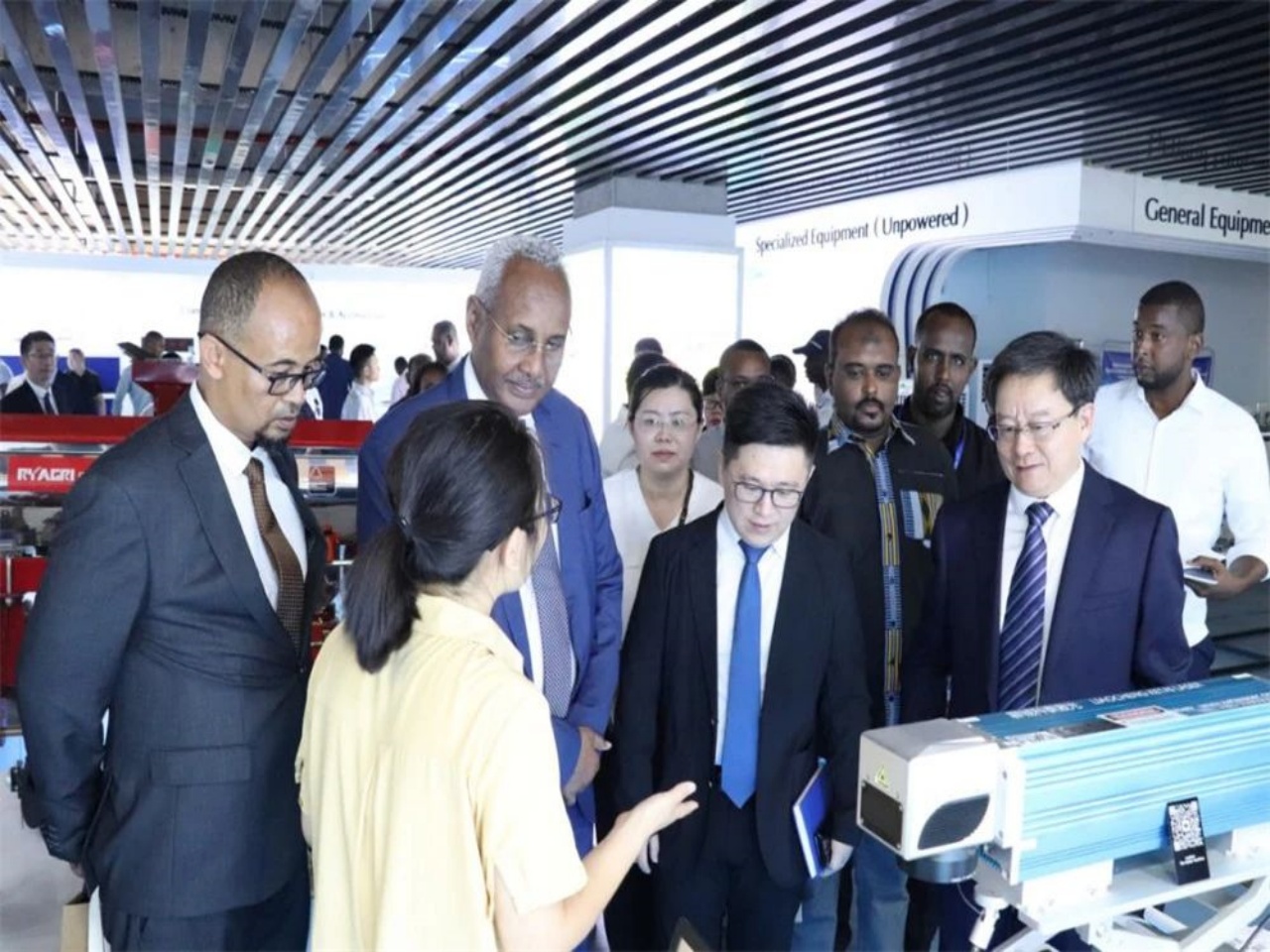
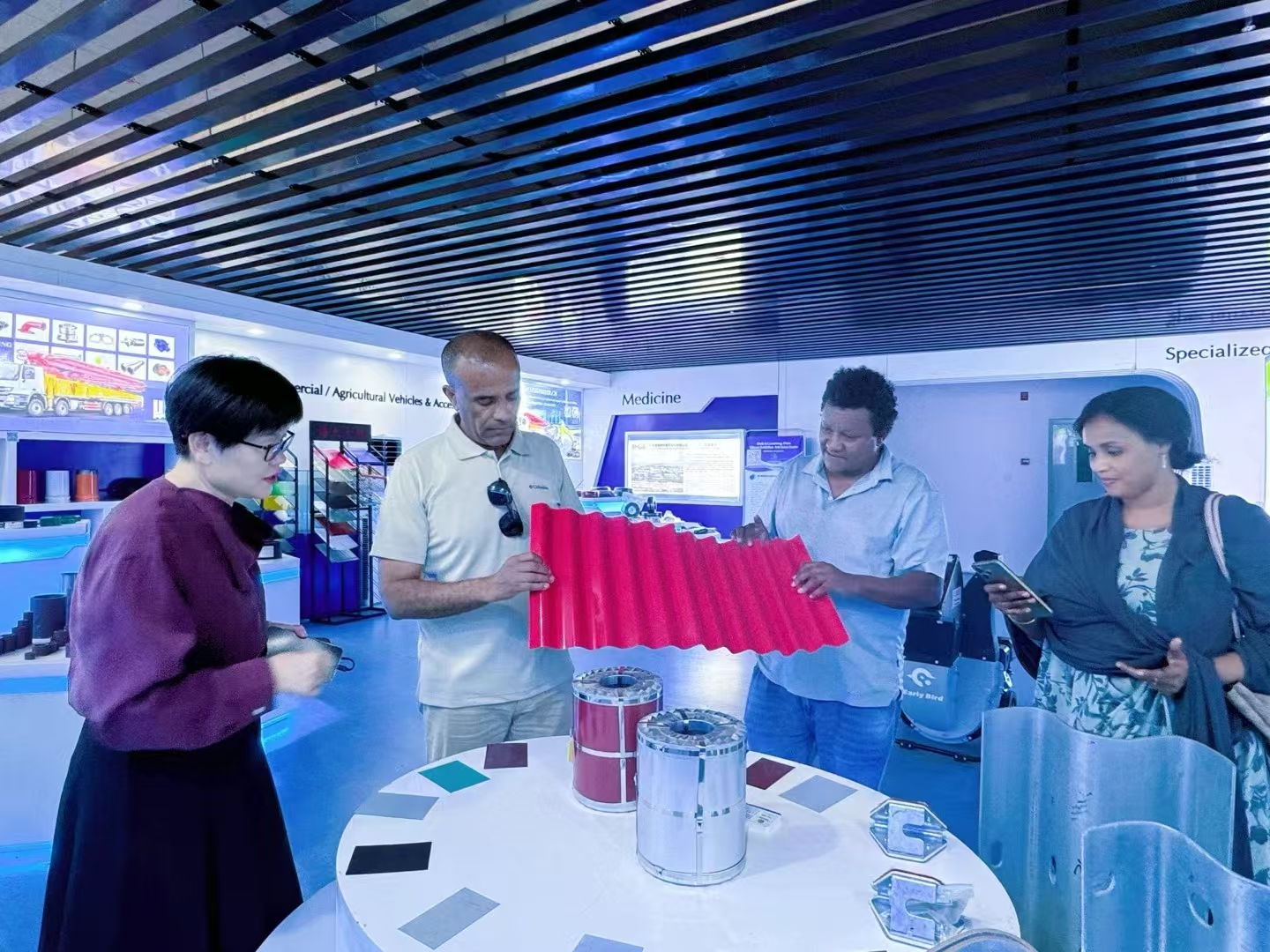
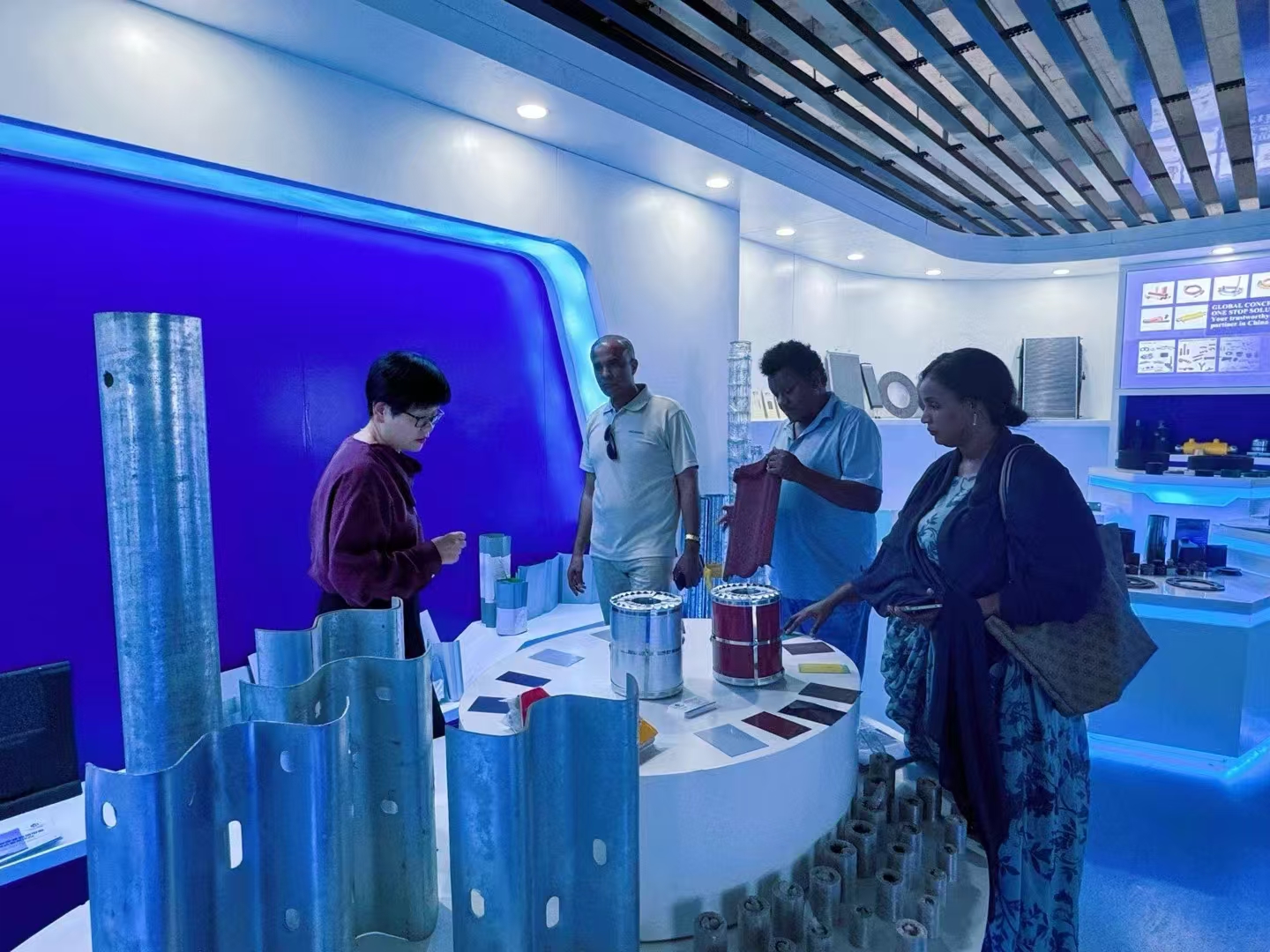
Global commercial clients visit our production and testing facilities to verify our high quality standards first-hand.
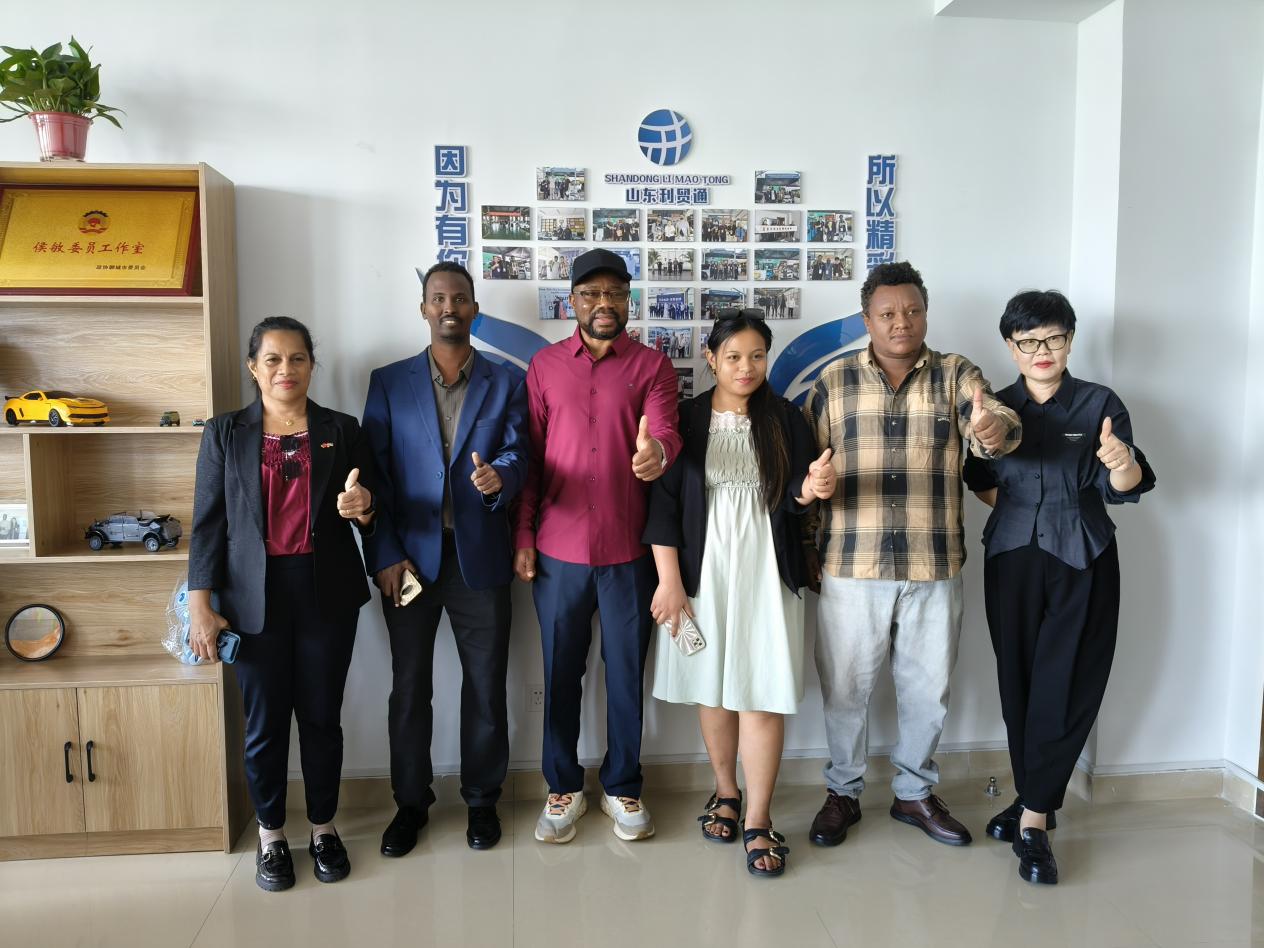
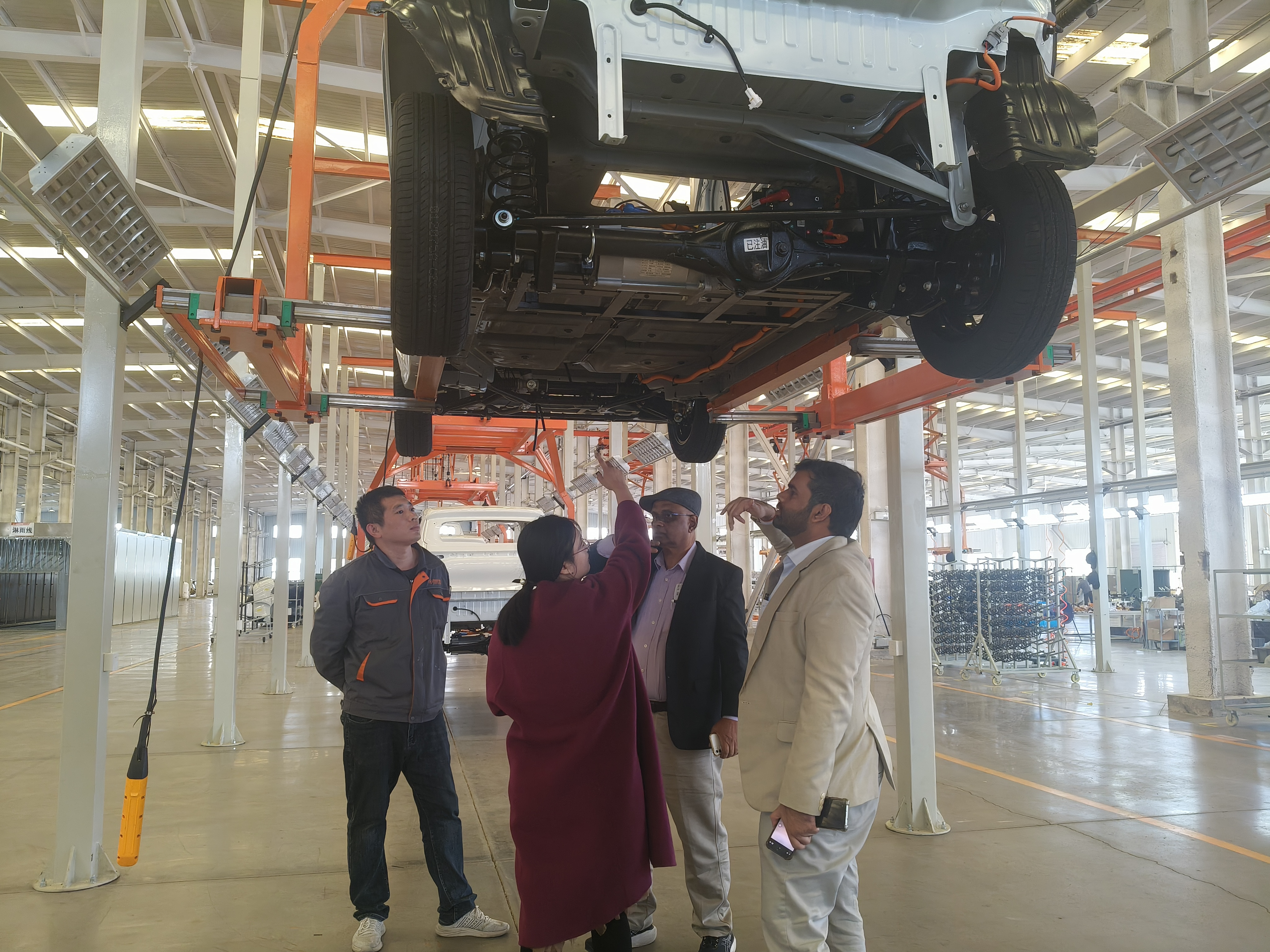
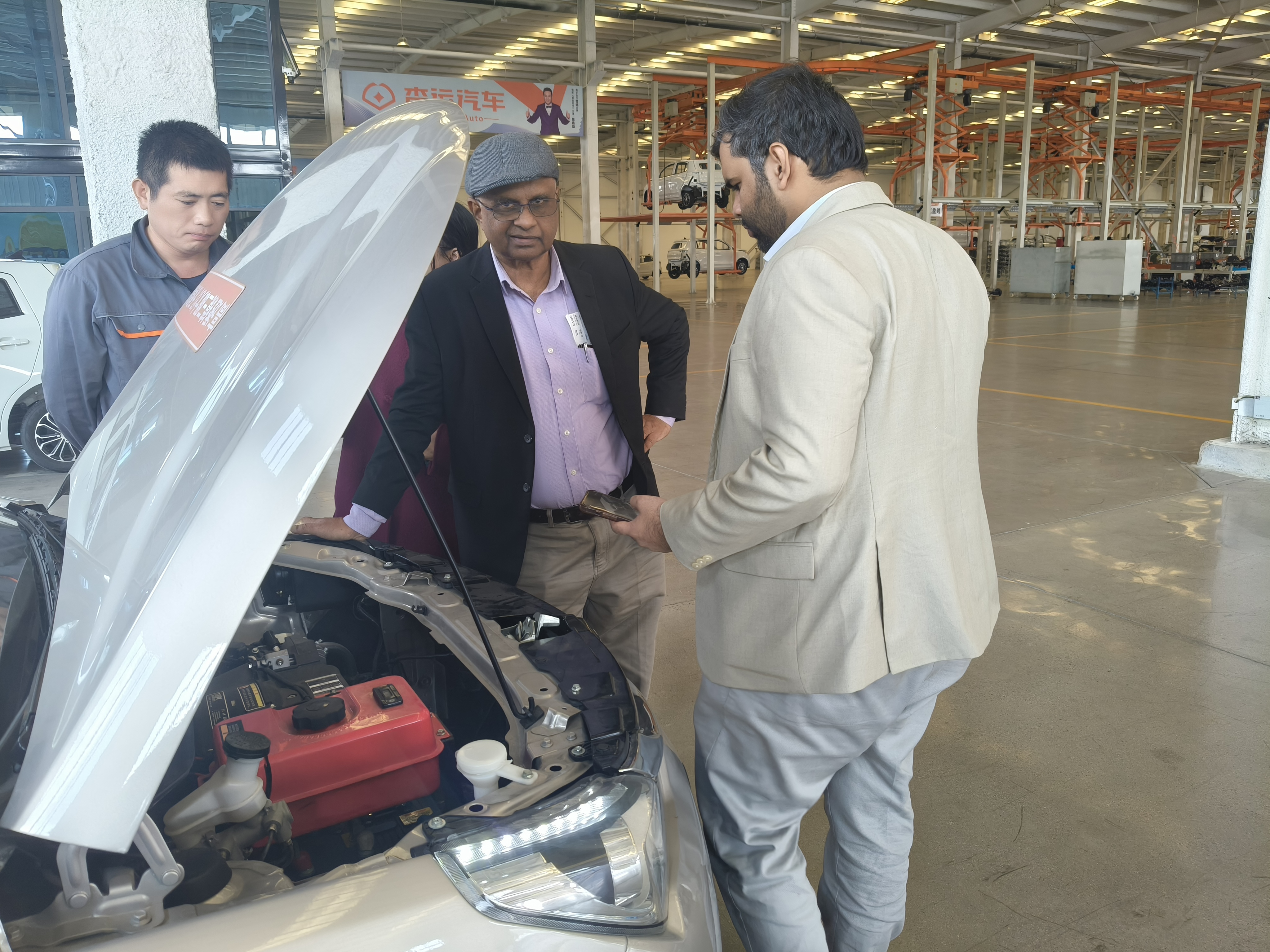
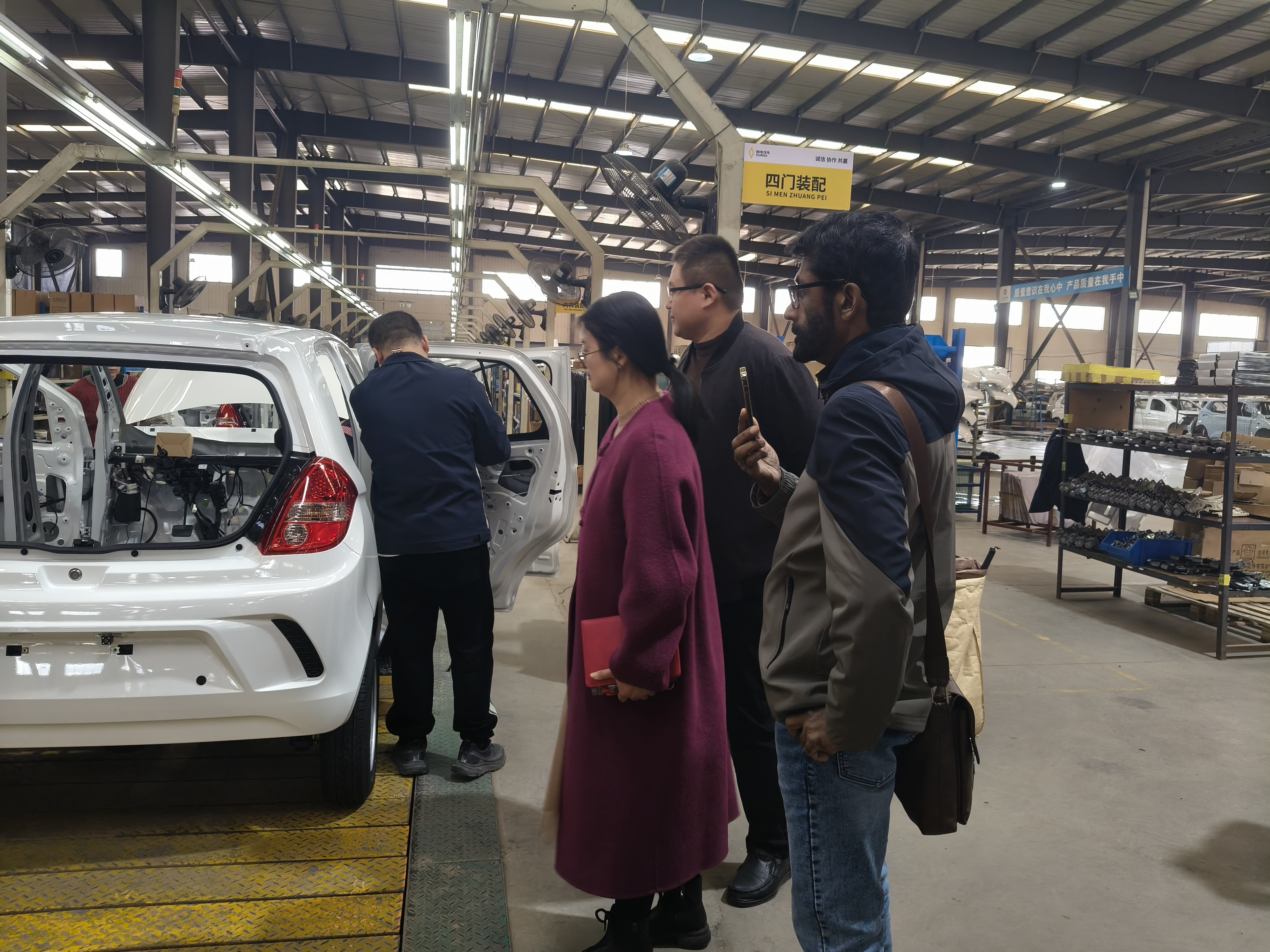
Our East African hub combines offline exhibition halls and localized logistics networks, providing professional services for cross-border trade.

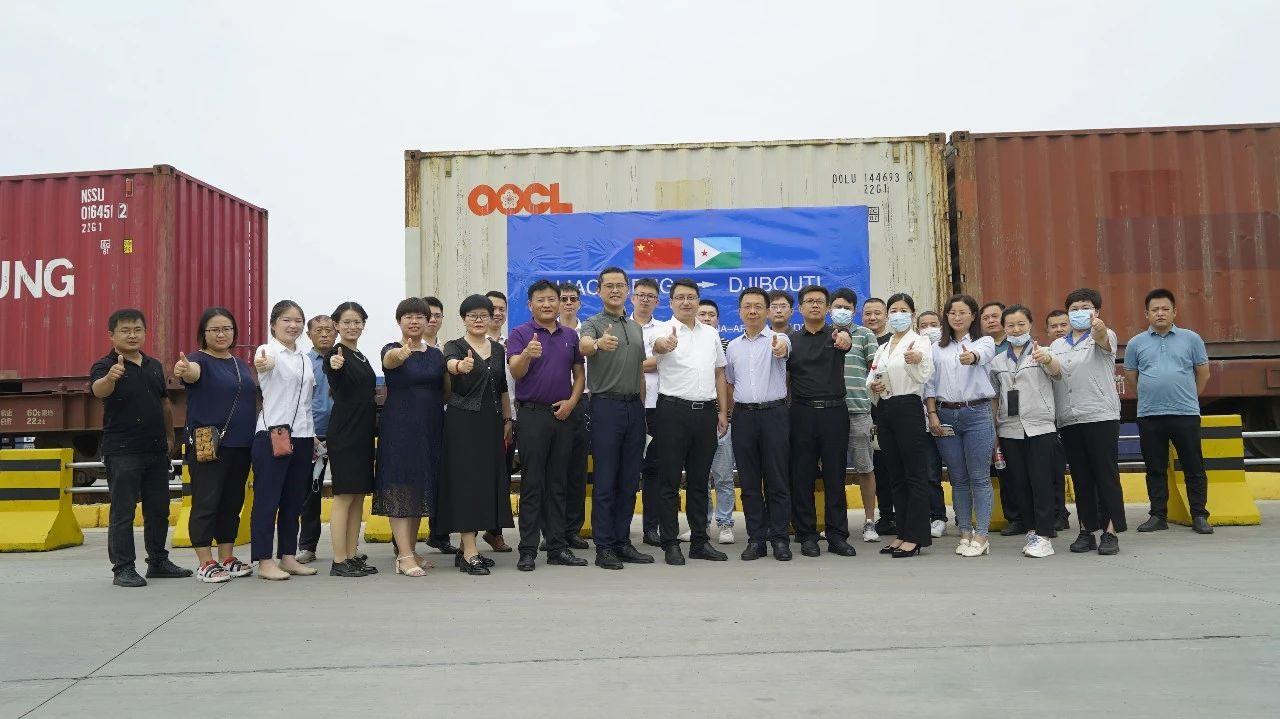
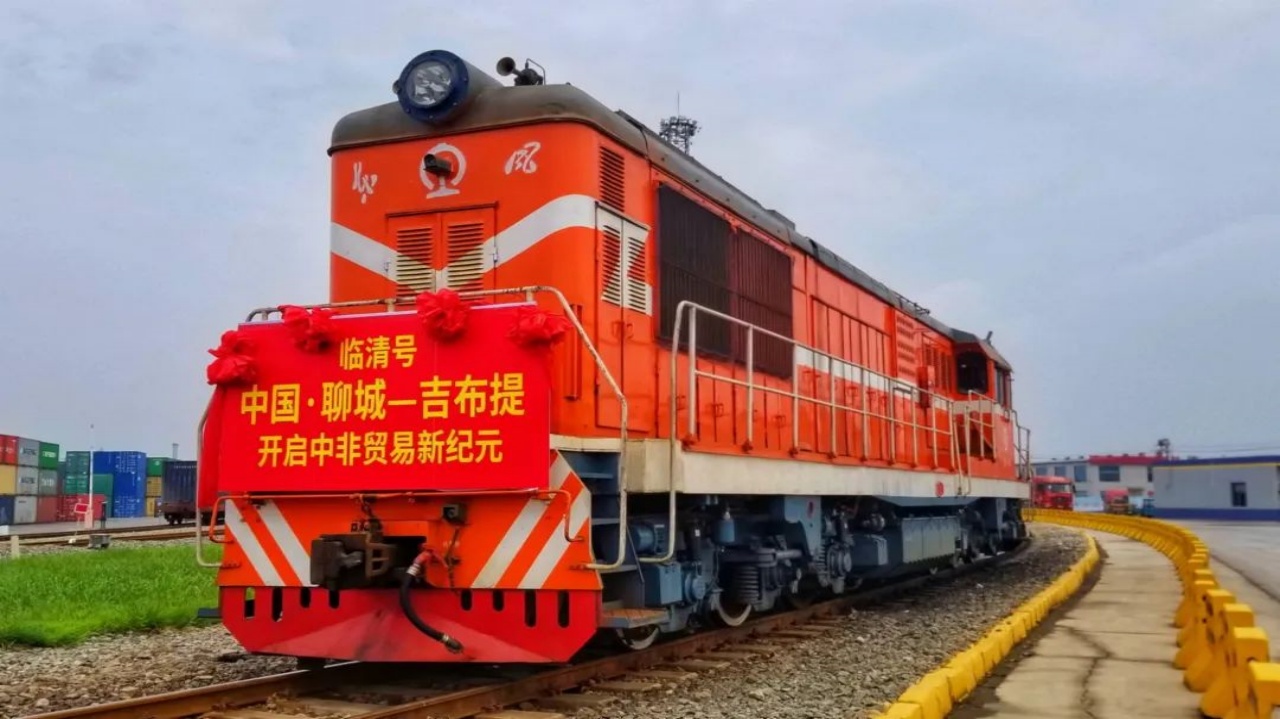
Djibouti (Overseas Warehouse) Cross-border E-commerce Exhibition and Sales Center was established in 2023. It is located in the Djibouti International Free Trade Zone in East Africa. With the help of the Djibouti Economic and Trade Co., Ltd. established in Africa, it has established a one-stop comprehensive service platform to provide enterprises with all-round housekeeper-style professional services such as sales, government affairs, customs affairs, and public services. Combining the online and offline linkage of cross-border trade business and independent station malls, we will build a "strong artery" of China-Africa economic and trade exchanges with the "cross-border trade + front-end warehouse" model and the African localized sales, customer service and logistics team, and help "China's intelligent manufacturing" go to the world and into Africa.


Answering key structural and technical questions to help you choose the best cargo platform for your operations.
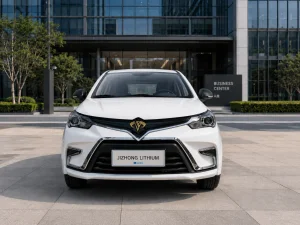
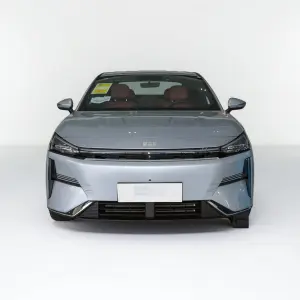
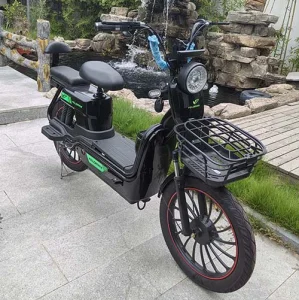
Review additional electric sedans, solar-assisted passenger trikes, and specialized urban transit vehicles.
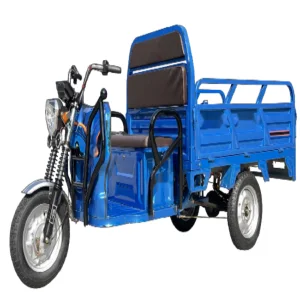
Heavy-duty, agricultural-grade open carriage trikes, high-speed customized electric passenger vehicles, and urban runabouts.
 Limaotong