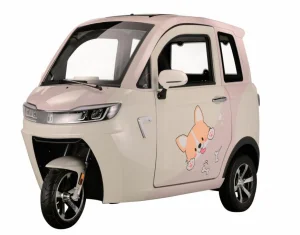
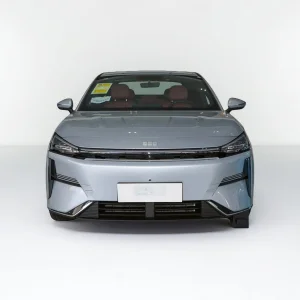
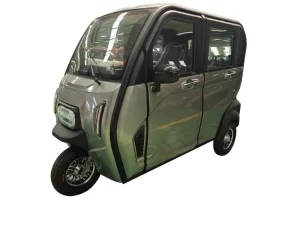
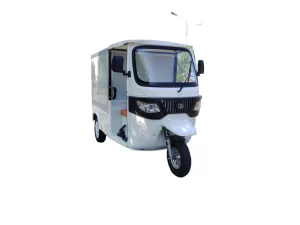
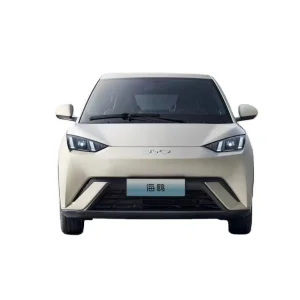
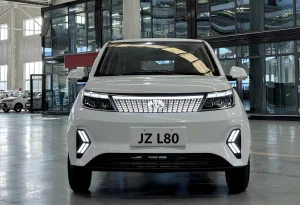
Discover our highly demand-responsive range of three-wheeled vehicles engineered for family transit, logistics delivery, and urban commuting.
Under the microscope: why global enterprise procurement shifts rapidly toward electric three-wheel systems for urban cargo and passenger delivery.
In the contemporary landscape of micro-mobility and last-mile urban logistics, three-wheel electric bicycles (commonly referred to as e-trikes, cargo tricycles, or heavy-duty passenger tuk-tuks) have transitioned from alternative transit options to core infrastructural components. Commercial enterprises, logistics conglomerates, municipal departments, and passenger fleet managers face escalating pressure to replace internal combustion engine (ICE) fleets with zero-emission alternatives. Crucially, three-wheel architectures offer structural and mechanical solutions that two-wheel electric bicycles cannot replicate: lateral stability, massive load capacity, passenger protection cabins, and high compliance ceiling in various regulatory environments.
Procurement directors and B2B buyers searching for reliable three-wheel electric bicycles manufacturers & suppliers are not merely looking for specifications; they are evaluating systemic parameters: supply chain resilience, engineering verification, and legal operational capacity in destination countries. Key components analyzed during sourcing include:
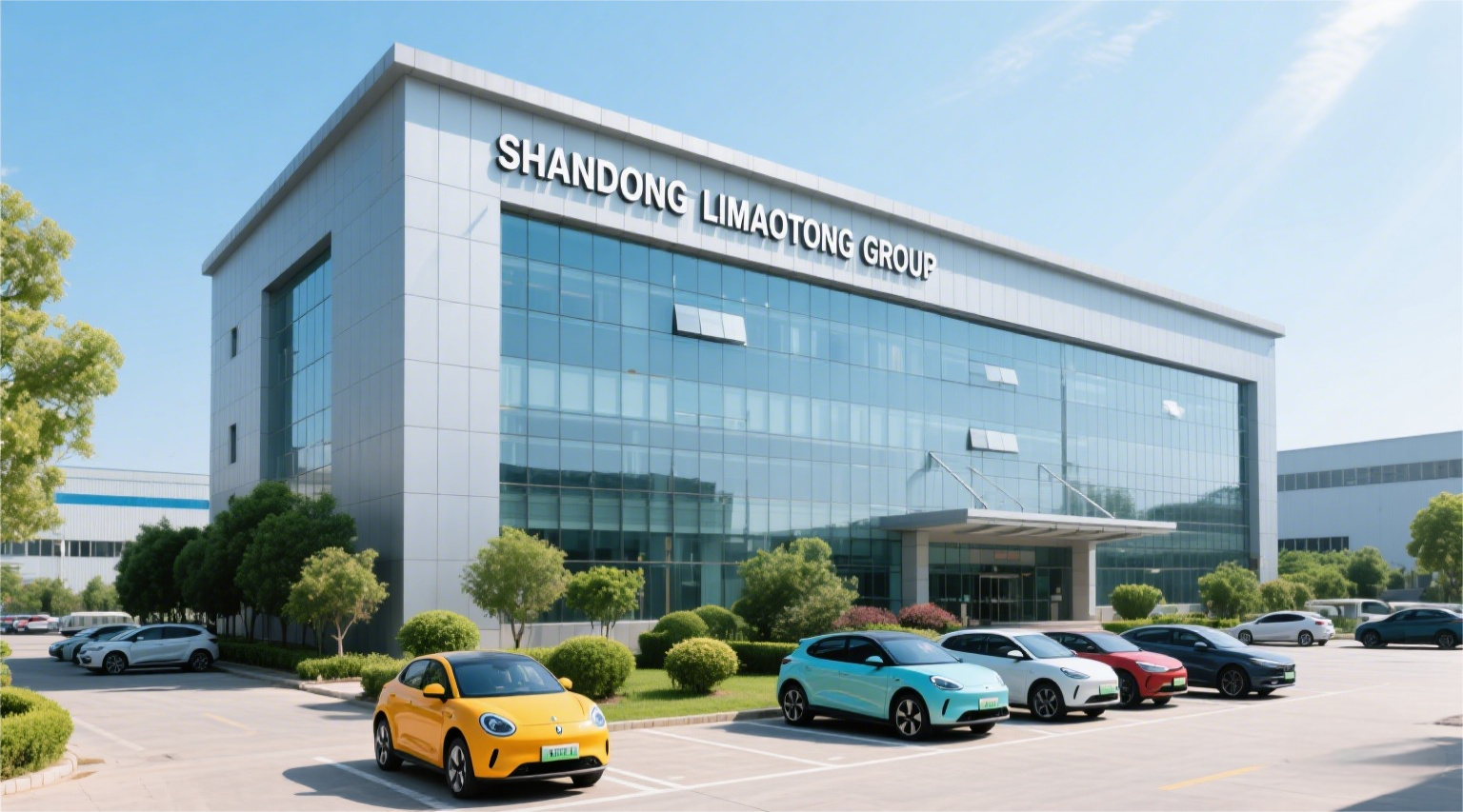
As an elite Tier-1 global industrial manufacturer, SHANDONG LI MAO TONG GROUP operates a fully integrated automotive and electric vehicle production ecosystem. Specializing in the engineering, localized manufacturing, and global distribution of motor tricycles, heavy-duty cargo tricycles, electric mini passenger cars, and solar-assisted light electric vehicles (LEVs), the group has established itself as an industry benchmark. With strategic global infrastructure, the company ensures that global supply chain interruptions do not affect your local deliveries.
Download Whitepaper & CataloguesRooted in China's high-tech new energy cluster and execution centers, Li Mao Tong Group bridges the gap between state-of-the-art automation and on-road reliability. Our production lines feature fully automated robotic welding arms, precision laser cutters, and advanced sealing chambers. Every frame undergoes rigorous structural dynamics testing, and we subject complete vehicle prototypes to laboratory-level seven-grade rainstorm tests, verifying water-ingress protection (IP67 for electrical enclosures) and mechanical resilience in extreme environmental temperatures.
China stands as the undisputed champion of light electric vehicle engineering. Sourcing from a premier Chinese manufacturing hub like Shandong Li Mao Tong Group yields distinct competitive advantages that directly translate to higher profitability, faster lead times, and structural safety:
From battery module packaging (BMS configuration) to transaxle machining and frame bending, the entire production workflow happens in-house. This minimizes reliance on third-party suppliers, eliminates intermediary markups, and guarantees strict adherence to tolerances.
Proximity to major steel producers, electrical component hubs, and lithium battery refining clusters provides the lowest raw material input costs. These savings are passed on to fleet buyers and distributors.
Whether adapting cargo chassis lengths for express postal delivery or modifying cabin geometries to meet regional dimensions, our design-to-production lifecycle is exceptionally rapid, saving valuable time-to-market.
Leveraging digital torque wrenches, automated chassis alignment sensors, dynamically loaded dyno testing, and extreme environmental simulations ensures that every vehicle delivered is free from defects.
Expanding your electric fleet internationally requires navigating complicated regulatory pathways. Li Mao Tong Group provides complete documentation and regulatory support to ensure smooth customs clearance and regional road-legal certification, including:
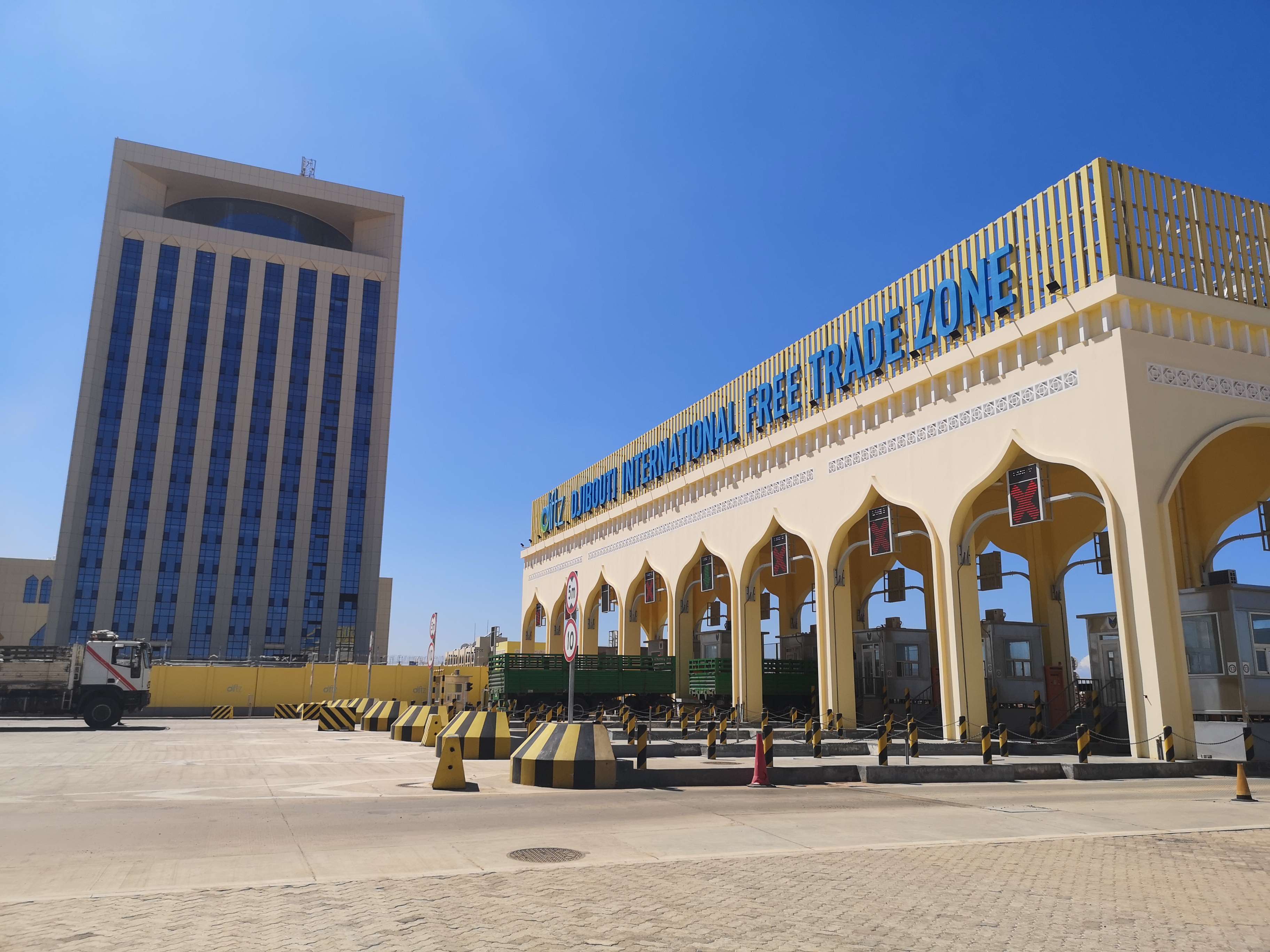
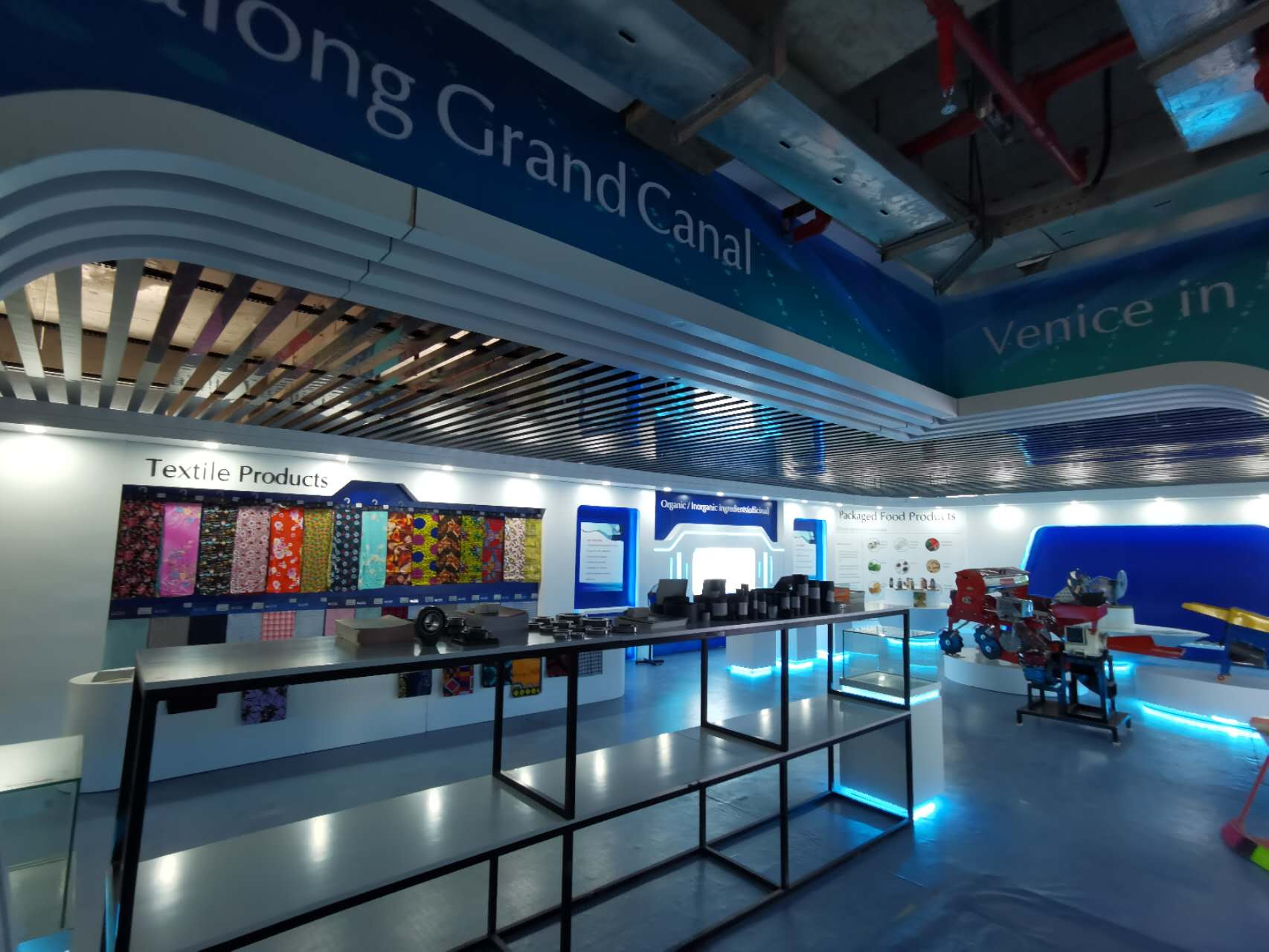
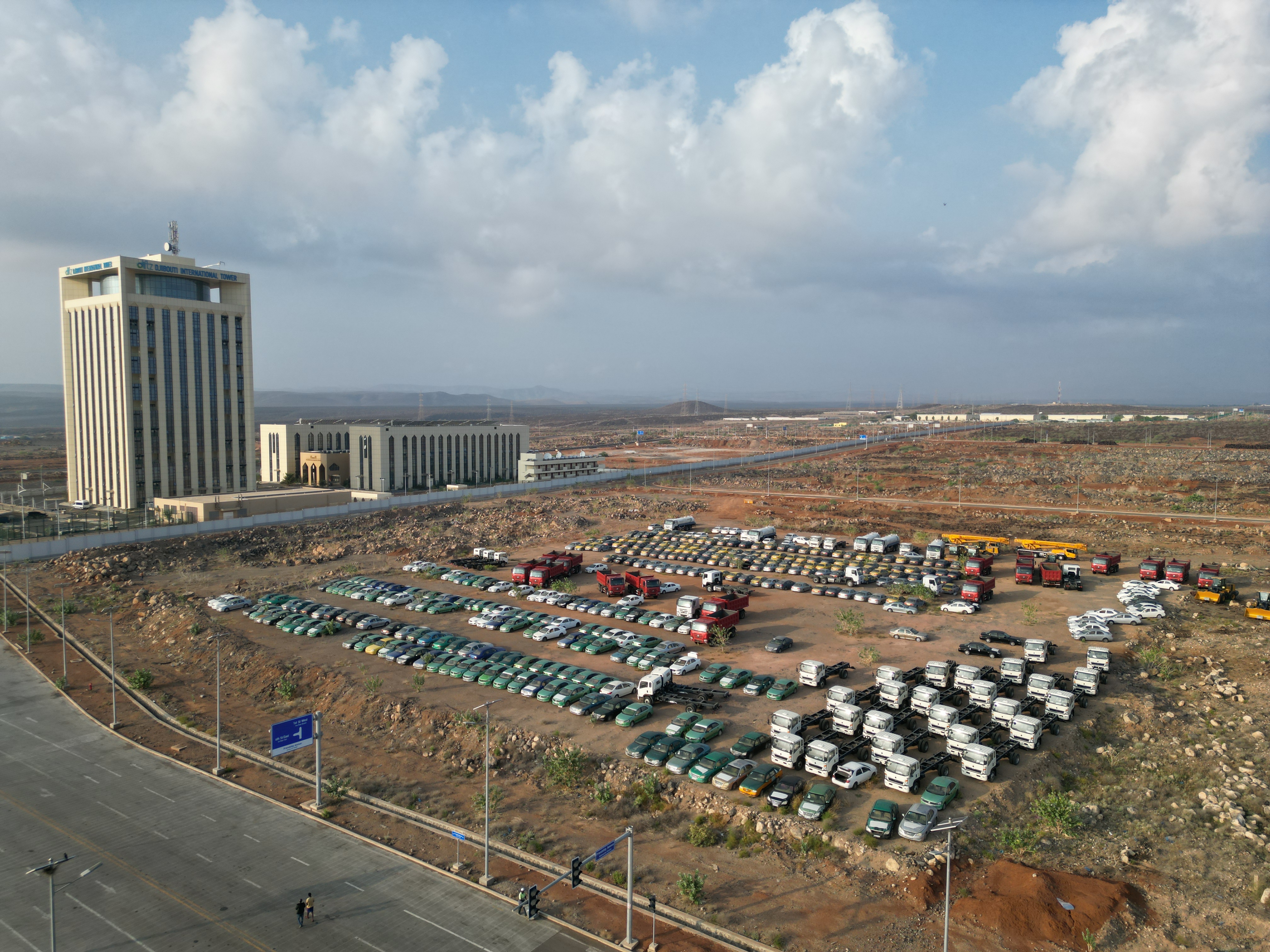
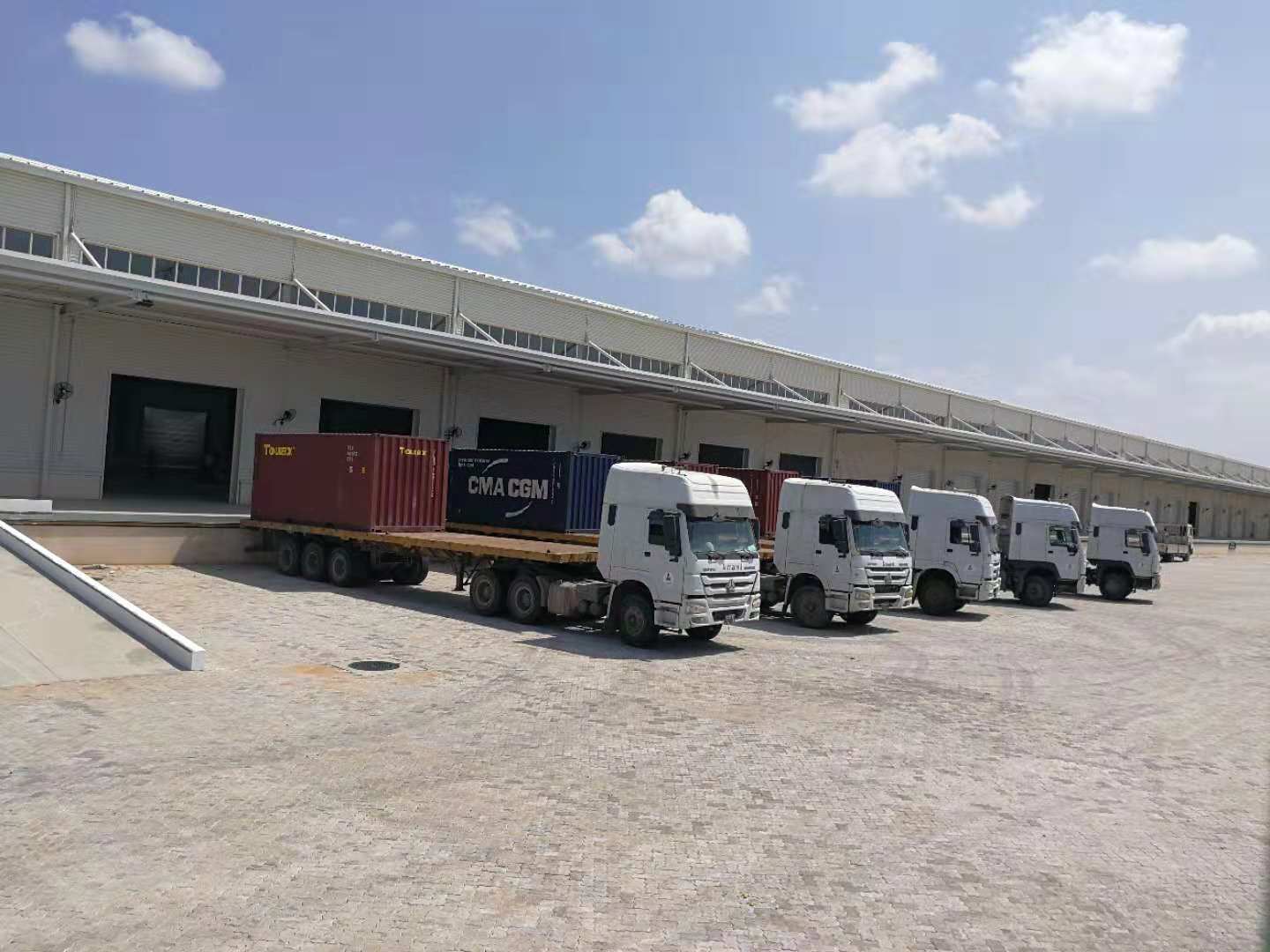
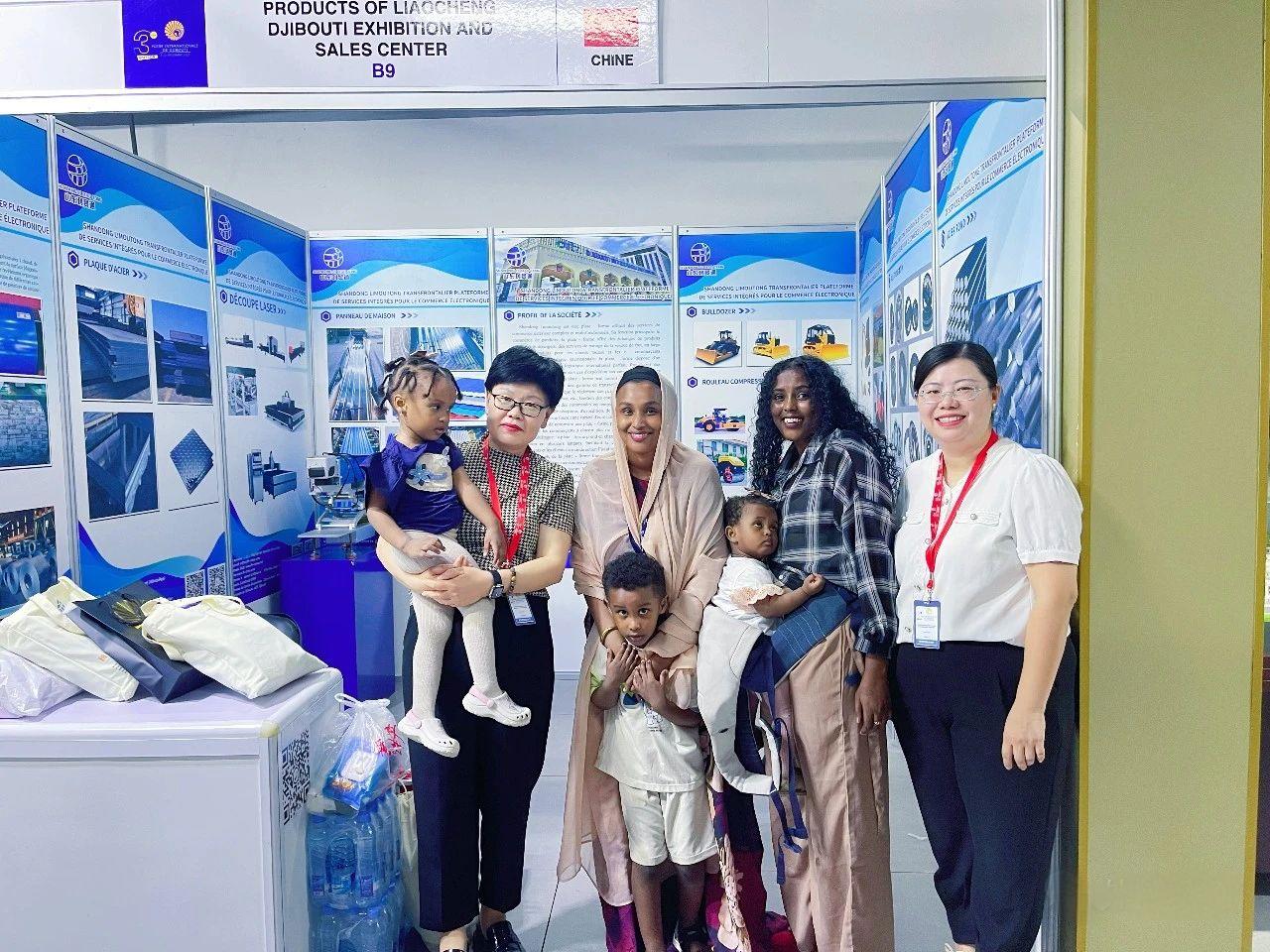
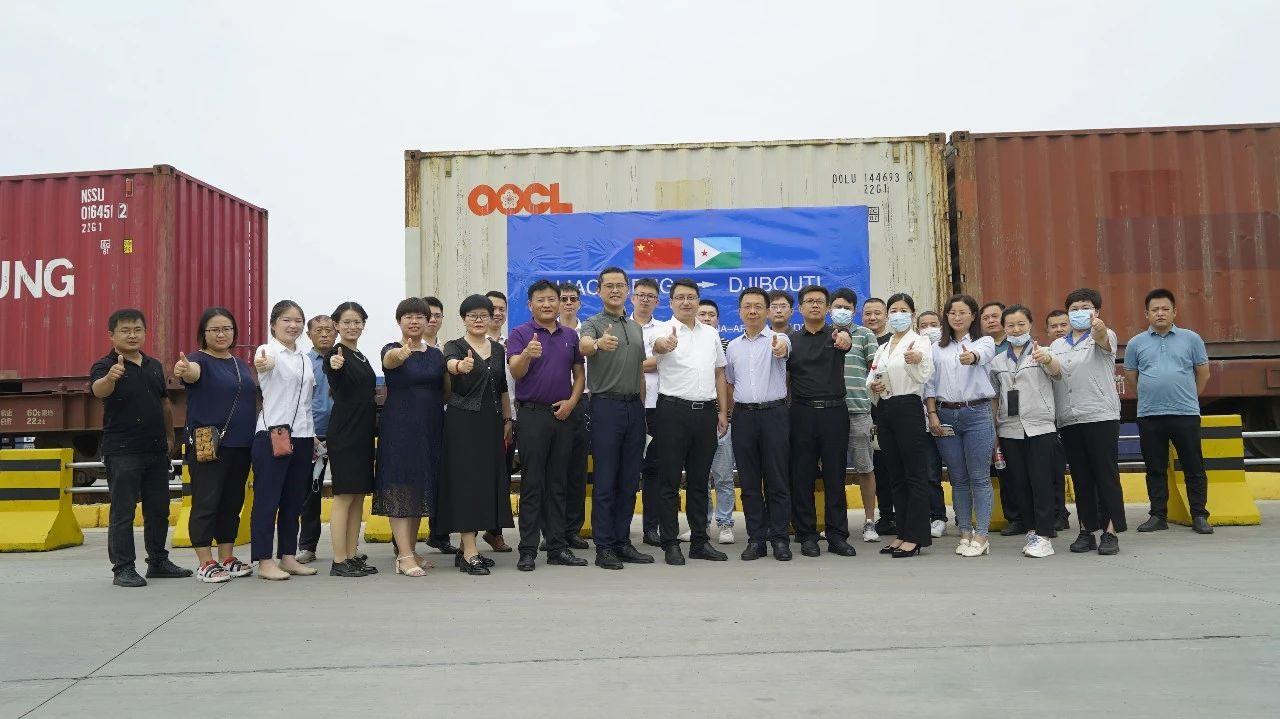
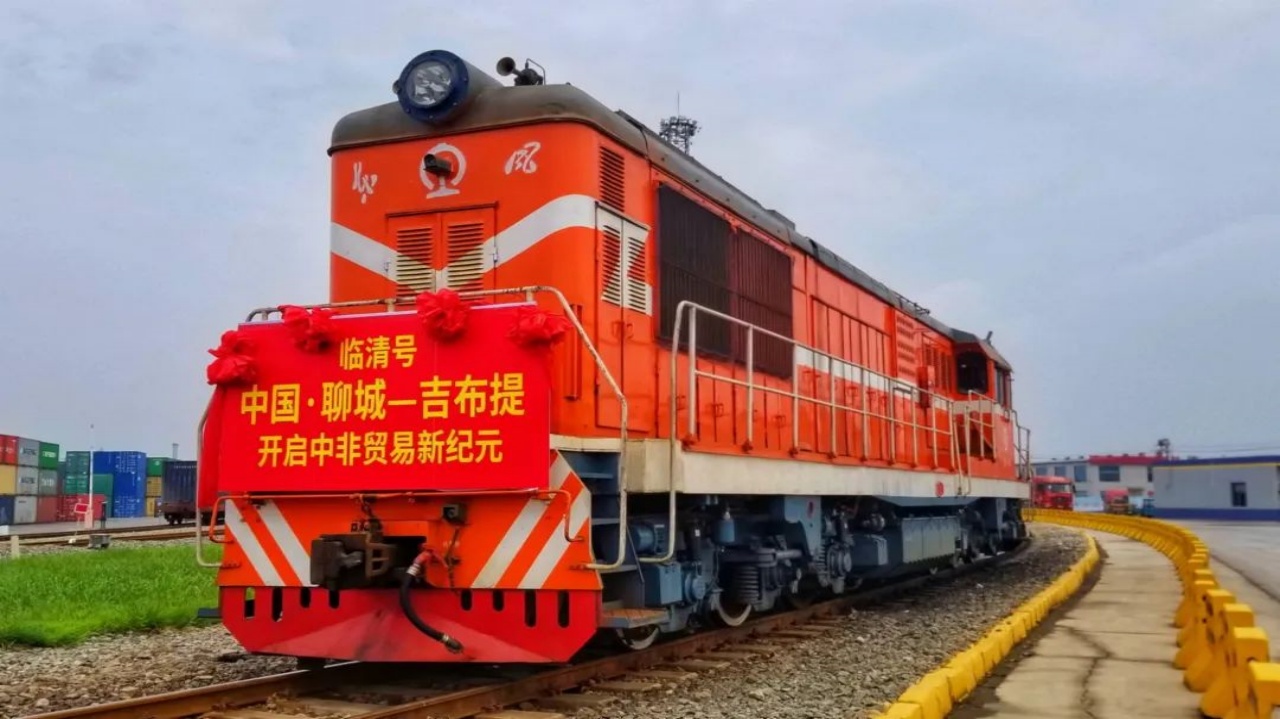
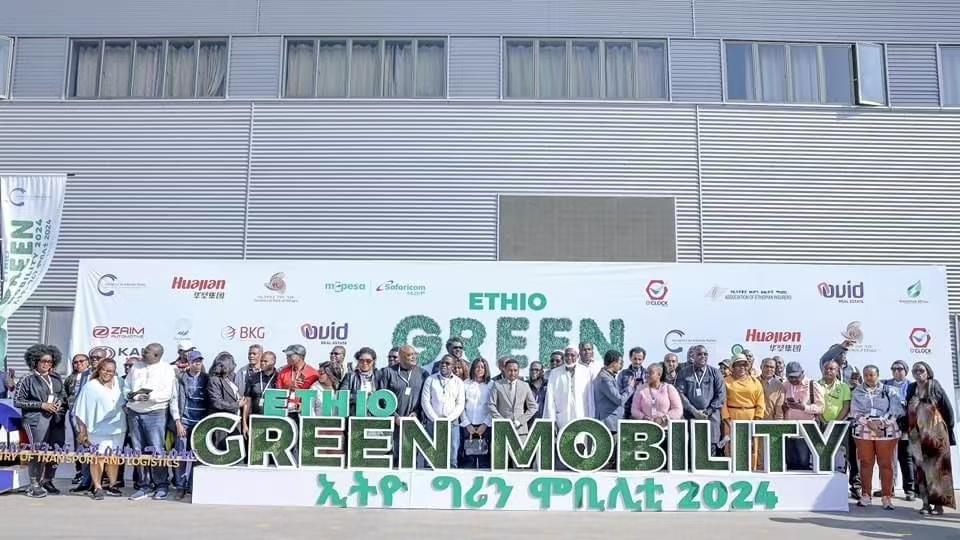
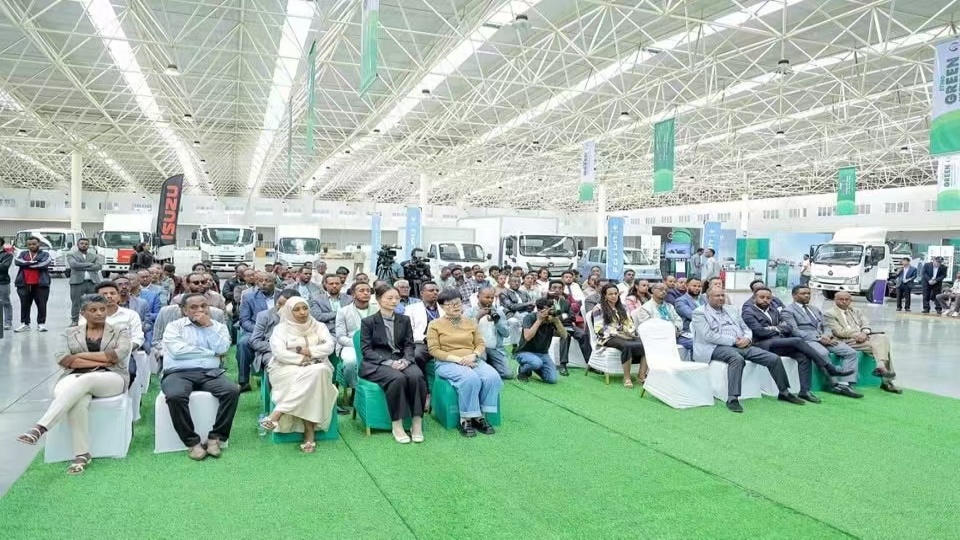
Established in 2023, the Djibouti (Overseas Warehouse) Cross-border E-commerce Exhibition and Sales Center is strategically positioned within the Djibouti International Free Trade Zone in East Africa. In collaboration with the Djibouti Economic and Trade Co., Ltd., we have created a one-stop, comprehensive service platform. Using a "cross-border trade + front-end warehouse" model with dedicated local sales, support, and maintenance crews, we minimize delivery lead times and clear customs bottlenecks. This localized node provides immediate after-sales engineering support and spare parts availability throughout East Africa and neighboring regions, serving as a template for our other overseas bases.
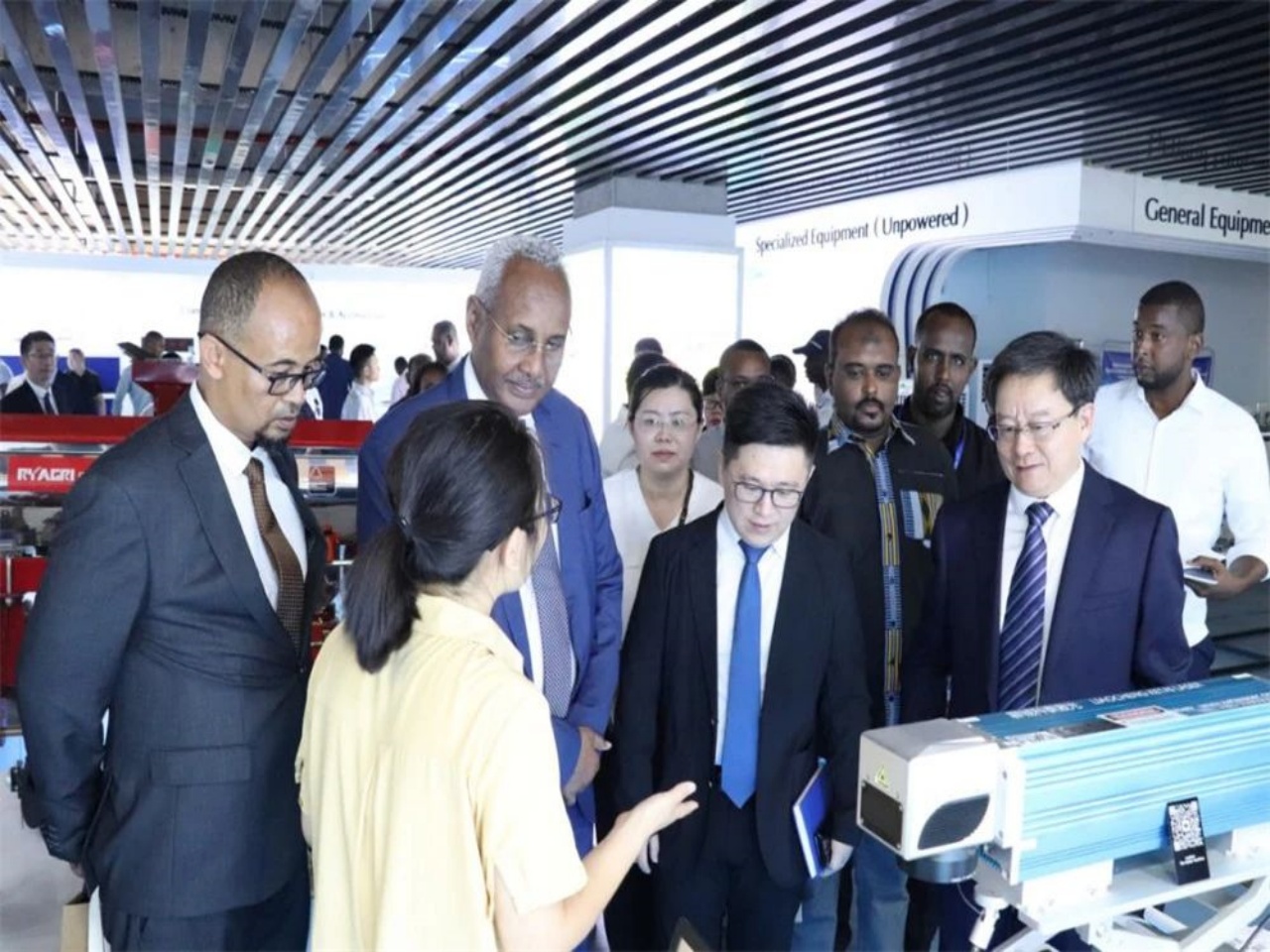
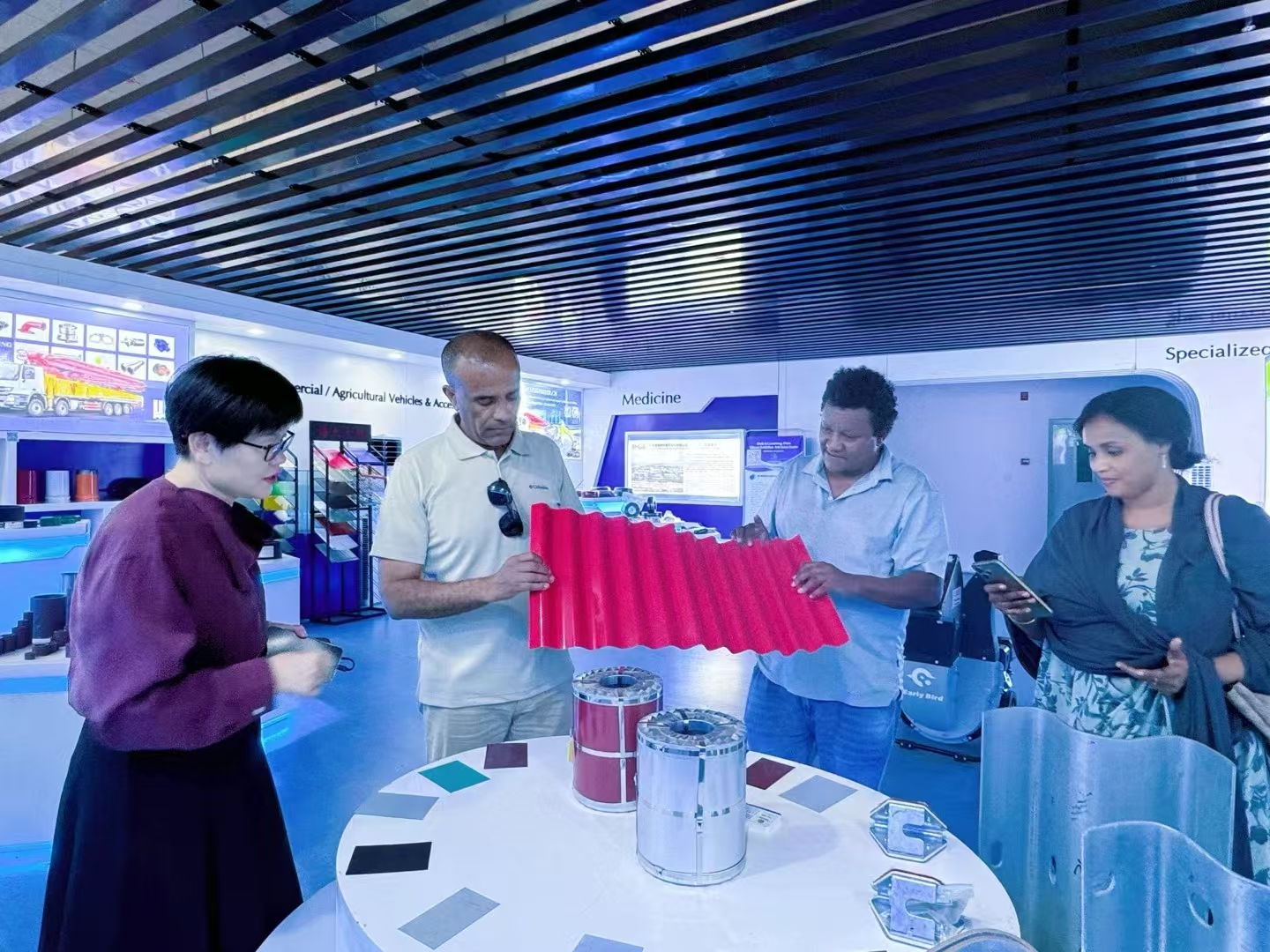
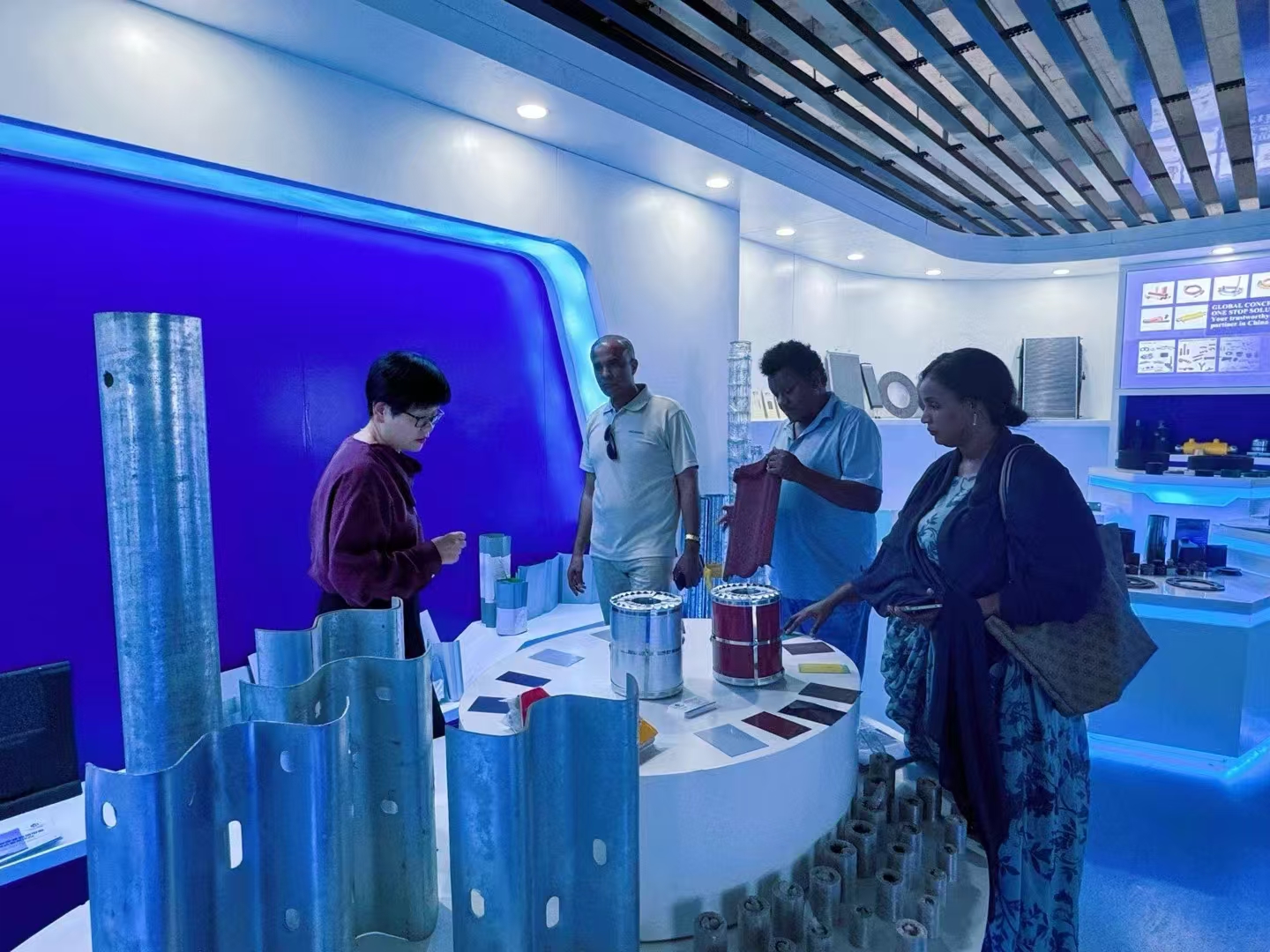
A visual tour of our highly automated factory, high-precision assembly lines, and customer inspections.
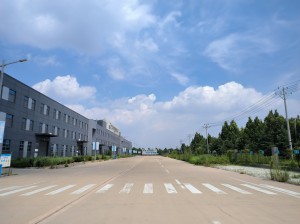
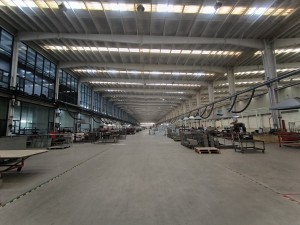
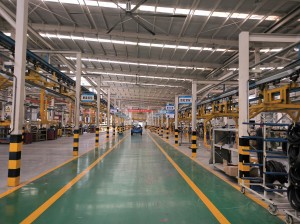
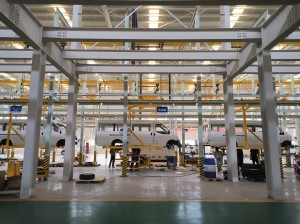
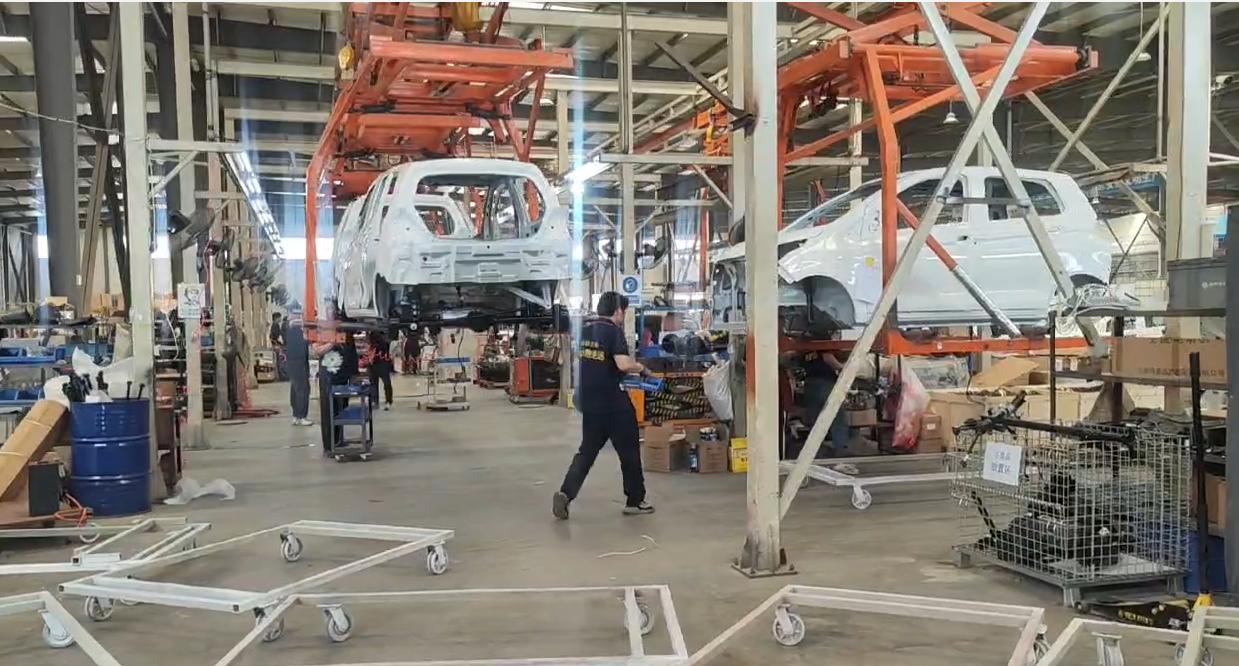
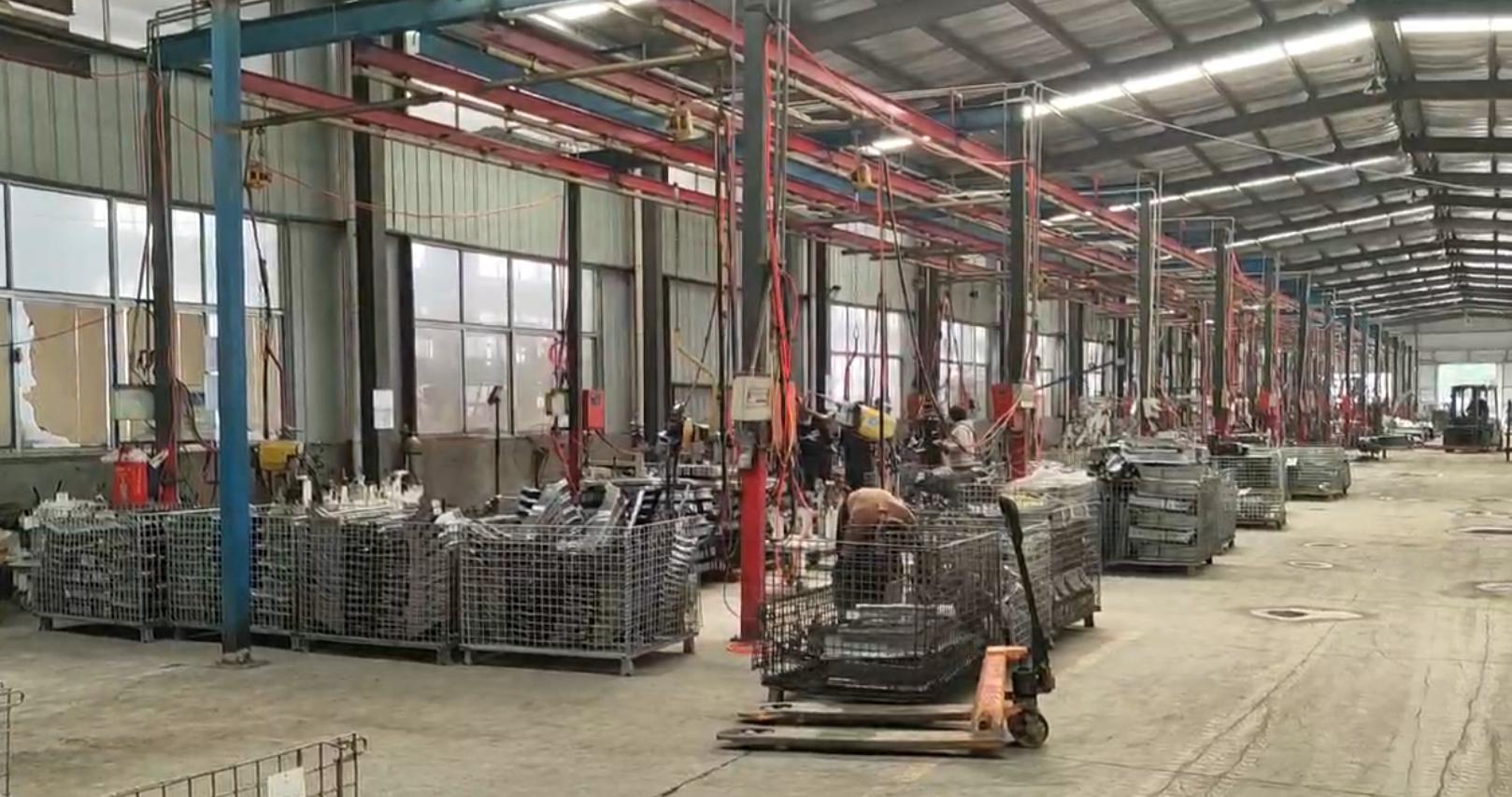
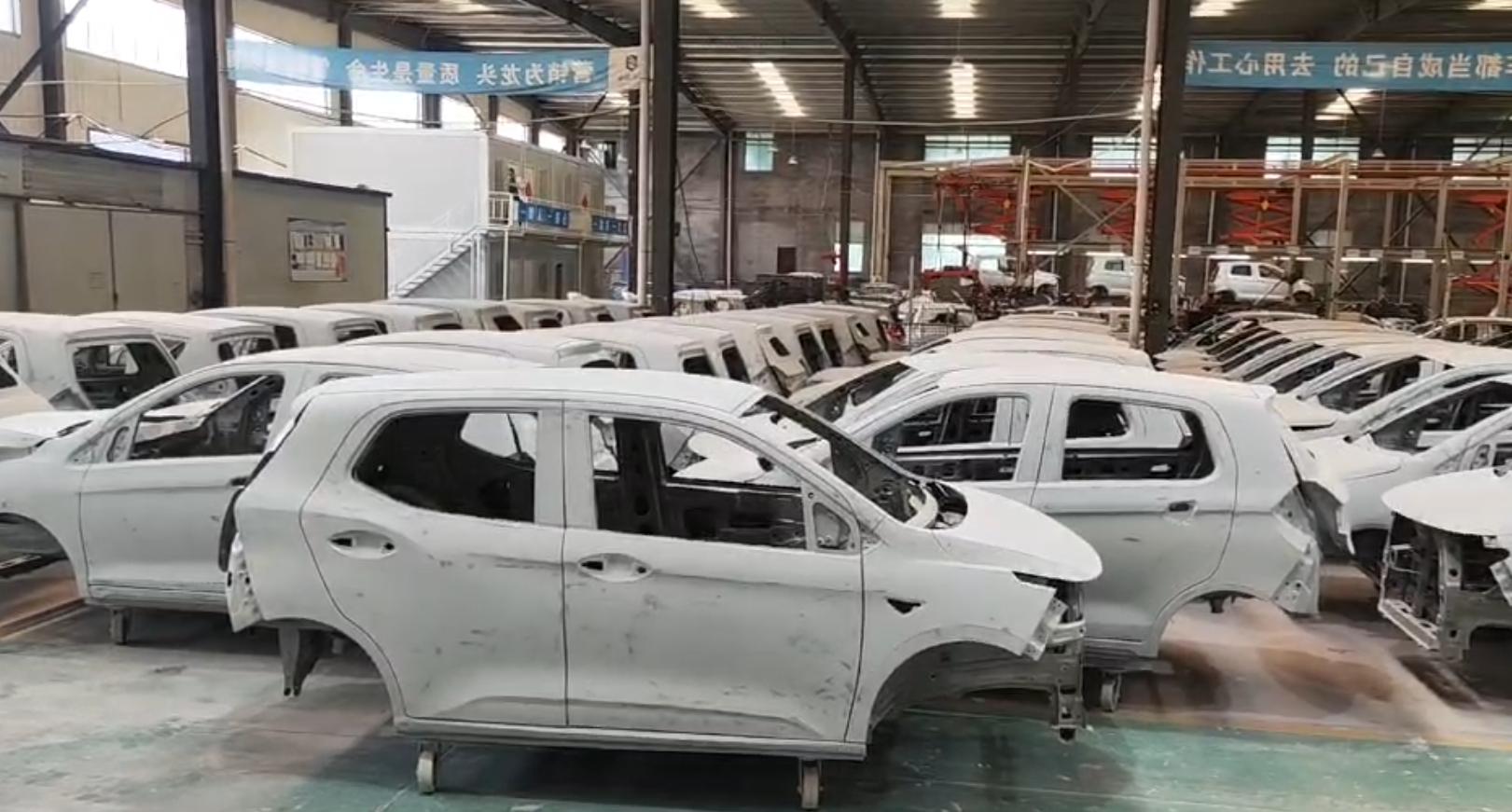
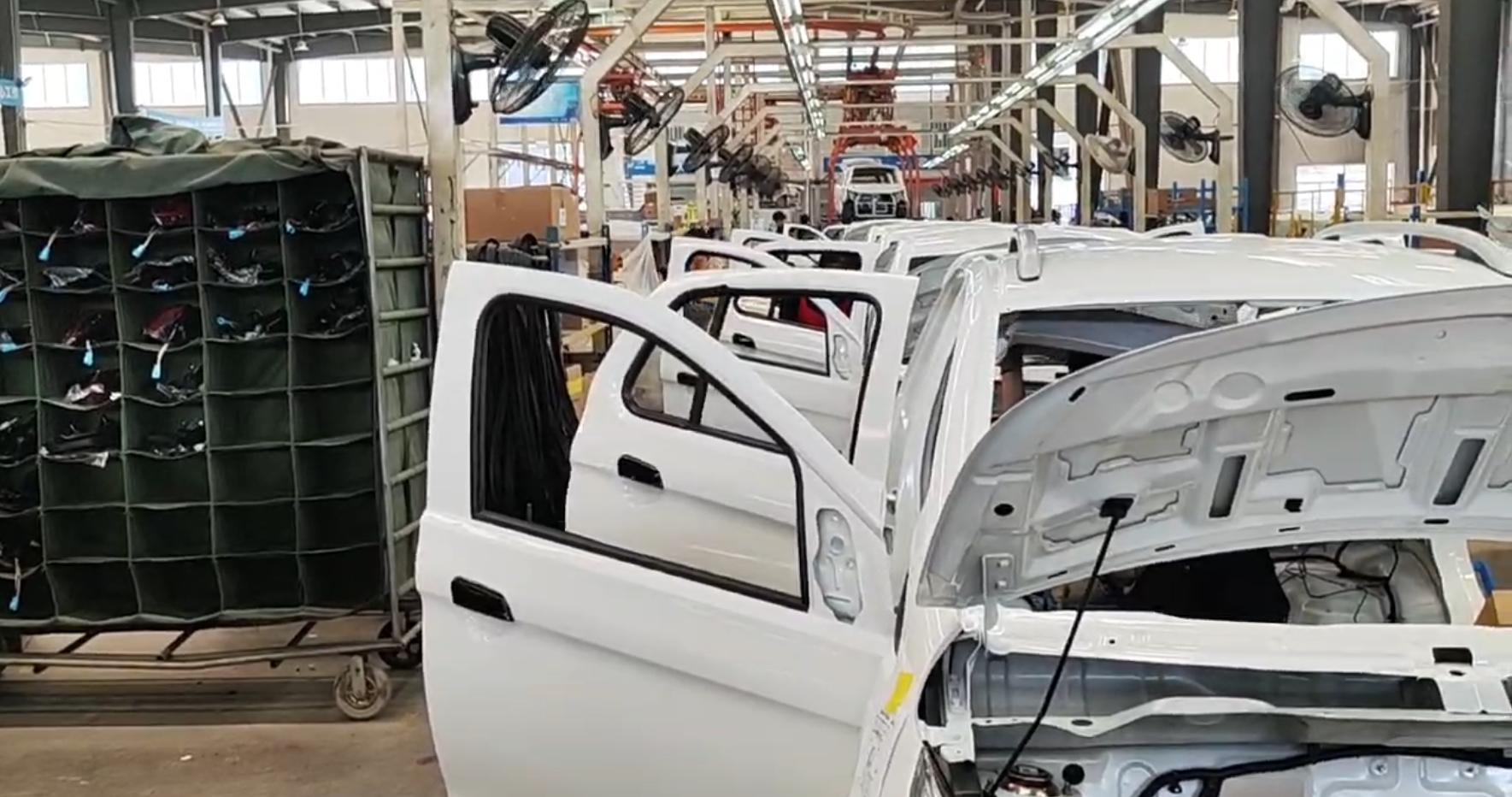

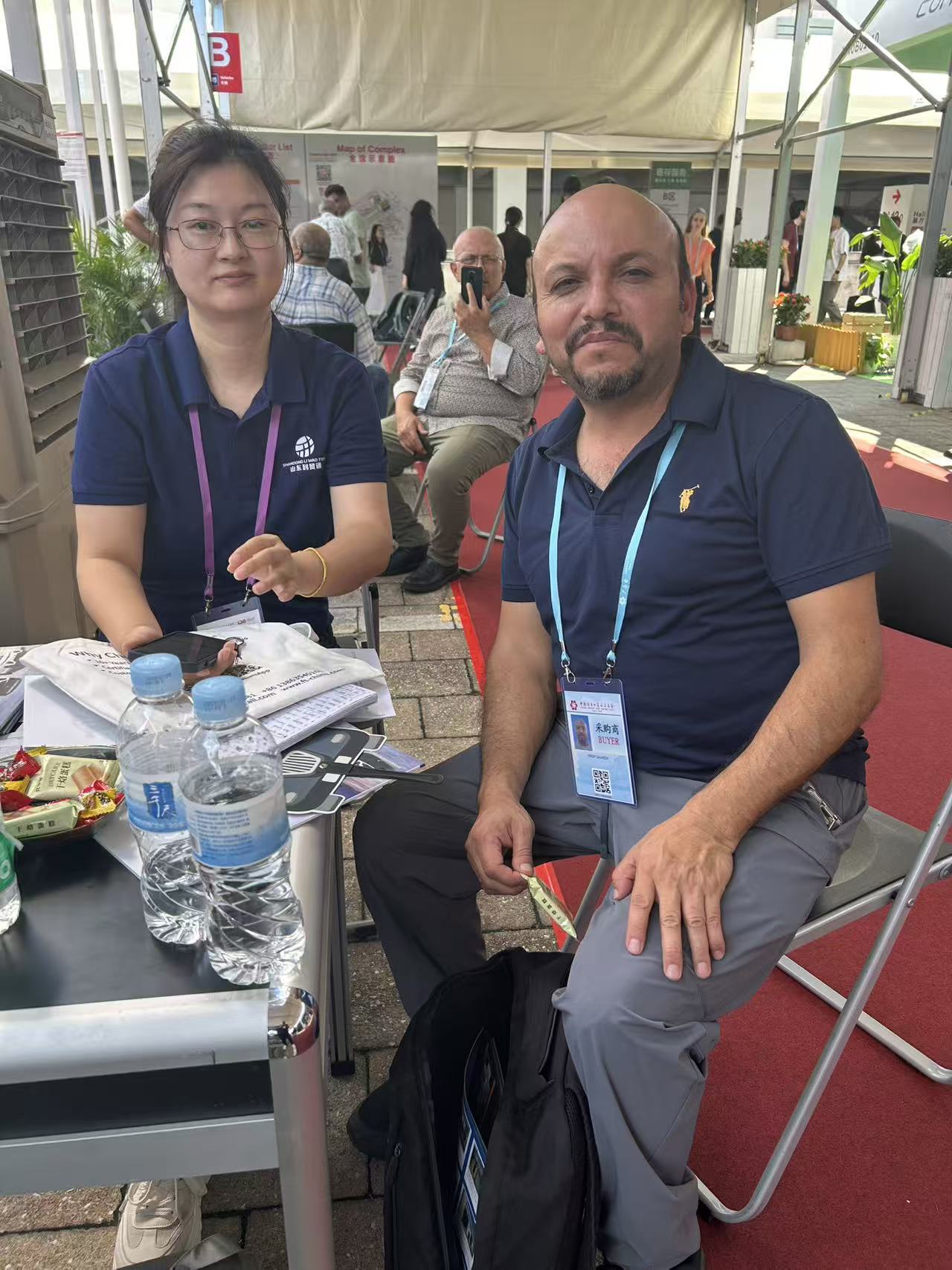
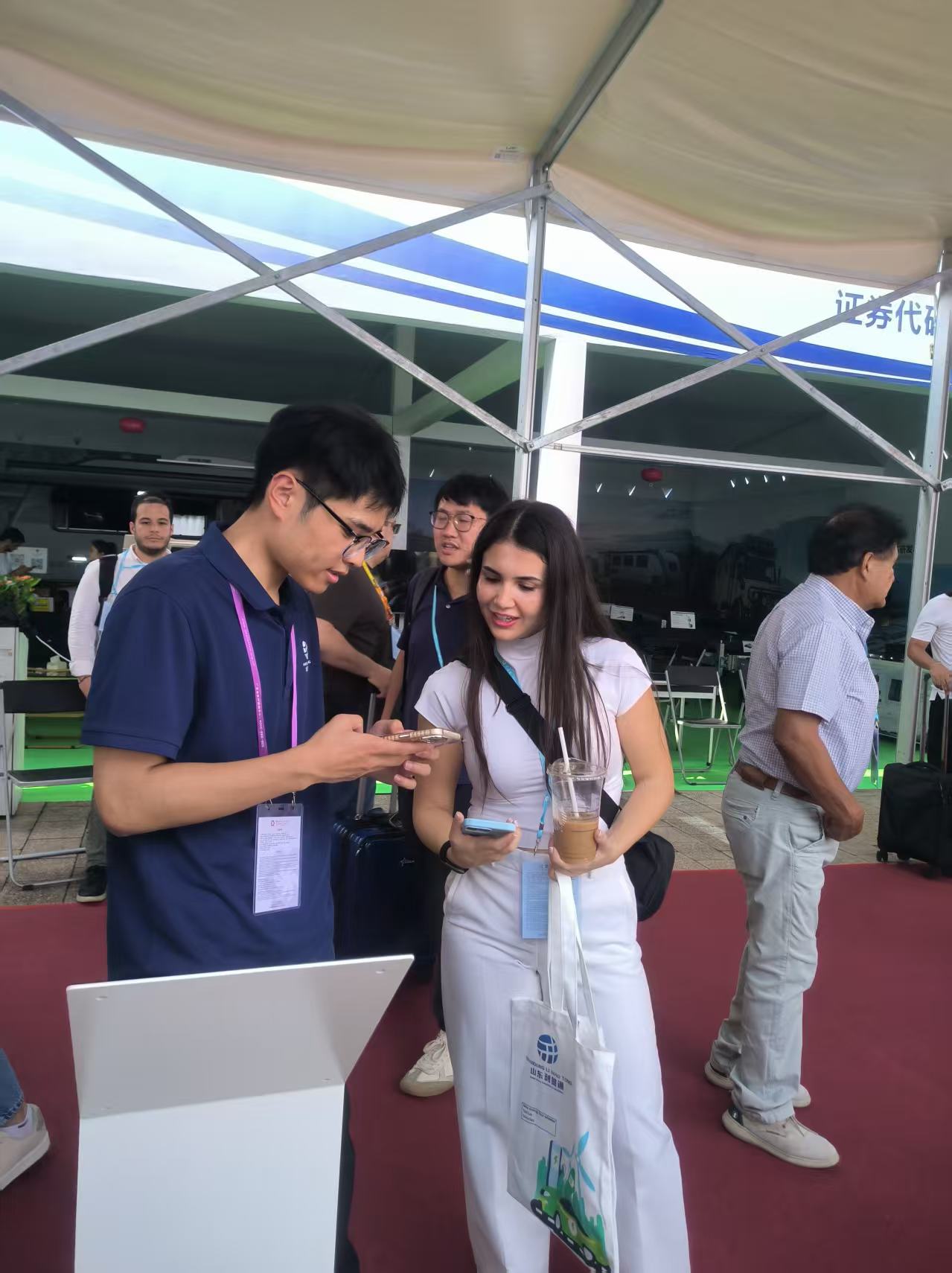

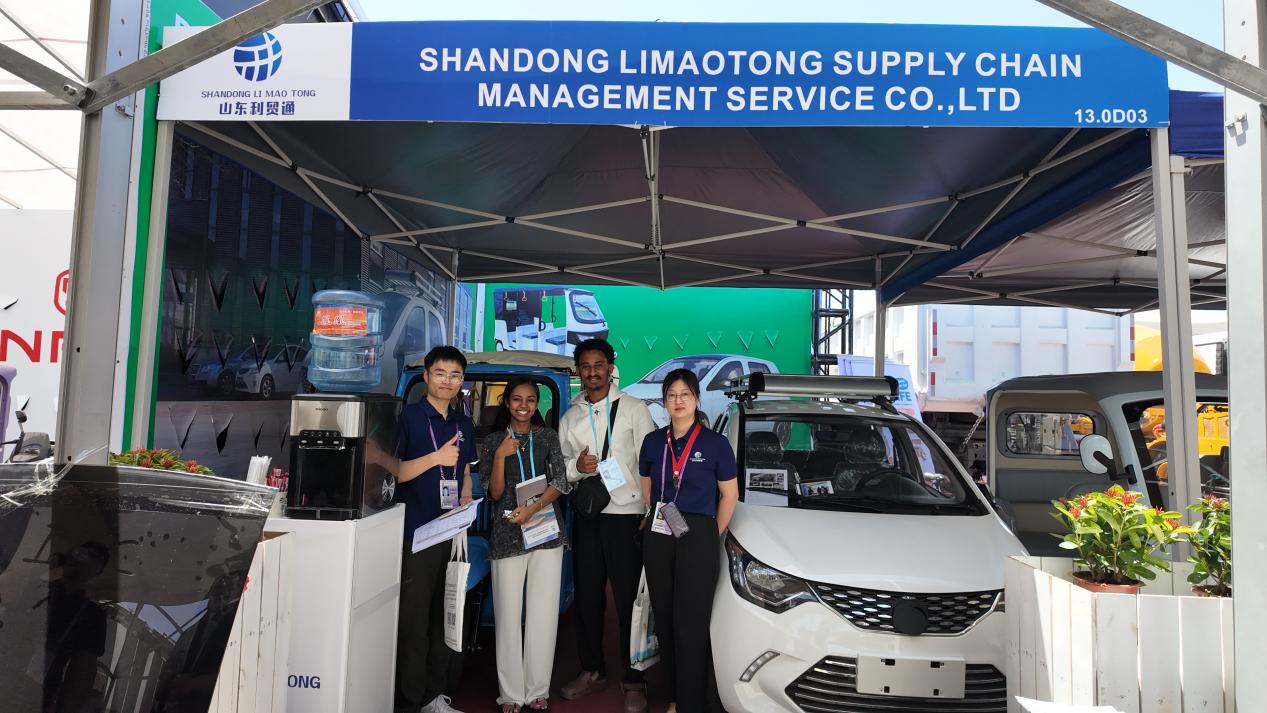
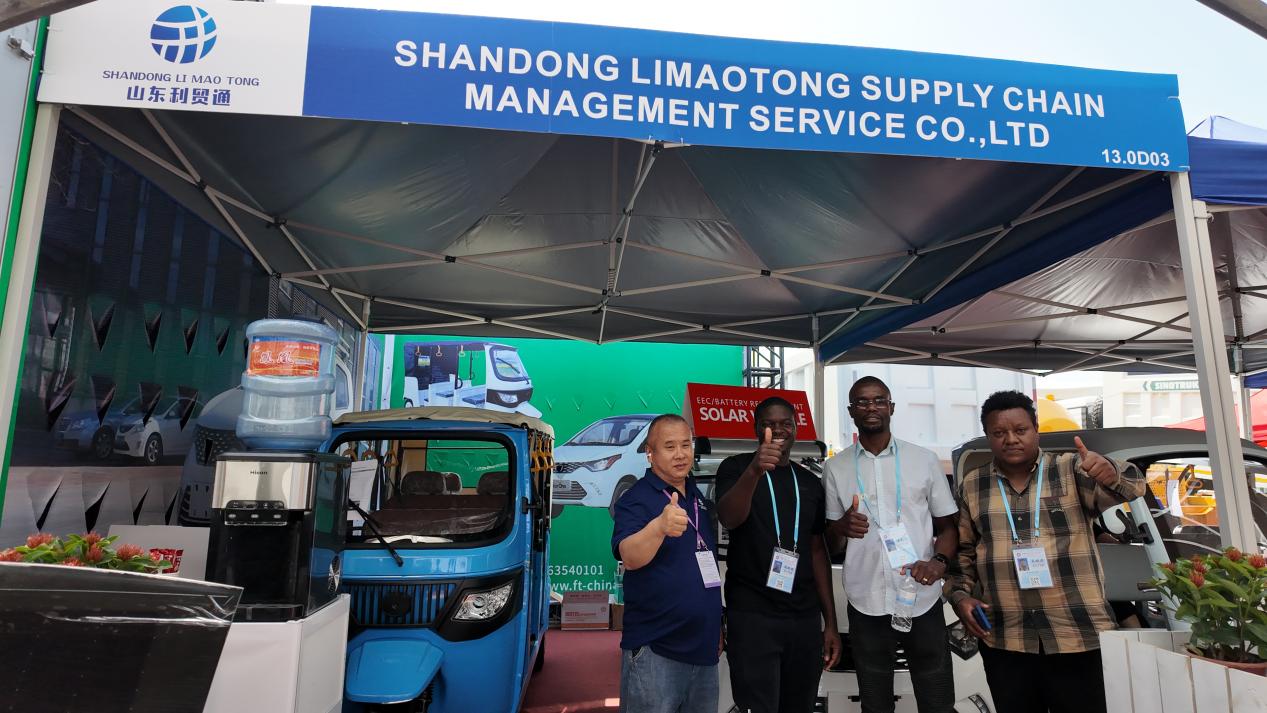
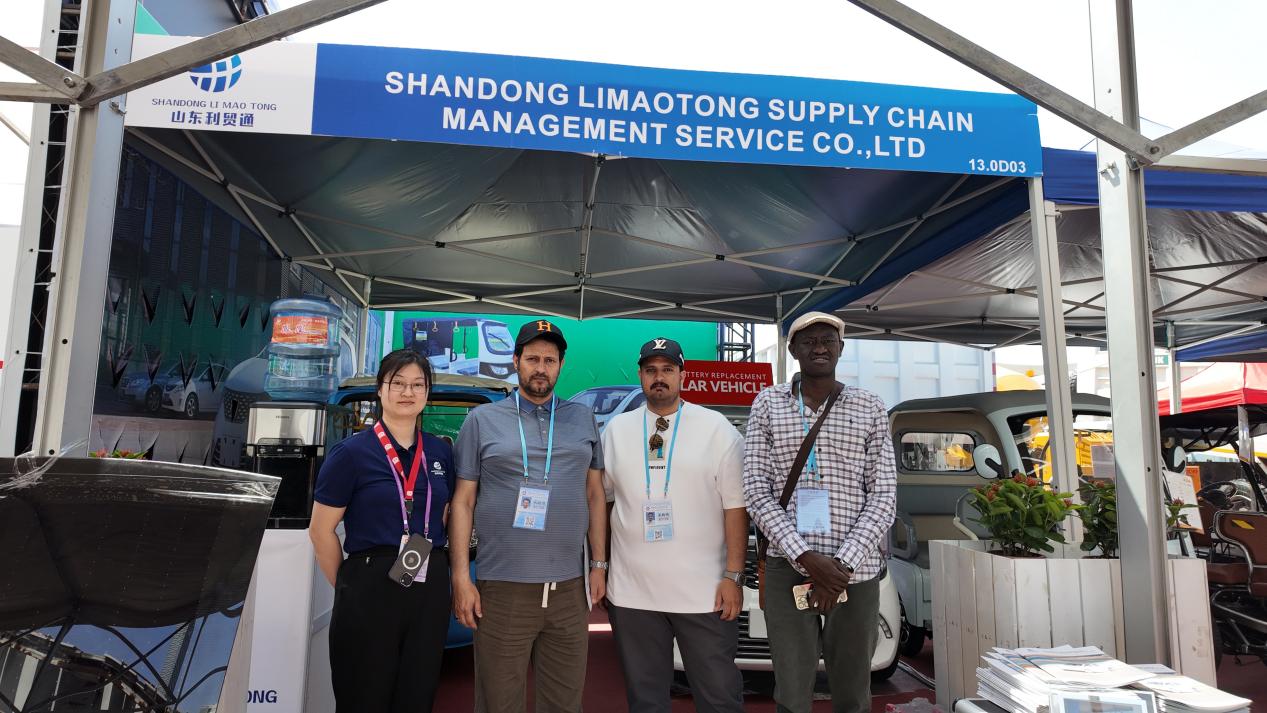
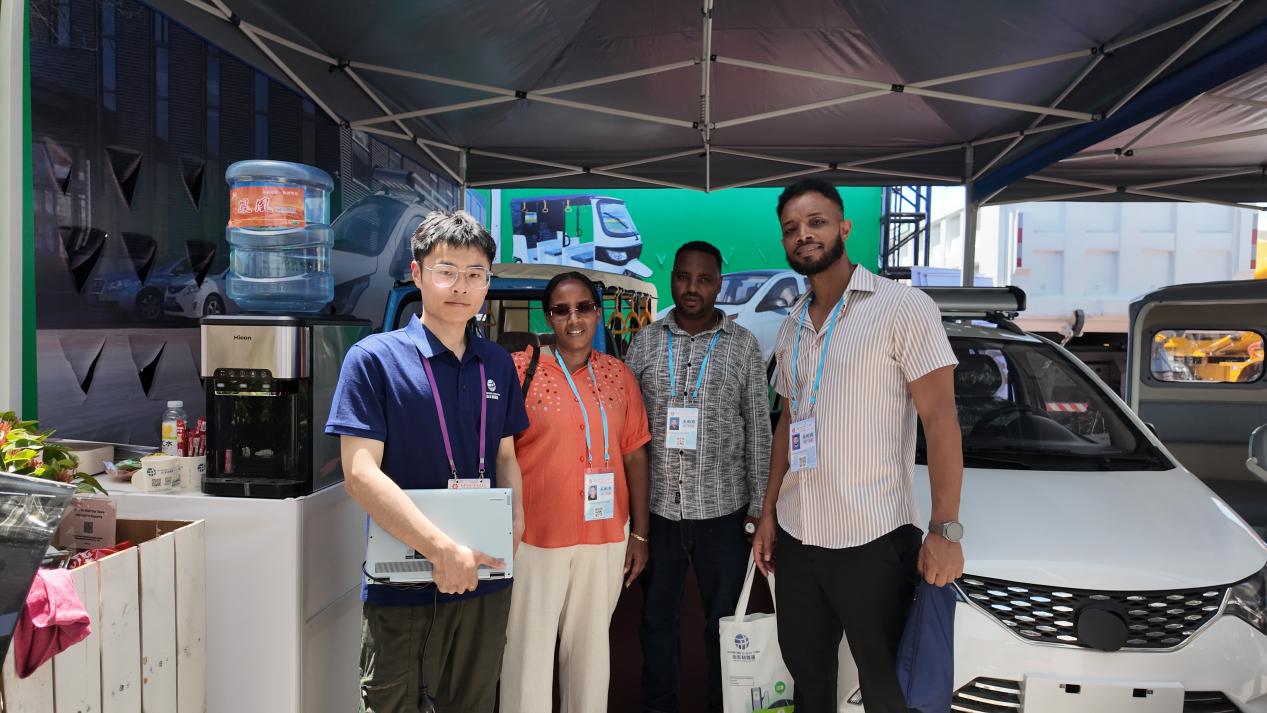
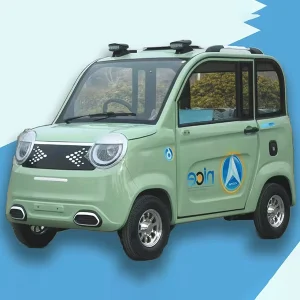
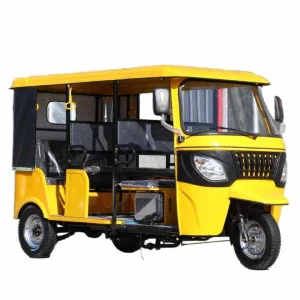
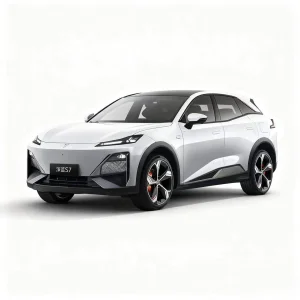
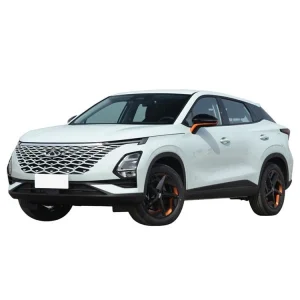
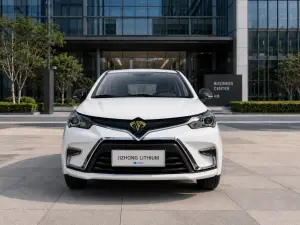
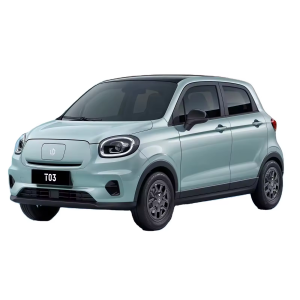
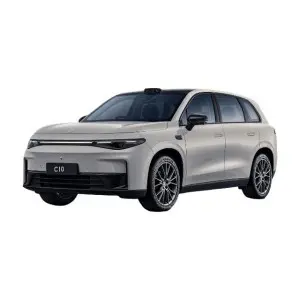
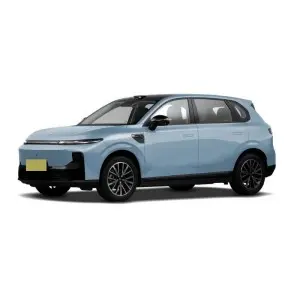
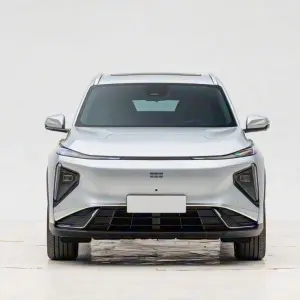
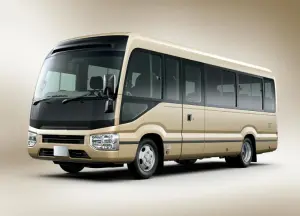
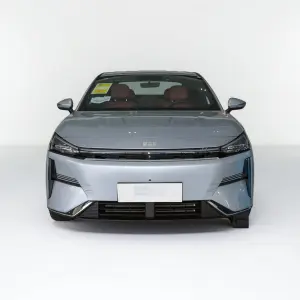
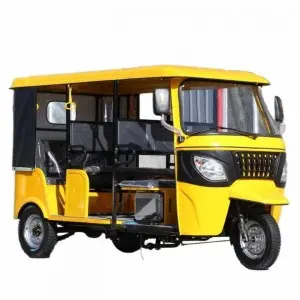
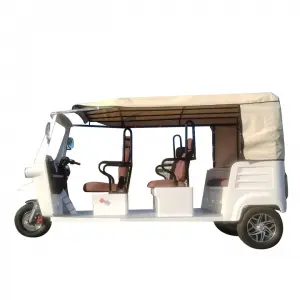
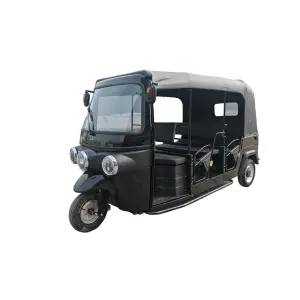
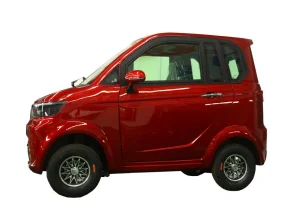
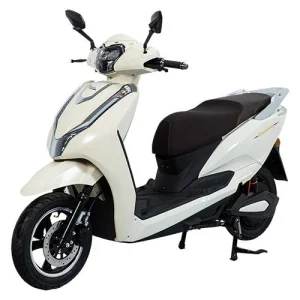
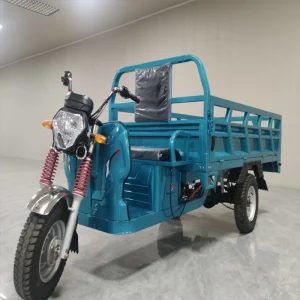
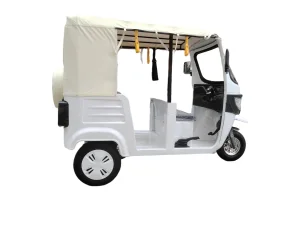
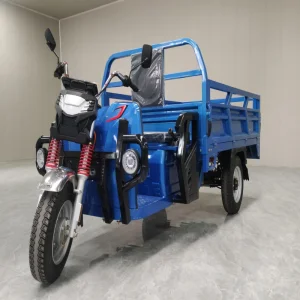
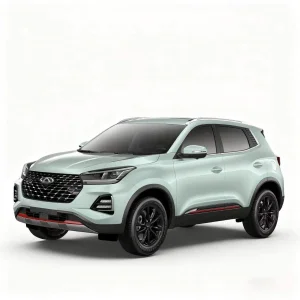
We deliver both electric passenger vehicles and cargo micro-mobility solutions to global distributors.
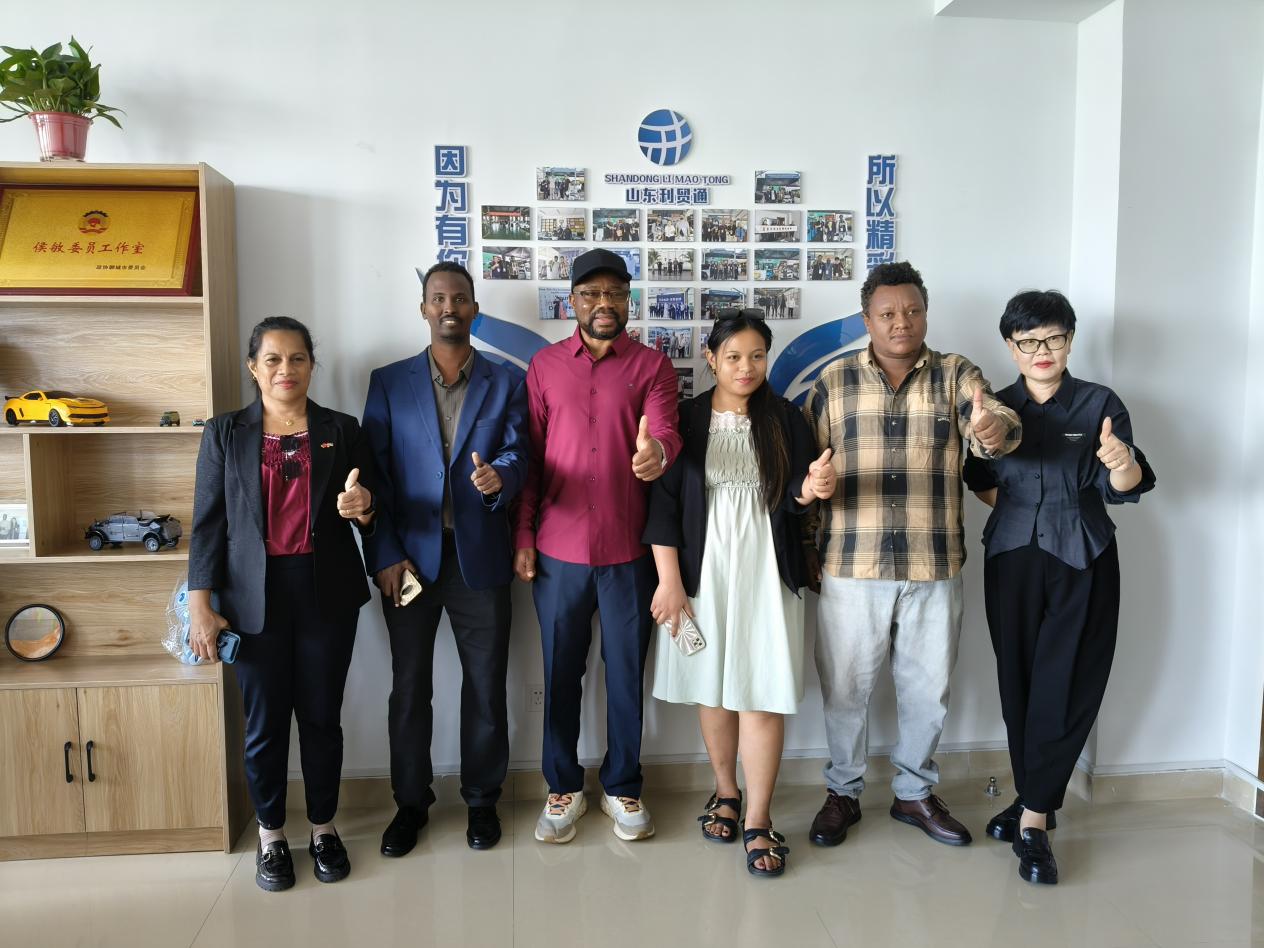
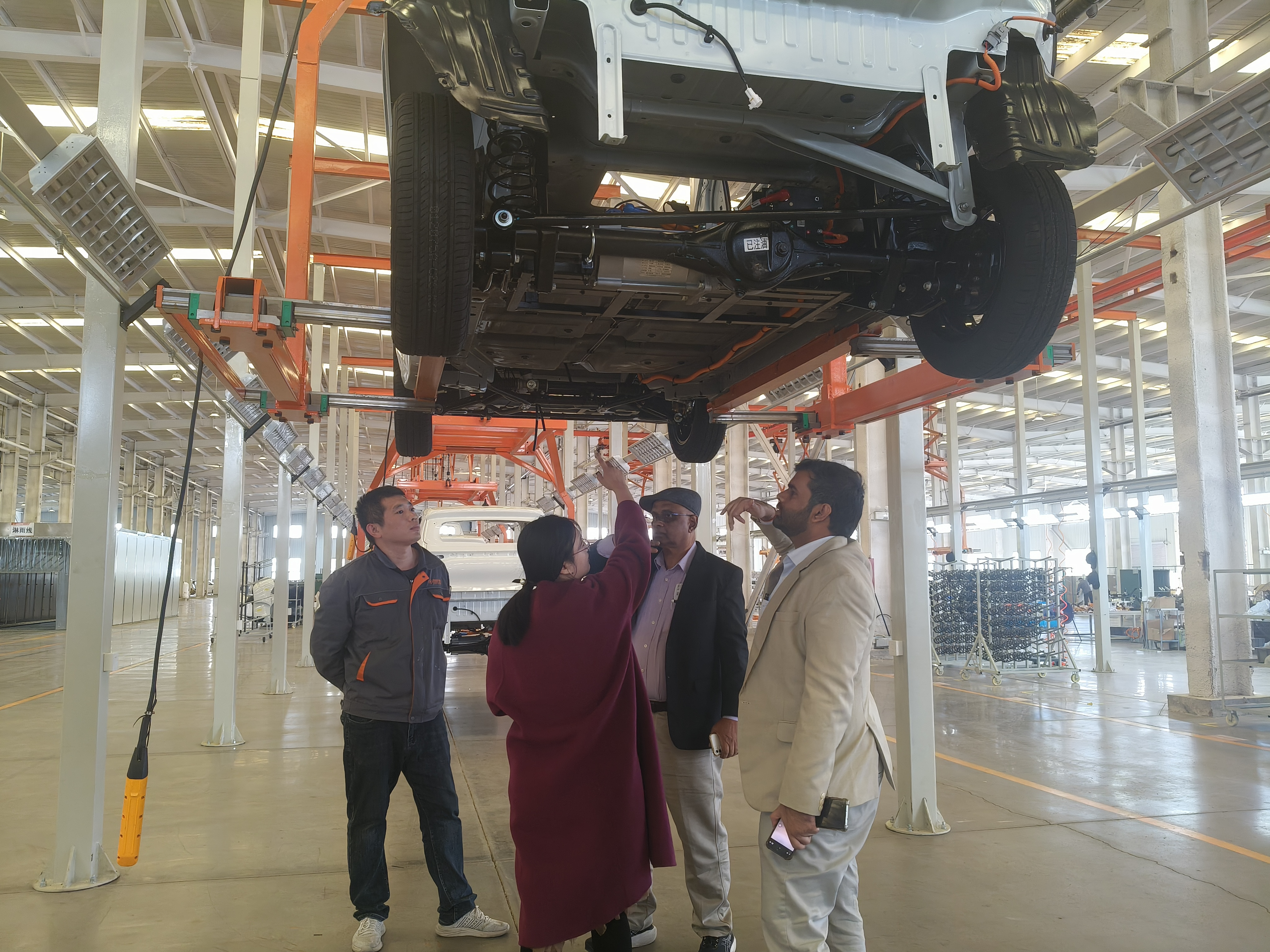
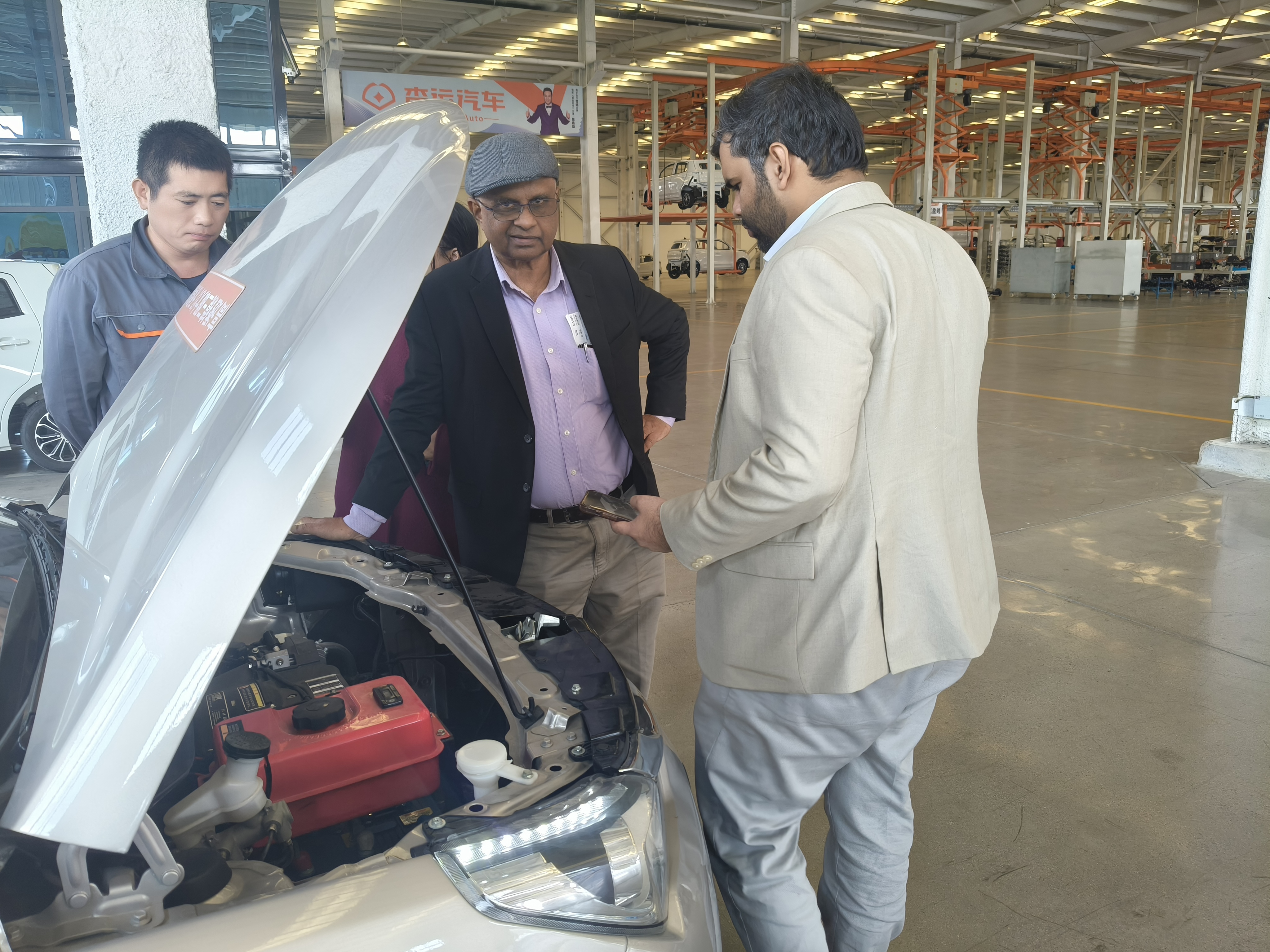
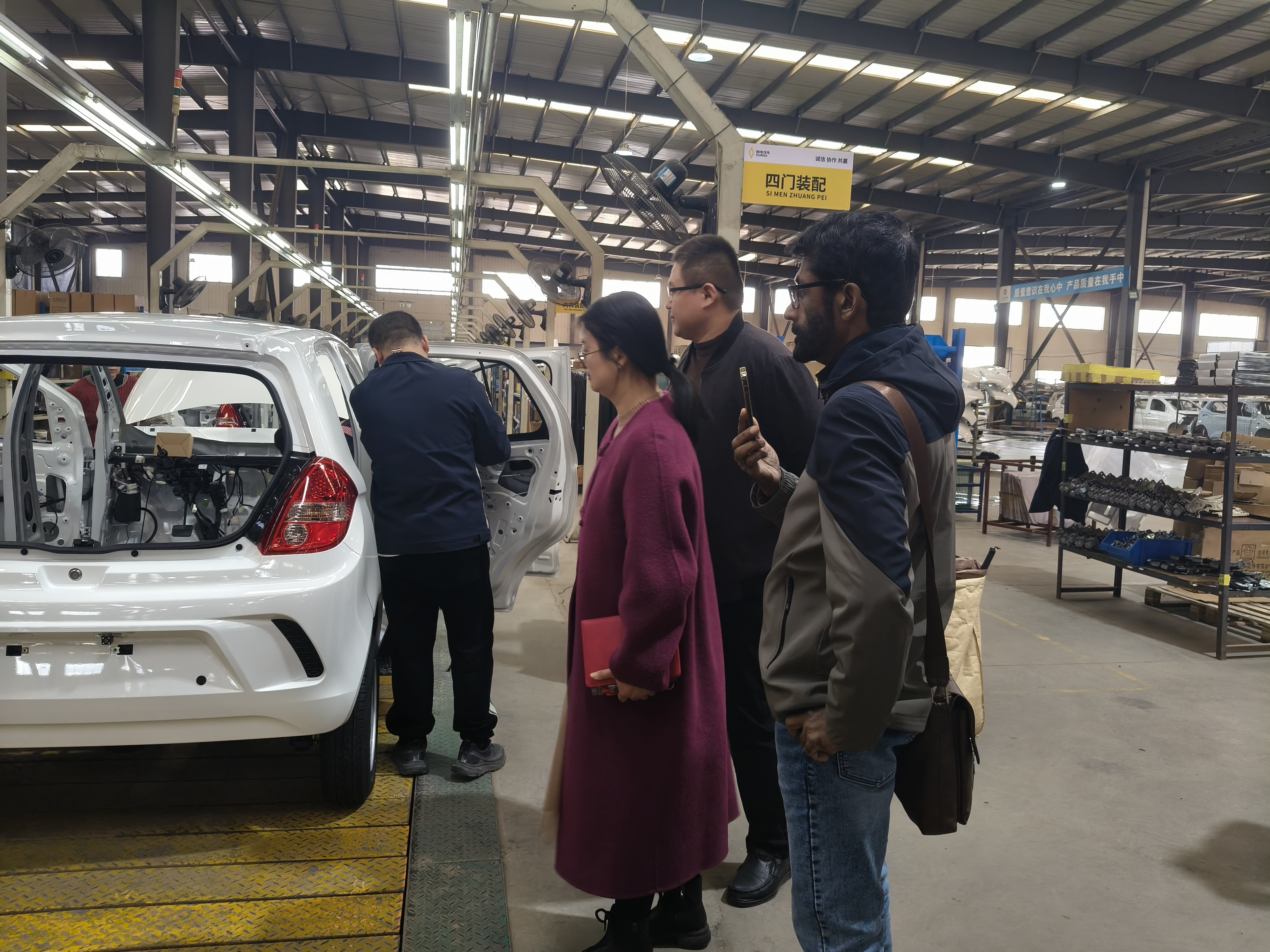
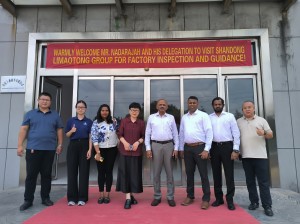
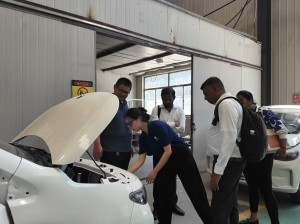

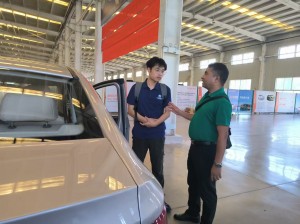
Underlining our commitment to providing tailored micro-mobility options for diverse transport landscapes.
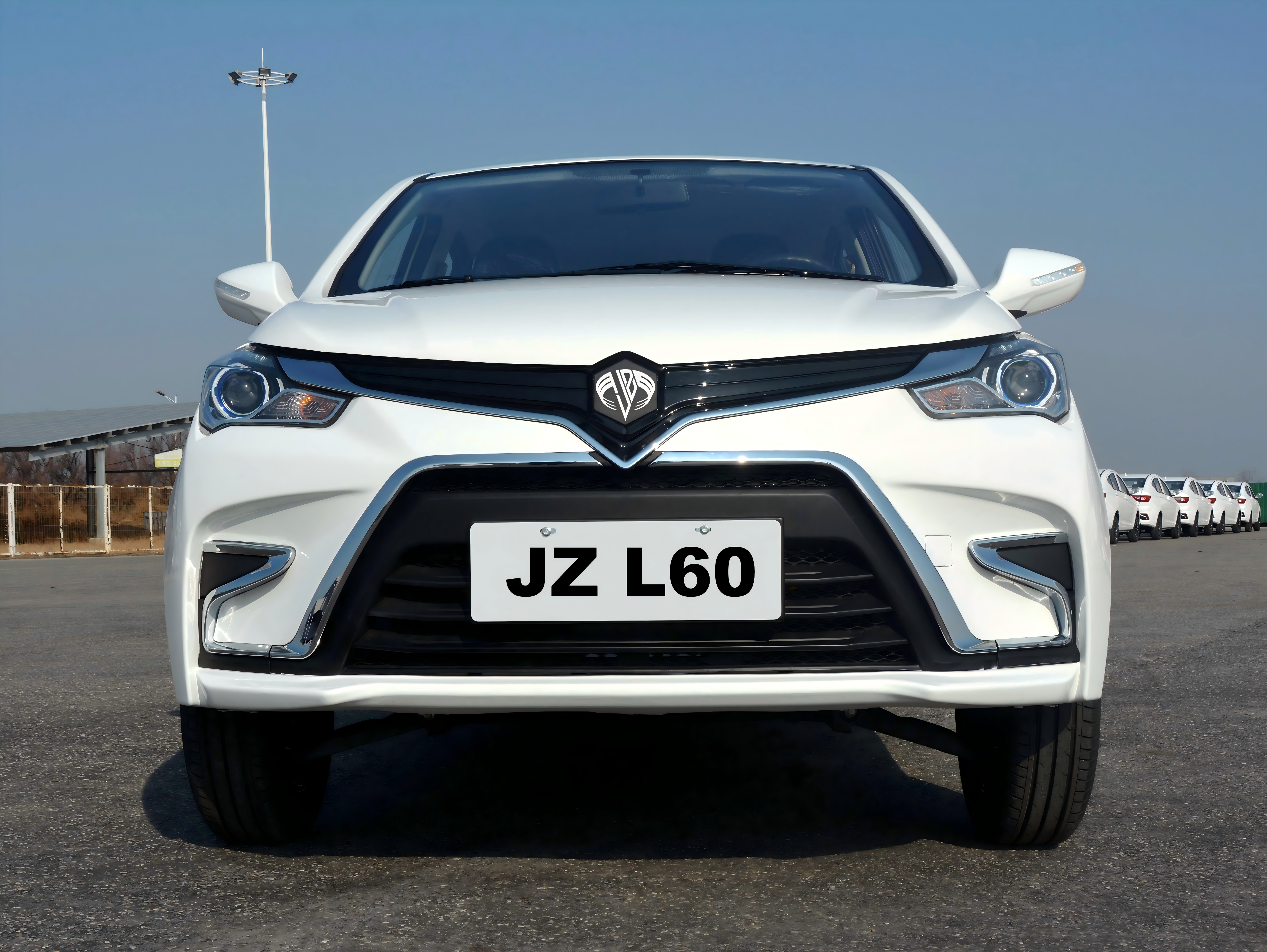
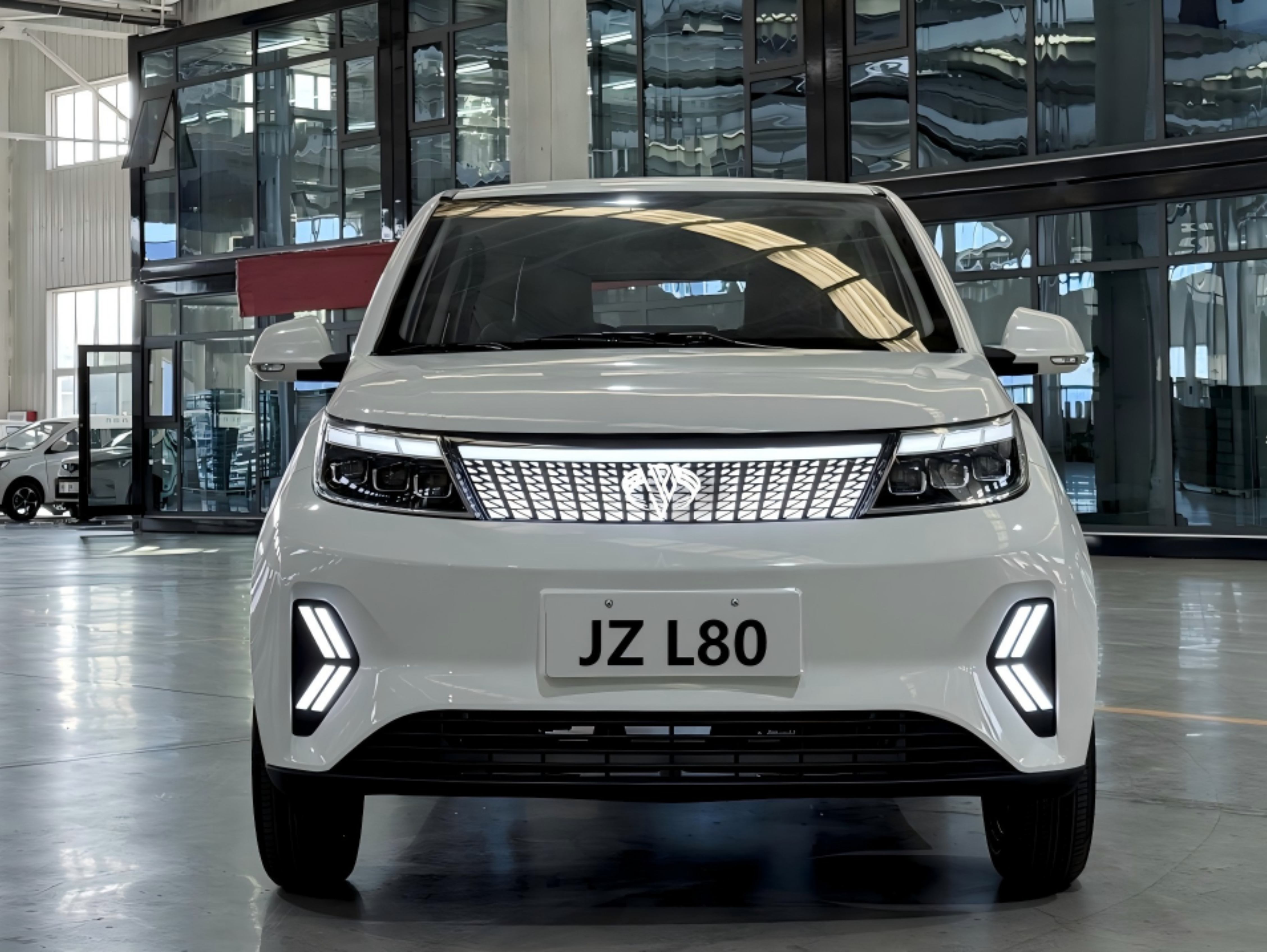
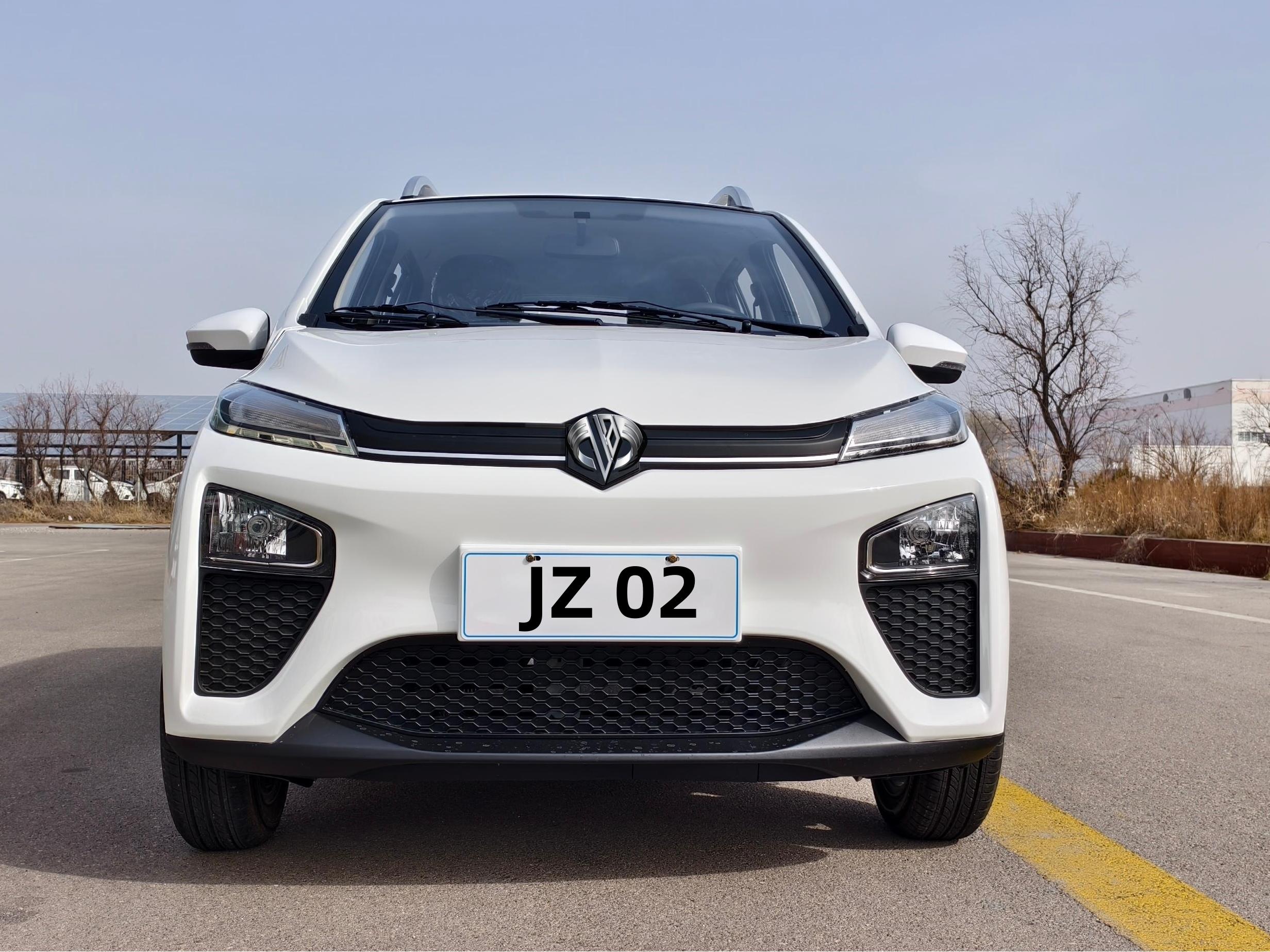
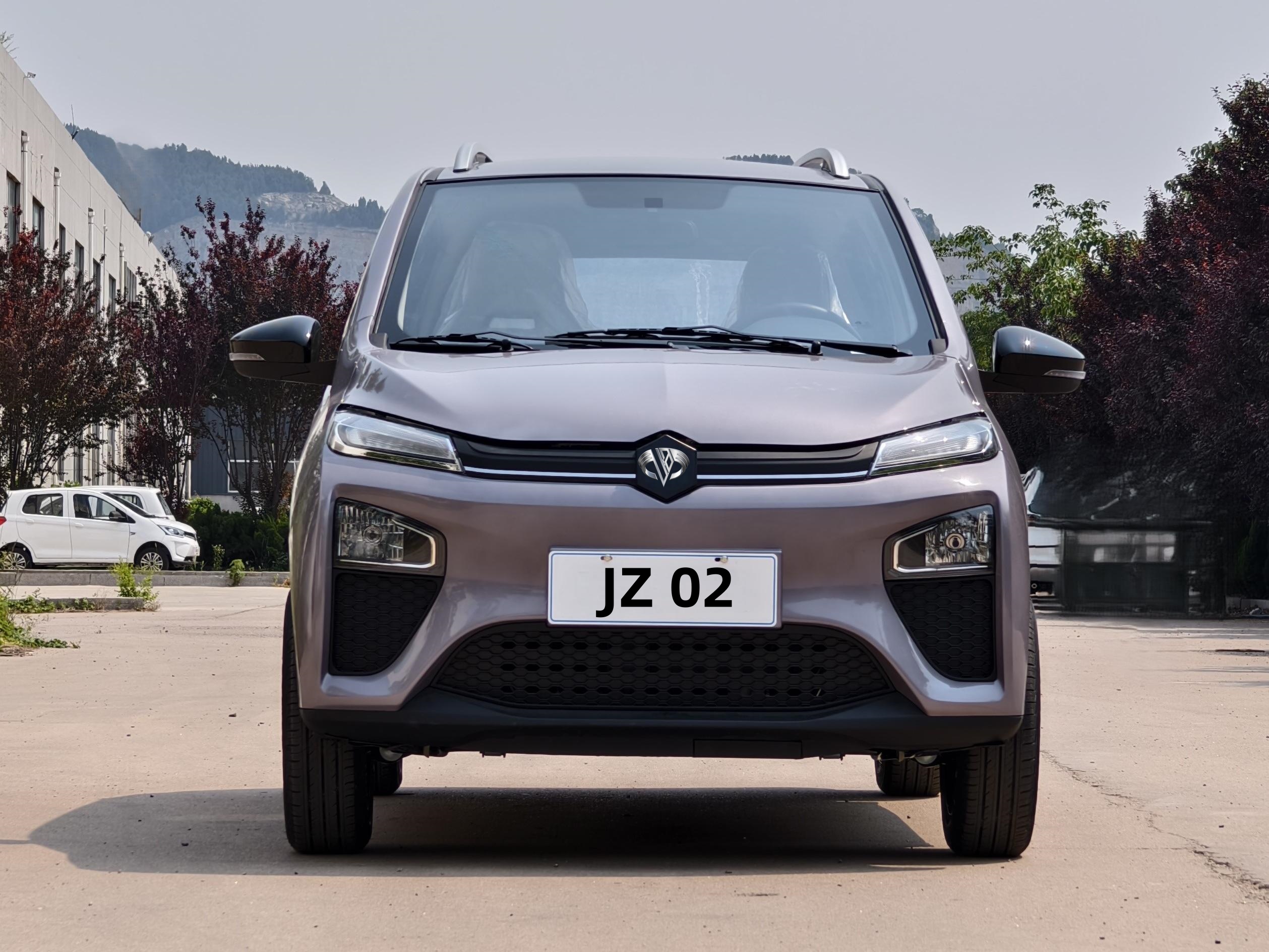


The rapid expansion of clean-energy legislation globally forces manufacturers to anticipate future technological requirements. The following vectors represent the future of three-wheeled mobility systems:
Smart logistics operators now demand telematics integration. Modern electric cargo tricycles feature pre-installed OBD channels and GPS trackers, transmitting battery status, motor temperature, geographic location, and load metrics to remote dashboards in real-time.
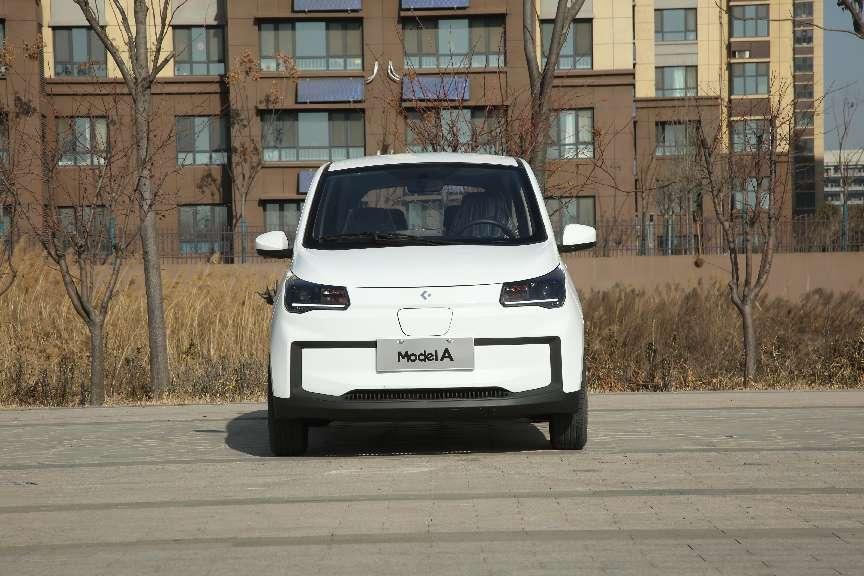
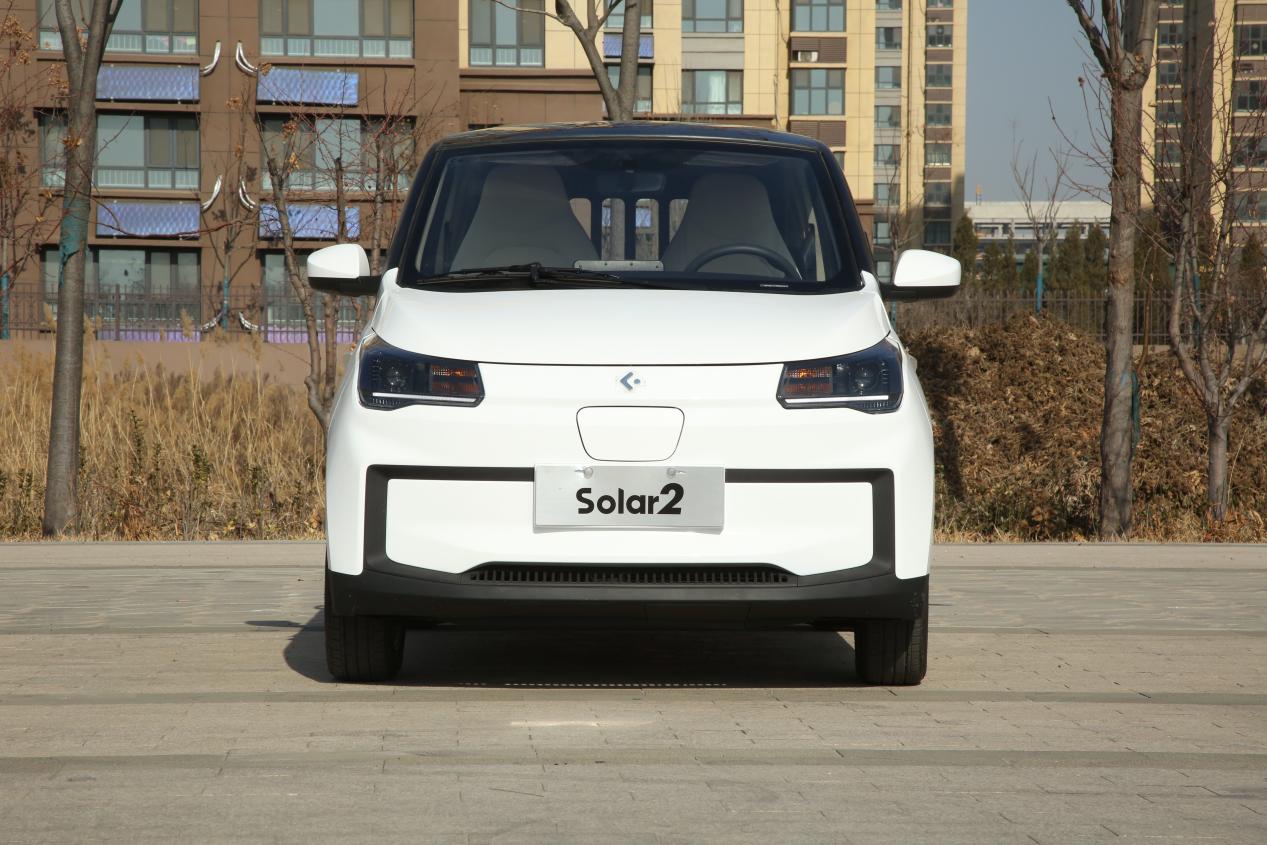
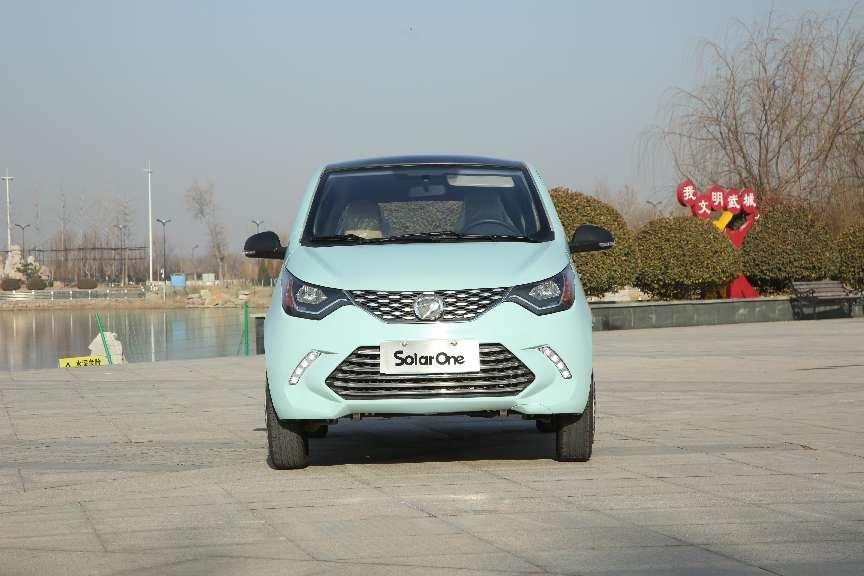
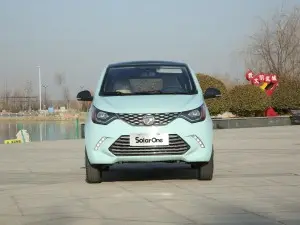
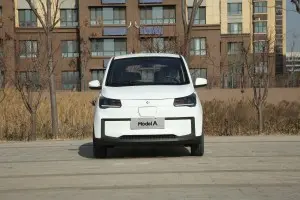
By integrating high-efficiency monocrystalline solar panels onto the roof structure of enclosed passenger trikes or cargo cargo box enclosures (as seen in our Solar One and Model A vehicles), operators achieve up to 25% range extension, reducing off-road charging down-time and grid dependency.
Standard 48V systems are rapidly transitioning to 60V and 72V architectures, allowing for greater motor efficiency, reduced wiring thickness, cooler operating cycles, and torque management suitable for steep inclines and heavy-duty cargo applications.
Technical insight directly from our engineering team to help you make informed procurement decisions.
Explore the rest of our high-quality passenger, cargo, and automotive transport selection.
 Limaotong