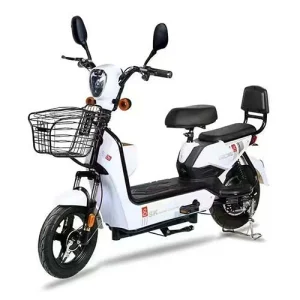
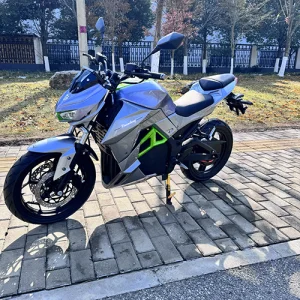
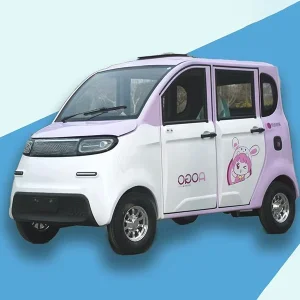
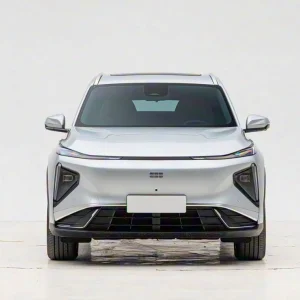
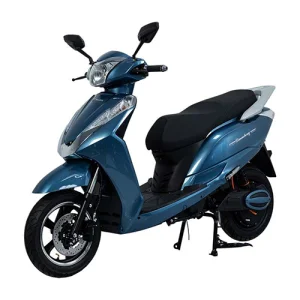
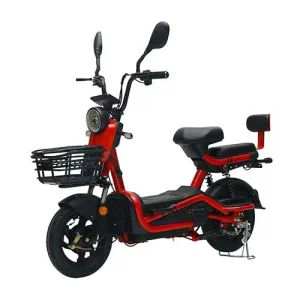
Direct from high-capacity manufacturing facilities. Designed for urban distribution networks, specialized passenger transit, and eco-friendly municipal applications.
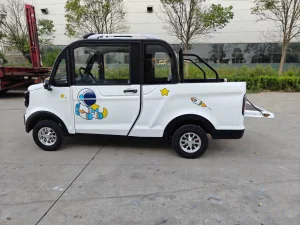
Analyzing key variables driving commercial fleet conversions from internal combustion to zero-emission technology platforms.
Global supply chains are undergoing structural transitions. Driven by aggressive zero-emission mandates (such as the EU's heavy-duty and commercial transport fleet target allocations, and regional ICE bans in dense metropolises), fleet managers and multinational distribution agencies are rapidly replacing standard fossil-fuel systems with scalable electric alternatives. Corporate Scope 3 emission targets require robust validation schemes, highlighting the importance of certified pure electric logistics vehicles.
Electric commercial vans present the most direct pathway to local air quality enhancement and fleet carbon profile reduction. By leveraging clean grid energy profiles and high-torque electric powertrains, transit operators minimize carbon tax liabilities, secure long-term access to urban low-emission zones, and future-proof capital assets against shifting regulatory policies.
Total Cost of Ownership (TCO) remains the decisive commercial metric. Electric vans reduce fleet operations overhead through lower cost-per-mile electric energy charging cycles compared to fuel prices. Regenerative braking systems decrease mechanical component wear (specifically brake pads and calipers), and the simplicity of pure electric drivetrains eliminates costly maintenance steps associated with complex ICE components like EGR valves, particulate filters, and transmissions.
Electric transport vehicles are not one-size-fits-all. Successful deployment depends on matching specific vehicle specifications with local operating conditions, duty cycles, and regional topography. Modern manufacturing plants produce specialized configurations for diverse commercial and municipal needs.
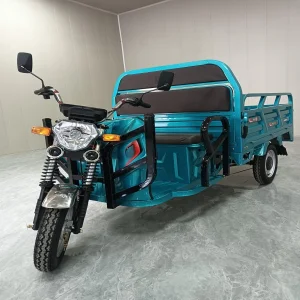
Characterized by high-frequency stop-and-go driving profiles, tight loading zones, and strict noise limits in residential areas. Light electric vans and heavy cargo electric tricycles offer optimized solutions. Advanced thermal management preserves battery capacity during multi-stop routes, while payload-optimized cargo boxes improve cubic storage efficiency.
Requires high-voltage power distribution units to support refrigeration compressors without reducing driving range. Advanced EV vans feature dual-circuit electrical architectures, routing battery energy to standard cooling units while maintaining the vehicle's motive power, preserving temperature-sensitive pharmaceuticals and foods.
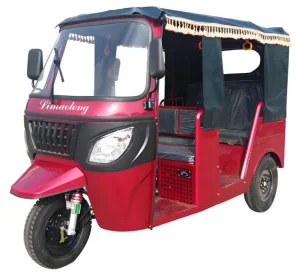
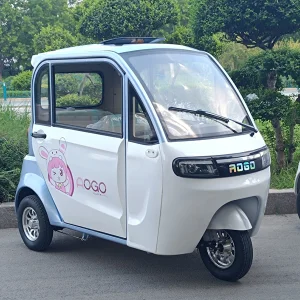
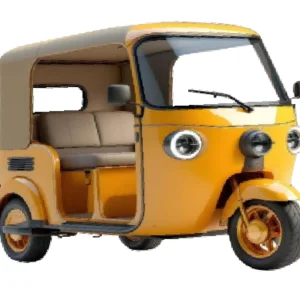
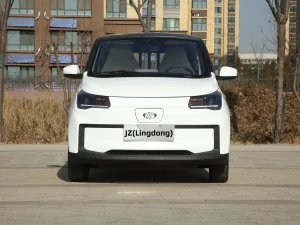
In developing regional centers and historic urban districts, narrow streets make standard commercial vans impractical. Fully enclosed passenger tricycles (tuk-tuks) and mini electric passenger cars provide safe, low-cost commuter services, bridging public transit gaps with zero localized emissions.
A prominent global supplier of advanced transit systems, Shandong Li Mao Tong Group maintains a fully integrated industrial supply chain. The company designs, manufactures, and exports motor tricycles, specialized cargo tricycles, and electric passenger vehicles. Since inception, our products have reached more than 120 countries and regions, providing reliable, eco-friendly mobility solutions to over 20 million households worldwide.
Countries Served Globally
Overseas Production Bases
Households Supported
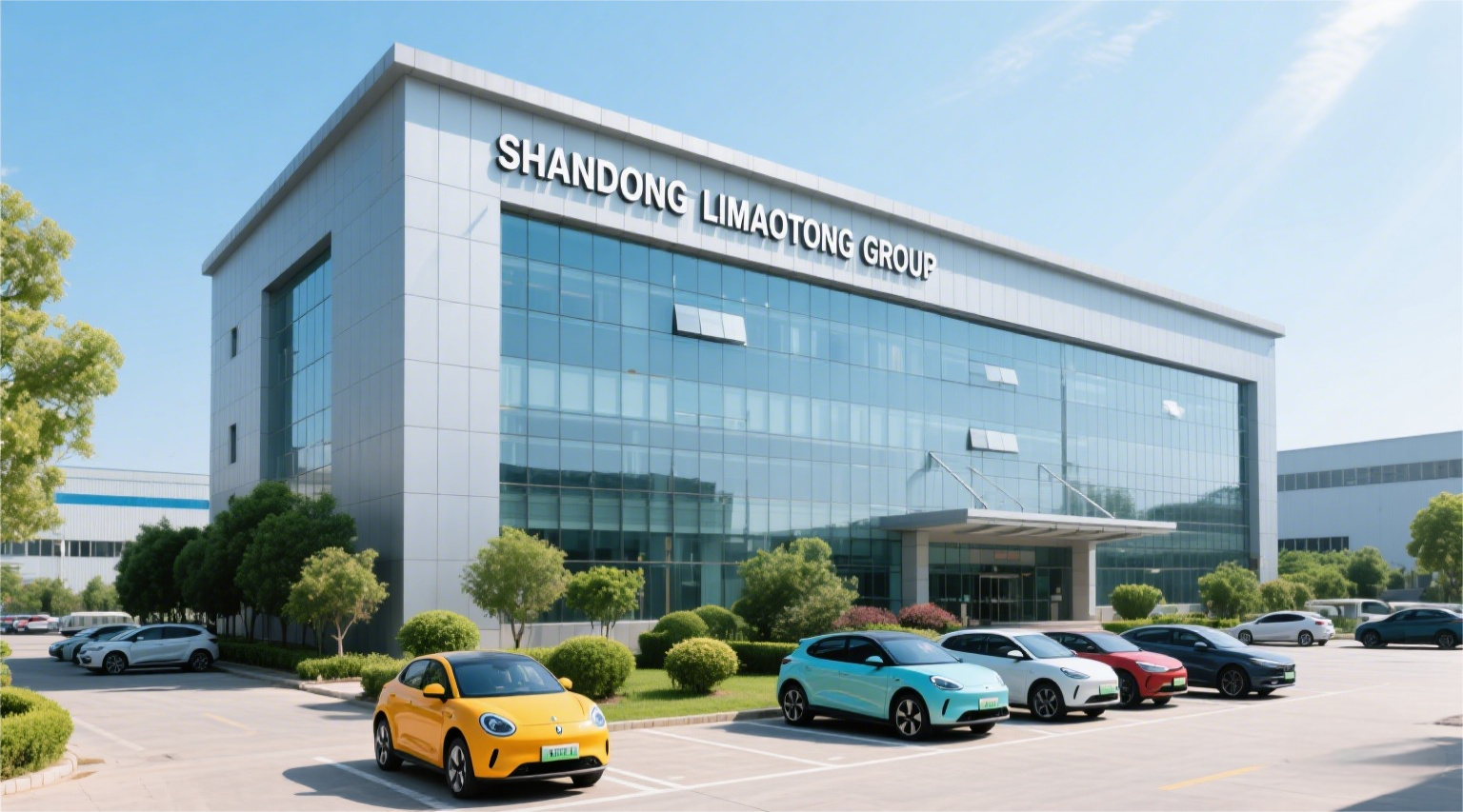
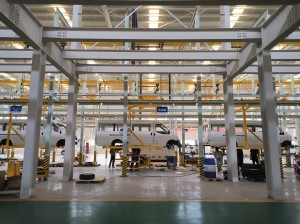
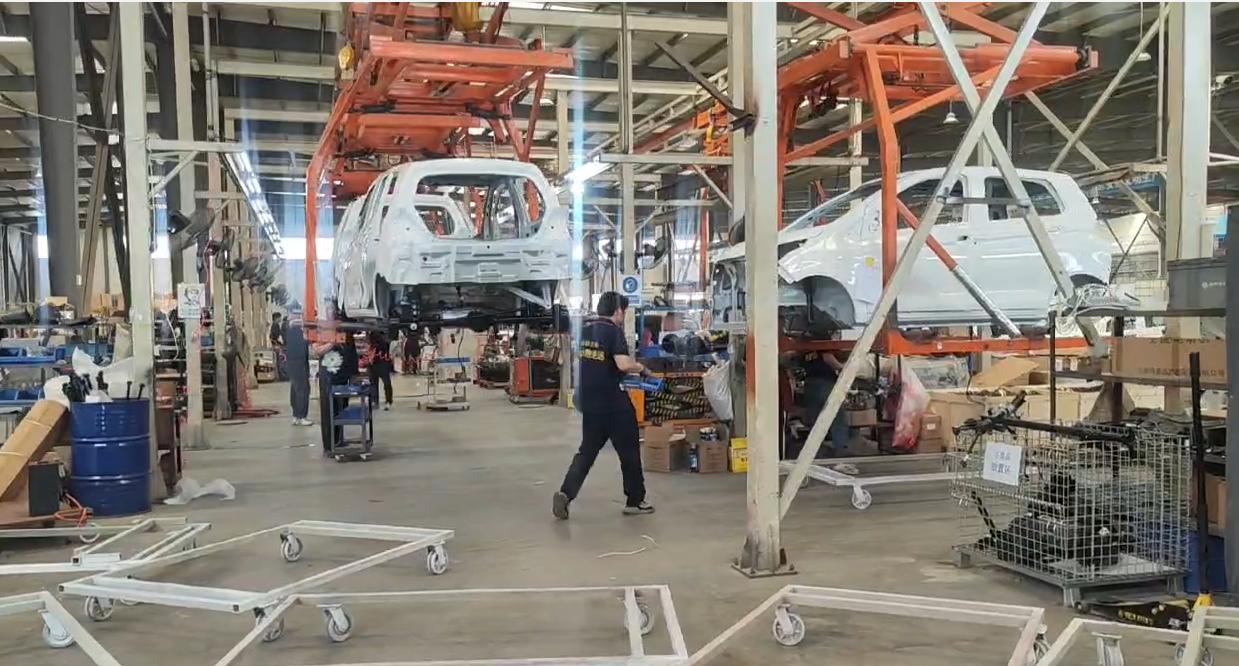
Our modern manufacturing facility utilizes automated production networks and digital quality control systems. Every vehicle is engineered to meet rigorous international standards.
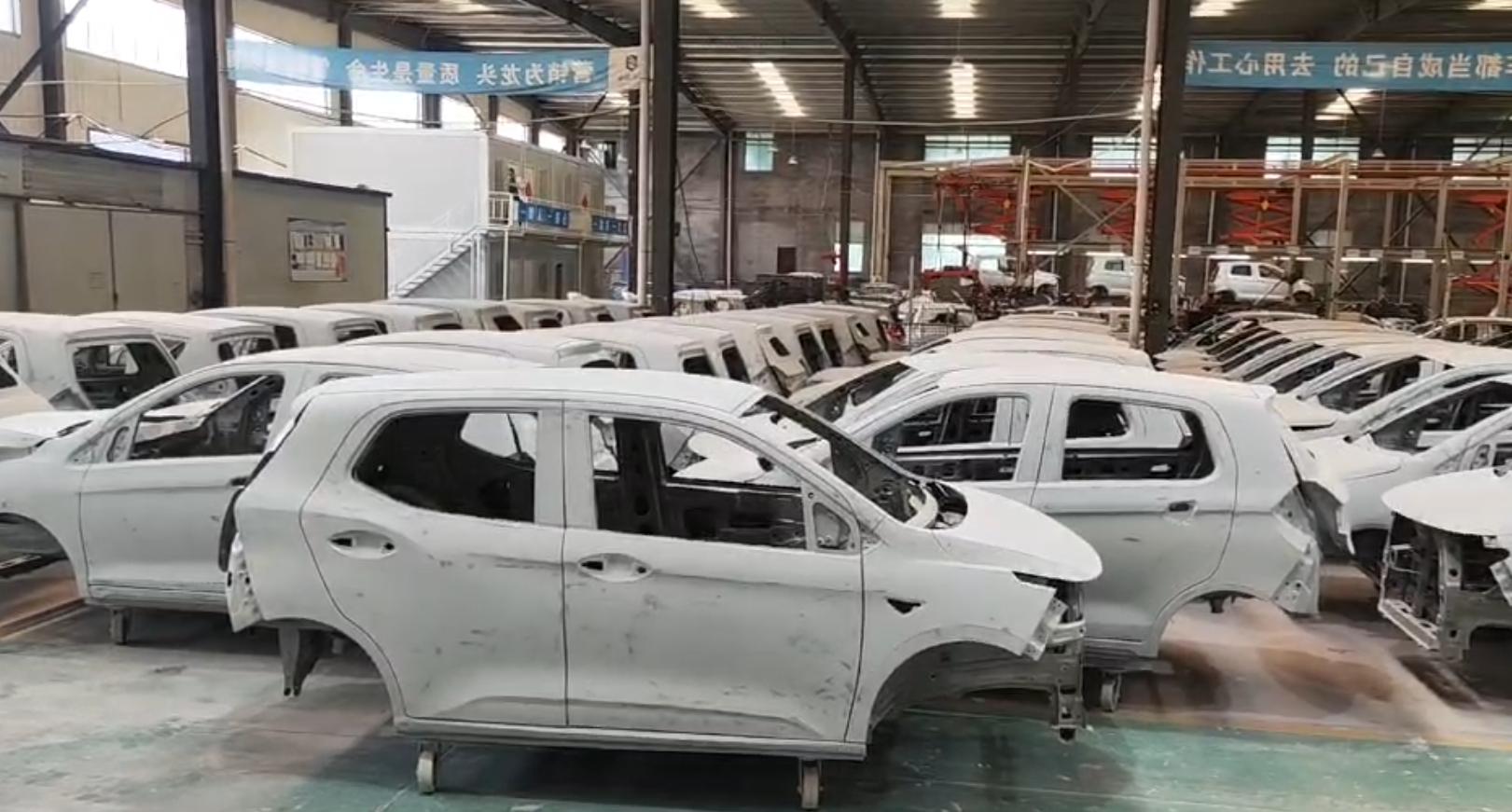
From one-piece stamped steel safety frames to automated robotic painting stations, our technical teams verify structural integrity at every step. Each batch undergoes water-ingress validation tests, ensuring reliable operation in harsh weather conditions.
Understanding the infrastructural advantages that enable Chinese manufacturing bases to deliver high-quality, cost-efficient commercial EVs.
China's leadership in the global electric vehicle market is supported by an integrated supply chain. The country processes a significant share of the world's battery precursors, anode materials, and lithium compounds, which helps reduce production costs. Close proximity to major battery manufacturers like CATL and BYD allows direct engineering collaboration, speeding up integration of advanced battery management systems (BMS) into vehicle architectures.
By using stable Lithium Iron Phosphate (LFP) chemistry, Chinese commercial EVs achieve high lifecycle durability, thermal stability, and low cost-per-kilowatt-hour metrics, supporting predictable fleet logistics planning.
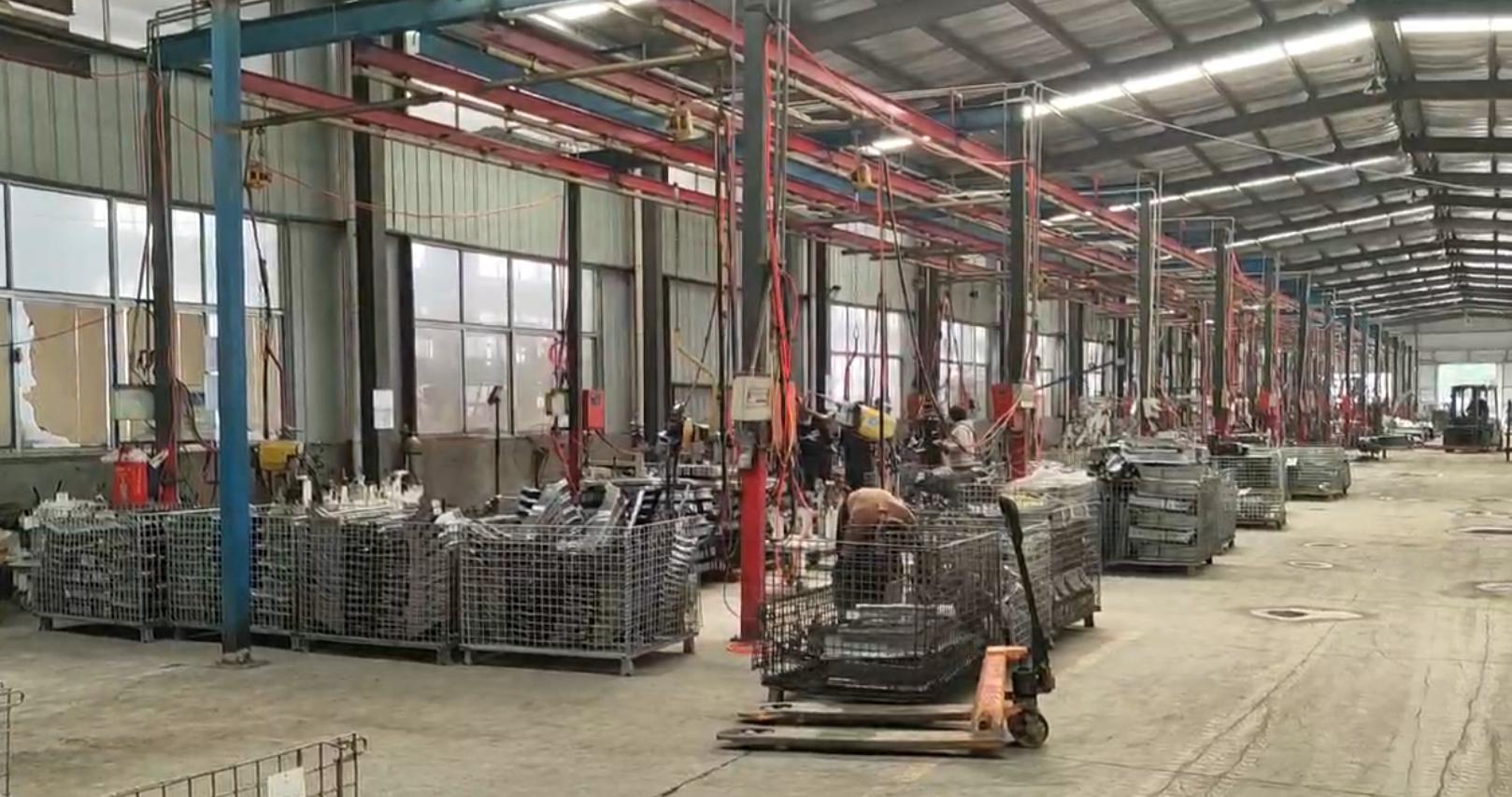
High production output is maintained through automated stamping lines, smart robotic welding cells, and eco-friendly electrodeposition (ED) paint systems. Stamping presses produce single-piece structural body sides, reducing welds, increasing cabin torsional rigidity, and lowering overall vehicle weight.
Automated assembly lines ensure consistent manufacturing quality, providing reliable vehicle performance across fleets deployed in Europe, Asia, and Latin America.
An inside look at our assembly lines, robotics centers, precision testing labs, and global client factory visits.

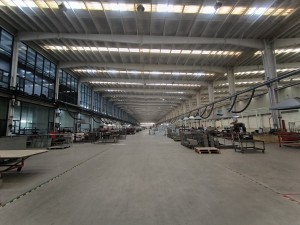
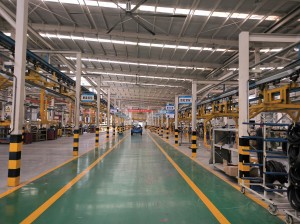
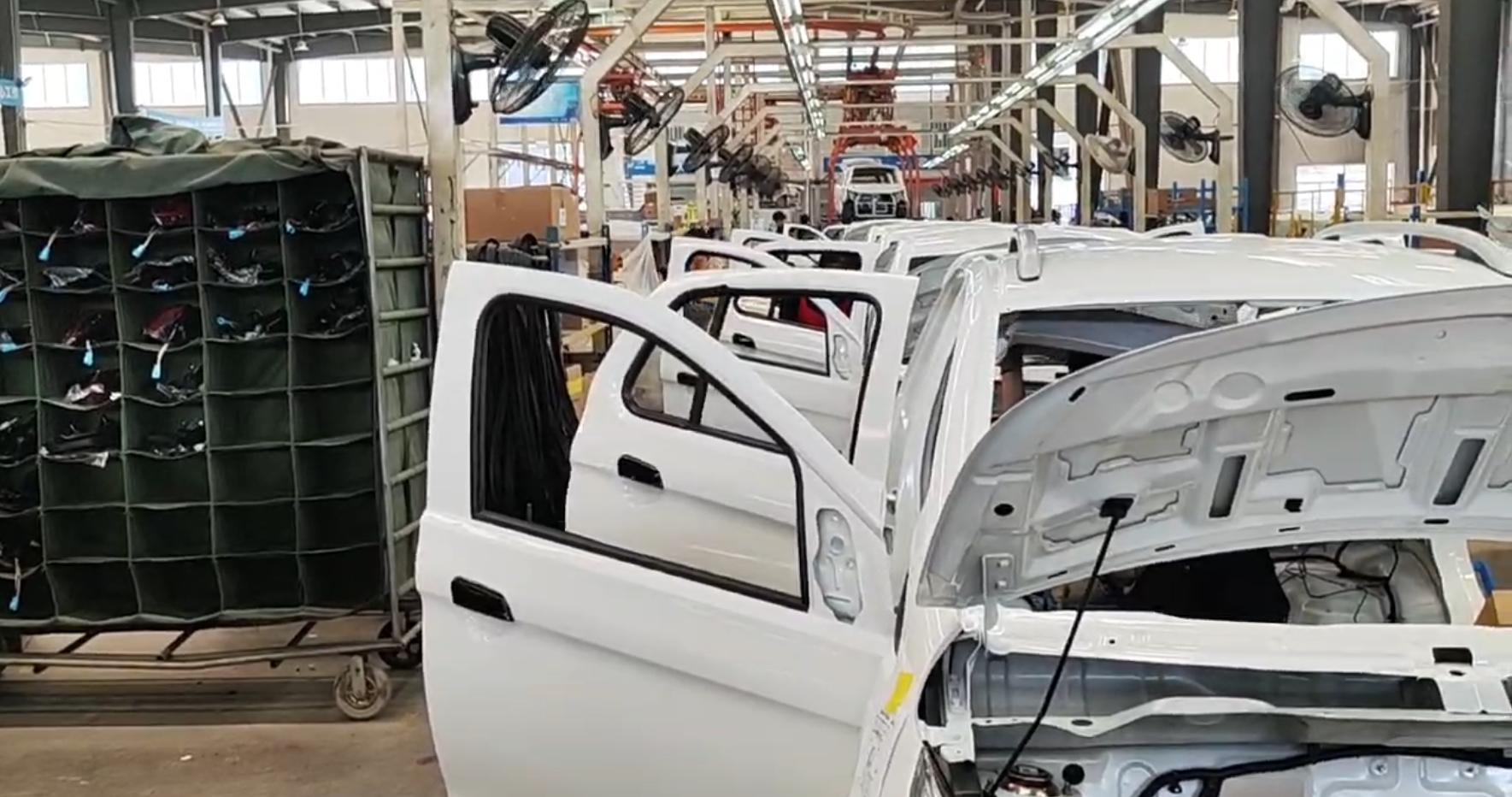
Procuring commercial electric vehicles requires careful review of technical specifications to ensure compatibility with localized routing and transport rules.
Buyers must balance high payload limits with battery weight tradeoffs. Heavy steel frame options and reinforced leaf-spring suspensions ensure performance under variable weight loads without structural fatigue.
Regulatory compliance is essential. Fleet purchases require documentation like EEC certification for European markets or DOT certifications for the Americas, ensuring standard road registration and approval.
Operational runtime depends on reliable charging interfaces. Integrated vehicles support both Standard AC Level 2 charging for overnight cycles and high-efficiency DC Fast Charging (CCS/Type 2) to minimize downtime during shifts.
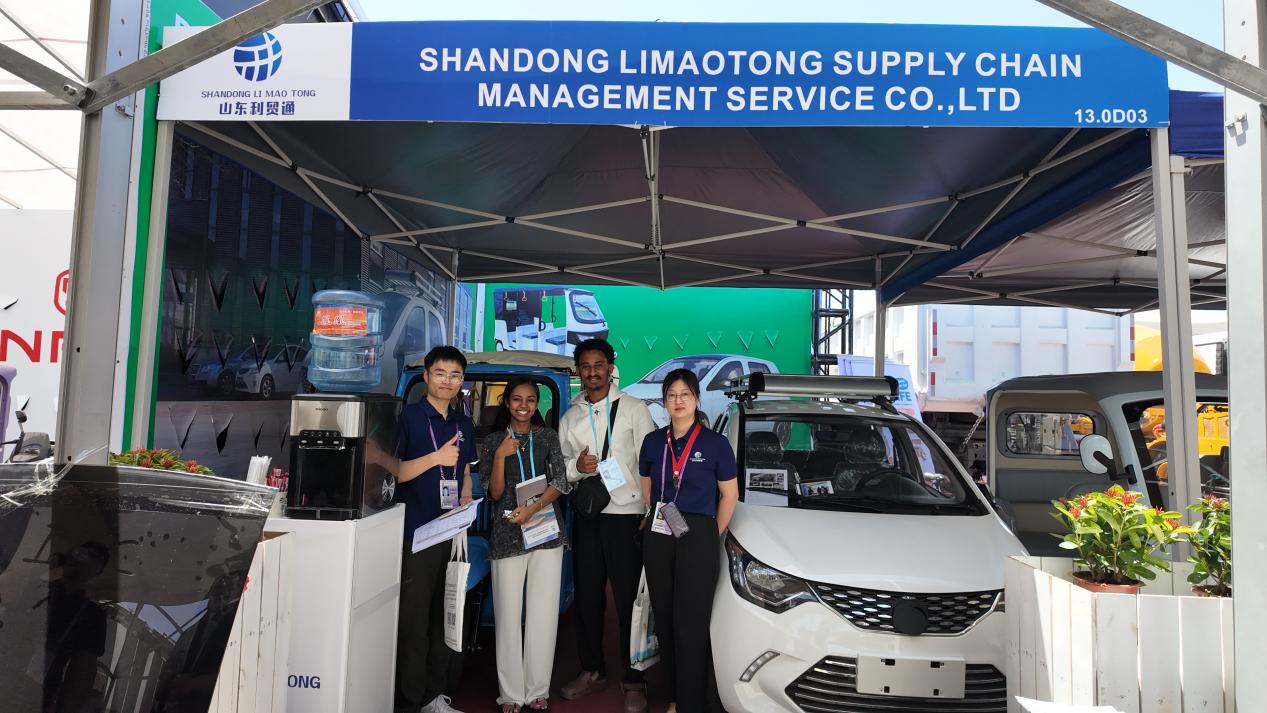
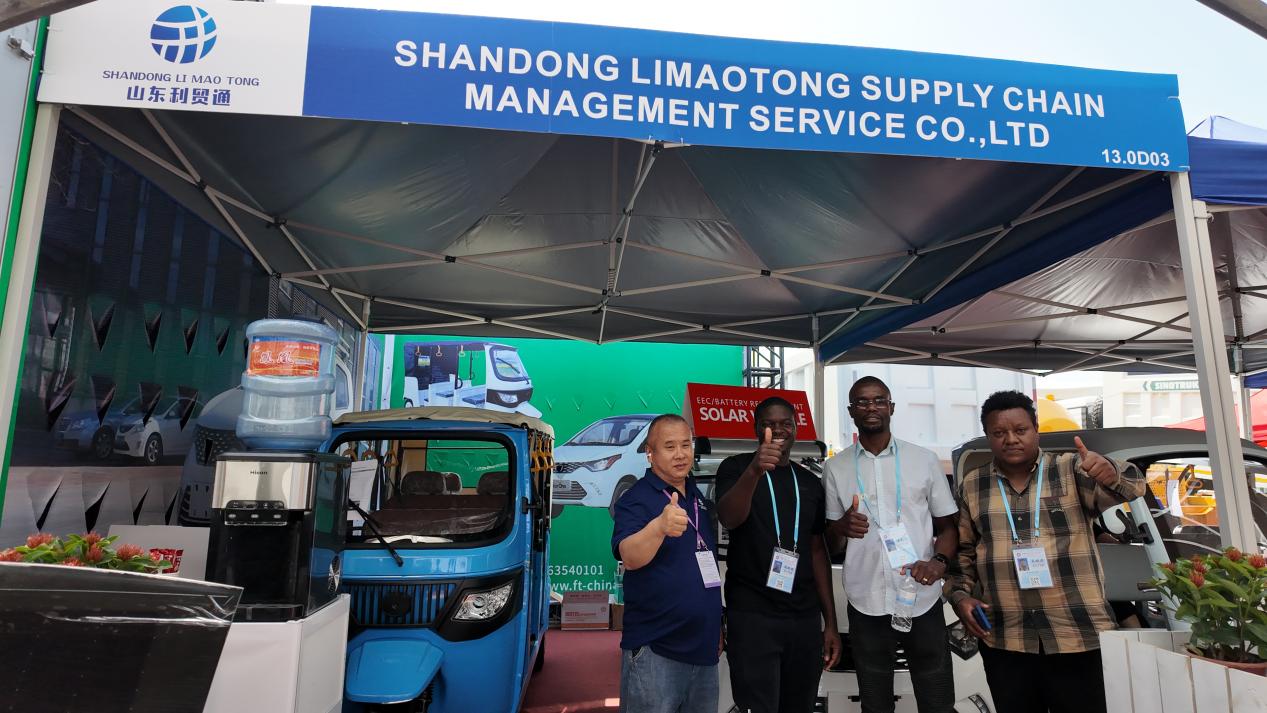
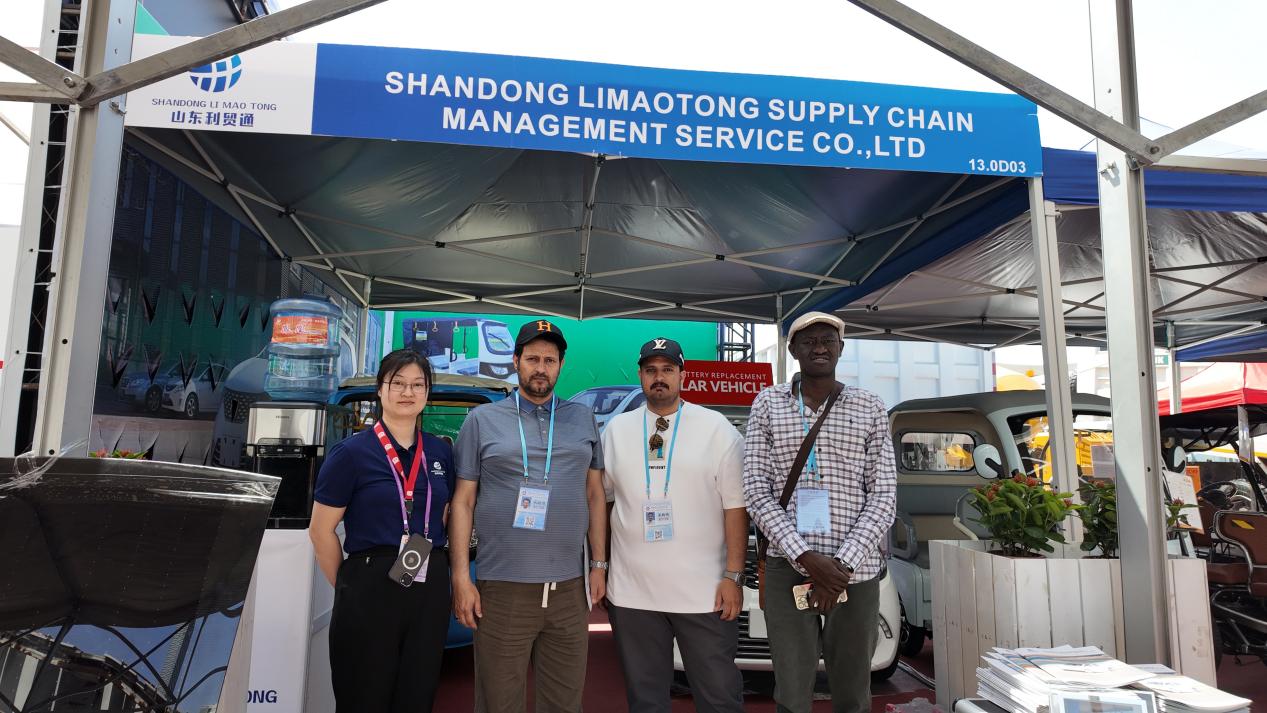
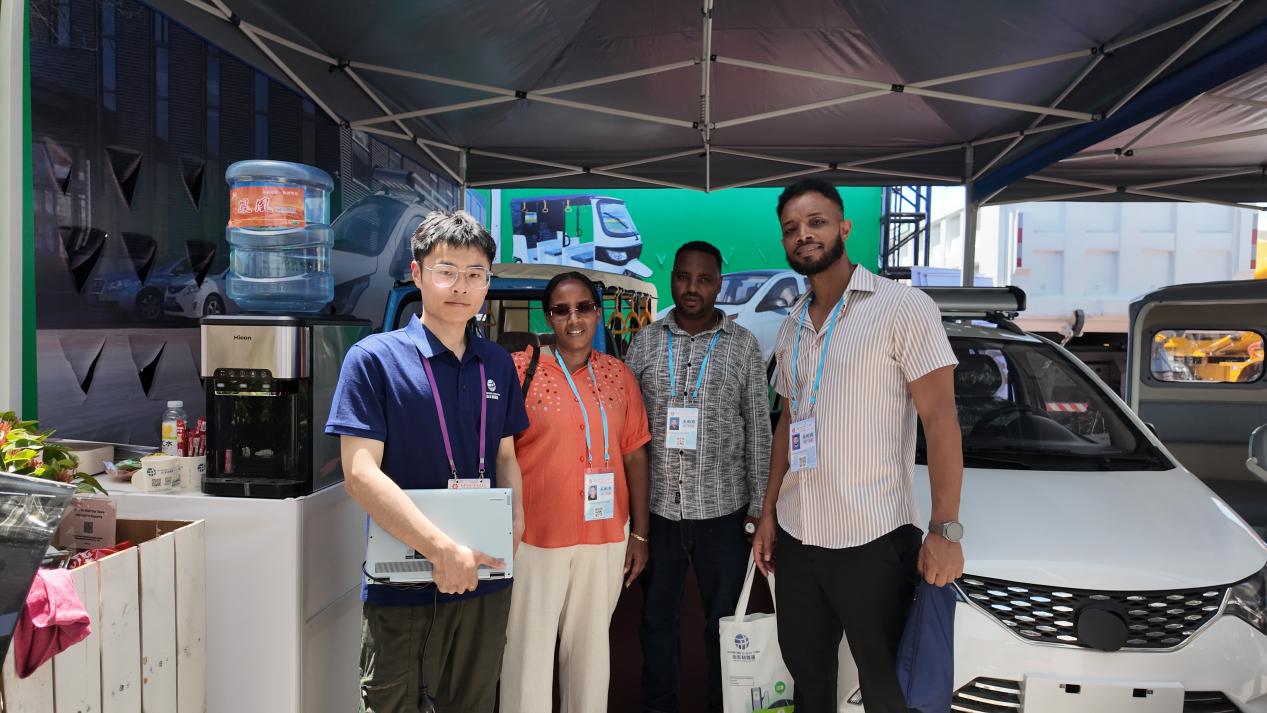
Established in 2023 within the Djibouti International Free Trade Zone, this localized cross-border exhibition center serves as a key logistical gateway for Africa. Working with local distribution networks, it provides comprehensive support including vehicle sales, spare parts inventory, customs clearance, and after-sales service. Operating on a "cross-border trade + front-end warehouse" model, the hub ensures fast delivery of vehicles, parts, and maintenance support across East Africa.
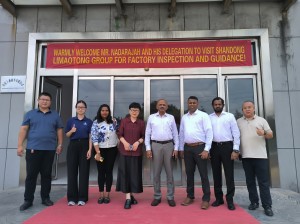
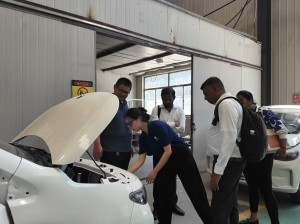
Global client engagements, cross-border vehicle exhibitions, and on-site testing protocols conducted under strict quality standards.


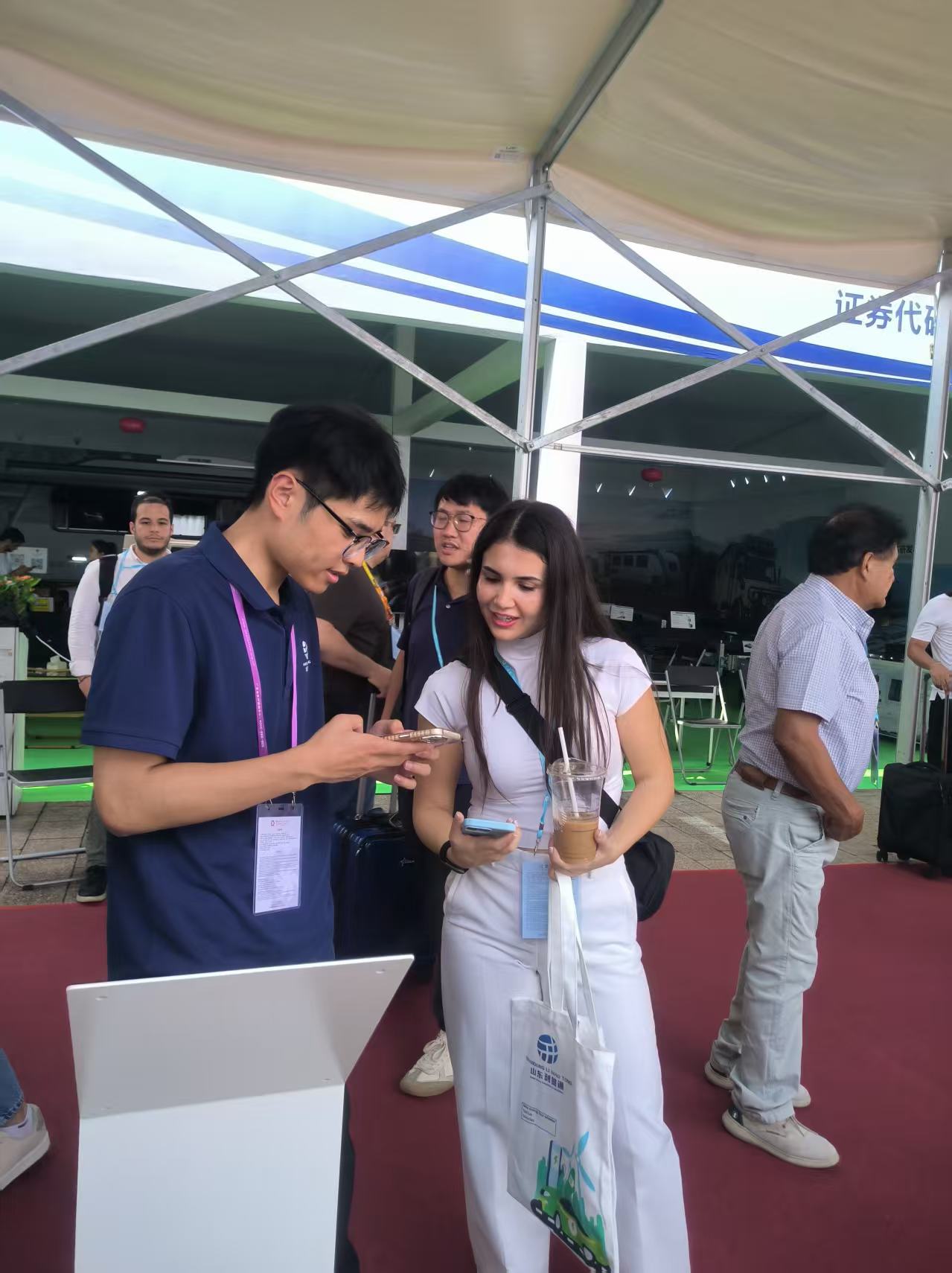

Addressing primary inquiries from procurement managers, municipal transport coordinators, and import distributors.
Operating range varies by battery capacity, payload weight, and driving conditions. Light electric vans with LFP battery packs typically deliver ranges between 180 km and 280 km per charge cycle under standard duty cycles. Integrated regenerative braking systems can extend this range in urban stop-and-go routes.
Commercial vehicles designed for international distribution feature automated battery thermal management systems (BTMS). These systems use liquid cooling or direct heater jackets to maintain battery cell temperatures within their optimal operational window (15°C to 35°C), protecting range and battery health in both cold winter climates and high-temperature tropical areas.
Vehicles are built to meet diverse regulatory requirements. Passenger transit units and cargo models can be supplied with EEC (European Economic Area homologation) or DOT certifications, verifying compliance with local structural safety, lighting, braking, and electrical insulation standards.
Lithium Iron Phosphate (LFP) cells are selected for commercial fleets due to their durability. Under standard charging profiles, these batteries retain over 80% of their original capacity after 2,500 to 3,000 full charge-discharge cycles, representing approximately 8 to 10 years of typical daily delivery operations.
The Djibouti warehouse in the International Free Trade Zone maintains a ready inventory of critical components, including electric motors, controllers, suspension parts, and battery components. This regional center supports local distributors with fast parts dispatch and technical service training, reducing downtime for fleet operators in the region.
Yes. Vehicle structures support custom cargo options, including insulated panels, temperature-controlled refrigeration systems, custom racking, and reinforced load areas to meet specific pharmaceutical or fresh food delivery needs.
Fleets typically use standard AC charging for overnight cycles (7.4 kW to 22 kW), complemented by DC fast charging (50 kW or higher) to enable rapid charging during shift changes or lunch breaks.
Explore our wider range of cargo delivery vehicles, electric bikes, and commercial vehicles engineered for global markets.
 Limaotong