
In the contemporary landscape of urban transport and micro-logistics, the global demand for sustainable, efficient, and cost-effective vehicles has led to a major rise in three-wheel adult tricycles. Serving both consumer transit and commercial haulage, these vehicles fill a vital gap between two-wheeled scooters and standard light commercial vehicles. China's integrated new-energy manufacturing clusters have become the global hub for engineering and optimizing these three-wheelers to meet diverse geographical requirements.
SHANDONG LI MAO TONG GROUP sits at the forefront of this industrial movement. As a premier global supplier with an integrated end-to-end industrial manufacturing chain, we specialize in the research, engineering, and international distribution of motor tricycles, cargo tricycles, and electric mini vehicles. Our dedication to design and structural engineering guarantees that every vehicle delivered offers peak thermal and mechanical efficiency, satisfying the logistics and personal mobility requirements of global enterprises and families alike.
Providing custom transit systems and building durable supply lines across international borders.
The manufacturing supremacy of China's adult tricycle factories lies in a combination of high-density supply networks, robotics integration, and rigorous testing standards. Modern manufacturing facilities, such as Shandong Li Mao Tong Group's smart centers, handle everything from basic raw material processing to final vehicle calibration in-house. This comprehensive control over production guarantees uniform manufacturing standards and lower costs, providing a substantial competitive edge for global wholesalers.
Advanced tricycle manufacturing depends on chassis durability. Factories rely on automated robotic systems to cut, shape, and weld steel frames. Standard two-wheel and three-wheel models use a single-piece stamped steel chassis rather than multi-segment components. Robotic welding delivers uniform weld depth and prevents structural fatigue from long-term payload stress. This process ensures the chassis can handle rough terrain and heavy loads without deformation.
To withstand diverse coastal and tropical climates, adult tricycles undergo multi-stage surface treatment. After acid-pickling and rust removal, the complete frame undergoes cathodic electrophoresis priming. This process bonds an anti-corrosion barrier to the metal, protecting it even in hollow sections. Automated electrostatic spray booths then apply automotive-grade paint coats, curing them at high temperatures. The result is a scratch-resistant shell that handles UV radiation and heavy rain without oxidization.
Every tricycle undergo extensive digital diagnostic tests. Battery management systems (BMS), motor controllers, and differential gearing are calibrated to prevent voltage surges and physical friction. Furthermore, finished designs face extreme weather tests, including a 7-level rainstorm simulator, to ensure all electrical enclosures exceed IP65 ingress protection ratings. High-impact vibration tables and dyno-testing simulate years of constant usage, giving fleet owners and distributors complete peace of mind.
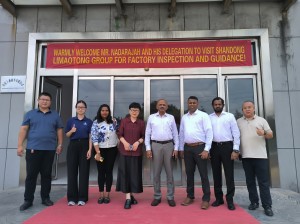
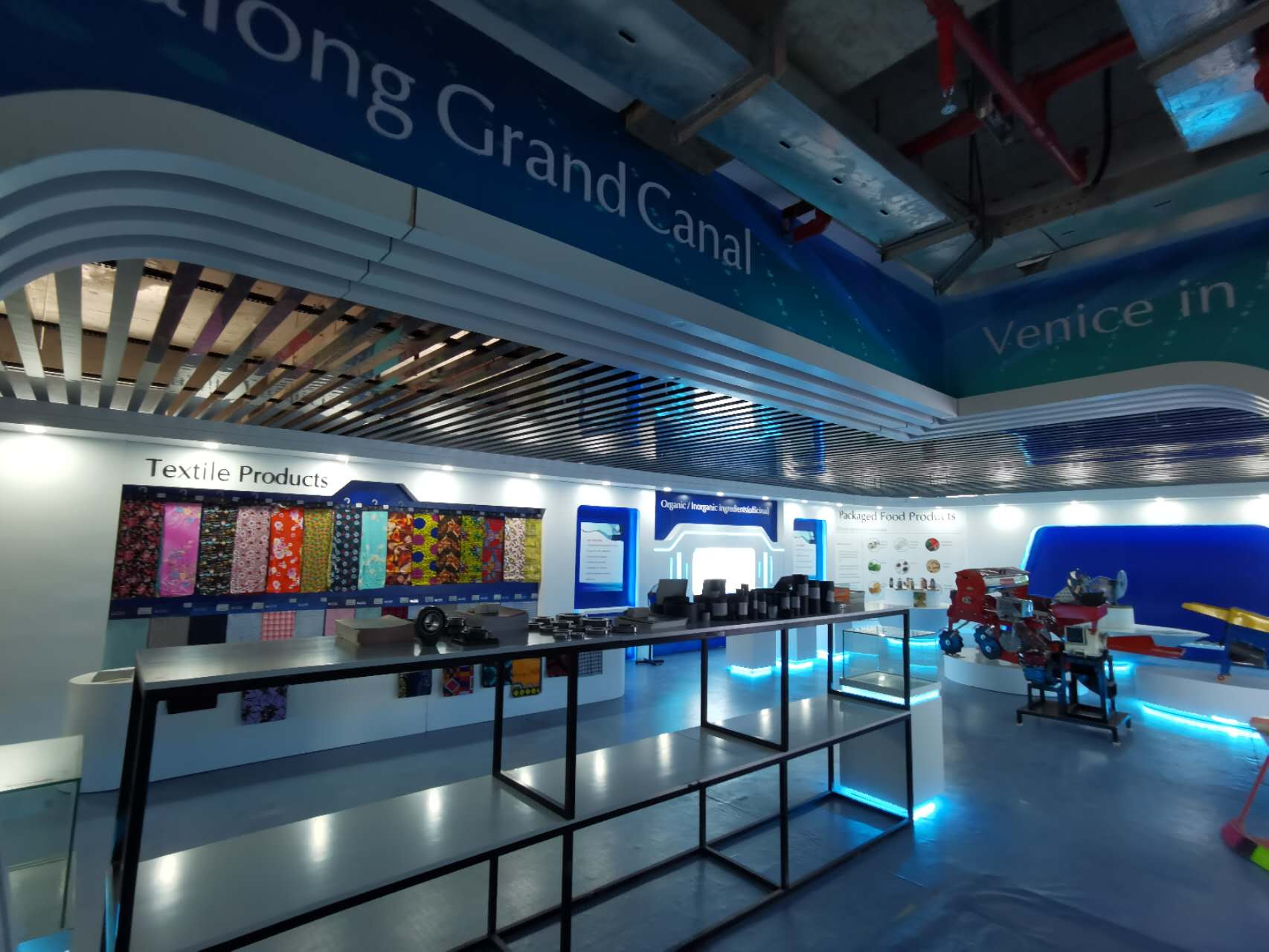
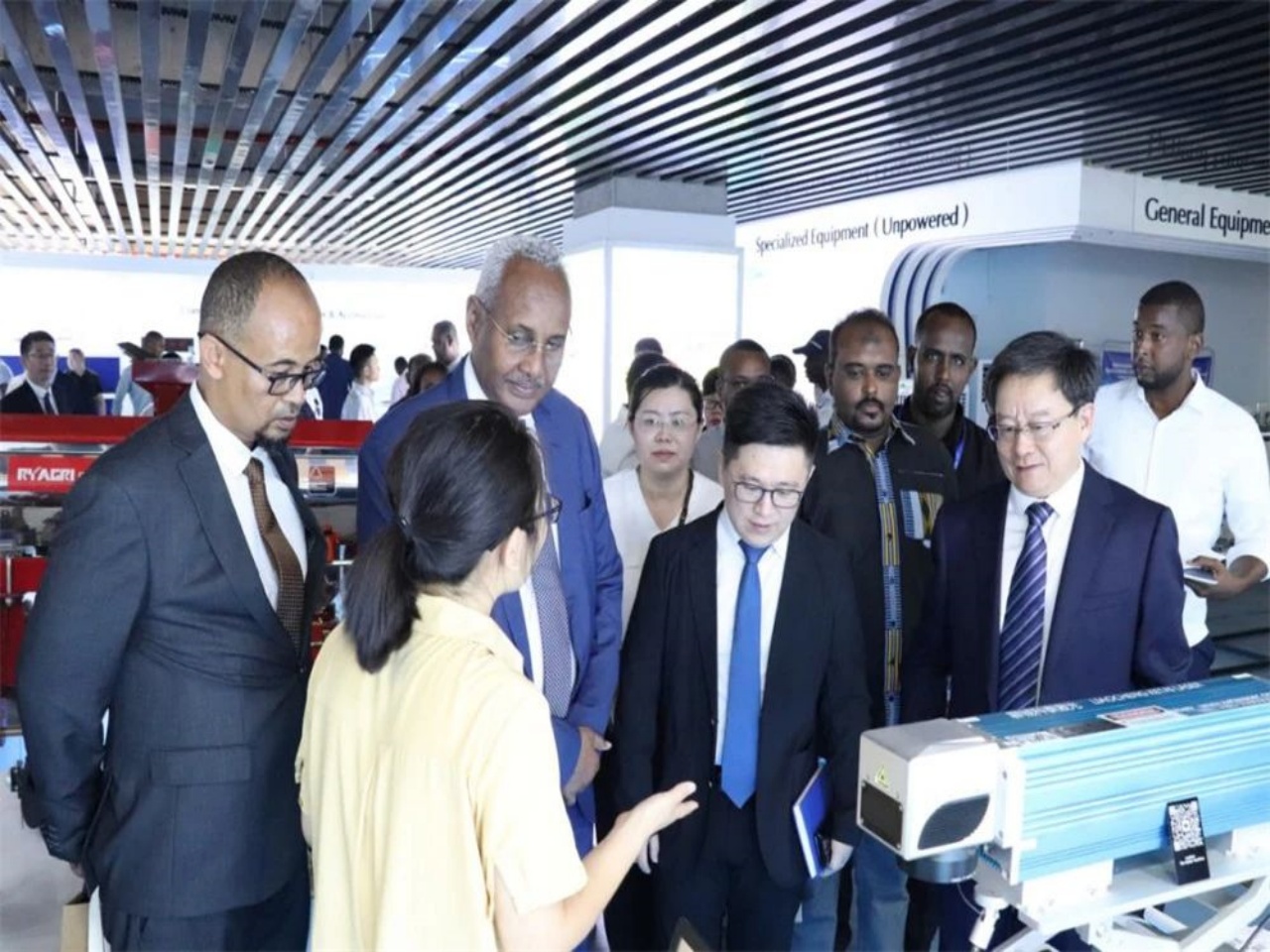
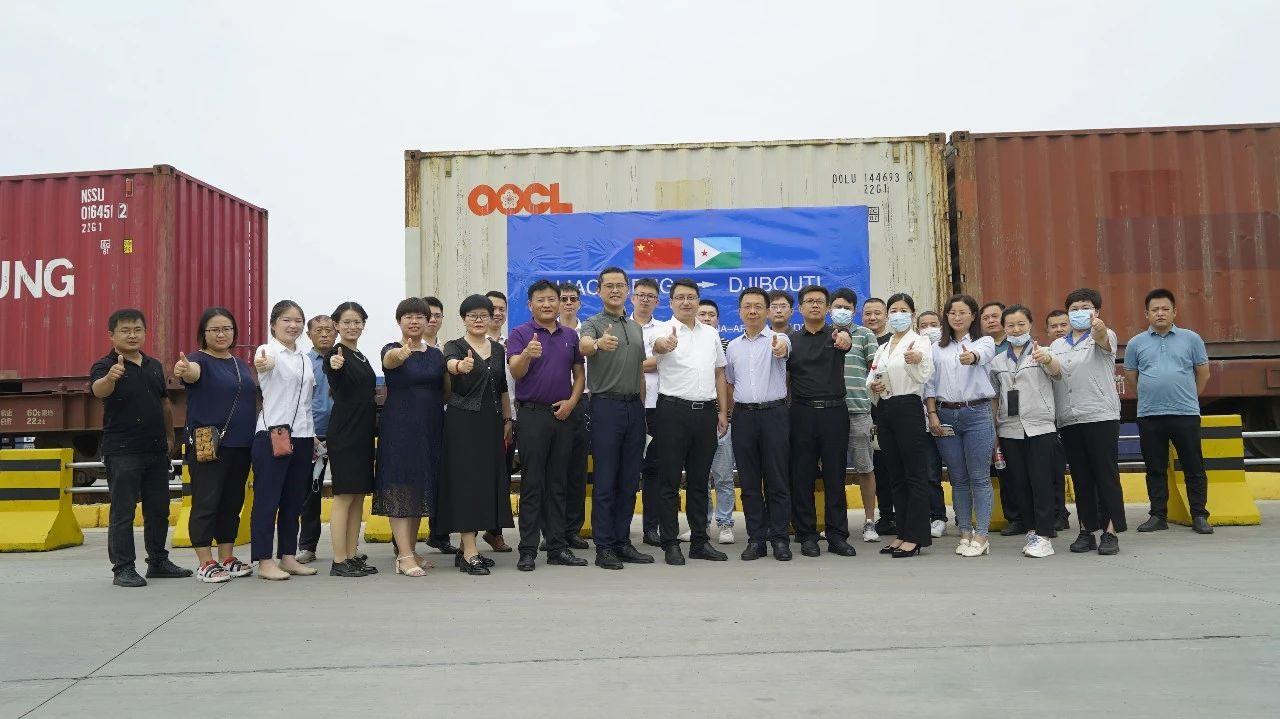
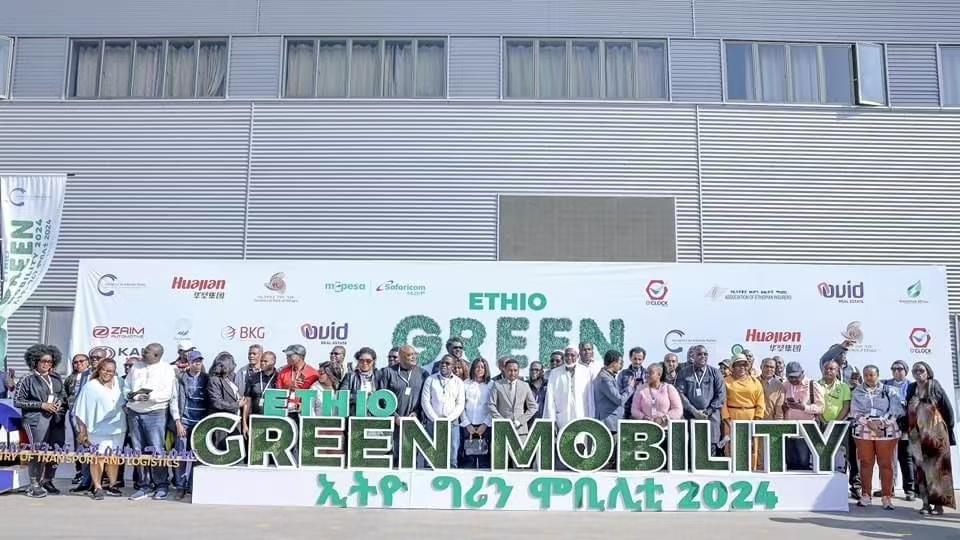
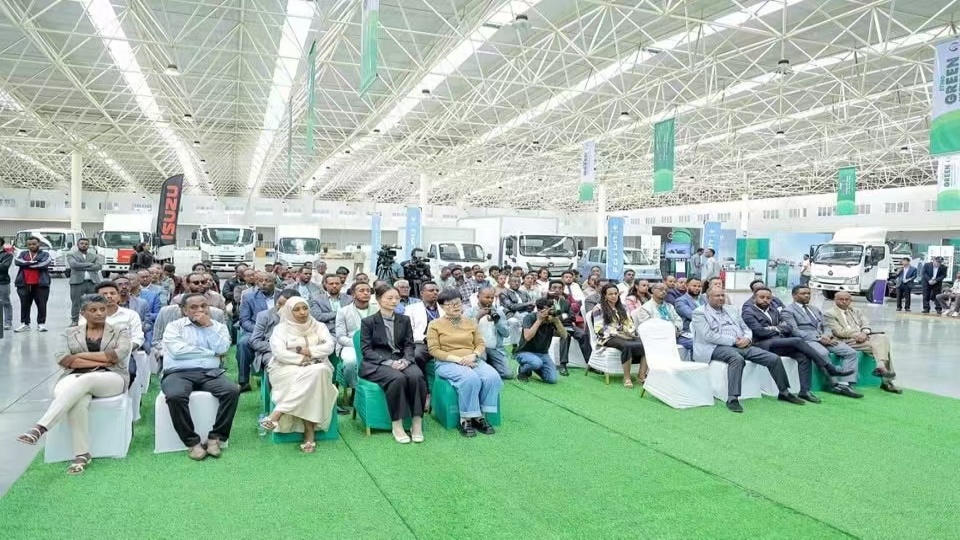
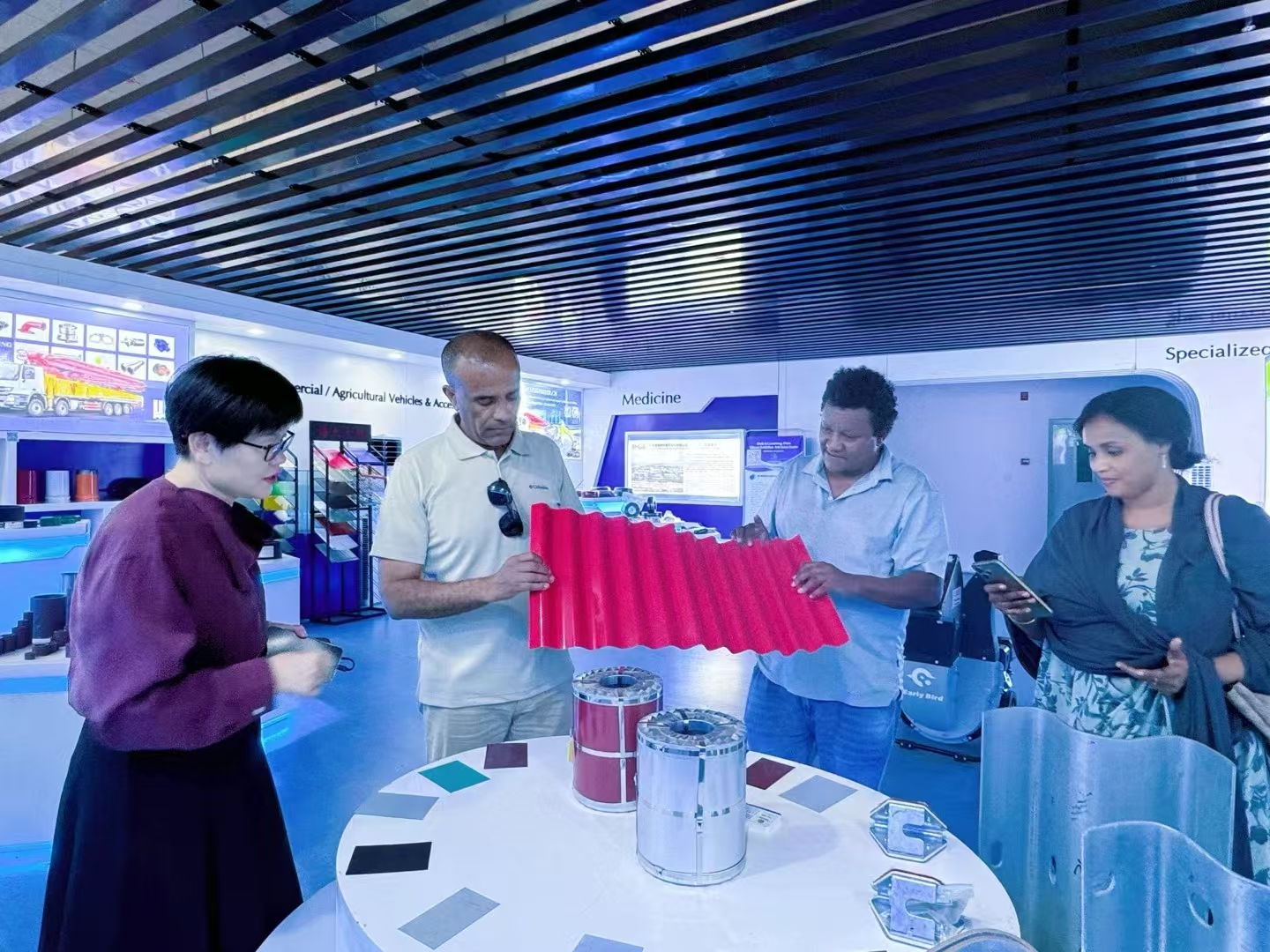
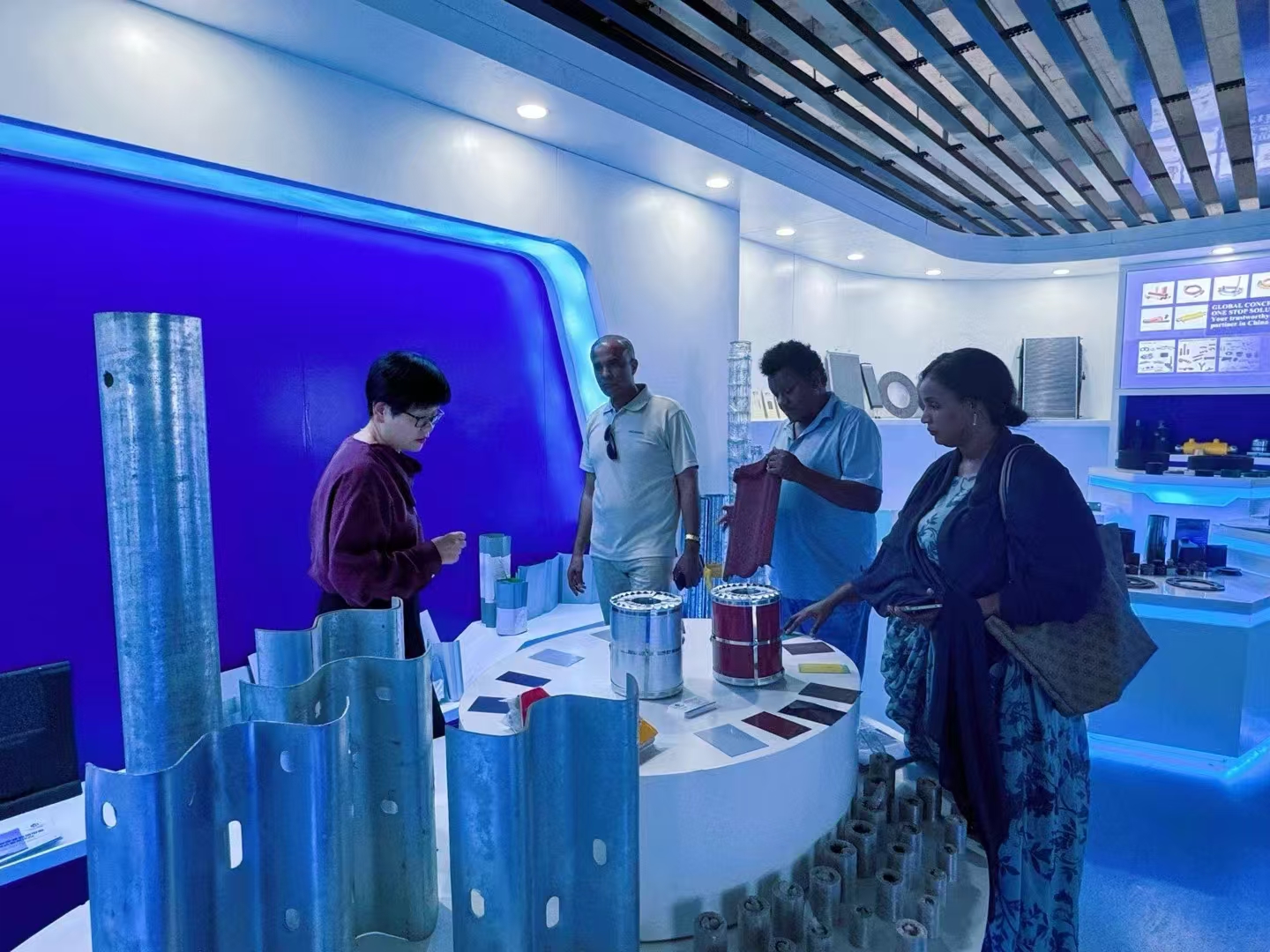
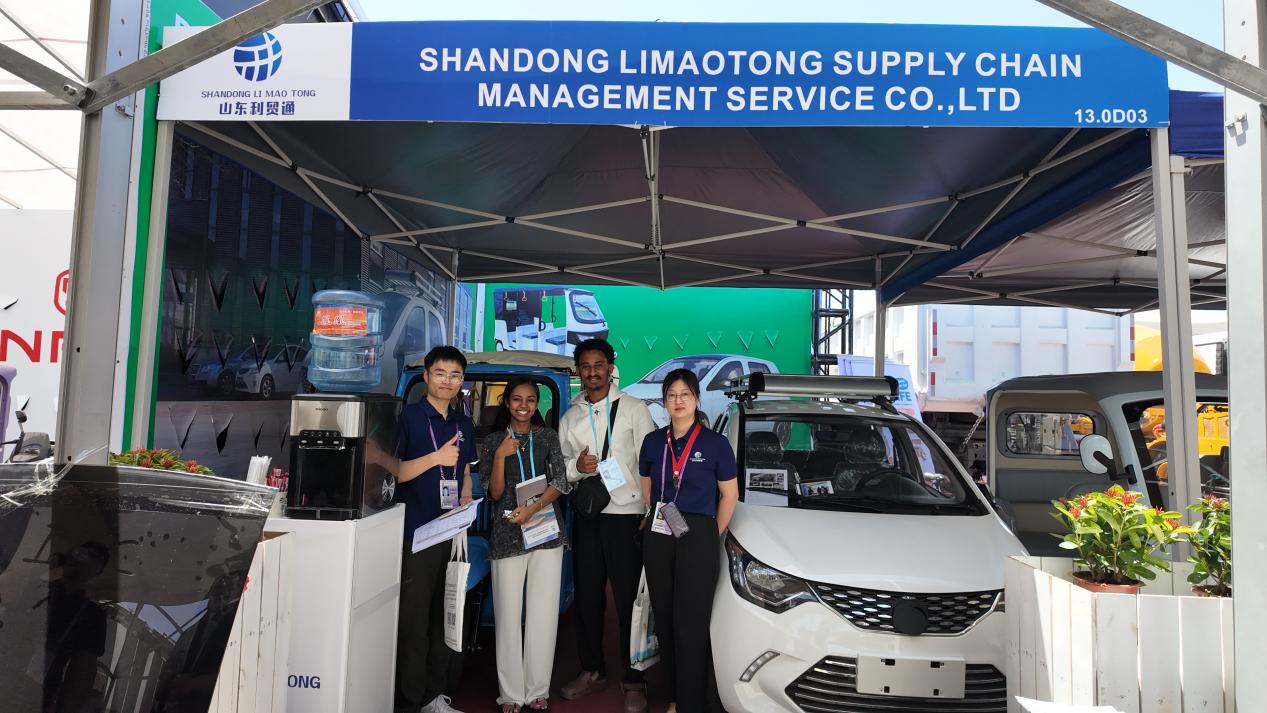
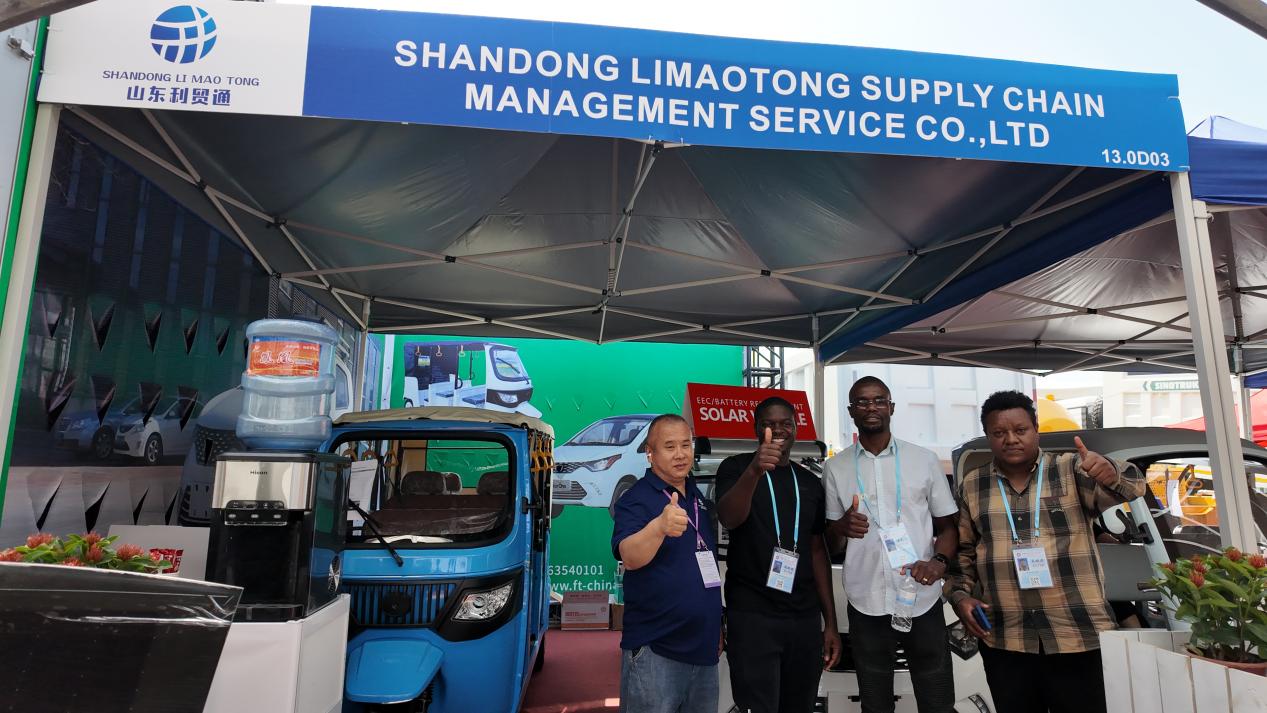
Real-world transparency through physical factory inspections, customer visits, and international heavy industry exhibitions.
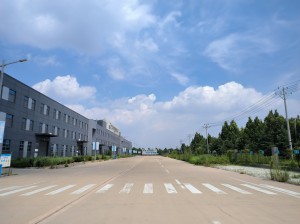
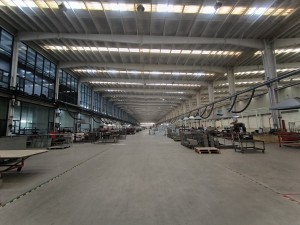
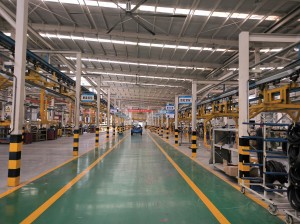
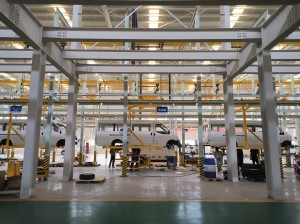
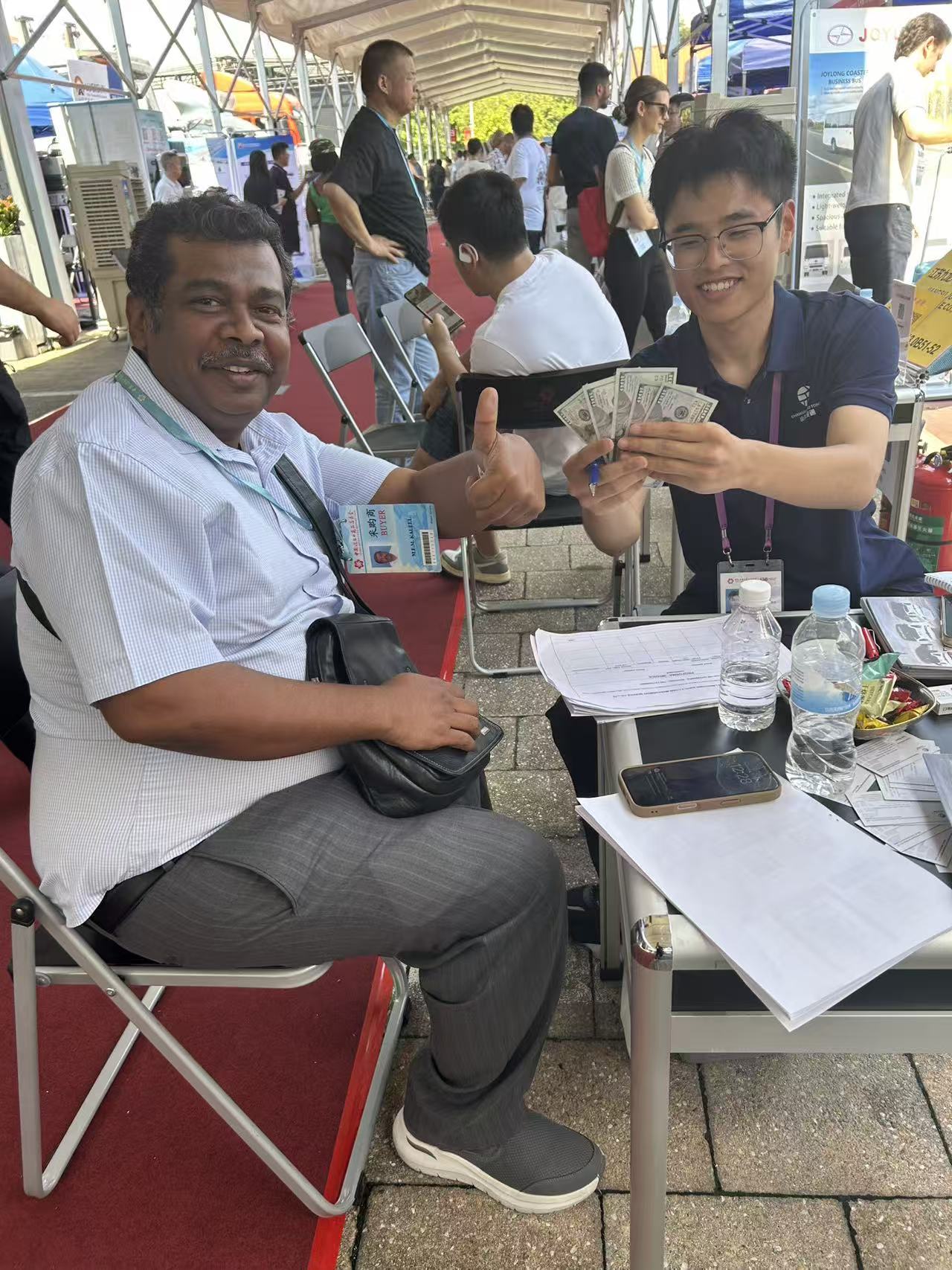
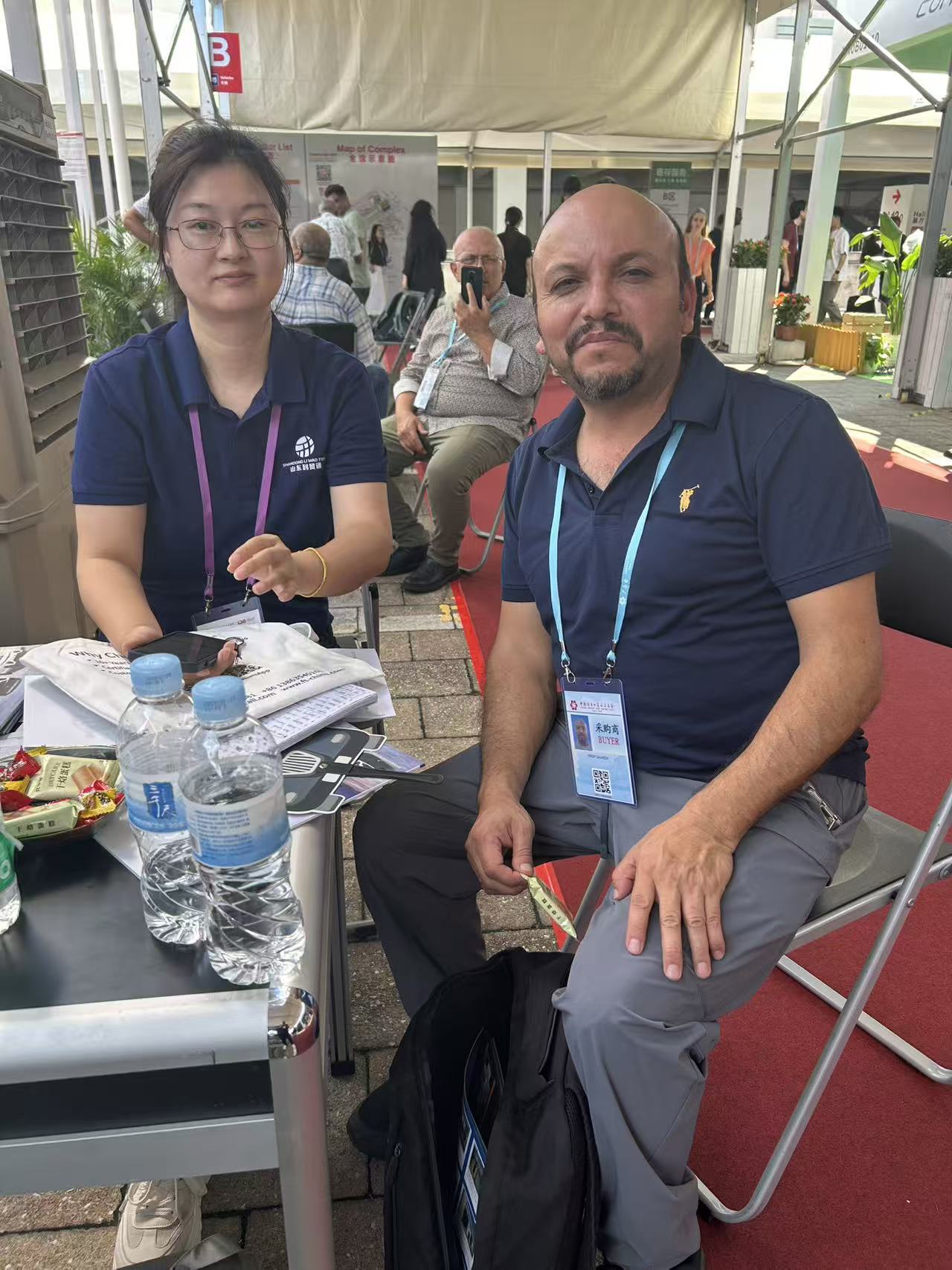
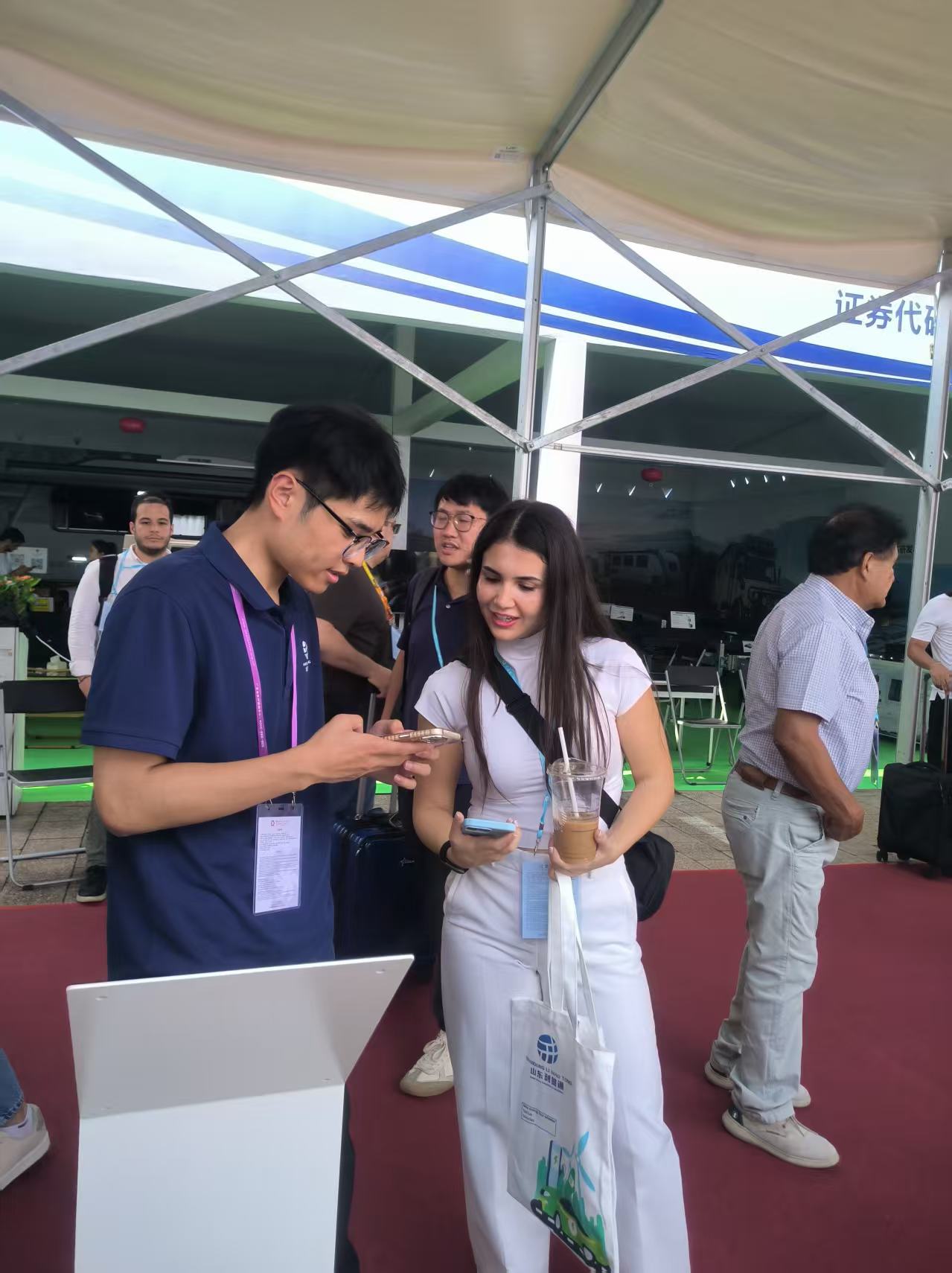

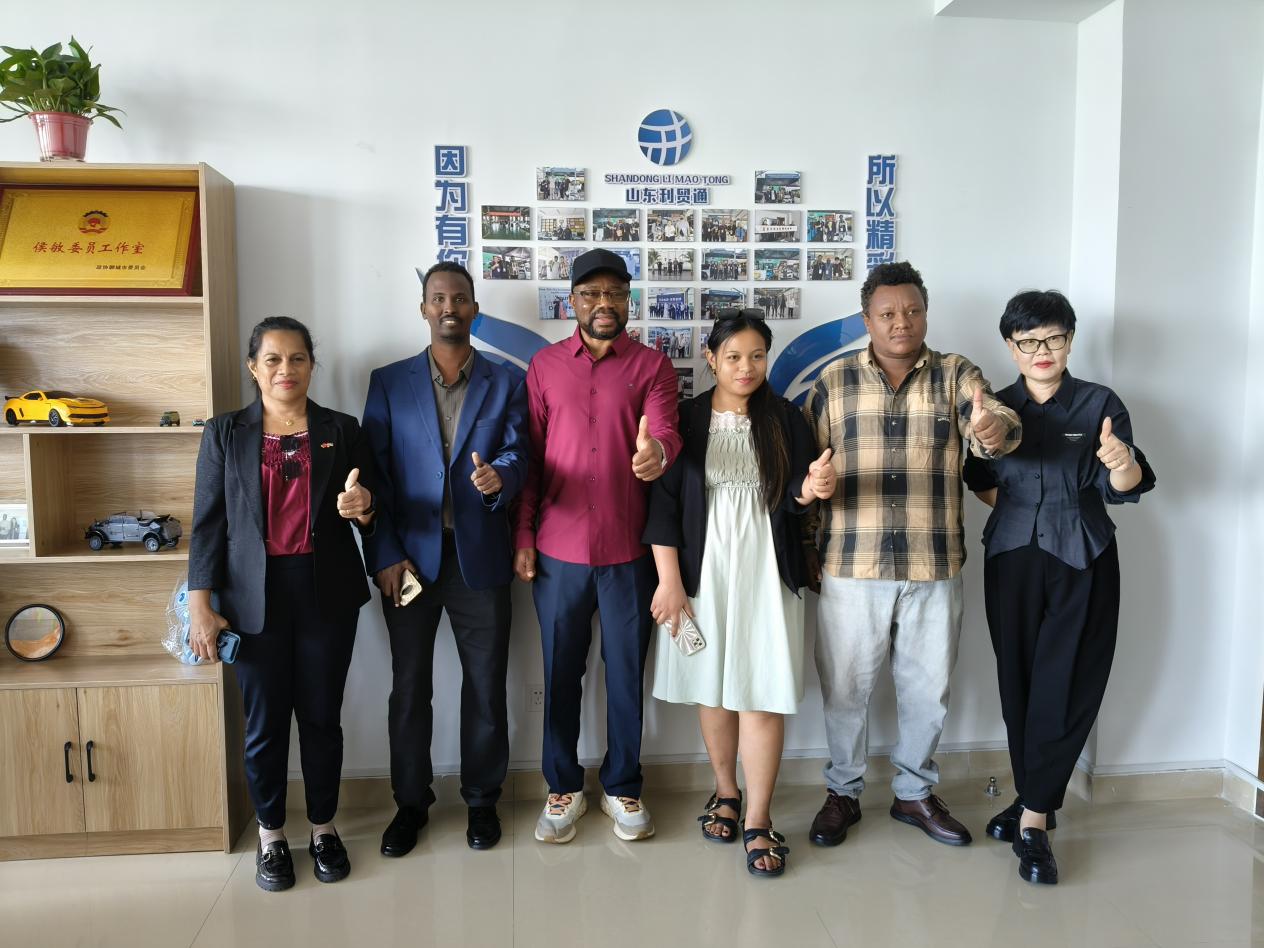
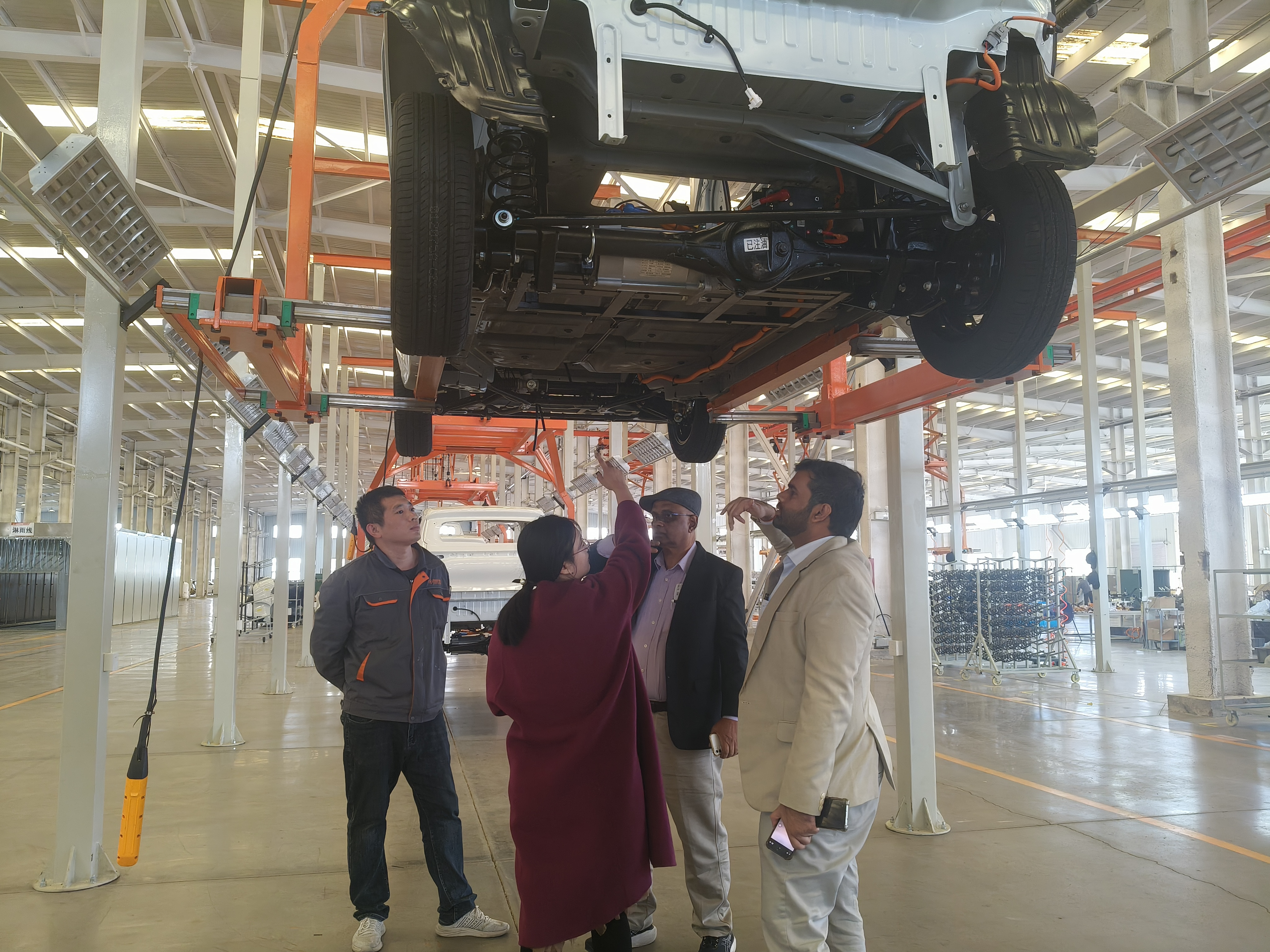
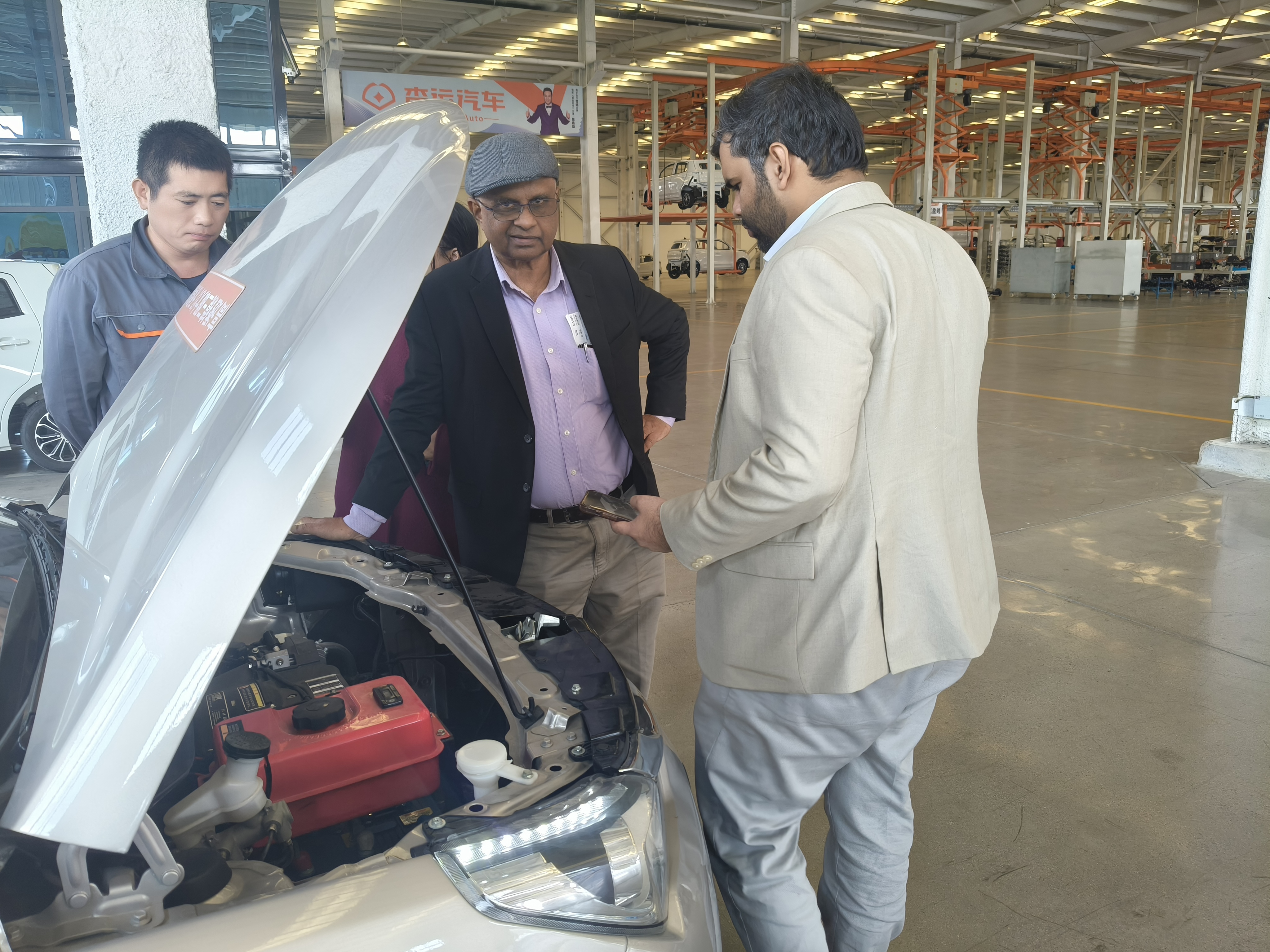
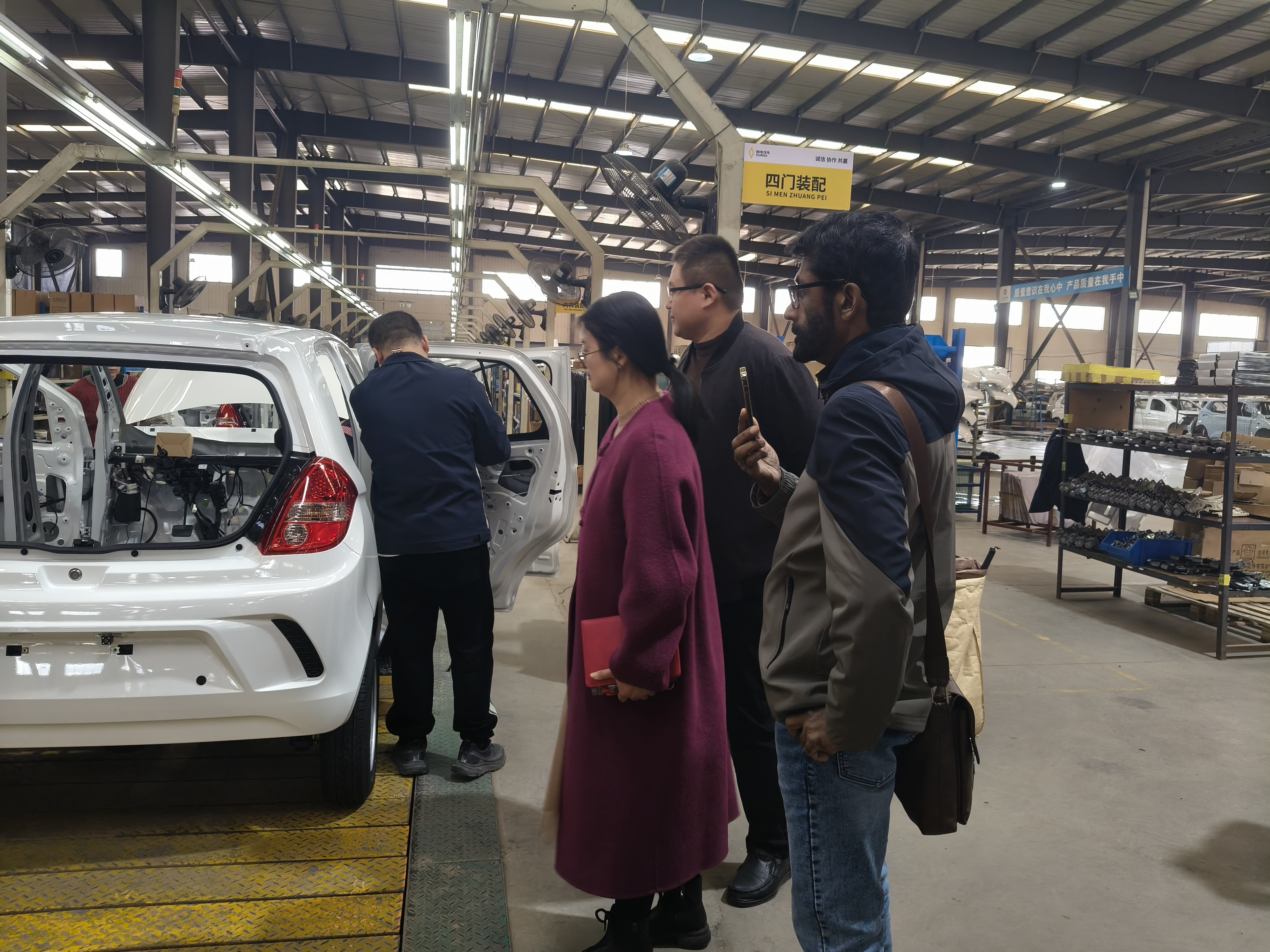
Industrial design requires high adaptability. Adult three-wheel tricycles are designed to perform reliably across varied commercial and industrial environments, adapting to local infrastructure and operating demands.
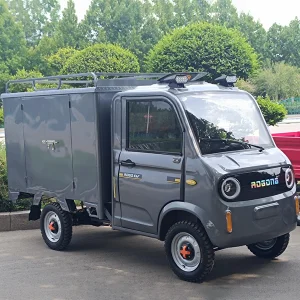
Equipped with lockable high-volume insulated box compartments, these cargo tricycles handle mail, parcel delivery, and cold-chain groceries in crowded urban centers. They easily navigate narrow streets and restricted traffic zones that block full-sized trucks.
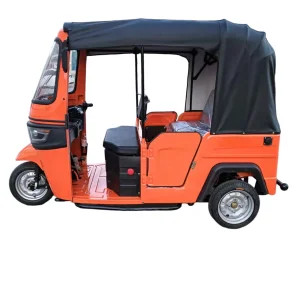
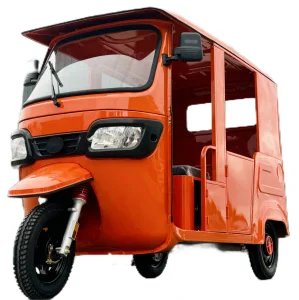
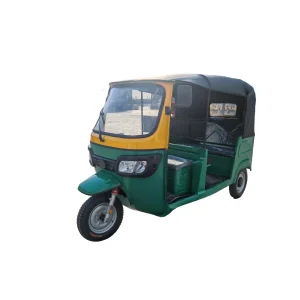
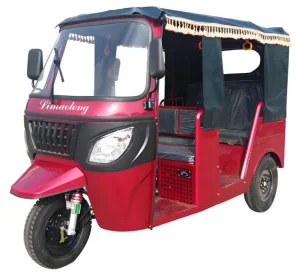
From tourist resorts to developing transport systems, passenger-centric electric tuk-tuks provide safe, open-air, low-speed transits. Designed with reinforced passenger cabins, weather curtains, and ergonomic bench seating, they ensure a safe and comfortable ride.
Fuel-powered, high-torque tricycles are invaluable for rural farming. Equipped with low-range transfer gears, hydraulic dump beds, and deep-tread tires, they carry crops, feed, and tools across rugged, unpaved agricultural land.
For regions with high sunlight levels and limited charging networks, solar panel roof arrays provide a continuous trickle charge. This solar setup extends battery range, lowers charging grid demand, and maintains vehicle availability for passenger and fleet operators.
Shifting from lead-acid to Lithium Iron Phosphate (LiFePO4) batteries provides longer cycle life and thermal stability. Our advanced BMS monitors individual cells in real time, preventing overheating, overcharging, and deep discharge cycles for safe operation across climates.

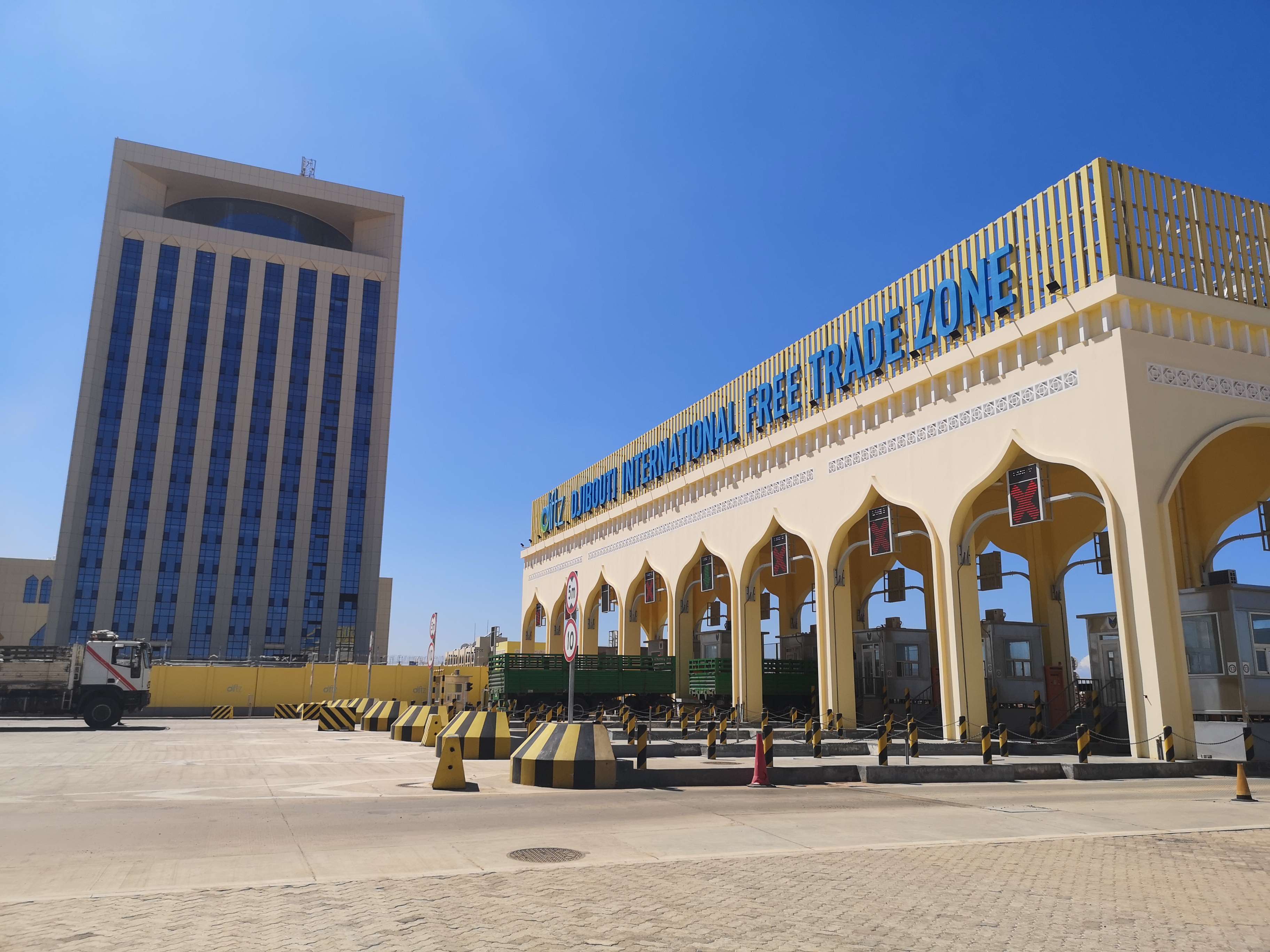
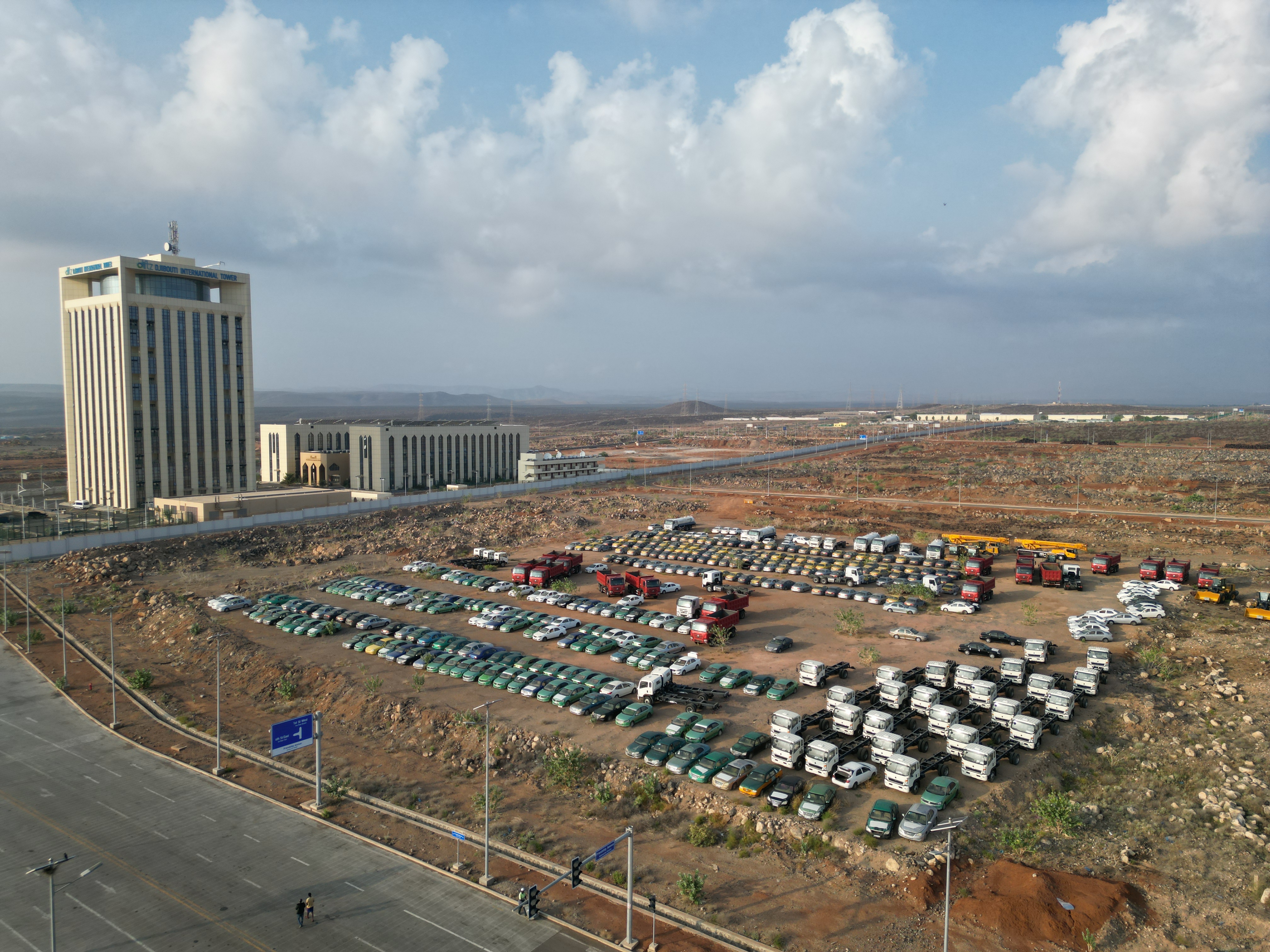
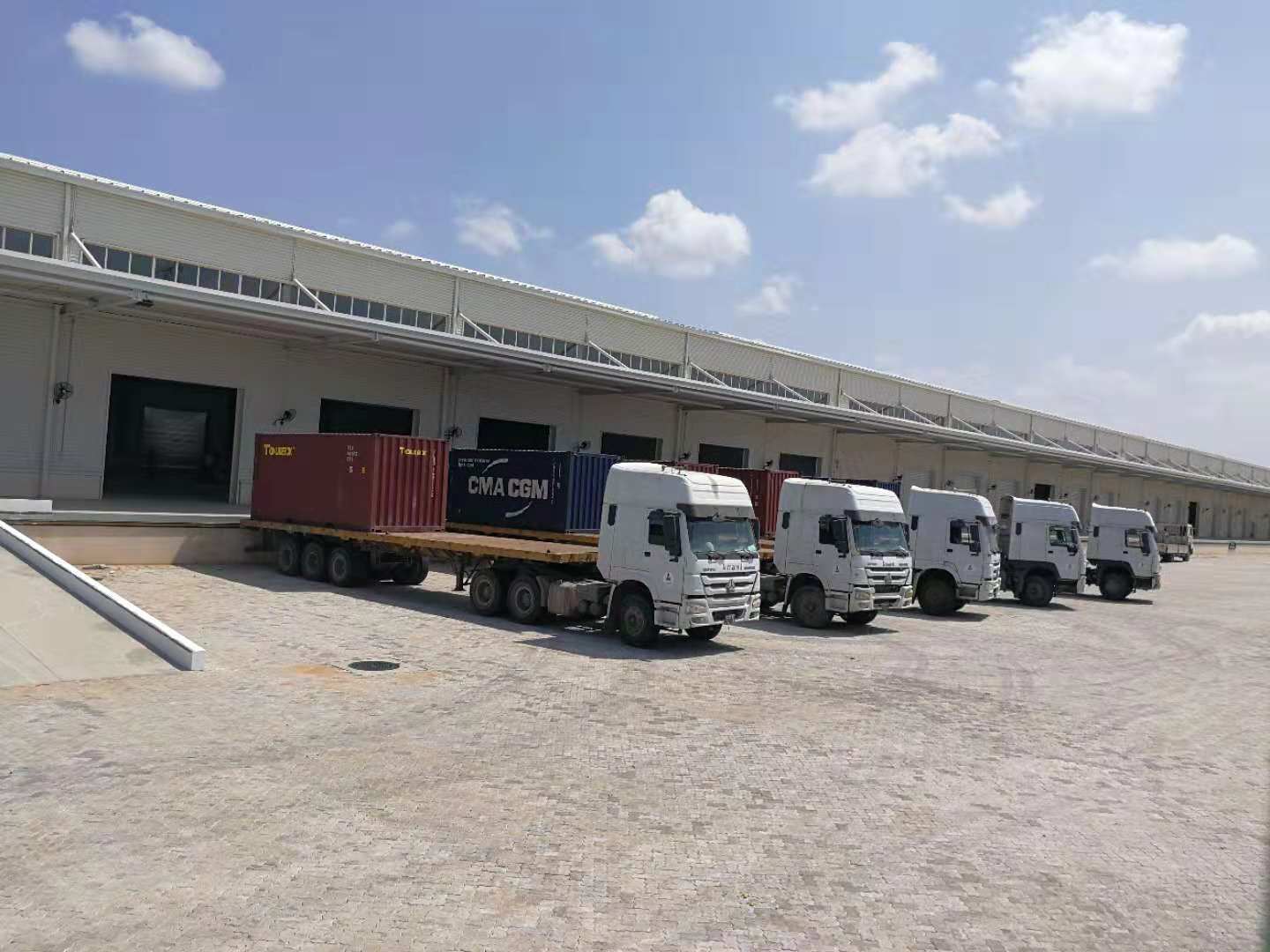
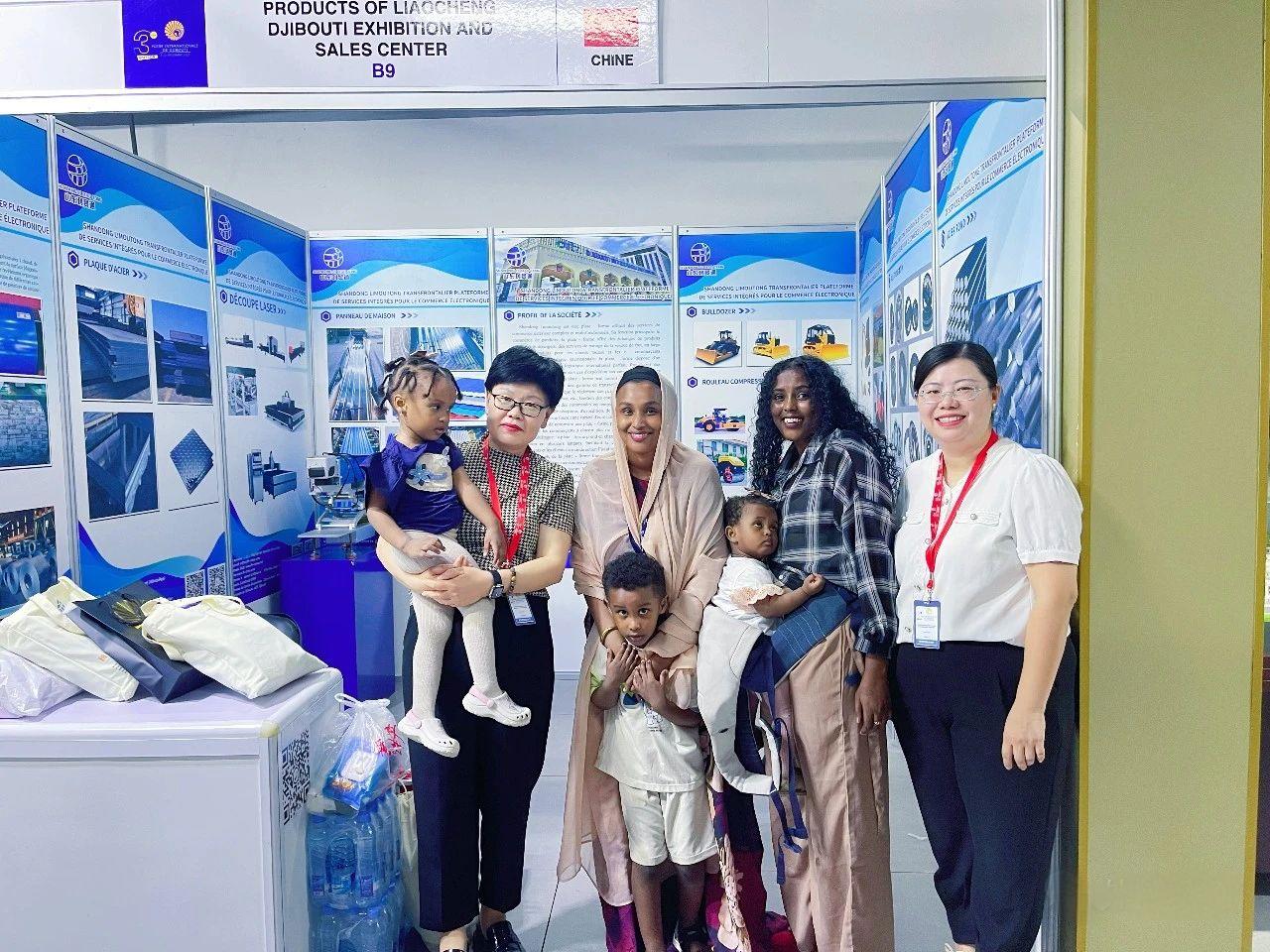
Recognizing the importance of localization for global clients, Shandong Li Mao Tong Group established the Djibouti (Overseas Warehouse) Cross-border E-commerce Exhibition and Sales Center in 2023. Located in the Djibouti International Free Trade Zone in East Africa, it serves as a crucial hub for the region.
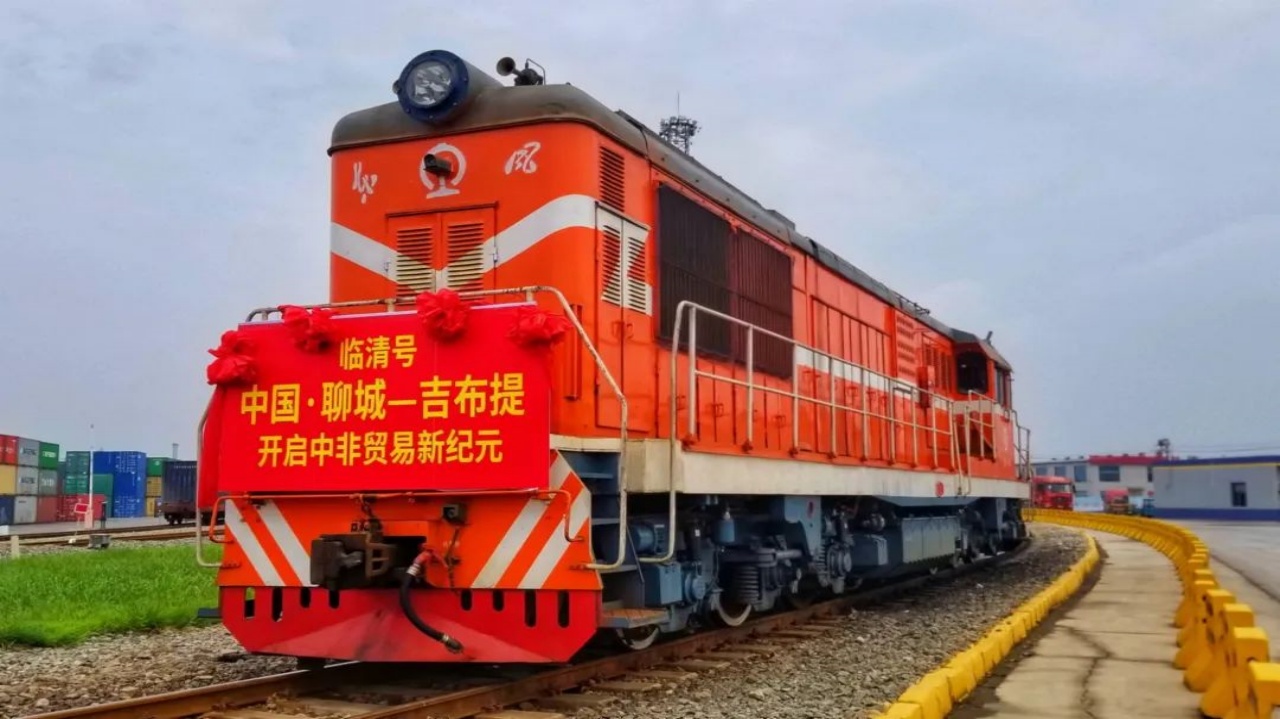
Operating with a local African business setup, it offers a single-source service platform combining warehousing, sales, customs clearance, and after-sales support. This "cross-border trade + front-end warehouse" model allows us to distribute vehicles and spare parts quickly across East Africa, drastically lowering delivery times and shipping costs for global clients.
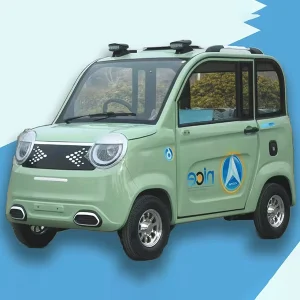
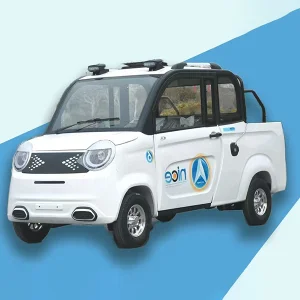
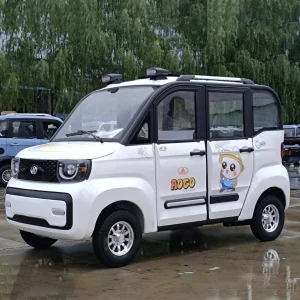
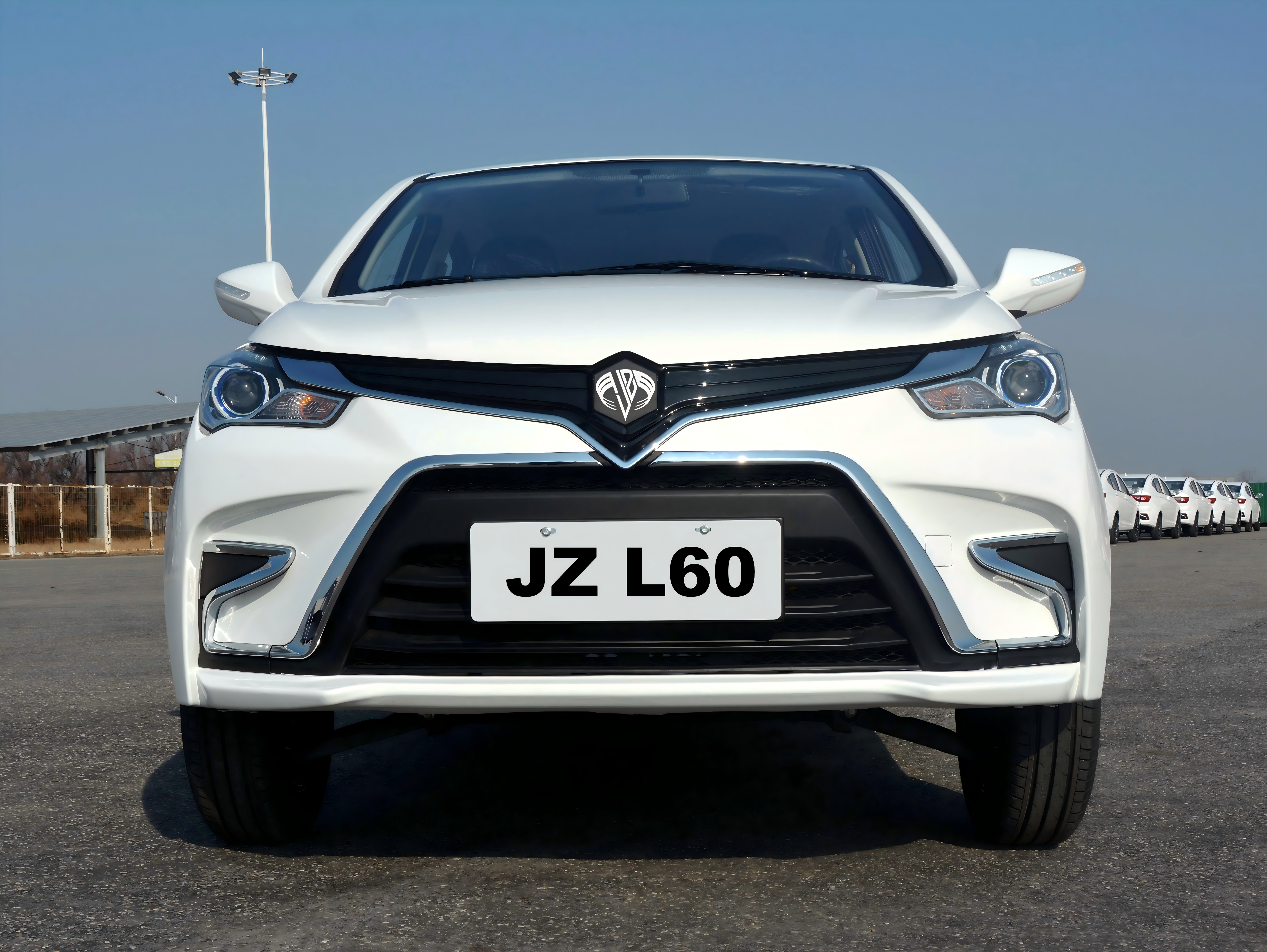
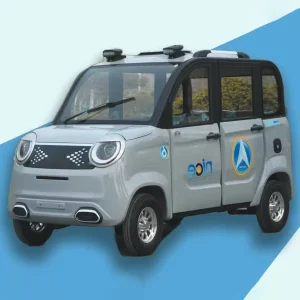
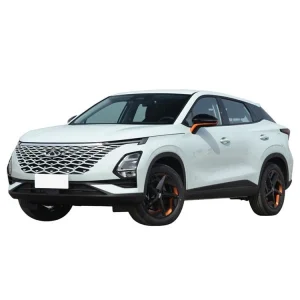
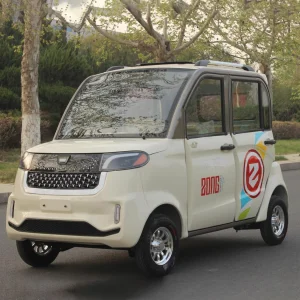
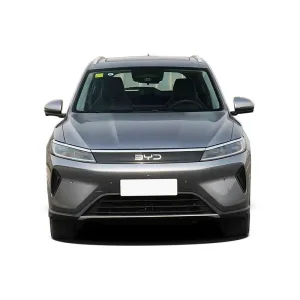
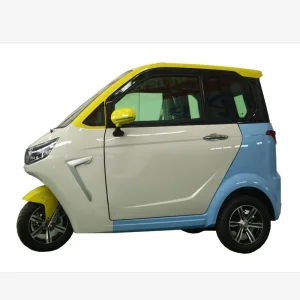
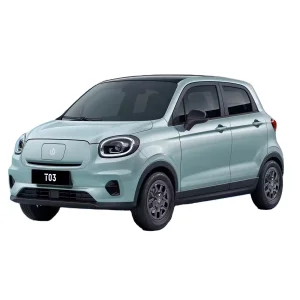
Examine our diverse portfolio of micro-vehicles built for varied transport and delivery tasks.
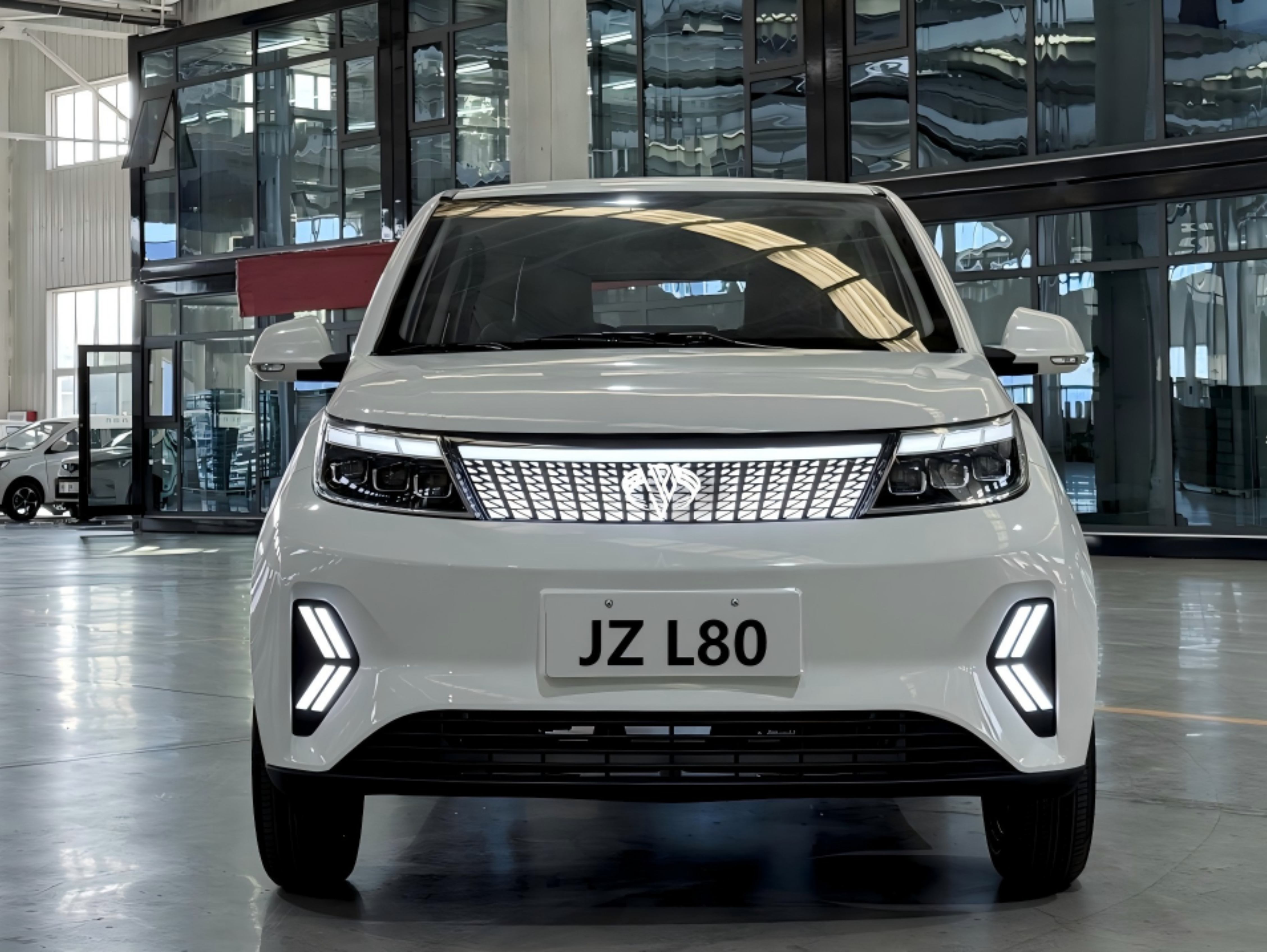
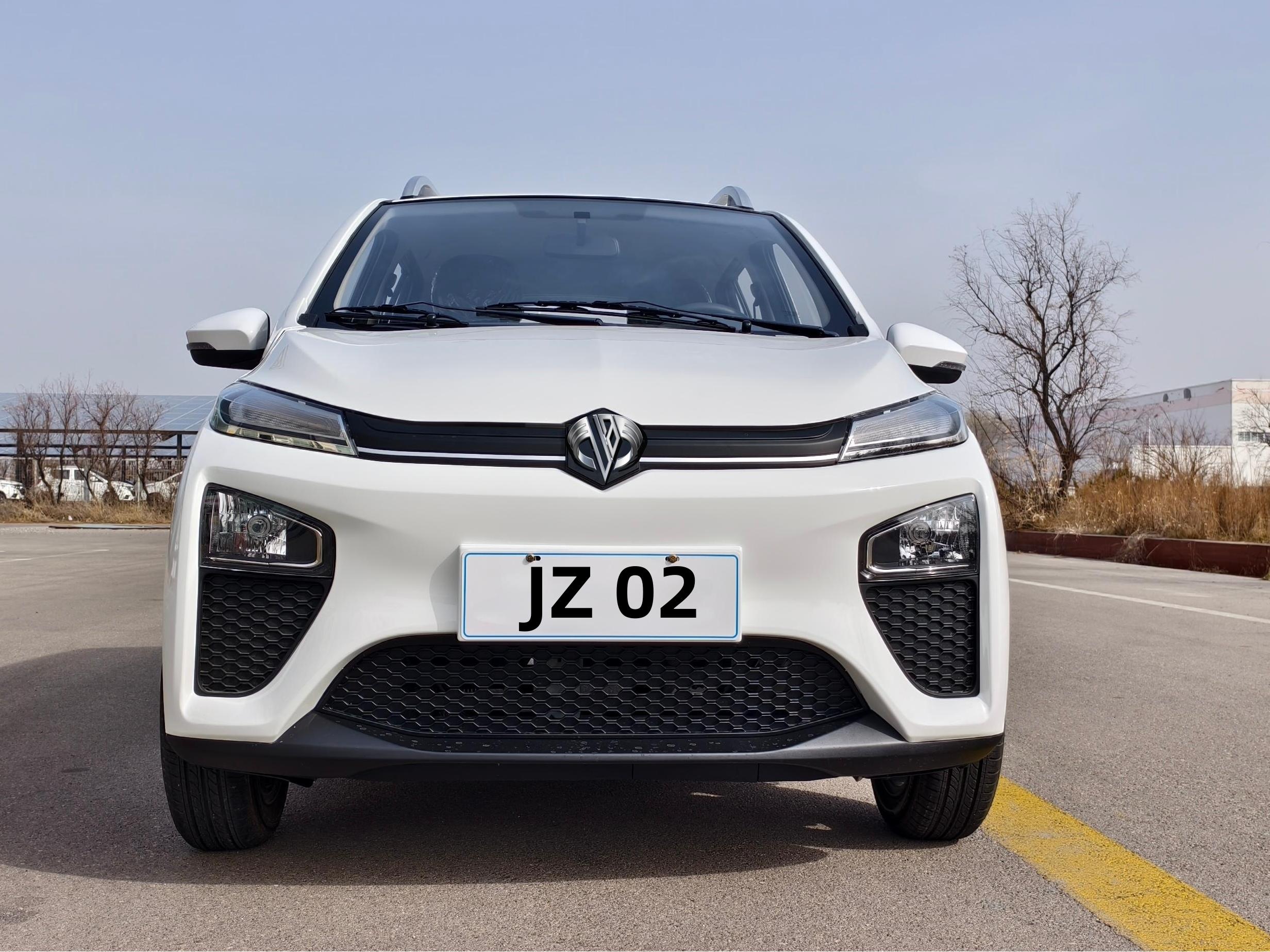
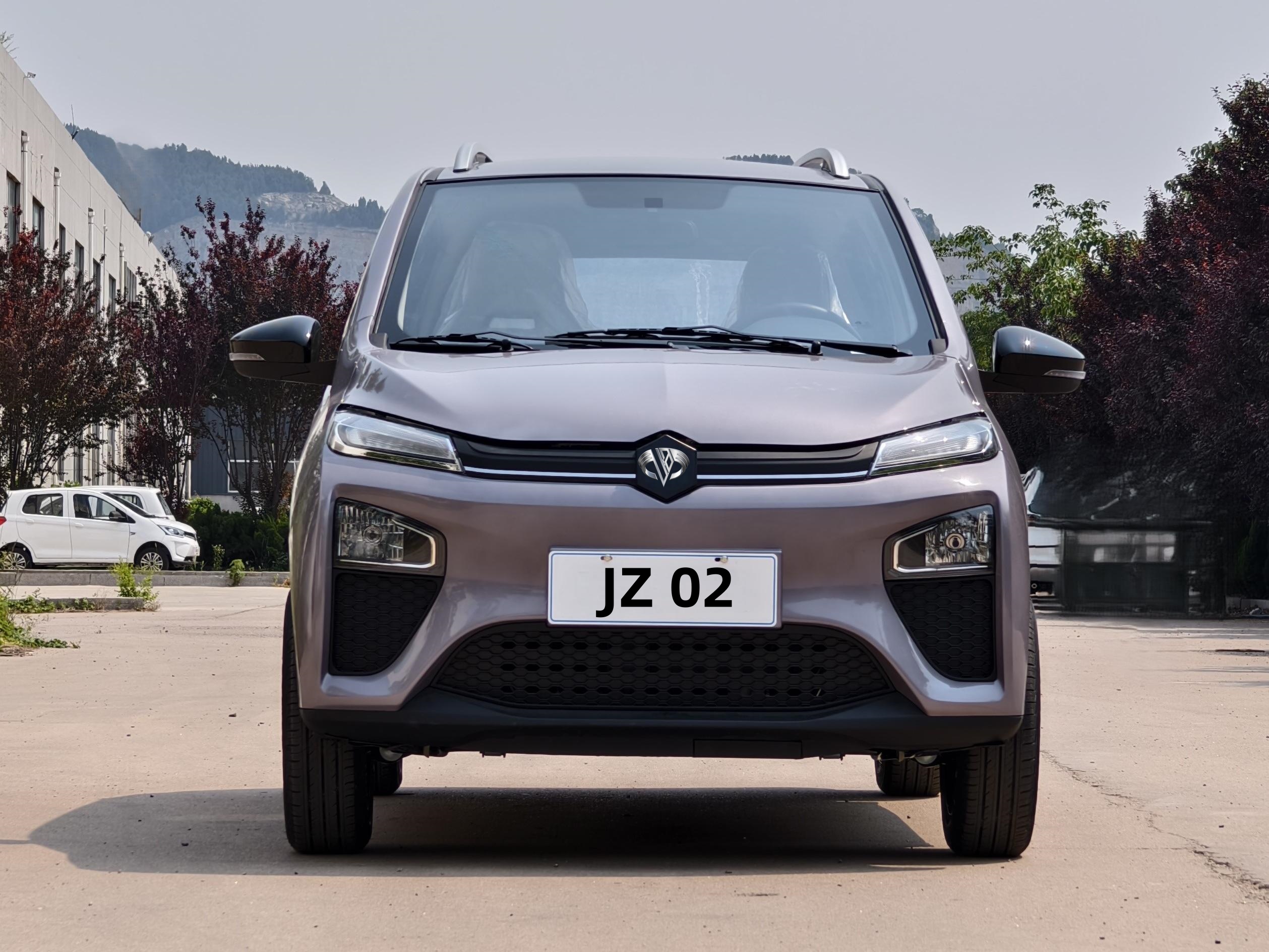
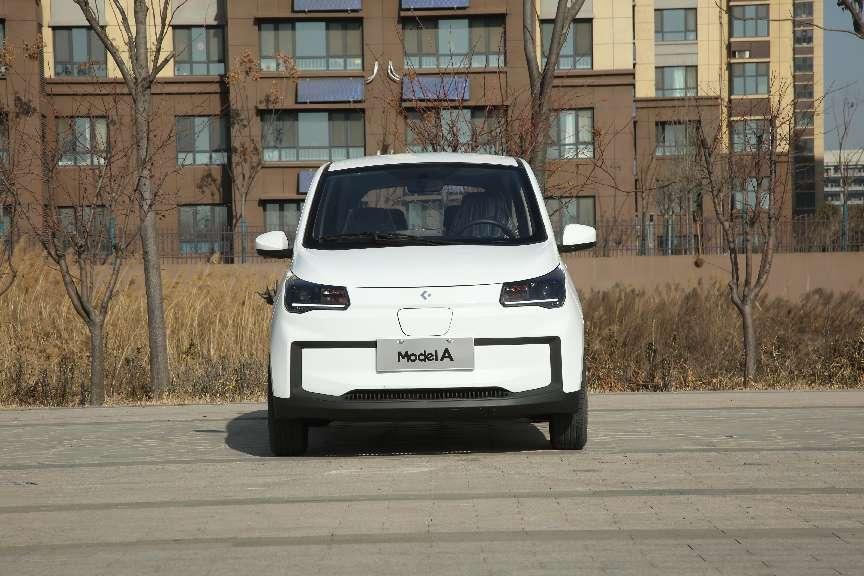
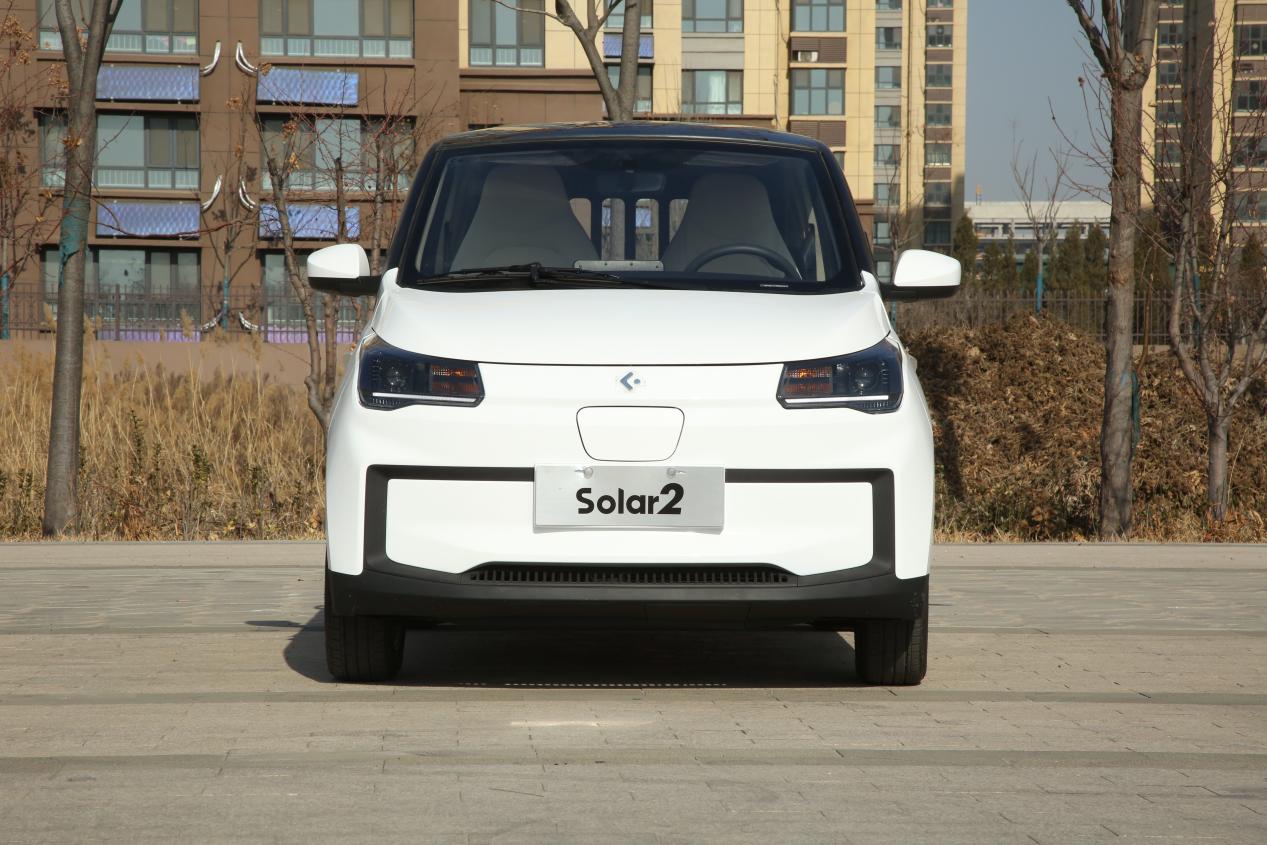
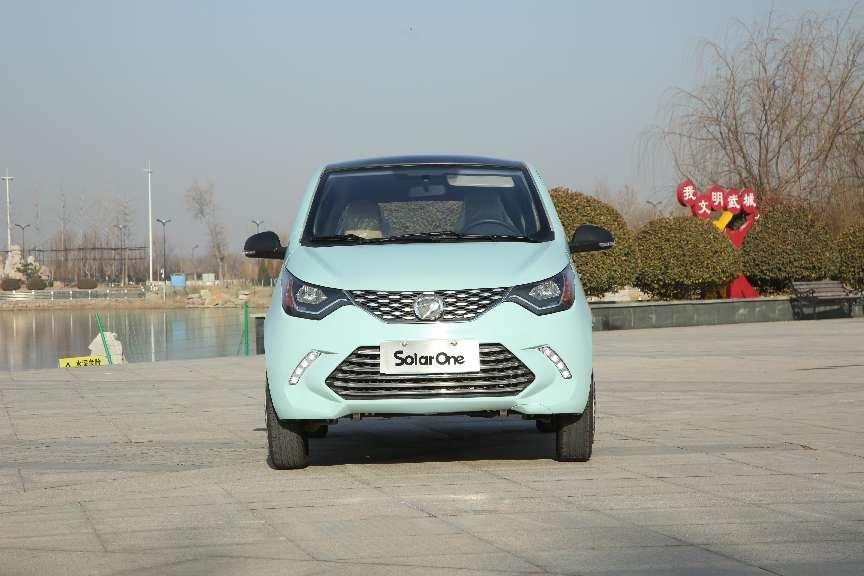
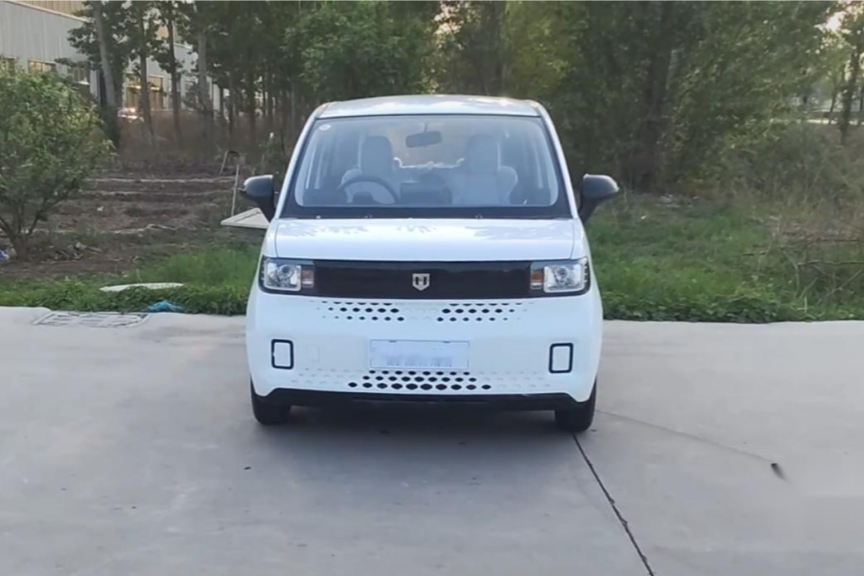


Key details on ordering, mechanical engineering, logistics, and configuration choices for global procurement agents.
Lithium Iron Phosphate (LFP) batteries provide over 2,000 charge-discharge cycles compared to just 300 to 500 cycles for lead-acid batteries. LFP chemistries offer higher energy density, lower overall vehicle weight, faster charging times, and greater safety, minimizing risks of thermal runway under high loads.
We offer both Complete Knock Down (CKD) and Semi Knock Down (SKD) options. CKD maximizes container volume to reduce freight rates, though it requires an assembly line at the destination. SKD requires minimal assembly, making it ideal for buyers with simpler local infrastructure.
Yes, our export models can be configured to comply with CE, EEC, and DOT standards. We adapt battery enclosures, speed governors, lighting systems, and safety features to meet regional regulatory demands.
Our Djibouti hub serves as a central logistics base for African and Middle Eastern buyers. It provides faster shipping, local product demonstrations, quick customs clearance, and direct access to replacement parts to minimize downtime.
Yes, our solar panels are connected through a solar charge controller that works alongside the main electrical system. They provide a continuous trickle charge while driving or parked, extending range by up to 15-25% depending on daily sunlight conditions.
 Limaotong