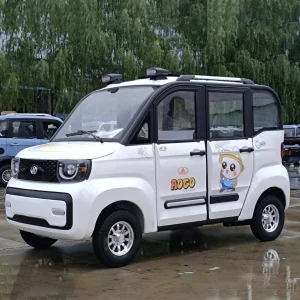
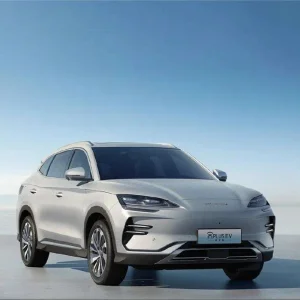
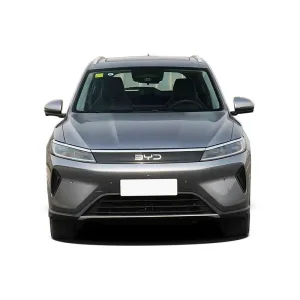
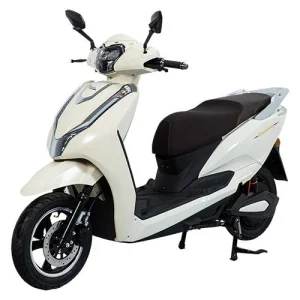
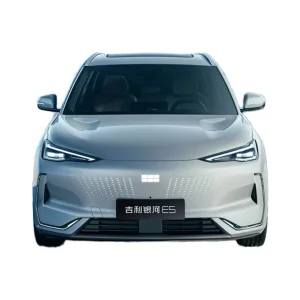
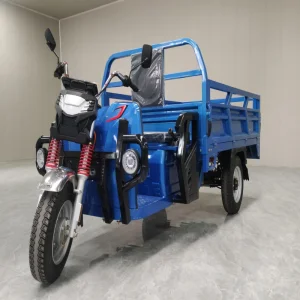
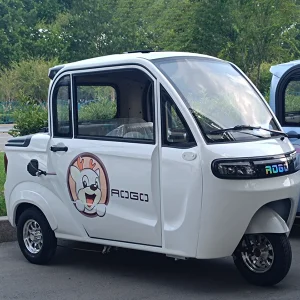
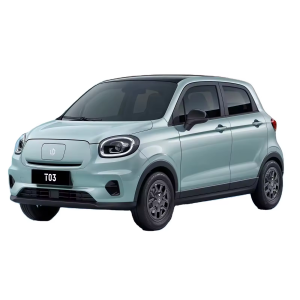
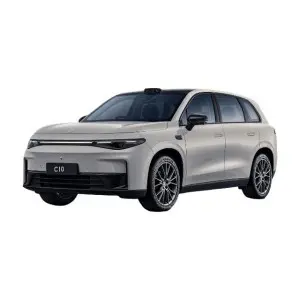
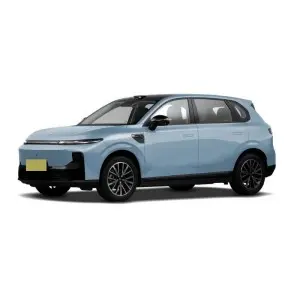
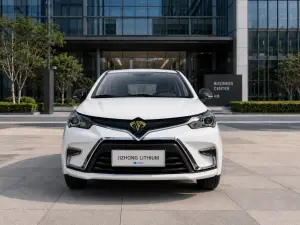
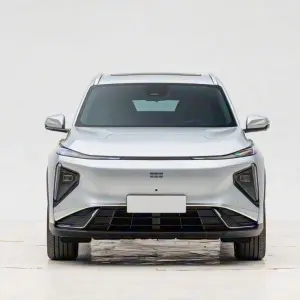
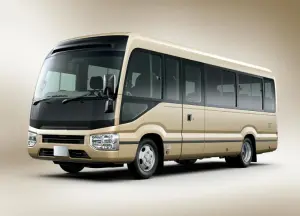
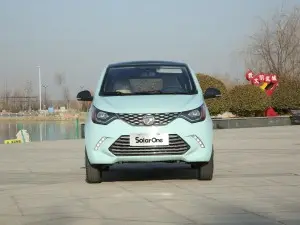
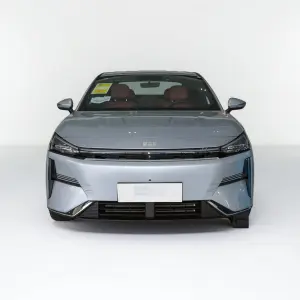
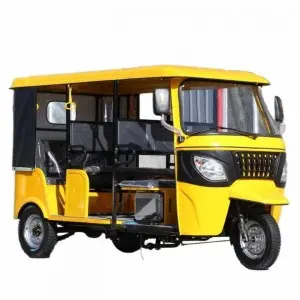
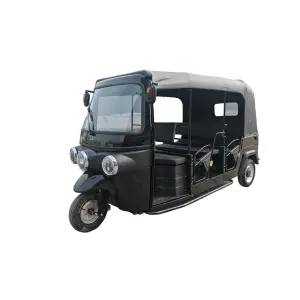
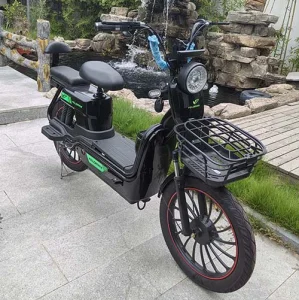
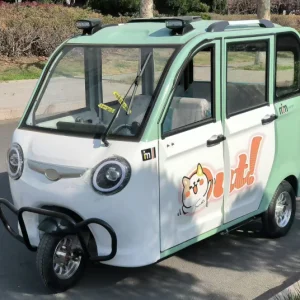
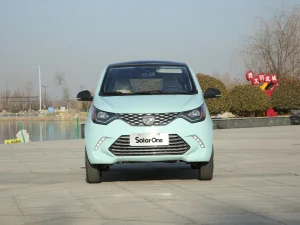
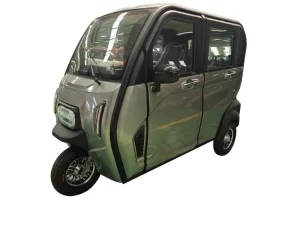
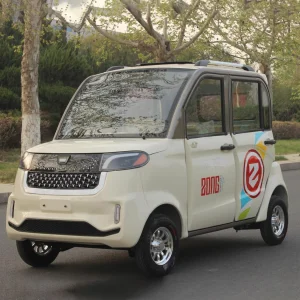
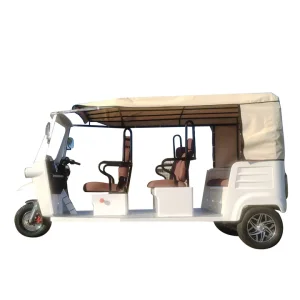
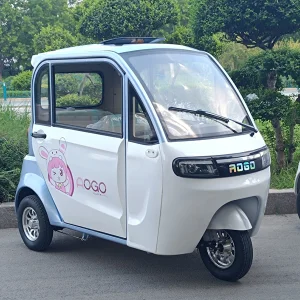
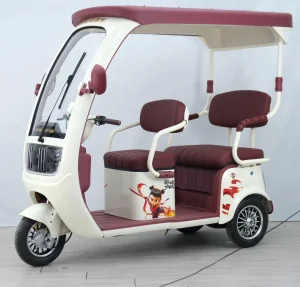
Explore our leading export-grade fleet configurations designed for urban passengers, cargo logistics, and specific local requirements
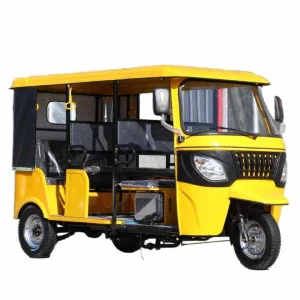
Why Tier-1 logistics companies and public transit authorities partner with Shandong Li Mao Tong Group
In the booming wave of China's new energy vehicle industry, Limaotong emerged at the historic moment. Rooted in China and embracing the world, We strive to deliver an electric mobility experience that exceeds expectations for every user. Quality is our lifeline. We operate a modern intelligent manufacturing base, equipped with highly automated production lines and a stringent digital quality control system, ensuring every vehicle rolling off the line meets international standards of exquisite craftsmanship.
Our battery systems pass safety tests far exceeding national standards, while structural designs target the highest safety ratings. From one-piece stamped steel frames to millimeter-precision cutting and automated robotic painting, we build vehicles engineered to conquer all-terrain conditions and extreme weather.
Across transit landscapes in Southeast Asia, East Africa, and Latin America, the classic three-wheeled vehicle—commonly referred to as the Tuk Tuk, auto-rickshaw, or bajaj—is undergoing a sweeping technological revolution. Traditionally powered by loud, high-emission two-stroke or four-stroke internal combustion engines, modern municipalities and fleet operators are aggressively converting these systems to zero-emission electric powertrains.
Electric Tuk Tuks (e-Tuk Tuks) serve as the backbone of first-mile and last-mile connectivity. In dense urban centers where narrow road layouts restrict conventional transit buses, or where light transit infrastructure cannot justify heavy rail investment, the e-Tuk Tuk represents a cost-effective, high-capacity alternative. Global organizations and environmental ministries estimate that transitioning a single combustion-based auto-rickshaw to an electric model saves up to 4.2 metric tons of carbon dioxide equivalent annually. Consequently, municipal governments are implementing regulatory frameworks to fast-track import allocations for premium Chinese e-mobility tricycles.
"The modern electric Tuk Tuk is no longer just an informal transport vehicle; it is an engineered micro-mobility asset that integrates digital telematics, high-torque permanent magnet motors, and resilient chassis structures to provide safe, affordable, and zero-emission operations."
China's unmatched status as the premier sourcing destination for Tuk Tuk taxis is driven by concentrated industrial clustering and raw material vertical integration. Shandong Province, home to the state-of-the-art facilities of Shandong Li Mao Tong Group, represents the global epicenter of specialized three-wheeled electric vehicle manufacturing.
Sourcing directly from a comprehensive Chinese factory offers B2B buyers clear competitive advantages:
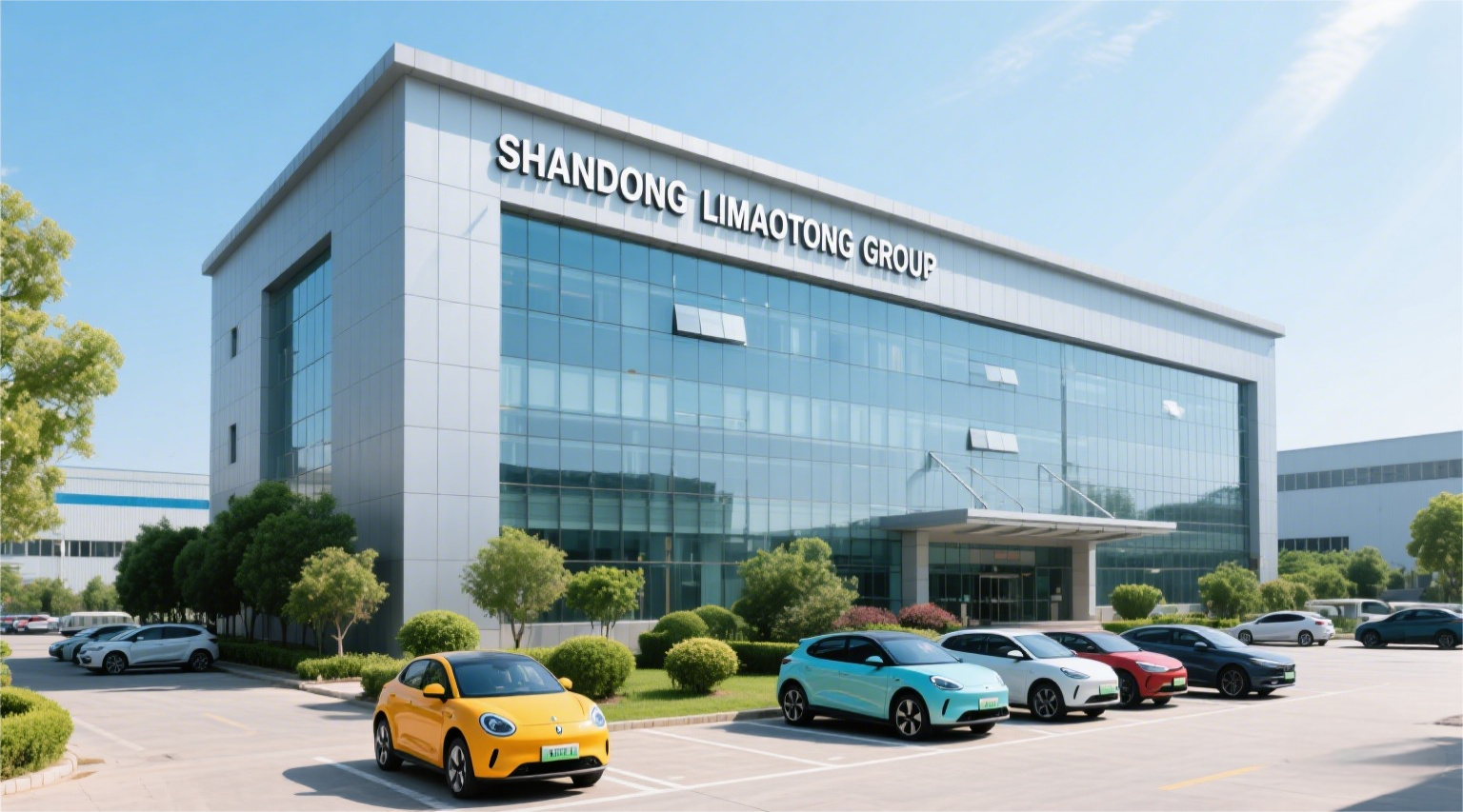
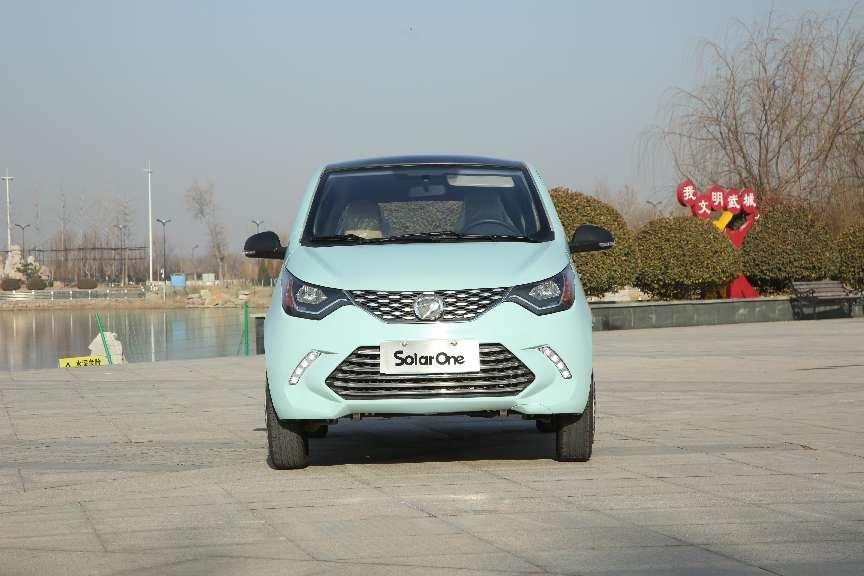
SHANDONG LI MAO TONG GROUP is a global supplier of high-quality products, with a complete industrial chain, specialized in research, manufacture and international sales of motor tricycles, cargo tricycle, electric mini car. Since its establishment, our vehicles have served over 120 countries and regions worldwide, with our brand reaching more than 20 million households globally.
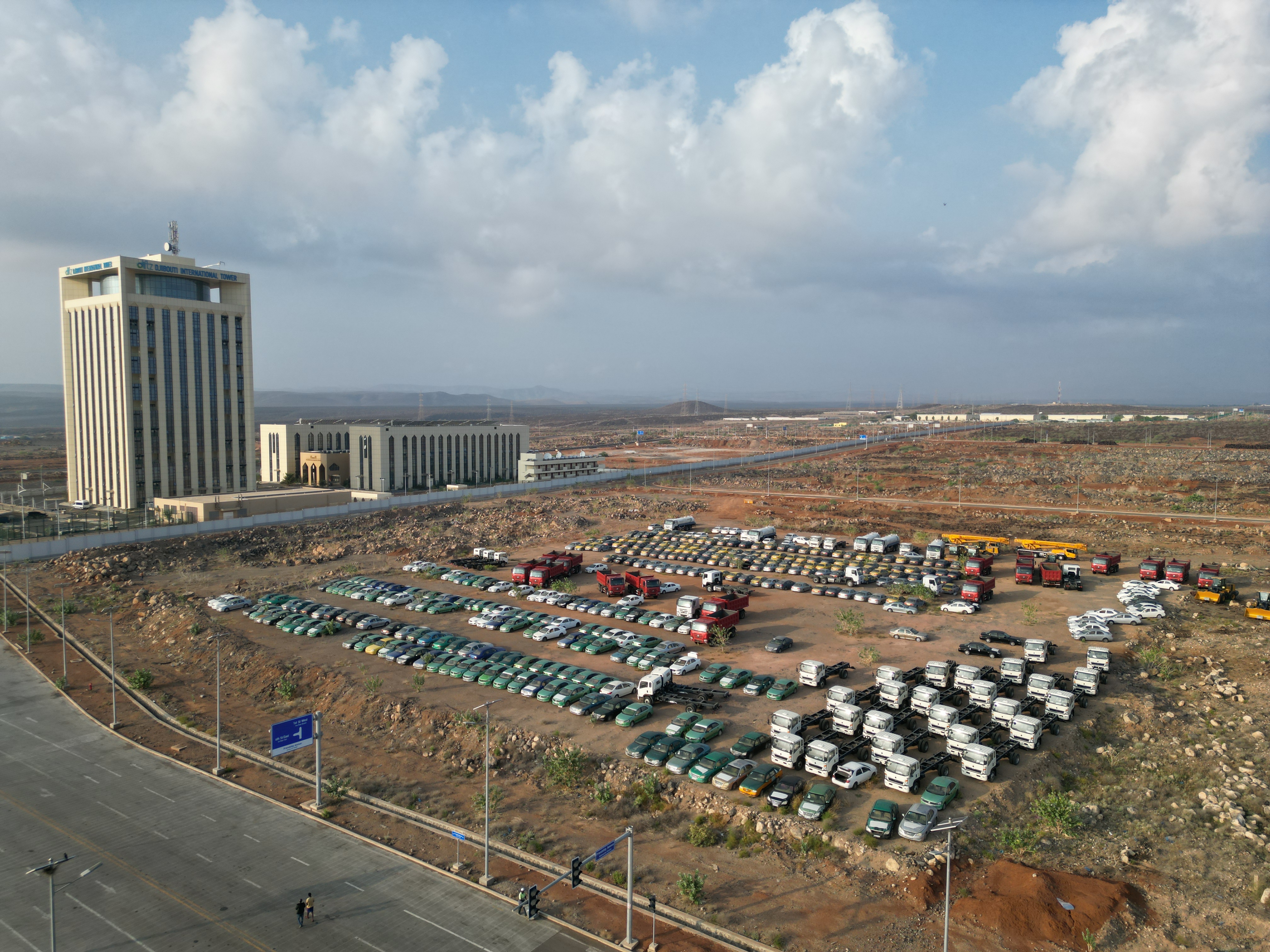
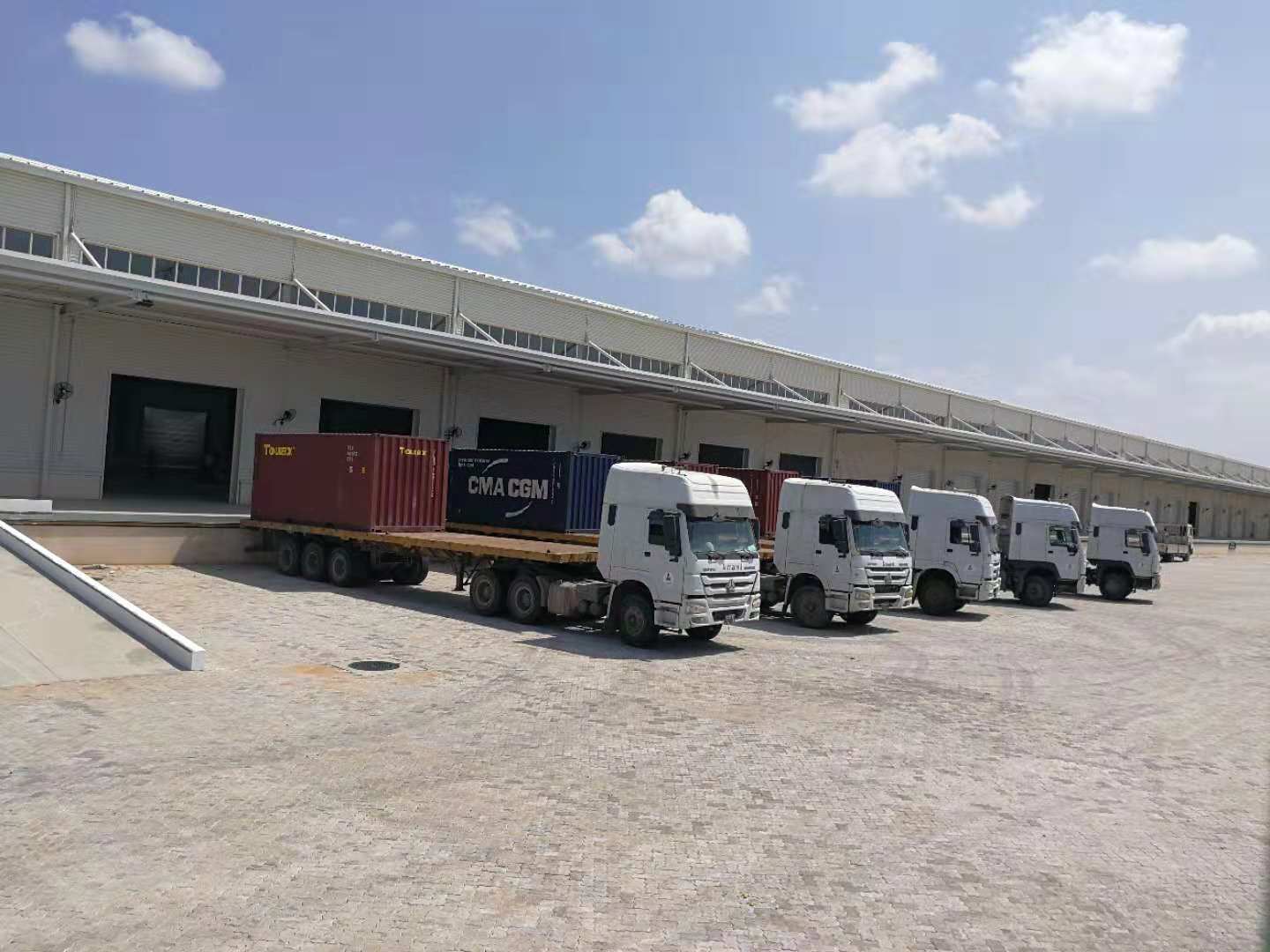
Supported by 8 overseas production bases, we provide comprehensive vehicle solutions to markets around the world. We attach great importance to after-sales service, and set up overseas warehouses in Djibouti and are equipped with a professional after-sales team and complete after-sales facilities. If you encounter any problems during use of the product, our after-sales team will respond immediately and provide you with timely and effective solutions.
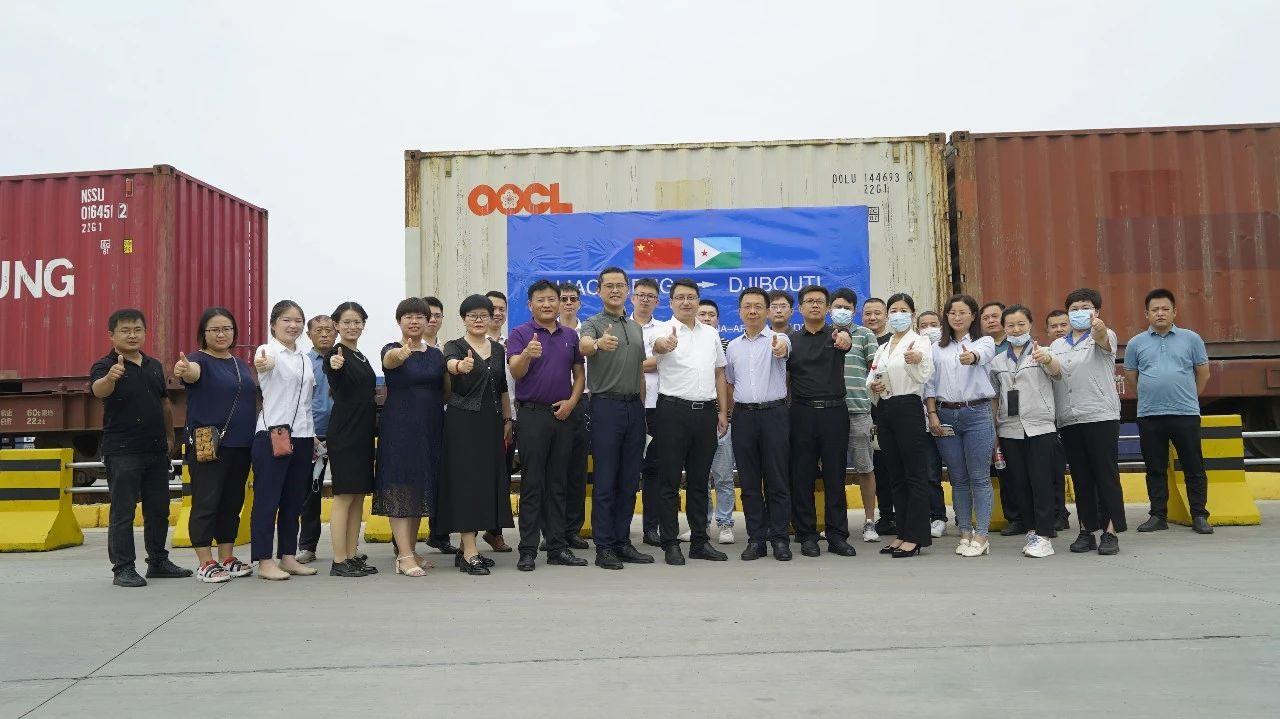
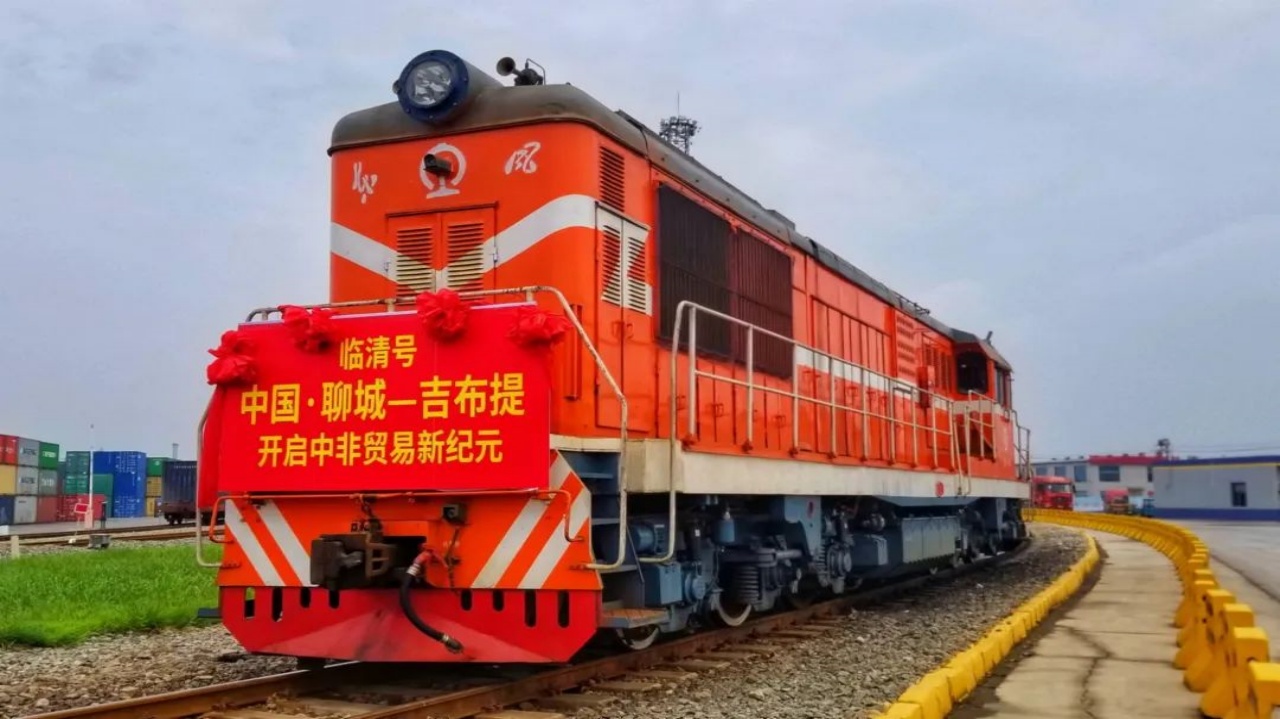
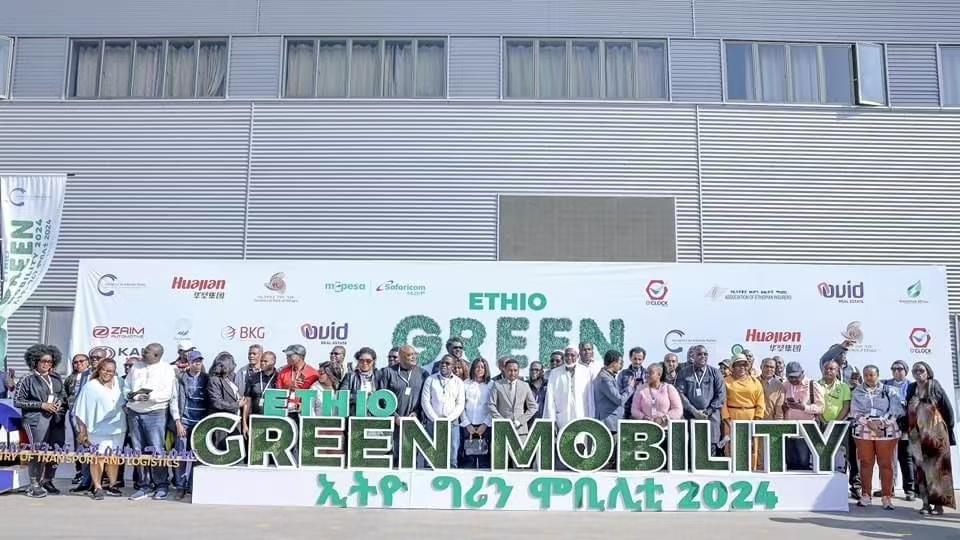
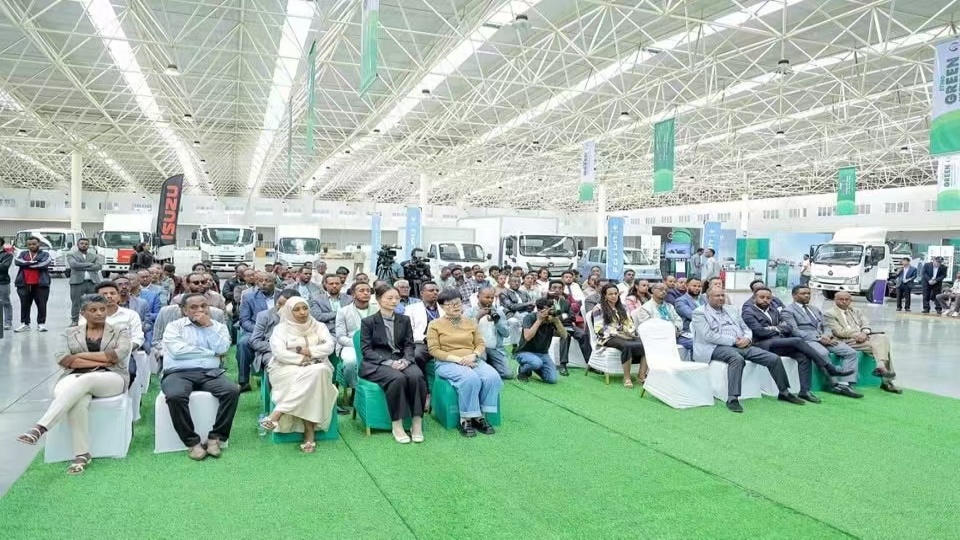
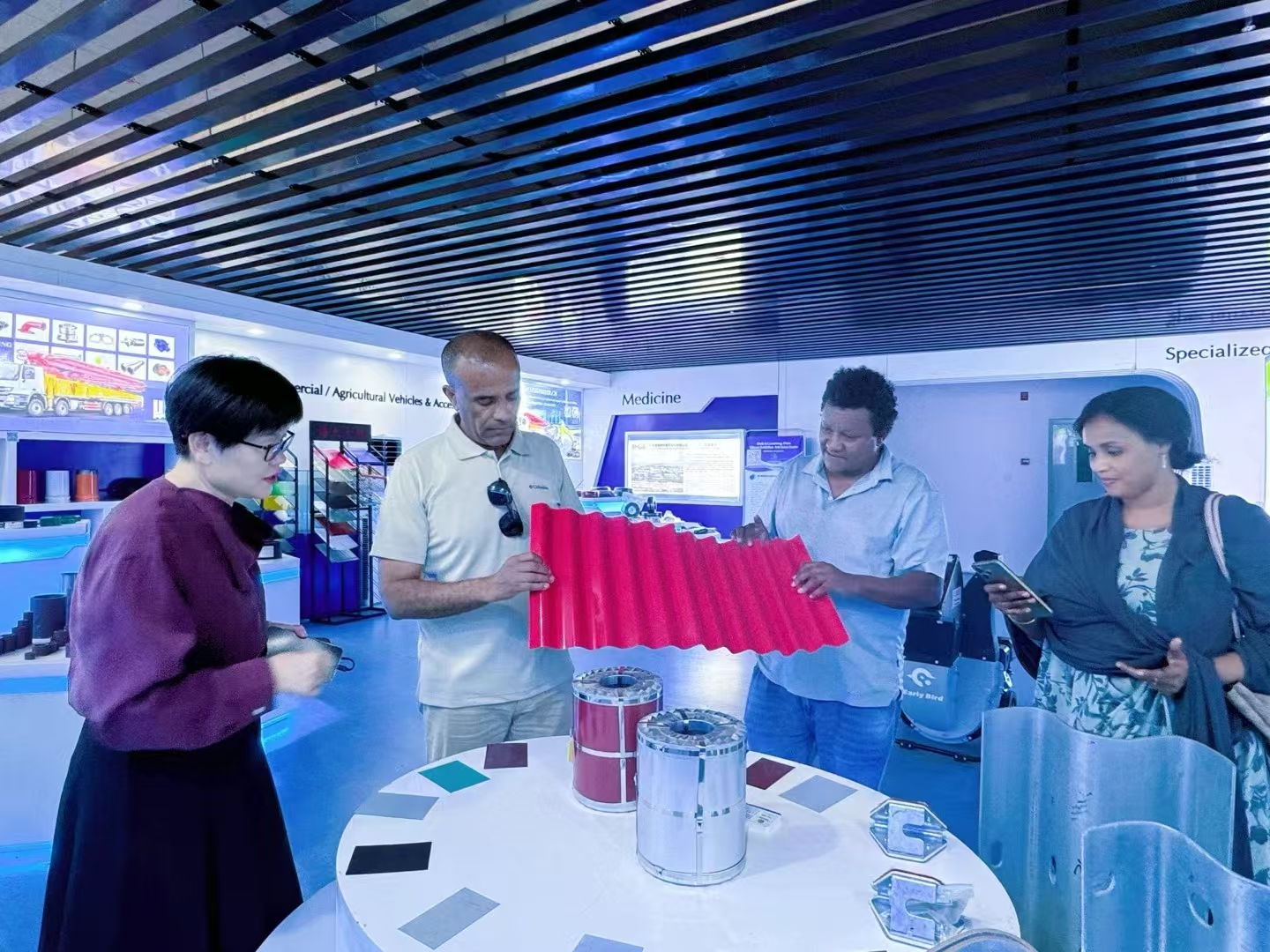
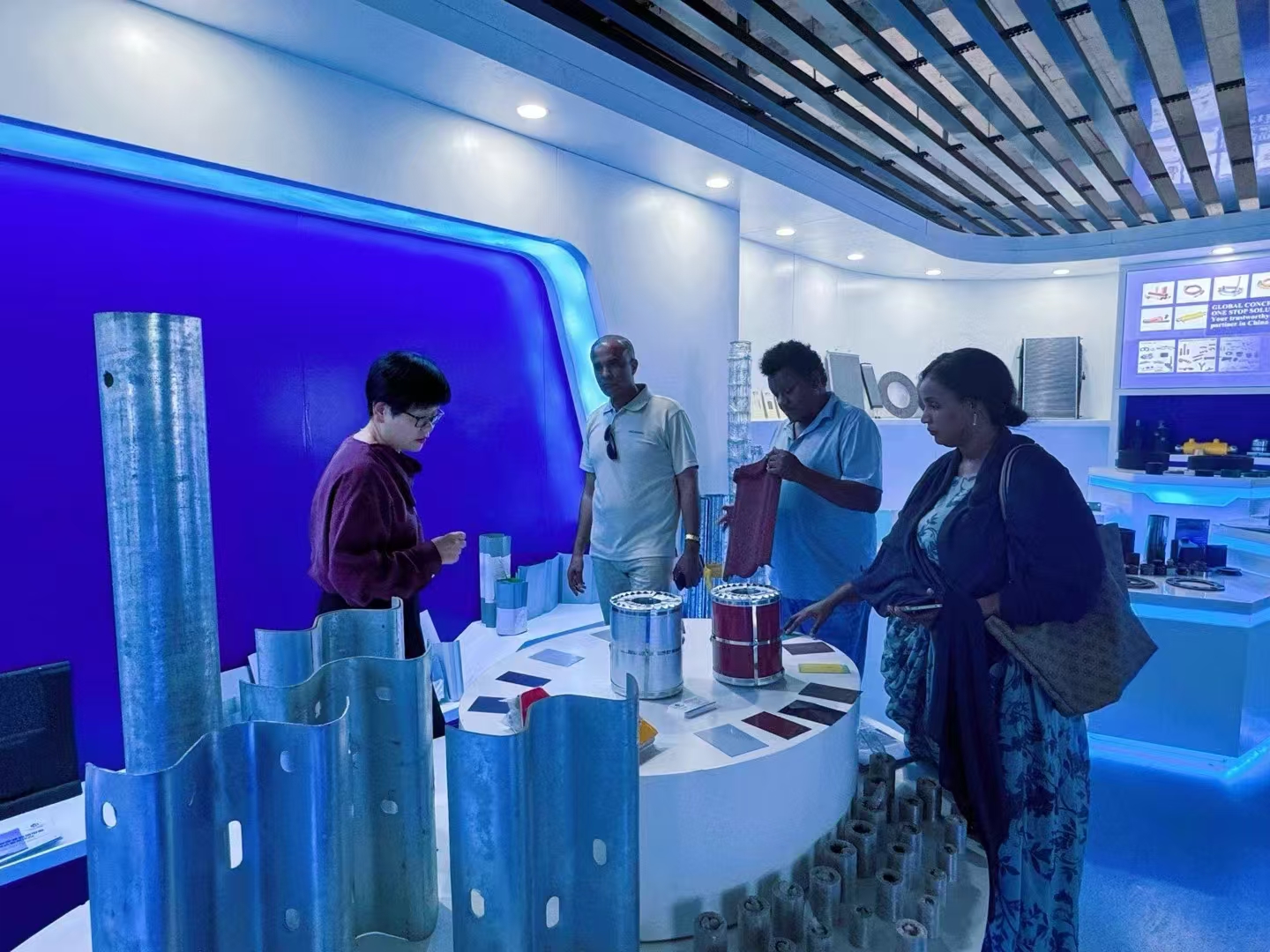
A visual showcase of our modern industrial manufacturing plants, active export facilities, and global trade operations
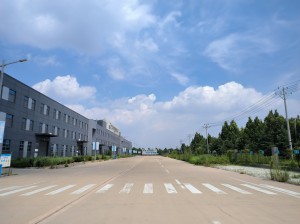
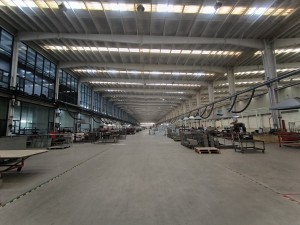
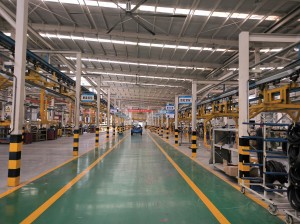
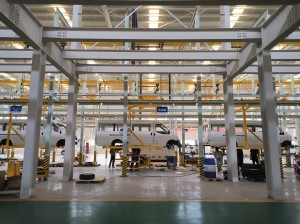
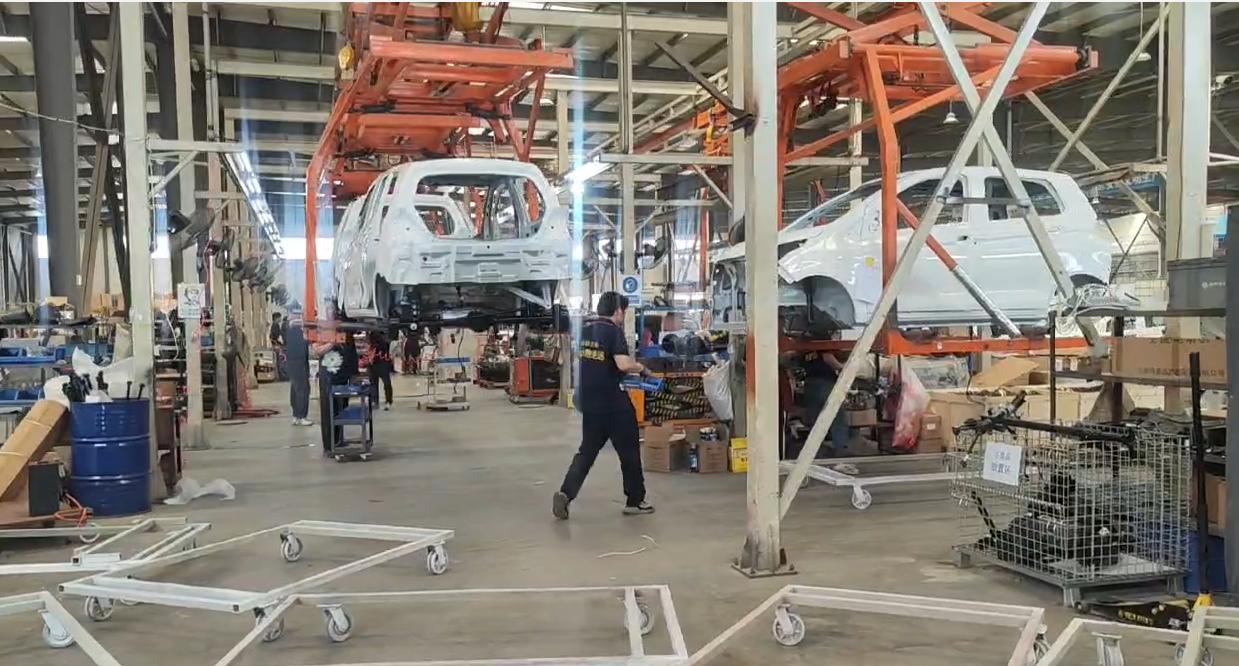
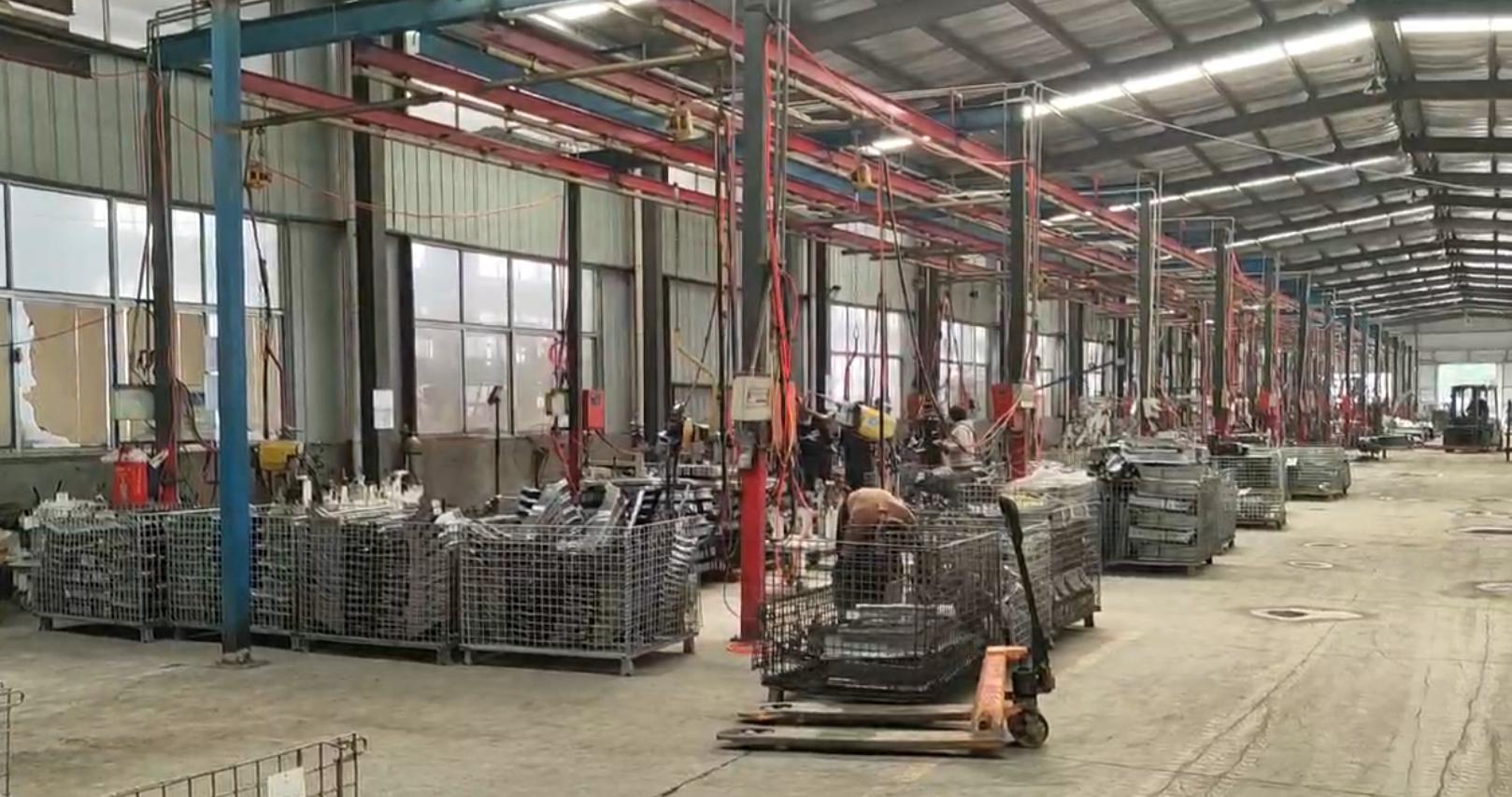
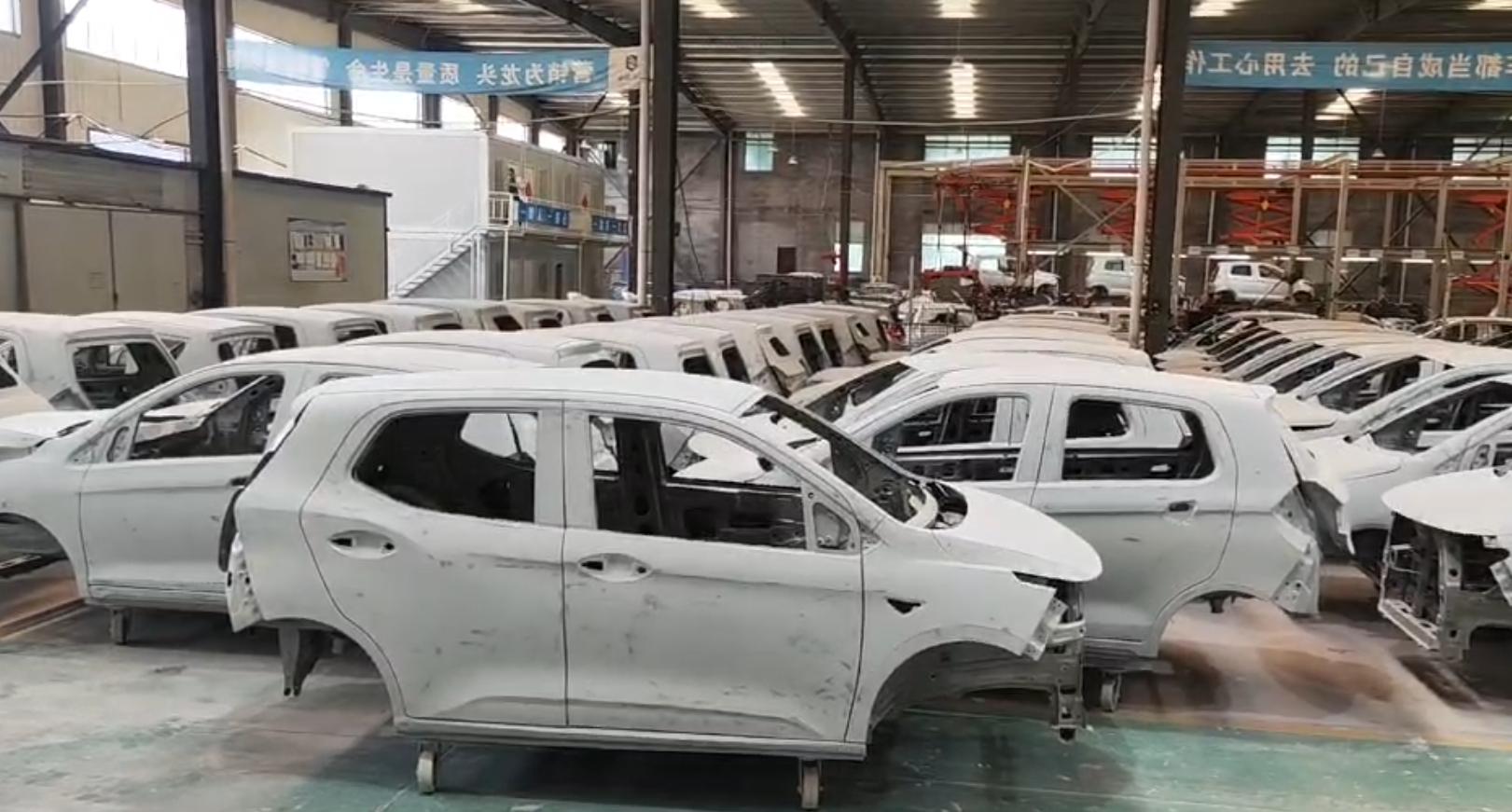
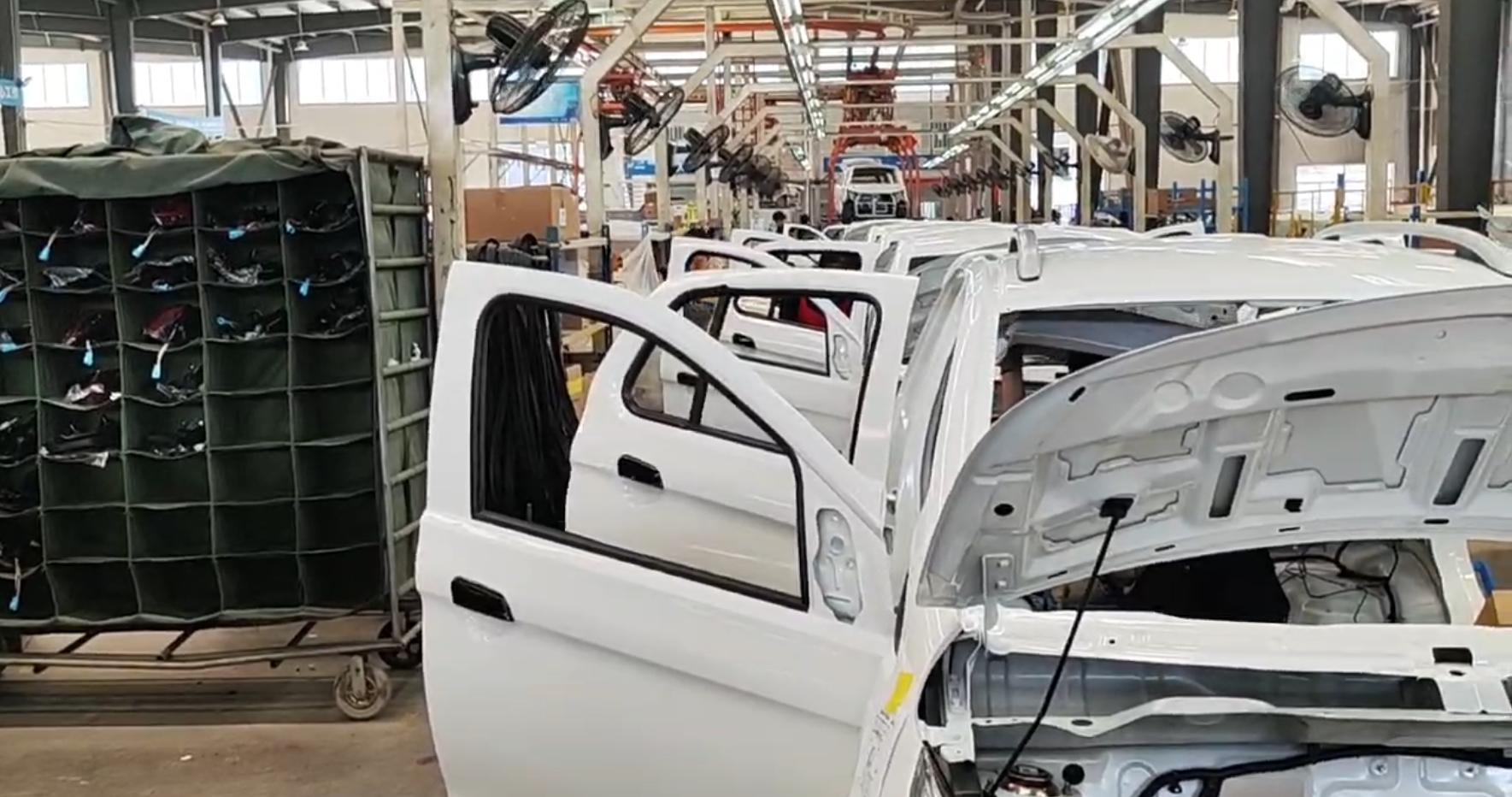
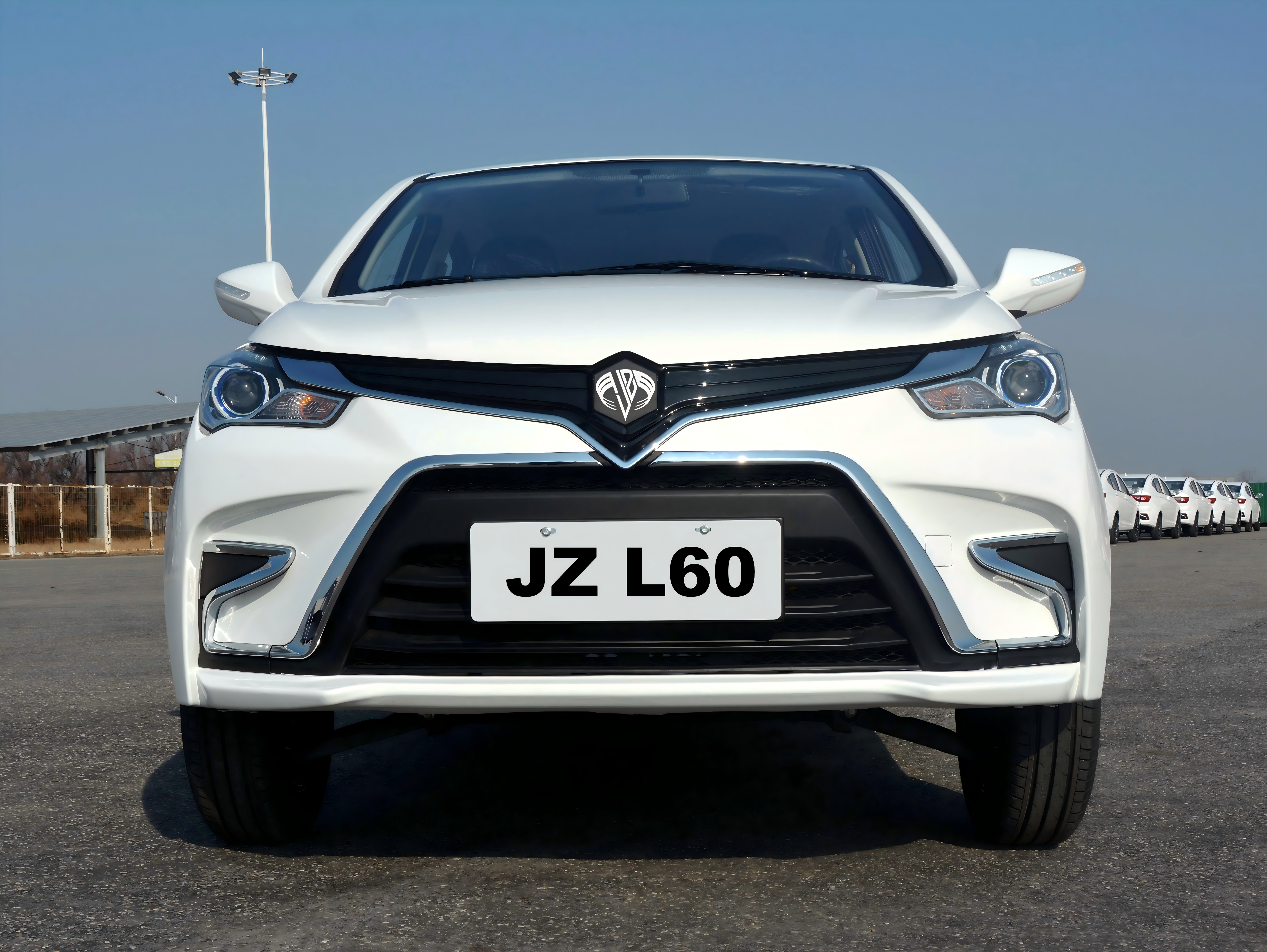
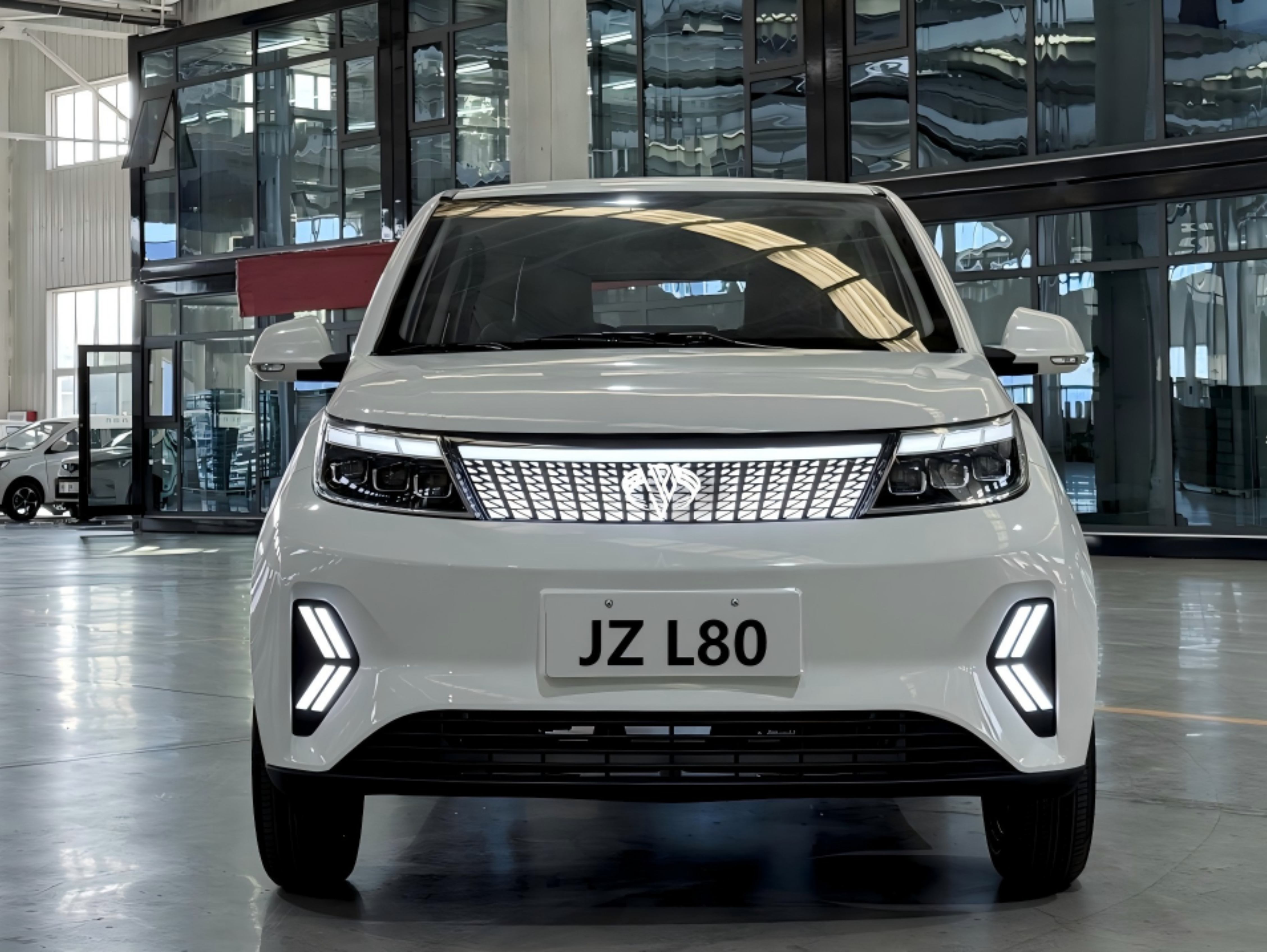
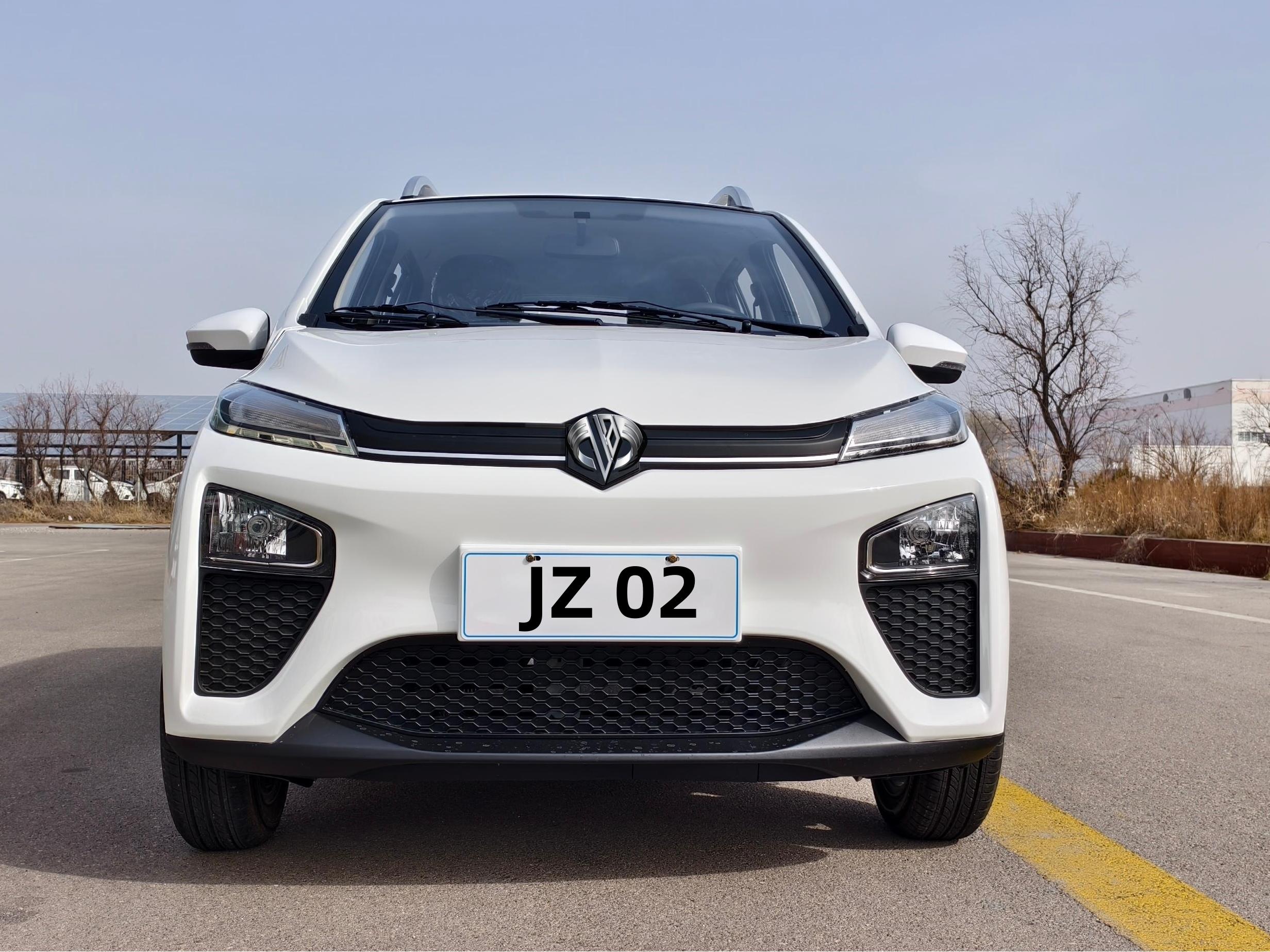
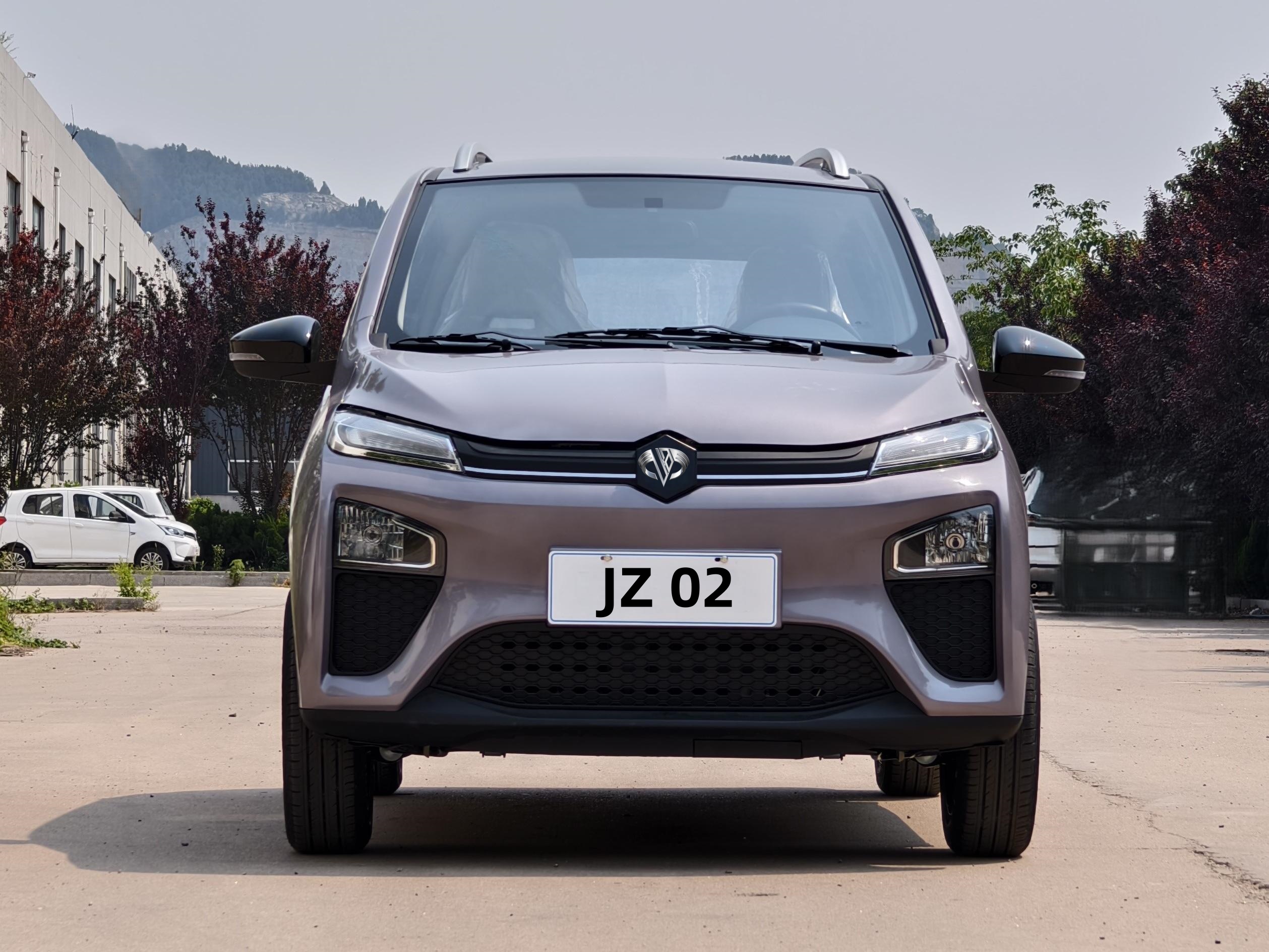

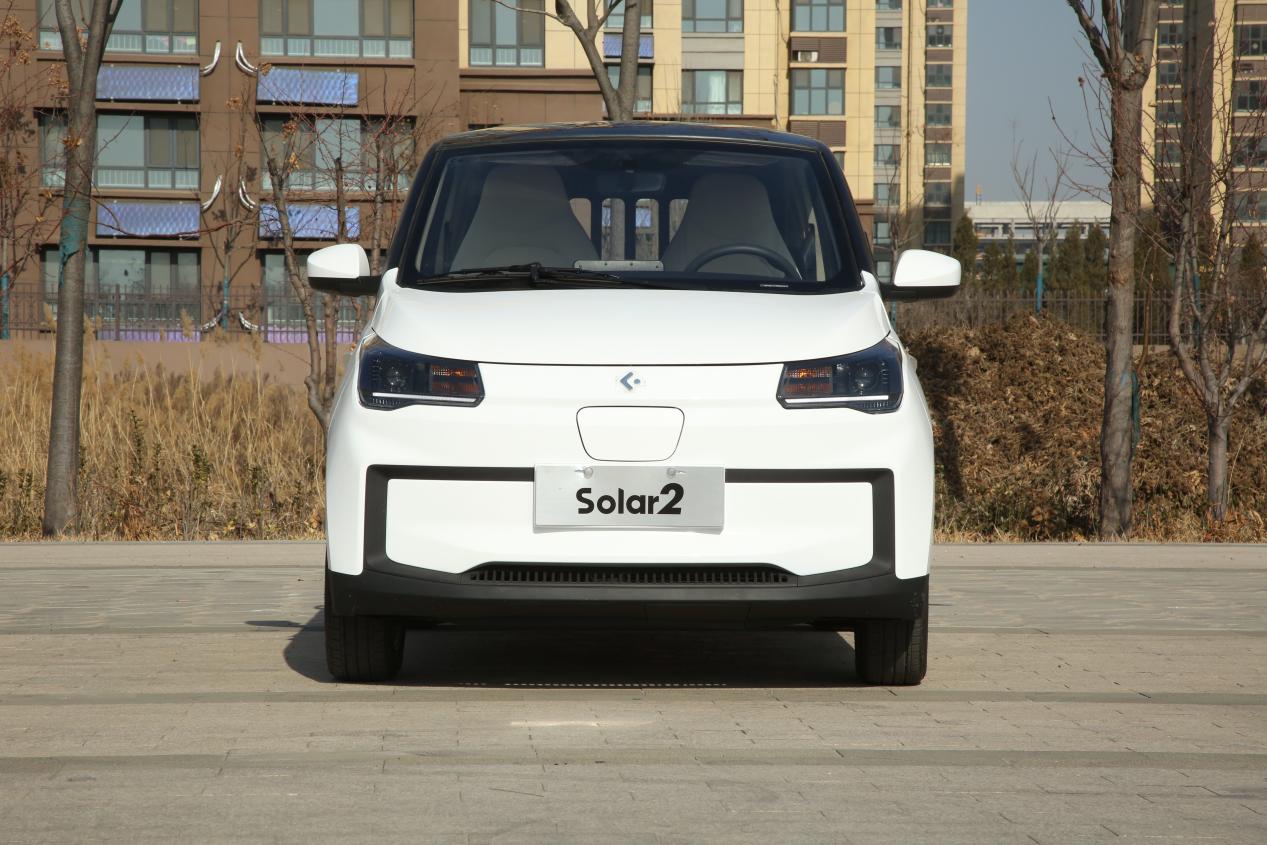

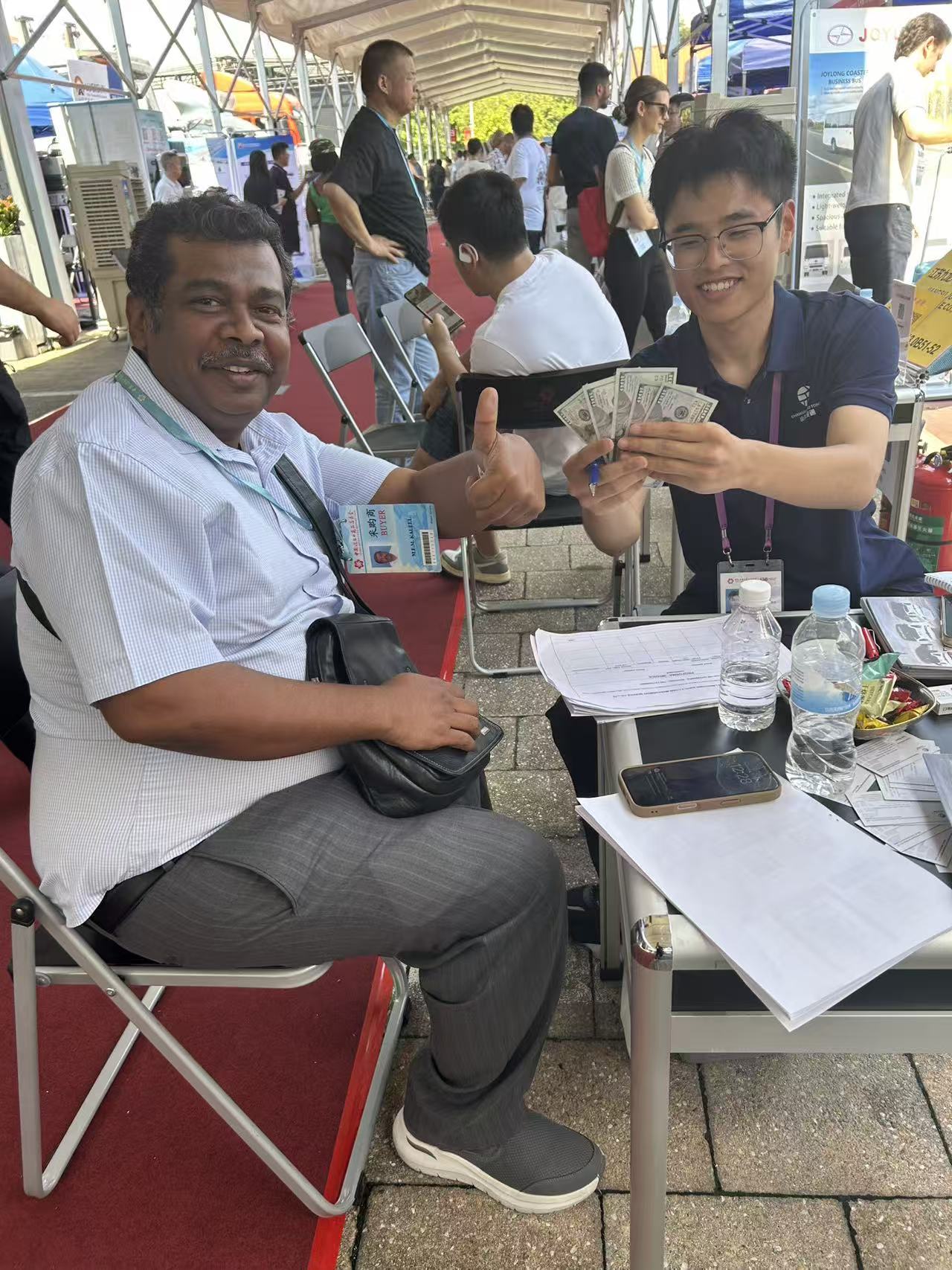
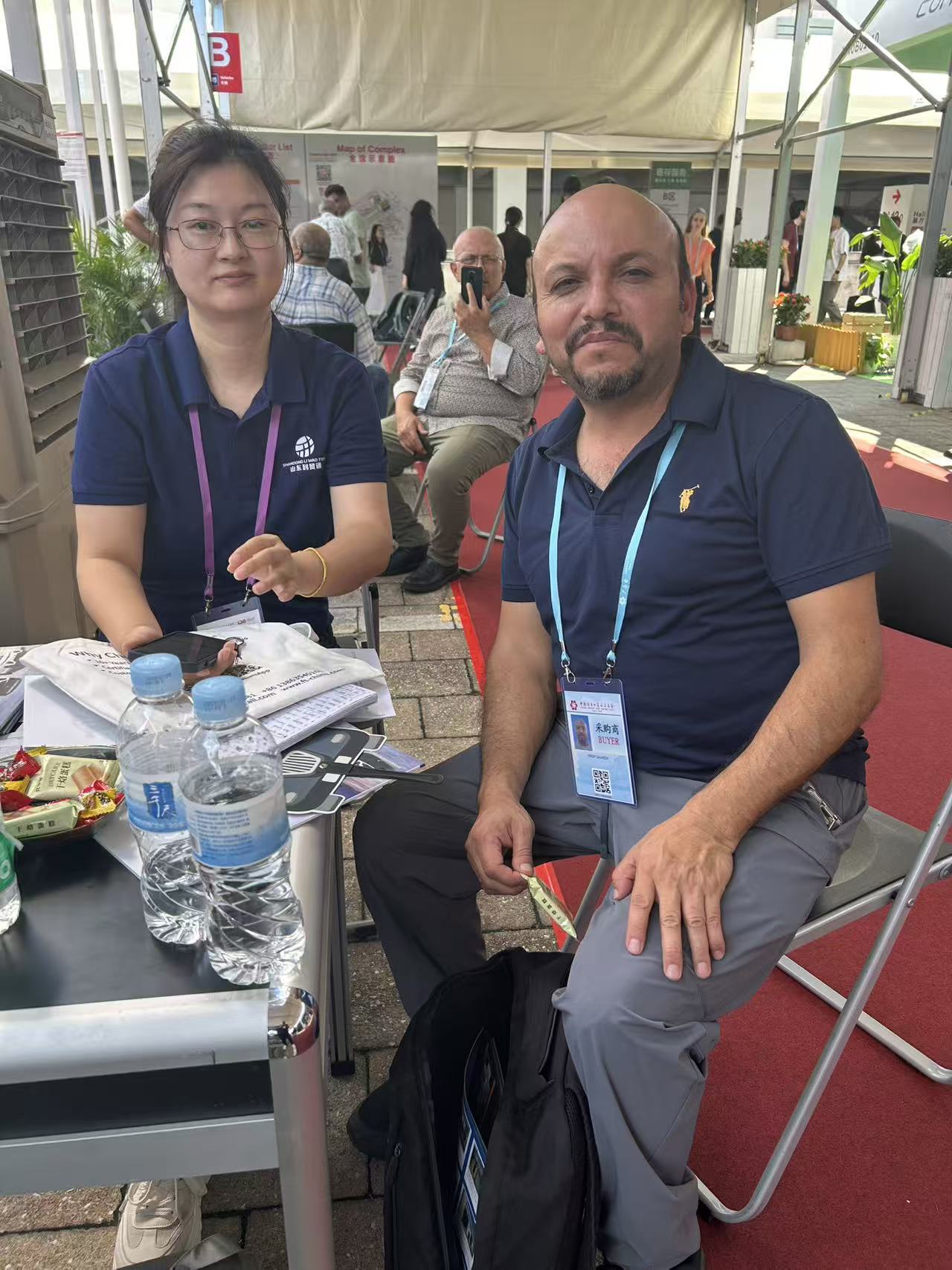
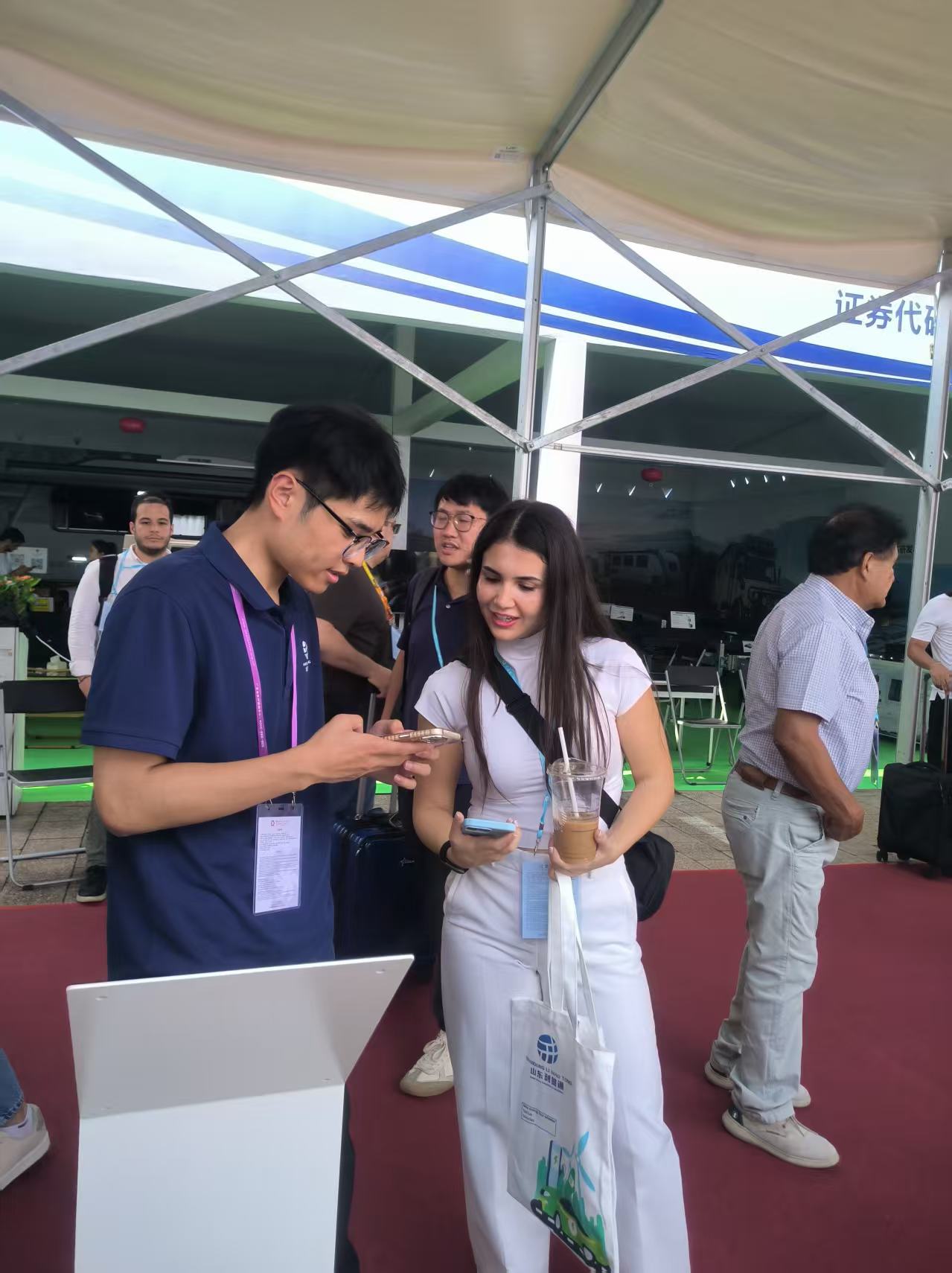

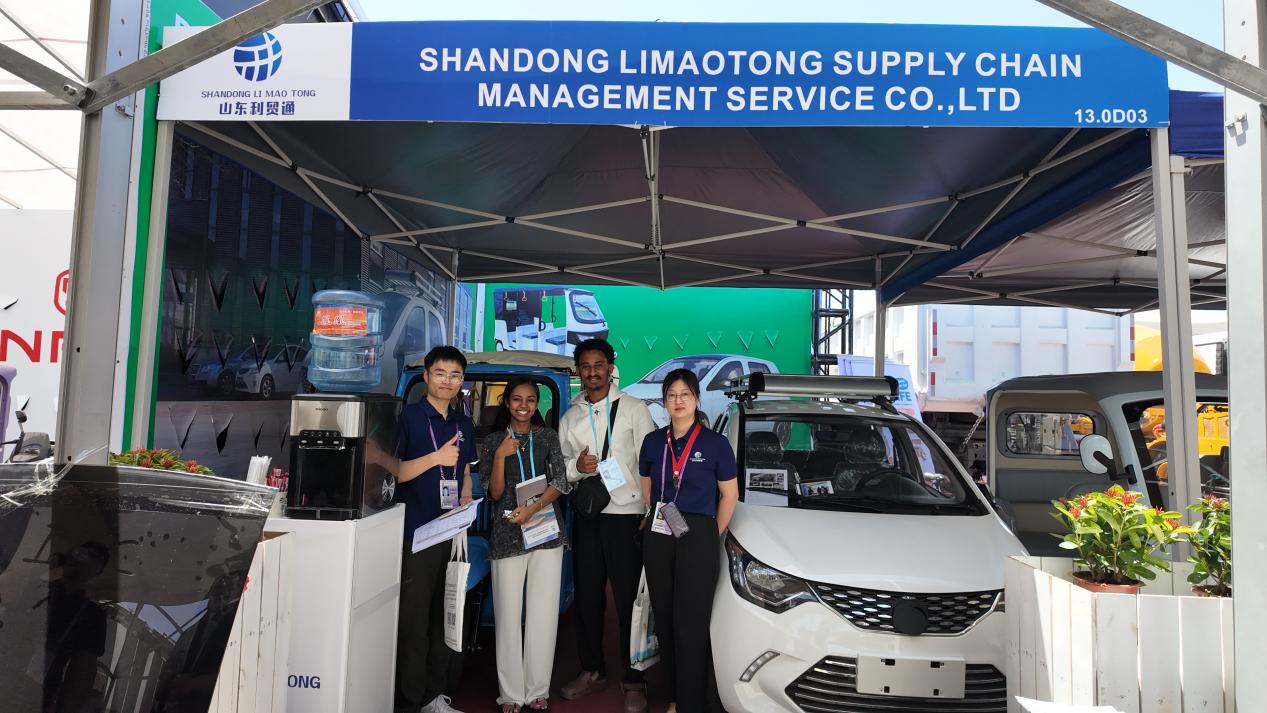
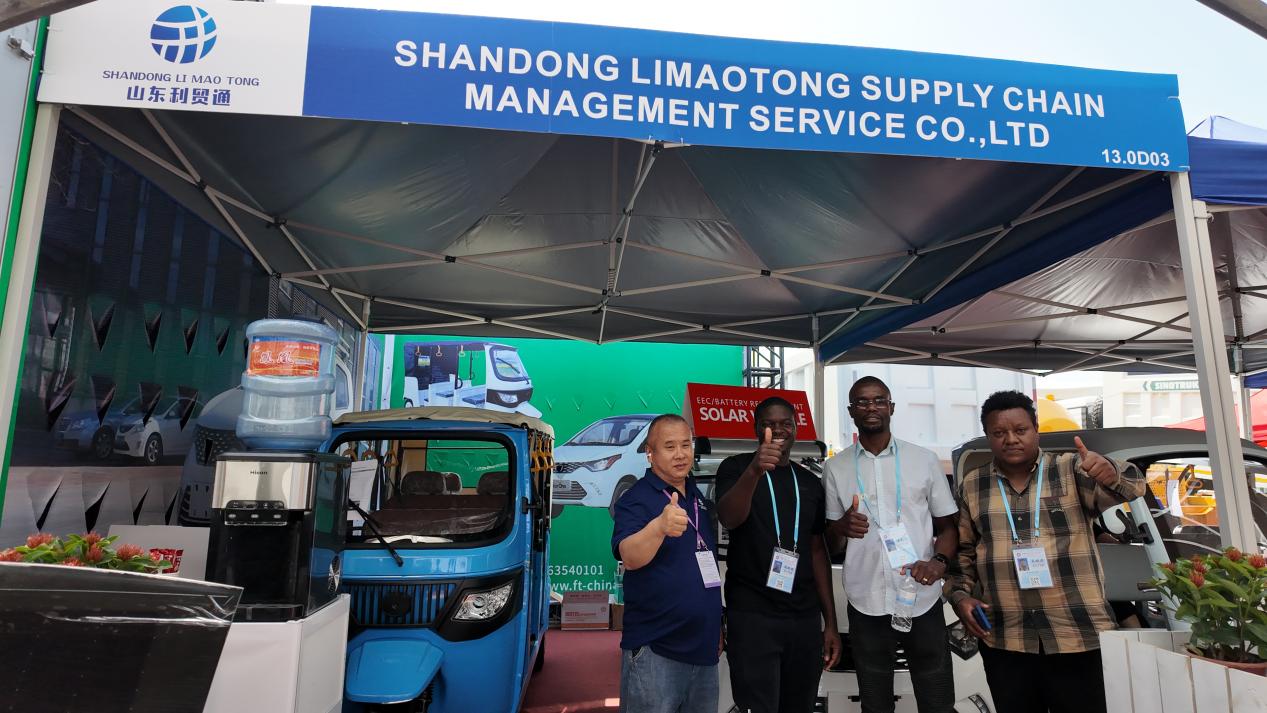
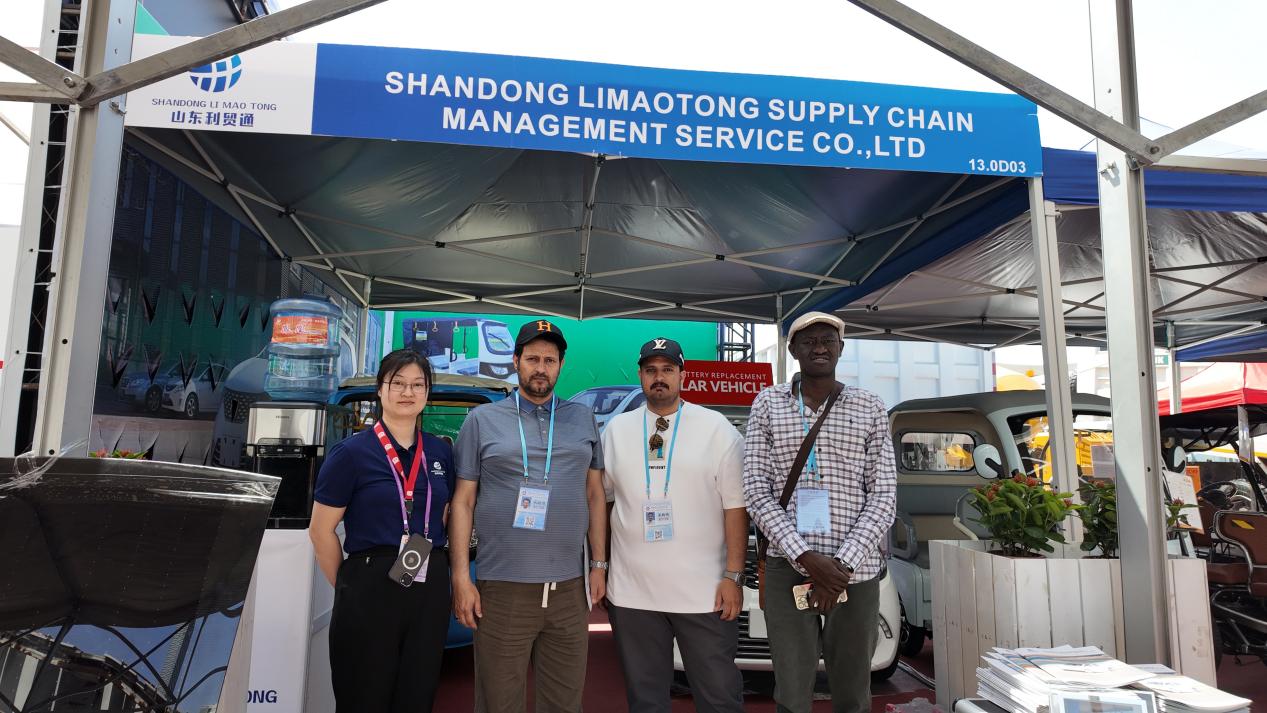
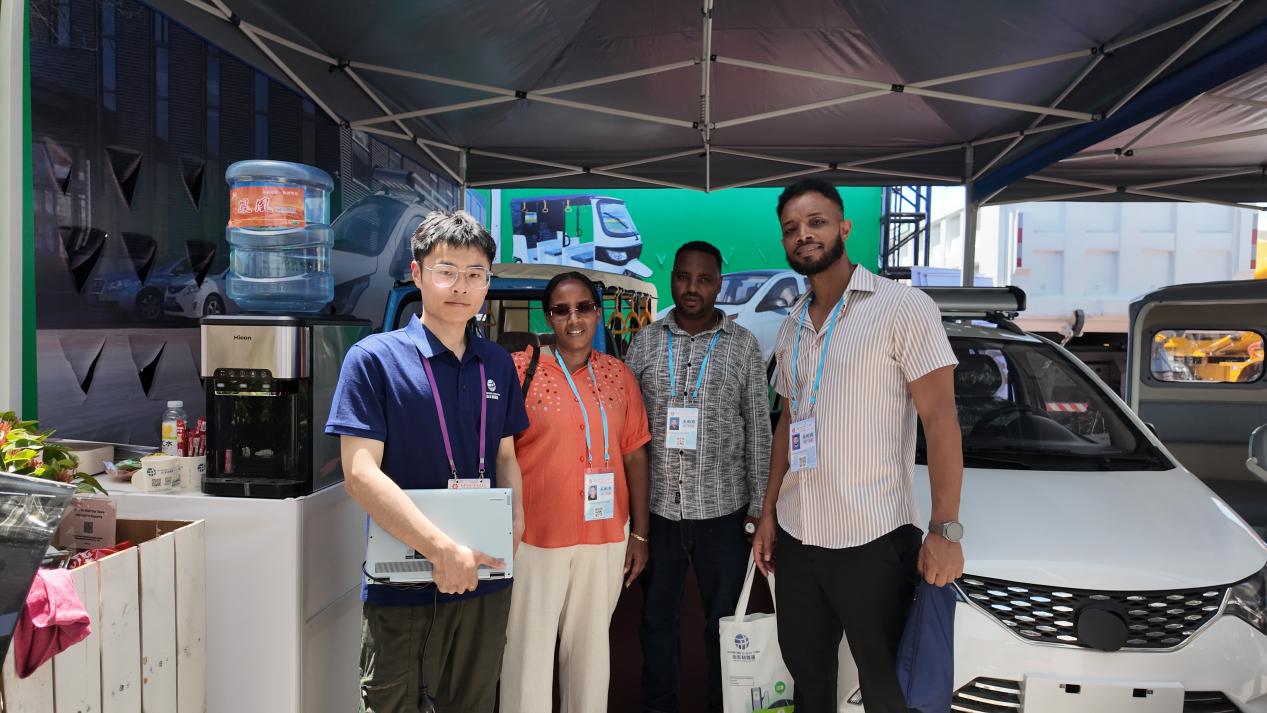
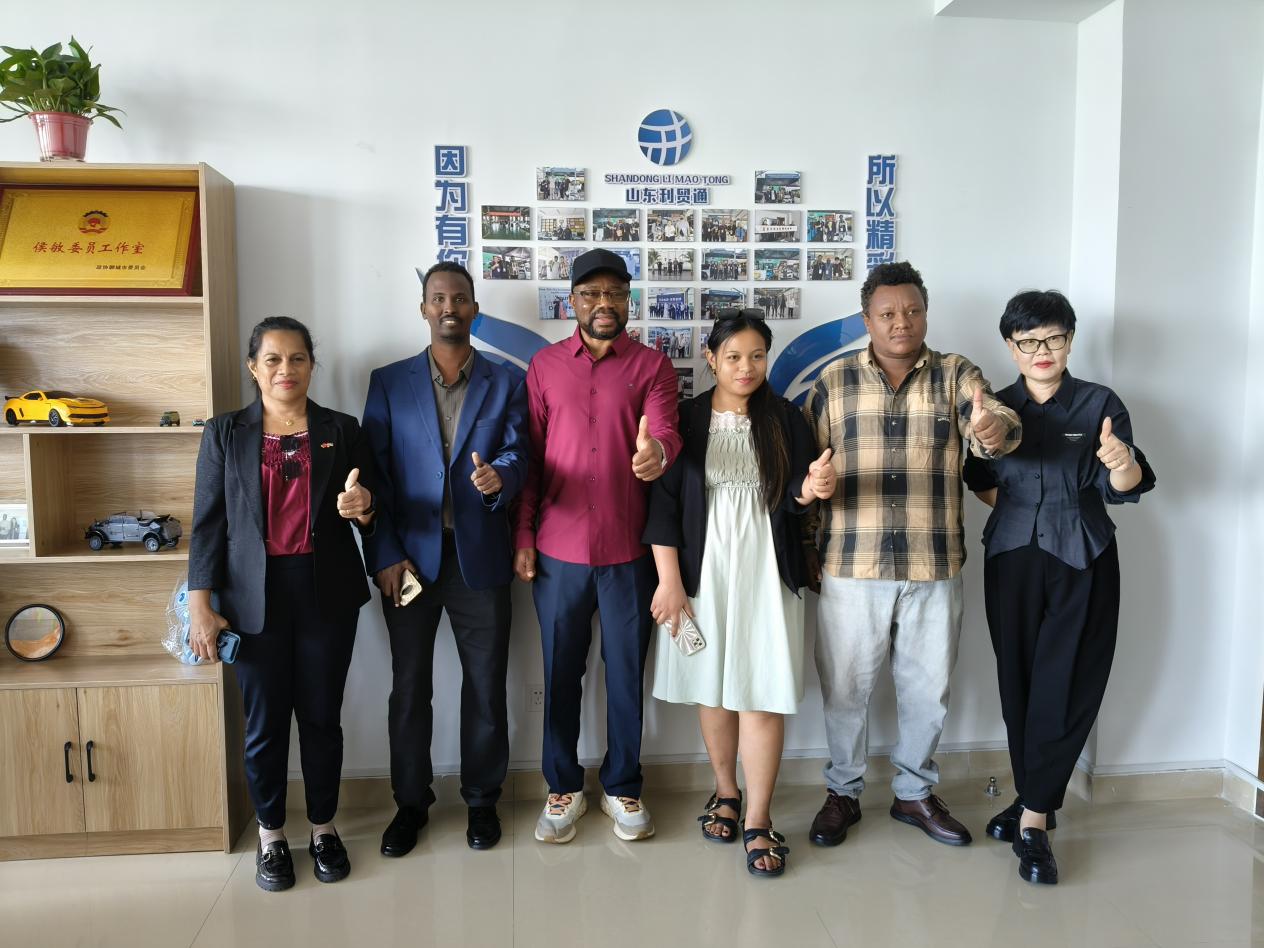
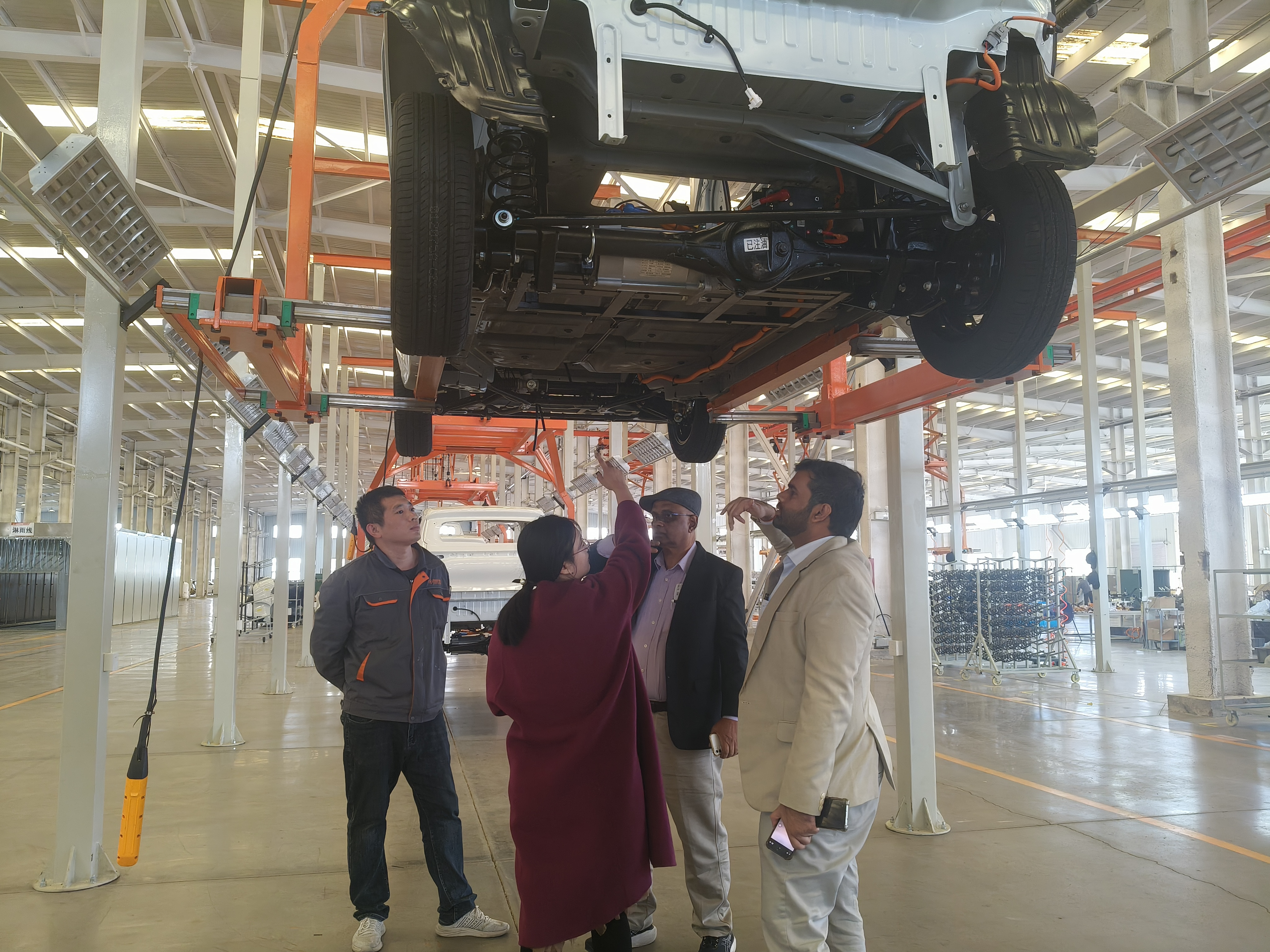
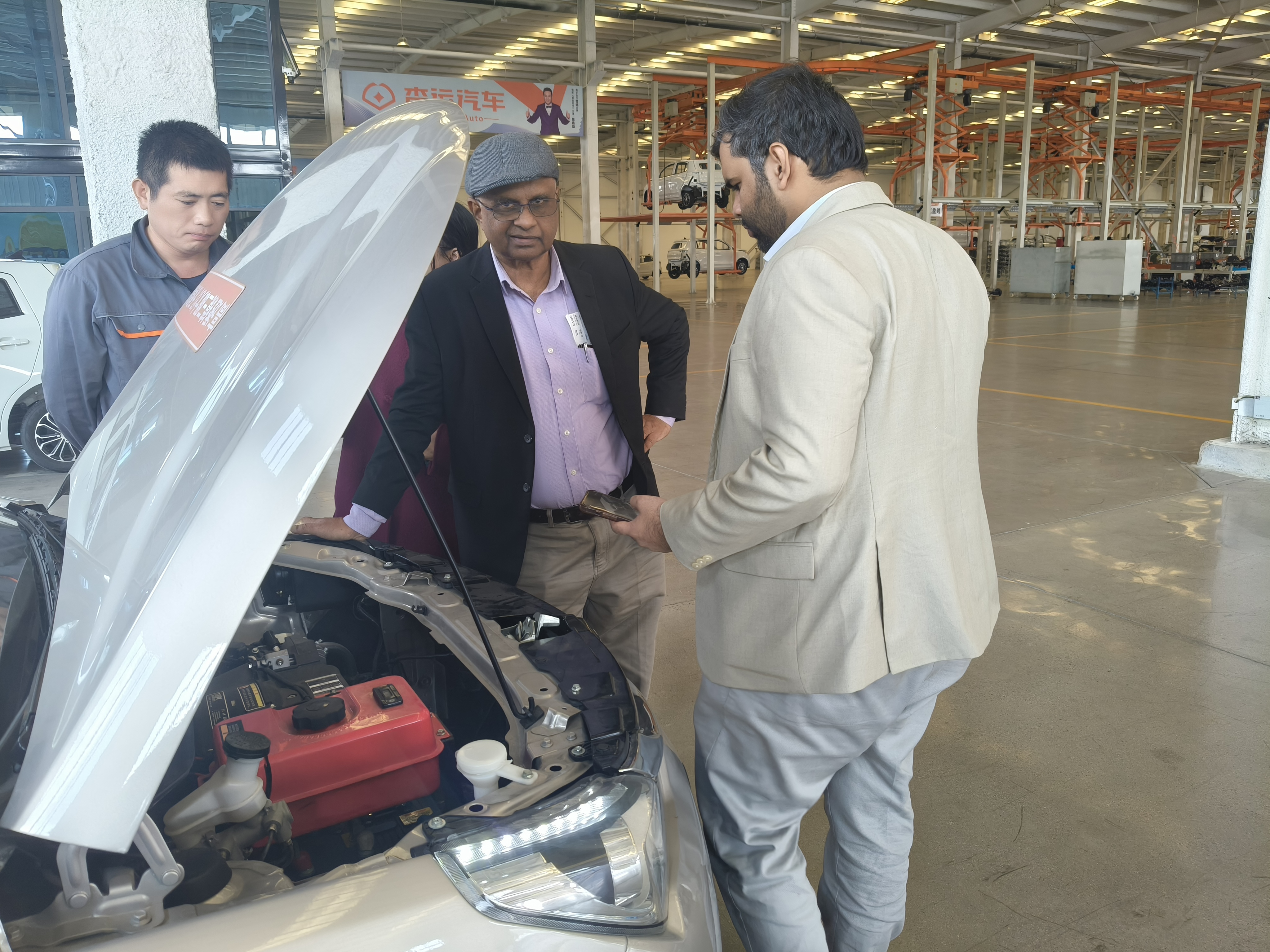
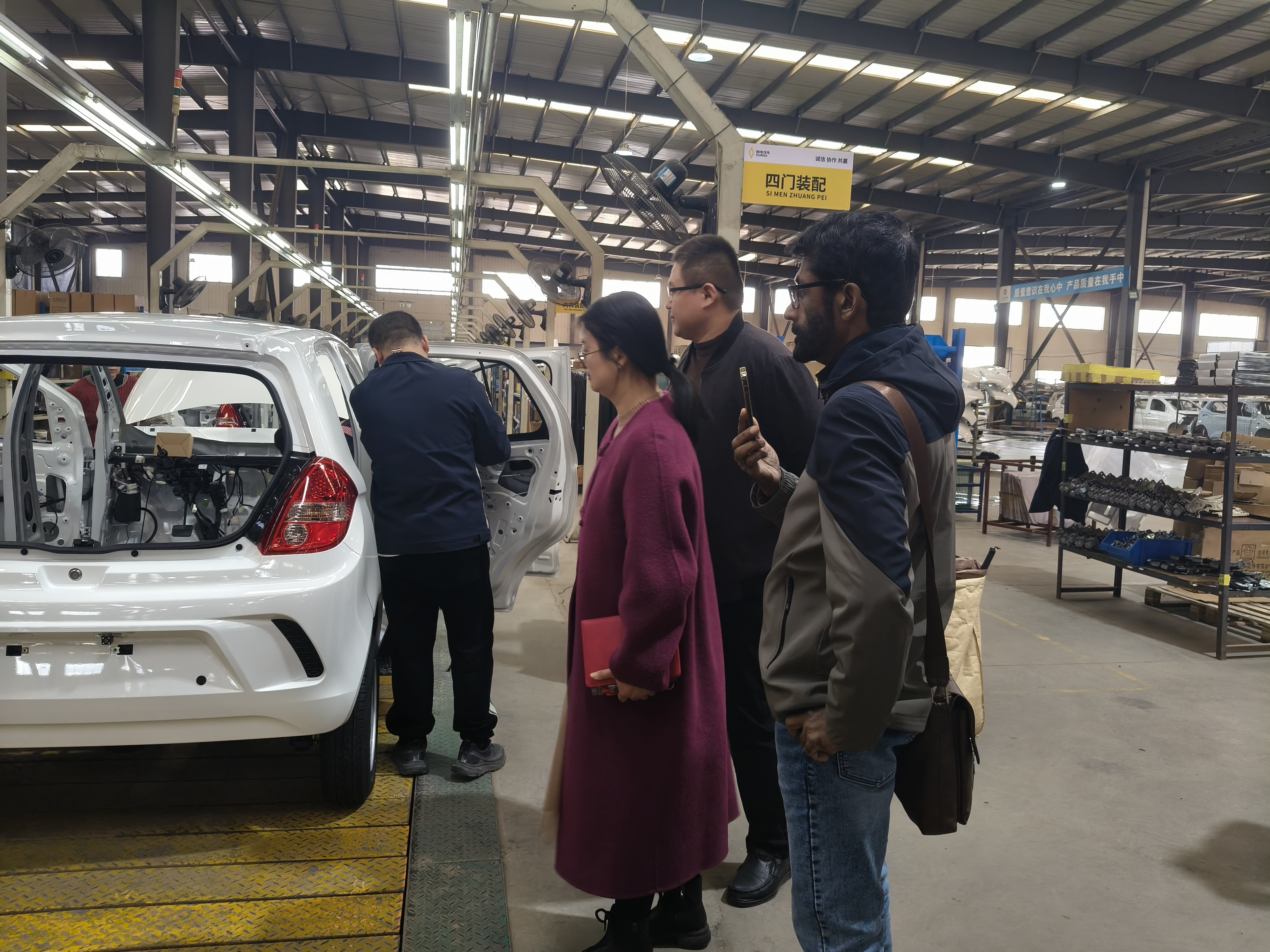
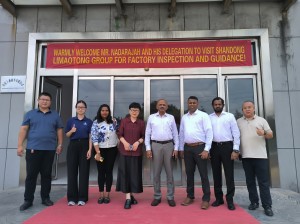
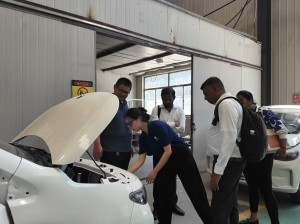

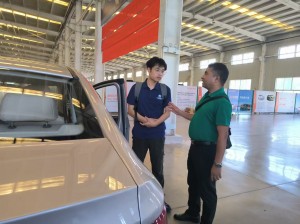
Our localized infrastructure reduces lead times and delivers comprehensive support directly to East African transport networks
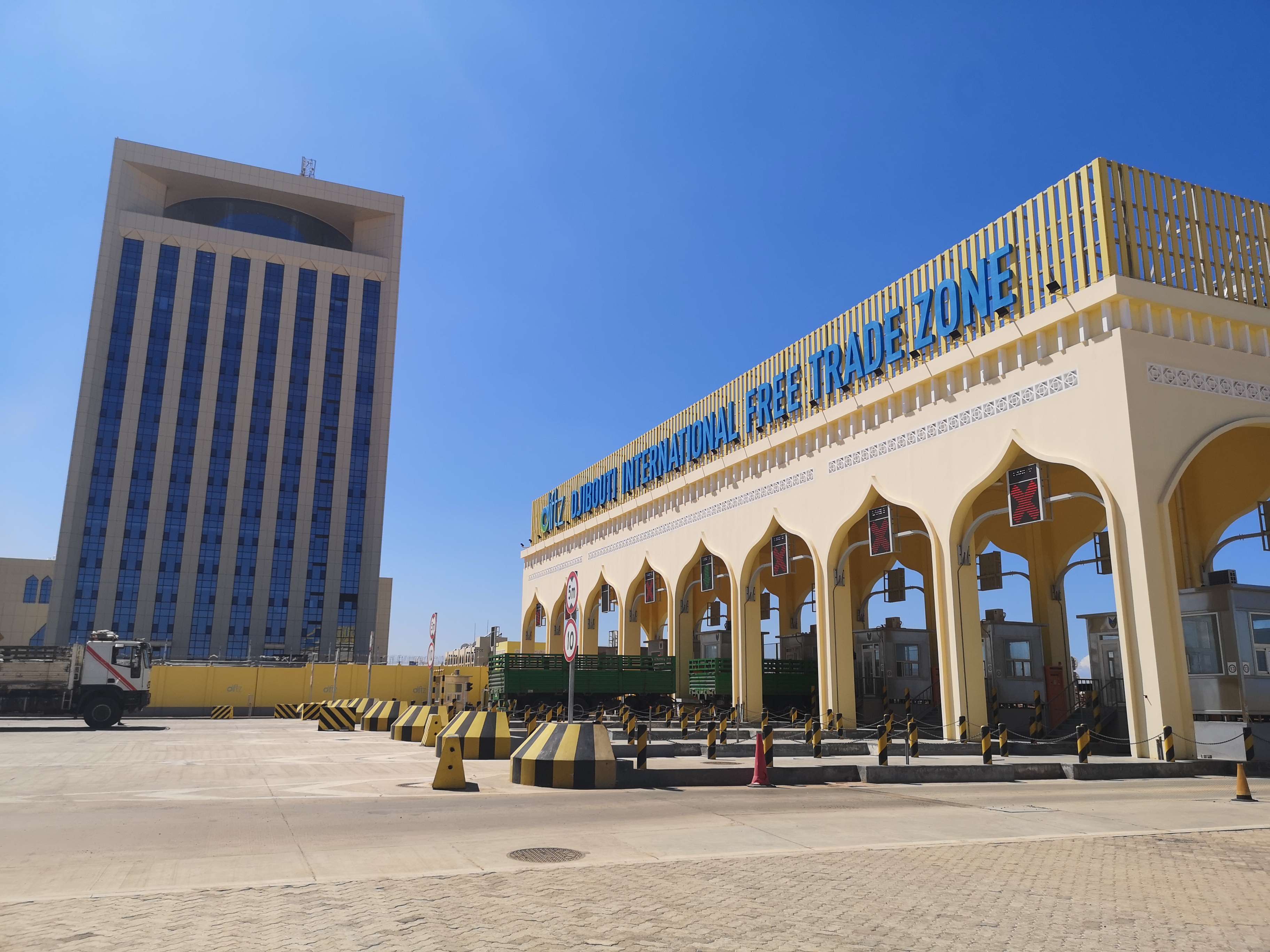
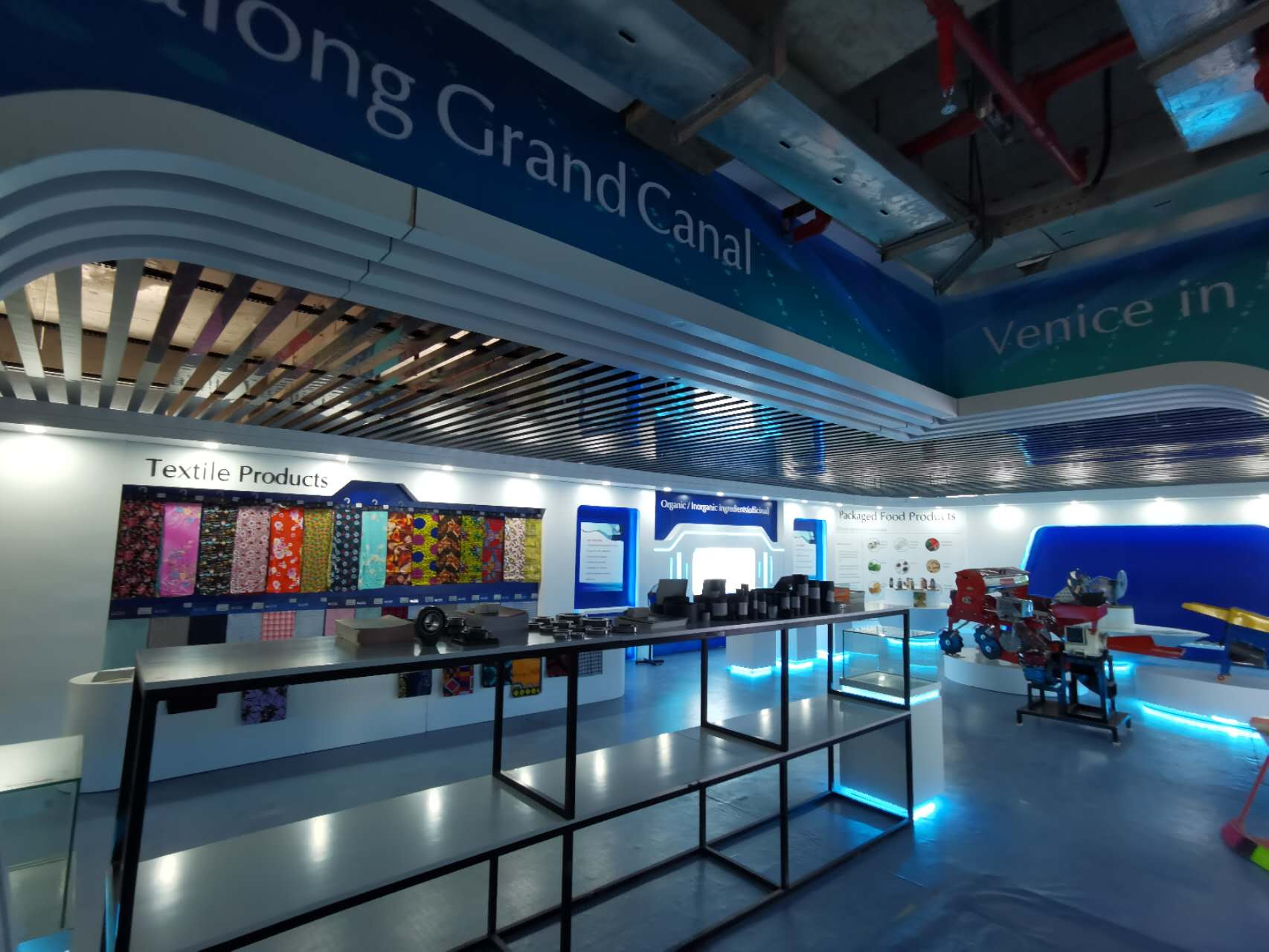
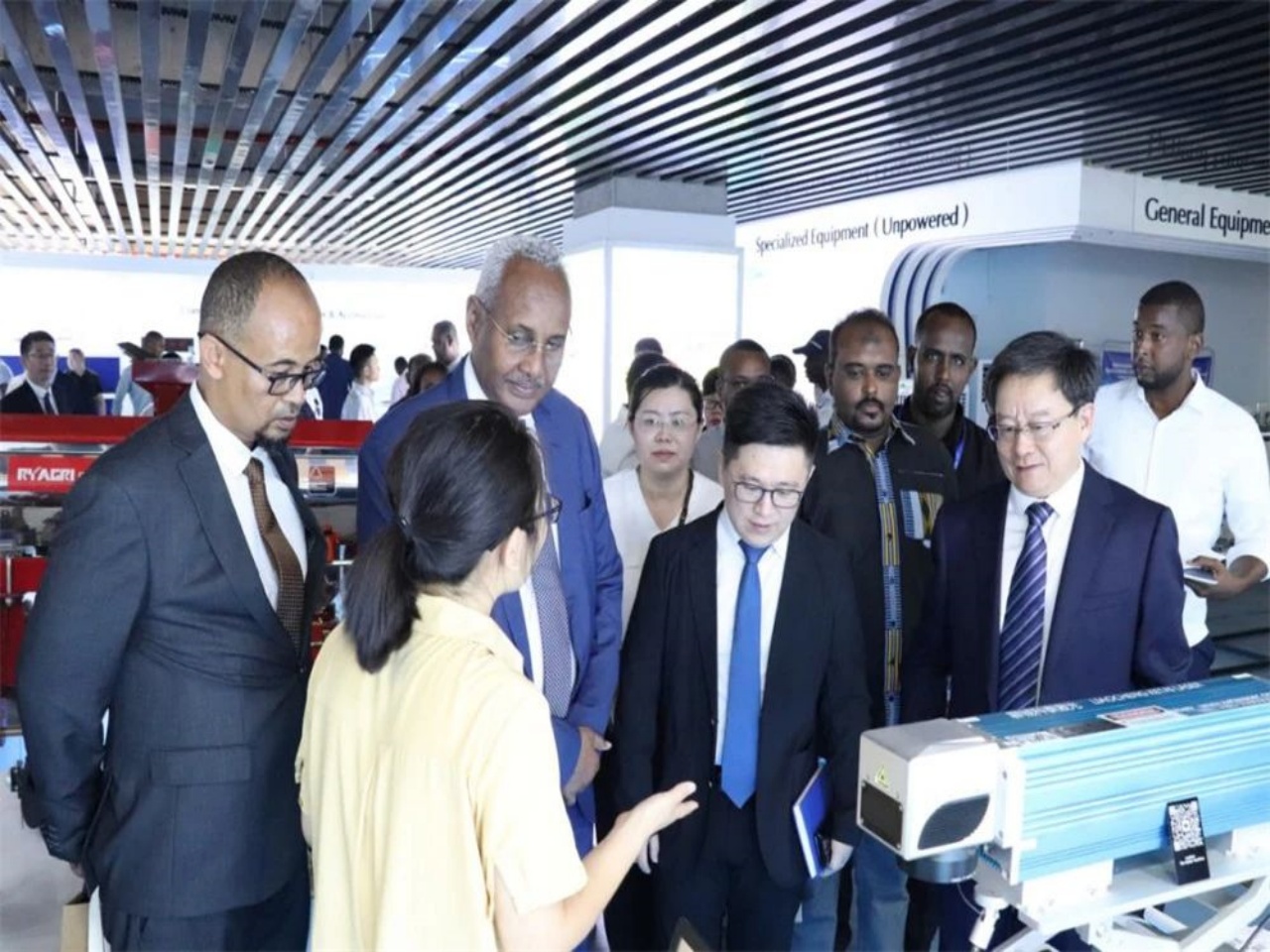
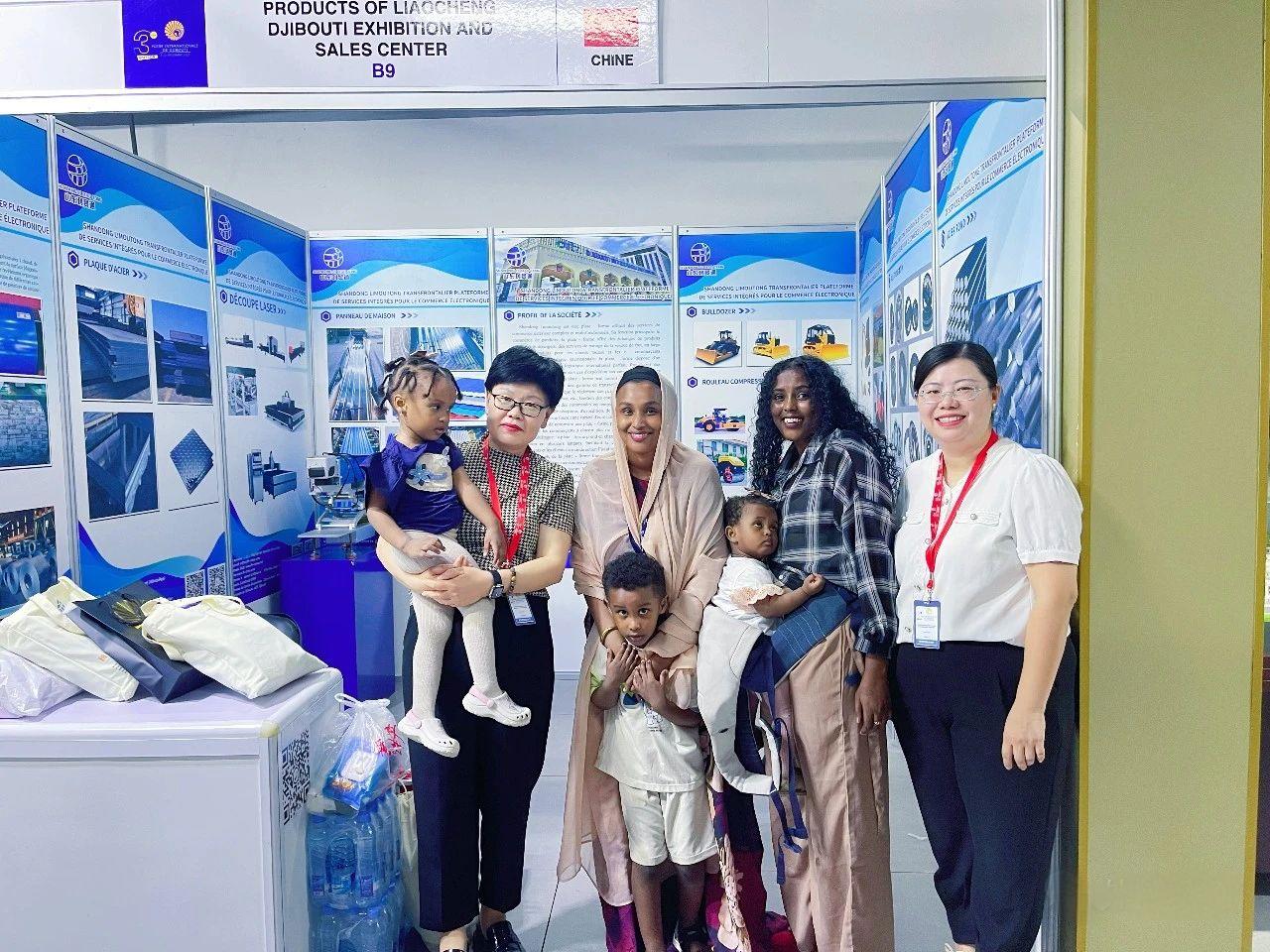
Djibouti (Overseas Warehouse) Cross-border E-commerce Exhibition and Sales Center was established in 2023. It is located in the Djibouti International Free Trade Zone in East Africa. With the help of the Djibouti Economic and Trade Co., Ltd. established in Africa, it has established a one-stop comprehensive service platform to provide enterprises with all-round housekeeper-style professional services such as sales, government affairs, customs affairs, and public services. Combining the online and offline linkage of cross-border trade business and independent station malls, we will build a "strong artery" of China-Africa economic and trade exchanges with the "cross-border trade + front-end warehouse" model and the African localized sales, customer service and logistics team, and help "China's intelligent manufacturing" go to the world and into Africa.


B2B fleet buyers, municipal transit authorities, and logistics organizations look for specific criteria when evaluating electric three-wheel vehicles. Standard e-trikes often fall short under heavy, continuous use. Shandong Li Mao Tong Group custom-engineers heavy-duty options to address these challenges:
Meeting local traffic safety standards is essential for B2B importers. Without the correct certifications, vehicles cannot clear customs or be registered for public roads. Shandong Li Mao Tong Group works closely with global safety standards, including EEC (European Economic Community) category L5e, DOT (US Department of Transportation) low-speed vehicle standards, and local transit approvals in Southeast Asia and Africa.
Our standard configurations feature:
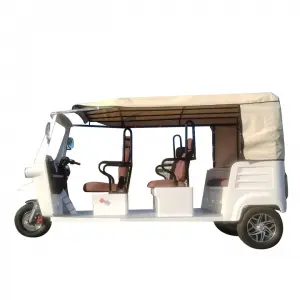
Discover our globally demanded fleet units, ranging from passenger micro-transit cars to heavy agricultural three-wheel cargo carriers
For international fleet managers, shipping delays and a lack of local spare parts present significant challenges. Without consistent maintenance support, even premium vehicles can end up stranded in depots.
Shandong Li Mao Tong Group addresses this by establishing local joint ventures and physical warehousing hubs. Our Djibouti Free Zone Logistics Hub provides direct support to the Horn of Africa and East African trade corridors:
As micro-mobility continues to grow, several key technologies are shaping the future of electric three-wheeler taxi fleets:
B2B procurement details, configuration choices, and import assistance for commercial fleet operations
Browse our complete catalog of electric mobility solutions, passenger tricycles, and specialty transit options
 Limaotong