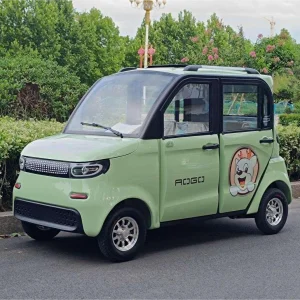
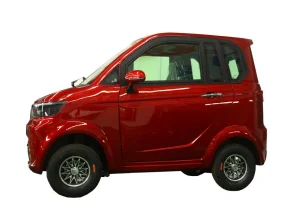
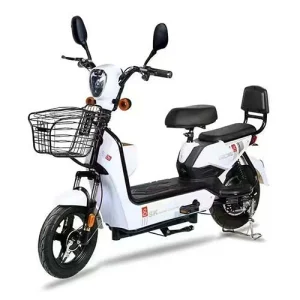
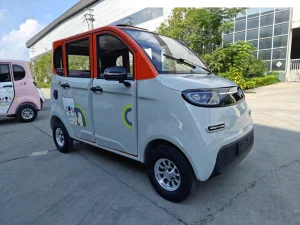
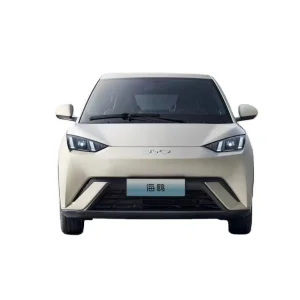
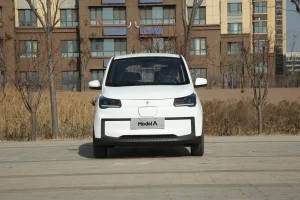
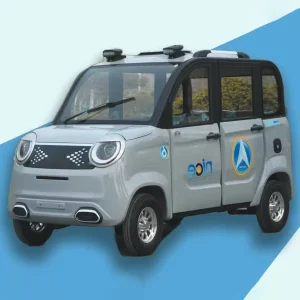
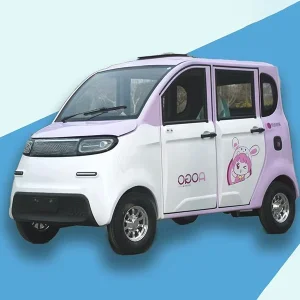
High-efficiency, zero-emission transportation engineered for passenger comfort, heavy cargo logistics, and family commuting.
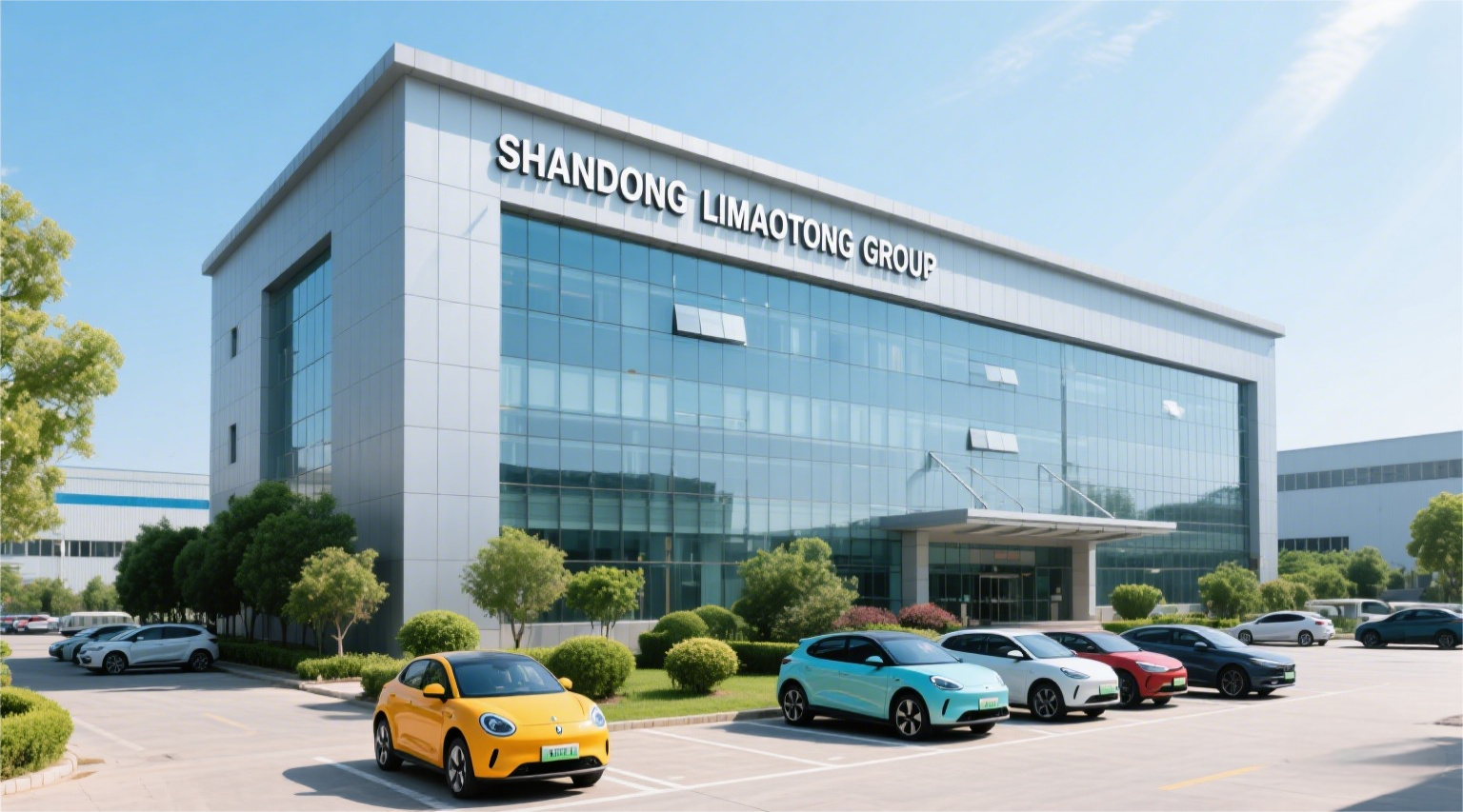
SHANDONG LI MAO TONG GROUP is a premier global manufacturer and direct-to-market supplier of high-performance electric vehicles. We specialize in the research, design, production, and international logistics of electric motor tricycles, heavy-duty cargo tricycles, electric mini cars, and eco-friendly sightseeing transits. Rooted in China's advanced manufacturing corridor, our industrial footprint spans across the globe.
Since our founding, our electric Tuk Tuks and logistics vehicles have entered markets in over 120 countries and regions, providing green mobility to over 20 million households. Backed by 8 overseas production bases and a dedicated cross-border supply network, we deliver customized, reliable products designed to meet local road compliance regulations and extreme topography needs.
Our electric tuktuks, cargo loaders, and mini cars power public transit and municipal delivery networks globally.
Localized CKD/SKD manufacturing lines reduce tariffs, shorten freight cycles, and customize cabins for local safety acts.
Trusted daily for commercial parcel delivery, passenger taxi routes, agricultural logistics, and family commuting.
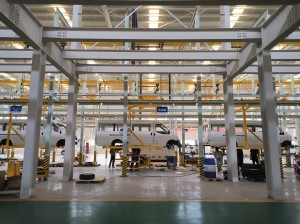
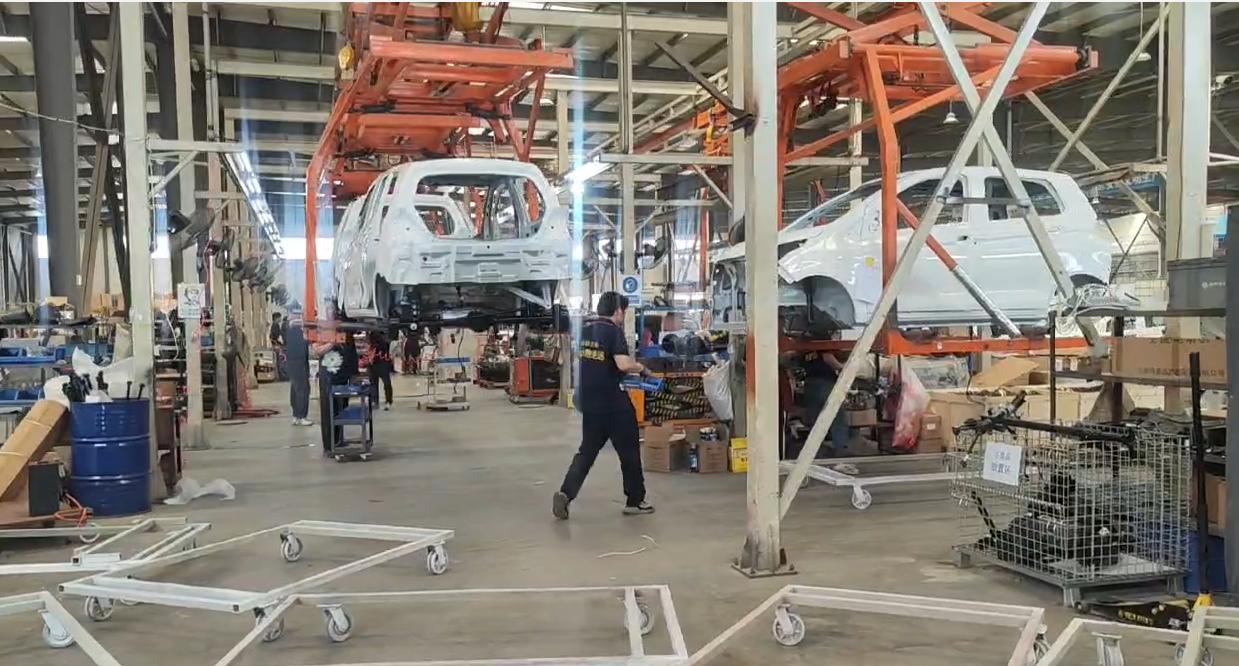
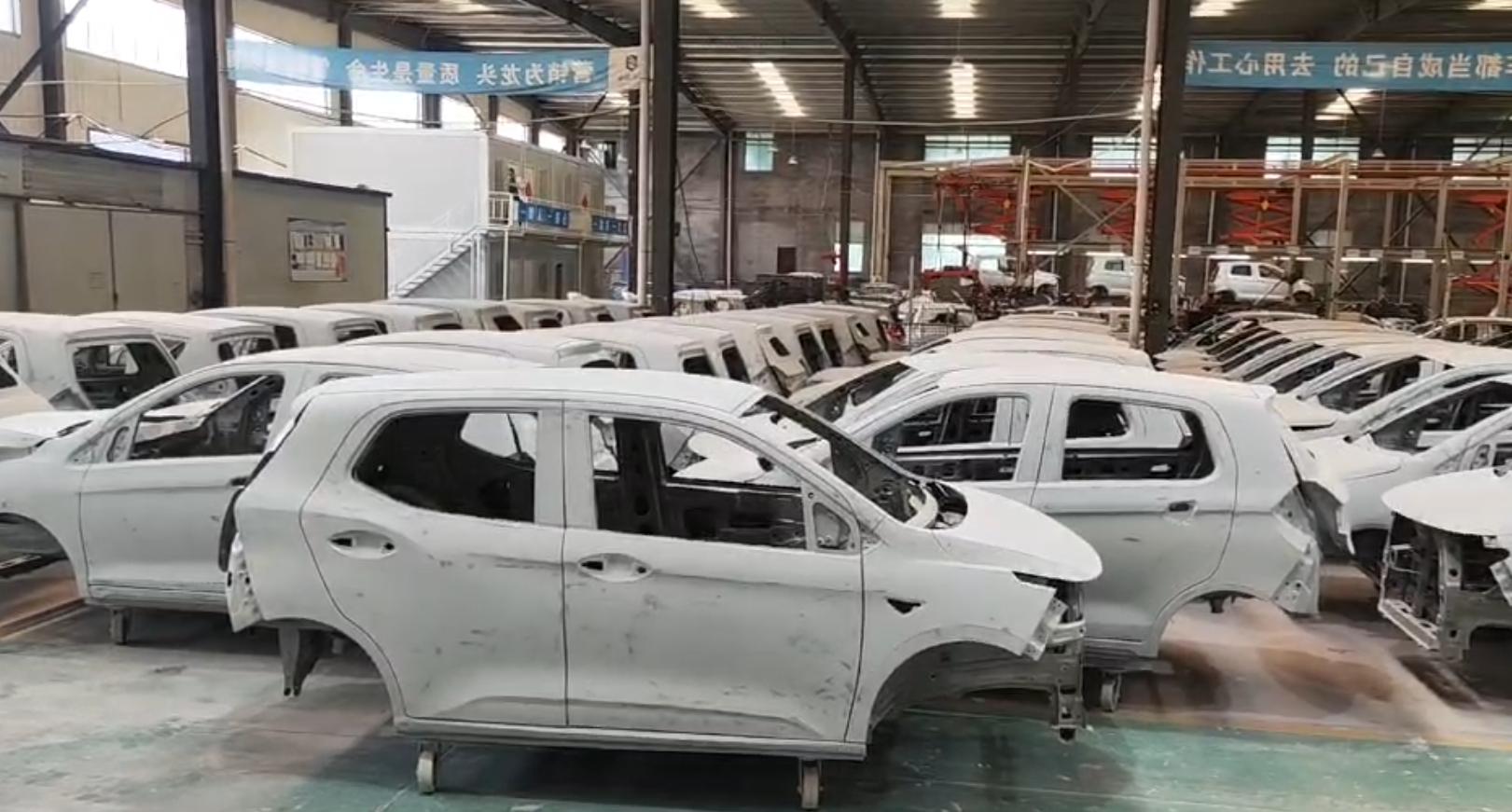
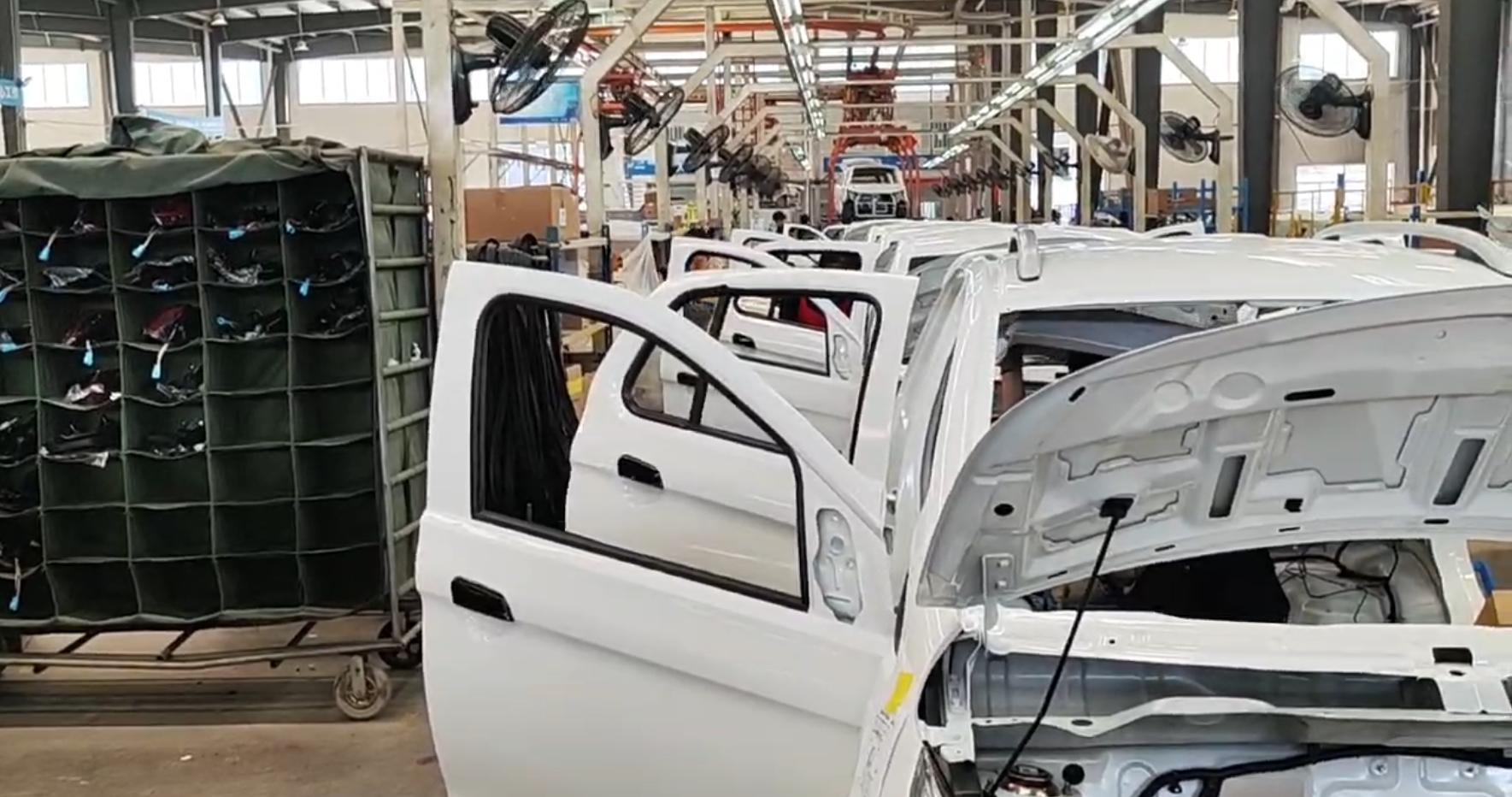
In the rapidly expanding market of new energy transit, Shandong Li Mao Tong Group stands out as a reliable name. We engineer e-vehicles designed for efficiency and safety. Quality is the foundation of our manufacturing processes. At our intelligent production facility, we operate automated structural stamping, high-precision robotic welding, and automated multi-stage painting chambers to ensure each vehicle meets international safety and durability standards.
Our battery management systems (BMS) are engineered to perform consistently in diverse conditions, from cold high-altitude zones to high-temperature tropical areas. Our chassis frames undergo extreme climate simulation tests, including a 7-stage rainstorm test and vertical vibration loading, ensuring structural integrity and vehicle stability under heavy payloads.
An in-depth analysis of supply chain efficiency, technical design, localized compliance, and the future of 3-wheel electric transport.
The global transition to sustainable transportation is driving the demand for micro-mobility solutions, particularly in high-density urban areas and rural logistics routes. Conventional internal combustion engine (ICE) tuktuks, historically powered by diesel, petrol, or liquefied petroleum gas (LPG), face stricter emission controls and rising fuel costs. Fleet operators and individual drivers are transitioning to electric three-wheel vehicles (e-tuktuks) as a reliable and cost-effective alternative.
Electric three-wheelers offer notable advantages, including lower operating costs, fewer moving parts to maintain, and zero tailpipe emissions. In developing economies, electric passenger and cargo tricycles serve as a primary mode of transit, closing the gap in last-mile logistics where traditional delivery vans cannot easily operate. By replacing internal combustion engines with high-torque electric powertrains, operators can lower daily running costs while reducing urban noise and air pollution.
To meet the demands of commercial transportation, electric tuktuks require robust battery systems and high-torque drivetrains. Modern electric tricycles utilize two primary battery technologies: Lithium Iron Phosphate (LiFePO4) and heavy-duty Lead-Acid. LiFePO4 chemistry provides longer cycle lives (typically over 2,000 to 3,000 cycles at 80% Depth of Discharge) and higher thermal stability, making it well-suited for high-utilization passenger taxi fleets. Lead-acid variants offer an accessible entry point for regional markets where initial cost is a key factor.
Drivetrains have evolved from simple brushed DC motors to high-efficiency Brushless DC (BLDC) motors and AC induction motors, ranging from 1.0 kW to over 4.0 kW. These motors are paired with integrated transaxles and smart controllers that regulate power output based on terrain. Modern controllers feature regenerative braking systems, converting kinetic energy back into battery power during deceleration. This technology is particularly beneficial on hilly routes, helping to extend driving ranges by 10% to 15%.
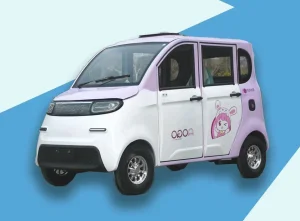
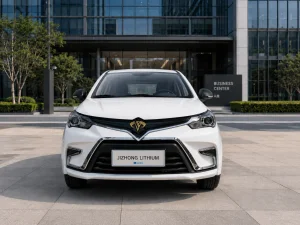
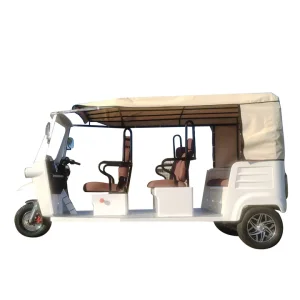
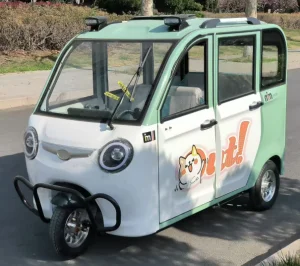
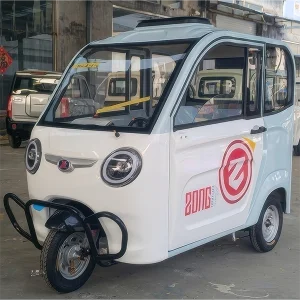
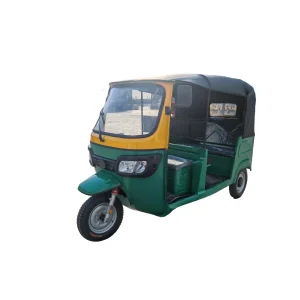
Electric three-wheelers are utilized in two primary commercial roles: passenger transit and cargo distribution. Passenger e-tuktuks, available in configurations from 3-seaters to 7-seaters, are designed with passenger comfort and safety in mind. Enclosed designs feature reinforced steel frames, impact-resistant safety glass, ergonomic seating, and optional climate control systems. These vehicles offer commuter protection in various weather conditions, from tropical rainy seasons to hot climates.
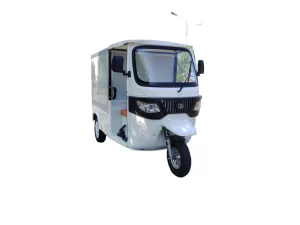
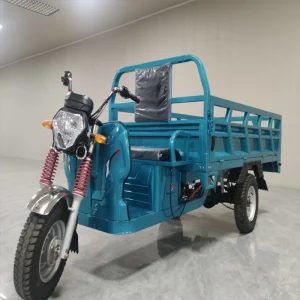
For cargo logistics, electric tricycles are designed to carry heavy payloads in dense urban corridors and rural communities. Heavy-duty cargo tricycles, featuring up to 1800 kg capacity and 2.0-meter reinforced cargo beds, are used for municipal waste management, agricultural transport, and last-mile retail delivery. These heavy cargo platforms are built with dual-ratio rear axles (high torque gear for climbing, high speed gear for flat roads) and leaf spring suspension systems to handle uneven roads and heavy weight.
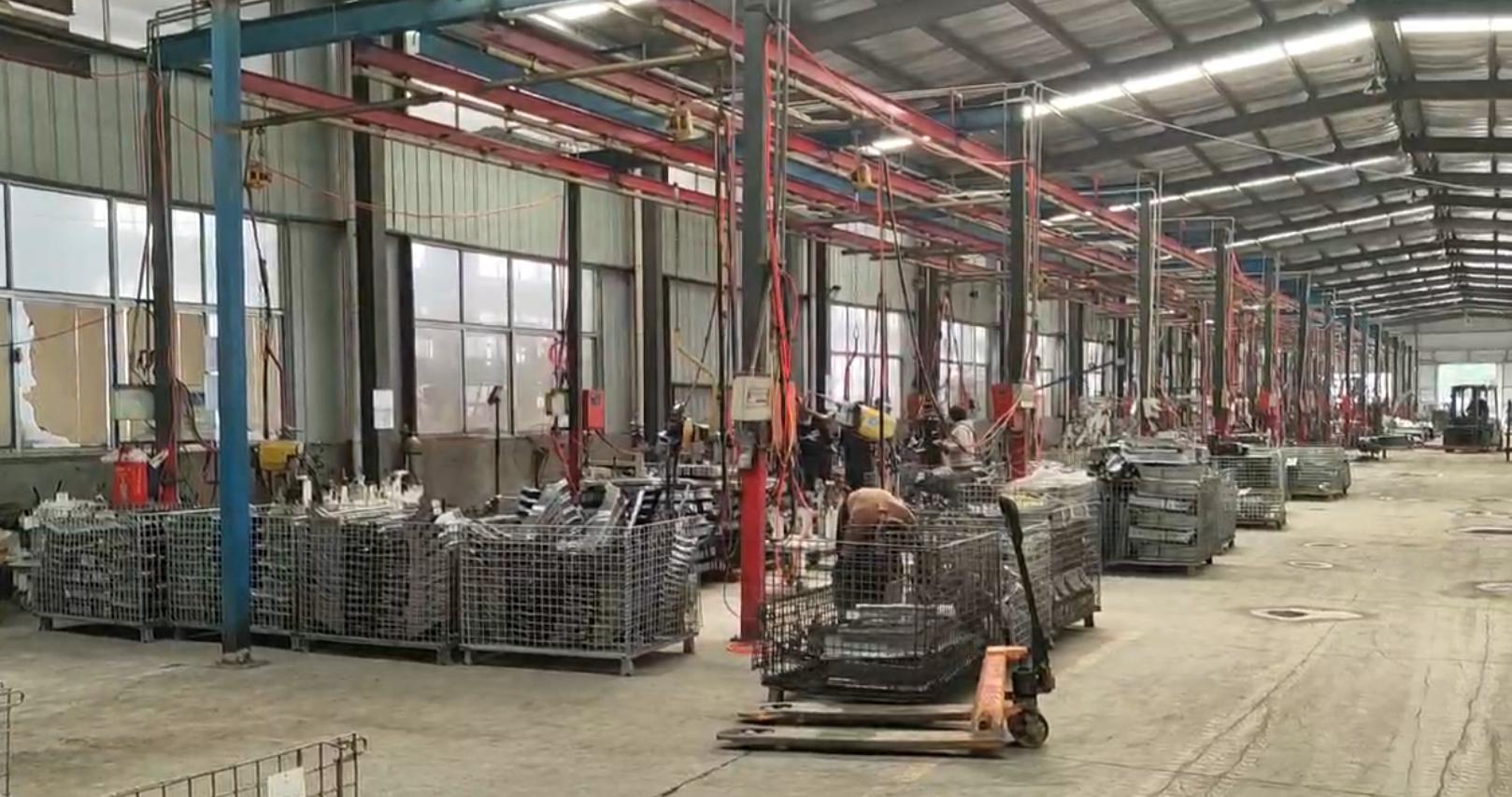
Our manufacturing facility in Shandong utilizes automated steel stamping, laser cutting, and robotic welding lines. We source high-grade steel, copper, and battery cells directly from regional suppliers, lowering production costs. By maintaining control over key components—including chassis fabrication, motor winding, and controller programming—we ensure consistent quality control and production cycles, facilitating prompt delivery for global fleet orders.
Explore our modern manufacturing facilities, robotic assembly lines, and global export hubs.
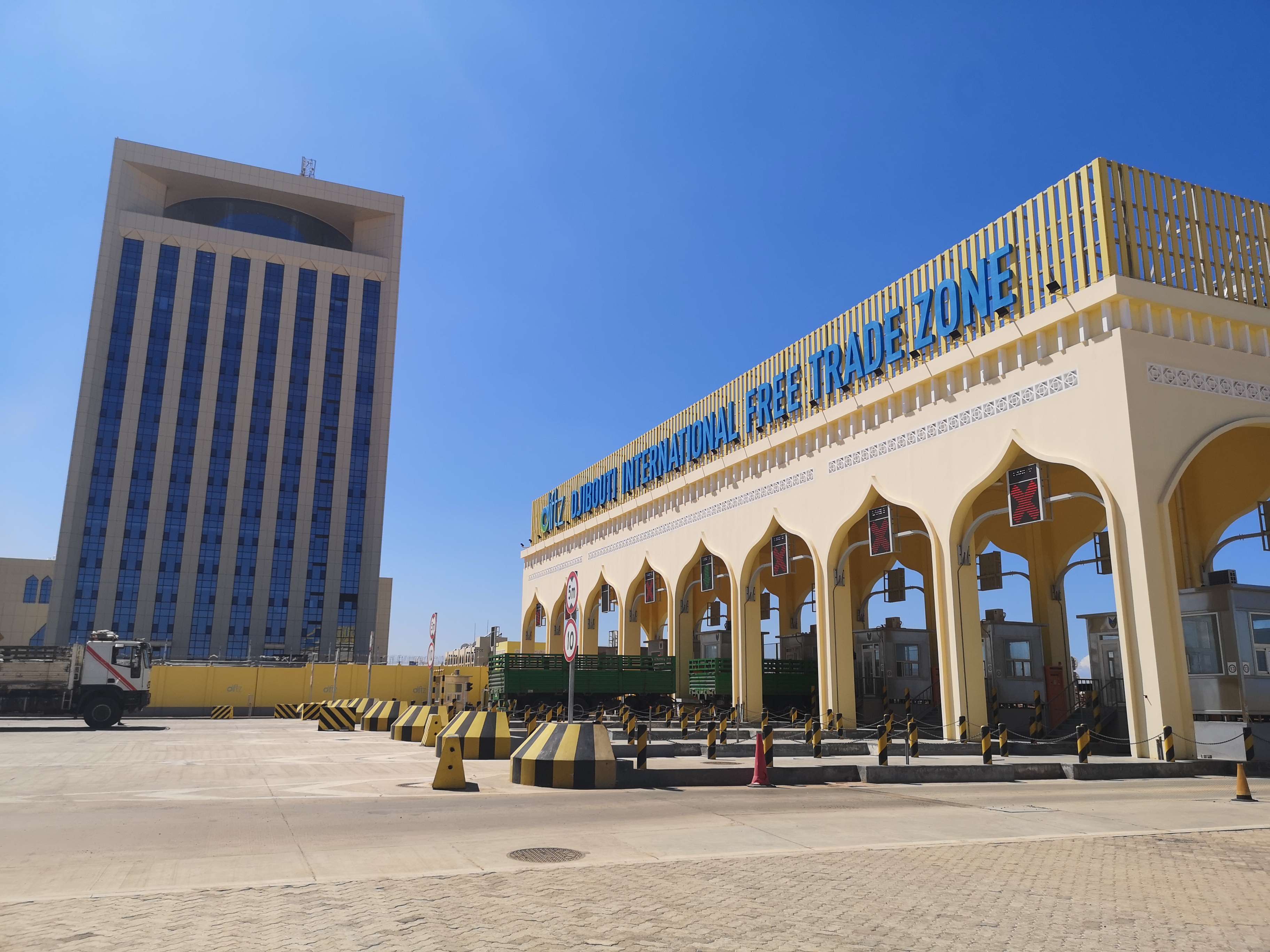
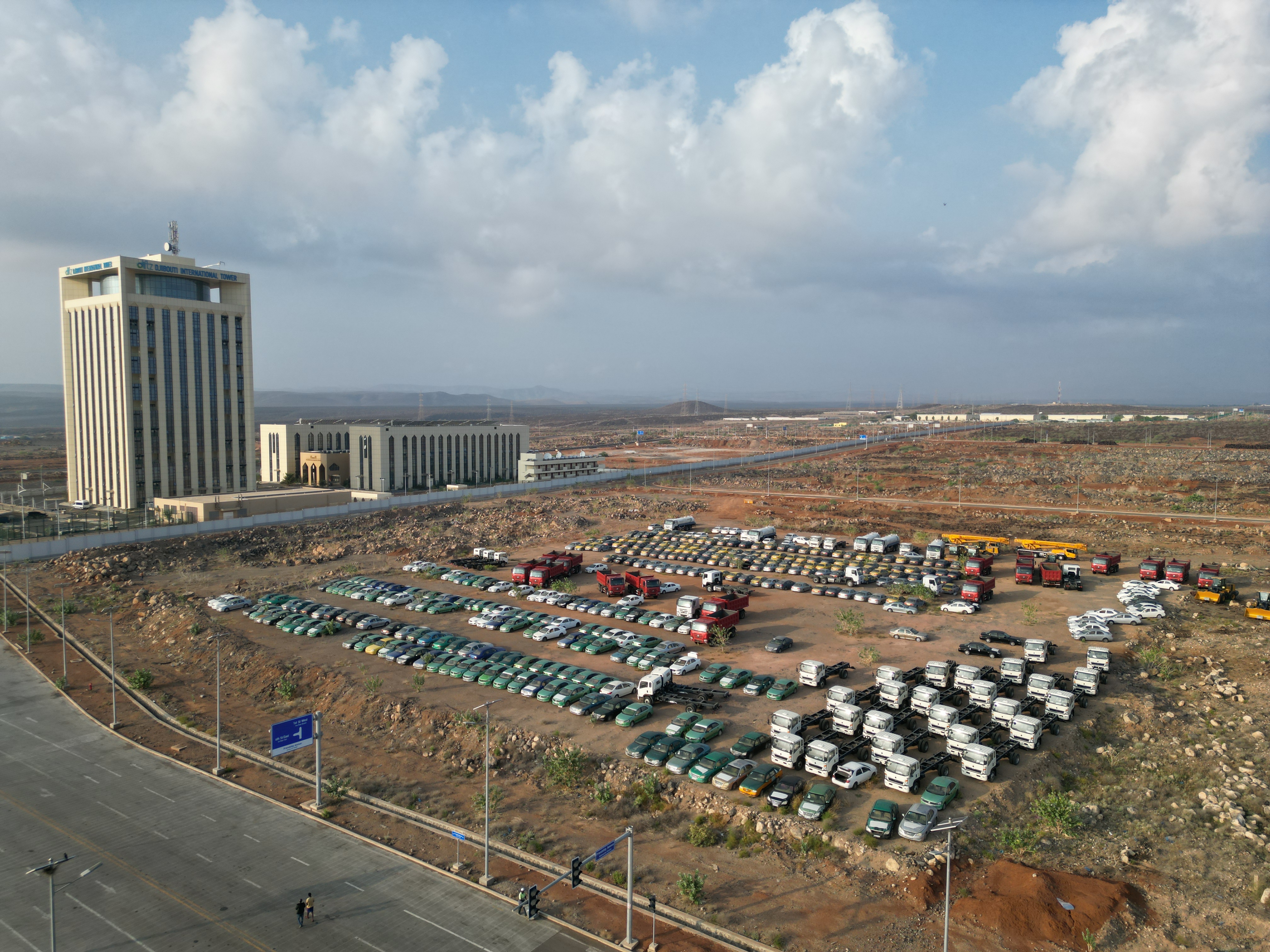
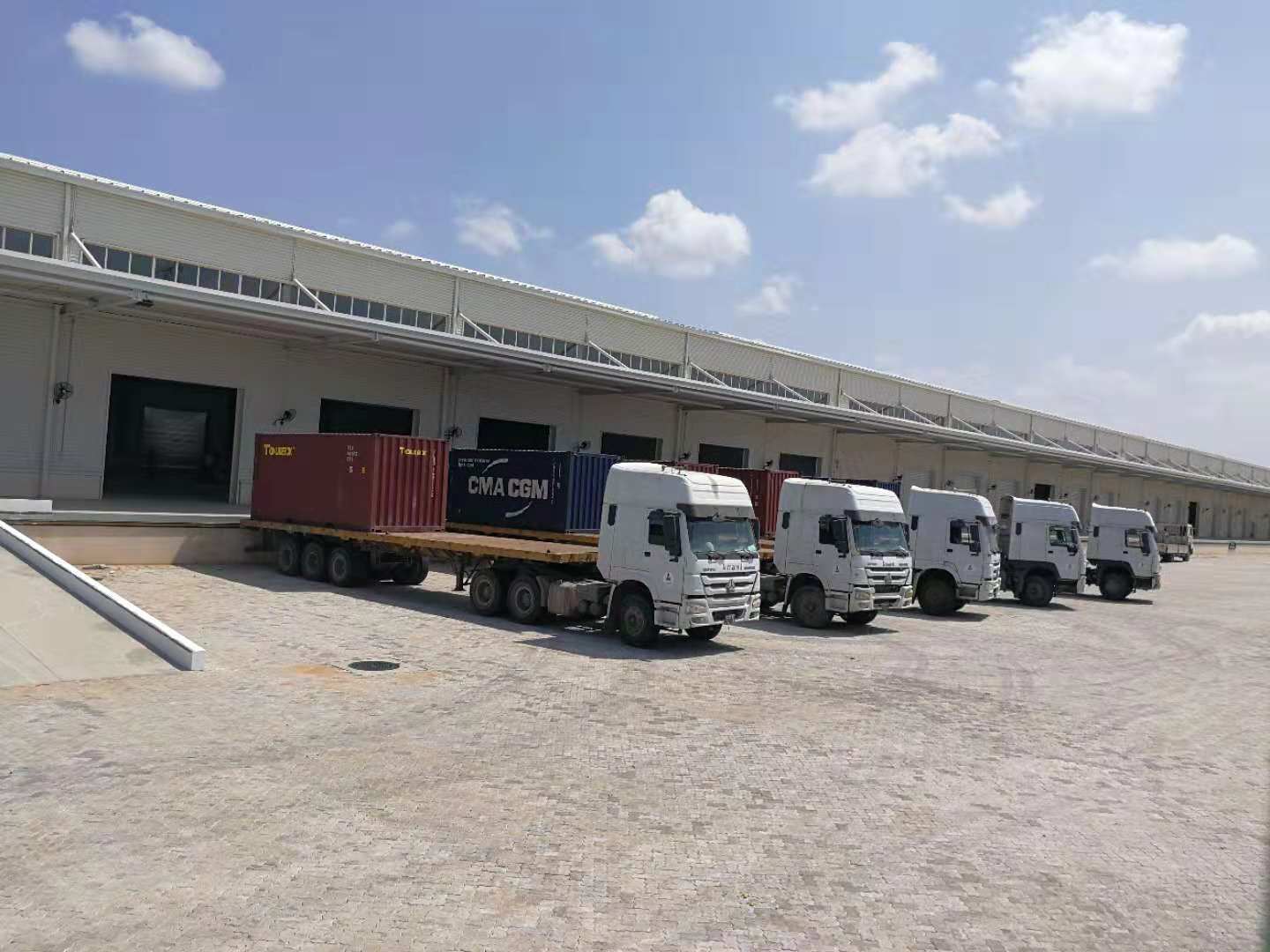
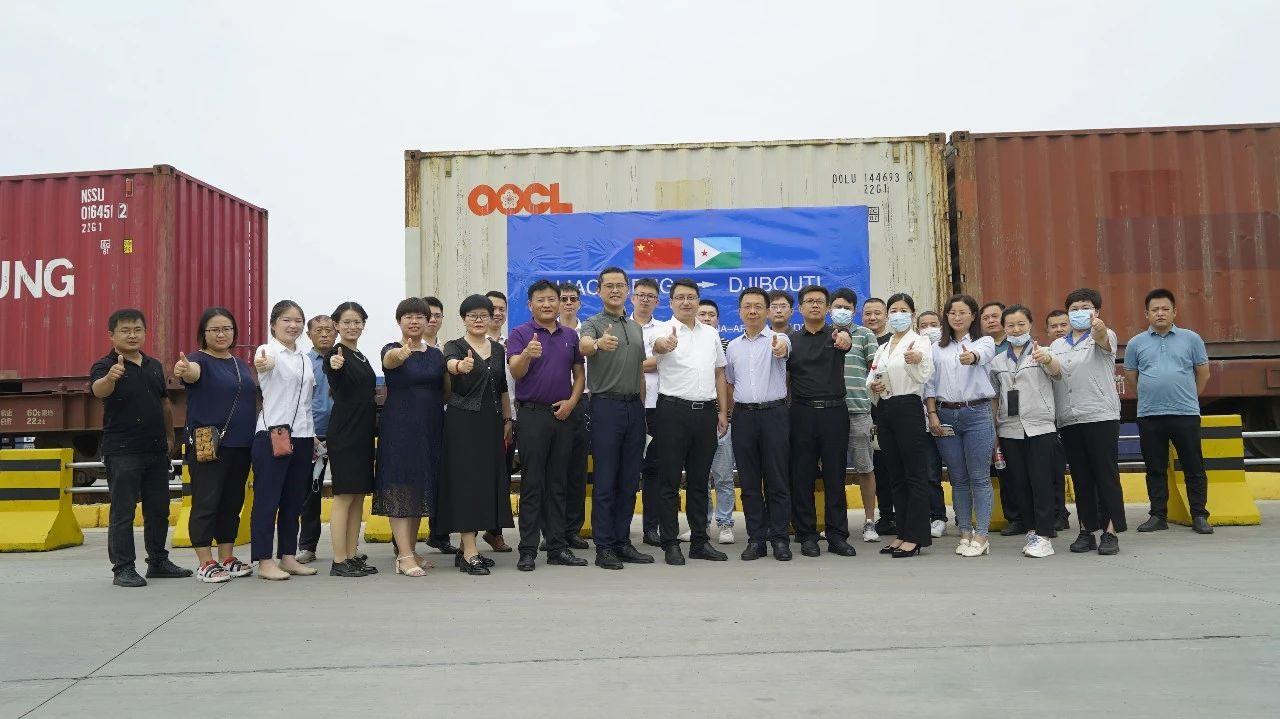
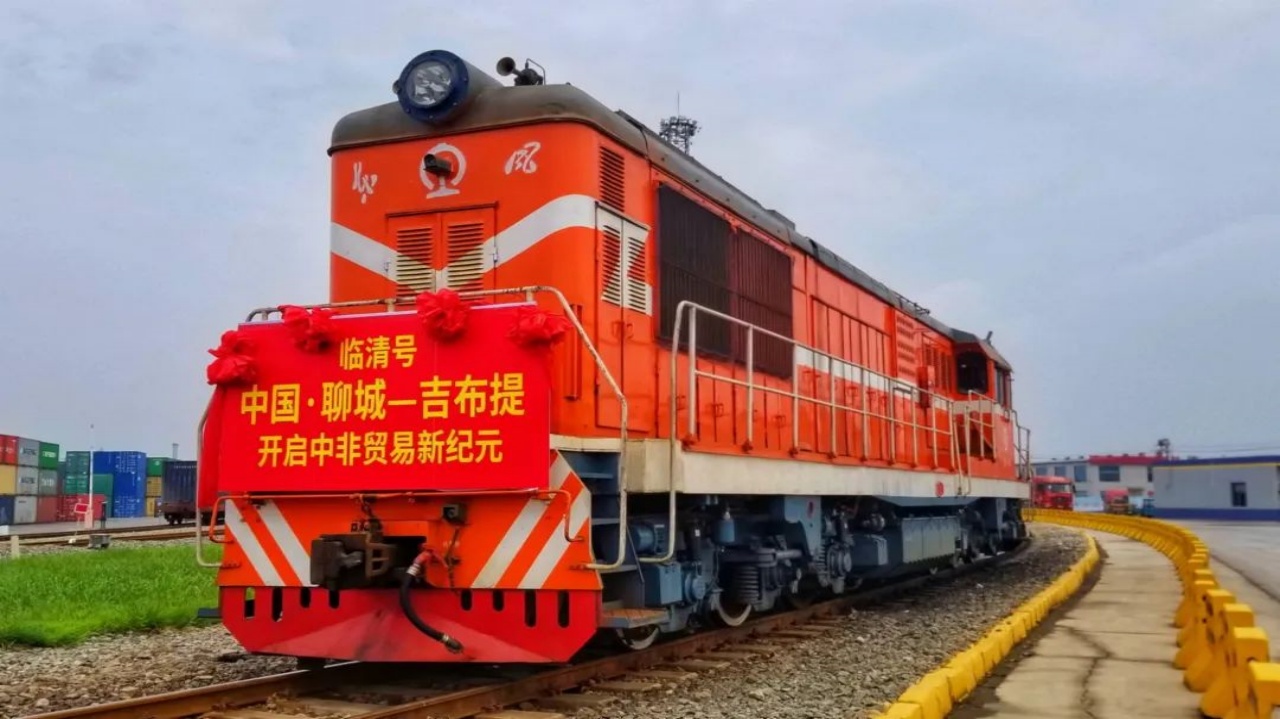
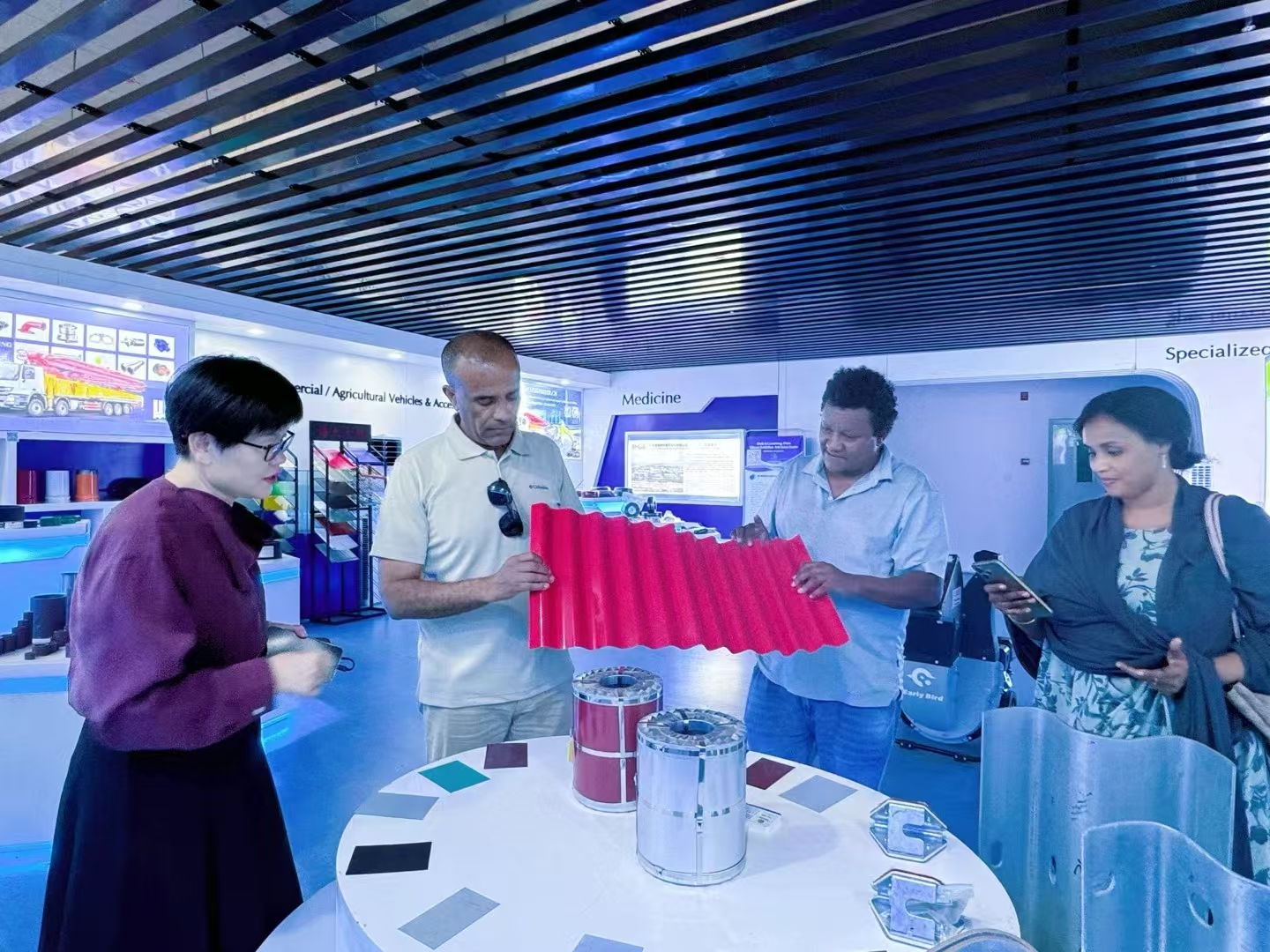
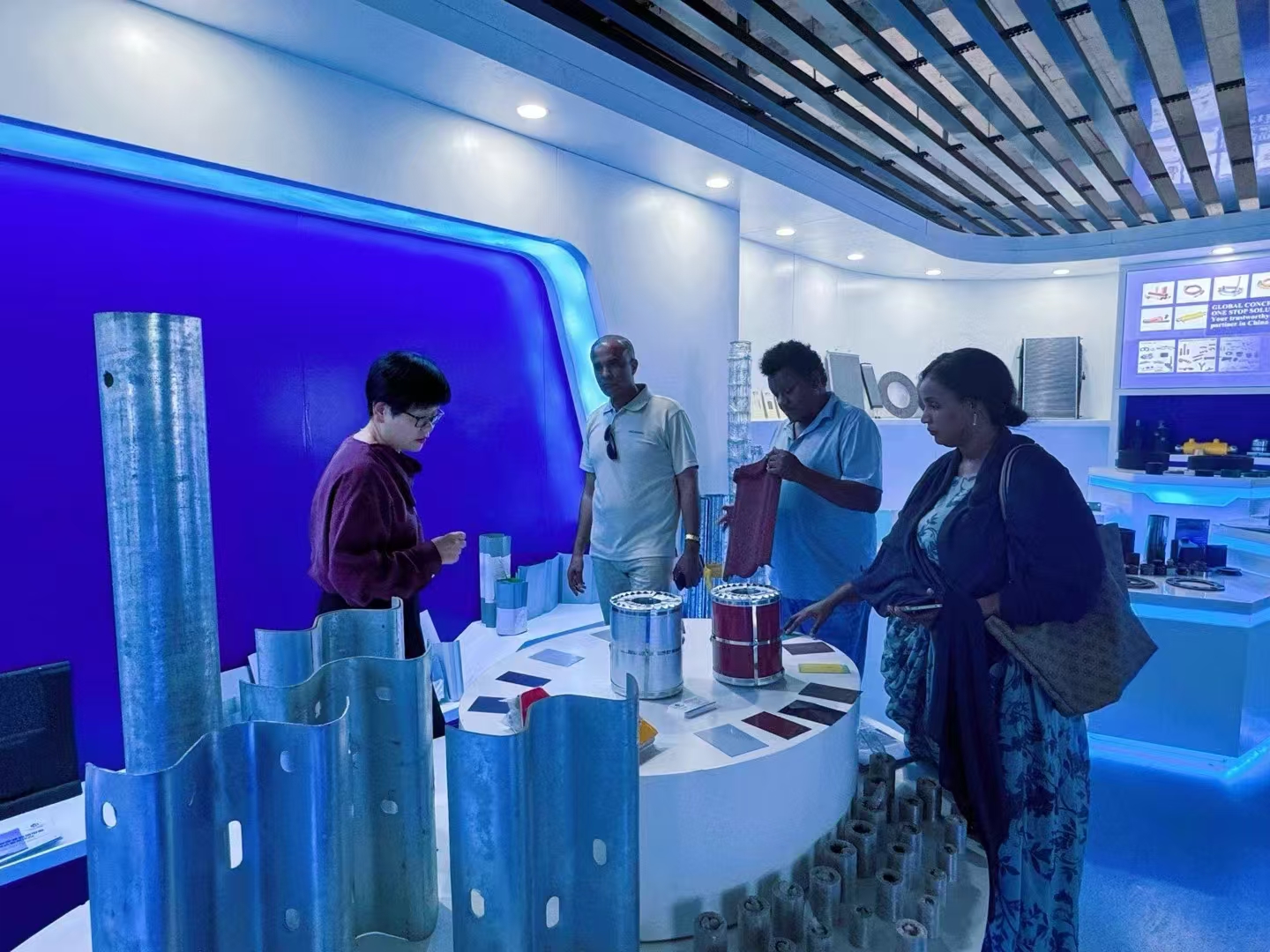
Established in 2023 within the Djibouti International Free Trade Zone, our East Africa Cross-border E-commerce Exhibition and Sales Center serves as a logistics hub for the region. Supported by localized sales, customer service, and maintenance teams, this facility acts as a regional distribution and support center.
This hub allows us to supply vehicles, replacement parts, and technical assistance directly to regional customers. The integration of online trading portals with local inventory enables faster delivery times, simplified customs clearance, and prompt post-sale support for fleet buyers throughout East Africa.
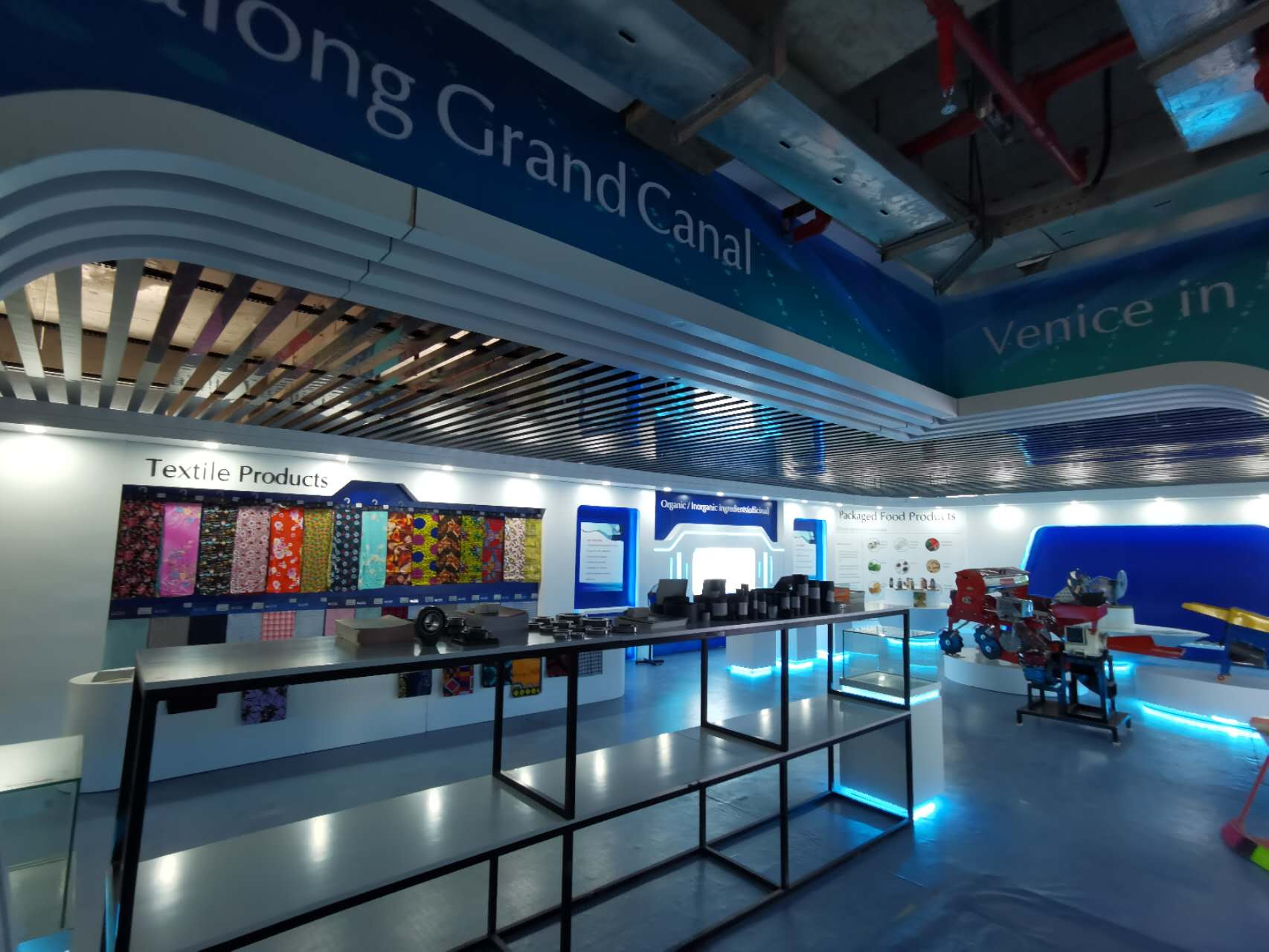
Demonstrating our technological leadership and engineering standards to international trade missions.

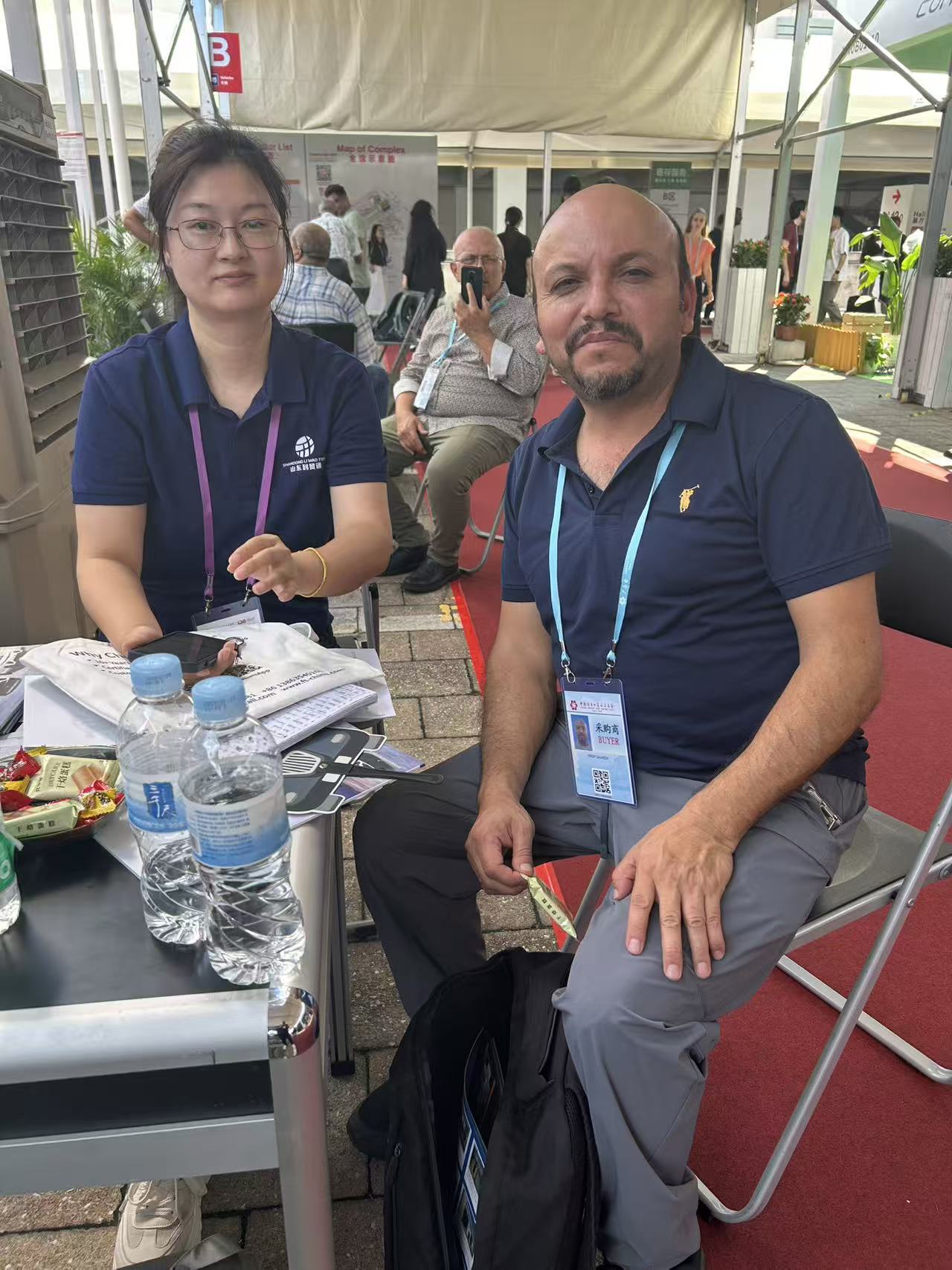
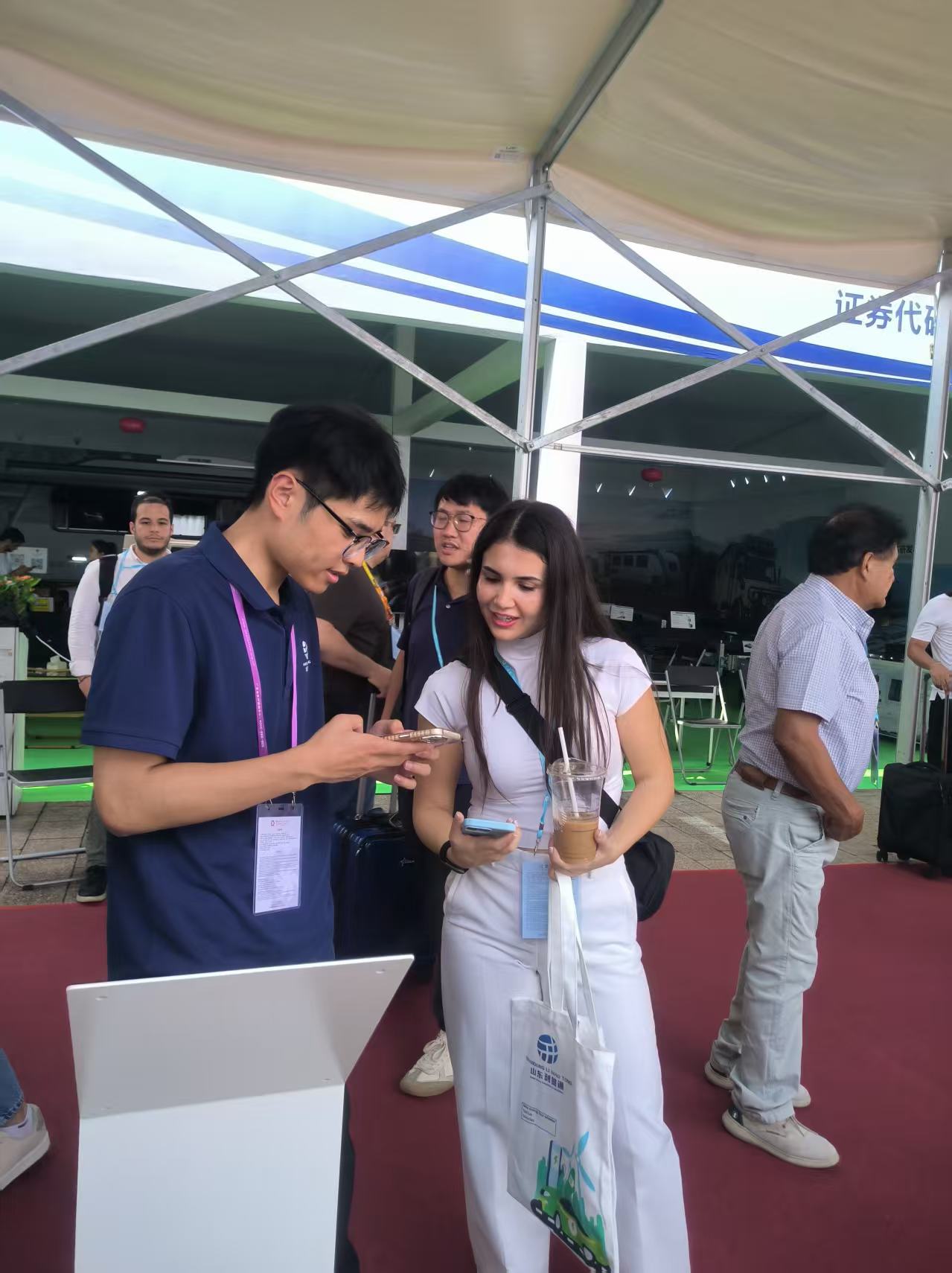

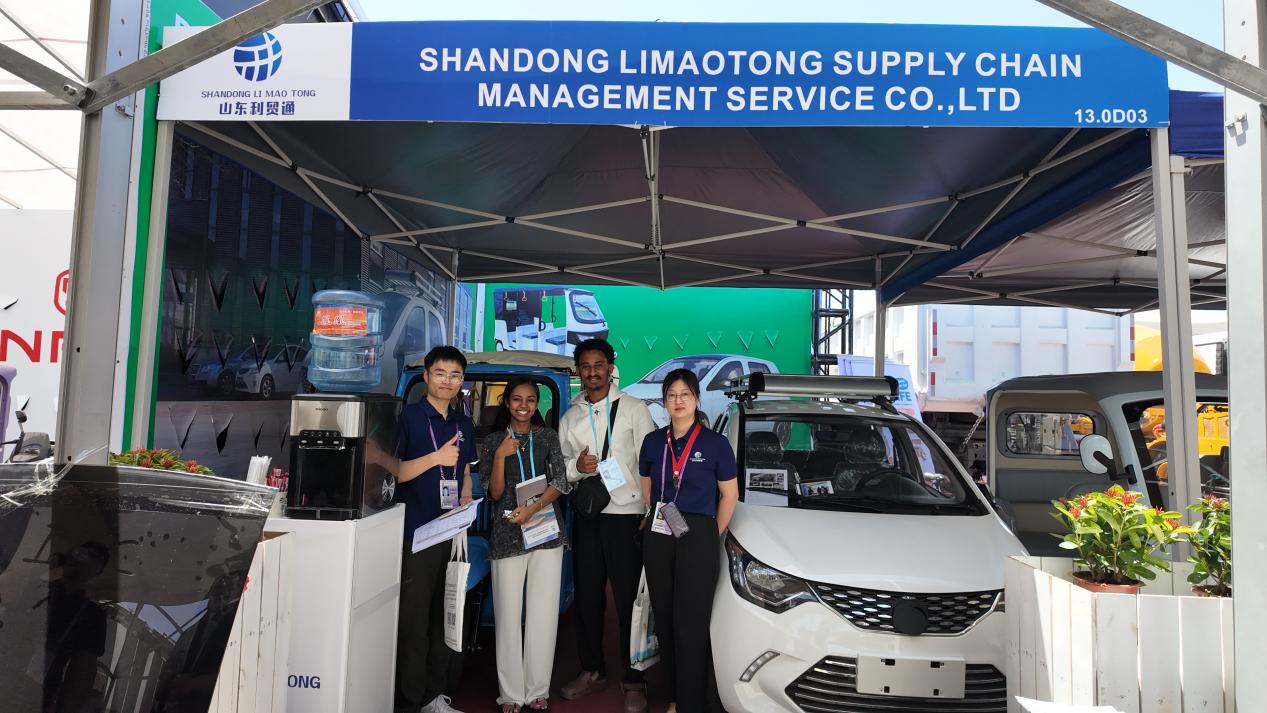
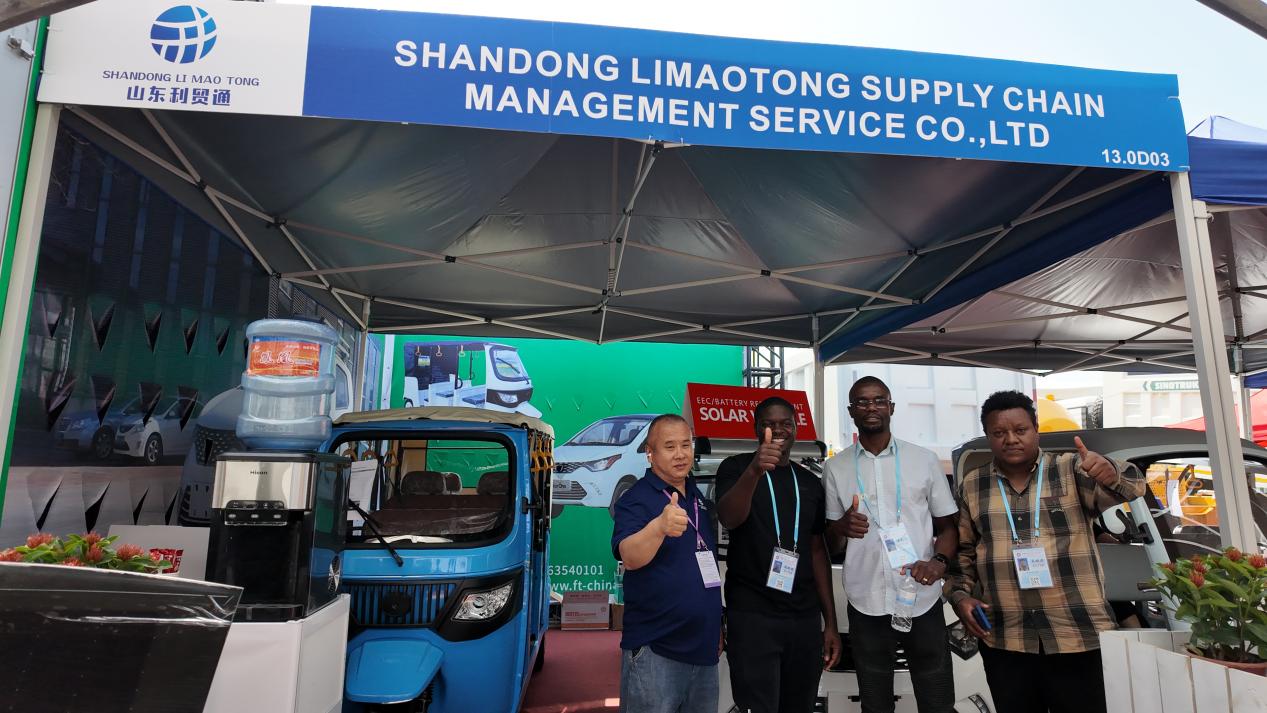
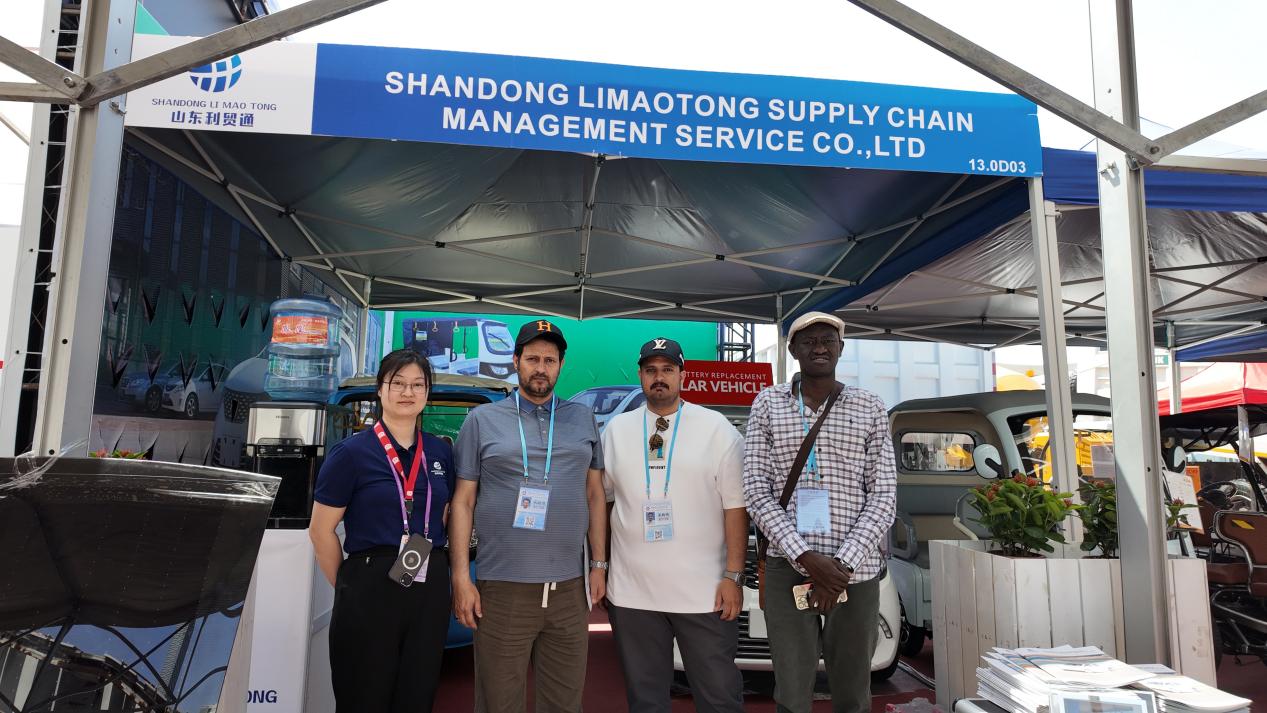
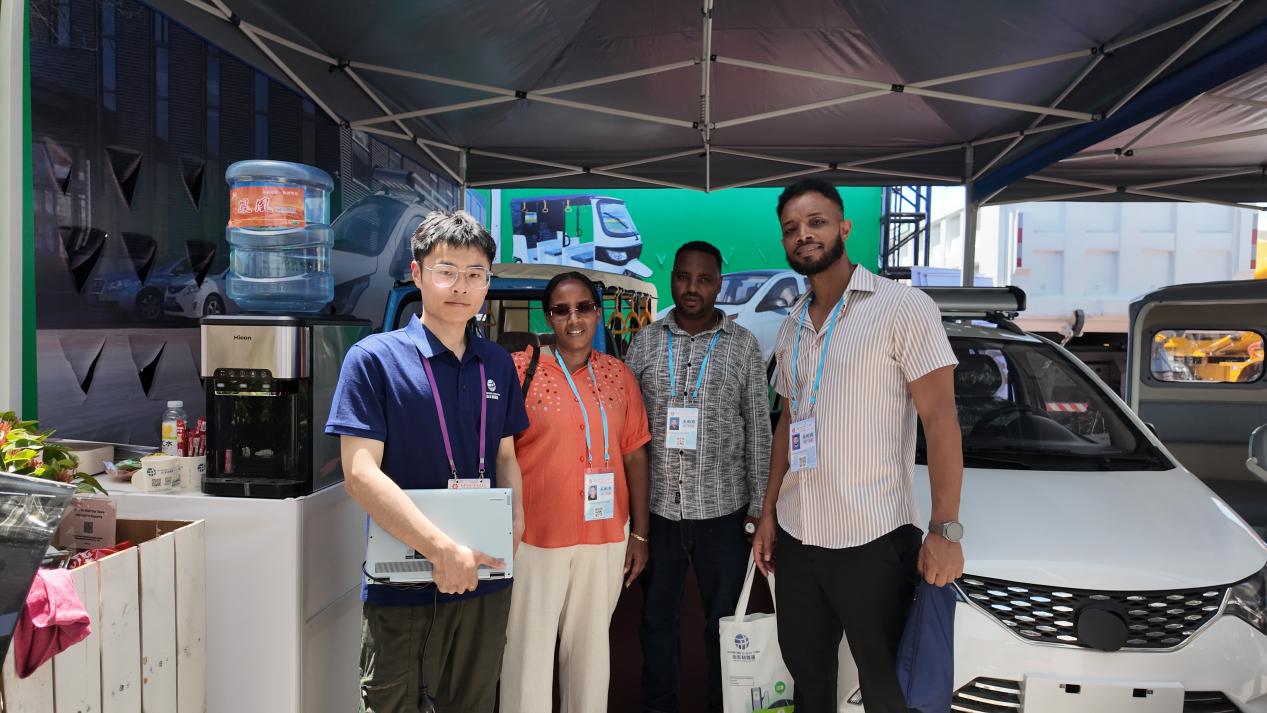
Welcoming clients from Europe, South America, and Africa for quality audits and customized product development.
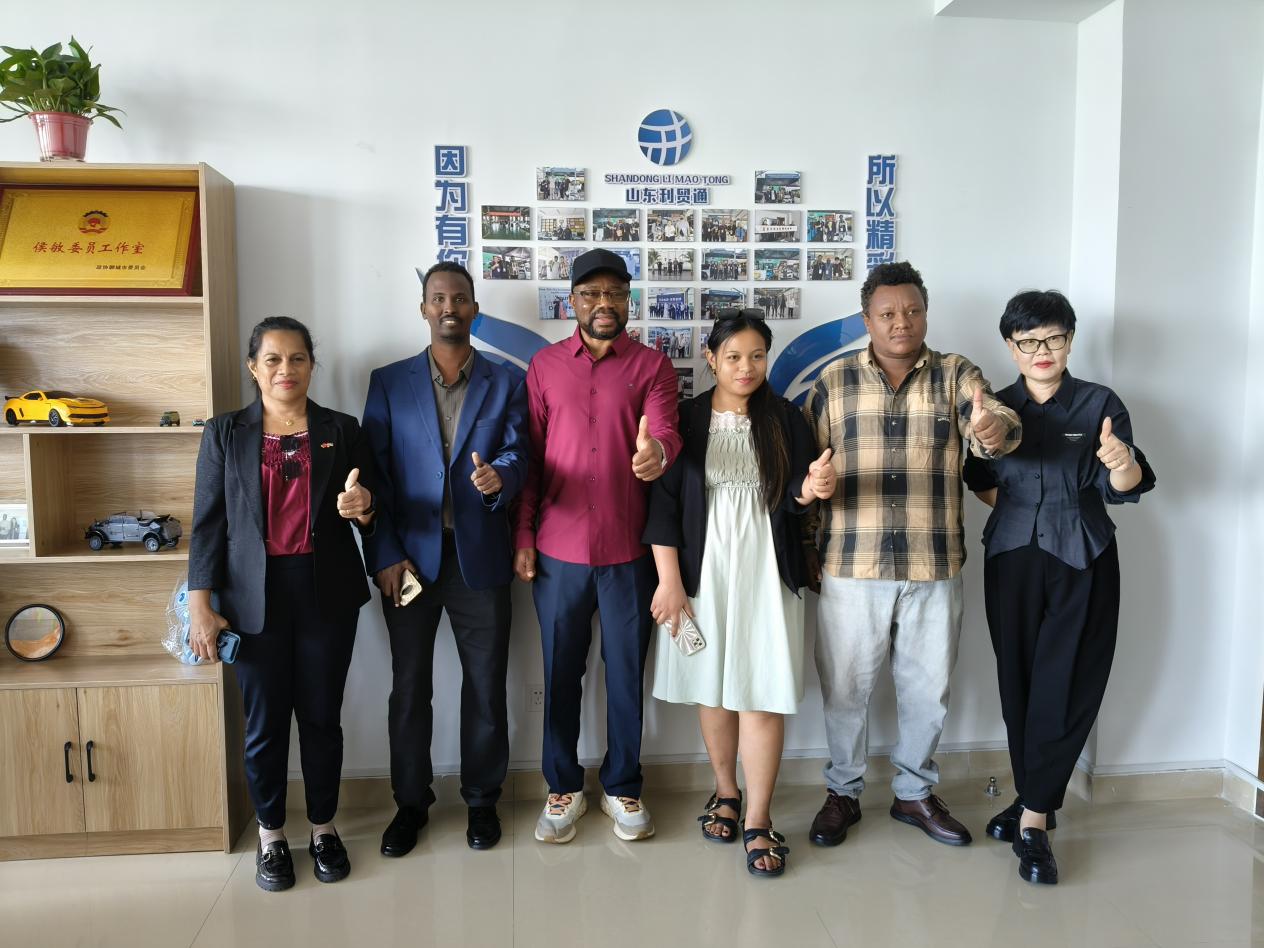
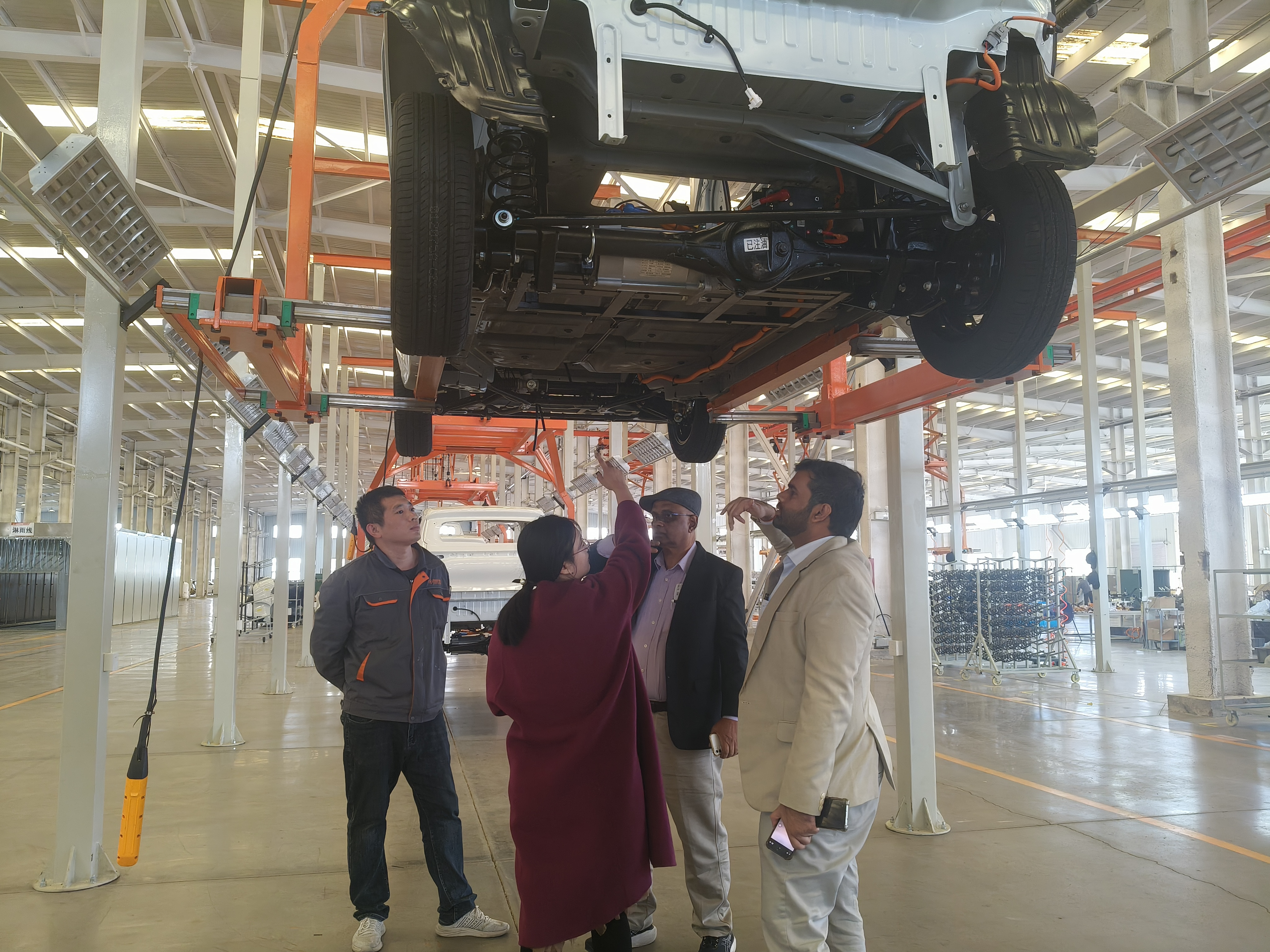
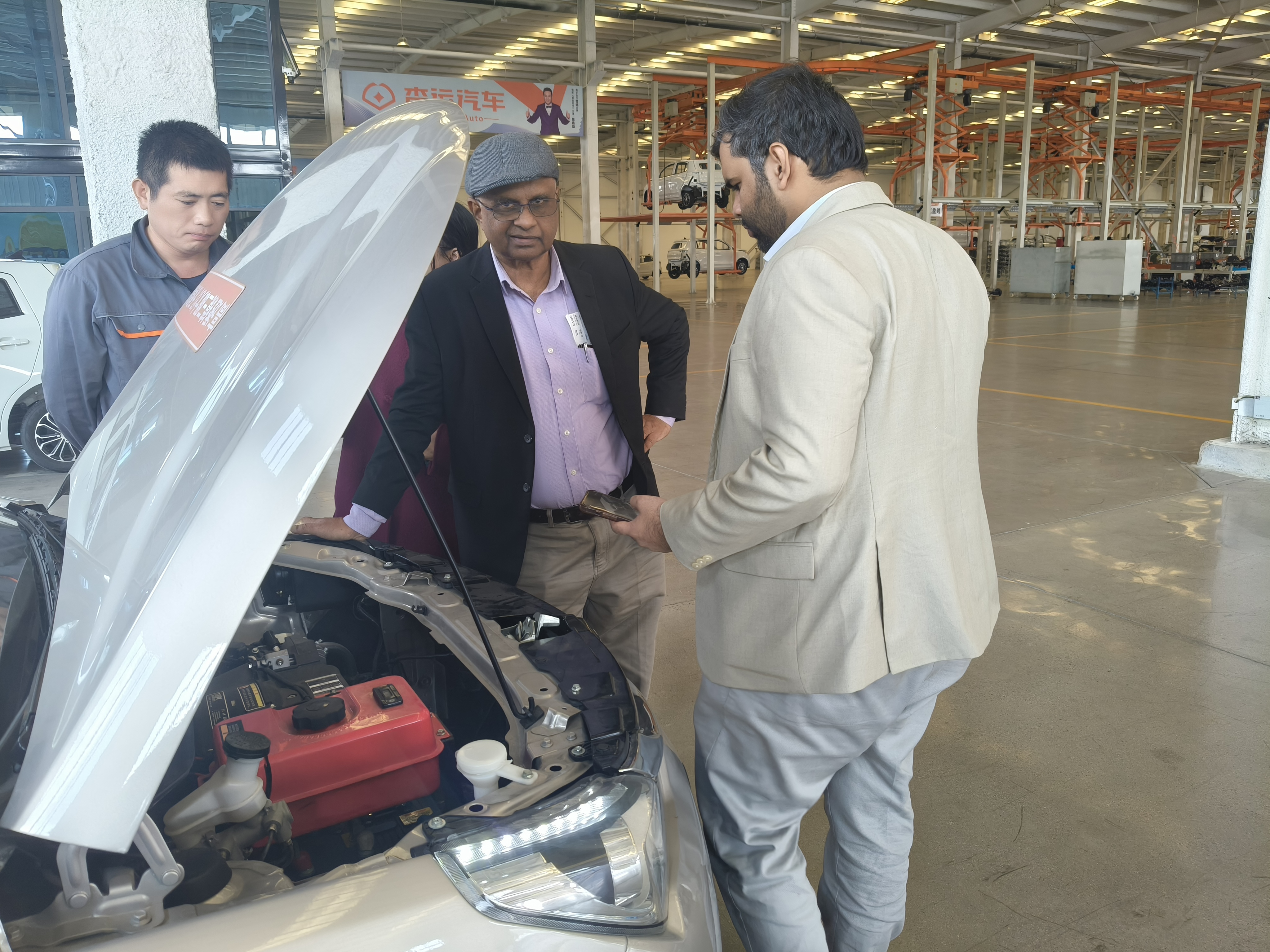
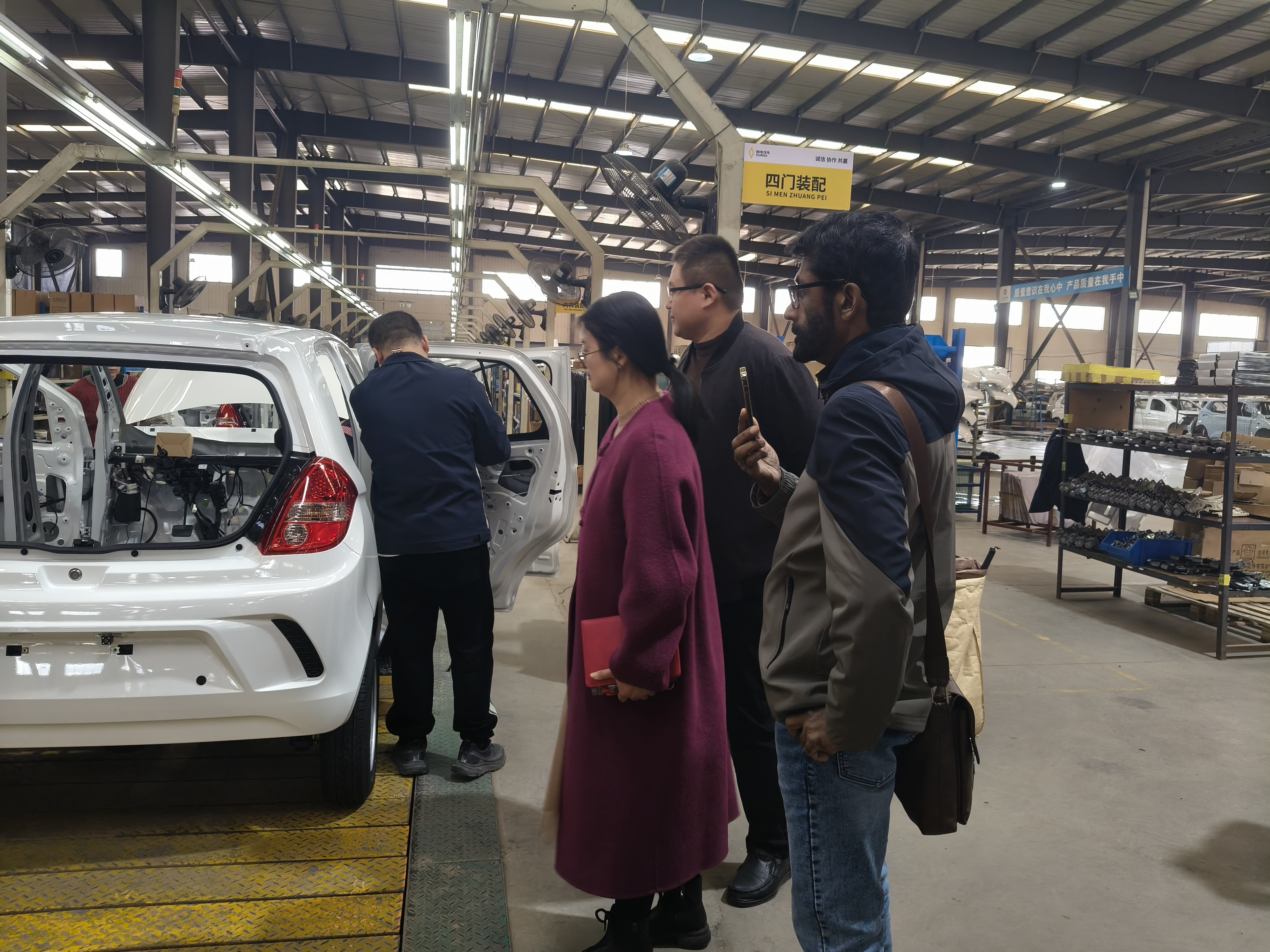
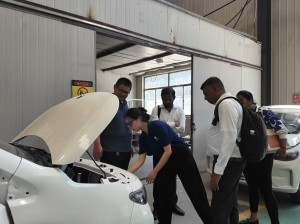

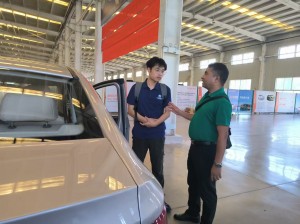
Maintaining organized assembly workflows and storage facilities to support stable delivery schedules.
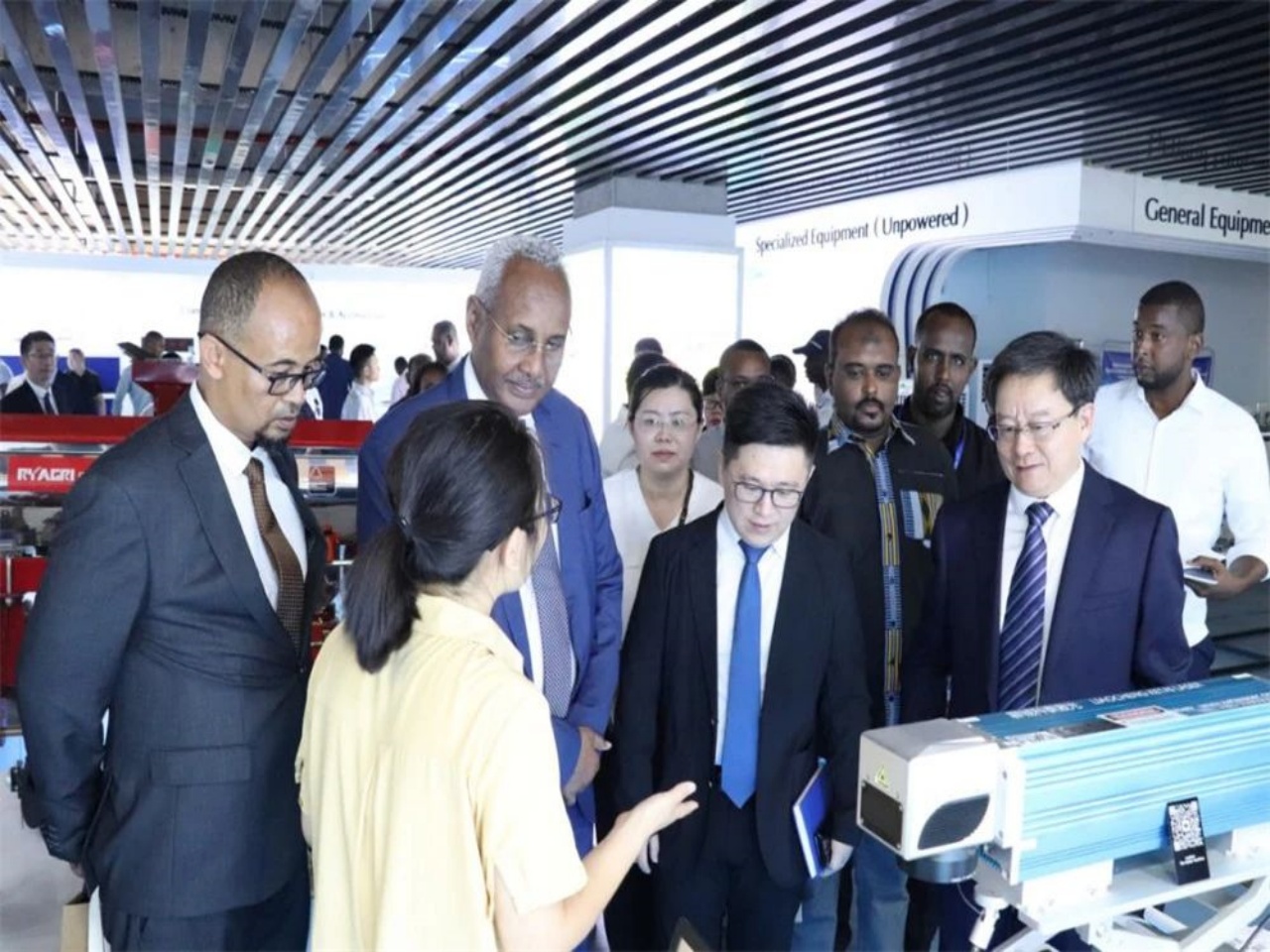
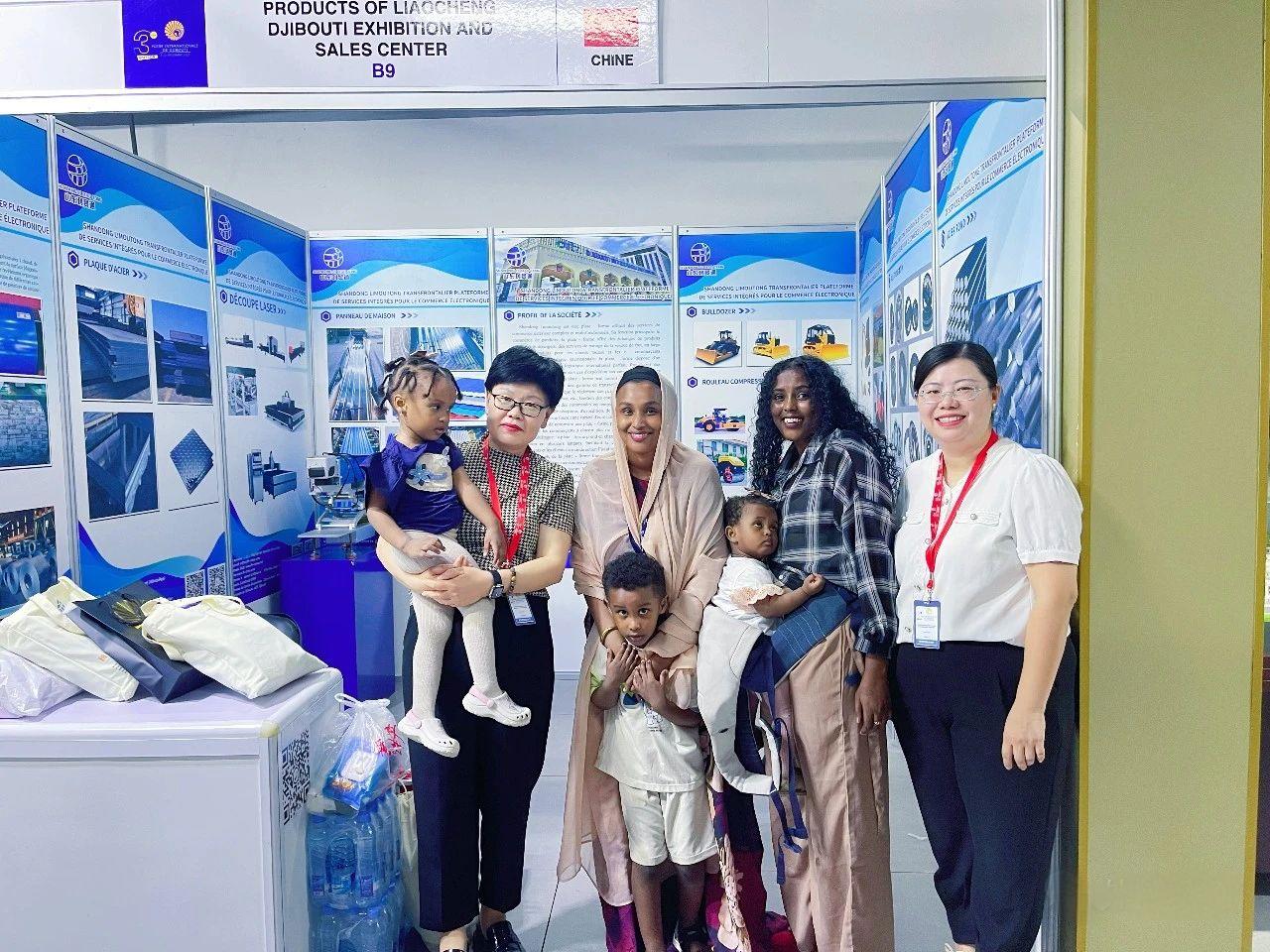


Answers to common questions regarding battery configurations, global shipping, certifications, and localized customizations.
A closer look at our custom cabin configurations, heavy-duty cargo boxes, and specialized transport units.
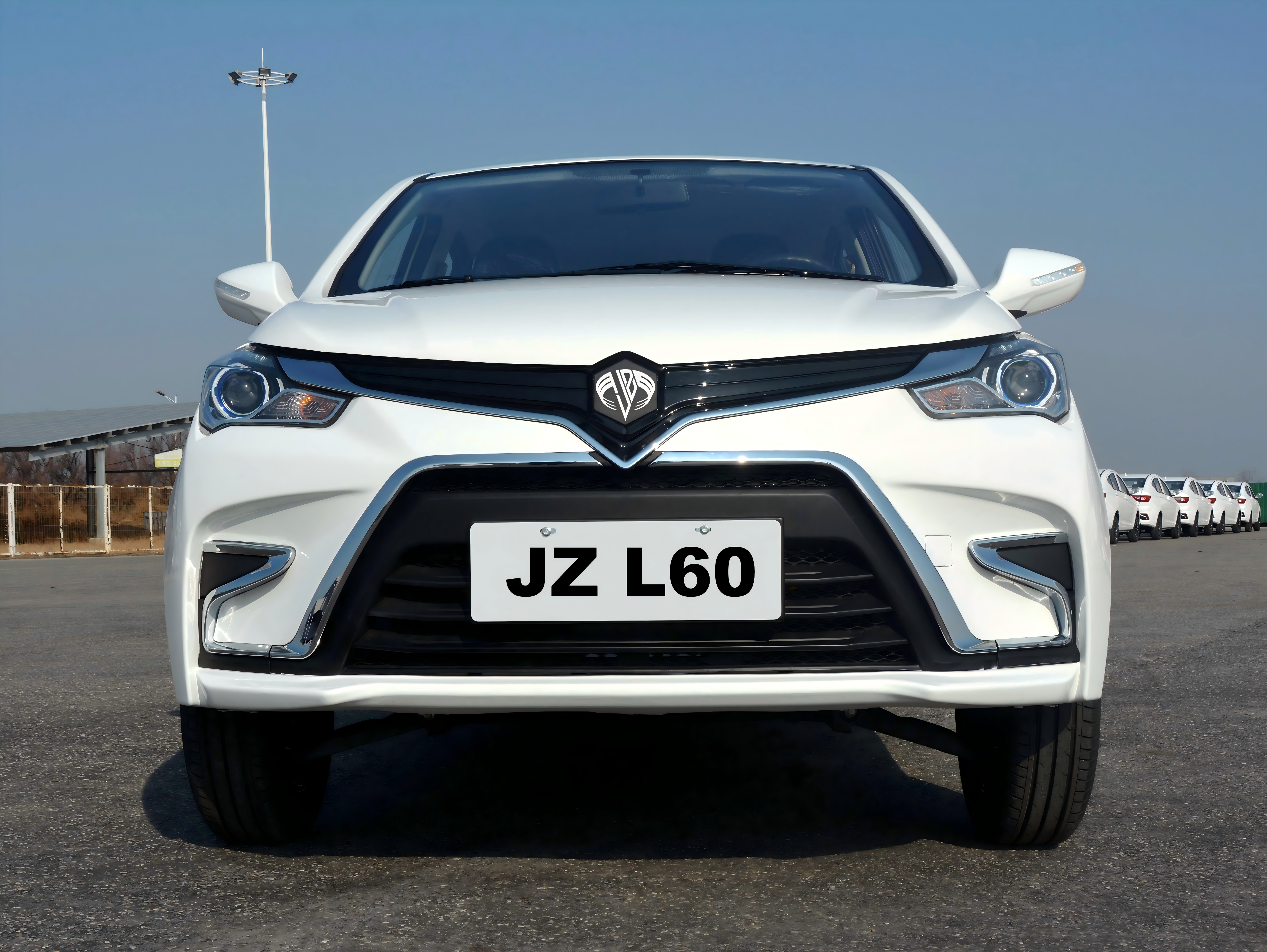
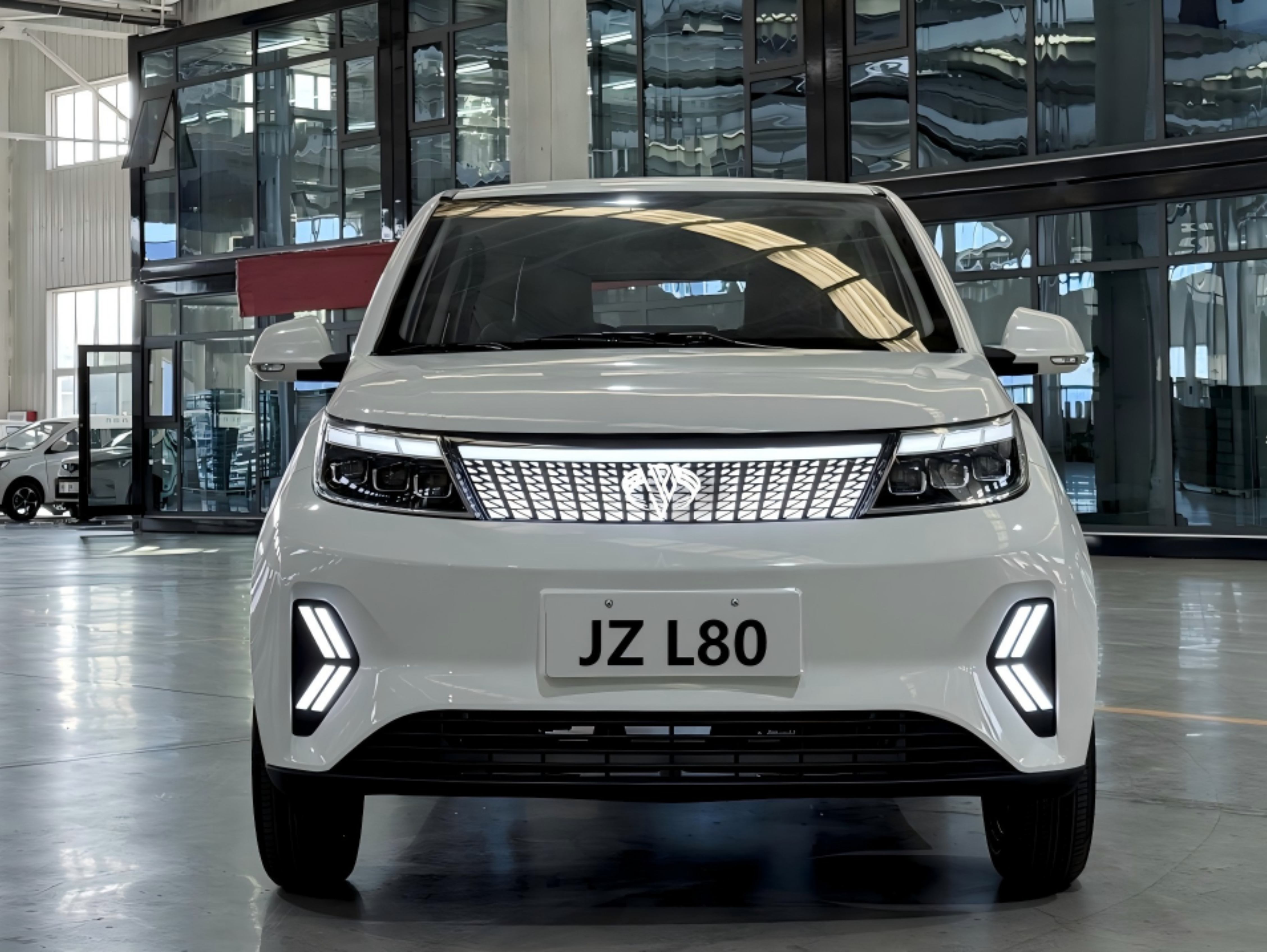
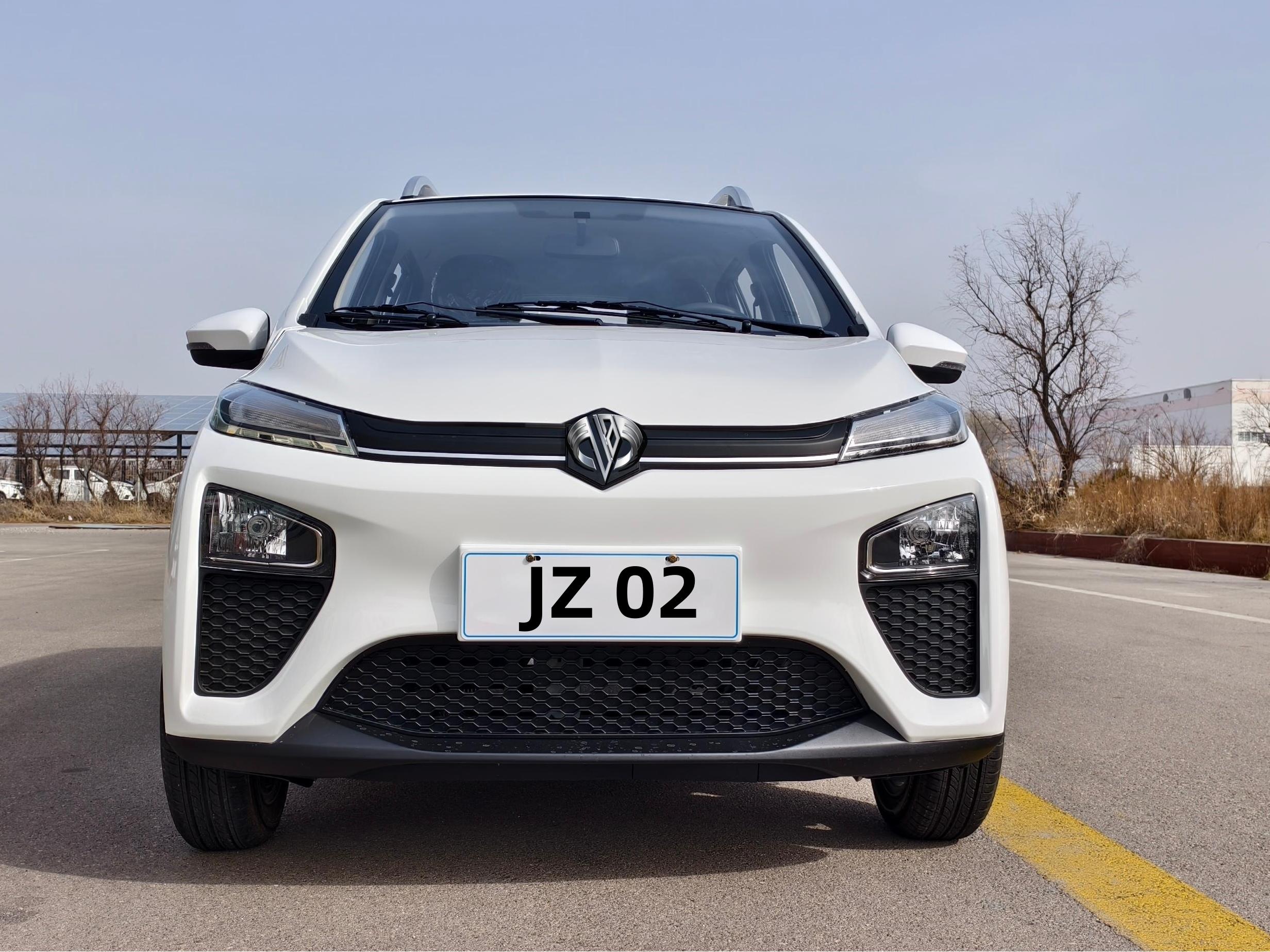
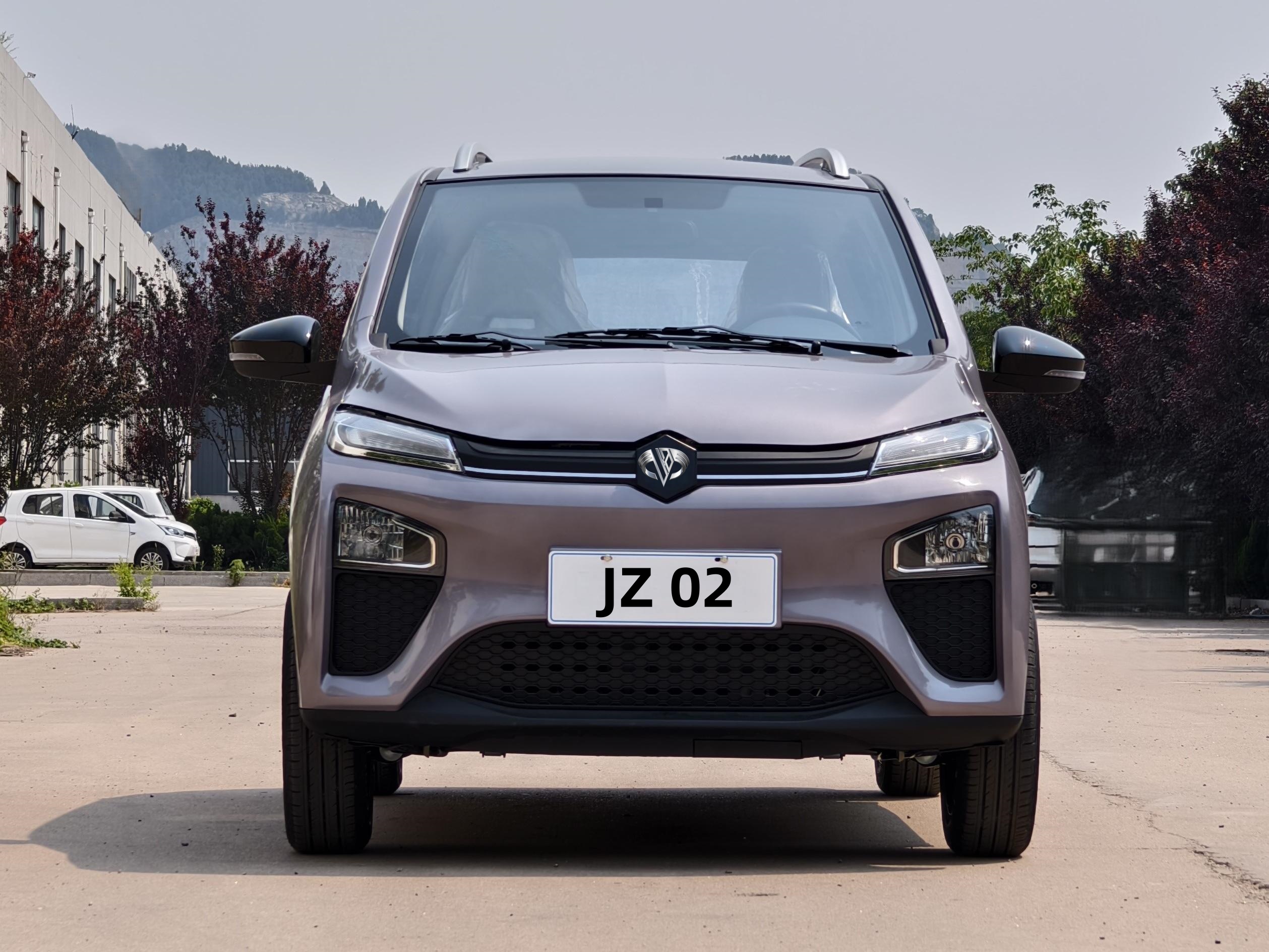
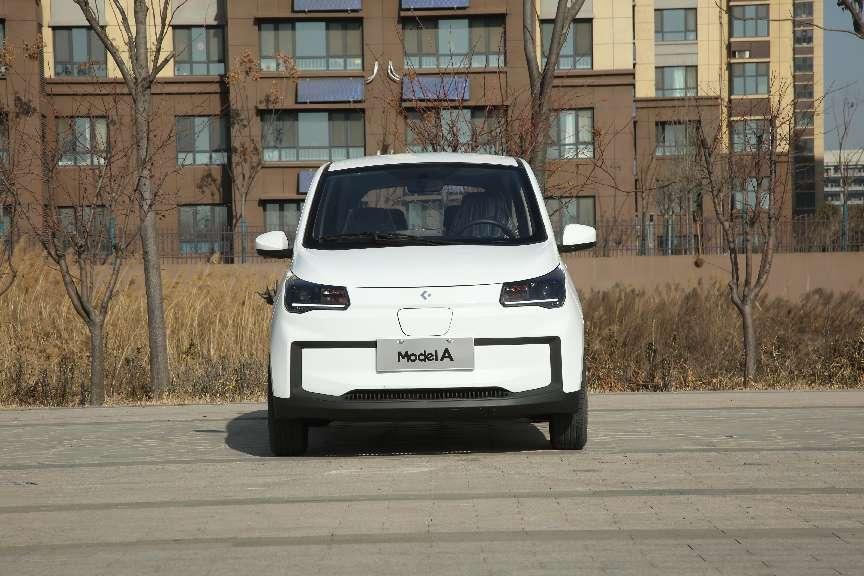
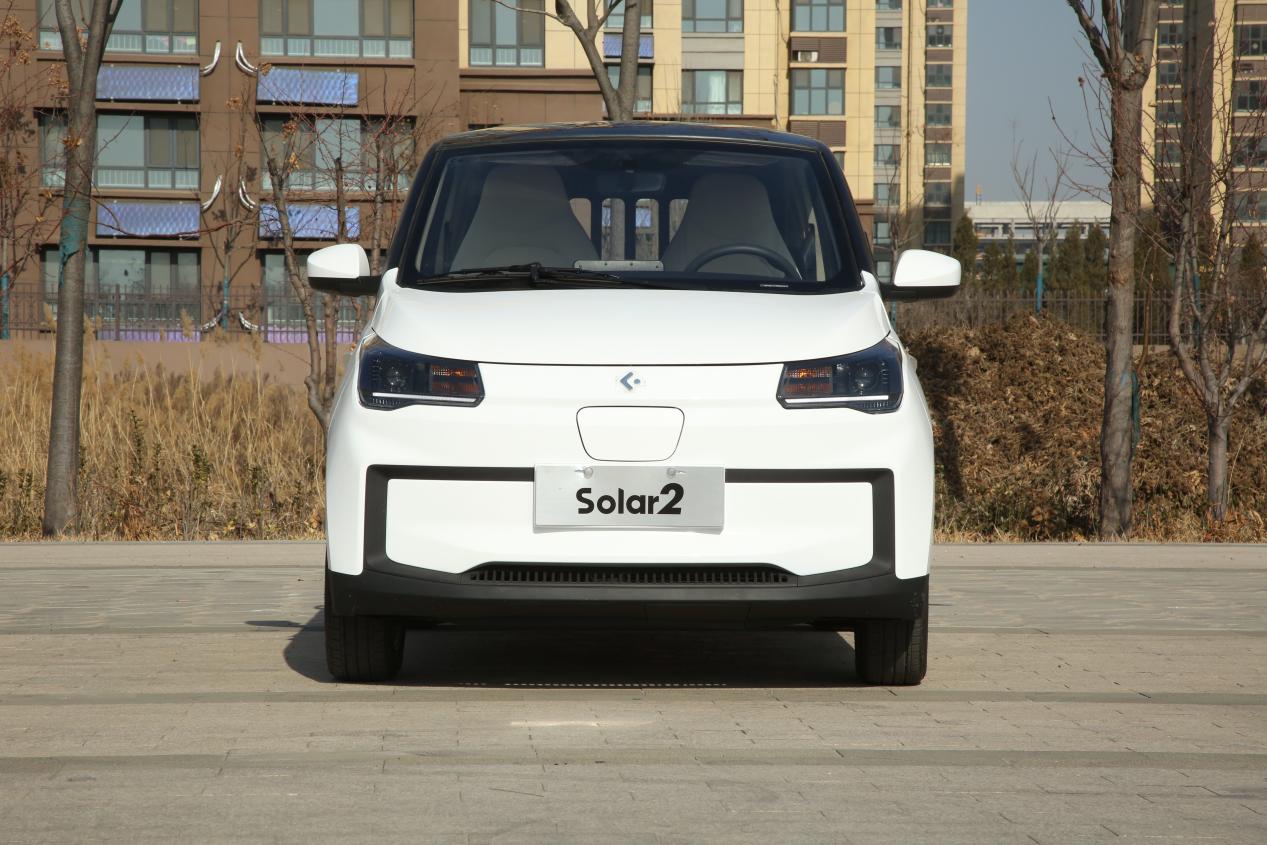
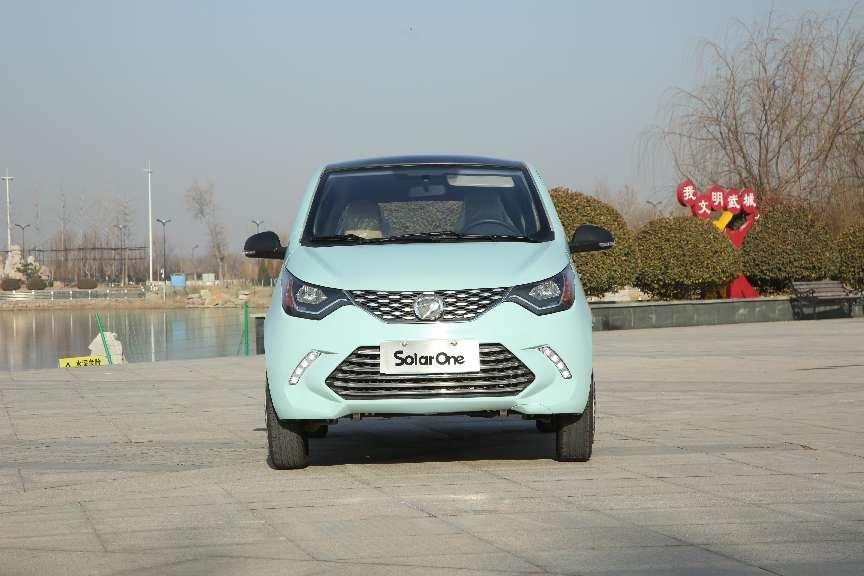
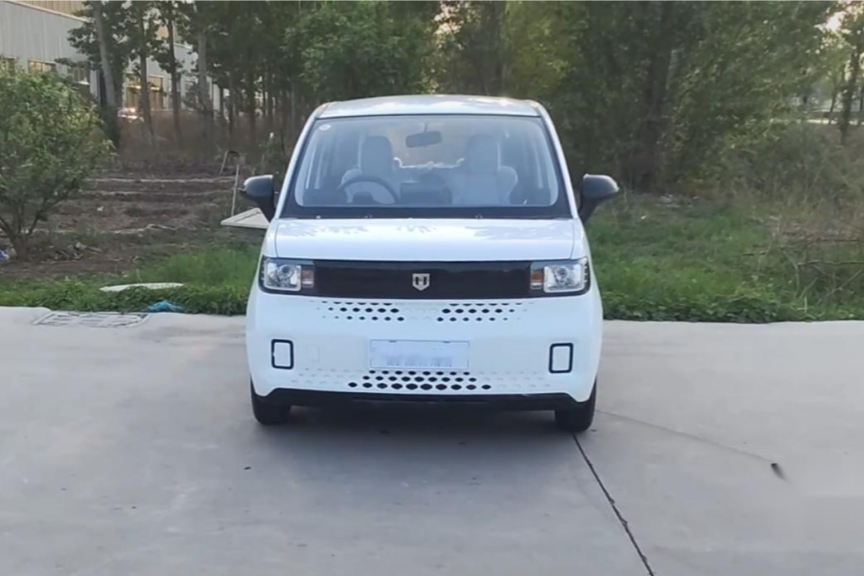
Find the right vehicle for passenger transport, commercial logistics, or family needs. Direct manufacturer pricing and global support.
 Limaotong