Industrial-Grade 3-Wheeler Motorbikes, Passenger Tuk-Tuks & Urban EV Fleet Systems
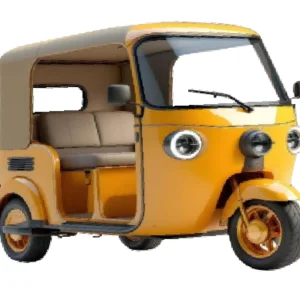
Three-wheeler motorbikes, colloquially designated as trikes, motorized tricycles, or auto-rickshaws, have evolved from simple utilitarian transport tools to highly engineered, zero-emission automotive solutions. As cities implement stringent emission standards, global logistical corridors seek energy-efficient alternatives to bridge the last-mile delivery gap. China's leading 3-wheeler motorbike manufacturers sit at the center of this shift, producing a massive portion of the world's commercial electric passenger tricycles, closed-cabin cargo delivery trikes, and customized agricultural transports.
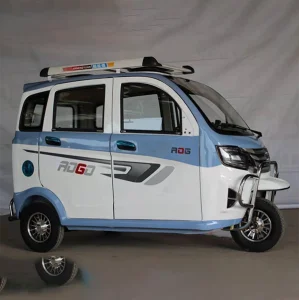
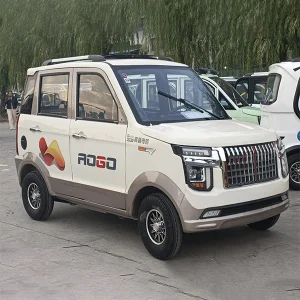
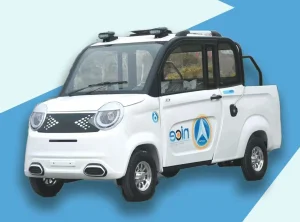
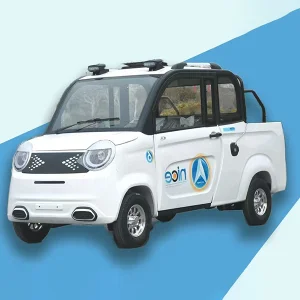
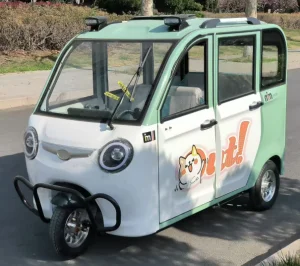
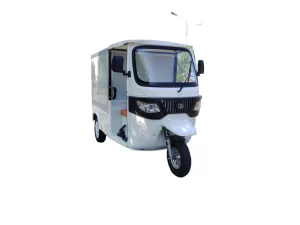
E-commerce expansion demands agile, compact delivery vehicles. Enclosed cabin cargo electric trikes provide high load capacities with unmatched maneuverability in dense urban environments.
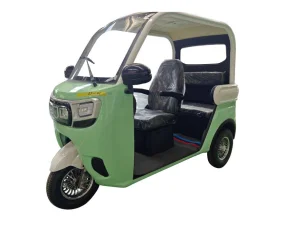
Electric tuk-tuks represent the primary passenger transit option across developing urban areas in Southeast Asia, Africa, and Latin America, combining low operational costs with zero-emissions.
Electric 3-wheelers boast a 70% lower Total Cost of Ownership (TCO) compared to traditional internal combustion engine light commercial vehicles, thanks to minimal maintenance and low electricity costs.
Furthermore, the mechanical architecture of modern 3-wheelers leverages integrated drivetrains, regenerative braking, and intelligent Battery Management Systems (BMS) to optimize range. In contrast to conventional four-wheeled commercial vehicles, 3-wheeler motorbikes represent an ideal balance of cargo payload, compact vehicle footprints, and capital expenditure efficiency, making them critical assets for global fleet operators and commercial distributors.
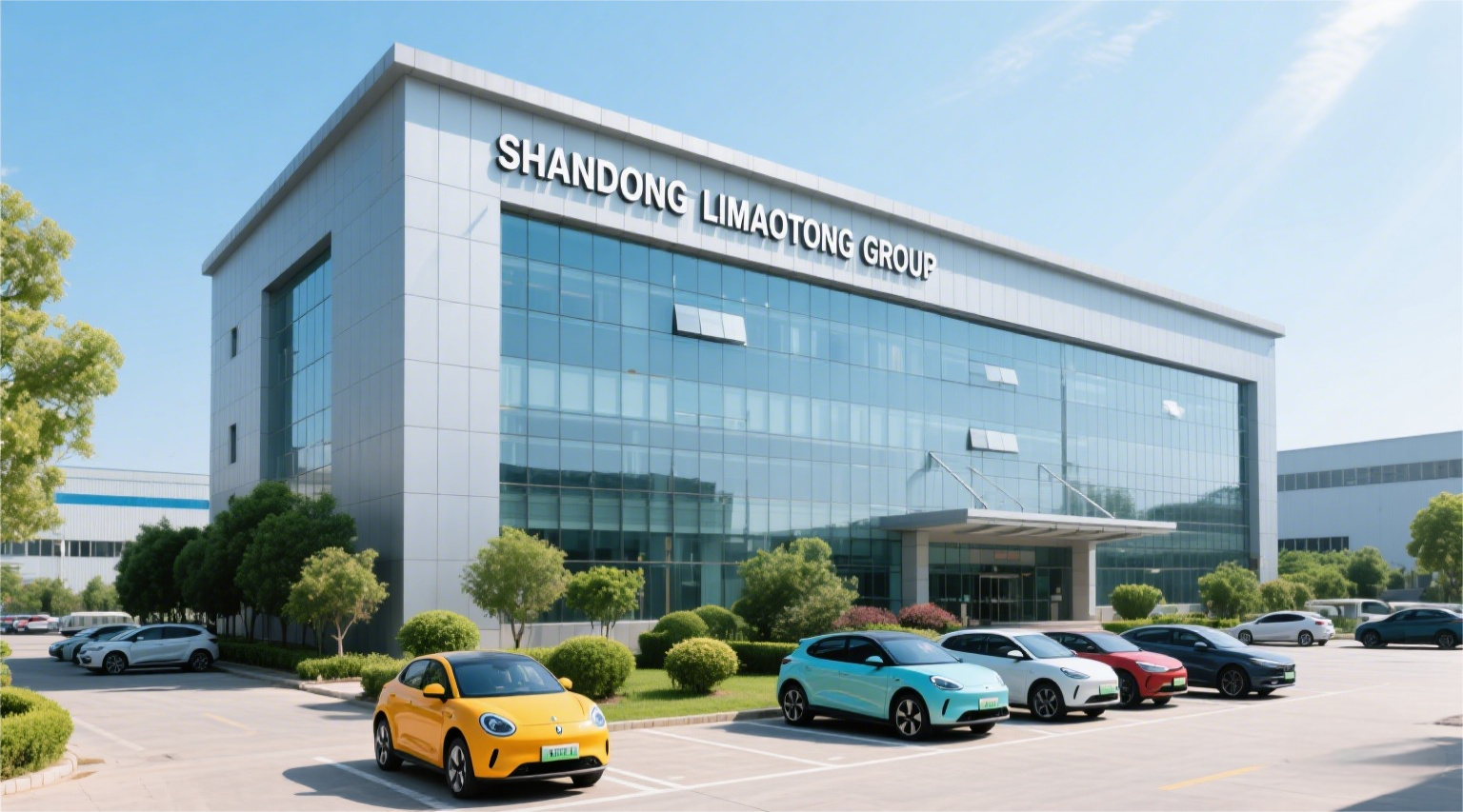 SHANDONG LI MAO TONG GROUP is a global pioneer in the engineering, production, and international sales of motorized tricycles, electric cargo tricycles, and electric mini vehicles. Built on an advanced, vertically integrated supply chain, our vehicles are deployed across more than 120 nations and territories. We serve more than 20 million households worldwide, supported by 8 localized manufacturing plants and strategically positioned international warehouses.
To ensure zero downtime for logistics operators and distributors, we operate specialized regional service centers, including our prominent cross-border hub in Djibouti. With a dedicated engineering division and extensive parts inventory, we provide unparalleled after-sales security and custom fabrication to match localized market regulations.
Why Tier-1 Commercial Fleet Buyers and Global Distributors Partner with Us
Our active distribution networks cross over 120 countries, supplying reliable, green fleet vehicles configured for regional terrains and duty cycles.
We operate 8 overseas production bases, offering SKD (Semi-Knocked Down) and CKD (Completely Knocked Down) assembly solutions that minimize local import tariffs.
More than 20 million households trust our micro-mobility engineering, choosing our durable passenger vehicles and cargo haulers for daily work.
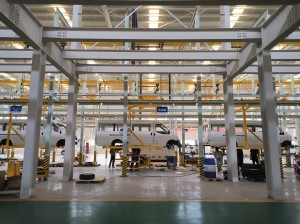
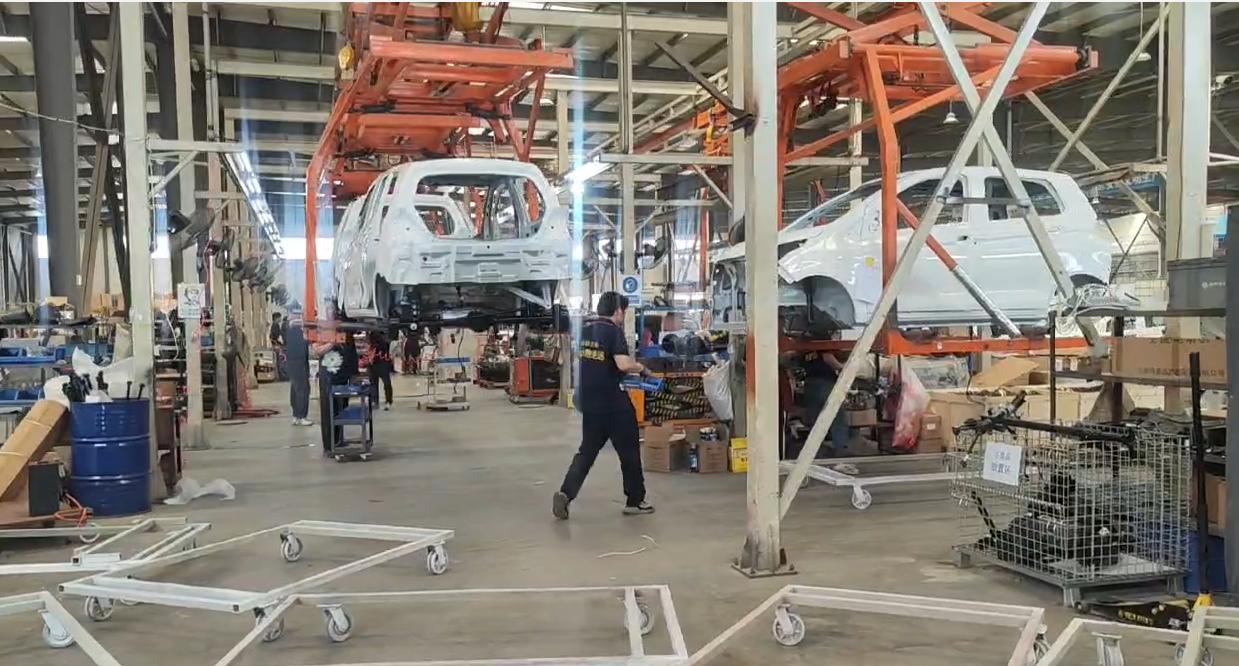
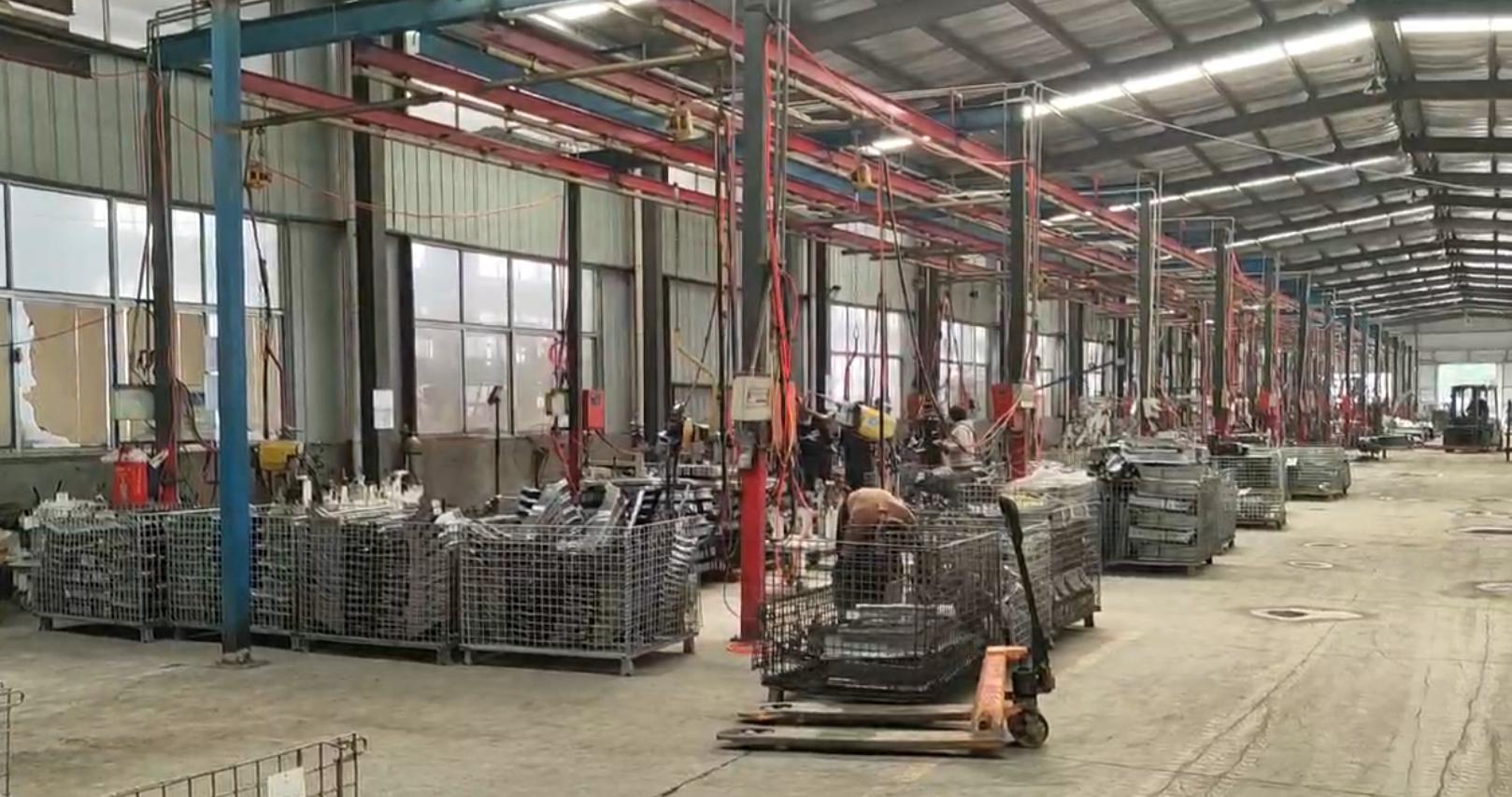
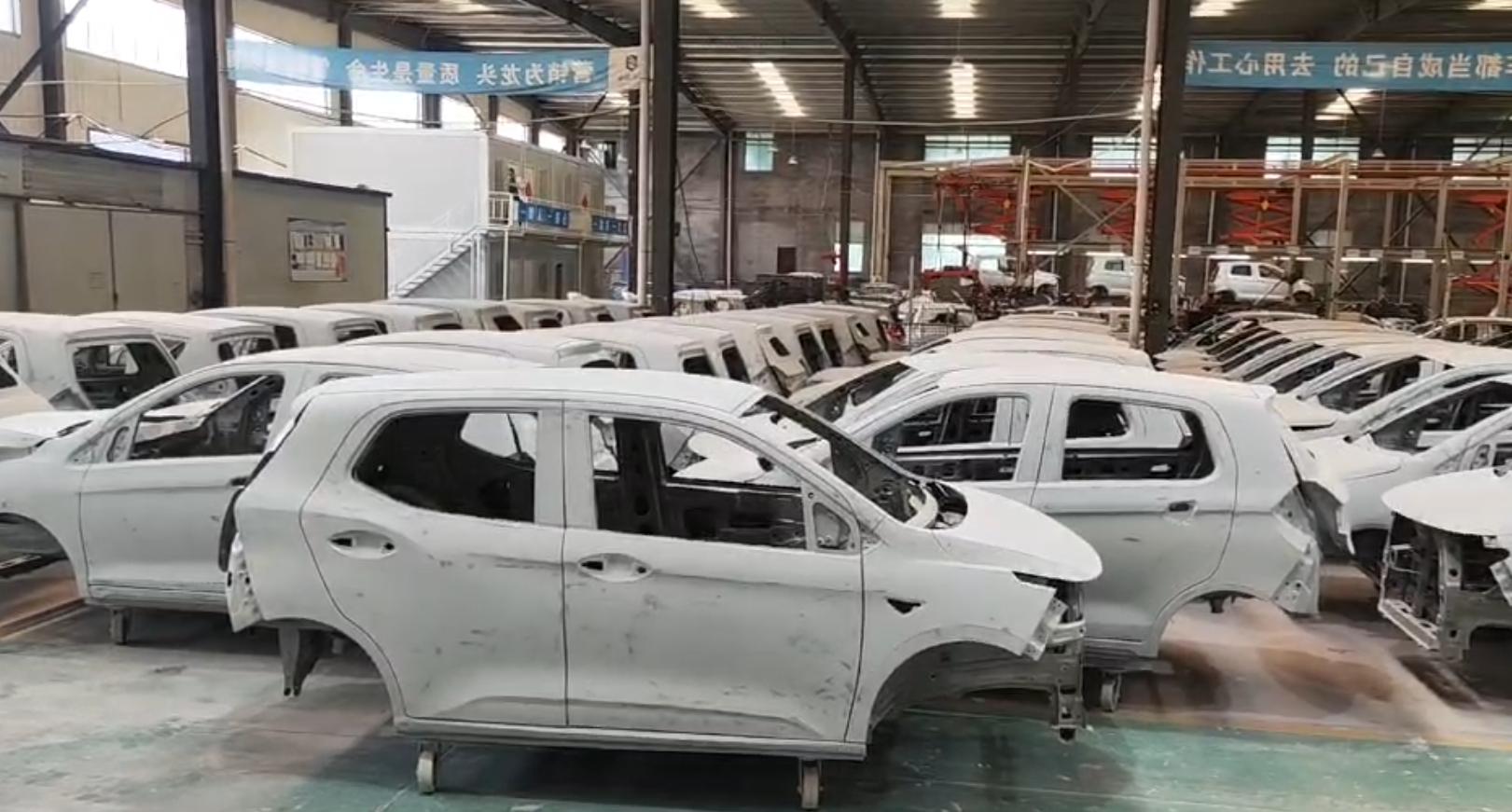
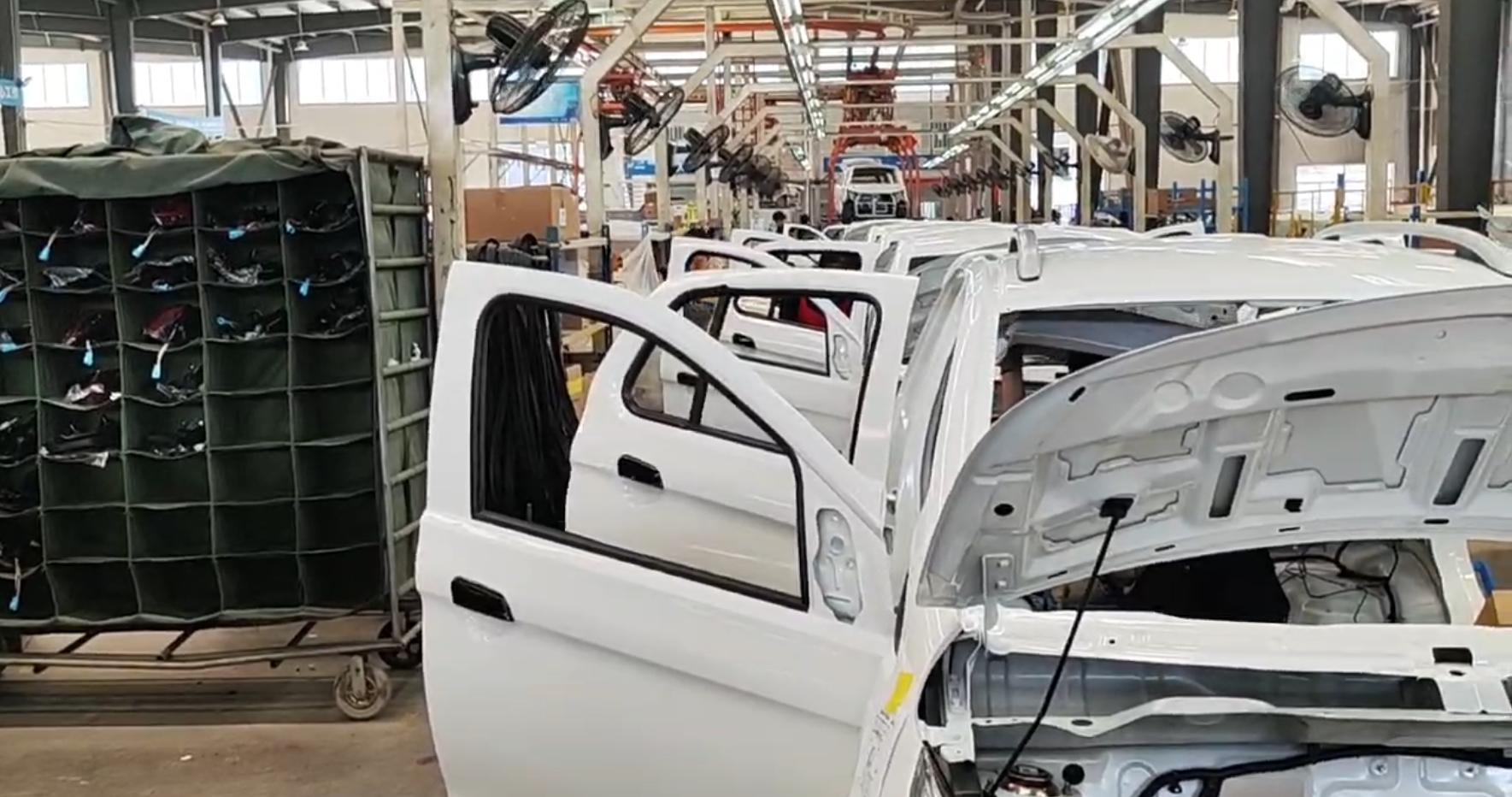
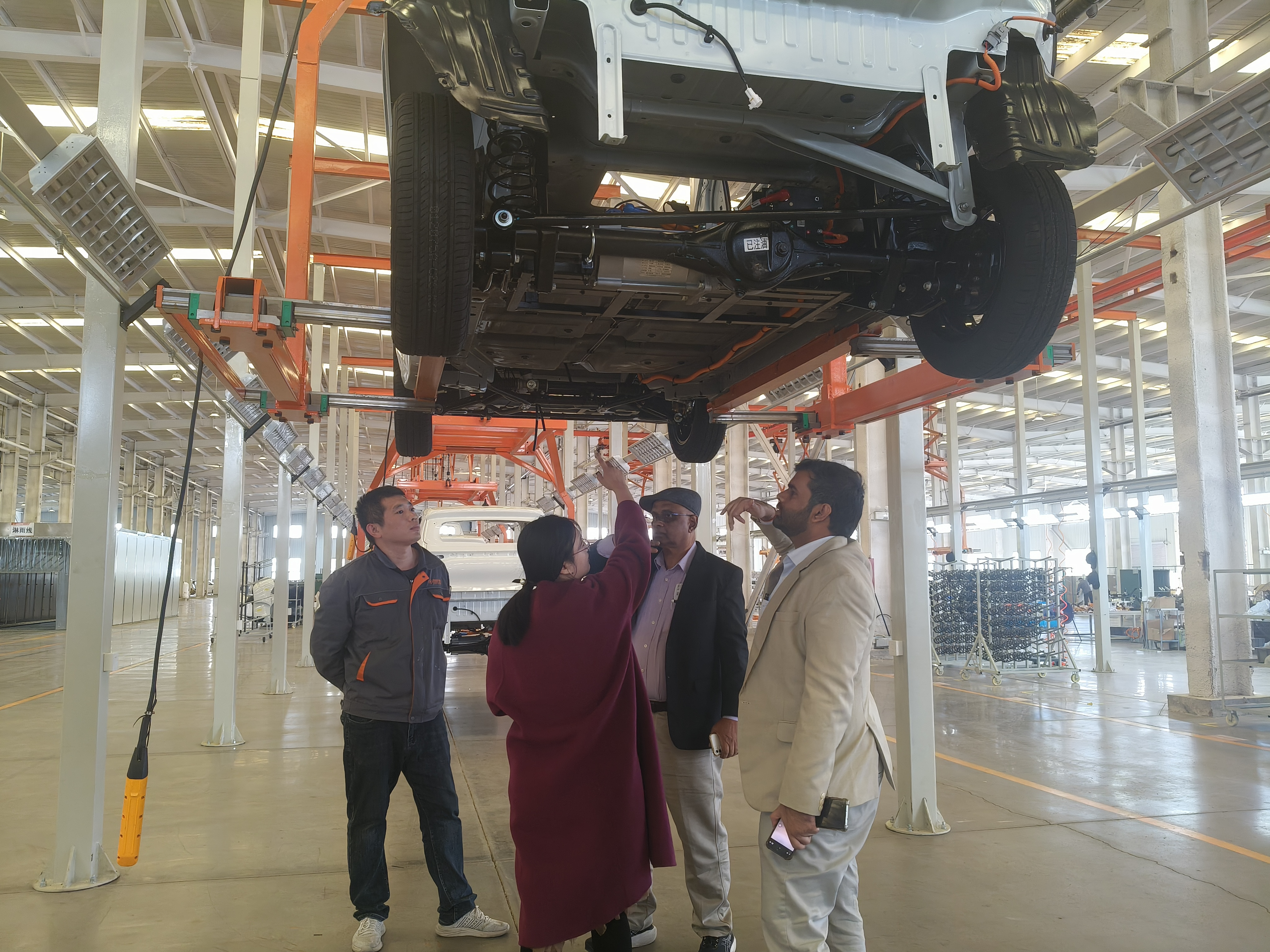
The manufacturing process of heavy-duty 3-wheeler motorbikes requires rigorous mechanical design to maintain structural rigidity under heavy payloads. China's top-tier manufacturers utilize state-of-the-art automation and advanced testing laboratories to ensure long-term durability. Below are key phases in our integrated manufacturing system:
Every vehicle frame is manufactured from high-strength structural carbon steel. Hydraulic press lines shape the chassis, followed by automated robotic welding to ensure clean joint seals and precise geometry. This unified structure minimizes stress points, ensuring stability when carrying heavy cargo on uneven terrains.
To resist corrosion in humid tropical regions, our vehicles undergo a multi-stage Cathodic Electrophoretic Deposition process. The entire metal frame is submerged in an anti-corrosion chemical bath and cured at high temperatures, creating a protective barrier against moisture, road salt, and rust.
All finished vehicles undergo intensive field and lab testing, including a level-7 torrential rainstorm simulation, to verify cabin sealing and electrical system insulation. Motor drivetrains and lithium-iron-phosphate (LFP) battery systems are tested across extreme thermal environments (from -20°C to 60°C) to prevent thermal runaway and ensure reliable power delivery.
A Visual Tour of Our Quality Testing, Modern Facilities, and Global Presence
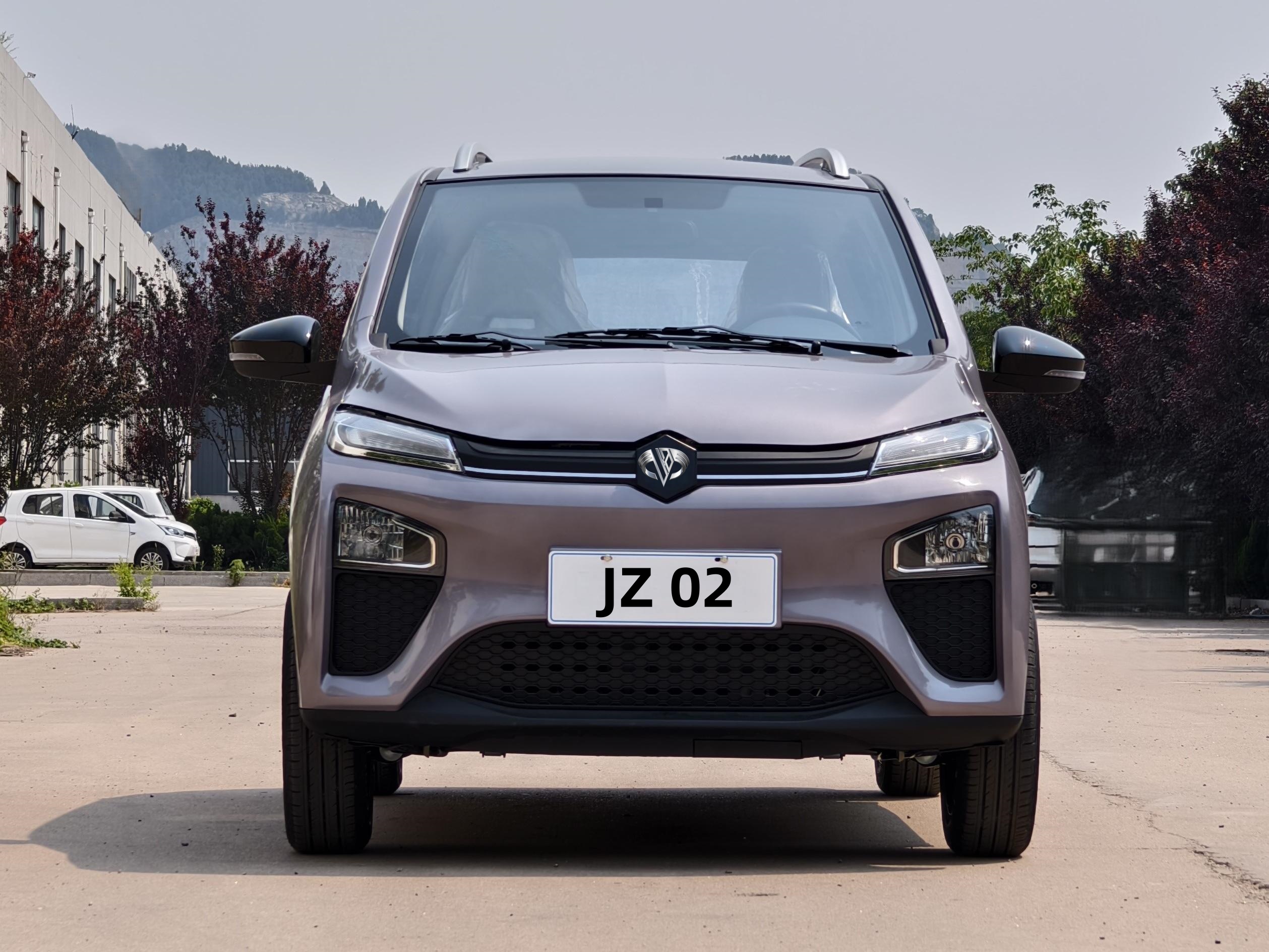

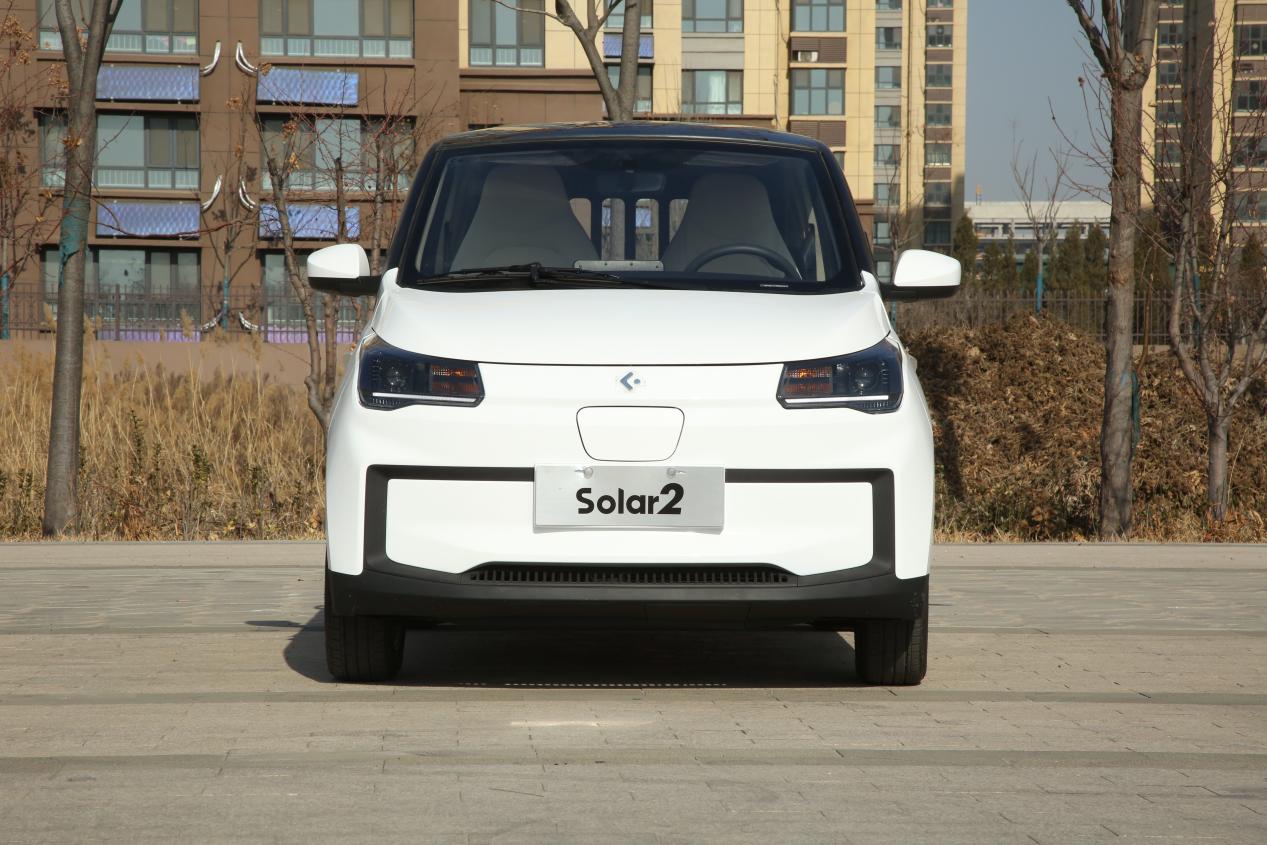
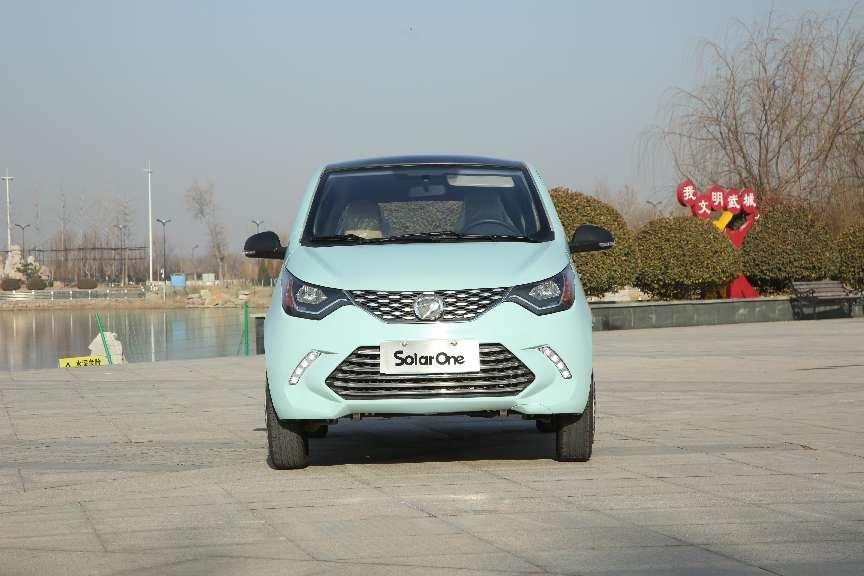
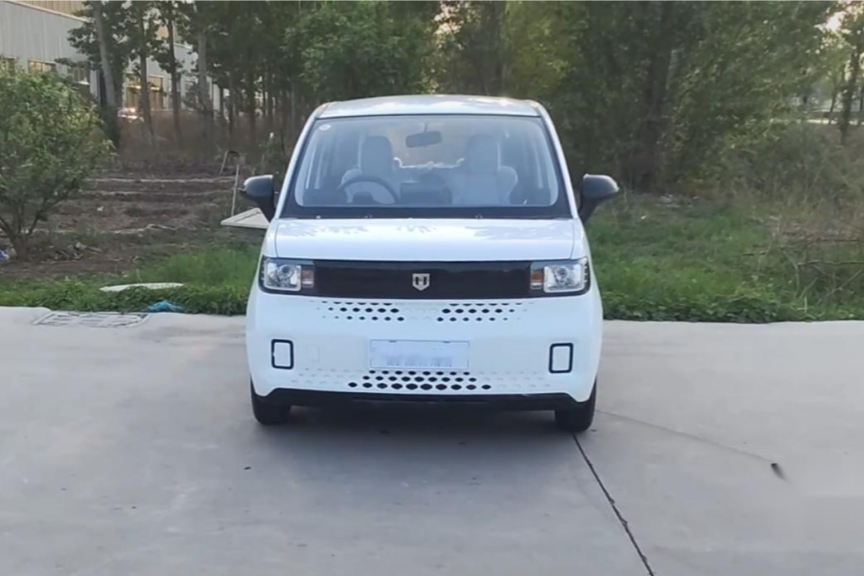

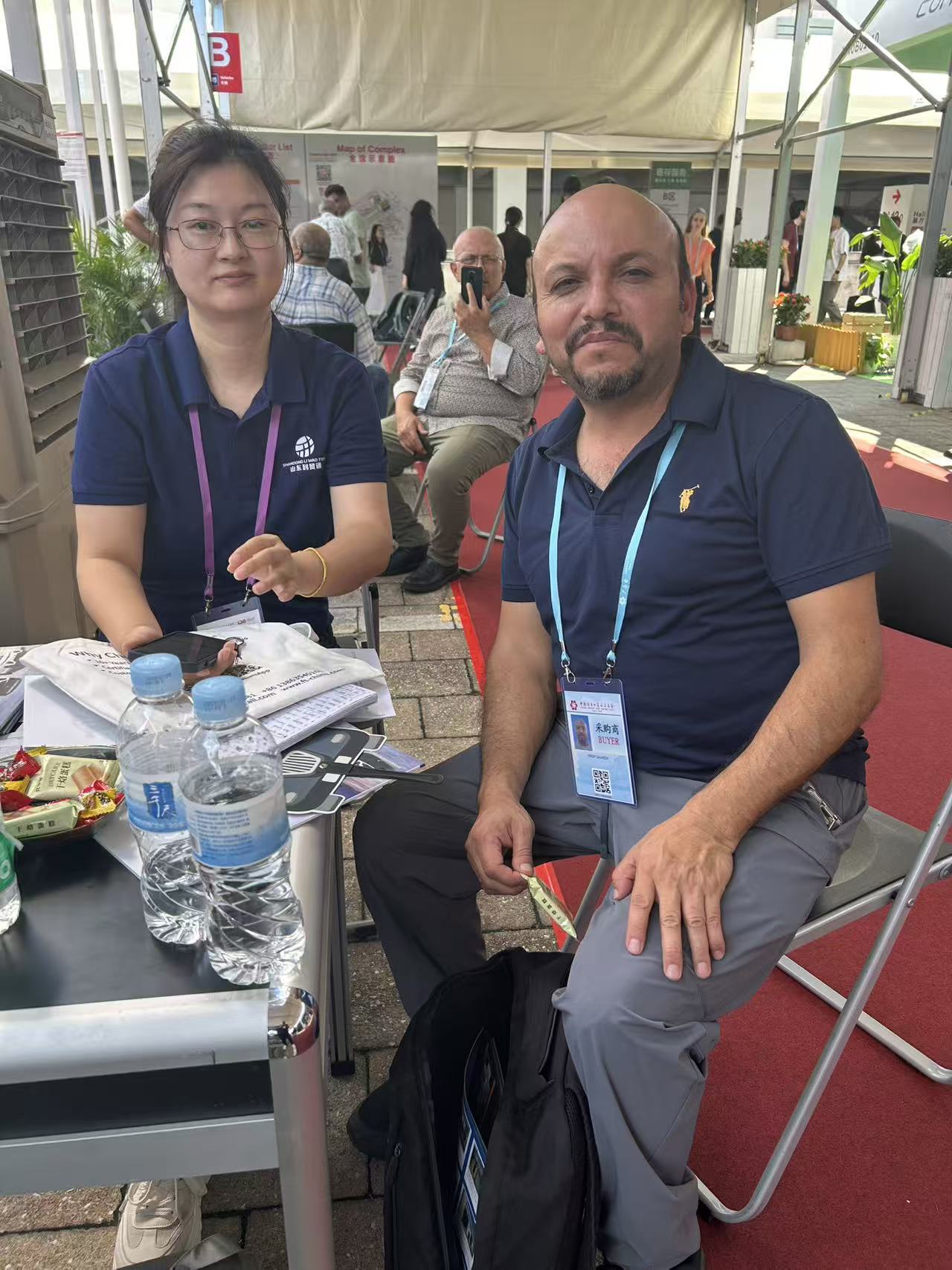
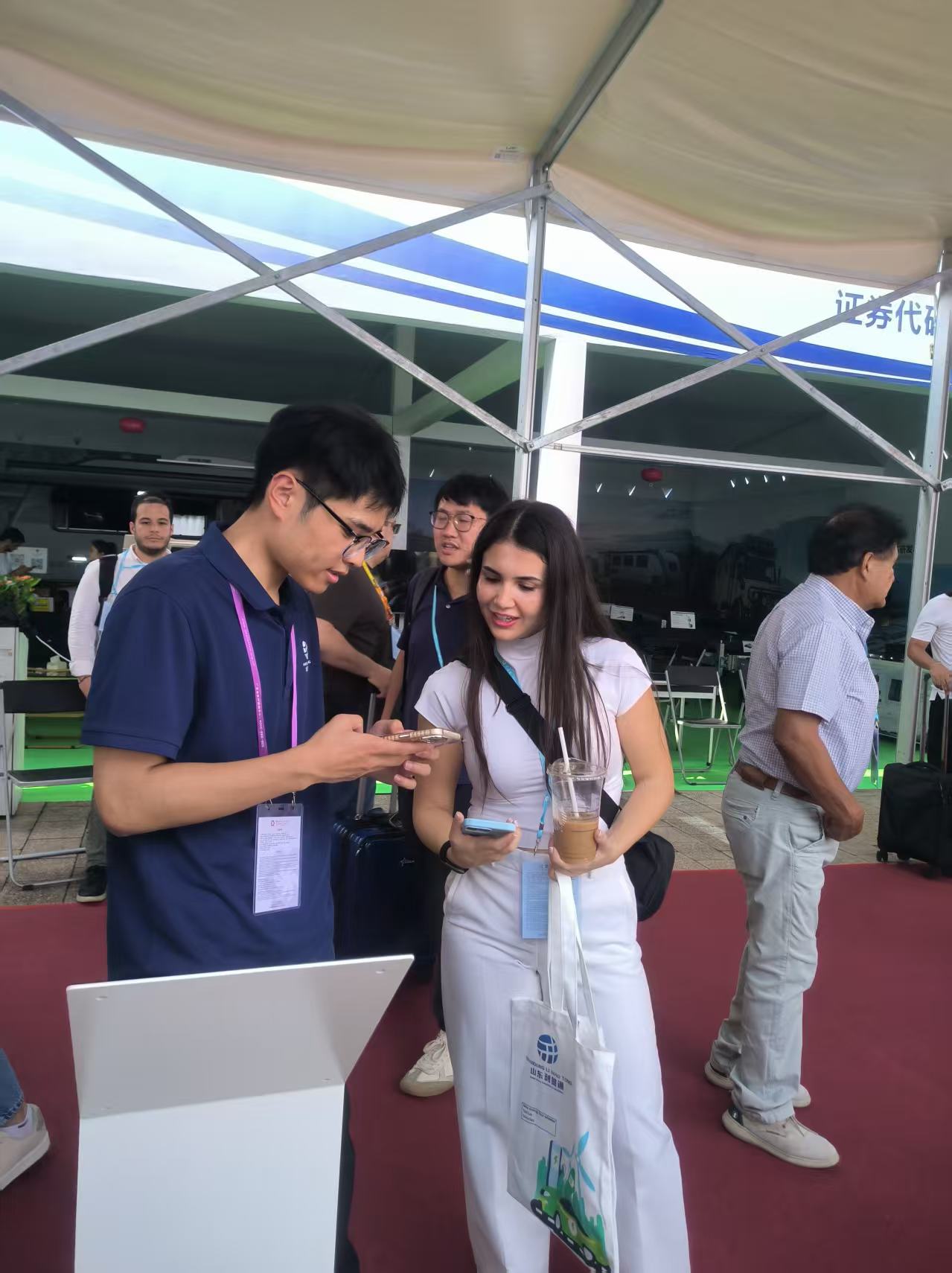

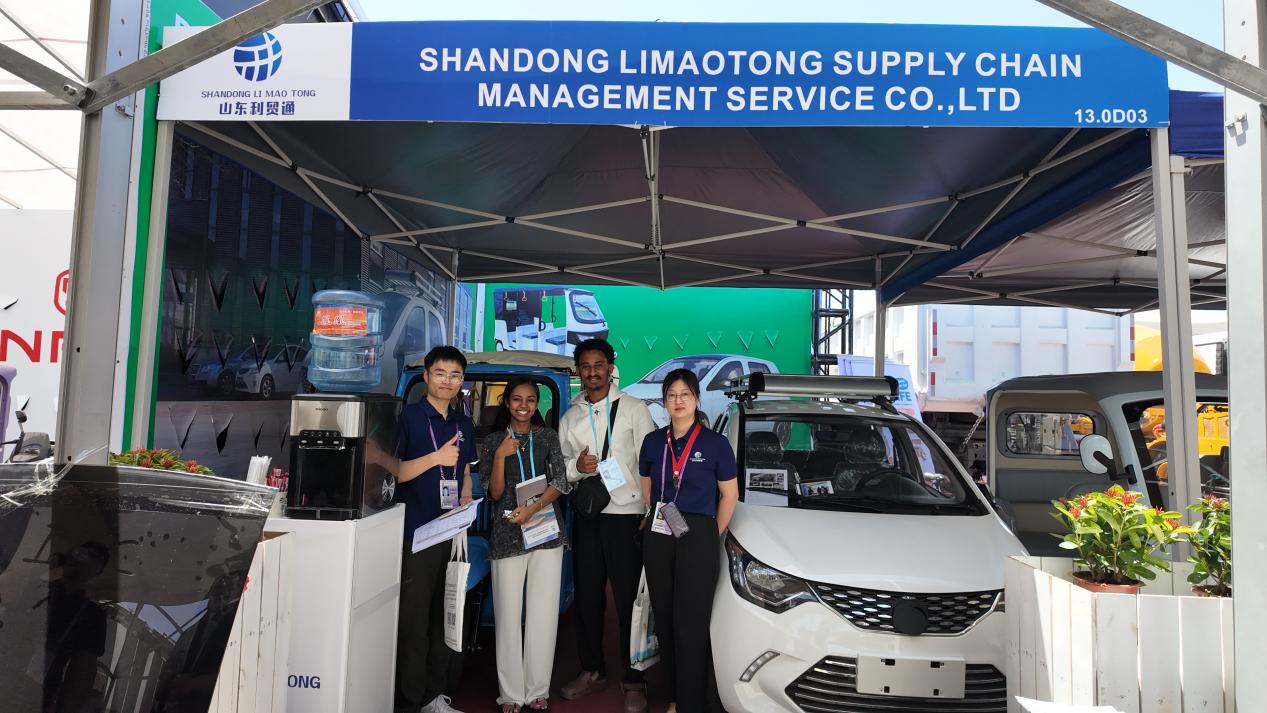
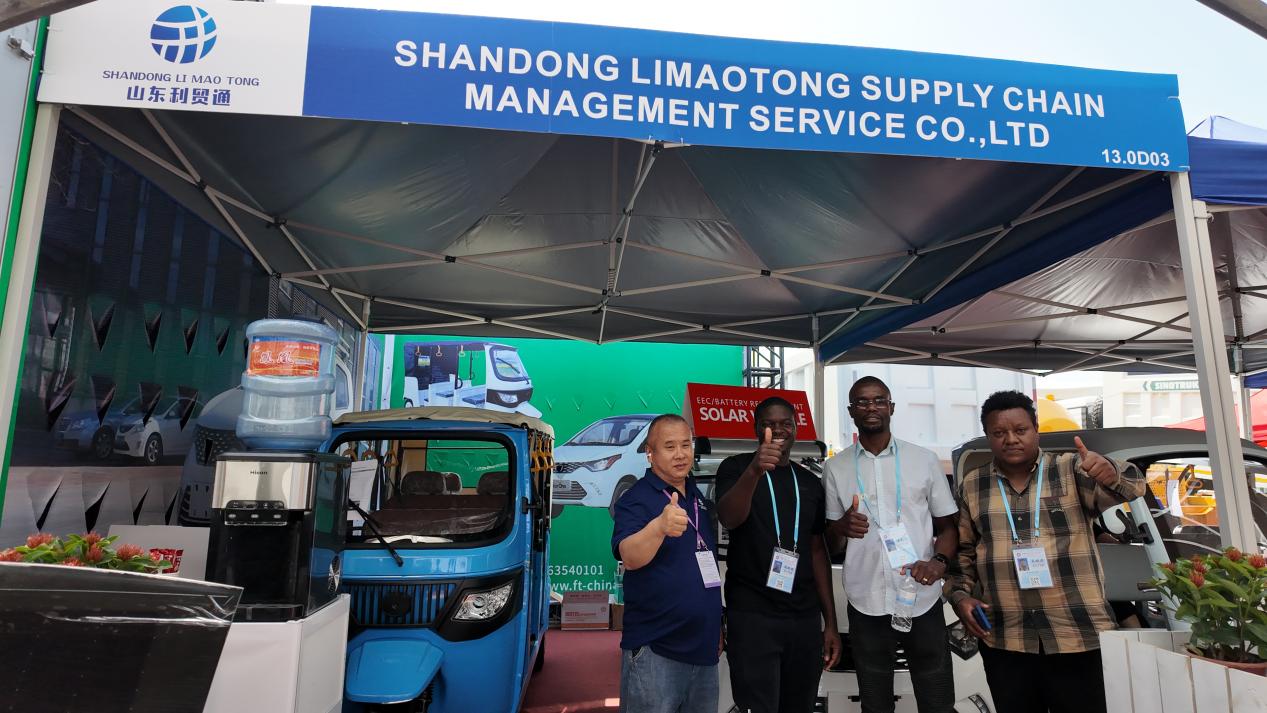
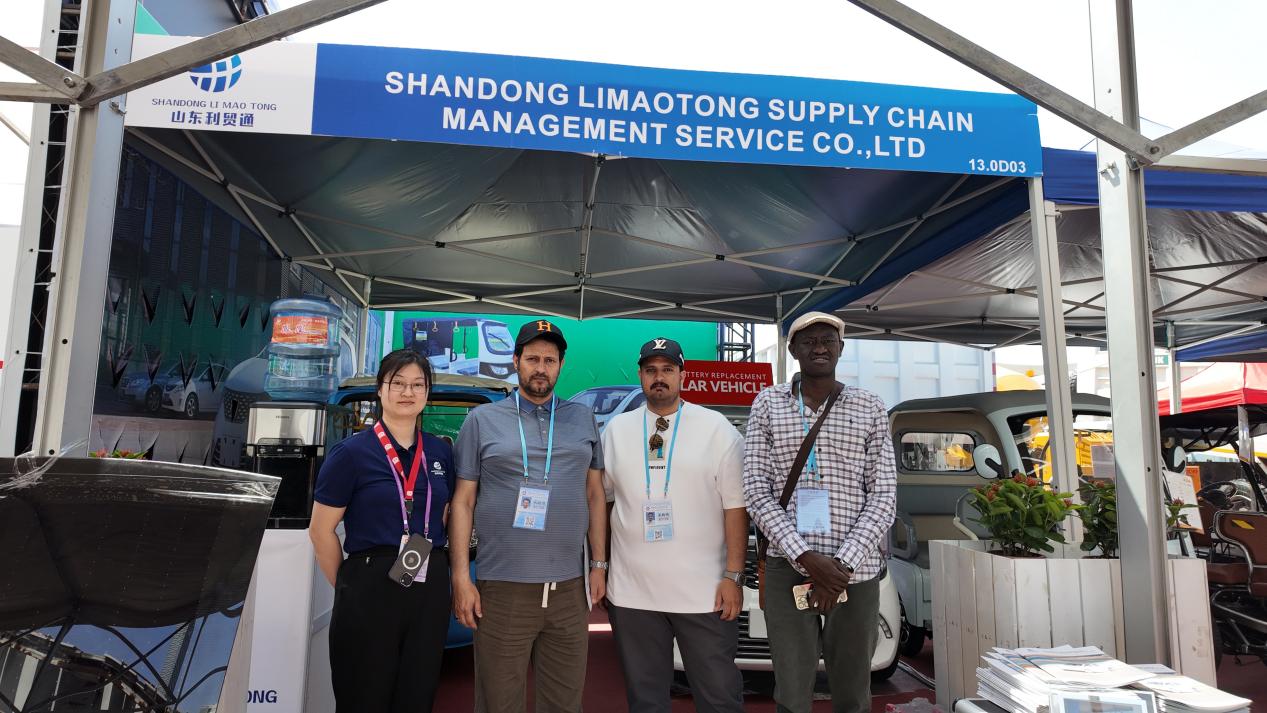
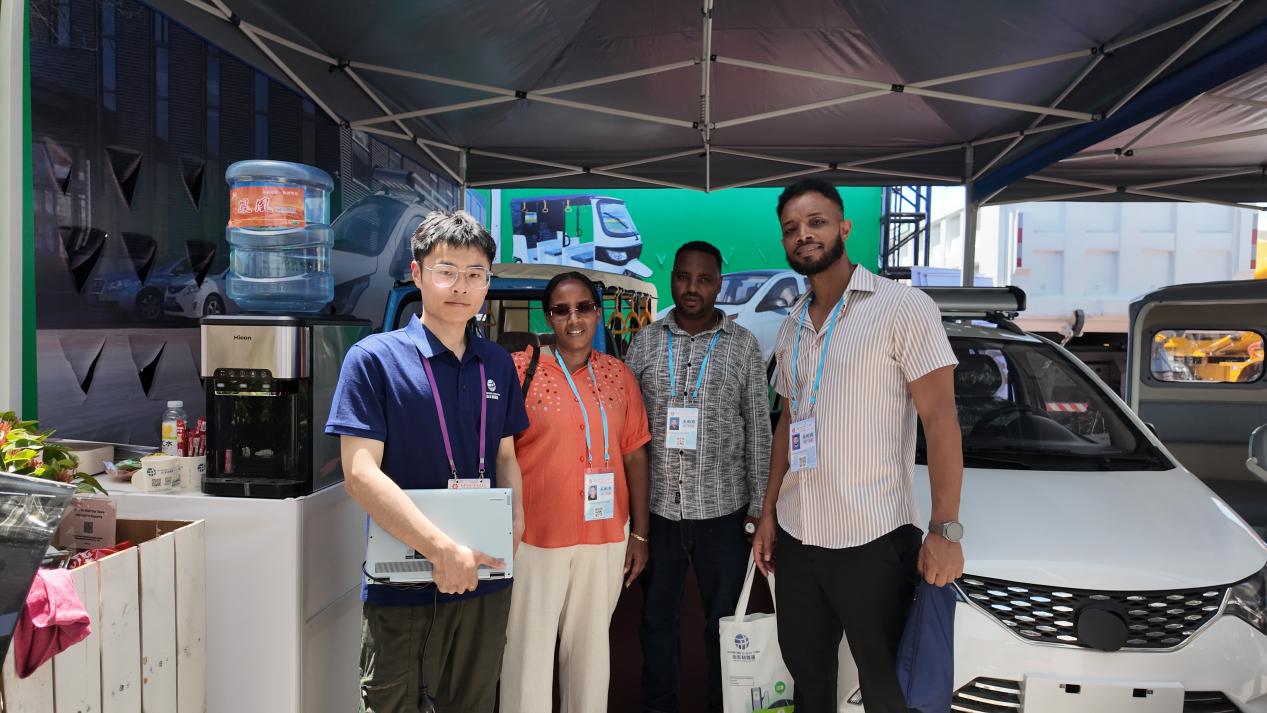
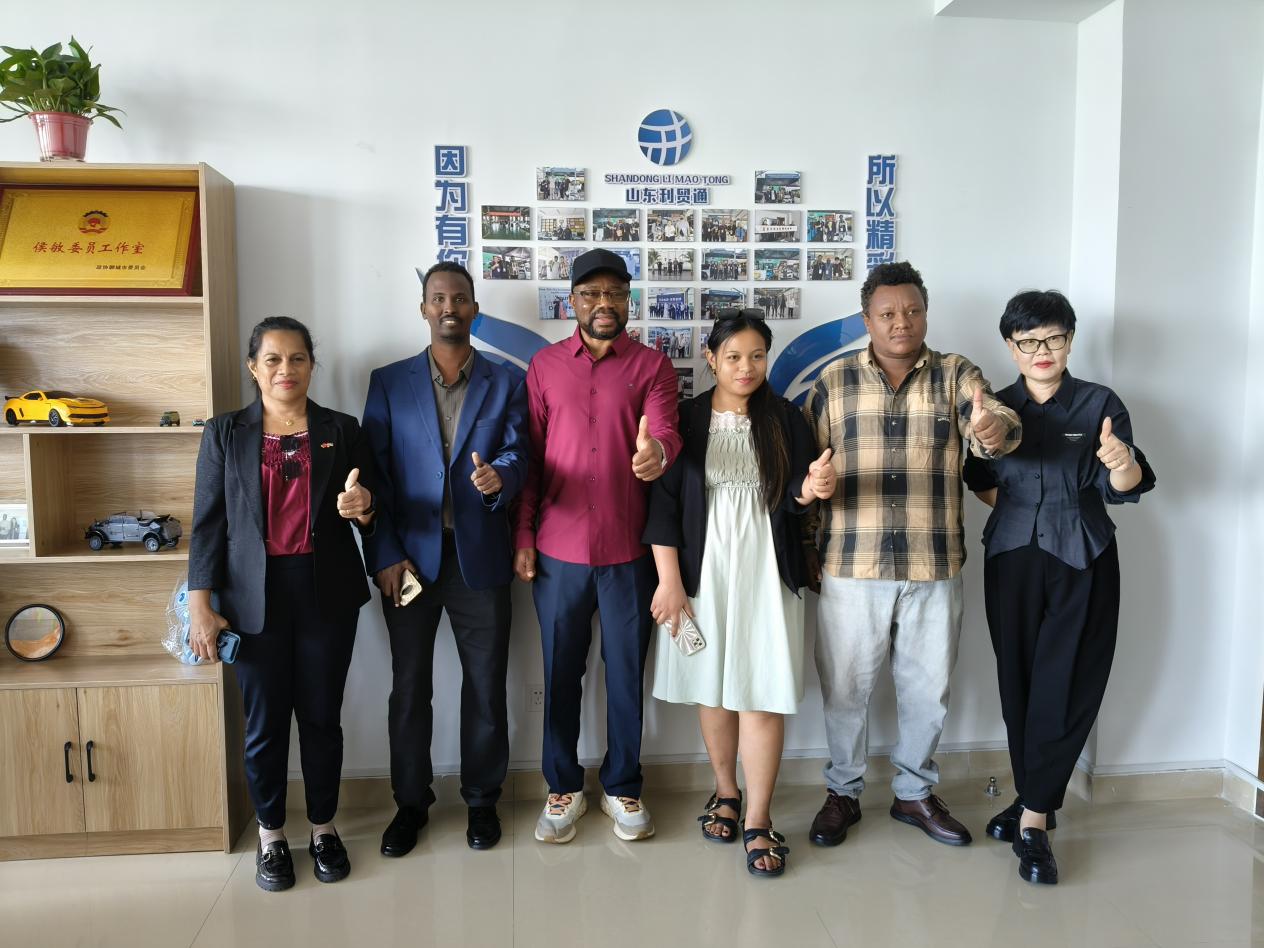
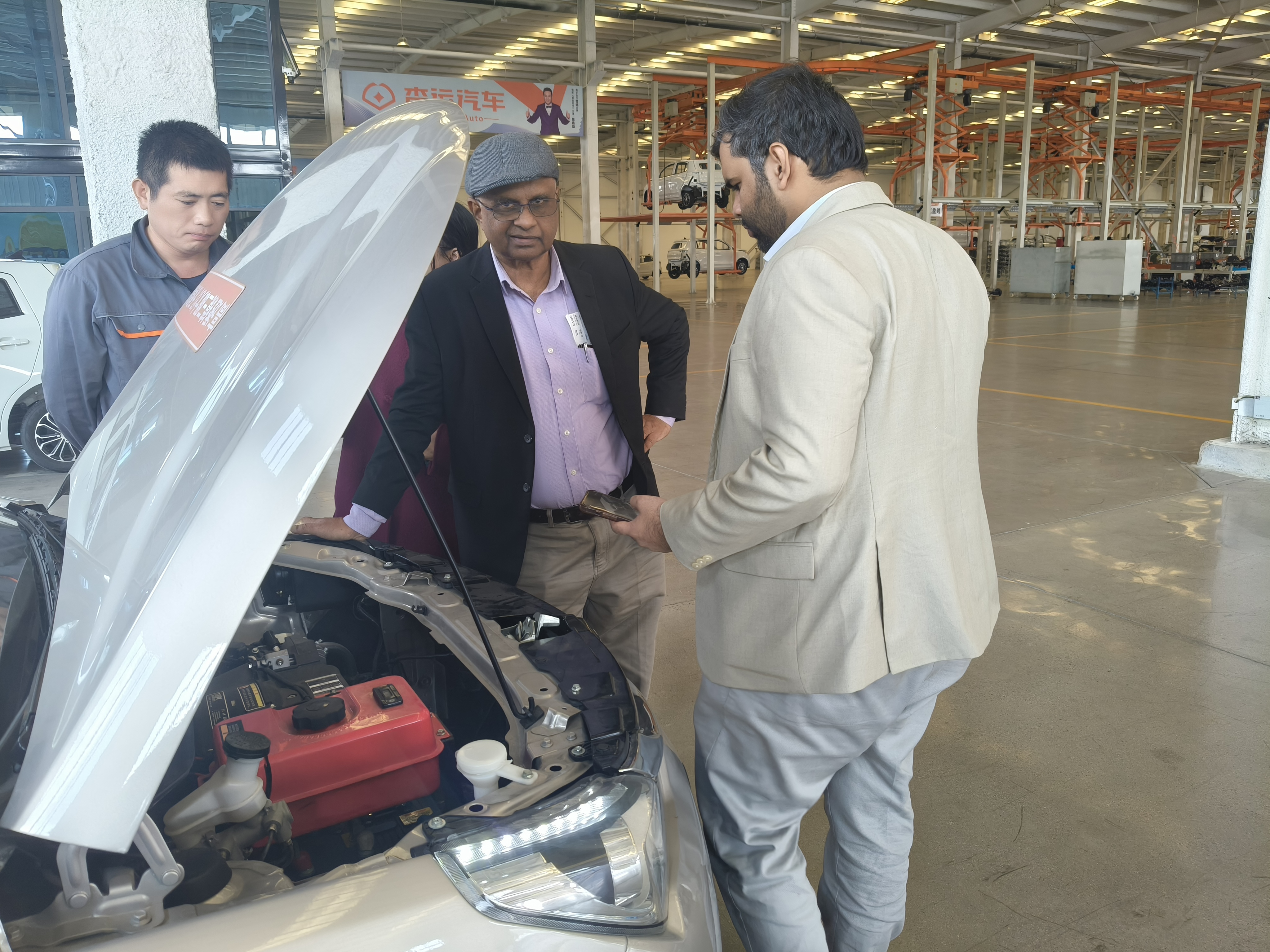
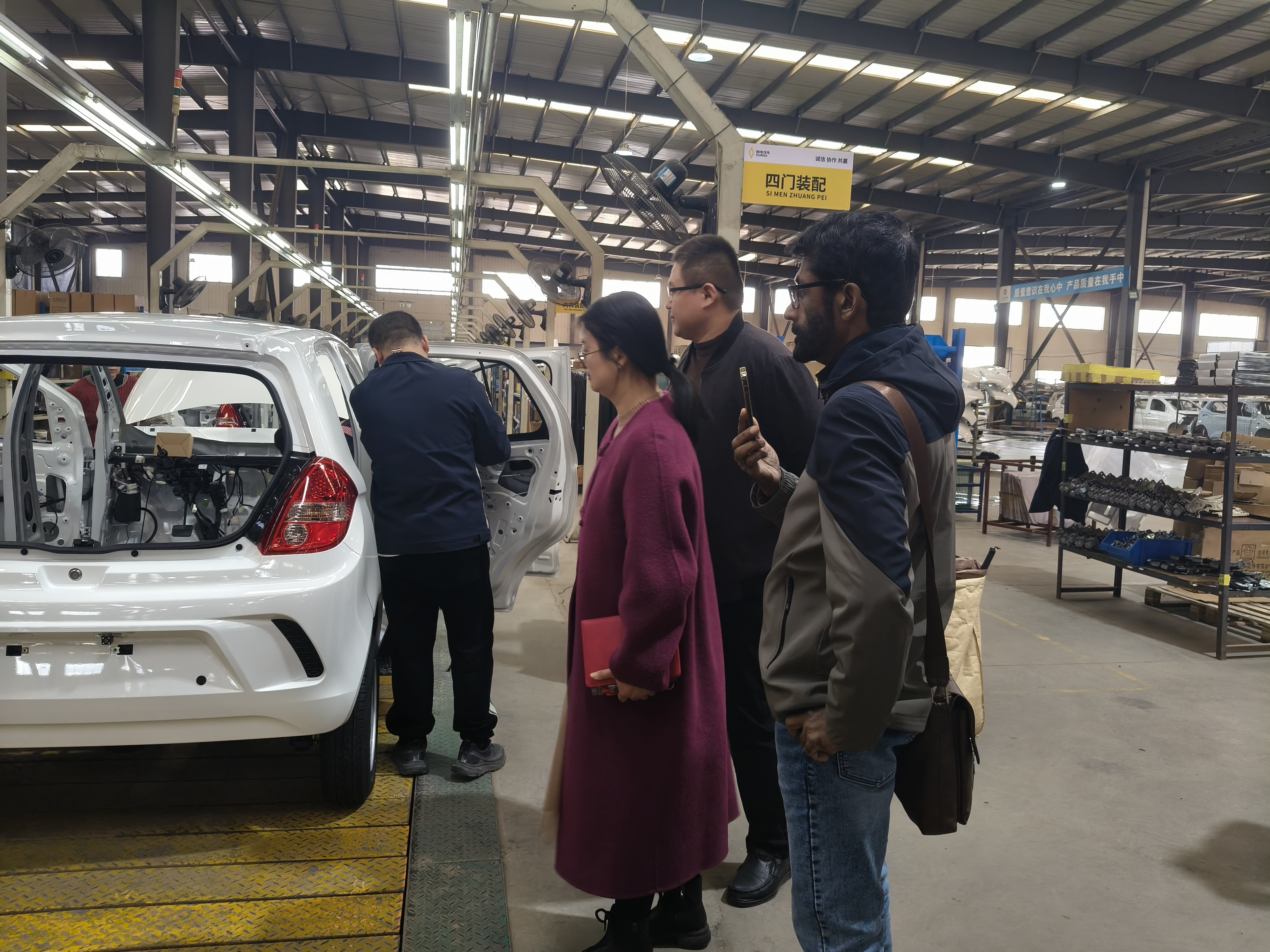

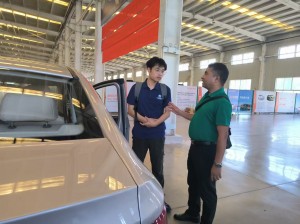
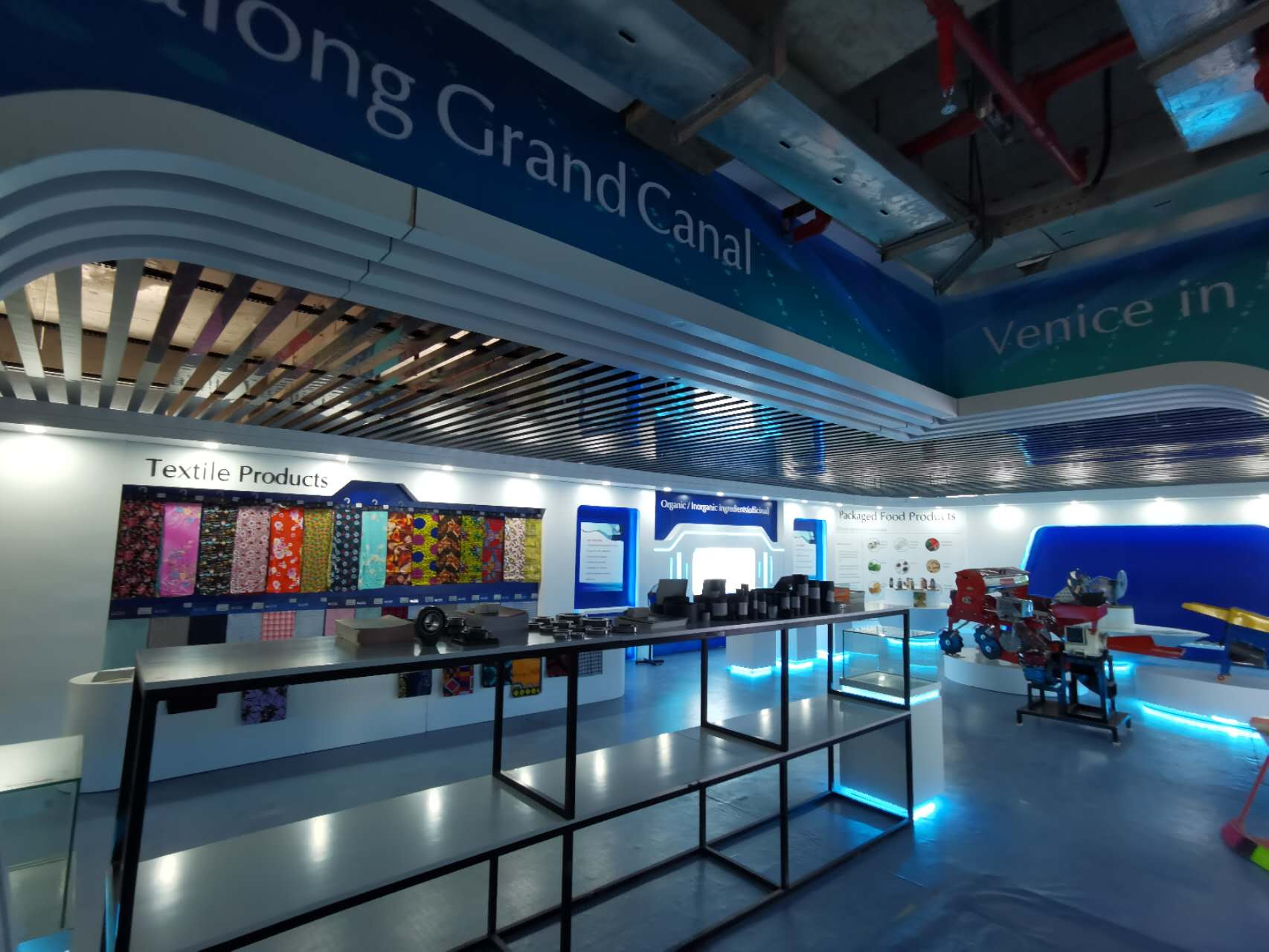
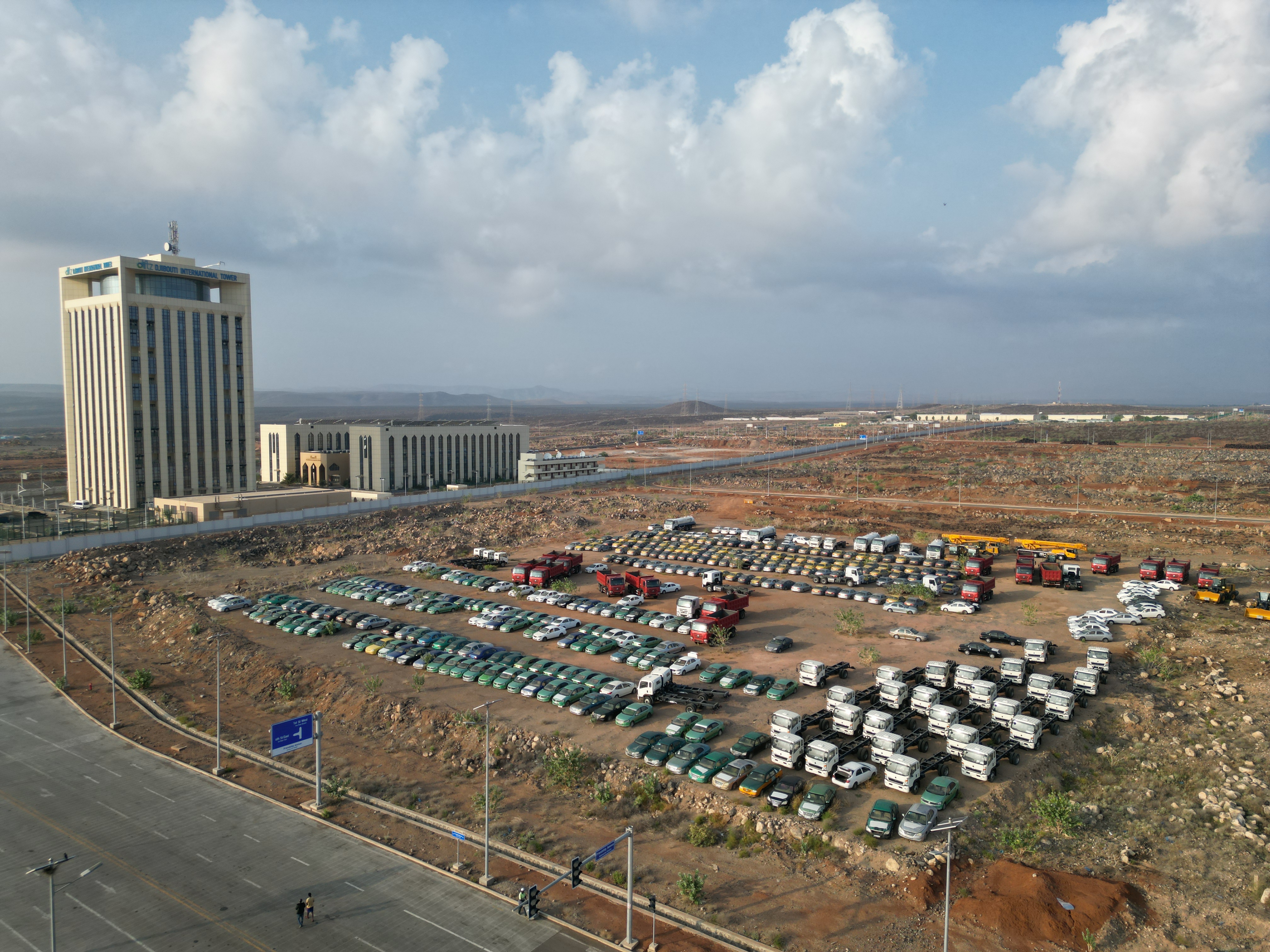
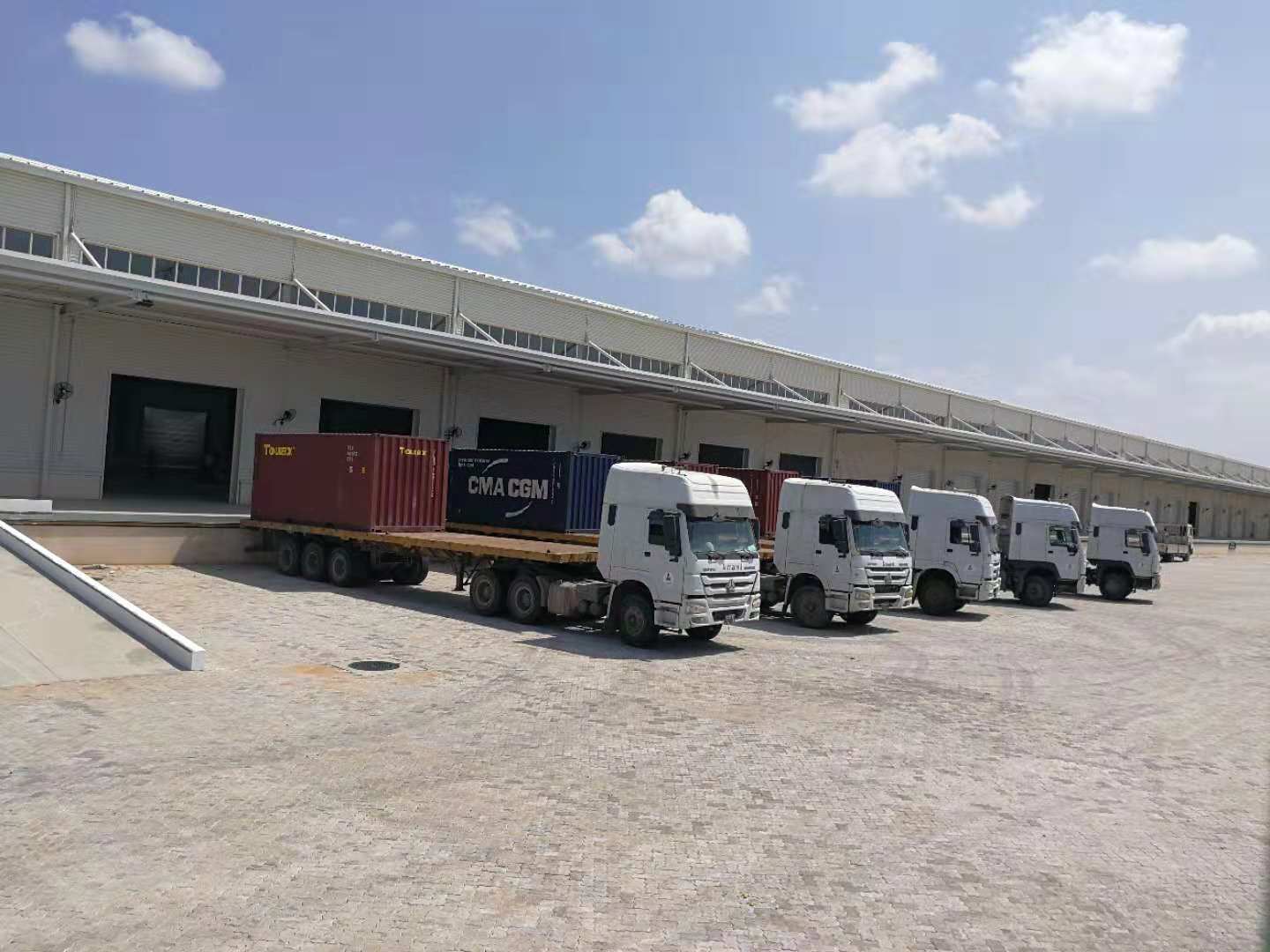
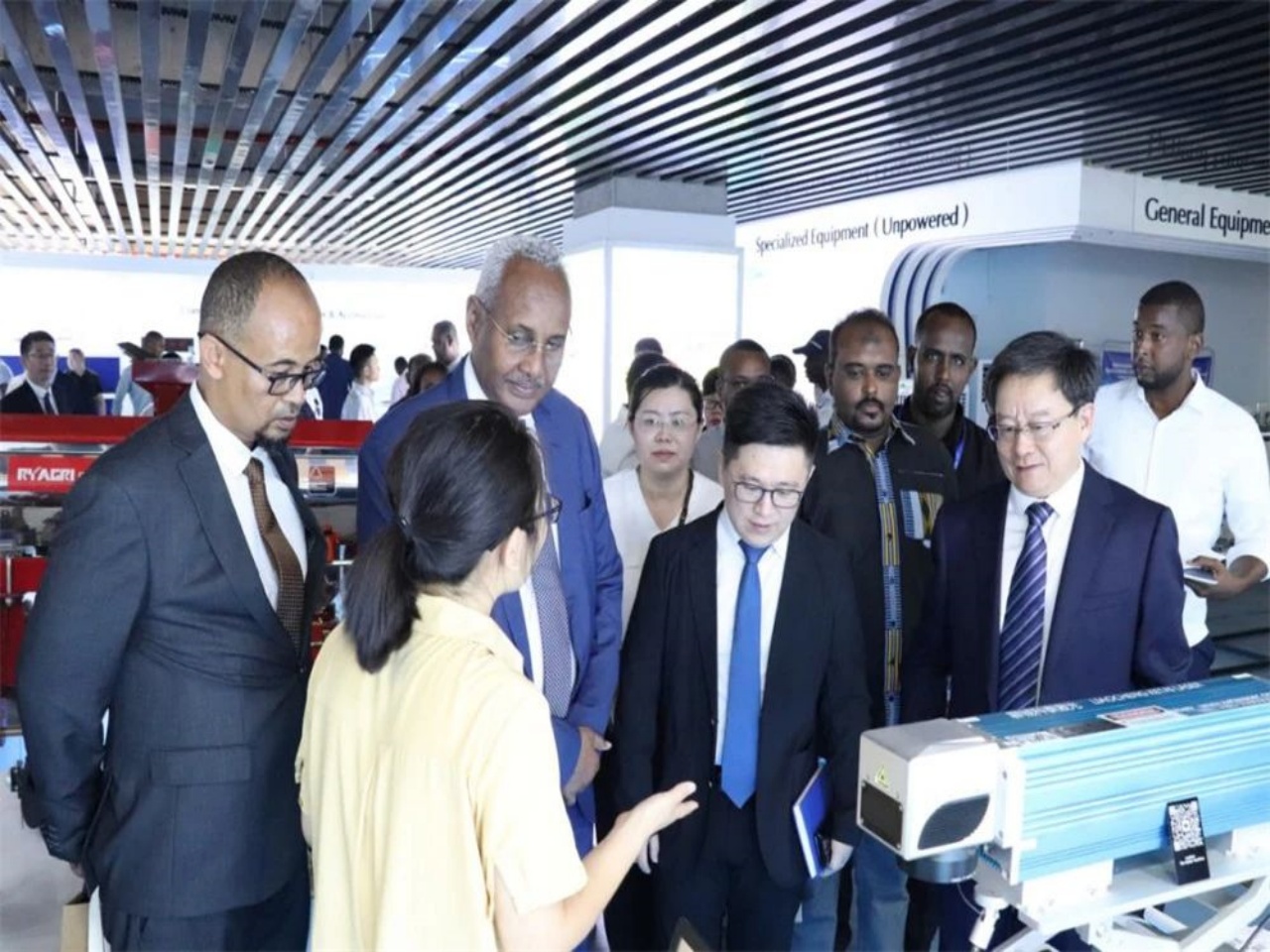
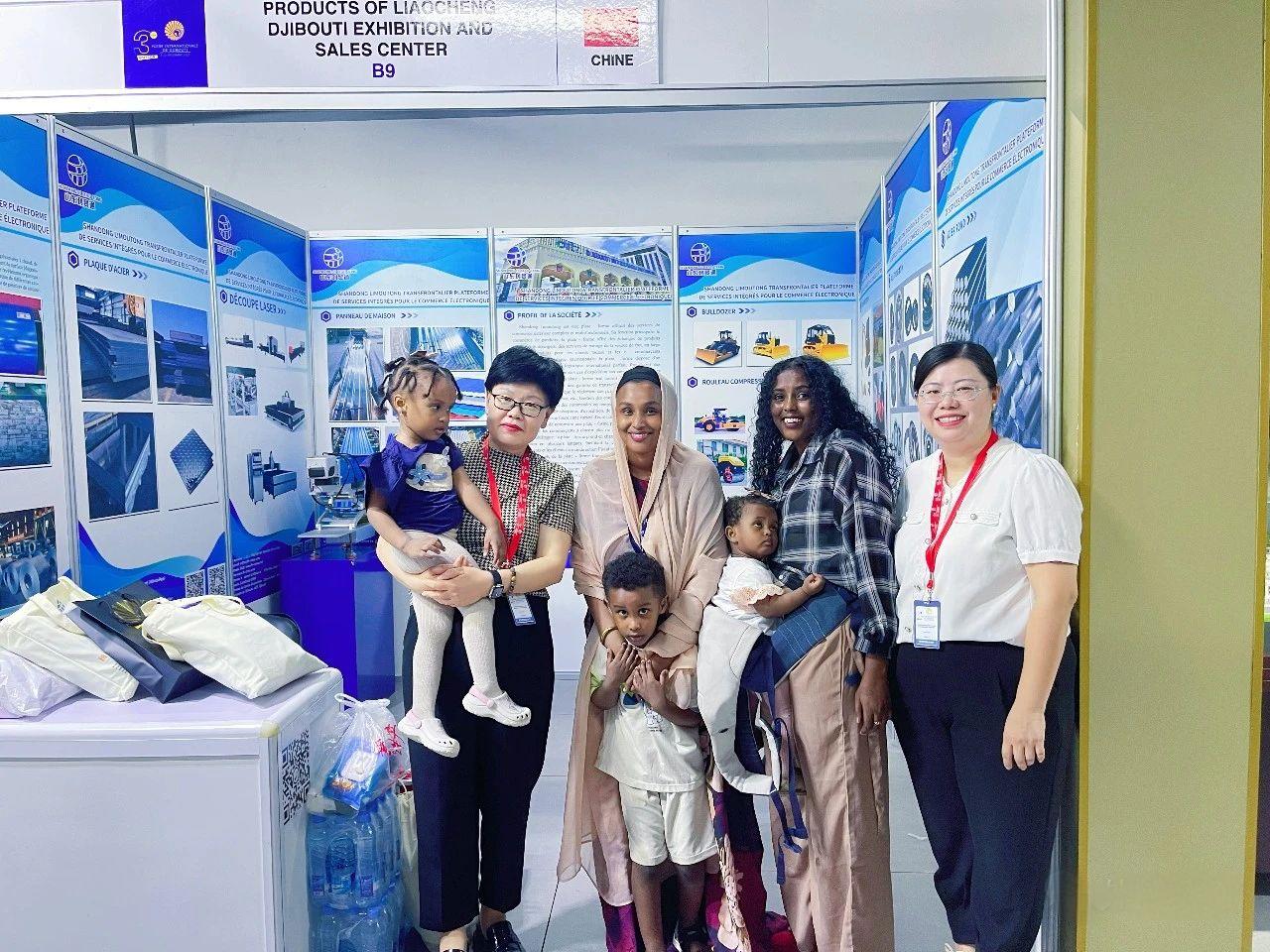
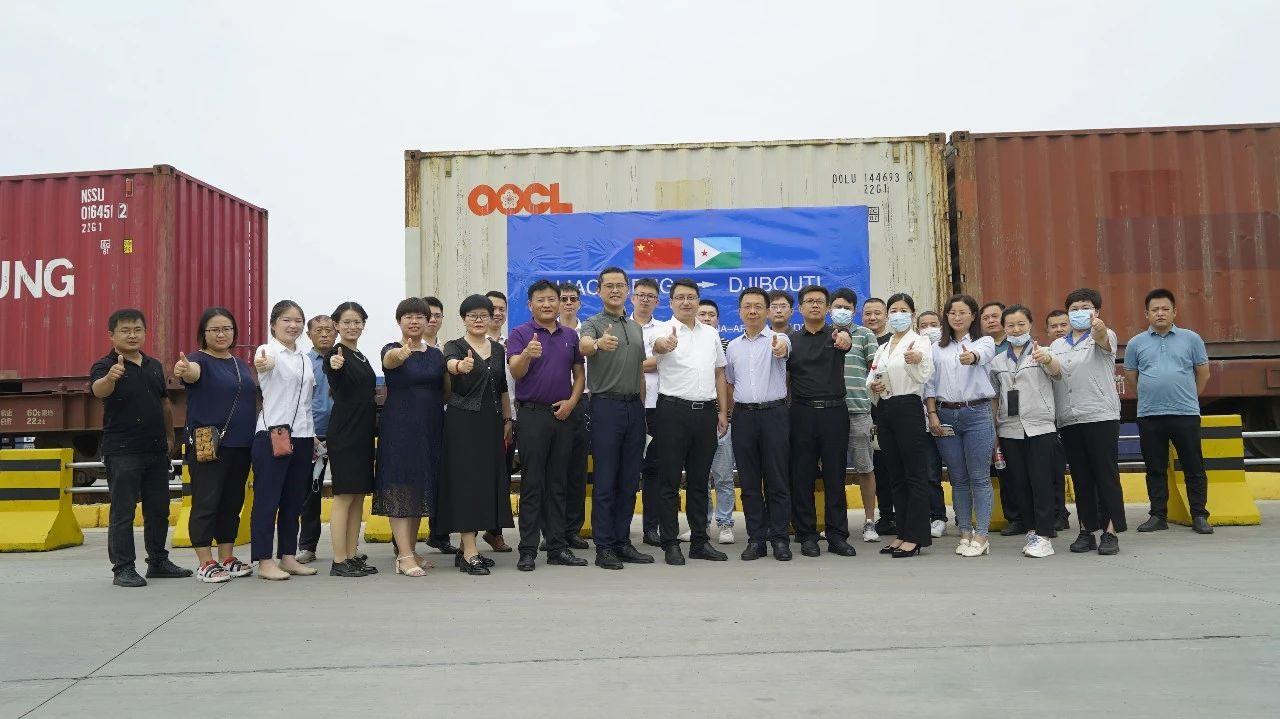
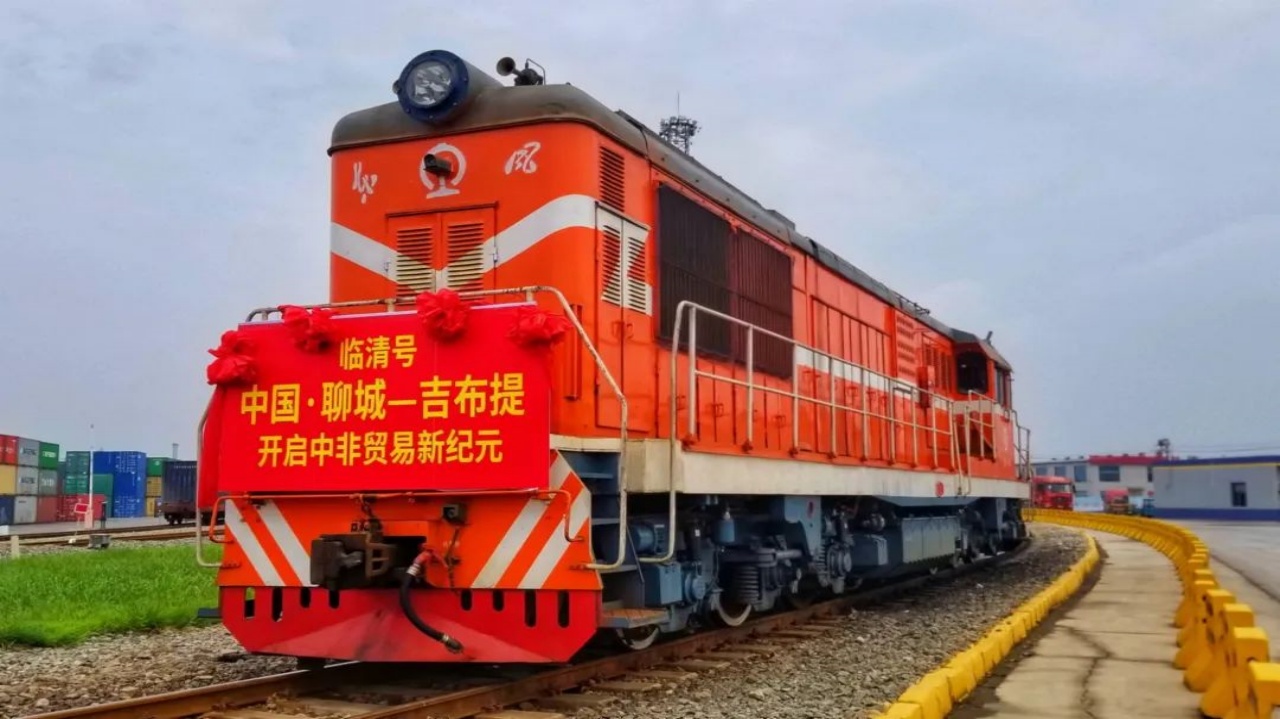
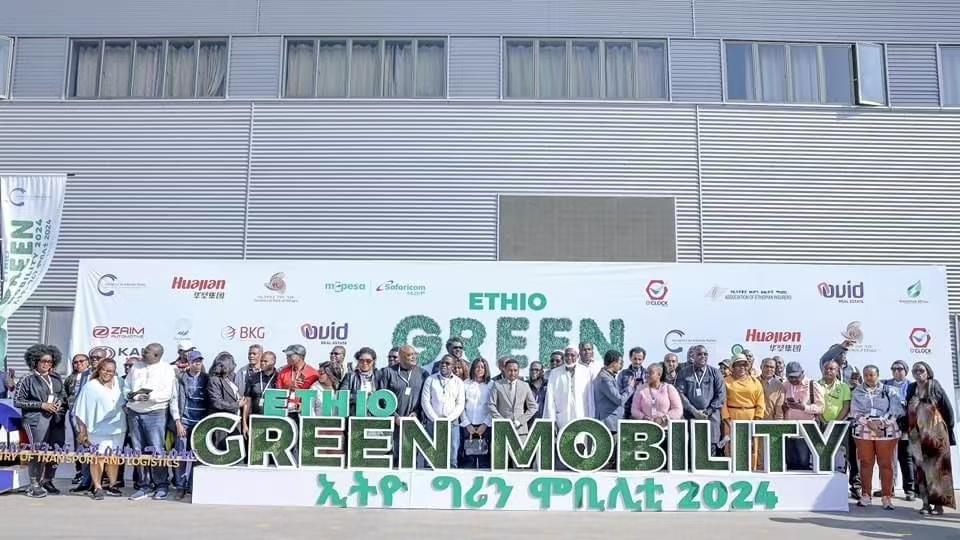
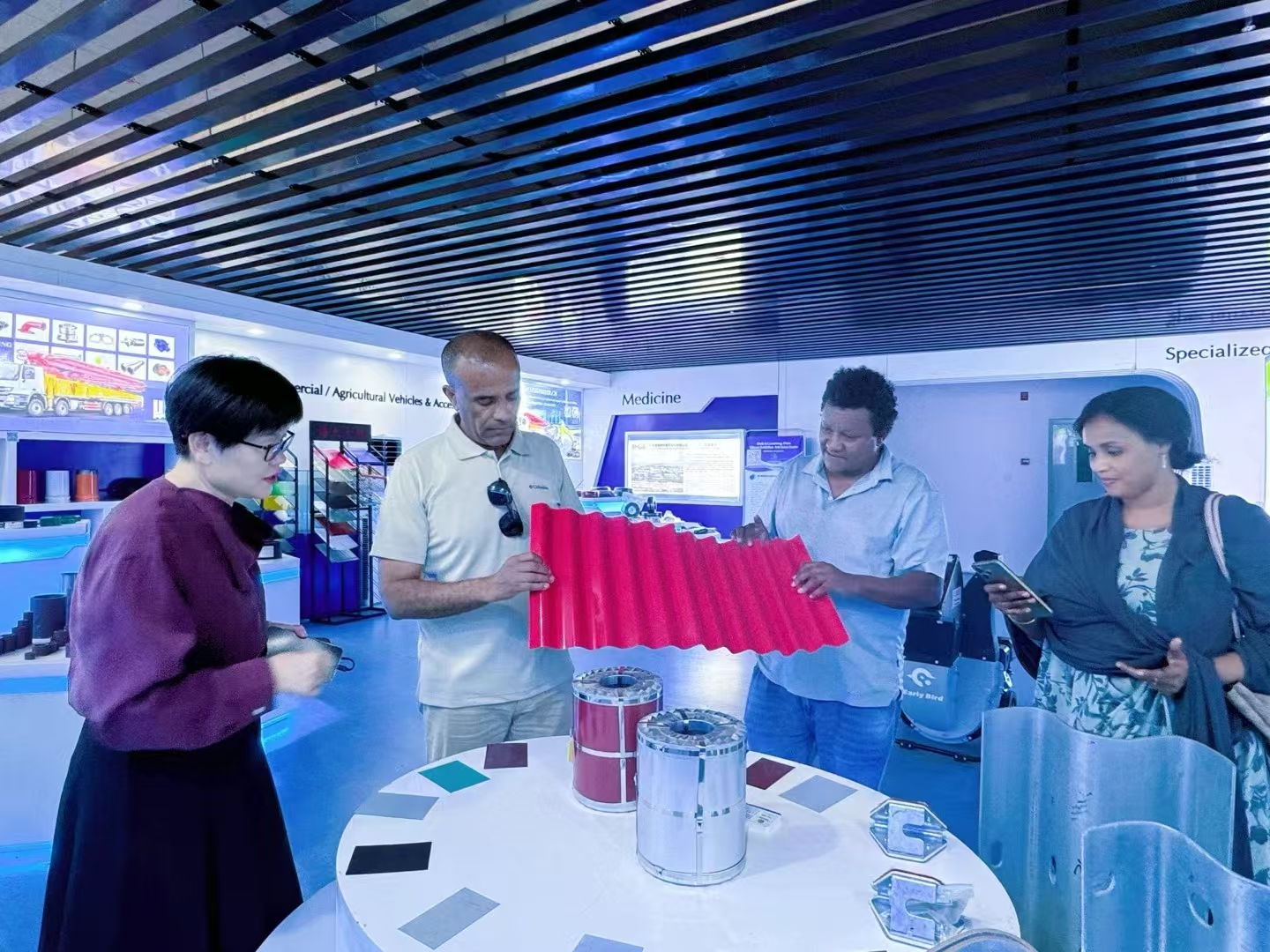
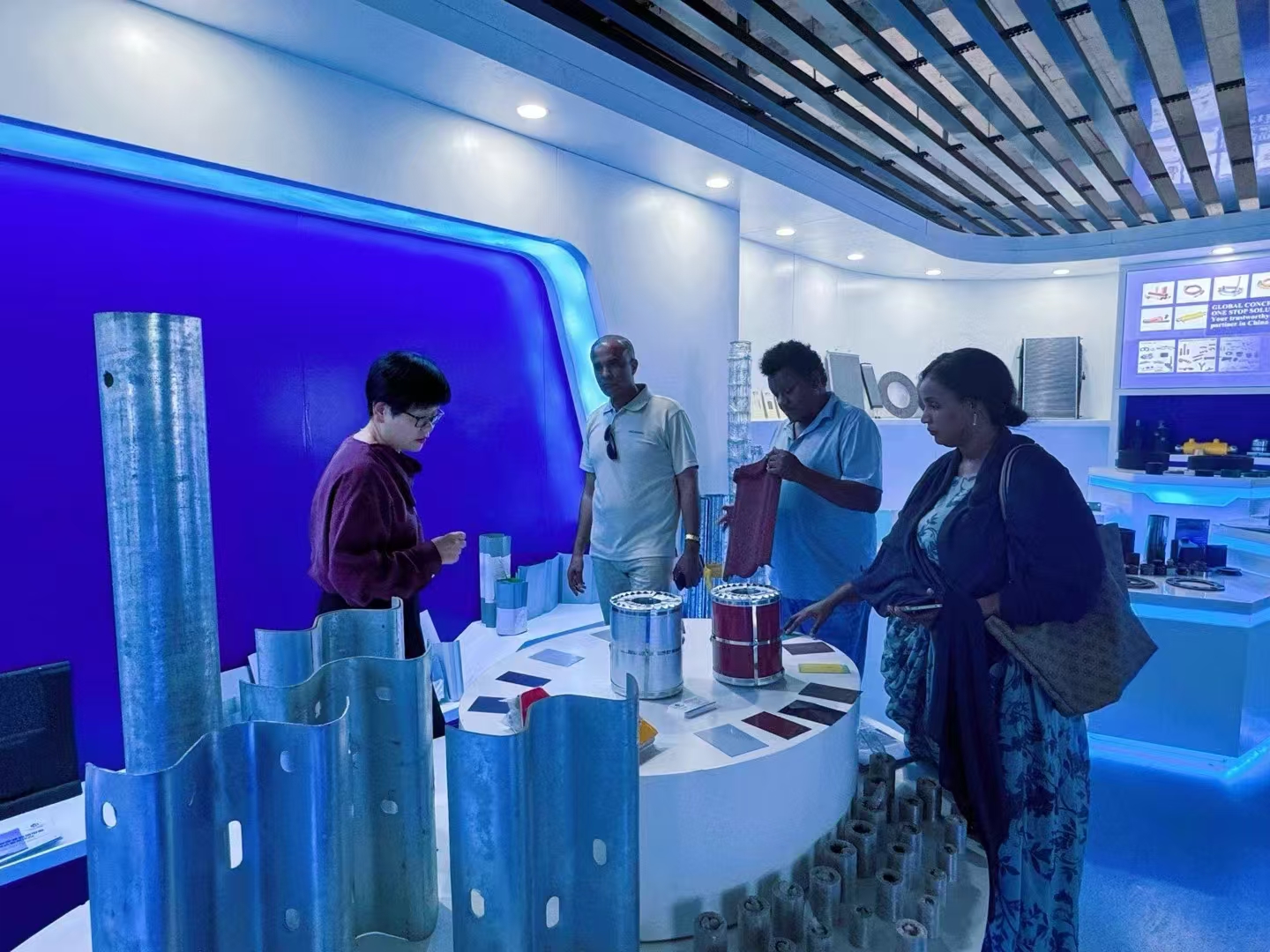
To support global supply chains and ensure rapid delivery across Africa and the Middle East, our group established the Djibouti (Overseas Warehouse) Cross-border E-commerce Exhibition and Sales Center in 2023. Located in the Djibouti International Free Trade Zone, this modern hub serves as a central distribution and service terminal for East Africa.
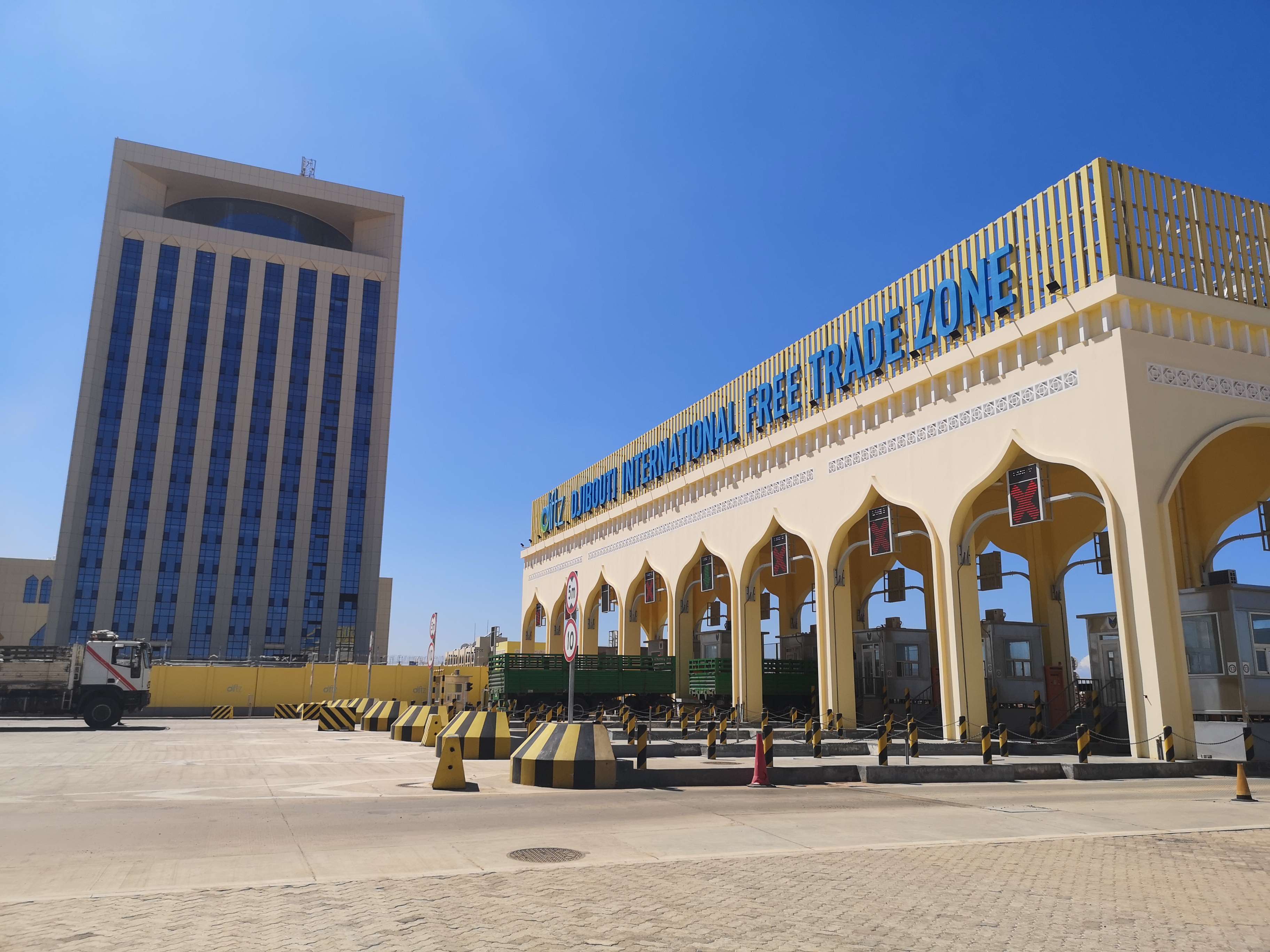
Managed in cooperation with local trade specialists, this regional hub provides a comprehensive suite of logistics, customs clearance, transit shipping, and post-sales support services. Using a "cross-border trade + front-end warehouse" model, we link our digital platforms with physical inventory to minimize transit times for regional partners.
This warehouse complex serves several key functions to help our global trade partners scale their operations:
The 3-wheeler motorbike market is undergoing a rapid transition from basic internal combustion engines to smart, connected electric powertrains. Top Chinese manufacturers are leading this shift by integrating advanced clean energy and communication systems directly into their vehicle chassis.
Integrating high-efficiency monocrystalline solar panels onto cargo and passenger vehicle roofs provides a sustainable method for extending range. These solar systems generate up to 2.5 kWh of clean energy per day, adding an extra 25-40 km of range and reducing grid charging dependency. This feature is particularly valuable for off-grid operations in high-sunlight regions.
Our premium electric vehicle models use high-density Lithium-Iron-Phosphate (LiFePO4) chemistries, which deliver over 3,000 charge cycles at 80% Depth of Discharge (DoD). Managed by an active-balancing BMS, the battery cells are protected against thermal runaway, short circuits, and voltage surges, ensuring stable, long-term performance under demanding operating conditions.
Modern commercial cargo delivery fleets use real-time GPS tracking and CAN-bus telemetry systems. This allows fleet managers to monitor motor temperatures, battery state-of-health, and payload dynamics, enabling predictive maintenance scheduling and minimizing unscheduled vehicle downtime.


Expert Answers to Common Inquiries from Fleet Operations Managers and Global Distributors
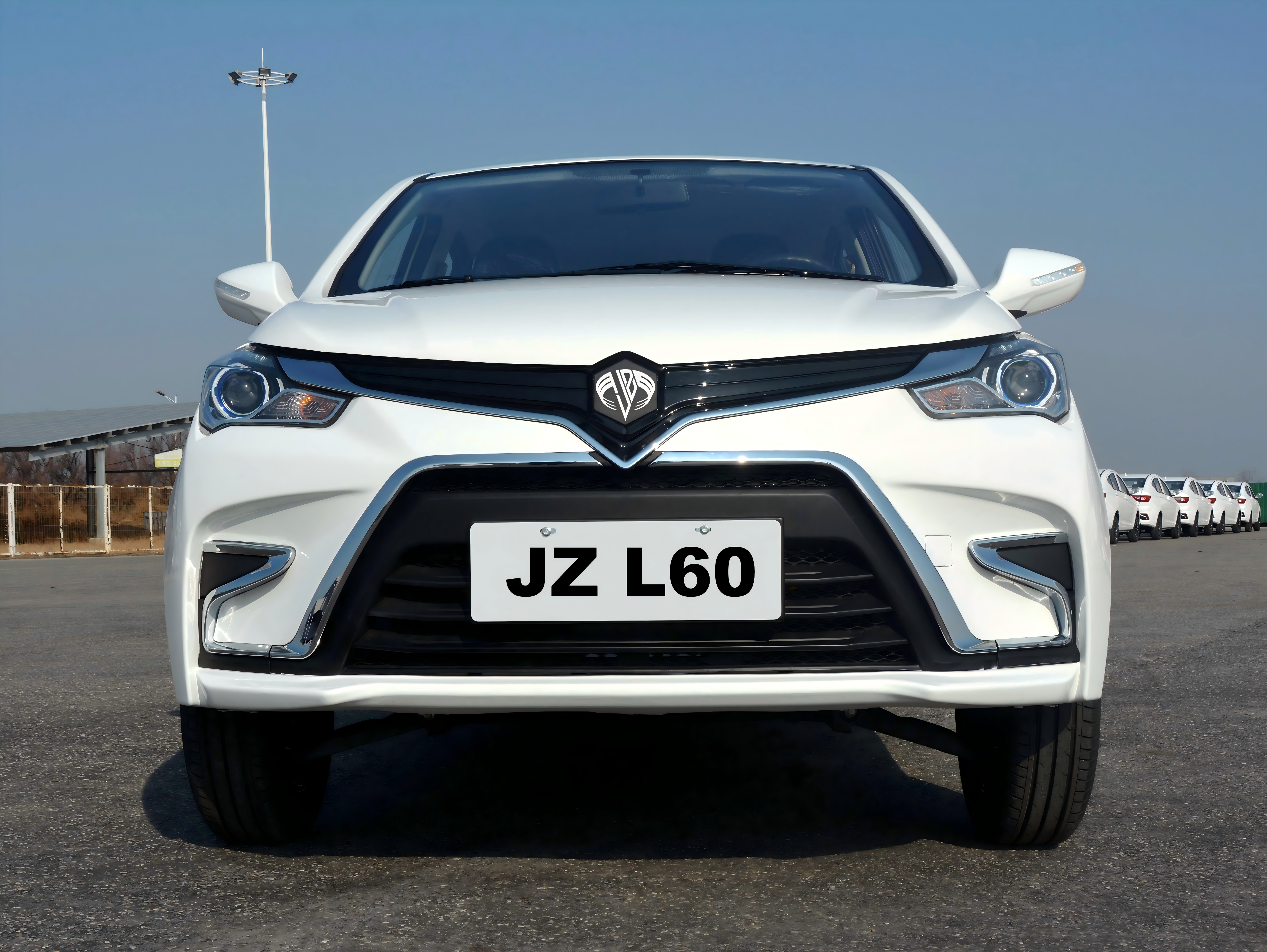
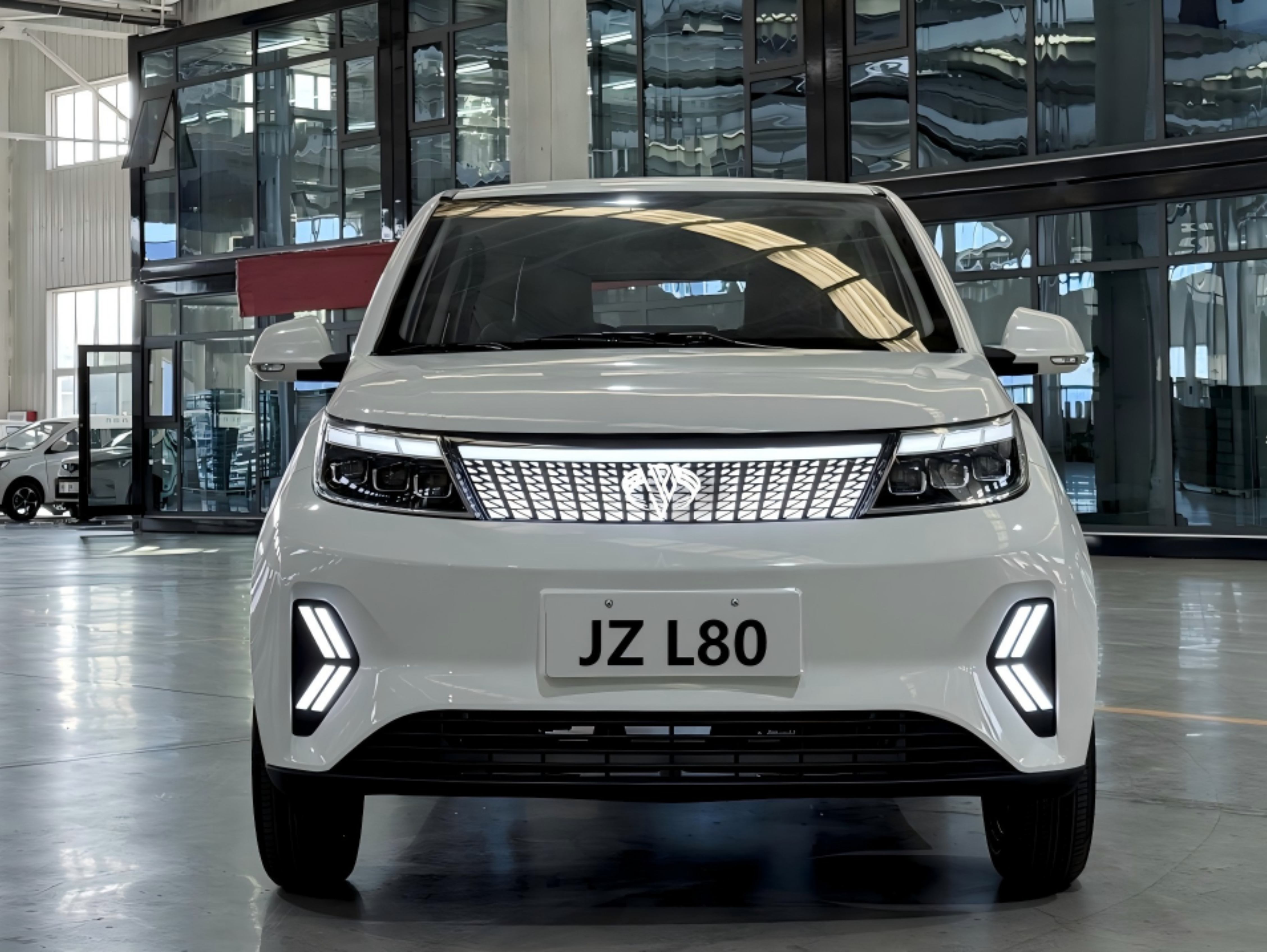
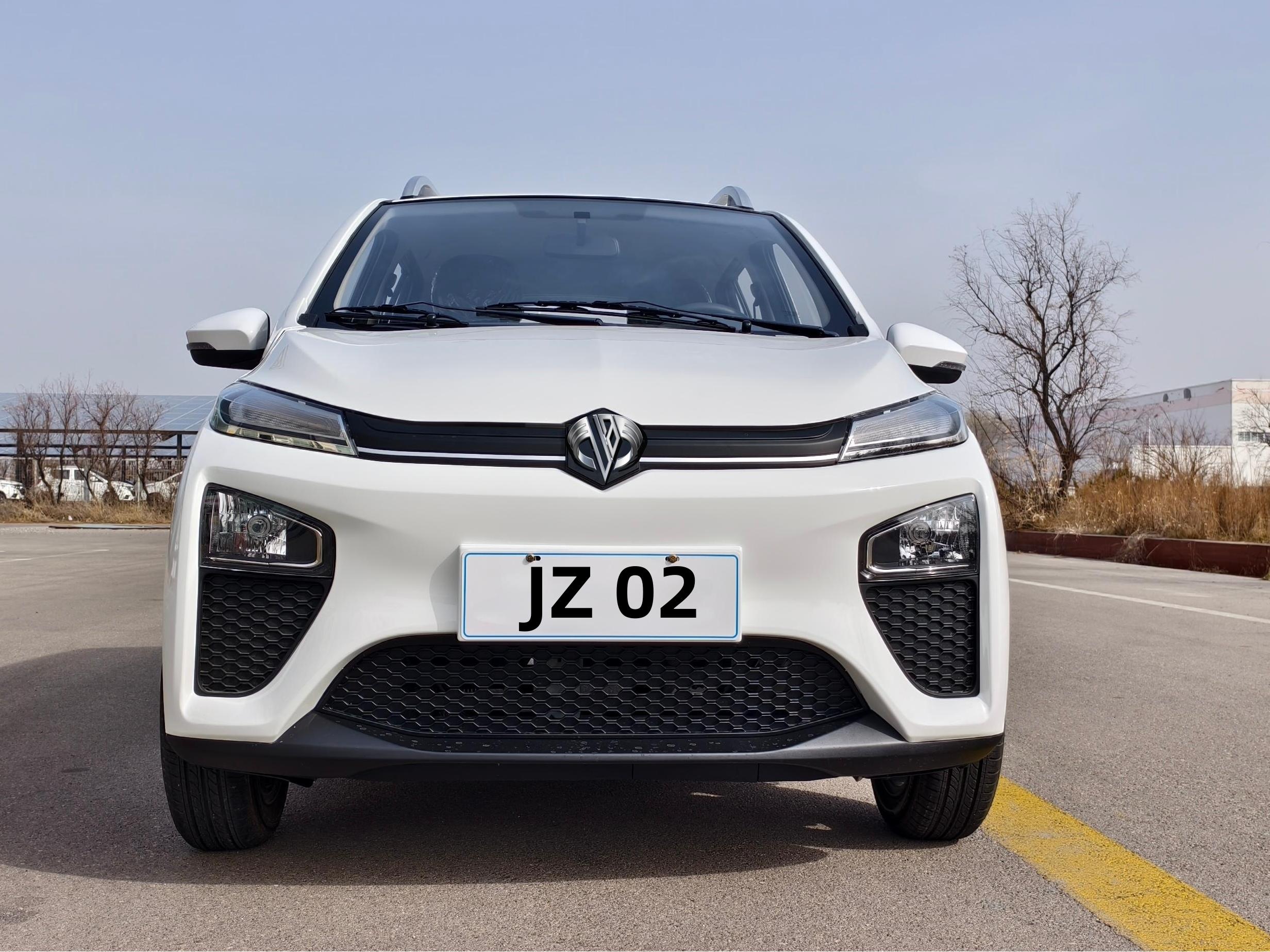
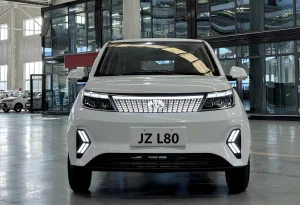
Premium Enclosed Cargo Transports, Passenger Tuk-Tuks, and Eco-Friendly Passenger Cars
Direct Procurement and Detailed Manufacturing Specification Links
Access specific manufacturer design links and product listings below to request technical documents, custom quotes, and freight shipping estimates:
 Limaotong