Engineered for Commercial Longevity, Passenger Safety, and High Performance
A B2B Analysis of Electric Rickshaw Tuktuks as Sustainable Infrastructure
The global micro-mobility market is witnessing an unprecedented transition from combustion engine three-wheelers to advanced electric drivetrains. Across urban hubs in South Asia, East Africa, and Latin America, the passenger rickshaw tuktuk acts as the lifeblood of regional commercial fleets and local public transport systems. In an era shaped by stringent emission regulations and volatile fuel prices, operators require highly durable, cost-effective, and safe passenger vehicles that can sustain heavy operational loads daily.
As a leading China Rickshaw Tuktuk for Passenger Manufacturer and Supplier, Shandong Li Mao Tong Group addresses this demand through precision engineering, vertical industrial integration, and strategic global logistics networks. With vehicles deployed across more than 120 countries and regions, our engineering frameworks target the optimization of fleet lifecycle costs (TCO), passenger safety, structural integrity, and regional compliance standards.
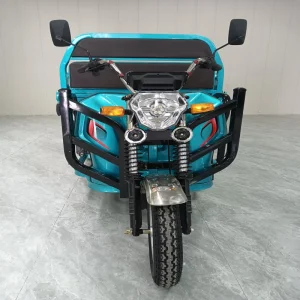
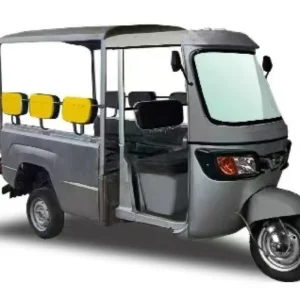
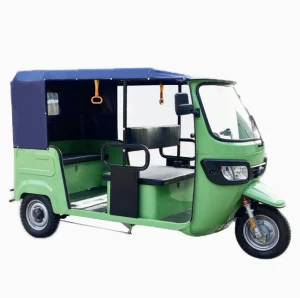
In developing urban areas and dense metropolitan corridors, traditional buses are often too large, while private passenger cars remain economically unfeasible for last-mile commuting. Electric rickshaw passenger tuktuks bridge this infrastructural gap. These lightweight passenger vehicles (LPTs) function as dynamic shared taxis, corporate campus shuttles, and municipal tour transports.
From an investment perspective, commercial fleet buyers assess three key metrics: energy conversion efficiency, structural durability under severe road conditions, and cabin comfort. Modern passenger rickshaws must balance passenger capacity (ranging from 3 to 7 seats) with overall battery weight and frame rigidity. The integration of high-density Lithium Iron Phosphate (LiFePO4) battery packs, coupled with smart Battery Management Systems (BMS), has elevated electric tuktuks from simple local transit solutions to sophisticated IoT-connected municipal assets.
Our Systematic Approach to Manufacturing High-Efficiency Passenger Electric Vehicles
Utilizing high-torque Permanent Magnet Synchronous Motors (PMSM) up to 3000W, integrated with smart vector sine-wave controllers. Delivers superior starting torque, efficient hill climbing up to a 25% gradient, and regenerative braking to recapture kinetic energy, extending battery range by 10-15%.
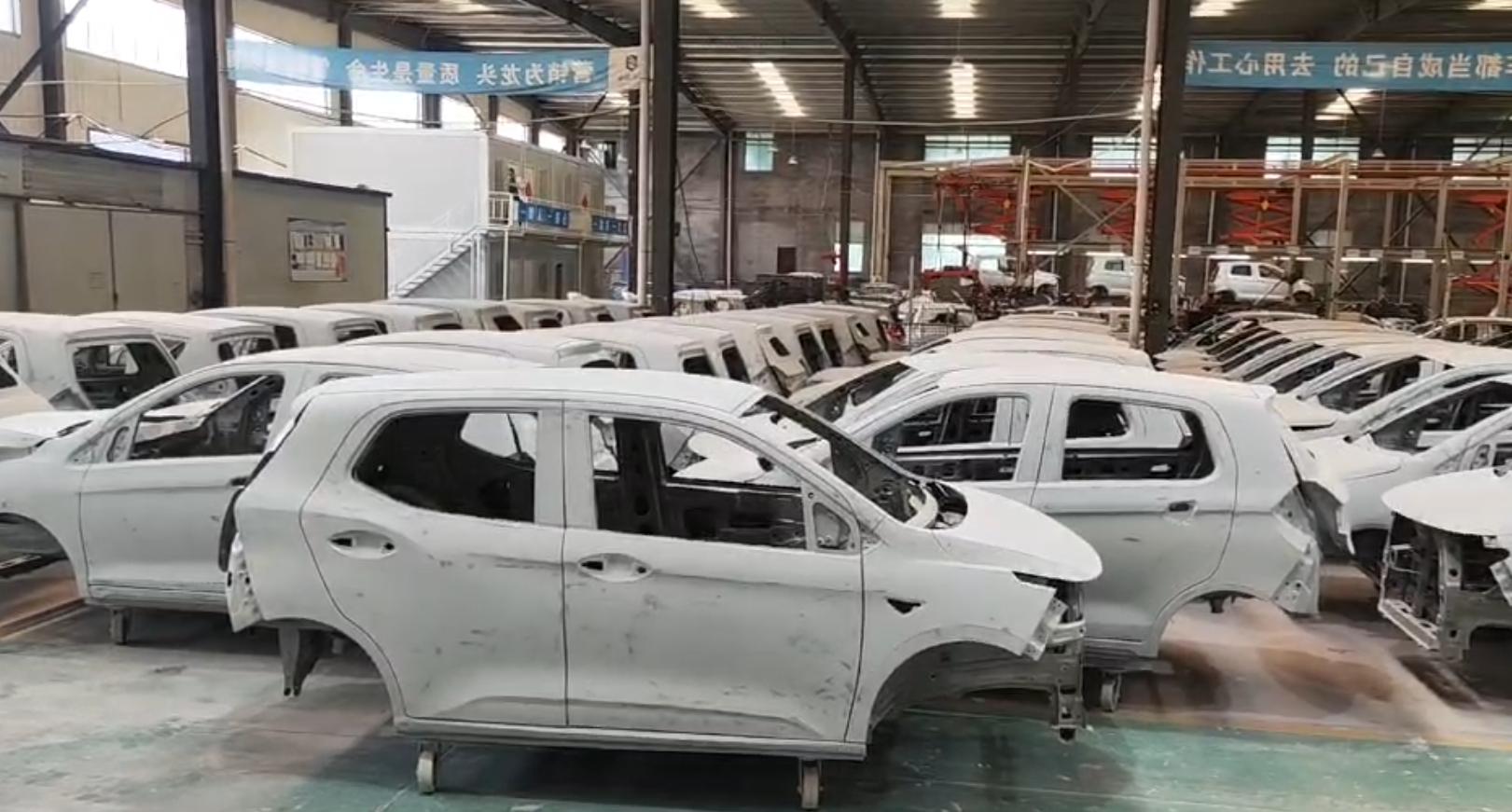
Our heavy-duty steel chassis undergoes advanced laser cutting and structural robotic welding. Monocoque cabin structures feature high-strength steel bars that safeguard passengers from side and rear impacts, offering unmatched mechanical safety compared to standard local retrofitted models.
Each chassis and iron frame cabin undergoes a multi-stage hot-dip pickling, phosphating, and electrophoretic paint (E-Coat) process. This creates an impenetrable protective seal against rust, essential for high-moisture coastal regions and demanding tropical climates.
How Our Vehicles Excel Across Diverse Geographical and Climatic Terrains
One of the primary challenges in global electric tuktuk operation is geographical variability. Standard electric three-wheelers built for flat, dry urban roads often fail when deployed in high-moisture tropical islands or steep terrain. Shandong Li Mao Tong Group tackles this by offering tailored vehicle variants configured for specific environmental conditions.
Coastal & High-Humidity Marine Environments: Salty air accelerates corrosion, destroying structural welds within months. Our marine-grade passenger tuktuks feature double-layer polyurethane topcoats and silicone-sealed electrical connections. IP67 rated motors and battery enclosures shield internal circuitry from water ingress during high-tide street flooding or torrential rains.
High-Elevation & Mountainous Zones: To climb steep inclines without overheating the electric motor, we implement a heavy-duty climbing gear transaxle (low/high gear shift). This mechanical advantage increases output torque at low speeds, preventing heat build-up in the stator coils and conserving battery capacity over elevated routes.
Dense Urban Shuttle Corridors: In megacities, start-and-stop congestion strains vehicle brakes and battery thermal management. We utilize advanced regenerative braking alongside active cooling fans for the controller, keeping operational temperatures low and ensuring consistent braking performance throughout 12+ hours of operation.
Global Industrial Footprint and Scale of Shandong Li Mao Tong Group
Our vehicles empower transportation worldwide, offering localized transit solutions built for various regional environments.
01MORE DETAILSLocalized manufacturing and assembly for efficient supply chain distribution, custom regulations compliance, and faster regional shipping.
02MORE DETAILSReliable, eco-friendly mobility solutions serving commercial transport fleets, passenger operators, and family businesses worldwide.
03MORE DETAILSHow Modern Manufacturing Hubs Stabilize B2B Electric Vehicle Procurement
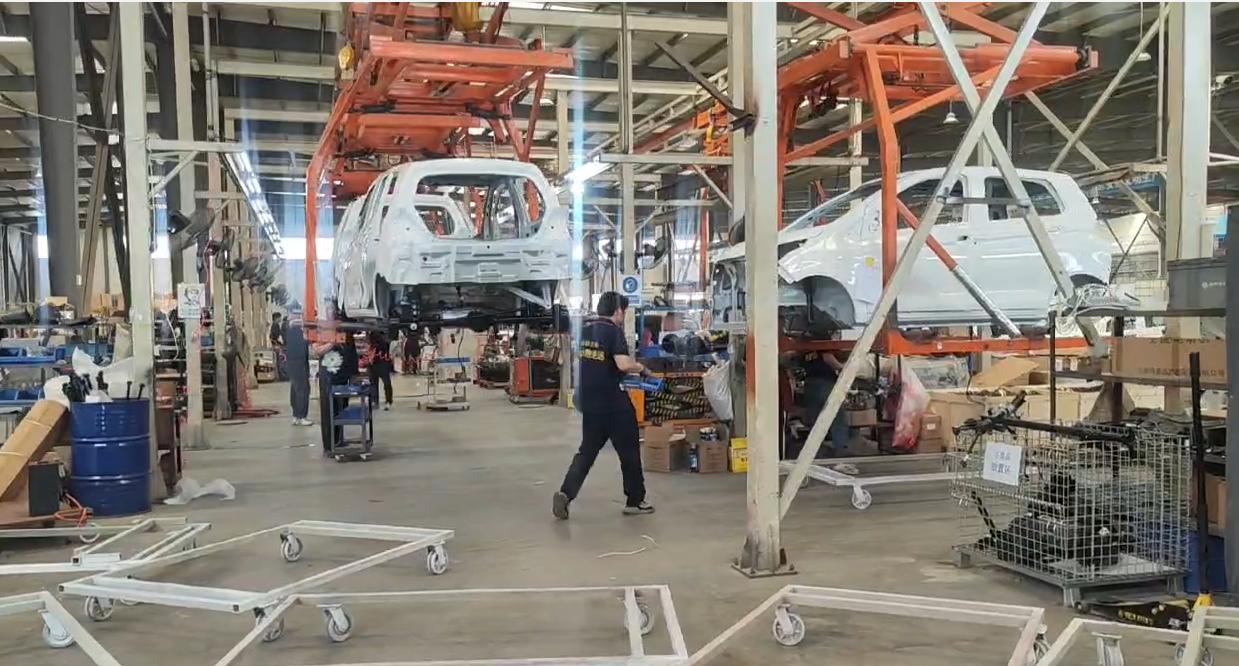
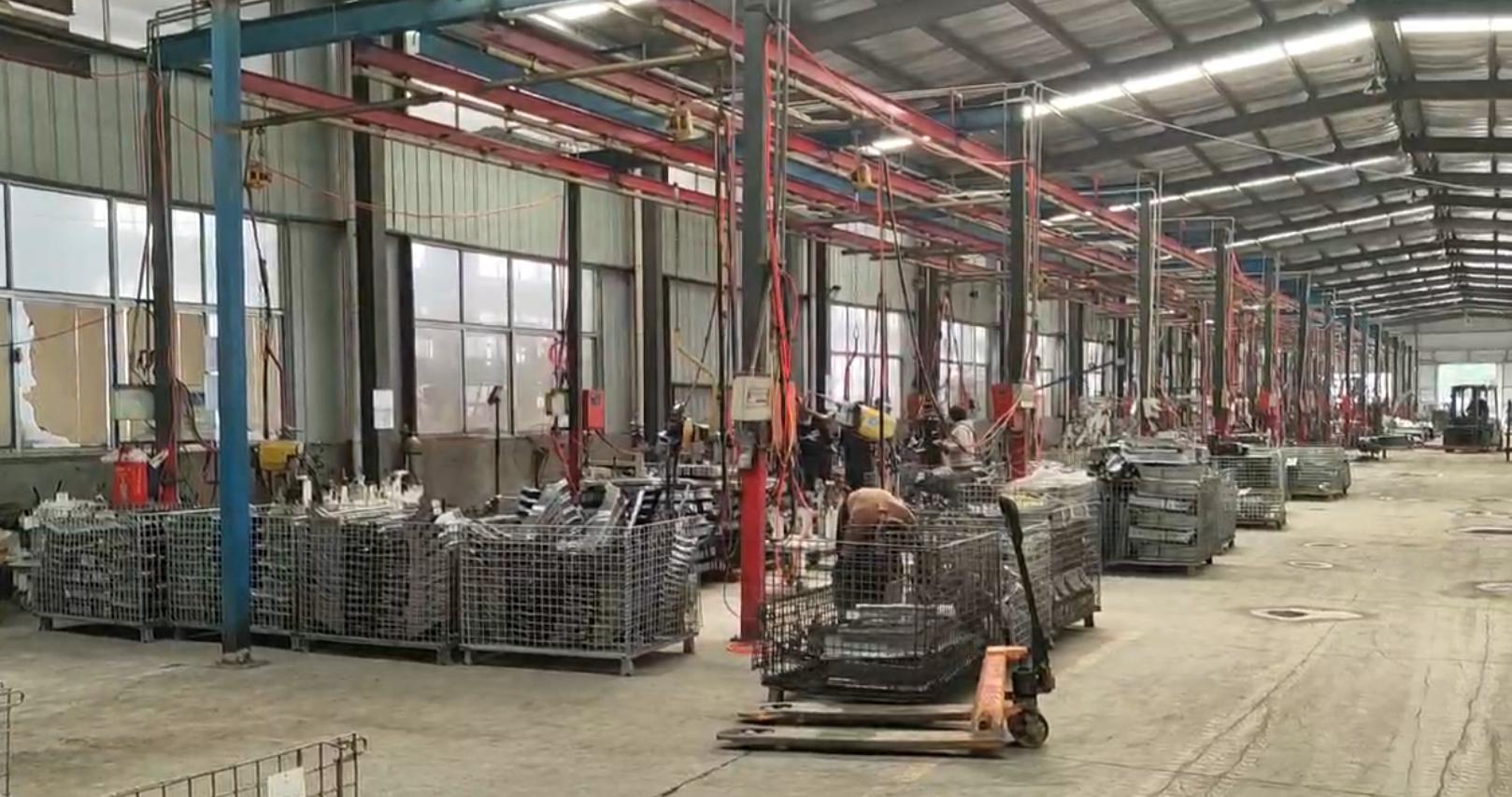
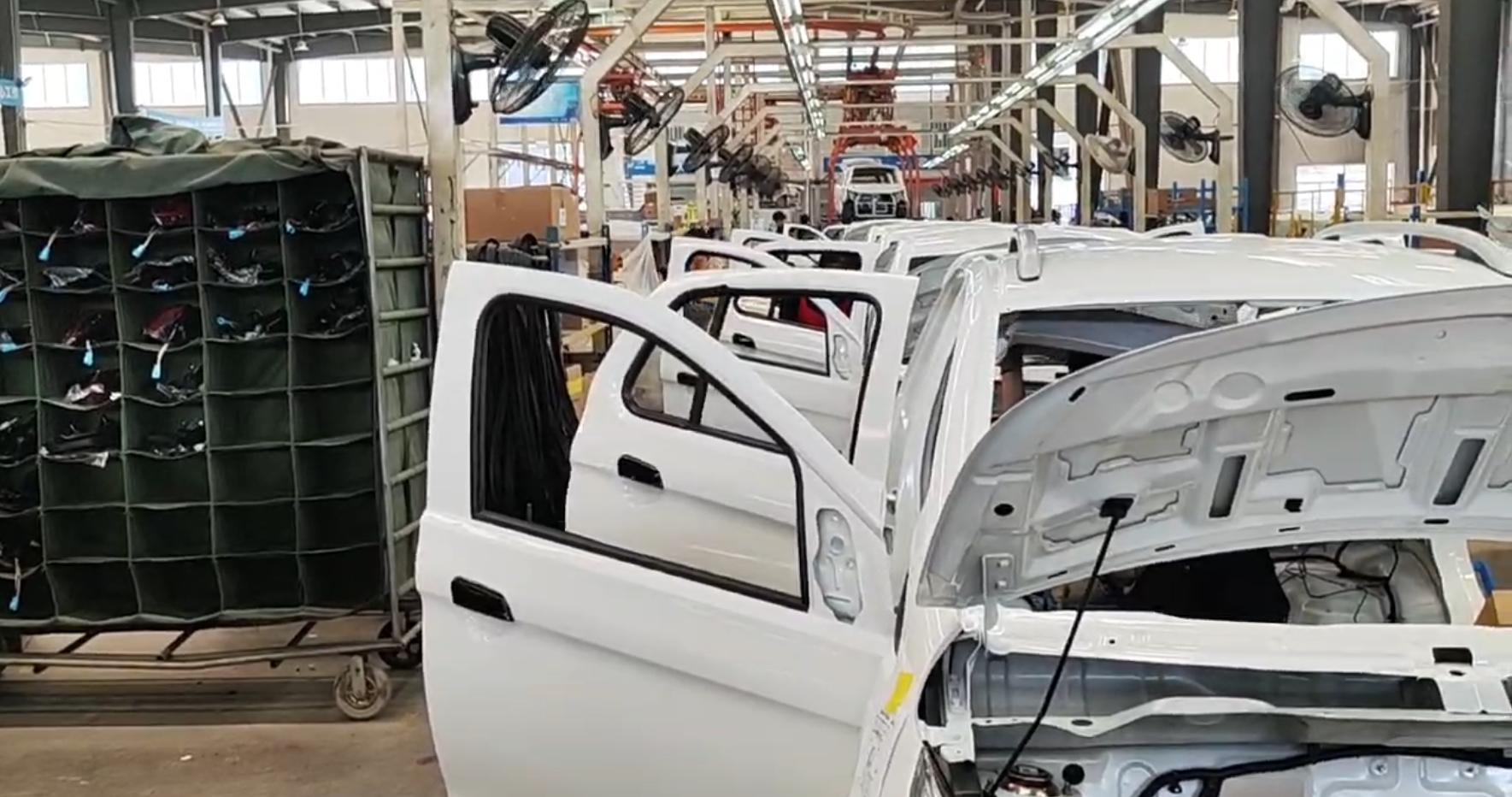
The transition of global passenger fleets to clean energy relies heavily on supply chain stability. Many assembly operations fail due to a lack of core component standardization, causing long delays for replacement parts. Shandong Li Mao Tong Group mitigates this risk through a vertically integrated supply chain, manufacturing all critical components—including high-tensile steel frames, transaxles, wiring harnesses, and controllers—within our own state-of-the-art facilities.
By producing these key subsystems in-house, we enforce strict tolerances, ensure backward compatibility for replacement parts, and lower production costs. These savings are passed directly to our commercial partners. This integration also enables our factory to quickly scale production for high-volume municipal or corporate orders, cutting lead times for international shipments to just weeks.
Additionally, we maintain strategic partnerships with premier Chinese battery cell suppliers, guaranteeing a steady supply of Grade-A Lithium Iron Phosphate (LFP) cells. These partnerships feature rigorous cell testing, thermal runaway mitigation design, and integrated smart BMS programming. This level of supply chain depth ensures our customers receive long-lasting batteries, providing consistent performance over thousands of operational cycles.
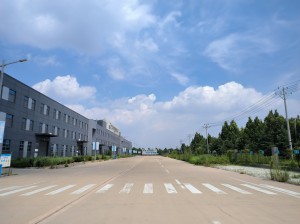
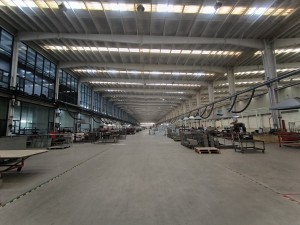
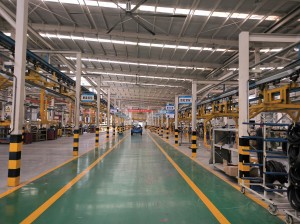
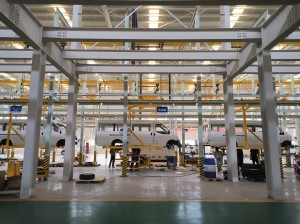
Inside our Intelligent Production Facilities, Assembly Lines, and Quality Assurance Labs
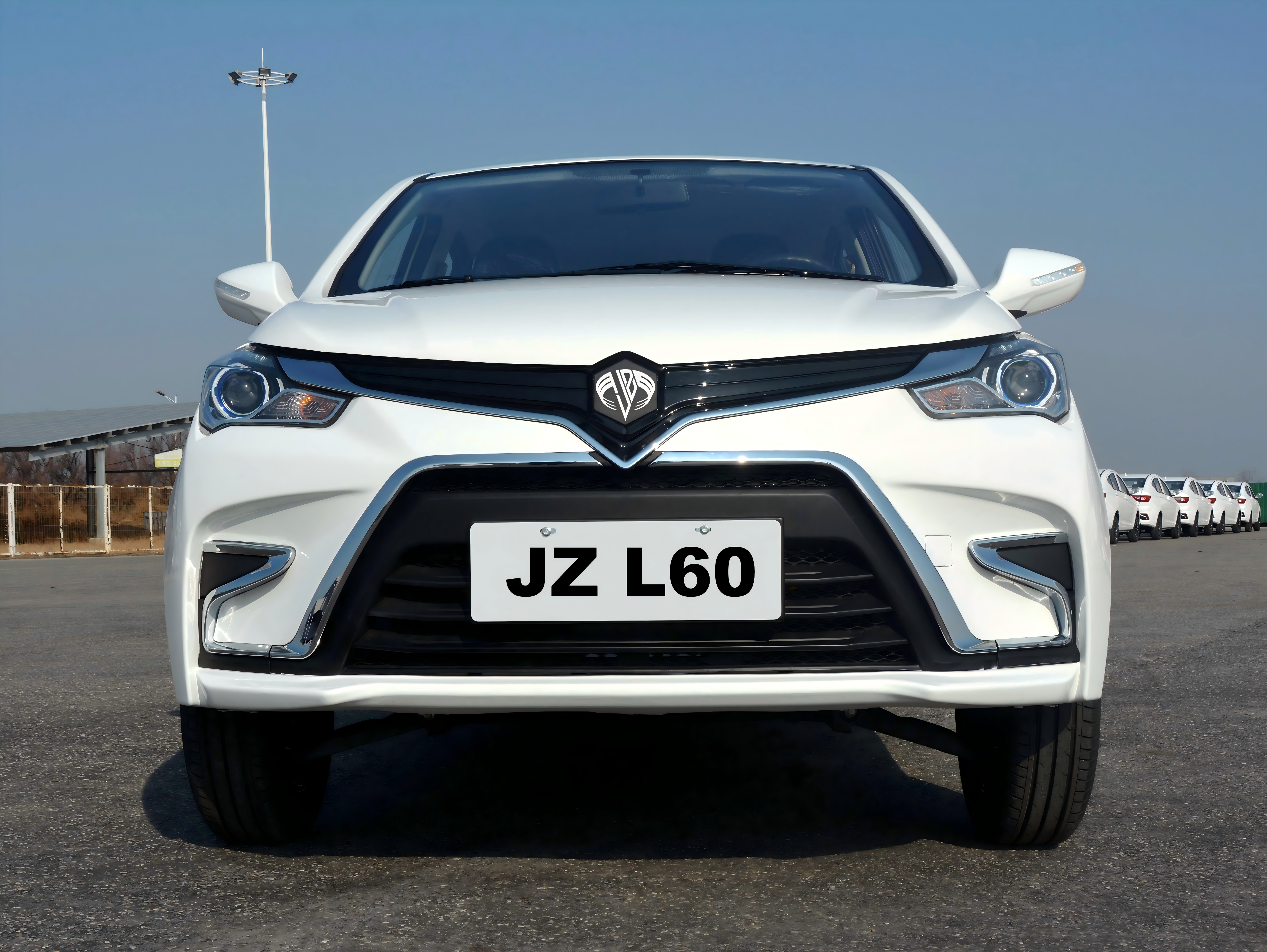
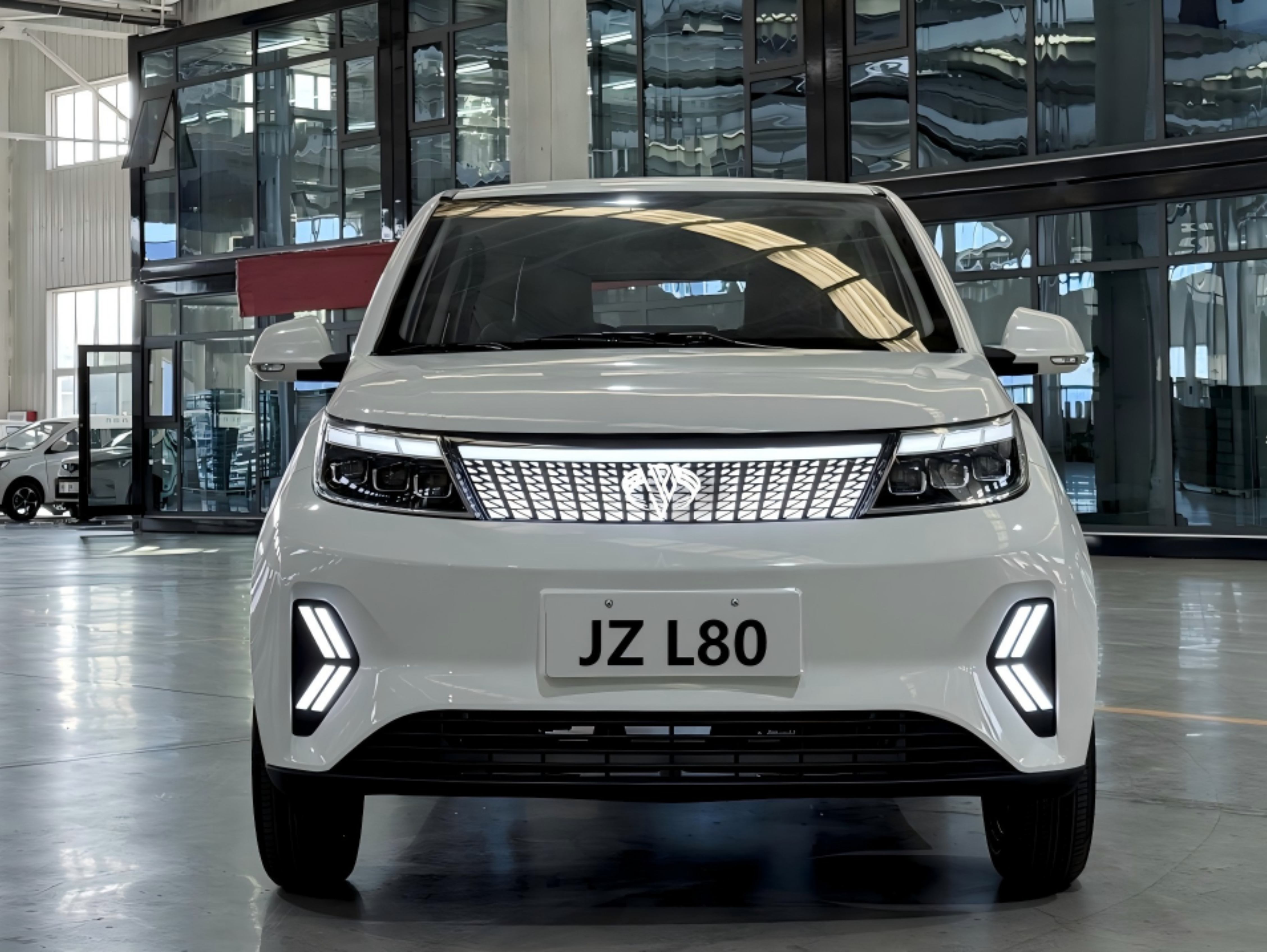
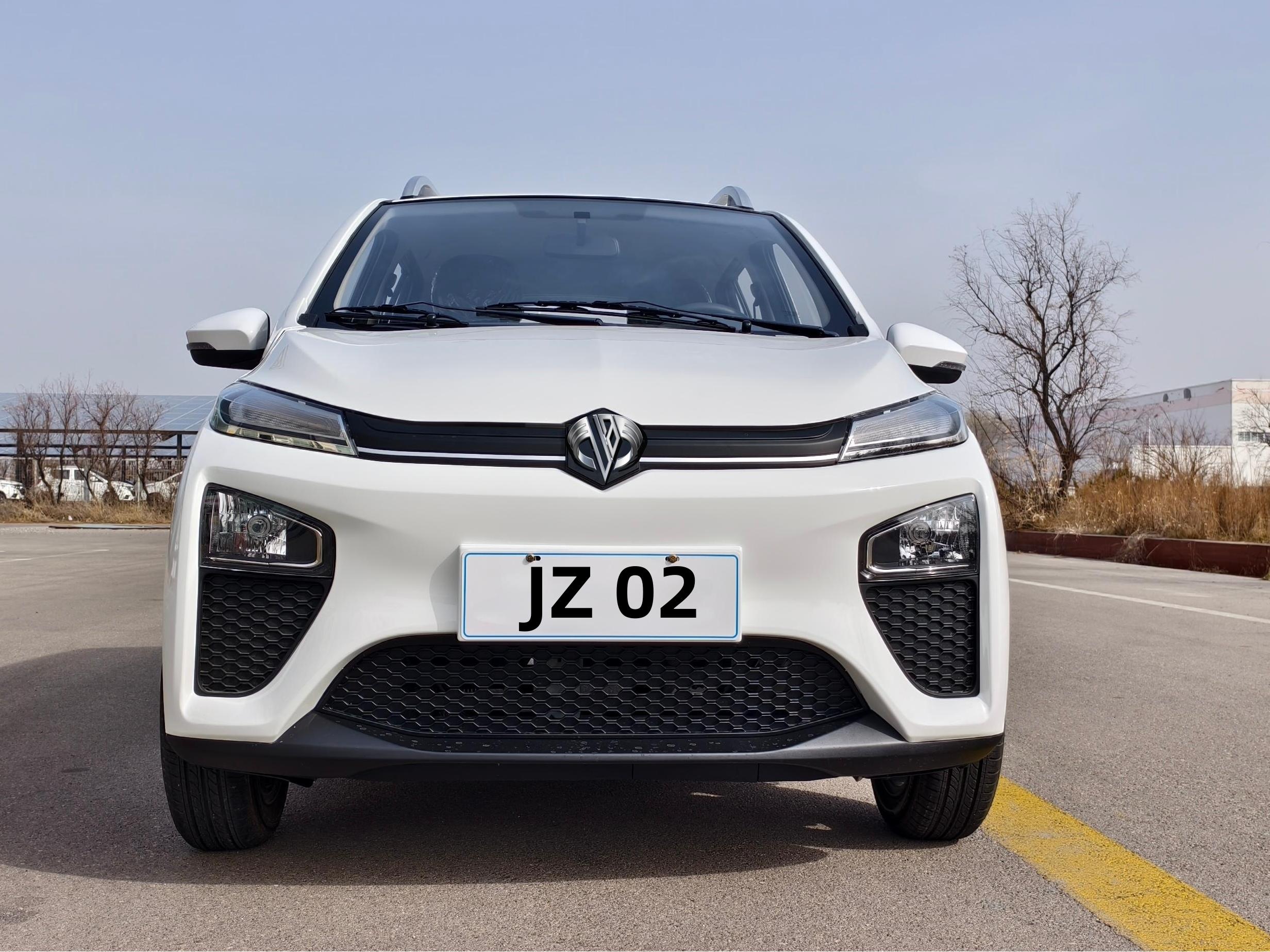
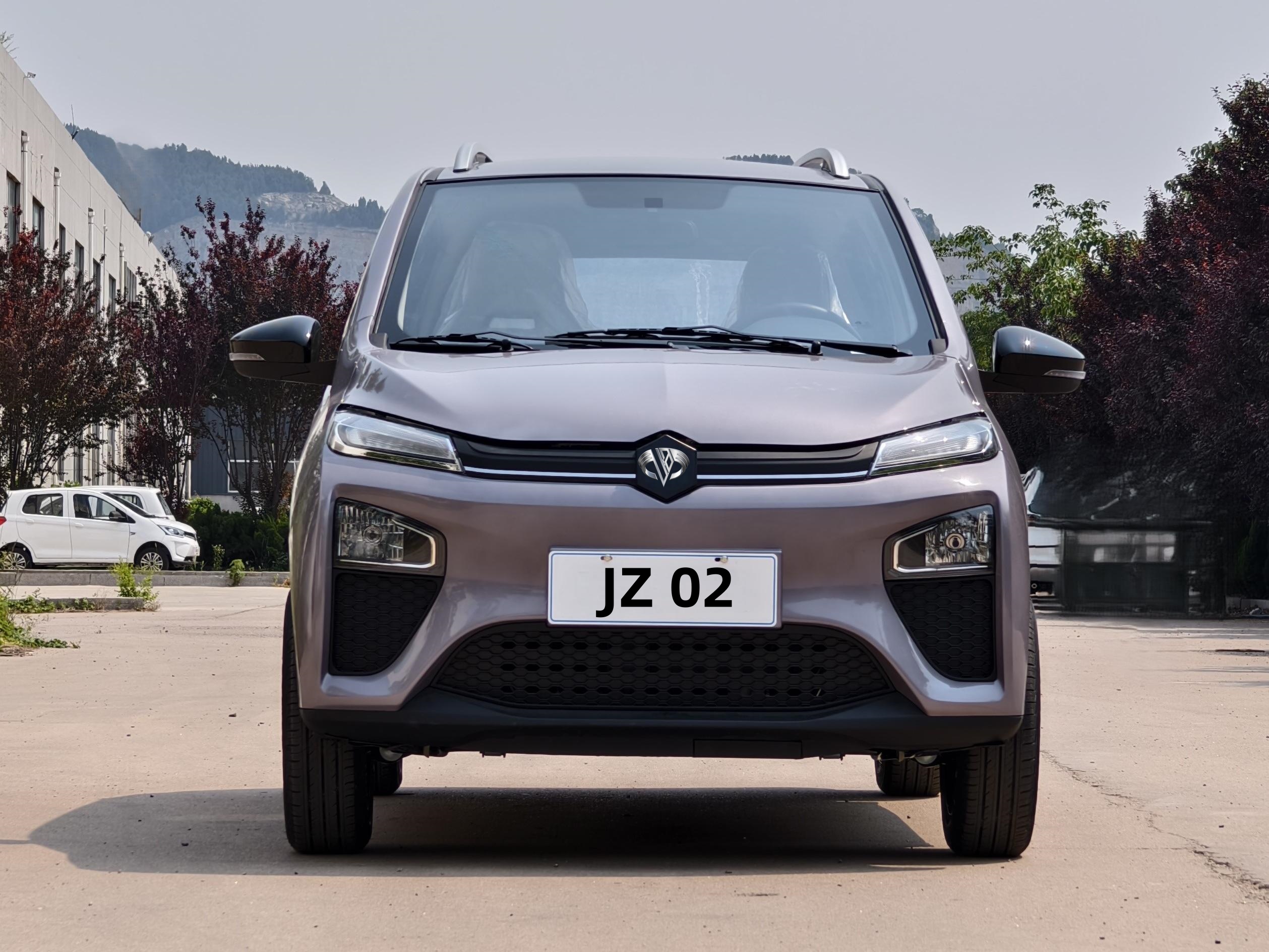
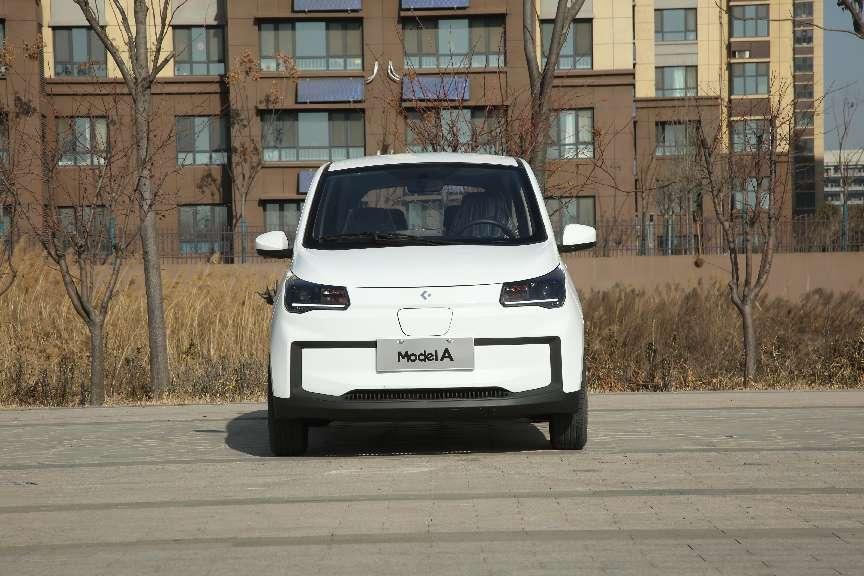
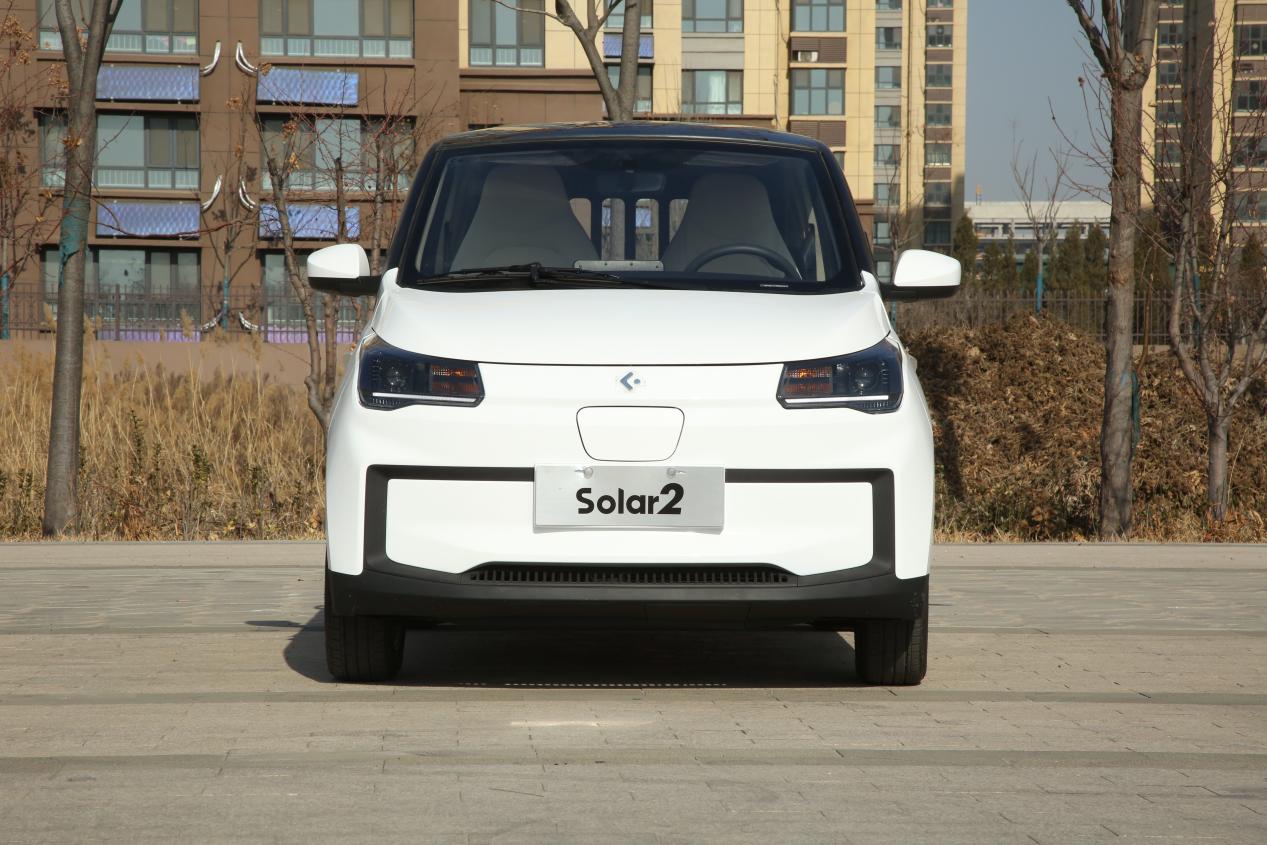
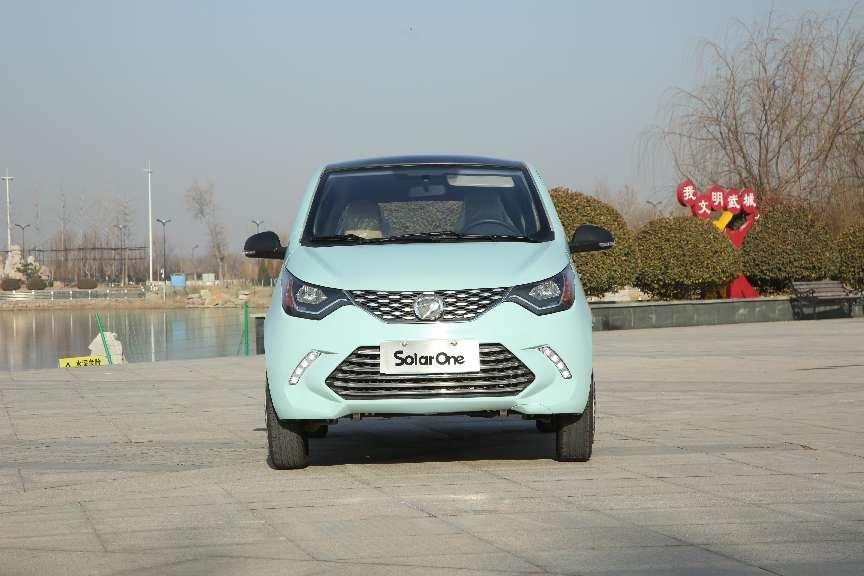
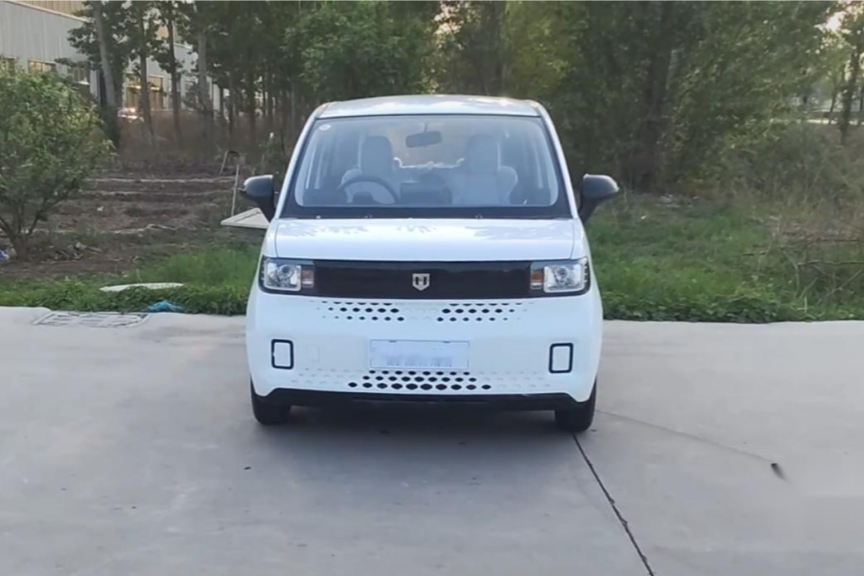
Flagship Electric Tricycles and Urban Micro-Mobility Concepts
Ensuring High Reliability under Demanding Global Operating Environments
To qualify for international deployment, passenger electric vehicles must survive extensive physical stress tests. Our quality control protocol includes severe environmental testing, ensuring structural parts, motor insulation, and chassis integrity perform reliably in all weather conditions.
Laboratory Rainstorm Test: Our passenger vehicles undergo a continuous high-pressure water spray test, simulating a Level 7 rainstorm. This monitors water ingress around critical electrical harnesses, battery terminals, controllers, and digital instrumentation, ensuring the passenger cabin remains completely sealed.
Overloading & Incline Tests: Passenger tuktuks are frequently run at maximum capacity. We test each powertrain configuration under extreme loads on test tracks with grades up to 30%, verifying structural welds, transaxle gearing, and braking stability under heavy stress.
Multi-Terrain Vibration: To simulate rough unpaved roads common in rural and peri-urban hubs, vehicles undergo high-frequency shake tests. This checks suspension responsiveness, structural frame durability, and the stability of internal battery mounting brackets, preventing early material fatigue.
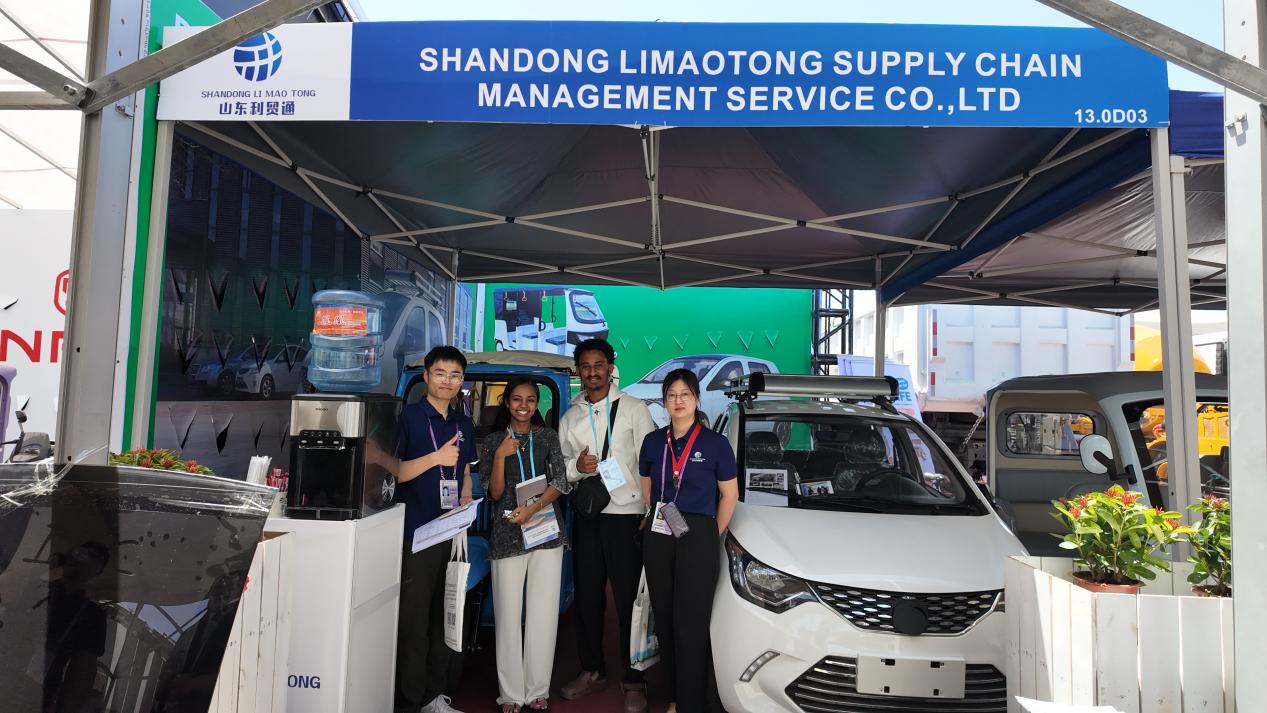
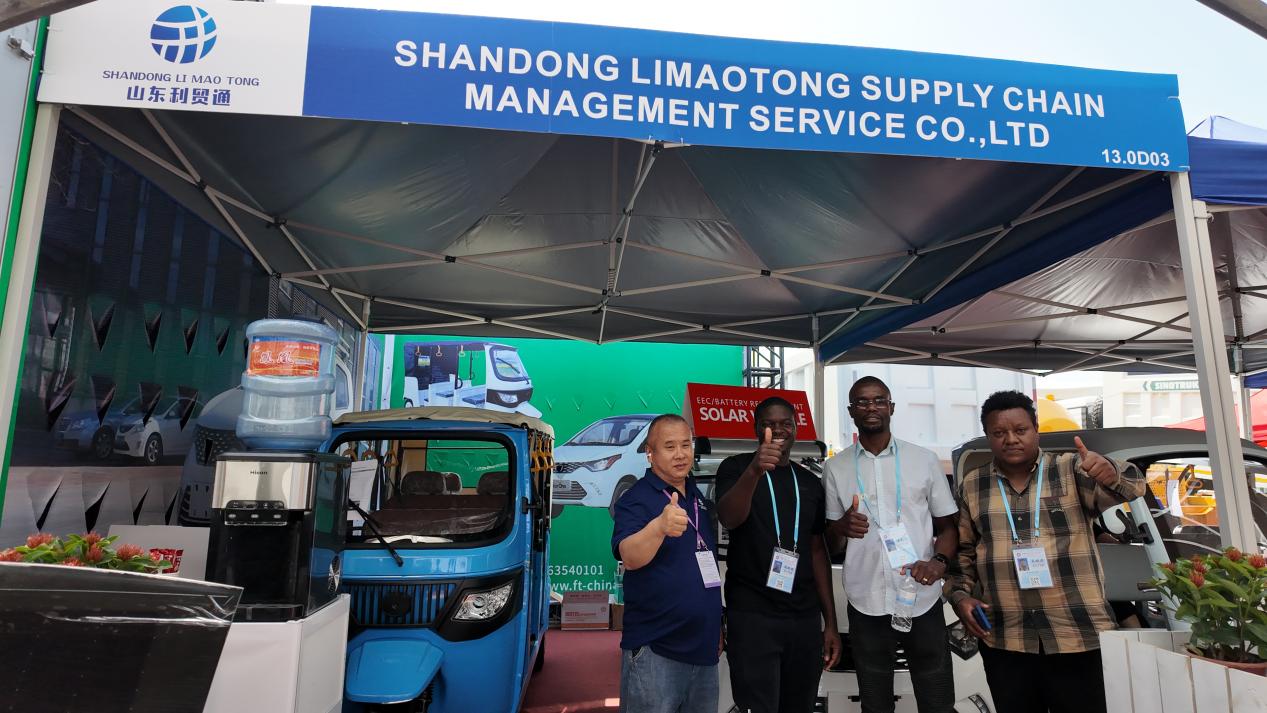
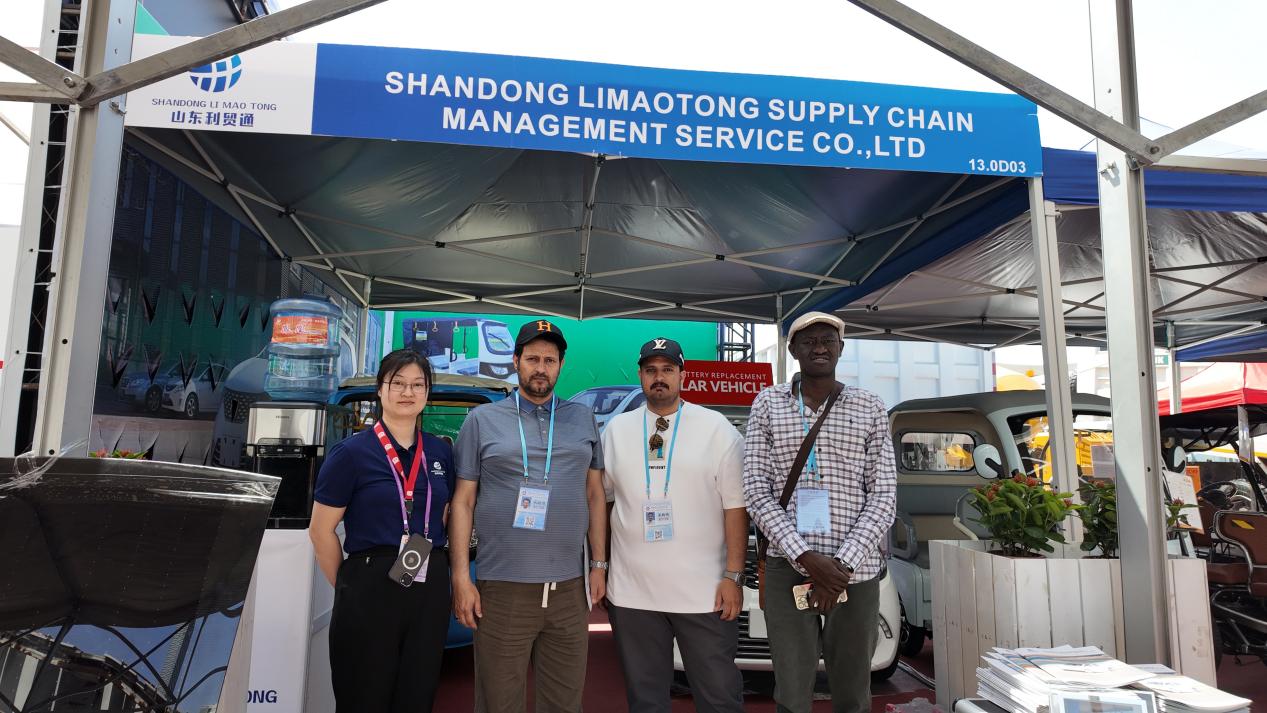
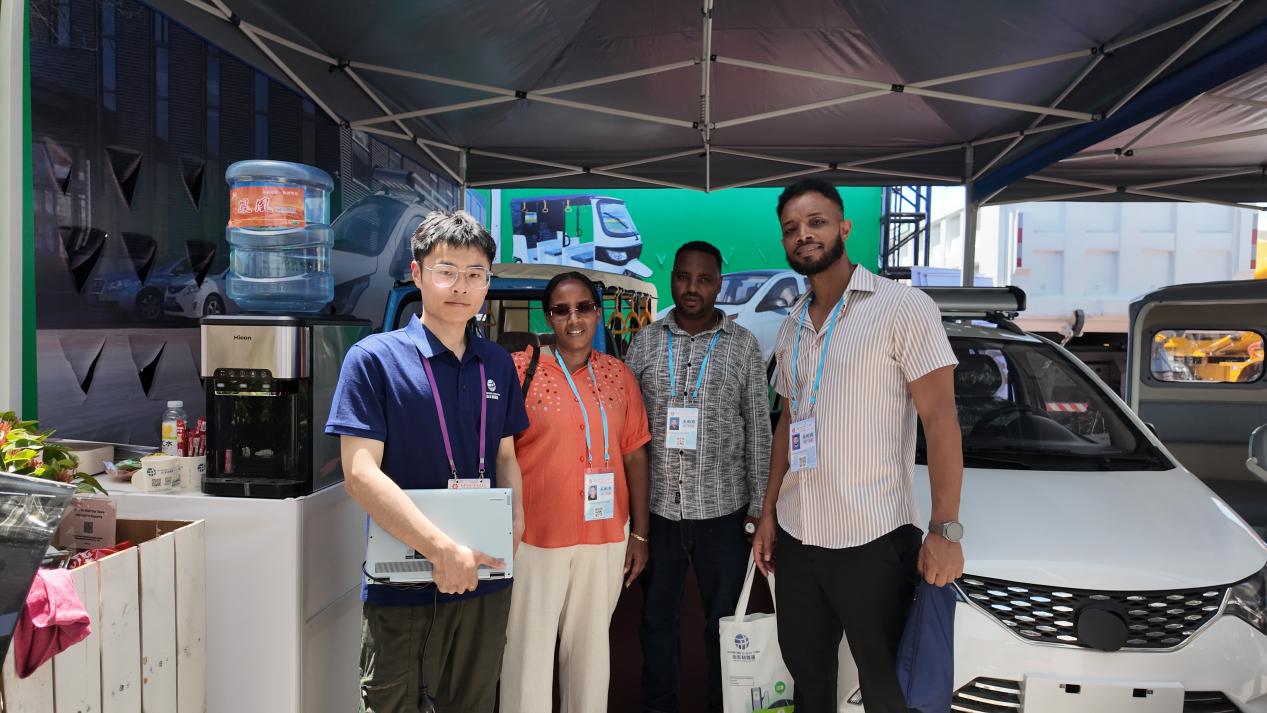
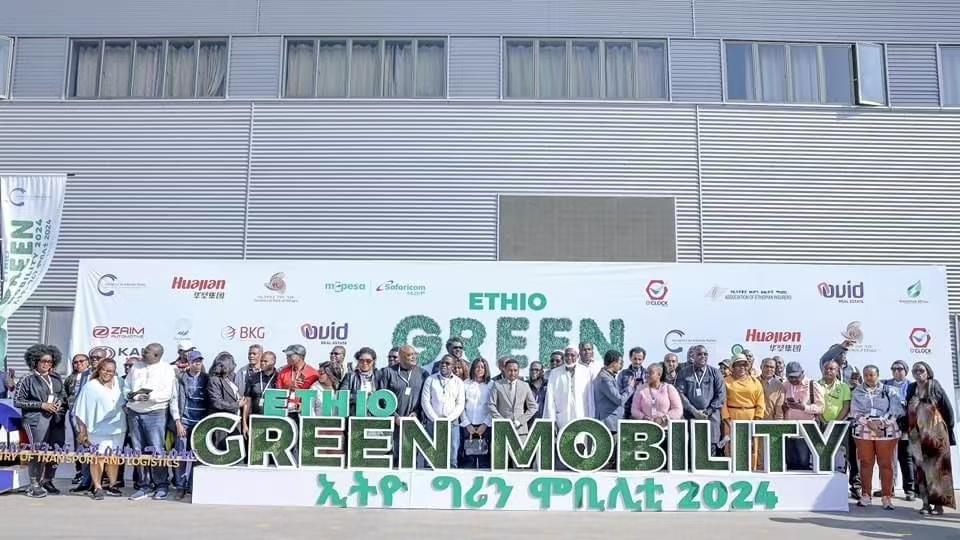
Showcasing Clean-Energy Micro-Mobility and Electric Passenger Vehicles at Trade Fairs Worldwide
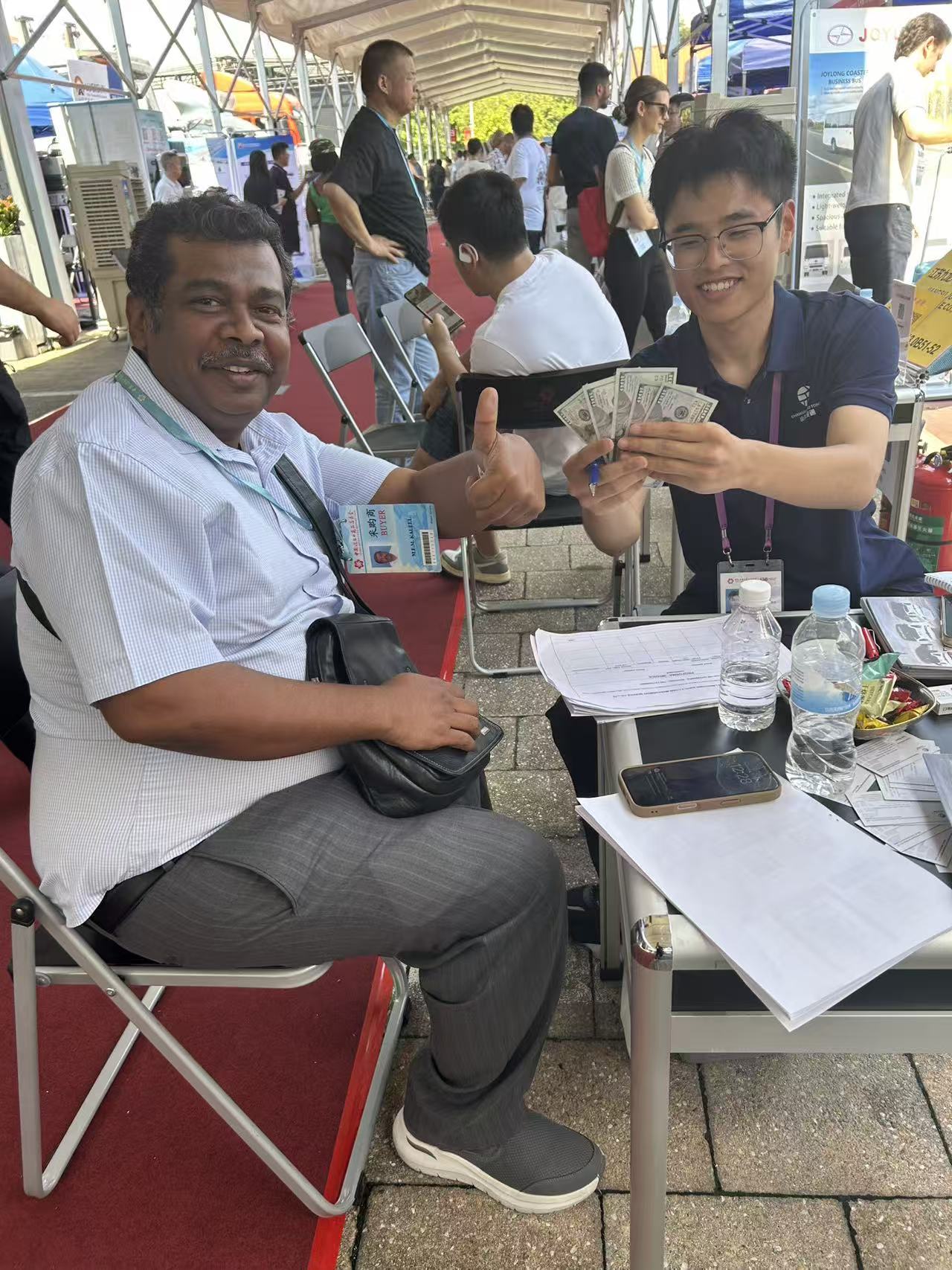
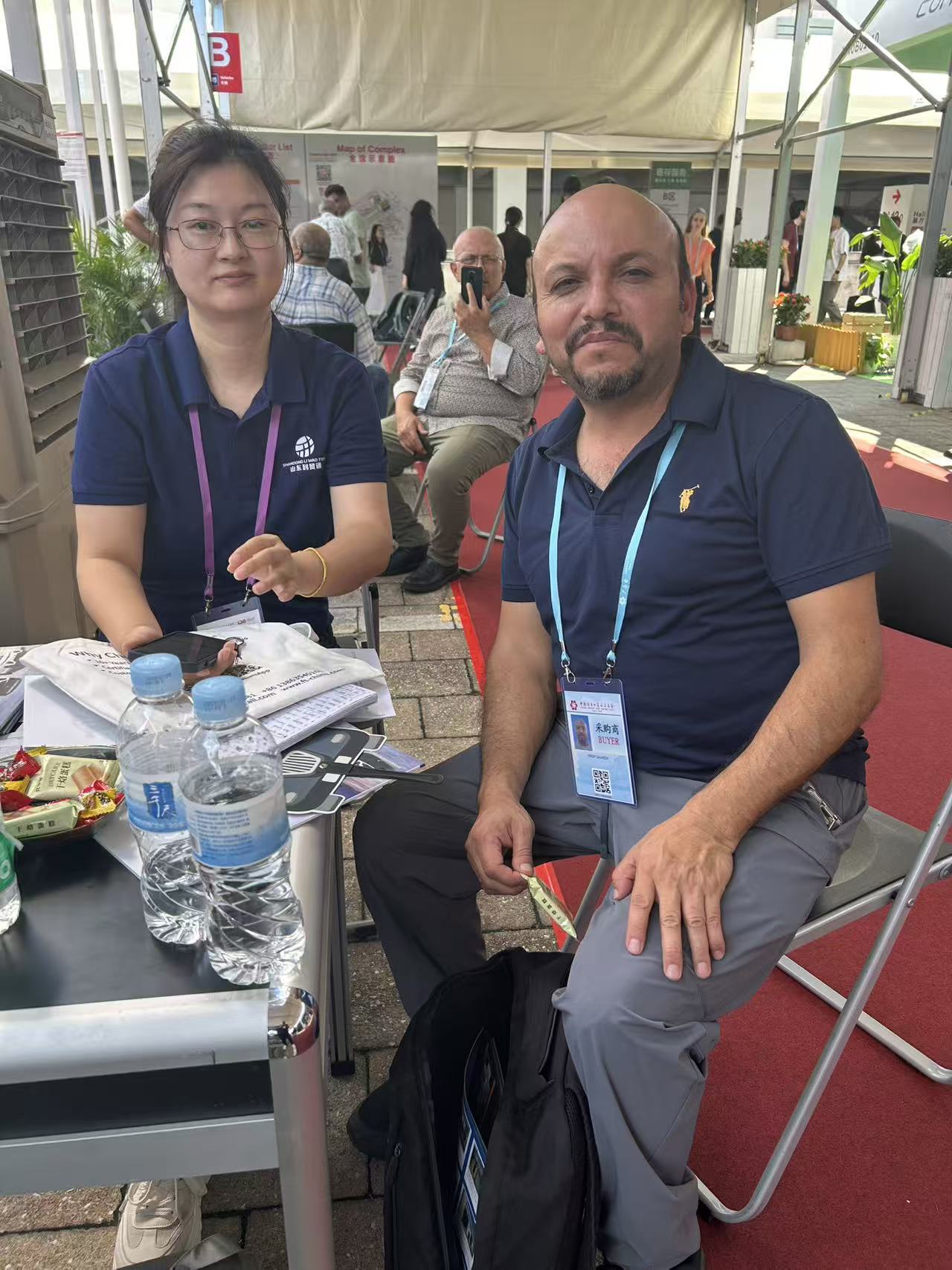
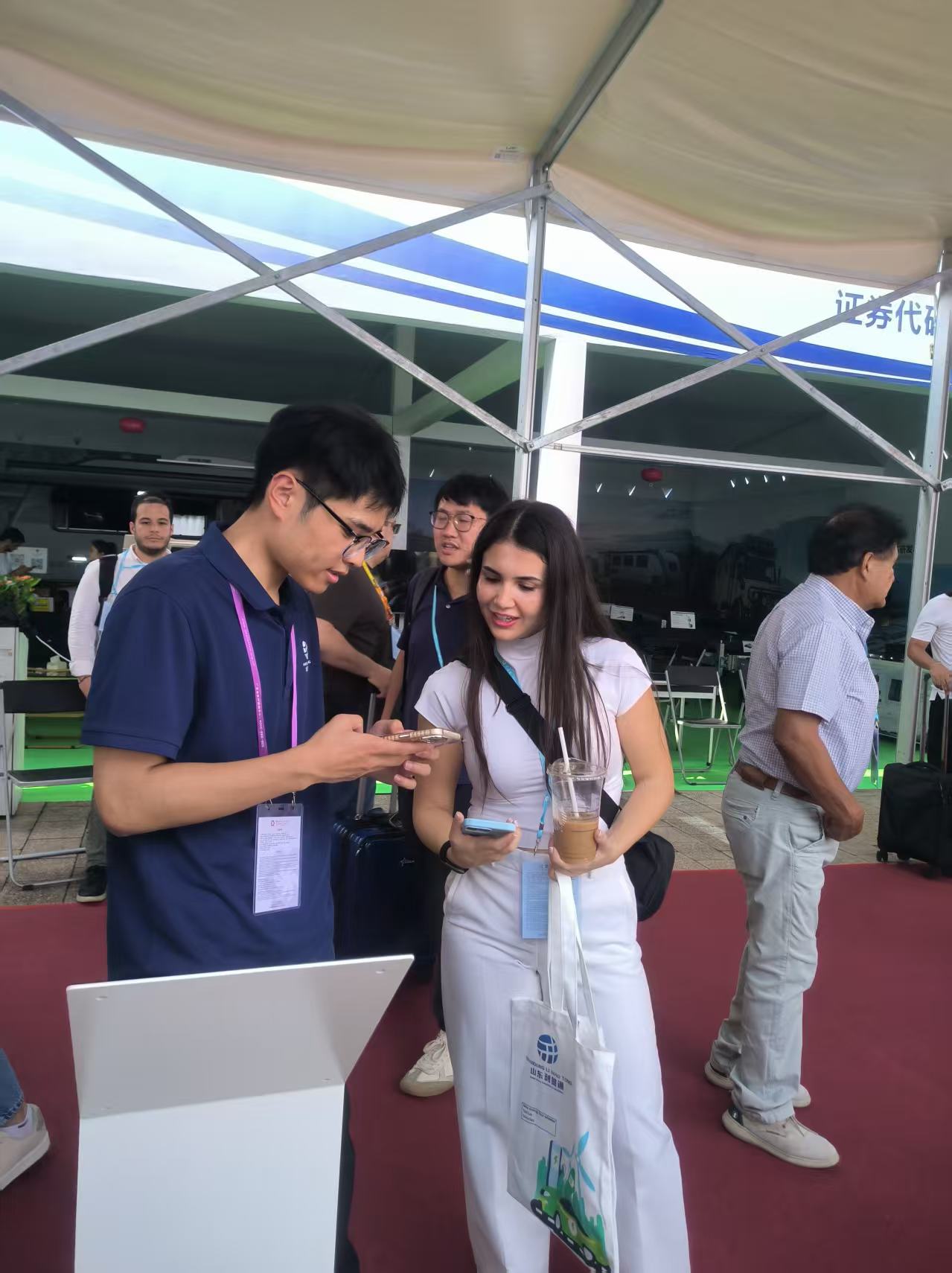
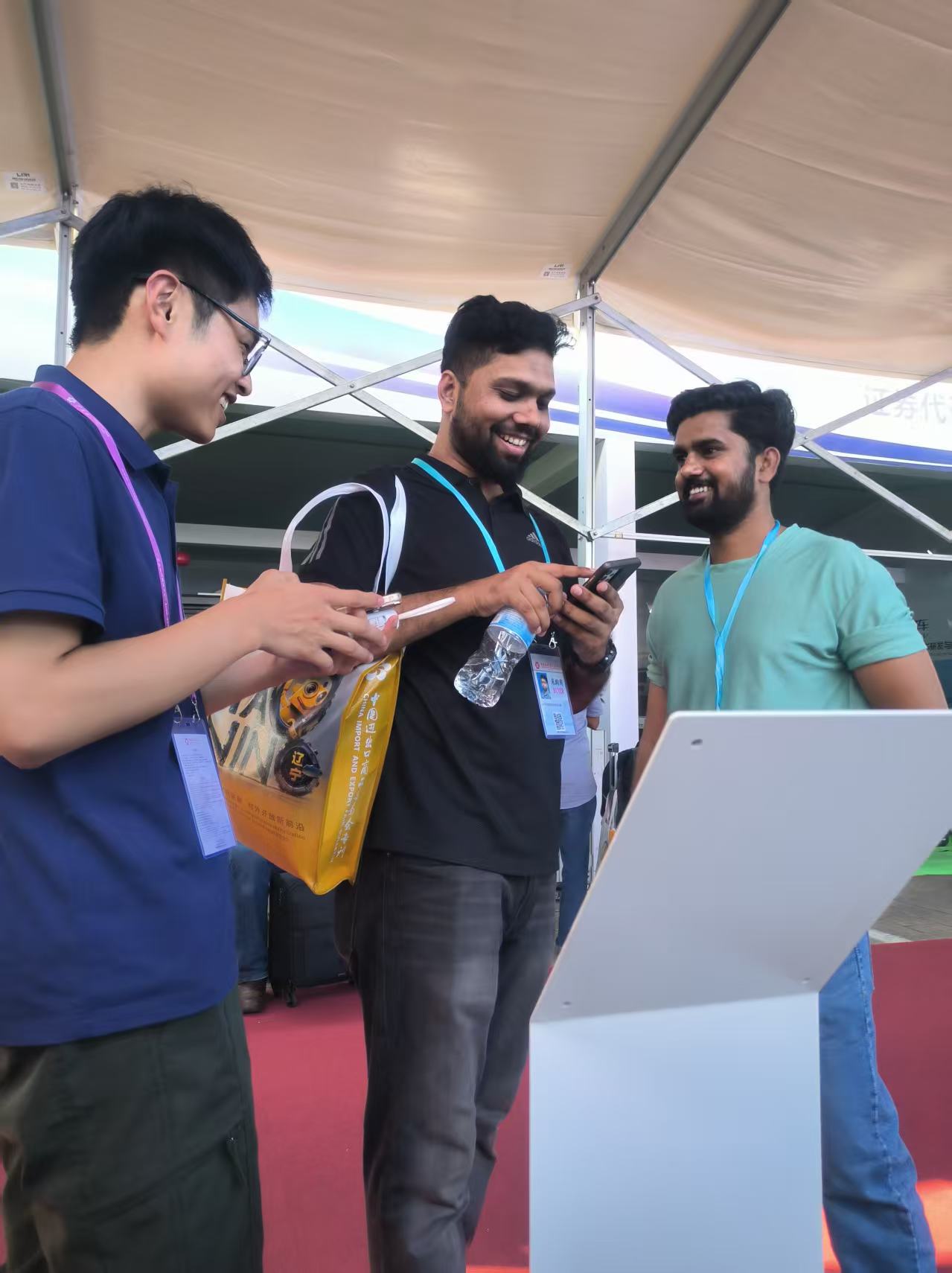
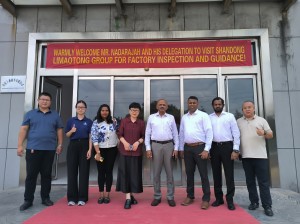
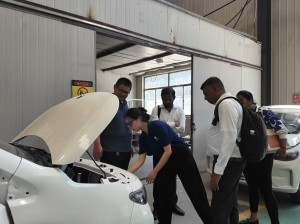
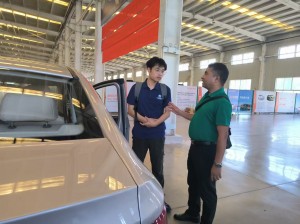
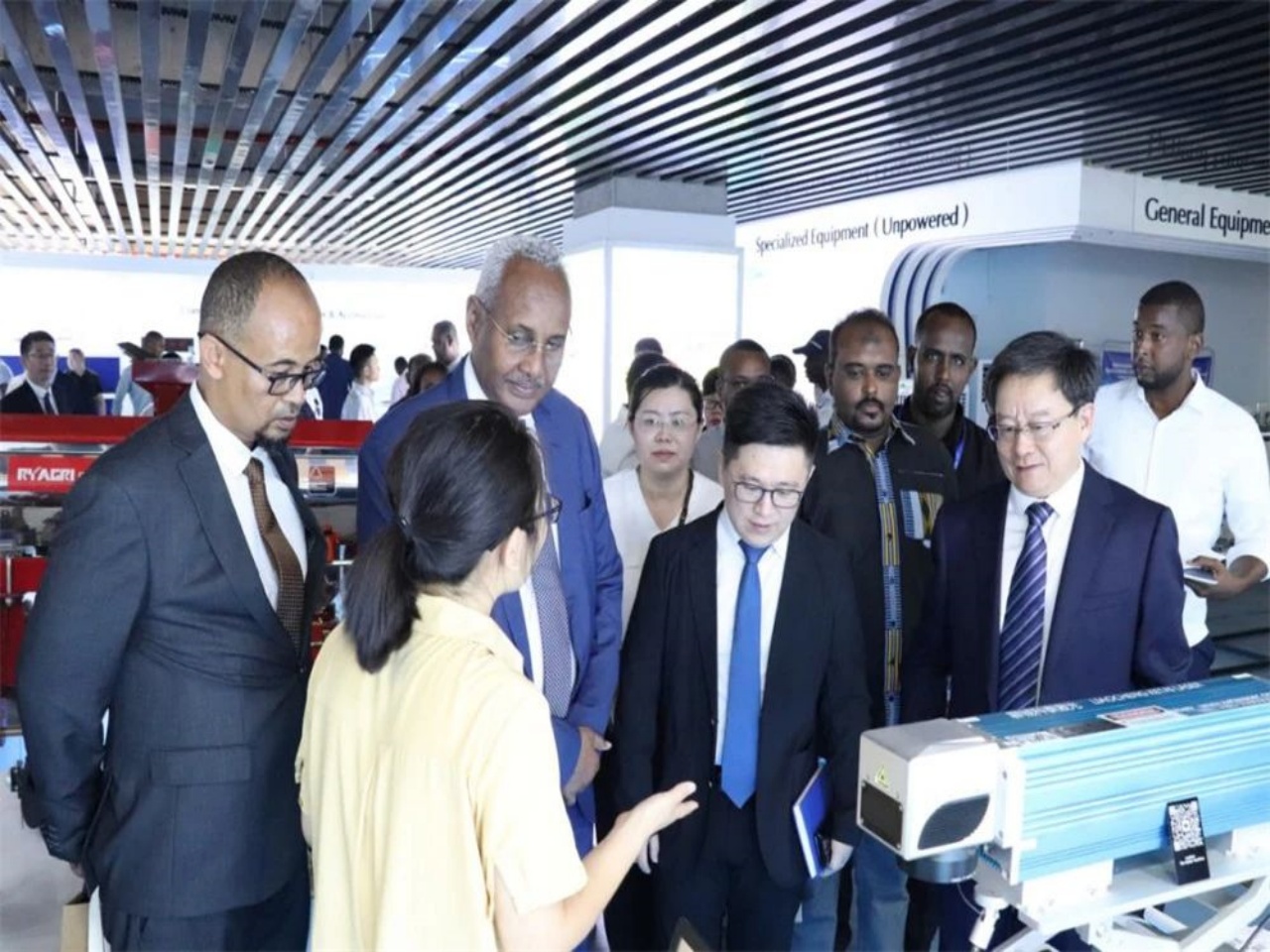
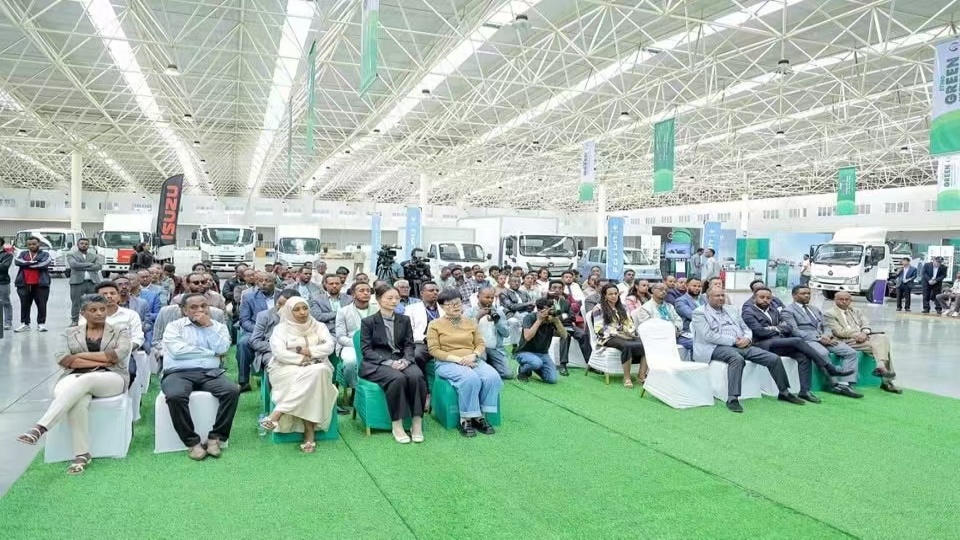
B2B Clients, Distributors and Government Delegation Audits
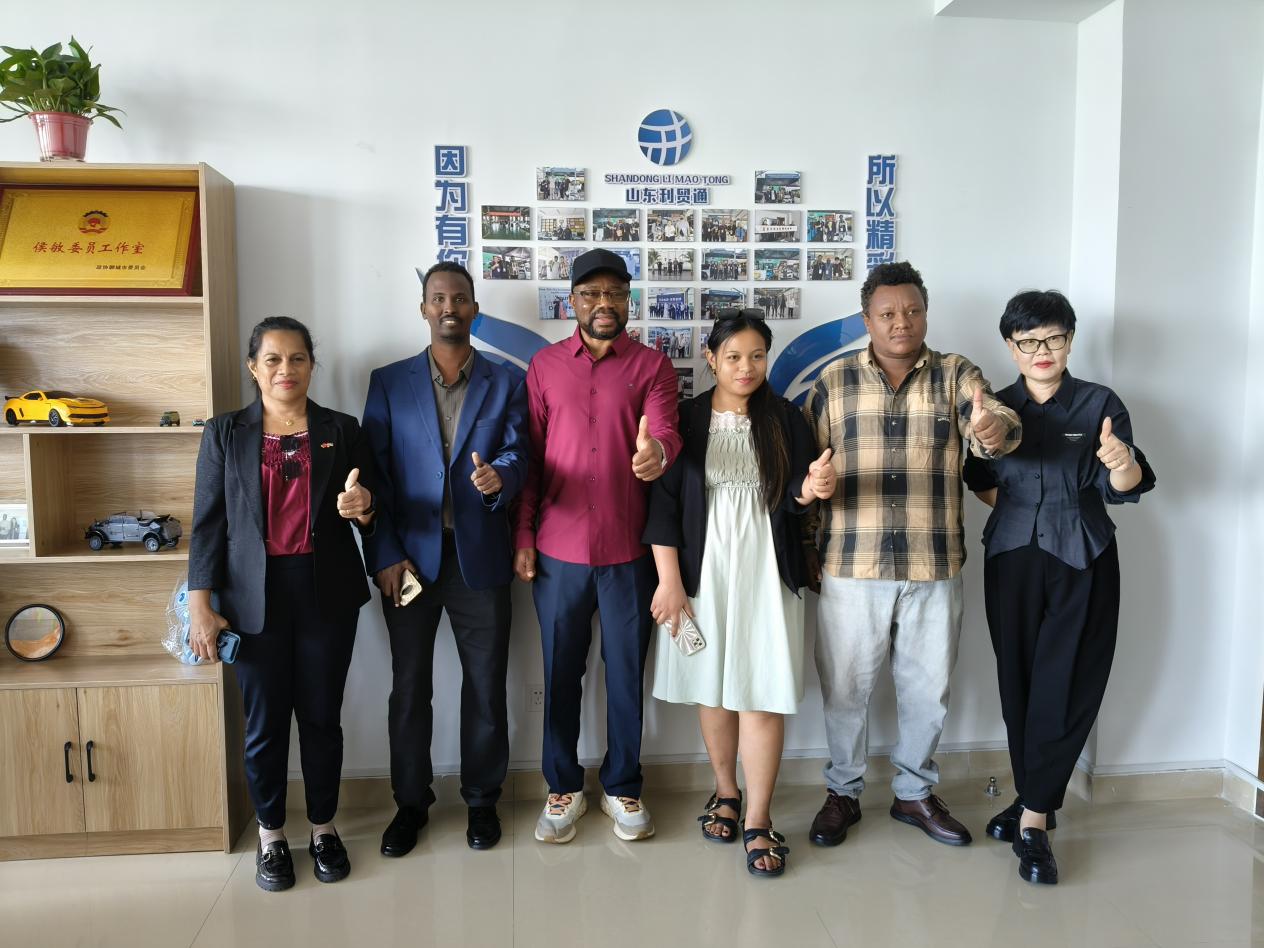
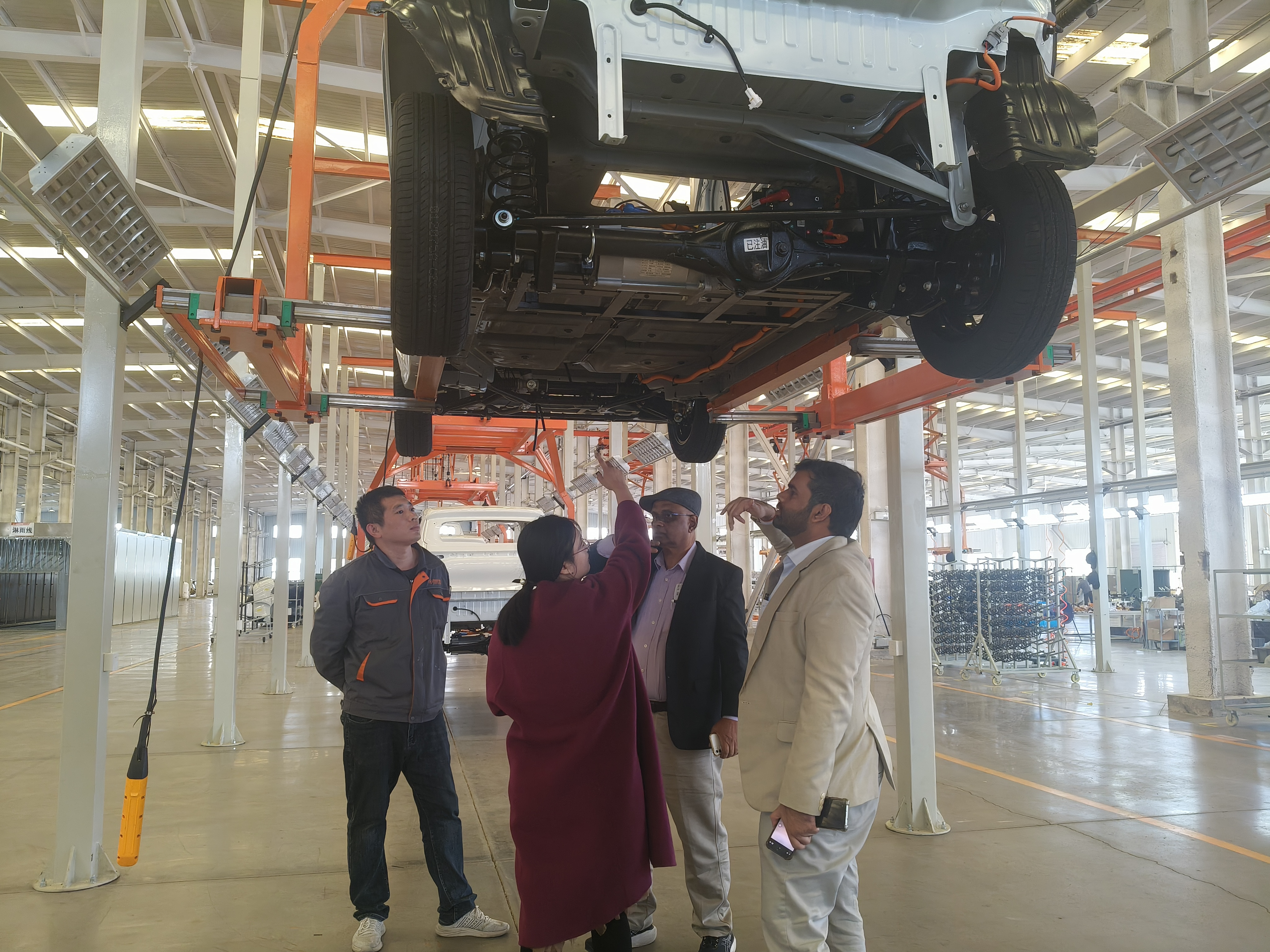
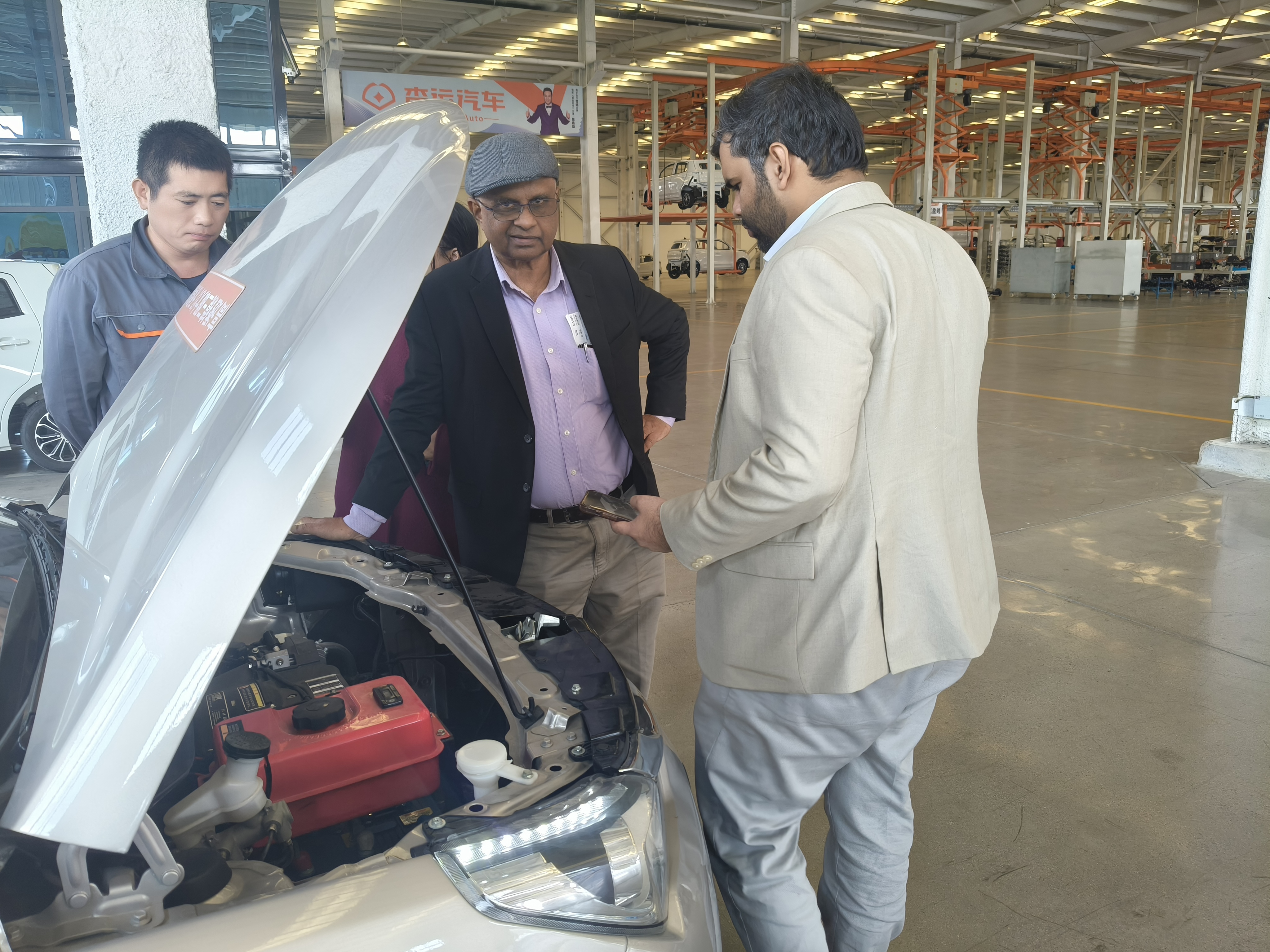
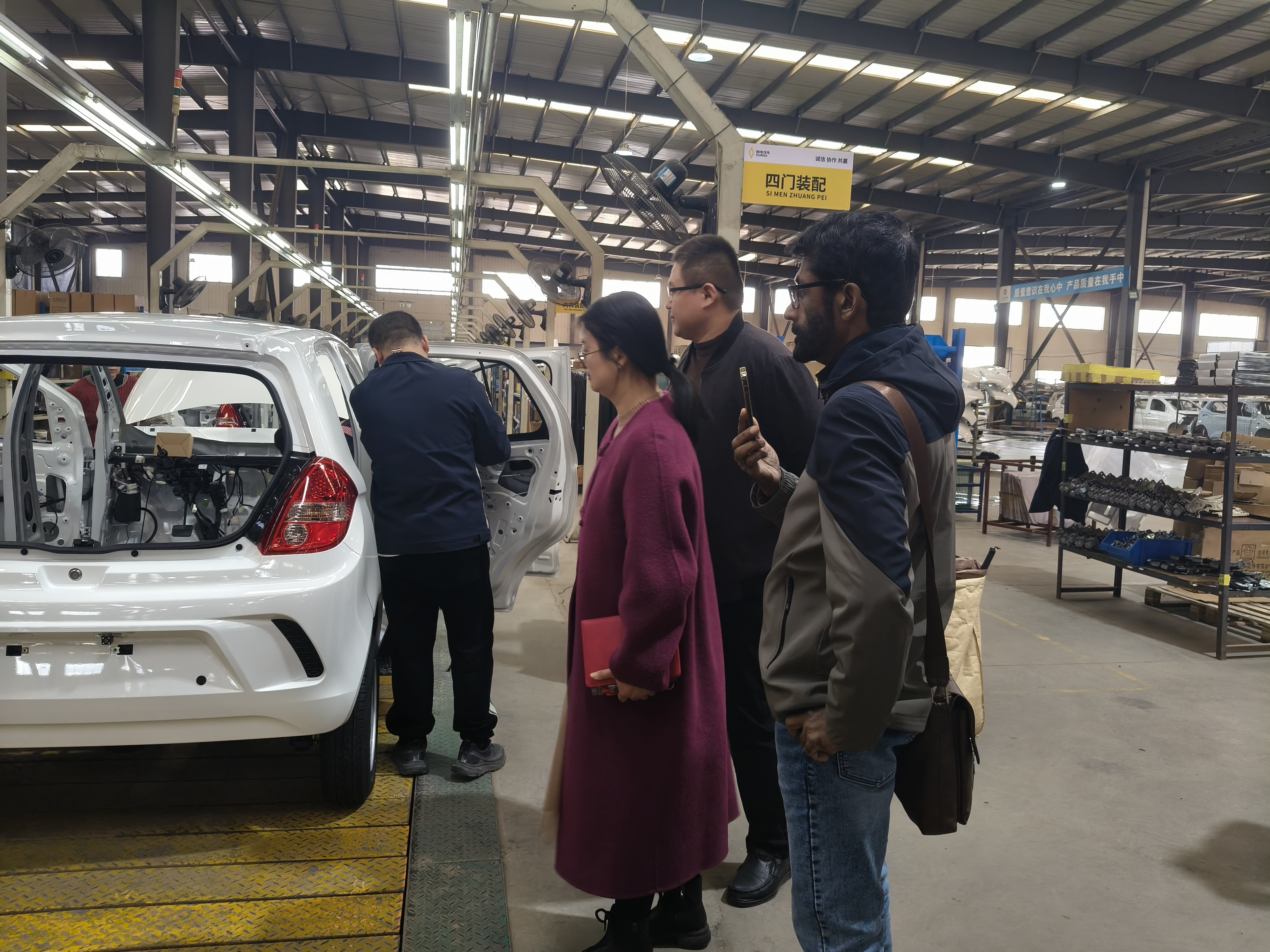

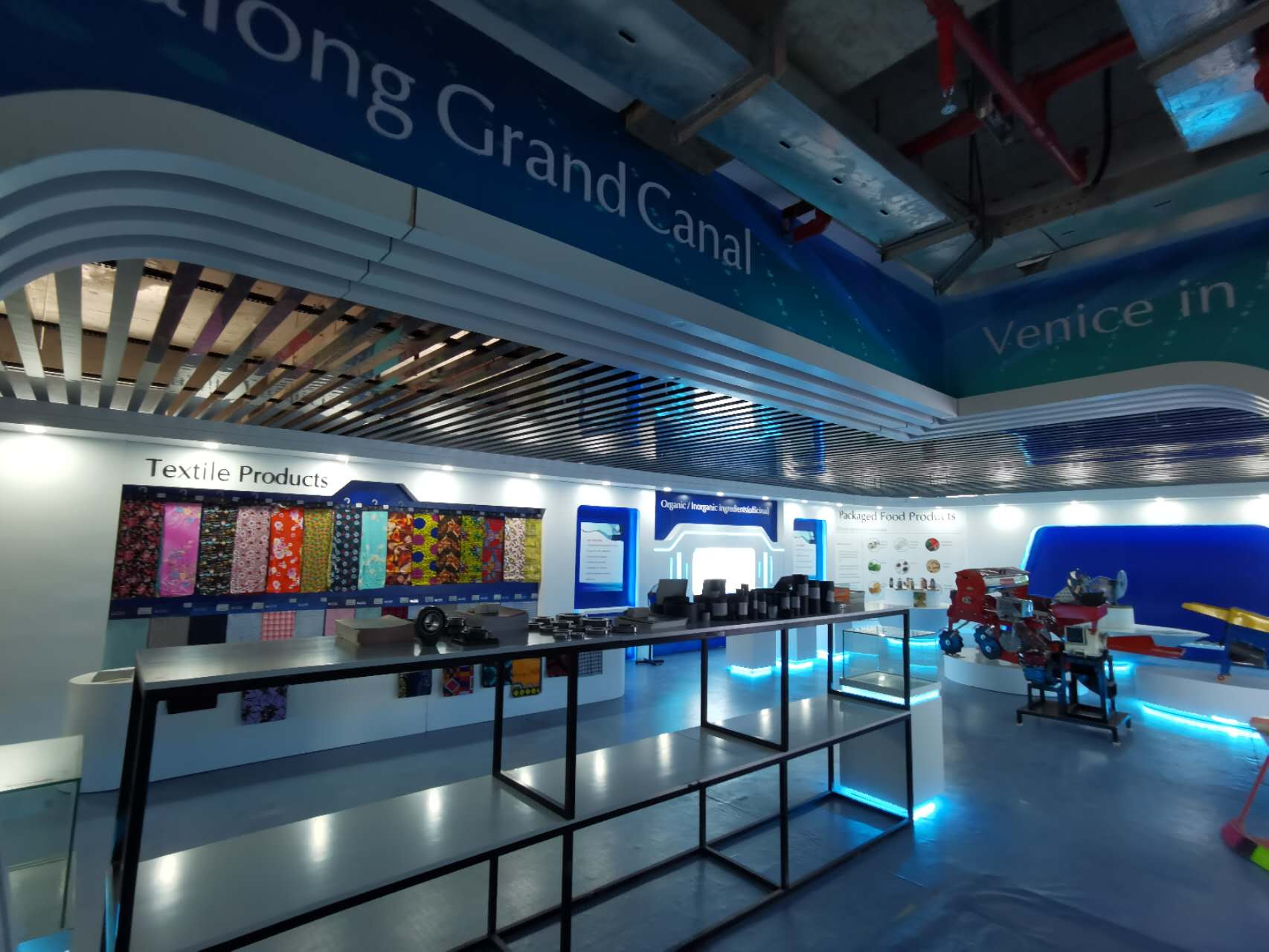
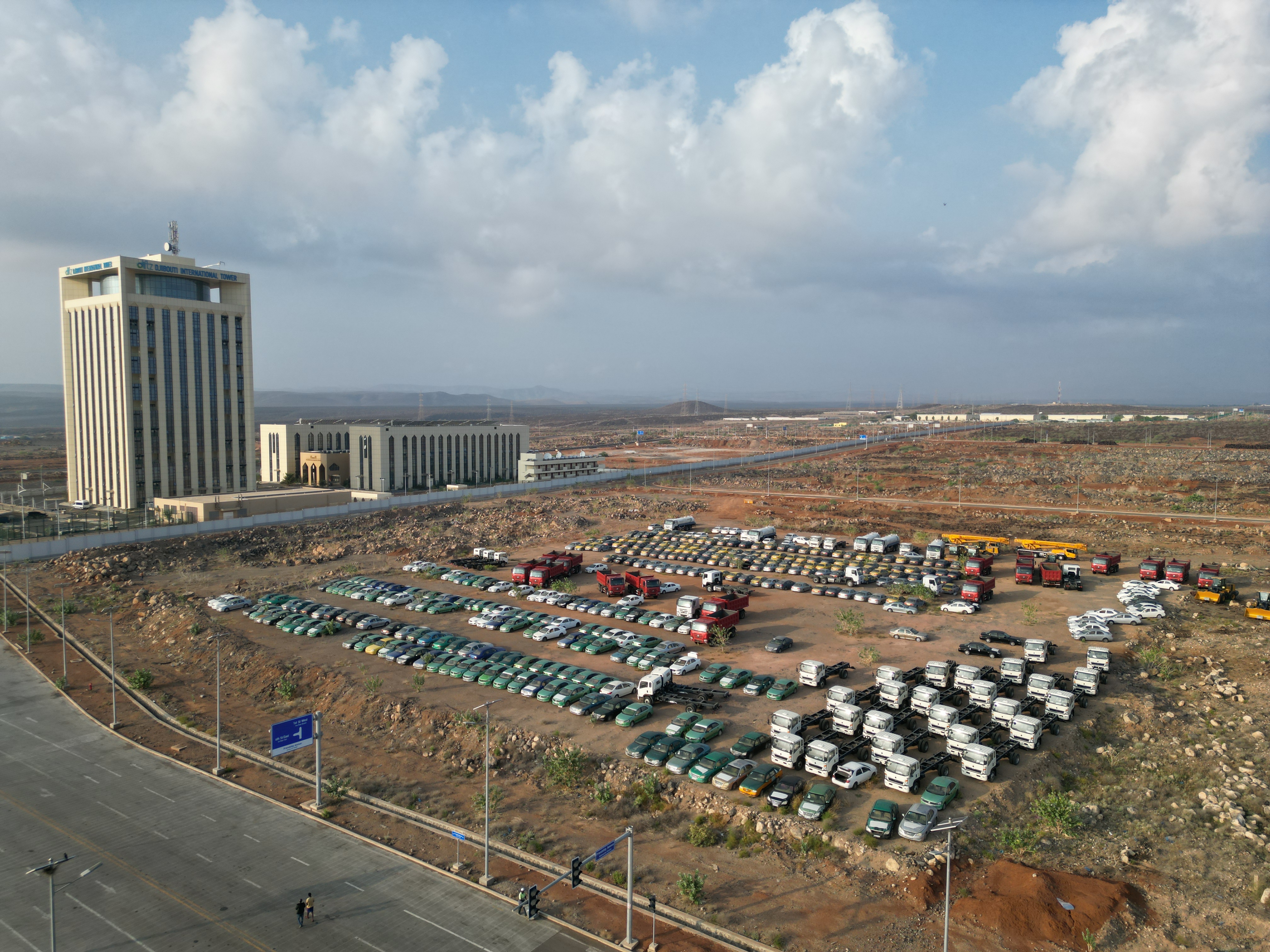
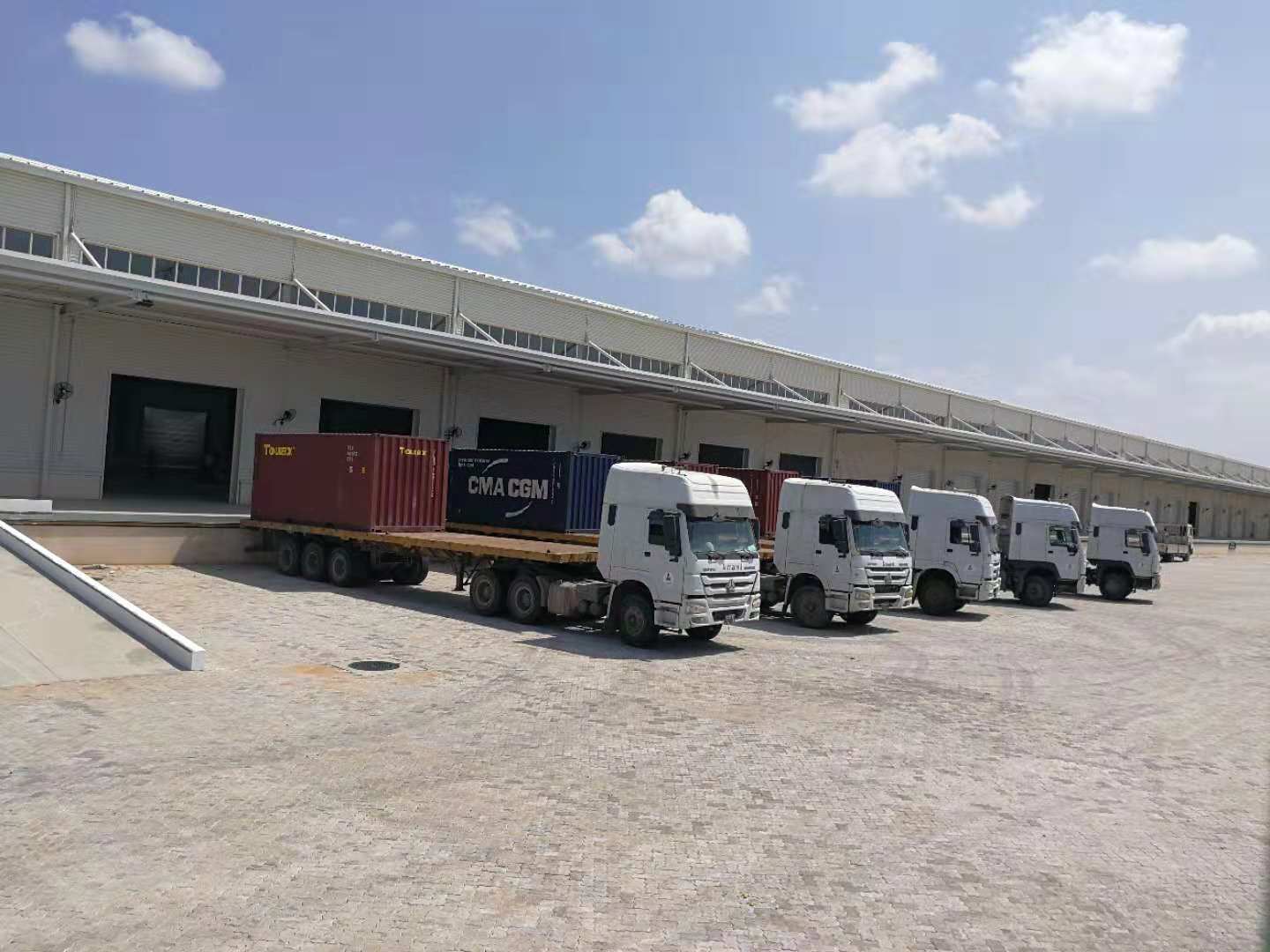
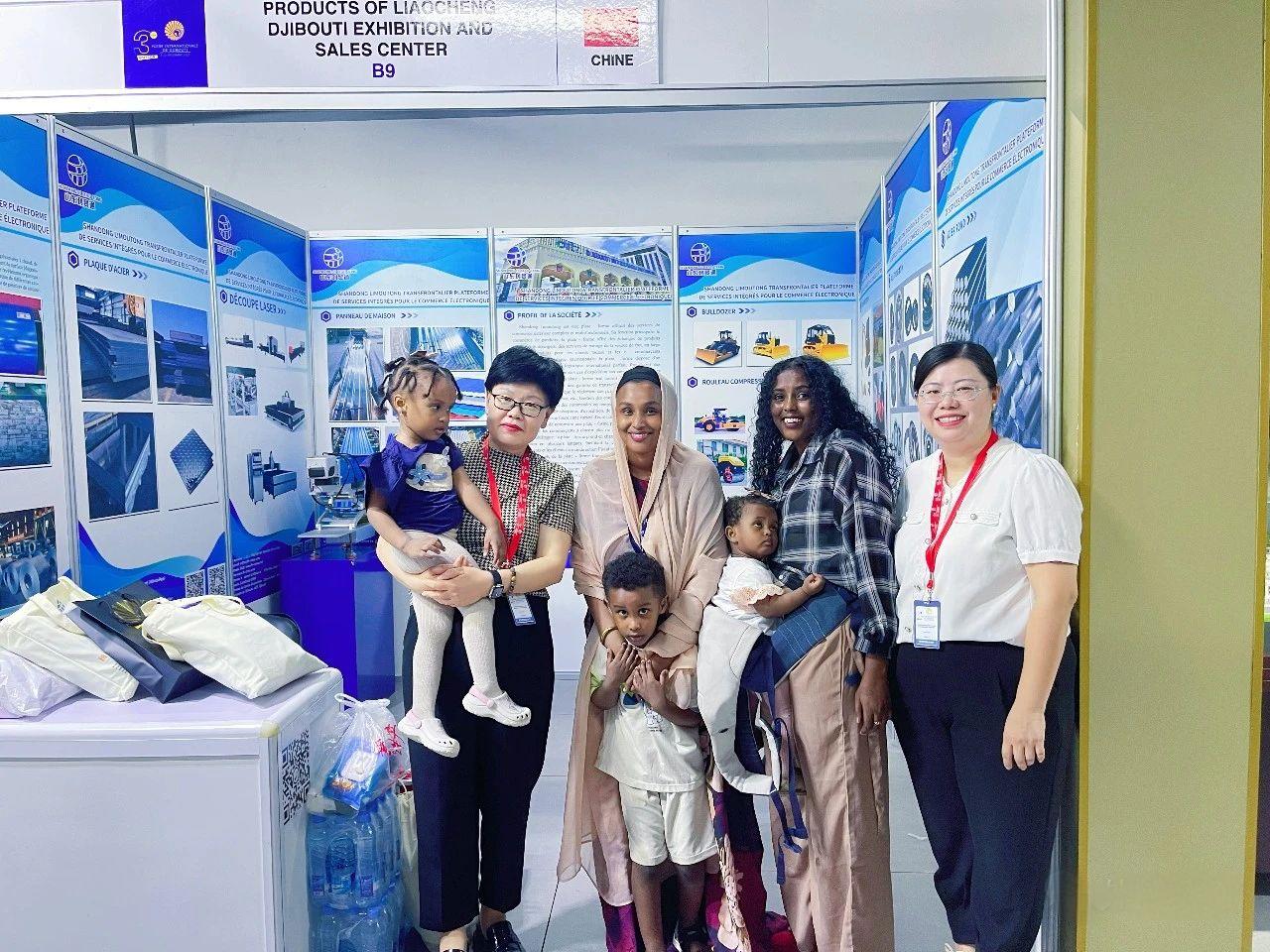
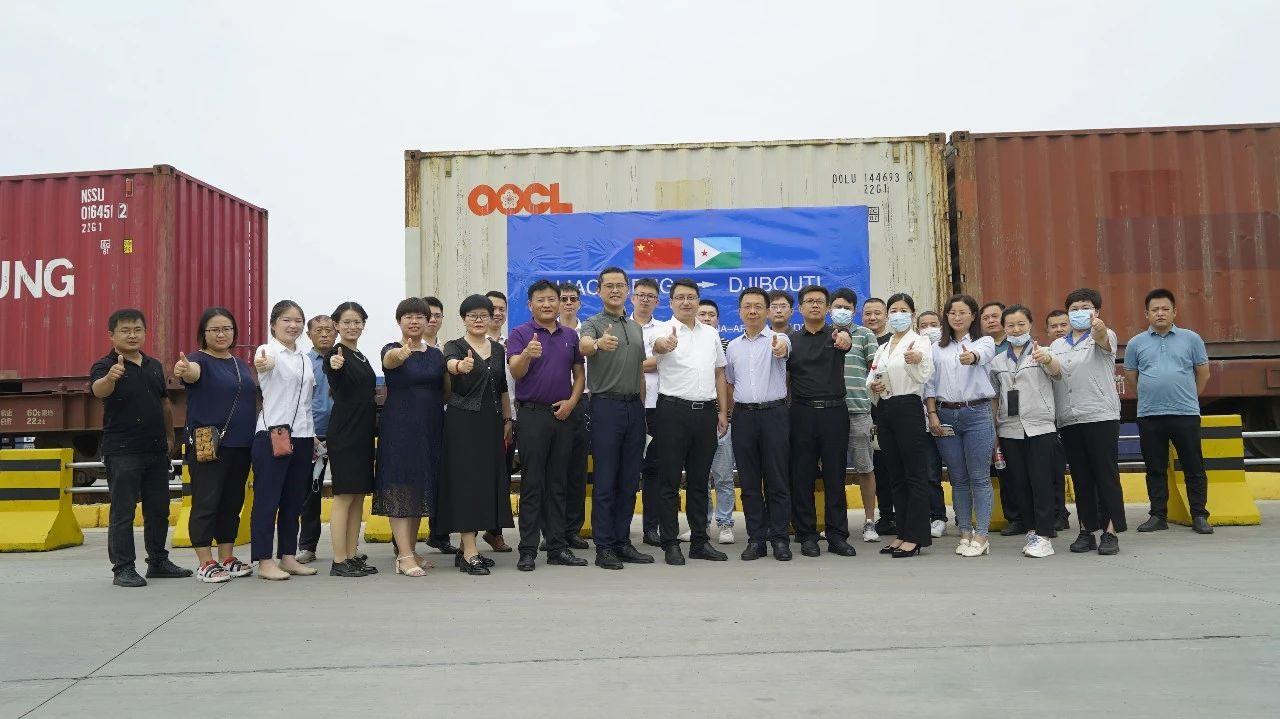
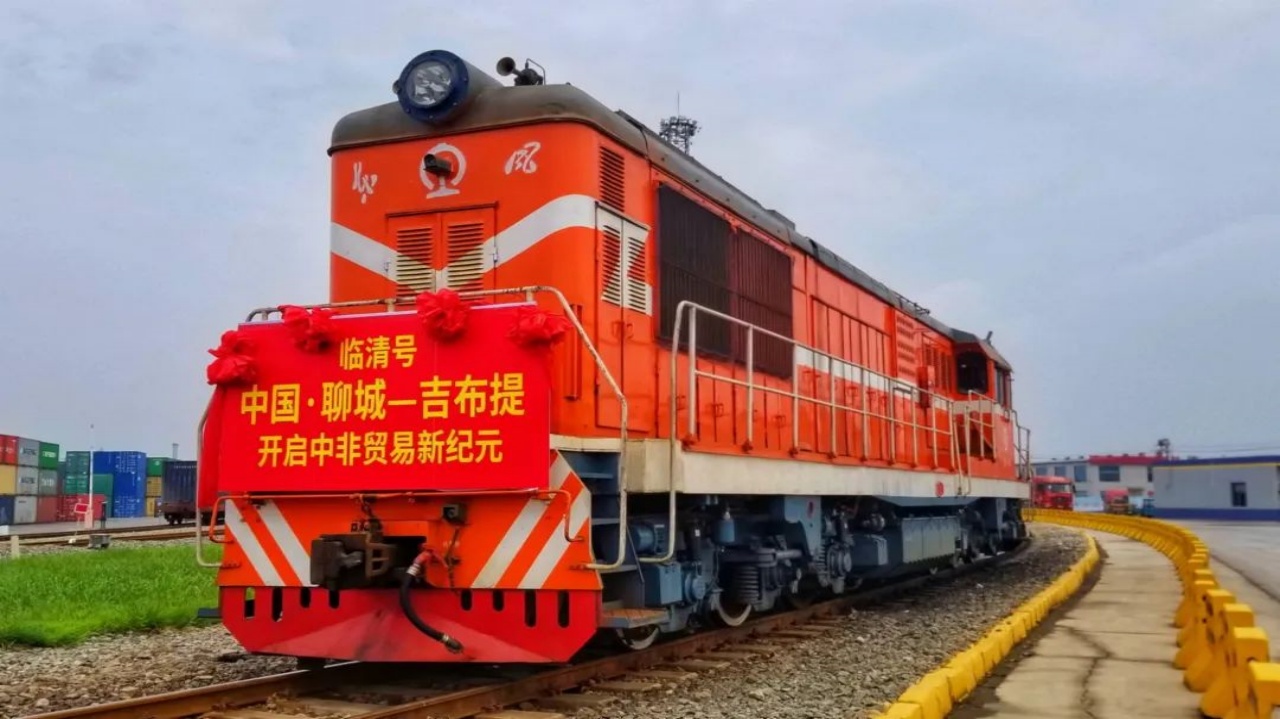
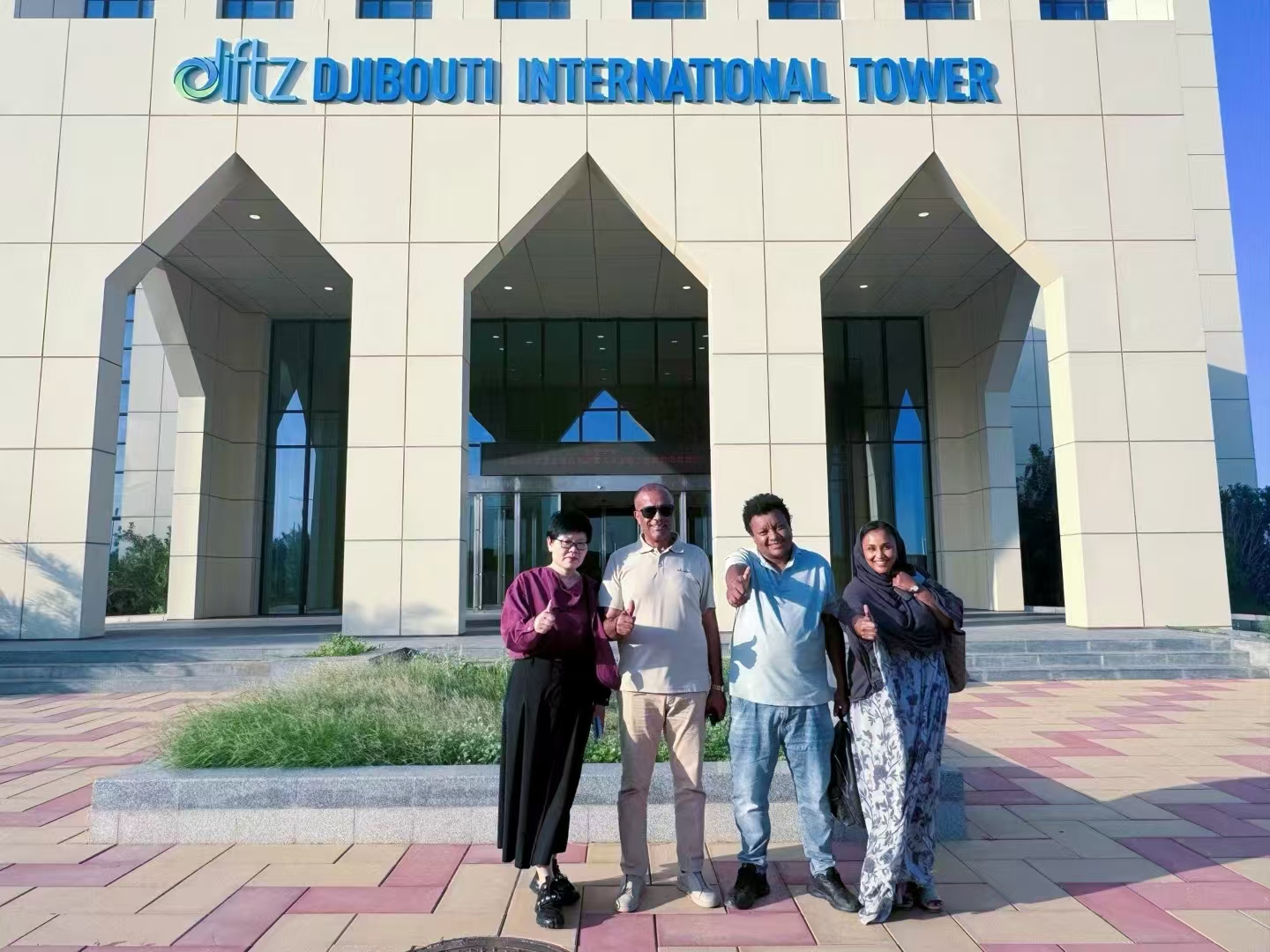
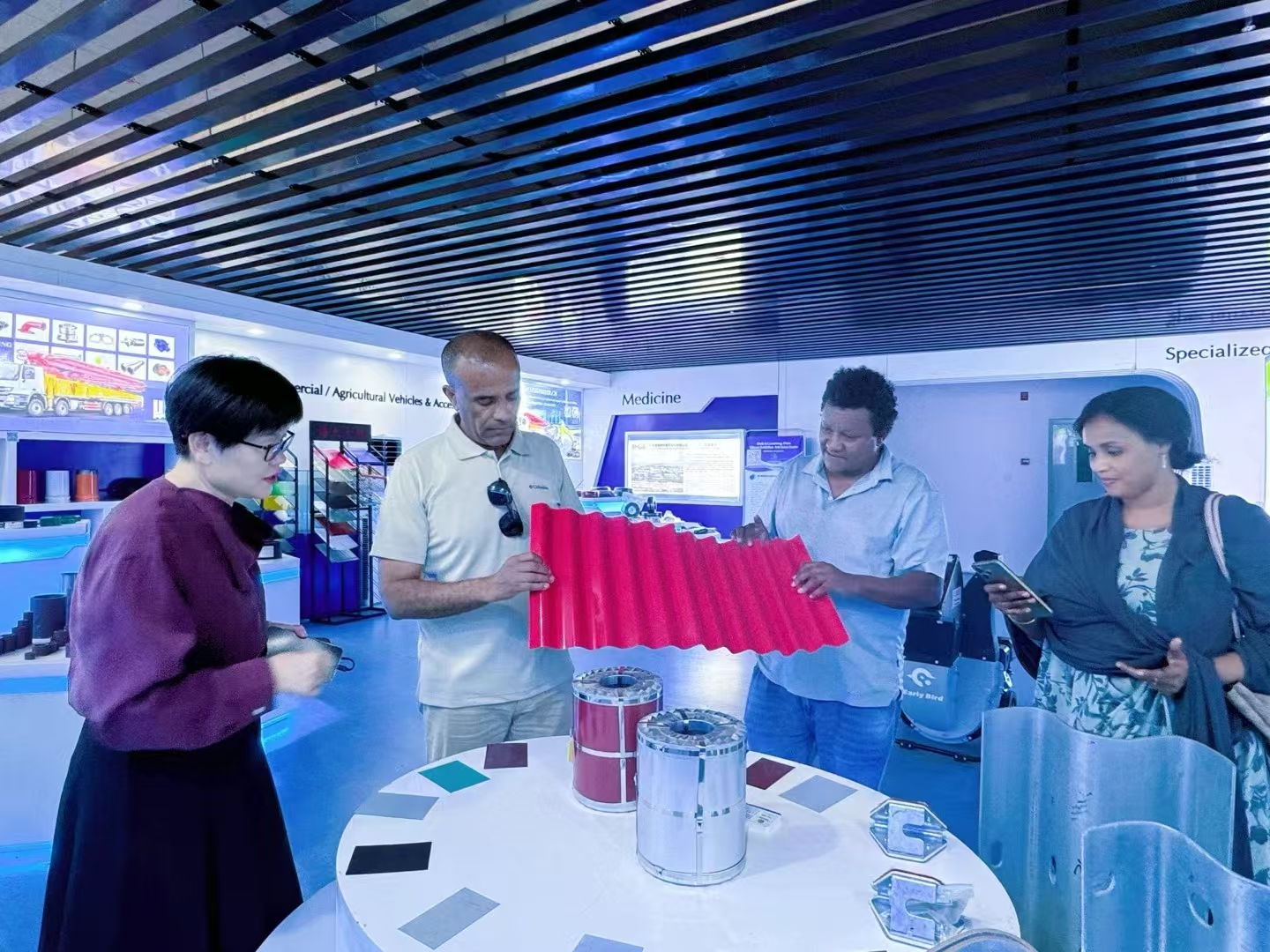
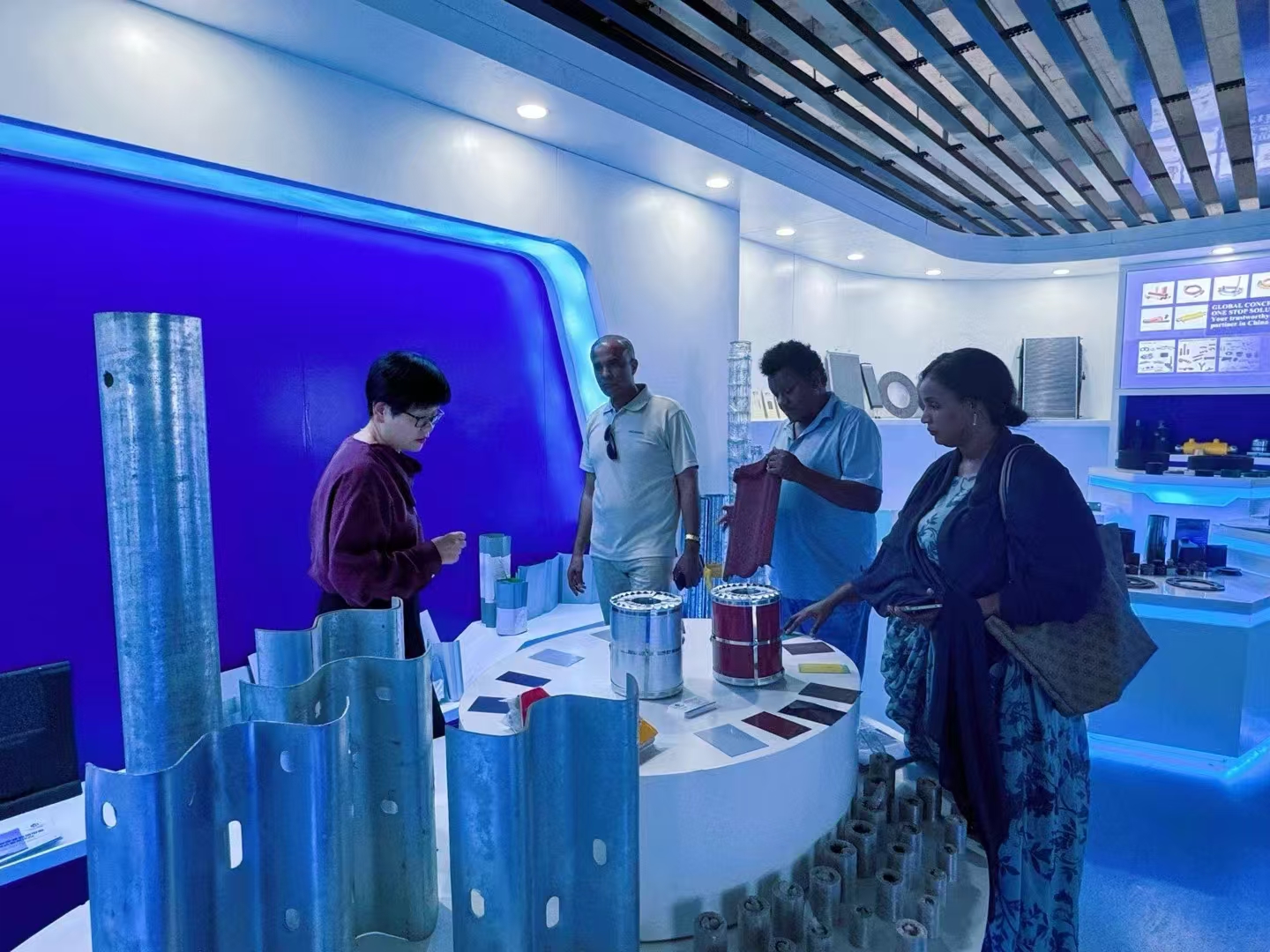
Djibouti (Overseas Warehouse) Cross-border E-commerce Exhibition and Sales Center was established in 2023. It is located in the Djibouti International Free Trade Zone in East Africa. With the help of the Djibouti Economic and Trade Co., Ltd. established in Africa, it has established a one-stop comprehensive service platform to provide enterprises with all-round housekeeper-style professional services such as sales, government affairs, customs affairs, and public services.
Combining the online and offline linkage of cross-border trade business and independent station malls, we will build a "strong artery" of China-Africa economic and trade exchanges with the "cross-border trade + front-end warehouse" model and the African localized sales, customer service and logistics team, and help "China's intelligent manufacturing" go to the world and into Africa.
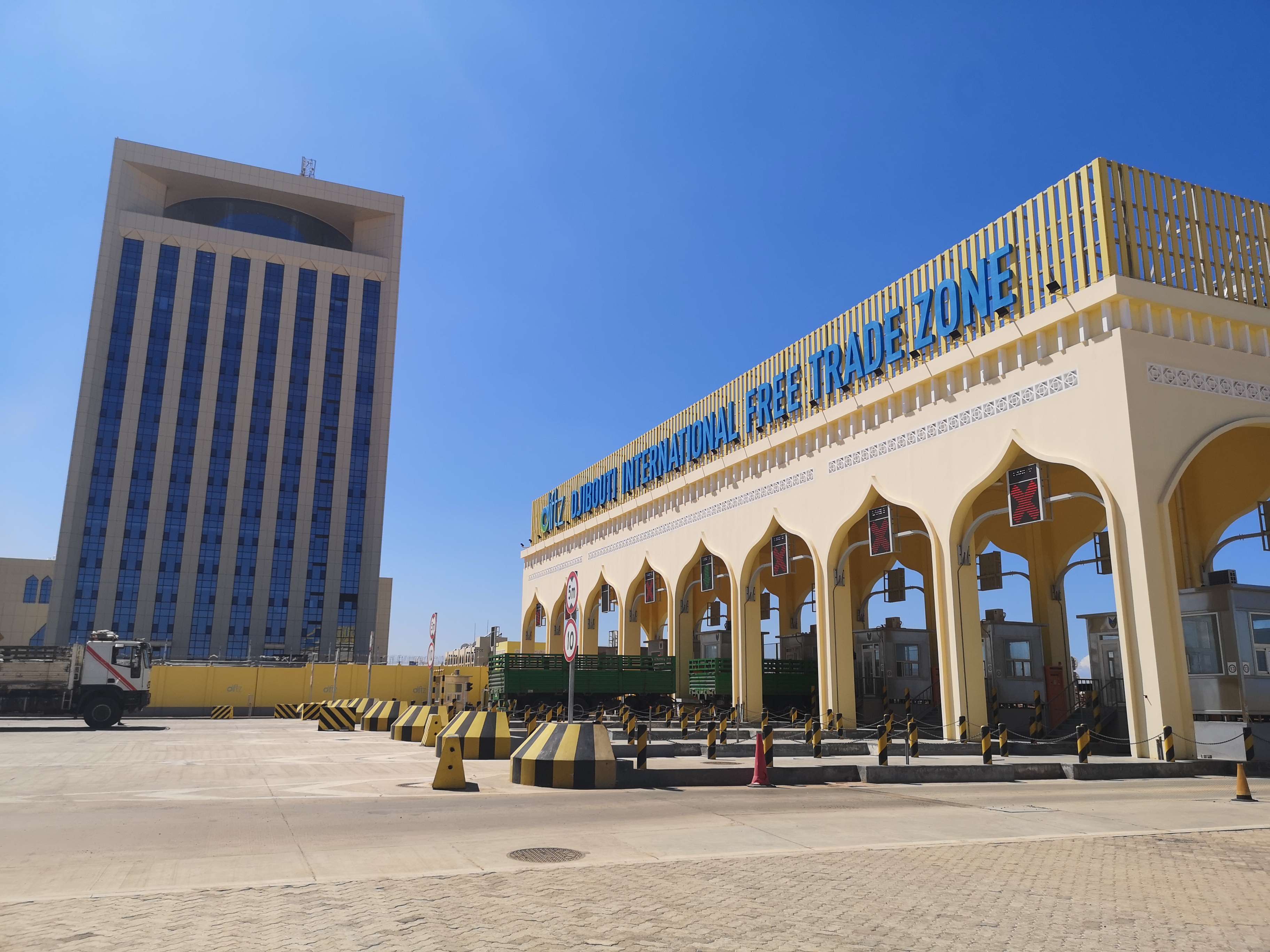
Overseas Hubs, Trade Infrastructure and Forward Storage Logistics

The Structural Evolution of Passenger E-Vehicles Over the Next Decade
As the global micro-mobility market expands, the technology powering electric passenger rickshaws is evolving rapidly. Key technological trends are set to define the next generation of urban and suburban transit vehicles:
Solid-State Battery Chemistry: While current LFP chemistry provides excellent safety and cycle life, we are closely tracking solid-state battery development. These systems promise double the energy density at a lower weight, allowing passenger vehicles to run twice as far on a single charge.
IoT Telematics & Fleet Remote Diagnostics: To help fleet managers monitor operations, we are integrating 4G/5G smart telematics modules. These systems track battery state-of-charge, motor temperature, and operational parameters in real time, alerting managers to maintenance issues before a breakdown occurs.
Solar Panel Roof Integration: For equatorial markets like East Africa and Southeast Asia, integrating solar panels into vehicle roofs can extend range by up to 20-30 km per day. This provides free green energy and reduces reliance on charging stations.
High-End Electric Shuttles and Custom-Configured Passenger Designs
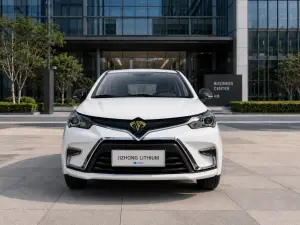
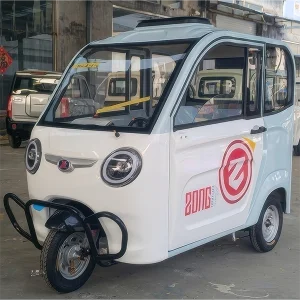
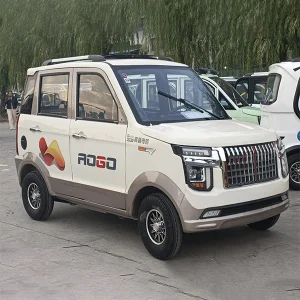
Fully enclosed passenger design providing reliable, weather-protected transport for urban families and small businesses.
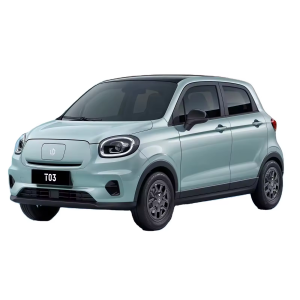
Modern city commuter car featuring cutting-edge electric powertrains and smart interior controls.
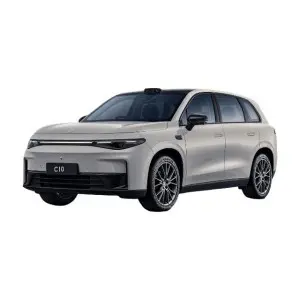
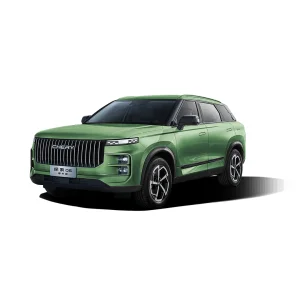
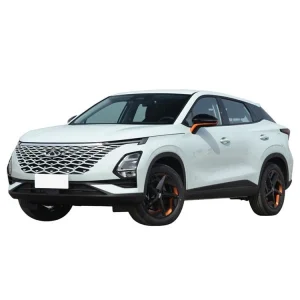
Mid-size luxury electric SUV built to global safety standards for passenger comfort.
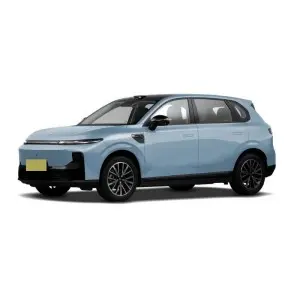
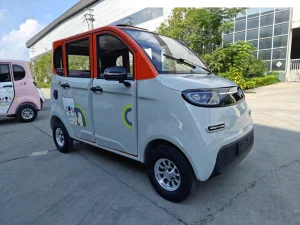
Next-generation micro-car platform with integrated digital controls and extended range.
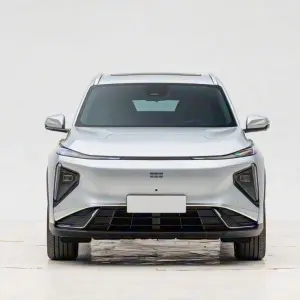
Advanced plug-in hybrid SUV combining high fuel efficiency with luxury long-distance capabilities.
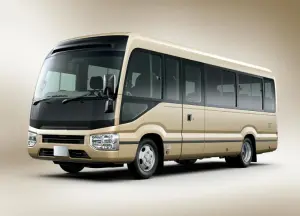
Designed for resorts, historical sites, and municipal tourist zones to move groups cleanly and quietly.
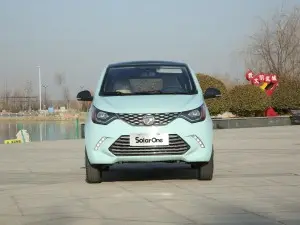
Self-charging solar technology combined with entry-level pricing to support clean micro-mobility.
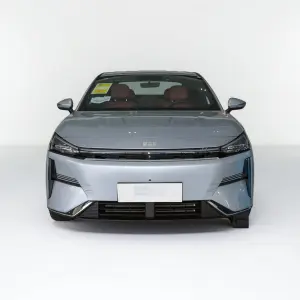
Fuel-efficient hybrid sedan offering modern digital features and low emissions for urban environments.
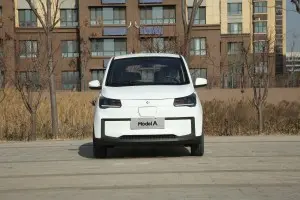
Extended-range solar electric vehicle designed for routes far from grid access.
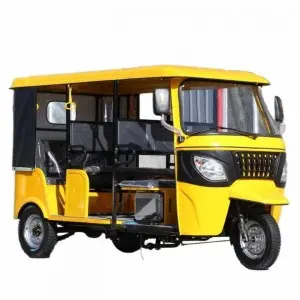
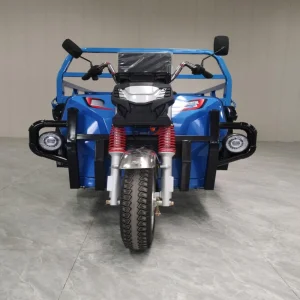
High-capacity passenger vehicle with heavy-duty structural frames and a torque-optimized transaxle.
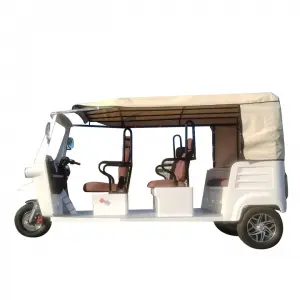
Features a distinctive front fascia with a comfortable 6-passenger layout, ideal for premium shuttle fleets.
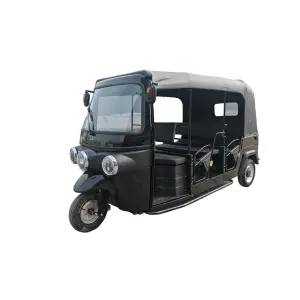
Designed for high-use taxi service with a long-life LFP battery and minimal maintenance downtime.
Answers to Common B2B Concerns Regarding Electric Passenger Rickshaws
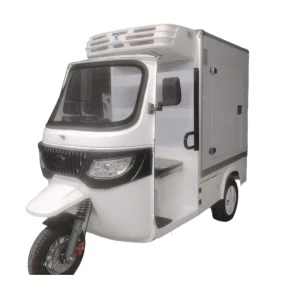
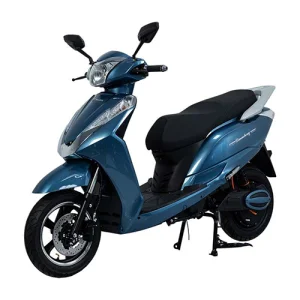
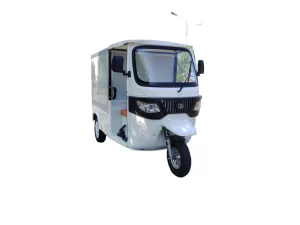
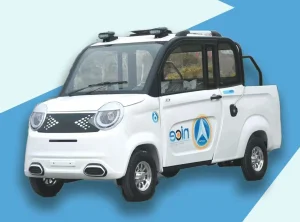
Complete Range of Delivery, Cold-Chain and Specialty Transport Solutions
 Limaotong