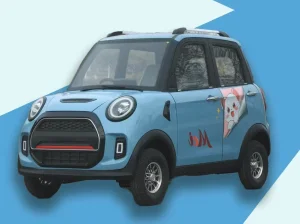
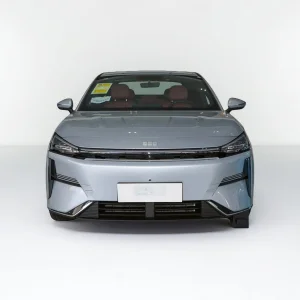
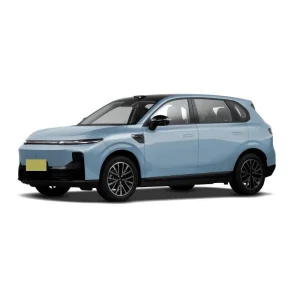
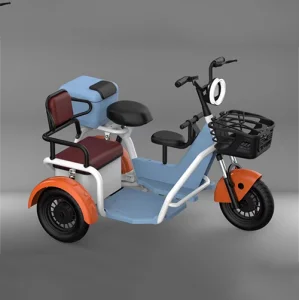
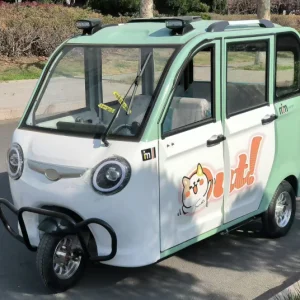
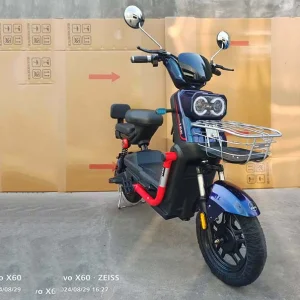
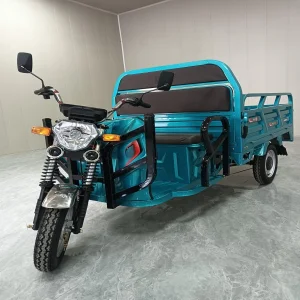
The global transportation sector is undergoing a profound paradigm shift. As metropolitan centers confront escalating emission constraints, traditional internal combustion engine (ICE) light cargo and utility vehicles are facing stringent access regulations. Within this context, the electric tricycle (e-trike) has emerged not merely as an alternative, but as a critical infrastructural component for urban last-mile logistics, rural passenger transit, and heavy-duty localized load distribution. The structural design of three-wheeled electric platforms offers a unique mechanical compromise, bridging the space-efficiency of two-wheelers with the cargo capacity and stability of light commercial trucks.
According to recent global logistics studies, urban last-mile operations represent approximately 41% of total supply chain transportation costs. By integrating highly efficient electric drive systems with modular, application-specific chassis designs, modern e-trikes reduce operational expenditure per delivery run by up to 60% compared to conventional diesel vans. This financial viability, coupled with zero-emission profiles, has positioned China's electric vehicle manufacturing hubs as the definitive supplier ecosystem for international supply chains, industrial enterprises, and public transit operators.
Over 70% of urban logistics routes in high-density European and Asian cities cover daily distances of less than 80 kilometers. Modern electric trike platforms equipped with smart battery swap systems provide 100% uptime with zero grid reliance during delivery hours.
The technical development of electric tricycles has evolved beyond basic lead-acid conversions. Today's industrial-grade e-trikes incorporate advanced automotive technologies to meet the rigorous demands of multi-shift operational cycles. Key technological pillars shaping the modern market include:
Enterprise procurement teams from multinational courier firms, industrial plants, and municipal municipal transport authorities assess suppliers using sophisticated criteria. The priority is no longer just the initial acquisition cost, but the holistic Total Cost of Ownership (TCO) and structural reliability.
Ensuring compliance with local standards such as EU EEC/CoC (L2e-U/L5e-A/L5e-B), US DOT, and GCC requirements to guarantee trouble-free street licensing.
Designing CKD (Completely Knocked Down) and SKD shipping configurations to maximize container load densities and reduce sea-freight costs by up to 40% per unit.
Providing specialized body designs, including insulated cold-chain cabins for perishables, heavy steel flatbeds, and multi-passenger taxi variants.
Our reliable utility vehicles run daily routes in diverse regulatory environments globally.
Local assembly and regional customization minimize logistics costs and lead times.
Trusted micro-mobility solutions supporting family transport and small-enterprise freight.
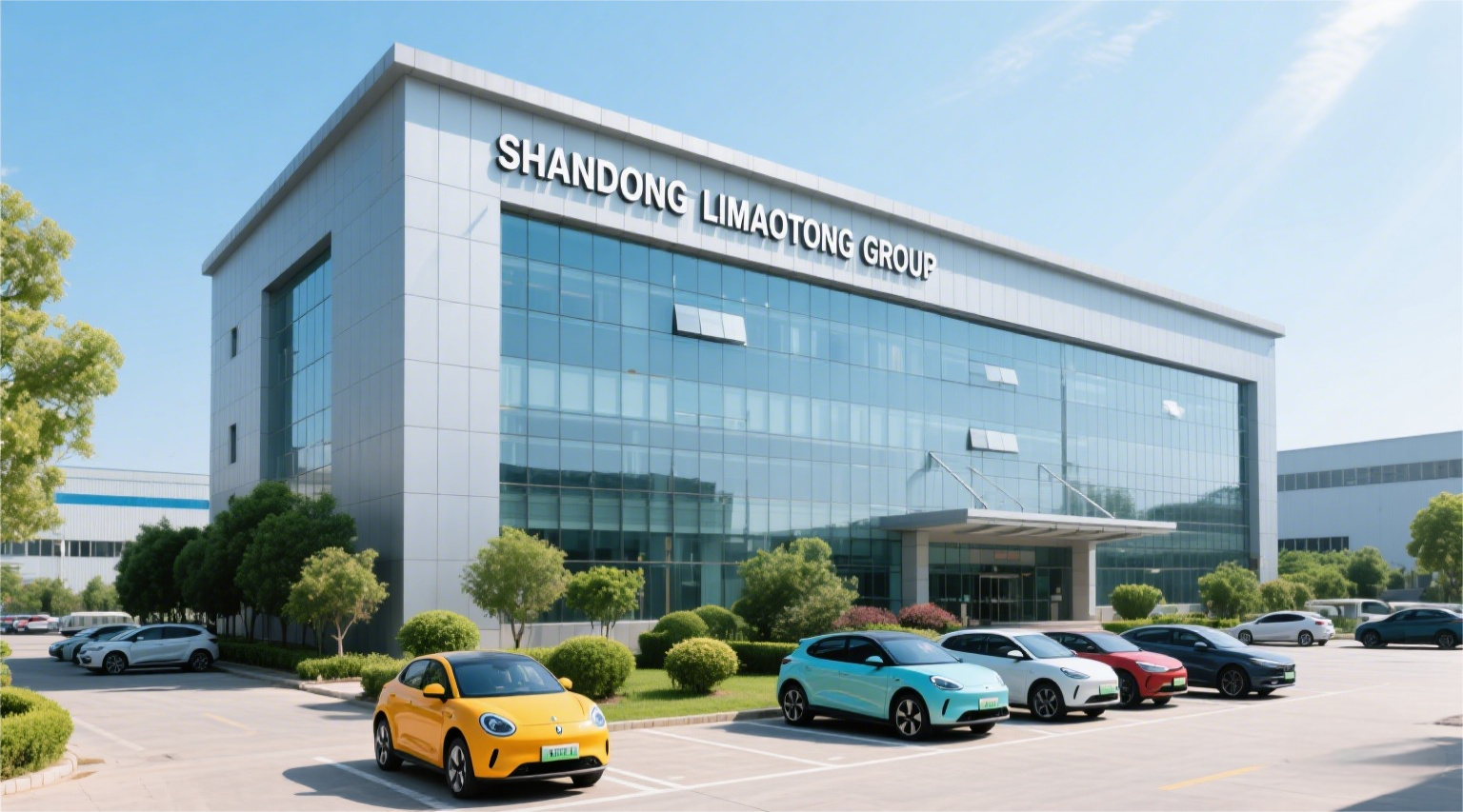
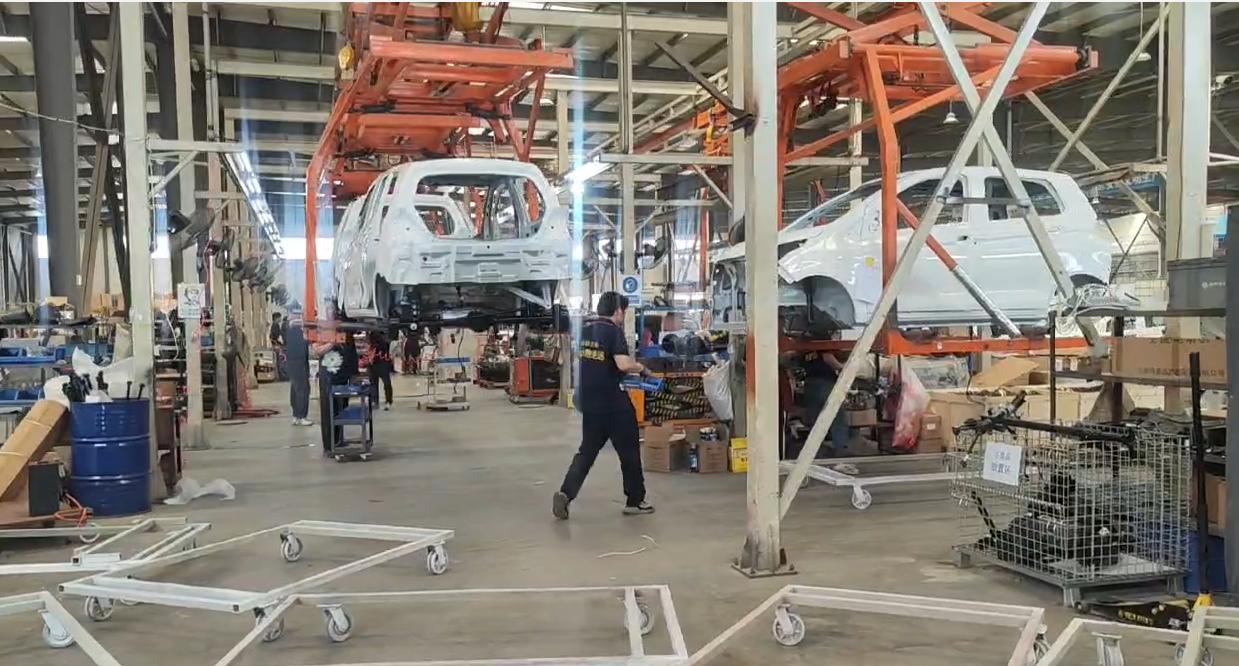
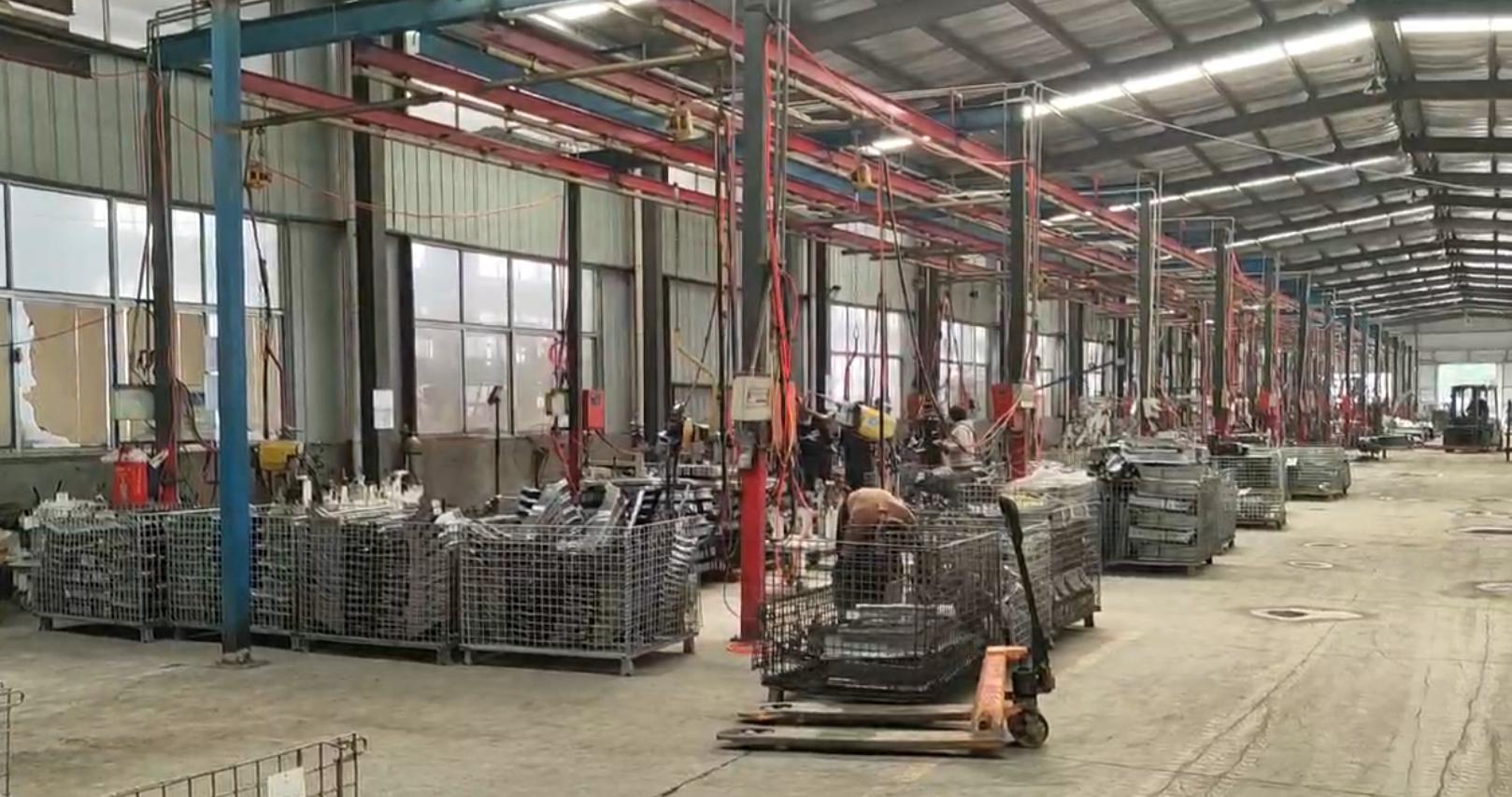
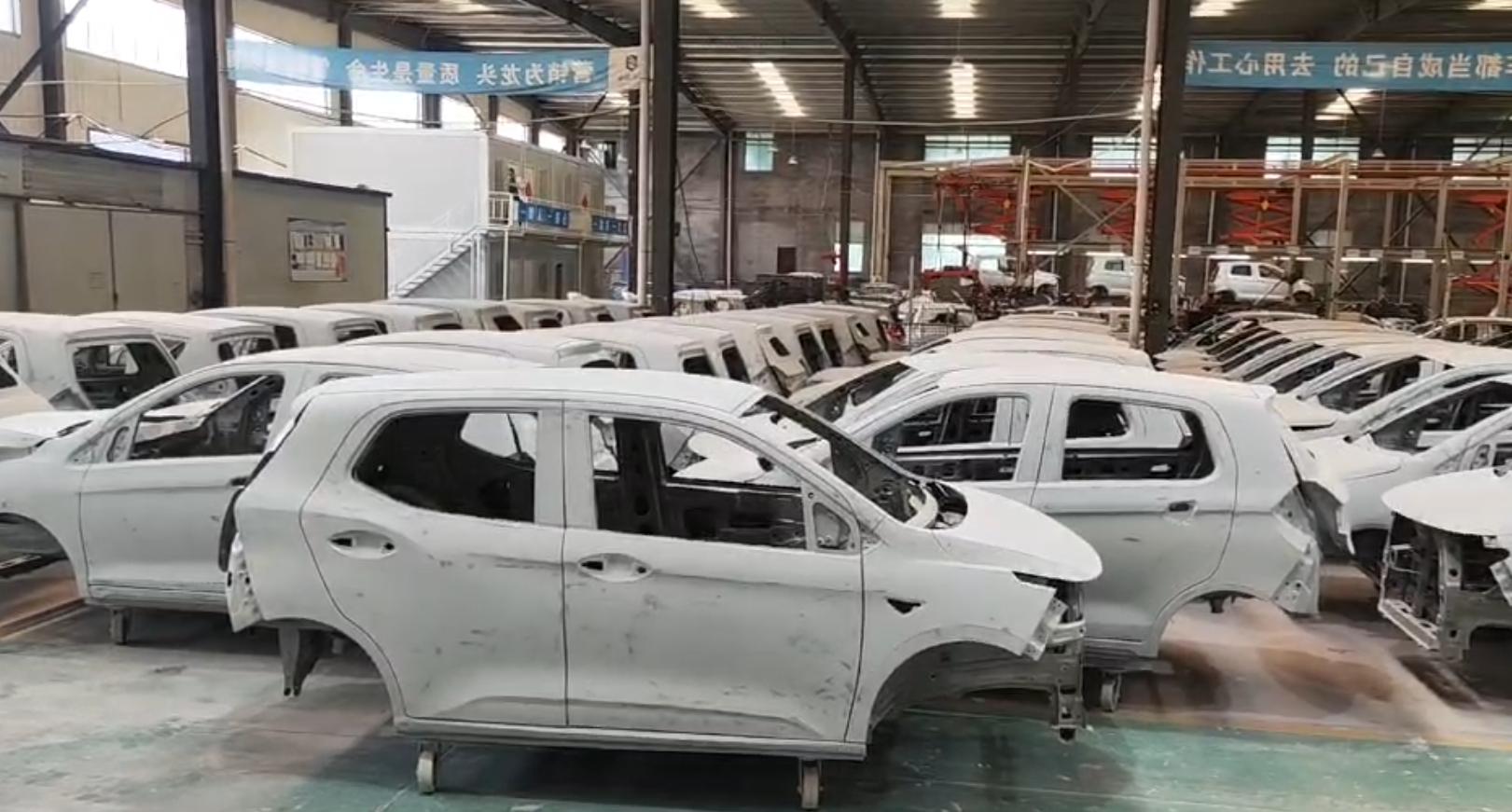
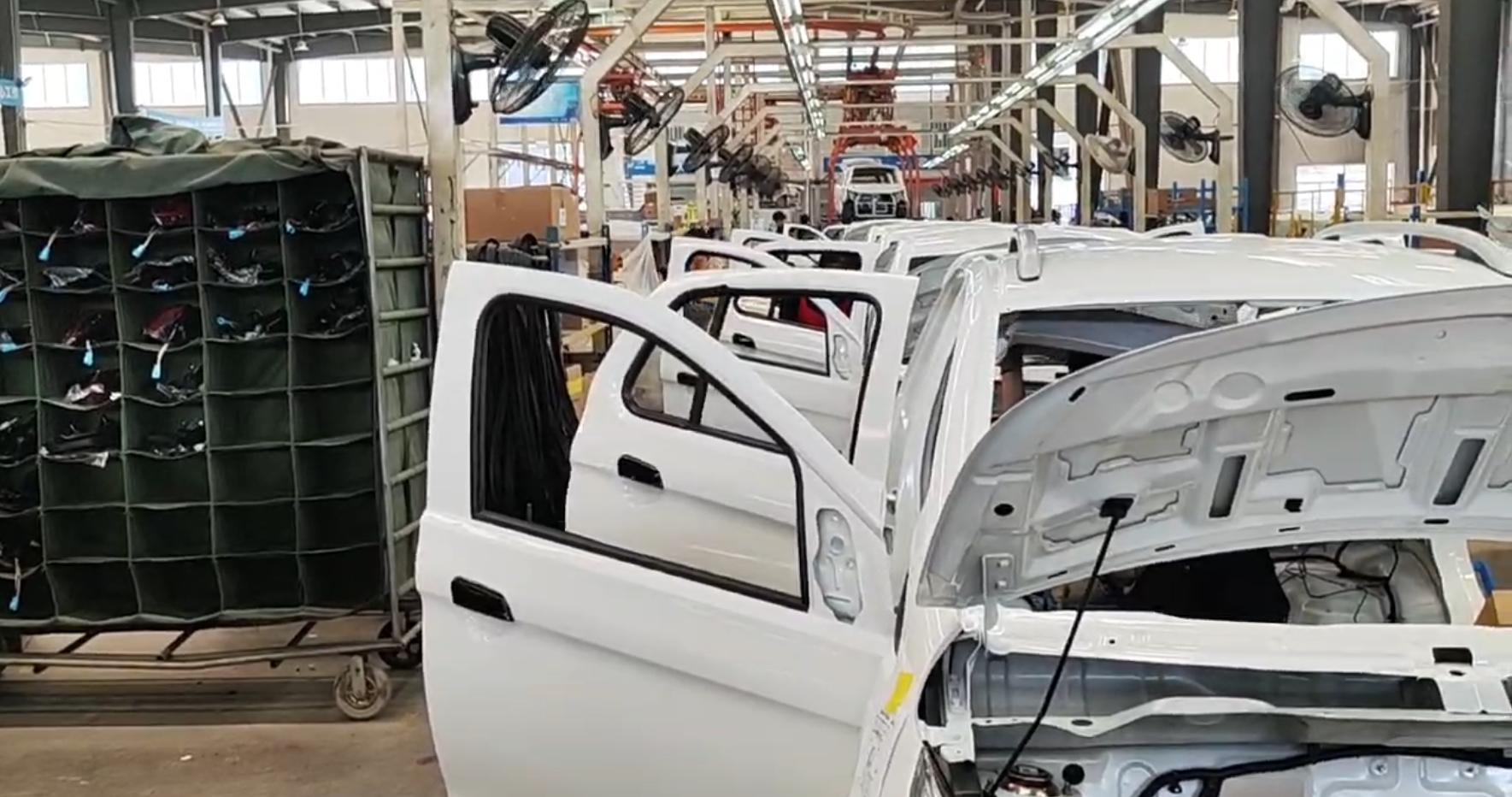
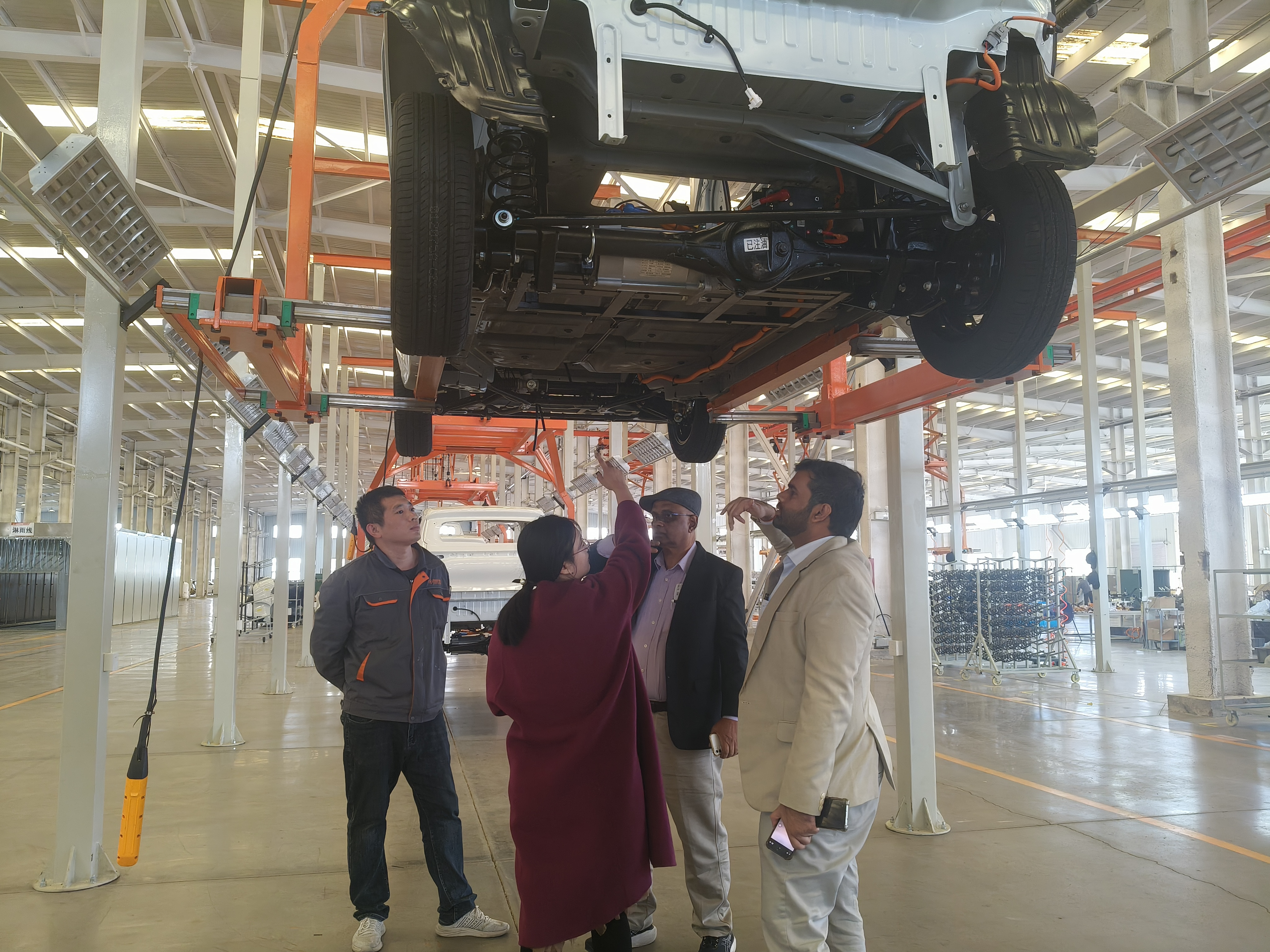
Shandong Li Mao Tong Group designs and builds electric vehicles for commercial transport, passenger transit, and municipal services. Our complete manufacturing ecosystem allows us to control quality and cost, from the initial steel press to final electronic diagnostics. We focus on reliable engineering, battery life, and complete support, ensuring our products perform well in different global conditions. With overseas warehouses and support offices, we provide parts supply, technician training, and reliable customer service worldwide.

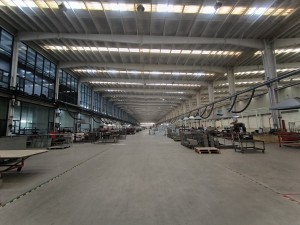
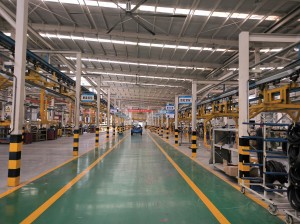
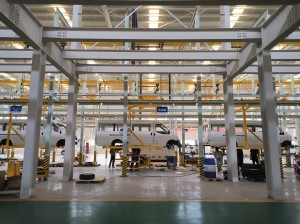
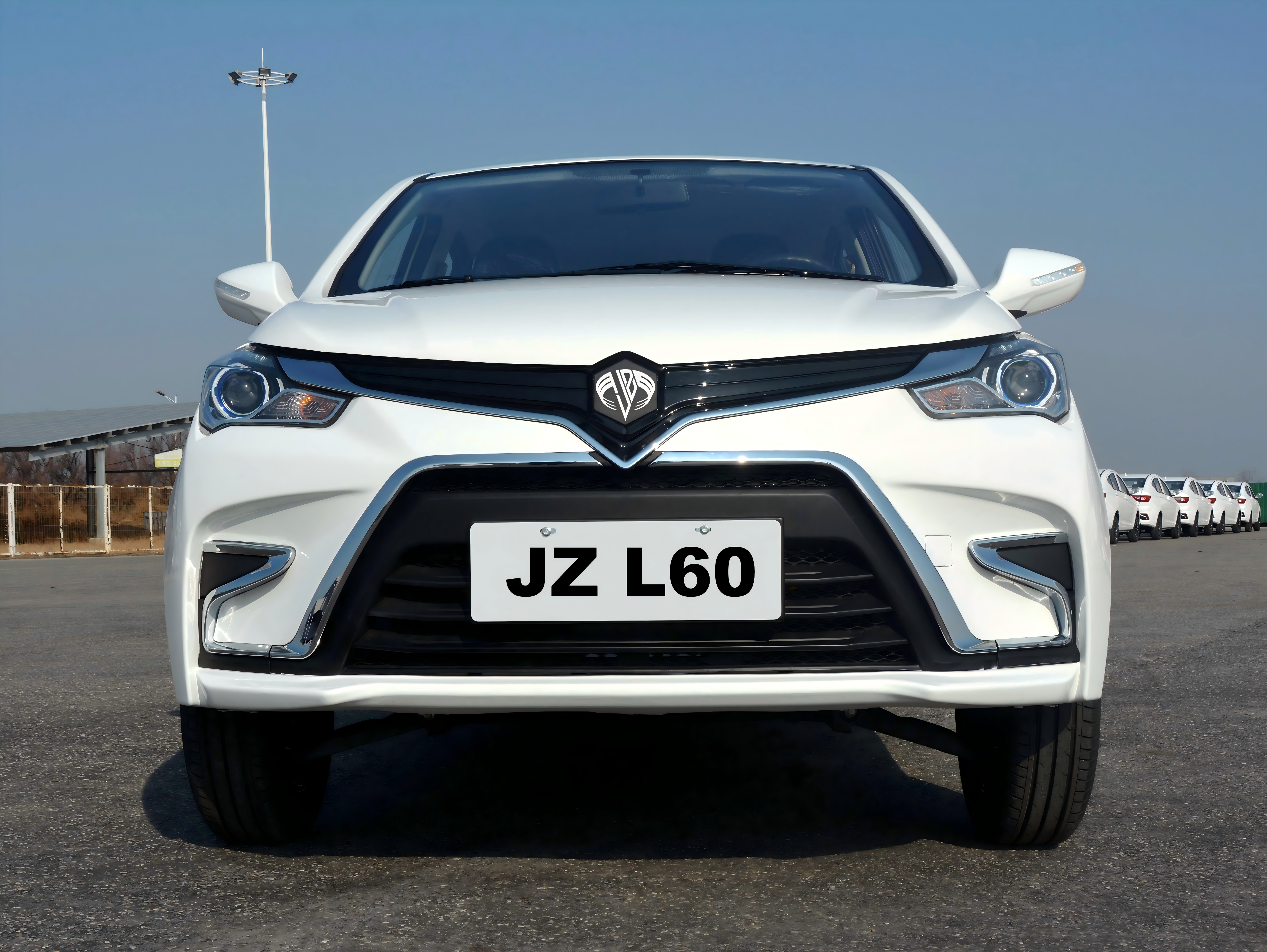
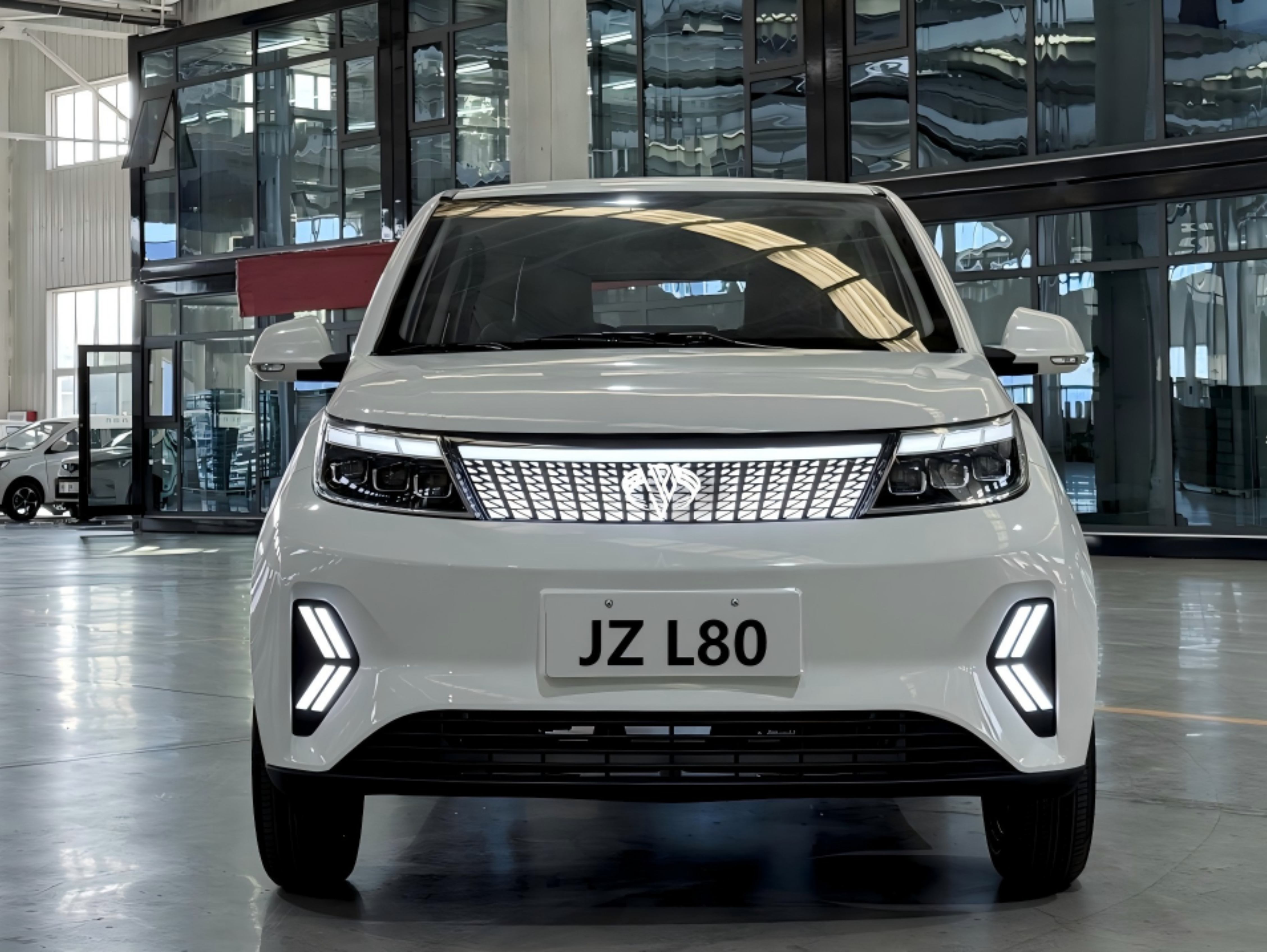
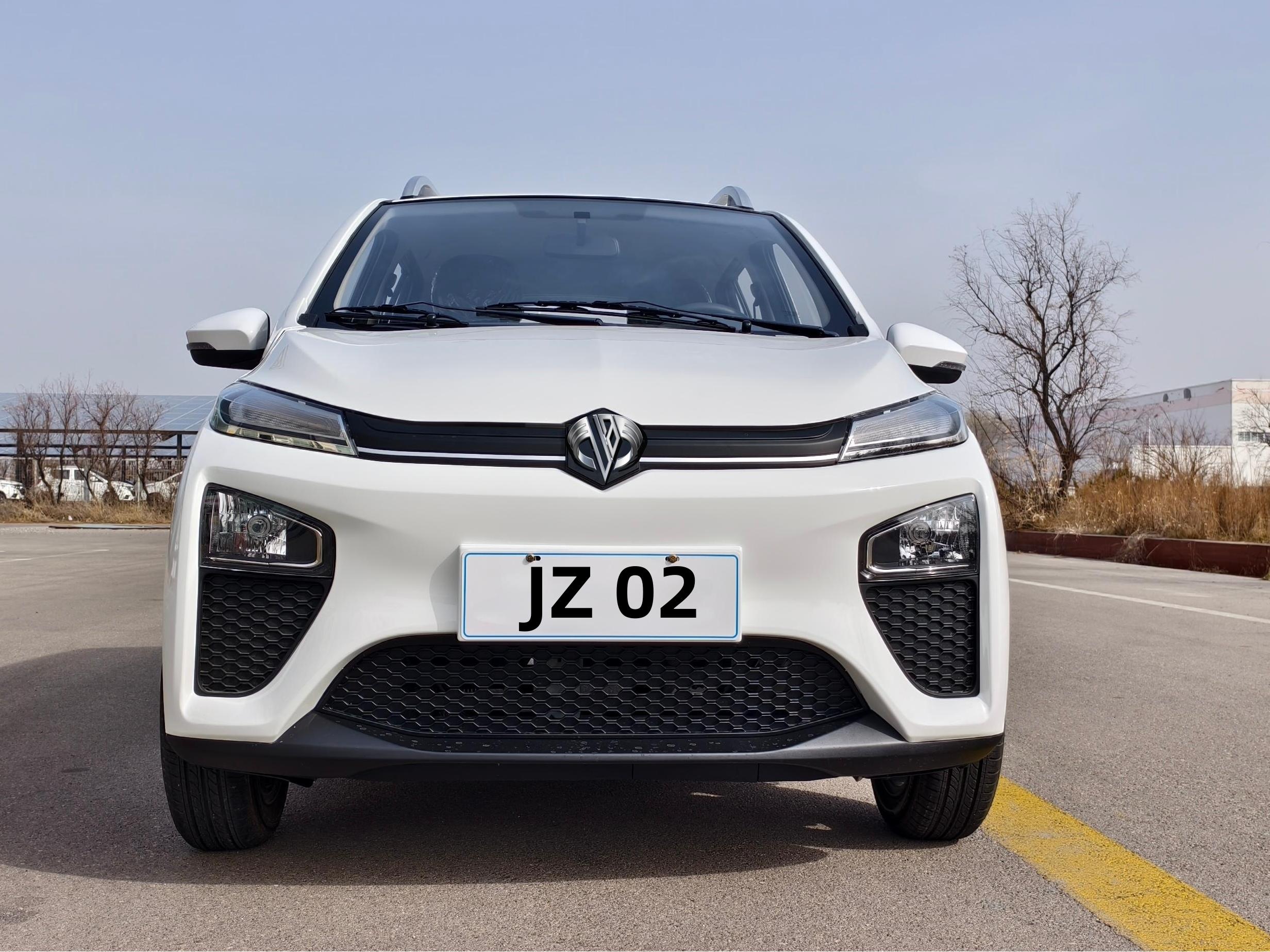
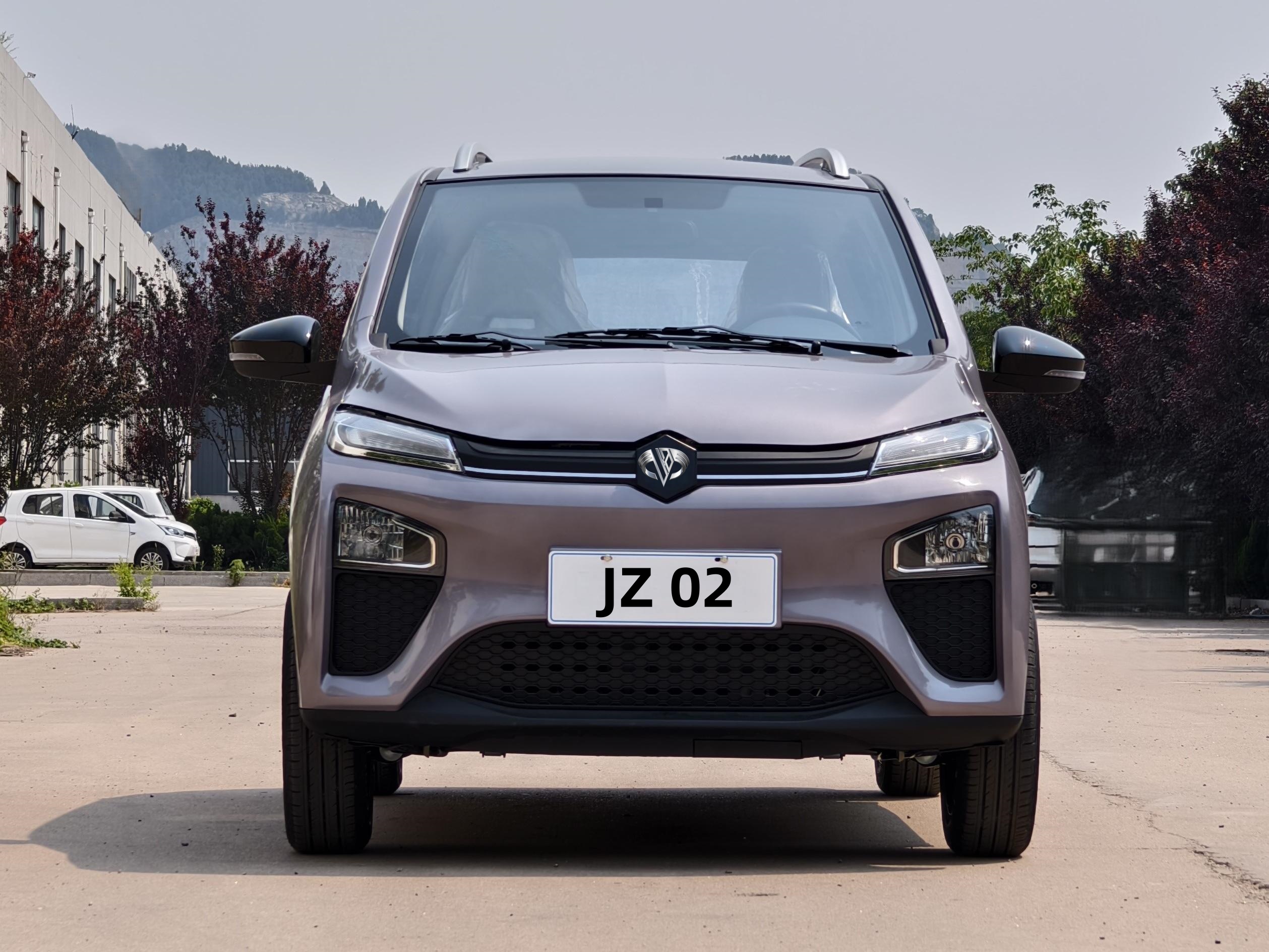
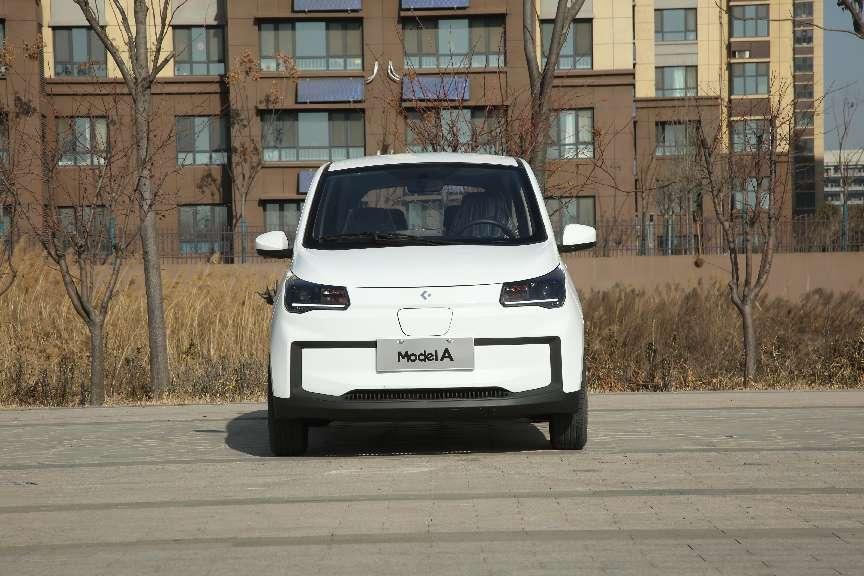
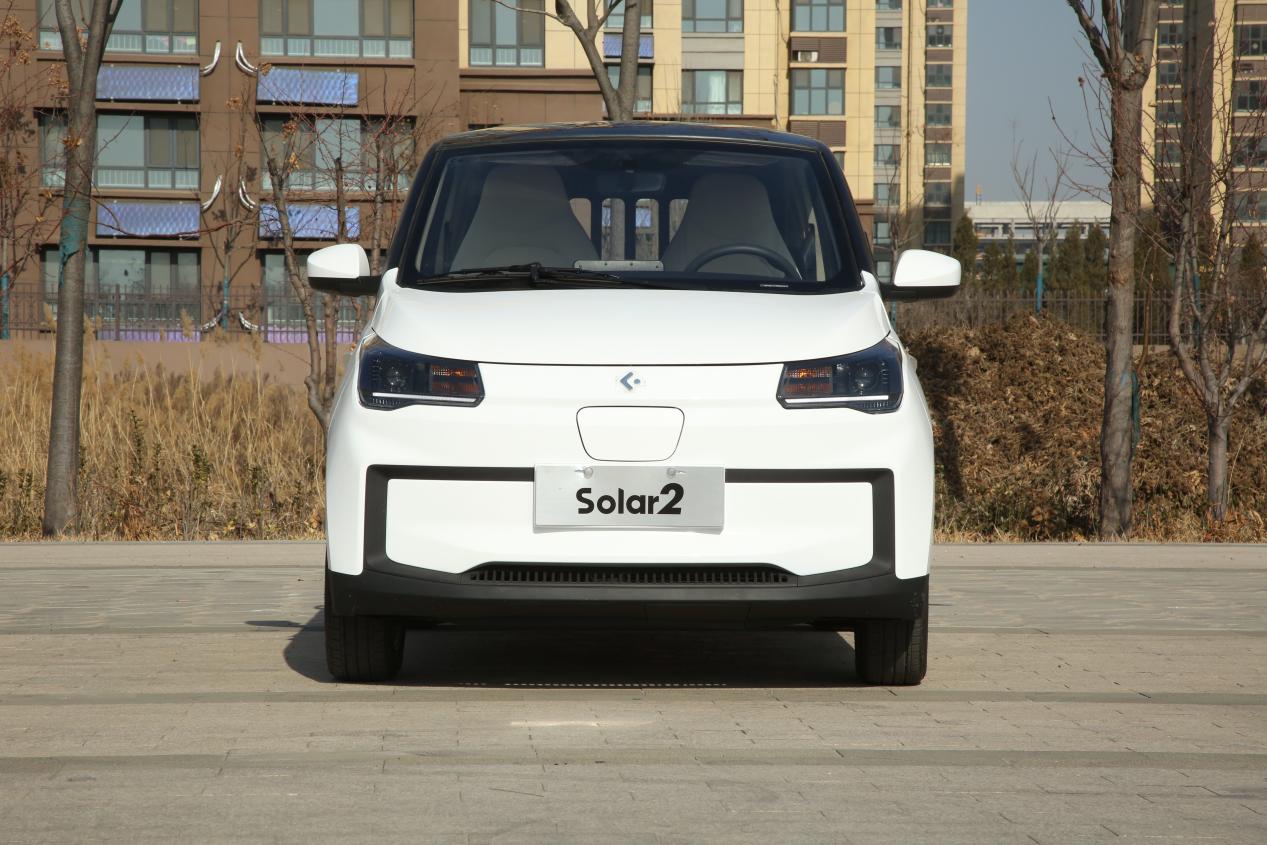
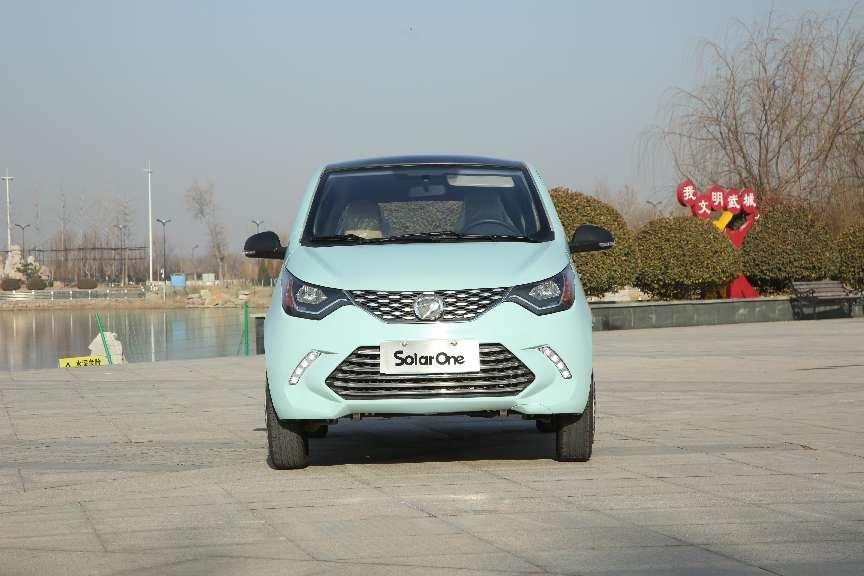
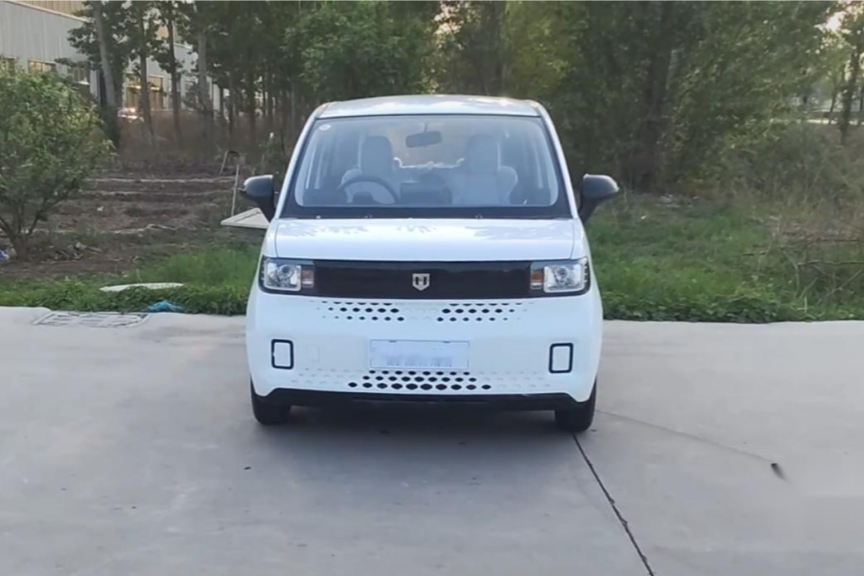




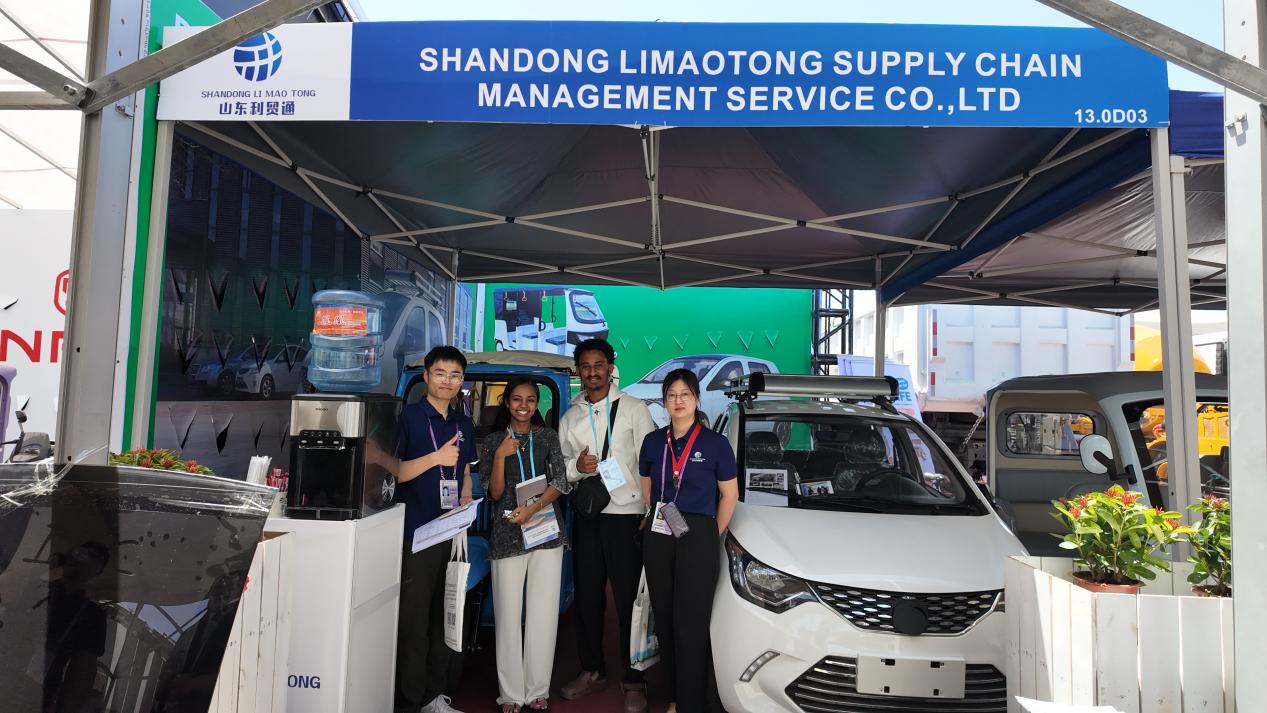
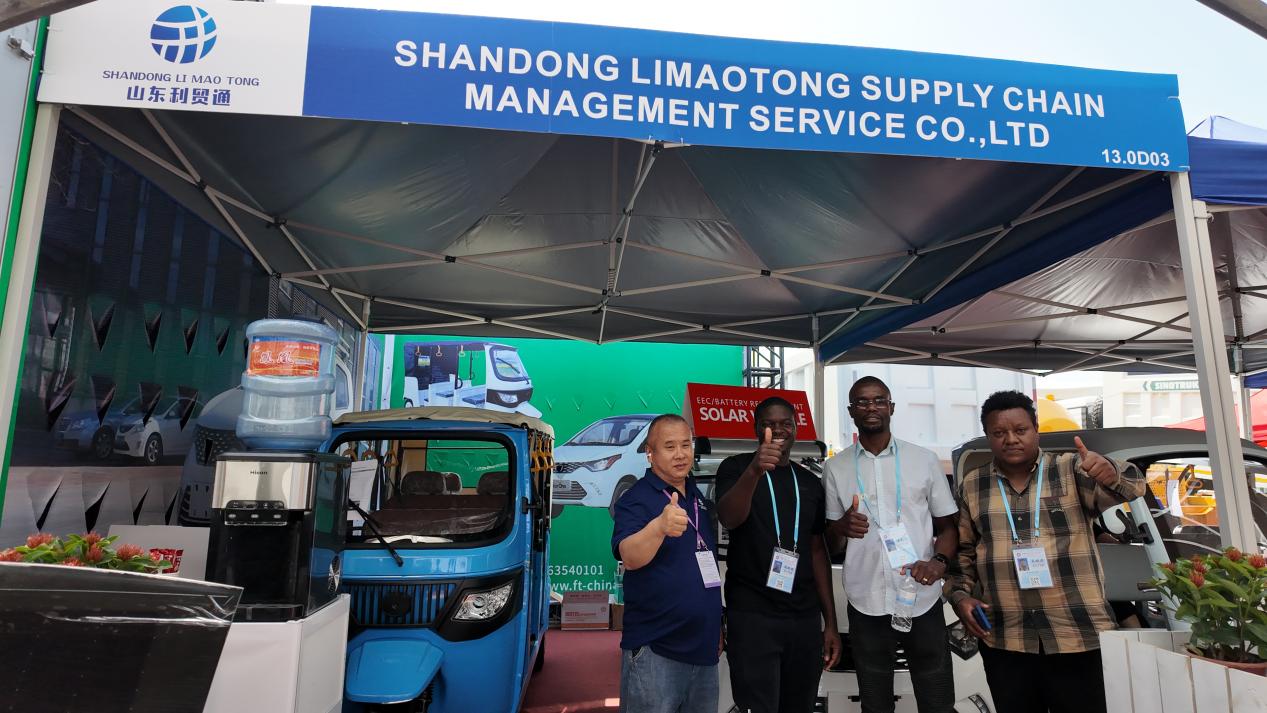
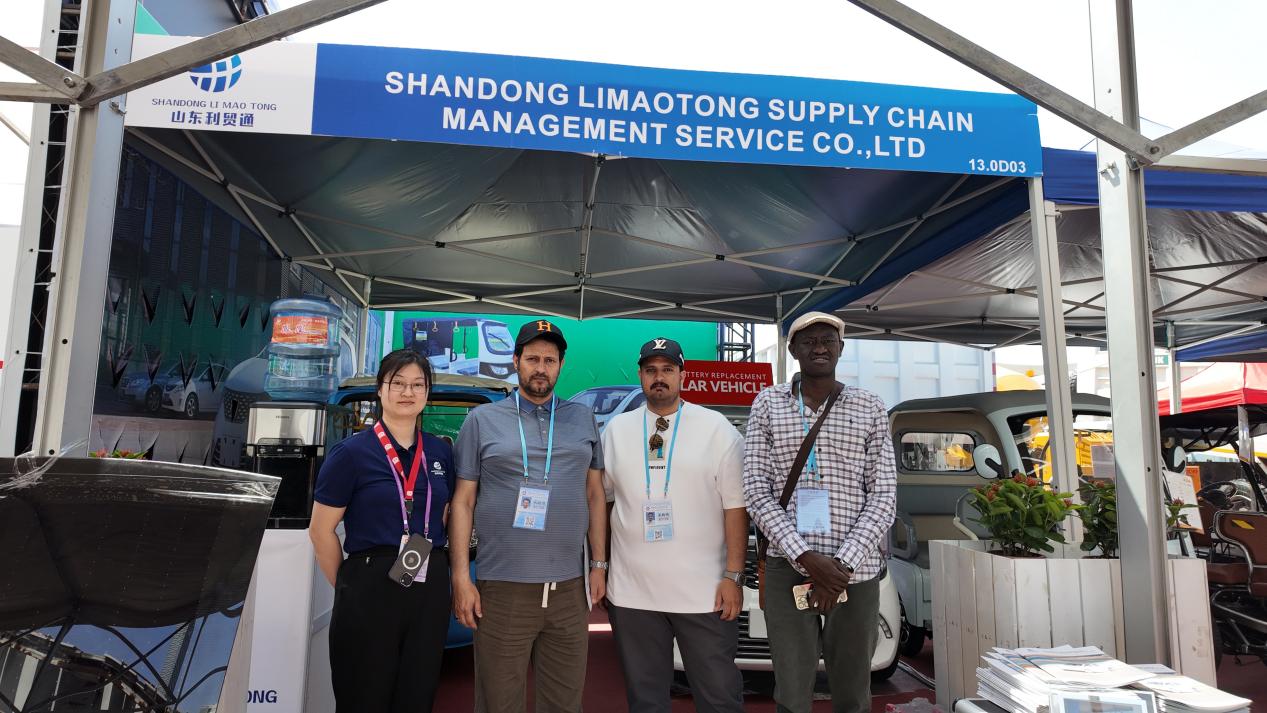


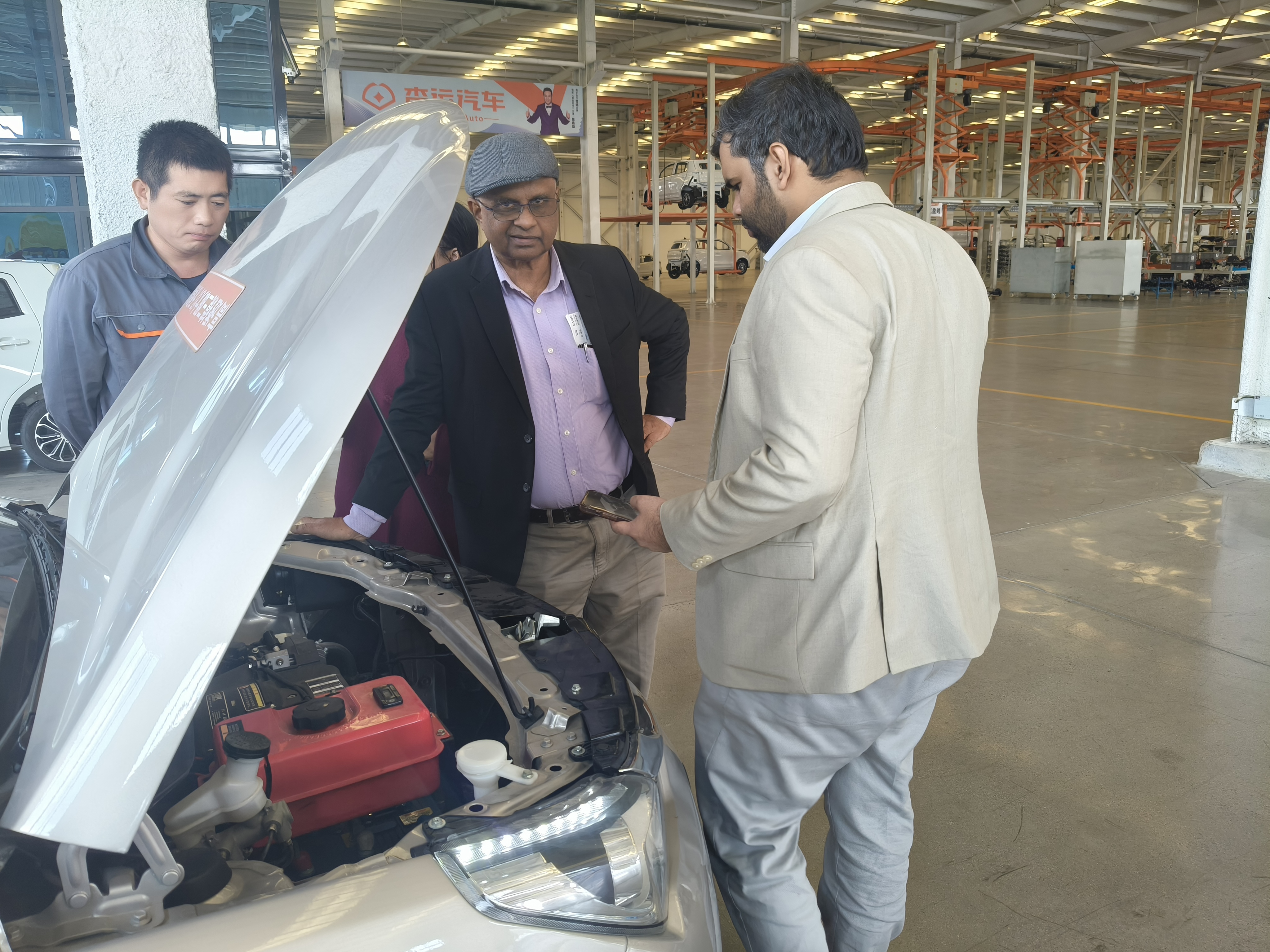
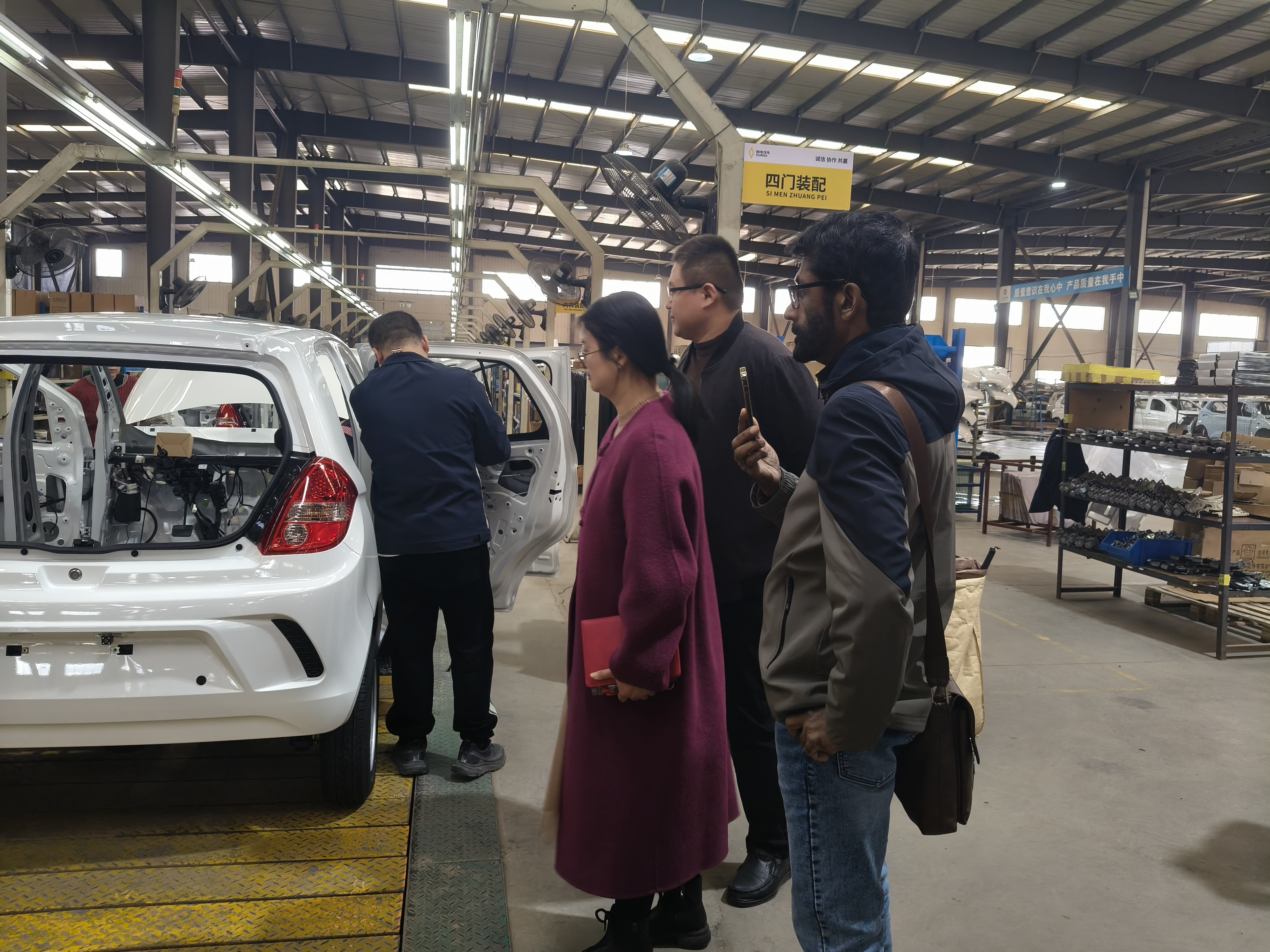


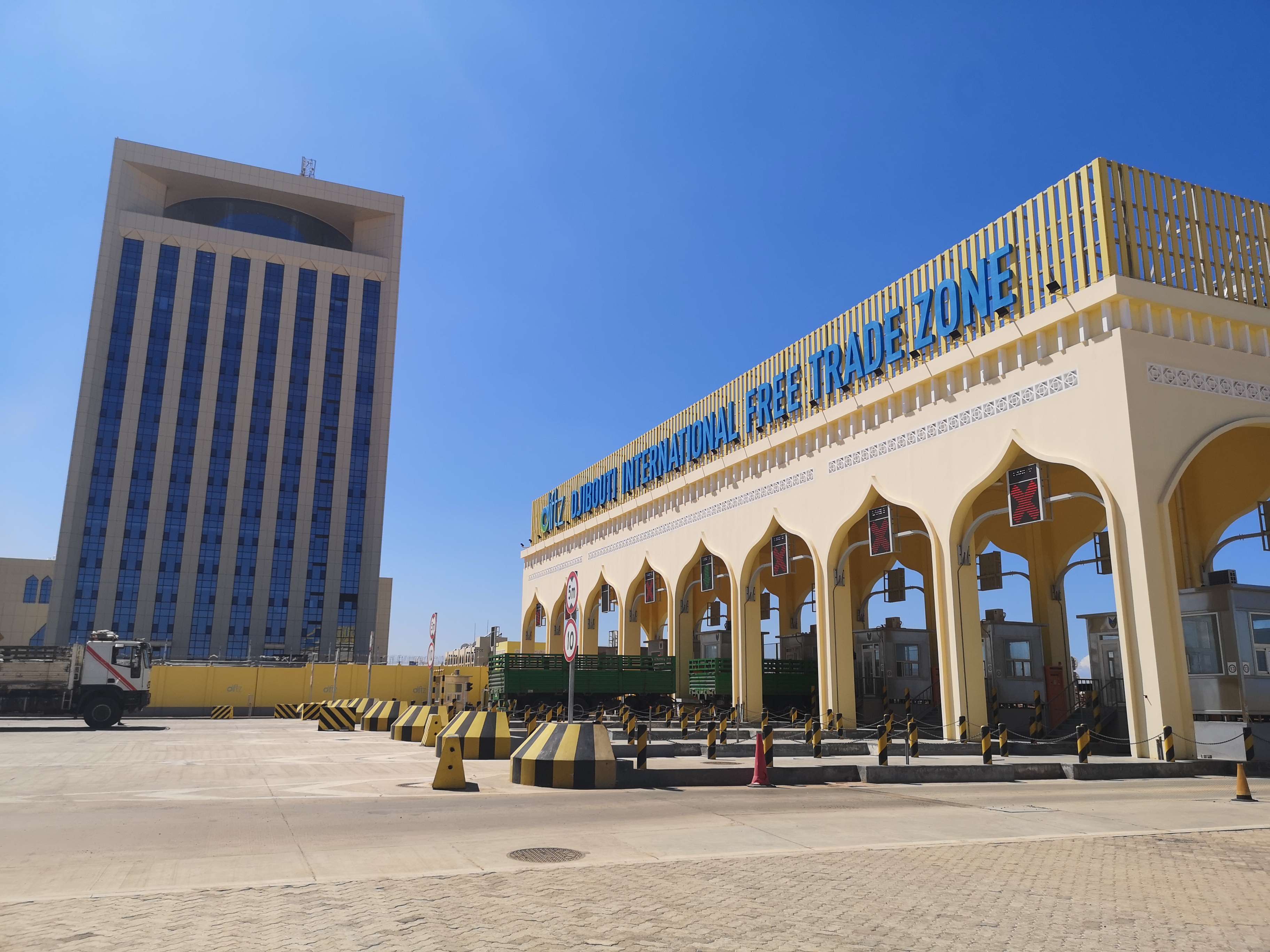
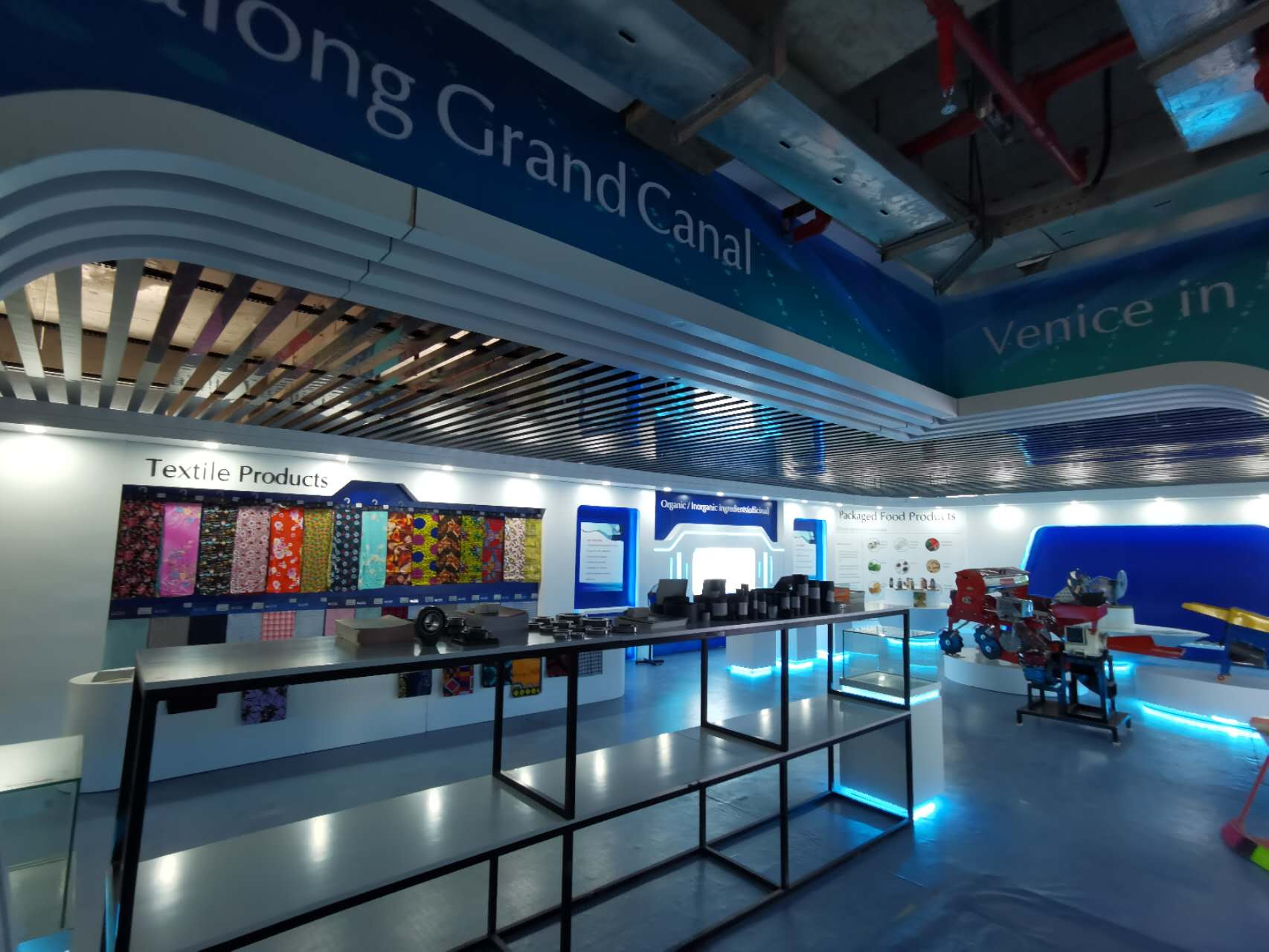
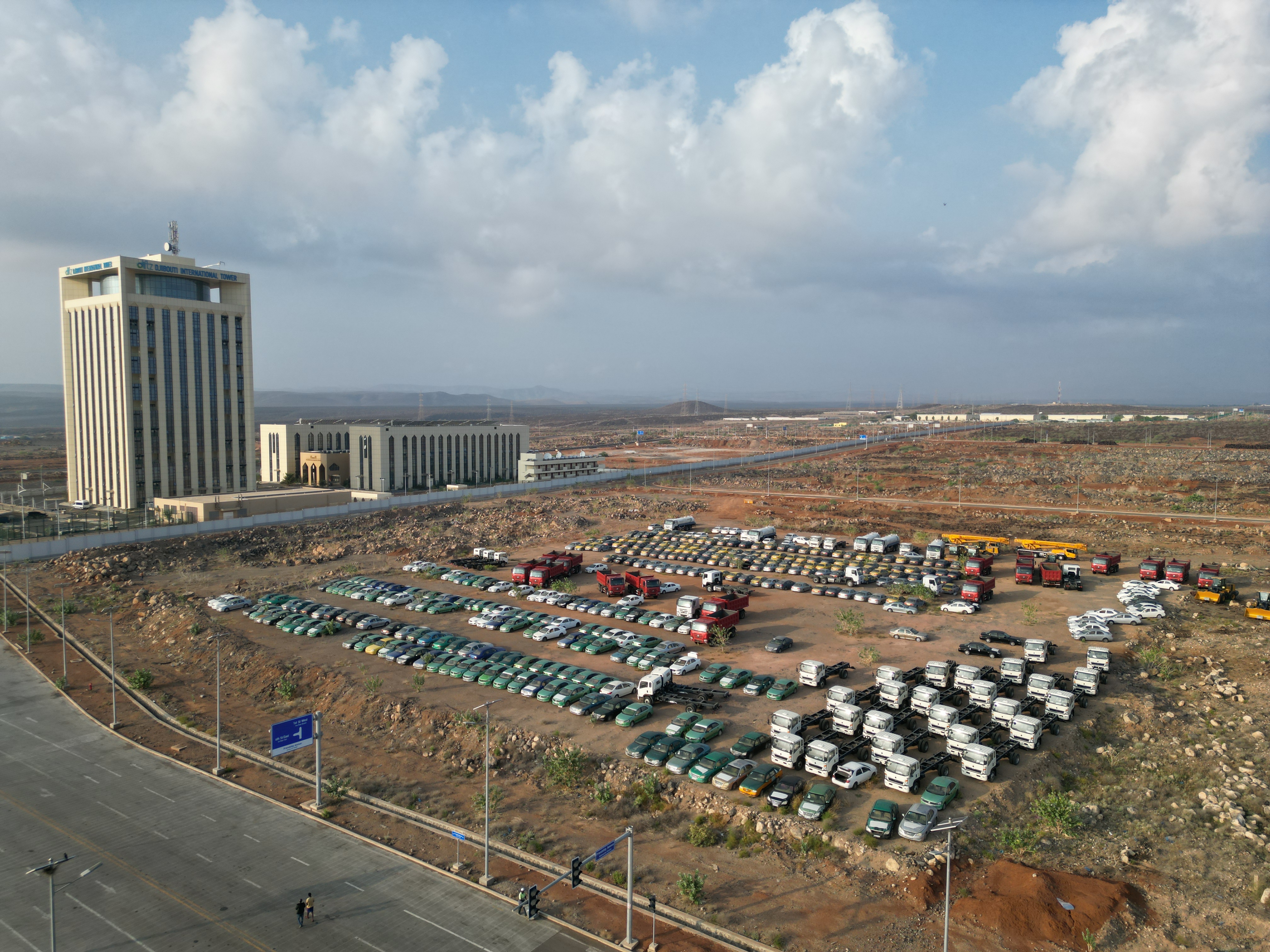
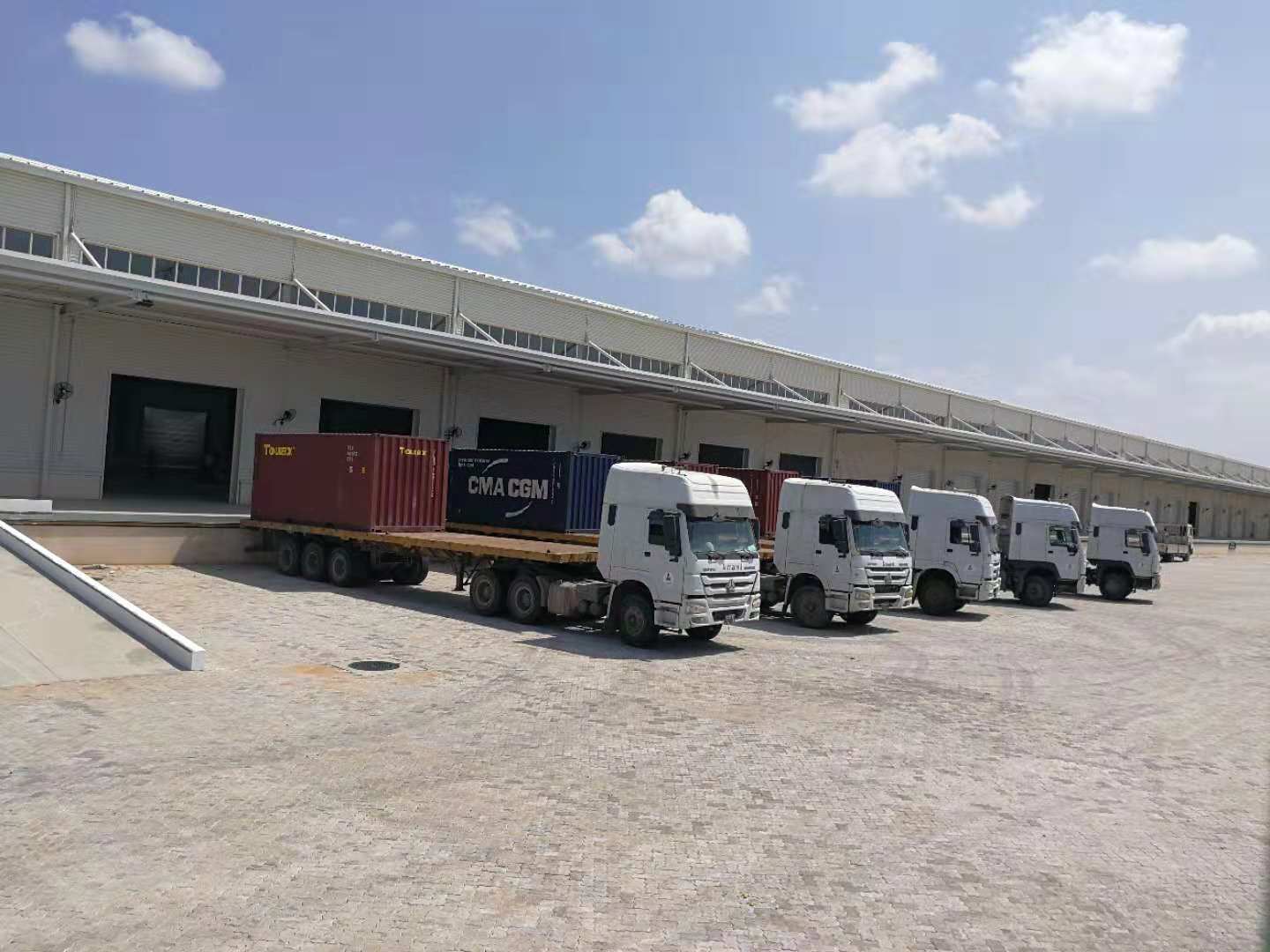
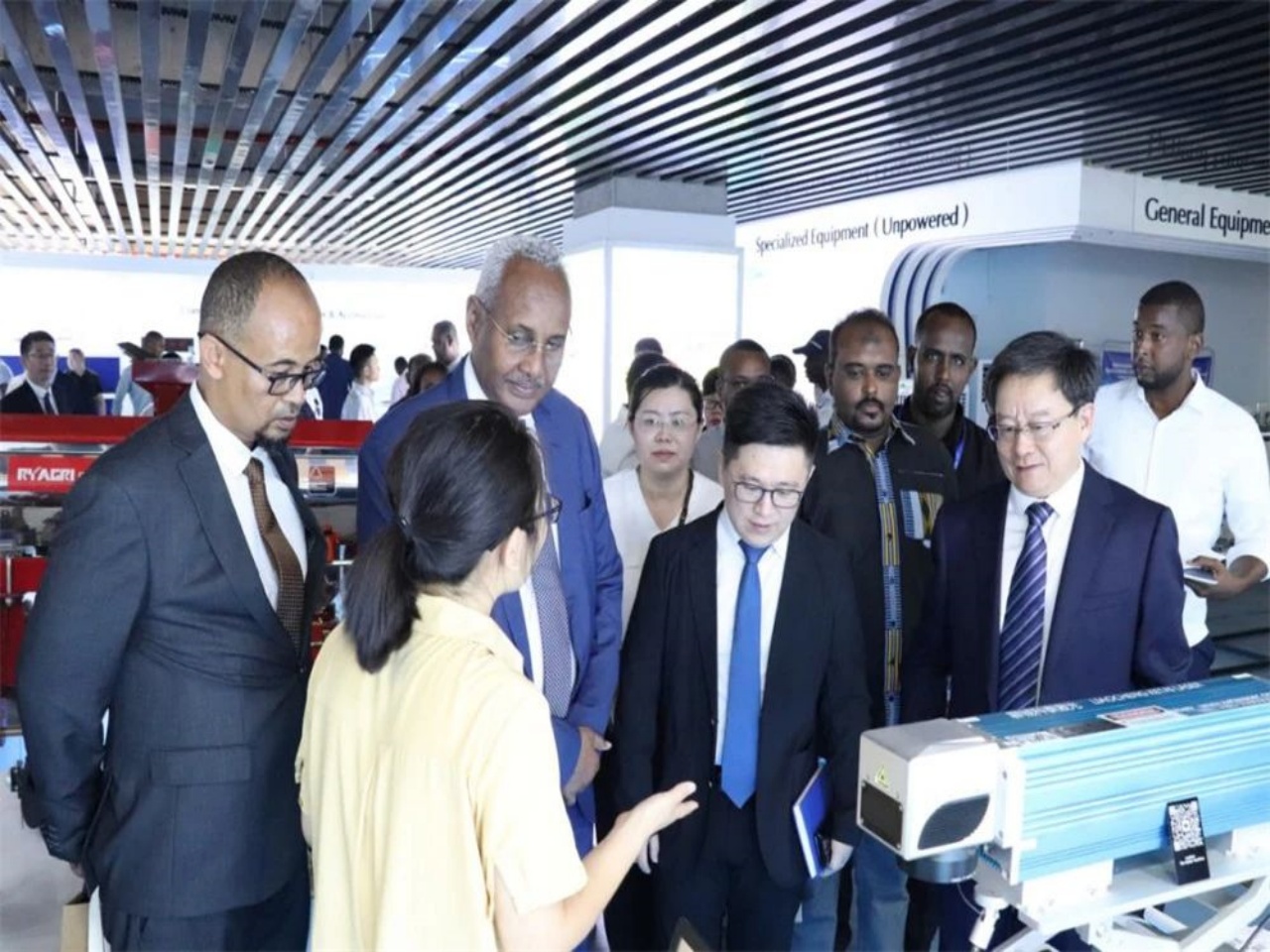
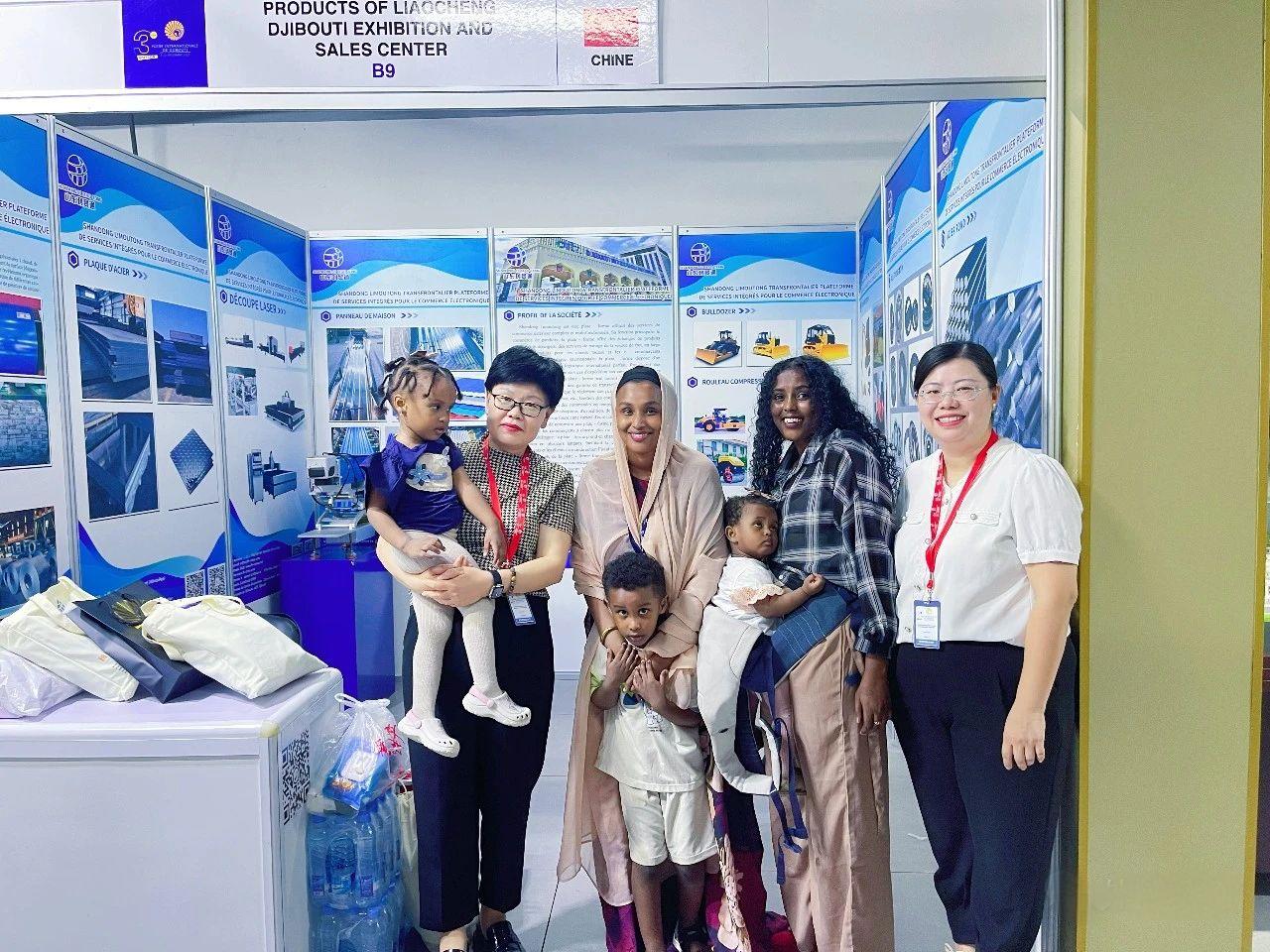
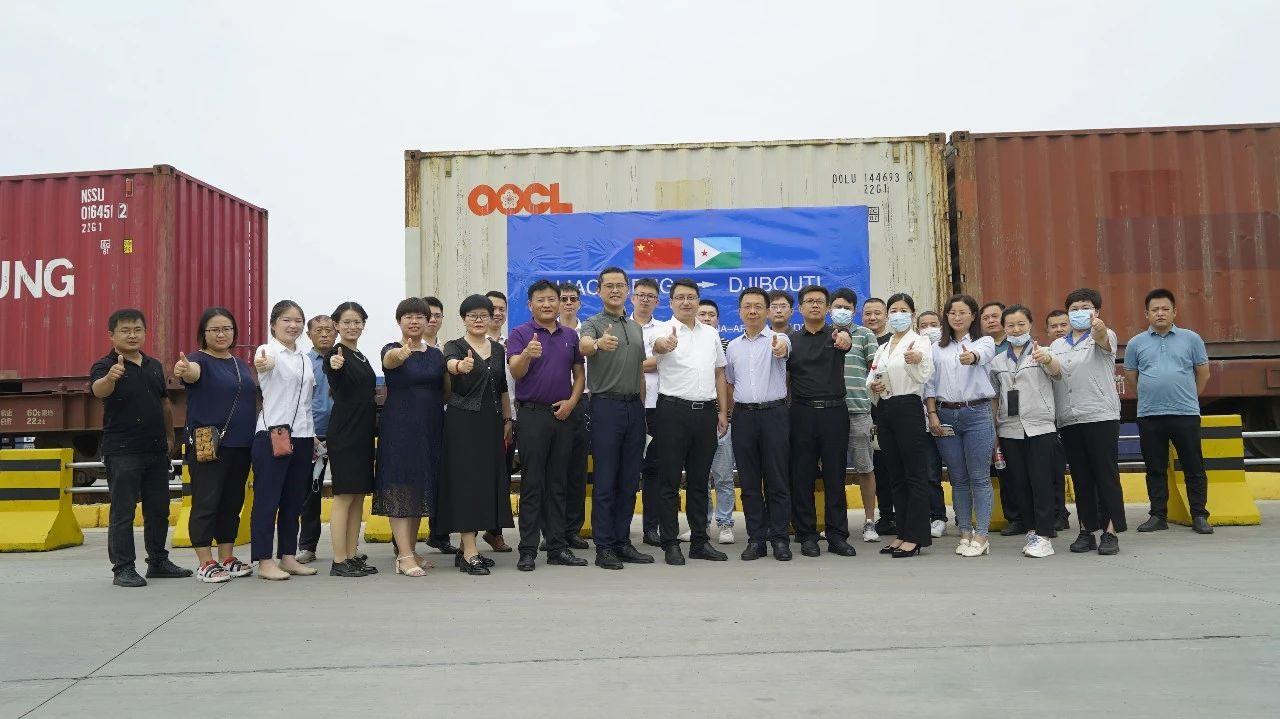
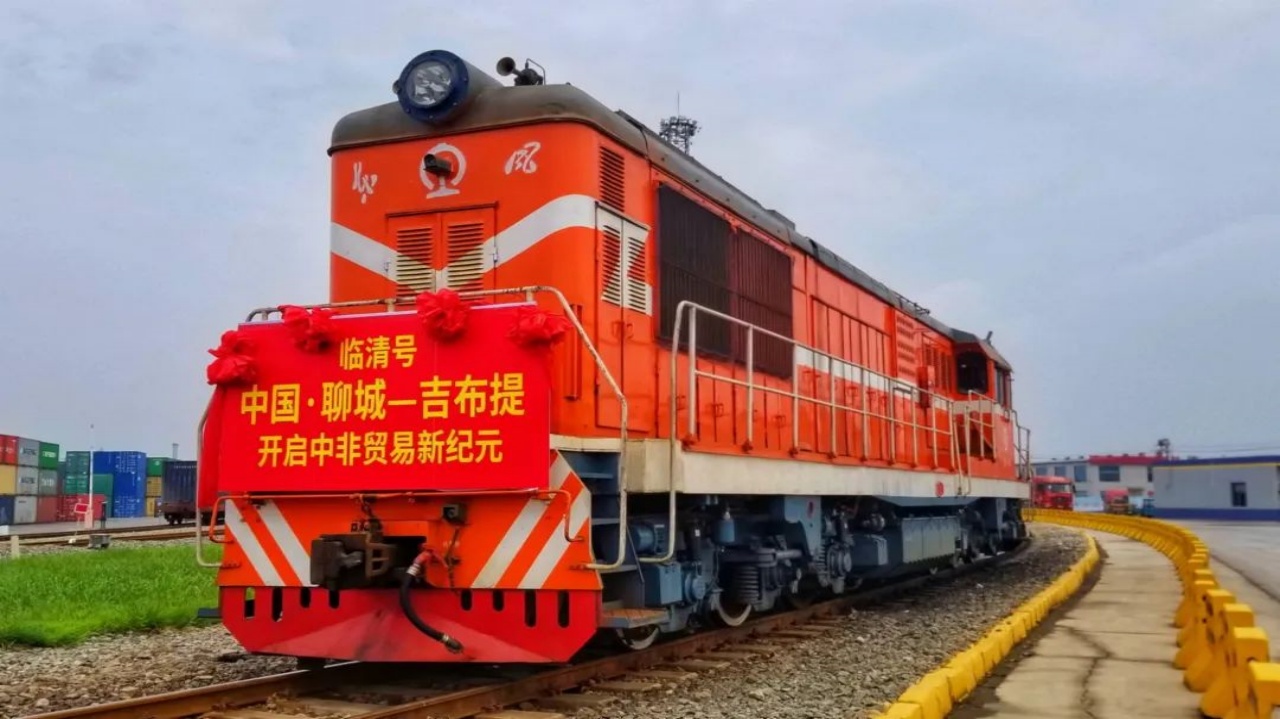
Established in 2023 inside the Djibouti International Free Trade Zone, this center serves as our main distribution and support hub for East Africa. Working with local trade services, it provides logistics, customs support, and vehicle delivery. Using our warehouse system, we keep complete vehicle assemblies and spare parts nearby to reduce delivery times for African businesses. This local setup helps us support logistics, transport fleets, and regional business partners quickly.



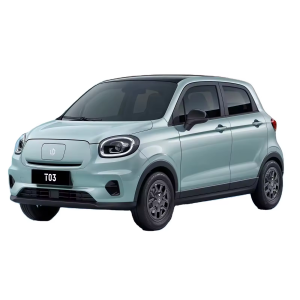
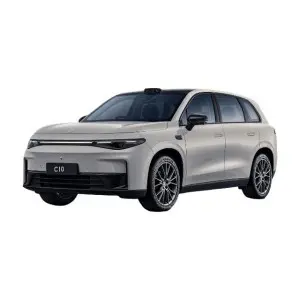
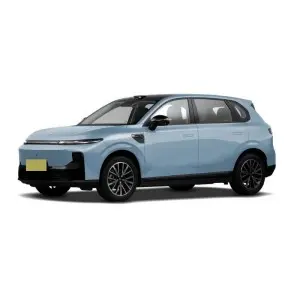
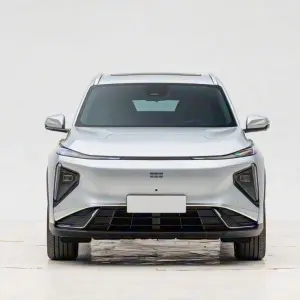
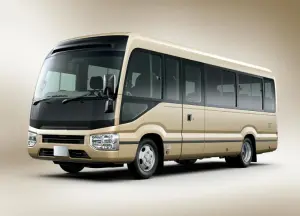
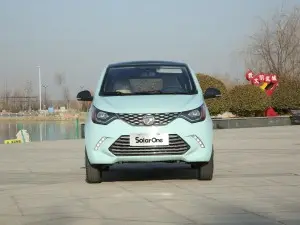
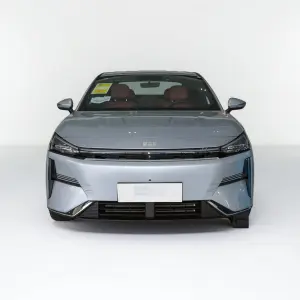
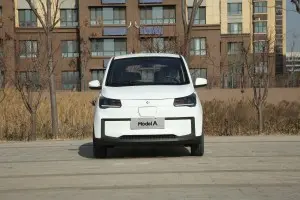
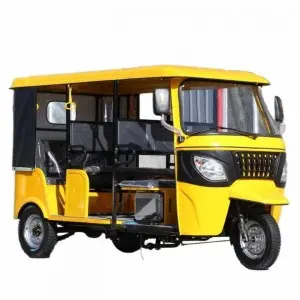
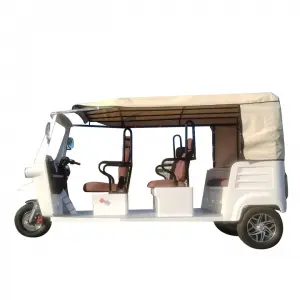
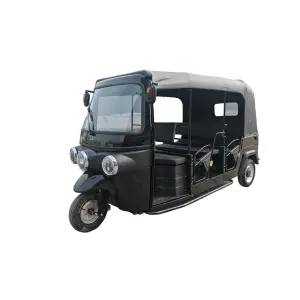
Electric three-wheeled vehicles are highly adaptable, making them suitable for various urban and rural transportation tasks. Unlike standard passenger electric vehicles, these units are designed as utility equipment that can handle continuous operational wear.
In major cities worldwide, delivery trucks face road congestion and restricted zones. Heavy-duty electric cargo tricycles provide a practical alternative for urban couriers. With load beds ranging from 1.5 to 1.8 meters, they carry high cargo volumes, navigate narrow streets easily, and park in small spaces. This allows logistics companies to optimize delivery times and reduce fleet carbon emissions.
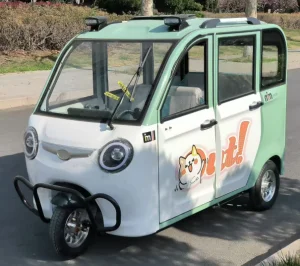
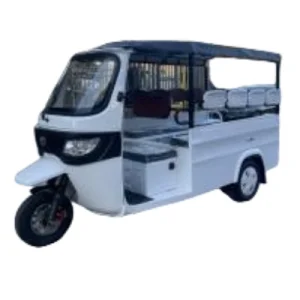
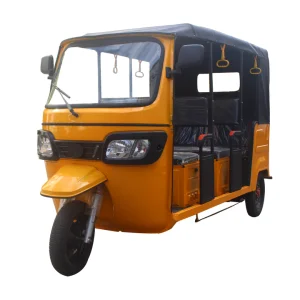
Traditional gasoline tuk-tuks contribute to urban noise and air pollution. Electric passenger tricycles offer a clean option for commuter routes, historical areas, and resort transport. These quiet vehicles provide a comfortable ride for passengers and help tour operators meet green standards. We configure passenger cabins for 3 to 7 seats, using weather-resistant materials to suit local climates.
In areas with limited charging infrastructure, solar-assisted electric vehicles help extend daily operational range. By mounting thin-film solar arrays on cabin roofs, the system continuously trickle-charges the battery pack during daylight hours. This adds 20 to 30 kilometers of range daily, supporting rural deliveries and transport in off-grid communities.
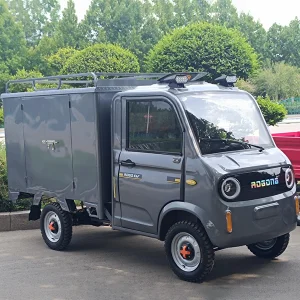
Industrial plants, airports, and universities require quiet, zero-emission service vehicles. Electric mini box trucks, flatbed tricycles, and mobile service units move cargo and tools around large sites efficiently. They work indoors and outdoors, charge from standard electrical outlets, and operate with low maintenance costs.
 Limaotong