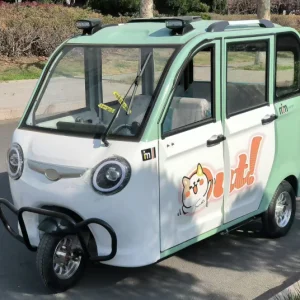
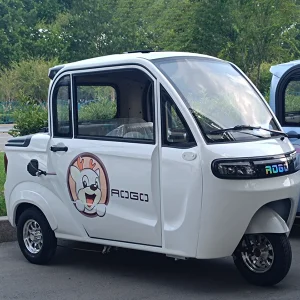
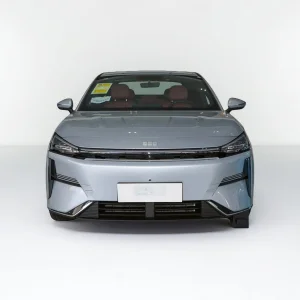
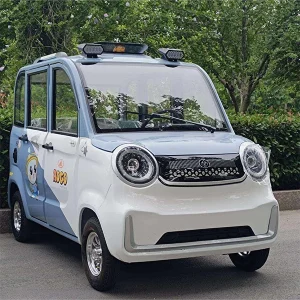
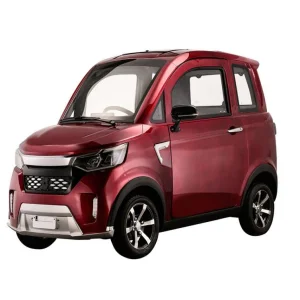
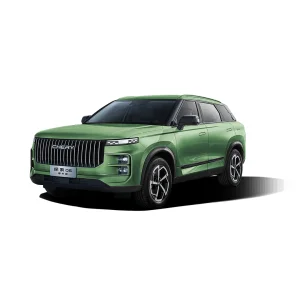
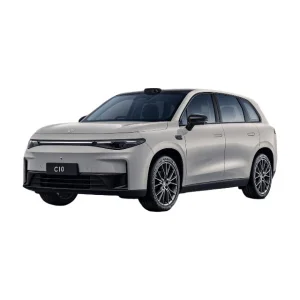
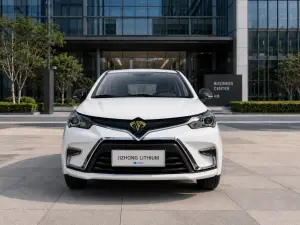
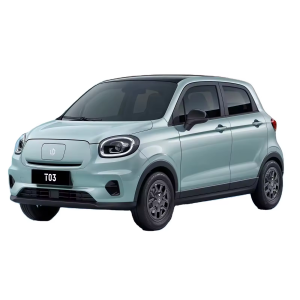
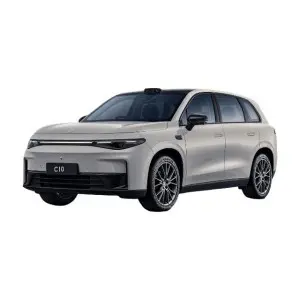
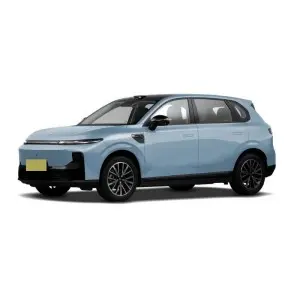
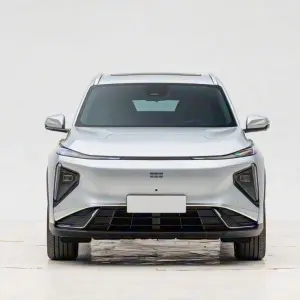
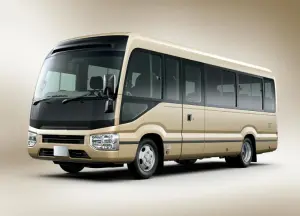
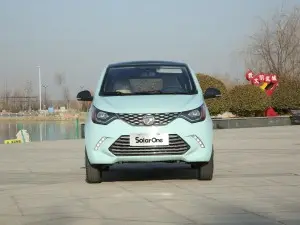
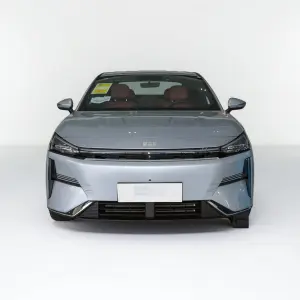
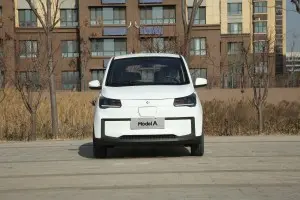
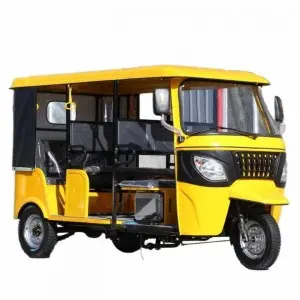
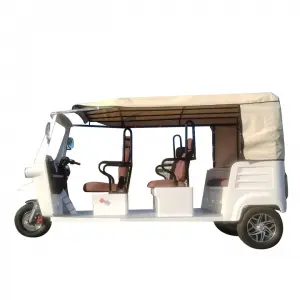
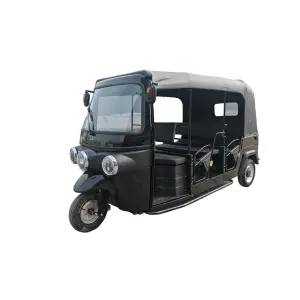
Engineered to international certification standards, optimizing payload capacity, thermal control, and powertrain durability.
Global Micro-Mobility & Intelligent Transport System OEM/ODM Pioneer
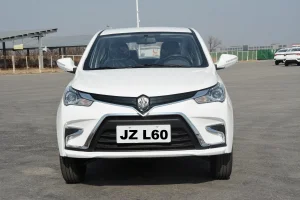
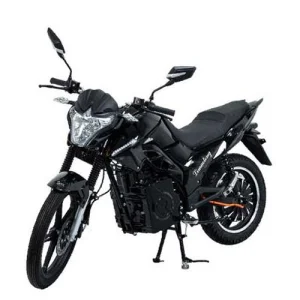
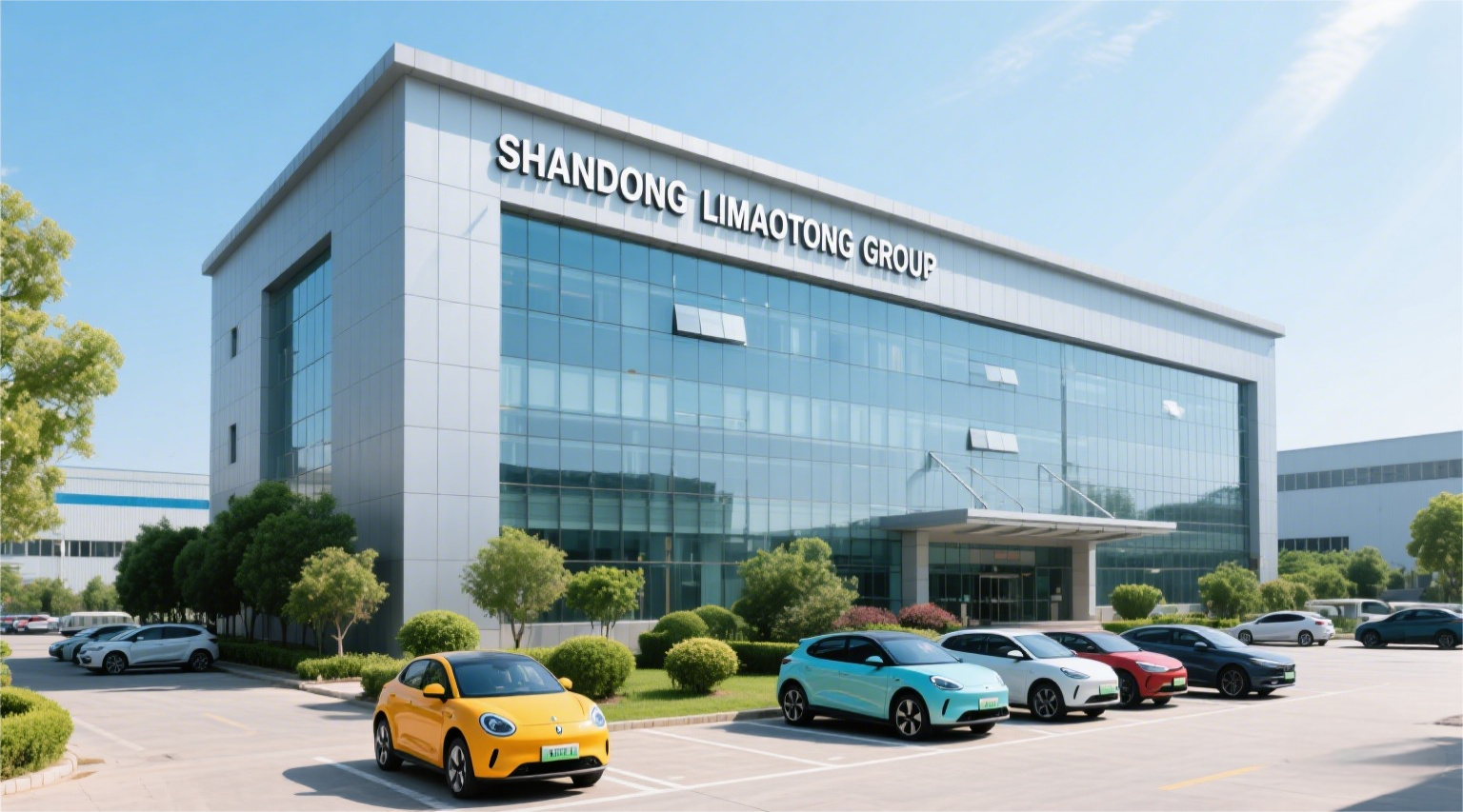
SHANDONG LI MAO TONG GROUP represents the pinnacle of vertical industrial integration. We specialize in the end-to-end design, advanced research, clean manufacturing, and global logistical distribution of motor tricycles, heavy-duty cargo tricycles, electric mini cars, and high-efficiency electric two-wheelers. By locating our production infrastructures alongside China's premier raw material hubs and core battery production hubs, we achieve unmatched manufacturing efficiencies that we directly translate into commercial value for our global B2B procurement partners.
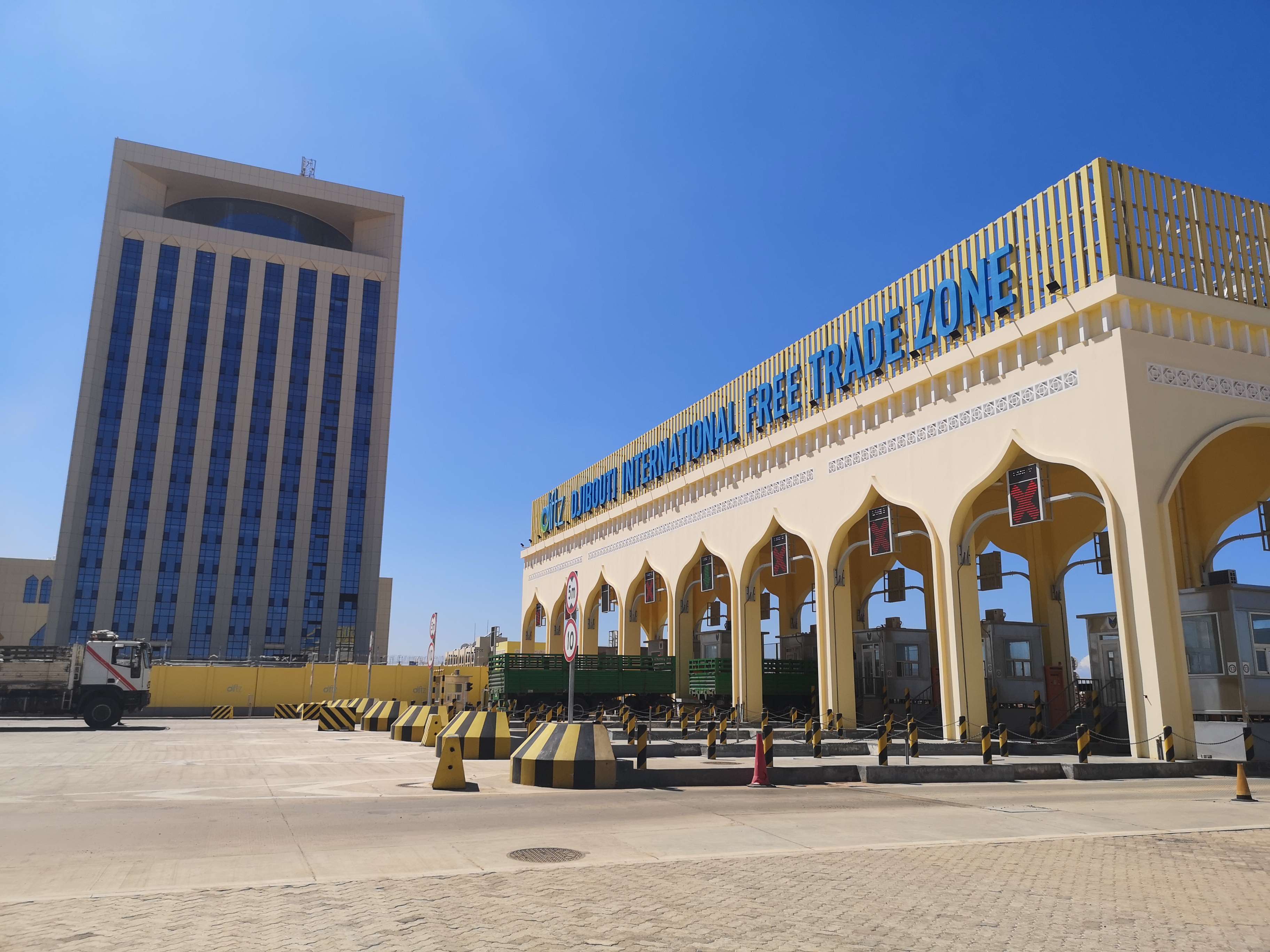
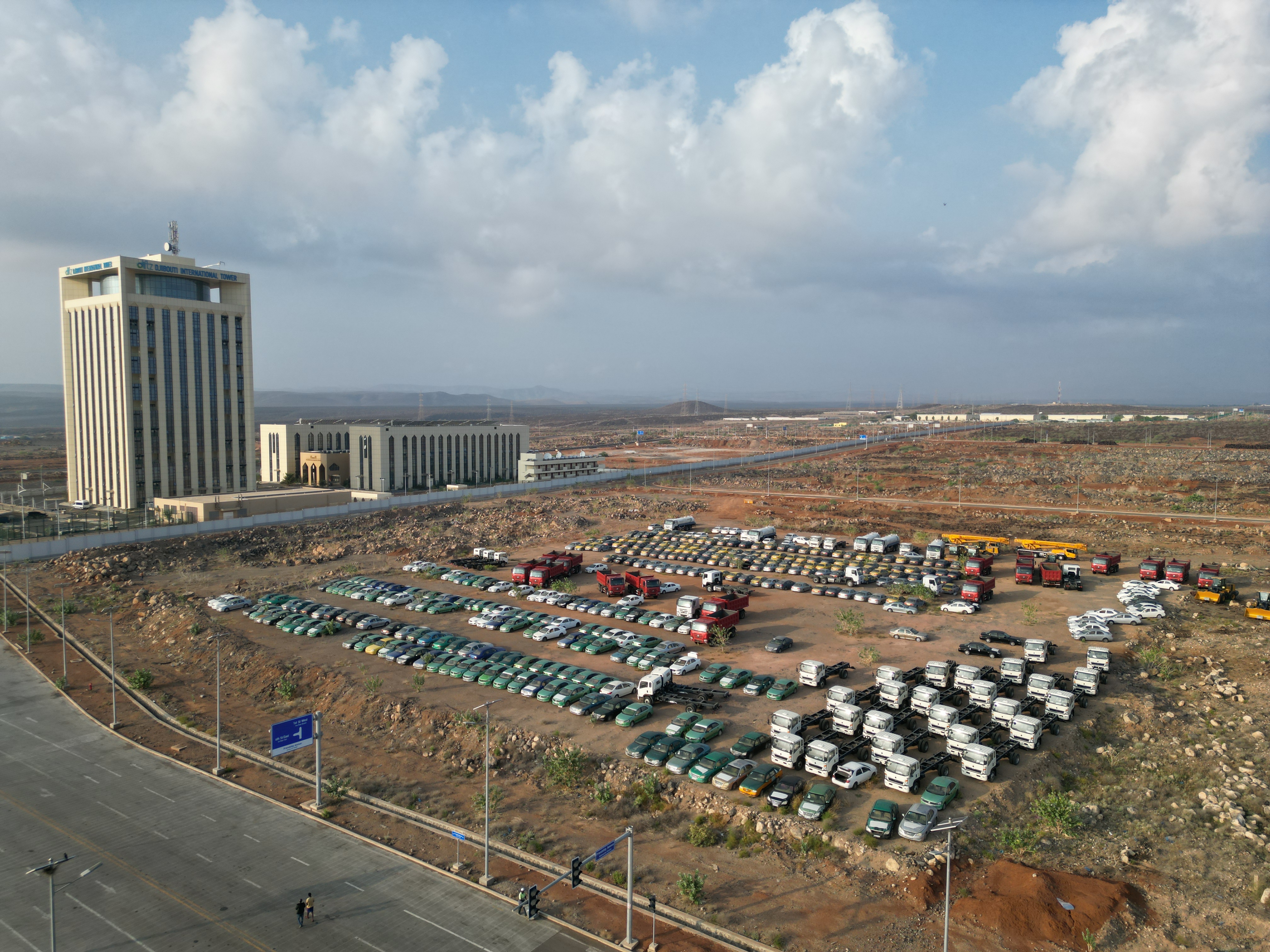
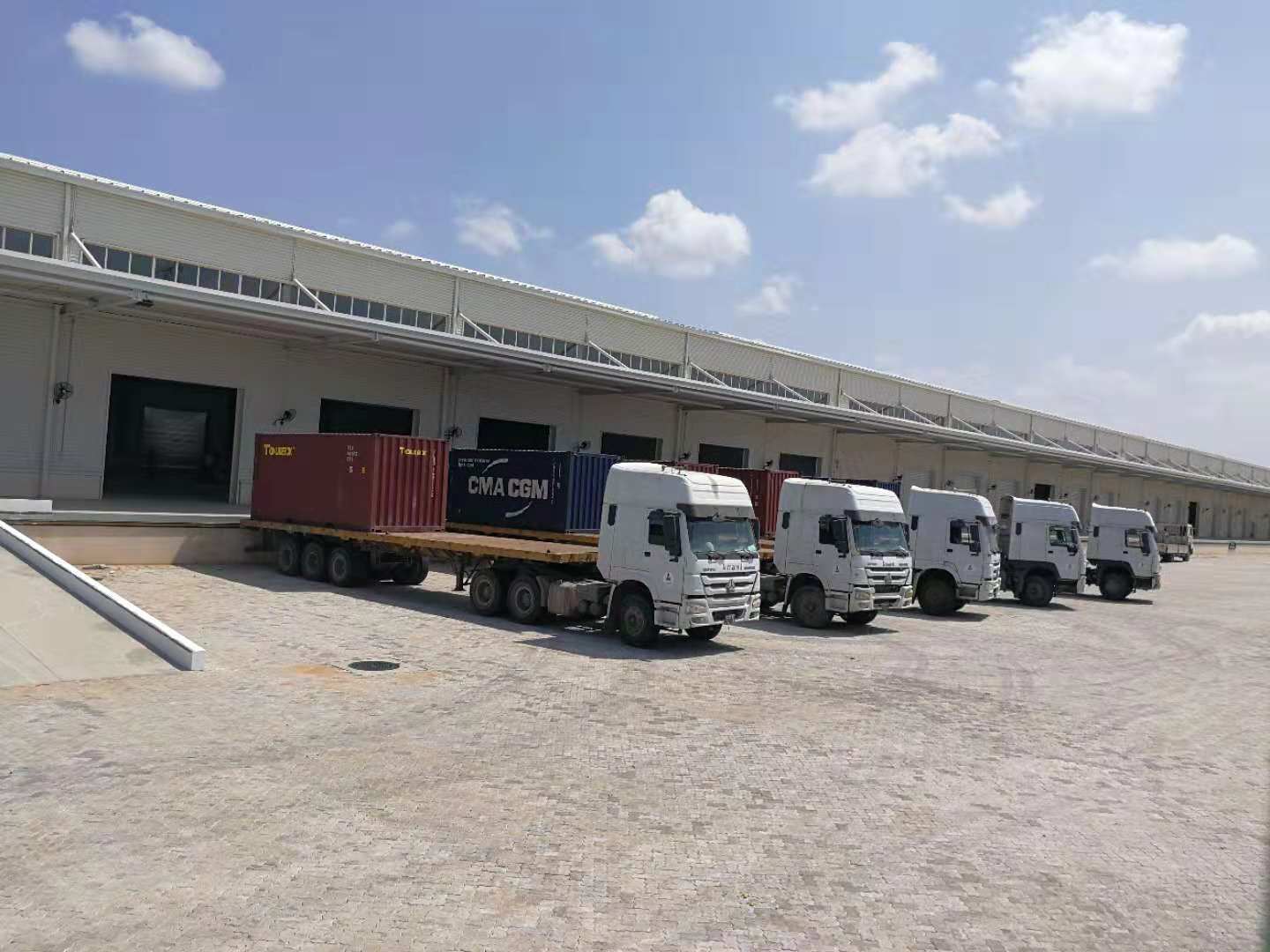
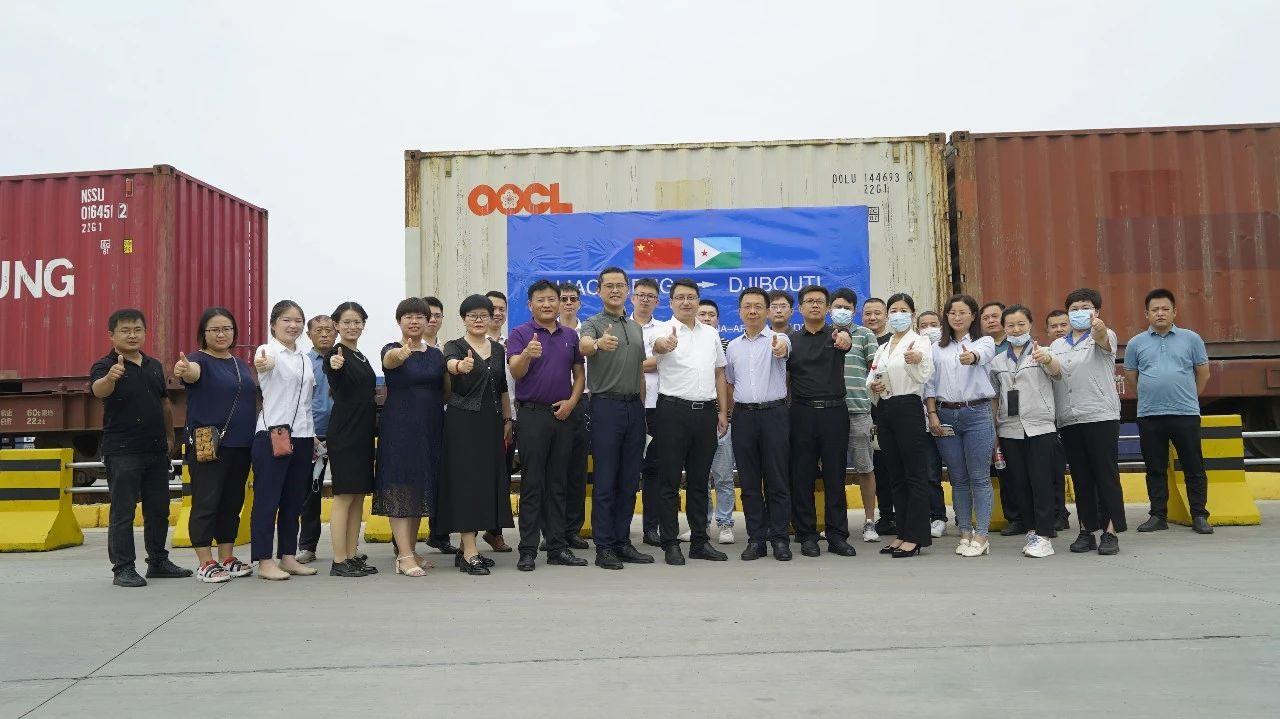
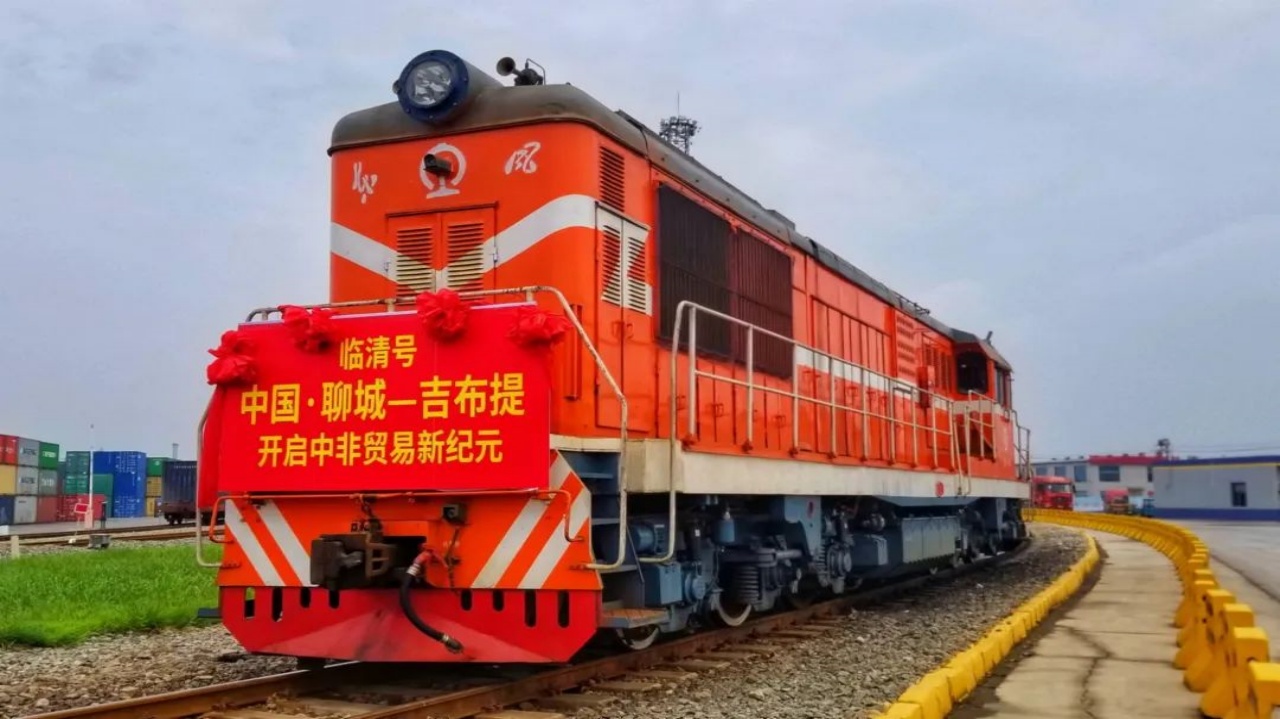
Recognizing that hardware excellence requires reliable service infrastructure, we have pioneered localized delivery nodes. This includes our fully operational overseas warehouse and distribution network within the Djibouti International Free Trade Zone. This platform provides East African and Middle Eastern markets with local product displays, expedited customs processes, spare parts management, and immediate field service response. If you face any field challenges, our engineers deploy directly from localized zones to guarantee near-zero downtime for fleet operators and wholesale distributors.
Examining the structural conversion of commercial delivery, passenger transit, and last-mile urban logistics to electric drivetrains.
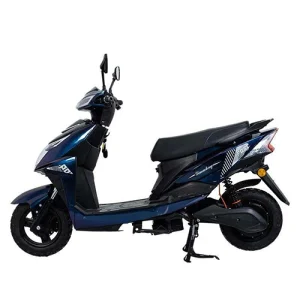
The global micro-mobility ecosystem is undergoing a dramatic structural transformation. Driven by stringent municipal emissions regulations, carbon tax framework models (such as Europe's CBAM), and the rapid expansion of last-mile delivery services, electric bicycles and tricycles have shifted from consumer novelties to critical commercial infrastructure. In highly urbanized zones, high-torque electric two-wheelers replace traditional ICE delivery fleets due to their ability to bypass urban gridlock and leverage bicycle-only lanes.
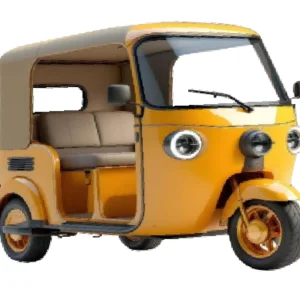
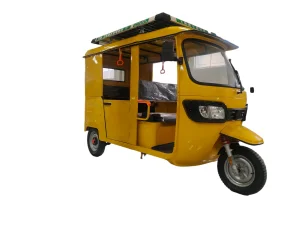
Furthermore, developing economic zones are utilizing high-performance electric three-wheelers (Tuk-Tuks) and heavy-duty cargo tricycles as foundational elements of public transit and commercial goods transport. The operational cost of electric three-wheelers is estimated to be 70% lower than their petrol-powered equivalents, offering rapid return on investment (ROI) for fleet operators.
This shift has intensified demand for robust, industrial-grade vehicles capable of operating in demanding environments. Standard consumer-grade electric bikes lack the structural longevity needed for continuous commercial use. Consequently, global enterprise buyers are seeking manufacturing partners capable of delivering reinforced frames, highly cycle-stable battery chemistries (such as LFP), and customized drive controllers.
As a result, Chinese manufacturing capabilities have taken center stage. Combining deep structural steel processing expertise, state-of-the-art robotic welding, and automated surface treatment, manufacturers like Shandong Li Mao Tong Group are defining the technical standards of the modern global micro-mobility industry.
Fleet buyers prioritize three core metrics: total cost of ownership (TCO), battery cycle life under extreme temperatures, and component interchangeability. Standardizing frame geometries and controller protocols allows operators to minimize repair inventories and ensure maximum vehicle uptime.
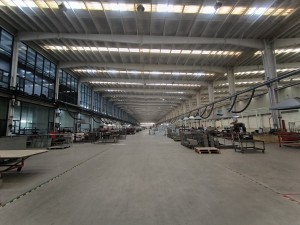
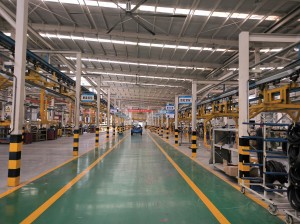
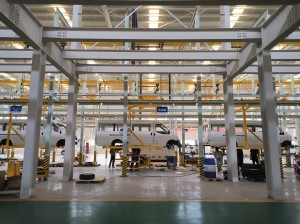
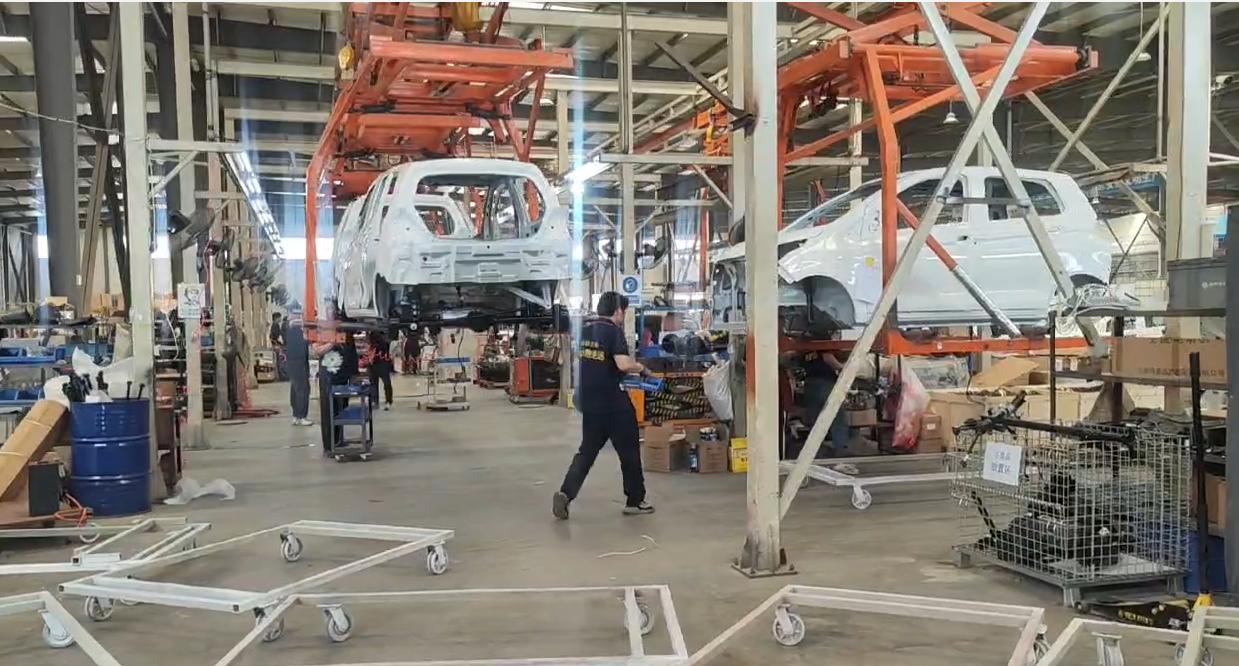
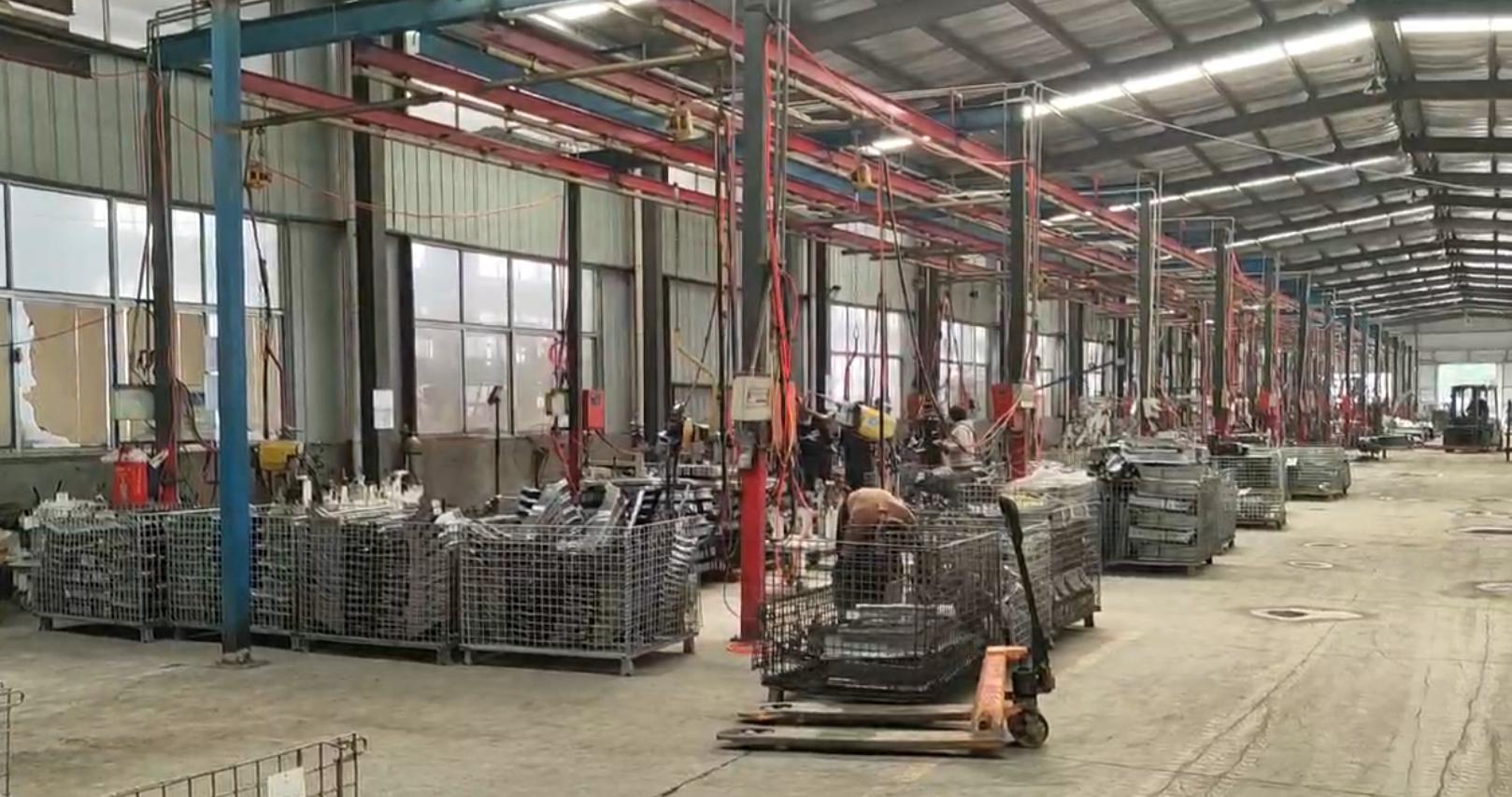
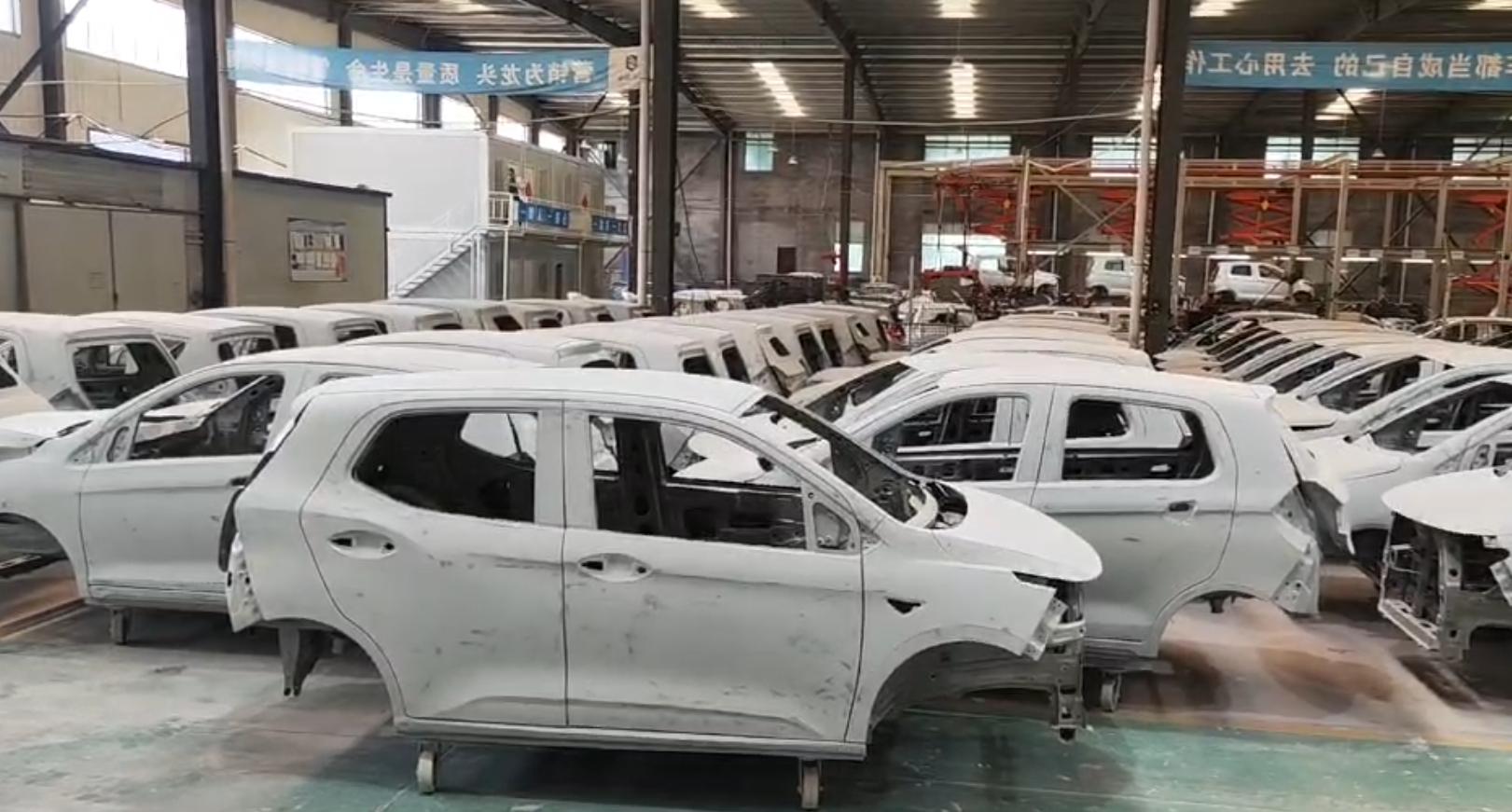
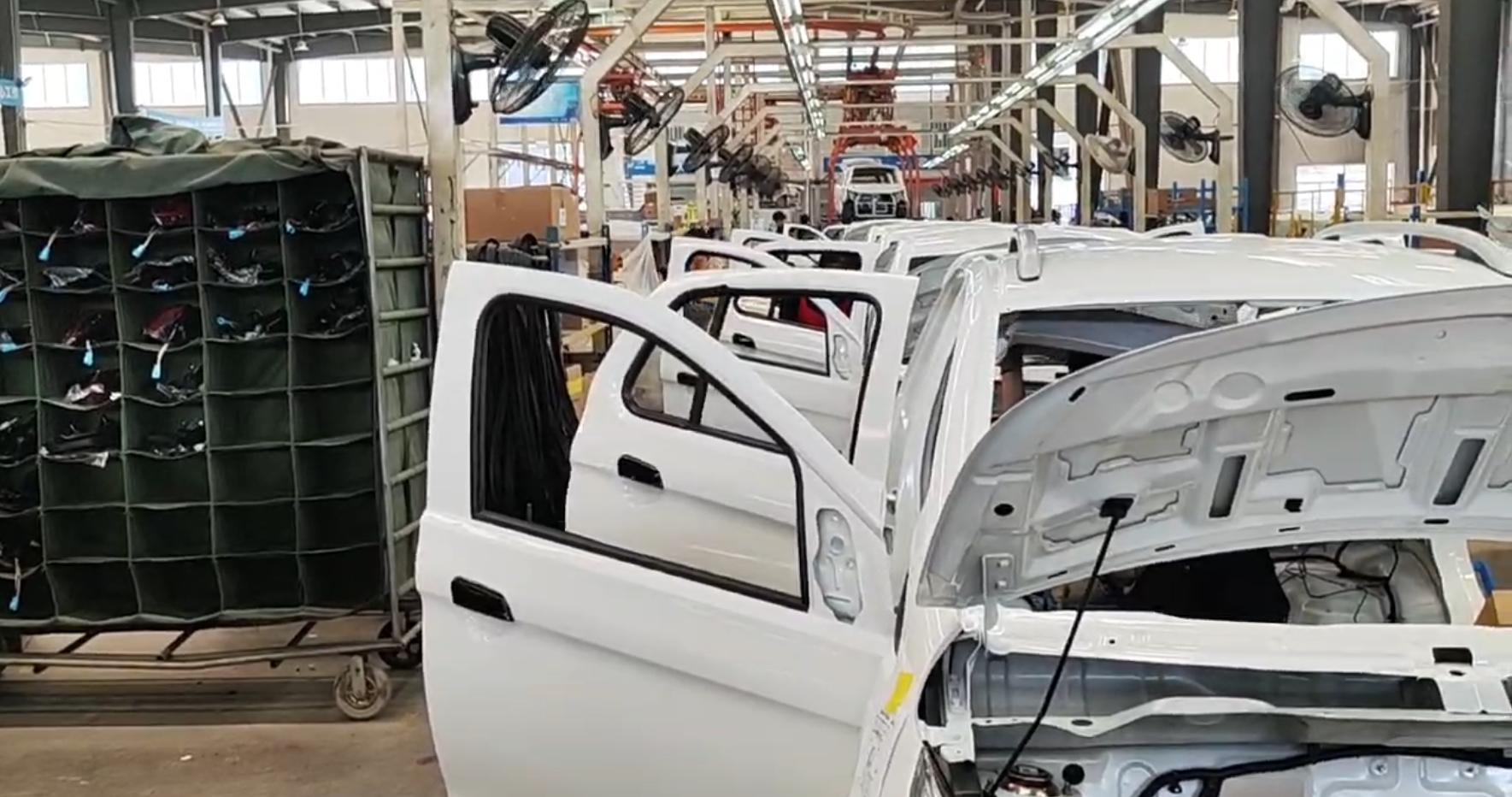
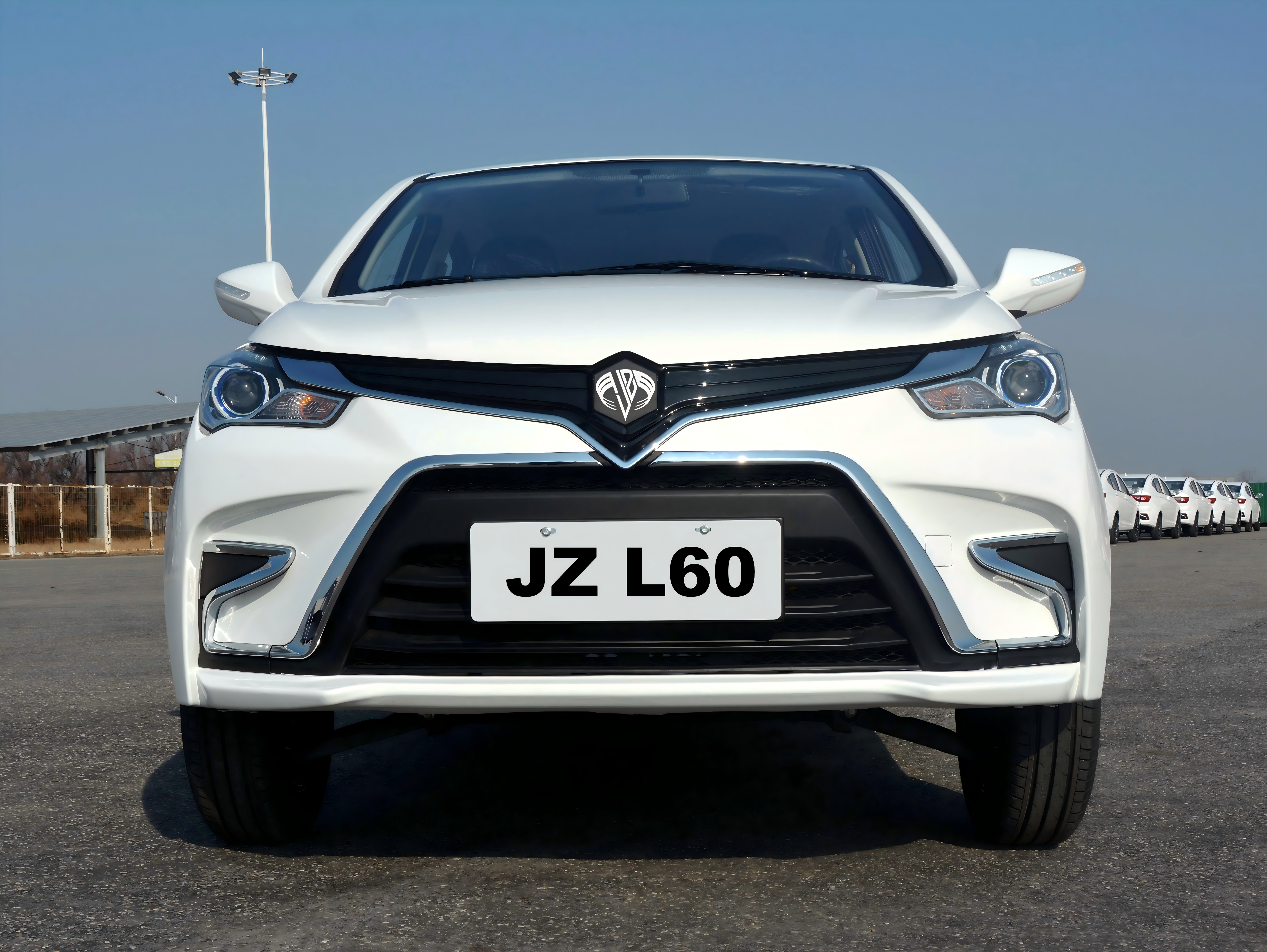
Quality is our lifeline. We operate a modern intelligent manufacturing base equipped with highly automated production lines and a stringent digital quality control system, ensuring every vehicle rolling off the line meets international standards of exquisite craftsmanship. Our safety procedures are integrated into every phase of production. Our proprietary battery packs undergo rigorous thermal runway tests, drop tests, and puncture simulations that far exceed national standards, while structural designs target the highest safety ratings to protect end-users.
Our competitive advantage is built on advanced technology R&D. From single-piece stamped steel structures to millimeter-precision fiber laser cutting; from fully automated robotic painting lines that apply multi-layer anticorrosive coatings, to precision assembly stations—every stage is supervised by specialized engineering teams. Our vehicles are designed to withstand extreme global environments, easily passing laboratory-level heavy rain simulations and structural vibration tests.
Understanding the engineering, raw material, and supply chain dynamics that drive cost-effective micro-mobility manufacturing.
Direct proximity to key lithium refineries and cell manufacturers allows us to deploy the latest cell technologies (e.g., LFP chemistry) with optimized battery management systems (BMS) at highly competitive costs.
Automated fiber laser cutting and robotic metal inert gas (MIG) welding eliminate human welding errors, ensuring structural integrity under high payload stresses and prolonged vibration cycles.
Our modular approach ensures all critical components—such as hub motors, disk brake assemblies, controllers, and wiring harnesses—are easily interchangeable, simplifying maintenance for global fleet operators.
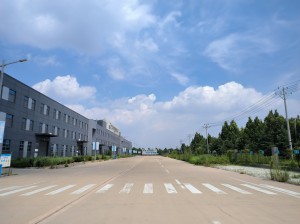
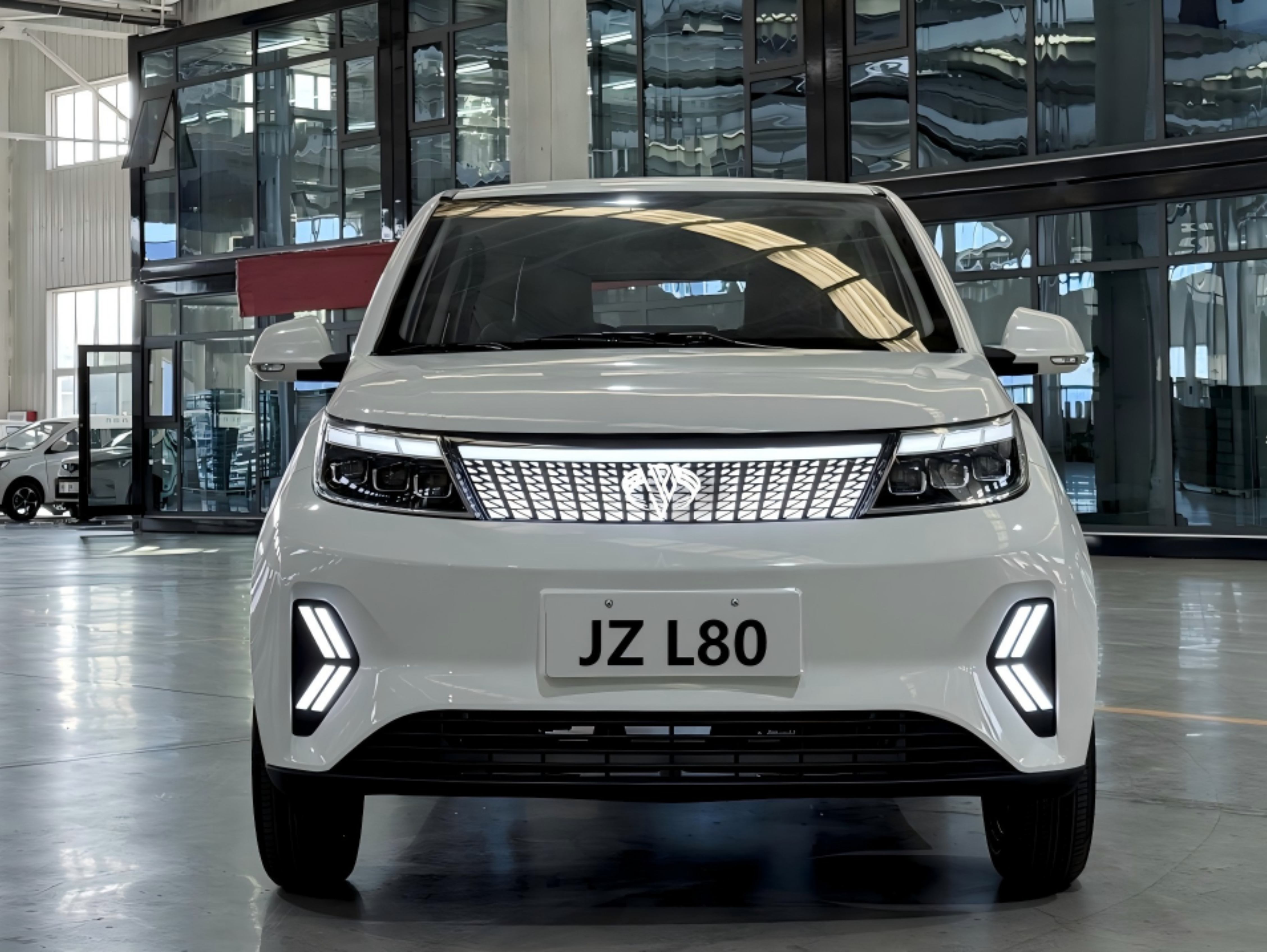
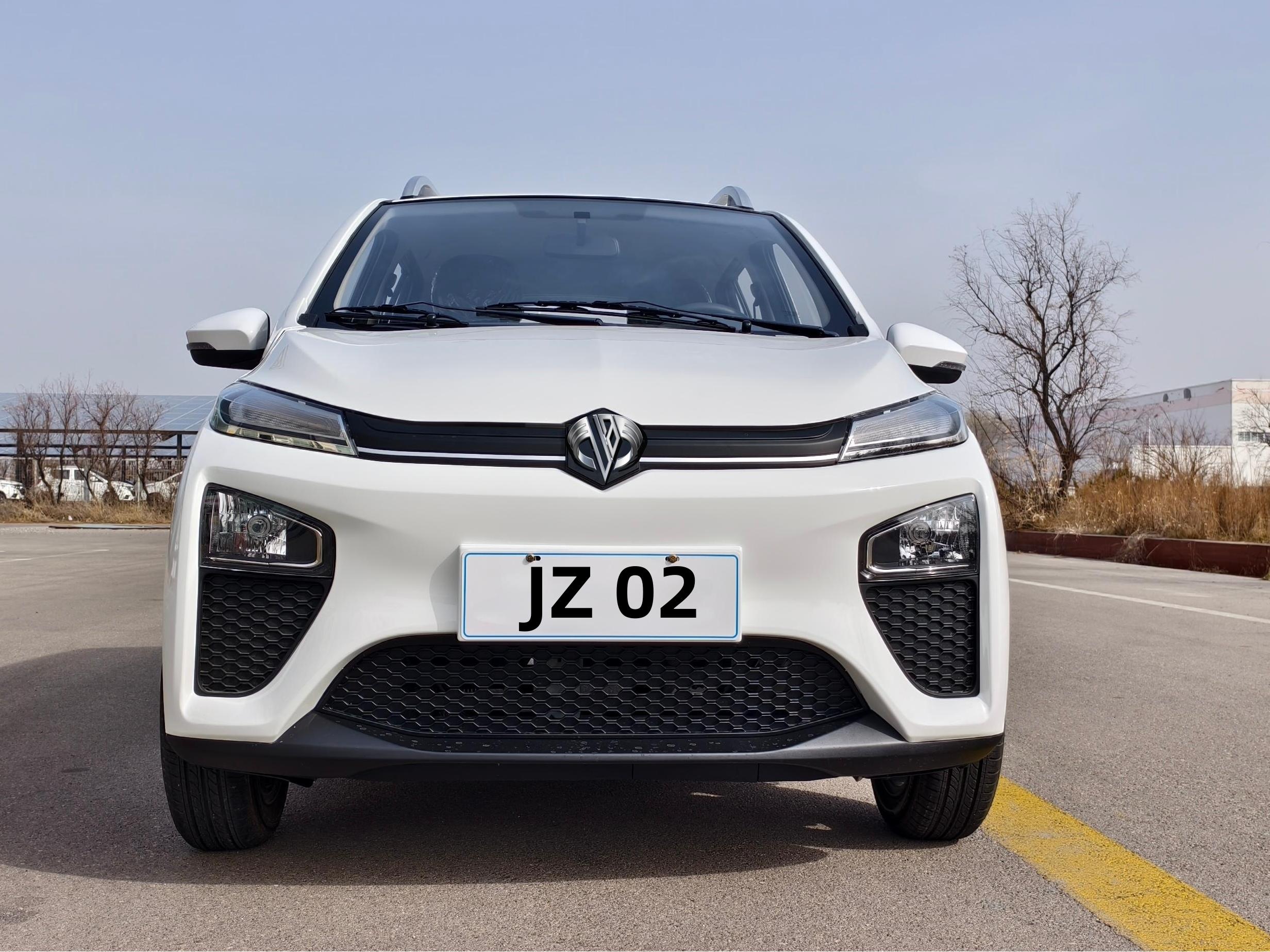
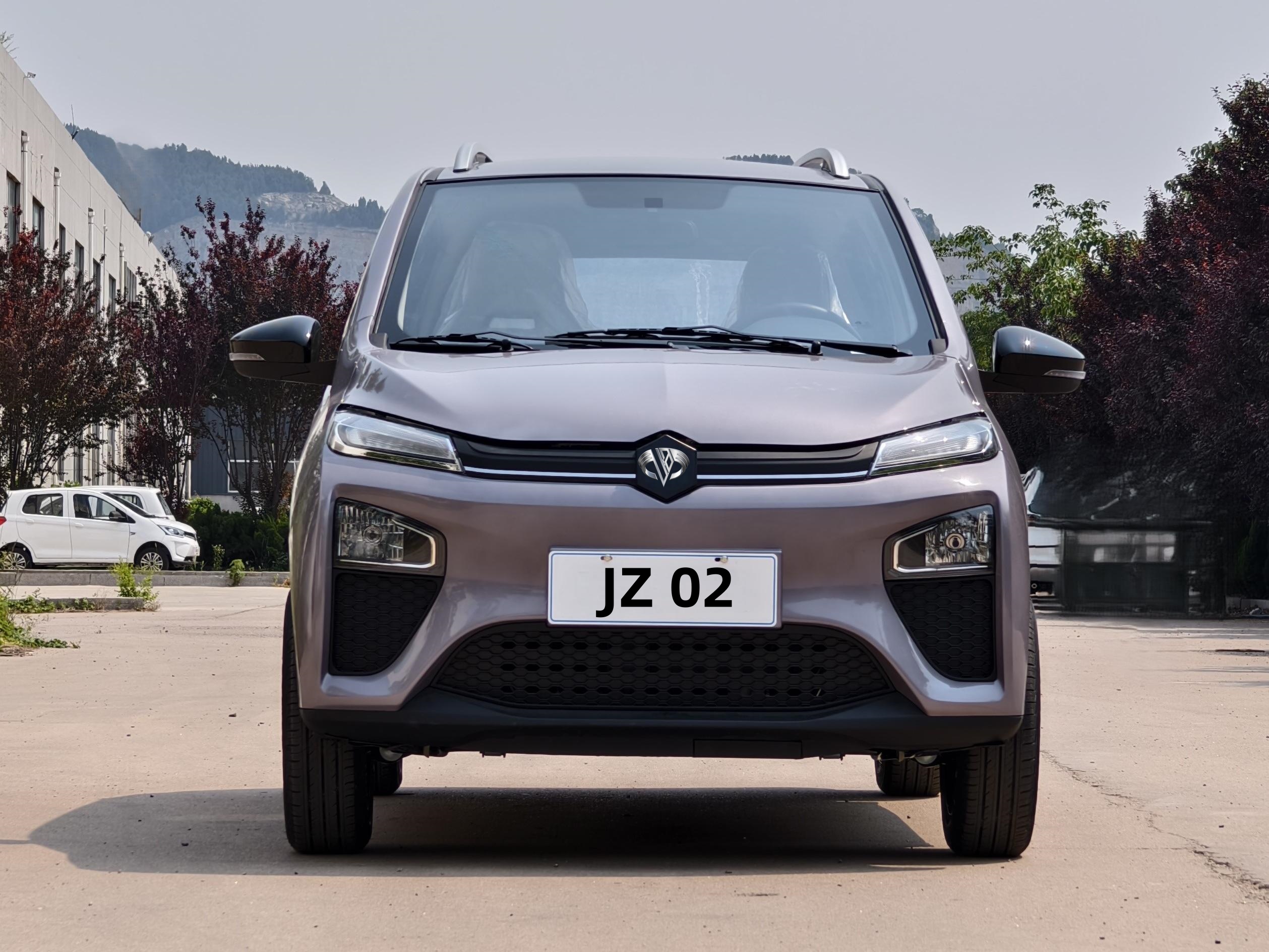
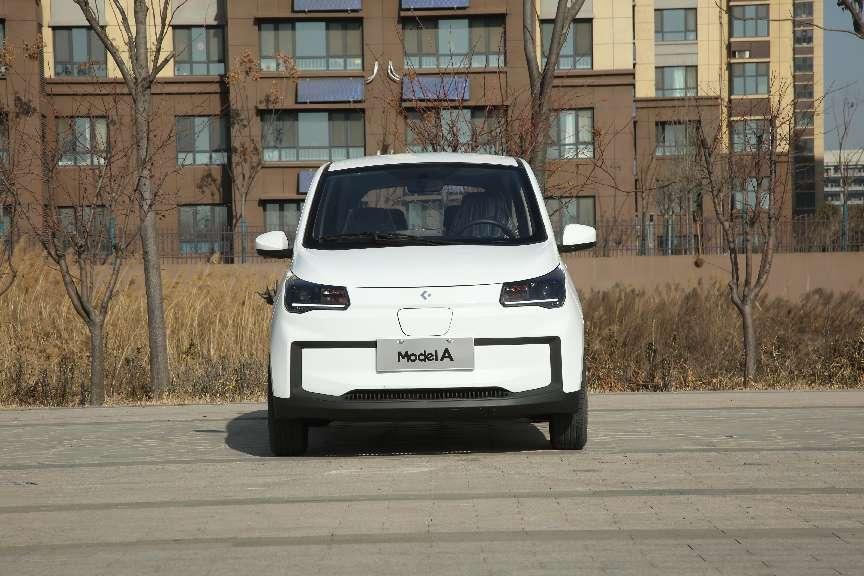
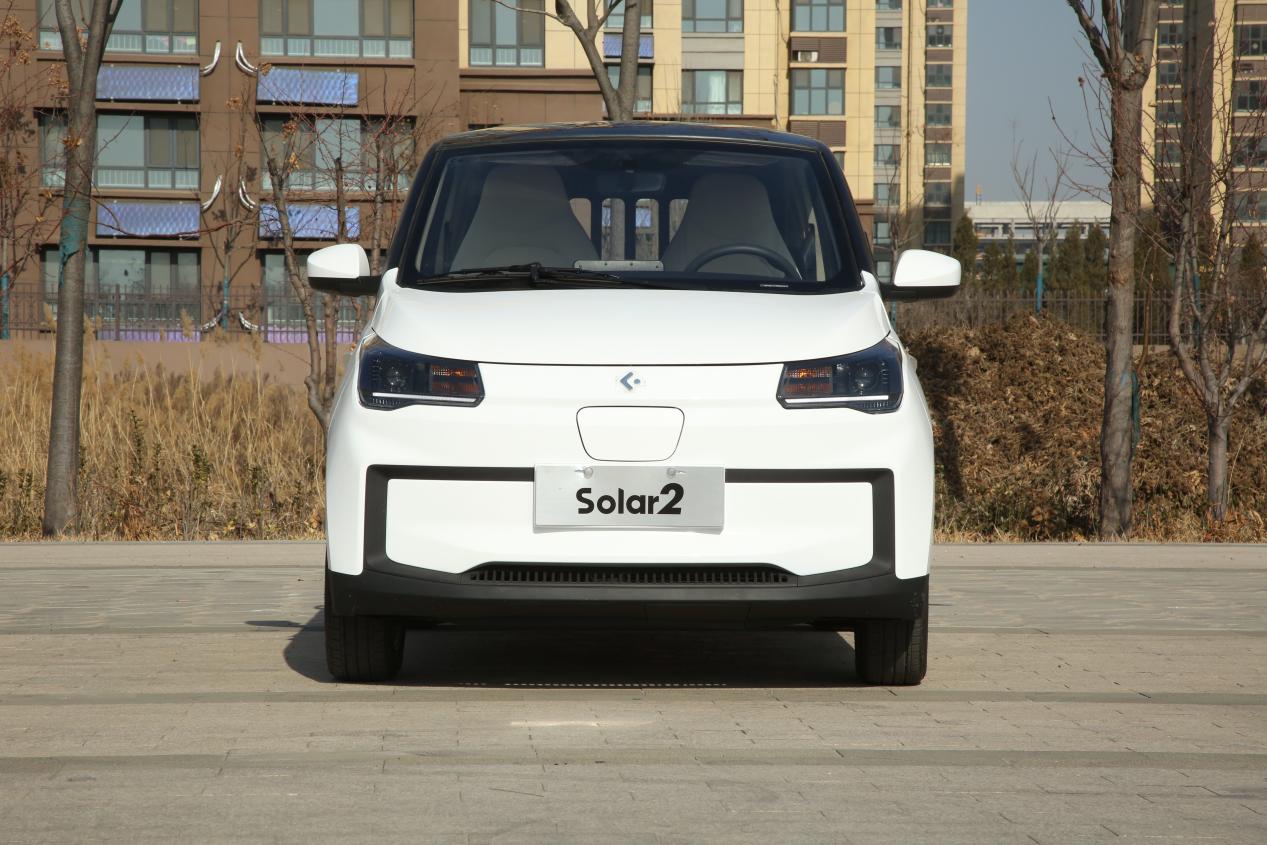
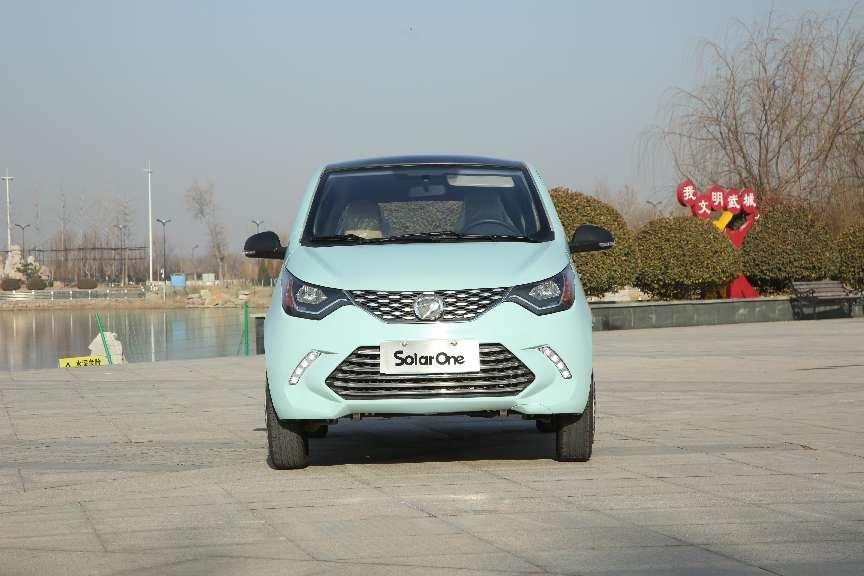
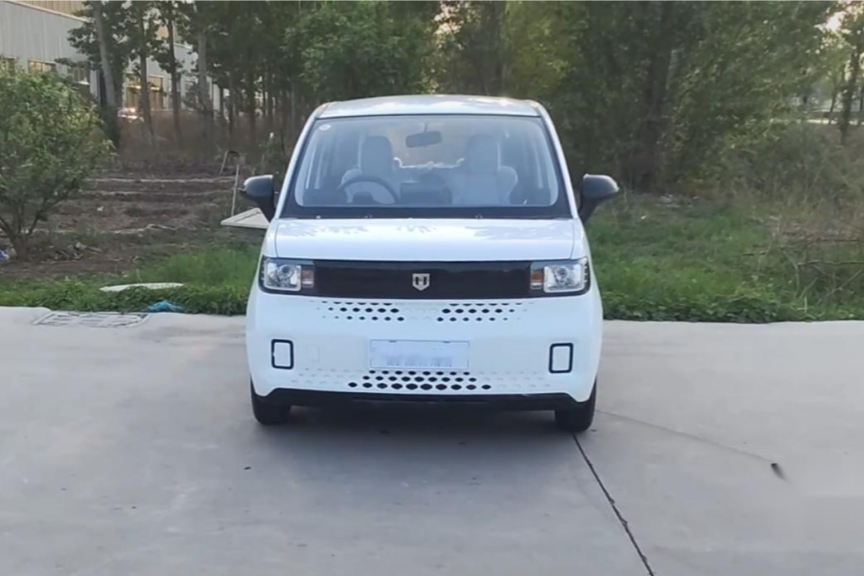
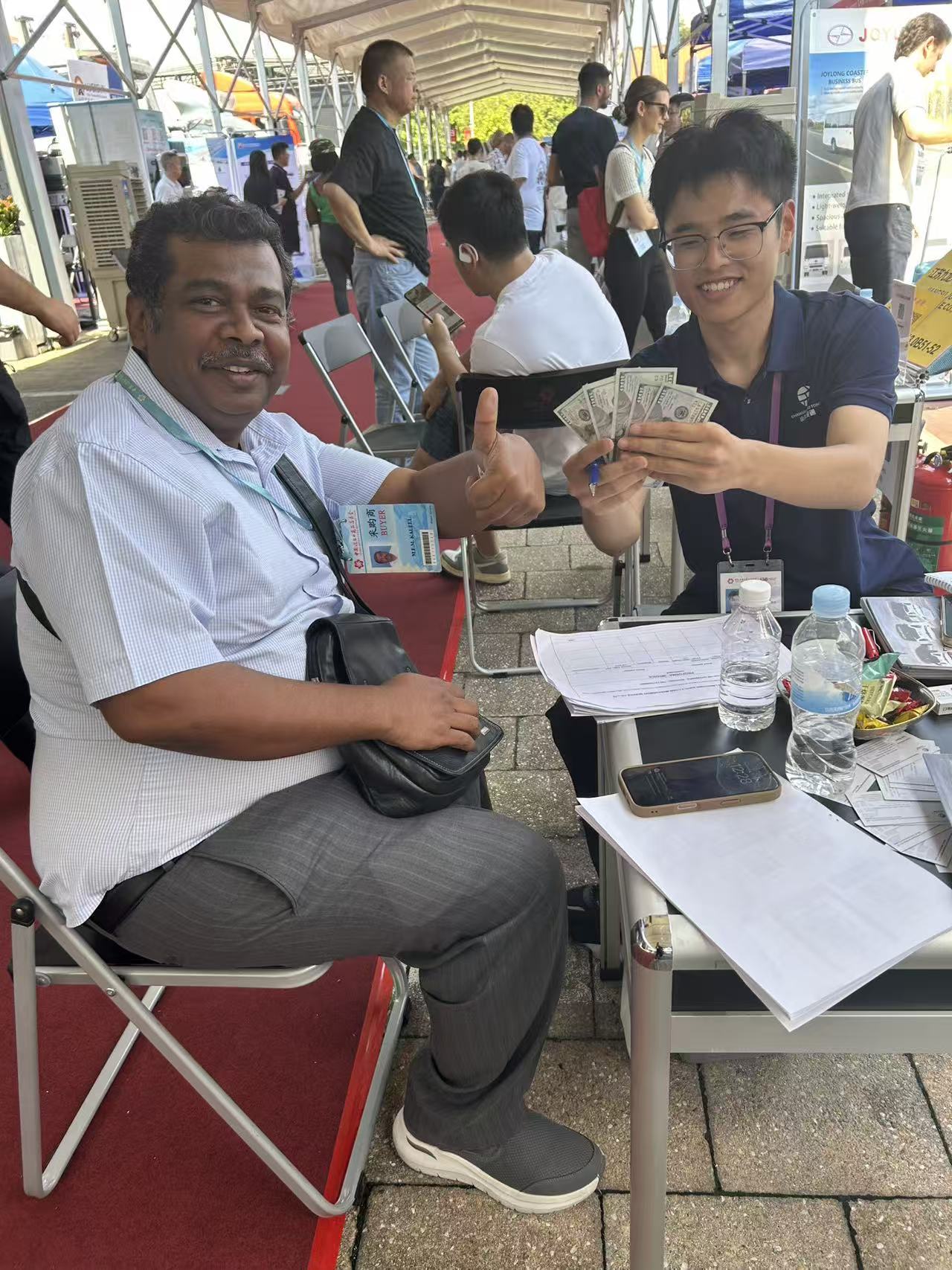
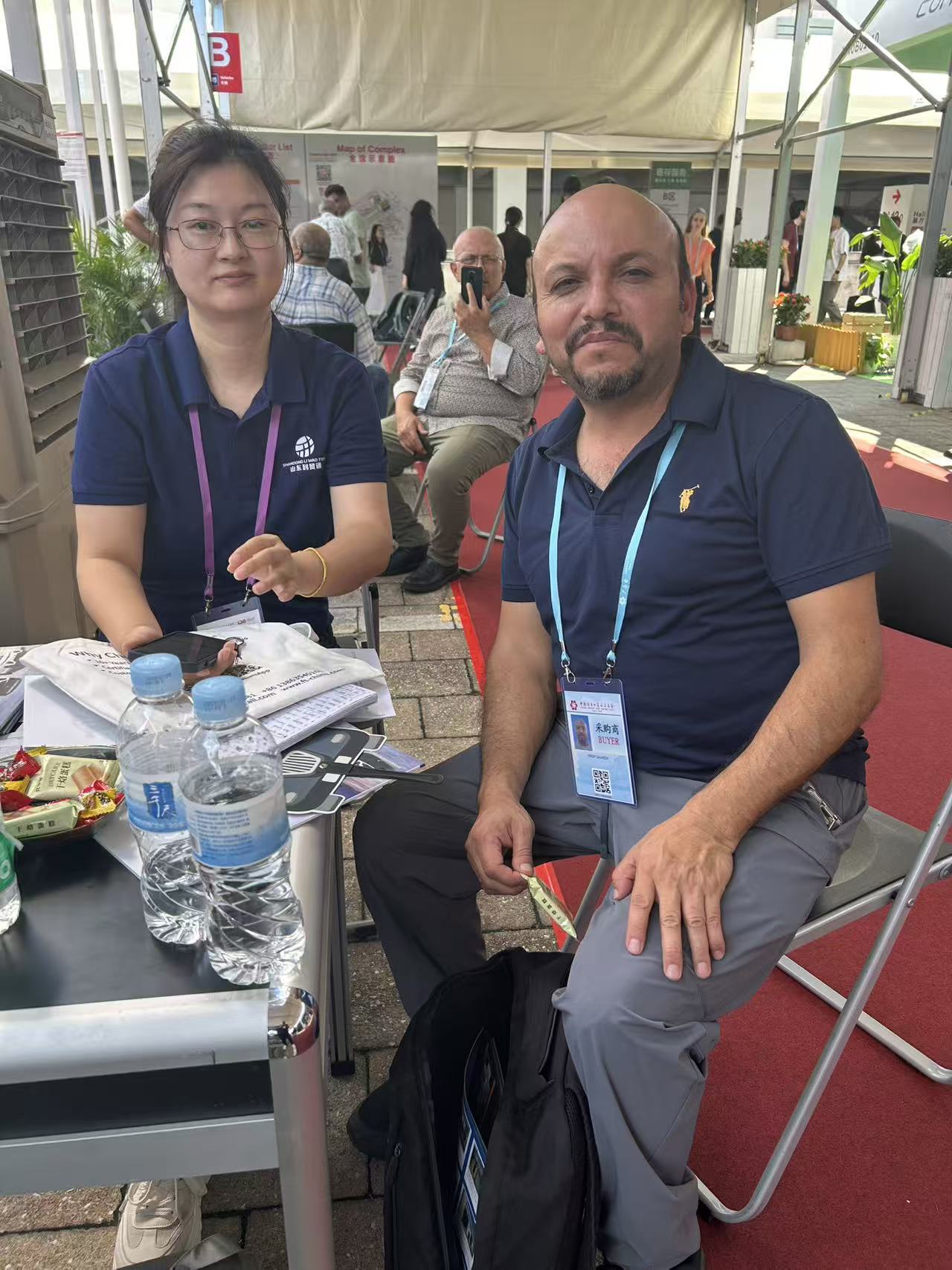
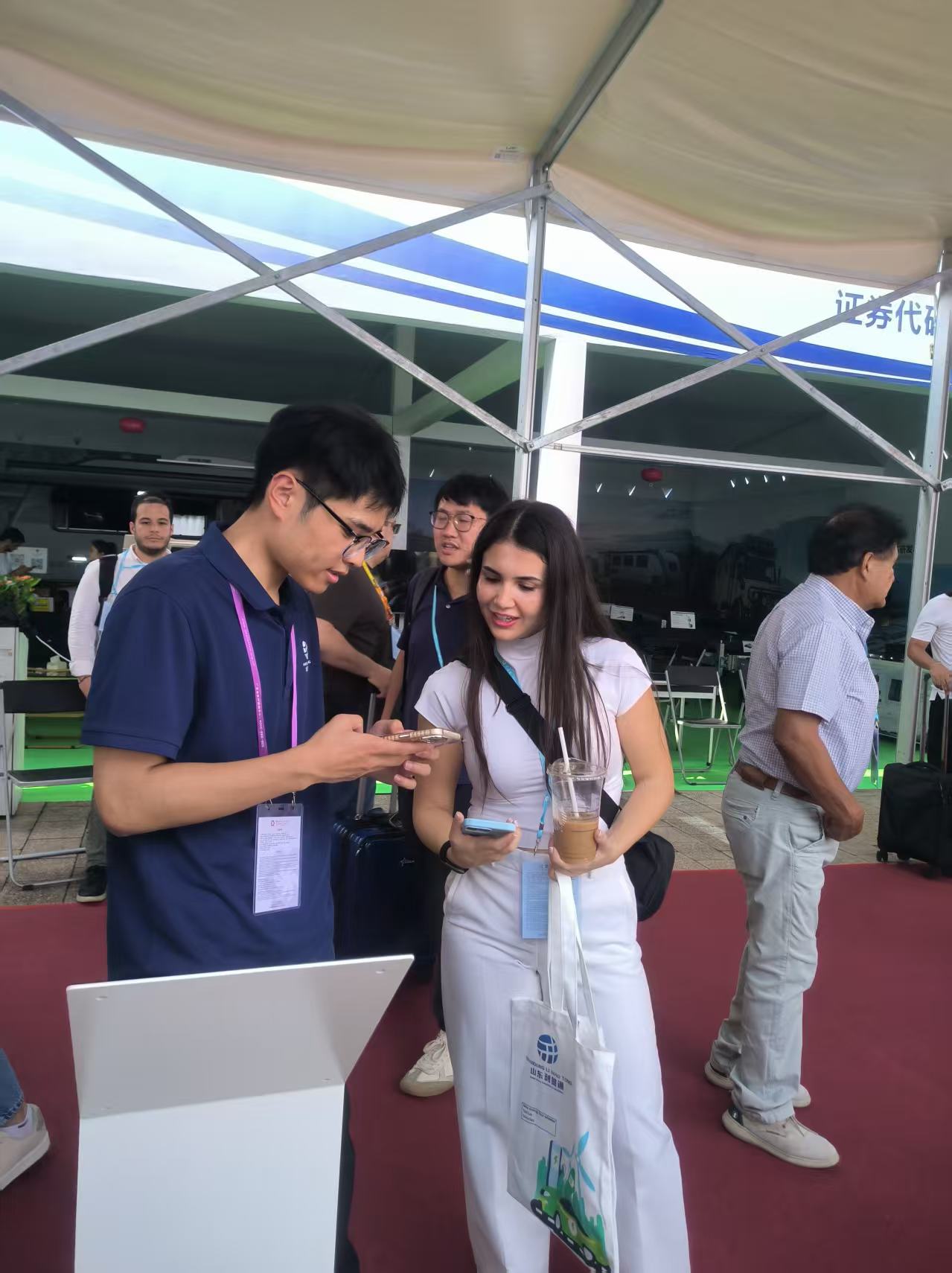
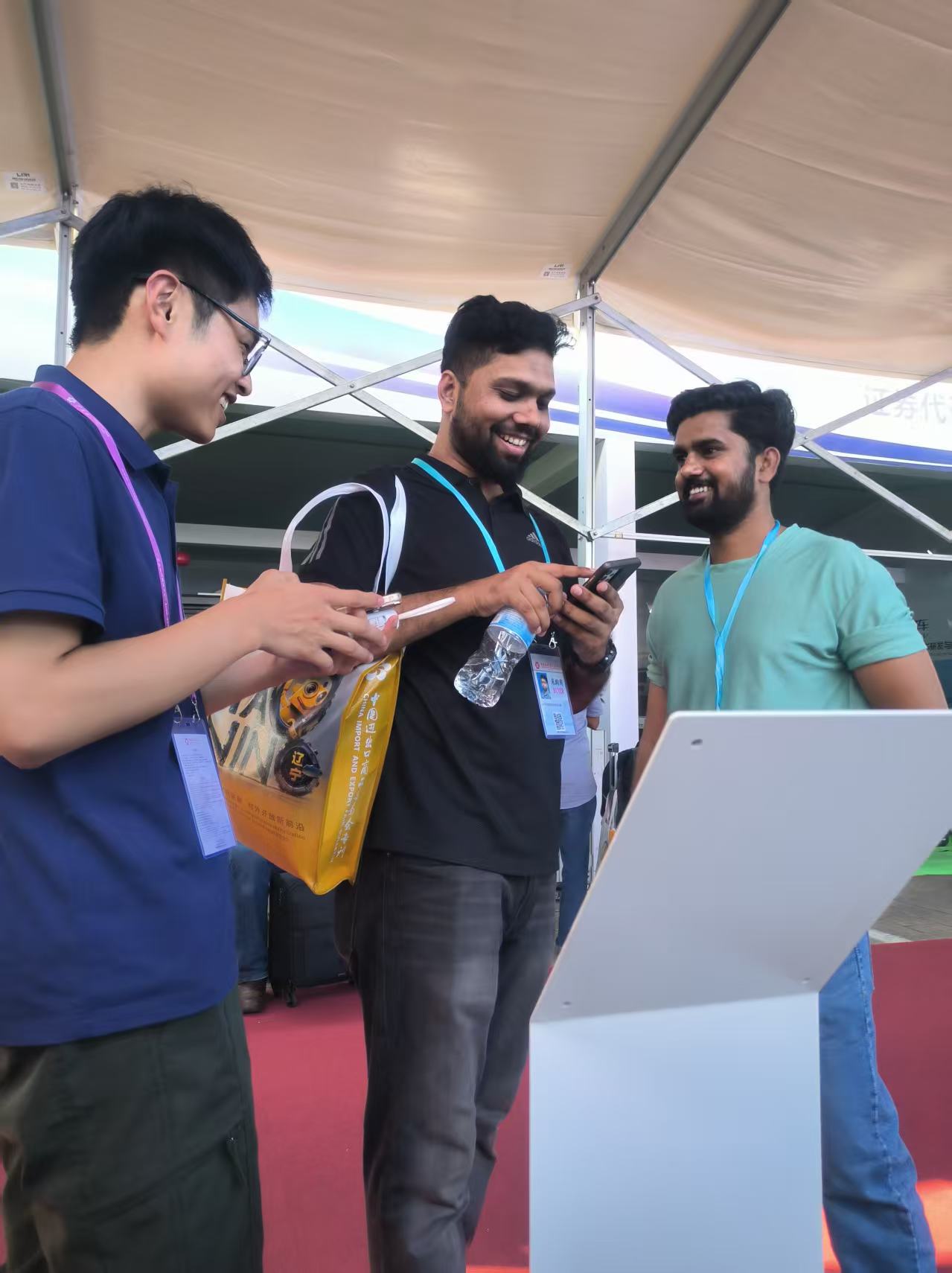
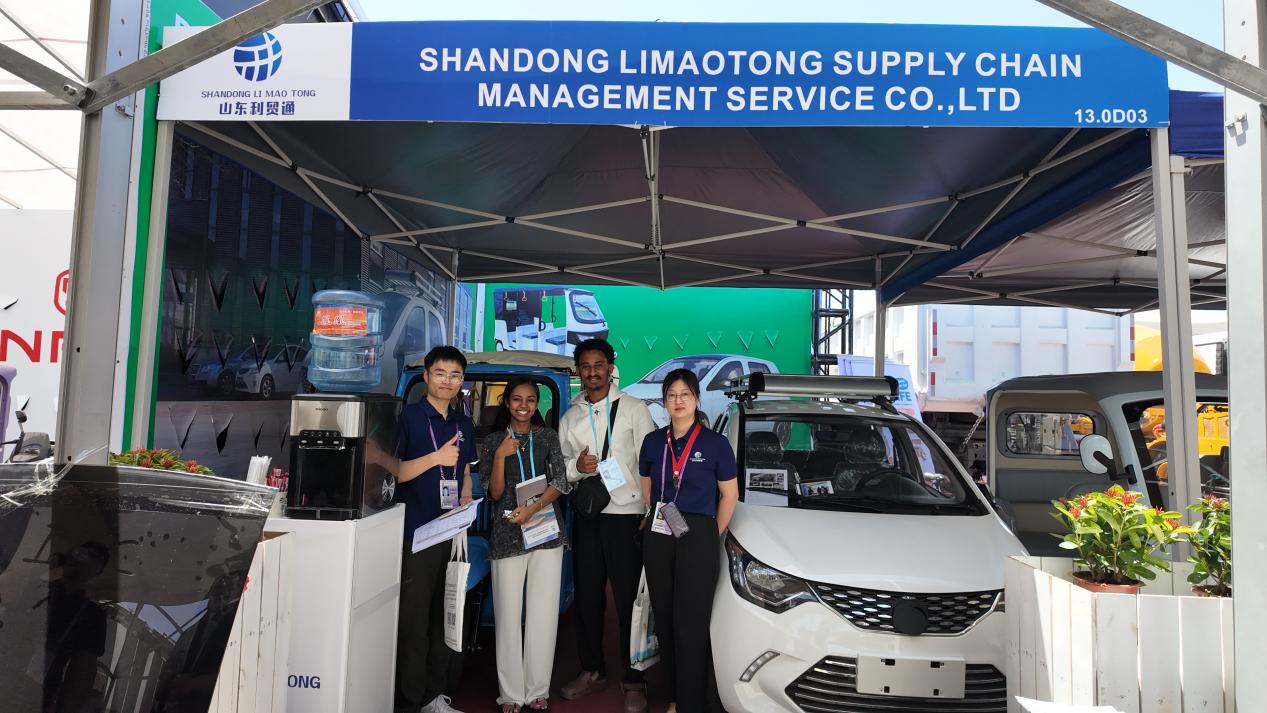
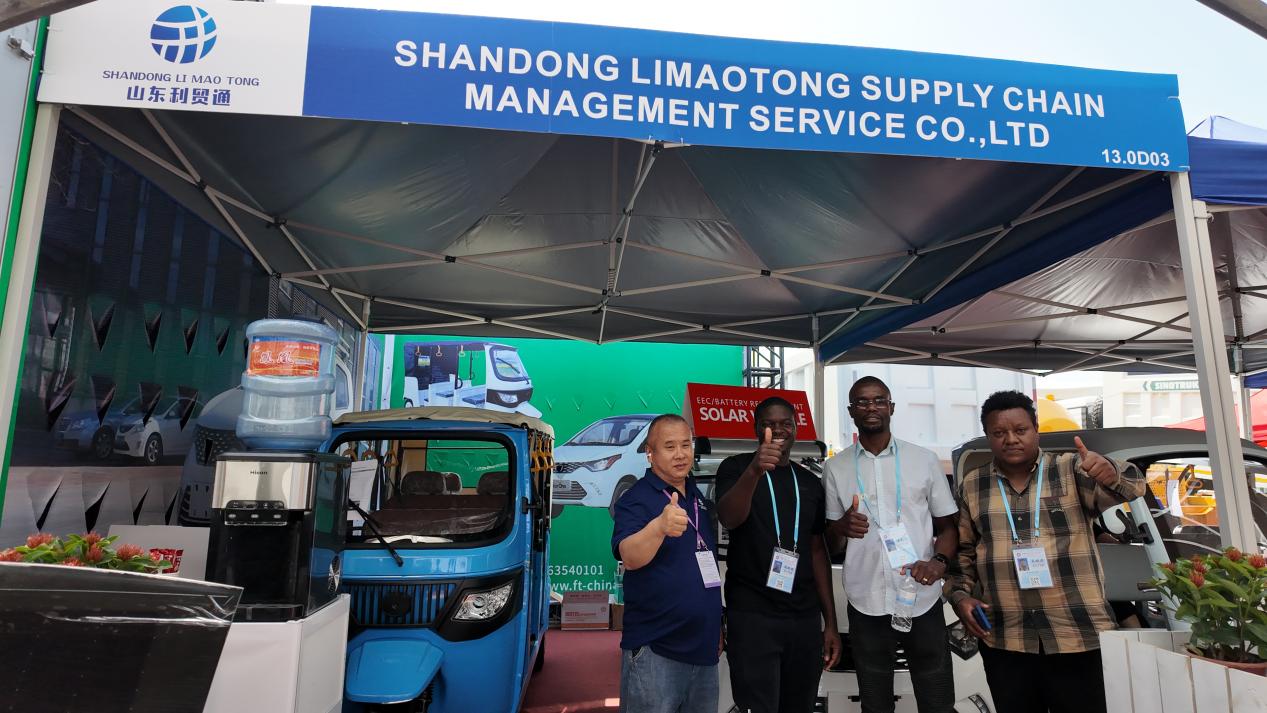
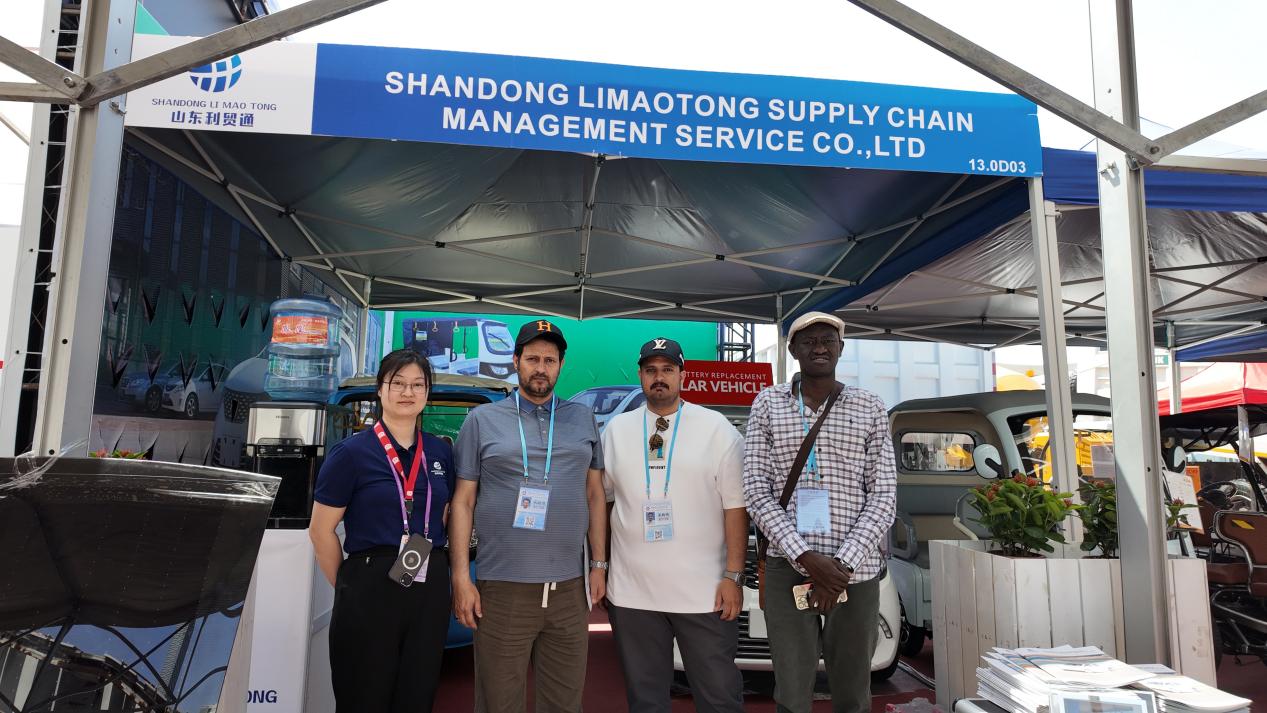
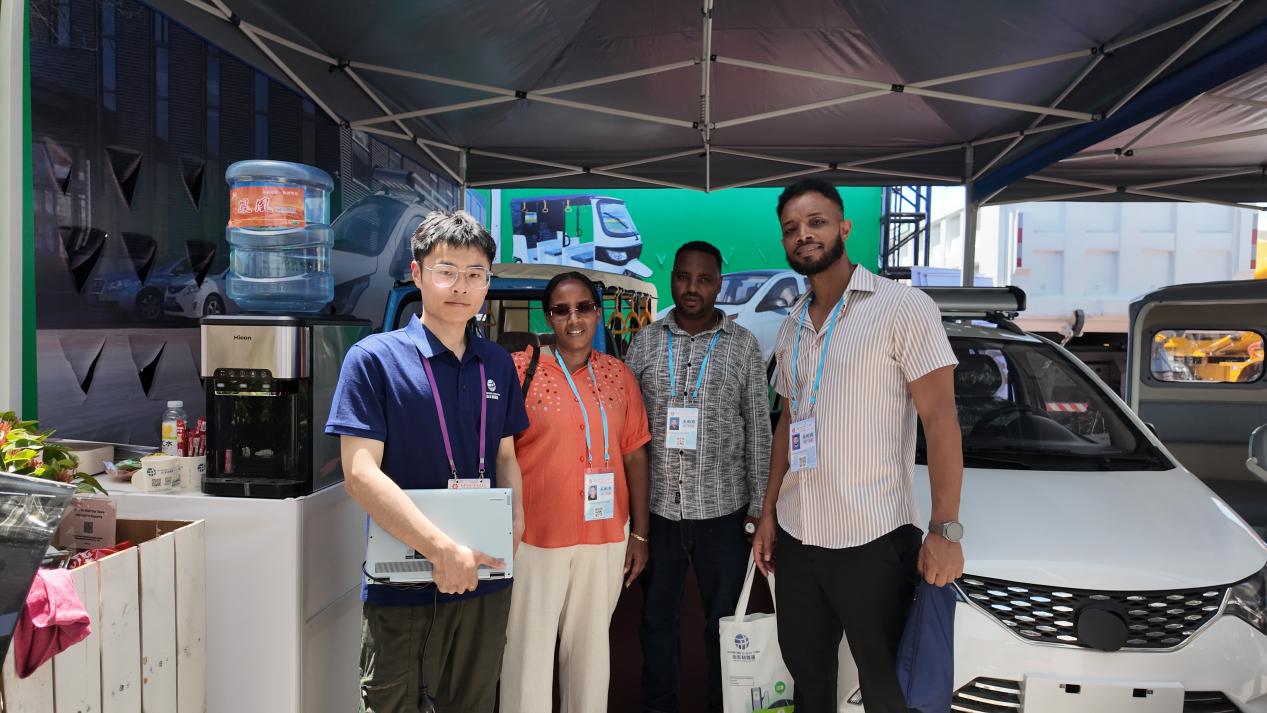
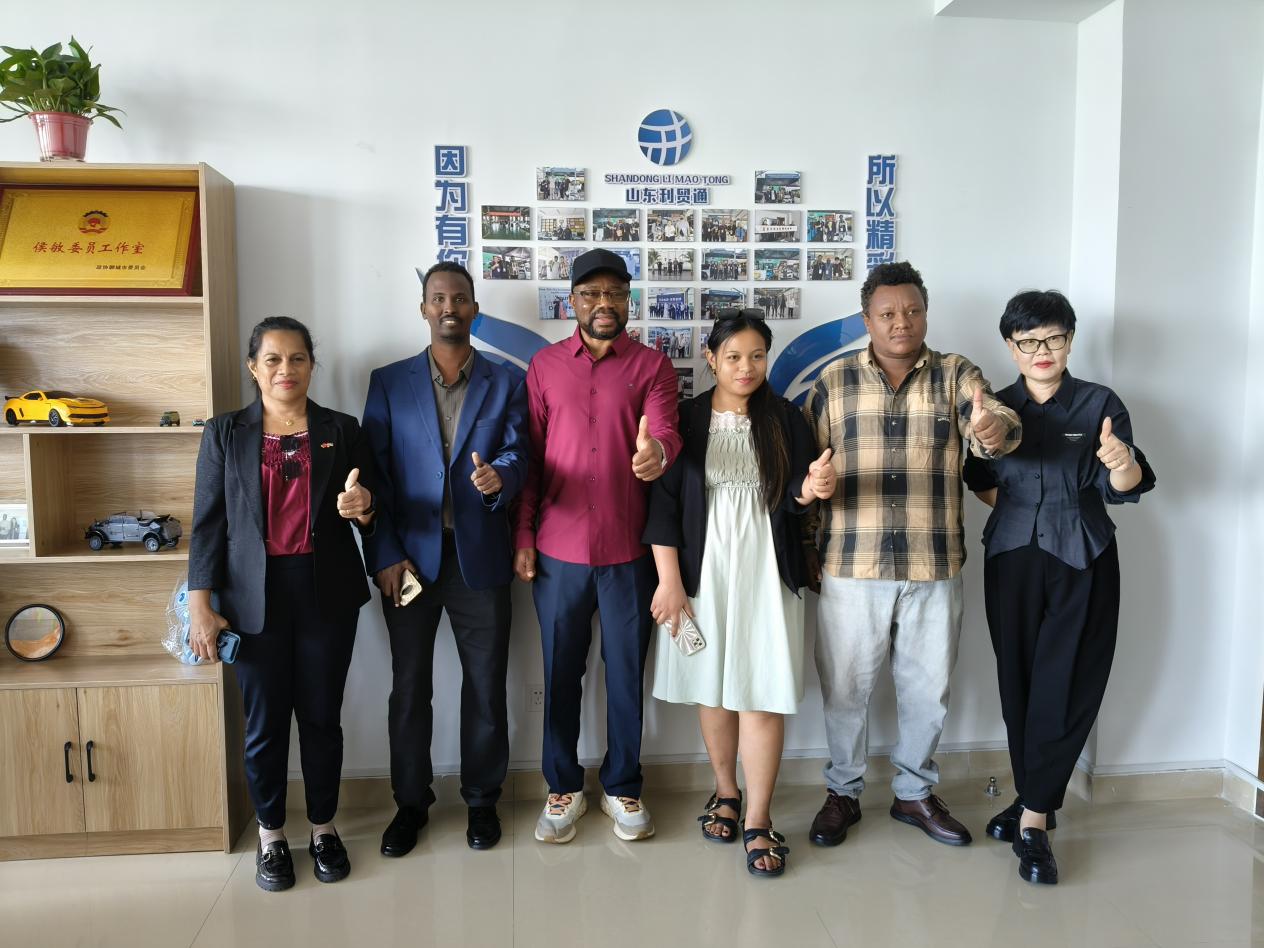
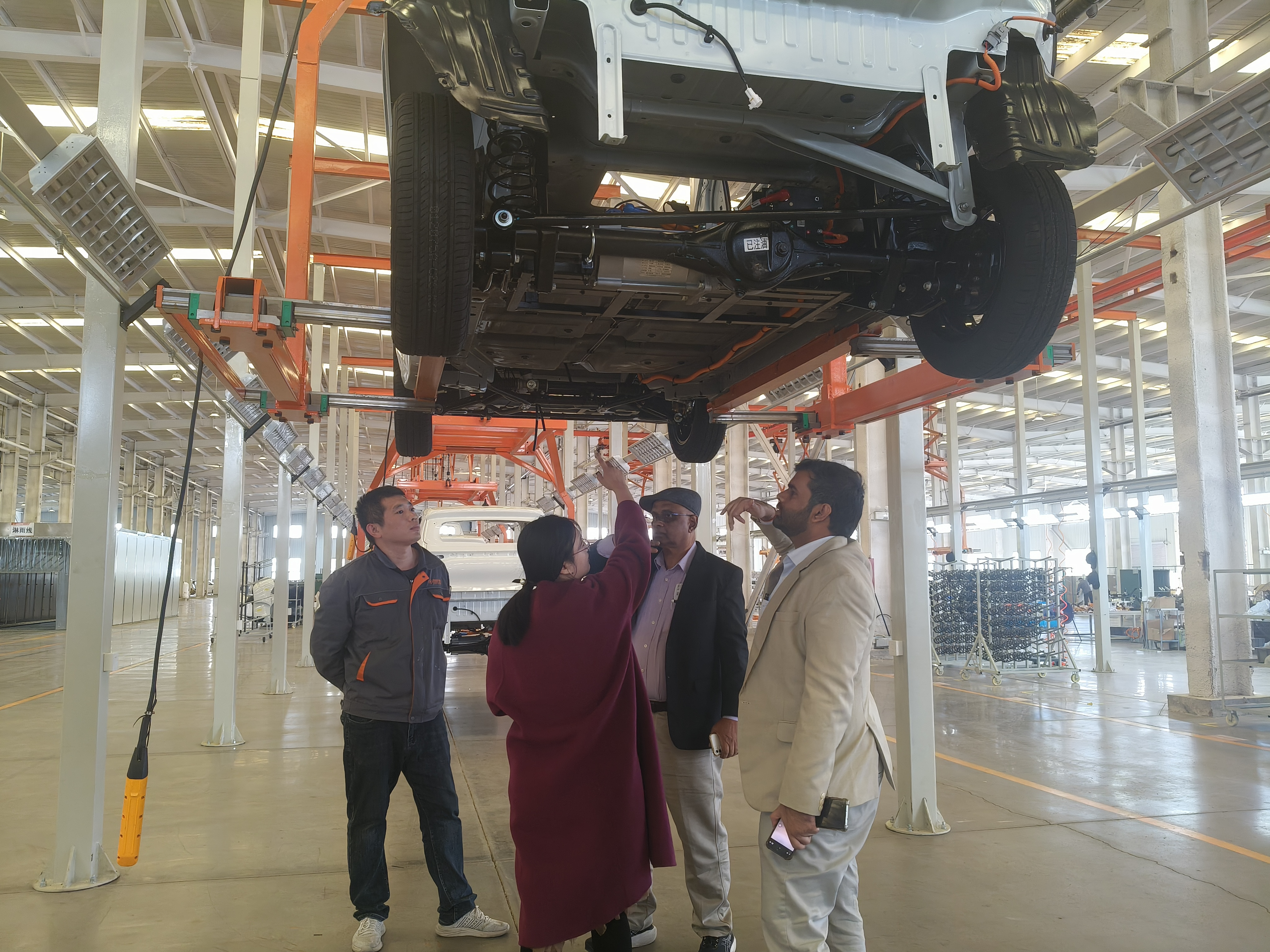
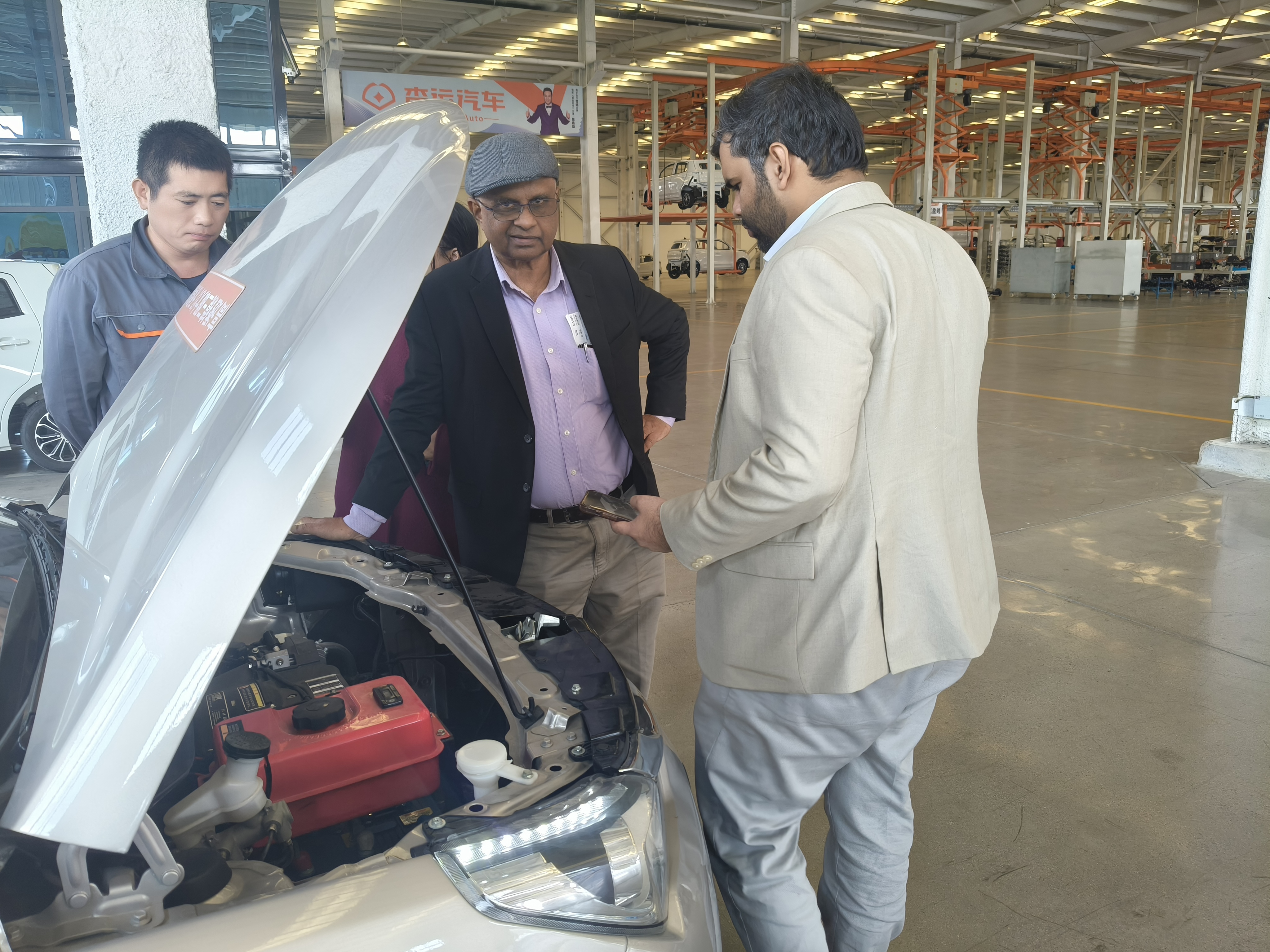
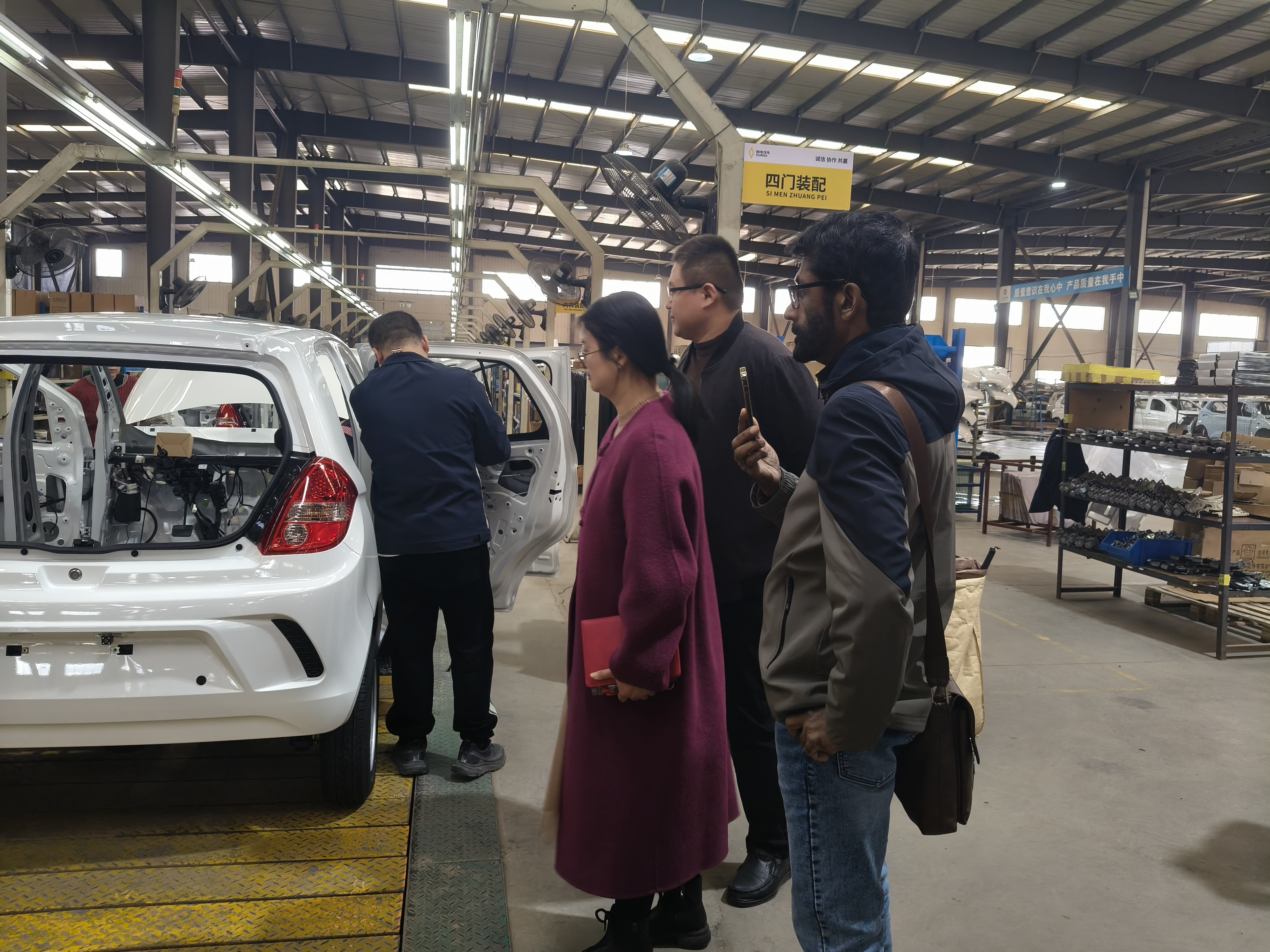
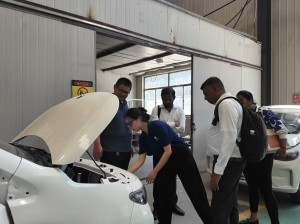

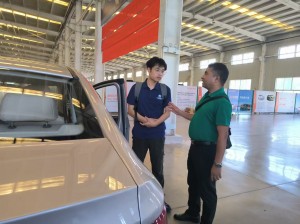
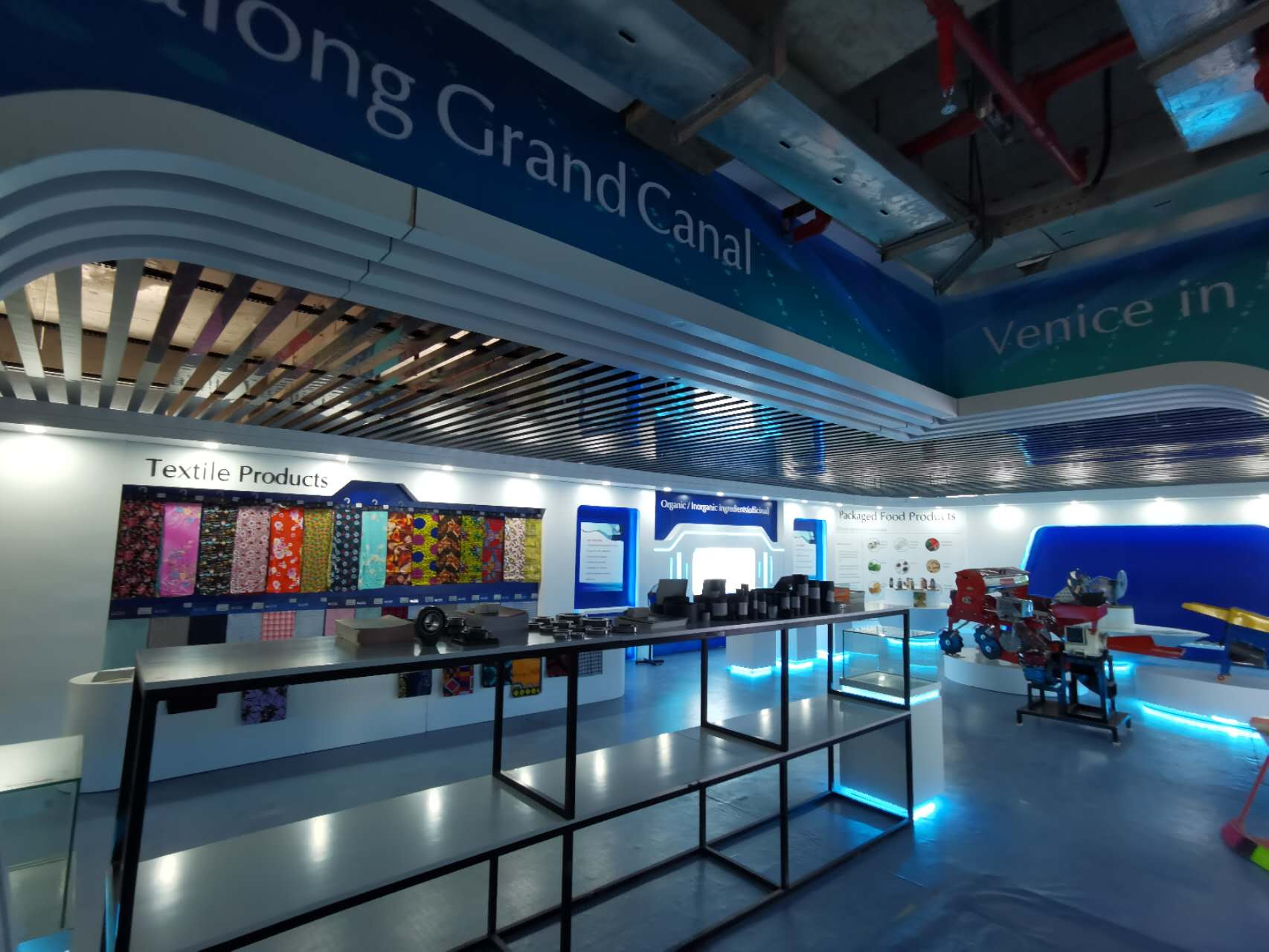
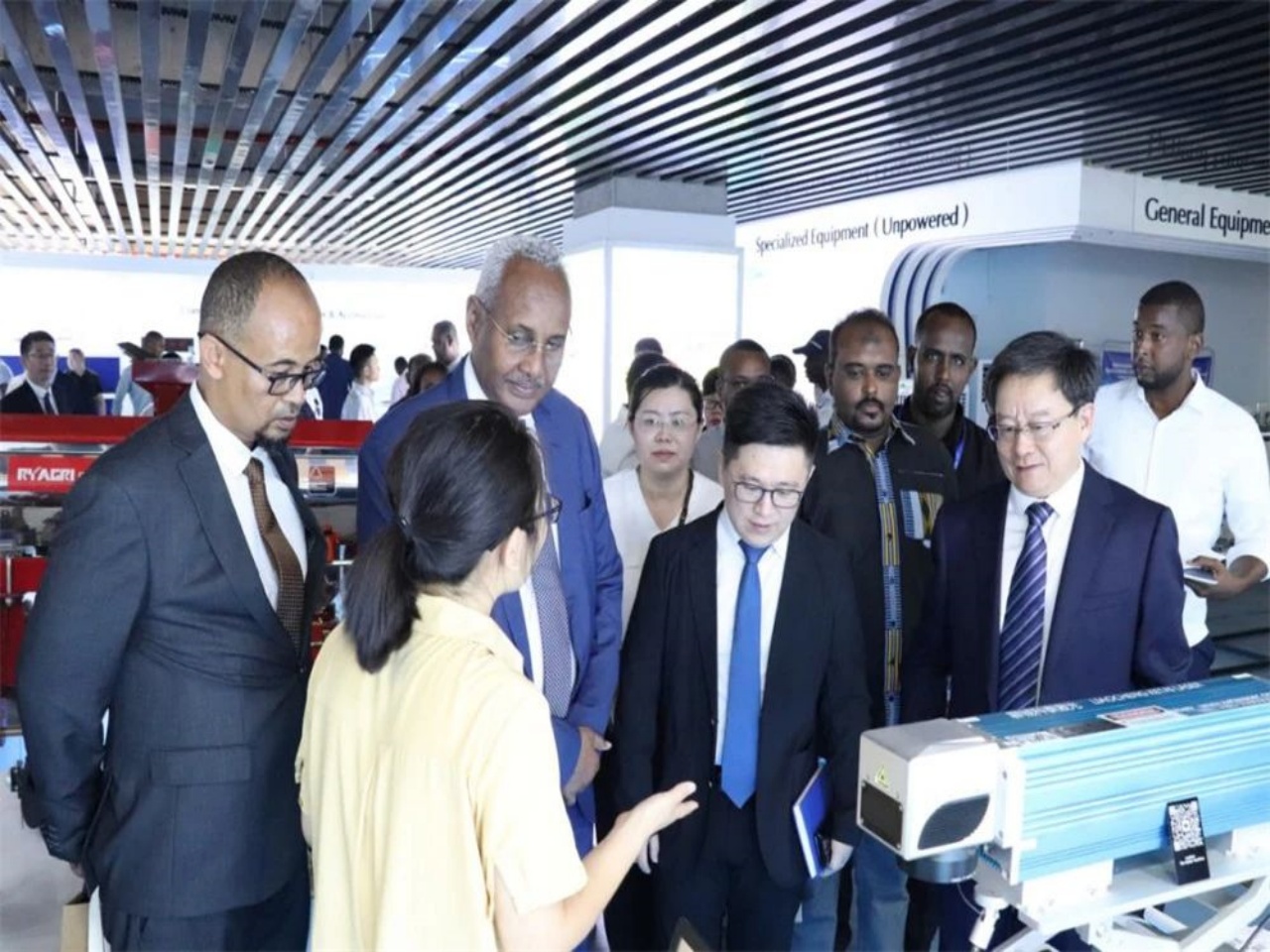
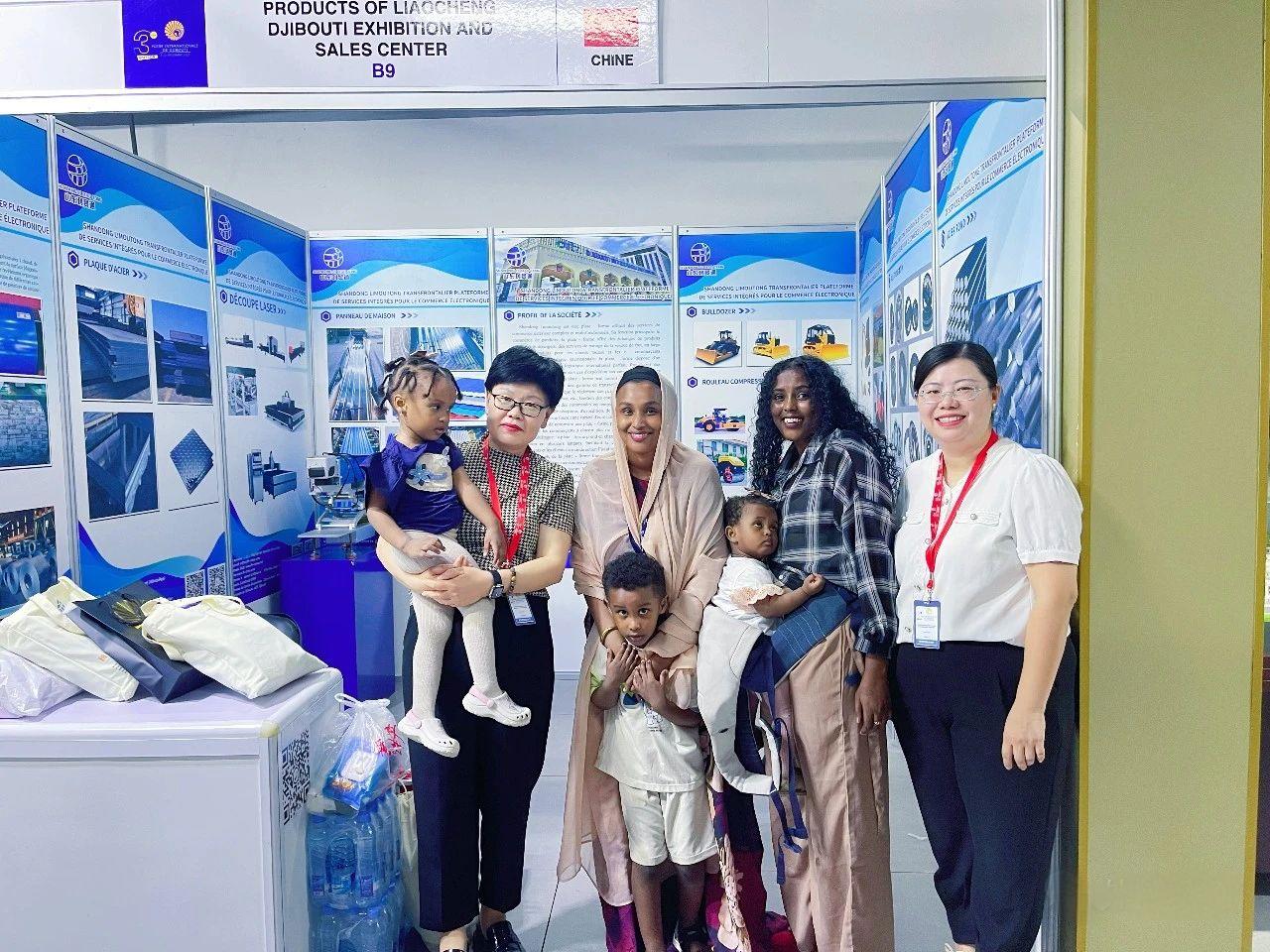
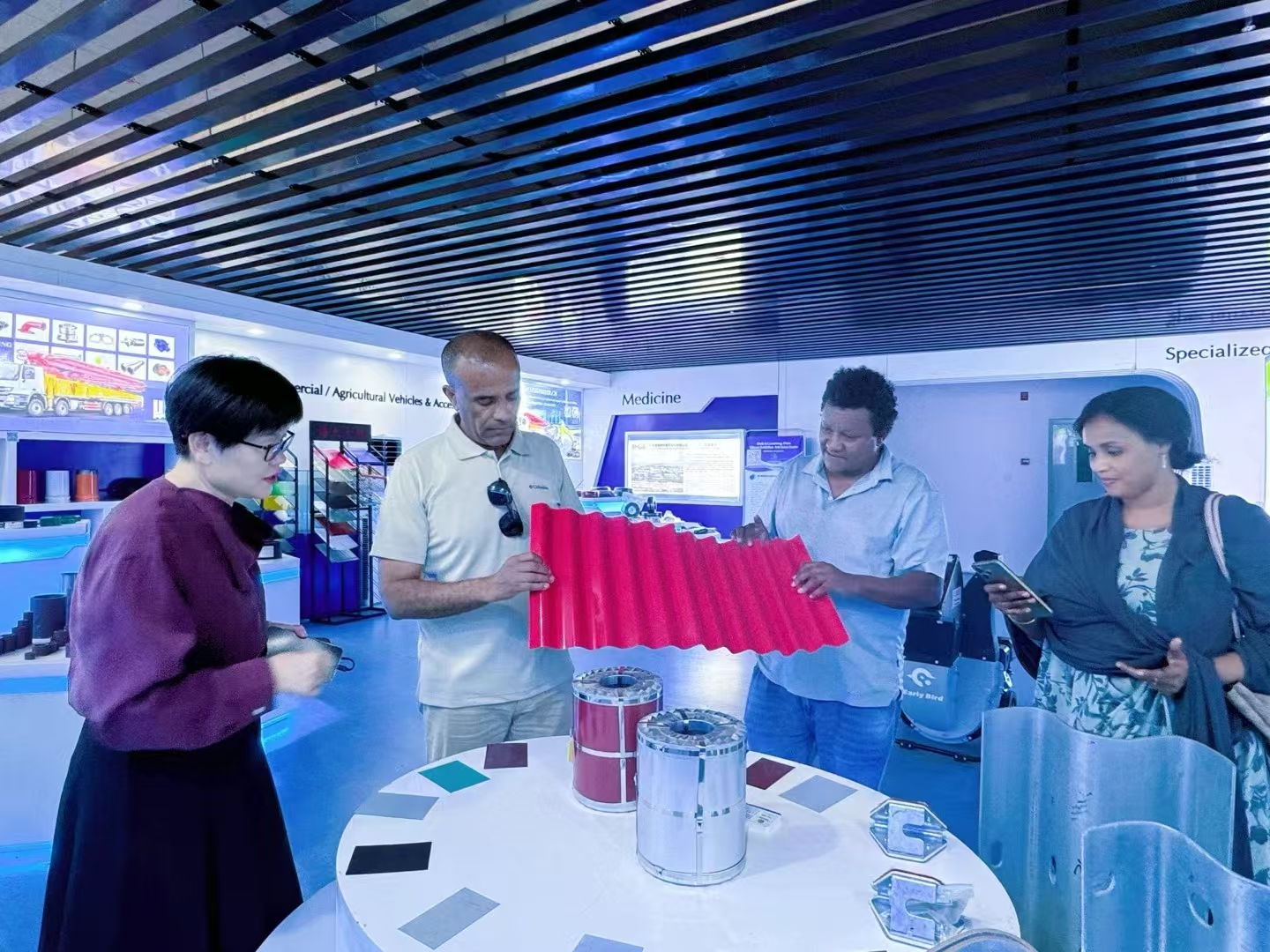
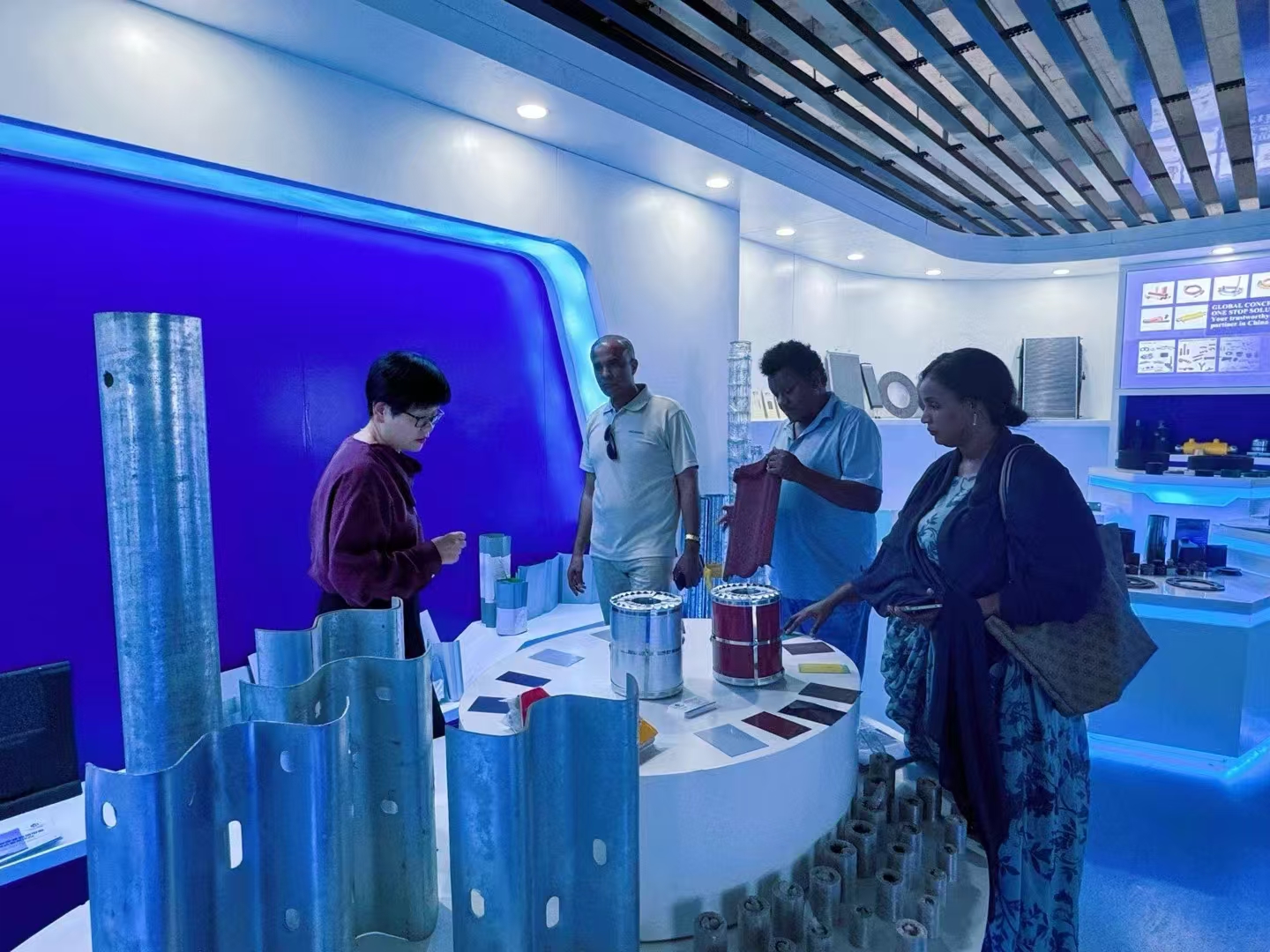
Established in 2023, the Djibouti (Overseas Warehouse) Cross-border E-commerce Exhibition and Sales Center is strategically positioned within the Djibouti International Free Trade Zone in East Africa. Serving as a crucial logistics artery, this facility combines local warehousing with direct customs integration. By pairing offline product displays with online cross-border portals, the center functions as a one-stop hub that manages customs clearance, local compliance validation, and logistics dispatch.
This localized infrastructure bypasses long maritime transit times, allowing us to supply finished vehicles, spare parts, and customer service teams directly to African and Middle Eastern markets. This logistics setup helps international distributors maintain lean inventory levels while ensuring rapid field service and spare parts availability.
How different geographical terrains and commercial applications dictate vehicle design.
Focuses on EN15194-certified torque-sensor pedelecs. Highly integrated mid-drive configurations coupled with clean battery enclosures blend seamlessly into modern cityscapes.
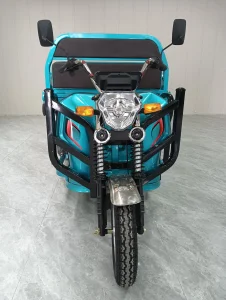
Heavy-duty cargo electric tricycles with low-gear mechanical differentials and high-capacity LFP battery packs built to navigate dirt tracks and unpaved terrain.
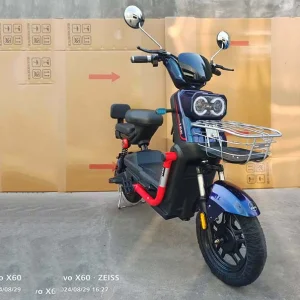
Optimized for rapid battery swapping, heavy rear-rack cargo integration, and built-in IoT tracking. These features ensure courier operations stay productive with minimum charging delays.
Analyzing future tech integrations, battery advancements, and sustainability standards.
1. IoT Integration and Smart Fleet Telemetry: Modern electric bicycles are evolving from simple mechanical transport to intelligent connected devices. High-precision IoT modules, linked directly with cellular networks, let fleet managers monitor vehicle location, track battery health (SOH) in real time, and deploy over-the-air (OTA) updates to optimize motor controller profiles.
2. Next-Gen Sodium-Ion & Solid-State Batteries: While Lithium Iron Phosphate (LFP) remains the commercial benchmark due to its safety and cycle life, sodium-ion batteries are starting to enter the market. They offer excellent low-temperature performance and lower raw material dependency, protecting B2B purchasers from global lithium price volatility.
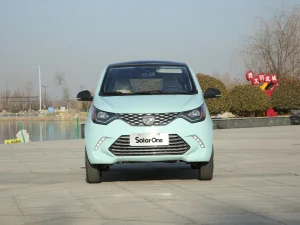
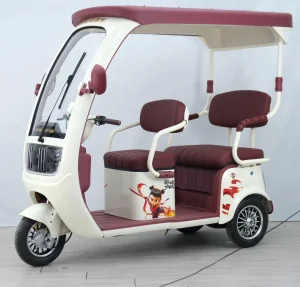
3. Direct Solar Charging Integration: Solar panel integration on covered electric passenger tricycles and light utility cars is transitioning from prototype to practical application. These auxiliary solar arrays supply clean top-off charges during daytime operations, extending range by up to 20-30% and reducing grid dependency in remote areas.
4. Circular Supply Chain Logistics: End-of-life battery recycling and repair modularity are becoming strict purchasing requirements for corporate buyers. Designing battery modules for easy disassembly makes it simple to replace degraded cells and recover valuable anode and cathode materials.


Addressing key engineering, compliance, tariff, and shipping questions for global B2B sourcing partners.
Heavy-duty distribution platforms, advanced hybrids, and specialized urban transit solutions.
 Limaotong