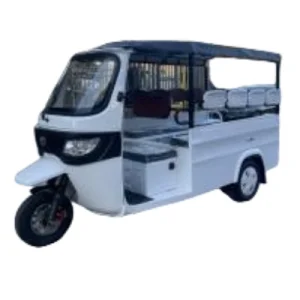
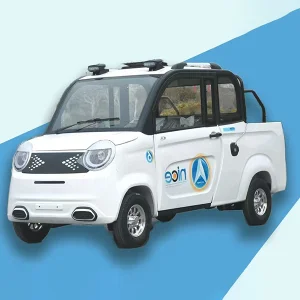
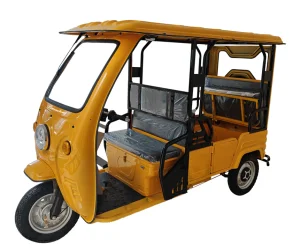
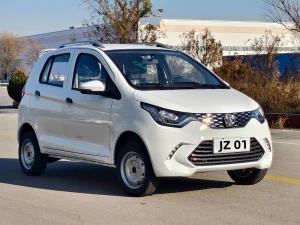
Explore our leading range of green passenger transit vehicles engineered for family commutes and commercial fleet deployments globally.
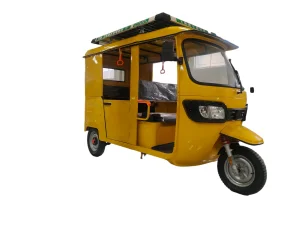
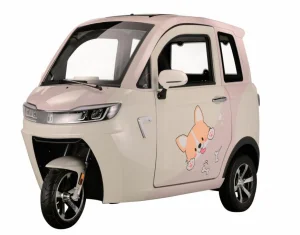
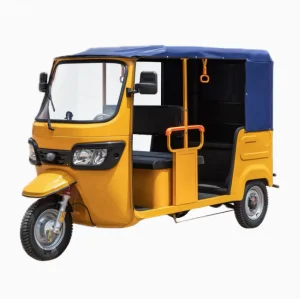
SHANDONG LI MAO TONG GROUP stands as a pioneering force and global supplier in the low-speed electric vehicle (LSEV), micro-transit cargo, and innovative clean-energy passenger transport sectors. Possessing an intricately integrated industrial chain, our operations stretch from pioneering research and development to high-precision manufacturing, international trade operations, and localized assembly solutions.
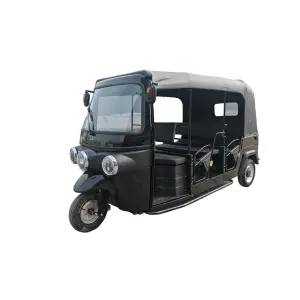
Since inception, we have committed ourselves to closing the gap in green transport within urban and sub-rural areas. Our dynamic vehicle catalog comprises specialized motor tricycles, enclosed utility cargo haulers, solar-hybrid passenger trikes, and smart micro-electric cars. Over 20 million households worldwide trust LMT for daily personal transport, delivery logistics, and commercial transit operations.
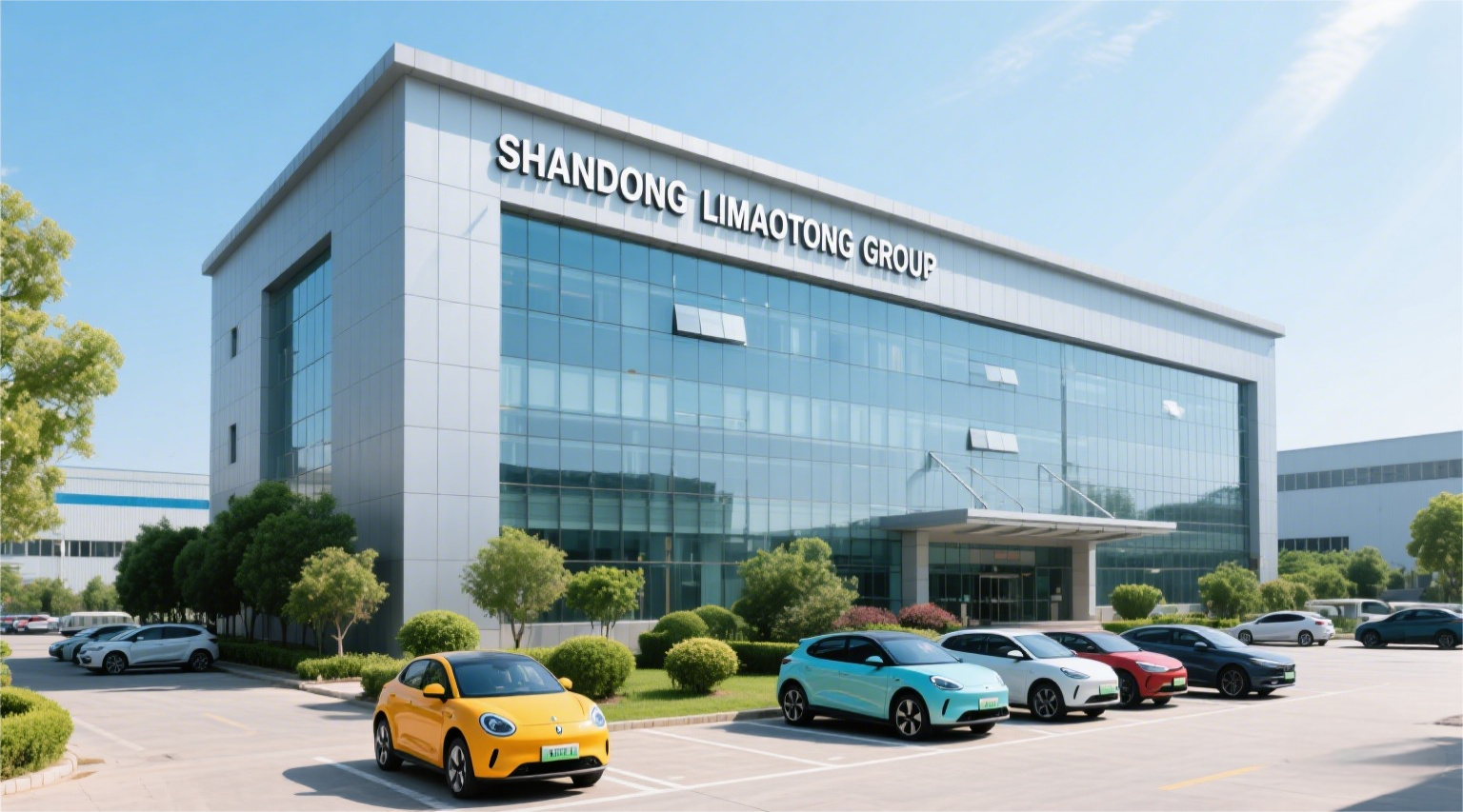
As the waves of China’s new energy vehicle industry reshape global logistics, Li Mao Tong leverages industry-leading advanced manufacturing to design and scale intelligent, low-cost transport platforms. Our vehicles undergo rigorous factory testing, including an intensive laboratory Level-7 rainstorm simulation, ensuring unparalleled integrity under adverse global climates.
From one-piece stamped steel structures and automated robotic coatings to millimeter-precise drivetrain alignment, our engineering protocols prioritize safety, efficiency, and customized capability. We conquer complex terrains and empower micro-economies around the world.
A comprehensive overview of global low-speed vehicle electrification trends, technology integrations, and macro solutions.
Our commitment to autonomy in the micro-mobility sector focuses on bridging the last-mile delivery and passenger transportation gap. By integrating ADAS (Advanced Driver Assistance Systems) into low-speed EVs, we aim to lower deployment costs for smart delivery fleets, agricultural logistics, and public transit nodes.
The roadmap progresses from Level 2 driver assistance, incorporating active collision avoidance and precision radar tracking, toward Level 4 micro-autonomous delivery pods. Using localized 5G connectivity, low-latency computing hubs, and integrated drive-by-wire structures, LMT's future micro-mobility models will navigate predetermined industrial, campus, and residential pathways seamlessly.
Urban and rural centers require flexible transport infrastructure that balances emission restrictions, energy security, and low operational costs. LMT's macro-transport solutions are structured to transition diesel-dependent ecosystems into high-efficiency, hybrid, or solar-electric networks.
We deploy closed cargo cargo trikes for agrarian transport, zero-emission tuk-tuks for public municipal transportation, and solar-assisted mini-EVs for sunny geographic areas. These units reduce dependence on conventional charging grids, lowering operational cost overheads by up to 40% when compared with gasoline-driven micro-vans.
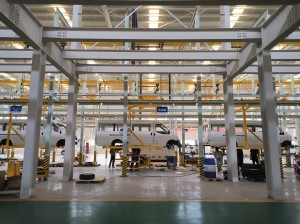
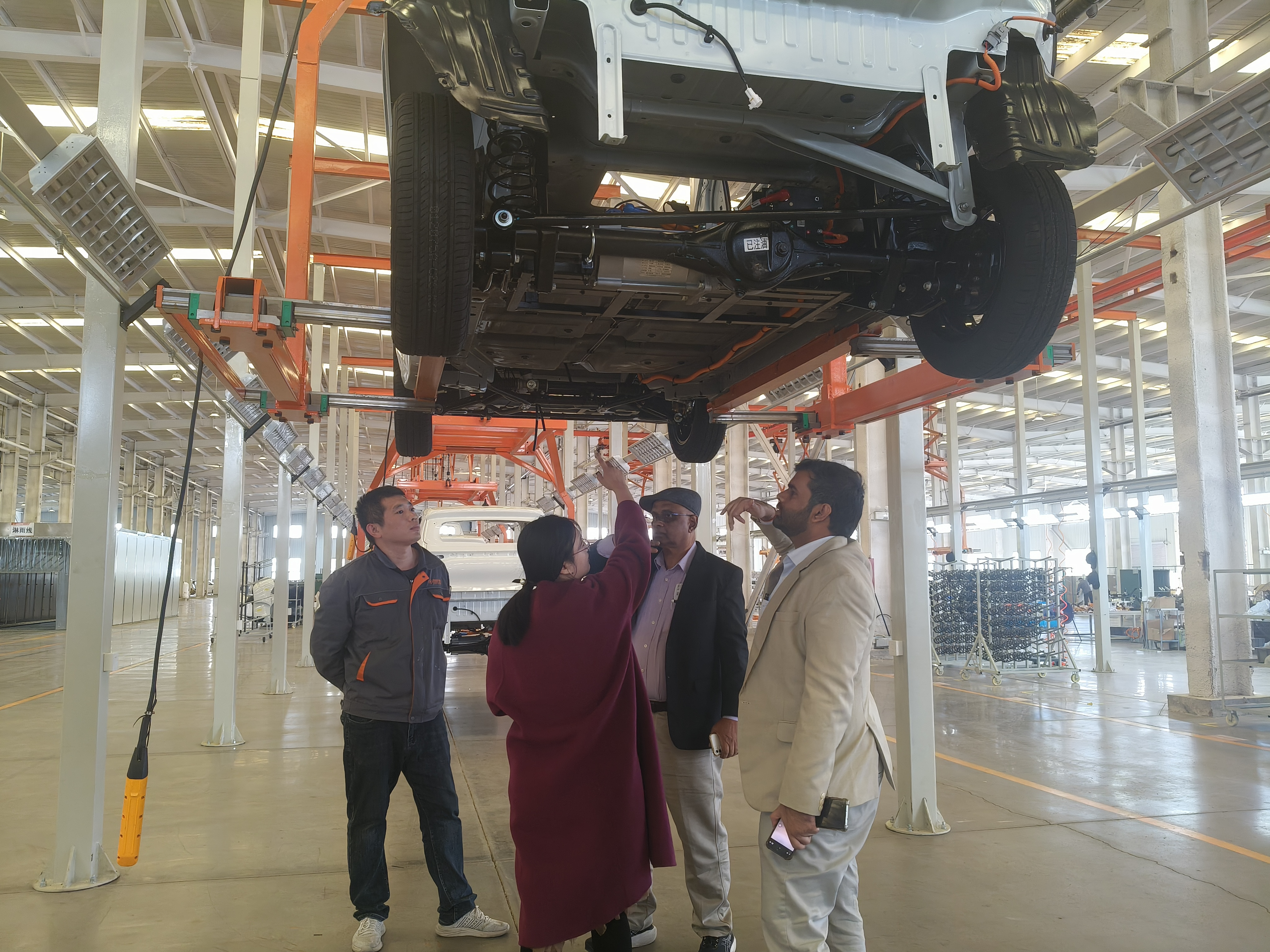
Our smart factory ecosystem leverages advanced automation to maximize manufacturing precision and speed. With computerized assembly lines, robotic stamping, and fully integrated production, we control manufacturing variables to guarantee that each vehicle rolled off the assembly line meets global safety and operational benchmarks.
Our strategic manufacturing base allows us to source raw materials, design high-efficiency drivetrains, and optimize structural frames in-house. This complete supply vertical helps insulate partners from supply bottlenecks and pricing volatility.
Exporting transport vehicles to over 120 countries requires compliance expertise. We align our manufacturing processes with the certification demands of varied regions—securing EEC certifications for European markets, DOT compliance for the Americas, and tailored environmental approvals for emerging economies across Africa and the Middle East.
Our global shipping framework guarantees cargo safety, minimized transit delays, and simplified customs clearance processes. By supplying knocked-down (CKD) configurations alongside fully assembled options, we help overseas assembly hubs reduce local duties and shipping volume overheads.
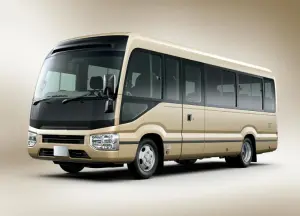
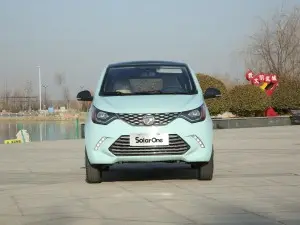
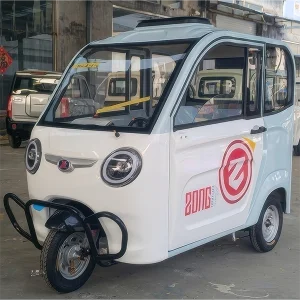
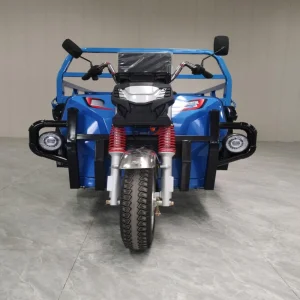
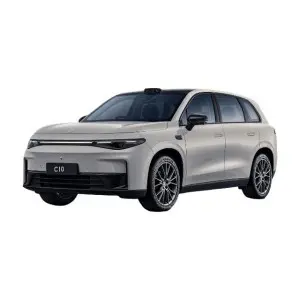
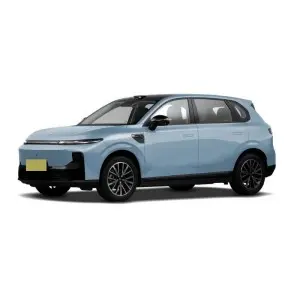
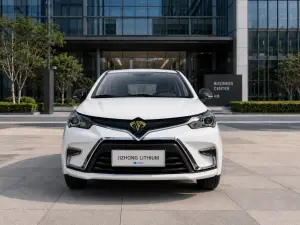
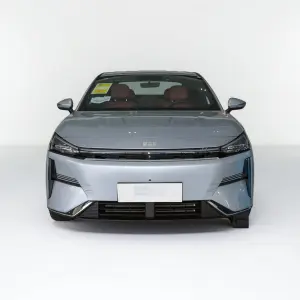
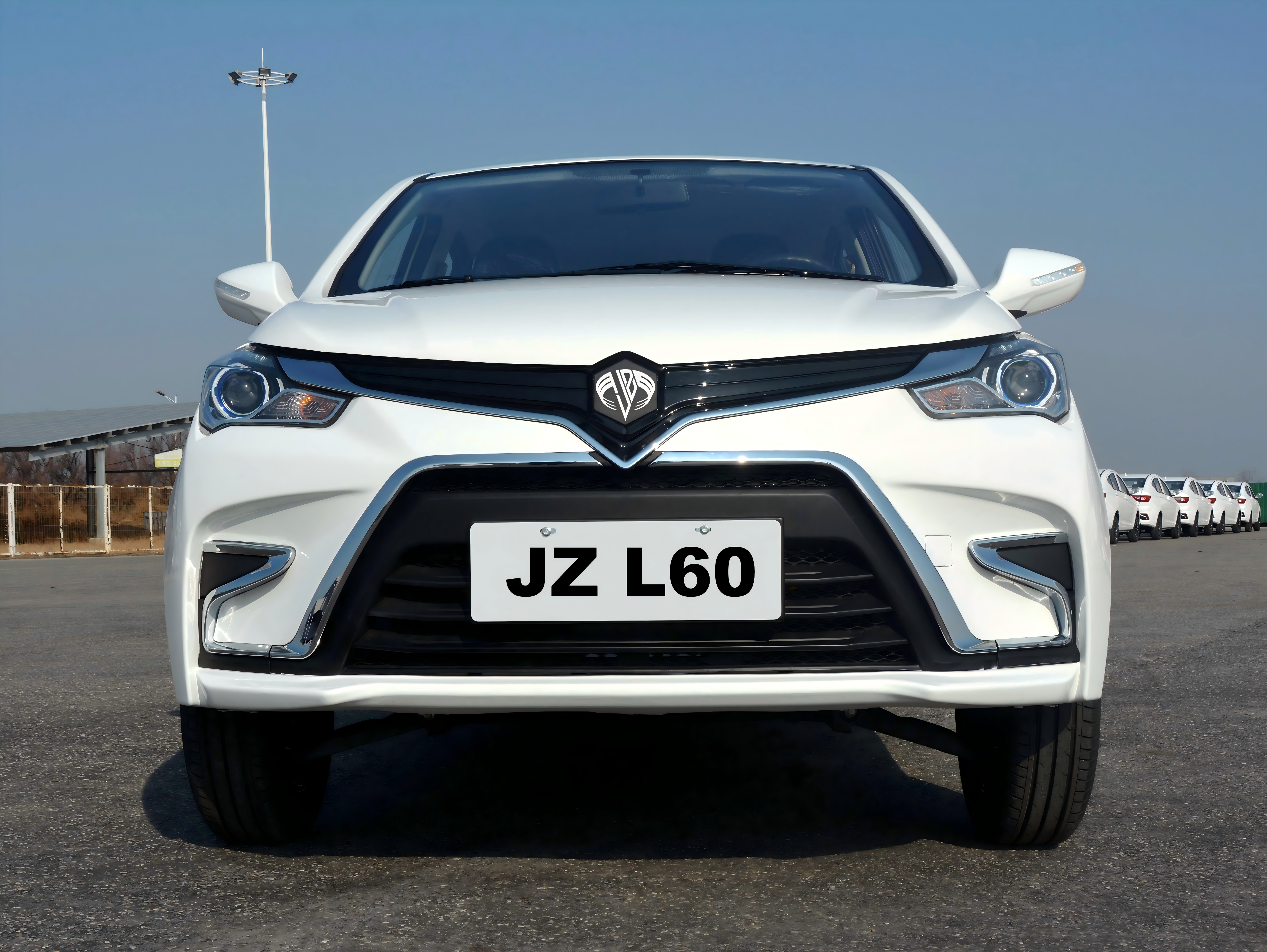
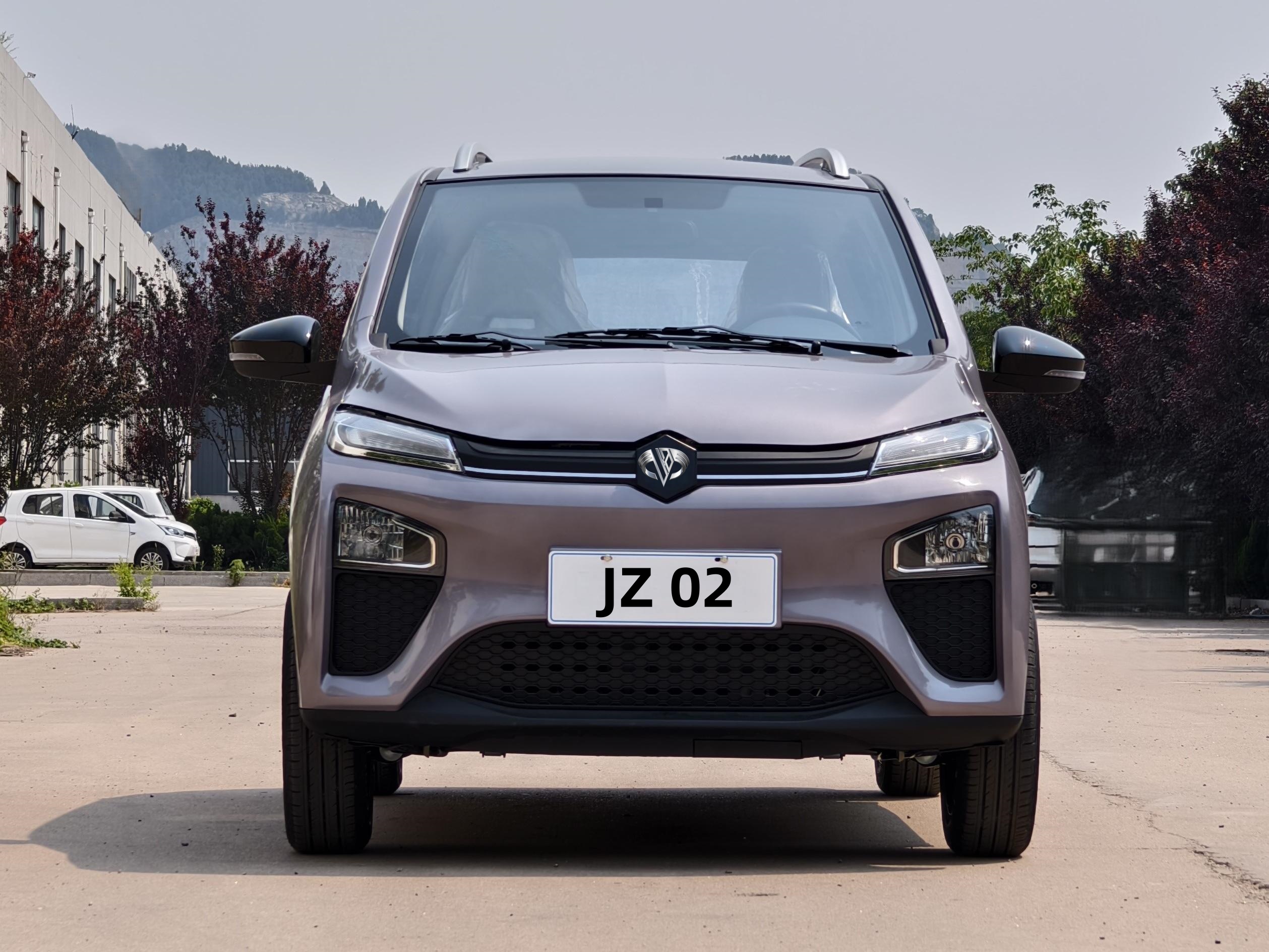
Market-proven electric vehicles featuring state-of-the-art battery systems and spacious interior designs.


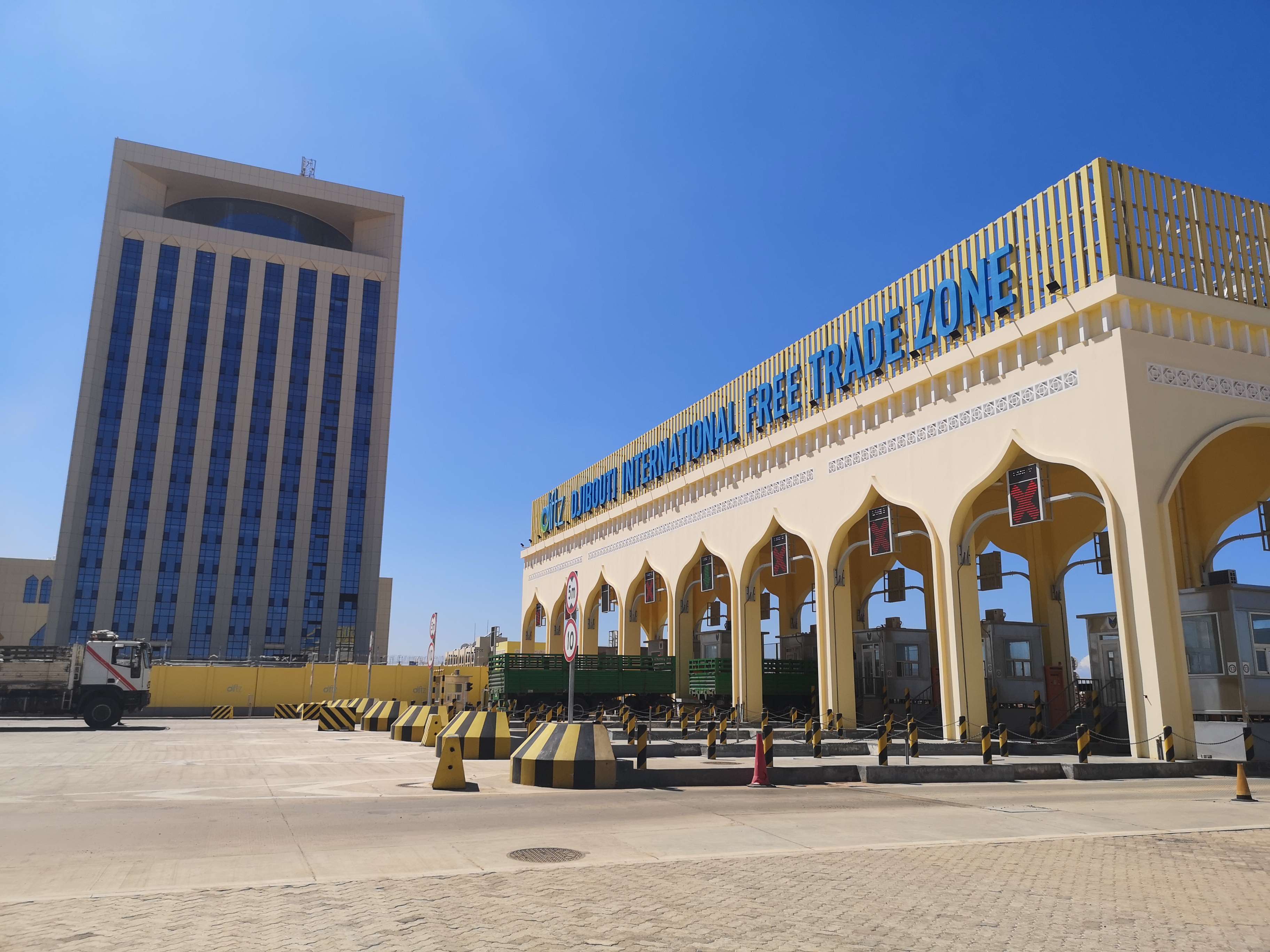
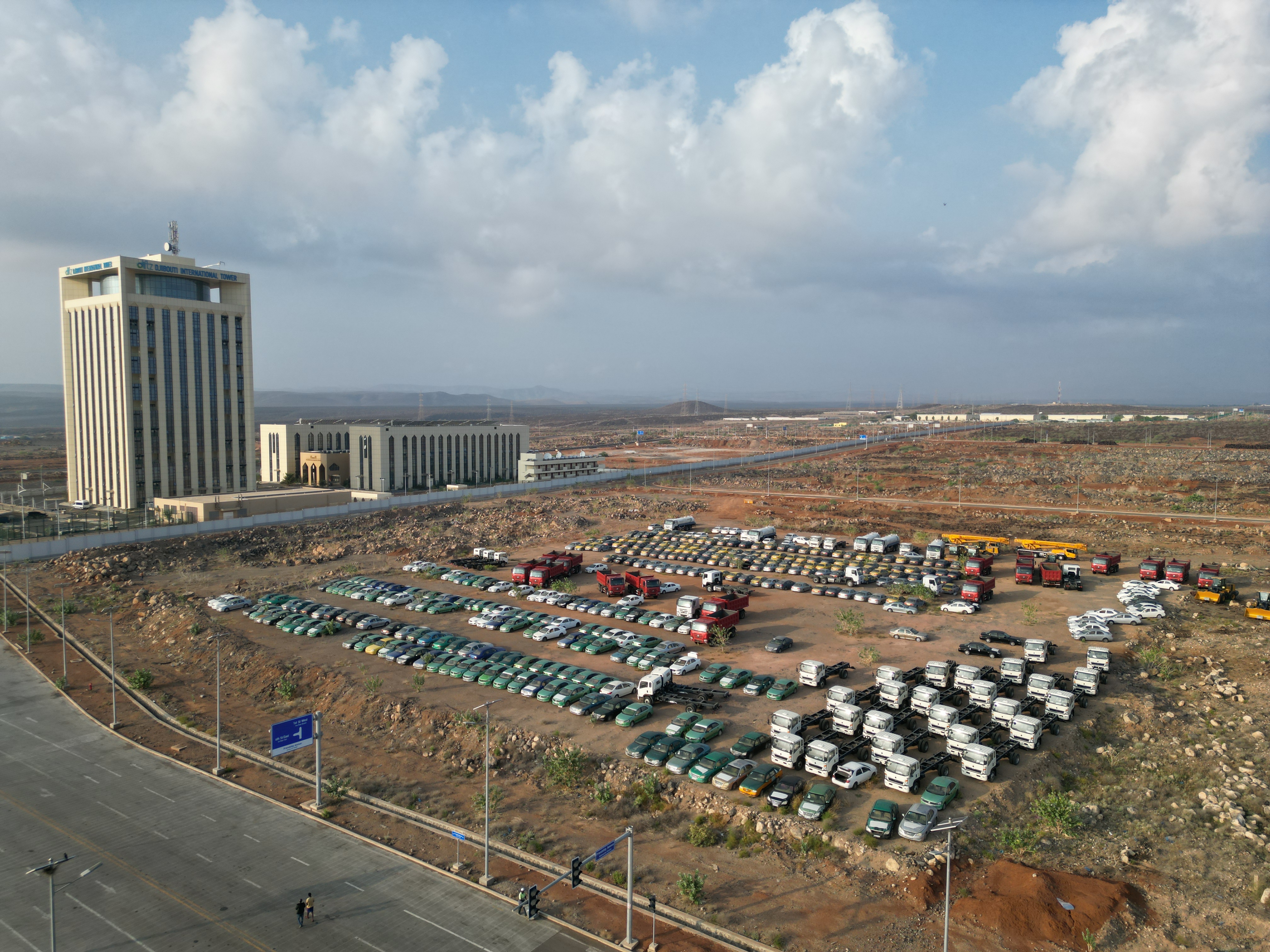
Strategic logistics centers providing localized sales, customs processing, and rapid parts distribution.
Djibouti (Overseas Warehouse) Cross-border E-commerce Exhibition and Sales Center was established in 2023. It is located in the Djibouti International Free Trade Zone in East Africa. With the help of the Djibouti Economic and Trade Co., Ltd. established in Africa, it has established a one-stop comprehensive service platform to provide enterprises with all-round housekeeper-style professional services such as sales, government affairs, customs affairs, and public services. Combining the online and offline linkage of cross-border trade business and independent station malls, we will build a "strong artery" of China-Africa economic and trade exchanges with the "cross-border trade + front-end warehouse" model and the African localized sales, customer service and logistics team, and help "China's intelligent manufacturing" go to the world and into Africa.
This operational model ensures client access to localized assembly solutions, spare components, and after-sales mechanics. It reduces lead times and lowers shipping damages and port delays.
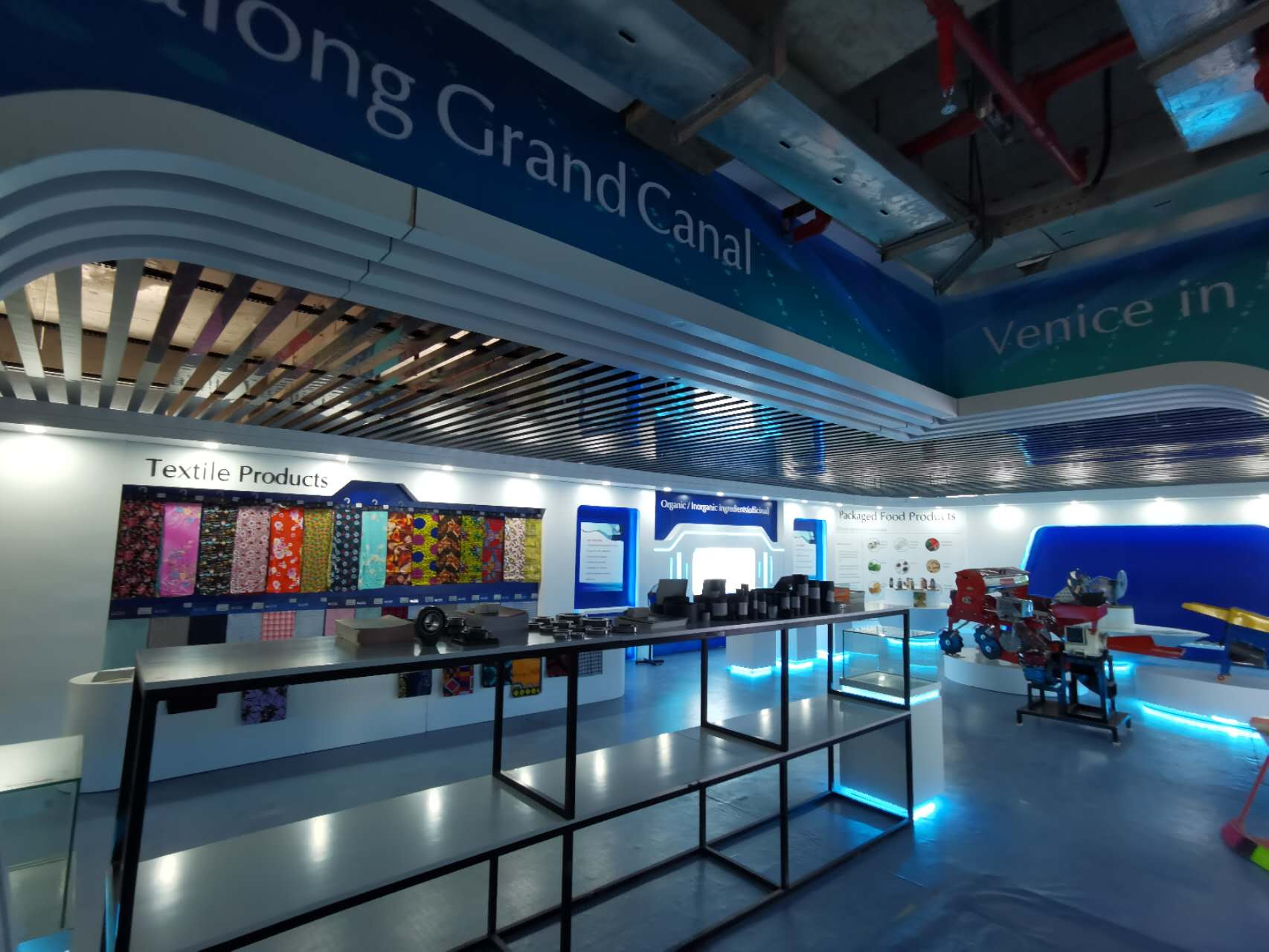
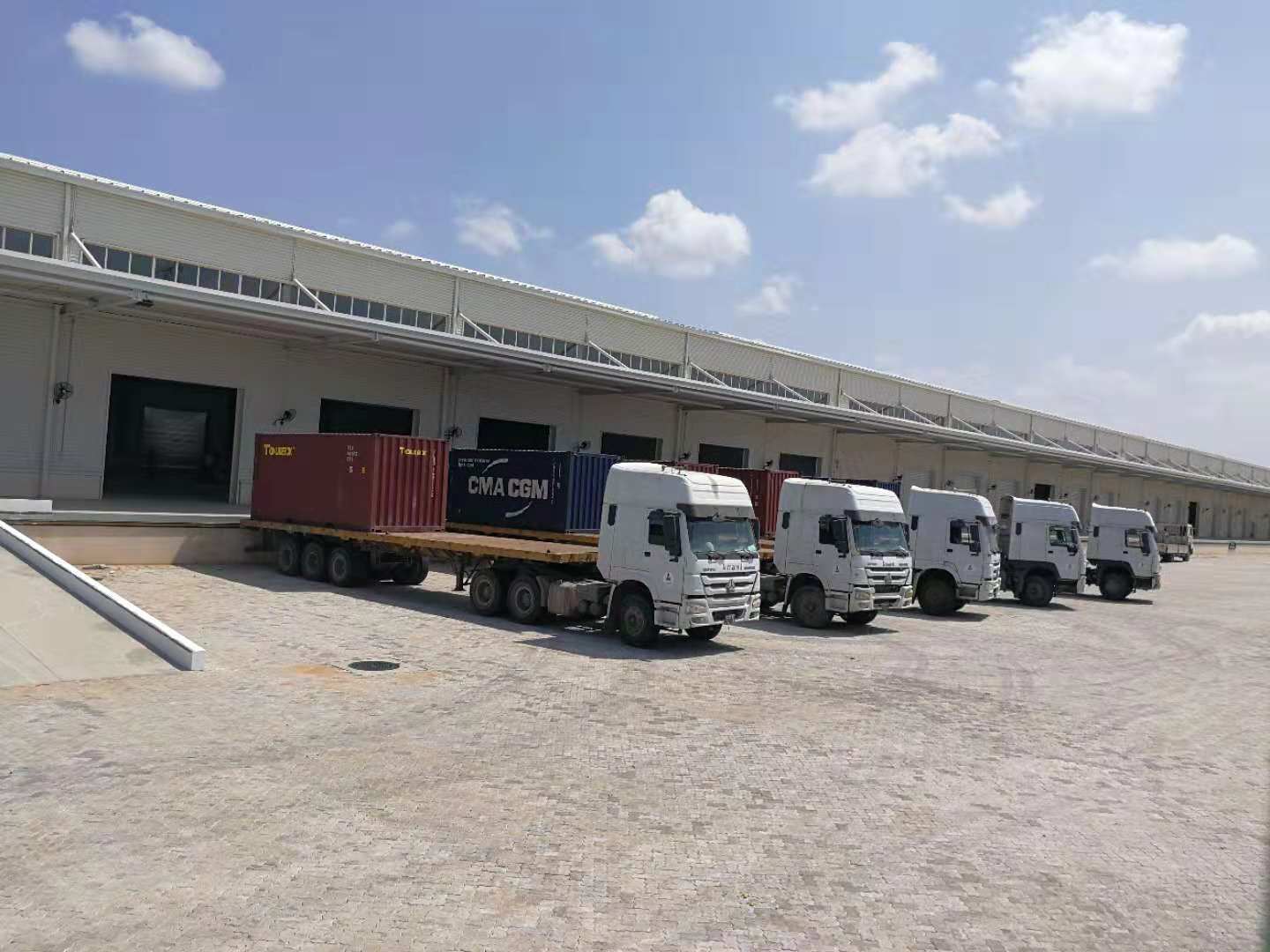
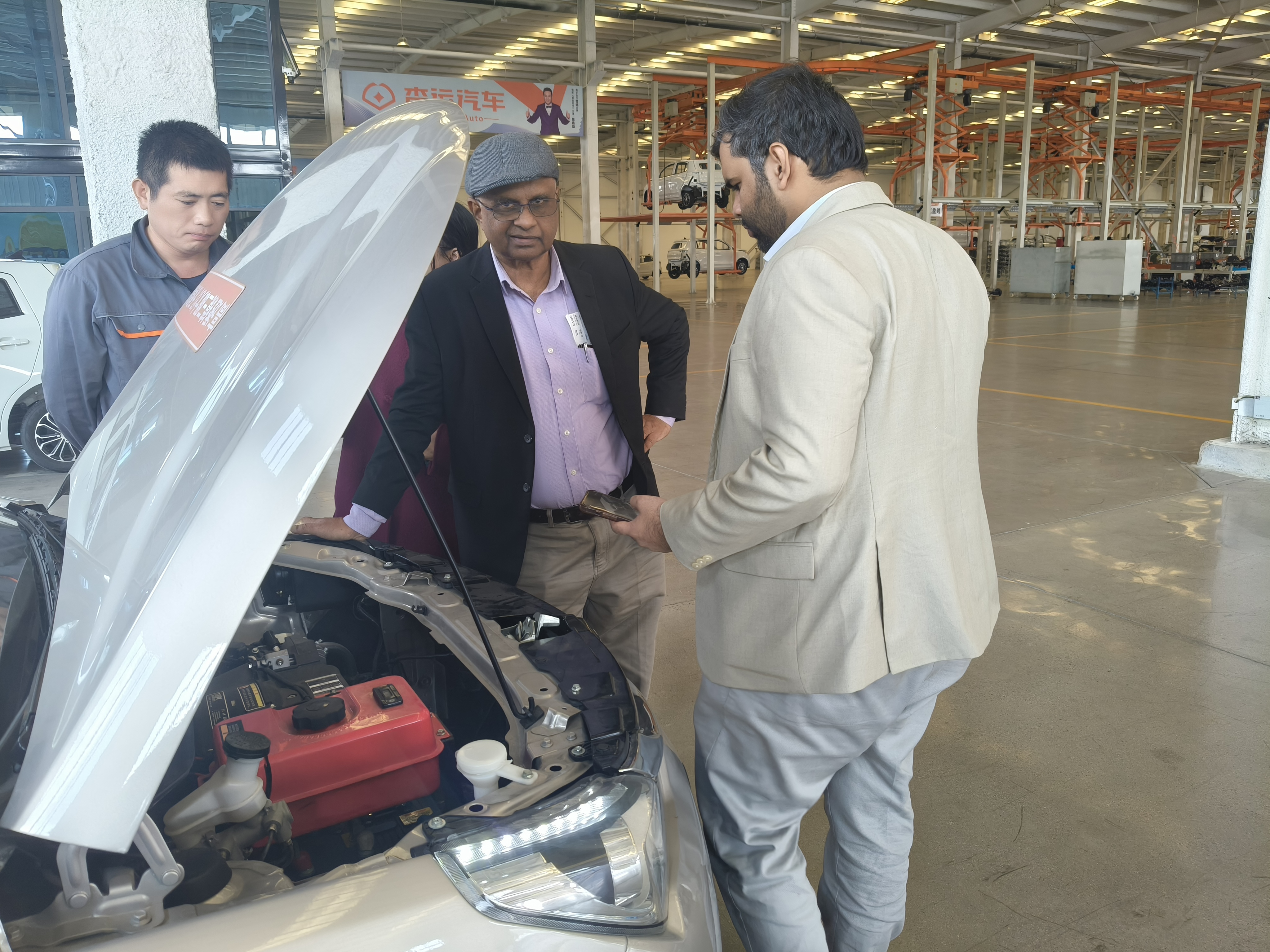
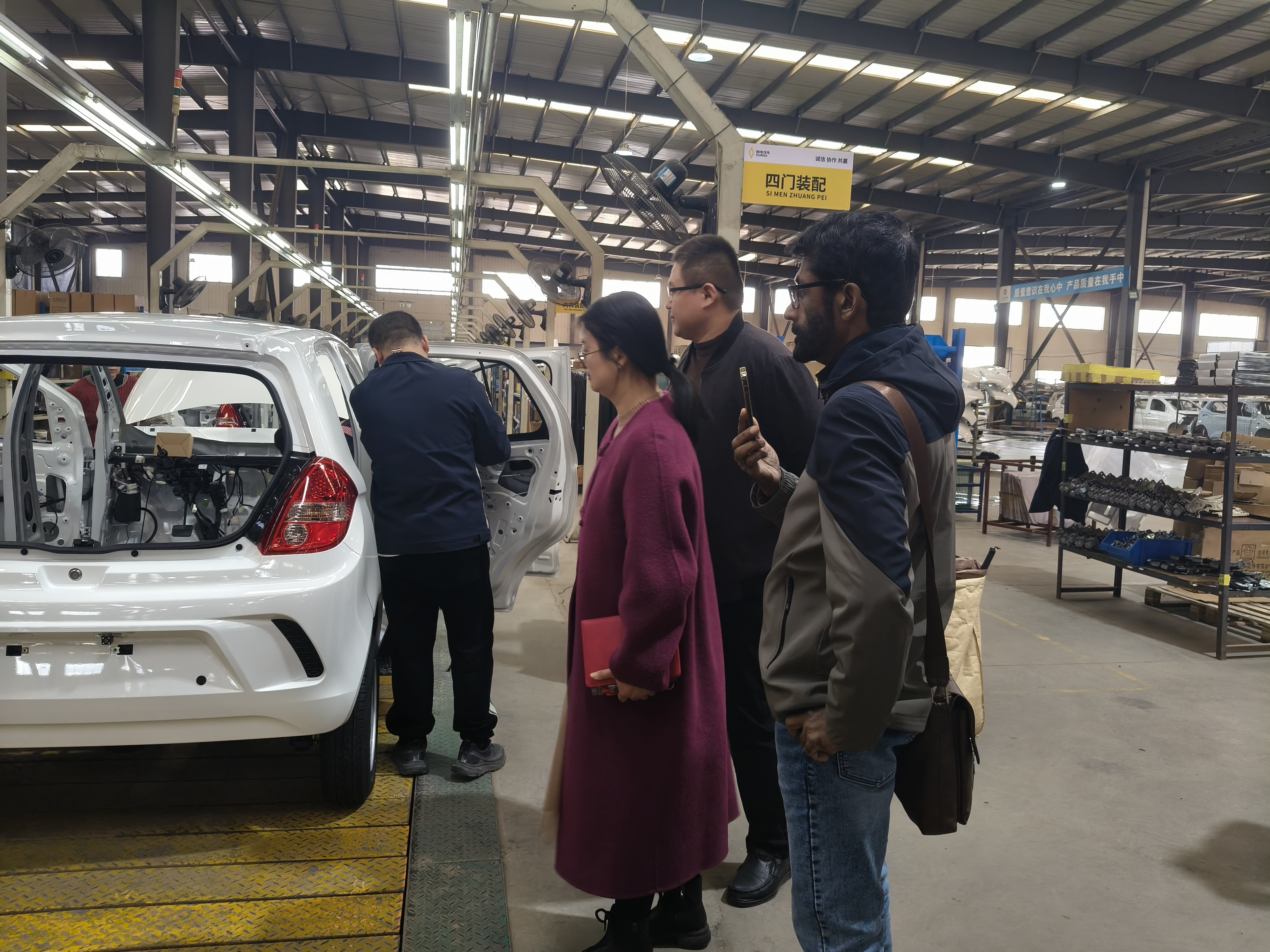
Visualizing our manufacturing process, global trade exhibitions, and visits from international procurement delegations.







Crucial answers regarding safety certifications, autonomous functionality, supply chains, and export procedures.
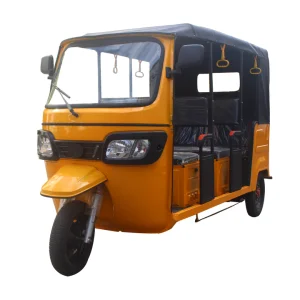
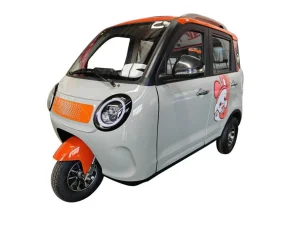
Premium solutions for logistics fleets, passenger taxis, and specialized agricultural cargo operations.
 Limaotong