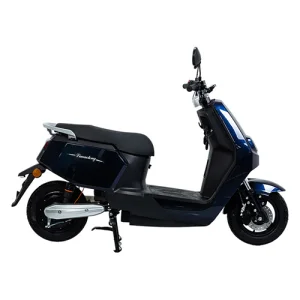
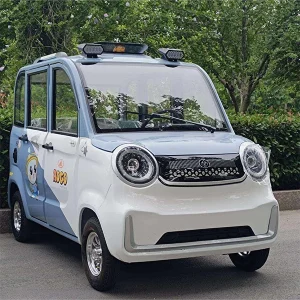
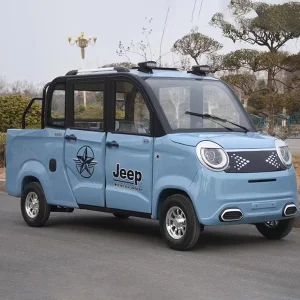
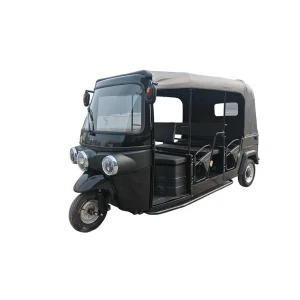
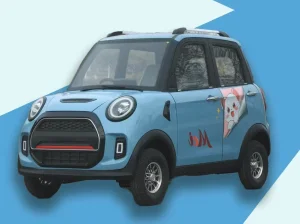
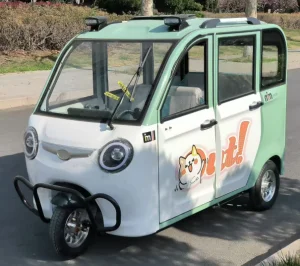
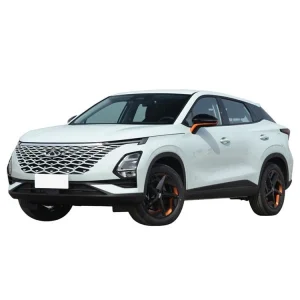
Explore our highly integrated electric three-wheelers, cargo tricycles, and micro-vehicles designed for diverse global logistics and transit applications.
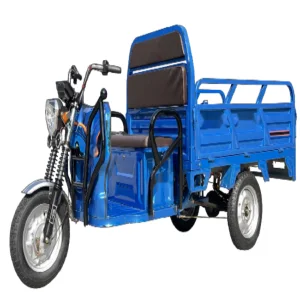
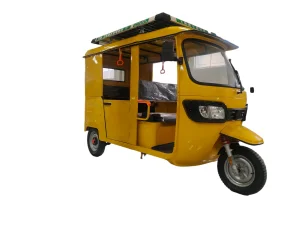
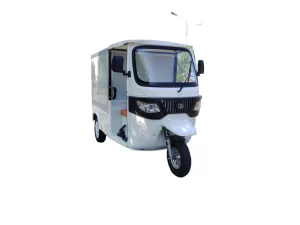
The global transition to sustainable transportation is moving beyond passenger sedans and commercial trucks into micro-mobility networks. At the core of this transition are electric Tuk Cars (Tuk Tuks) and light electric three-wheelers (LEVs). Once localized to urban niches in South Asia and Southeast Asia, the Tuk Car has evolved into a global logistical infrastructure backbone. Driven by e-commerce expansion, urbanization, and emission reduction mandates, municipalities and fleet operators worldwide are replacing fossil-fuel vehicles with heavy-duty electric three-wheelers.
Modern electric Tuk Cars address the specific demands of last-mile cargo logistics and urban transit. By operating within an optimized footprint, these vehicles reduce municipal traffic congestion, require minimal parking infrastructure, and offer a much lower total cost of ownership (TCO) compared to conventional light commercial vehicles (LCVs). Fleet integration across Europe, Africa, and the Americas has proven that three-wheeled electric configurations provide superior energy efficiency per cubic meter of cargo moved.
Enclosed cargo tricycles with modular shelving units offer rapid parcel delivery in dense city centers, bypassing standard urban parking restrictions.
Open and semi-closed 3-seater to 7-seater vehicles operating as zero-emission micro-shuttles, feeders, and green taxi services.
Heavy-duty dump-bed cargo configurations engineered with high-torque gearboxes to transport harvests and tools across unpaved rural terrains.
A recent study on micro-mobility infrastructure highlights that transitioning fleet vehicles to three-wheel electric drives reduces per-delivery energy costs by up to 68% compared to standard diesel vans. As cities implement Low Emission Zones (LEZs), the light electric vehicle segment is projected to experience a compound annual growth rate (CAGR) of 14.2% through 2030, reinforcing the position of Chinese manufacturers in global production supply chains.
Unbridled Velocity · Global Horizon
SHANDONG LI MAO TONG GROUP is a global supplier of high-quality products, with a complete industrial chain, specialized in research, manufacture and international sales of motor tricycles, cargo tricycles, and electric mini cars. Since its establishment, our vehicles have served over 120 countries and regions worldwide, with our brand reaching more than 20 million households globally.
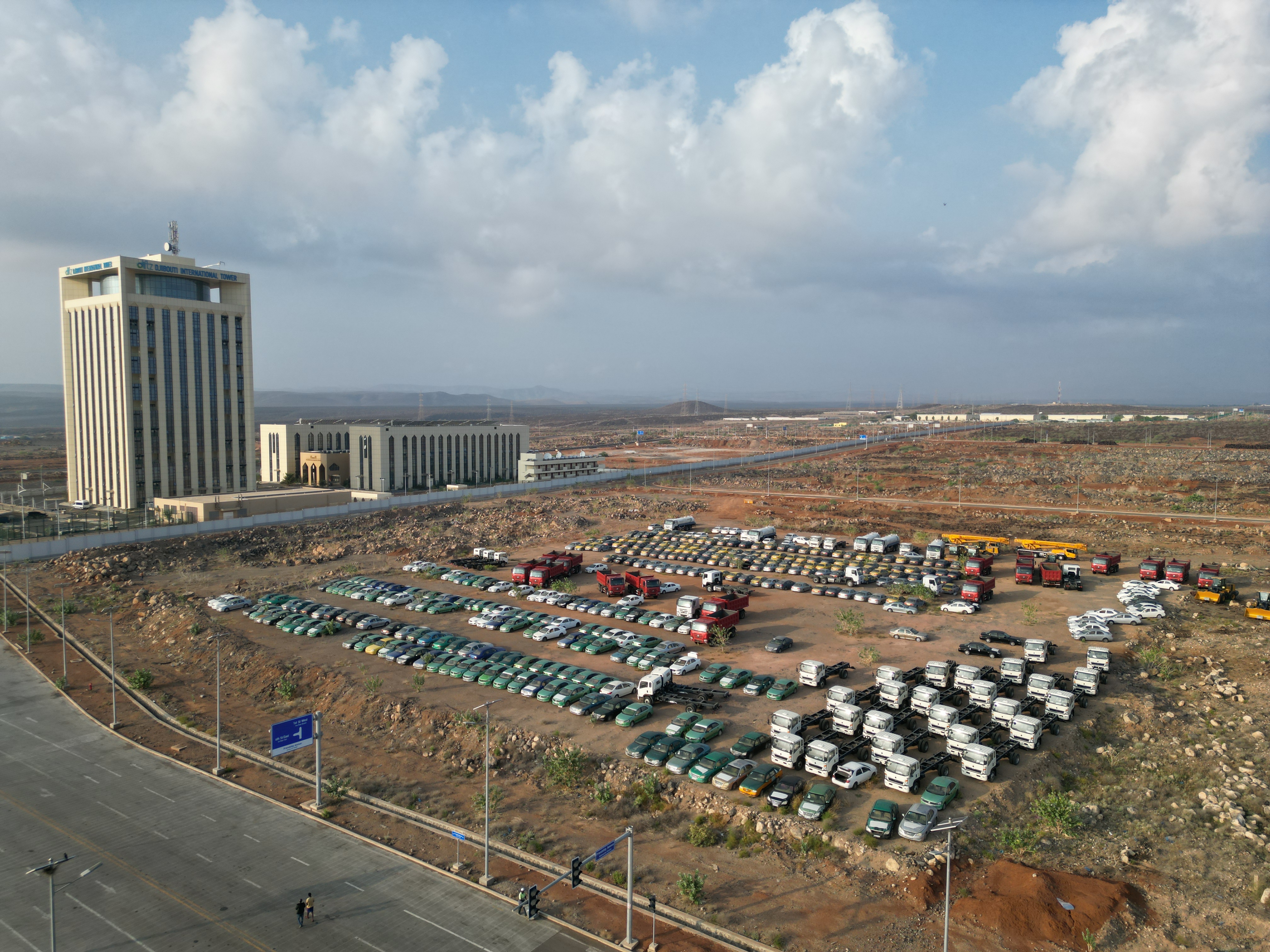
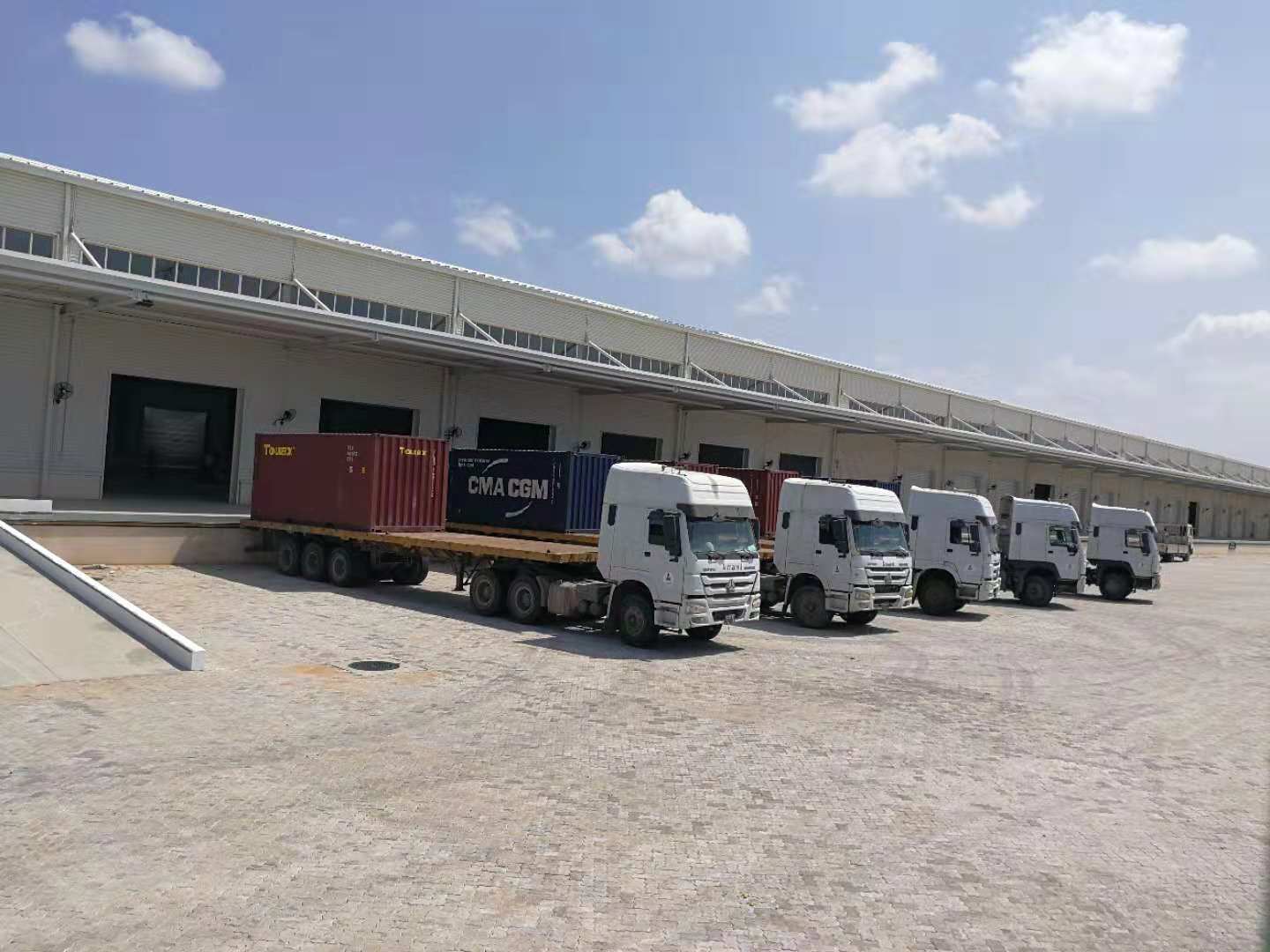
Supported by 8 overseas production bases, we provide comprehensive vehicle solutions to markets around the world. We attach great importance to after-sales service, and set up overseas warehouses in Djibouti and are equipped with a professional after-sales team and complete after-sales facilities. If you encounter any problems during use of the product, our after-sales team will respond immediately and provide you with timely and effective solutions.
As a leading Tuk Car manufacturer, our R&D efforts focus on three main areas: structural safety, battery management optimization, and robust electric drivetrains. By moving away from basic low-end light vehicle designs, we build chassis systems using advanced materials and modern manufacturing techniques.
Traditional tricycles rely on simple welded steel tubes that can fail under high mechanical stress. We use one-piece stamped high-strength steel frames, similar to automotive manufacturing. This design increases torsional rigidity, improves cornering stability under heavy cargo loads, and provides better occupant protection.
Automated robotic arms perform precision MIG welding on all structural frames to ensure consistency. To prevent rust in humid coastal or tropical environments, all chassis undergo Electrophoretic Deposition (EPD) painting. This process creates a corrosion-resistant barrier that helps the vehicle withstand harsh outdoor conditions.
Our electric vehicles use Lithium Iron Phosphate (LFP) chemistry, known for its thermal stability and long cycle life. Maintained by a smart Battery Management System (BMS), our batteries feature real-time temperature tracking, cell balancing, and overcharge protection. For regions with high temperatures, we offer active liquid cooling modules to maintain battery efficiency.
To ensure reliability, our vehicles must pass a strict laboratory level 7 rainstorm test and extreme temperature performance testing. We use IP67-rated enclosures for all electrical connections, wire harnesses, controllers, and electric motors to protect them from heavy rain and flooding.
Countries Serviced
Overseas Factories
Families & Businesses Supported
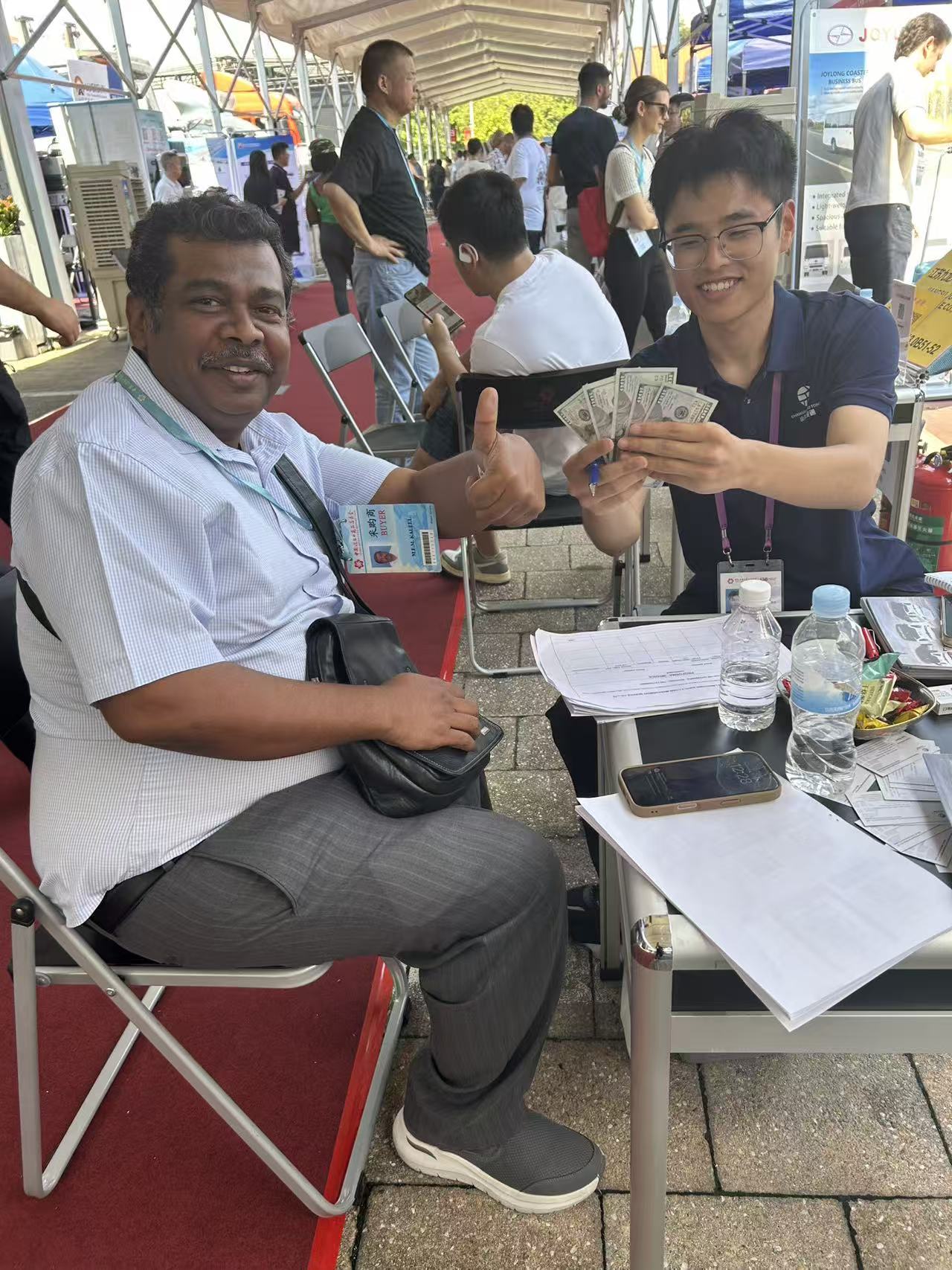
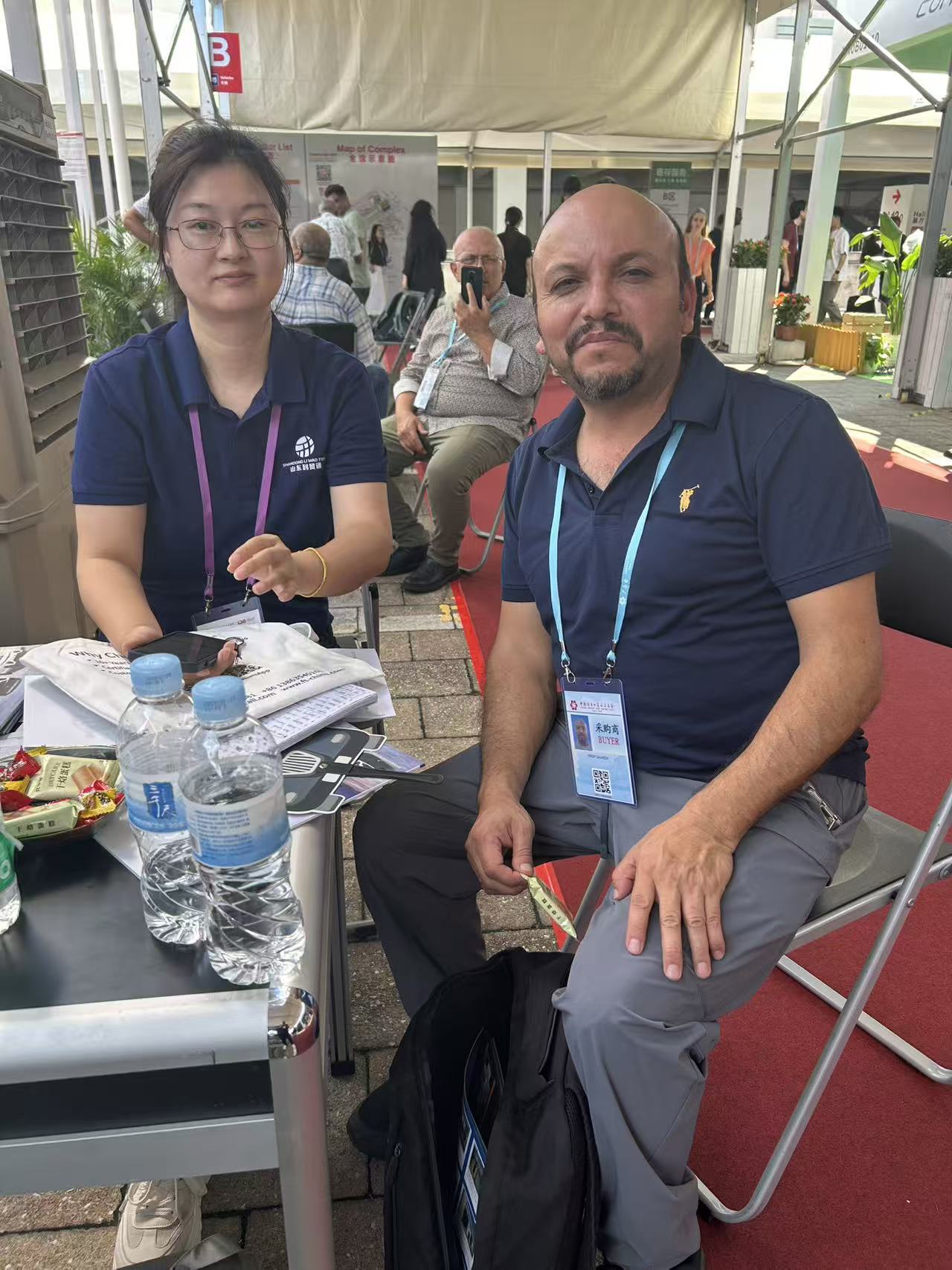
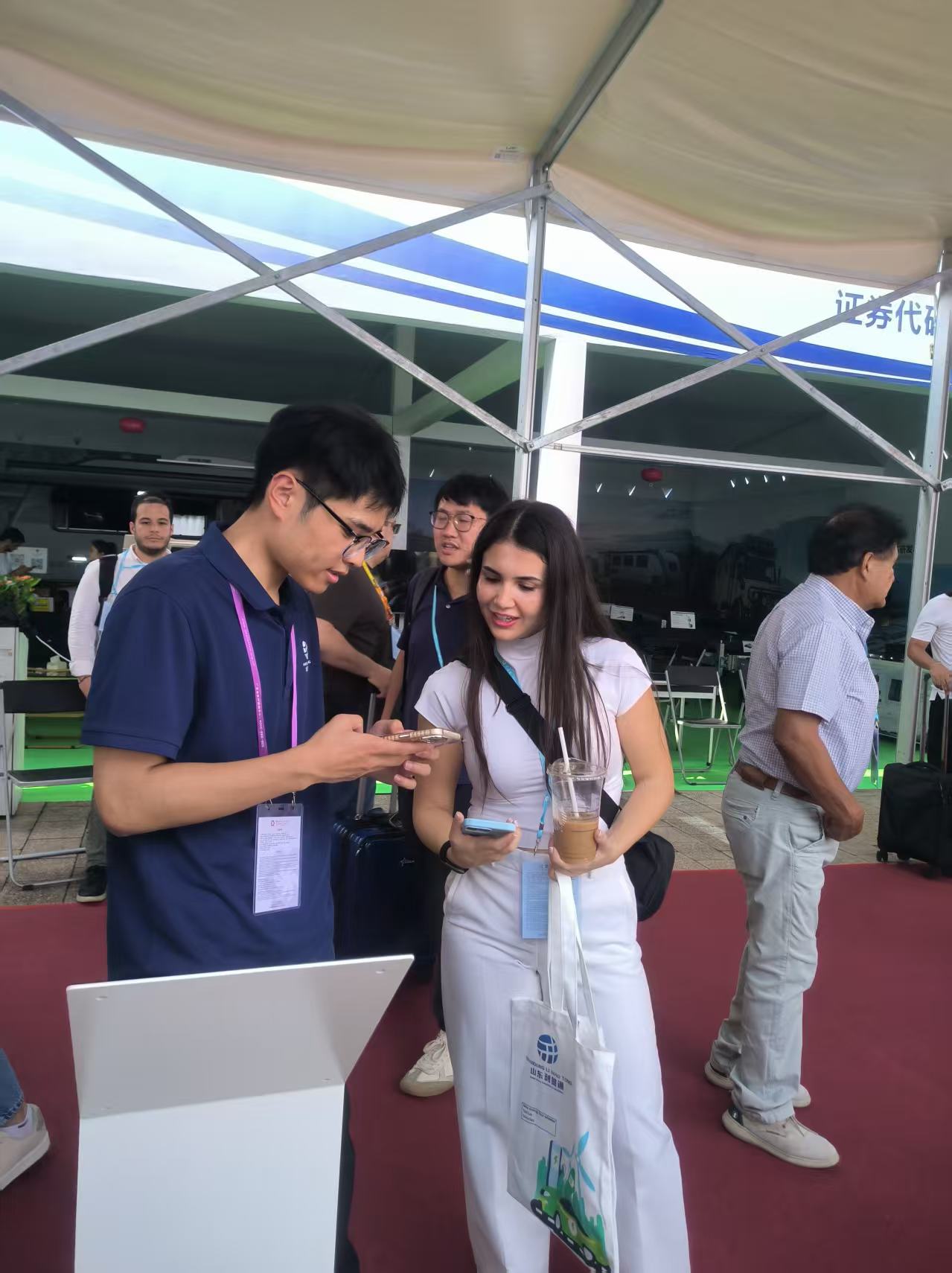
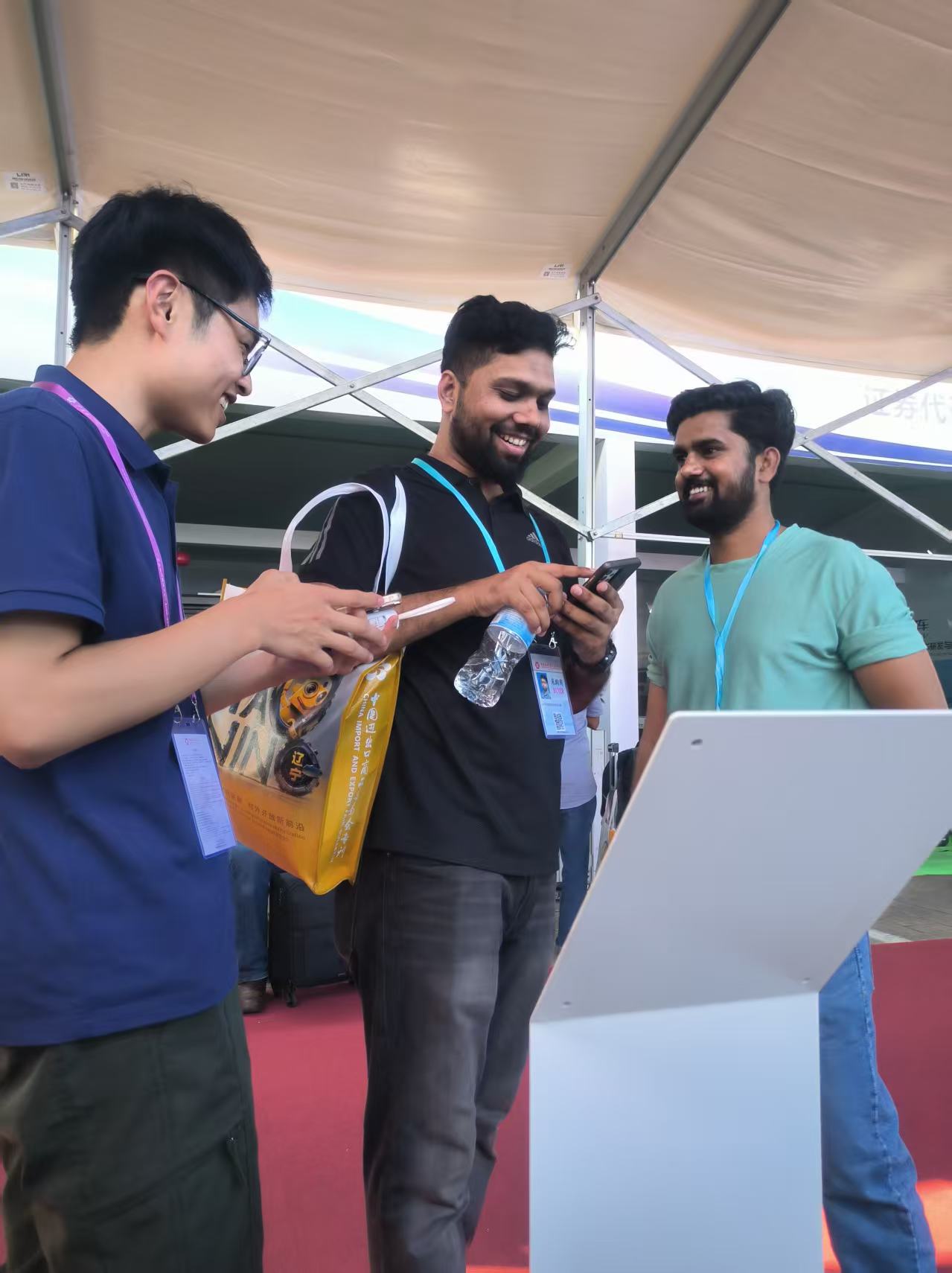
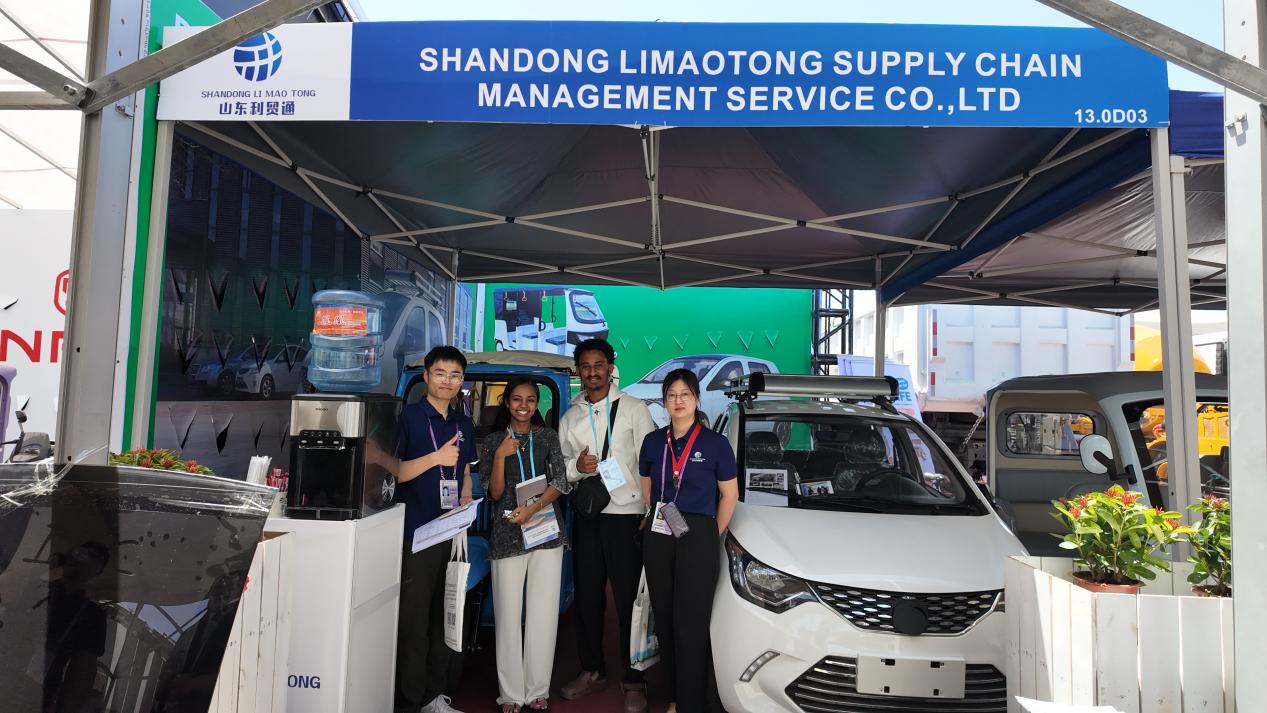
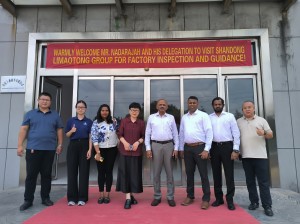
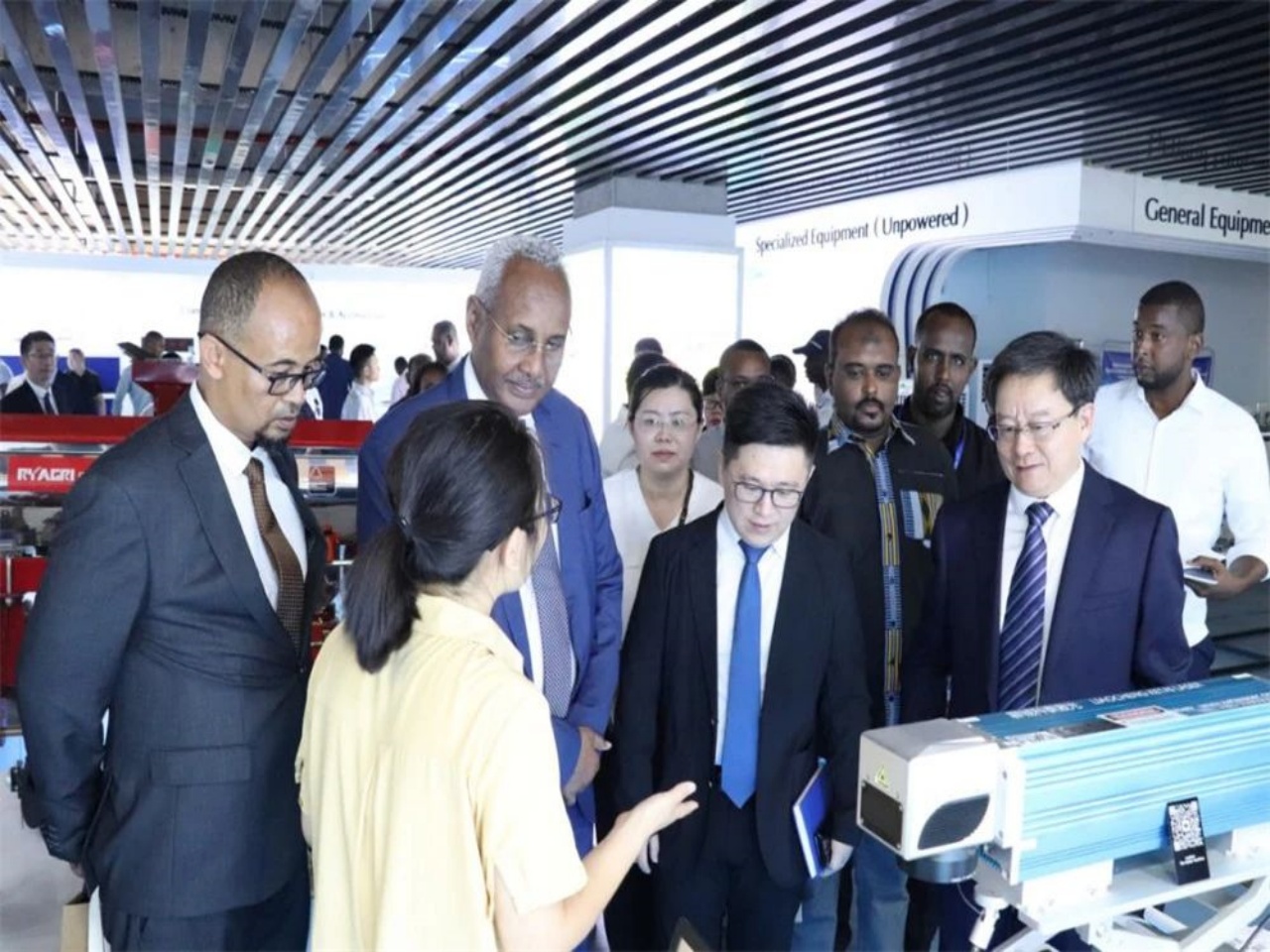
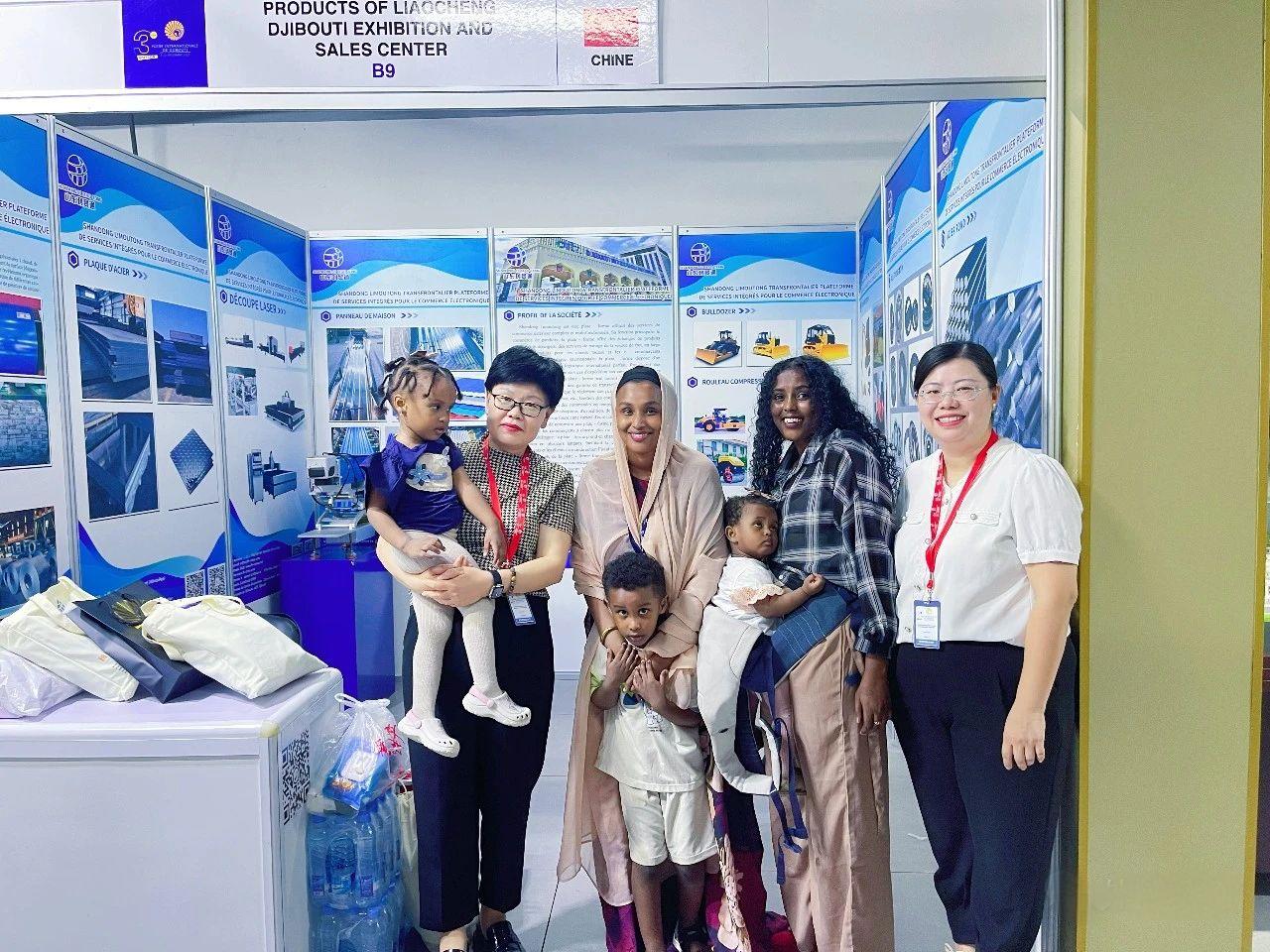
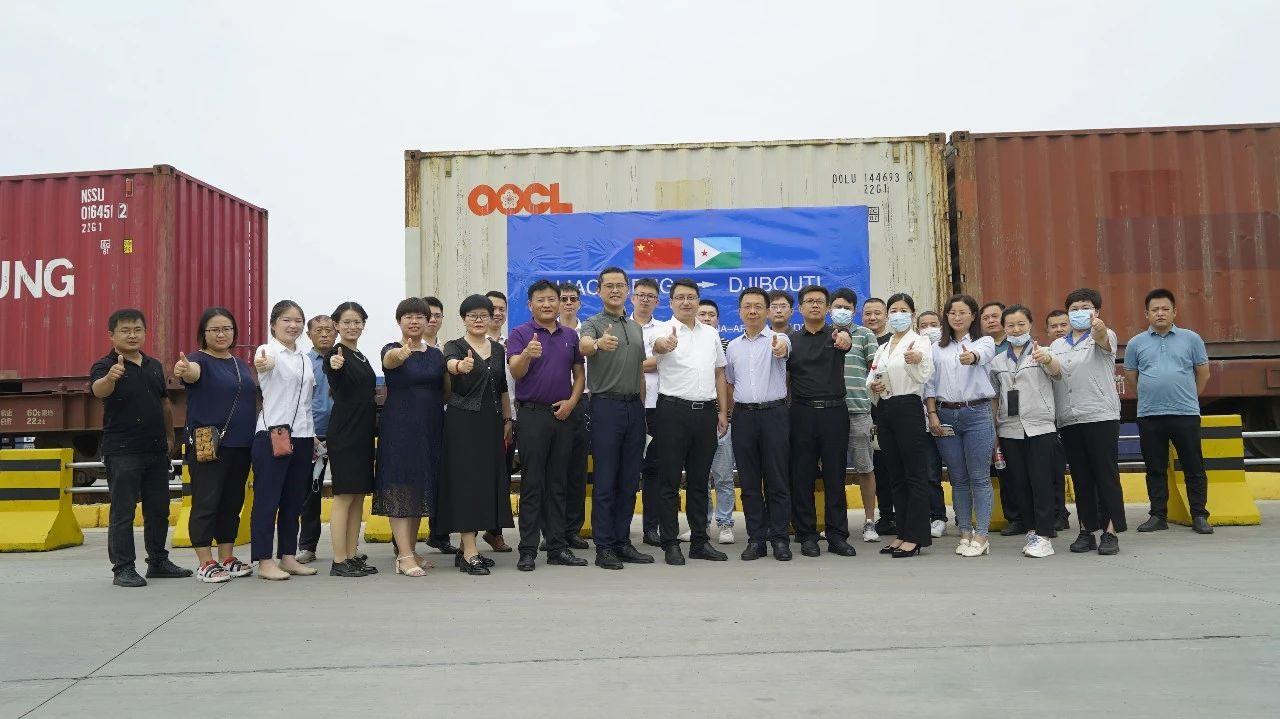
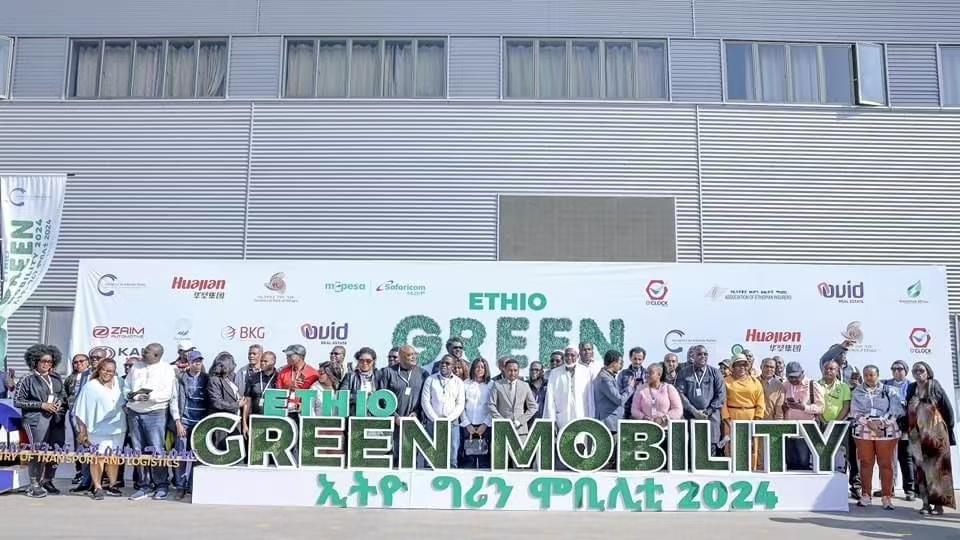
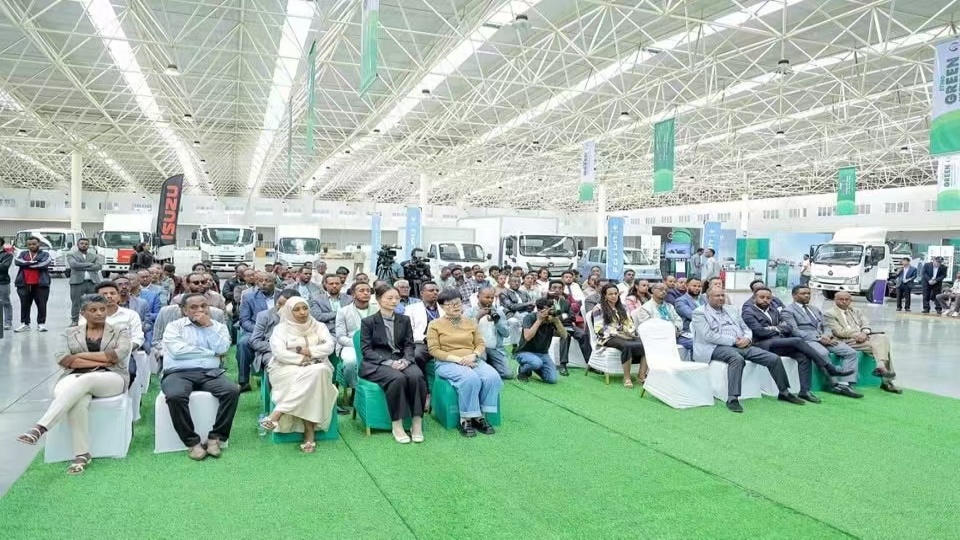
A visual overview of our manufacturing facilities, global exhibition presence, and direct factory inspections by international clients.
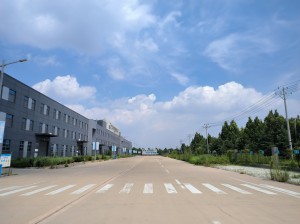
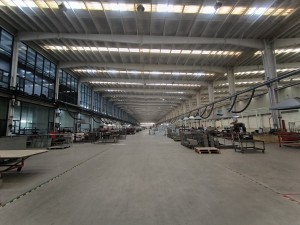
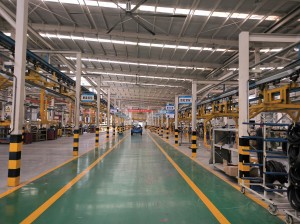
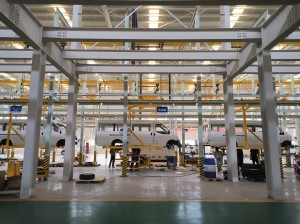
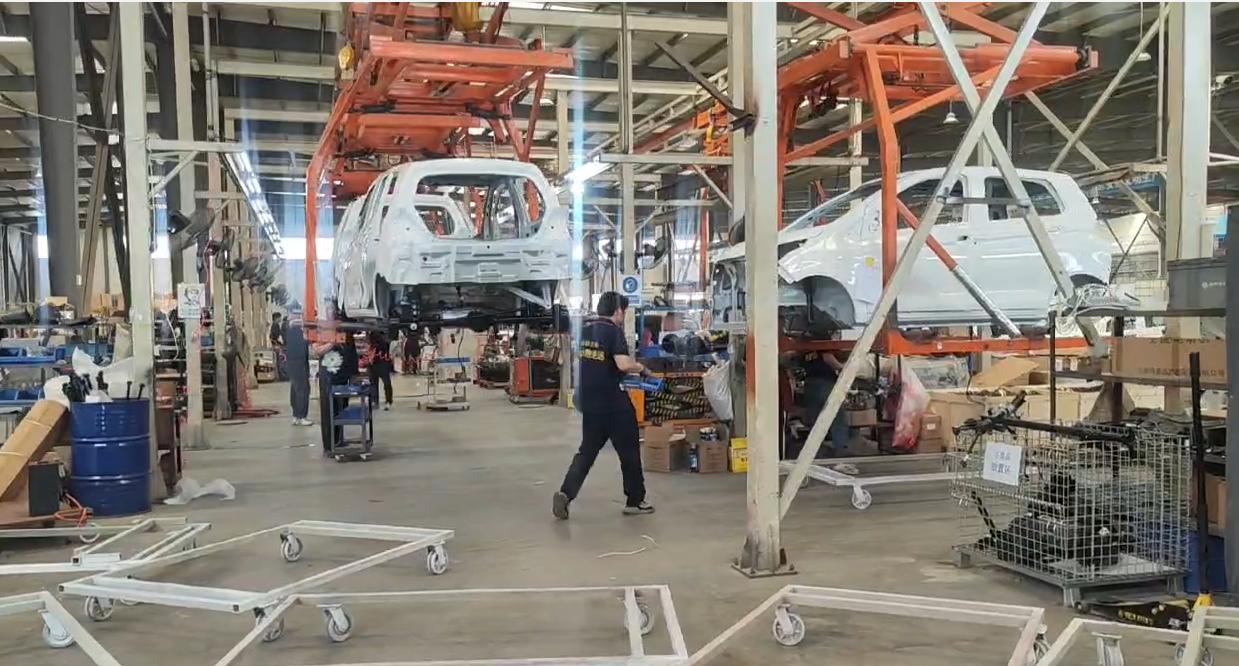
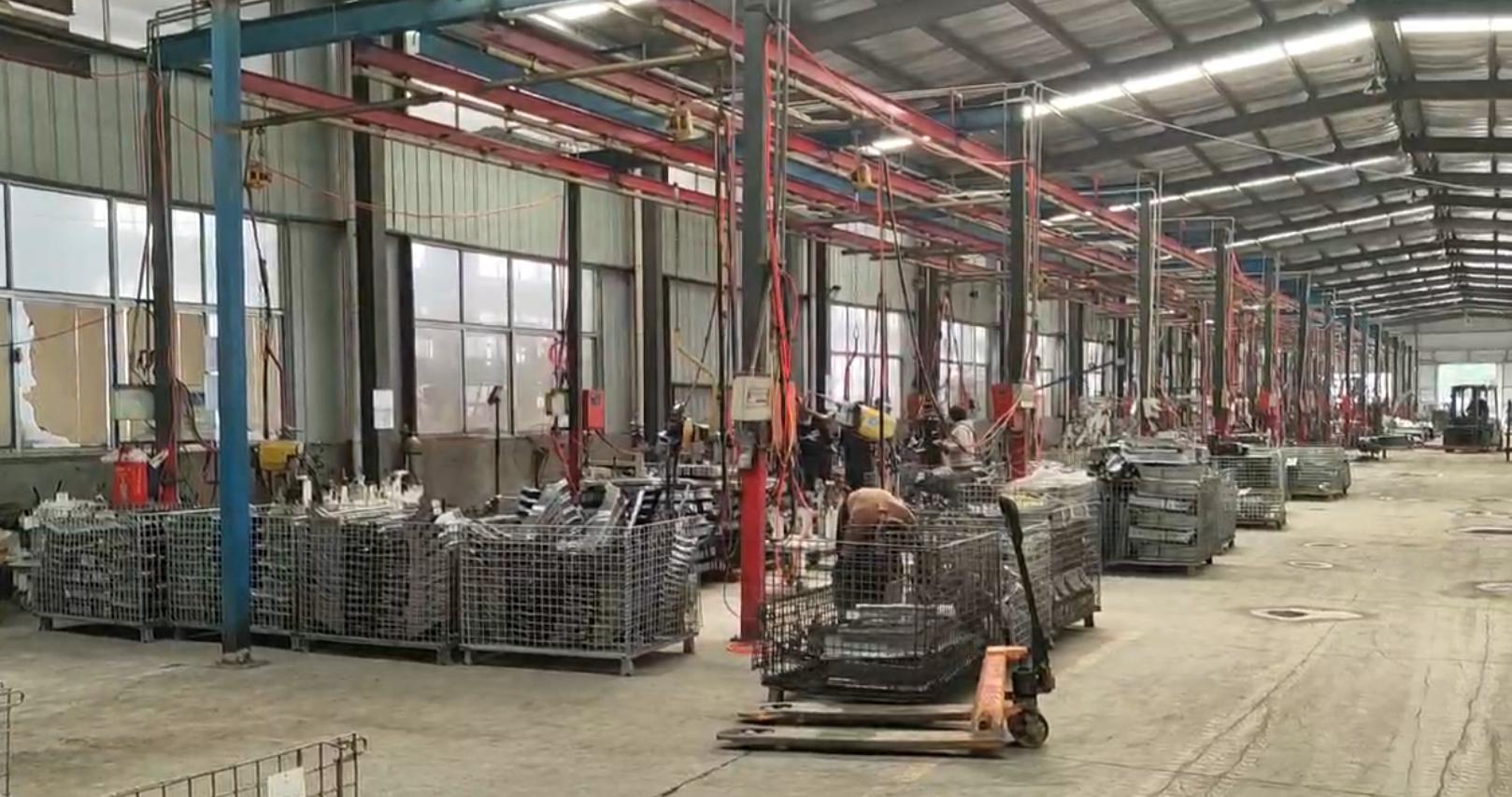
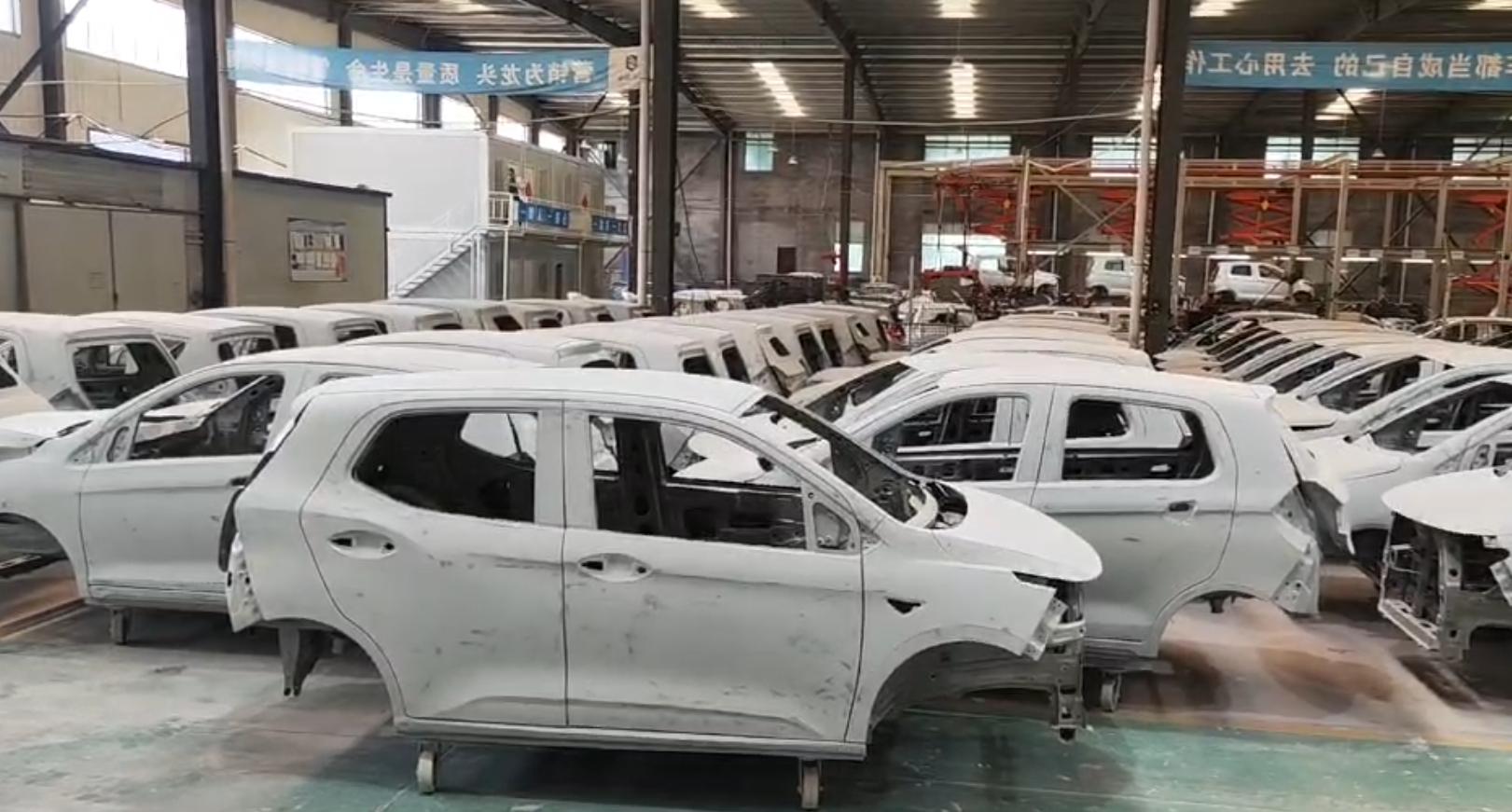
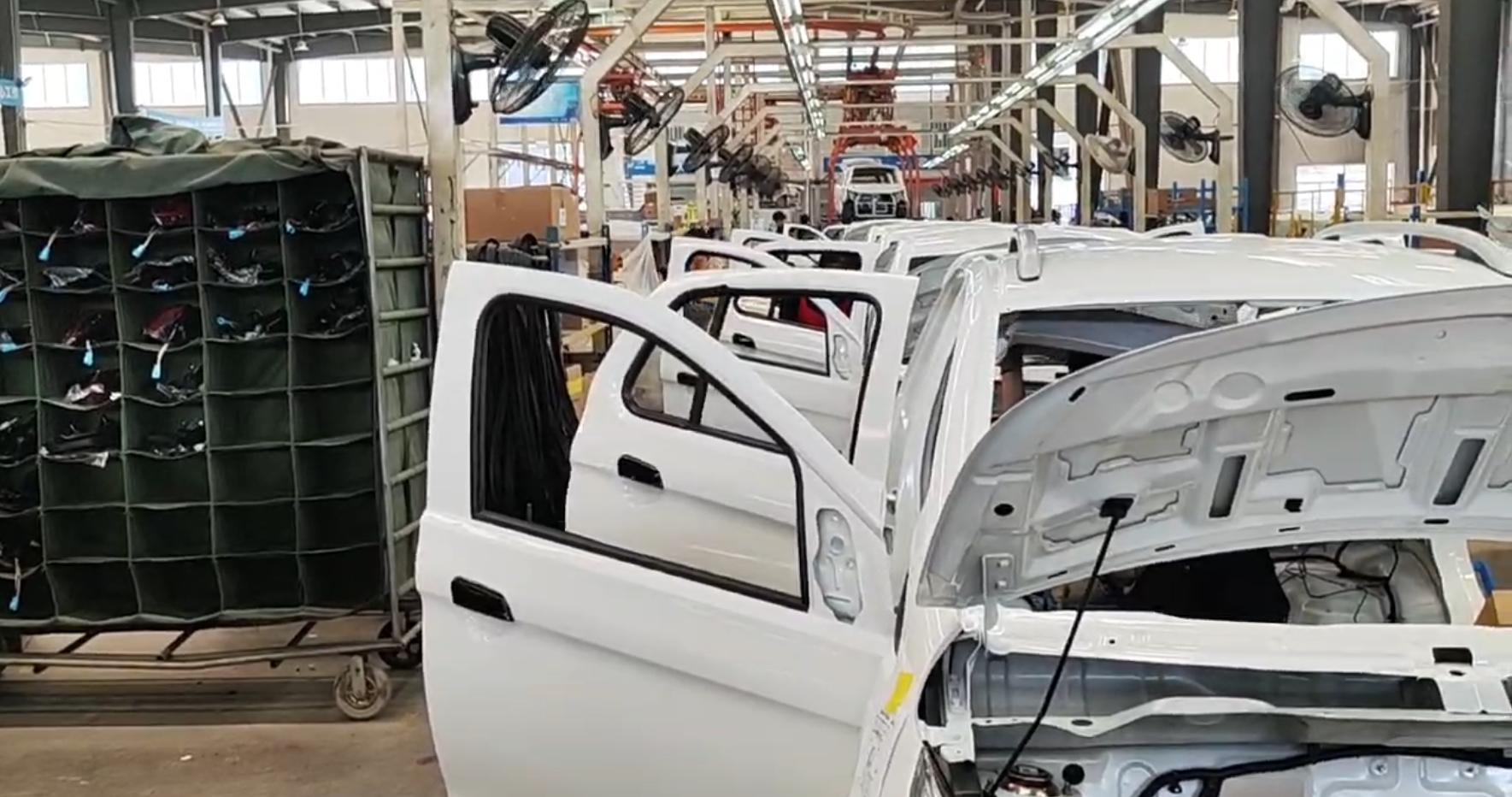
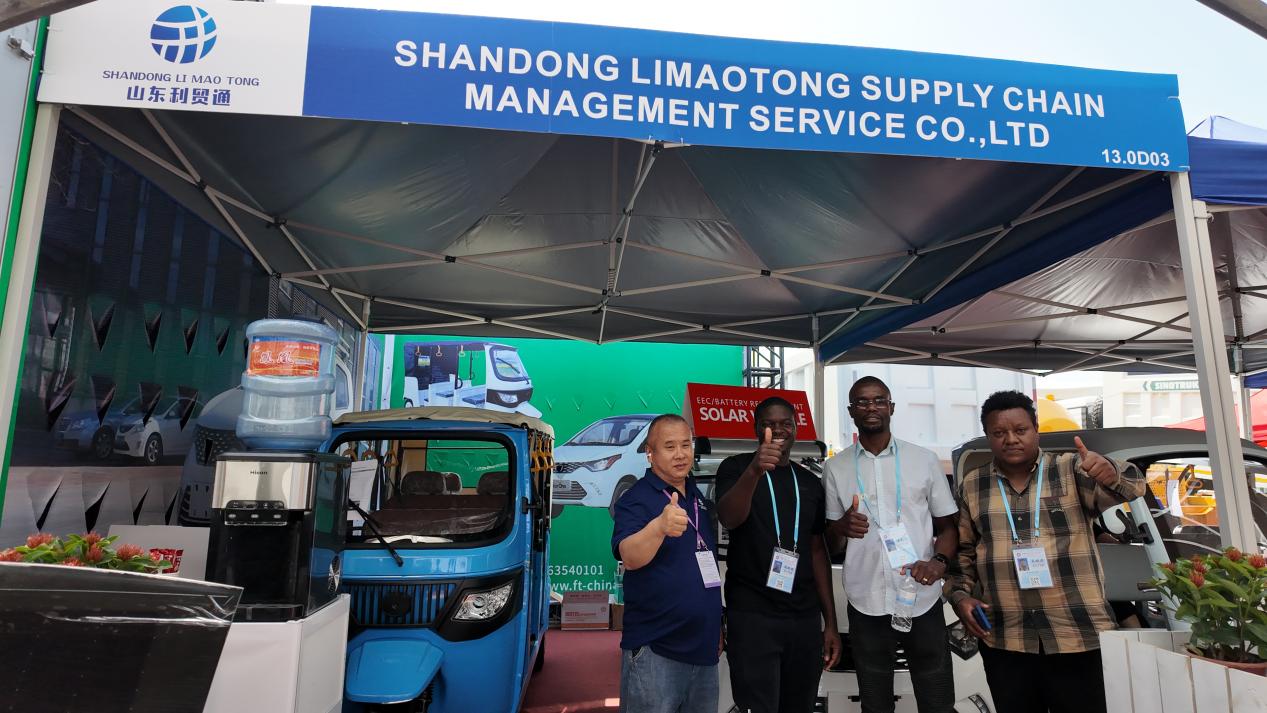
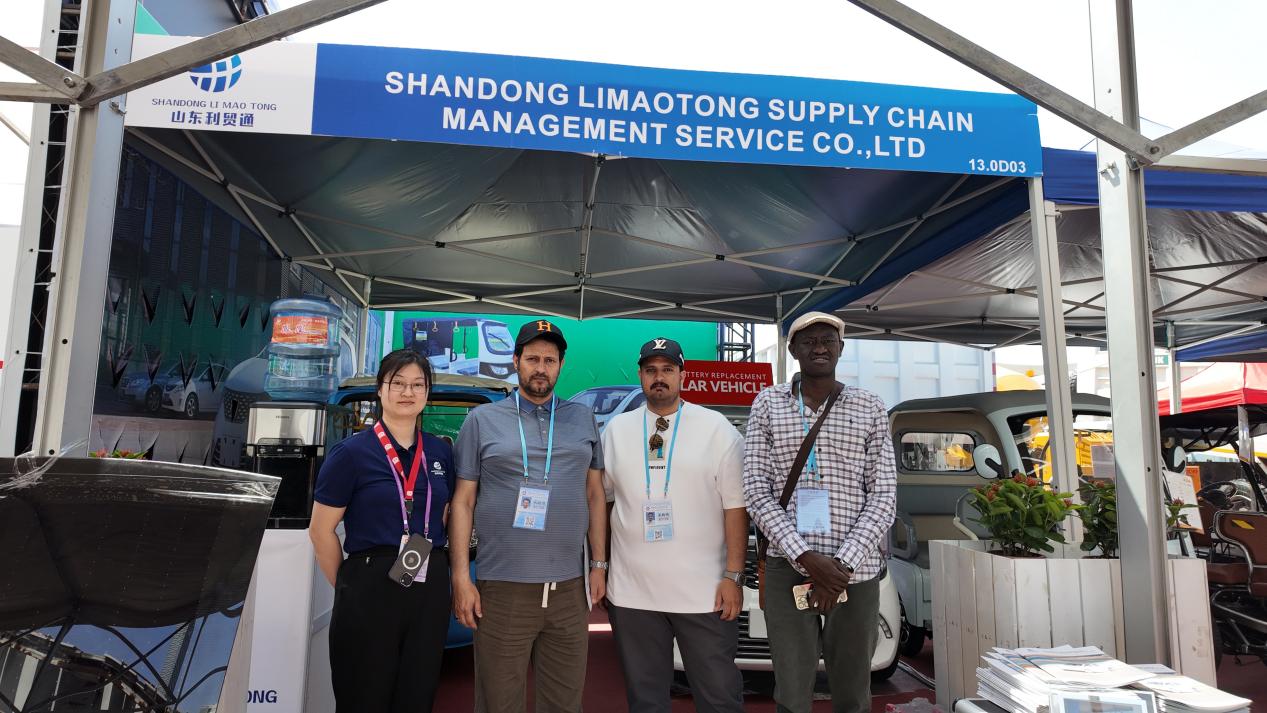
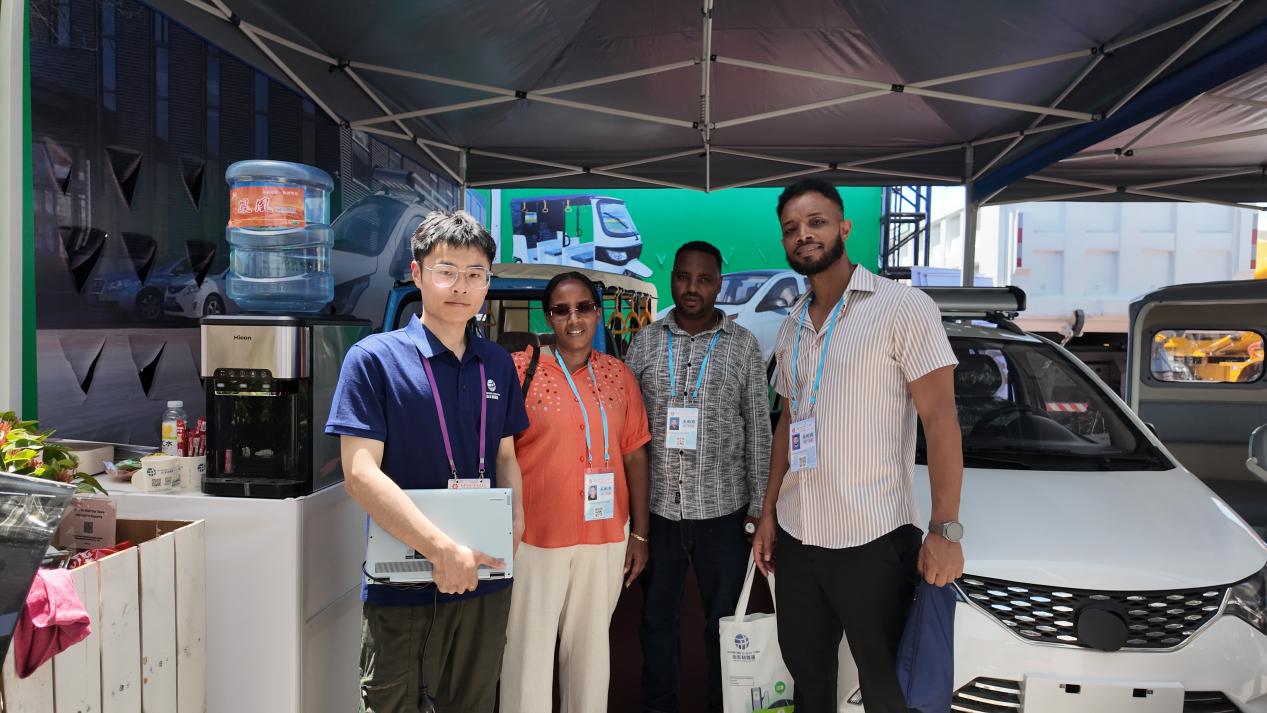
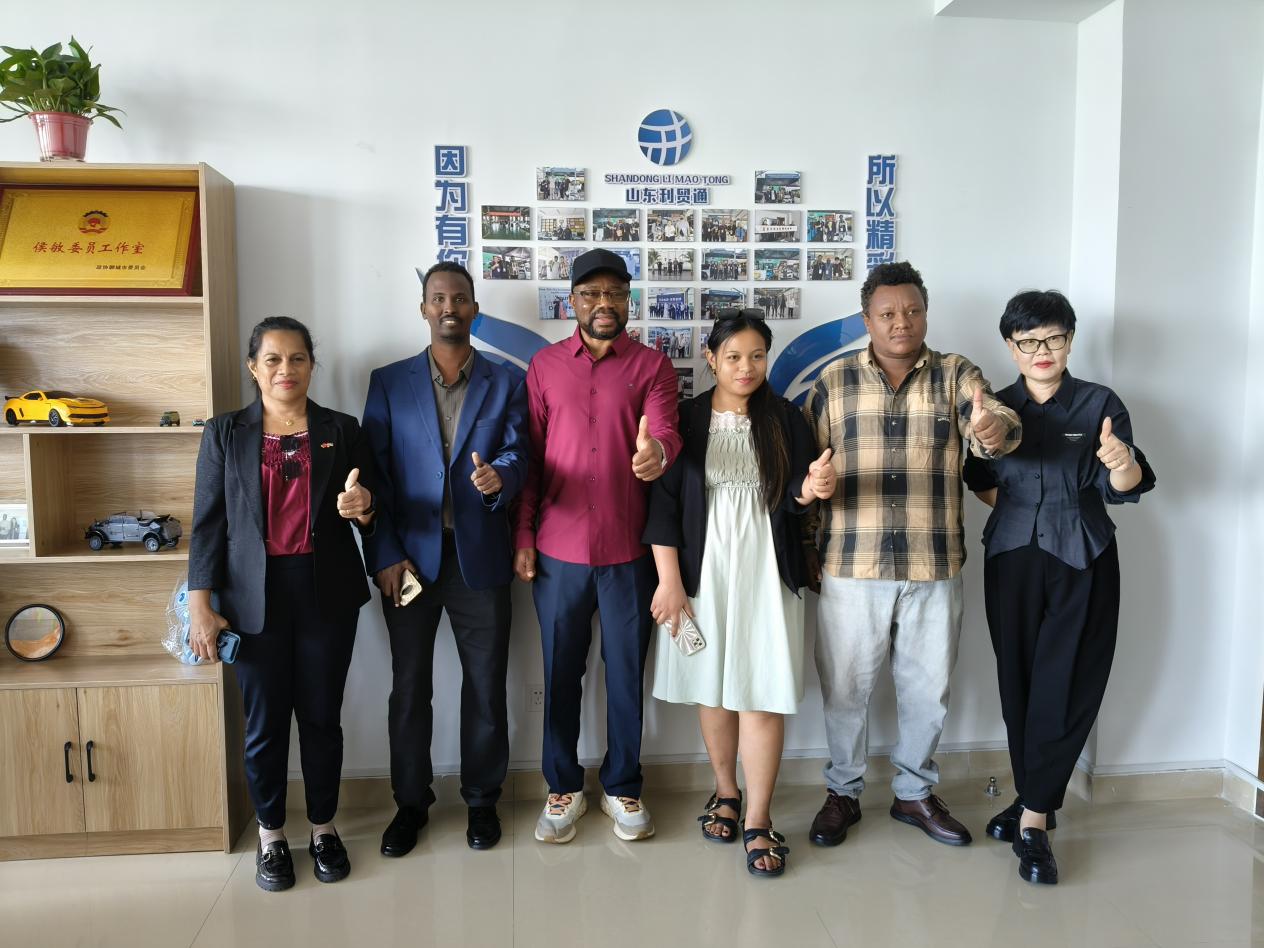
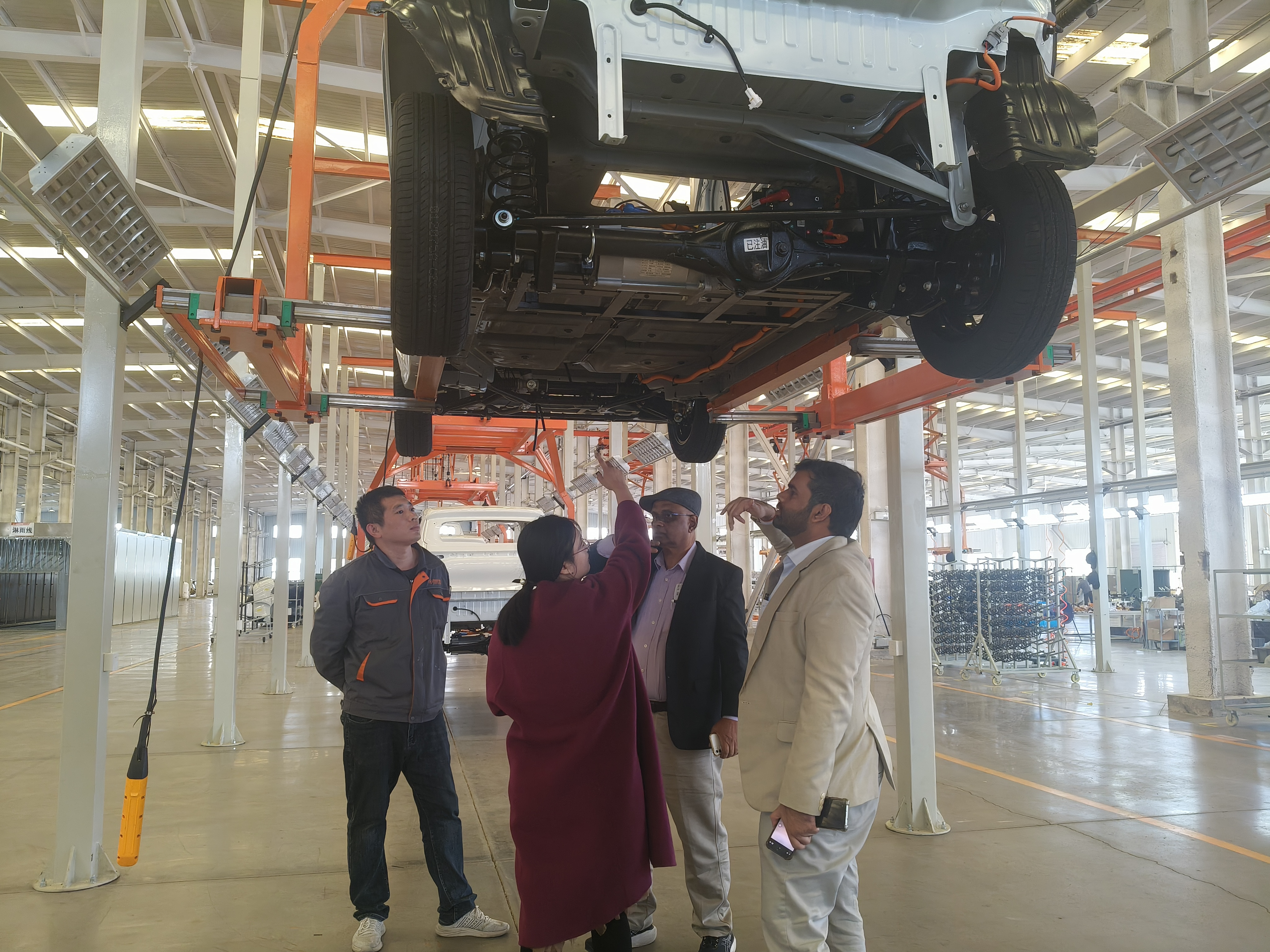
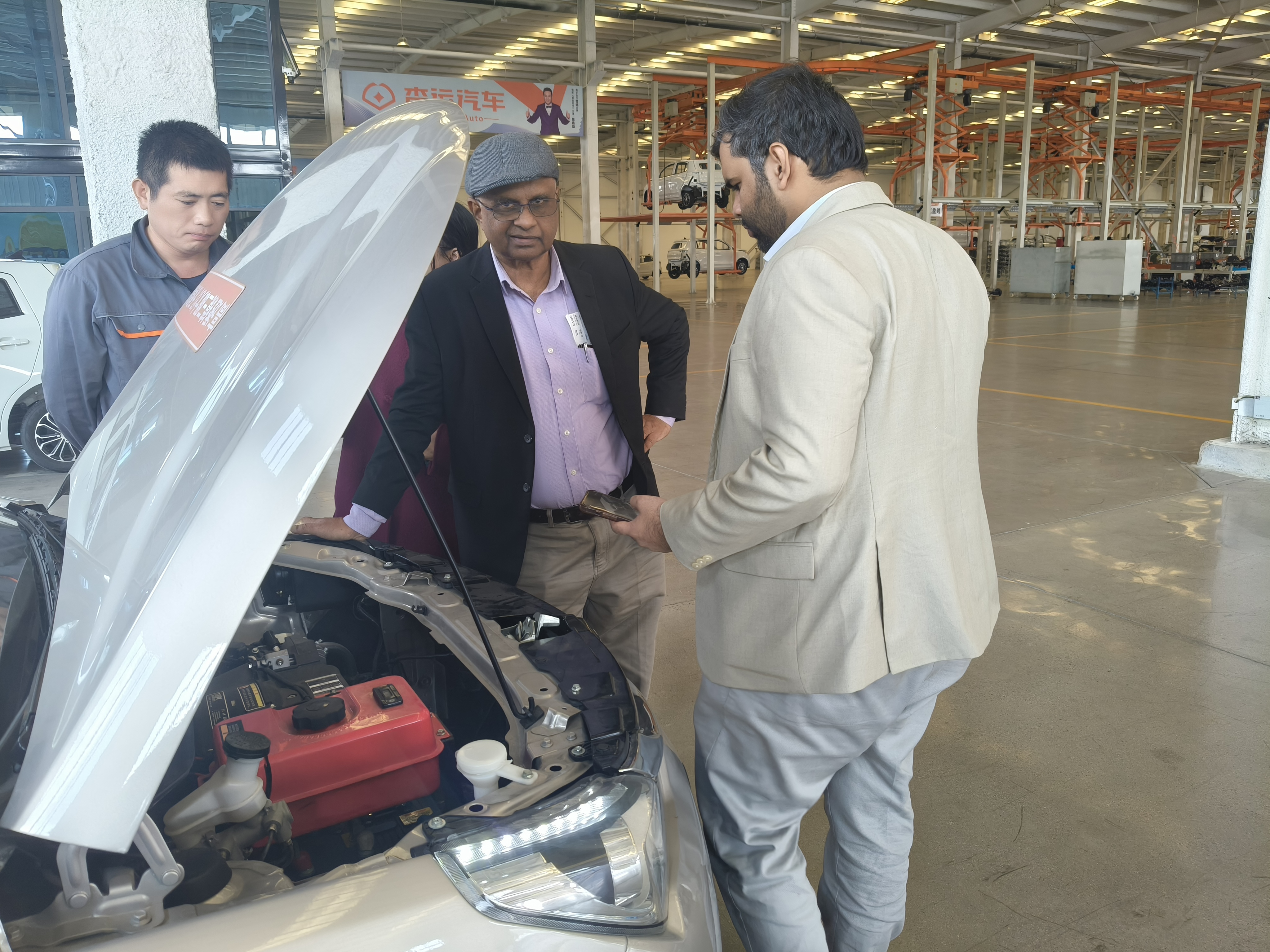
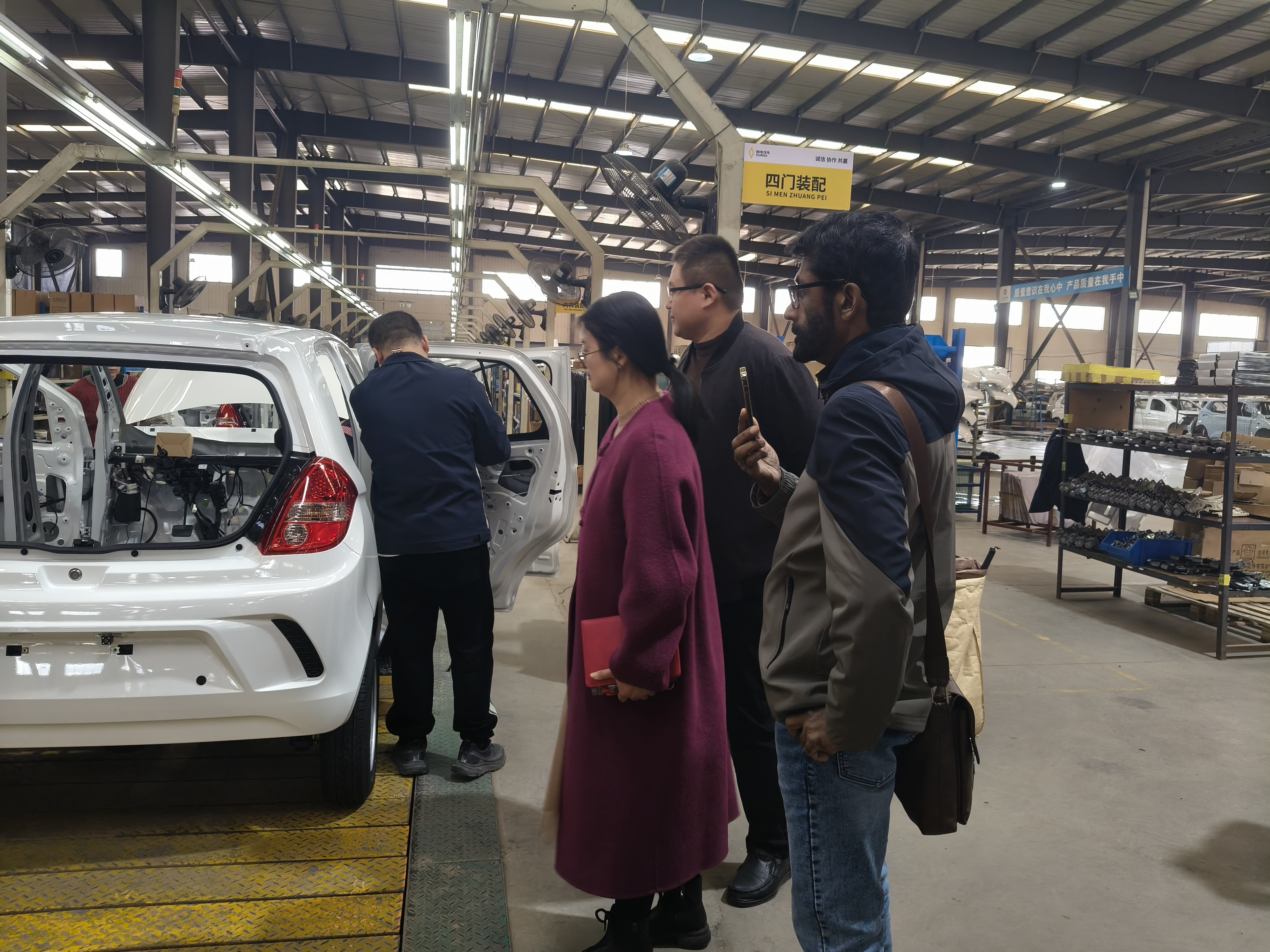
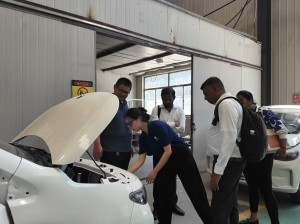

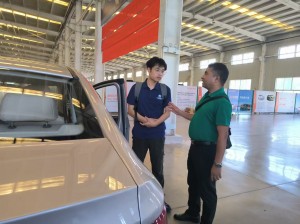
Managing a global micro-mobility fleet requires a reliable, end-to-end supply chain. Our raw materials are sourced directly from domestic steel production centers, and specialized motor manufacturers are located close to our assembly lines. This local integration minimizes logistics bottlenecks, shortens production lead times, and helps control manufacturing costs.
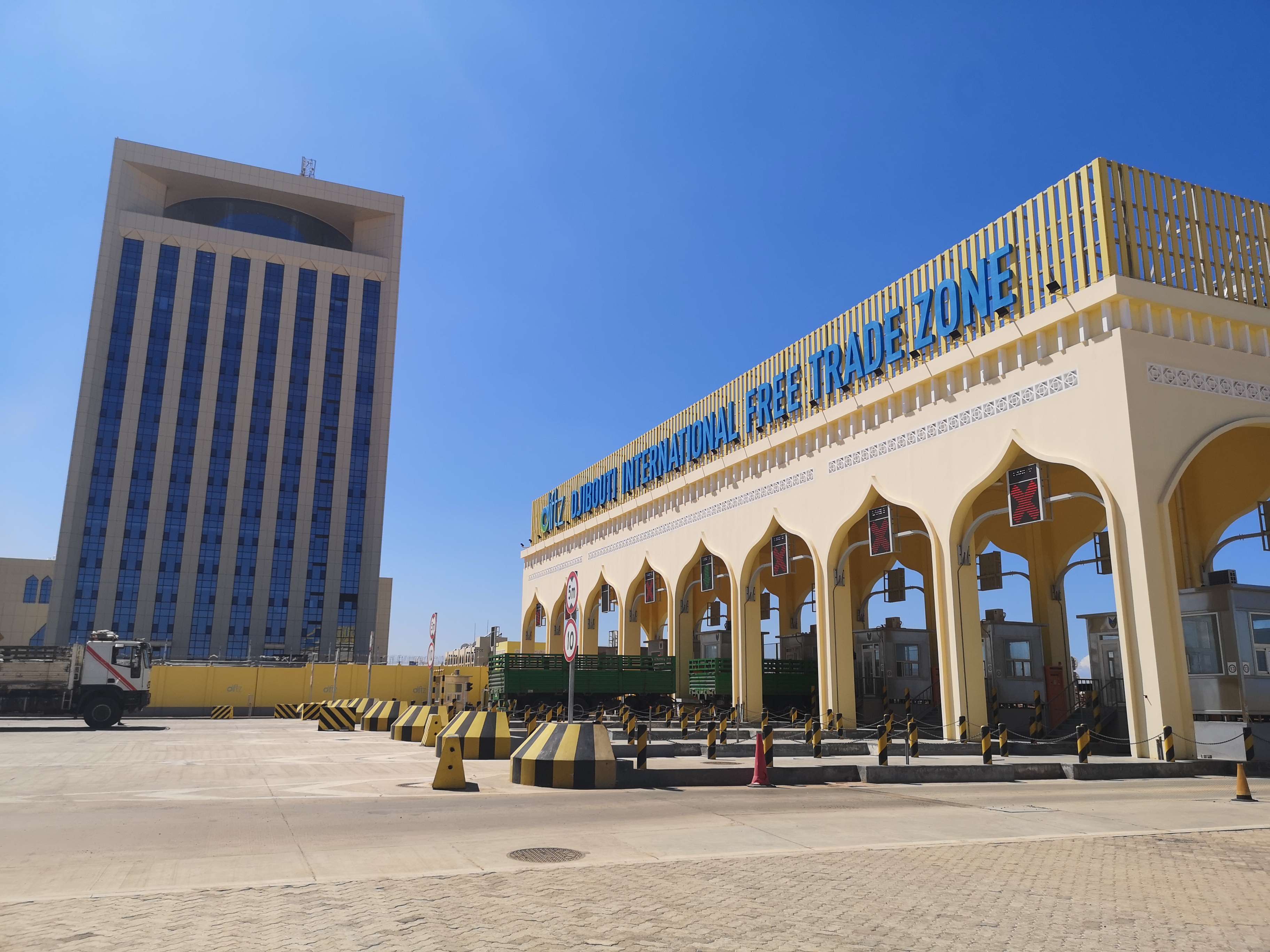
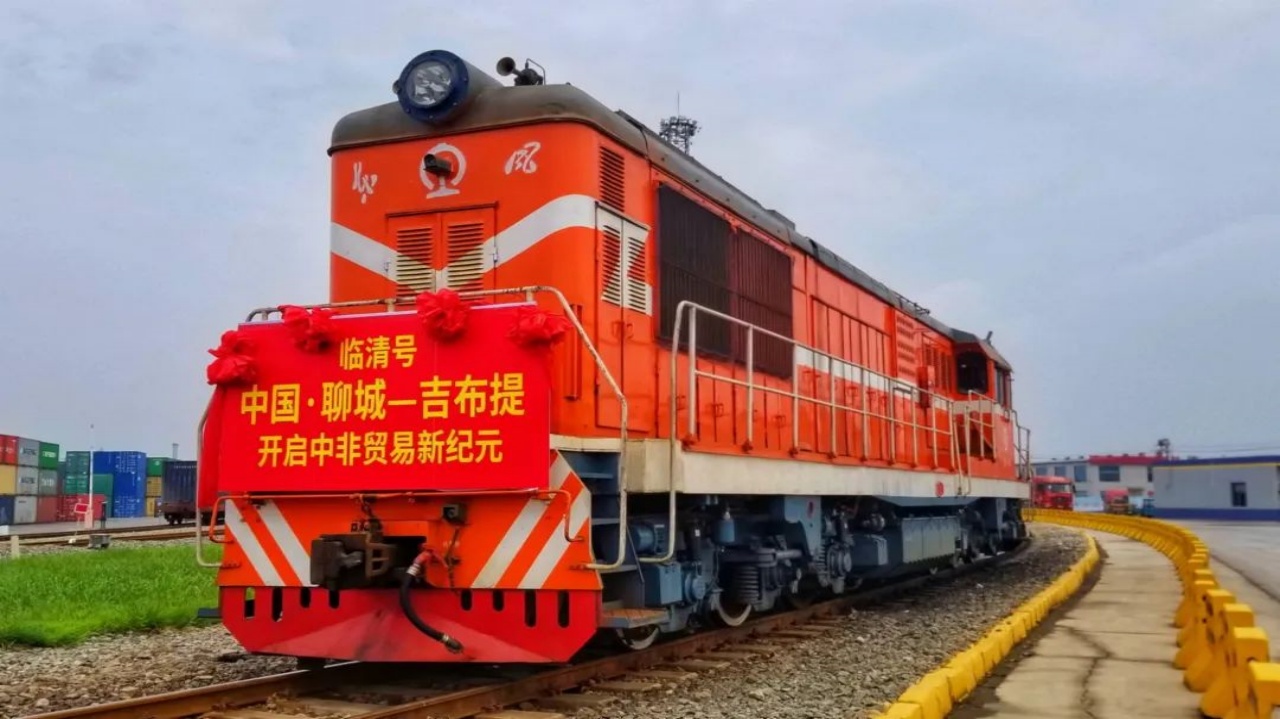
Djibouti (Overseas Warehouse) Cross-border E-commerce Exhibition and Sales Center: Established in 2023 and located in the Djibouti International Free Trade Zone in East Africa. Supported by Djibouti Economic and Trade Co., Ltd., it offers a comprehensive service platform providing sales, customs clearance, administration, and public services. Using a "cross-border trade + front-end warehouse" model with a local sales, customer service, and logistics team, we support the distribution of Chinese intelligent manufacturing throughout Africa.
By positioning replacement parts, battery modules, and complete CKD (Completely Knocked Down) kits in Djibouti, we can ship orders to neighboring African markets within 48 to 72 hours, bypassing long maritime transit delays from East Asia.
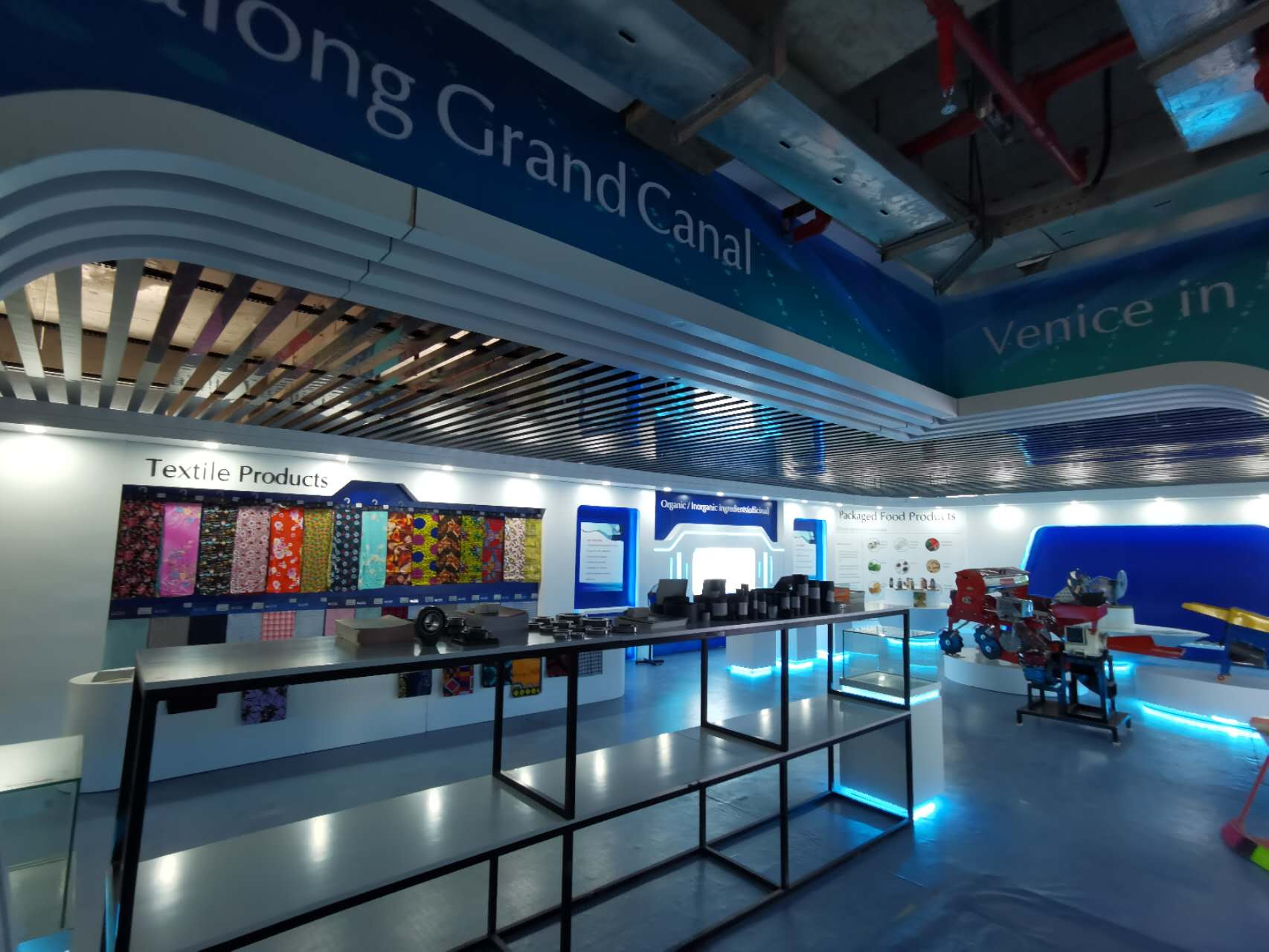
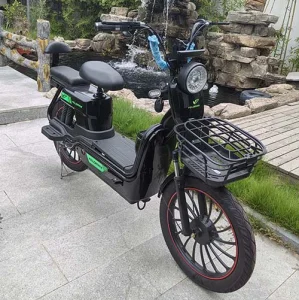
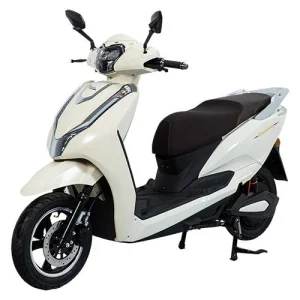
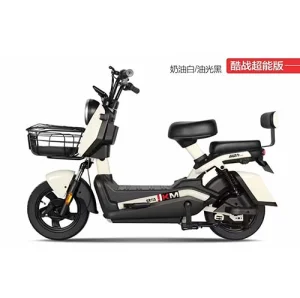
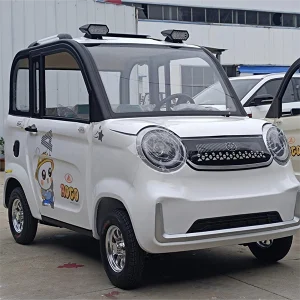
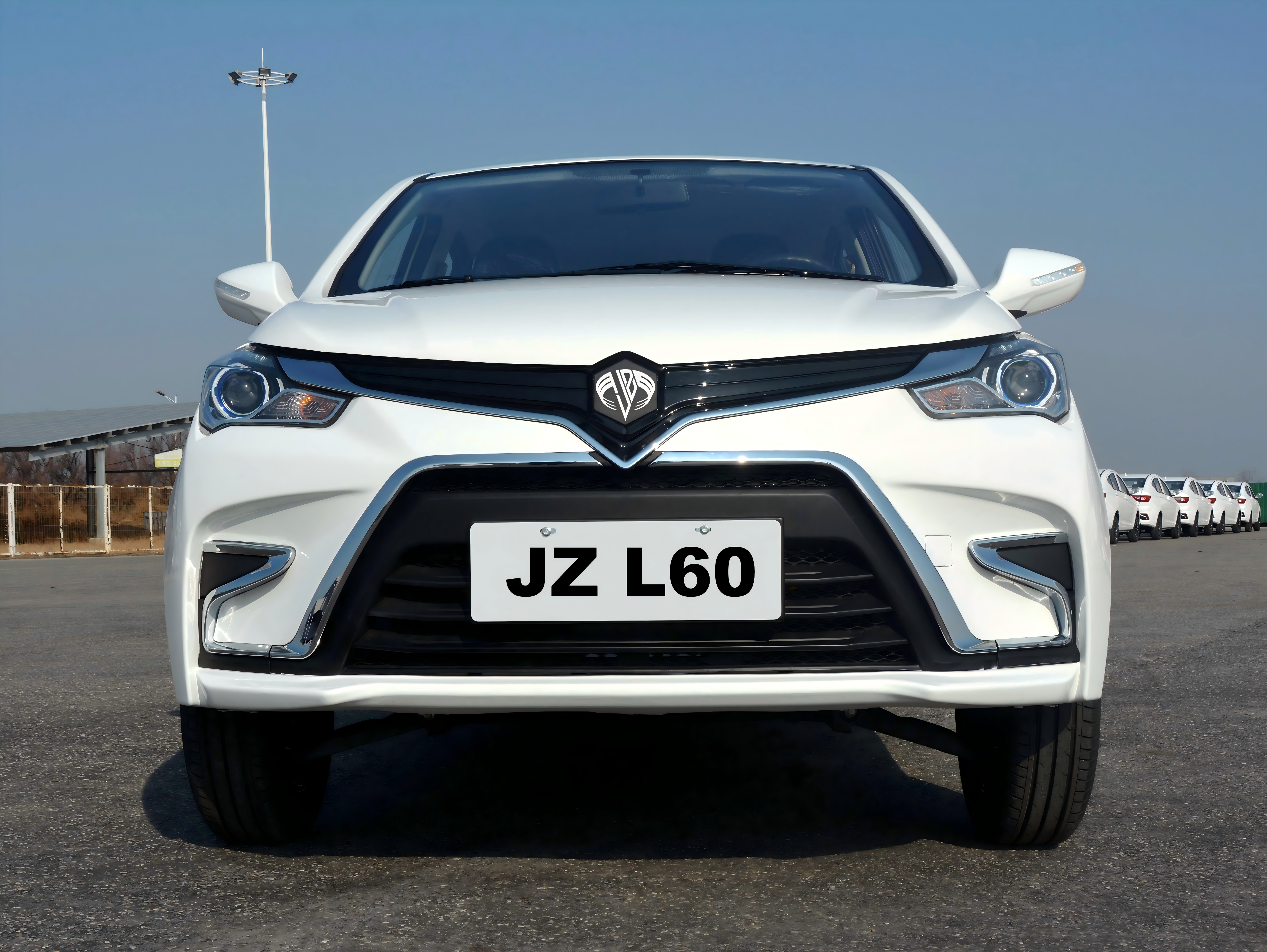
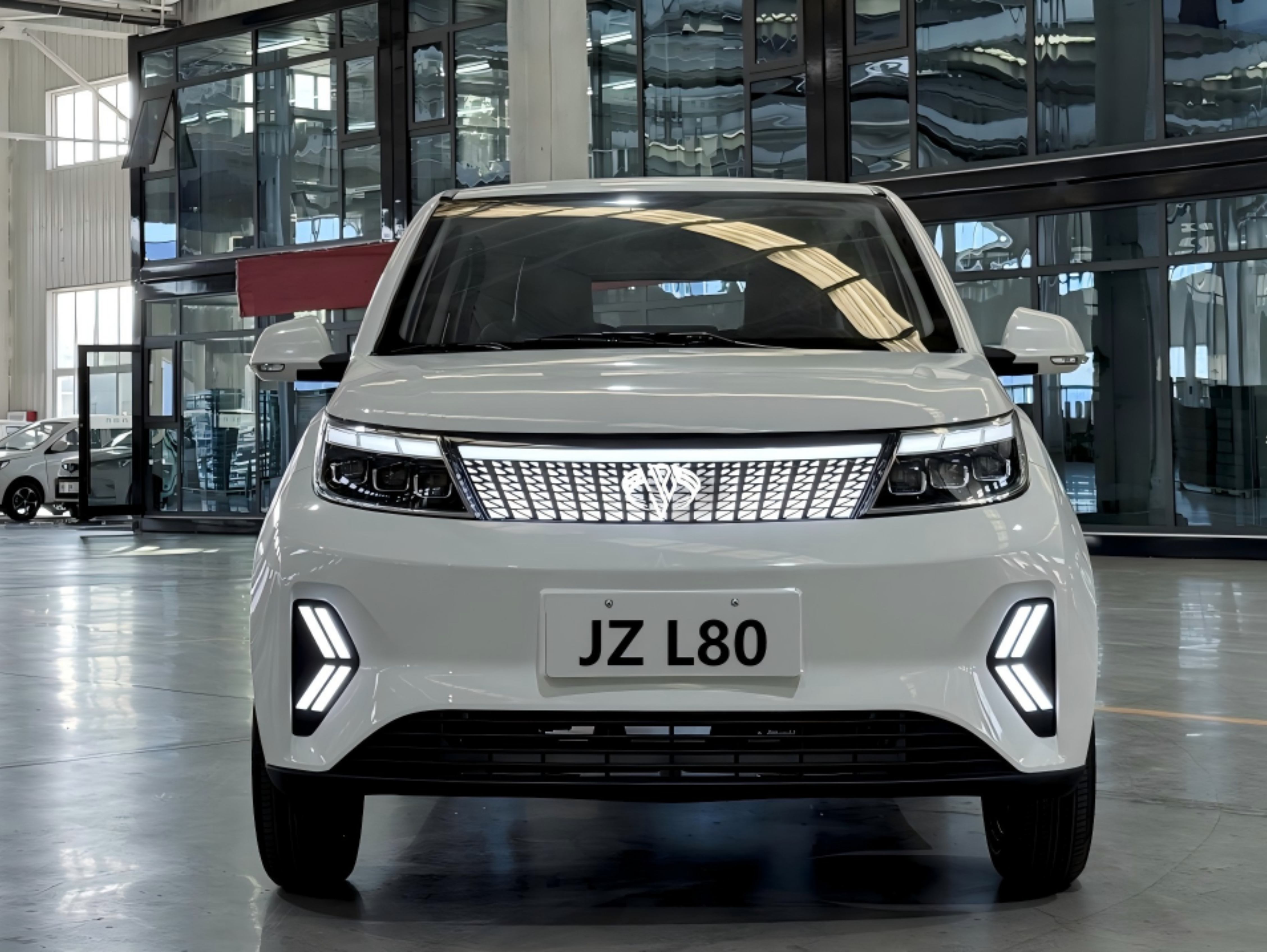
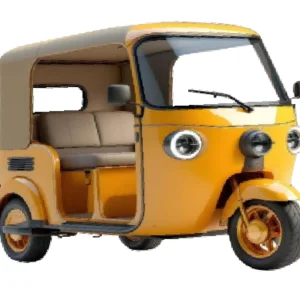
An overview of our standard production configurations, customized vehicles, and alternative configurations for various export markets.
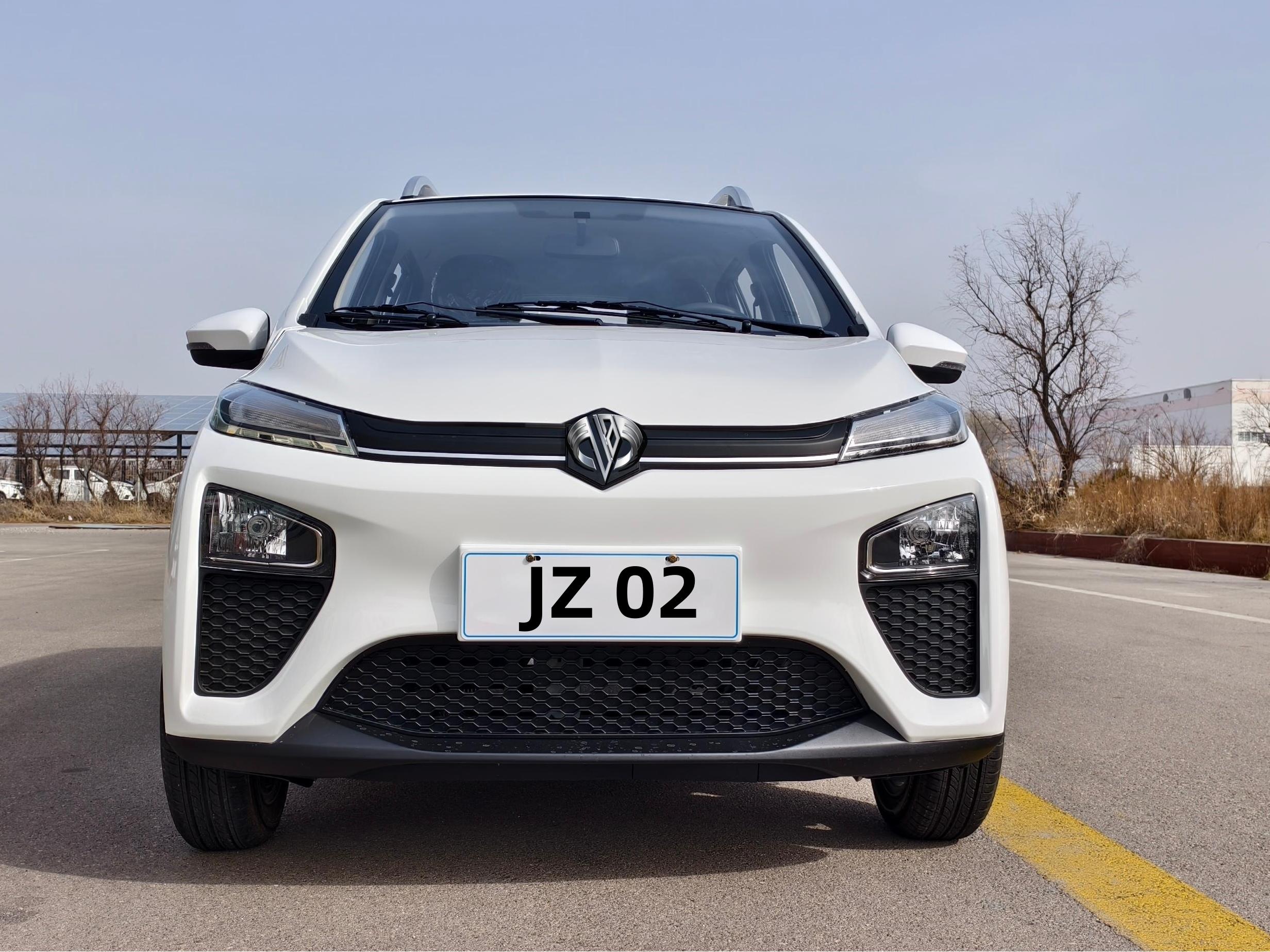
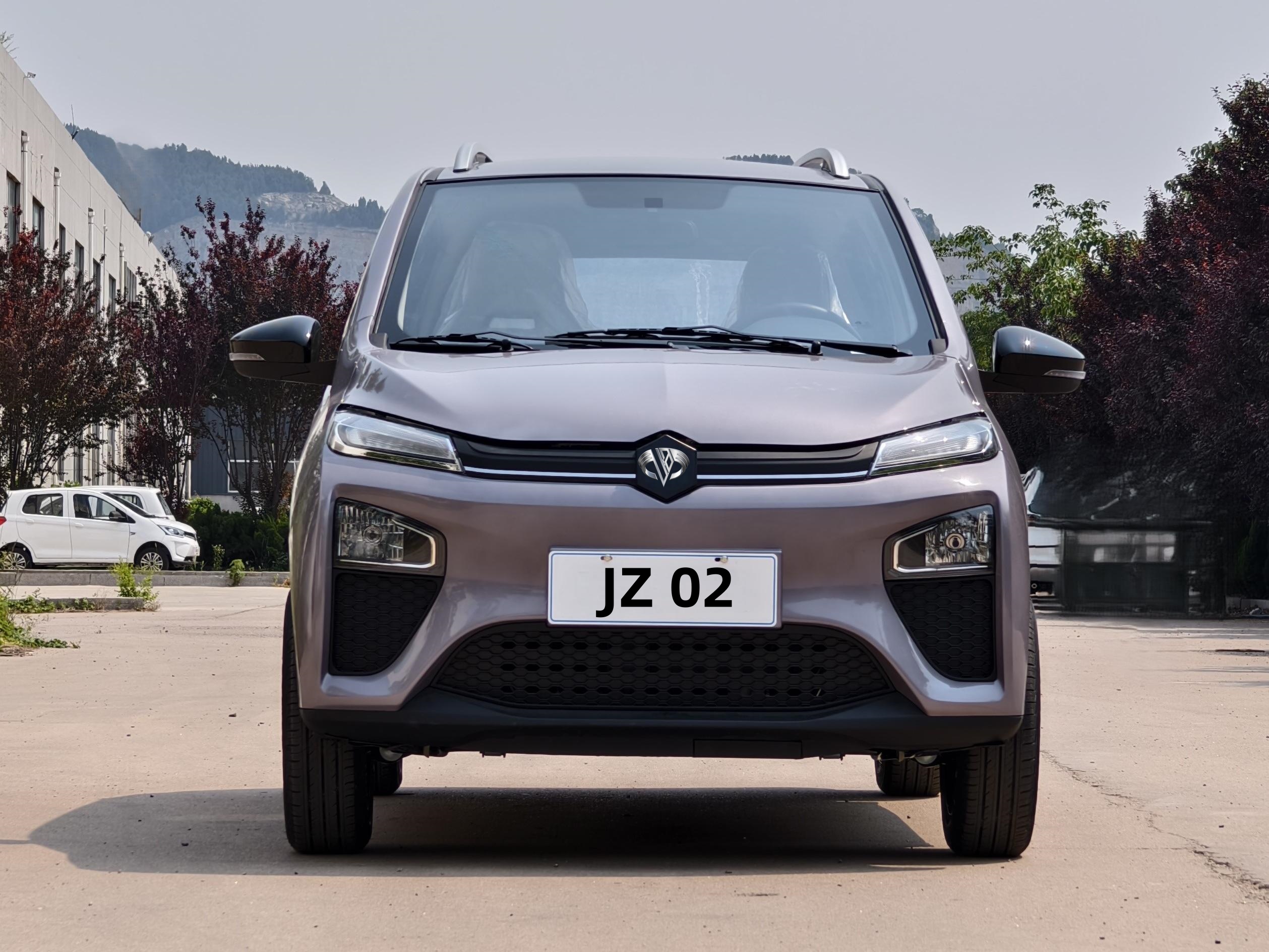
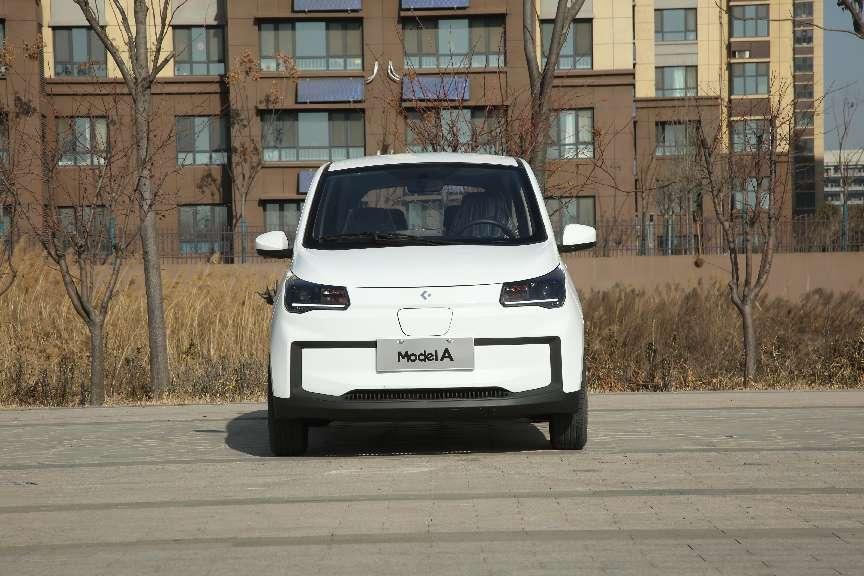
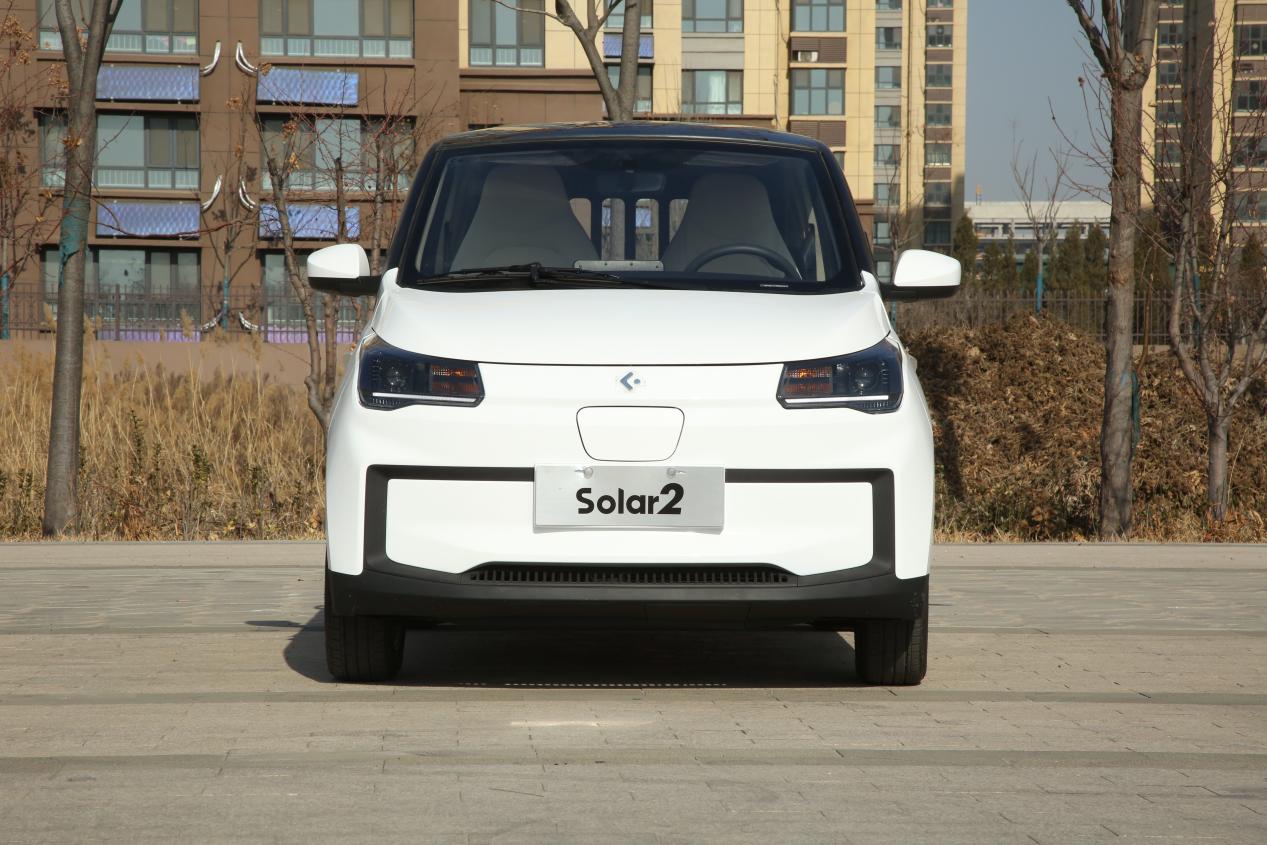
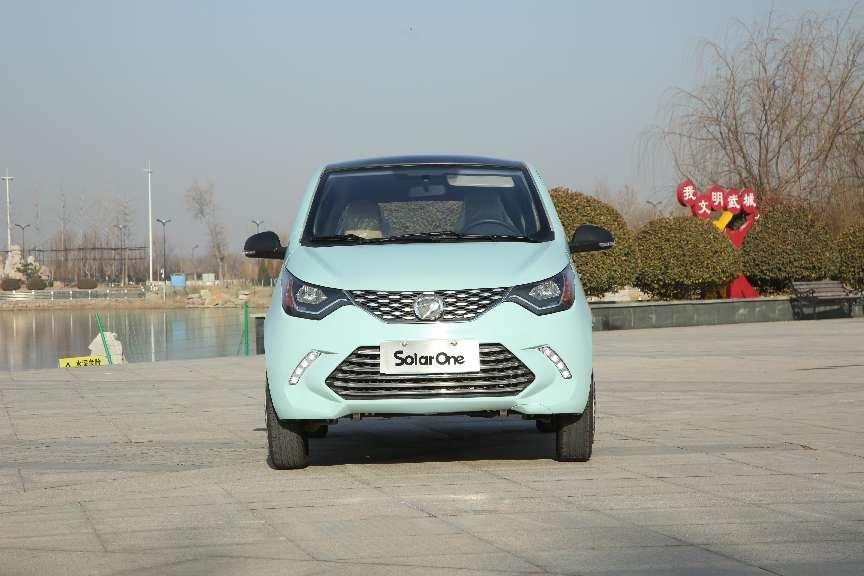
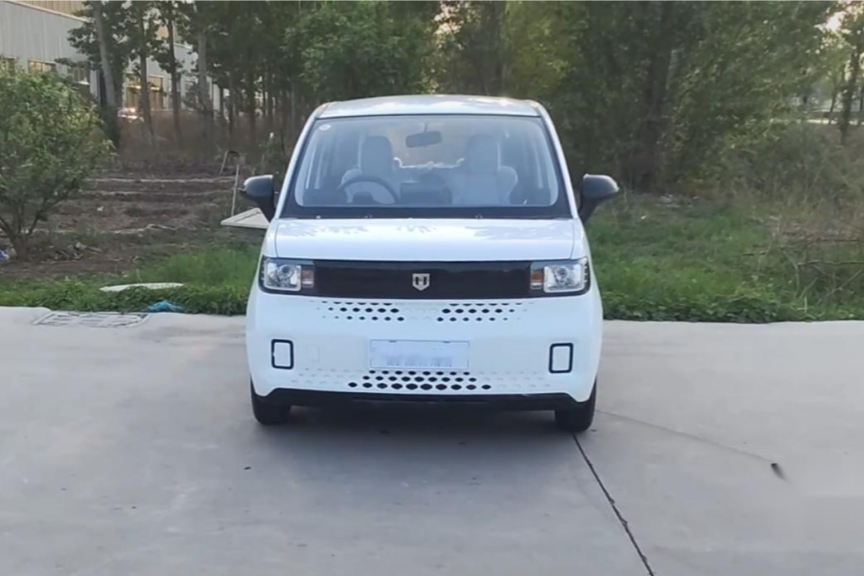


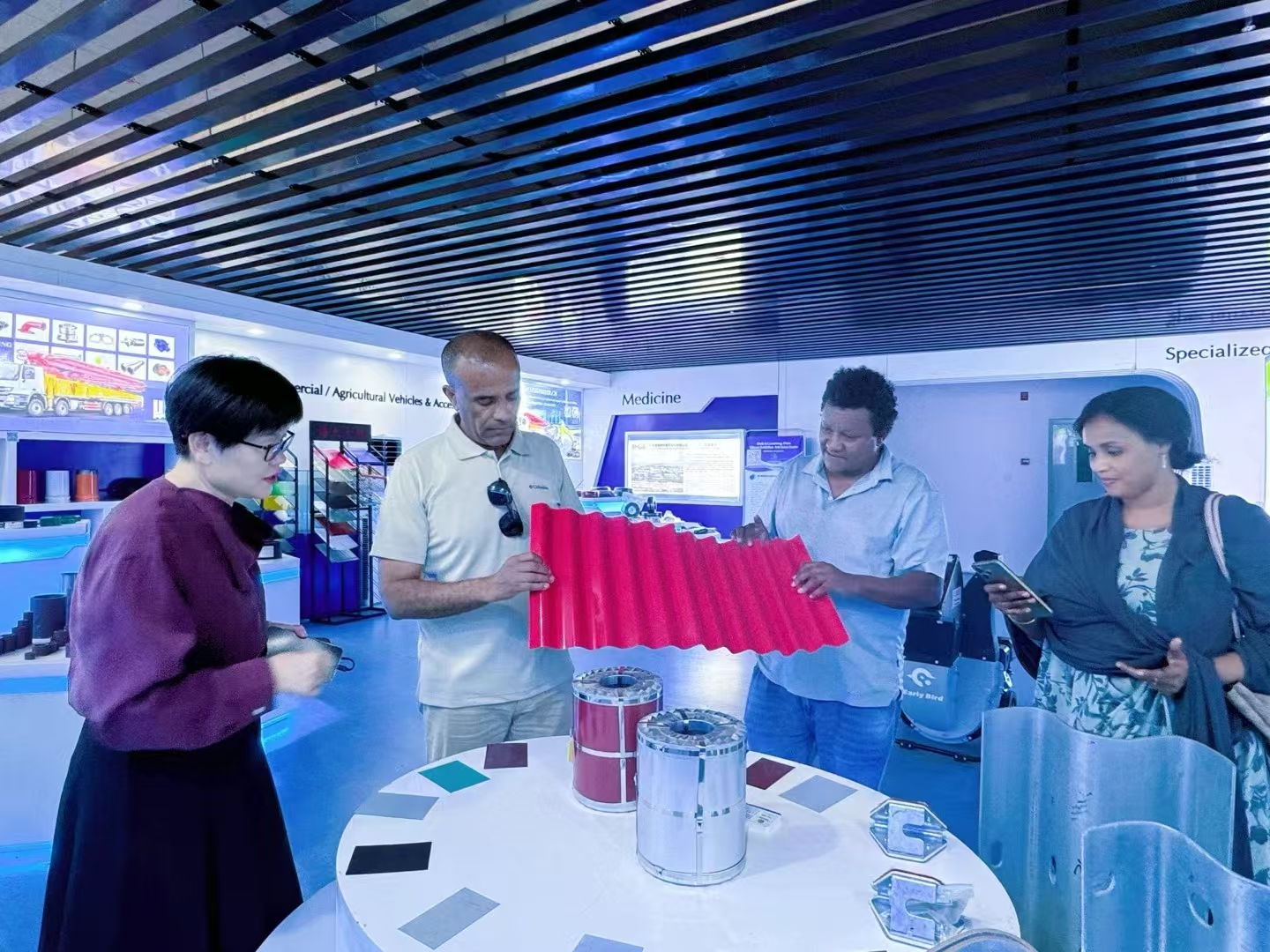
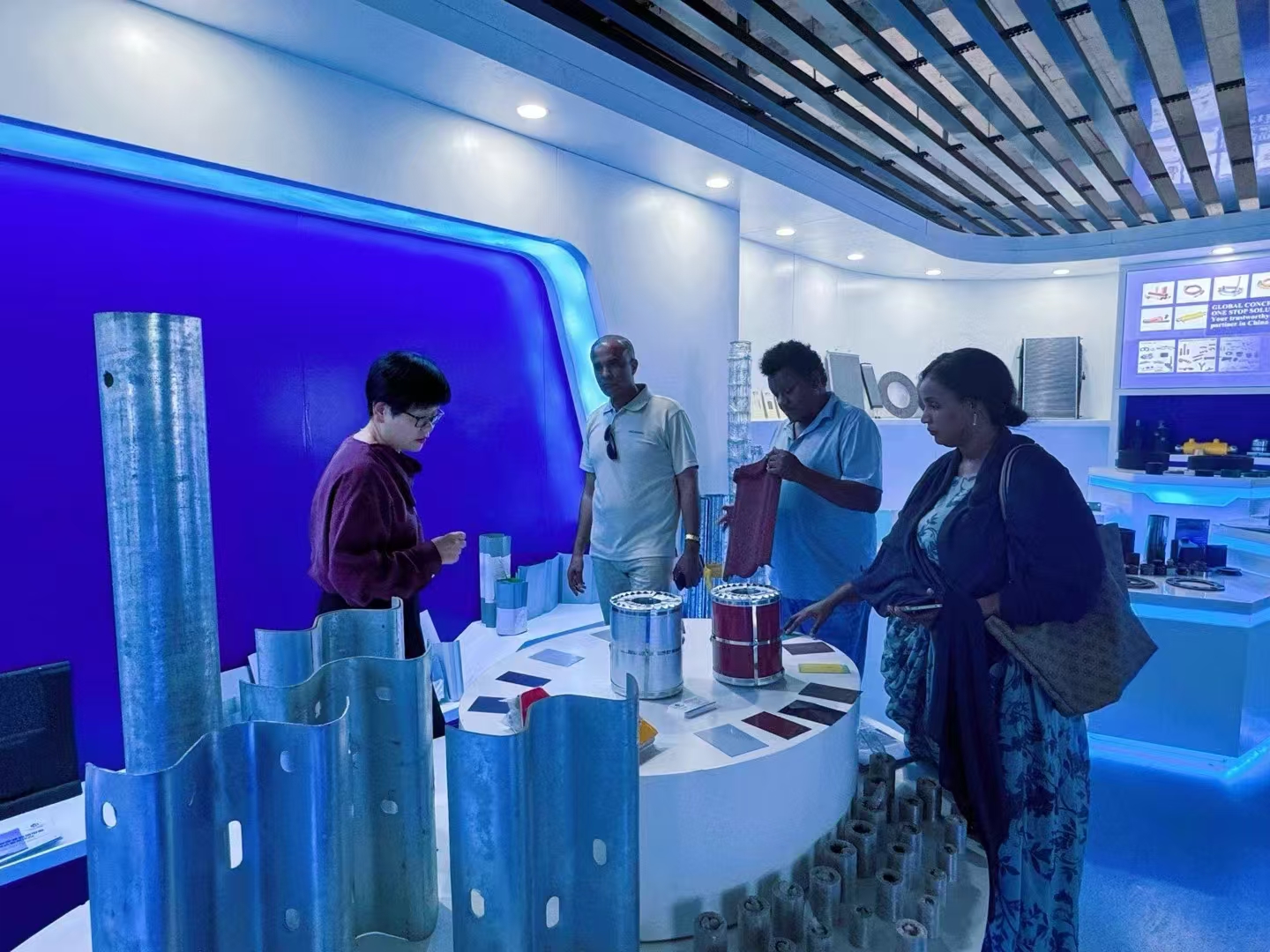
Importing light electric vehicles requires navigating complex regional compliance standards. To assist global fleet operators and distributors, we align our product designs with international certification pathways:
Our vehicles are designed to align with EU L5e light three-wheeler classification regulations. These models include three-way braking systems, integrated side-impact bumpers, functional safety glass windshields, and EEC-compliant lighting. For the North American market, our configurations support low-speed vehicle (LSV) operation rules and DOT specifications.
To assist partners in markets with high import tariffs on fully assembled vehicles, we supply Completely Knocked Down (CKD) or Semi-Knocked Down (SKD) kits. We provide detailed assembly manuals, video guides, and technical training to help set up local assembly lines, reducing customs costs and supporting local manufacturing.
Technical answers to common questions about purchasing, importing, and maintaining our electric Tuk Cars.
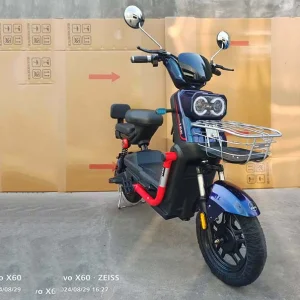
Explore our additional utility vehicles, heavy-duty cargo tricycles, and two-wheeled delivery models.
 Limaotong