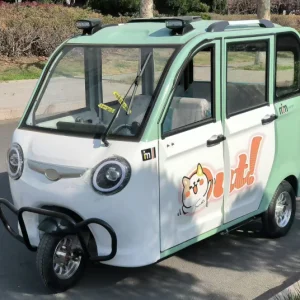
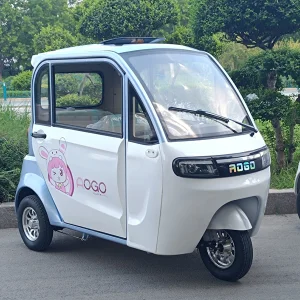
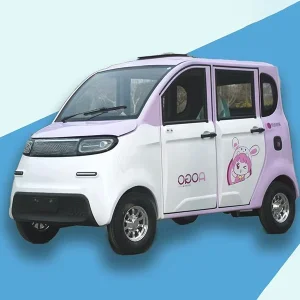
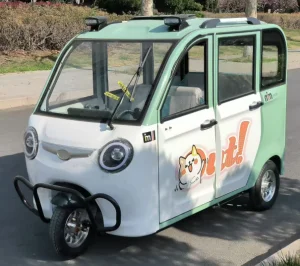
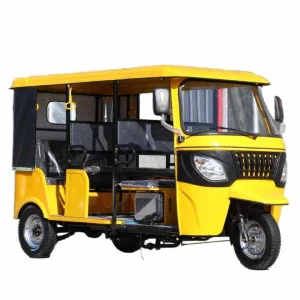
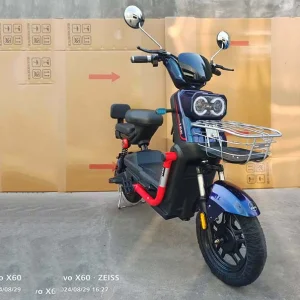
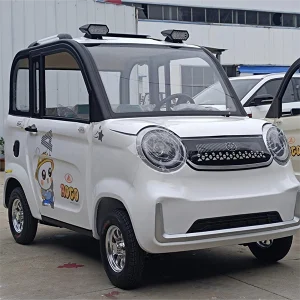
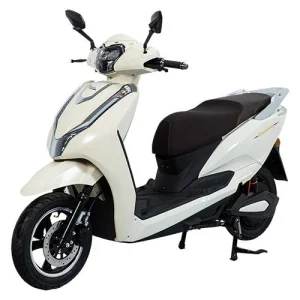
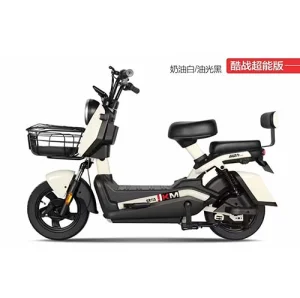
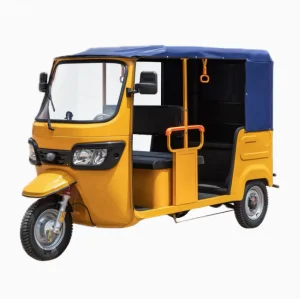
High-performance electric passenger trikes, logistics cargo vehicles, and customized new energy transportation assets.
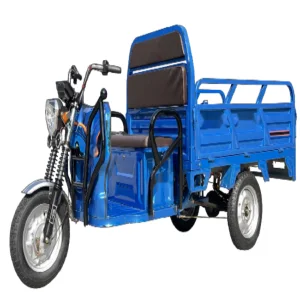
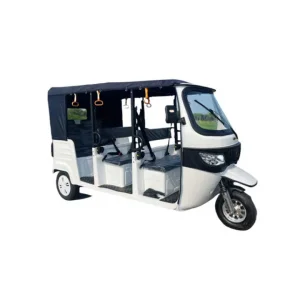
The global transportation sector is undergoing a structural transition toward decarbonization, micro-mobility, and optimized logistics footprints. In this macroeconomic shift, the three-wheel electric trike (e-trike) has emerged not merely as a transitional option, but as a core industrial solution. Integrating structural simplicity, zero tailpipe emissions, and superior cost-effectiveness, these vehicles bridge the critical operational gap between traditional two-wheeled two-wheelers and high-footprint, fossil-fueled four-wheel trucks.
Across Europe, Southeast Asia, East Africa, and Latin America, municipal regulatory frameworks are shifting rapidly. Ultra-Low Emission Zones (ULEZ) and stringent inner-city diesel bans are forcing commercial operators to redesign their last-mile supply lines. Electric three-wheelers provide the optimal cargo volume-to-footprint ratio, granting logistics networks the capacity to navigate dense urban corridors and narrow residential grids while maintaining substantial payloads (ranging from 300kg to over 1000kg).
From passenger taxi operations (Tuk Tuks) to cargo logistics, heavy-duty agricultural transports, and temperature-controlled cold chains, our vehicles offer customized drive profiles, structural configurations, and battery capacities to fit diverse global demands.
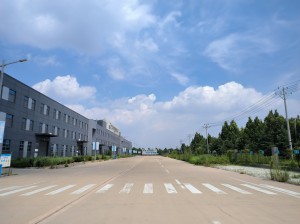
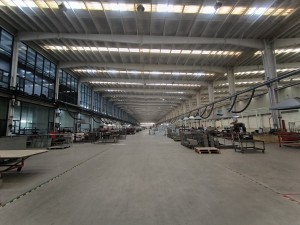
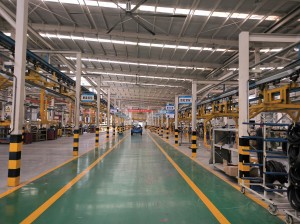
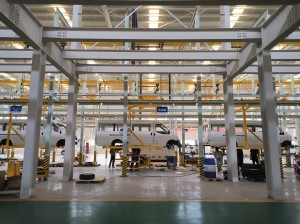
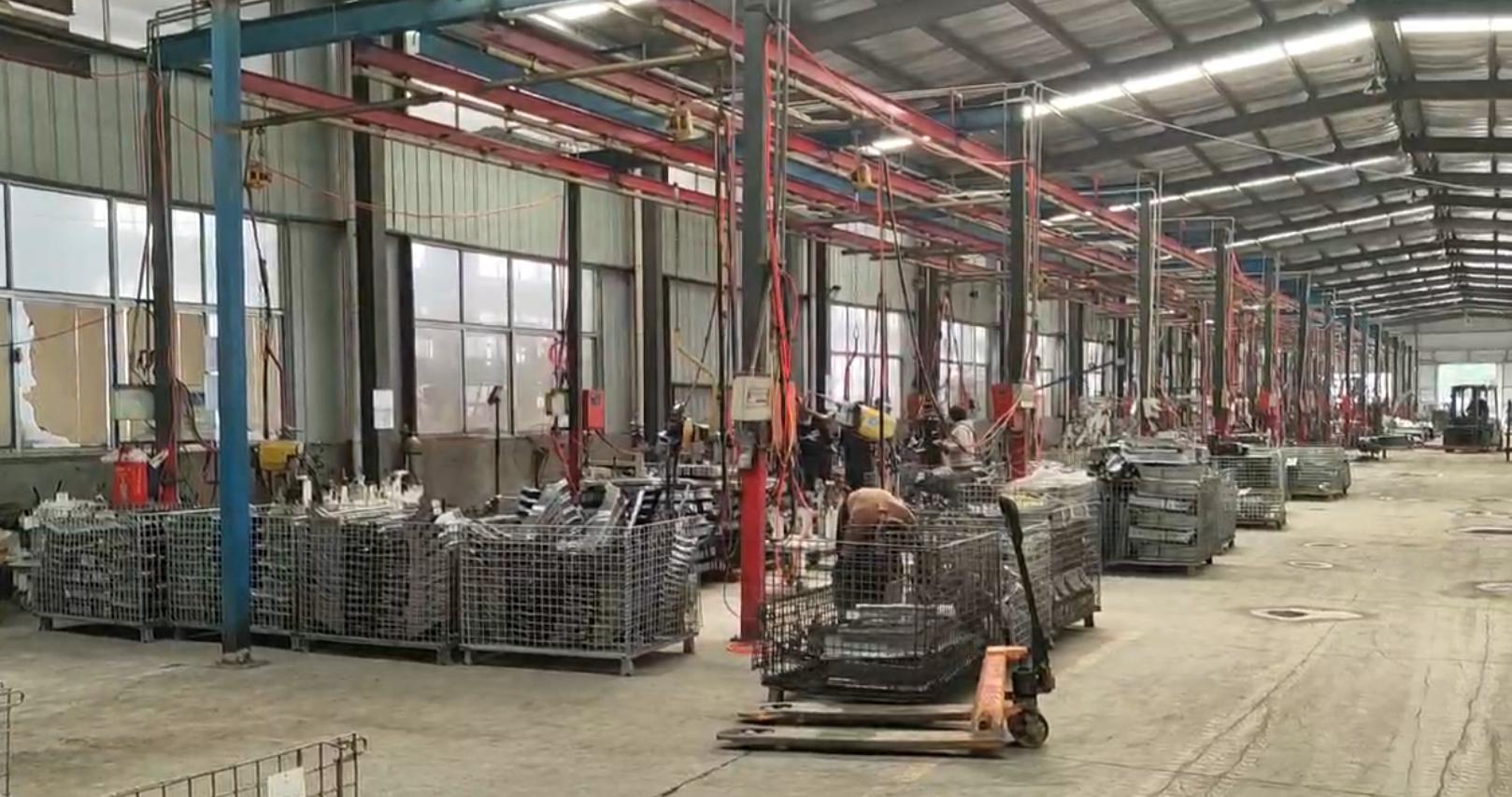
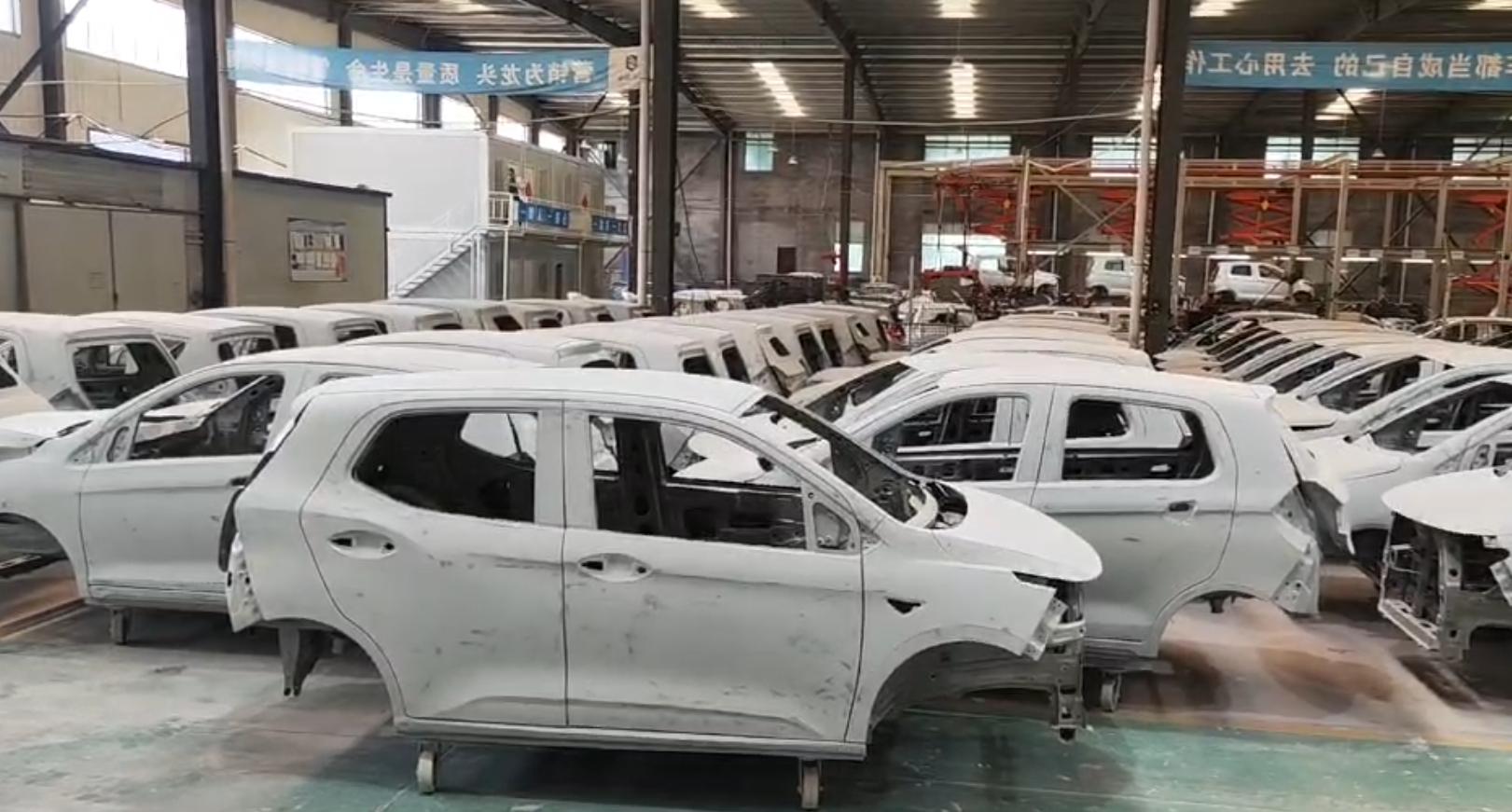
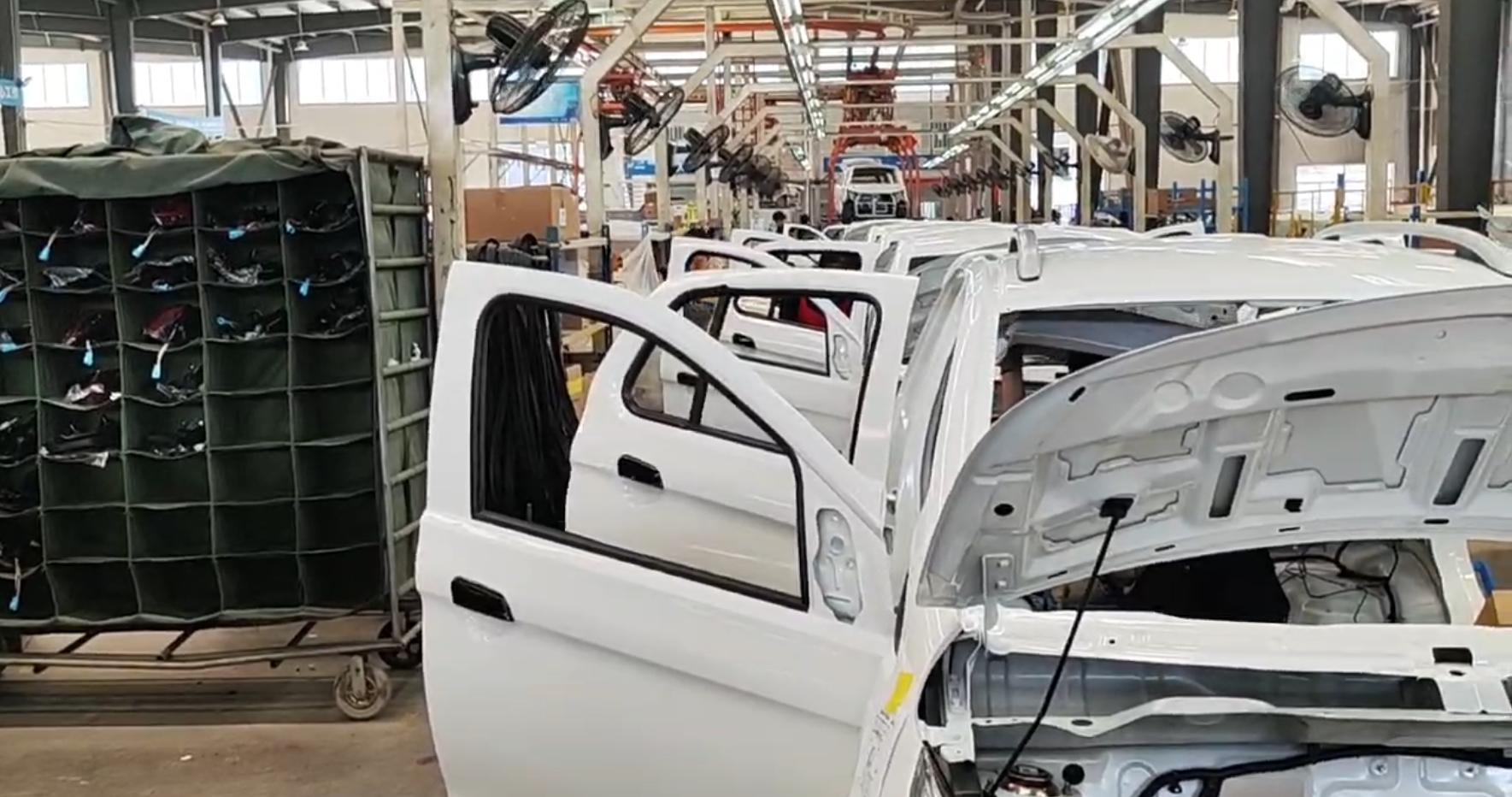
Shandong Li Mao Tong Group stands as a premier global OEM/ODM manufacturer specializing in the advanced research, development, assembly, and international supply chain management of high-capacity passenger electric Tuk Tuks, heavy-duty cargo tricycles, and micro-electric vehicles. With a vertically integrated manufacturing ecosystem, we maintain control over each step of the engineering pipeline—from raw metallurgy and precision chassis stamping to high-voltage electronics integration and stress-testing.
Since our founding, our micro-mobility and passenger platforms have served municipal agencies, logistics corporations, and private operators across 120+ countries and regions. By establishing localized distribution networks and manufacturing partnerships, our brand has delivered cleaner transport alternatives to over 20 million households worldwide.
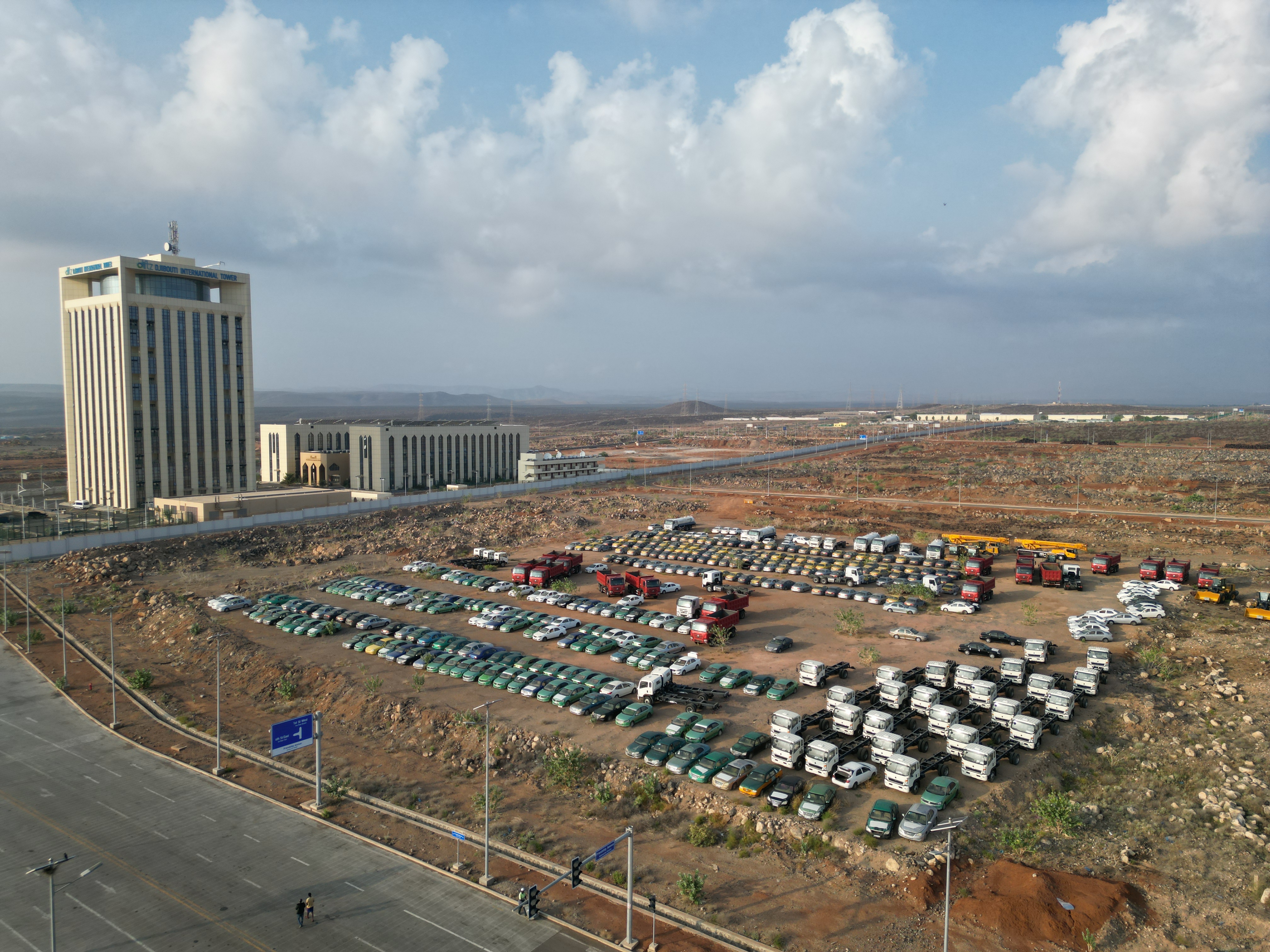
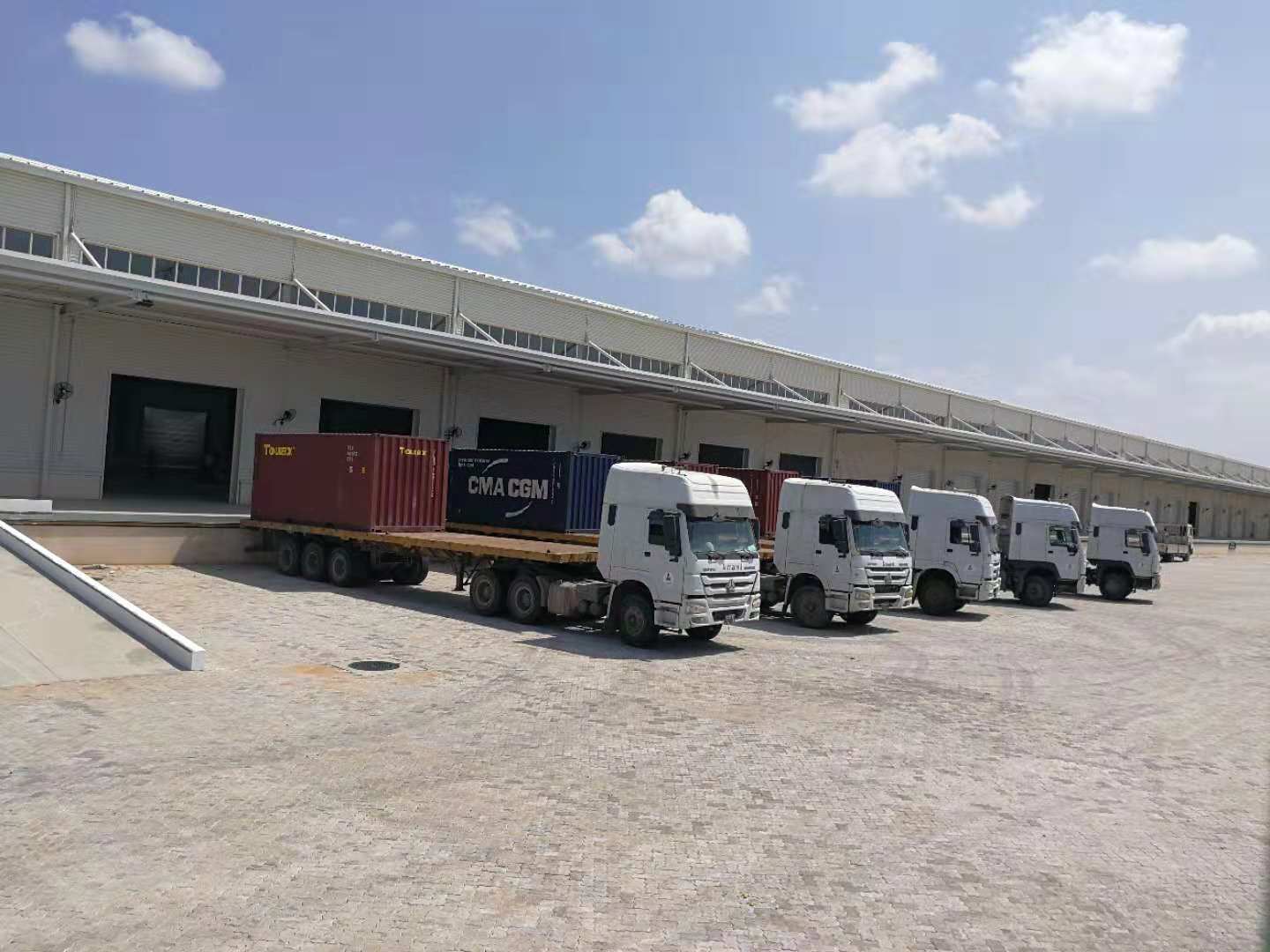
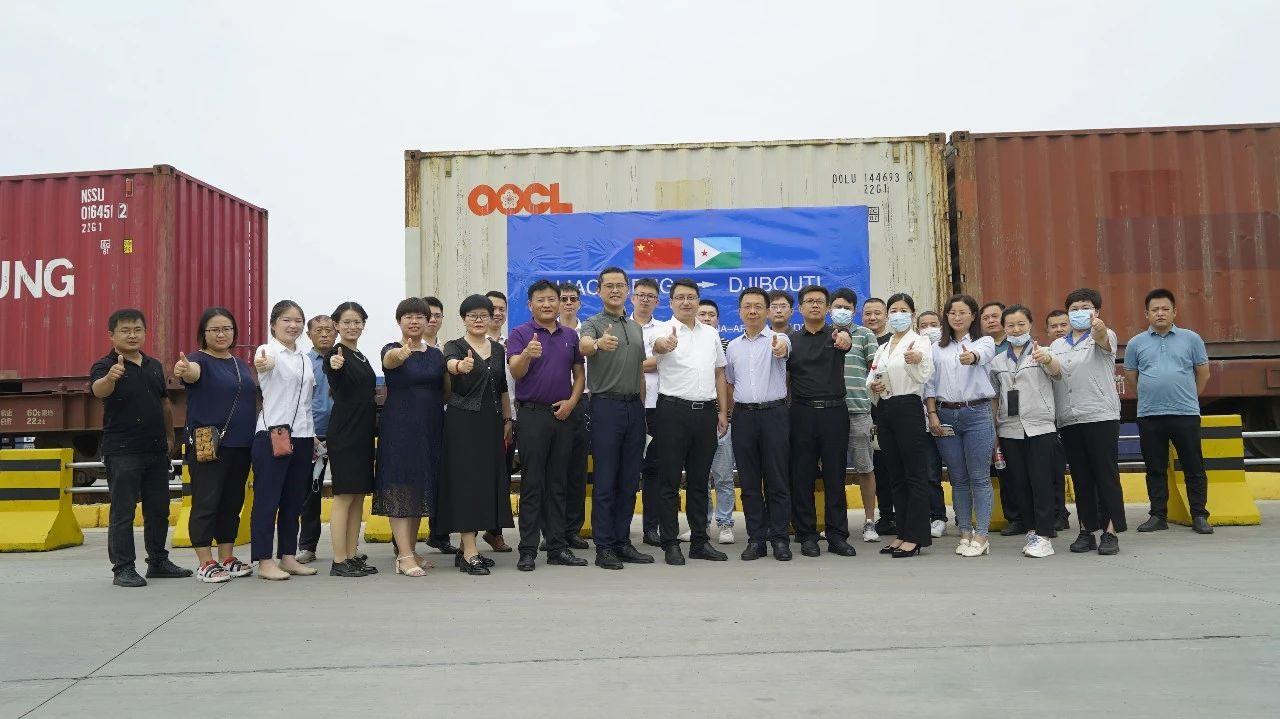
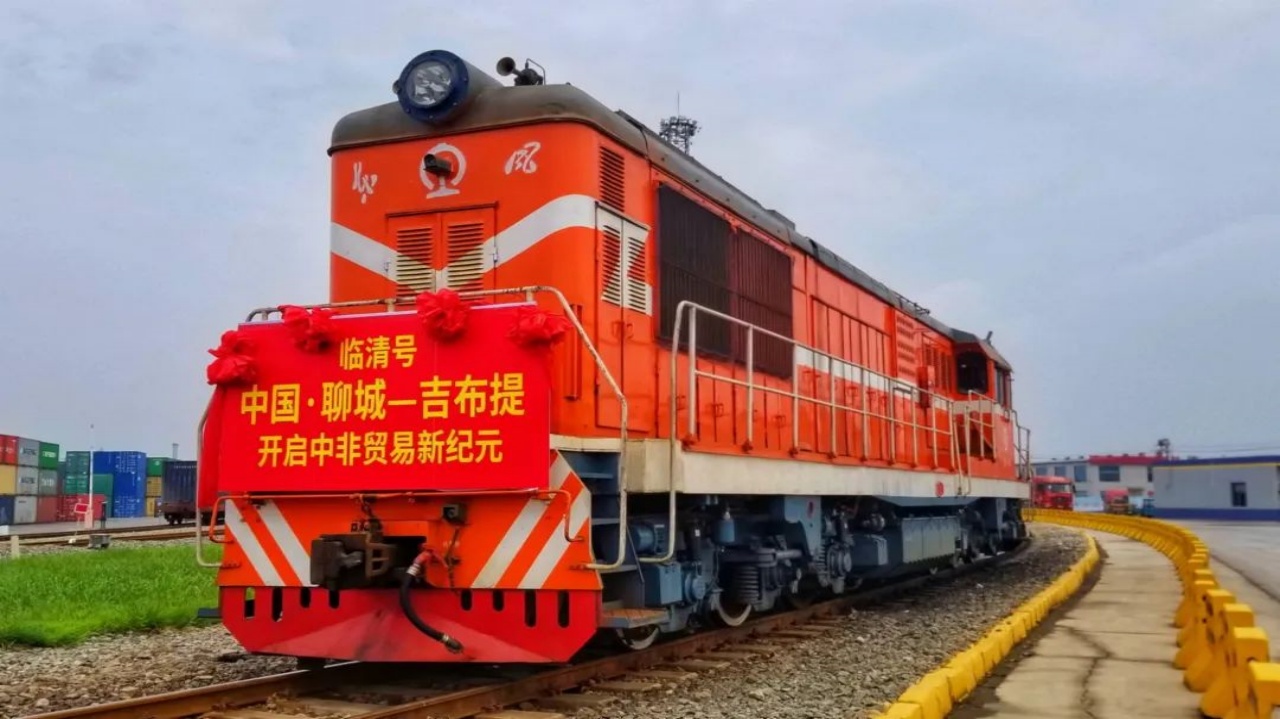
To address the historical pain points of the import lifecycle, we support our global client base with 8 overseas production bases and a dedicated cross-border logistics and spare parts warehouse in Djibouti. This infrastructure ensures near-instantaneous parts availability and real-time technical support for major fleets across the African continent and adjacent trade routes.
Watch: Shandong Li Mao Tong Group Advanced Robotic Assembly Line and Global Logistics Infrastructure
How our advanced factory protocols translate to lower costs, extended vehicle lifespans, and unmatched field reliability.
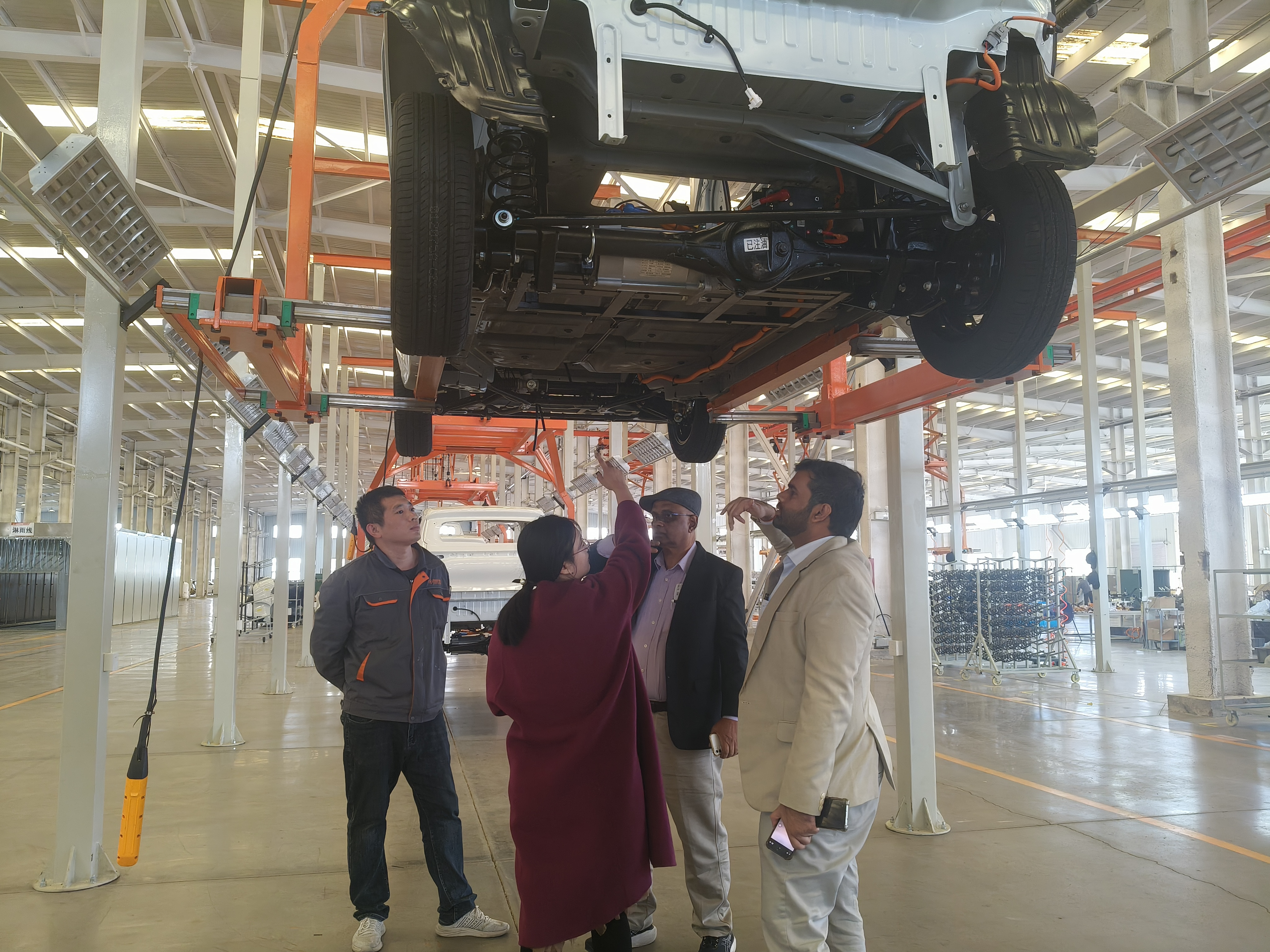
Unlike typical workshop builders that rely on manually welded steel tubing, we utilize high-pressure, heavy-duty hydraulic stamp presses. This molds the main chassis member from a single sheet of structural steel, removing high-stress weld points and preventing structural fatigue under heavy payload conditions.
To prevent rust in highly humid, coastal, or equatorial climates, all steel components undergo a multi-stage electrophoretic coating process. Robotic electrostatic paint lines ensure millimeter-level paint thickness consistency, protecting the chassis from corrosive oxidation for up to 10 years.
Before rolling off the production line, each prototype batch undergoes a laboratory-level rainstorm simulation and severe vibration-shake tests. This guarantees that all wiring looms, battery housings, and electrical controllers maintain IP66/IP67 ingress ratings in extreme weather conditions.
Our manufacturing facility operates under the ISO 9001:2015 quality management system. The vehicle electronics, drive motors, and lithium-iron-phosphate (LiFePO4) or sealed lead-acid battery packs conform to global certification standards (including EEC, CE, and DOT formats). This facilitates fast import clearances and local road licensing across various regulatory jurisdictions.
Industrial three-wheel electric trikes serve different purposes depending on the target market. Our R&D team customizes vehicle configurations to match regional demands and operational environments.
To help our global partners optimize import duties, lower logistics costs, and meet local-content manufacturing requirements, Shandong Li Mao Tong Group offers three main procurement frameworks:
We supply all vehicle components in individual parts and sub-assemblies. The engine/motor, battery, controller, frame panels, and suspension components are packed separately. This format allows importers to claim lower tariff rates, while utilizing local assembly lines to support local employment. We provide full structural blueprints, assembly jigs, and video training to set up local production lines.
The vehicle cabin, chassis, and rear axles are shipped pre-assembled. The importer only needs to install wheels, battery banks, side mirrors, and minor cosmetic details upon arrival. This balances shipping container volume optimization with basic, low-complexity assembly operations at the destination.
Our logistics division manages complex export processes, securing cargo space, optimizing container loading configurations (maximizing unit counts per 40ft HQ container), and coordinating with major shipping lines to ensure timely arrivals at your destination ports.
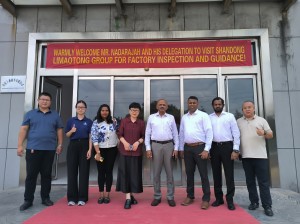
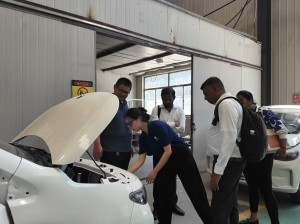

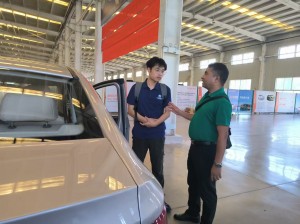
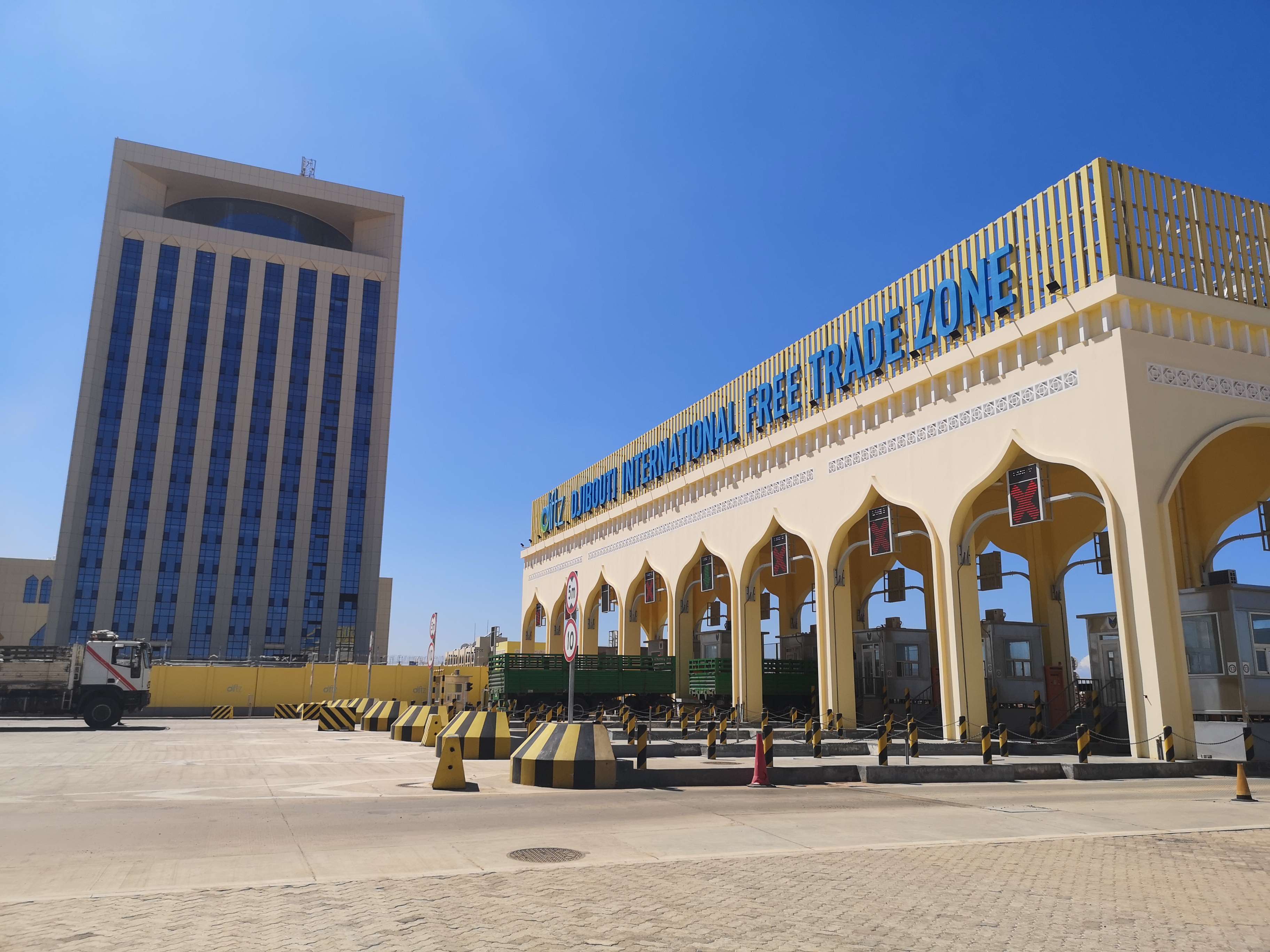
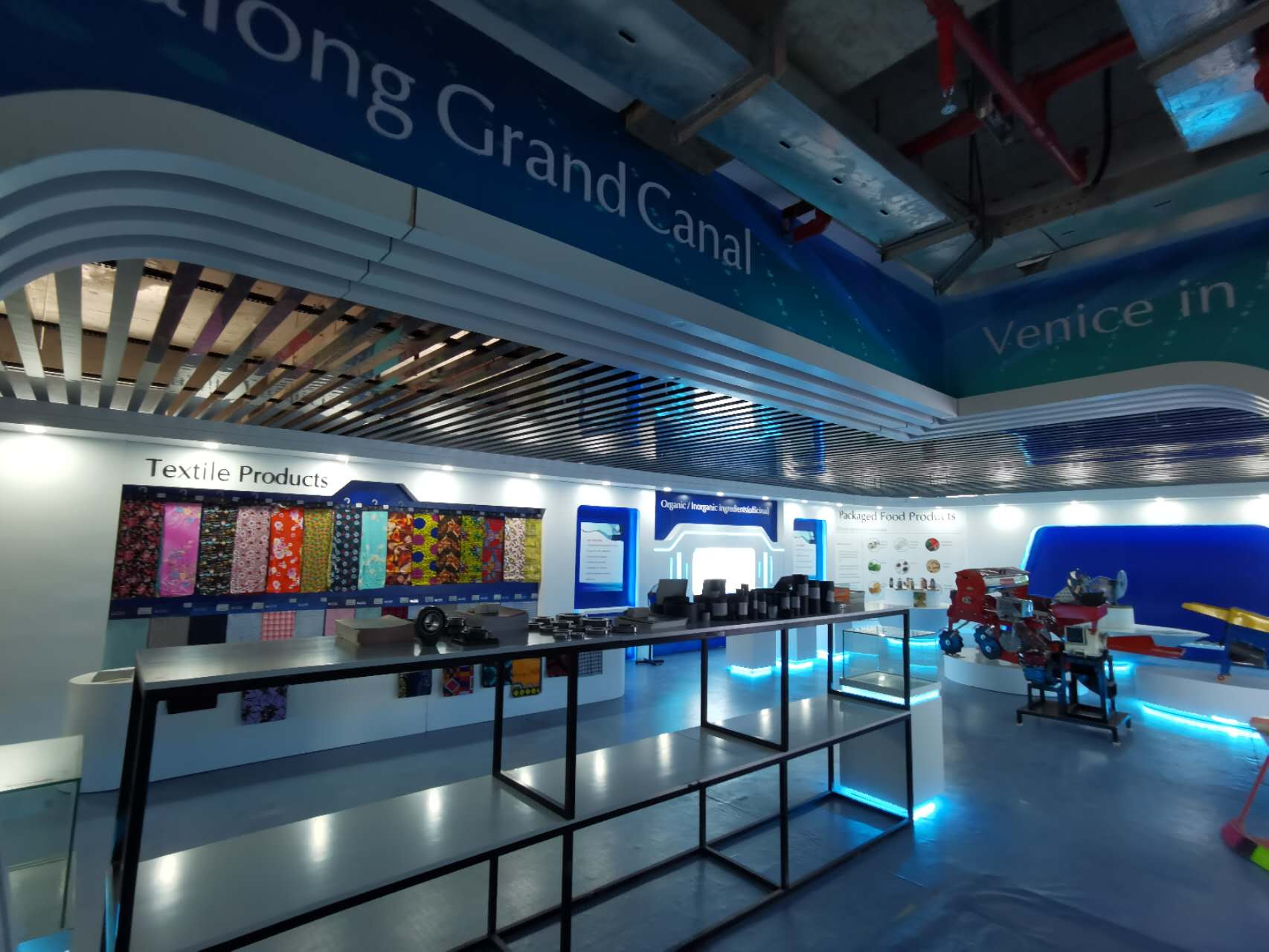
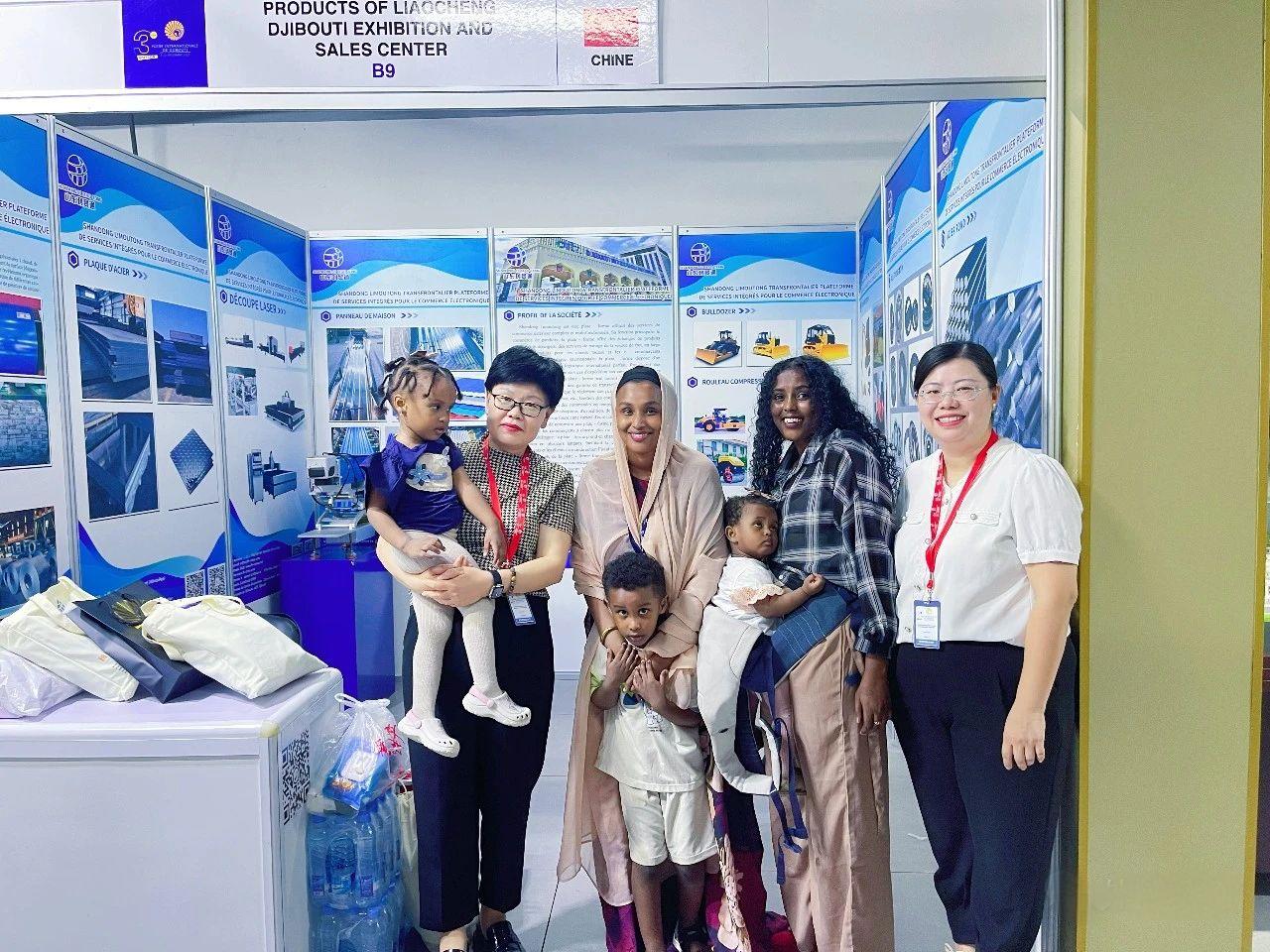
Established in 2023, the Djibouti (Overseas Warehouse) Cross-border E-commerce Exhibition and Sales Center is situated within the Djibouti International Free Trade Zone in East Africa. This strategic logistics center functions as a one-stop support hub for our African and Middle Eastern client networks.
Operating via a unified service platform, this facility handles local sales, customs clearance, transit storage, and after-sales repair support. Combining online and offline trade workflows with localized sales and logistics staff, we maintain a robust distribution network. This localized presence ensures that buyers receive real-time technical training and fast delivery of spare parts, bridging the gap between Chinese manufacturing and local fleet operators.
As micro-mobility technology evolves, three primary trends are shaping the future of the industrial and commercial three-wheel electric vehicle market:
Many fleet operators are migrating from lead-acid batteries to Lithium Iron Phosphate (LiFePO4) systems. LFP chemistry offers longer lifespans (over 3000 charge cycles), lighter weights, and superior thermal stability in hot climates.
Newer trike designs feature integrated smart controllers. This allows fleet managers to monitor battery state-of-charge (SoC), track GPS locations, and receive diagnostic error codes in real time via cloud platforms.
Installing high-efficiency solar roof panels on passenger Tuk Tuks and long-box cargo trikes helps trickle-charge the battery during operation. This can extend daily driving range by up to 15% to 20% in sunny equatorial areas.
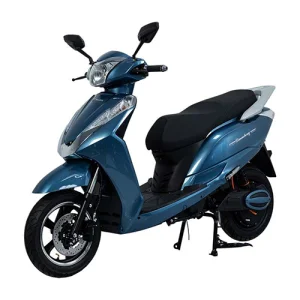
Explore our extended portfolio of electric personal mobility, specialized cold-chain cargo trikes, and heavy passenger variants.
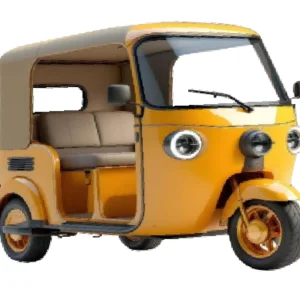
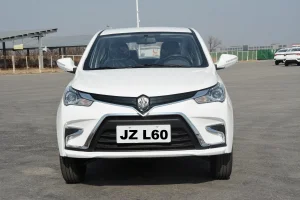
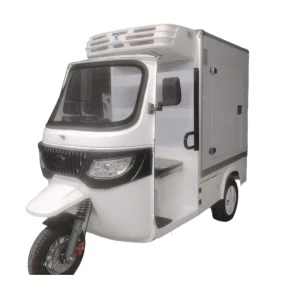
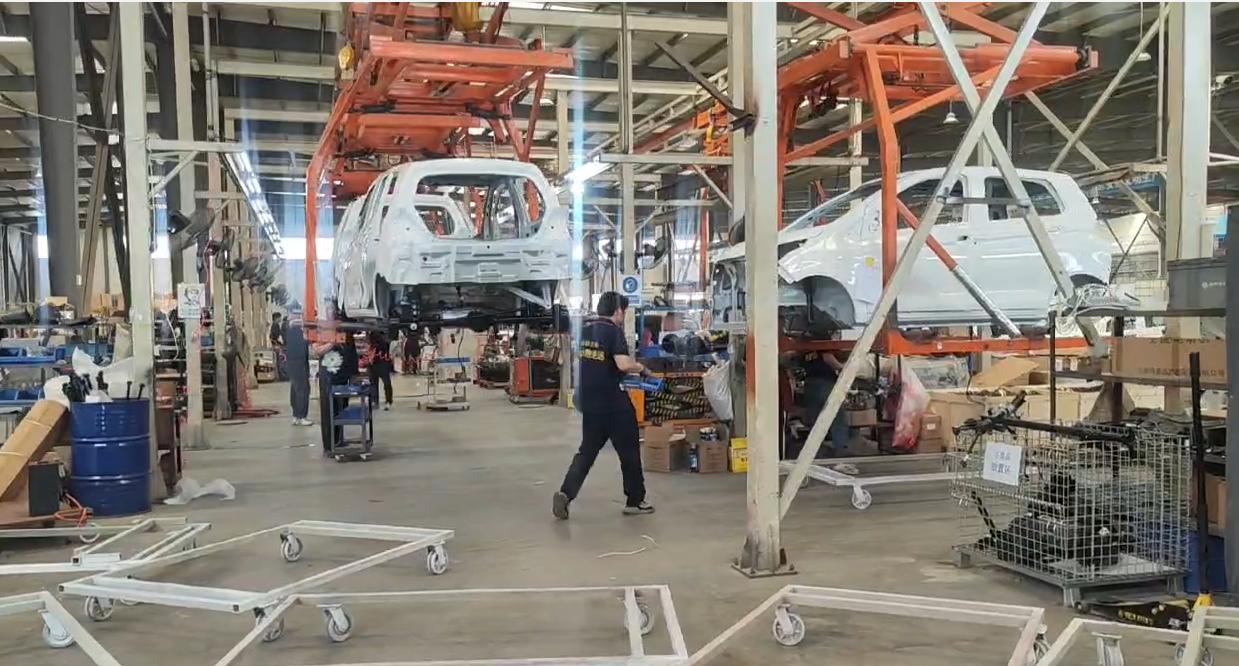
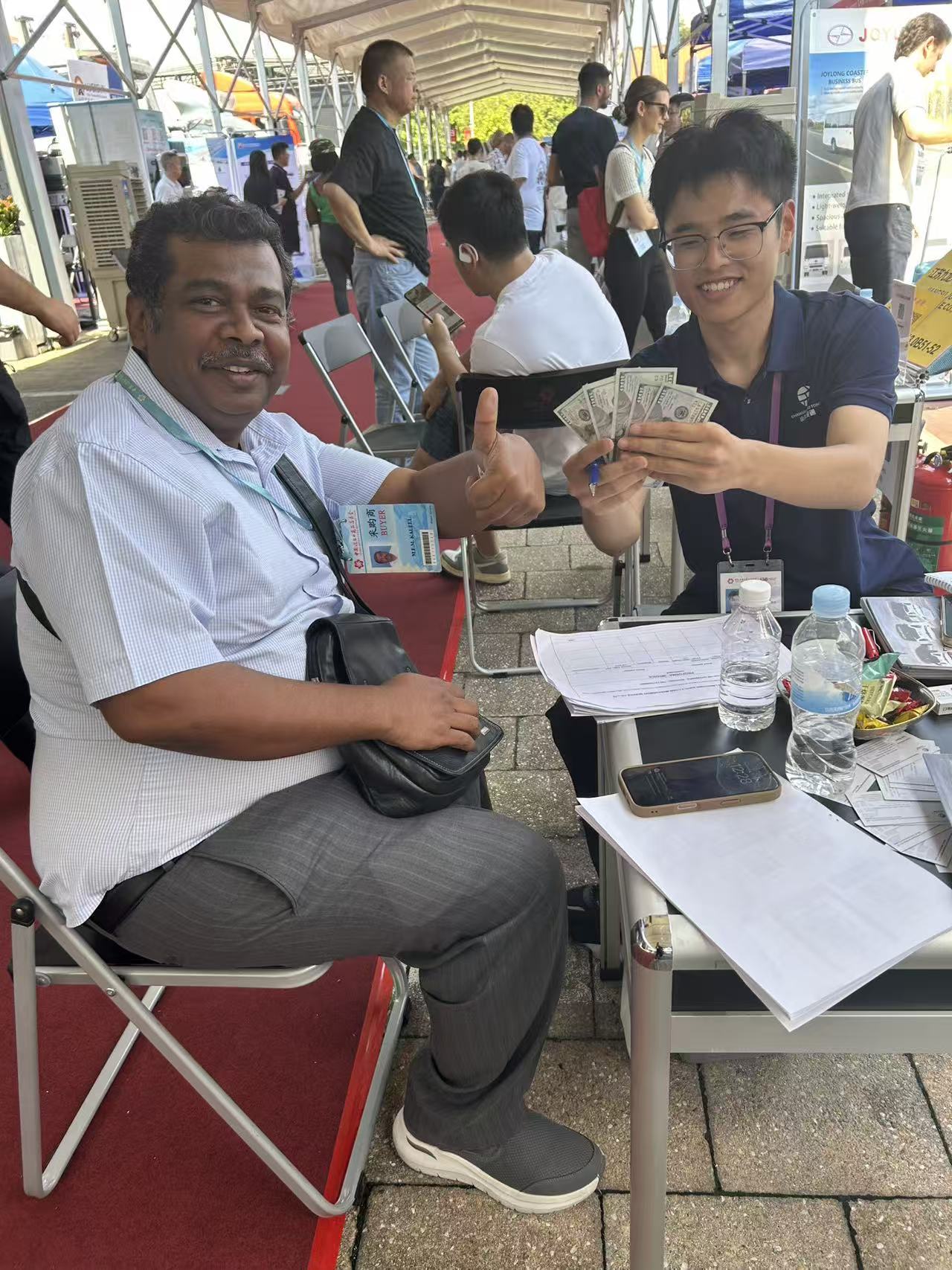
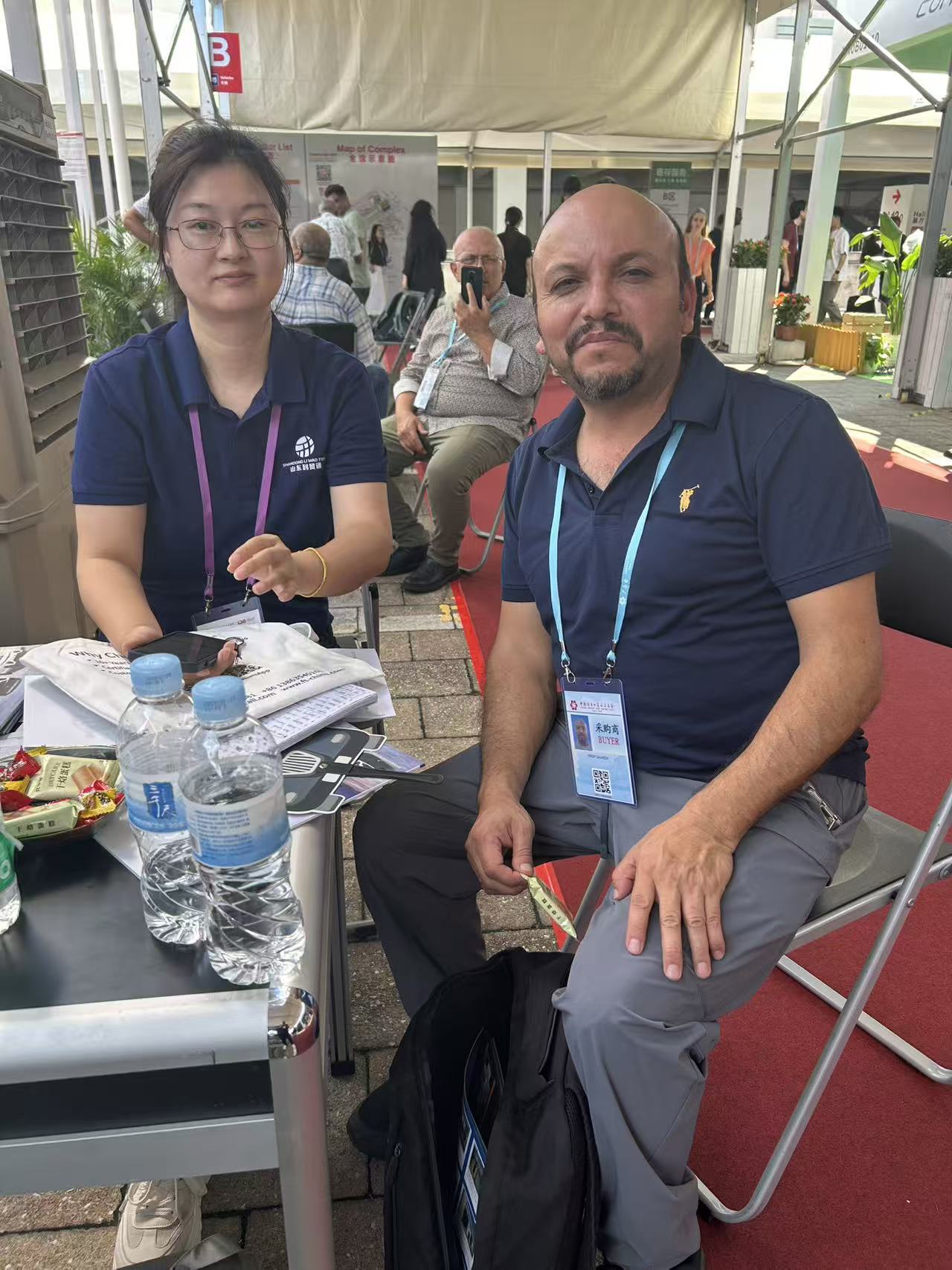
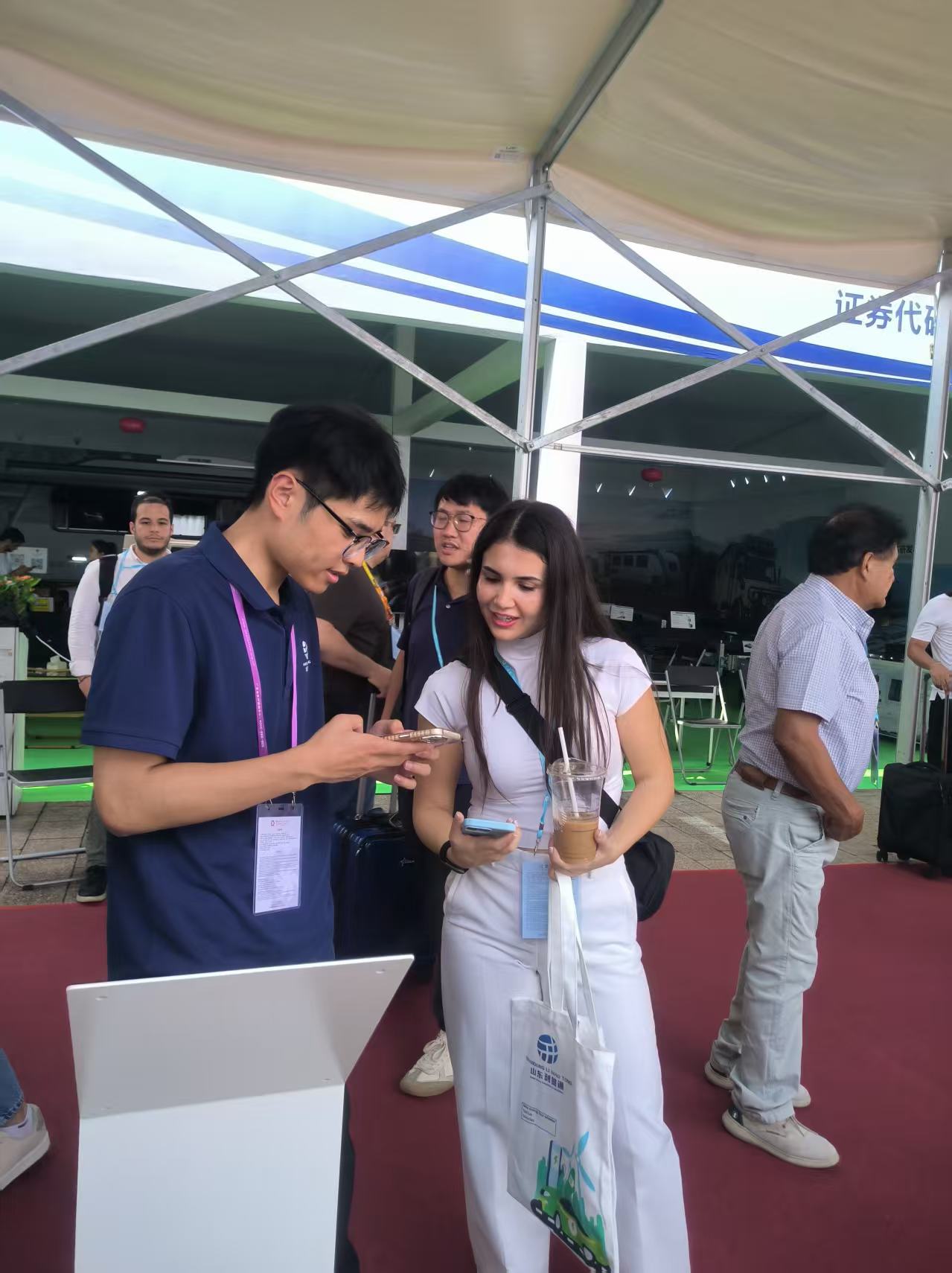
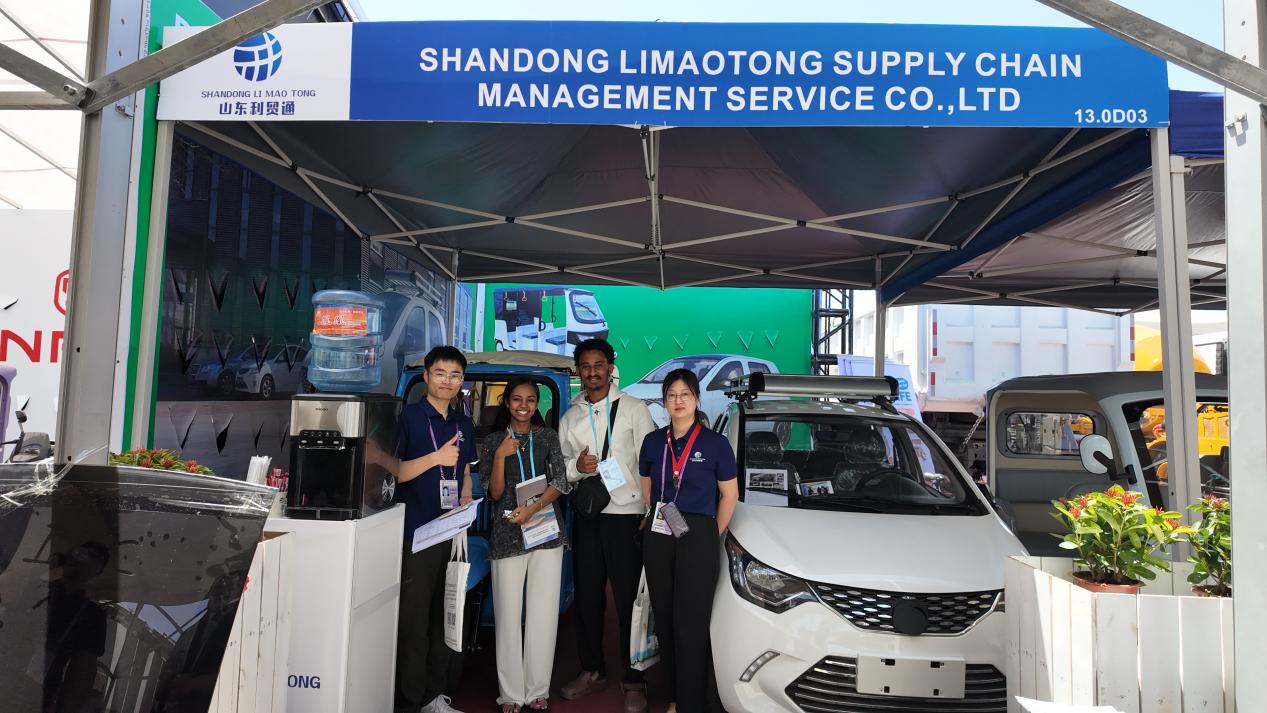
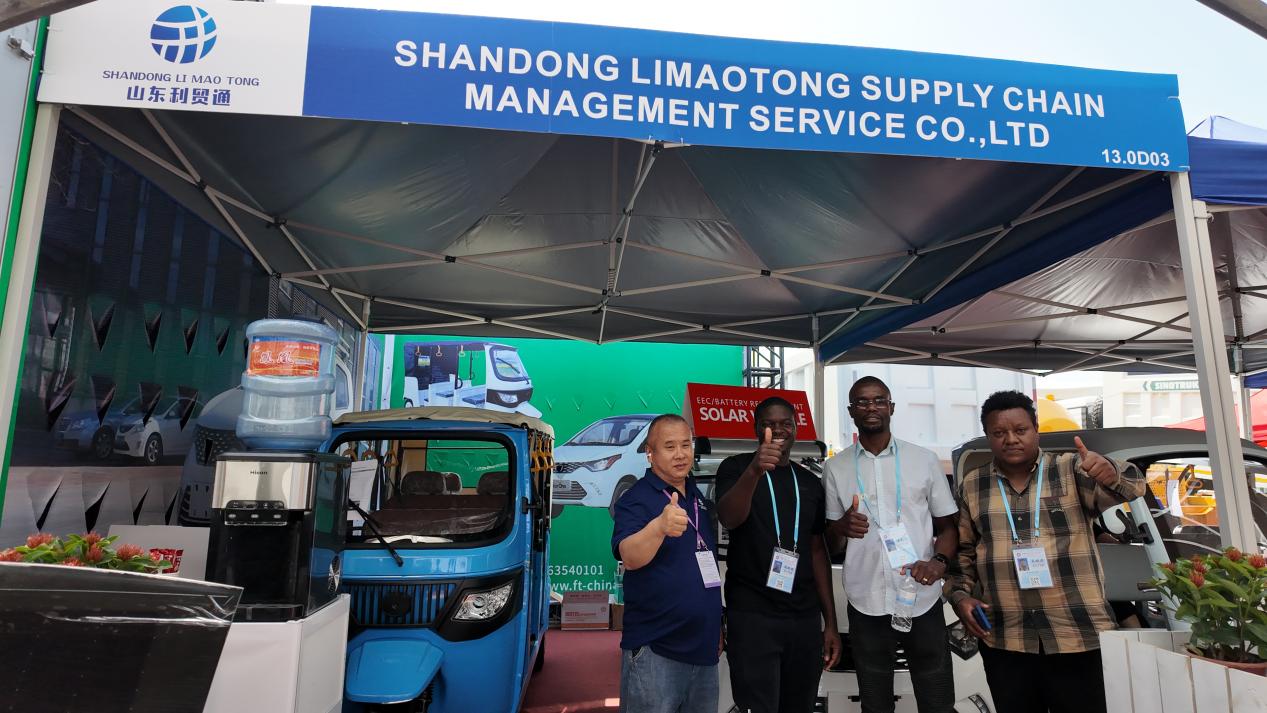
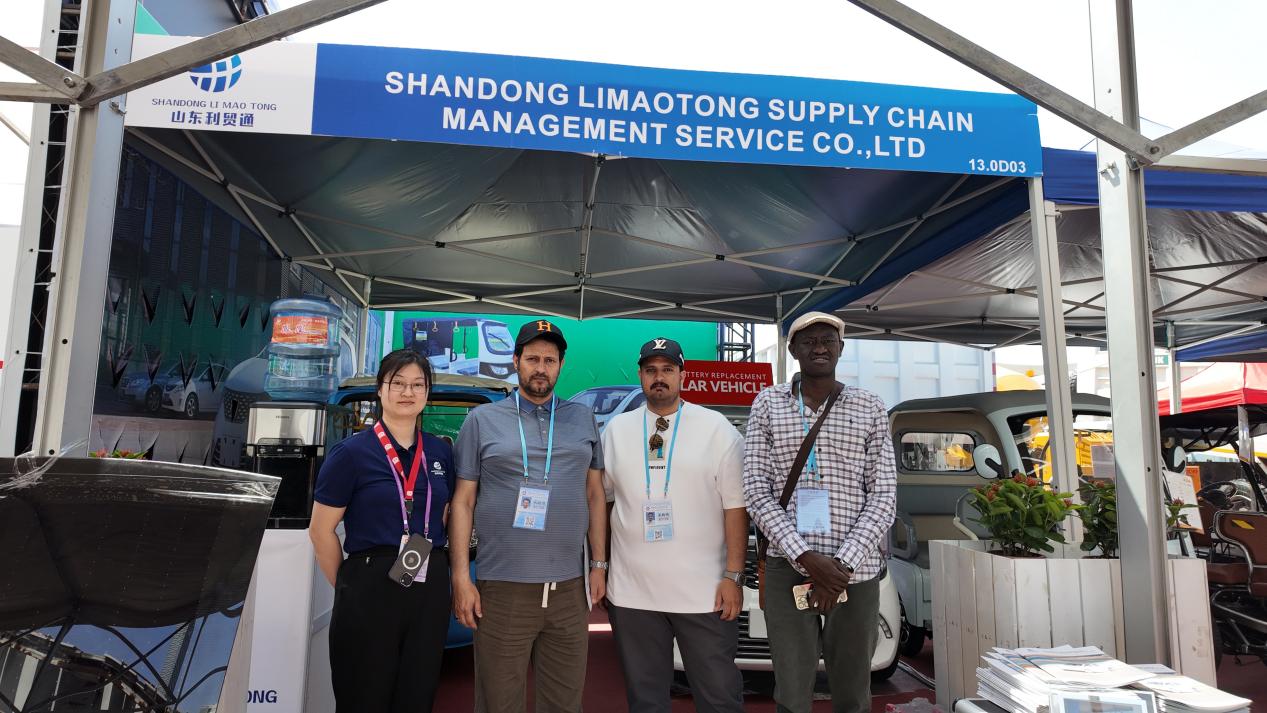
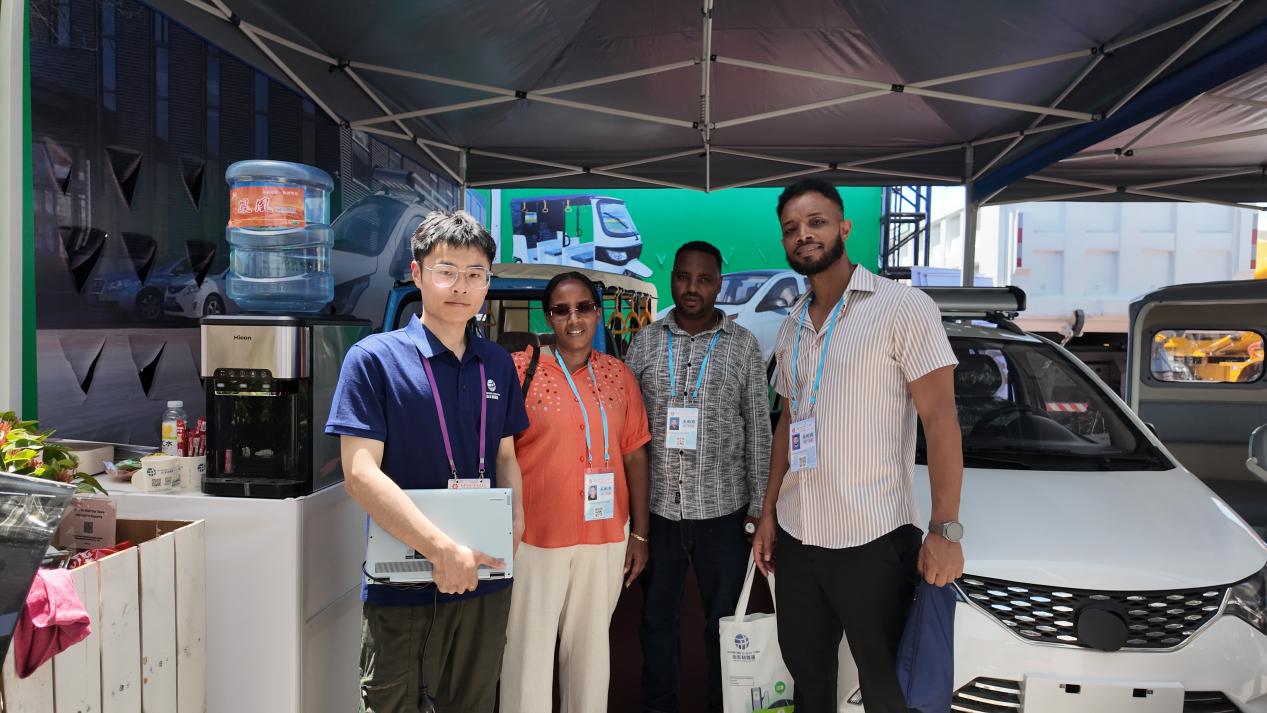
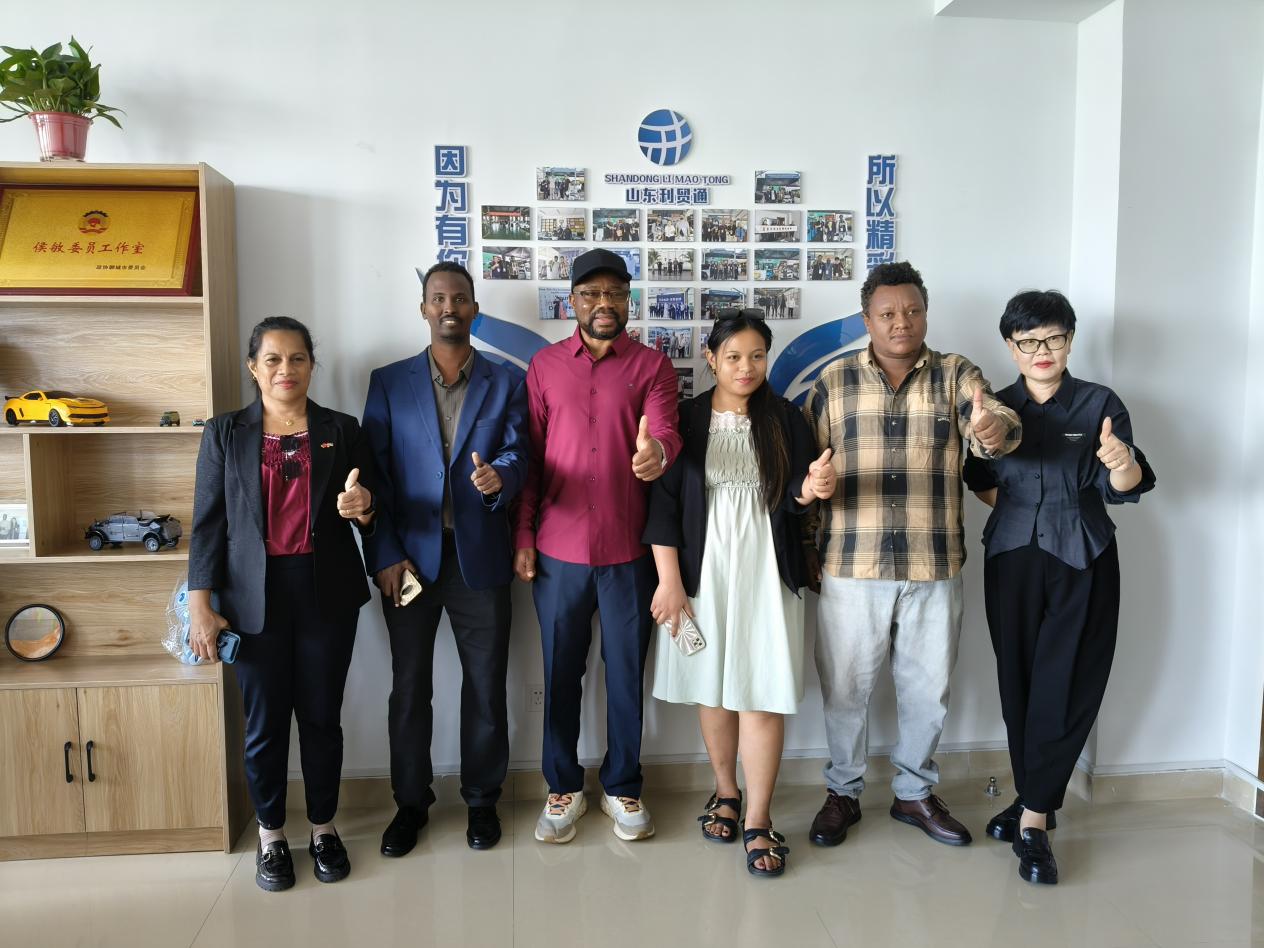
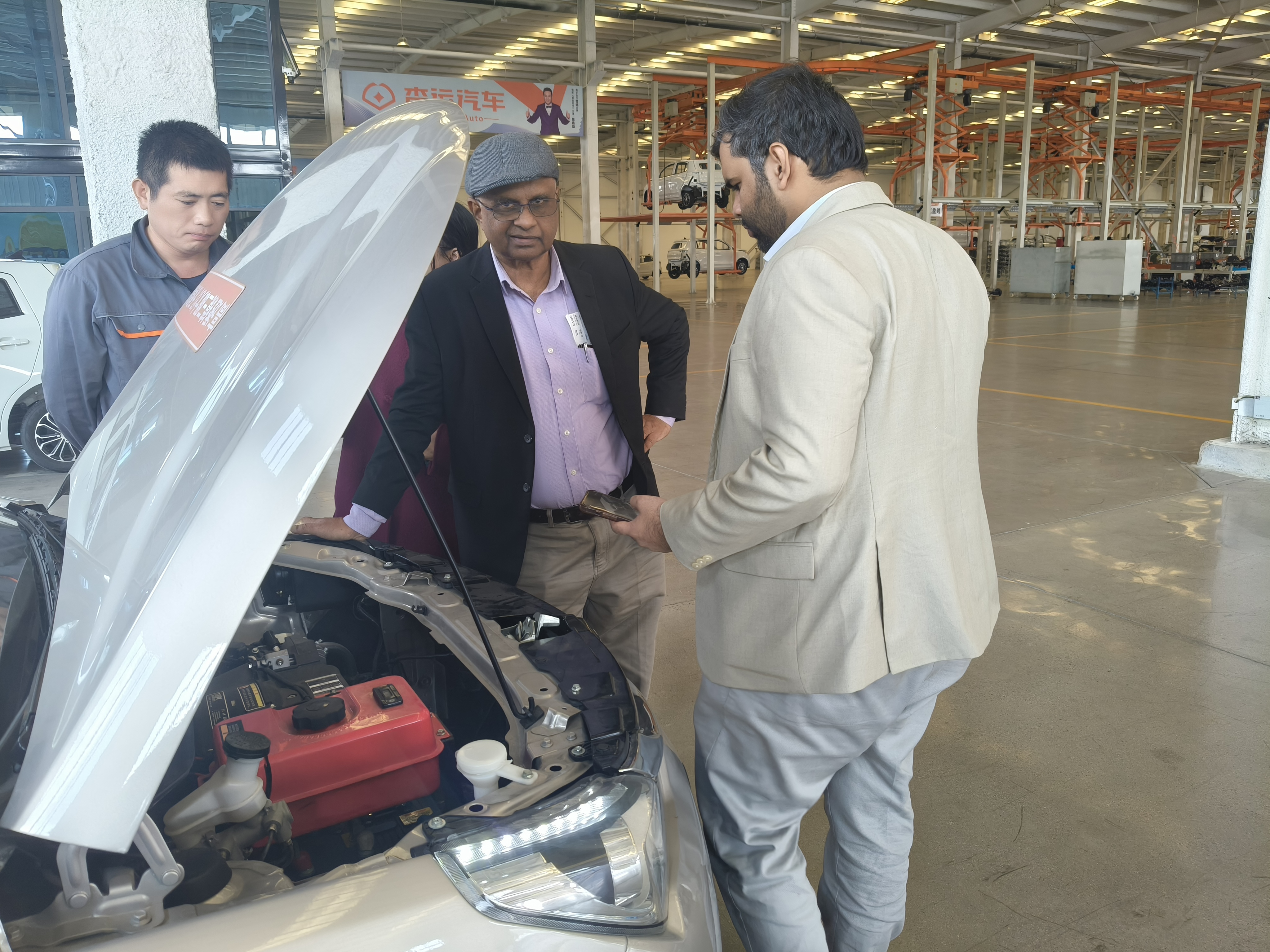
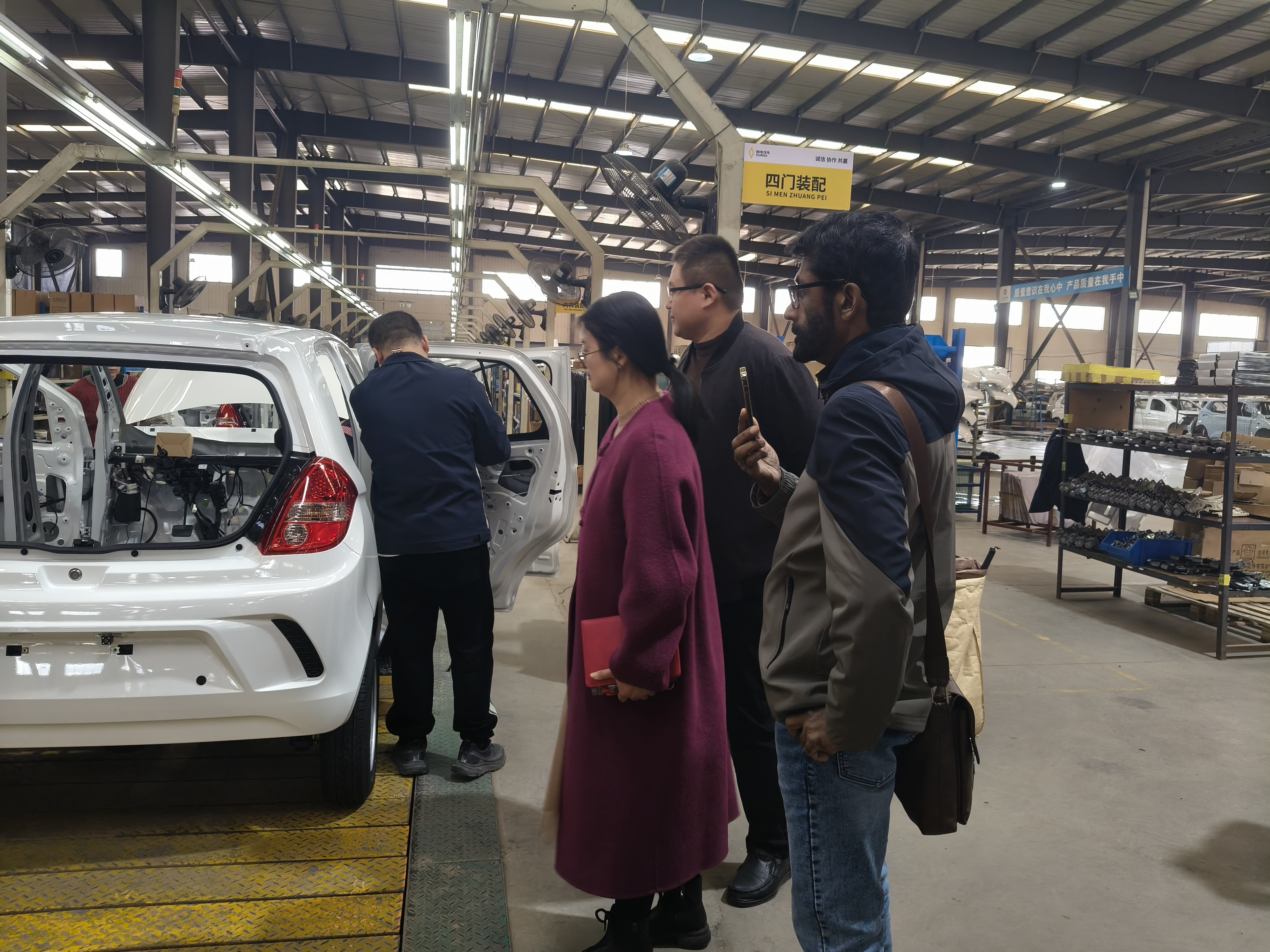
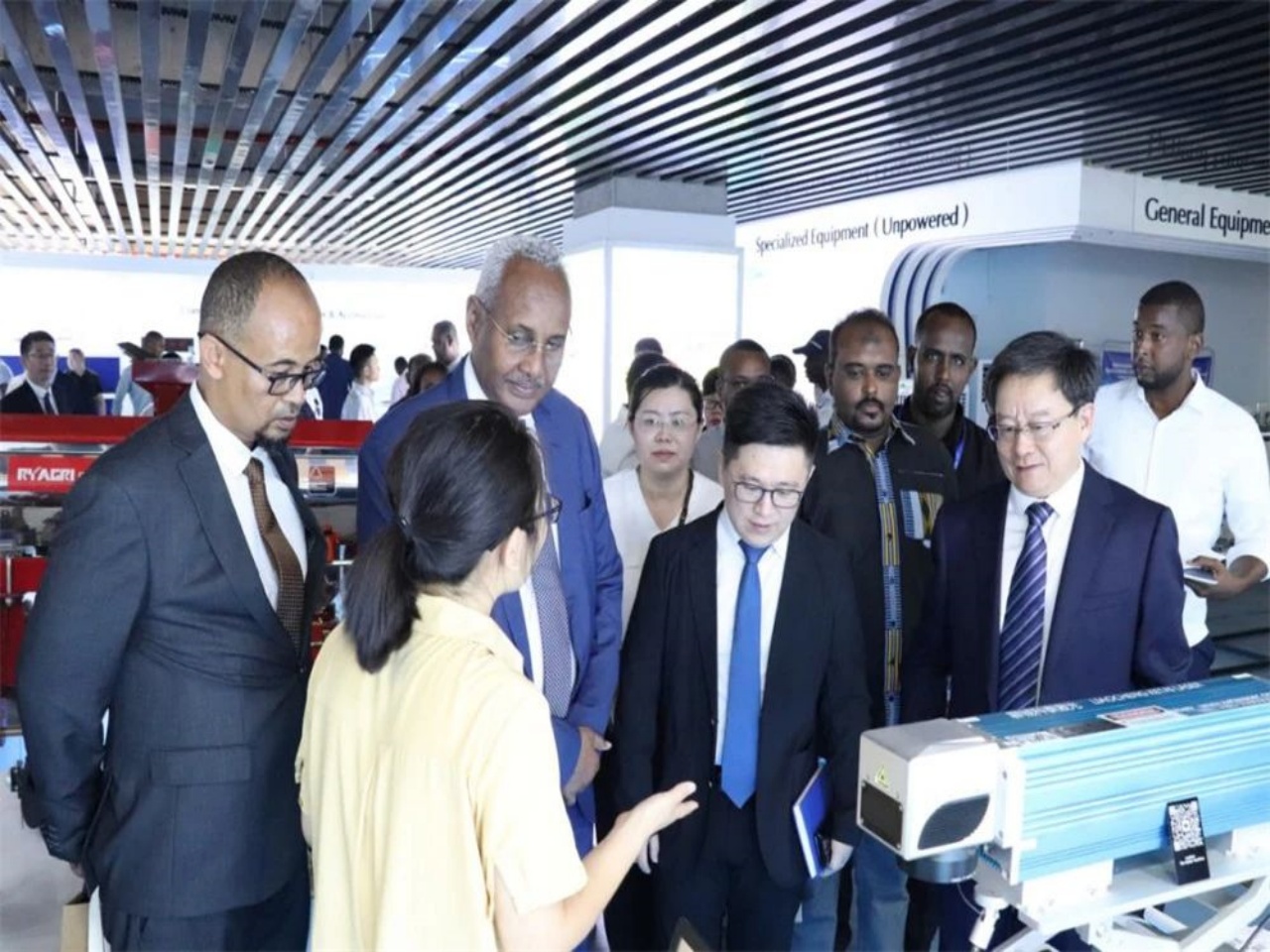
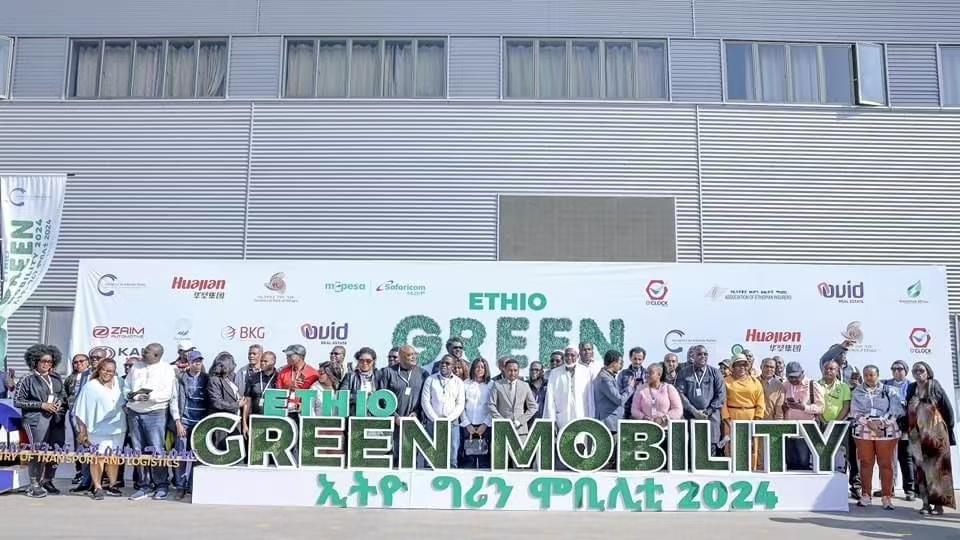
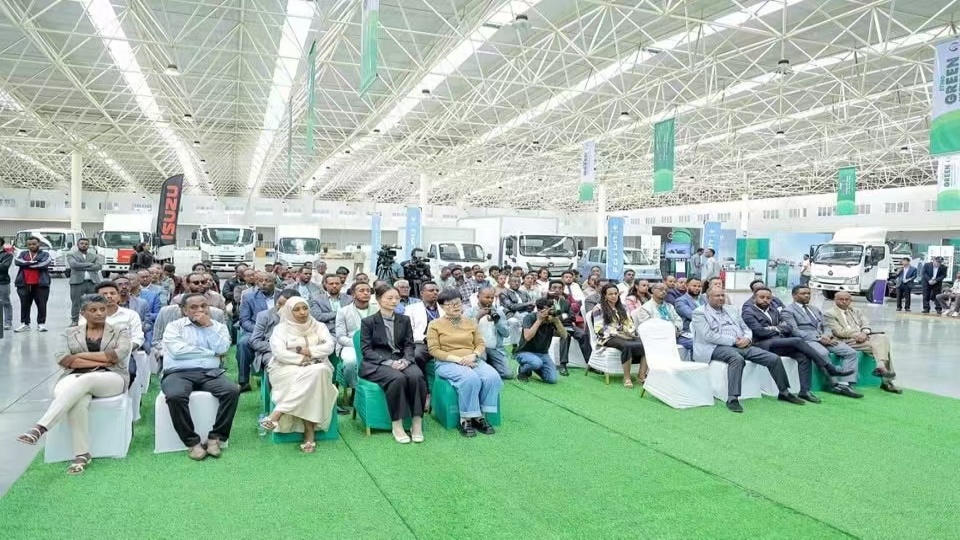
Step inside our production facilities, global trade shows, and international client factory inspections.



Find answers to technical, logistics, customization, and warranty questions regarding importing electric vehicles from China.
 Limaotong