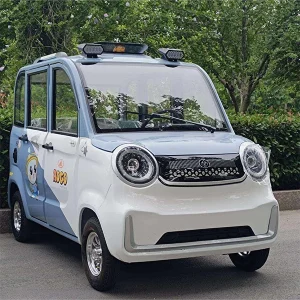
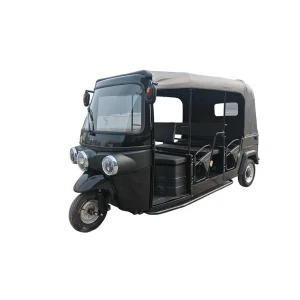
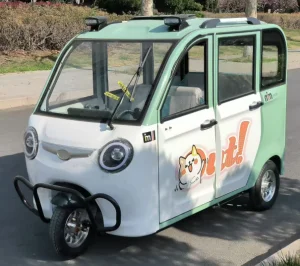
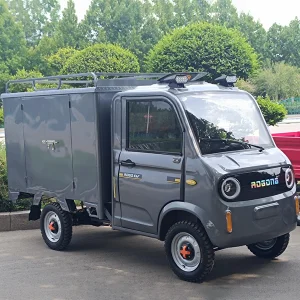
Explore our leading export-grade fleet configurations designed for urban transport, passenger transit, and heavy cargo utility.
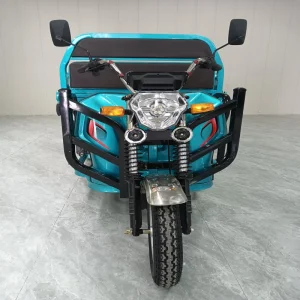
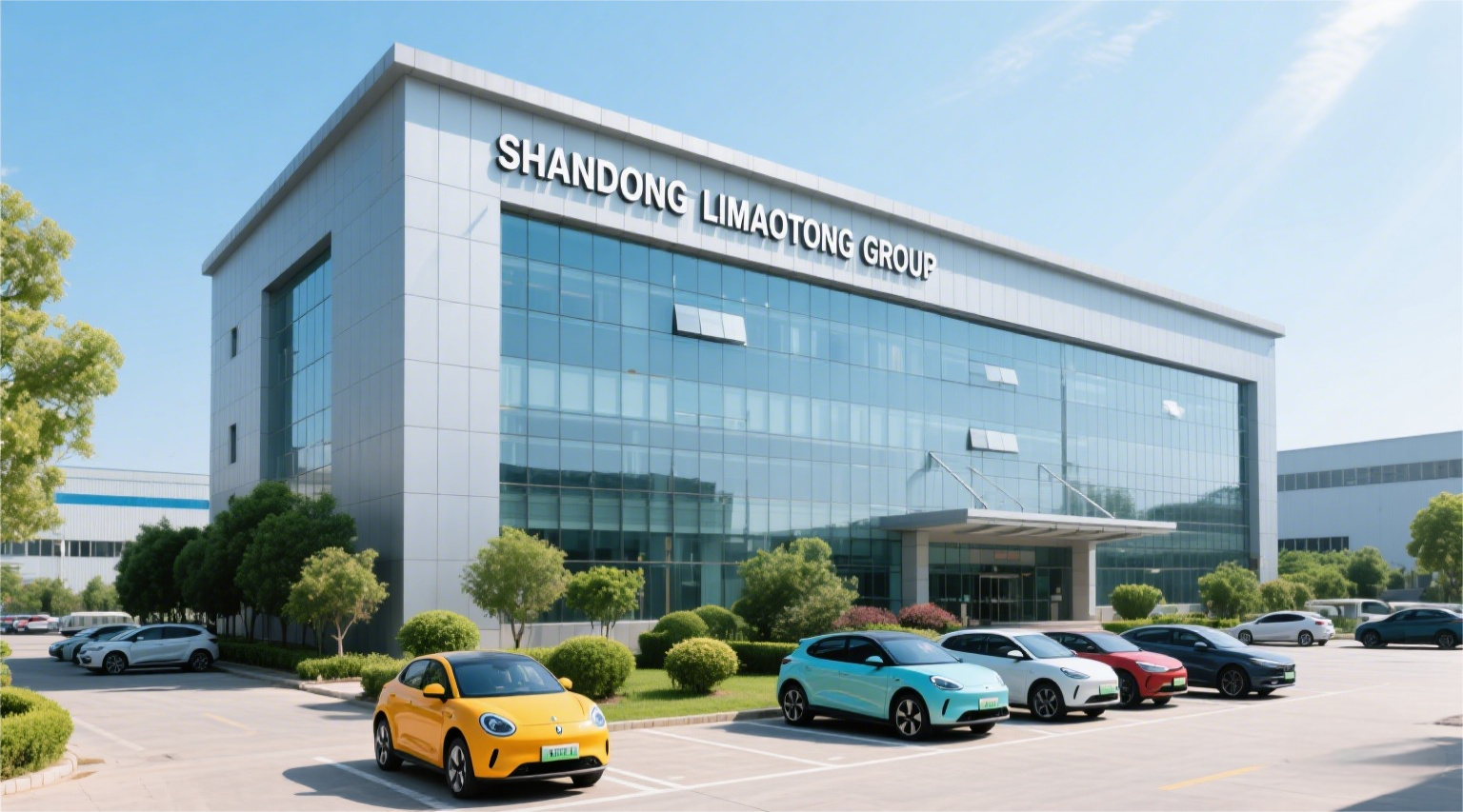
SHANDONG LI MAO TONG GROUP is a global premier manufacturer and supplier of high-performance electric vehicles. We host a fully integrated industrial chain that spans advanced engineering, state-of-the-art manufacturing, and global distribution. Our specialized focus includes precision-engineered electric motor tricycles, heavy-duty cargo tricycles, and advanced solar-powered mini electric cars.
Since our inception, our eco-friendly transportation solutions have served users across 120+ countries and regions, establishing our footprint within 20+ million households. Backed by 8 strategic overseas production bases and a comprehensive parts supply chain, we deliver localized solutions to global markets. We prioritize after-sales continuity with dedicated overseas warehouses, notably in Djibouti, and mobilize professional technical teams to resolve field service requests instantaneously.
Supporting international B2B distributors and fleet operators with decentralized manufacturing and rapid parts fulfillment.
Deploying zero-emission, clean mobility solutions to cross-border logistics hubs, residential sectors, and municipal fleets globally.
Decentralized, localized assembly factories optimizing production lead times, tariff reduction, and tailored product configurations.
Providing durable, low-cost commercial cargo and family electric transit solutions that deliver continuous long-term ROI.
Analyzing key structural shifts, total cost of ownership (TCO) parameters, and integration dynamics for modern procurement operations.
In the current B2B landscape, commercial logistics providers, last-mile delivery fleets, and municipal transit agencies are pivoting toward compact electric platforms. The procurement challenge is clear: how to maximize vehicle uptime while containing infrastructure dependencies. A solar mini electric car targets this vulnerability by providing real-time photovoltaic energy generation directly to the traction battery.
Under standard operating parameters, direct solar integration yields an additional 15 to 30 kilometers of daily range from solar offset alone, depending on local solar irradiance. Over a commercial lifecycle of 5 years, this integration offsets standard grid charging costs by up to 25%, while significantly reducing the load on regional charging grids. This energy self-sufficiency makes solar mini cars exceptionally viable for off-grid operations in developing regions and highly congested urban spaces where charging points are scarce.
Commercial vehicle procurement directors face severe market friction when transitioning fleets to electric drive systems. Understanding these barriers allows us to design and build our units to withstand the most demanding shipping and operational environments:
Observe the advanced, robotic manufacturing processes, digital quality controls, and extreme weather testing standards that define Shandong Li Mao Tong Group.
A detailed review of our proprietary solar integration technology, battery architectures, and powertrain systems.
We integrate lightweight, flexible monocrystalline solar cell arrays into the vehicle's roof panel, achieving power conversion efficiencies of up to 22.5%. Covered with a protective polymer resin coating, the solar panel is fully impact and weather-resistant.
Our proprietary Maximum Power Point Tracking (MPPT) system dynamically adjusts charging inputs to match real-time solar intensity. The system optimizes power delivery to the main battery bank by up to 18% compared to traditional linear charge controllers.
We offer advanced Lithium Iron Phosphate (LiFePO4) battery systems designed to operate safely between -20°C and 60°C. Backed by a smart Battery Management System (BMS), these cells retain 80%+ capacity after 3,000 charge-discharge cycles.
Engineered with a high-strength, stamped steel frame and a safety roll cage, our vehicle bodies absorb and distribute energy effectively during impacts, providing maximum structural safety for occupants and cargo.
Custom designs for municipal transit agencies, logistics networks, and regional passenger transport operators.
Integrating compact vehicles into multi-drop urban delivery networks helps offset fuel expenses and lower congestion. Our mini box trucks offer custom volumetric configurations, reinforced rear leaf-spring suspension, and wide cargo apertures designed for rapid loading.
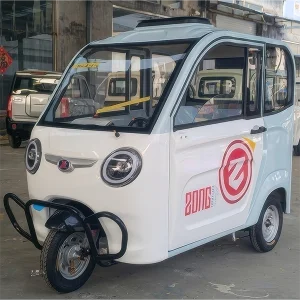
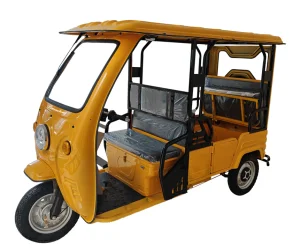
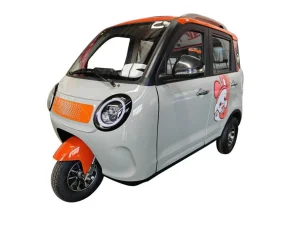
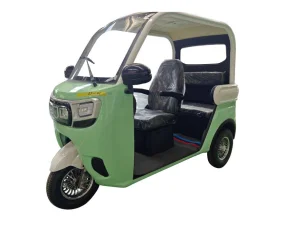
For regions reliant on three-wheeled tuk-tuks, our enclosed solar passenger models offer an all-weather alternative. The integrated solar roof extends the vehicle's driving range during active shift times, minimizing deadhead distance to charging stations.
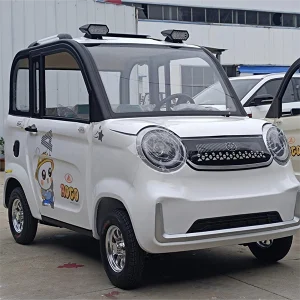
Designed for low-speed shuttling in airports, industrial free zones, and resorts, our enclosed passenger vehicles operate quietly, emissions-free, and cost-effectively, keeping carbon footprints and maintenance overhead to a minimum.
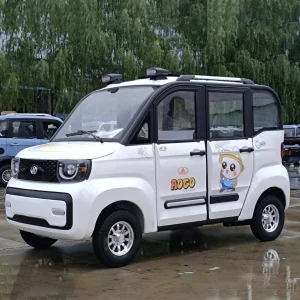
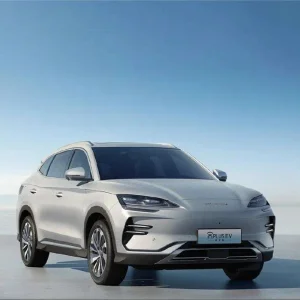
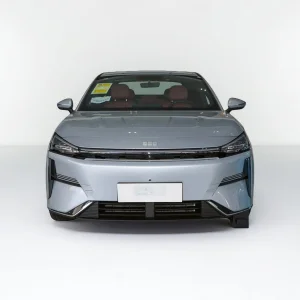
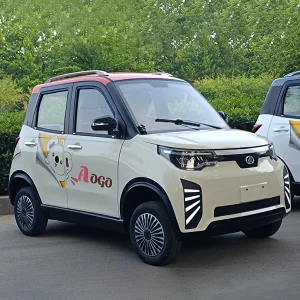
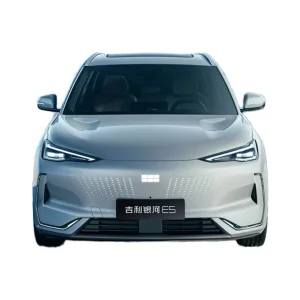
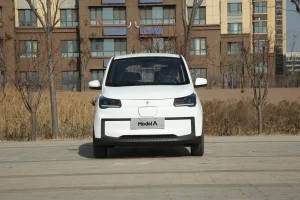
Browse our popular series, including Leapmotor models, Geely Galaxy series, and solar passenger vehicles.
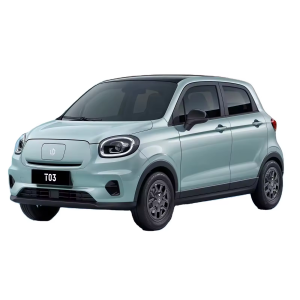
Perfectly configured for urban daily transit with a high-capacity lithium battery bank.
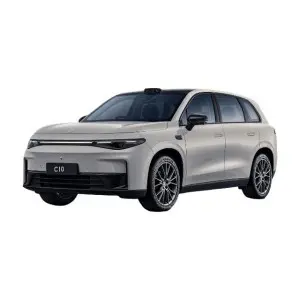
Advanced crossover SUV offering smart dashboard integration and comprehensive safety features.
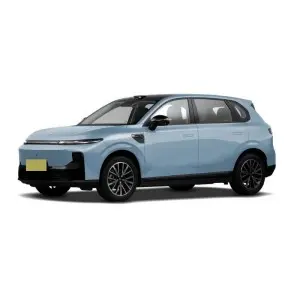
Next-generation intelligent powertrain, offering long range capabilities and aerodynamic efficiency.
Discover our international supply network, localized spare-parts storage, and customer factory visits.
Established in 2023 inside the Djibouti International Free Trade Zone, our East African sales center and local warehouse support operations across the Horn of Africa. Partnering with Djibouti Economic and Trade Co., Ltd., we provide a localized platform managing customs clearance, fleet demonstration, and routine servicing. Incorporating a "cross-border trade + front-end warehouse" strategy, we reduce shipping lead times for replacement parts, supporting regional distributors with dedicated customer service teams directly on the ground.
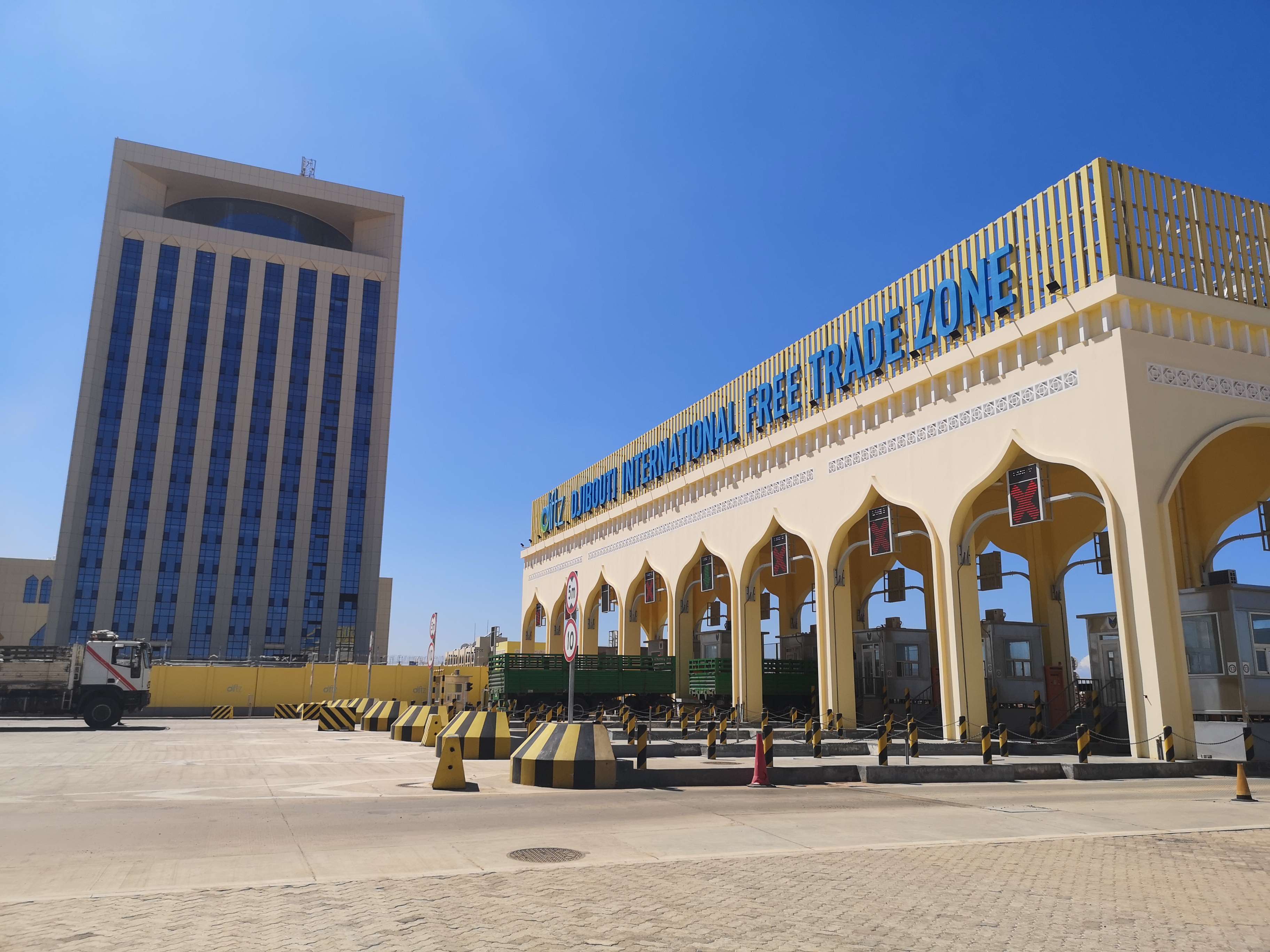
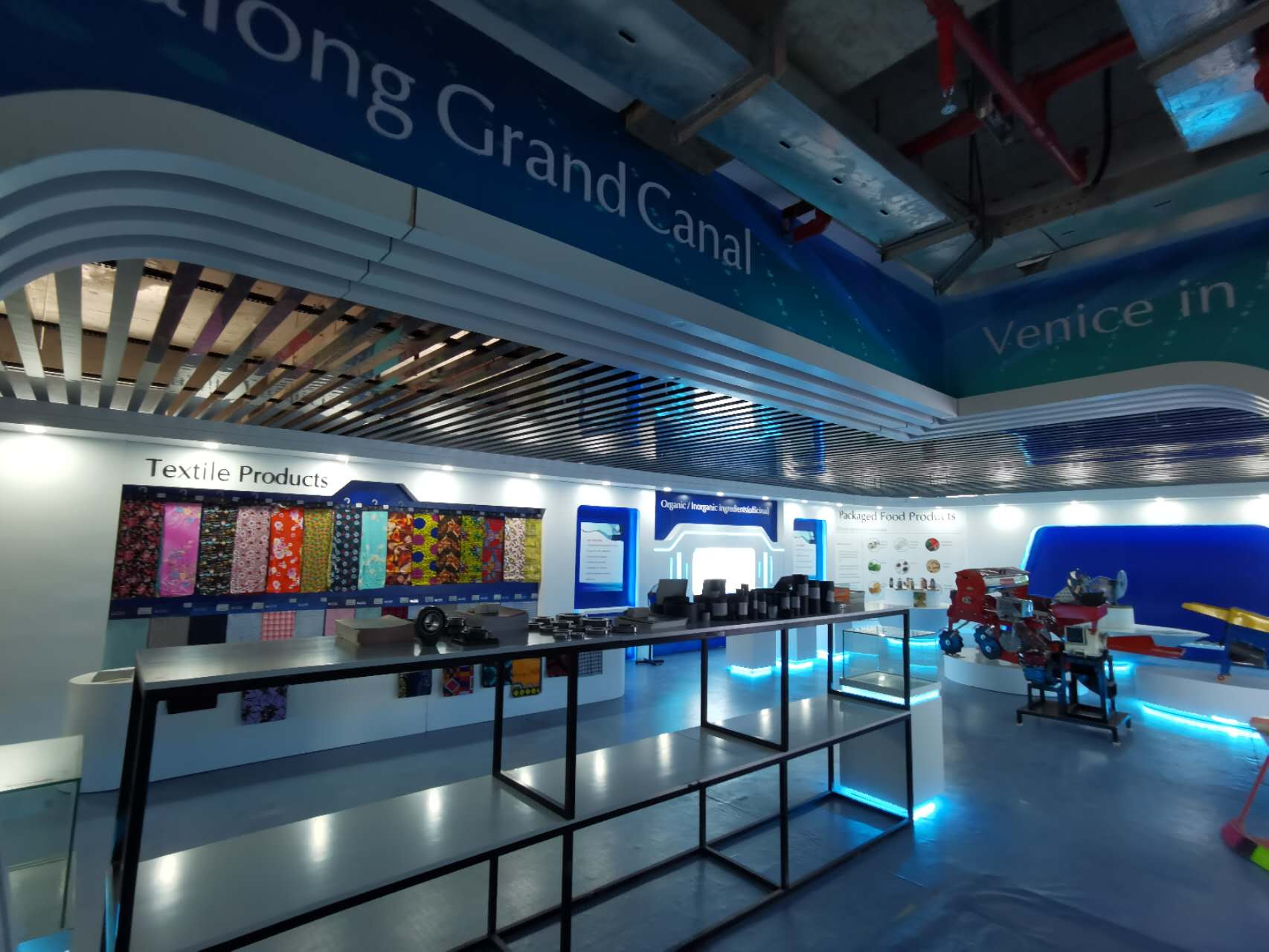
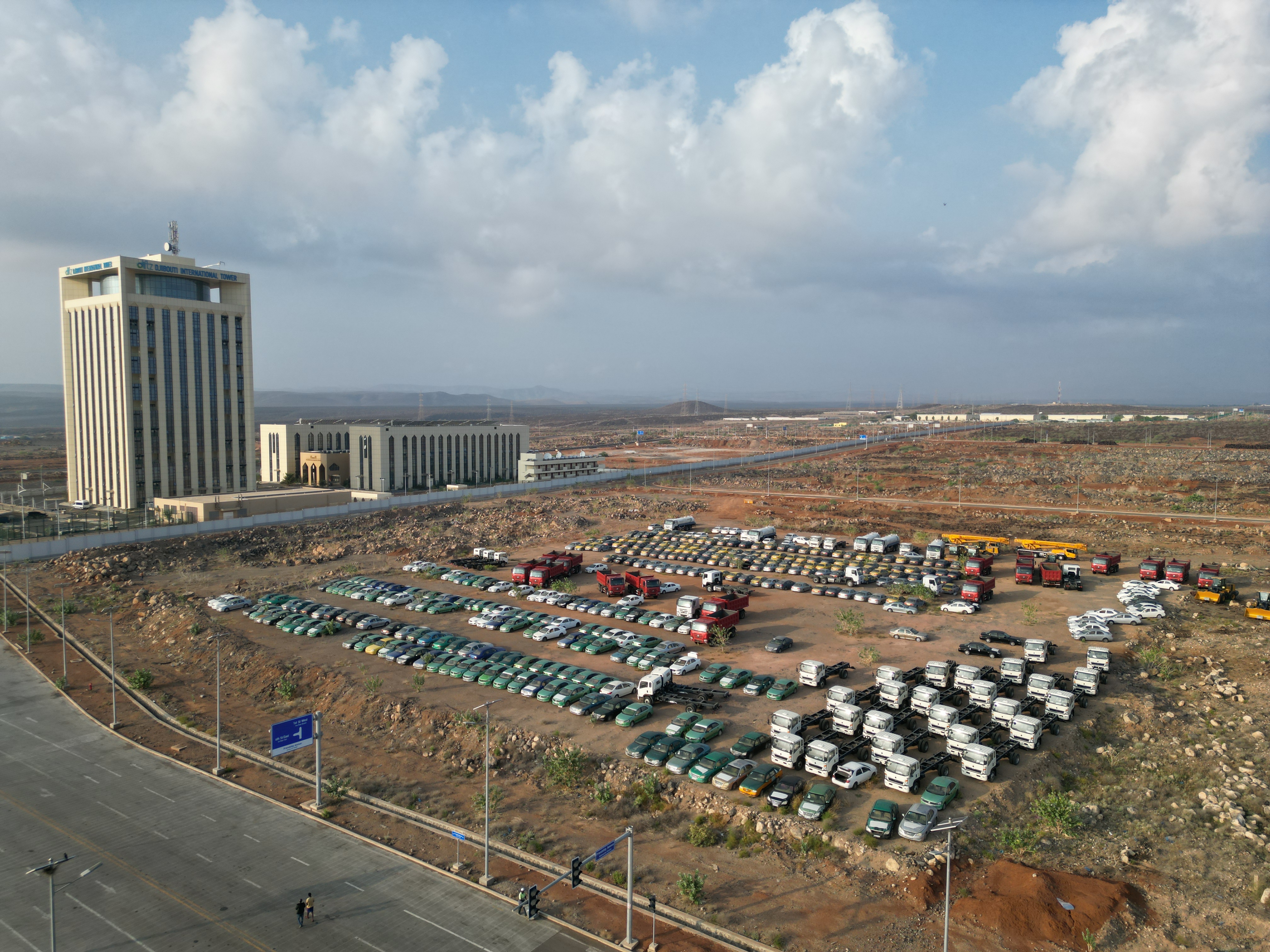
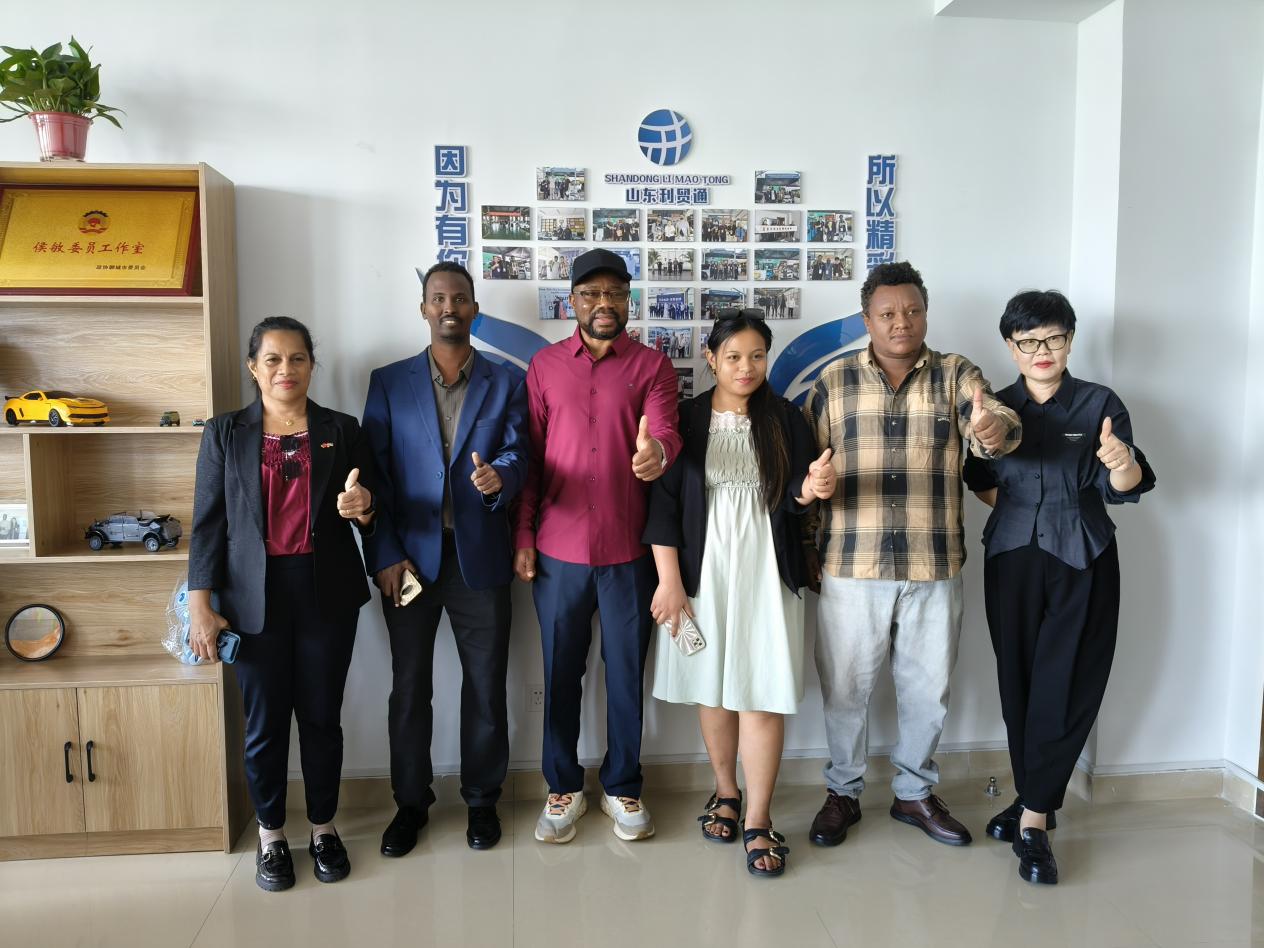
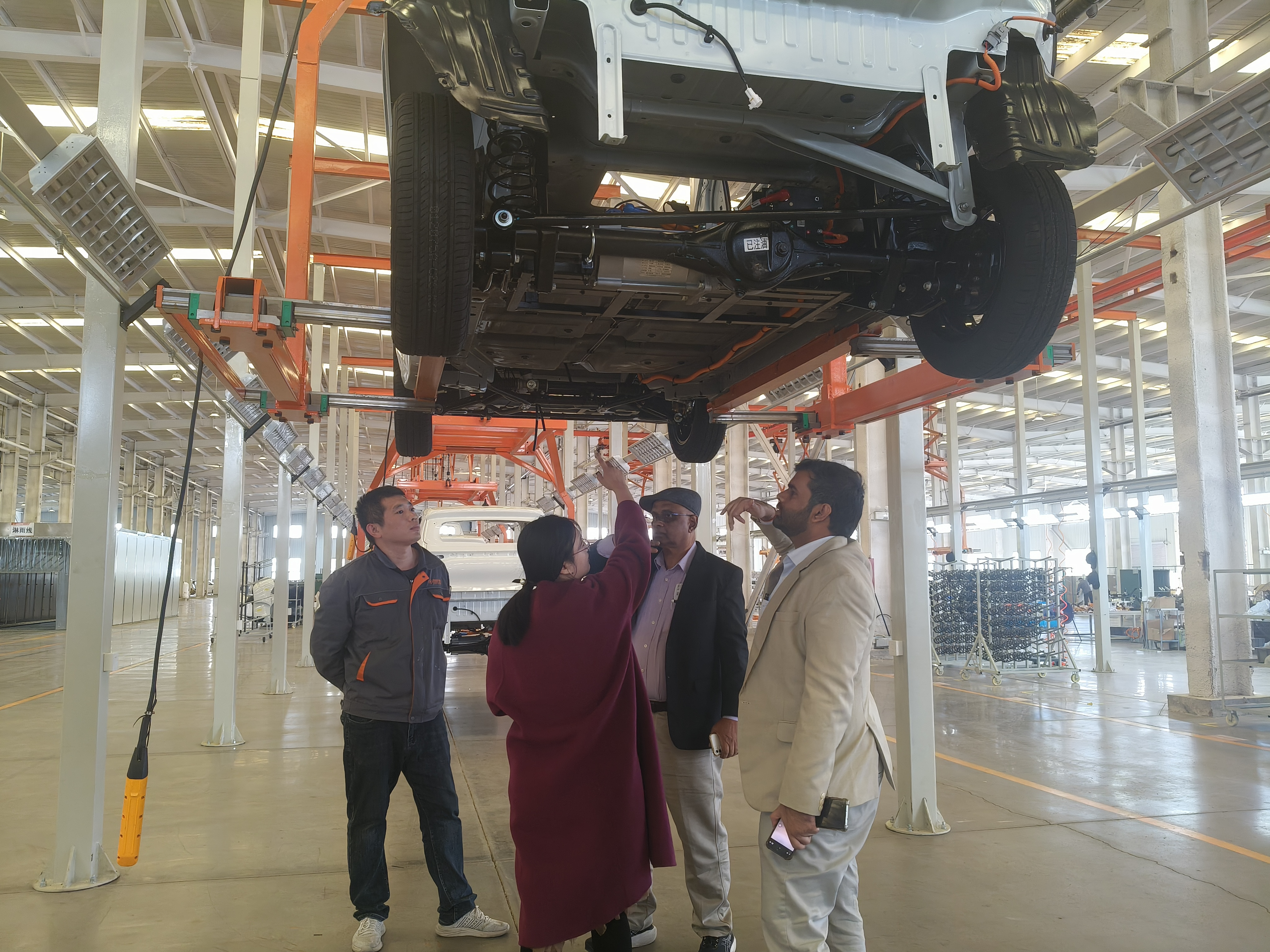
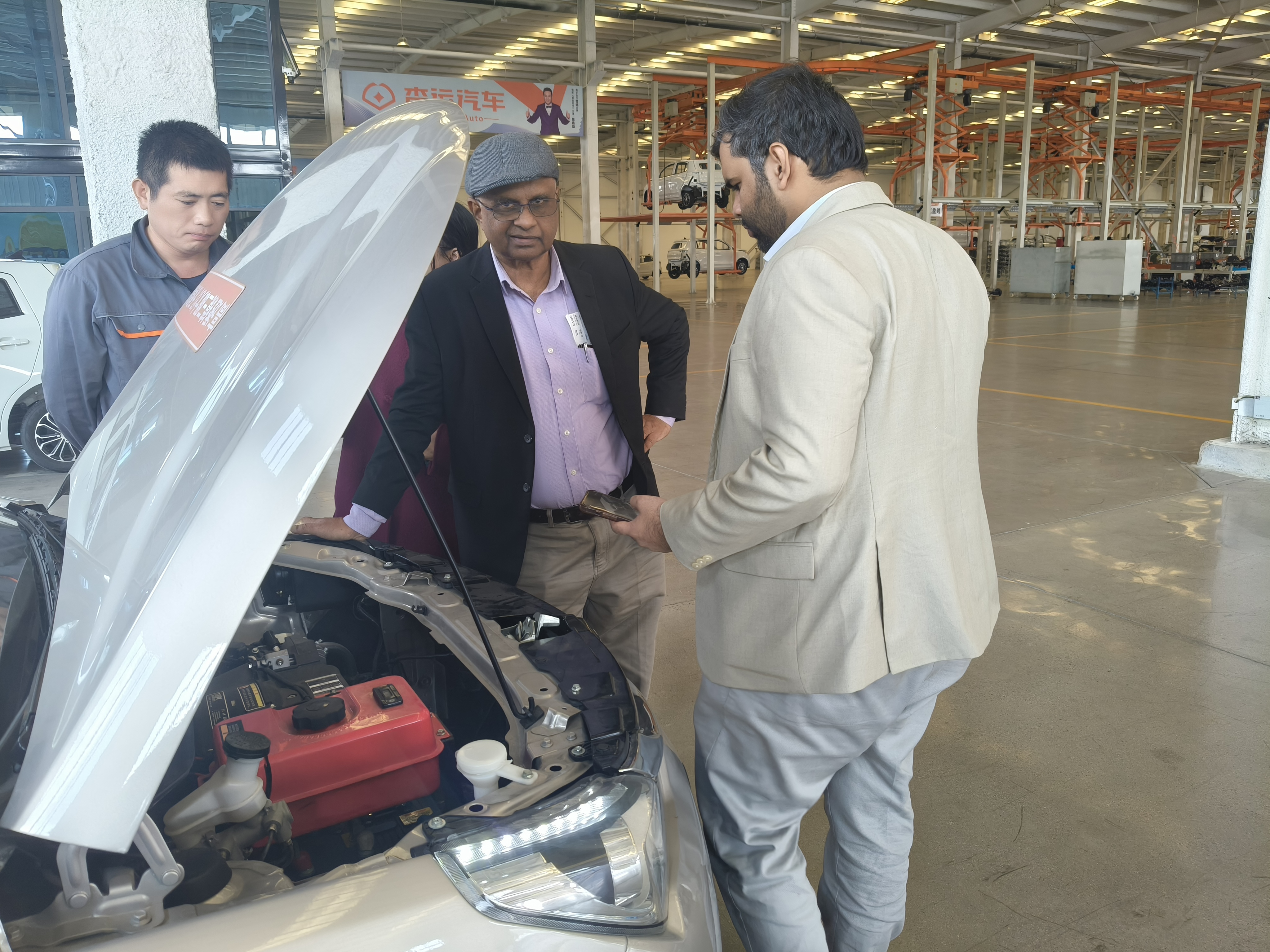
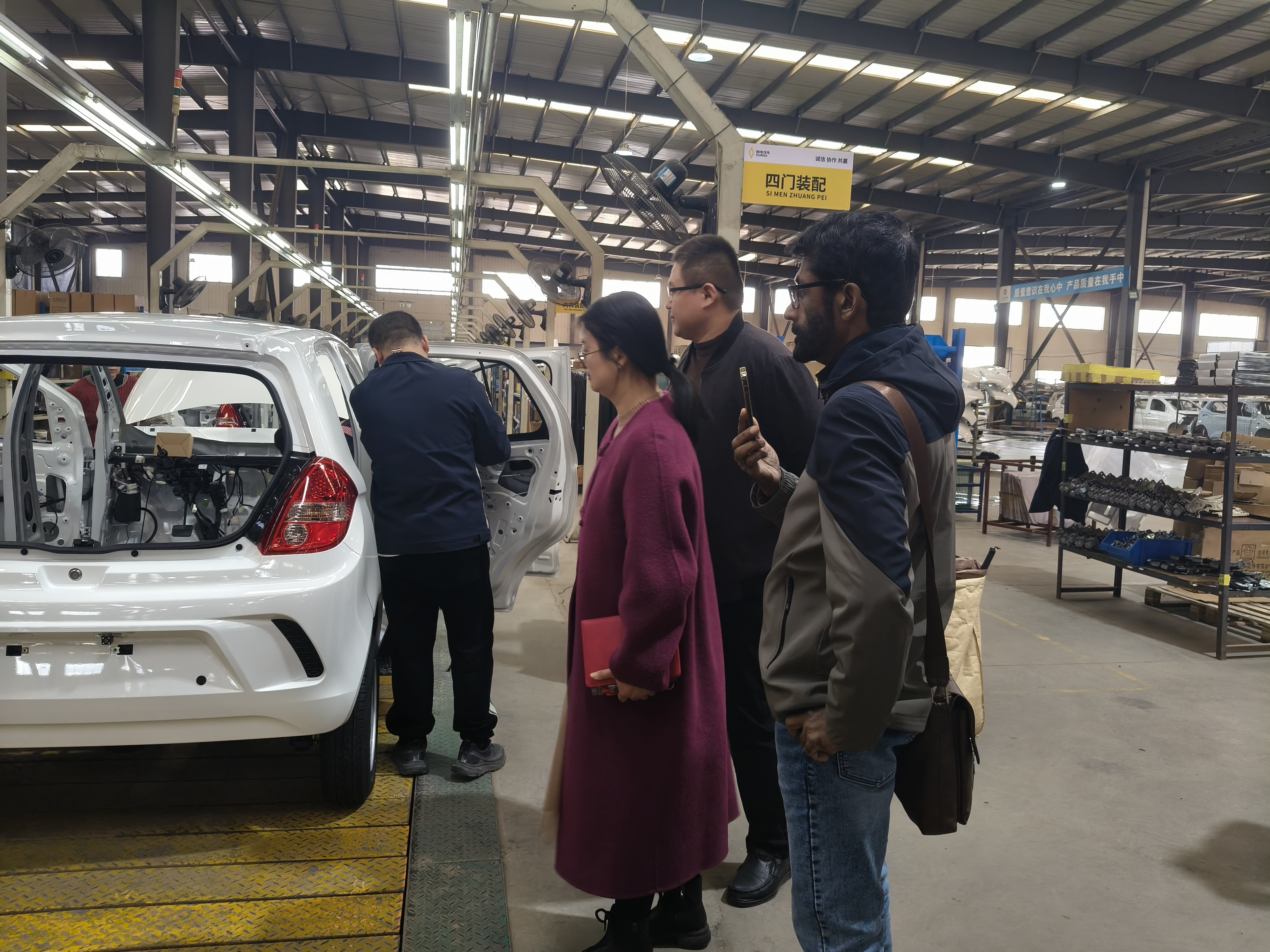
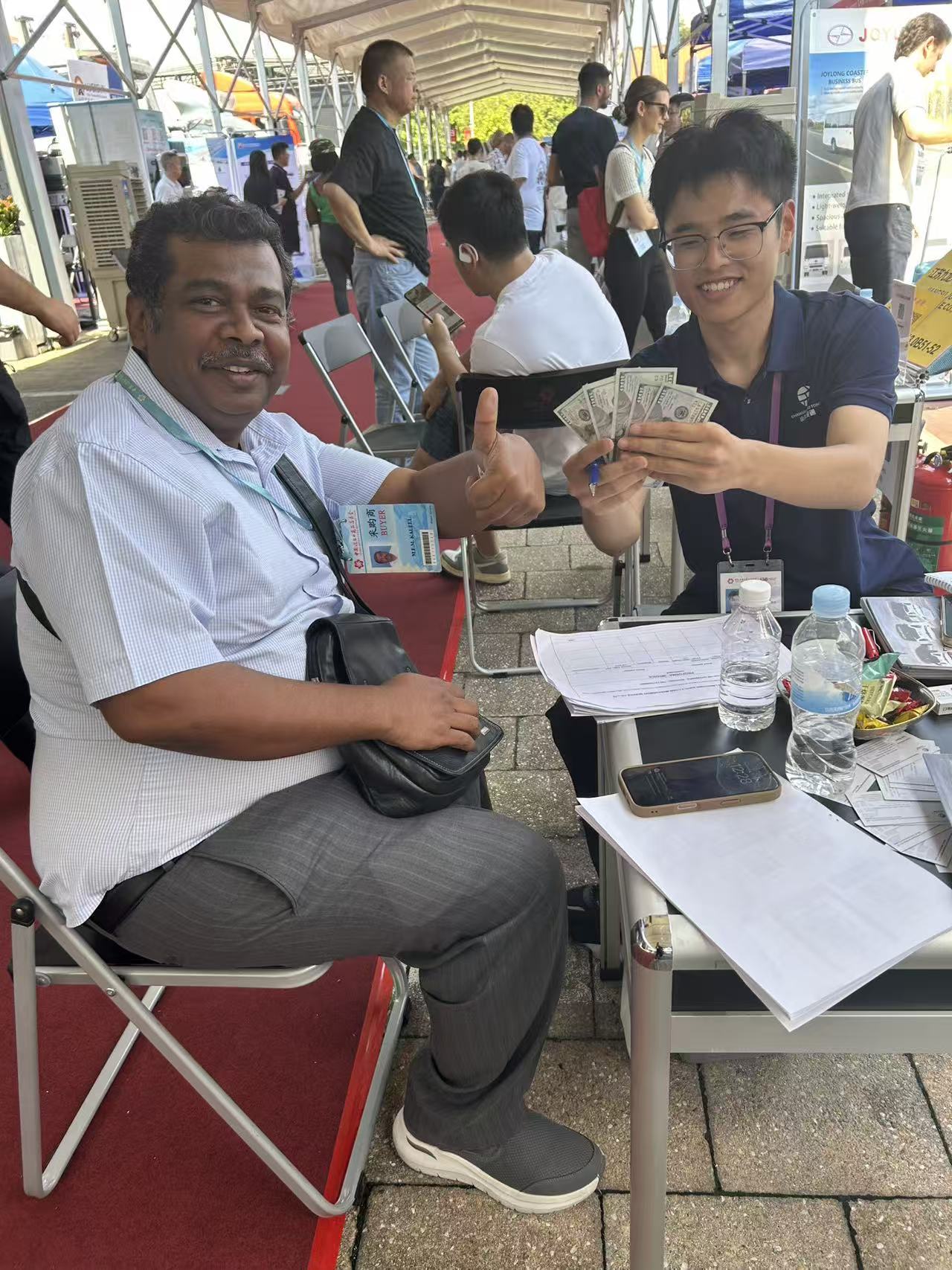
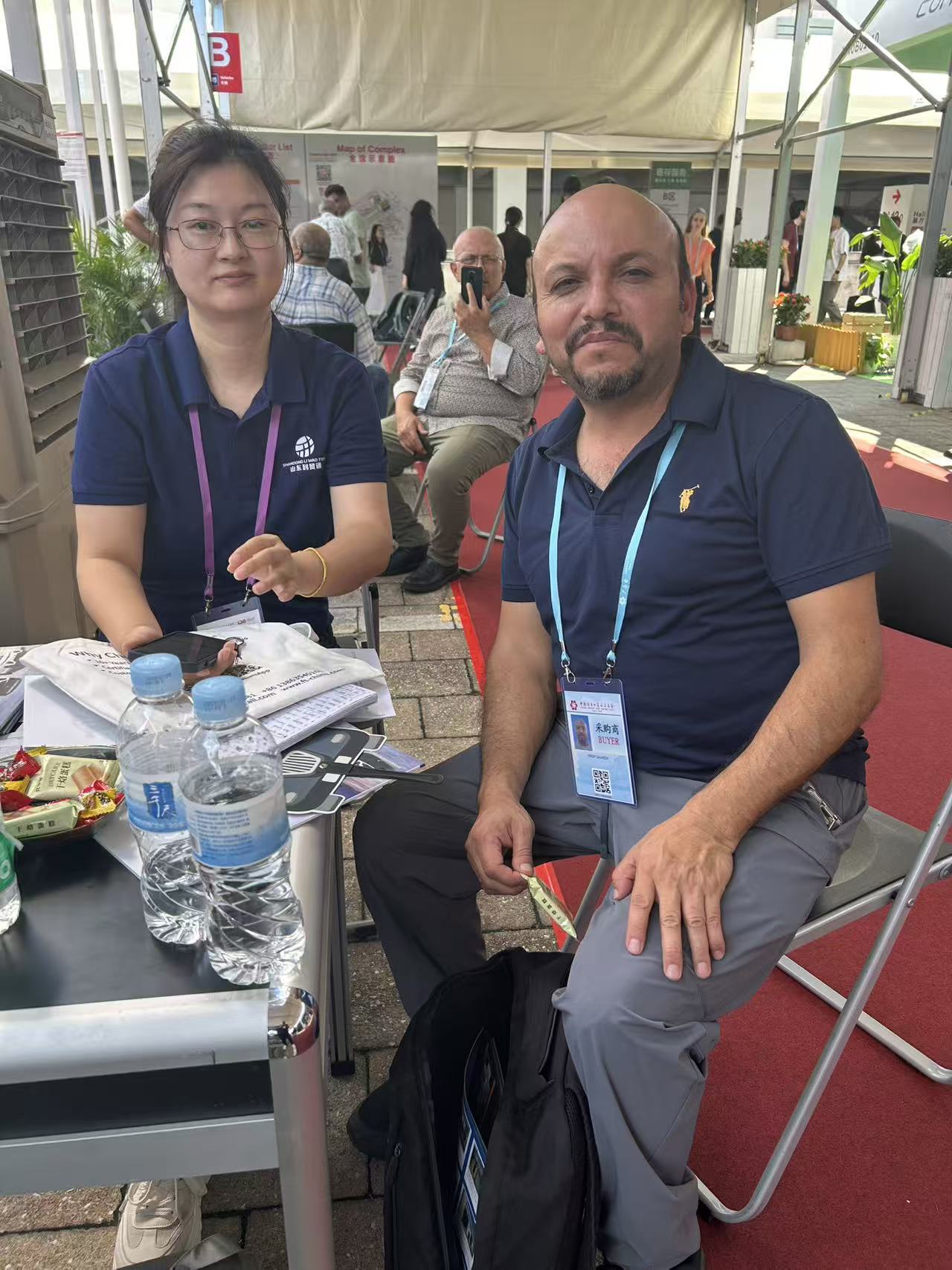
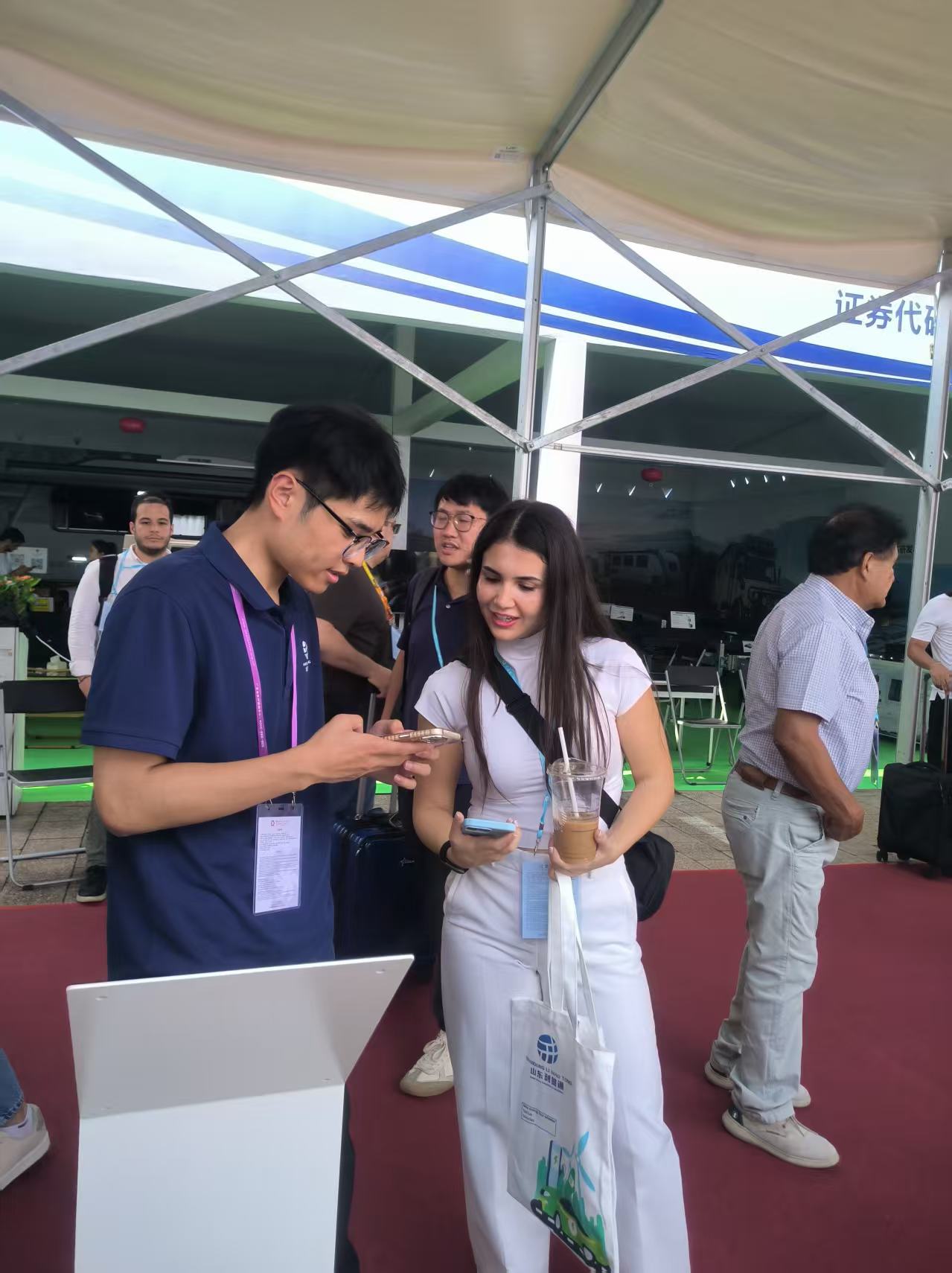
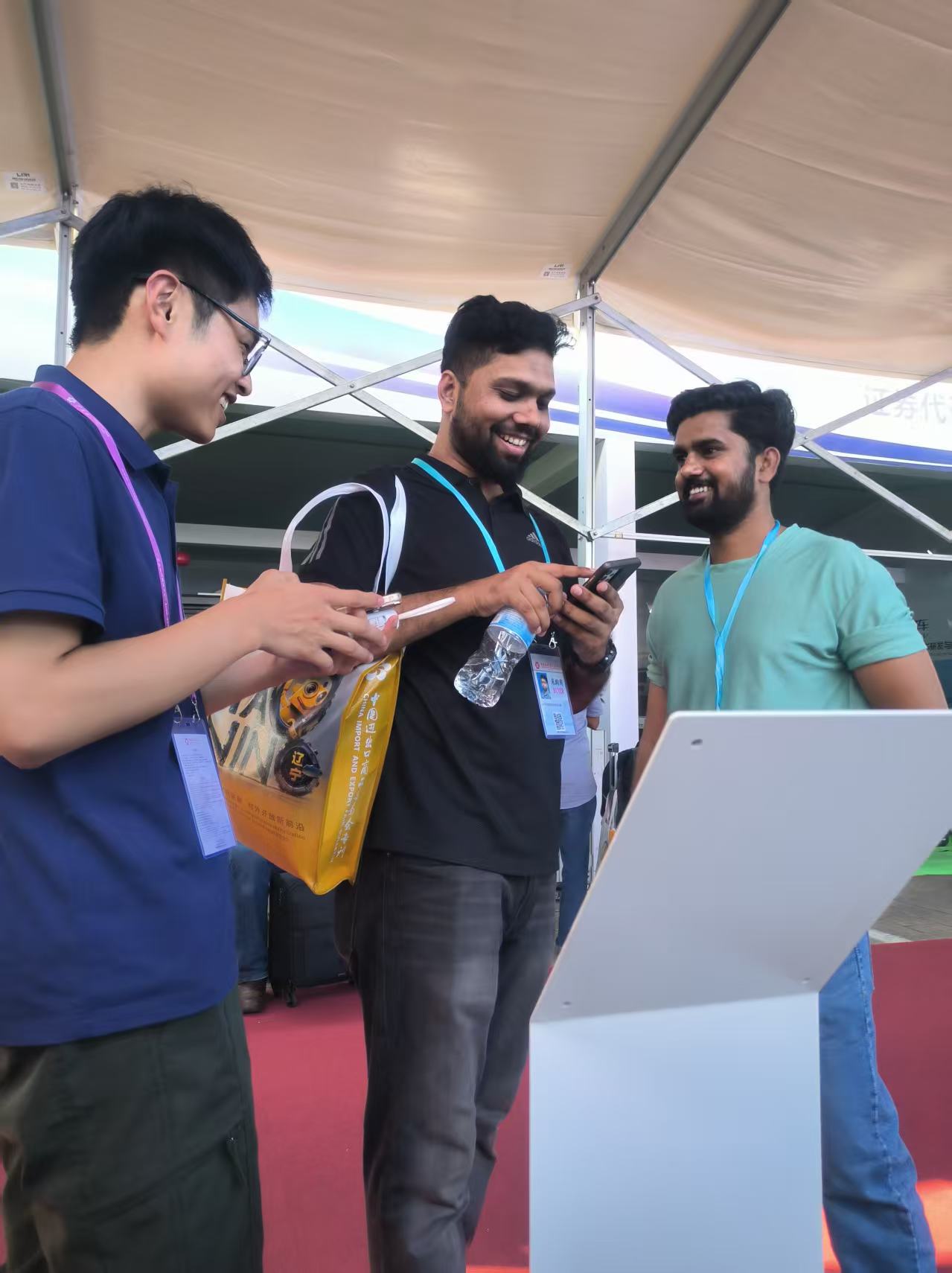
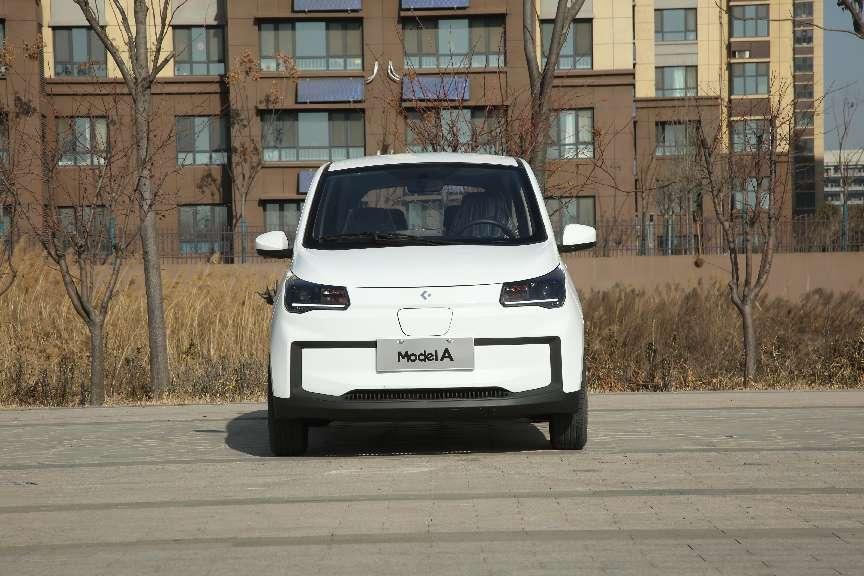
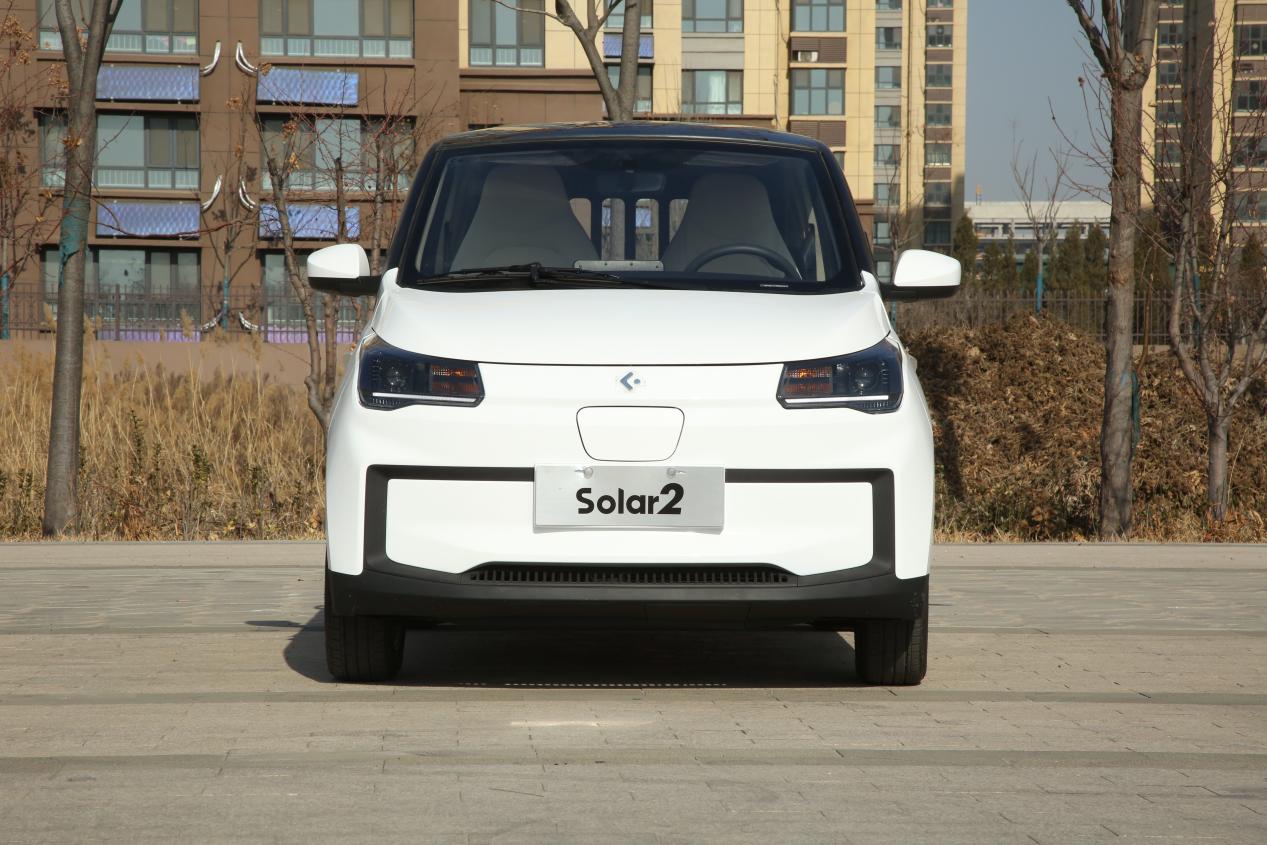
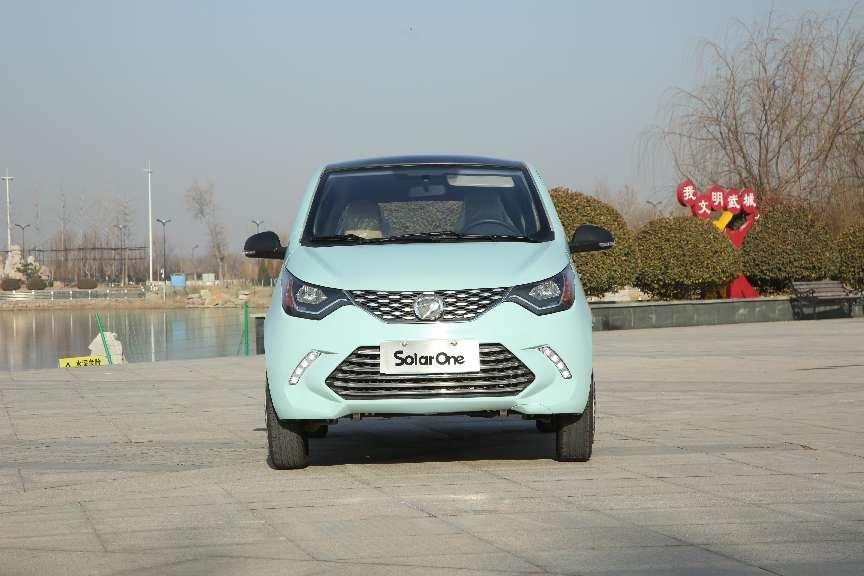
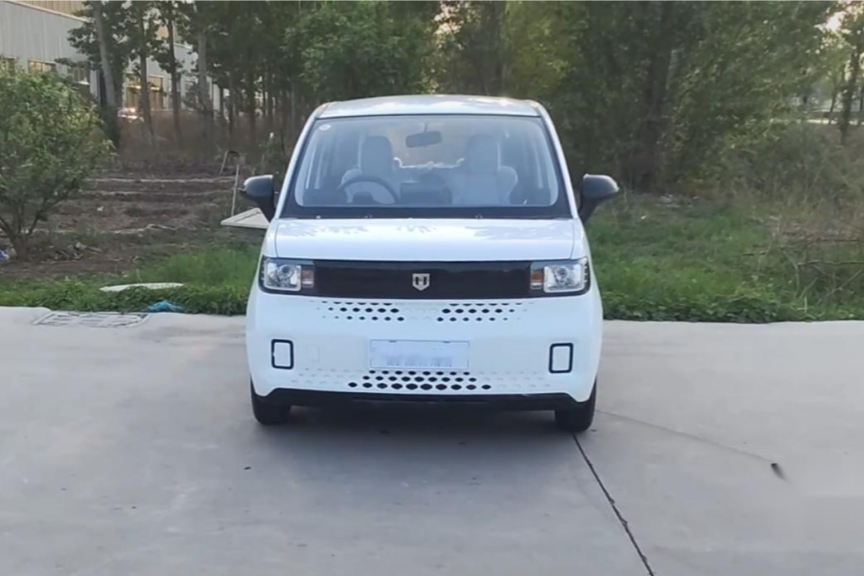
Comprehensive photo overview of our structural setups, cargo boxes, and customized mini solar commuter fleets.
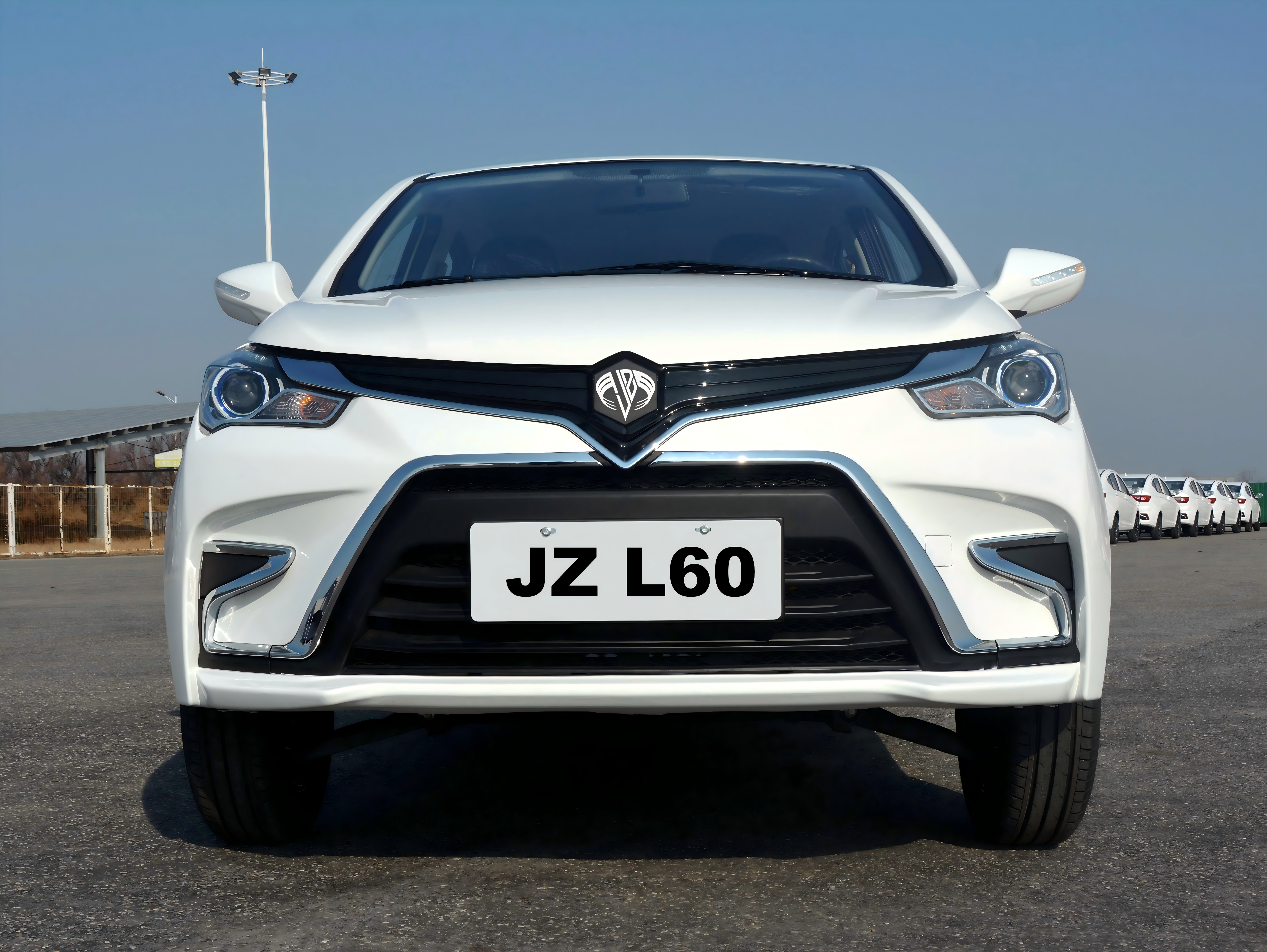
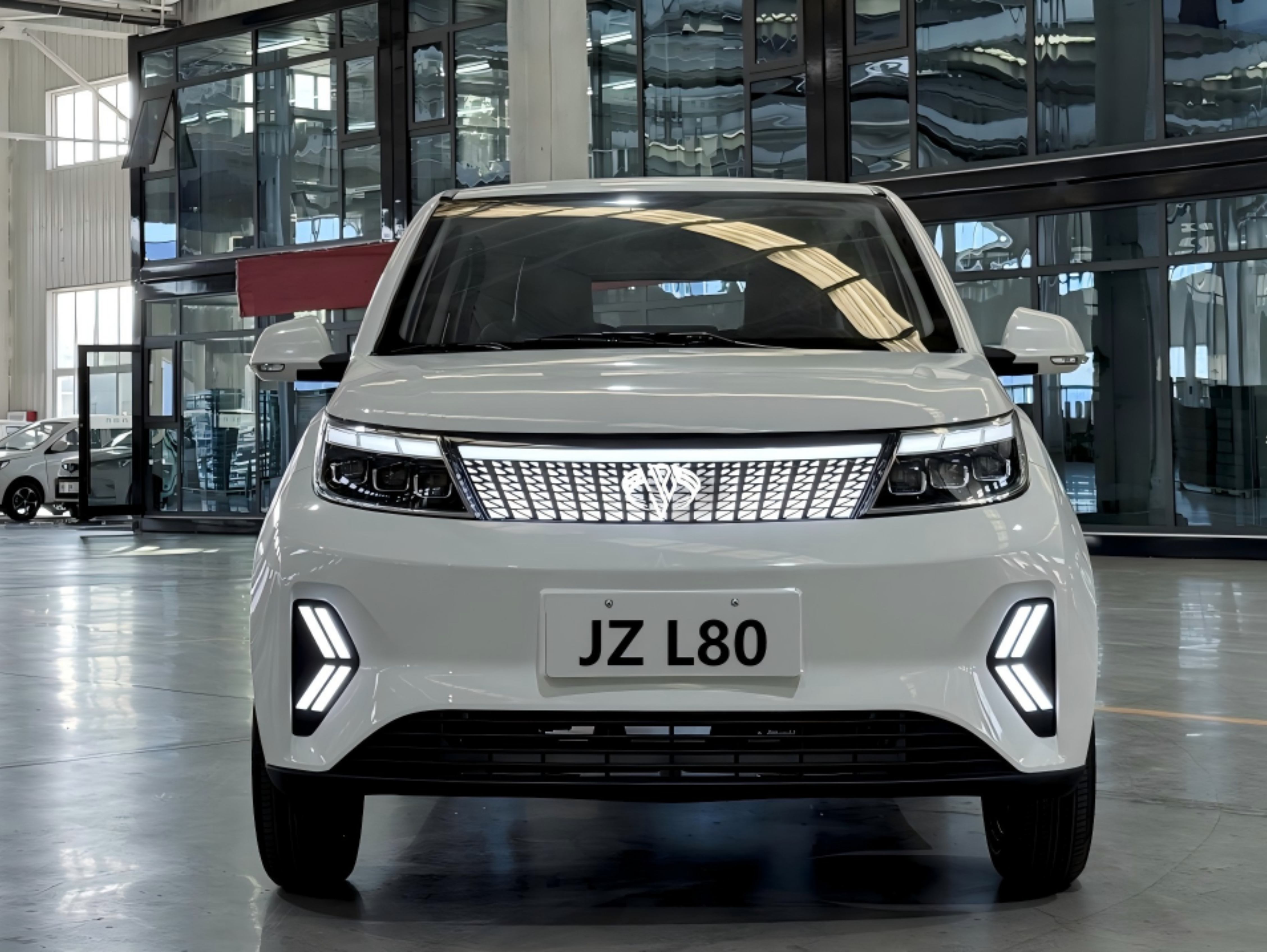
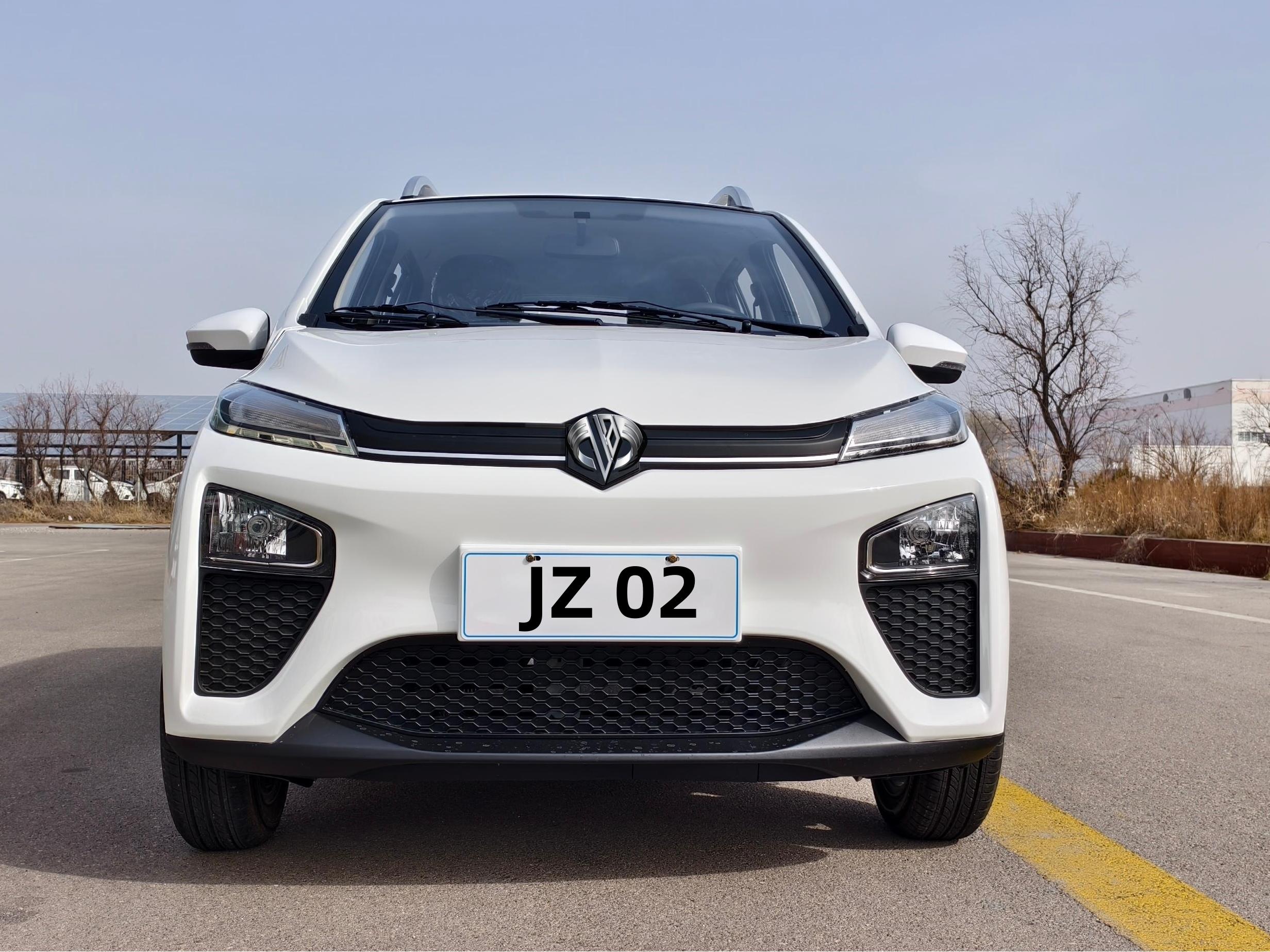
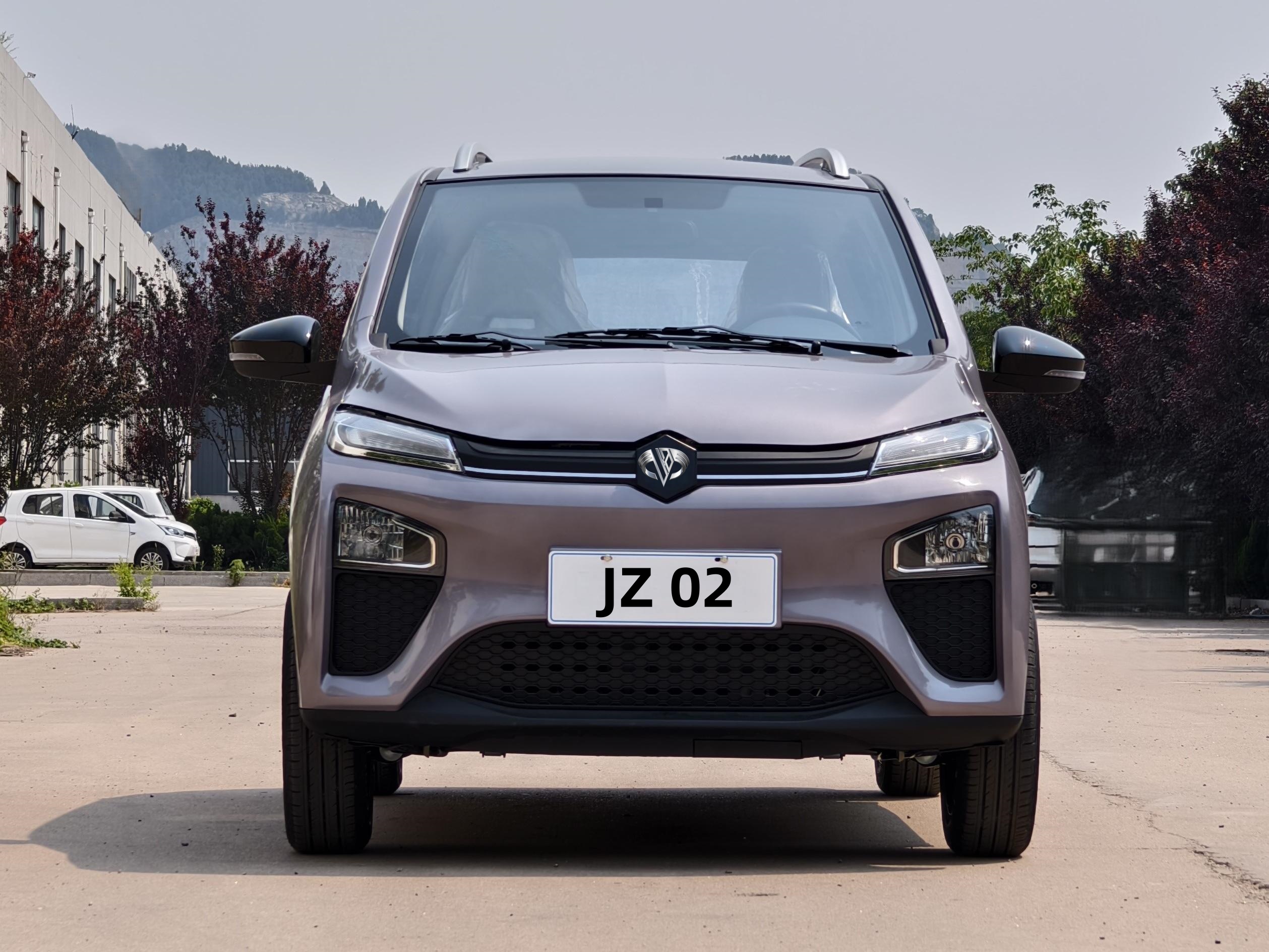
Navigating structural compliance, customs certification, and mechanical configurations for seamless fleet entry.
Importing electric vehicles requires adherence to specific regional design and safety standards. Our platforms are built to meet the following key specifications:
We provide tailored solutions to align our vehicles with your specific operational requirements:
B2B procurement questions answered by our engineering and logistics teams.
Under average sunny conditions (equivalent to 1000 W/m² irradiance), our monocrystalline PV system provides 15 to 30 km of additional driving range per day. The generated energy is routed through our MPPT controller directly to the battery, optimizing system efficiency.
Our vehicles feature intelligent Battery Management Systems (BMS) with built-in thermal protection. The LiFePO4 cells are rated to operate between -20°C and 60°C. For extremely cold climates, we can integrate heating elements to maintain optimal charging temperatures.
Depending on the exact vehicle footprint (two-door vs. four-door vs. cargo configurations), a standard 40-foot HQ container generally accommodates 4 to 8 units in SKD (Semi Knocked Down) format, or 3 units as fully assembled (CBU) vehicles.
Our automated factories use robotic welding, laser cutting, and digital quality monitoring at each assembly stage. Every vehicle undergoes a 45-minute dynamic track test, rain simulation, and electronic diagnostics check before shipment.
Yes. We supply 1% to 2% of total order value in critical replacement parts (BMS, motors, chargers, controllers) with each shipment. Additionally, our regional hub in Djibouti maintains a spare parts stock to expedite delivery times in the Middle East and Africa.
Our standard minimum order quantity is one 20-foot container (typically 2 to 4 units, depending on model dimensions) to optimize shipping costs. Sample units for fleet assessment can be requested subject to tooling and scheduling availability.
Browse our selection of heavy-duty utility vehicles, regional sightseeing buses, and solar-assist electric passenger trikes.
 Limaotong