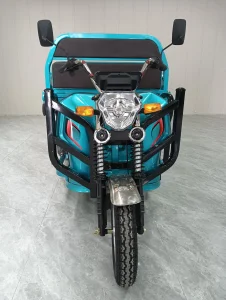
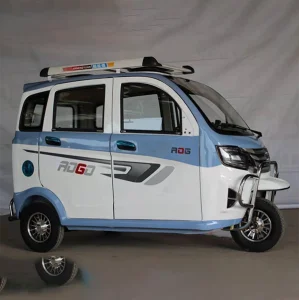
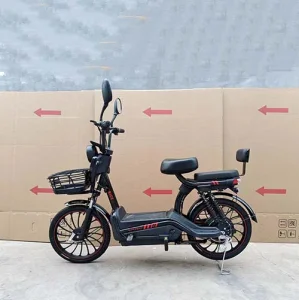
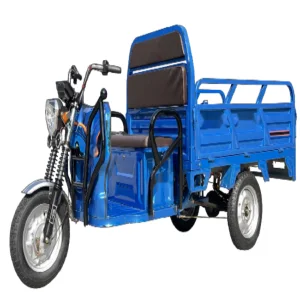
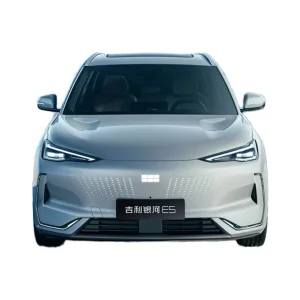
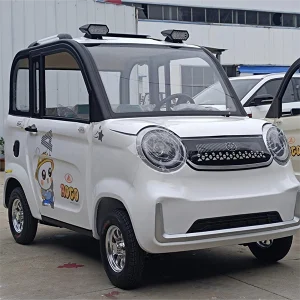
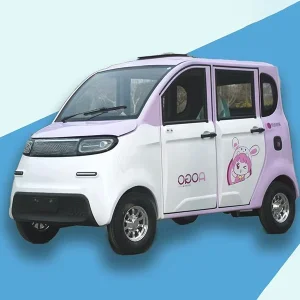
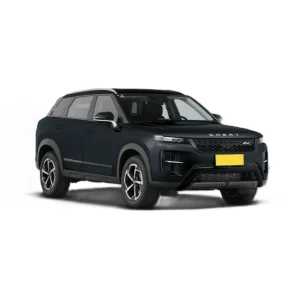
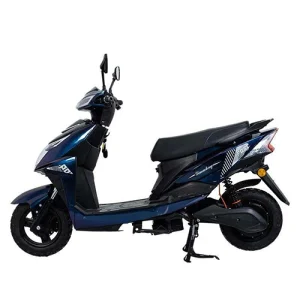
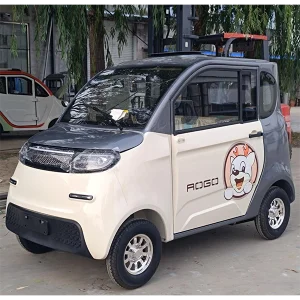
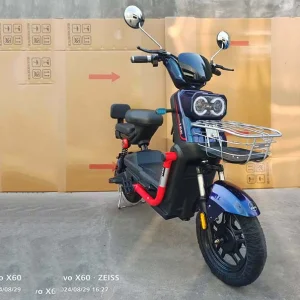
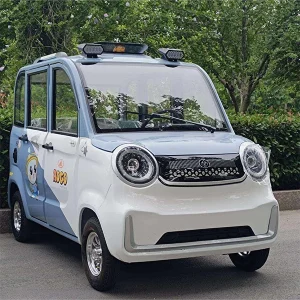
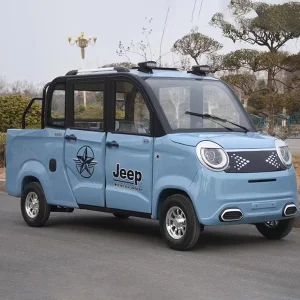
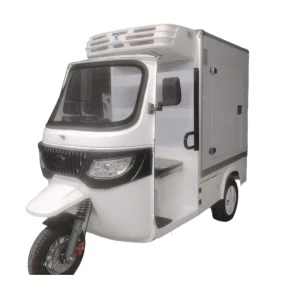
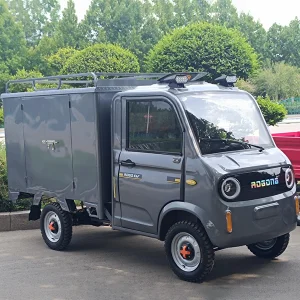
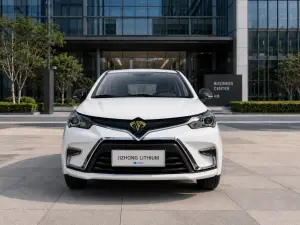
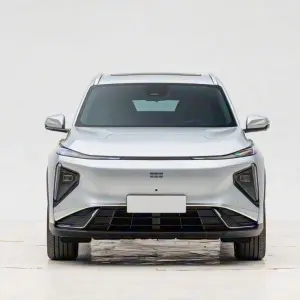
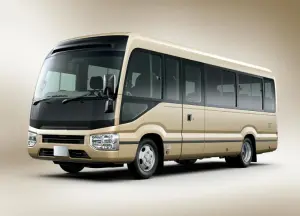
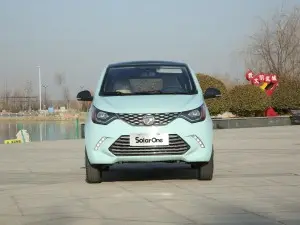
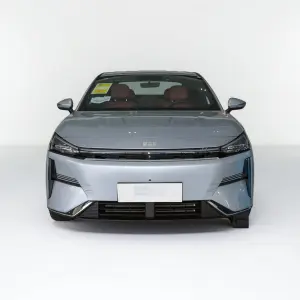
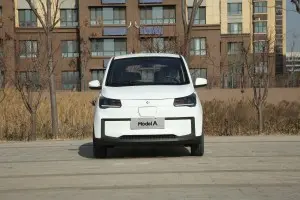
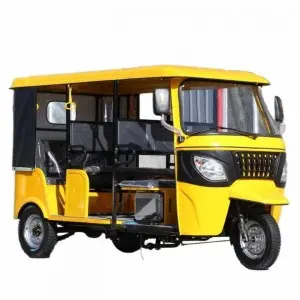
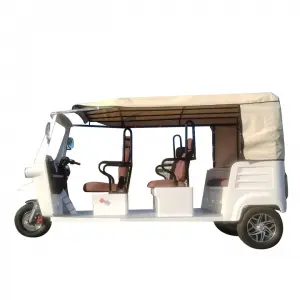
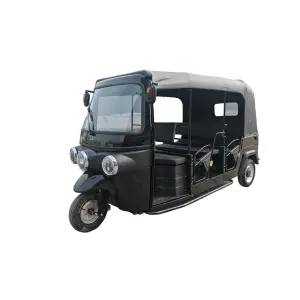
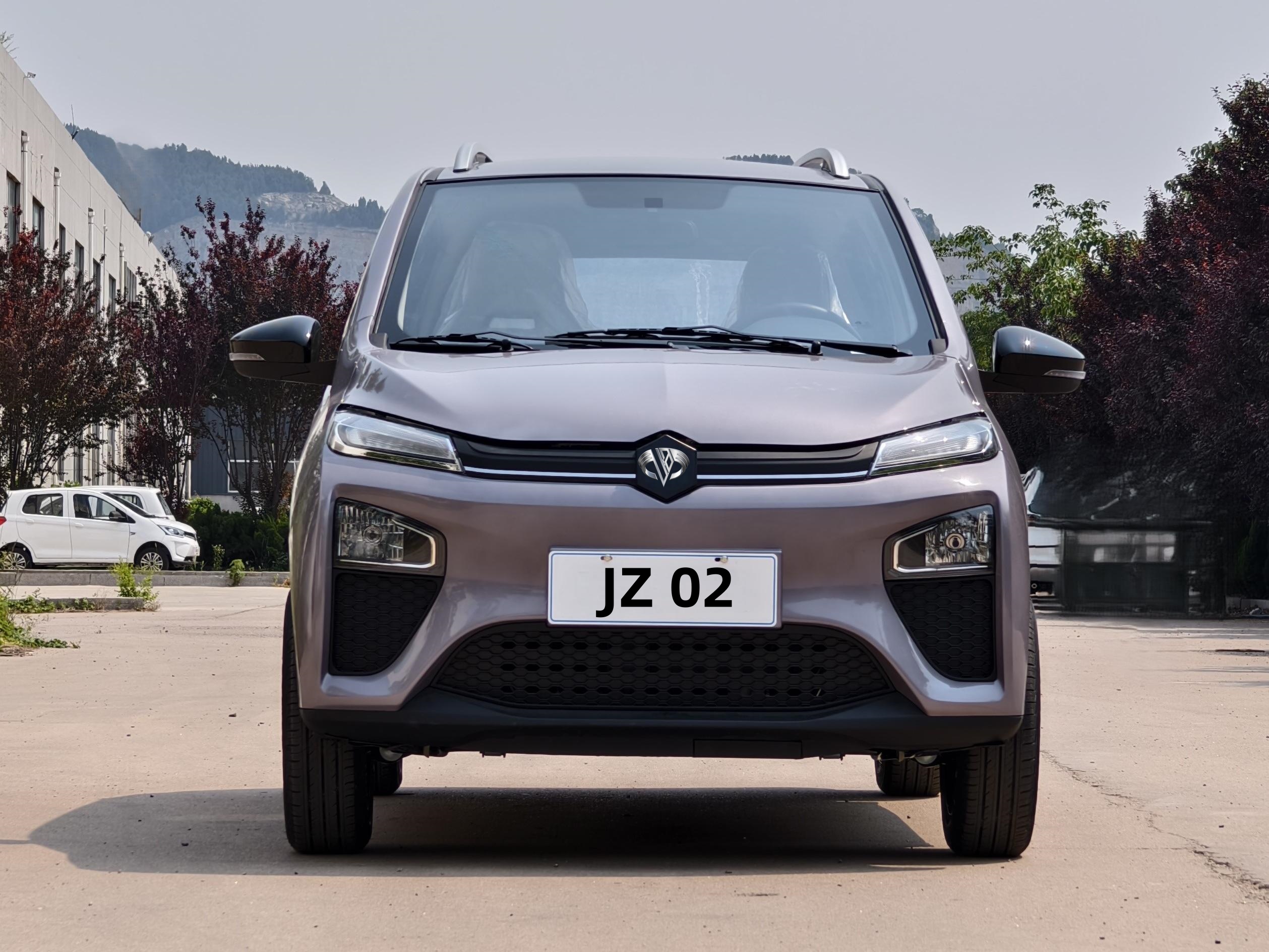
Explore our core fleet of energy-efficient models, from micro-mobility electric bicycles to solar utility trikes and advanced electric passenger vehicles.
As global energy systems shift rapidly towards decentralization and carbon neutrality, the integration of solar panels directly onto Electric Vehicles (EVs) has emerged from a conceptual novelty into a highly functional commercial engineering sector. Shandong Li Mao Tong Group stands at the forefront of this industrial transformation, serving as a key OEM manufacturer and supplier of specialized solar-integrated electric vehicles, mini-cars, trikes, and customized logistics units.
By leveraging advanced monocrystalline silicon modules and high-conversion thin-film solar technologies embedded within outer structural vehicle panels, we bridge the gap between grid dependence and autonomous range extension. Our designs address core search intent for solar micro-mobility, urban freight solutions, and low-speed electric vehicles (LSEVs) optimized for solar charging in off-grid environments.
This whitepaper explores the deep engineering mechanics behind our production processes, our global logistical advantages anchored by the East African Djibouti cross-border distribution hub, and how our localized manufacturing partnerships support the global green transition.
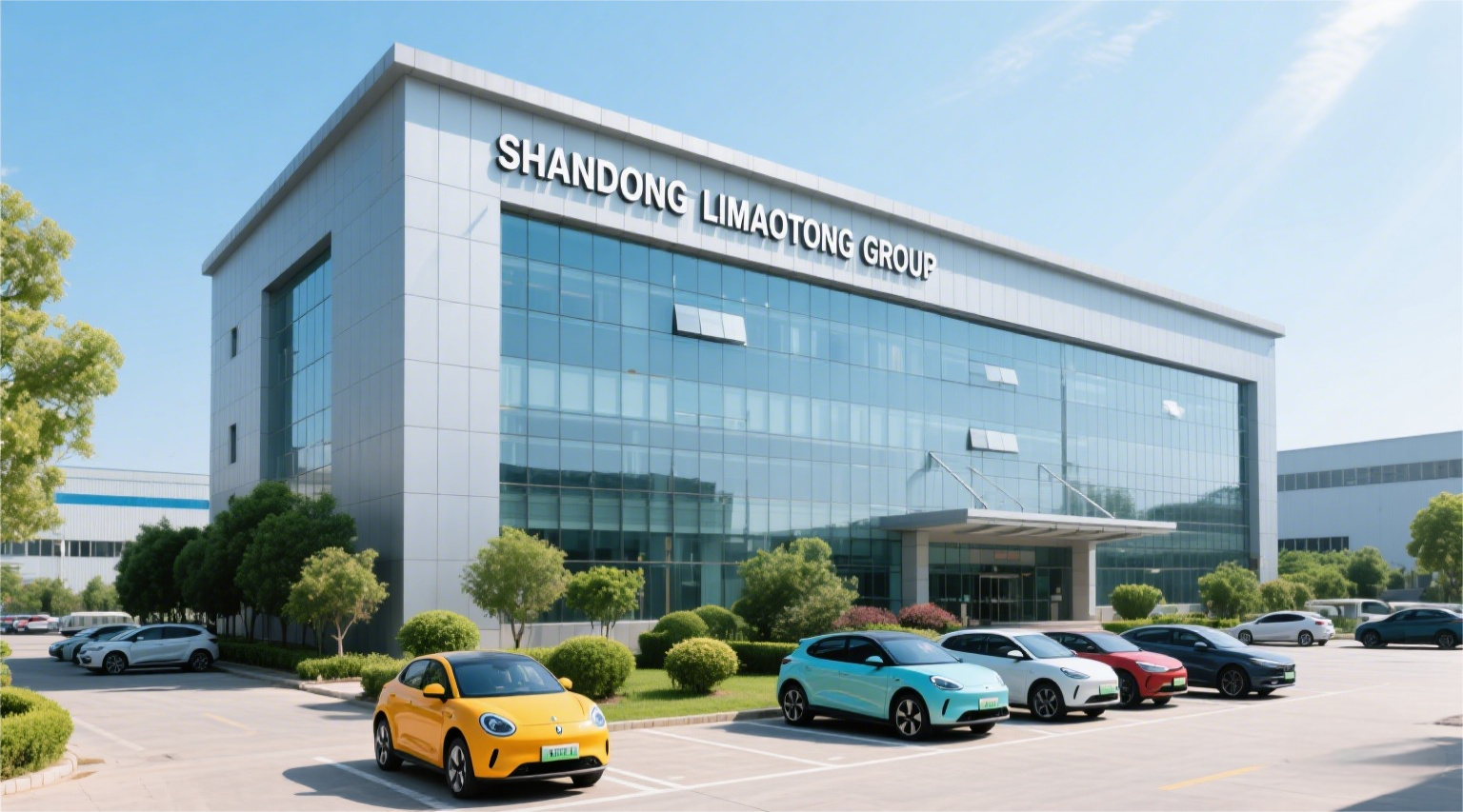
Delivering high-durability electric micro-mobility solutions and passenger vehicles to urban hubs and off-grid rural communities globally.
Localized manufacturing infrastructure minimizing transport overhead and providing direct configuration support for custom orders.
Trusted globally for delivery, commercial logistics, micro-transit operations, and private daily transportation needs.
Witness the state-of-the-art production processes, robotic assembly, quality validation, and extreme environment durability testing that set our manufacturing standards.
At Shandong Li Mao Tong Group, quality is not a static endpoint; it is the metric that governs our digital manufacturing ecosystem. Our smart factories integrate robotic precision assembly lines with real-time structural health monitoring. High-durability one-piece stamped steel structures provide superior collision protection, while our proprietary paint shops use automated electrostatic coating processes to ensure UV resistance and long-term anti-corrosive performance under humid and marine conditions.
To maintain absolute reliability in global fields, our vehicles undergo rigorous laboratory testing, including simulation chambers exposing them to Level 7 rainstorms, extreme thermal gradients from -20°C to 60°C, and structural shake tests simulating thousands of kilometers of rough unpaved terrain. This guarantees our solar-electric solutions operate consistently whether deployed in high-temperature sub-Saharan deserts, tropical Southeast Asian environments, or high-density European cities.
To understand the actual economic utility of solar integration in low-speed and passenger EVs, we must examine the specific materials, electronics, and battery chemistry configurations that enable range extensions of 15km to 30km per day solely via solar exposure.
We employ two primary solar pathways based on the vehicle classification and cost optimization:
Standard solar setups suffer from voltage mismatches between the PV arrays and the main traction battery pack. Shandong Li Mao Tong integrates an advanced onboard MPPT controller. The controller continuously monitors the output voltage of the solar canopy, adjusting the electrical load to locate the optimal peak output. It steps up the voltage to match the vehicle's 48V, 60V, or 72V electrical architecture, maintaining charging cycles even during low-light cloudy conditions.
Solar panels convert sunlight to electricity, but they also absorb heat. If thermal loads are not dissipated, solar performance declines, and cabin heat loads increase. Our engineers utilize specialized multi-layer insulating barriers beneath the solar roof panels. This barrier reflects infrared heat away from the passenger compartment, redirecting ambient airflow underneath the array to passively cool the cells and maintain peak efficiency.
Monocrystalline and CIGS direct panel installation. Standard MPPT controllers step up charge rates to yield 20km average daily range offset in sunny climates.
Adoption of tandem cell structures pushing theoretical conversion limits past 28%, significantly reducing required roof space while boosting range extension to 35km+ daily.
Transforming the entire chassis skin into an energy harvester, connected to localized smart micro-grids, allowing idle fleets to feed excess clean energy back into local grids.
Analyzing real-world environments where vehicle-integrated solar charging resolves critical logistics and transit barriers.
In congested urban zones, our Electric Tricycle Freezer Box for Cold Chain Delivery provides a vital solution. Maintaining refrigeration temperatures requires steady electrical energy. Solar panels mounted on the freezer container generate dedicated power for the cooling compressor, preventing battery drainage during idling and grid outages. This preserves fresh produce and temperature-sensitive pharmaceutical shipments without relying on auxiliary diesel generators.
For rural regions and island nations where electric grid infrastructure is unreliable or highly expensive, standard plug-in electric vehicles are impractical. Solar electric vehicles, passenger tuk-tuks, and cargo trikes harness clean, abundant sunlight. They function as self-charging transport systems that require zero grid connection to complete short commuter routes and daily farming runs.
National parks, luxury resorts, and high-density manufacturing parks demand zero-emission operations. Our custom-designed Electric Sightseeing Buses and EV Tuk-Tuks operate continuously throughout sunny days, harvesting energy during passenger boarding windows. This reduces charging downtime and helps operators lower operational costs while meeting strict environmental standards.
A transparent look at our heavy manufacturing complexes, high-precision assembly lines, and customer inspections.
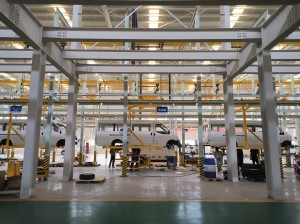
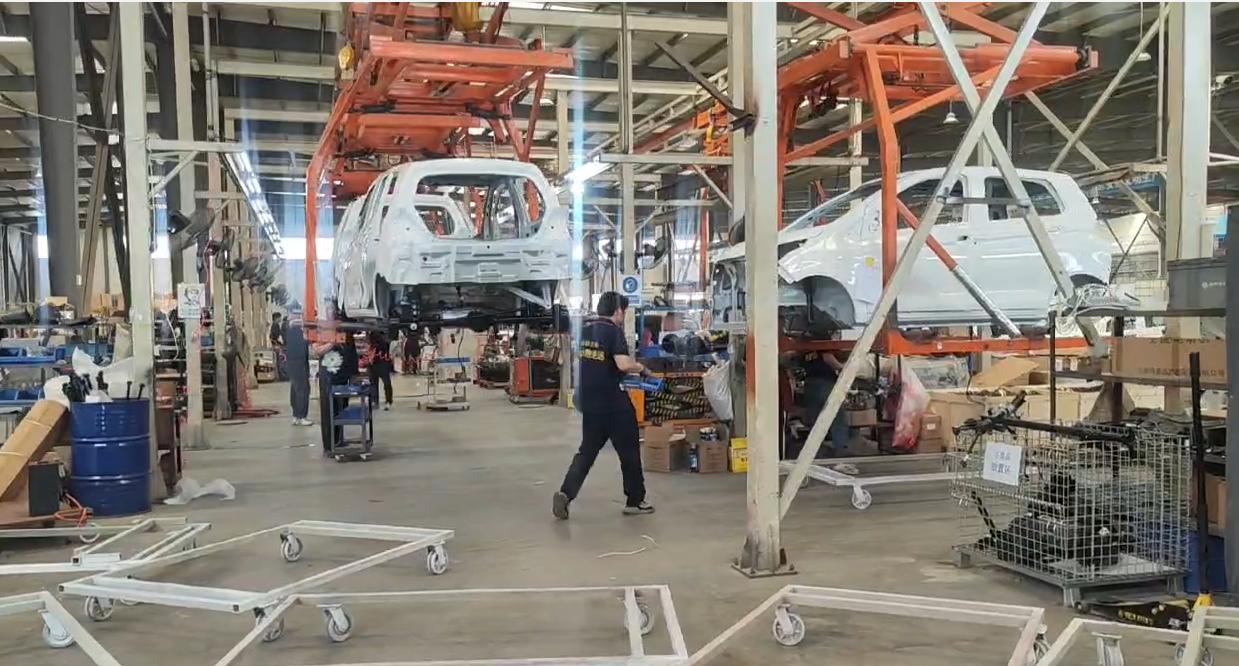
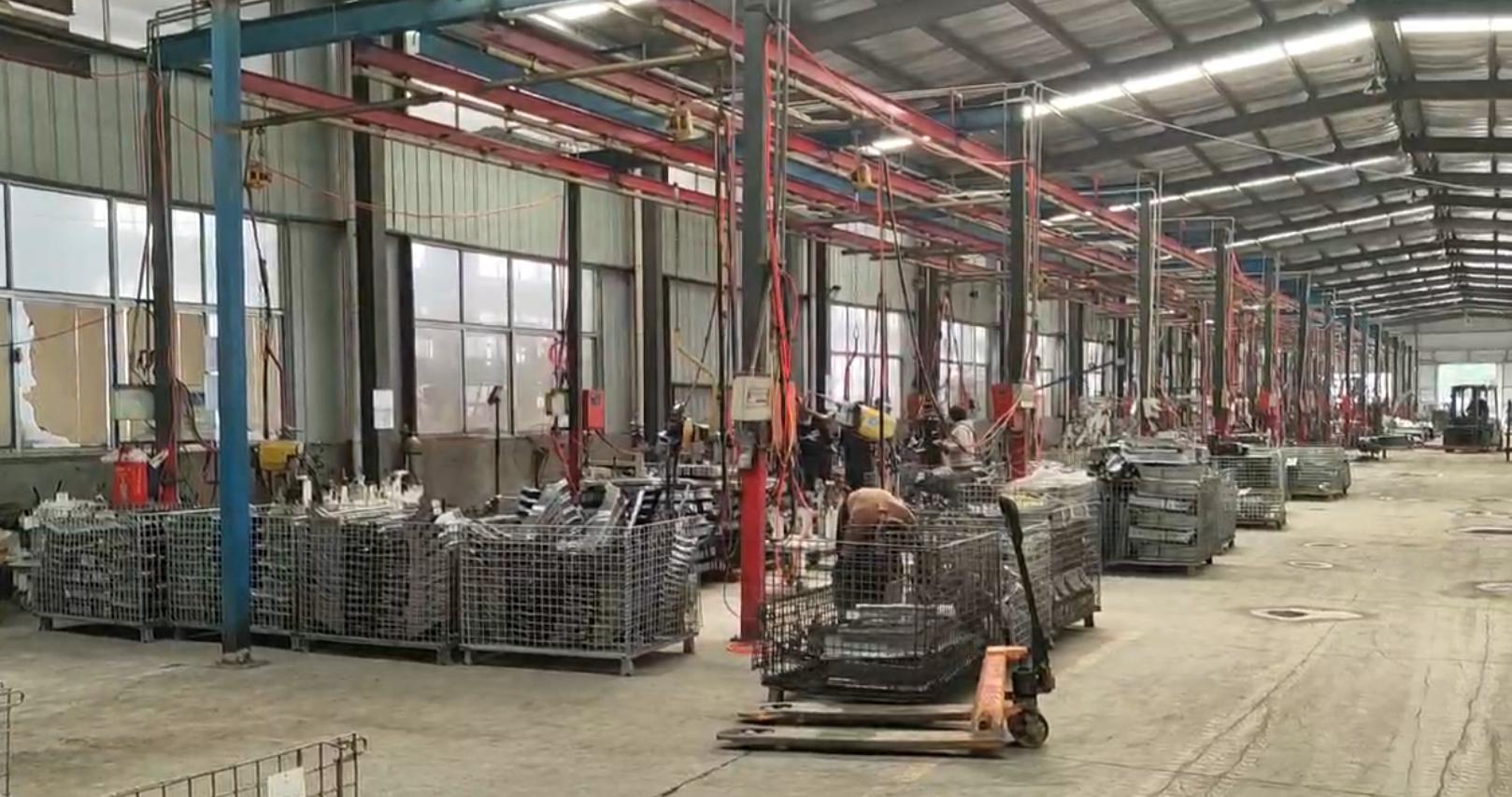
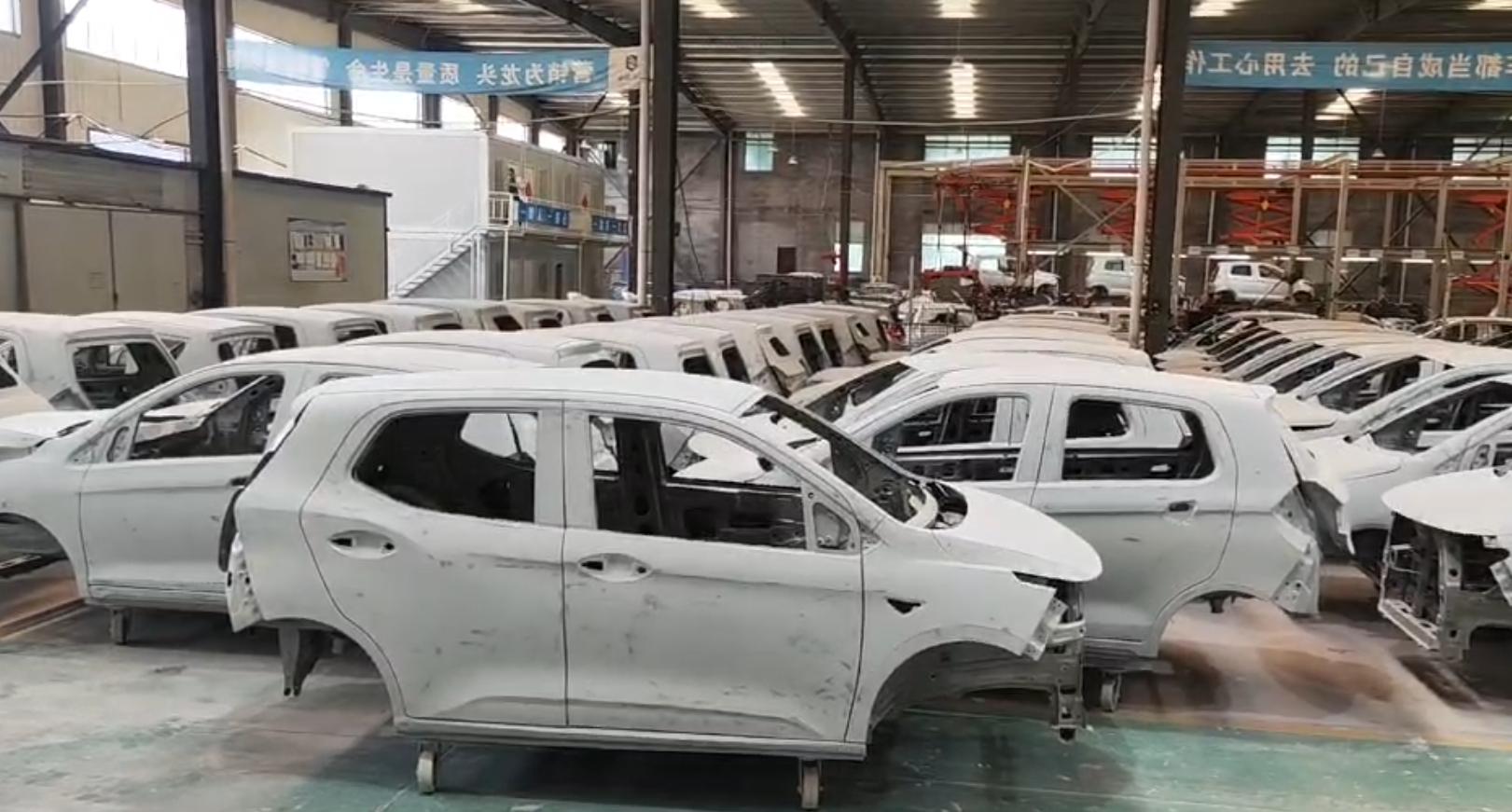
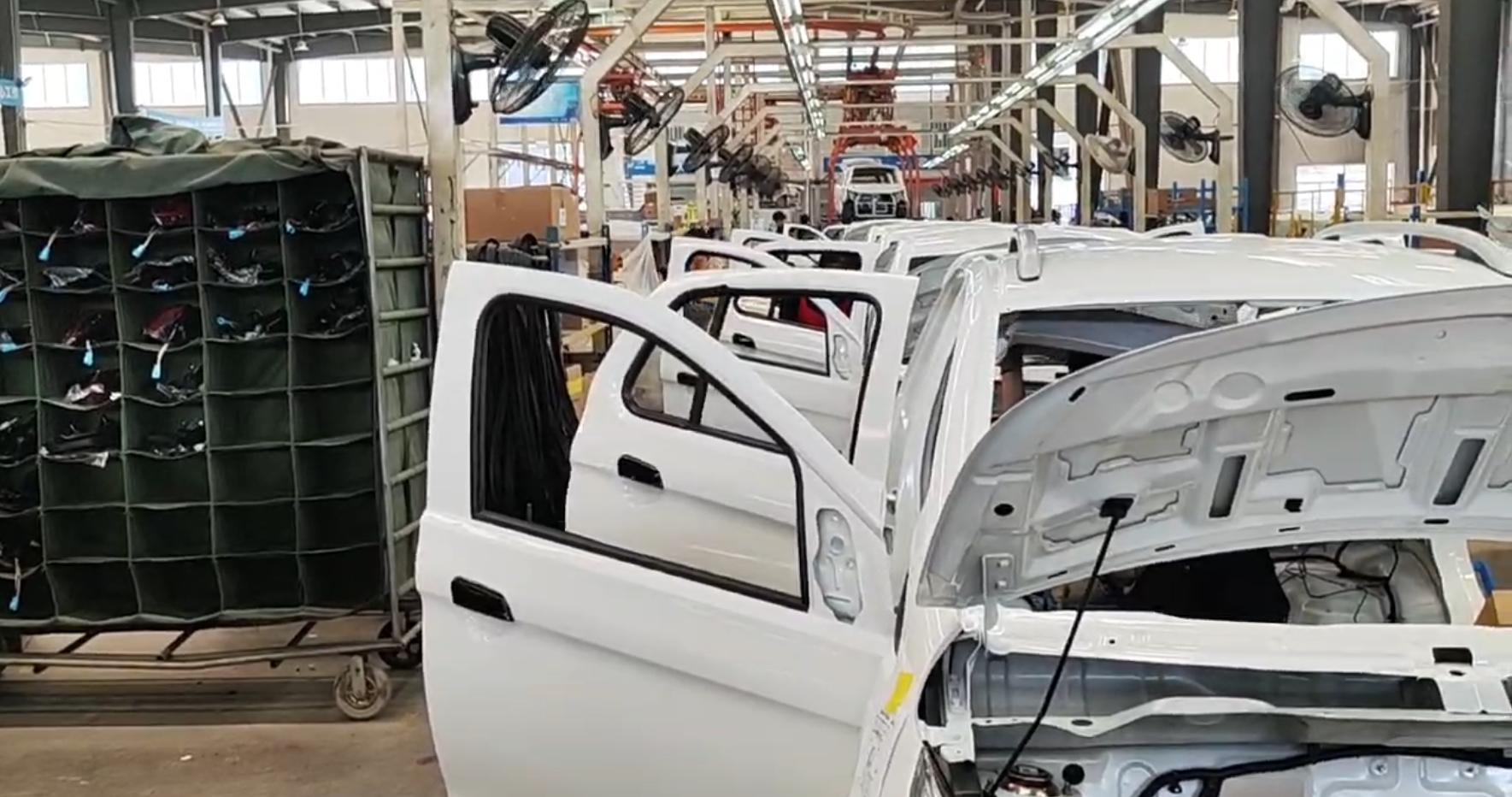
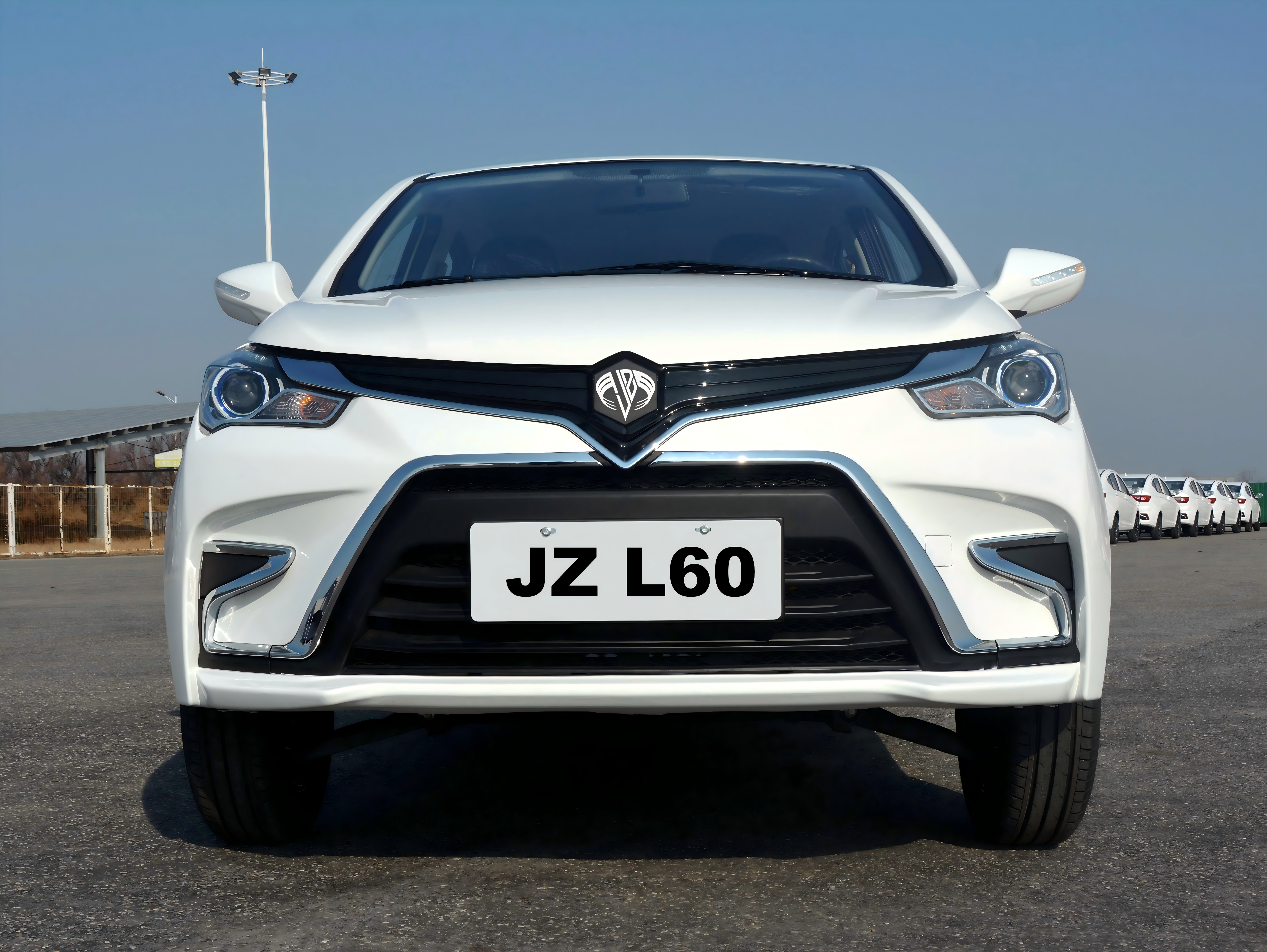
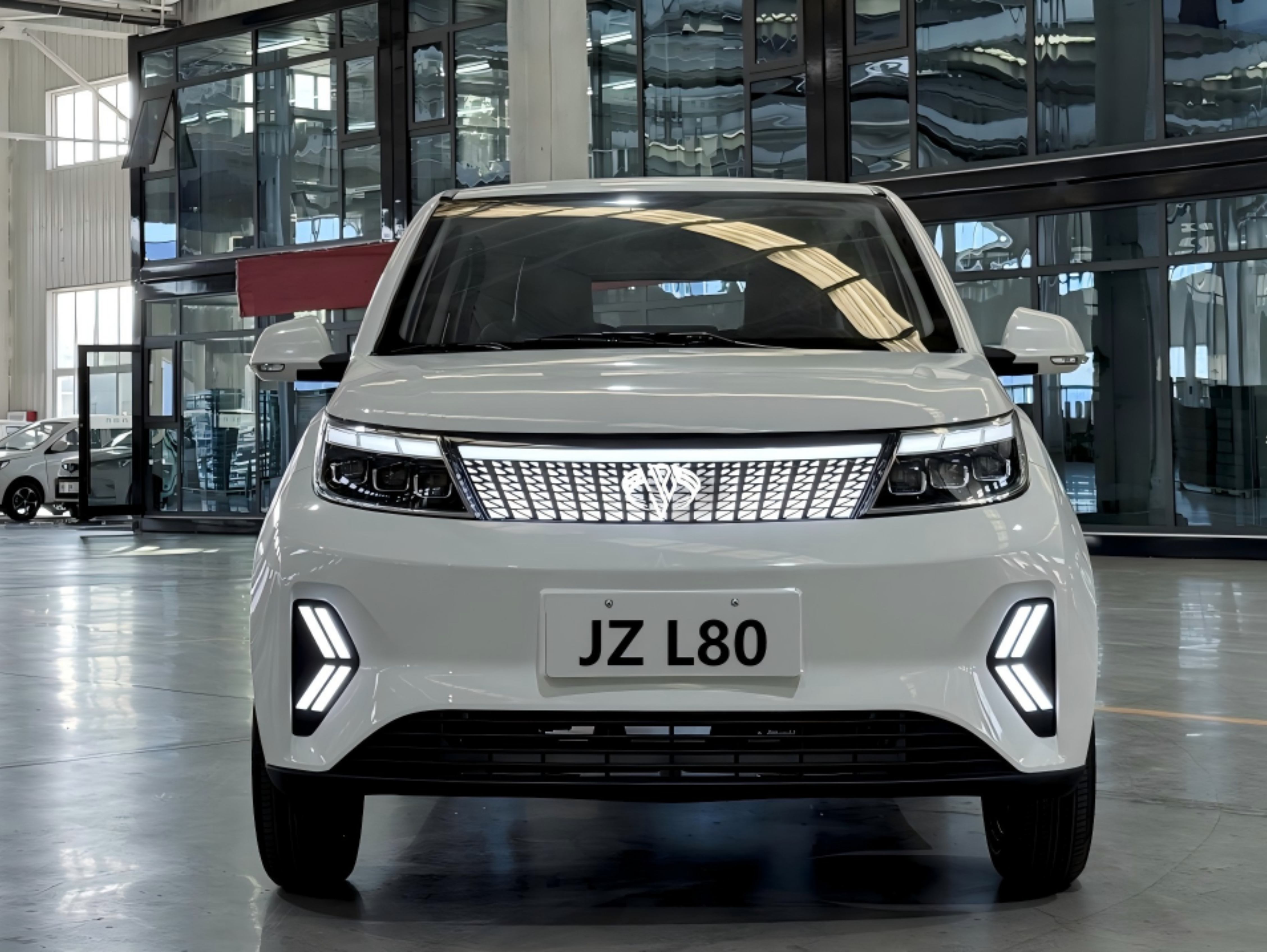
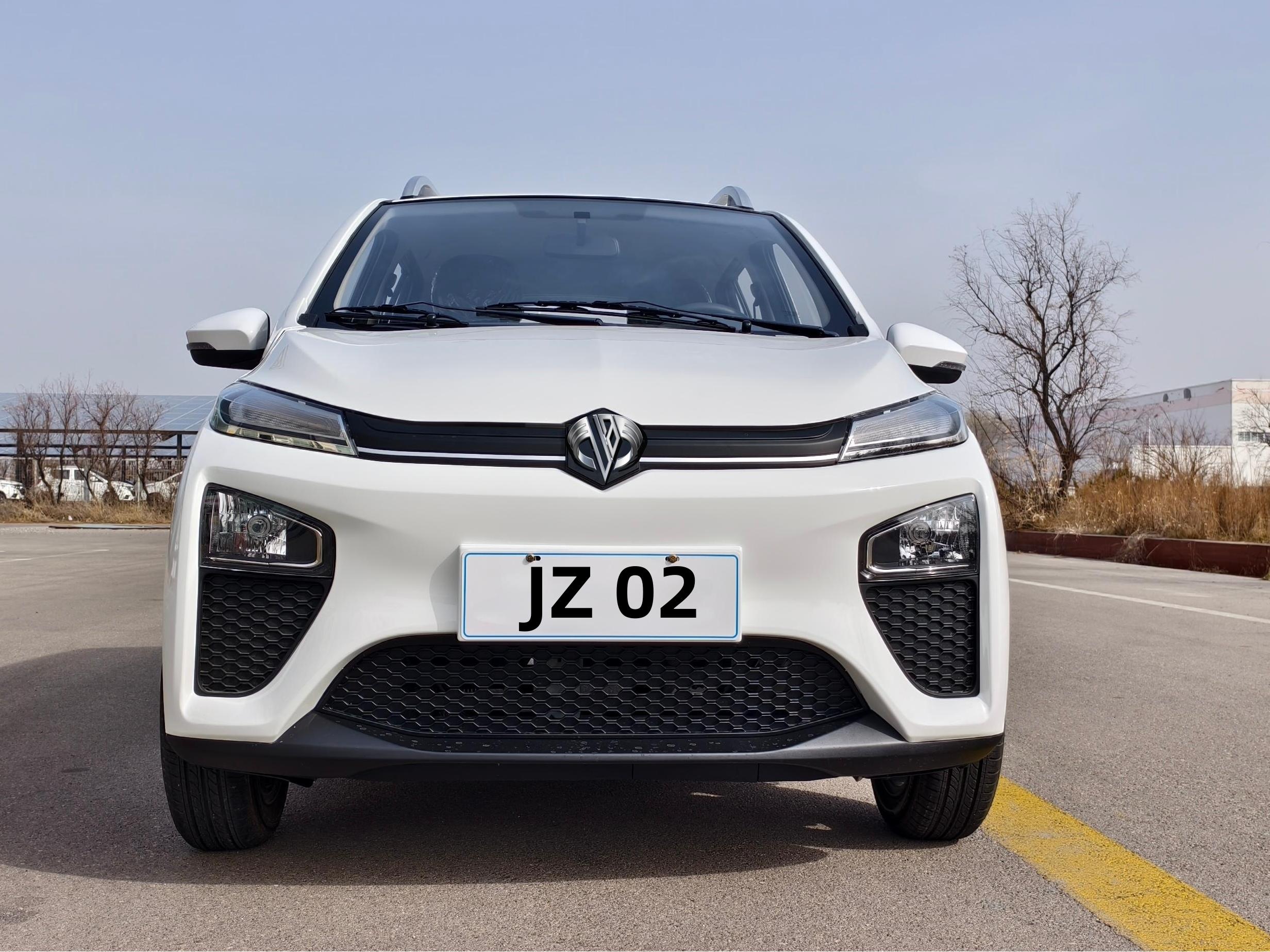
The global dominance of Chinese electric vehicle manufacturers is built on comprehensive vertical integration. Shandong Li Mao Tong Group coordinates with domestic tier-1 suppliers to source raw lithium ores, manufacture cells, assemble battery packs, stamp steel frames, and integrate high-efficiency photovoltaic systems within a centralized supply corridor.
This high concentration of supply chain resources reduces transit bottlenecks, ensures consistent raw material access, and buffers our production schedules from global shipping delays. For international buyers, this efficiency translates into:
How our East African logistics corridor ensures rapid vehicle delivery, comprehensive parts inventory, and responsive technical support.
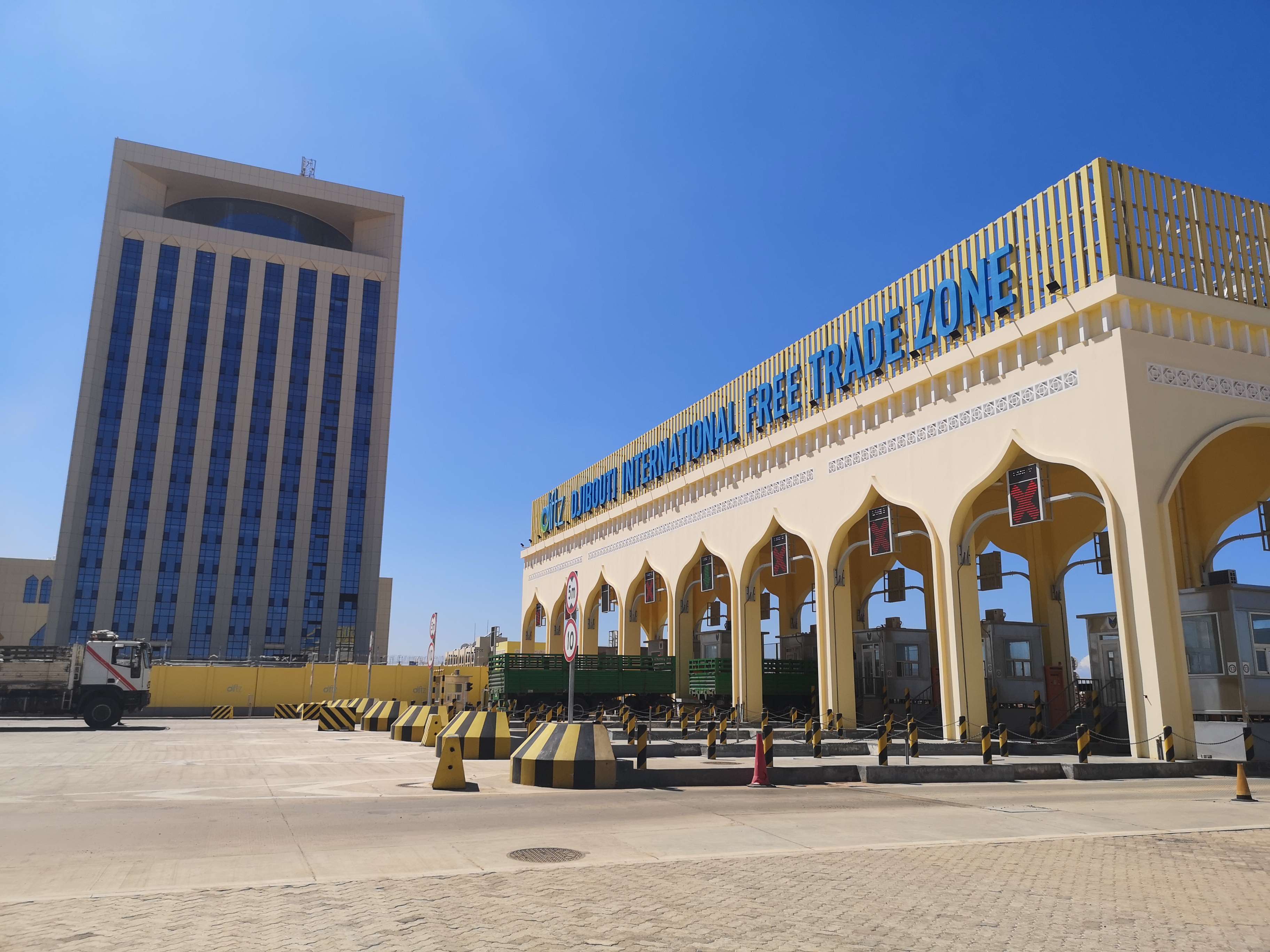
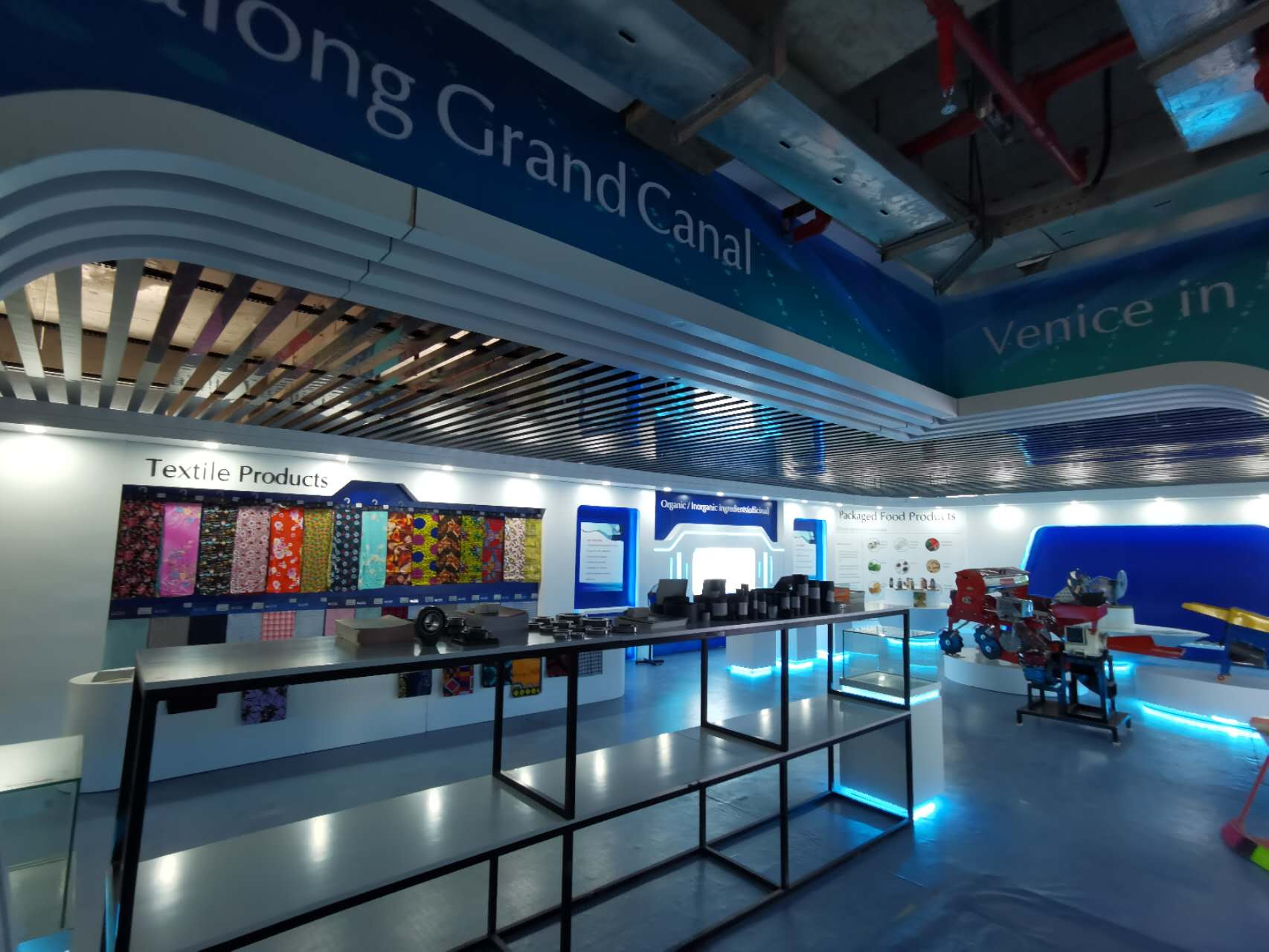
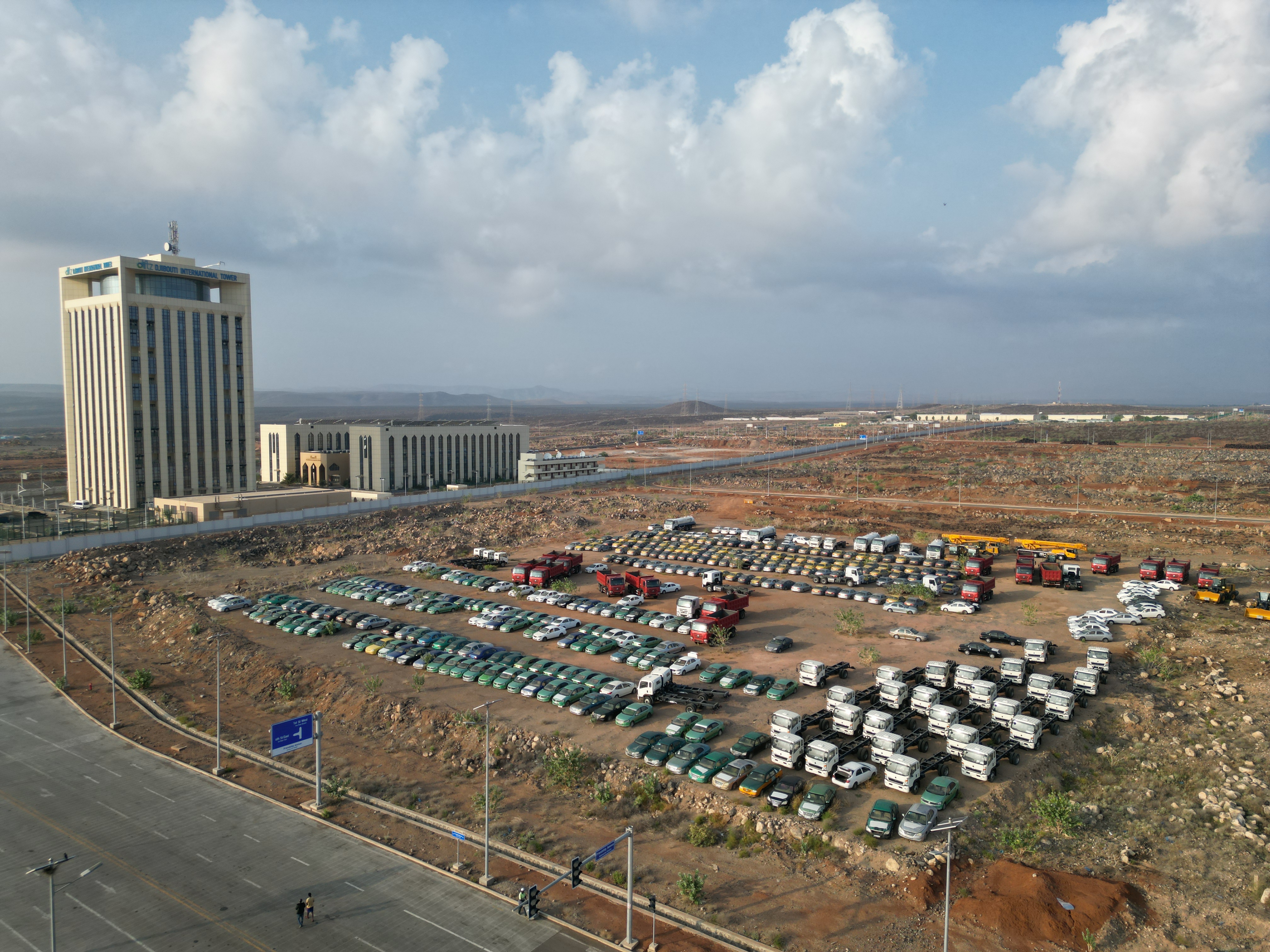
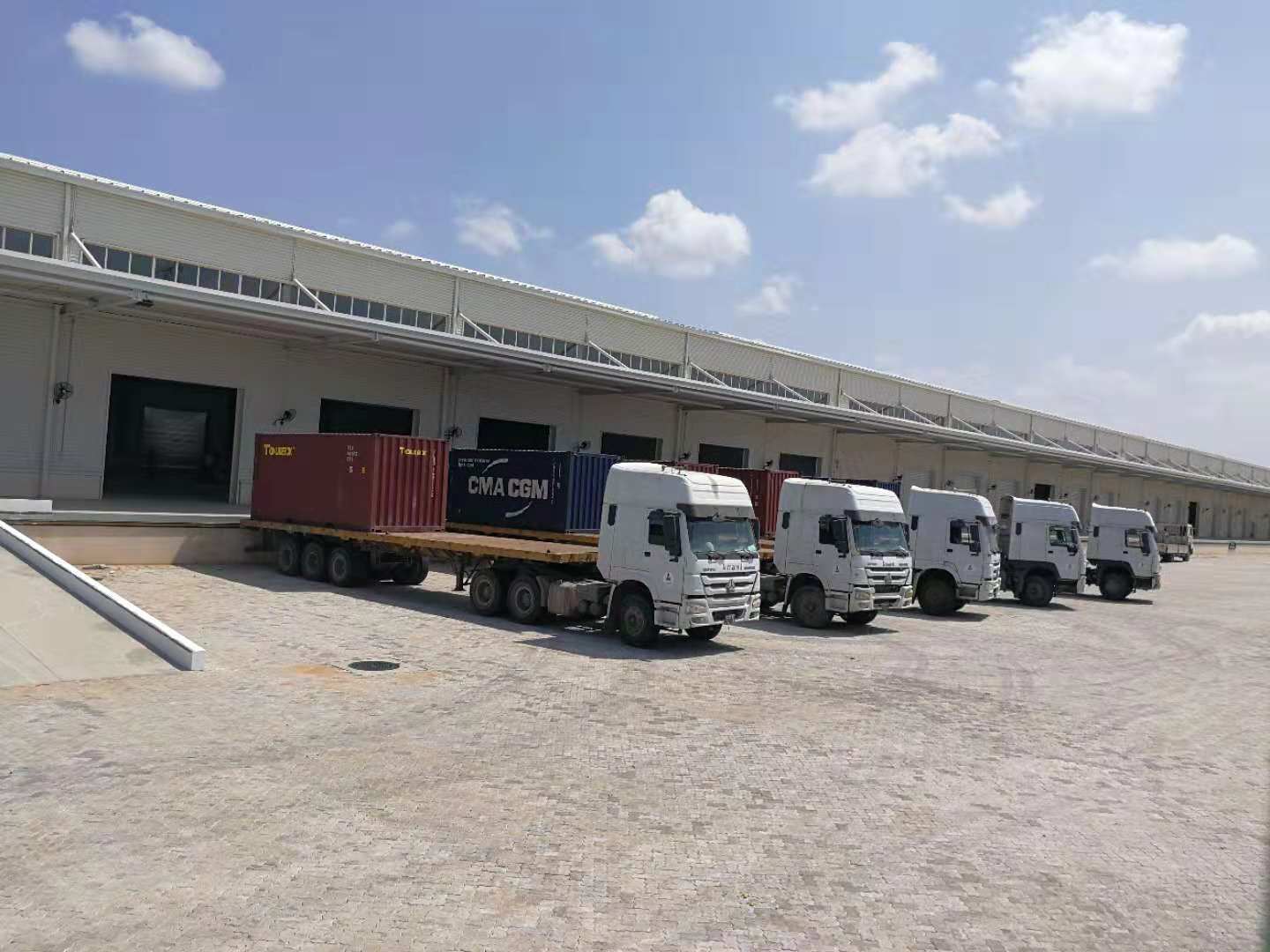
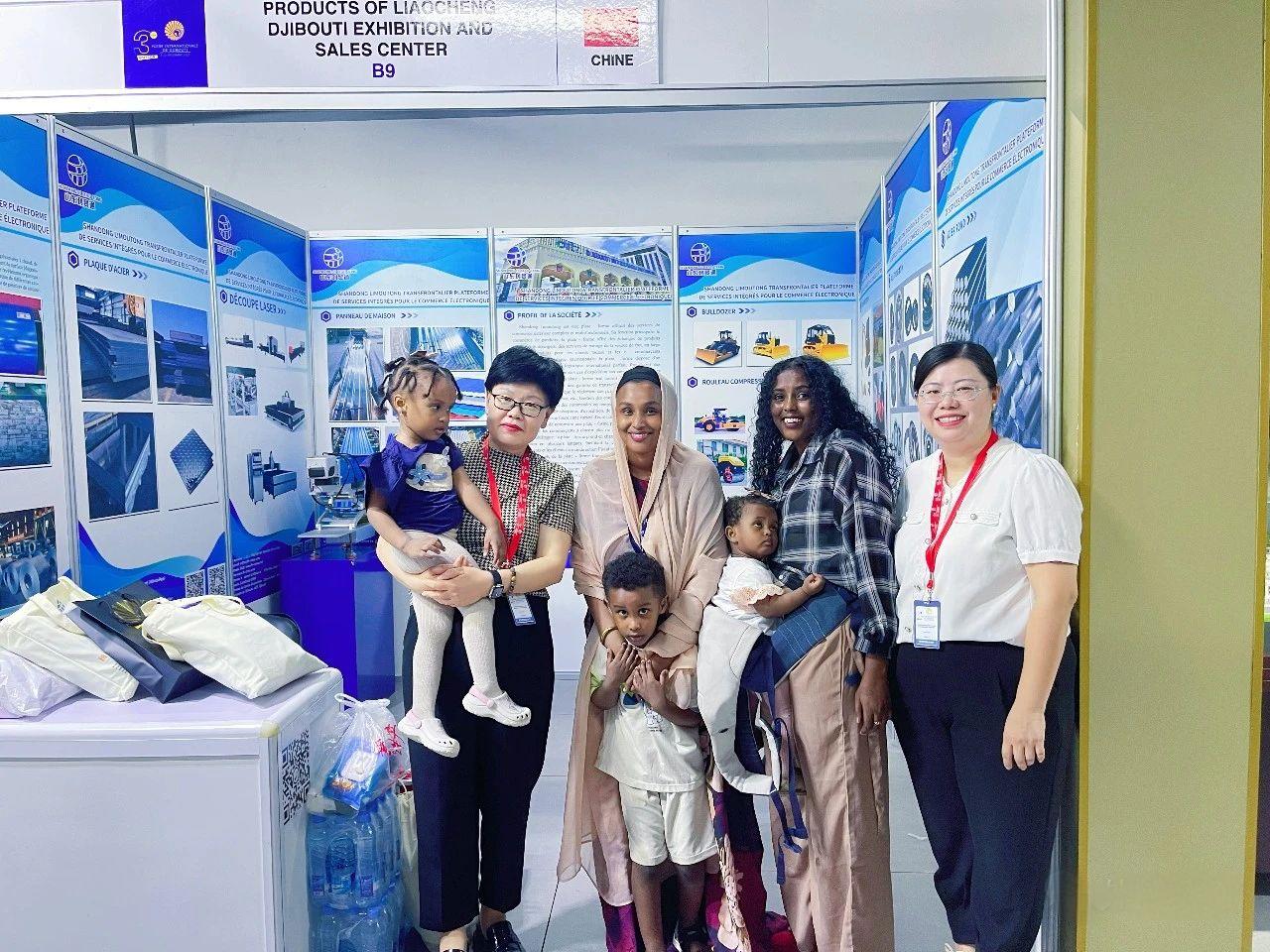
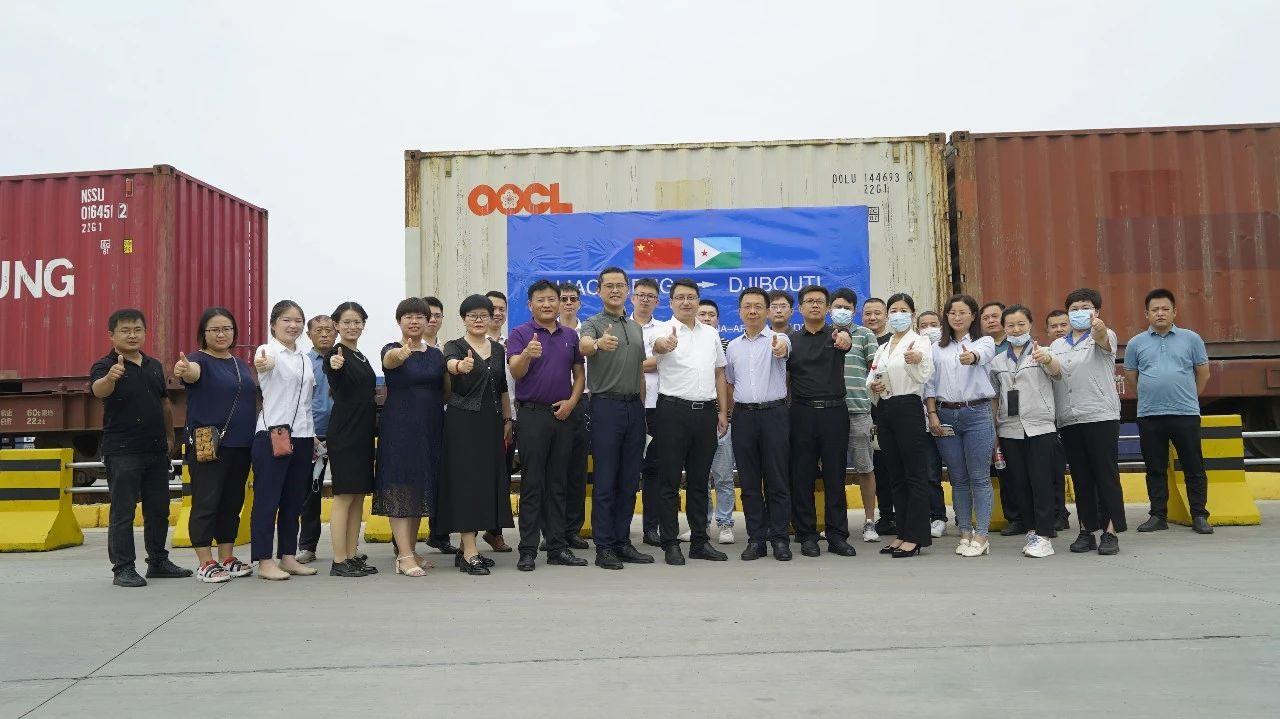
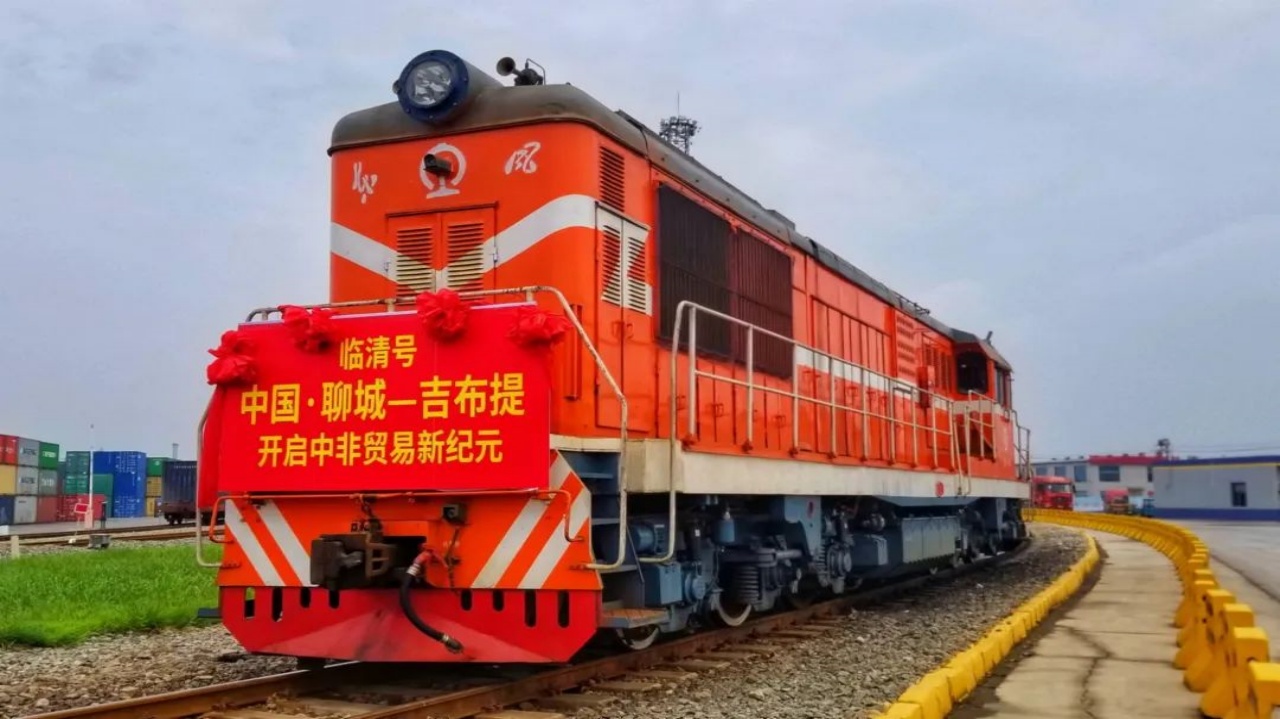
Established in 2023, the Djibouti (Overseas Warehouse) Cross-border E-commerce Exhibition and Sales Center serves as our central distribution hub for East Africa and neighboring regions. Located in the Djibouti International Free Trade Zone, this facility simplifies import processes and speeds up delivery times for African businesses.
By combining our front-end warehouse strategy with digital sales channels, we coordinate regional logistics and technical support from a single, centralized hub. This local presence delivers key benefits for regional importers:
Explore our diverse range of passenger vehicles, including high-range solar sedans, electric multi-passenger tuk-tuks, and specialized delivery micro-trucks.
Get professional engineering and logistical answers about operating, maintaining, and sourcing solar electric vehicles.
Under standard peak solar exposure conditions (approximately 5 hours of direct sunlight yielding 1000W/m²), our high-conversion monocrystalline systems generate enough energy to add 15km to 30km of daily range. This variation depends on the vehicle's weight, overall aerodynamic design, and localized weather conditions.
To minimize losses from partial shading, our vehicle systems partition the solar arrays into multiple parallel sub-strings, each managed by independent channels on the MPPT controller. This layout prevents a shaded section on one panel from reducing the output of the entire array. However, regular cleaning is recommended, as accumulated dust or mud can lower conversion efficiency by 10% to 25%.
Yes. Our vehicle-integrated PV modules are reinforced with high-transparency tempered glass and laminated with impact-resistant polymers (such as EVA/POE). They are certified to withstand hail impacts, minor road debris, and heavy vibration tests under international vehicle safety standards.
Our facility in the Djibouti International Free Trade Zone maintains a steady stock of vehicles and spare parts, allowing regional buyers to bypass long shipping timelines. It acts as a localized logistics and sales hub, providing fast customs clearance, convenient payment solutions, and access to regional technical support.
Our products are built to meet global compliance standards. Depending on the model and target market, our vehicles carry EEC/COC certifications for Europe, DOT approvals for the United States, or regional GCC compliance certifications for the Middle East, ensuring trouble-free registration and operation.
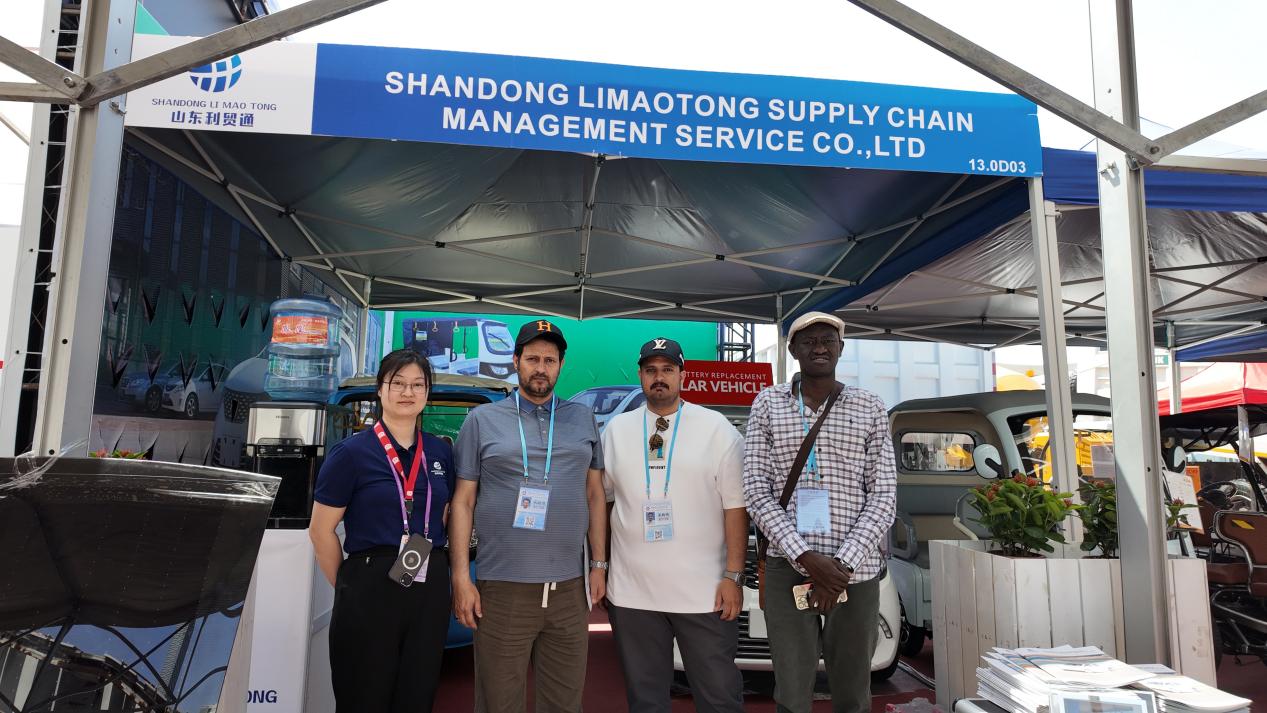
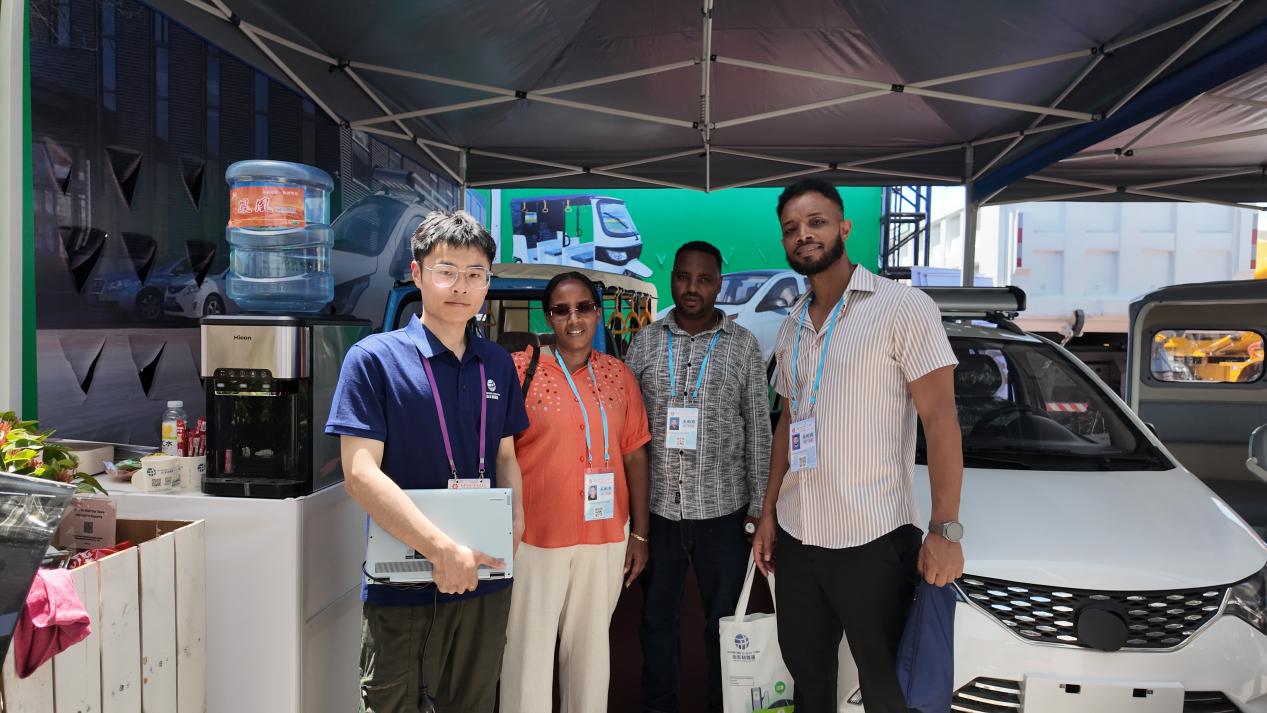
Welcoming global business partners, fleet buyers, and inspectors to verify our engineering processes firsthand.
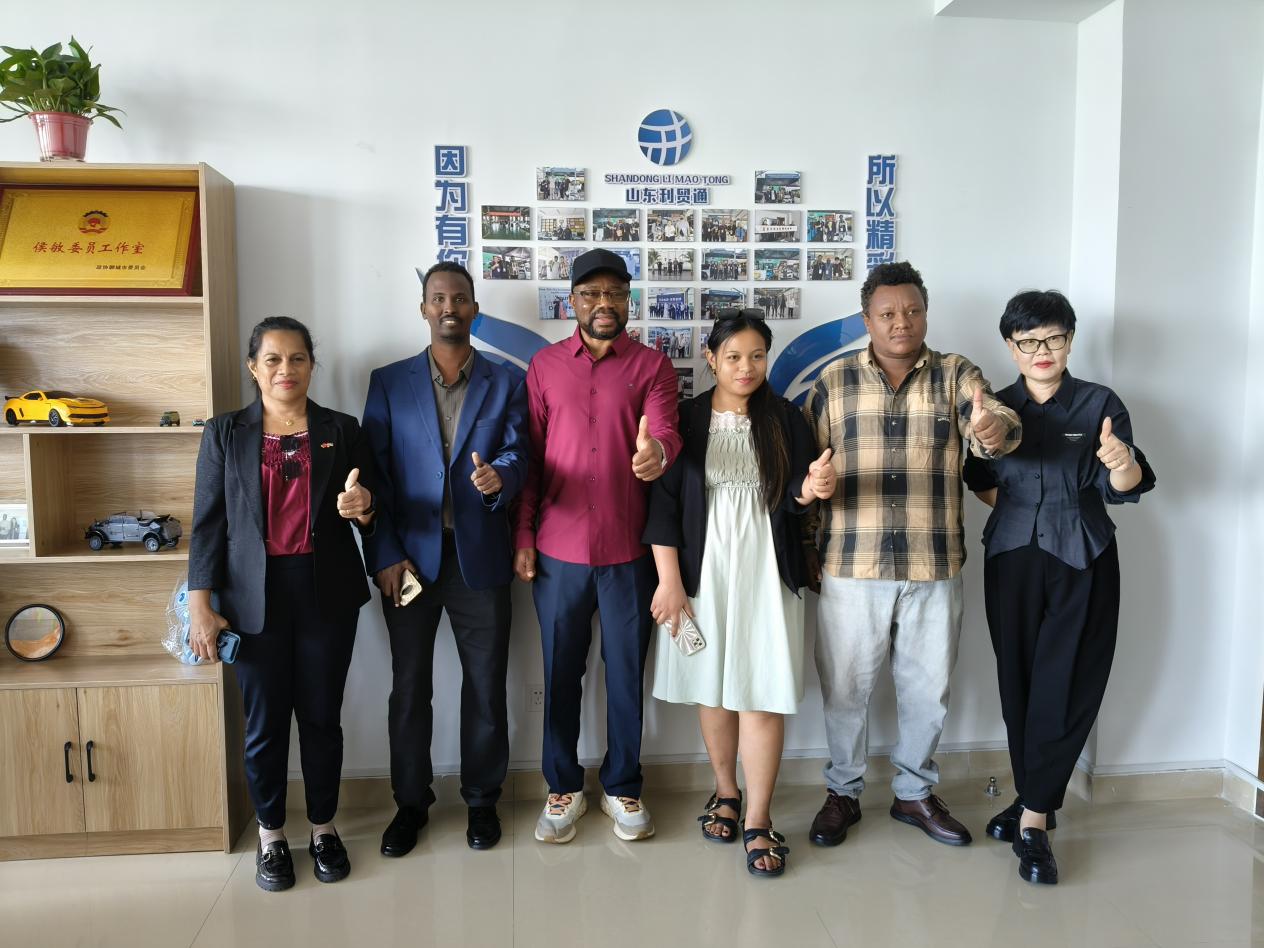
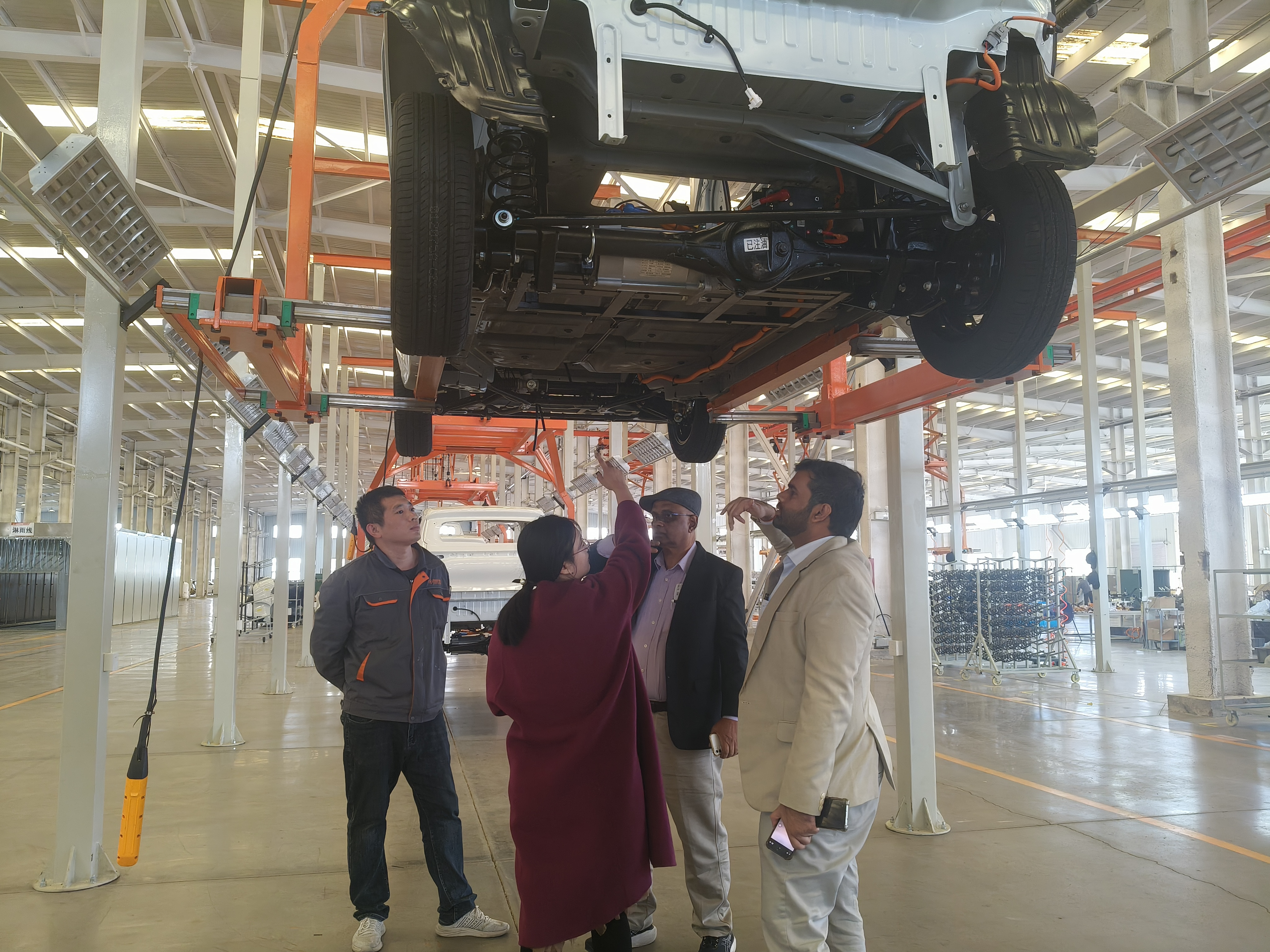
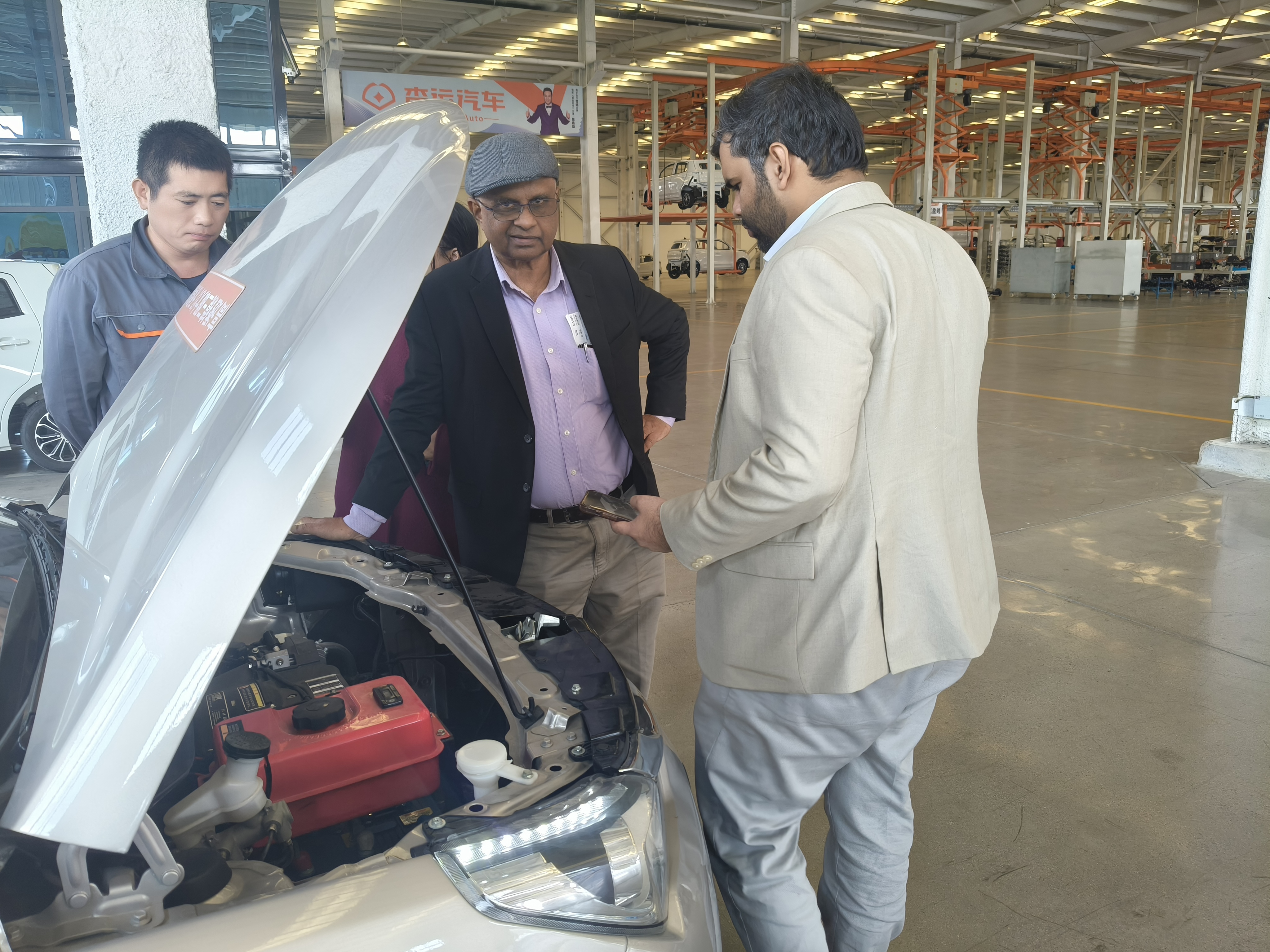
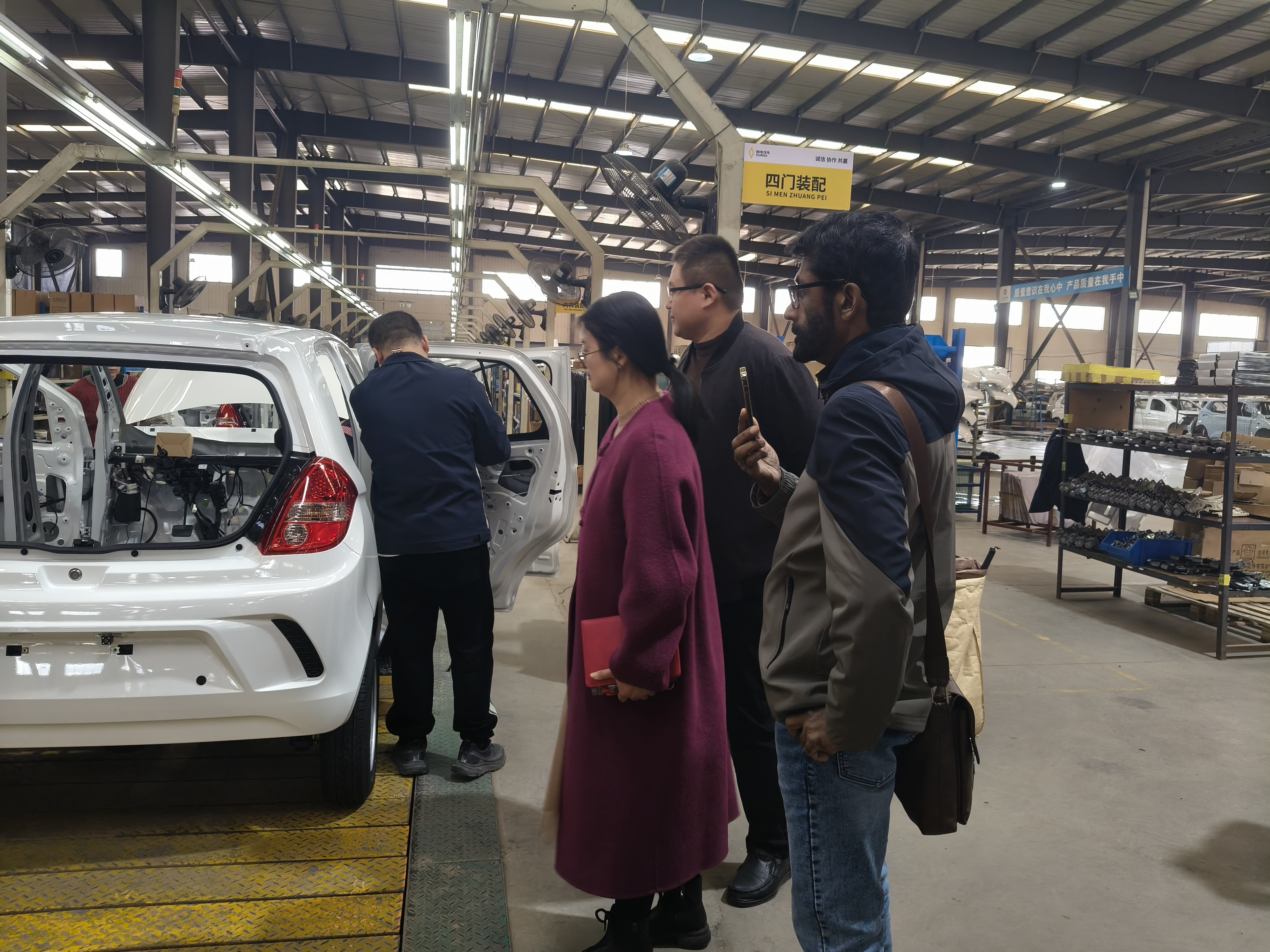
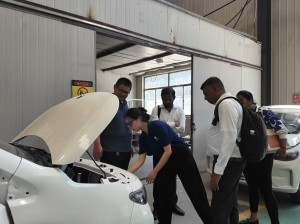

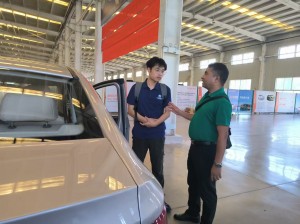
SHANDONG LI MAO TONG GROUP is a global supplier of high-quality products, with a complete industrial chain, specialized in research, manufacture and international sales of motor tricycles, cargo tricycle, electric mini car. Since its establishment, our vehicles have served over 120 countries and regions worldwide, with our brand reaching more than 20 million households globally. Supported by 8 overseas production bases, we provide comprehensive vehicle solutions to markets around the world. We attach great importance to after-sales service, and set up overseas warehouses in Djibouti and are equipped with a professional after-sales team and complete after-sales facilities. If you encounter any problems during use of the product, our after-sales team will respond immediately and provide you with timely and effective solutions.
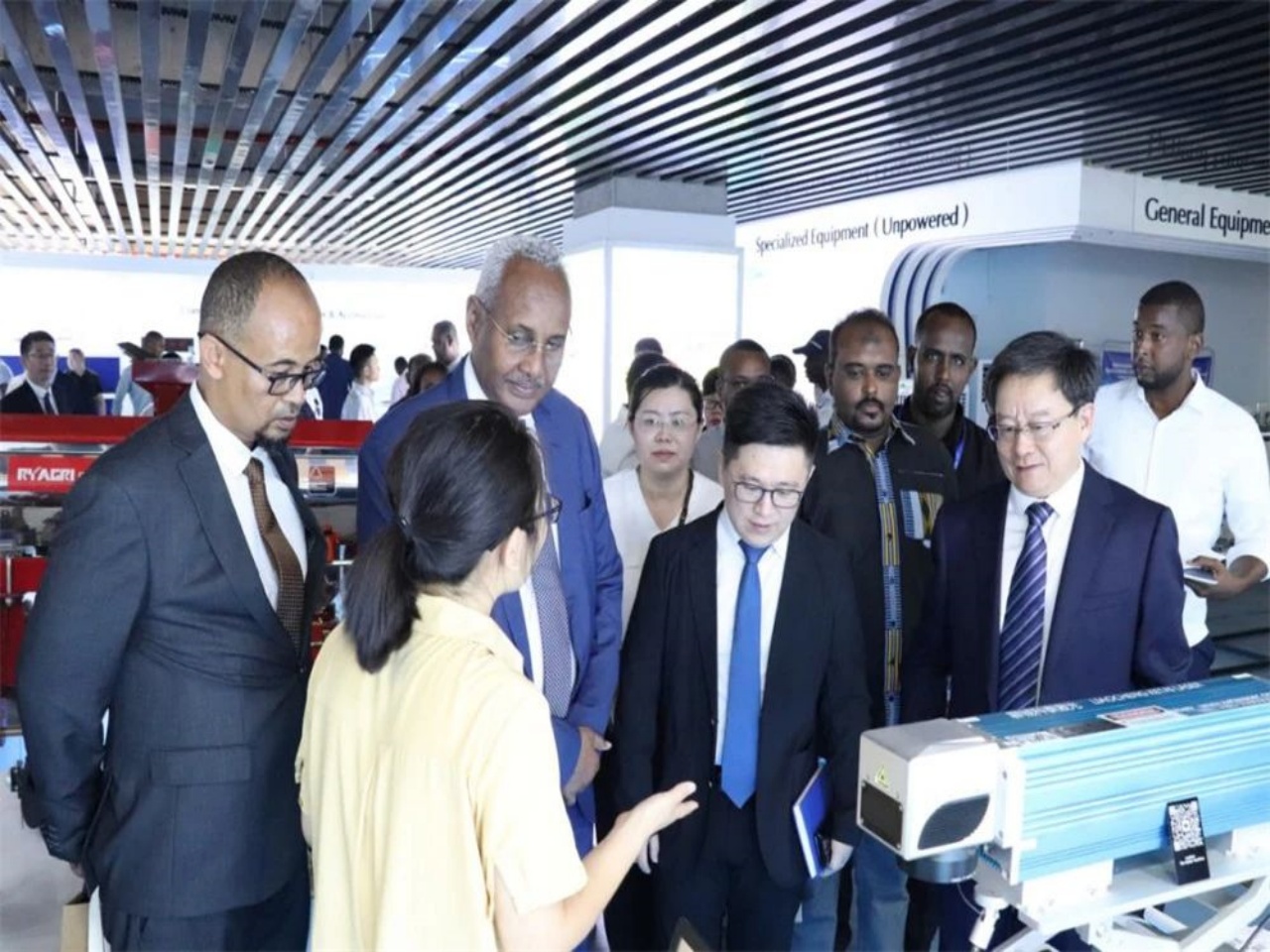
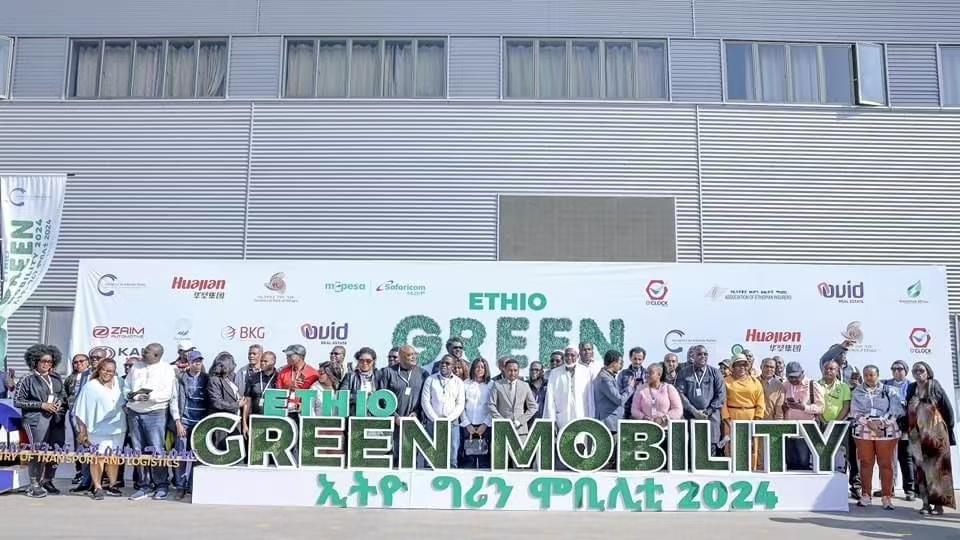
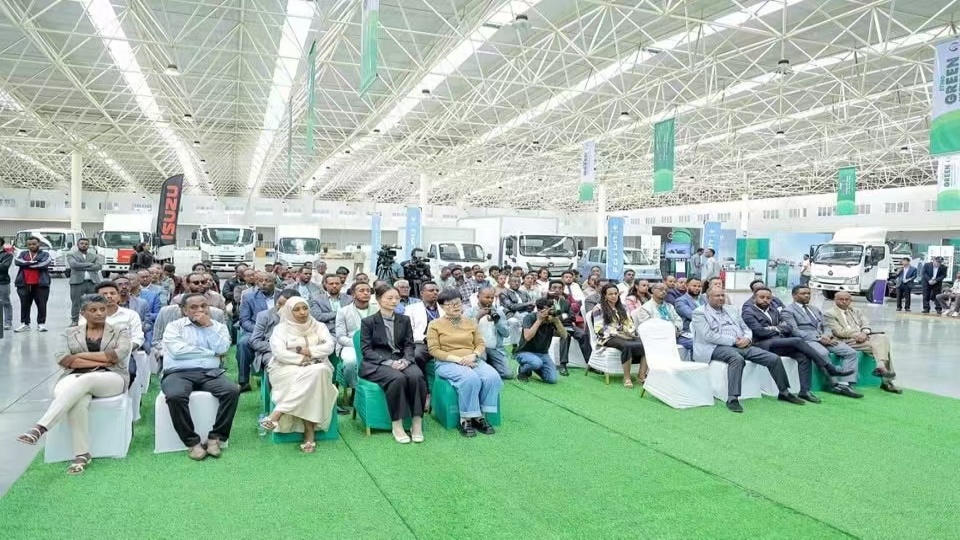
Active participation in international automotive, renewable energy, and logistical import-export exhibitions.
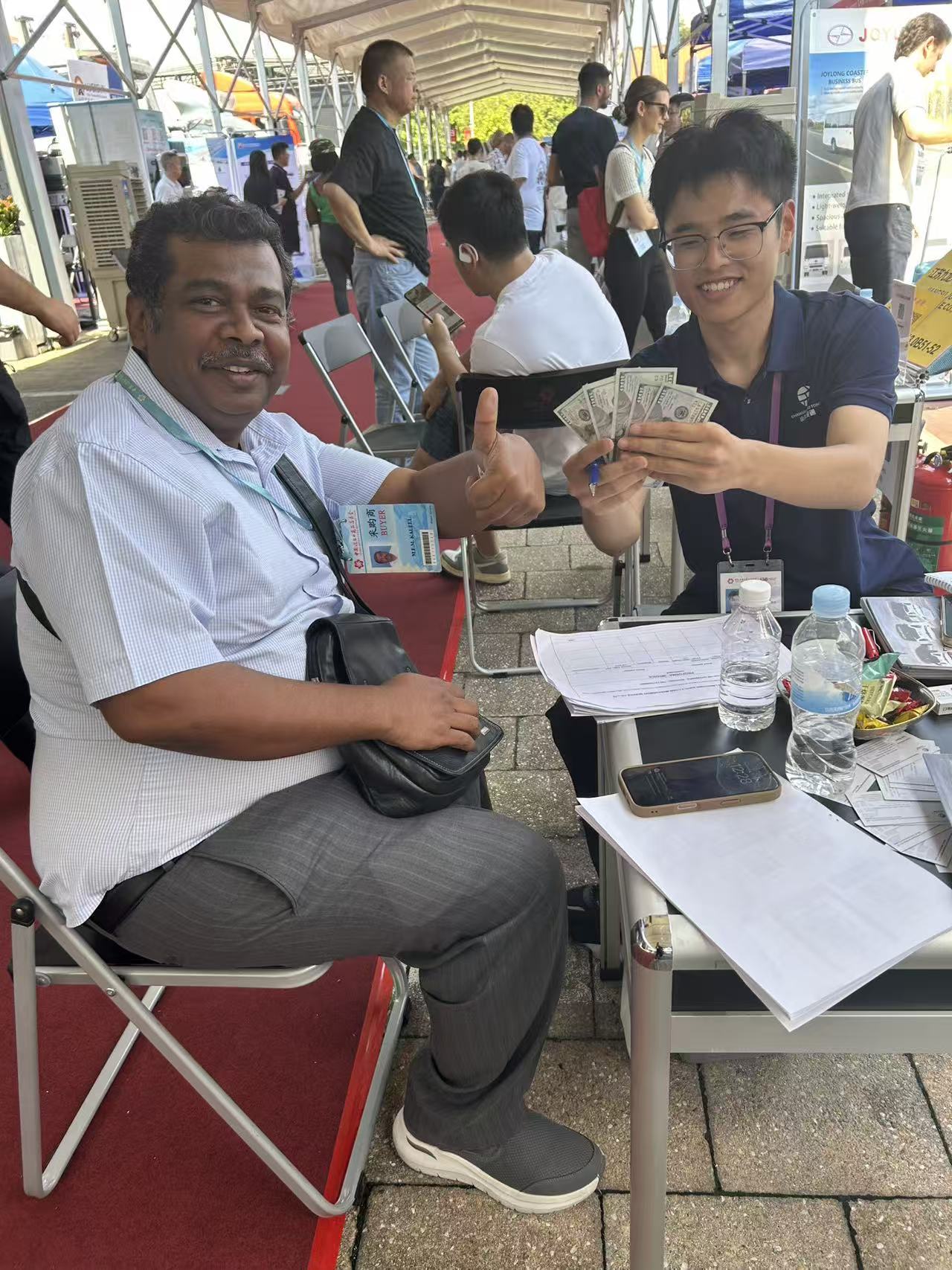
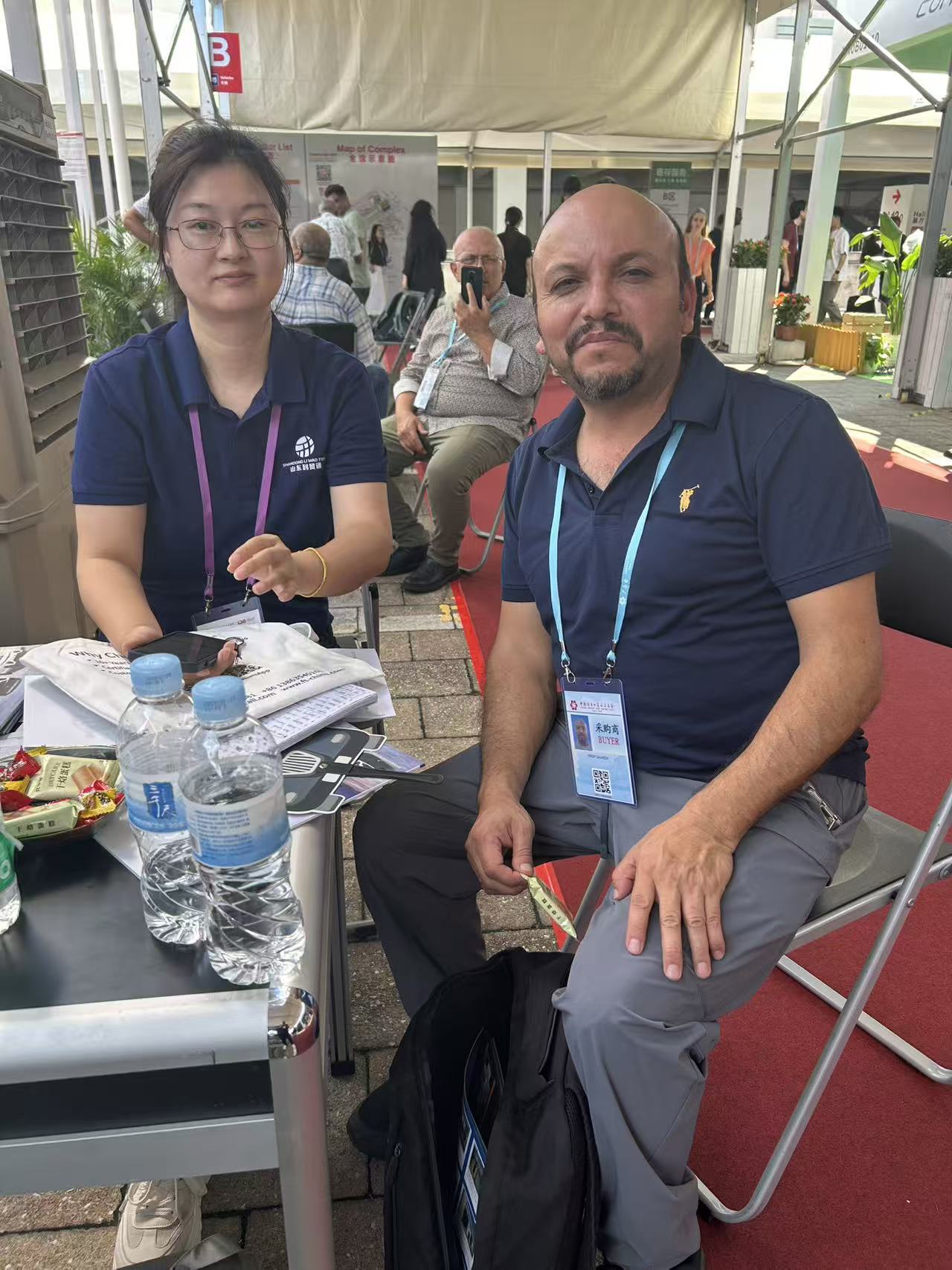
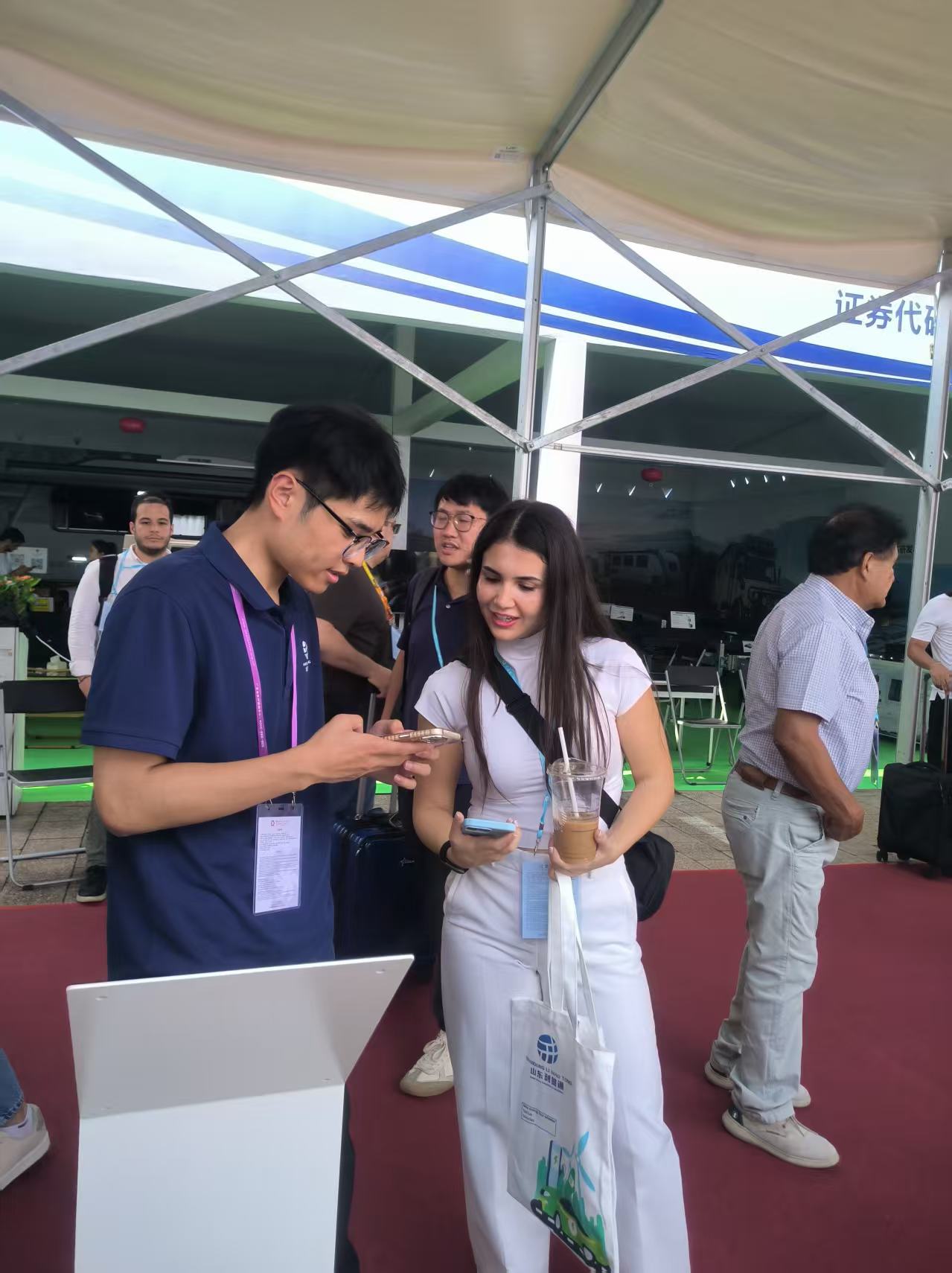
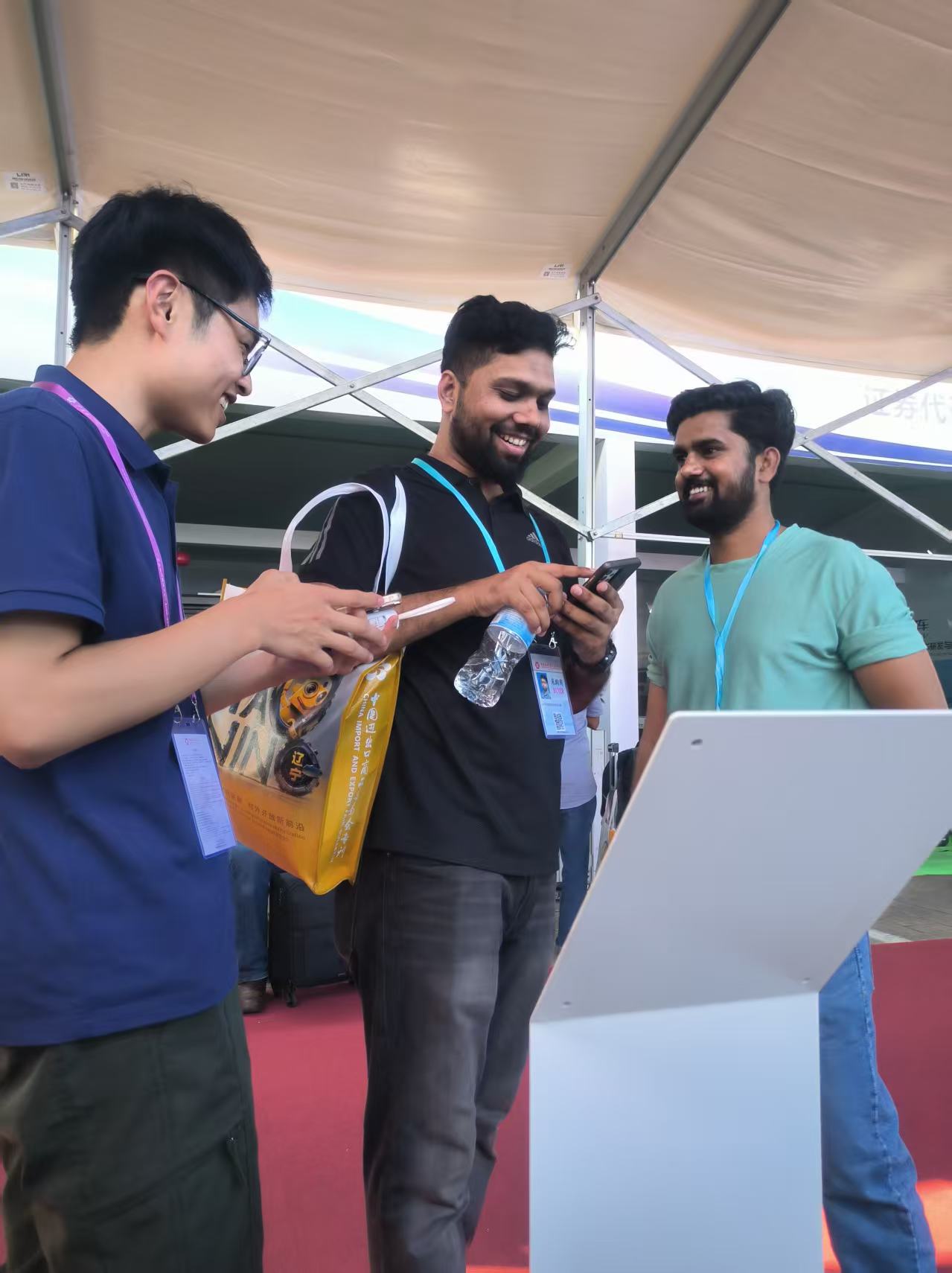
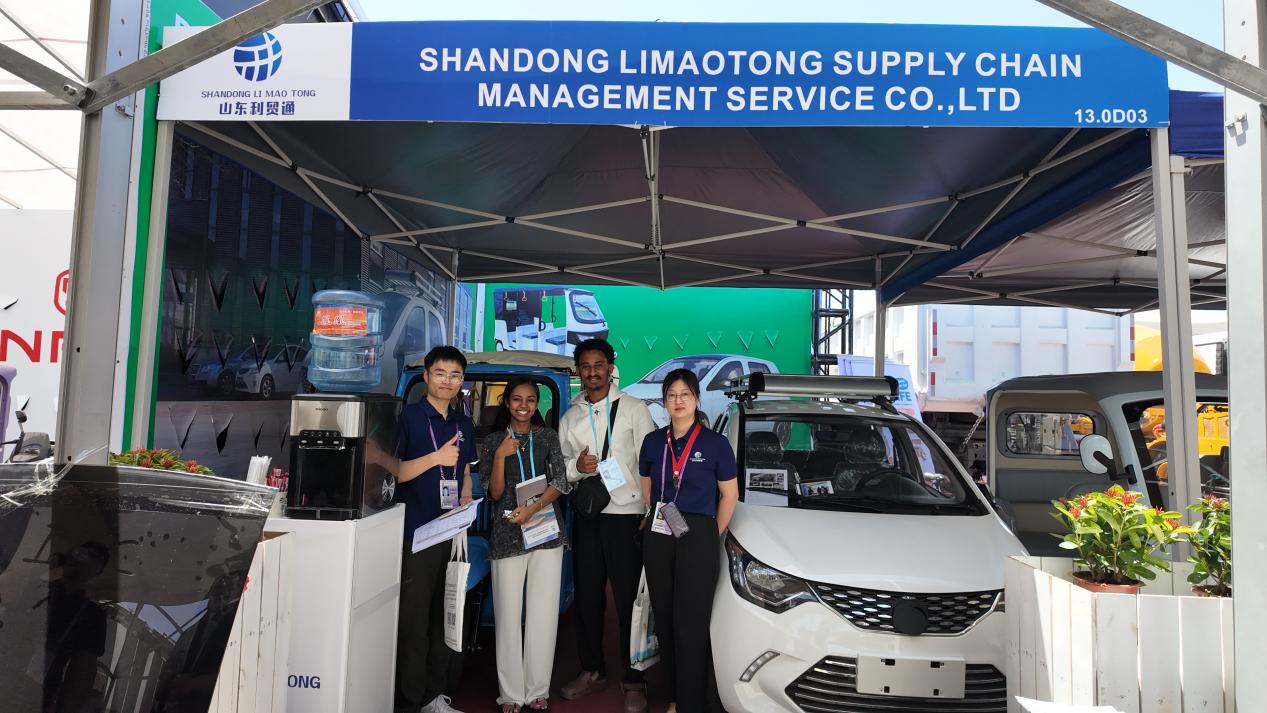
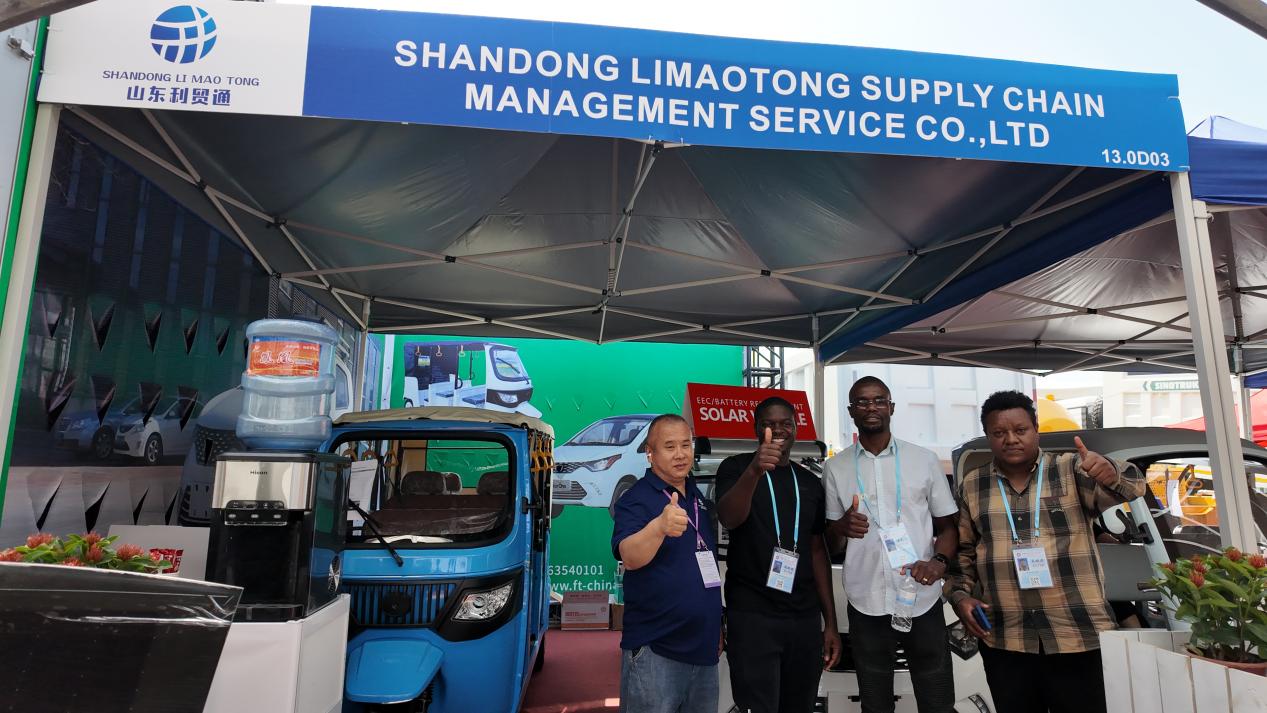
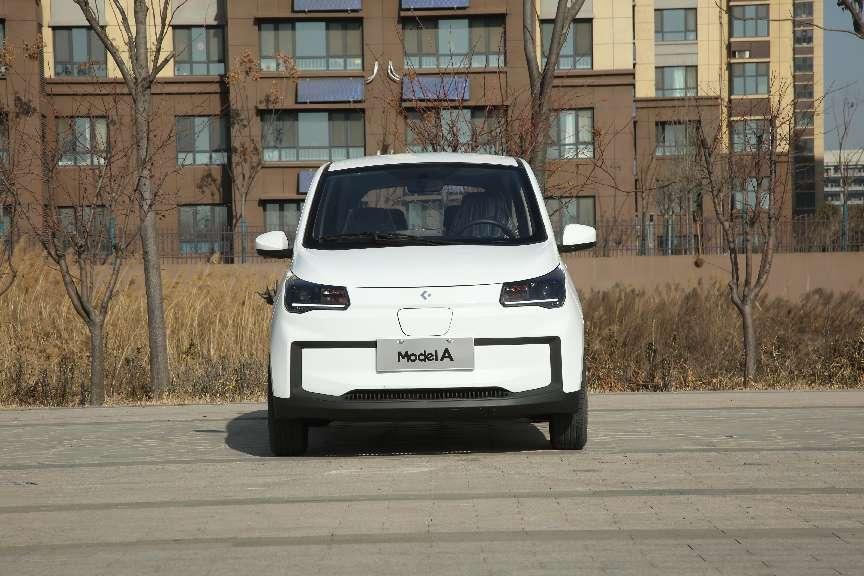
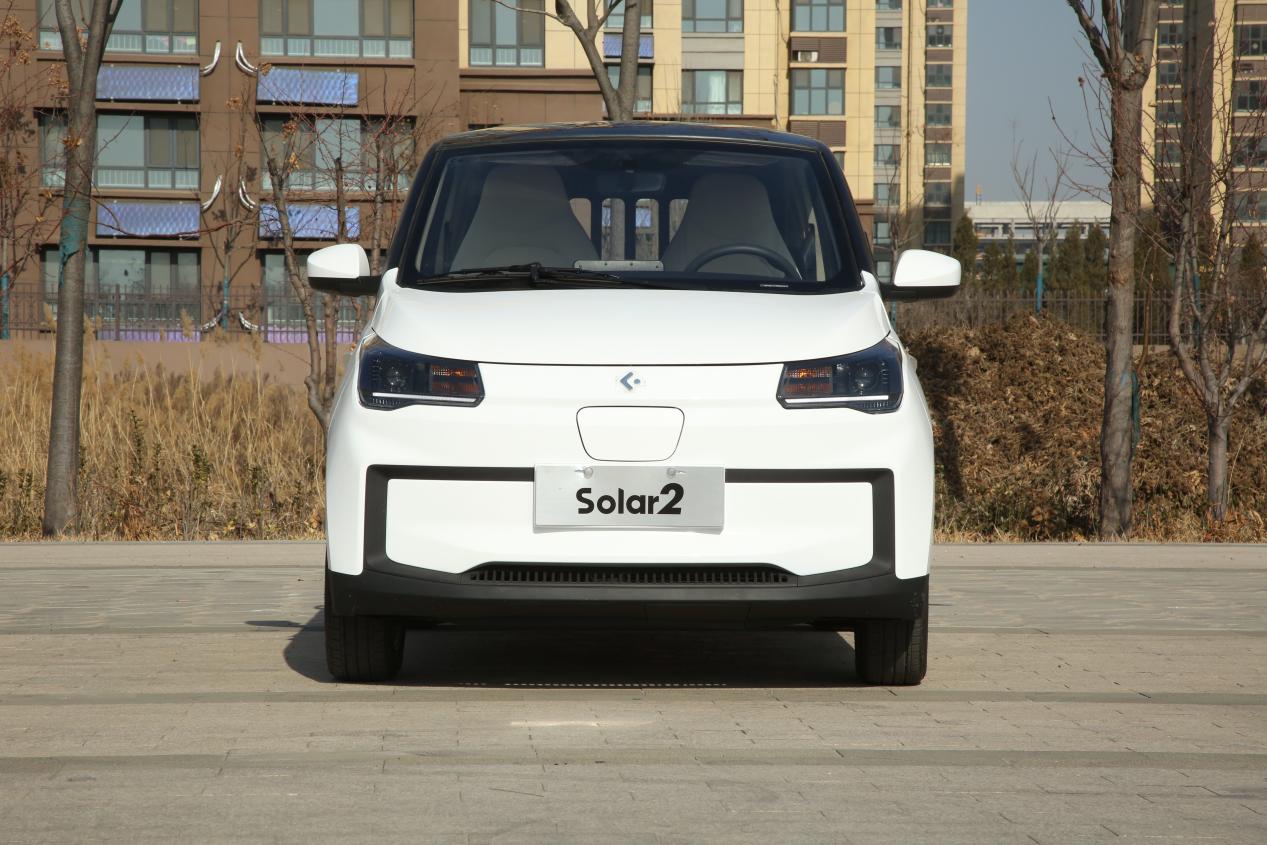
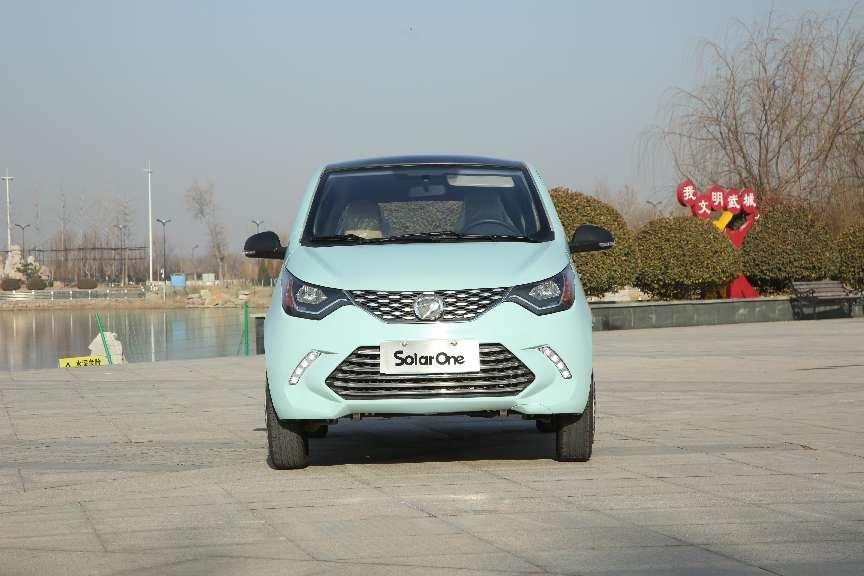
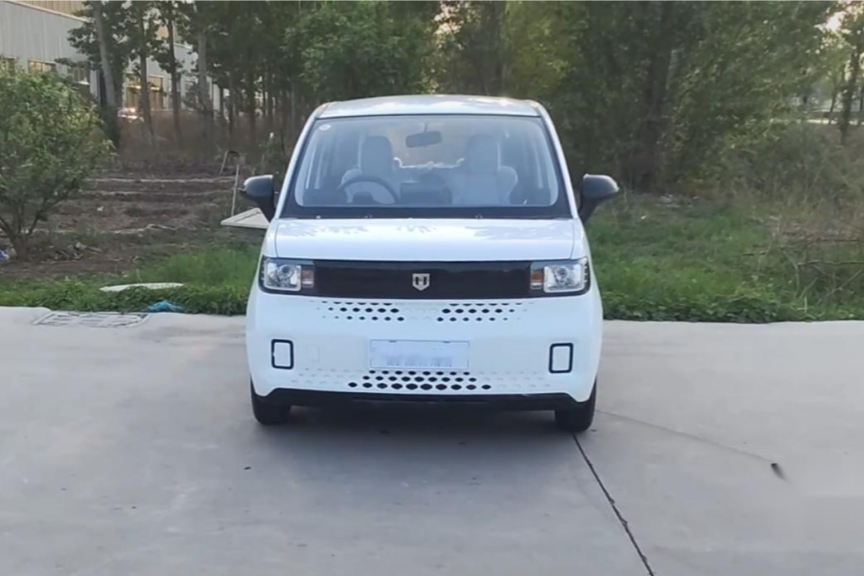
A comprehensive overview of our electric and solar passenger vehicles, utility tricycles, and micro-transit units built for global operations.


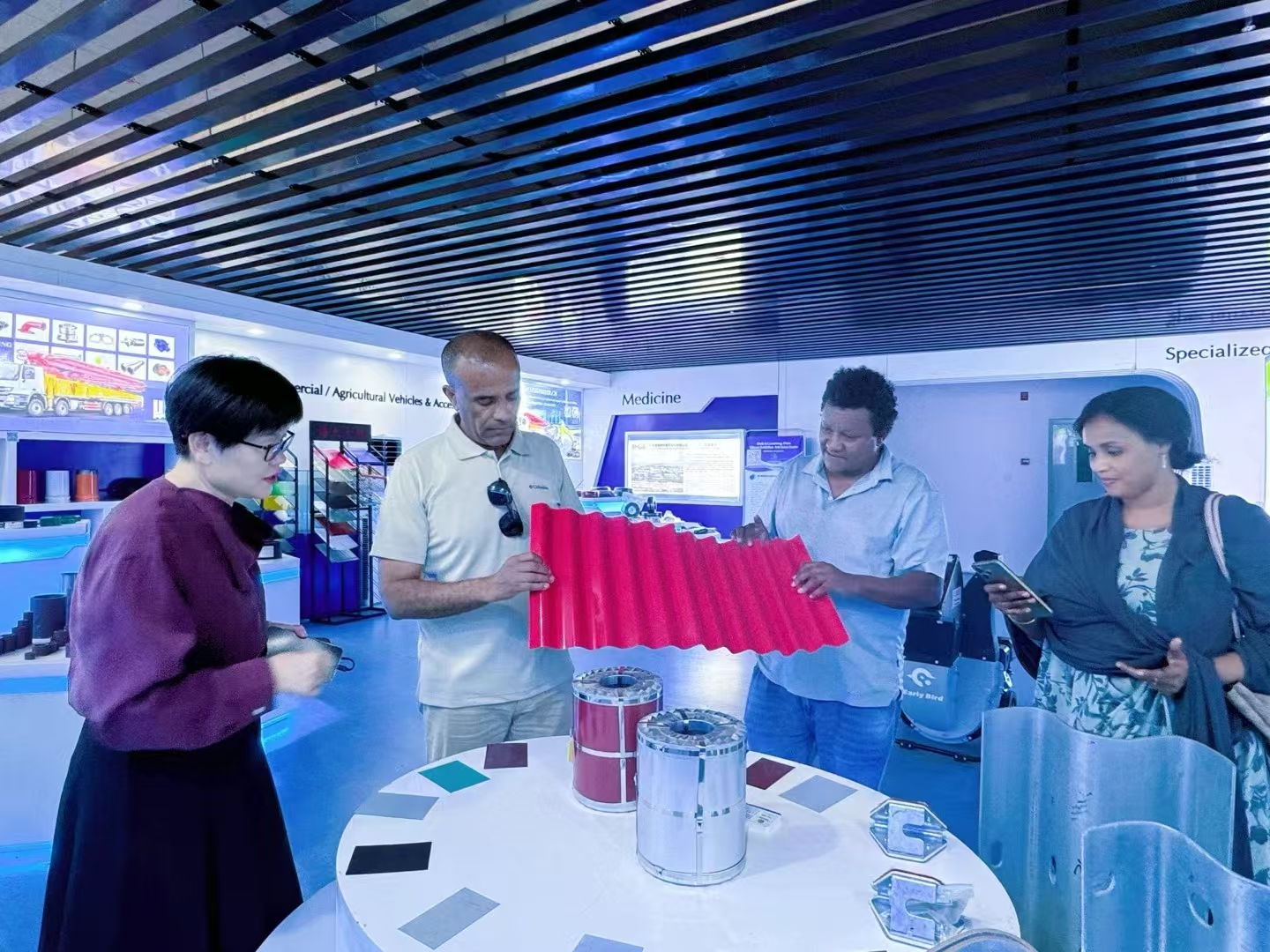
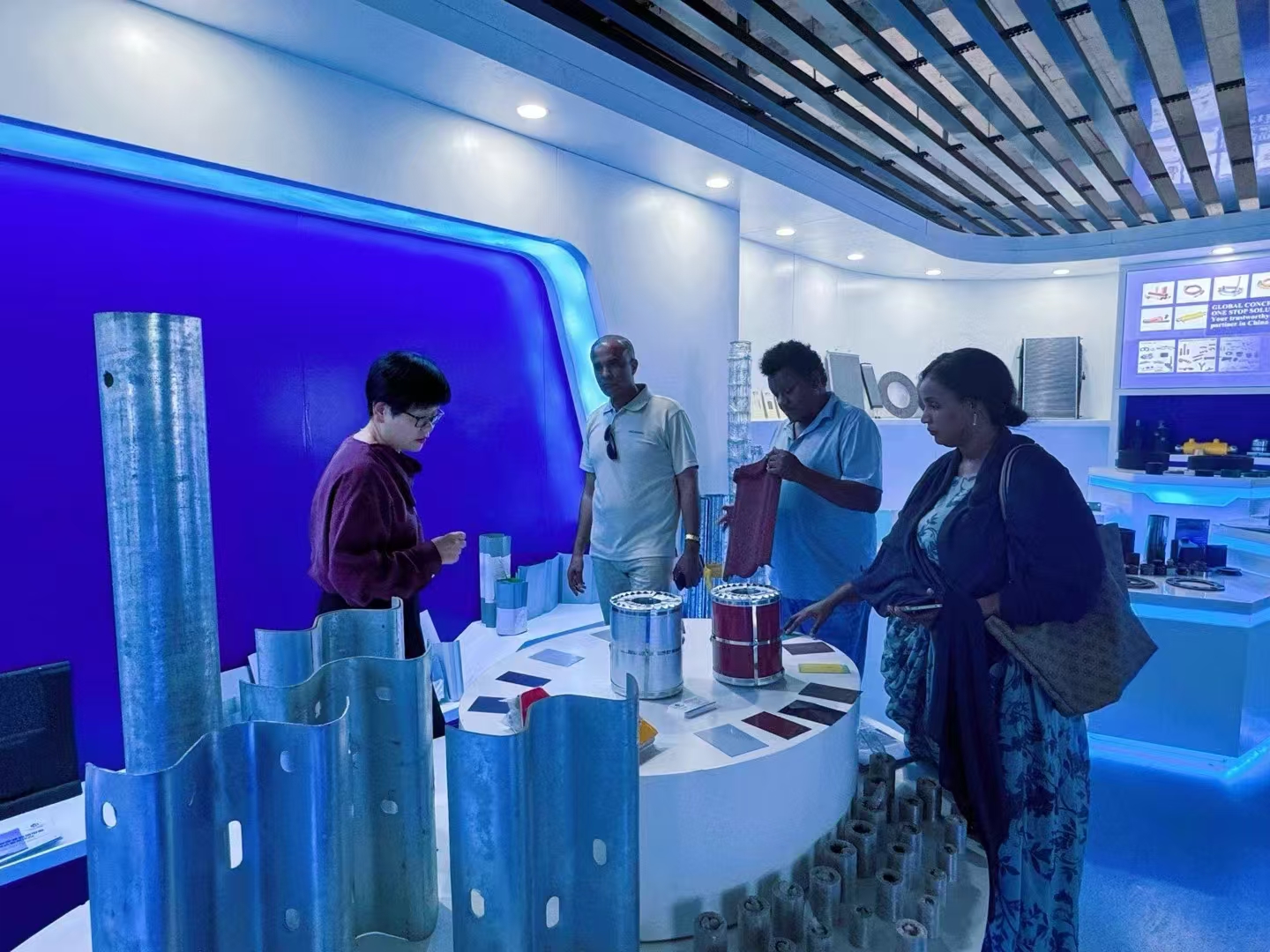
 Limaotong