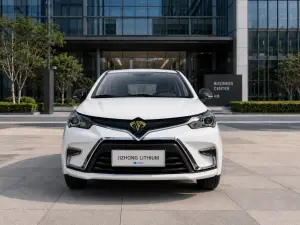
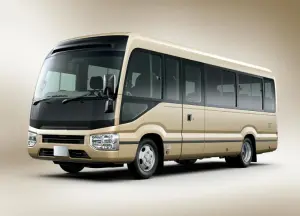
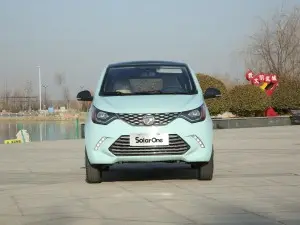
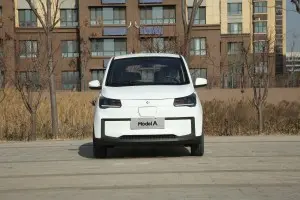
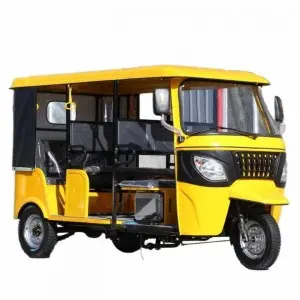
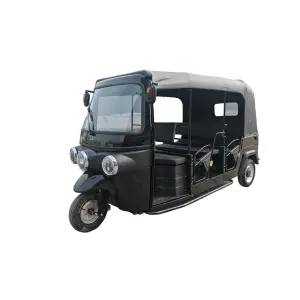
Designed for dense metropolitan corridors and robust suburban logistics. Engineered to maximize uptime, cargo capacity, and operator safety.
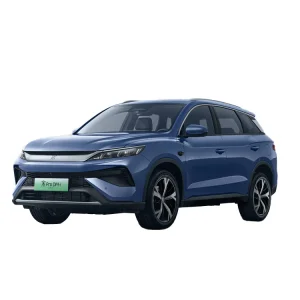
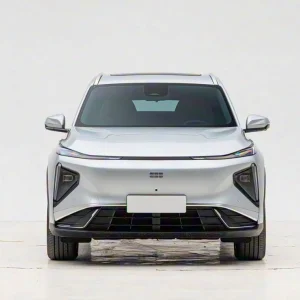
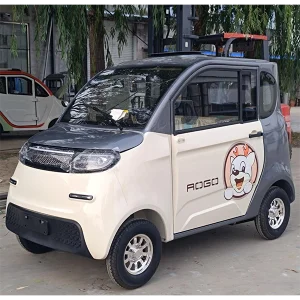
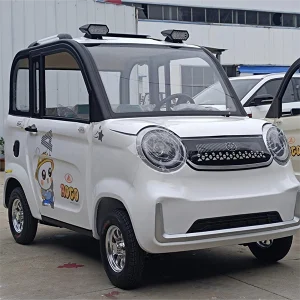
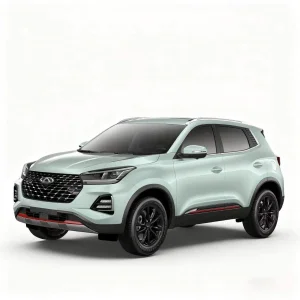
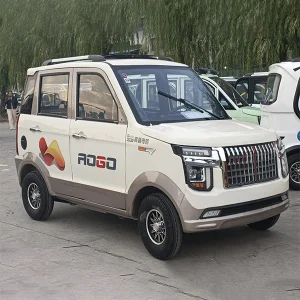
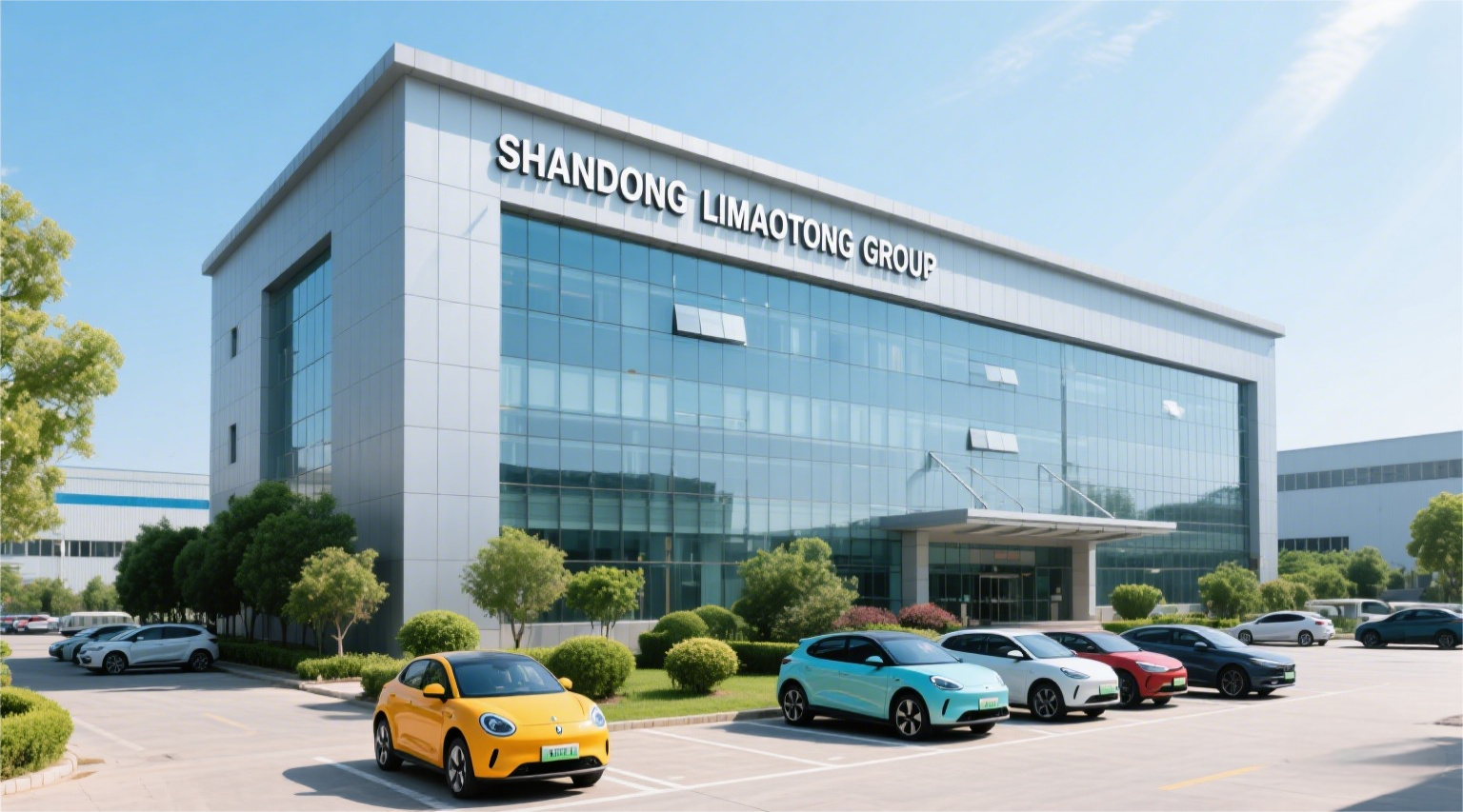 Executive Briefing
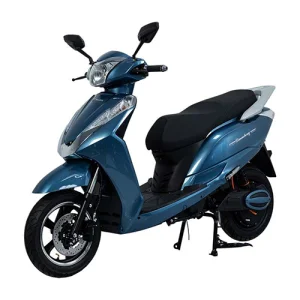
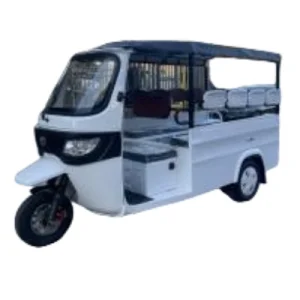
SHANDONG LI MAO TONG GROUP stands as a premier global manufacturer and specialized solution provider in the new energy light vehicle sector. With an integrated vertical supply chain, our core operations encompass the advanced research, precision manufacturing, and international distribution of electric motor tricycles, heavy-duty cargo e-trikes, passenger tuktuks, and high-performance micro-electric vehicles.
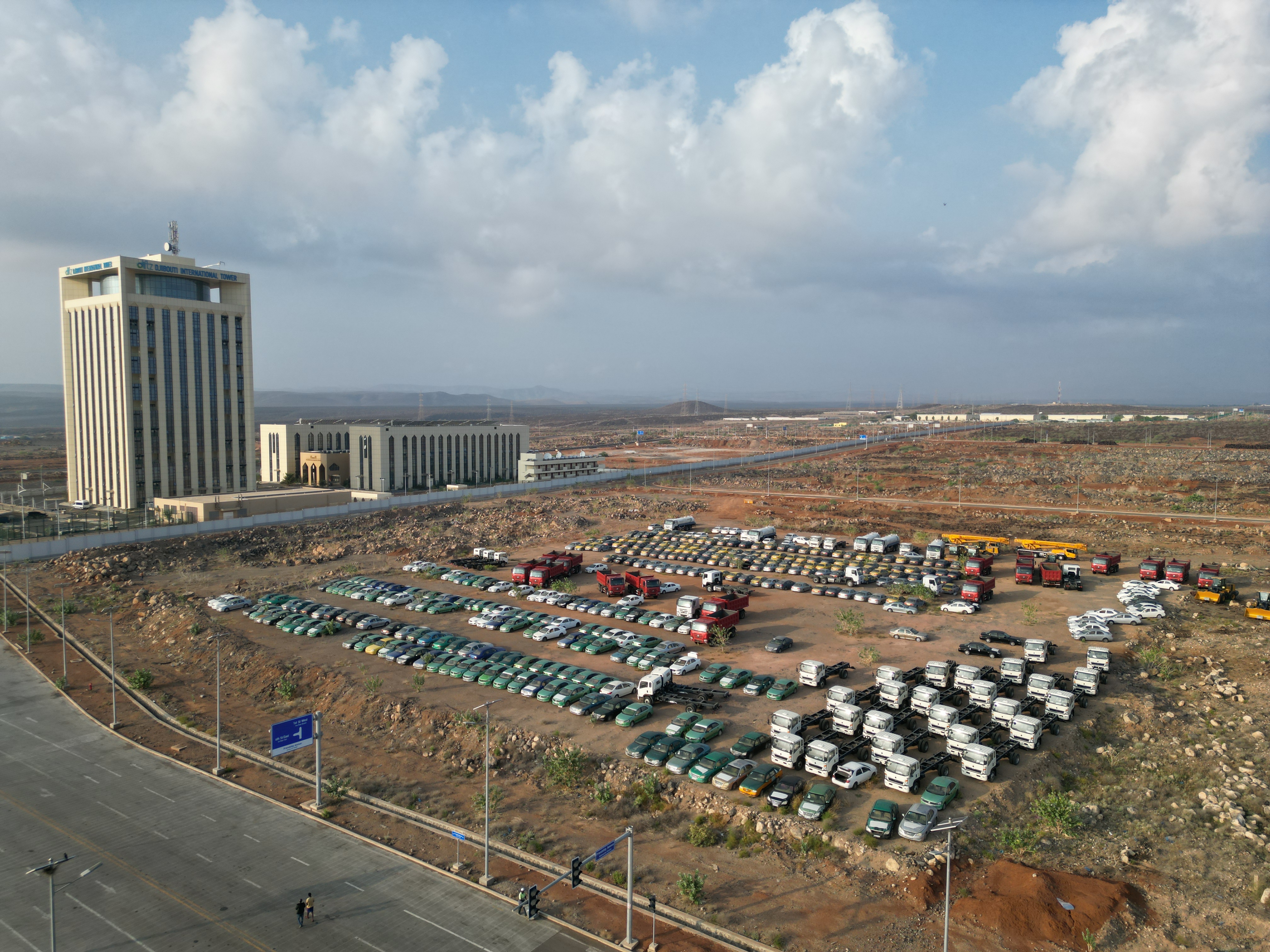
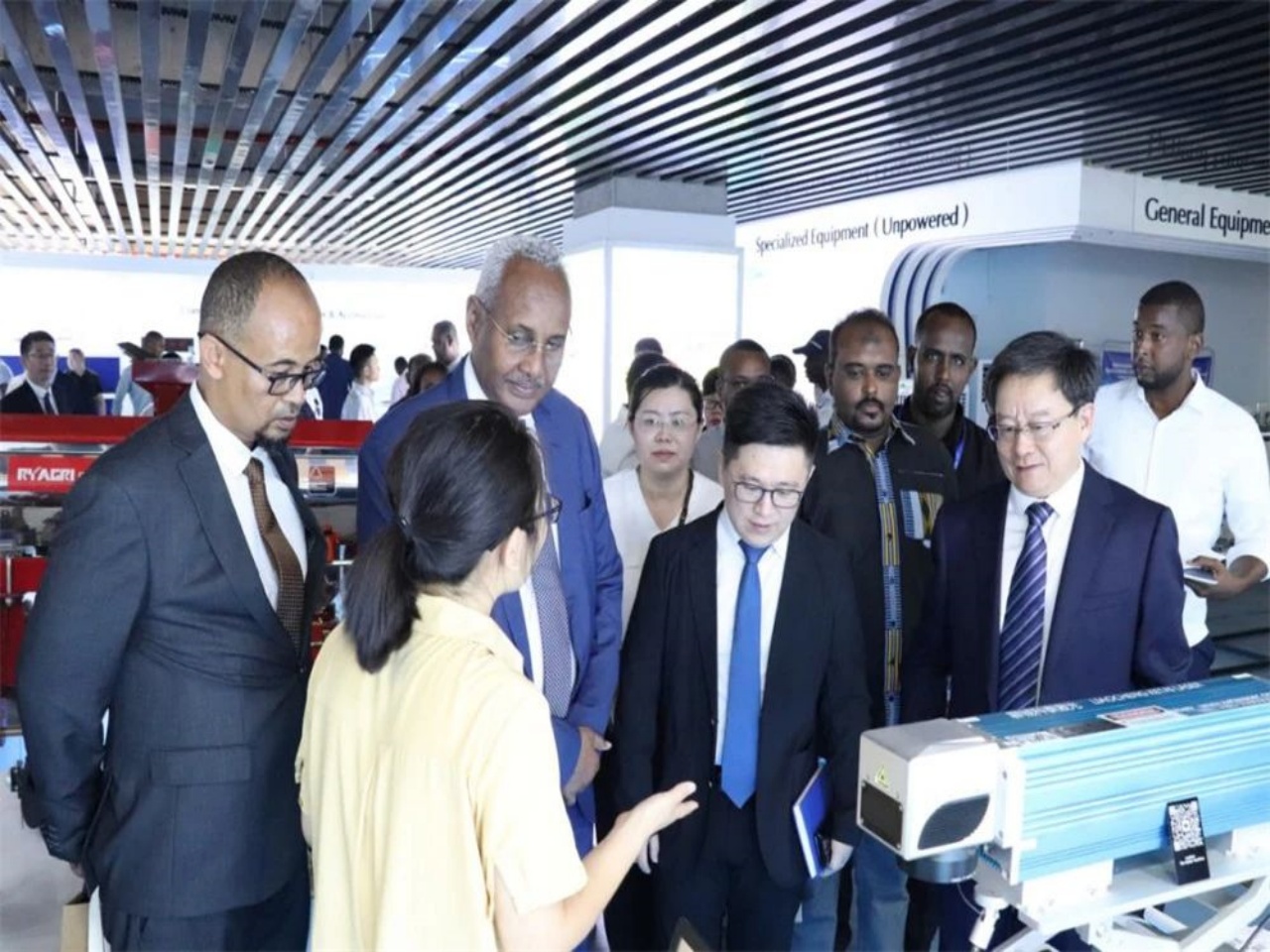
Since our inception, our strategic focus on localization, technical innovation, and exceptional customer support has enabled our vehicles to reach markets across 120+ countries and regions. We are dedicated to providing eco-friendly micro-mobility alternatives to more than 20 million households worldwide. By operating 8 overseas production bases and a dedicated cross-border staging hub in the Djibouti International Free Trade Zone, we offer customized vehicle platforms tailored to meet specific regional regulations and local fleet operating demands.
Explore how Shandong Li Mao Tong Group integrates Industry 4.0 automation, extreme climate testing (such as Level-7 rainstorm simulation), and rigid quality control protocols to supply the global market with premium, high-reliability electric vehicles.
An in-depth analysis of structural integrity, smart battery systems, solar energy integration, and IoT-driven fleet telematics.
The global transition to sustainable transportation requires a deep re-evaluation of urban light passenger vehicles. For many developing regions and congested urban centers, three-wheeled vehicles (tuktuks) provide vital transit options. Transitioning these fleets to electric power requires a shift from basic combustion setups to sophisticated EV drivetrains. Our engineering focus targets three major technical pillars: drivetrain optimization, smart energy management, and integration with local charging infrastructure.
Standard lead-acid options are being replaced by highly durable Lithium Iron Phosphate (LiFePO4) systems. Our vehicles feature smart battery packs equipped with advanced Battery Management Systems (BMS) connected via CAN-bus. These systems monitor cell voltage, thermal thresholds, and state-of-health (SoH) in real-time, preventing thermal runaway and maximizing battery life to over 3,000 cycles.
To reduce dependency on local grid grids, we integrate flexible, high-efficiency monocrystalline solar panels into the vehicle roofs (as featured in our Solar one and MODEL A models). Equipped with specialized MPPT (Maximum Power Point Tracking) charge controllers, these solar roofs generate up to 1.5 kWh of electricity daily under normal sunlight, extending daily driving range by 15% to 20%.
Modern commercial transit relies heavily on data-driven operations. Our high-spec electric tuktuks feature factory-installed IoT control modules that stream GPS telemetry, vehicle diagnostics, battery status, and load conditions directly to centralized cloud systems. Fleet managers can monitor vehicle locations, optimize passenger routes, and schedule predictive maintenance remotely.
Deploying tailored electric three-wheeler configurations to solve local passenger transit, cargo delivery, and tourist shuttle challenges.
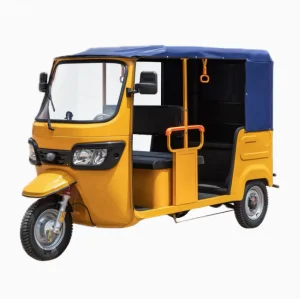
Transportation requirements vary significantly depending on the local topography, economic setting, and municipal regulations. As an experienced electric tuktuk manufacturer, Shandong Li Mao Tong Group constructs specialized configurations targeted at specific commercial segments, helping fleets achieve quick ROI and high operational efficiency:
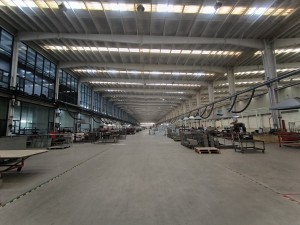
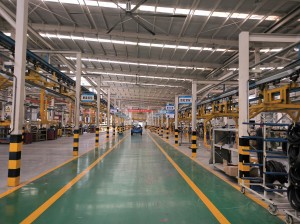
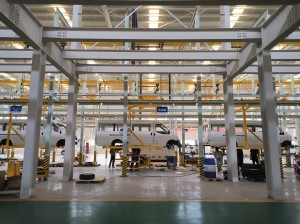
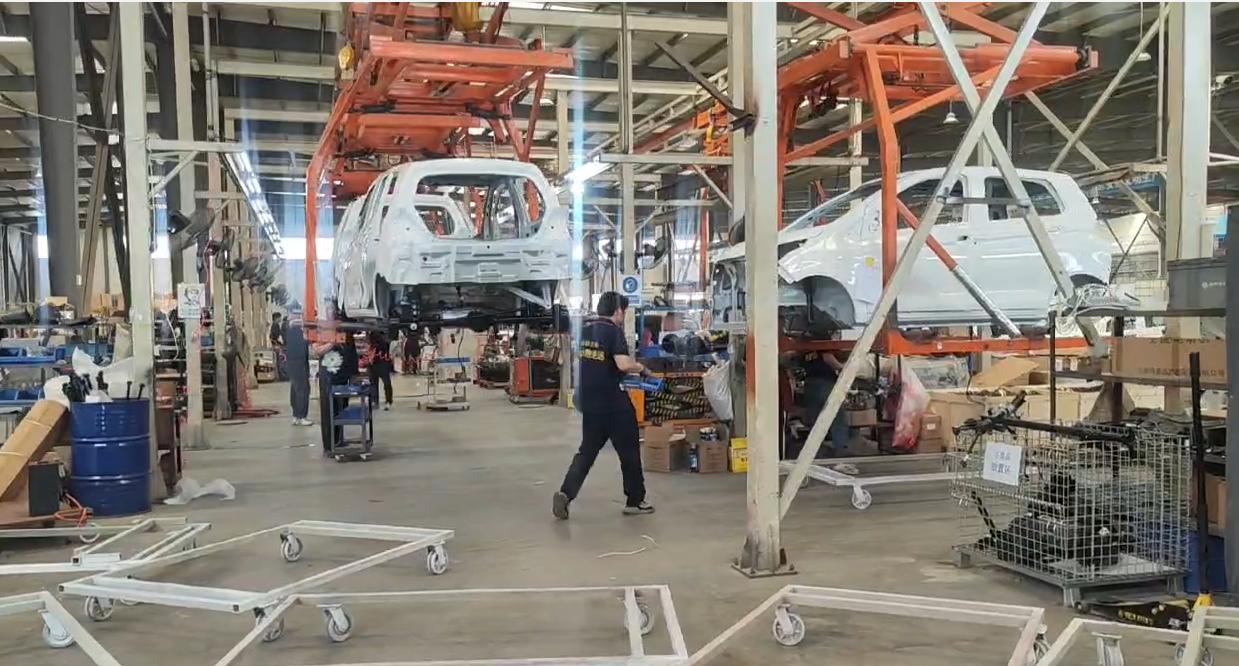
Applying automated stamping lines, precision robotic welding, and extreme environmental stress tests to ensure quality standard compliance.
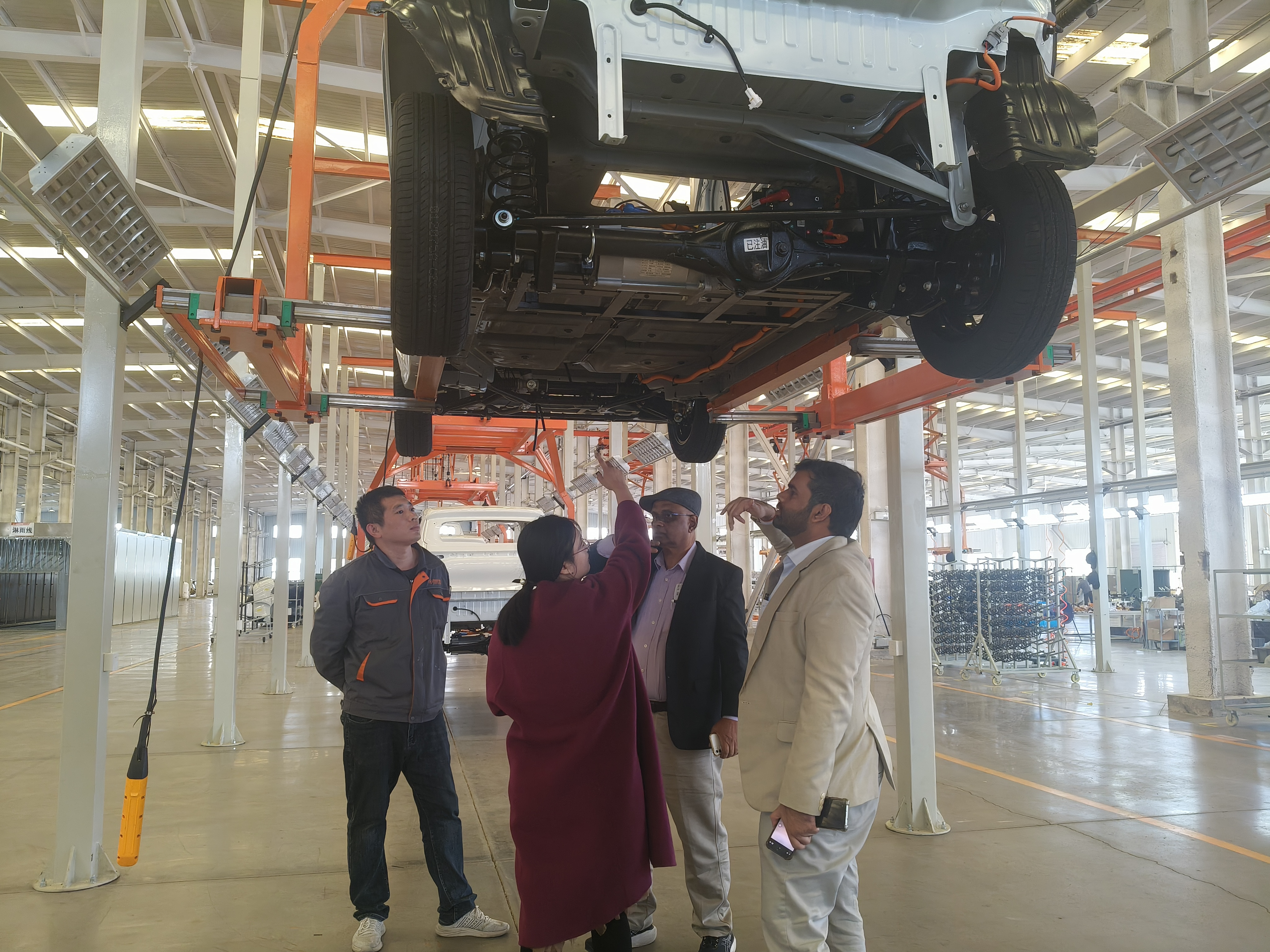
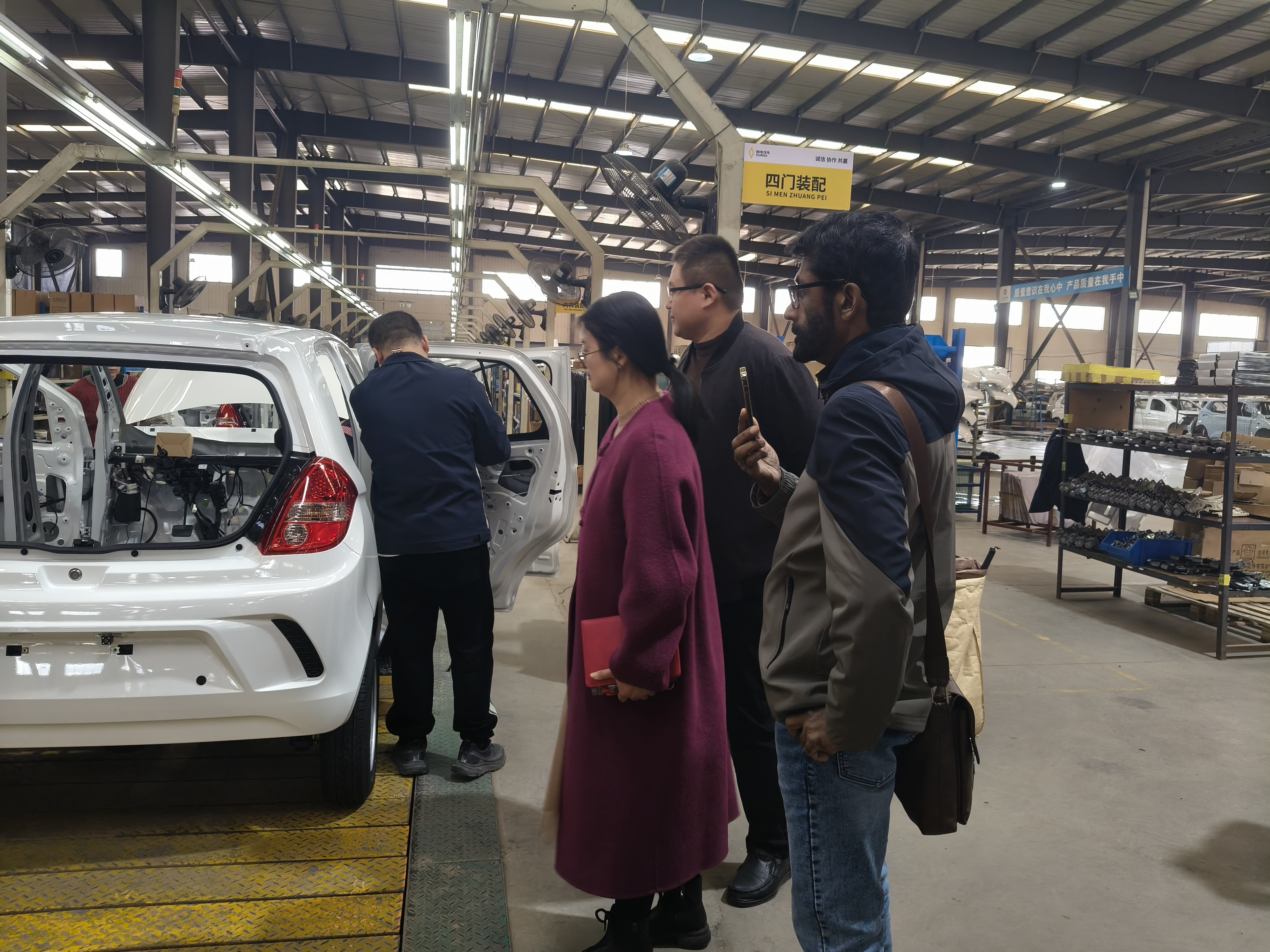
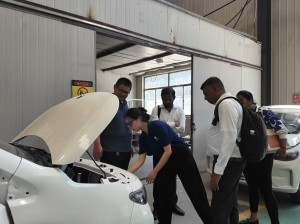
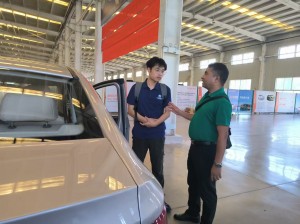
Quality is the cornerstone of our manufacturing operations. We operate a highly automated, intelligent production facility featuring robotic structural welding, automated chemical pre-treatment baths, and advanced electrostatic powder-coating lines. These advanced processes ensure complete corrosion resistance and consistent finishes for every vehicle.
Our heavy-duty vehicle chassis are engineered using one-piece stamped steel structures rather than traditional multi-piece welded elements, preventing fatigue cracking under high load stress. Furthermore, we subject our production models to extreme environmental validation testing, including a rigorous laboratory-level Level-7 rainstorm simulator. This test sprays high-pressure water at various angles for hours, certifying the waterproofing of all wiring harnesses, electronic controllers, and lithium battery compartments against heavy monsoon conditions.
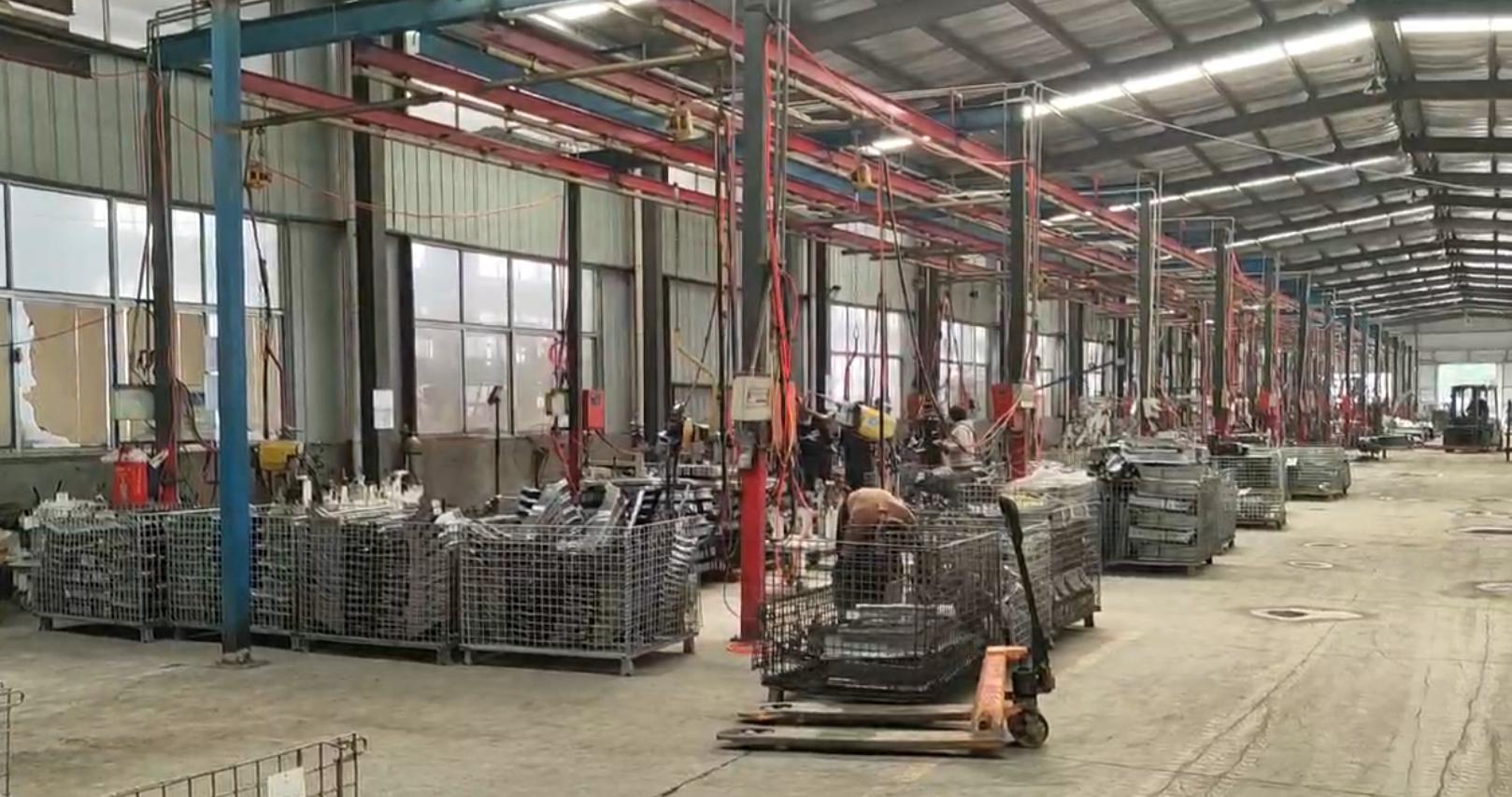
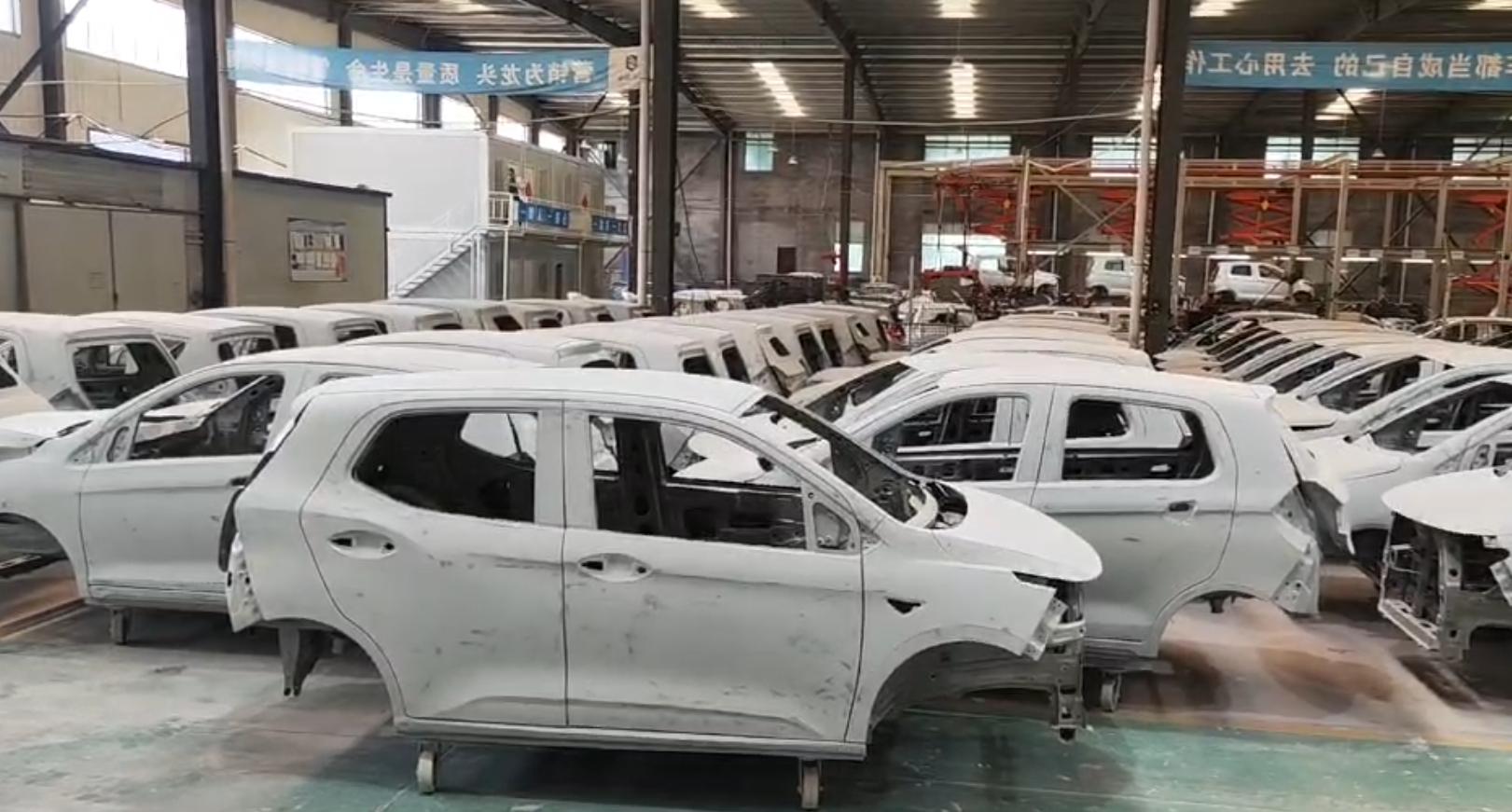
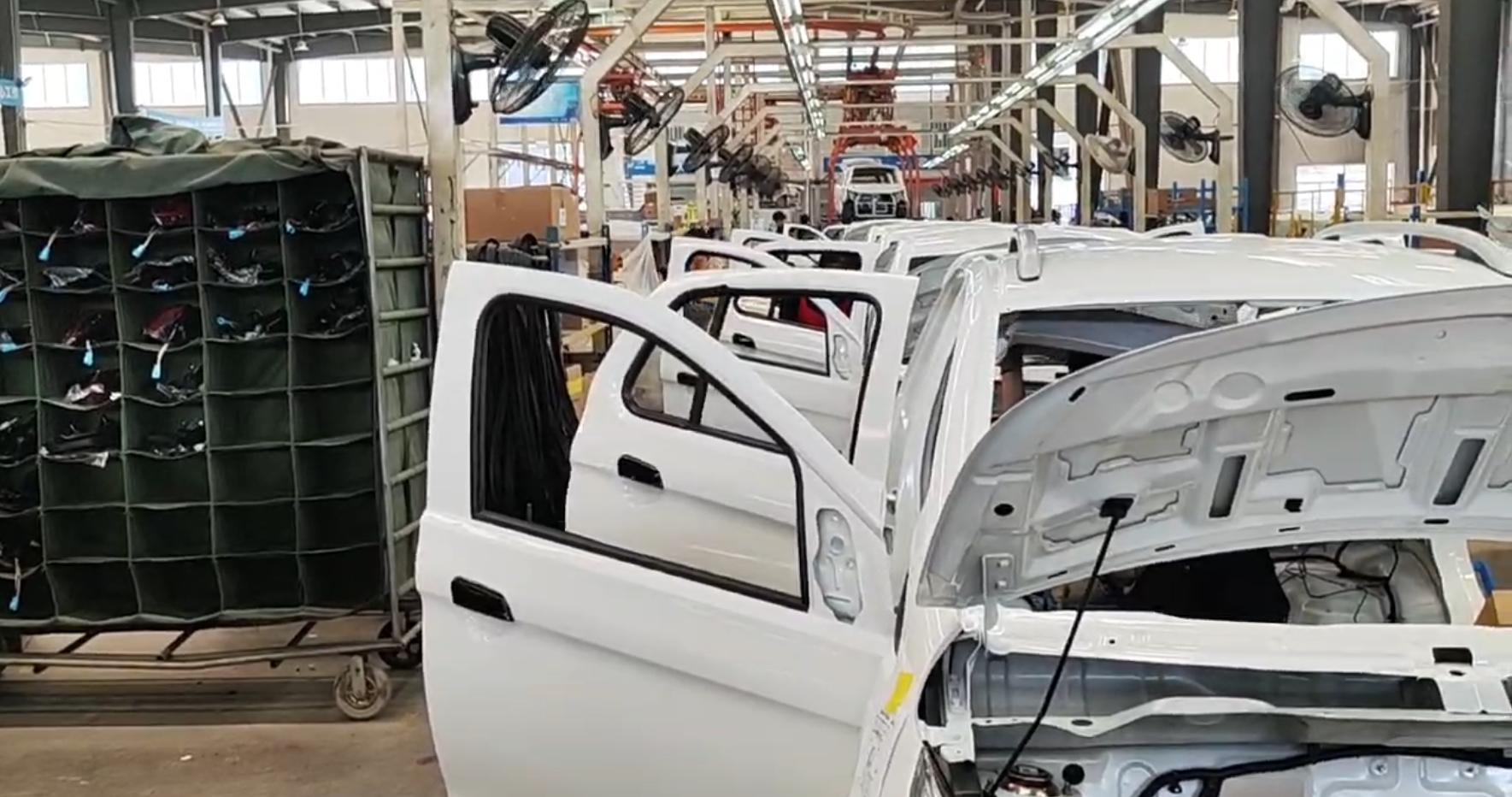
How we address tariff barriers, coordinate custom clearing, and deliver localized technical support through global logistics hubs.
Navigating varying homologation standards and customs requirements is a key challenge for global fleet procurement. Our research team ensures our passenger electric tuktuks and logistics platforms are certified to comply with EEC, DOT, and ADR standards. This allows for smooth regulatory approval and licensing in key target regions, including Europe, Latin America, and Africa.
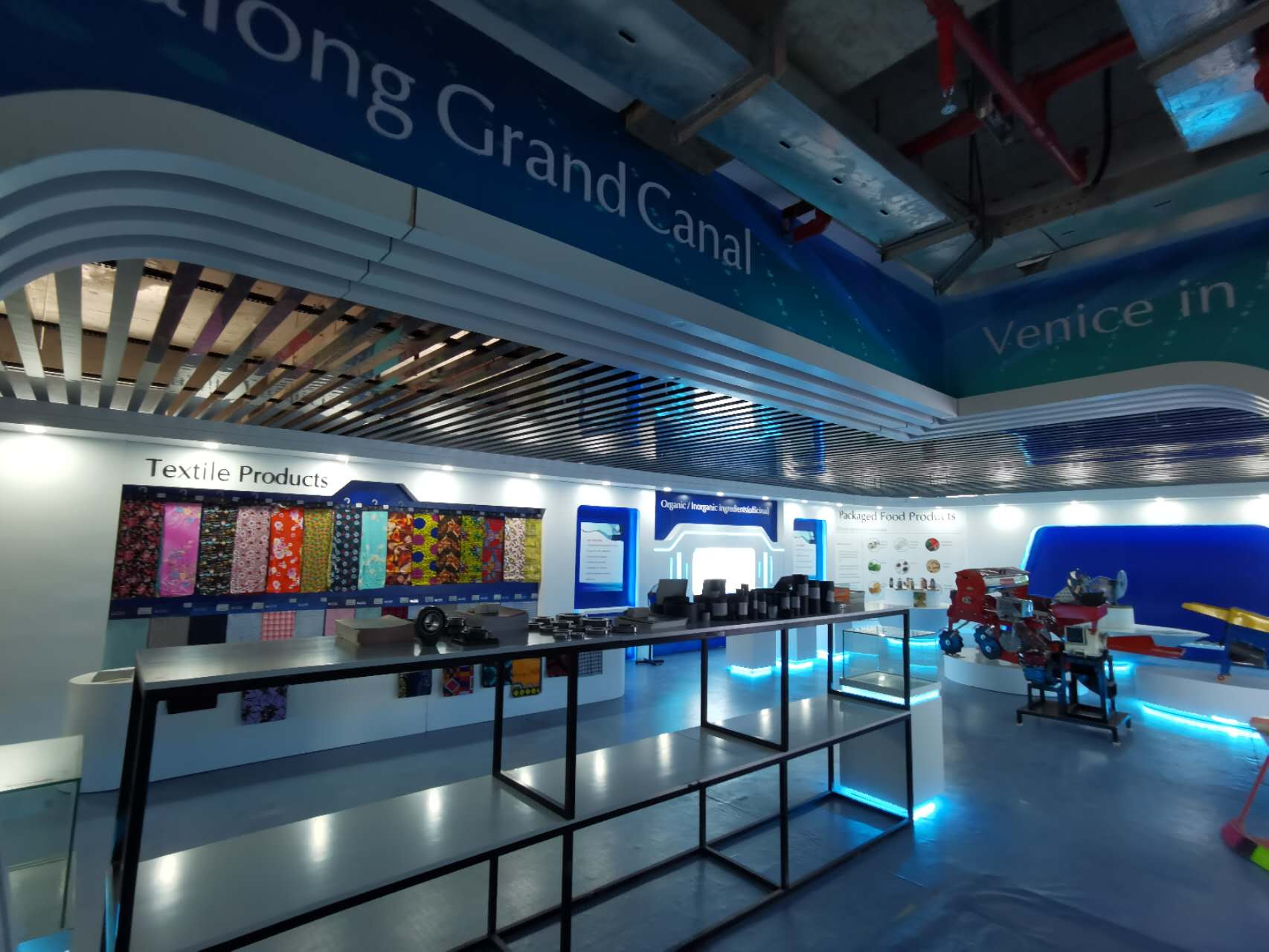
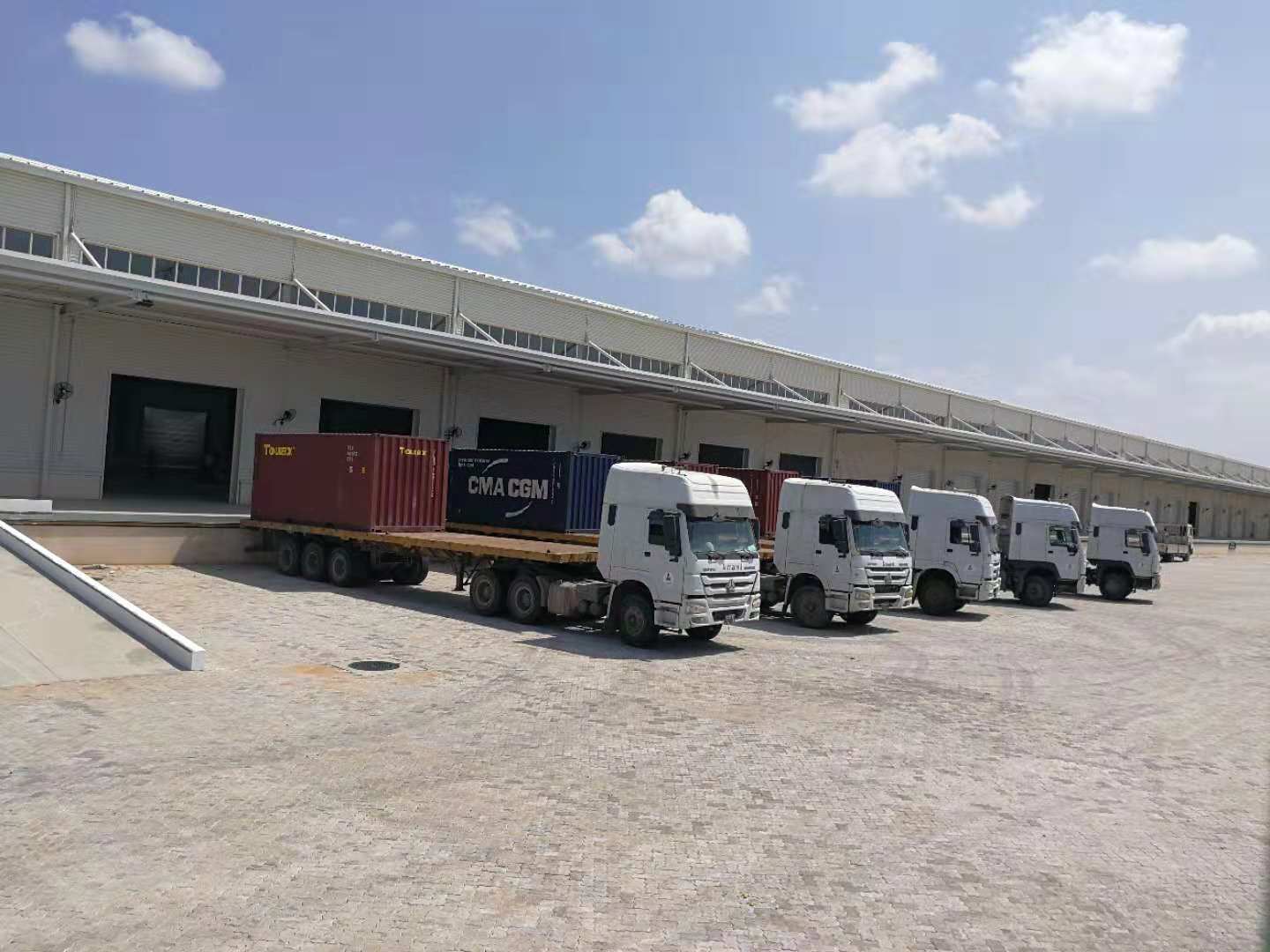
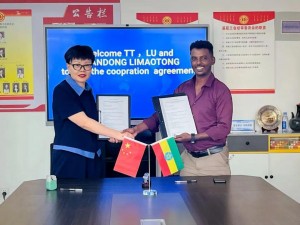
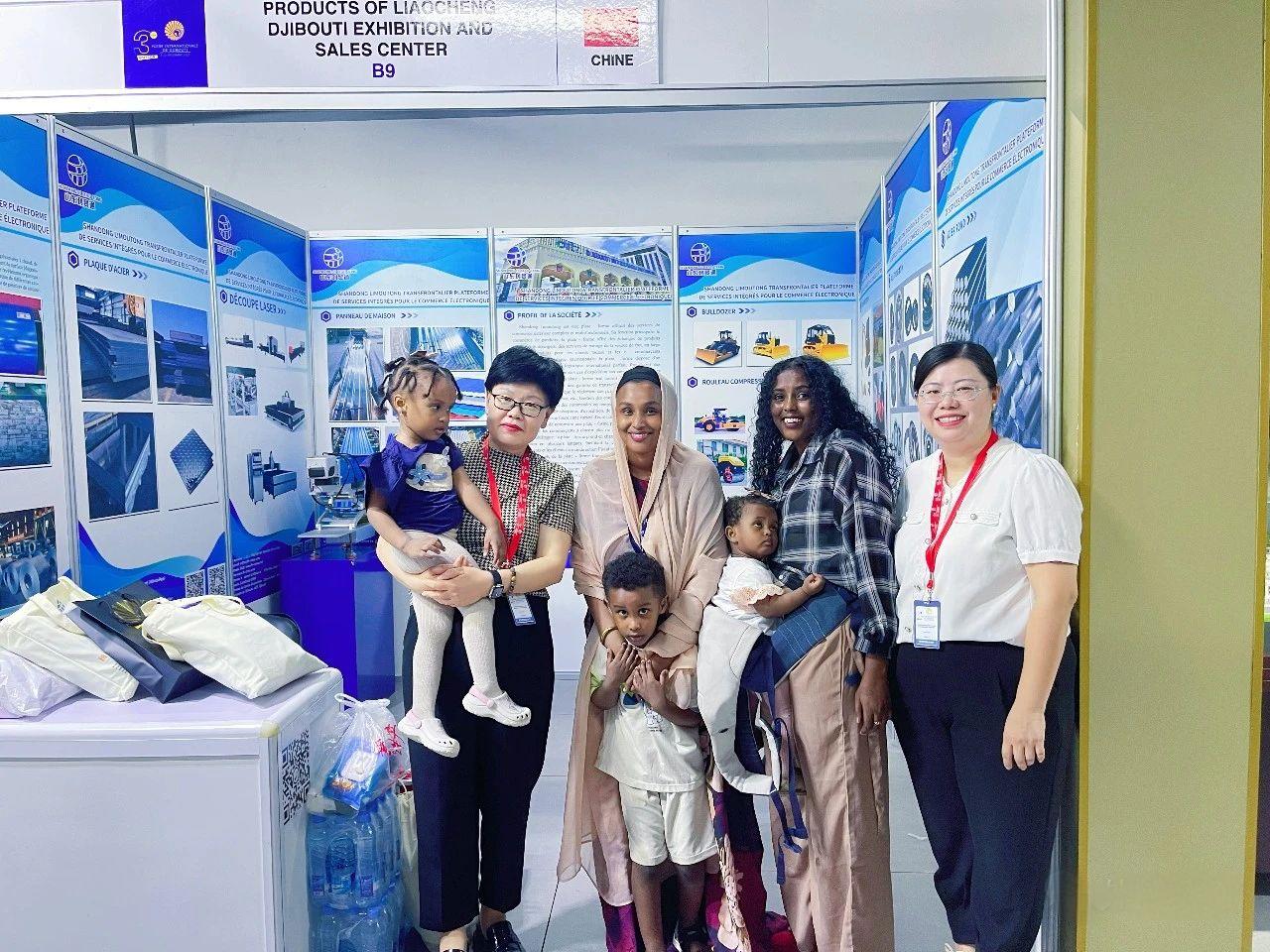
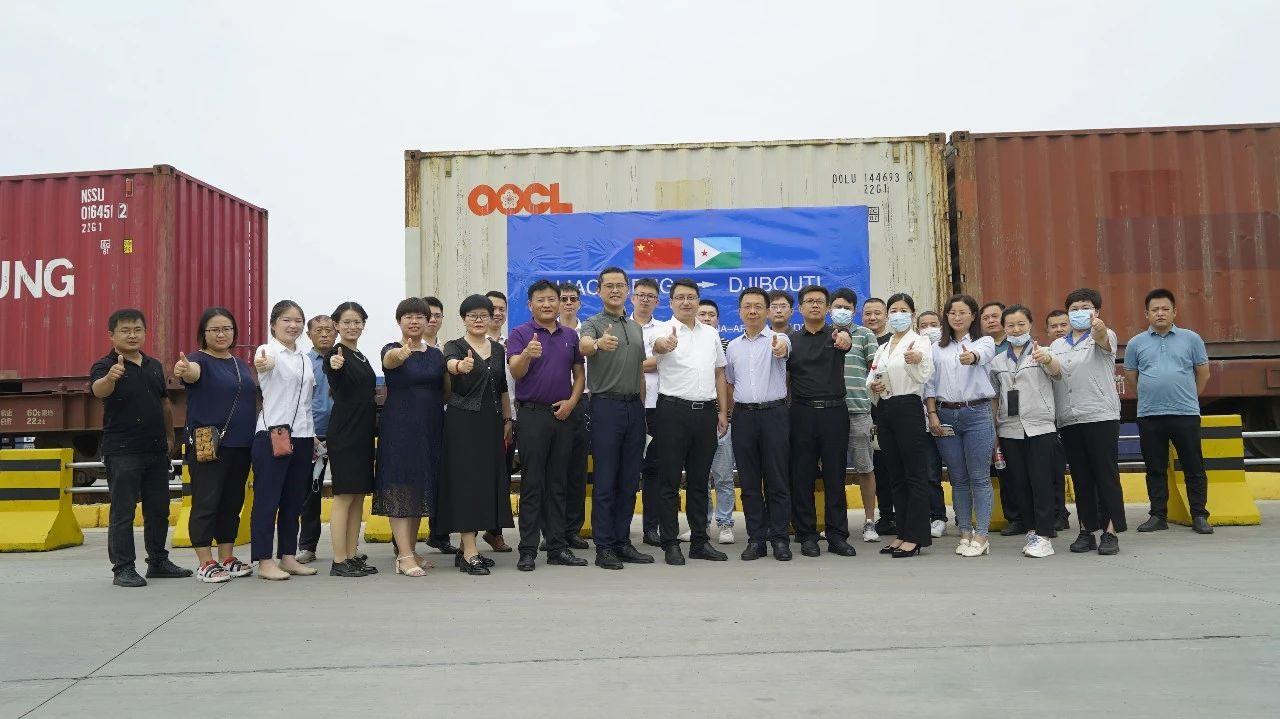
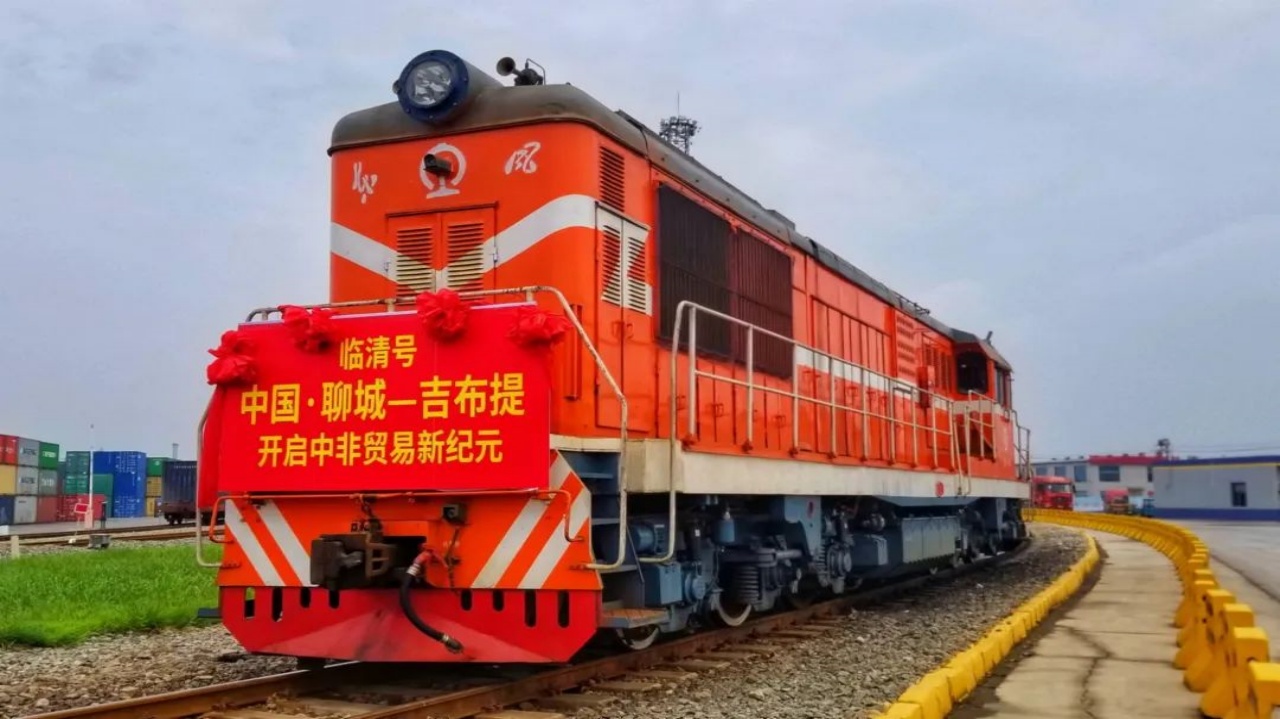
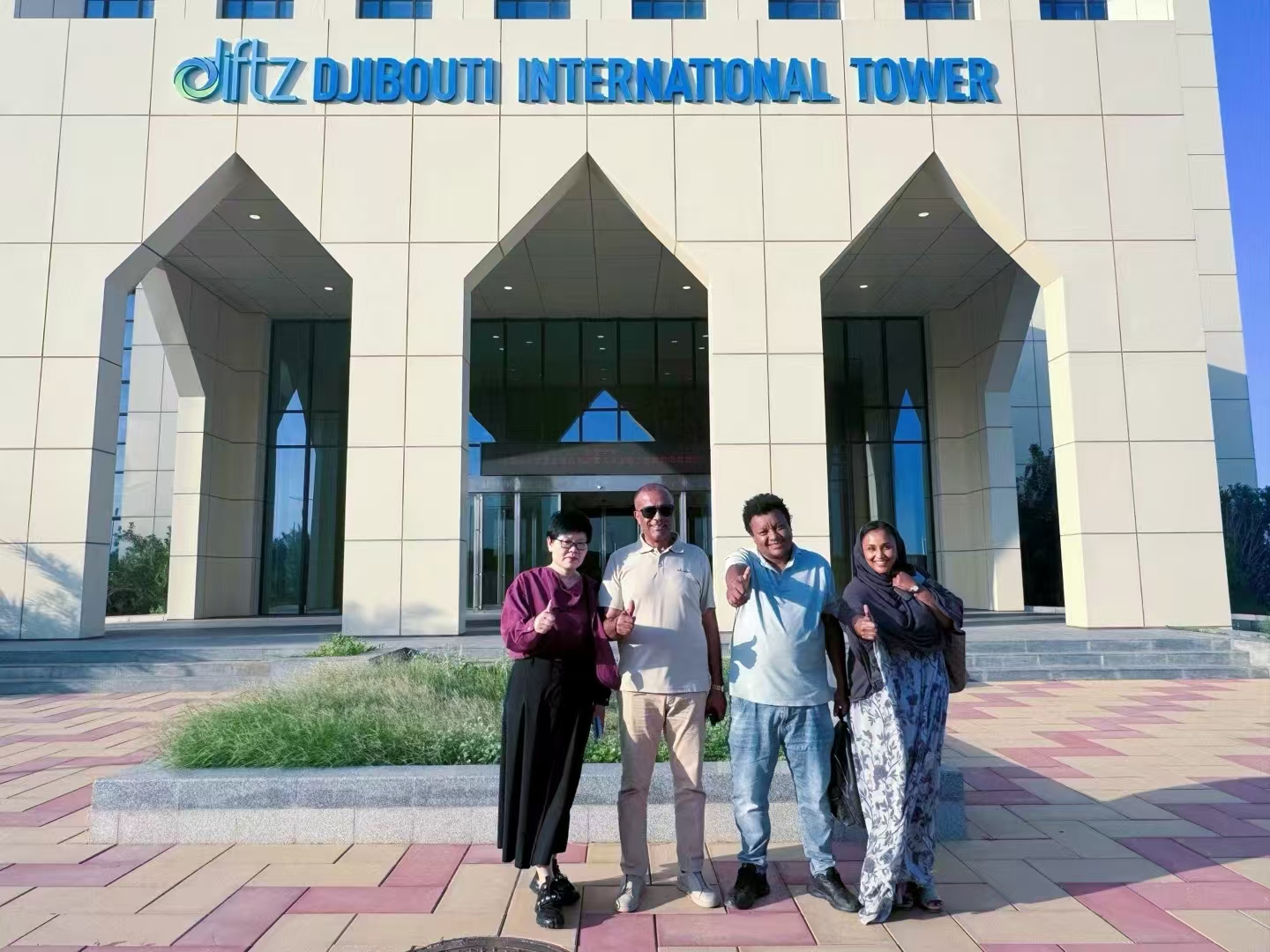
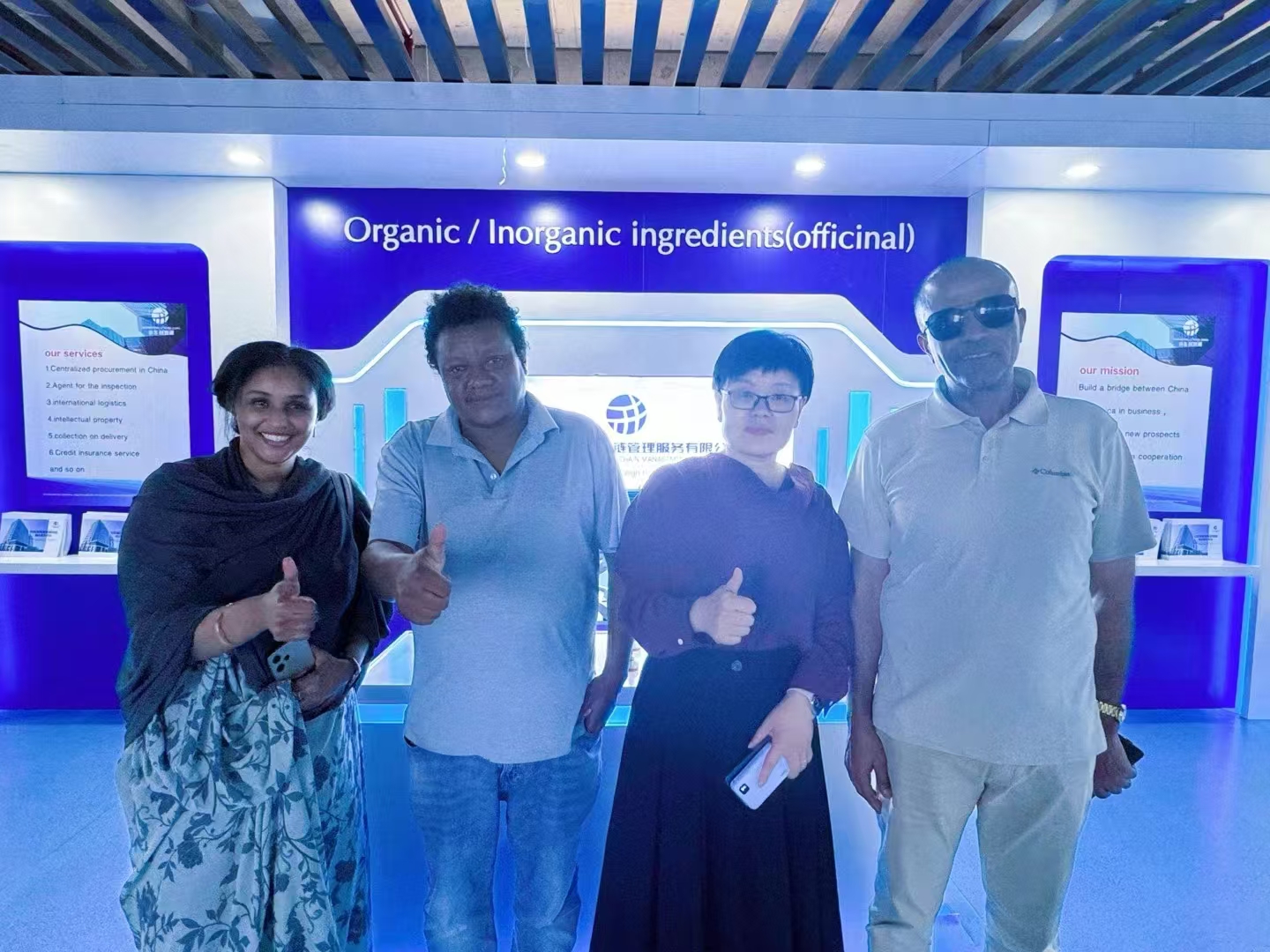
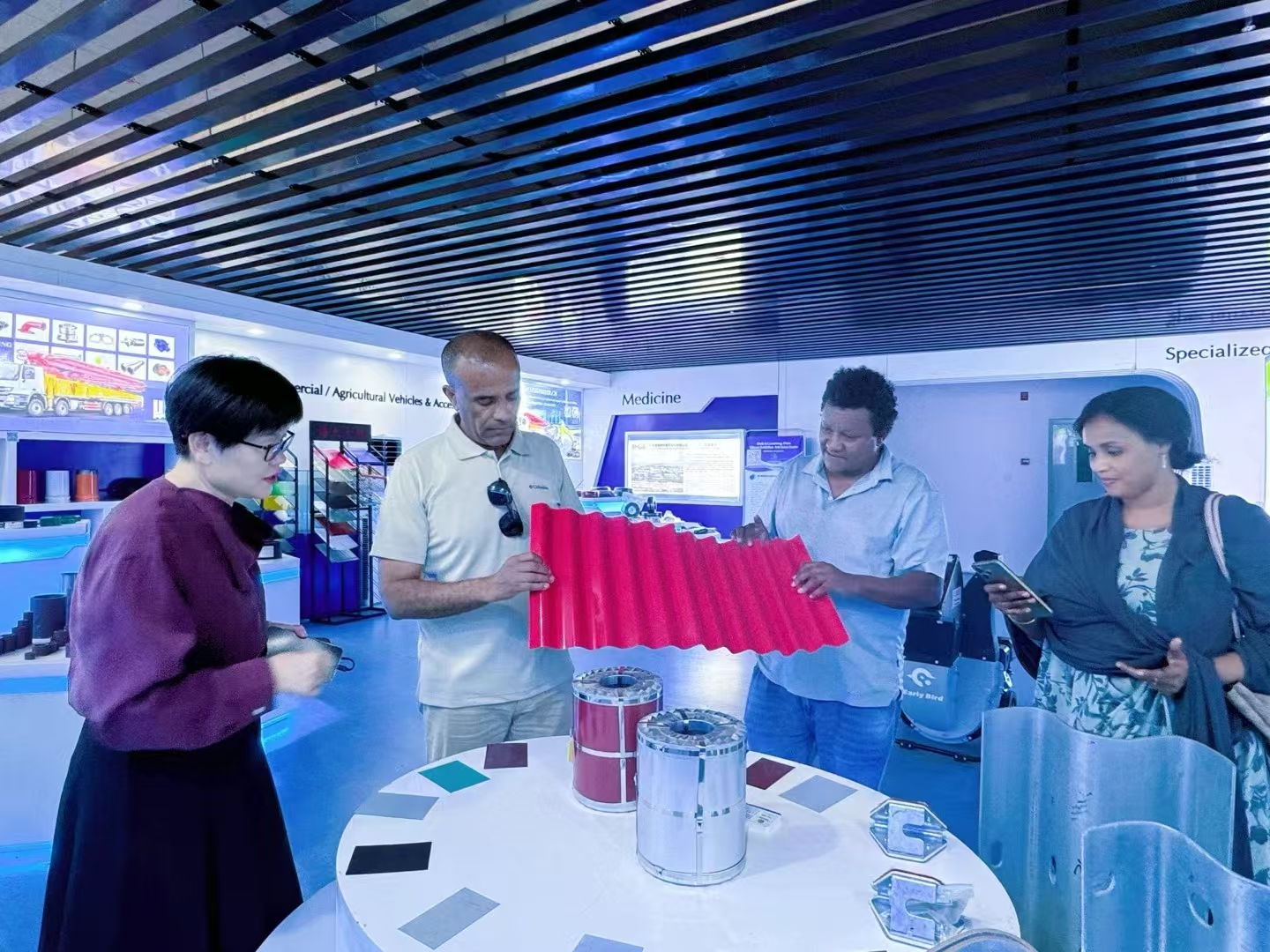
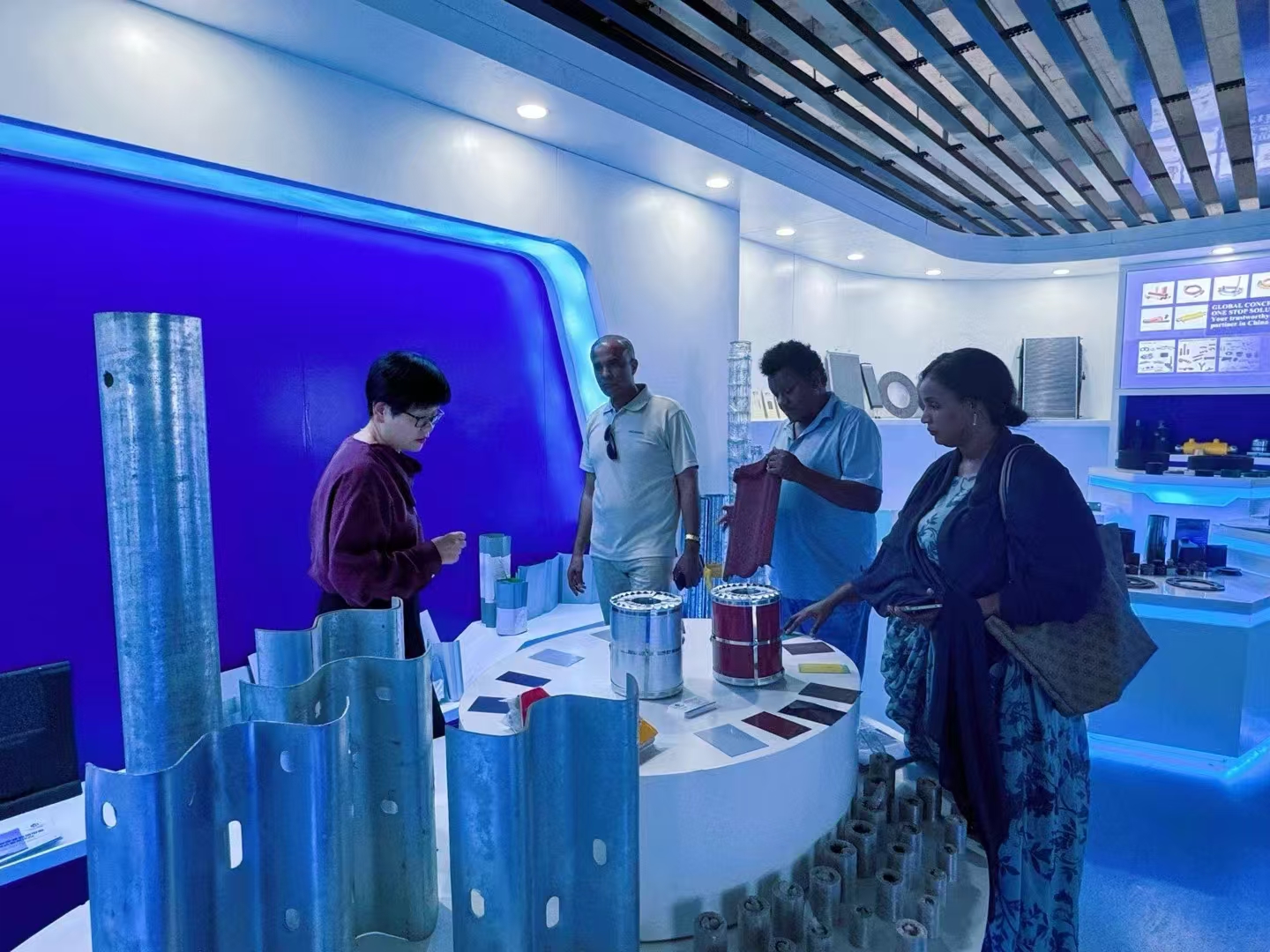
To reduce international shipping costs and transit delays, we have developed a pioneering cross-border support model. In 2023, we established the Djibouti (Overseas Warehouse) Cross-border E-commerce Exhibition and Sales Center, situated in the Djibouti International Free Trade Zone in East Africa. This center serves as a primary hub for distribution, local assembly, and technical service across East Africa. Operating with a localized sales, customer support, and logistics team, we maintain a complete inventory of spare parts and components to ensure immediate service and minimal downtime for our regional partners.
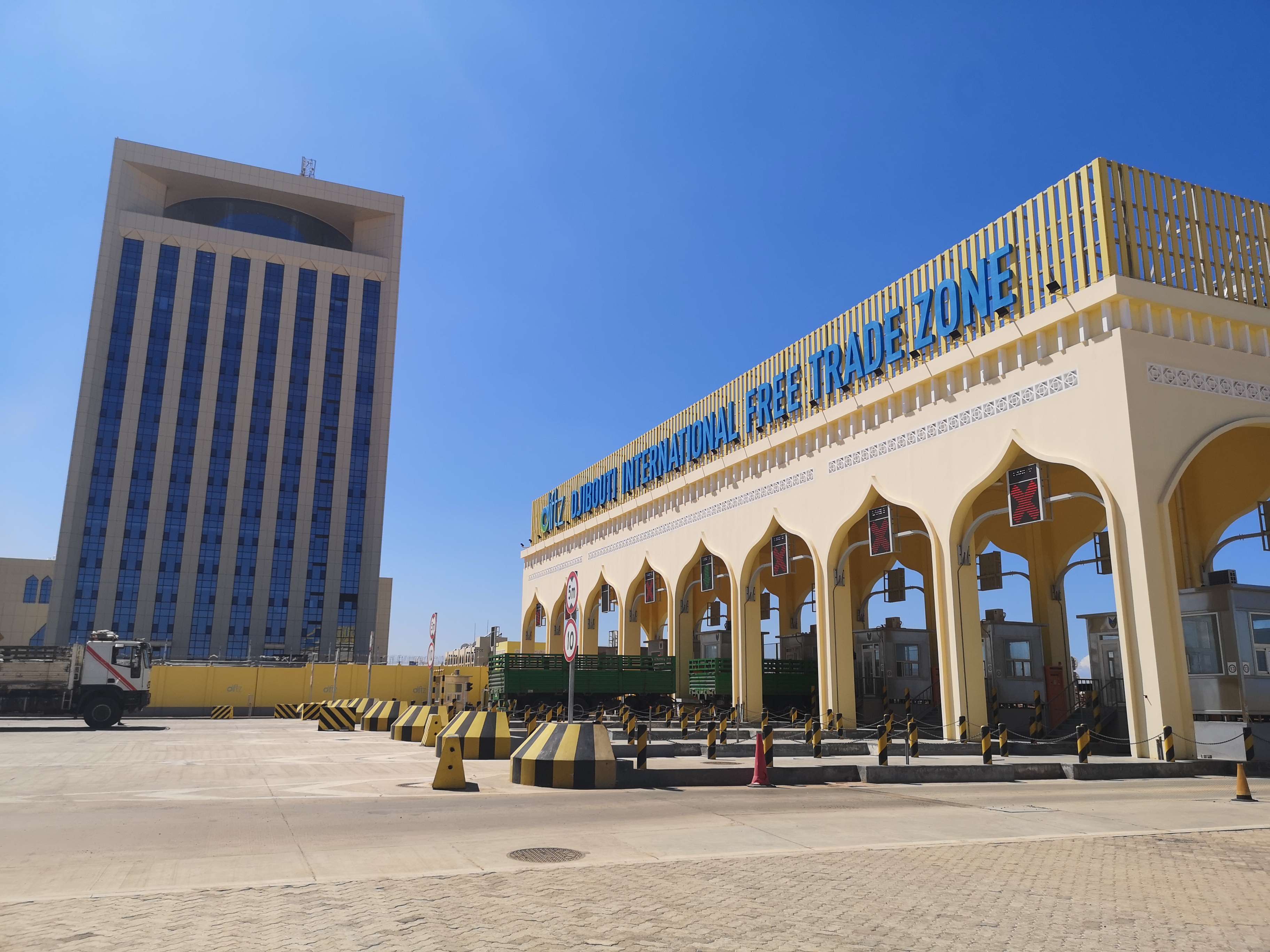
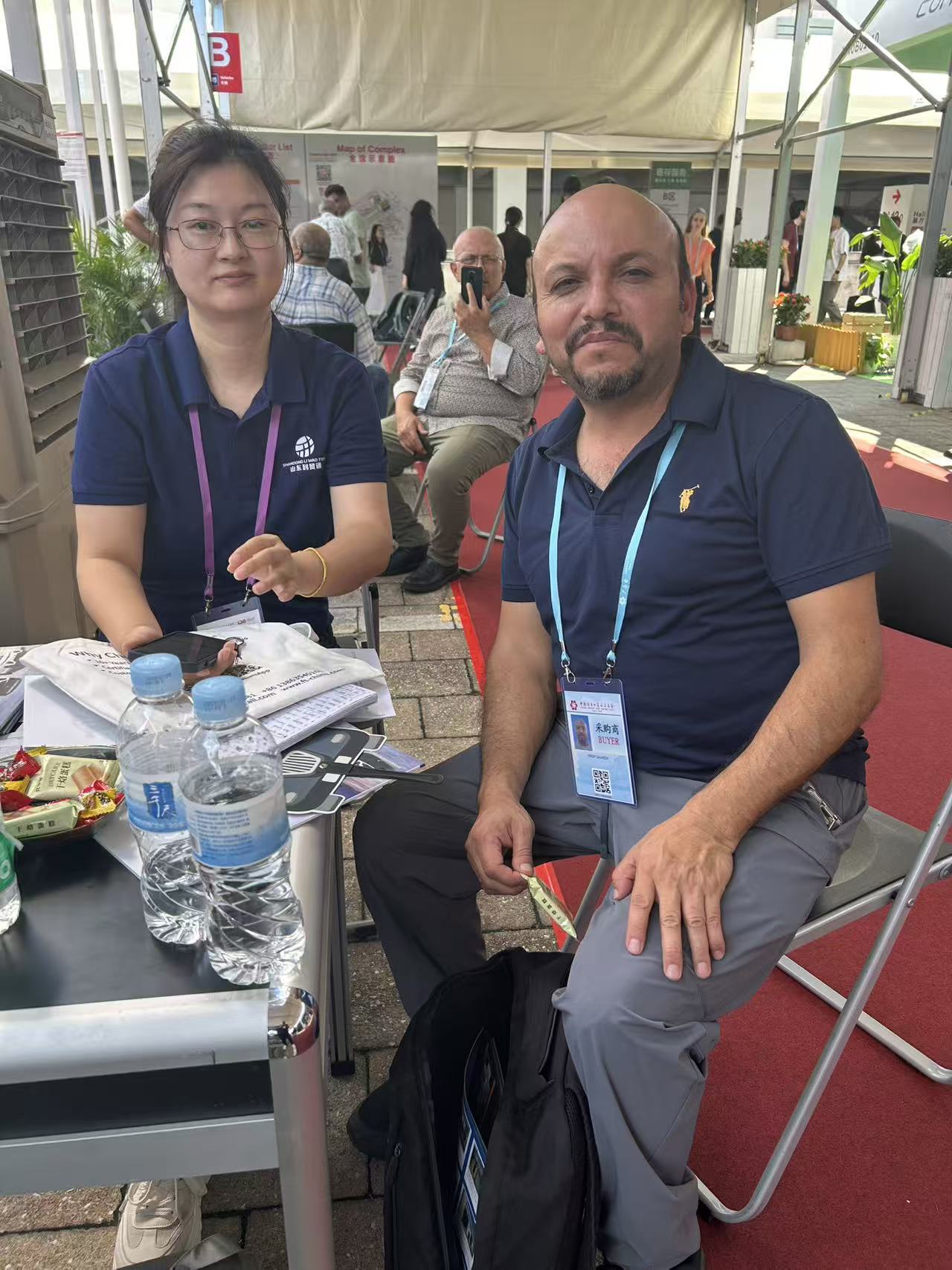
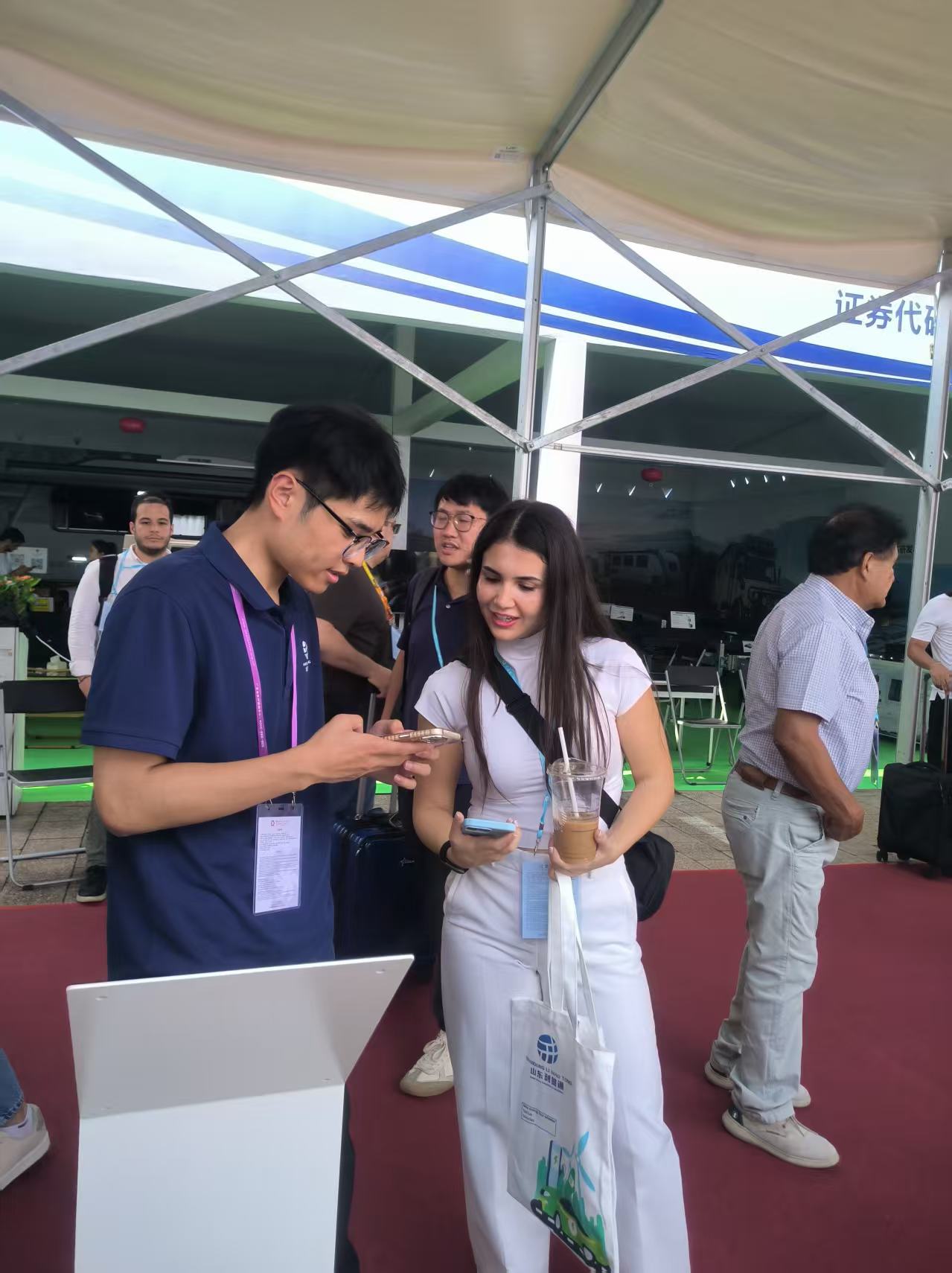
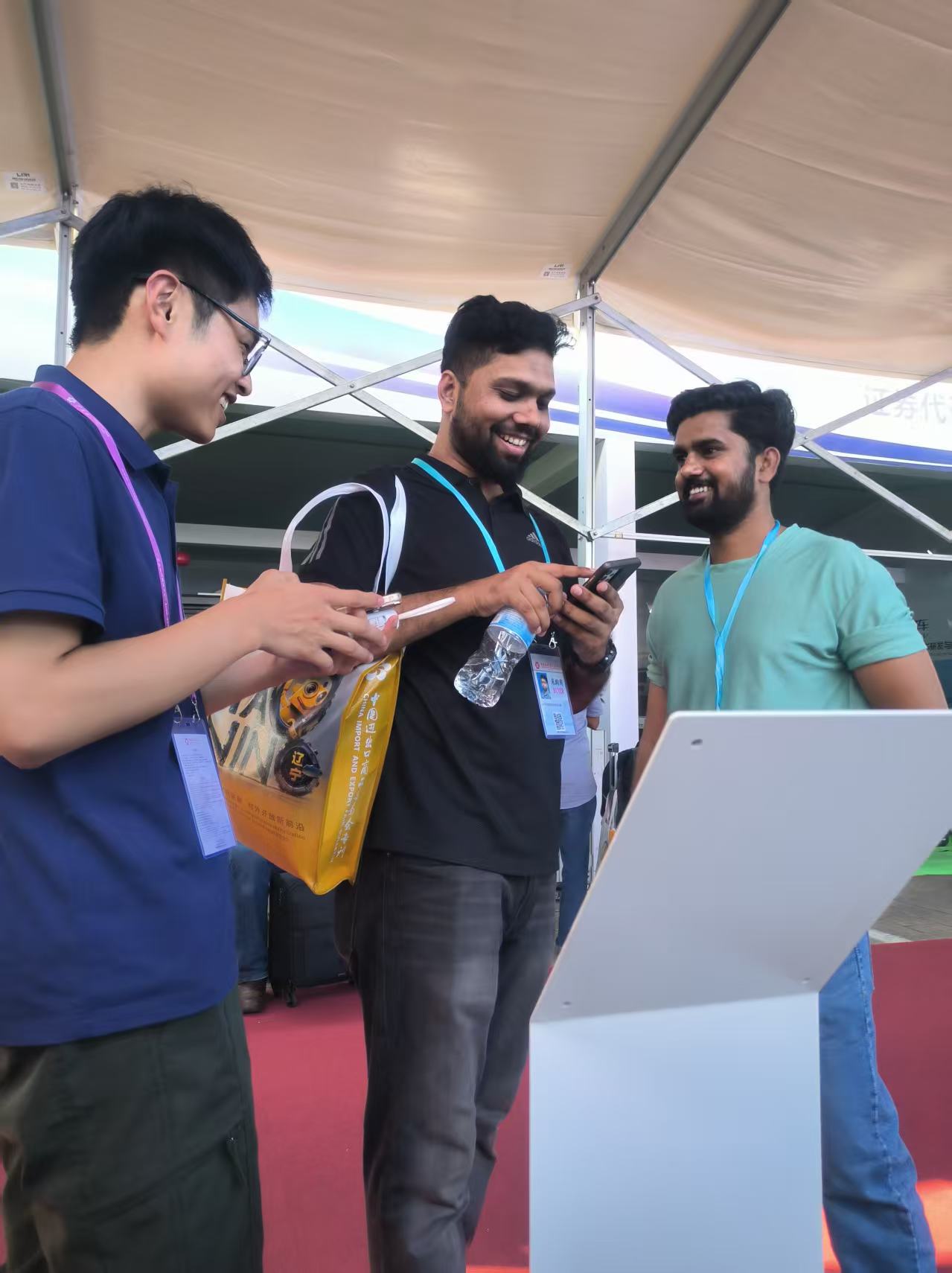
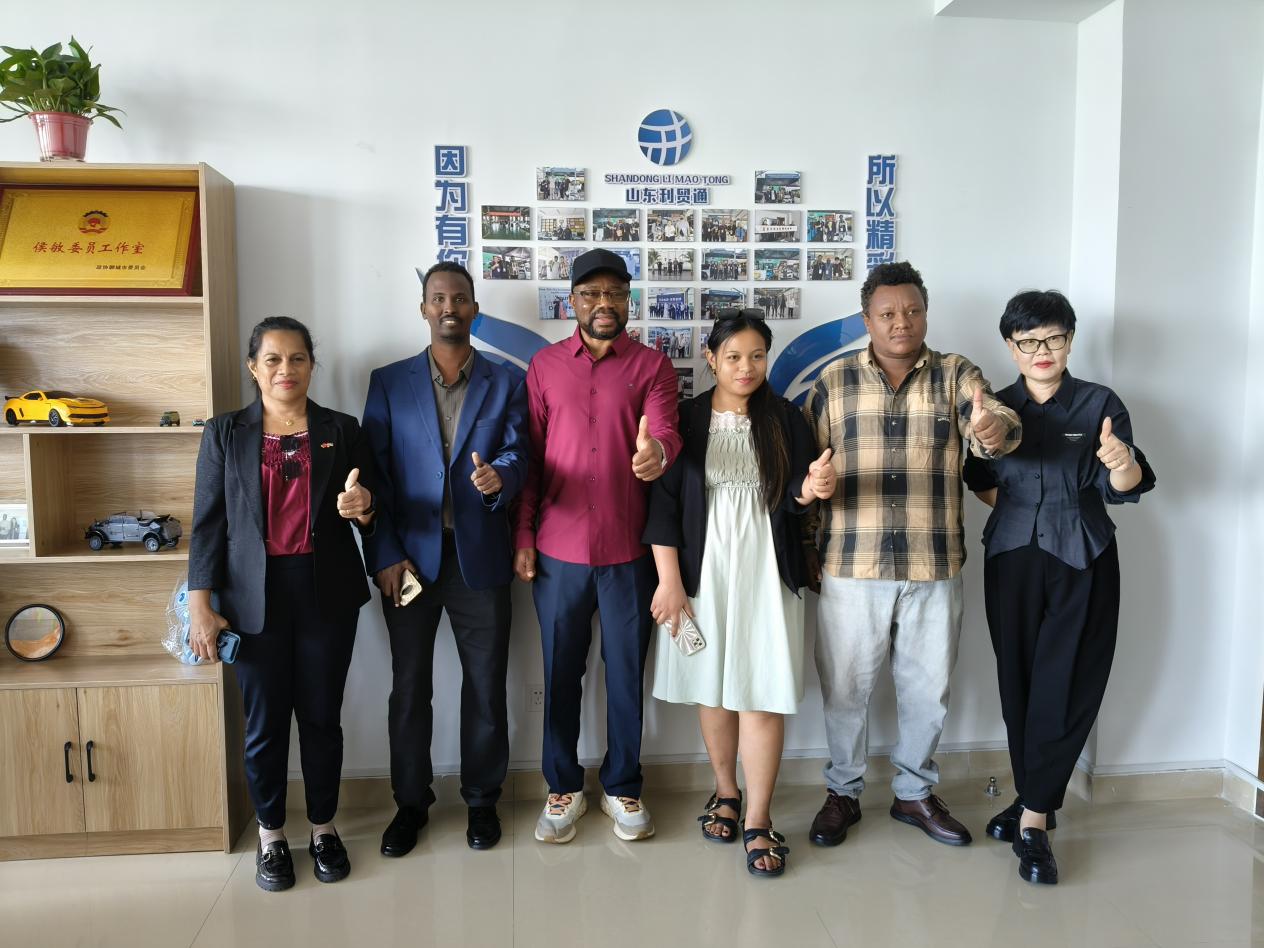
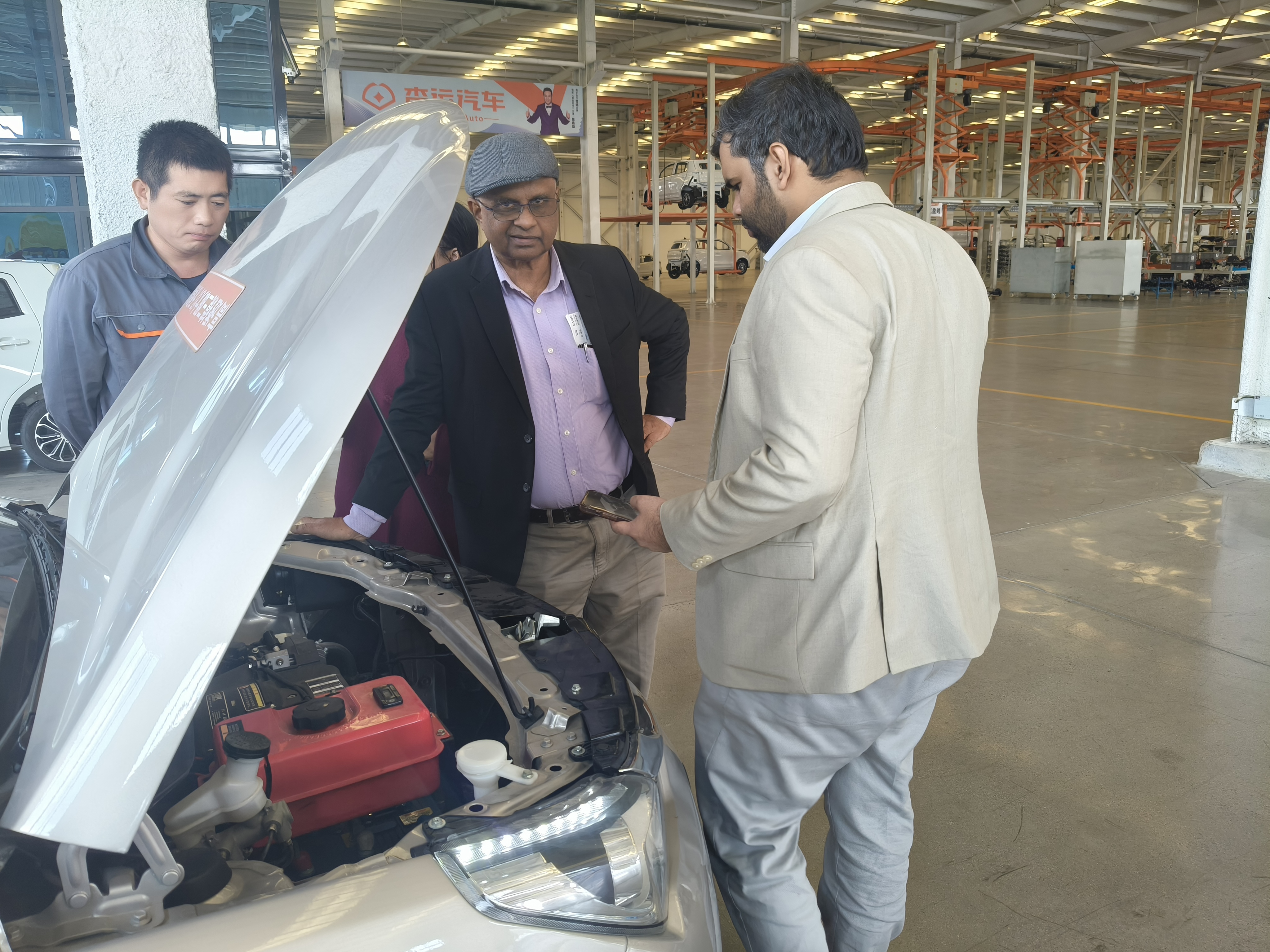
A systematic framework detailing structural requirements, battery warranties, tariff codes, and long-term operating cost optimization.
When executing high-volume fleet purchasing, global logistics operators, municipal transit authorities, and wholesale distributors should prioritize long-term Total Cost of Ownership (TCO) over initial acquisition costs. Selecting a qualified electric tuktuk manufacturer involves several key technical and logistics criteria:
The structural chassis must be engineered for heavy load cycles on poorly paved roads. Single-piece stamped high-tensile steel frames offer superior crack resistance compared to standard welded tubes. The front suspension system should feature dual heavy-duty hydraulic dampers, and the rear suspension should utilize multi-leaf spring assemblies to reliably support passengers or heavy cargo.
Brushless DC (BLDC) motors or AC induction motors rated between 3kW and 5kW are recommended. These drivetrains should feature integrated dual-speed gearboxes to balance high torque requirements on steep grades with energy efficiency on flat terrain. The motor controller must be sealed against dust and water (IP67 rating) and include thermal protection to prevent overheating in hot climates.
For high-frequency commercial fleets, LiFePO4 (Lithium Iron Phosphate) is the industry standard due to its high thermal stability and long cycle life. Buyers should require batteries with integrated smart BMS, supporting real-time diagnostics via CAN-bus and boasting a manufacturer-backed warranty of at least 3 years or 100,000 km.
Importing fully assembled (CBU) vehicles often incurs high import duties and shipping rates. Sourcing from a manufacturer that offers Semi-Knocked Down (SKD) or Completely Knocked Down (CKD) configurations can substantially reduce import tariffs. This assembly model also optimizes container space, fitting up to four times as many vehicles per shipment.
Providing direct, engineering-validated answers to help fleet managers and import buyers make informed decisions.
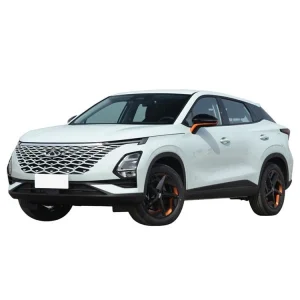
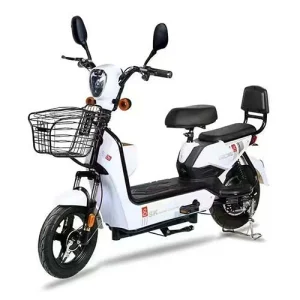
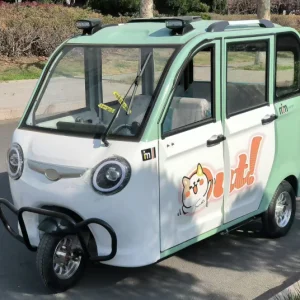
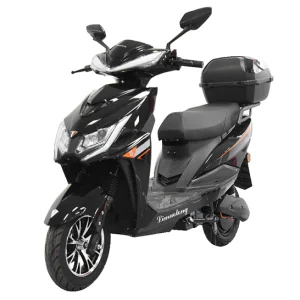
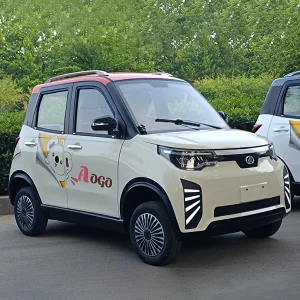
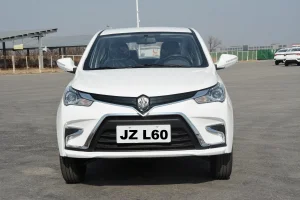
Additional smart transit models, high-speed mini cars, and utility-class electric passenger options optimized for diverse global markets.
 Limaotong