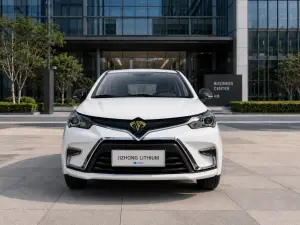
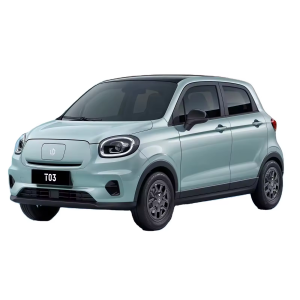
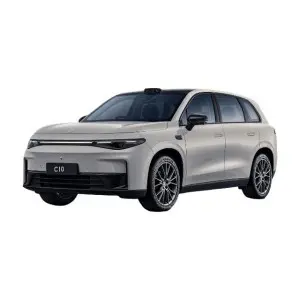
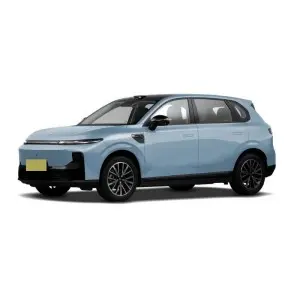
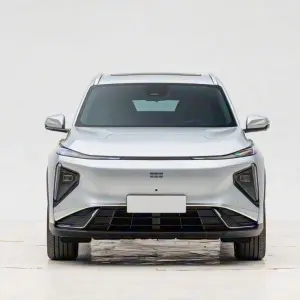
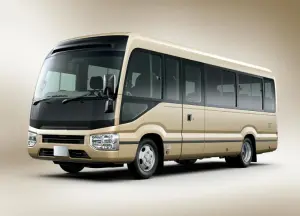
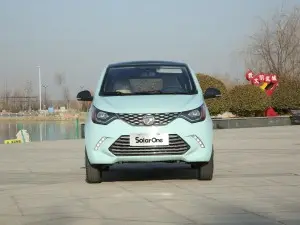
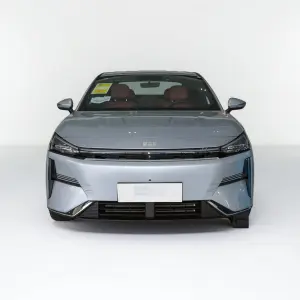
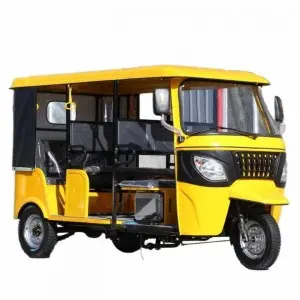
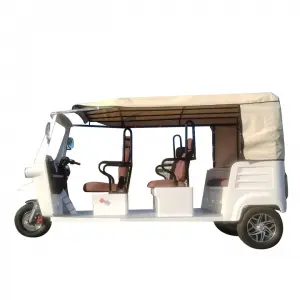
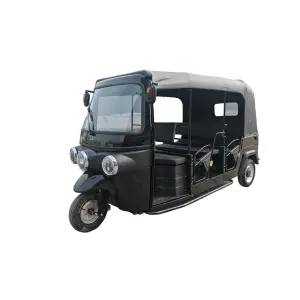
Premium solutions optimized for global logistics, personal transit, and specialized transport applications.
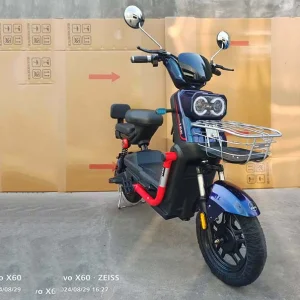
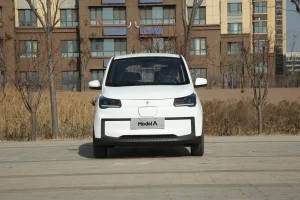
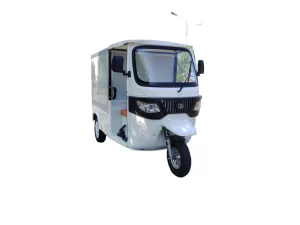
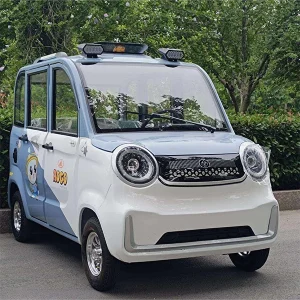
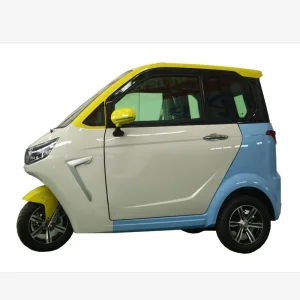
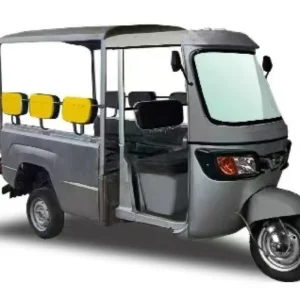
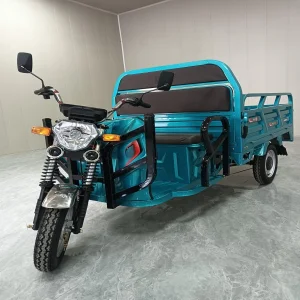
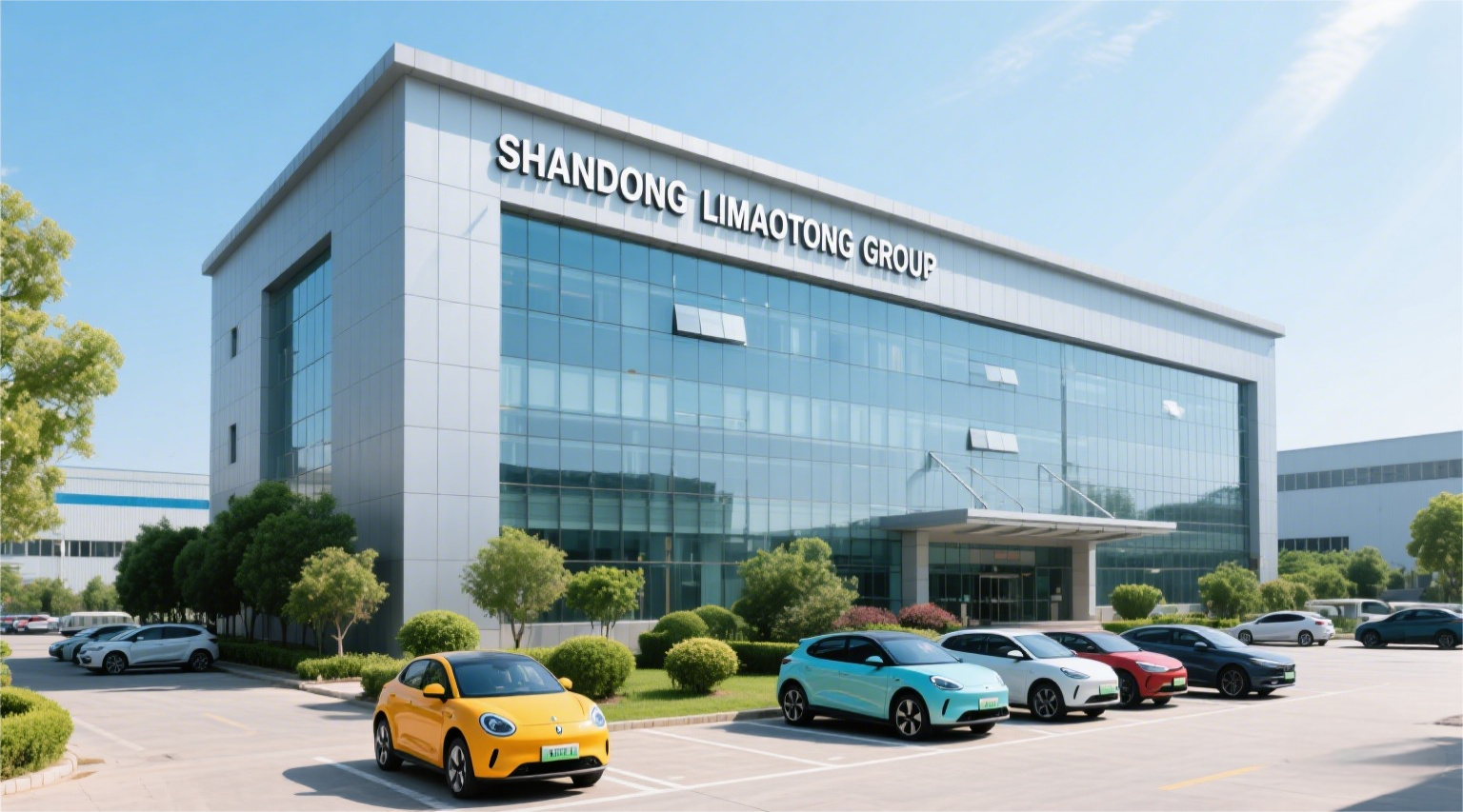
Shandong Li Mao Tong Group is a globally established manufacturer and supplier specializing in the research, mechanical engineering, and international sales of motorized tricycles, cargo tricycles, and electric micro-vehicles. Rooted in one of China's most robust smart-manufacturing hubs, our comprehensive industrial supply chain guarantees exceptional vehicle build consistency, strict regulatory compliance, and cutting-edge battery management safety profiles.
Since our founding, our multi-series vehicles have successfully served end-users and commercial companies in over 120 countries and regions worldwide, positioning our brand in front of over 20 million households globally. Reinforced by 8 overseas production bases, we provide customized solutions tailored to regional climates, topographic variations, and local homologation requirements.
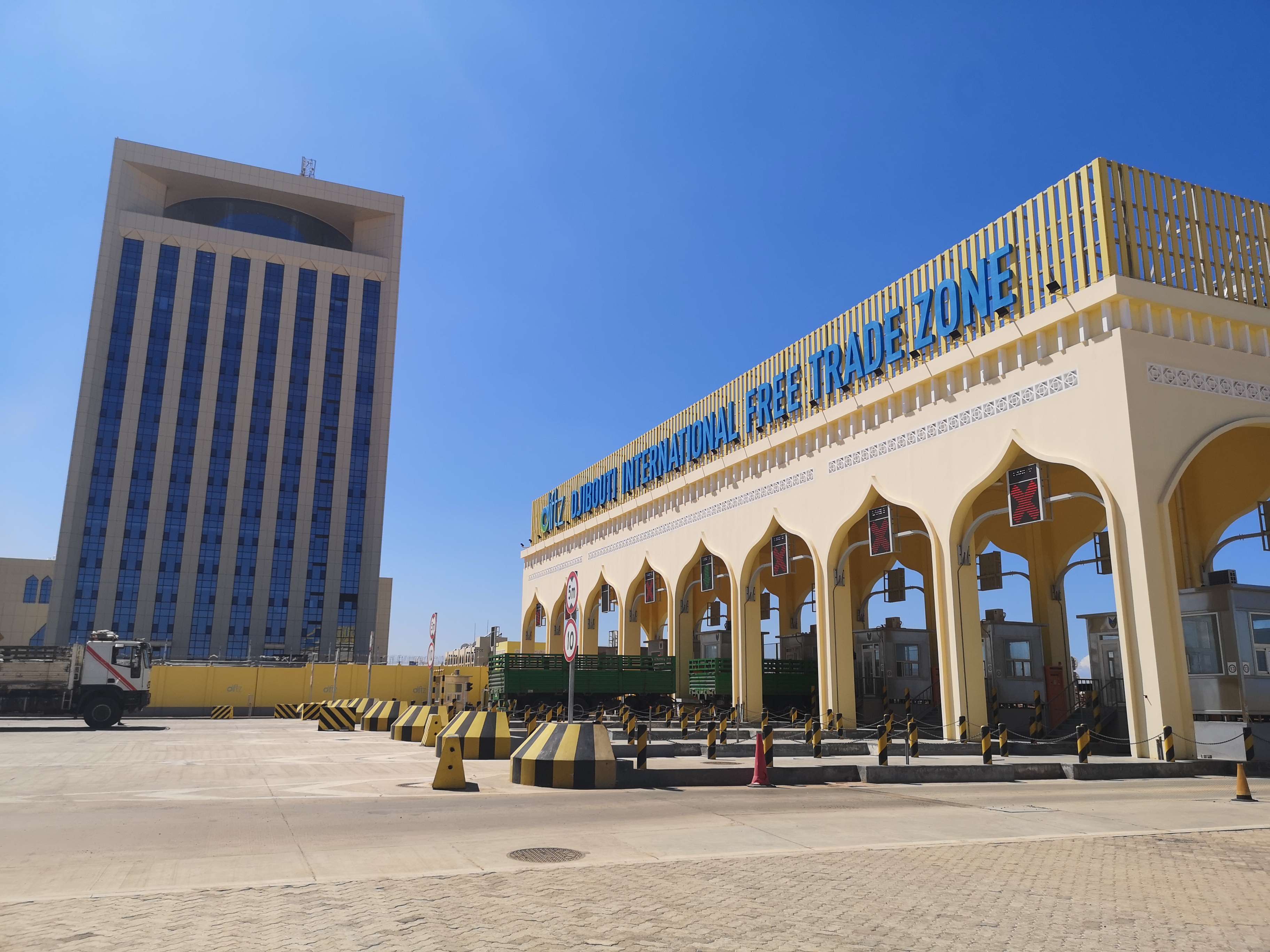
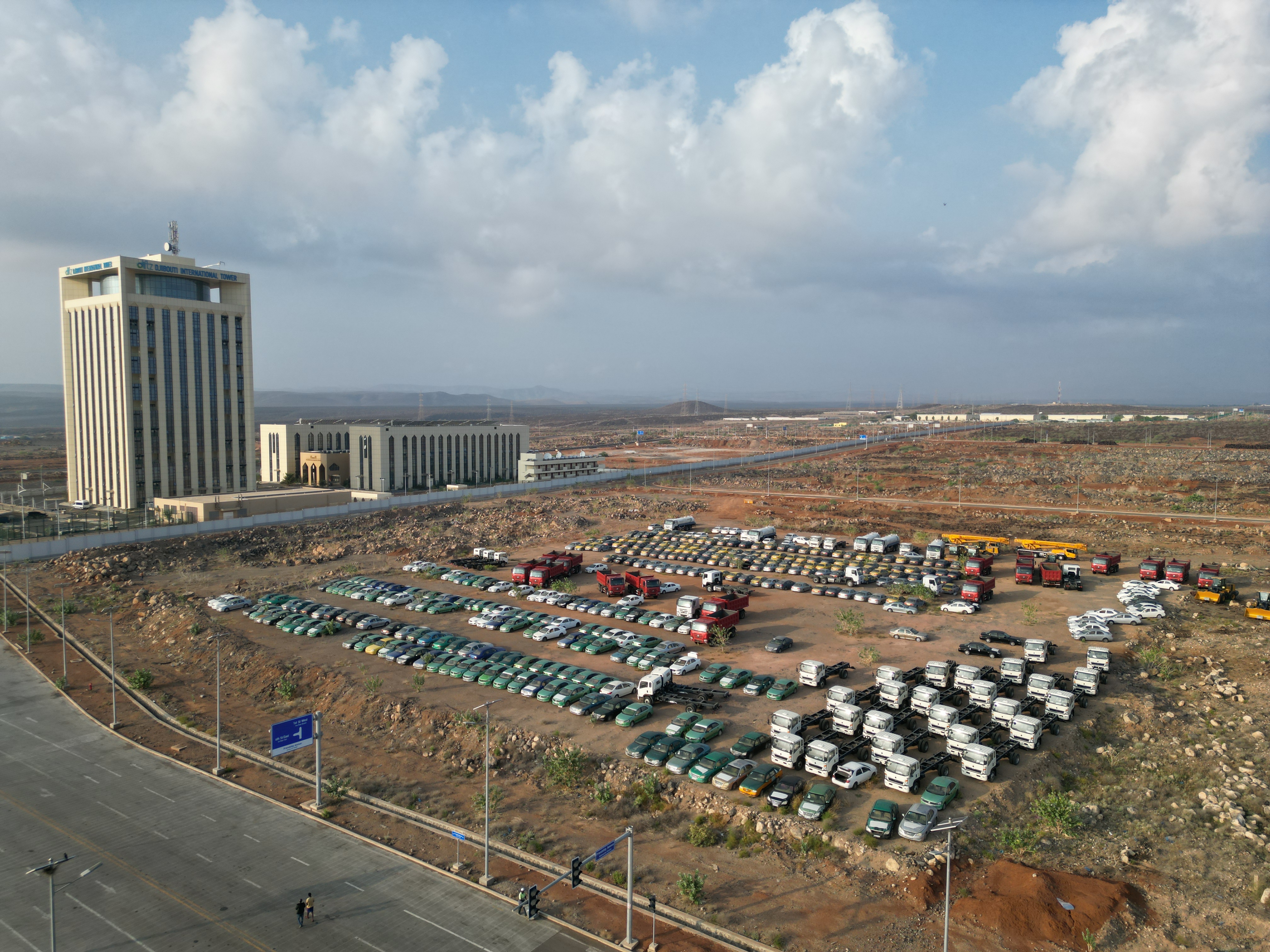
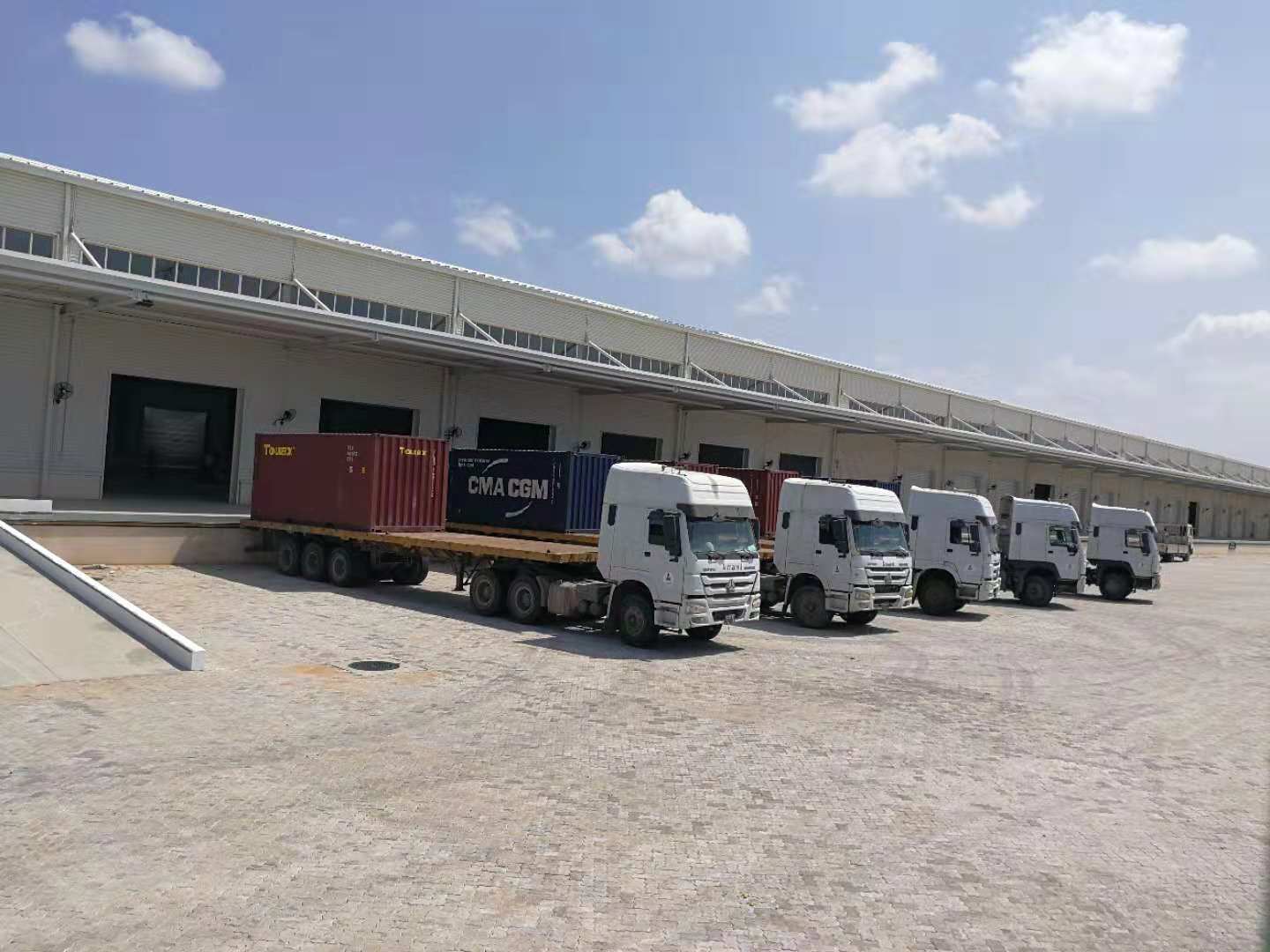
Our dedication to after-sales care is demonstrated by our localized logistics networks and designated overseas warehouses—such as our premier facility in the Djibouti International Free Trade Zone in East Africa—facilitating rapid parts deployment, local maintenance training, and efficient customs clearance.
Global presence, specialized vehicle design engineering, and trusted service infrastructure.
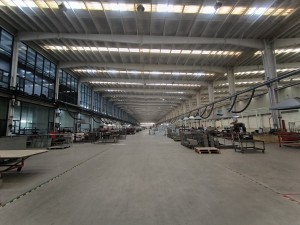
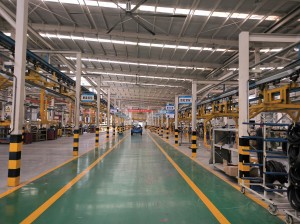
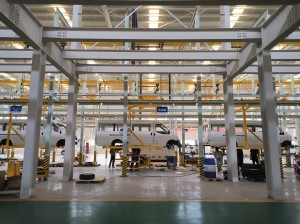
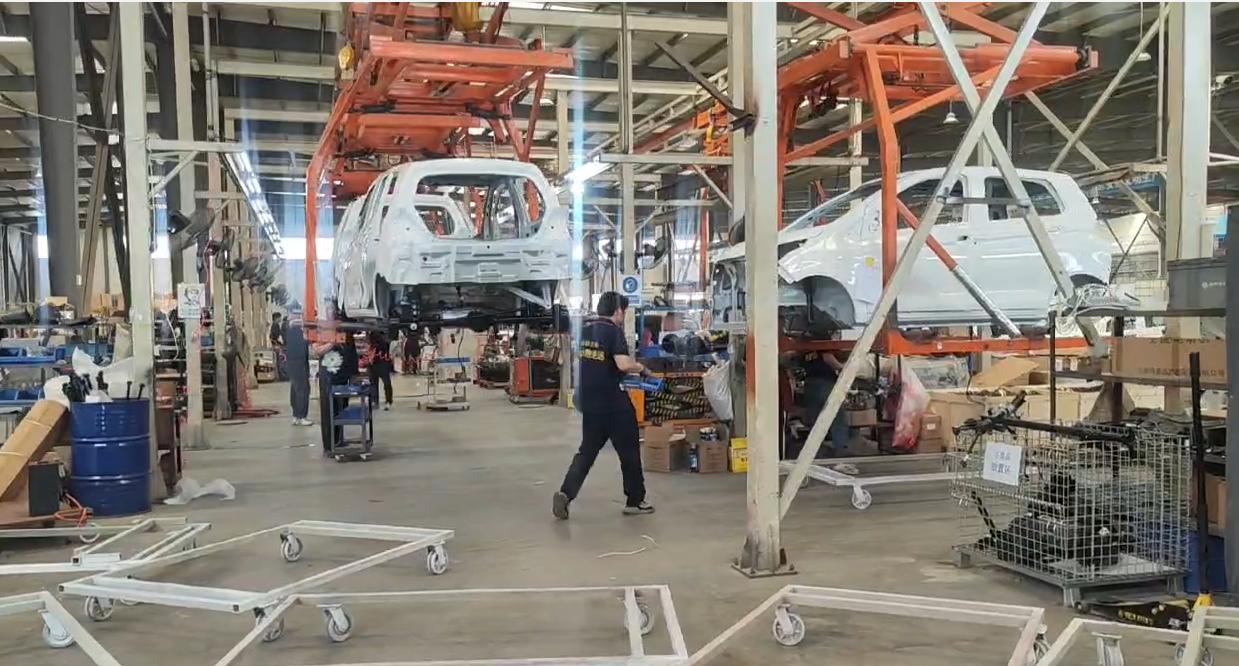
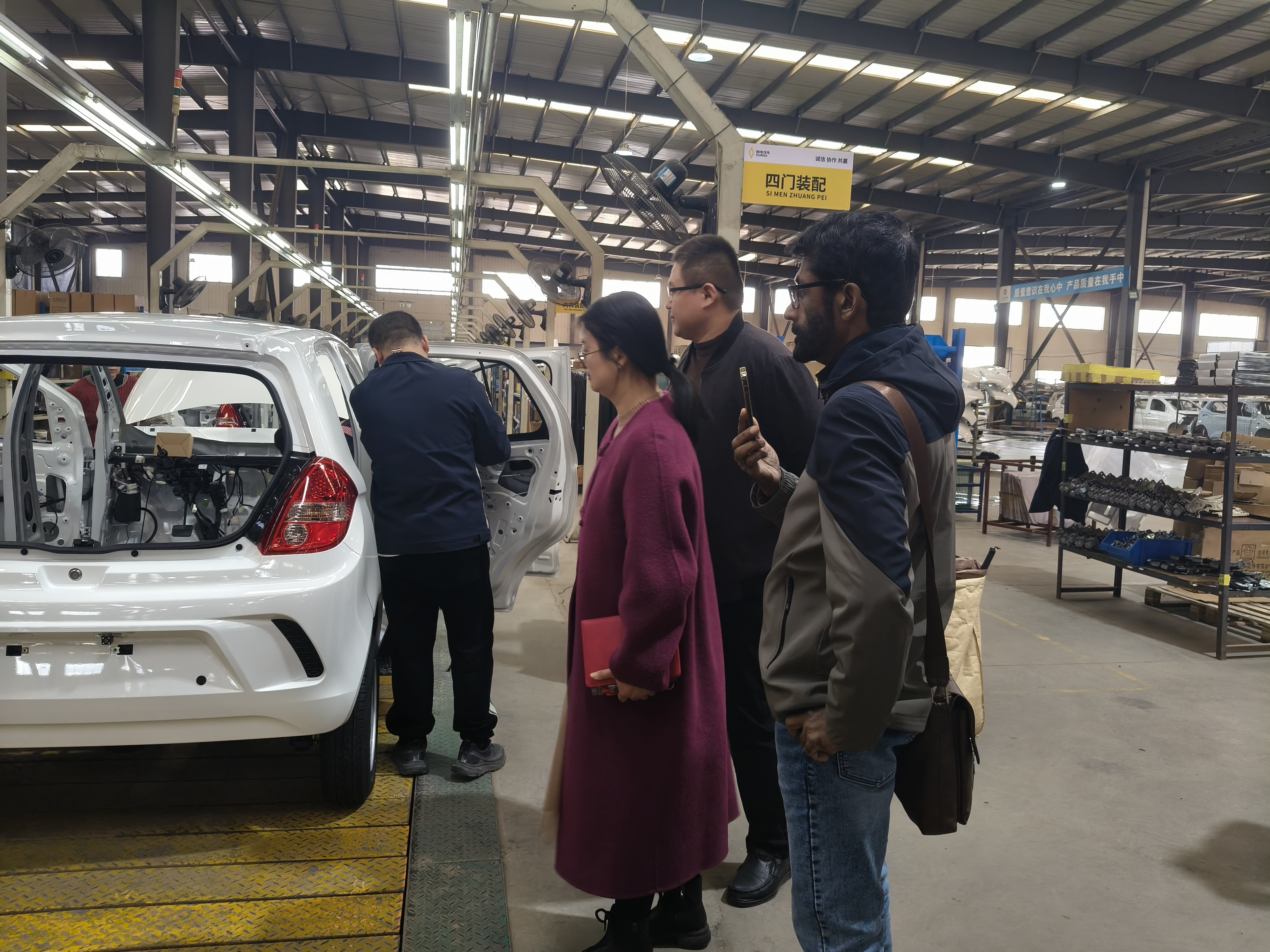
Witness our automated manufacturing process, advanced safety tests, and structural build capabilities.
In the rapidly evolving landscape of China's new energy vehicle industry, Shandong Li Mao Tong Group was founded with a clear directive: to provide global users with electric passenger and cargo transportation that exceeds traditional expectations. Quality represents the core of our business. We operate a highly modern, automated manufacturing plant equipped with robotic steel cutting, precise welding, and advanced digital inspection systems, verifying that every chassis and body complies with strict international engineering criteria.
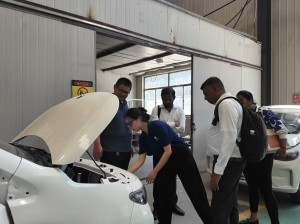
Our strict dedication to user safety is built into the vehicle structures. Frame designs utilize one-piece stamped steel structures and heavy-gauge steel tubes to resist impact deformation. Battery enclosures are built to exceed international shock, immersion, and thermal runaway thresholds. We subject our vehicle lines to a laboratory-level 7-rainstorm test, verifying complete electrical containment and waterproof operation in extreme monsoonal conditions. Whether climbing steep gradients in East Africa, handling postal delivery routes in Europe, or operating as urban taxis in Southeast Asia, our vehicles maintain peak structural integrity and electrical safety.
The commercial transition from two-wheeled utility vehicles to multi-wheeled cargo and passenger platforms is driven by shifting urban environments, carbon reduction initiatives, and the demands of last-mile logistics. The term "Adult on a Tricycle" now represents far more than casual recreational equipment; it refers to a diverse ecosystem of high-capacity electric trikes, heavy-duty logistics transporters, and passenger vehicles designed for zero-emission operations.
"Modern adult electric tricycles serve as structural cornerstones in urban micro-mobility, achieving a balance of stability, high payload capacity, and lower operational overhead compared to traditional light commercial vehicles."
China remains the global center for electric trike innovation due to its integrated industrial clusters, advanced metallurgy, and battery chemistry ecosystems. Shandong Li Mao Tong Group leverages this manufacturing ecosystem to provide superior product value:
Procuring fleets of adult tricycles requires analyzing critical engineering specifications to verify long-term investment viability. Global enterprise buyers look for:
Adult three-wheel vehicles support a wide range of logistics and personal transport applications:
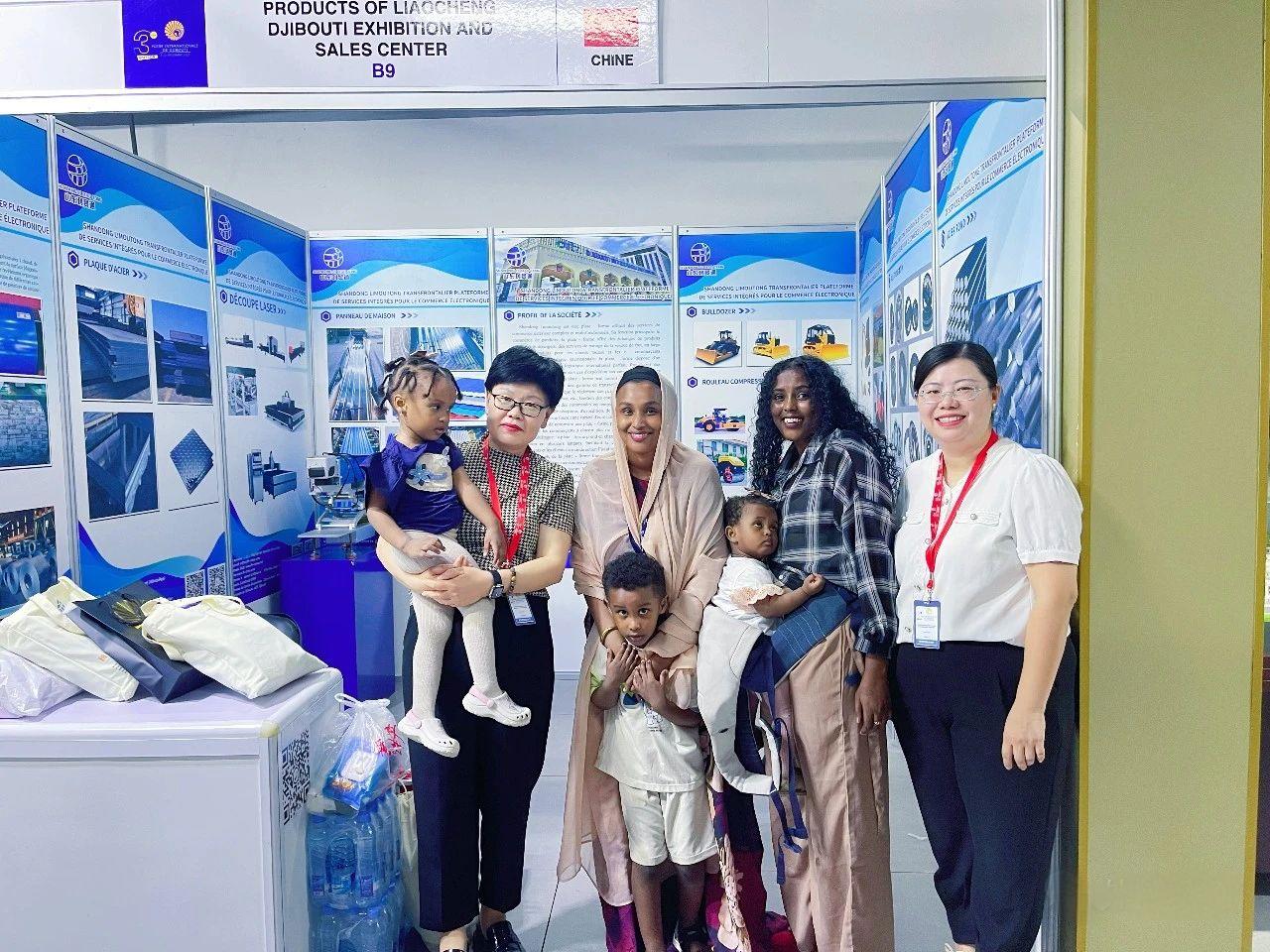
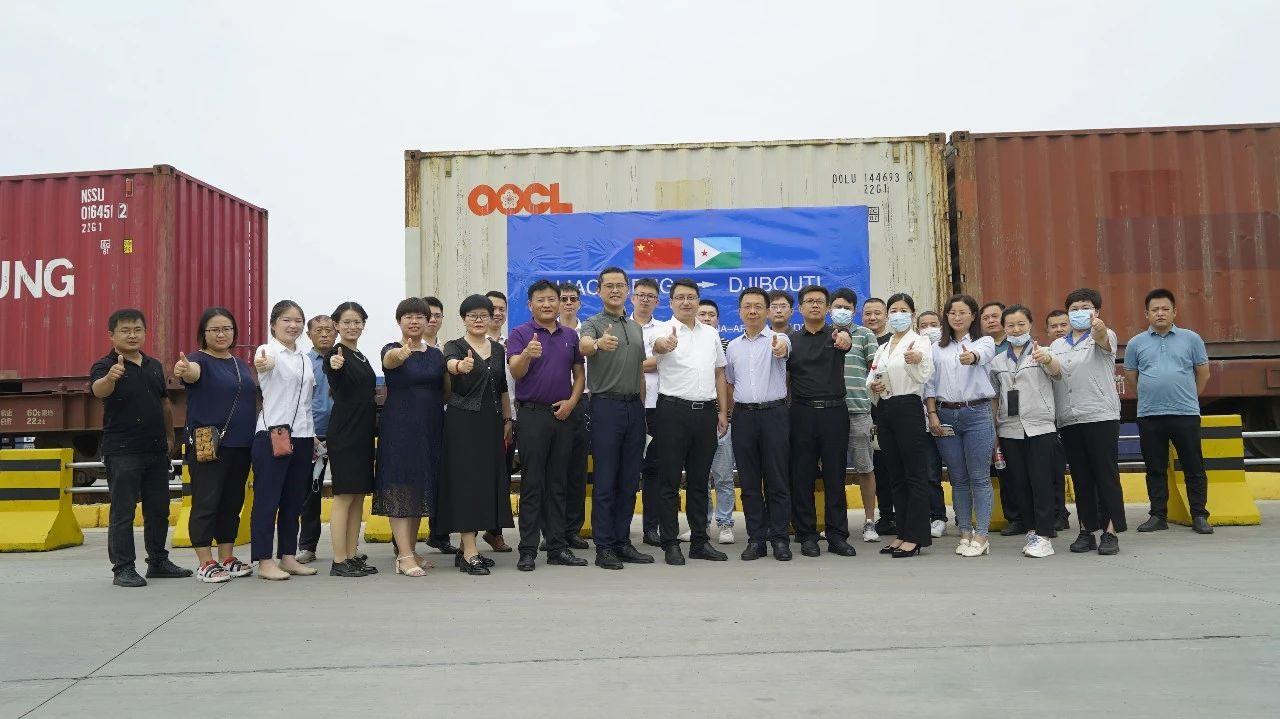
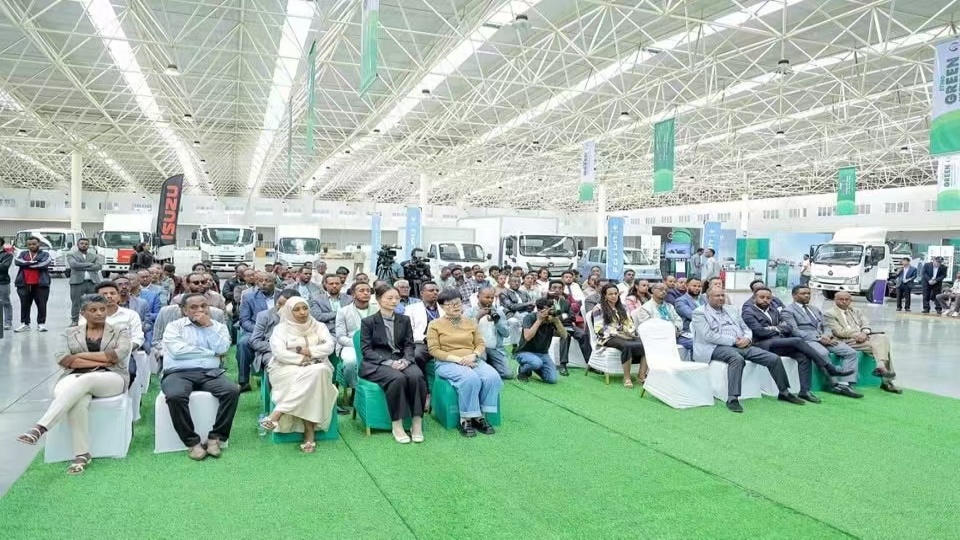
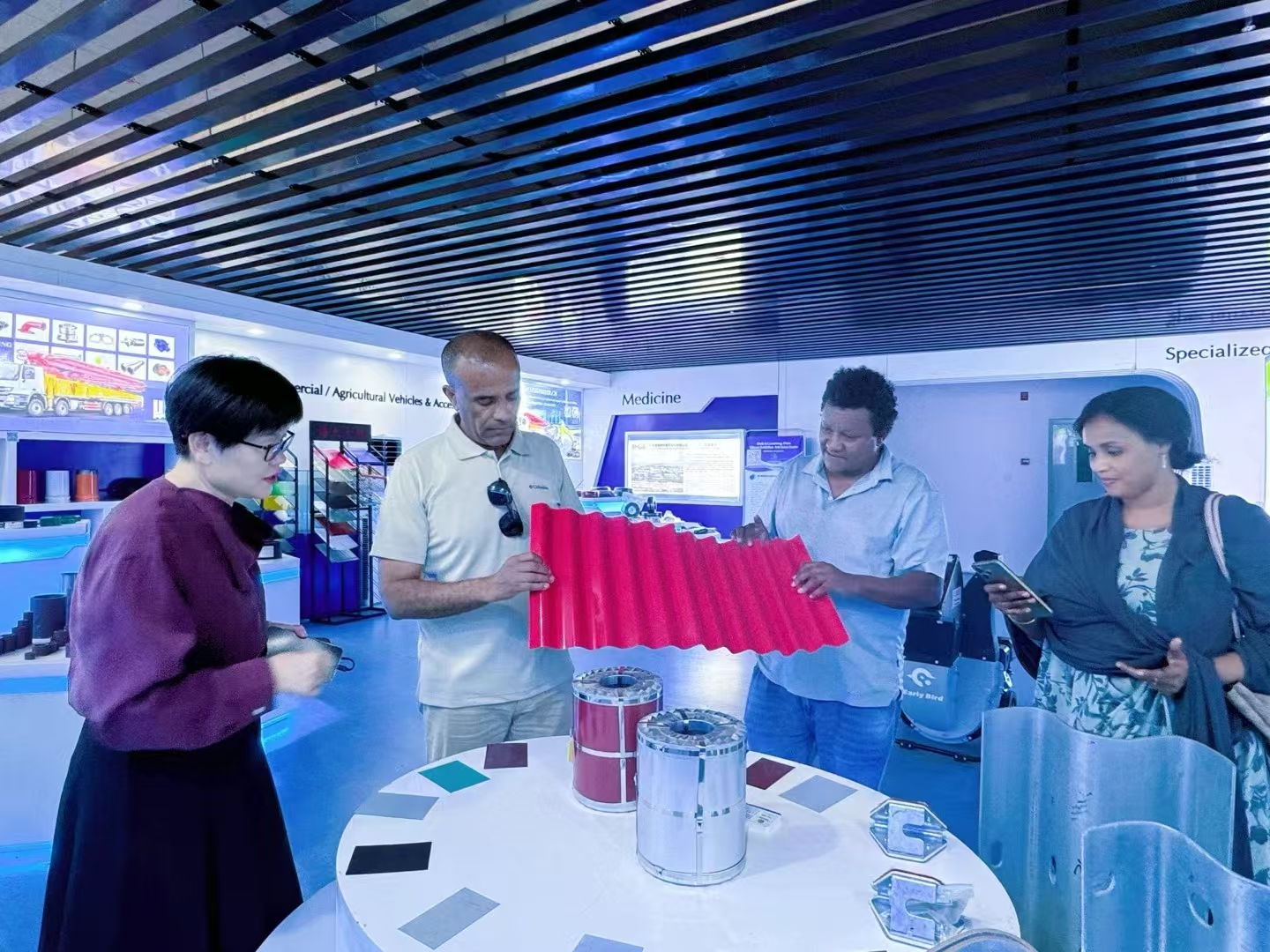
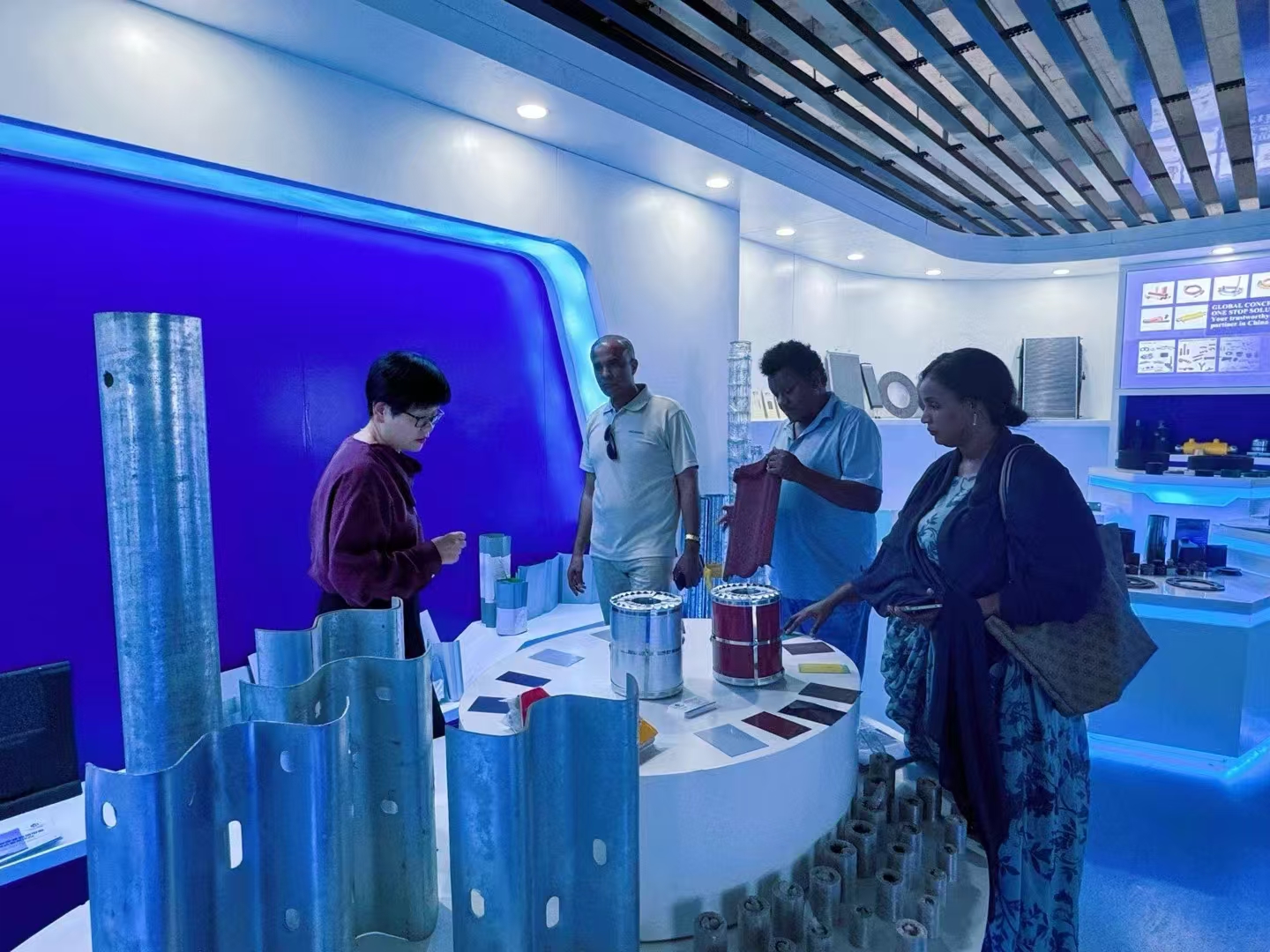
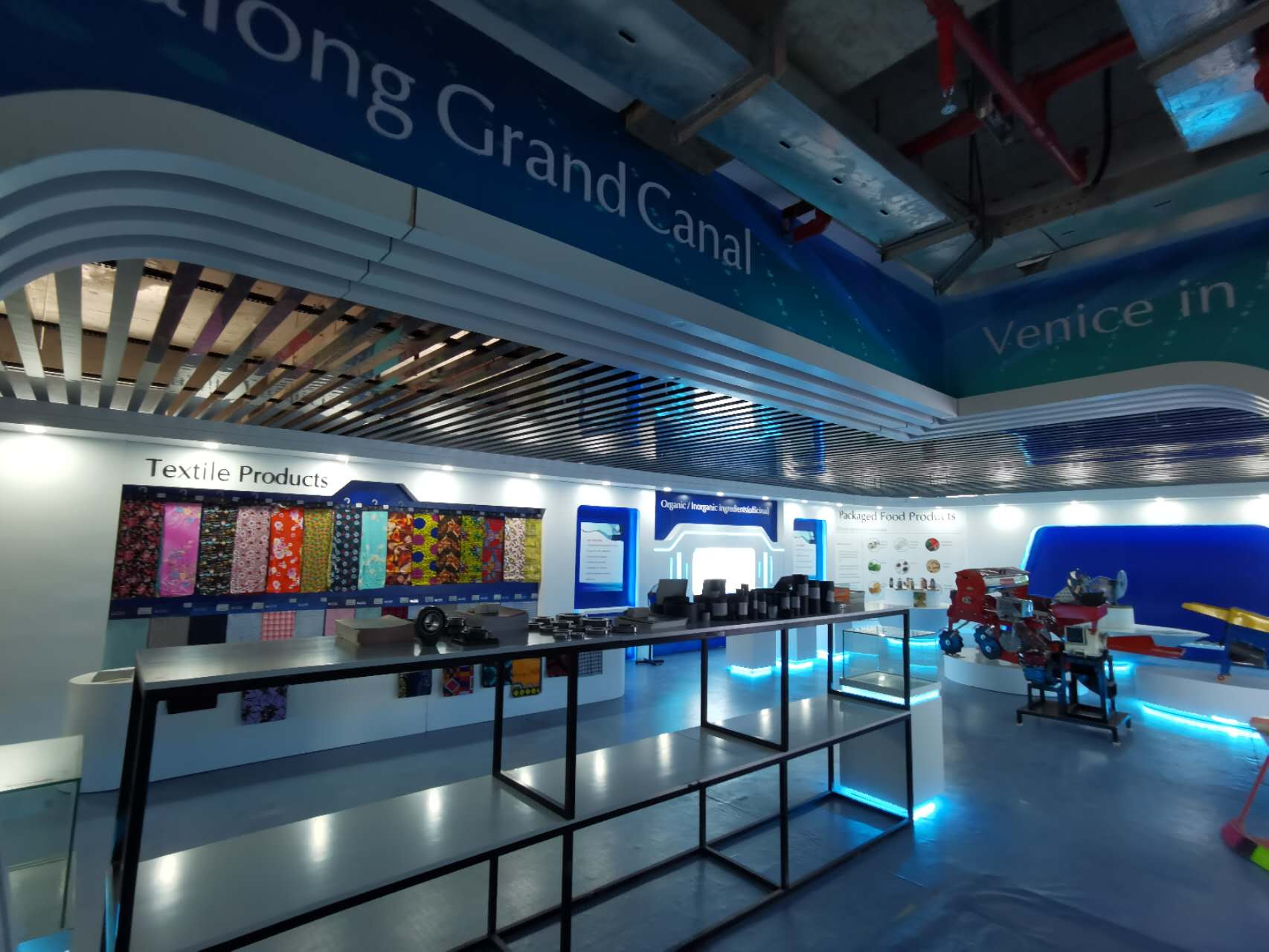
Established in 2023, the Djibouti (Overseas Warehouse) Cross-border E-commerce Exhibition and Sales Center is situated within the Djibouti International Free Trade Zone in East Africa. Backed by Djibouti Economic and Trade Co., Ltd., this platform provides an integrated portal for business sales, customs clearance, and administrative support.
By combining online shopping portals with physical localized inventory, we operate on a "cross-border trade + front-end warehouse" logistics model. This allows us to supply replacement parts, perform maintenance training, and distribute vehicles across East Africa without the typical delays of long-distance shipping.
Direct insight into our robotic assembly lines, welding precision, and automated production facilities.

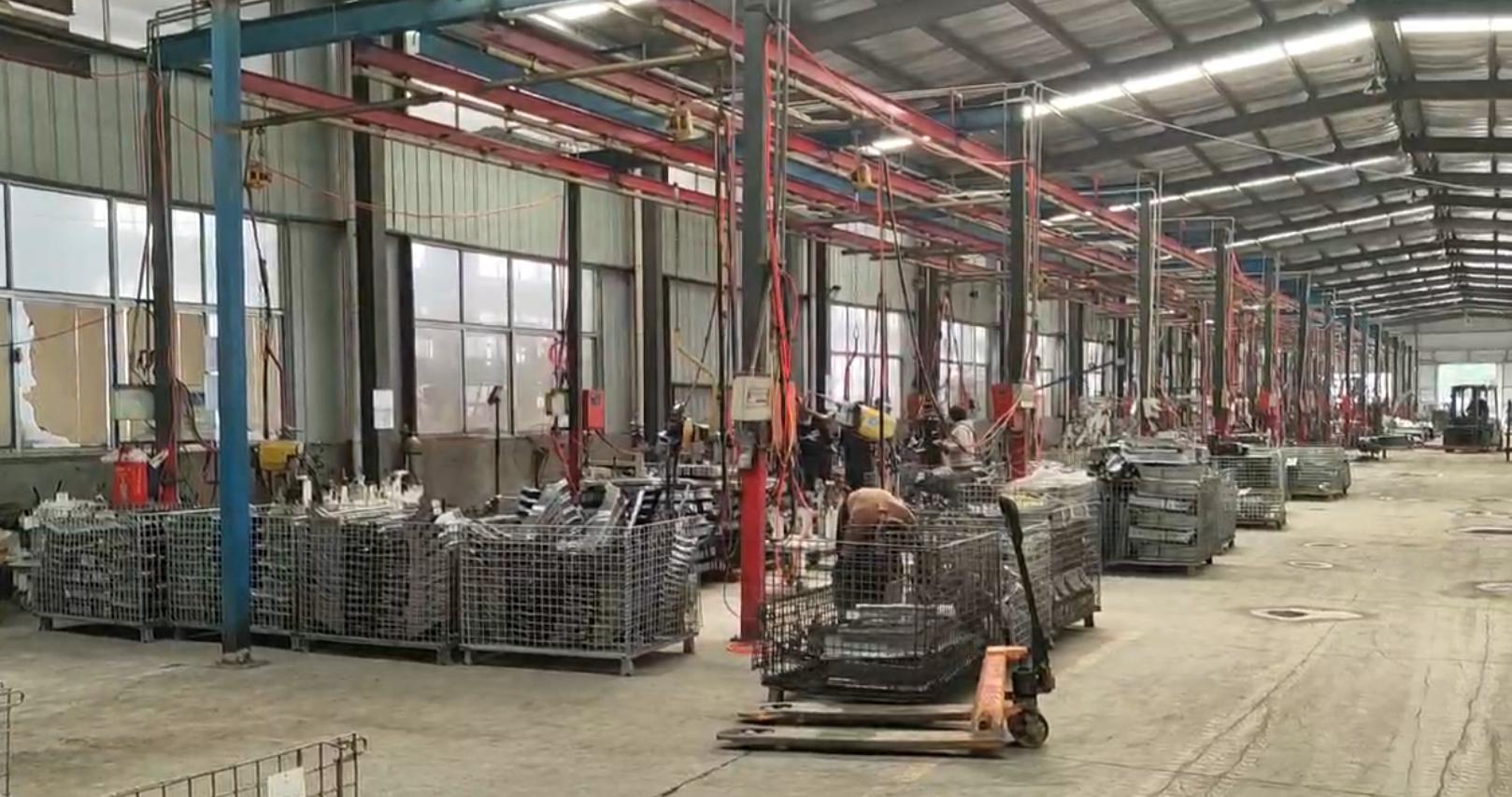
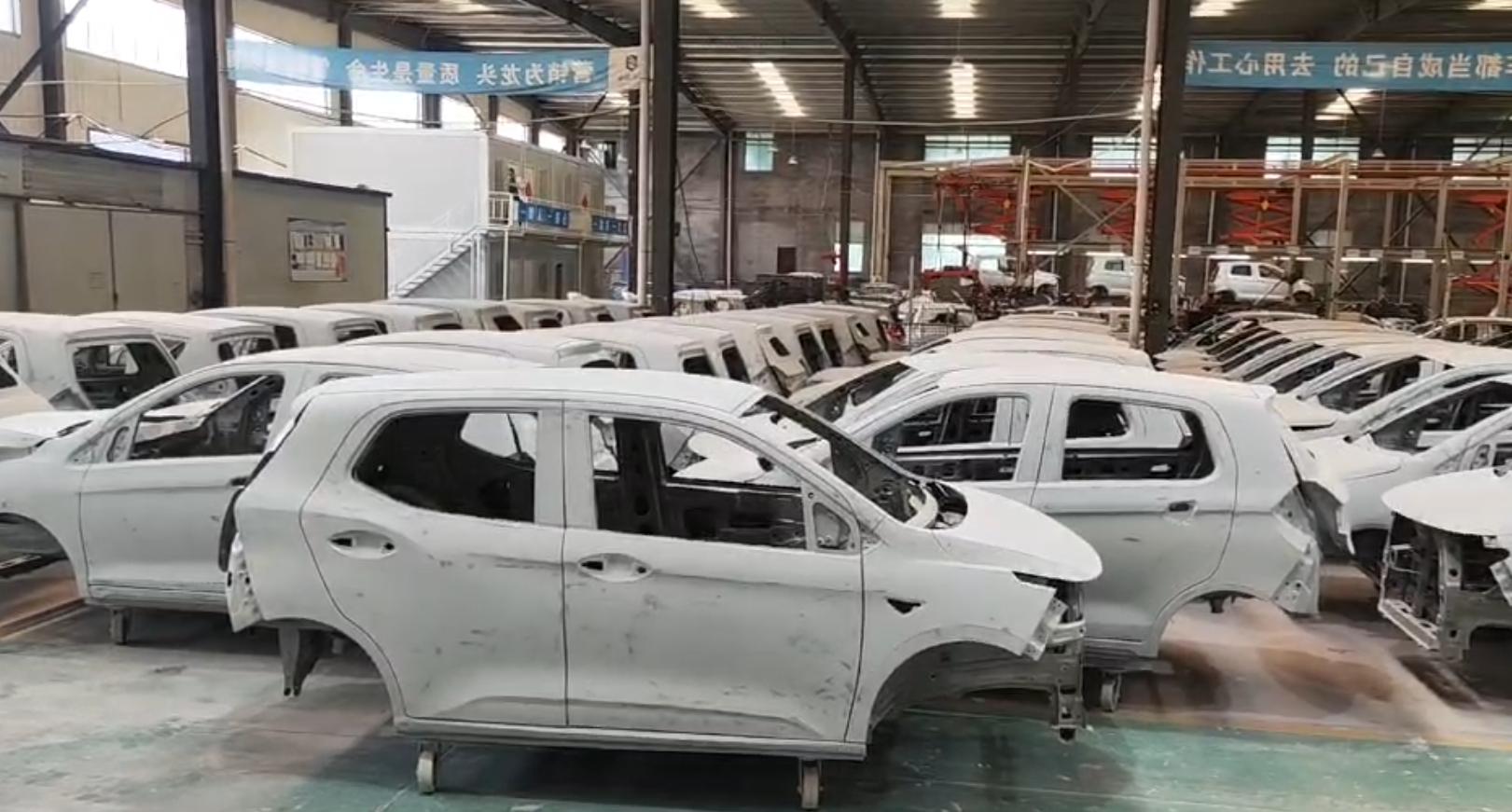
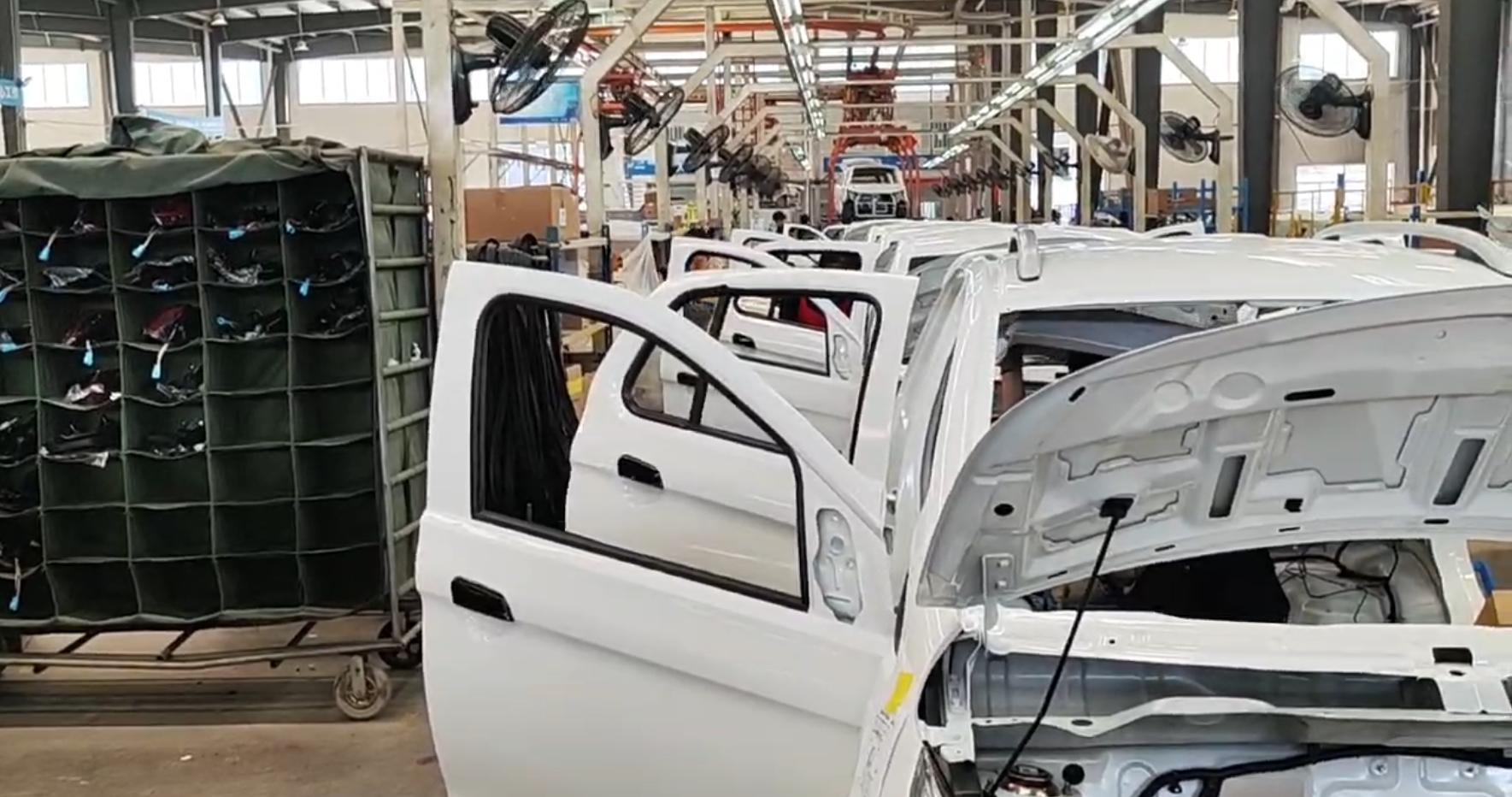
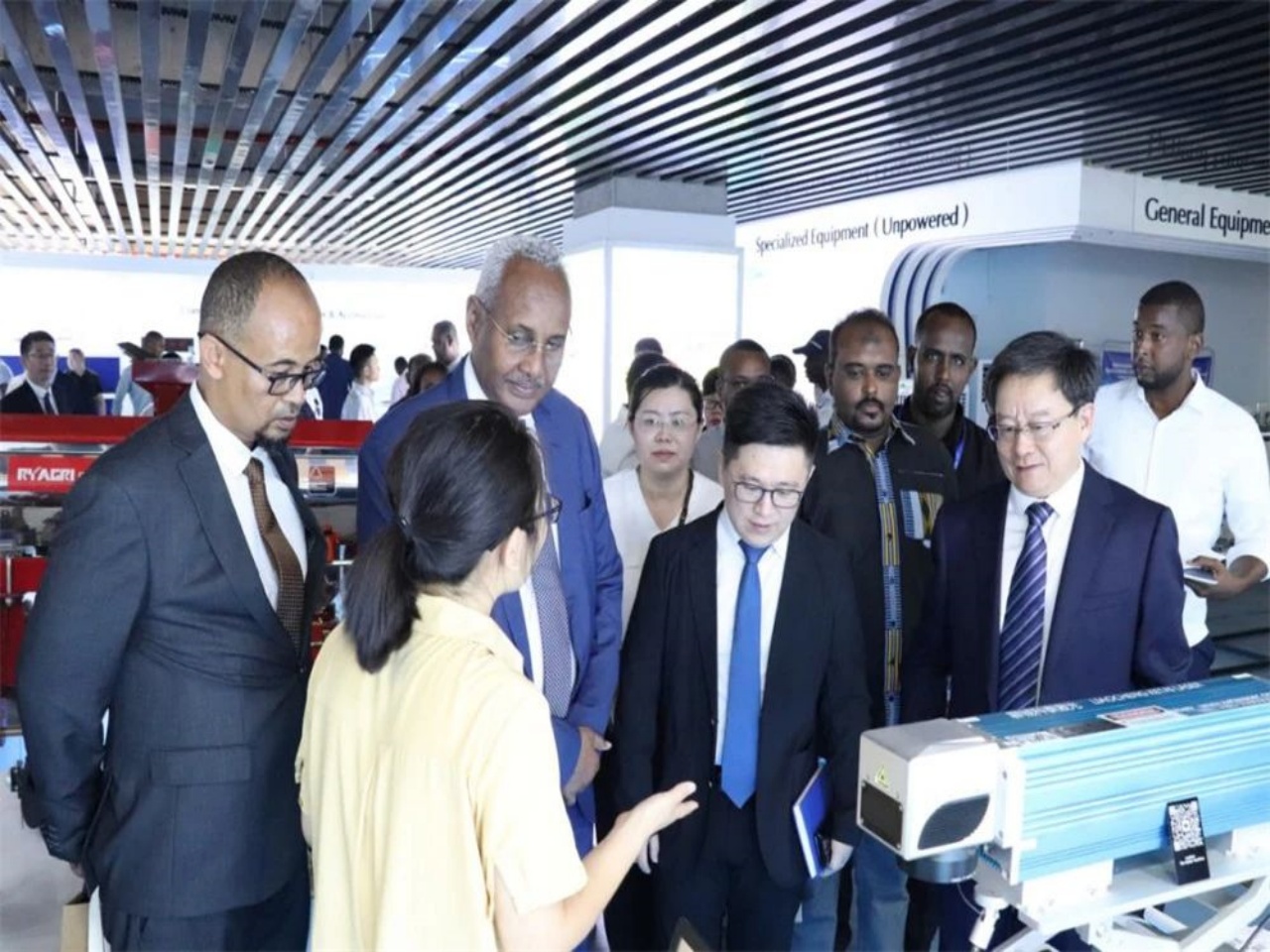
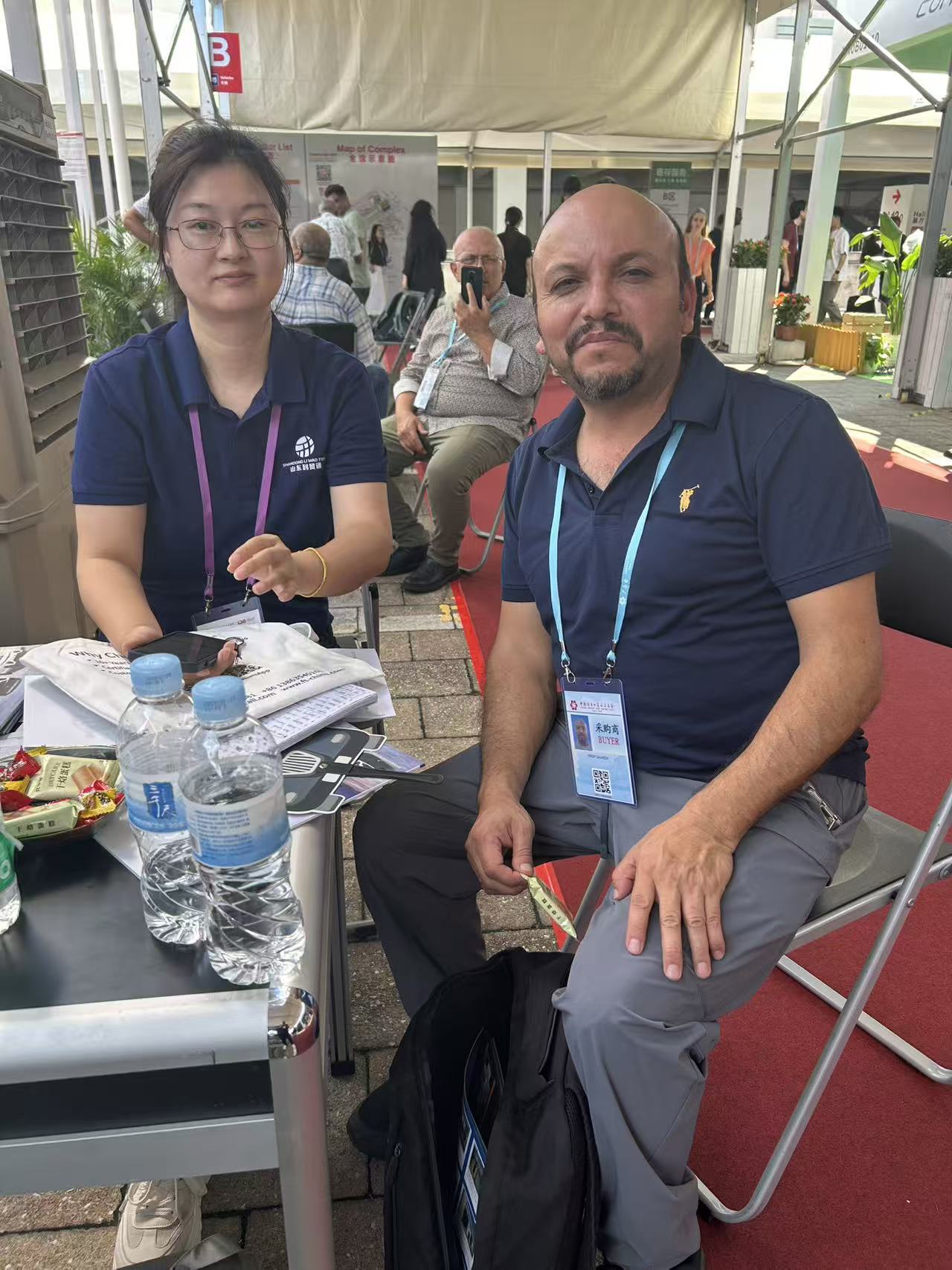
Connecting with procurement managers, logistics planners, and industrial distributors worldwide.

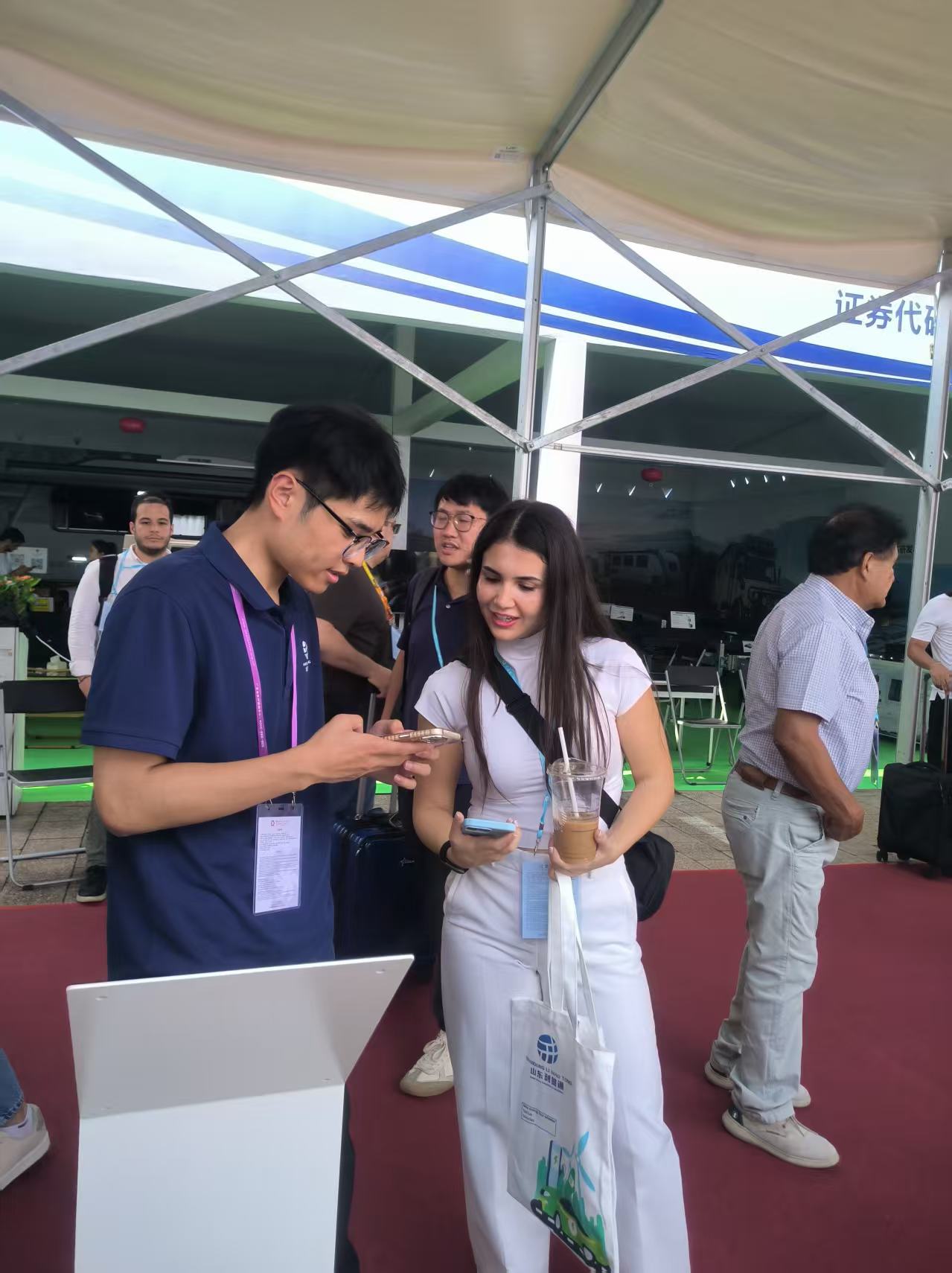

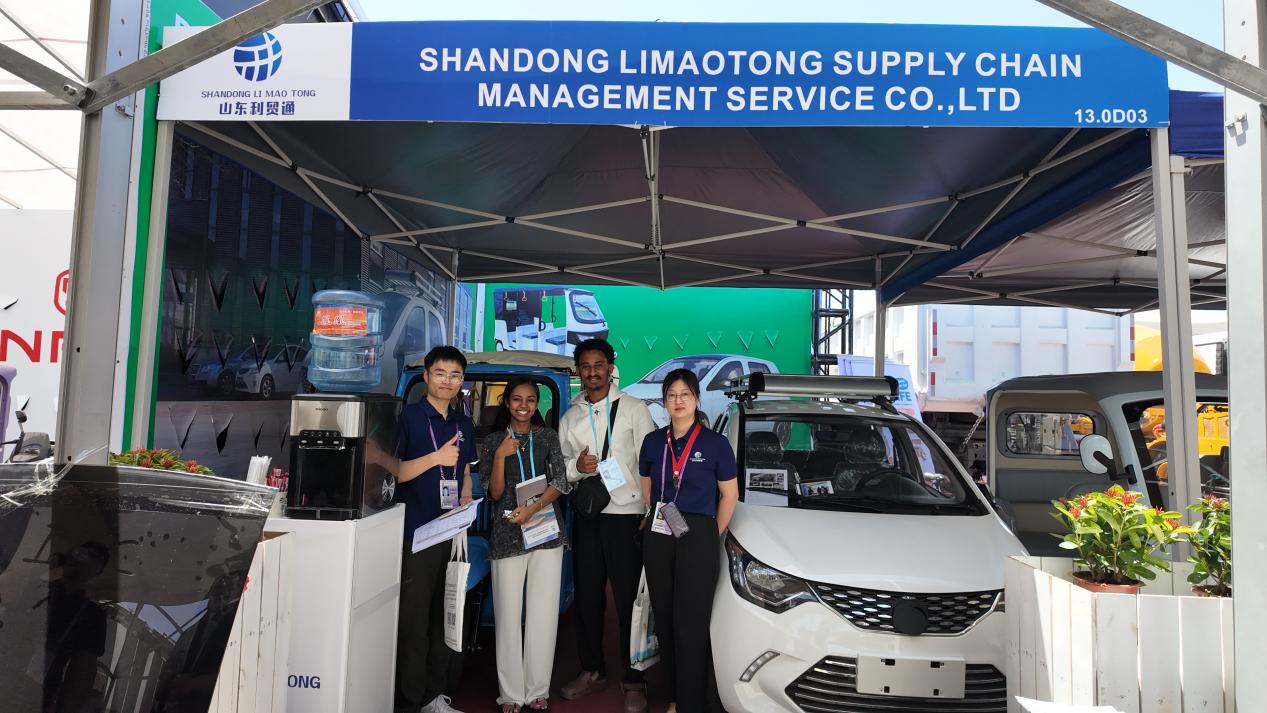
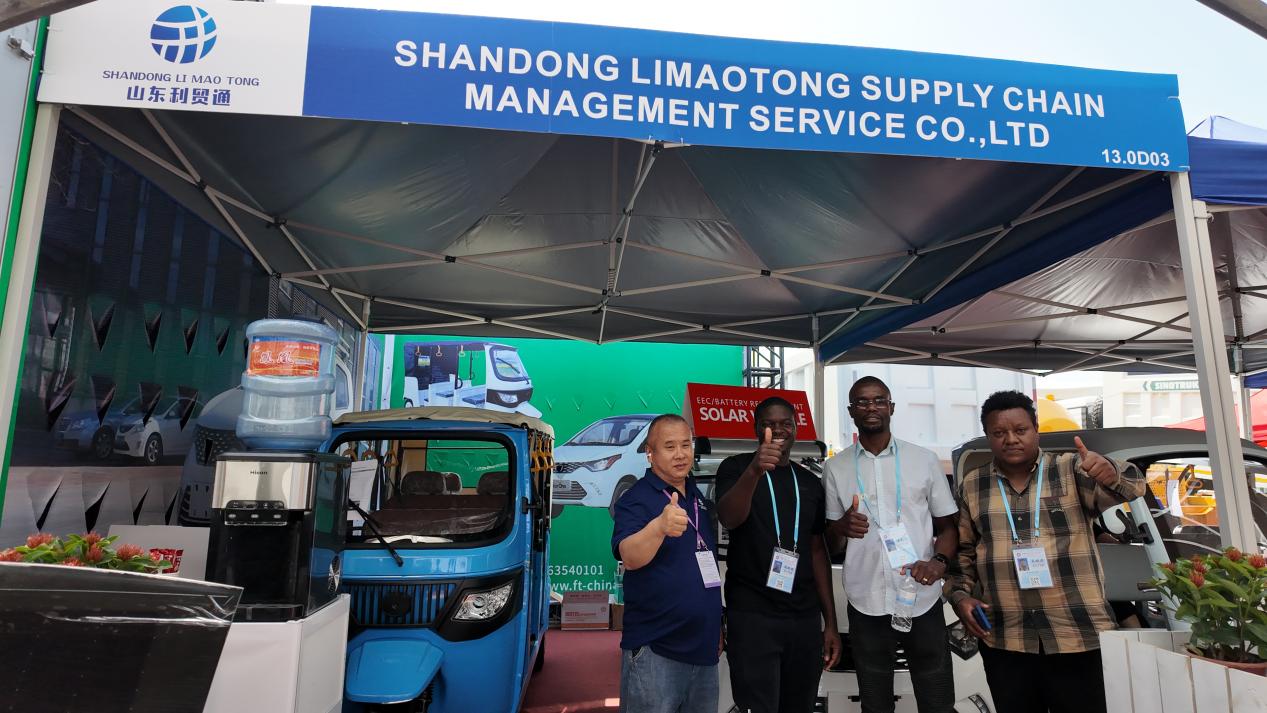
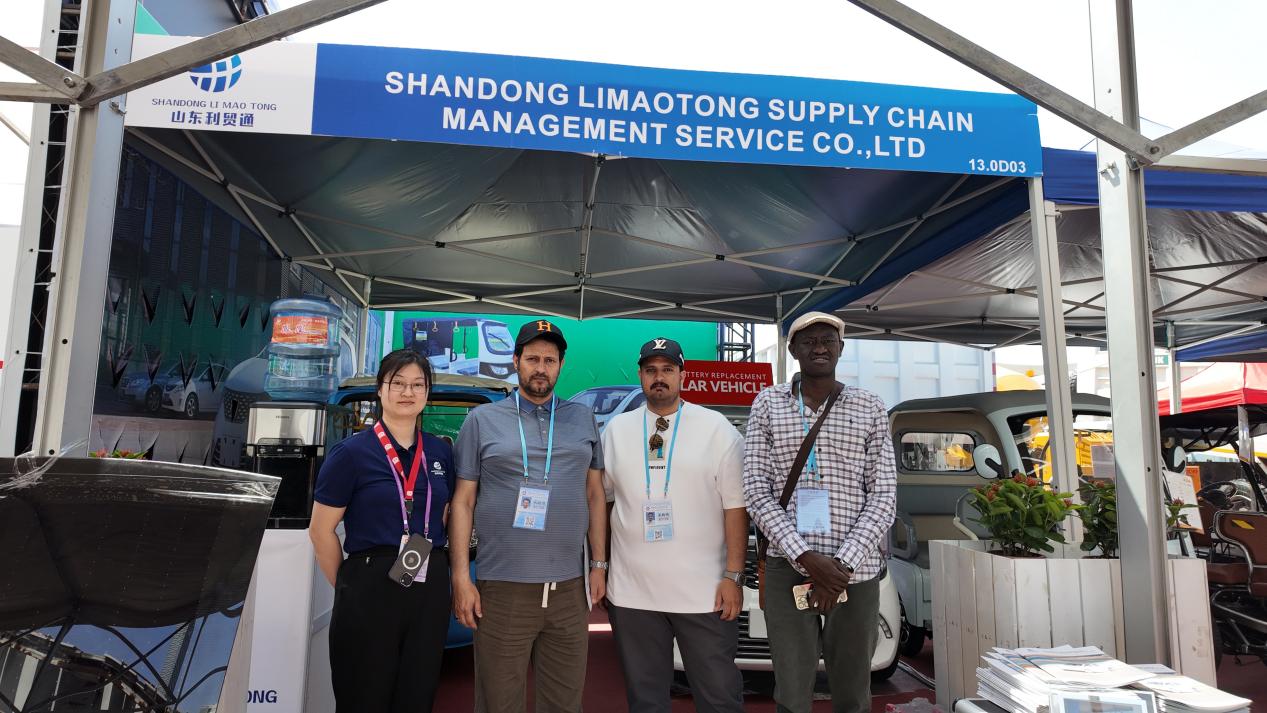
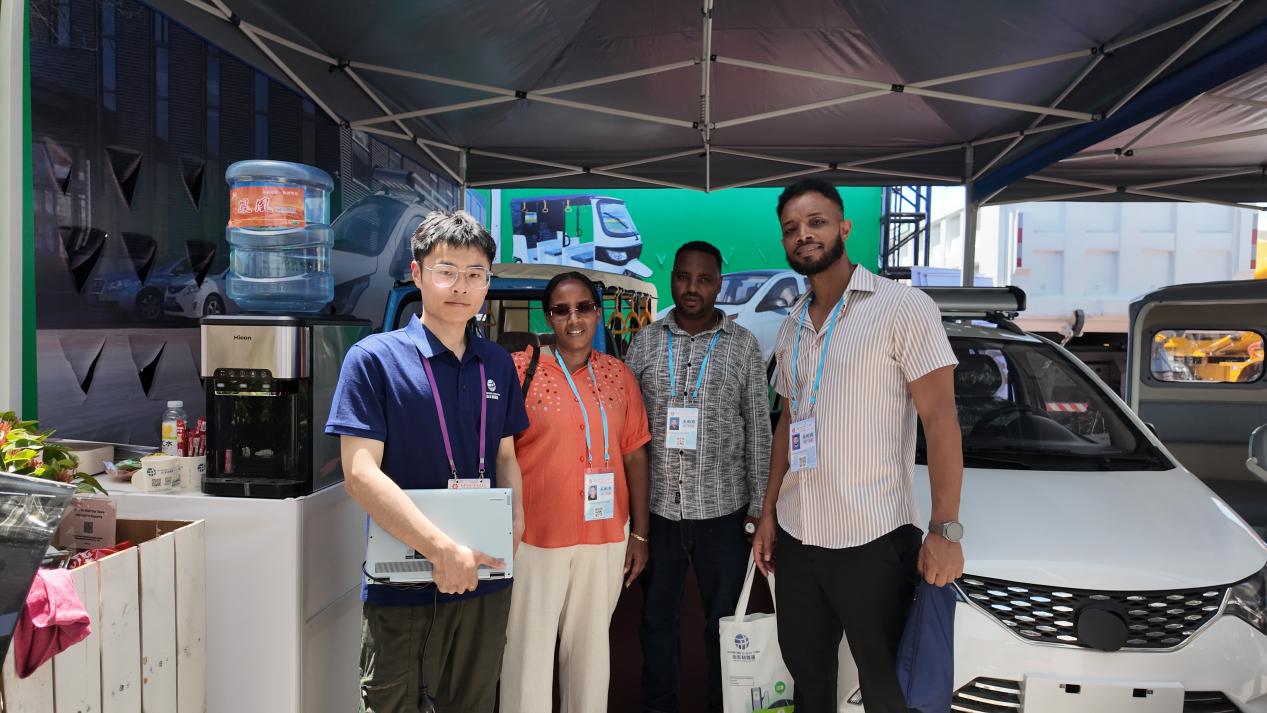
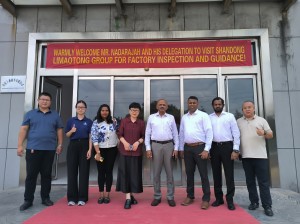
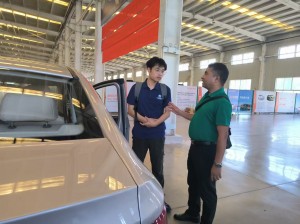
Open manufacturing standards allowing global clients to verify design details and material quality.
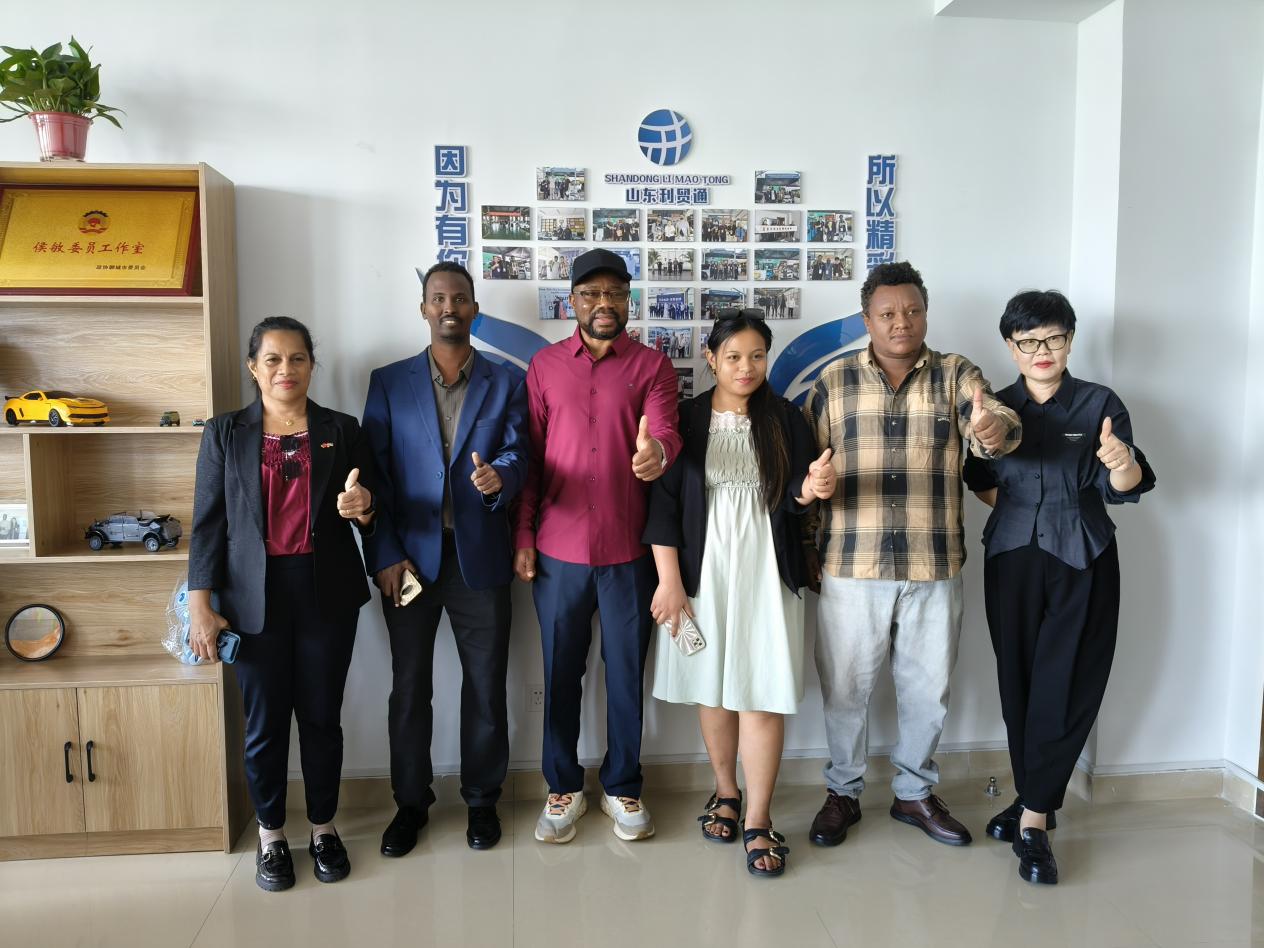
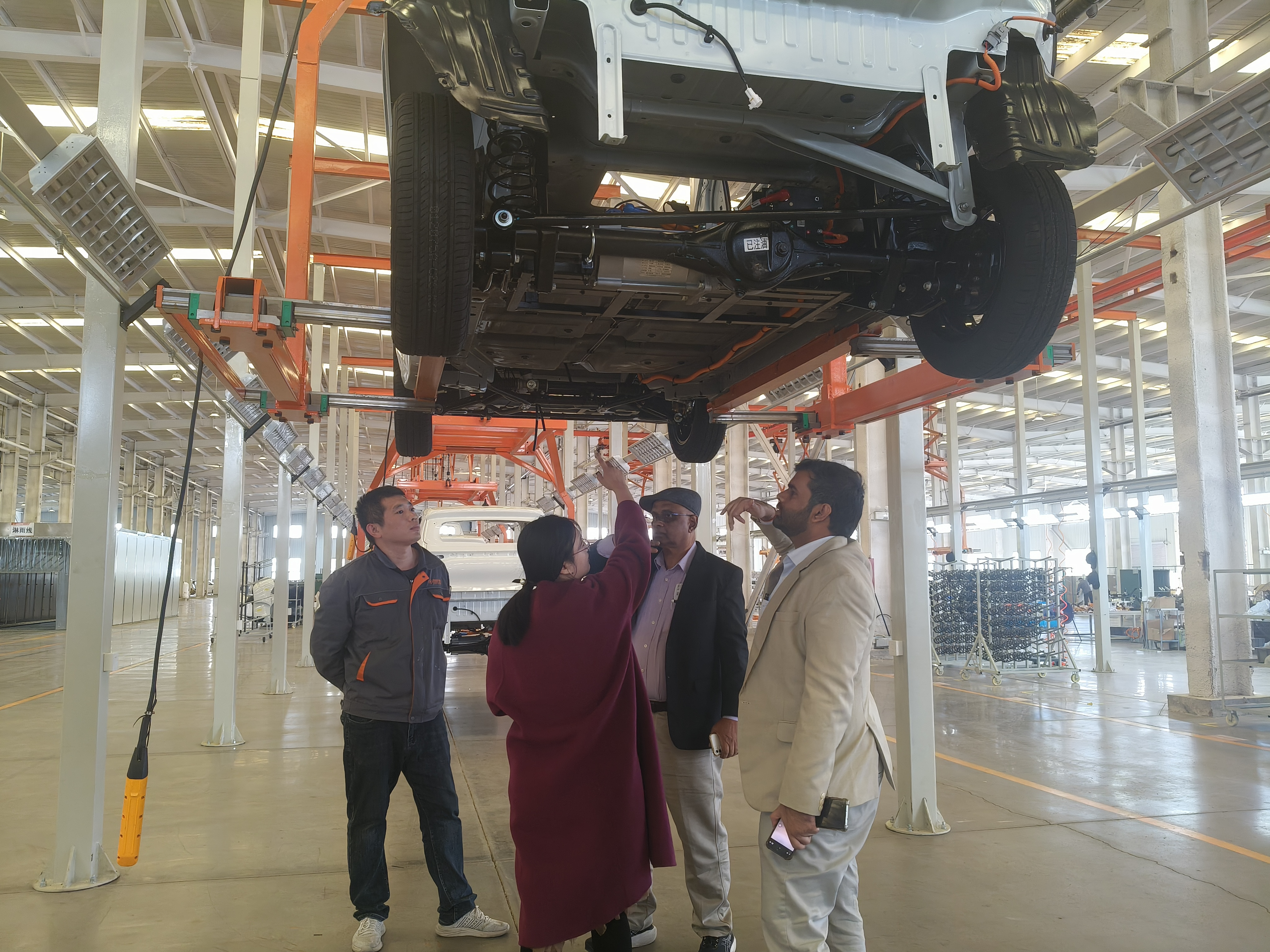
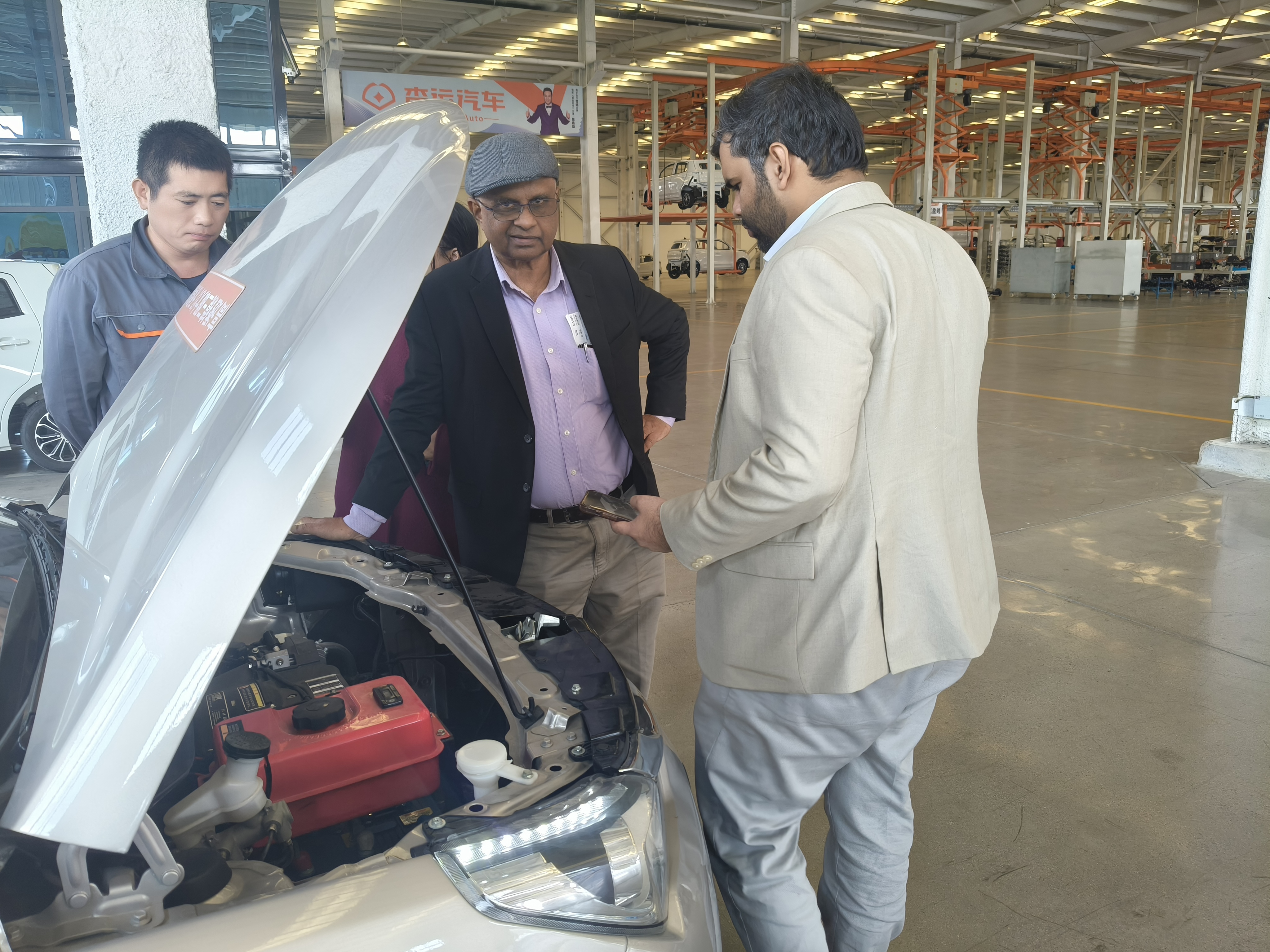

Technical answers to critical mechanical, electrical, regulatory, and logistics questions.
Heavy-duty cargo tricycles utilize reinforced one-piece stamped steel ladder frames rather than basic tubular round steel tubing. They incorporate high-strength rear differential transaxles, heavy-gauge multi-leaf spring suspensions, and wider tires designed to manage high payloads. Additionally, commercial variants feature separate low-ratio climbing gears (torque amplifiers) that allow the motor to manage steep inclines with full payloads without overheating the electrical controllers.
Lead-acid configurations are cost-effective upfront but are limited to 300-500 charge cycles, have a higher vehicle curb weight, and degrade in extreme heat. Lithium Iron Phosphate (LiFePO4) battery packs offer 2,000+ cycles, weigh 60% less, and support fast charging. For markets with strict safety regulations, such as the EU and North America, Lithium battery packs must feature UN38.3 vibration certificates, CE safety listings, and integrated BMS modules that monitor over-current, high temperature, and cell balance.
For European Union countries, vehicles must conform to EU Type Approval (L-category certifications, such as L5e-A for cargo trikes and L5e-B for passenger trikes). These standards require certifications for electromagnetic compatibility, braking performance, and lighting systems. In the United States, low-speed electric vehicles (LSEVs) must meet DOT safety guidelines and are limited to specific road speeds, typically under 25 mph (40 km/h) on public streets.
Our automated rain chamber simulates monsoonal rain conditions, applying high-pressure water sprays from all angles at over 200 kPa for extended periods. This procedure verifies that the cabin seals, wire harness connectors, electronic throttle control, and motor control modules are sealed to IP67 waterproof standards. This testing prevents electrical short circuits, controller corrosion, and condensation build-up inside the instrument panel.
Yes. We support custom cargo box sizes (such as standard 1.5m, 1.6m, or 1.8m lengths), configuration options (open bed, fully enclosed panels, or side doors), and branding styles. Our robotic manufacturing lines are programmable, allowing us to adjust frame dimensions and sheet metal structures to meet specific client requirements.
By keeping finished vehicles, spare parts, and electrical components in our Djibouti Free Trade Zone warehouse, we help clients avoid long shipping times and high ocean freight costs. Regional buyers can inspect products locally, clear customs quickly, and coordinate fast overland shipping. The center also provides localized support, including assembly training and repair services.
A standard 6-passenger electric tuk-tuk (such as the Audi Face model) has a payload rating between 500 kg and 700 kg. Powered by a high-torque 60V or 72V 1500W-2500W brushless motor, these vehicles can handle climbing gradients of 15% to 22% depending on passenger weight and gear settings.
We ship vehicles using CKD (Completely Knocked Down) or SKD (Semi-Knocked Down) packaging. Parts are secured in steel crates with protective film to prevent scratches and shift damage in transit. CKD packaging allows us to pack up to 45 units in a 40-foot high-cube (HQ) container, reducing shipping costs per unit.
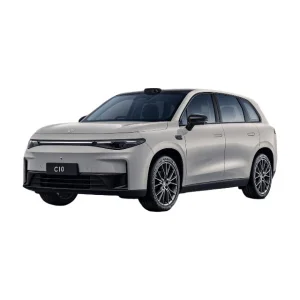
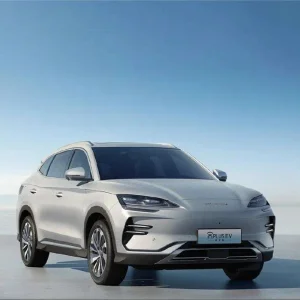
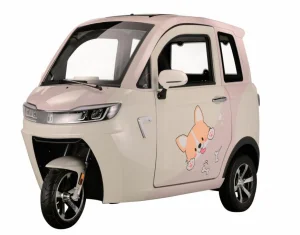
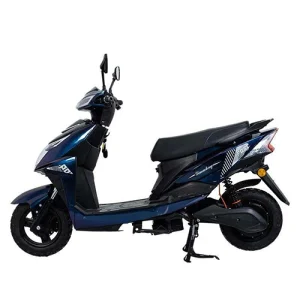
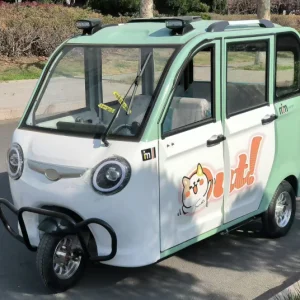
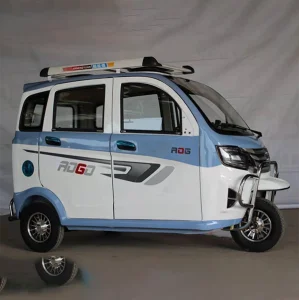
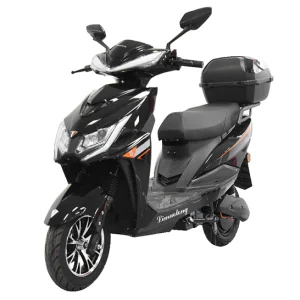
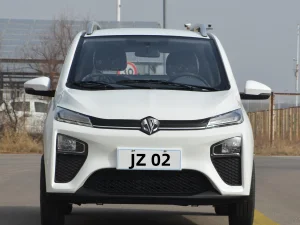
Explore our advanced passenger transport options, high-range solar designs, and customizable commuter vehicles.
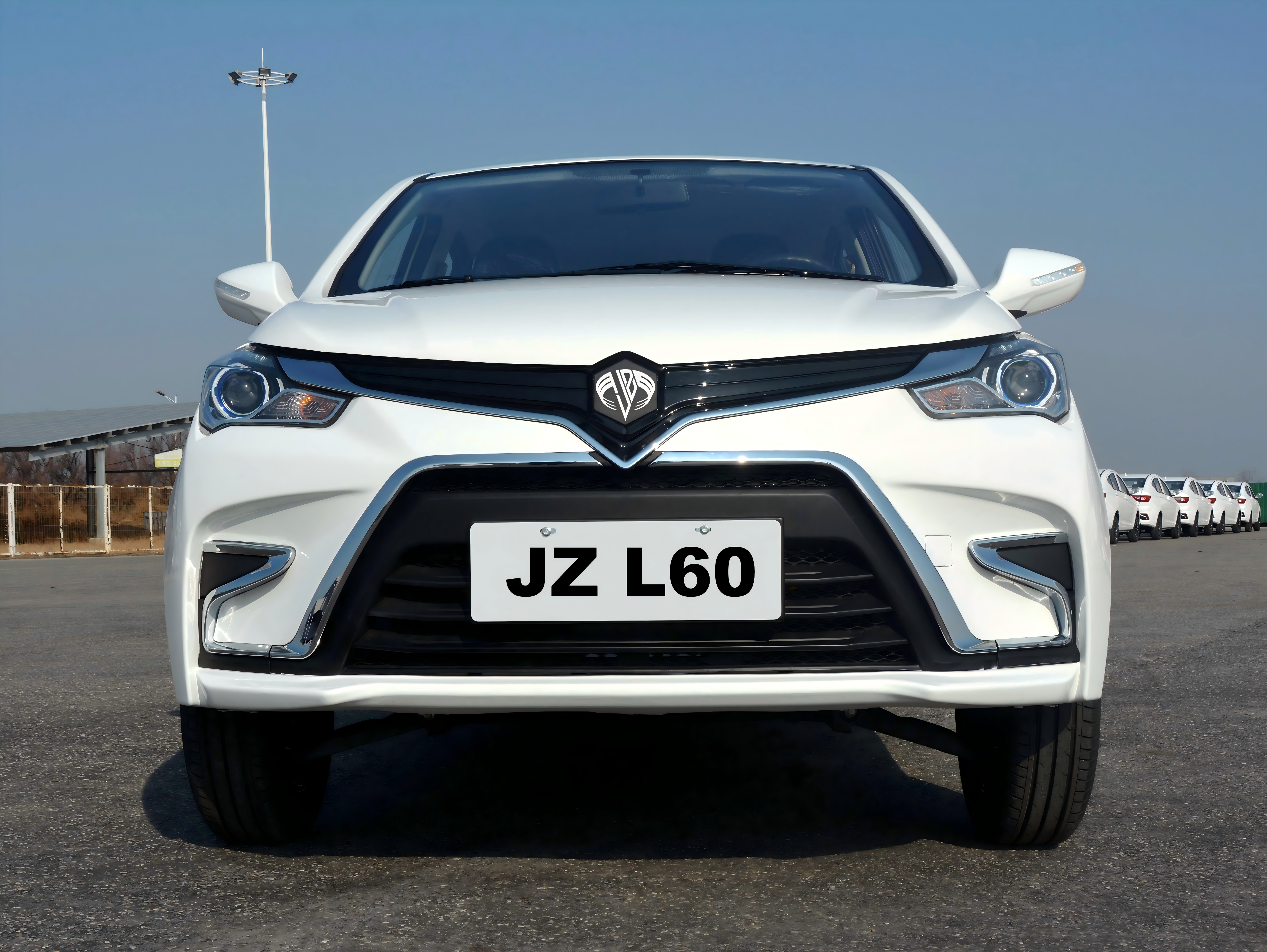
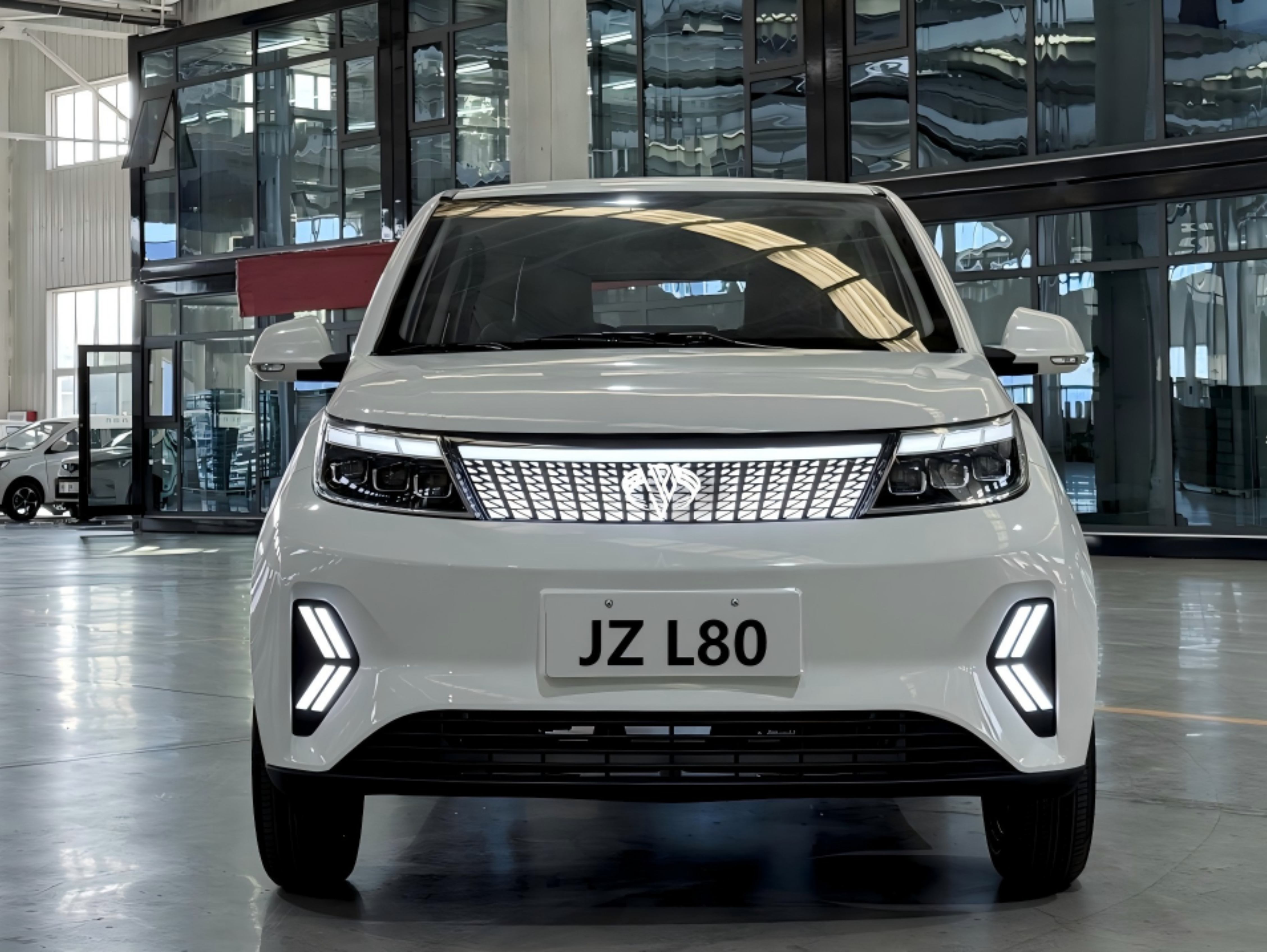
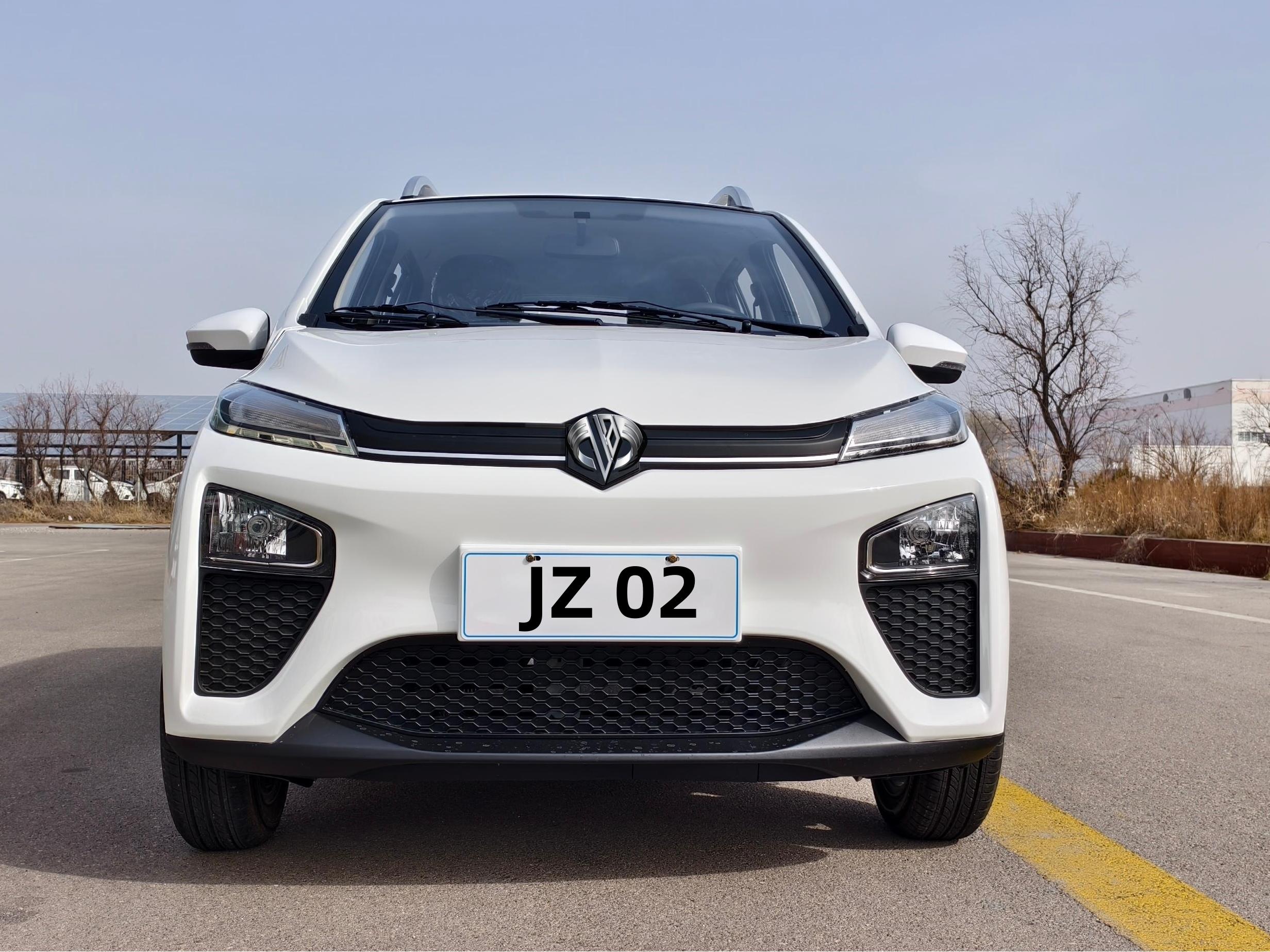
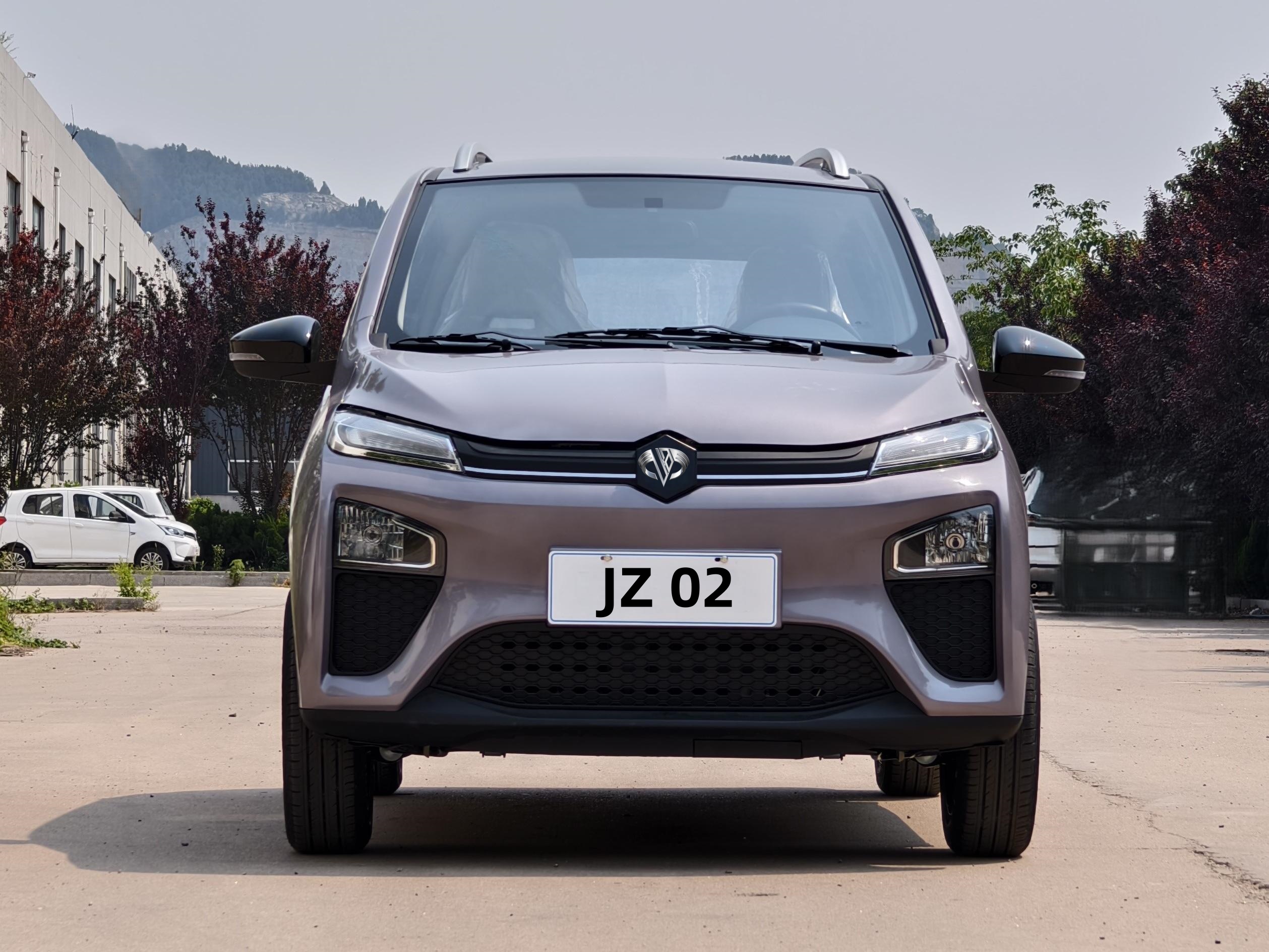
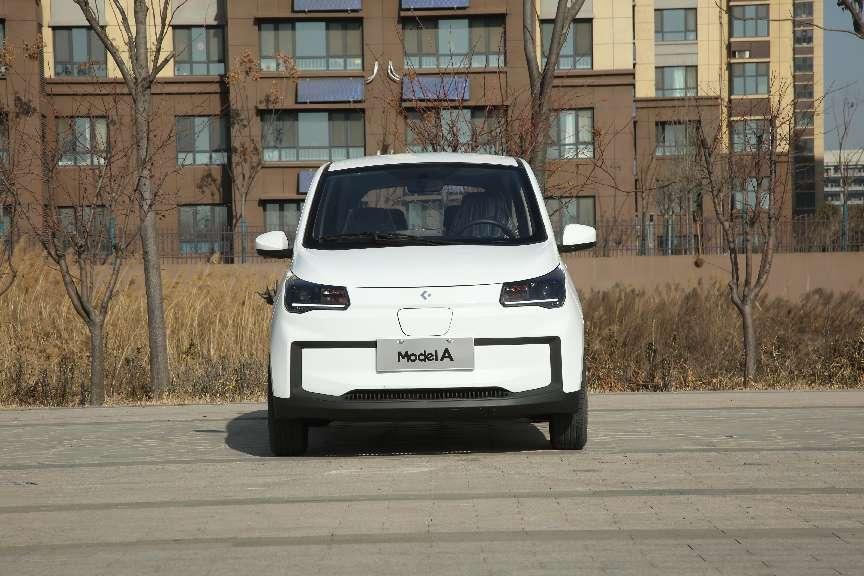
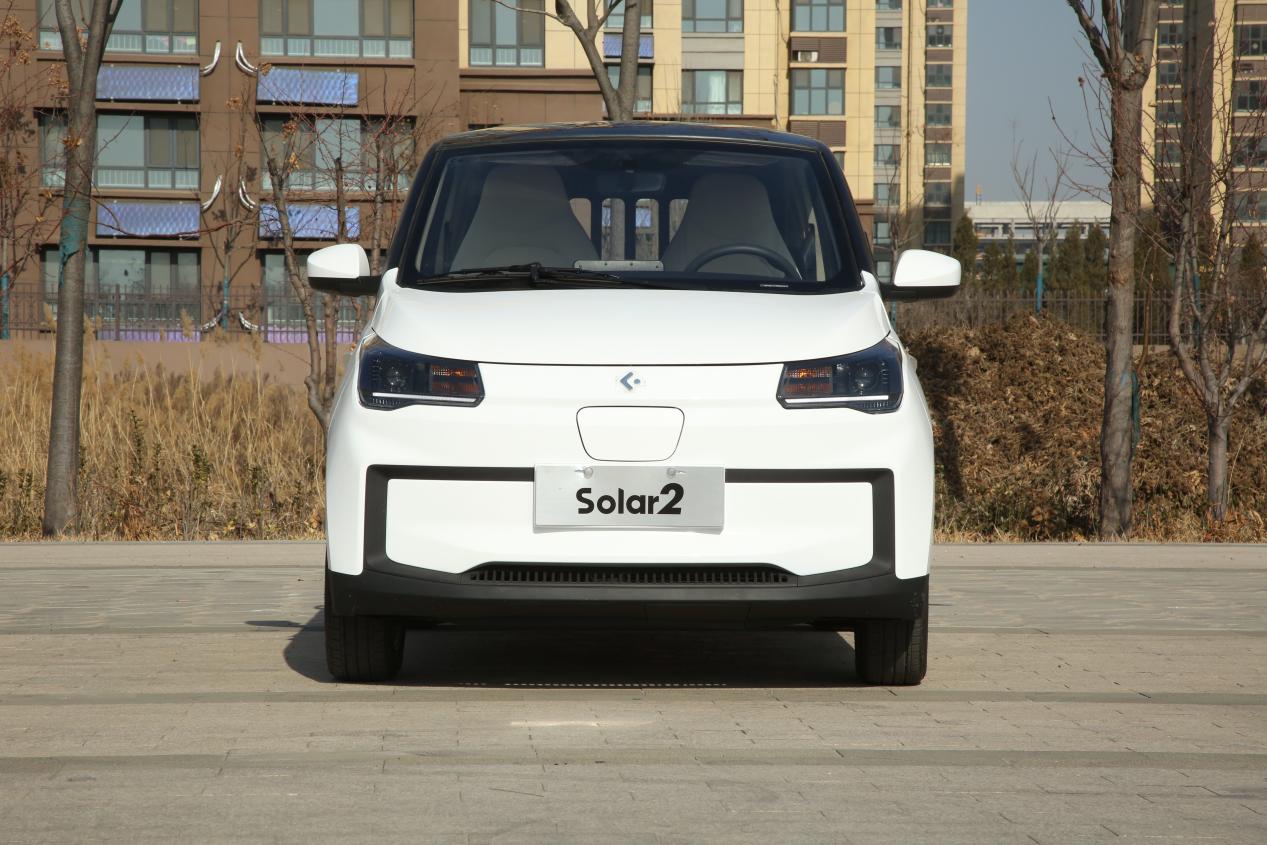
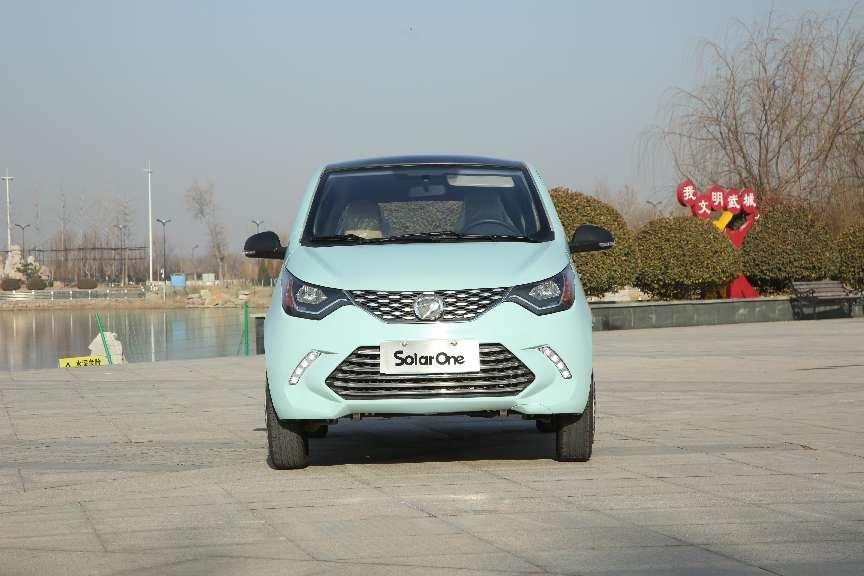
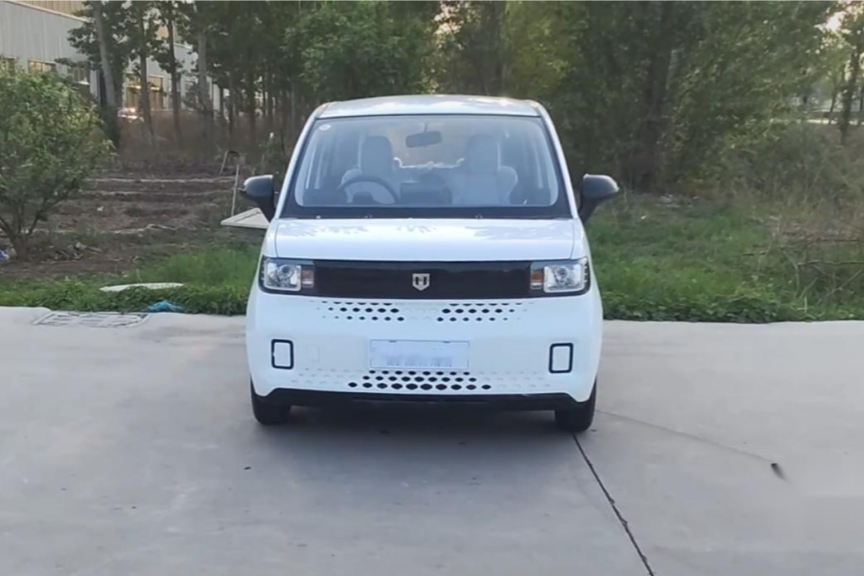
Preserving our complete distribution options for global sourcing managers.
 Limaotong