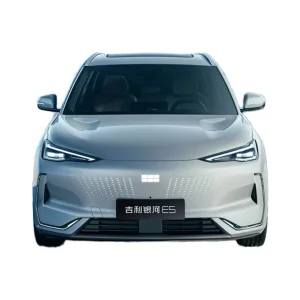
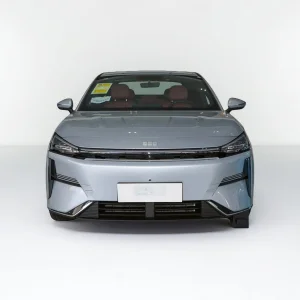
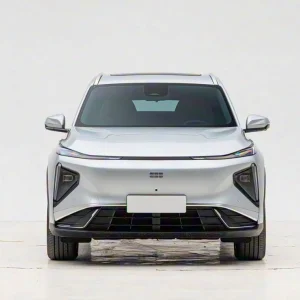
The global automotive industry is undergoing a structural paradigm shift toward electrification, software-defined architectures, and smart mobility. Nagoya, situated at the core of Japan's Aichi Prefecture, serves as the epicentre of classical automotive engineering, housing some of the world's most sophisticated Tier-1 and Tier-2 component manufacturing facilities. In parallel, Geely Group has established itself as an electric vehicle power-house, deploying cutting-edge architectures such as the Sustainable Experience Architecture (SEA) and NordThor hybrid systems. Integrating Geely's product capability into the Japanese supply networks represents a massive opportunity for mutual innovation, logistics optimization, and tech translation.
Nagoya and the surrounding Chubu region boast a highly concentrated network of tier-one suppliers, focusing heavily on quality control, process engineering, and lean manufacturing principles. As global supply chains diversify, Japanese distributors and corporate procurement officers are increasingly looking outward to source complete electric vehicle (EV) configurations, chassis structures, and high-efficiency hybrid solutions to balance their portfolios. With rigorous regulatory frameworks, local compliance represents a major hurdle, requiring experienced partners who understand both international logistics and Japanese domestic safety certifications (MLIT standards).
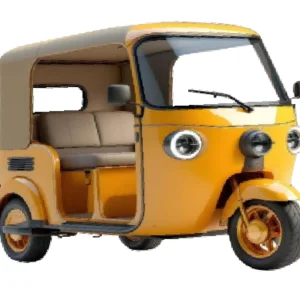
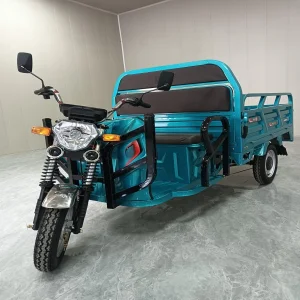
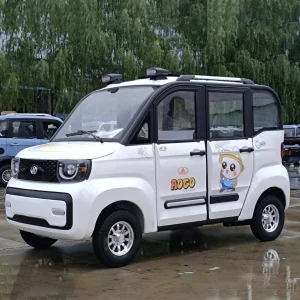
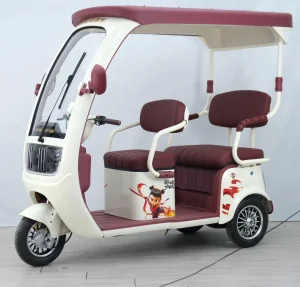
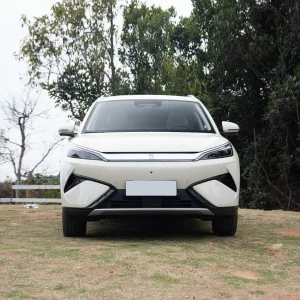
Modern B2B automotive buyers demand modularity, cost efficiency, and fast deployment. The growth of new energy vehicles in Nagoya highlights the demand for diverse transport form factors. This ranges from highly advanced passenger SUVs (like the Galaxy series) to specialized micro-mobility and cargo logistics platforms designed for narrow urban layouts. By providing a comprehensive range of passenger, logistics, and multi-wheeled utility vehicles, Shandong Li Mao Tong Group acts as the bridging enterprise, facilitating global delivery, compliance verification, and post-purchase component security.
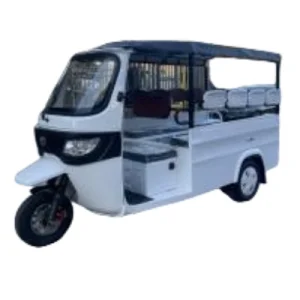
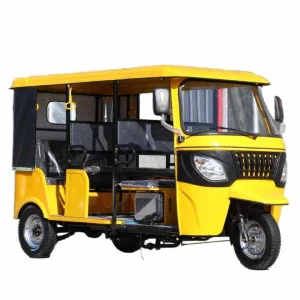
SHANDONG LI MAO TONG GROUP is a global supplier of high-quality products, with a complete industrial chain, specialized in research, manufacture and international sales of motor tricycles, cargo tricycle, electric mini car. Since its establishment, our vehicles have served over 120 countries and regions worldwide, with our brand reaching more than 20 million households globally.
Supported by 8 overseas production bases, we provide comprehensive vehicle solutions to markets around the world. We attach great importance to after-sales service, and set up overseas warehouses in Djibouti and are equipped with a professional after-sales team and complete after-sales facilities. If you encounter any problems during use of the product, our after-sales team will respond immediately and provide you with timely and effective solutions.
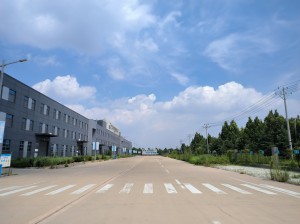
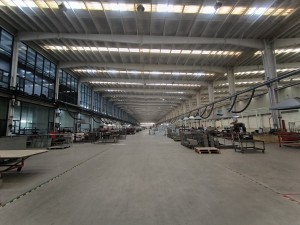
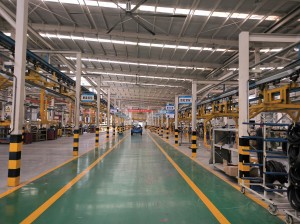
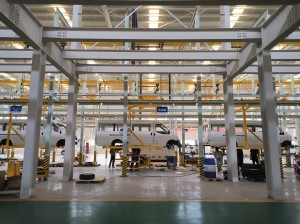
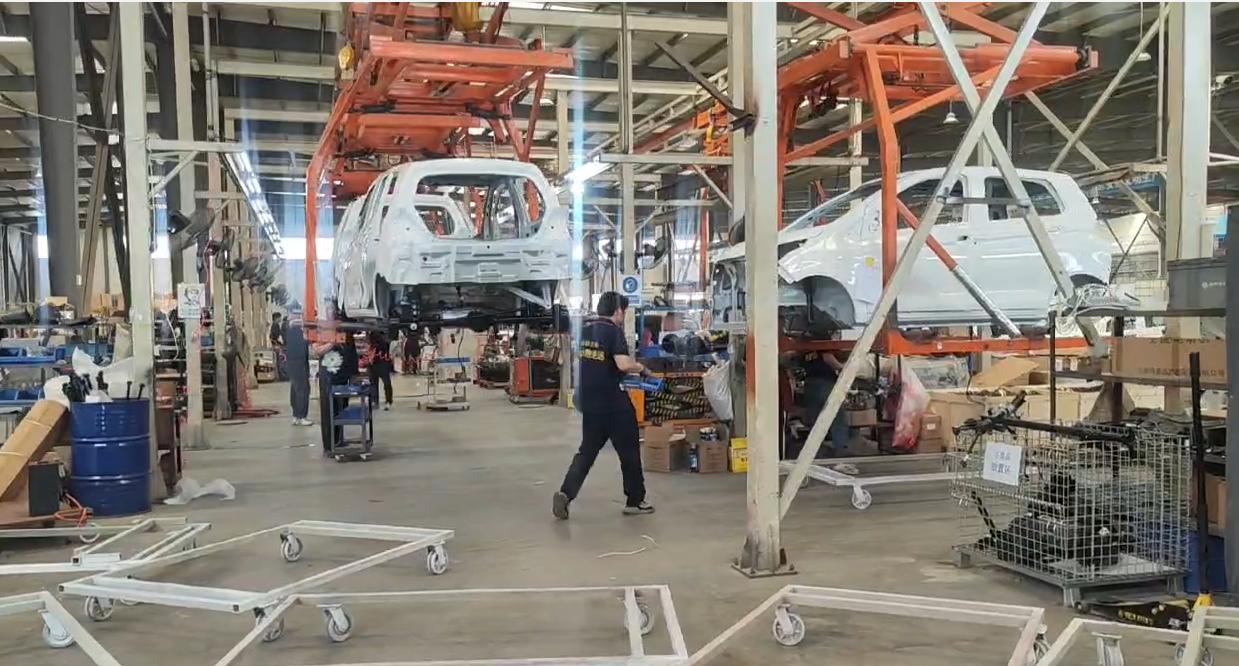
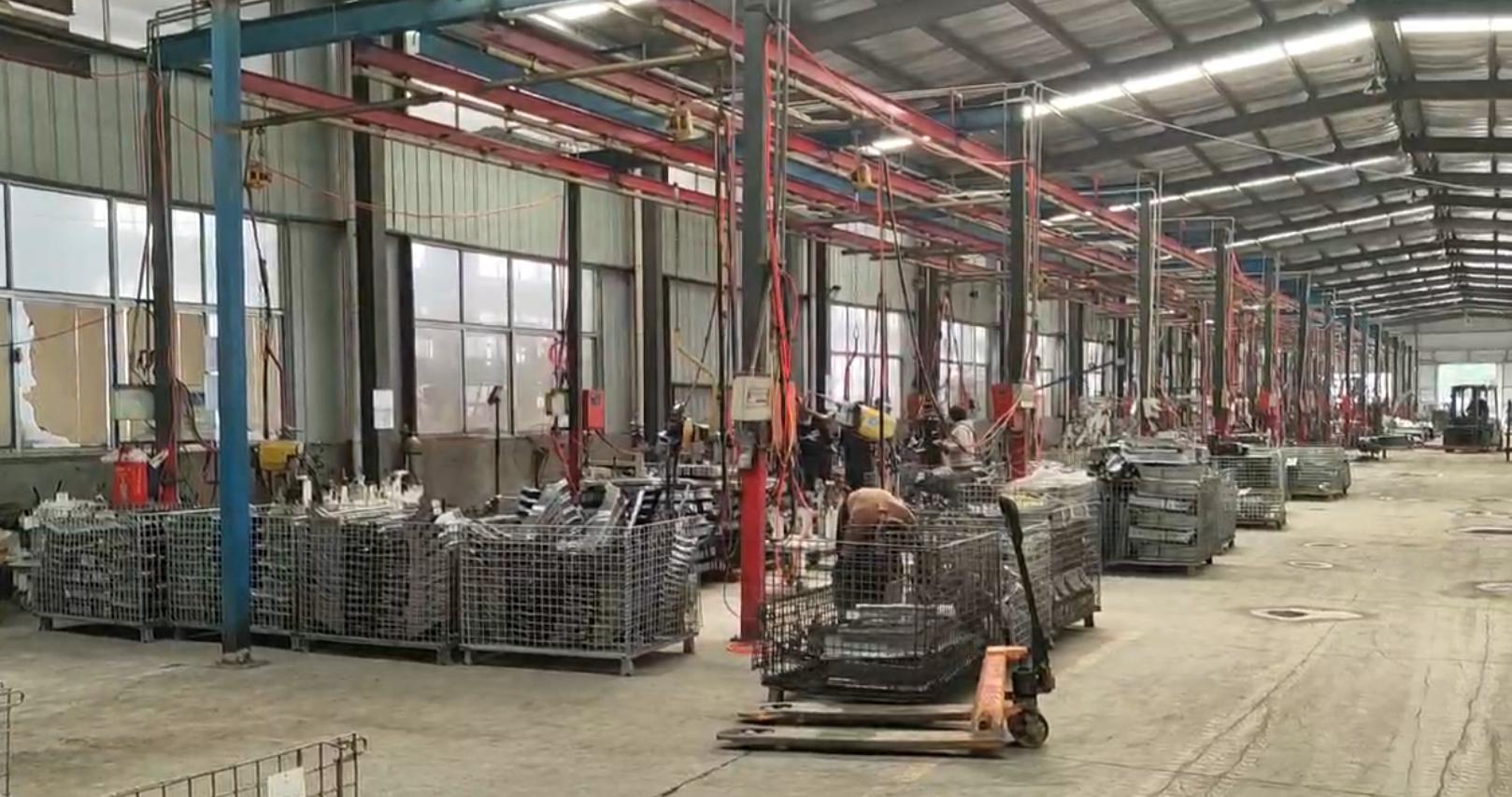
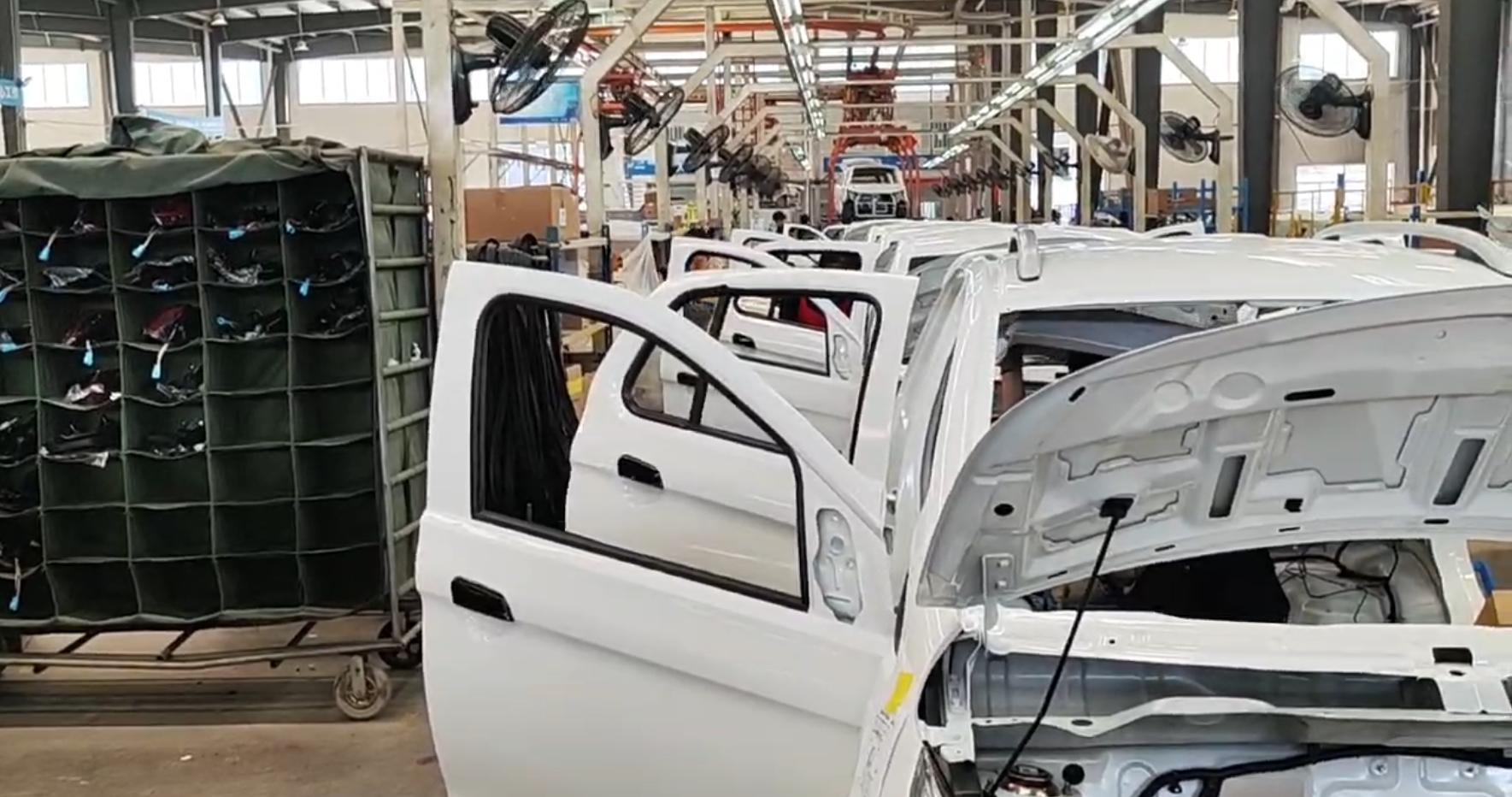
Quality is our lifeline. We operate a modern intelligent manufacturing base, equipped with highly automated production lines and a stringent digital quality control system, ensuring every vehicle rolling off the line meets international standards of exquisite craftsmanship. Our relentless pursuit of safety permeates every aspect, with battery systems passing safety tests far exceeding standard protocols, and vehicle structural designs targeting the highest safety ratings to comprehensively protect user security.
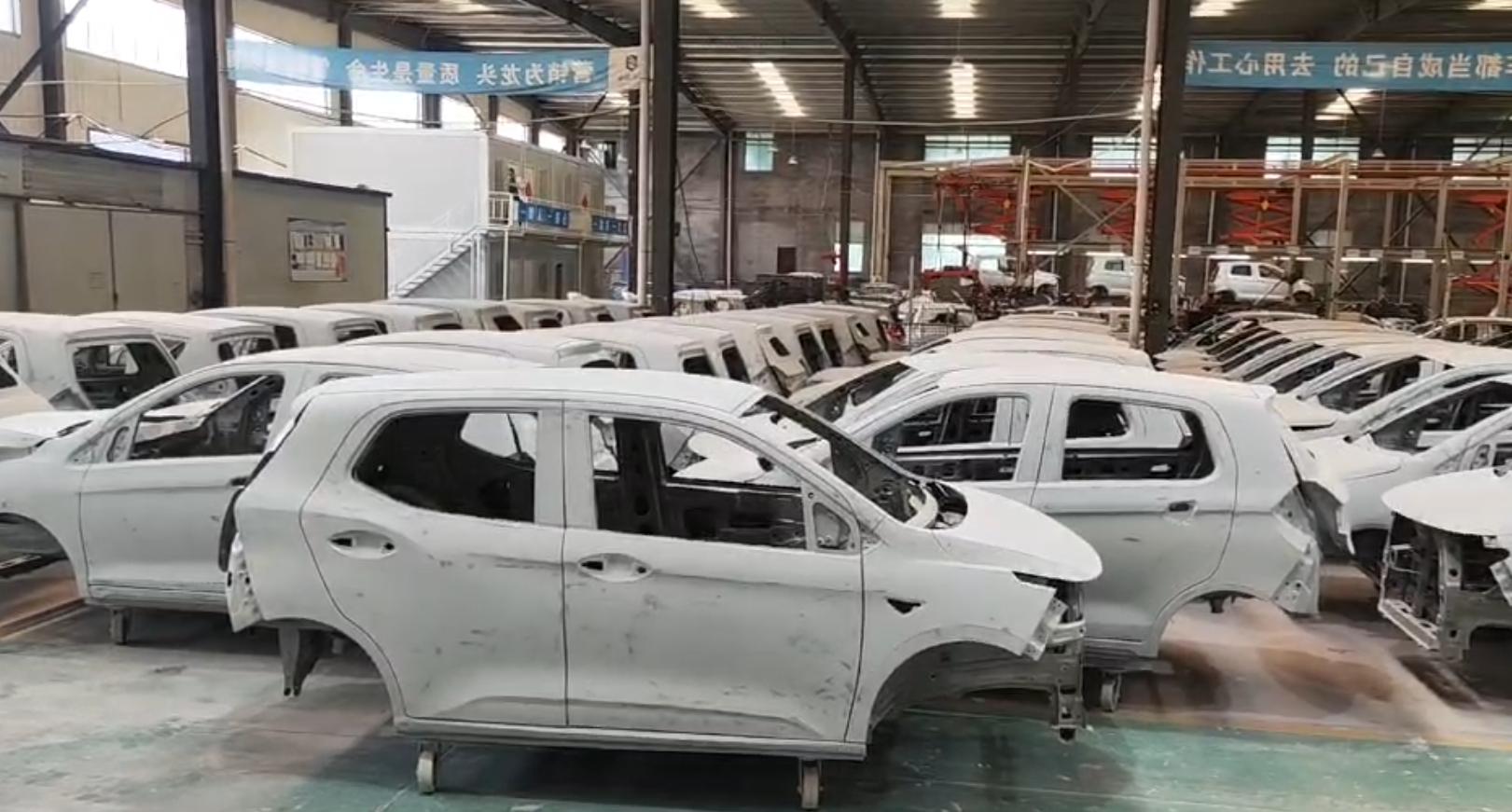
Our core competitiveness stems from cutting-edge technology R&D and unremitting innovation. From one-piece stamped steel frames to millimeter-precision cutting; from fully automated robotic painting creating flawless finishes to precision-engineered assembly processes; every stage is safeguarded by dedicated technical teams. We accept rigorous testing regimes, including laboratory level seven rainstorm tests, extreme temperature trials, and rugged off-road surface endurance runs. This makes us the premier choice for customers demanding high-performing electric and hybrid utility options.
For Japanese domestic enterprises sourcing components and vehicles for the Nagoya and wider Aichi market, our technical roadmap incorporates:
To maintain full structural transparency, we welcome physical and virtual site audits from international buyers. The cross-border infrastructure spans across regional bases, including the East Africa Free Trade hub, ensuring swift logistics support.
Djibouti (Overseas Warehouse) Cross-border E-commerce Exhibition and Sales Center was established in 2023. It is located in the Djibouti International Free Trade Zone in East Africa. With the help of the Djibouti Economic and Trade Co., Ltd. established in Africa, it has established a one-stop comprehensive service platform to provide enterprises with all-round housekeeper-style professional services such as sales, government affairs, customs affairs, and public services. Combining the online and offline linkage of cross-border trade business and independent station malls, we will build a "strong artery" of China-Africa economic and trade exchanges with the "cross-border trade + front-end warehouse" model and the African localized sales, customer service and logistics team, and help "China's intelligent manufacturing" go to the world and into Africa.
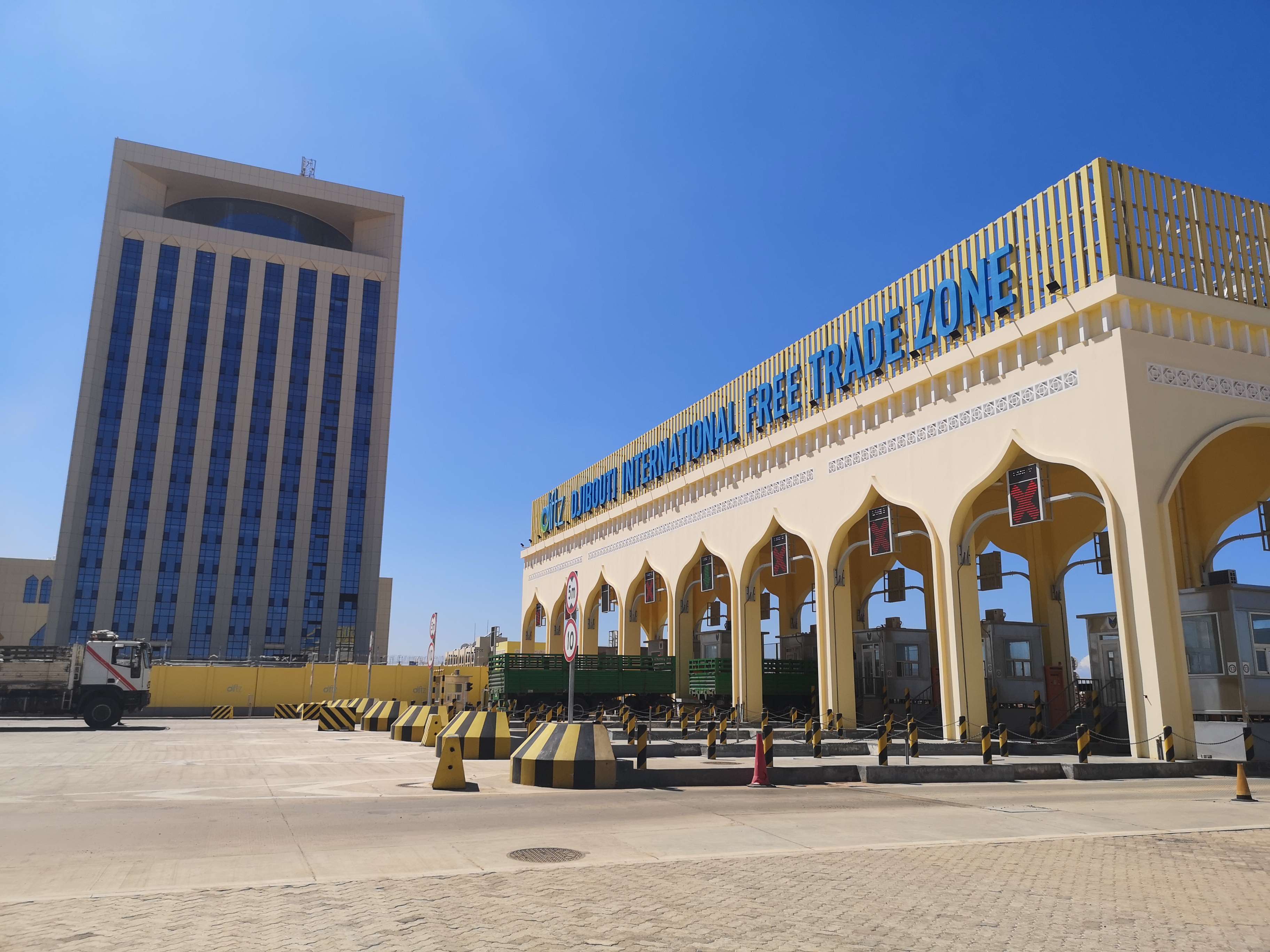
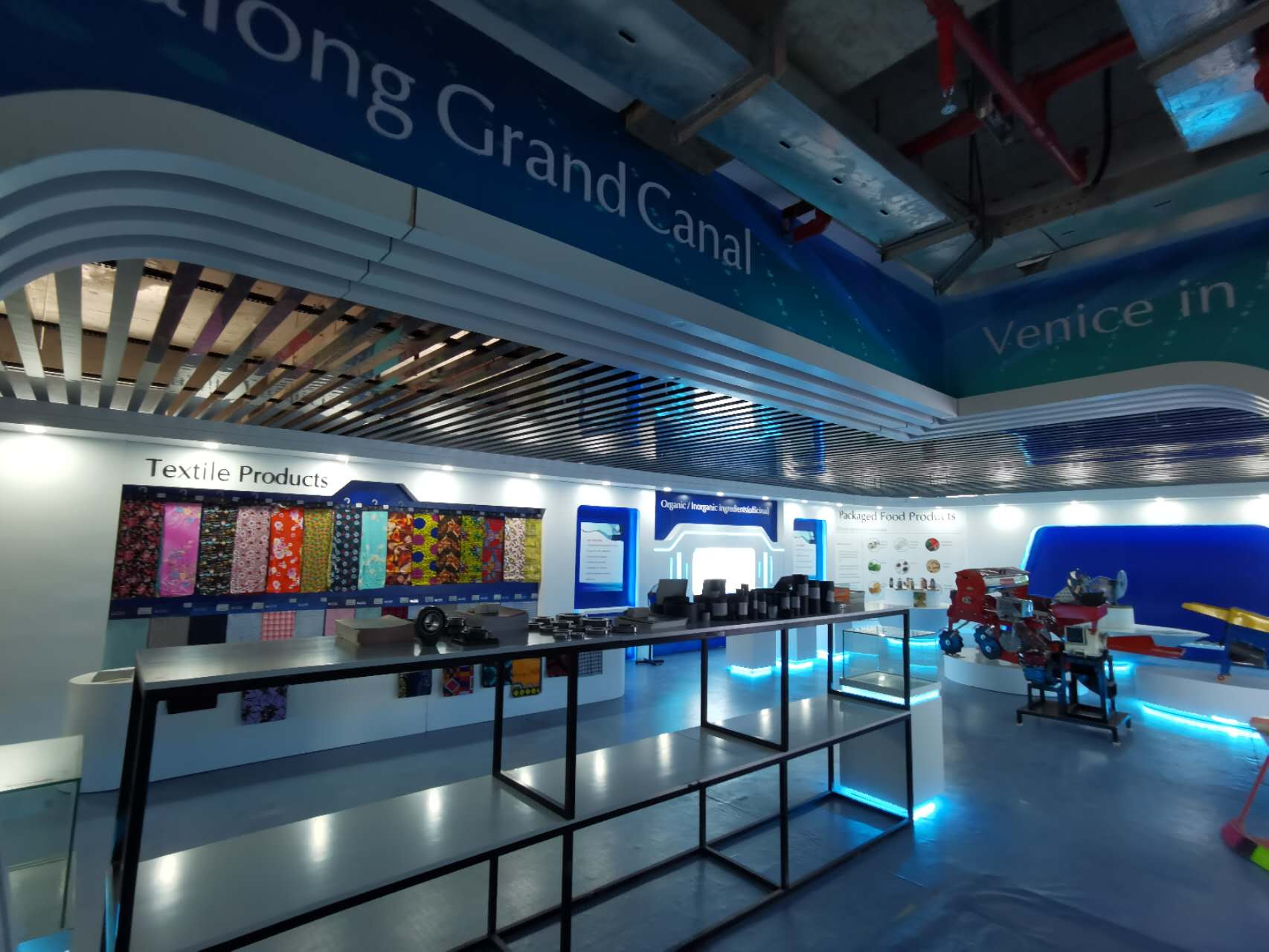
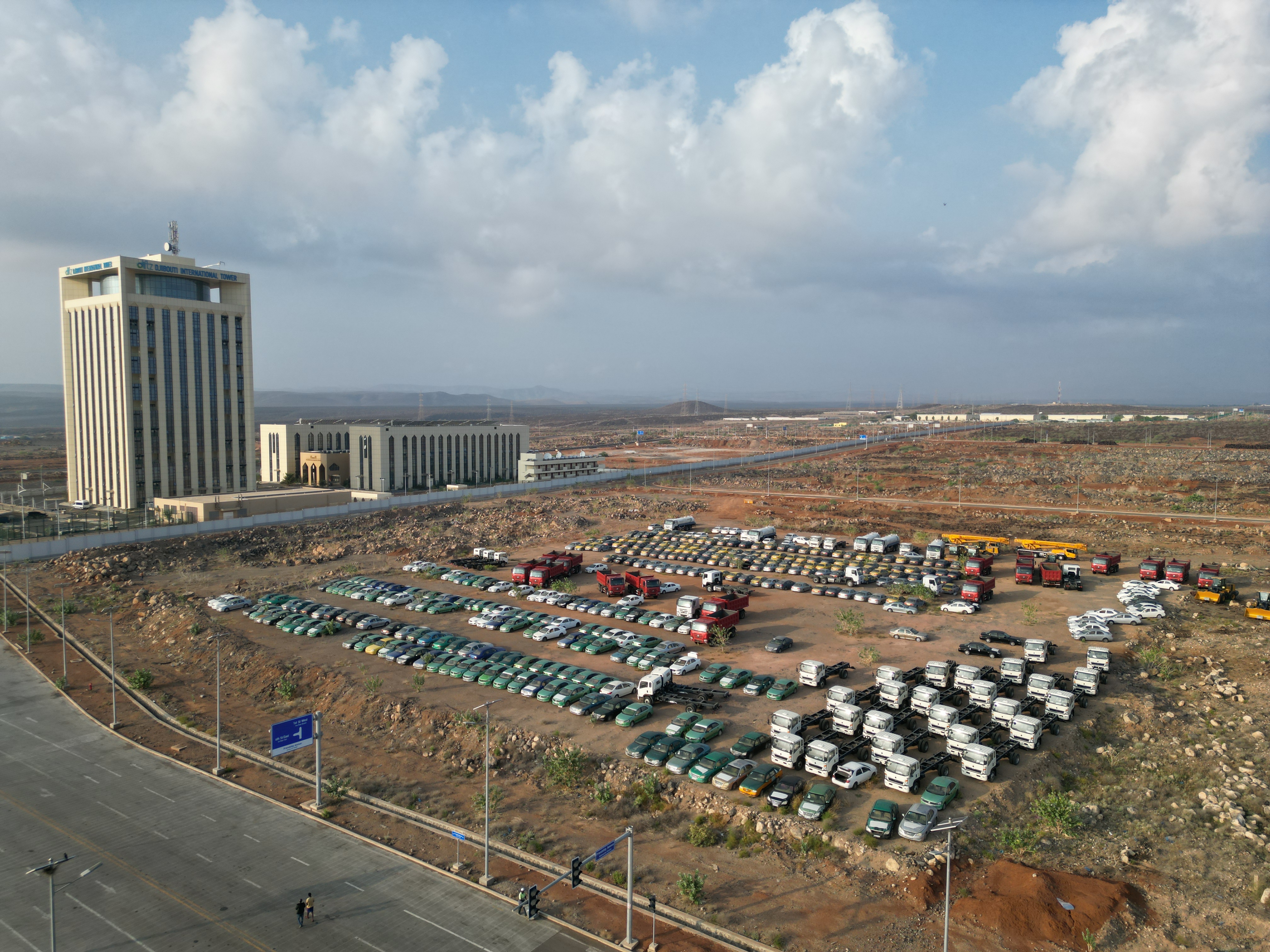
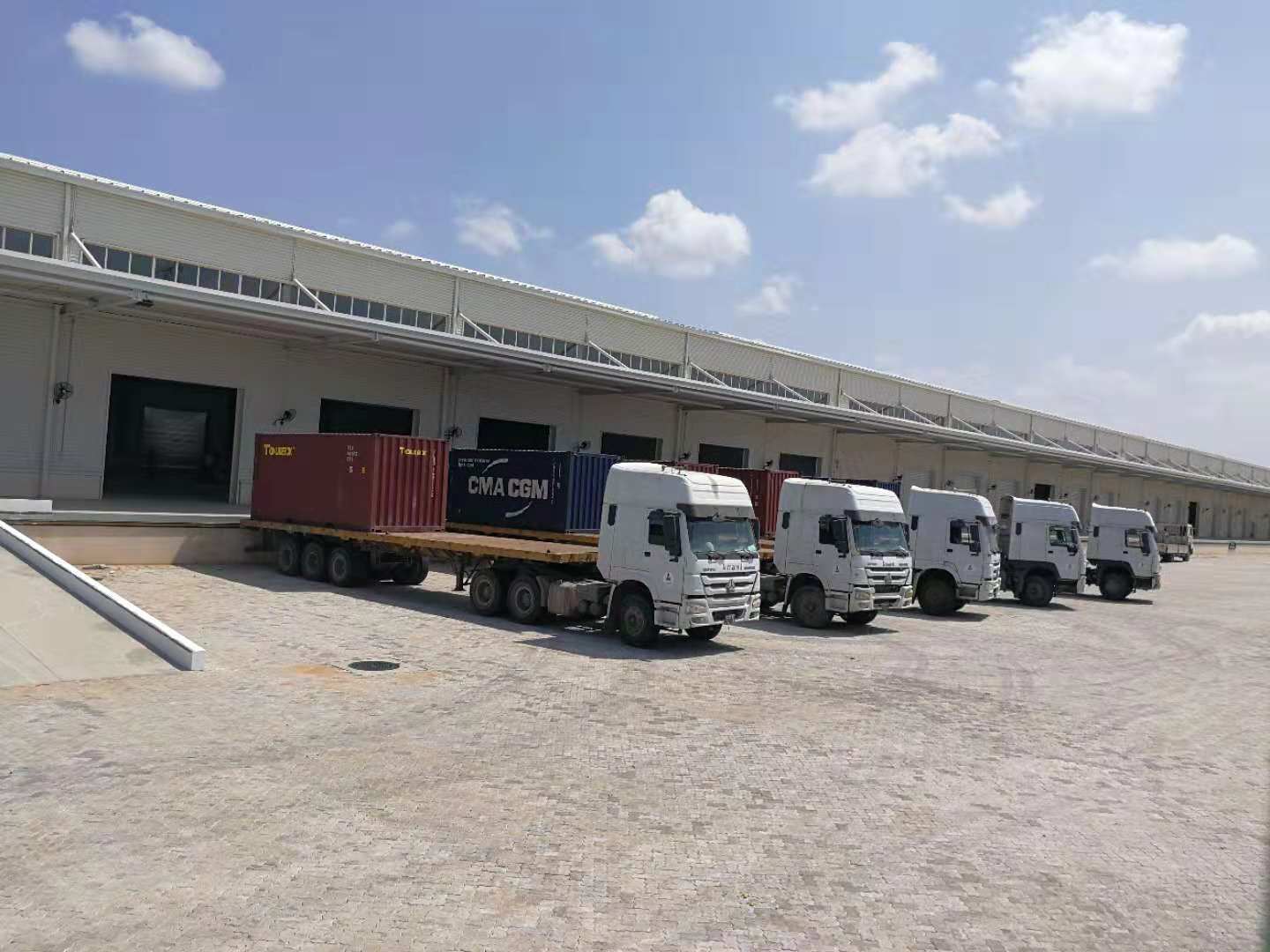
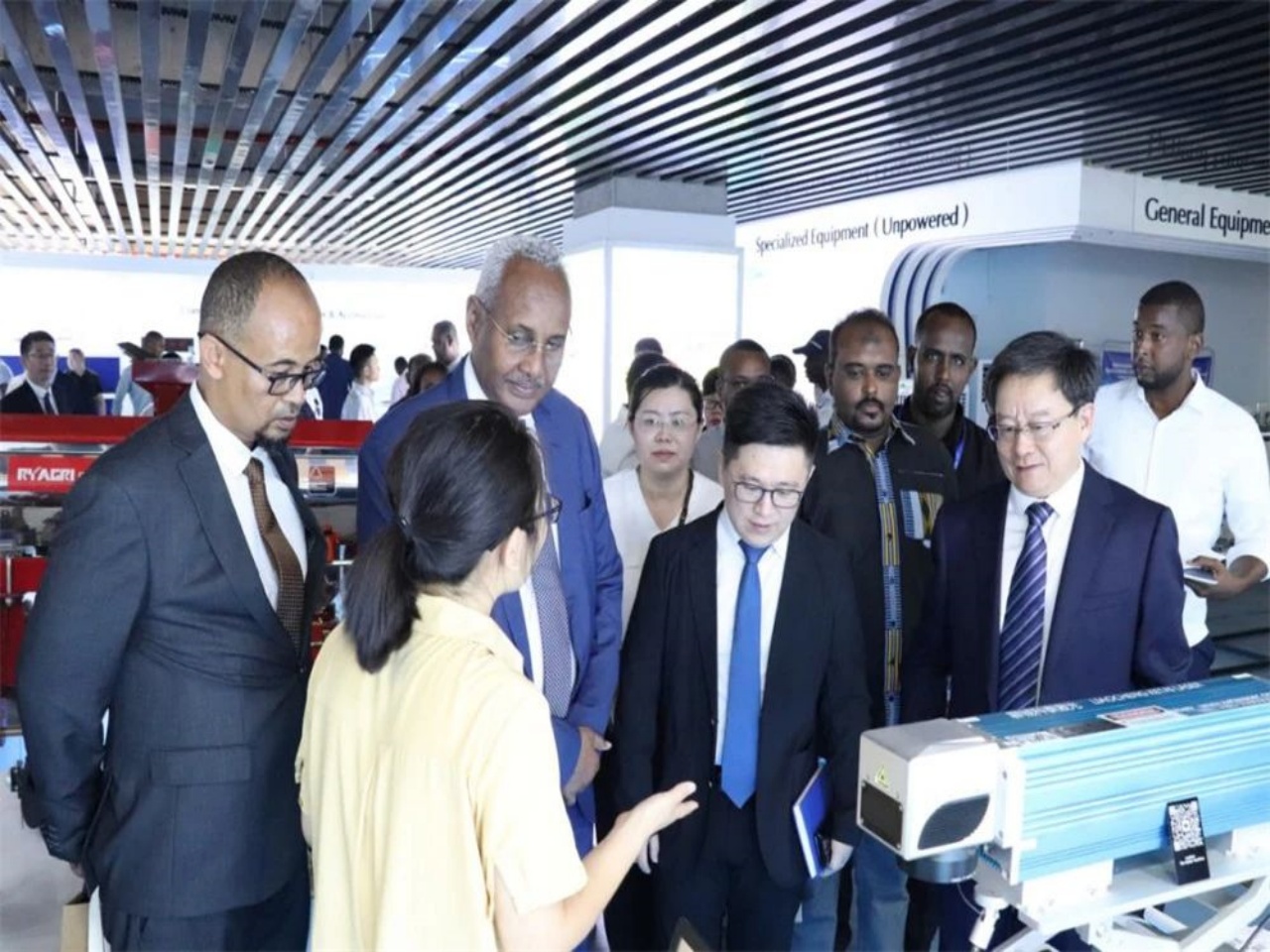
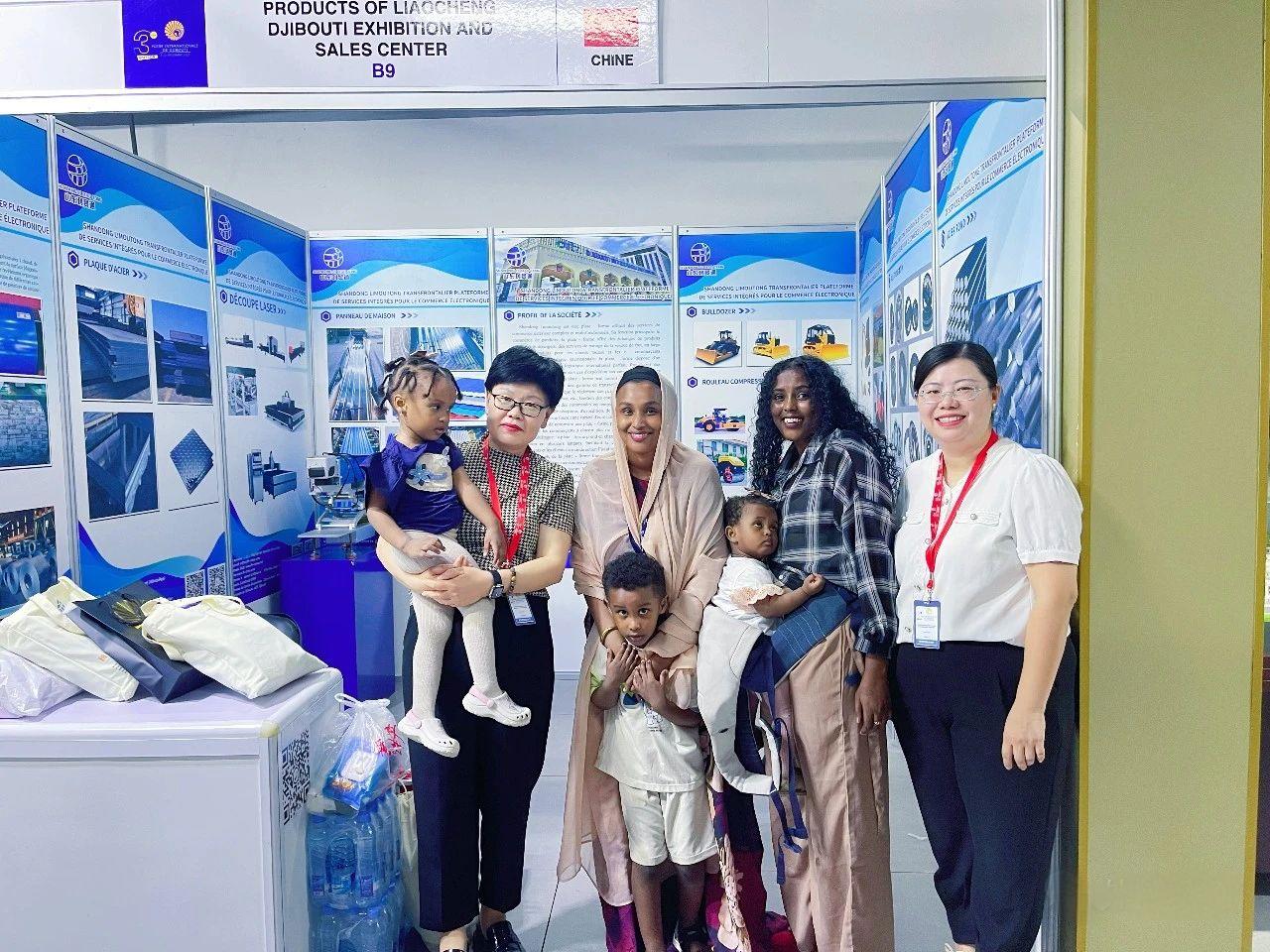
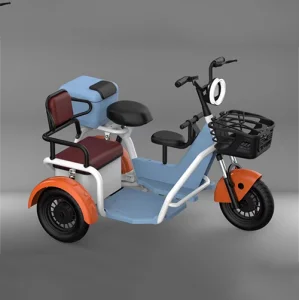
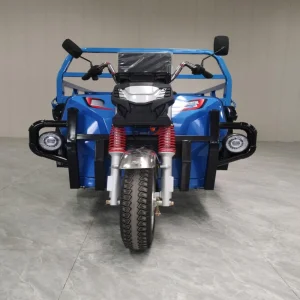
Our factory processes are structured to exceed standard quality targets. Here are visual milestones showing our factory inspection operations and global trade showcases:
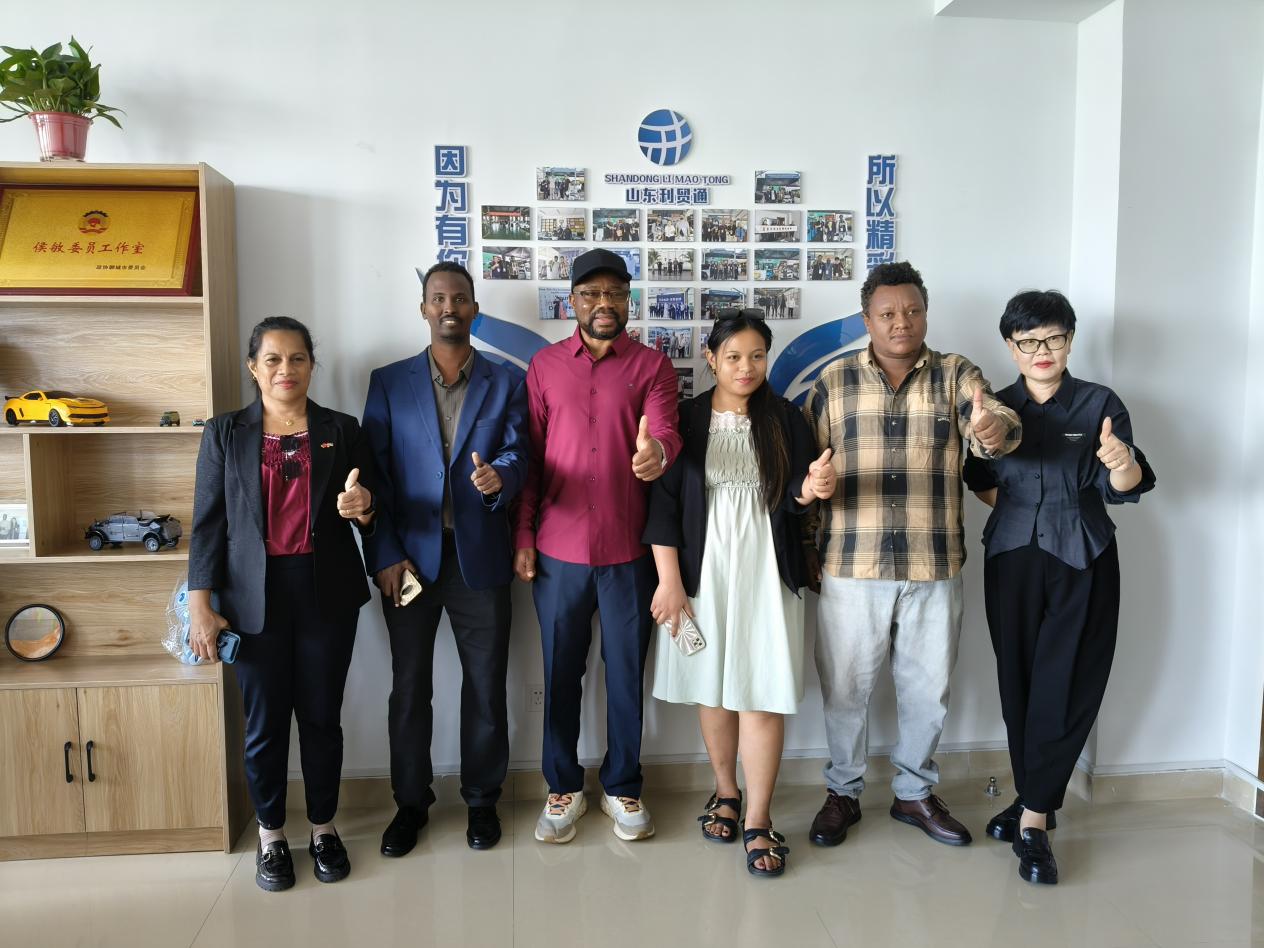
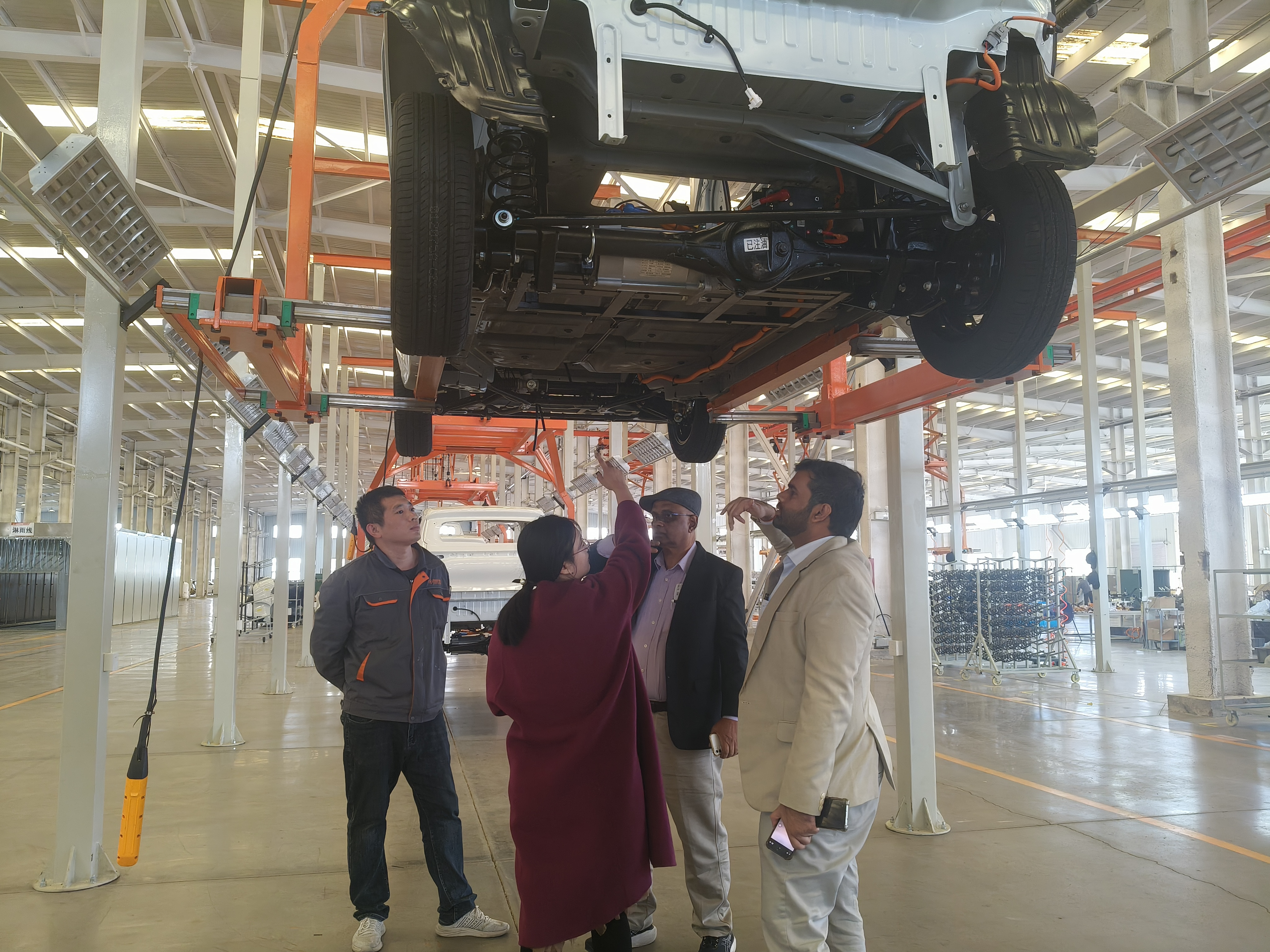
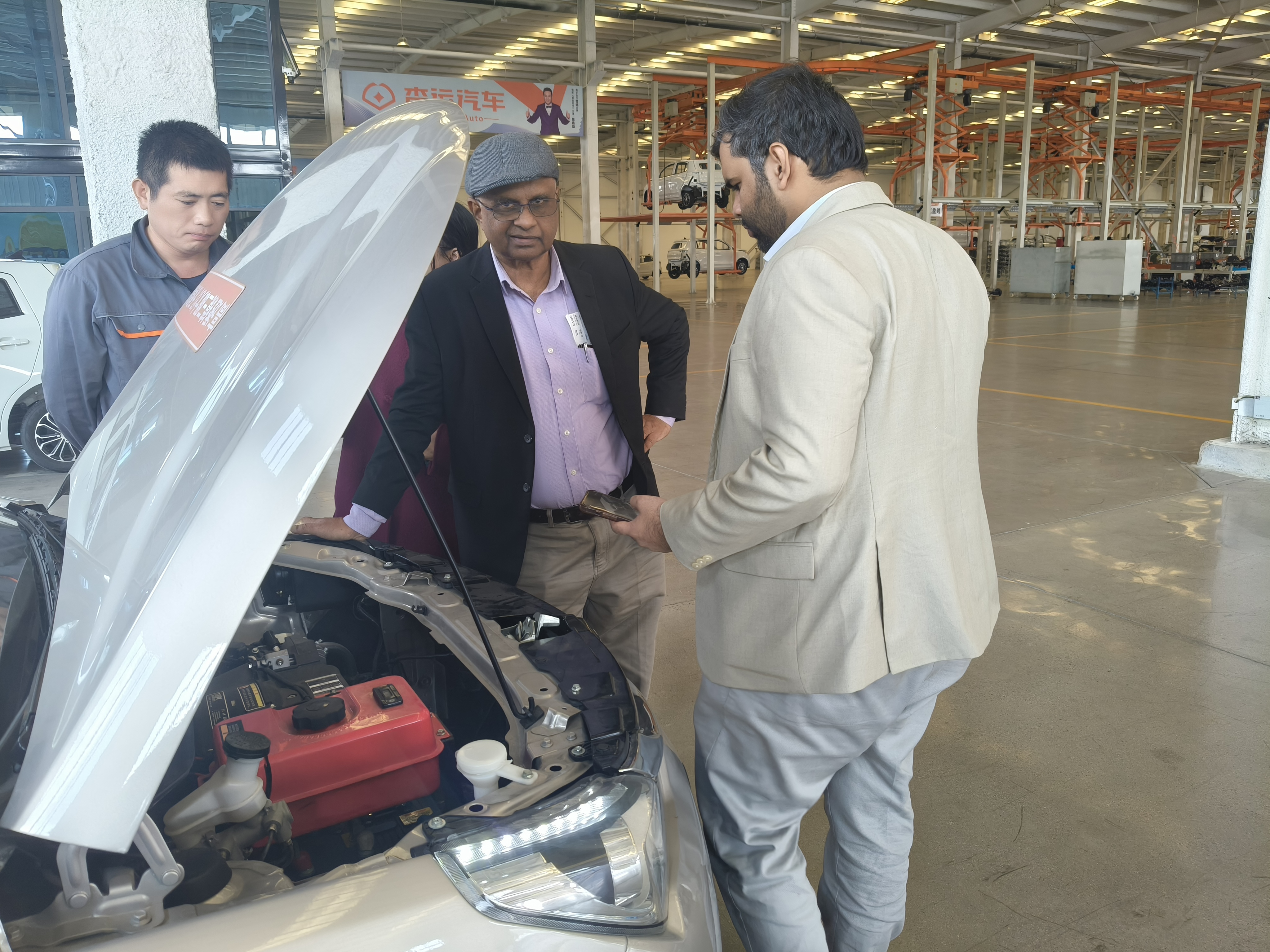
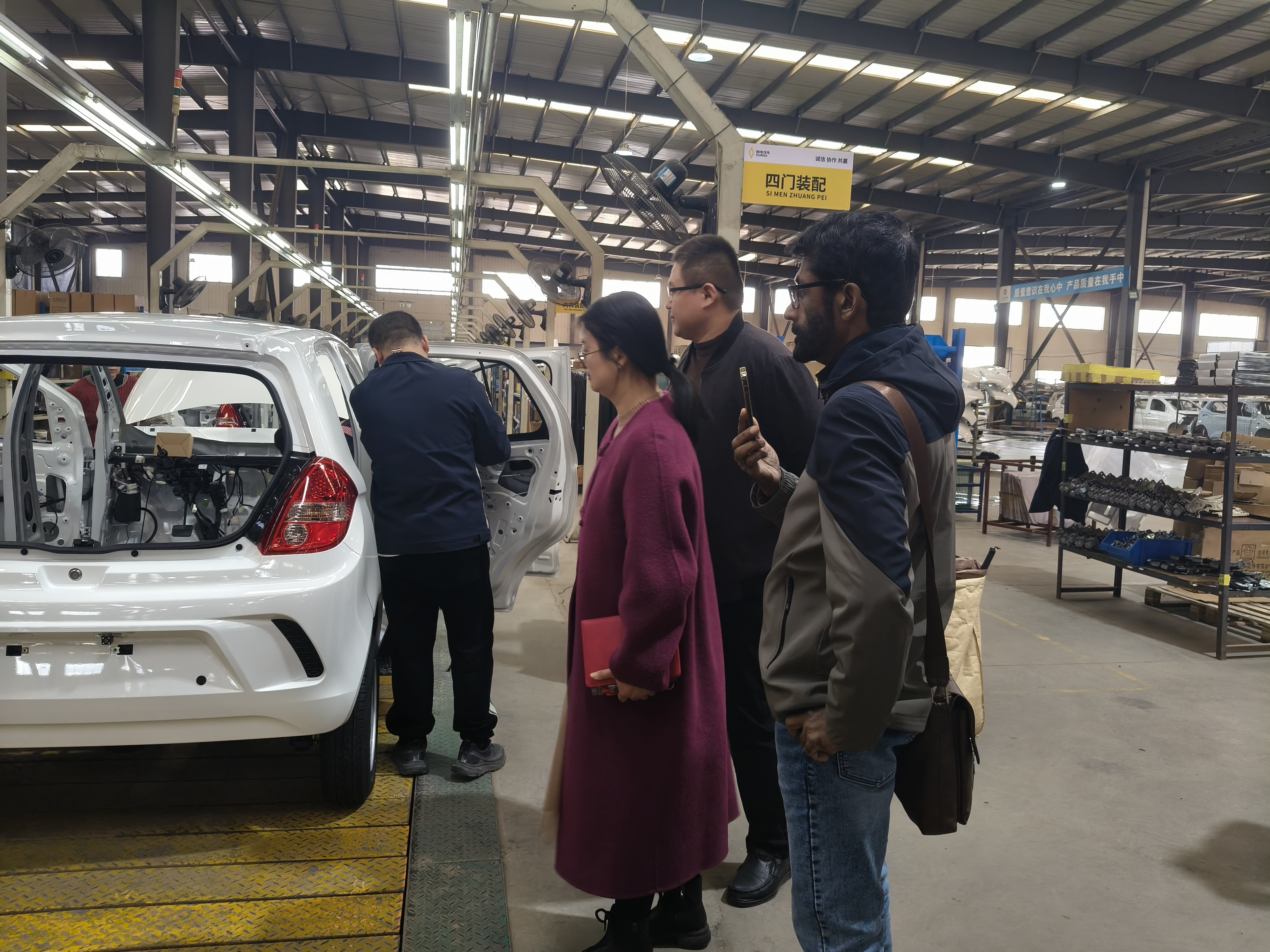
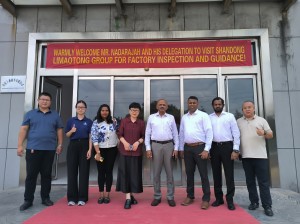
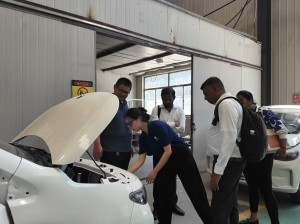

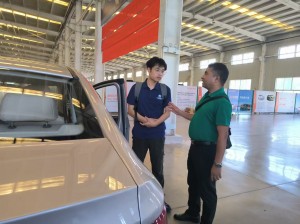
By implementing structural optimization across manufacturing steps, we achieve precise component engineering. We welcome strategic procurement teams from Japan, Southeast Asia, Europe, and the Middle East to conduct direct onsite verifications.
Our collaborative sourcing model focuses on offering modular adaptability. In addition to high-end electric passenger cars, we maintain dynamic production lines for alternative micro-mobility solutions to support Nagoya's suburban logistics networks. By integrating smart lithium layouts and robust cargo platforms, we cover diverse application scenarios.
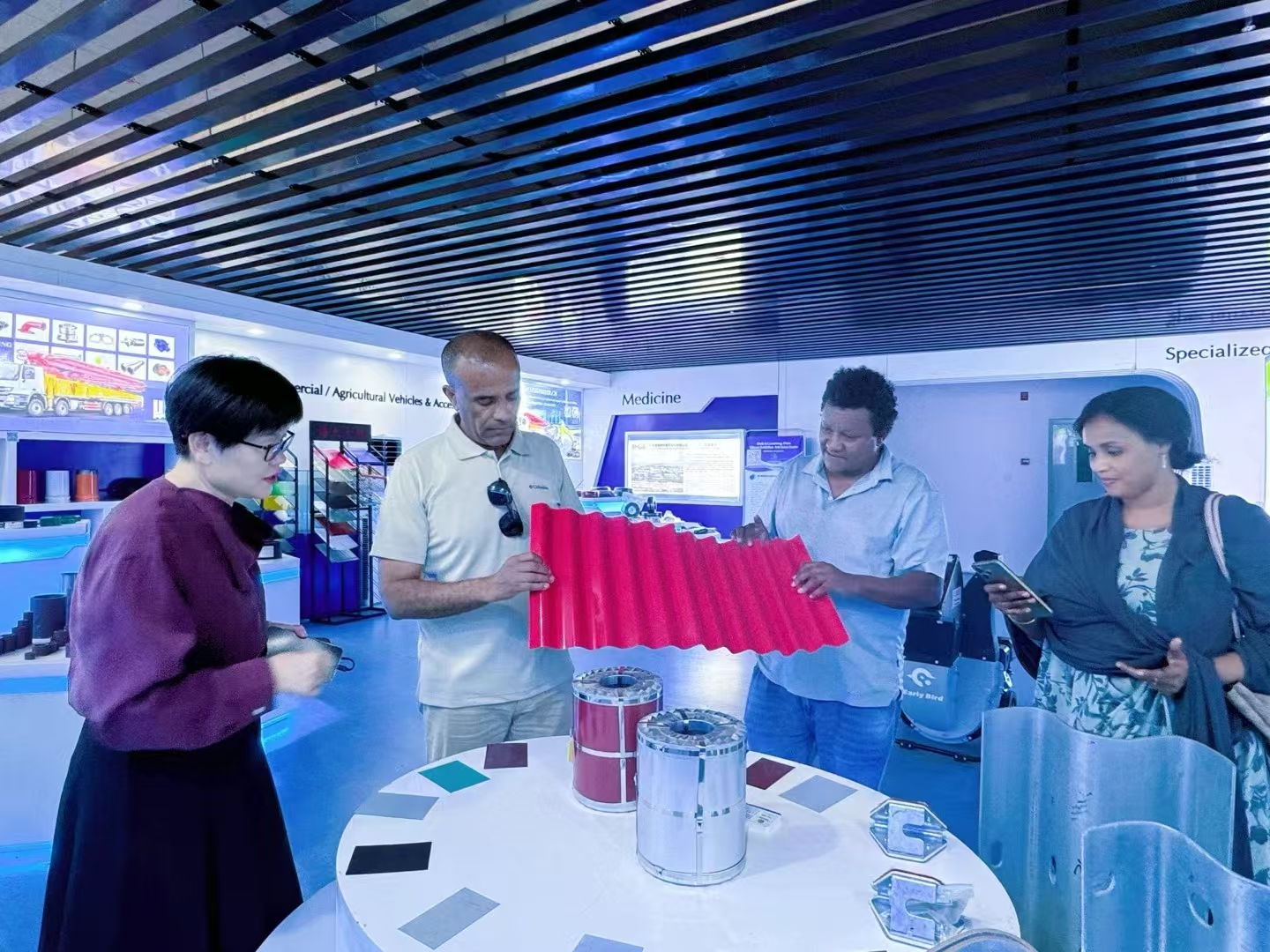
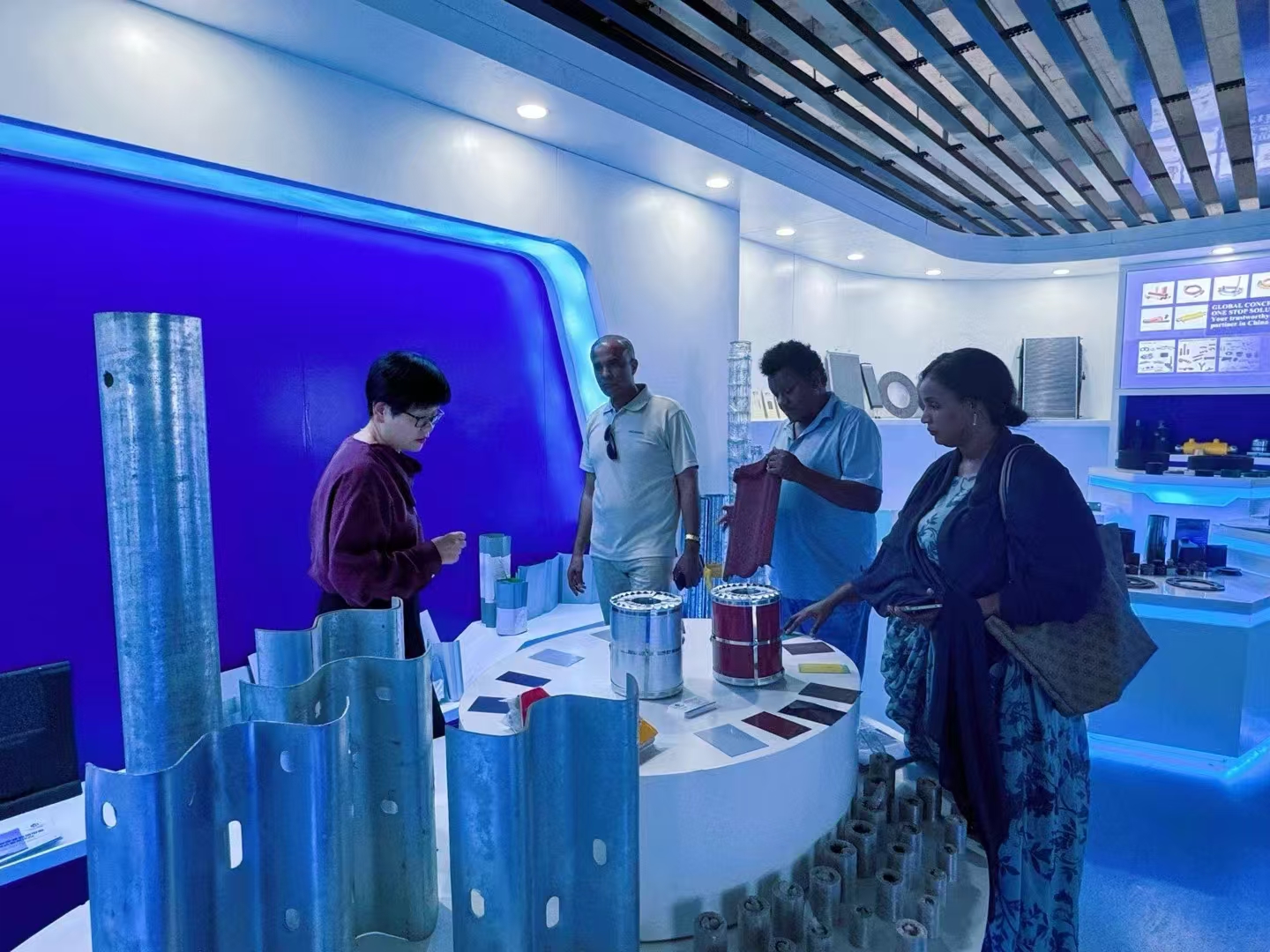
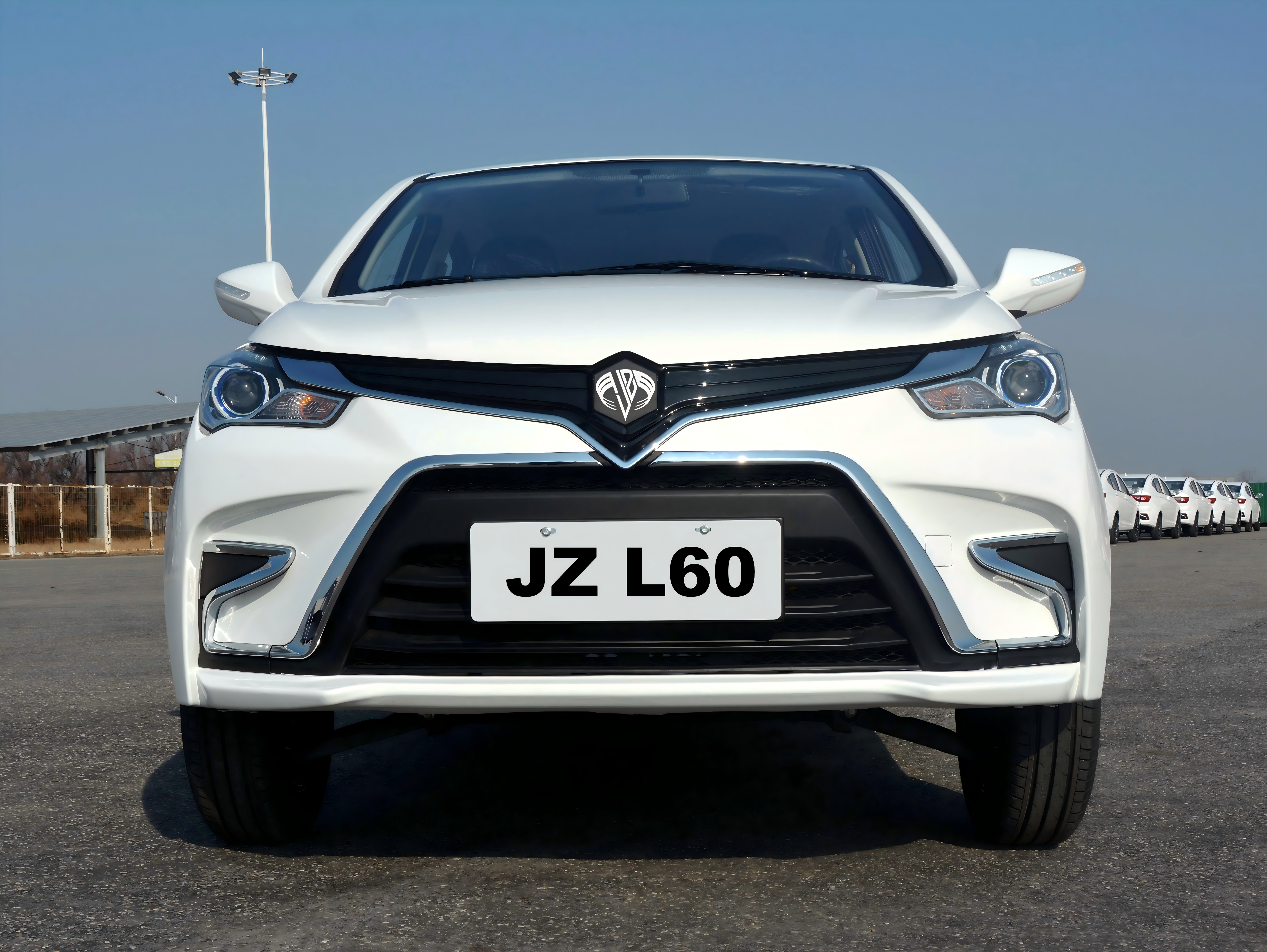
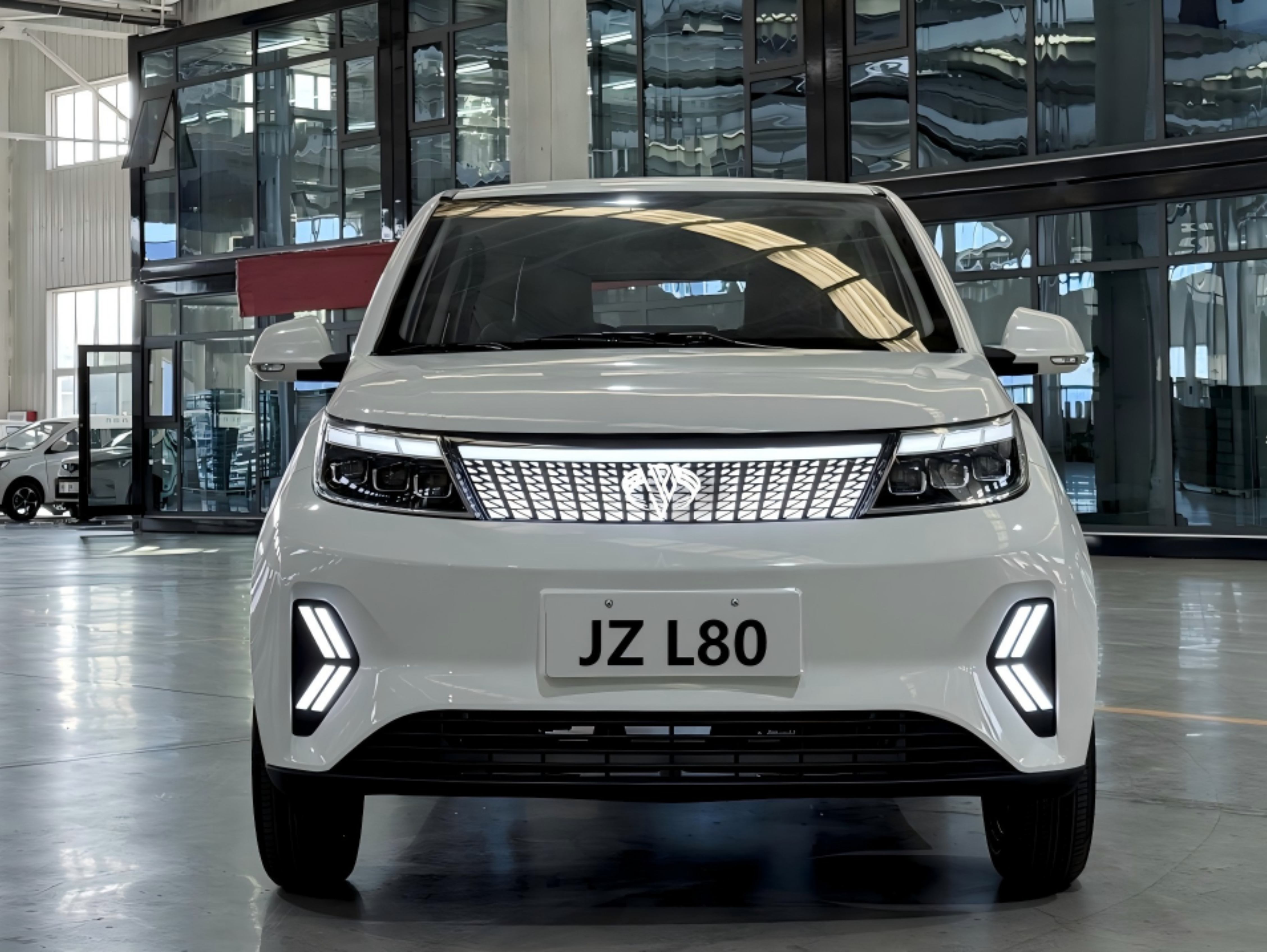
We configure our vehicles to align with local market safety and emission certifications. For electric systems, this includes deploying battery packs certified under global standards, layout customization for Left-Hand/Right-Hand traffic alignment, and assisting local distributors with vehicle homologation through Japan's MLIT (Ministry of Land, Infrastructure, Transport and Tourism) framework.
For specialized passenger cars and utility configurations, our standard manufacturing lead time varies from 30 to 45 days post-deposit confirmation. Container layouts are optimized to reduce transit damage. MOQs range from single prototype units for testing to full container loads depending on the specific vehicle model selected.
We operate overseas warehouses, such as our major cross-border hub in the Djibouti International Free Trade Zone, to secure components and critical electrical parts. Additionally, we provide digital service manuals, modular component kits, and virtual assembly support to partner service stations to reduce maintenance downtime.
Yes. Every vehicle design undergoes laboratory-level rainstorm tests, battery heat insulation tests, and structural load assessments. This ensures long-term operational durability, whether deployed in the cold winters of Northern Japan or warm, humid regions.
Connect with our international trade and engineering engineering support desk to receive customized quotes, technical compliance documents, and bulk shipping pricing matrices.
 Limaotong