Strategic mobility assets configured to meet European Union type approvals, prioritizing efficiency, safety standards, and range performance.
Portugal stands at the vanguard of the European Union's green mobility transition. Driven by the ambitious goals of the National Energy and Climate Plan (PNEC 2030), the Portuguese government has instituted aggressive decarbonization frameworks targeting urban transportation. The expansion of the Mobi.E network—the country’s universal and interoperable charging grid—now ensures that fast and ultra-fast charging points are widely accessible across major municipalities like Lisbon, Porto, Braga, and Faro.
However, the shift is not restricted to standard consumer passenger cars. The demand dynamics in cities with steep terrain and historic urban layouts, such as Porto and Lisbon, have generated unique opportunities for robust micro-mobility configurations. Traditional internal combustion engines (ICE) are being progressively restricted via Zero Emission Zones (ZEZs). Consequently, logistics operators, hospitality enterprises, and municipal fleets are turning to advanced OEM partners to supply light electric passenger tricycles, cargo e-bikes, and highly efficient electric SUVs that offer maximum range, fast recharging, and minimal mechanical downtime.
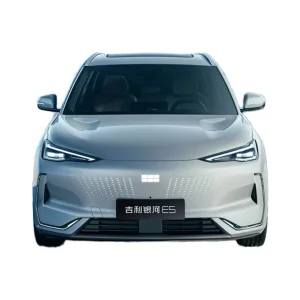
Geely’s Sustainable Experience Architecture (SEA) and hybrid powertrains (utilized in the Galaxy series) are perfectly aligned with these environmental mandates. By incorporating advanced thermal management systems and high-density battery chemistry, vehicles like the Geely Galaxy E5 and L7 mitigate the typical range anxiety associated with Portugal's undulating geographic profiles, ensuring continuous operations for taxi fleets and executive transport businesses.
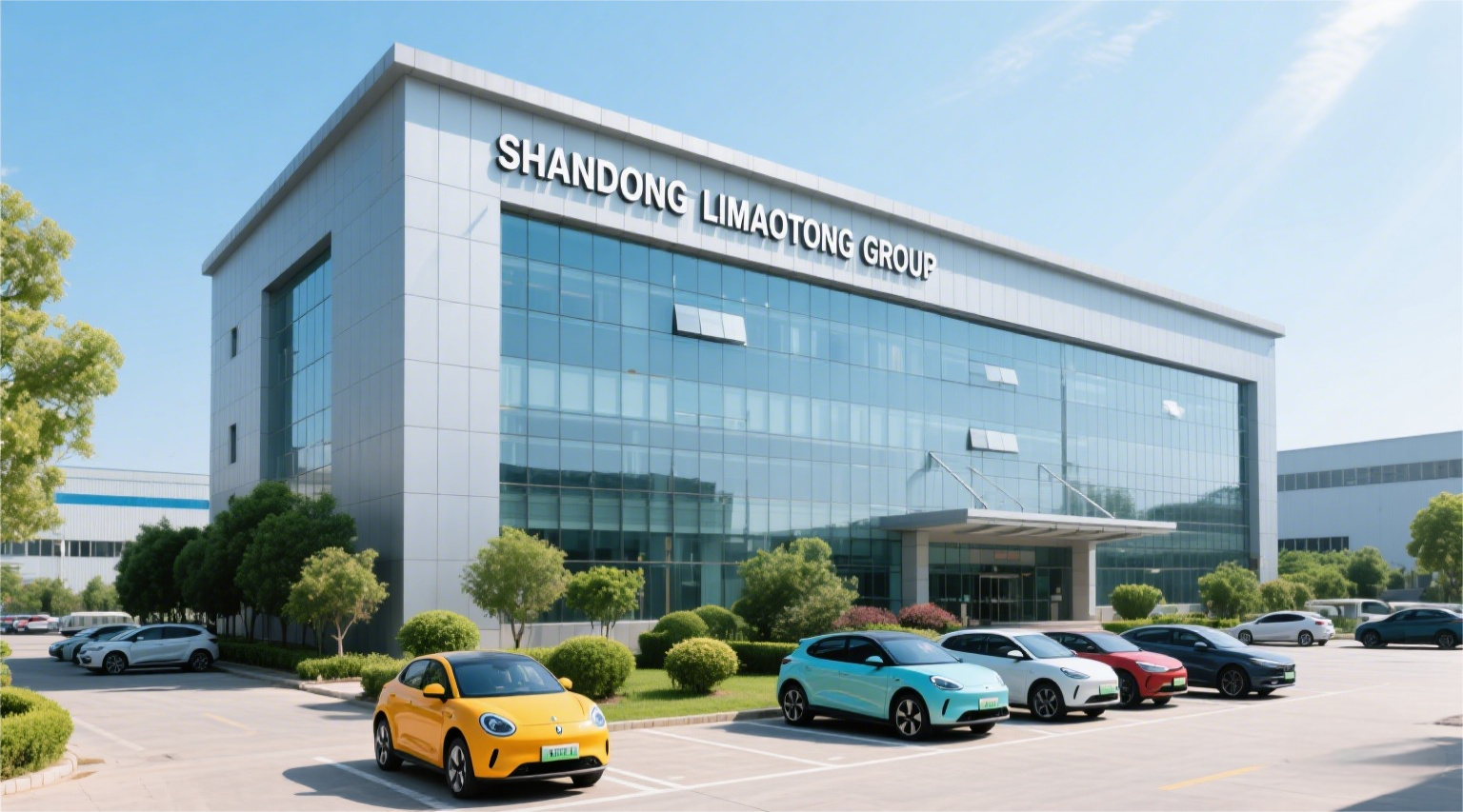

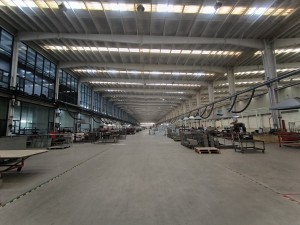
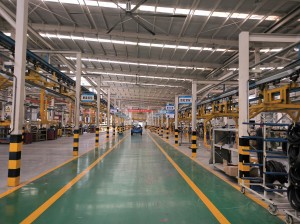
SHANDONG LI MAO TONG GROUP is a prominent global manufacturer and supply chain group specializing in the research, development, and international distribution of electric vehicles, cargo tricycles, and advanced e-mobility options. Serving over 120 countries and regions globally, our brand has established presence in millions of households through a localized hub model and international warehouses.
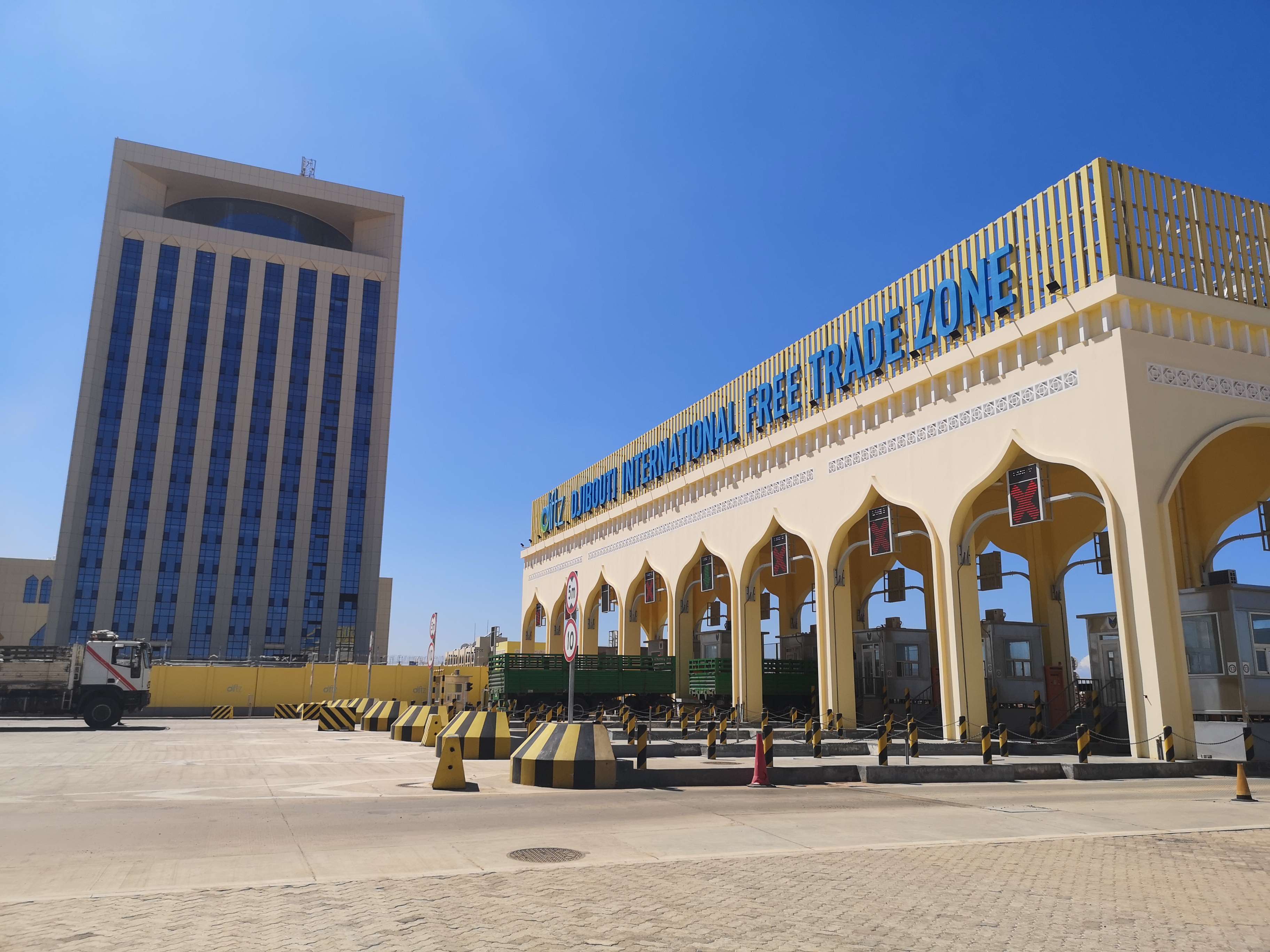
With eight overseas production locations and an integrated East African logistics center (established in the Djibouti International Free Trade Zone in 2023), the group implements a comprehensive strategy that connects state-of-the-art Chinese manufacturing directly to Western European markets like Portugal. By managing the end-to-end process from precision stamping to custom vehicle configurations, we offer specialized electric mobility setups tailored to commercial fleets, city tours, and last-mile delivery applications across Portugal.
How advanced robotics, high-strength structural engineering, and rigorous testing protocols safeguard vehicle performance and durability.
Our modern manufacturing facility utilizes highly automated robotic lines to ensure consistent quality across all components. High-precision laser cutting machines operate with millimeter tolerances to cut structural steel panels. At the same time, heavy-duty stamping machines forge integrated chassis components that resist torsional stresses. Automatic robotic arms perform welding processes, ensuring uniform welds that prevent fatigue cracks over decades of usage under demanding urban transport conditions.
Given the coastal maritime environment of Portugal, corrosion protection is paramount. Our automated painting lines employ multi-stage cathodic electrodeposition (coating) processes. This ensures that every steel frame, chassis member, and enclosed panel is coated with a uniform, high-adherence primer layer that prevents oxidation from saltwater exposure along coastal routes like Porto's Douro River and Lisbon’s Tagus estuary.
Our commitment to quality is reinforced by severe testing regimes. Each finished vehicle must pass intense artificial rainfall tests that simulate heavy downpours, confirming that electrical enclosures, battery connections, and passenger cabins remain completely watertight. Battery packs are mounted in isolated safety zones designed to exceed UNECE R100 structural safety standards, featuring active thermal control to prevent overheating during hot Portuguese summers.
From carbon-neutral tourist transits to last-mile commercial delivery operations, we supply complete platform solutions.
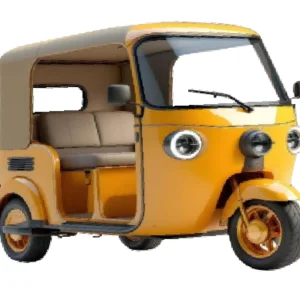
Lisbon and Sintra require small, emission-free transport to navigate historic streets. Our enclosed and open 3-wheeled electric passenger tuk-tuks offer the perfect vehicle platform for local operators to provide clean, silent, and compliant tourist shuttle services.
Urban cargo distribution faces strict emission regulations in historic zones. By deploying our light electric delivery platforms and high-capacity cargo bikes, logistics companies can bypass inner-city ICE bans while significantly reducing operational costs per delivery.
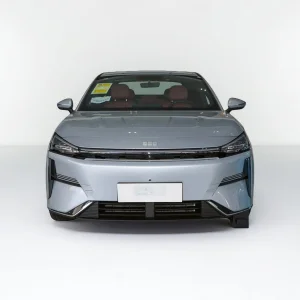
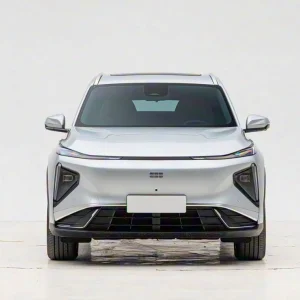
Enterprise clients can build out fleet capabilities with our premium EV options like the Geely Galaxy and Leapmotor series. These vehicles combine low maintenance overheads, impressive safety packages, and comfortable rides for corporate transfers.
Explore our full line of passenger electric vehicles, delivery bikes, and robust utility models configured for European market integration.
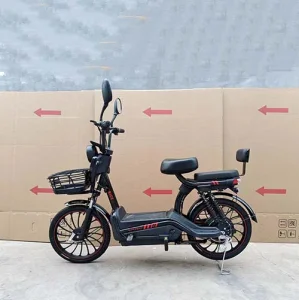
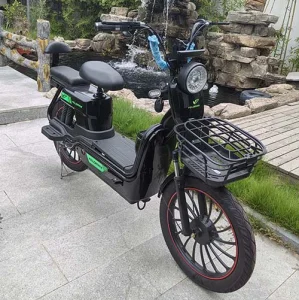
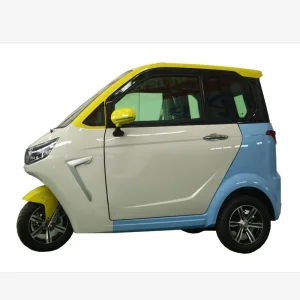
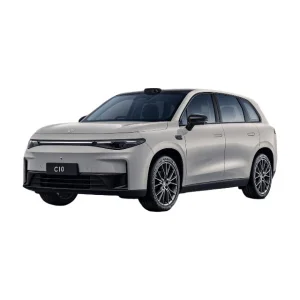
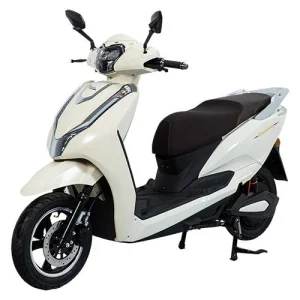
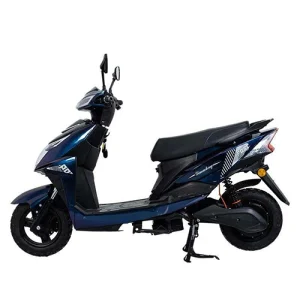
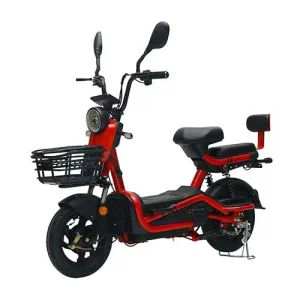

High-capacity passenger transit and solar-assisted models designed to operate continuously under the sun conditions of Portugal's southern regions.
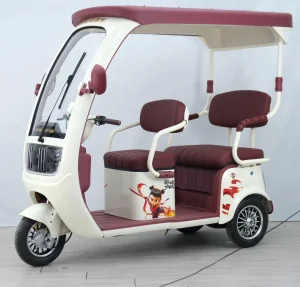
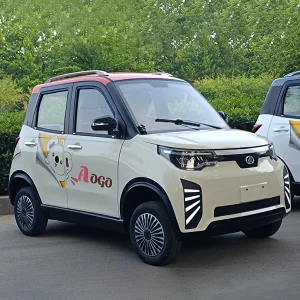
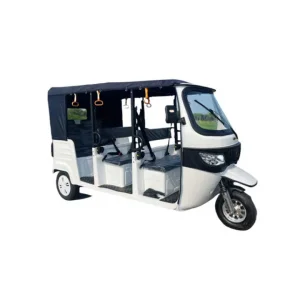
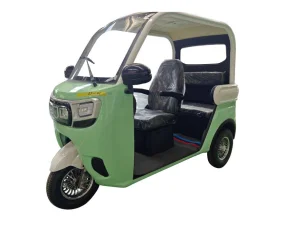
Importing electric vehicles into the Portuguese market requires strict adherence to European Union standards. Light electric passenger vehicles (L-category) and full-size electric passenger cars (M1-category) must comply with type-approval systems. This includes securing the Certificate of Conformity (CoC), which validates that the vehicles satisfy all safety, emissions, and production conformity regulations inside the European Economic Area.
Our engineering division collaborates closely with certification bodies (such as TÜV SÜD and SGS) to secure necessary approvals, ensuring that every product destined for Portugal—whether the Geely Galaxy E5 or our customized 3-wheeled passenger tricycles—conforms to the requirements. Our battery systems are certified under UN38.3 regulations to ensure shipping safety, while electromagnetic compatibility (EMC) tests verify that vehicle electrical systems do not interfere with local communications networks.
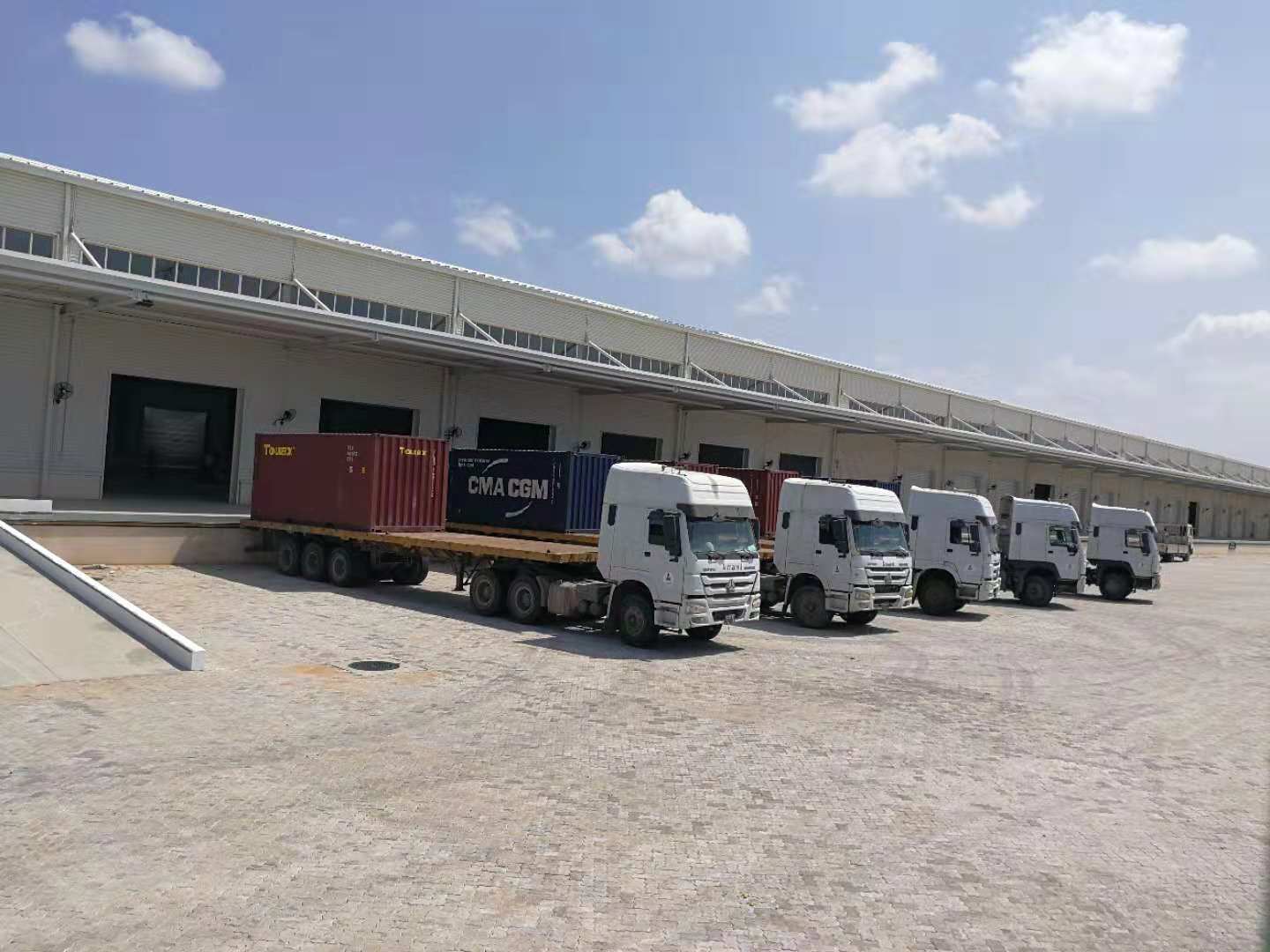
Shandong Li Mao Tong Group uses its global logistics infrastructure to simplify the export of electric vehicles to Portugal. Leveraging our cross-border logistics network, we offer flexible shipping options including Completely Knocked Down (CKD), Semi-Knocked Down (SKD), or Built-Up (CBU) delivery.
By shipping directly from Chinese ports to deep-water hubs like the Port of Sines or the Port of Lisbon, we bypass transit delays. Our European clearance support includes help with EORI numbers, tariff classification under EU Customs Codes, and local VAT (IVA) compliance, minimizing customs processing times.
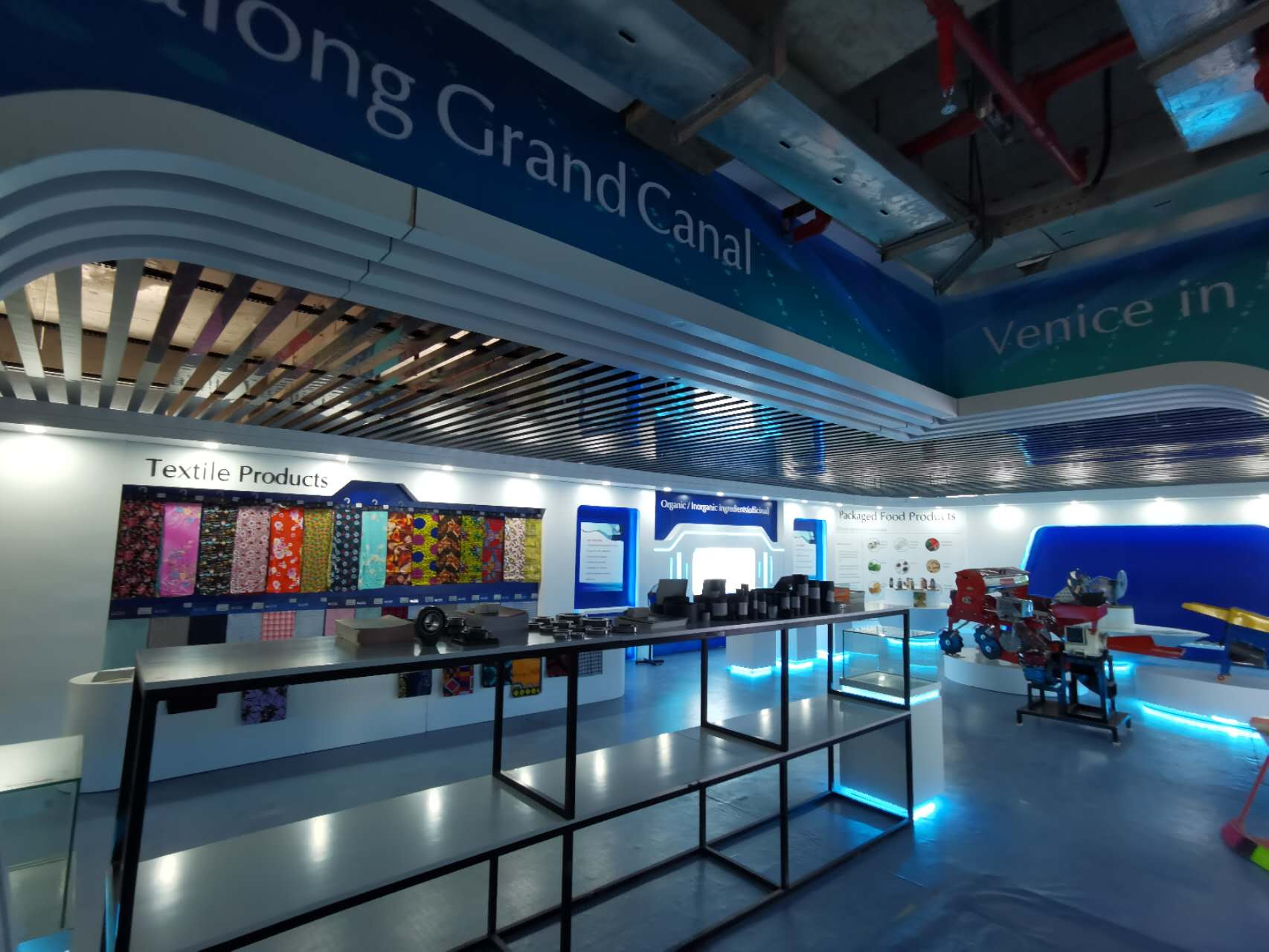
Our cross-border e-commerce exhibition and sales center in the Djibouti International Free Trade Zone, established in 2023, acts as a blueprint for localized logistics services. By combining online digital portals with physical warehouse nodes, the group has streamlined transit times. We apply these same logistics workflows to our European shipments, ensuring Portuguese importers have access to real-time status updates, spare parts databases, and technical manuals.
We welcome physical audits from fleet operators, tourism agencies, and global distributors to inspect our manufacturing and logistics setups.
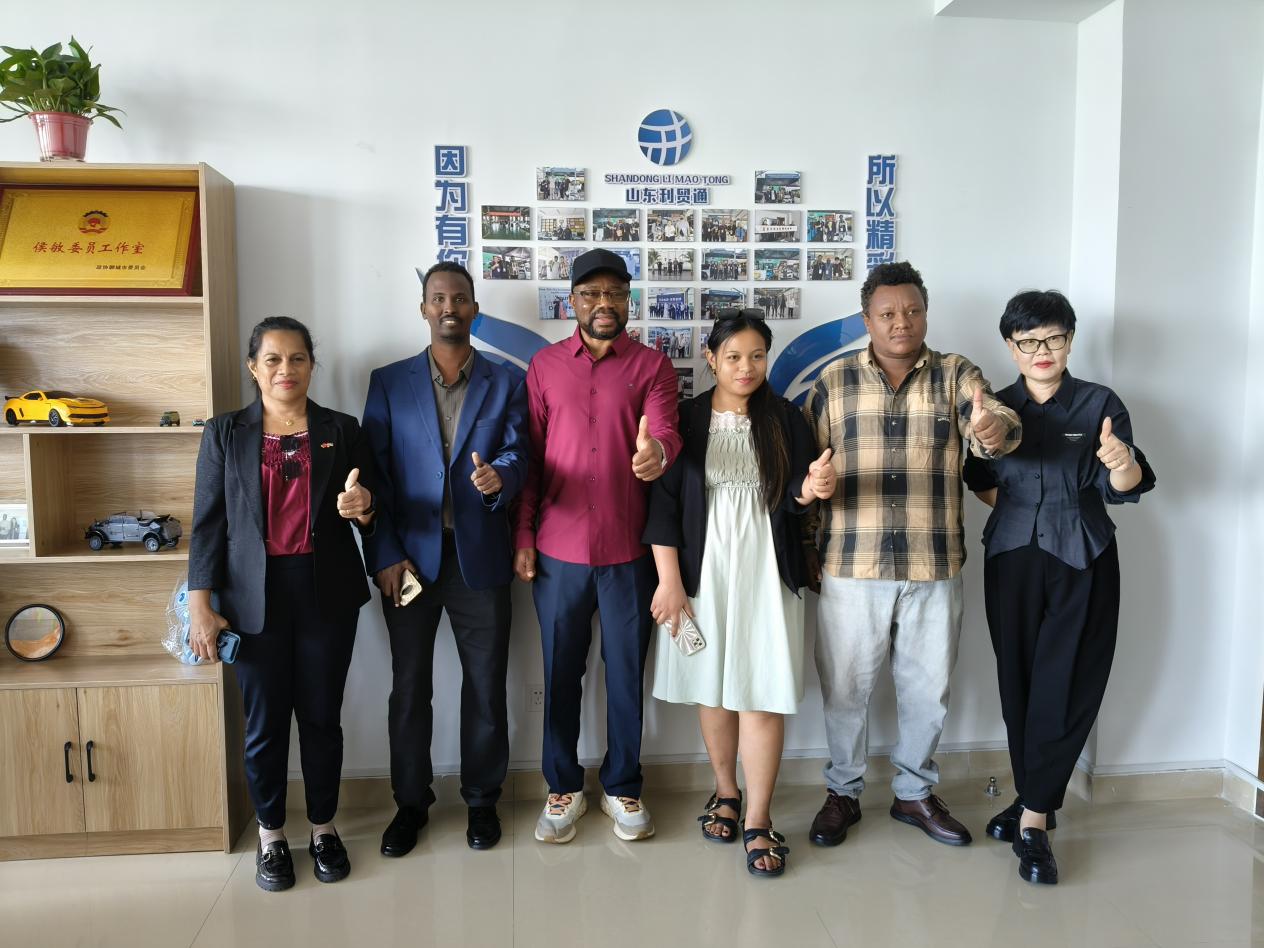
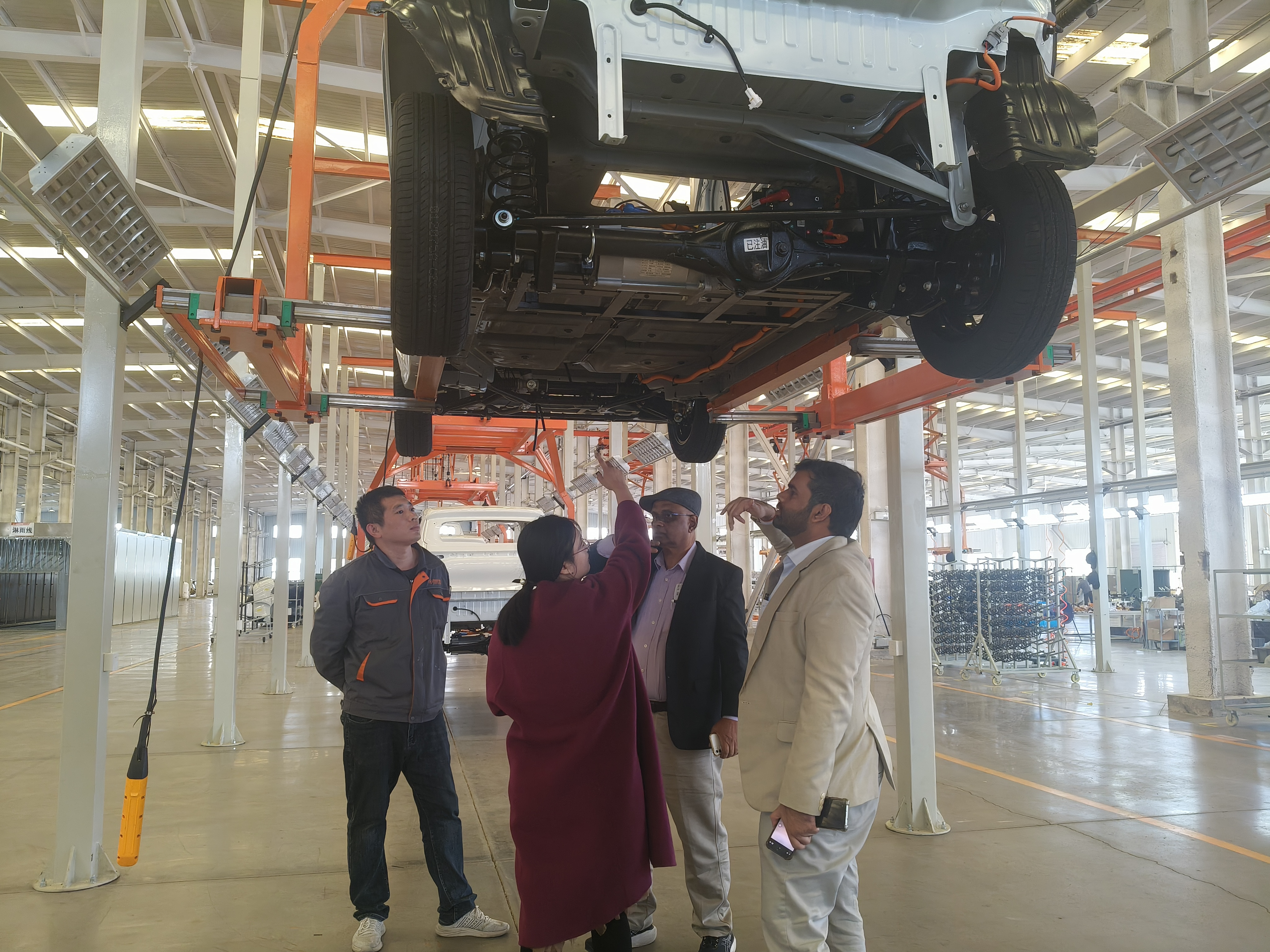
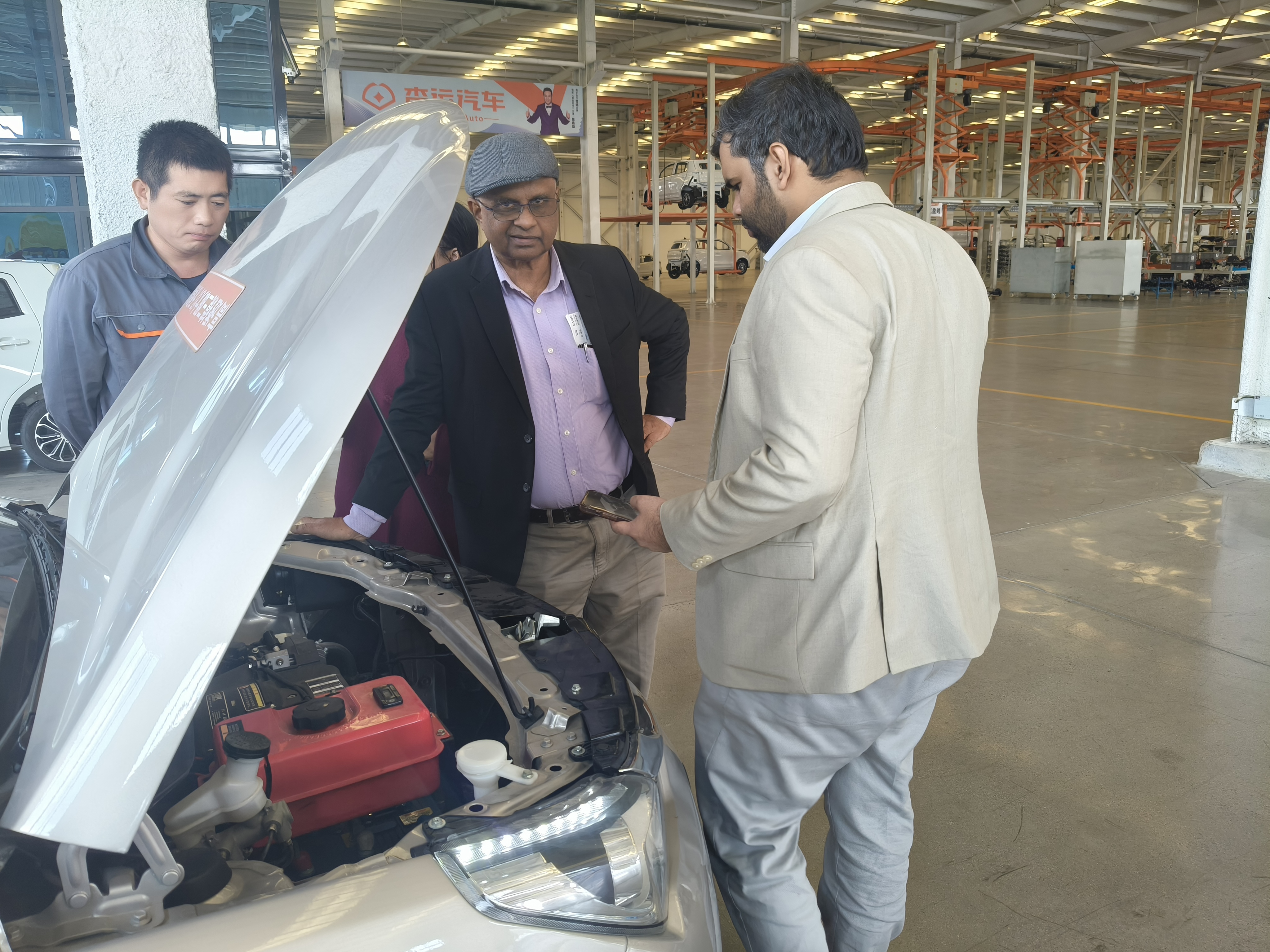
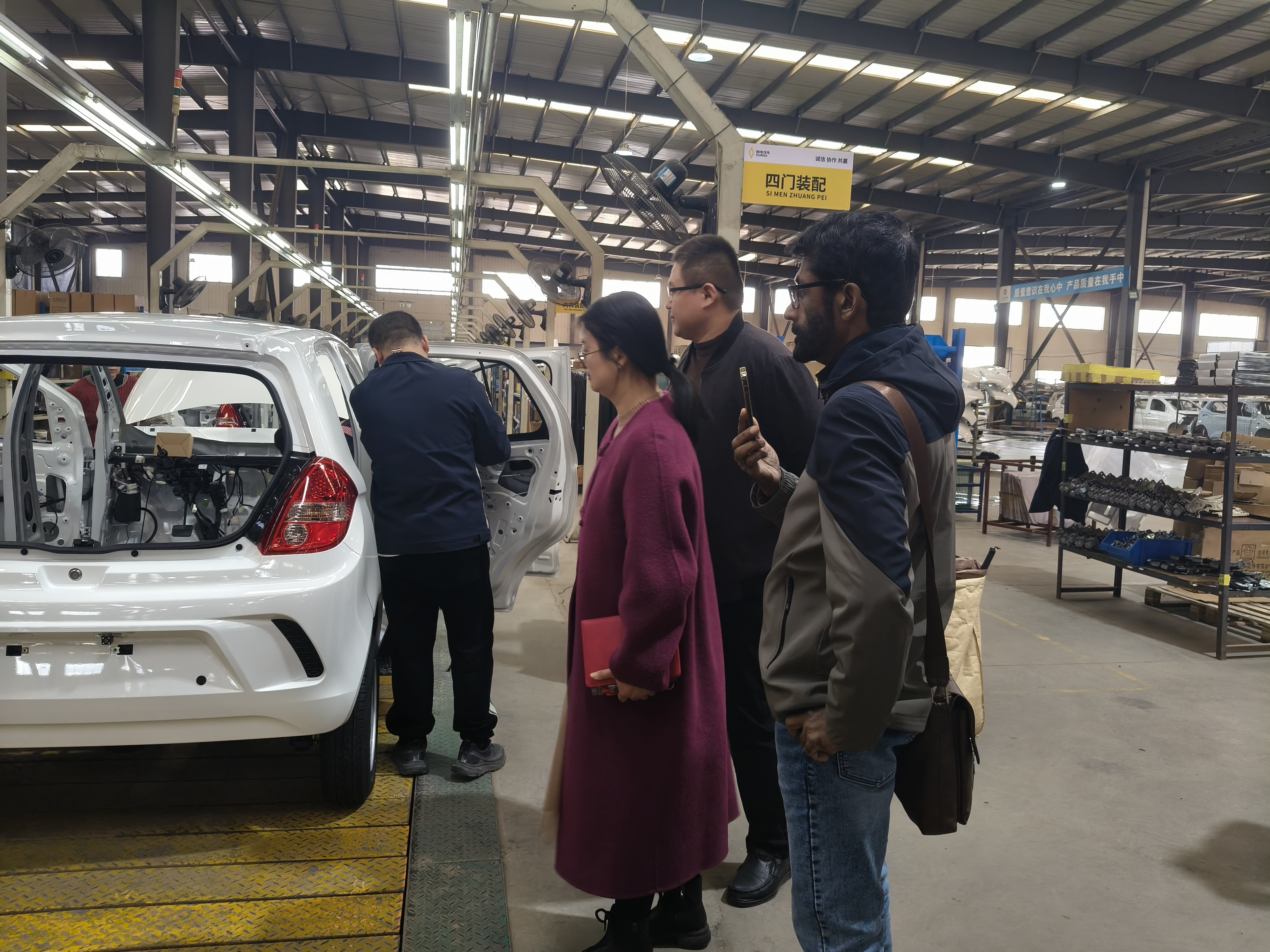

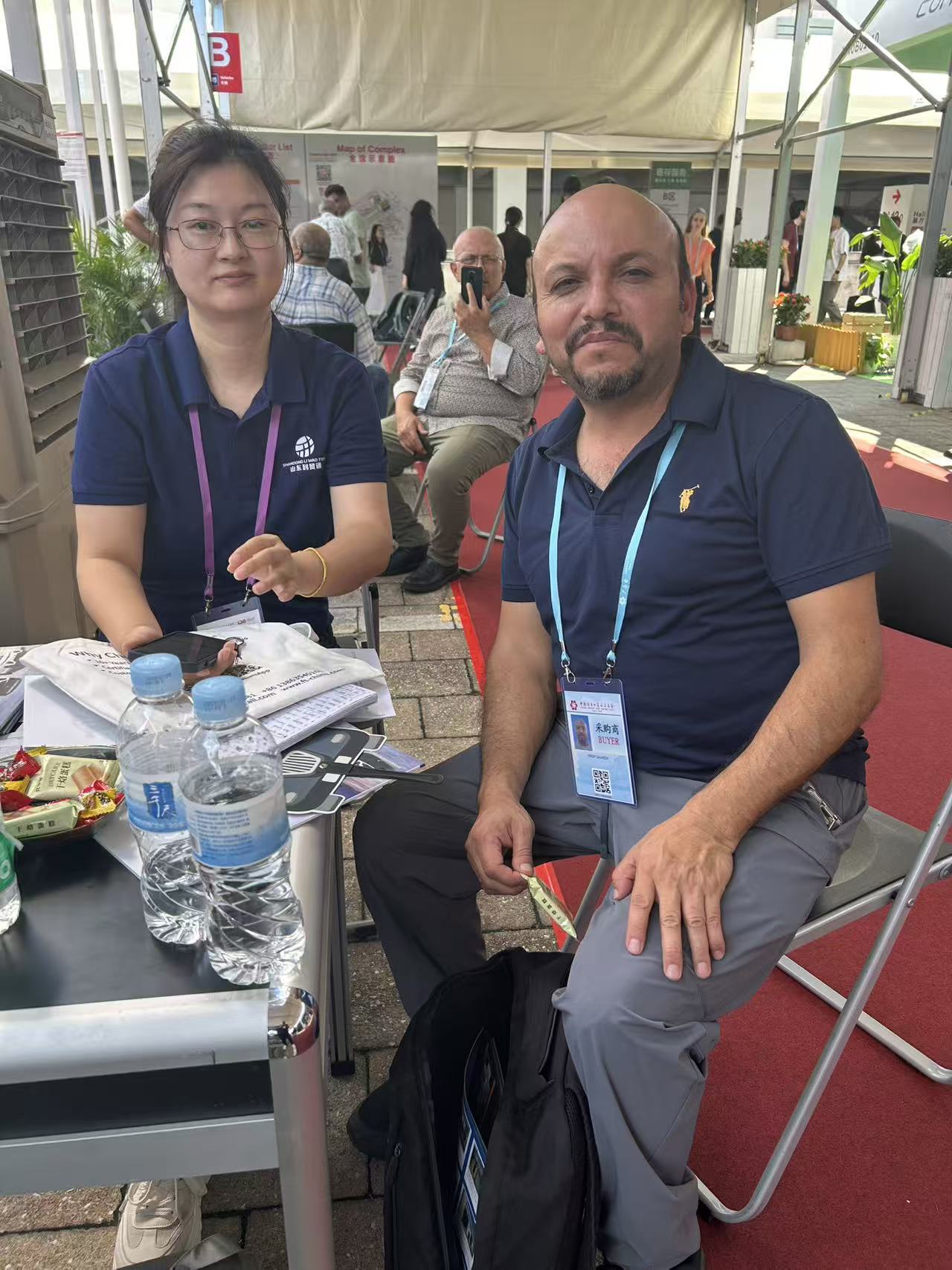
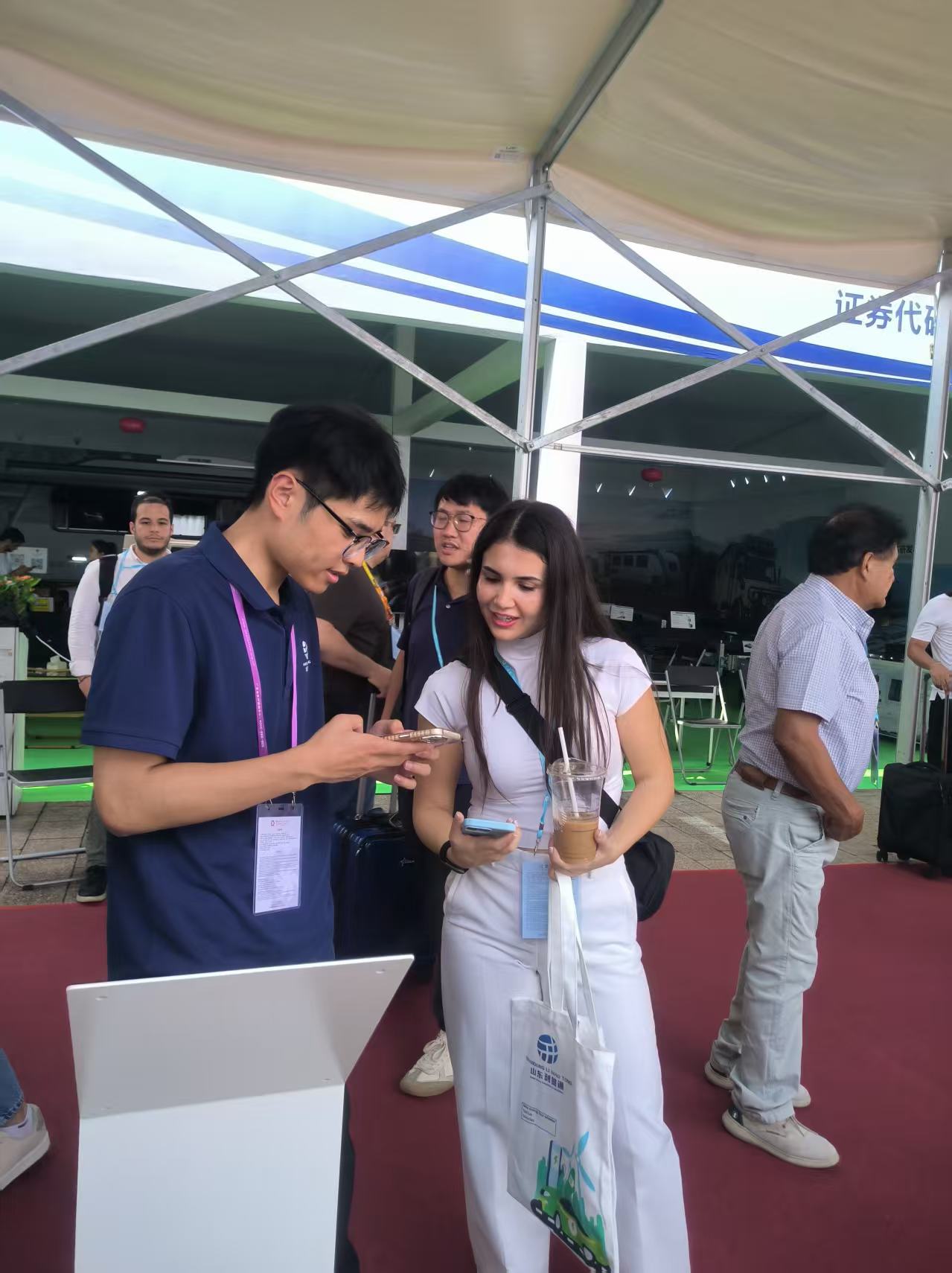
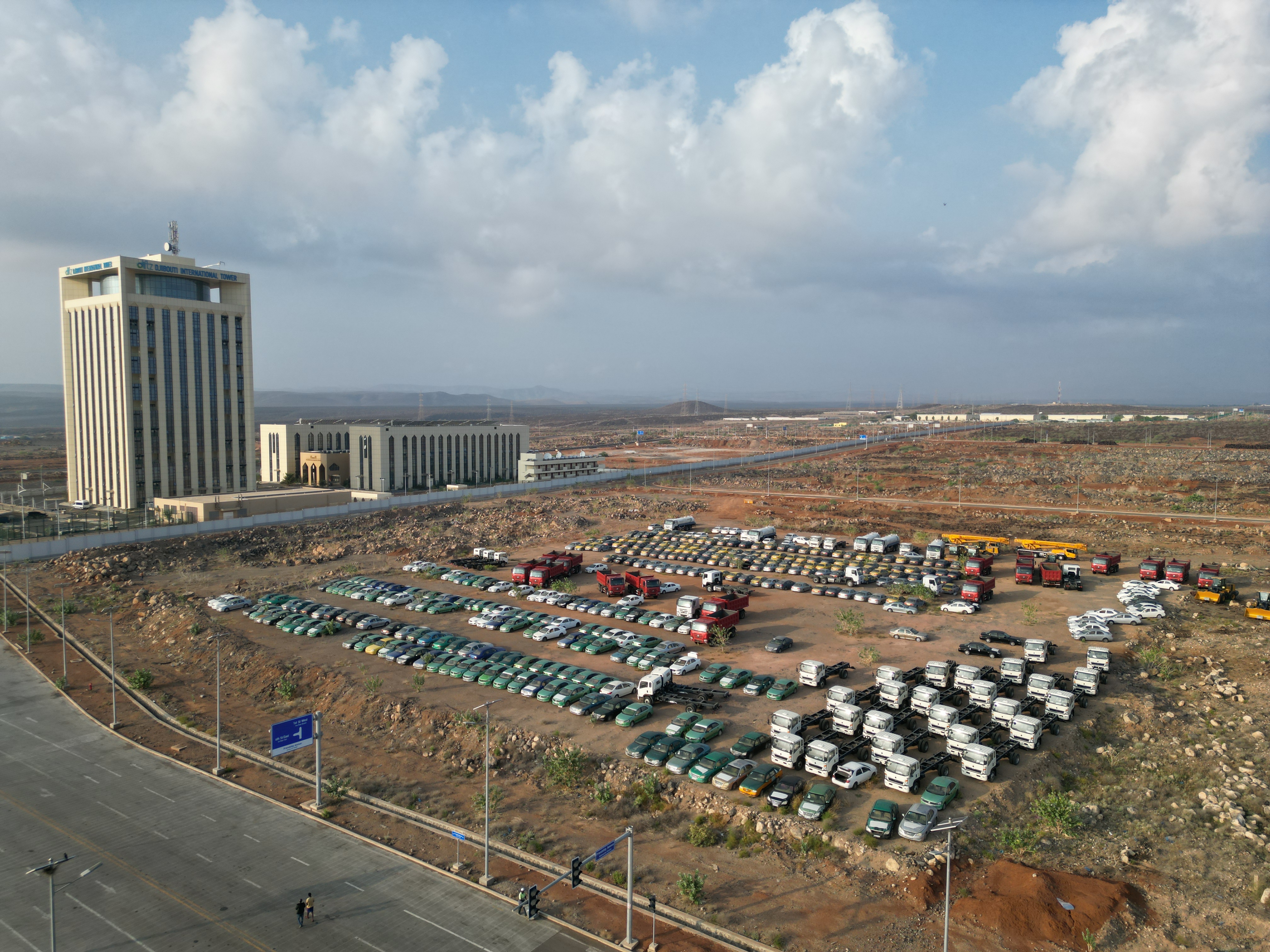
Our international warehouse platform acts as a major link in our global trade routes, combining physical vehicle storage, local technical support, and fast logistics processing. This hub-and-spoke setup serves as the model for our Western European logistics operations, guaranteeing efficient vehicle supply, parts availability, and reliable support for all our importers.
Answers to common regulatory, logistical, and technical queries regarding importing and operating electric vehicle fleets in Portugal.
Yes. All passenger electric vehicles, light commercial trucks, and electric passenger tricycles exported to Portugal are configured to comply with European type-approval standards. We provide Certificates of Conformity (CoC), verify EU battery regulations, and confirm that all safety equipment (brakes, lights, mirrors, and safety glass) matches e-Mark requirements for public road registration inside Portugal.
Vehicles are loaded at China's major deep-water ports (such as Qingdao or Shanghai) and shipped directly to the Port of Sines or the Port of Lisbon. The maritime transit time generally ranges from 30 to 40 days. We provide comprehensive export customs documentation, bill of lading, commercial invoices, packing lists, and Certificate of Origin documents to simplify the local customs clearance process.
Absolutely. To address the steep urban terrain in cities like Porto, Coimbra, and Lisbon, we can equip passenger and cargo tricycles with high-torque traction motors, specialized low-gear transmissions, and reinforced dual-circuit hydraulic braking systems. Battery capacities can also be adjusted (up to 530km for SUV models) to match the route profile of your business.
We offer direct support options, including supplying complete spare parts packages (electronics, tires, body panels, glass, and replacement battery packs) shipped alongside your primary vehicle order. For high-volume fleet operators, we also offer training for maintenance teams and provide digital diagnostics software.
 Limaotong