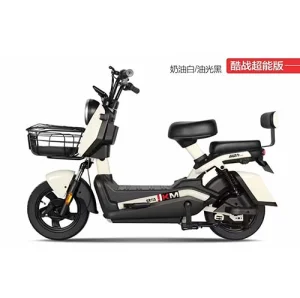
Explore our core range of advanced solar and battery-powered mobility units configured for rapid deployment in Peru.
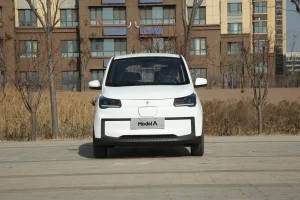
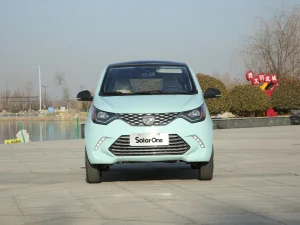
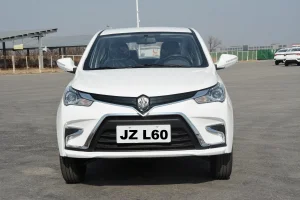
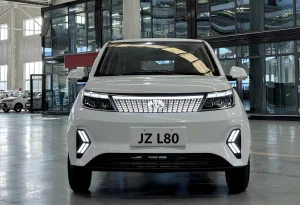
An in-depth white-paper analysis of Peru's logistical landscape, regulatory changes, and transition to electric drivetrains.
Peru is undergoing a structural transformation in its urban transportation and industrial fleets. Led by mandates in metropolitan Lima, Arequipa, and Trujillo, the Peruvian Ministry of Energy and Mines (MINEM), in partnership with the Ministry of Transport and Communications (MTC), is aggressively promoting electric mobility. Executive Decree N° 014-2021-EM has laid down the regulatory framework, setting ambitious targets to slash greenhouse gas emissions by 40% by 2030.
Unlike other Latin American nations with mature rail networks, Peru relies heavily on road networks. Consequently, the commercial transport sector, mining shuttle operations, and last-mile urban logistics account for a massive chunk of carbon emissions. Industrial buyers and commercial operators are transitioning to micro-EVs, mini electric passenger cars, and light-duty electric delivery vehicles to bypass volatile diesel prices and benefit from local tax breaks.
- IGV (Impuesto General a las Ventas) Relief: Active legislative proposals aim to drop the 18% sales tax for zero-emission commercial vehicles.
- Green Charging Corridor: Enel X and Luz del Sur are expanding the domestic EV charging grid along the Pan-American Highway, connecting major economic zones.
- Operational Savings: B2B fleet transition estimates show up to a 60% reduction in maintenance overheads compared to traditional combustion engines.
Operating electric fleets in Peru presents unique geographical challenges. Urban centers like Cusco, Huancayo, and Cerro de Pasco sit at elevations ranging from 3,300 to over 4,300 meters above sea level. Standard internal combustion engines (ICE) suffer up to a 30% loss in power efficiency due to low air pressure. In contrast, electric powertrains maintain 100% torque output regardless of altitude.
However, thermal management of batteries at cold high-altitude temperatures and heavy structural stress on steep inclines demand rugged engineering. Our heavy-duty electric chassis, regenerative braking setups (which capture kinetic energy during downhill mountain descents), and high-capacity battery packs are built to survive these extreme conditions.
International corporate buyers look for several essential components when evaluating EV suppliers for the South American market:
1. MTC Homologation Compliance: All vehicles must hold valid type-approvals issued by Peru’s Ministerio de Transportes y Comunicaciones (MTC).
2. Adaptable Charging Interfaces: Compatibility with Type 2 (Mennekes) and CCS Combo 2 charging plugs, aligning with national grid standards.
3. Chassis Durability: Reinforced steel suspensions and protective undercarriages to withstand unpaved secondary roads.
4. Direct After-Sales Infrastructure: Access to replacement batteries, motor controllers, and local technical training.
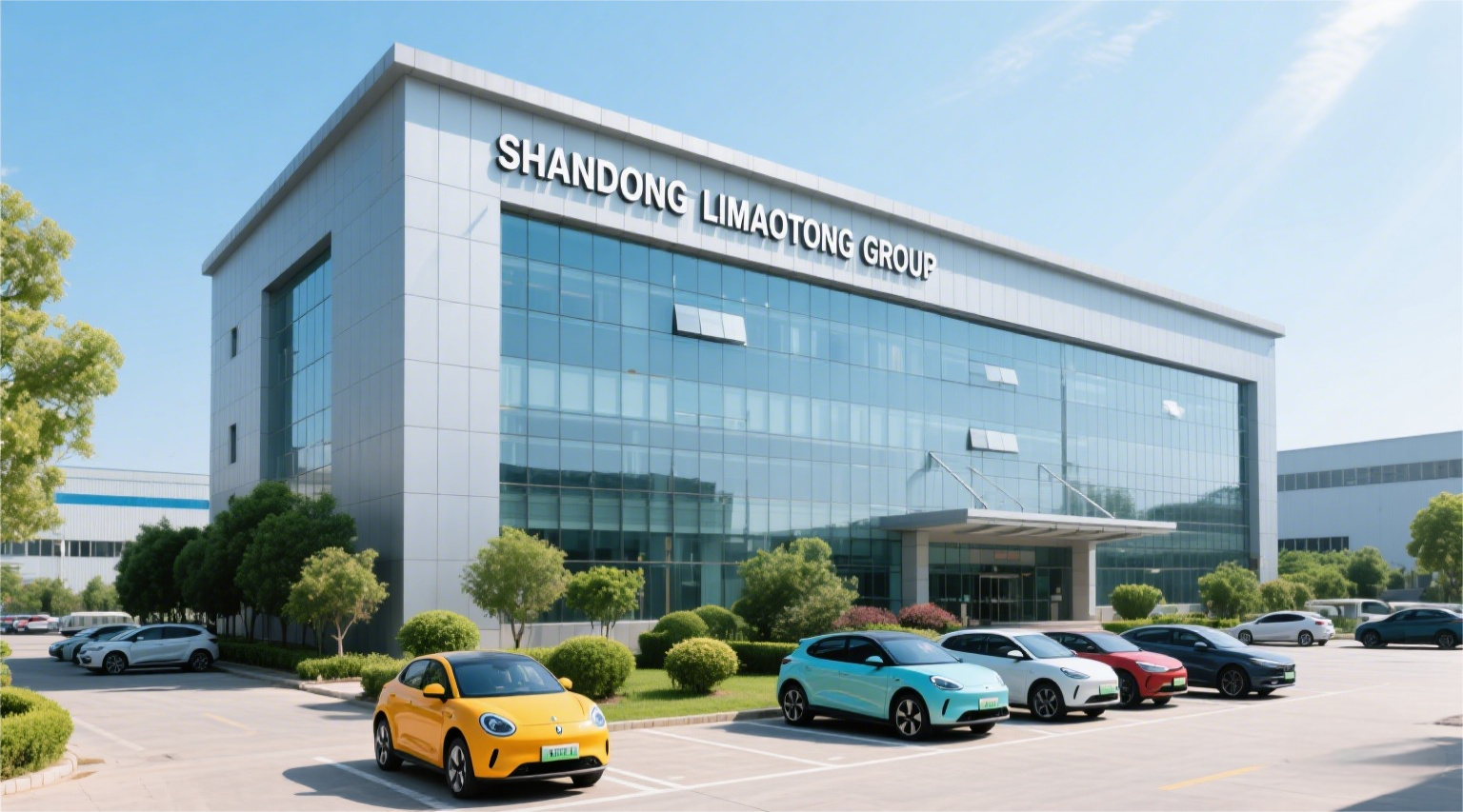
Shandong Li Mao Tong Group is a globally recognized manufacturer and supplier of top-tier electric vehicles, mini electric cars, transport passenger trikes, and customized fleet configurations. Our products serve businesses and families in over 120 countries, establishing a footprint powered by 8 international manufacturing hubs.
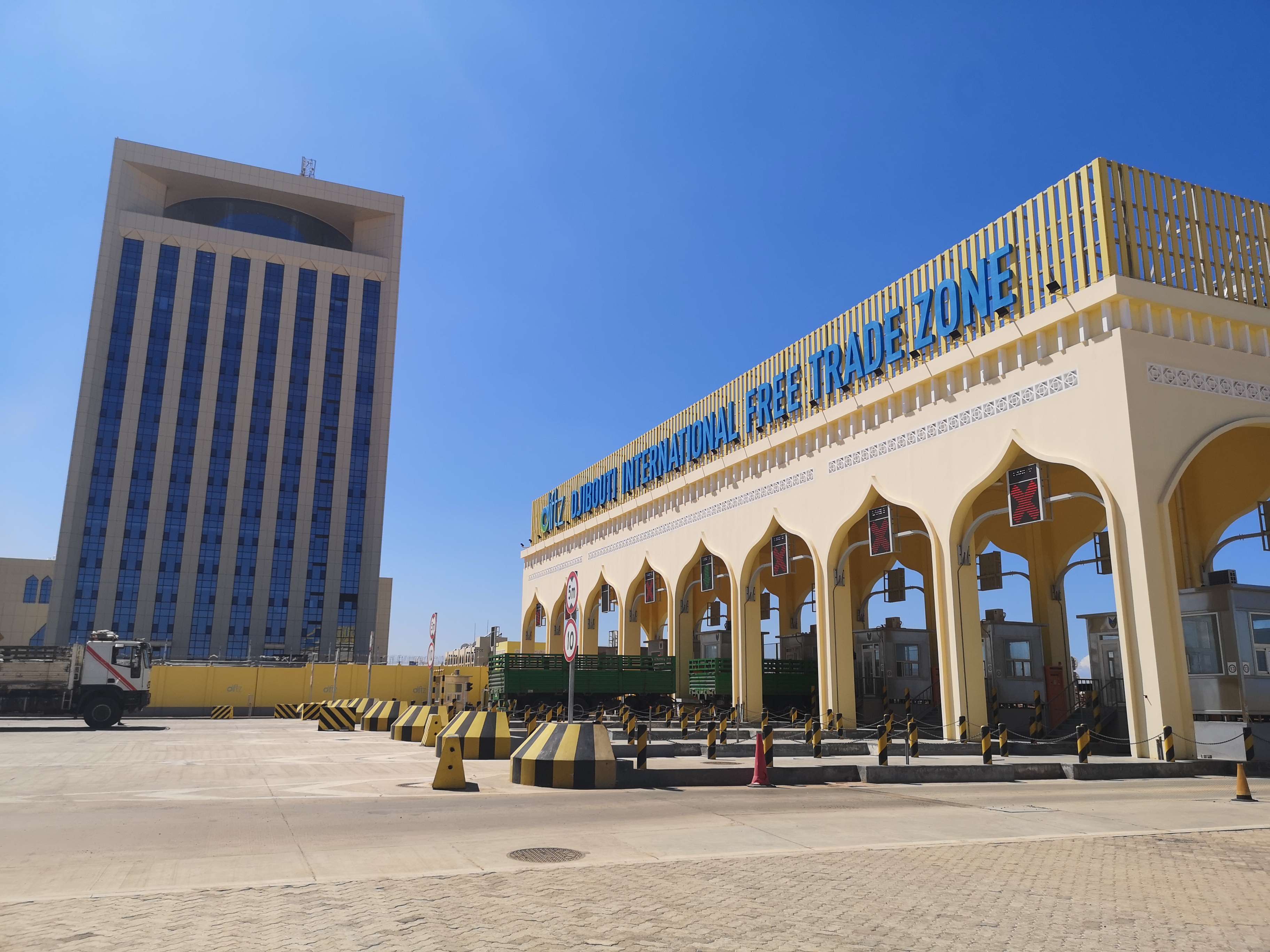
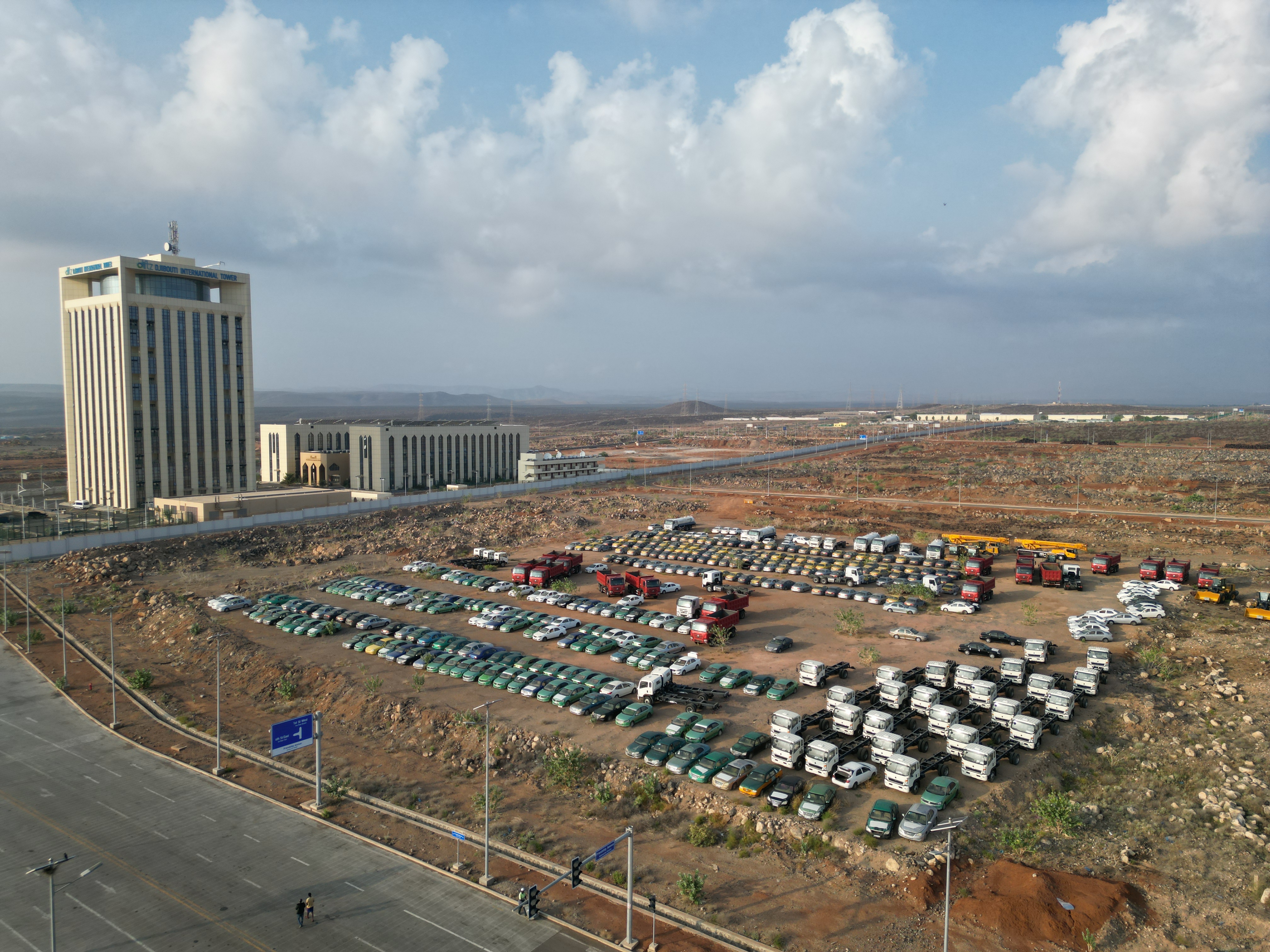
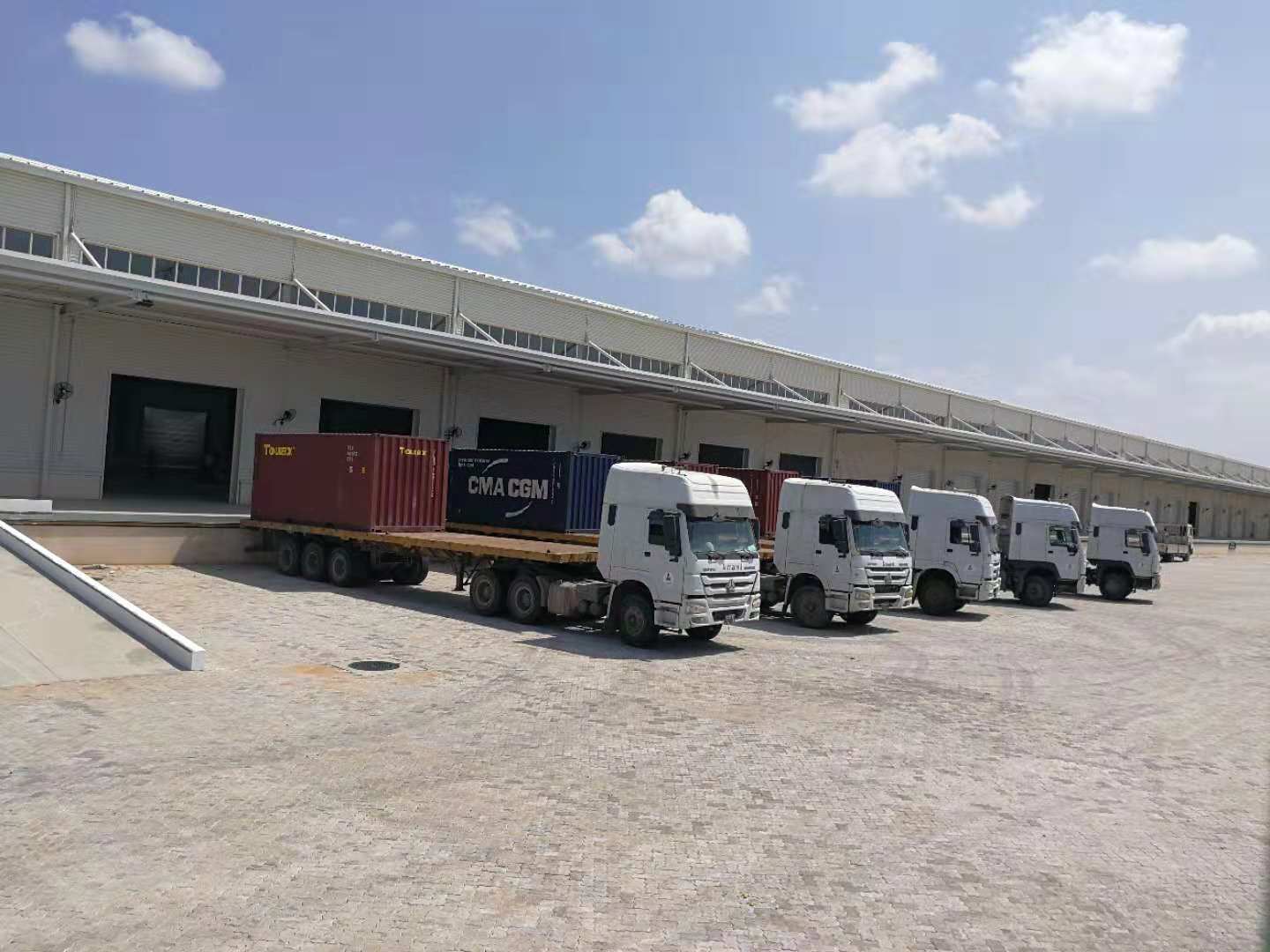
Recognizing the hurdles of global logistics, we run integrated cross-border logistics systems alongside regional hubs—such as our modern logistics base in East Africa’s Djibouti International Free Trade Zone. We are fully prepared to assist Peruvian importers with customs, vehicle assembly knock-down kits (CKD/SKD), and dedicated after-sales part supply networks.
Our operational capabilities ensure consistent delivery of zero-emission fleets across Peru's major logistics hubs.
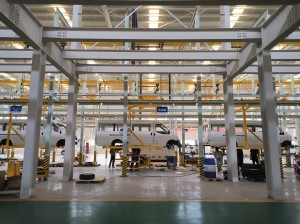
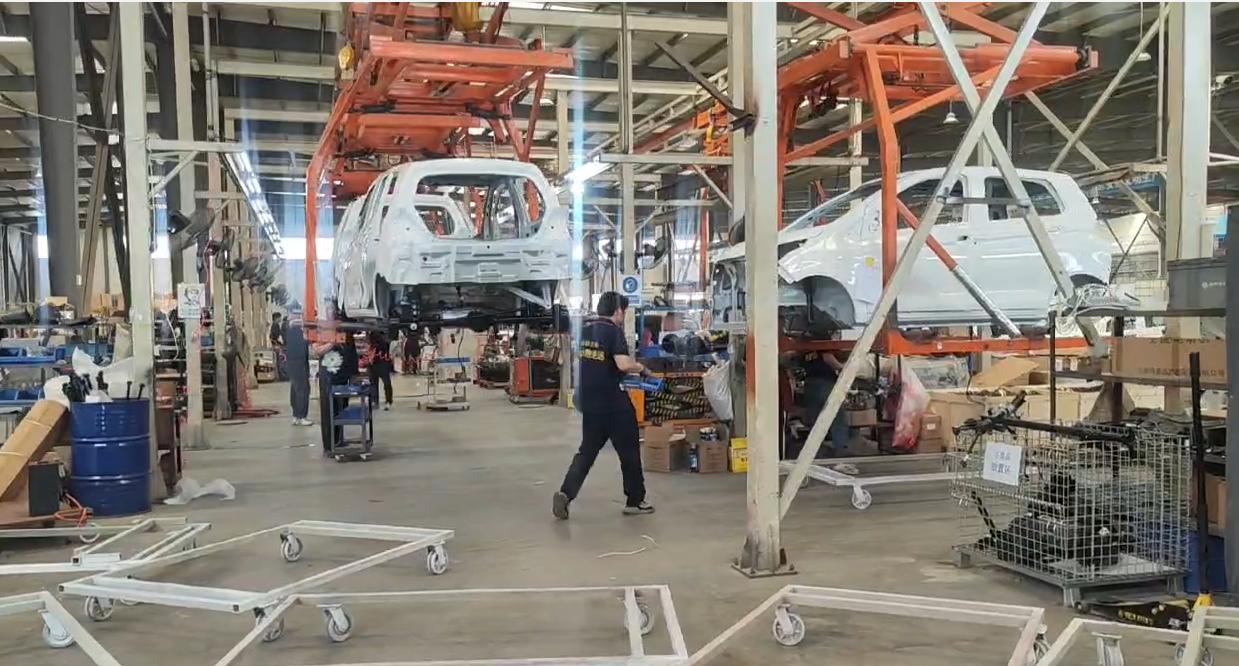
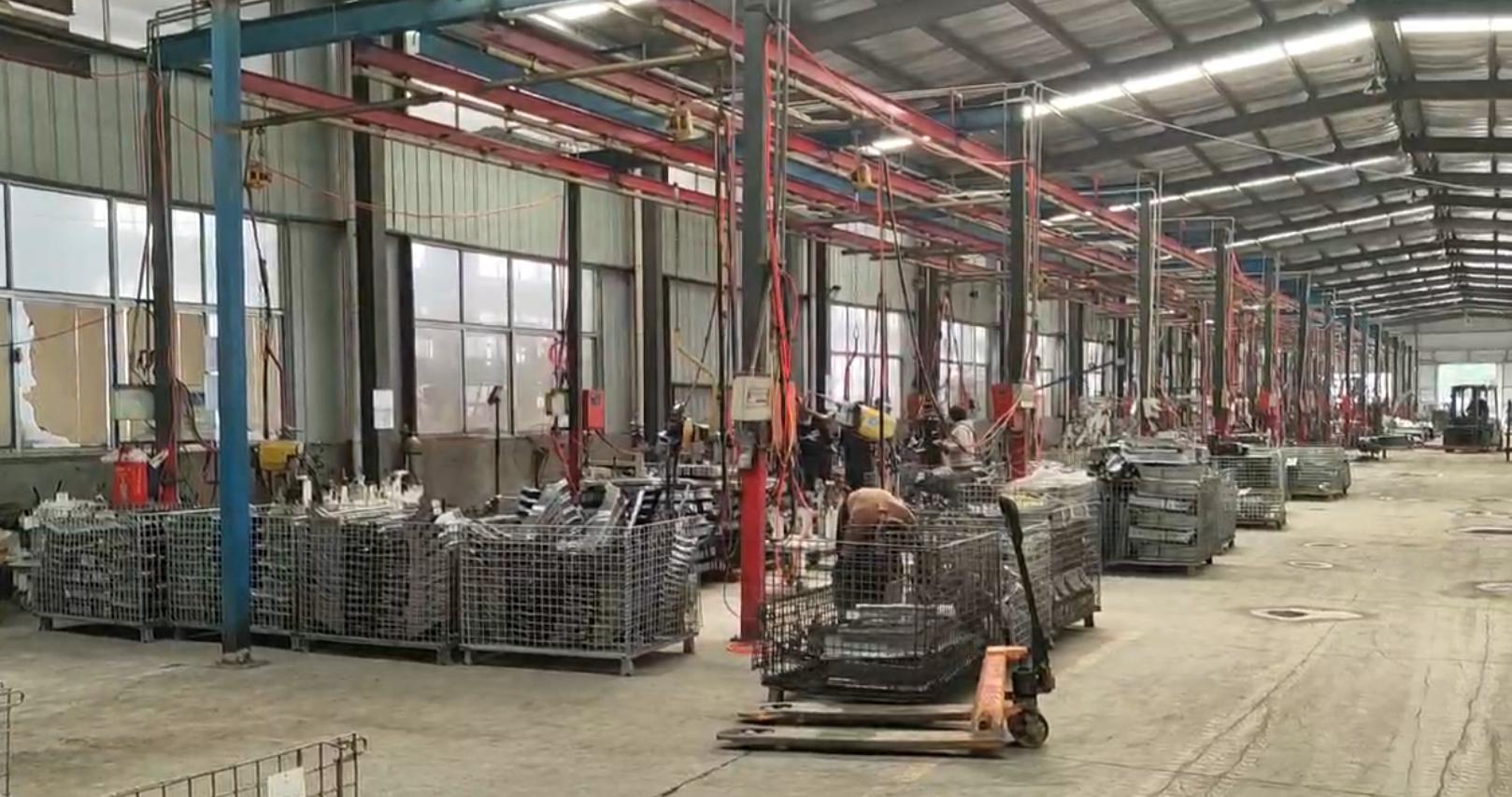
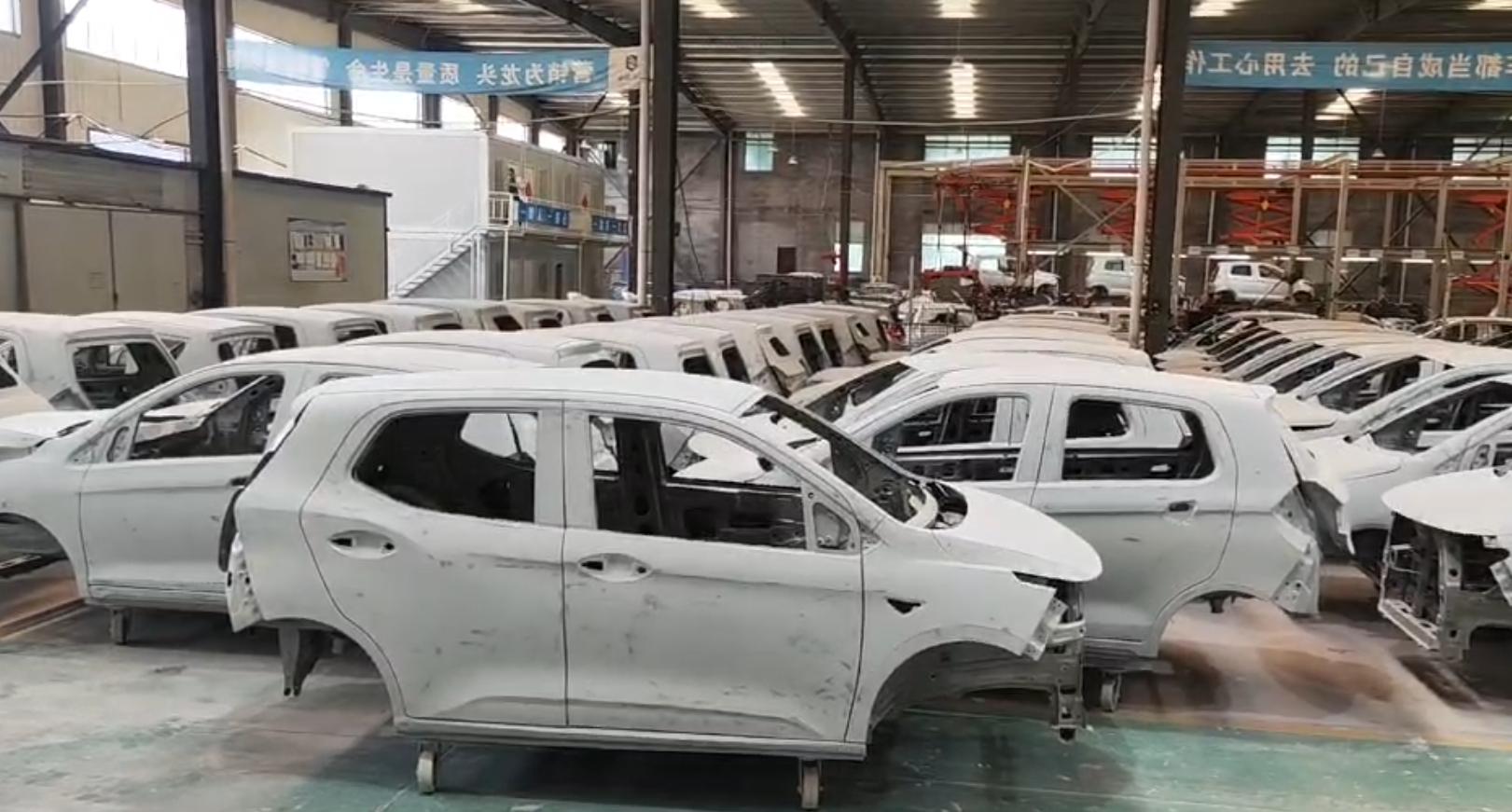
Take a closer look at our quality assurance workflows, robotic welding lines, and rigorous product testing facilities.
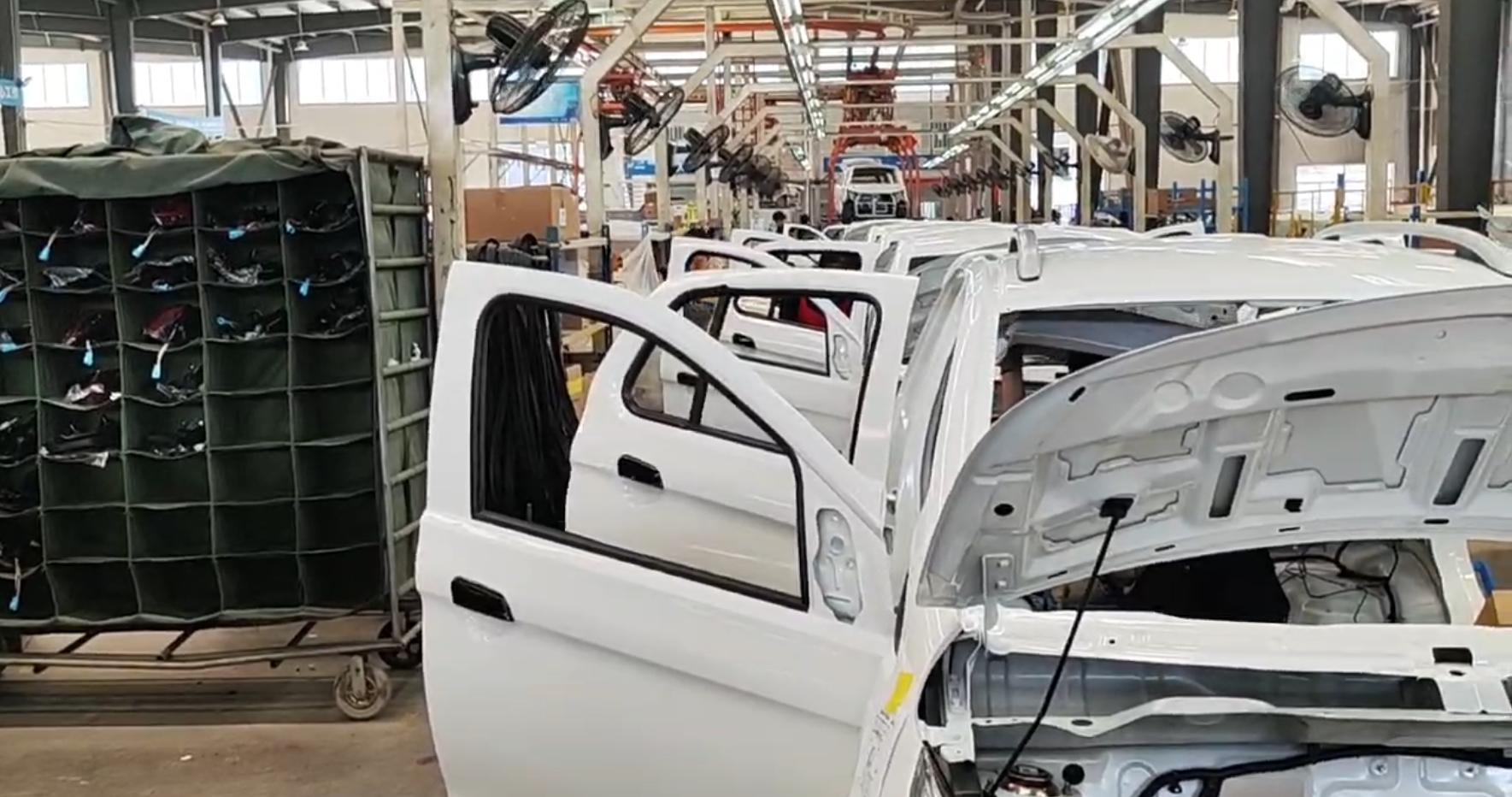
At the center of our vehicle design is our proprietary LFP (Lithium Iron Phosphate / LiFePO4) battery chemistry. Unlike ternary lithium configurations, LFP batteries offer superior safety, thermal stability, and extended cycle life (exceeding 3,000 charge-discharge cycles at 80% Depth of Discharge). This is especially critical for Peruvian industrial and mining users operating under high-voltage quick-charging cycles in demanding climates.
Furthermore, we incorporate advanced battery pre-heating tech to keep energy discharge stable in the cold highlands of Peru. During downhill runs, our intelligent regenerative braking setups feed power back into the battery pack, extending real-world driving range by up to 15% on steep routes.
As a leading exporter, we provide comprehensive OEM/ODM custom solutions tailored for Latin American procurement managers. We can alter motor configurations (from 3kW up to 50kW), configure steering systems for right- or left-hand drive preferences, and adapt body dimensions for municipal urban distribution. We offer support for completely knocked-down (CKD) kits, enabling local assembly plants to minimize import taxes and scale operations efficiently.
Forging long-term partnerships with logistics companies, municipal transport authorities, and overseas importers.
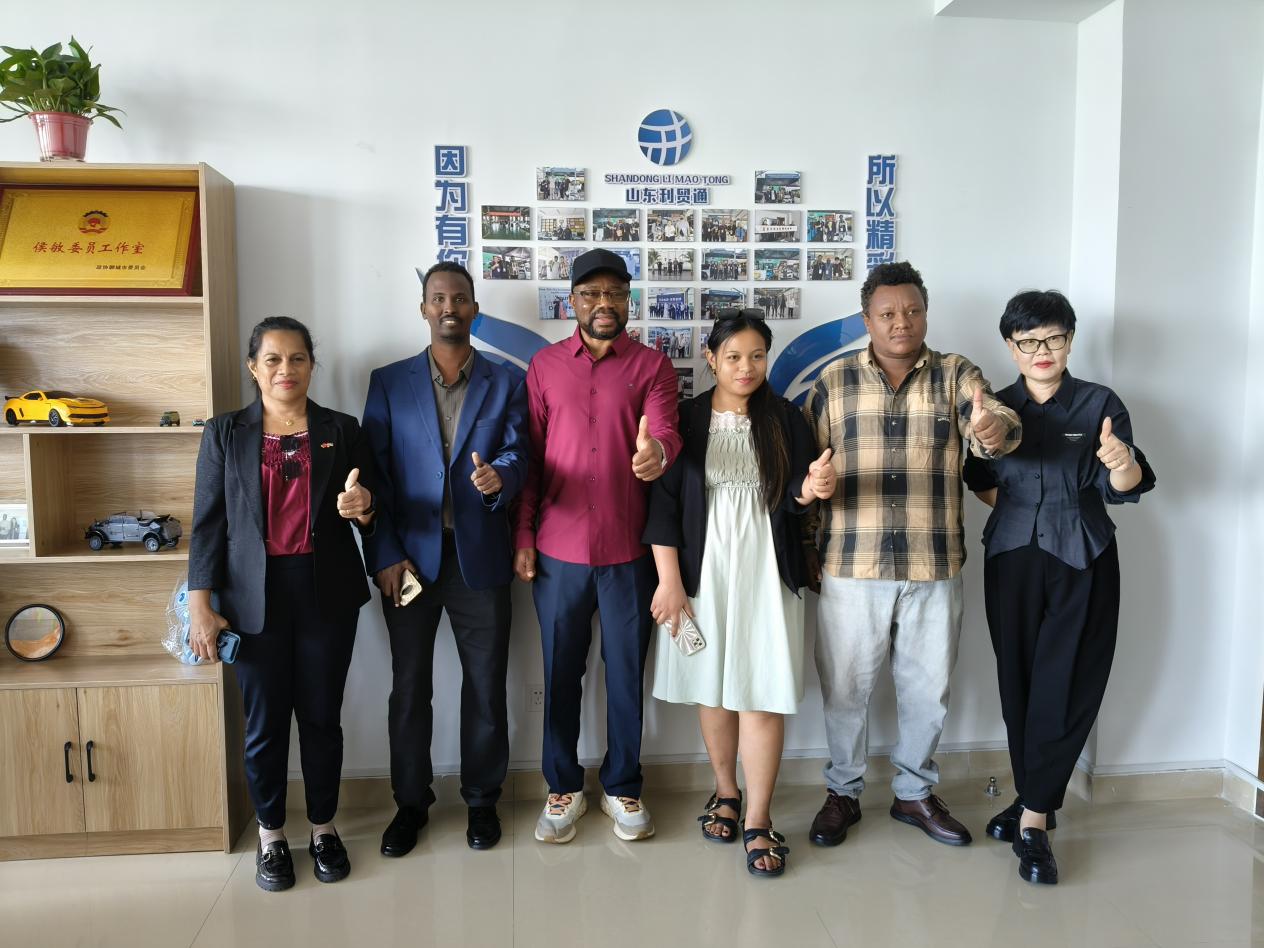
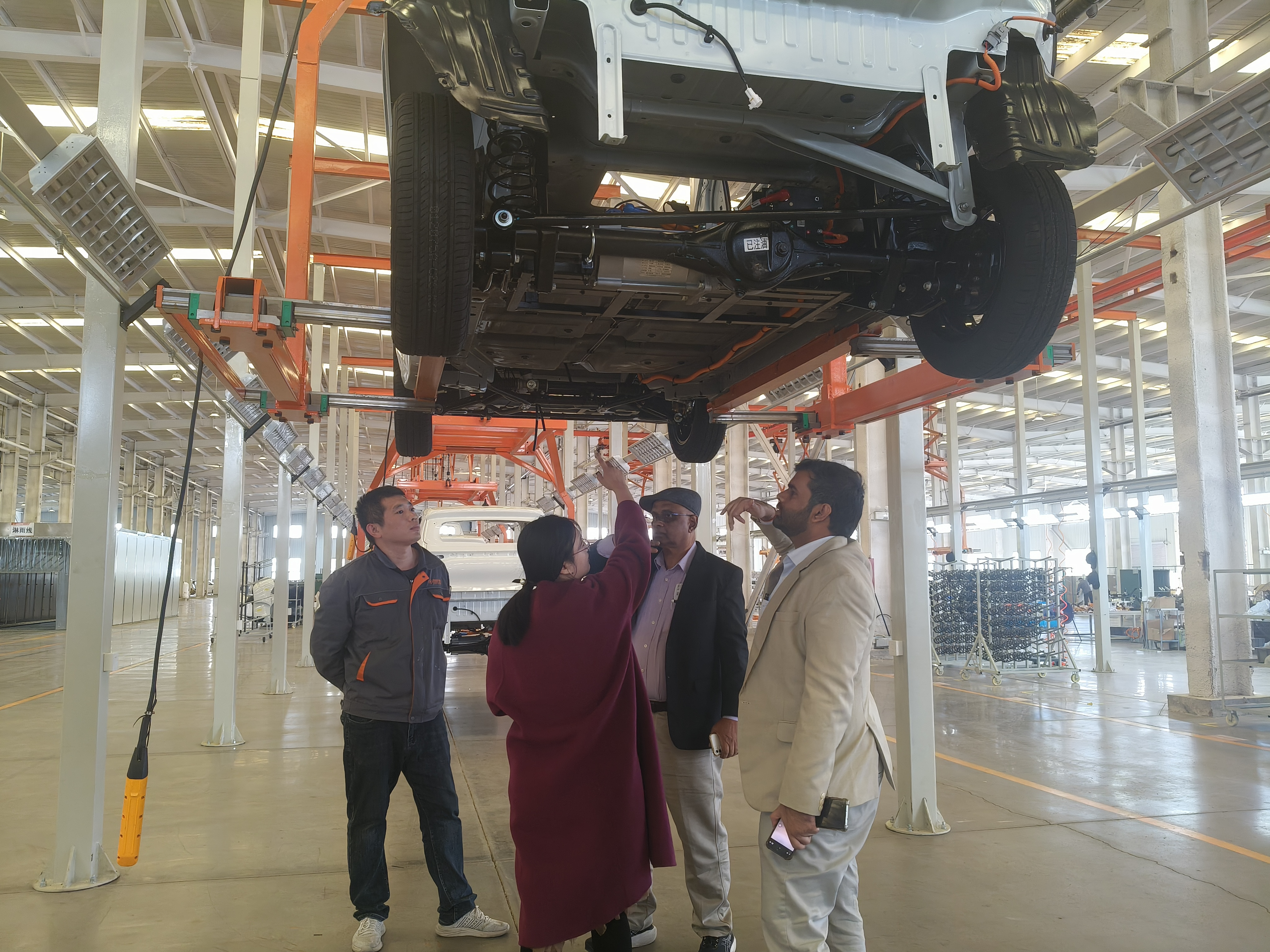
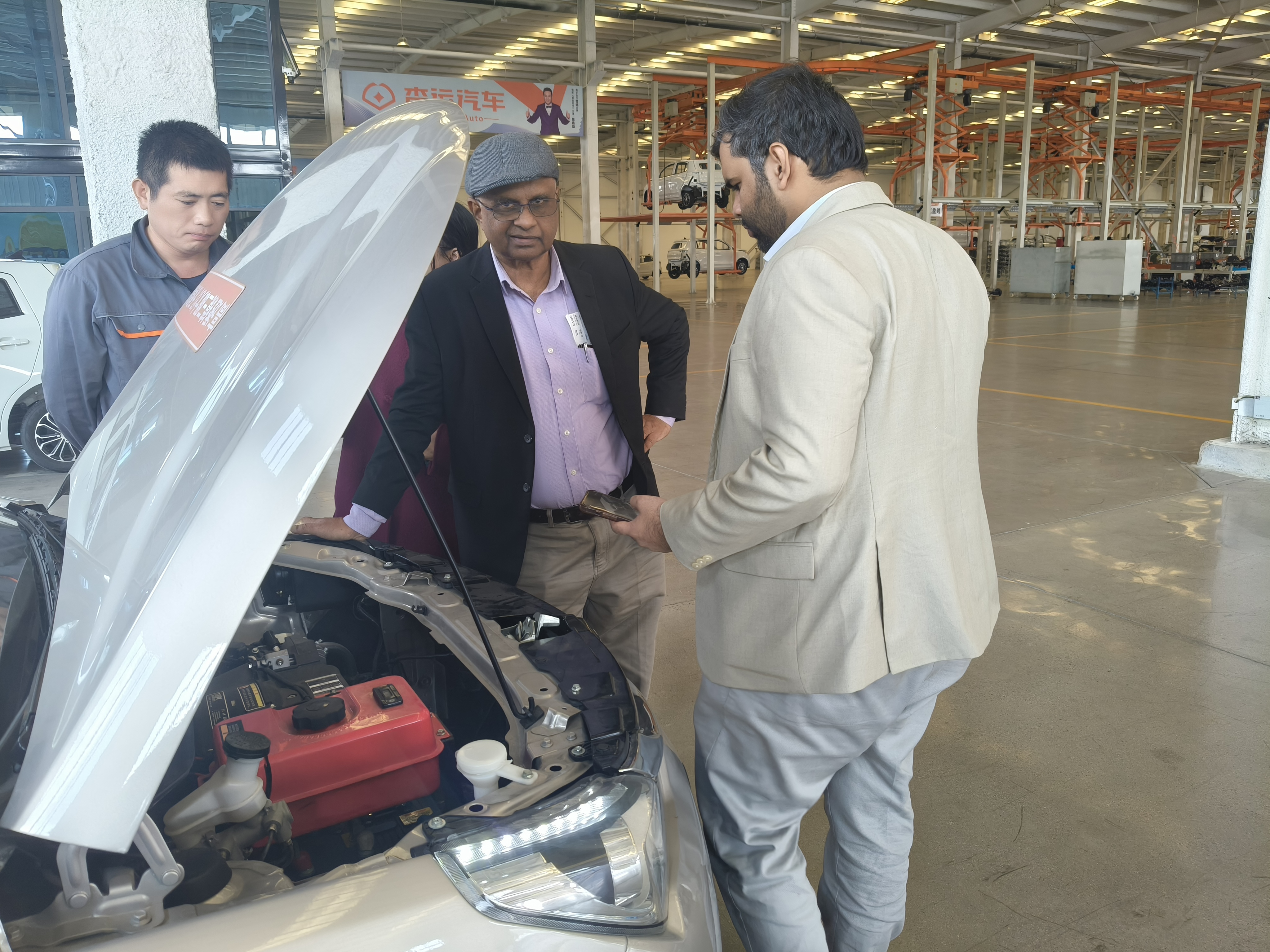
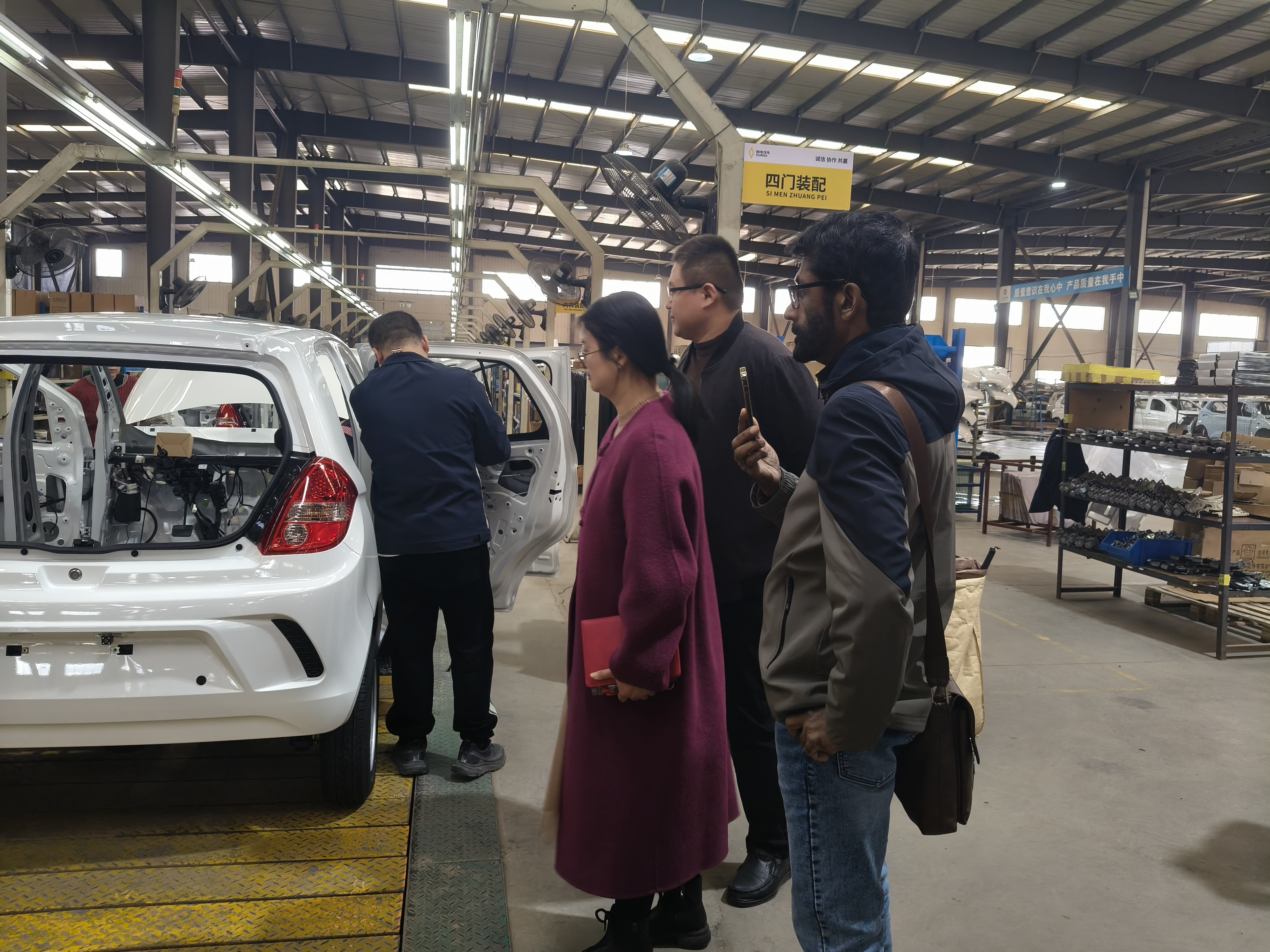
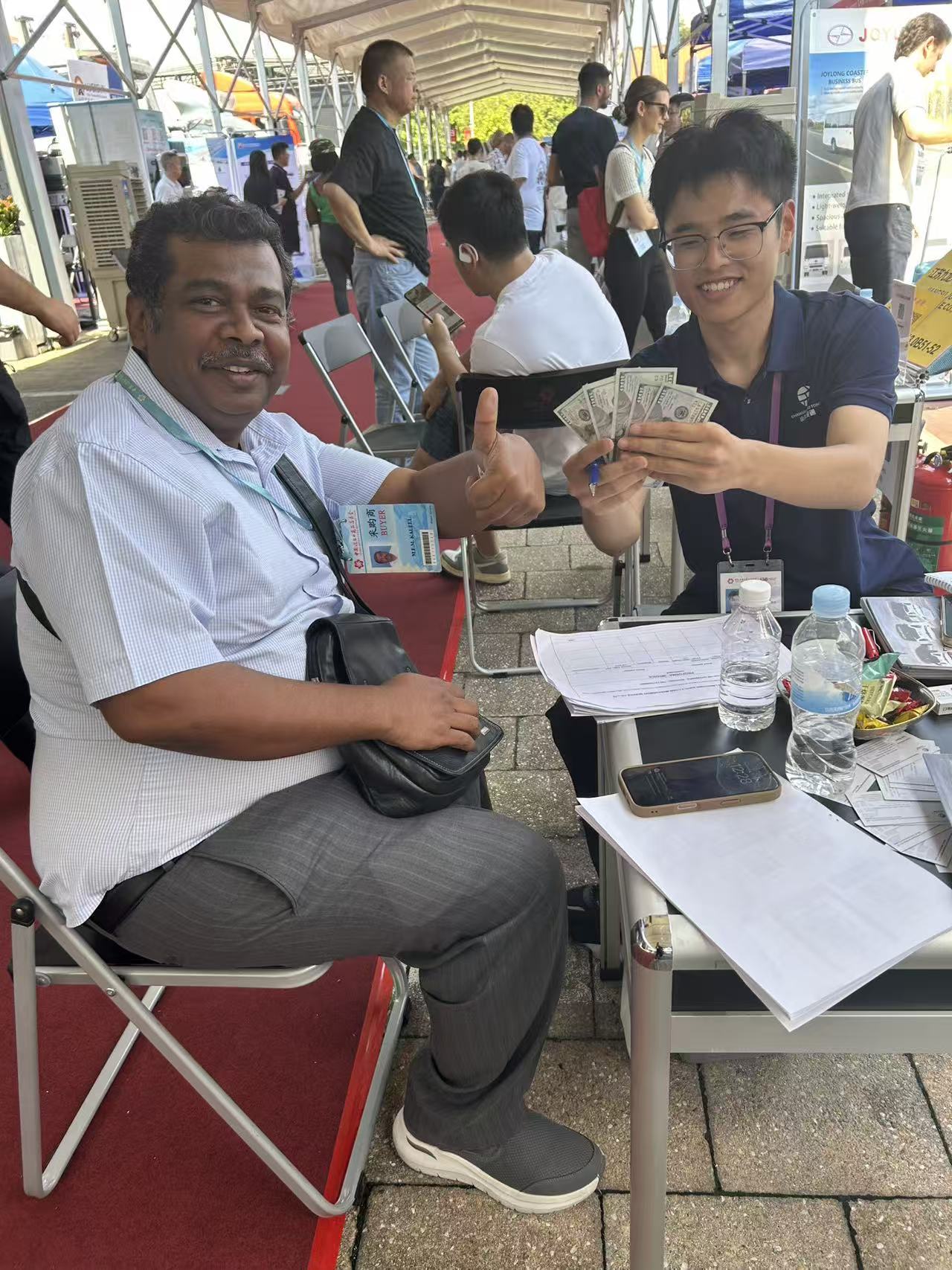
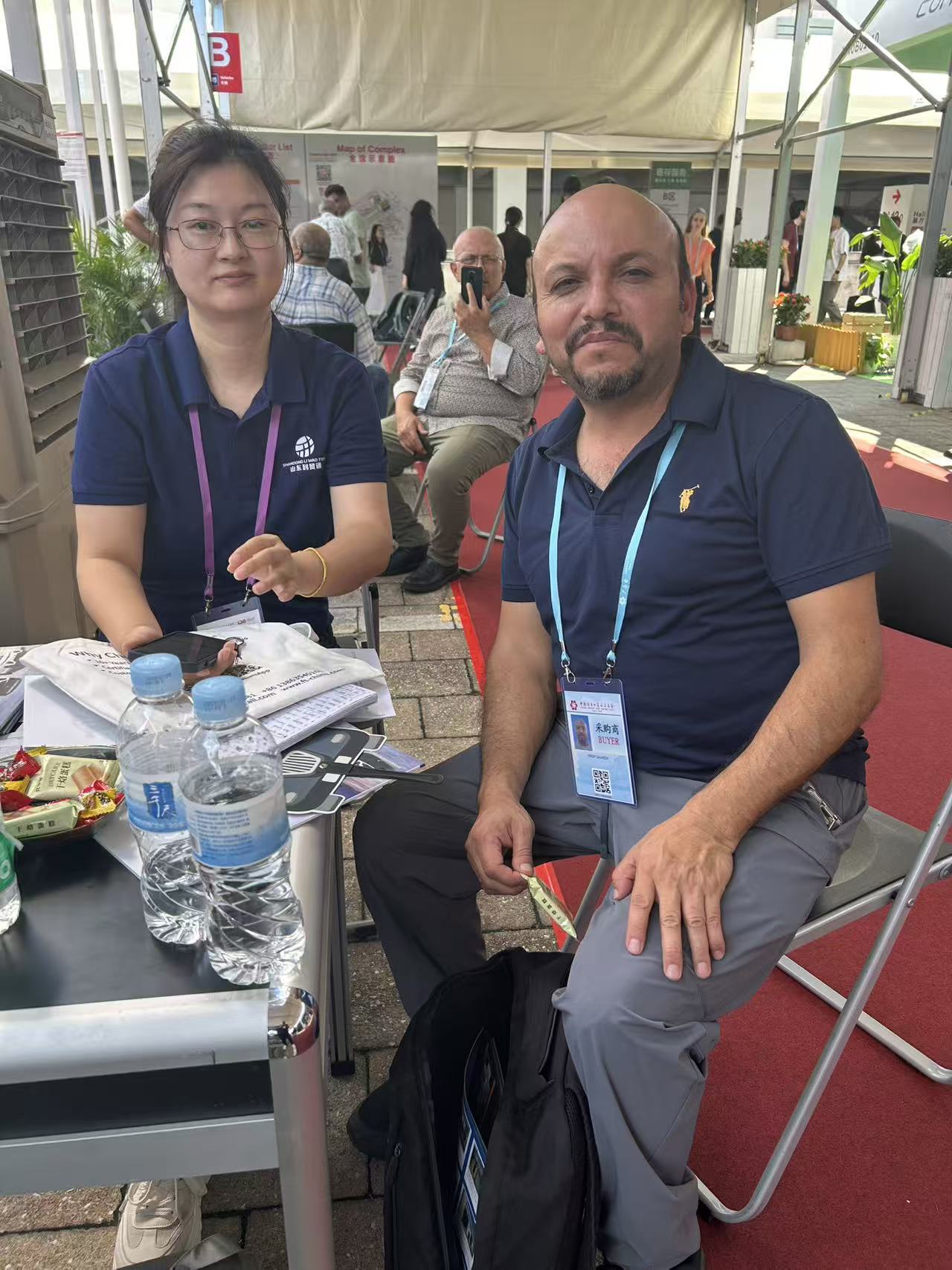
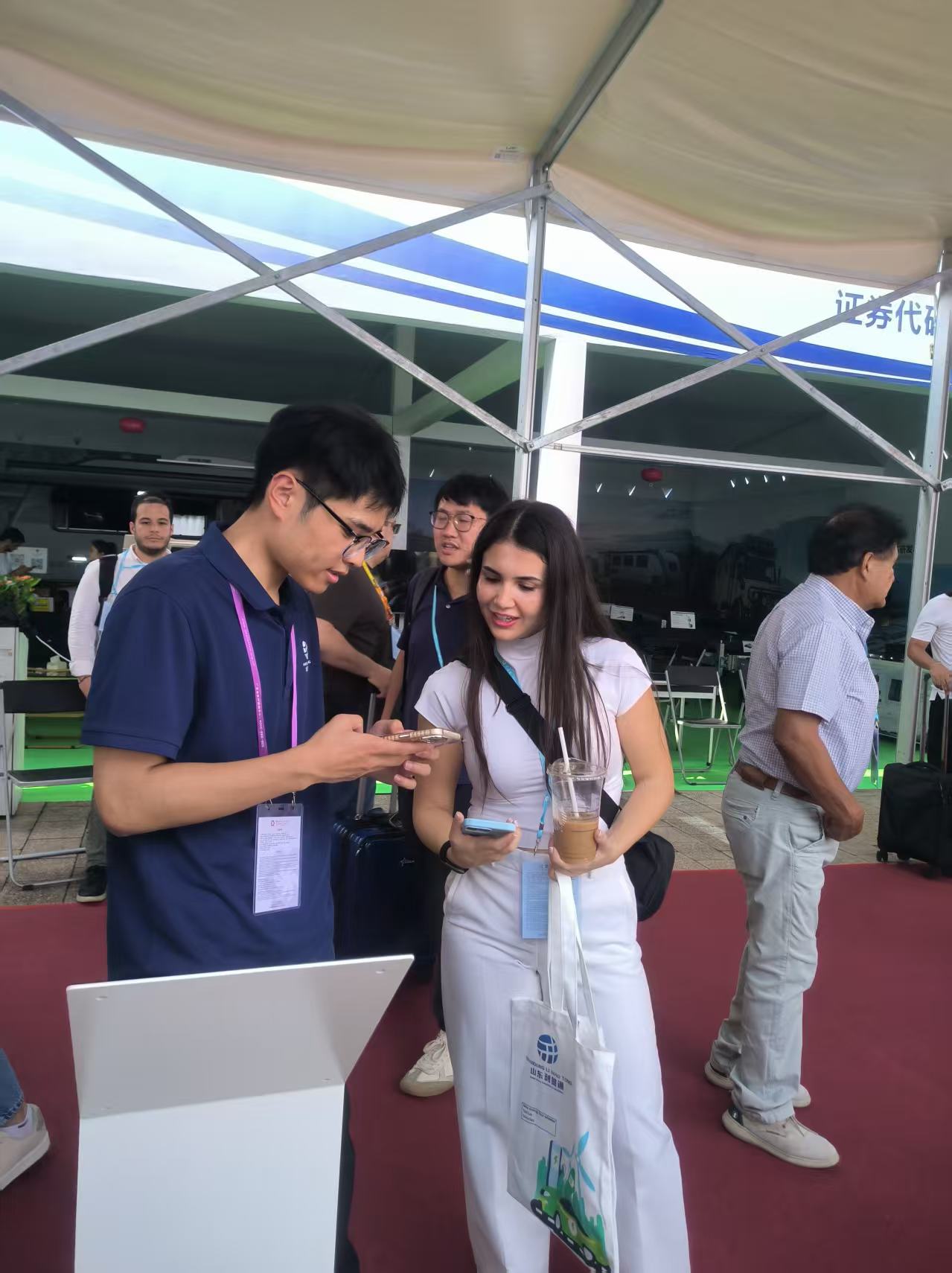
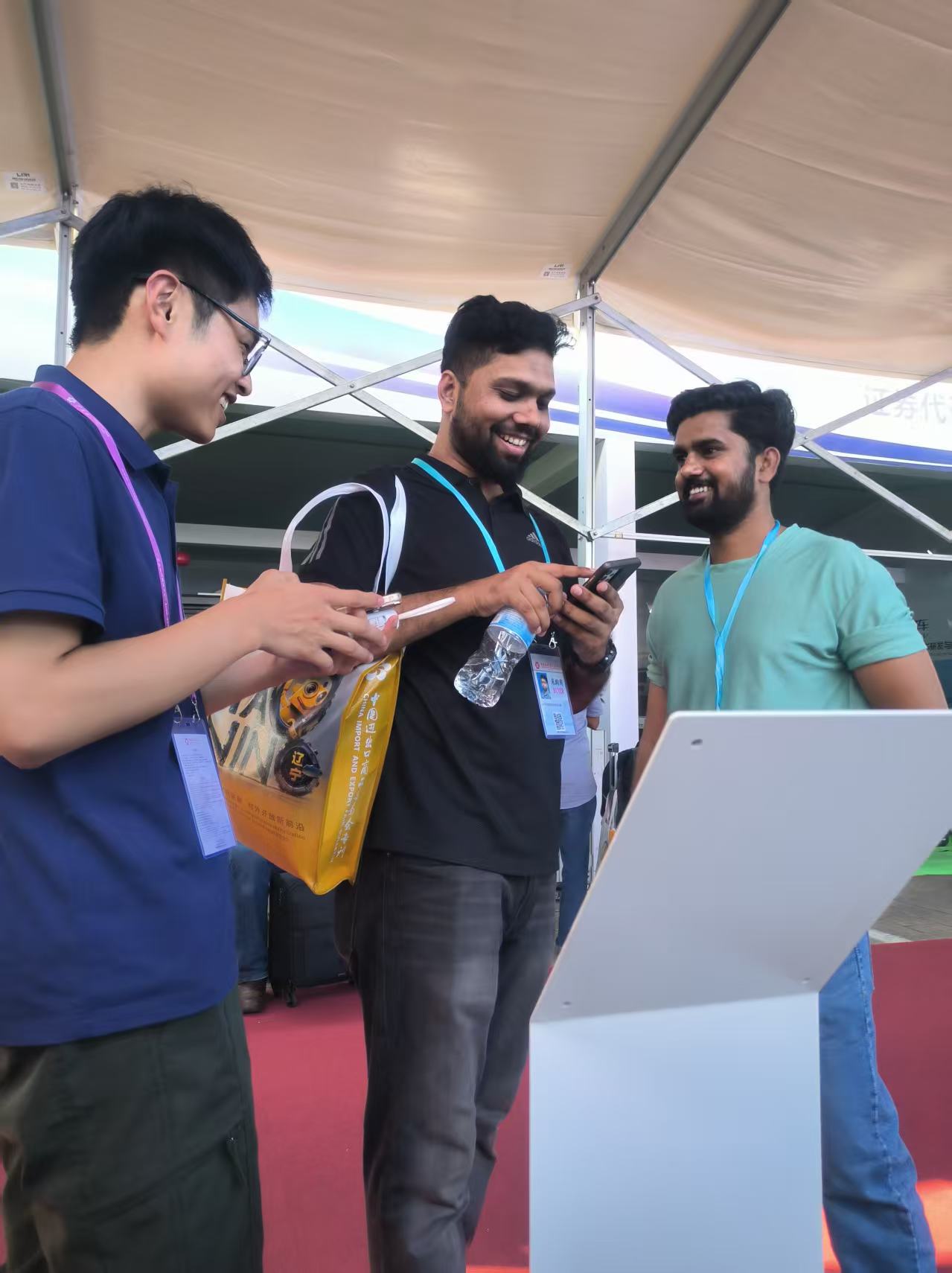
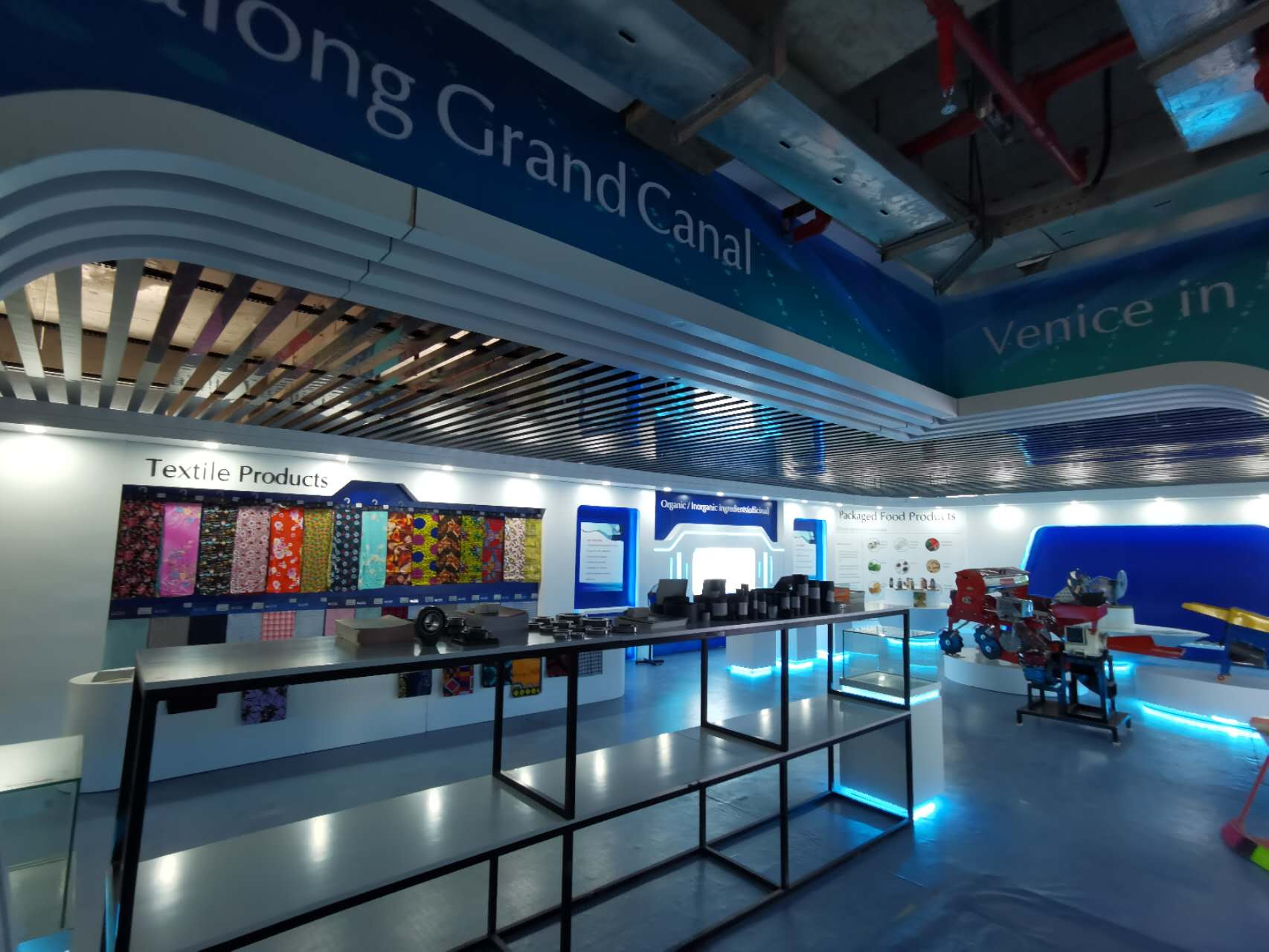
Established in 2023 inside the Djibouti International Free Trade Zone, our "Cross-border Trade + Front-end Warehouse" model acts as a key operational template. This setup offers comprehensive, one-stop logistics, customs assistance, and local customer support. We apply these logistical frameworks directly to our South American export lanes, ensuring swift deliveries and reliable support networks for our commercial clients across Peru.
Essential technical and logistical answers for importing electric vehicles into Peru.
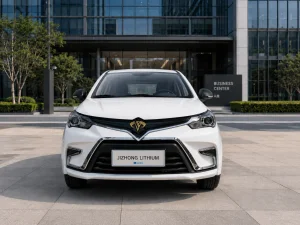
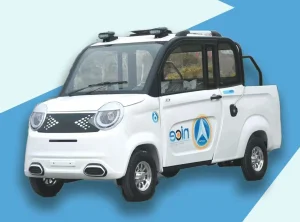
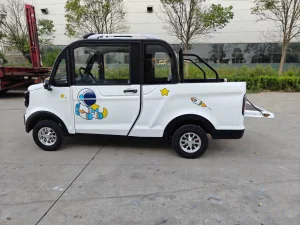
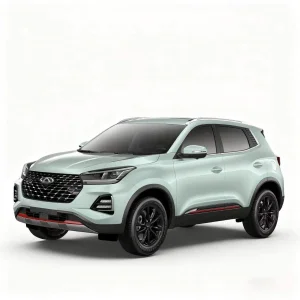
A comprehensive selection of passenger, utility, and hybrid vehicles engineered for international distribution.
 Limaotong