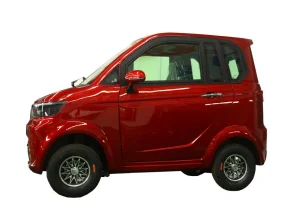
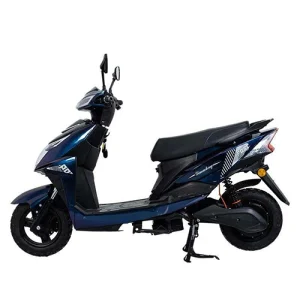
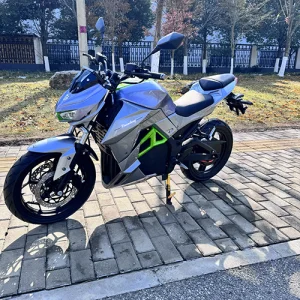
Optimized ranges, rugged thermal management, and full EU homologation compliance for commercial and private operations.
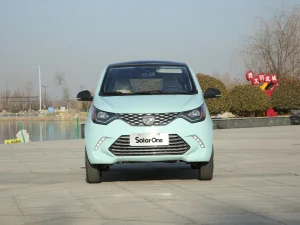
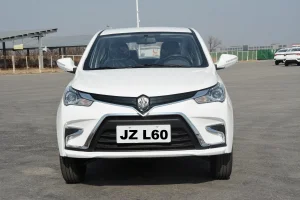
Poland has established itself as the beating heart of Central Europe's automotive industrial hub. Historically dominant in internal combustion engine assembly and component supply chains, the country is executing a rapid paradigm shift toward electromobility. Driven by the European Union's ambitious Fit for 55 climate target package and Poland's national strategies—such as the "Electromobility Development Plan"—cities like Warsaw, Kraków, and Katowice are enforcing dynamic regulatory shifts to transition municipal public fleets and logistics channels to clean power.
This micro-climate transition presents an enormous demand for highly efficient, cost-effective electric passenger cars, electric delivery tricycles, and lightweight multi-wheel cargo solutions. However, the Polish market poses unique operational parameters. Sourcing vehicles requires manufacturers to understand the local seasonal constraints (sub-zero winter ranges), strict EEC (European Economic Community) type approvals, and the specific demands of urban infrastructure integrations. As logistics companies scramble to adapt to Low Emission Zones (Strefy Czystego Transportu - SCT), the demand for reliable Chinese manufacturing partnerships has reached unprecedented heights.
A critical hurdle for Polish fleet operators is range preservation during Polish winter conditions. To counter this, our engineering paradigms prioritize advanced thermal management solutions. Unlike standard configurations, our EV architectures feature active liquid heating systems for the Lithium Iron Phosphate (LiFePO4) and NMC battery chemistries, ensuring cells remain in their peak electrochemical efficiency window even when temperatures drop to -15°C.
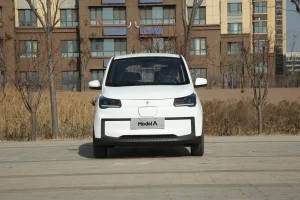
Furthermore, the incorporation of thin-film photovoltaic (PV) solar panels onto roofs—featured prominently in our Model A and Solar One lines—provides an autonomous trickle charge capacity. In regions with moderate winter irradiance, these systems continuously recharge auxiliary systems (12V loops), preventing deep discharge states and extending real-world drive range by up to 20-30 km daily without grid interaction. Centralized software control units monitor real-world discharge data, protecting components and enabling intelligent power distribution designed to work seamlessly with Poland's standard Type 2 AC and CCS2 DC charging infrastructure.
SHANDONG LI MAO TONG GROUP is a premier global supplier of premium vehicles and industrial components, boasting a comprehensively integrated supply chain structure. We specialize in the end-to-end R&D, advanced fabrication, and global logistics execution of motor tricycles, high-capacity cargo tricycles, and lightweight electric passenger vehicles. Since inception, our specialized vehicles have navigated routes across more than 120 countries, empowering mobility and logistics for over 20 million households globally.
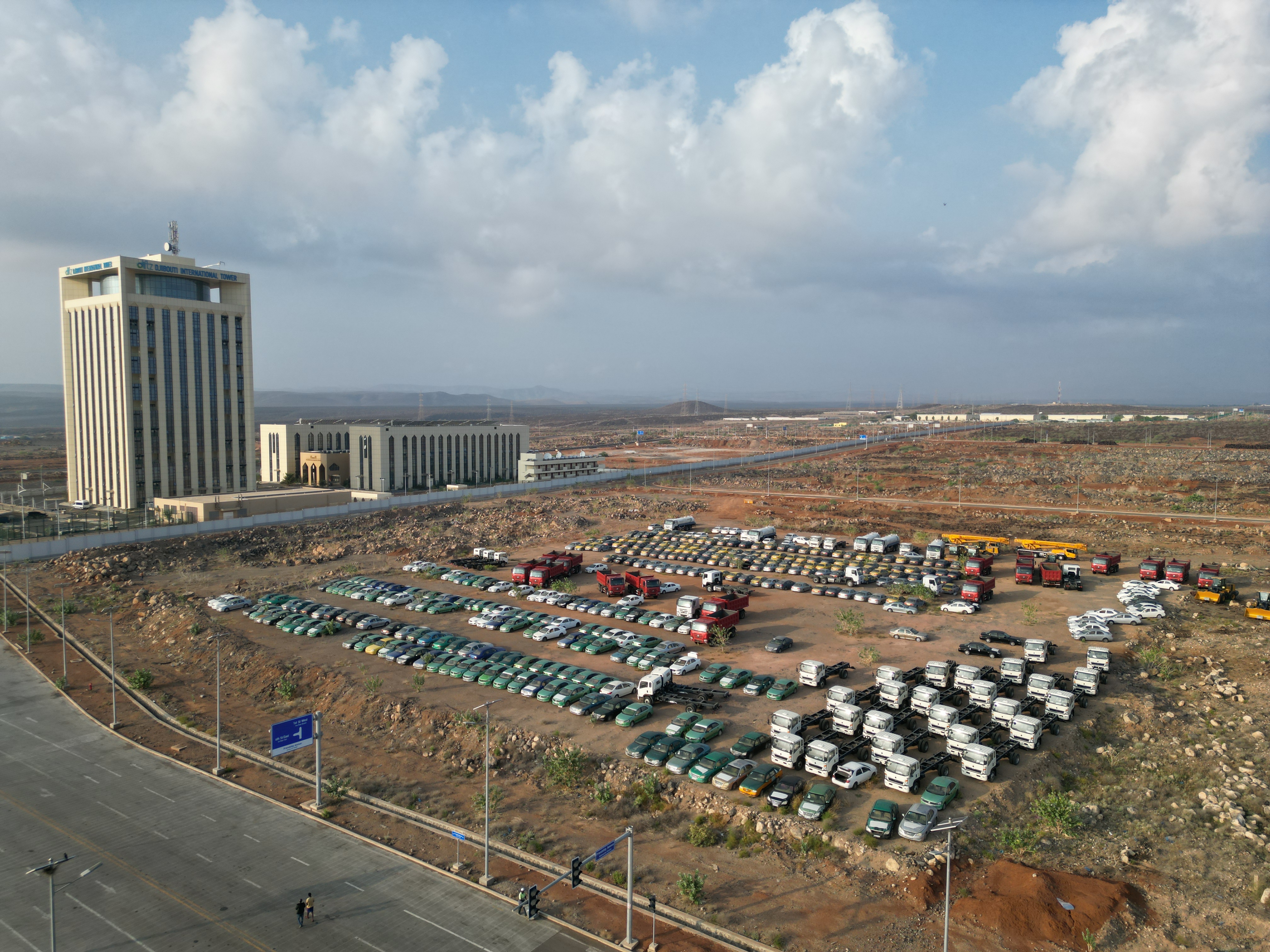
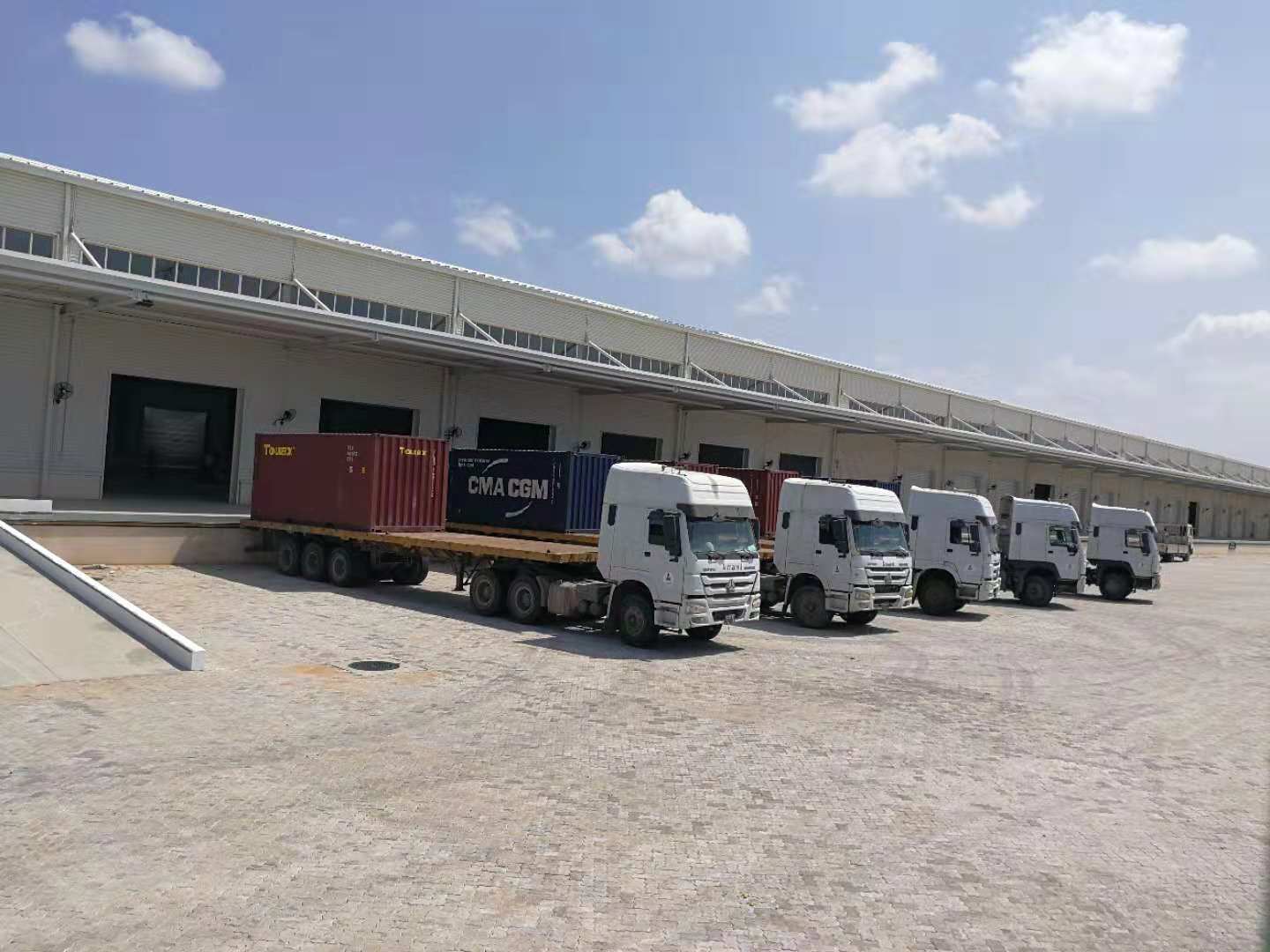
Supported by 8 state-of-the-art overseas manufacturing plants, we ensure rapid localized adaptations, streamlined custom processes, and tariff optimizations. Our dedication to operational continuity is backed by strategic physical warehousing depots in key cross-border free trade zones (including Djibouti) and comprehensive regional support offices designed to respond directly to distributor demands.
Exporting passenger and commercial vehicles to Poland requires strict adherence to European Commission automotive regulations. All personal transit models, electric cargo tricycles, and lightweight city vehicles manufactured under our umbrella are built strictly in accordance with ECE regulations and bear the requisite EEC (European Economic Community) approvals or CE markings.
Our documentation management team directly issues the formal Certificate of Conformity (CoC). This guarantees streamlined processing through Polish customs checkpoints and ensures hassle-free vehicle registration (Dowód Rejestracyjny) within regional Polish communication departments (Wydział Komunikacji). From battery pack structural crash tests to electromagnetic compatibility (EMC) testing, we assume full liability for documentation integrity, offering our regional B2B importers an absolute legal framework of security.
Our central industrial manufacturing base in Shandong is engineered upon modern Factory 4.0 paradigms. Heavy-duty structures are precision-cut via high-energy automated laser platforms and robotically welded to ensure millimeter precision. Vehicle frames undergo multi-stage electrophoresis anti-corrosion chemical baths, guaranteeing durability in harsh environments where road salt is commonly used in Polish winters.
To ensure reliability under varying operational conditions, our quality assurance protocols subject our product lineups to strict real-world simulations:
By leveraging our raw material supply chains, we offset global logistics volatility, allowing us to pass significant unit cost savings directly to European buyers and fleet managers.
A glimpse inside our smart manufacturing facilities, digital assembly pipelines, and international logistics hubs.
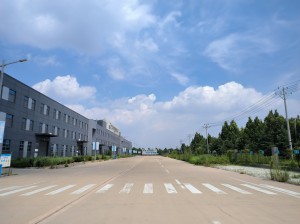
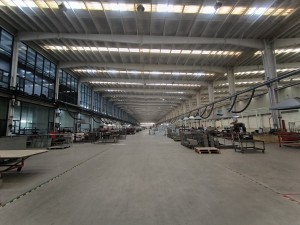
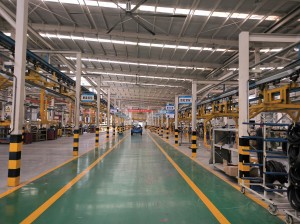
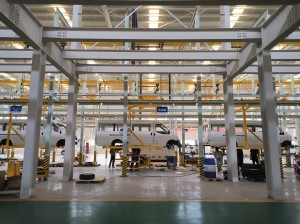
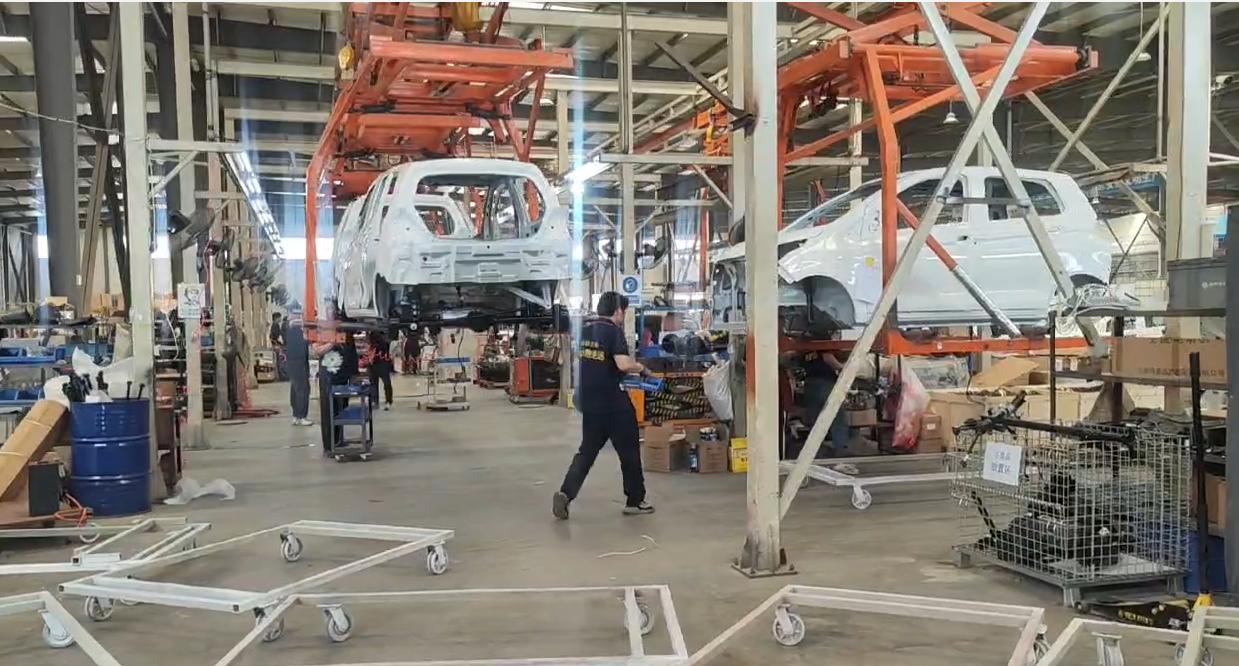
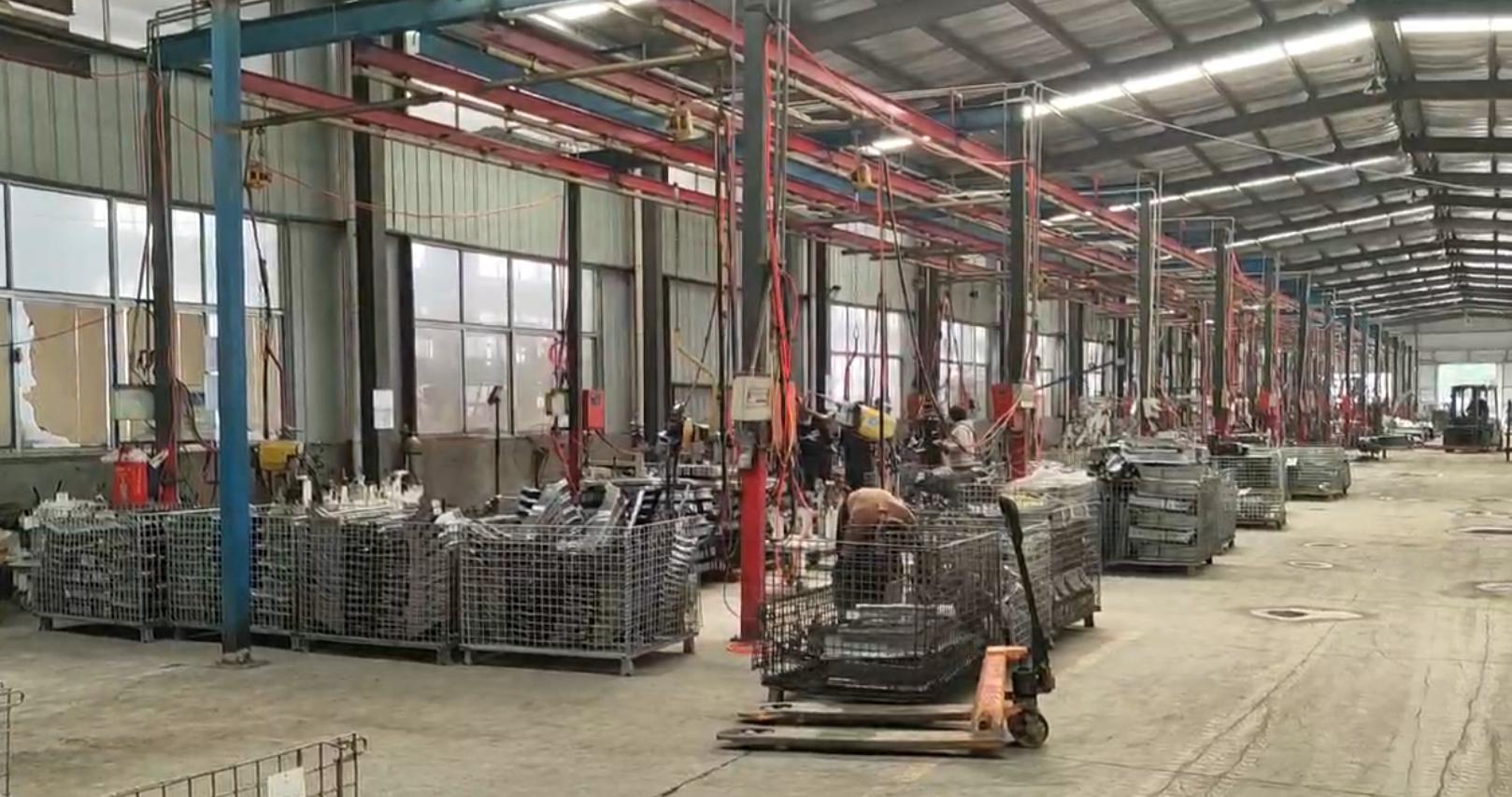
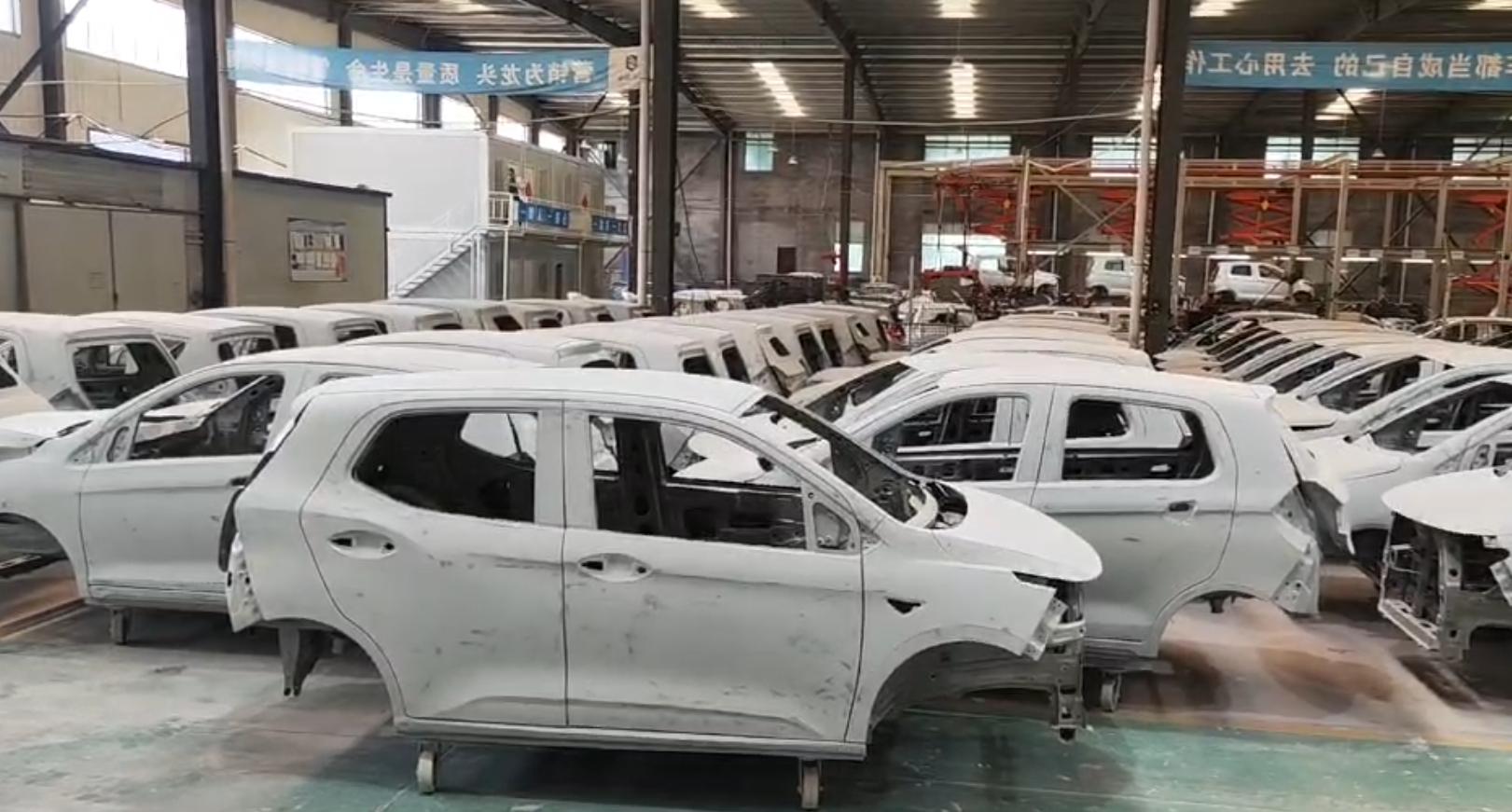
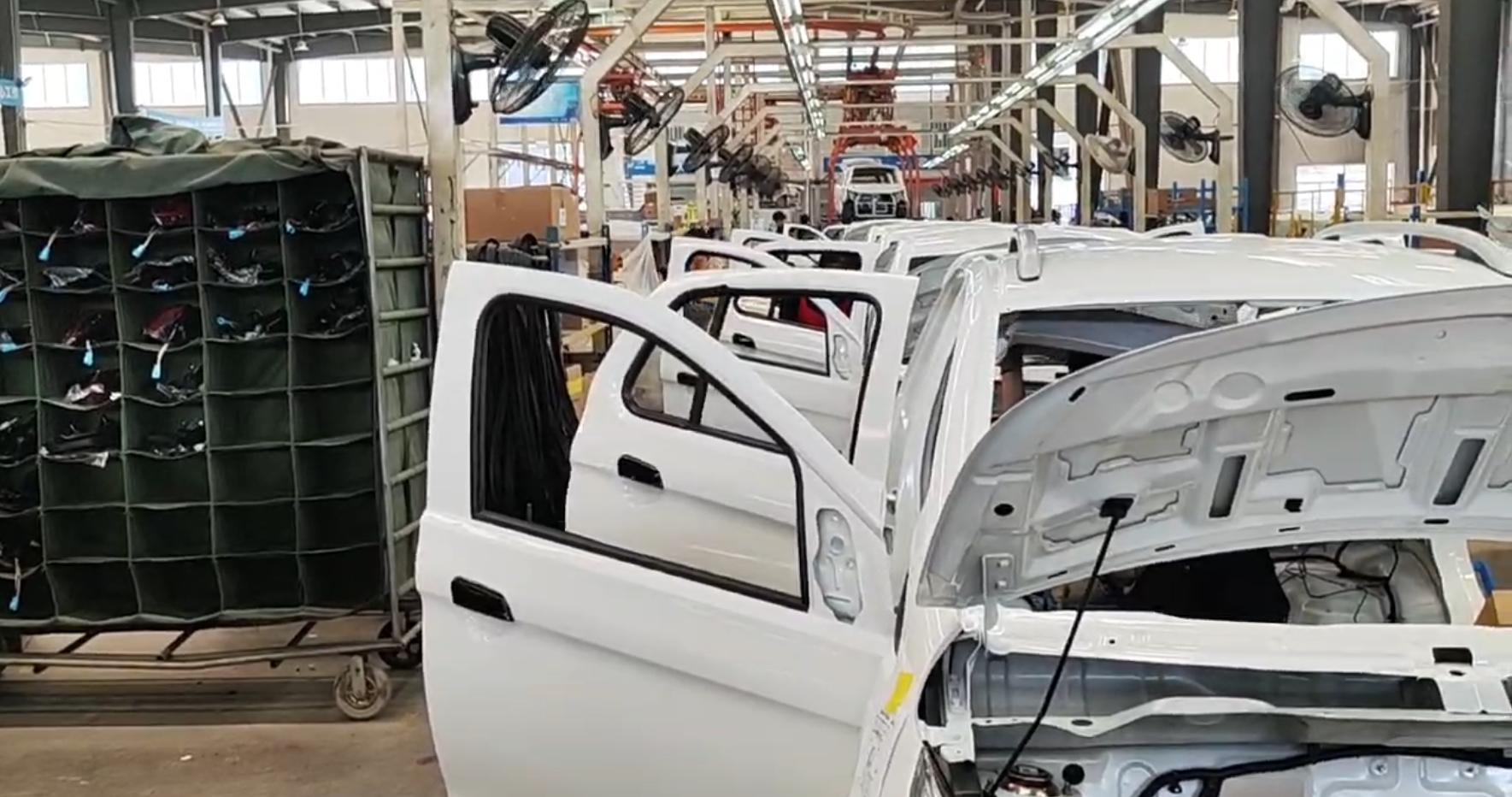
Established strategically in 2023, our modern cross-border e-commerce exhibition and logistics hub located in the Free Trade Zone serves as a vital artery for global trade channels. Employing a "front-end warehouse + localized customer support" delivery methodology, we bridge localized B2B demands with our core domestic factory resources. This enables rapid parts dispatch, local vehicle homologation support, and specialized service delivery.
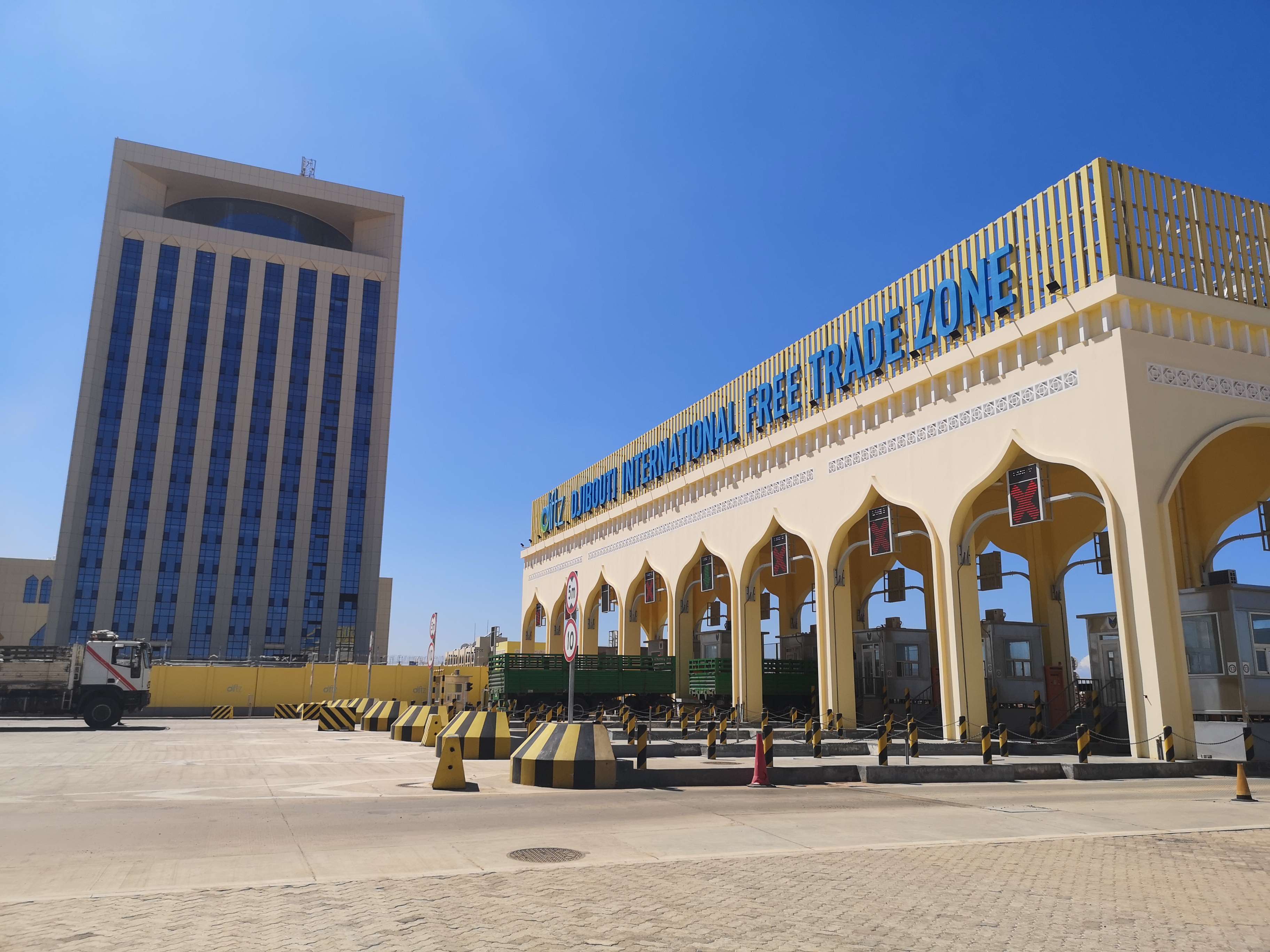
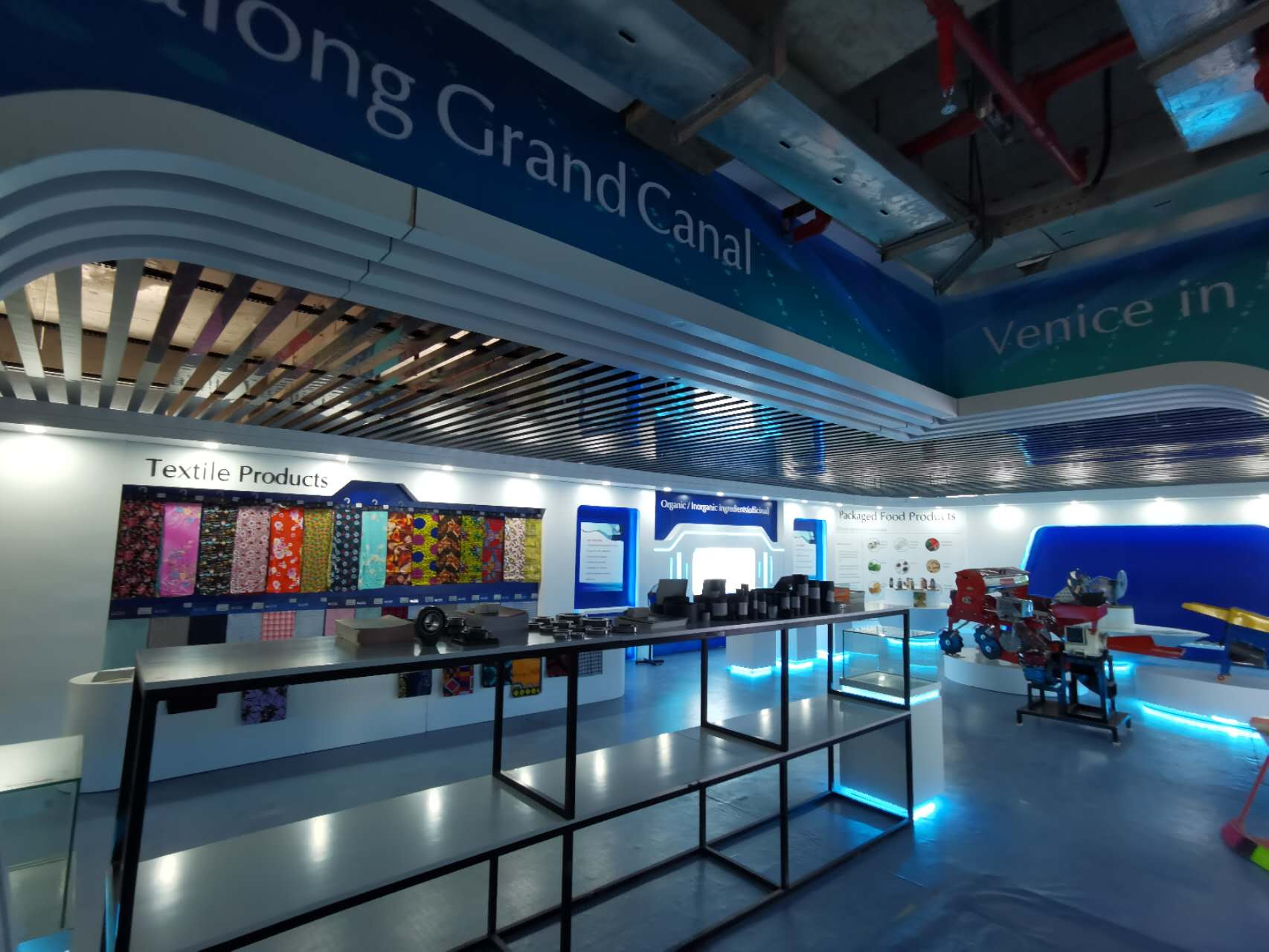
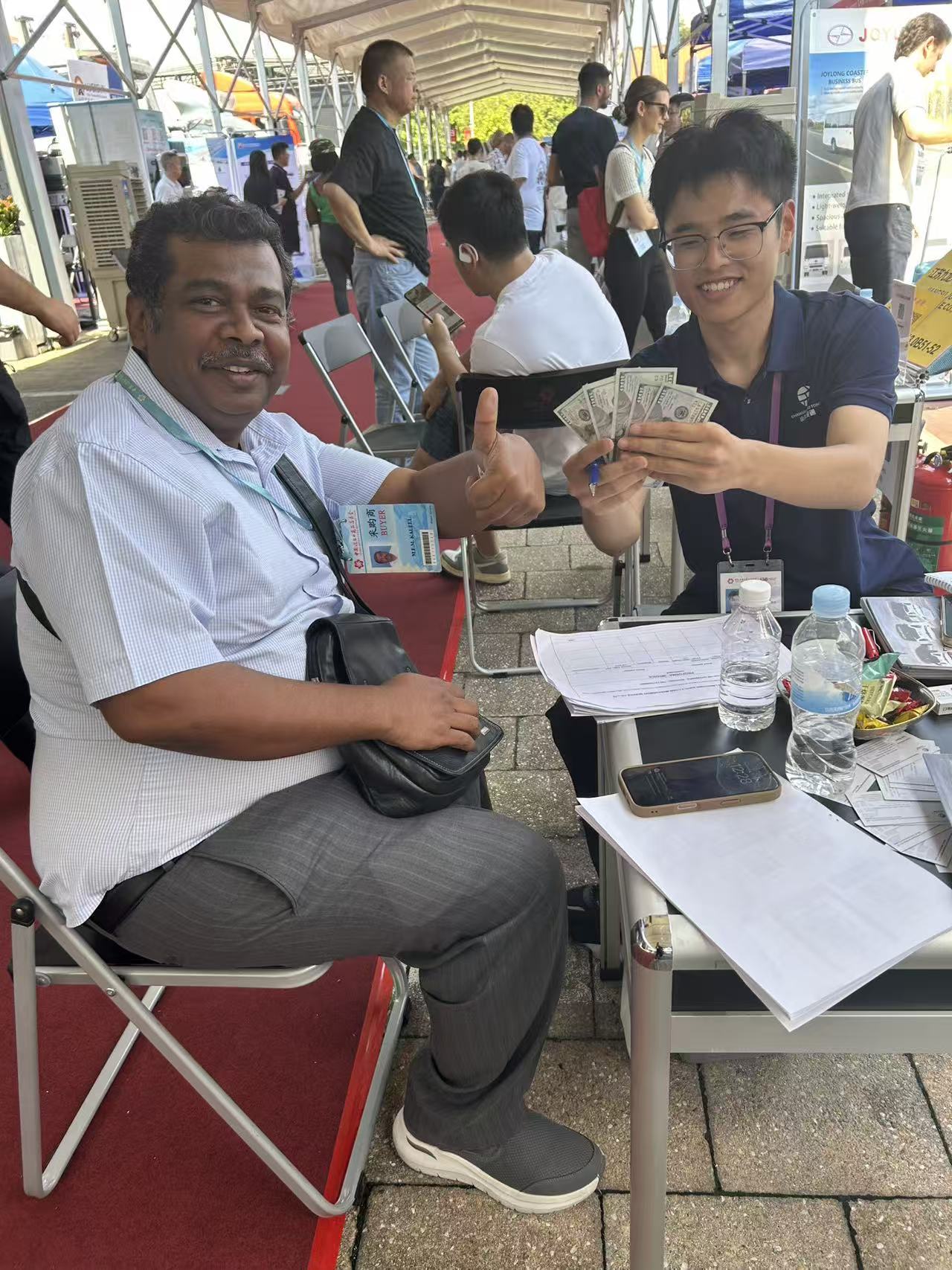
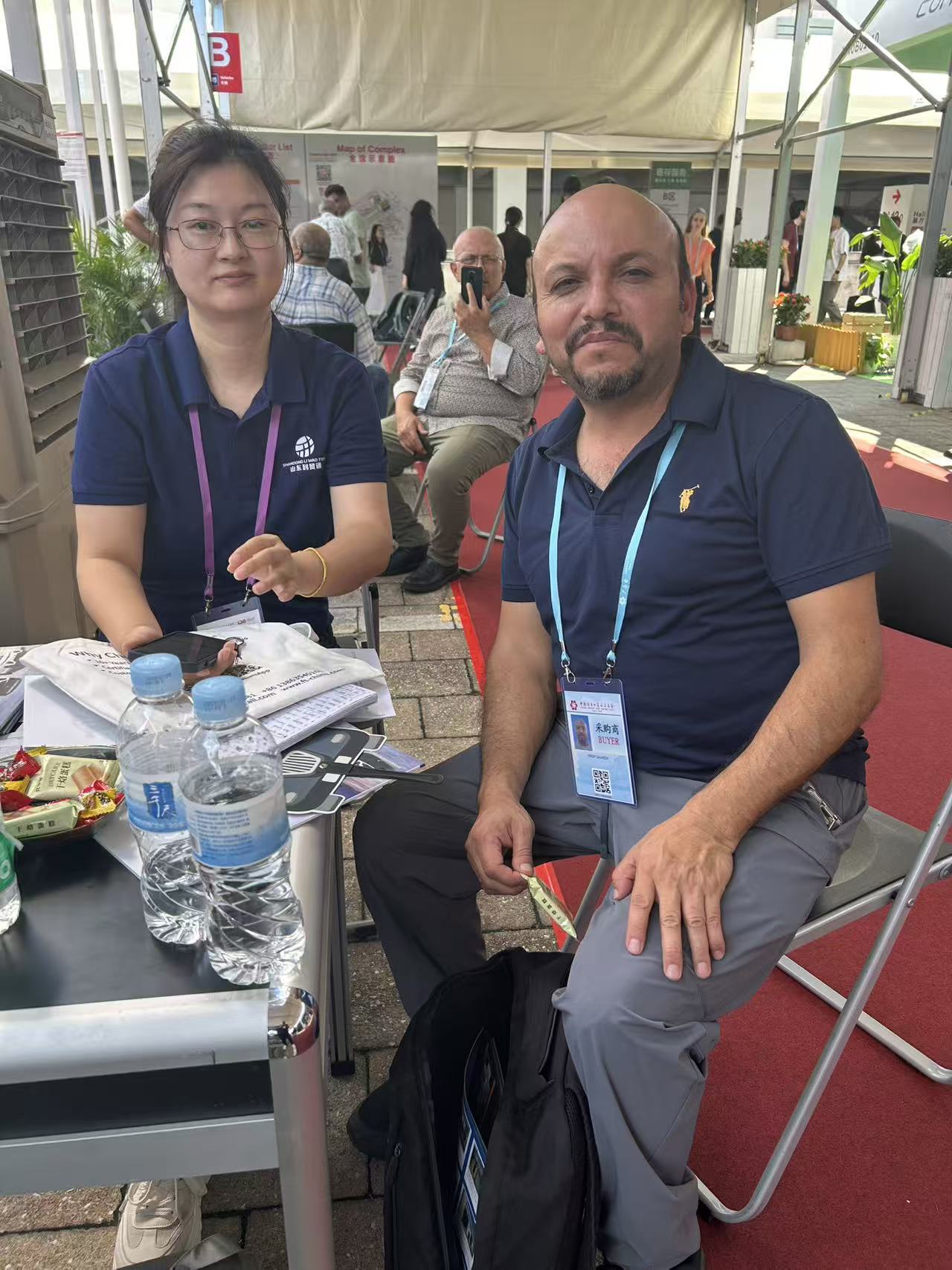
Transparent partnerships. We welcome third-party inspections and regular customer audits at our primary production facilities.
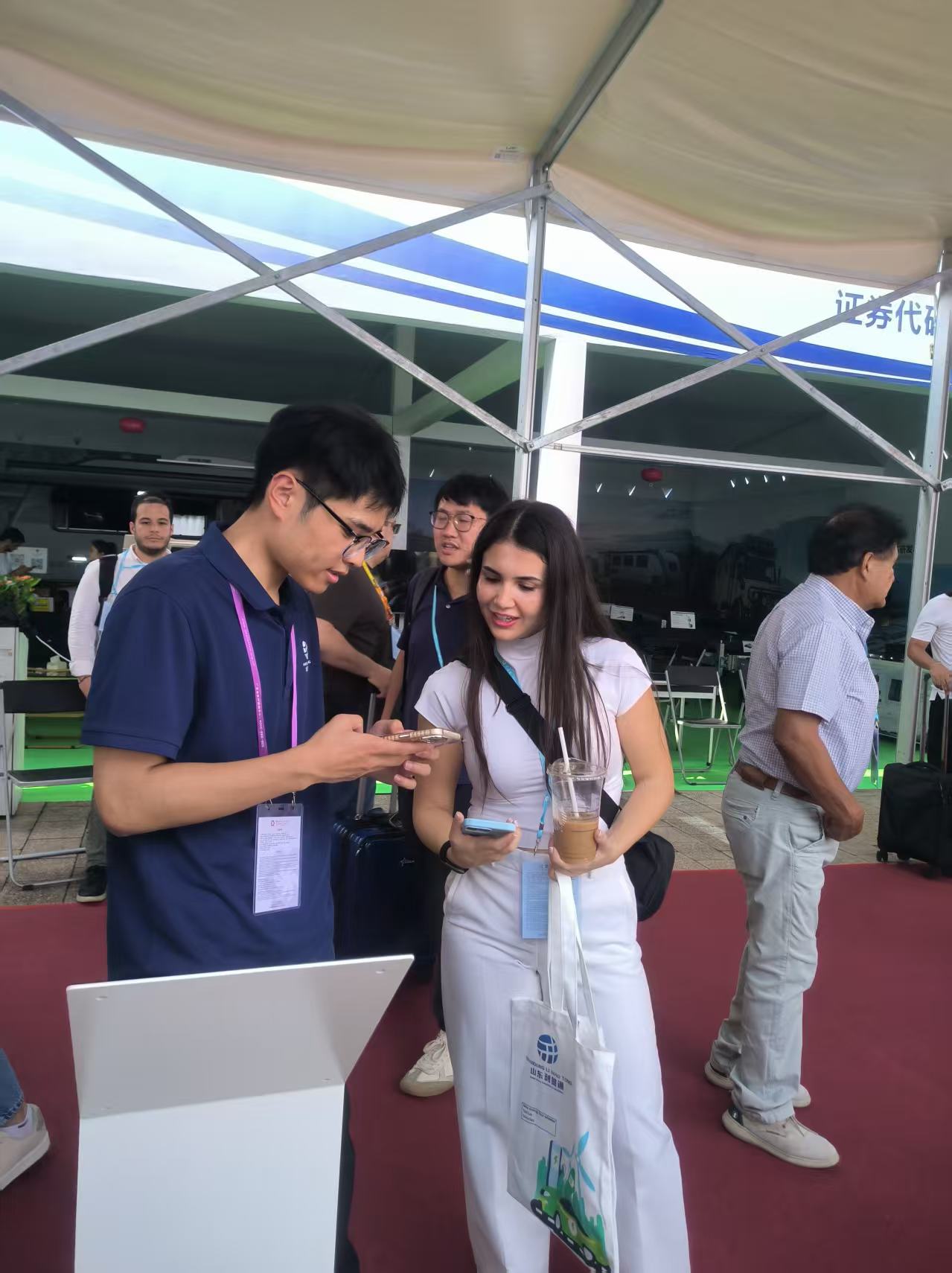
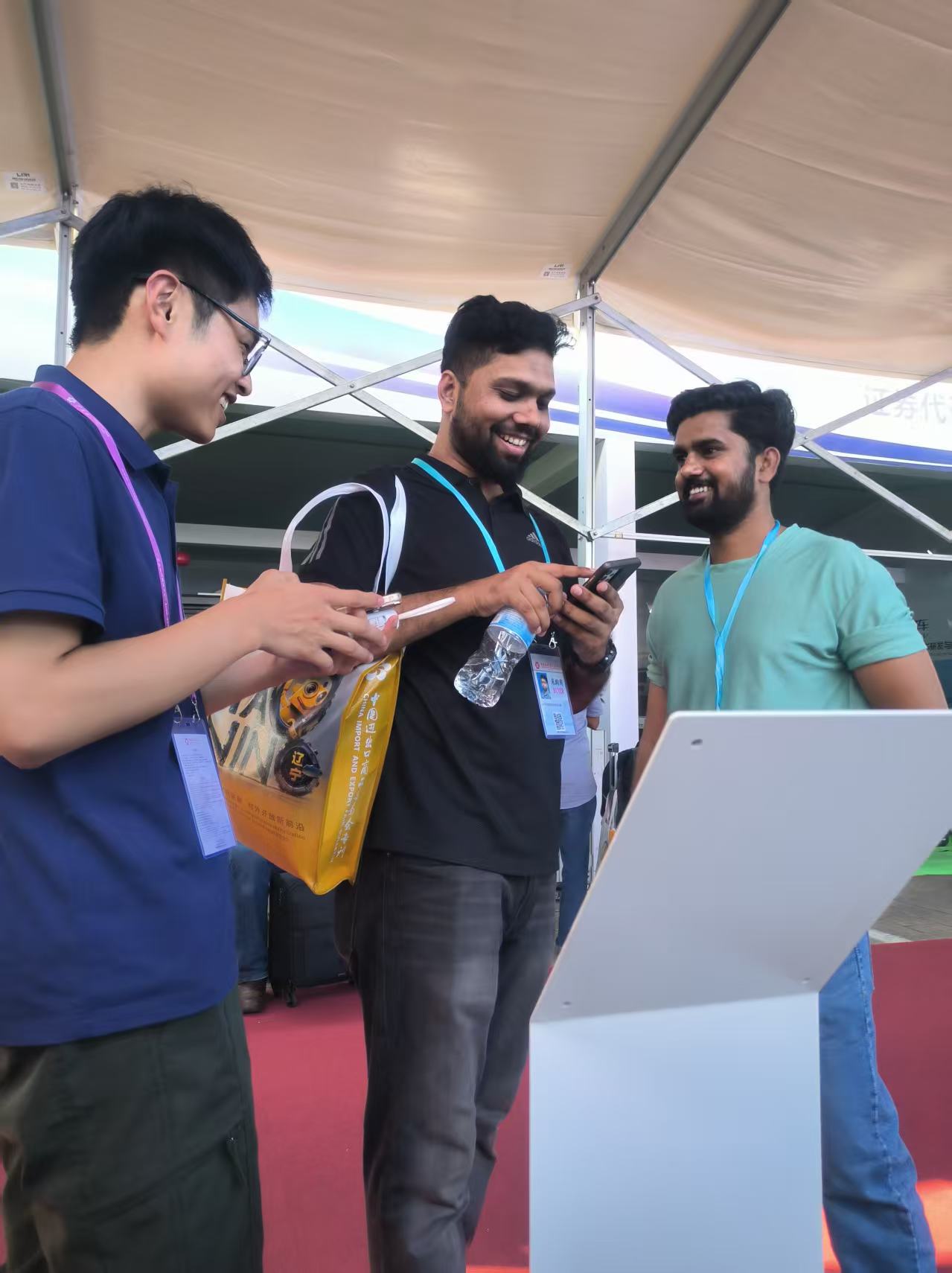
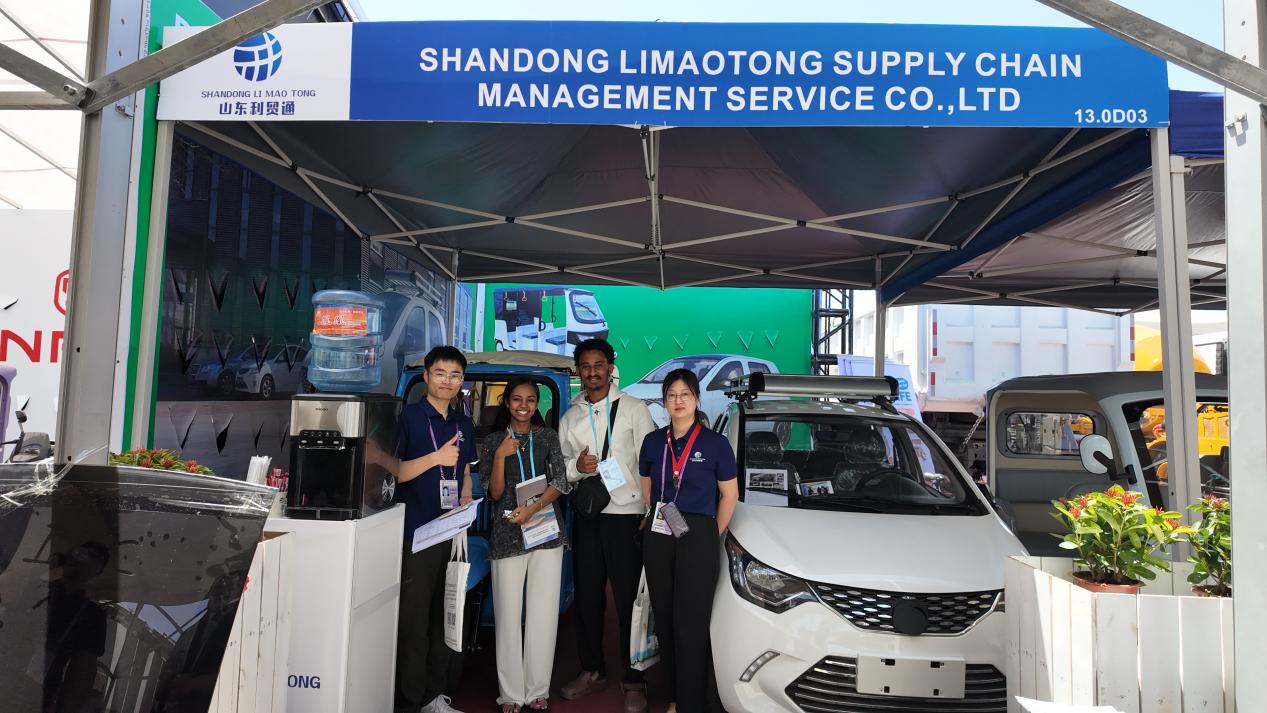
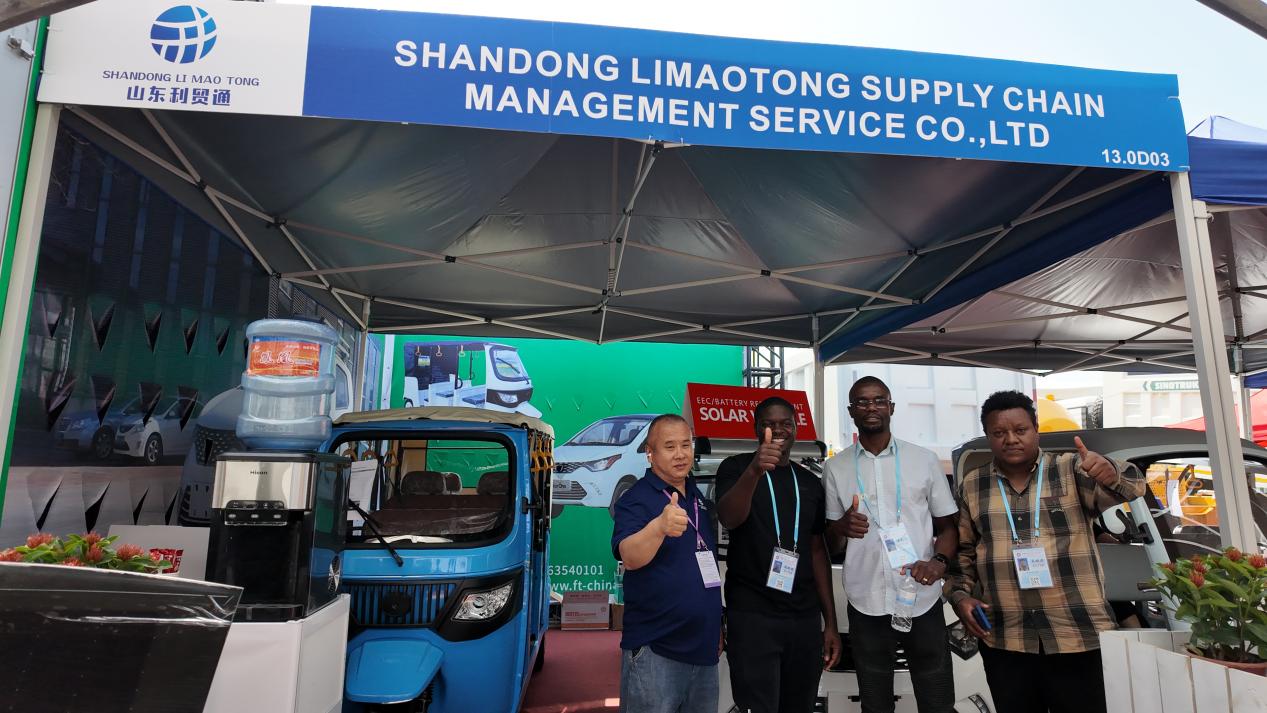
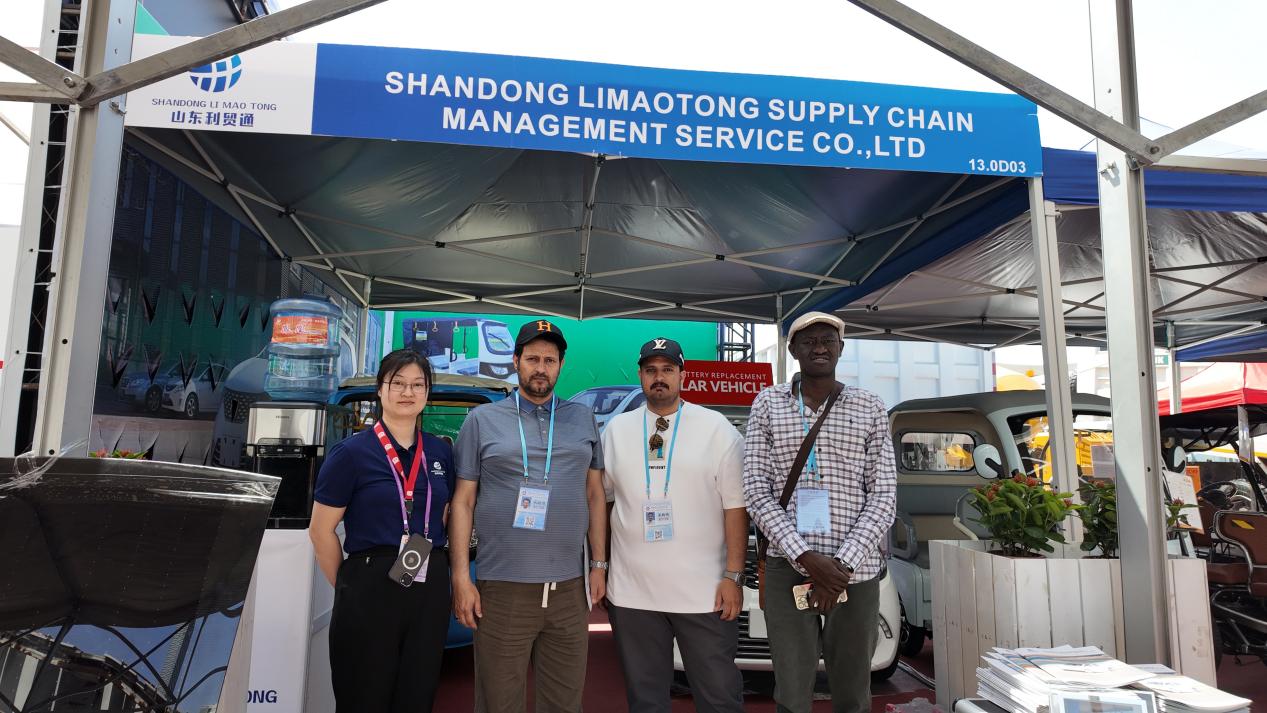
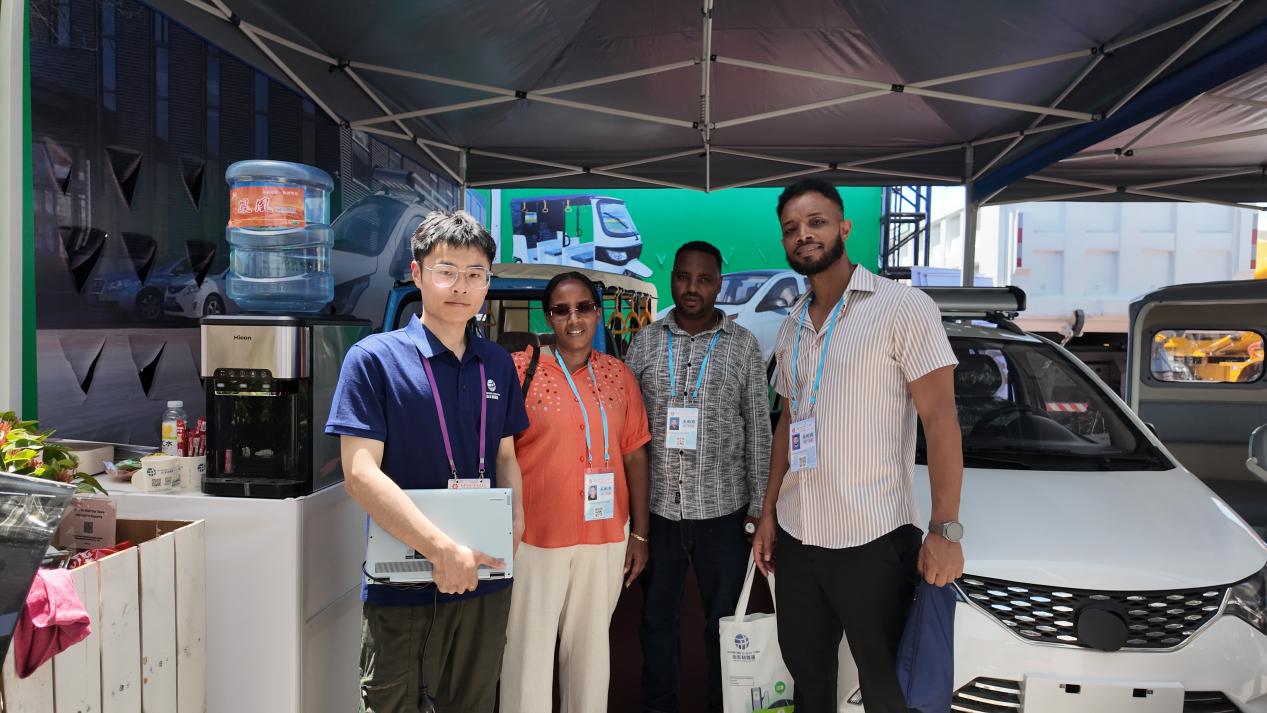
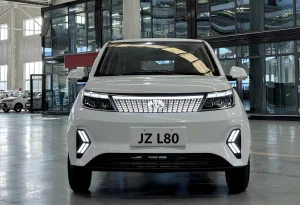
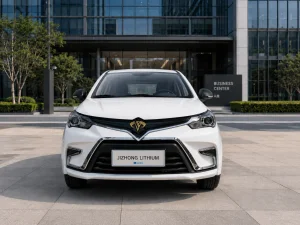
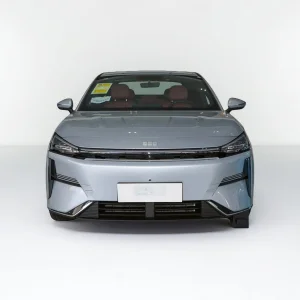
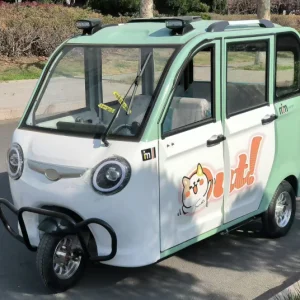
From smart electric micro-cabs for historic Polish urban centers to robust family tricycles and high-range new energy sedans.
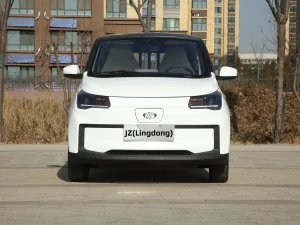
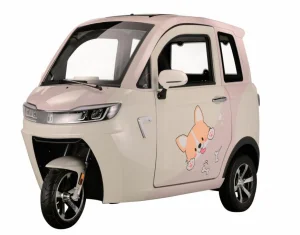
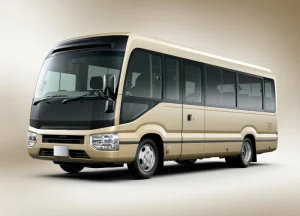
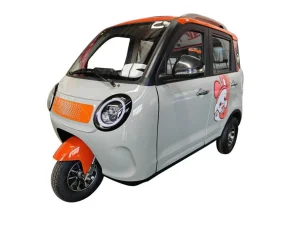
For institutional logistics operations and micro-mobility operators across Poland, the primary metric governing procurement is the Total Cost of Ownership (TCO) over a 5-to-10-year depreciation cycle. While local European alternatives present high initial capital expenditure (CAPEX), our partnerships provide a balanced alternative.
By implementing optimized structural frame designs, highly standard electrical subsystems, and unified battery management hardware, we significantly lower ongoing operational expenditure (OPEX). Furthermore, our global logistics network optimizes customs handling and shipping configurations—utilizing CKD (Completely Knocked Down) and SKD (Semi-Knocked Down) container schemes—to minimize import duties and port handling fees at Baltic transit terminals. The result is a highly competitive, reliable fleet model that pays dividends from the first kilometer.
Connect with our dedicated European supply managers to receive customized quotes, technical compliance breakdowns, and container logistics planning optimized for Poland.
Send Inquiry Now Limaotong