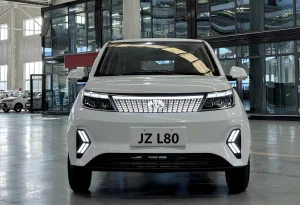
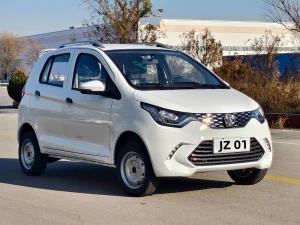
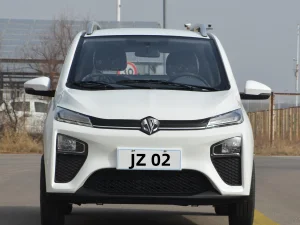
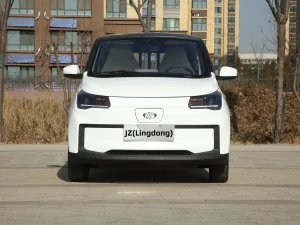
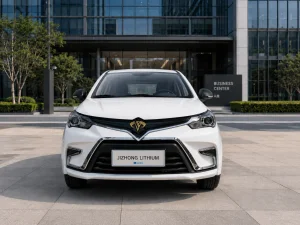
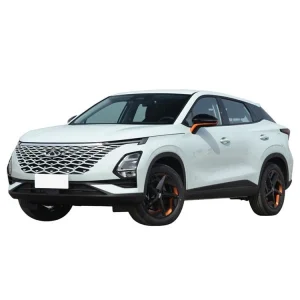
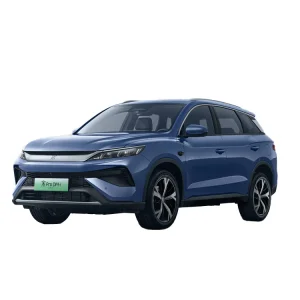
Engineered for high performance, maximum driving range, and extreme tropical durability. Optimized for Panama's unique urban and rural topographies.
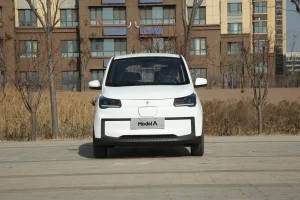
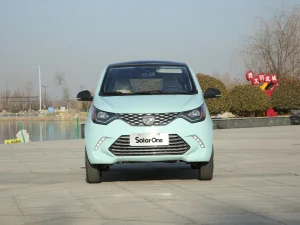
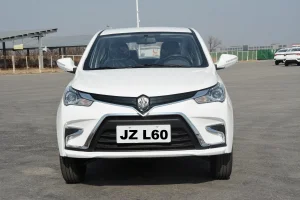
Panama is leading the electrification of transportation in Central America. By enacting Law 295 of 2022, the Panamanian government has established clear incentives to encourage both public and private sectors to adopt clean energy vehicles. The law provides tax breaks, reduced import duties, and simplified registration processes. Panama City's congested routes require urban vehicles that can reduce air pollution and operating costs.
Furthermore, Panama's unique position as the "Hub of the Americas" makes it a perfect hub for testing and deploying electric mobility solutions. The country's strong commitment to carbon neutrality aligns with global efforts to phase out internal combustion engine (ICE) vehicles. This regulatory push is driving demand for electric cars, commercial delivery vans, and municipal transport systems across the country.
A trusted global supplier of electric vehicles, cargo tricycles, and micro-mobility vehicles, serving over 120 countries and regions worldwide.
Providing globally approved electric vehicles to dynamic markets.
Localized production networks for prompt supply chains.
Reliable, sustainable micro-mobility solutions.
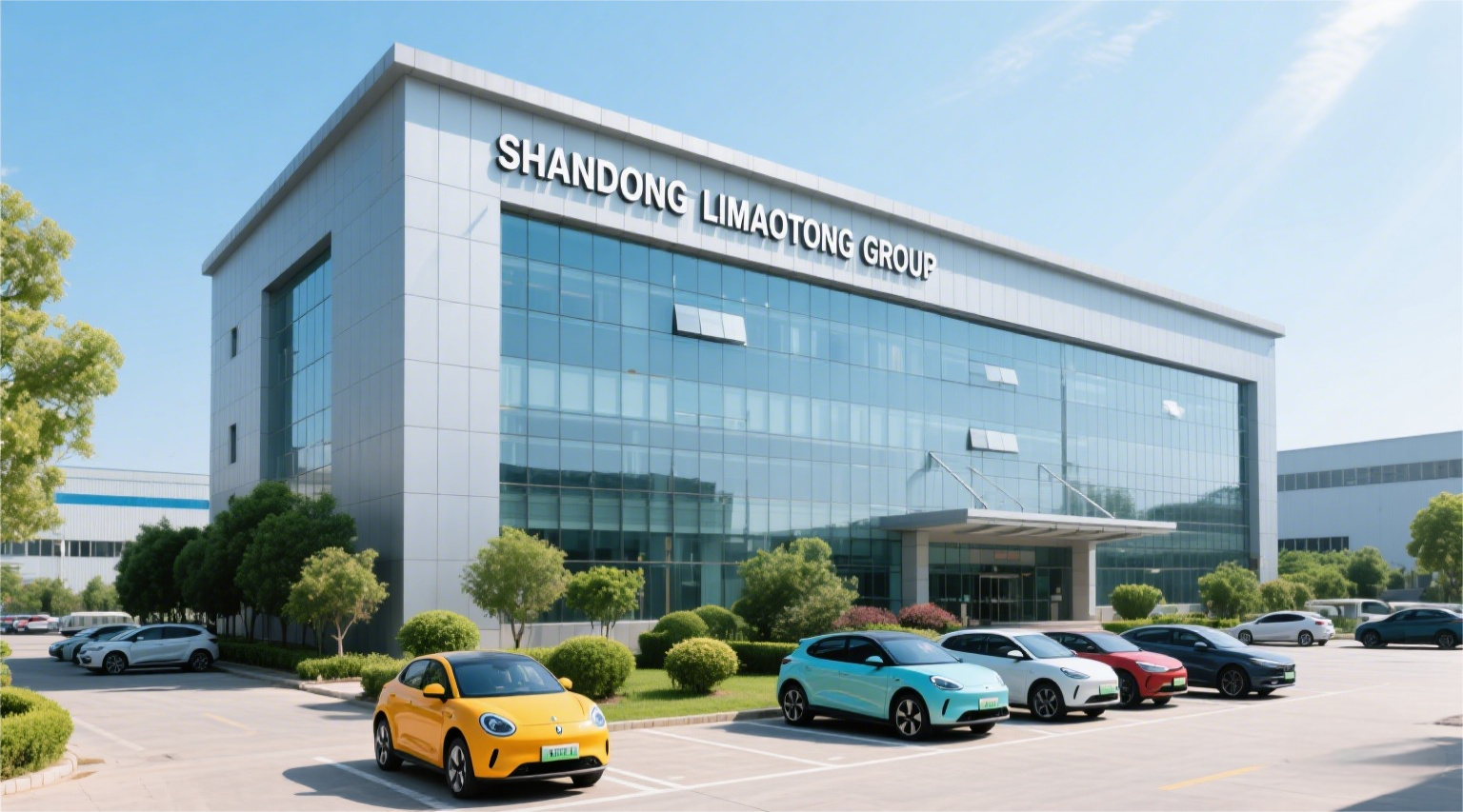
As part of China's rapid new energy development, Shandong Li Mao Tong Group provides high-performance, cost-effective electric vehicles designed to meet global standards. We focus on build quality and safety, with automated manufacturing lines, precise robotic painting, and water-resistance testing.
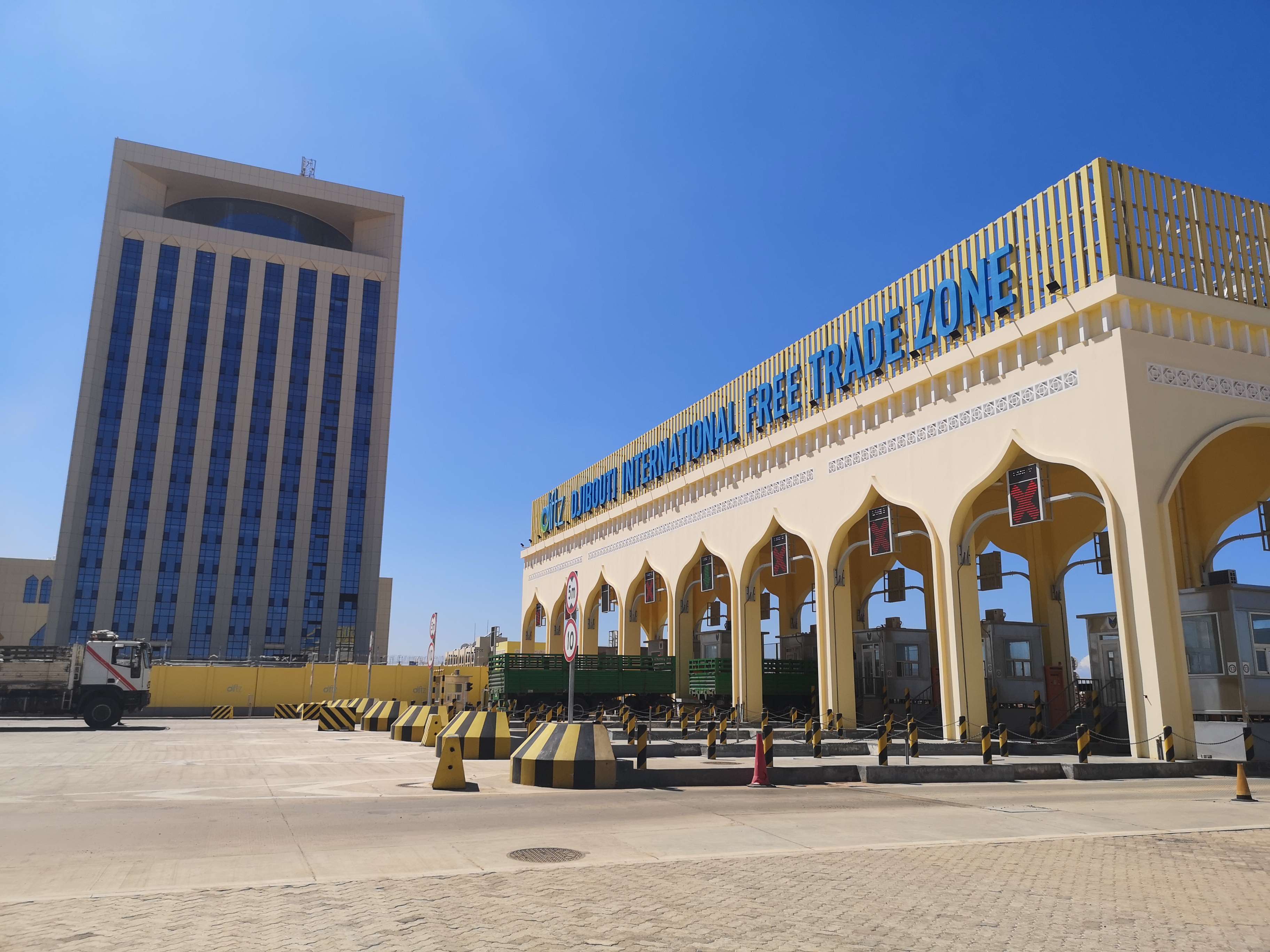
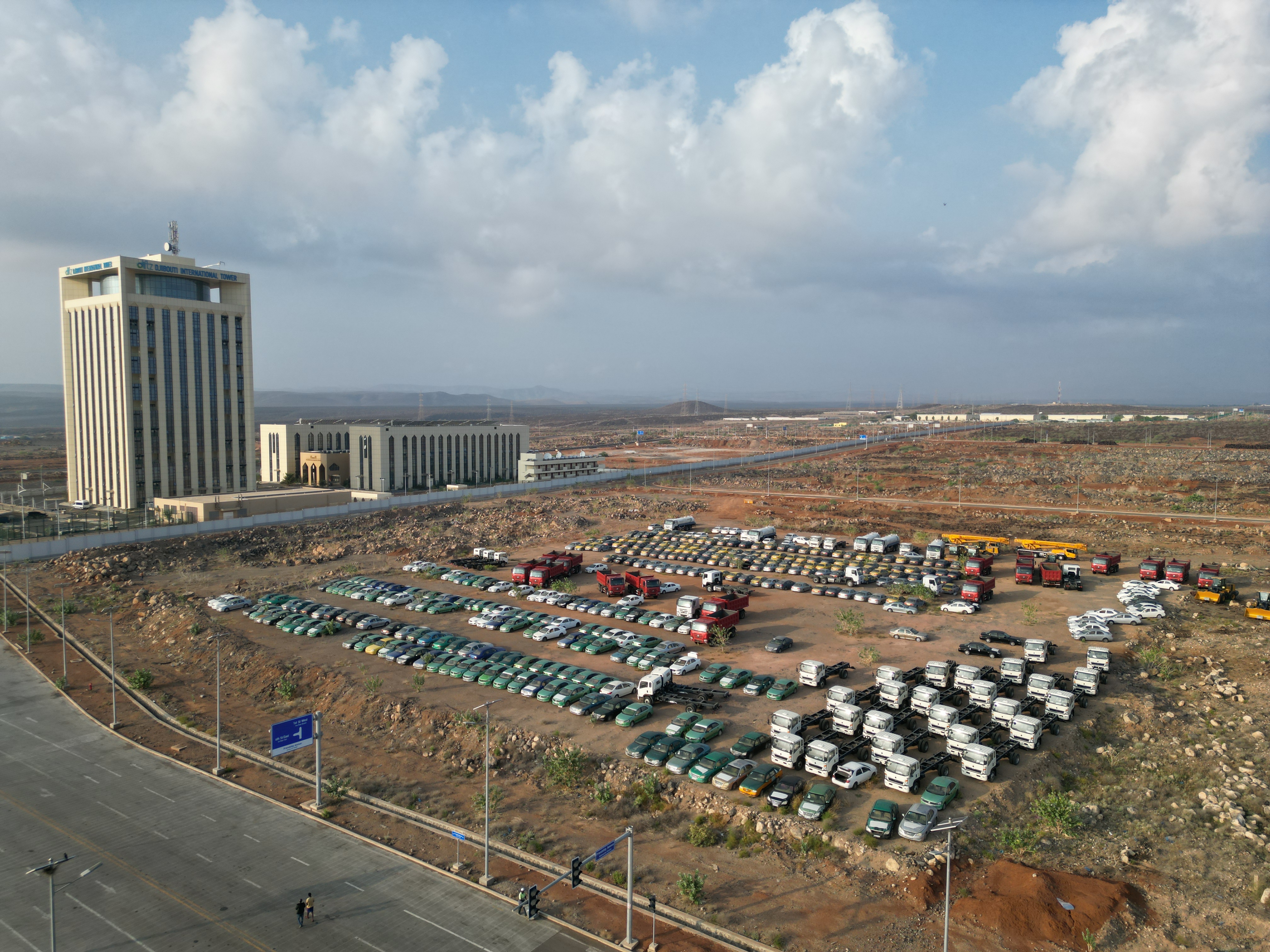
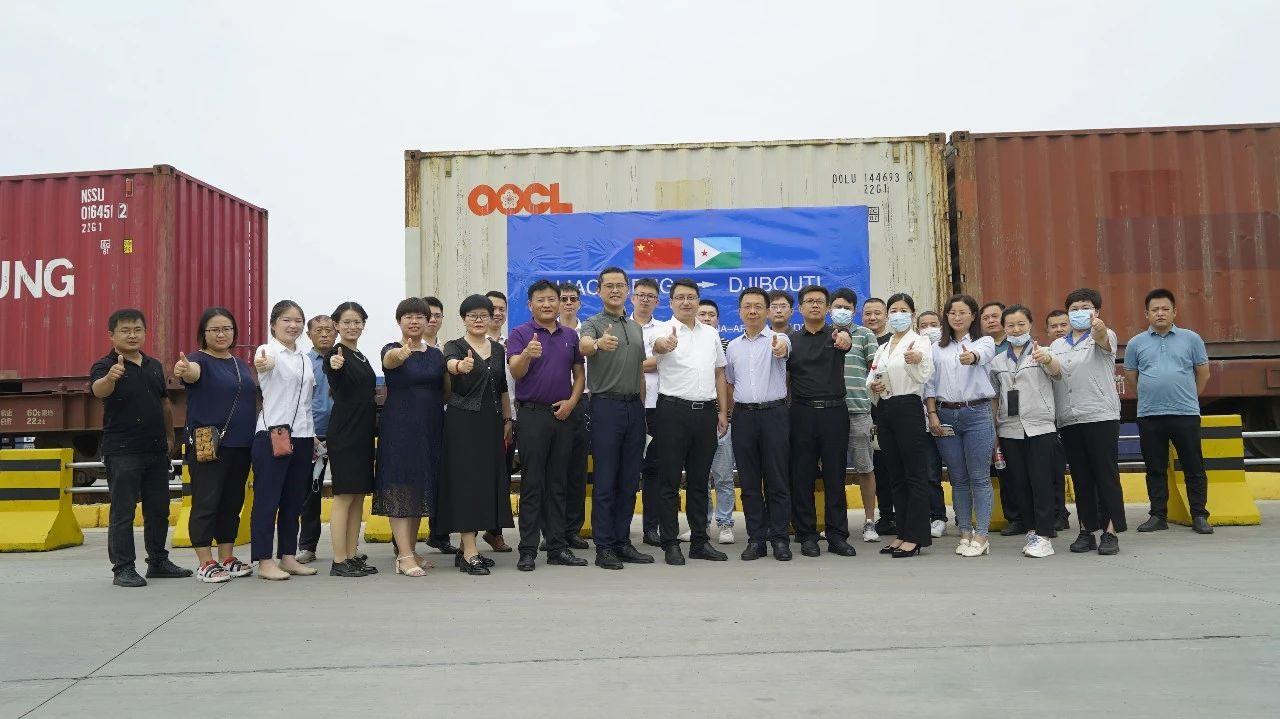
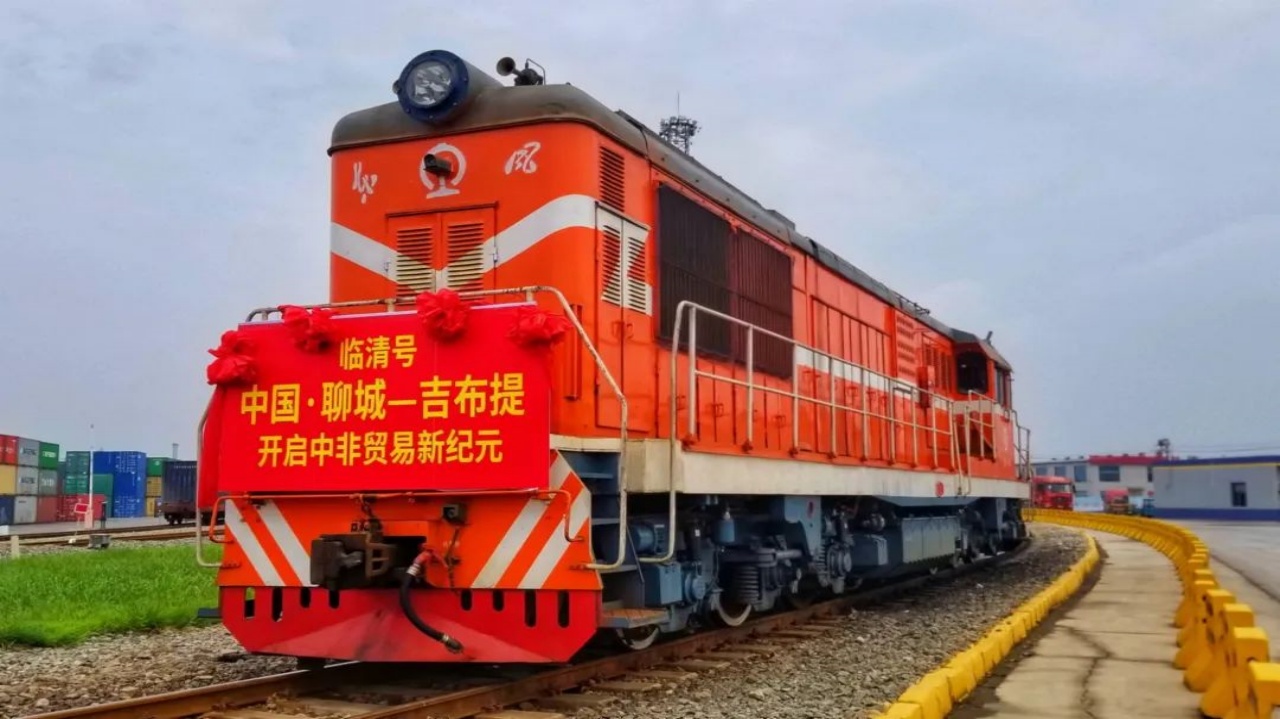
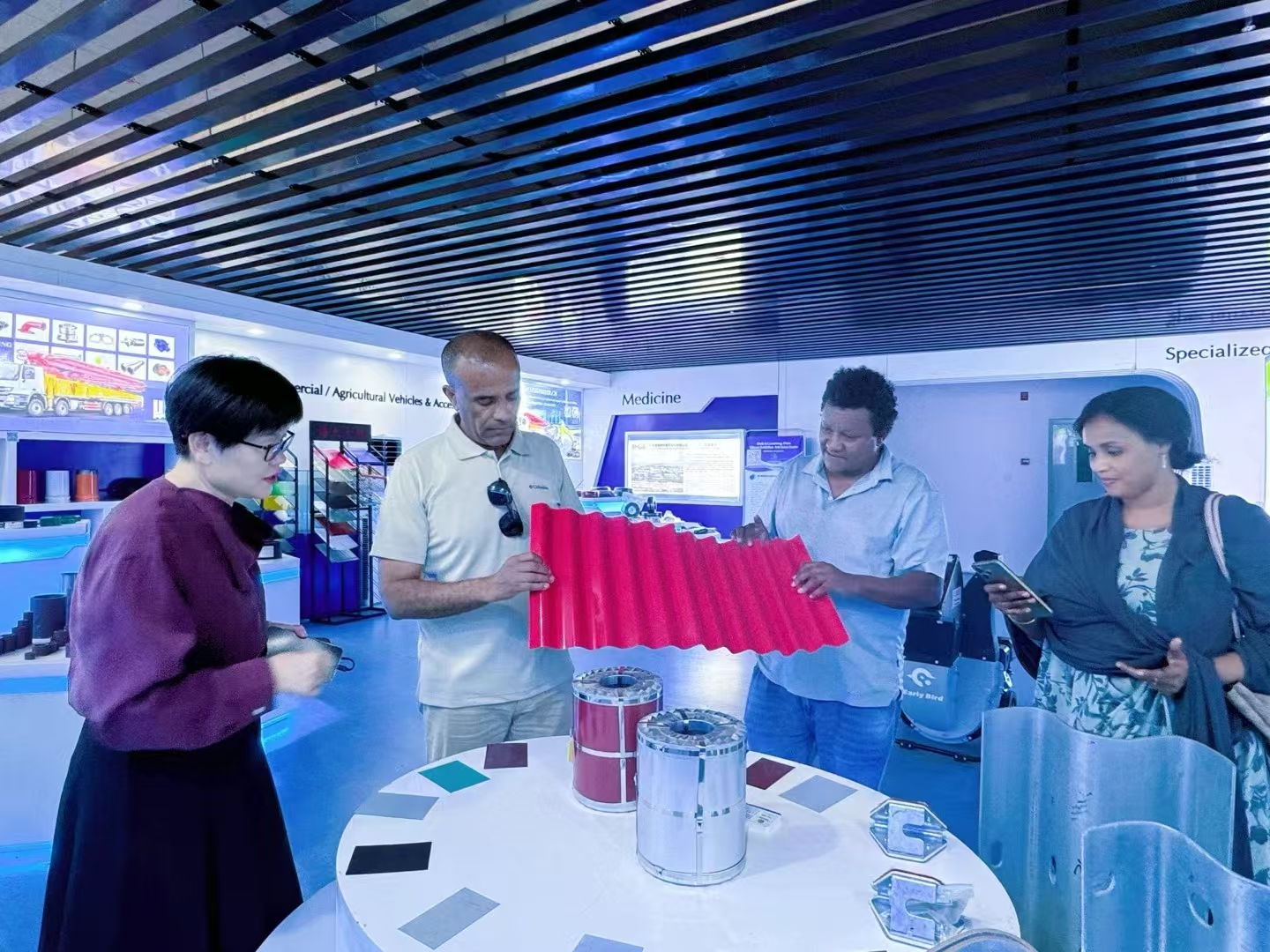
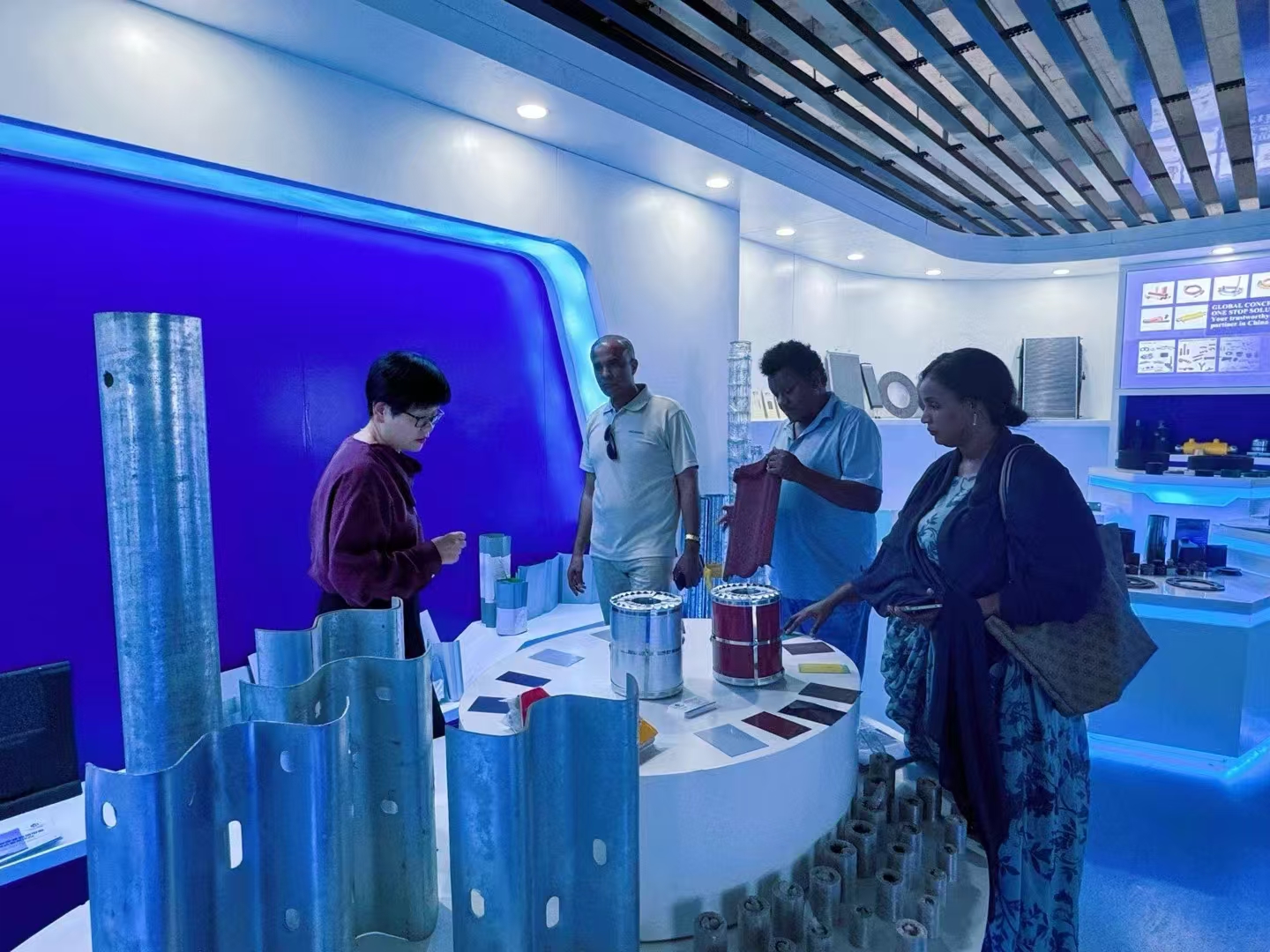
We provide localized solutions and after-sales support through overseas logistics centers, such as our facility in the Djibouti International Free Trade Zone, which features spare parts storage and dedicated service teams.
Understanding how Chinese manufacturing scale helps lower the Total Cost of Ownership (TCO) for Panamanian enterprises.
Chinese EV manufacturers benefit from direct access to key raw materials and domestic processing facilities for battery cells, steel, and electric motors. This vertical integration reduces the risk of supply chain delays and allows us to offer competitive pricing for both large passenger cars and small electric vehicles.
Our manufacturing facilities feature robotic assembly and painting, ensuring precise structural welds and consistent finishes. This level of automated quality control ensures every vehicle meets high standards for durability, safety, and long-term performance.
Vehicles built for Central American conditions feature upgraded battery thermal management, anti-corrosion chassis treatments for coastal climates, and high-performance air conditioning to handle hot and humid weather.
Last-Mile Commercial Delivery: Urban centers like Panama City and Colón have high demand for compact, efficient delivery vehicles. Mini EV cargo vans and electric 3-wheelers offer a lower-cost option for navigating narrow urban streets compared to conventional diesel vans.
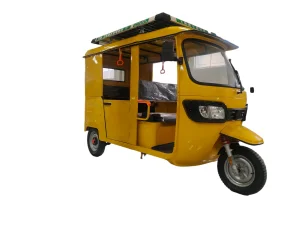
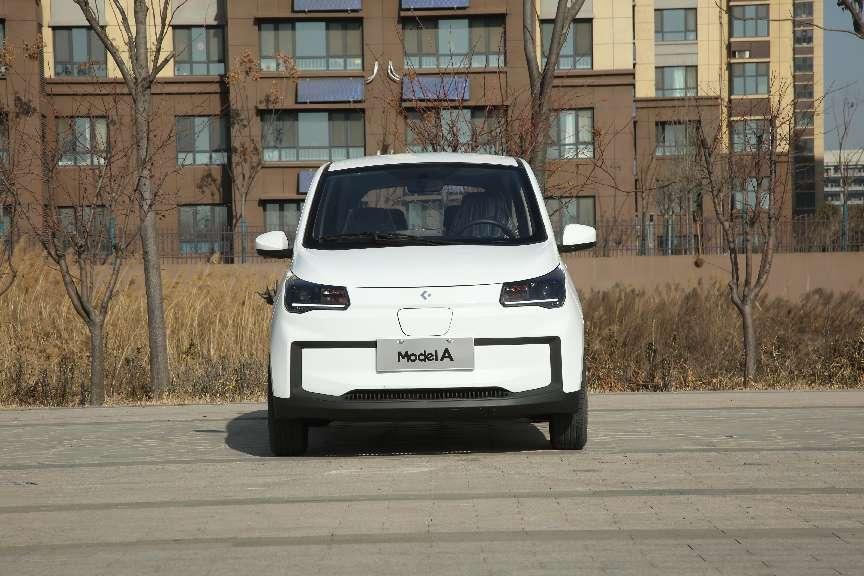
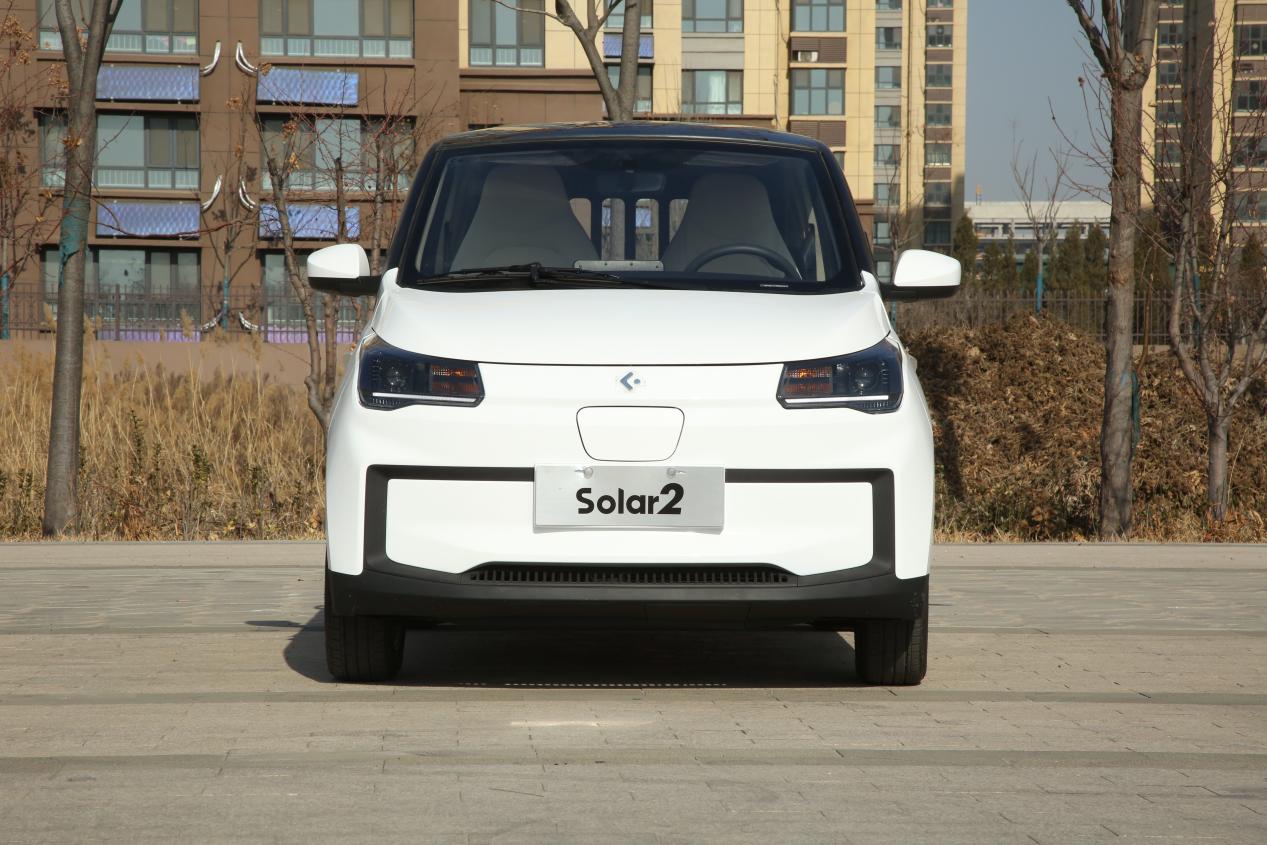
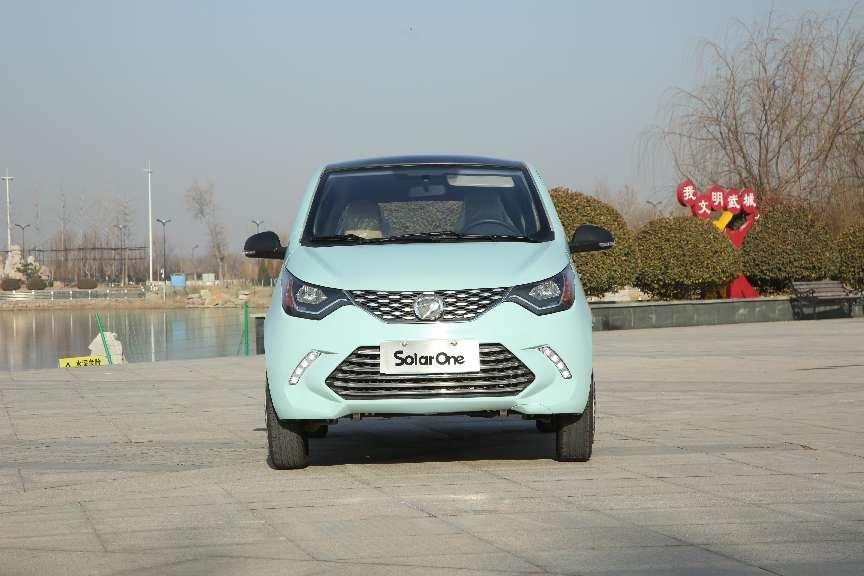
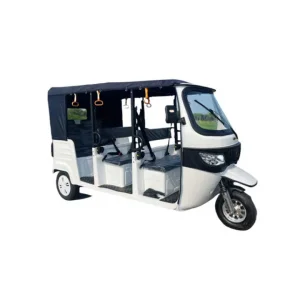
Eco-Tourism and Resort Transport: Panama's growing eco-tourism sector benefits from clean, quiet transport solutions. Our solar-assisted passenger vehicles and electric tuk-tuks help resorts reduce their environmental impact while providing quiet transit for guests.
Urban Passenger Fleets: Compact passenger electric vehicles can be integrated into taxi and ride-sharing fleets to lower fuel and maintenance costs, helping transport companies improve operational efficiency.
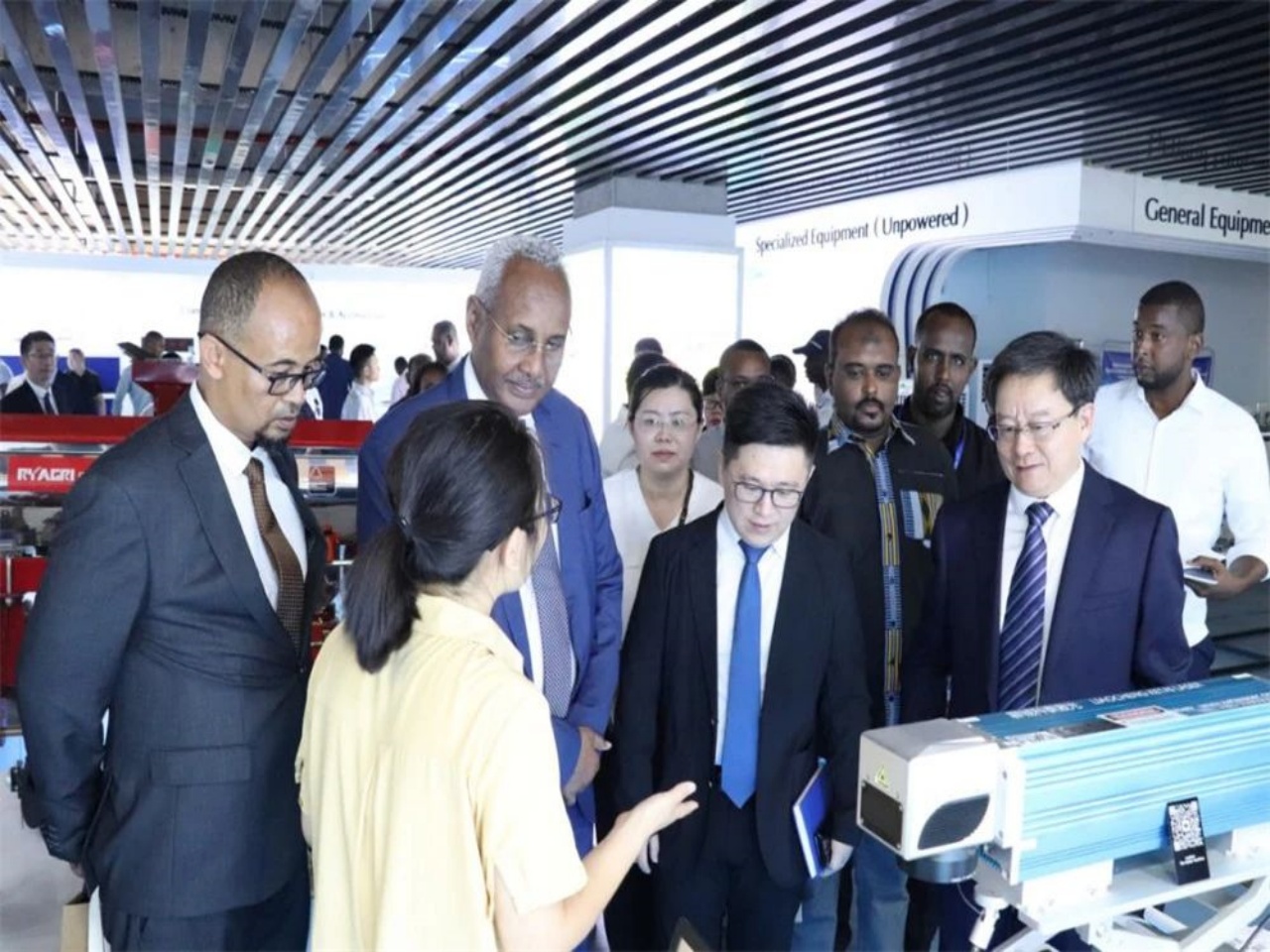
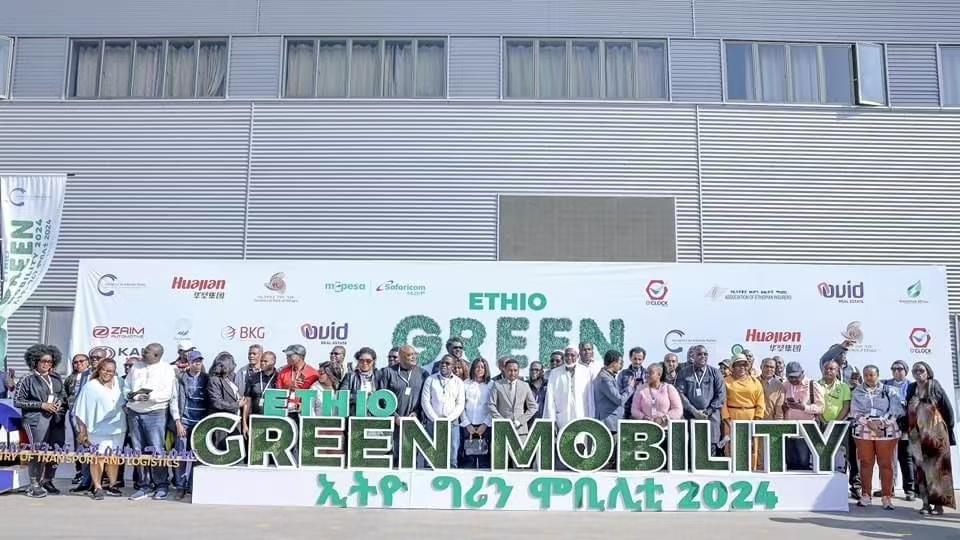
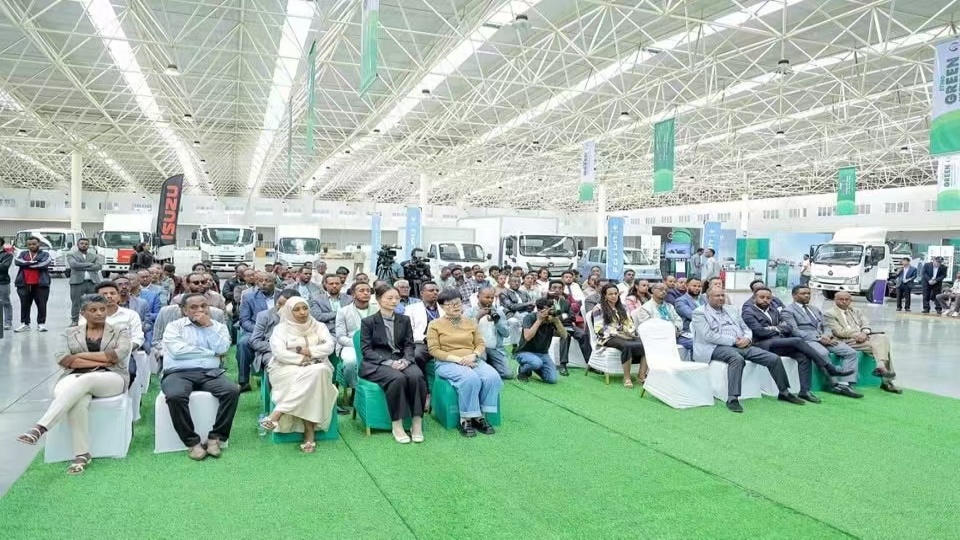
A look at our factory operations, export processes, global exhibitions, and assembly facilities.

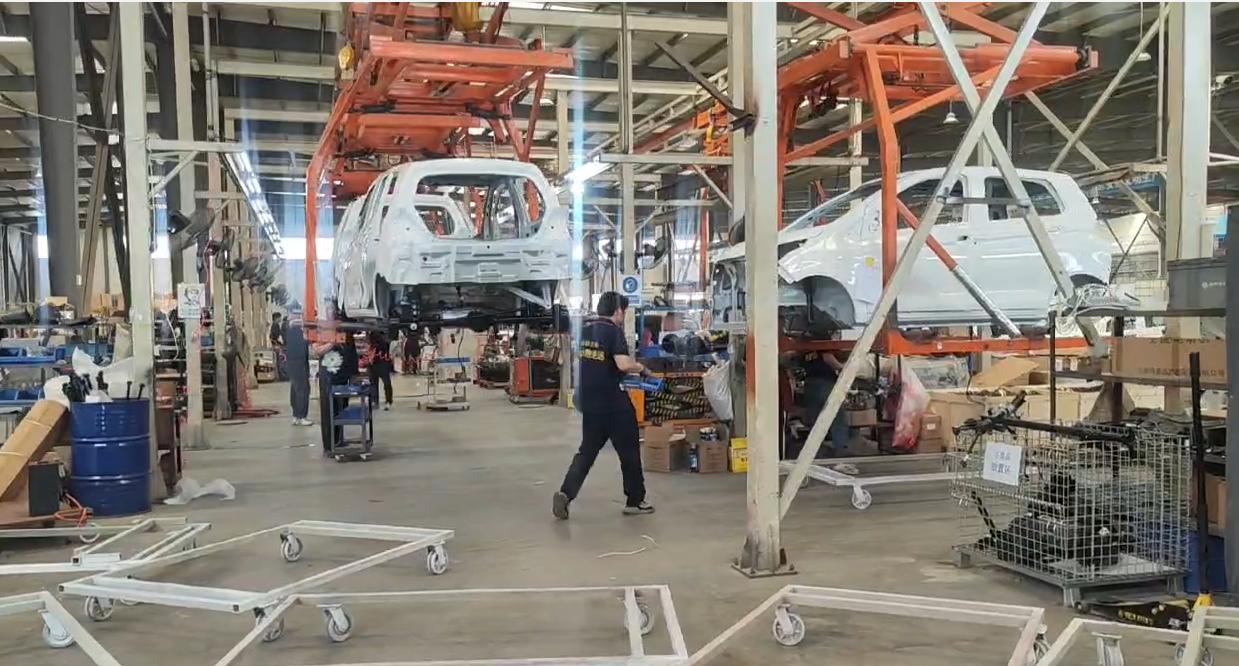
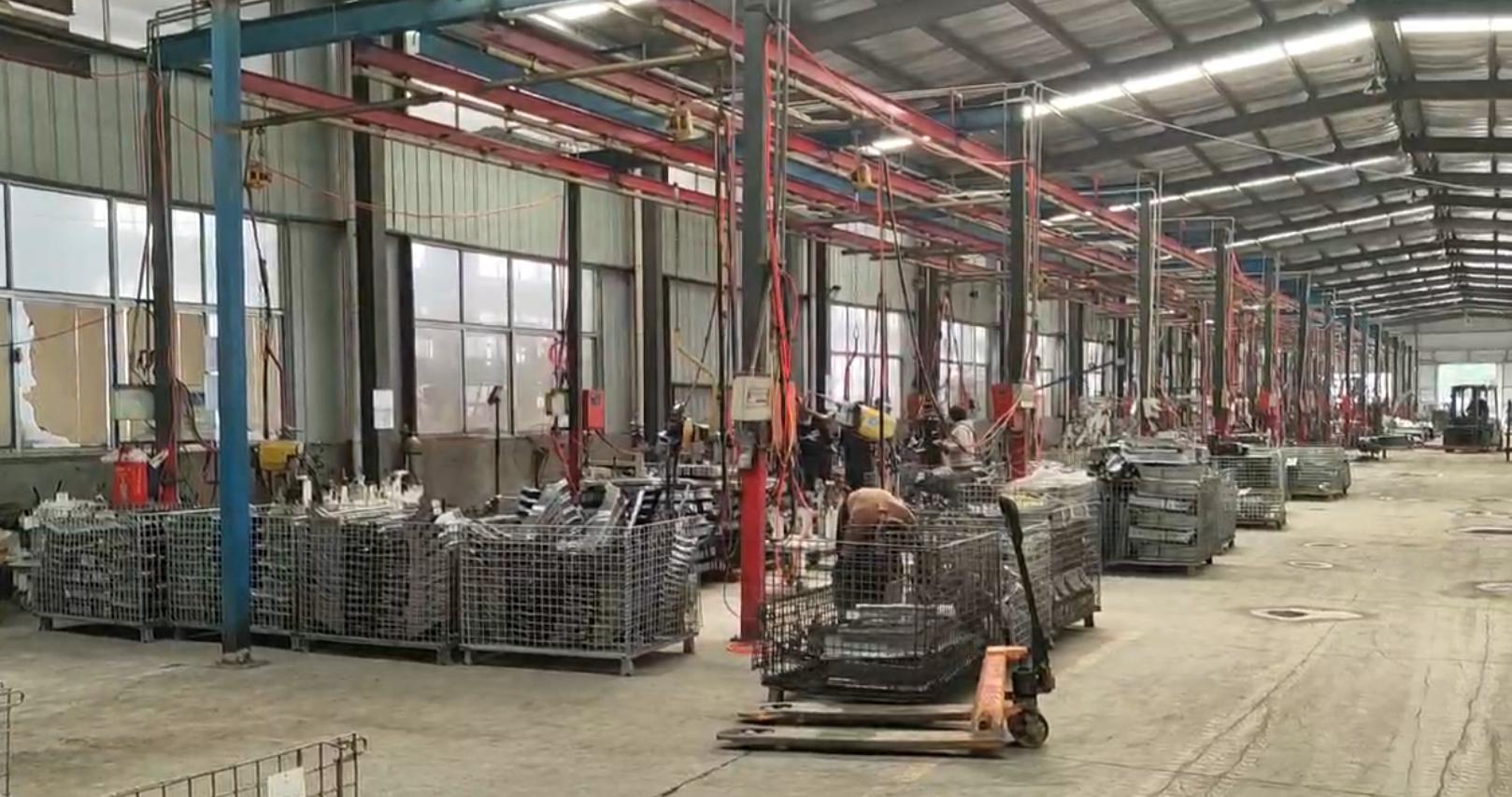
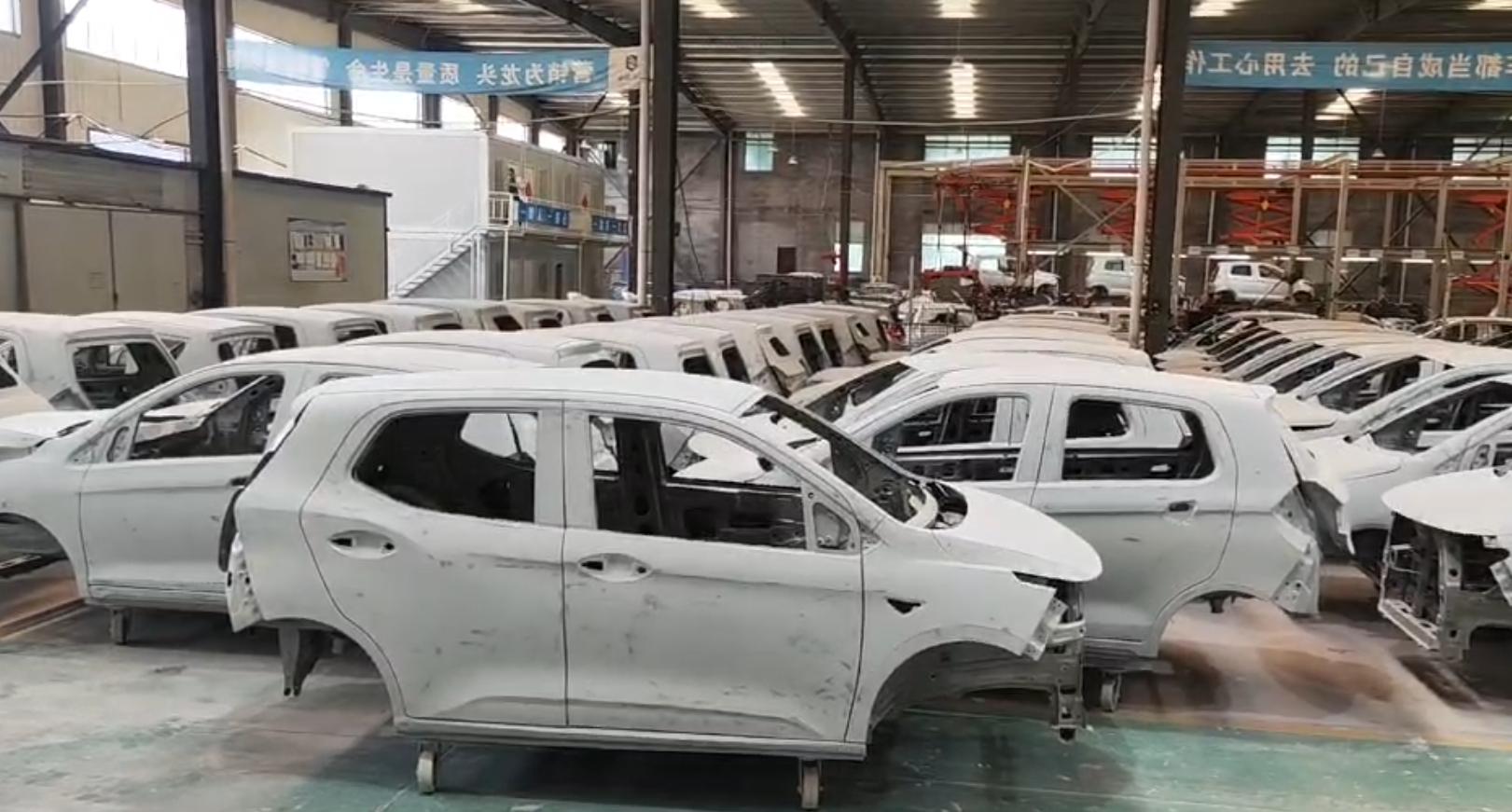
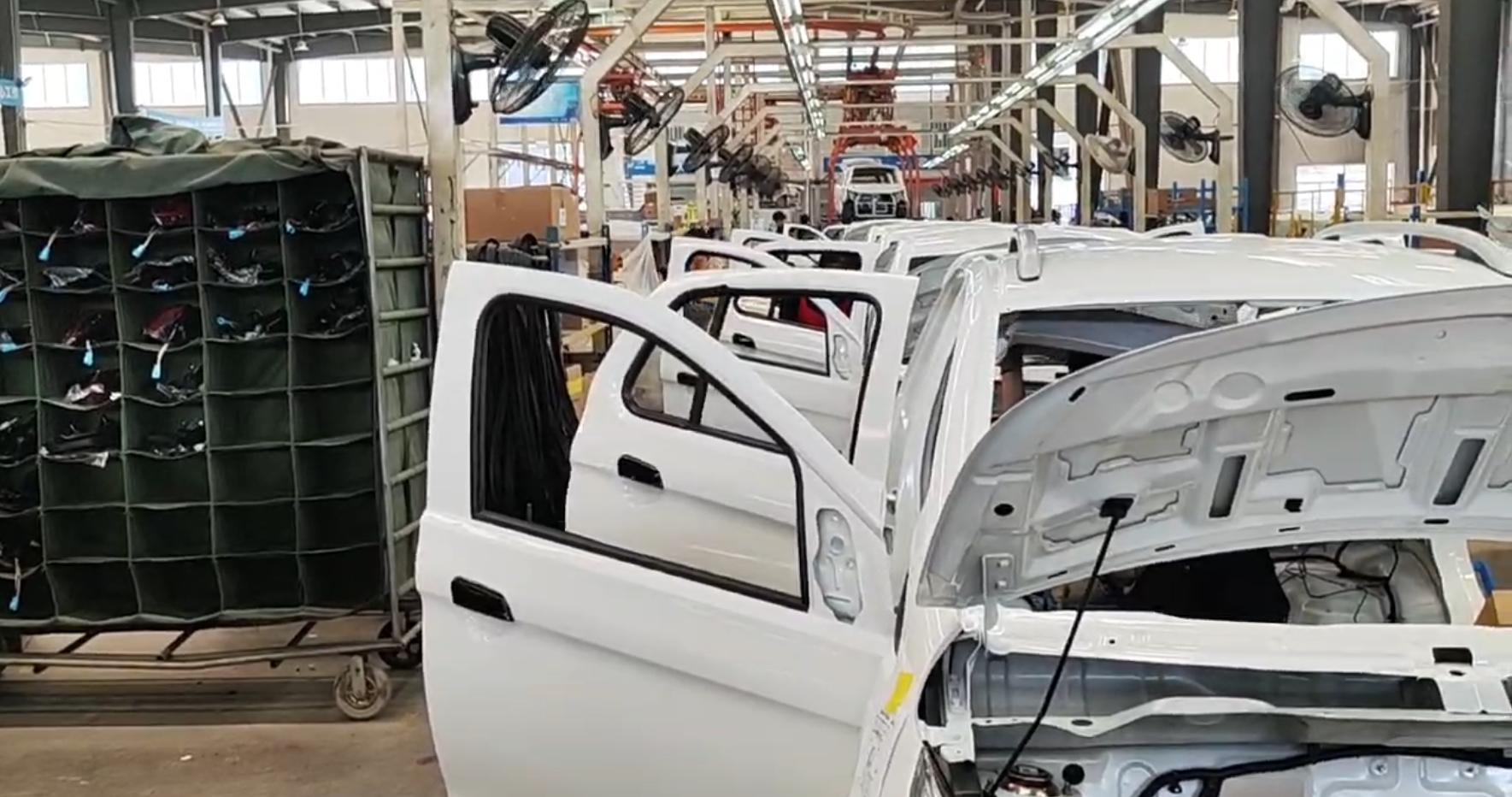
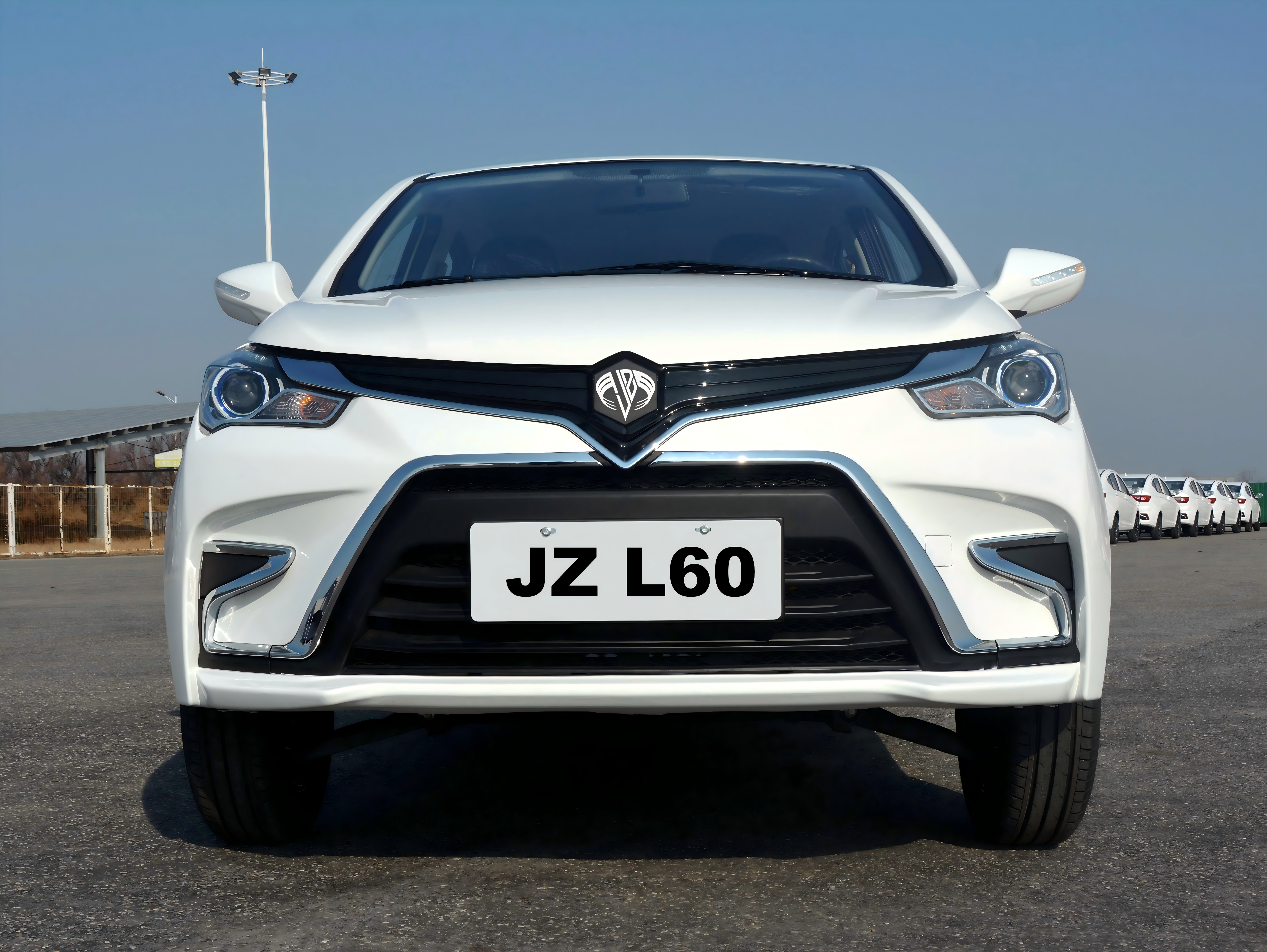
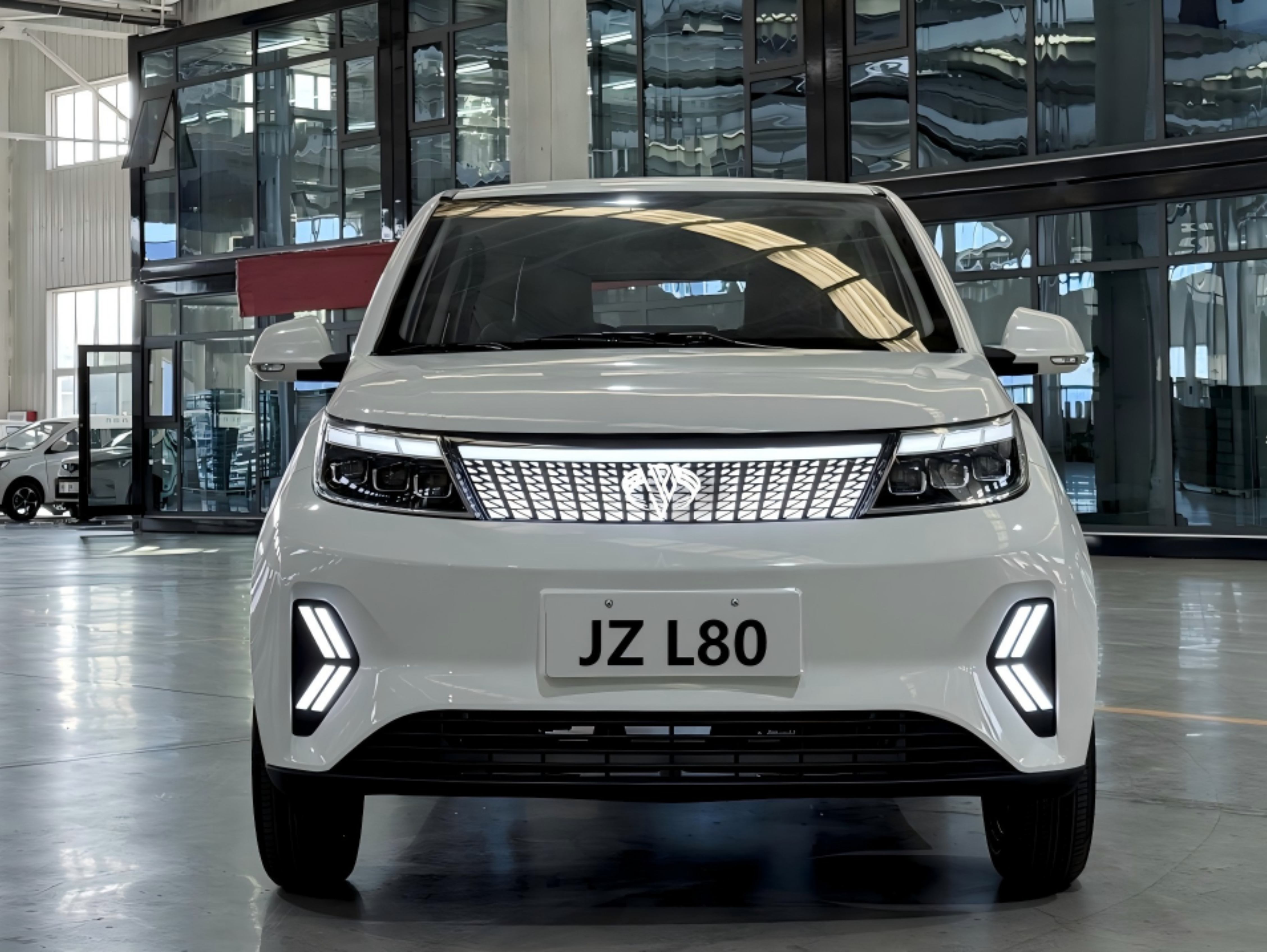
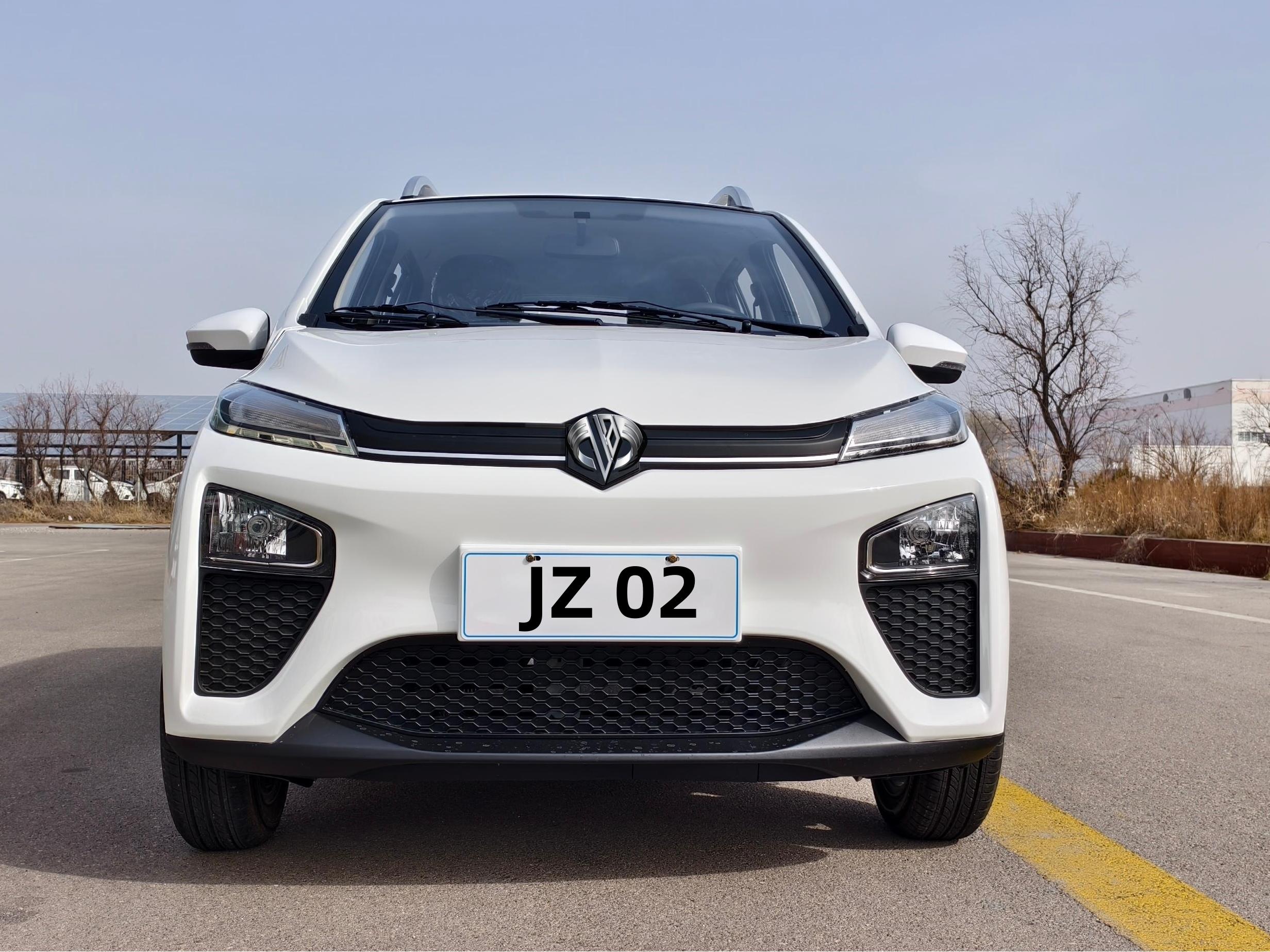
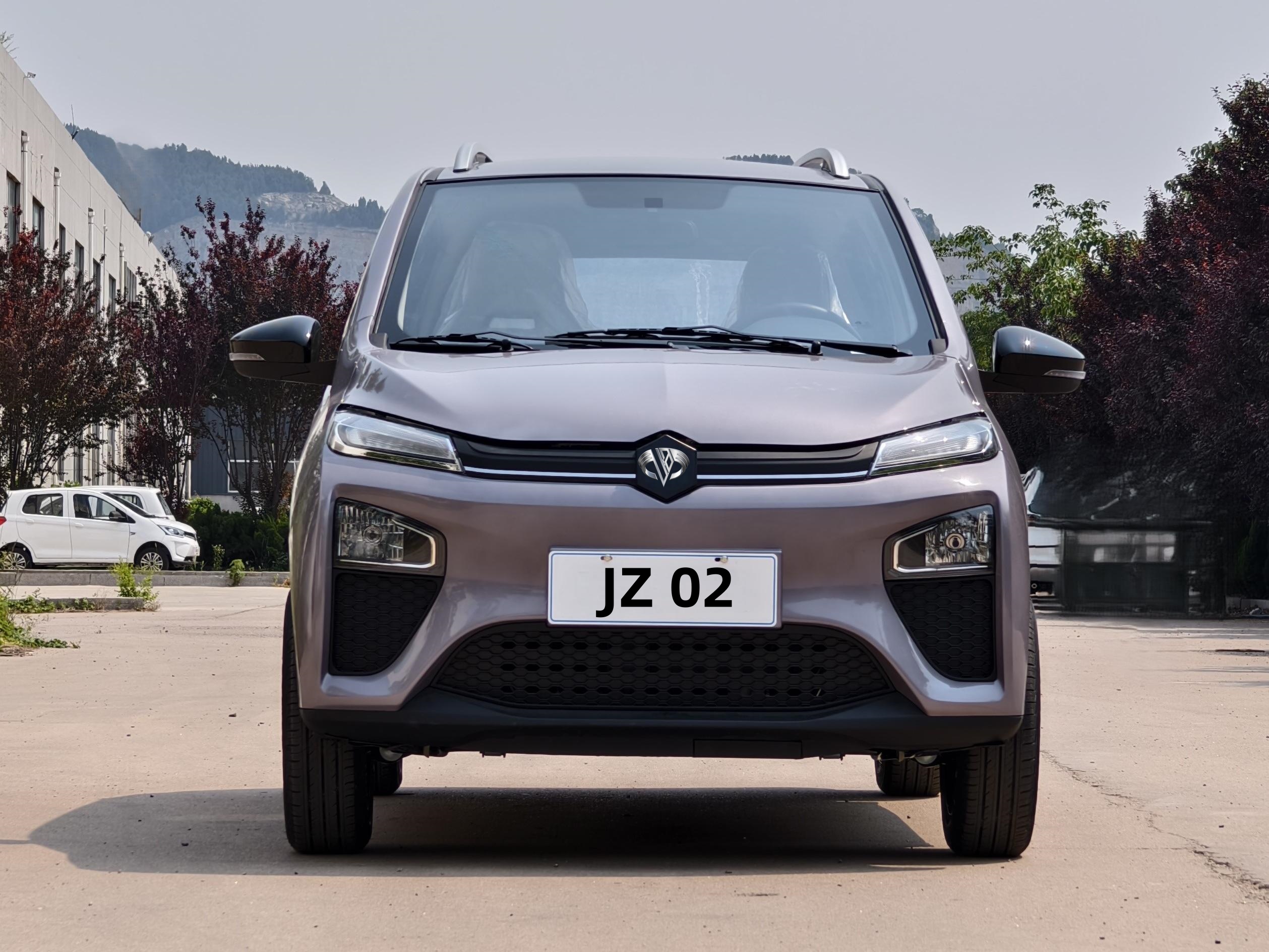


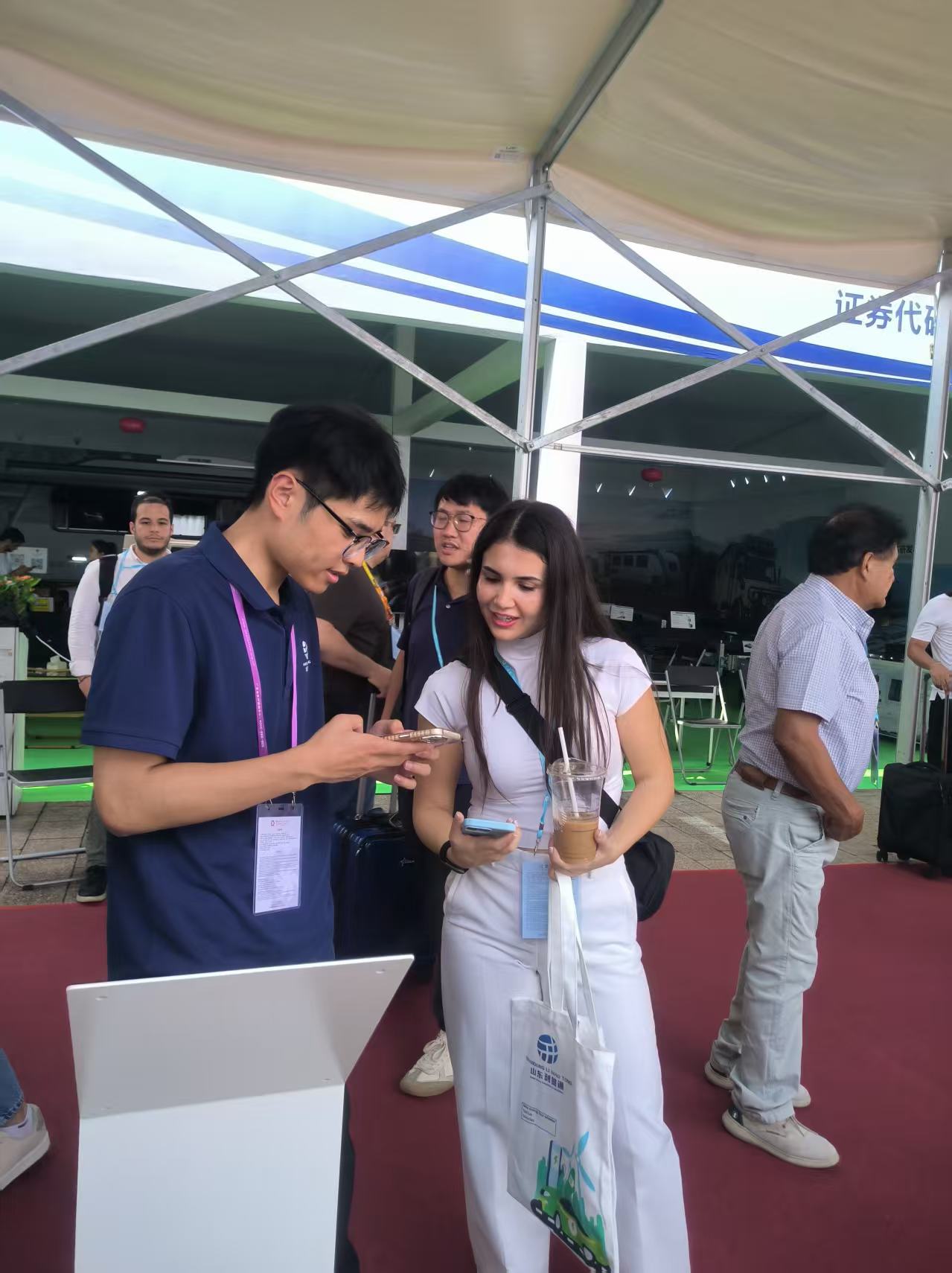

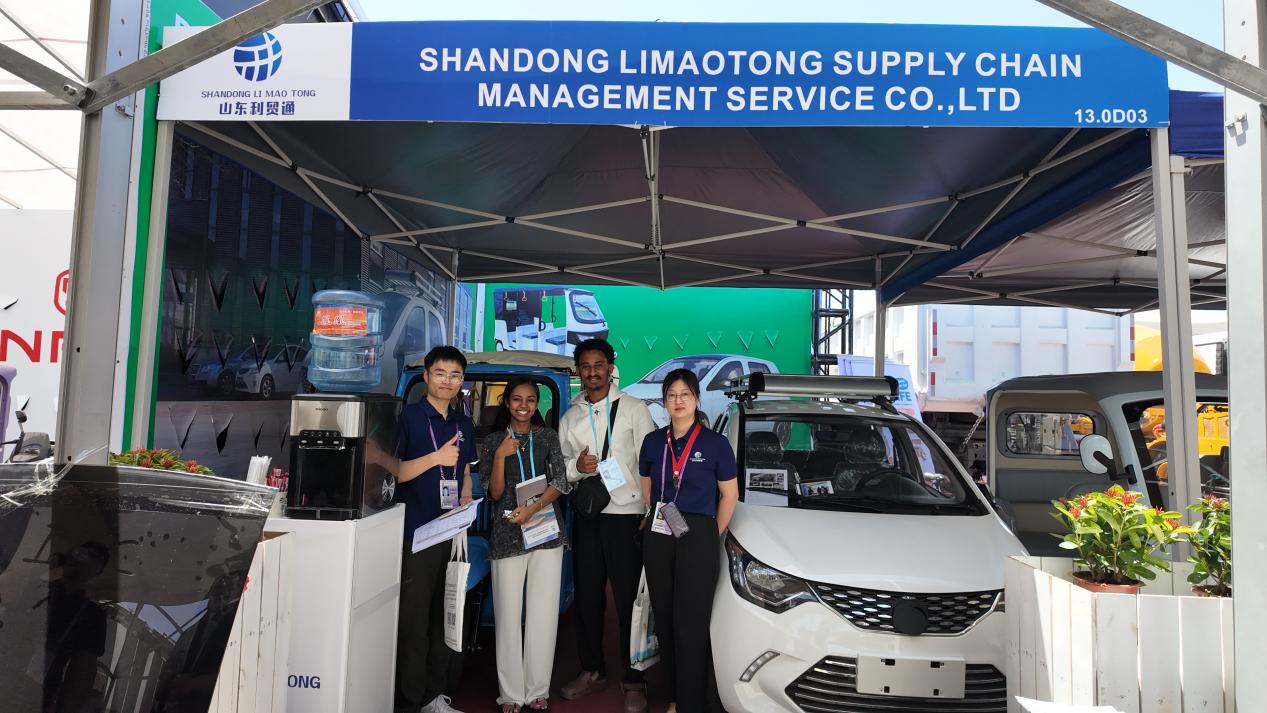
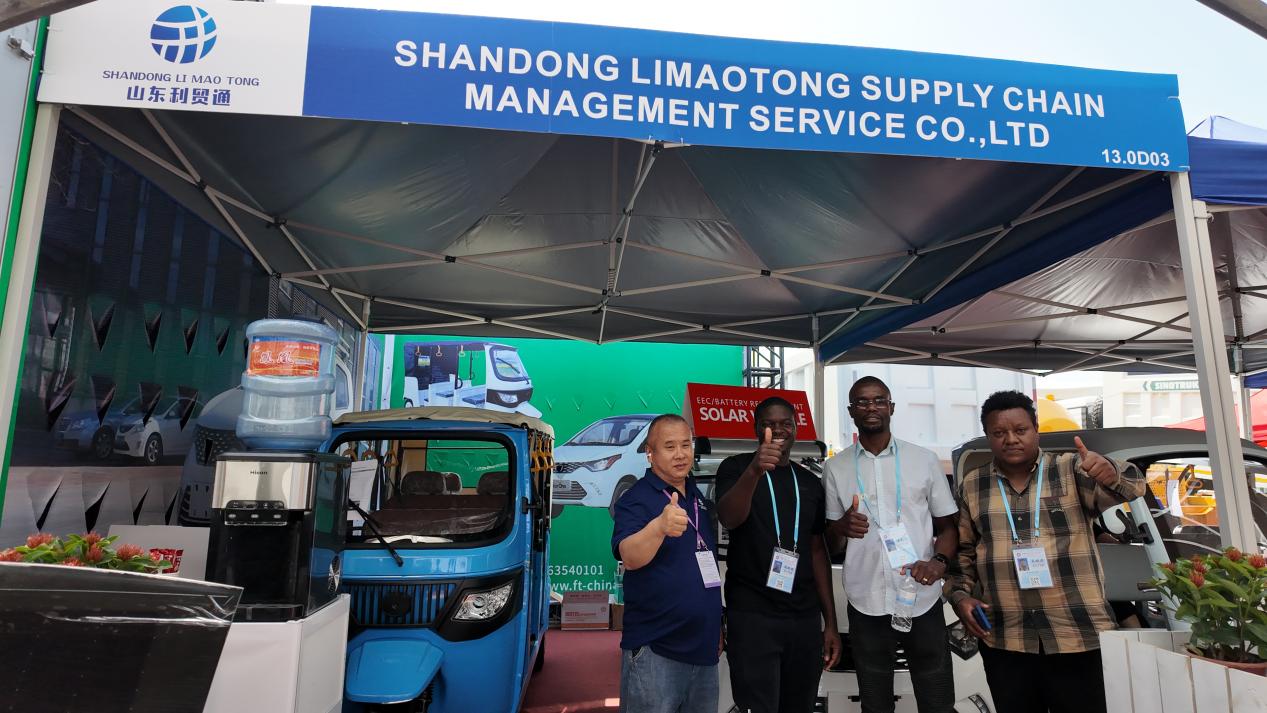
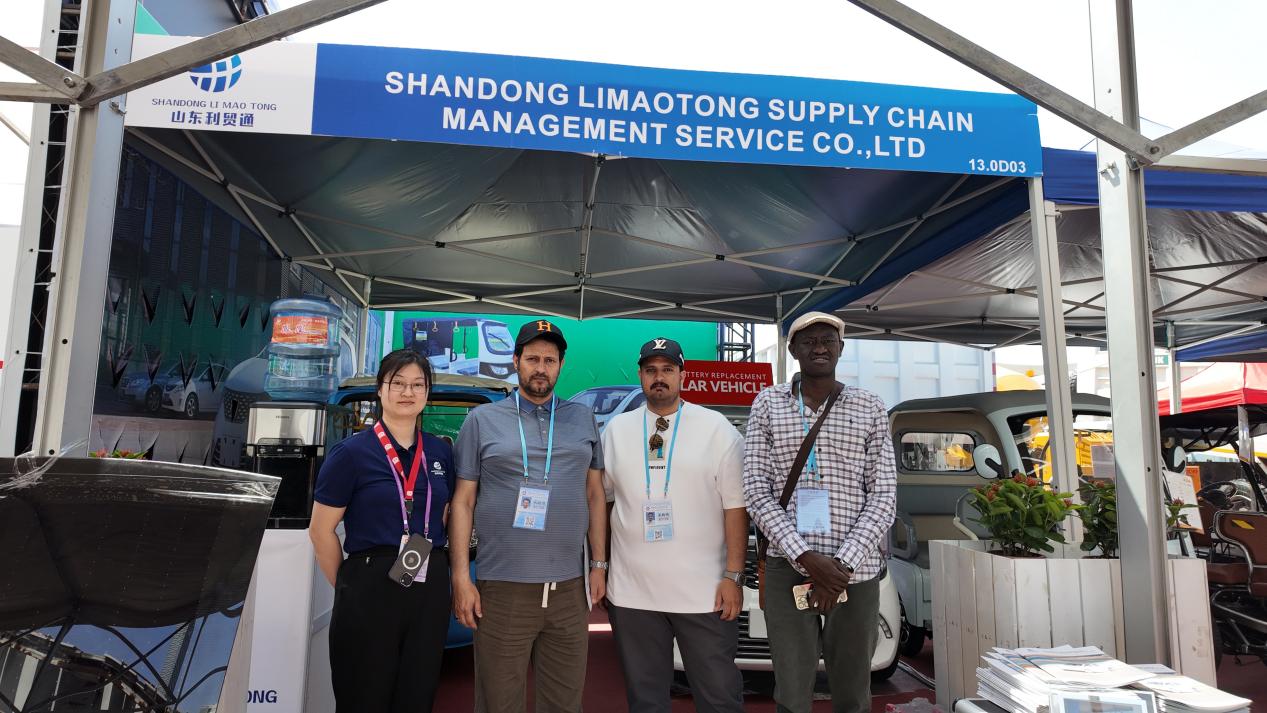
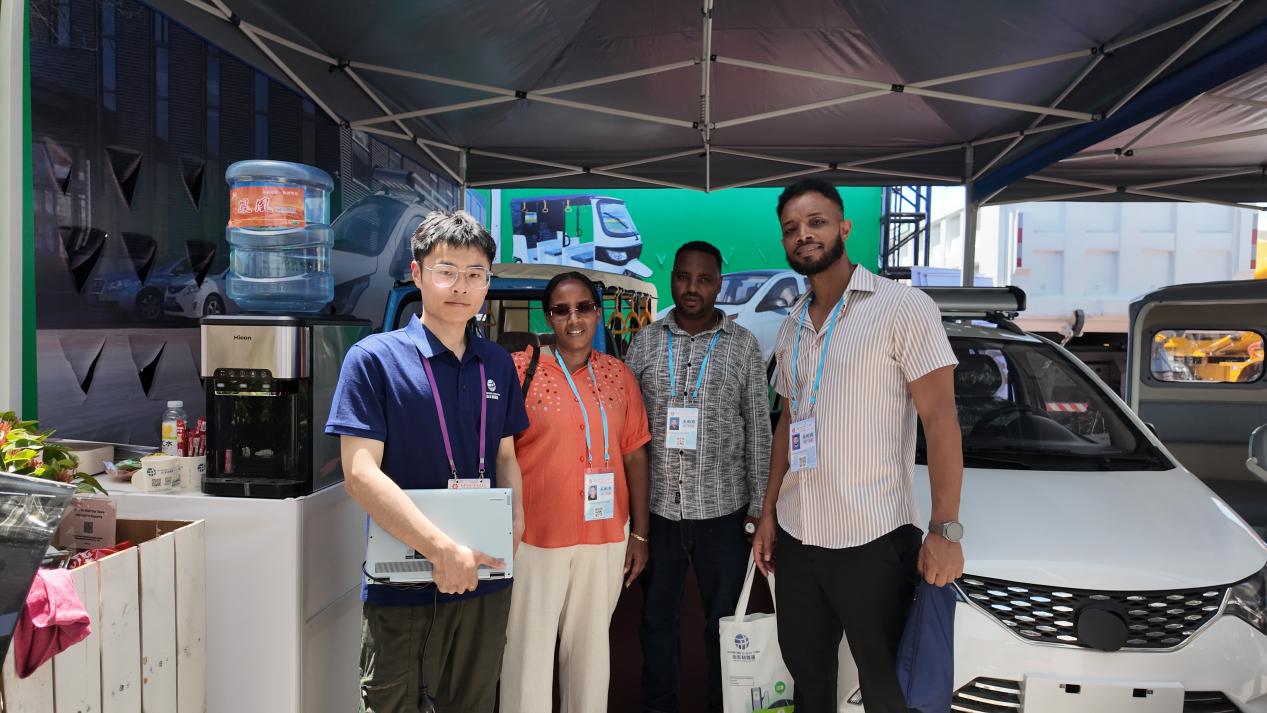

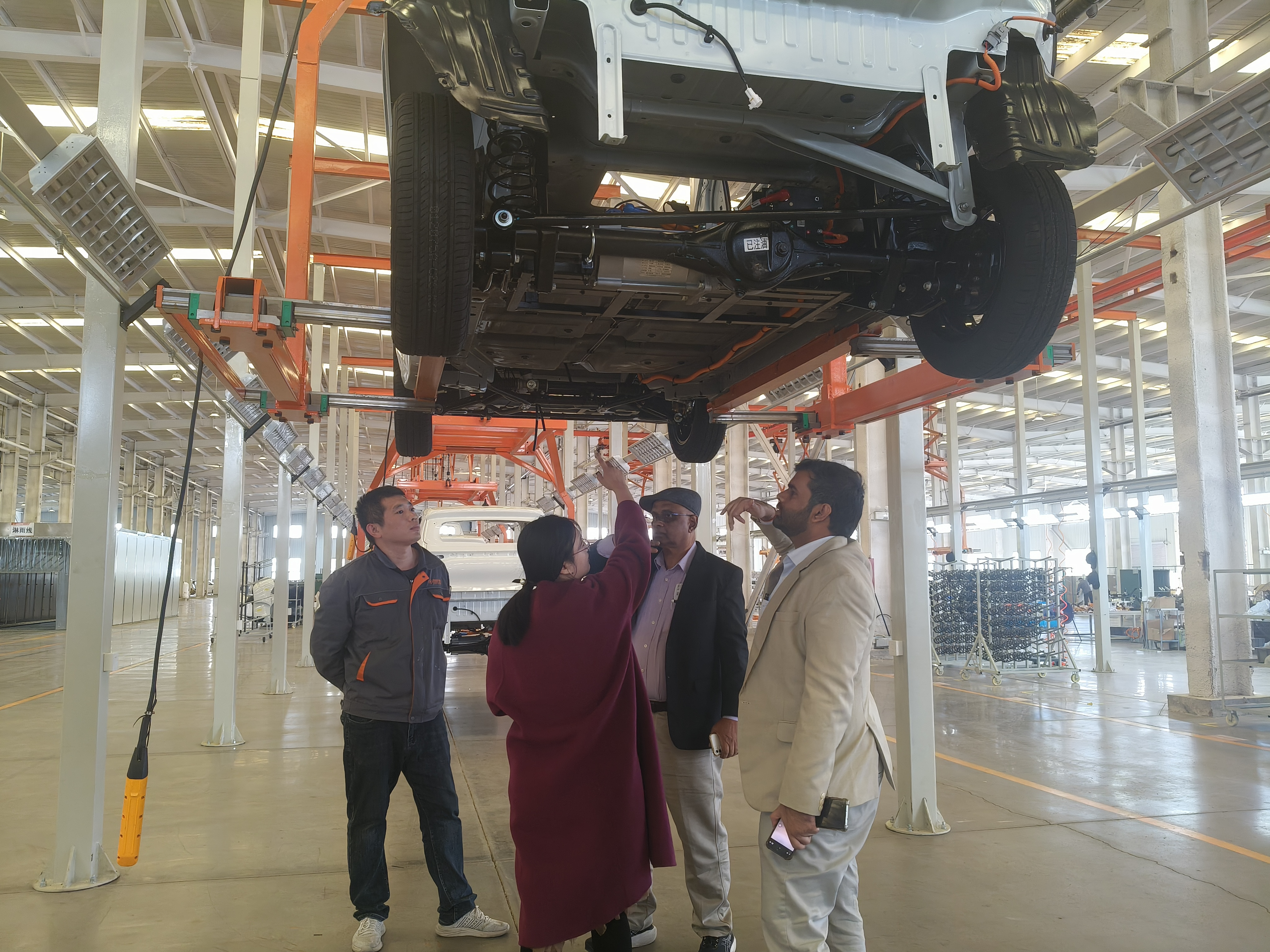
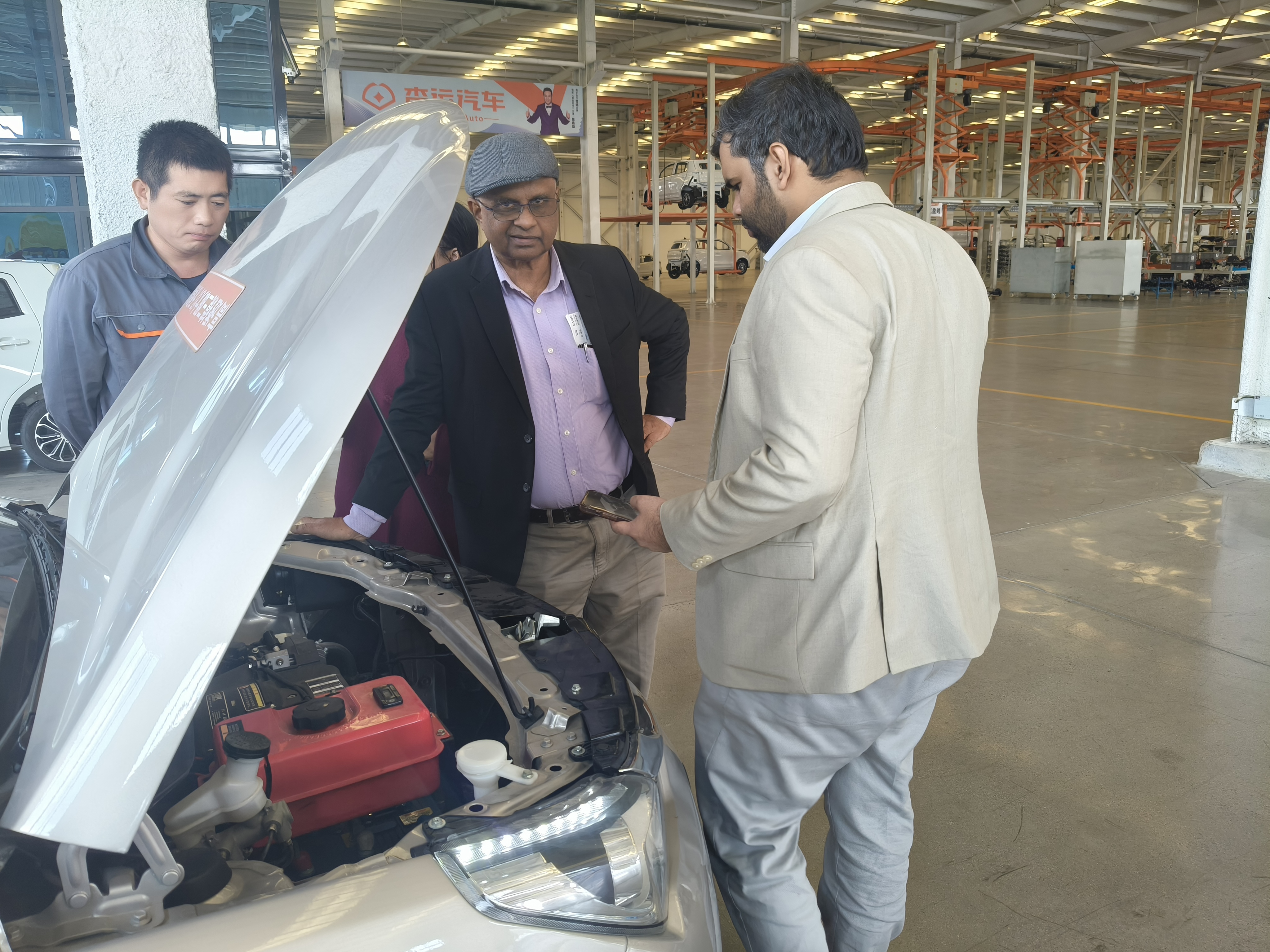
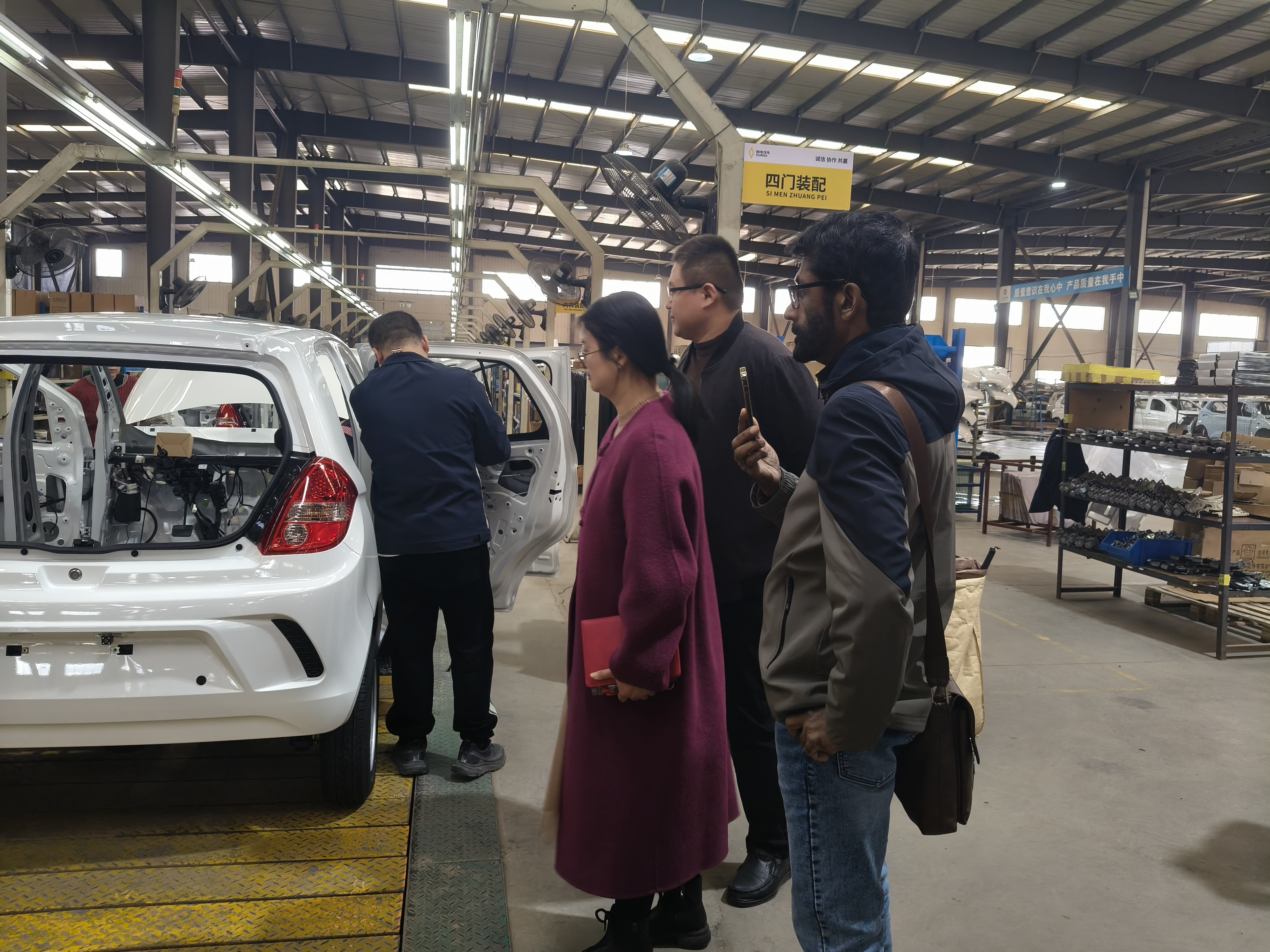
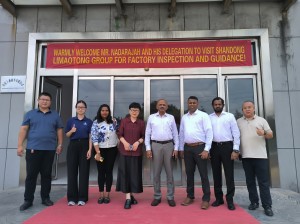
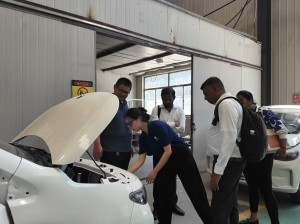

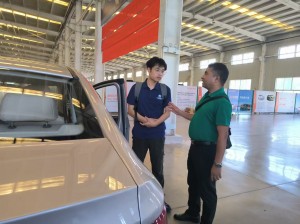
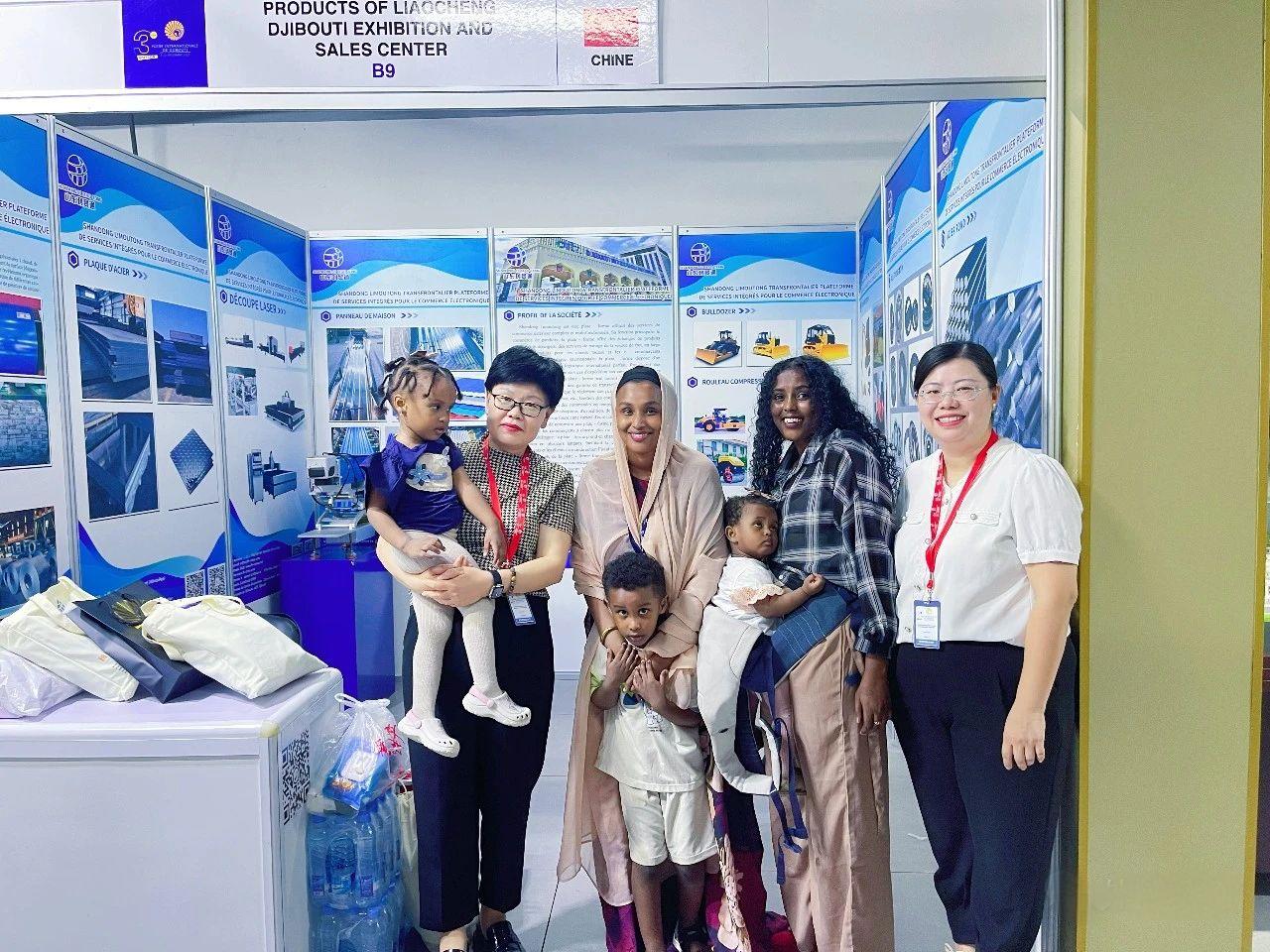
Our experience includes establishing logistics facilities like the Djibouti Cross-border E-commerce Exhibition and Sales Center in the East Africa Free Trade Zone, which provides integrated services including customs clearance and direct local delivery.
We are applying similar models to the Latin American market, helping distributors secure reliable access to vehicles, replacement parts, and technical support. This approach reduces transit times and helps our partners manage their operations more efficiently.
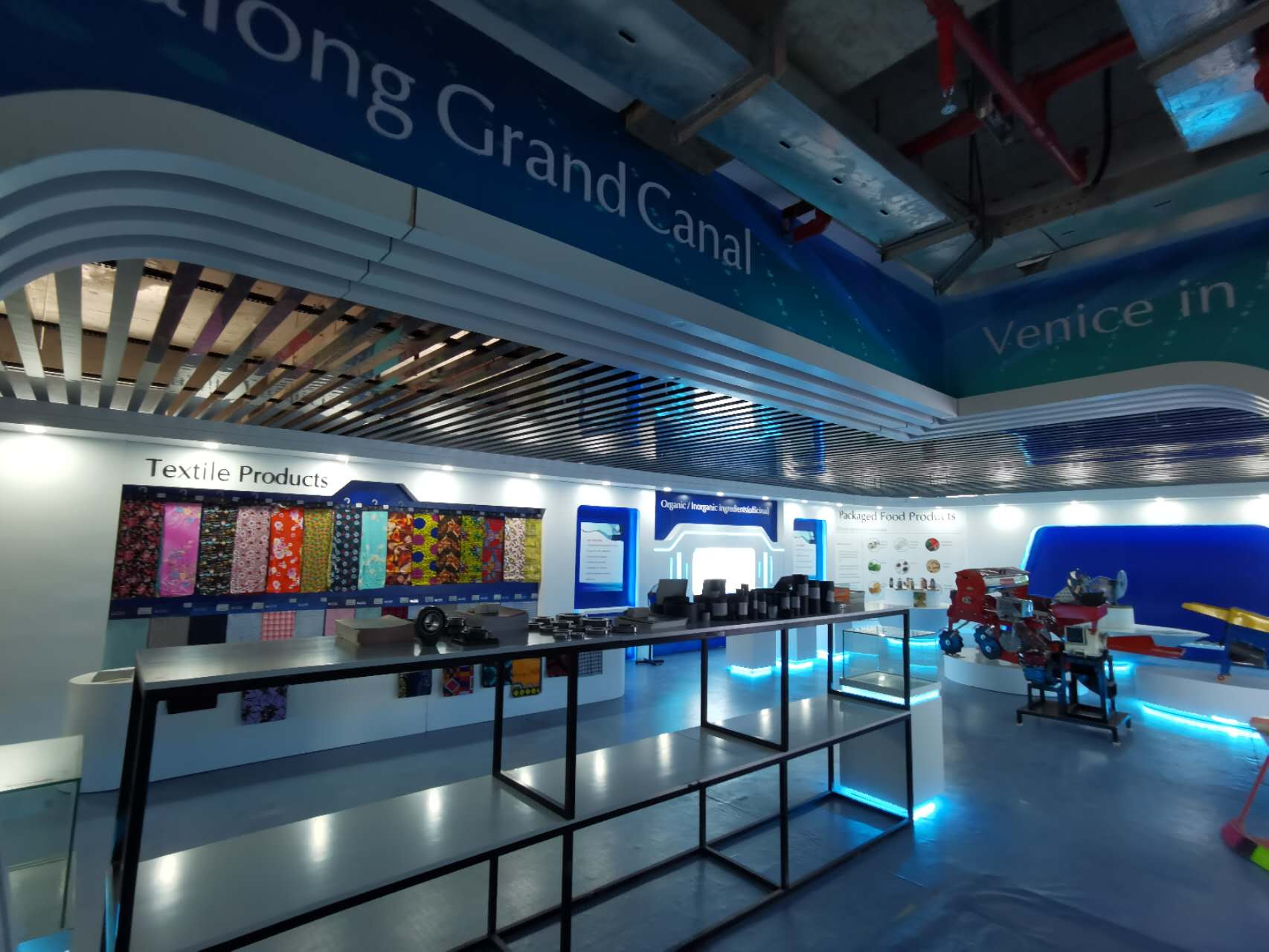
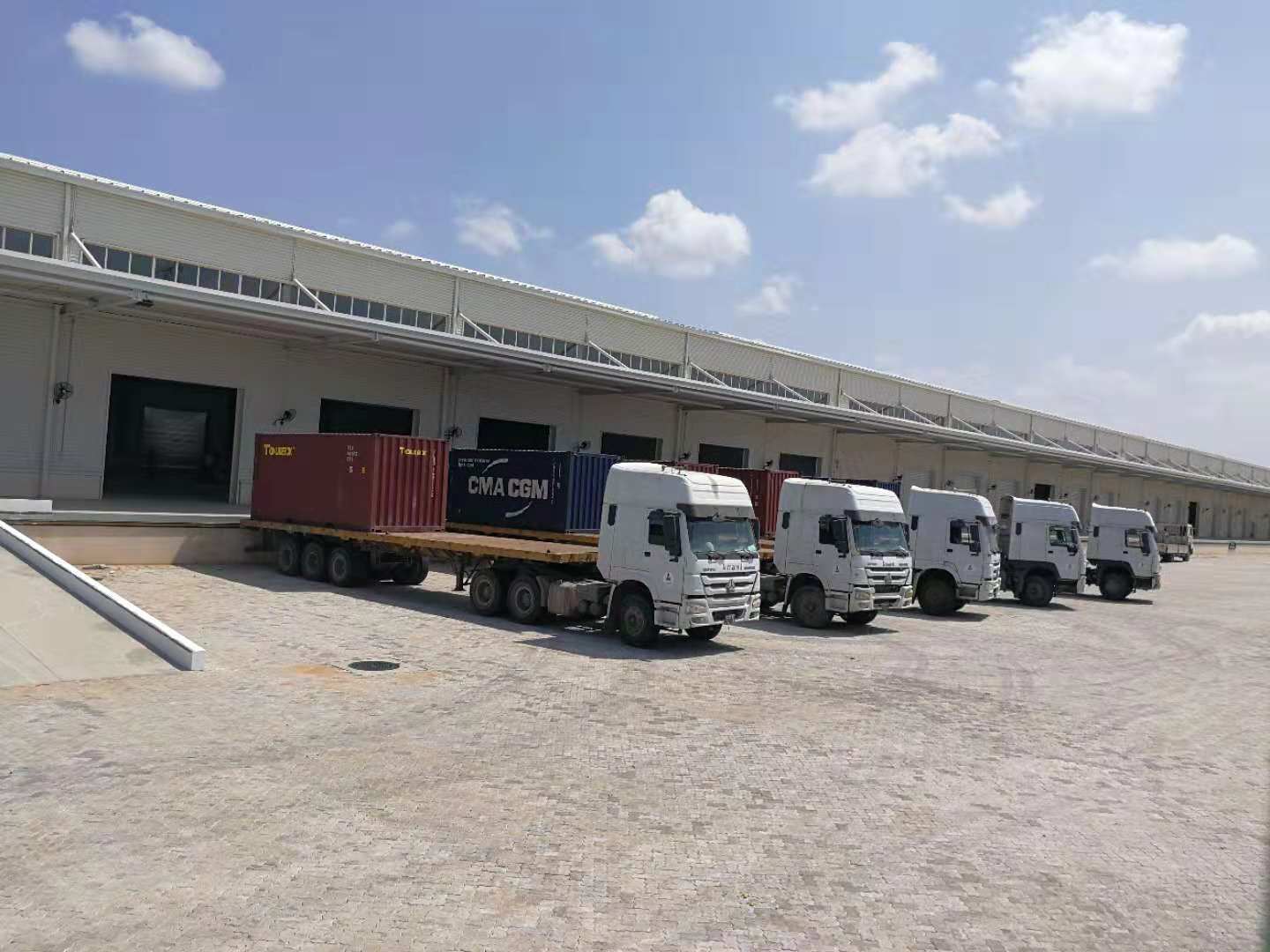
How we manage assembly, testing, and shipping to destinations in Central America.


Essential details on specifications, import logistics, and operational setup for fleet owners in Panama.
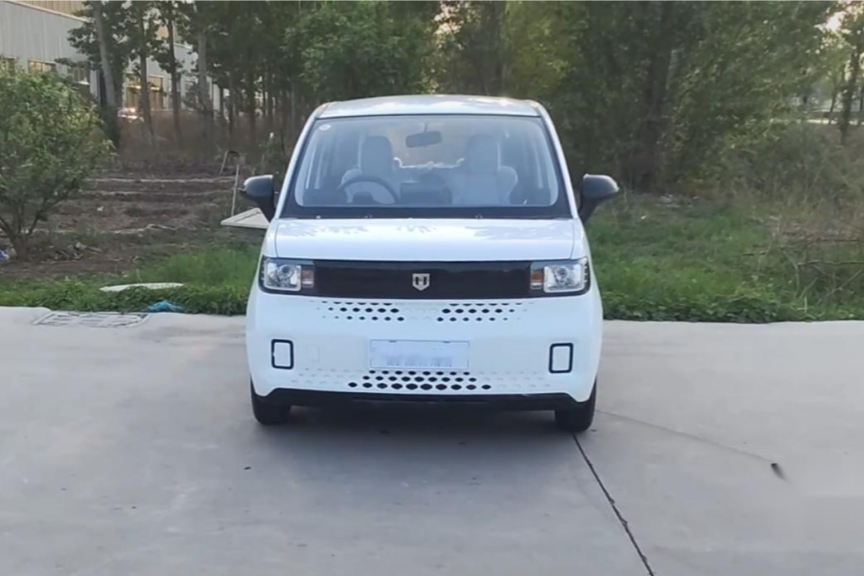
Selecting the appropriate EV platform involves balancing payload needs, range requirements, and route profiles. For delivery operations in downtown areas, compact three-wheel electric vehicles offer high maneuverability and low energy use. For passenger transit or longer commuter routes, our mini electric cars provide higher speeds and air-conditioned comfort while keeping maintenance costs low.
It is also important to consider the charging infrastructure. Panama mainly uses CCS1 and GBT standards. Our technical team can configure vehicle charge ports to match your local charging setups, ensuring hassle-free compatibility with your existing fleet infrastructure.
Explore our range of electric transit vehicles, from passenger sedans to urban three-wheelers, designed for reliable operation in Panama.
 Limaotong