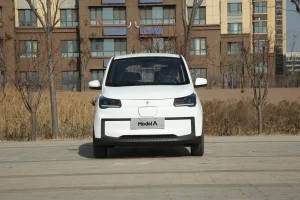
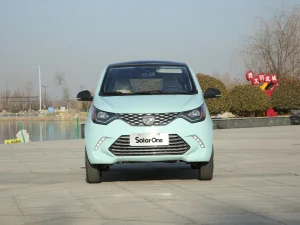
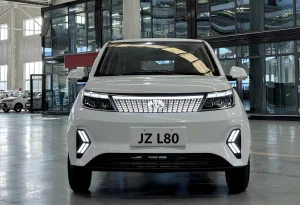
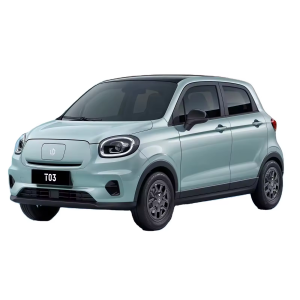
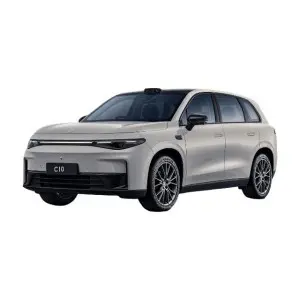
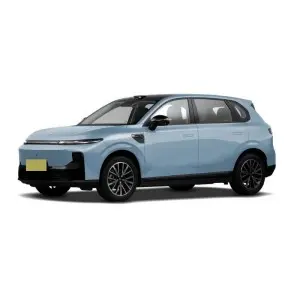
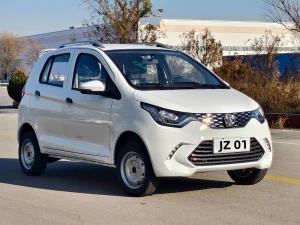
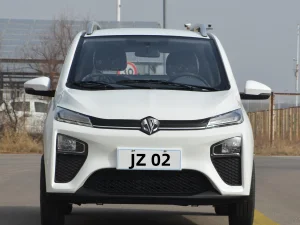
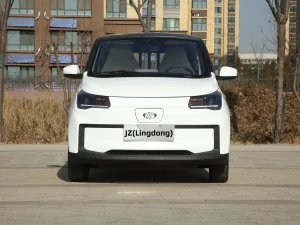
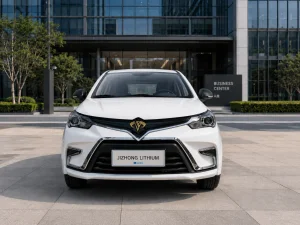
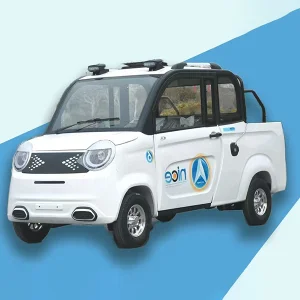
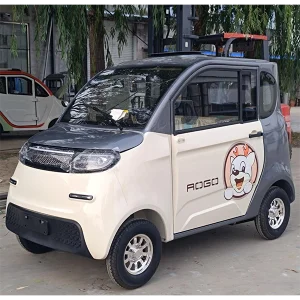
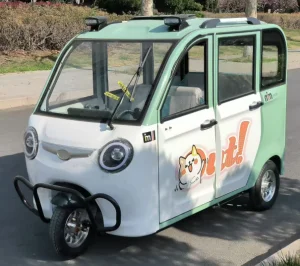
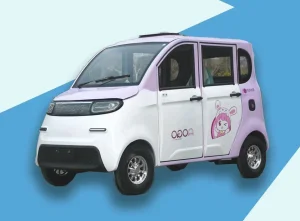
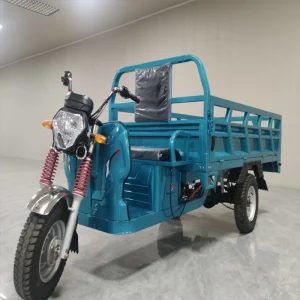
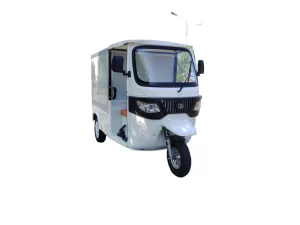
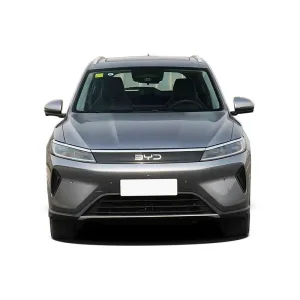
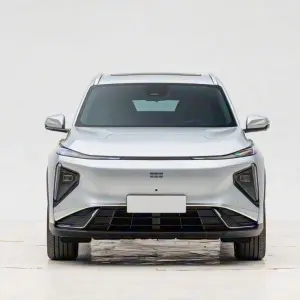
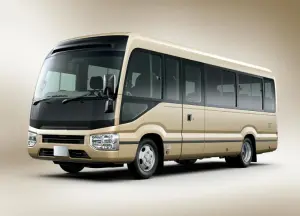
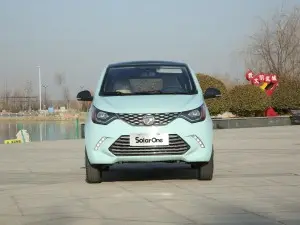
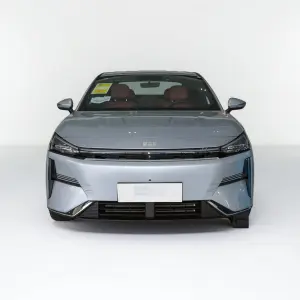
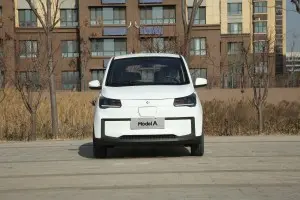
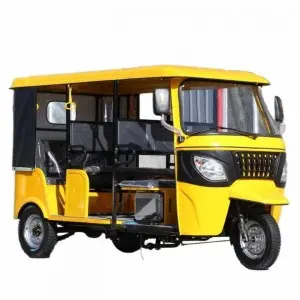
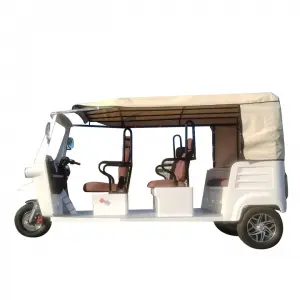
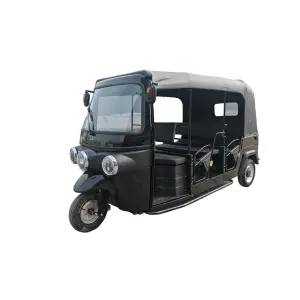
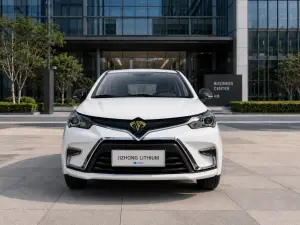
Engineered for high temperature resistance, heavy monsoonal road conditions, and exceptional energy efficiency.
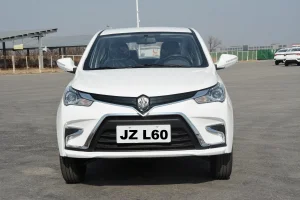
The transportation sector in Bangladesh is undergoing an unprecedented paradigm shift. Driven by high urbanization rates, carbon emission challenges in dense metropolises like Dhaka and Chittagong, and the volatile costs of imported fossil fuels, the government and private sector are aggressively pushing for the adoption of electric vehicles (EVs). The publication of the National Electric Vehicle Policy outlines ambitious deployment targets for electric passenger cars, three-wheelers, and commercial transit fleets. In Bangladesh, where grid distribution challenges coexist with a strong demand for decentralized transport solutions, the integration of solar-augmented electric vehicles (such as the Model A and Solar One) presents an economically transformative proposition. By leveraging solar panels directly integrated into vehicle roofing, users can bypass heavy reliance on grid networks, extending urban micro-mobility and reducing daily operational overheads.
Globally, the EV landscape is shifting beyond high-end luxury consumer sedans toward high-utility, cost-effective urban transit assets. Developing economies require ruggedized, light-weight, and highly thermal-stable electric motor configurations to operate in varied climates. With municipal areas focusing on carbon mitigation, regional micro-mobility platforms are replacing legacy diesel/gasoline three-wheelers (Tuk-Tuks) with sophisticated, lithium-iron-phosphate (LFP) powered alternatives. This macro-environmental shift underlines the critical nature of sourcing from manufacturers that control the entire raw-materials, processing, and assembly value chain.
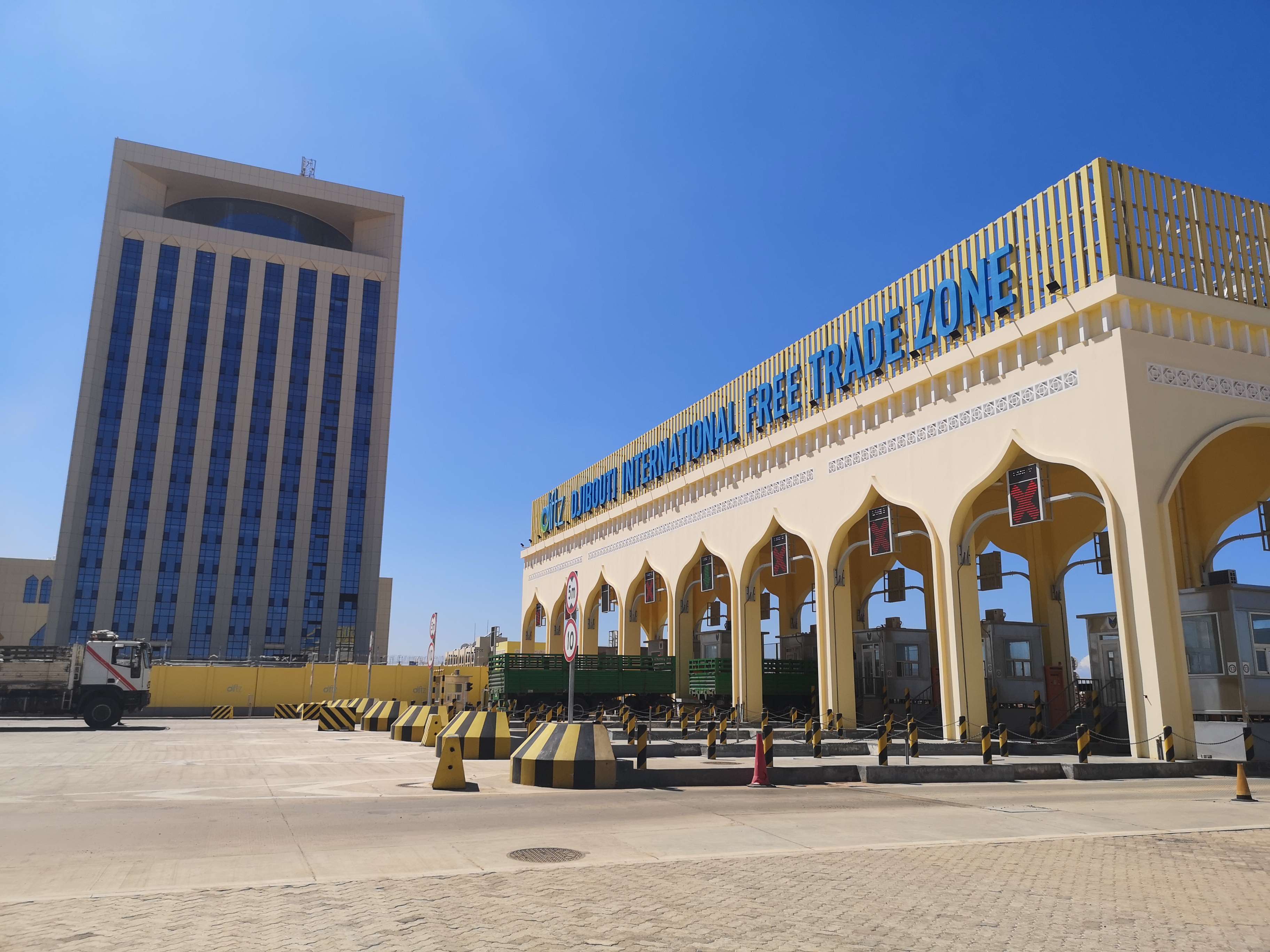
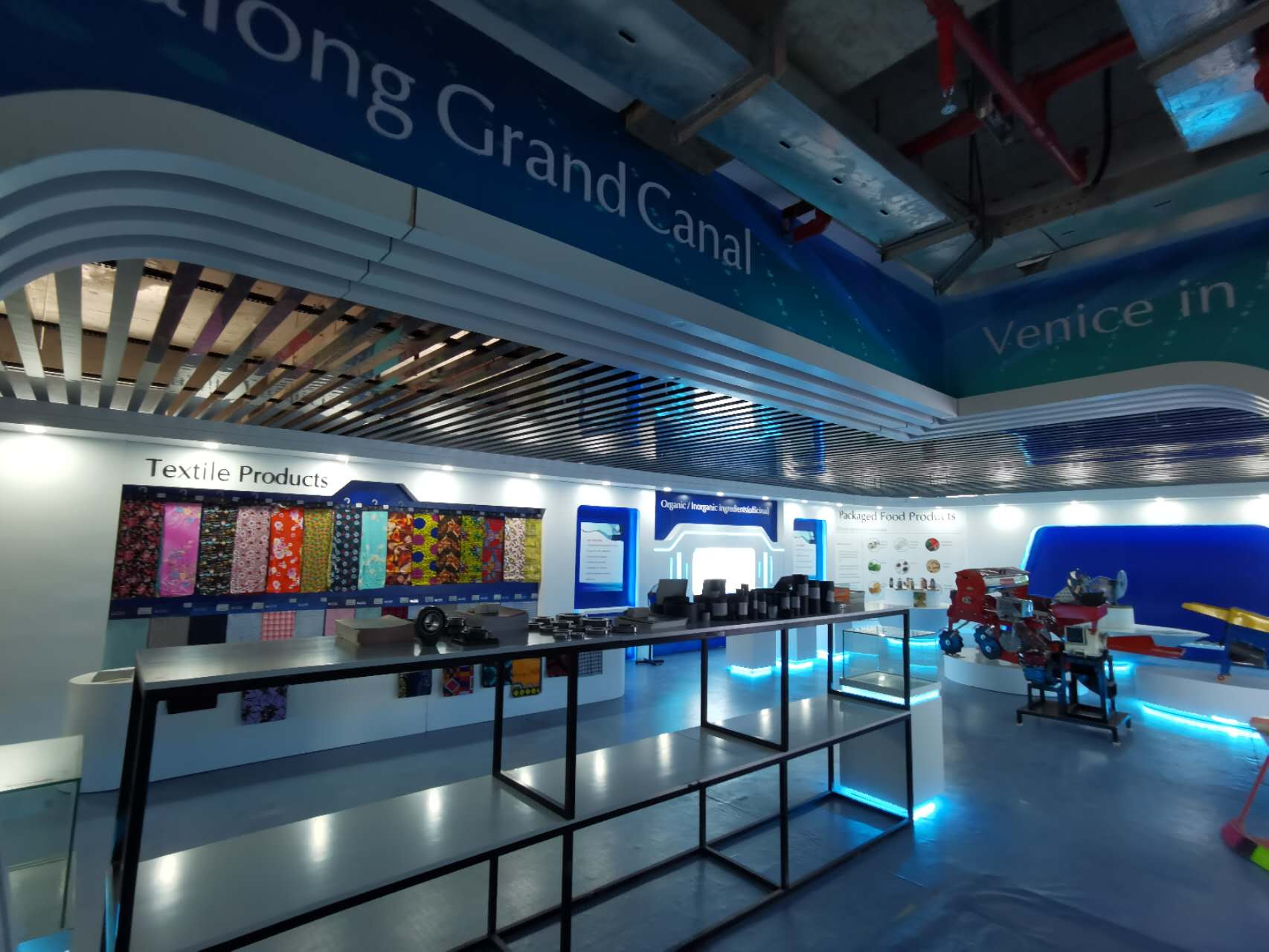
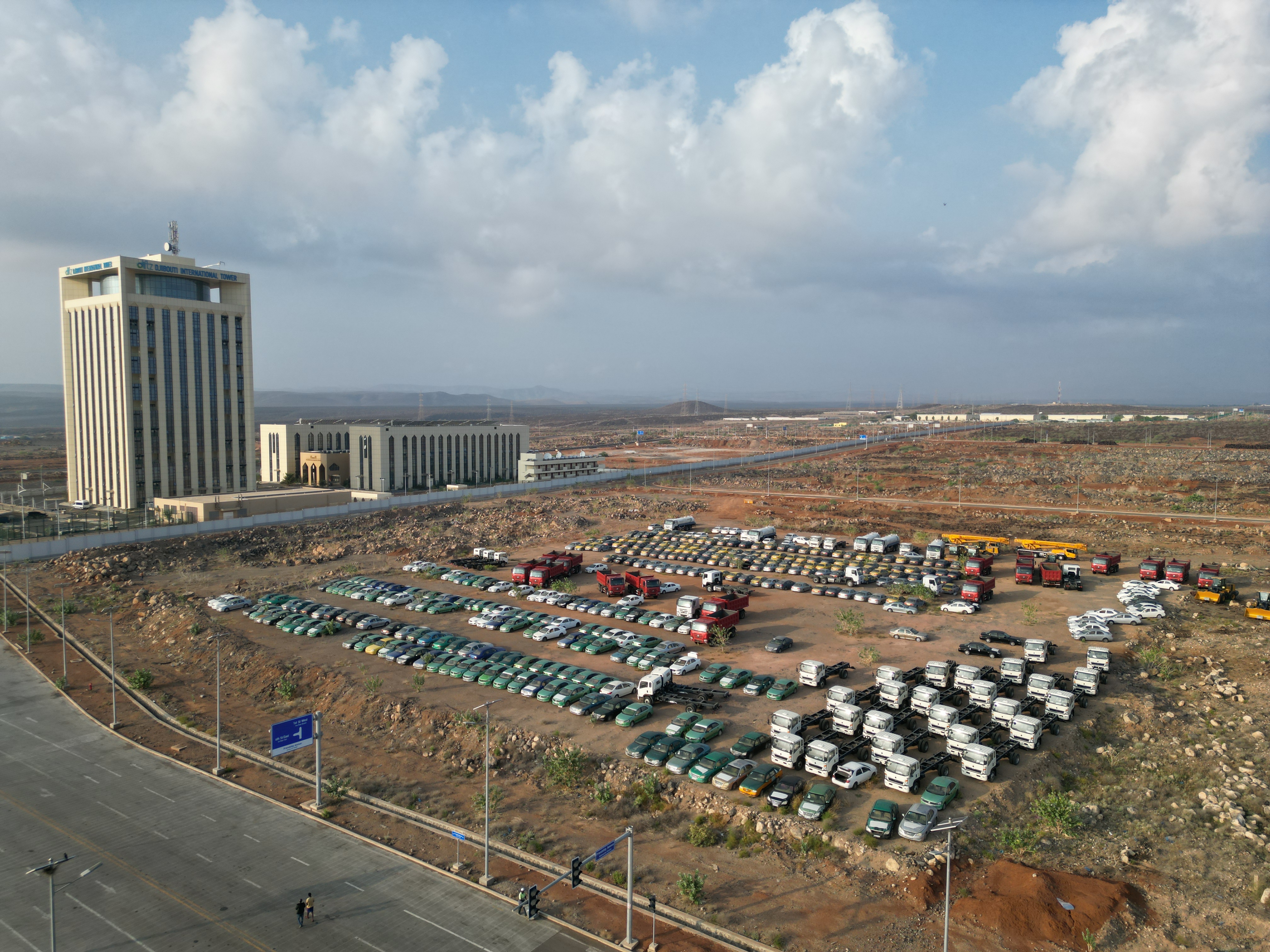
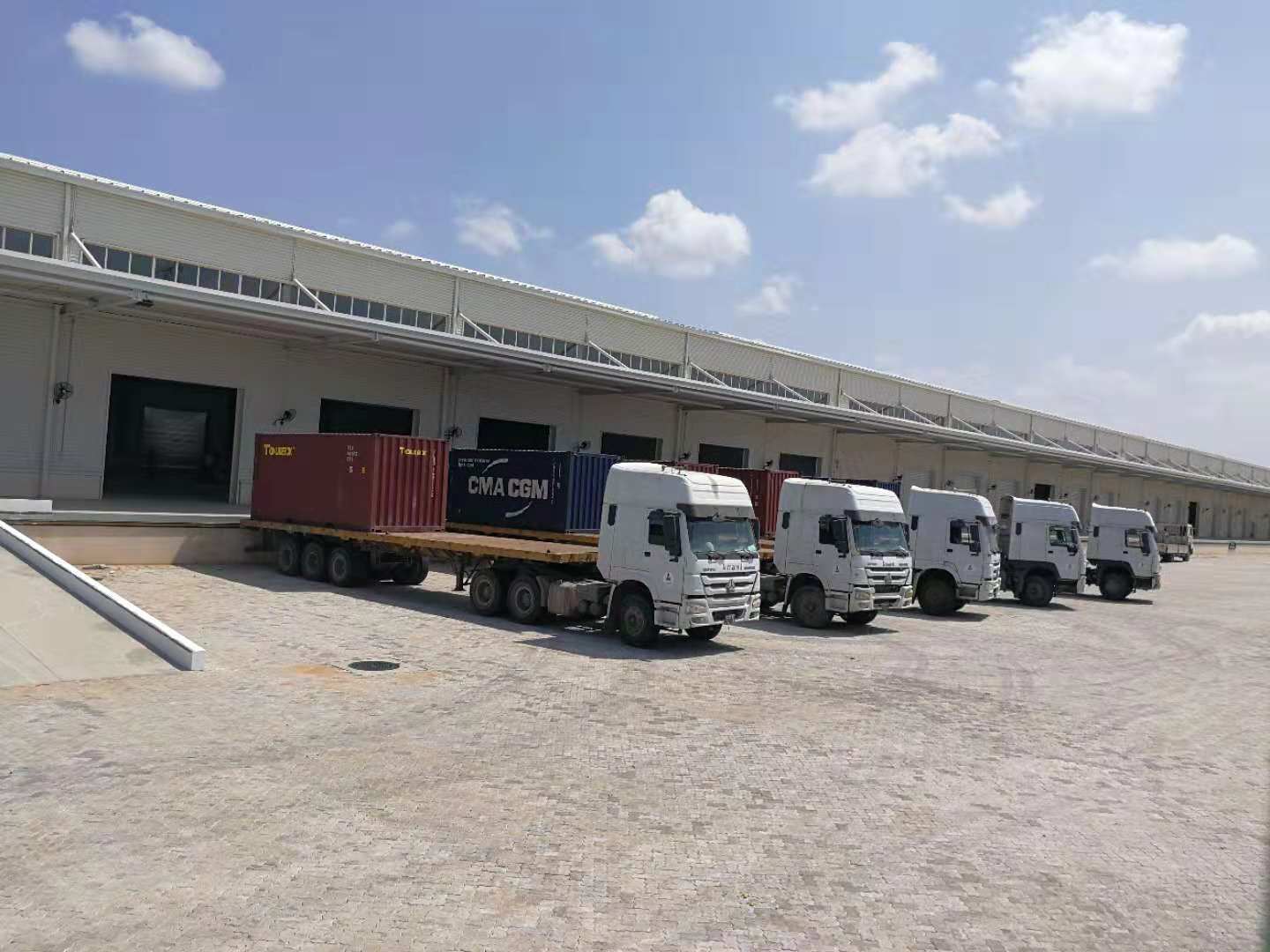
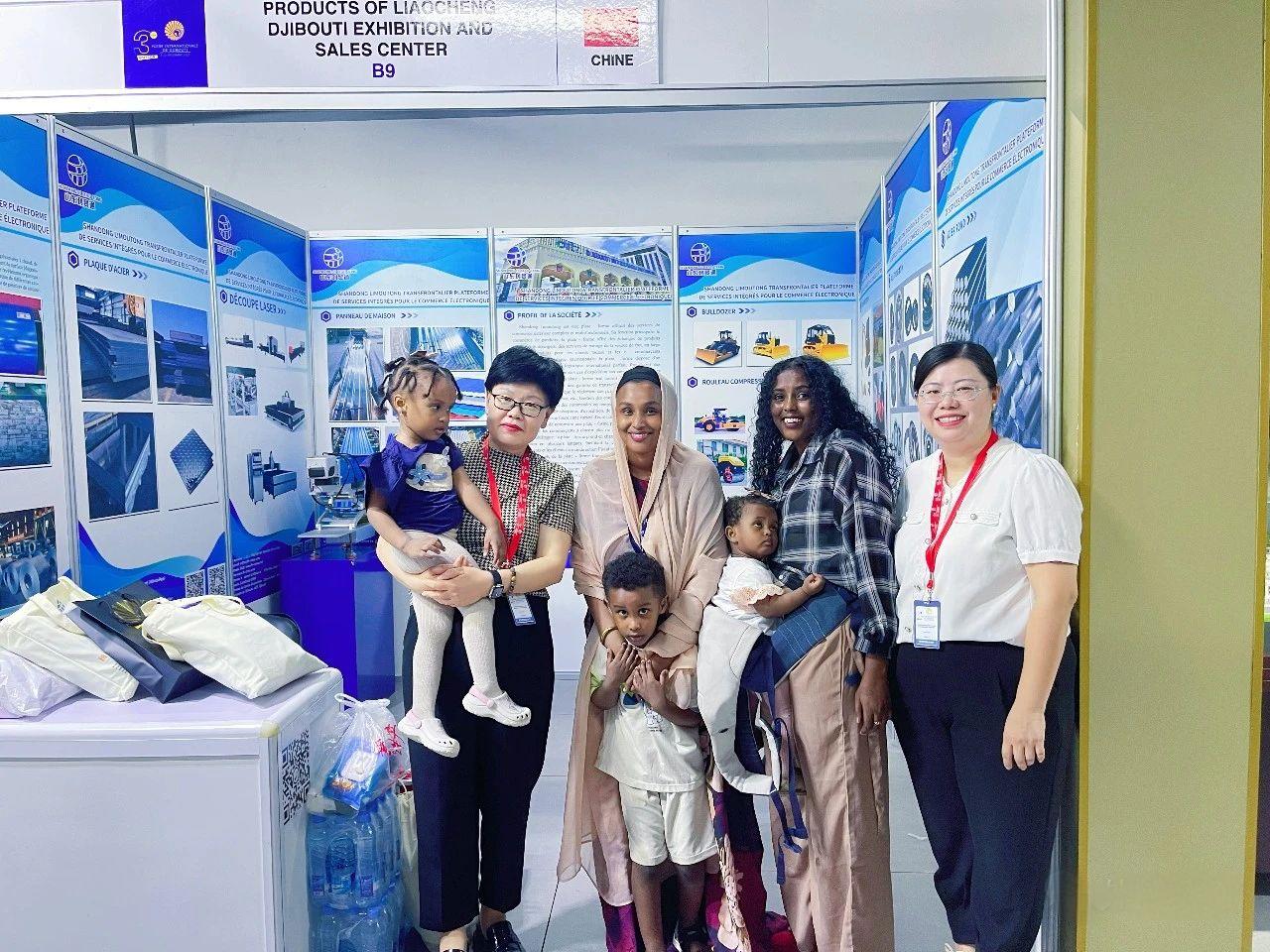
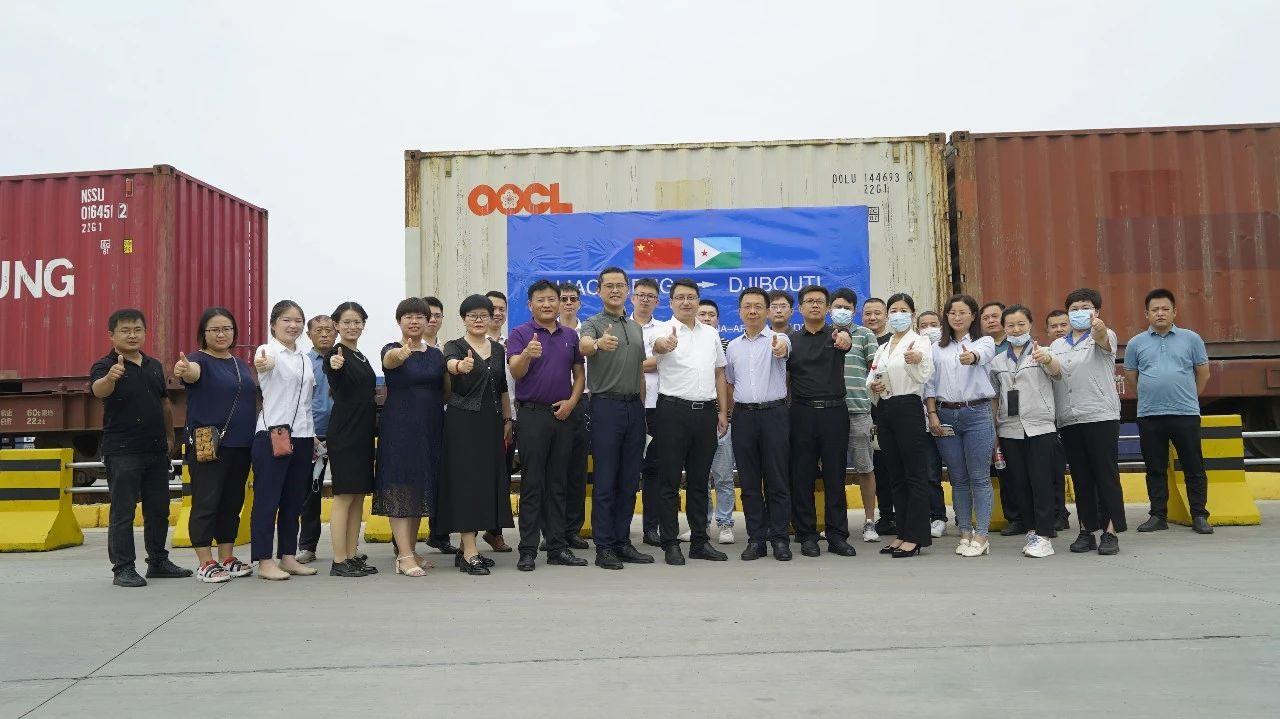
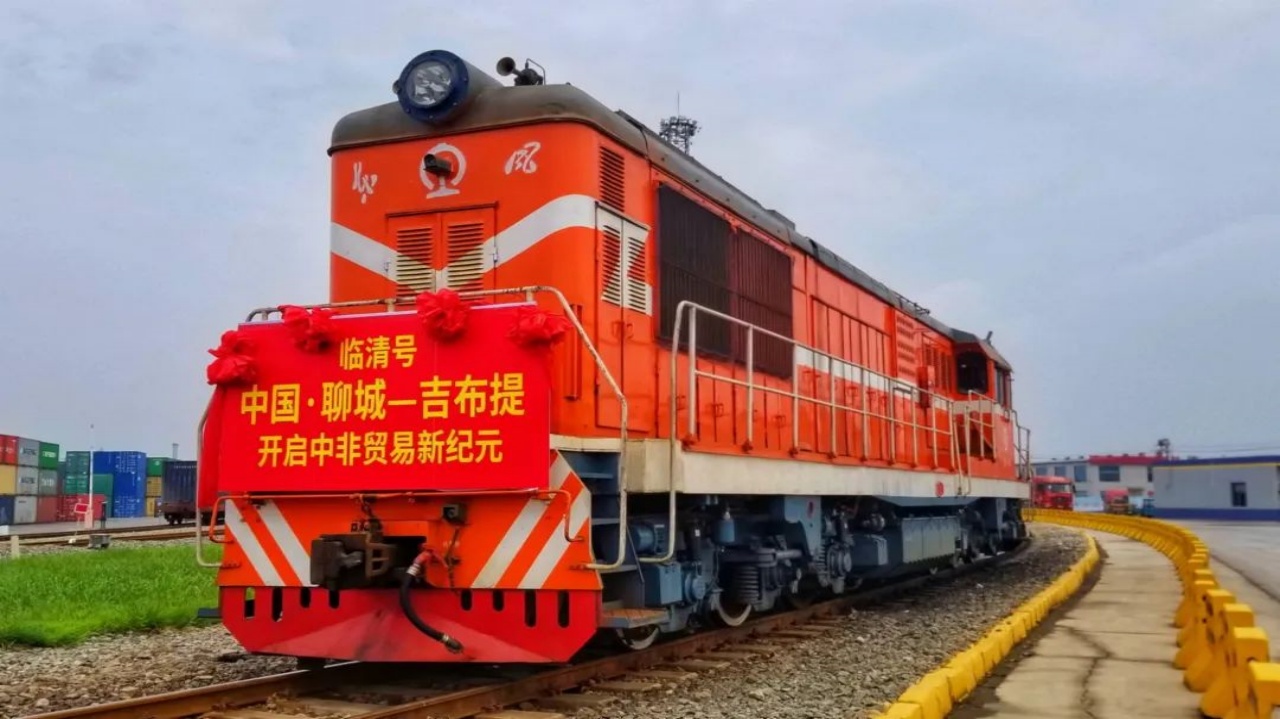
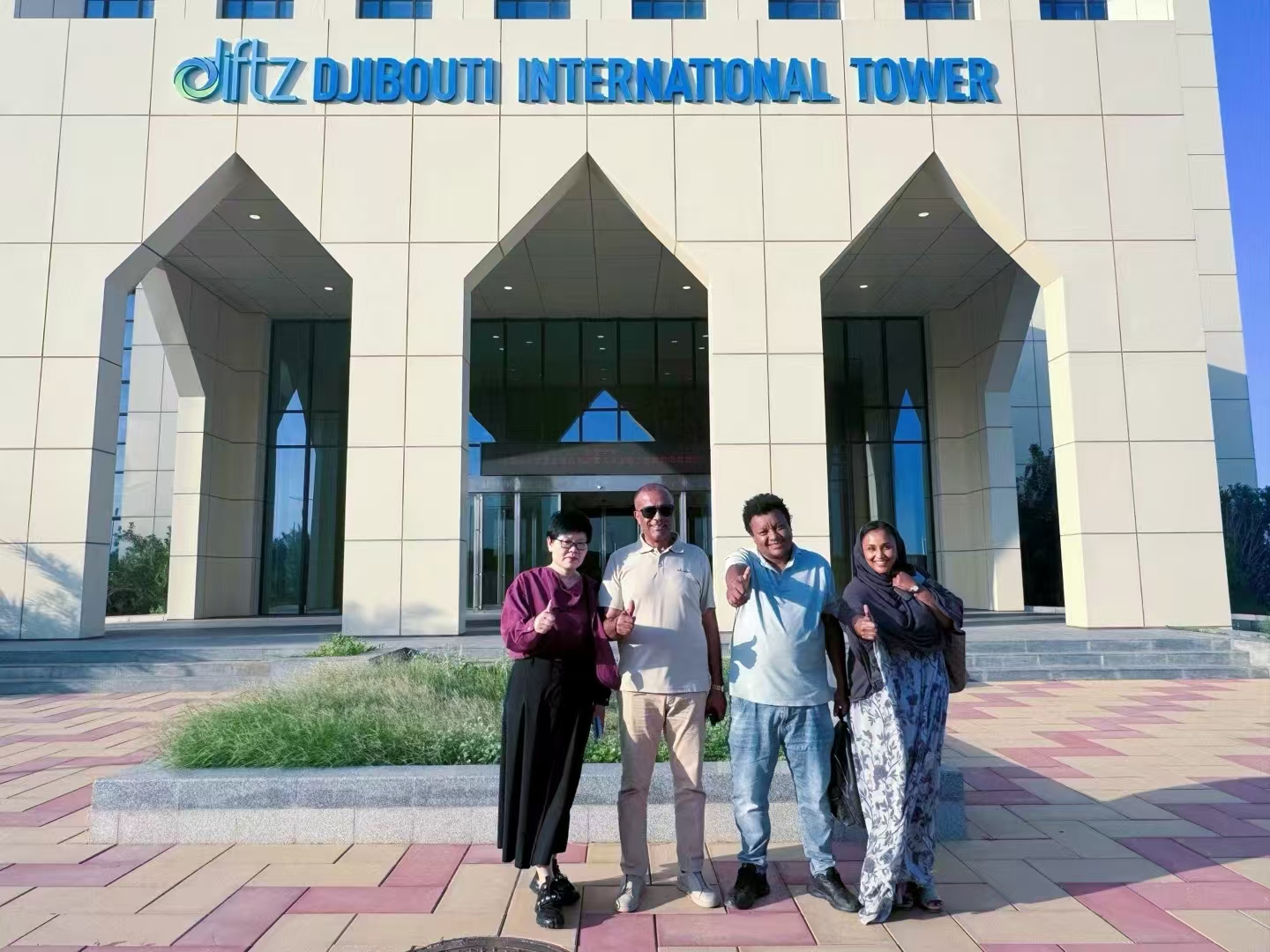
As an industry-leading manufacturer, Shand山东 Li Mao Tong Group operates a vertically integrated industrial ecosystem designed to export heavy-duty and light passenger electric transport globally. Serving over 120 countries and regions and backed by 8 overseas production hubs, the group ensures consistent parts supply, regulatory compliance (including EEC certificates), and localized customization. By maintaining independent logistics centers—like the Djibouti Cross-border E-commerce Exhibition and Sales Center in the East Africa Free Trade Zone—Li Mao Tong Group minimizes global delivery lead times, ensuring direct technical support and localized inventory management.
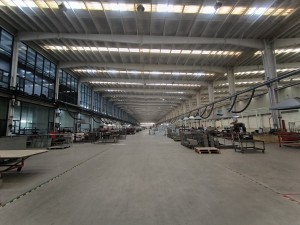
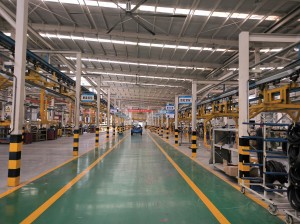
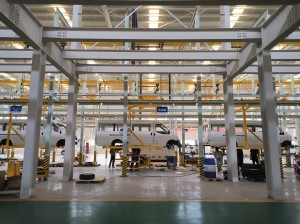
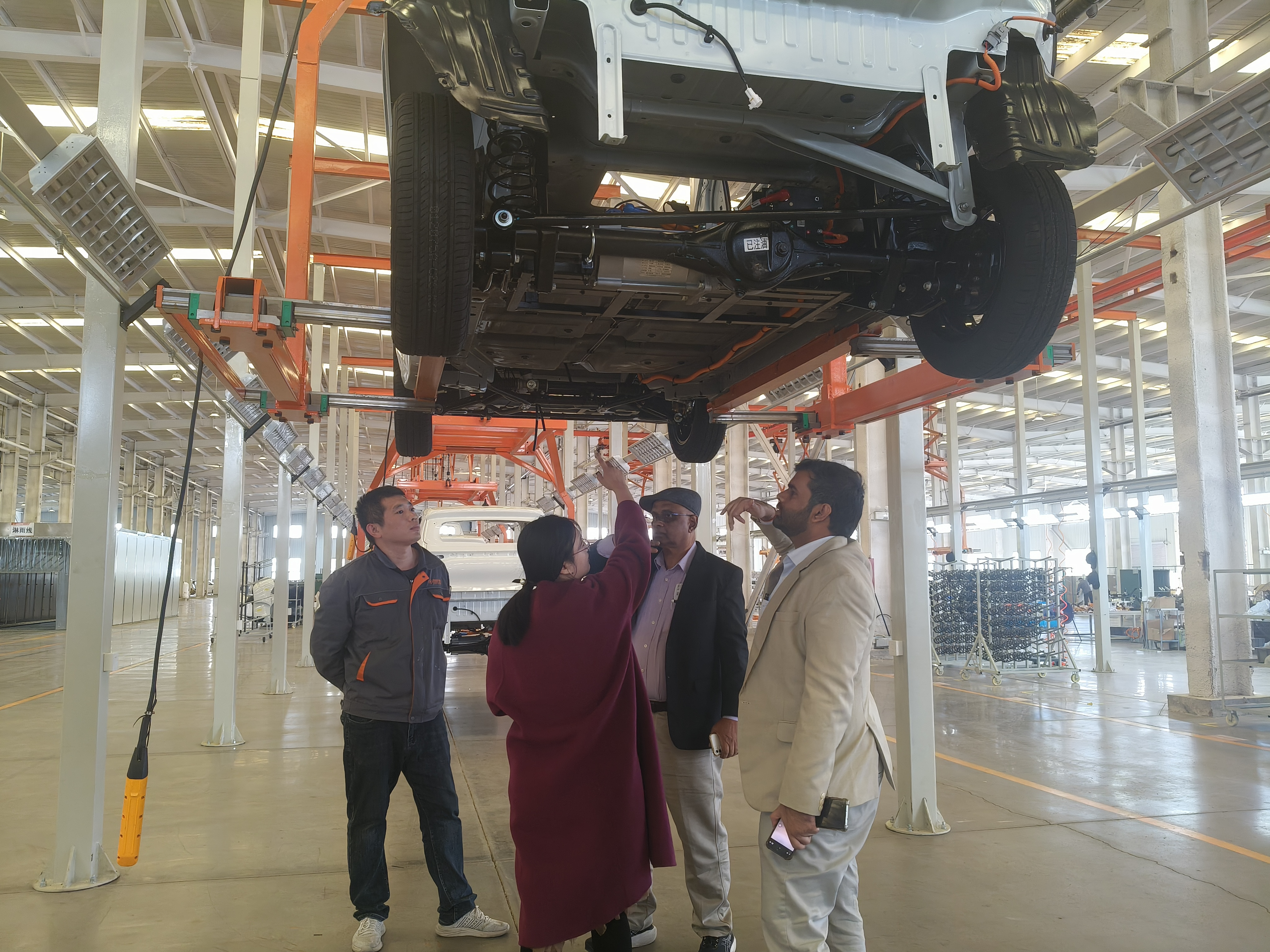
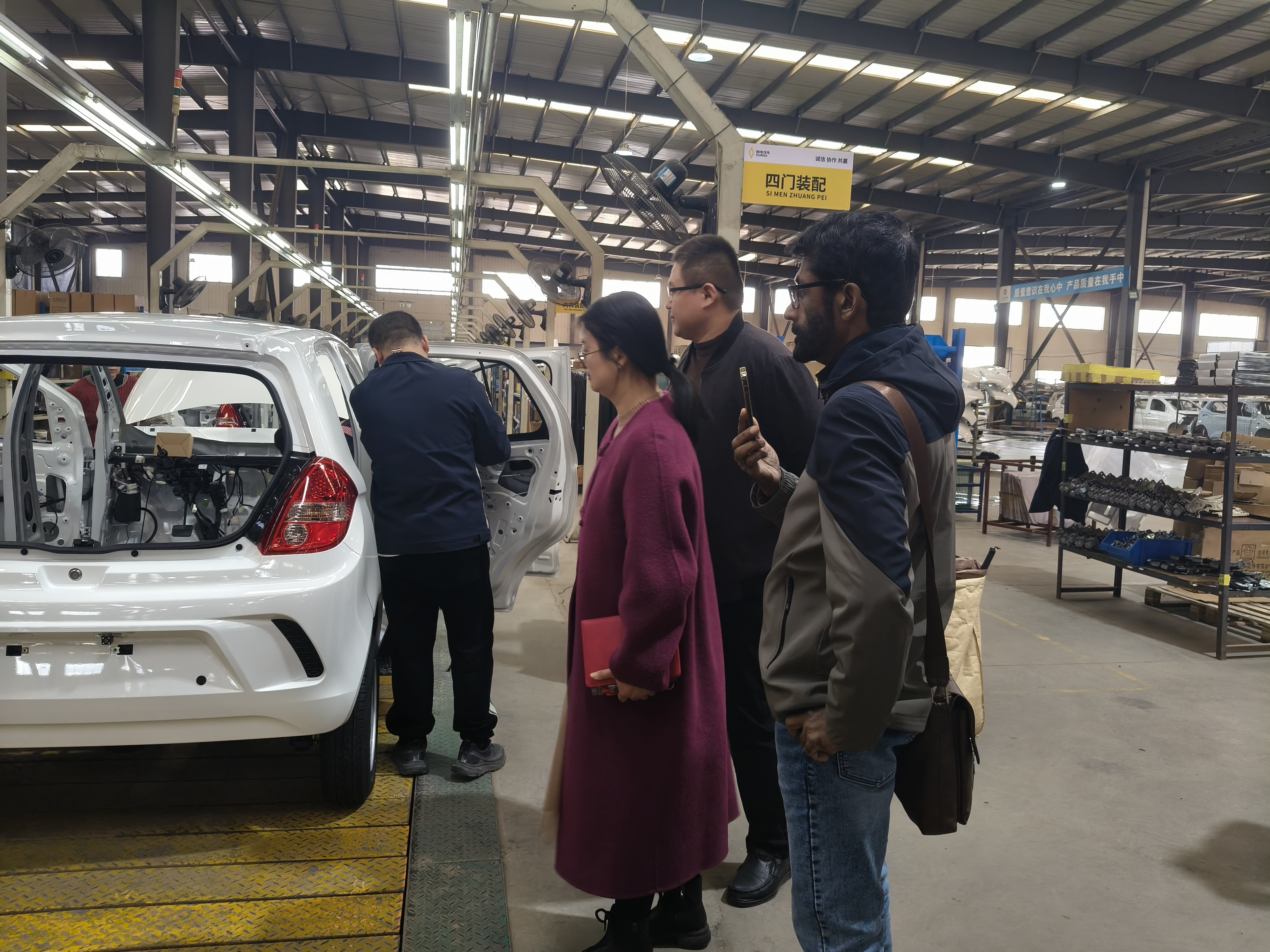
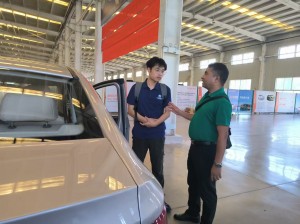
Rooted in China's advanced new energy manufacturing corridors, Shandong Li Mao Tong Group delivers an electric mobility experience that consistently exceeds commercial client expectations. Our modern intelligent manufacturing base operates under strict ISO 9001 and ISO 14001 digital quality control metrics. From initial stamp steel frame processes to robotic laser cutting and fully automated painting chambers, every single structural chassis is built to withstand high torsional strain.
We subject our fleets to rigorous physical validation, including laboratory-grade 7-layer monsoon rainstorm simulation tests. This ensures that every EV shipped to coastal regions like Bangladesh remains impervious to water ingress and electrical failure. With a multi-series, multi-brand strategy, we offer custom battery dimensions (LFP/NMC), customized suspension configurations, and full CKD/SKD dispatch schemes.
The production of battery management systems (BMS), high-torque electric motors, and controllers requires high concentration of rare metals, electrical components, and heavy steel fabrication. Shandong Li Mao Tong Group leverages China's absolute leadership in raw battery materials processing. This localized concentration enables us to offer pricing structures that are significantly lower than Western and European competitors while maintaining high battery cycle life (exceeding 2,500 charging cycles). This efficiency allows distributors in Bangladesh to achieve a shorter return on investment (ROI) for urban taxi and delivery fleets.
In major regions of Bangladesh outside Dhaka, power stability can vary. Our high-efficiency monocrystalline solar roof panels collect ambient sunlight throughout daylight operation, adding up to 45km of extra range daily without plugging into grid energy sources. This technology represents a self-sustaining asset for rural clinics, local agrarian logistics, and school transportation.
With the expansion of digital retail networks across urban centers like Chittagong, Dhaka, and Sylhet, express courier hubs face massive delivery density issues. Classic gasoline pickup trucks are restricted in narrow alleys. Our heavy-duty cargo tricycle fleets, with up to 1800 Kg carrying capacities, provide a vital solution. They navigate dense networks efficiently, keeping carbon emissions to zero.
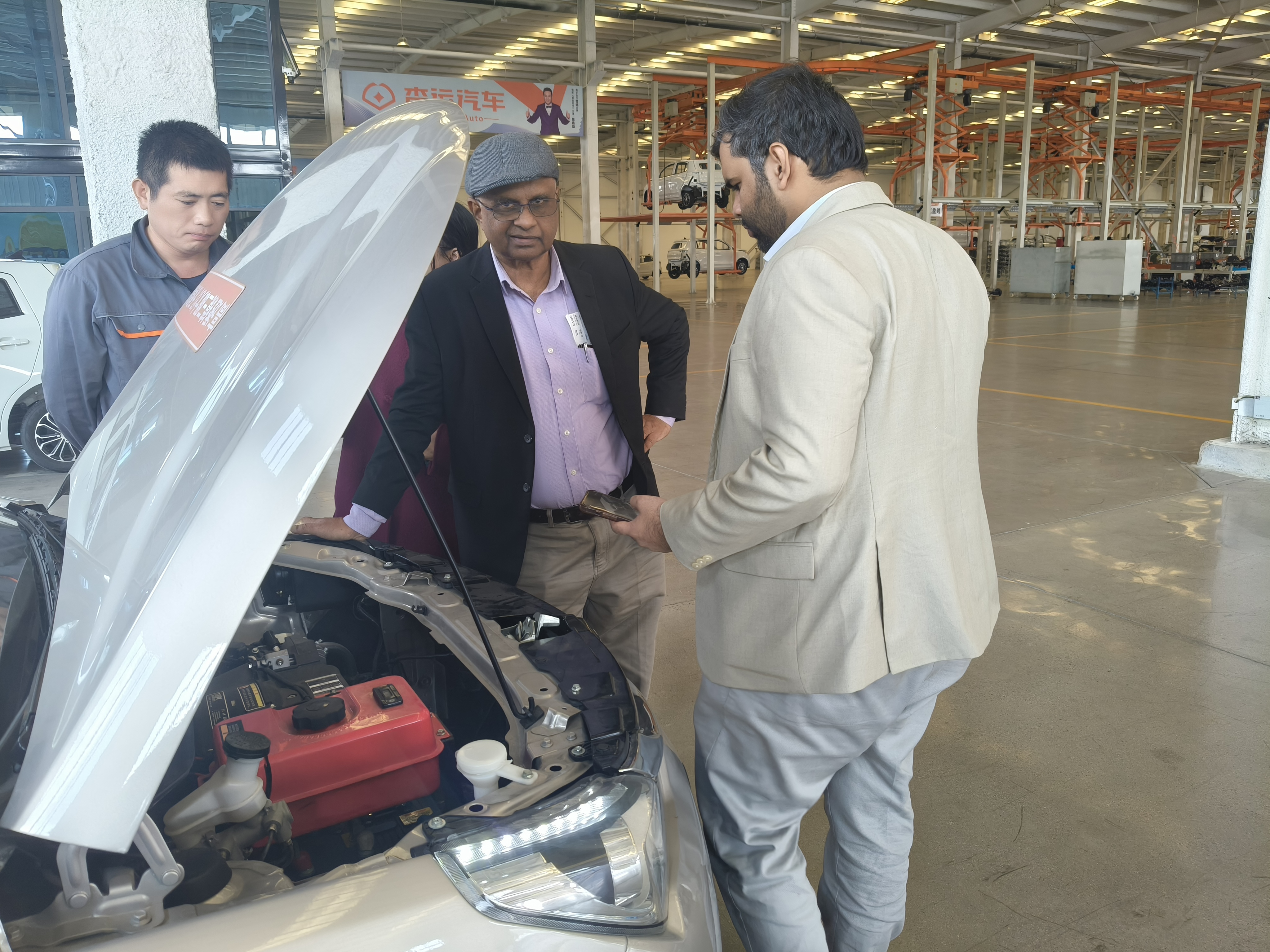
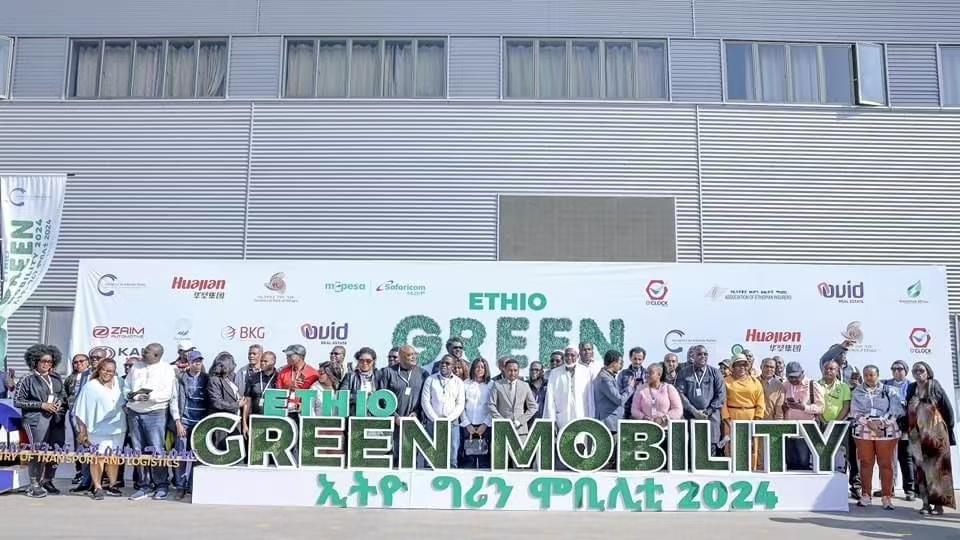
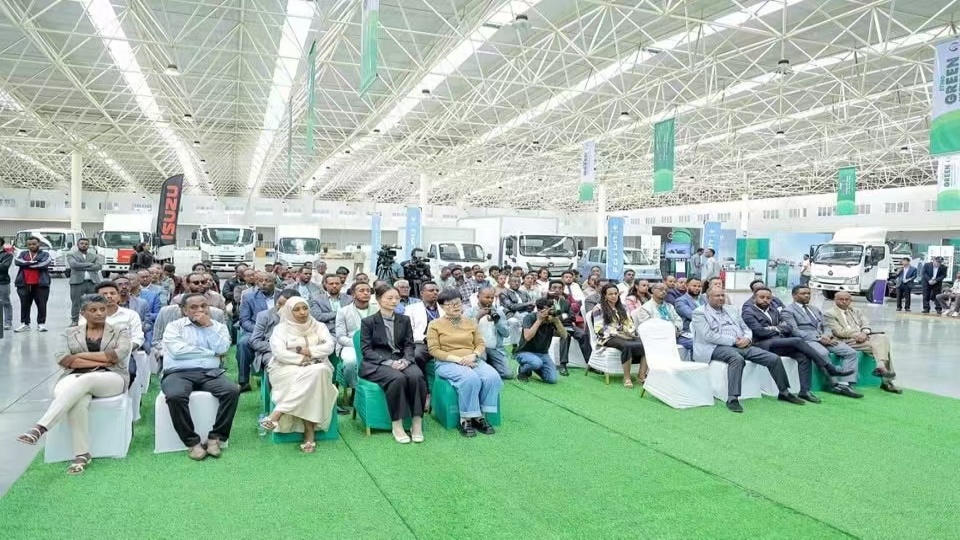
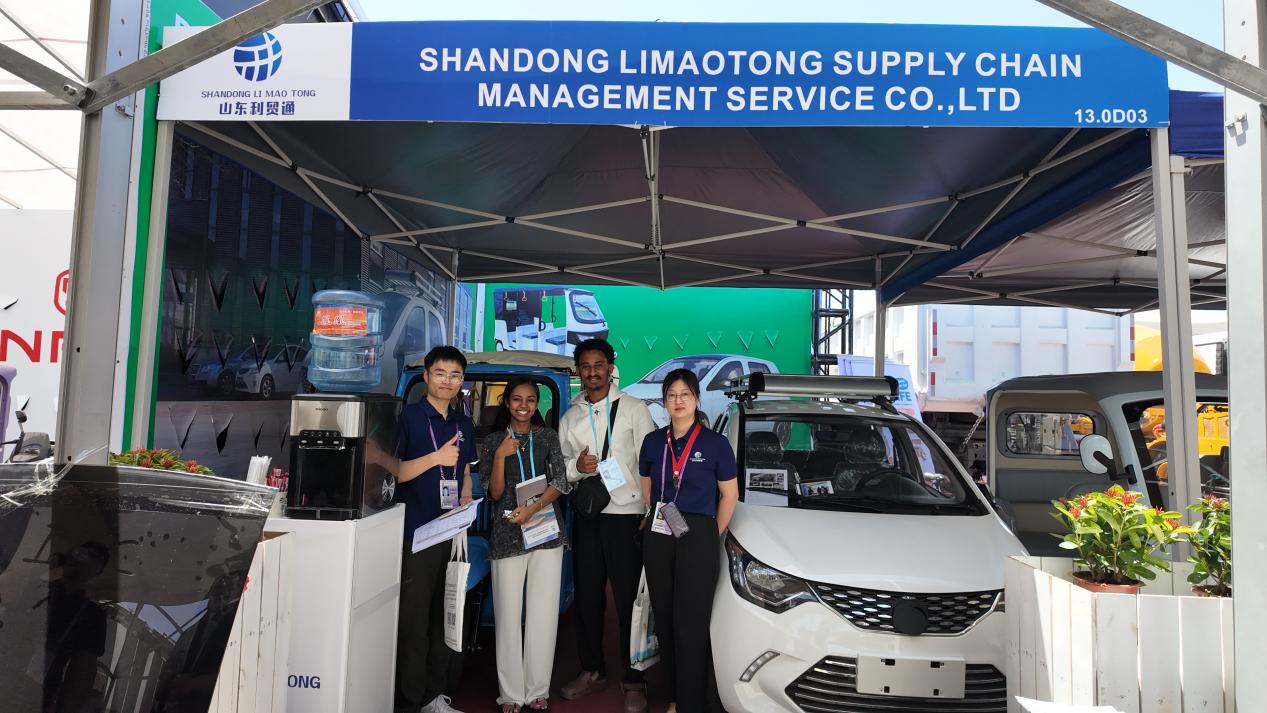
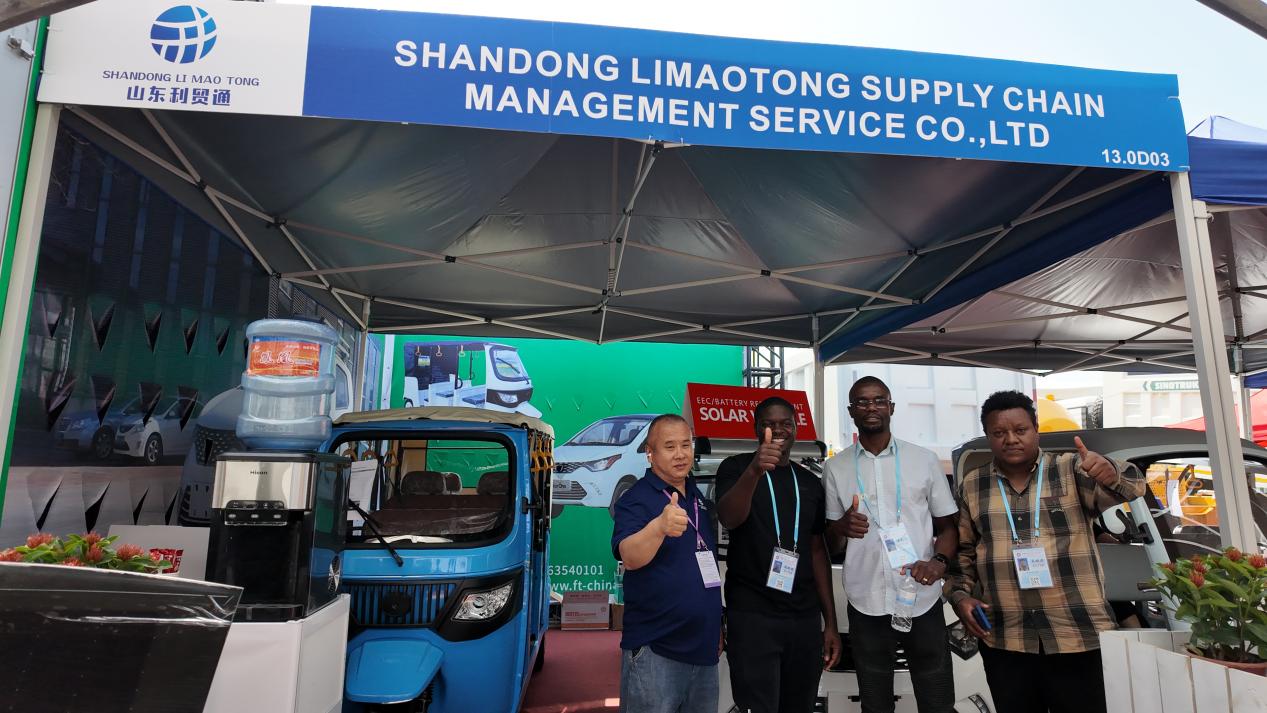
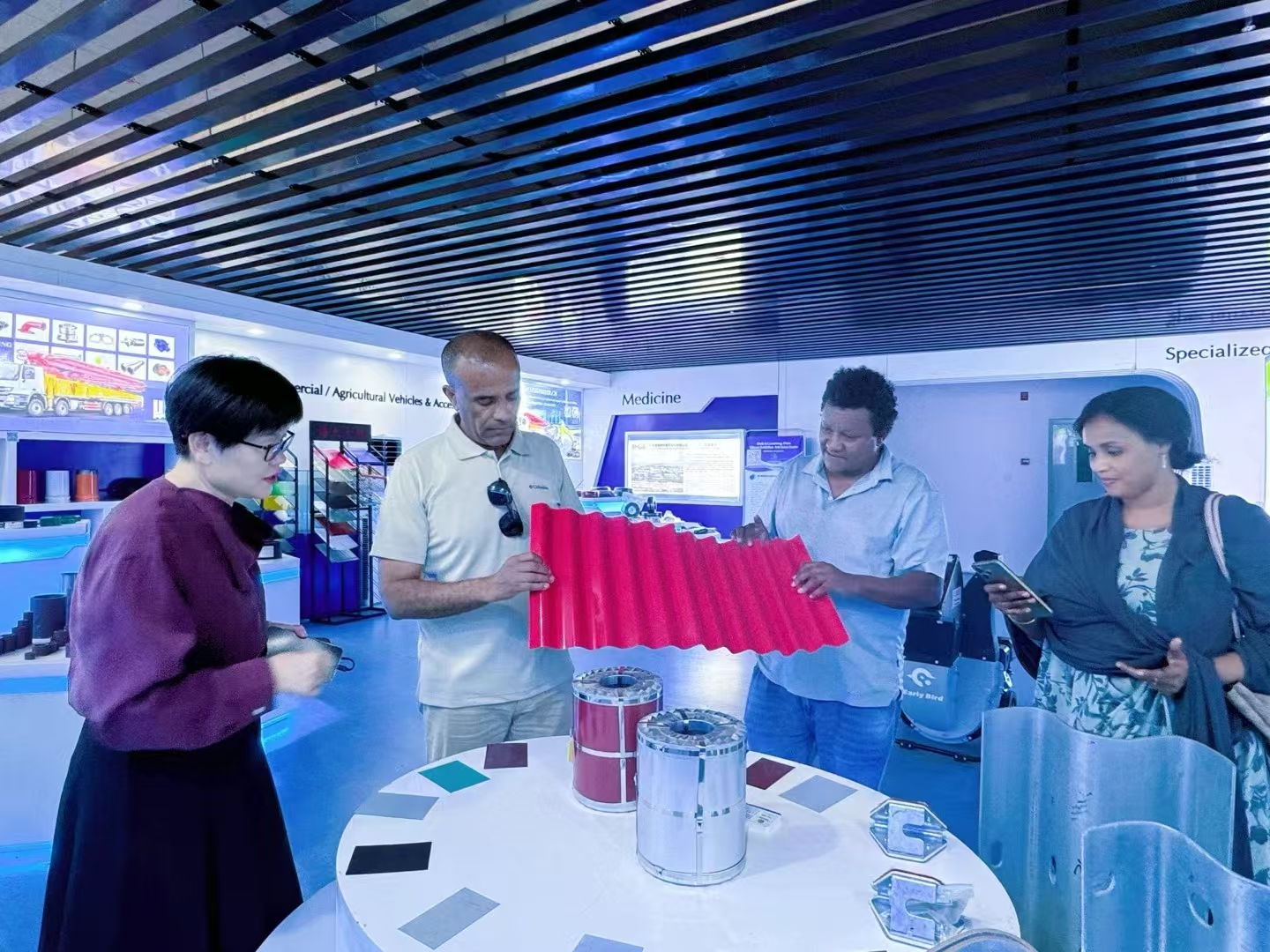
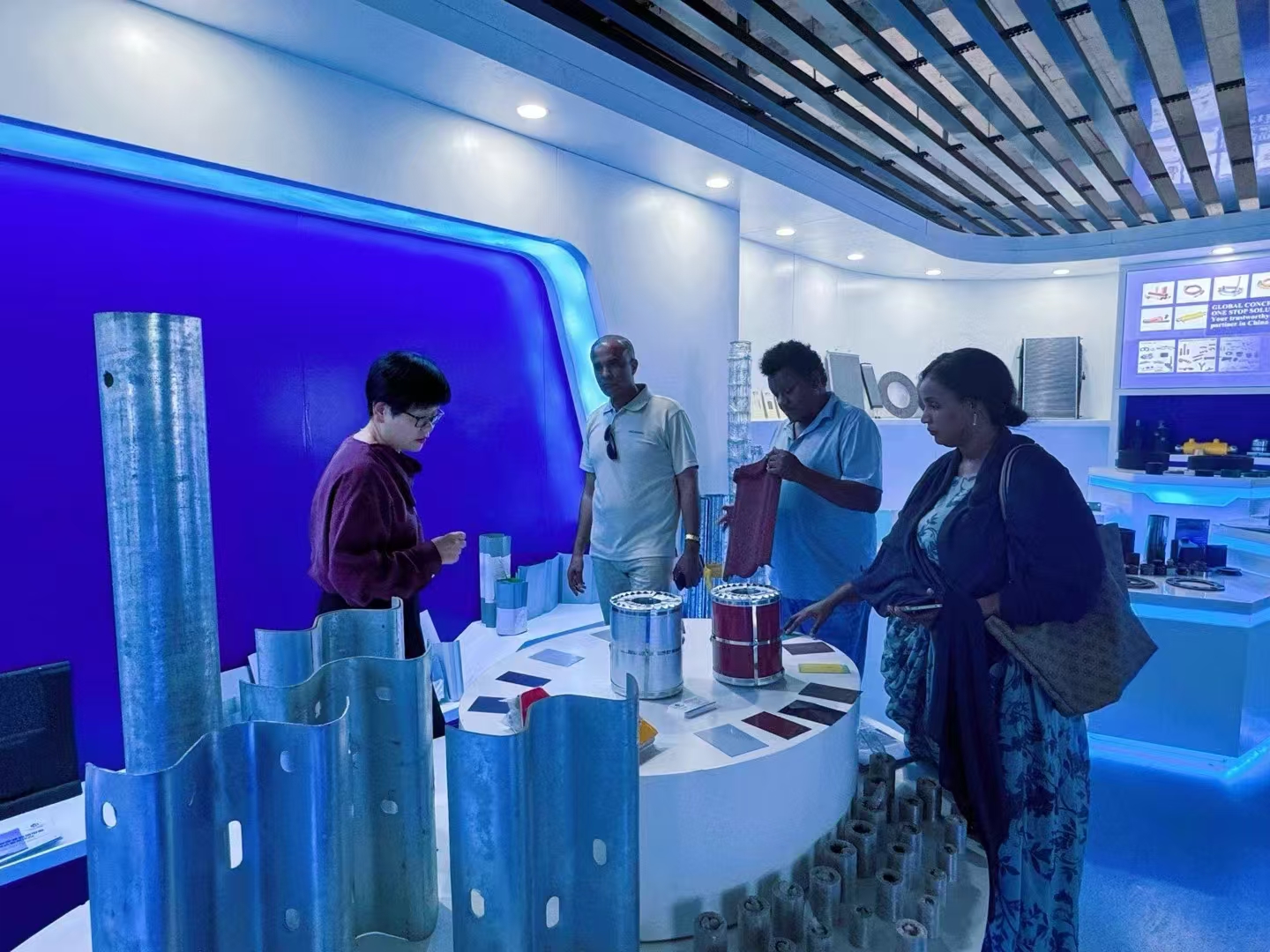
Visualizing our advanced automated systems, client evaluations, and international trade showcases.
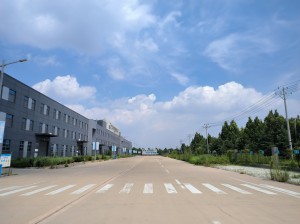
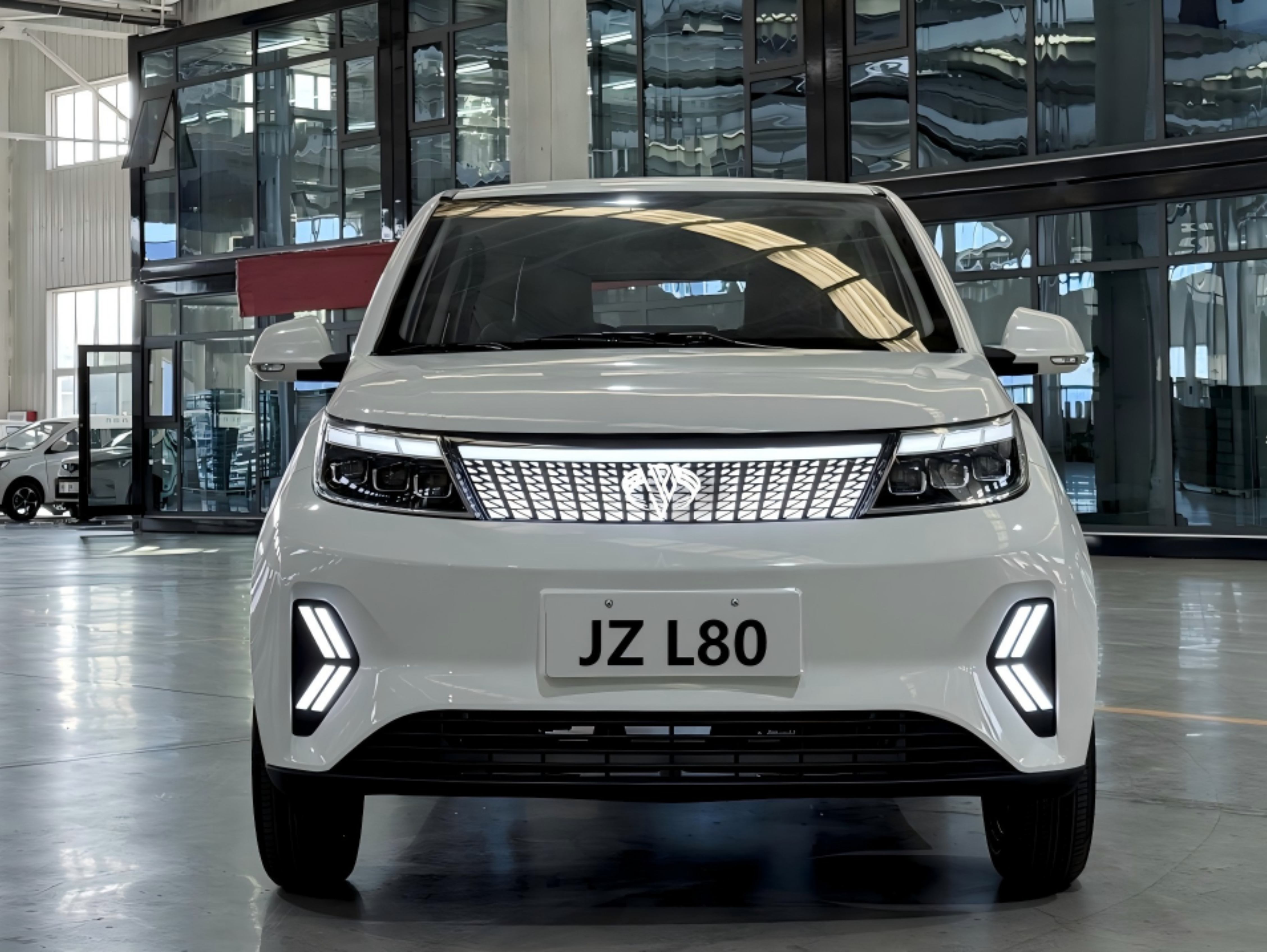
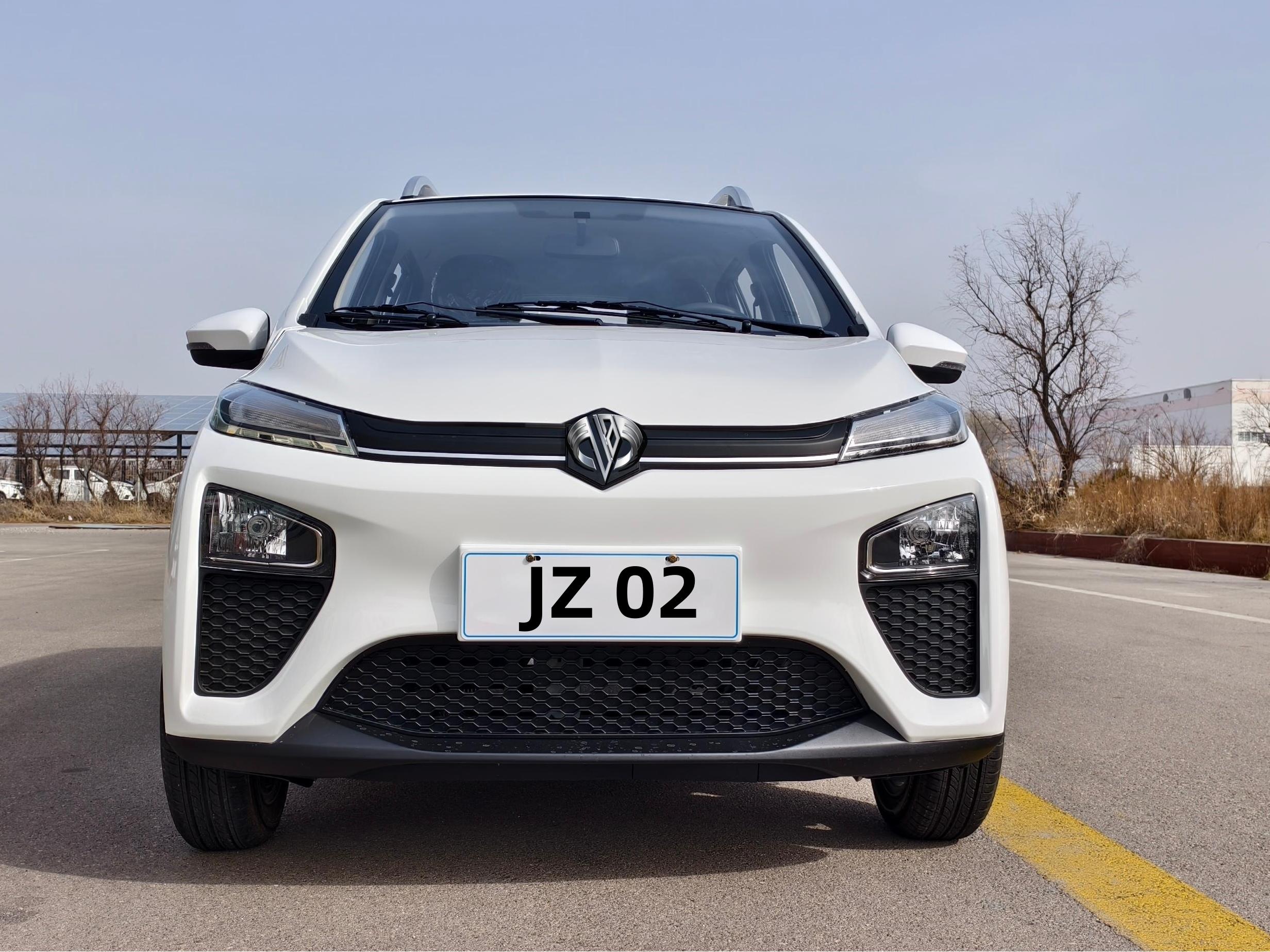
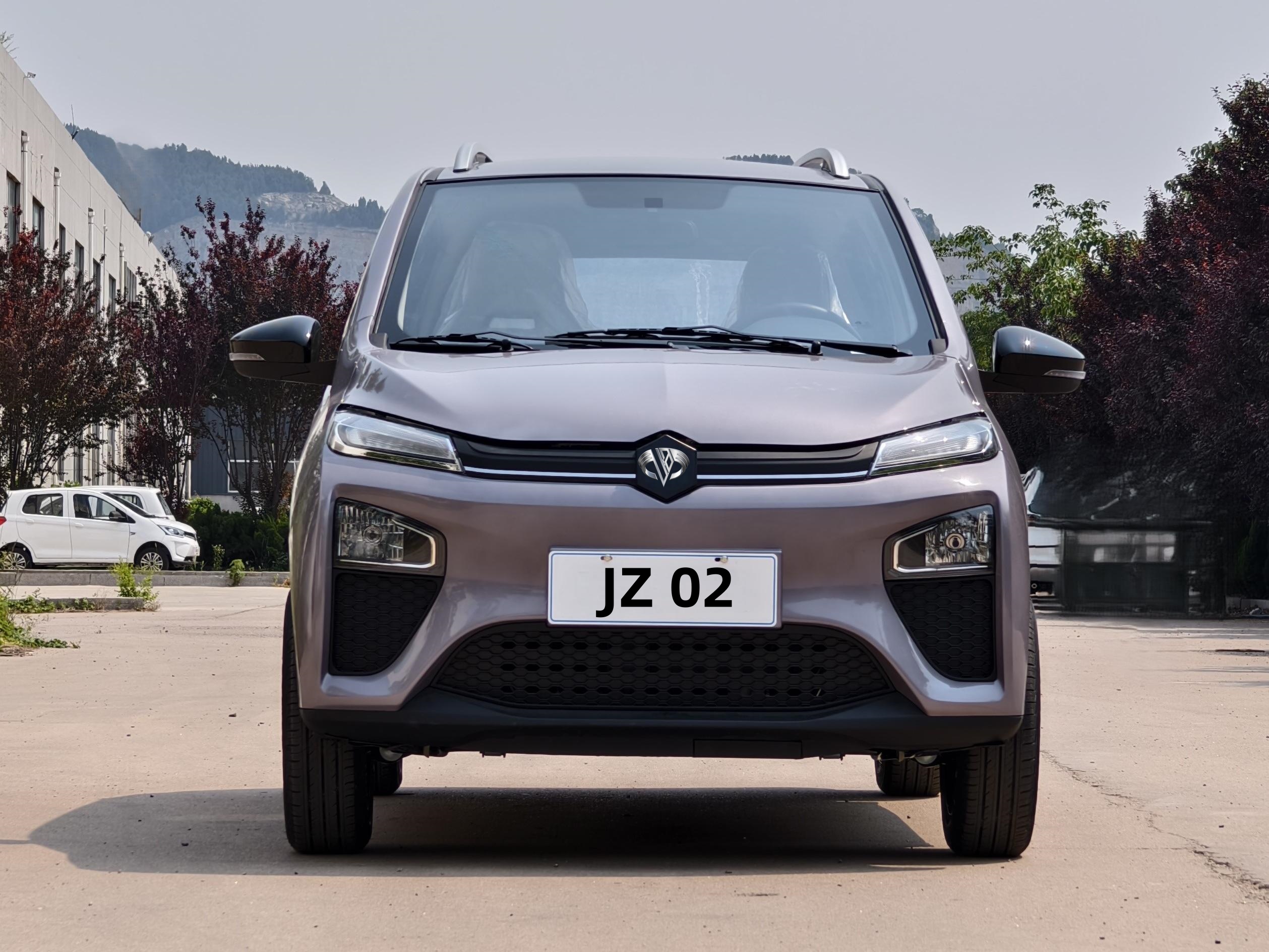
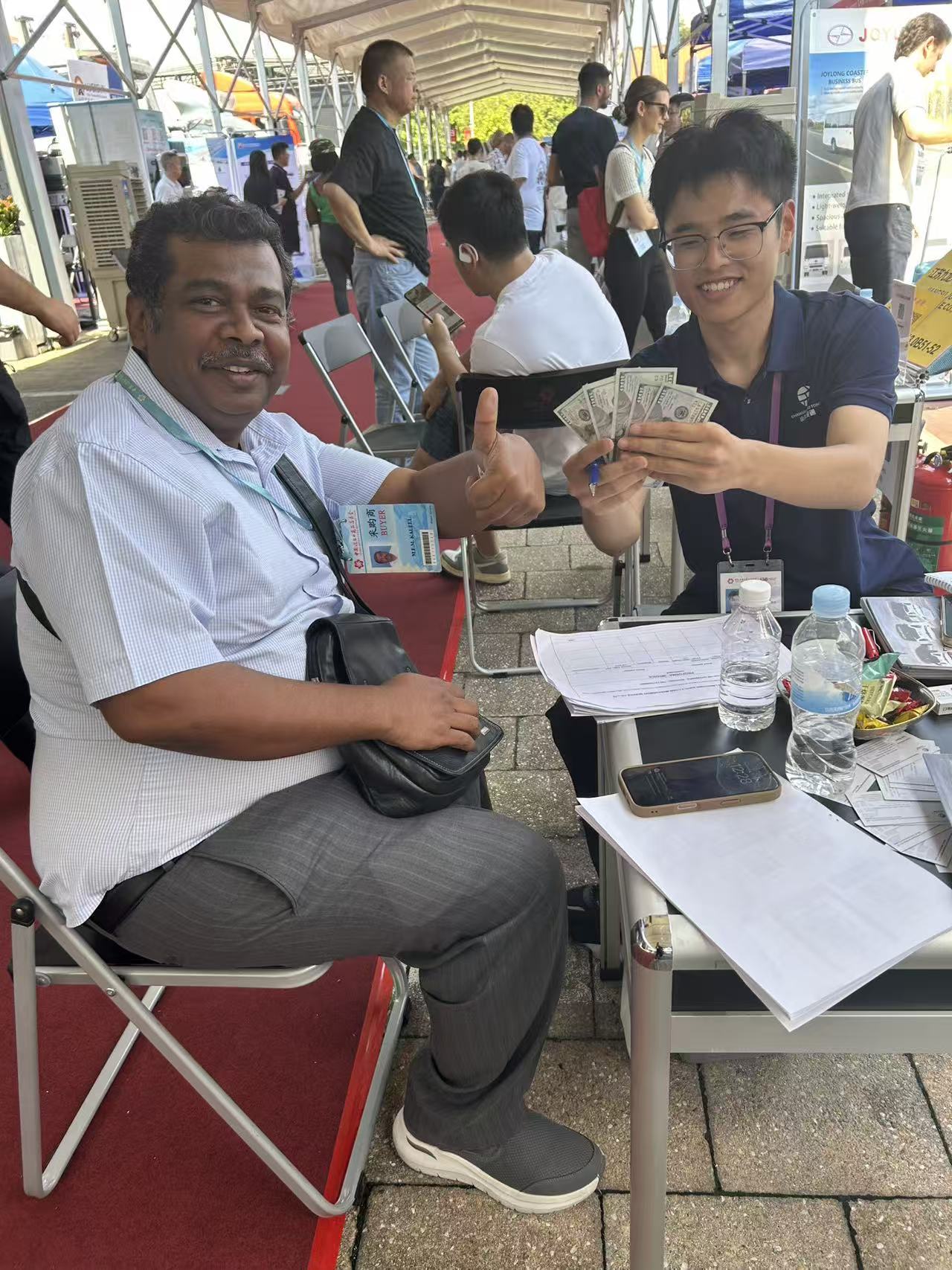
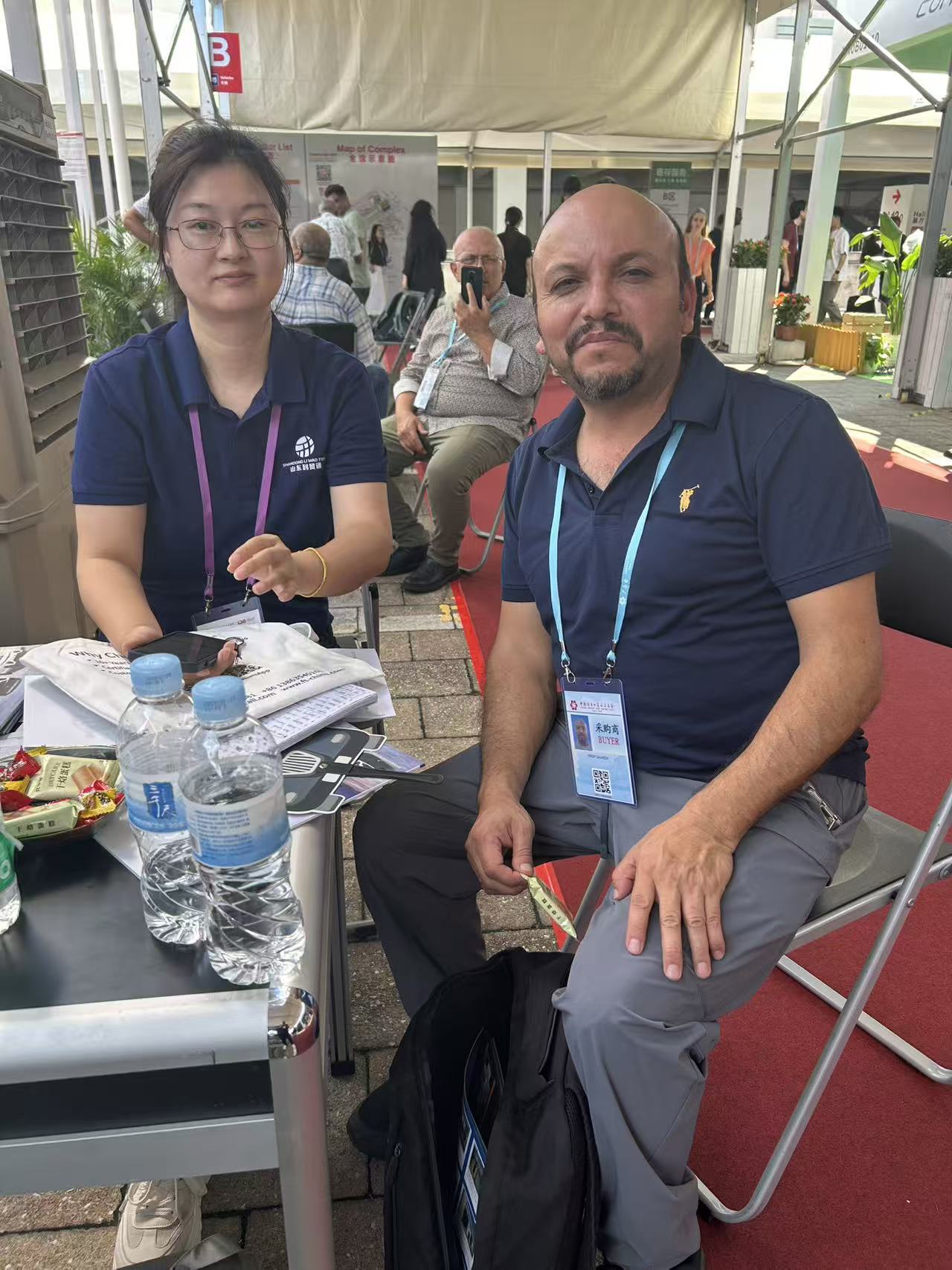
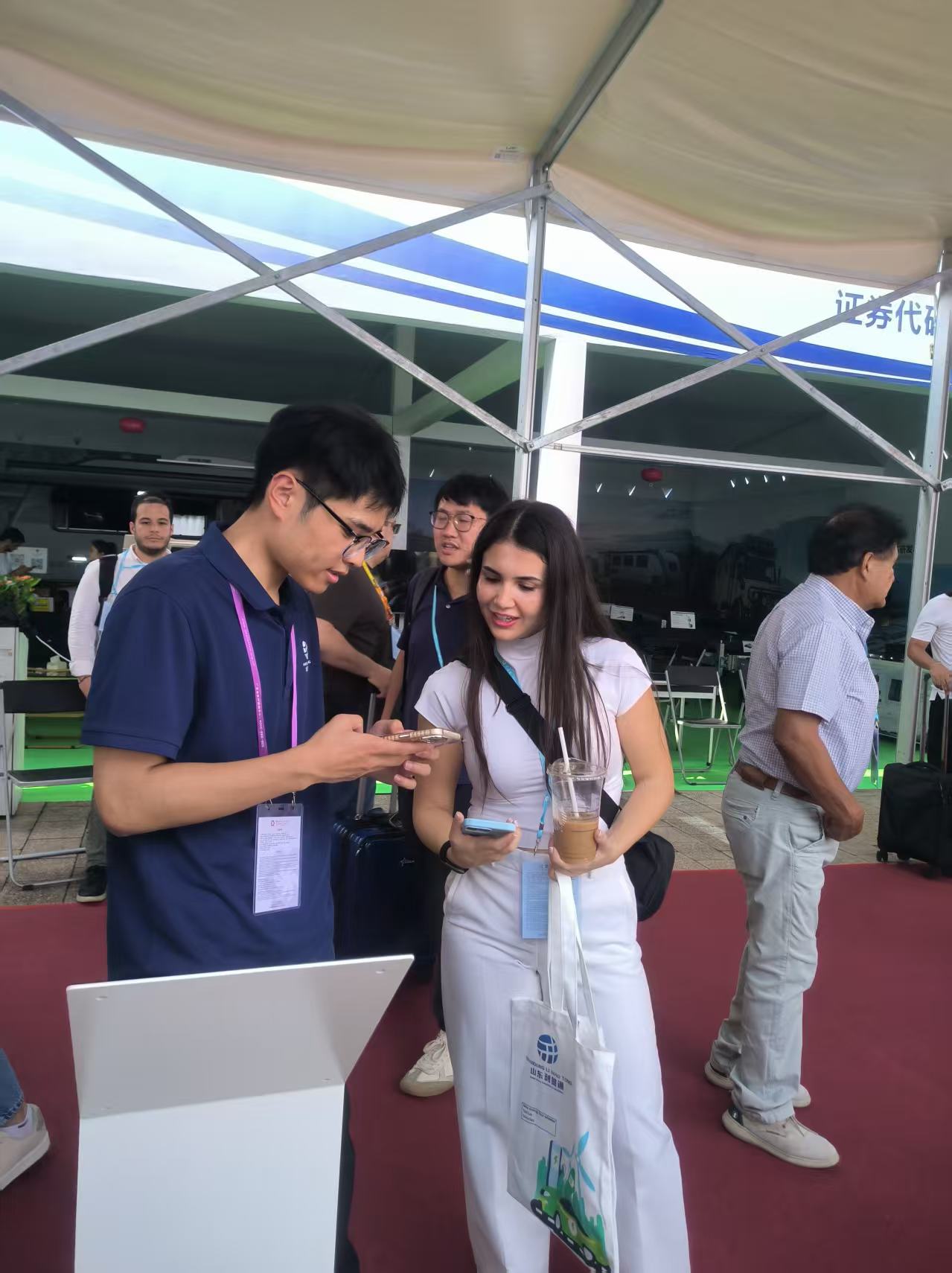
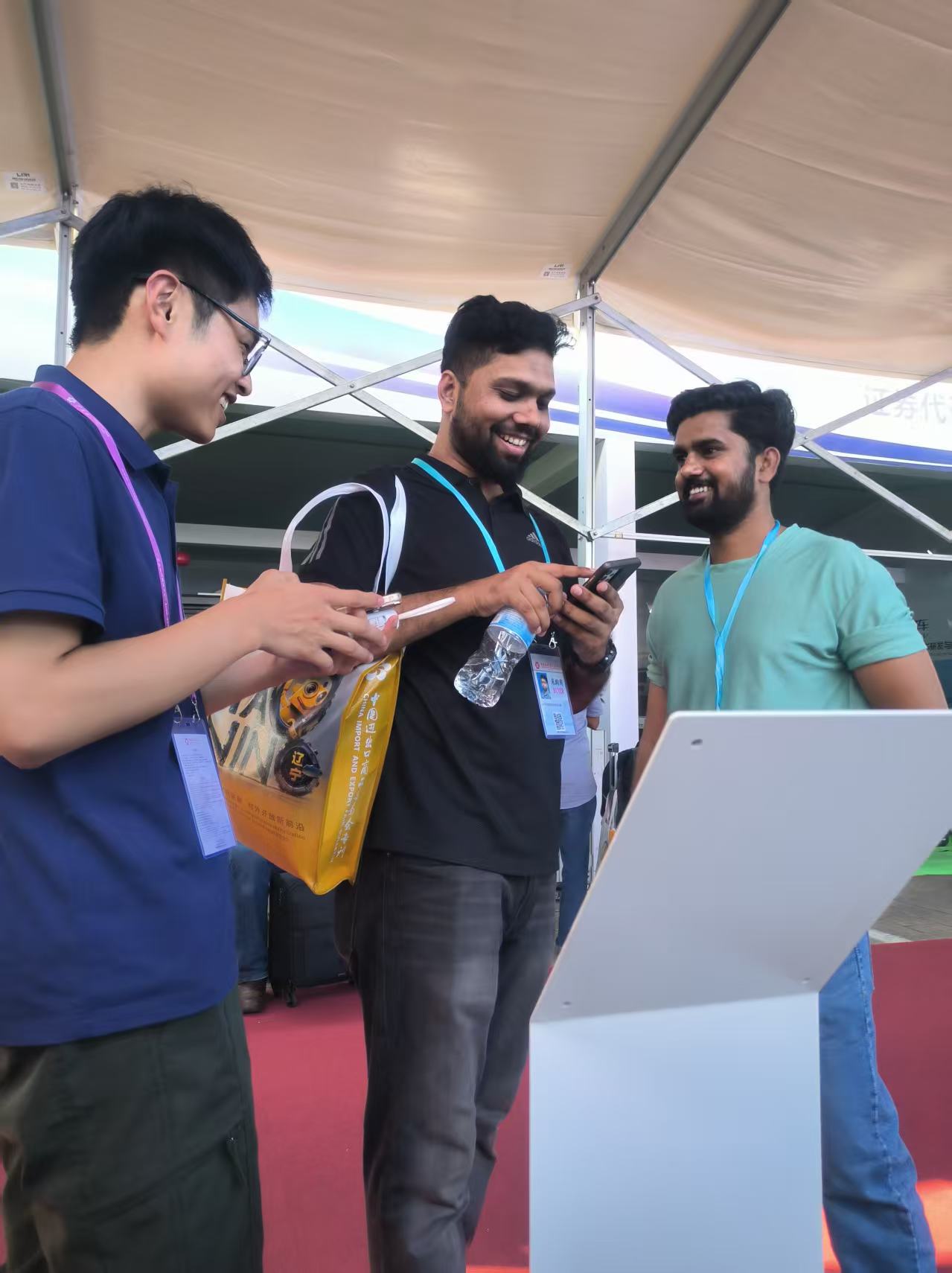
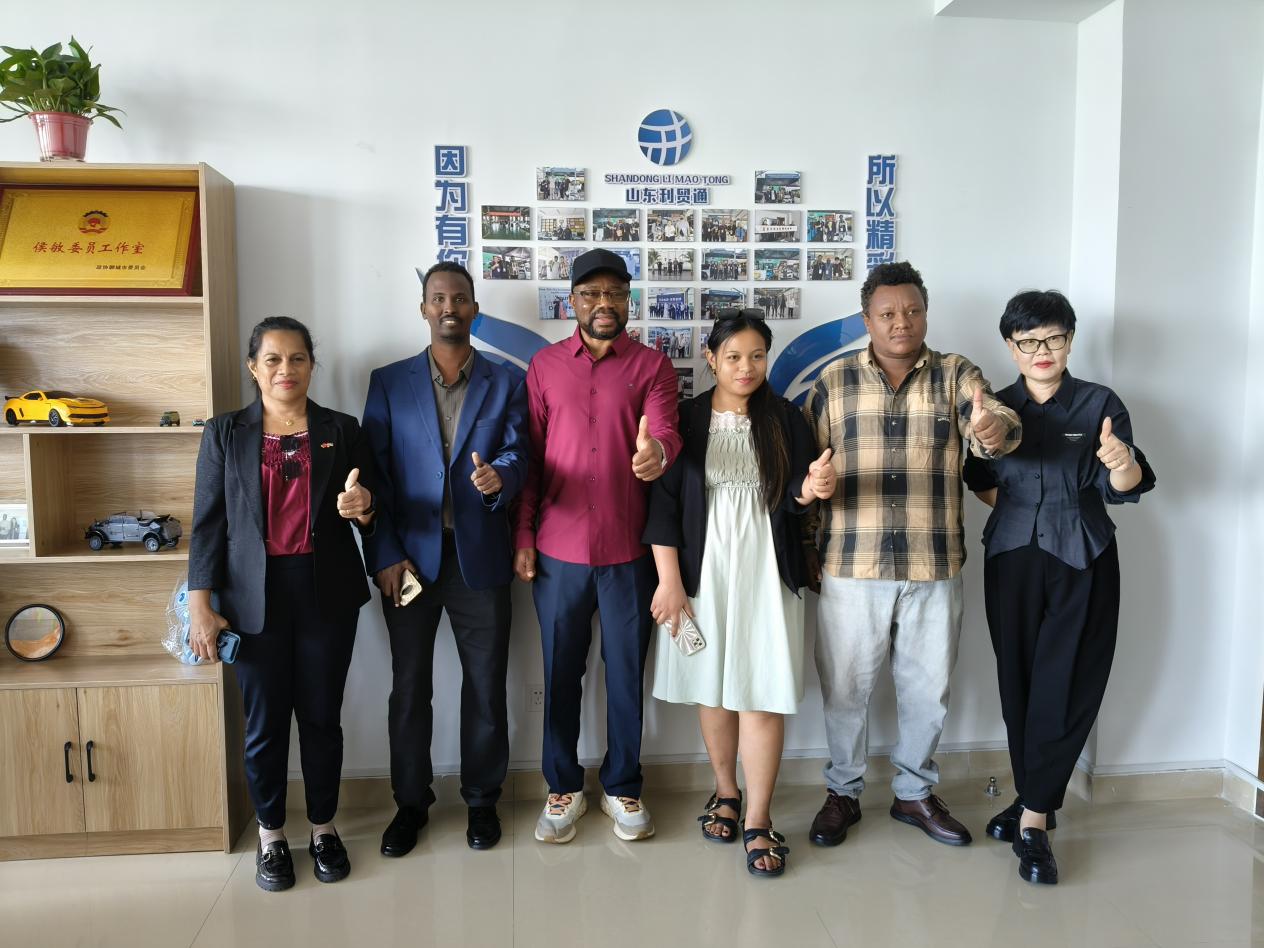
Established in 2023 inside the Djibouti International Free Trade Zone, this comprehensive service platform acts as our primary transit gateway. Leveraging physical display locations and digital platforms, this hub provides international logistics management, direct customs processing, and local technical servicing. This operational strategy serves as the model for our expanding distribution nodes, assuring South Asian importers of stable spare parts inventory and expert after-sales assistance.
Explore our complete production options for passenger transport, delivery, and heavy industrial cargo operations.
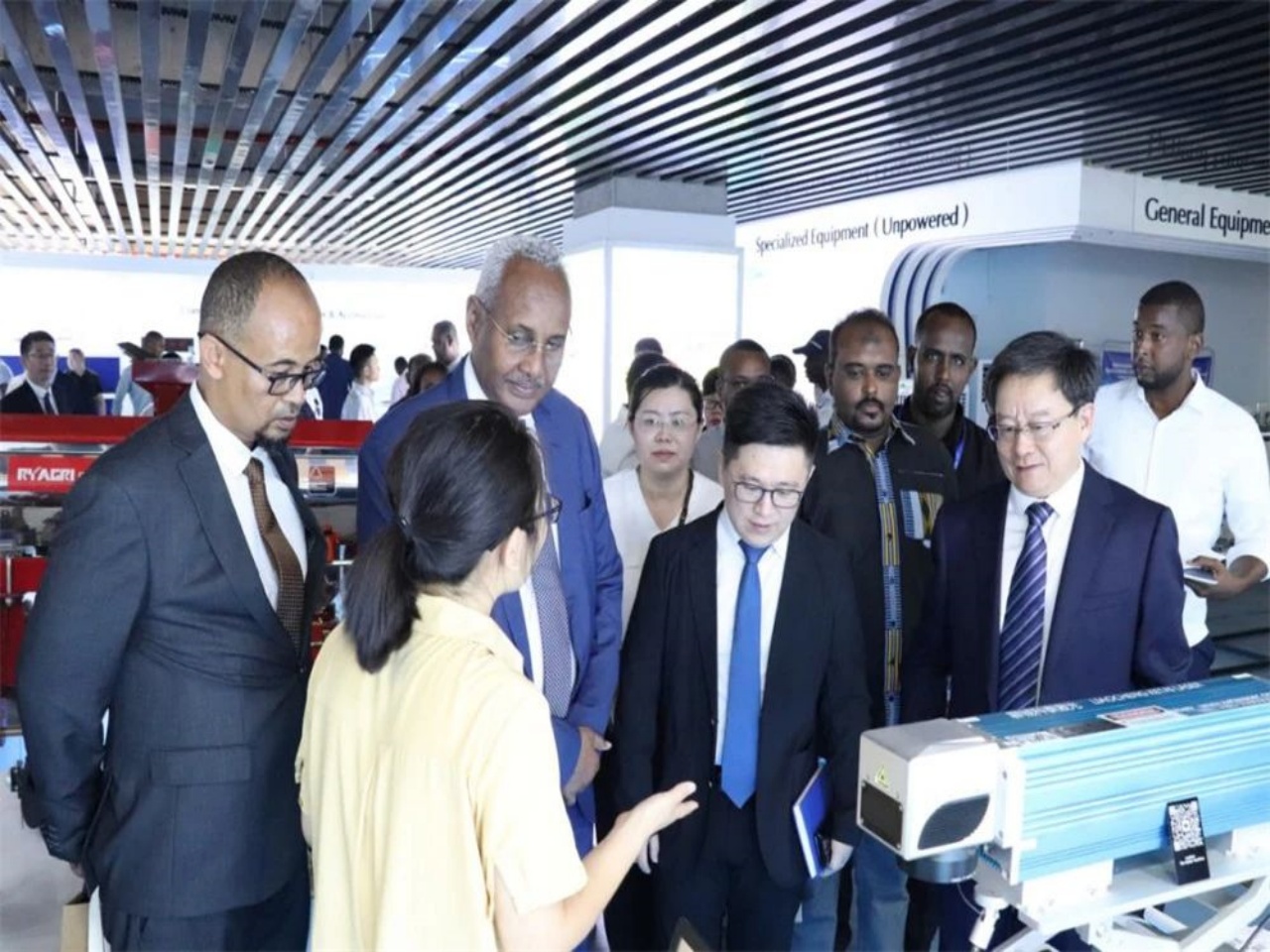

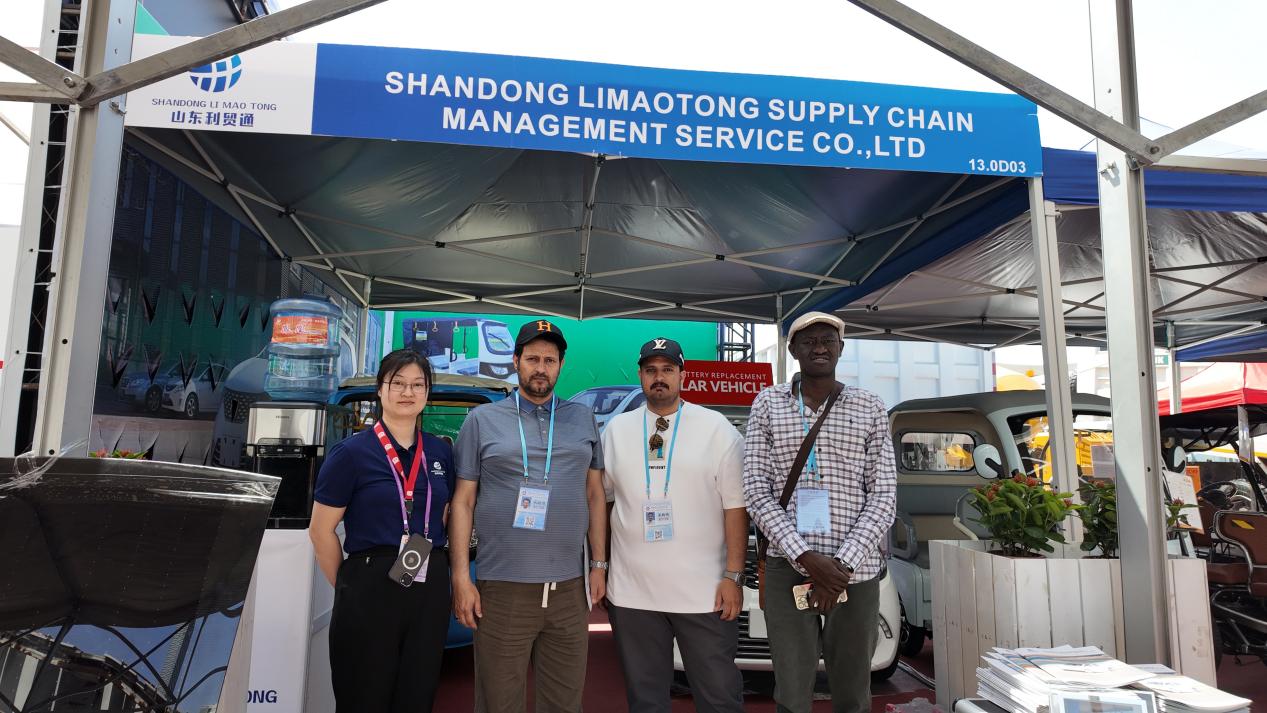
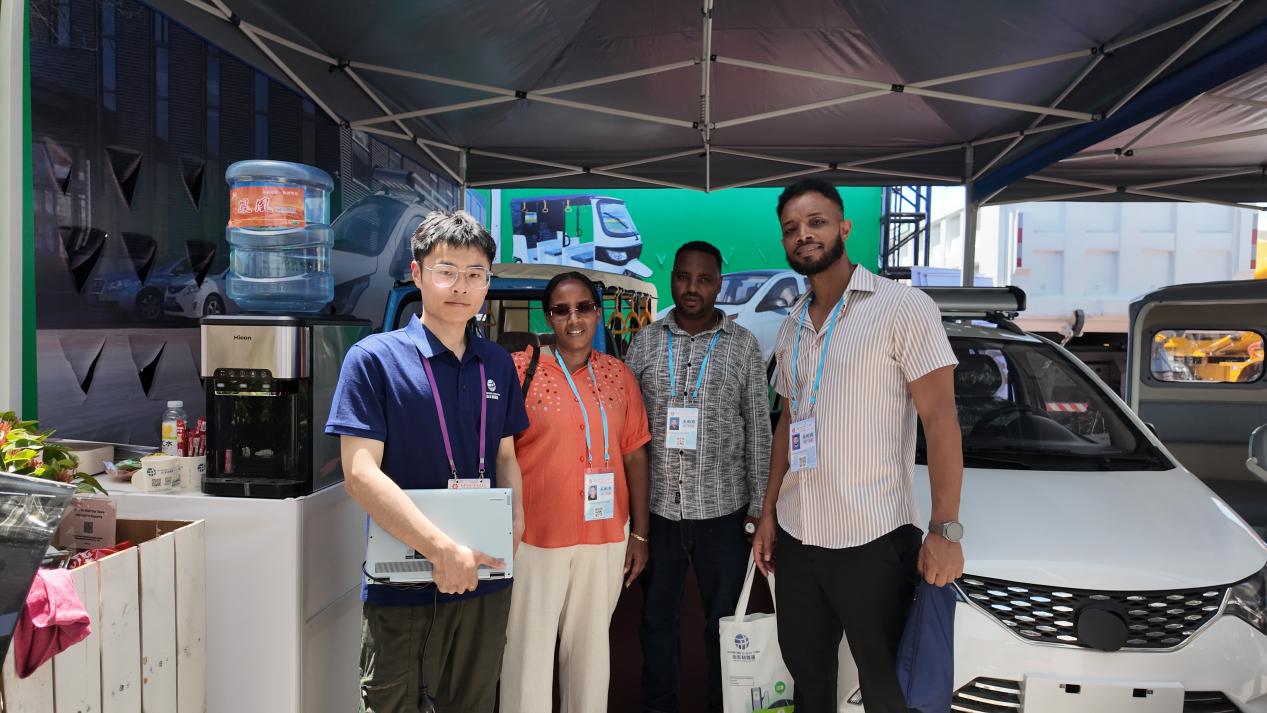

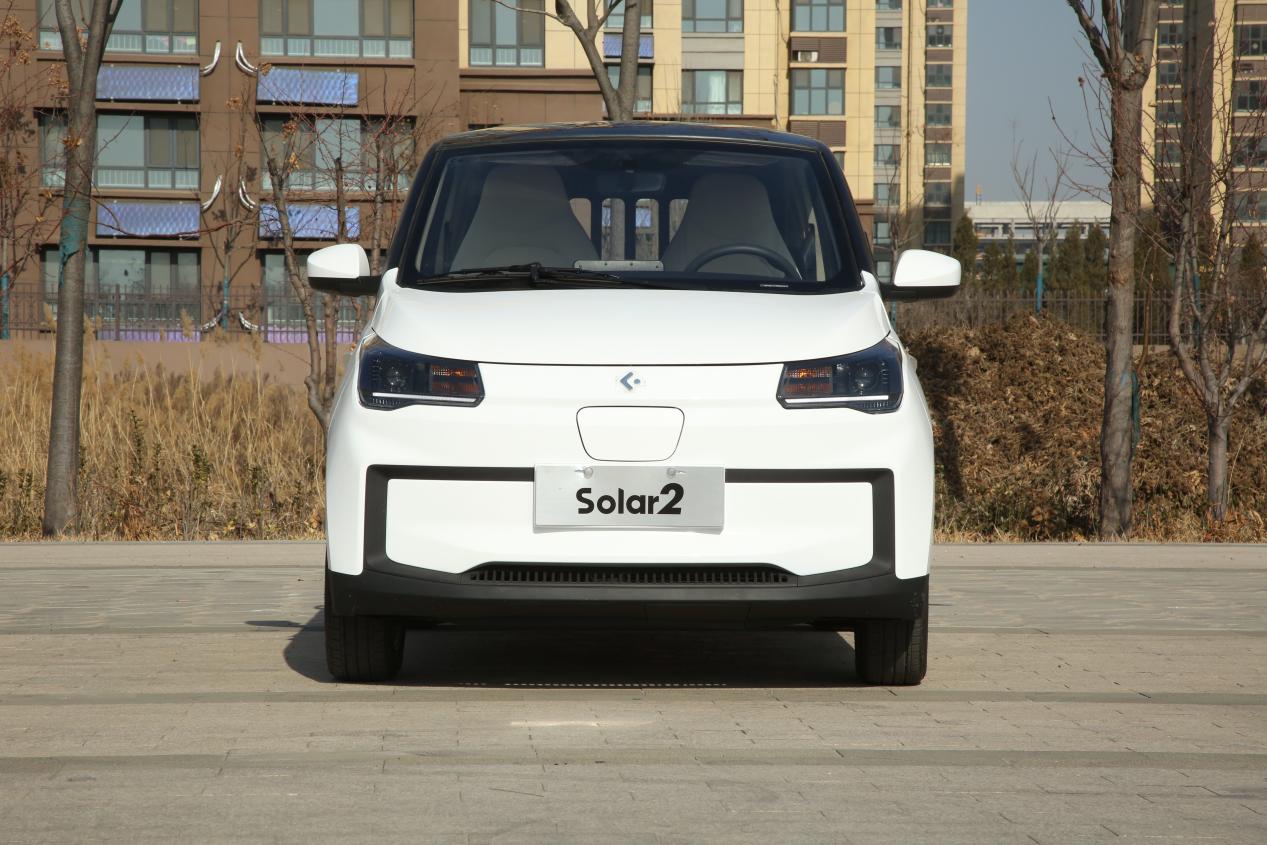
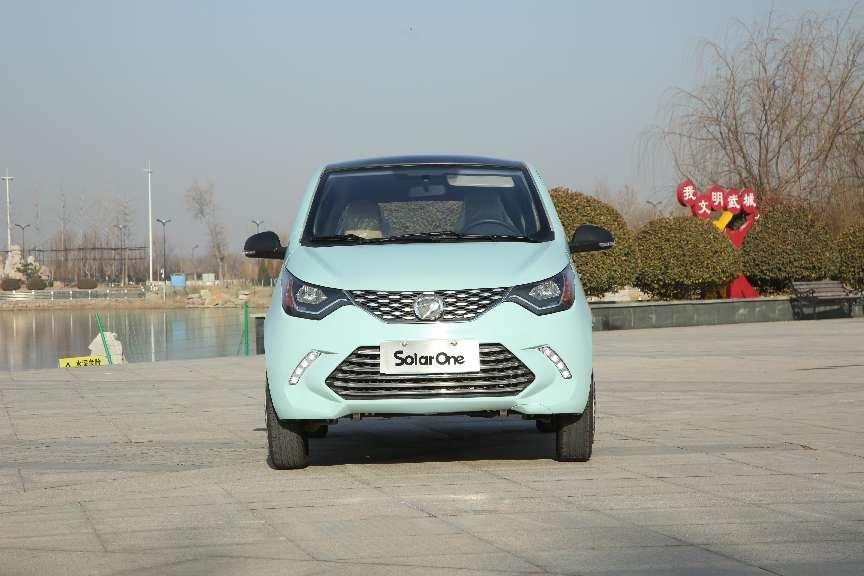
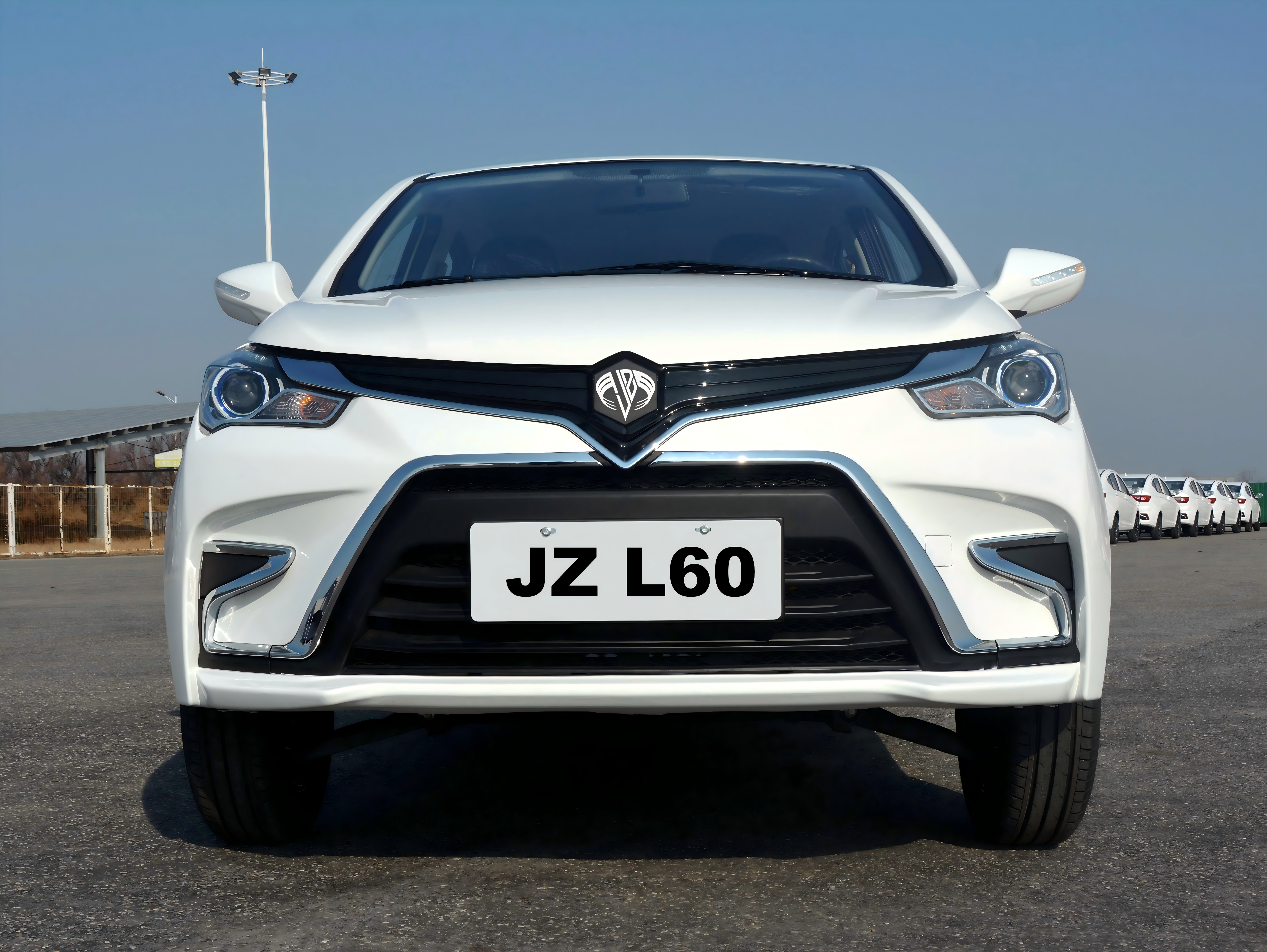
We coordinate dynamic technical sharing protocols with major Chinese platforms, extending the availability of specialized series. This guarantees our commercial partners in Bangladesh access to the latest smart EV lines:
 Limaotong