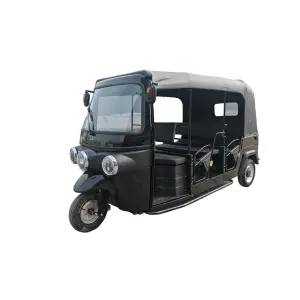
Engineered for Central Asian Climates and Urban Infrastructures
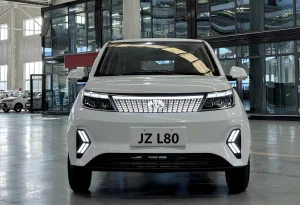
Uzbekistan is witnessing an unprecedented acceleration in electric vehicle (EV) adoption, catalyzed by direct government policy support, modernization of urban transport structures, and an imperative shift toward ecological conservation. Driven by Presidential Decrees focused on the green transition, the country offers zero-customs duty, zero-excise tax, and zero-registration fee policies for imported EVs. This regulatory framework has turned major metropolitan centers like Tashkent, Samarkand, and Bukhara into rapid-growth corridors for modern, cost-efficient electric transport.
However, the local climate of Central Asia introduces demanding parameters. With peak temperatures soaring above 45°C in dry summers and dropping below -15°C in continental winters, standard battery architectures risk severe degradation and dramatic range loss. As a specialized manufacturer, our technology addresses these regional bottlenecks directly with integrated smart thermal management systems, auxiliary solar-charging options, and high-performance battery chemistries optimized for extreme climate operations.
Shandong Li Mao Tong Group serves as a strategic pipeline, ensuring localized distribution, supply chain resilience, and optimized after-sales integration for importing partners.
Empowering robust urban and commercial transportation networks globally.
Localized manufacturing capability ensuring fast lead times and custom builds.
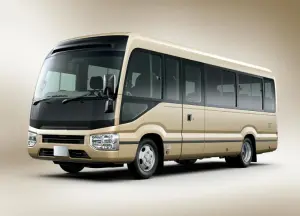
Providing high-grade family commute and heavy-duty logistics solutions.
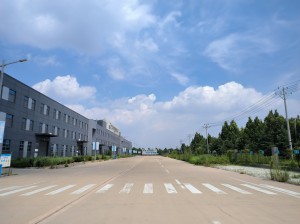
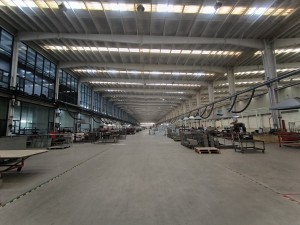
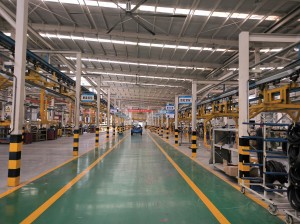
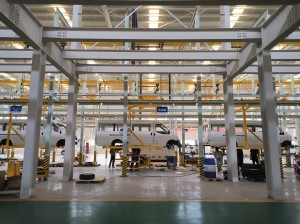
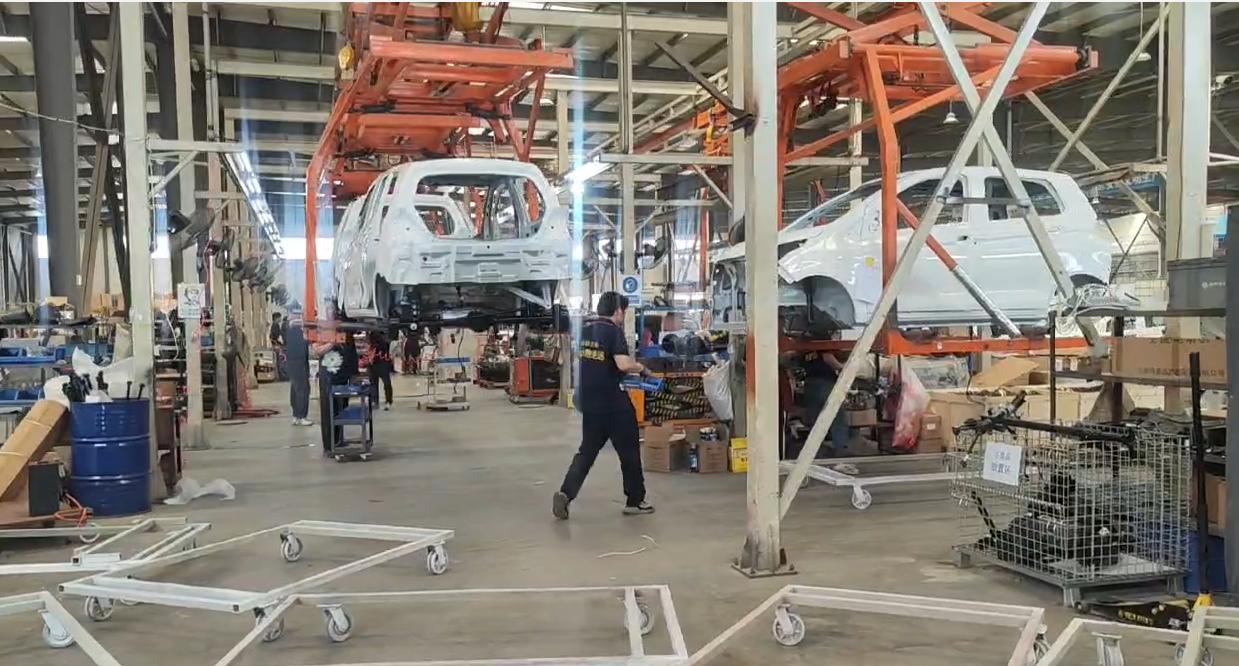
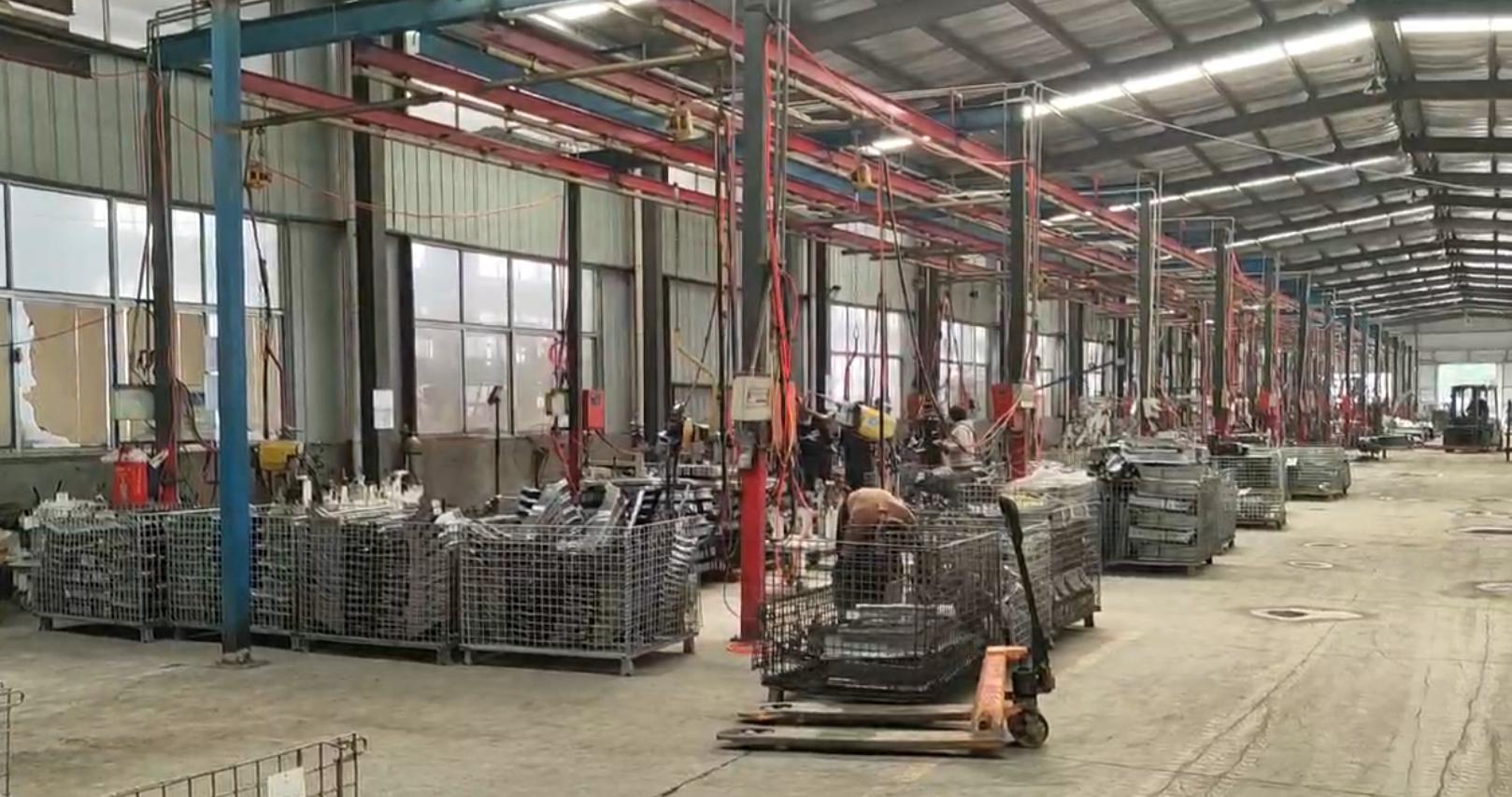
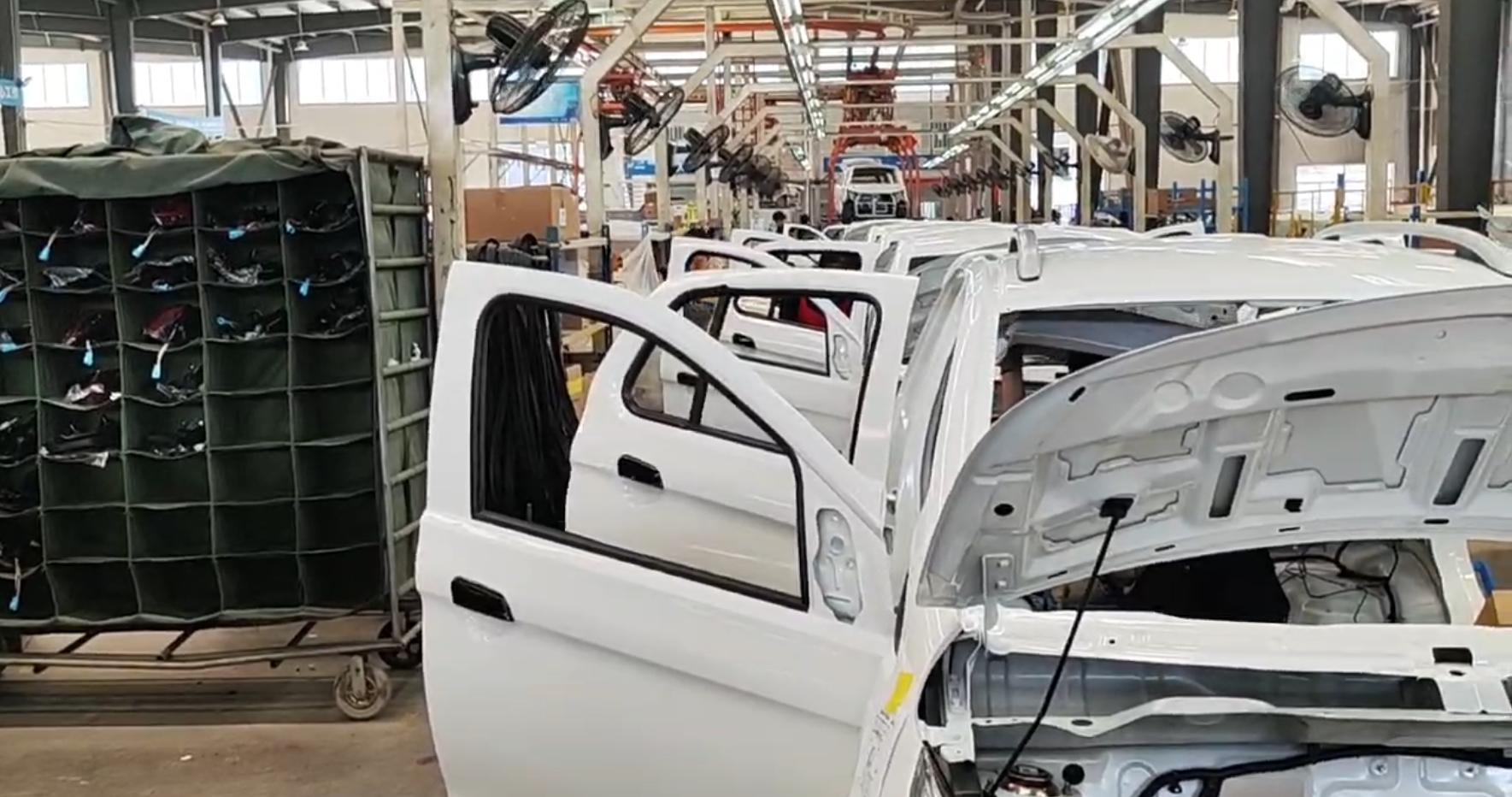
At the center of China's premium new energy vehicle manufacturing ecosystem, Shandong Li Mao Tong Group delivers world-class EV designs, highly-integrated battery systems, and unmatched structural durability. Our manufacturing pipeline relies on automated robotic chassis assembly, state-of-the-art rust-proofing, and rigorous climate-chamber testing to guarantee structural longevity under extreme environments.
Whether servicing the high-density requirements of metropolitan logistics or delivering micro-commute vehicles for private transit, we adapt battery architectures, suspension packages, and cabin features for the specific terrain and weather demands of Uzbekistan.
Unpacking supply chain synergies and technology trajectories
Uzbekistan is a critical logistical crossroads for the Silk Road Green Energy corridor. By importing ready-to-run models or partial knocked-down kits, commercial distributors optimize operational expenditures and bypass freight limitations.
Global trends showcase a massive pivot to cost-effective, low-maintenance urban micro-EVs. These platforms bypass parking congestion, lower municipal electrical demands, and require significantly lower initial capex.
Integrated photovoltaic solar cells on EV roofs are transforming autonomy calculations, providing constant trickle-charging to batteries, which offsets losses from HVAC use in high-temperature environments.
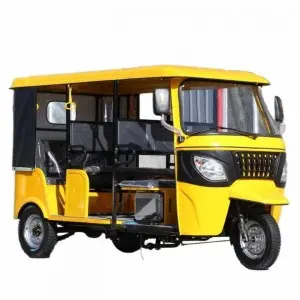
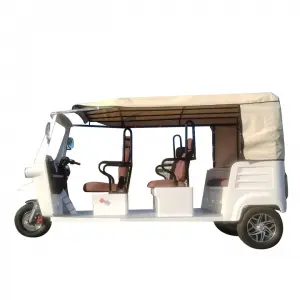
Modern fleet operations in Uzbekistan demand targeted solutions. Tashkent City Eco-Taxis, high-volume urban postal/delivery fleets, and corporate logistics operations require low charging cycle footprints, absolute uptime reliability, and swift parts replacement pipelines. By introducing mini-electric cars and cargo-focused electric tricycles, local operators enjoy down-time reductions of over 40% compared to legacy internal combustion vehicles.
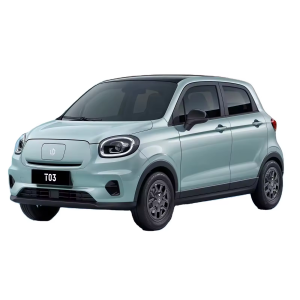
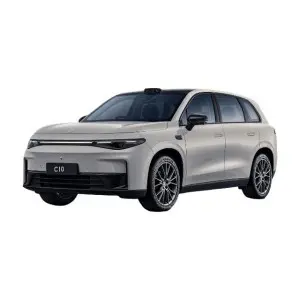
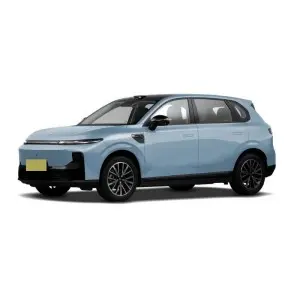
Engineered to outperform under high thermal loads and demanding terrain
To prevent loss of range and safeguard lithium cells during Tashkent's hot summers, our vehicles employ a liquid cooling and intelligent heating loop that keeps the battery array in its optimal 20°C to 35°C temperature window.
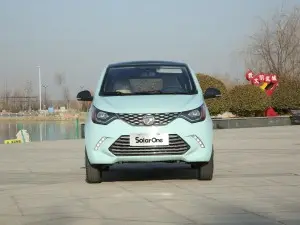
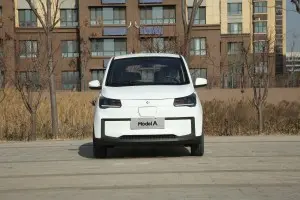
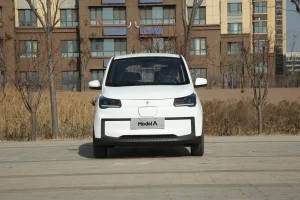
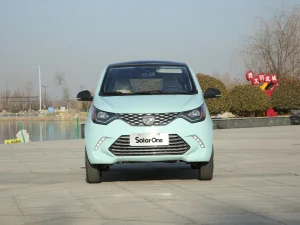
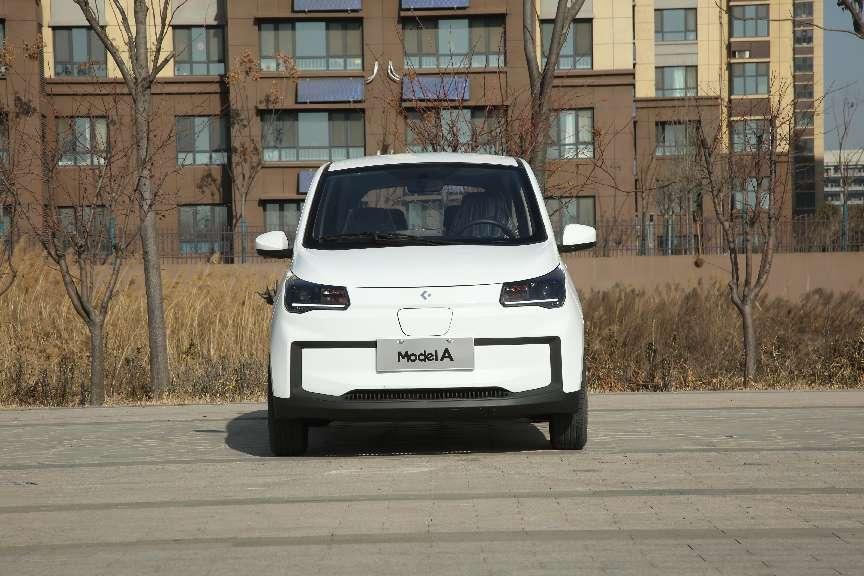
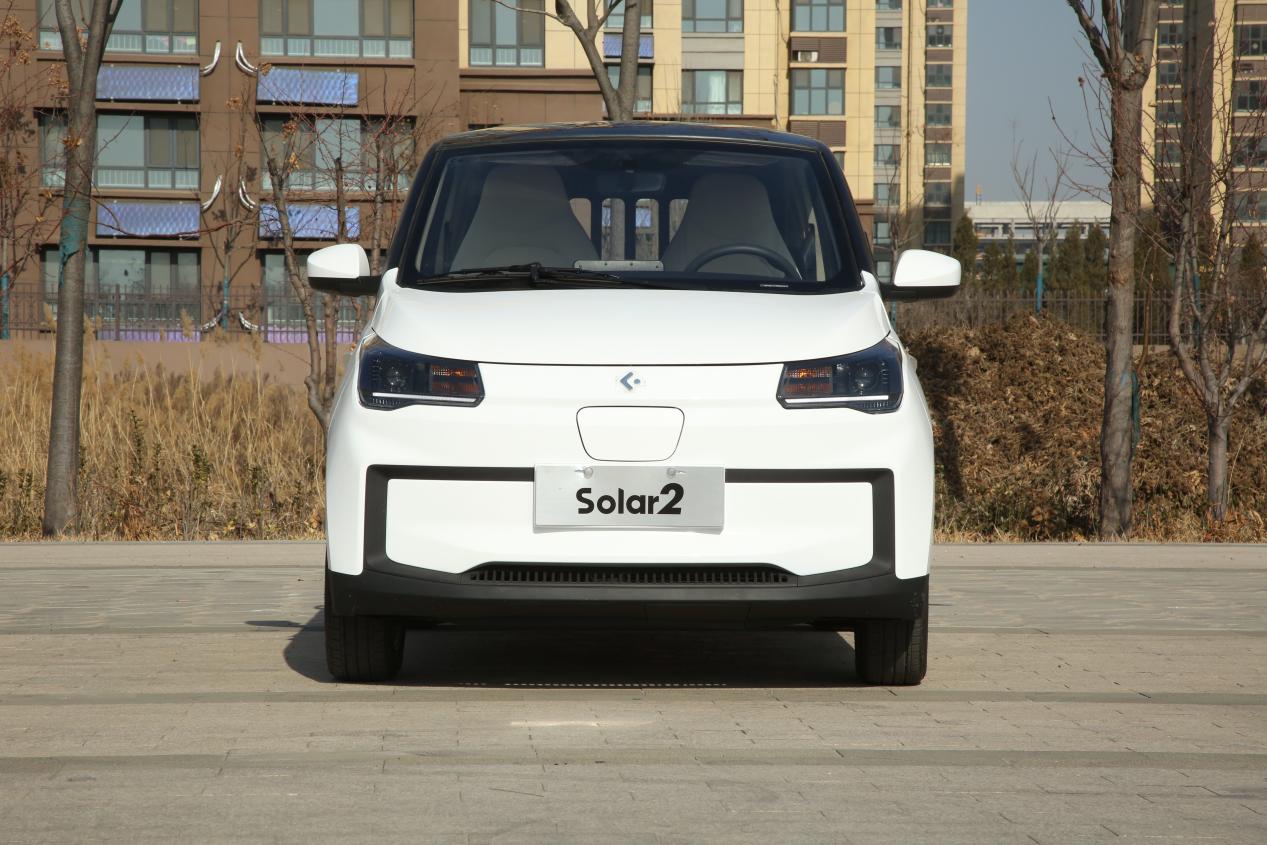
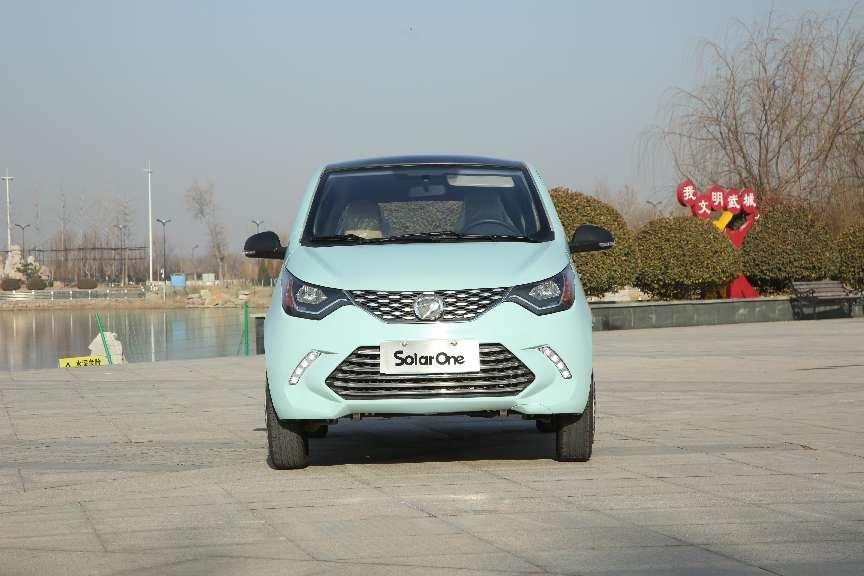
Our Solar-One and Model A ranges integrate high-efficiency mono-crystalline silicon solar panels onto structural panels, utilizing Uzbekistan’s high average solar irradiance (300+ sunny days a year) to supply up to 30km of additional charge per day completely off-grid.
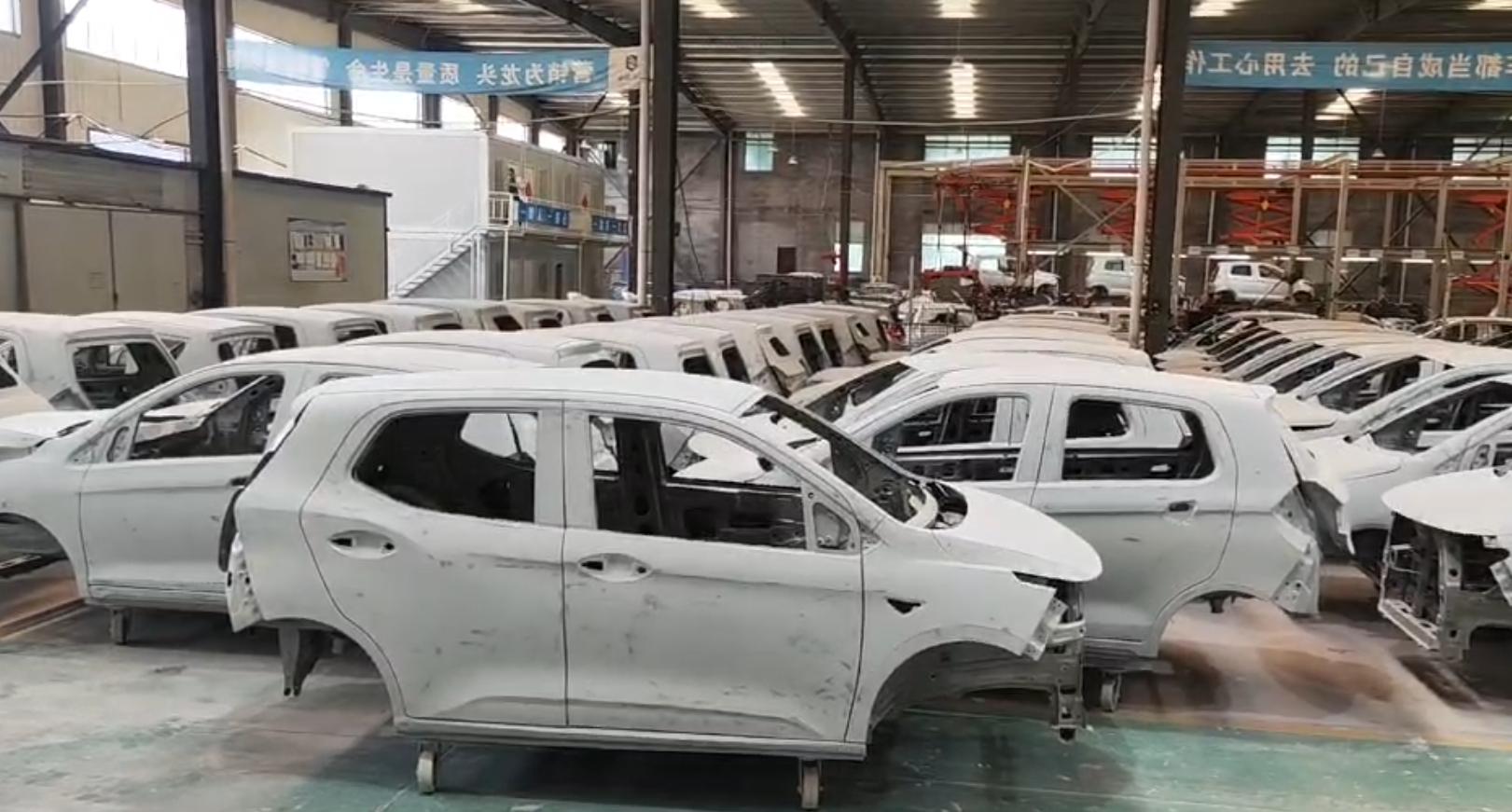
Using one-piece stamped steel structures combined with electrophoretic rust prevention, the suspension and structural frames are designed to withstand unpaved or developing logistics routes in suburban industrial zones.
Ensuring elite assembly, quality control compliance, and reliable cross-border logistics
Deepening bilateral industrial ties and technology alignment
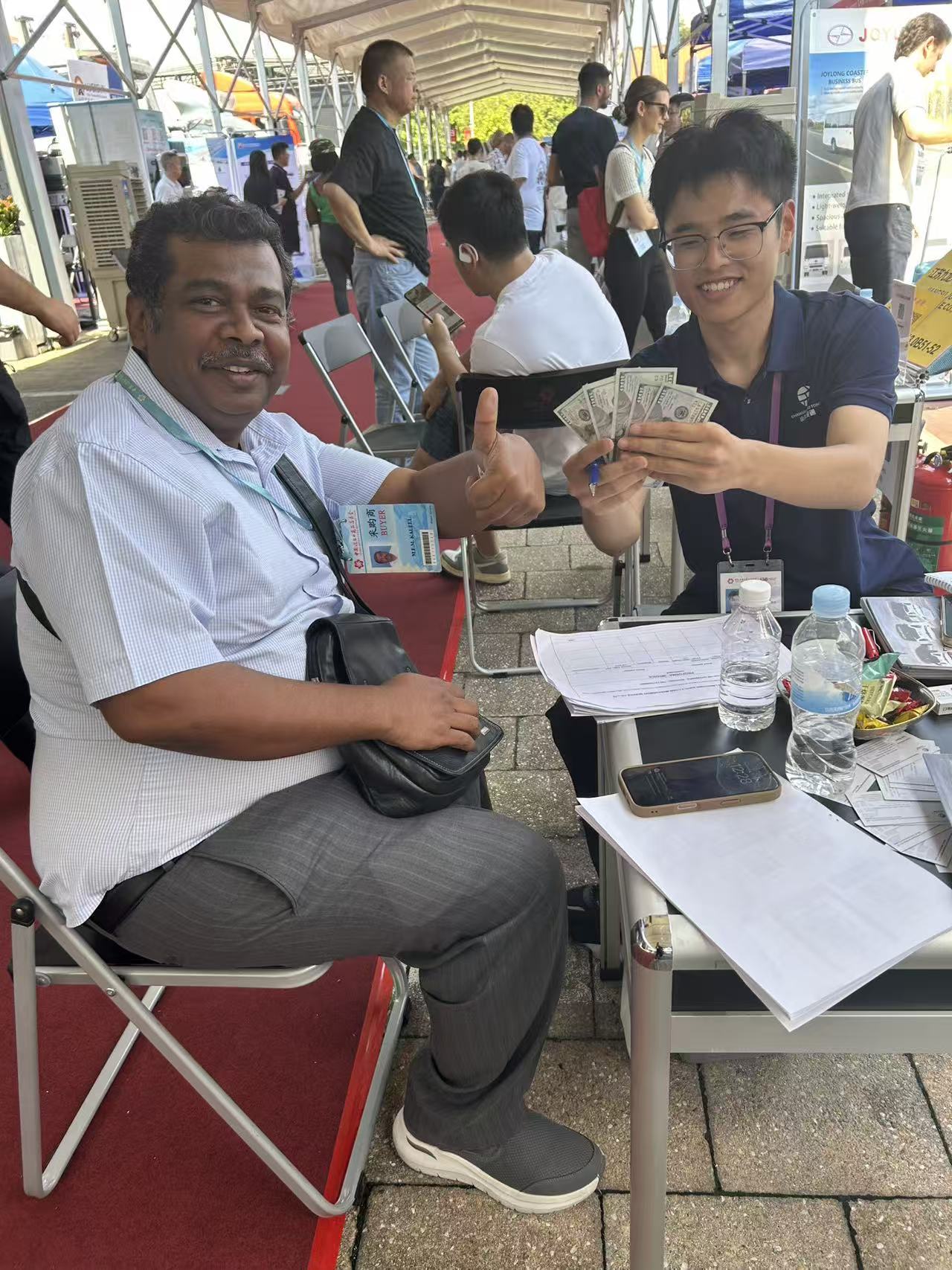
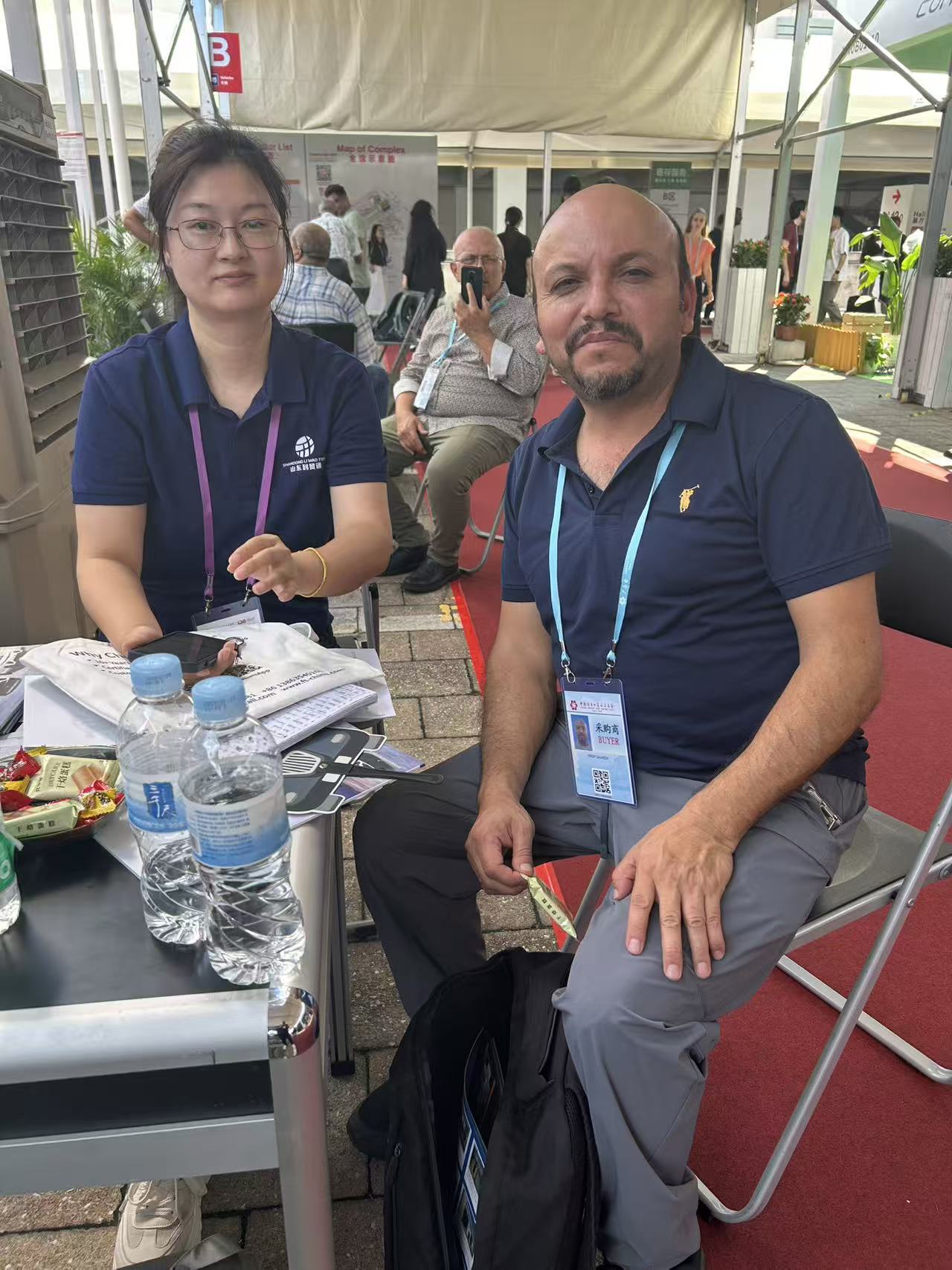
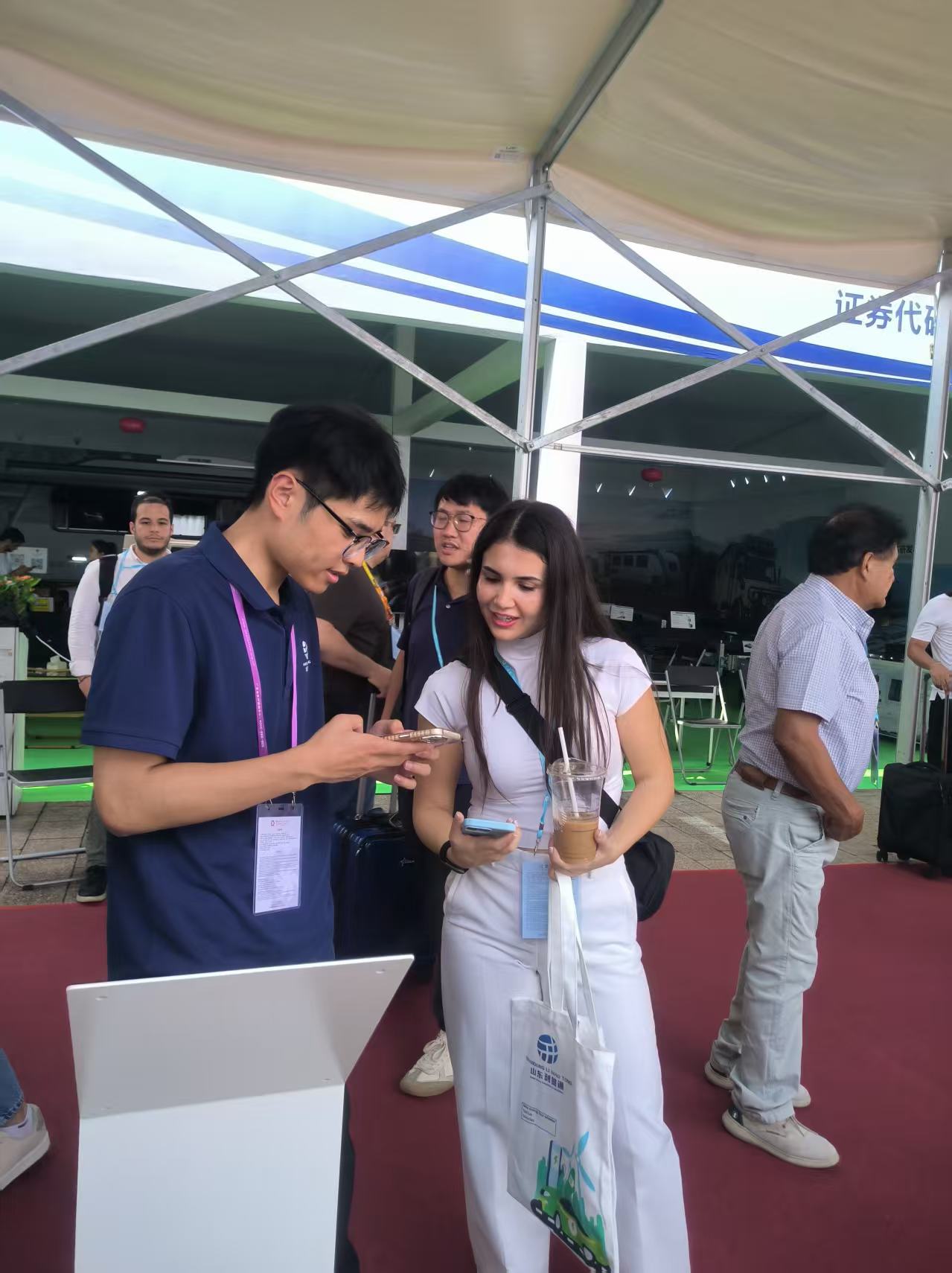
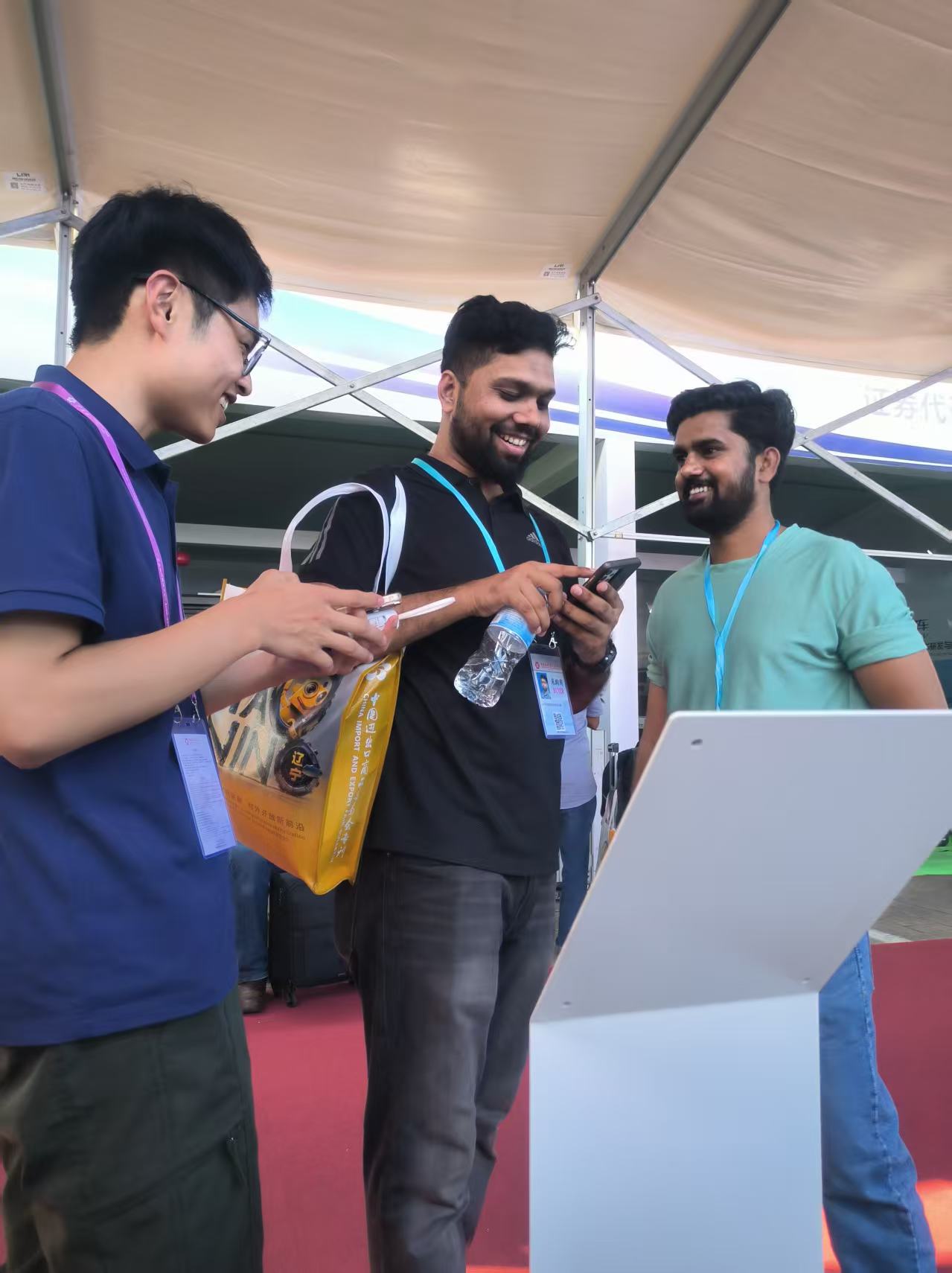
Transparency, compliance, and industrial standards confirmation
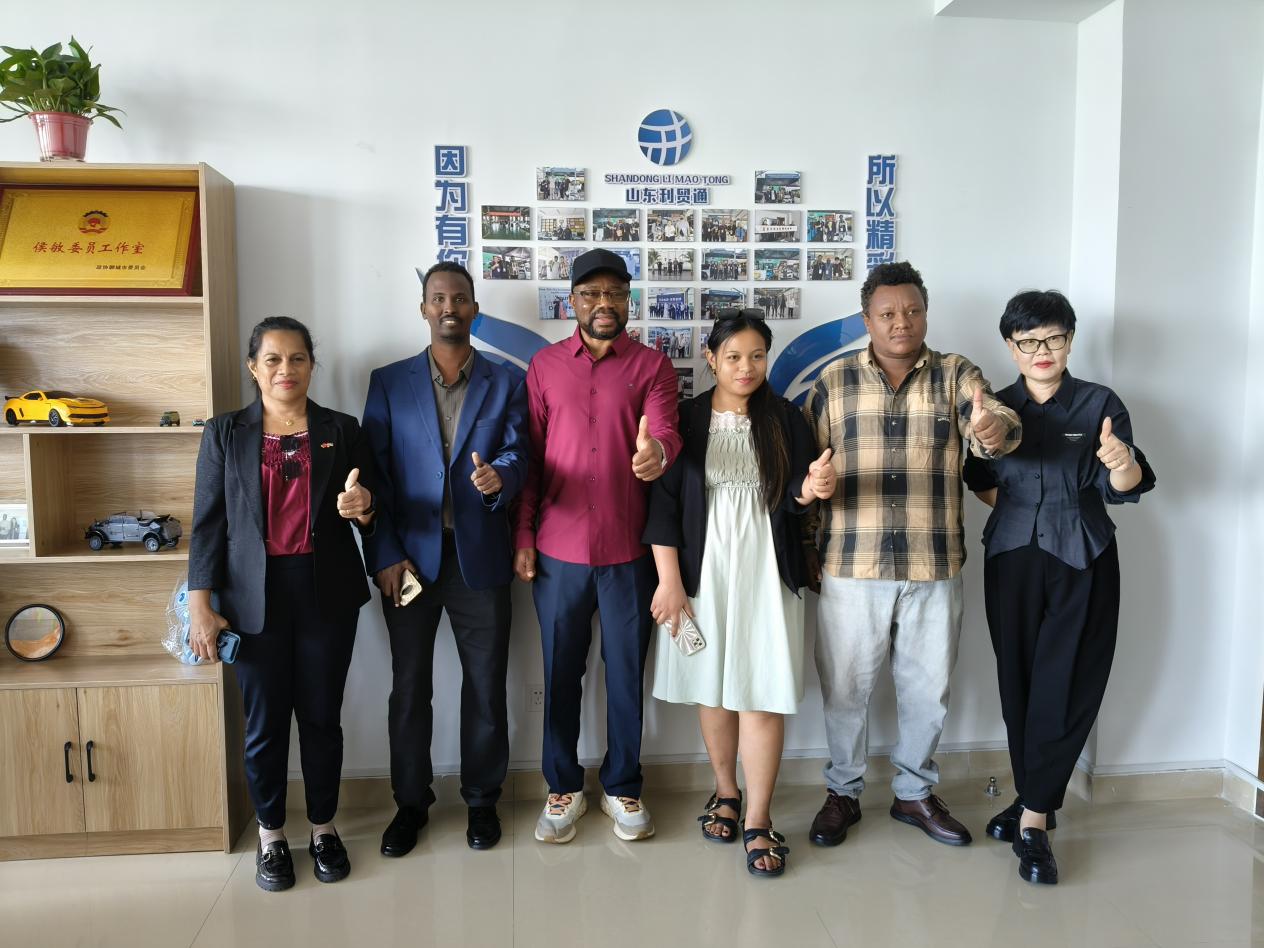
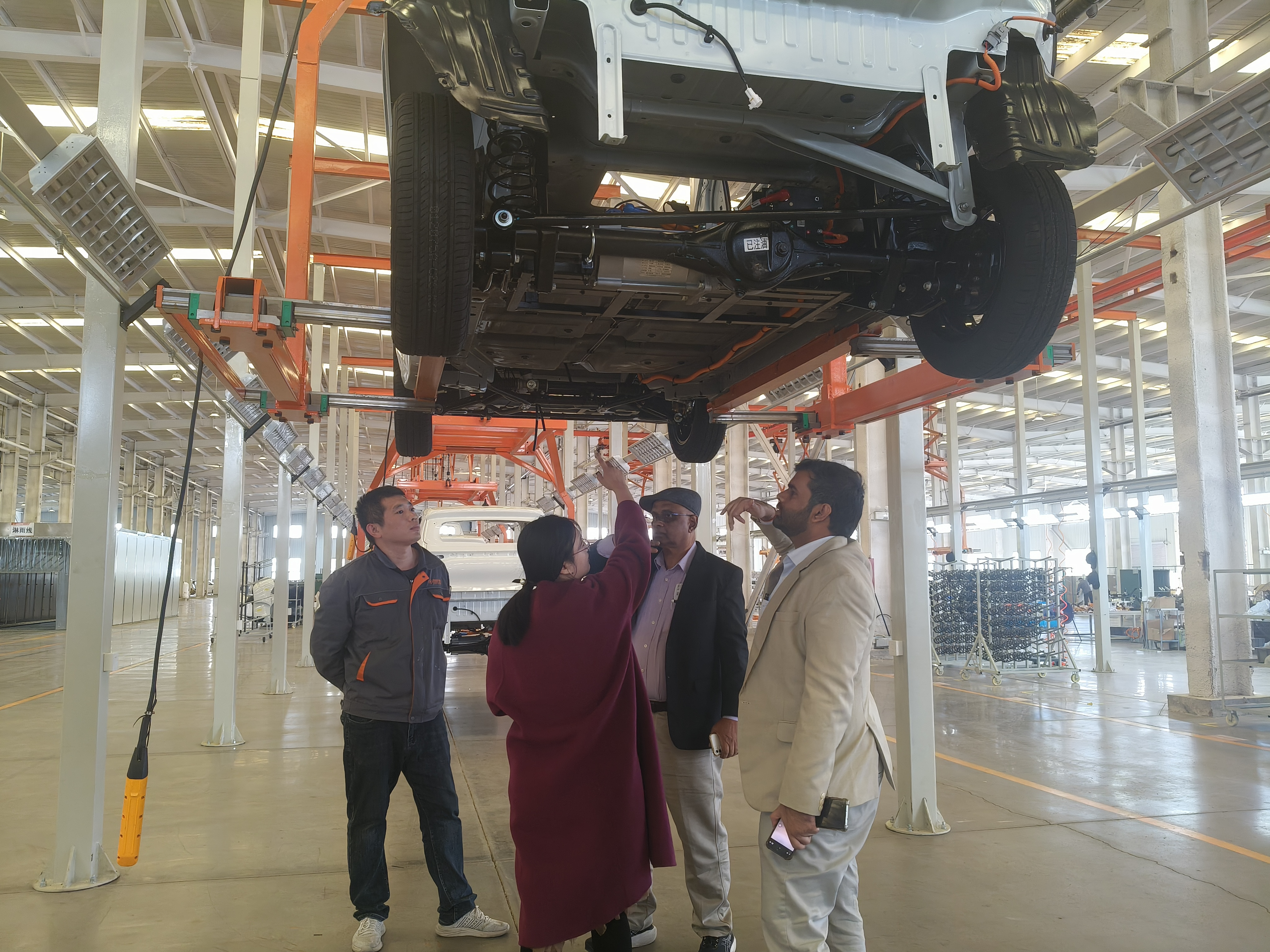
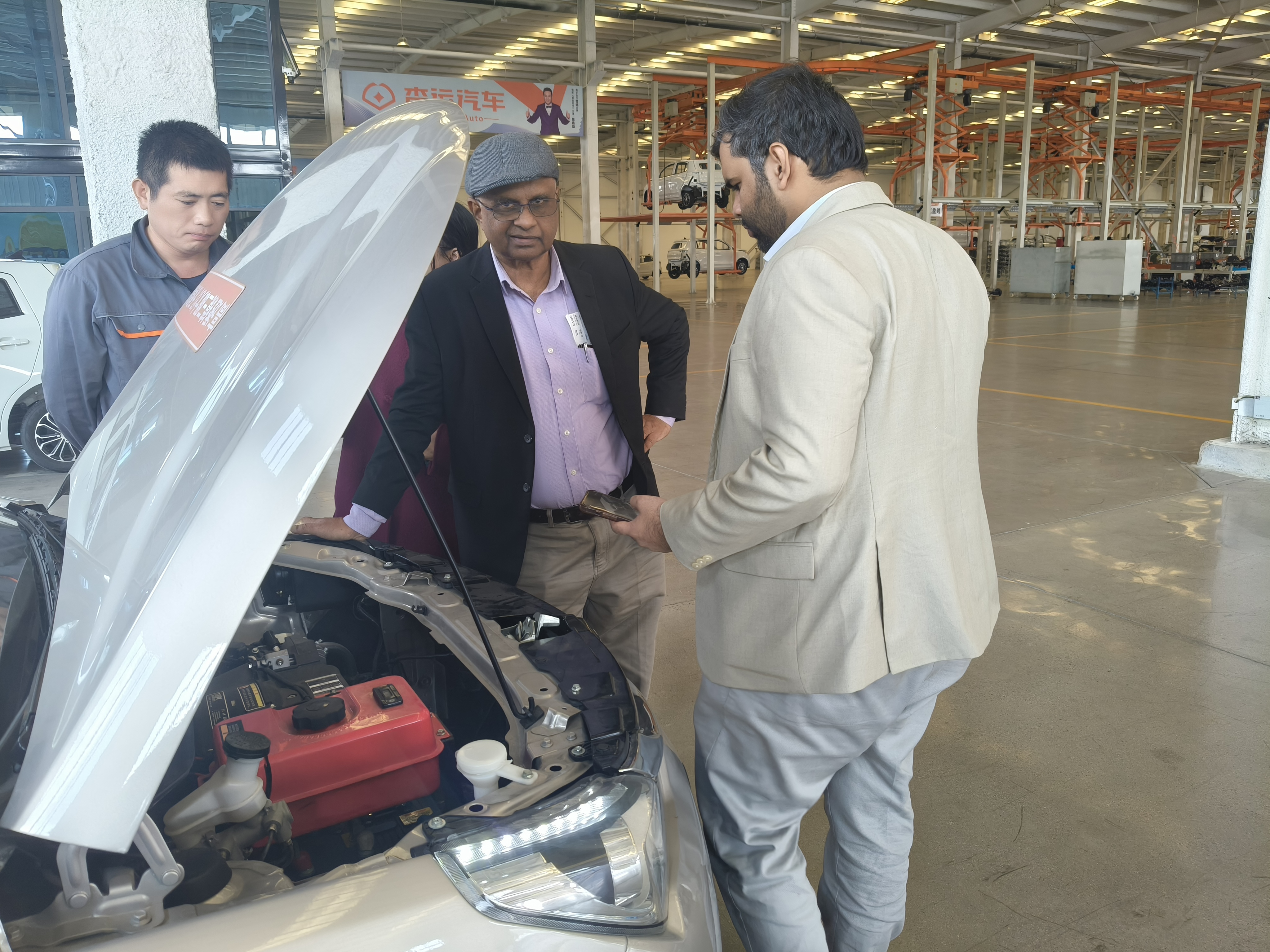
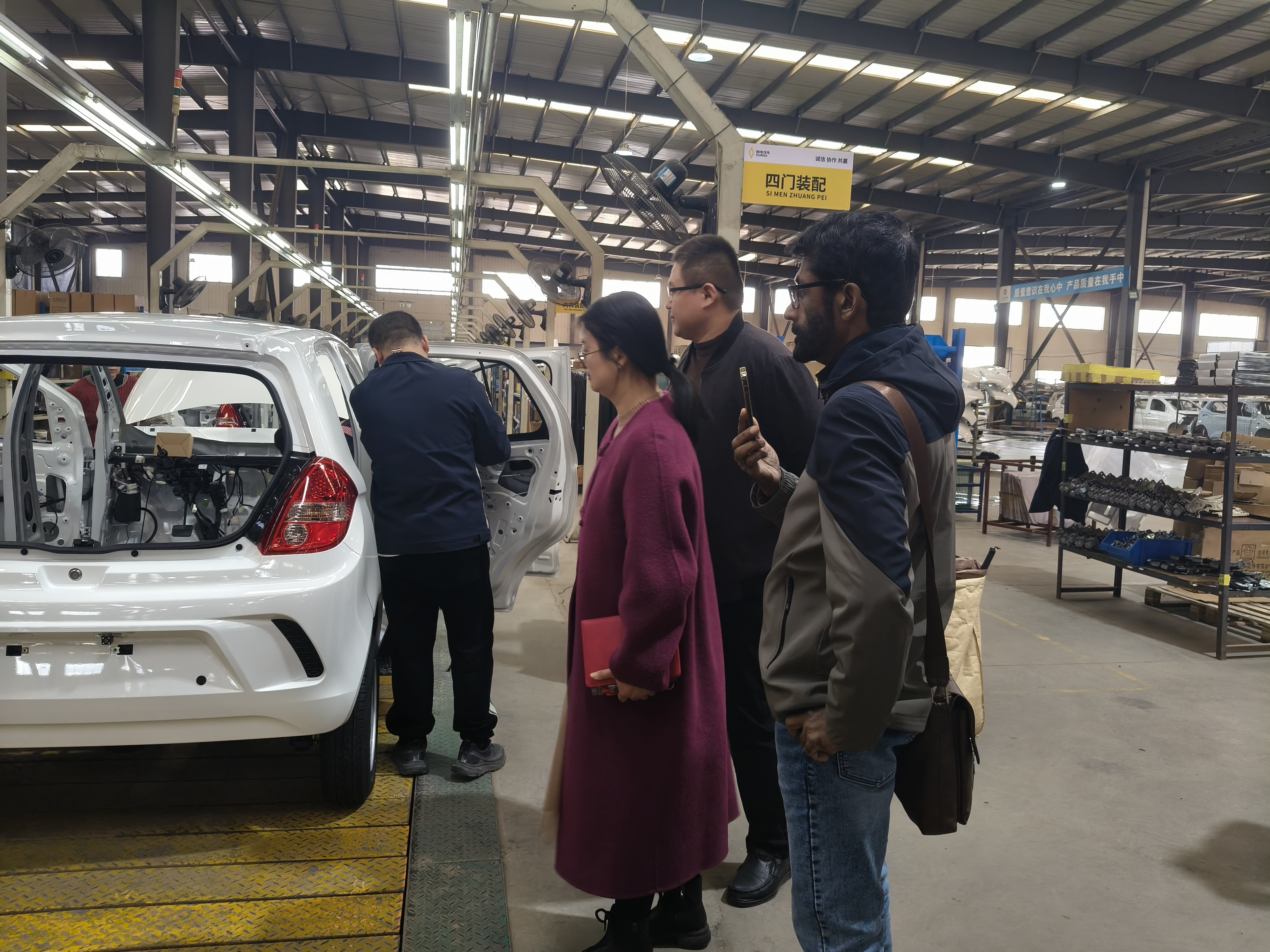
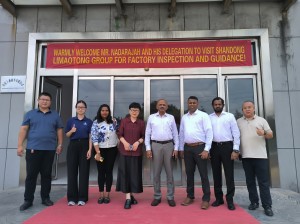
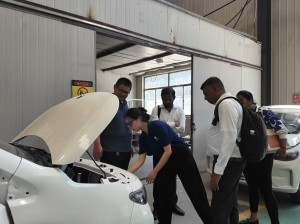

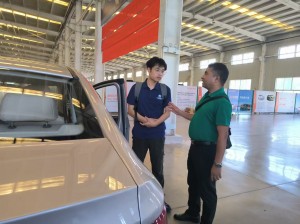
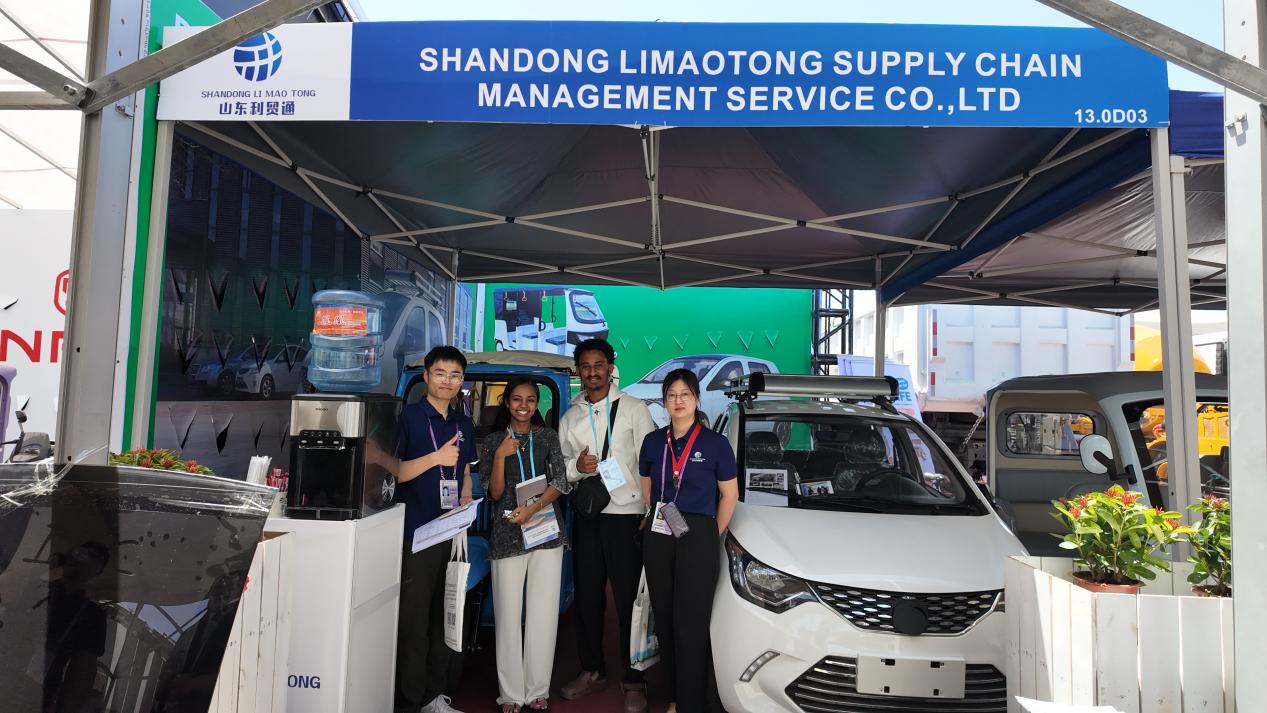
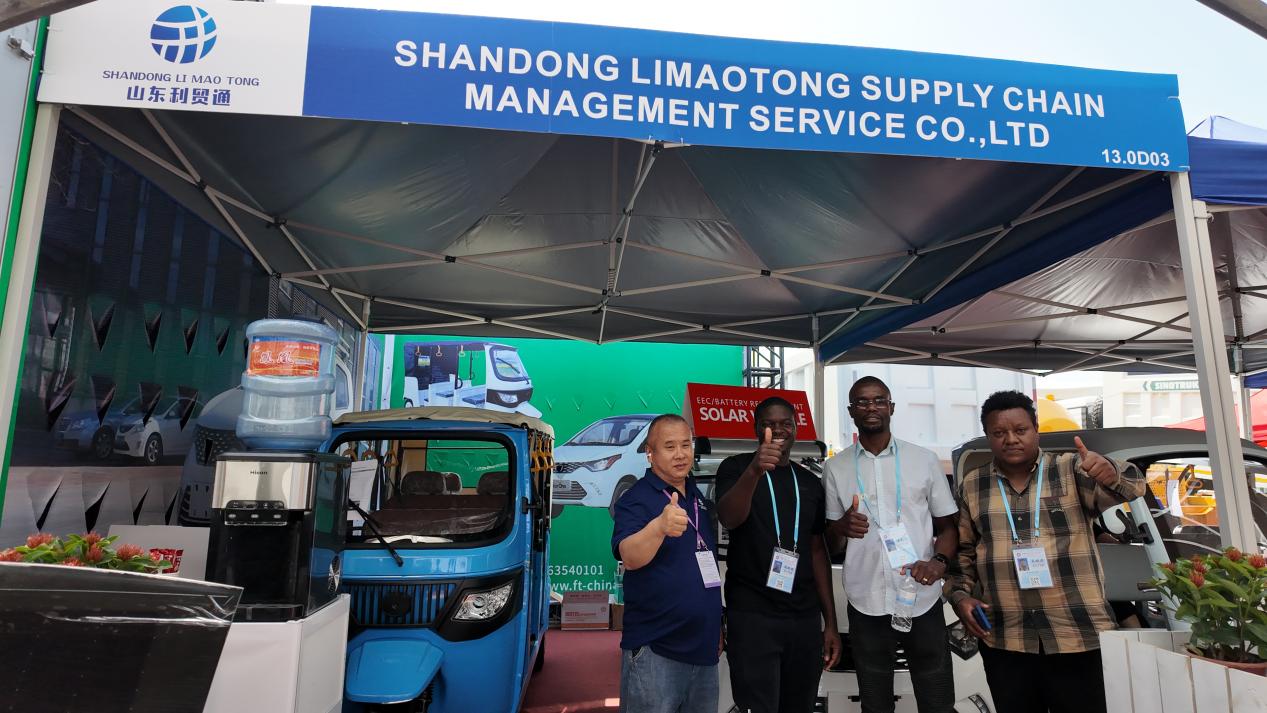
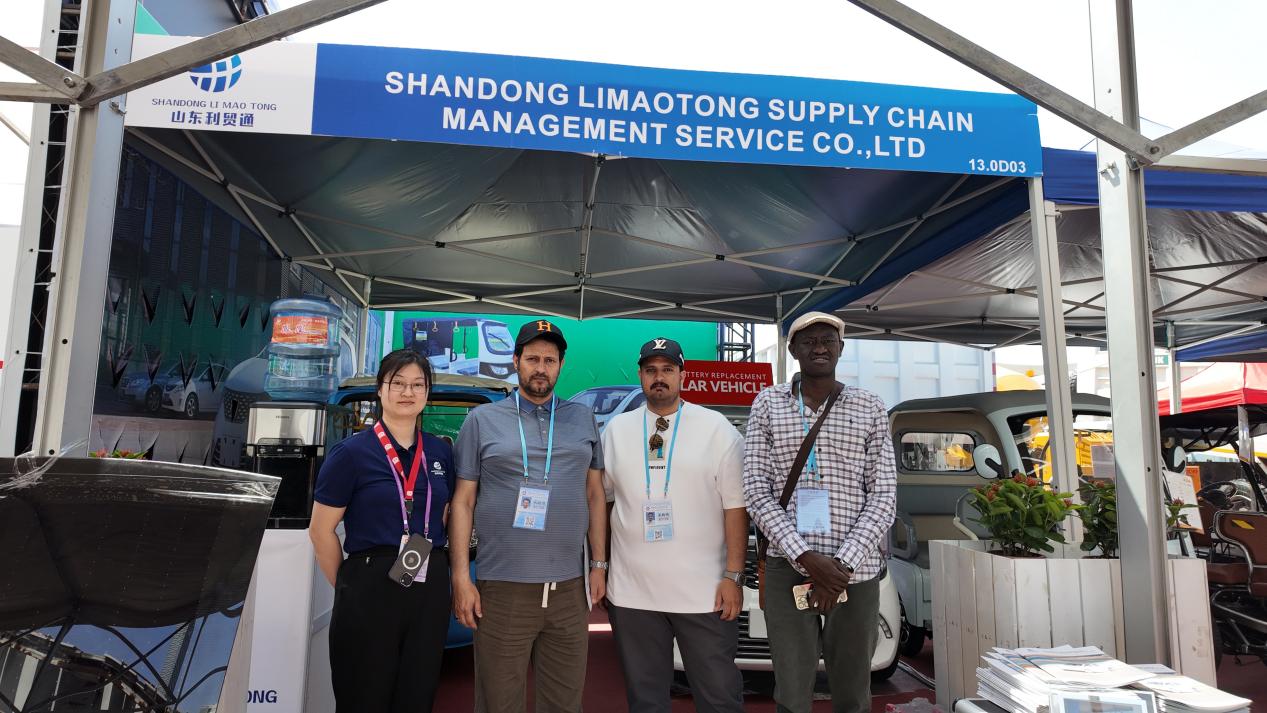
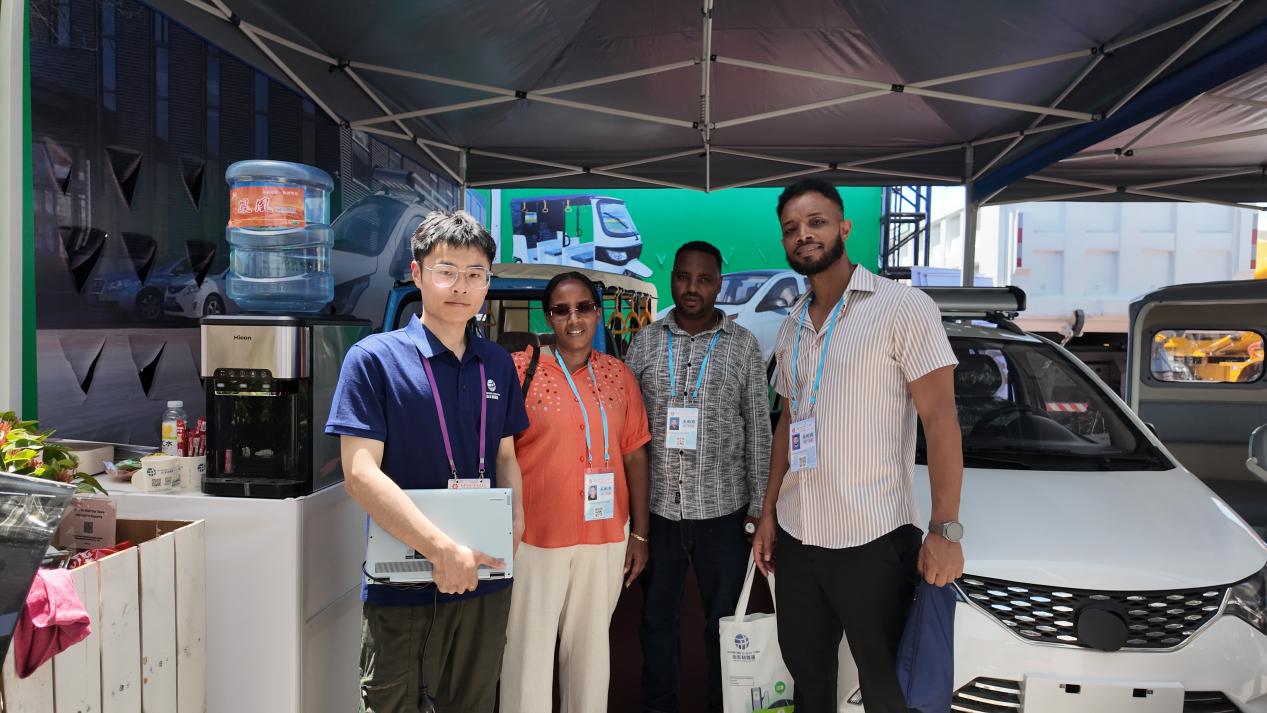
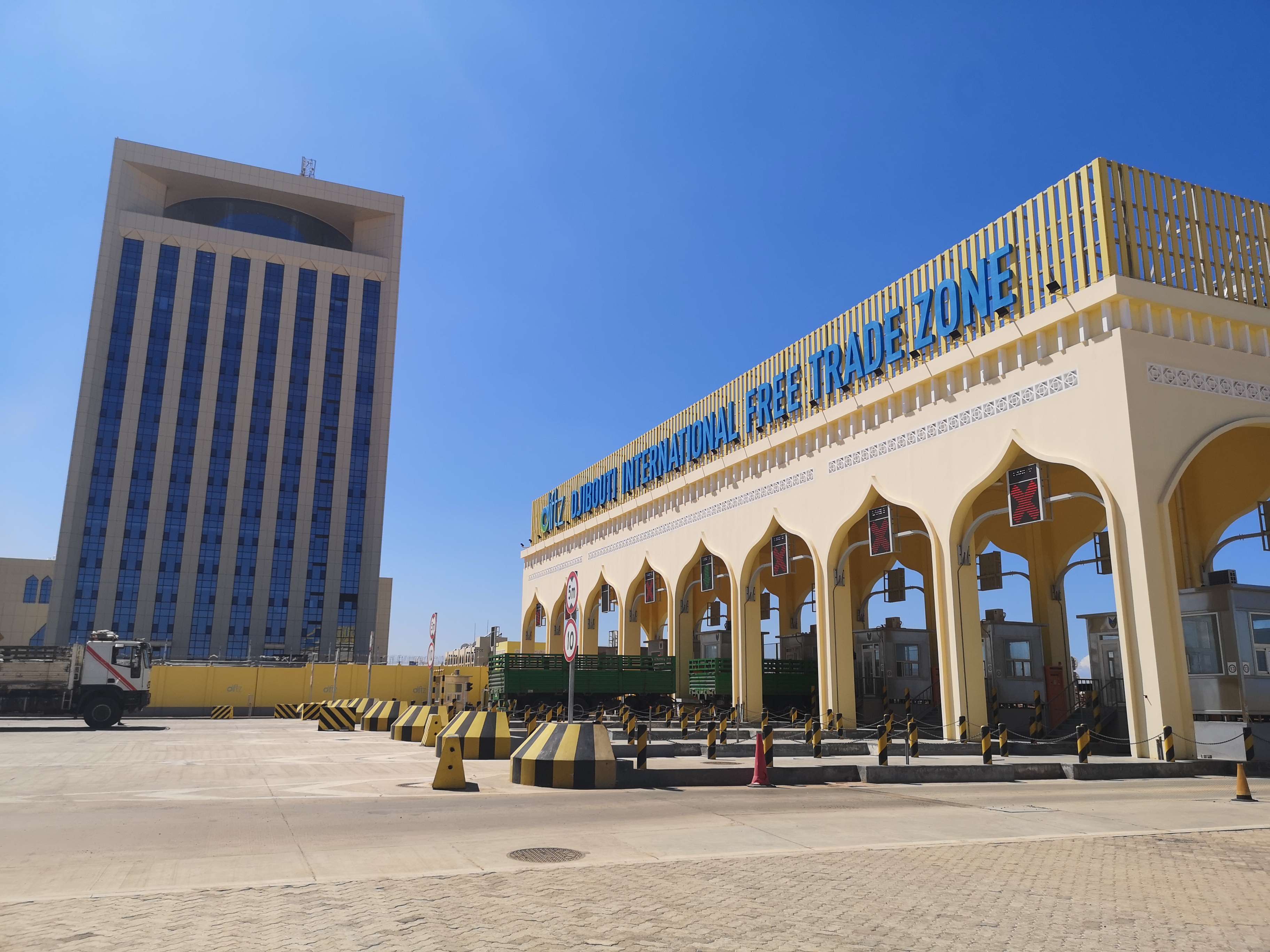
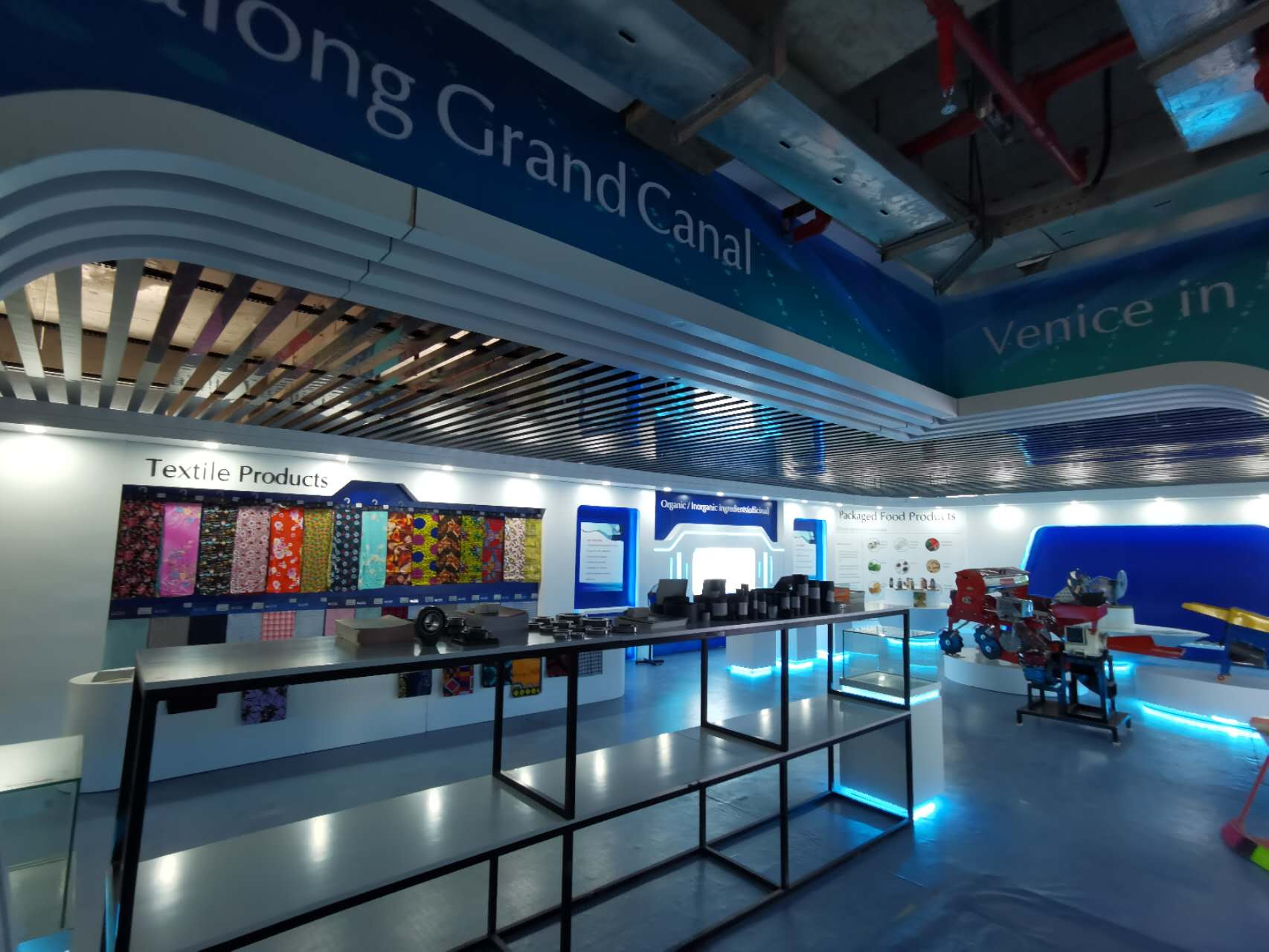
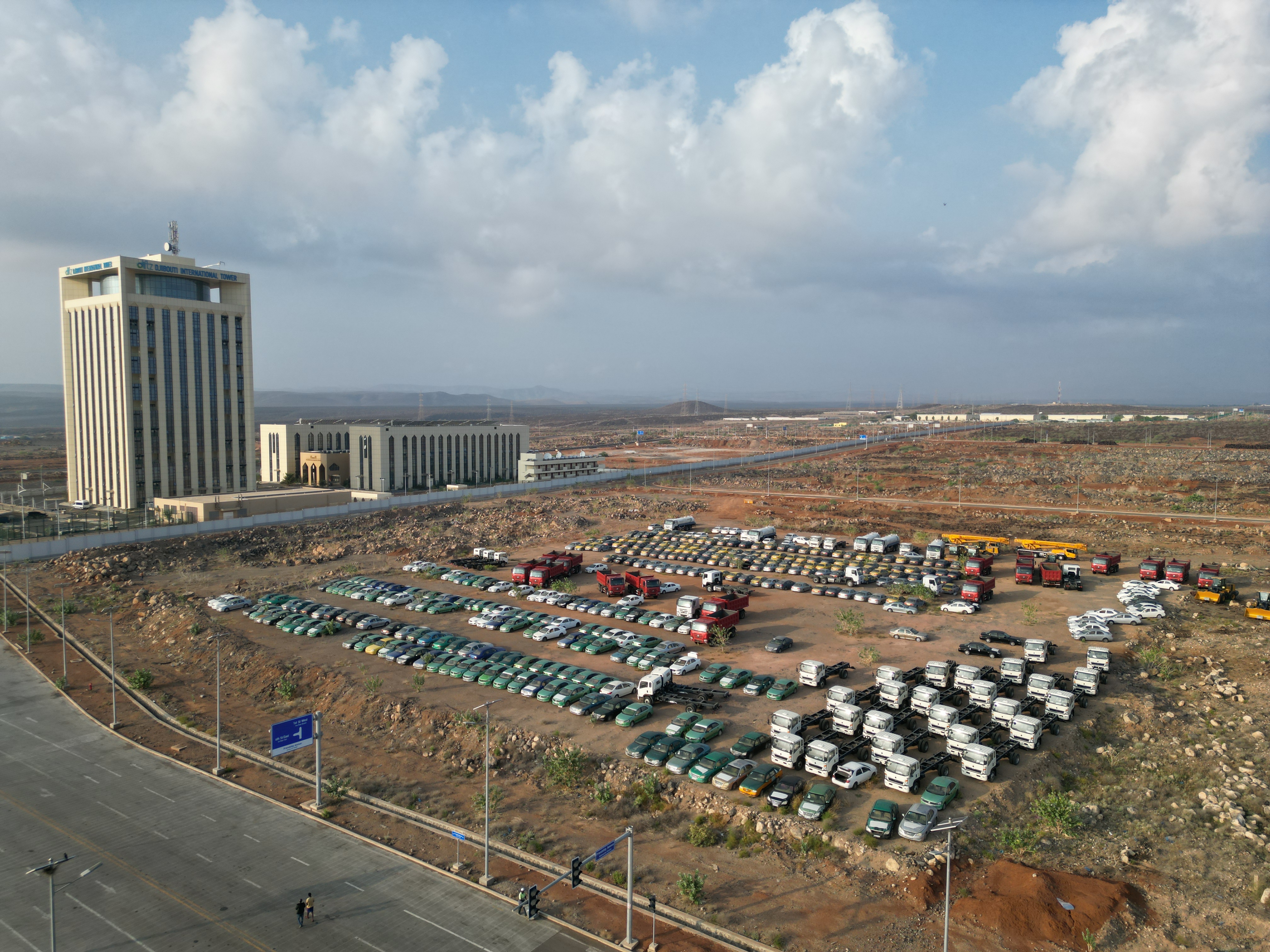
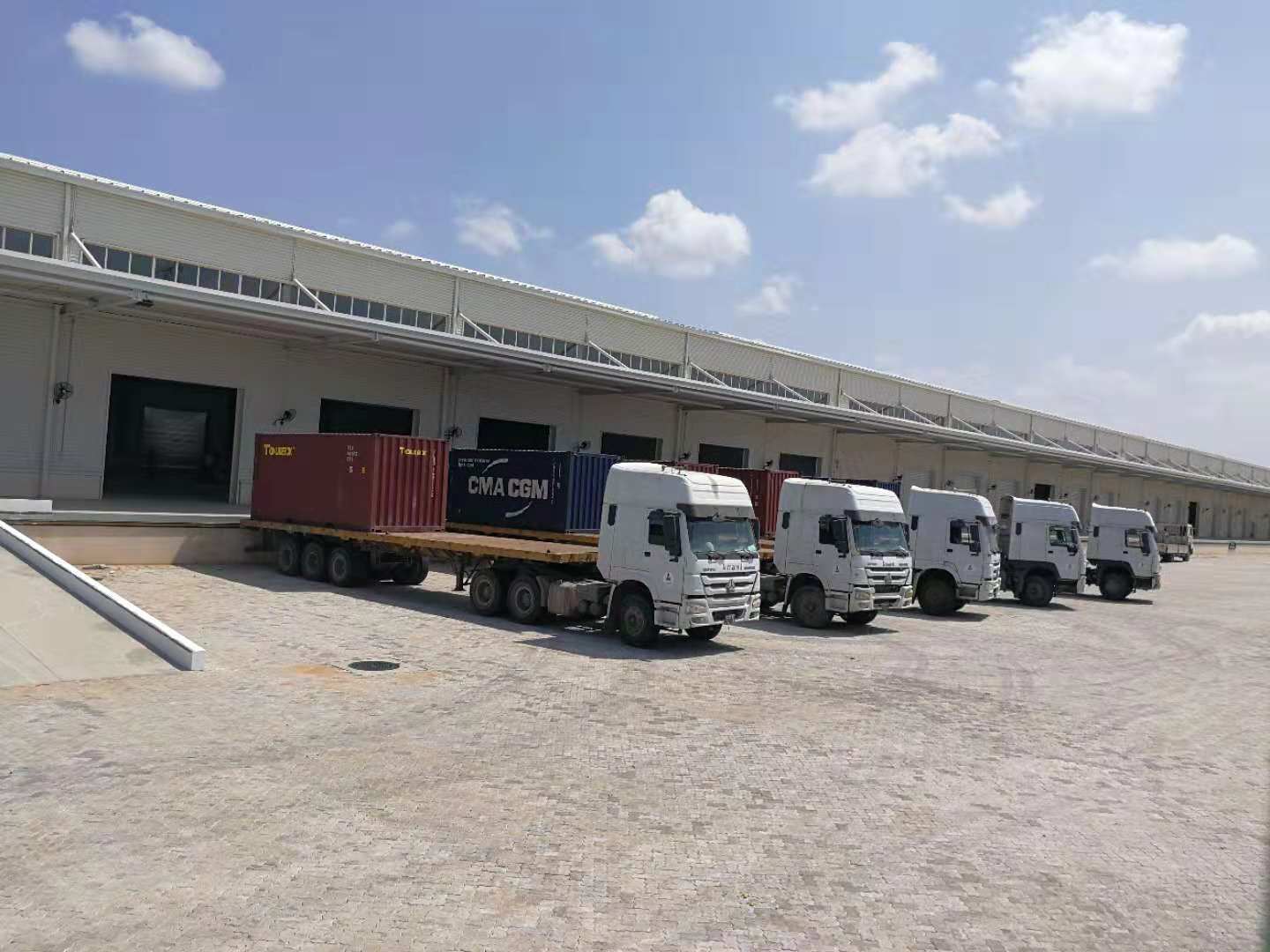
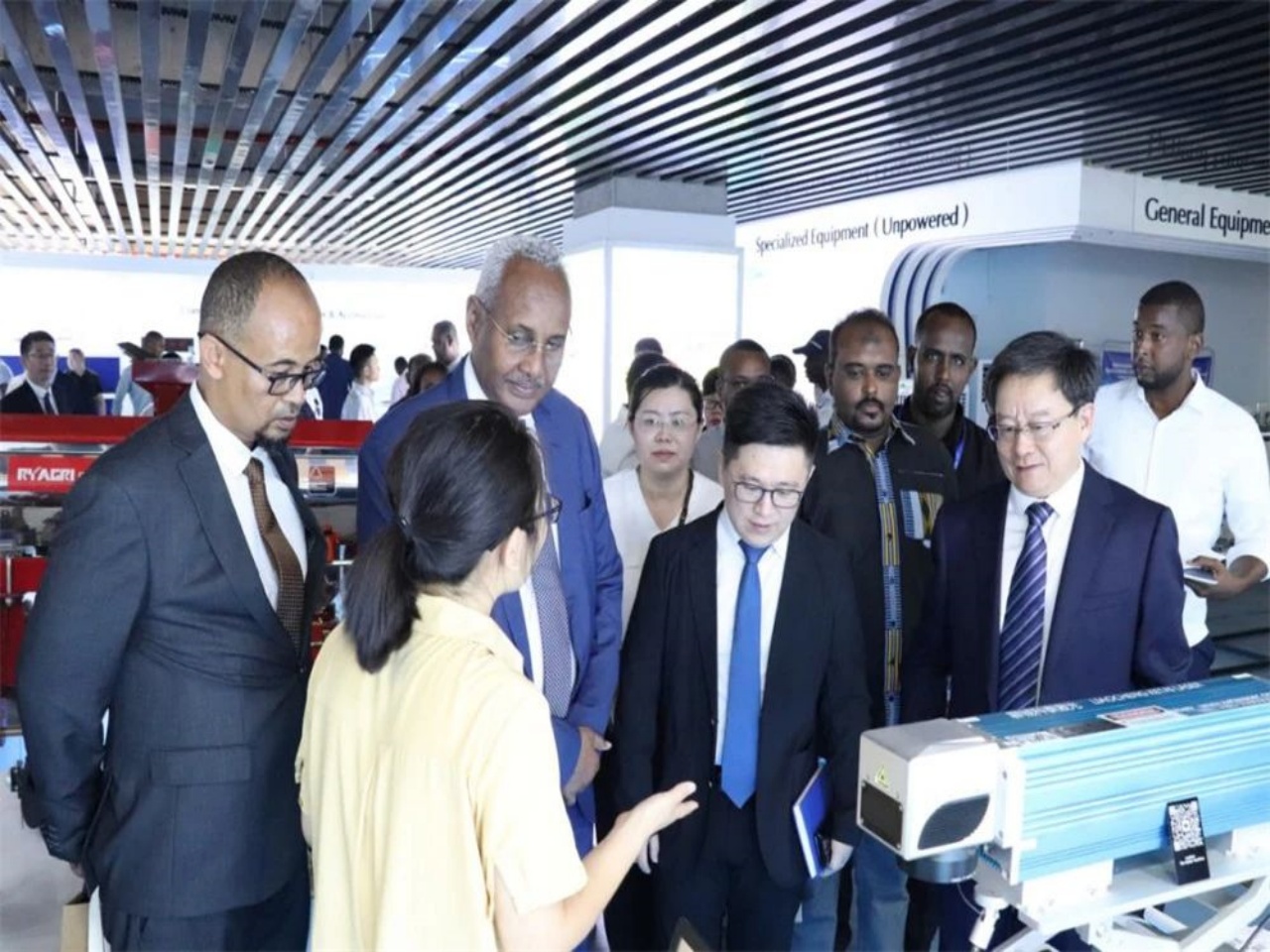
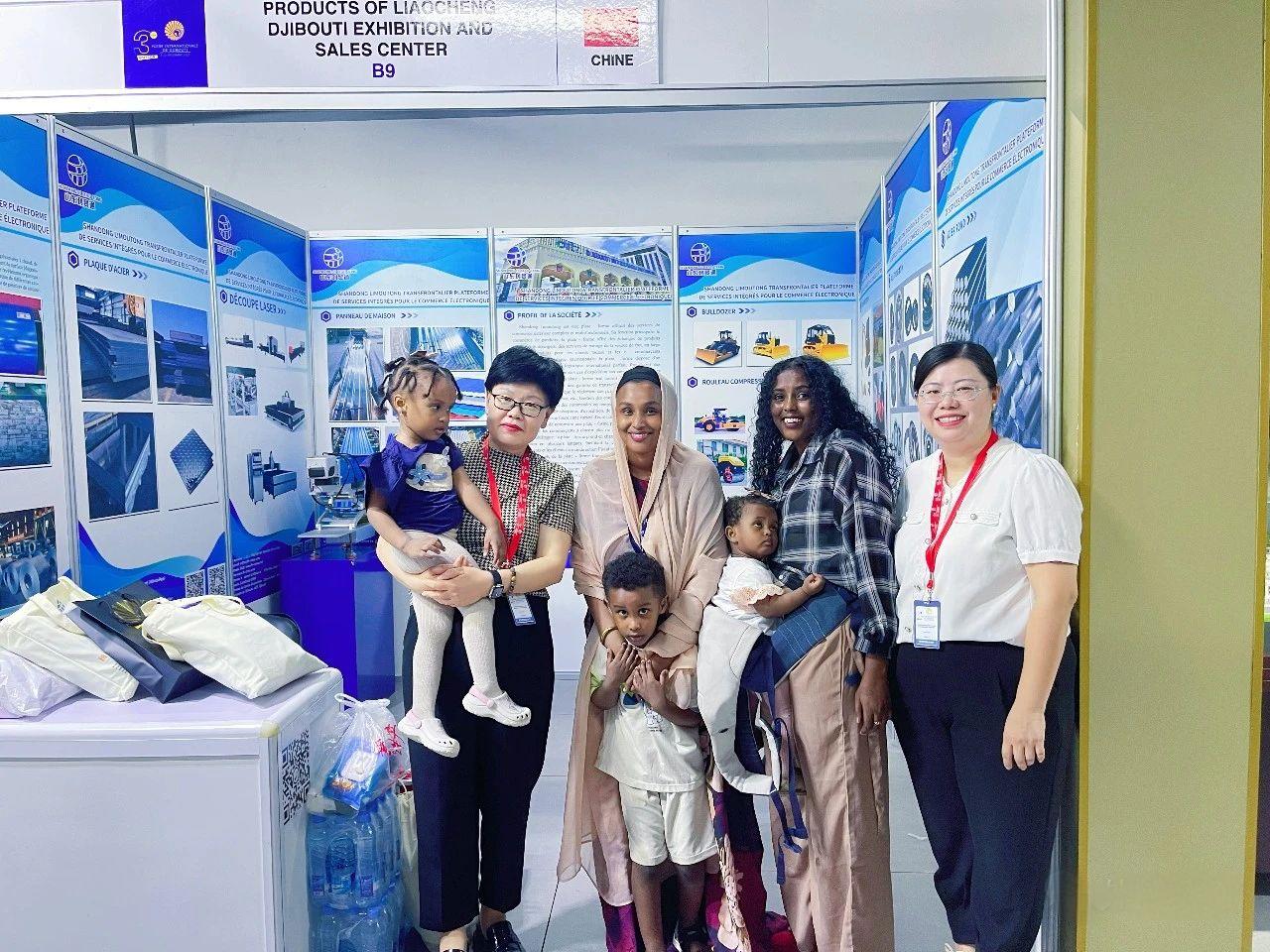
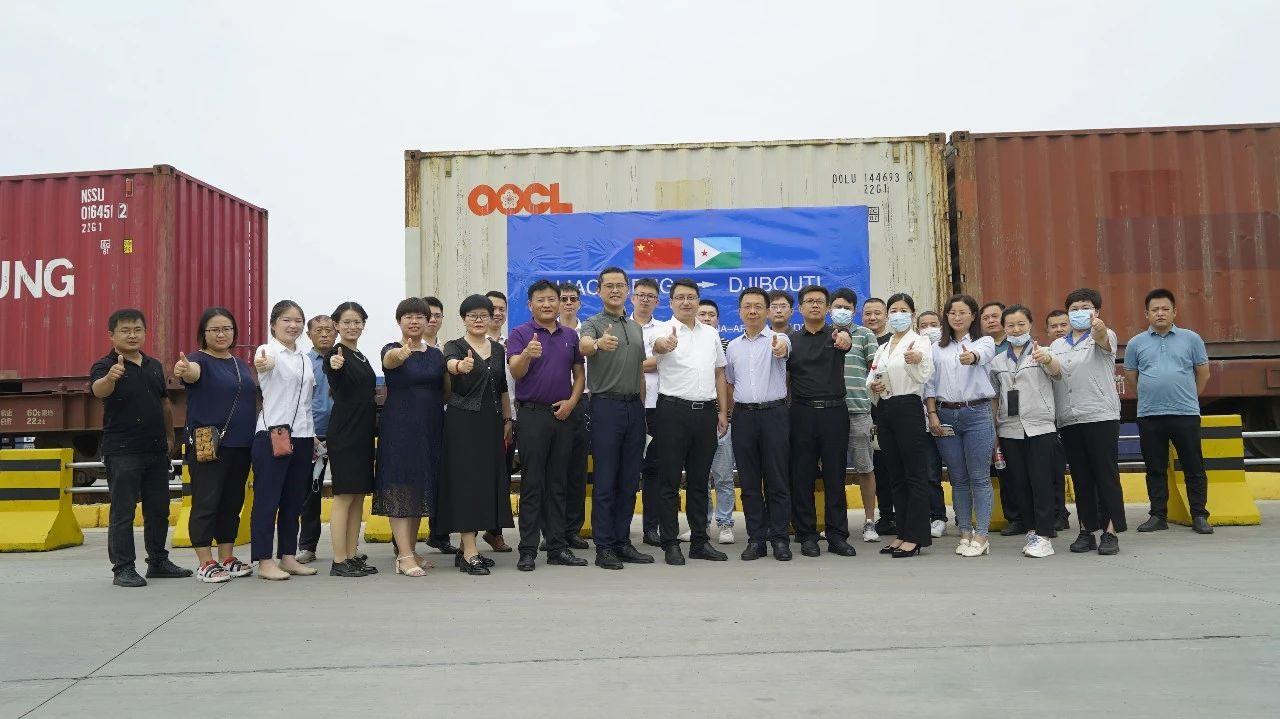
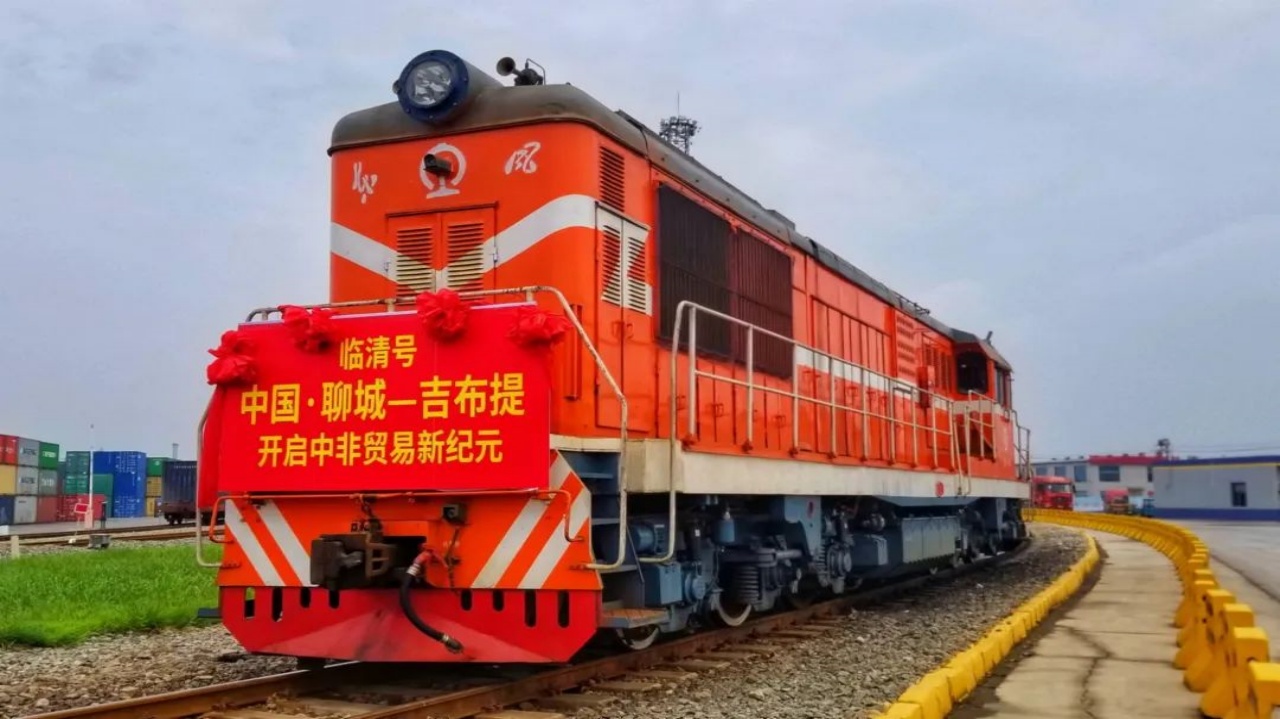
To guarantee immediate after-sales response times, Shandong Li Mao Tong Group established the Djibouti Cross-border E-commerce Exhibition and Sales Center within the Djibouti International Free Trade Zone. Operating on a "cross-border trade + front-end warehouse" model, this logistics gateway serves as an operational prototype for our expanding supply corridors into Central Asia.
Applying these exact operational models to our shipping lanes to Tashkent and Samarkand, we minimize customs processing friction, coordinate localized clearance workflows, and maintain ready reserves of vital electrical components, drivetrain systems, and structural spares within regional hubs.
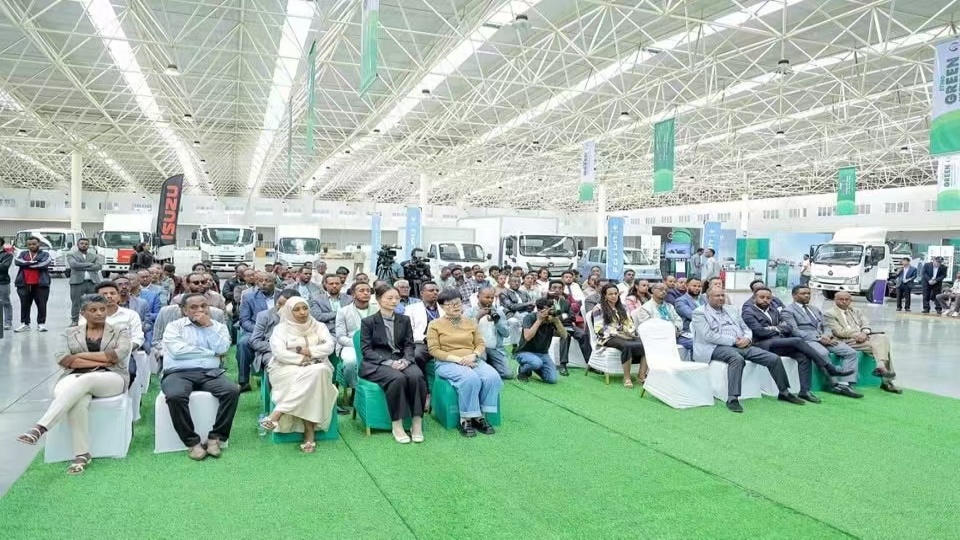


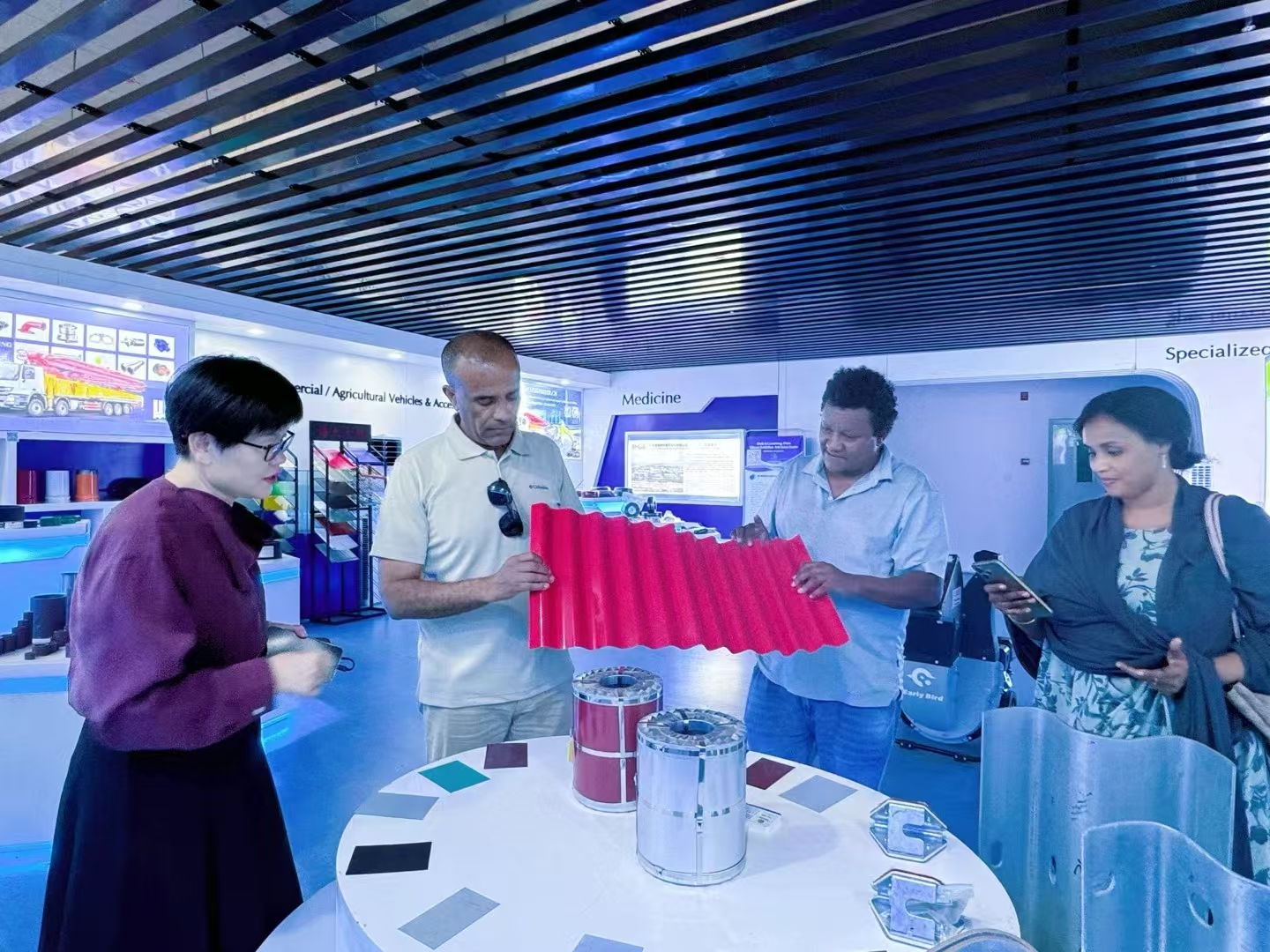
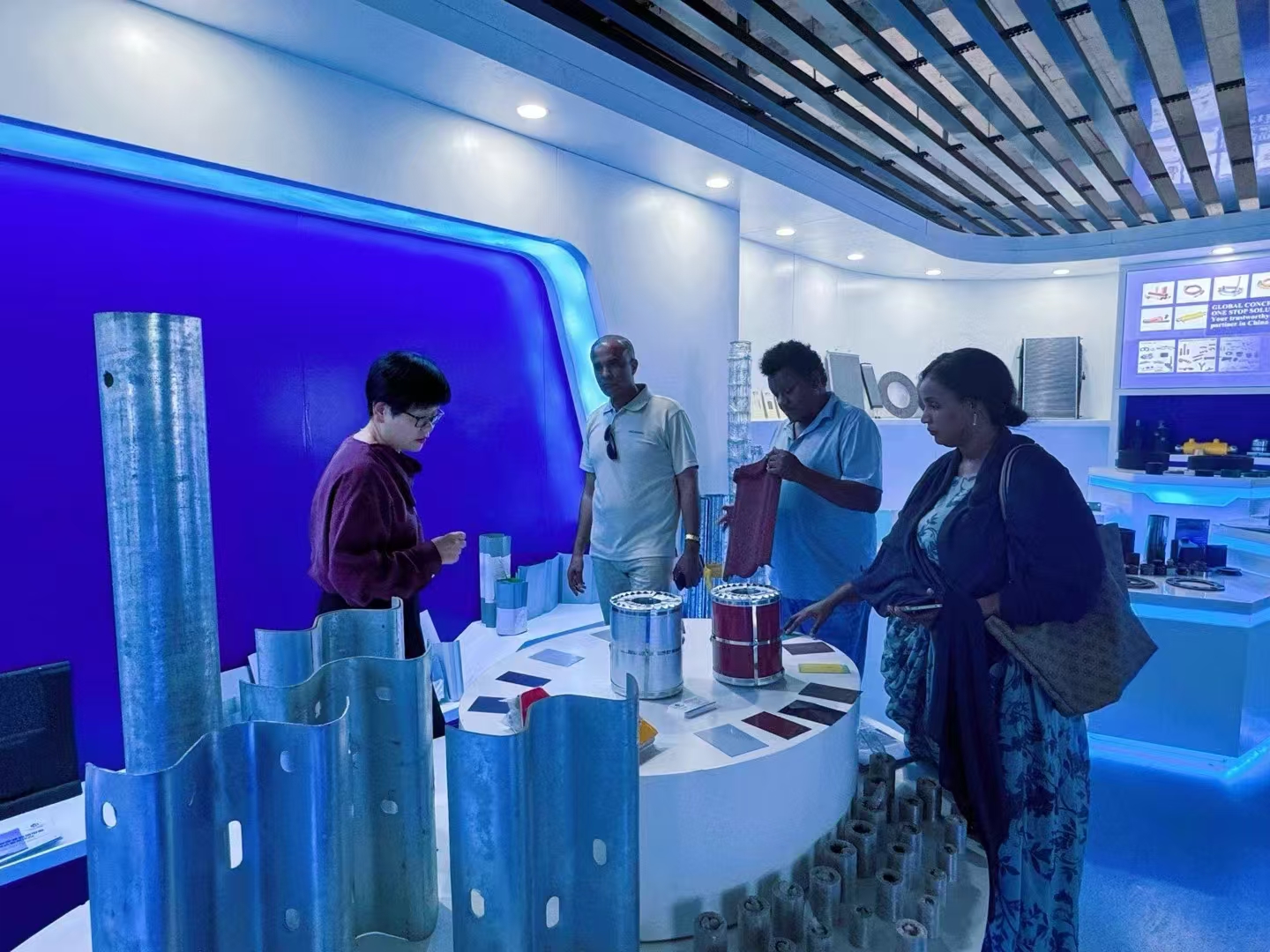
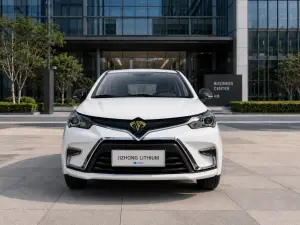
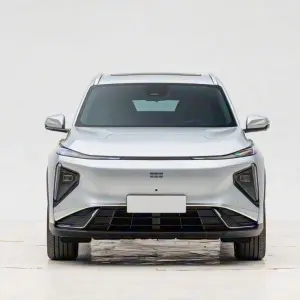
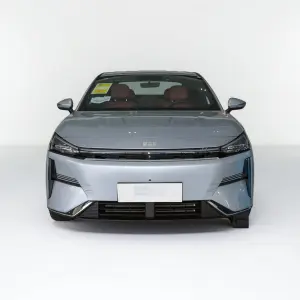
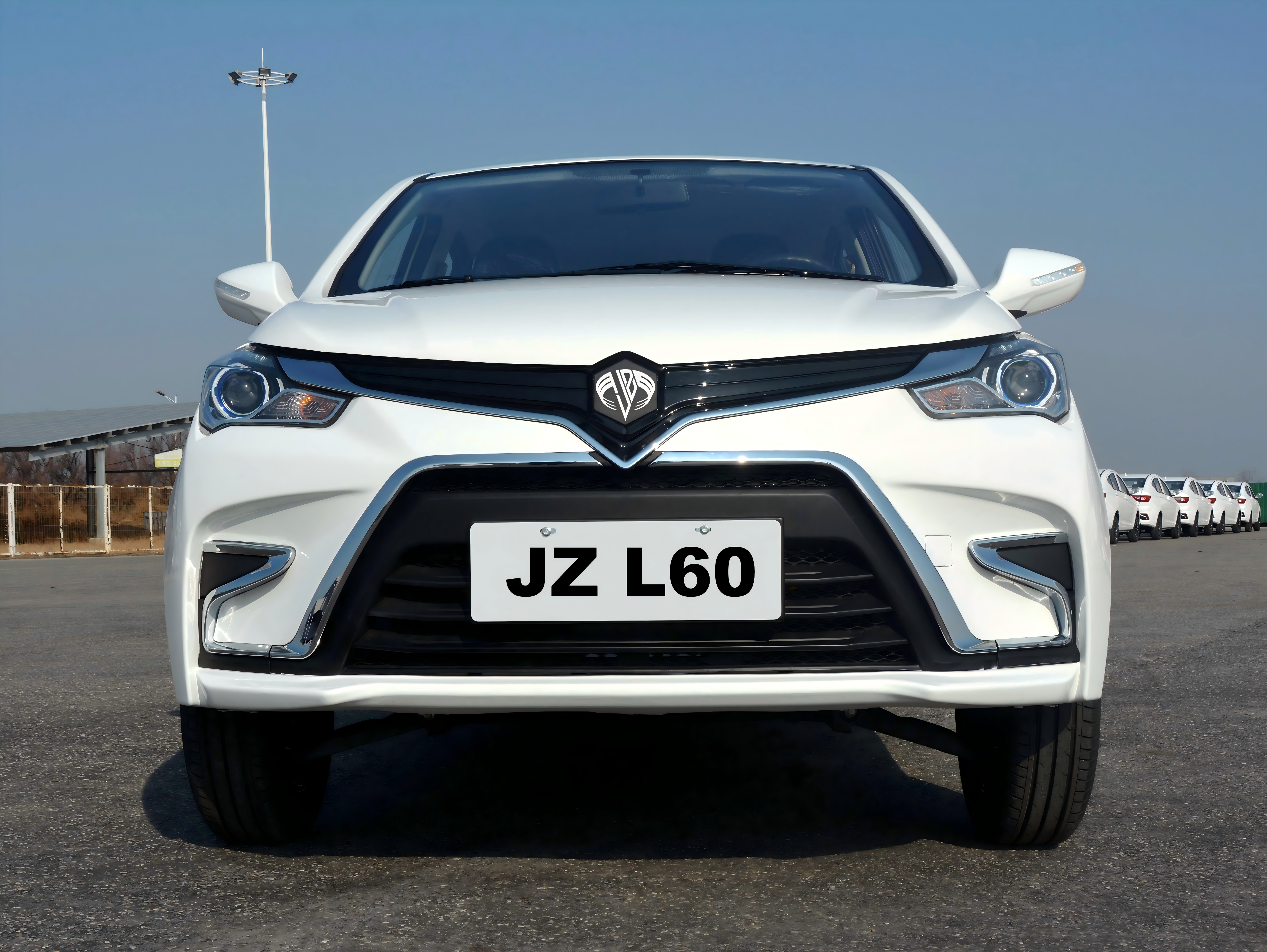
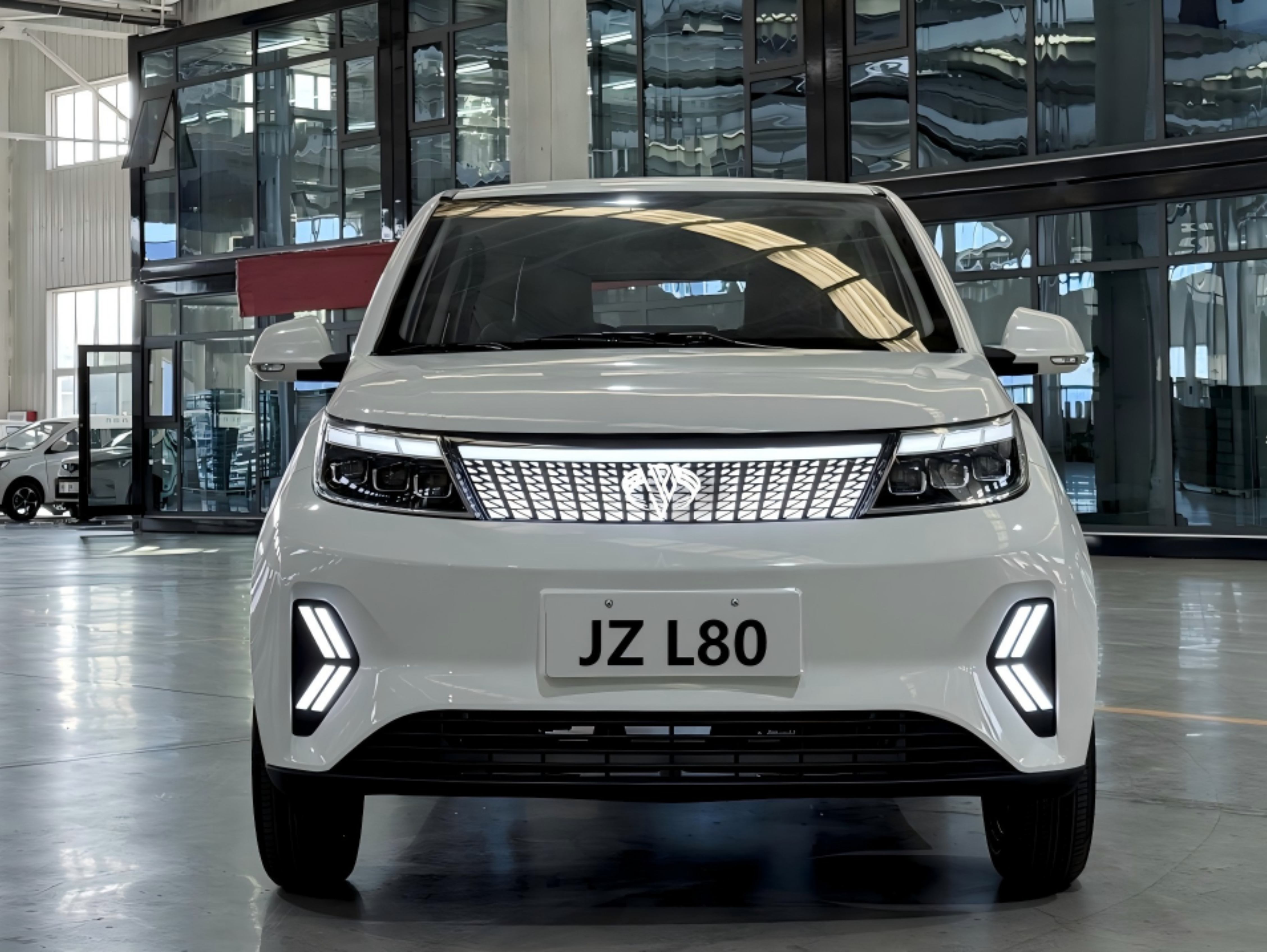
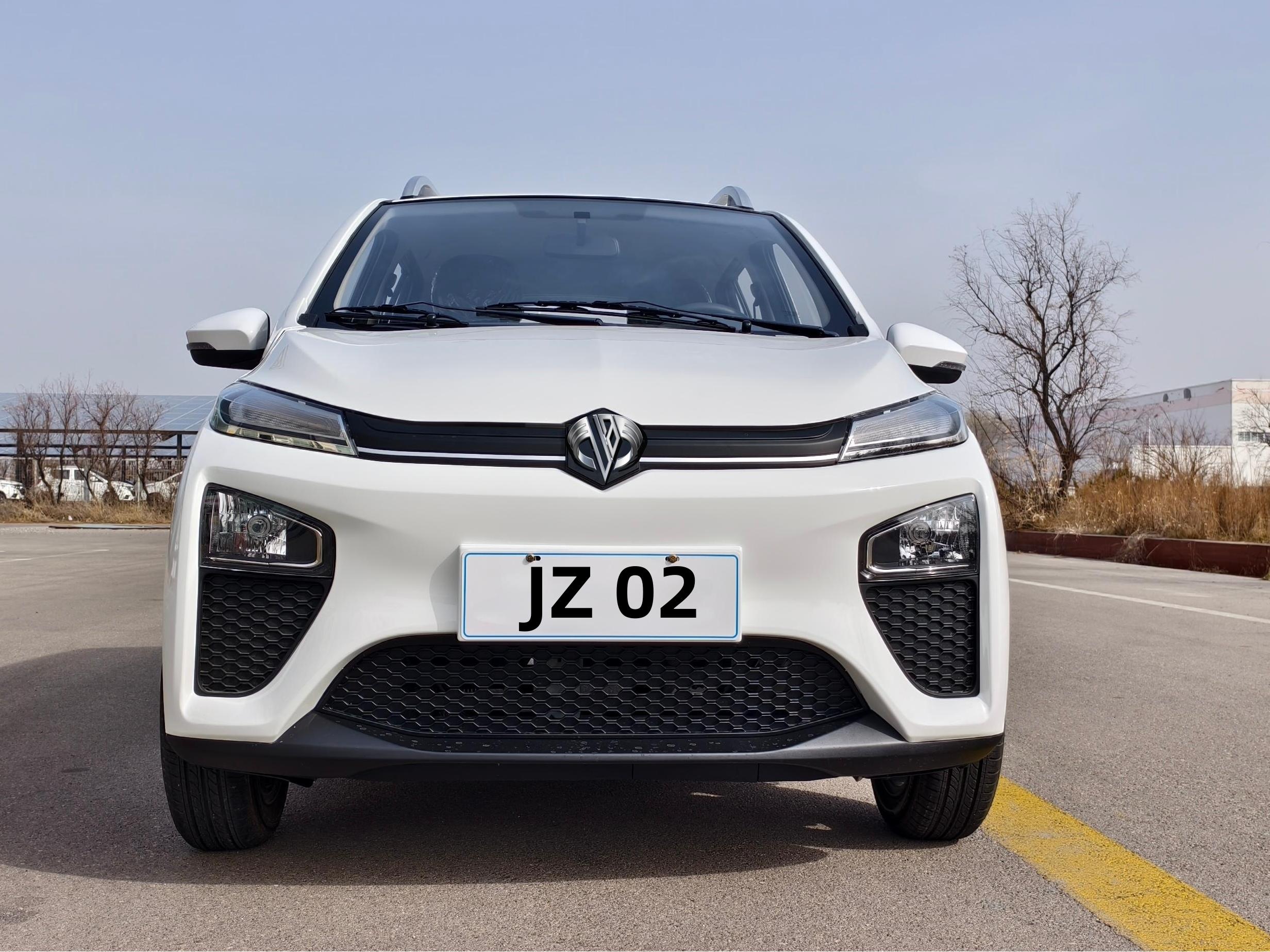
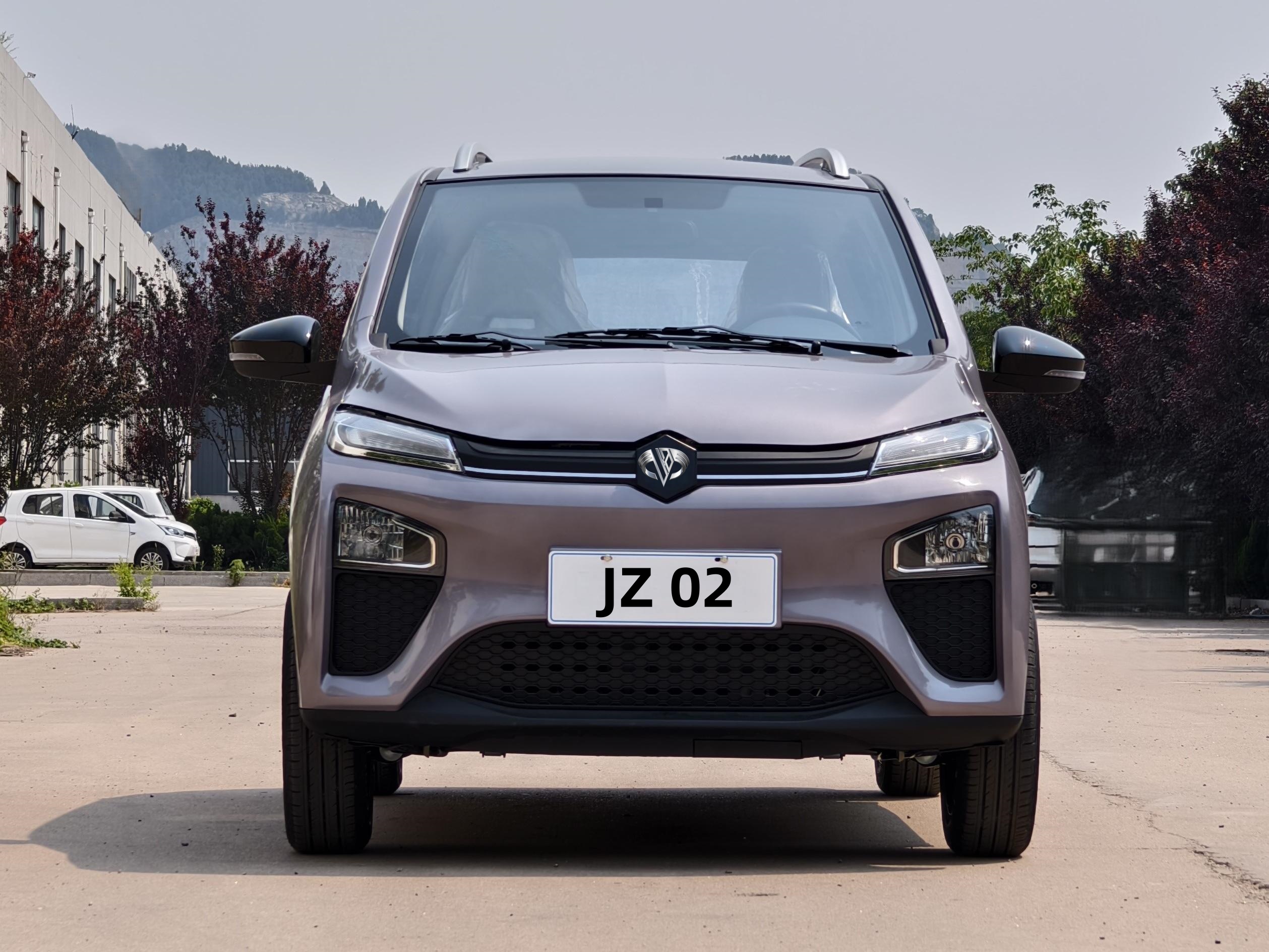
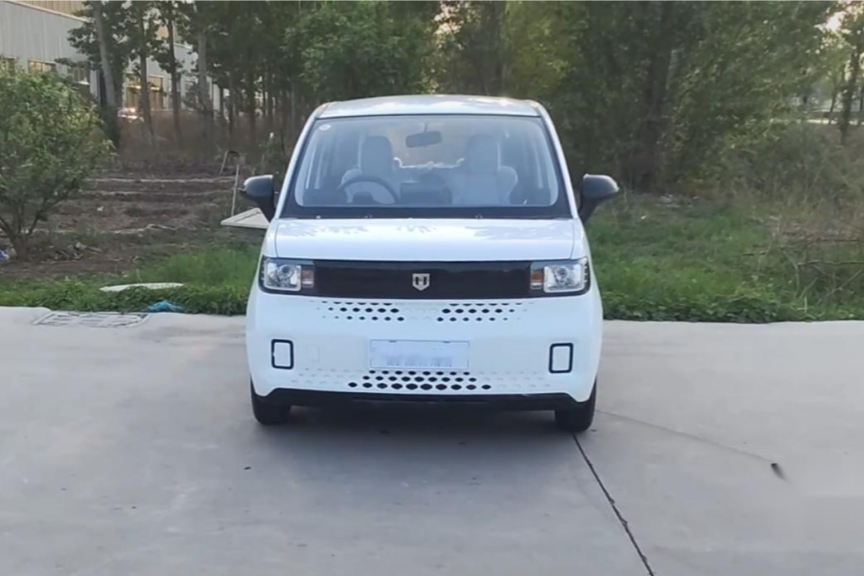
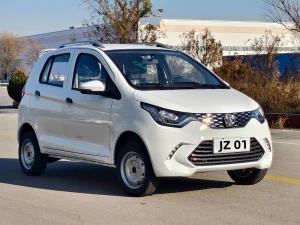
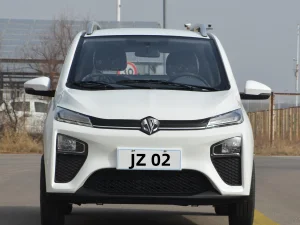
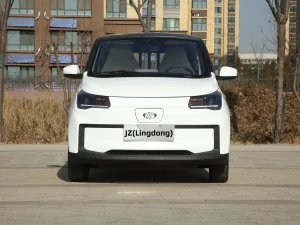
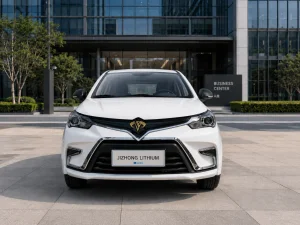
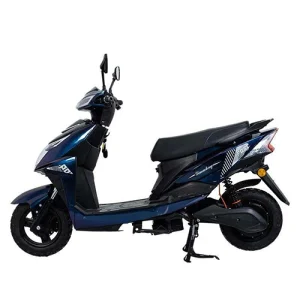
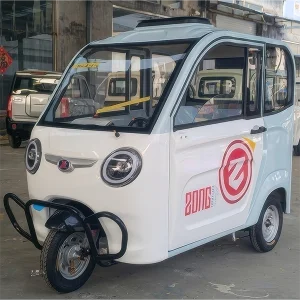
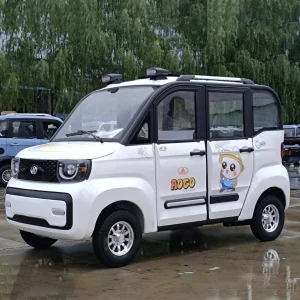
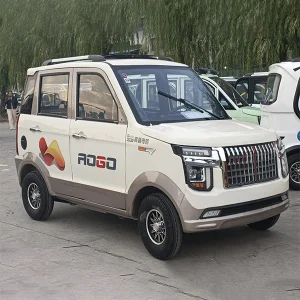
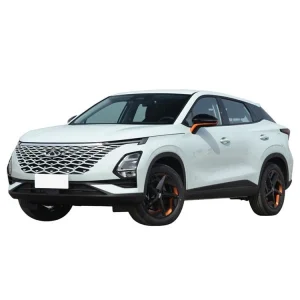
Exhaustive lineup of high-quality passenger EVs, solar-electric micro cars, taxi-optimized fleets, and urban utilities.

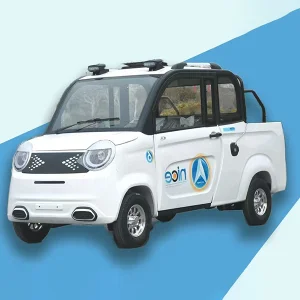
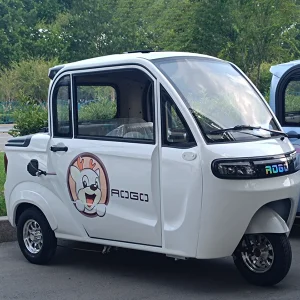
A detailed engineering and logistics roadmap for municipal and private ventures
To reduce tax exposure even further, regional developers can transition from importing CBU (Completely Built Up) vehicles to local assembly operations using SKD (Semi-Knocked Down) or CKD (Completely Knocked Down) protocols. Shandong Li Mao Tong Group delivers technical support, blueprints, tooling machinery, and automation consultation to establish regional production bases within free industrial zones in the Fergana Valley or Angren.
We supply standardized electrical infrastructure compatible with the prevailing regional charging grid architectures. All vehicles can be factory configured with GB/T Chinese national standard sockets (highly common in regional imported fleets) or European CCS Type 2 standards, featuring active control communication links for DC fast-charging networks.
Through our established logistics lines, we guarantee continuous support for critical parts (traction controllers, steering linkages, high-density BMS units, and vehicle body panels). We set up specialized parts supply networks matching the success of our East African hub to bypass standard custom bottlenecks, achieving shipping times of under 10 business days for diagnostic components.
Expert clarification on import regulations, logistics, charging compatibility, and product configurations
Under current decrees, electric passenger cars and electric commercial utility vehicles are exempt from customs import duties, excise taxes, and environmental road registration fees. Only local VAT (Value Added Tax) is applicable, making Chinese EV models extremely competitive.
Our vehicles feature dynamic liquid cooling systems in the battery compartments. This actively limits heat buildup during dry summer runs (up to 45°C) and isolates the cells in freezing winter conditions to preserve energy density and optimize thermal efficiency.
Our solar-integrated EV series (Model A and Solar One) utilize rooftop solar panels to provide continuous trickle-charging. While they require grid connection for deep charges, the integrated photovoltaic panels add up to 220-240km of range depending on solar exposure, drastically reducing reliance on centralized grid charging.
For standard EV shipments, our pricing structures accommodate trial shipments of 2 to 4 units. Larger municipal configurations or fleet deployments can be shipped via CKD/SKD setups to minimize logistics costs and maximize duty benefits.
We provide native GB/T charging standard configurations, which are highly popular and widely compatible with public stations in Tashkent. We can also provide custom configurations with CCS2 charging ports depending on your specific regional requirements.
 Limaotong