High-performance electric SUVs and gasoline vehicles adapted for local urban transit, commercial routes, and high-temperature performance.
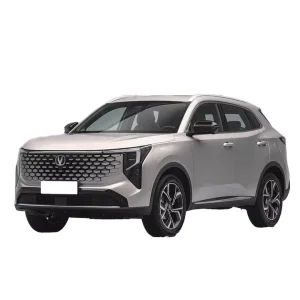
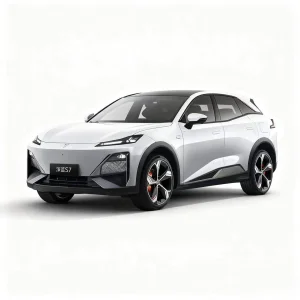
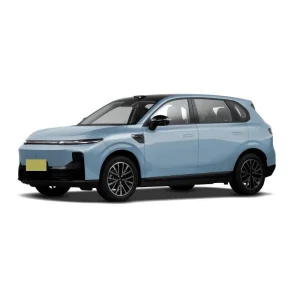
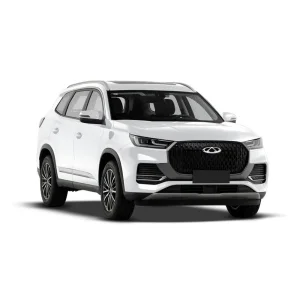
Morocco has successfully positioned itself as the leading automotive manufacturing hub in Africa, supported by robust infrastructures such as Tanger-Med port, Kenitra Automotive City, and Casablanca’s industrial zones. With the Kingdom's target to expand car production capacity to 1 million vehicles annually, the focus is rapidly shifting toward electrification. Morocco's green transition policies and international climate goals have accelerated the demand for highly efficient passenger and utility Electric Vehicles (EVs). However, matching this local demand with resilient global manufacturing capabilities remains a priority for regional fleets, distributors, and logistics giants.
By partner-sourcing from dominant Chinese manufacturers like ChangAn, Geely, and BYD, Moroccan businesses gain direct access to industry-defining battery chemistry, high-efficiency drivetrains, and smart cabin systems. These electric models are optimized for Morocco's urban congestion, intense desert heat, and various road terrains, offering lower total cost of ownership (TCO) compared to traditional internal combustion engines.
The rise of e-commerce in Casablanca, Rabat, and Marrakech has driven logistics companies to search for cost-effective freight and delivery solutions. While large trucks serve long-haul transit routes, urban distribution networks demand agile, clean-energy alternatives like cargo electric trikes and light EV delivery vans. In coastal regions, high humidity and salinity levels dictate that vehicle chassis utilize advanced anti-corrosion properties.
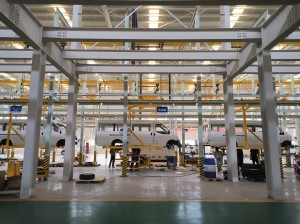
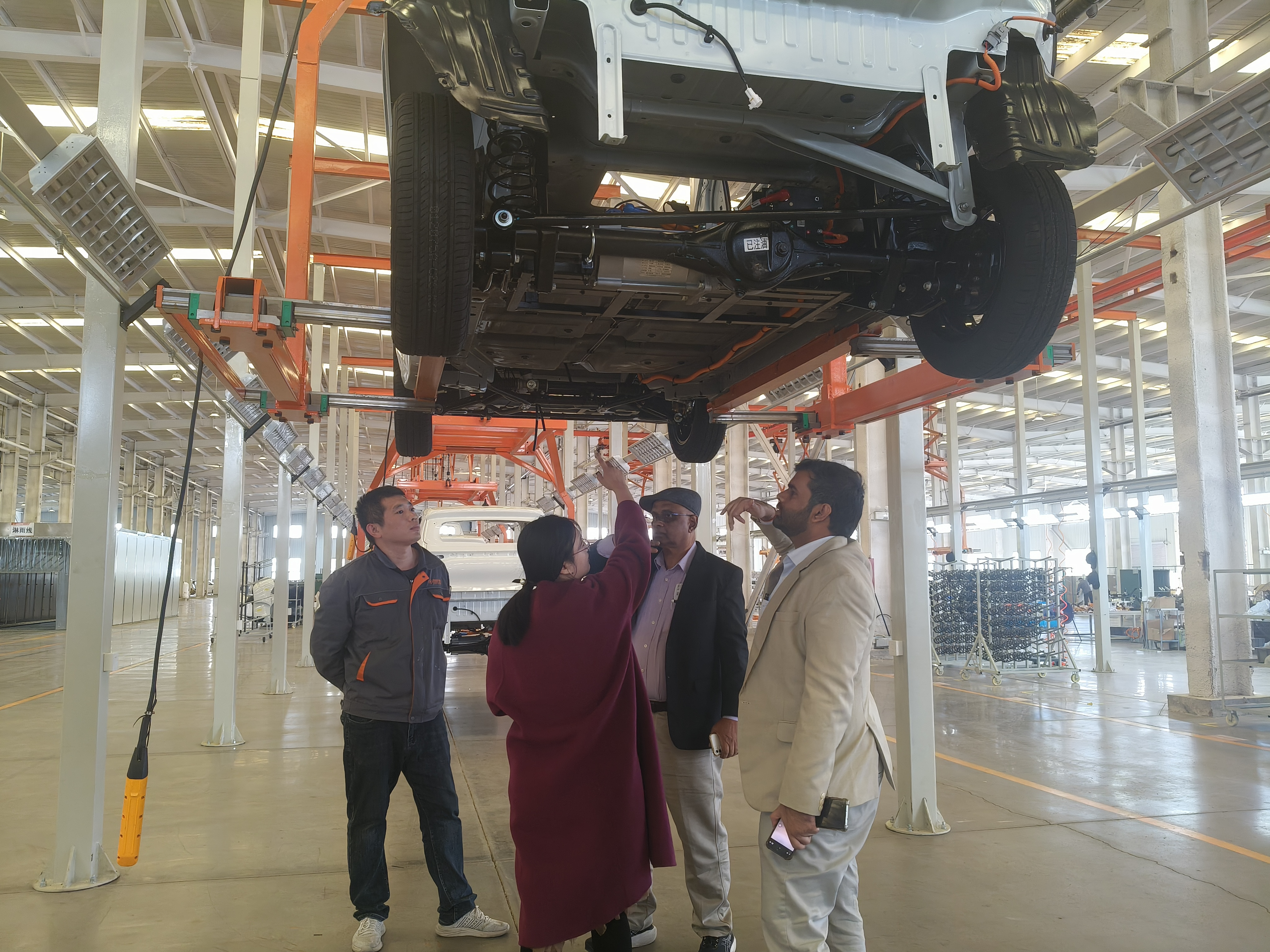
Global procurement networks require high flexibility, predictable delivery timeframes, and robust homologation compliance. Chinese Industry 4.0 production environments combine high automation, automated laser-welding, and automated digital quality control platforms to meet strict international certifications (such as EEC, COC, and CE). These smart assembly processes minimize manufacturing discrepancies, enabling factories to scale output to meet bulk order constraints for global municipalities and logistics fleets without compromising on quality metrics.
SHANDONG LI MAO TONG GROUP is a global supplier of high-quality vehicles and components, offering an end-to-end industrial chain focused on the research, manufacture, and international sales of motor passenger tricycles, cargo tricycles, electric mini cars, and high-performance commercial EVs. Since our inception, our vehicles have served over 120 countries and regions worldwide, with our brand reaching more than 20 million households globally.
Supported by 8 overseas production bases, we provide comprehensive, localized vehicle solutions to markets around the world. We place exceptional value on after-sales security, maintaining dedicated overseas parts warehouses in Djibouti, staffed by certified technical teams to guarantee fast deployment and maximum operational uptime for every vehicle we supply.
Get Sourcing Quote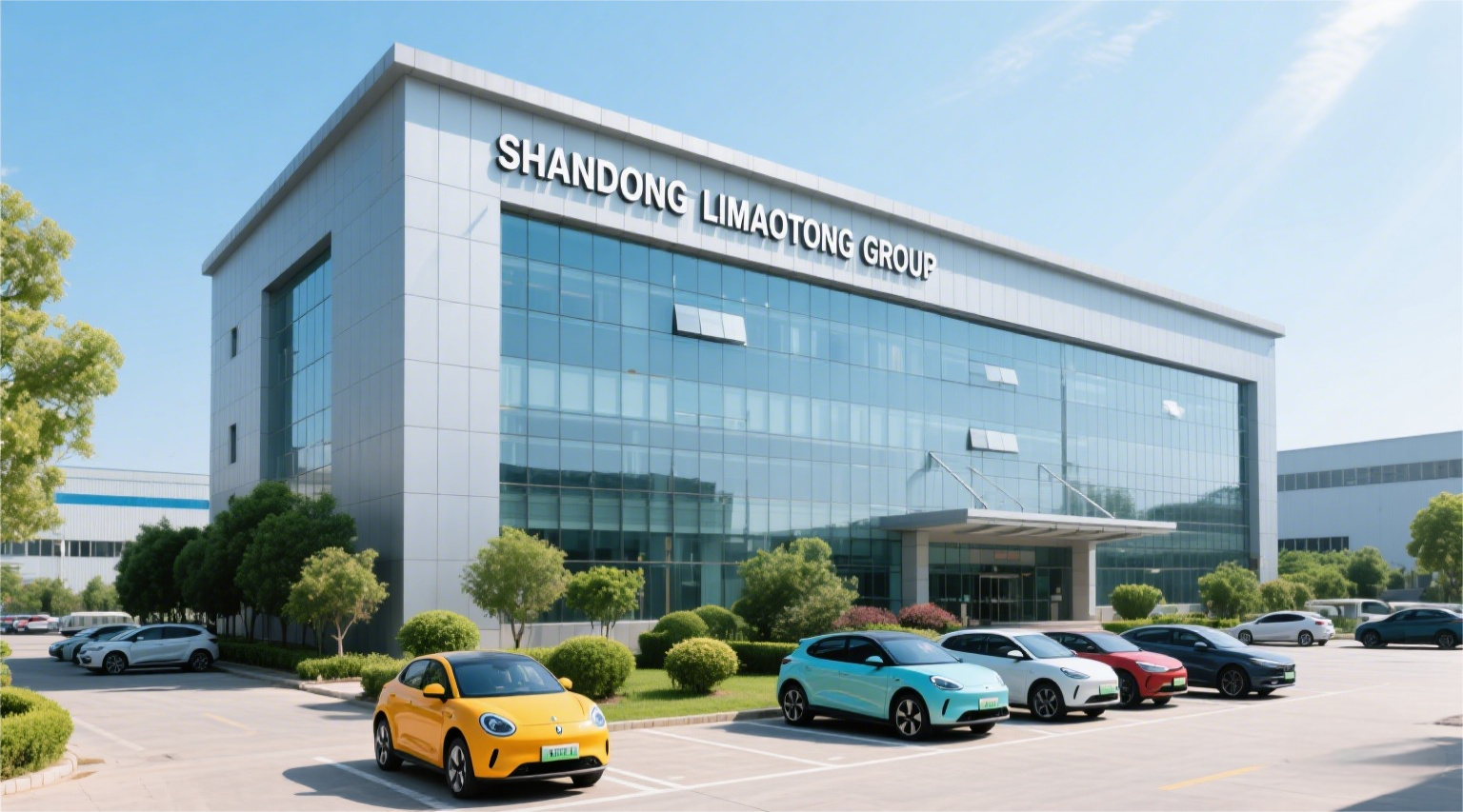
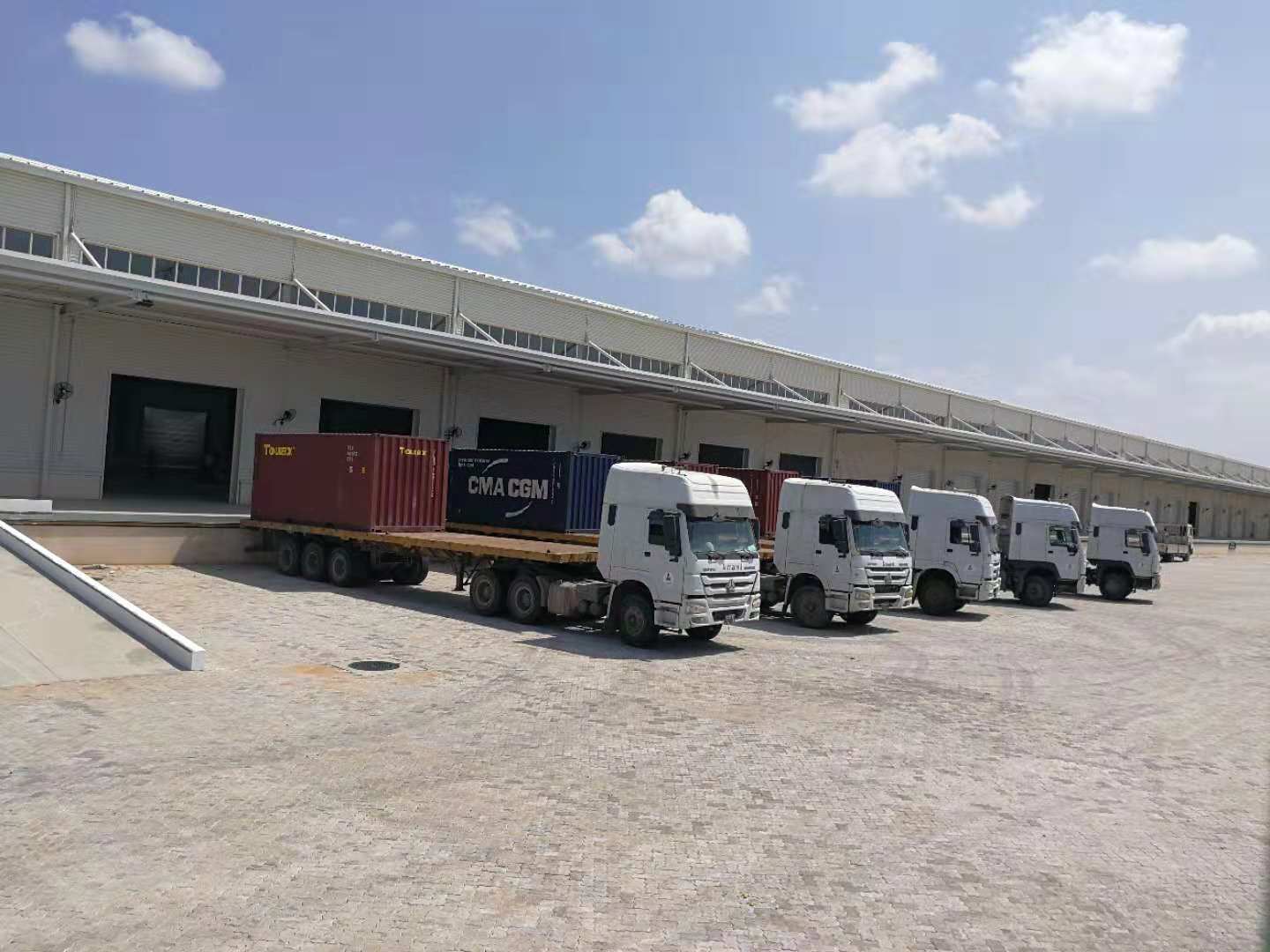
Delivering robust manufacturing and logistics infrastructures to ensure reliable operations in Morocco and beyond.
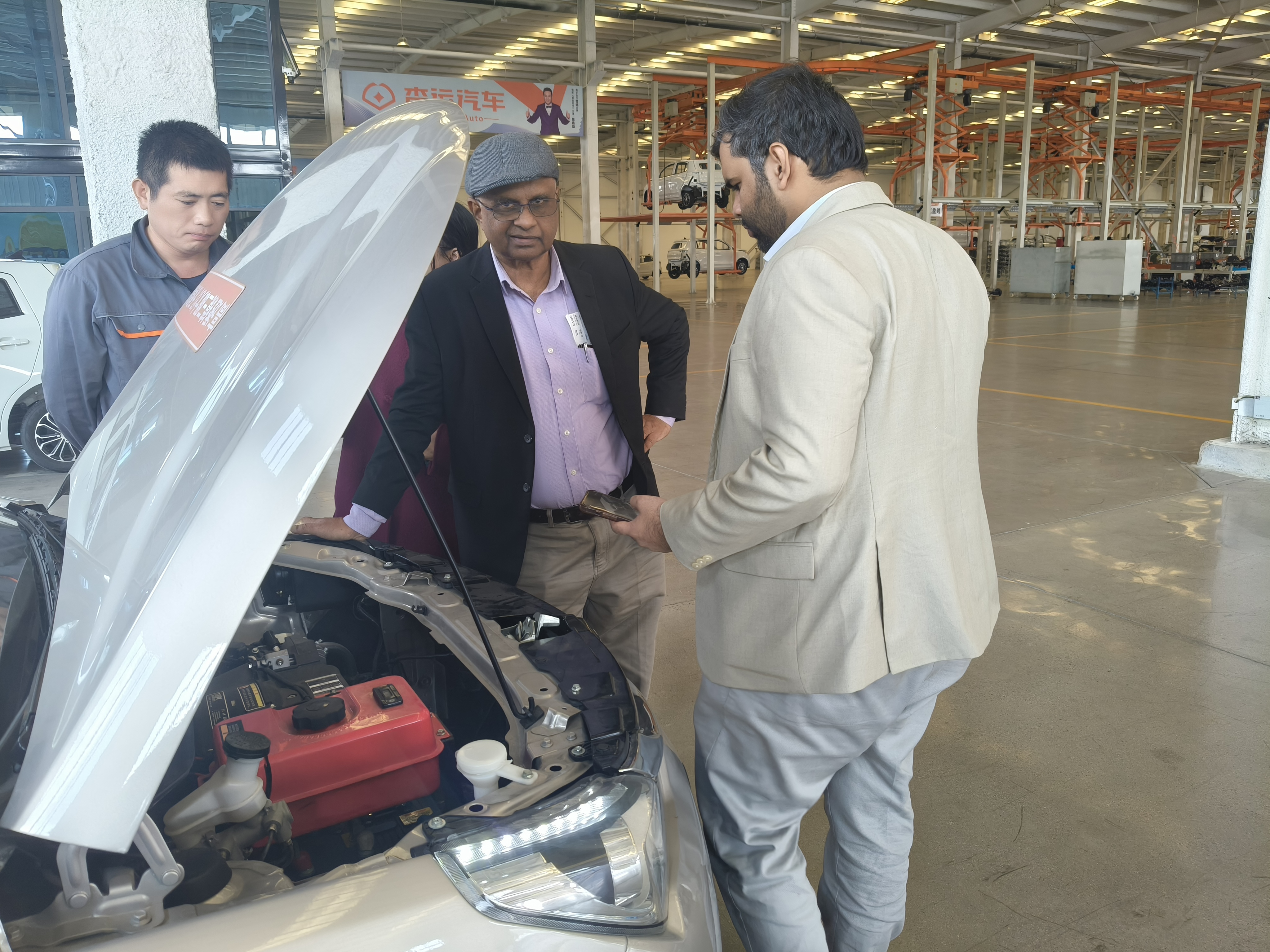
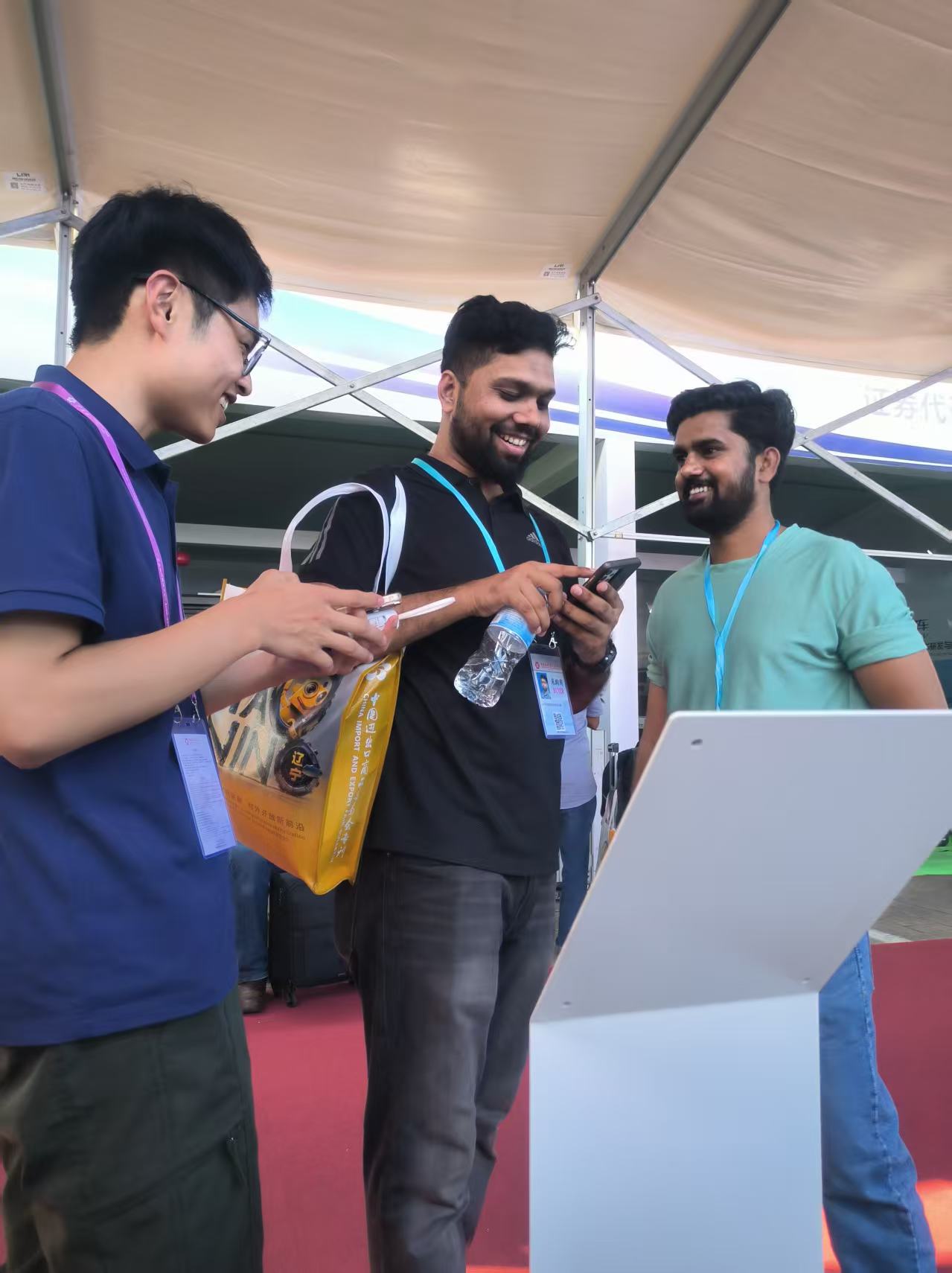
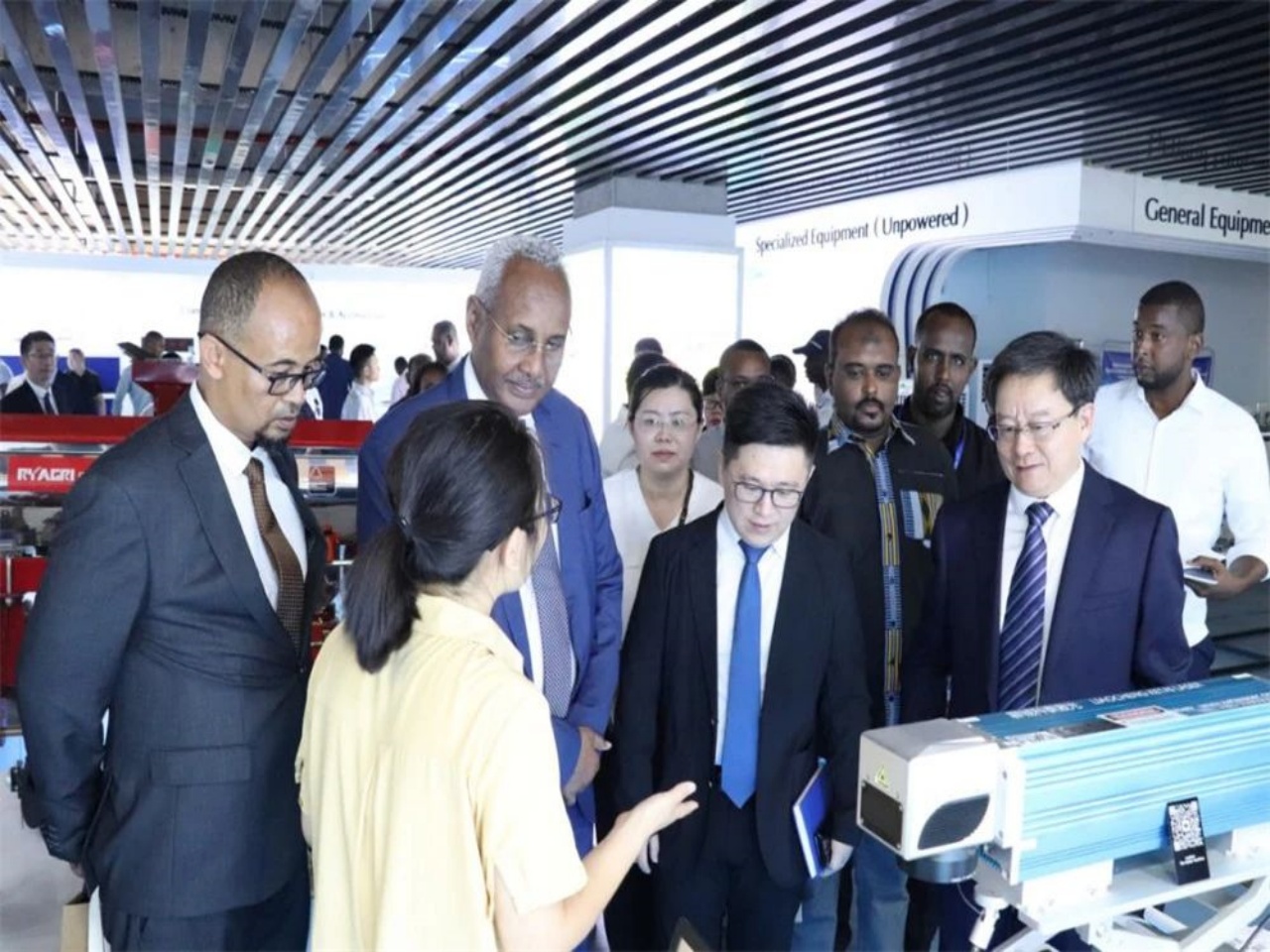
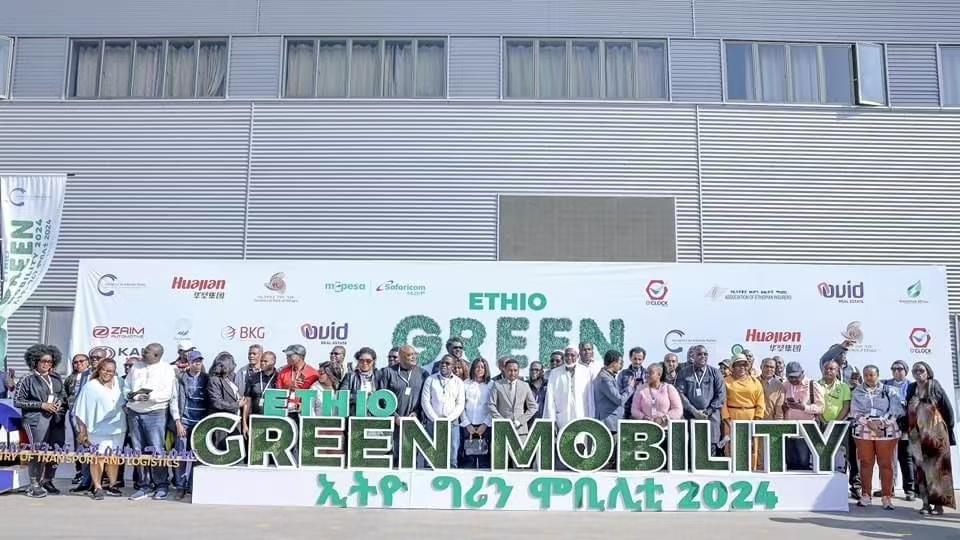
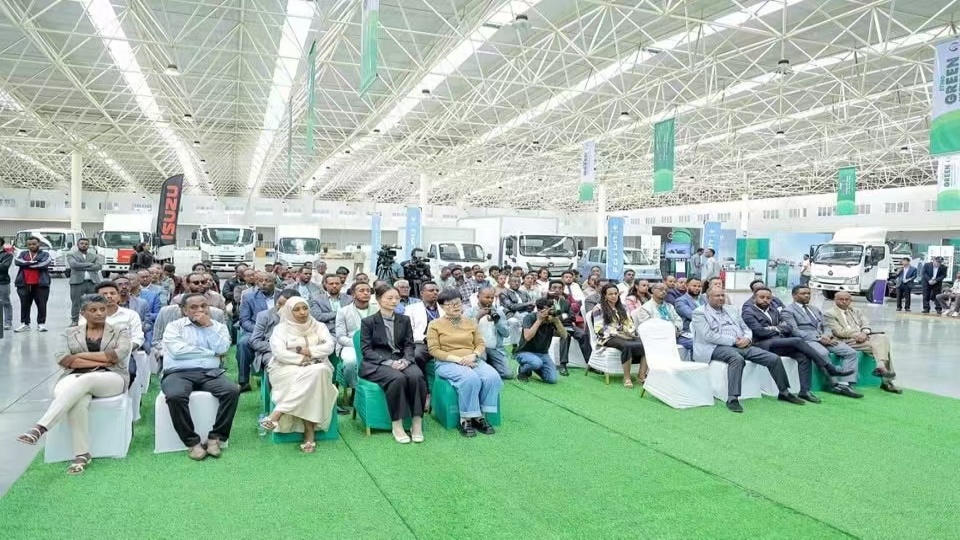
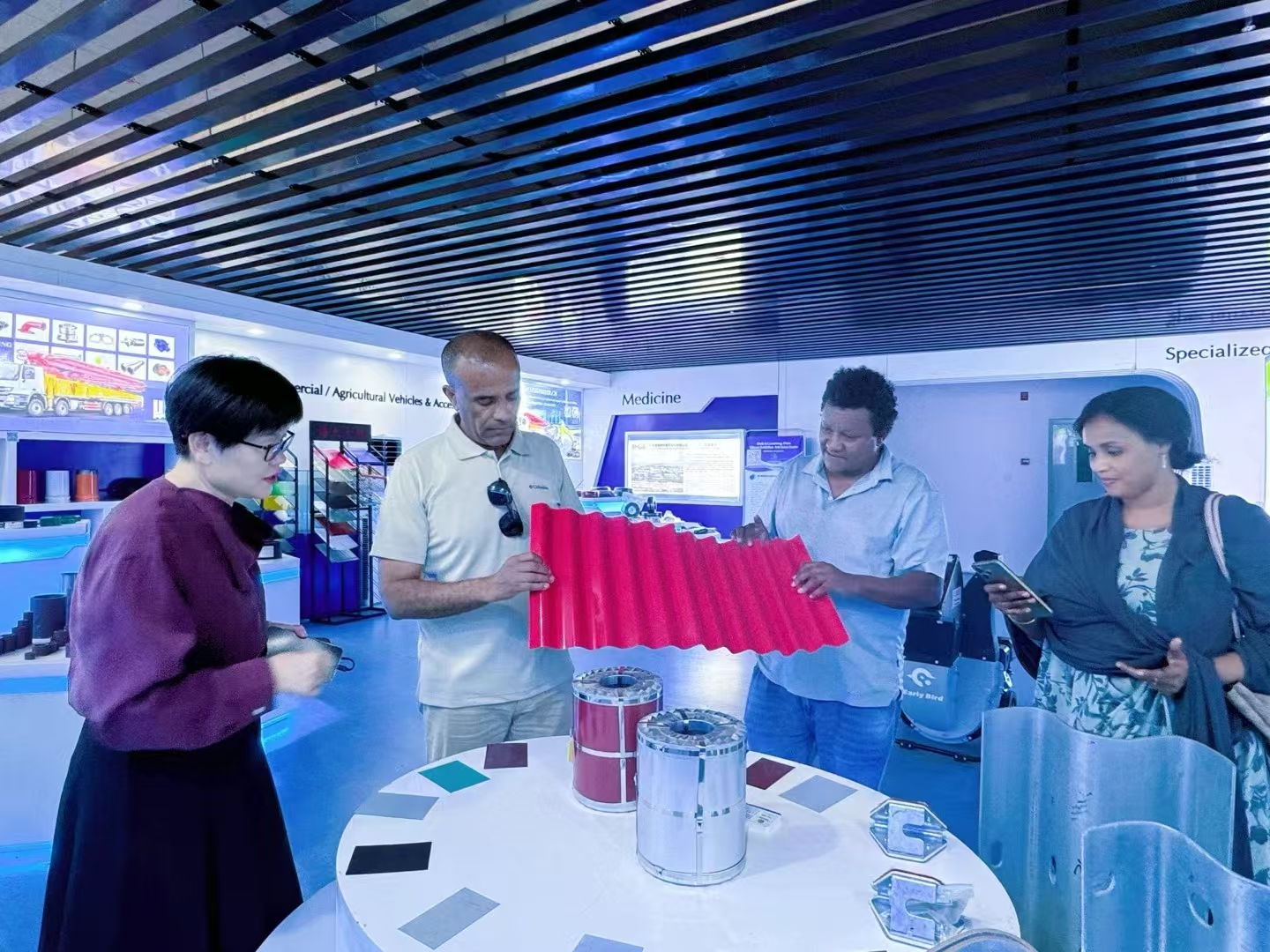
Transparent production processes, certified factory facilities, and global trade exhibition showcases.
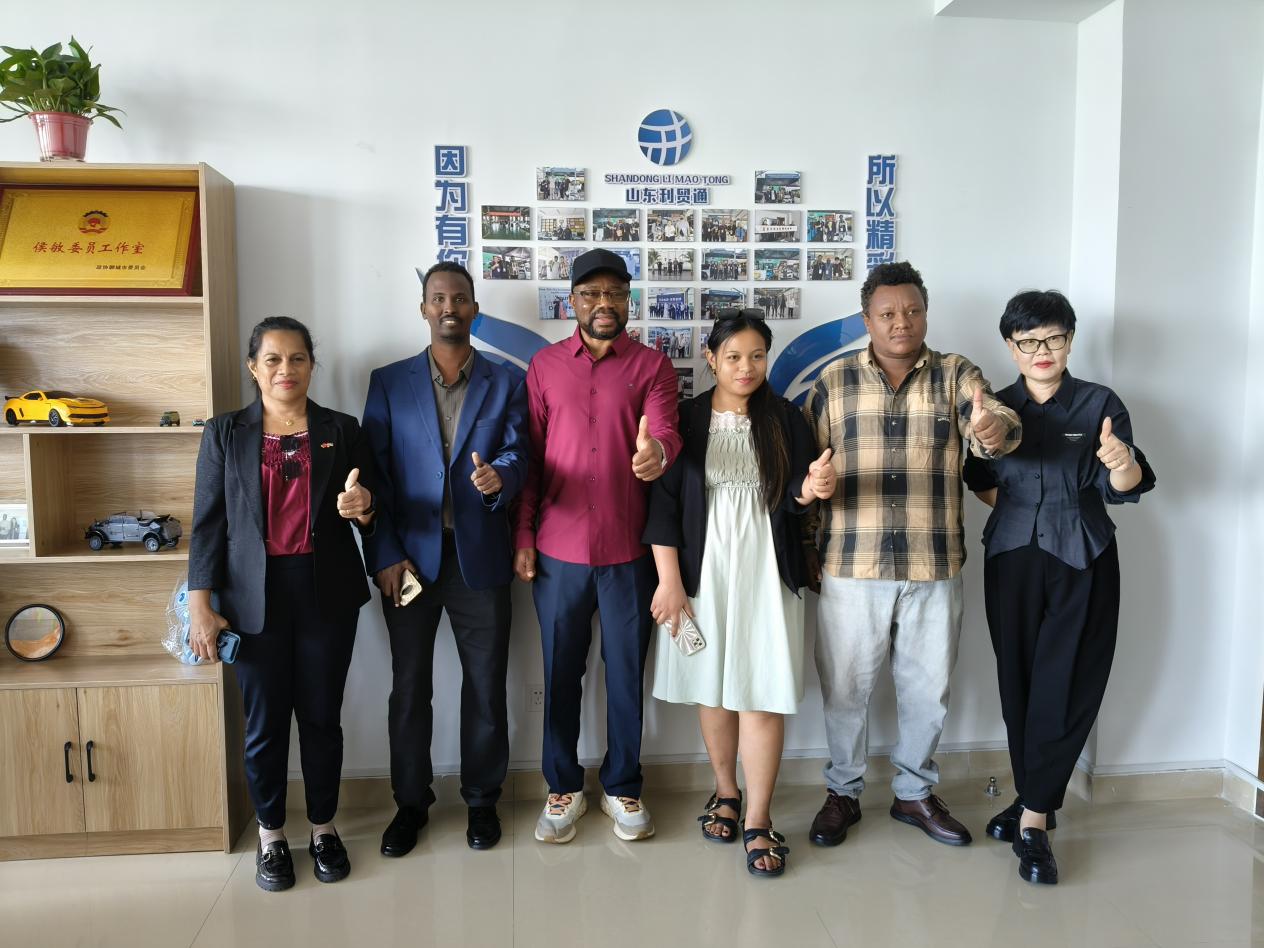
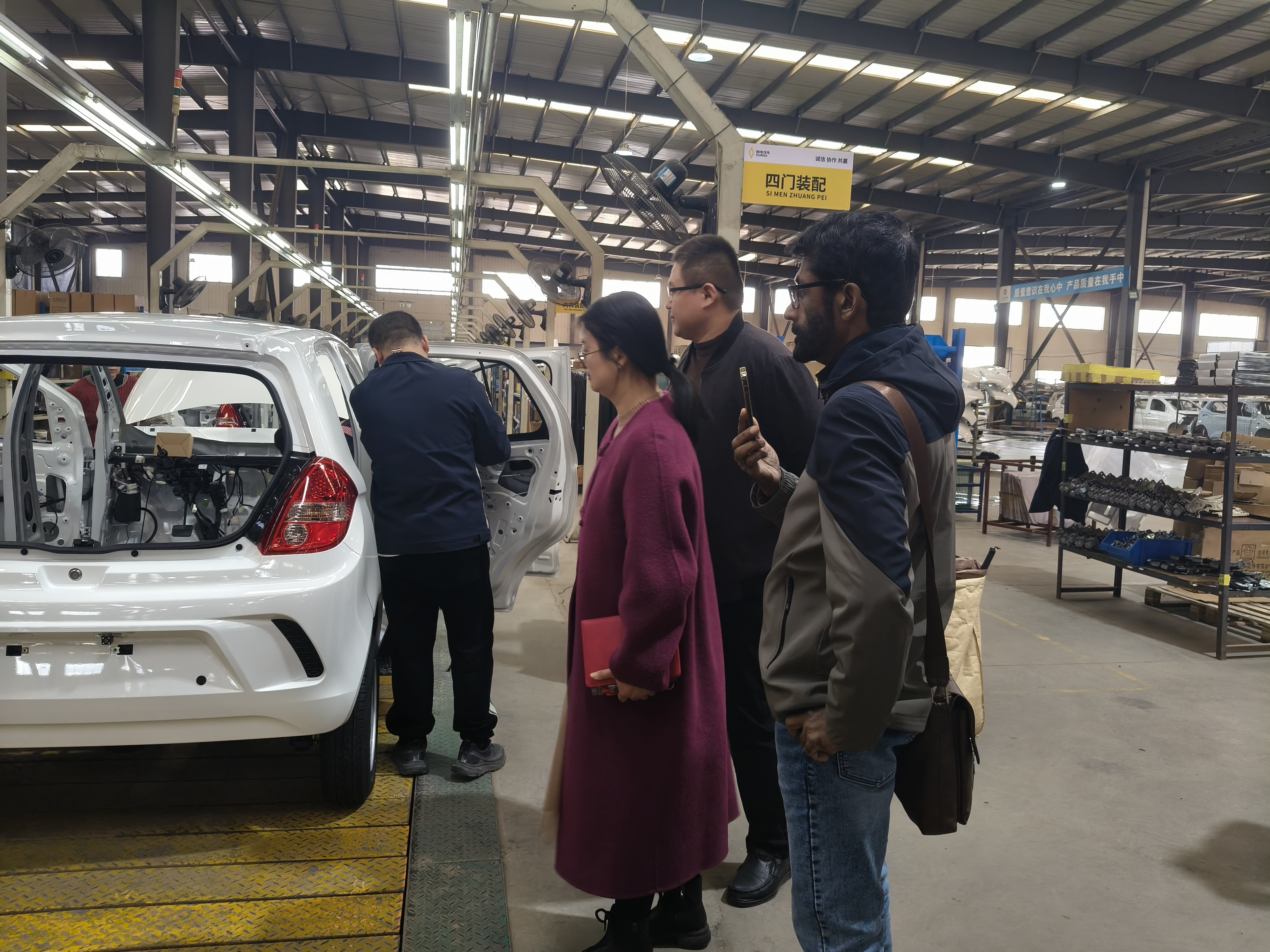
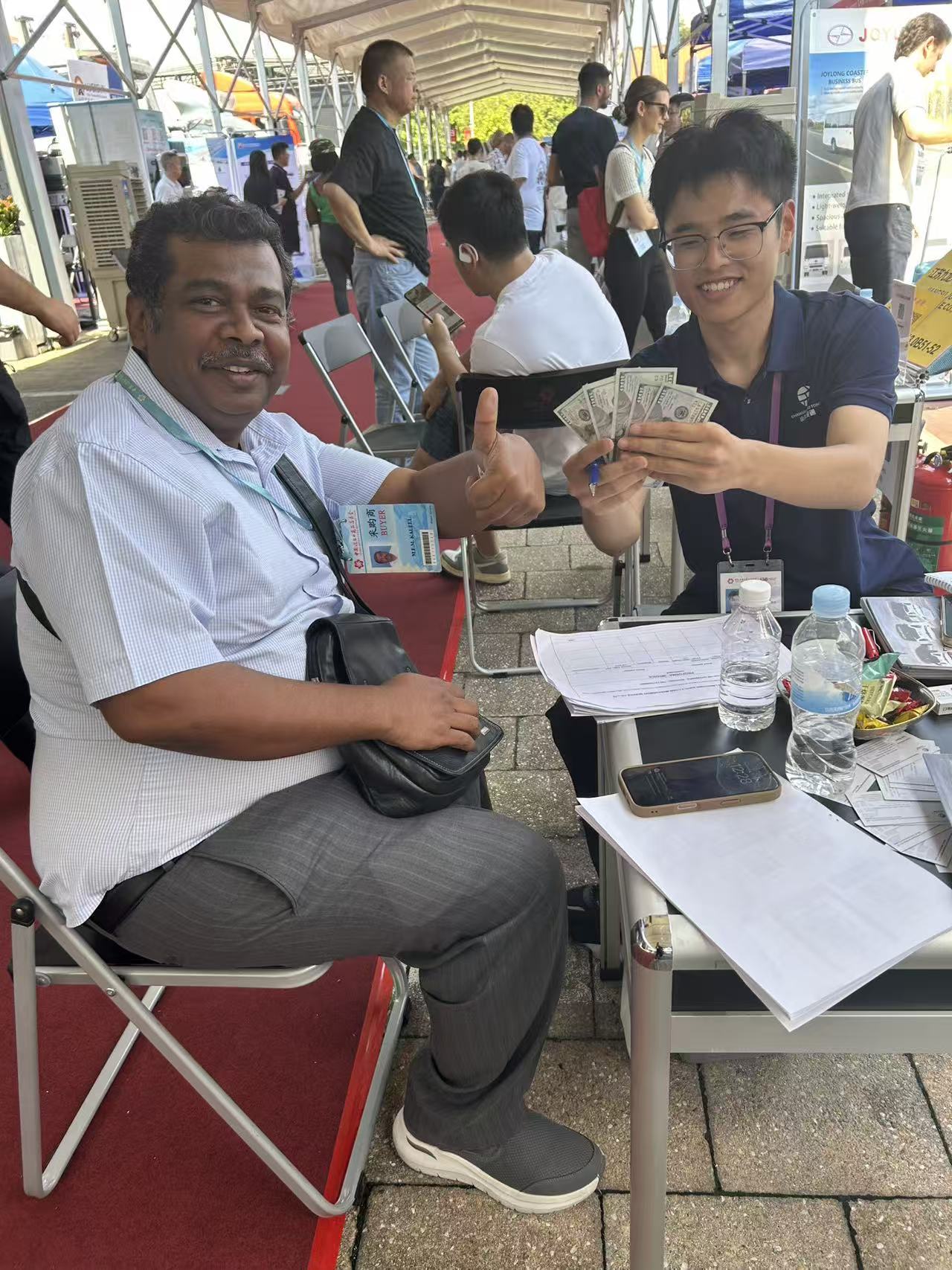
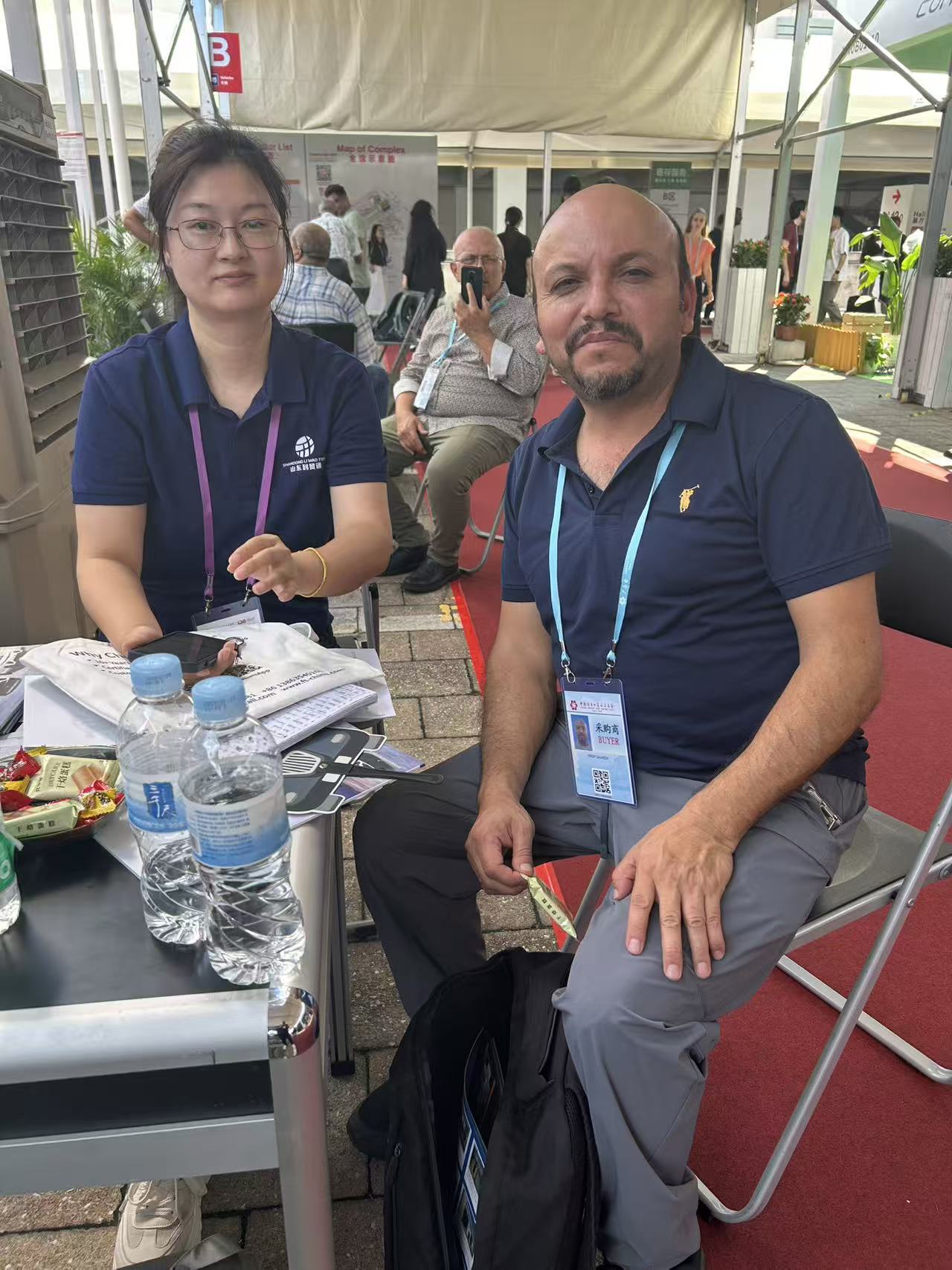
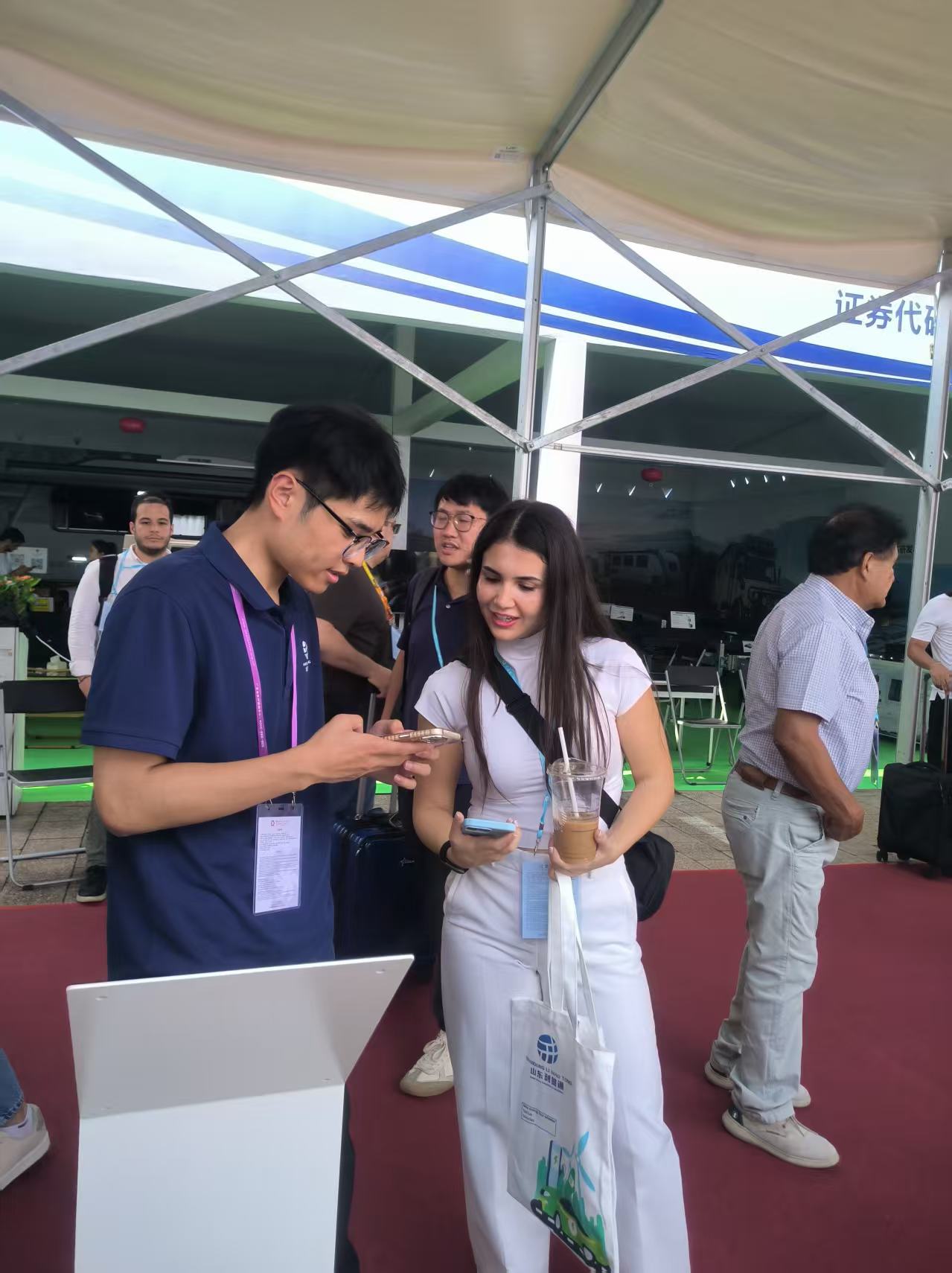
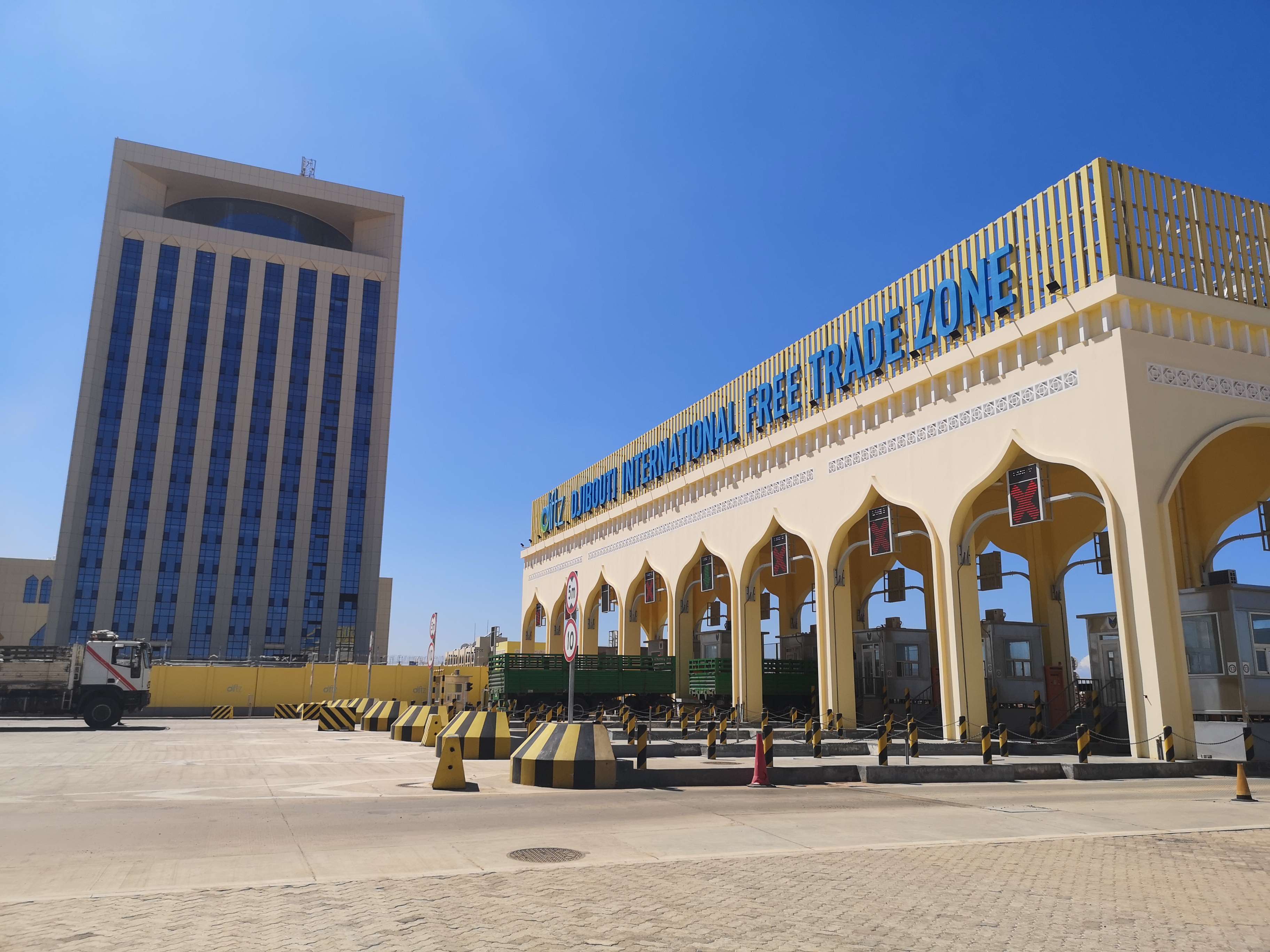
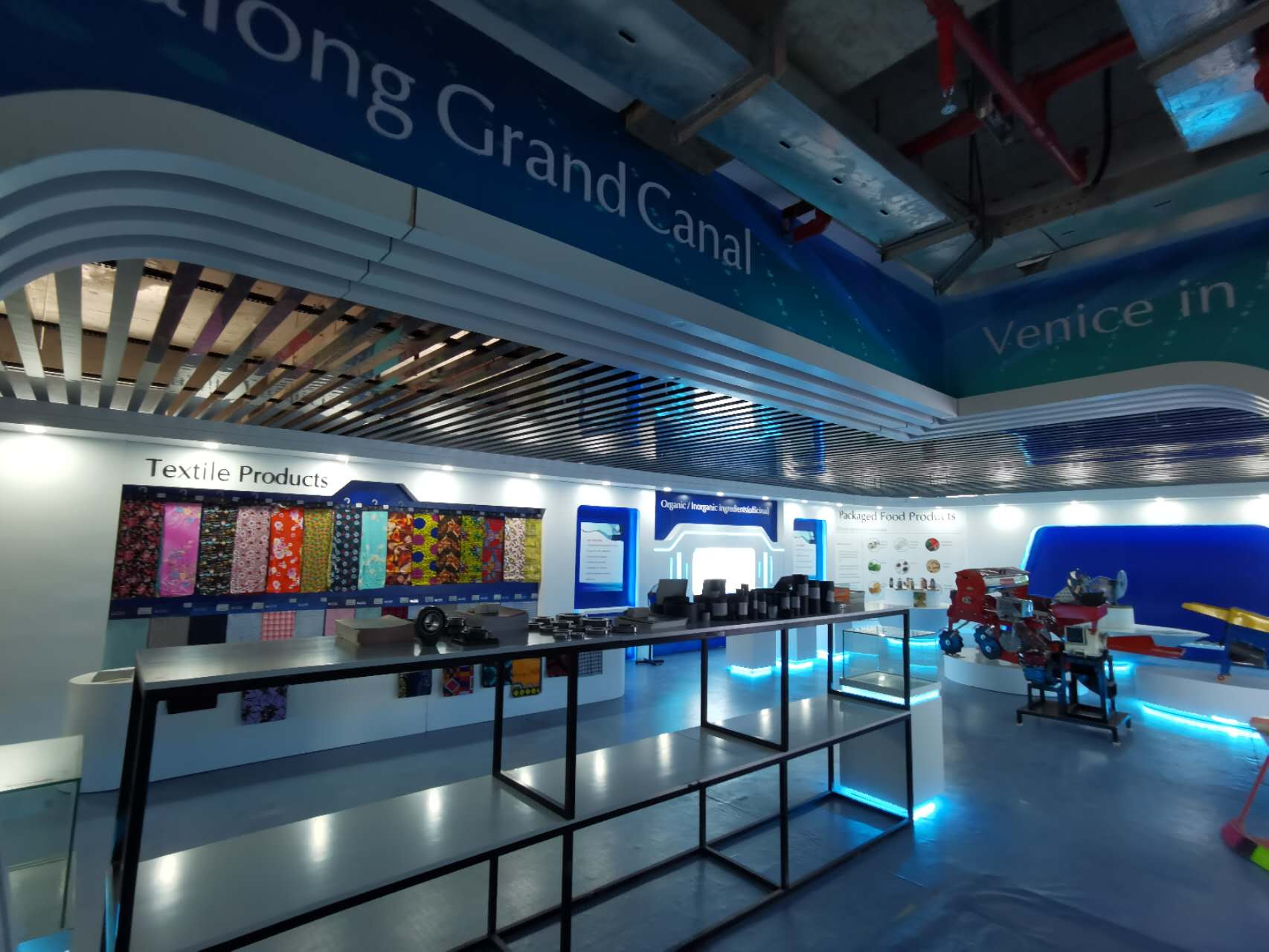
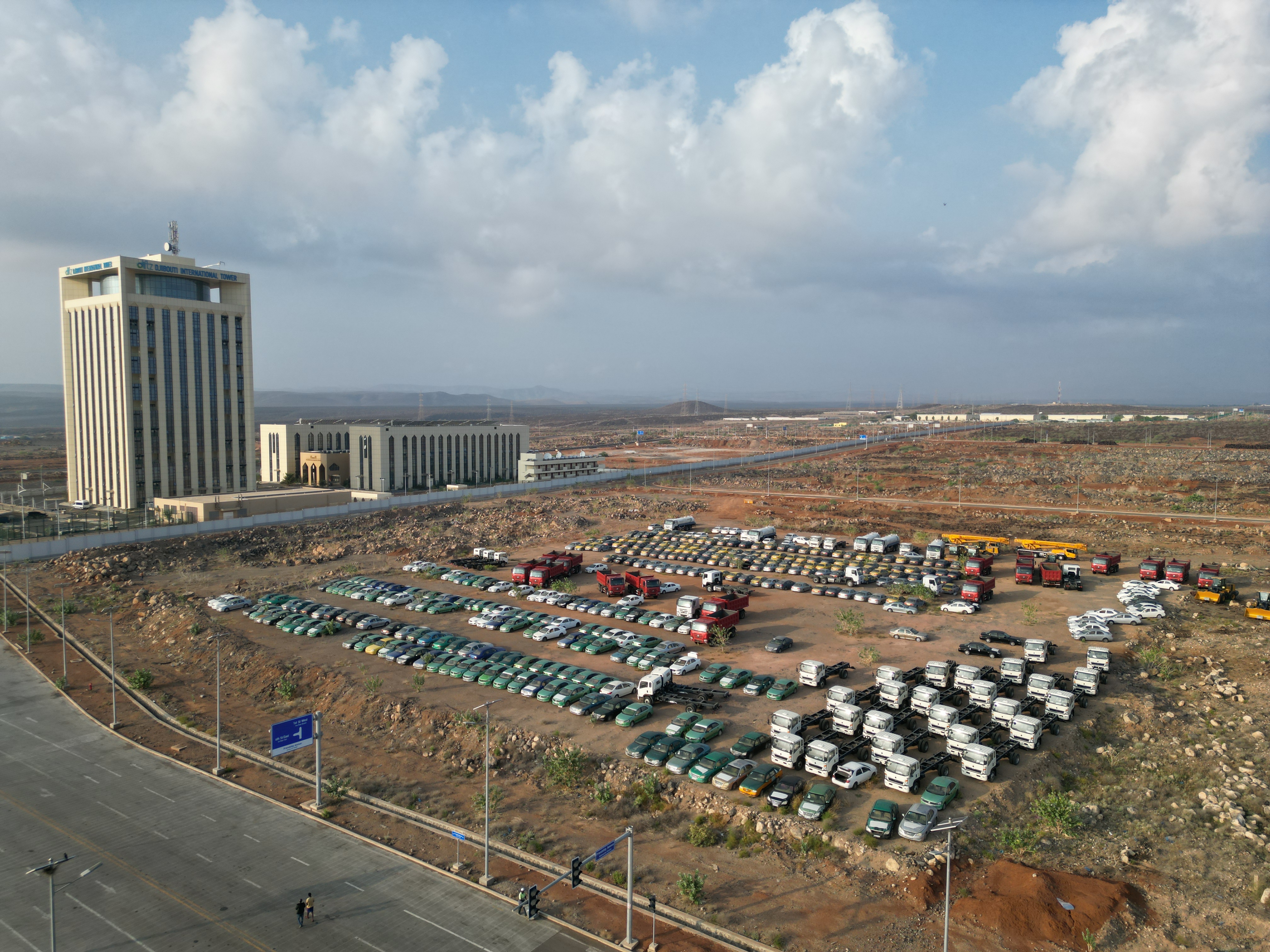
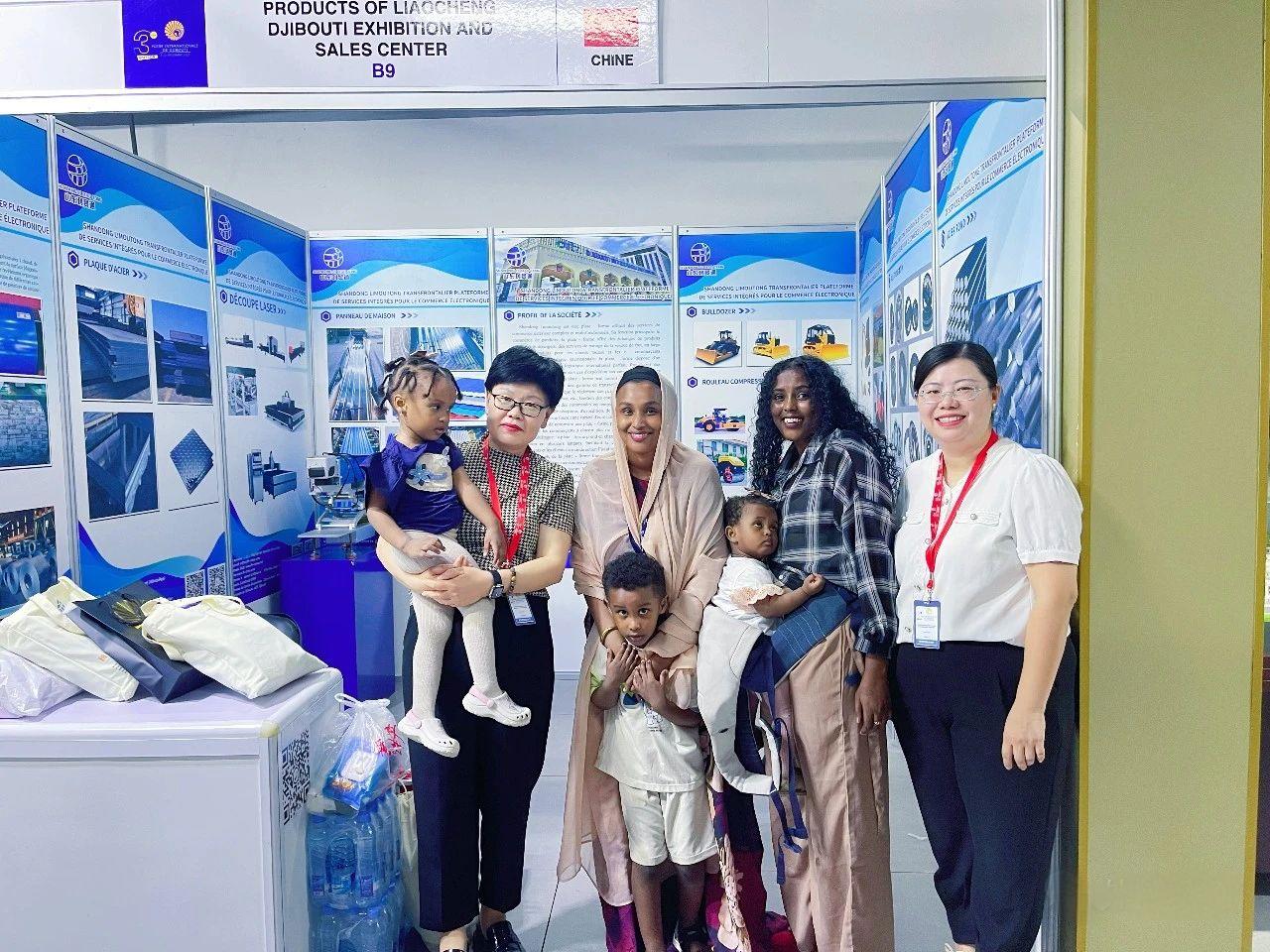
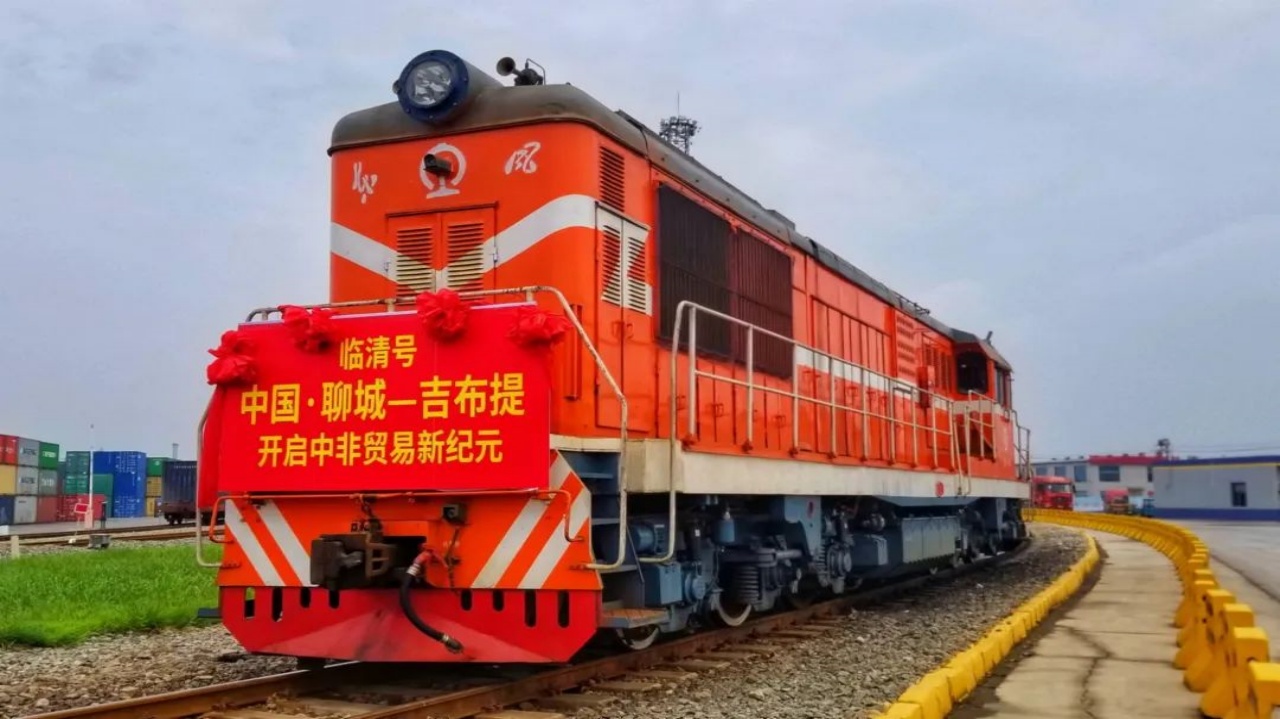
To secure streamlined logistics across Africa, Shandong Li Mao Tong Group established the Djibouti (Overseas Warehouse) Cross-border E-commerce Exhibition and Sales Center in 2023. Located inside the Djibouti International Free Trade Zone, this comprehensive logistics hub operates a "cross-border trade + front-end warehouse" model.
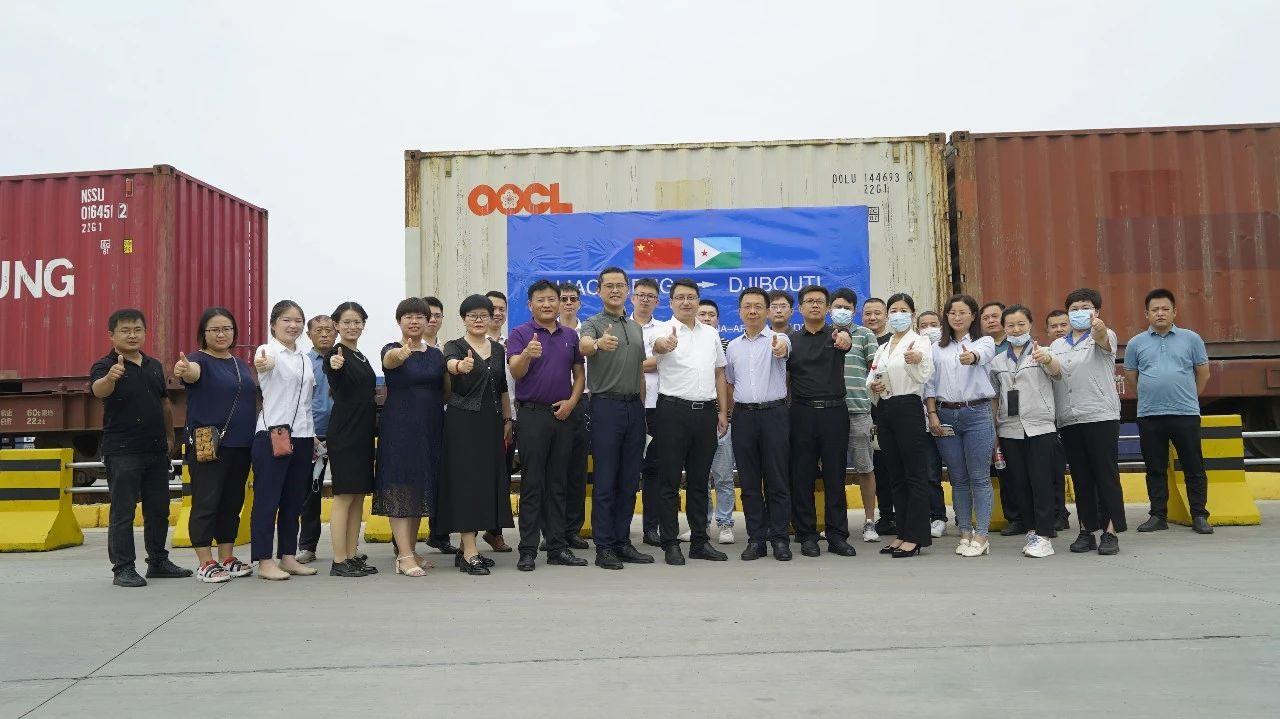
By integrating offline showrooms with online transaction portals, the center provides international buyers with streamlined services, including customs clearance support, vehicle assembly options, maintenance solutions, and fast logistics dispatch. This regional logistics framework serves as our blueprint to optimize transit times, customs clearance, and parts distribution to key ports in North Africa, such as Tanger-Med in Morocco, ensuring minimal cargo delay.
Explore our diverse catalog of high-efficiency electric mobility, passenger cargo tricycles, and micro-transit solutions.
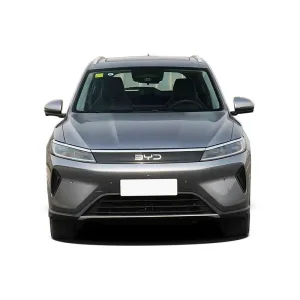
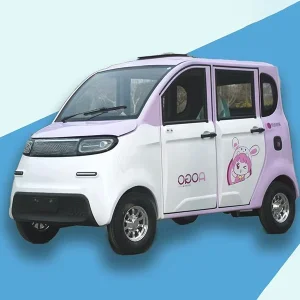
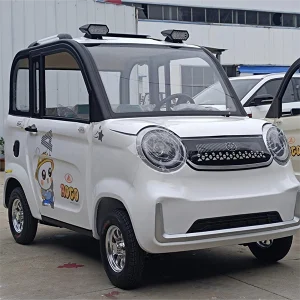
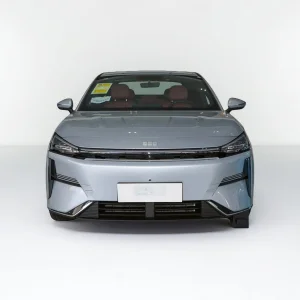
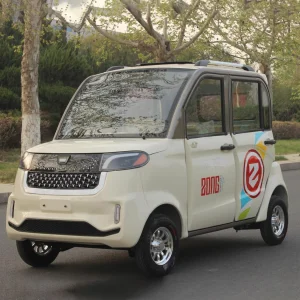
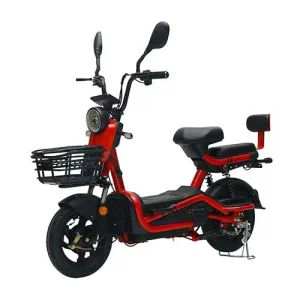
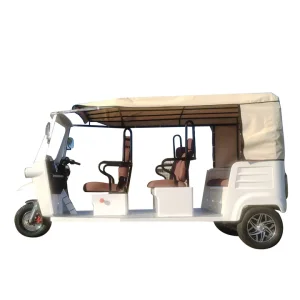
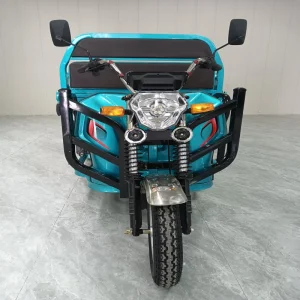
Preserving every specialized commercial vehicle line, from standard urban trikes to closed delivery cabins.
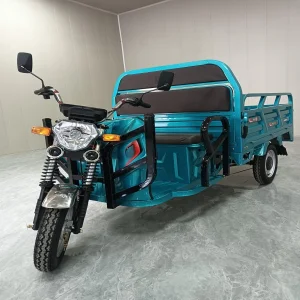
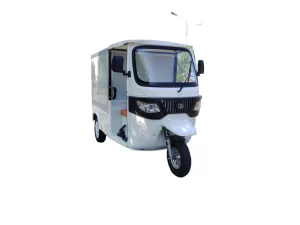
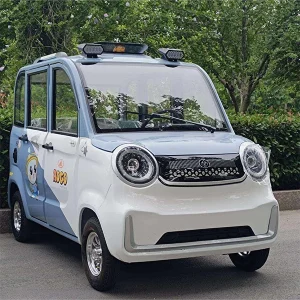
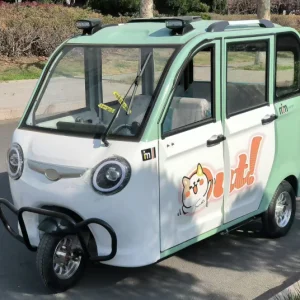
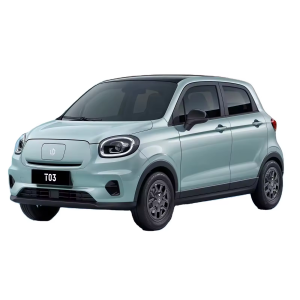
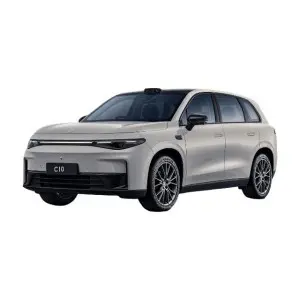
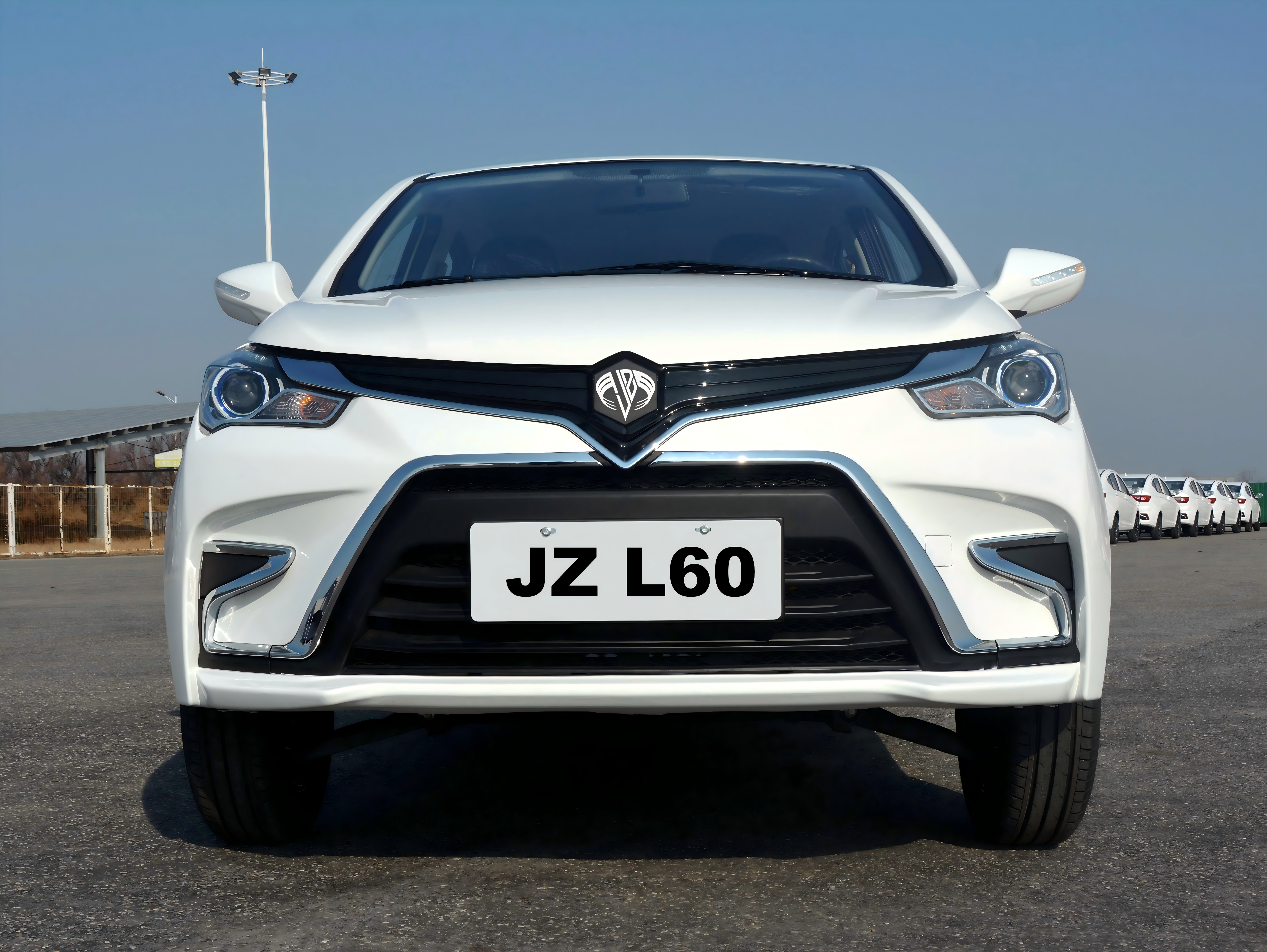
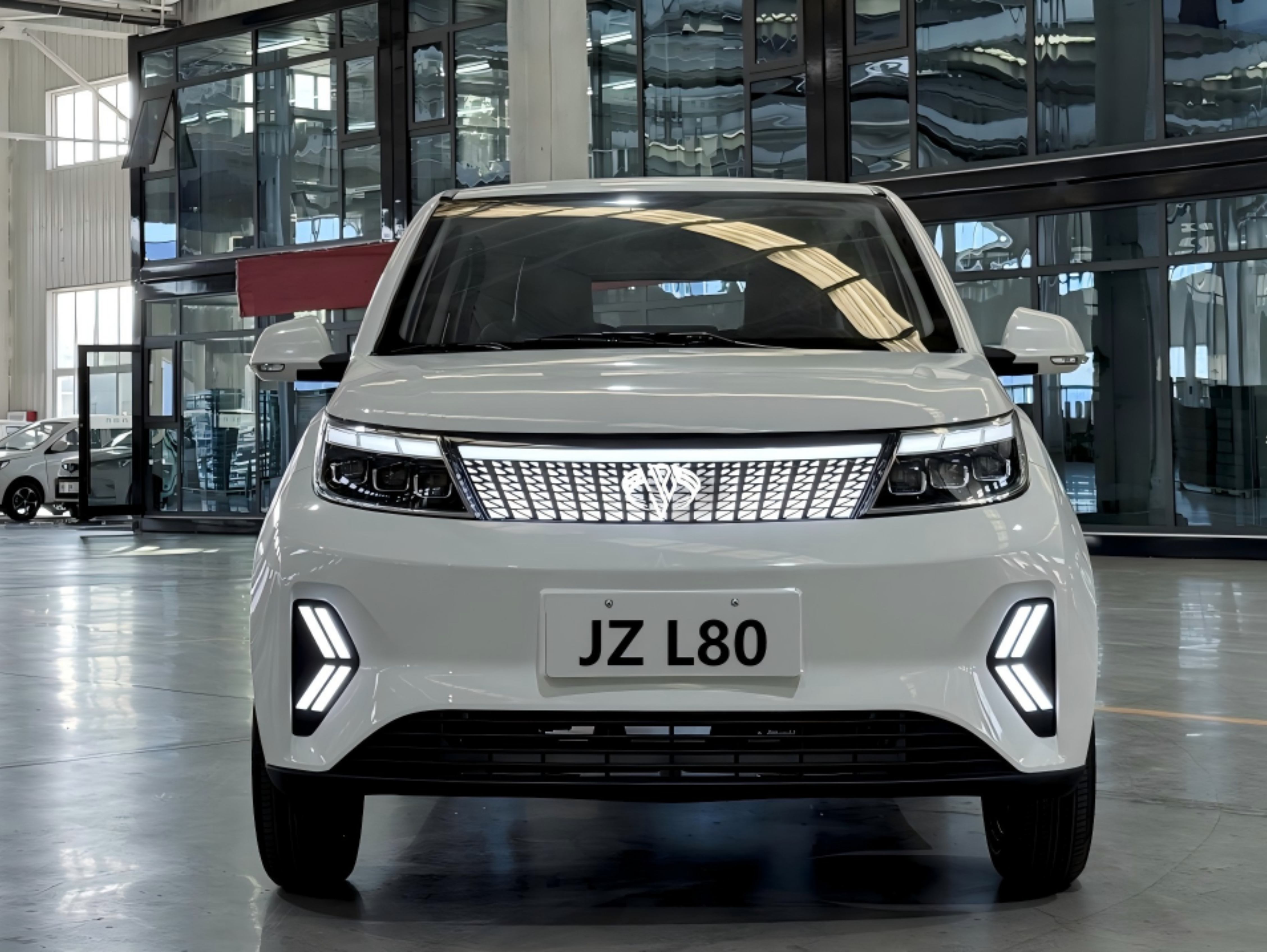
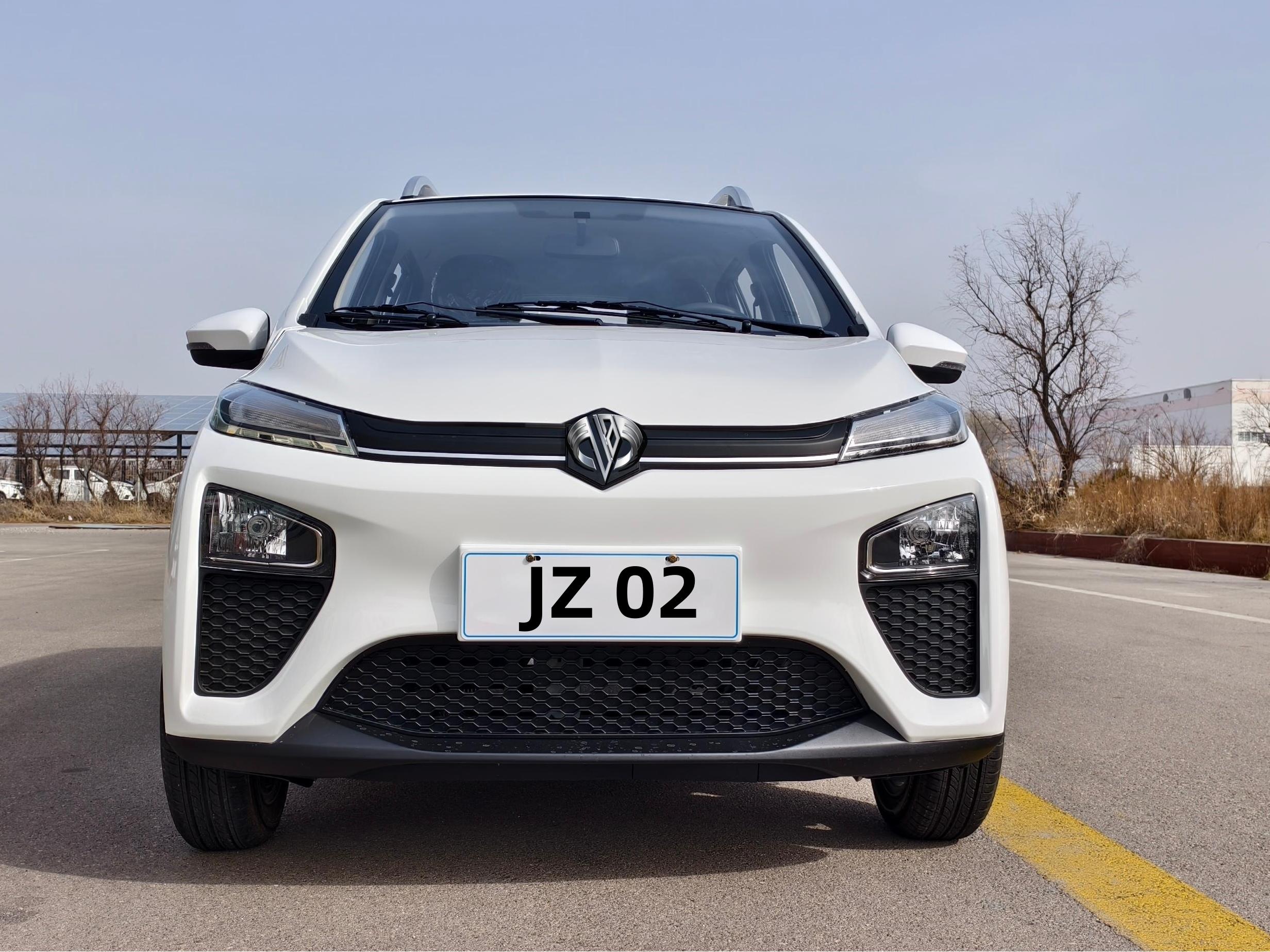
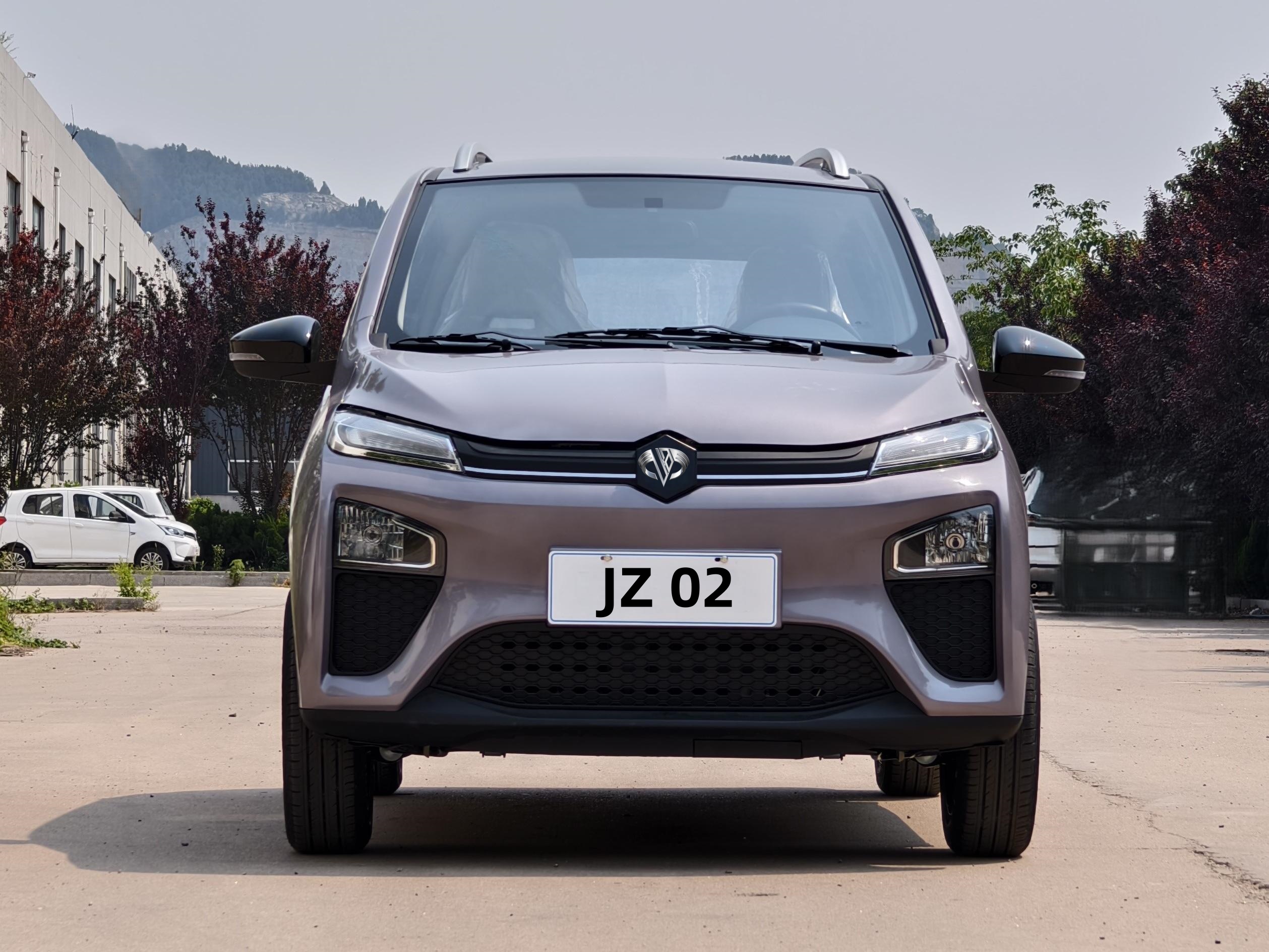
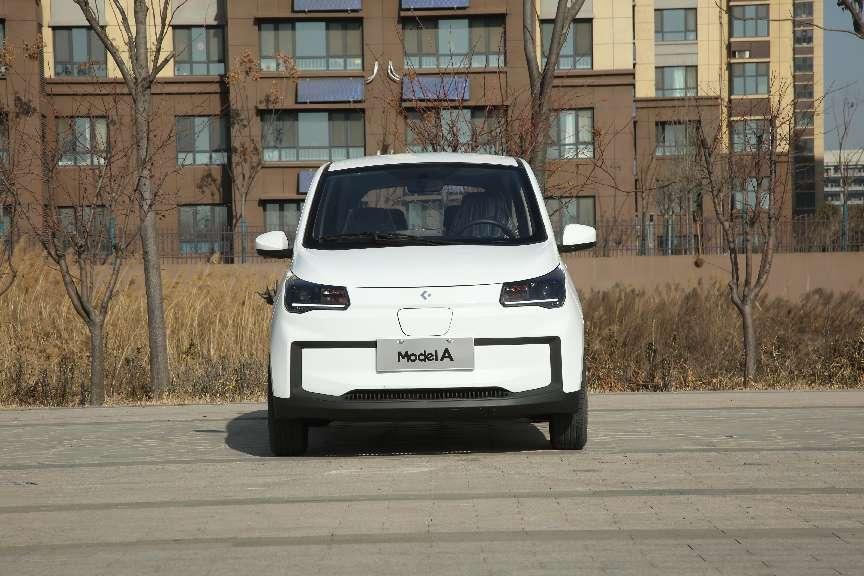
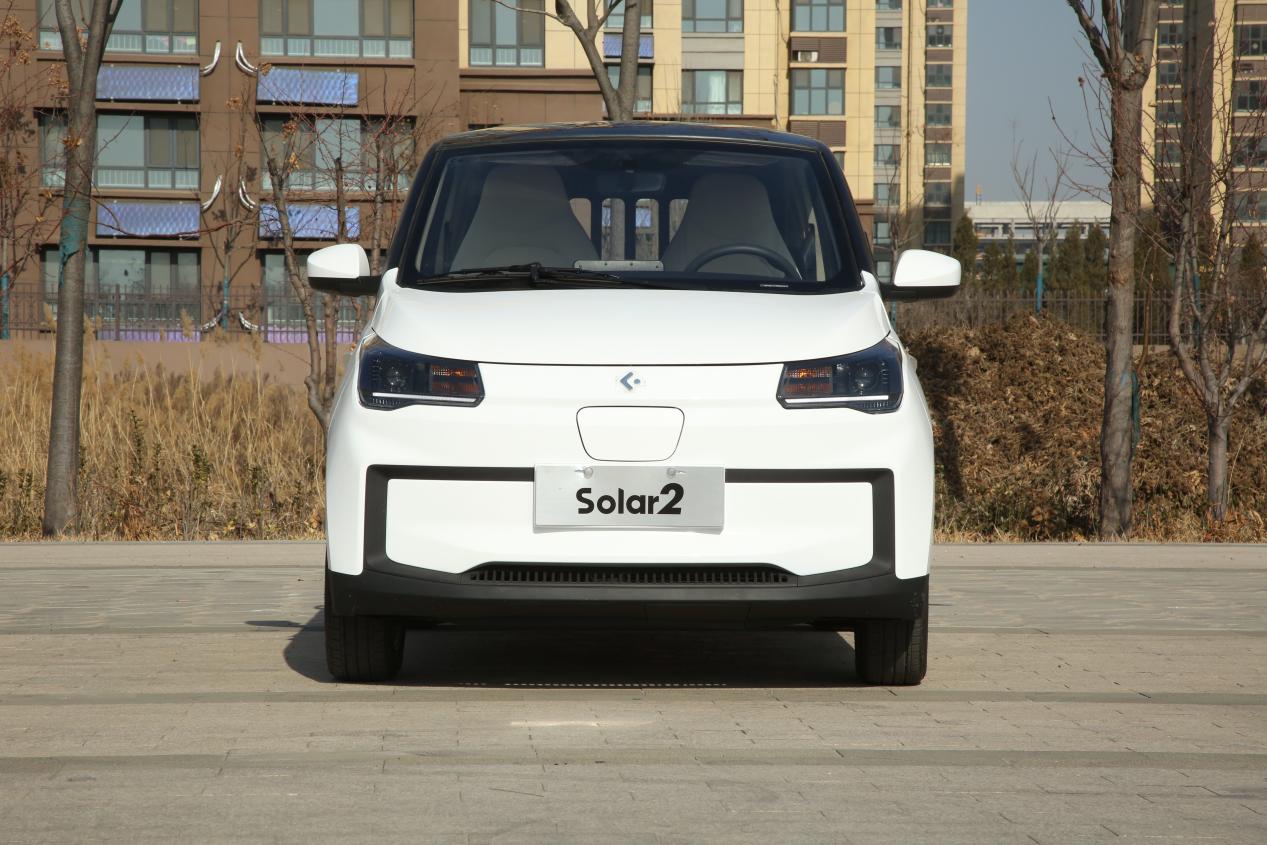
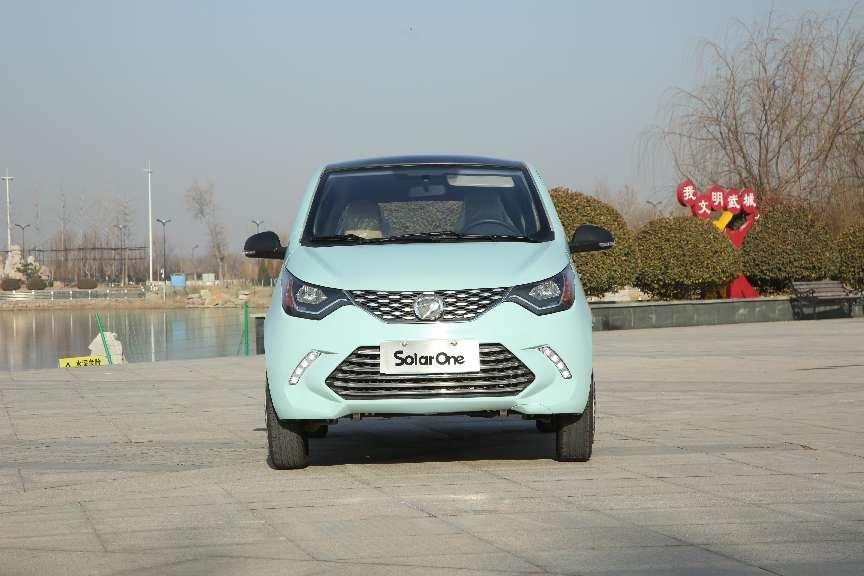
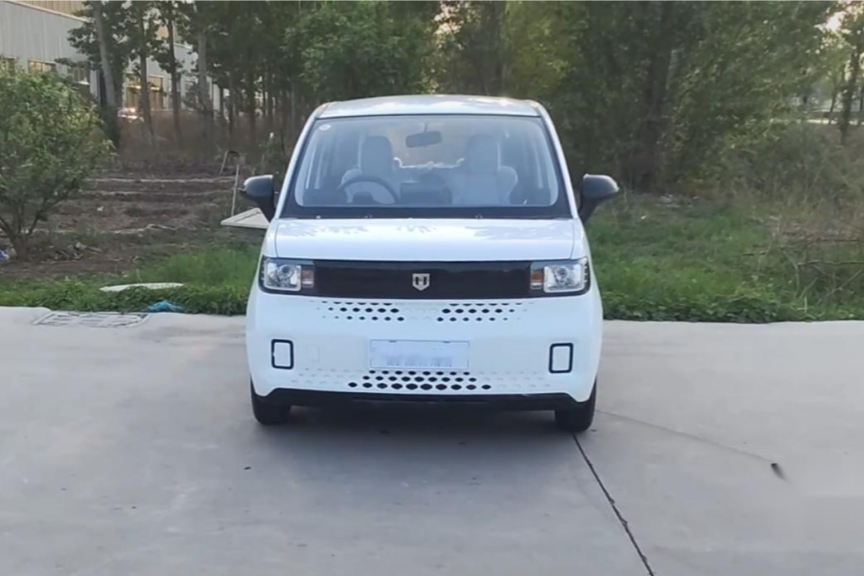
Retaining every asset and product reference from original documentation, re-engineered for interactive review.
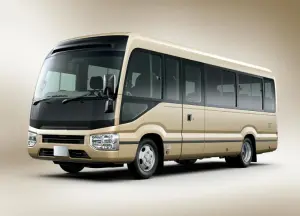
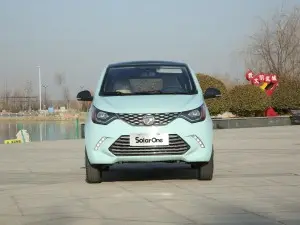
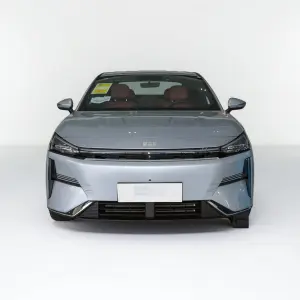
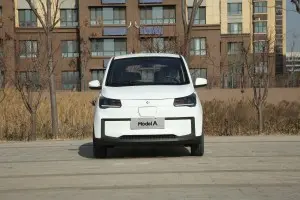
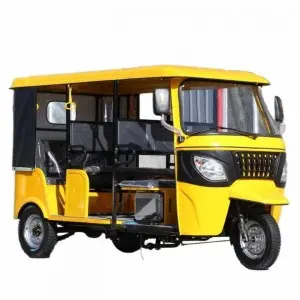
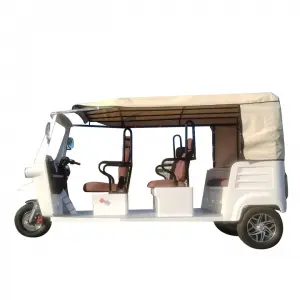
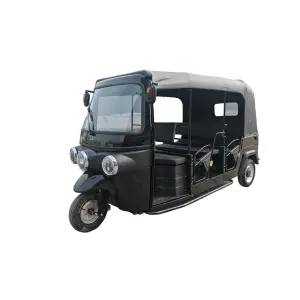


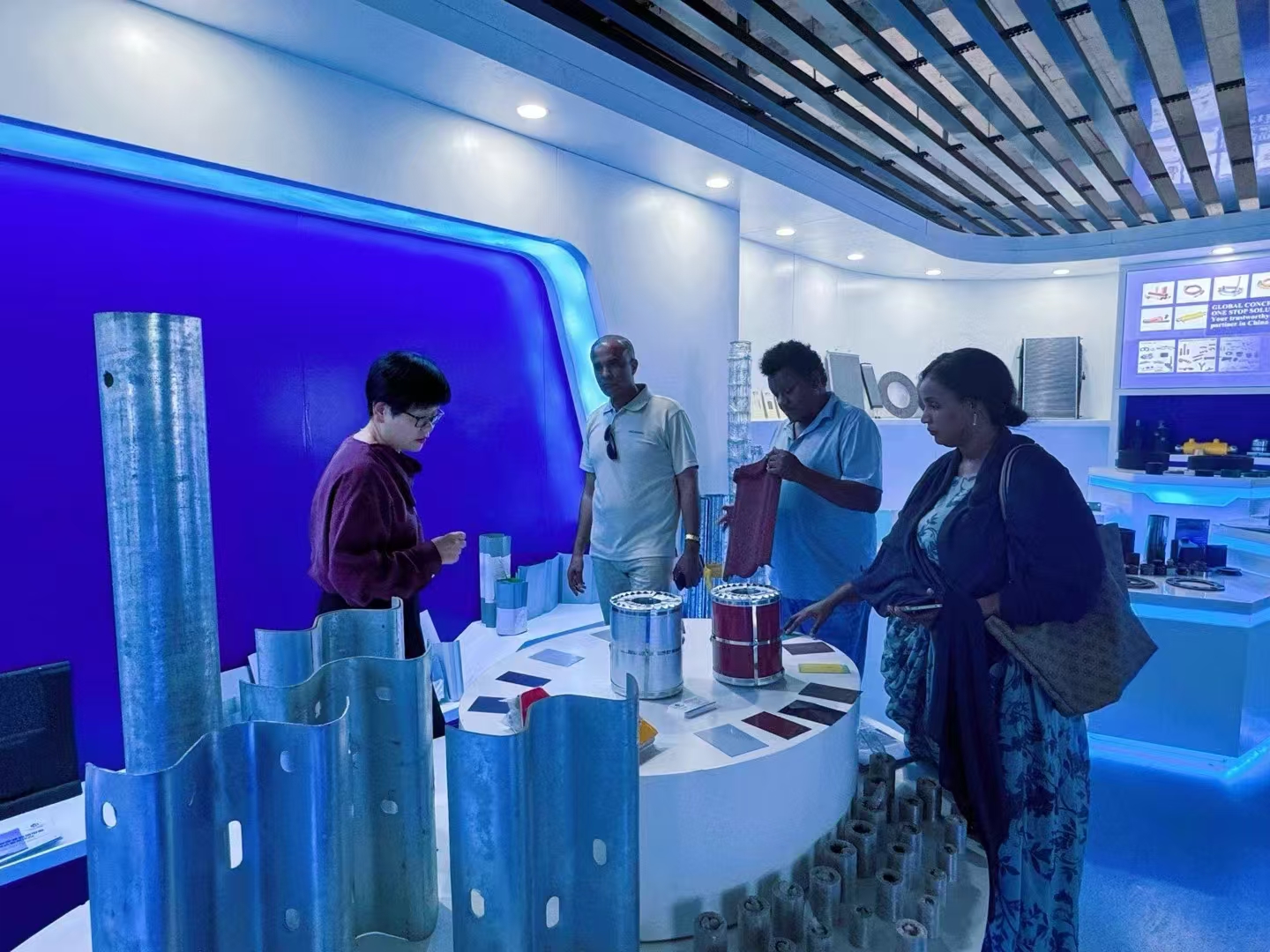
Vehicles operating in major coastal cities like Casablanca, Tangier, and Rabat are constantly exposed to marine moisture and high salinity. To prevent structural oxidation and rust, our partner factories use advanced paint electrophoresis systems. The process applies an even anti-corrosive primer layer deep into the hollow steel tubes and joints of our passenger and cargo tricycles. This treatment drastically improves rust resistance, helping vehicles maintain their structural integrity even after years of exposure to salty sea air.
Summer temperatures in central and southern Morocco frequently exceed 45°C. To maintain battery performance and prevent thermal degradation in electric cars and cargo trikes, we integrate liquid-cooled thermal management systems and heat dissipation structural frames. Lithium iron phosphate (LiFePO4) battery packs are housed in protective alloy casings equipped with intelligent battery management systems (BMS) that actively balance cells and regulate temperatures, ensuring long cycle life and preventing overheating.
Narrow streets in historic Moroccan medinas (such as Fez and Marrakech) cannot accommodate standard cargo vans. Standard 1.6m cargo electric tricycles and closed cabin delivery models offer an ideal solution. They navigate tight alleyways easily, produce zero tailpipe emissions, and run quietly—critical factors for historic districts trying to minimize noise and air pollution.
Direct insights for global procurement agents, distributors, and logistics fleet operators looking to source vehicles for Morocco.
Yes, our export models are designed to meet standard international safety regulations. We provide certificates of conformity, technical data sheets, and custom document packages to facilitate smooth customs clearance at ports like Tanger-Med and Casablanca.
We leverage our extensive warehouse network, including our hub in Djibouti, to store critical mechanical and electrical spare parts (such as batteries, motors, and controllers). We can also coordinate the shipping of parts directly to Morocco via major shipping lanes.
Absolutely. We support full OEM customization, including adding custom logo branding, modifying cargo box sizes, adding solar panels, reinforcing chassis for heavy cargo, and upgrading battery capacities to meet specific routing requirements.
Standard production times range from 20 to 30 days depending on order size. Shipping from Chinese ports (such as Qingdao or Shanghai) to Tanger-Med typically takes between 30 and 40 days, depending on sea freight schedules.
Our products undergo strict testing protocols in our laboratories, including a level-7 rainstorm simulation. This test ensures the vehicle cab, motor, wiring harnesses, and battery packs remain completely sealed and waterproof during heavy rainfall.
We typically work with L/C (Letter of Credit) or T/T (Telegraphic Transfer) payment terms. We also offer customized payment terms for qualified government entities and large logistics corporations, subject to trade review.
 Limaotong