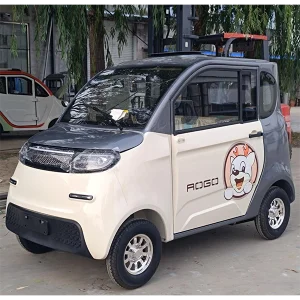
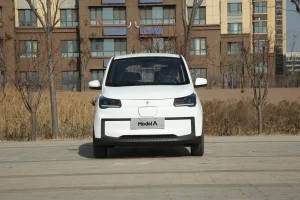
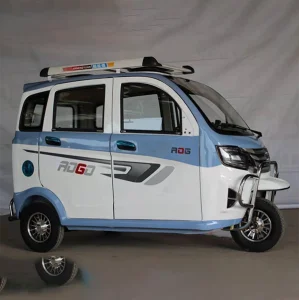
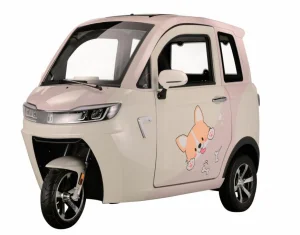
Engineered for deep-penetration urban routes, steep-gradient neighborhood lanes, and zero-emission delivery zones.
Global excellence, localized micro-logistics expertise, and robust manufacturing pipelines supporting green transport initiatives.
Our eco-friendly logistics vehicles empower global last-mile delivery chains from Asia to the Middle East and Europe.
Highly localized assembly and configuration setups ensure faster lead times, customized fit-outs, and rapid supply chain continuity.
Building trust through durable chassis engineering, robust power systems, and dependable zero-emission technologies.
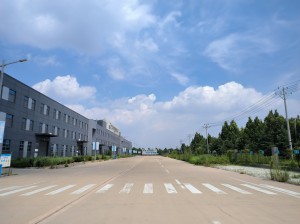
Shandong Li Mao Tong Group is a premier global manufacturer and logistics solution provider, operating an advanced vehicle industrial chain. We specialize in research, development, and international manufacturing of smart multi-wheel vehicles, electric mini cars, and high-performance cargo carriers.
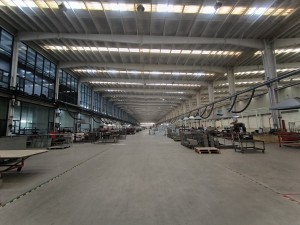
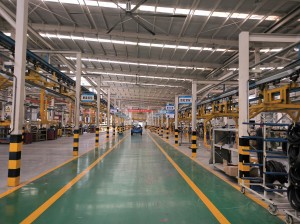
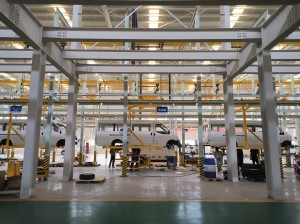
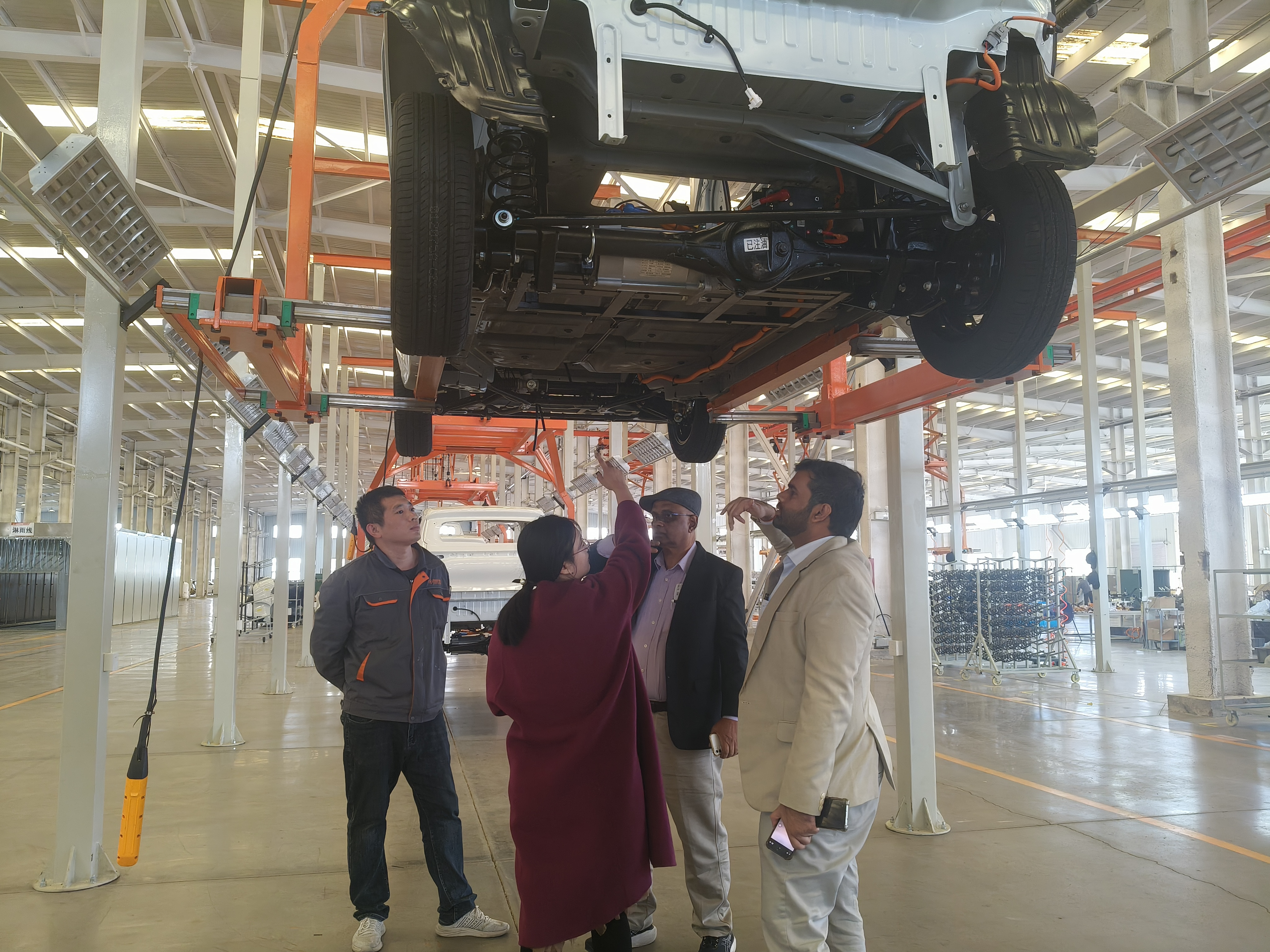
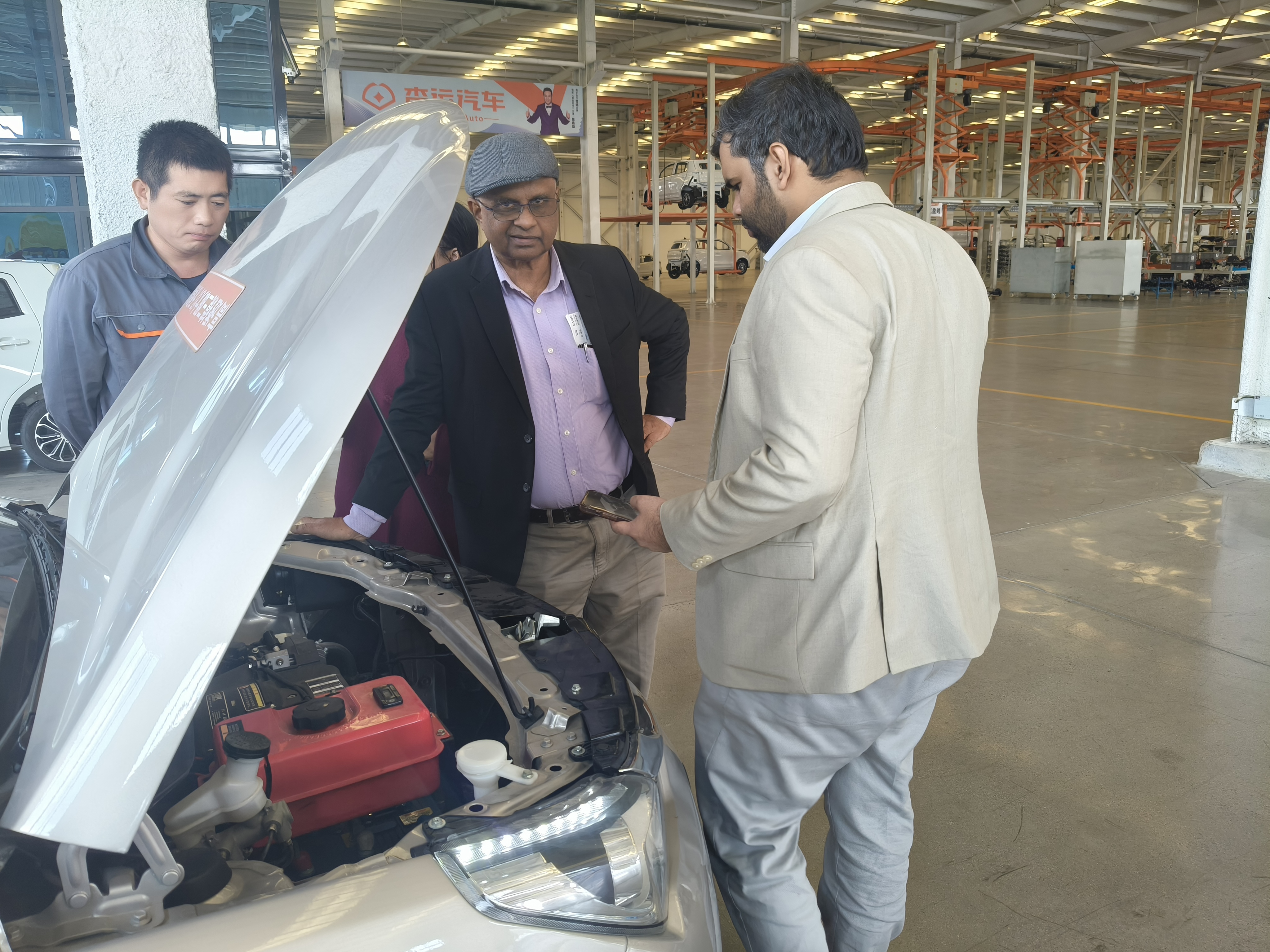
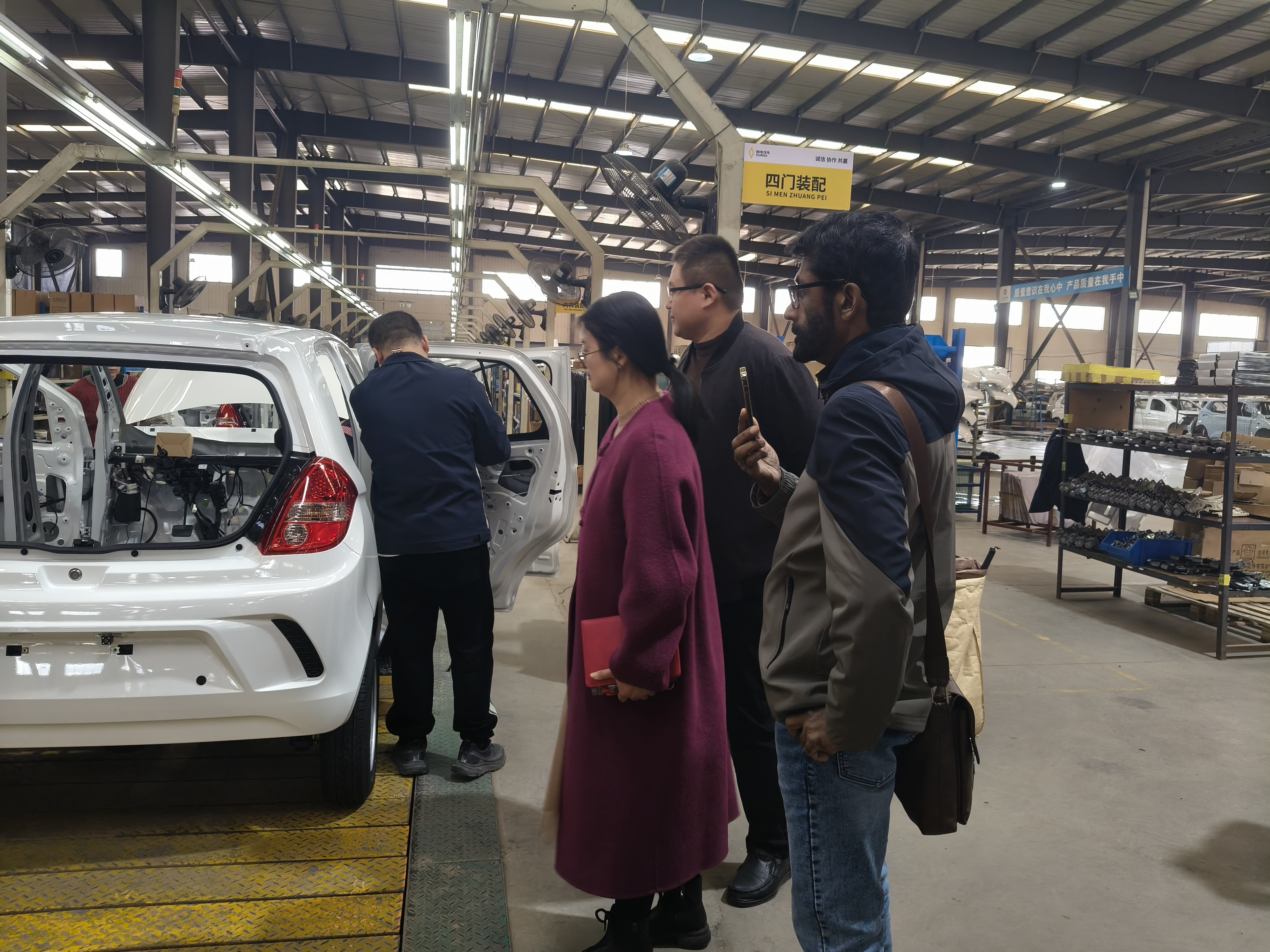
With modern automated robotics, laboratory-grade rainstorm chamber test procedures, and integrated digital quality management systems, our products undergo rigorous inspection. We serve international fleets with top-tier reliability, ensuring each electric cargo car matches local homologation requirements, including KC safety guidelines for Seoul, South Korea.
Request Factory Inspection DetailsAnalyzing local regulations, topographical challenges, e-commerce demands, and technology roadmaps for the Seoul logistics sector.
Seoul is one of the most digitally dense metropolitan regions globally, home to massive e-commerce networks like Coupang's Rocket Delivery (로켓배송) and Market Kurly’s Dawn Delivery (새벽배송). Standard large internal combustion engine (ICE) delivery trucks struggle to navigate the older districts of Mapo-gu, Yongsan-gu, and Ihwa-dong, which feature narrow roads, complex alleys, and high-degree slopes. This topography demands micro-logistics alternatives.
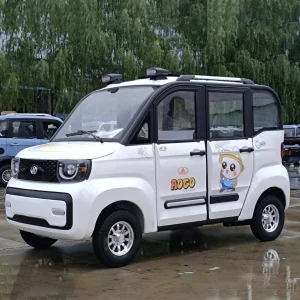
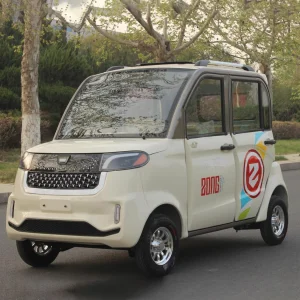
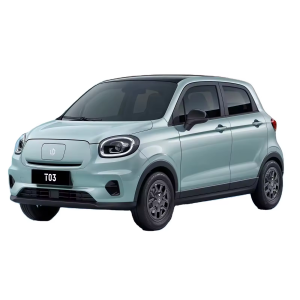
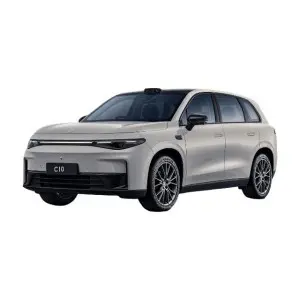
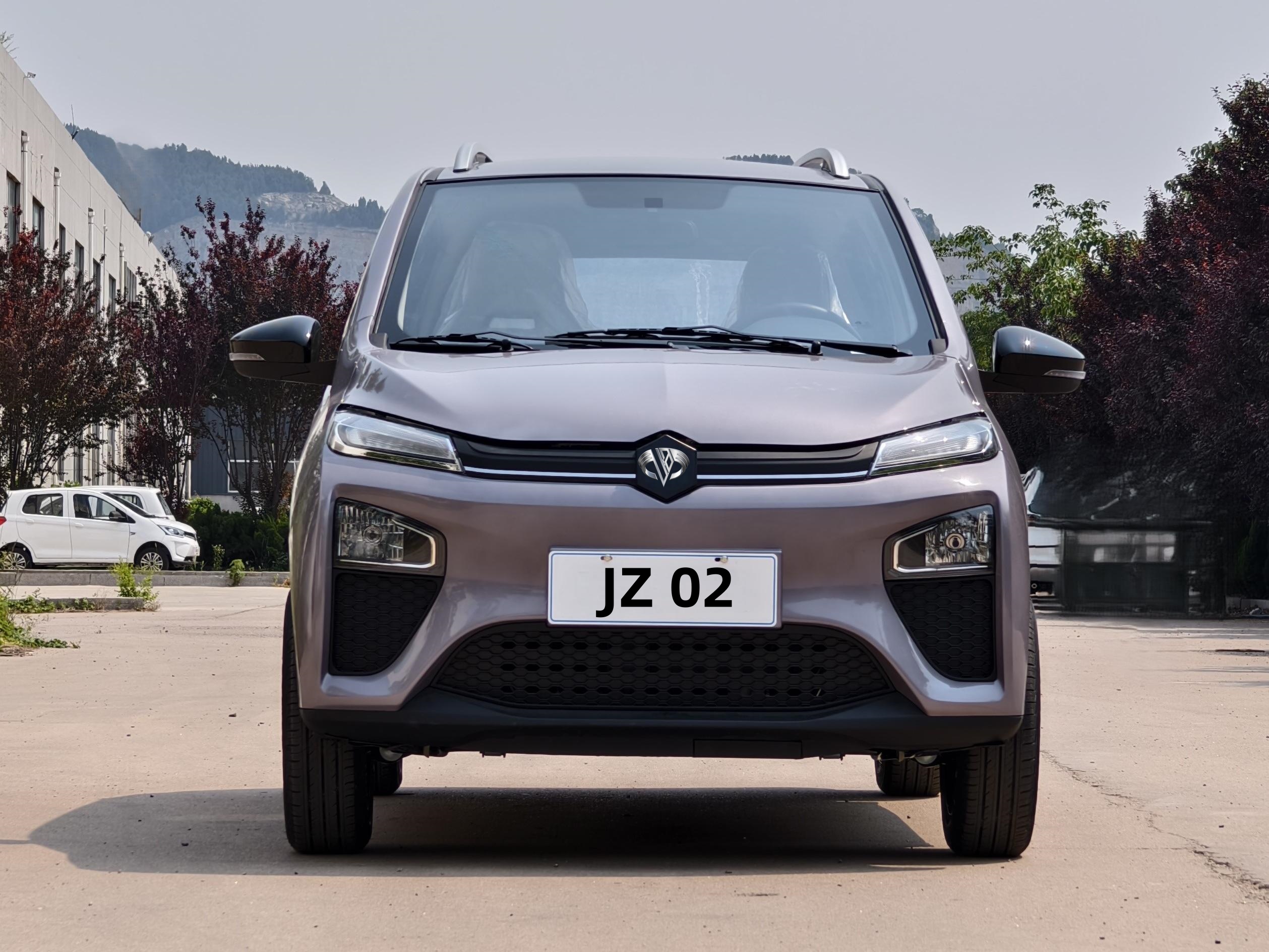
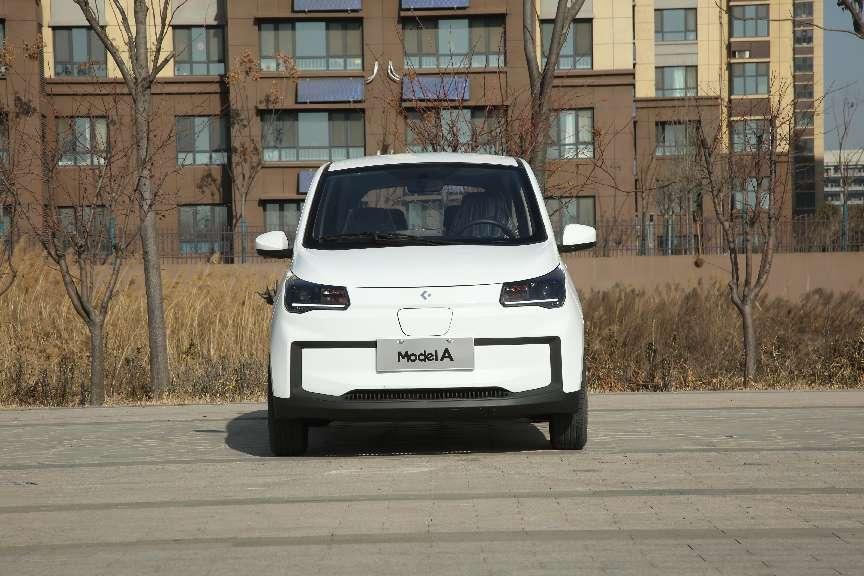
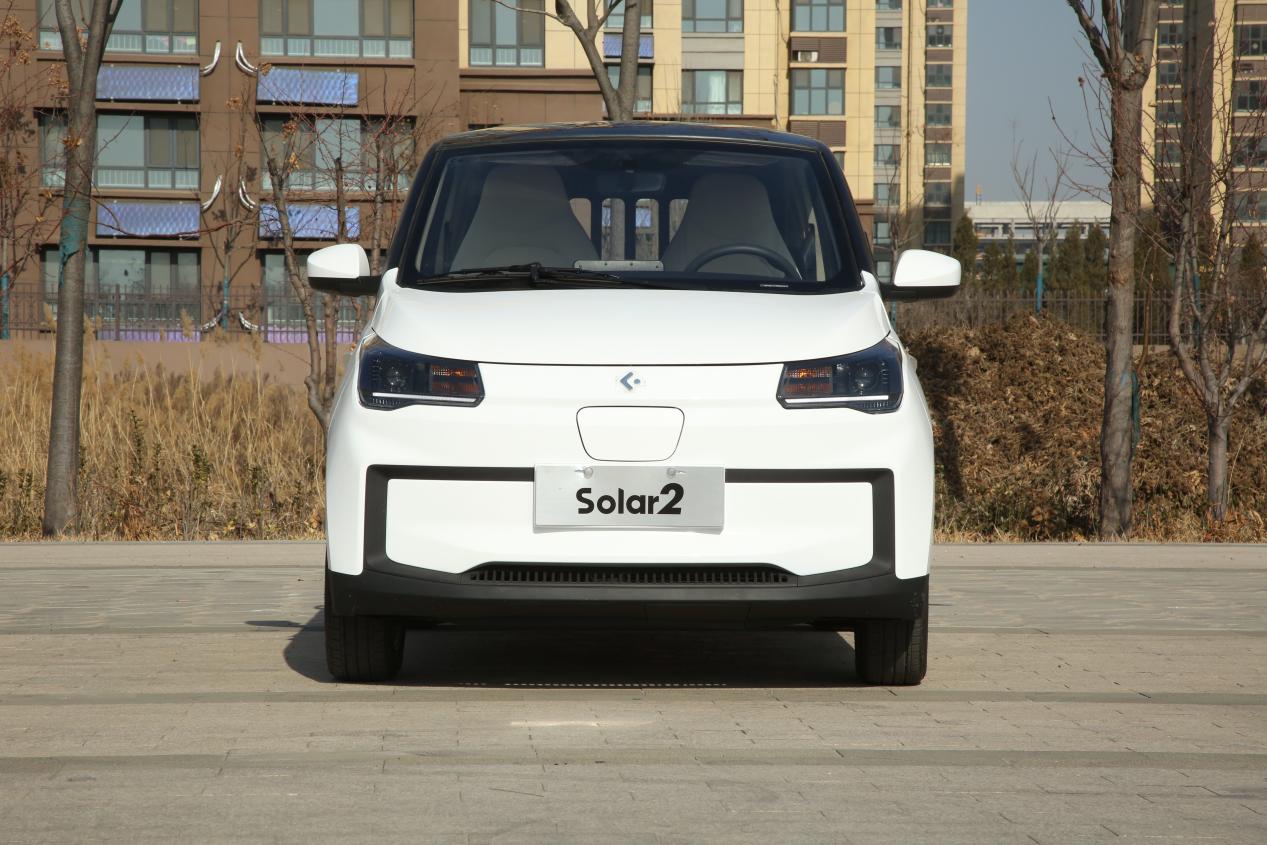
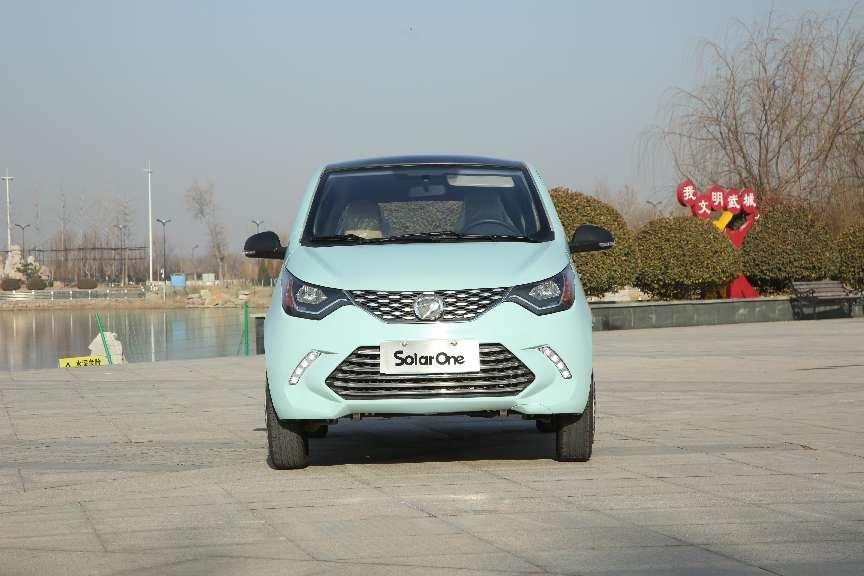
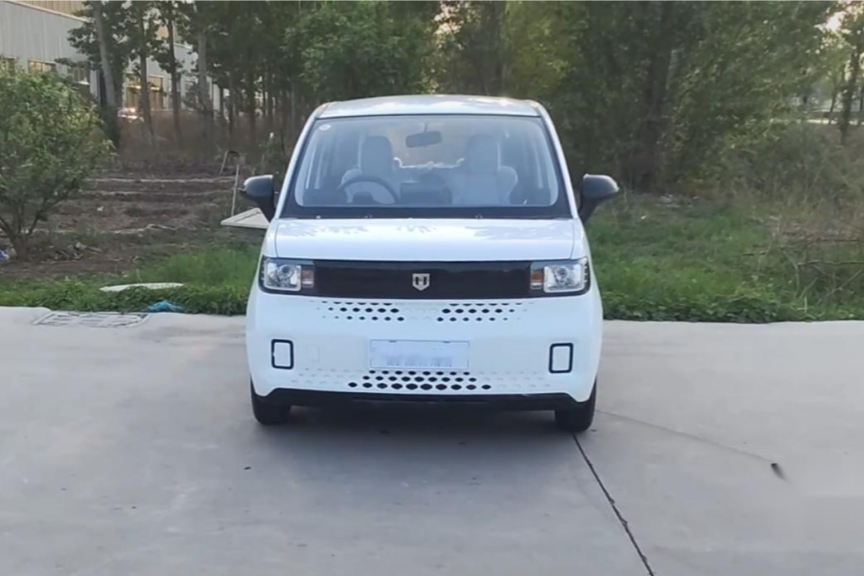
Our specialized 4-wheeled electric cargo cars offer compact form factors, high torque at low speeds, and optimized structural envelopes. Built to handle grades up to 25%, these vehicles are tailored to negotiate Seoul's steep residential roads. Transitioning to light electric cargo vehicles (LECVs) allows logistics firms to bypass the noise, space constraints, and high operation costs of traditional diesel box vans.
Importing commercial cargo vehicles into South Korea requires compliance with strict safety and performance benchmarks set by the Ministry of Land, Infrastructure, and Transport (MOLIT). The Korea Certificate (KC Mark) mandates verification of structural integrity, battery management system (BMS) safeguards, electrical leakage protection, and reliable braking configurations.
We design our 4-wheeled electric cargo vehicles with global regulatory environments in mind, coordinating with local Korean importers to assist in satisfying KC homologation tests. Key features include:
Operating electric delivery fleets in Seoul presents winter challenges, where sub-zero temperatures can affect traditional battery chemistry. Our engineering roadmap addresses this with advanced low-temperature performance features and fleet connectivity:
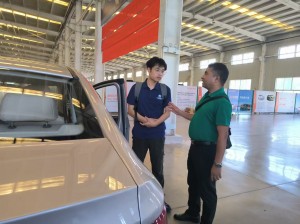
From robot-assisted welding lines to heavy rainstorm testing chambers, we prioritize build quality for global fleets.
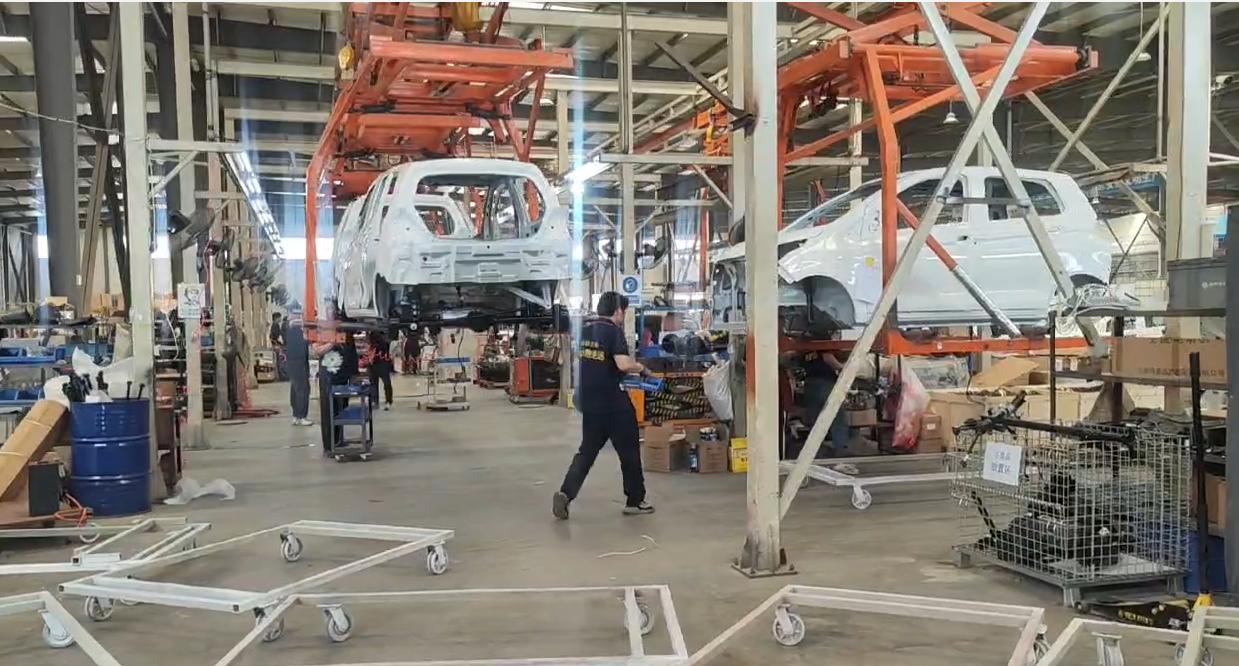
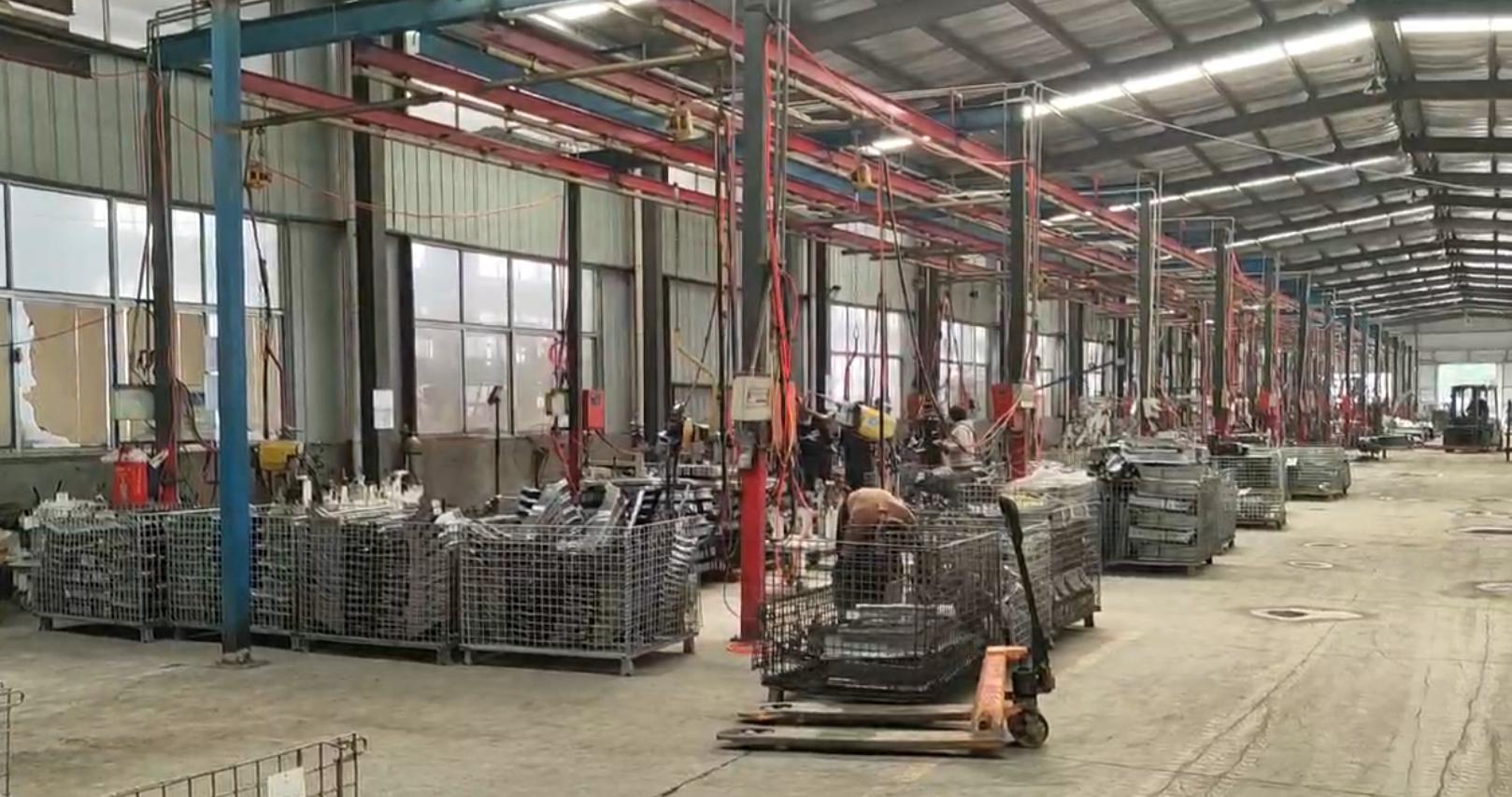
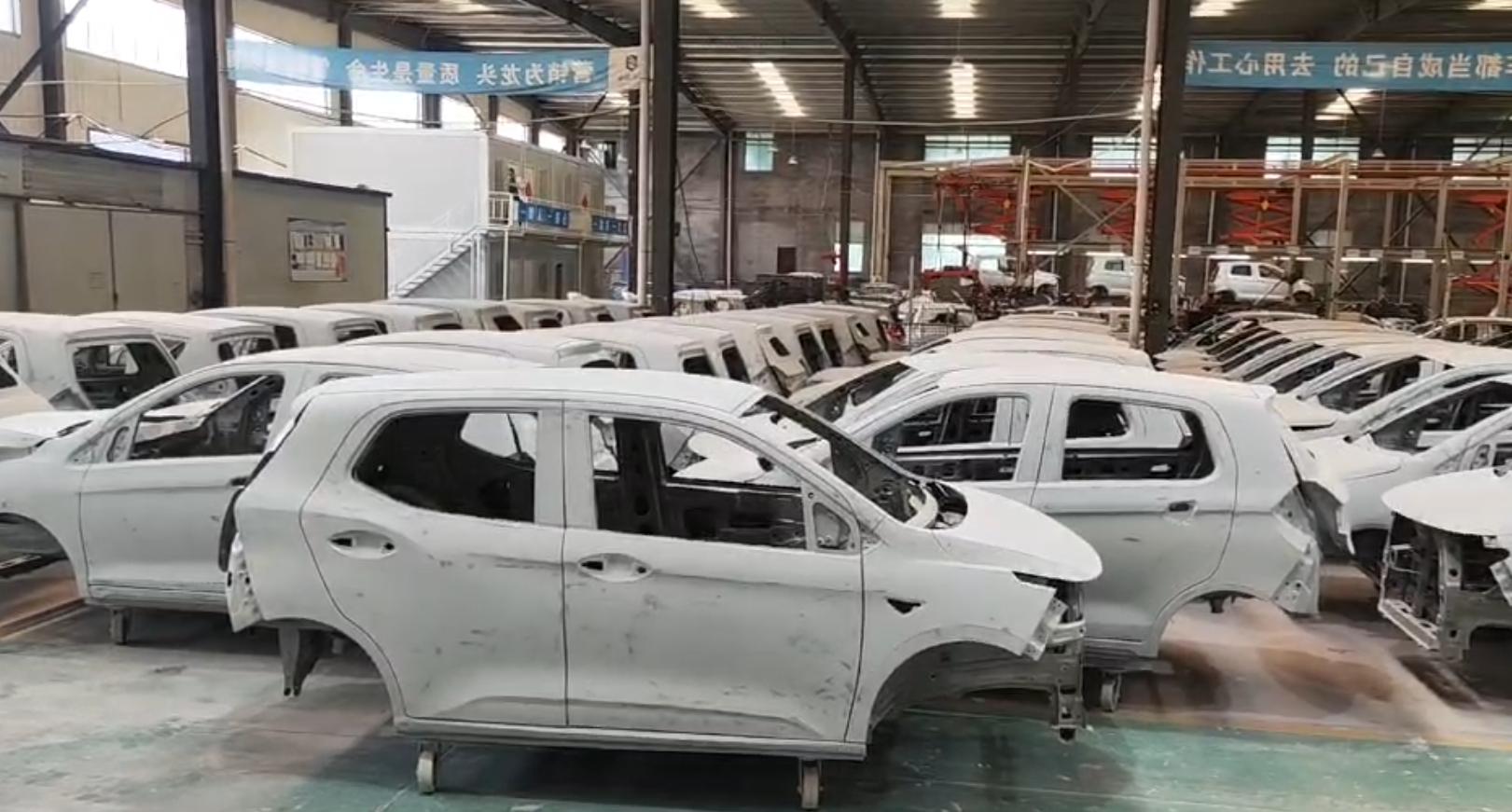
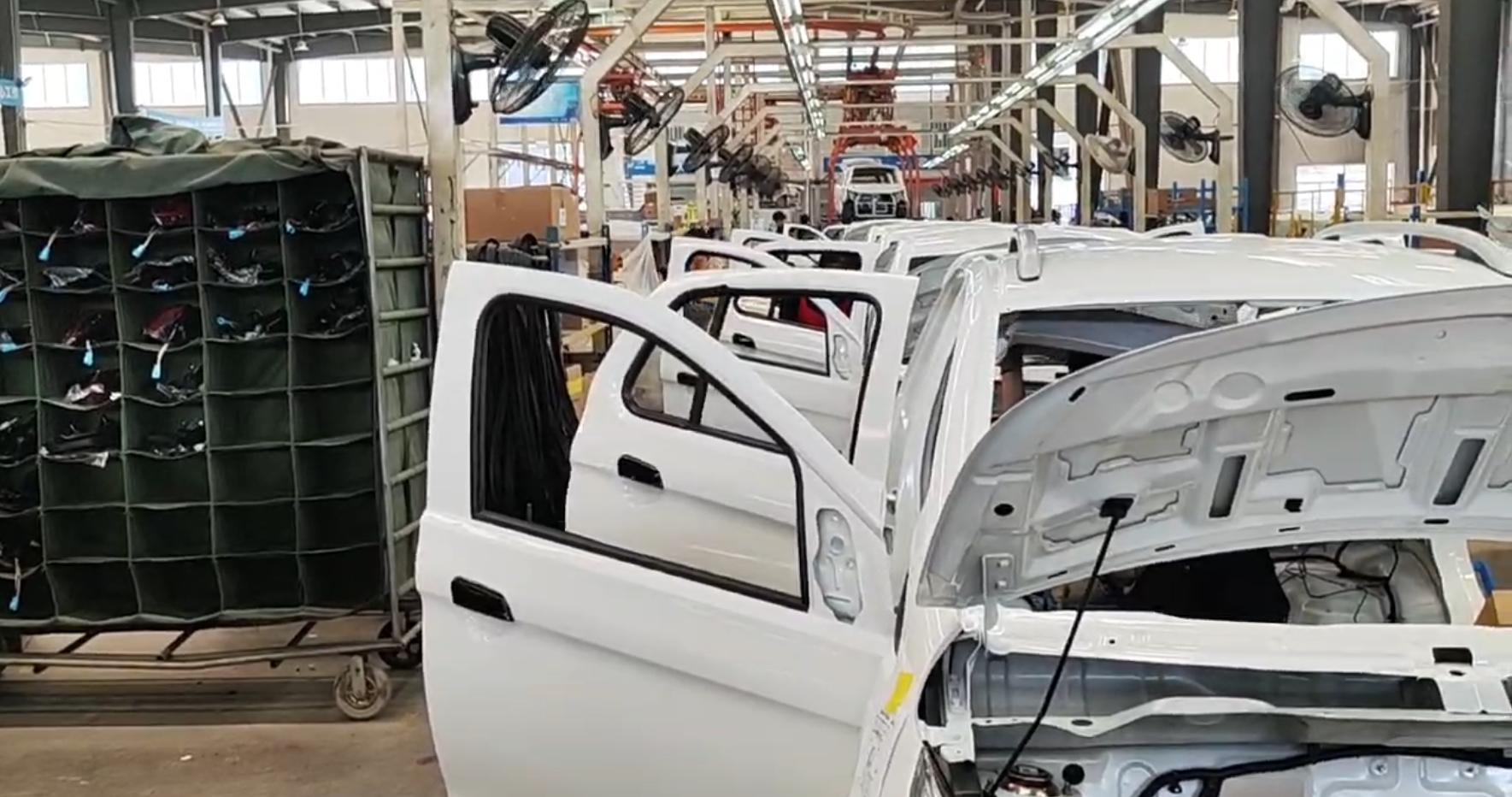
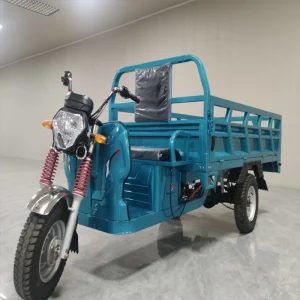
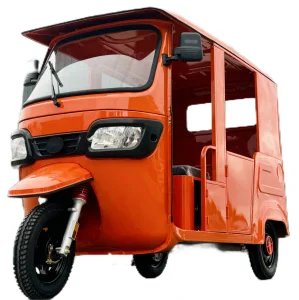
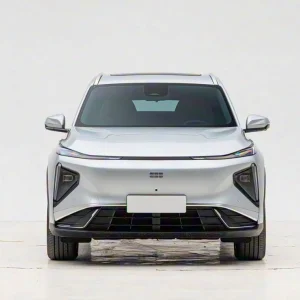
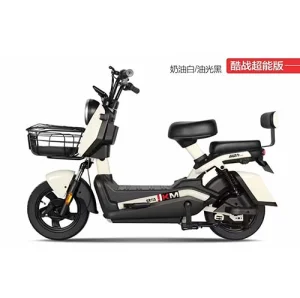
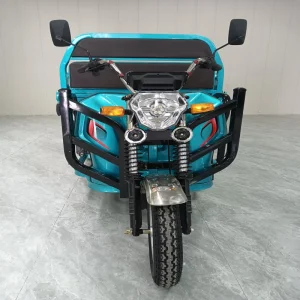
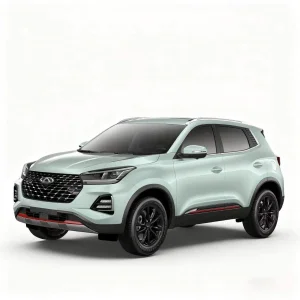
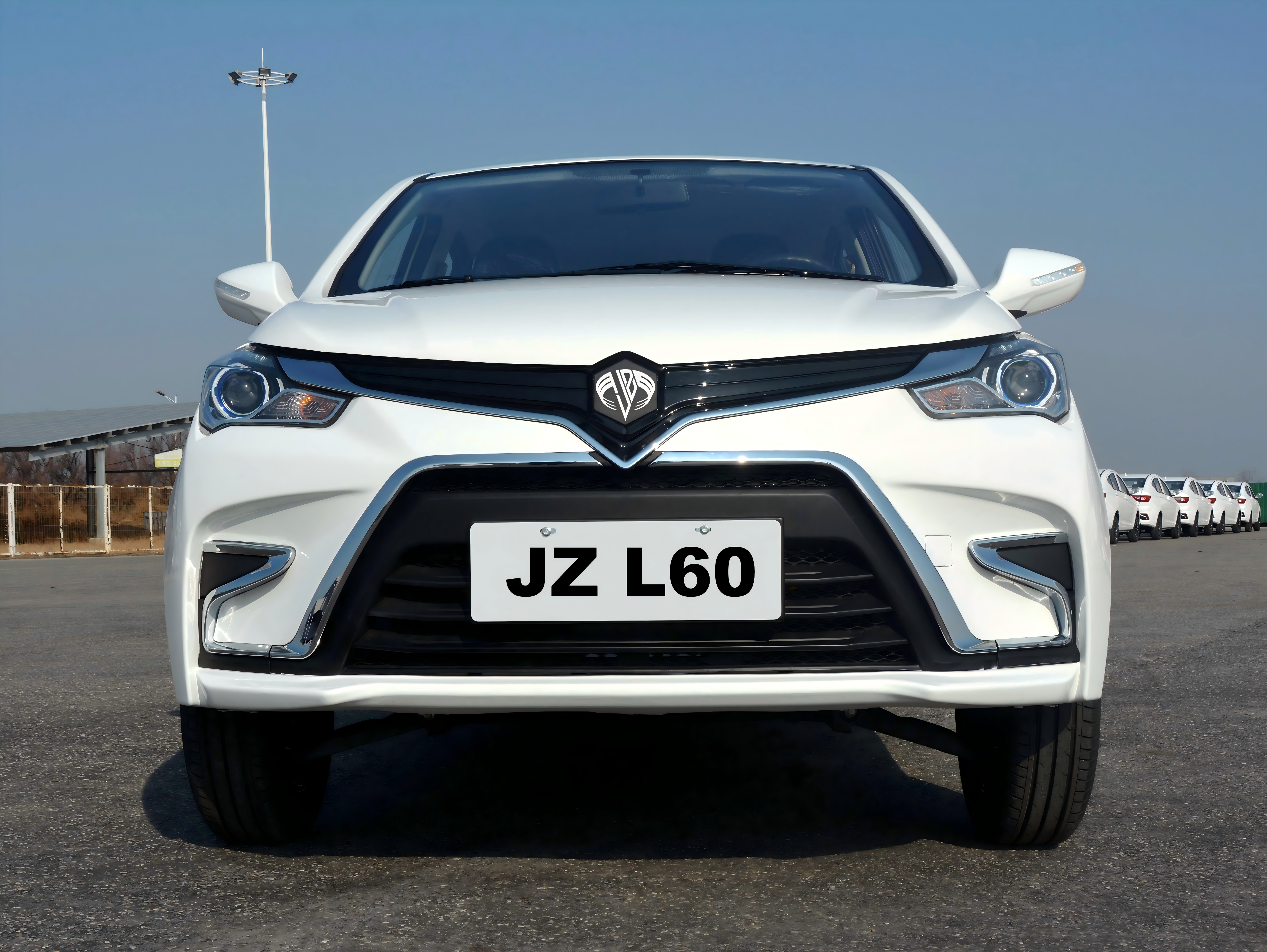
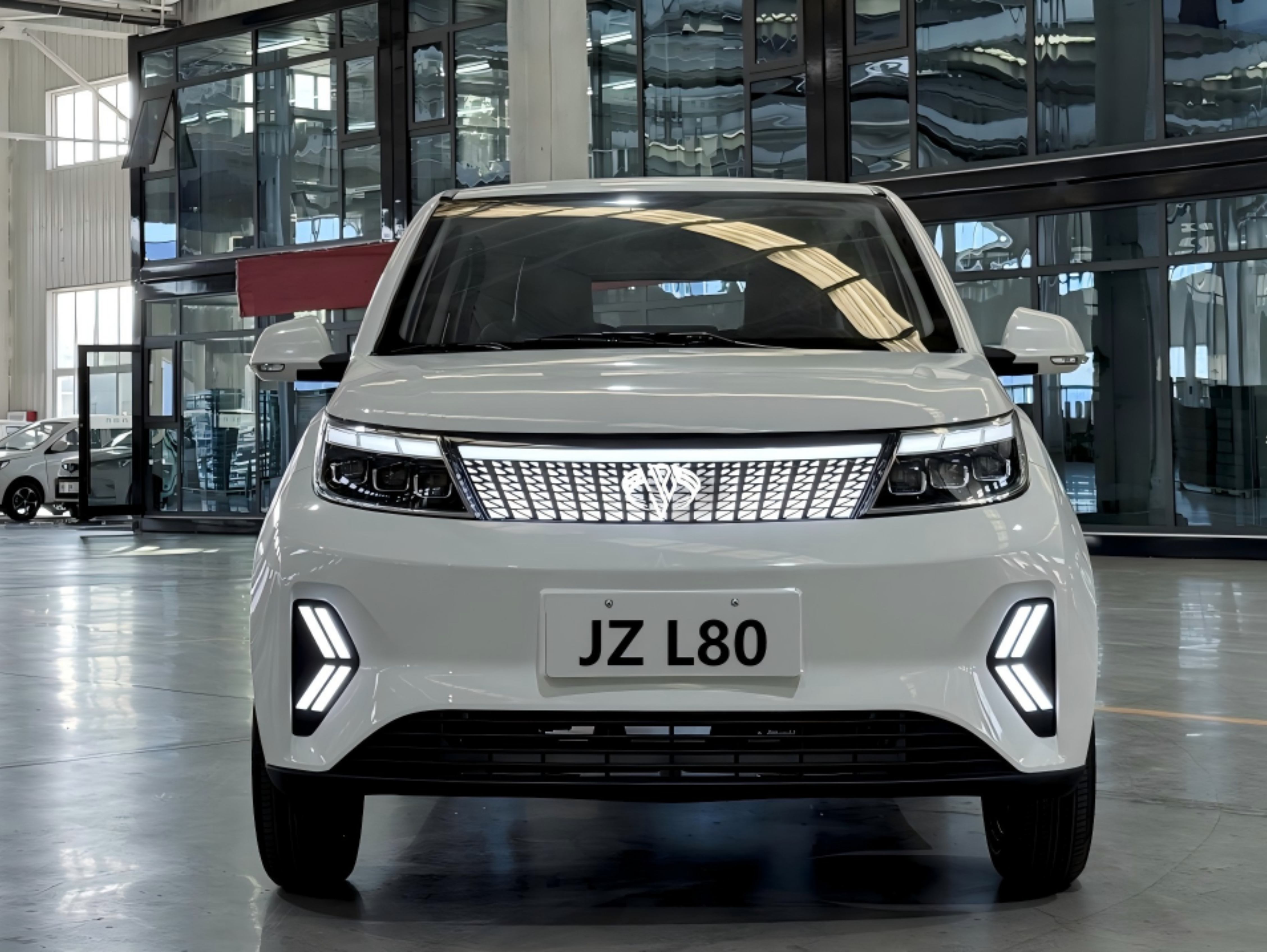
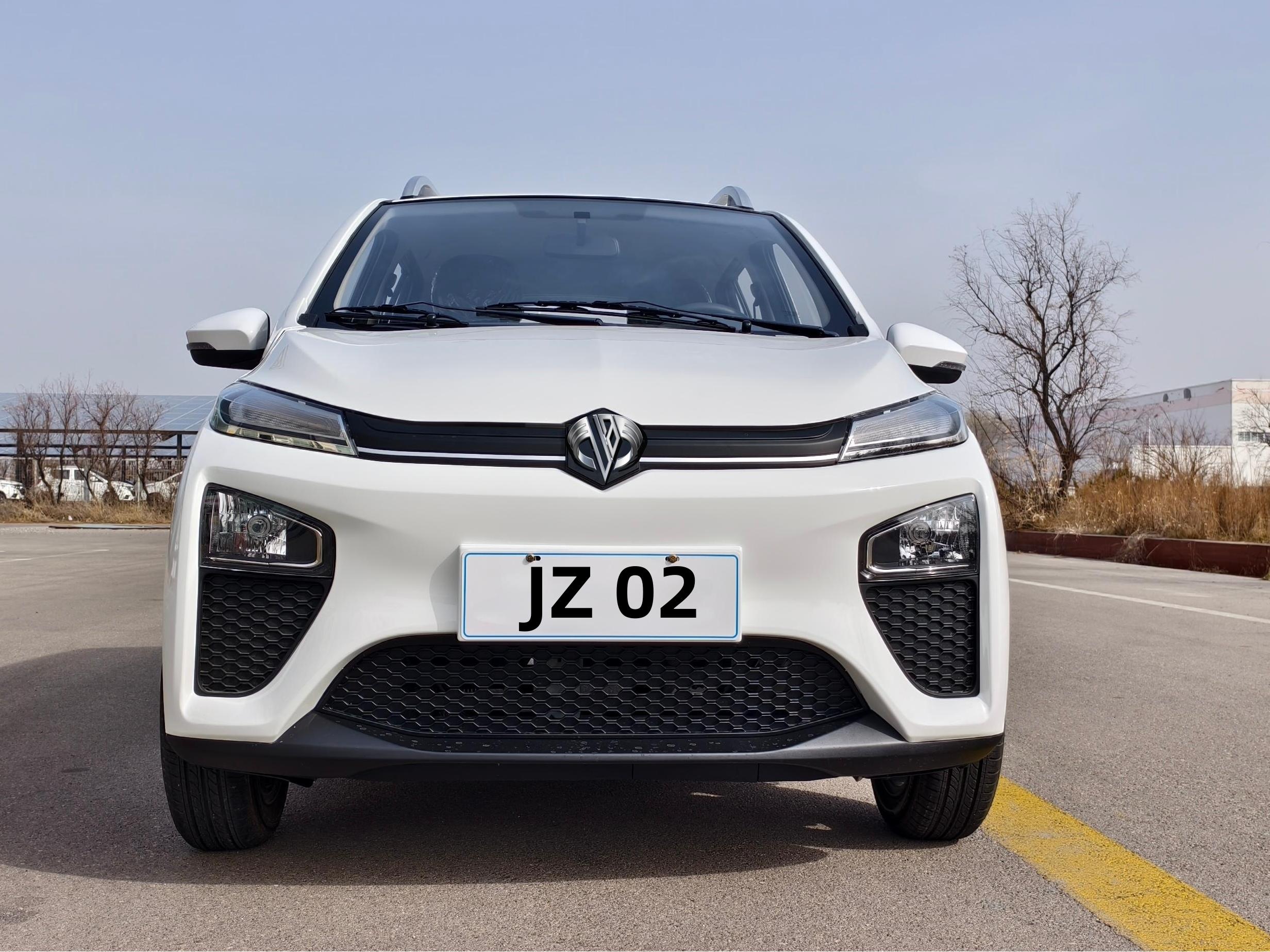
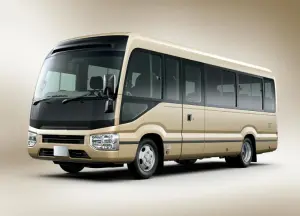
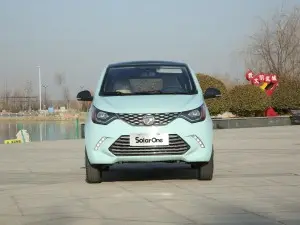
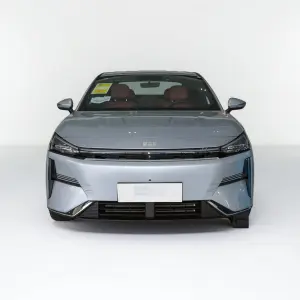
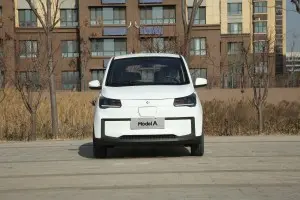
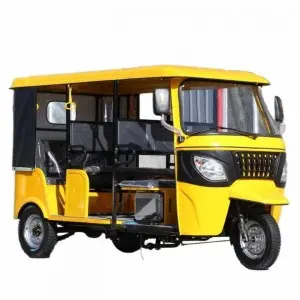
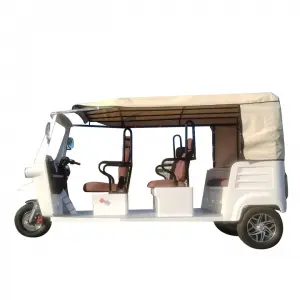
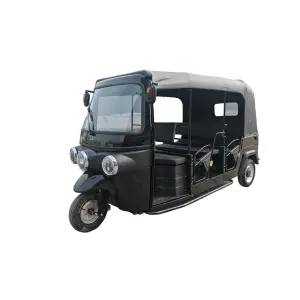
Explore our global lineup of cargo tricycles, electric mini cars, and liaison vehicles designed for versatile urban use.
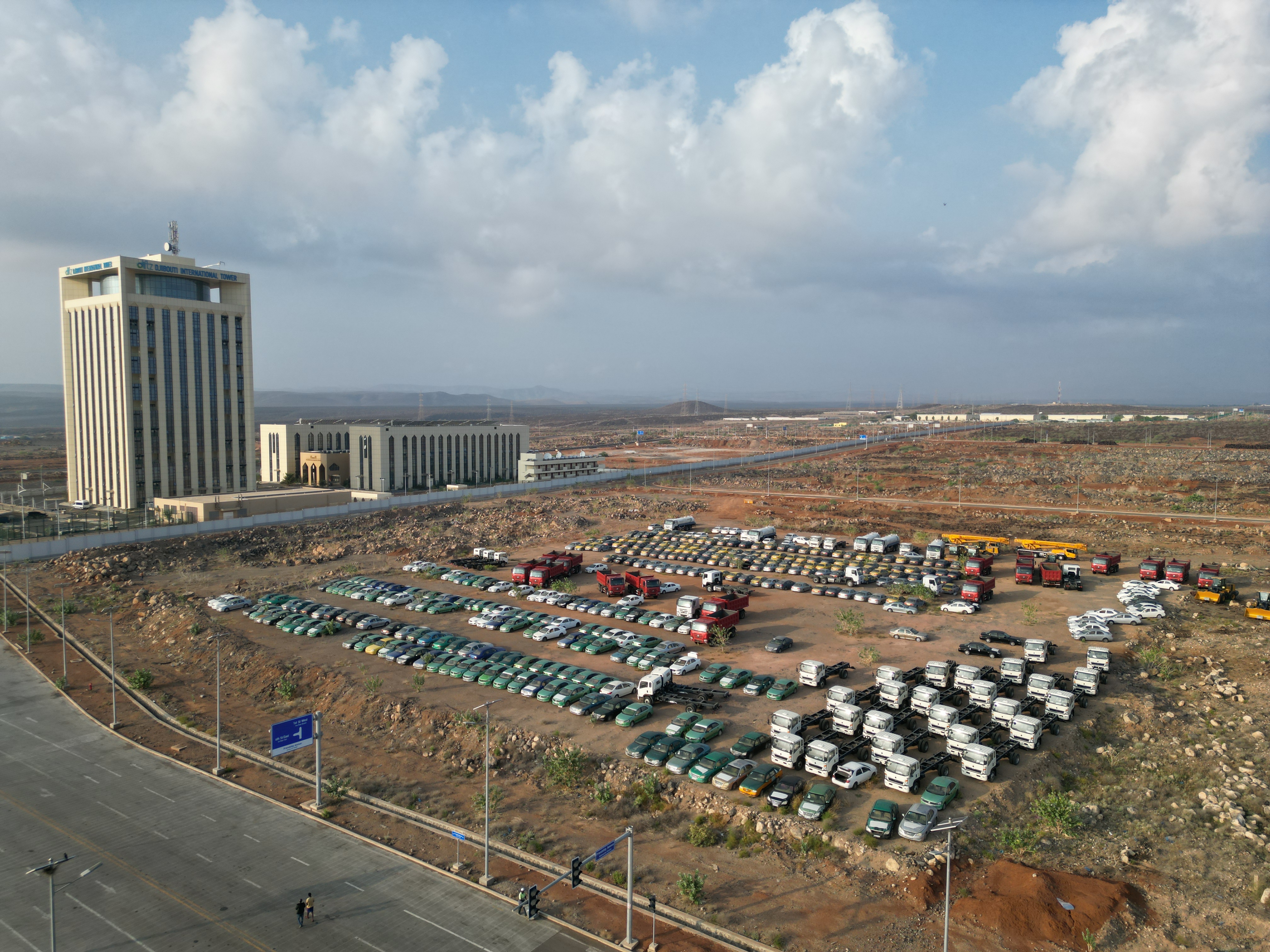
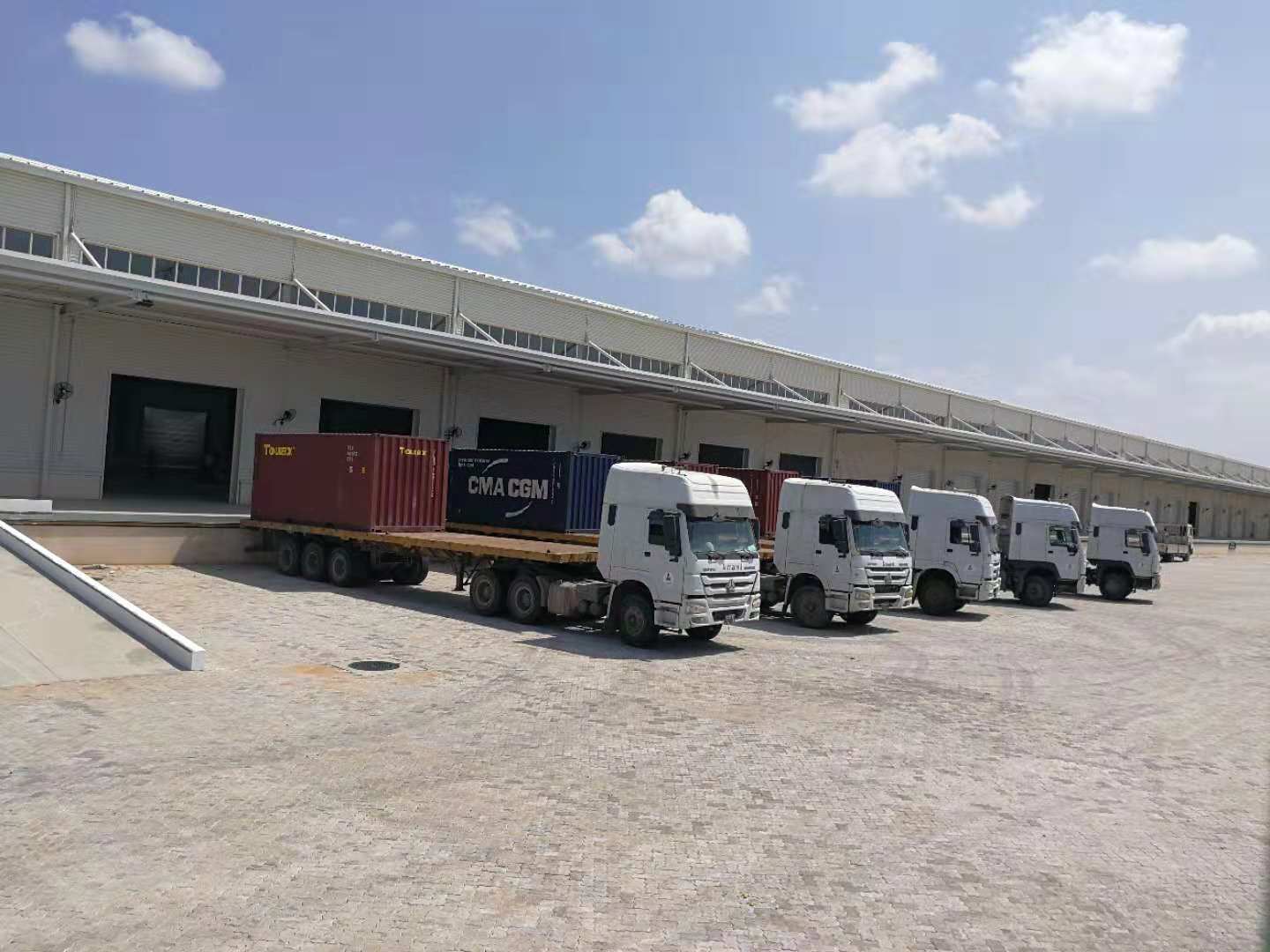
Supporting our partners with localized warehousing, parts distribution, and global logistical networks.
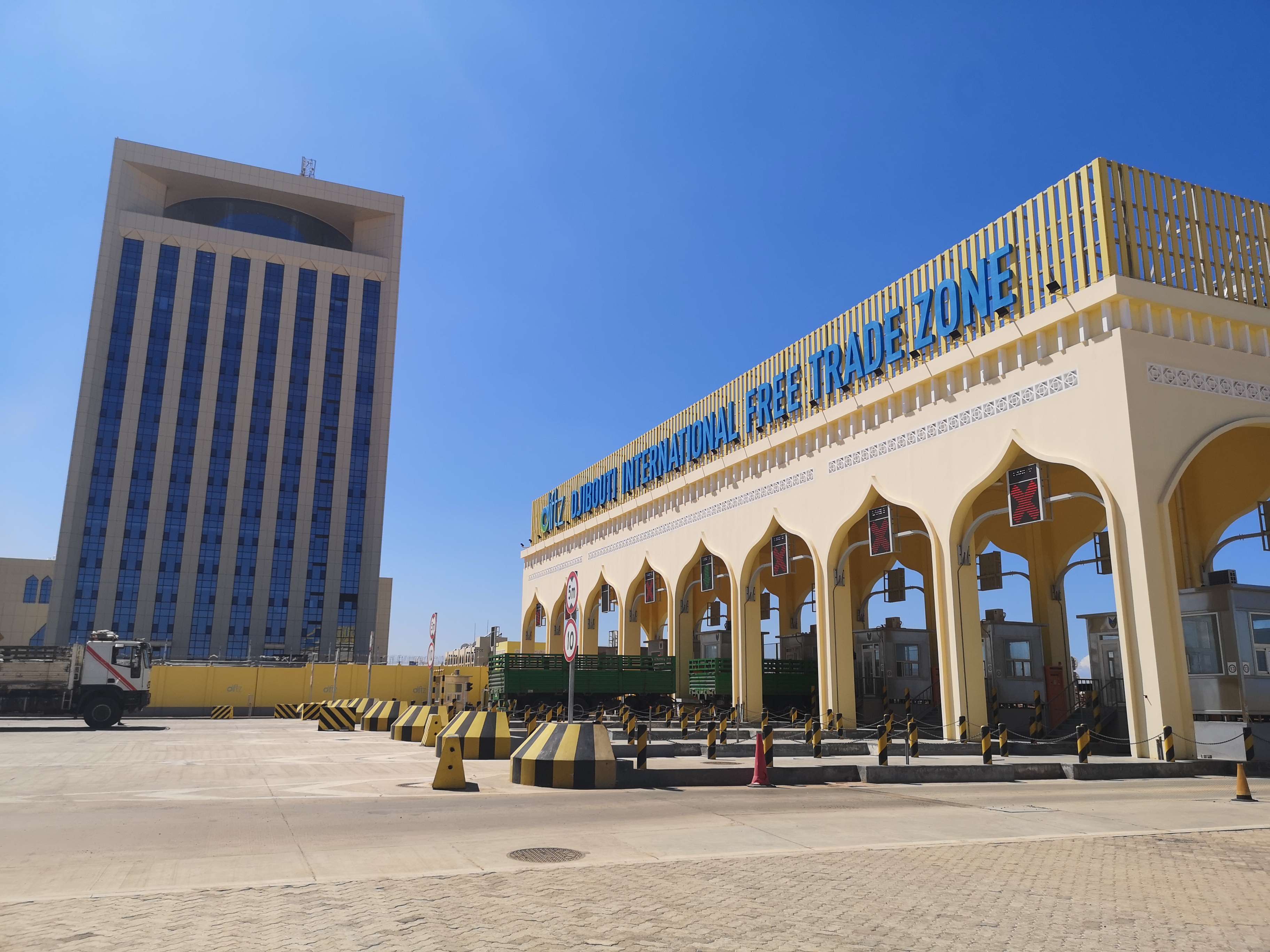
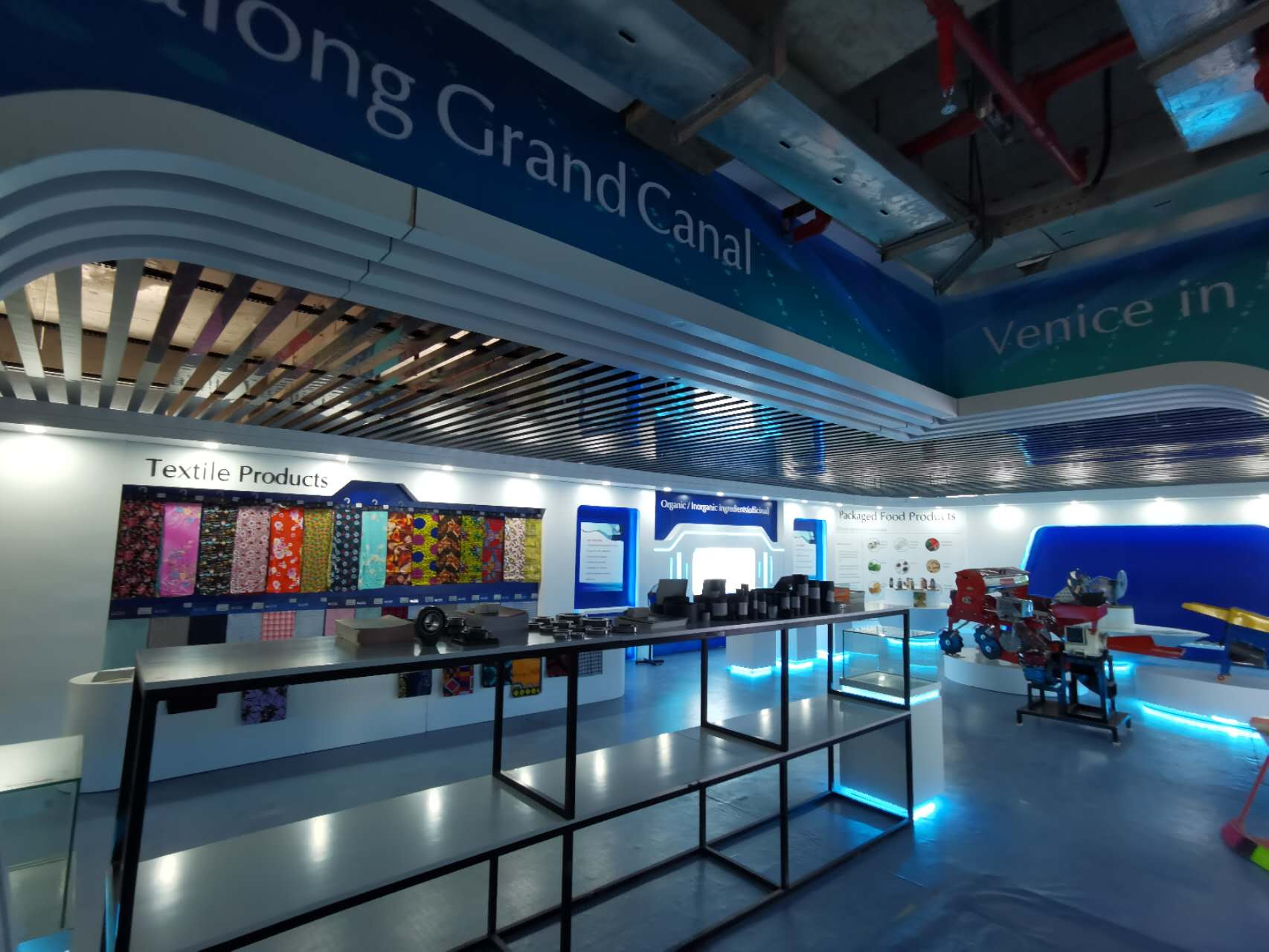
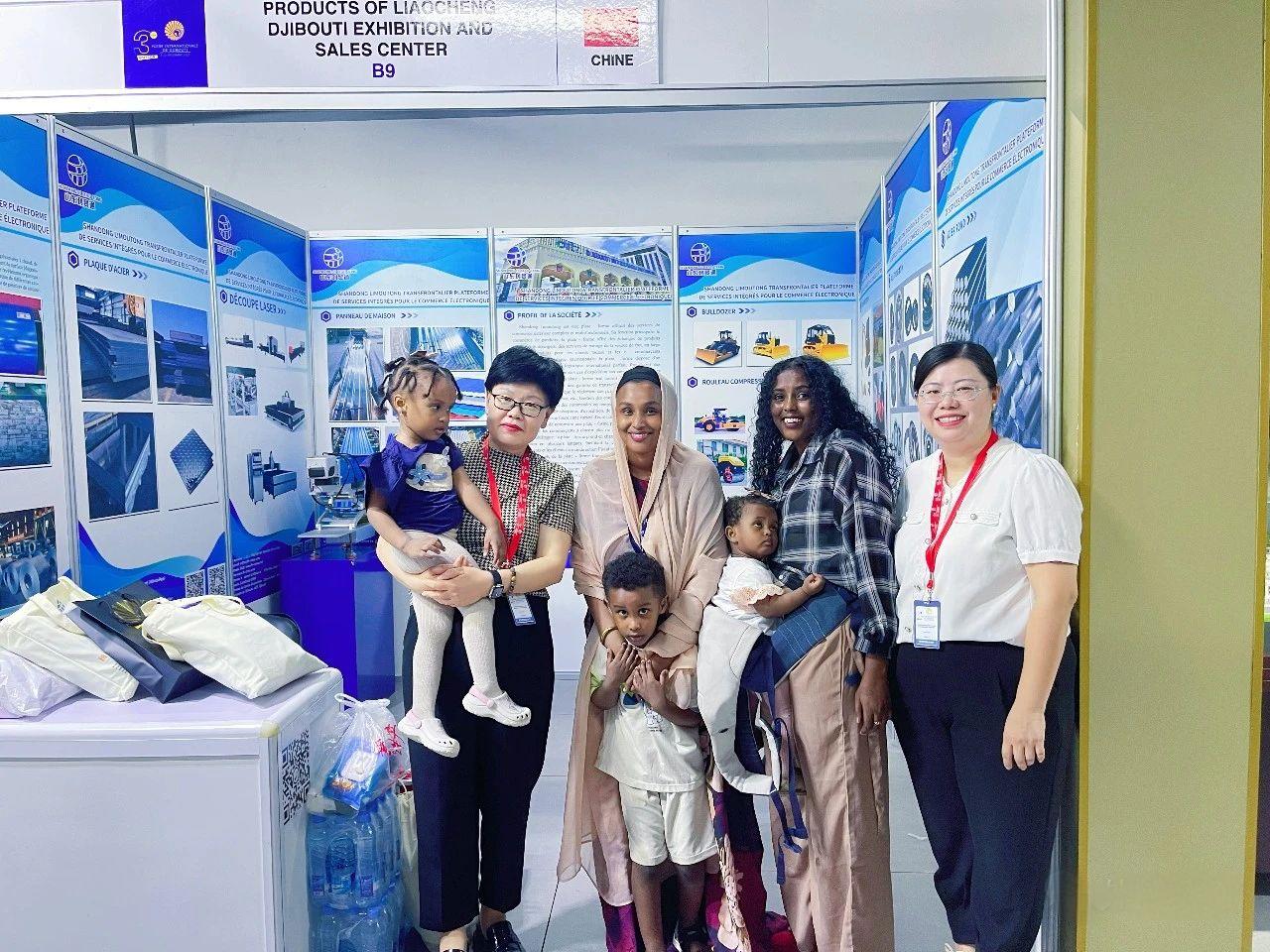
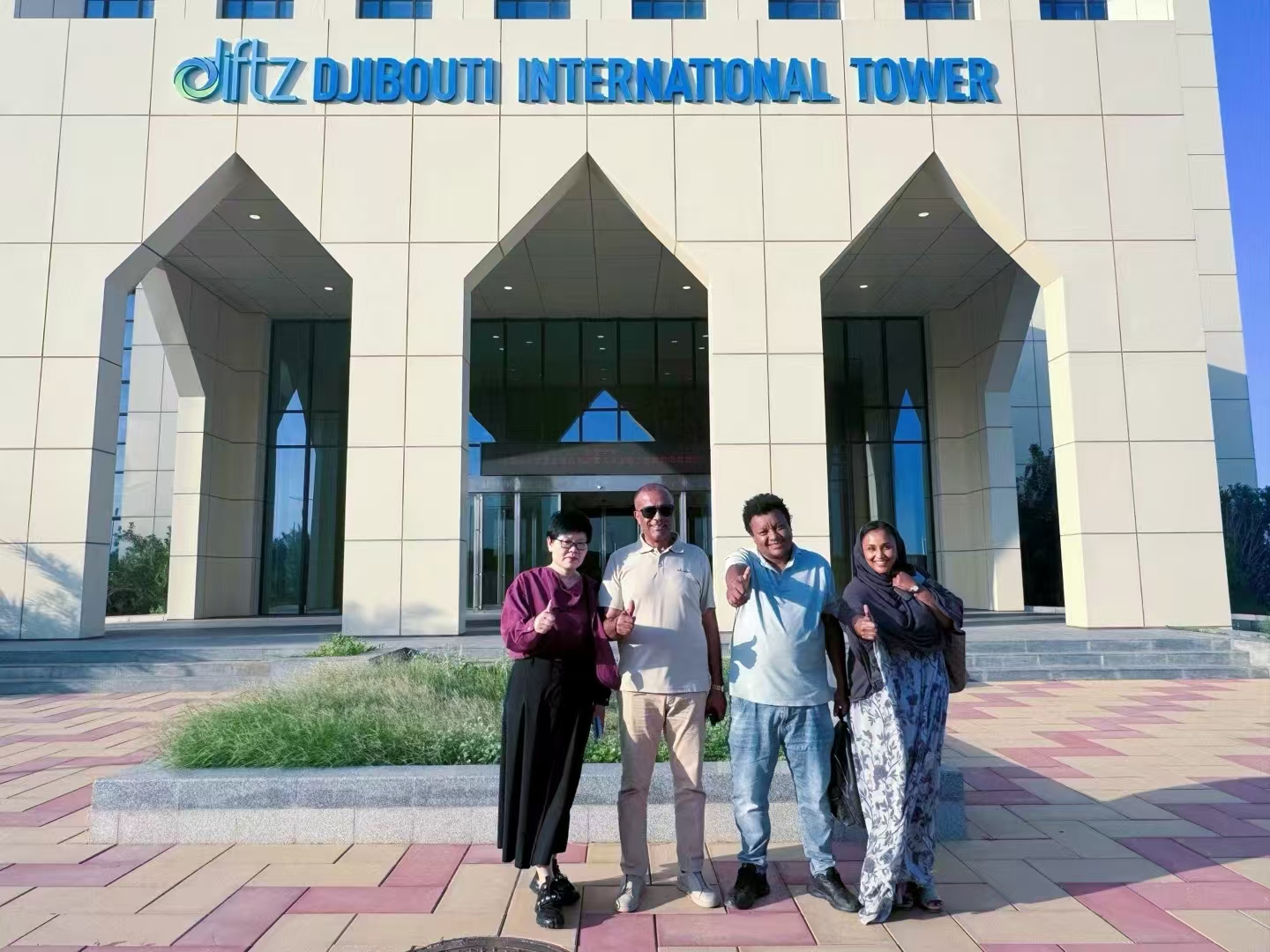
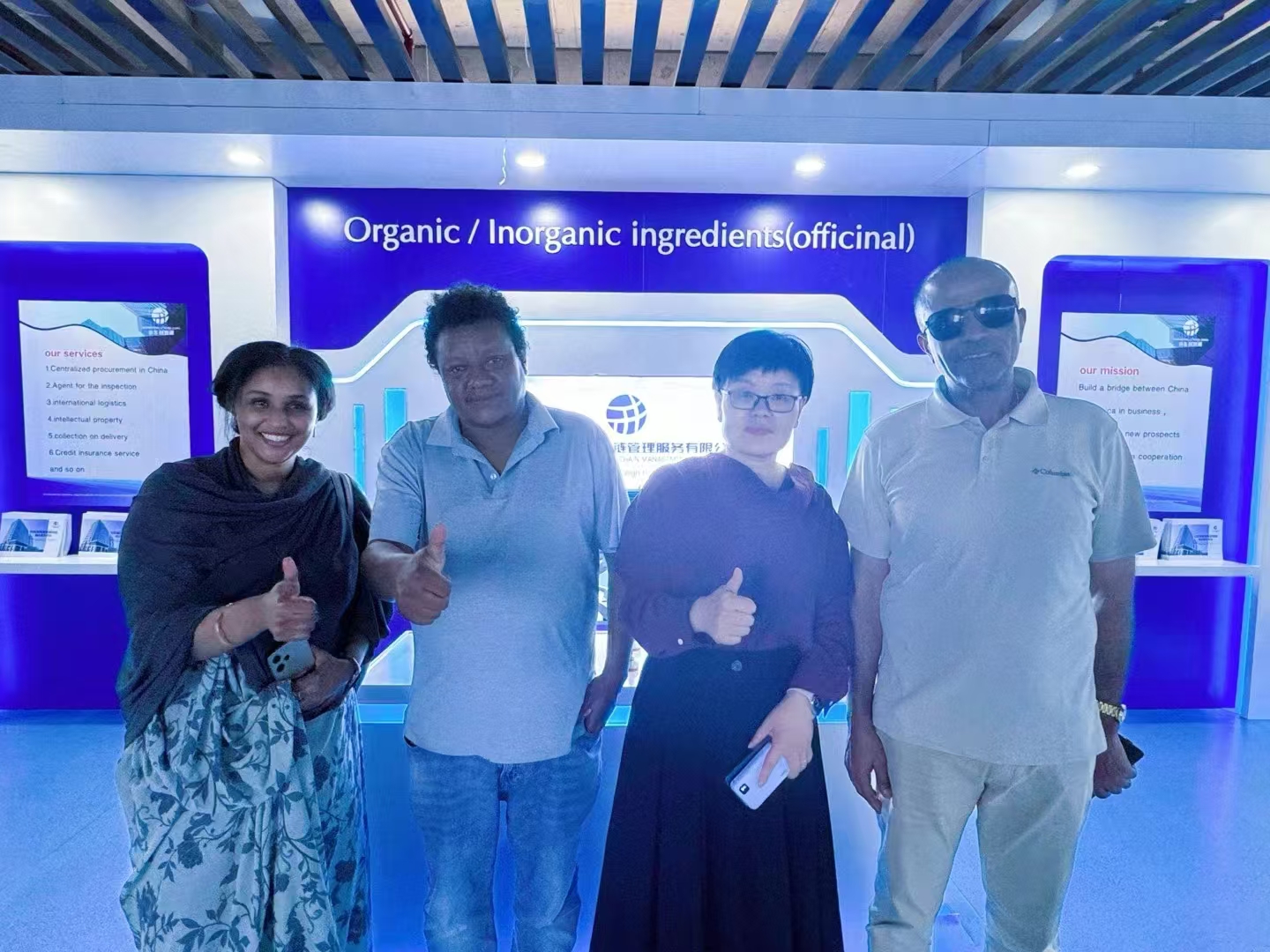
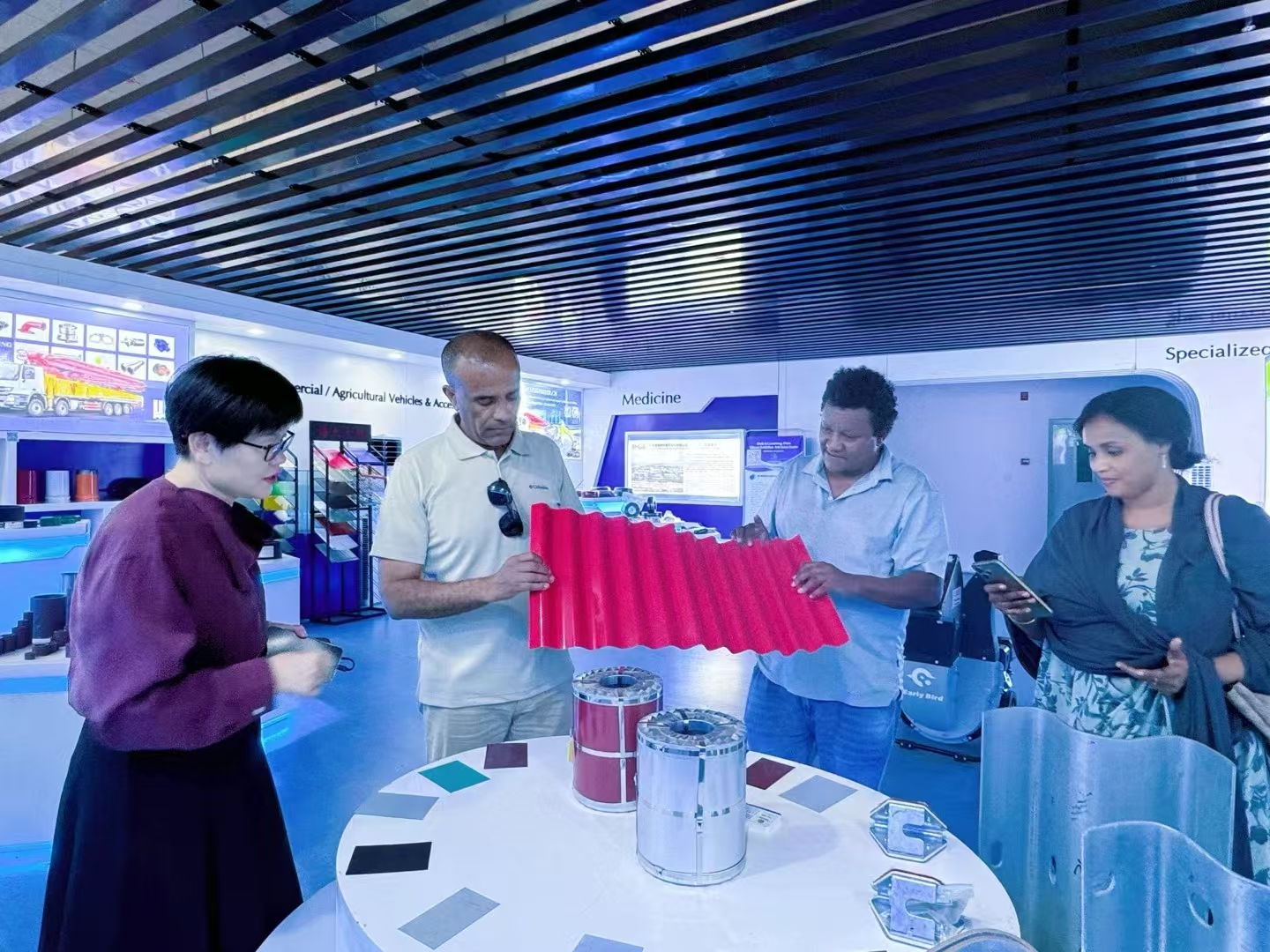
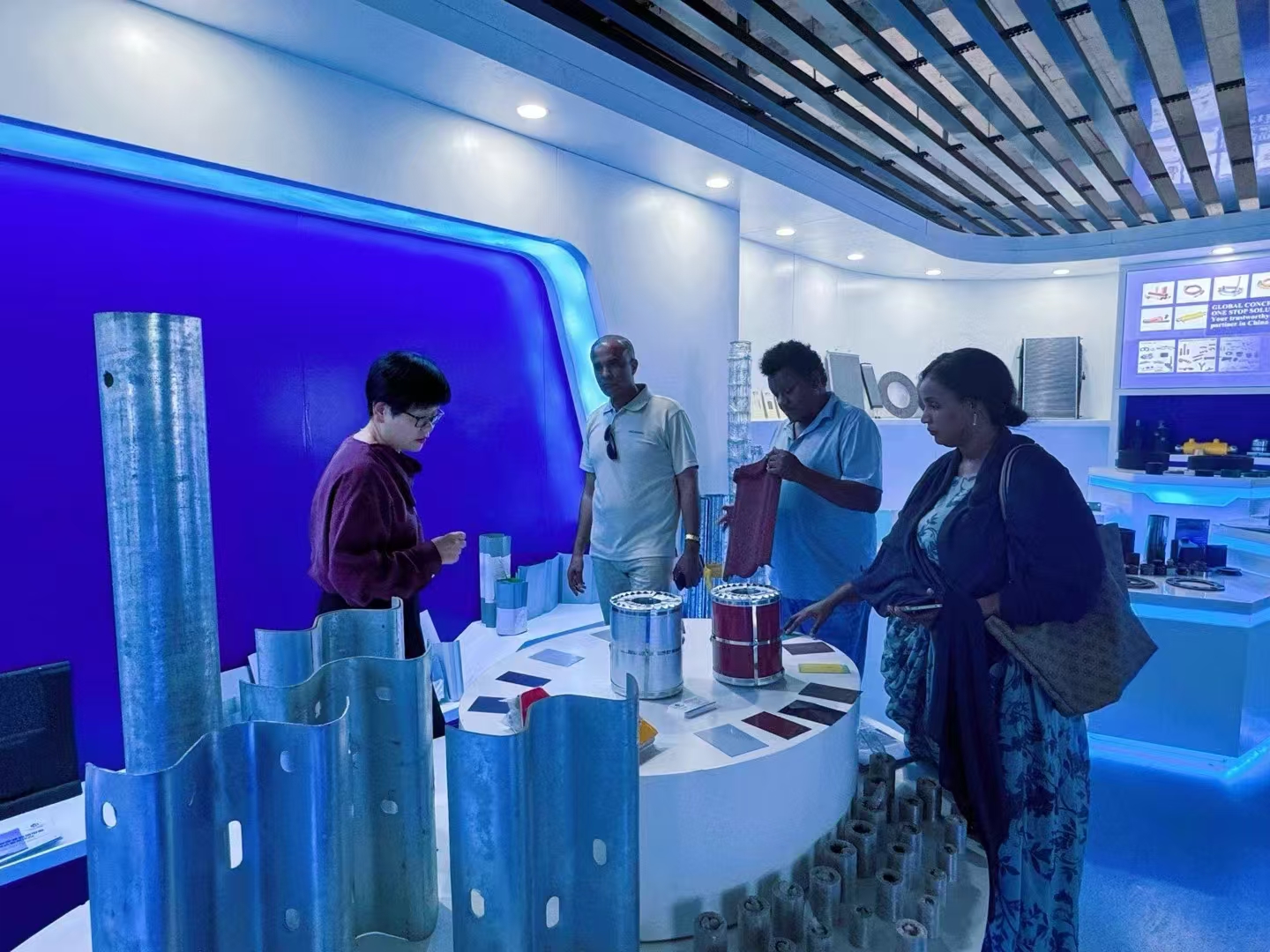
Established in 2023, this center is located in the Djibouti International Free Trade Zone. Partnering with Djibouti Economic and Trade Co., Ltd., it functions as a comprehensive, one-stop service platform.
The hub integrates online and offline channels using a "cross-border trade + front-end warehouse" model. Backed by local sales, customer service, and logistics teams, it ensures streamlined vehicle supply, replacement parts management, and maintenance support for global buyers.
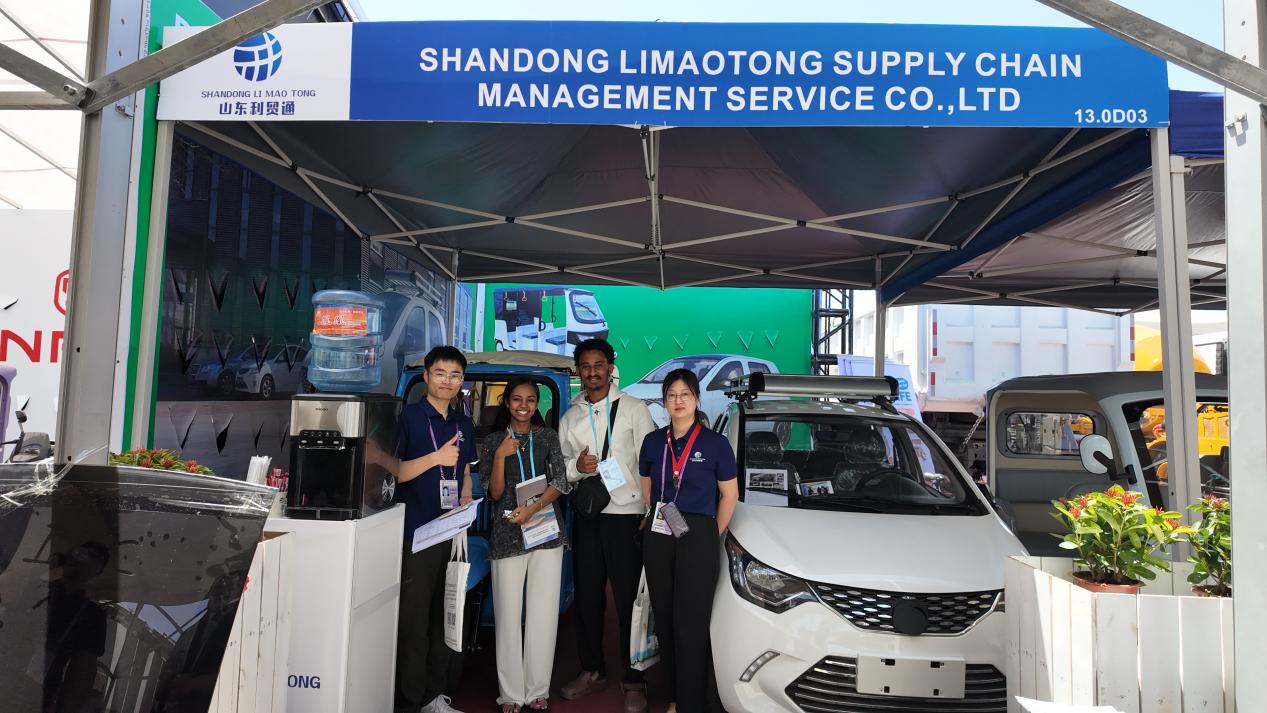
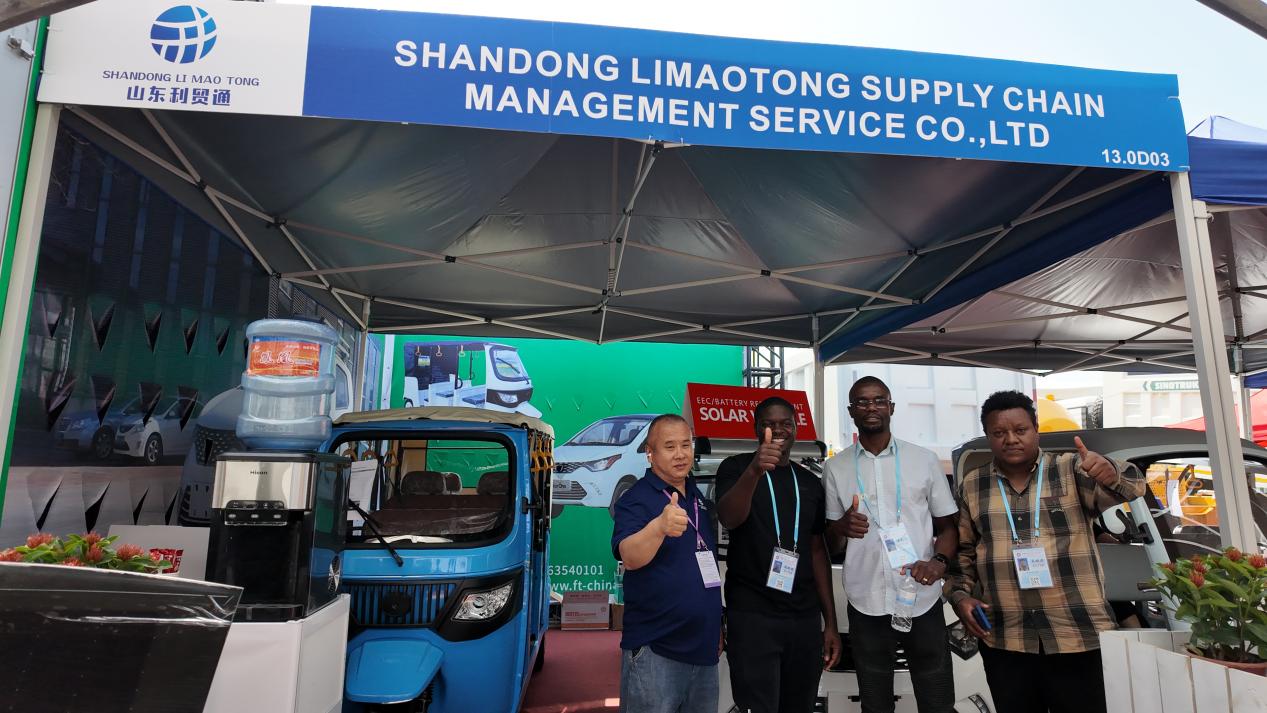
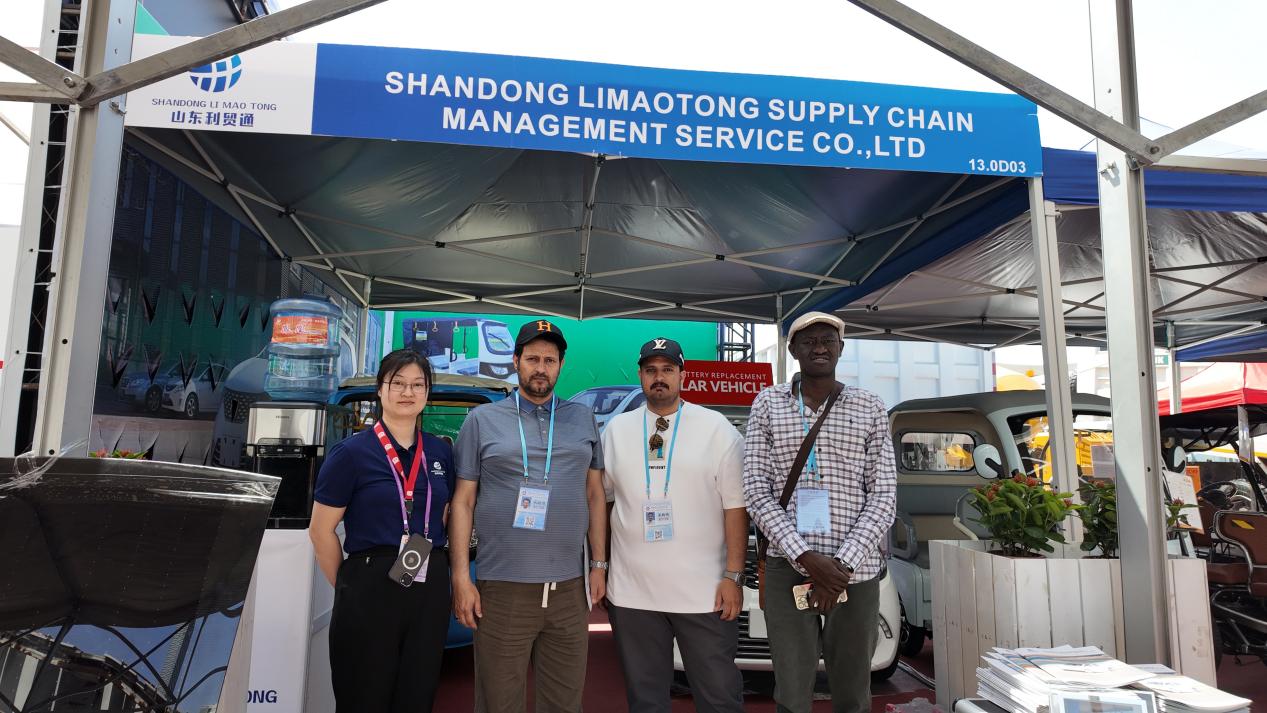
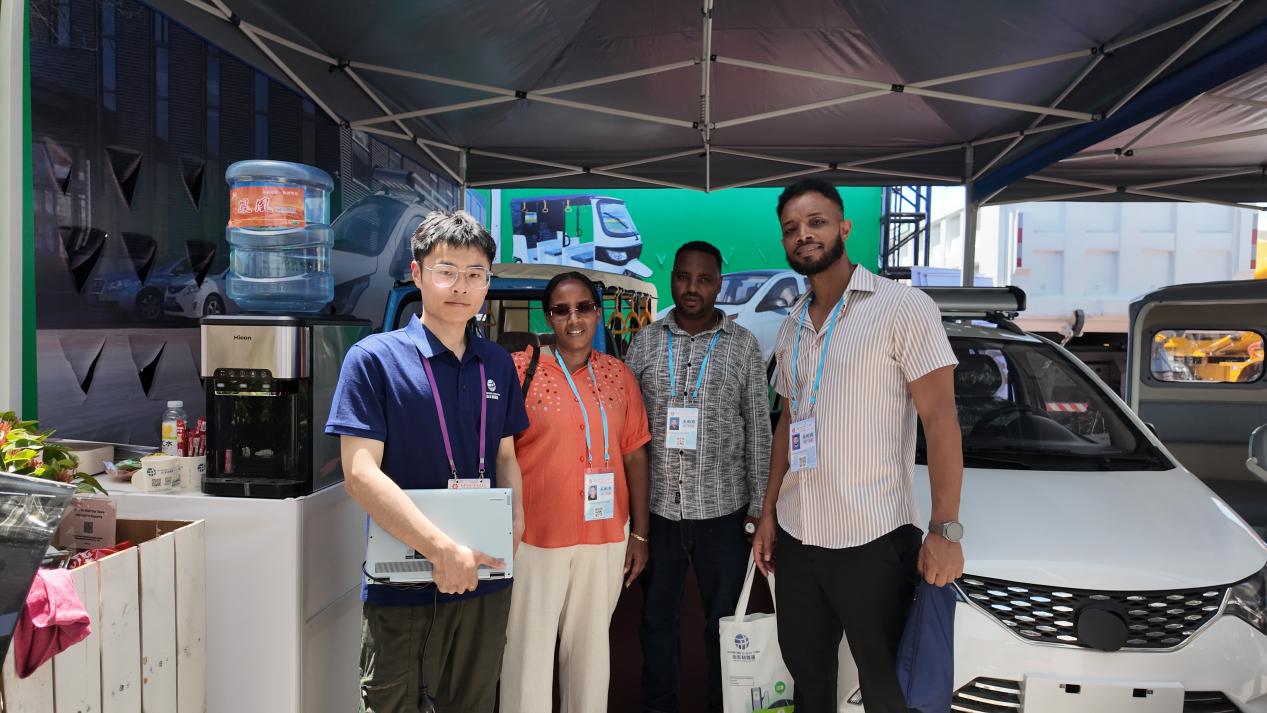
Addressing compliance, charging infrastructure, cold weather performance, and logistics support for operations in Seoul.
Yes, our electric vehicles are designed in alignment with international safety and performance criteria. We support South Korean importers and fleet buyers by providing detailed technical data, electromagnetic compatibility (EMC) reports, battery safety profiles, and structural specifications to facilitate KC certification and registration with the Ministry of Land, Infrastructure, and Transport.
We configure vehicles bound for Seoul with high-torque electric drivetrains and rear-wheel-drive (RWD) setups. Combined with optimized gear-reduction ratios, they handle steep slopes (20-30% gradient) common in districts like Yongsan-gu or Mapo-gu, even when loaded to payload capacity.
Standard manufacturing lead times are 25 to 35 days, depending on customization options. Shipping from Qingdao Port to Incheon Port typically takes 2 to 4 days, ensuring efficient supply chain logistics and quick dispatch for fleet replacement needs.
We provide warranty coverage on core components, including the battery pack, motor, and controller. We support local maintenance partners with replacement parts and technical consulting to minimize fleet downtime.
Get in touch with our commercial vehicle engineers to customize body dimensions, cargo capacity, and battery specifications to match your logistics routes.
Request a Detailed Quote & Custom Layout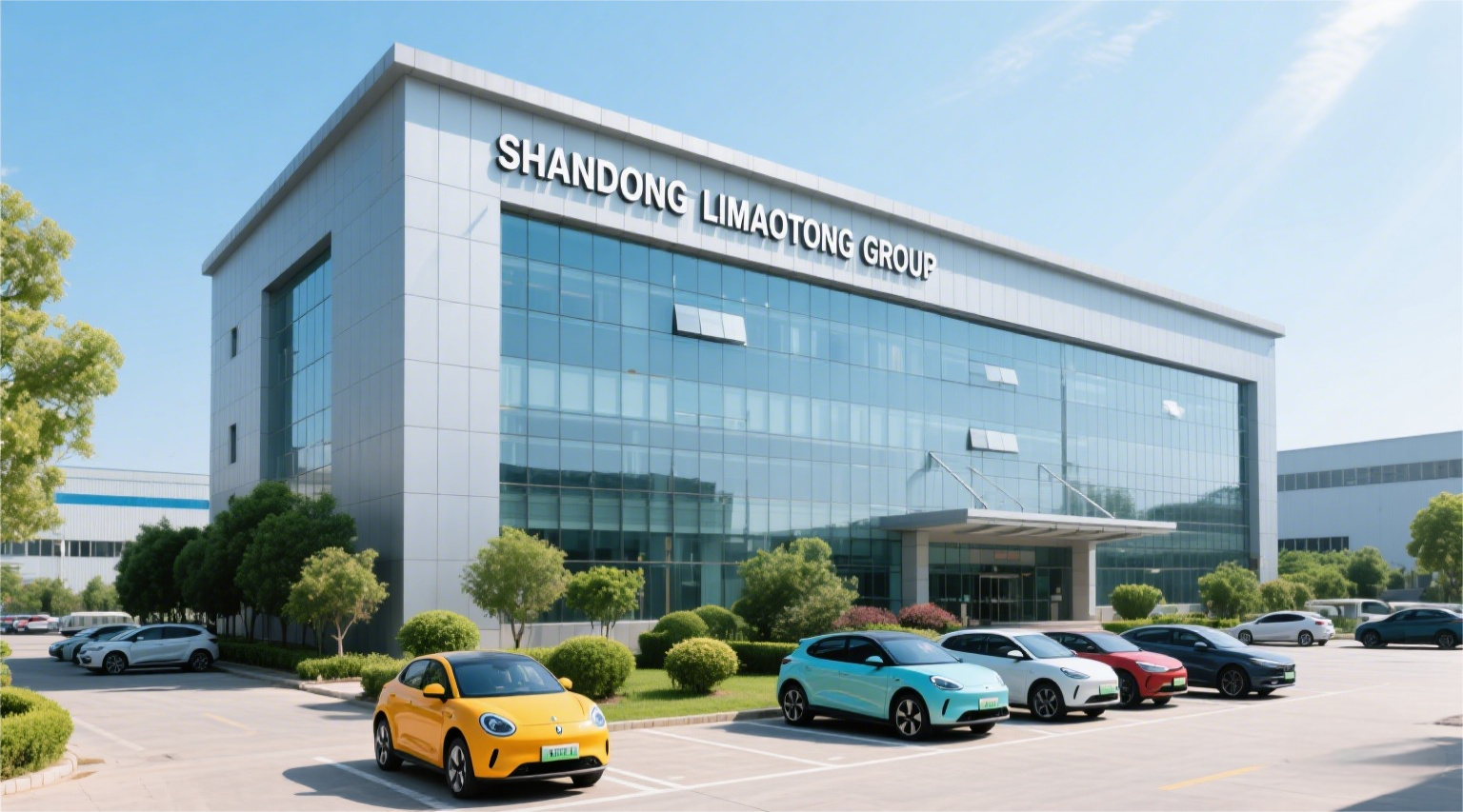
 Limaotong