Optimized micro-freight options tailored for New York's congested boroughs, prioritizing zero emissions and rapid deployment capabilities.
The global logistics landscape is undergoing an unprecedented structural transition, nowhere more evident than in the dense, highly pressurized metropolitan regions of New York. As municipal authorities enforce tighter limits on emission thresholds, congestion charges, and strict regulations on heavy-duty commercial vehicles entering Manhattan's business districts, freight operators are forced to rethink their fleet architecture. Traditional diesel utility trucks and full-size delivery vans face unsustainable overhead costs, including skyrocketing commercial parking fines, high idle fuel rates, and impending zero-emission zone enforcement.
Within this commercial environment, the integration of 4-wheel cargo electric cars and specialized utility platforms has transitioned from a sustainability goal to a core operational mandate. These low-speed utility vehicles (LSVs) and compact electric vans leverage a highly reduced physical footprint, exceptional volumetric payload efficiency, and lower overall cost of ownership (TCO) compared to Class 1 commercial vehicles. Engineered to navigate tight city grids like those in Brooklyn, Queens, and the Bronx, they solve last-mile delivery blockages, optimize curbside dwell time, and reduce carbon footprints by up to 88% per delivery route.
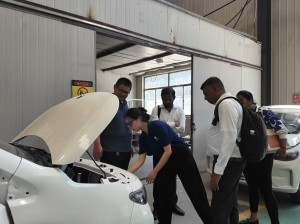
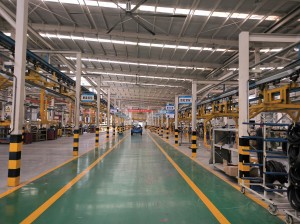
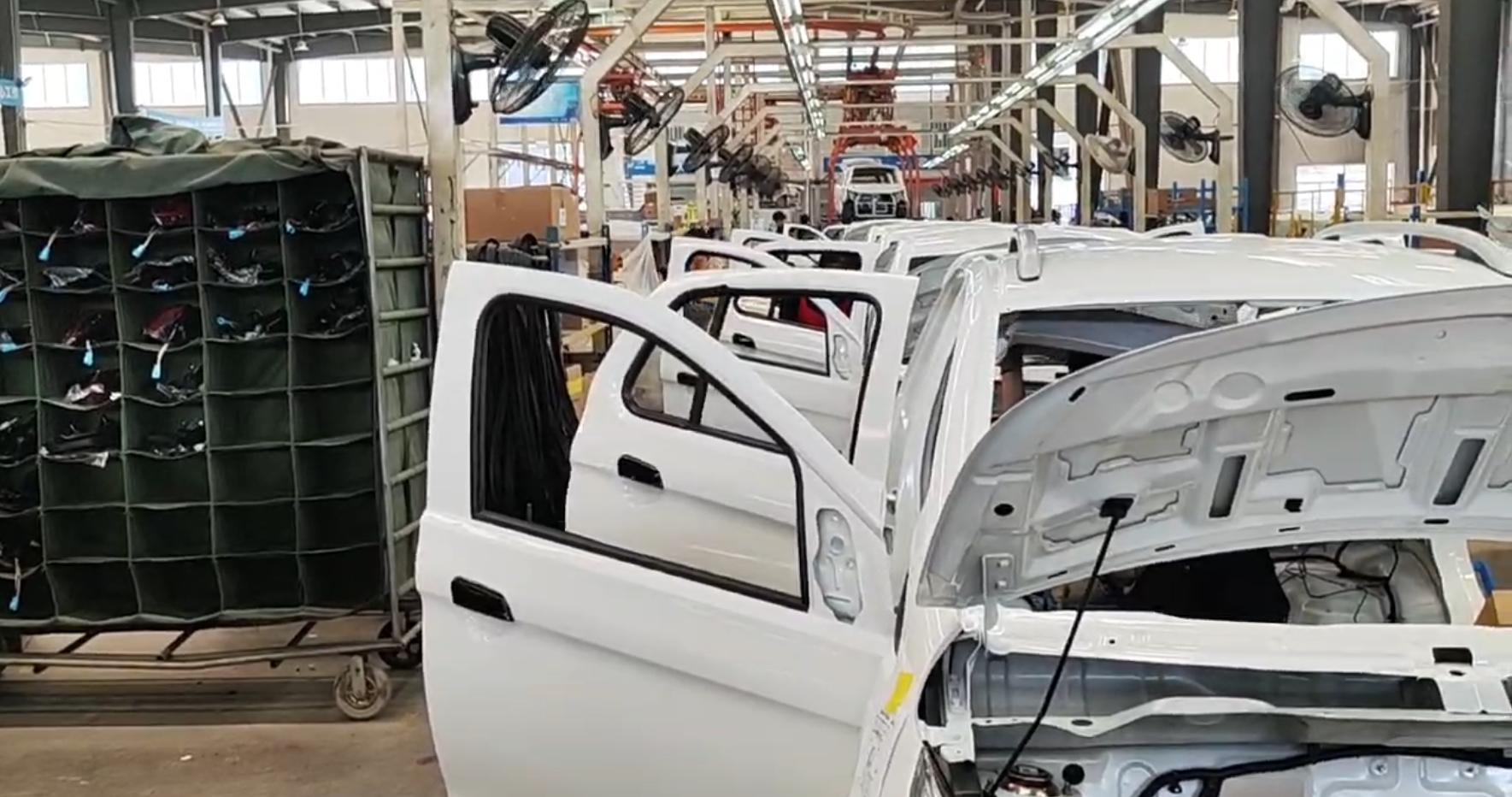
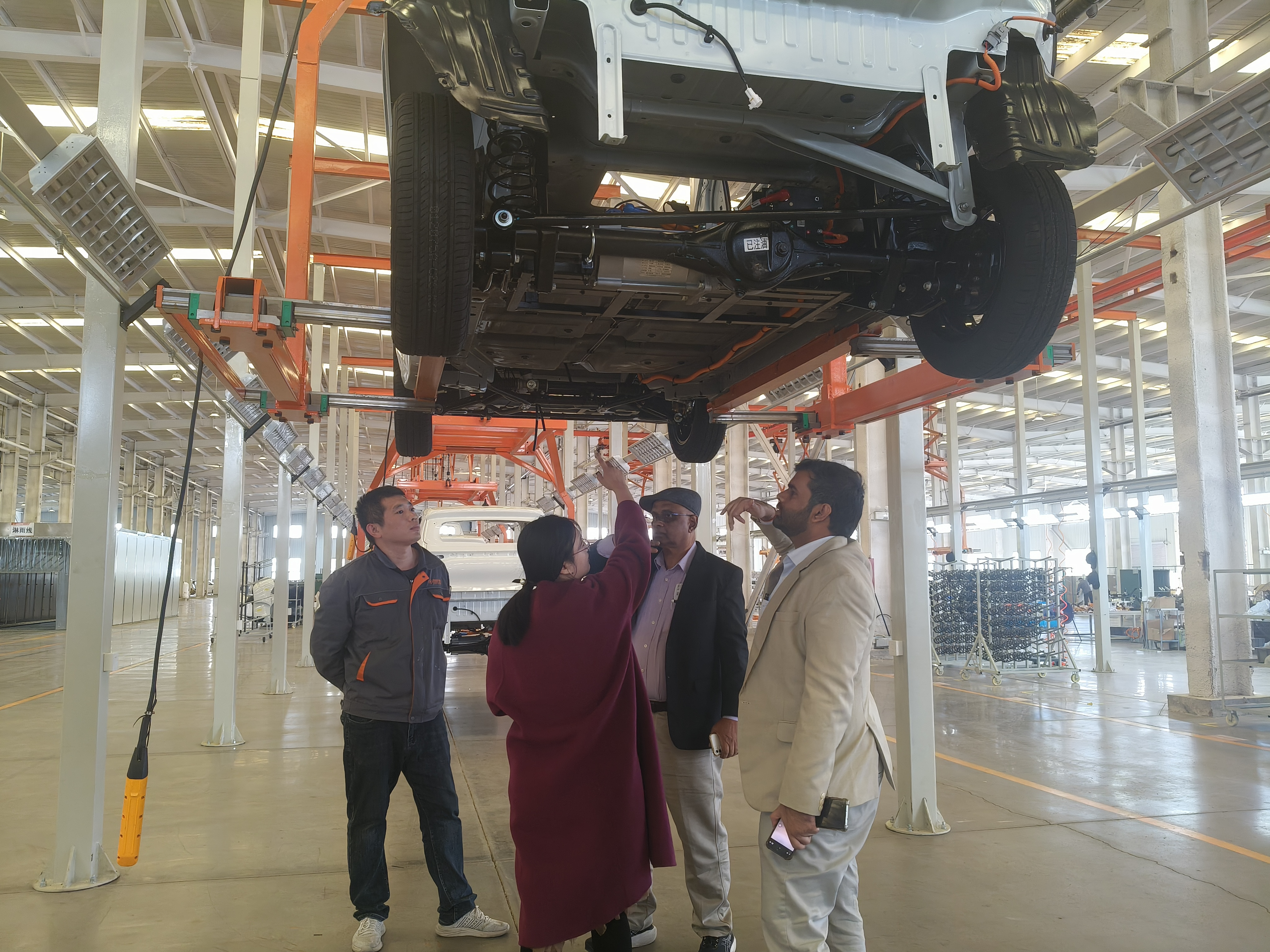
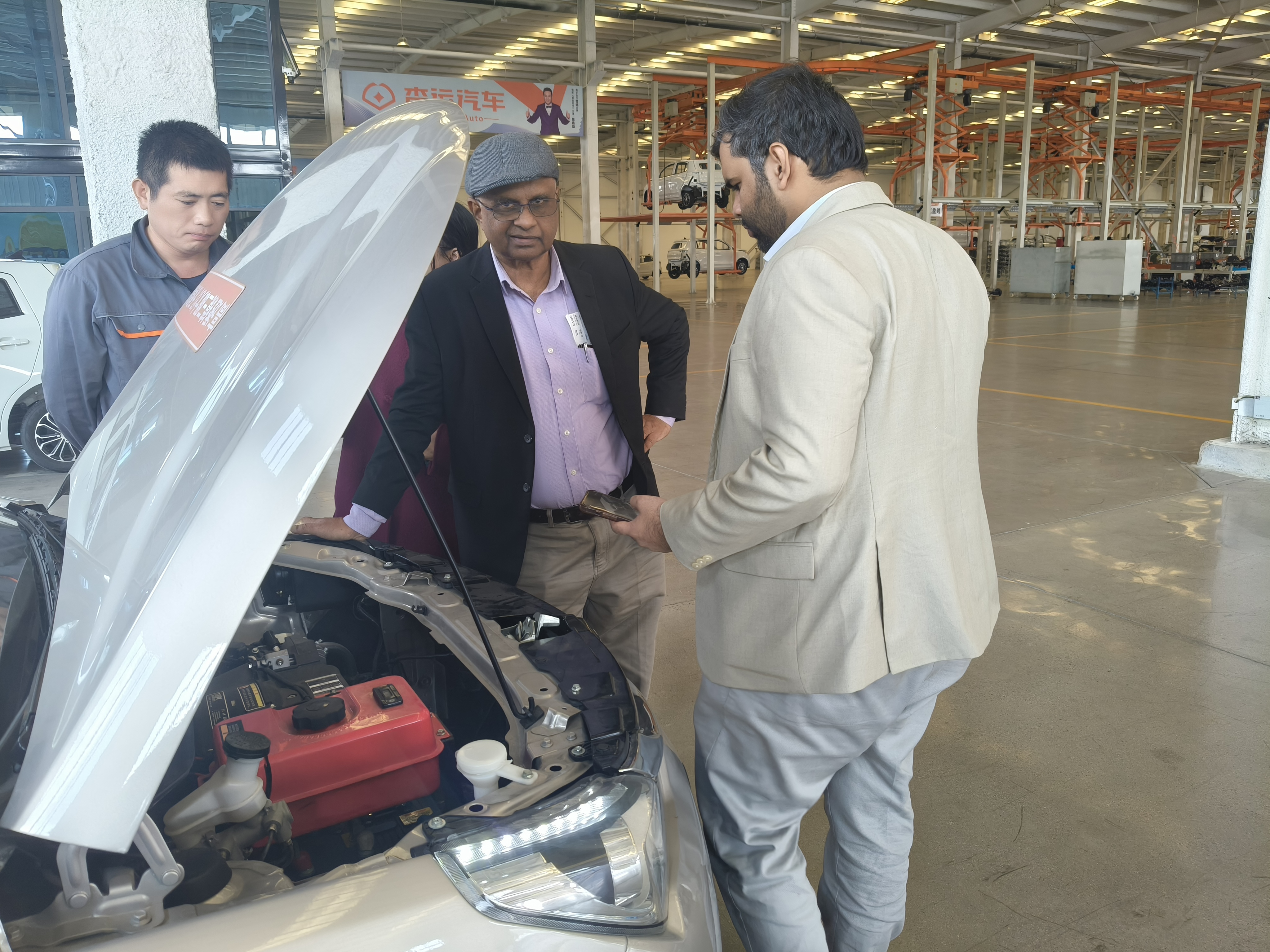
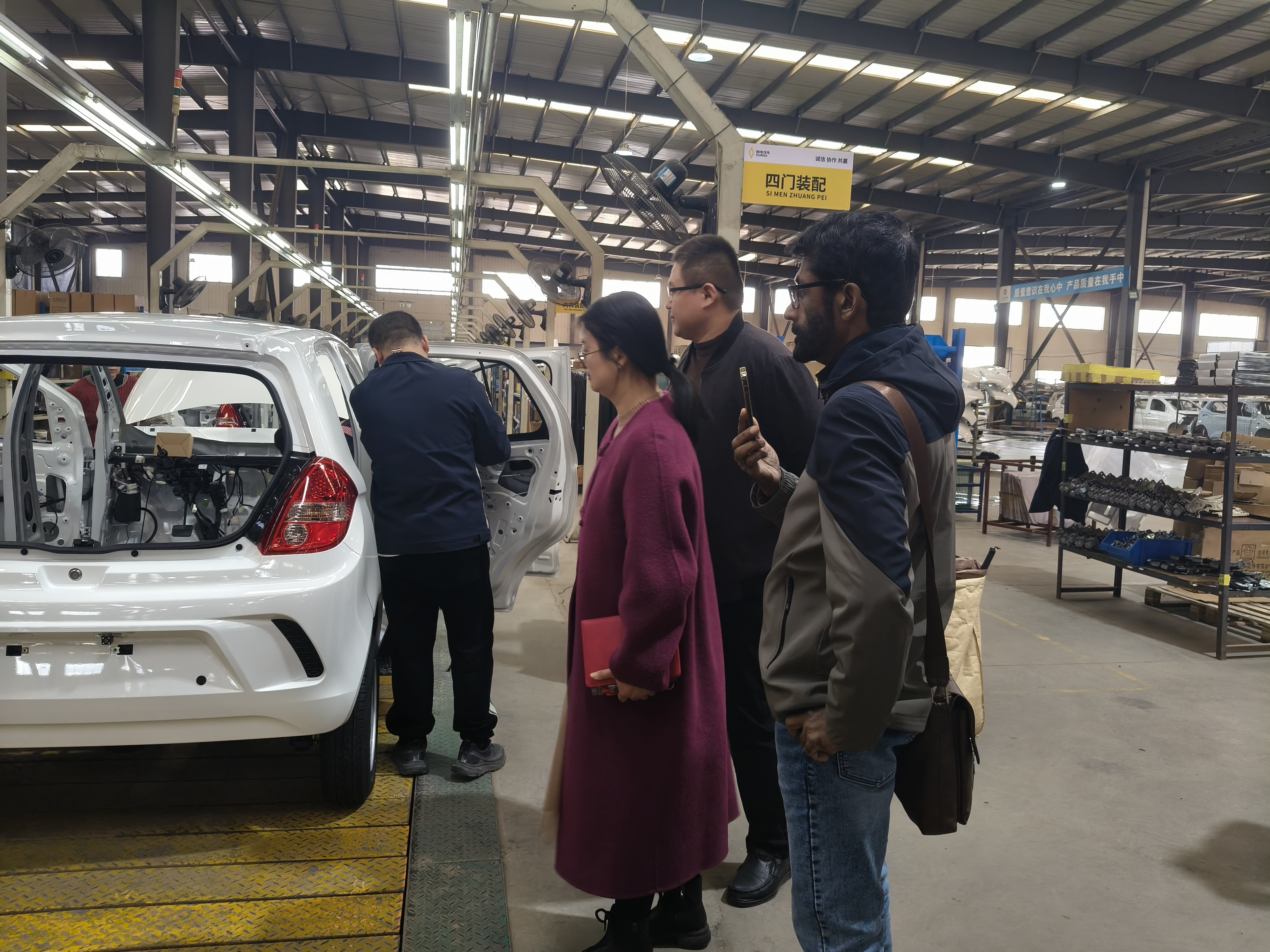
Explore our state-of-the-art robotic production lines, automated painting processes, and extreme weather environmental simulation tests.
A global leader in the design, engineering, and distribution of high-efficiency cargo solutions, connecting cross-border innovation with localized support.
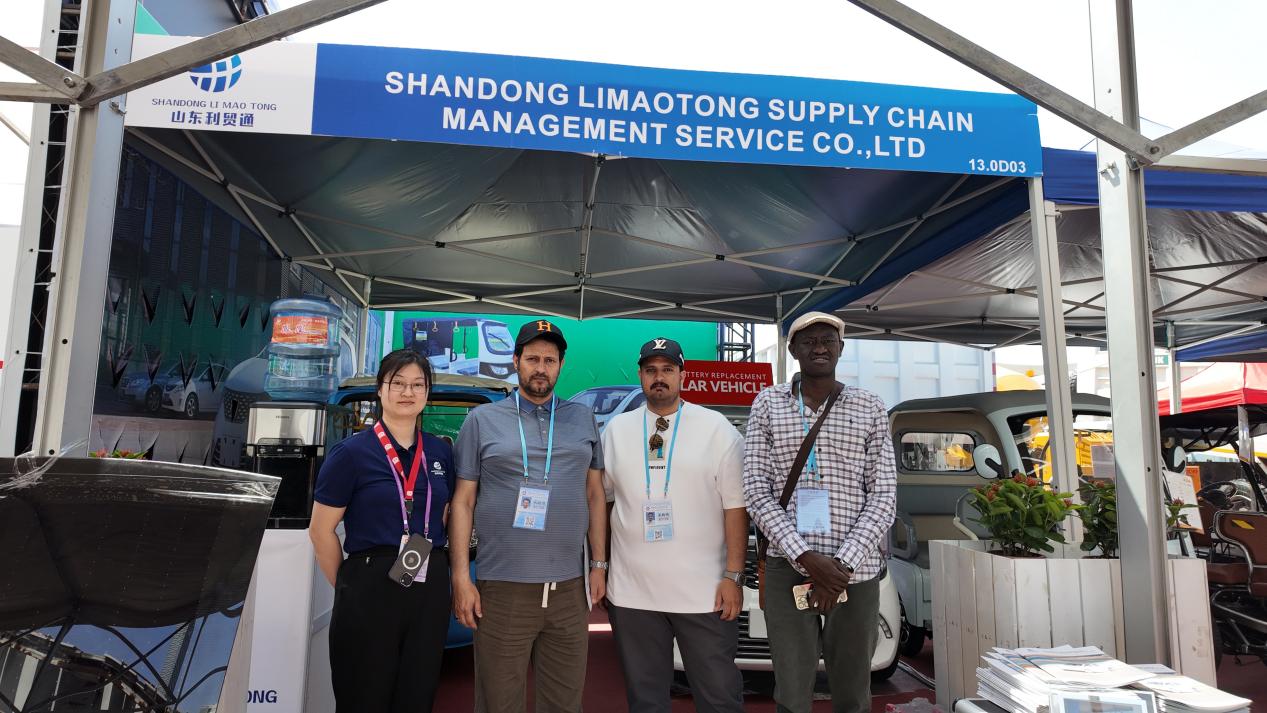
SHANDONG LI MAO TONG GROUP is a global supplier of high-quality products, with a complete industrial chain, specialized in research, manufacture, and international sales of motor tricycles, cargo tricycles, and electric mini cars. Since our establishment, our specialized vehicles have served over 120 countries and regions worldwide, with our brand reaching more than 20 million households globally. Supported by 8 overseas production bases, we provide comprehensive vehicle solutions to markets around the world.
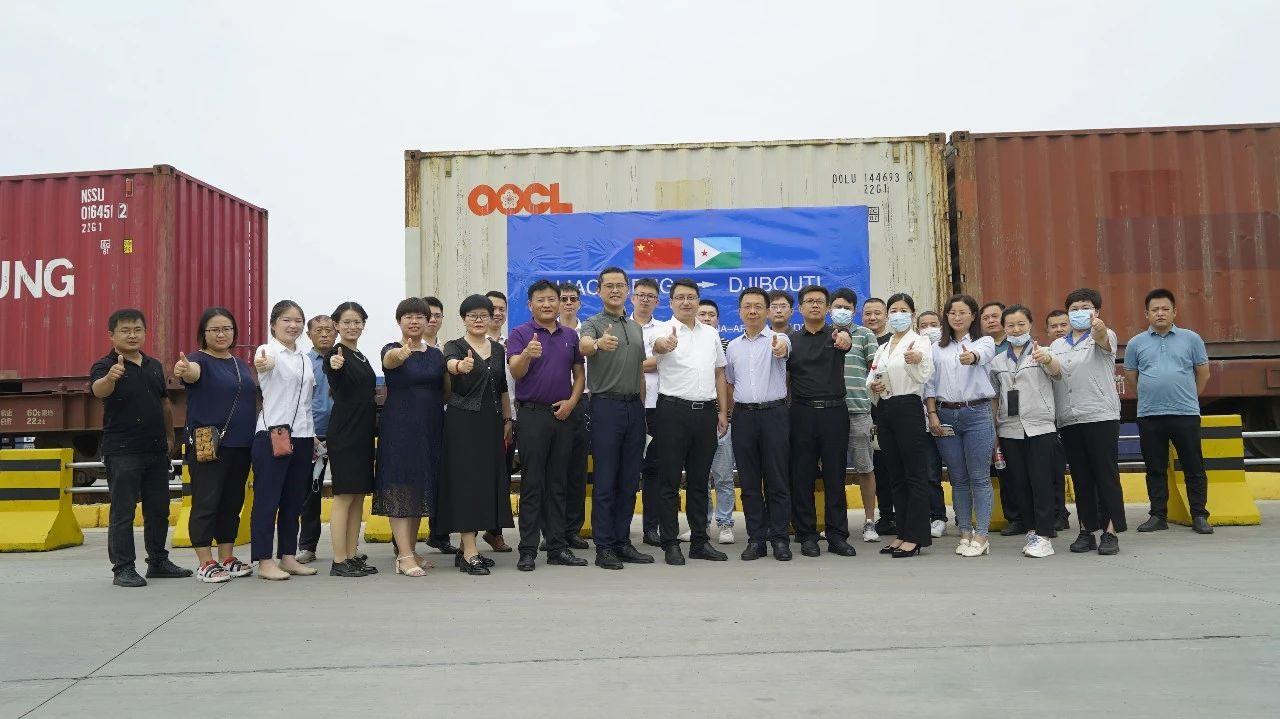
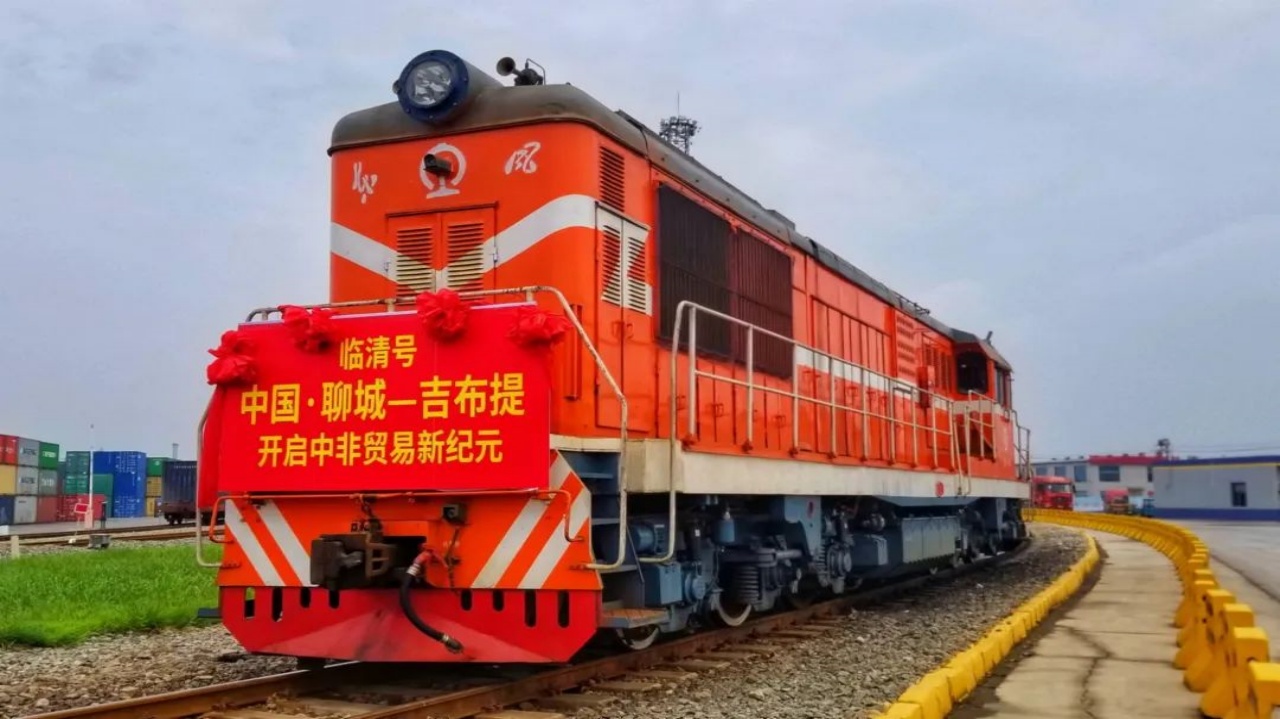
We attach great importance to after-sales service and have established a dedicated overseas warehouse in Djibouti, equipped with a professional technical team and complete maintenance facilities. Our multi-series, multi-positioning, and multi-brand strategy, coupled with advantages in global delivery, full-process services, and all-terrain customization capabilities, has rapidly established us as a preferred manufacturer of specialized transport equipment among global enterprise purchasers.

Delivering reliable utility vehicles across six continents.
Global assembly plants ensuring fast delivery cycles.
Leading safety records and durable vehicle architectures.
To withstand cold winter temperatures in New York State without experiencing severe battery range drop, our engineering team uses advanced Lithium Iron Phosphate (LiFePO4) chemistry combined with custom liquid-glycol thermal management systems. The integration of high-density cell modules allows for:
Operating low-speed and medium-speed commercial utility vehicles in New York State requires strict adherence to regional safety standards. Our platforms are designed to comply with local regulatory frameworks:
Step inside our automated production centers and research departments, where global logistics standards are implemented.

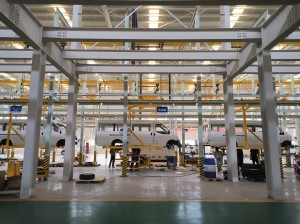
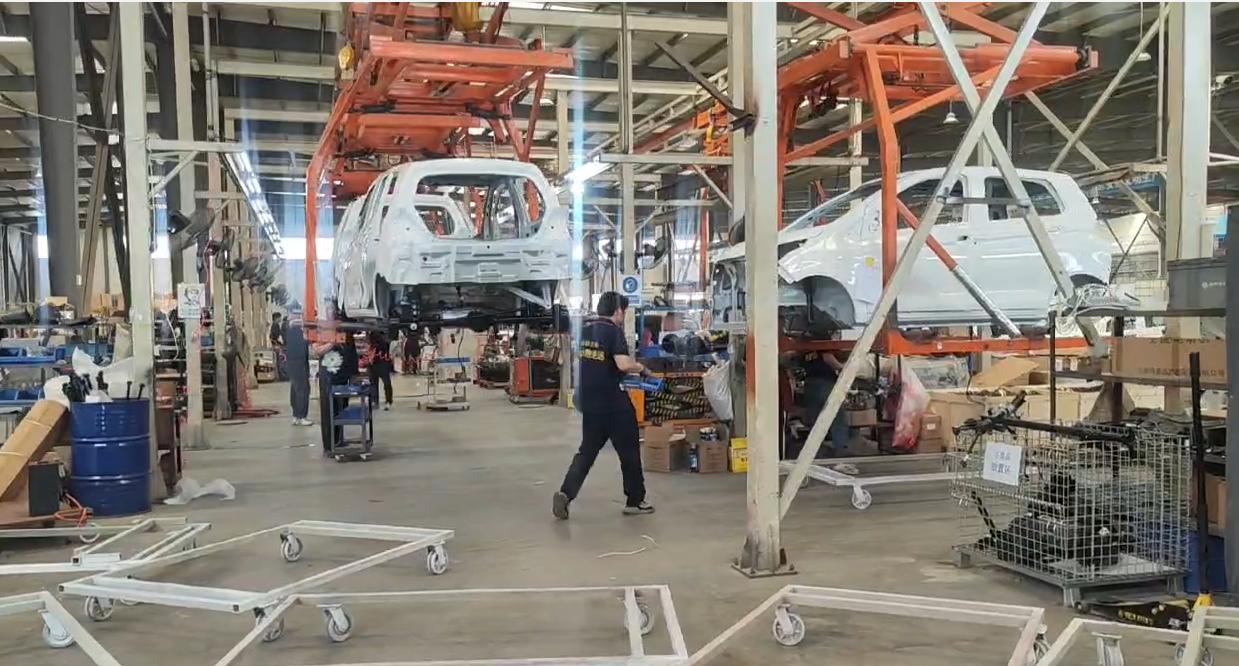
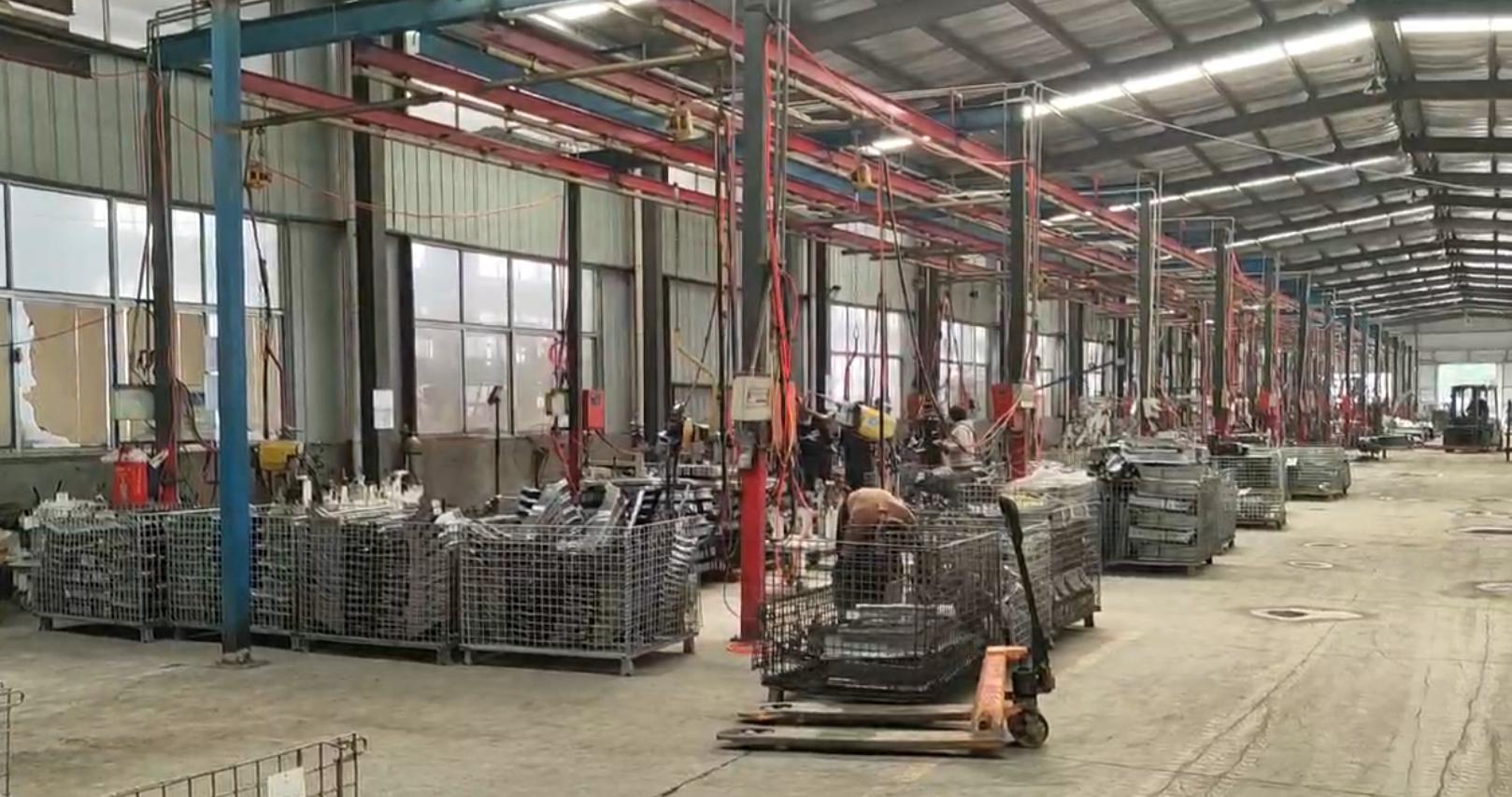
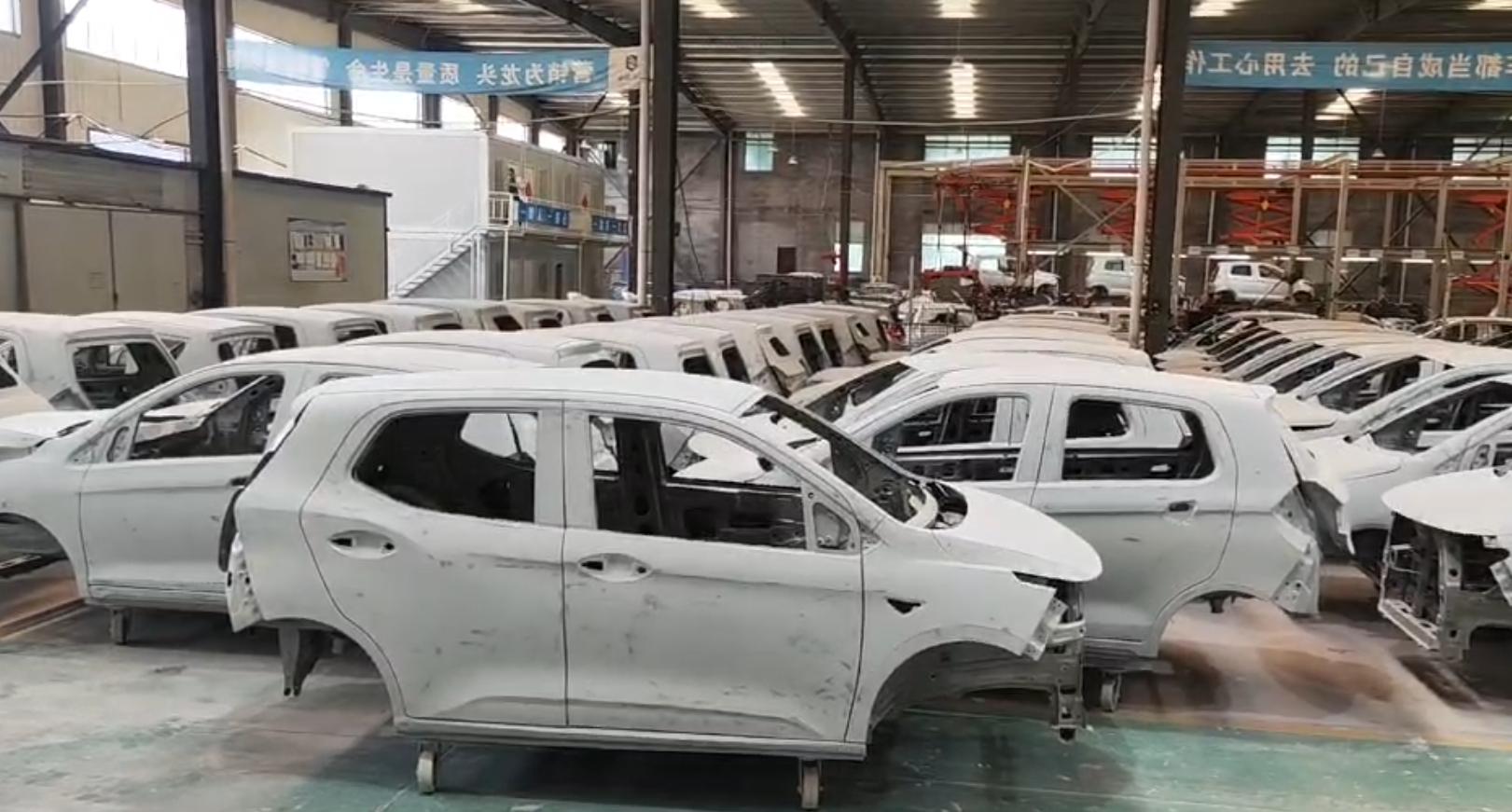
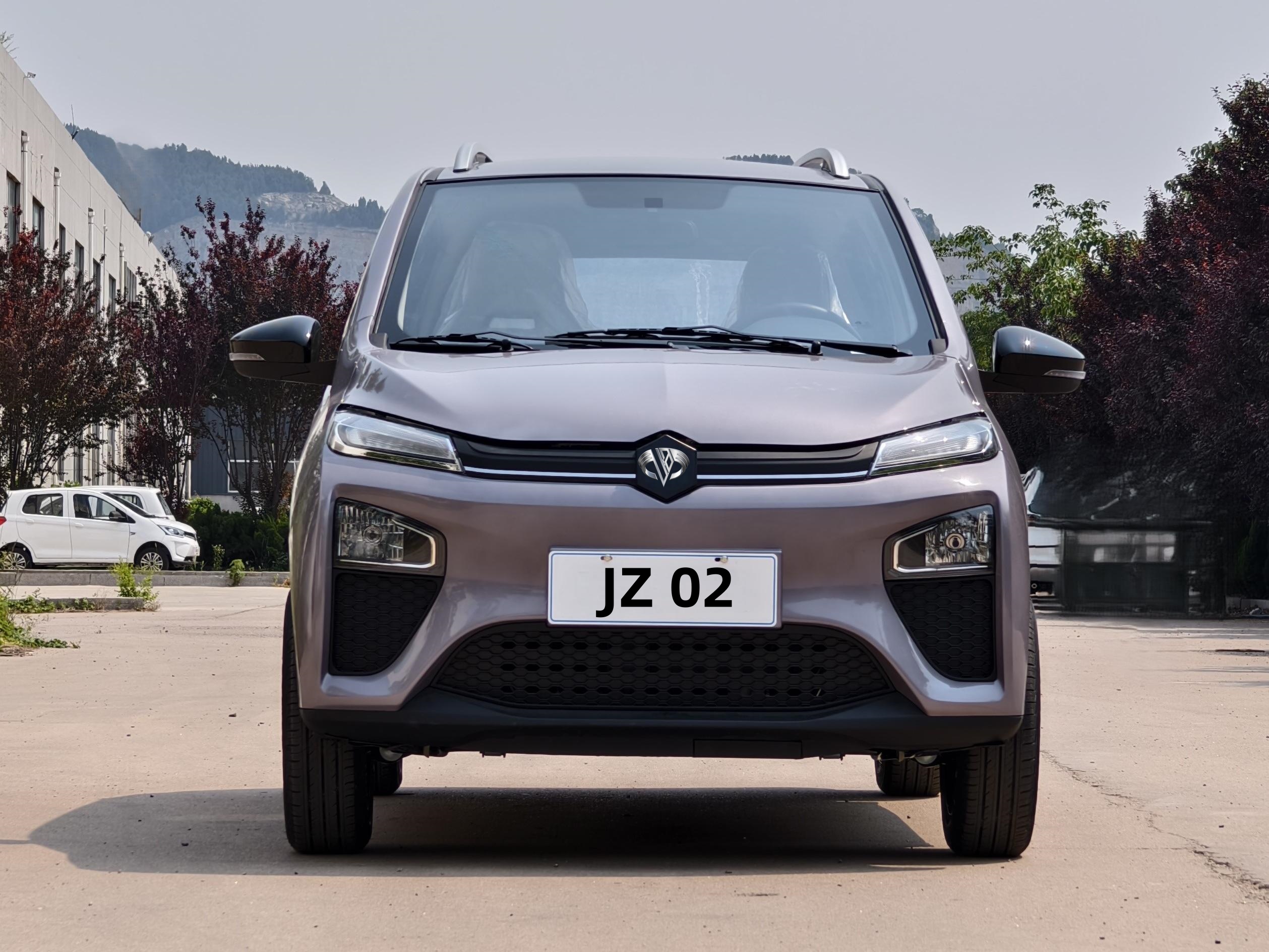

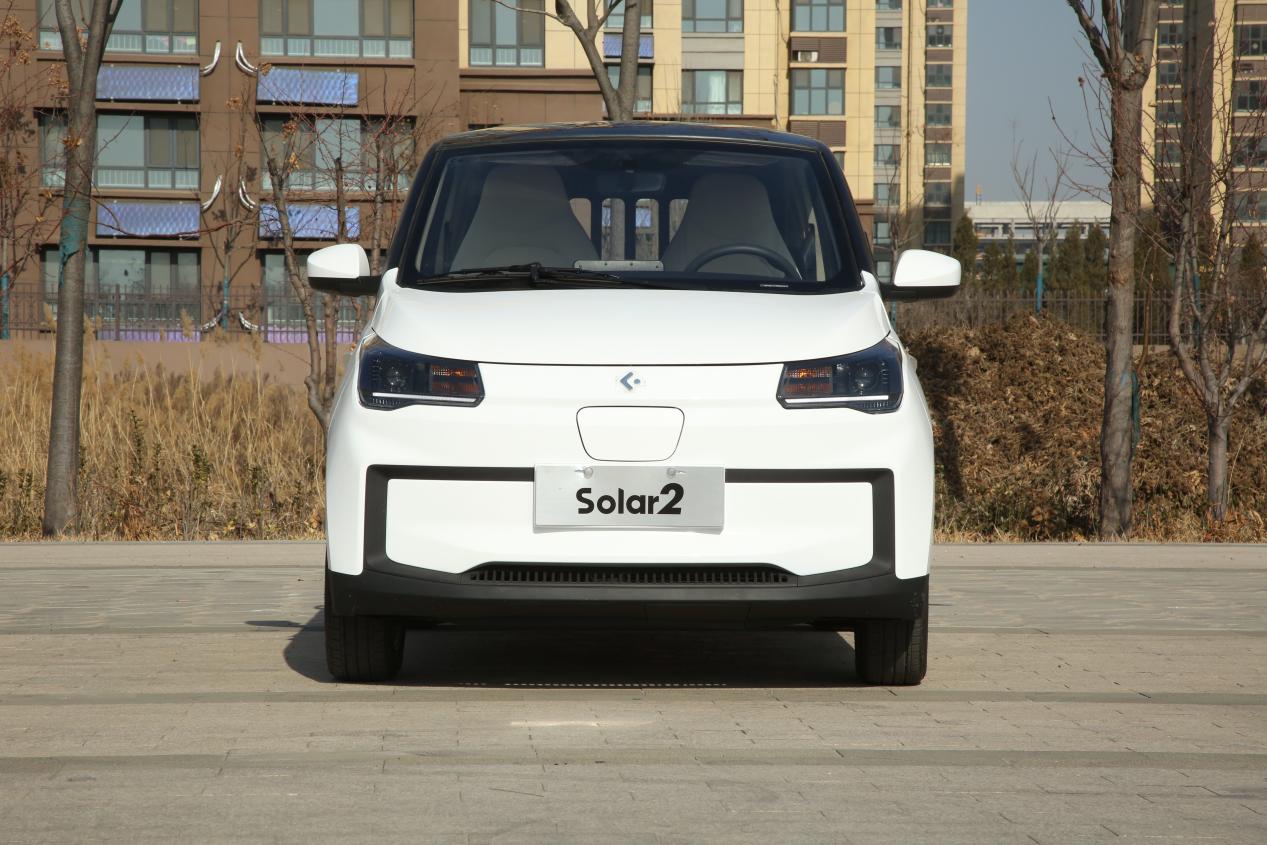
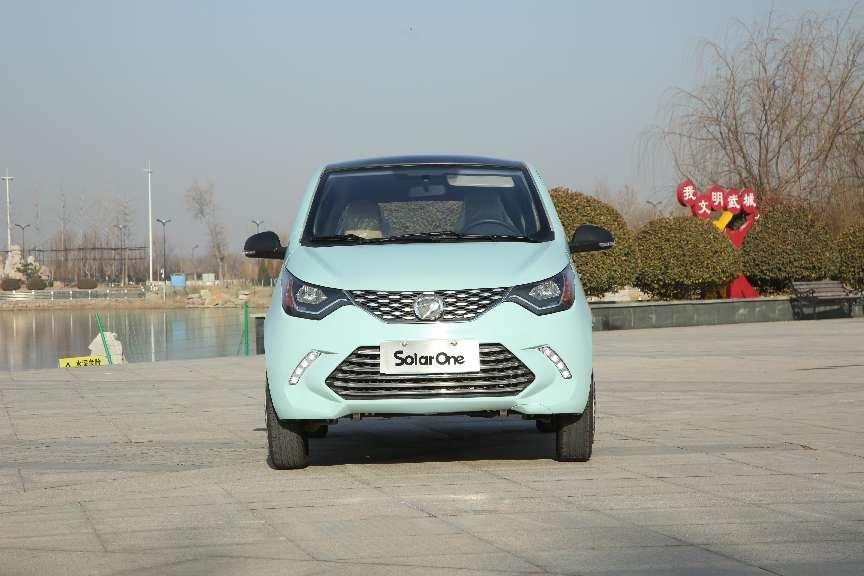
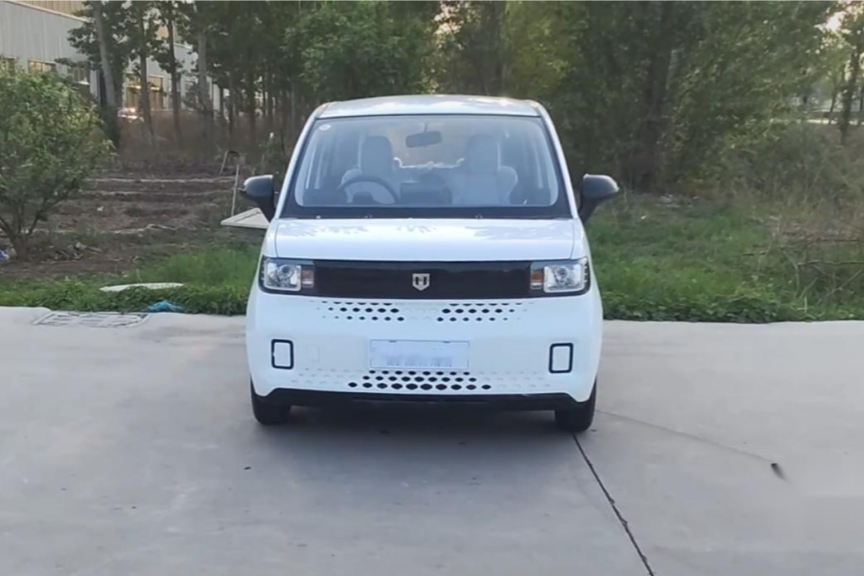
Established in 2023, our Djibouti (Overseas Warehouse) Cross-border E-commerce Exhibition and Sales Center is strategically located in the Djibouti International Free Trade Zone in East Africa. This comprehensive platform integrates localized sales, government clearance affairs, custom logistics coordination, and direct public services under a one-stop system.
Operating on the "cross-border trade + front-end warehouse" logistics model, we run high-efficiency channels that supply vehicle stock, rapid replacement components, and support teams to customers in international markets. This global distribution framework ensures rapid logistics and technical support across various regions, including North America, Europe, and the Middle East.

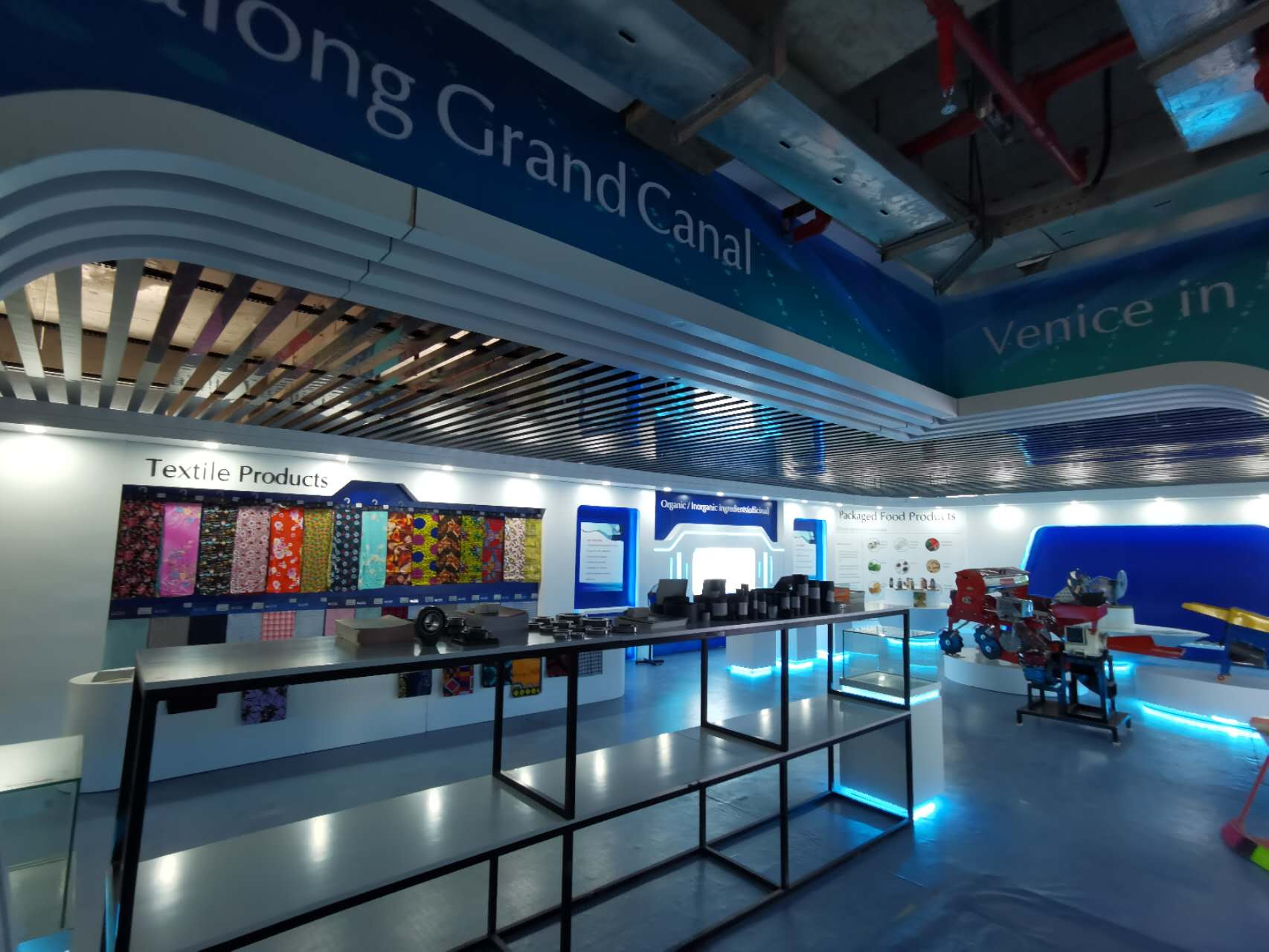
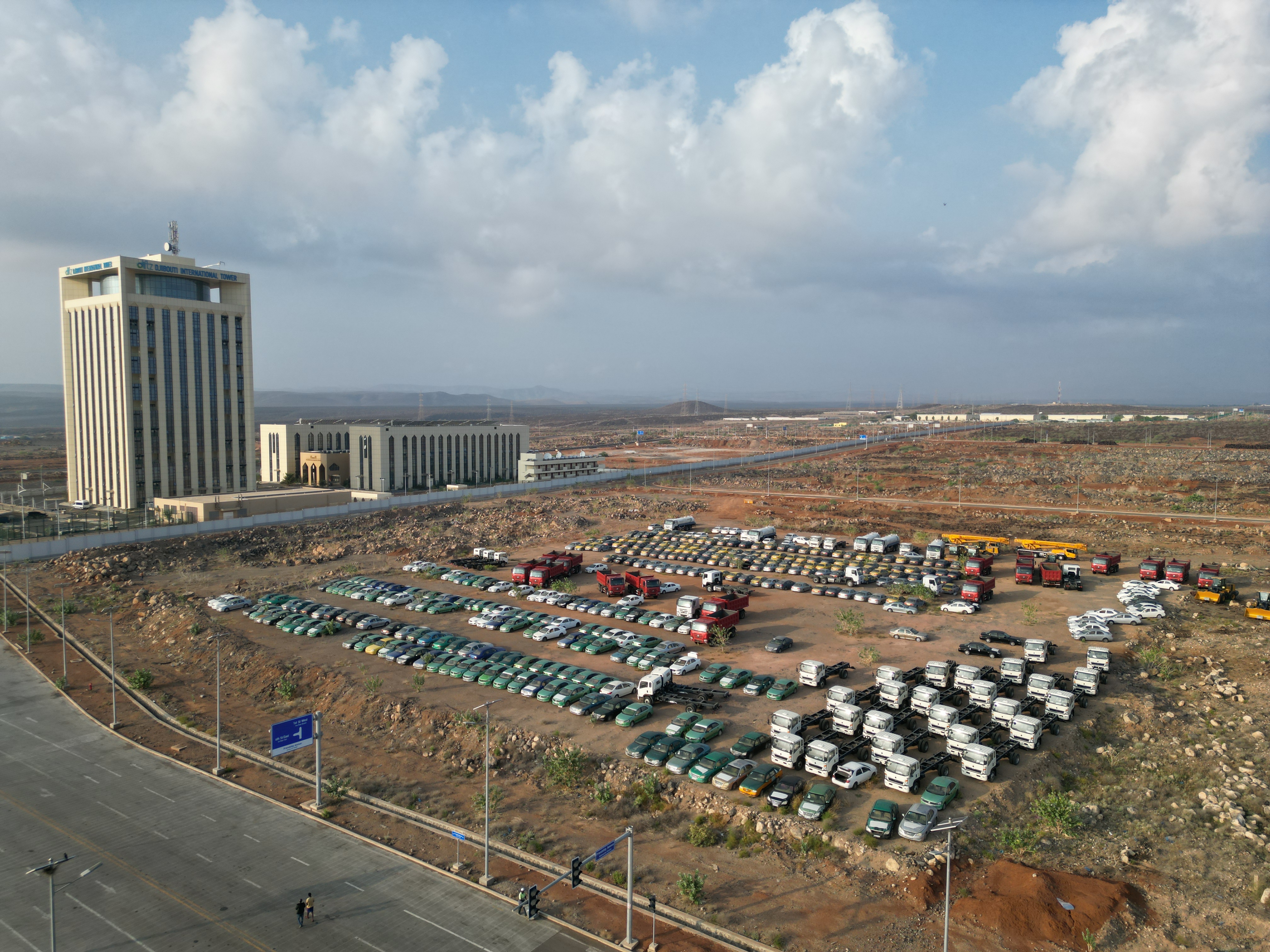
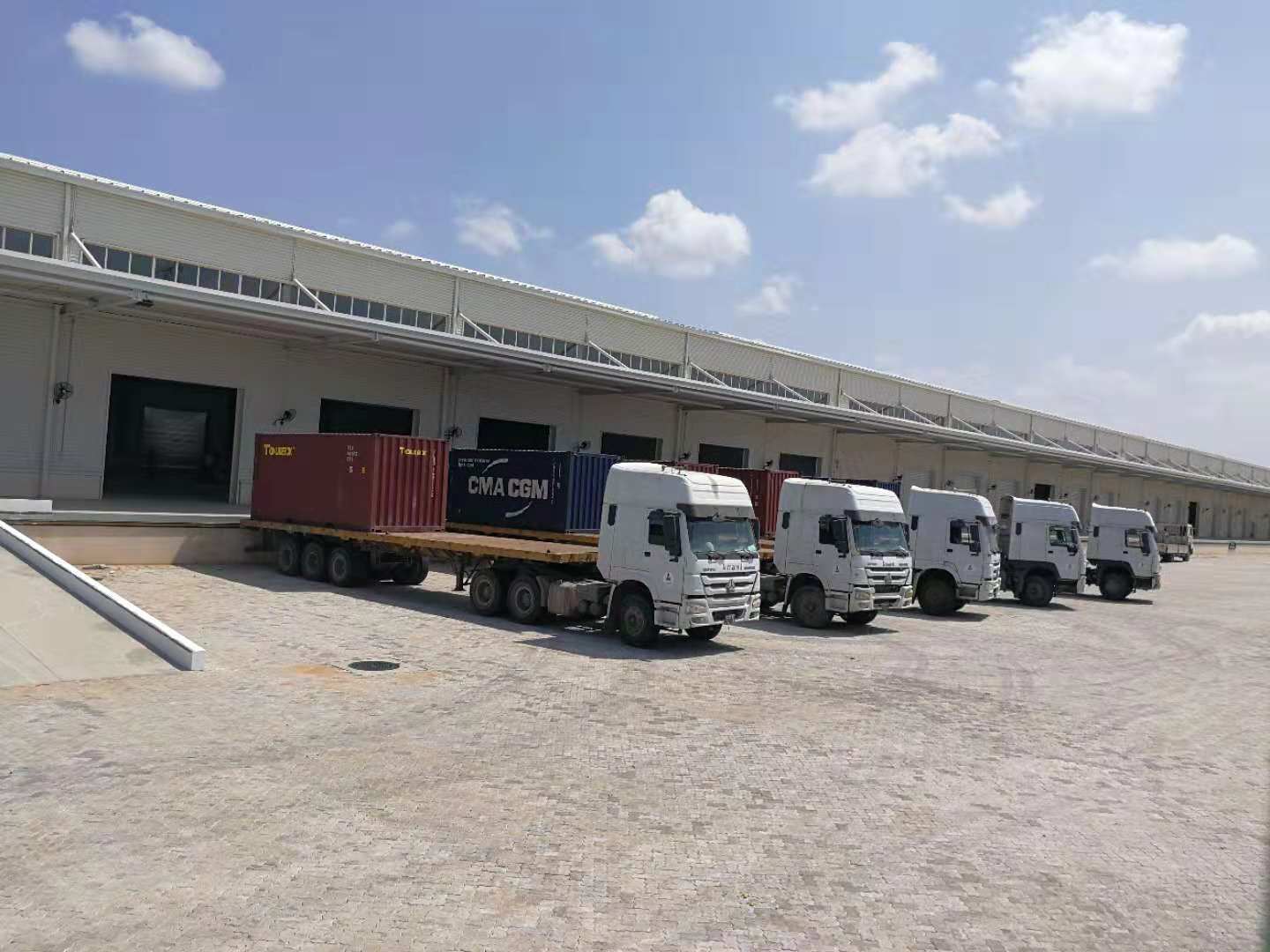
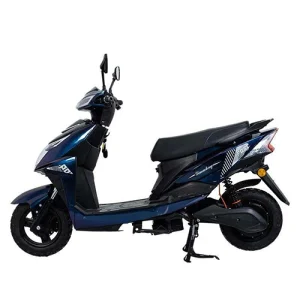
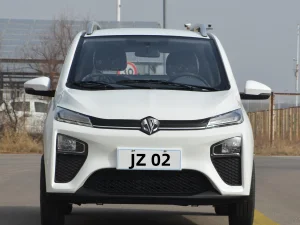
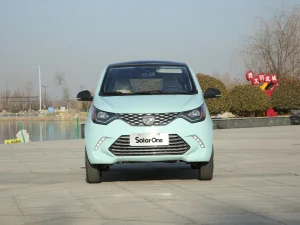
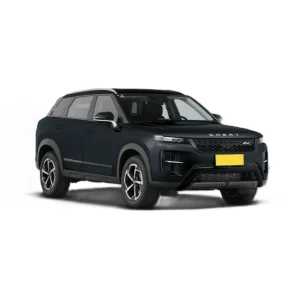
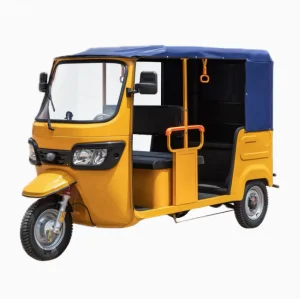
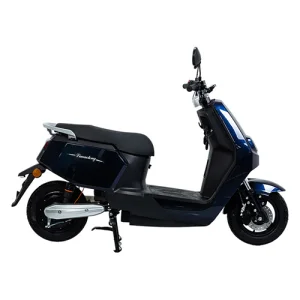
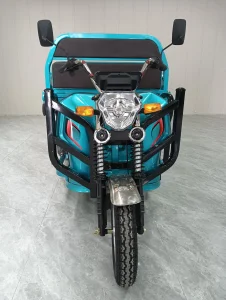
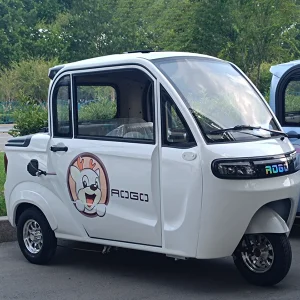
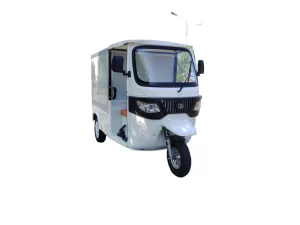
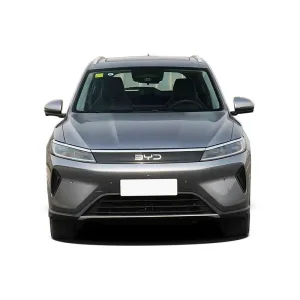
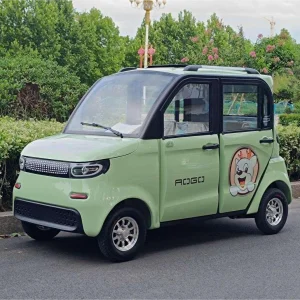
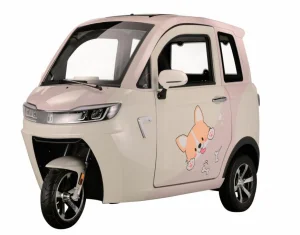
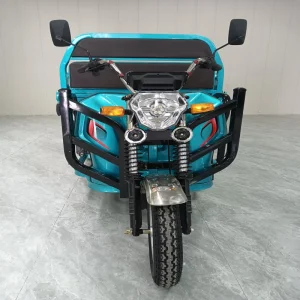
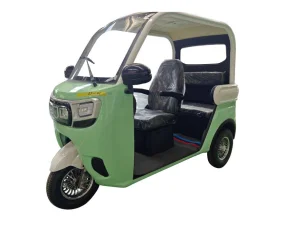
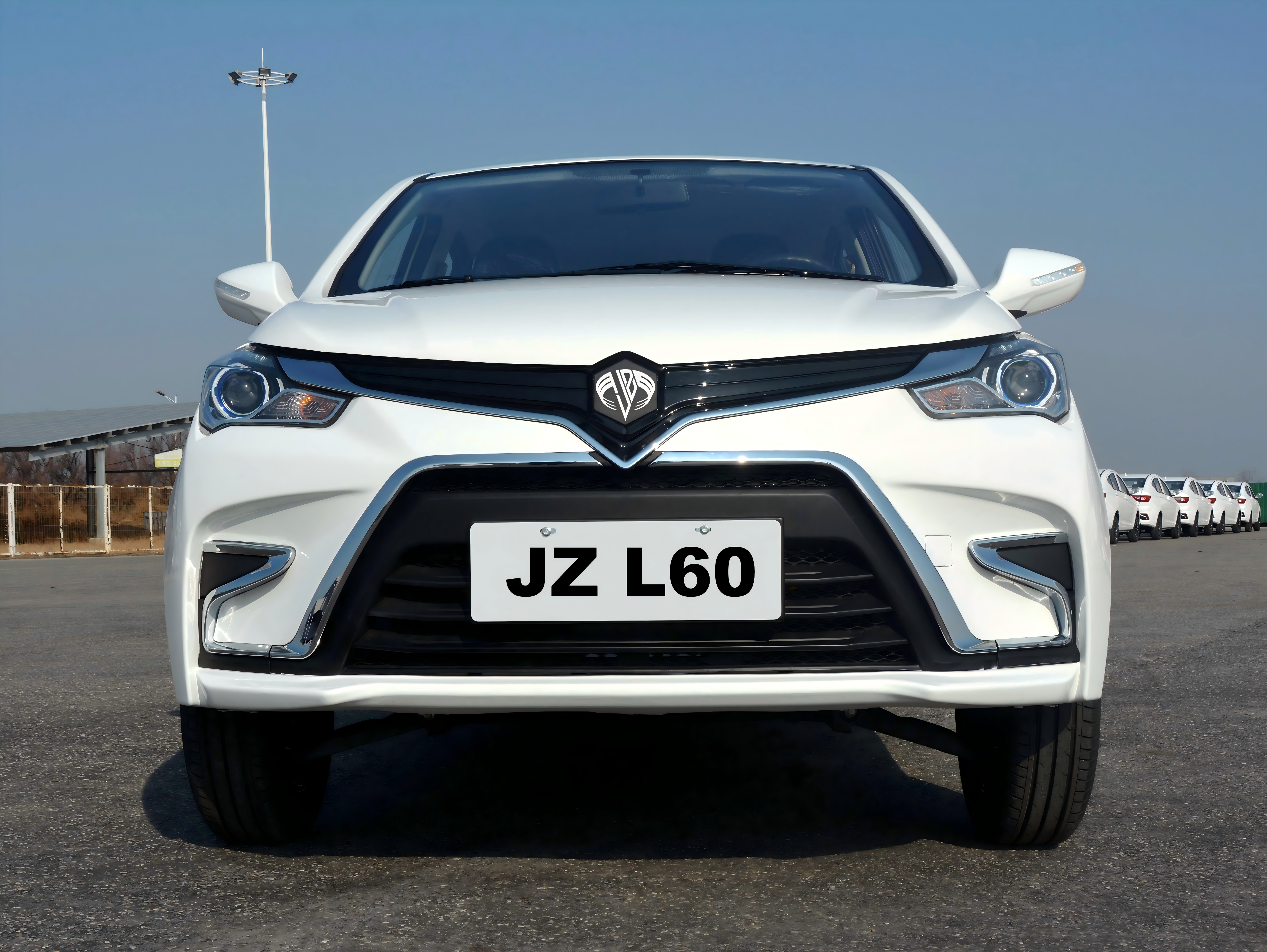
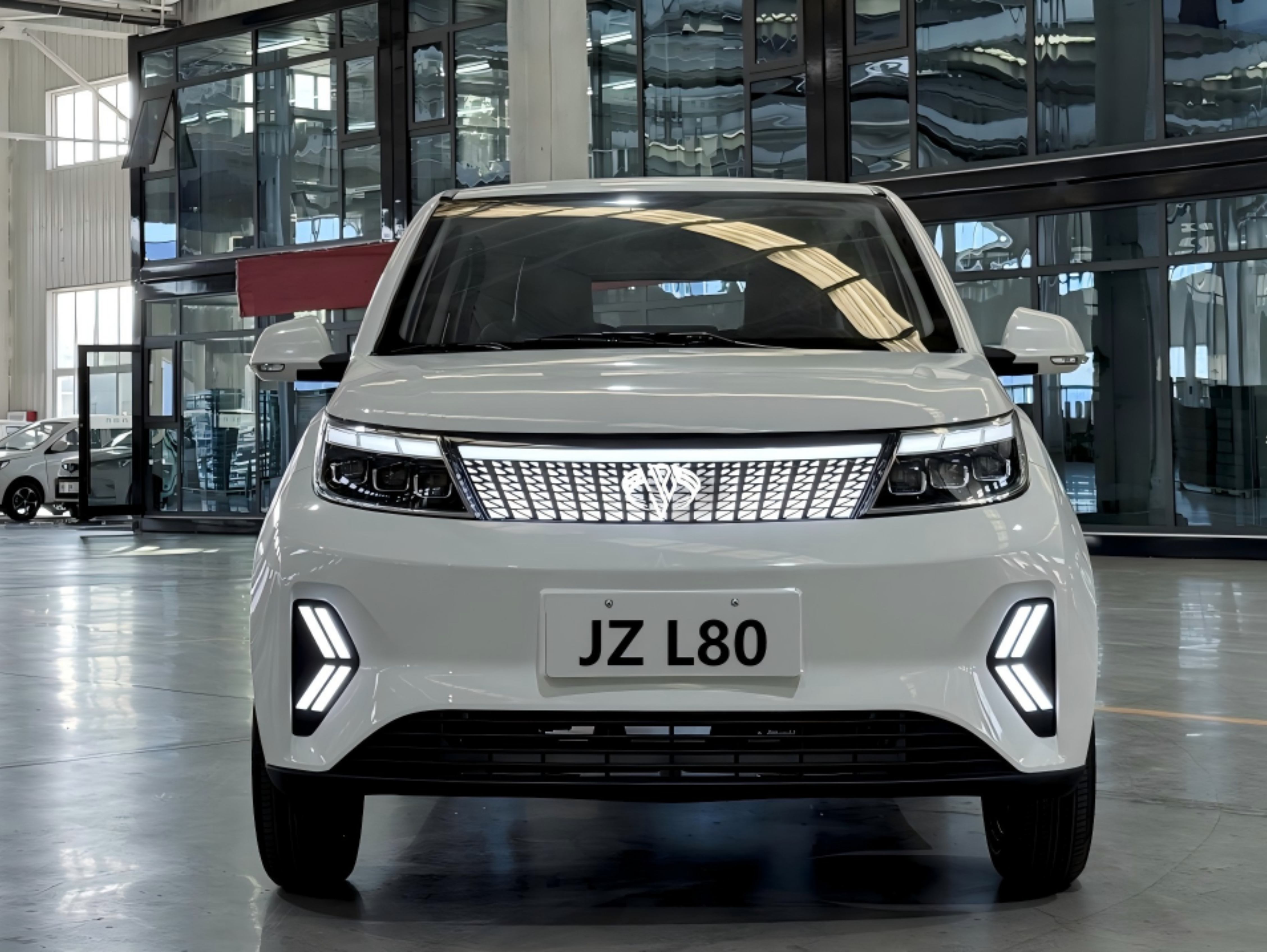
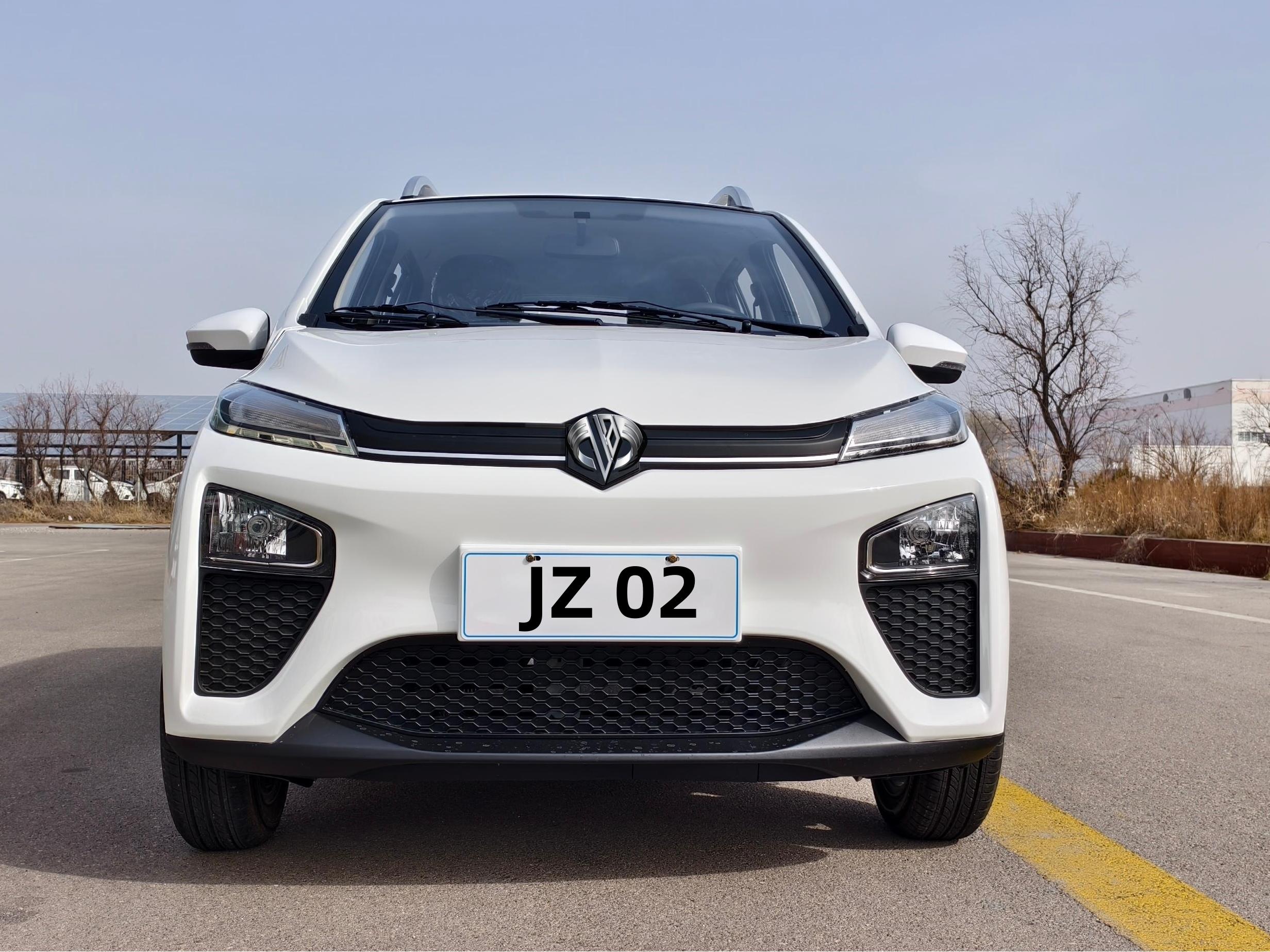
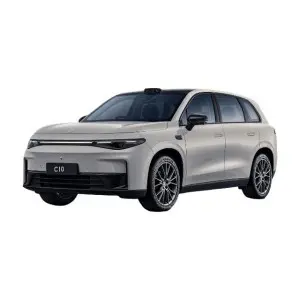
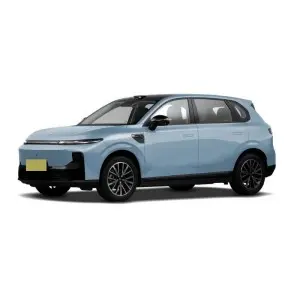
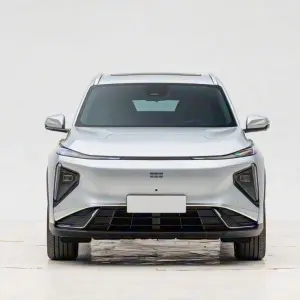
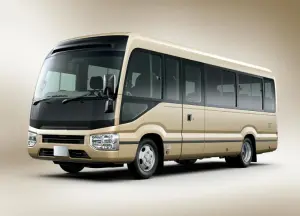
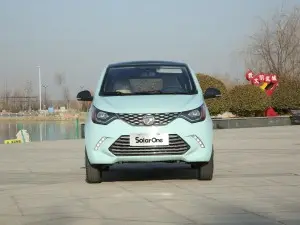
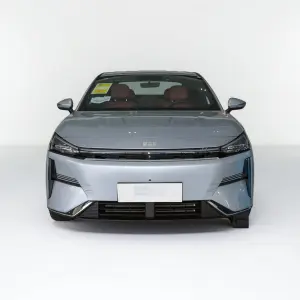
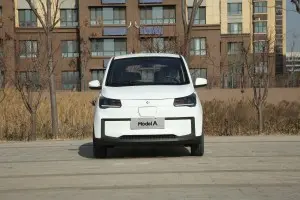
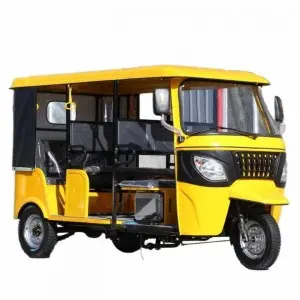
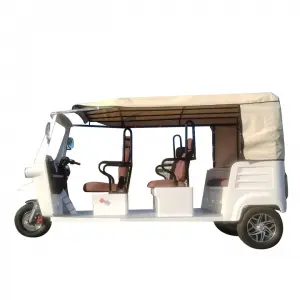
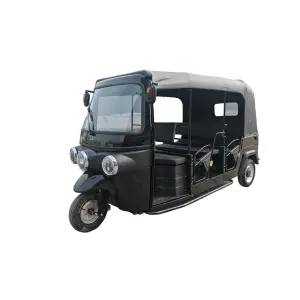
Our extended range of specialized vehicle formats, passenger trikes, and support utility SUVs, all retaining original URLs and tracking capabilities.
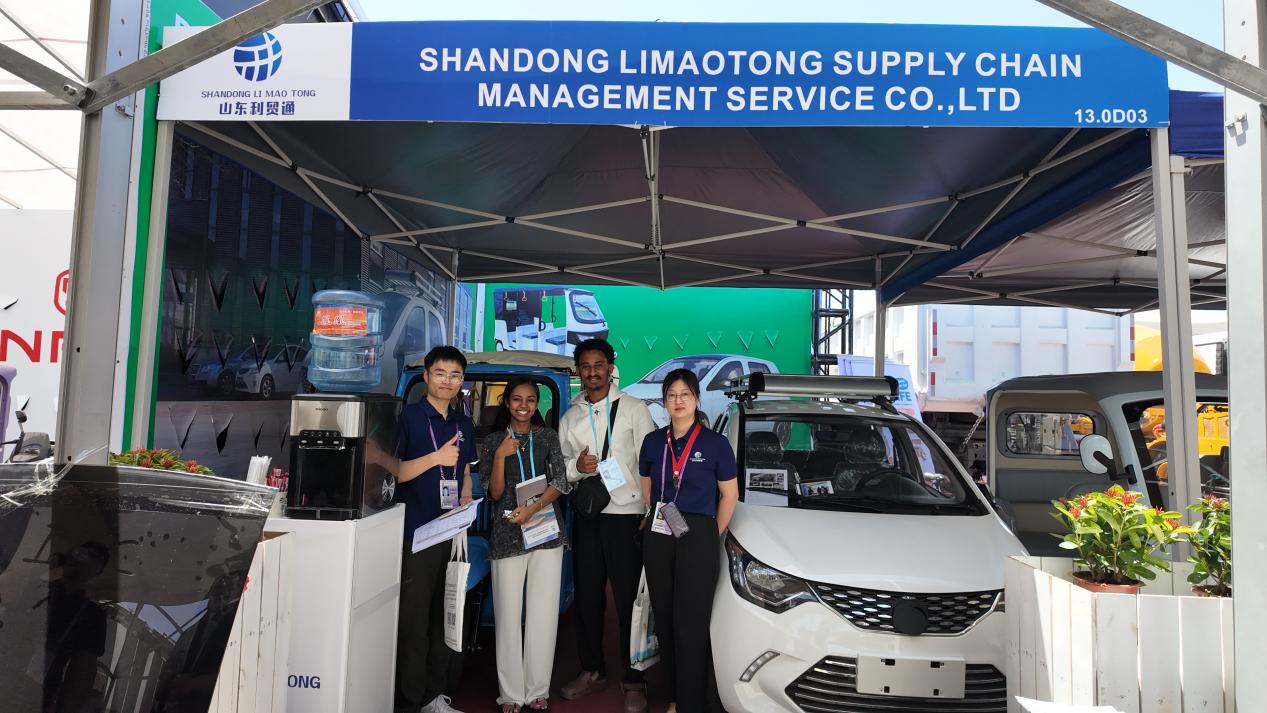
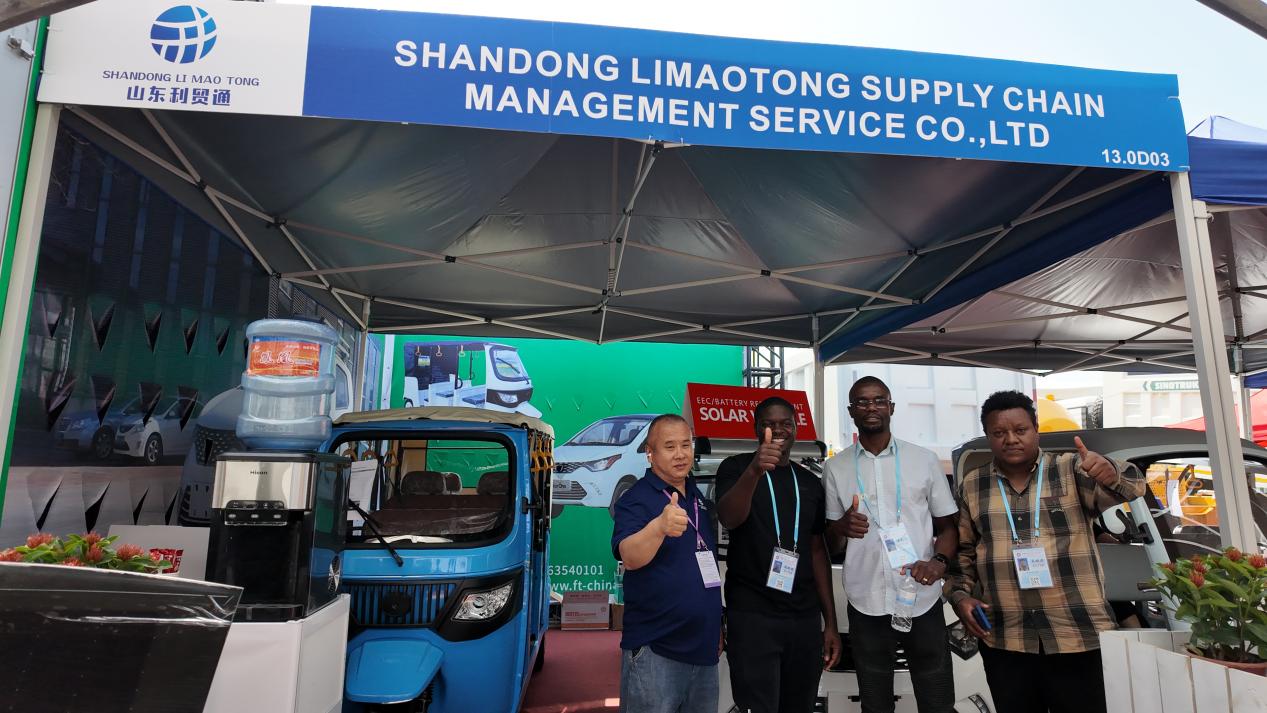
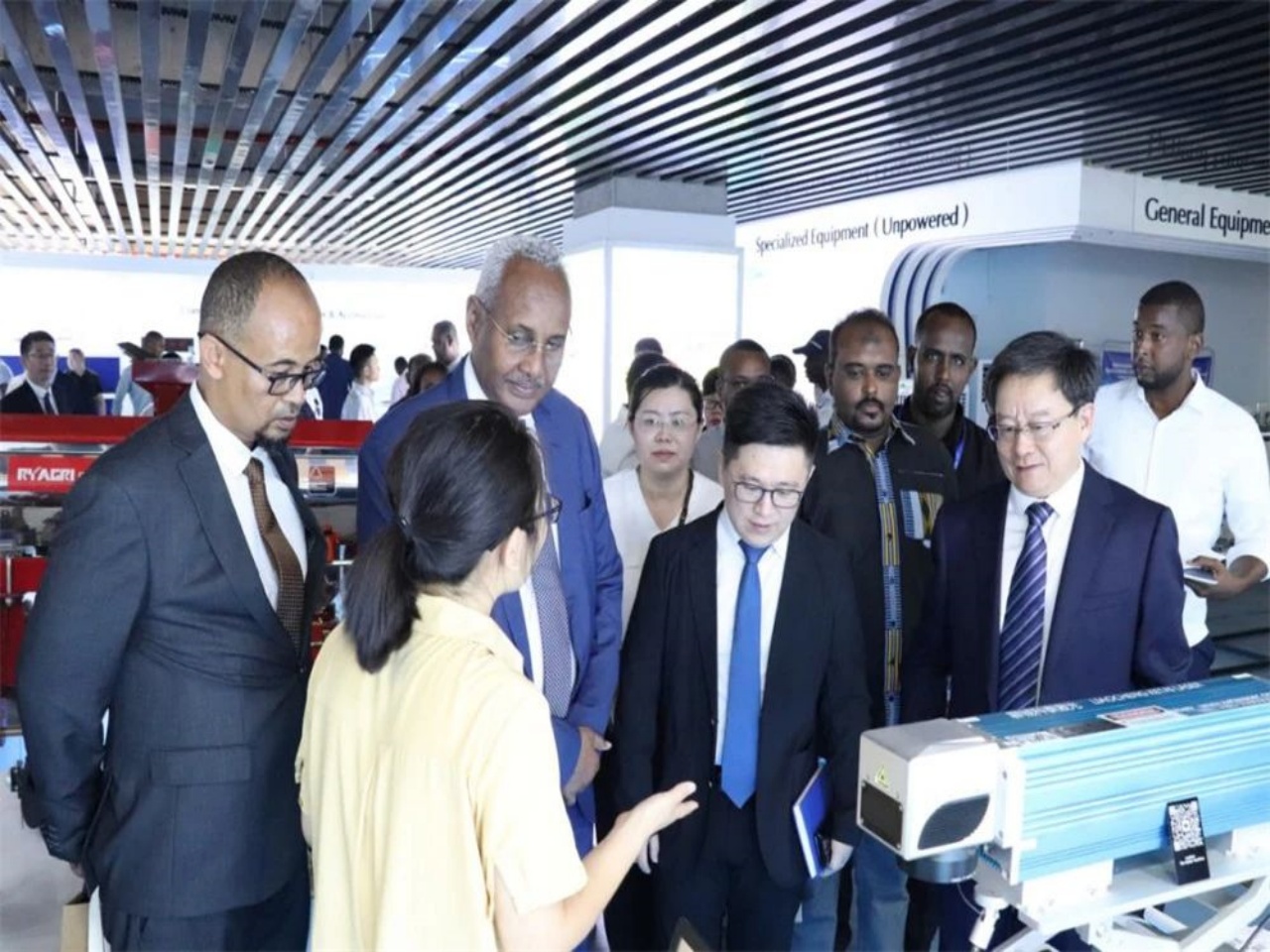
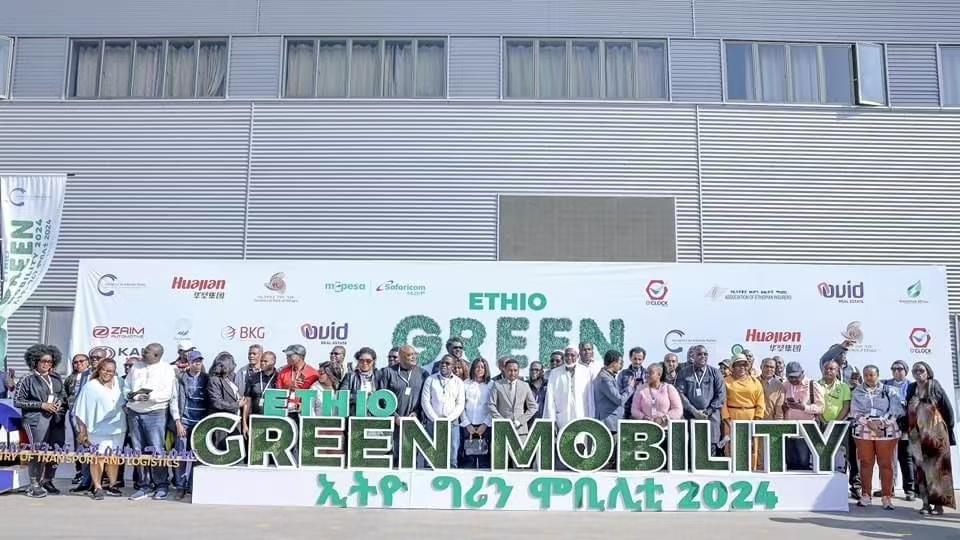
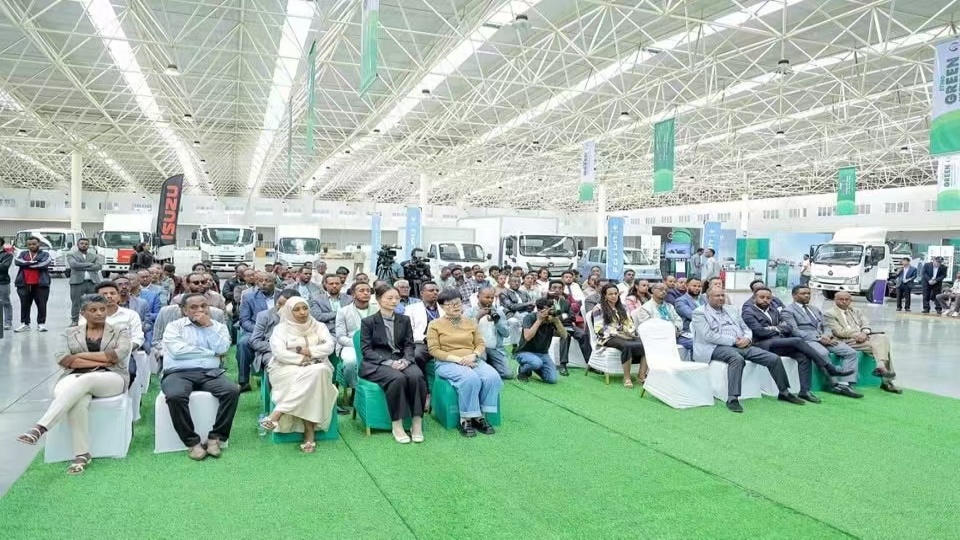
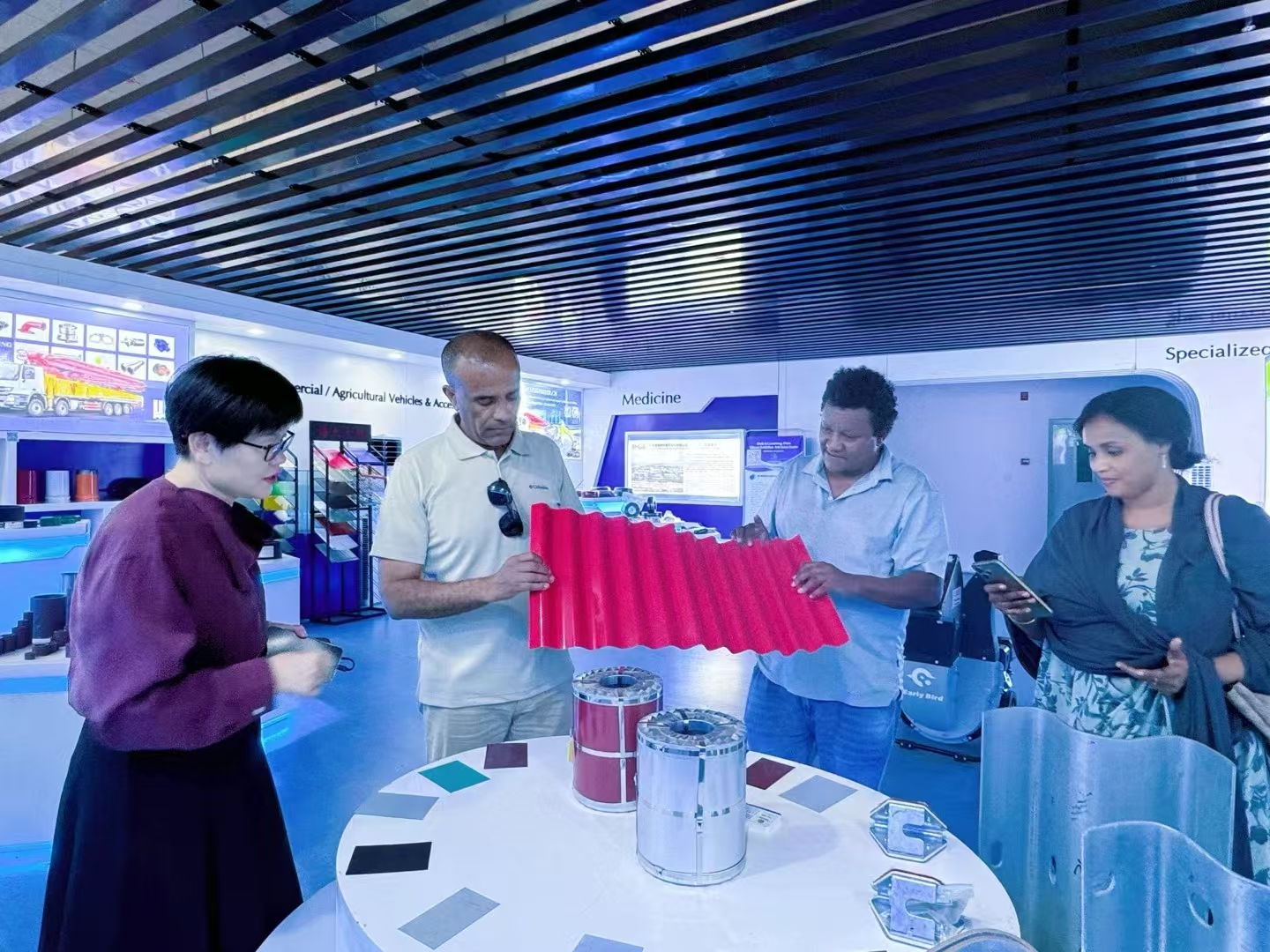
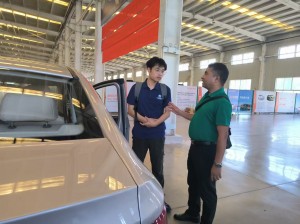
Documented records of quality verifications, factory compliance reviews, and trade showcases.






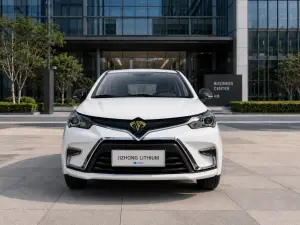
Explore our catalog models, ranging from urban smart vehicles to heavy-duty configurations optimized for diverse cargo tasks.

New York represents one of the most complex logistics challenges in the world. With high population density, narrow historic streets, and limited curb space, traditional commercial transport vehicles face gridlock and high operational costs. Statistics show that local delivery trucks spend over 35% of their working hours searching for parking, leading to high emissions and significant traffic congestion fines. Fleet managers are seeking alternative vehicle form factors to navigate these constraints.
By shifting to 4-wheeled cargo electric vehicles (EVs) and low-speed utility vehicles, fleets can reduce vehicle dimensions while maintaining cargo volume. These compact platforms can access narrow lanes, pedestrian areas during delivery hours, and use micro-mobility parking bays. The lower physical profile helps operators avoid standard commercial parking fines, keeping routes moving and maintaining delivery schedules.
Modern delivery needs vary between industries, requiring cargo spaces that adapt to different types of goods. Our modular design philosophy focuses on customizable rear boxes. Whether for cold-chain grocery distribution, secure document courier services, or tool transport for trade services, the rear compartment can be engineered to meet specific requirements:
For fleet managers, the decision to transition to electric utility vehicles is driven by financial metrics. While initial purchase costs are competitive, the primary benefits lie in ongoing operational savings. Electric drivetrains have fewer moving parts than internal combustion engines, reducing wear and tear on components like oil pumps, transmissions, and complex exhaust systems. Annual maintenance costs are typically reduced by up to 50%.
Energy costs are also significantly lower. Recharging a commercial battery pack using overnight off-peak utility rates in New York is far more economical than refueling with diesel. Over a standard five-year vehicle lifecycle, including battery health monitoring and smart charging cycles, the total cost of ownership can be reduced by 40% to 60%. This financial advantage allows logistics companies to reinvest capital into expanding their fleet capabilities.
The next phase of urban utility transport centers on autonomous operation and vehicle-to-everything (V2X) communication. As municipal structures become more connected, compact cargo cars will integrate directly with smart traffic signals, depot scheduling platforms, and automated loading docks. Built-in sensor arrays, LiDAR mounts, and drive-by-wire steering systems prepare our chassis designs for future autonomous applications, helping operators adapt to new logistics technologies as they emerge.
Technical, regulatory, and purchasing answers for fleet managers and procurement departments.
Contact our sales and engineering team to discuss your operational needs, arrange custom specification drafts, and request a detailed project quote.
Connect With a Fleet Expert Limaotong