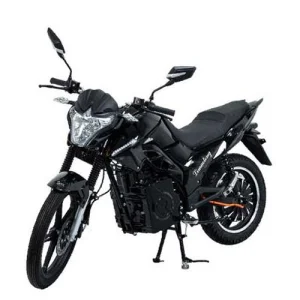
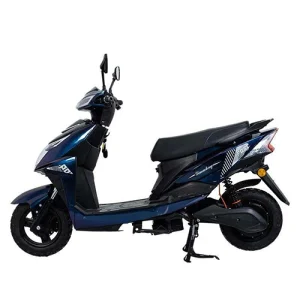
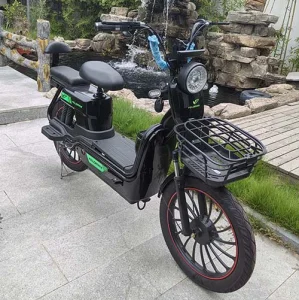
The global transit industry is going through a massive structural shift. Urban traffic systems, last-mile logistics companies, and regional passenger networks are replacing combustion engines with high-efficiency New Energy Vehicles (NEVs). These micro-mobility choices—ranging from two-wheeled electric commuter bikes to heavy-duty cargo e-tricycles and compact passenger shuttle vans—offer practical solutions for cities looking to lower carbon emissions.
This shift is driven by the need for better operational efficiency, lower fuel costs, and stricter emission regulations. In developing economies, electric tricycles and Tuk Tuks are essential for local public transport and delivery networks. In North America and Europe, urban areas are using compact electric commercial vehicles to navigate narrow streets and meet clean air requirements, demonstrating the global potential of modern electric transport systems.
Modern commercial NEVs are more than just transit options; they are core economic drivers. By lowering energy use and operational costs, businesses can improve their margins while helping meet international carbon reduction targets. Global manufacturers must supply durable, versatile electric vehicles that are built to perform in challenging operational conditions.
In the growing Chinese new energy vehicle industry, Shandong Li Mao Tong Group was founded to deliver advanced electric vehicles. With a focus on global markets, we build electric transport options that exceed user expectations for durability, range, and efficiency.
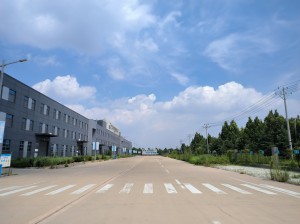
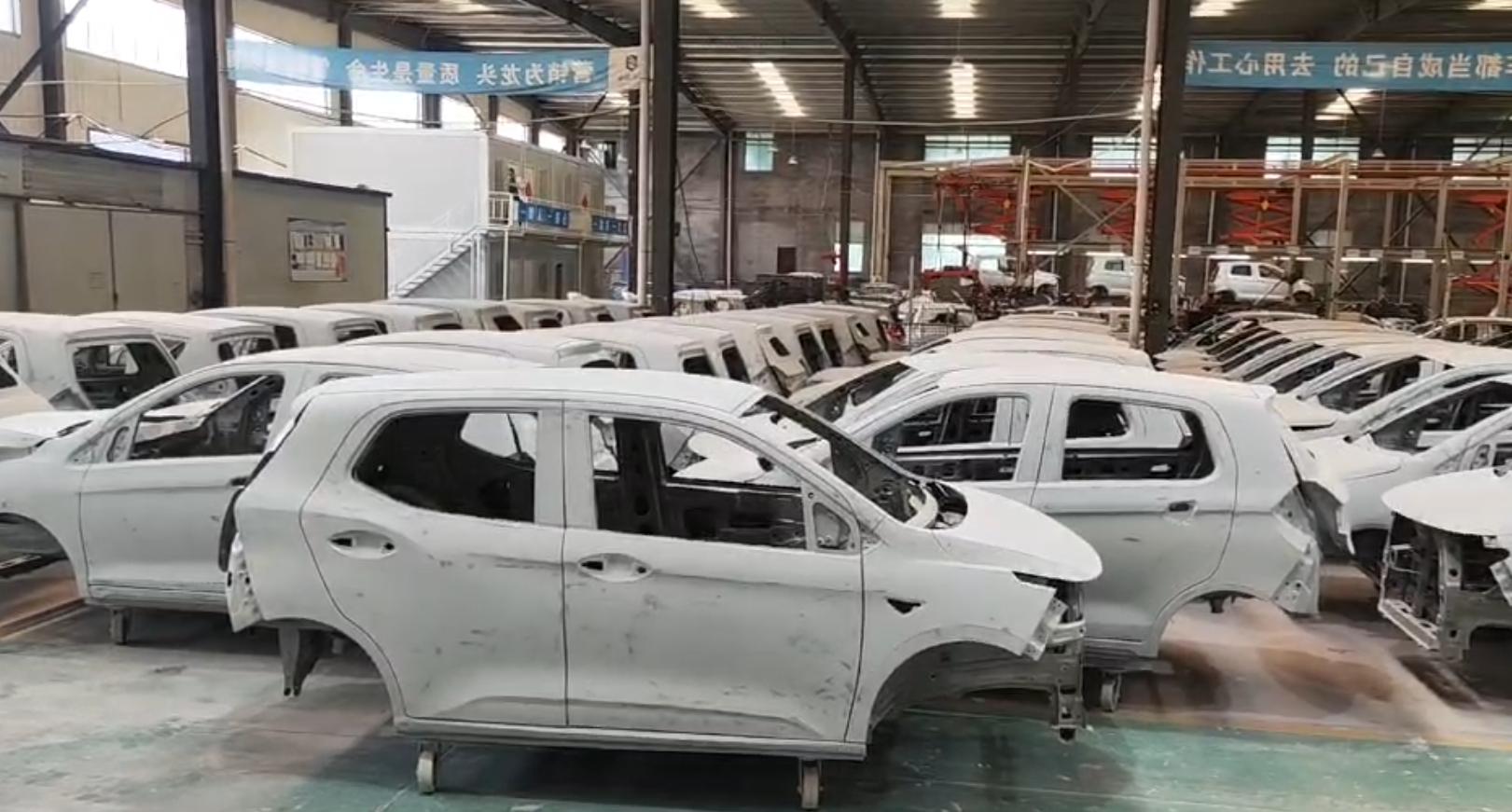
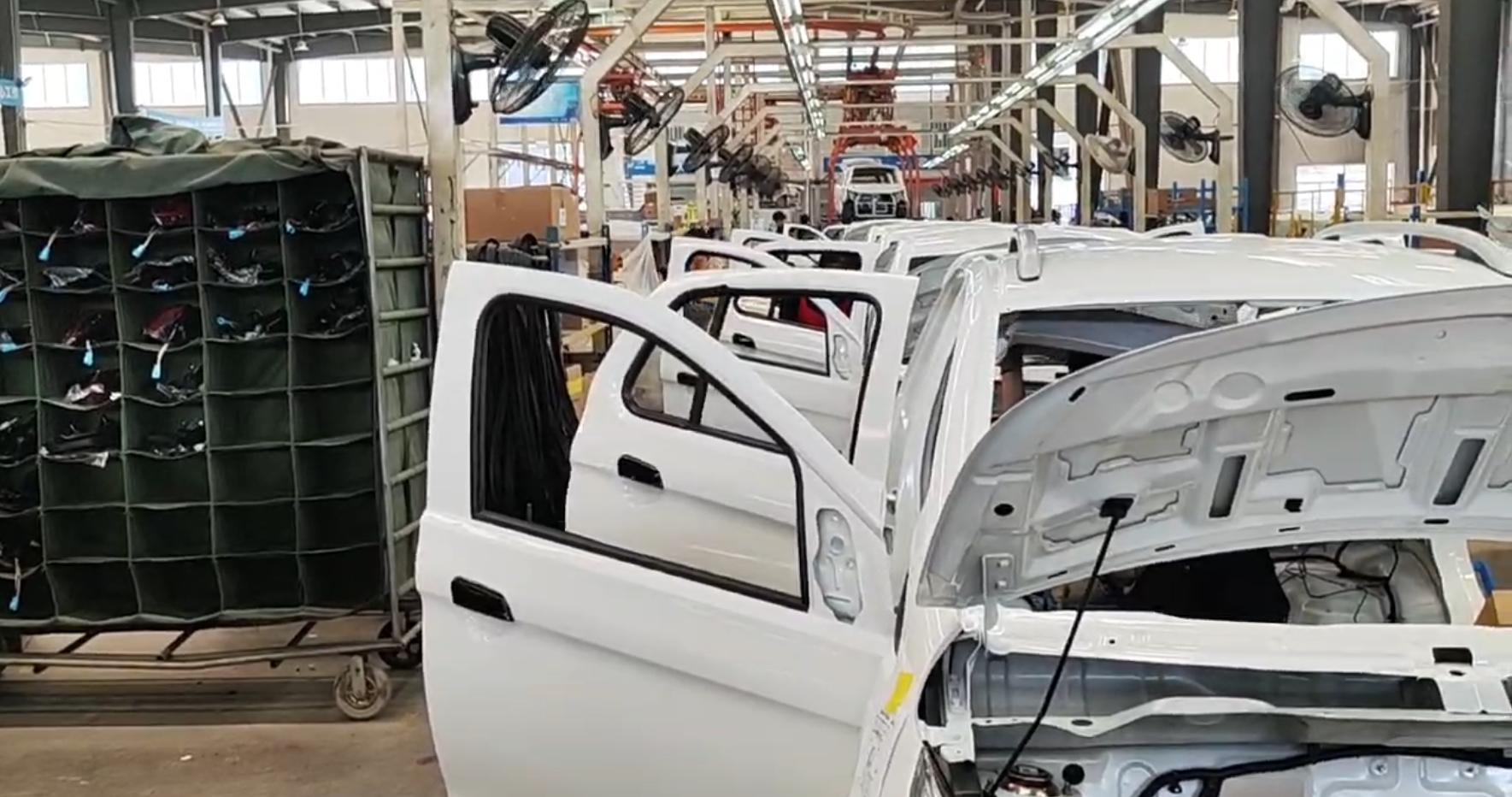
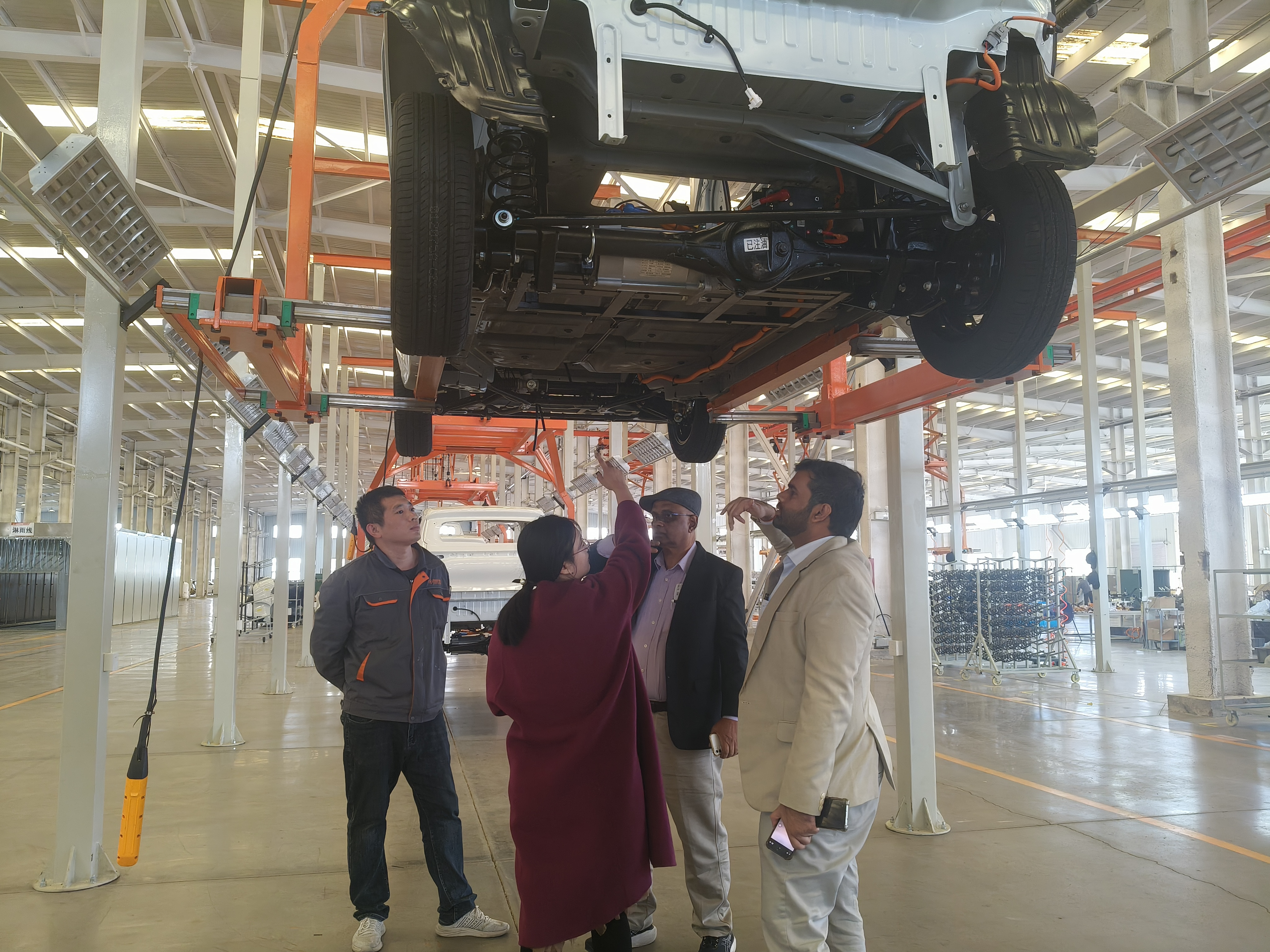
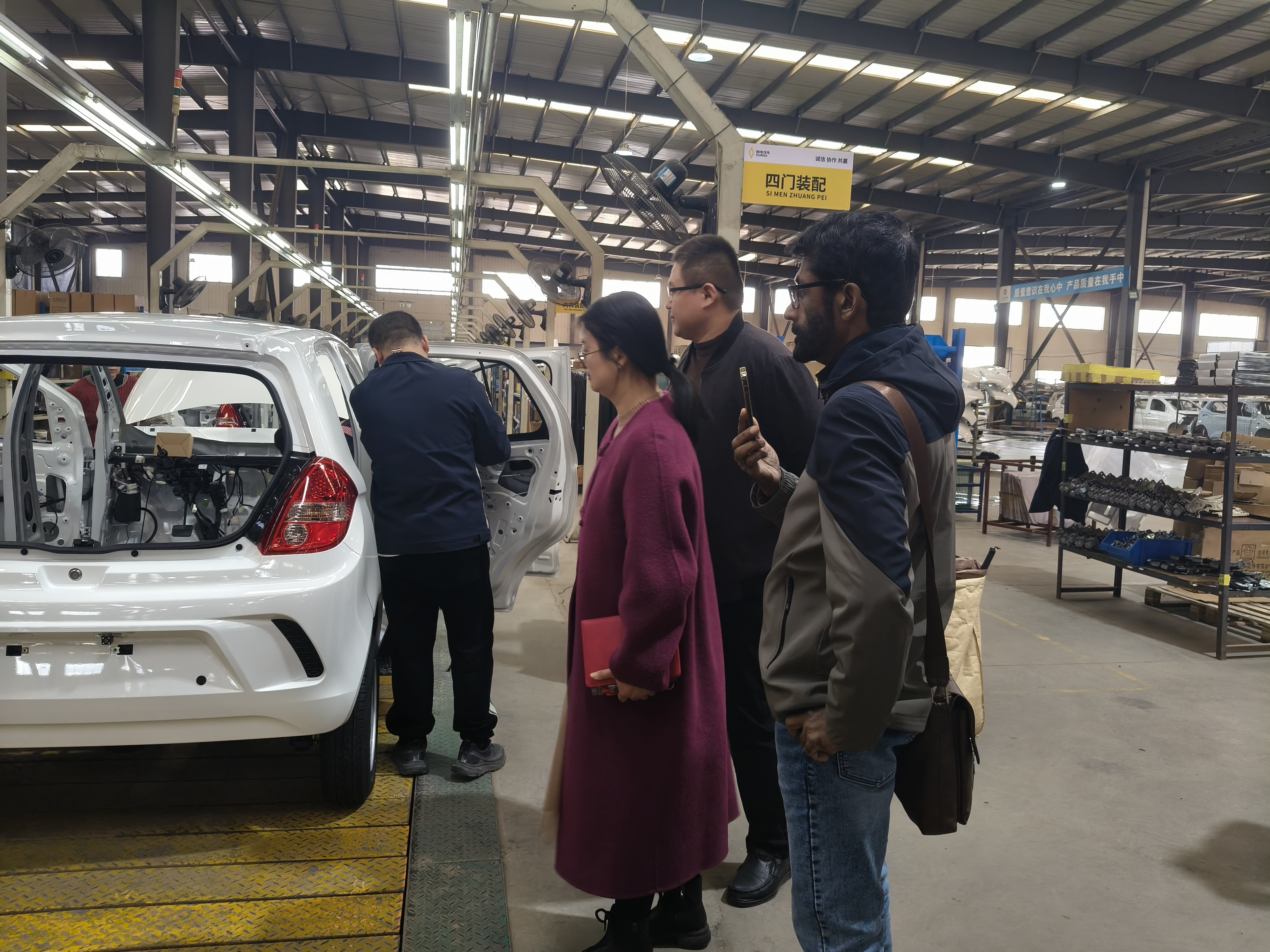
Manufacturing quality is the core of our business. We run a modern, high-tech production facility with automated assembly lines and digital quality tracking. This setup ensures that every vehicle meets strict international standards for safety and structural strength.
Our designs prioritize passenger and operator safety. Our advanced battery management systems (BMS) undergo tough testing that goes beyond standard safety requirements, and our vehicles are engineered for impact resistance. From automated laser welding to robot-applied paint finishes, we focus on every detail to ensure long-term durability. Our engineering teams test these designs to withstand harsh weather, including intense rainfall tests, making our vehicles ready for difficult climates worldwide.
Chinese factory networks benefit from complete, localized supply chains. From raw battery material processing and electric motor manufacturing to microchip production, all steps are close together. This layout keeps shipping costs low, speeds up research and development, and shields production from global logistics delays.
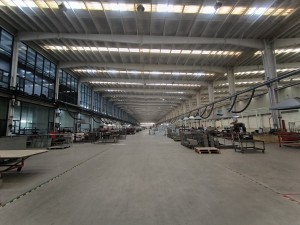
Modern robotic assembly lines perform high-precision steel pressing, structural frame welding, and painting with consistent quality. By minimizing manual production variances, we build structural components with tight tolerances, creating vehicles that last longer and require less maintenance.
Chinese manufacturing is highly adaptable. We adjust battery capacities, motor powers, and vehicle frames to meet the rules and terrains of different markets. This flexibility allows us to produce vehicles tailored for hilly regions, wet tropical areas, and cold northern zones.
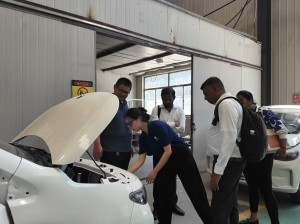
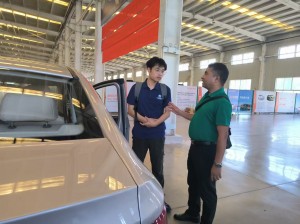
A look at our modern factories, robotic welding setups, assembly floors, and quality testing yards.
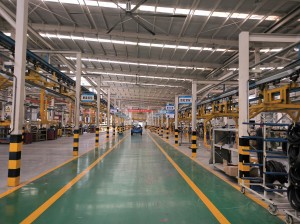
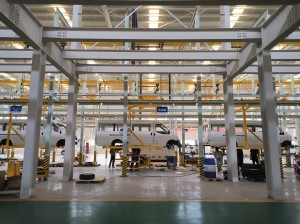
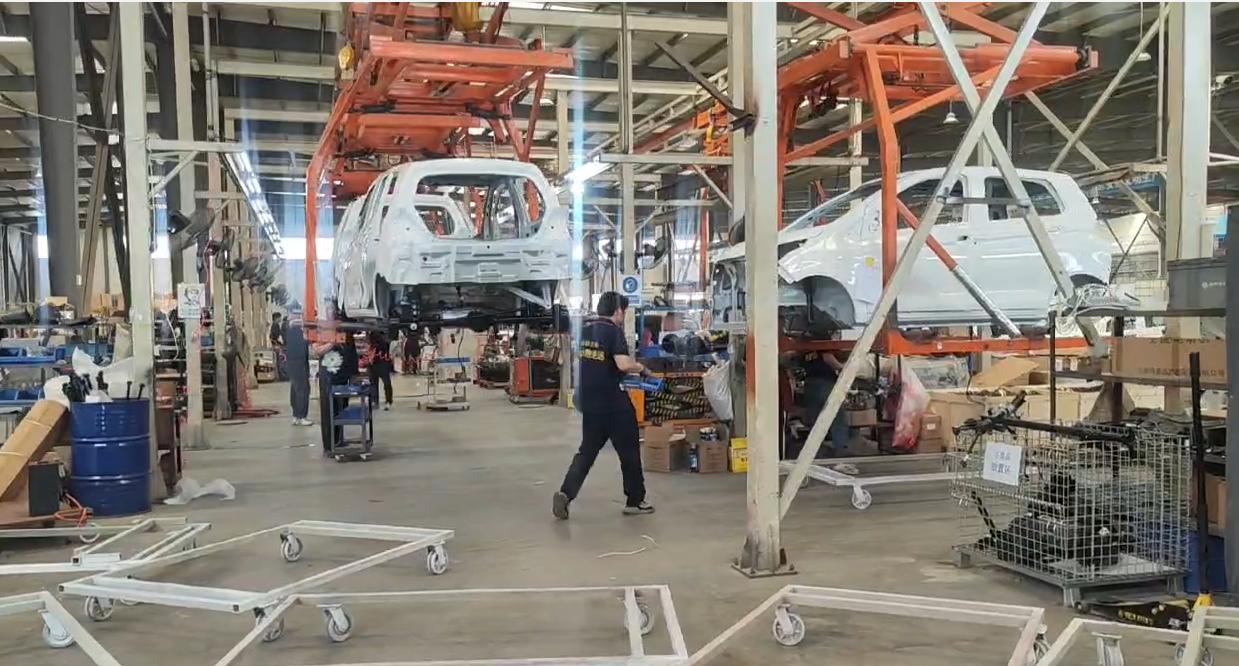
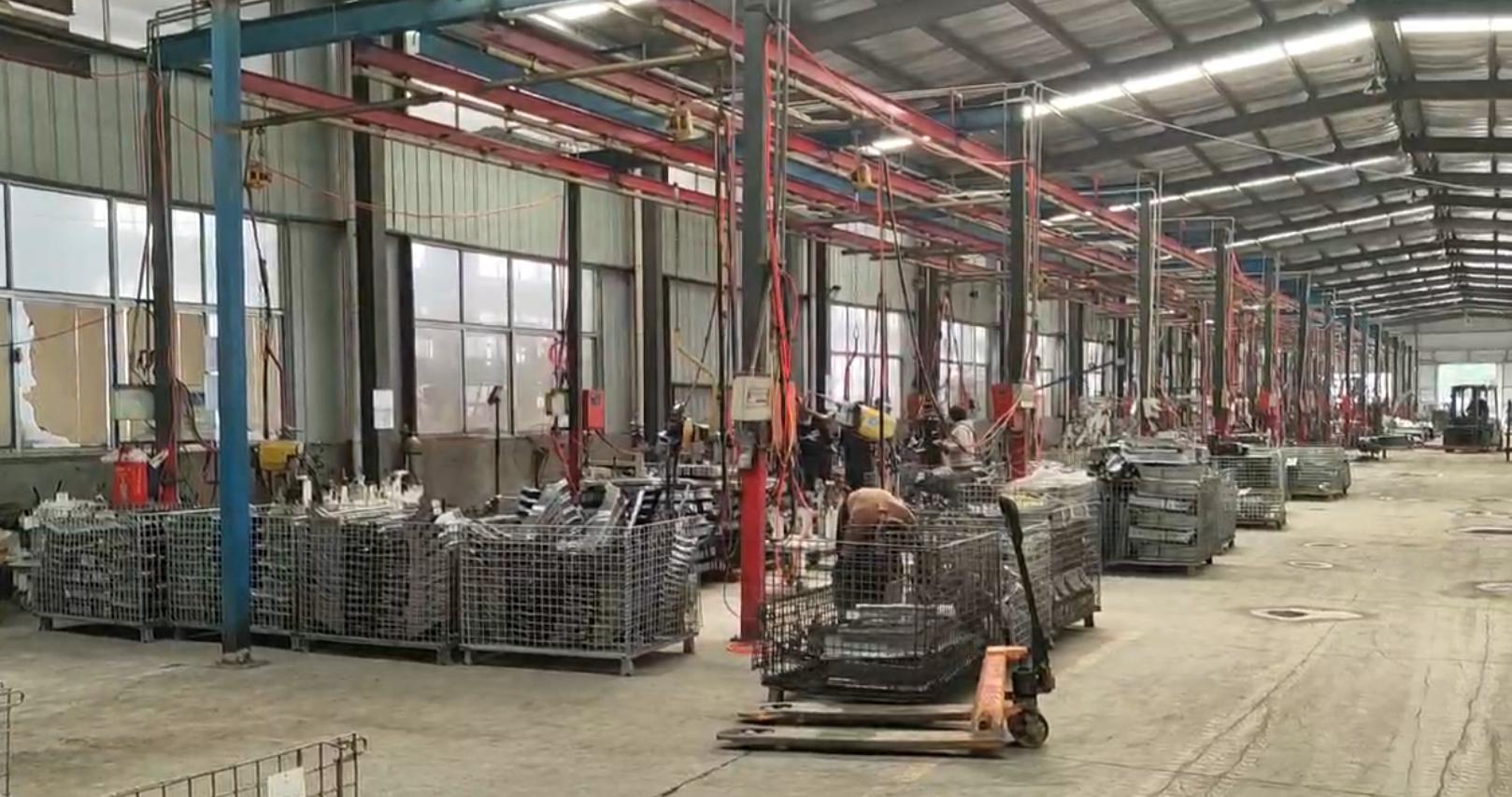
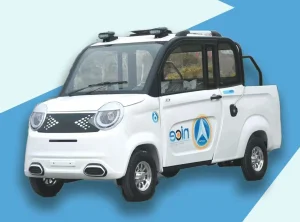
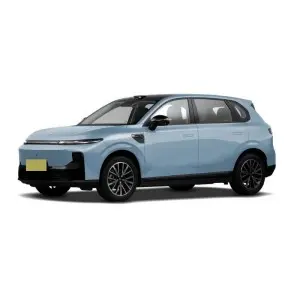
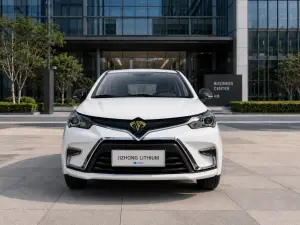
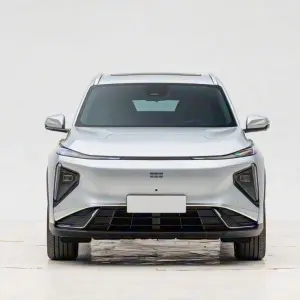
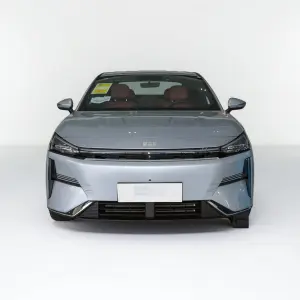
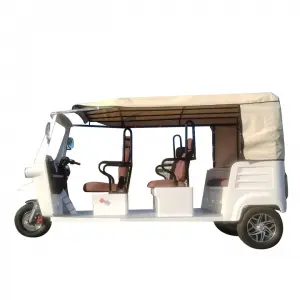
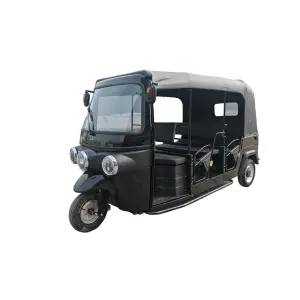
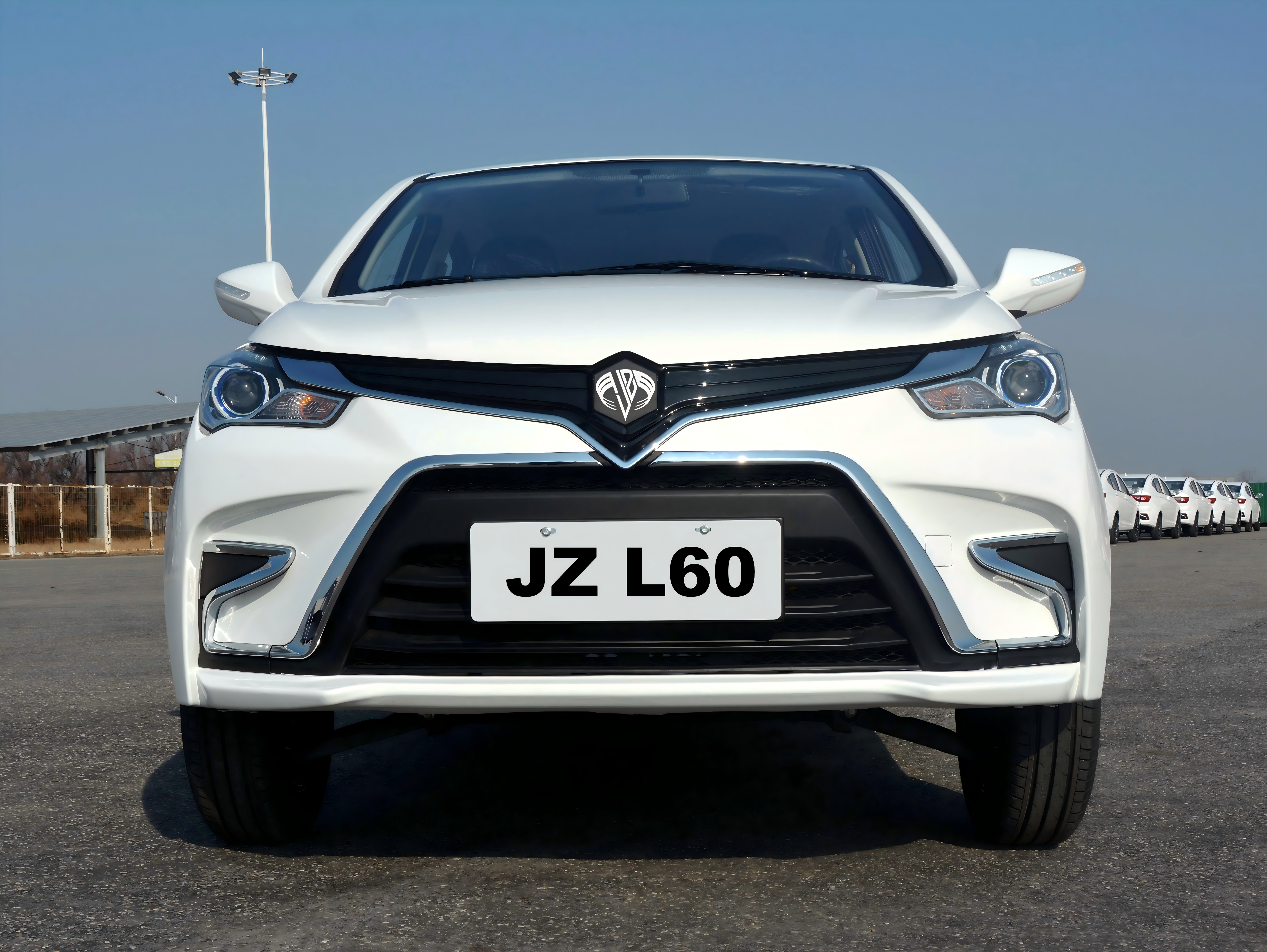
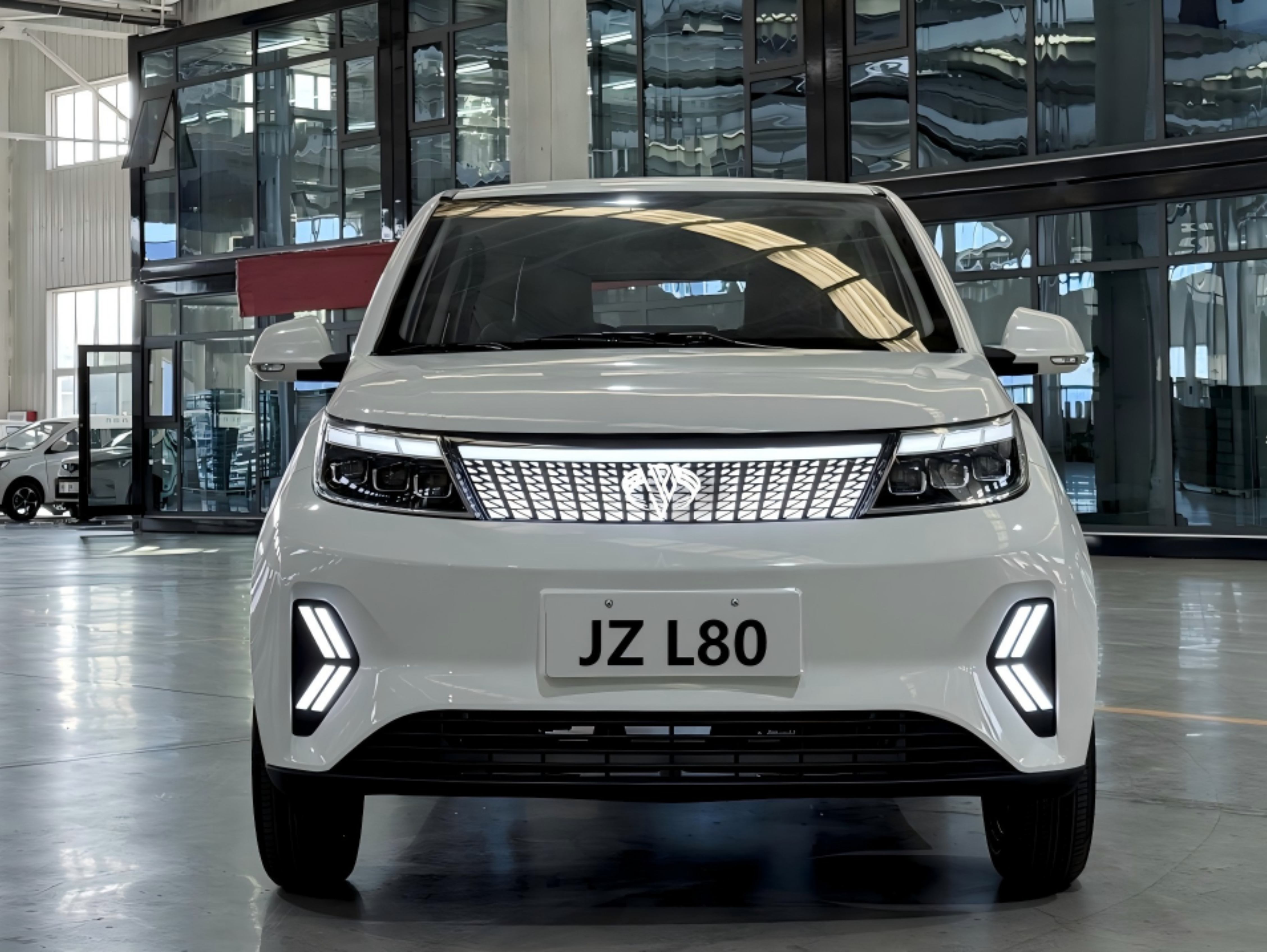
A gallery of our flagship electric models, illustrating our focus on build quality and modern aesthetics.
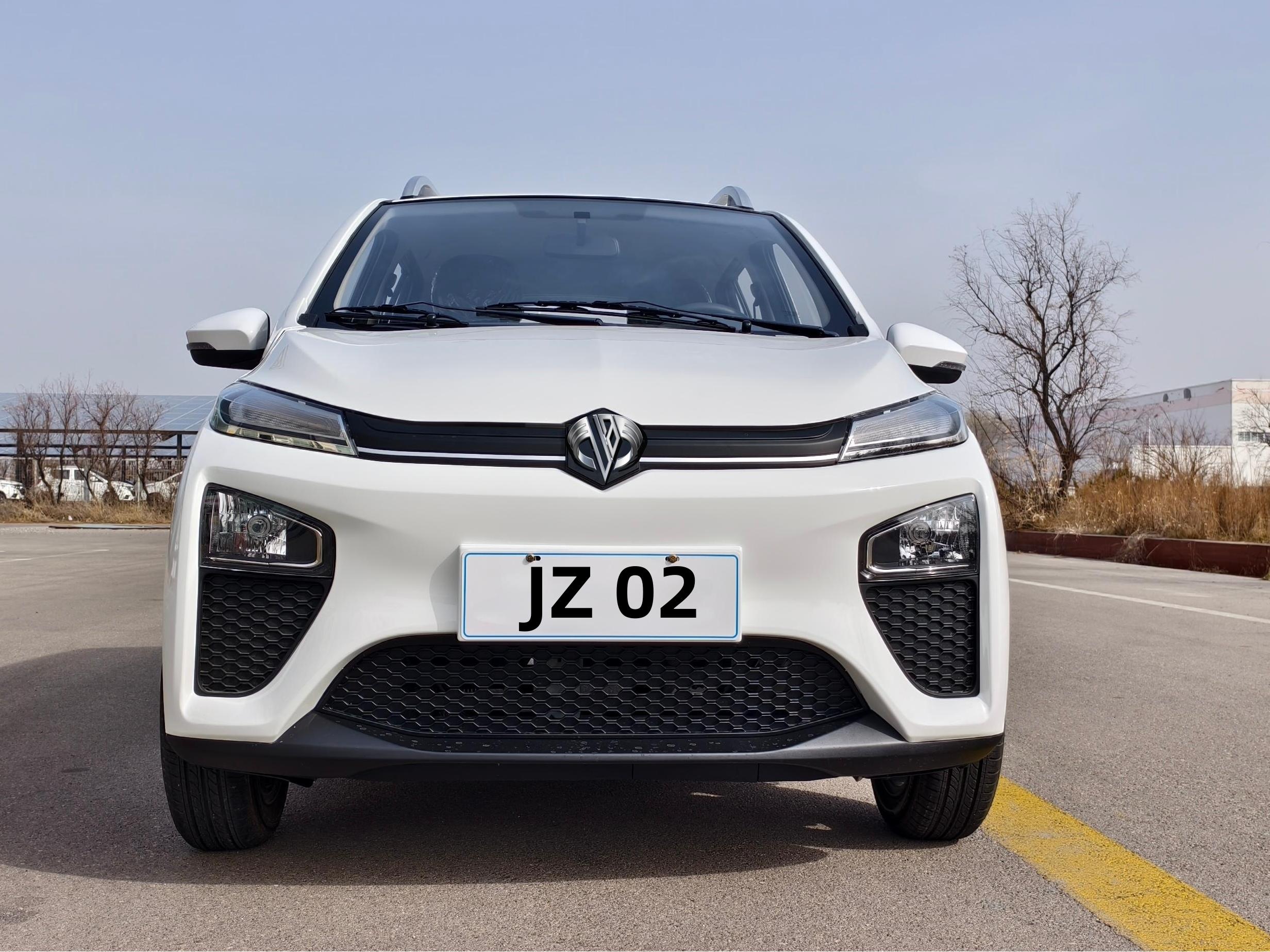
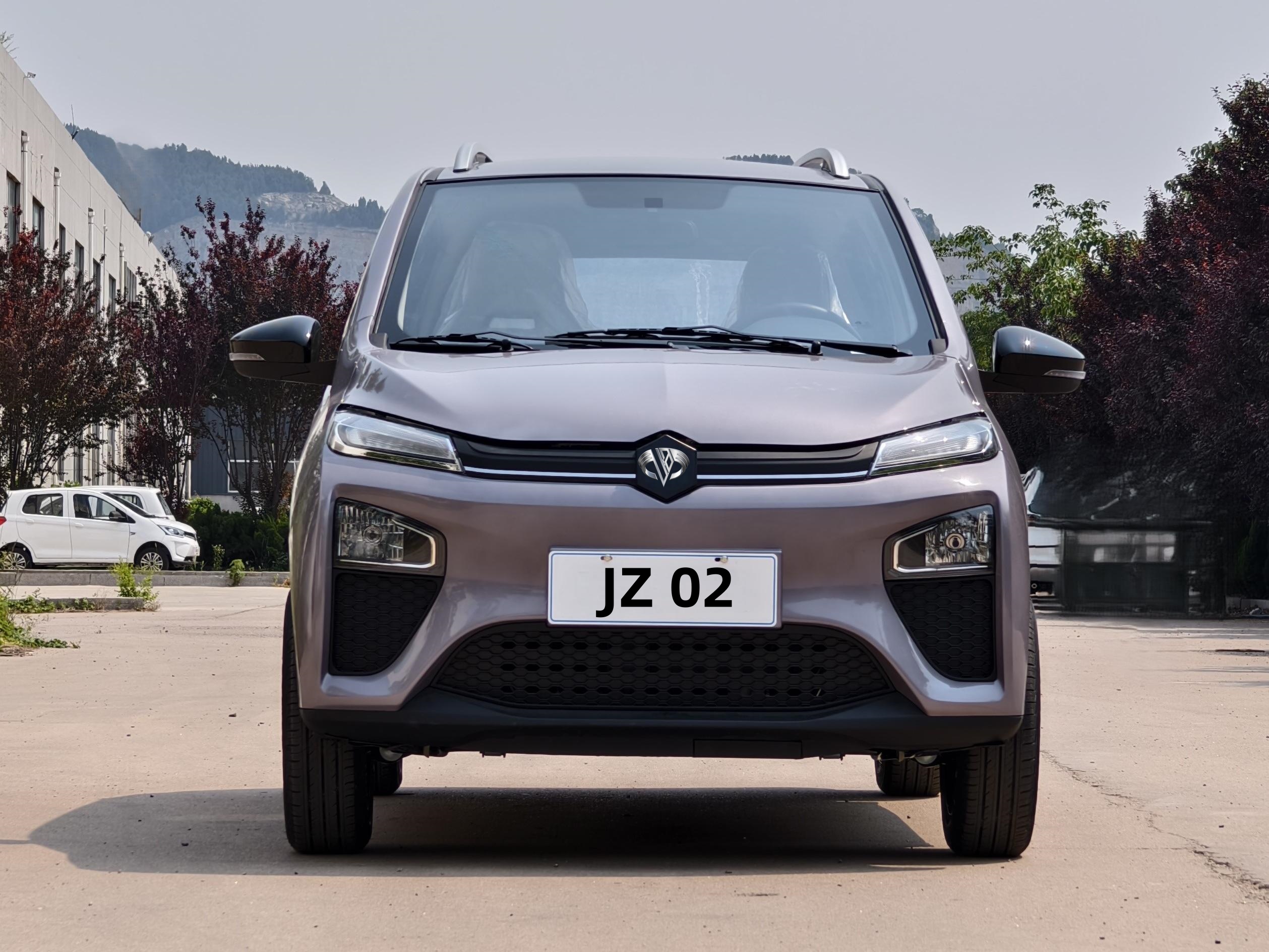
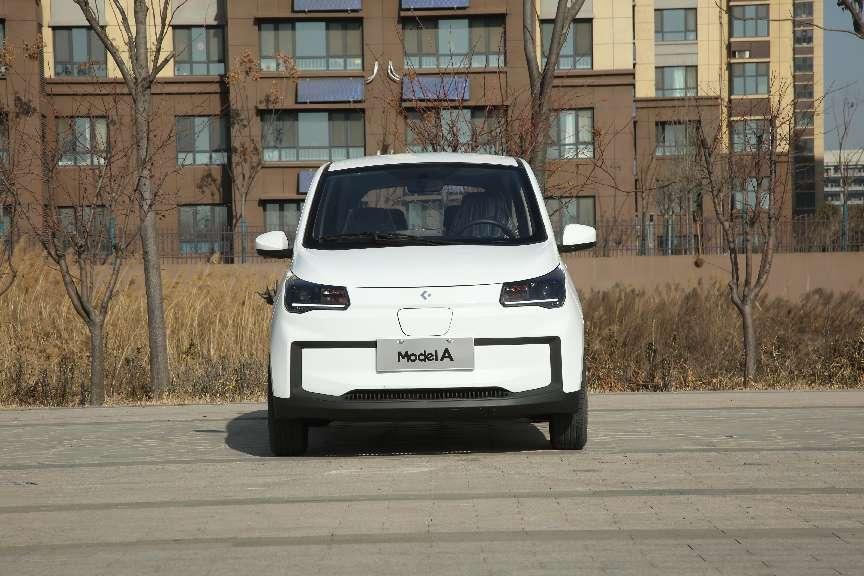
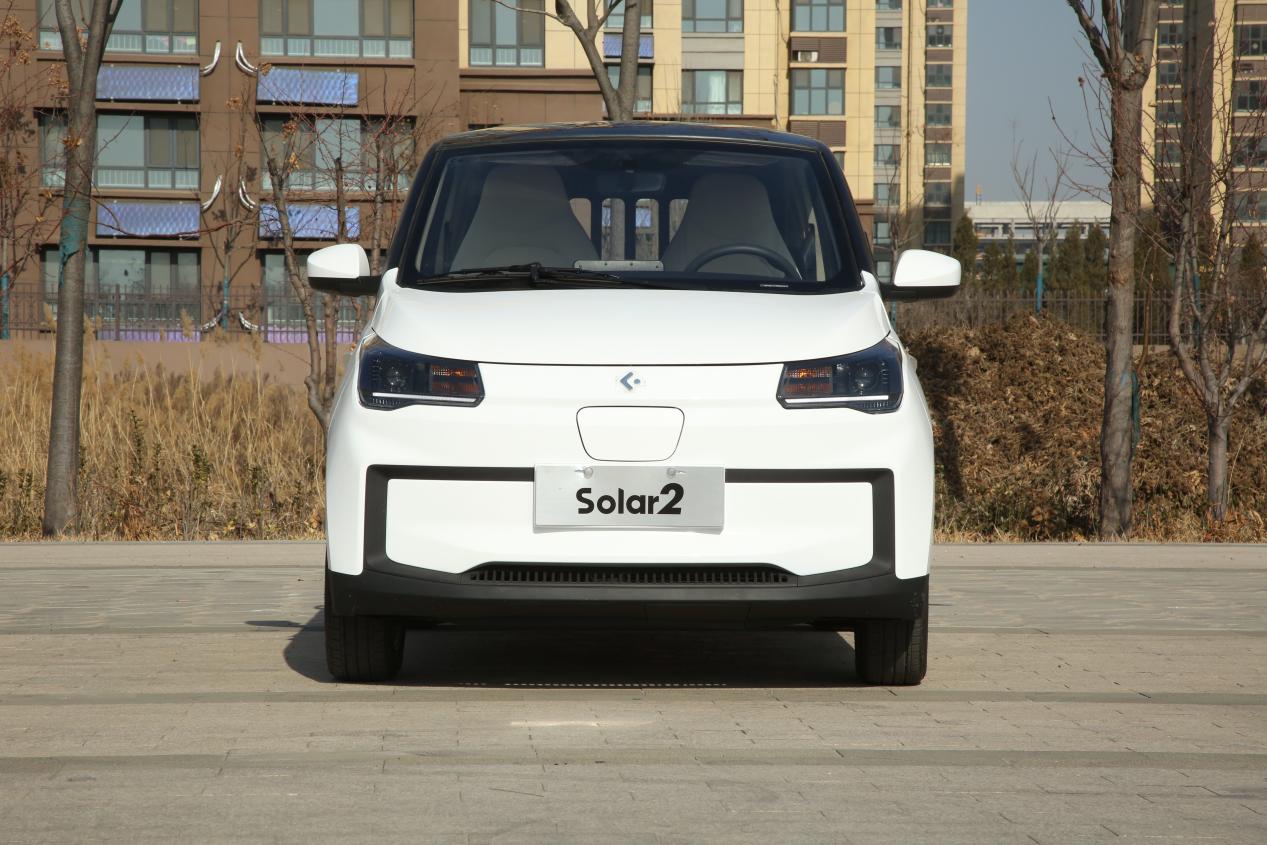
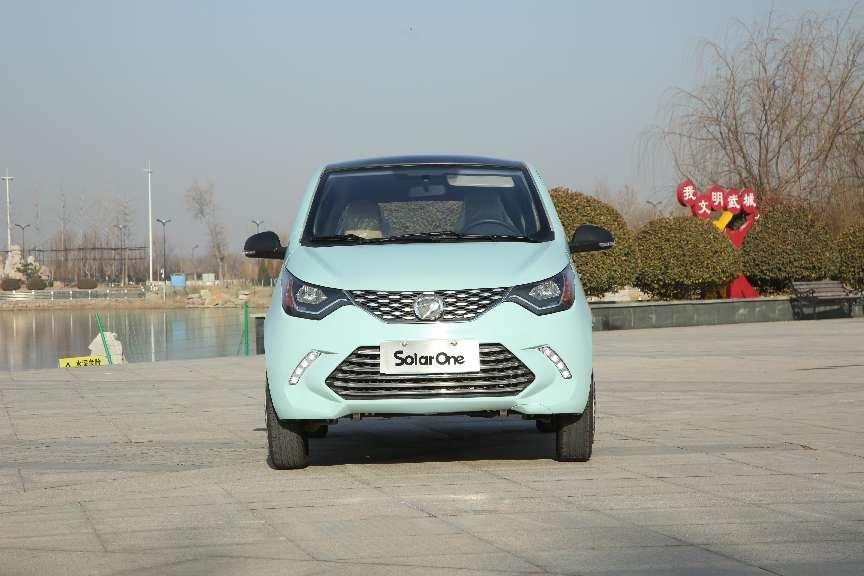
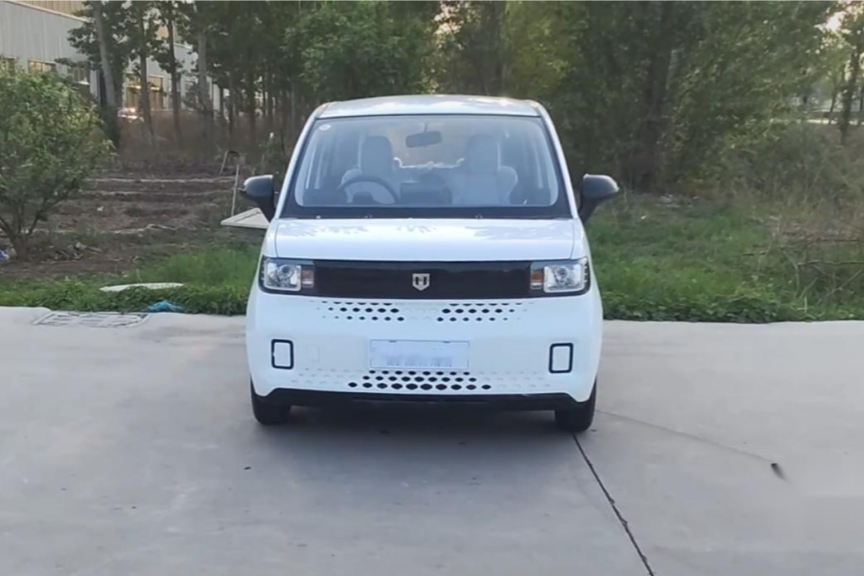
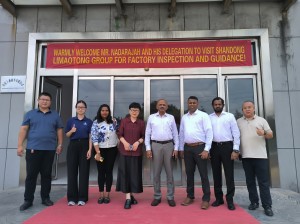
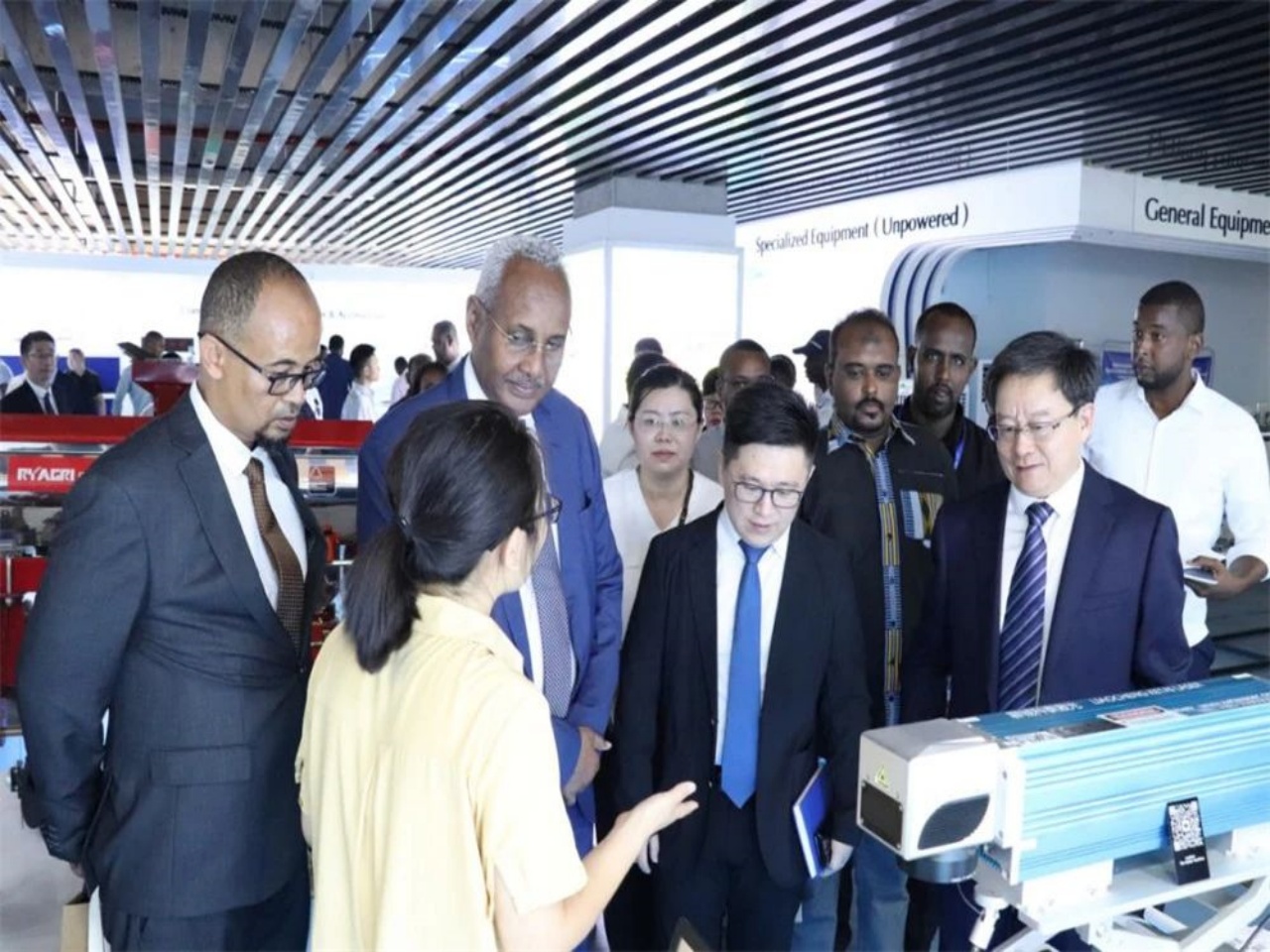
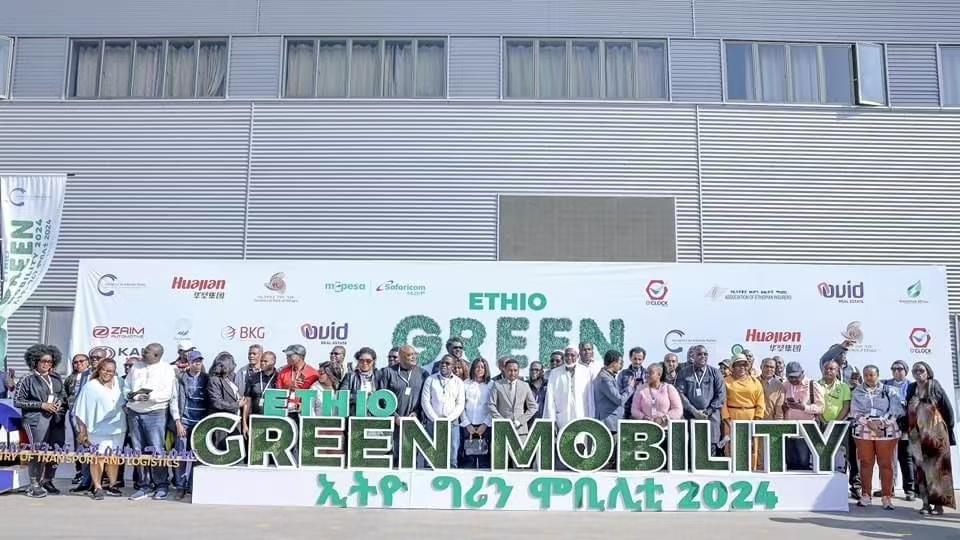
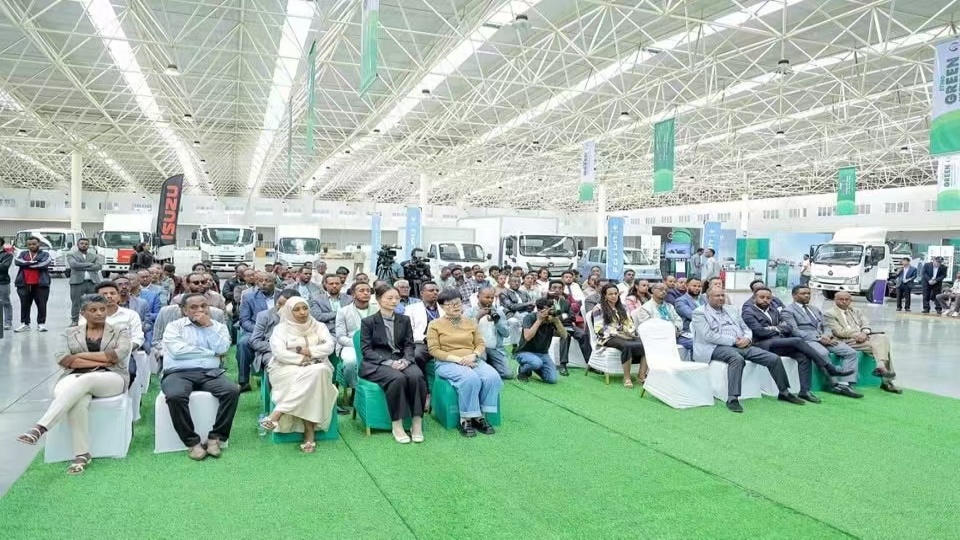
We connect with global partners by showcasing our latest vehicle technology at international trade shows.

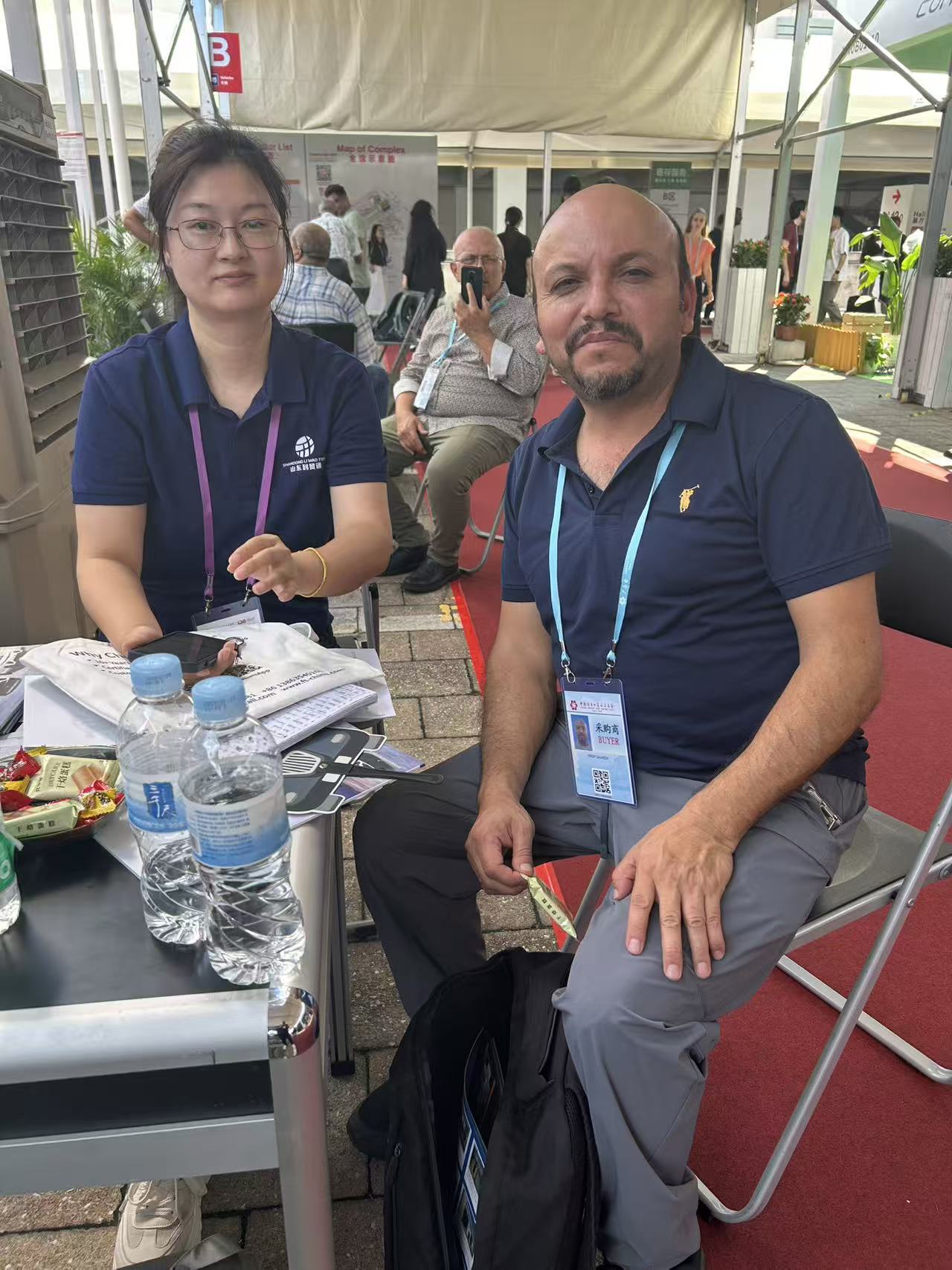
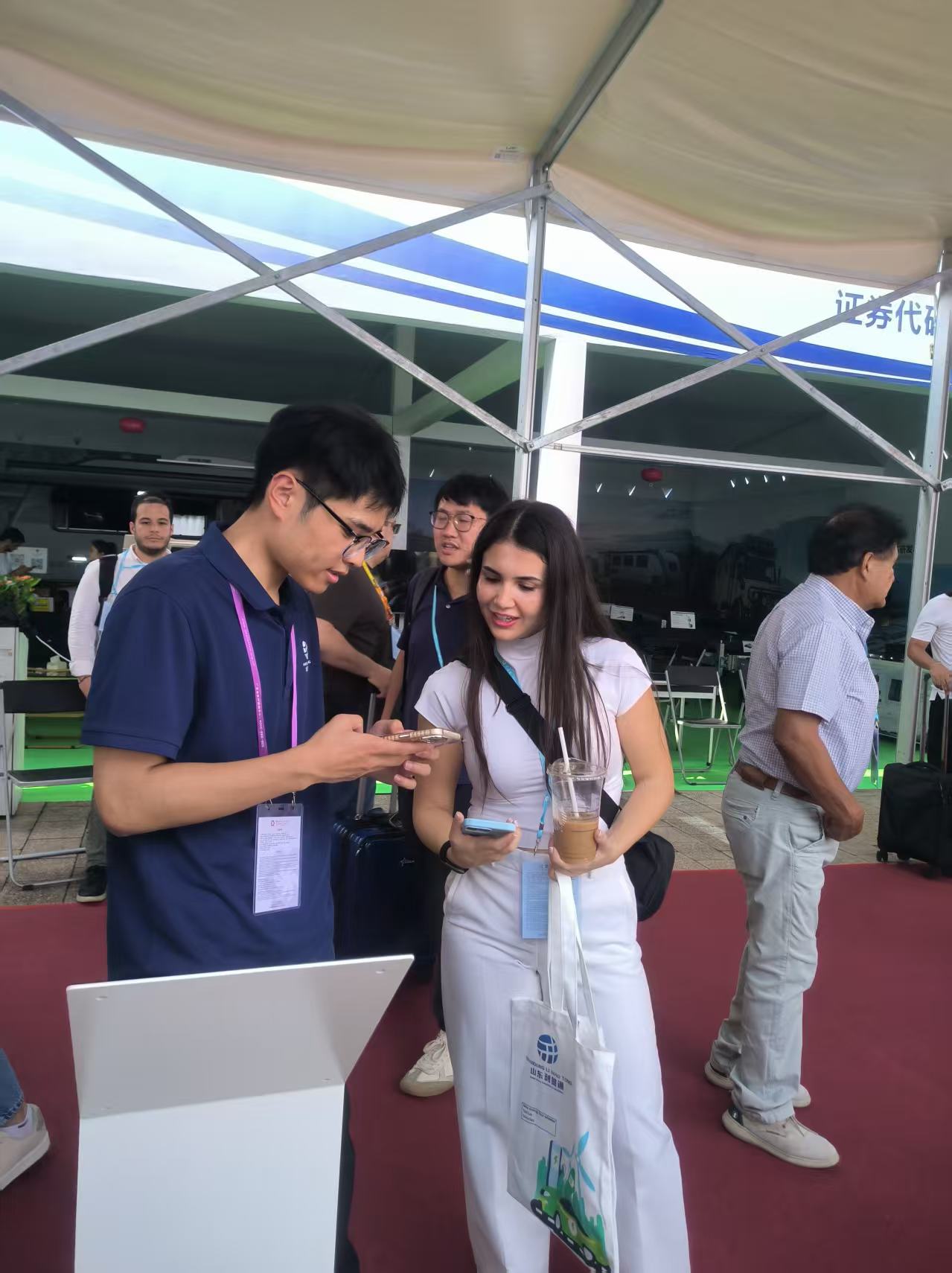
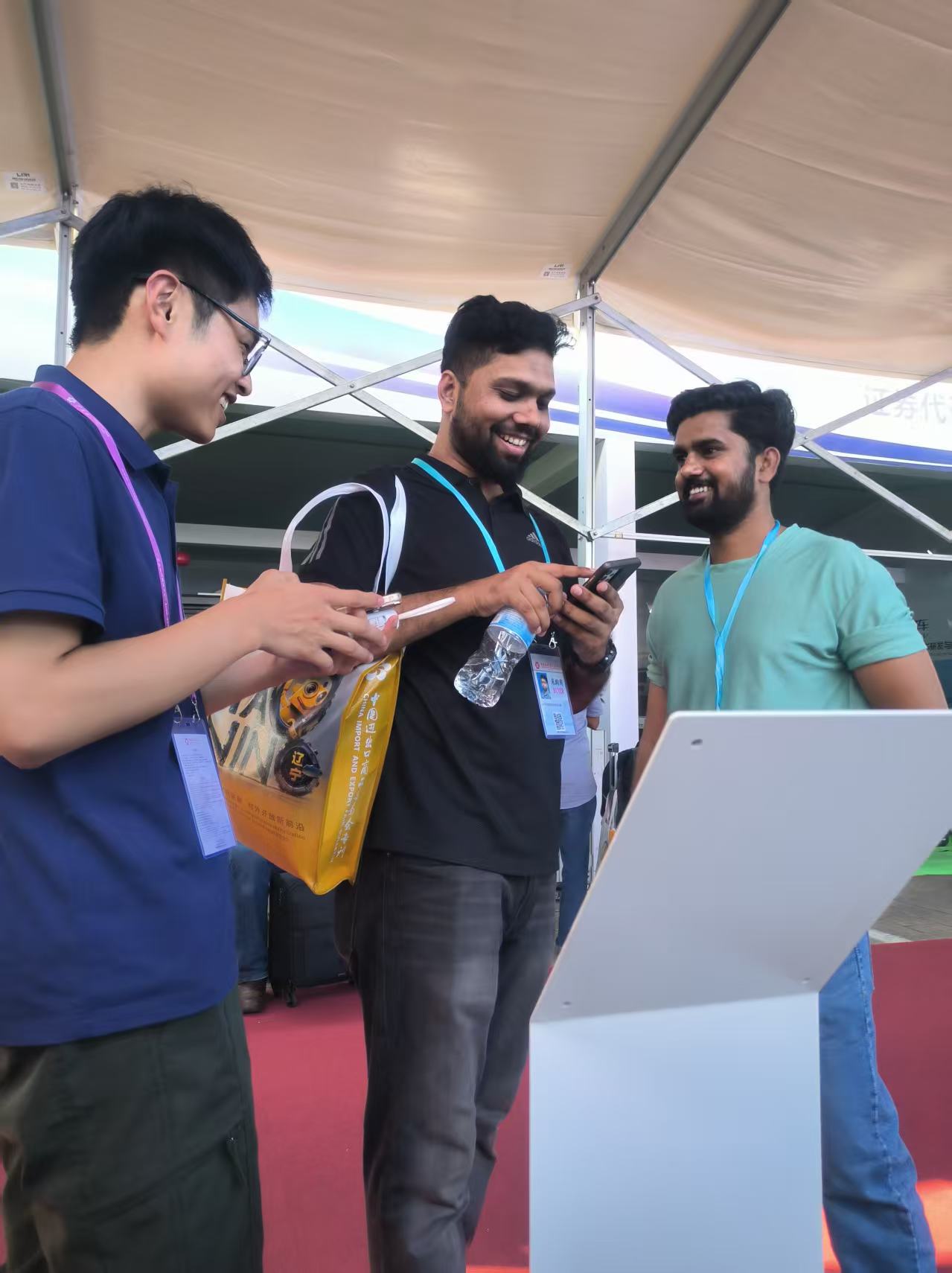
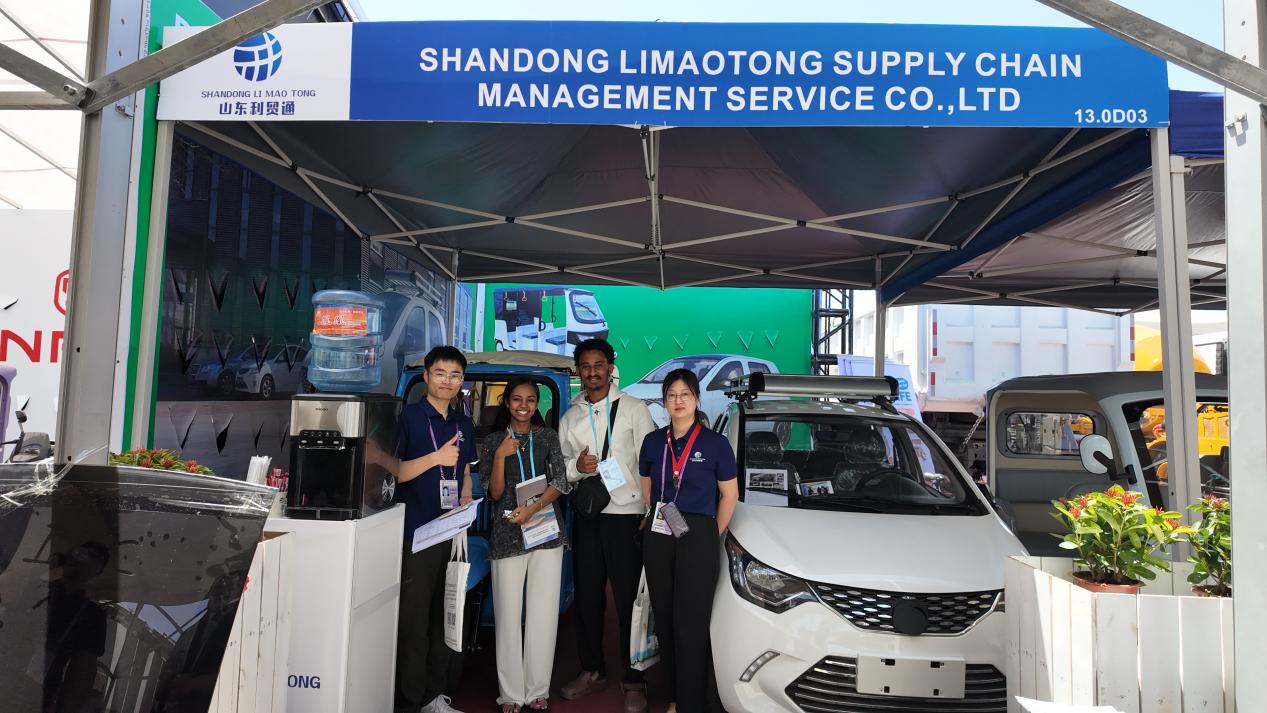
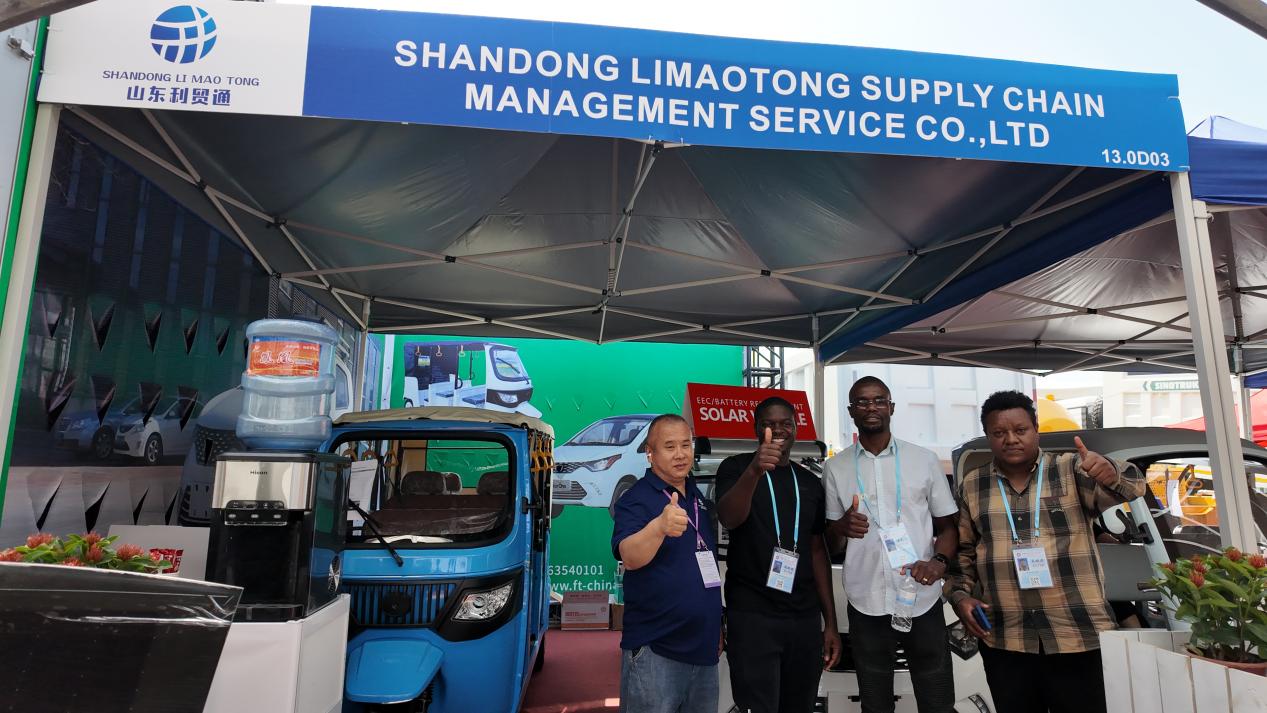
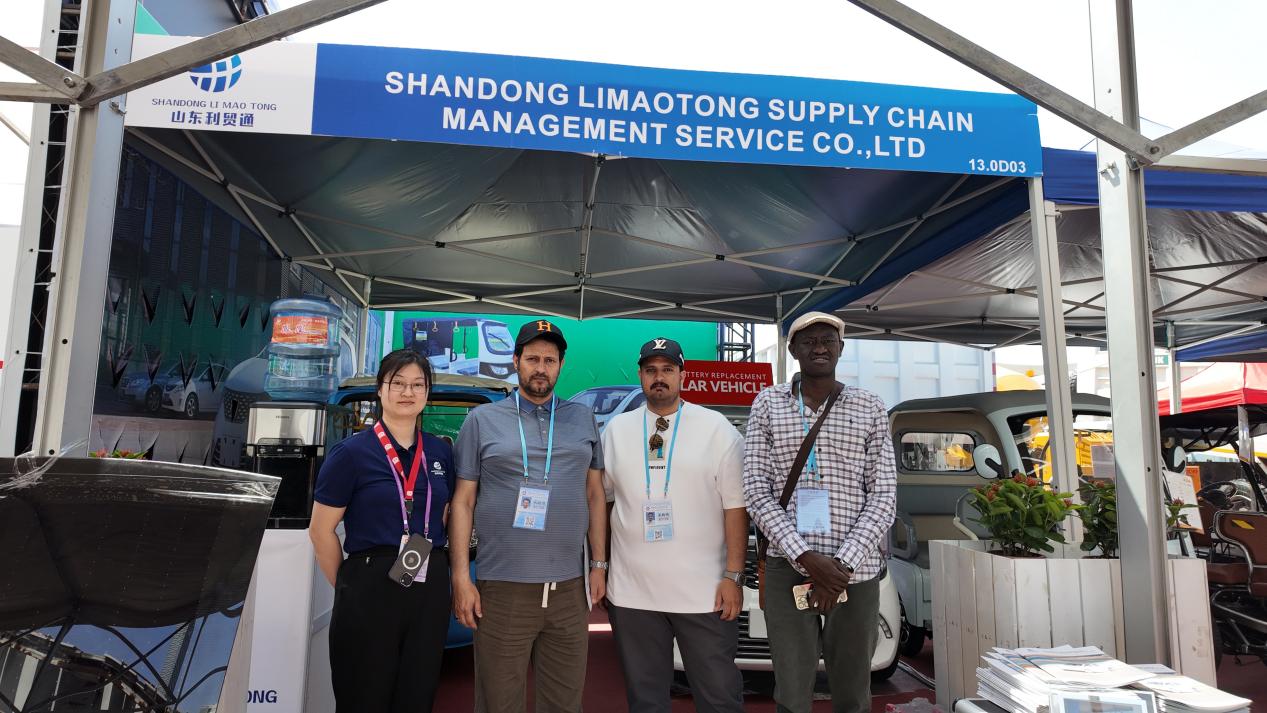
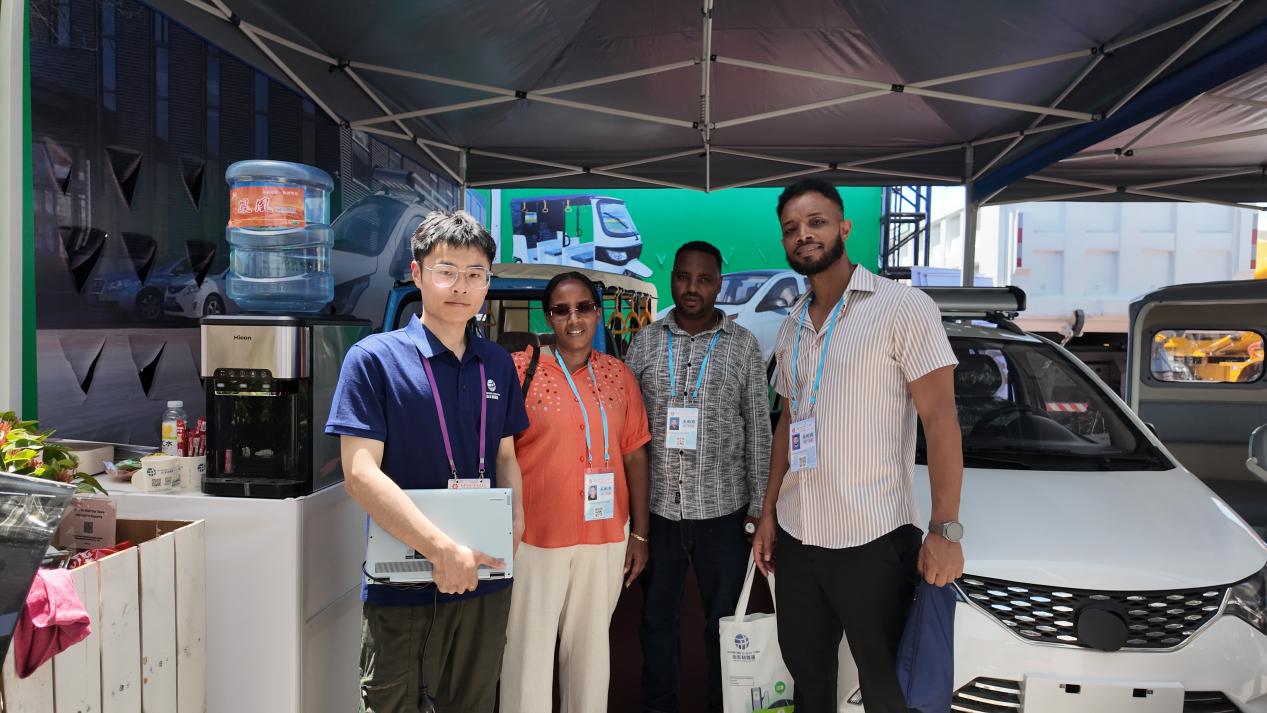
We support global procurement with on-site factory audits and localized parts distribution hubs.
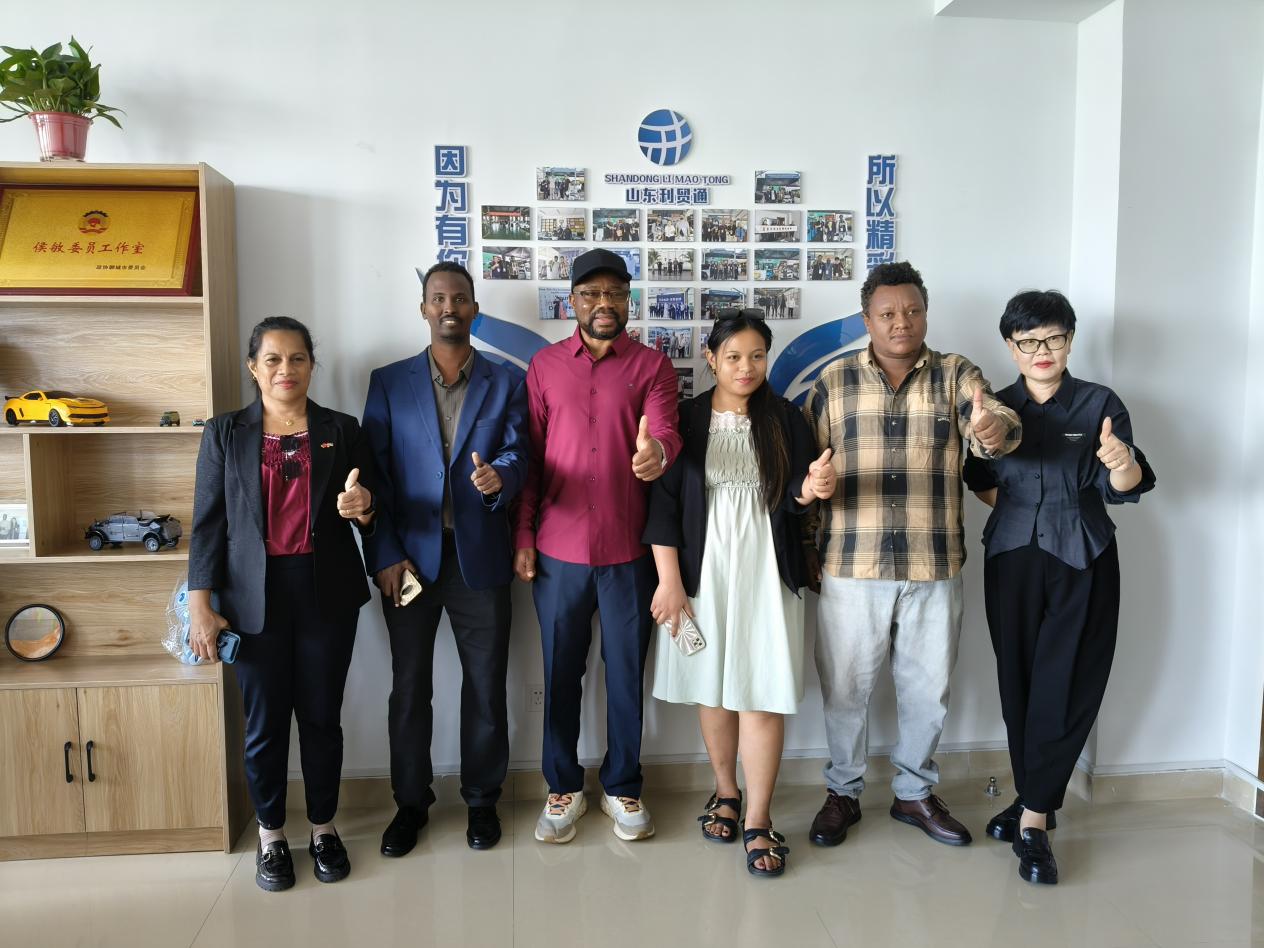
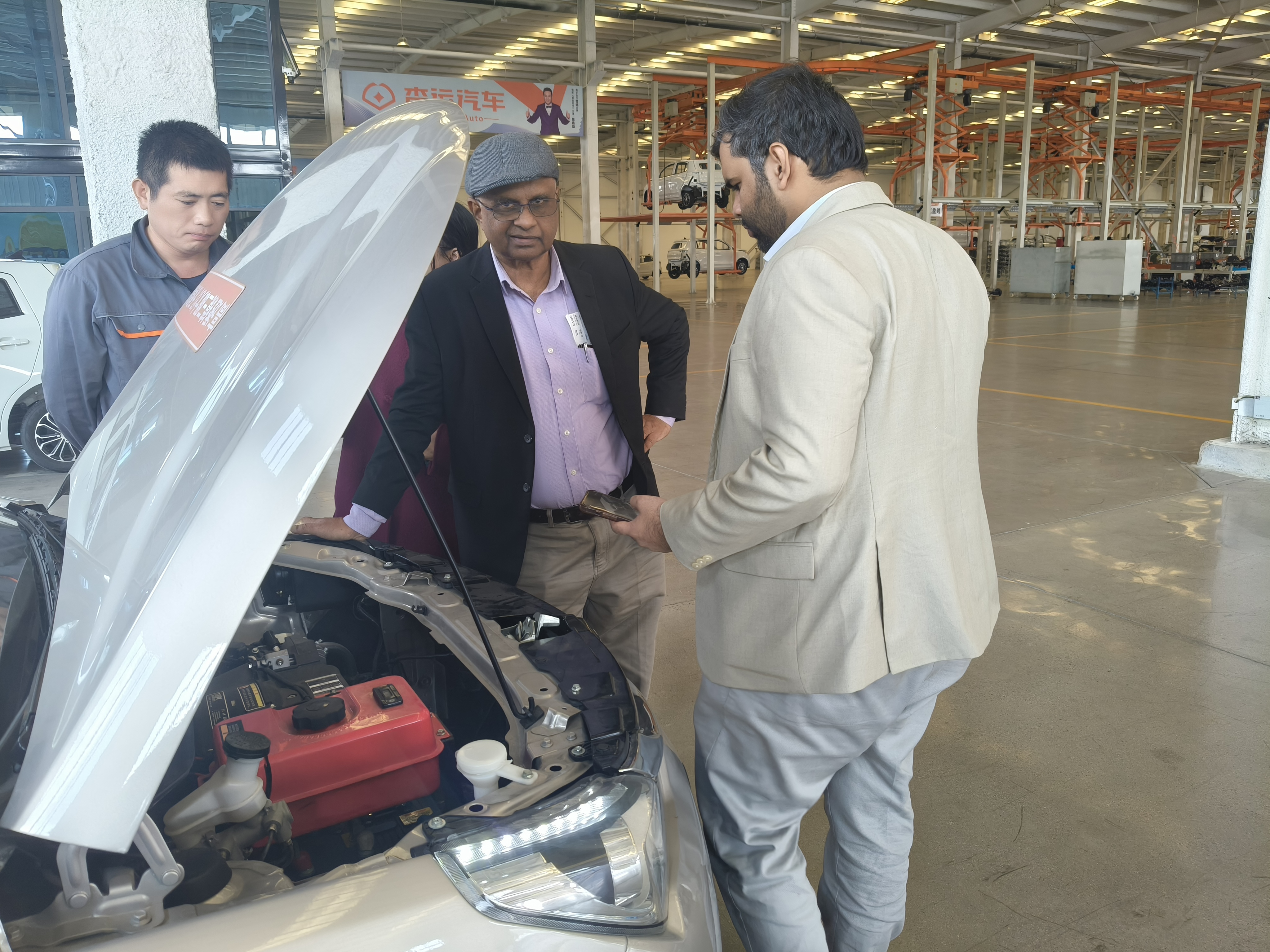

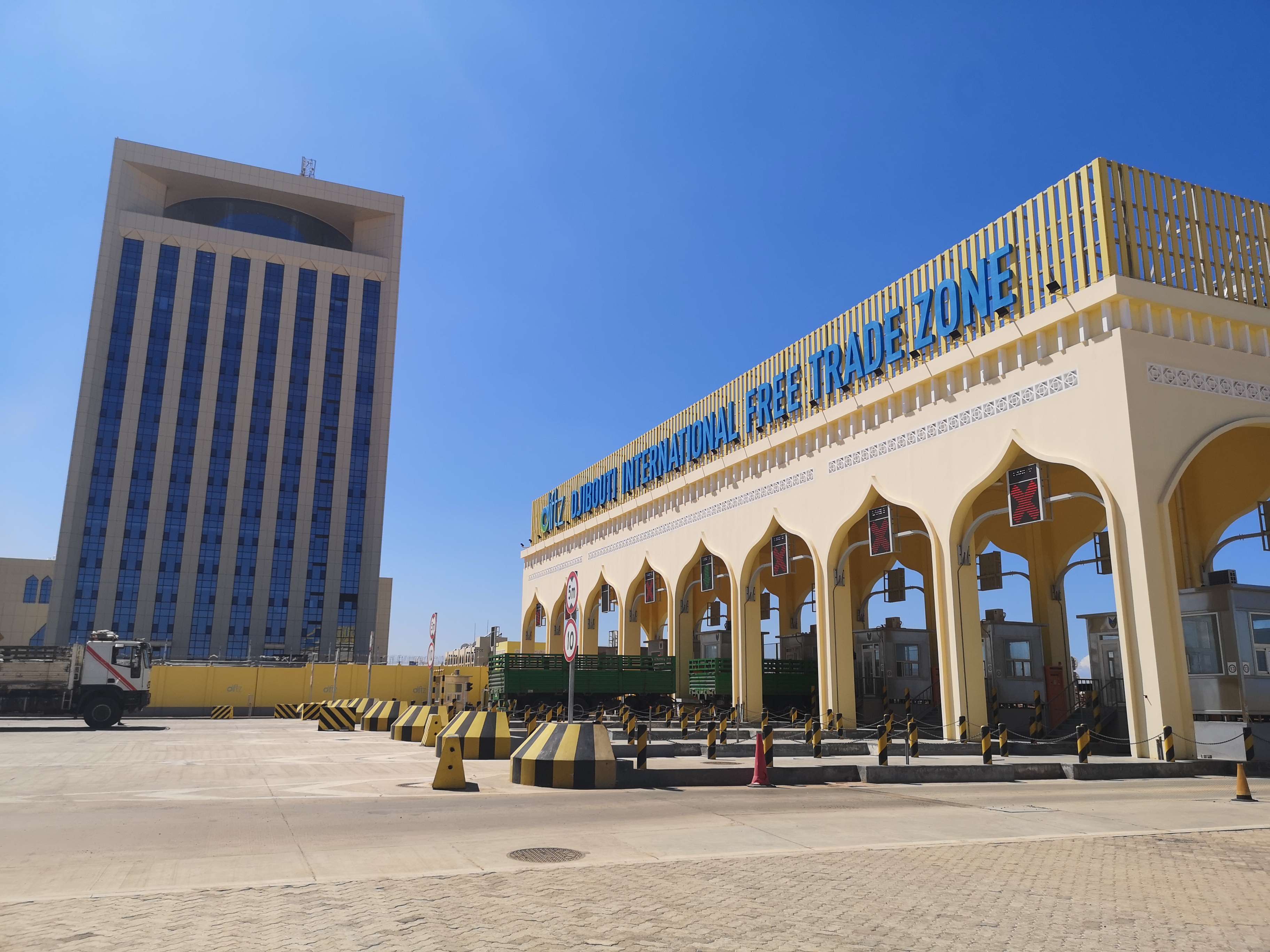
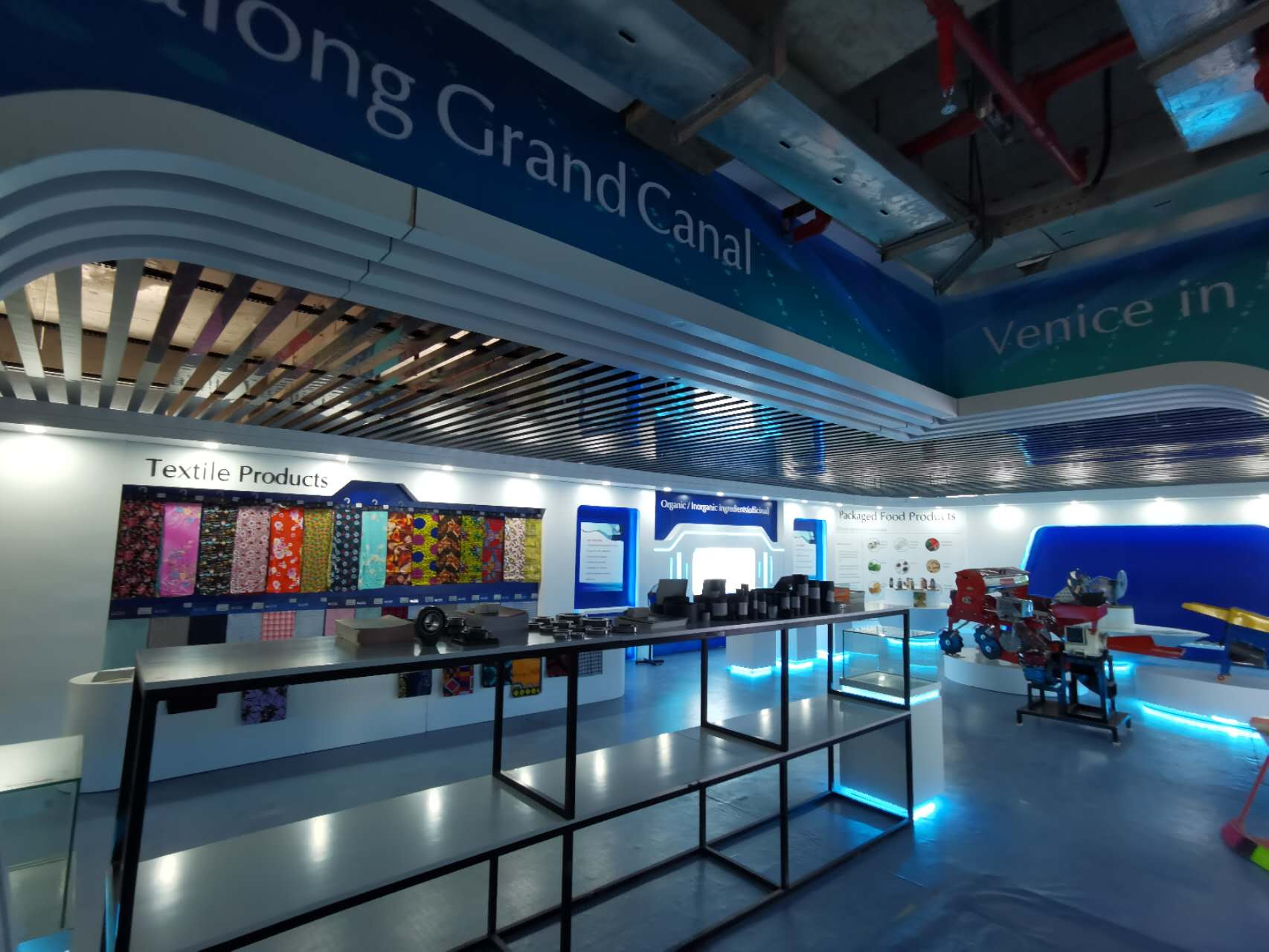
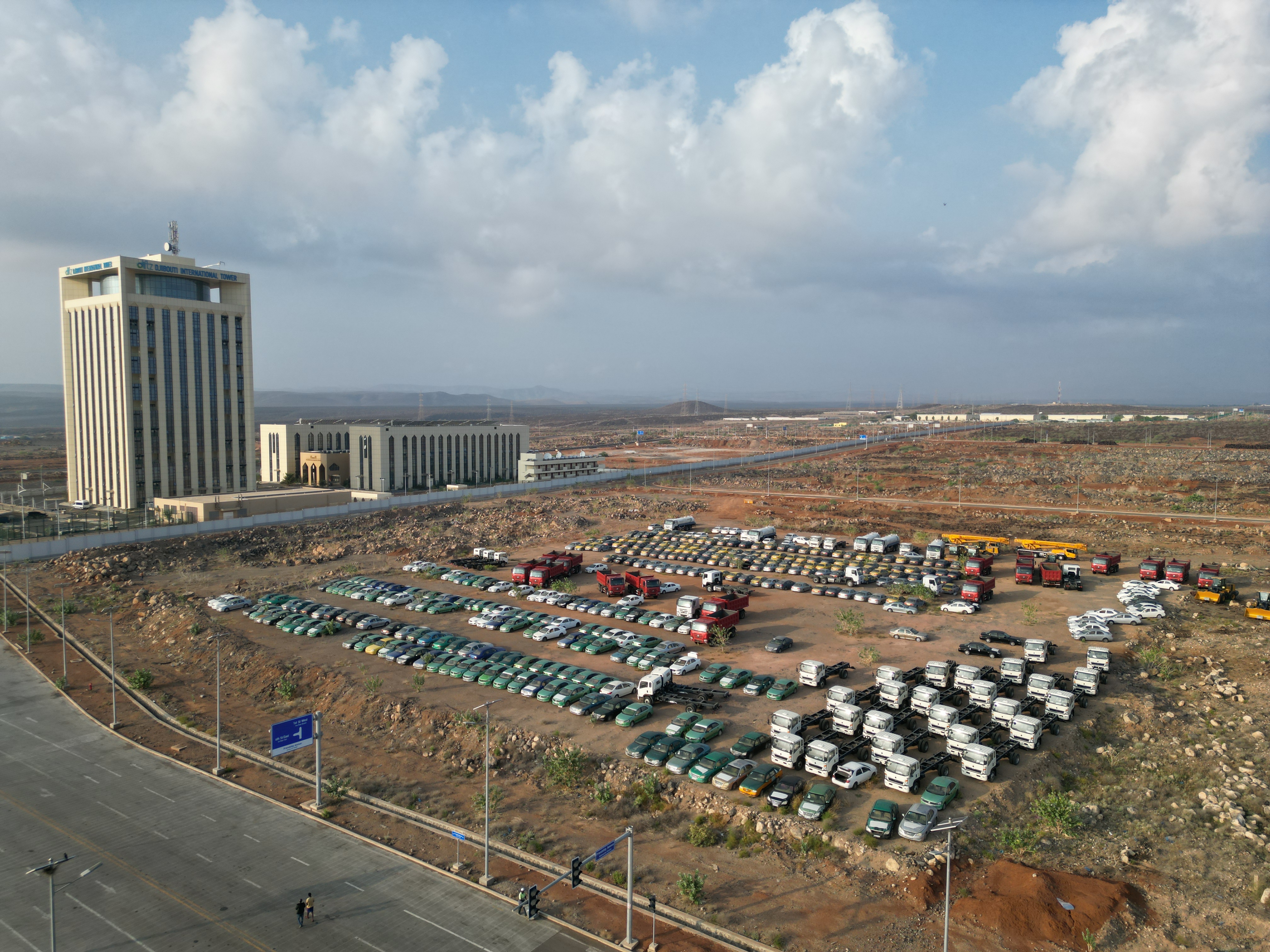
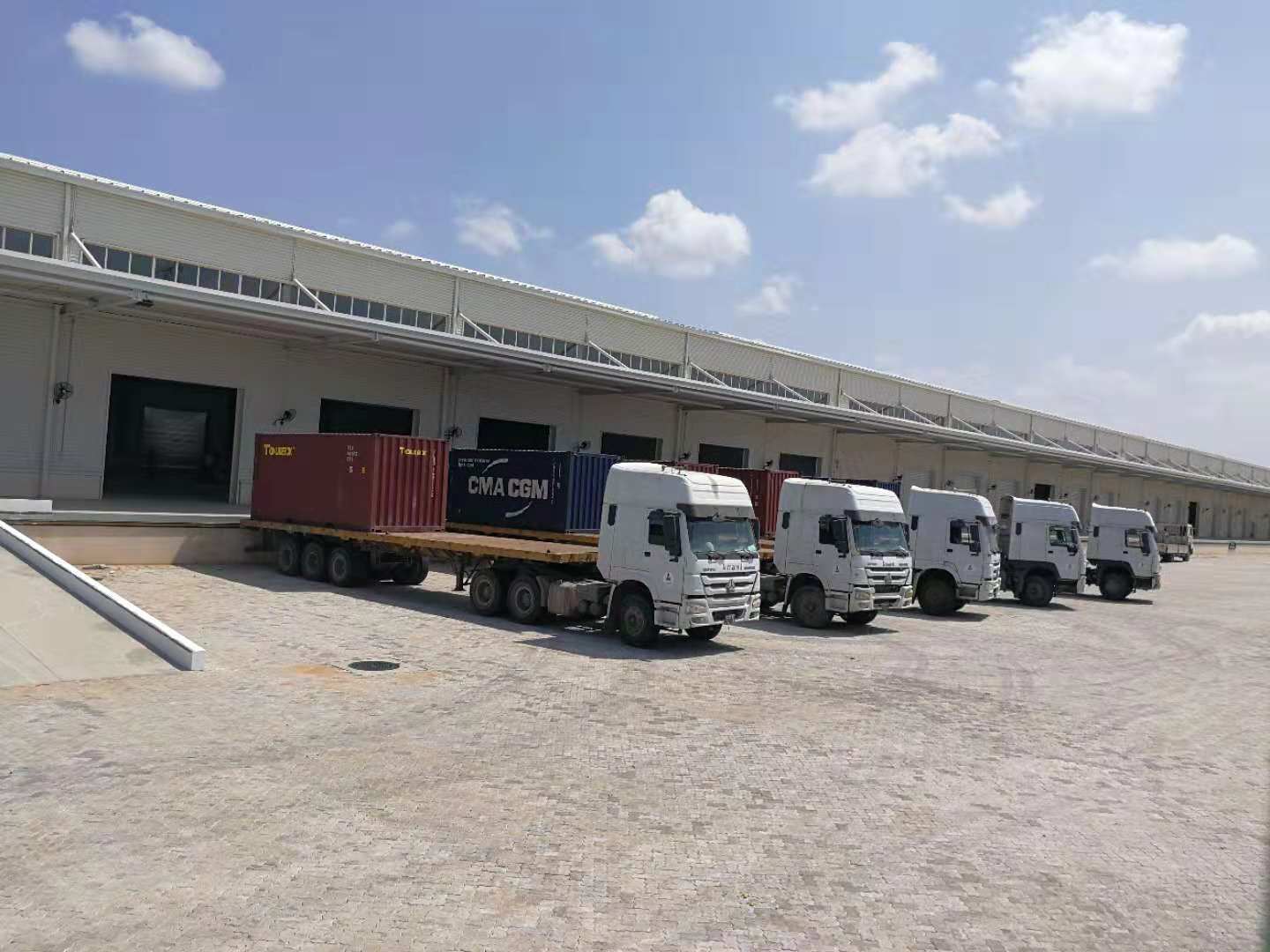
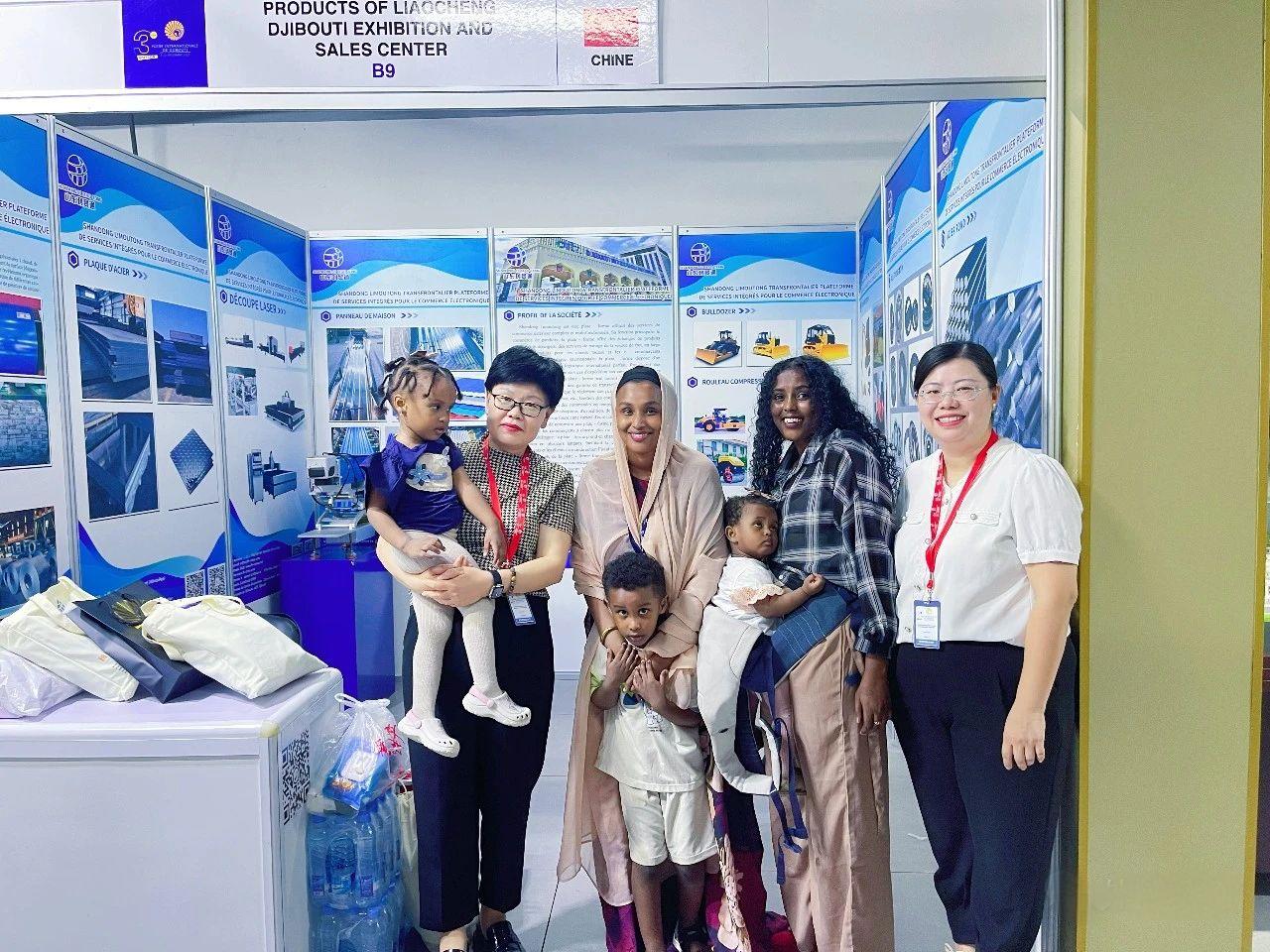
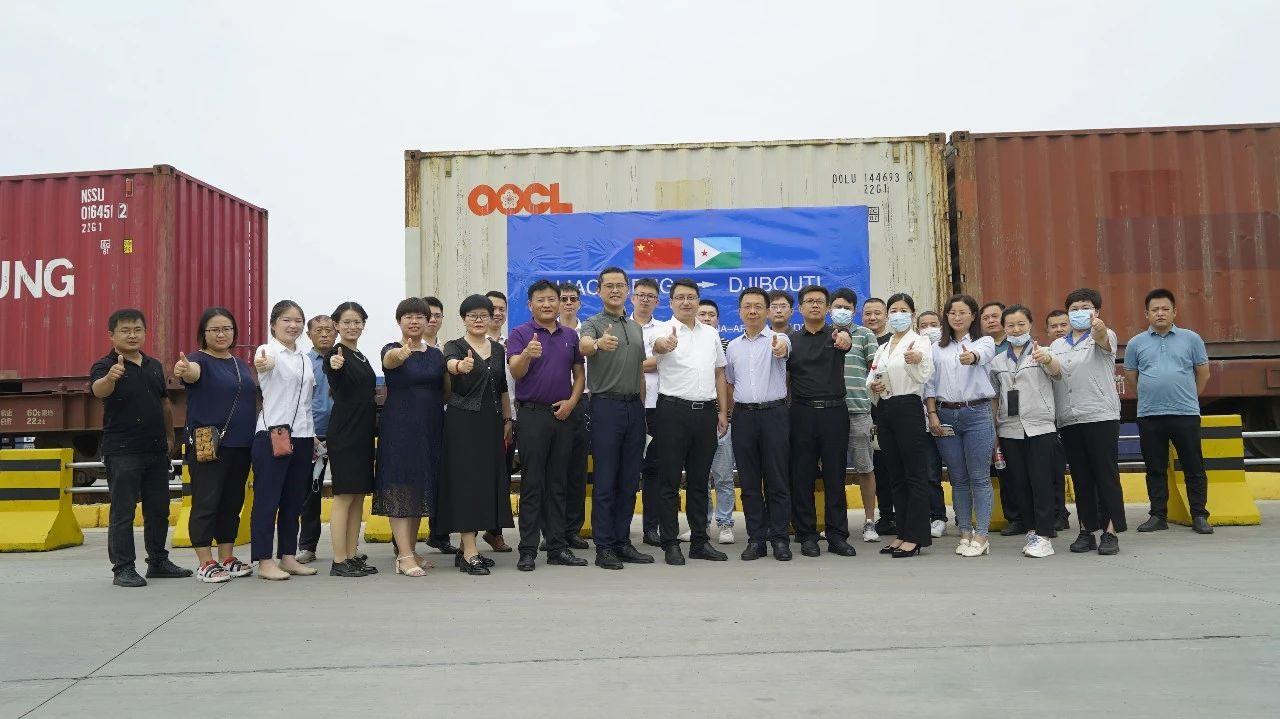
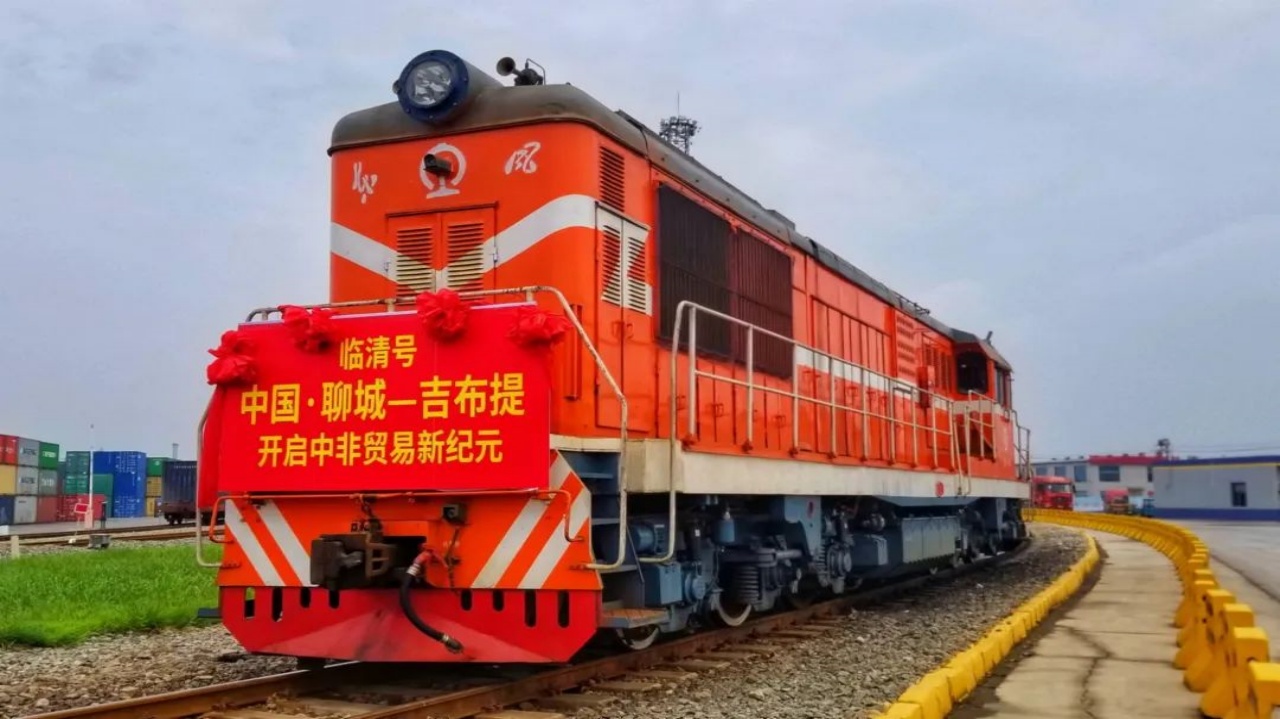
Launched in 2023, the Djibouti Cross-Border E-Commerce Center serves as our main distribution hub for East Africa. Located in the Djibouti International Free Trade Zone, this facility acts as a logistics and service center. It provides customs handling, regional distribution, direct sales, and technical support. Using this local setup, we offer fast delivery, reliable parts support, and responsive maintenance to our partners across Africa.


Different regions and businesses have distinct needs. Here is how our vehicle catalog addresses these diverse requirements:
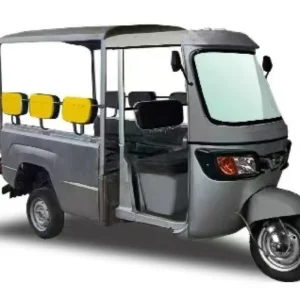
Urban delivery teams need compact, reliable cargo vehicles to navigate tight lanes. Our heavy-duty electric cargo tricycles feature reinforced leaf-spring suspensions and high-torque motors, providing a practical option for parcel delivery, agricultural hauling, and local commercial transport.
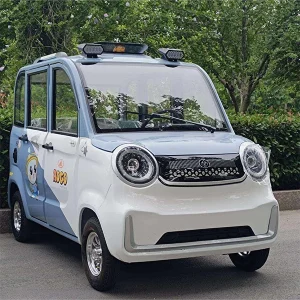
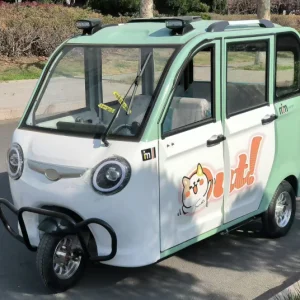
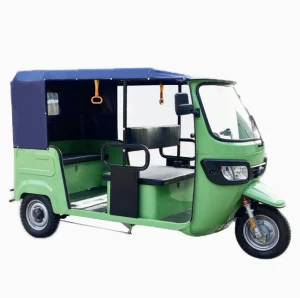
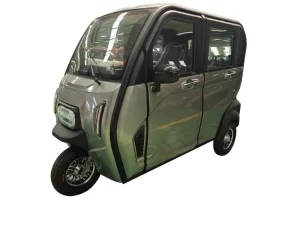
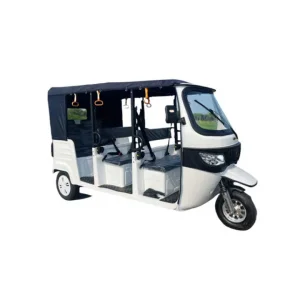
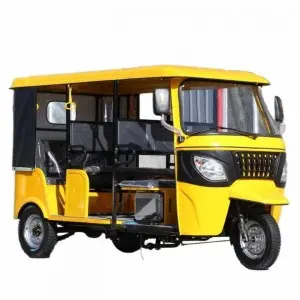
In regions like East Africa, South Asia, and Latin America, passenger Tuk Tuks are primary transport options. Fully enclosed electric passenger tricycles, such as the DK12 or S3 designs, offer low-cost operations and protect passengers from the weather, helping local fleets transition to green energy.
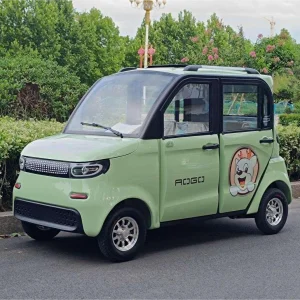
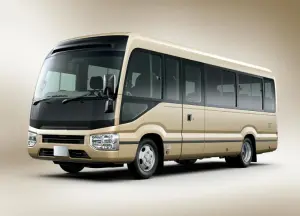
Hotels, industrial parks, and tourist resorts require quiet, emission-free transport. Our multi-seater electric sightseeing buses and passenger shuttles provide comfortable passenger transport, minimal maintenance costs, and simple charging configurations.
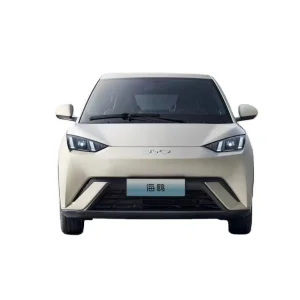
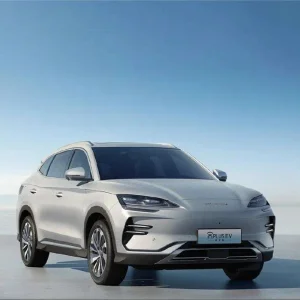
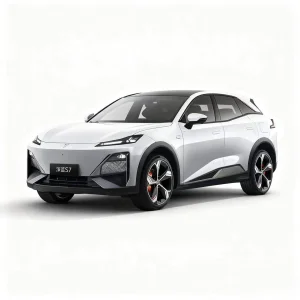
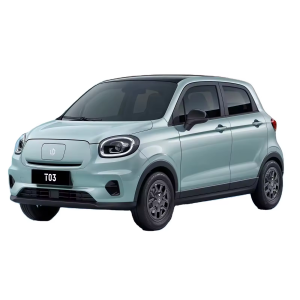
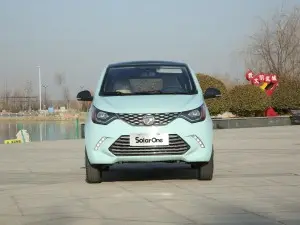
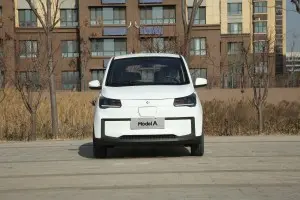
For daily city travel, compact EVs like the BYD Seagull or Leapmotor T03 offer an ideal balance of size, safety, and range. Designed for urban parking and city traffic, they provide a reliable entry point for individuals and company fleets moving to electric mobility.
Professional insights on import requirements, customization options, battery technology, and logistics support.
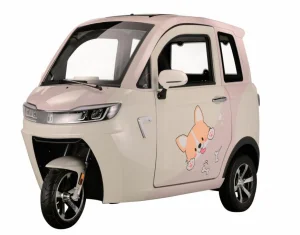
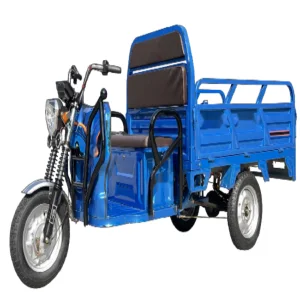
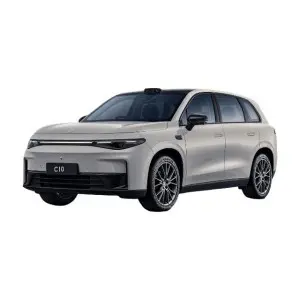
We supply high-demand consumer and commercial electric models from leading manufacturers to meet global market needs.
 Limaotong