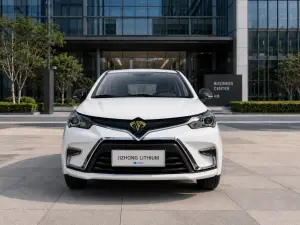
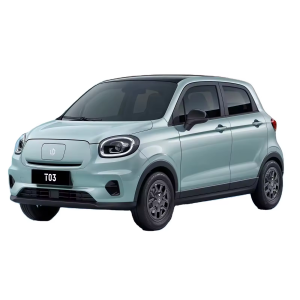
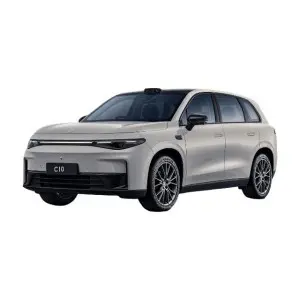
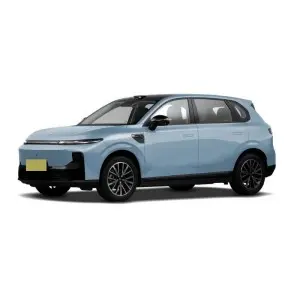
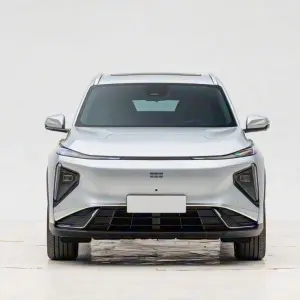
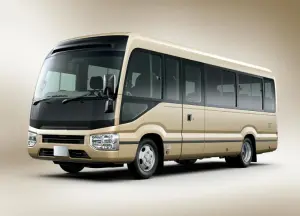
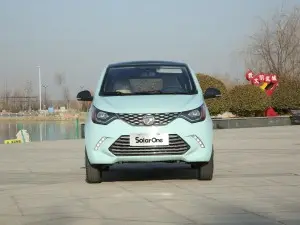
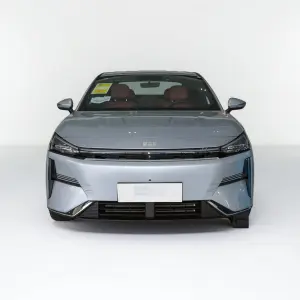
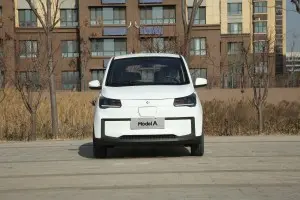
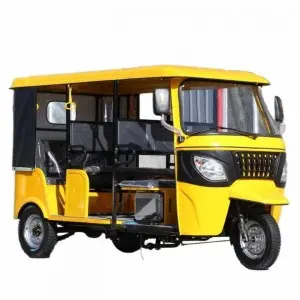
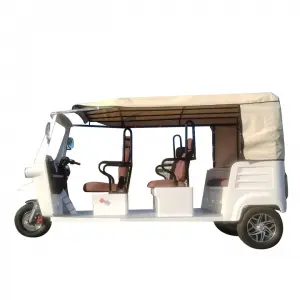
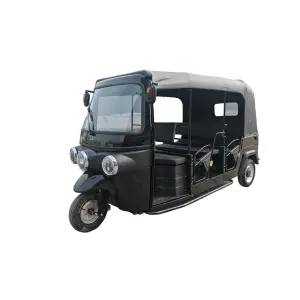
Explore our top-tier selection of high-speed electric bikes, intelligent passenger tricycles, and new energy vehicles engineered for absolute performance.
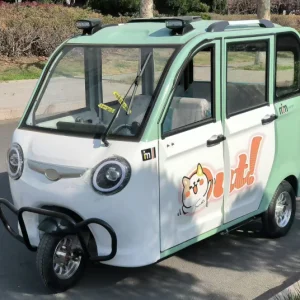
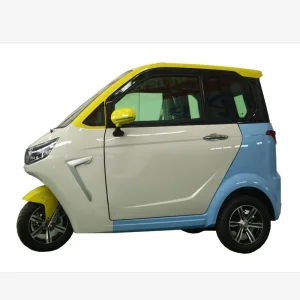
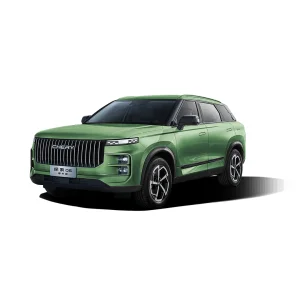
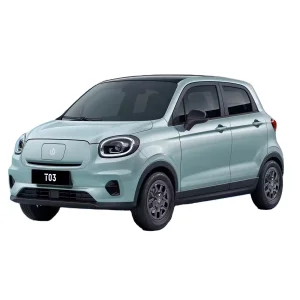
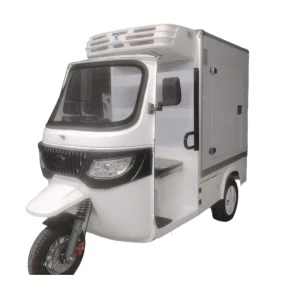
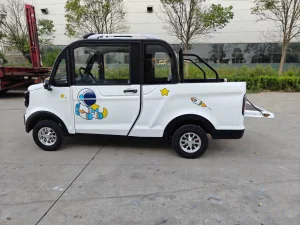
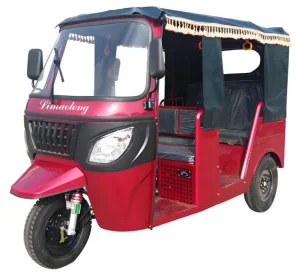
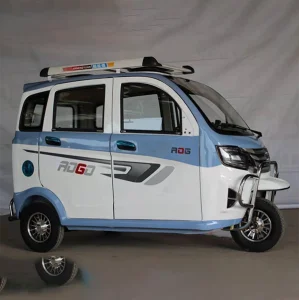
An in-depth analysis of the fastest-growing micro-mobility sectors, industrial supply chain dynamics, and regulatory maps across continents.
The global transportation ecosystem is undergoing a dramatic shift. As congestion halts metropolitan centers and environmental policies tighten, enterprises and consumers alike require faster, more robust mobility alternatives. The demand for high-speed, heavy-duty electric bikes and multi-wheeled micro-vehicles is growing rapidly. Industry analysts project the global e-bike and light electric vehicle market will exceed $120 billion by 2030, representing a compound annual growth rate (CAGR) of over 10.5%.
For industrial operators, the focal point has shifted from basic pedal-assist bicycles to utility-focused, high-capacity, high-torque configurations. Modern commercial fleets prioritize vehicles that balance cargo capacity with speed, allowing for faster transit times without sacrificing battery longevity or safety profiles.
Different markets present distinct demands. In Europe and North America, urban regulations emphasize the electrification of final-mile delivery hubs. This requires fast, stable electric cargo units capable of operating in dense urban zones. In developing regions, electric tricycles and multi-purpose vehicles are replacing internal combustion vehicles, driving local micro-economies and expanding transport capacity.
Meeting these diverse needs requires high manufacturing adaptability. By utilizing localized production units and strategic warehouses, suppliers can customize vehicle structures to comply with localized weight limits, battery safety regulations, and speed restrictions, minimizing global delivery times and lowering import costs.
A reliable electric vehicle supplier must provide comprehensive engineering data. The core of a high-speed vehicle lies in its battery chemistry and frame durability. High-density ternary lithium cells and lithium iron phosphate (LiFePO4) chemistries are preferred for their thermal stability and cycle life. Furthermore, structural safety relies on robotic welding precision, one-piece stamping, and strict testing protocols under harsh environmental conditions.
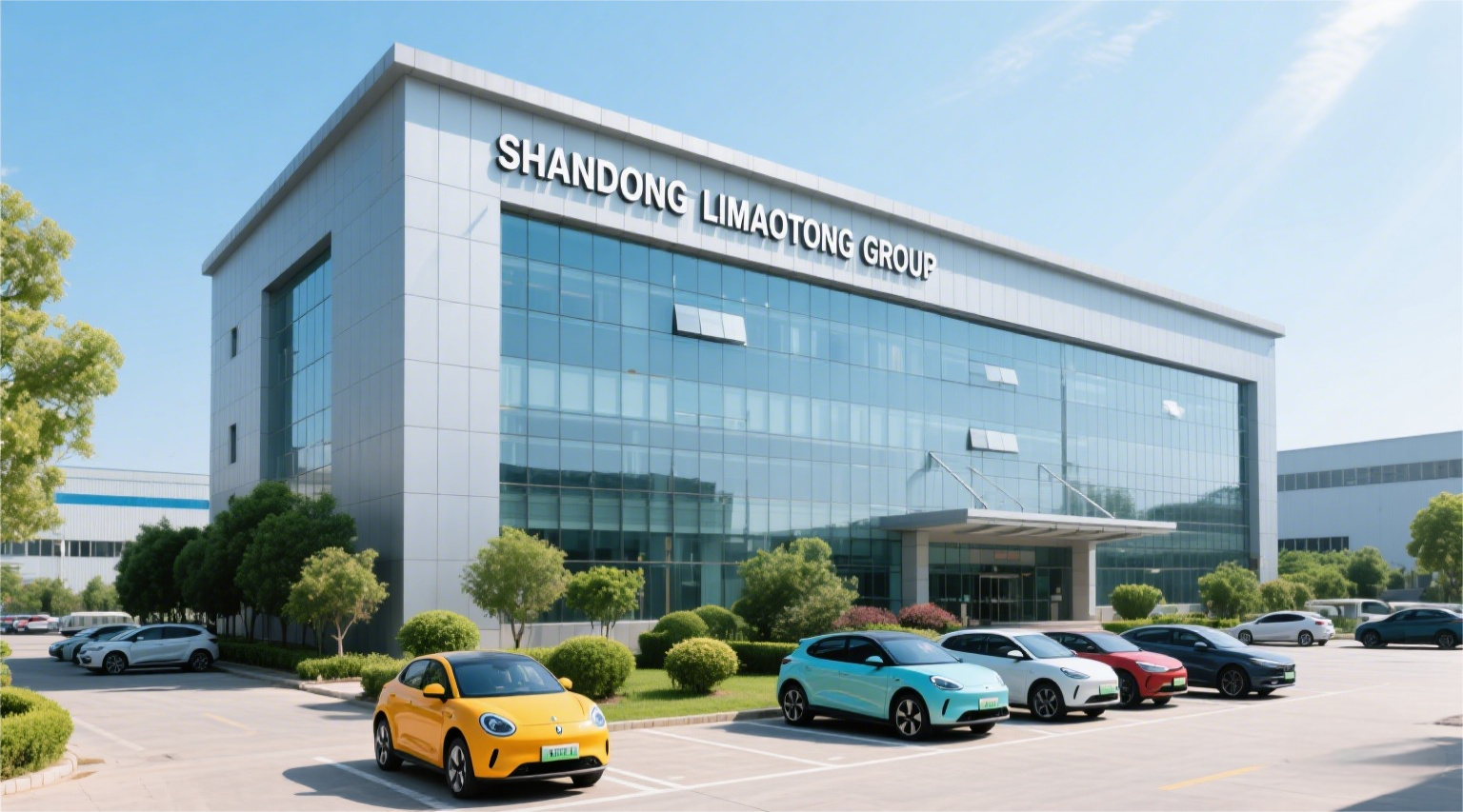
SHANDONG LI MAO TONG GROUP is a global supplier of high-quality products, with a complete industrial chain, specialized in research, manufacture, and international sales of motor tricycles, cargo tricycles, and electric mini cars. Since our establishment, our vehicles have served over 120 countries and regions worldwide, with our brand reaching more than 20 million households globally.
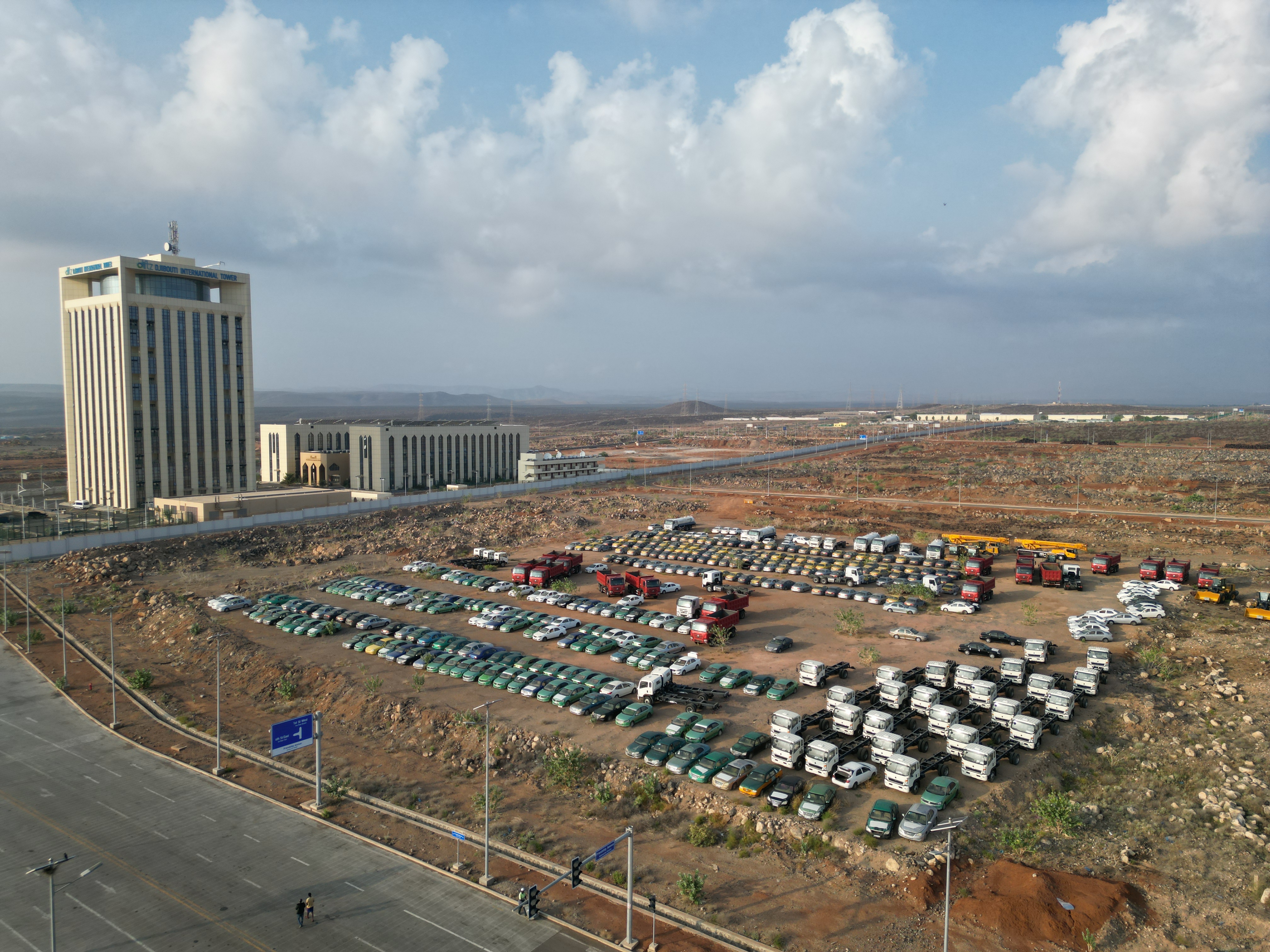
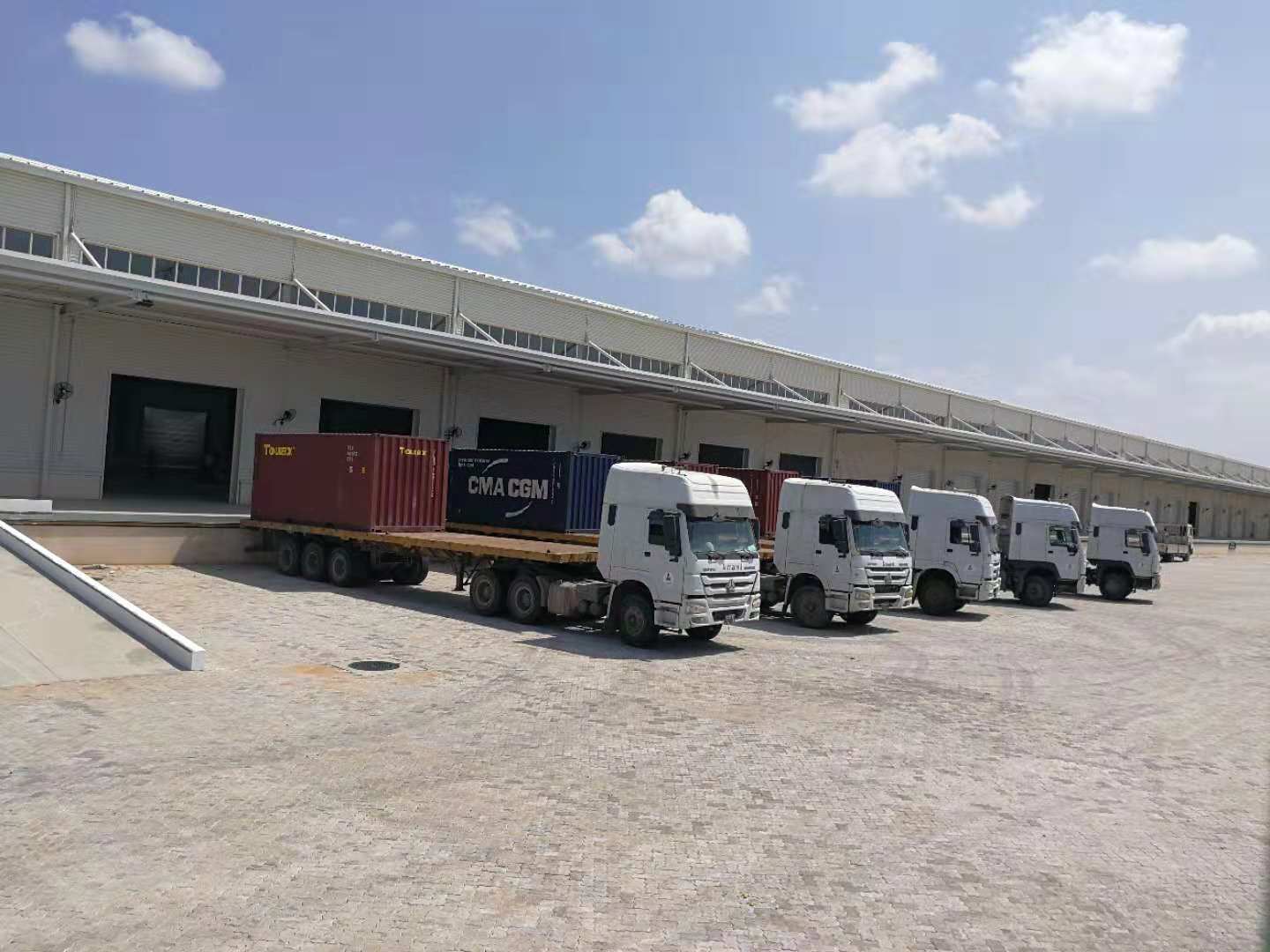
Supported by 8 overseas production bases, we provide comprehensive vehicle solutions to markets around the world. We attach great importance to after-sales service, and set up overseas warehouses in Djibouti and are equipped with a professional after-sales team and complete after-sales facilities. If you encounter any problems during the use of the product, our after-sales team will respond immediately and provide you with timely and effective solutions.
Our fleet solutions empower urban commuters and logistics teams worldwide across diverse terrains.
Localized manufacturing hubs and front-end warehousing enable efficient supply and localized engineering support.
Providing clean energy and light vehicle architectures for families and B2B enterprises globally.
In the evolving wave of China's new energy industry, Li Mao Tong delivers advanced electric mobility experiences through scientific innovation.
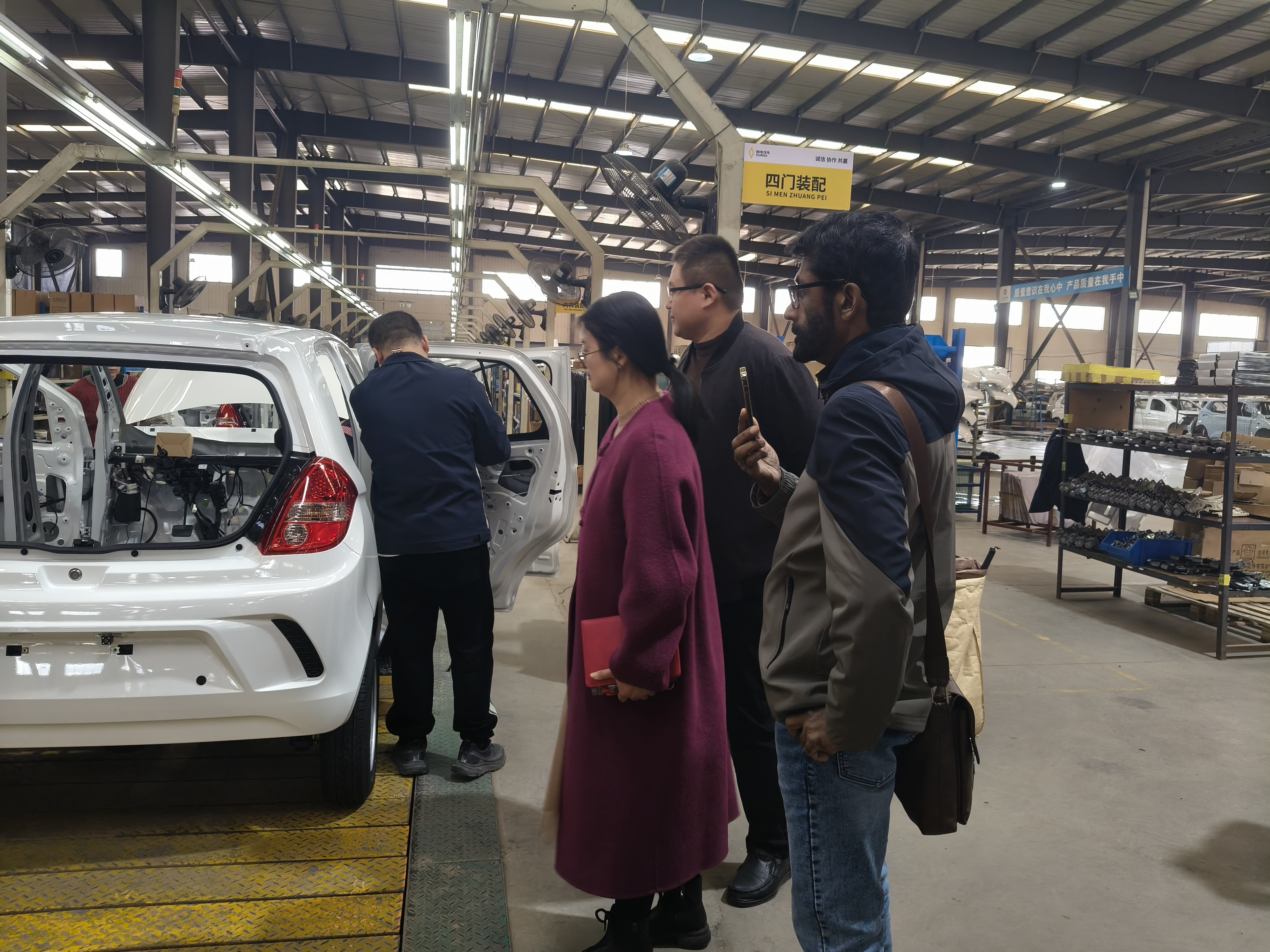
Quality is our lifeline. We operate a modern intelligent manufacturing base equipped with highly automated production lines and a stringent digital quality control system, ensuring every vehicle rolling off the line meets international standards of craftsmanship. Our commitment to safety permeates every aspect, with battery systems passing safety tests that exceed national standards, and structural designs targeting high safety ratings to protect operators.
Our core competitiveness stems from cutting-edge research, development, and innovation. From one-piece stamped steel frames to millimeter-precision cutting, and fully automated robotic painting that creates flawless finishes, every stage is managed by dedicated technical teams. Our vehicles are designed to withstand challenging environments, passing extreme laboratory tests like 7-stage rainstorms. Our multi-series, multi-positioning, and multi-brand strategy, combined with global delivery capability and all-terrain customization, makes us a preferred manufacturing partner for green mobility.
A transparent look at our advanced manufacturing plants, global trade exhibitions, and rigorous quality inspection processes.

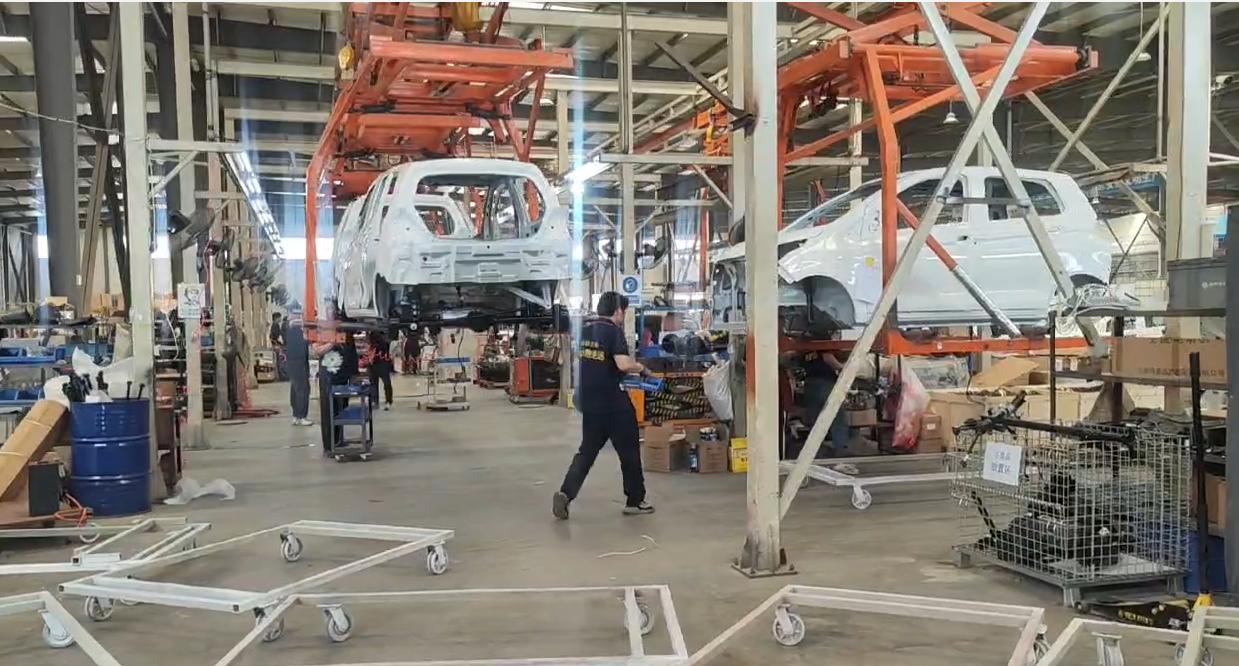
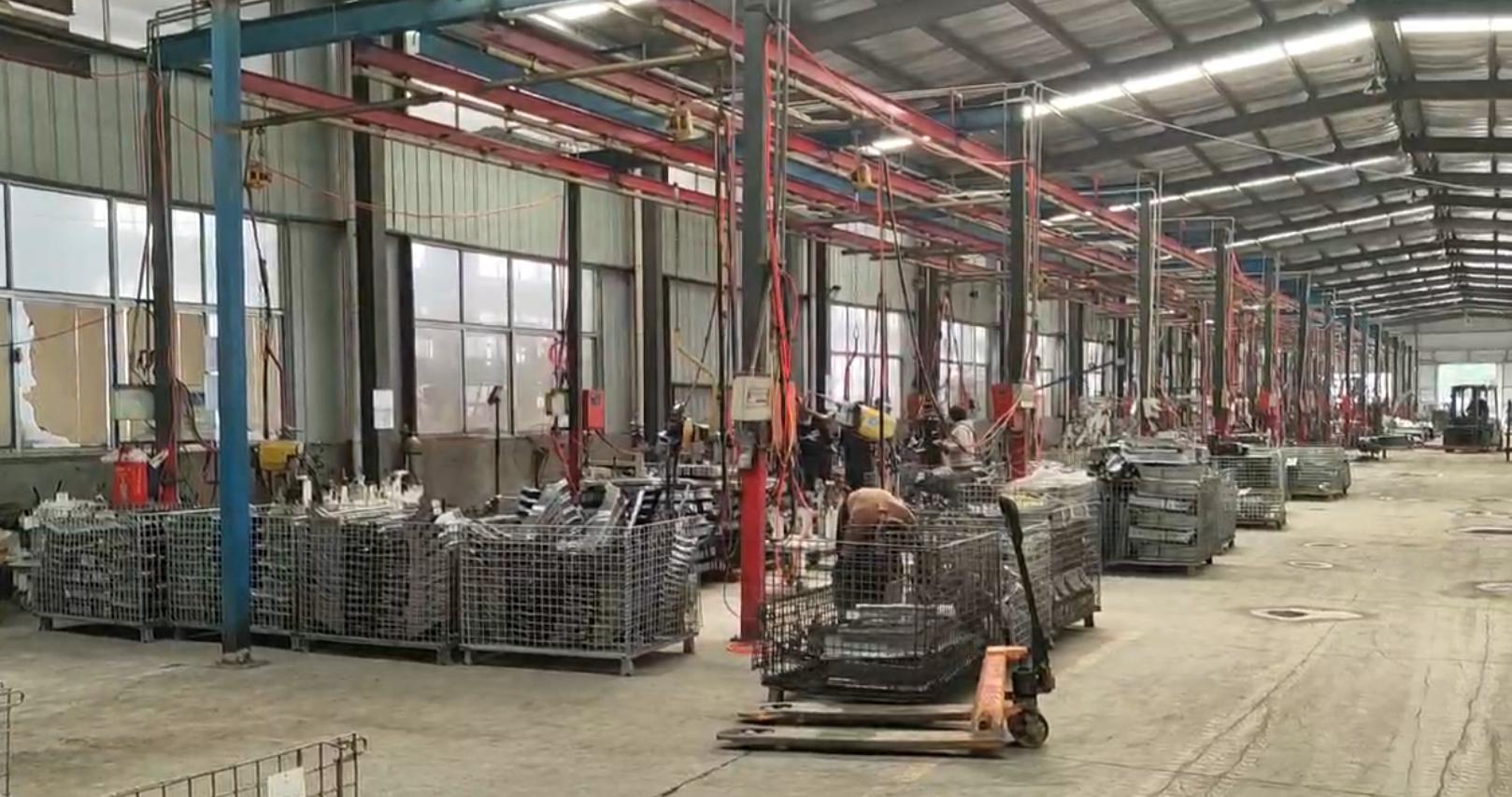
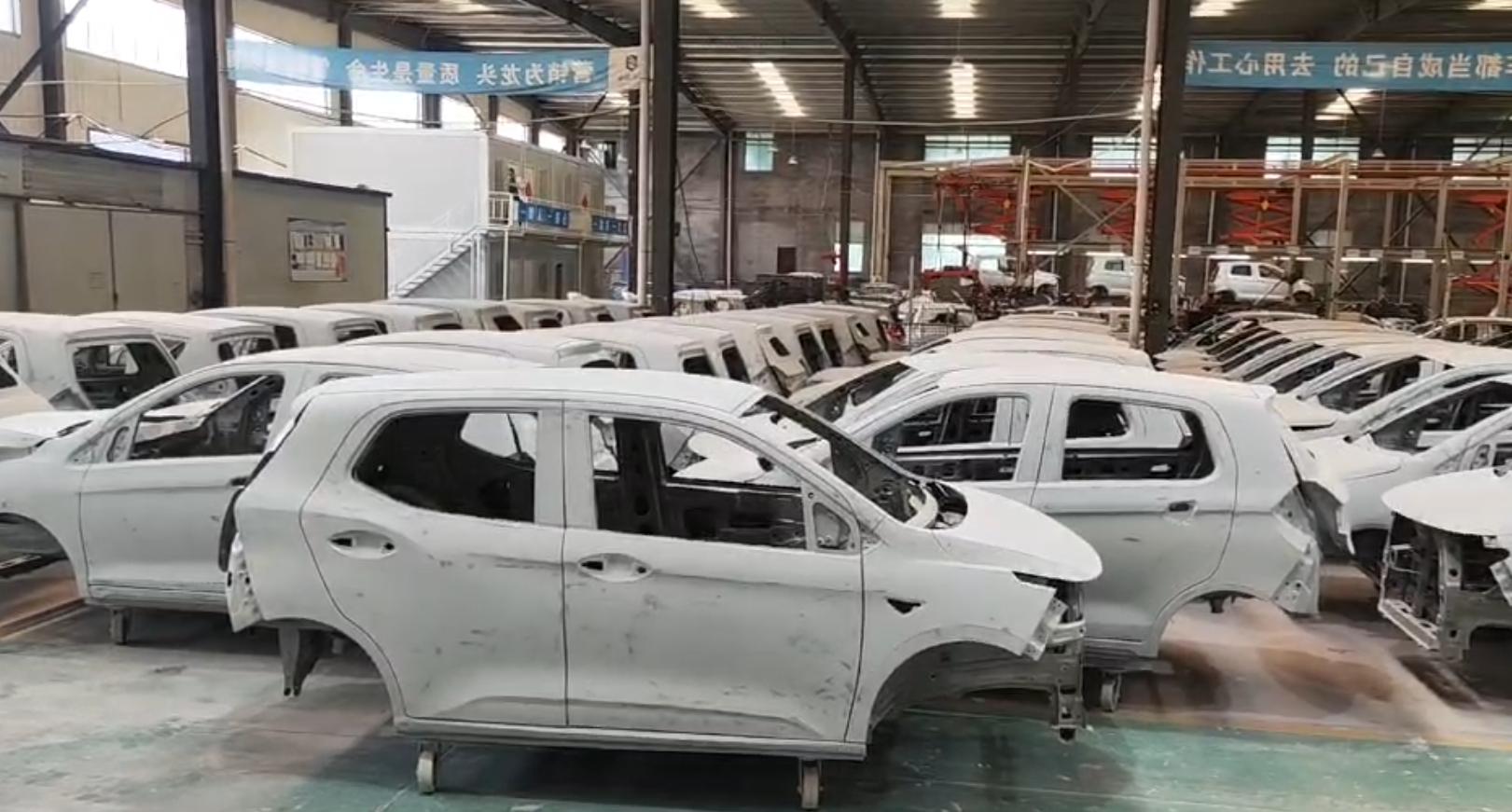
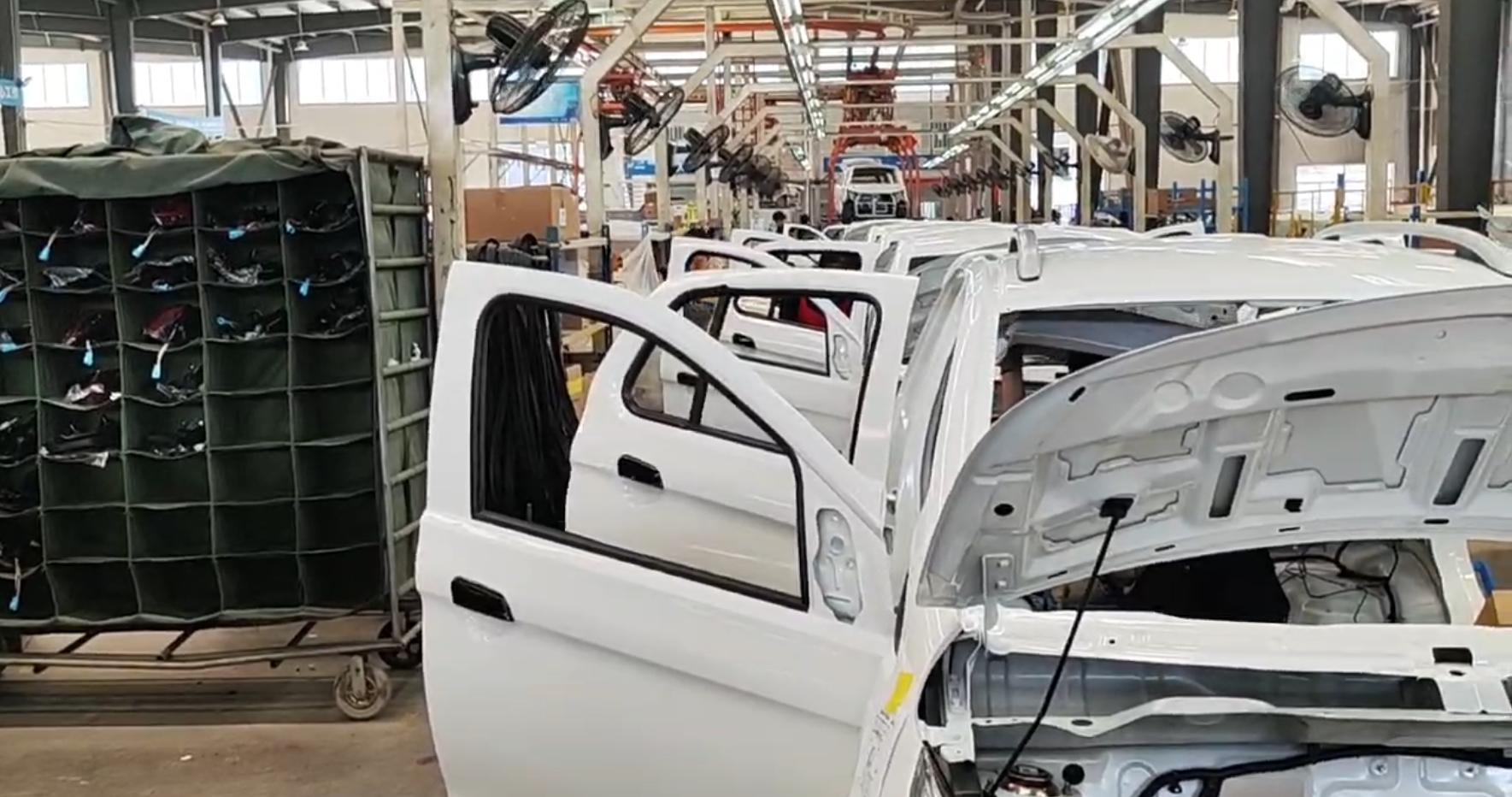
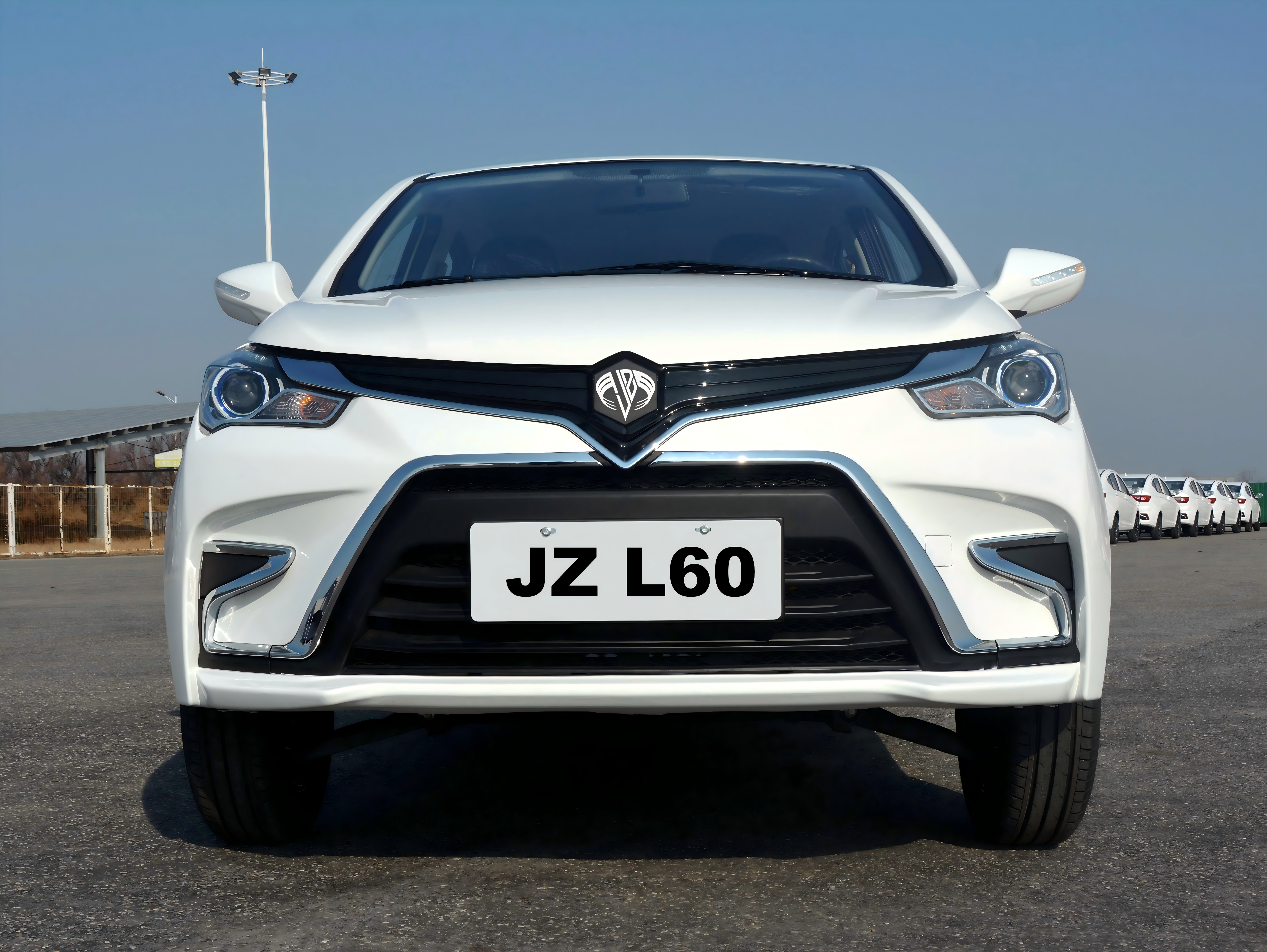
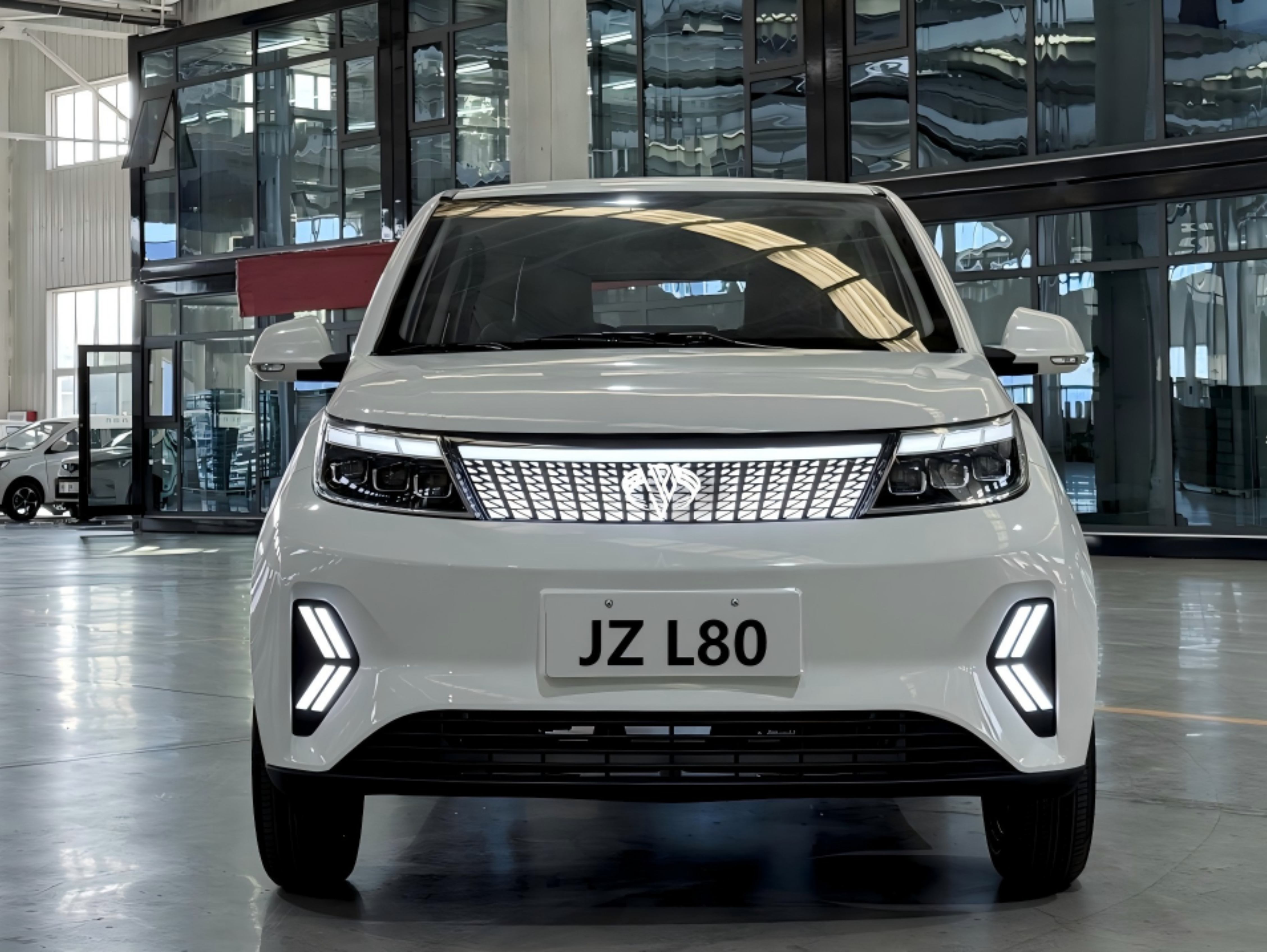
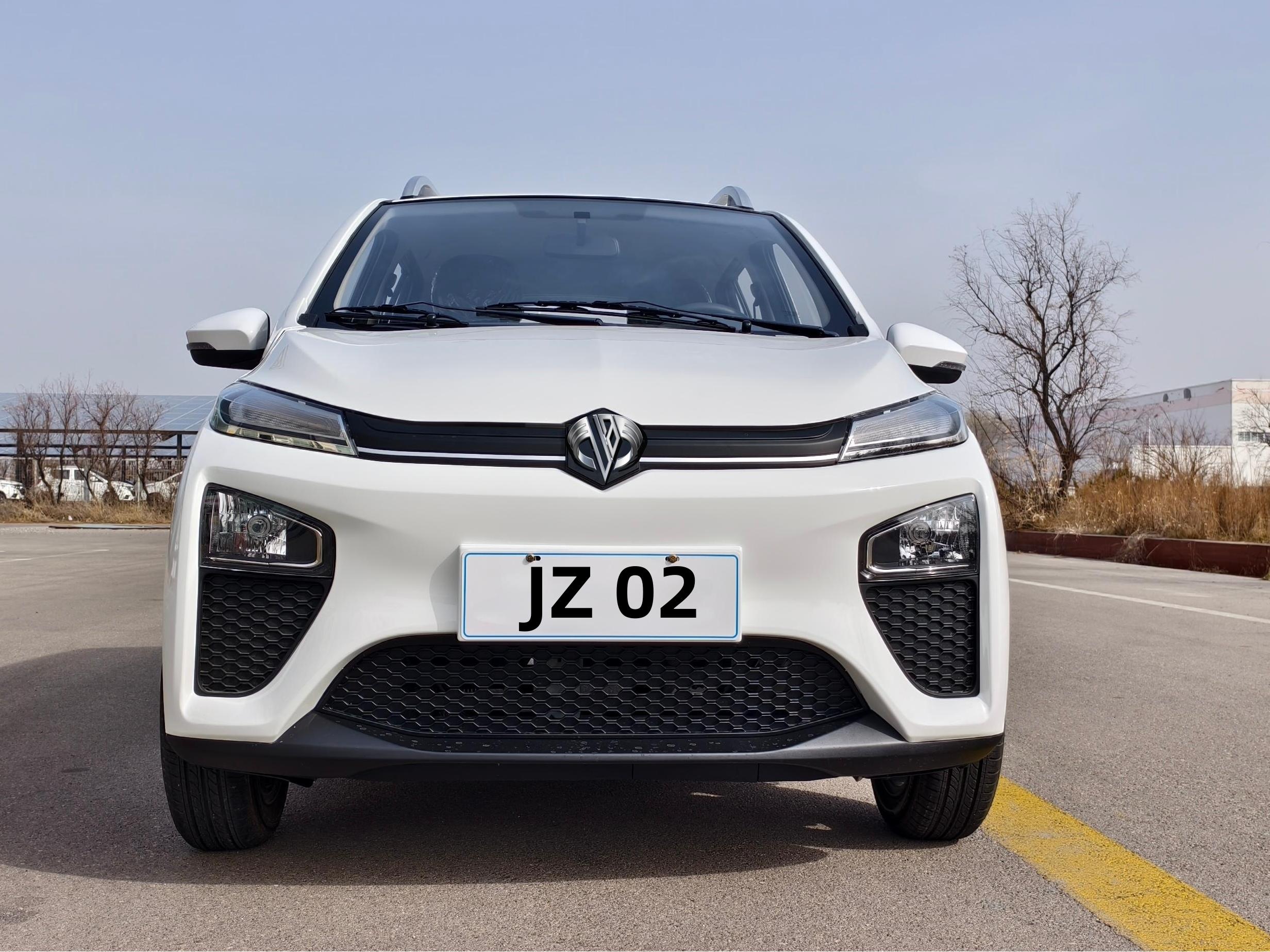
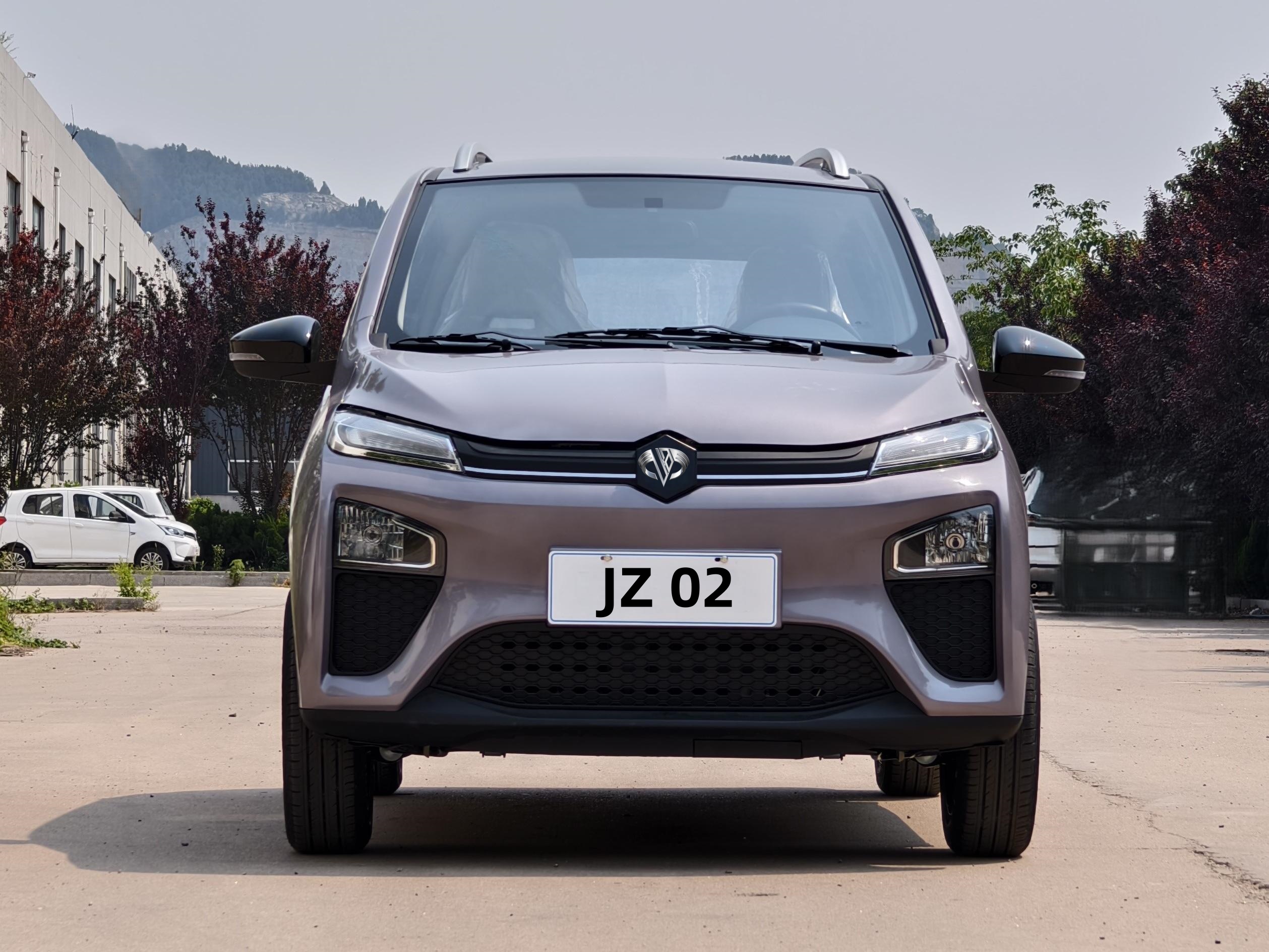


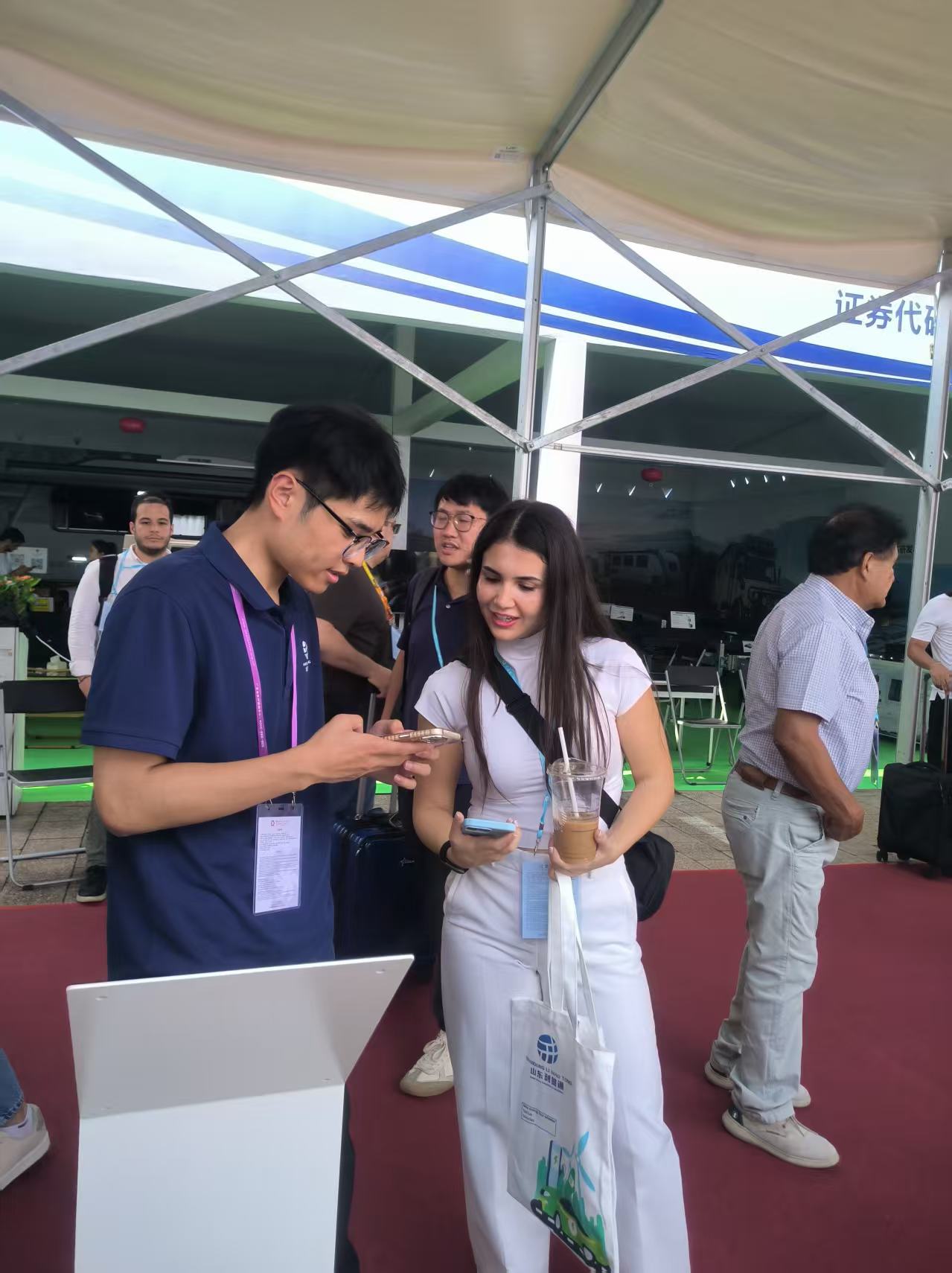

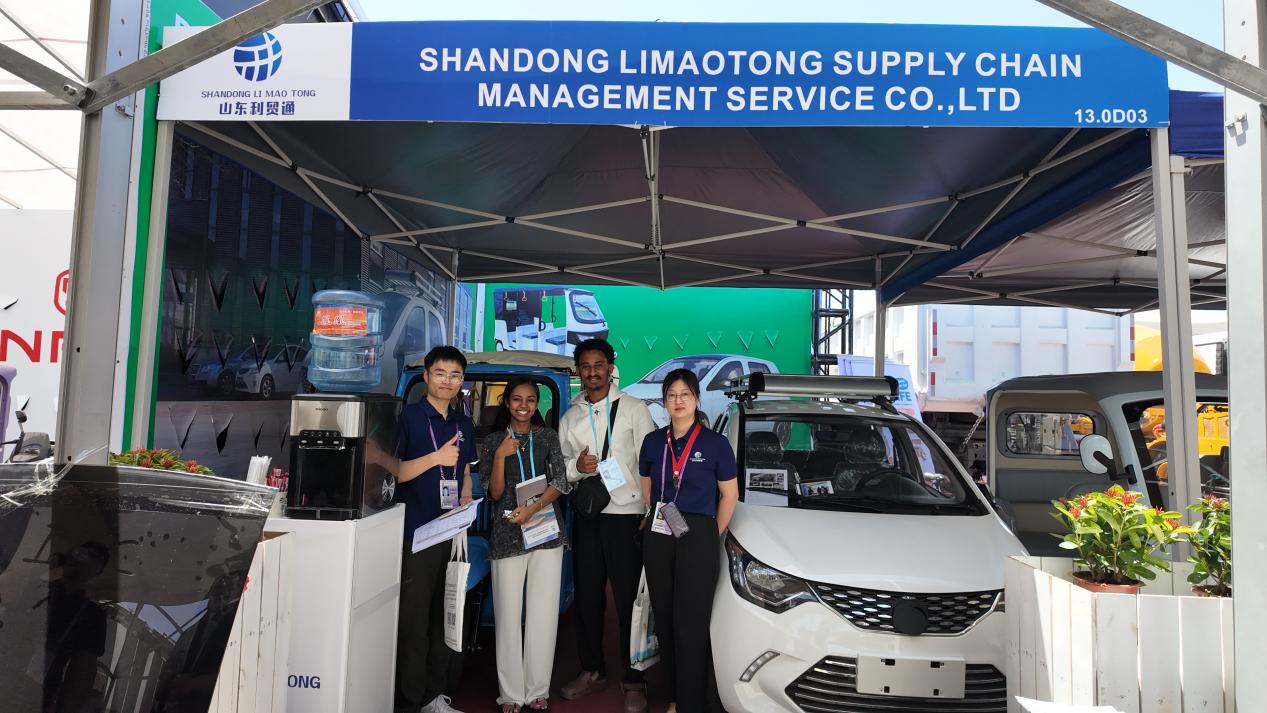
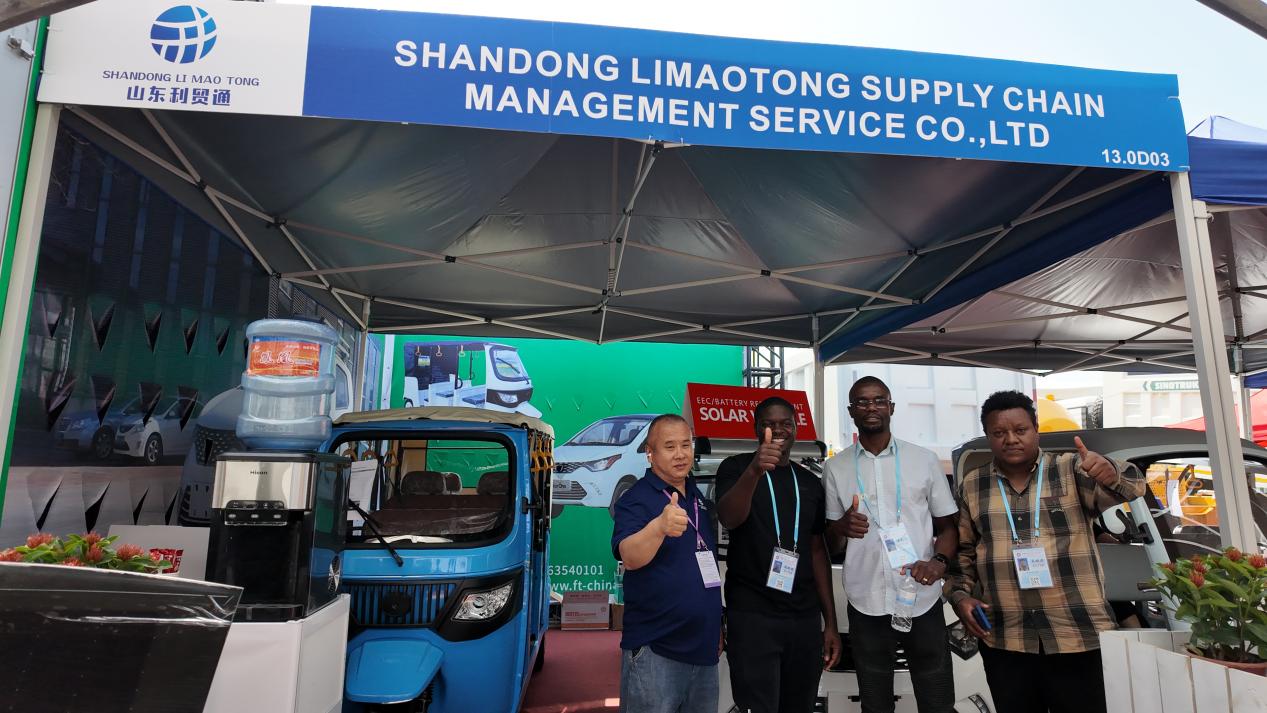
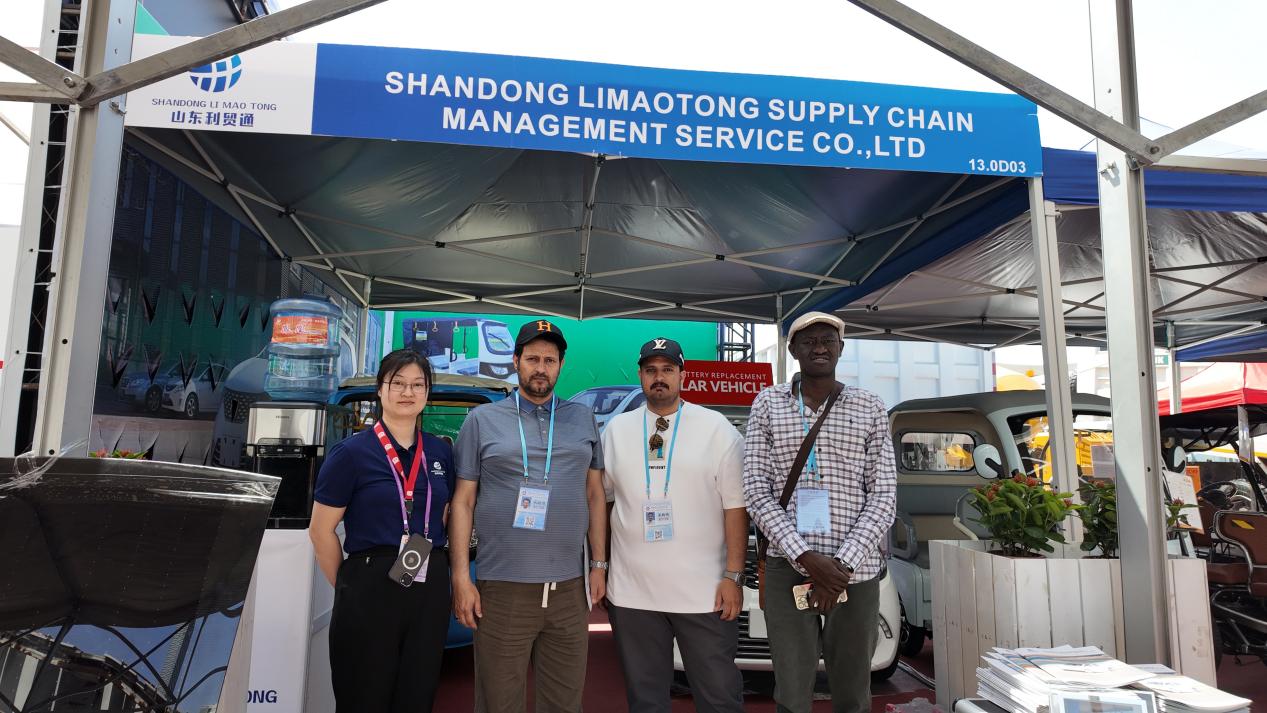
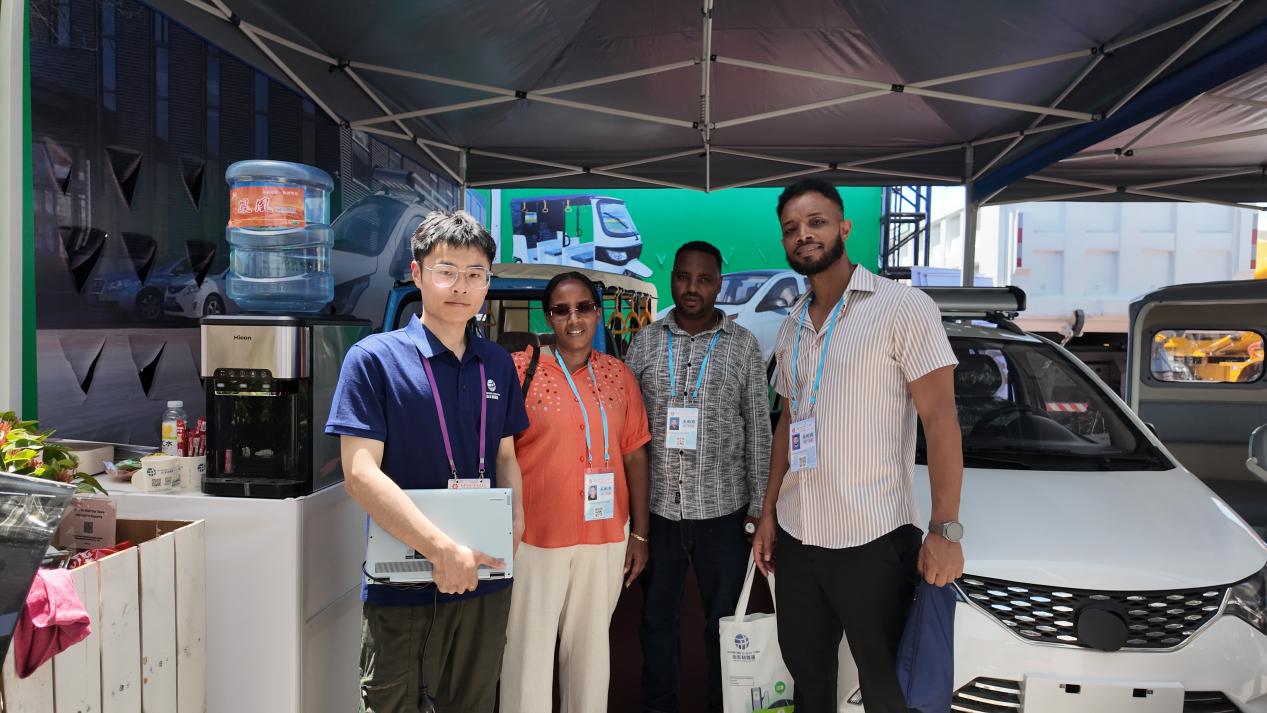
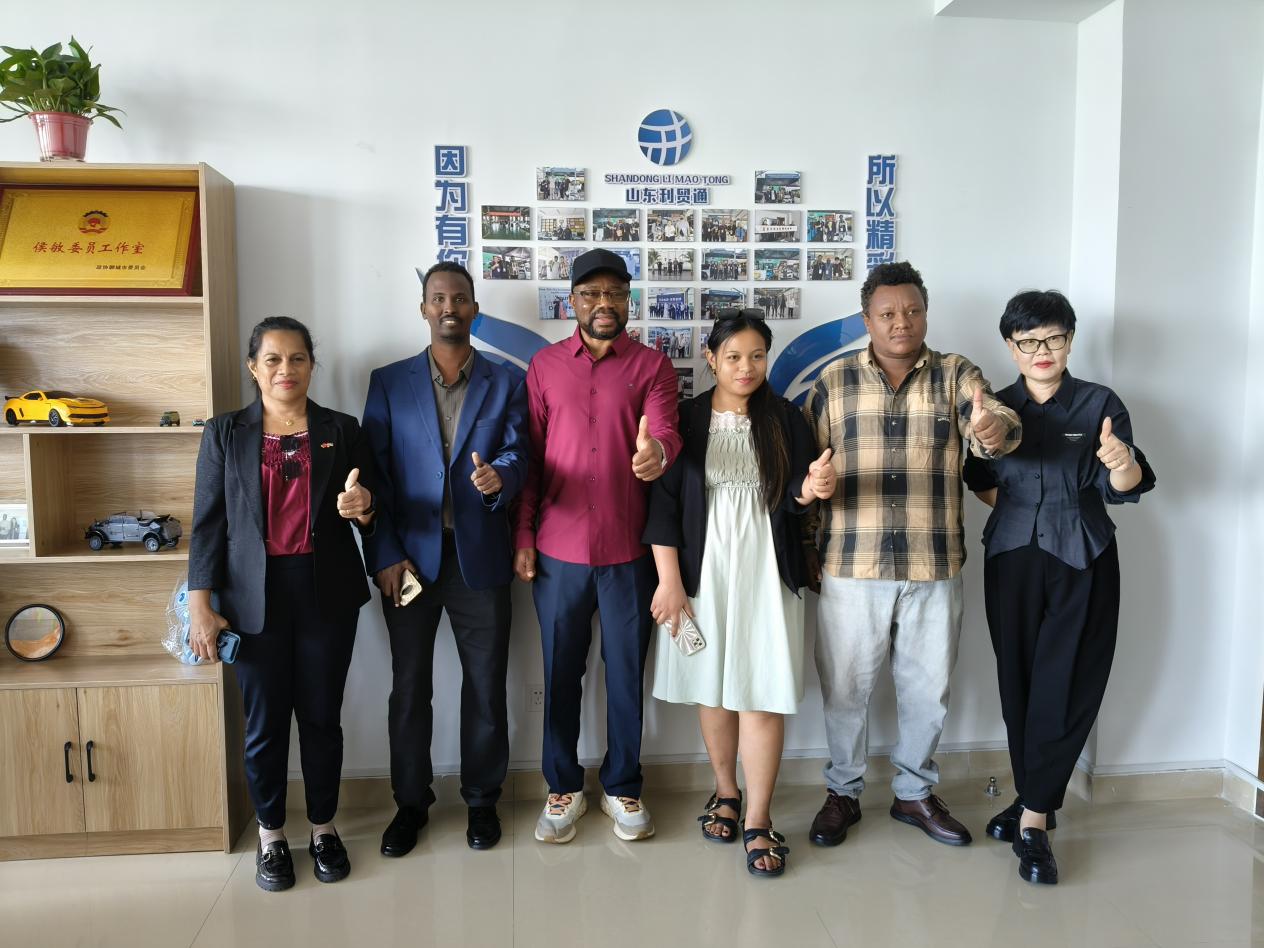
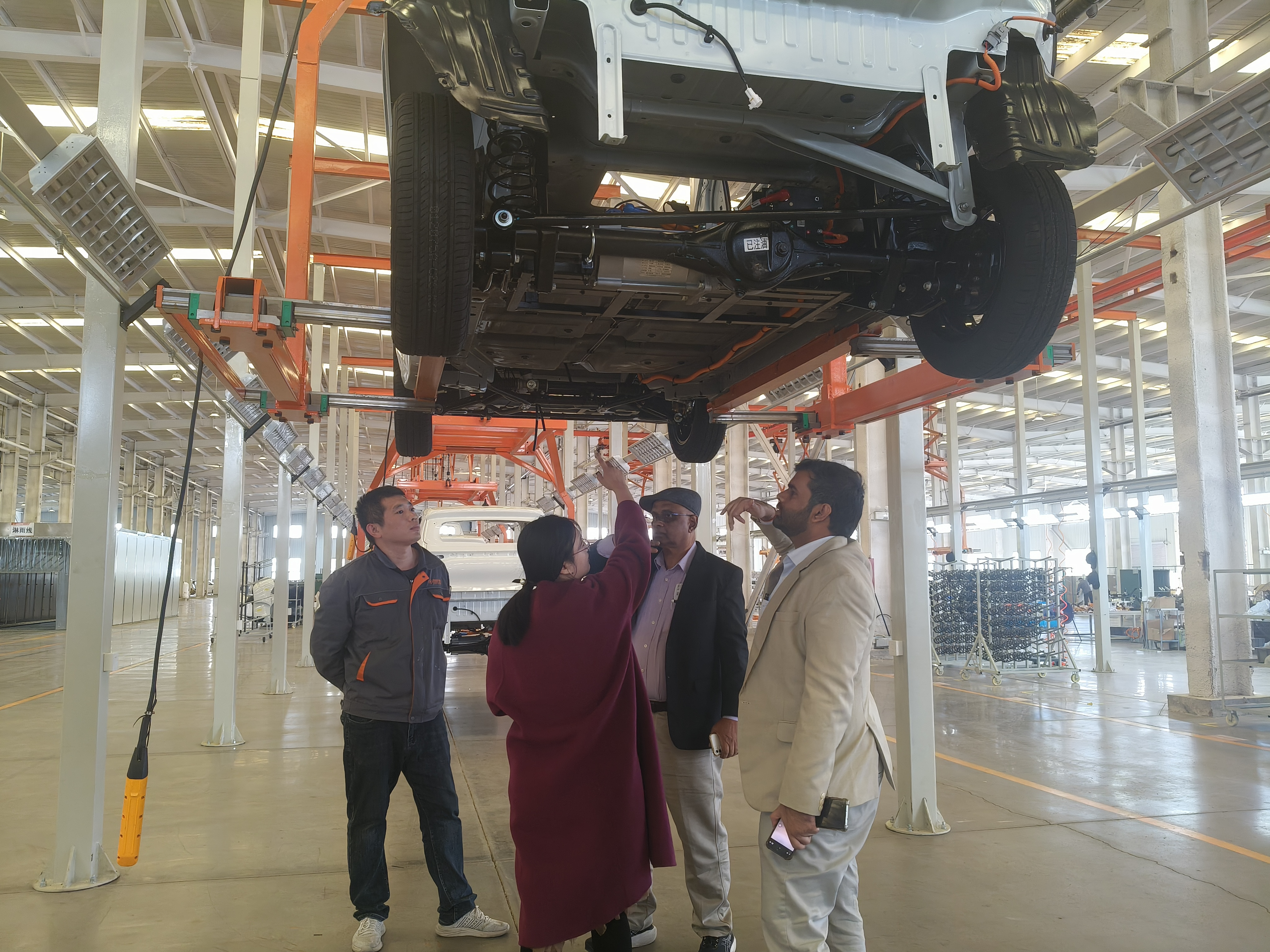
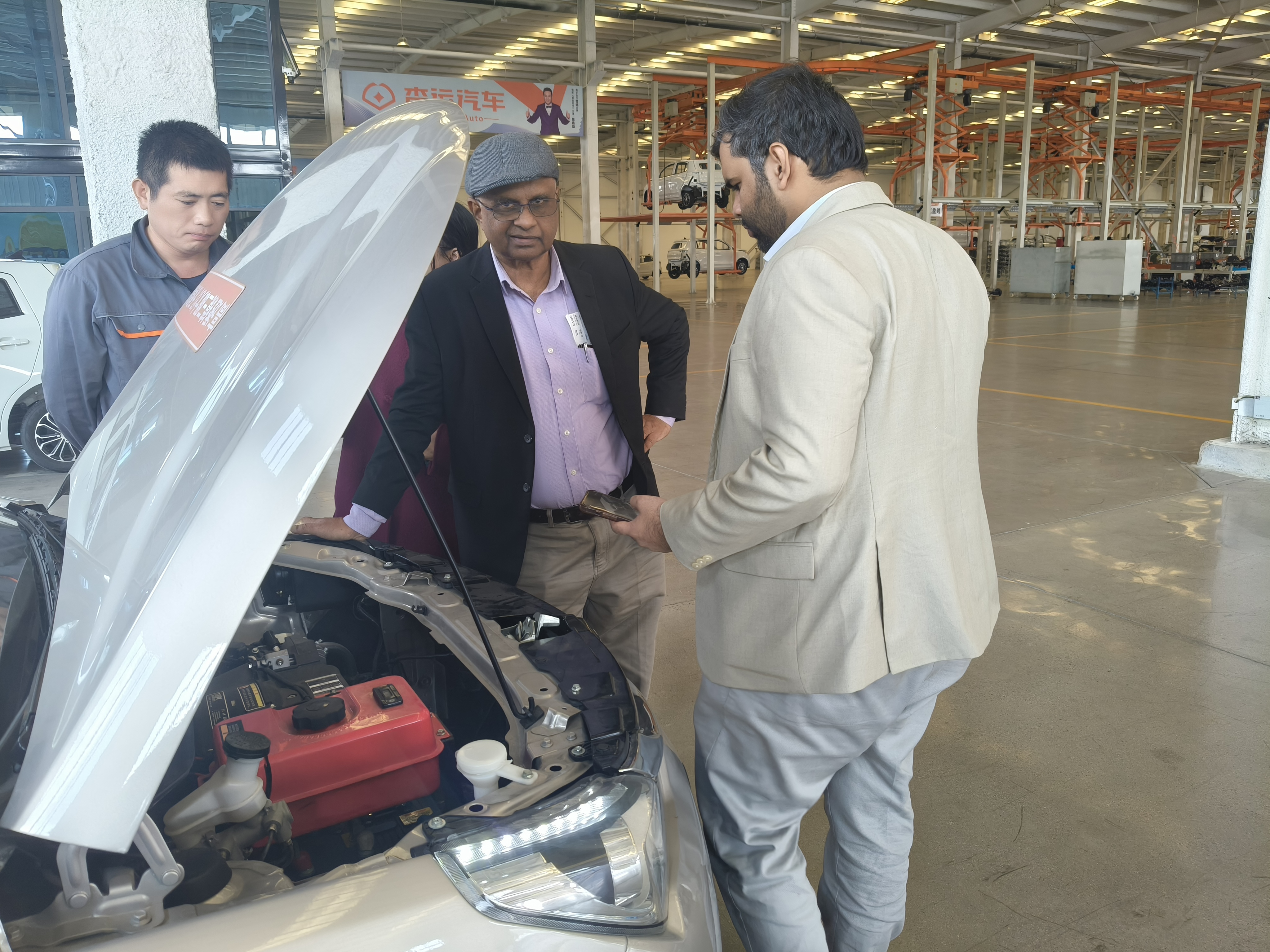
A closer look at how Li Mao Tong supports international supply chains through strategic localized infrastructure.
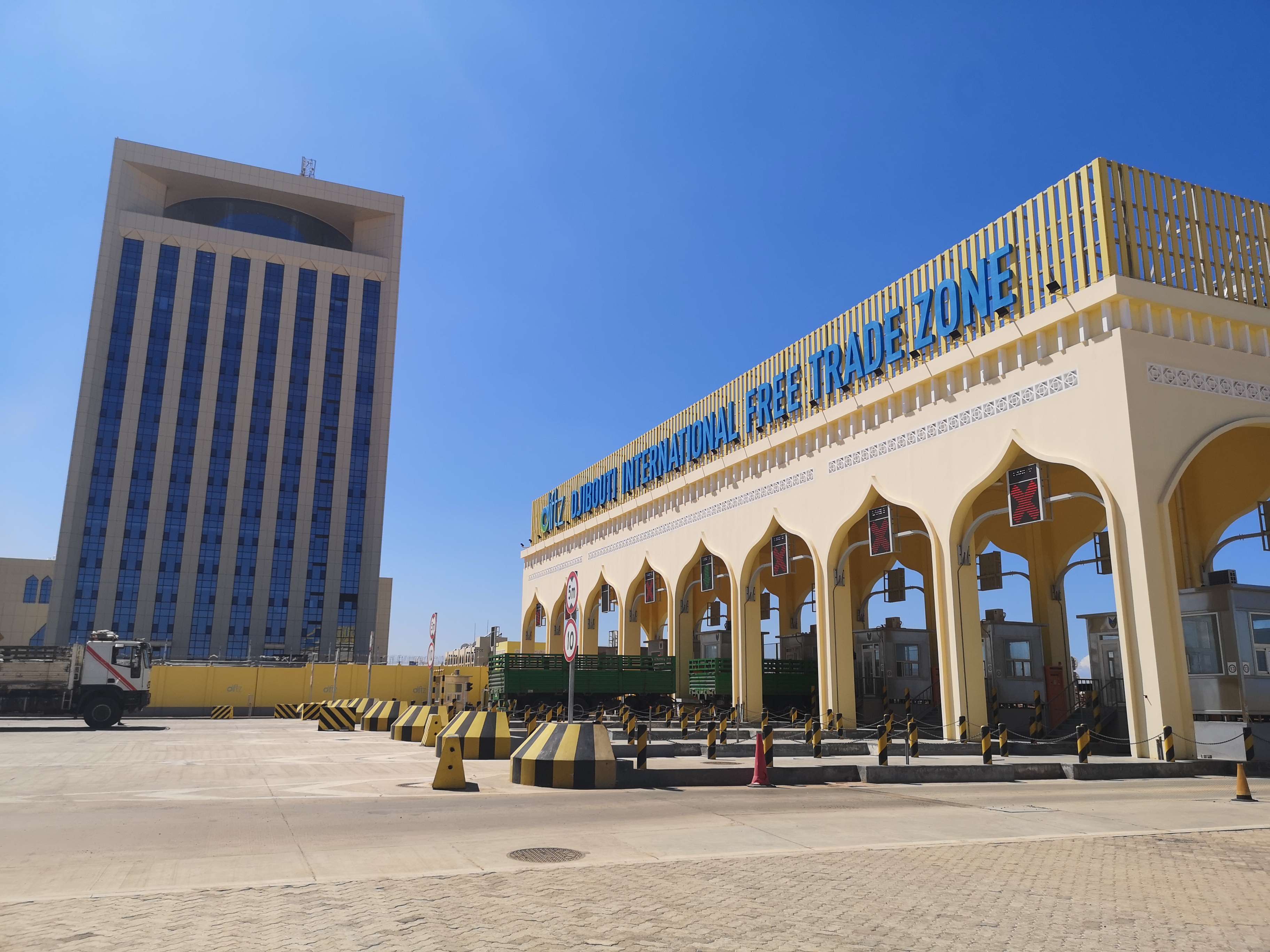
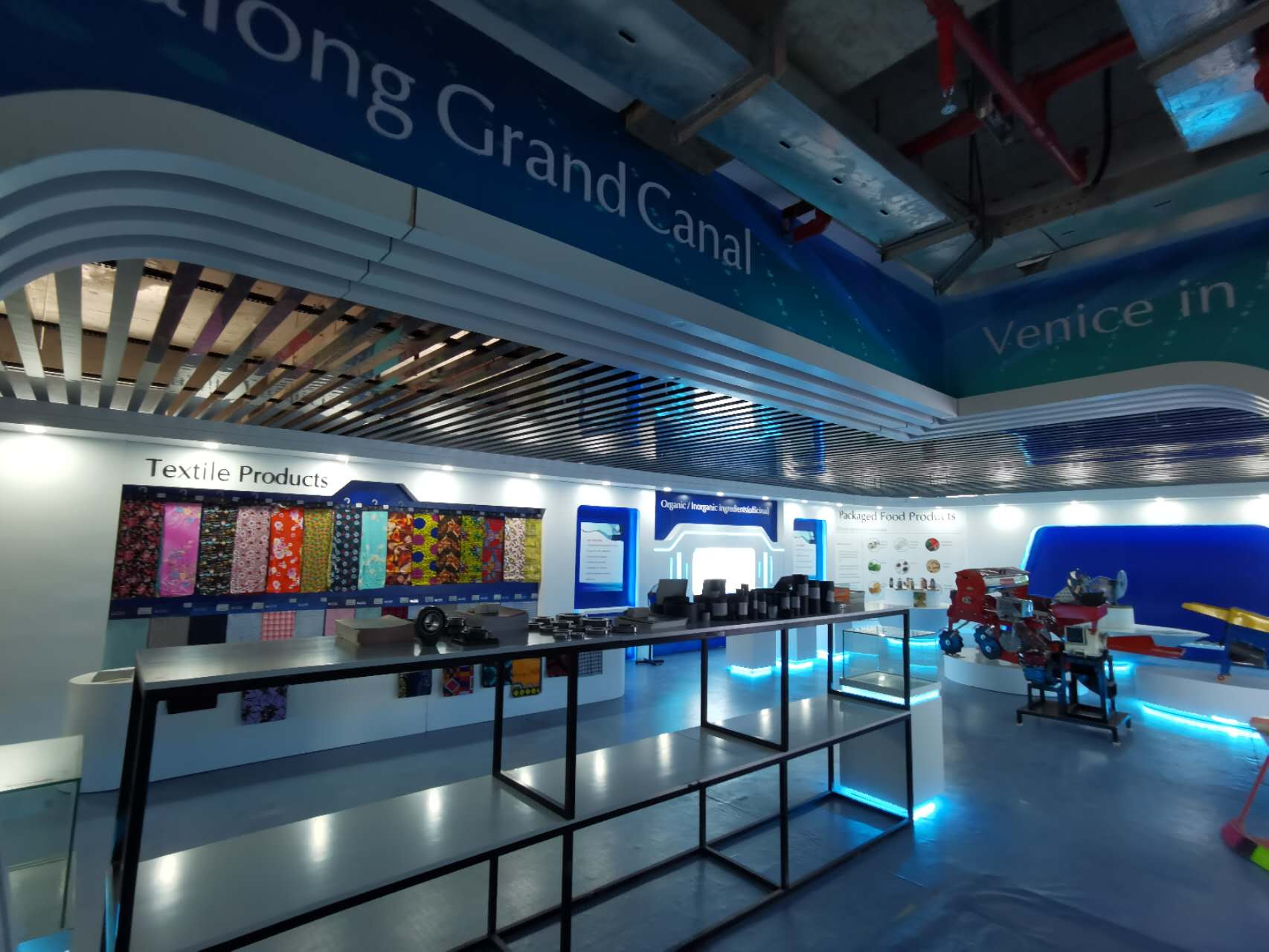
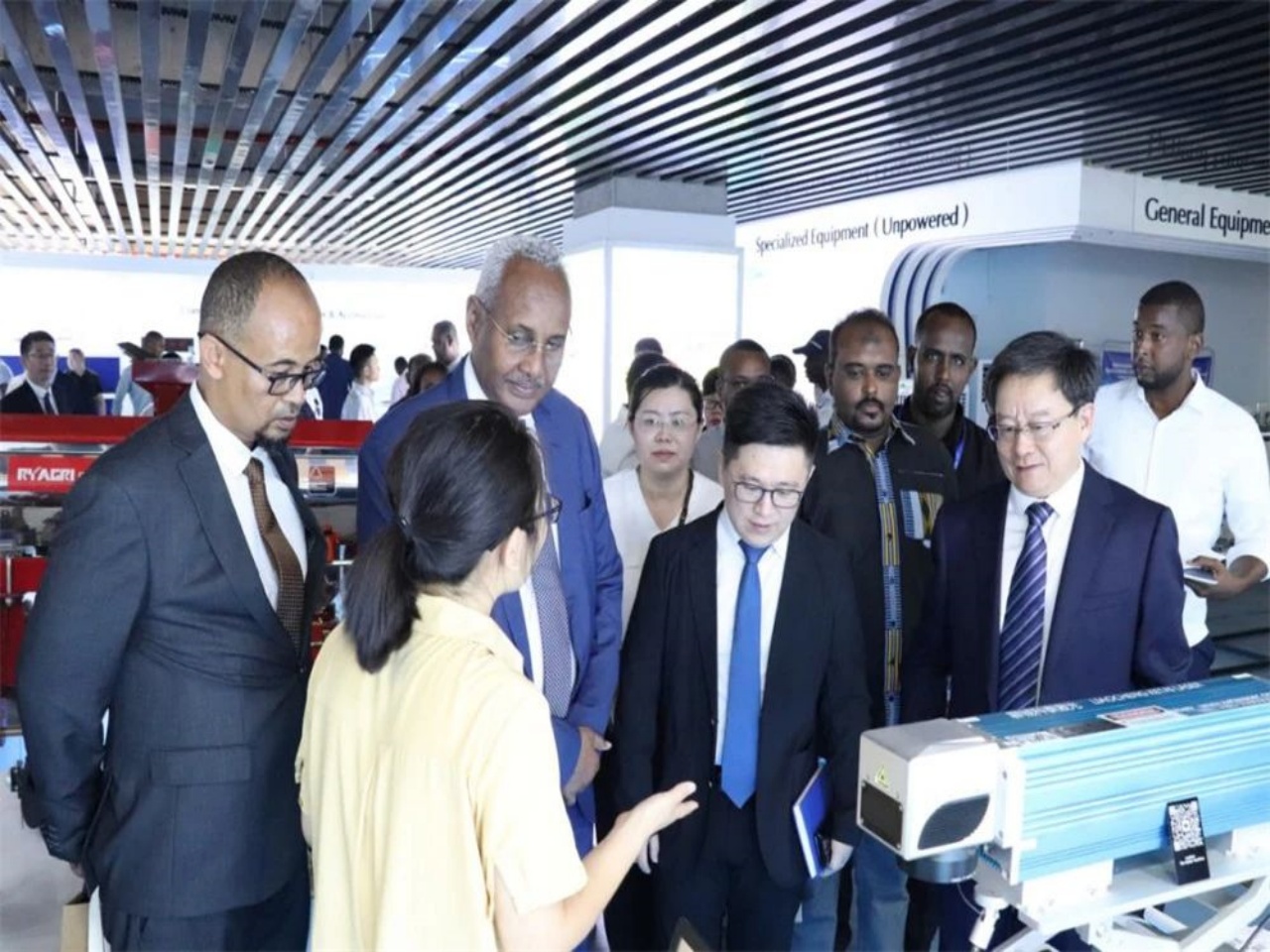
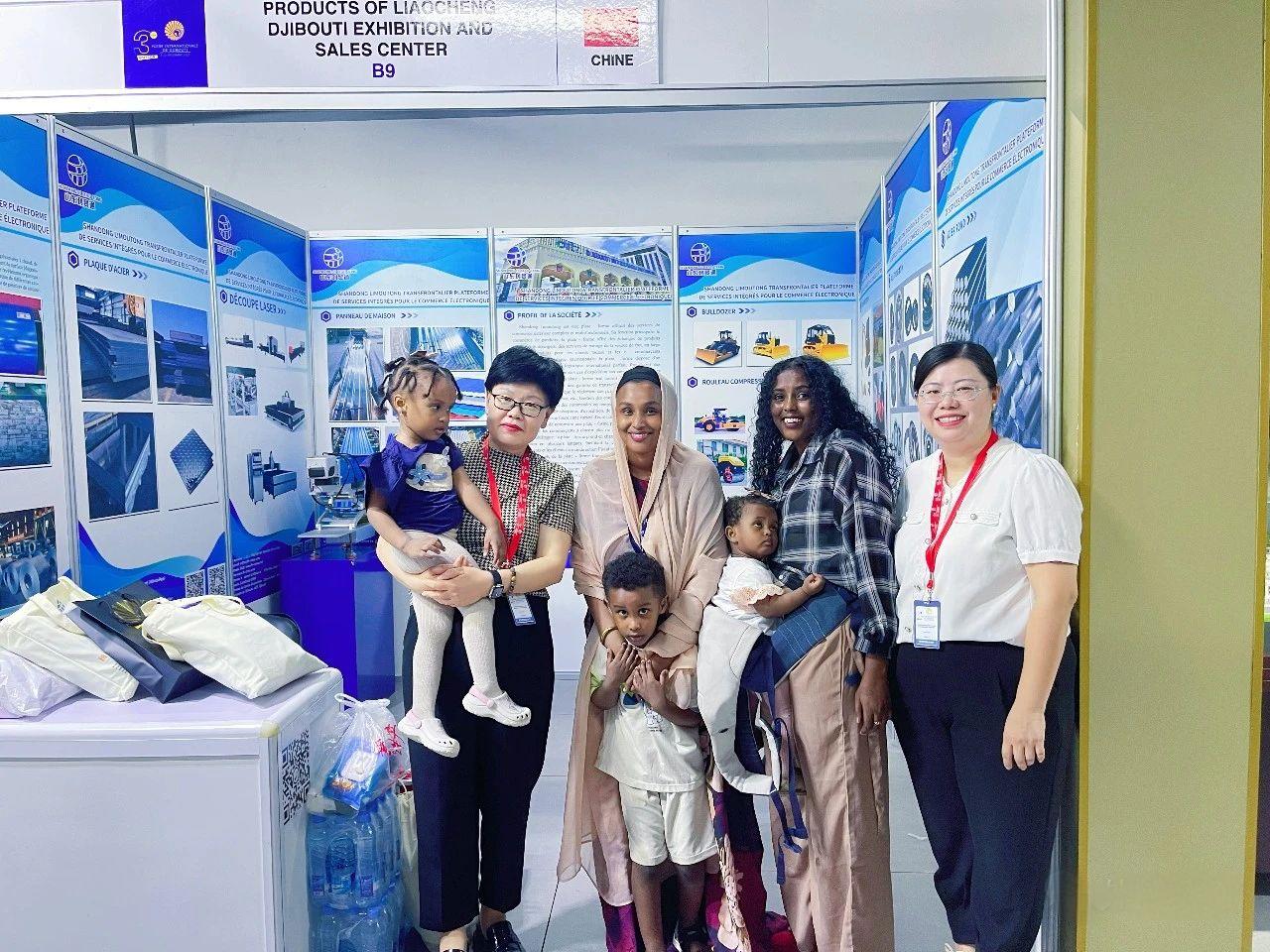
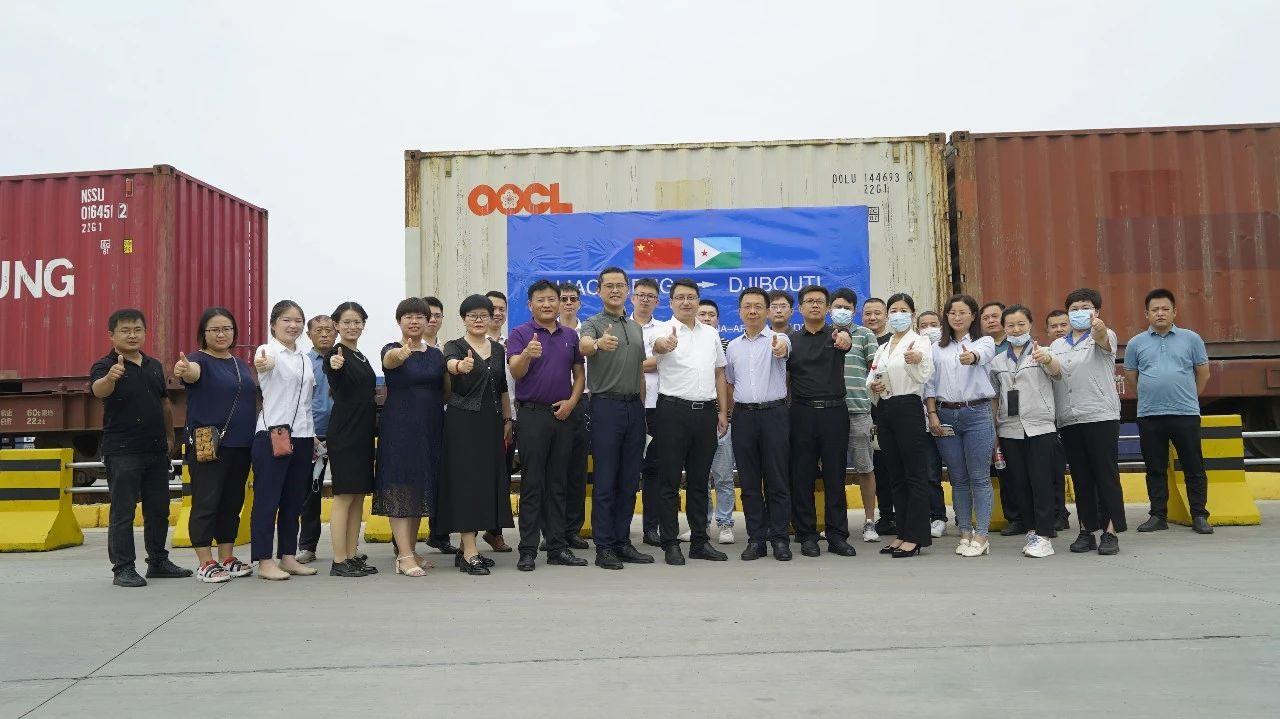
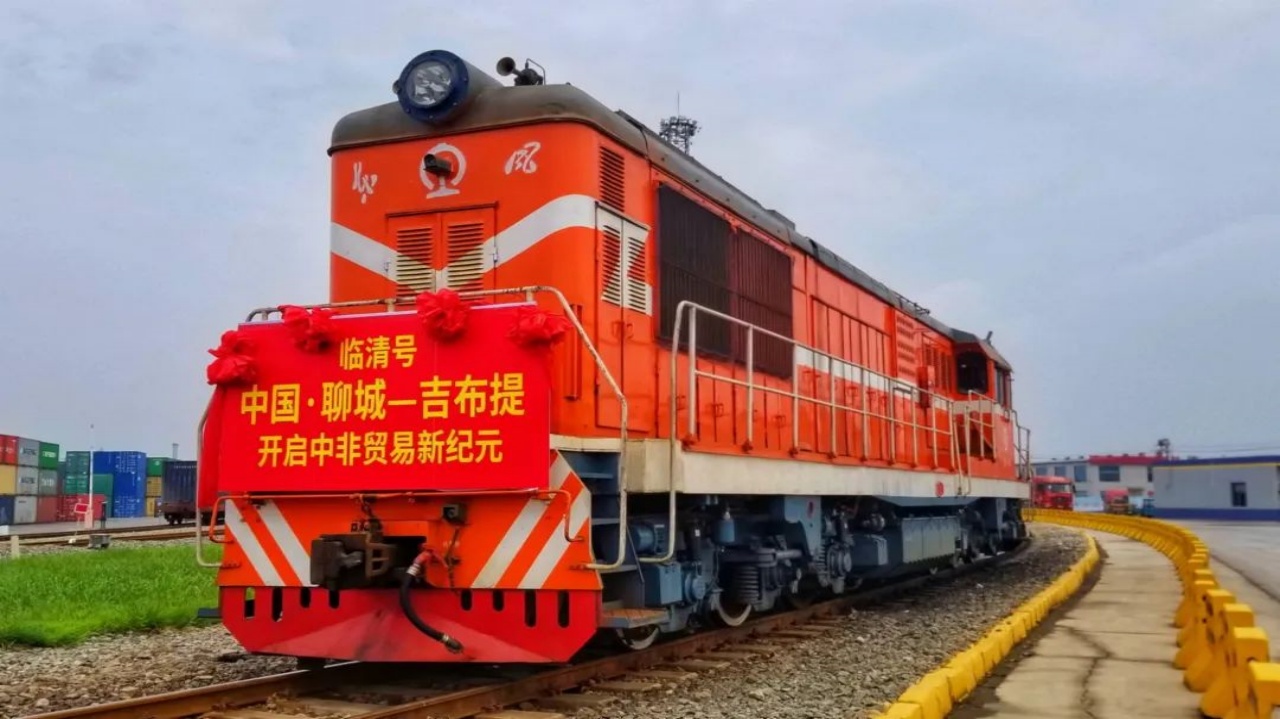
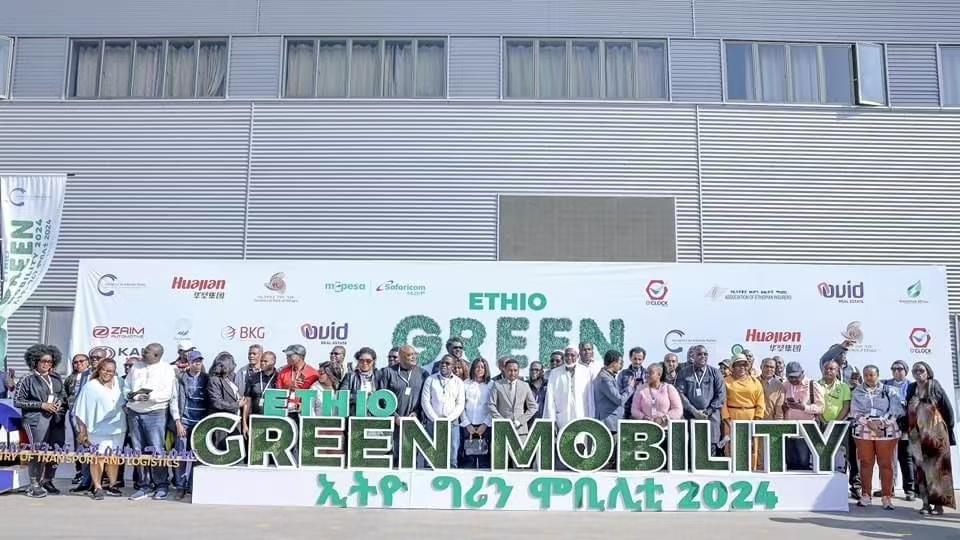
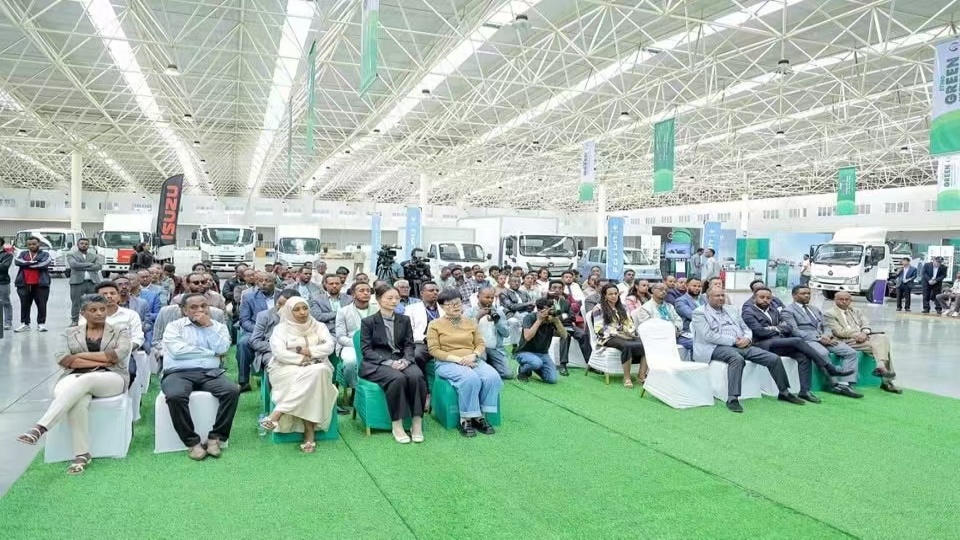
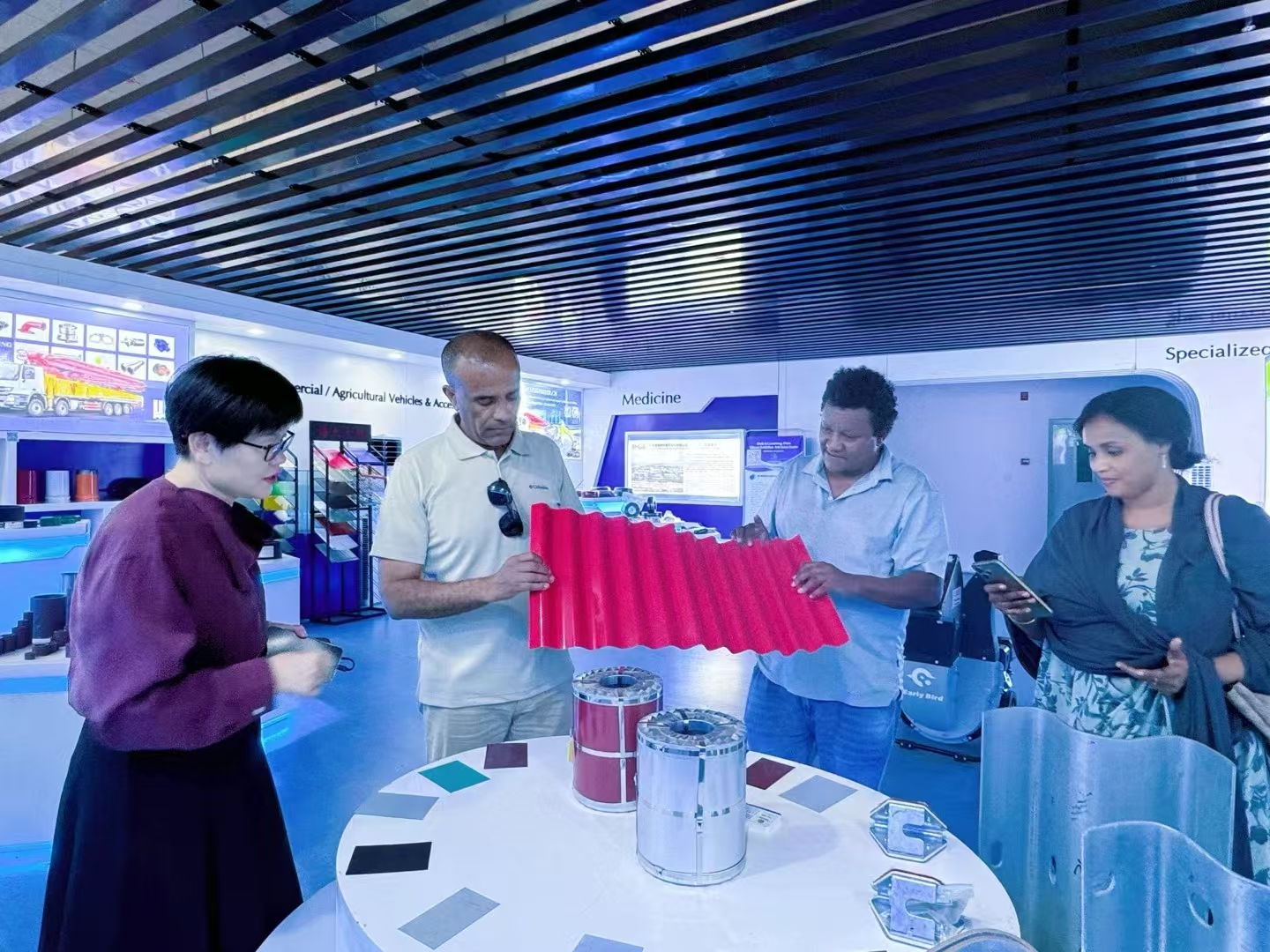
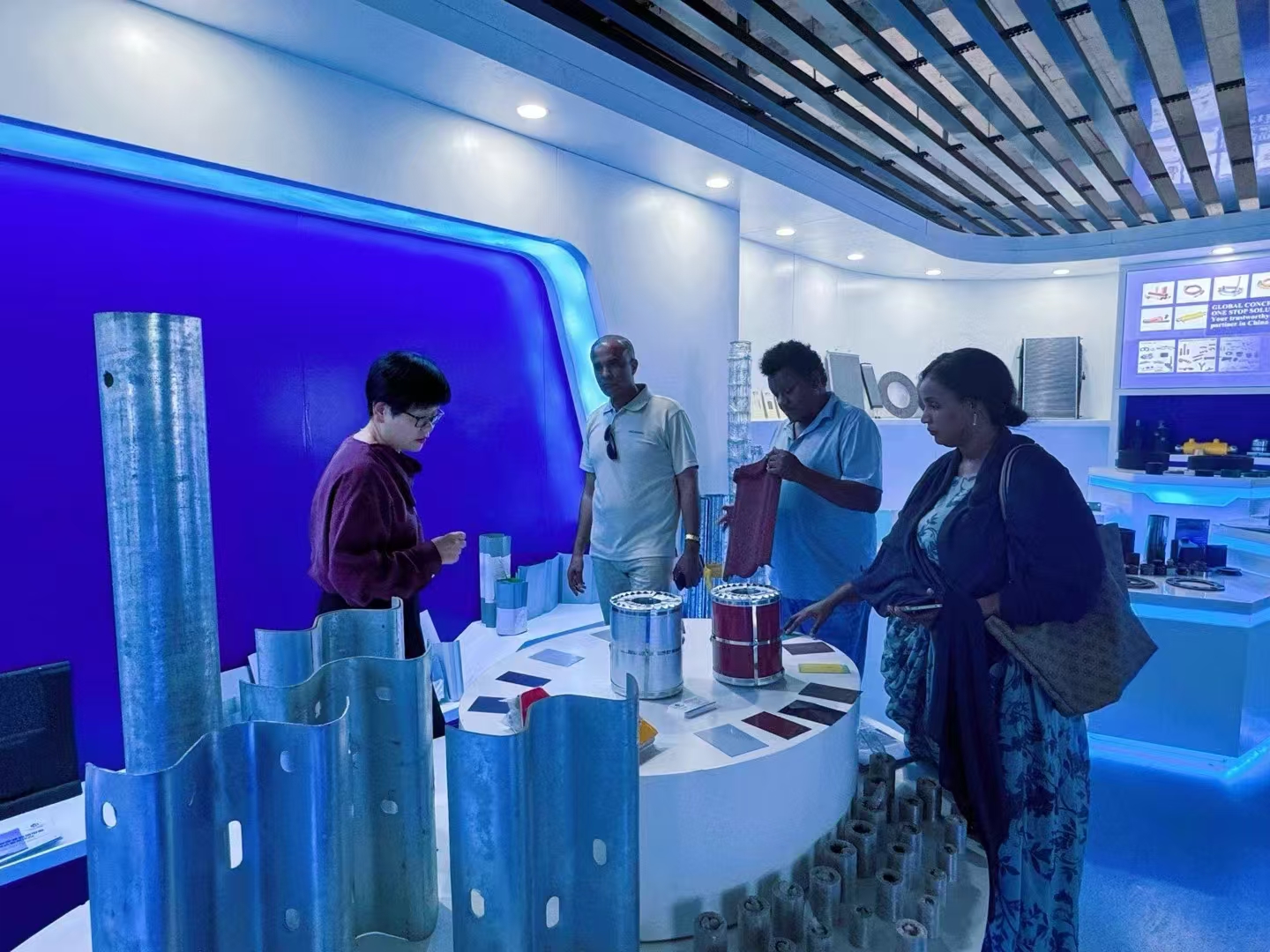
Djibouti (Overseas Warehouse) Cross-border E-commerce Exhibition and Sales Center was established in 2023. It is located in the Djibouti International Free Trade Zone in East Africa. With the help of the Djibouti Economic and Trade Co., Ltd. established in Africa, it has established a one-stop comprehensive service platform to provide enterprises with all-round housekeeper-style professional services such as sales, government affairs, customs affairs, and public services.
Combining the online and offline linkage of cross-border trade business and independent station malls, we build a "strong artery" of China-Africa economic and trade exchanges with the "cross-border trade + front-end warehouse" model and the African localized sales, customer service, and logistics team, helping "China's intelligent manufacturing" go to the world and into Africa.
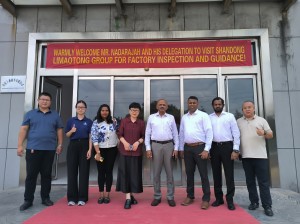
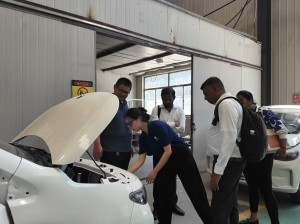

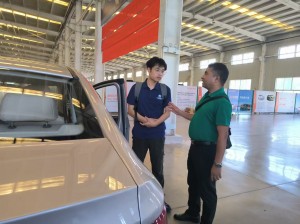


An authoritative forecast of advancements shaping global micro-mobility and zero-emission delivery fleets.
Urban density demands agile micro-vehicles. The inclusion of intelligent routing systems and robust cargo compartments enables high efficiency in local distribution. Multi-wheeled platforms like electric cargo trikes offer a practical configuration for heavy deliveries in narrow streets.
While lithium chemistries dominate current production, solid-state batteries represent the next technological phase. This technology promises to double energy density, reduce fire risk under heavy impact, and significantly decrease charging times for commercial logistics fleets.
By standardizing structural components, manufacturers can produce chassis adaptable to various configurations, such as passenger TukTuks, cold-chain units, or utility platforms. This flexibility simplifies global shipping and speeds up local assembly.
Addressing core technical, regulatory, and logistics queries for international buyers and distributors.
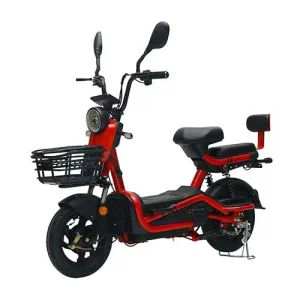
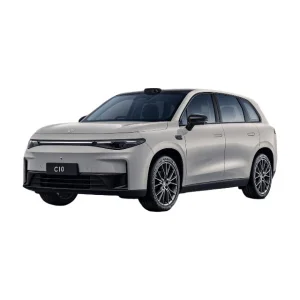
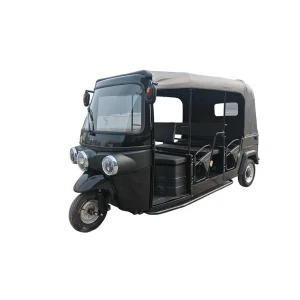
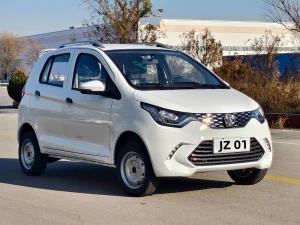
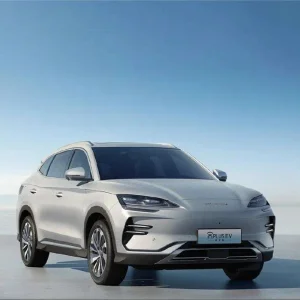
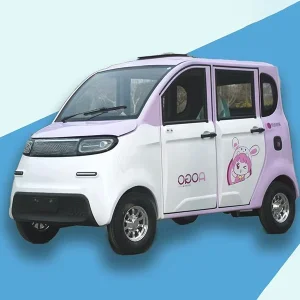
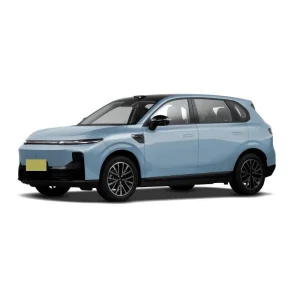
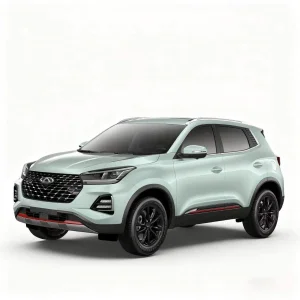
Explore our range of passenger and logistics vehicles designed for reliability and clean energy performance.
 Limaotong