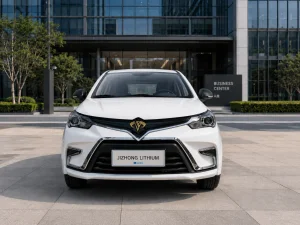
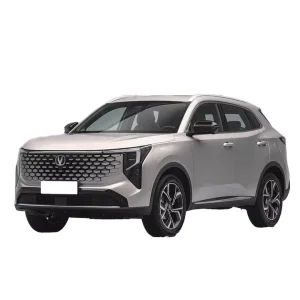
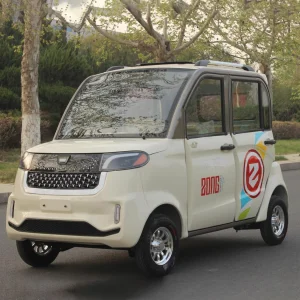
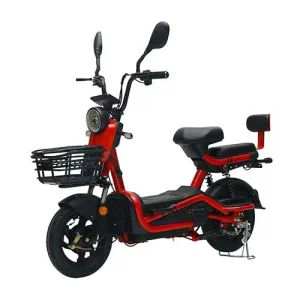
Explore our high-performance electric passenger tuktuks, three-wheel moto-taxis, and zero-emission urban cars engineered for maximum durability.
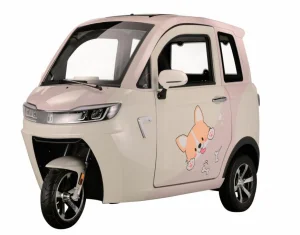
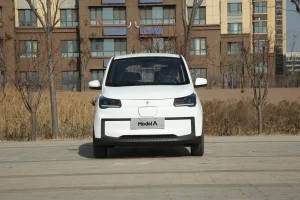
SHANDONG LI MAO TONG GROUP is a premier global manufacturing pioneer and supplier, specializing in an integrated value chain for new energy mobility. Our expertise spans advanced research, industrial design, automated production, and global logistics for electric passenger trikes, tuktuks, cargo vehicles, and micro-electric cars.
Since our founding, we have focused on engineering vehicles that excel in reliability under various road conditions. To date, our distribution networks serve over 120 countries and territories, enhancing the daily transit workflows of over 20 million households and businesses globally. Guided by technological innovation and strict quality control, we build vehicles engineered for performance, safety, and longevity.
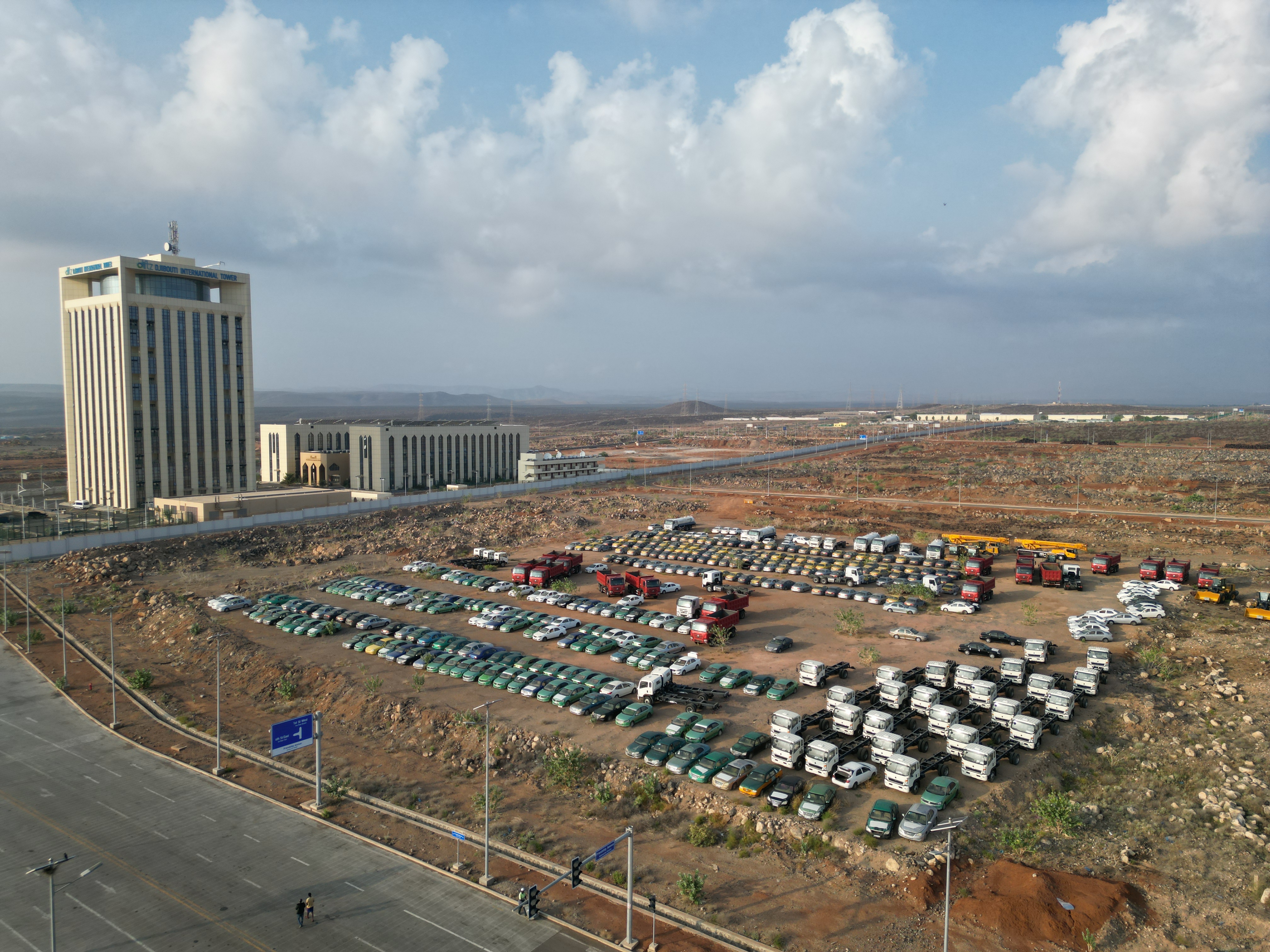
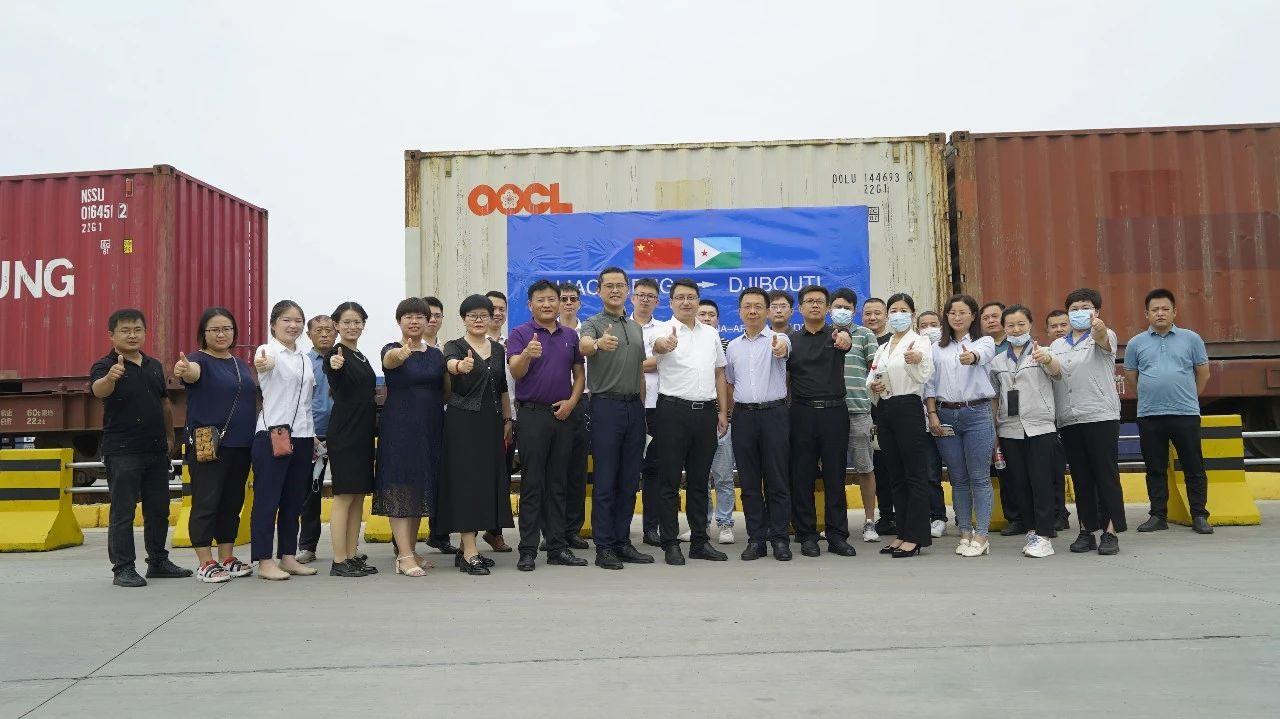
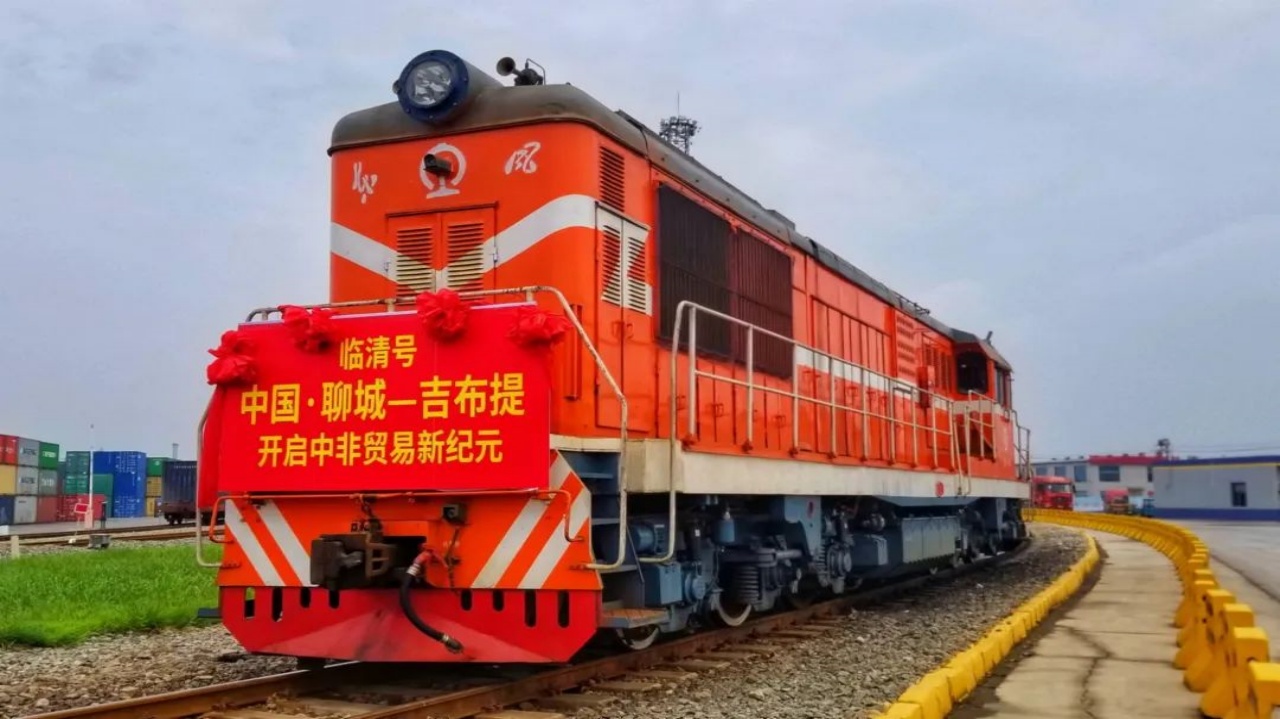
Our infrastructure is backed by 8 advanced overseas production facilities. This distributed manufacturing network allows us to optimize shipping times, offer flexible CKD/SKD configurations, and customize vehicles to meet localized certification standards. In addition, our strategic logistics facility in Djibouti (East Africa) provides direct parts distribution and rapid-response technical support to our business partners.
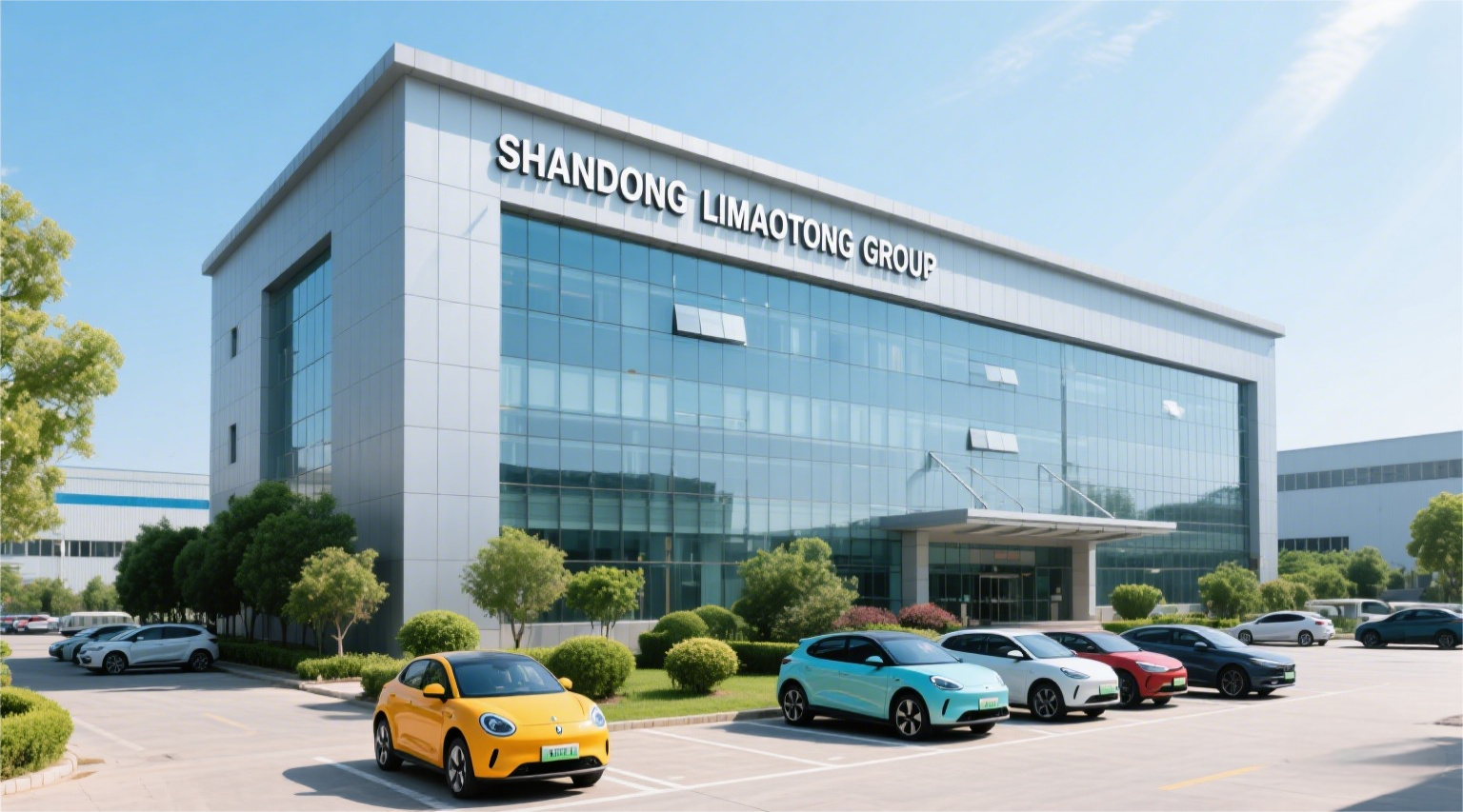
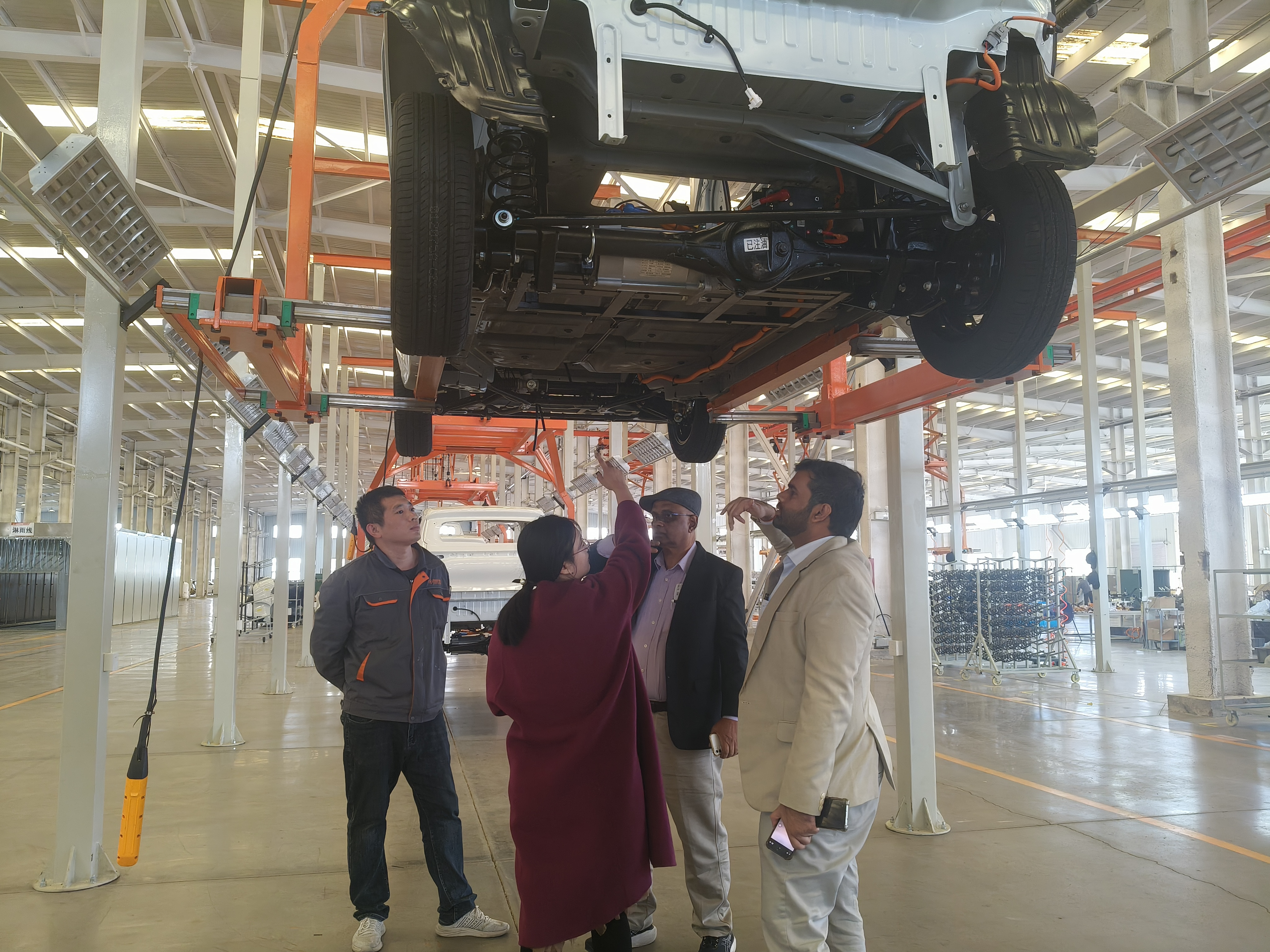
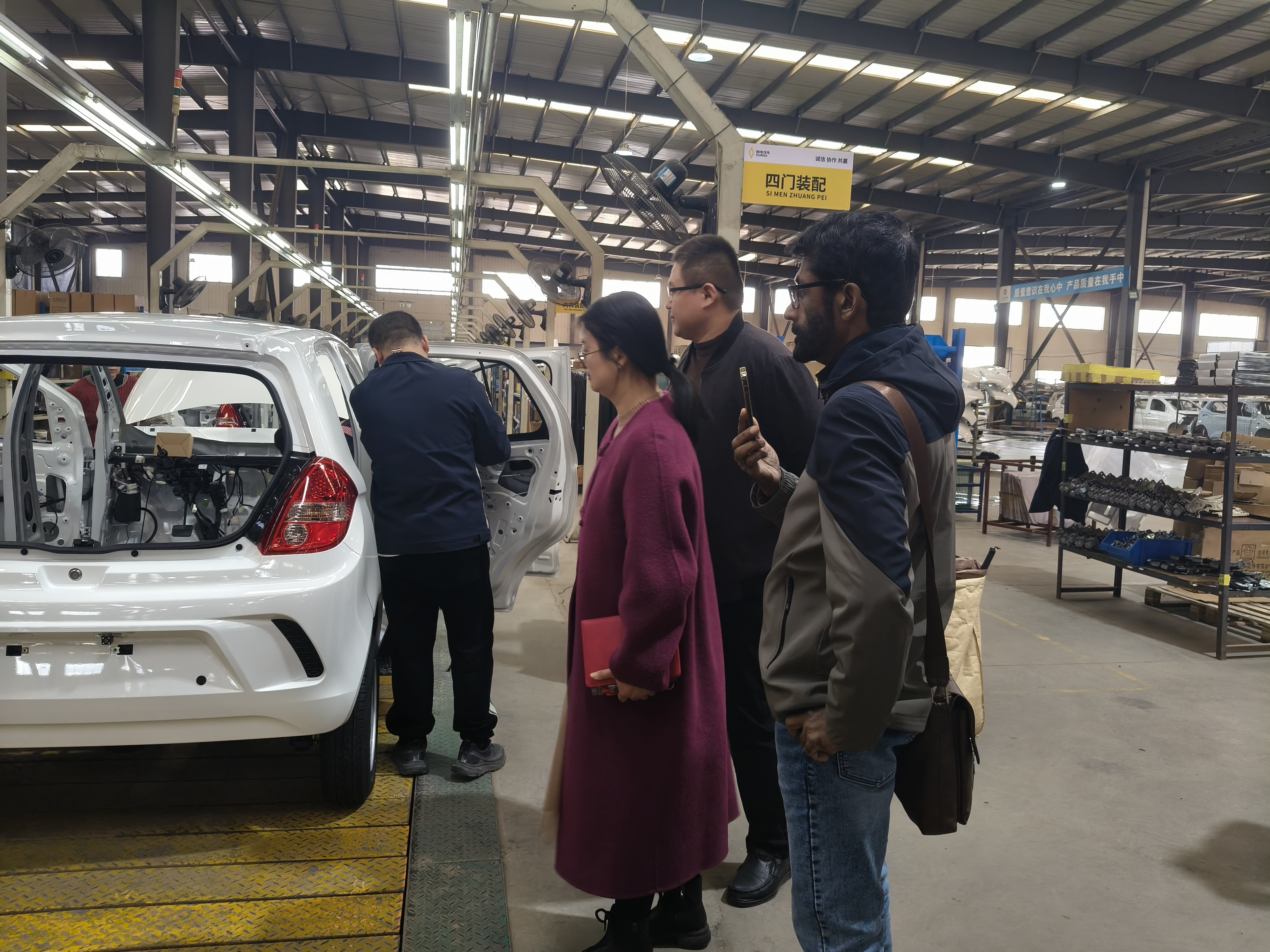
Shandong Li Mao Tong Group has developed alongside China's new energy vehicle industry. Our facilities feature automated sheet-metal stamping, precise robotic welding, and an electro-coating paint line that forms a corrosion-resistant barrier.
Every passenger trike and tuktuk undergoes rigorous diagnostic and durability testing, including high-intensity water spray simulations to test weatherproofing. From structural frames to advanced battery management systems (BMS), our processes are designed to deliver reliable performance across all operating environments.
As cities prioritize zero-emission transport, the demand for light electric passenger vehicles (LEVs) has grown. However, commercial operations present challenges: fleet vehicles must handle high payloads, operate continuously, and navigate rough terrain without regular downtime.
Shandong Li Mao Tong Group addresses these challenges through dedicated structural engineering. Unlike manufacturers who convert standard internal combustion engine (ICE) chassis, our frames are designed from the ground up for electric drivetrains. By integrating the battery pack low within the chassis frame, we optimize the center of gravity. This design reduces body roll during sharp turns, a common stability concern with traditional three-wheeled vehicles.
Our manufacturing capabilities combine advanced design with strict quality control. From precision computer-aided design (CAD) modeling to automated laser cutting, we maintain tight tolerances across all components. Our structural chassis components are welded using high-strength steel tubes, providing durability and passenger safety in heavy-duty taxi operations.
| Engineering Attribute | Traditional Retrofitted Passenger Trikes | Li Mao Tong OEM Integrated Drivetrain Trikes | Operational Advantages |
|---|---|---|---|
| Chassis Structural Design | Modified petrol chassis with welded battery brackets | Unified stamped steel frame with low-重心 battery tray | Higher stability, reduced chassis cracking risk |
| Anti-Corrosion Coating | Standard air spray painting (1-year life) | Cathodic electrodeposition (EPD) coating | Resists rust and salt spray for over 5 years |
| Powertrain Motor Type | Standard brushed DC motors, high thermal wear | Brushless DC (BLDC) or Permanent Magnet Synchronous Motors (PMSM) | Up to 90% motor efficiency, minimal maintenance requirements |
| Chassis Safety Tests | Basic visual welding inspect | Digital fatigue testing and high-pressure shower chamber tests | IP67 rated electronics, reliable in heavy monsoon rains |
Quality is built into our manufacturing processes. We operate an automated body-in-white (BIW) workshop where components are joined using precision robotic welding. This ensures uniform strength across every frame joint and minimizes human assembly variation. Following welding, frames undergo a multi-stage cleaning and phosphate treatment, followed by cathodic electrodeposition (EPD). This automotive-grade painting process applies a uniform, corrosion-resistant base layer across all internal cavities, protecting our vehicles in humid coastal environments.
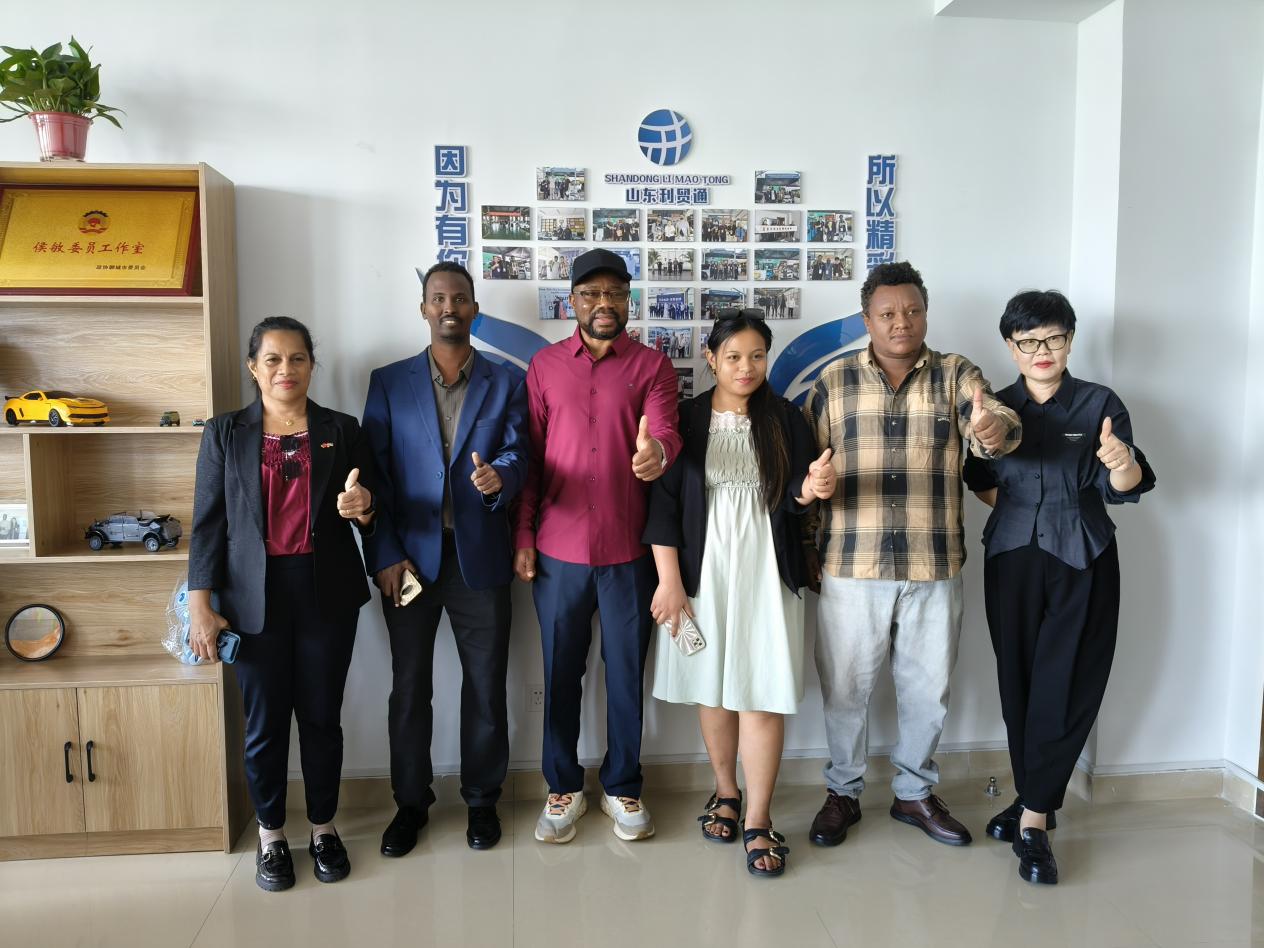
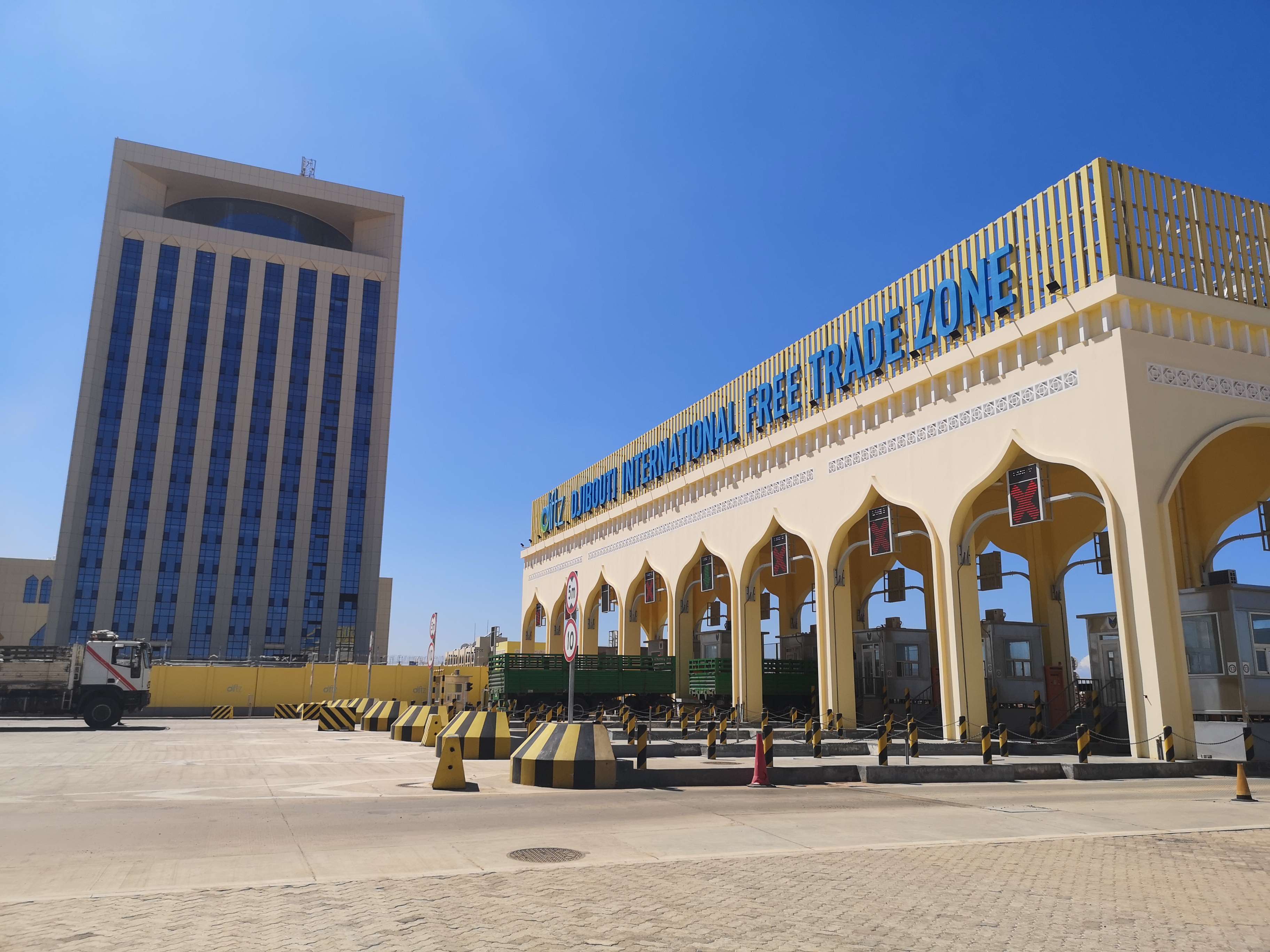
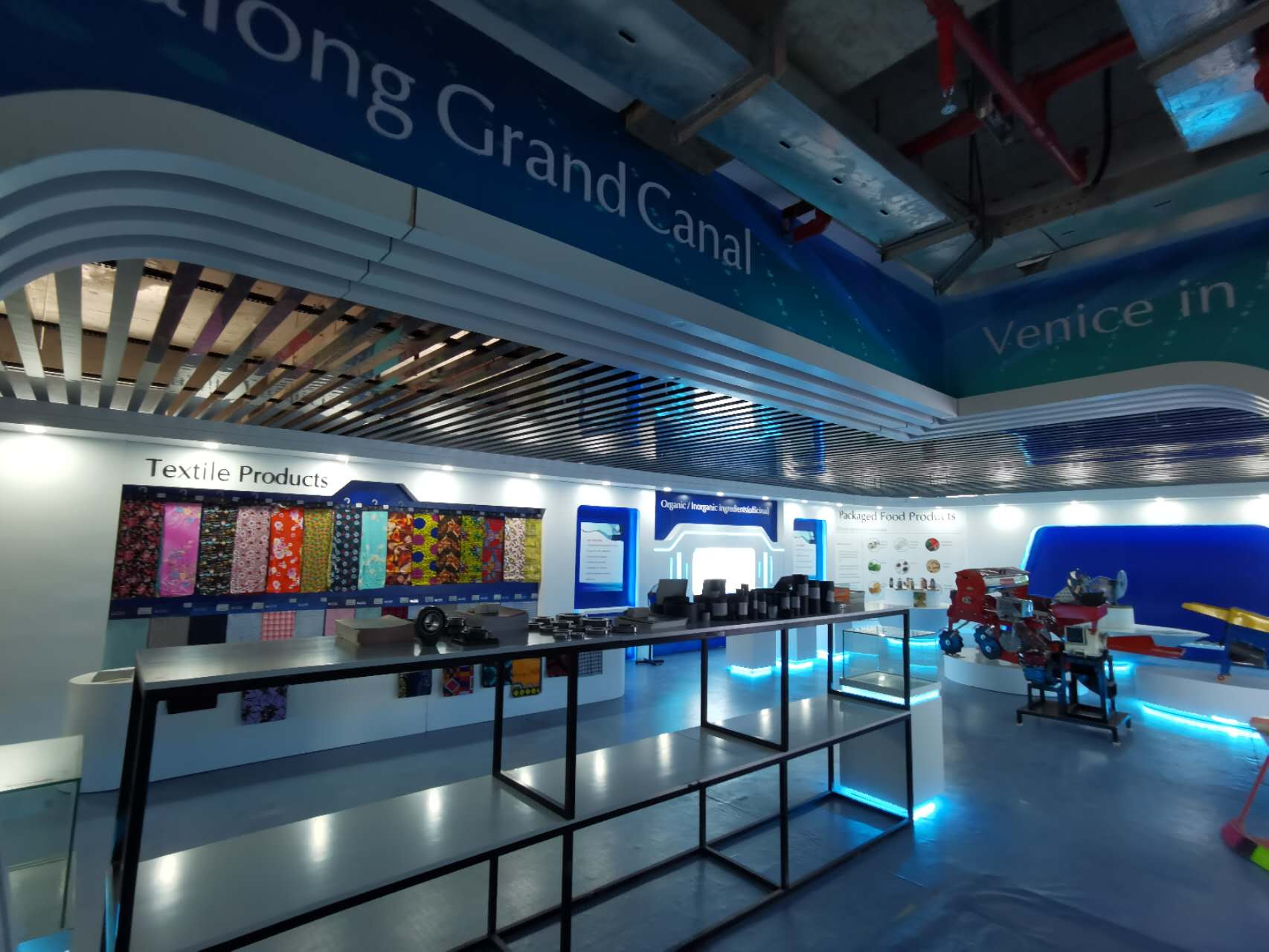
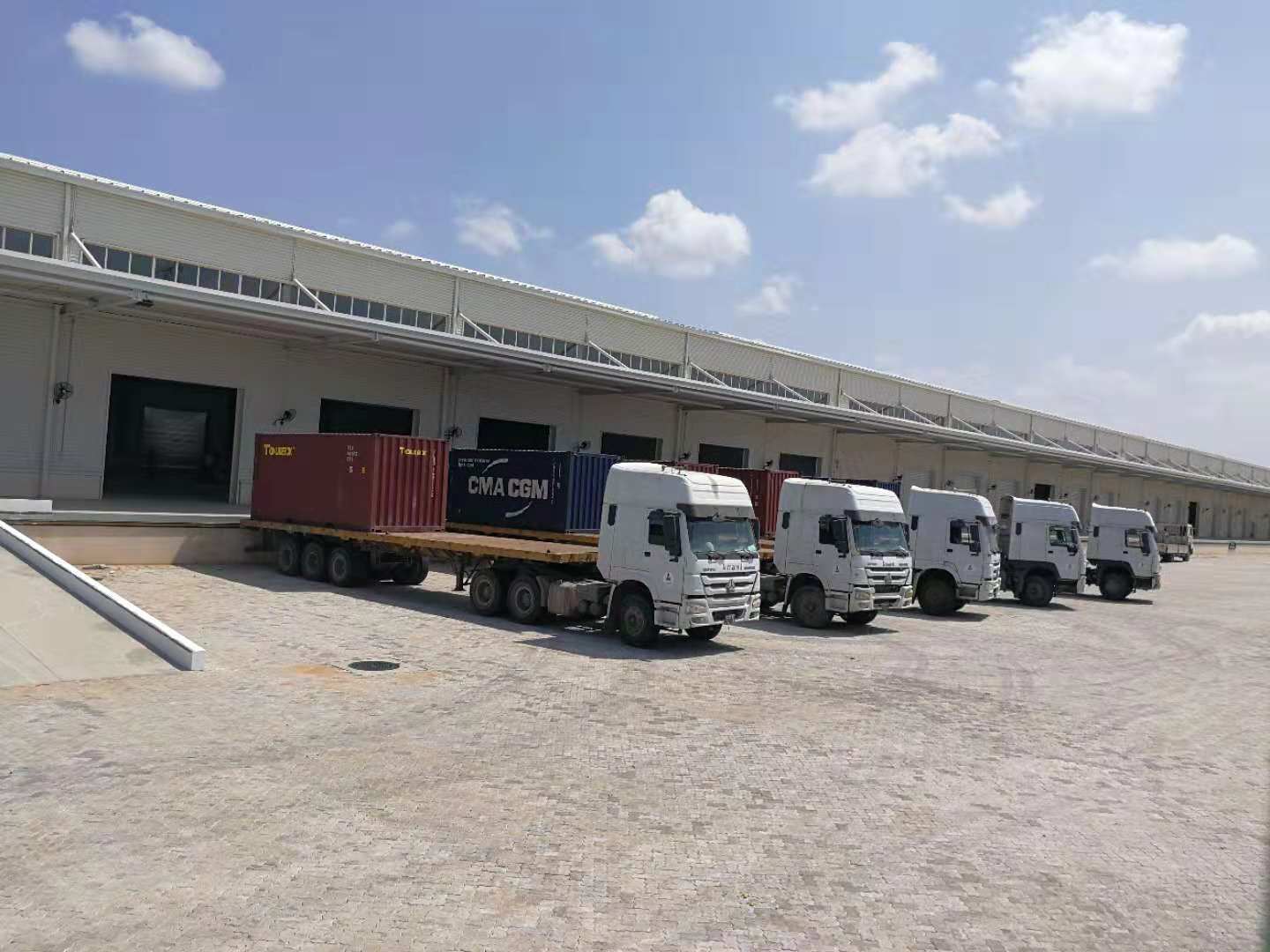
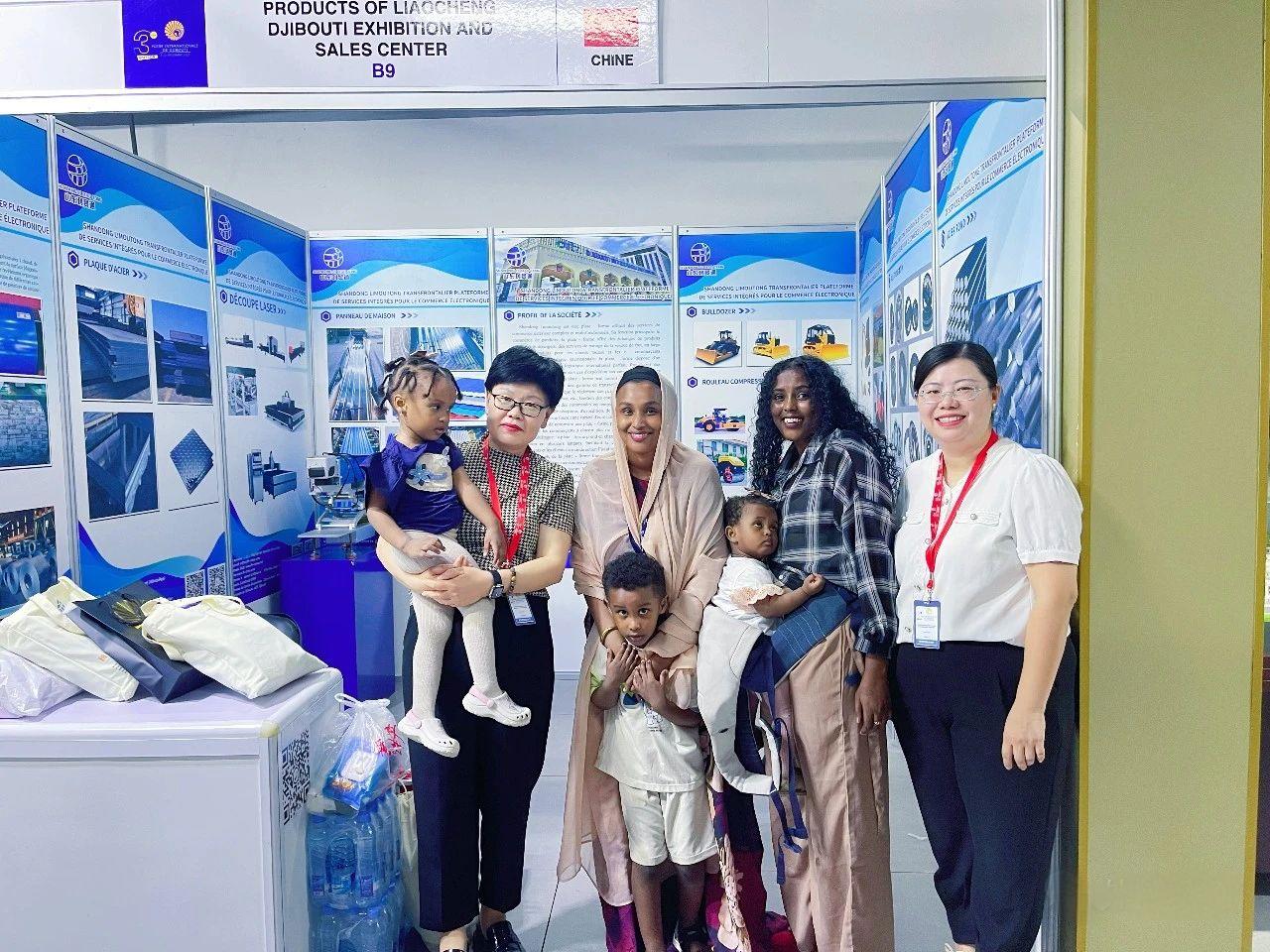
Established in 2023, our Djibouti Cross-border Exhibition and Sales Center is located in the Djibouti International Free Trade Zone. This facility operates under a "cross-border trade + front-end warehouse" model to support our distribution networks across East Africa.
This hub helps address common import challenges for fleet operators:
For fleet operators, selecting the right battery chemistry and drivetrain layout is critical to managing total cost of ownership (TCO). We offer two primary battery configurations based on budget, operating duty cycles, and environmental factors:
LiFePO4 chemistries offer distinct advantages for high-utilization commercial fleets:
For applications with lower daily range requirements and lower initial capital budgets:
While lithium-ion options require a higher upfront investment, they generally offer a lower total cost of ownership over a 3-year operating period. The extended cycle life reduces the need for mid-cycle battery replacements, and the lower curb weight reduces wear on suspension, brakes, and tires.
Our electric three-wheelers are configured for a variety of municipal, commercial, and private transport applications:
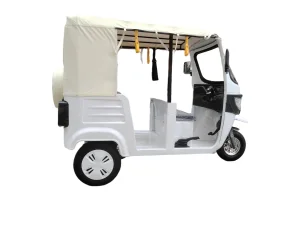
Designed for high-duty urban passenger transport, our electric passenger trikes provide clear cabin visibility, safety enclosures, and comfortable seating. They offer passenger fleet operators a reliable alternative to internal combustion engine tuktuks.
With quiet electric drivetrains, our open and semi-enclosed models are well-suited for hotels, national parks, and tourist sites, allowing operators to move guests comfortably with minimal noise.
Used to connect suburban neighborhoods with rapid transit stations, these vehicles help transit agencies extend their reach in areas where standard transit buses cannot operate efficiently.
To meet the needs of regions with limited charging infrastructure, Shandong Li Mao Tong Group integrates solar charging panels into select vehicle models. Products like our Solar One and Model A Solar Vehicle use roof-mounted monocrystalline solar panels to provide trickle-charging throughout the day, extending the vehicle's operational range.
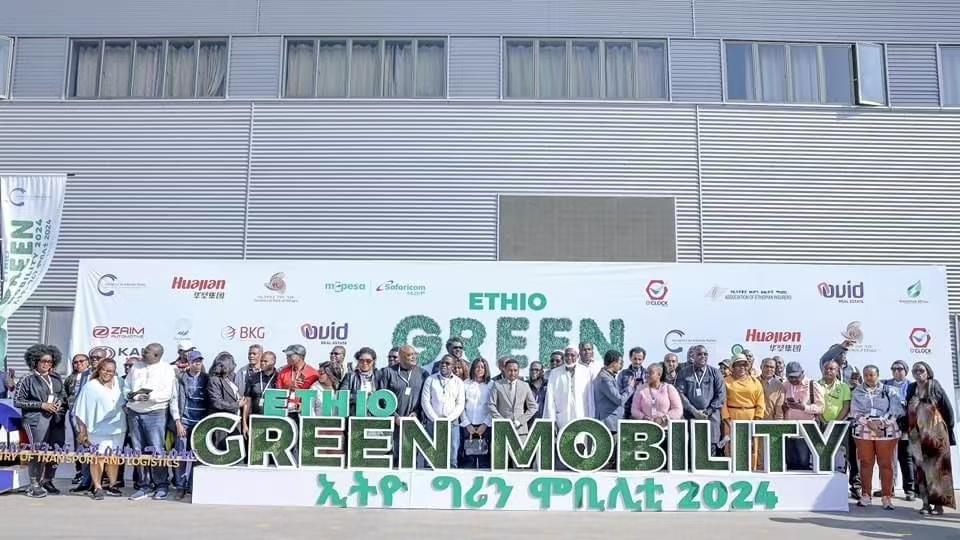
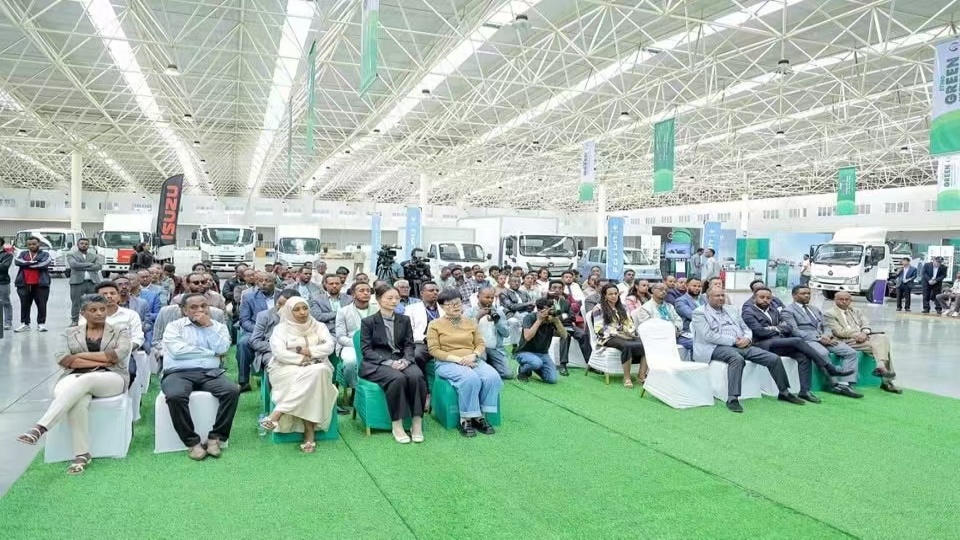


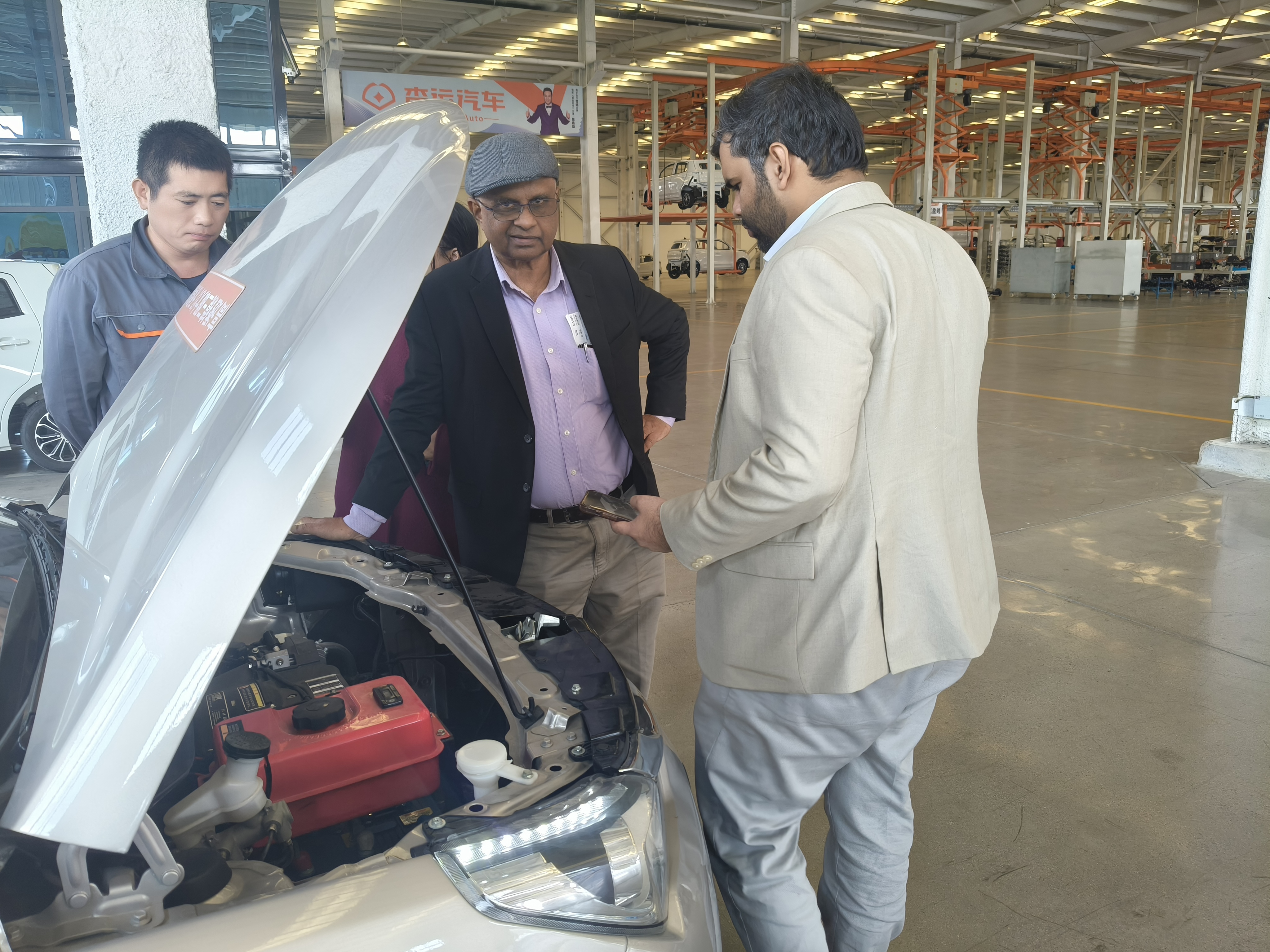
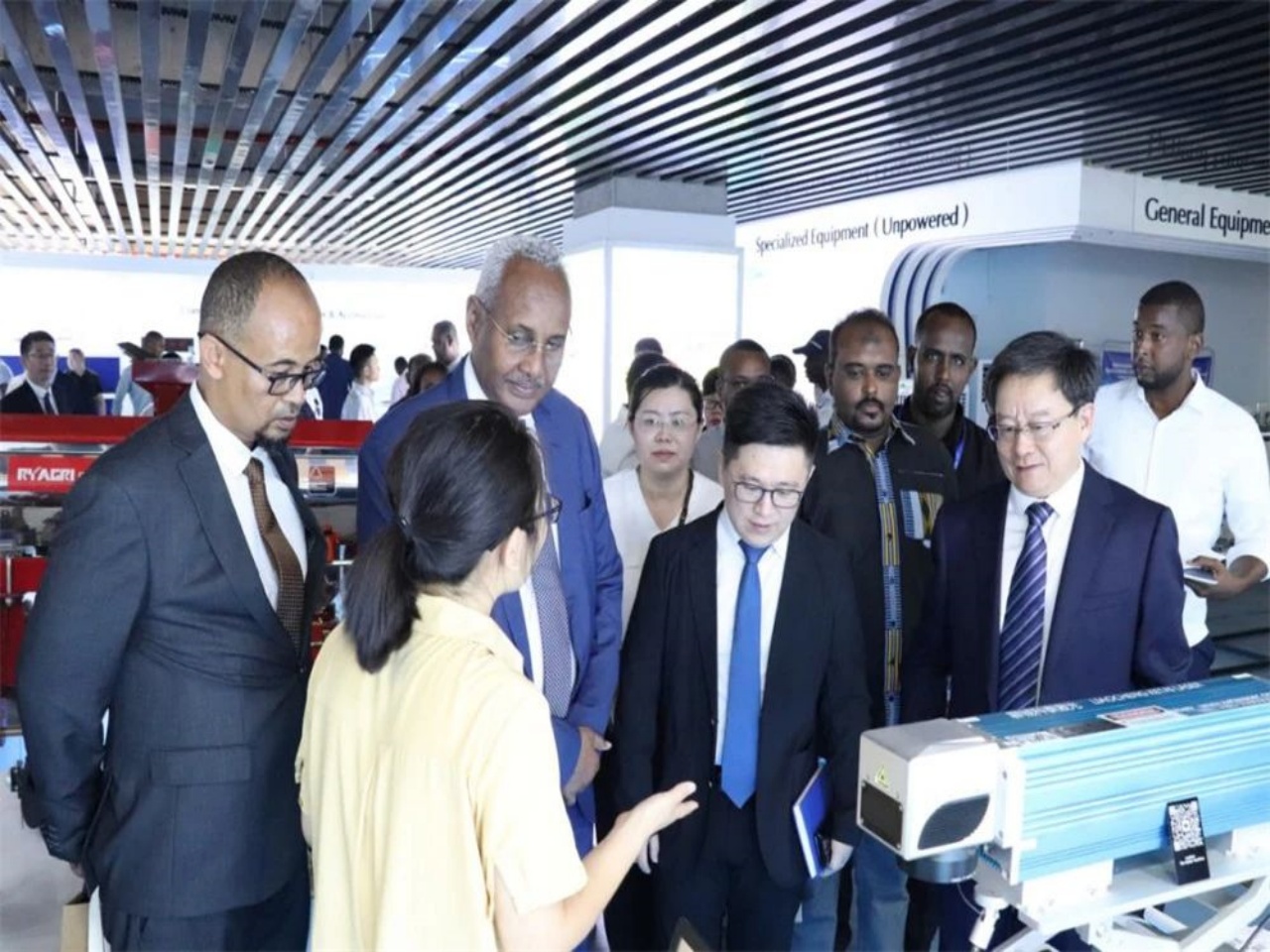
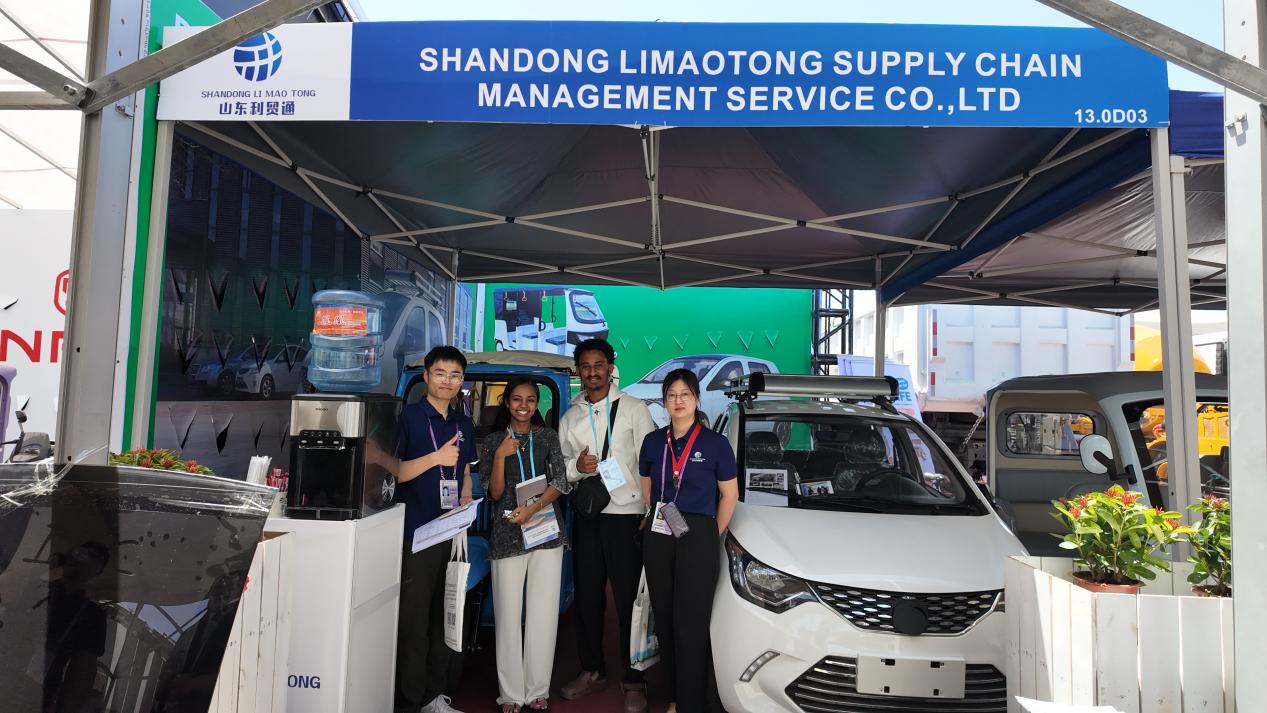
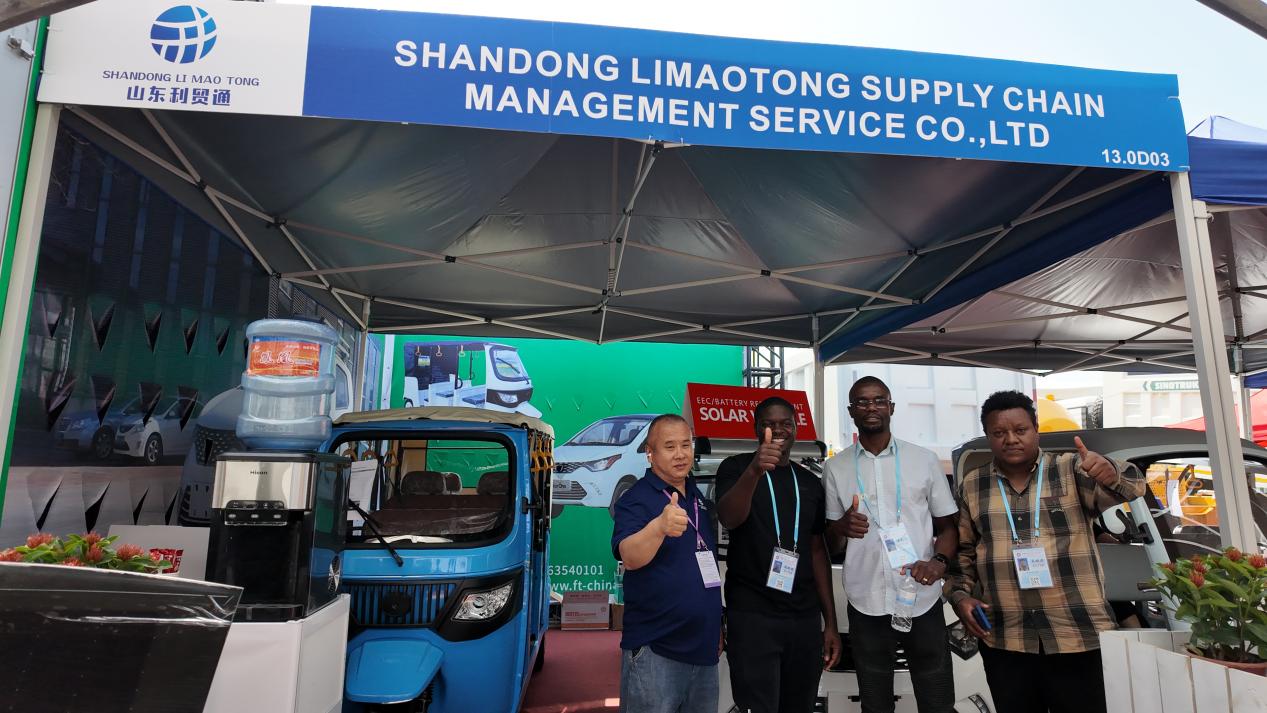
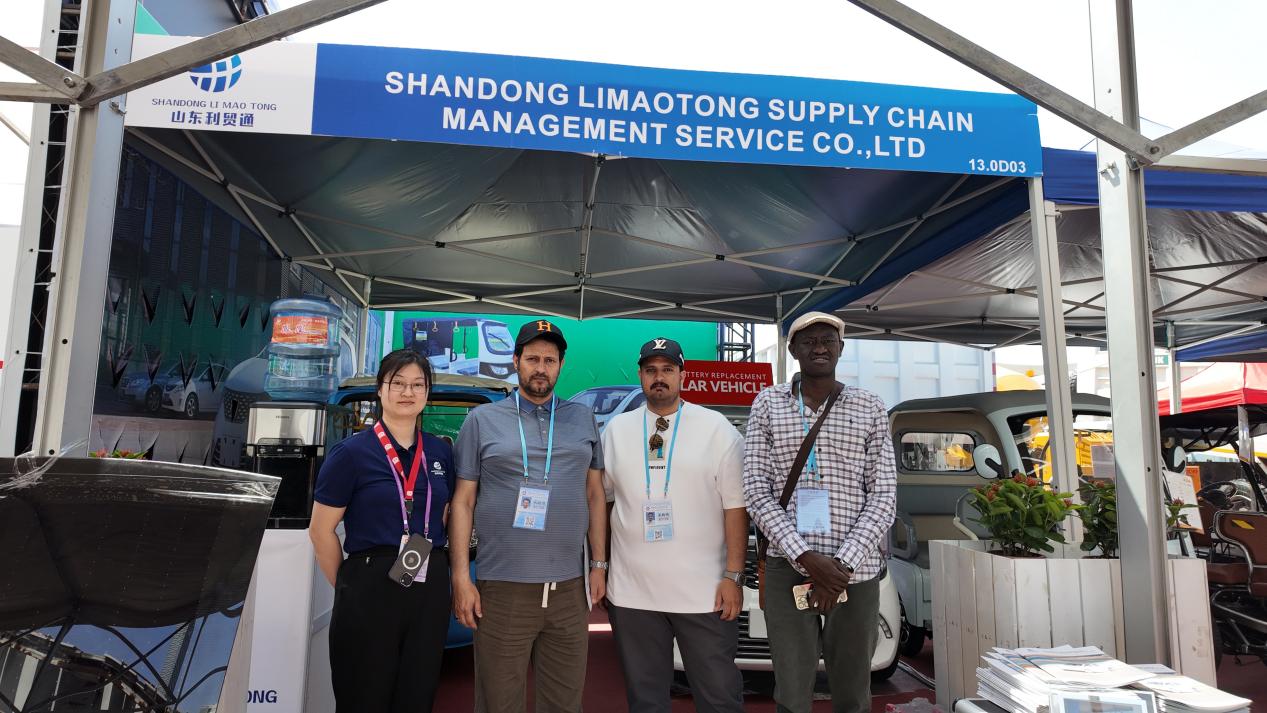
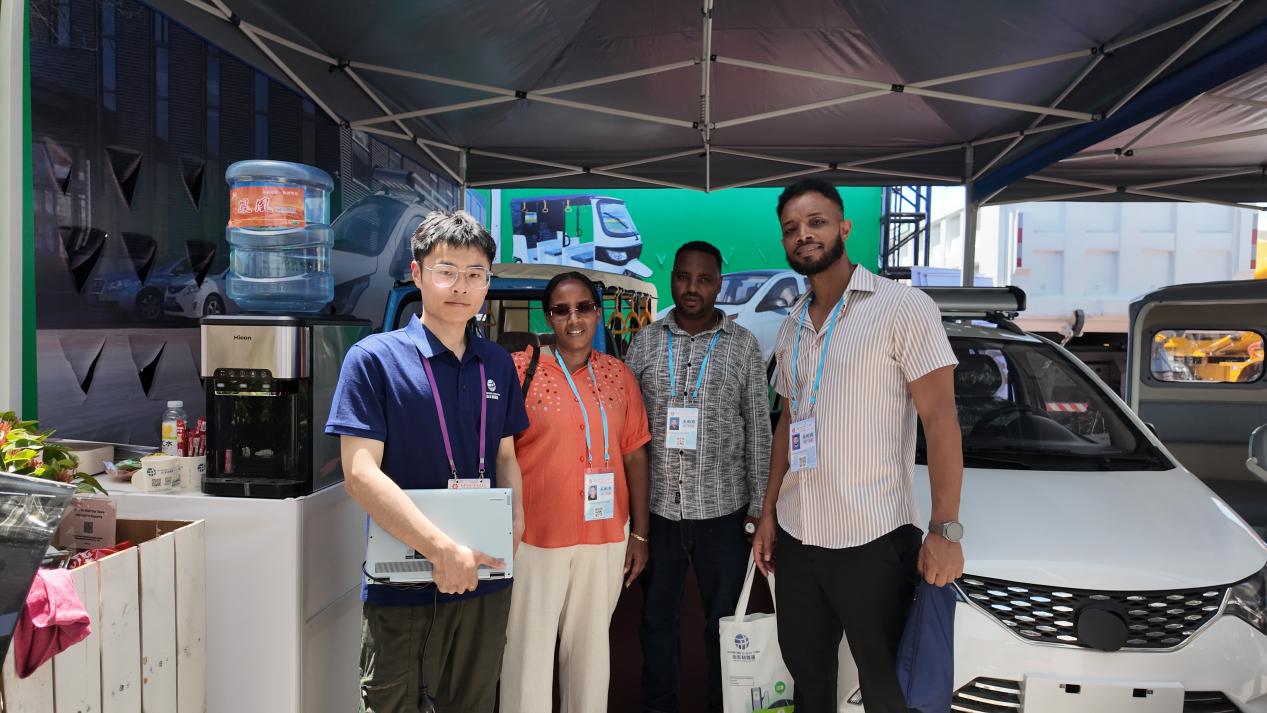
We host international distributors, logistics companies, and government officials for site audits and participate in trade exhibitions worldwide.

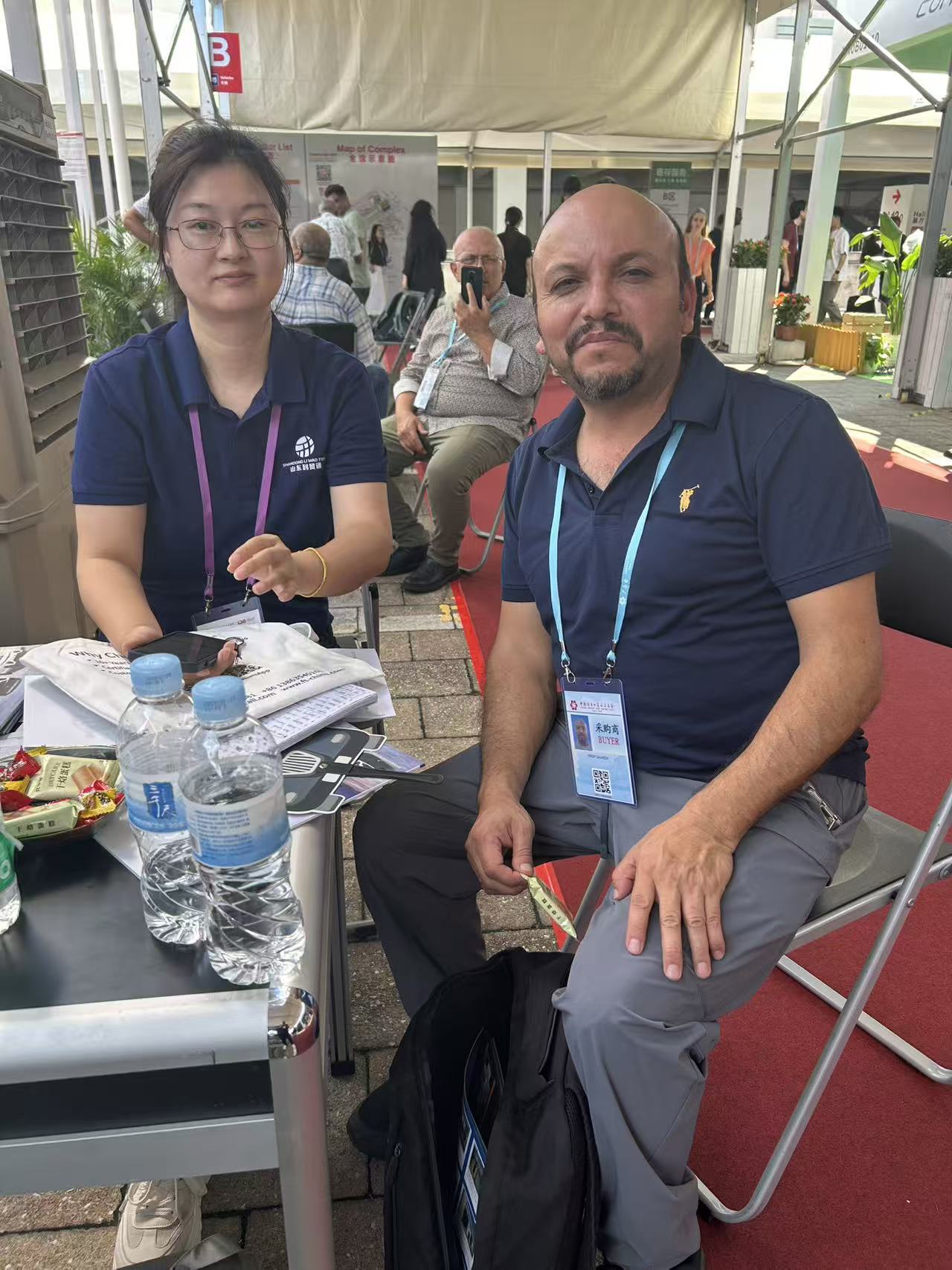
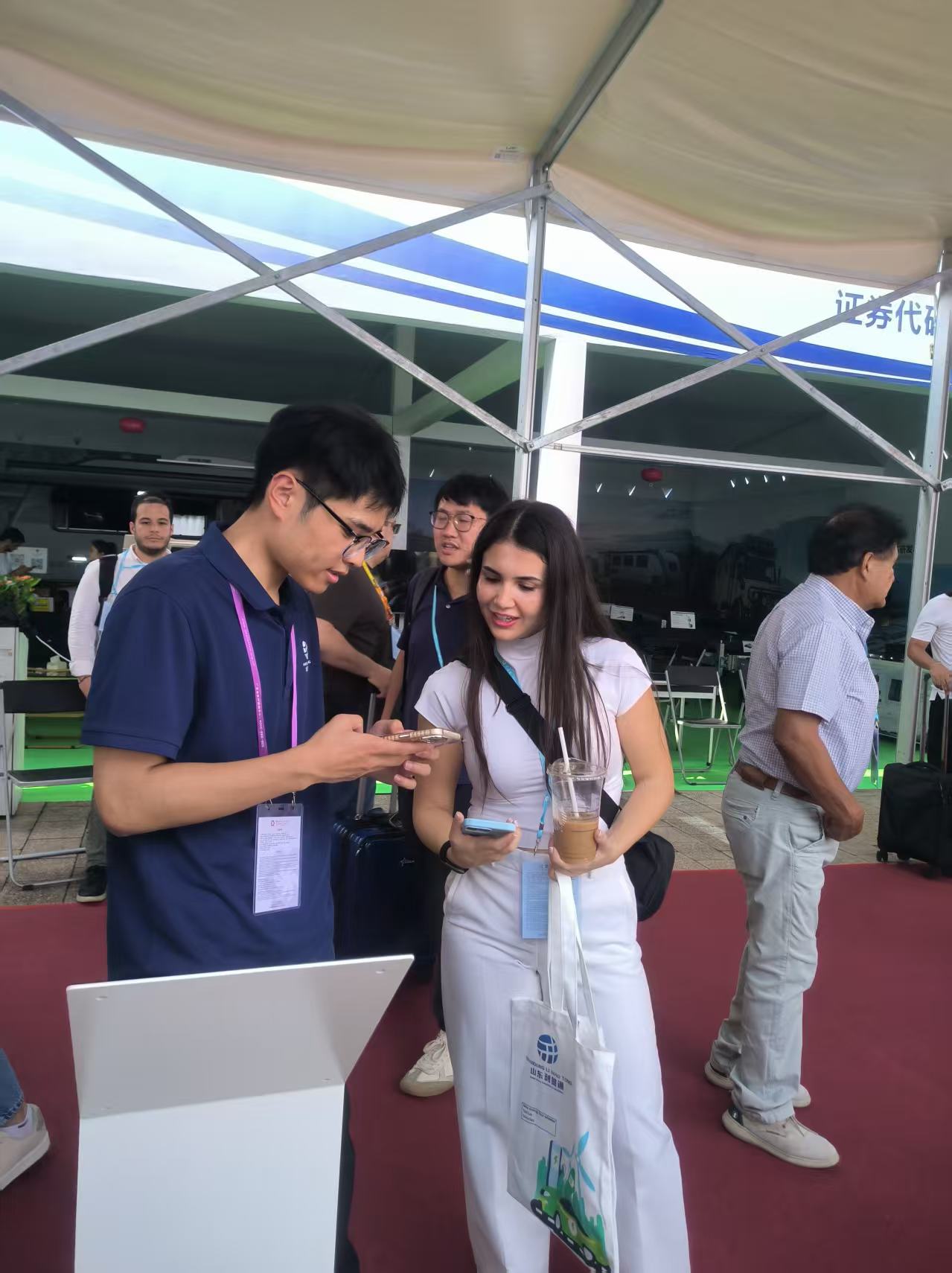

Explore our customizable vehicle platforms for passenger transit, solar hybrid fleets, and urban commuting.
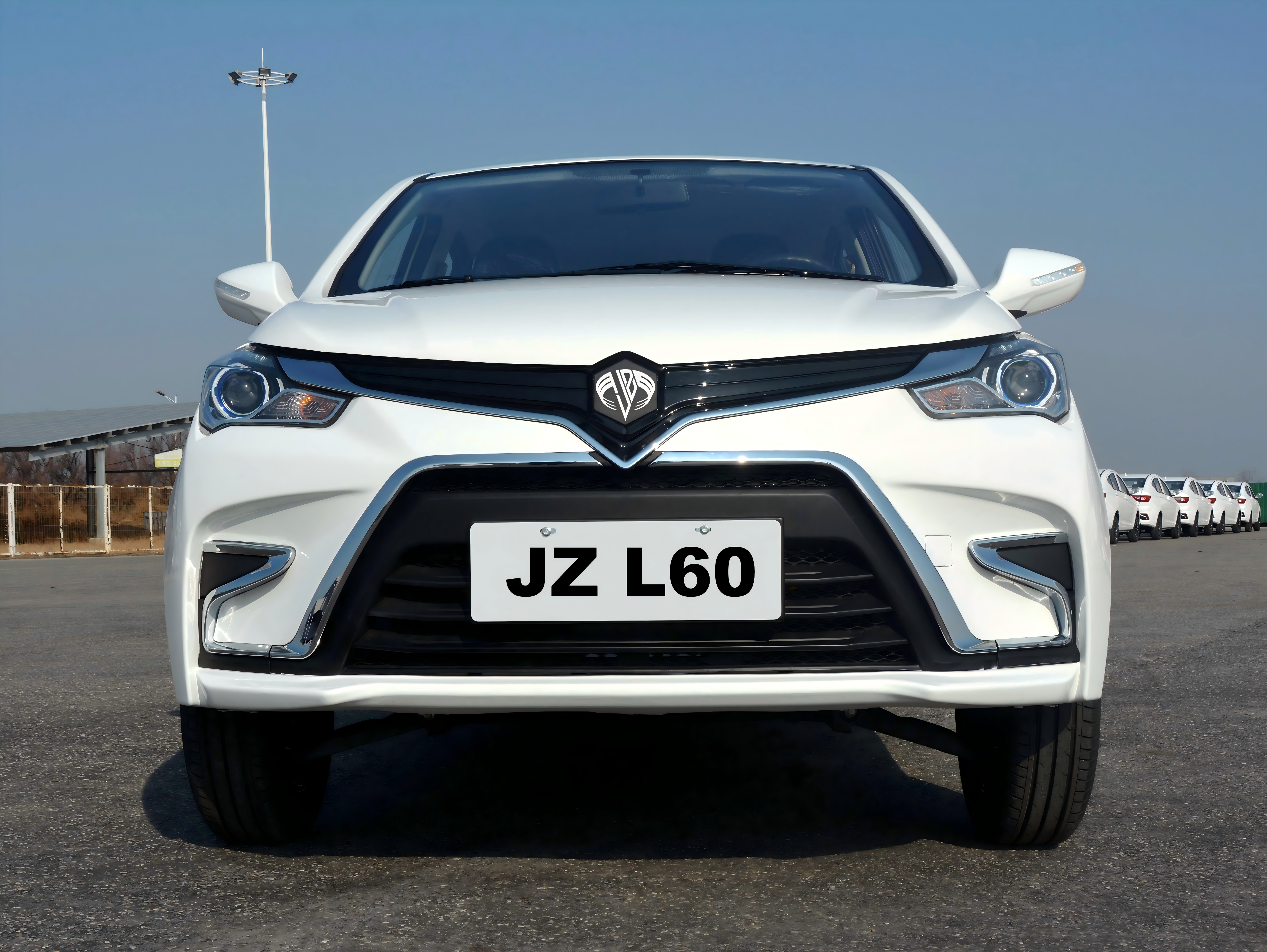
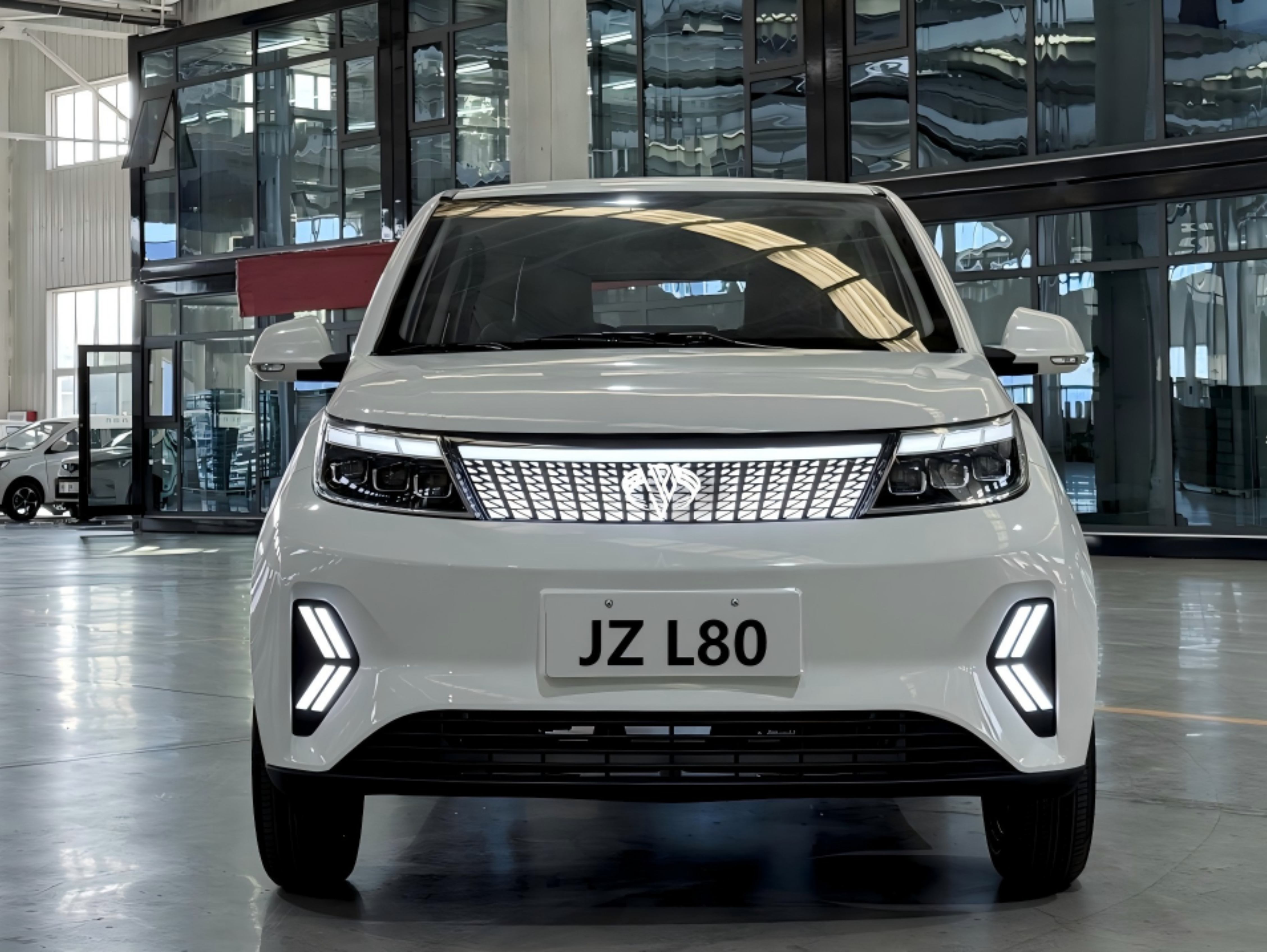
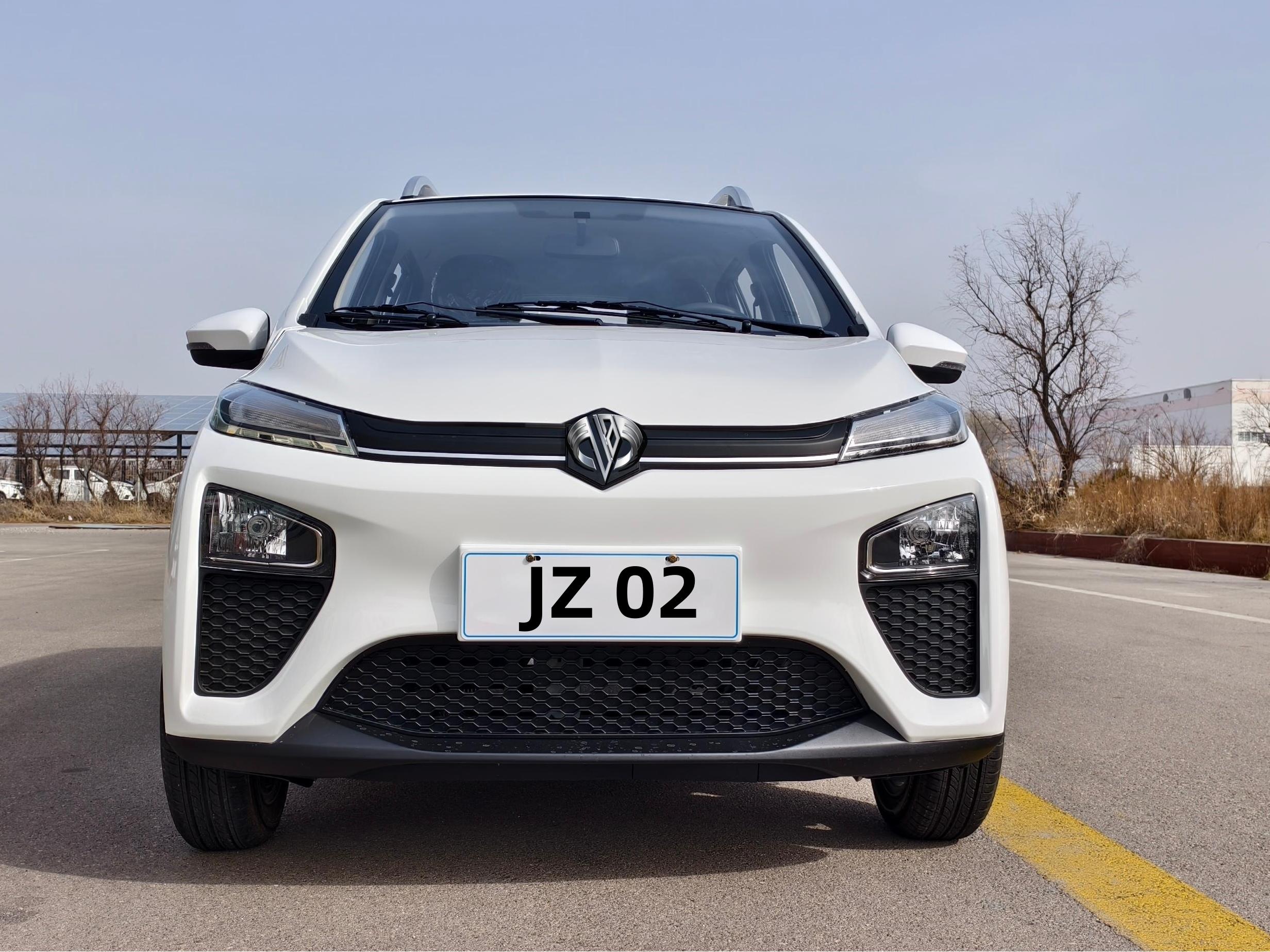
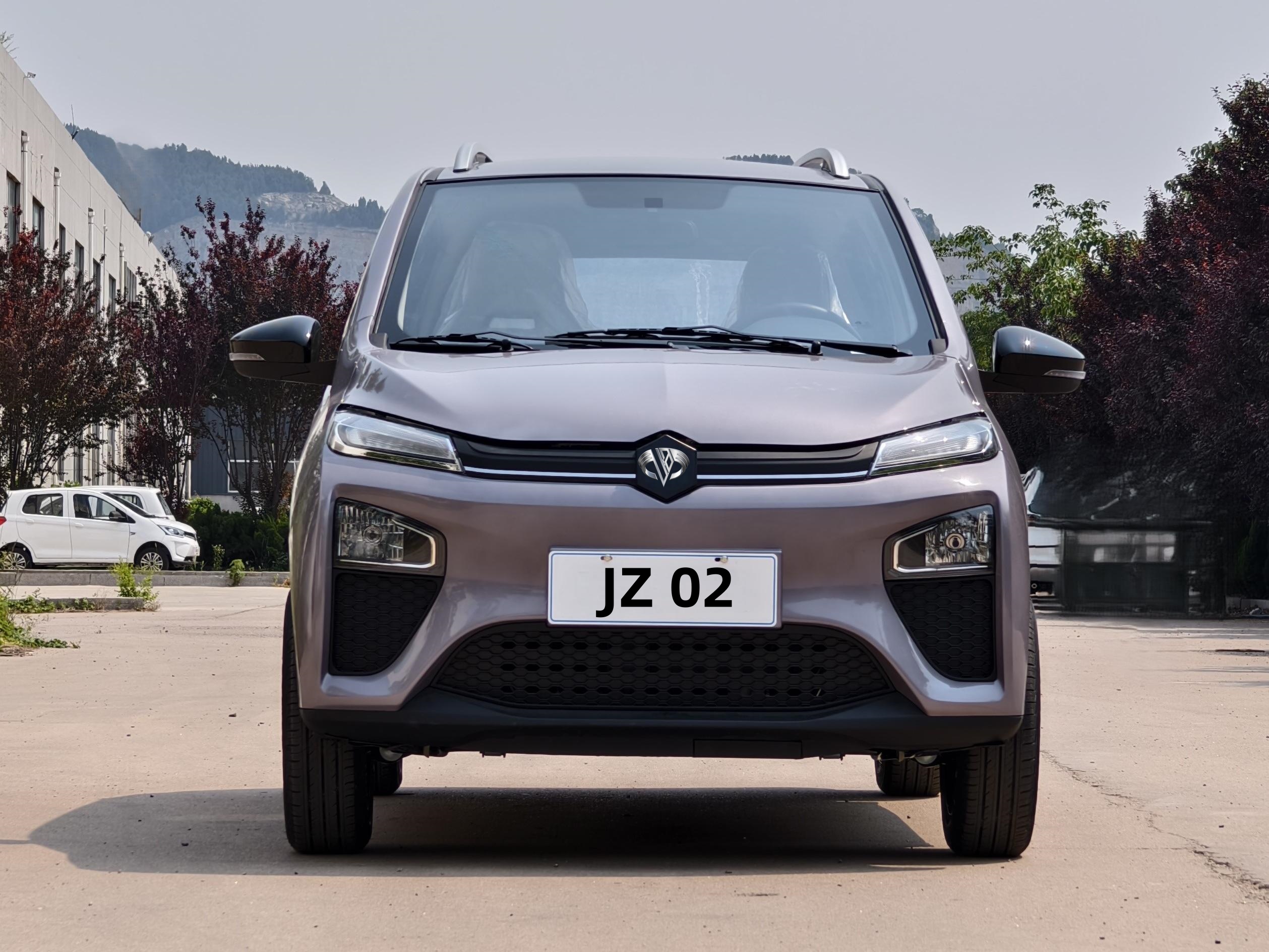
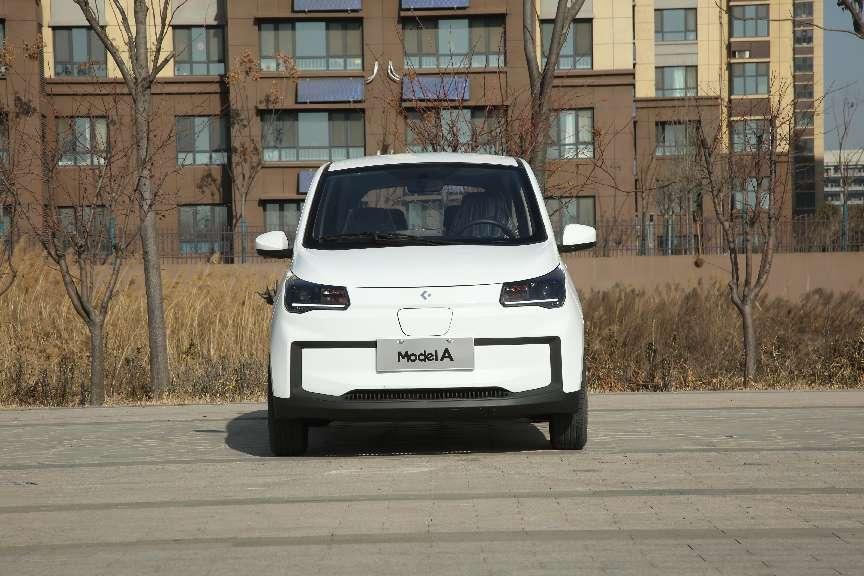
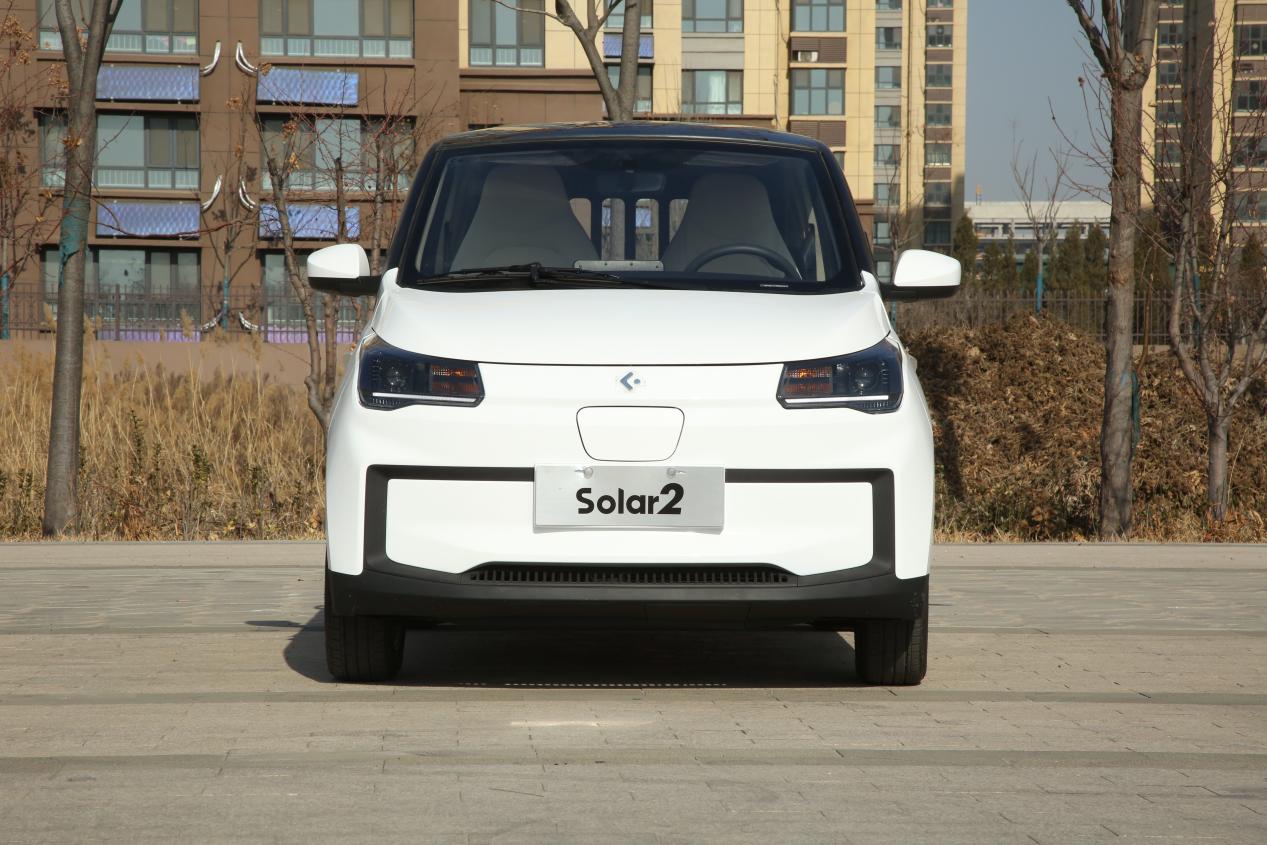
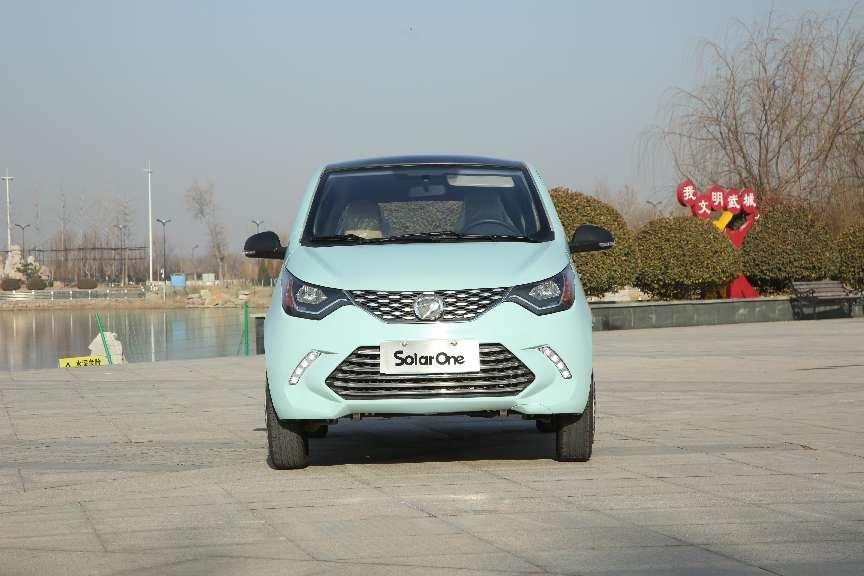
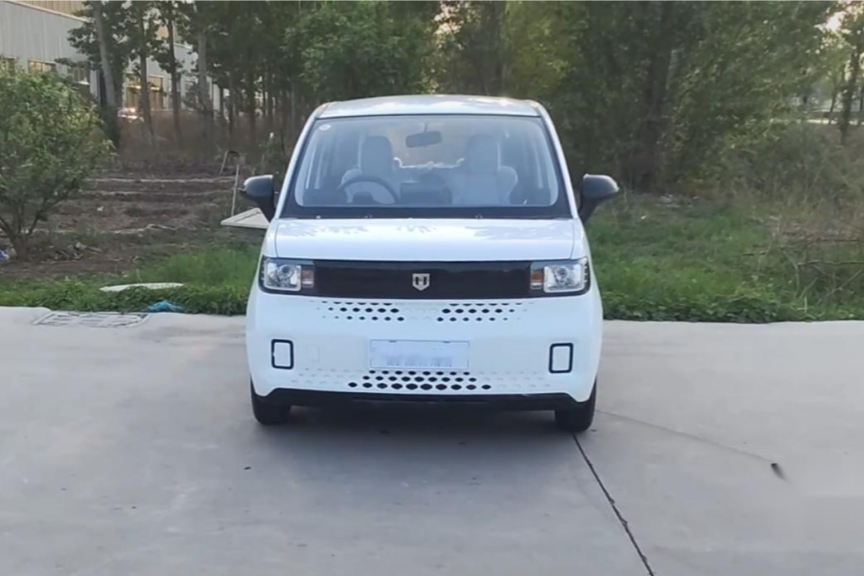
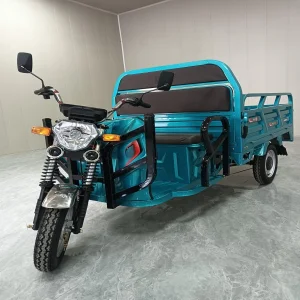
We offer passenger tuktuks along with a range of specialized new energy vehicles to support diverse municipal and commercial needs. These options include solar-assisted cargo tricycles, zero-emission mini cars, and high-efficiency passenger shuttles.
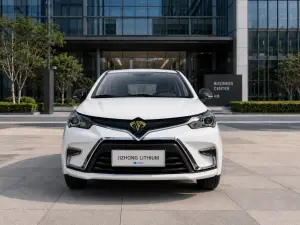
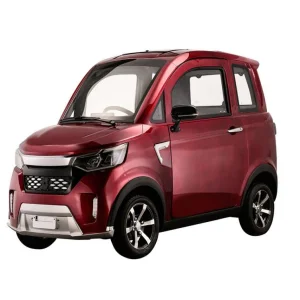
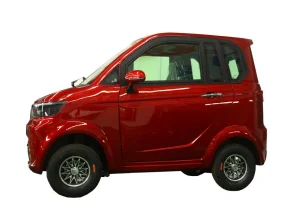
Compact design engineered for urban passenger commuting.
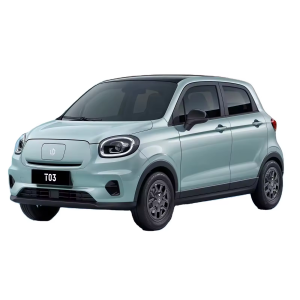
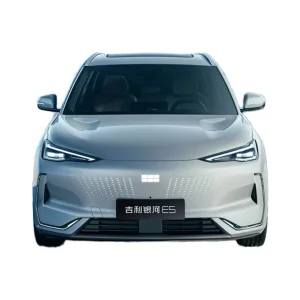
Smart, connected city EV featuring an advanced lithium-ion pack.
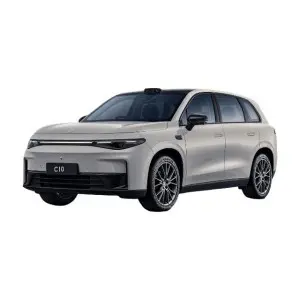
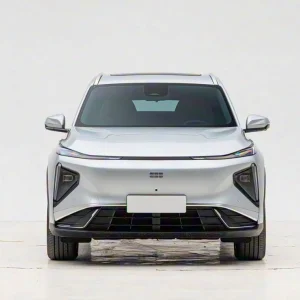
Mid-size electric SUV designed for longer-range driving.
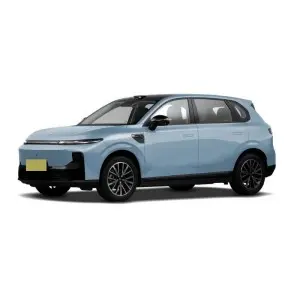
Modern smart SUV platform with integrated driving assistance.
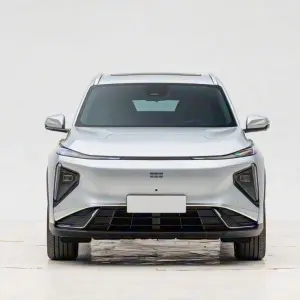
Plug-in hybrid SUV combining high fuel efficiency with electric capability.
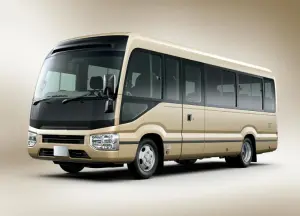
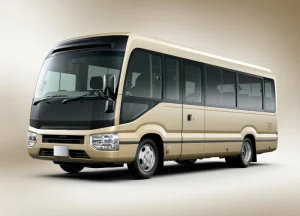
Multi-passenger shuttle designed for resorts and urban sightseeing parks.
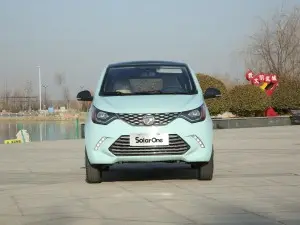
Cost-effective EV utilizing integrated solar panels for extended daily range.
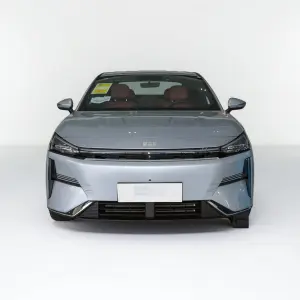
Intelligent electric sedan platform designed for fleet taxi operations.
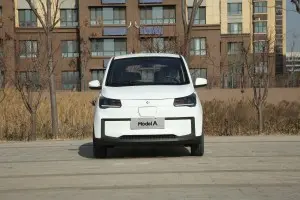
Solar hybrid vehicle optimized for commuter routes and urban deliveries.
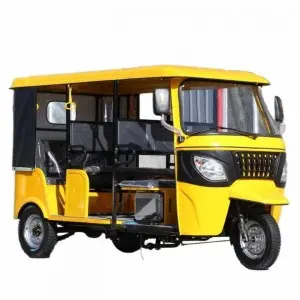
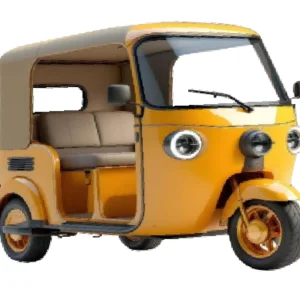
Heavy-duty 7-seater passenger trike featuring a reinforced steel frame.
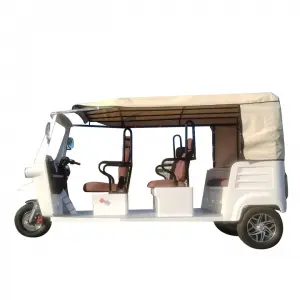
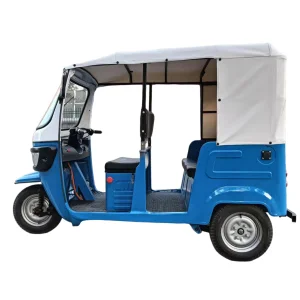
High-capacity 3-wheel passenger vehicle with passenger-focused safety enclosures.
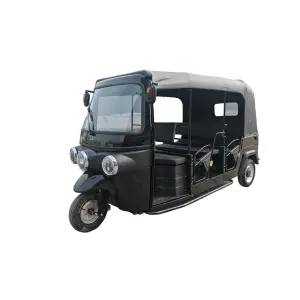
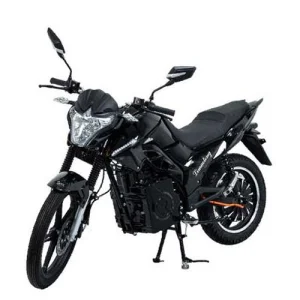
Zero-emission moto-taxi platform optimized for urban passenger transport.
Technical answers regarding vehicle imports, customizations, battery packs, and regional regulatory compliance.
Range varies by vehicle weight, battery configuration, and payload. Our standard 60V/72V systems with a 100Ah maintenance-free battery pack deliver a range of 80 to 100 km per charge under normal taxi loads. High-capacity LiFePO4 configurations, as well as models equipped with roof-mounted solar charging panels, can extend this range to 120-150 km.
Yes, we design and build vehicles to meet target market regulations. We offer configurations that align with EEC (European Economic Community) standards for L-category vehicles, as well as regional certifications for African and Latin American markets. Our manufacturing plants operate under ISO 9001:2015 quality management systems.
We support Completely Knocked Down (CKD) and Semi-Knocked Down (SKD) shipping configurations. Shipping in CKD form reduces transport volume, allowing more units to fit into a 40HQ container, which helps lower shipping costs and import duties. We provide assembly guides, videos, and technical assistance to help your local teams assemble the vehicles.
Our Djibouti facility serves as an East African regional logistics and service center. It maintains a stock of spare parts (such as controllers, motors, axles, and tires) to enable fast shipping to neighboring countries, reducing transit times compared to shipping directly from China. The center also provides local technical support and maintenance assistance.
Compare our wider range of electric passenger tricycles, utility transport vehicles, and electric two-wheelers.
 Limaotong