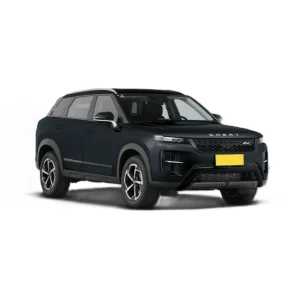
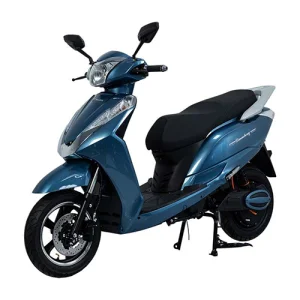
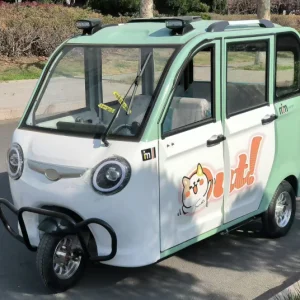
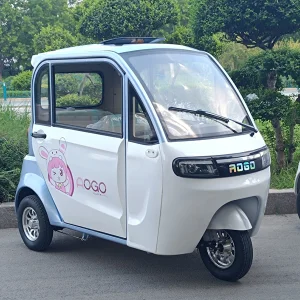
Explore our state-of-the-art electric cars, passenger tuk-tuks, electric bikes, and specialized three-wheelers built for international road regulations and urban delivery demands.
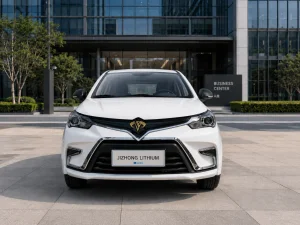
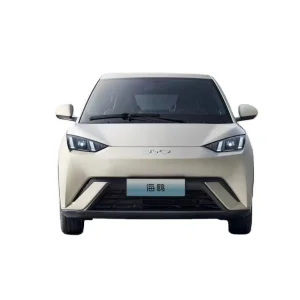
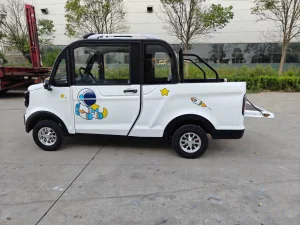
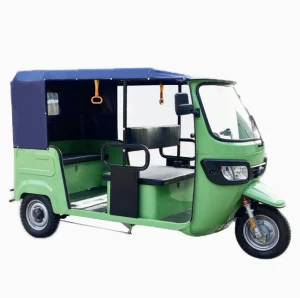
In the contemporary logistics ecosystem, the demand for cost-effective, maneuverable, and low-emission vehicles has surged. The global market is witnessing a rapid transition from traditional light commercial vehicles (LCVs) to three-wheel cargo tricycles. This shift is particularly pronounced in fast-growing urban centers across Europe, Latin America, Southeast Asia, and Africa, driven by stringent carbon neutrality mandates, expanding micro-mobility corridors, and the exponential growth of e-commerce delivery networks.
According to industrial logistics research, last-mile transportation accounts for over 53% of total shipping costs. Conventional four-wheel trucks frequently face limitations such as traffic congestion, narrow roads, high maintenance costs, and parking restrictions. By contrast, specialized wholesale three-wheeled cargo vehicles offer an optimized volumetric carrying capacity combined with high maneuverability, a minimal space footprint, and exceptionally low operational overheads. They represent a highly adaptive option for logistics agencies looking to enhance deliveries per hour while minimizing environmental impact.
"The integration of heavy-duty cargo tricycles in commercial fleets has demonstrated up to a 35% reduction in last-mile dispatch costs and a significant decrease in carbon output per delivery cycle, making three-wheelers the cornerstone of modern local shipping networks."
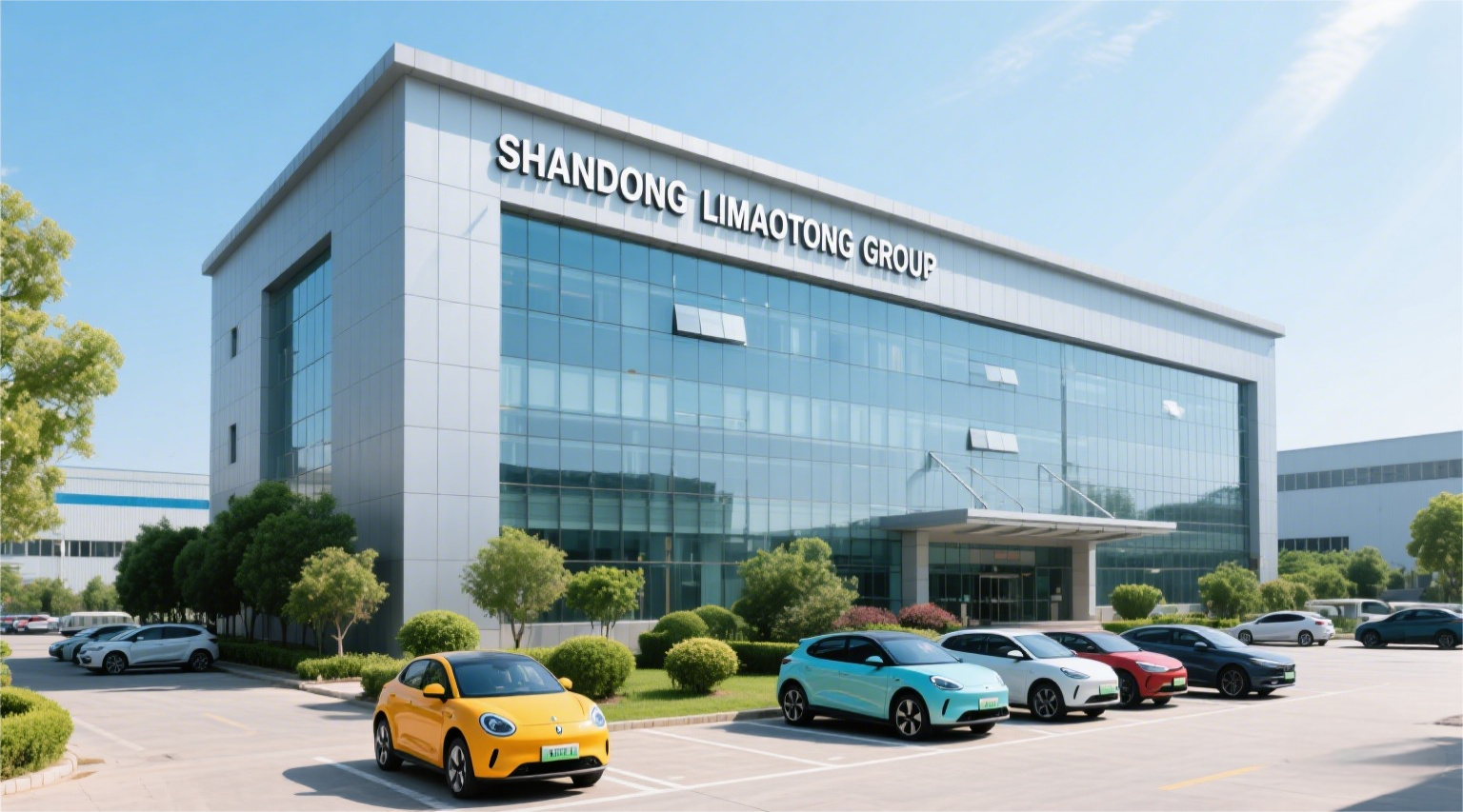
SHANDONG LI MAO TONG GROUP is a prominent global manufacturer and exporter specializing in motor tricycles, heavy-duty cargo tricycles, and advanced electric mini cars. Backed by state-of-the-art production facilities and an integrated supply chain, we deliver customized vehicular solutions that keep businesses moving in more than 120 countries and regions worldwide.
Our commitment extends beyond engineering; we provide comprehensive distribution logistics, overseas warehouses, localized maintenance partnerships, and end-to-end certification support to simplify import logistics for our global partners.
A reliable cargo tricycle requires a carefully engineered chassis, motor controller, and power pack. Modern cargo tricycles are built using a technology roadmap focused on maximize energy transfer, payload capability, and operator safety.
Integrating high-efficiency Brushless DC (BLDC) differential motors ranging from 1000W up to 4000W. Combined with smart vector controllers, these drivetrains optimize torque outputs under steep inclines and heavy cargo conditions.
Utilizing high-grade structural steel (typically Q235B or higher) that undergoes robotic stamping. Features heavy-duty rear leaf-spring suspension and hydraulic dampers to absorb high impact shocks under heavy loads.
Configurations support advanced Lithium Iron Phosphate (LiFePO4) or high-capacity deep-cycle Lead-Acid battery packs. Intelligent Battery Management Systems (BMS) protect cells against overcharge, discharge, and thermal runaway.
Understanding battery technologies is vital when planning import operations. The table below presents key performance variables to assist with selection based on environmental demands and operating budgets:
| Feature / Metric | Lithium Iron Phosphate (LiFePO4) | Maintenance-Free Lead-Acid |
|---|---|---|
| Cycle Lifespan | > 2500-3000 cycles (80% Depth of Discharge) | 400 - 600 cycles (50% Depth of Discharge) |
| Energy Density | High (approx. 140 Wh/kg) - Lighter weight | Low (approx. 35 Wh/kg) - Heavier configuration |
| Capital Expenditure (CAPEX) | Higher upfront cost, amortized over lifetime | Very low upfront investment cost |
| Charging Efficiency | Fast Charging (1-2 Hours to 100%) | Standard Charging (6-8 Hours to 100%) |
Cargo tricycles adapt well to different regional topographies, climates, and commercial setups. Some of the most common applications include:
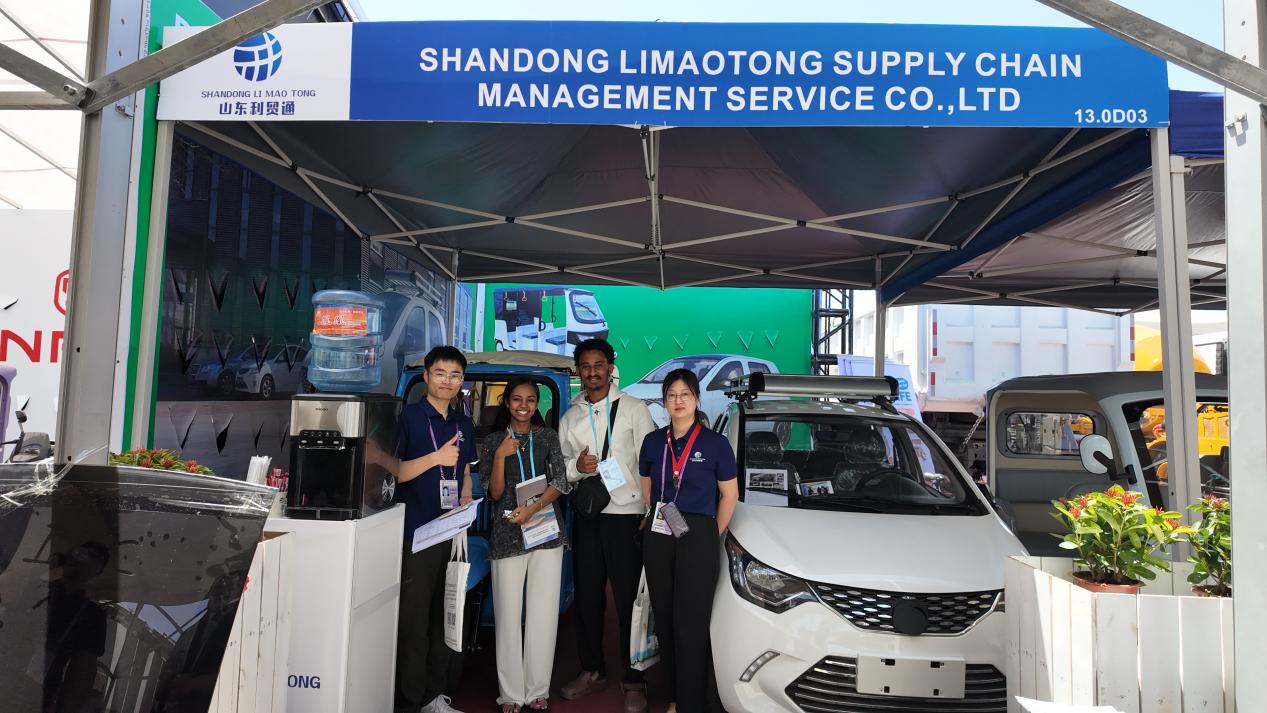
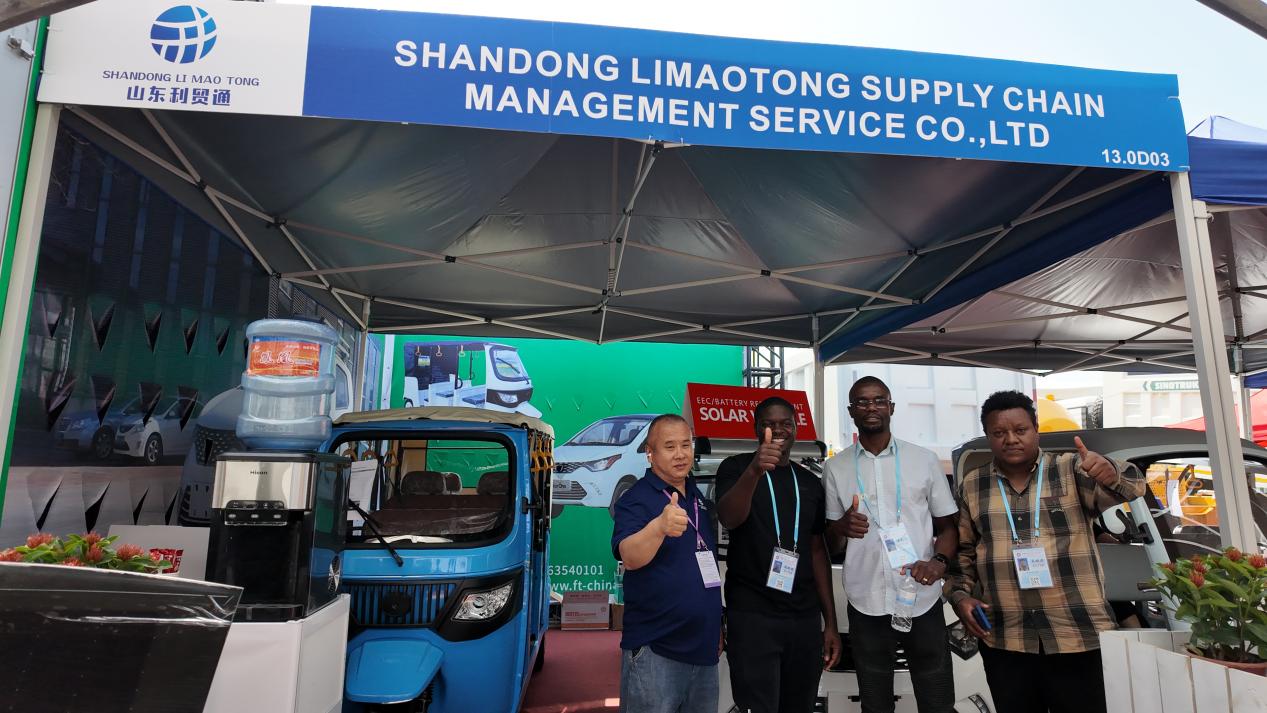
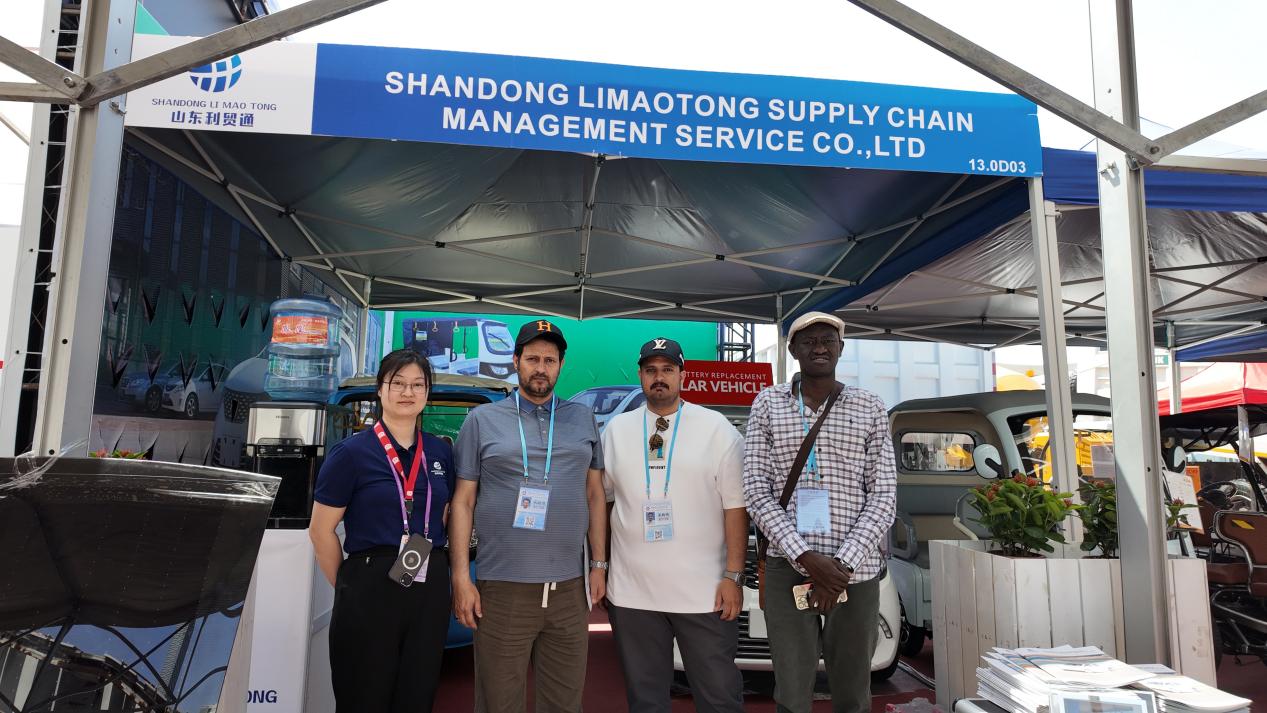
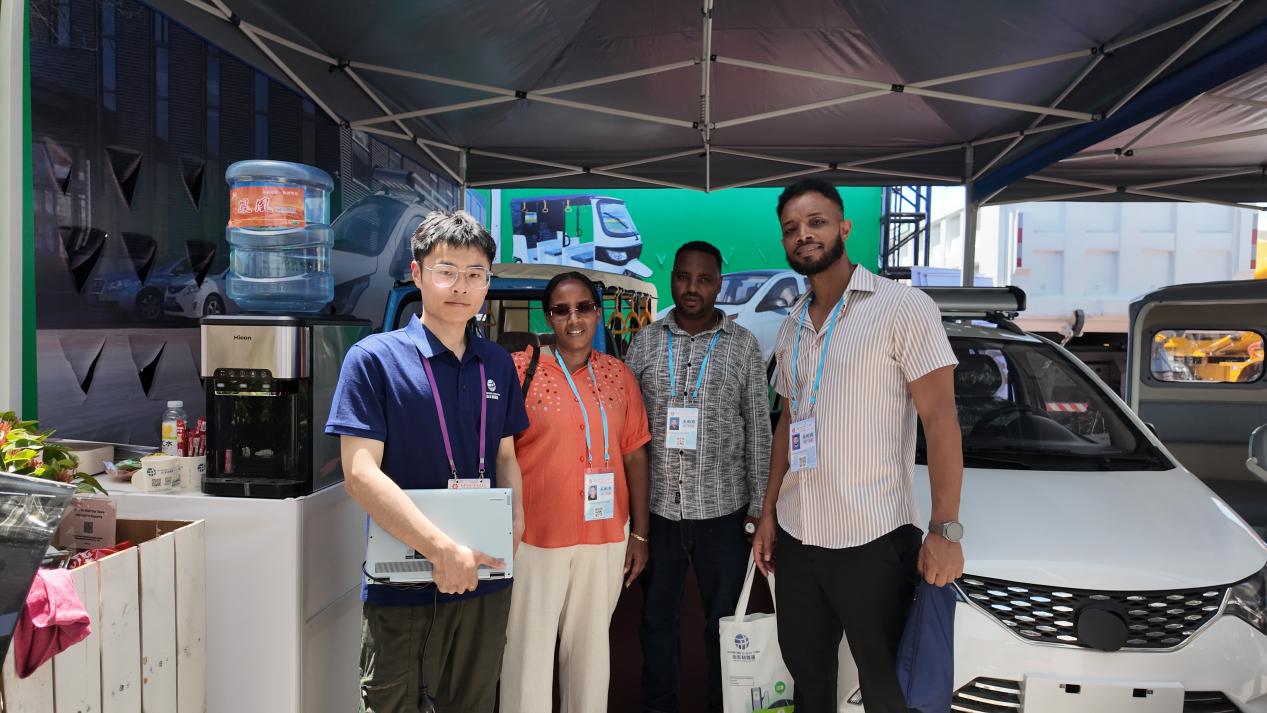
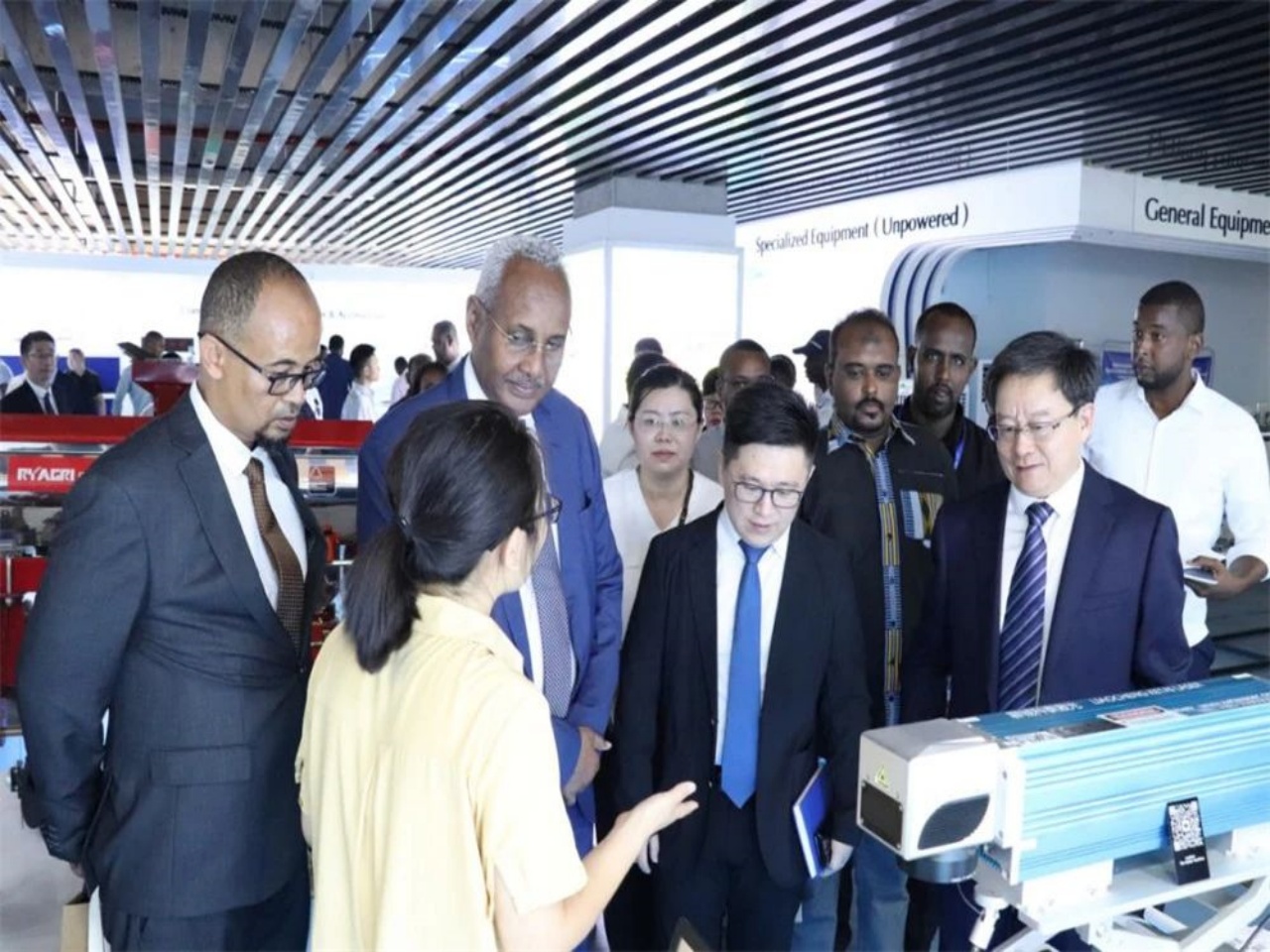
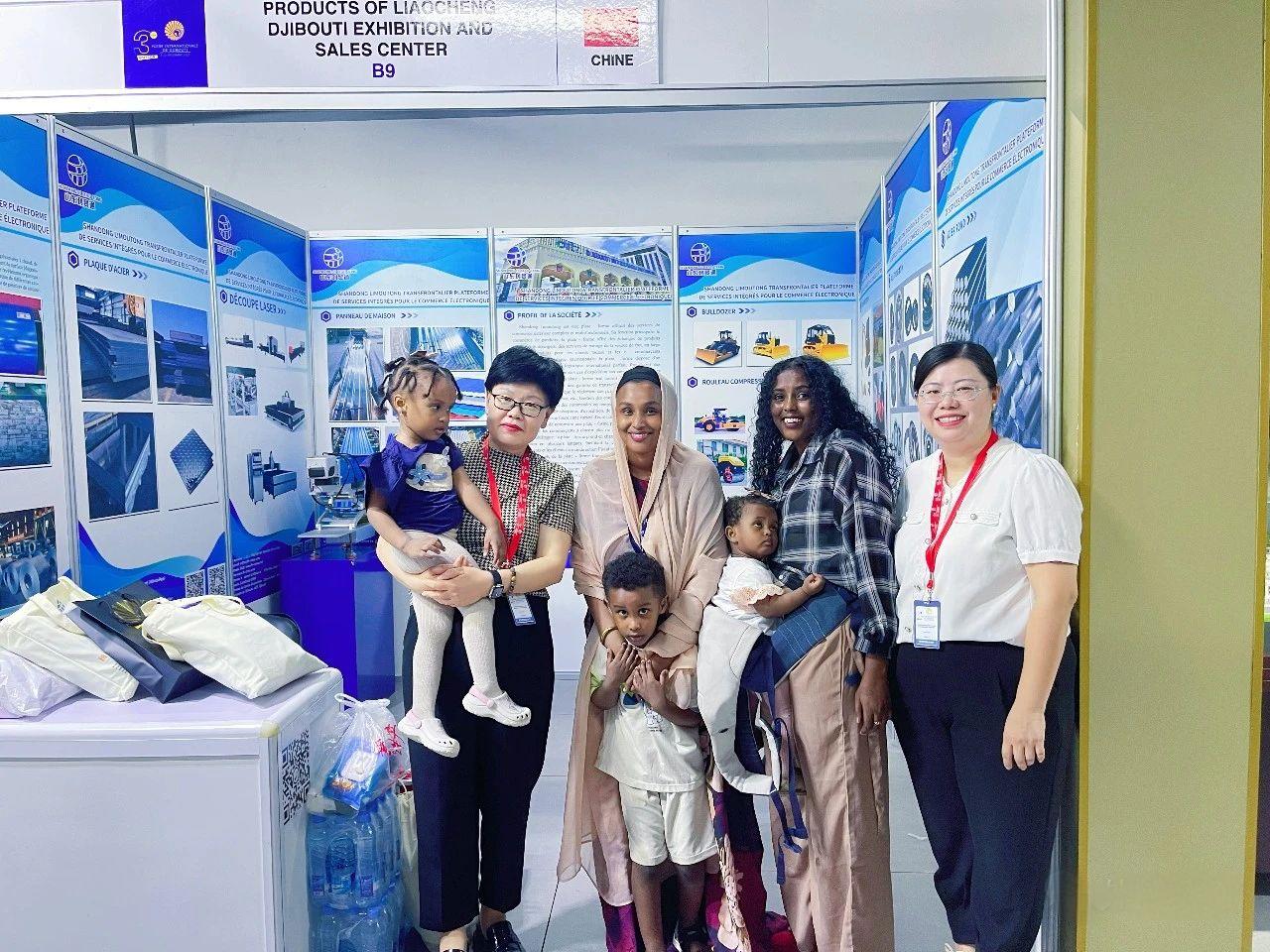
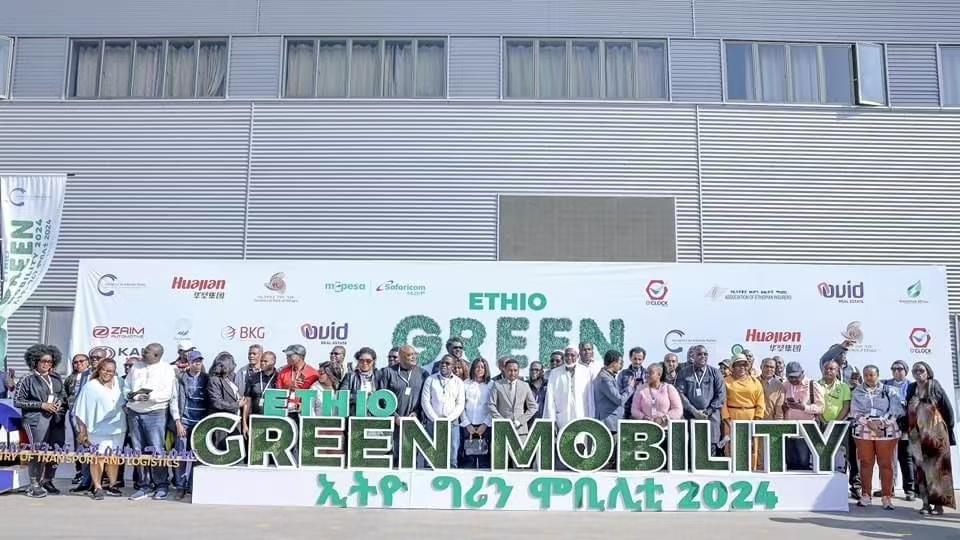
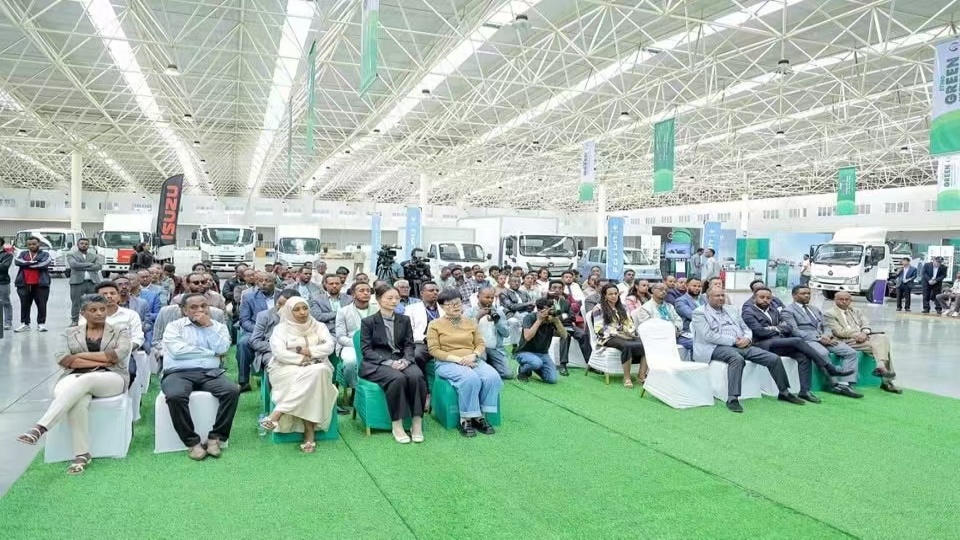
A visual look at our intelligent production facilities, international trade shows, and quality control processes.

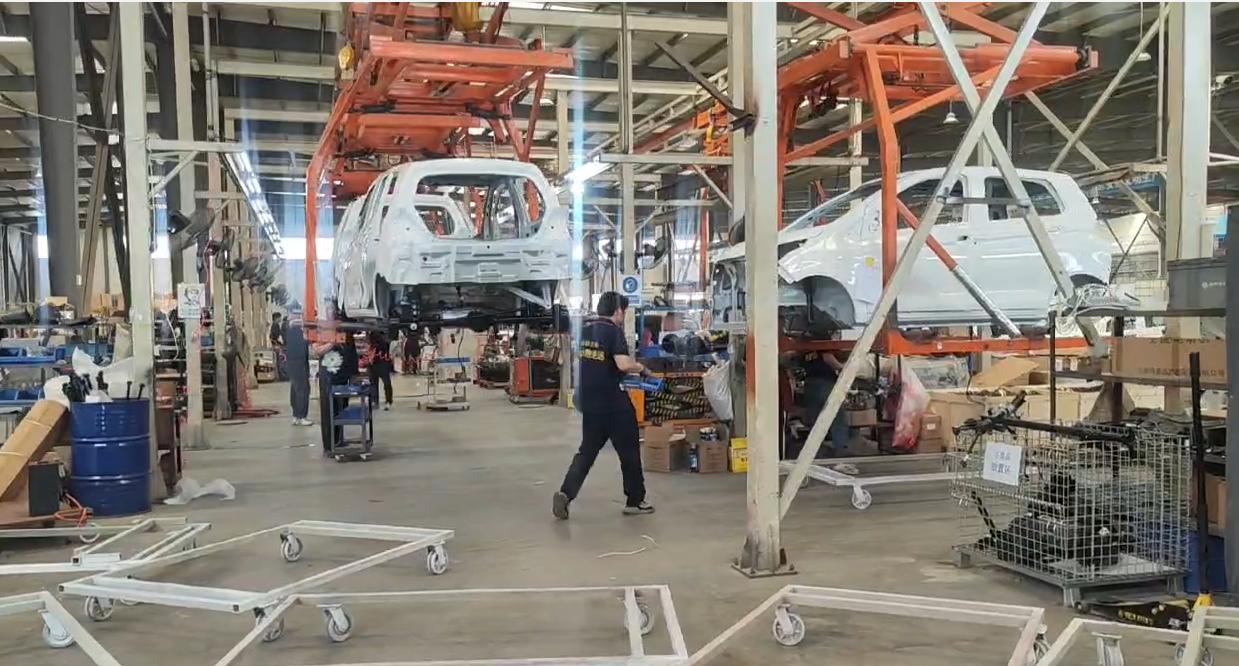
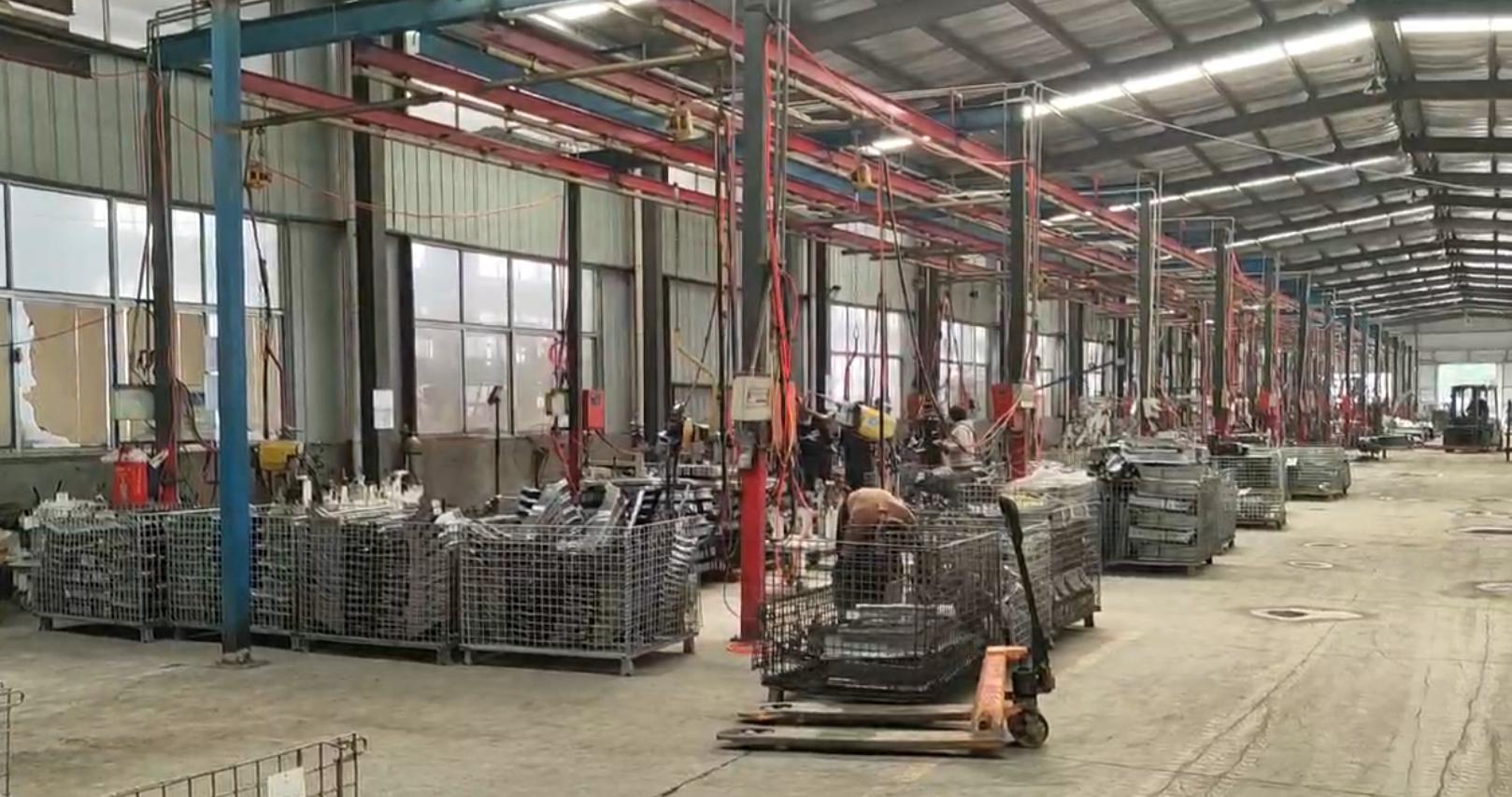
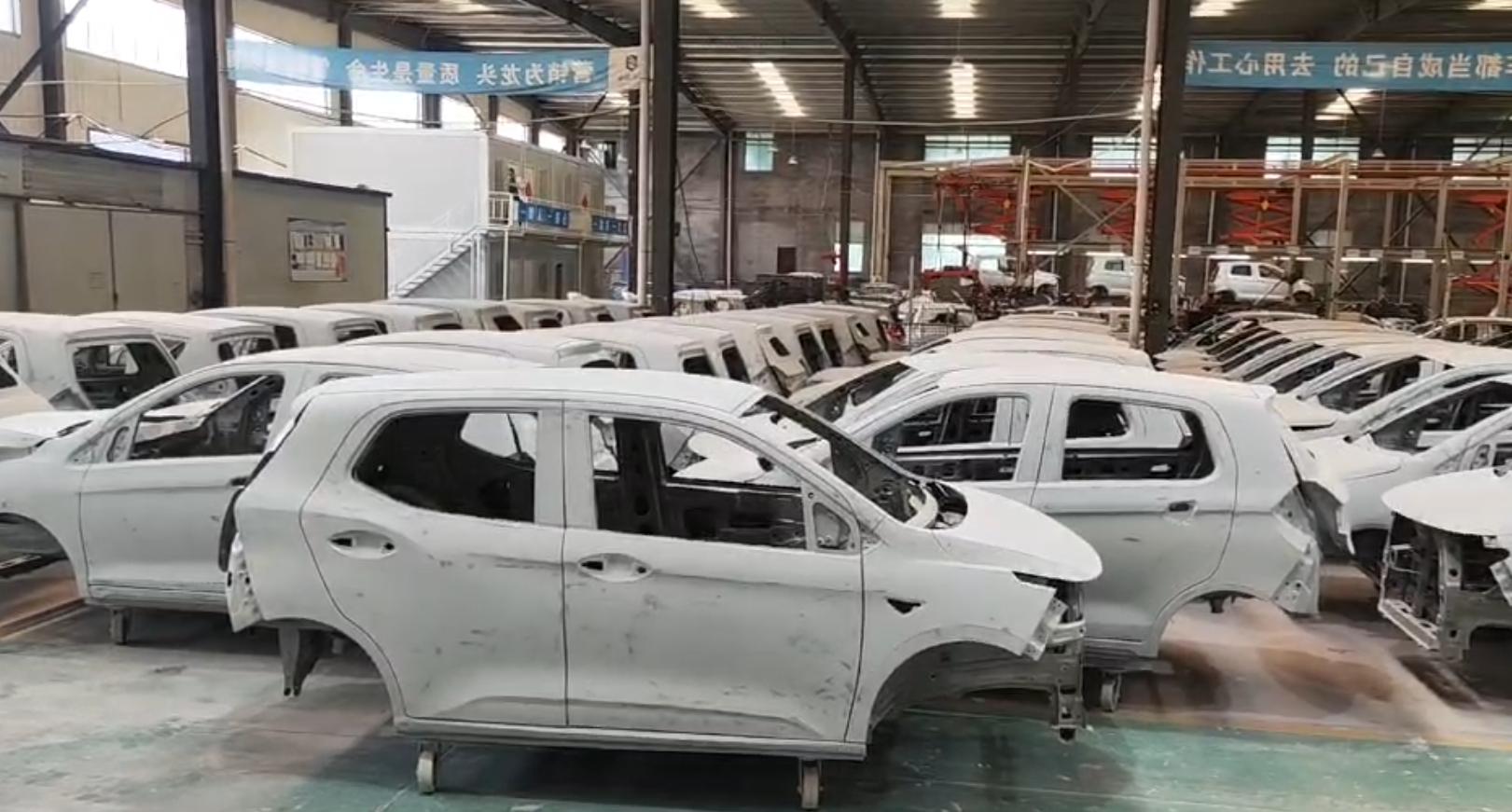
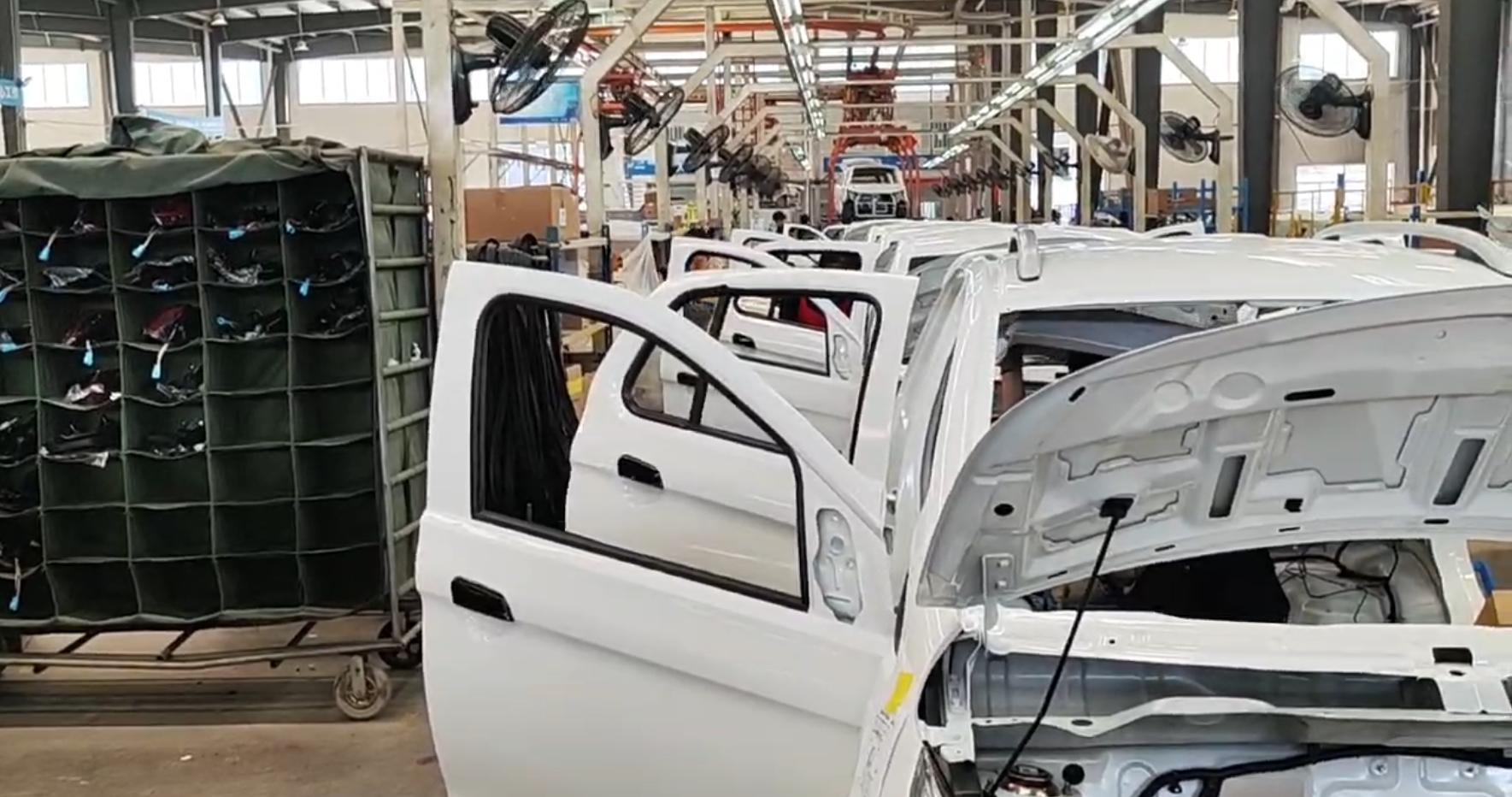
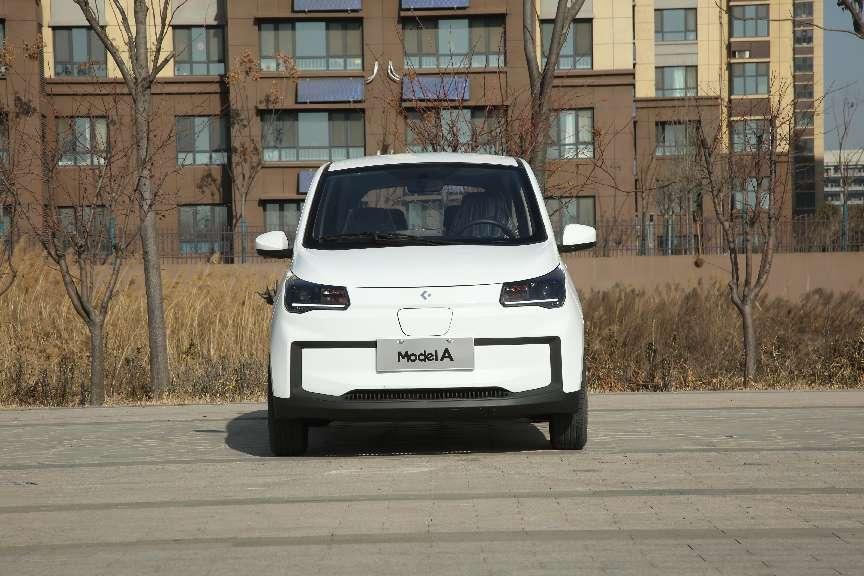
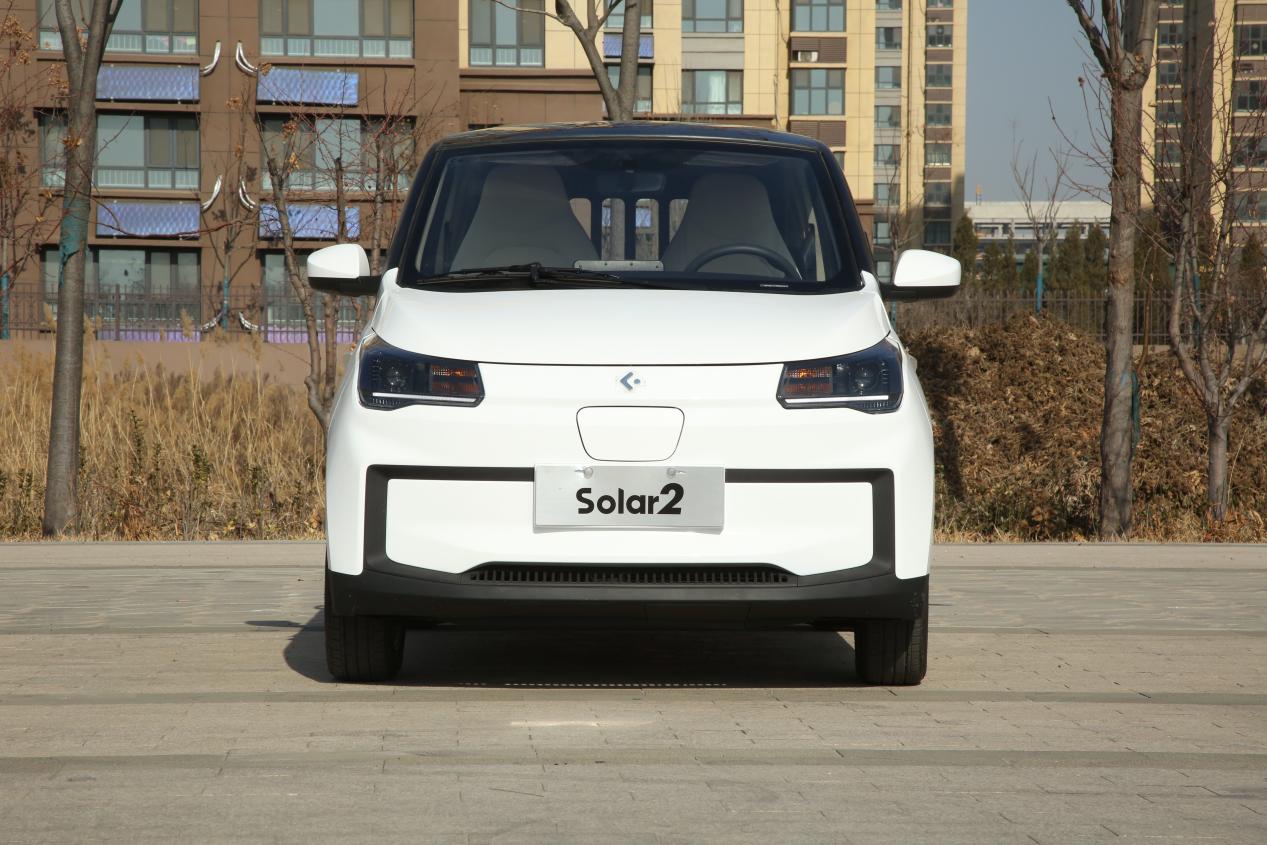
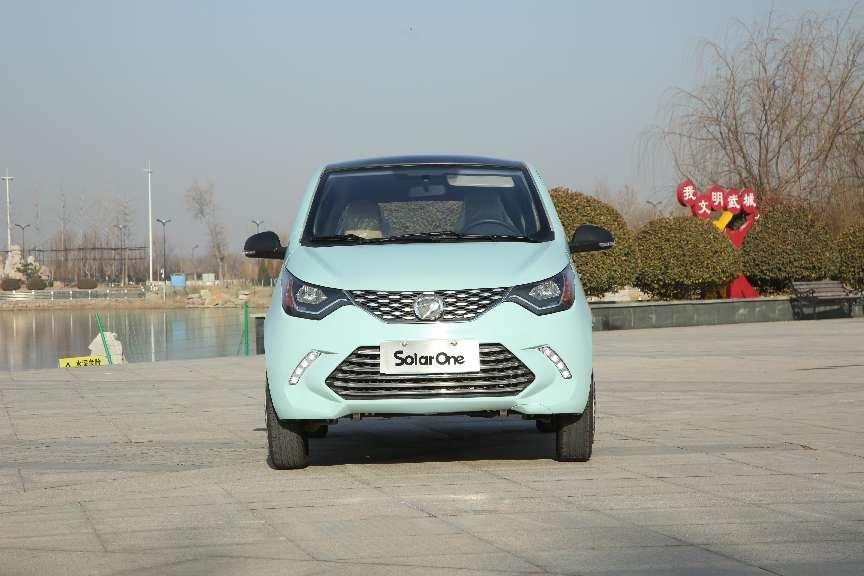
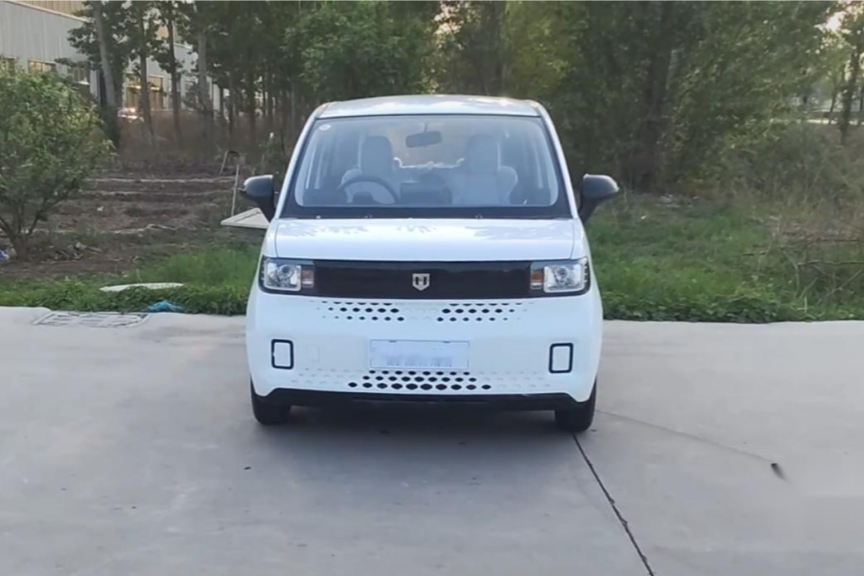




China's leadership in the cargo tricycle sector is built on robust manufacturing infrastructure, supply chain integration, and specialized technology clusters. Selecting a manufacturer in China provides distinct strategic advantages:
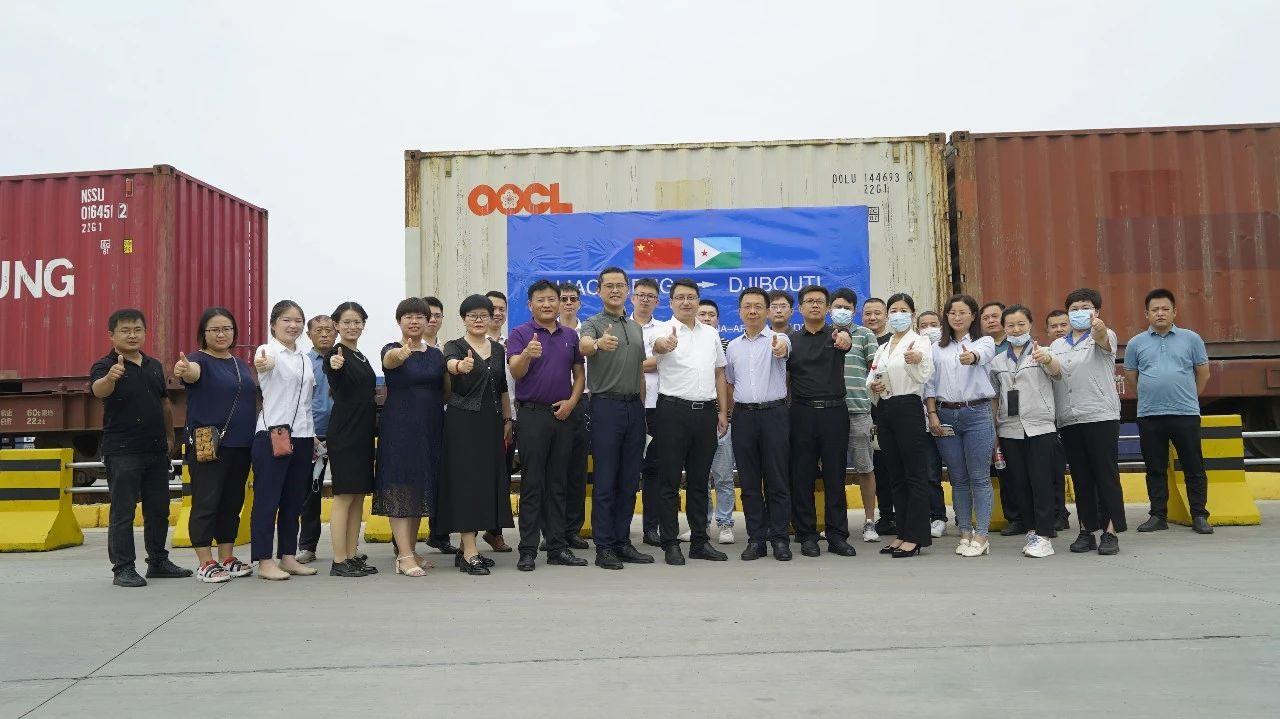
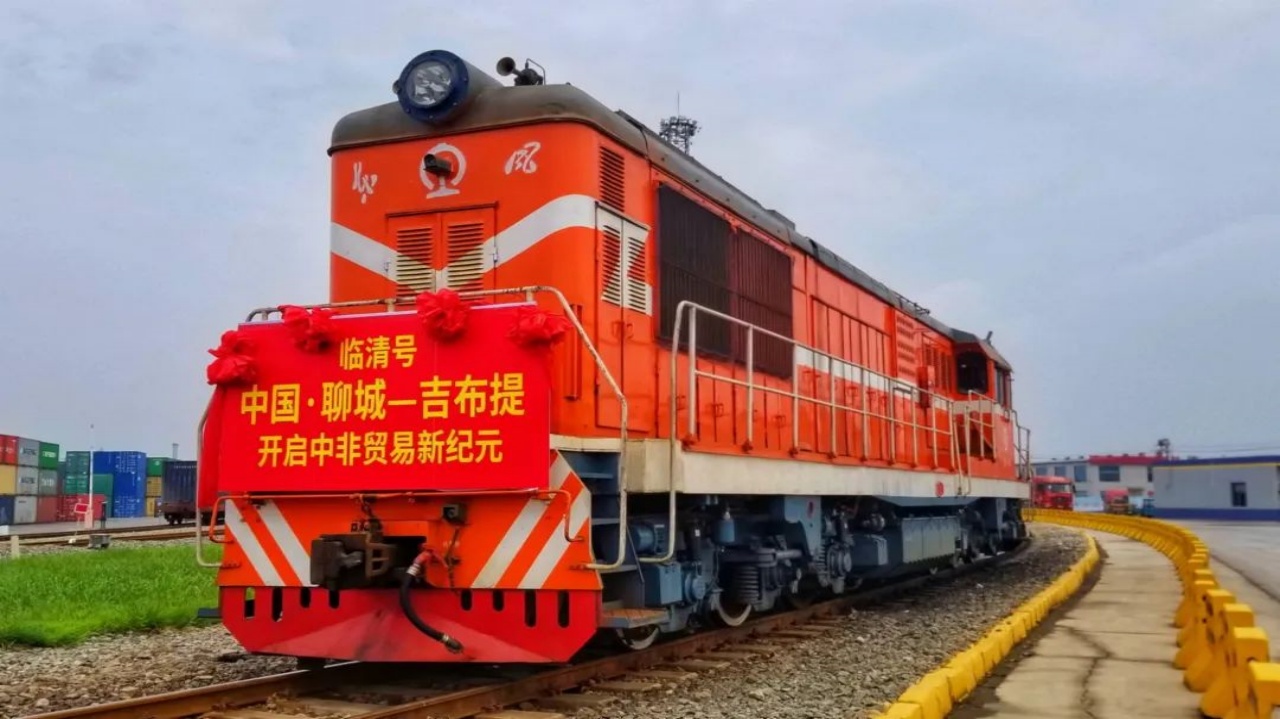
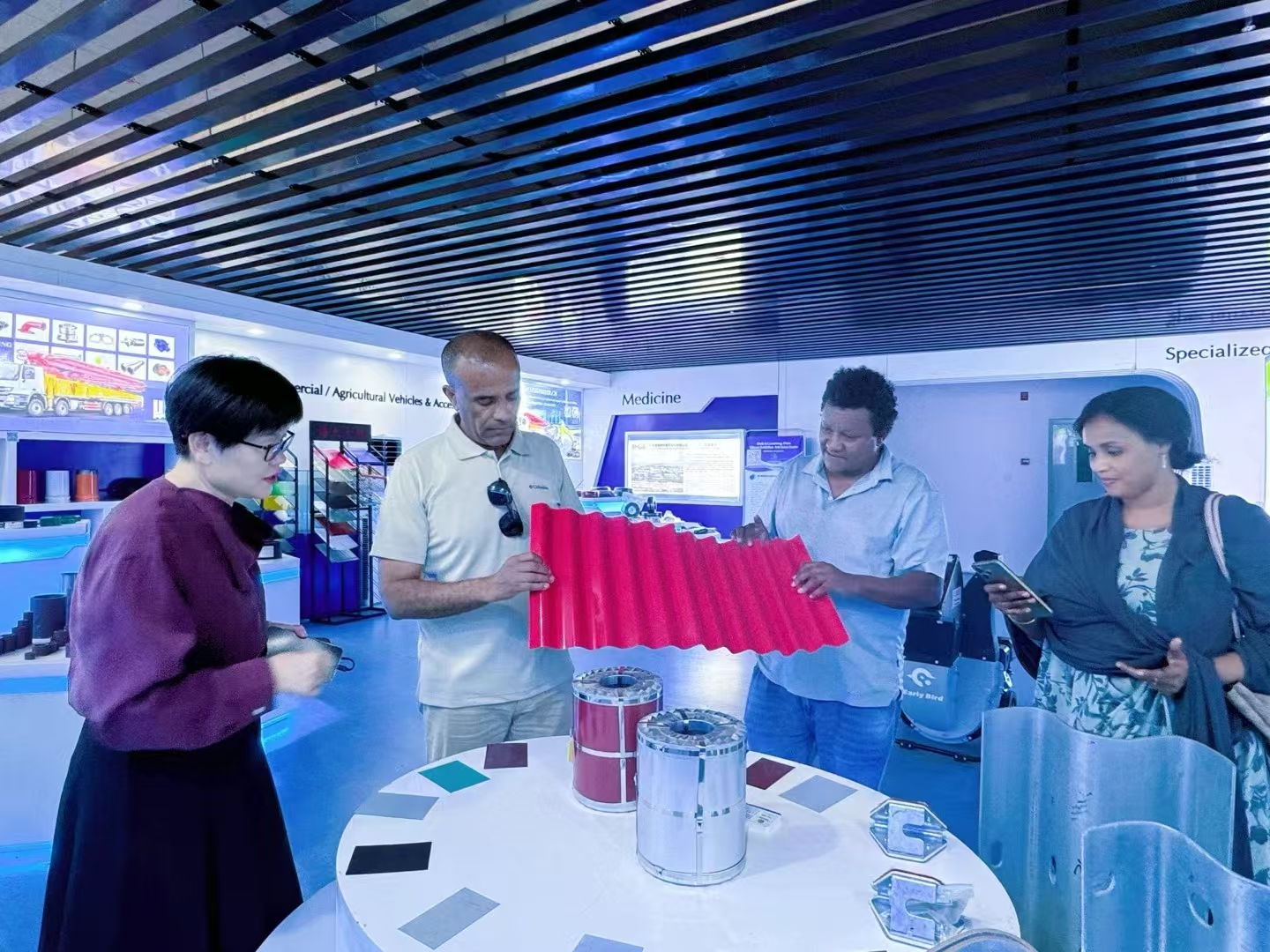
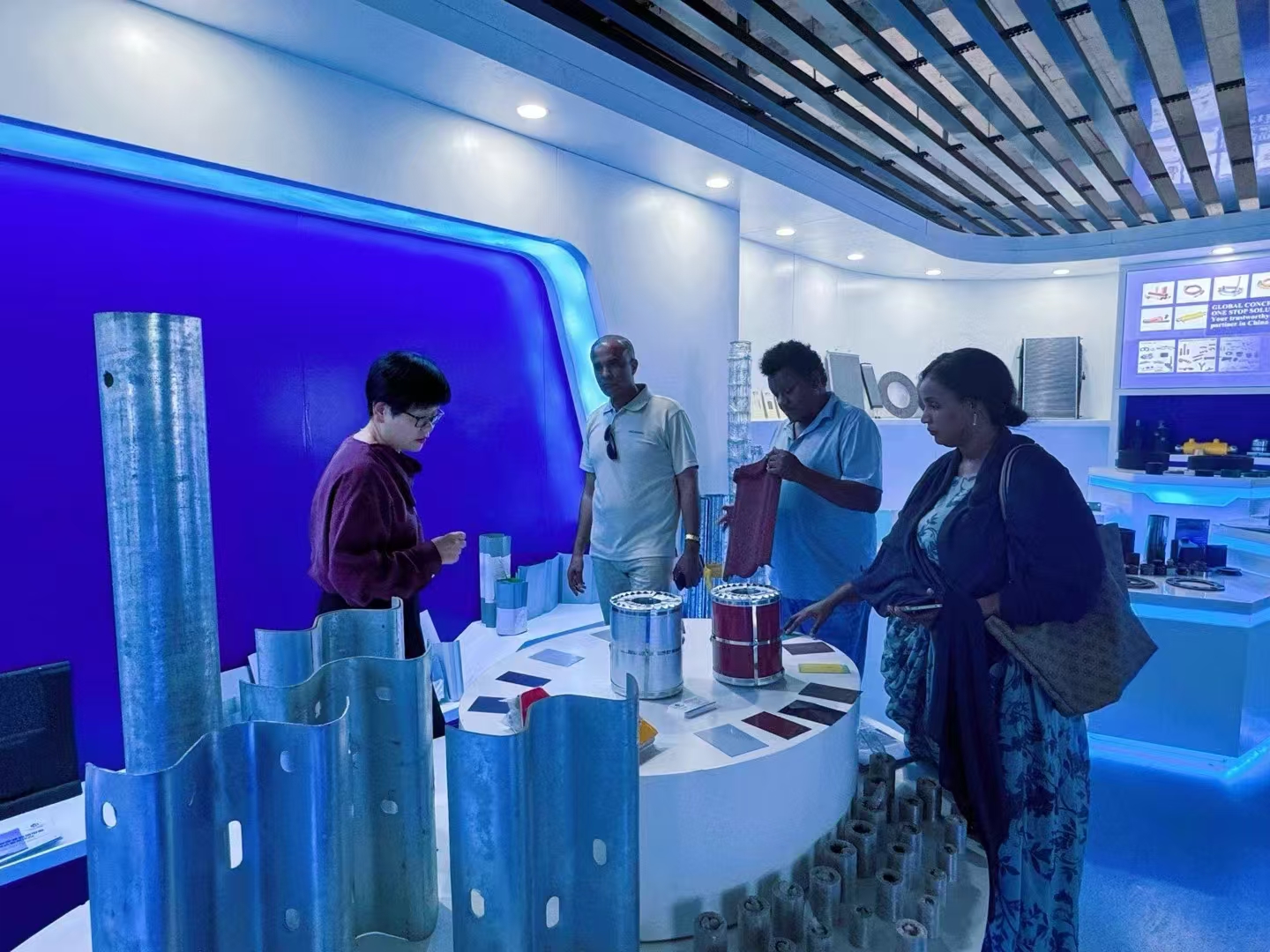
Cross-Border Logistics Focus: The Djibouti (Overseas Warehouse) Cross-border E-commerce Exhibition and Sales Center was established in 2023 in the Djibouti International Free Trade Zone in East Africa. Partnering with Djibouti Economic and Trade Co., Ltd., it offers a integrated service platform providing sales, customs clearance, public services, and logistics support. Operating under a "cross-border trade + front-end warehouse" model, it features localized customer service and logistics teams to support business expansion into East Africa.
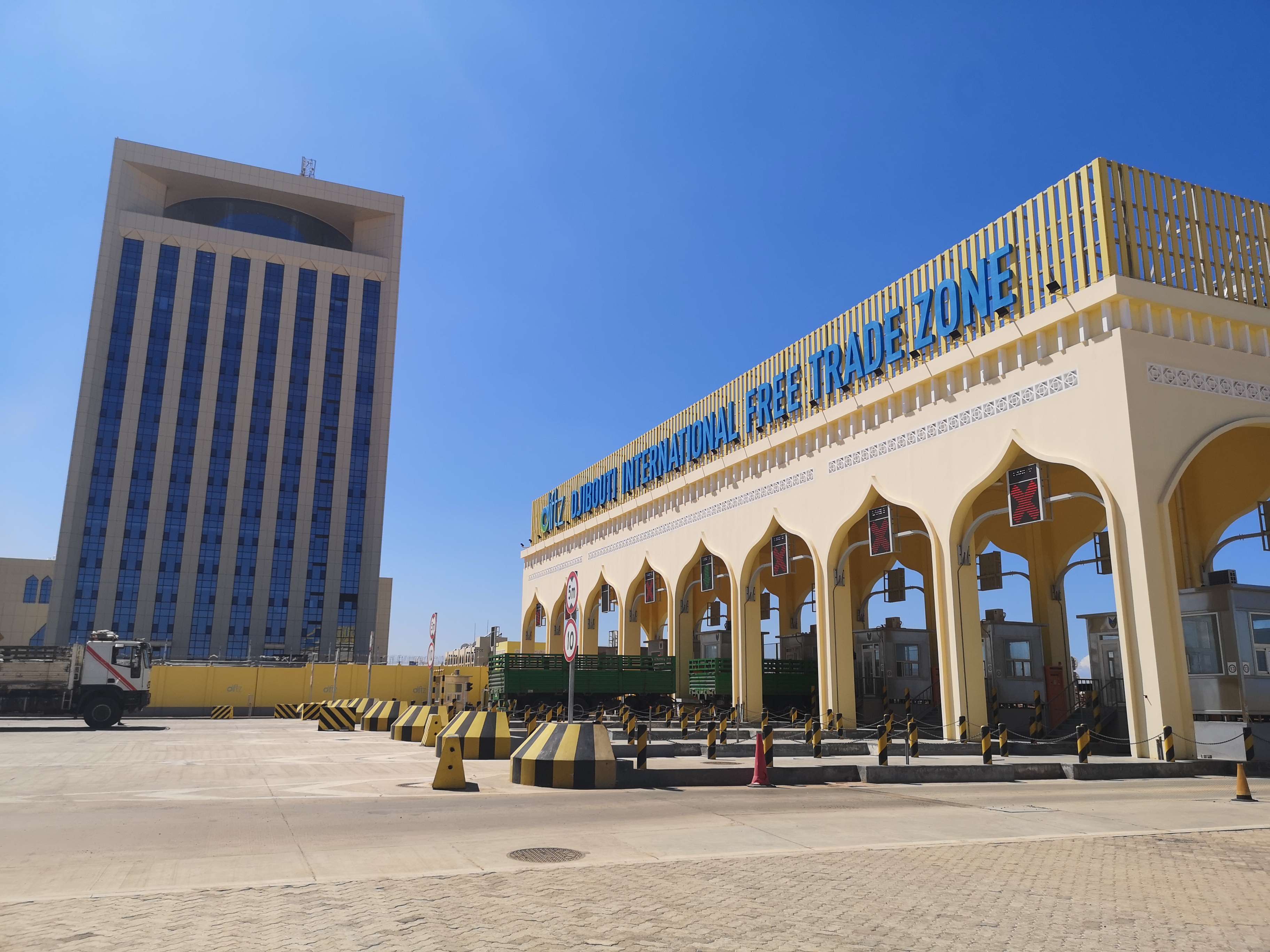
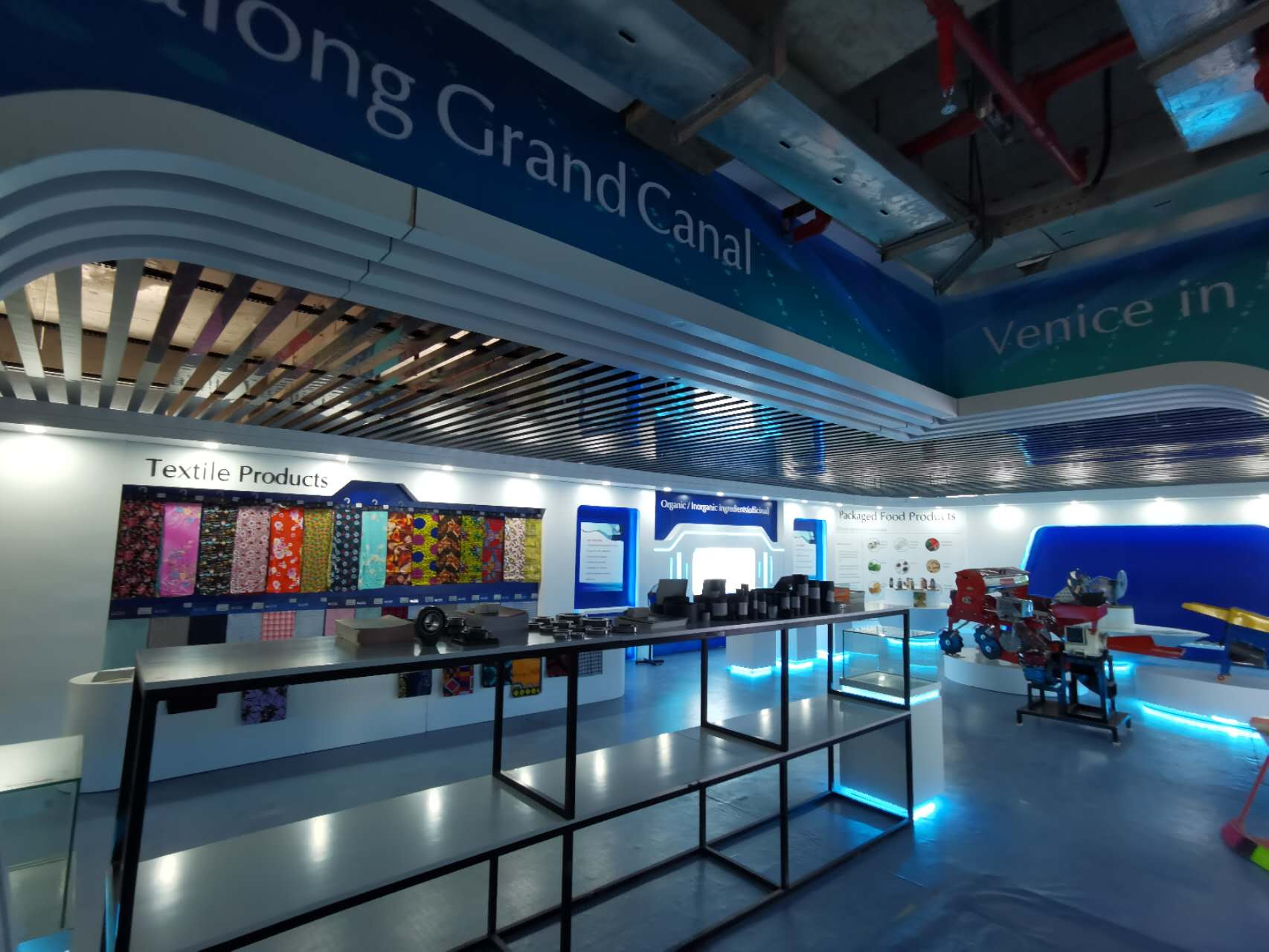
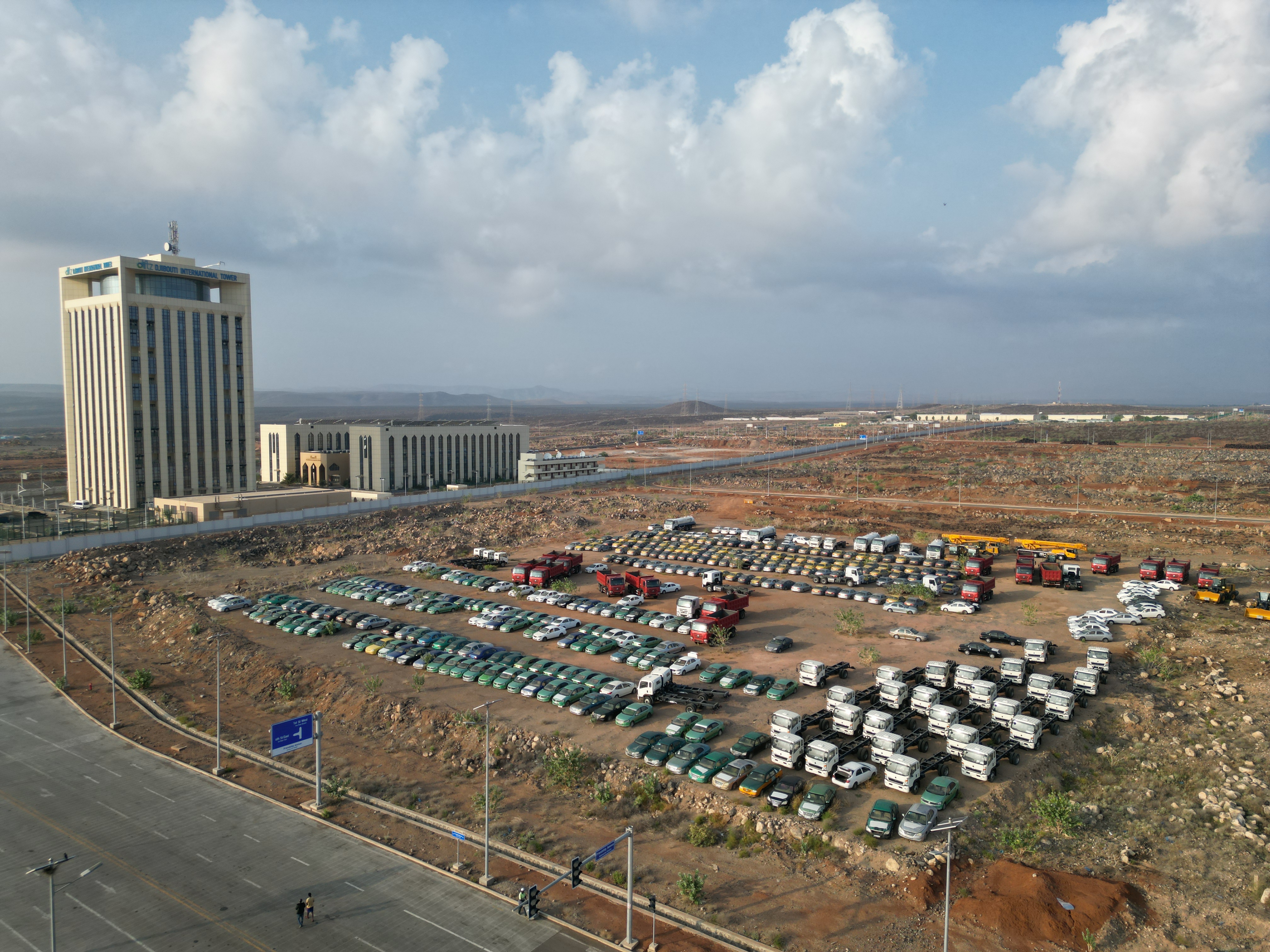
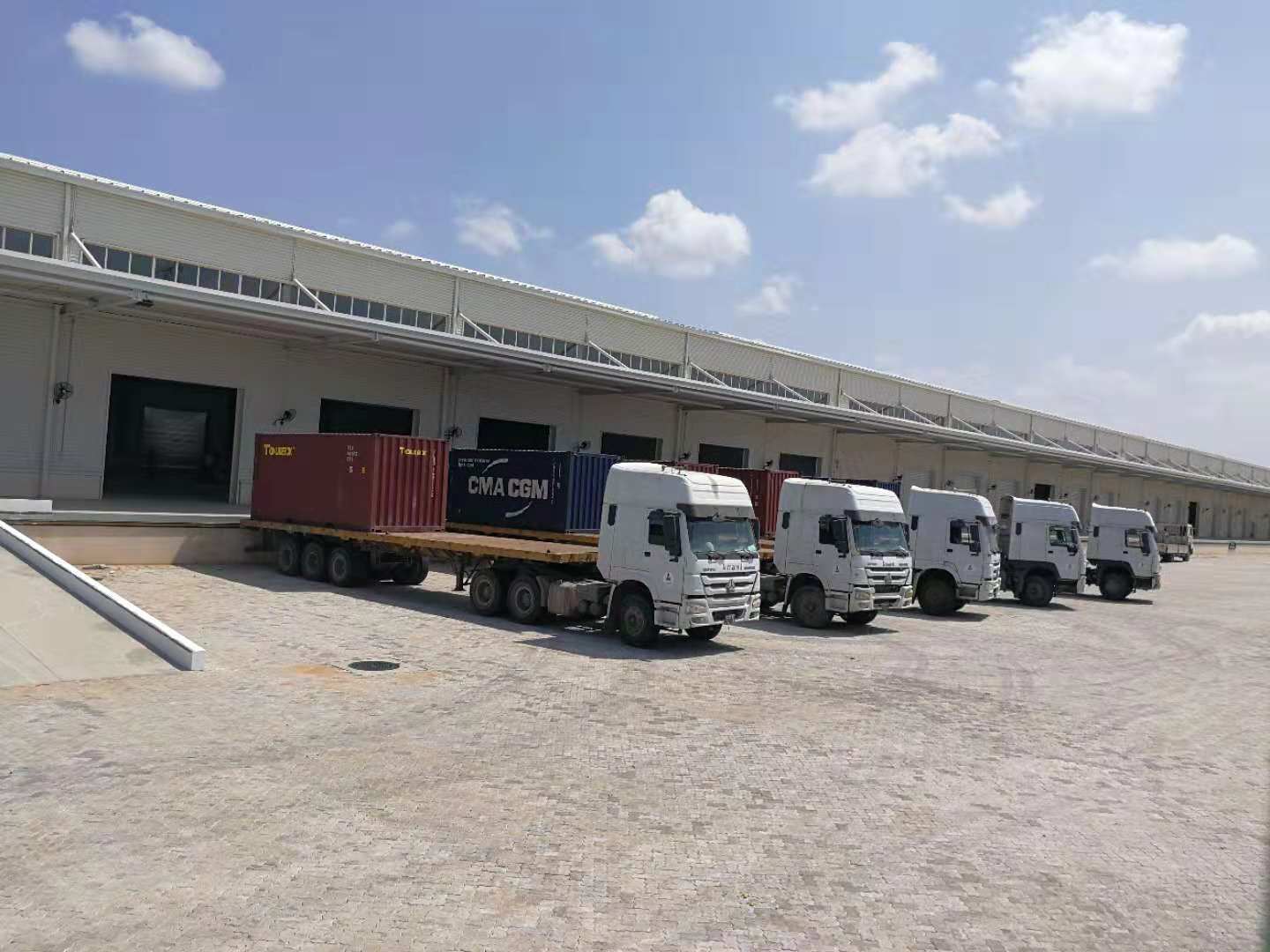
Building trust through transparent collaboration. We welcome international partners and independent inspection teams to visit our production facilities.

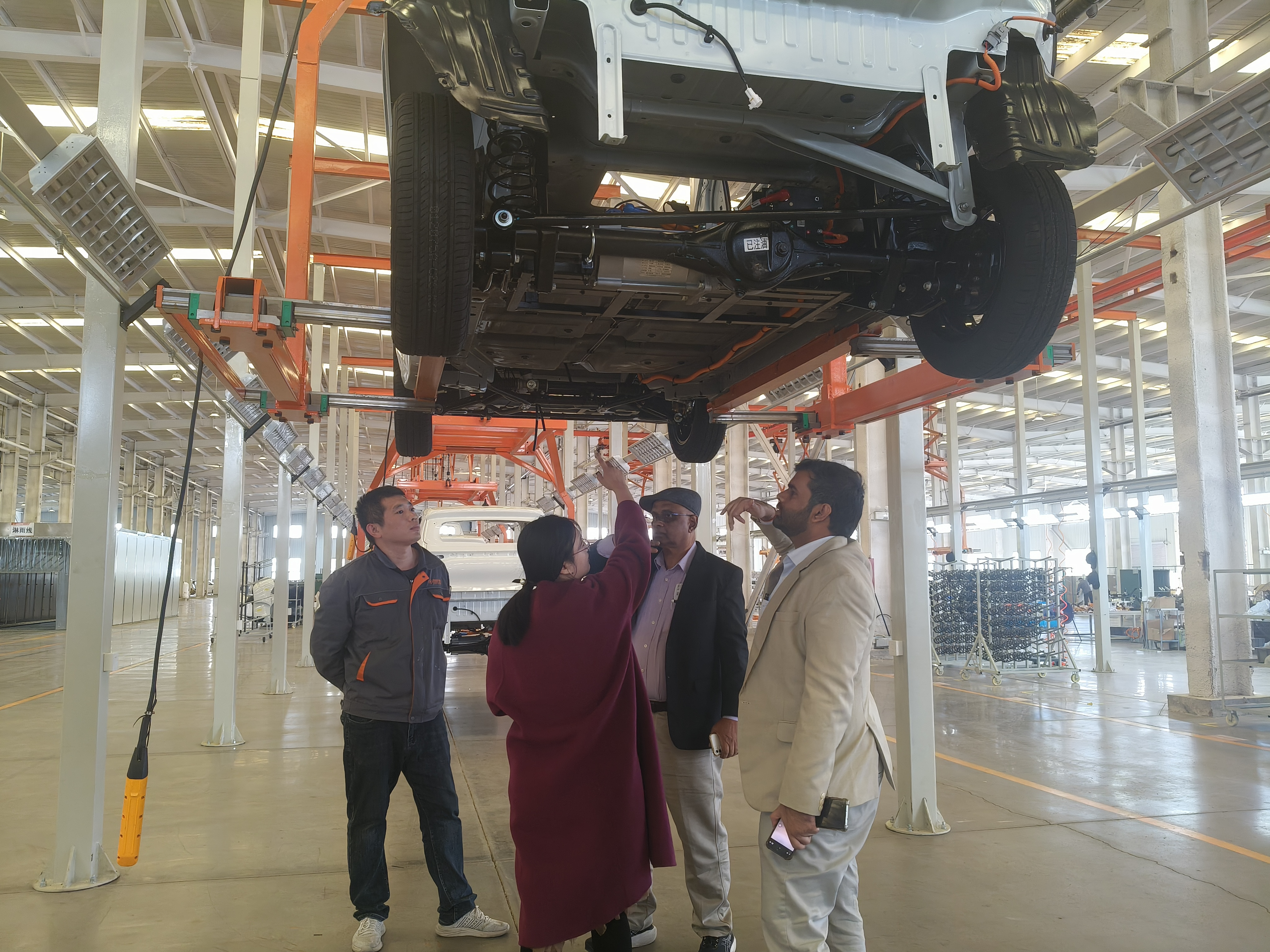
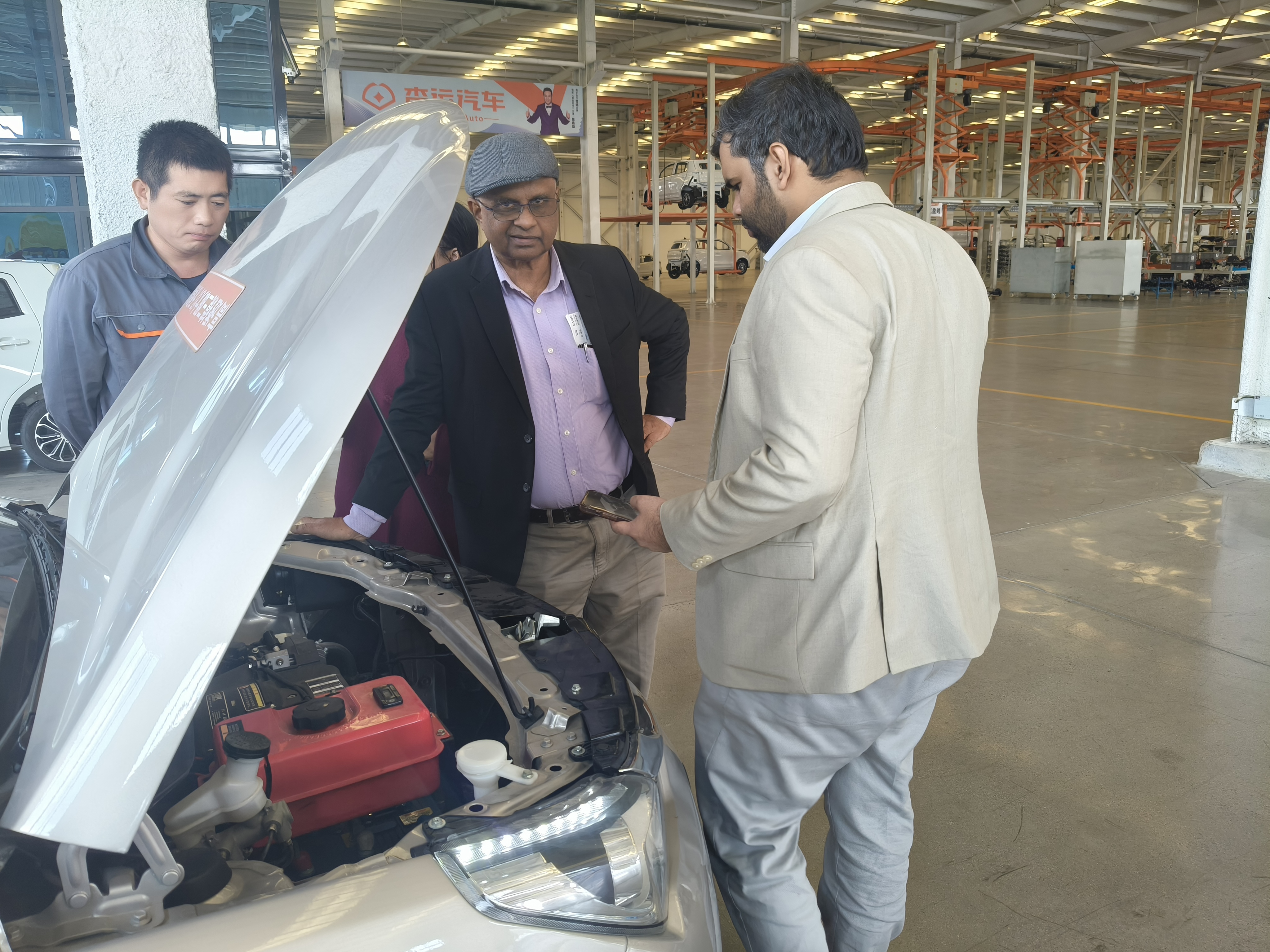
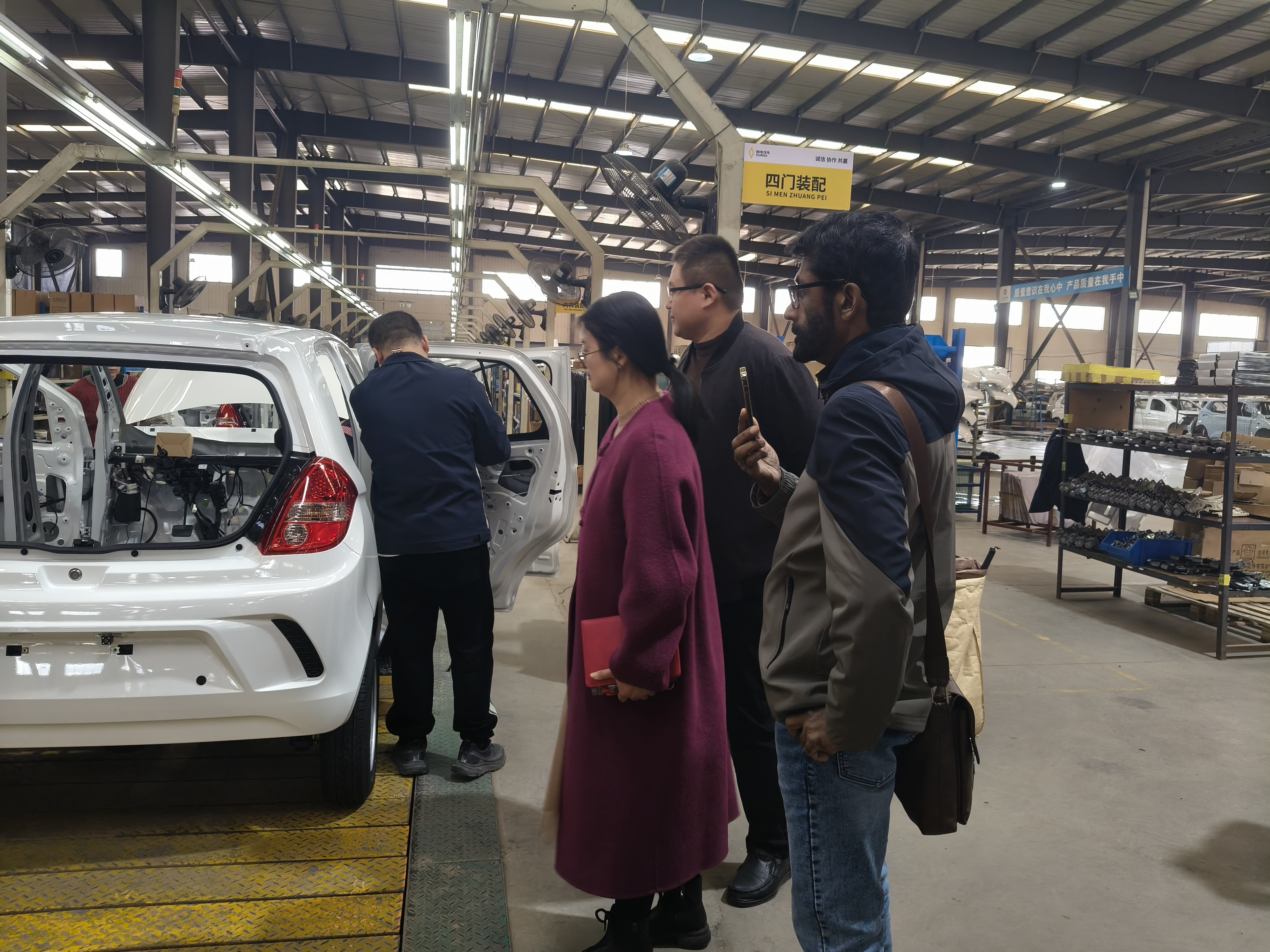
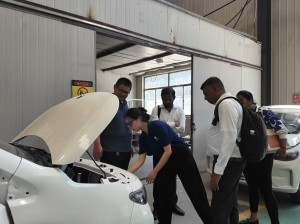

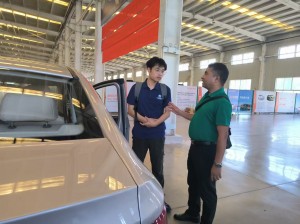


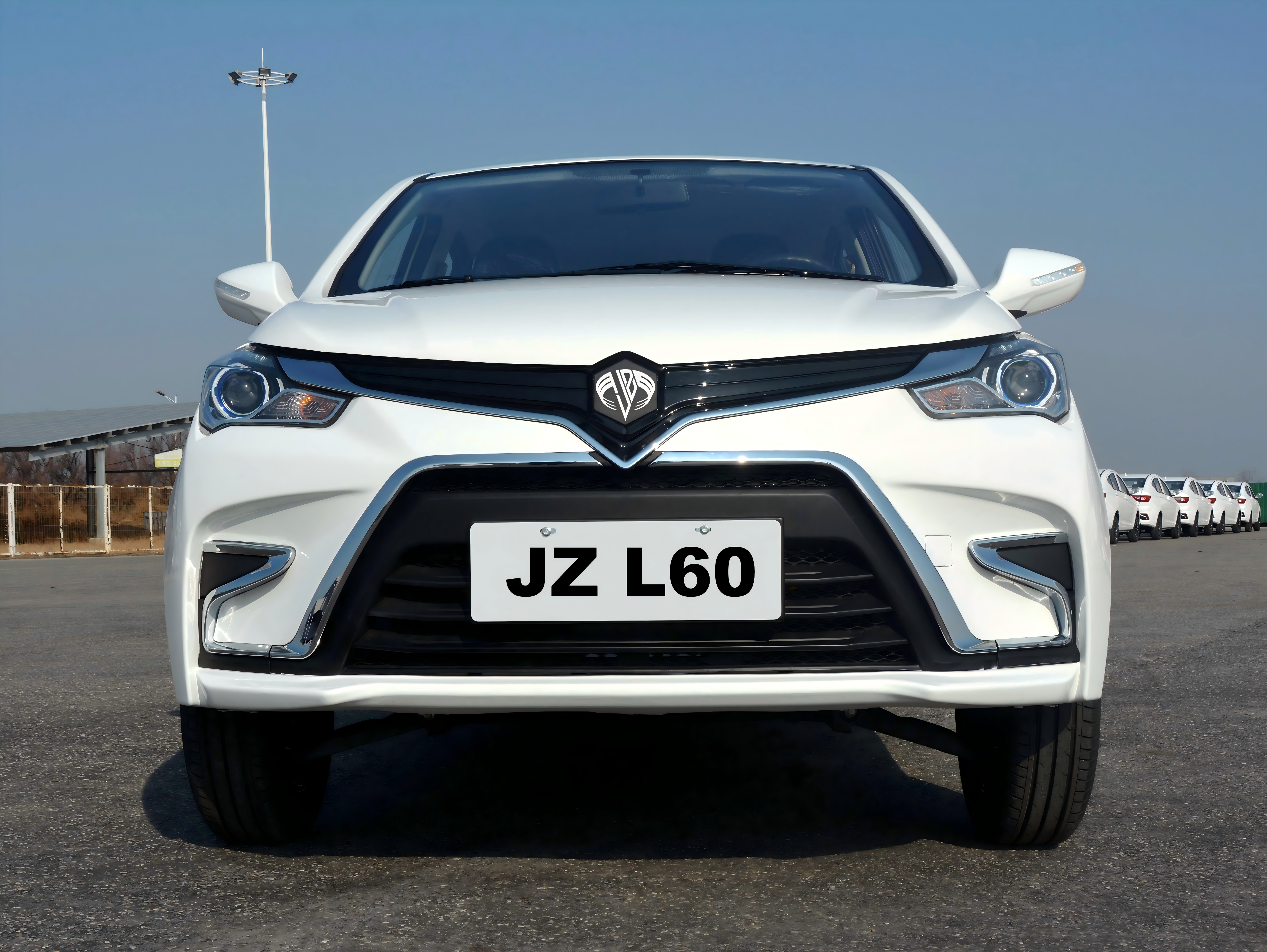
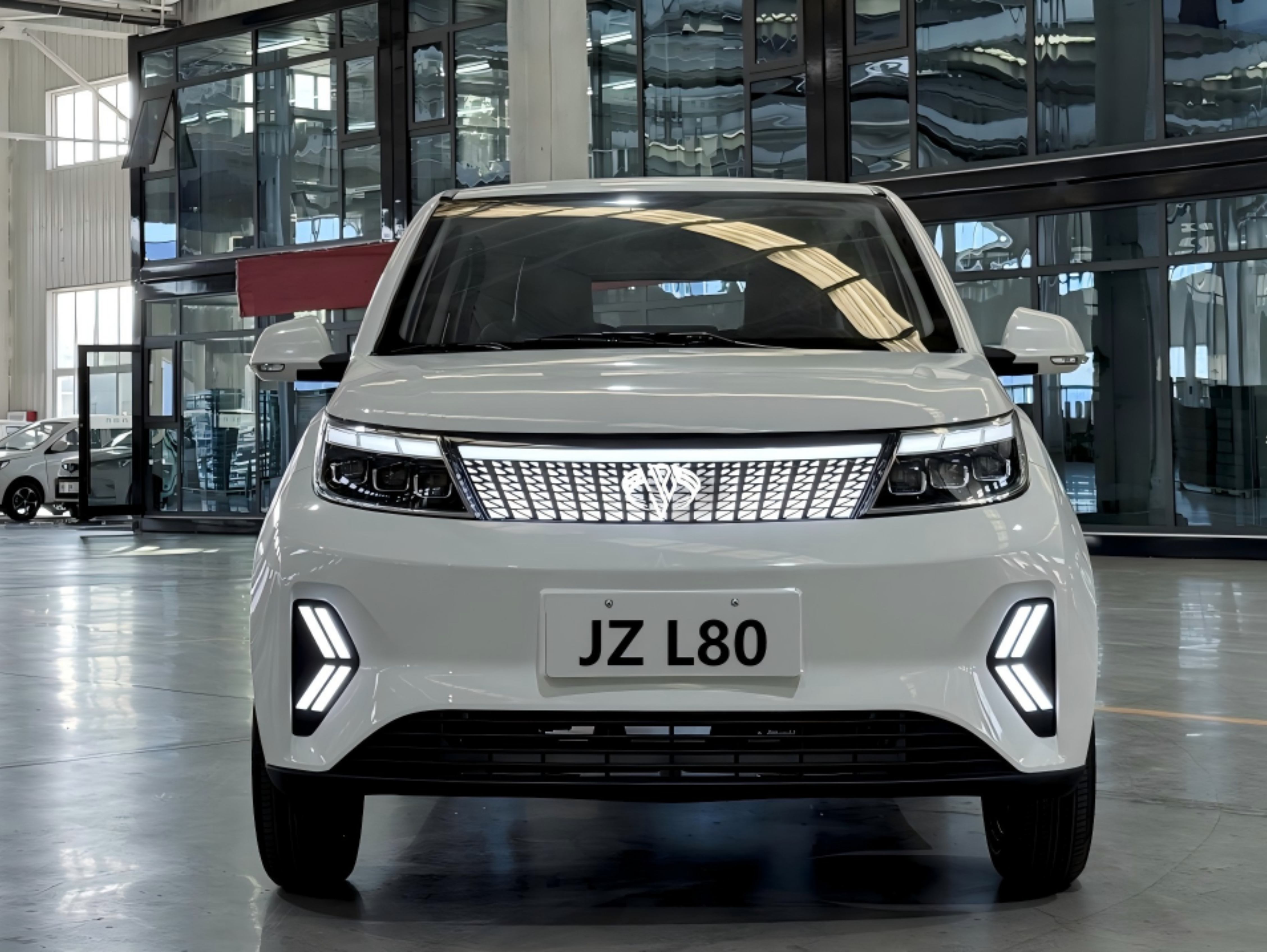
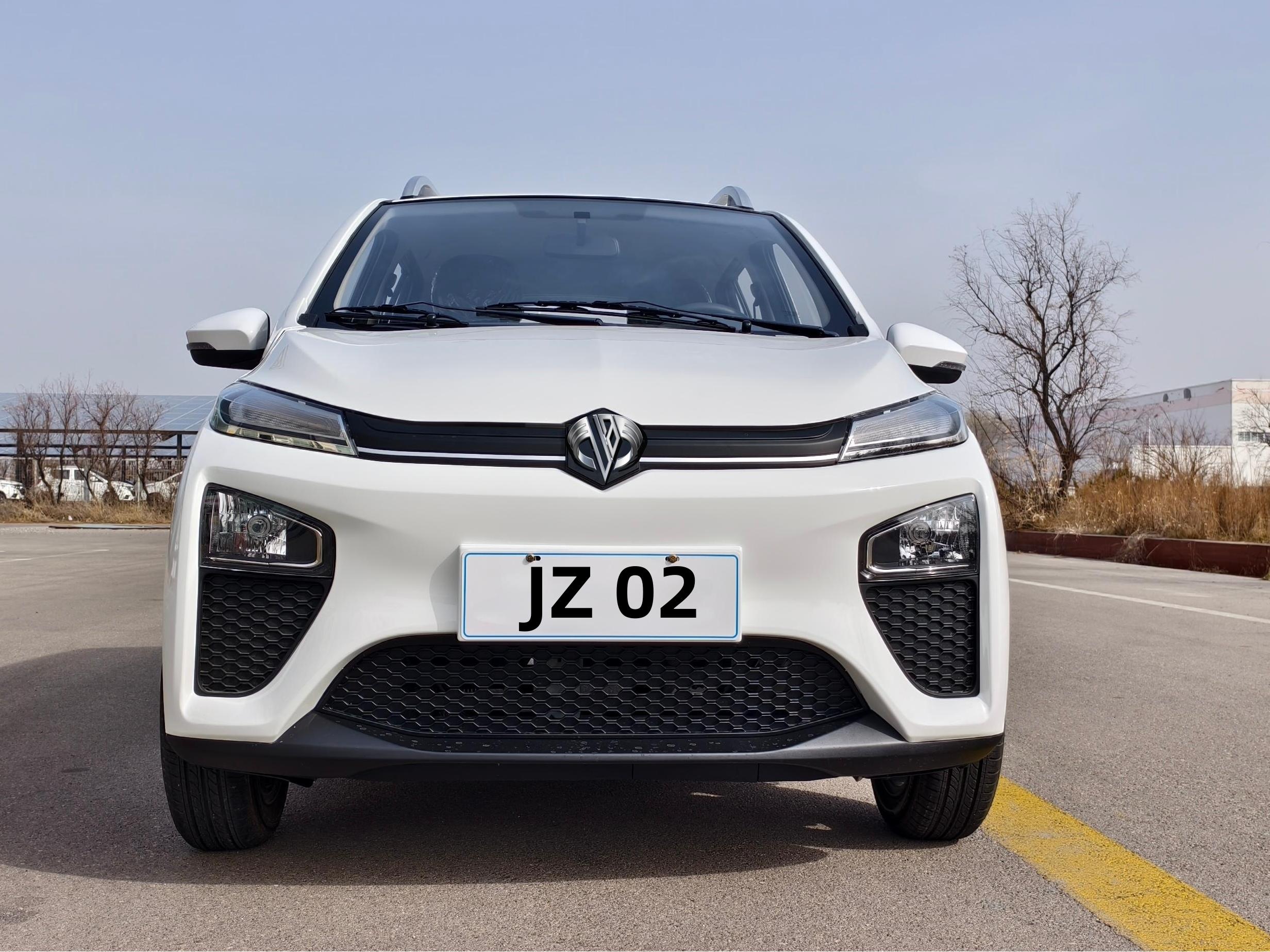
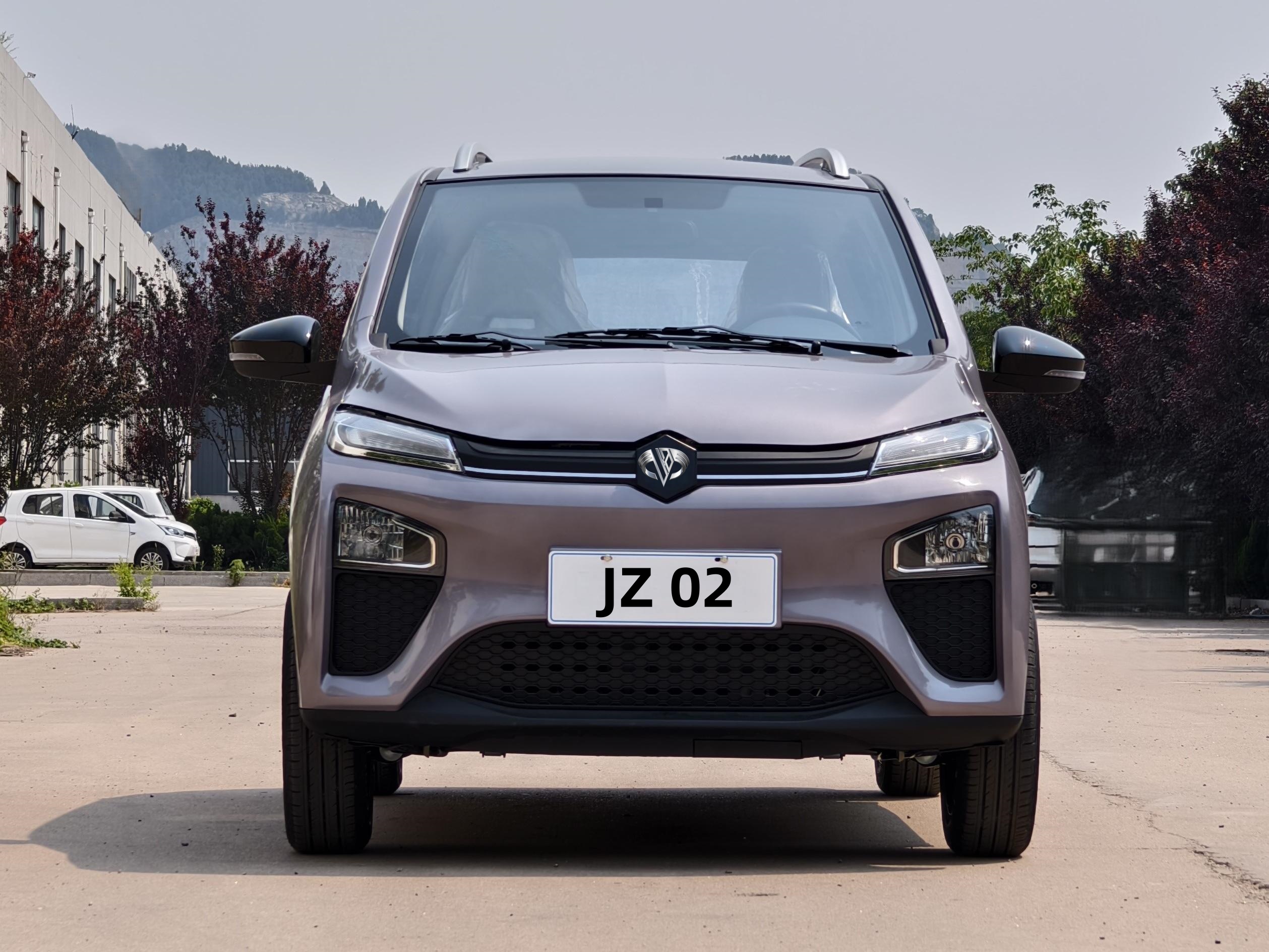
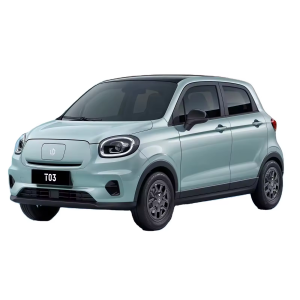
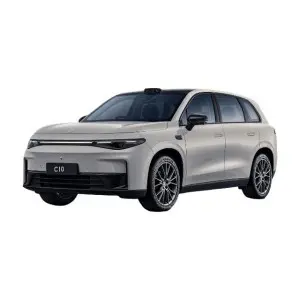
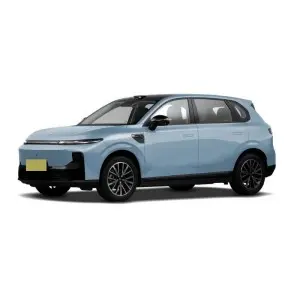
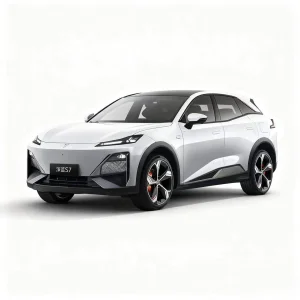
Our top-selling new energy utility vehicles and electric models chosen by fleet operators worldwide.
Importing commercial vehicles requires careful adherence to local regulatory frameworks. Depending on the destination port, vehicles must meet specific standards to be approved for public road use:
To reduce shipping costs and meet local assembly requirements, we support flexible knocked-down distribution models:
CKD (Complete Knock Down): Vehicles are shipped completely disassembled. Components are packed to maximize container volume and reduce import tariffs. This is ideal for regions with established local assembly facilities and favorable tax structures for local manufacturing.
SKD (Semi Knock Down): The chassis, motor, and cab are pre-assembled, while cargo boxes, wheels, and electrical components are packed separately. This balance simplifies final assembly in destination countries while saving on ocean freight costs.
The cargo tricycle industry is evolving beyond basic mechanical transportation. Key trends shaping the future of this sector include:
Answers to common technical, logistics, and purchasing questions from international buyers.
High-quality transport vehicles built for global fleet integration, local passenger transit, and private utility use.
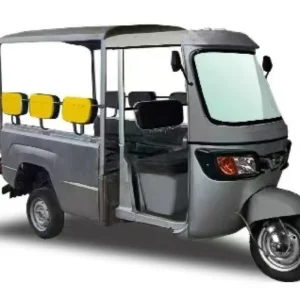
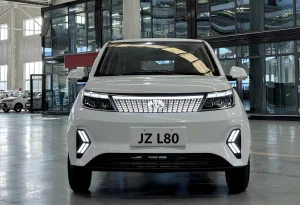
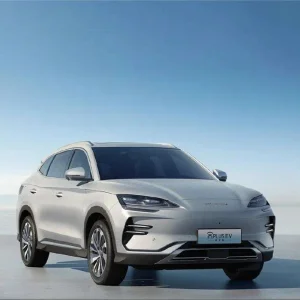
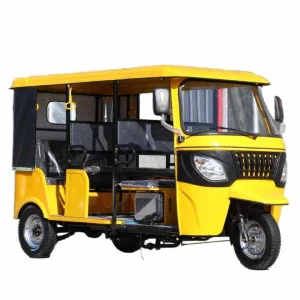
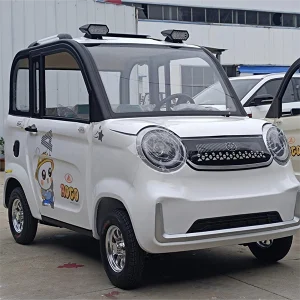
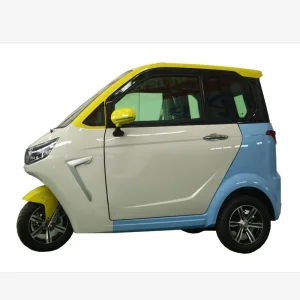
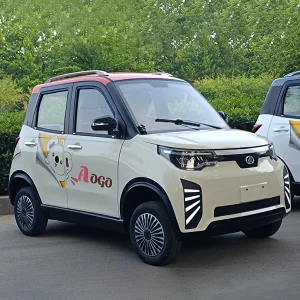
For complete pricing schedules and technical drawings, refer to the individual references below:
 Limaotong