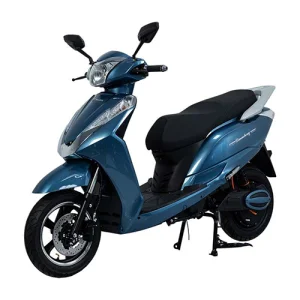
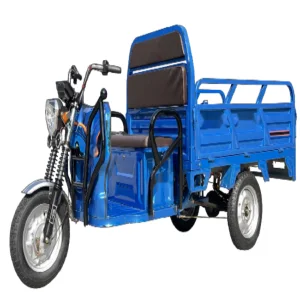
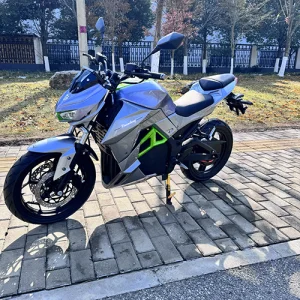
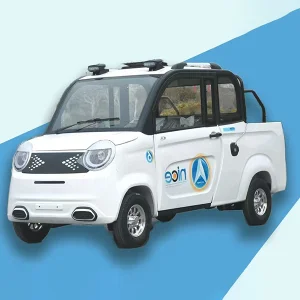
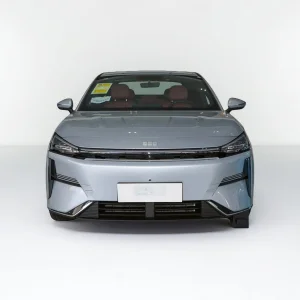
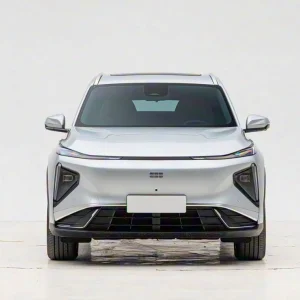
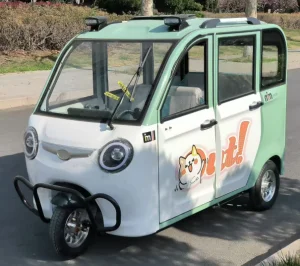
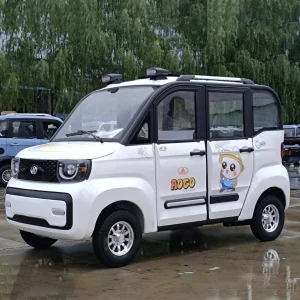
Explore our diverse portfolio of engineered electric private cars, personal commuters, and specialty green transport options designed for modern cities and business applications.
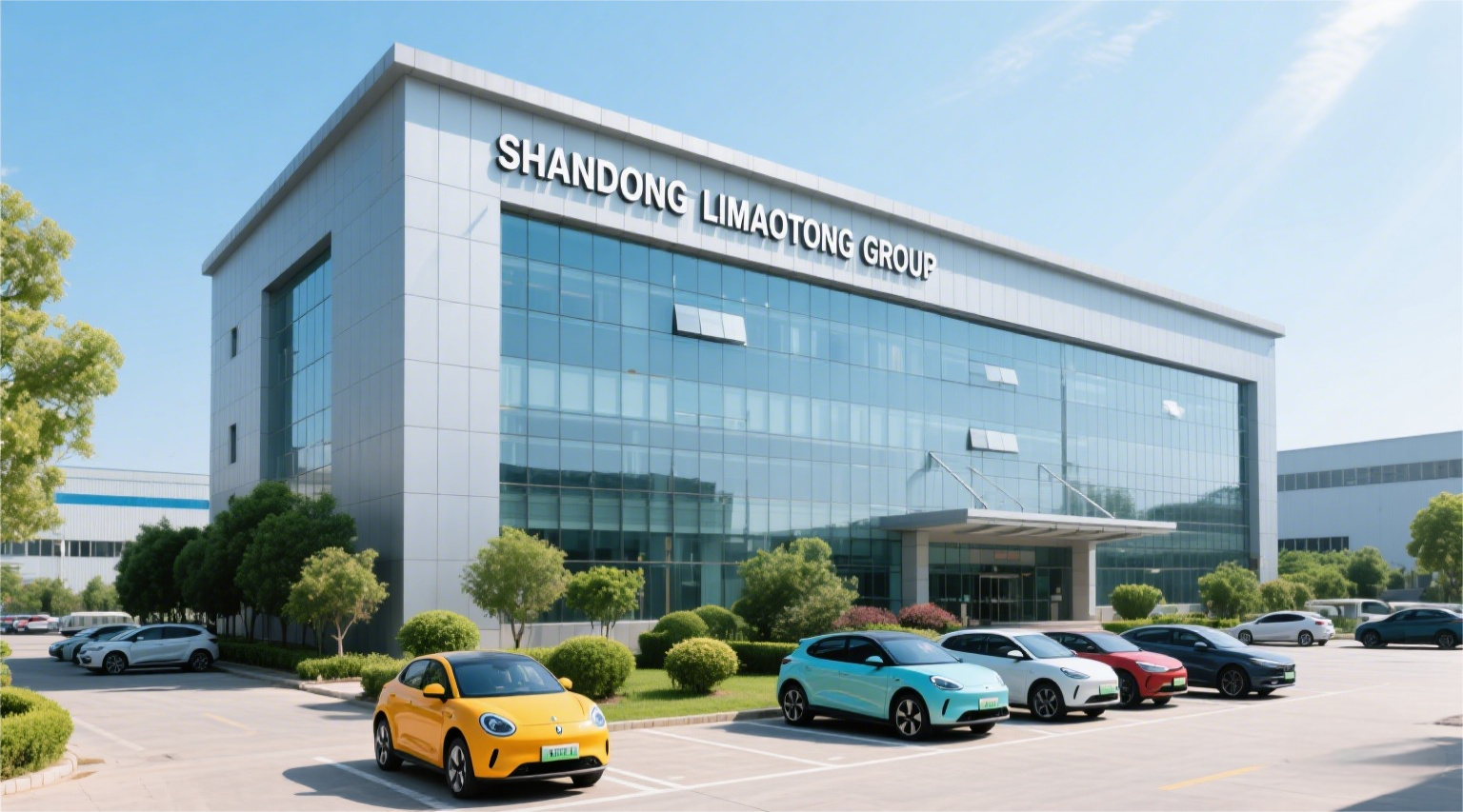
Global Industrial EV Infrastructure Partner
SHANDONG LI MAO TONG GROUP stands as a preeminent global supplier and integrator within the new energy automotive domain. Leveraging a completely unified industrial chain, we specialize in the advanced research, intelligent manufacture, and multi-channel international sales of electric mini cars, motor tricycles, and heavy-duty cargo vehicles.
By establishing robust international logistics routes, localized manufacturing footprints, and a dedicated network of parts distribution, we ensure that global fleet managers and vehicle distributors secure unmatched cost efficiencies without sacrificing build quality or technical integrity.
Empowering green public and private transit systems across Europe, Africa, LatAm, and Asia.
Promoting localized configuration, tariff minimization, and swift regional delivery.
Delivering reliable, eco-friendly logistics, passenger commuting, and commercial utility.
Unpacking the structural trends in B2B acquisition of passenger EVs and micro-mobility assets.
Modern enterprise procurement strategies have shifted drastically under the pressure of global decarbonization initiatives, rising urban congestion, and volatile fossil fuel prices. B2B buyers—ranging from vehicle rental networks and tech-park operators to municipal transport bureaus—require more than off-the-shelf commuter vehicles. They demand modular mobility systems characterized by high energy density, ease of maintenance, and localized parts accessibility.
In mature economies like the European Union and North America, purchasing parameters center tightly on crash-test ratings (such as Euro NCAP/ECE certifications), compliance with environmental directives, and integration of smart fleet management hardware. Conversely, in developing regions such as parts of Central Africa and Southeast Asia, emphasis pivots toward physical chassis durability, high suspension tolerances, robust thermal management systems for tropical climates, and flexible charging capabilities compatible with decentralized power grids.
Strategic data indicates that utilizing compact mini electric vehicles for urban corporate dispatch reduces carbon footprints by up to 68% compared to traditional internal combustion engines (ICE). B2B stakeholders leverage these light electric vehicles (LEVs) as last-mile shuttles, industrial campus transporters, and municipal utility fleets, optimizing localized logistical flows.
Managing the supply chain for electric vehicles requires a holistic view of the ecosystem. To support bulk acquisitions, manufacturers must offer comprehensive macro solutions. These integrate modern logistics practices, customs clearance support, and optimized product-to-market loops:
Watch our modern assembly and dynamic laboratory validation programs in action, demonstrating high-water ingress protection and robotized body welding.
Our developmental horizon targets three core technological fields: structural chemistry, digitalized telematics, and platform modularity. These ensure our global business partners receive future-proof automotive hardware.
First, in the field of energy storage, we are transitioning from standard Lithium Iron Phosphate (LFP) chemistry to high-density semi-solid state systems. This shift provides energy densities exceeding 220 Wh/kg at the pack level, reducing vehicle weight while improving sub-zero battery performance. Second, our smart connectivity architecture uses integrated IoT gateways to provide over-the-air (OTA) diagnostic logs, predictive maintenance alerts, and geofencing capabilities. This suite enables fleet operators to minimize vehicle downtime. Finally, we implement unified chassis architectures (skateboard platforms) to support rapid top-hat customization. This lets us build both four-seater mini hatchbacks and light electric utility trucks on the same underlying powertrain framework.
The international light EV sector has expanded rapidly beyond traditional metropolitan zones. As municipal planners worldwide enforce emission-free downtown sectors, private electric micro-cars and three-wheel delivery units have become essential. Modern factories use robotic precision welding, computerized electrostatic powder coating, and specialized simulated water-ingress checks to build vehicles that perform in harsh industrial environments.
Tour our intelligent assembly zones, high-precision automated welding lines, and rigorous quality check centers.

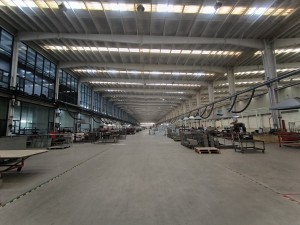
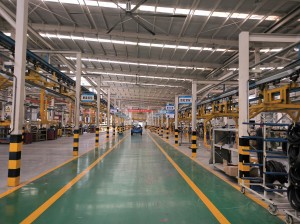
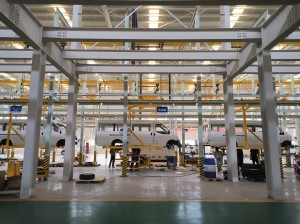
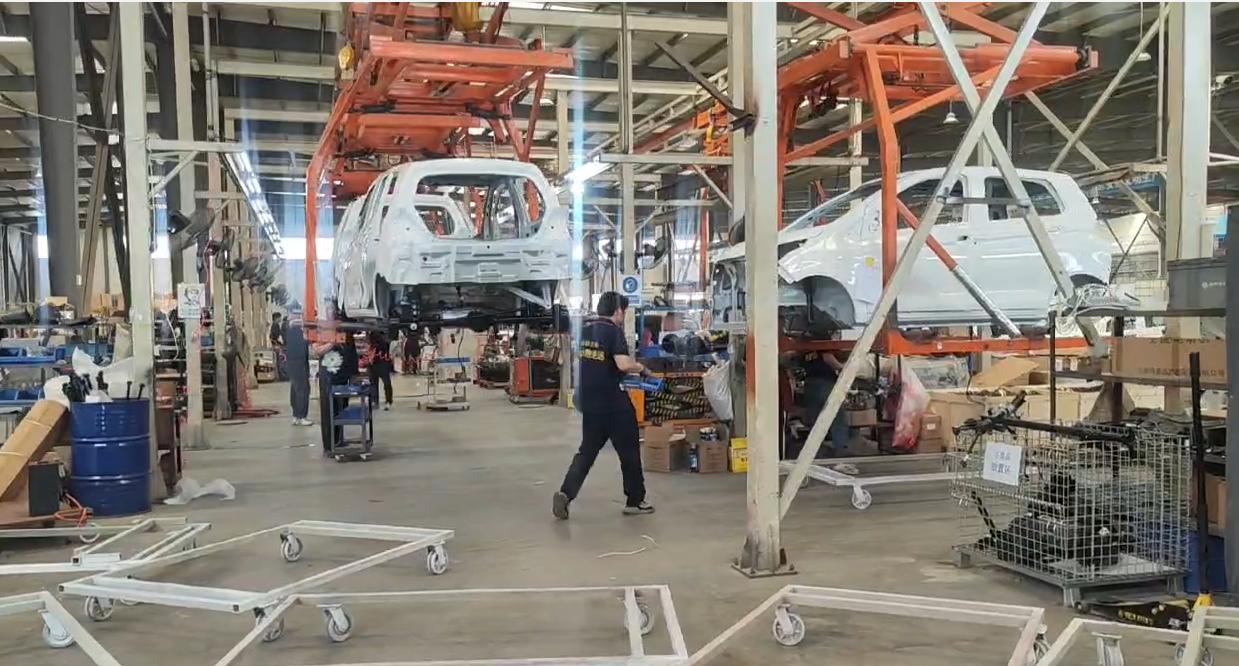
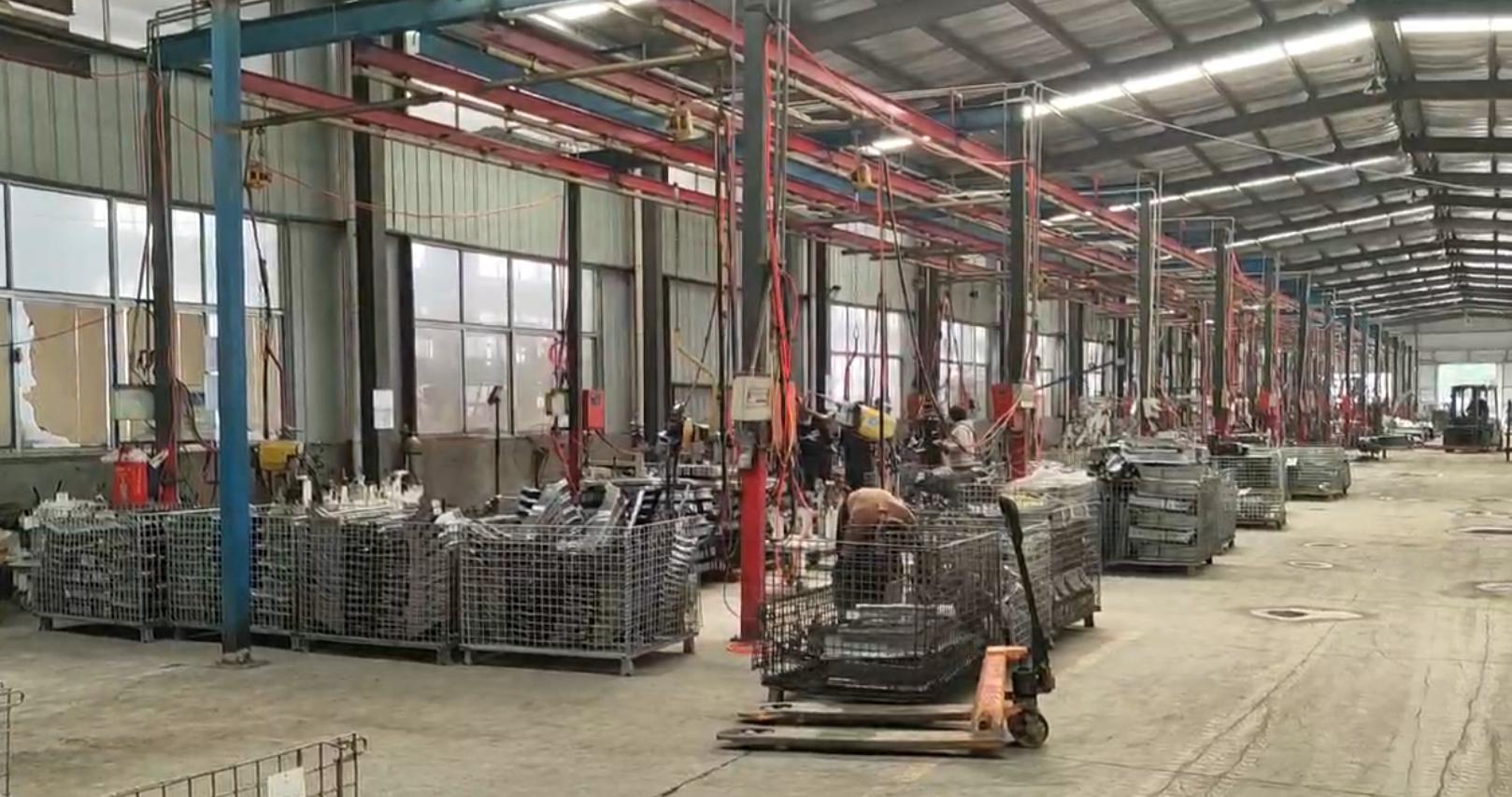
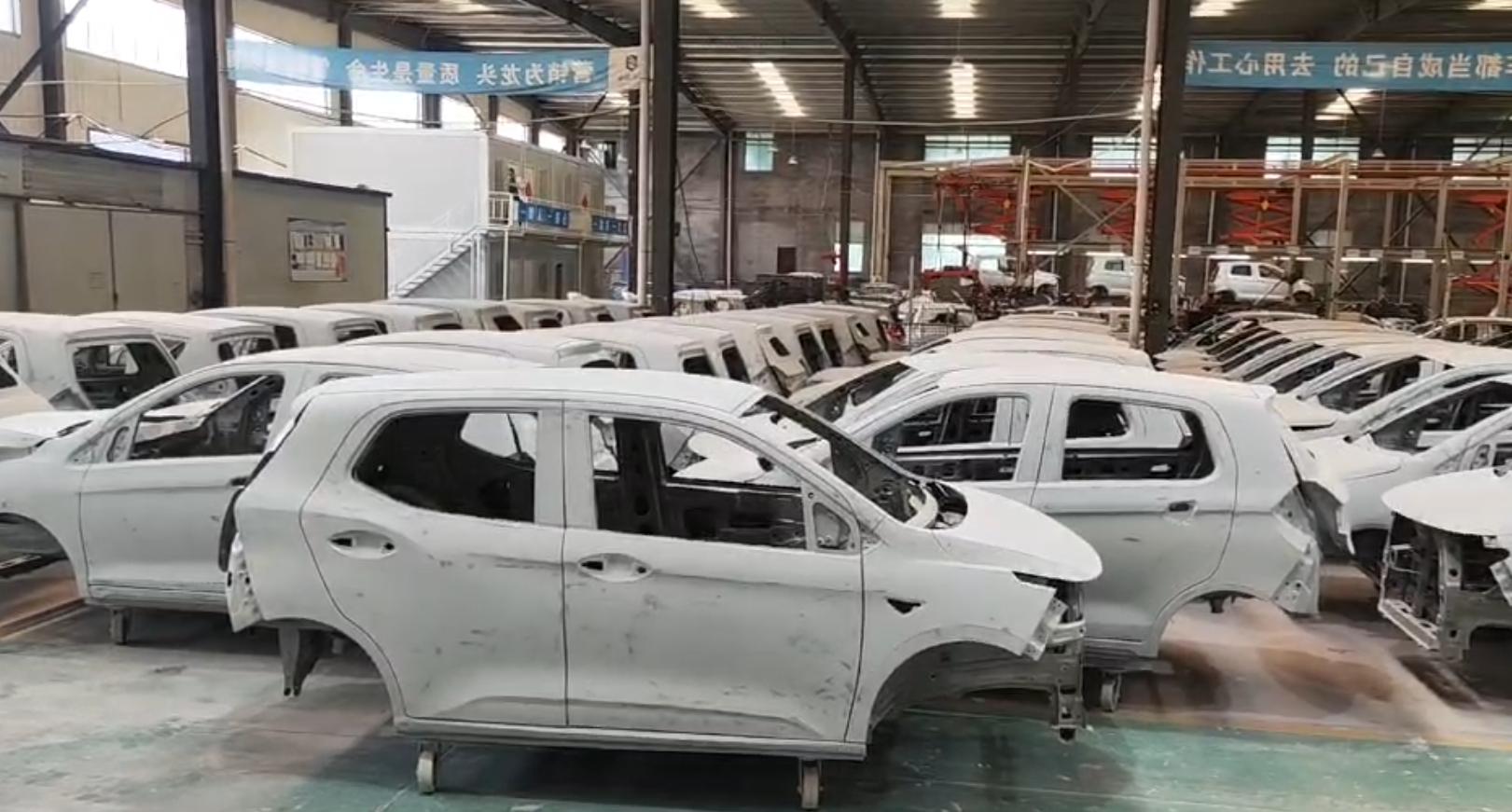
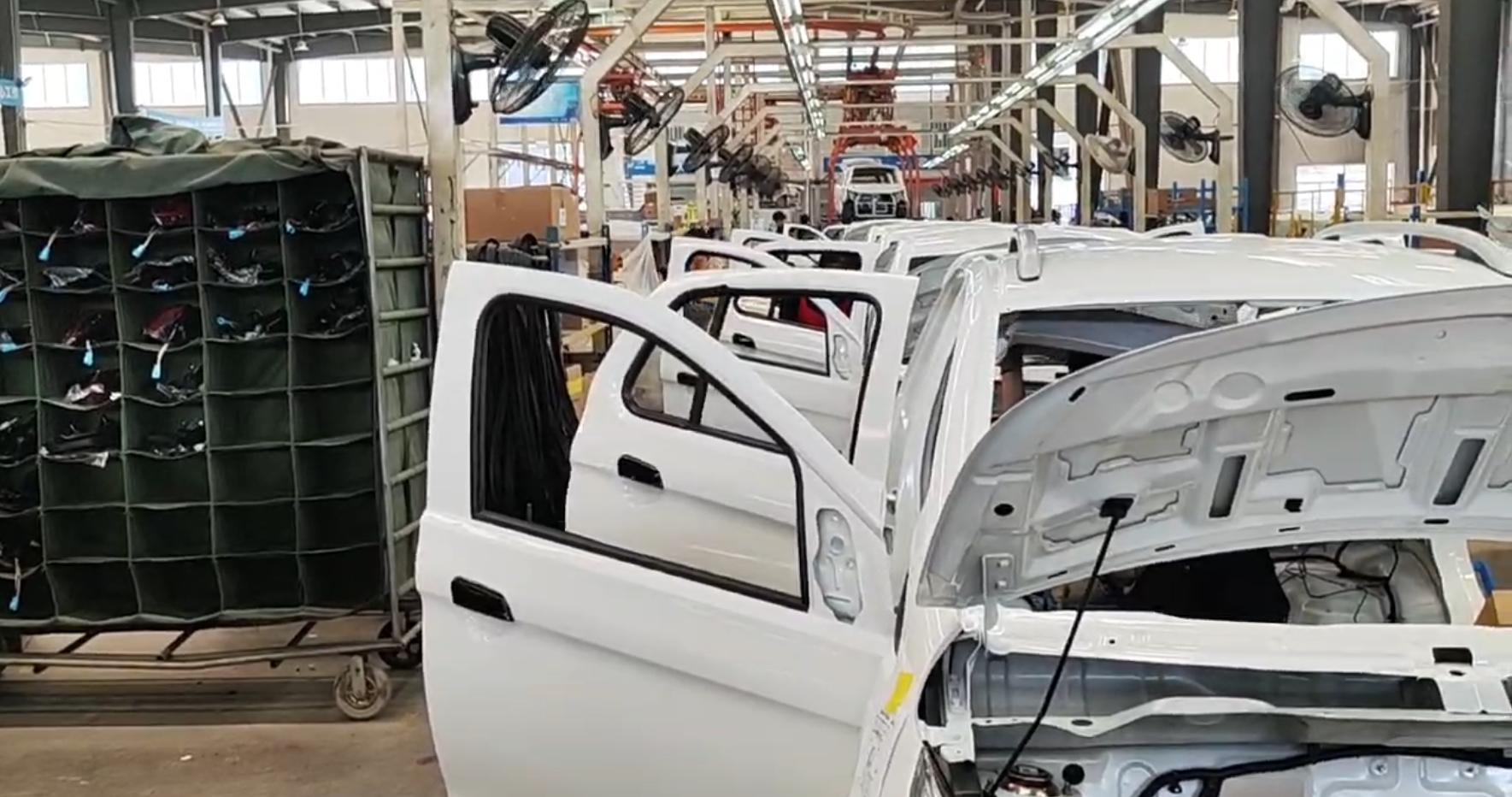
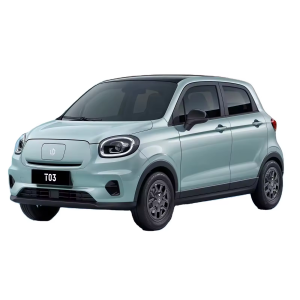
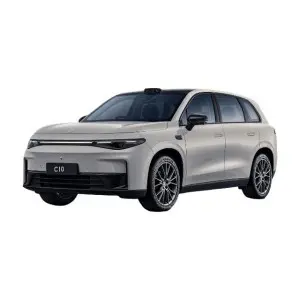
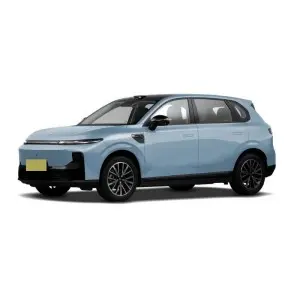
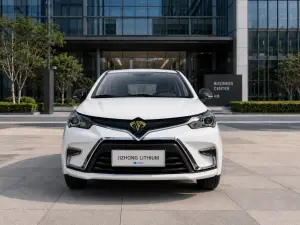
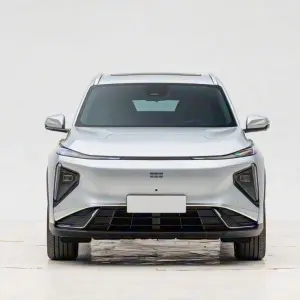
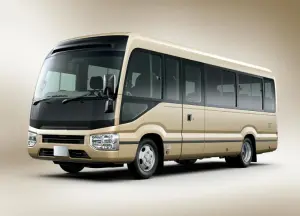
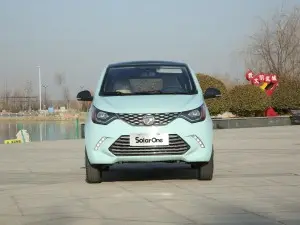
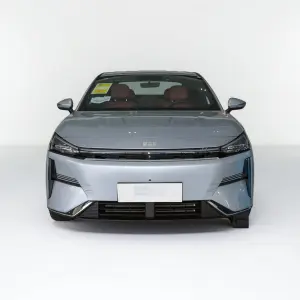
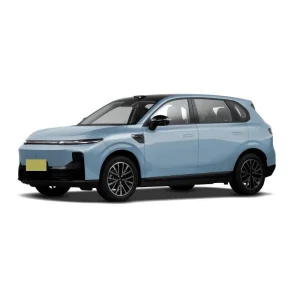
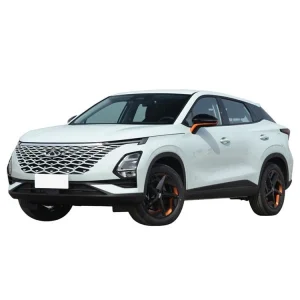
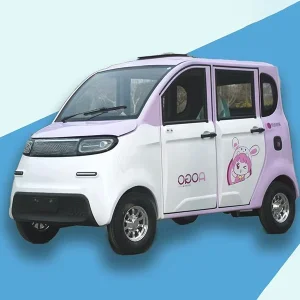
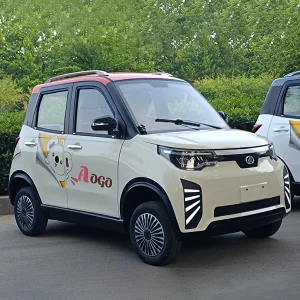
A close look at our highly sought-after electric private vehicles, performance SUVs, and micro-transit solutions.
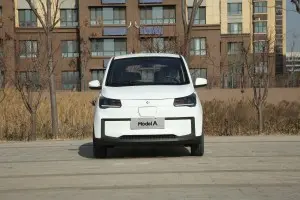
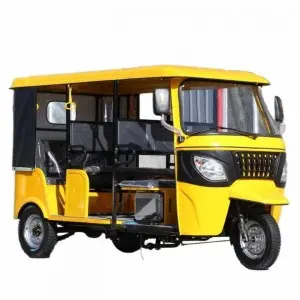
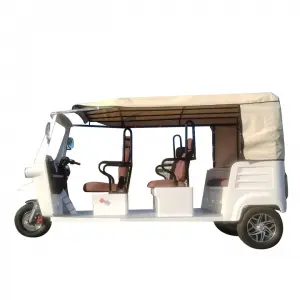
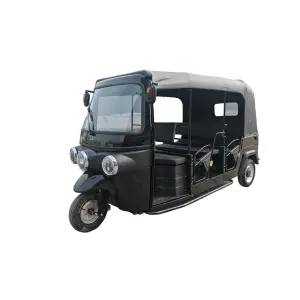
How Li Mao Tong Group guarantees smooth customs, fast delivery, and reliable spare parts replenishment.
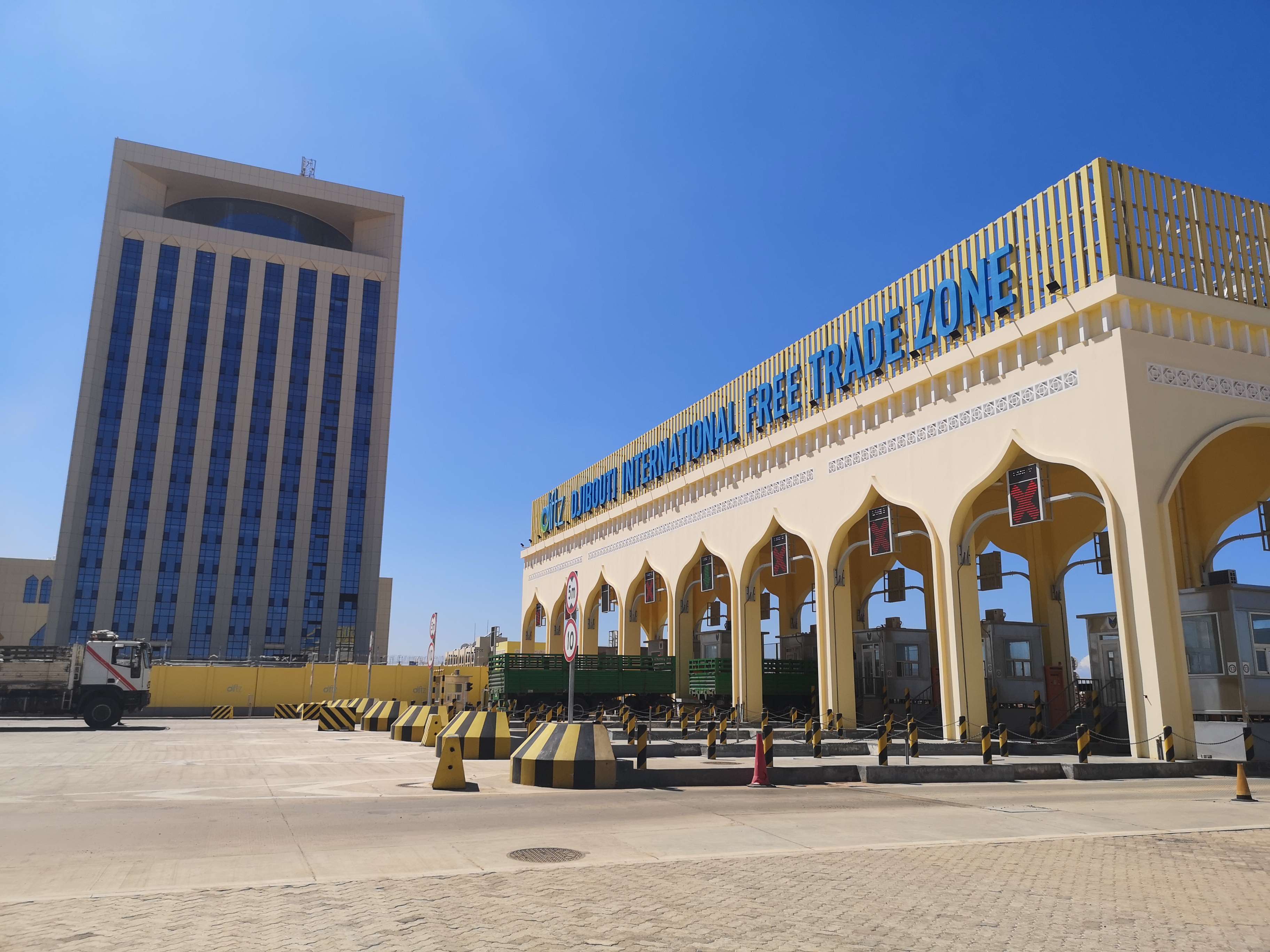
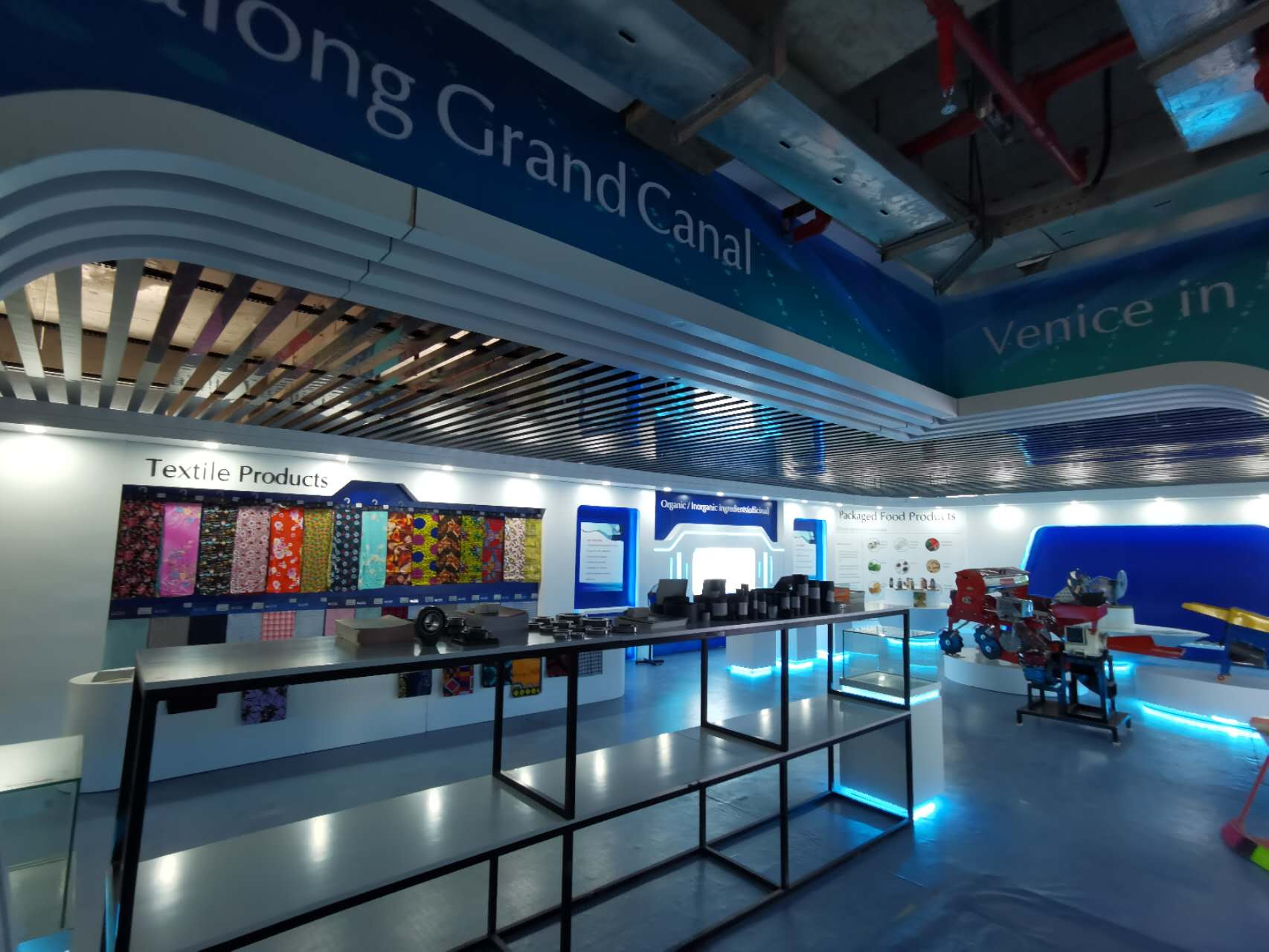
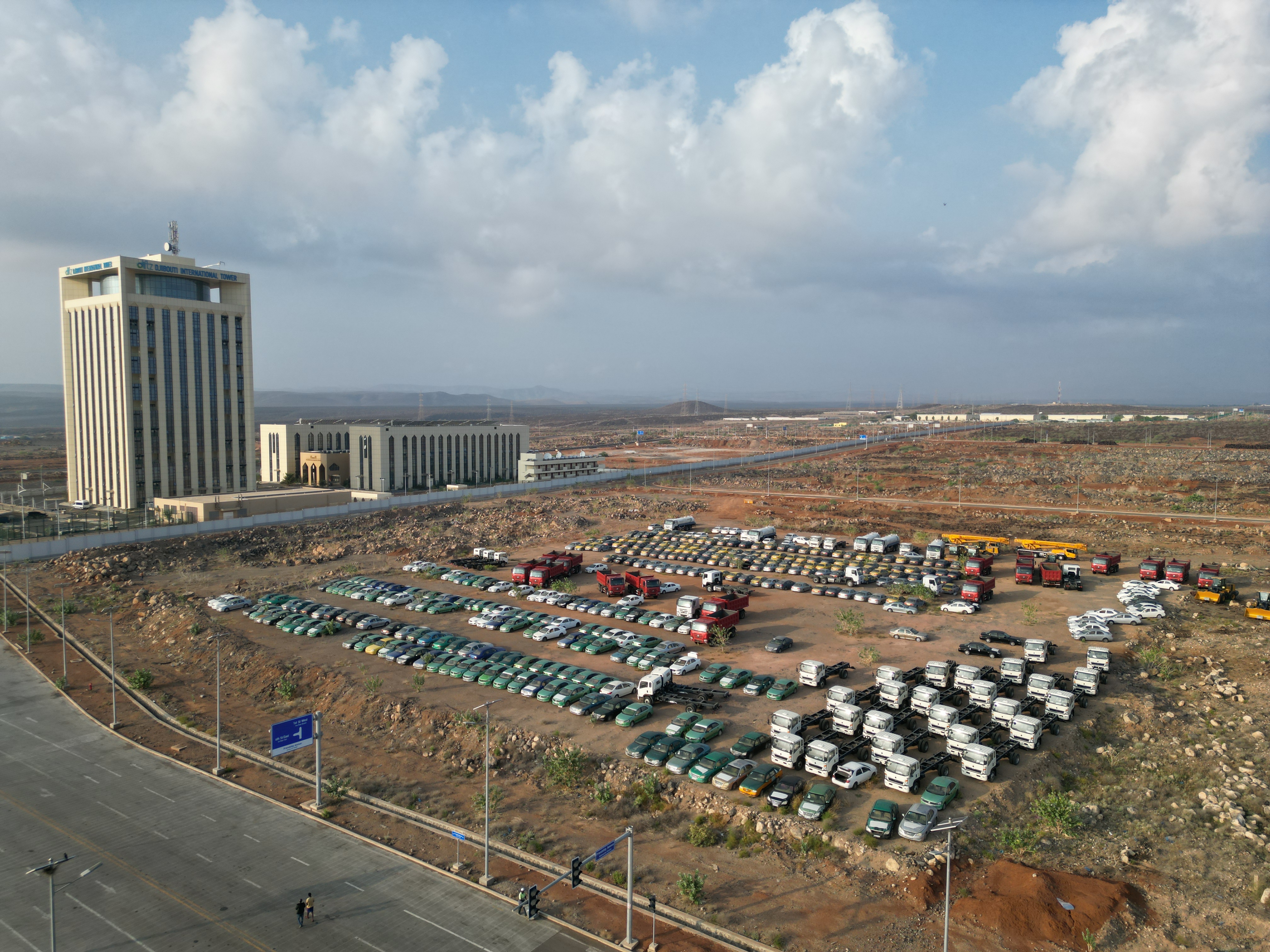
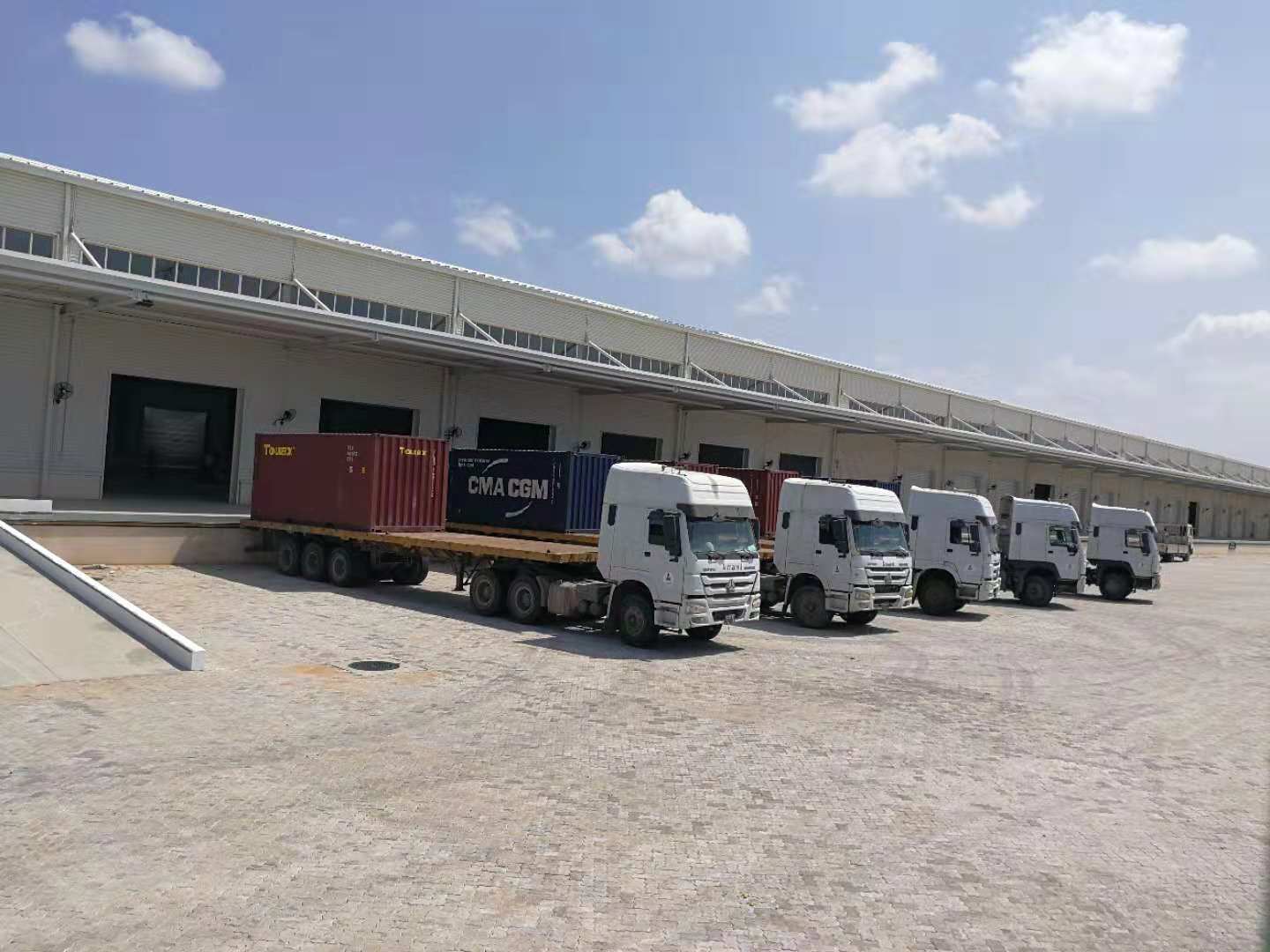
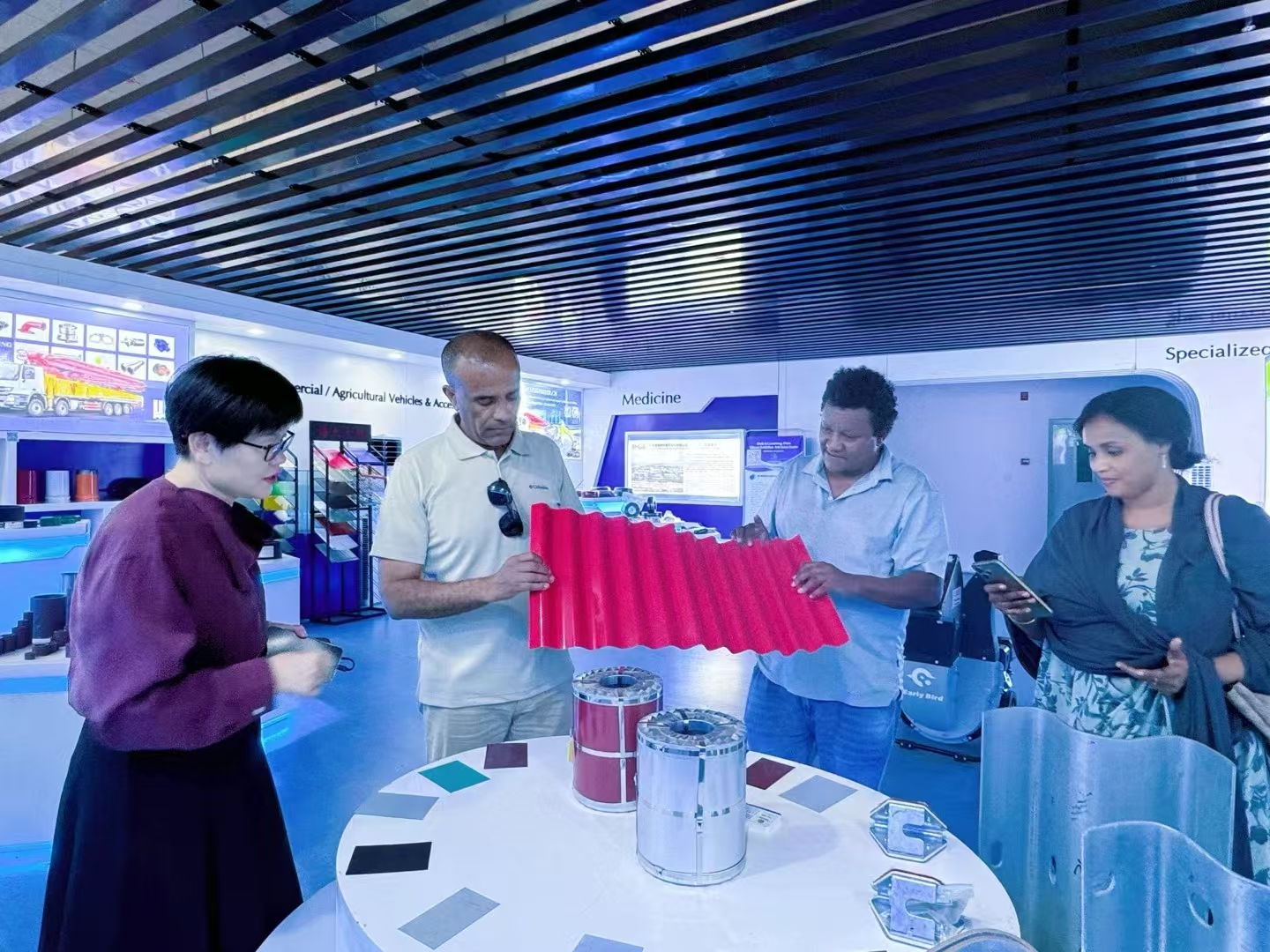
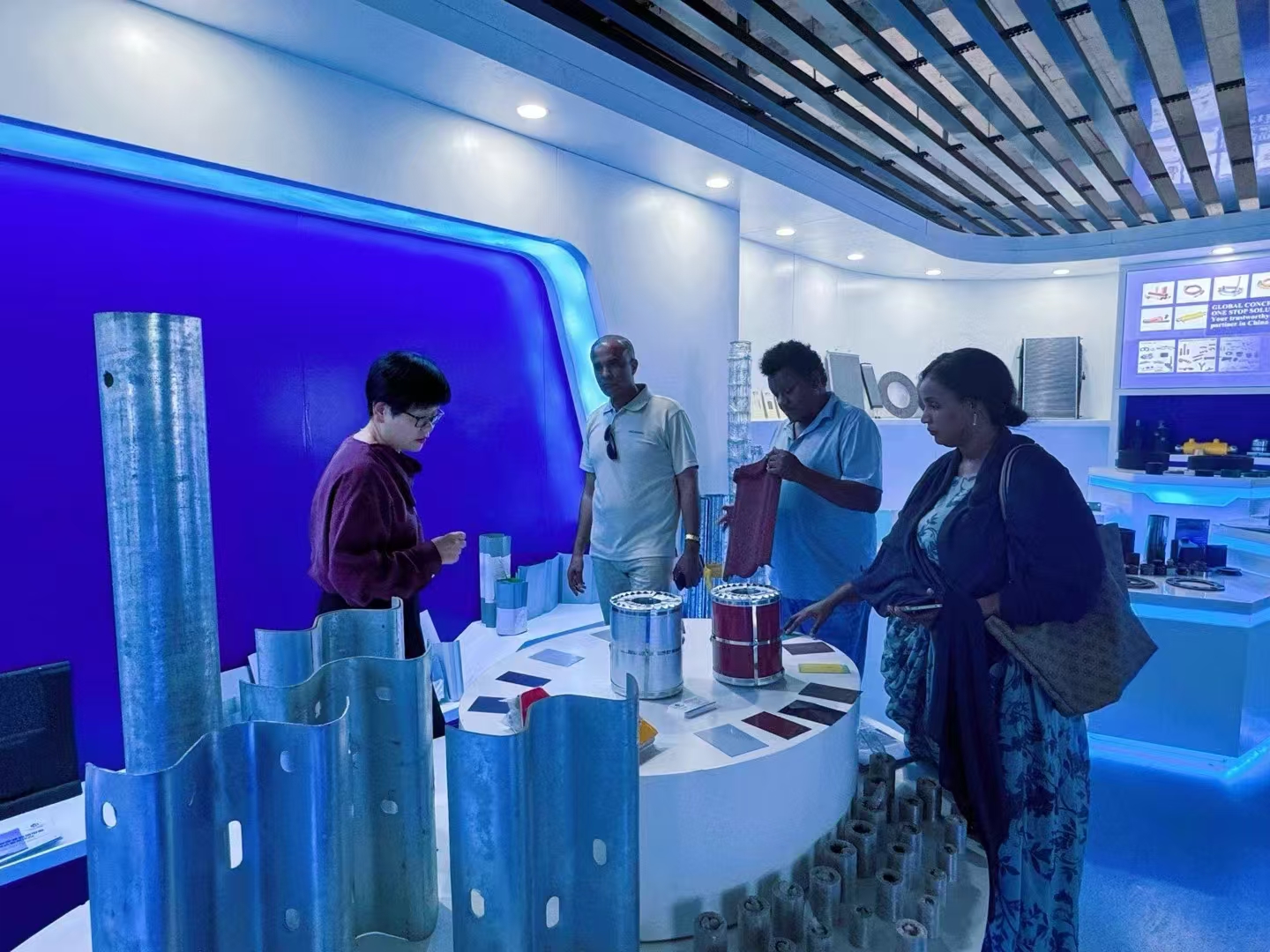
Established in 2023, our Djibouti (Overseas Warehouse) Cross-border E-commerce Exhibition and Sales Center serves as our regional logistics hub for East Africa. In collaboration with Djibouti Economic and Trade Co., Ltd., this facility operates as a complete, one-stop service station.
By keeping vehicles and spare parts in our front-end warehouse, we offer localized customs clearance, administrative assistance, and fast distribution. This setup eliminates long wait times and minimizes downtime for corporate partners operating in the region.
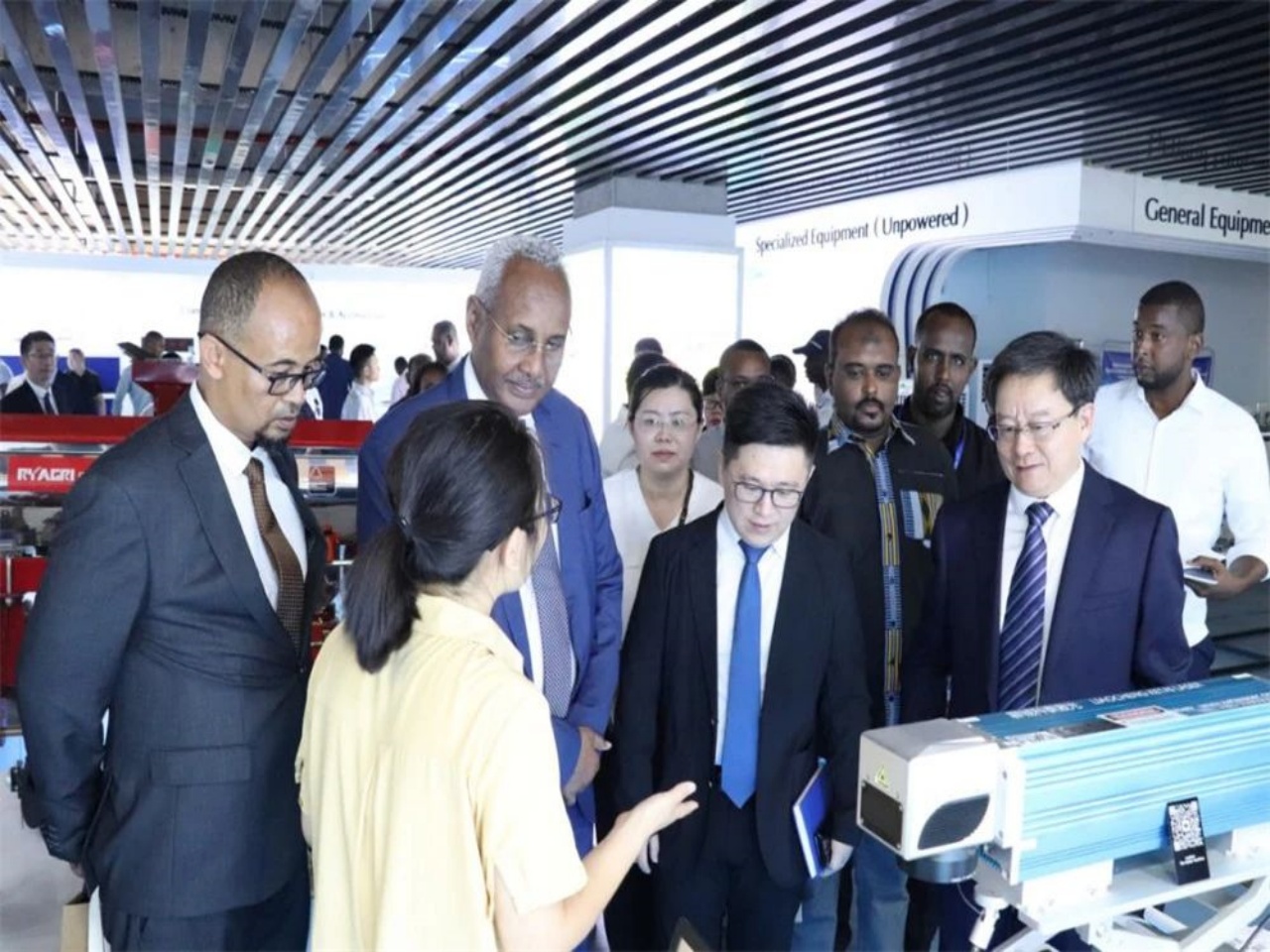
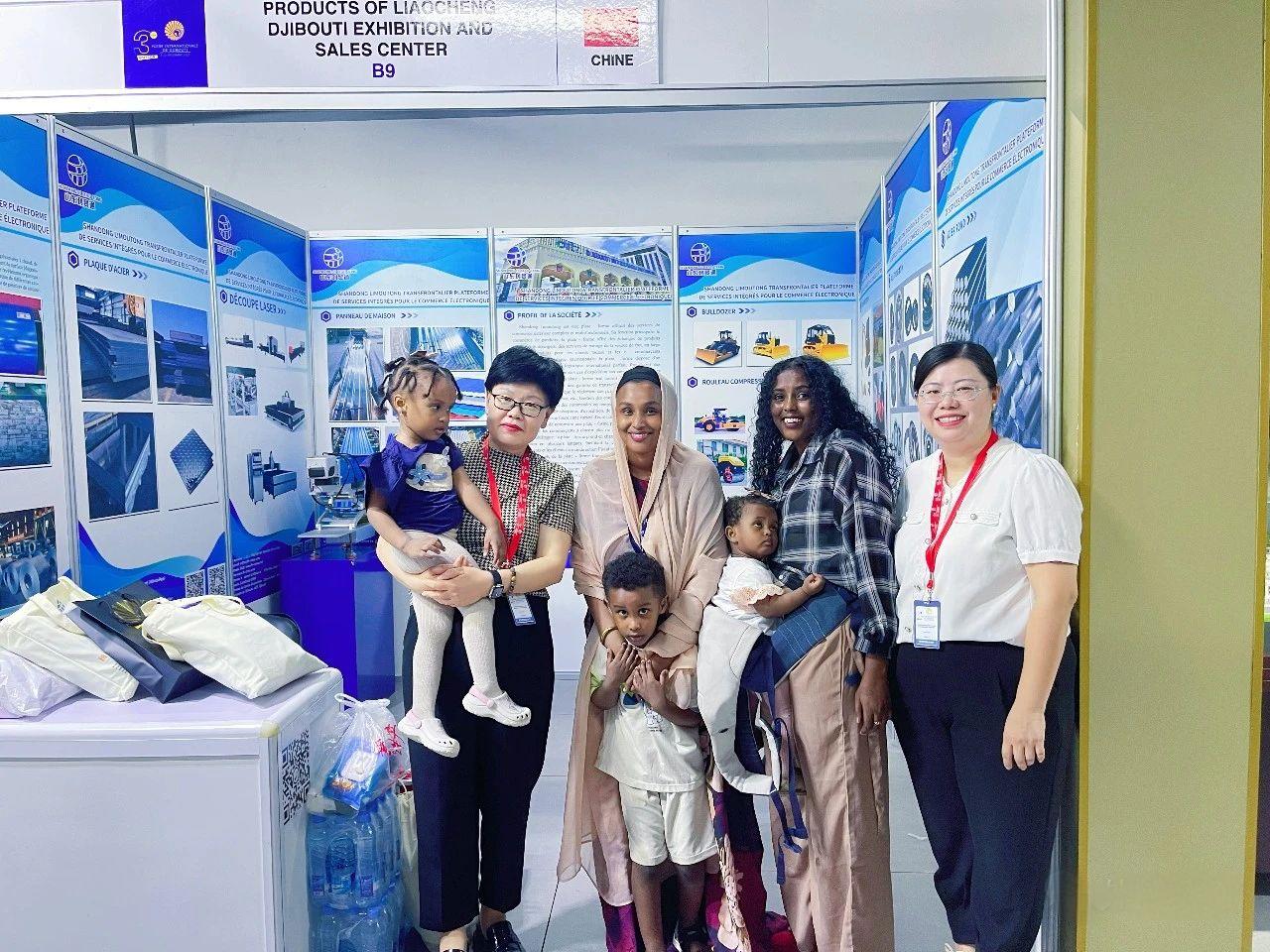
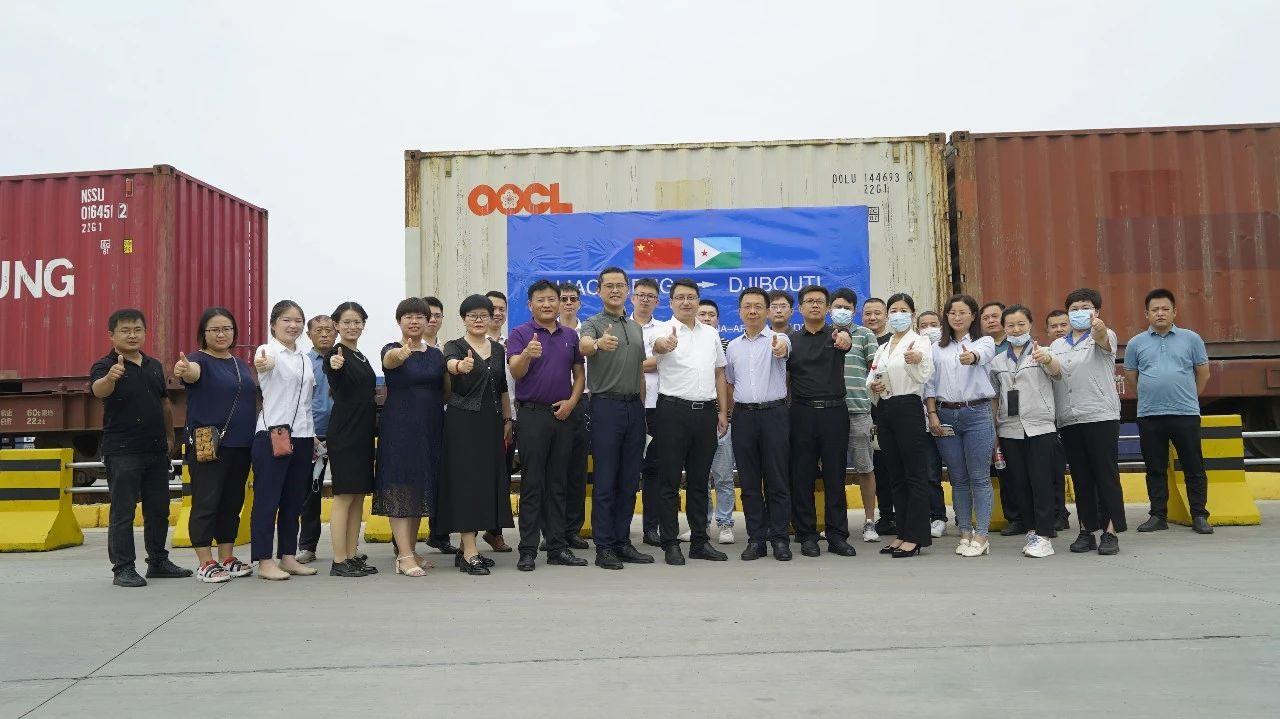
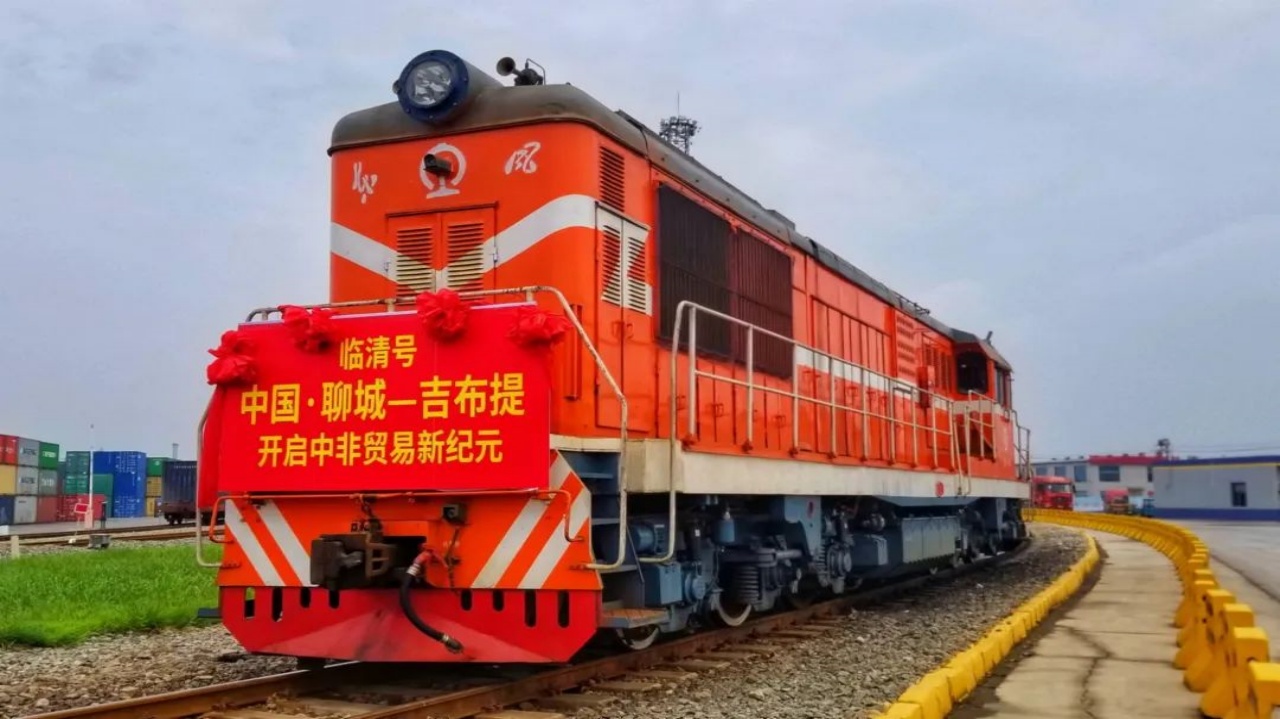
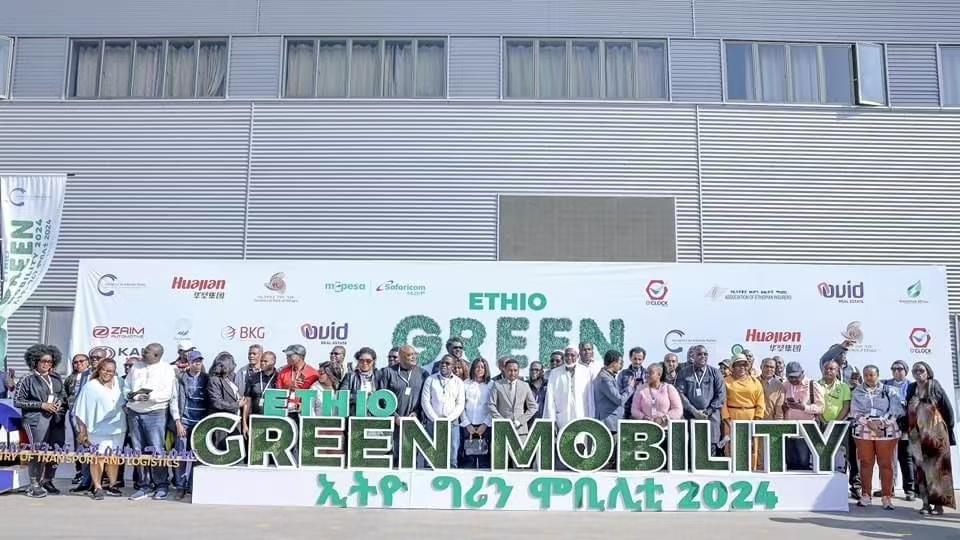
Reflecting global professional trust, engineering validation, and direct collaboration with world procurement managers.

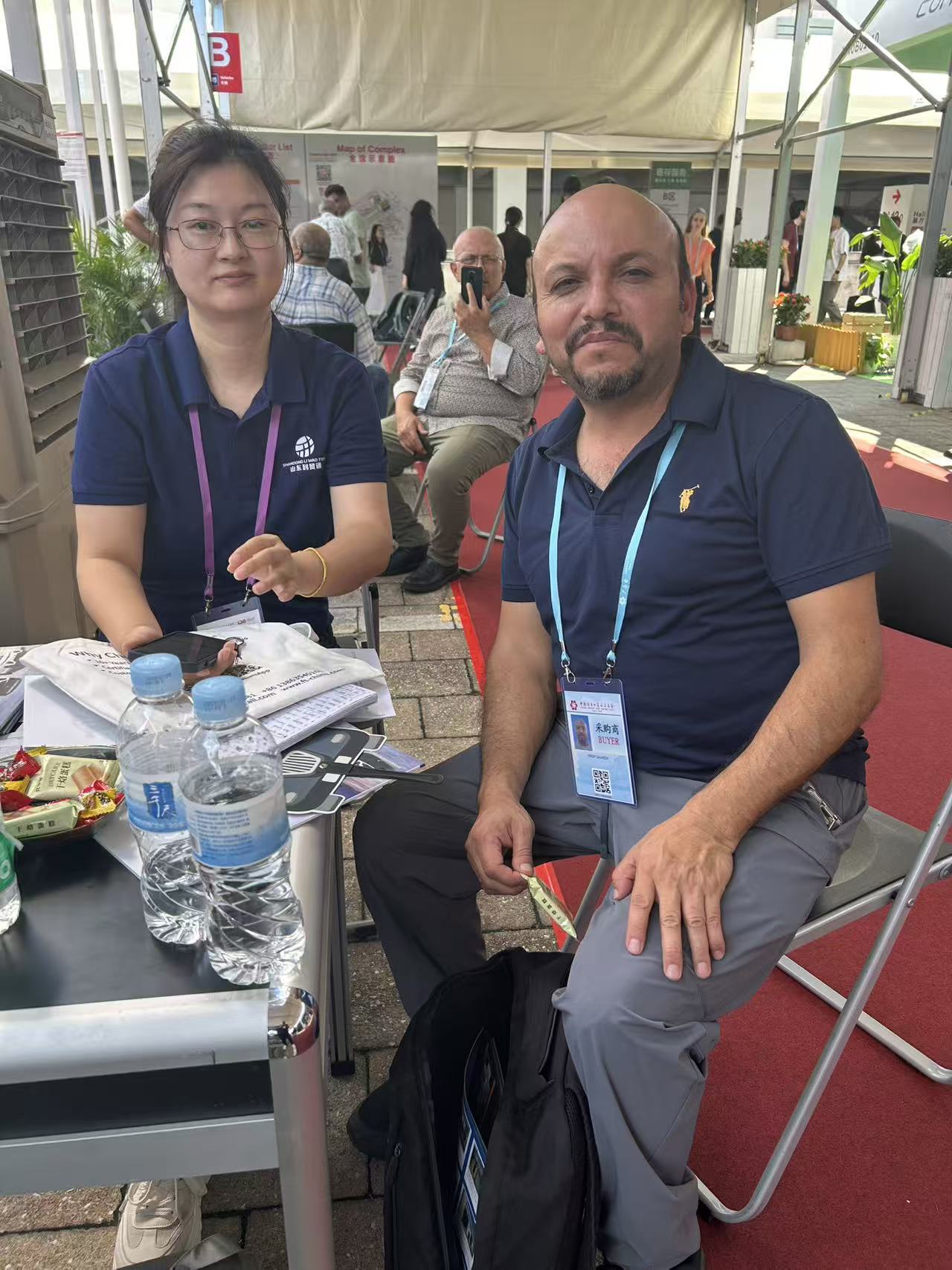
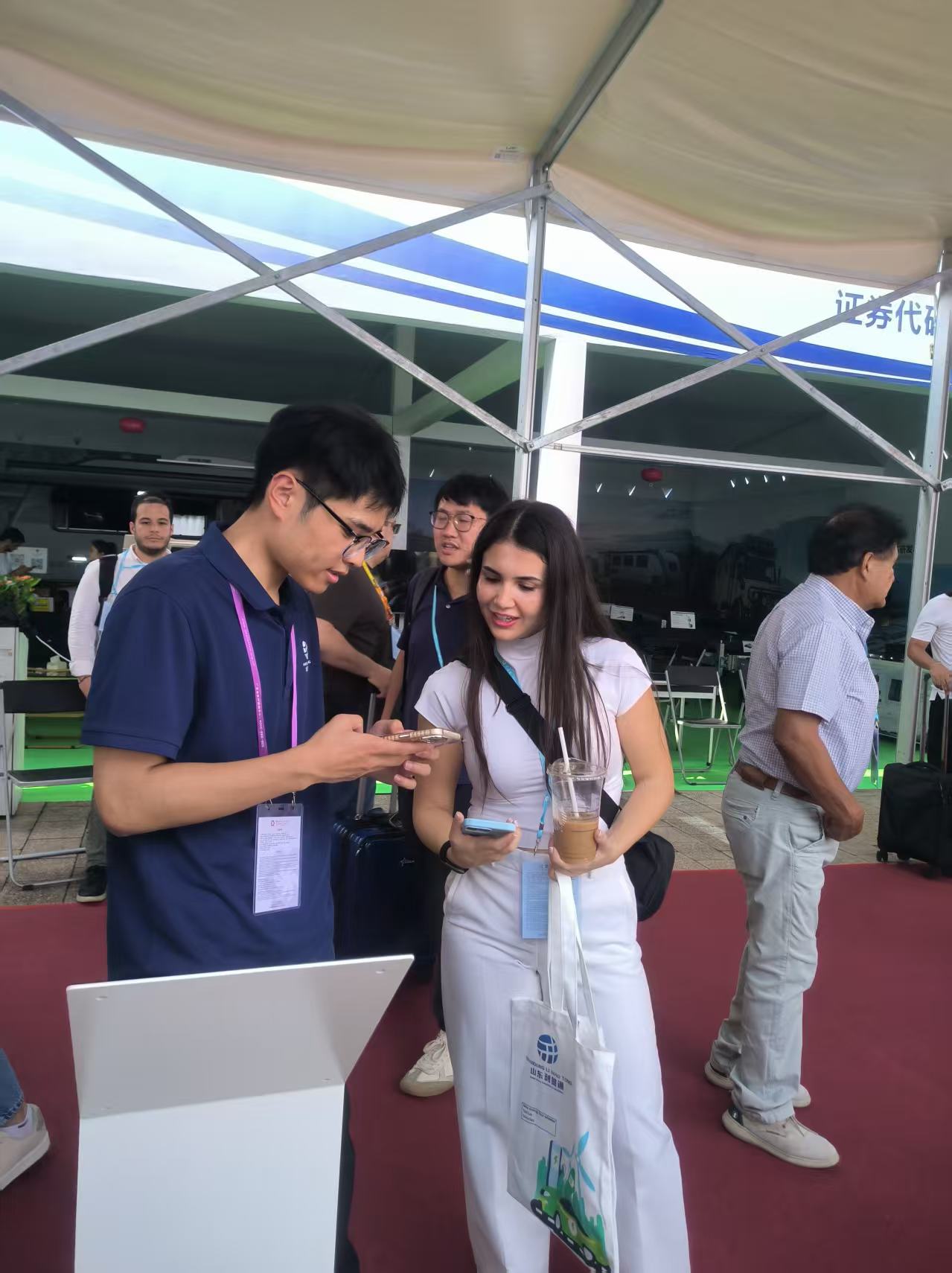
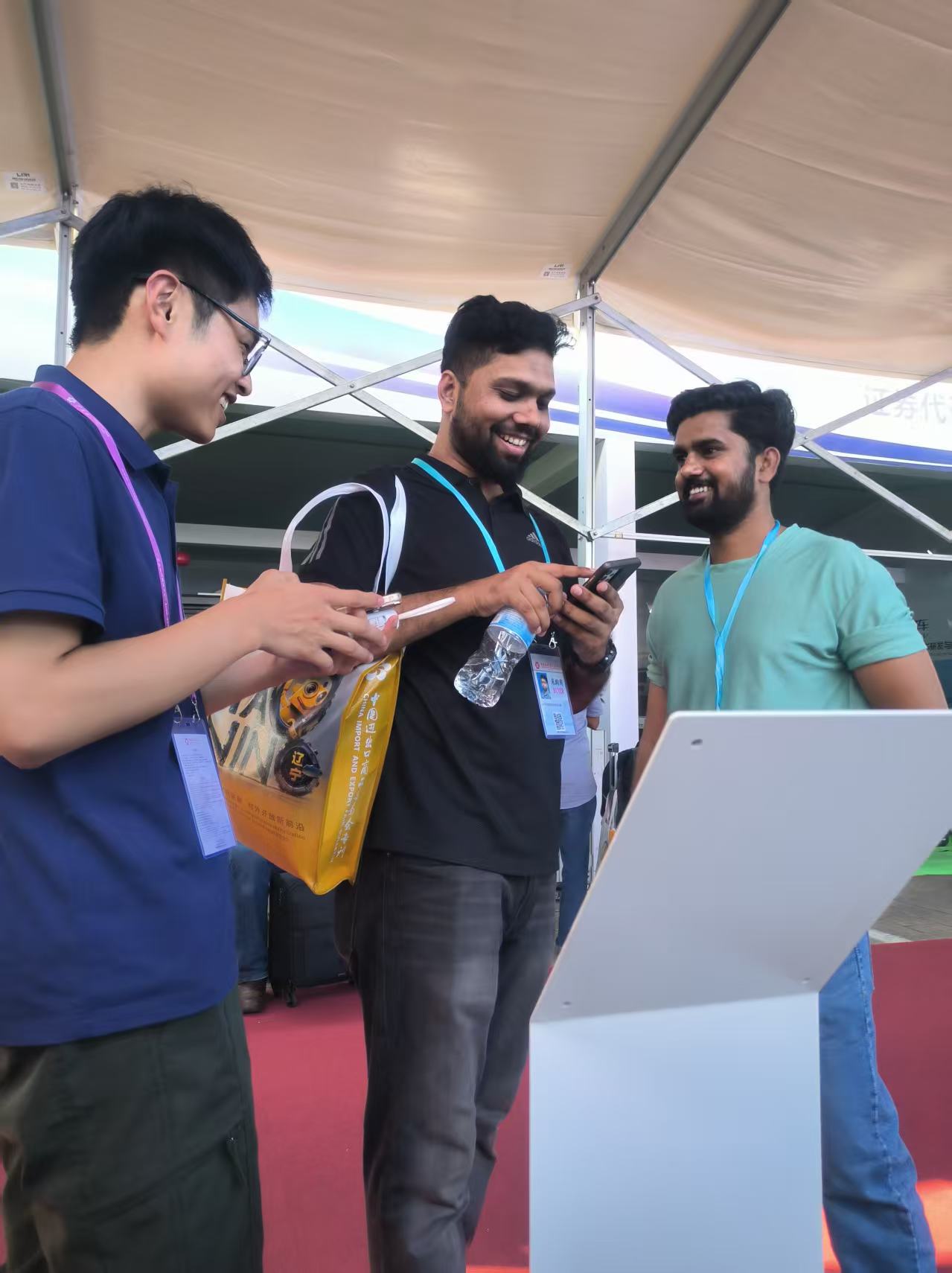
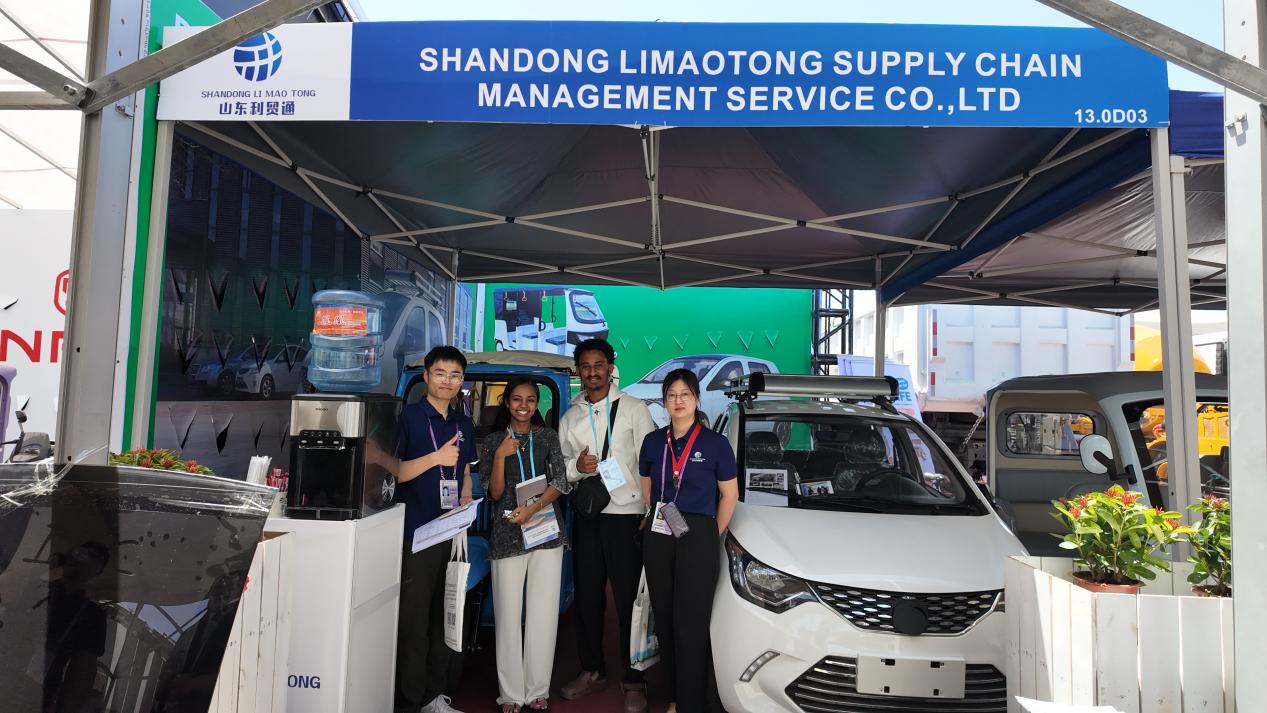
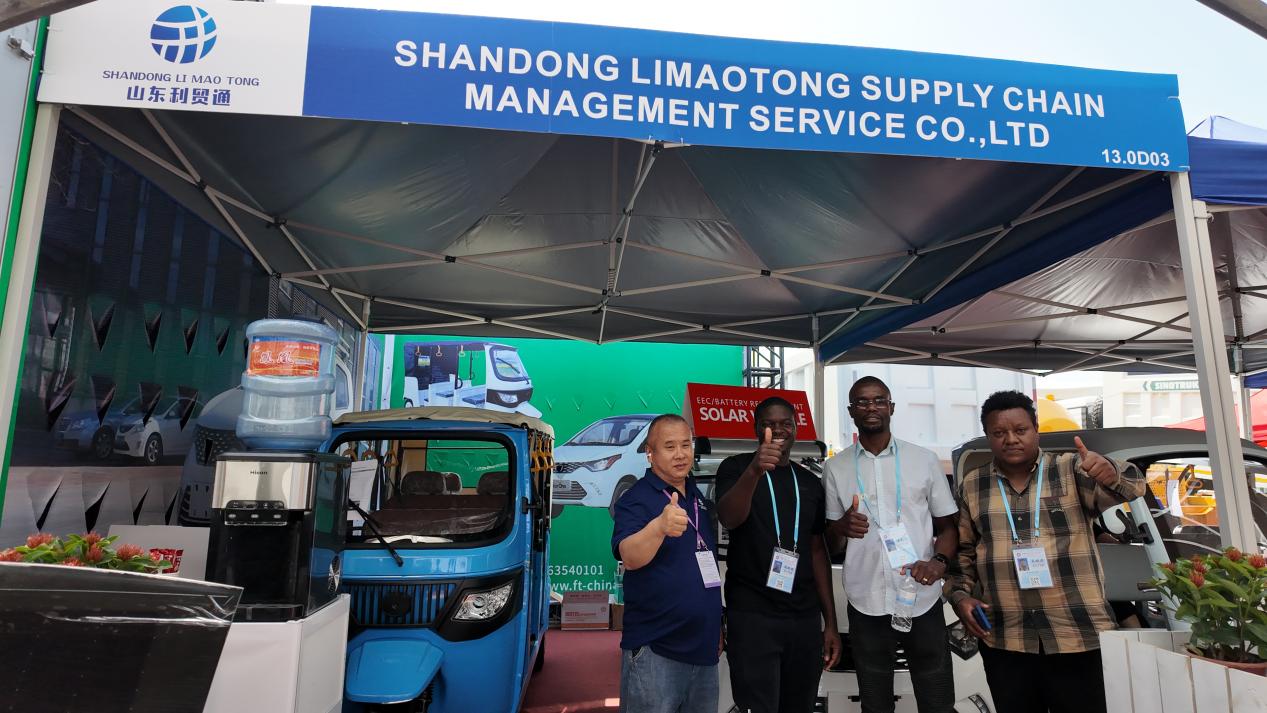
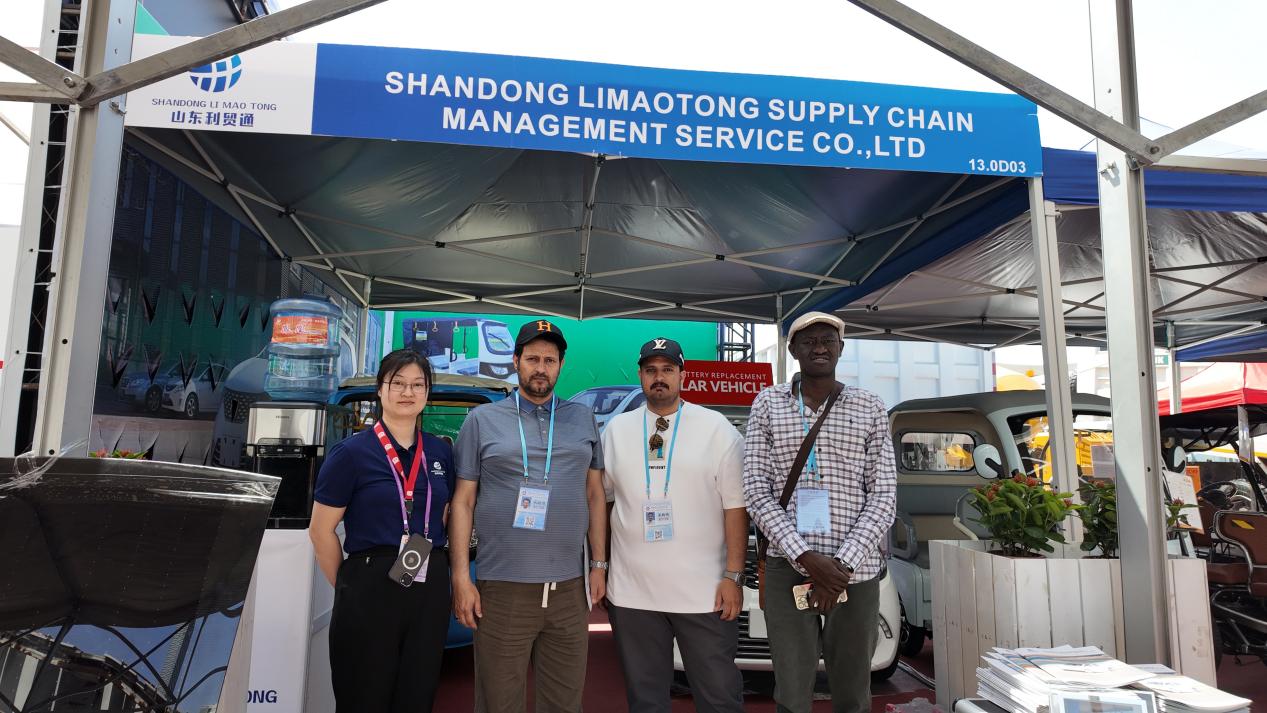
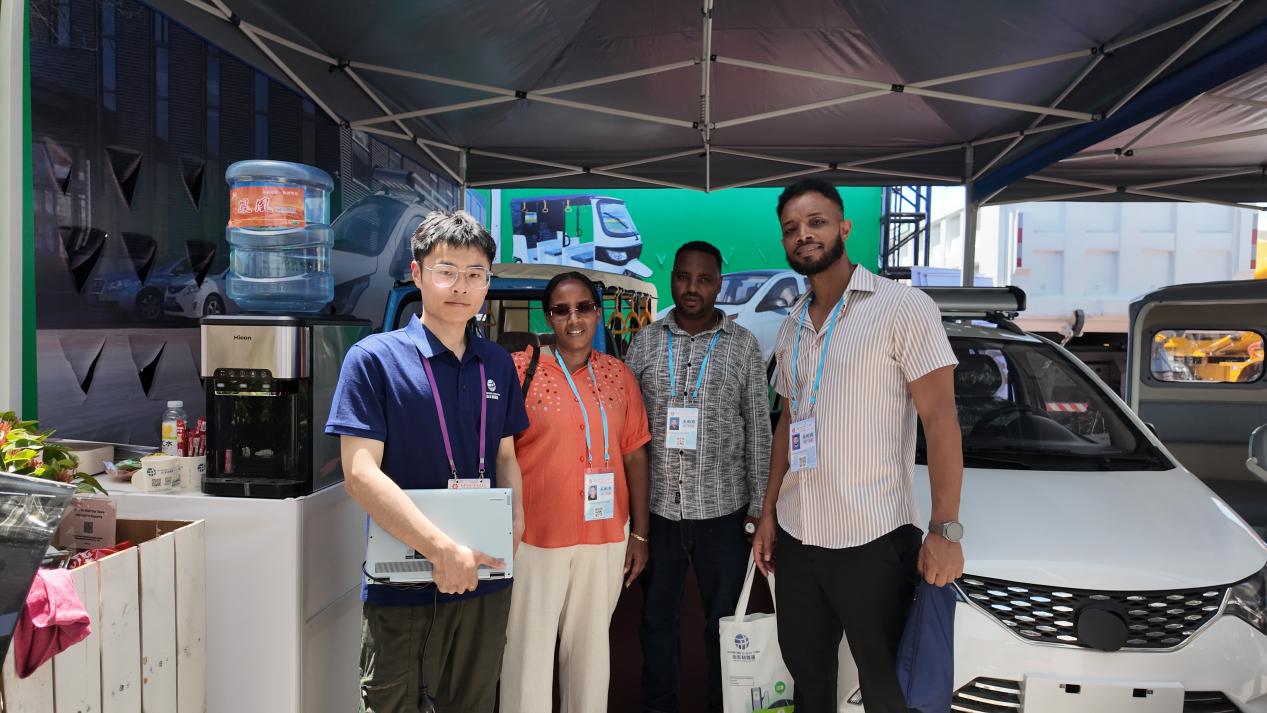
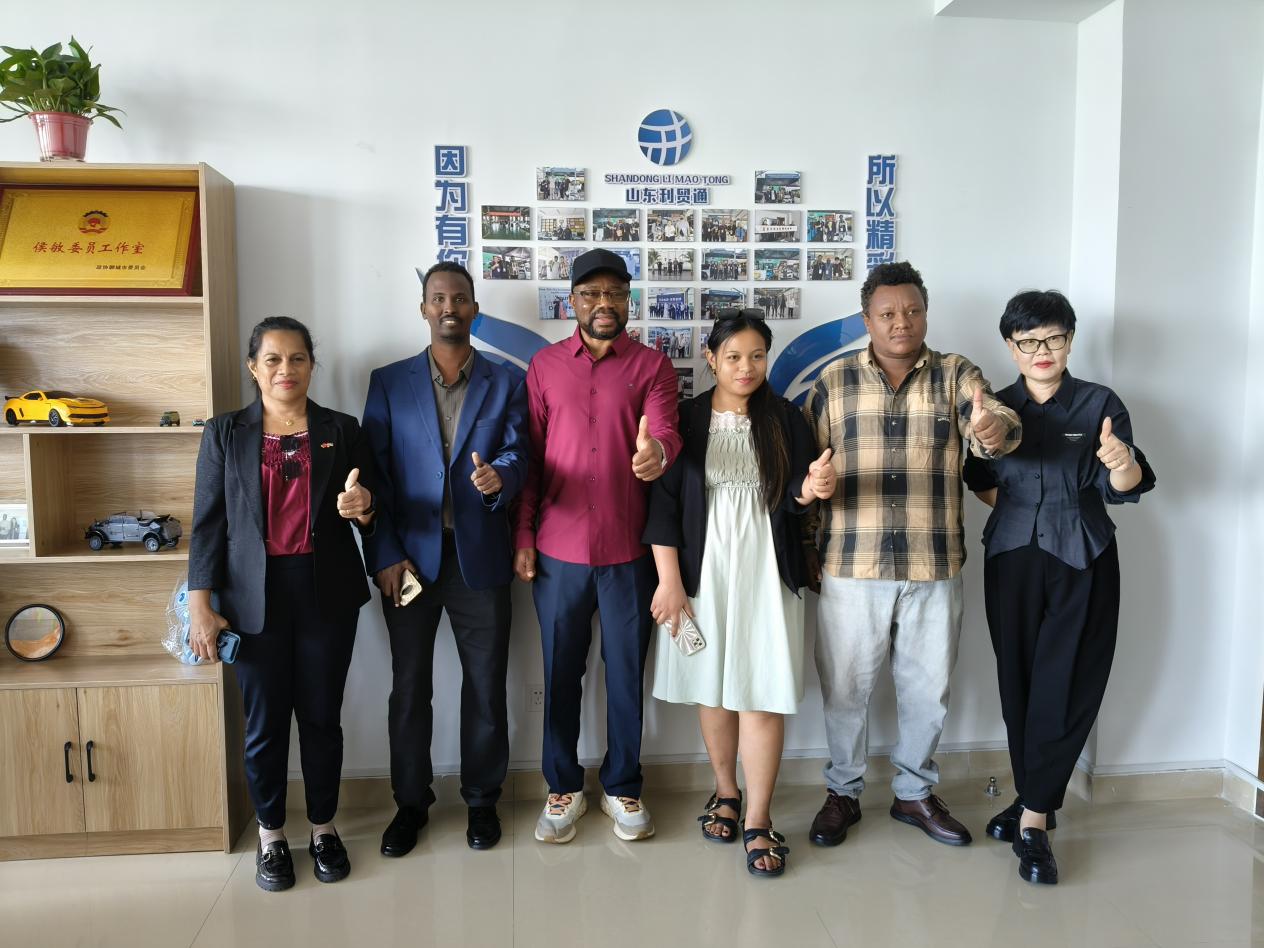
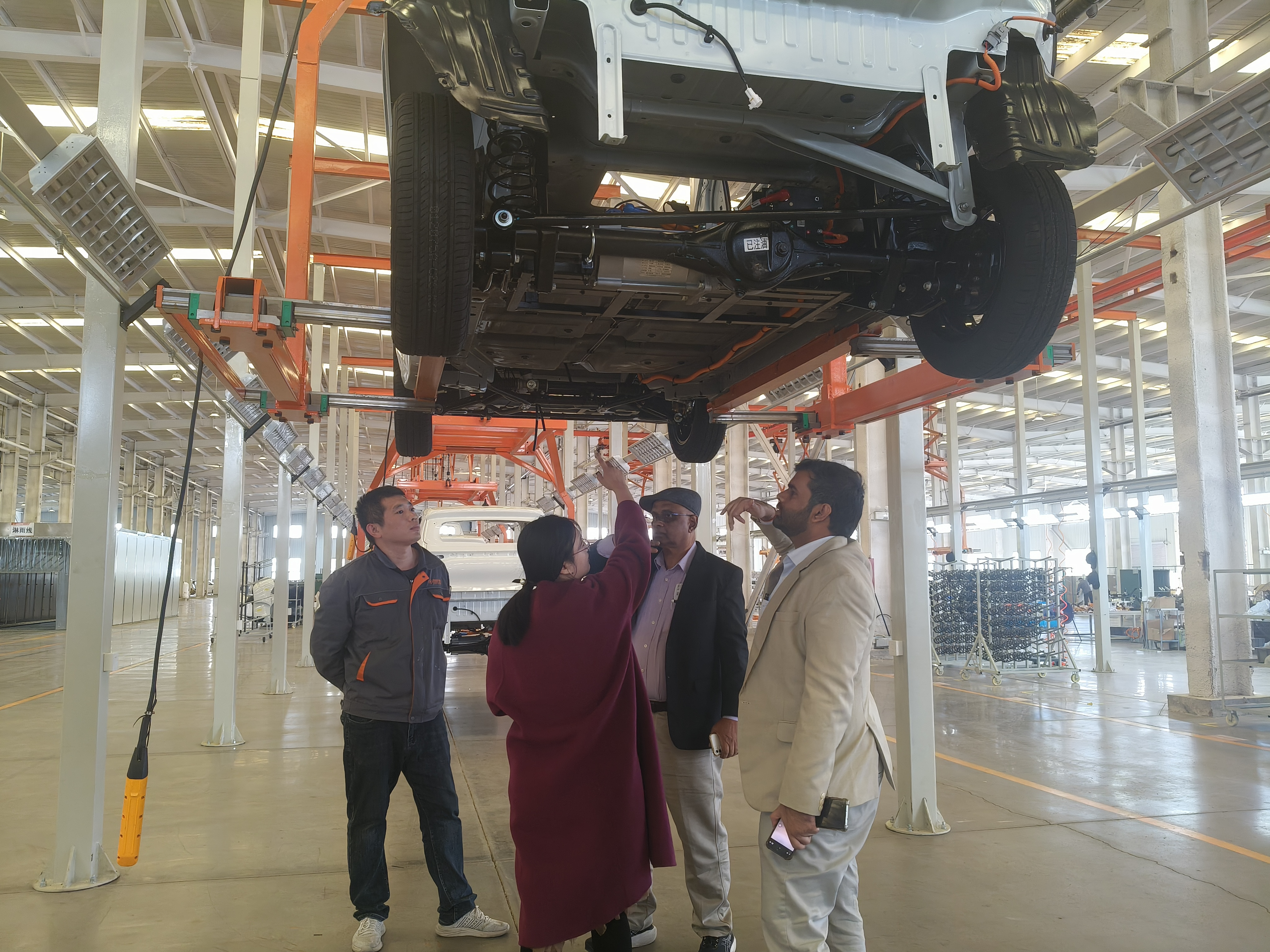
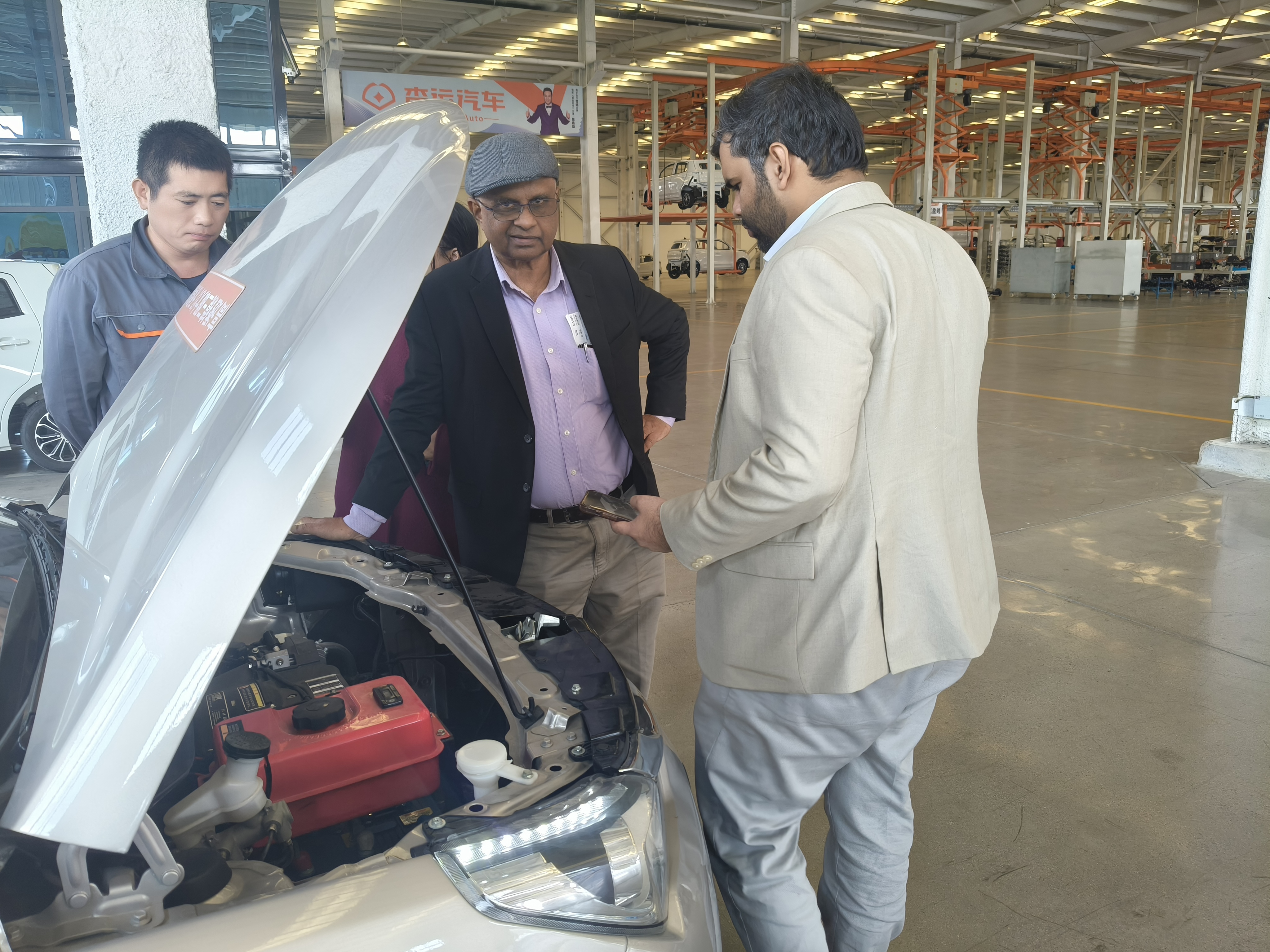
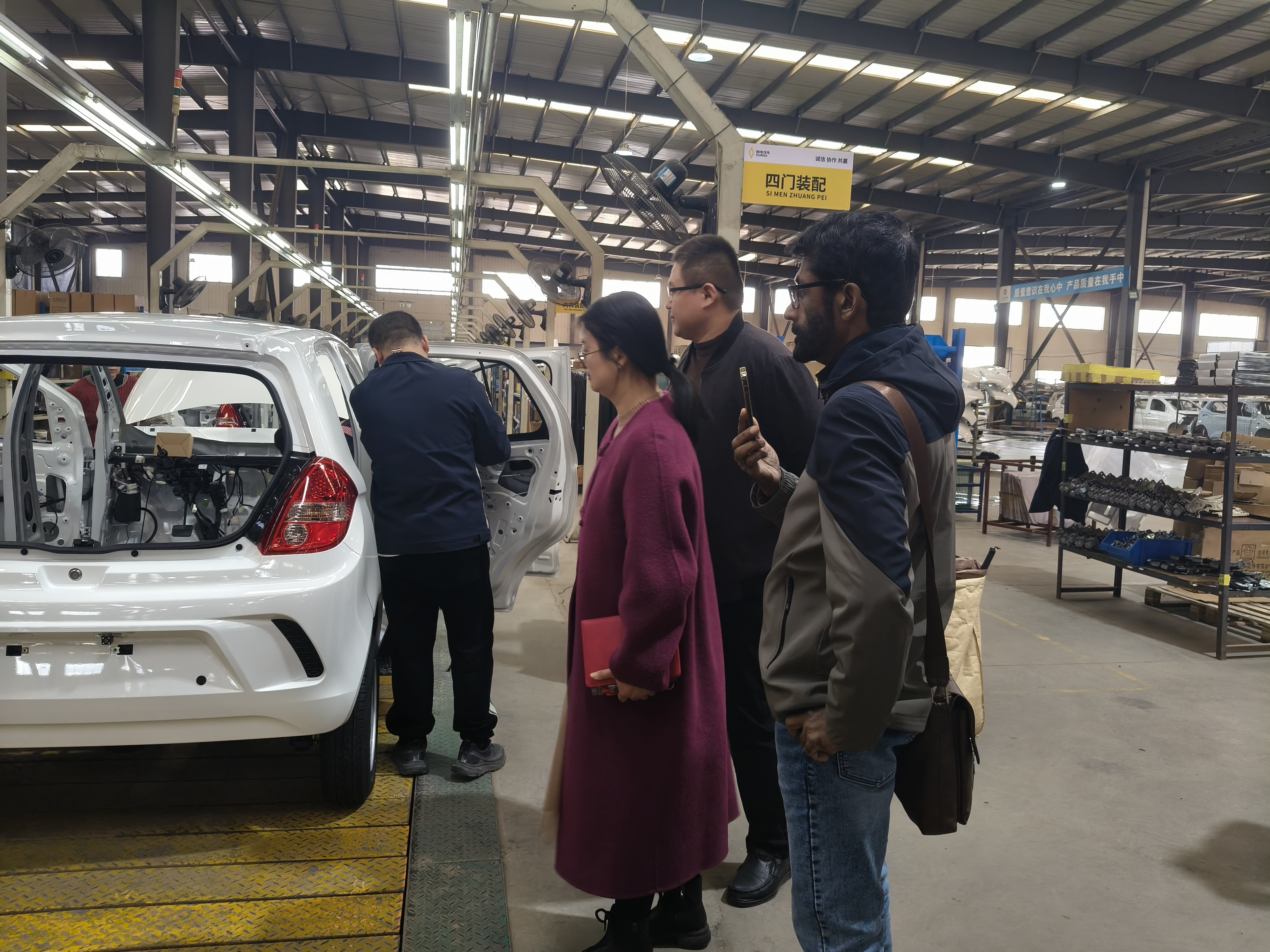
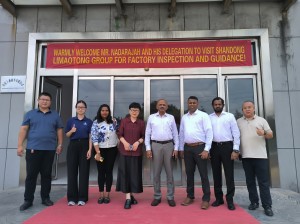
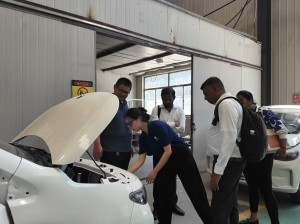

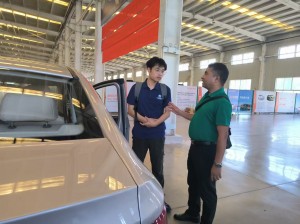
Detailed documentation of factory operations, client discussions, and technology integration.


Every electric private vehicle built in our facility undergoes a strict validation protocol before shipping. This process includes simulated monsoon water-ingress checks, wheel alignment calibration, dyno-tested motor diagnostics, and high-current electrical stress testing.
Our QC team tracks each vehicle's test history using dynamic database logs, ensuring full traceability and high quality standards for global distributors.
Addressing technical, logistical, and compliance questions from global fleet procurement managers.
Importing into the European Union requires vehicles to have EEC (European Economic Community) certification or individual vehicle approvals (IVA) matching L7e (heavy quadricycles) or M1 passenger car regulations. Essential parameters include compliant seatbelt anchorages, dual-circuit hydraulic braking systems, safety glass, and certified electromagnetic compatibility (EMC) for all onboard charging components.
We utilize high-stability Lithium Iron Phosphate (LFP) chemistry, which resists thermal runaway up to 600°C. Our proprietary BMS monitors charge levels, controls temperature across cells, and protects against overvoltage. This design maintains over 80% state-of-health (SoH) after 3,000 full charge-discharge cycles.
Semi-Knocked Down (SKD) shipping allows up to four times more vehicles per standard 40ft High Cube container than Completely Built Up (CBU) shipping. It also reduces import duties by 10% to 30% in countries that prioritize local vehicle assembly.
We maintain spare parts centers at our overseas manufacturing hubs and specialized warehouses, such as our Djibouti Free Trade Zone facility. Standard replacement components (like controllers, brake pads, and shock absorbers) ship via regional logistics pathways, minimizing transit times to 48-72 hours.
Discuss your specifications for cargo utility, passenger transport, or campus micro-mobility with our engineering team today.
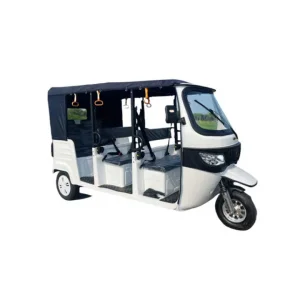
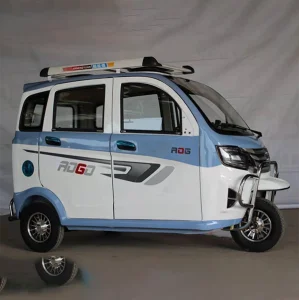
Initiate B2B RFQBrowse more configurations of our mini electric cars, light pickups, passenger tricycles, and dual-purpose vehicles.
 Limaotong