Direct from Shandong Li Mao Tong Group - Global-ready configurations engineered for compliance, high efficiency, and maximum reliability.
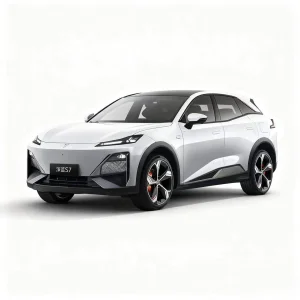
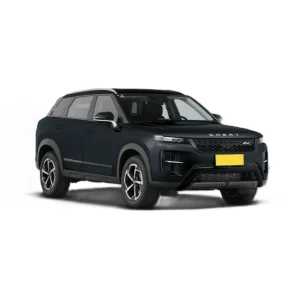
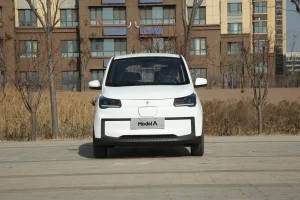
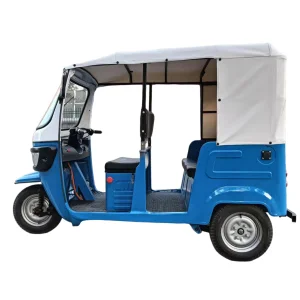
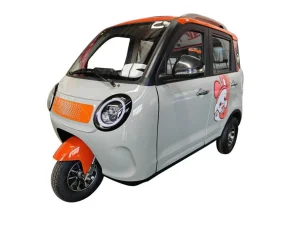
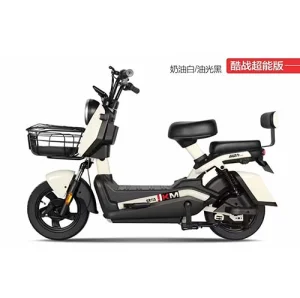

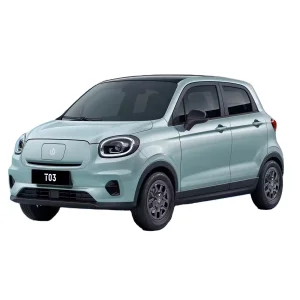
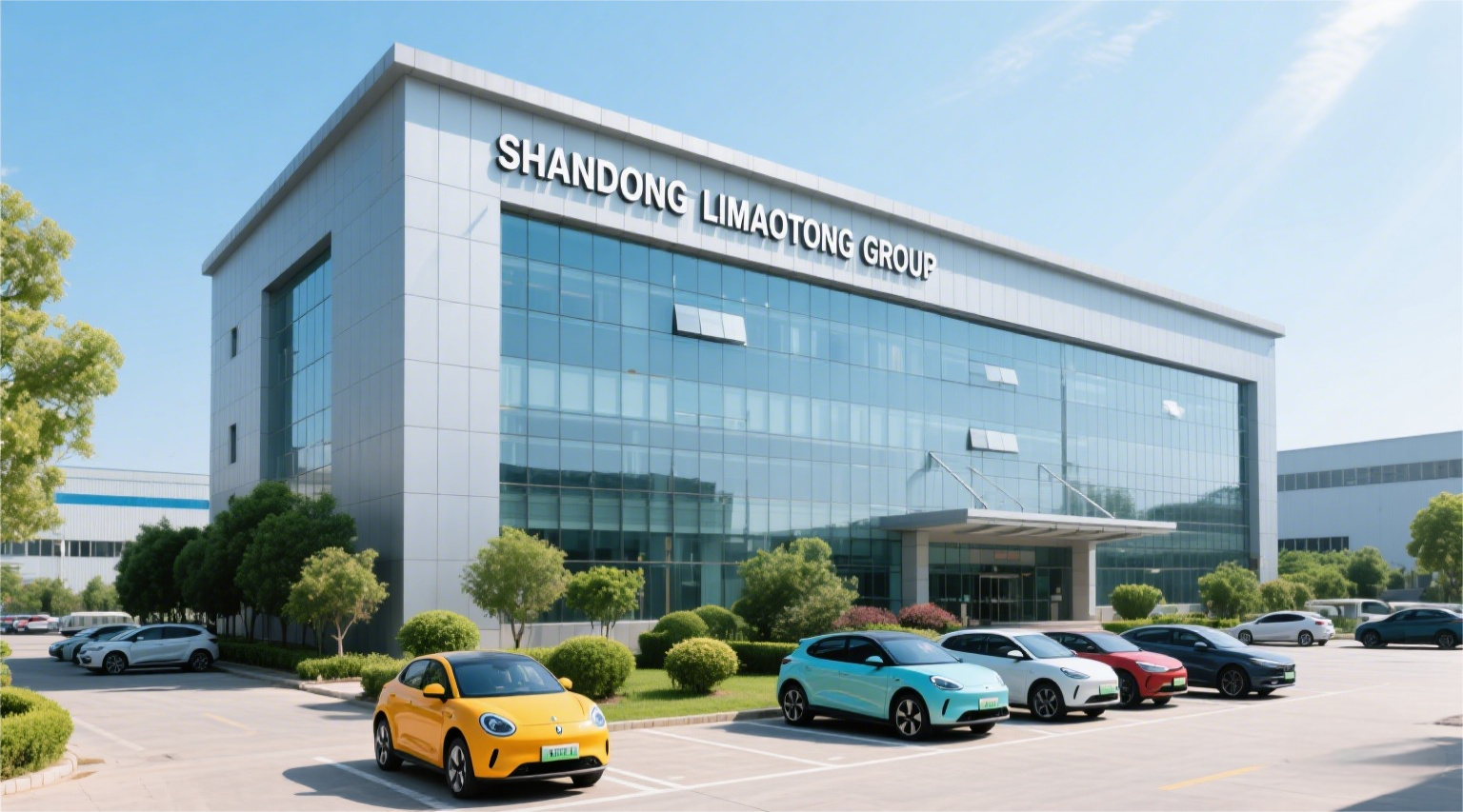
Shandong Li Mao Tong Group is a globally recognized manufacturing conglomerate and strategic supplier of advanced electric two-wheelers, multi-passenger electric cargo tricycles, and intelligent mini EV cars. With a complete vertically integrated industrial supply chain, we consolidate specialized R&D, rigorous modern manufacturing, and cross-border commercial execution under one banner.
Since our founding, our premium electric vehicles have optimized local transit networks and business efficiency across 120+ countries and regions. By serving over 20 million households and deploying localized manufacturing operations across 8 overseas production bases, we deliver robust micro-mobility solutions customized to the unique climatic, topographic, and regulatory standards of global markets.
Countries Served
Extensive global shipping, localized customs coordination, and trade facilitation.
Overseas Bases
Minimizing transit delays and tariff costs via localized KD assembly facilities.
Households Trusted
Proven vehicle durability, low operational cost, and safety-first design paradigms.
In the rapidly accelerating transition to new energy vehicles, Shandong Li Mao Tong Group stands as a beacon of high-quality Chinese smart manufacturing. We design and deliver electric transit options that exceed expectations in structural safety, battery management, and performance longevity.
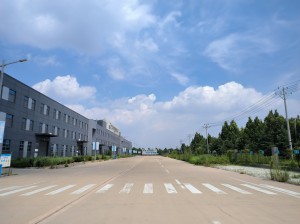
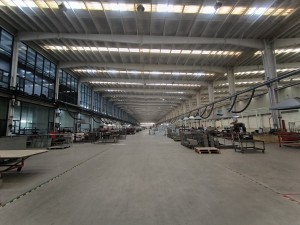
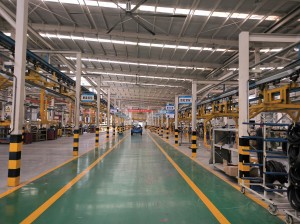
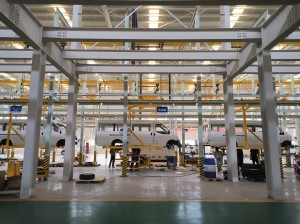
Operating from highly automated intelligent production complexes, our assembly facilities deploy millimeter-precision robotic laser cutting, robotic welding of high-tensile steel frames, and advanced cathodic electrophoretic coating systems. Every step is rigorously monitored to guarantee compliance with international homologation guidelines, including certifications such as CE, EEC, and DOT.
Frames undergo intensive stress testing, including simulated Level 7 rainstorm tests and prolonged vibration analysis.
Proprietary cell chemistry management mitigates thermal runaway, providing long service cycles under varying temperatures.
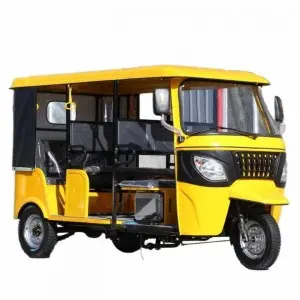
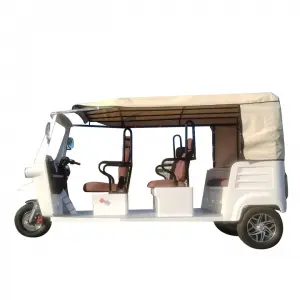
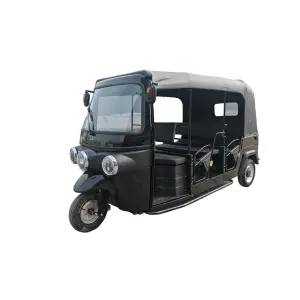
Optimized passenger vehicles, smart city commuters, and heavy-duty cargo logistics assets.
Strategic Sourcing Guidelines, Compliance Frameworks, and Technological Projections for B2B Procurements
The global micro-mobility sector has entered a mature phase of integration, transitioning from a niche consumer product segment to a critical component of metropolitan and logistics infrastructure. According to global research, the international electric bike and cargo tricycle market is projected to expand significantly, driven by urban congestion, stringent emissions regulations, and the rapid expansion of last-mile delivery networks.
Corporate and governmental fleet procurement agencies no longer treat electric bikes as basic consumer items. Instead, modern e-mobility procurements focus on durability, battery chemistry stability, and total cost of ownership (TCO) matrices. By integrating advanced production lines, China manufacturers have emerged as primary global suppliers capable of satisfying large-scale ODM/OEM requirements while meeting stringent international compliance matrices.
"Procurement strategies in the e-bike sector have evolved from basic unit cost analysis to lifecycle value integration. System compatibility, frame fatigue resistance, and certified battery safety now command premium importance."
To maintain market access in regions such as the European Union (EN15194 guidelines) and North America (UL2849 standards), electric mobility solutions must pass rigorous safety protocols. The structural design of the frame is the first line of defense. Utilizing robots to execute continuous, high-grade gas shielded metal arc welds eliminates manual welding inconsistencies, ensuring frame fatigue resistance.
On the electrical front, battery pack design has advanced from basic configurations to smart Battery Management Systems (BMS) with thermal runaway detection, over-charge safeguards, and CAN bus communication. These technologies ensure real-time diagnostics of cellular temperature, voltage deviations, and internal resistance fluctuations.
Global import policies place varying tariffs on fully assembled (CBU) vehicles compared to semi-knocked-down (SKD) and completely knocked-down (CKD) kits. For large-scale procurement companies, shipping vehicles in CKD form significantly reduces logistics volume and import duties.
Shandong Li Mao Tong Group addresses these structural logistics dynamics by operating 8 overseas production bases and strategic fulfillment nodes. This structure allows our international partners to import high-quality components, execute final assembly locally, and satisfy regional value-content requirements for public tender opportunities.
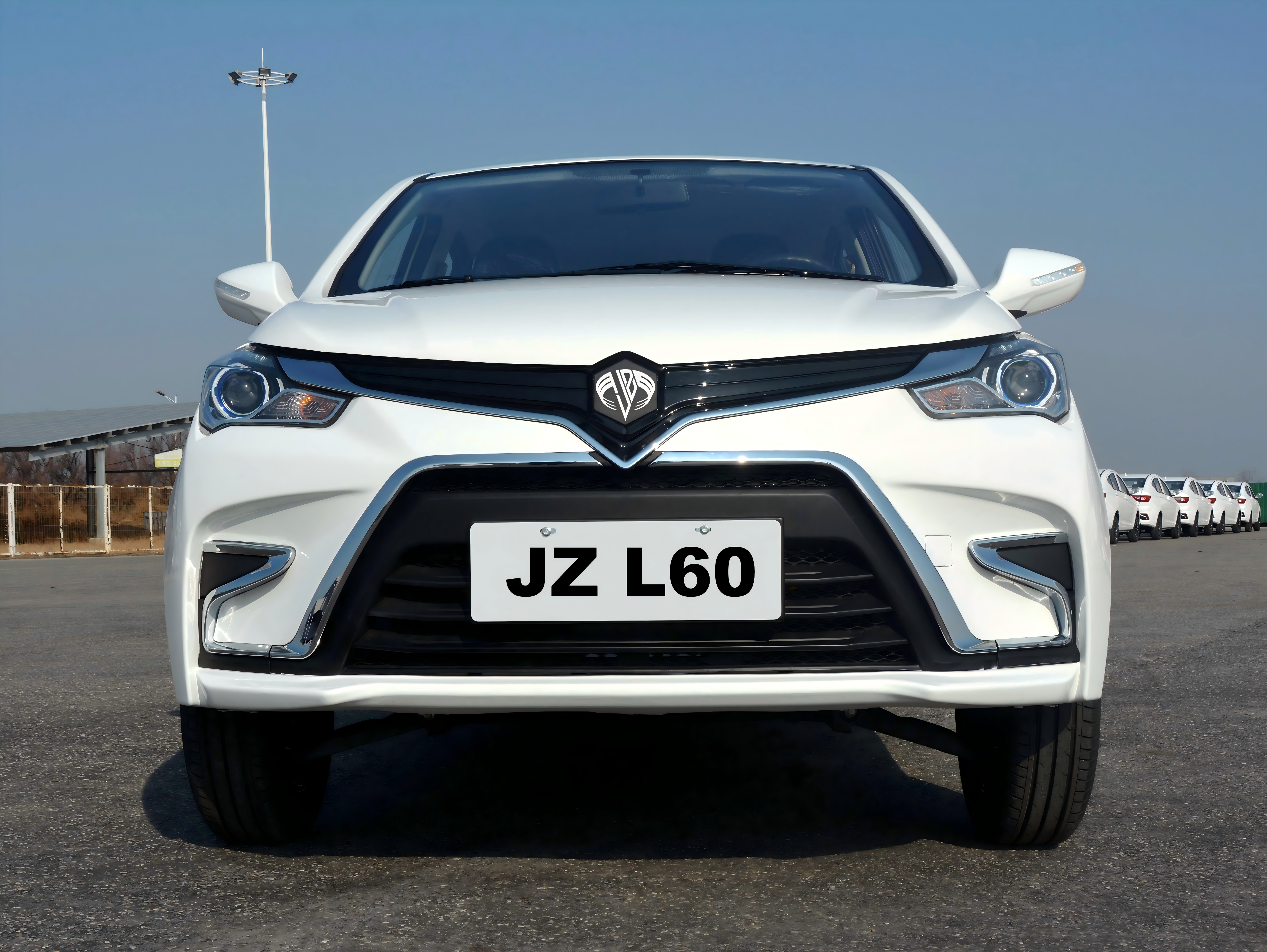
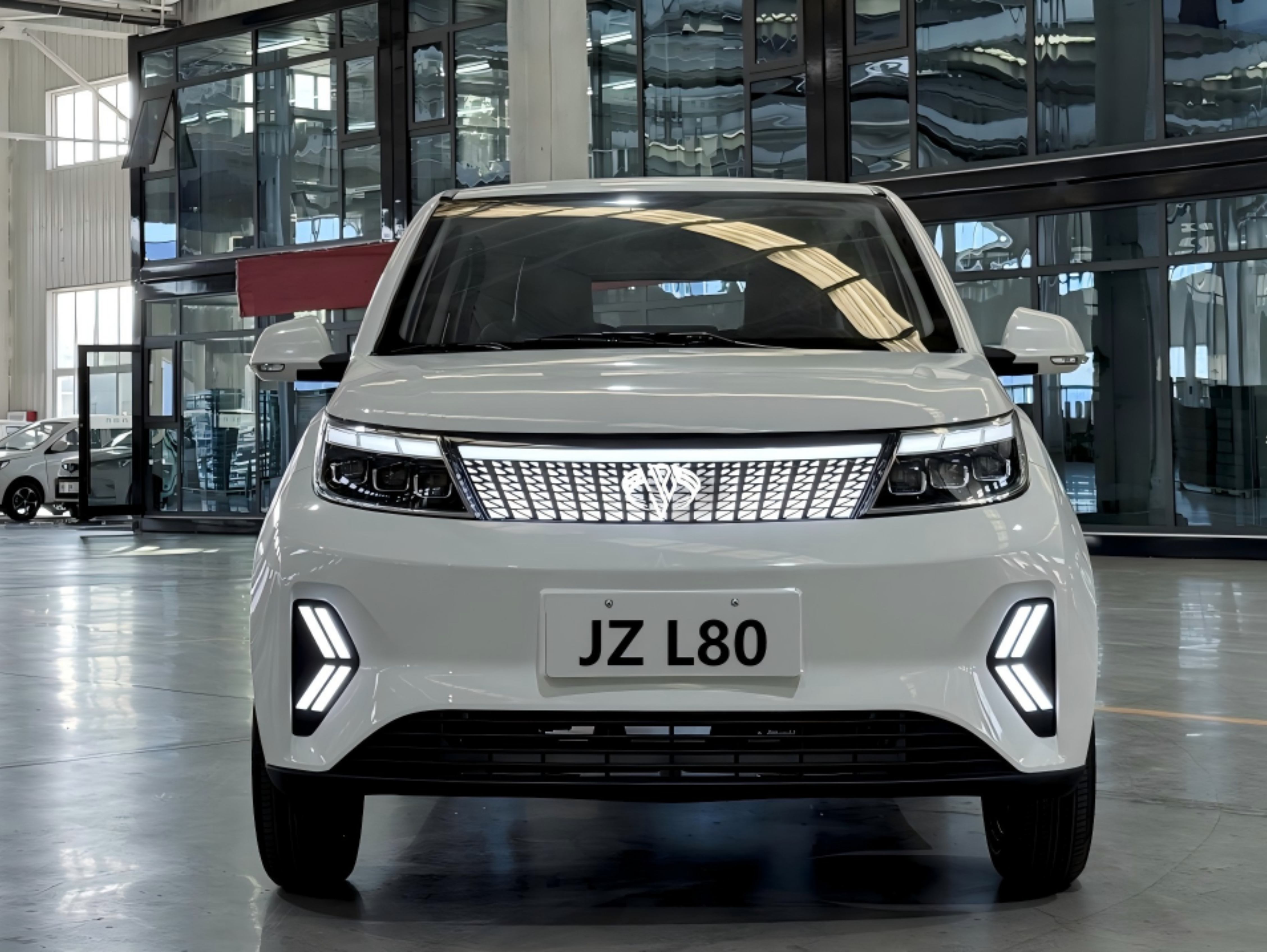
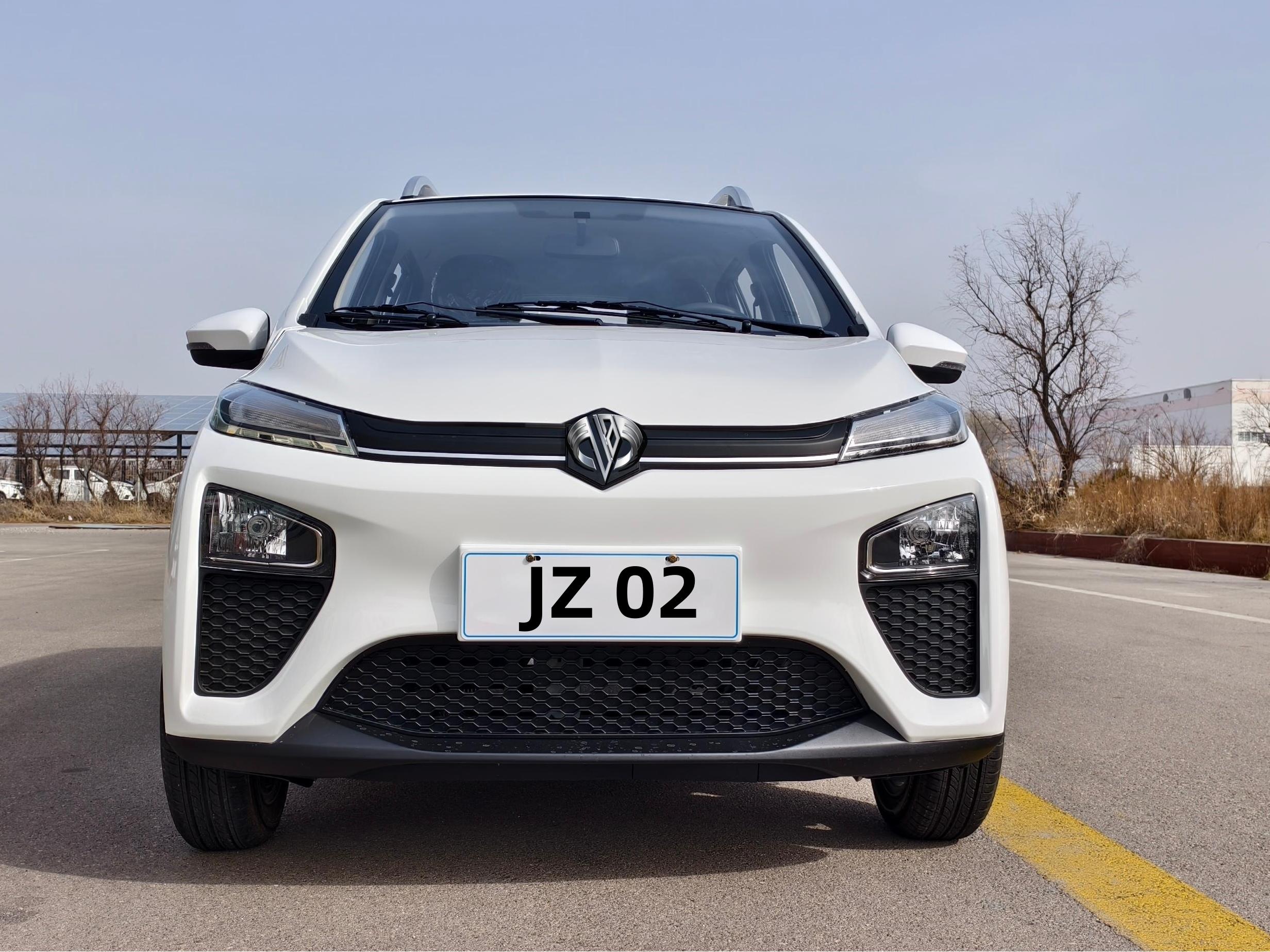
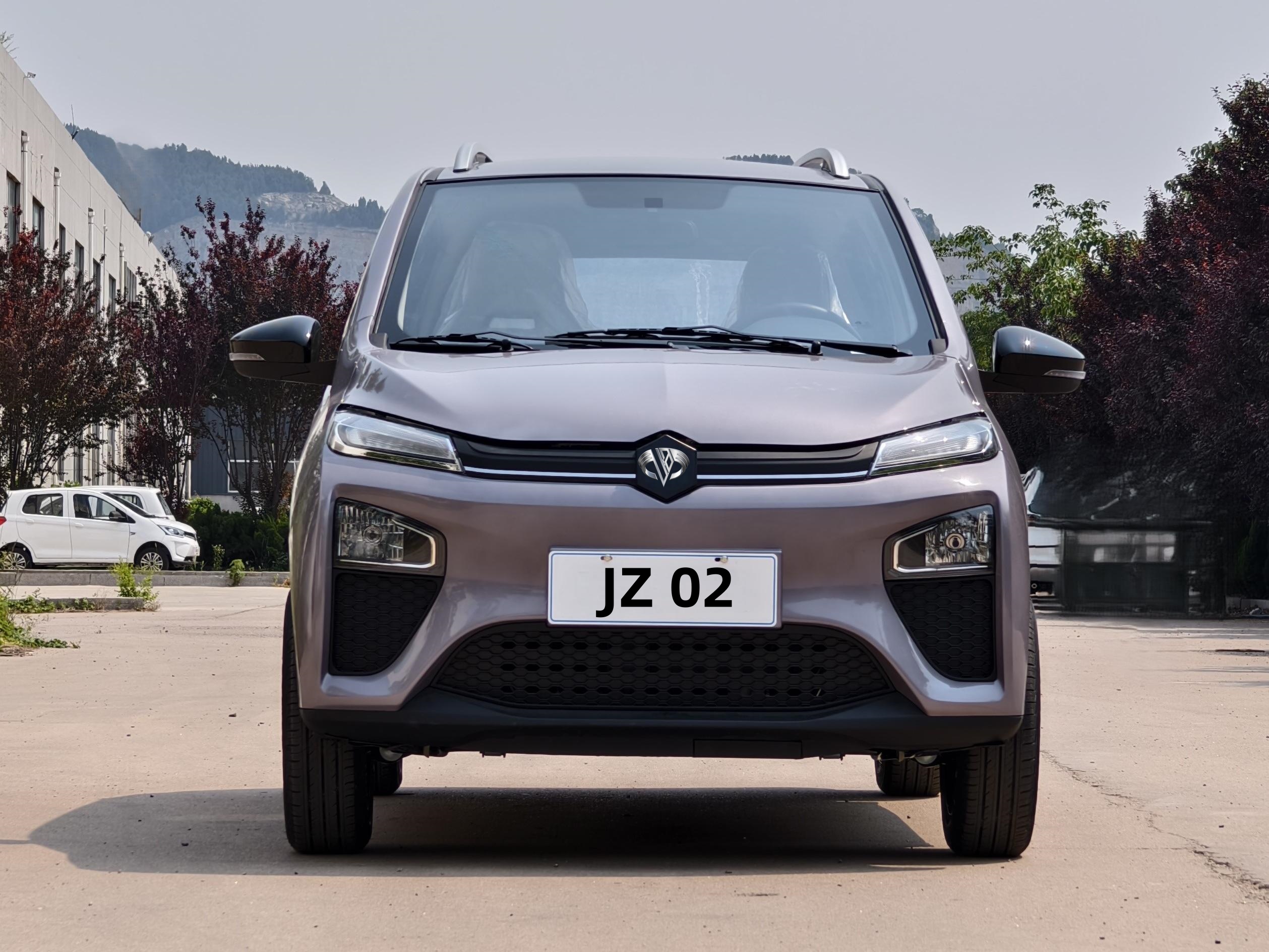
The next decade of micro-mobility belongs to connected, self-diagnosing vehicles. IoT modules integrated directly with the vehicle's central controller transmit telemetry data via 4G/5G networks, allowing fleet operators to monitor exact GPS coordinates, track battery state of charge (SoC), and implement remote immobilization.
Simultaneously, solar-assisted electric vehicles are gaining traction in high-solar irradiance regions like Sub-Saharan Africa and Latin America. Integrated solar panels on cargo and passenger enclosures continuously supply trickle-charges to the lithium array, extending operating range by up to 20-30% daily and minimizing grid-dependence.

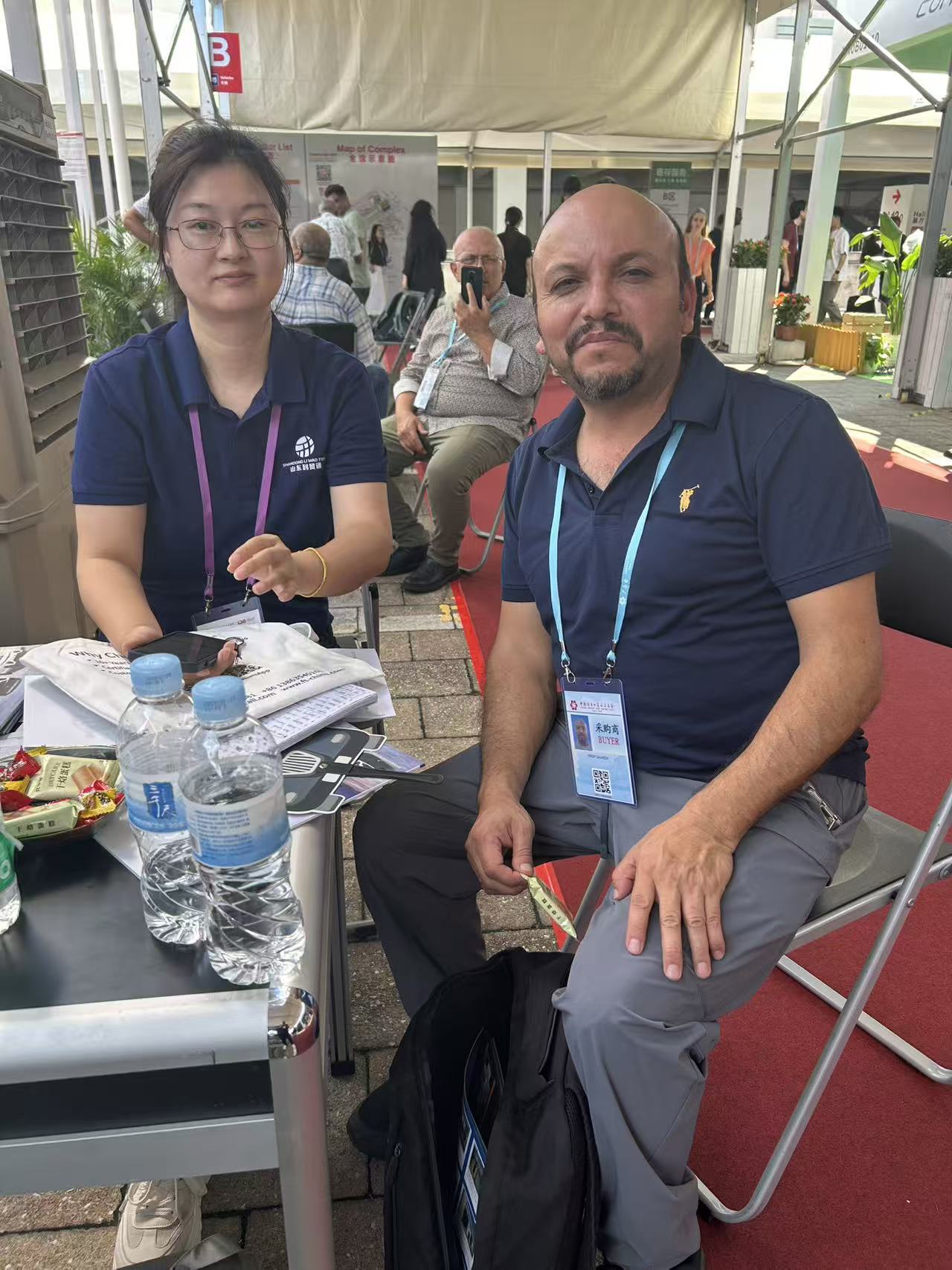
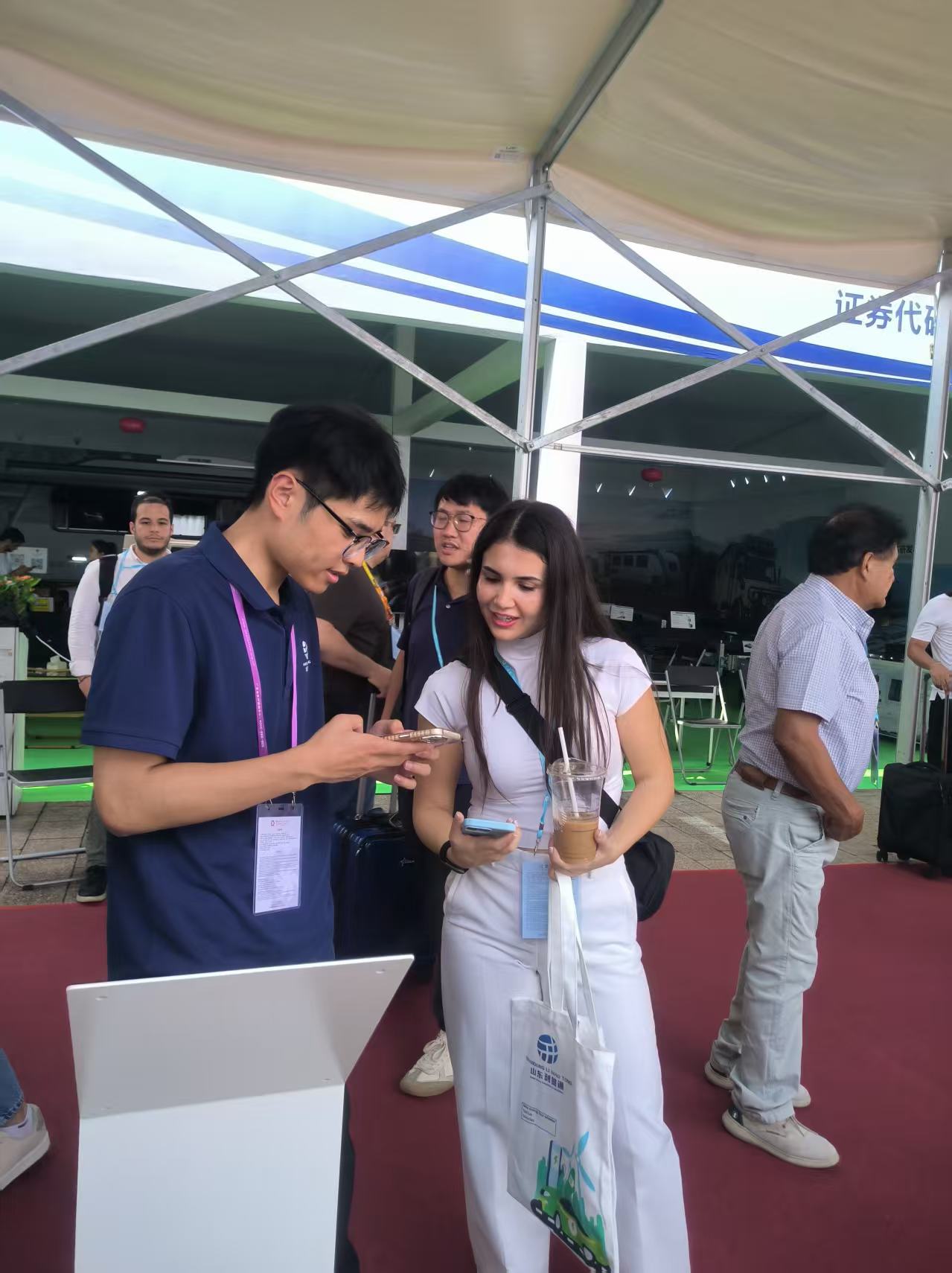
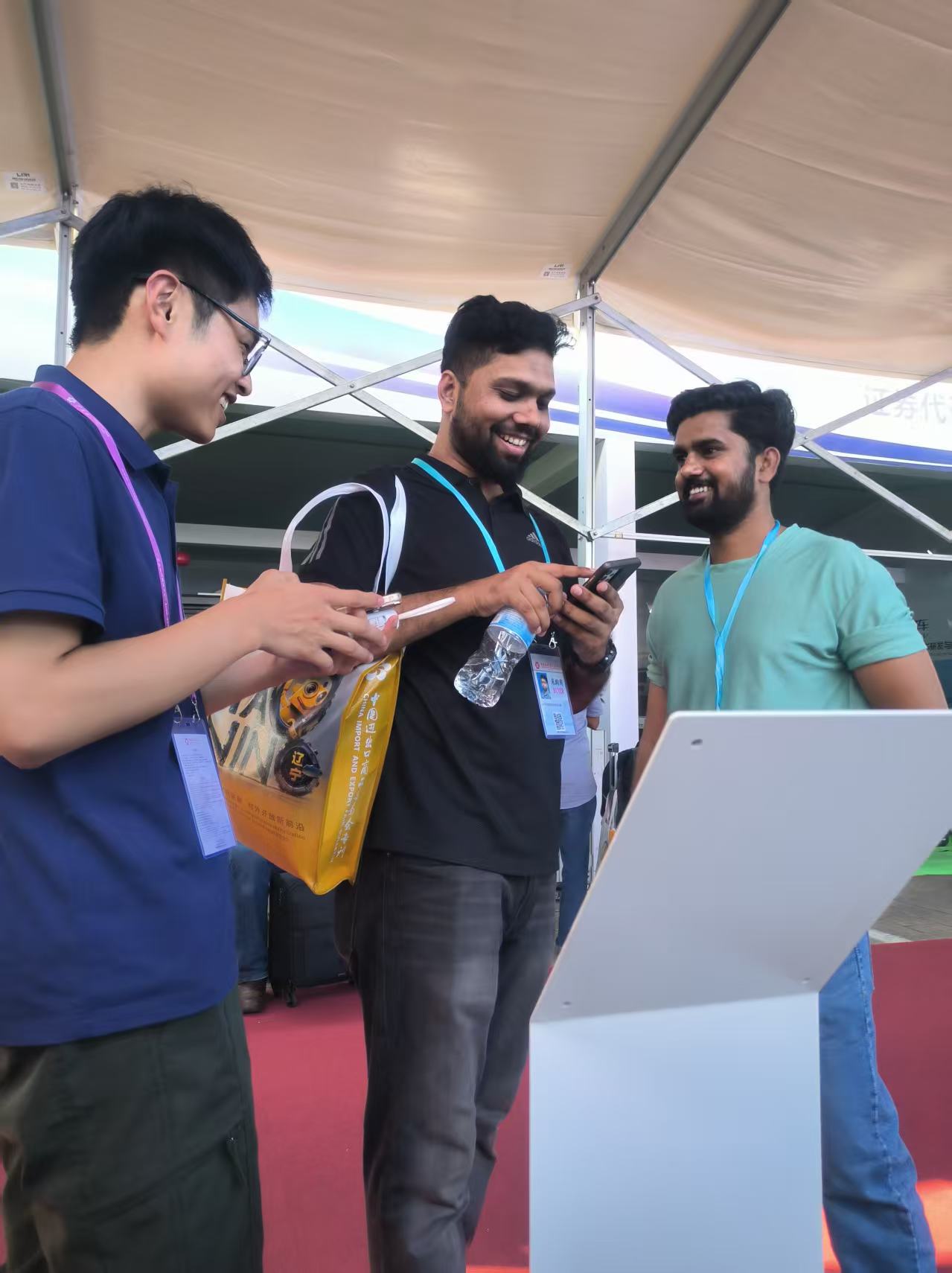
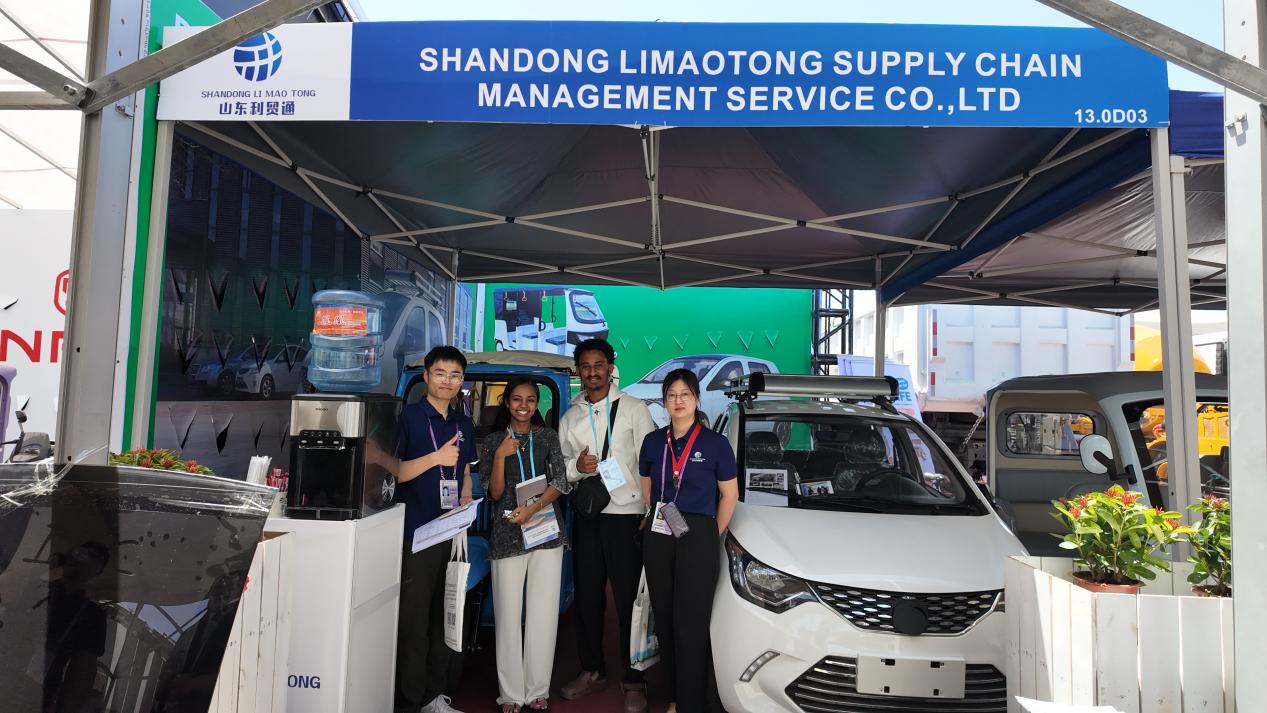
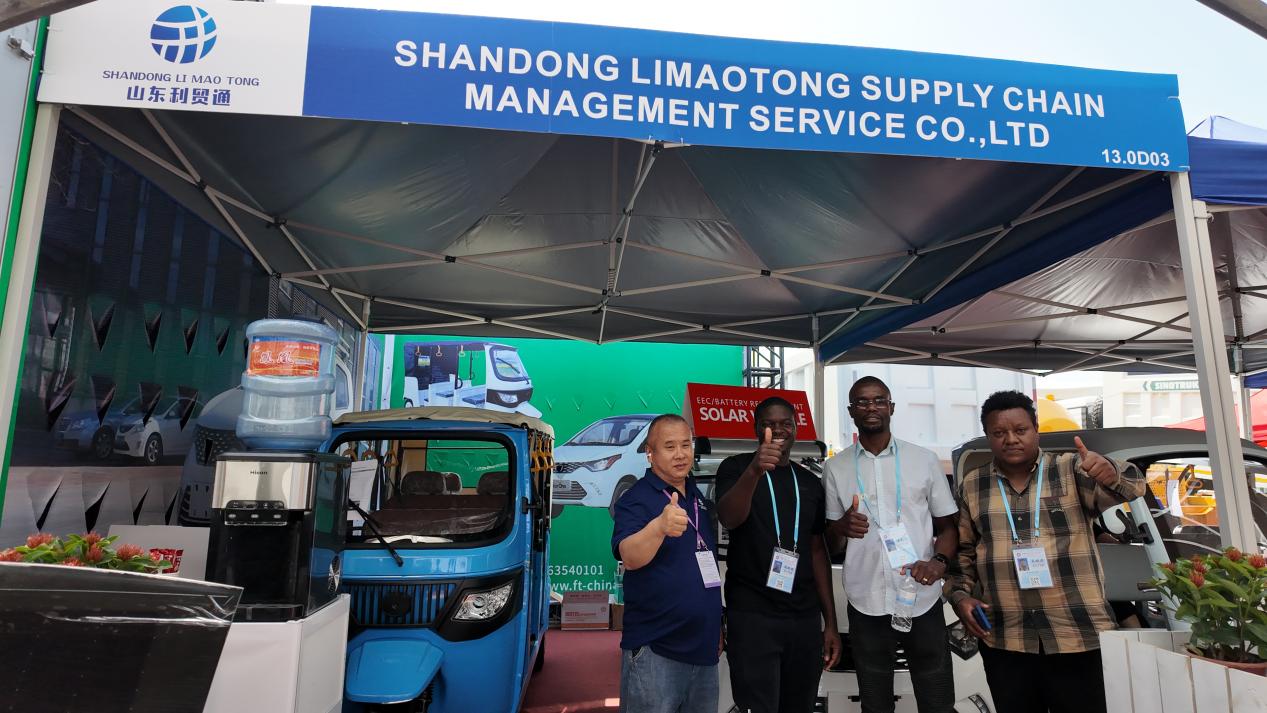
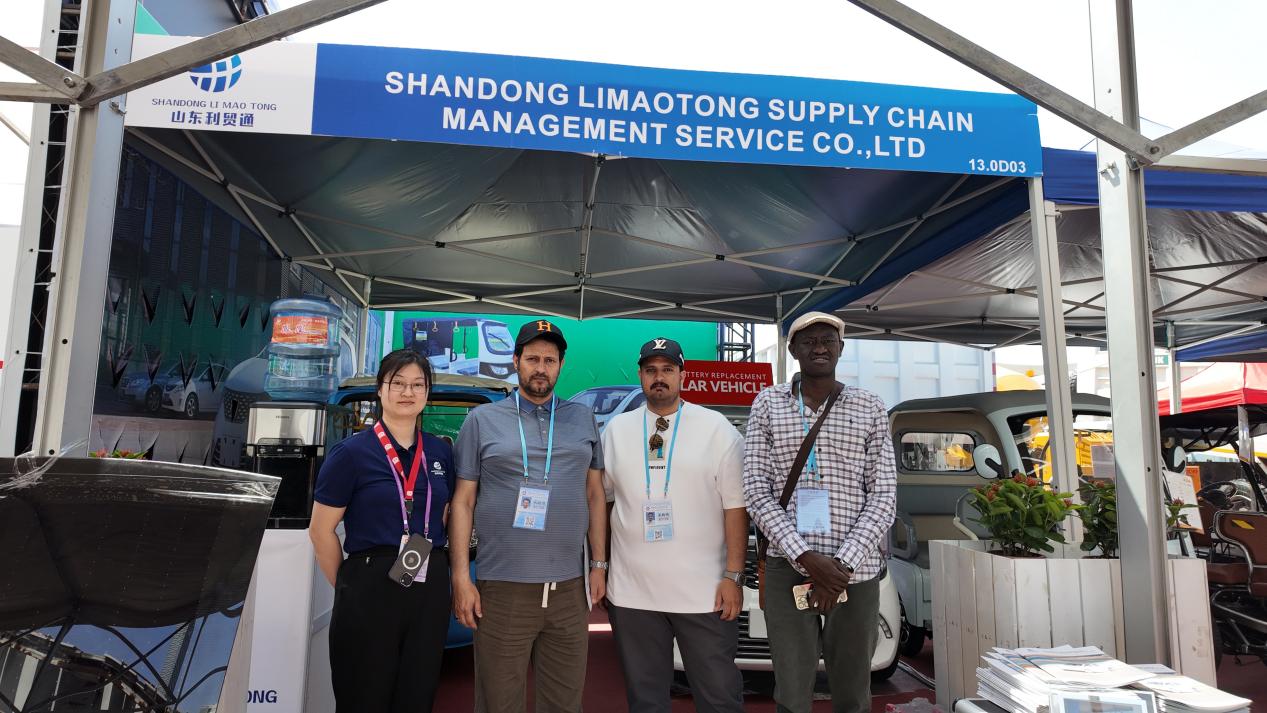
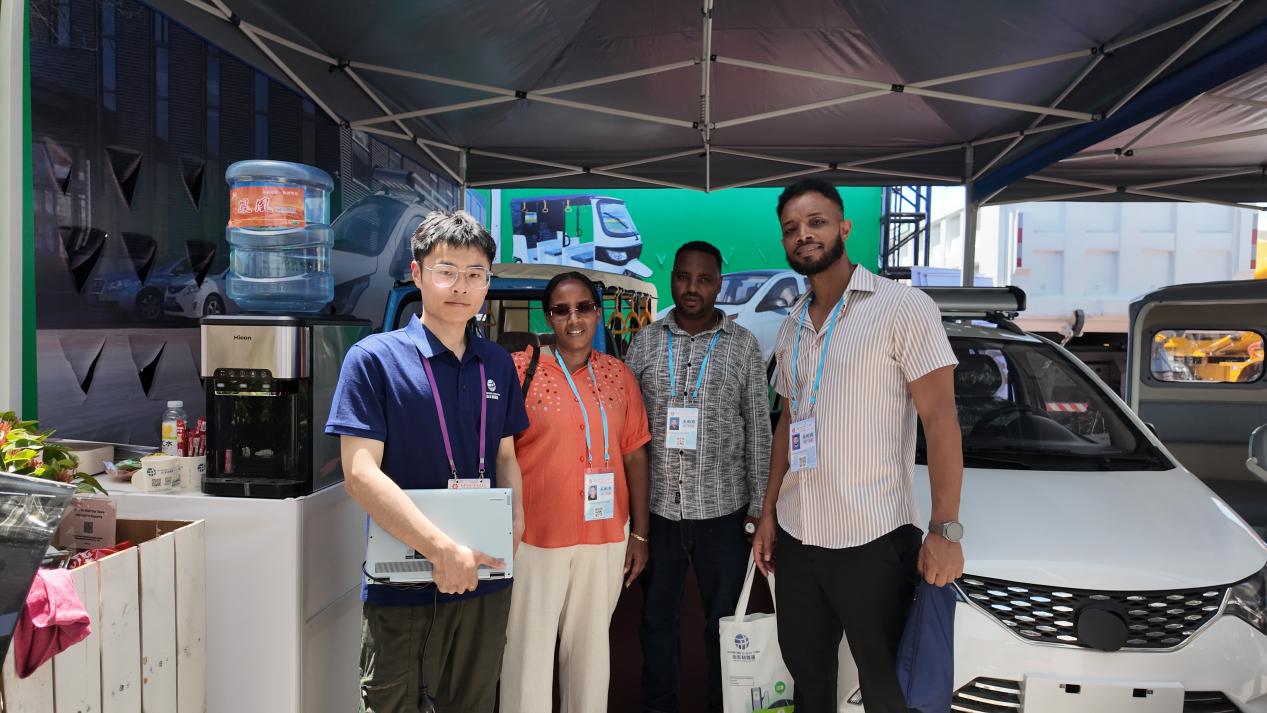
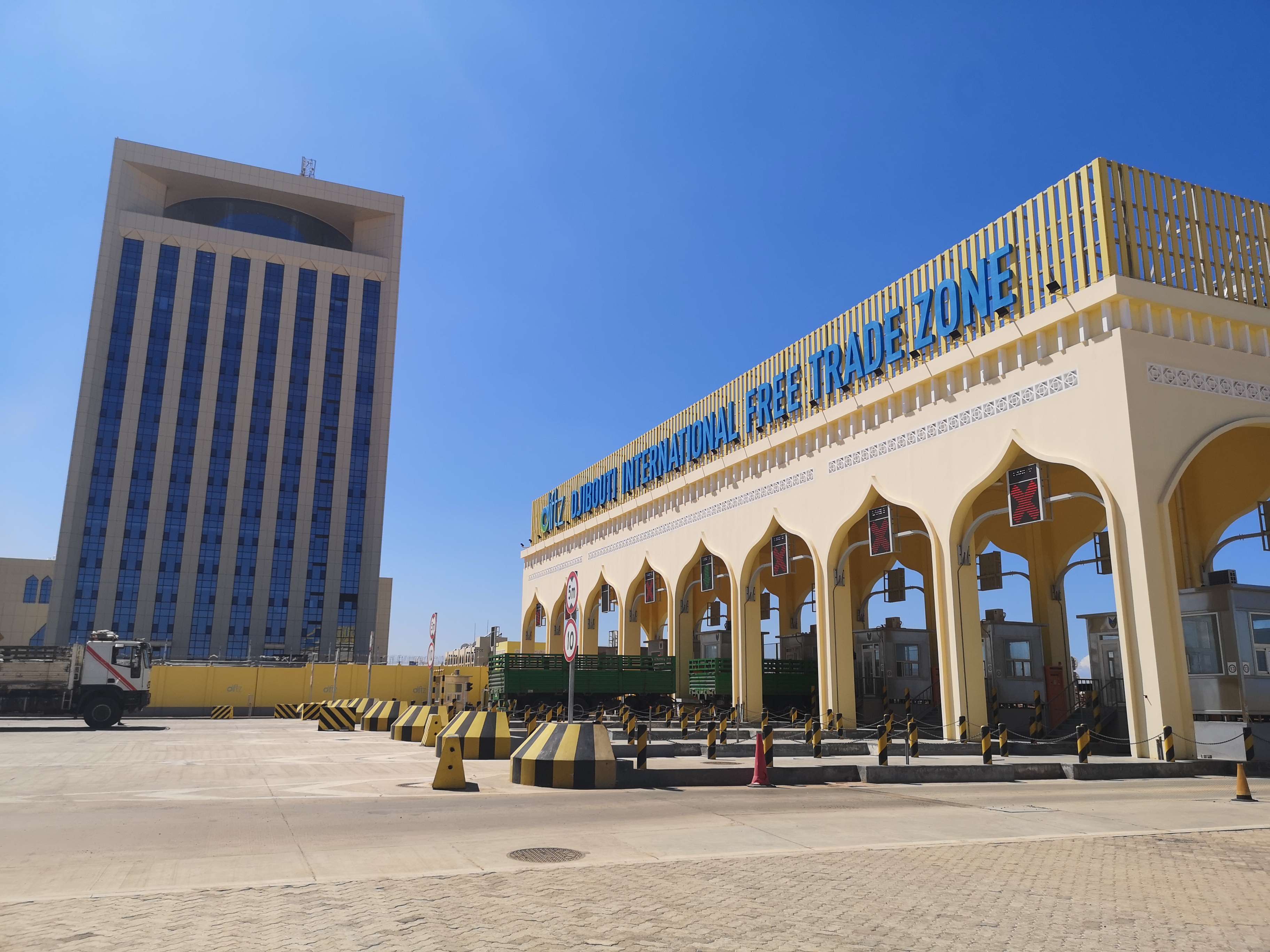
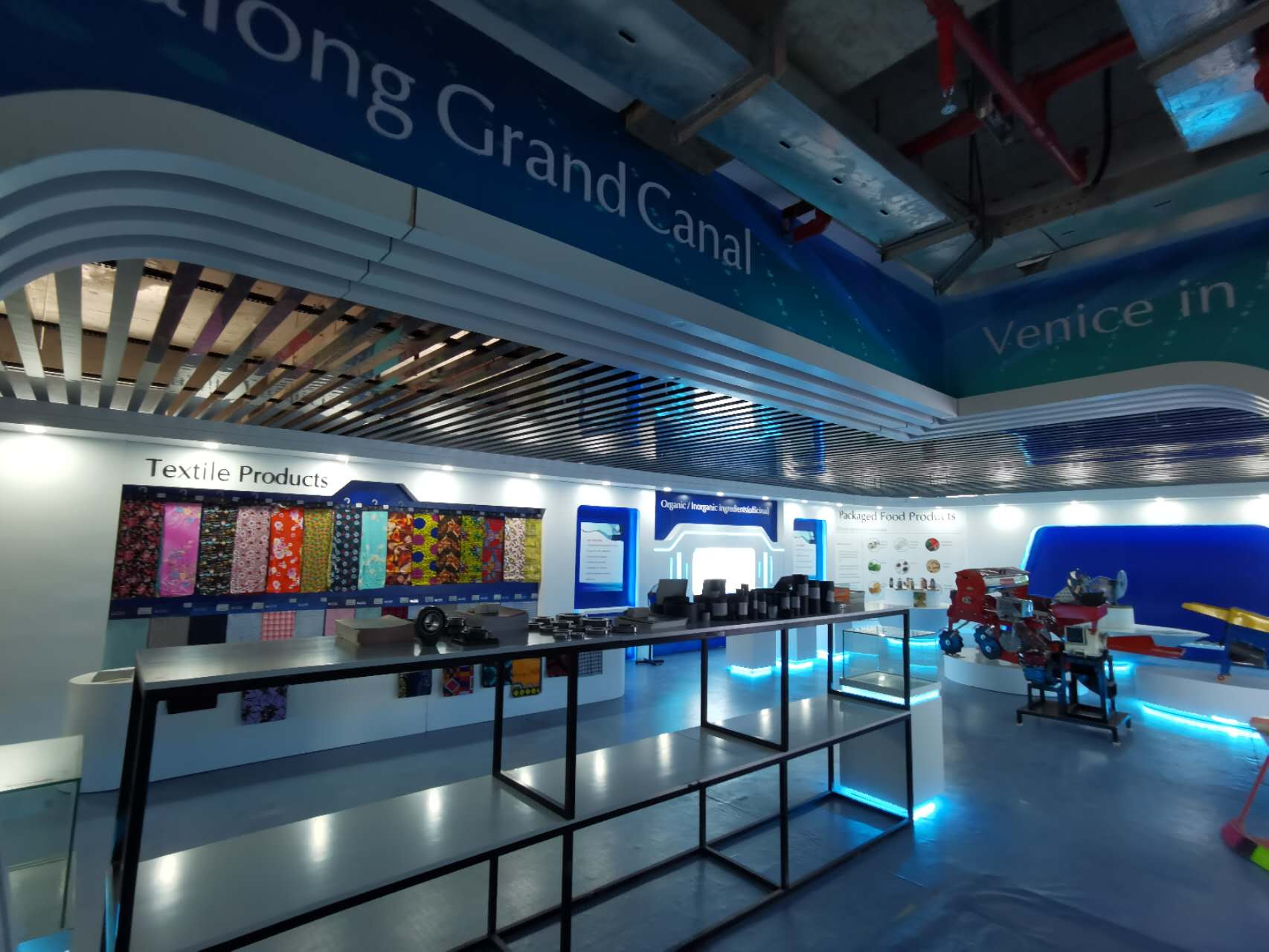
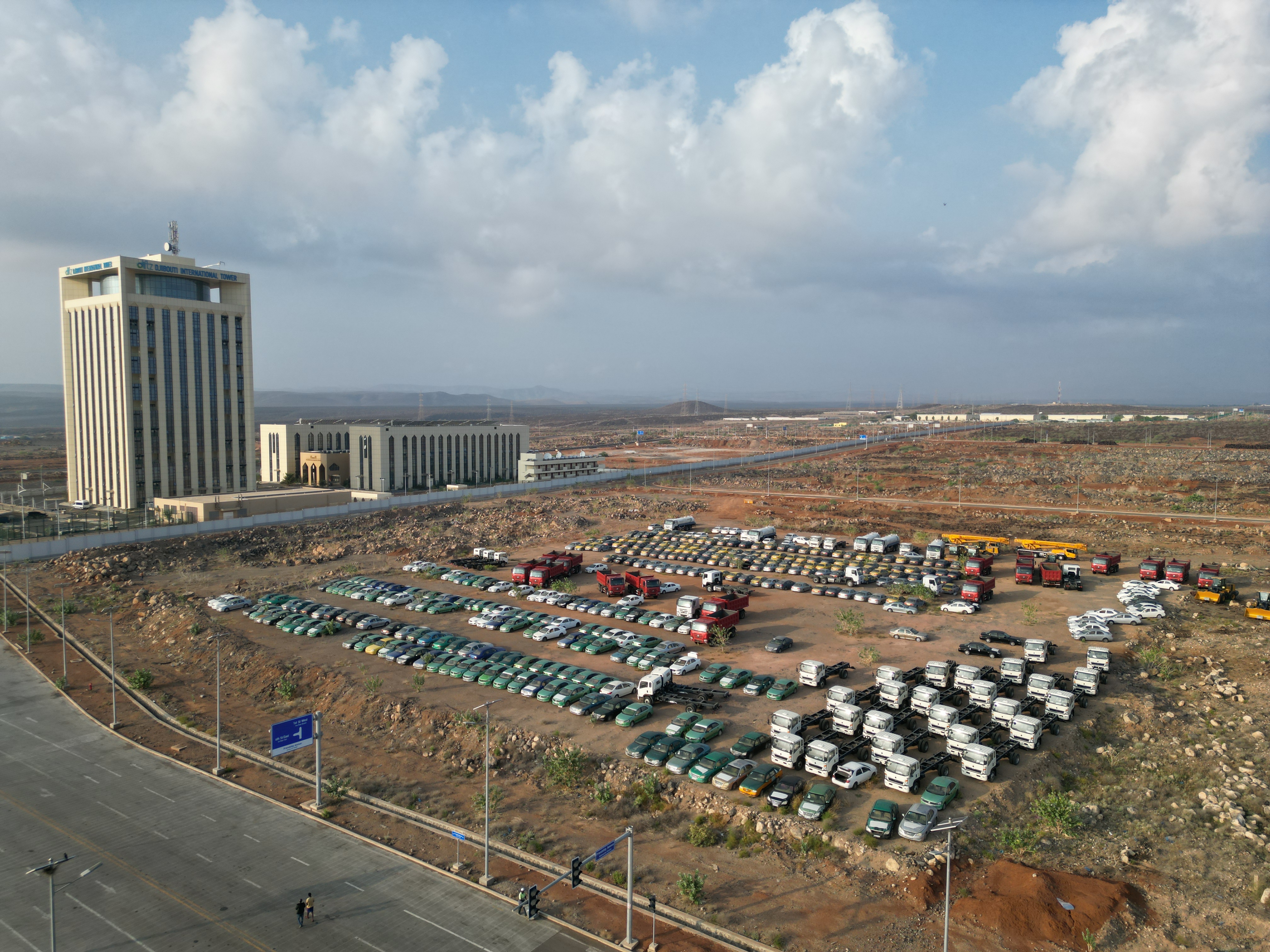
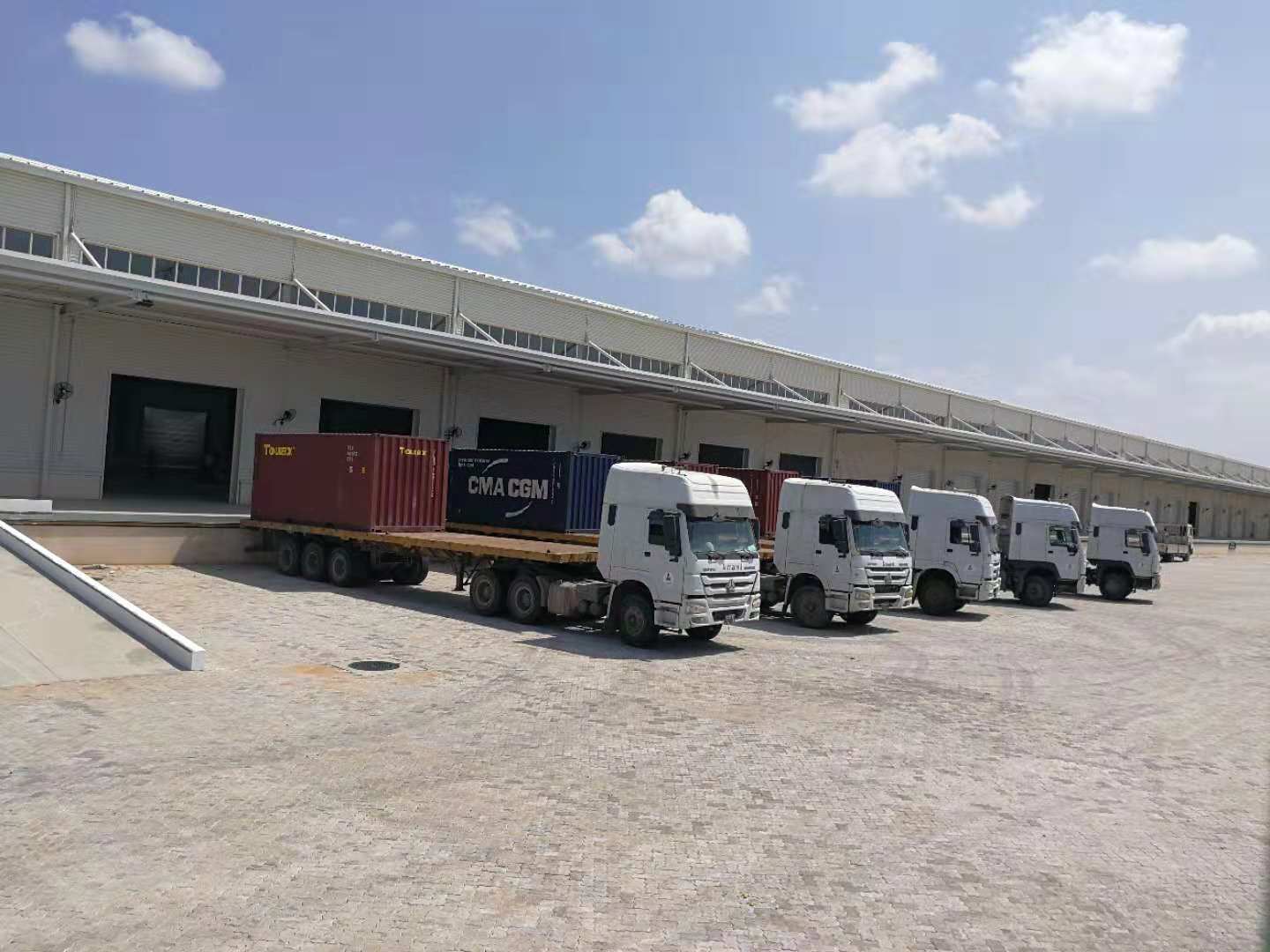
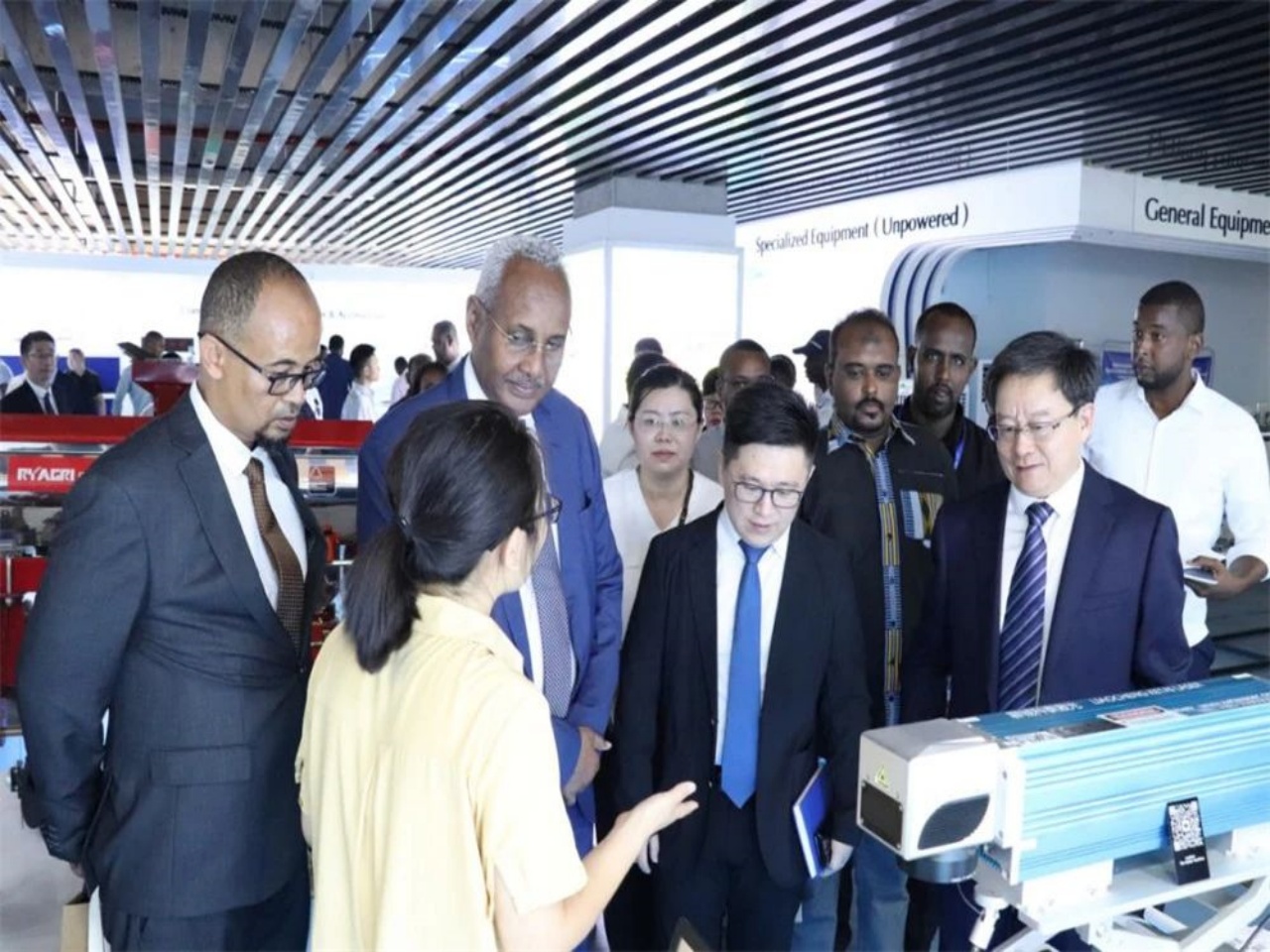
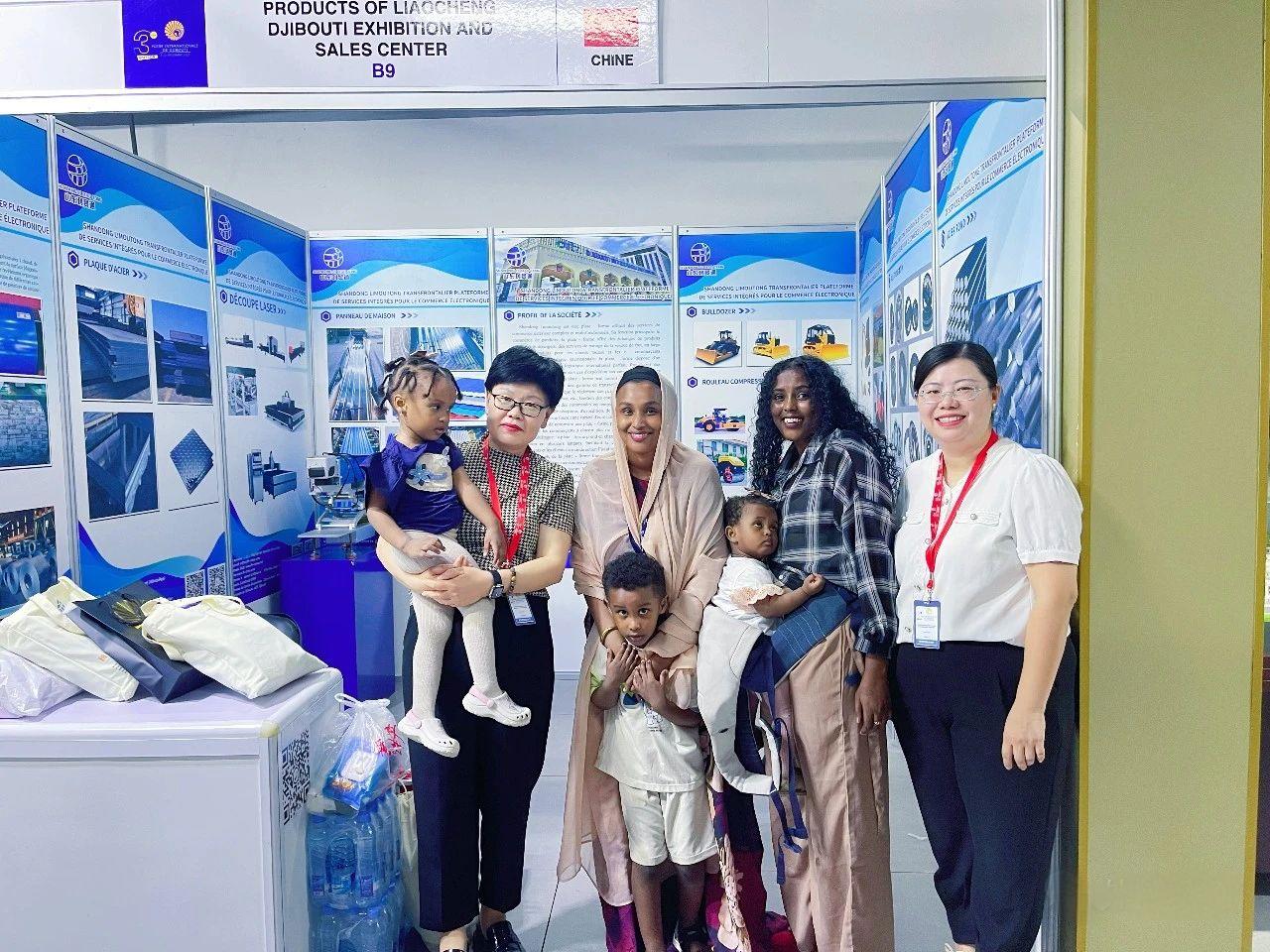
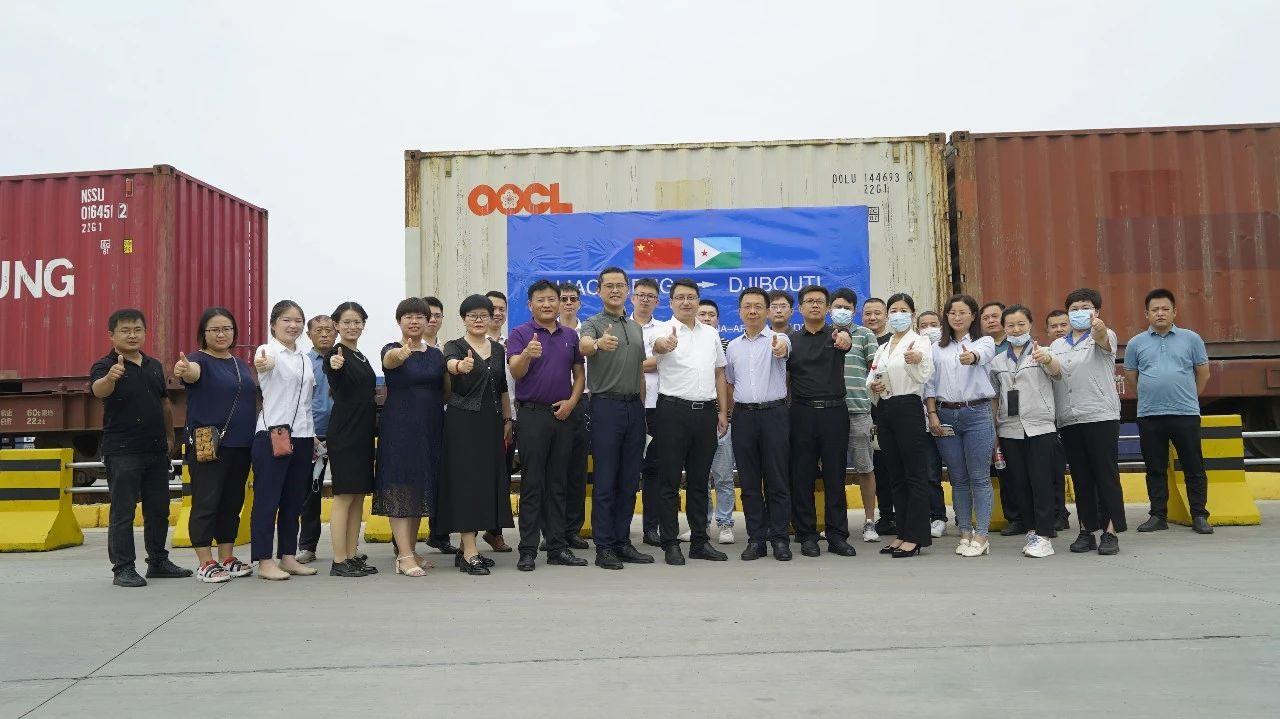
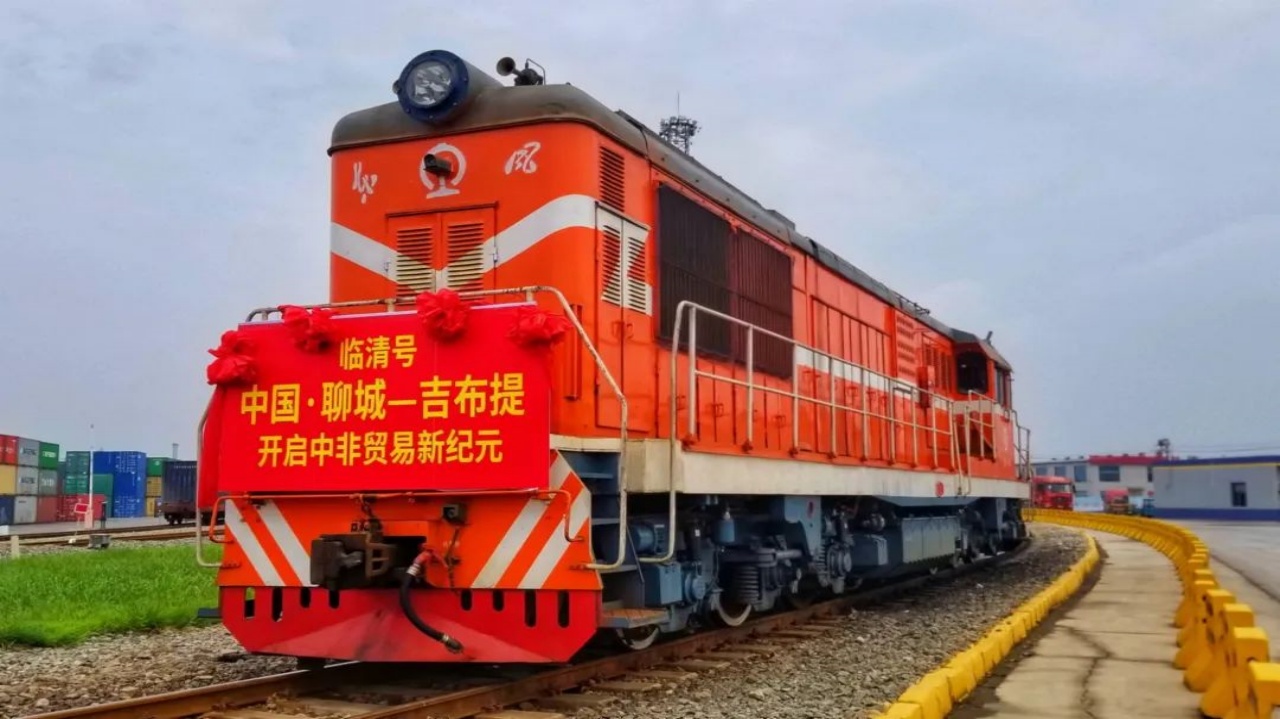
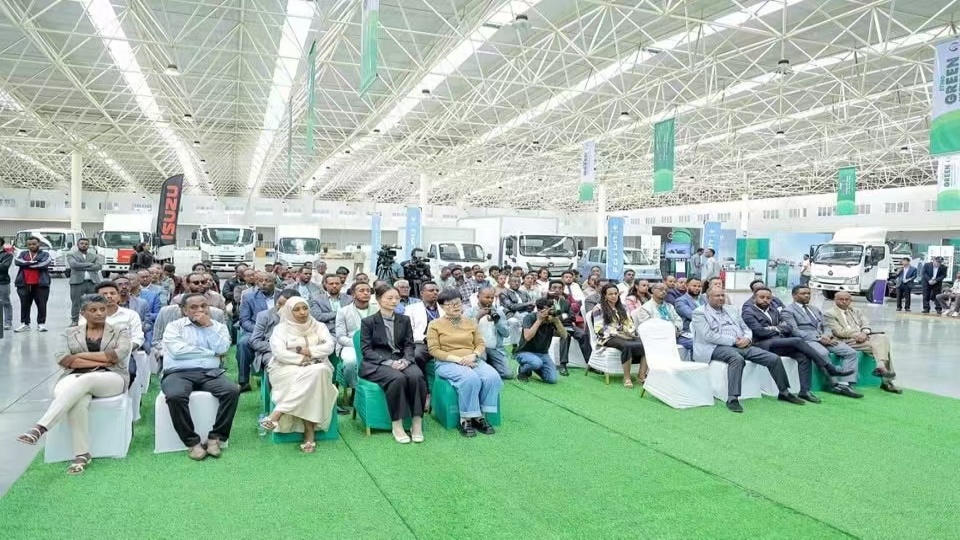
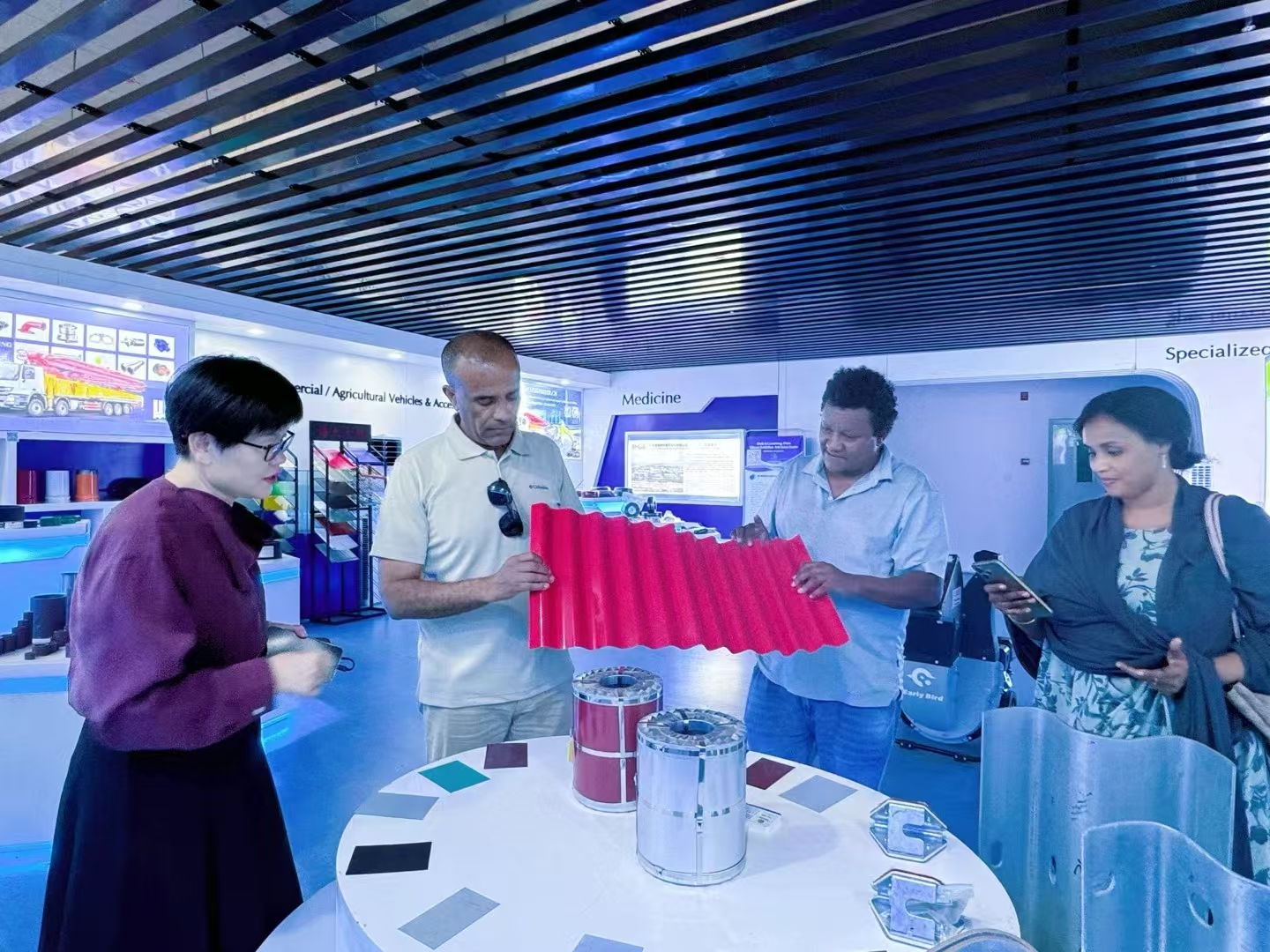
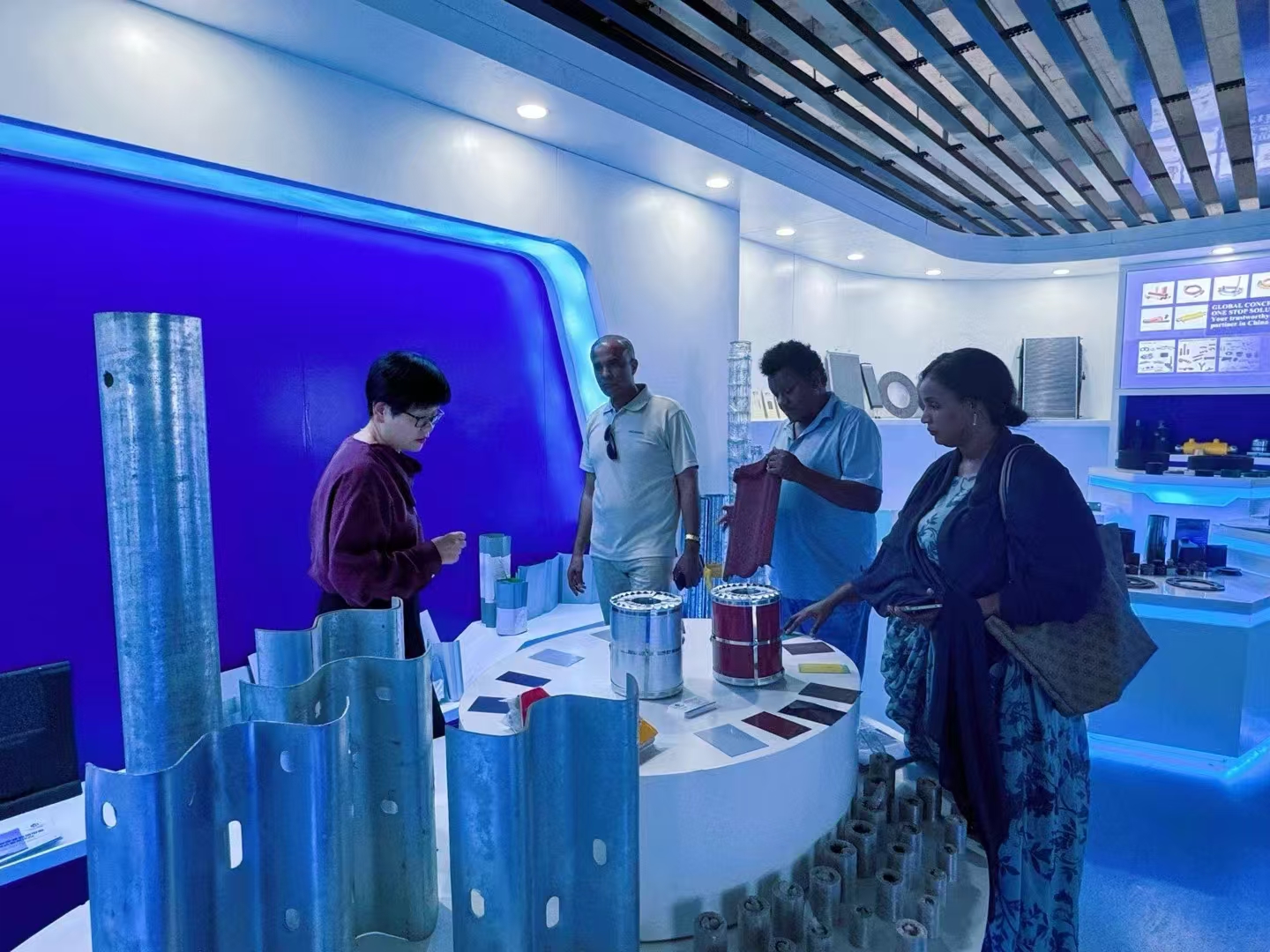
Established in 2023 and strategically located in the Djibouti International Free Trade Zone, this comprehensive service platform operates as a vital link for China-Africa trade. Facilitated by our specialized localized teams, the hub integrates front-end warehousing, customs clearance, localized assembly inspection, and cross-border commercial execution.
By combining online e-commerce platforms with local parts and vehicle depots, we reduce lead times and supply chain friction for East African municipalities, agricultural cooperatives, and commercial fleets. This localized network ensures that spare parts are dispatched within 24 hours, keeping down-time minimal and operations active.
Addressing core technical, trade, and logistics questions from enterprise buyers.
We utilize automated robotic welding lines and execute structural dynamic load testing. Key weld joints undergo ultrasonic defect testing, and the finished frames endure simulated vibration and level-7 rainstorm testing to ensure structural integrity and rust resistance in diverse outdoor conditions.
We work closely with third-party testing institutions to design vehicles to standard specifications. Our EEC-certified electric mini cars and CE-certified electric passenger three-wheelers are shipped with all required paperwork (CoC, safety testing logs) to ensure smooth customs processing and local road registration.
CKD (Completely Knocked Down) and SKD (Semi-Knocked Down) shipping allows importers to optimize shipping container space, reduce shipping costs, and take advantage of lower import duties on vehicle parts compared to assembled vehicles. We support buyers with step-by-step instructions, assembly training videos, and on-site engineering consultations.
Our Djibouti free trade zone center coordinates local customs clearing, maintains stock of essential replacement components, and serves as a regional hub for rapid response and troubleshooting, helping our East African partners minimize down-time and keep fleets running efficiently.
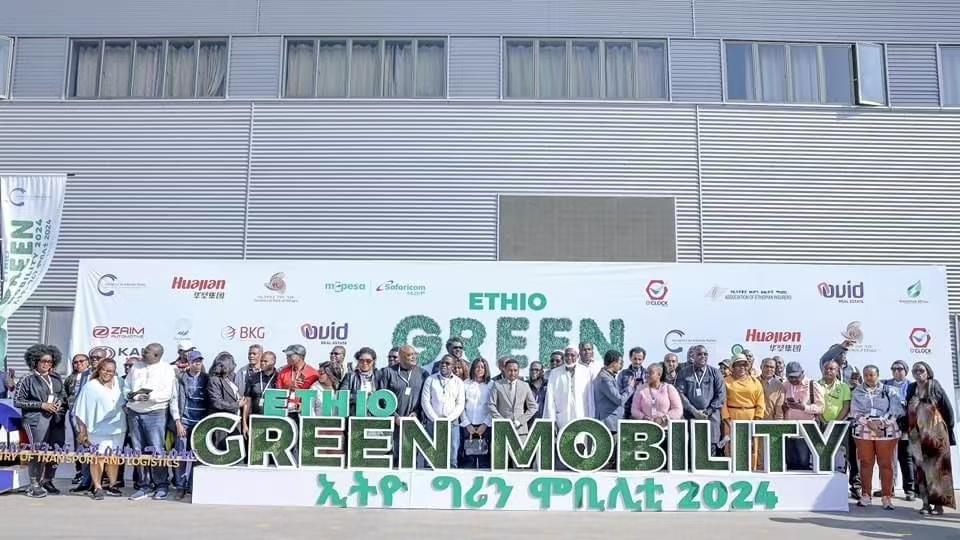
Operational photos showing manufacturing processes, container loading, and technician certifications.


Engineered for high cargo loads, family utility, and public transit applications.
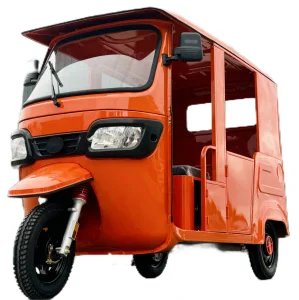
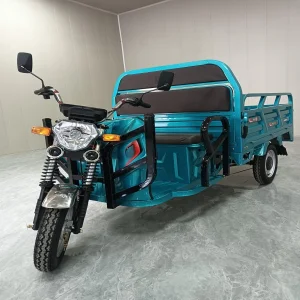
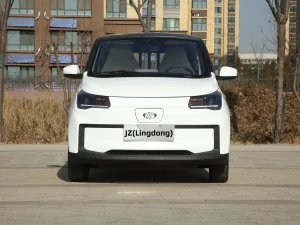
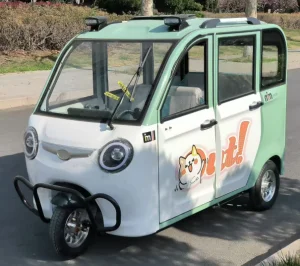
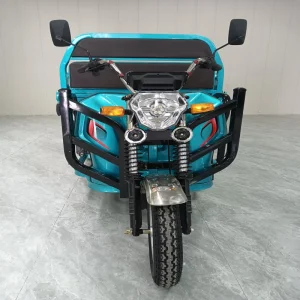
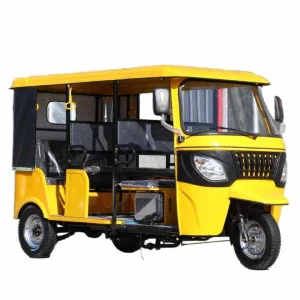
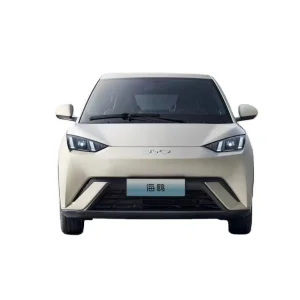
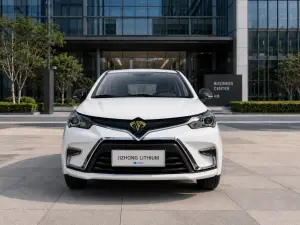
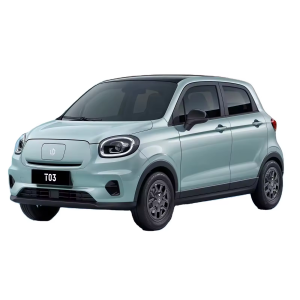
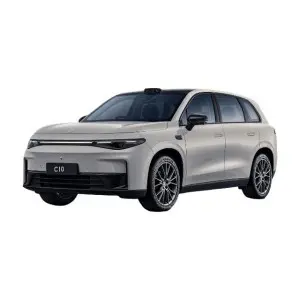
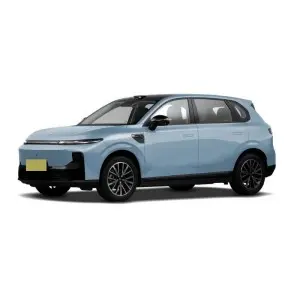
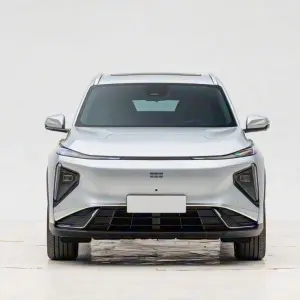
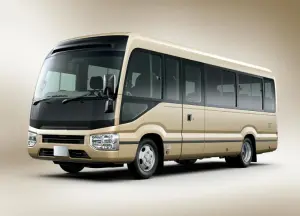
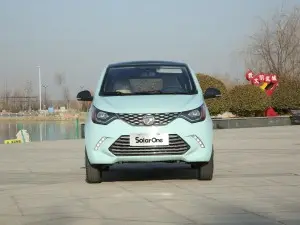
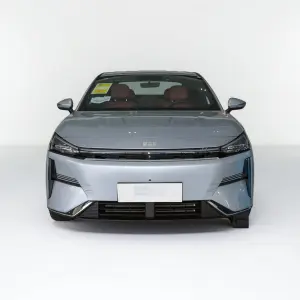
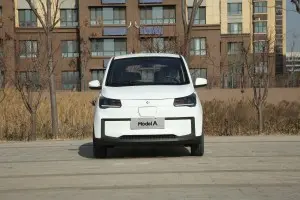
Complete record of active vehicles, specialized solar systems, and new energy passenger models.
 Limaotong