Examine our technical specifications and build qualities engineered for diverse operational routes.
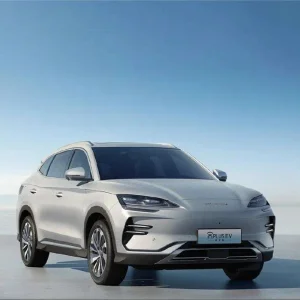
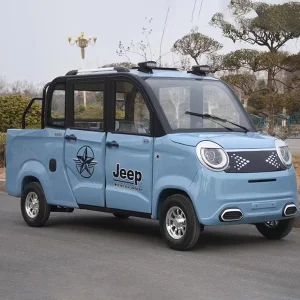
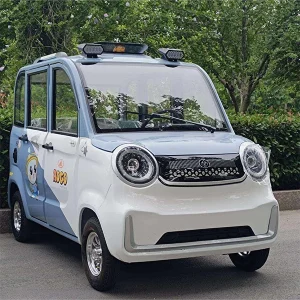
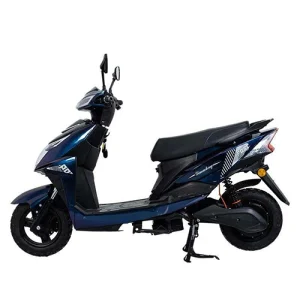
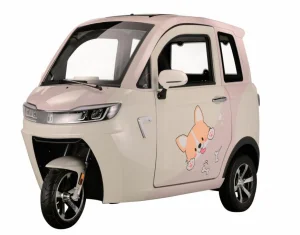
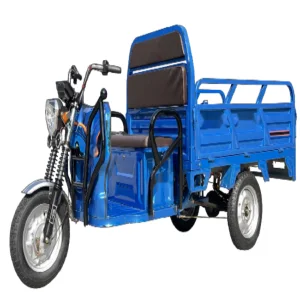
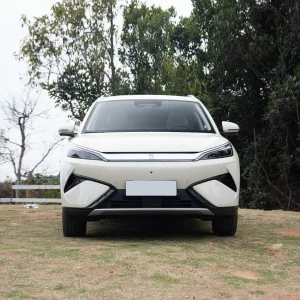
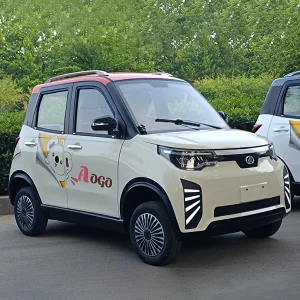
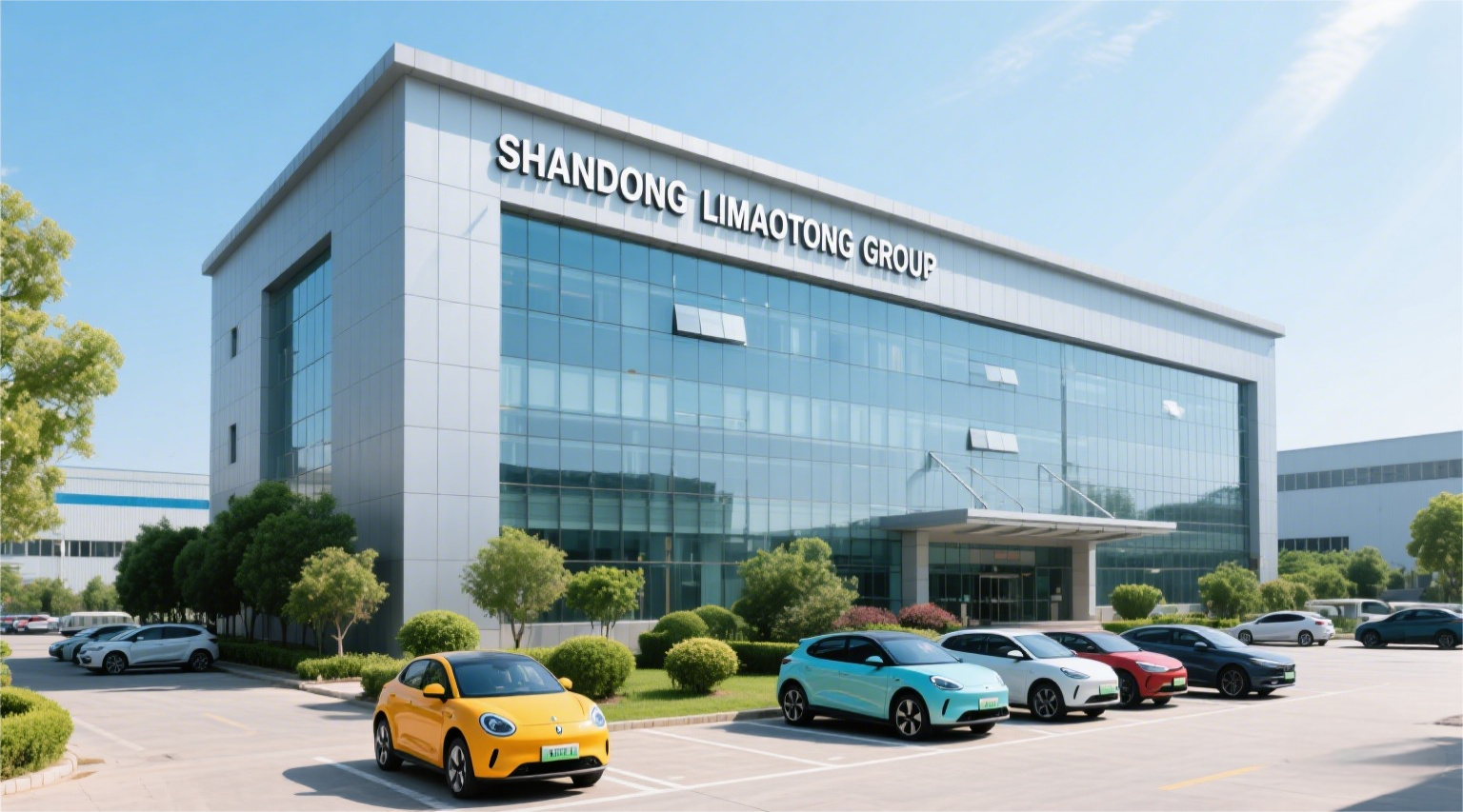
SHANDONG LI MAO TONG GROUP stands as a pioneering global manufacturer and supplier within the new energy vehicle ecosystem. Specializing in the research, mechanical engineering, automated production, and international logistics of light electric vehicles, the group has developed a complete, closed-loop industrial chain. Our primary categories include high-torque motor tricycles, heavy-duty cargo tricycles, passenger tuk-tuks, and specialized electric mini vehicles.
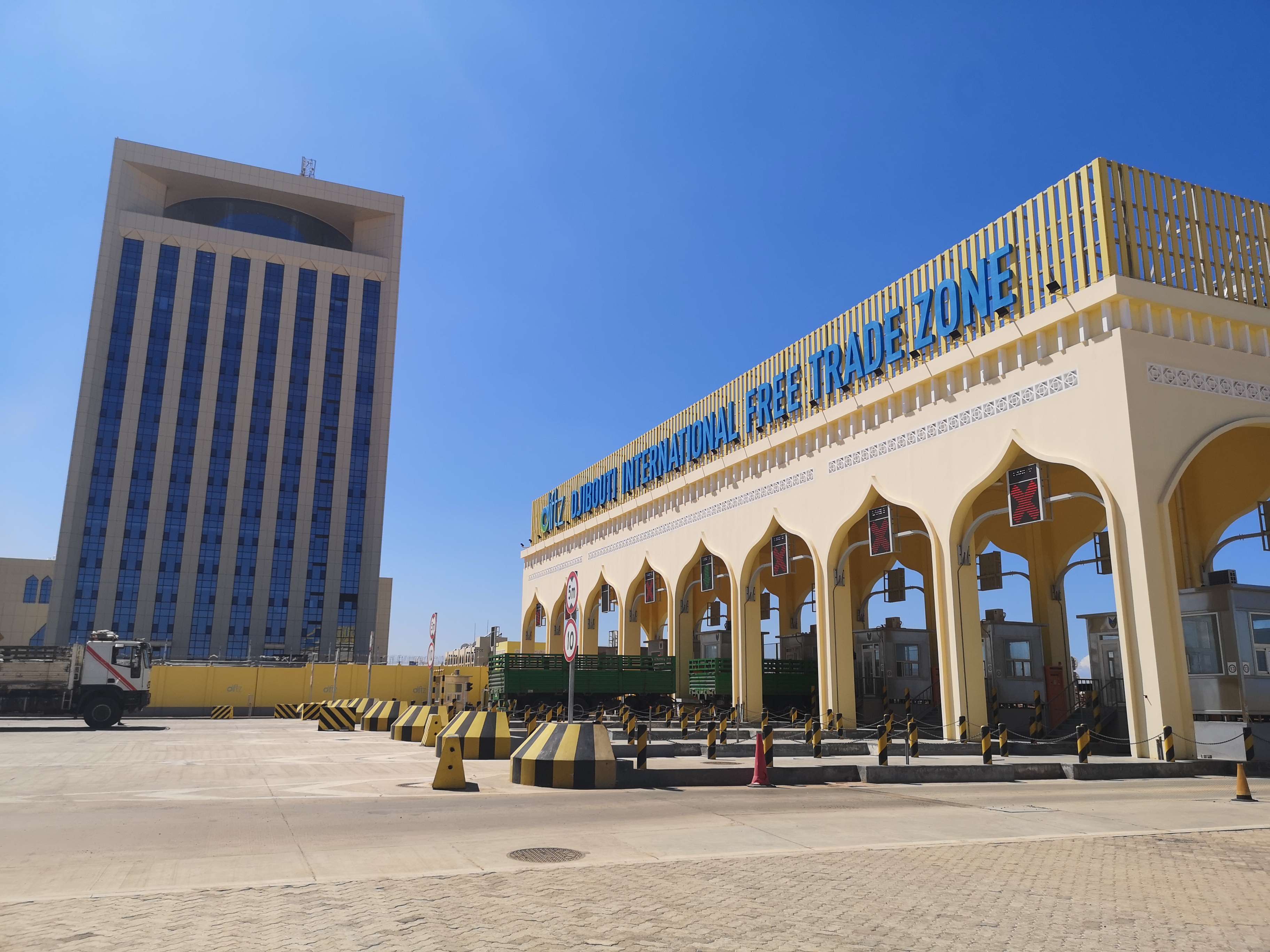
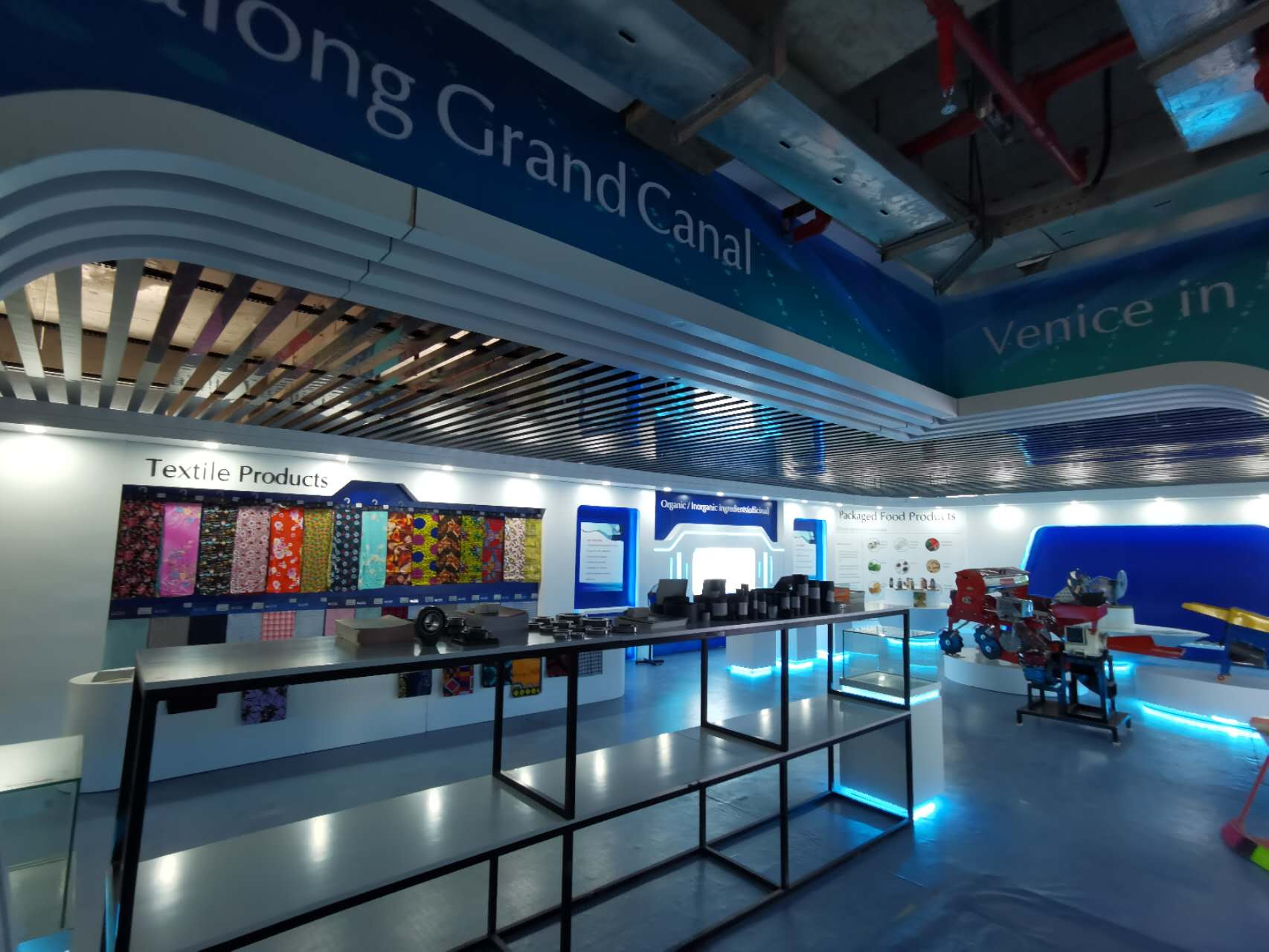
Since our founding, our engineering achievements have served customers across 120 countries and regions worldwide, establishing key transport nodes for over 20 million households. Driven by an strategic network of 8 overseas production bases, we customize product assemblies to match regional road profiles, extreme temperature tolerances, and localized regulatory frameworks. To guarantee structural reliability, the group manages a custom, cross-border e-commerce exhibition and sales center in the Djibouti International Free Trade Zone in East Africa, backed by extensive parts inventory and immediate dispatch field support.
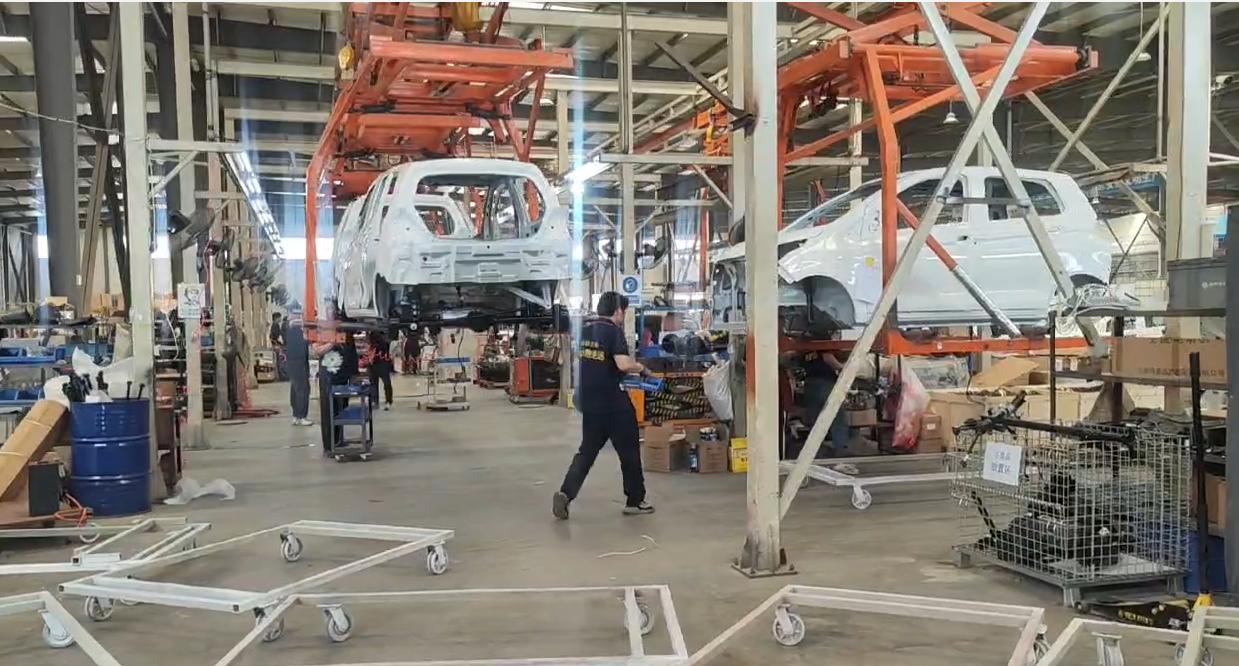
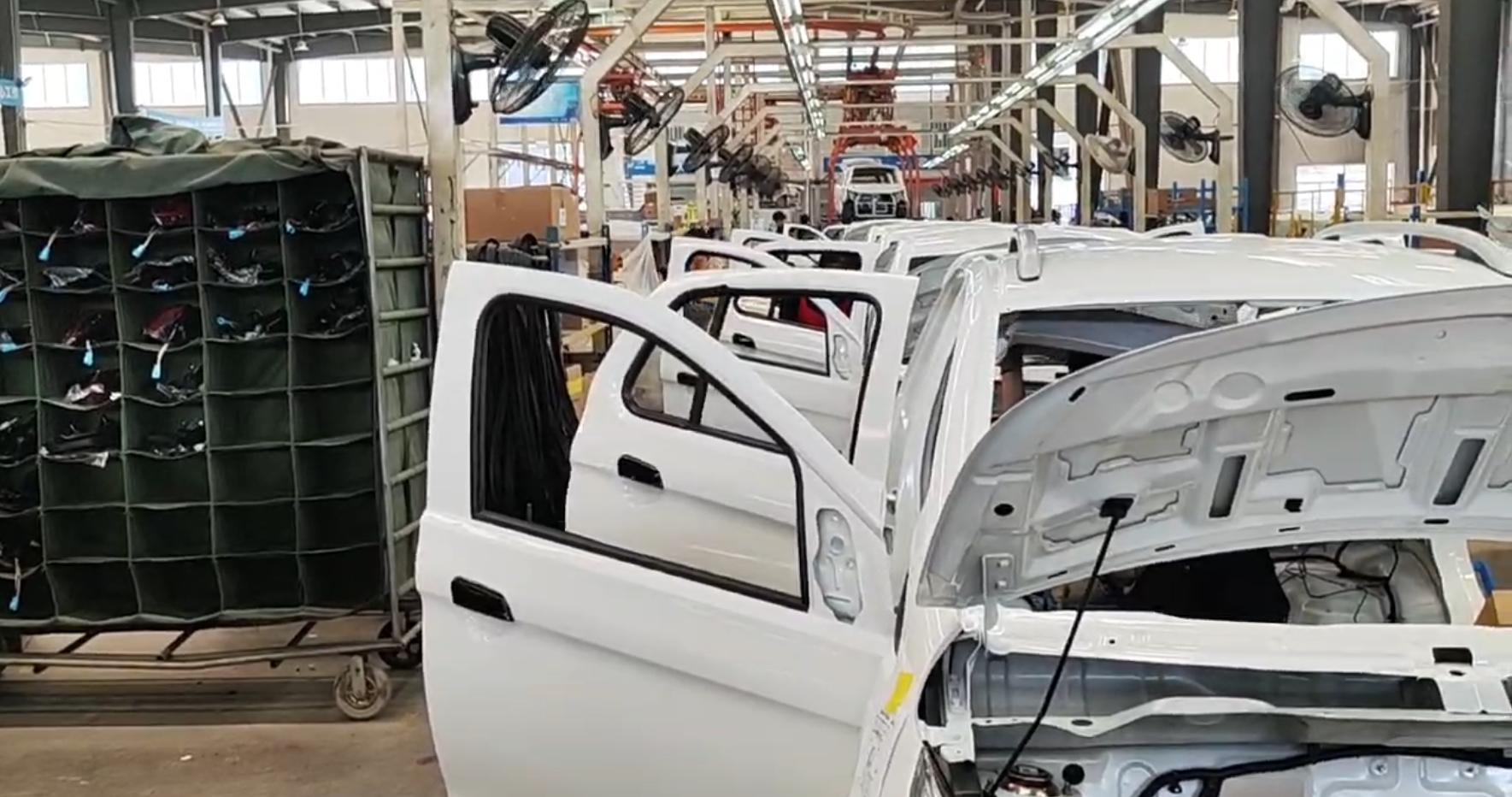
See inside our smart production facility. Our digital welding cell, precision painting systems, and torrential rain simulator demonstrate the industrial rigor that separates our three-wheelers from typical light-duty platforms.
An analysis of powertrains, chassis architecture, and energy management configurations defining the next generation of trikes.
Transitioning from standard brush-type systems to high-efficiency Permanent Magnet Synchronous Motors (PMSM). These motors deliver up to 92% efficiency rating and feature integrated dual-ratio gearboxes to handle steep grades with maximum payload.
Equipped with thermal-managed Lithium Iron Phosphate (LFP) packs. Built with a high-durability structure, these batteries yield over 3,000 charge cycles before dropping to 80% capacity, operating securely across climates from -20°C to 60°C.
Manufactured from high-strength low-alloy structural steel, pressed in one-piece dies. Our structures undergo double-sided robotic welding and Cathodic Electrophoretic Deposition (CED) to ensure 10+ years of rust protection.
The next step on our technology roadmap integrates CAN-bus control systems with real-time GPS fleet diagnostics. Fleet operators can track motor temperature, state of charge (SoC), and diagnostic fault codes remotely. Coupled with an intelligent regenerative braking algorithm, these trikes recover up to 12% of kinetic energy during decelerations, extending range in stop-and-go urban logistics.
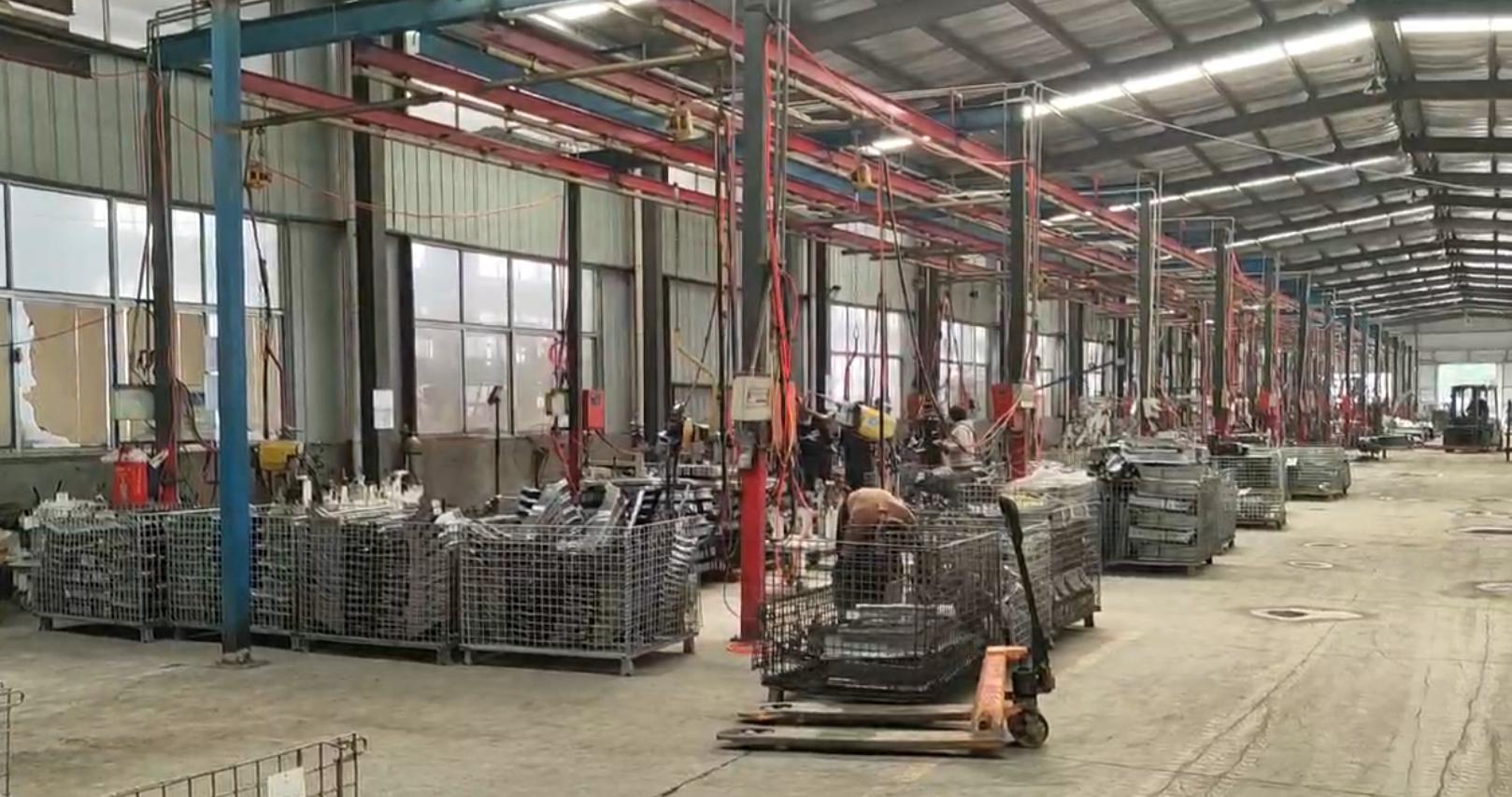
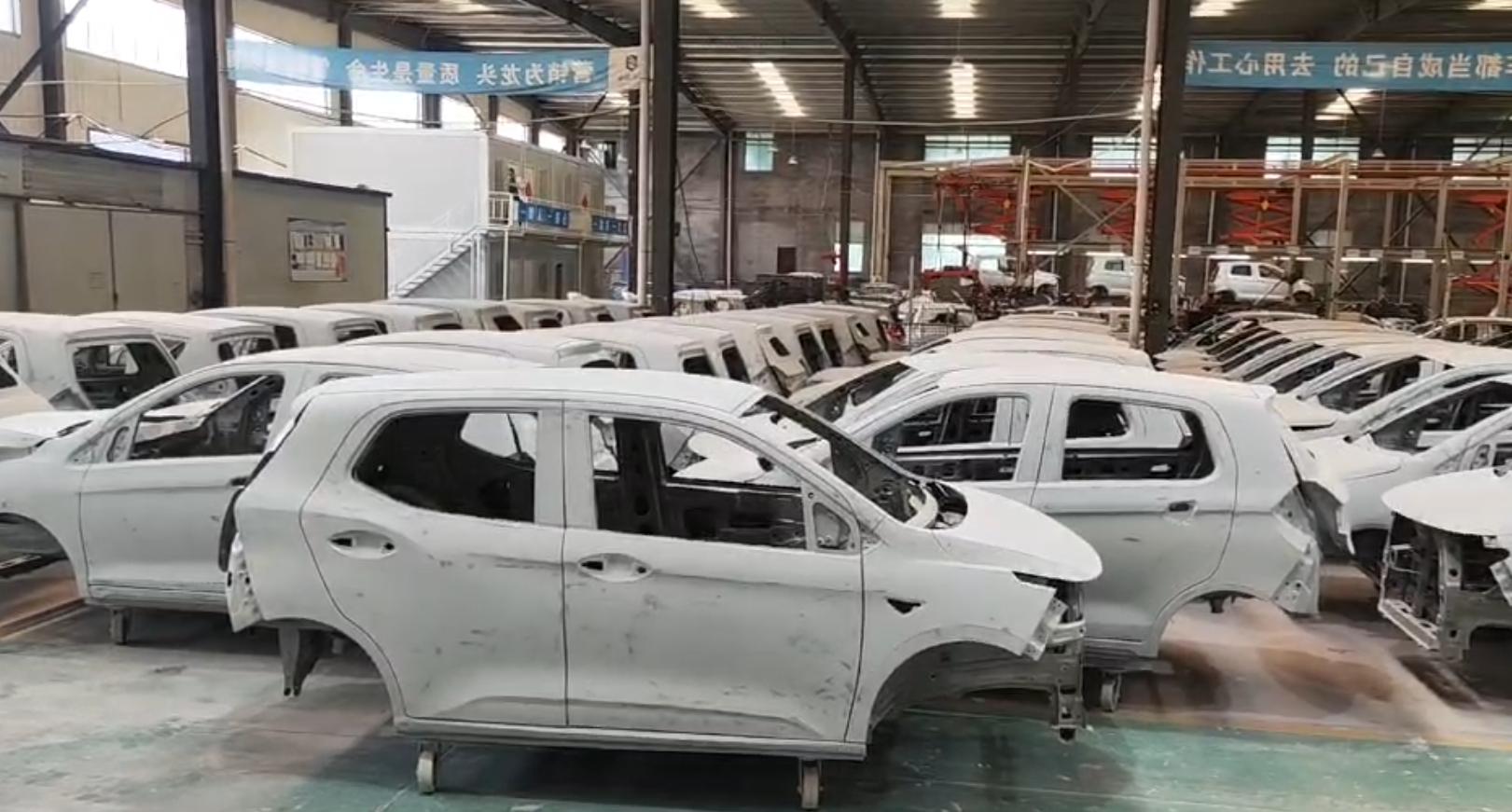
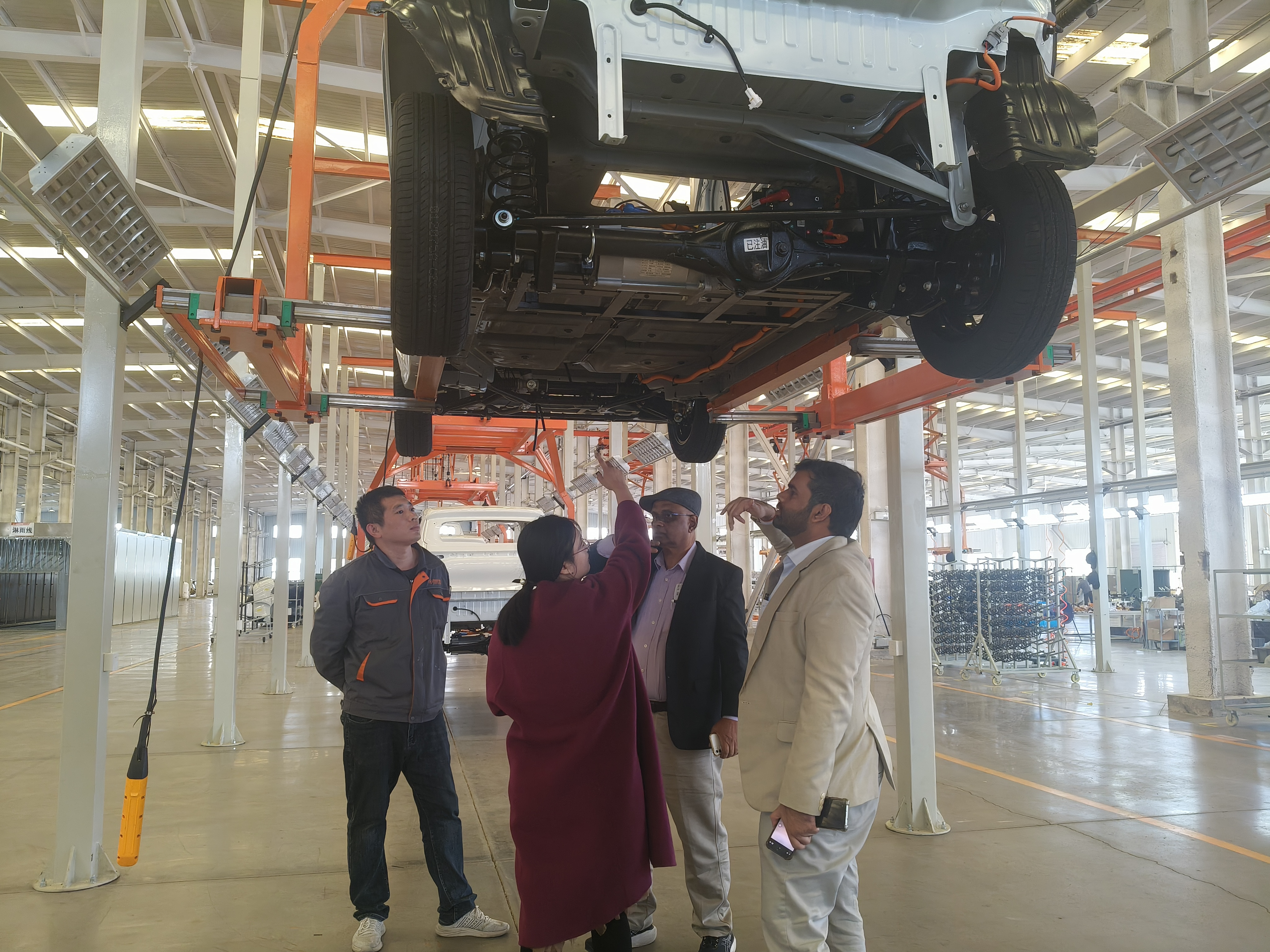
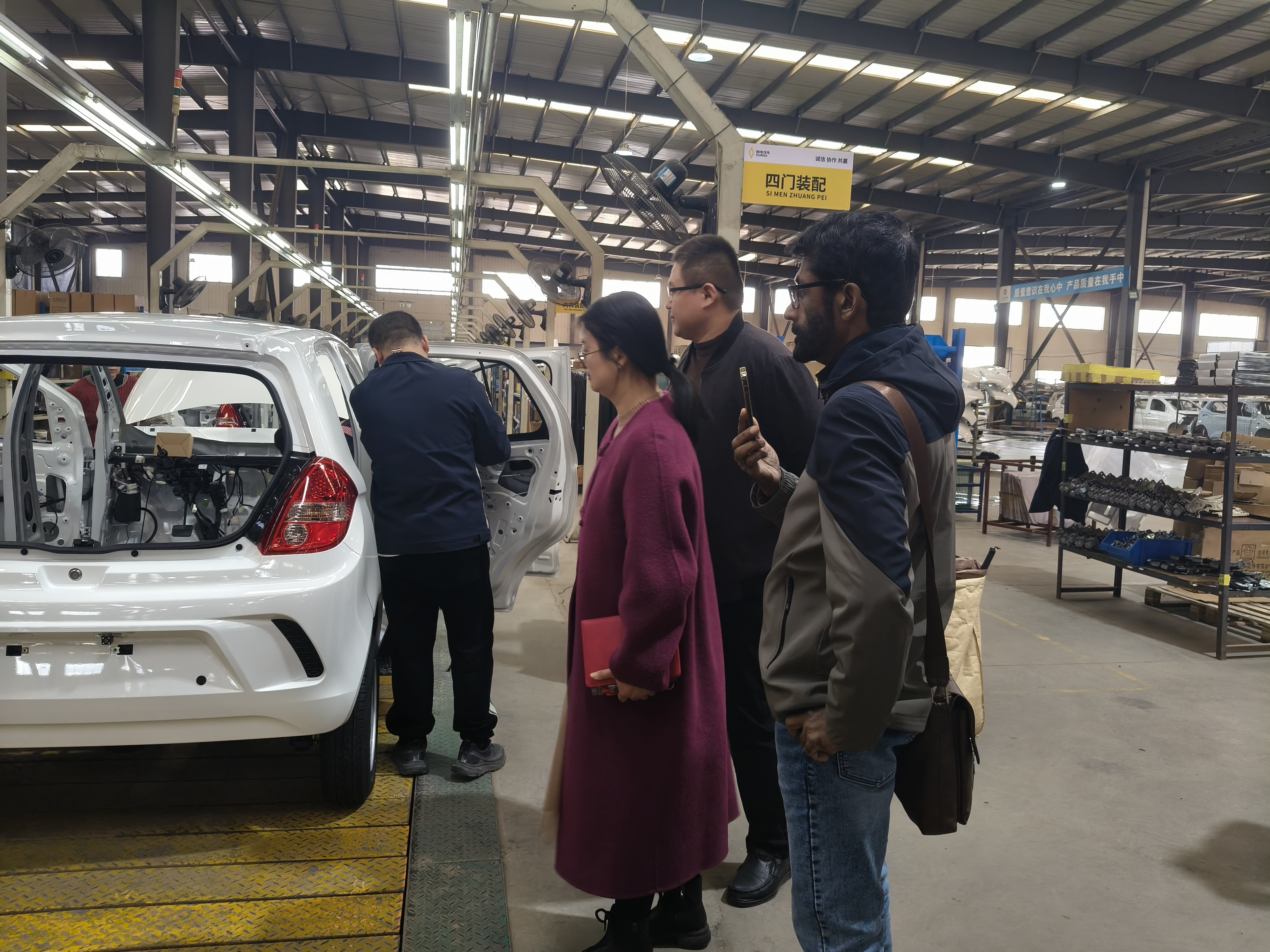
Inside our smart production base, where automation meets rigorous quality gates to keep costs low and output consistent.
By integrating industrial robots across the welding and frame assembly stages, we ensure dimensional tolerances are kept under 0.5mm. Consistent chassis geometry is essential for three-wheelers, where tracking alignment impacts tire wear and stability at high speeds.
Following automated assembly, every frame goes through an inline coordinate measuring station before heading to the automated coating plant. This digital-twin tracking system records the production parameters of every vehicle by its unique VIN number.
We subject all vehicles to demanding testing programs. Our rain simulation chamber runs a 30-minute high-pressure water spray test to evaluate electrical insulation, wiring connectors, and cab sealing under severe storm conditions.
Finished vehicles are run on dynamometers to verify motor torque, braking distance, and heat buildup in the speed controller under full payload conditions.
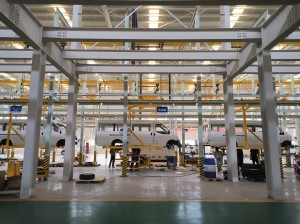
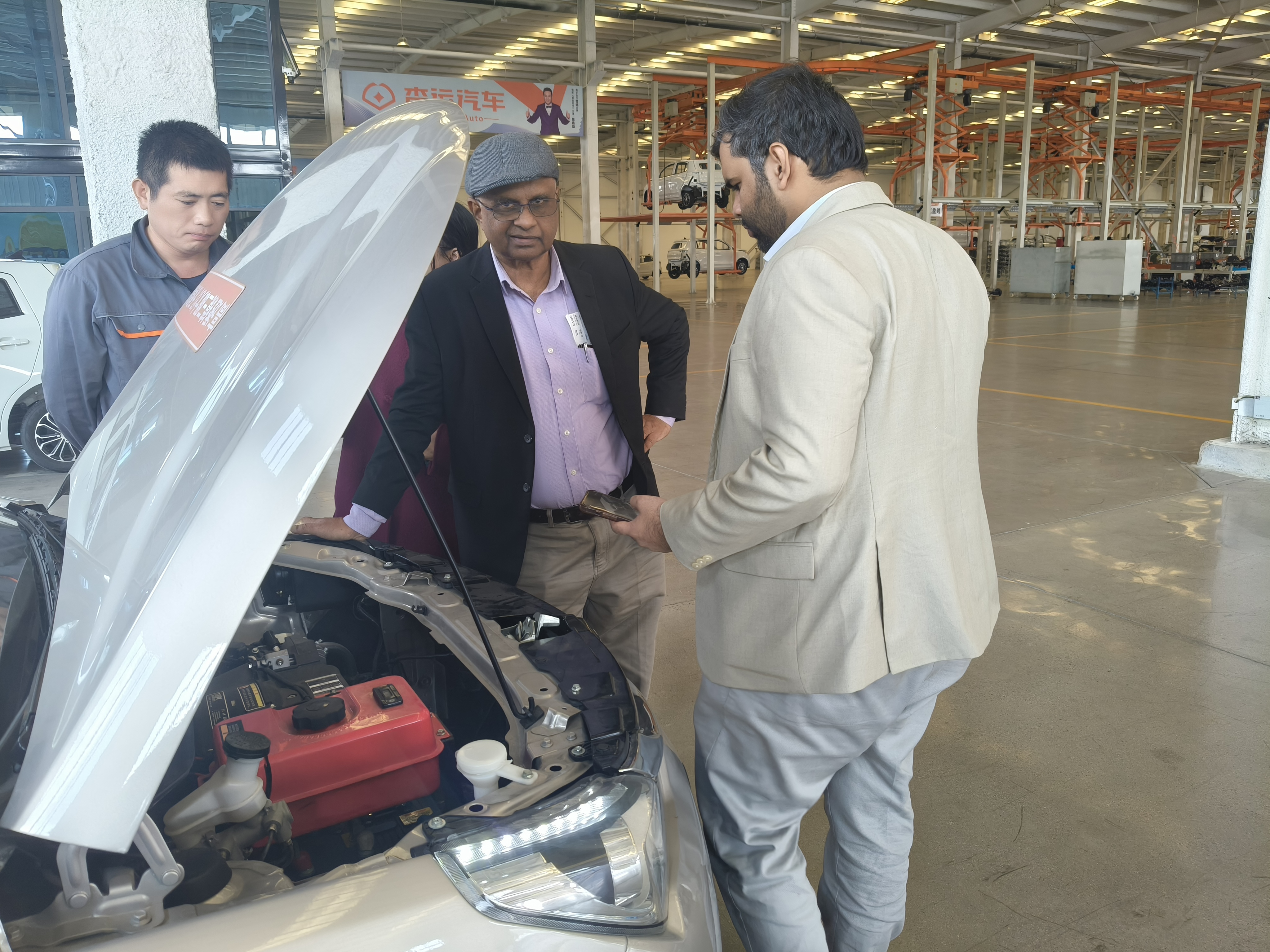
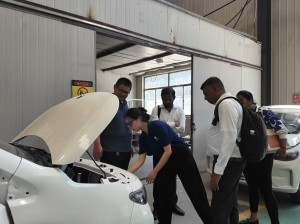
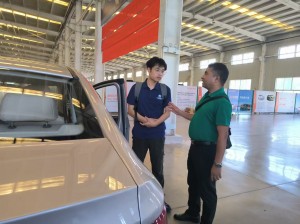
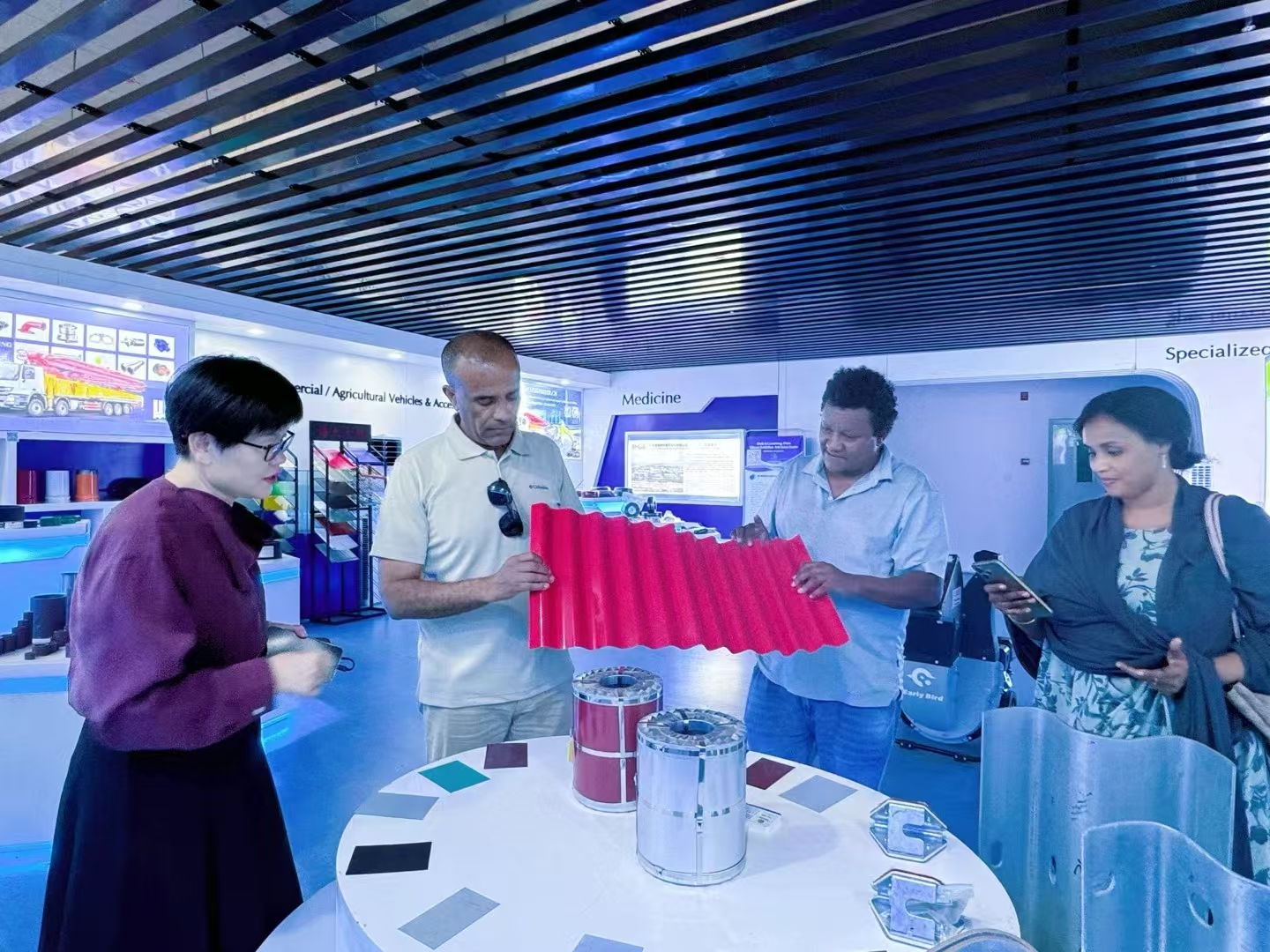
We host regular factory tours and inspections for global enterprise buyers, maintaining transparency across all steps of production.
Matching specific mechanical configurations to the demands of commercial transportation.
Optimized for mail and parcel delivery in dense urban areas. Features lockable cargo compartments, narrow turning radiuses for tight streets, and robust suspension to handle frequent curb mounting.
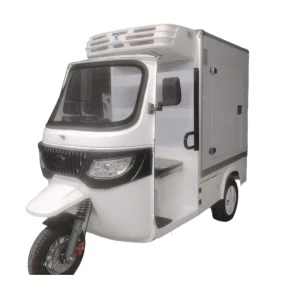
Designed for fresh food and pharmaceutical transport. Equipped with insulated cargo bodies and high-efficiency refrigeration units powered directly by the main battery pack or a dedicated secondary power unit.
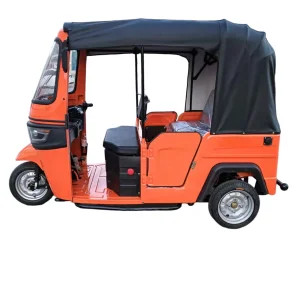
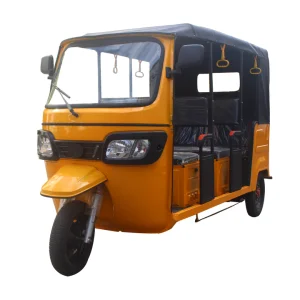
Engineered for high-frequency passenger transit, hotel shuttles, and municipal tourism routes. Prioritizes passenger safety, visibility, and comfortable, low-vibration seating layouts.
Streamlining shipping volumes and localizing final assembly to bypass high import tariffs.
For large B2B orders, shipping fully assembled vehicles is often cost-prohibitive. We design our 3-wheelers for efficient knock-down shipping. Under a Complete Knock-Down (CKD) program, we can pack up to 45 cargo trikes into a single 40ft HQ container.
We supply detailed assembly templates, wire routing charts, and torque parameters. Additionally, our engineering teams can assist partners in setting up localized sub-assembly fixtures and end-of-line testing bays.
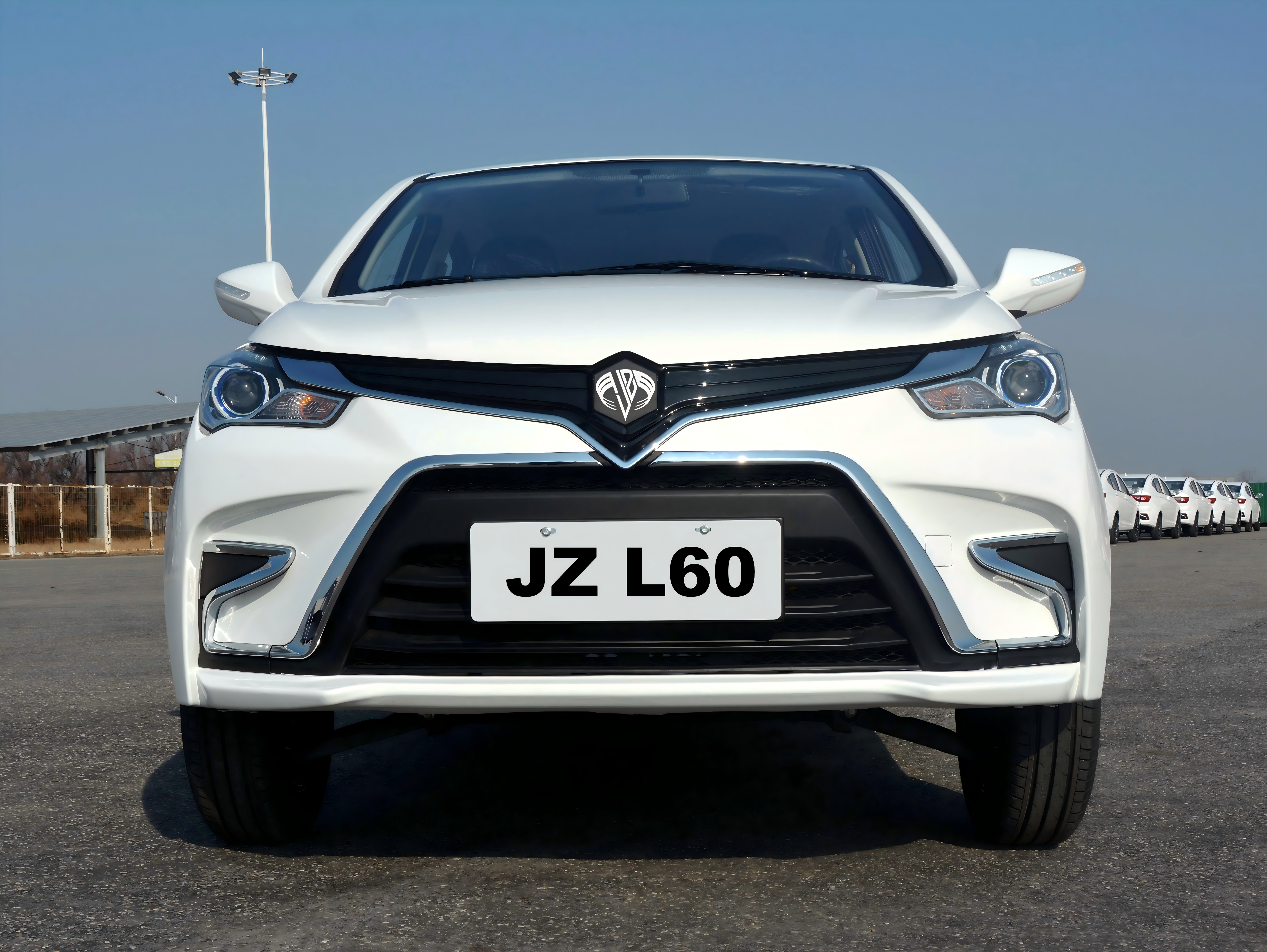
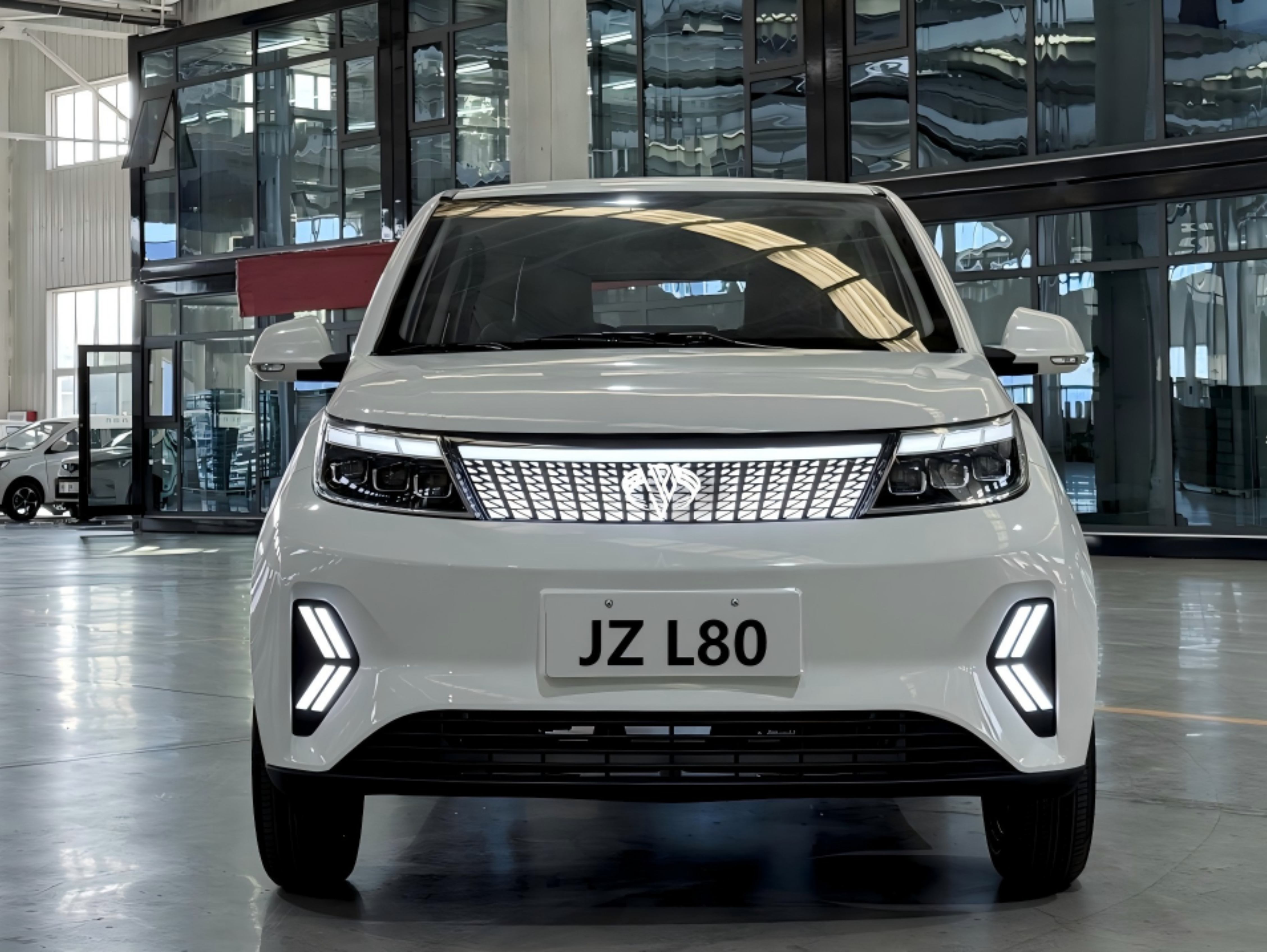
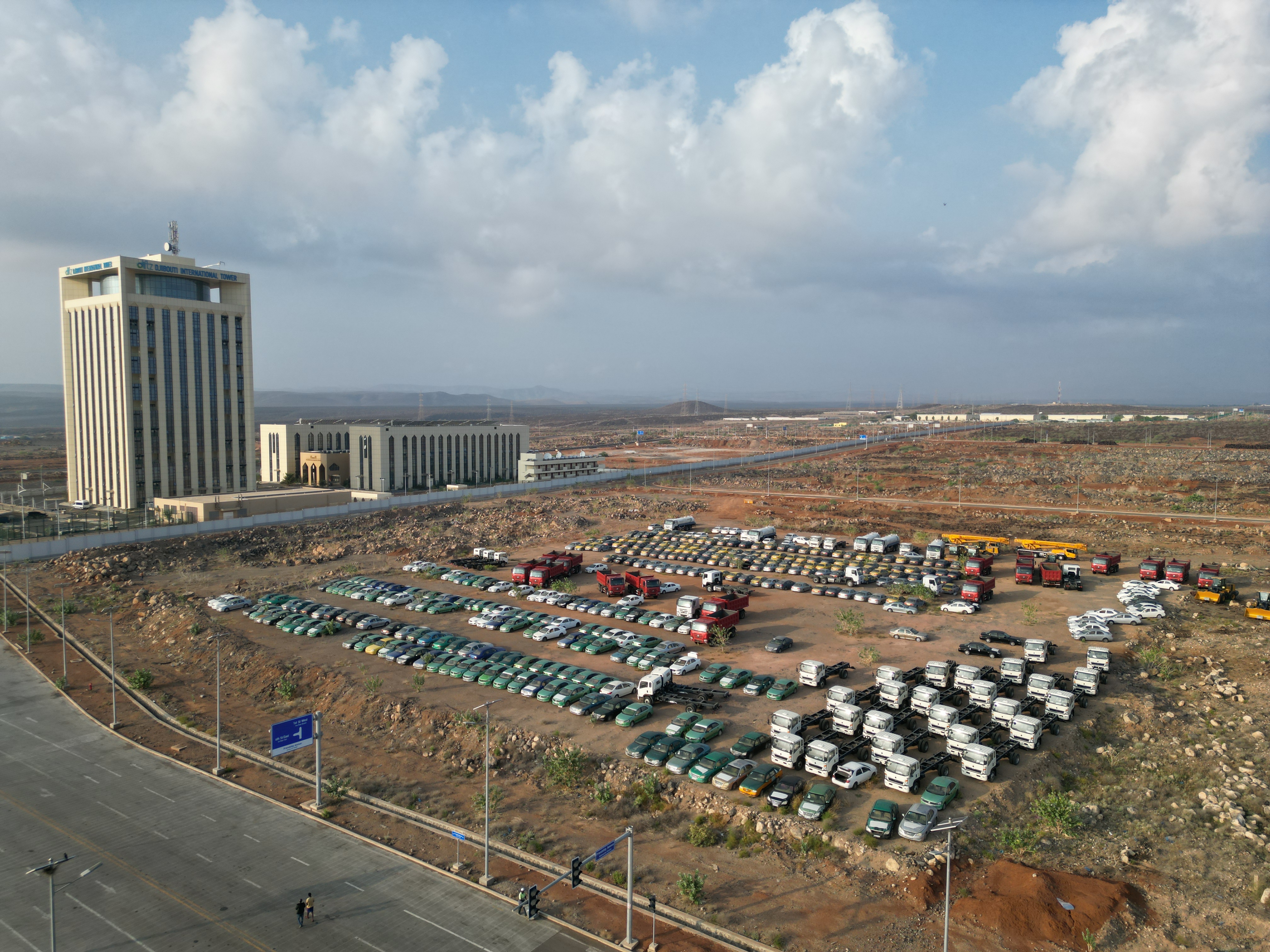
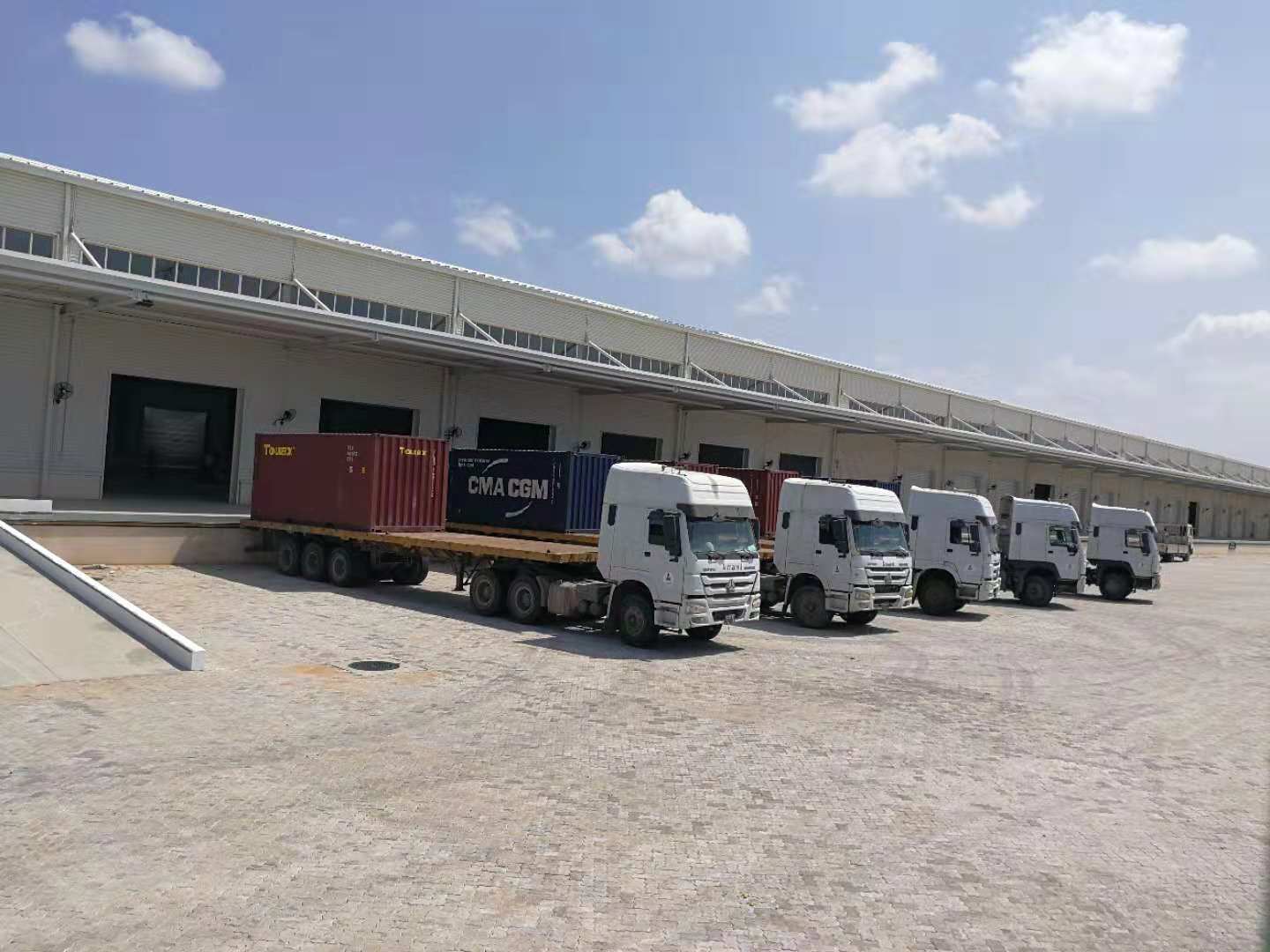
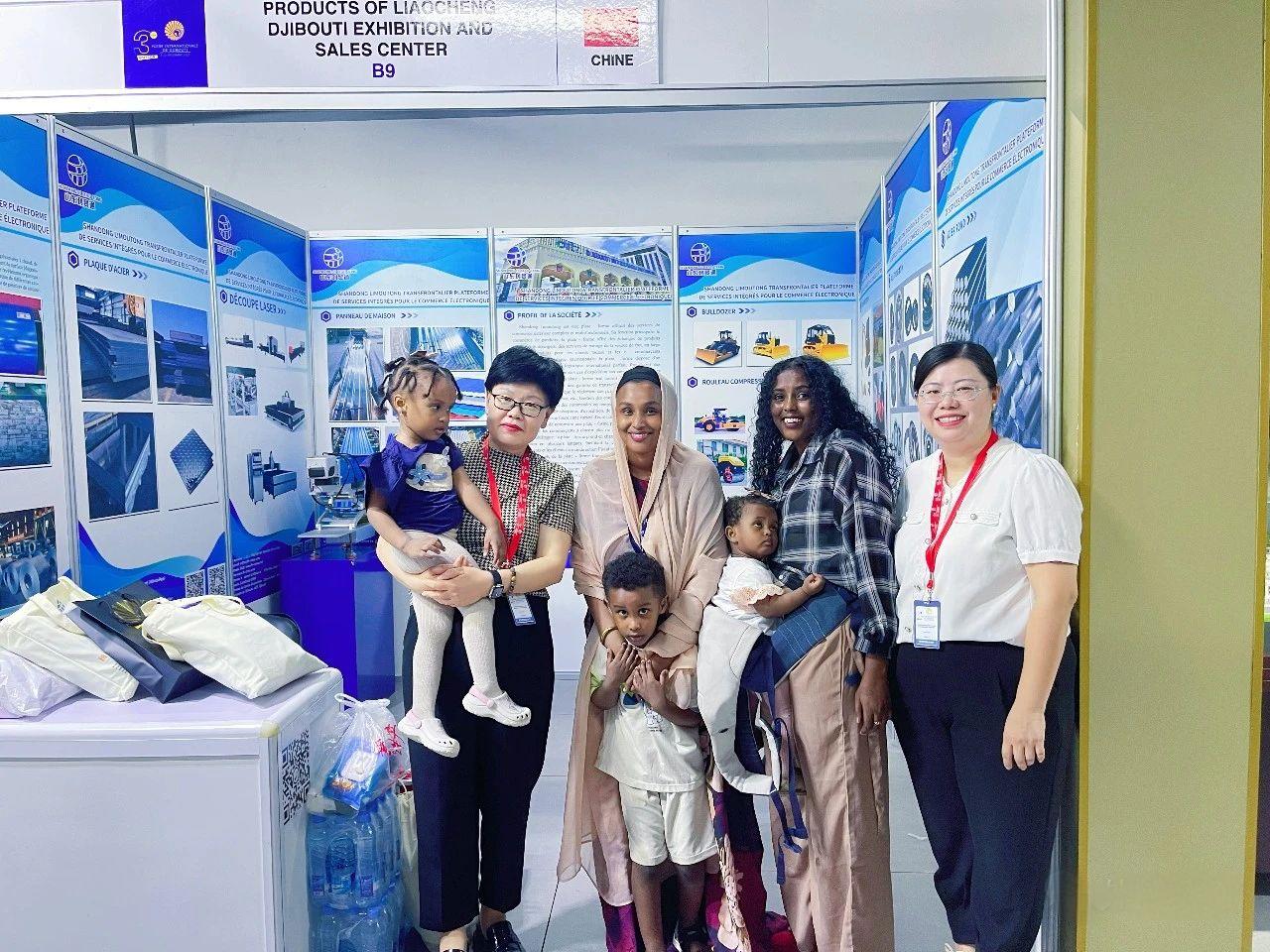
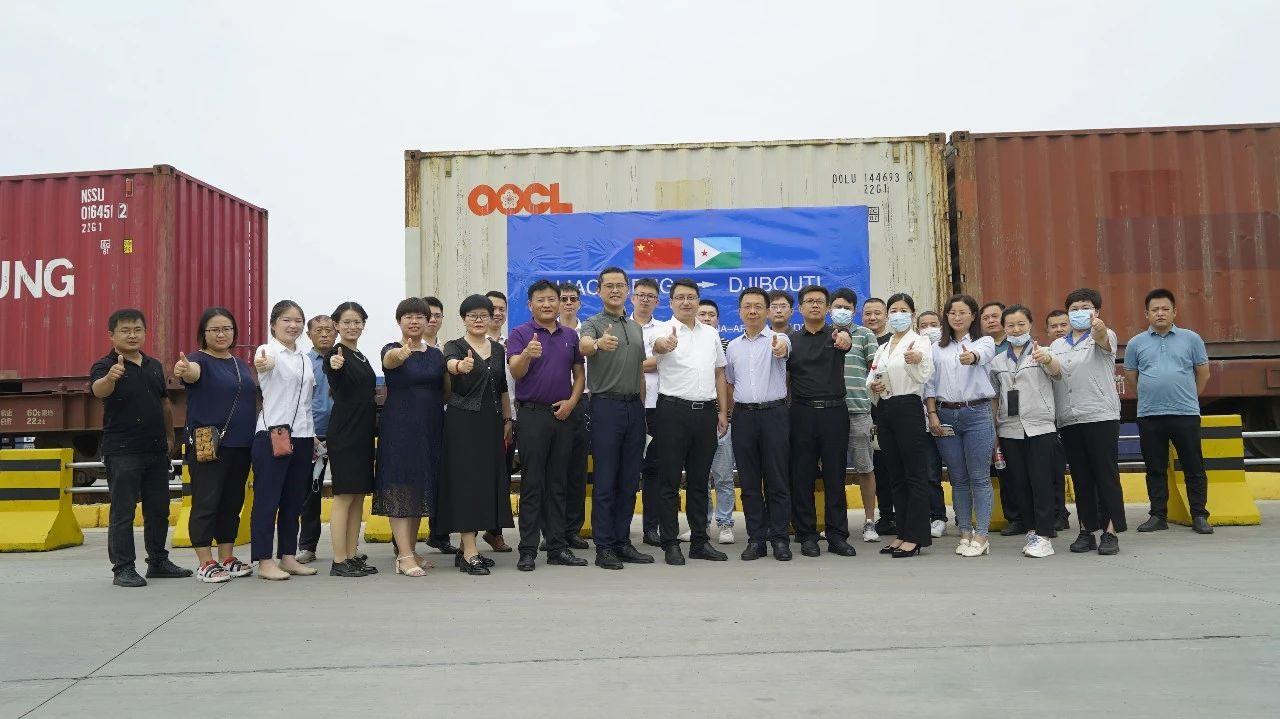
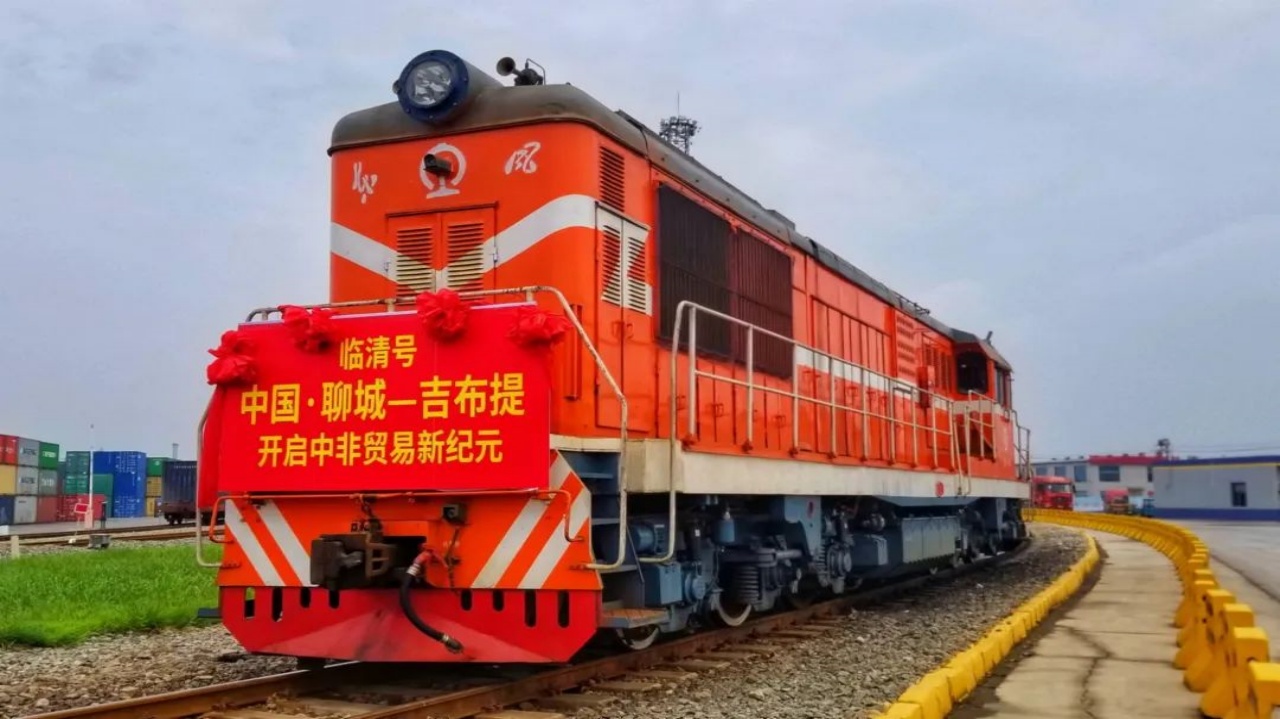
Established in 2023 within the Djibouti International Free Trade Zone, our East Africa Sales Center acts as a key logistical gateway. The facility operates as a showroom, parts depot, and rapid distribution hub.
This localized inventory allows East and North African fleet operators to source replacement parts without the delays of shipping directly from China, keeping vehicle uptime high.
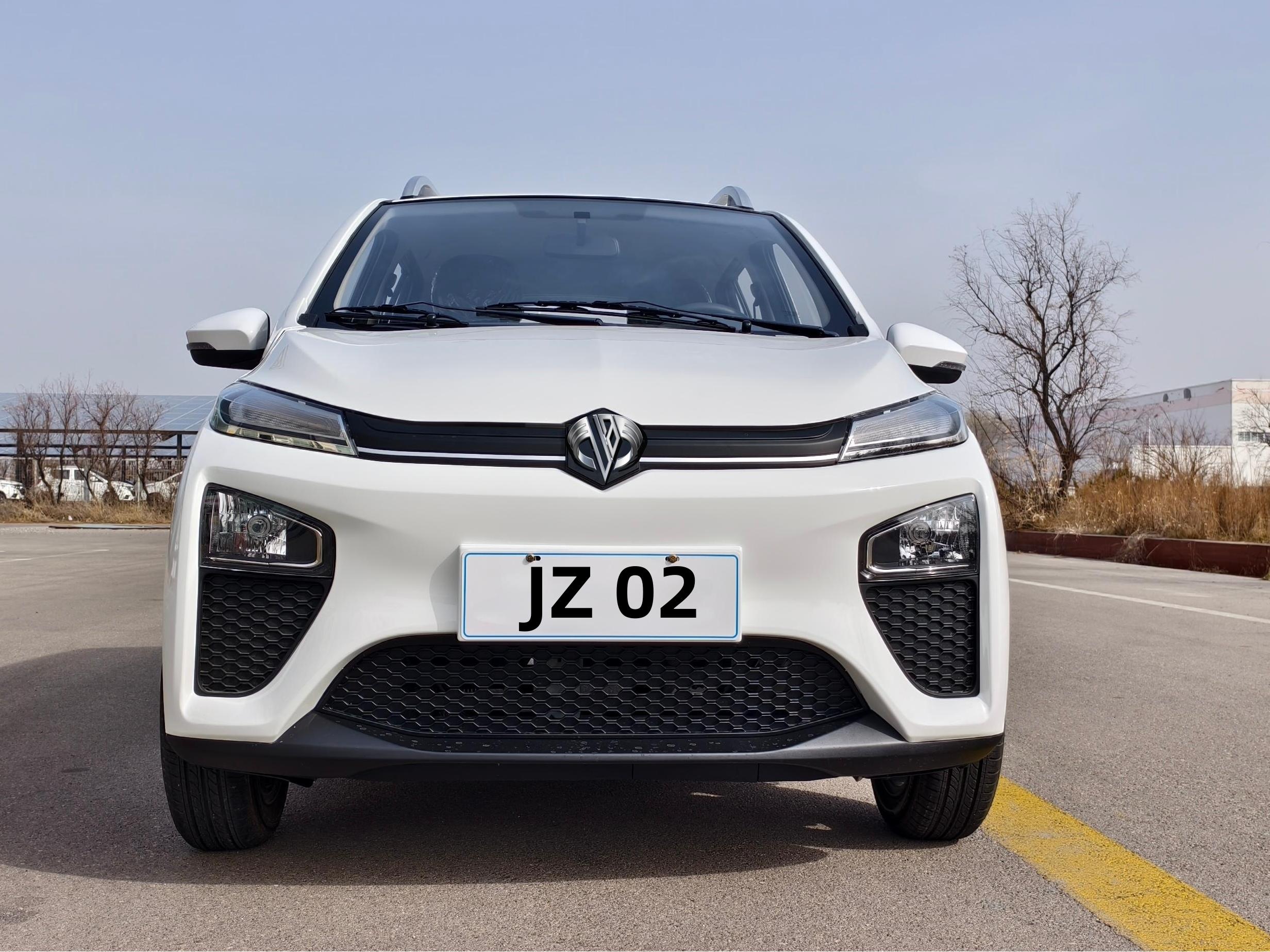
The Djibouti Overseas Warehouse Cross-border E-commerce Exhibition and Sales Center provides a one-stop platform for regional logistics, customs clearance support, and immediate technical service. By running a localized operation, we help partners reduce import documentation times and simplify compliance checks for local transport authorities.
Navigating global regulations to ensure trouble-free customs clearance and registration.
Entering the European market requires adherence to EEC/CoC (Certificate of Conformity) type approvals under regulation (EU) No 168/2013 for L-category vehicles. This mandates specific tests for braking distribution, electromagnetic compatibility, and structural crash protection. For the US market, we ensure vehicles meet applicable DOT lighting and safety standards, as well as EPA declarations for off-road models.
In fast-growing markets like Africa and South America, compliance requirements are shifting toward strict battery safety standards. Our Lithium Iron Phosphate (LFP) battery systems are tested to UN38.3 parameters, covering thermal stress, vibration, impact resistance, and overcharge protection. This guarantees safe handling during shipping and everyday fleet use.
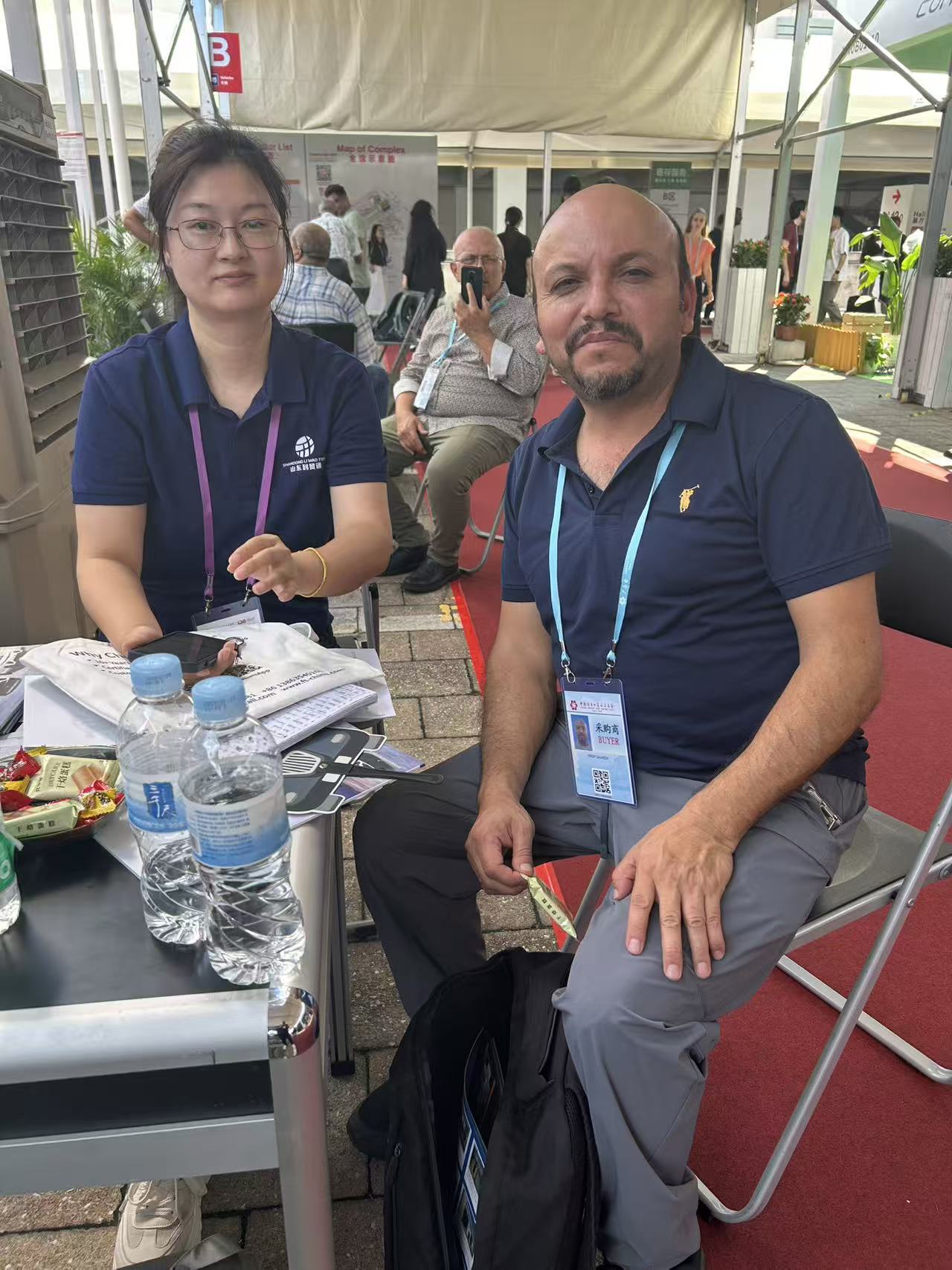
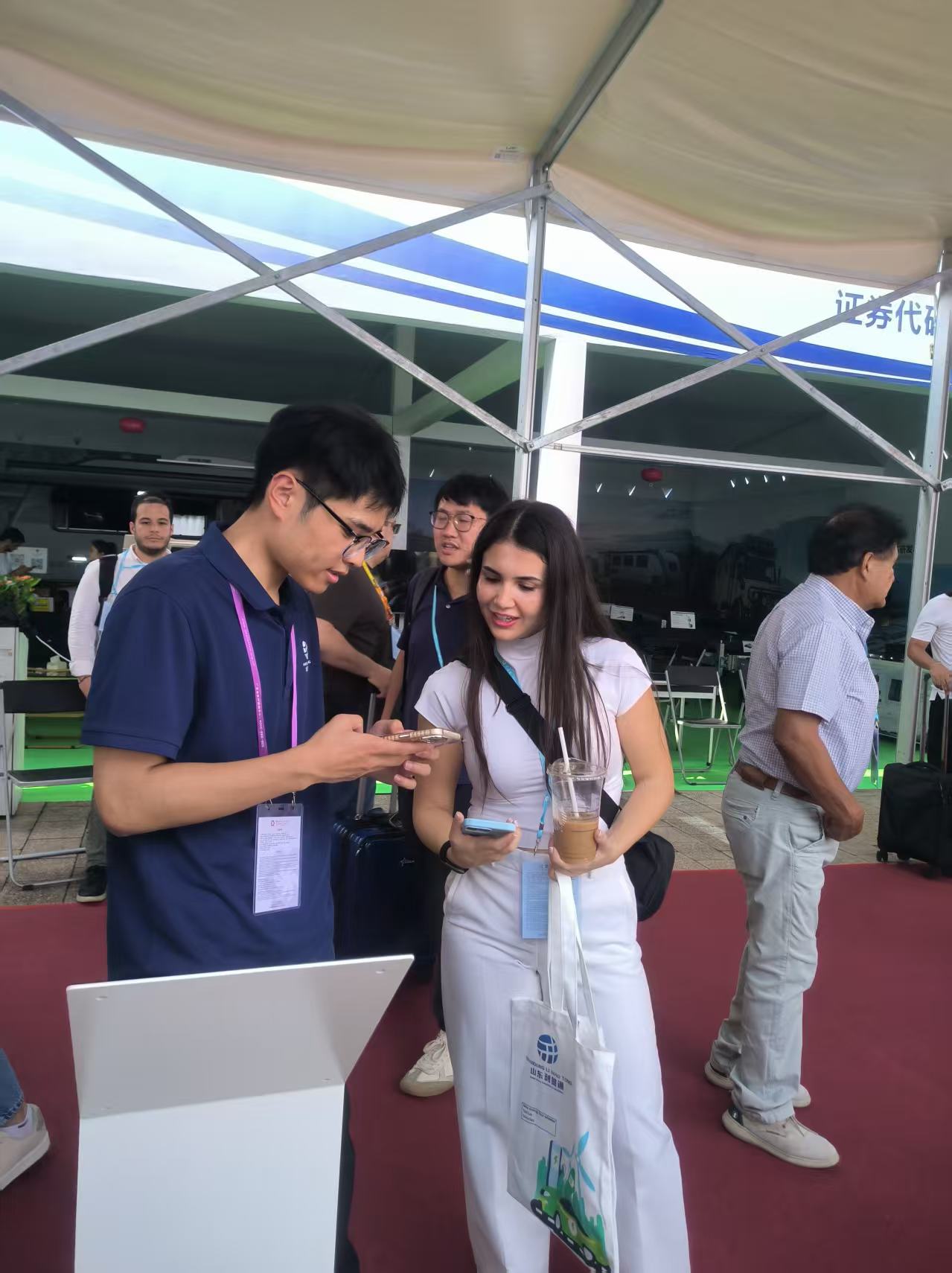
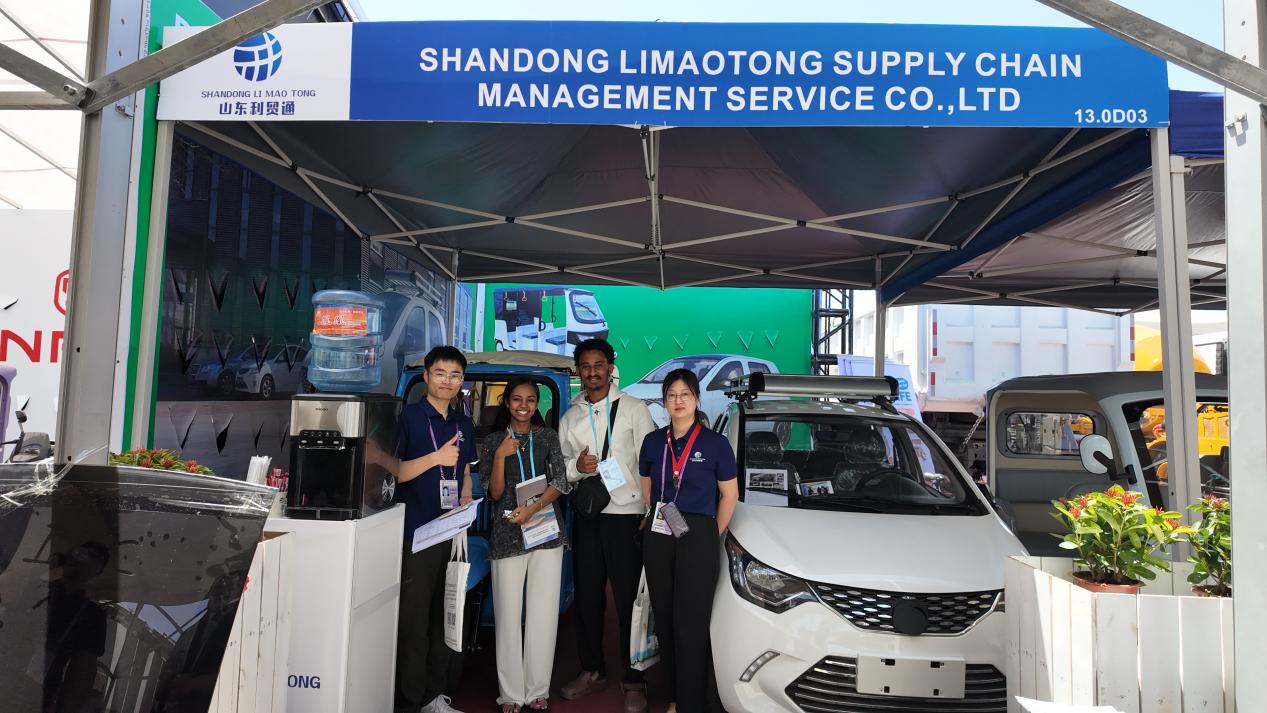
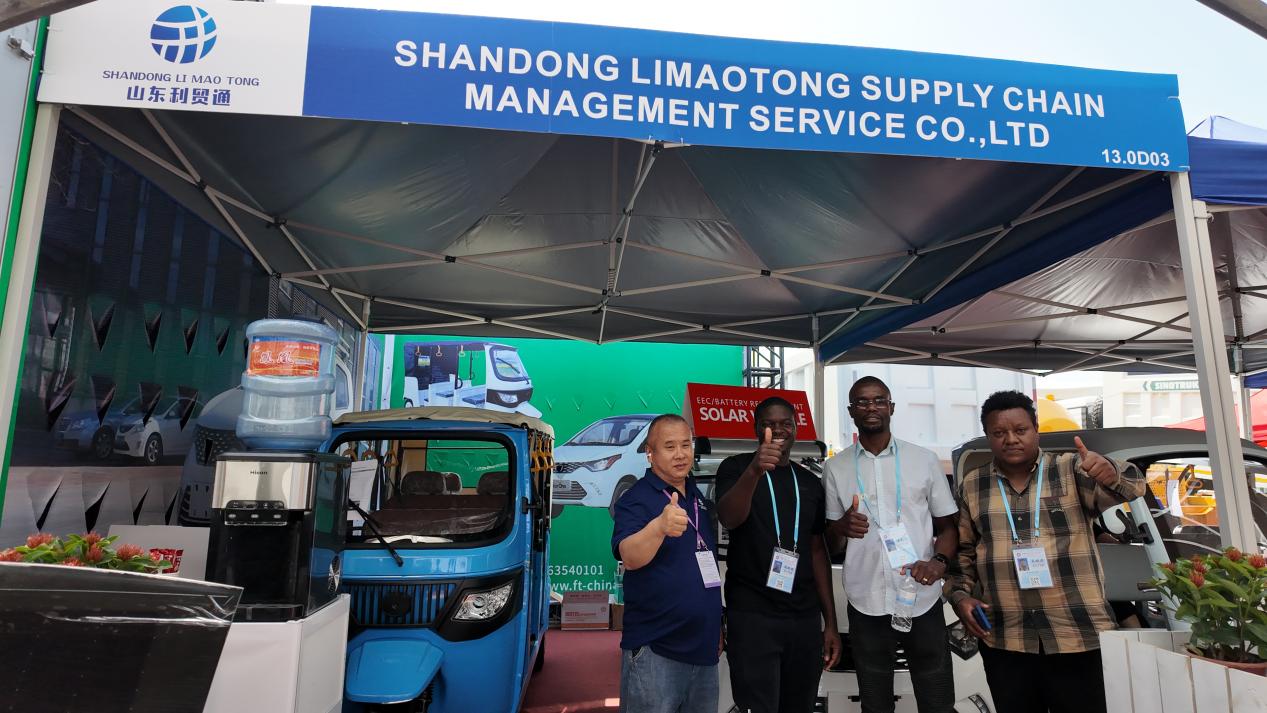
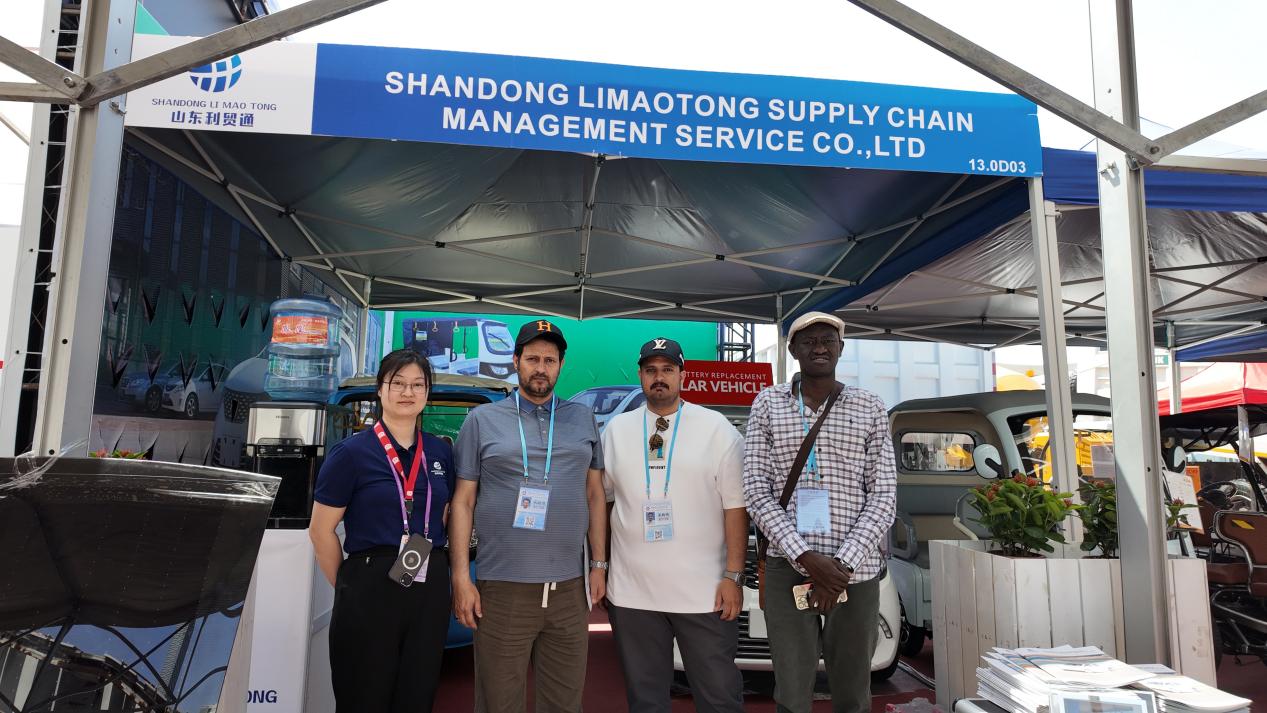
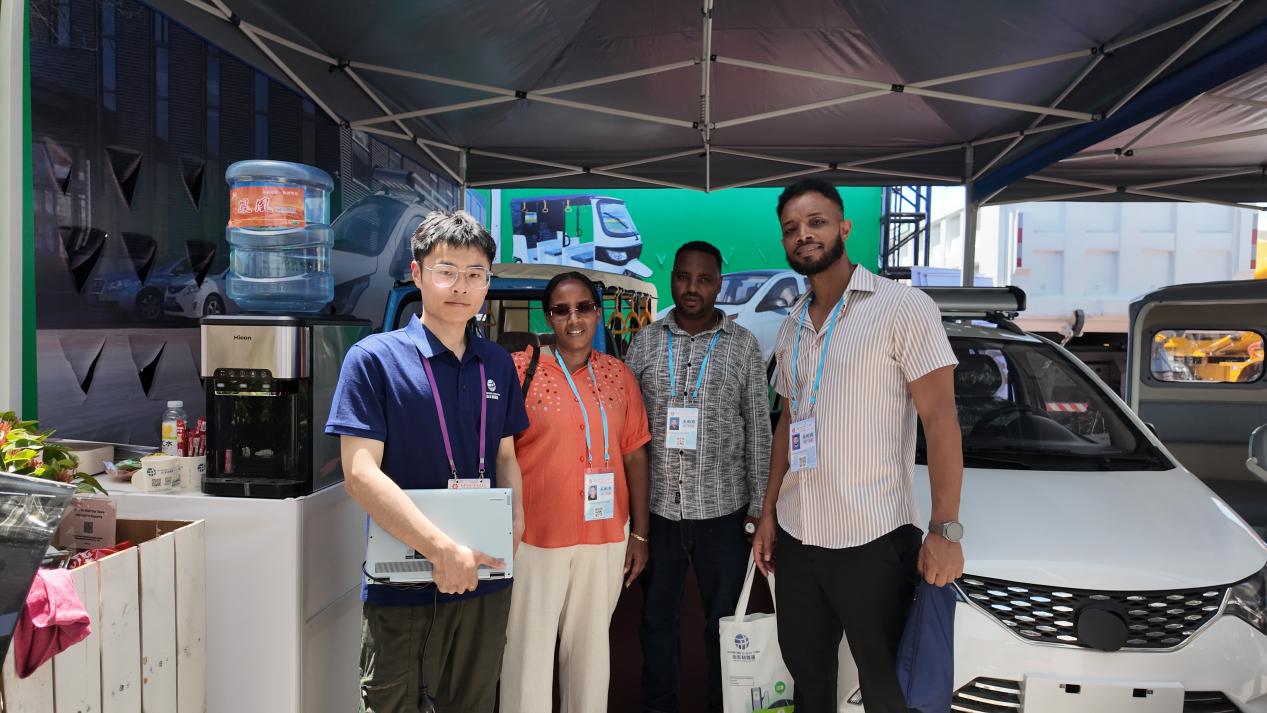
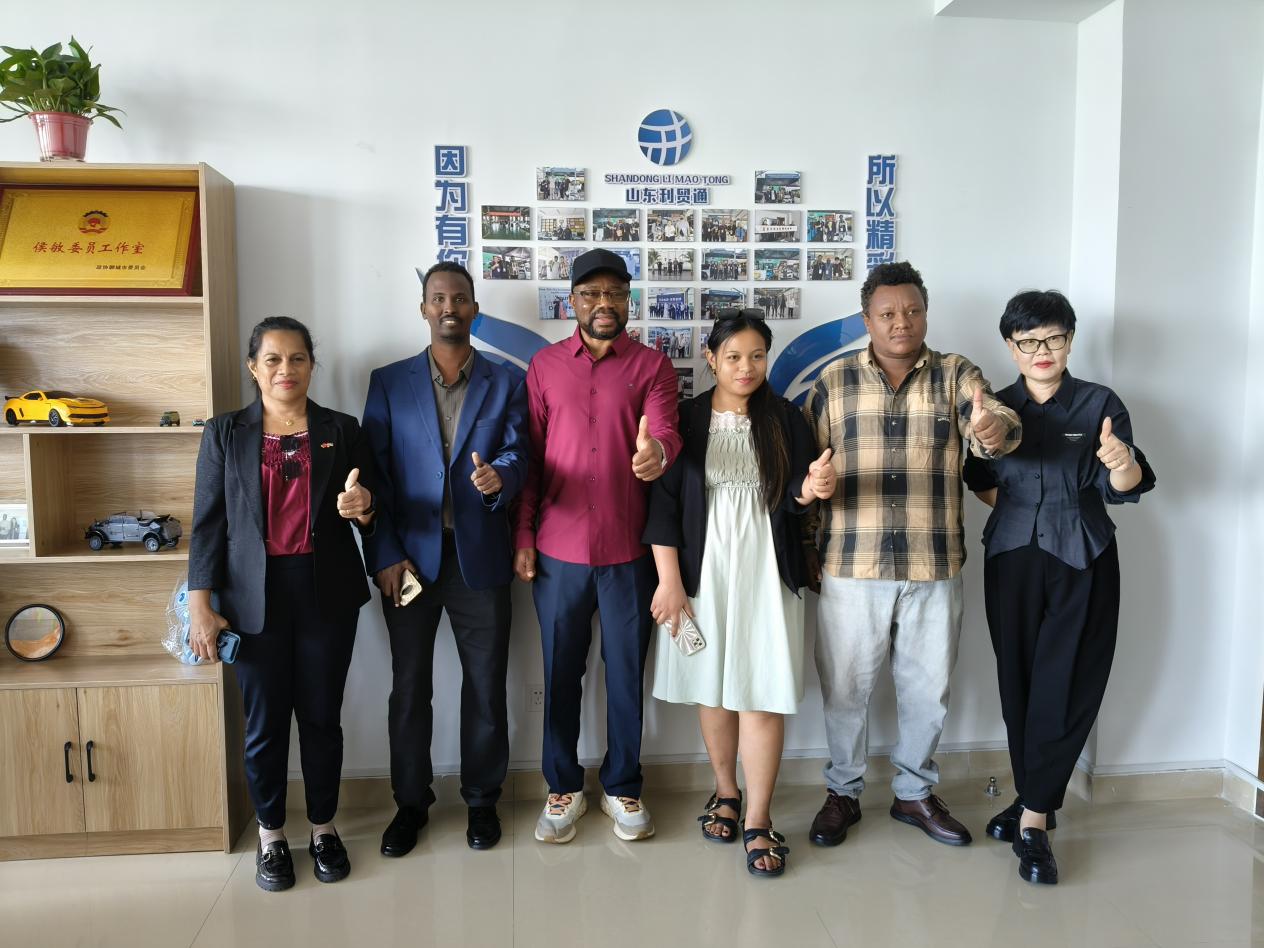
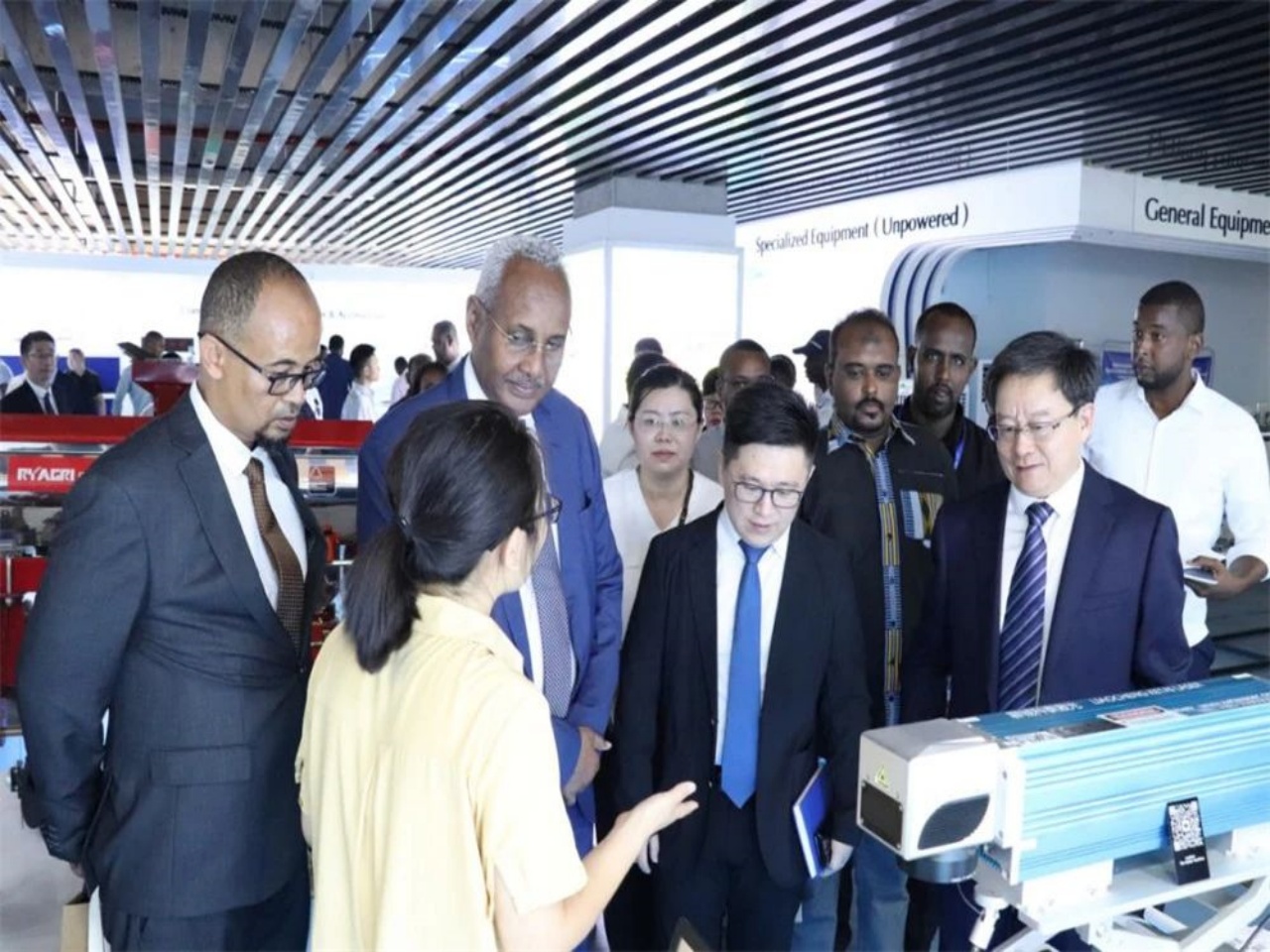
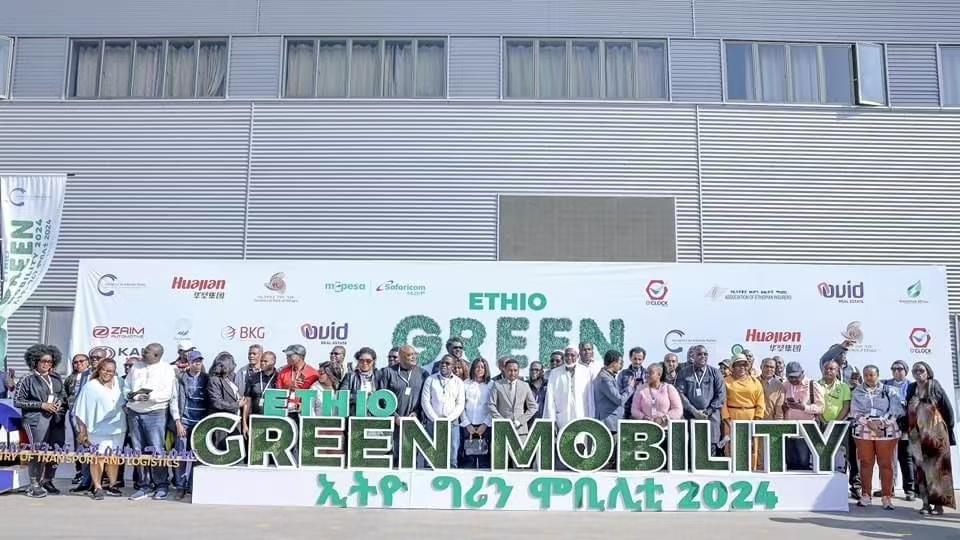
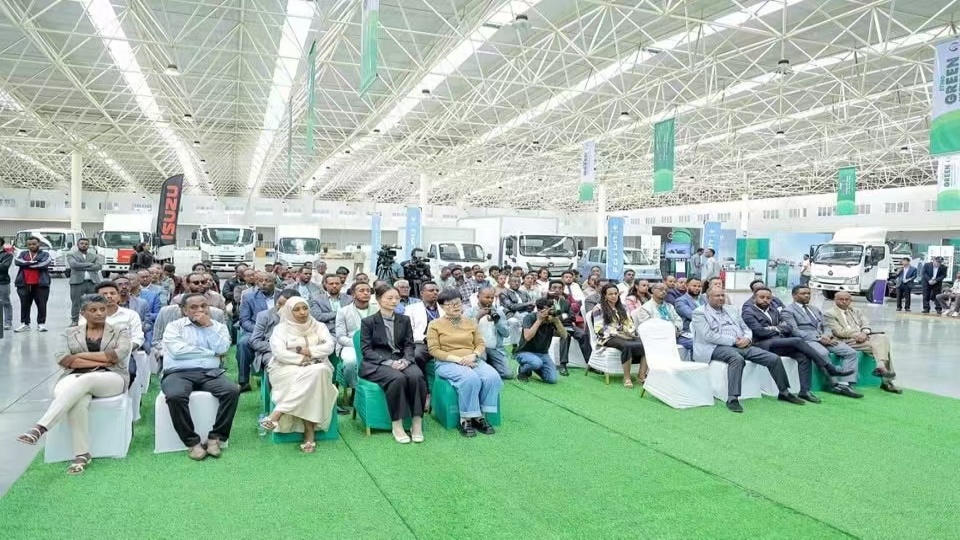
Shandong Li Mao Tong Group regularly exhibits at leading global automotive and transit trade fairs.



Maximizing fleet availability with localized spare parts hubs and rapid shipping channels.


Addressing common engineering, shipping, and warranty questions from B2B sourcing managers.
Explore additional light electric vehicles and passenger platforms from our manufacturing lines.
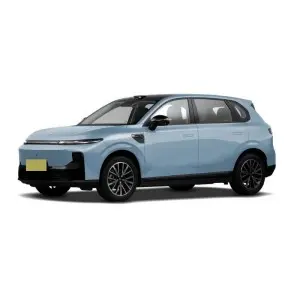
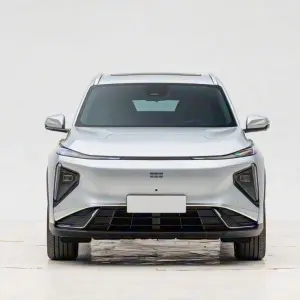
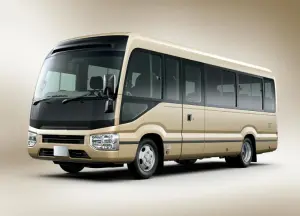
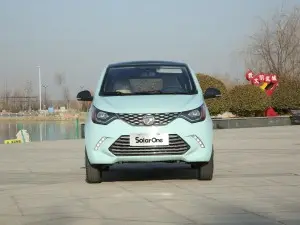
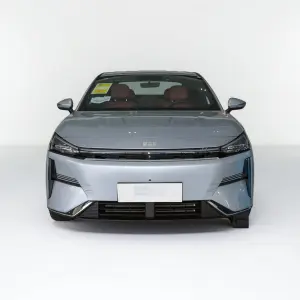

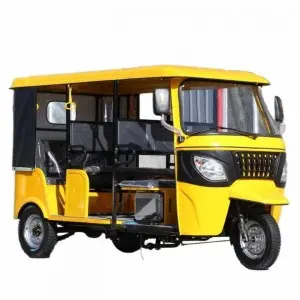
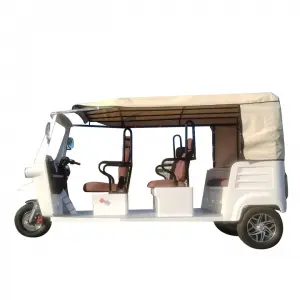
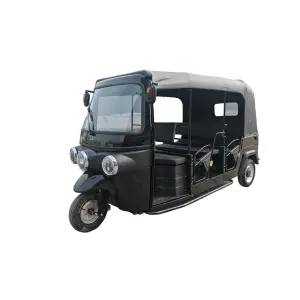
Continuing our range of commercial configurations with diverse body types, power classes, and specialized box sizes.
 Limaotong